The twentieth century nearly killed the craft twice: wartime distortion, then the occupation ban. The NBTHK’s founding in 1948 and licensed forging from 1953 rebuilt the sword as an art, crowned by Living National Treasures and the mukansa rank.
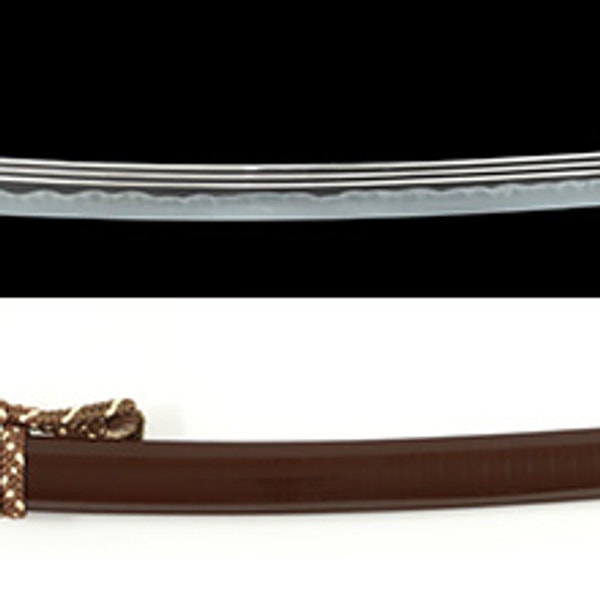
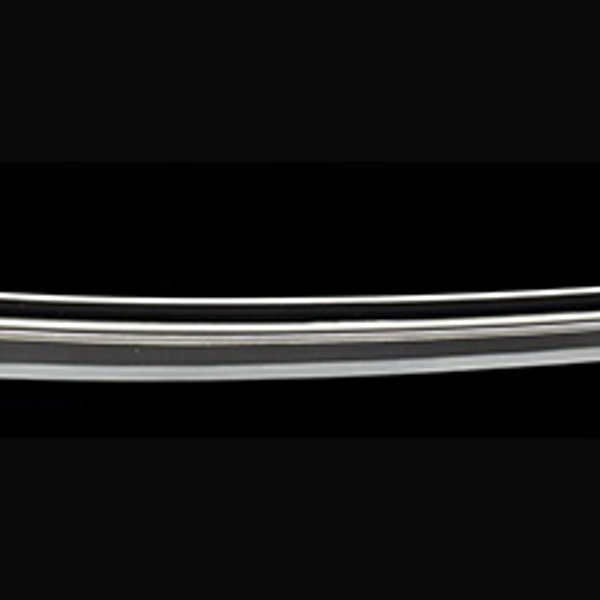
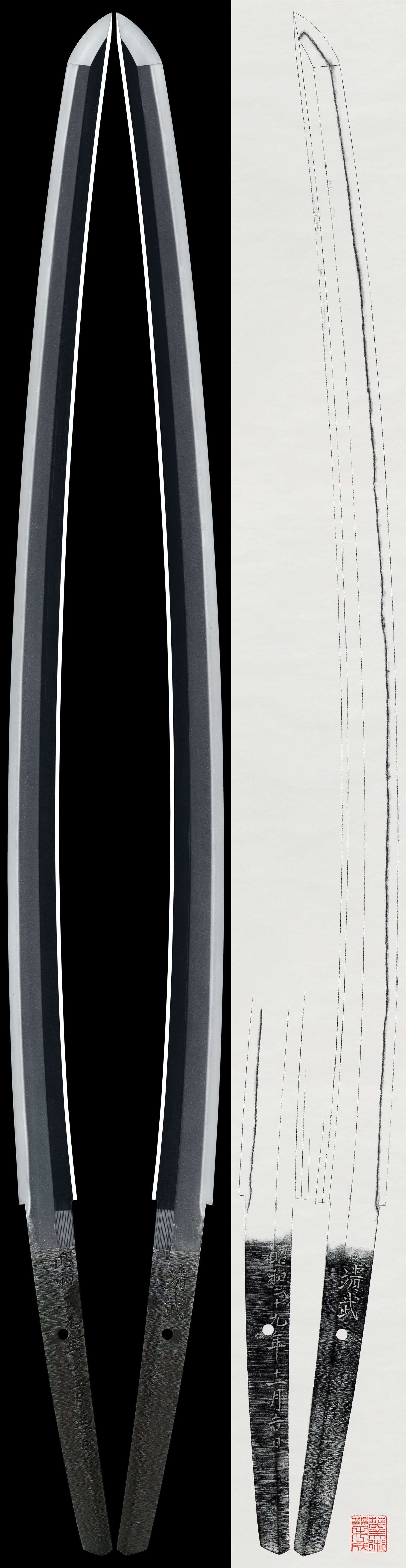
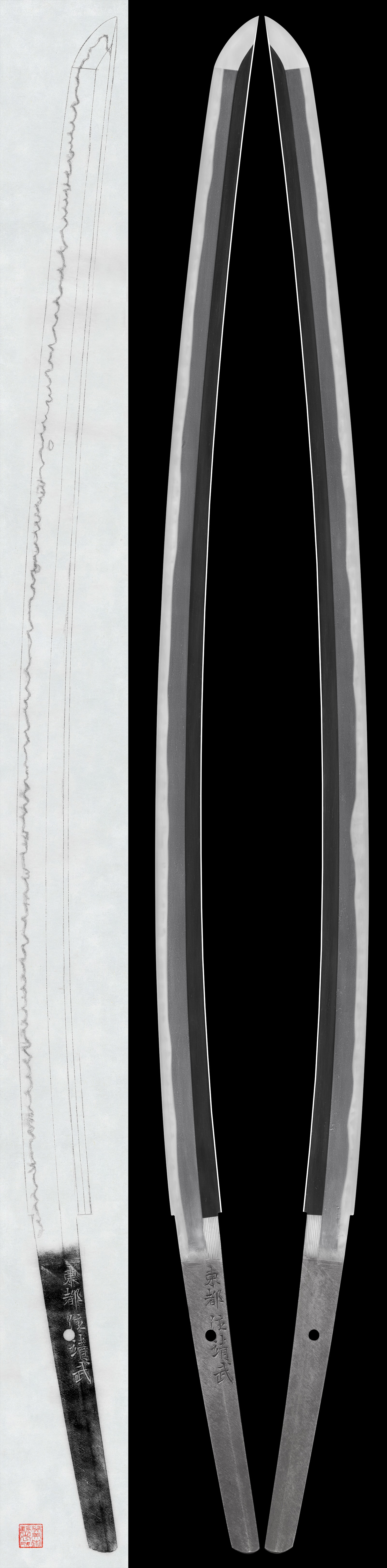
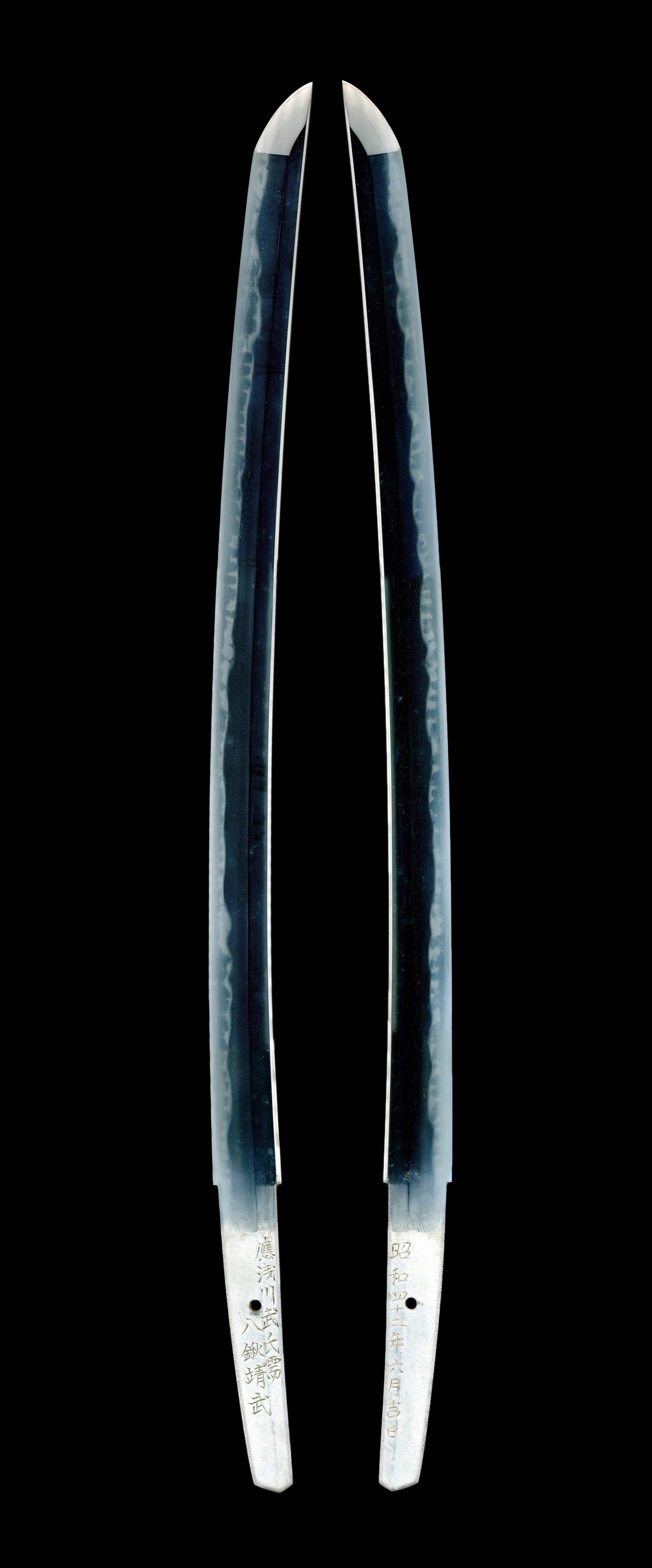
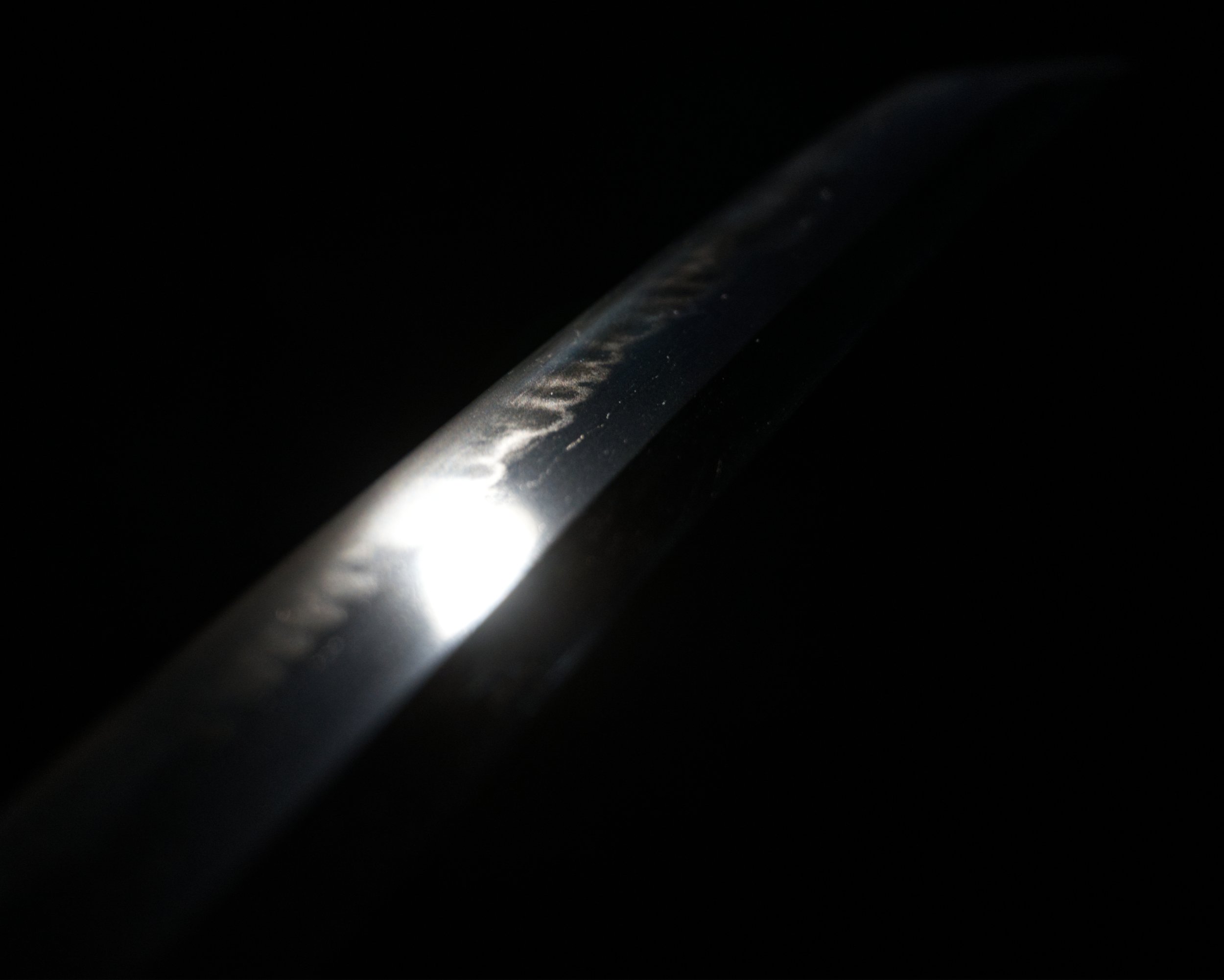
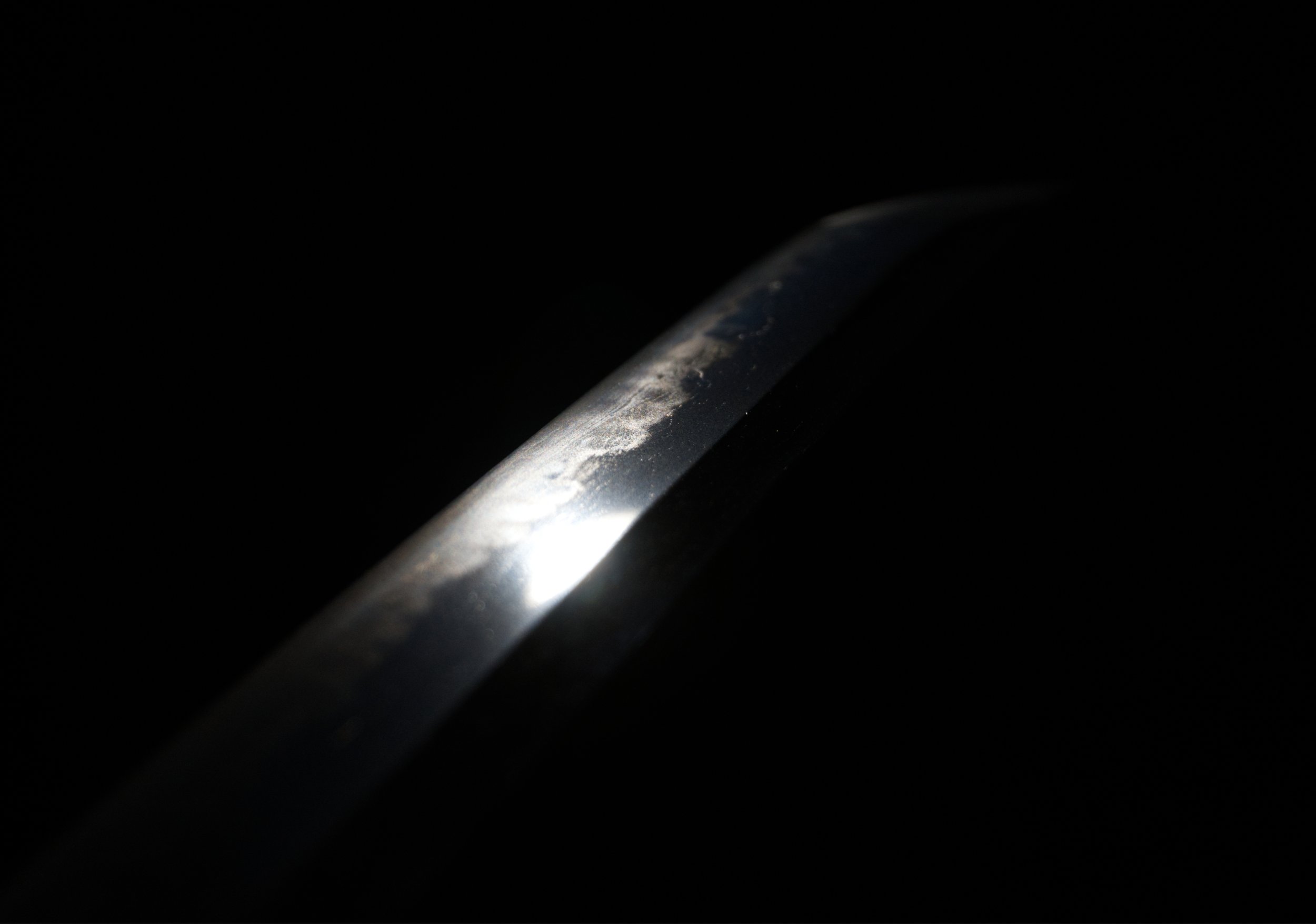
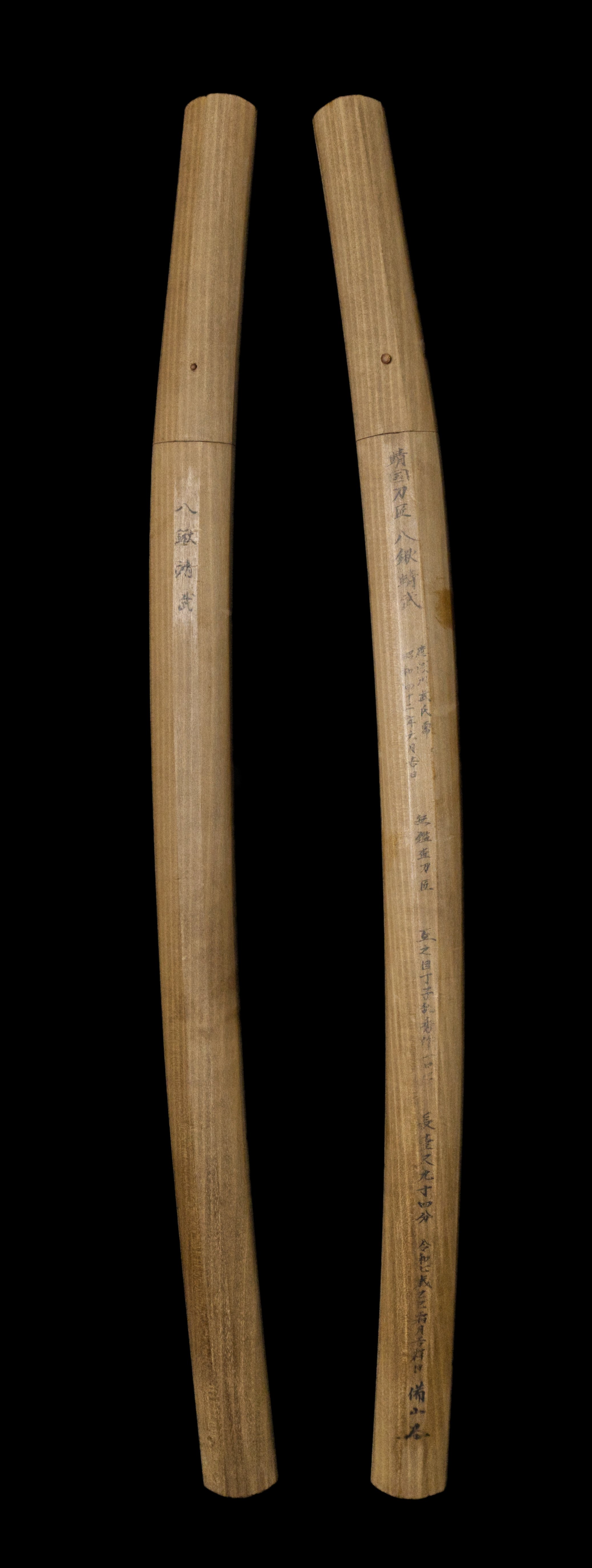
This is a wakizashi by the Mukansa swordsmith Yakuwa Yasutake, made in June 1967. Yasutake was a highly skilled smith who trained under Ikeda Yasumitsu and became an official swordsmith at Yasukuni Shrine. He is known for emulating classical masters and was awarded the prestigious Masamune Prize.
 NihontoWatch
mei · Showa (1926-1989) · nagasa 59cm · sori 1.2cm
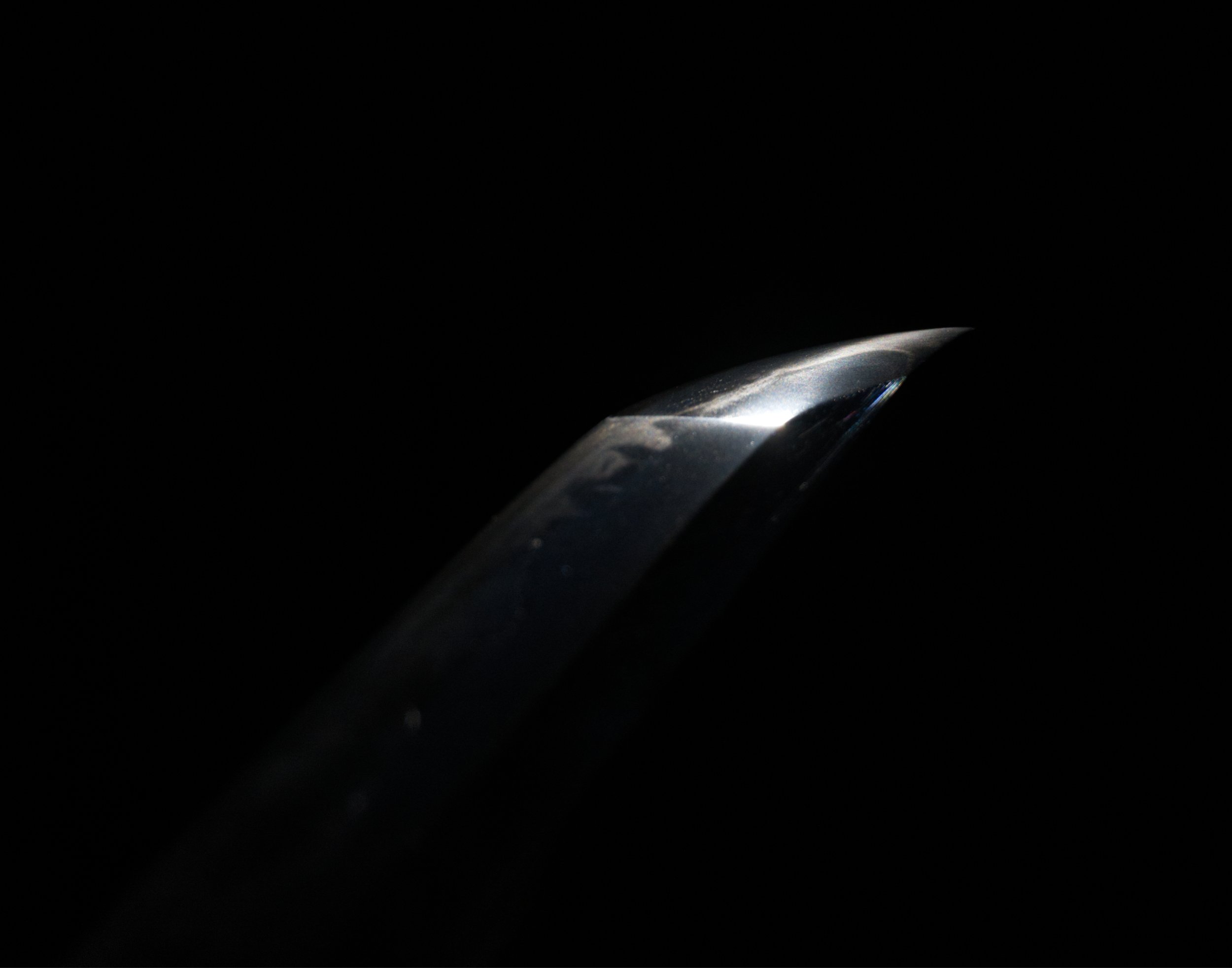
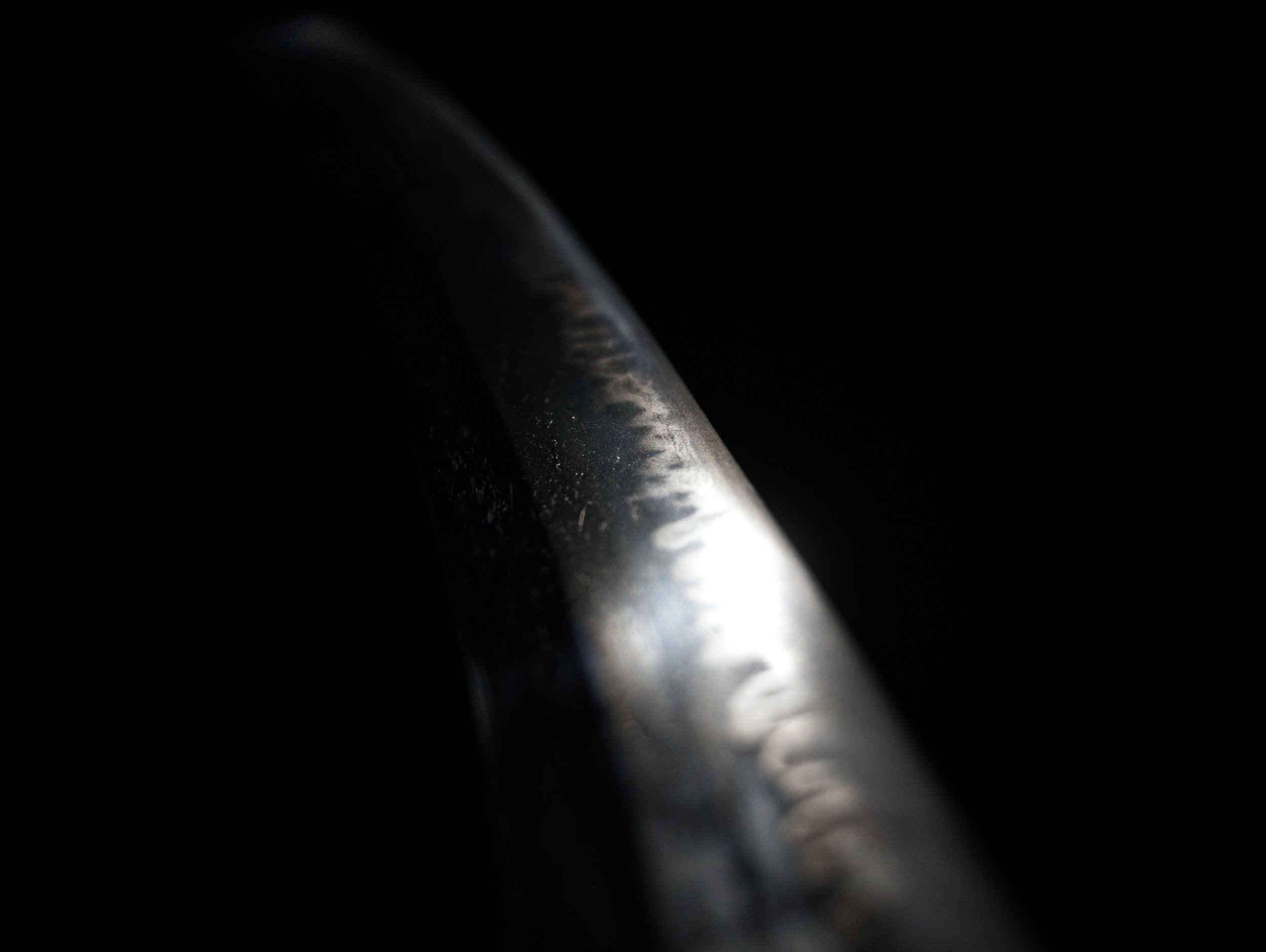
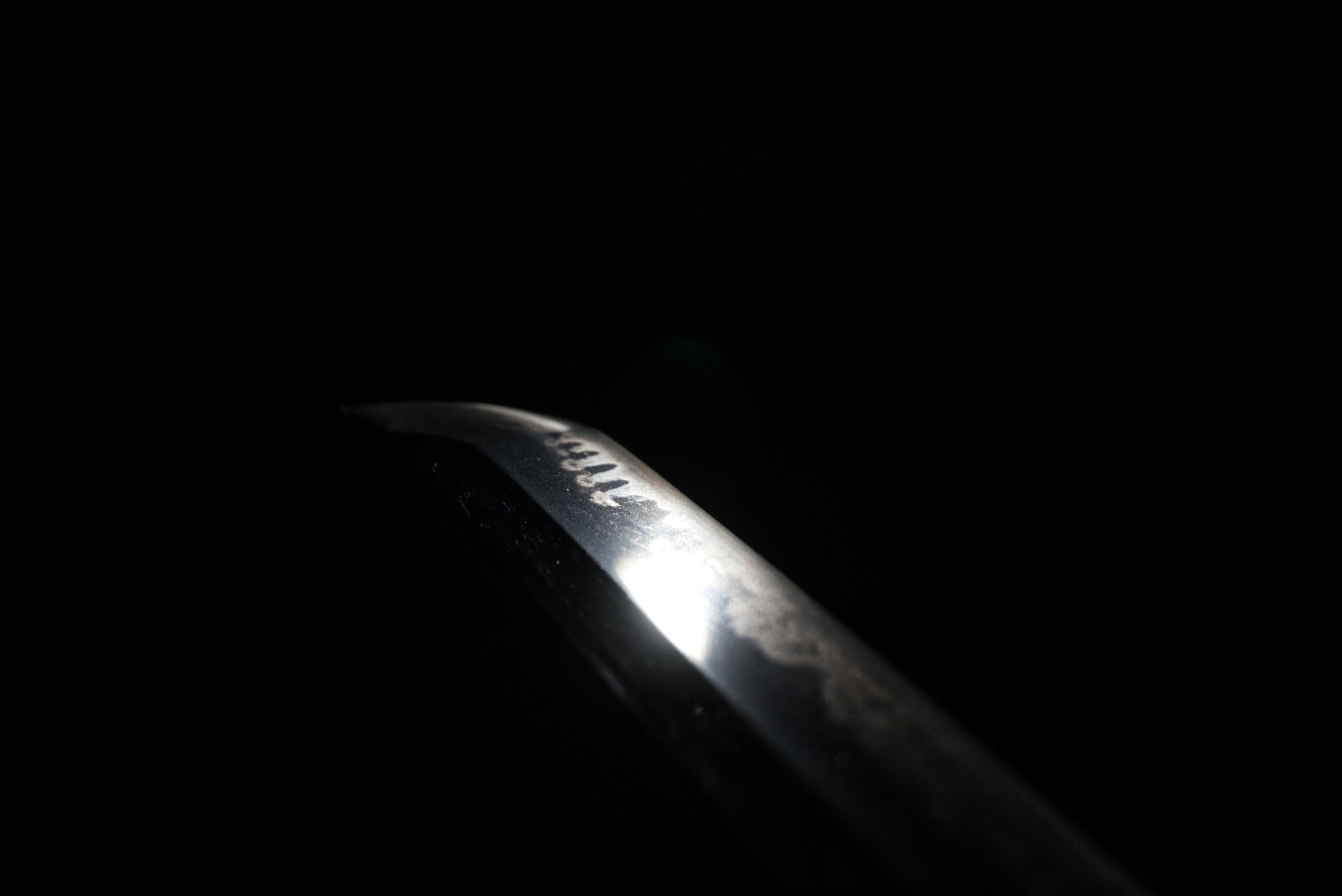
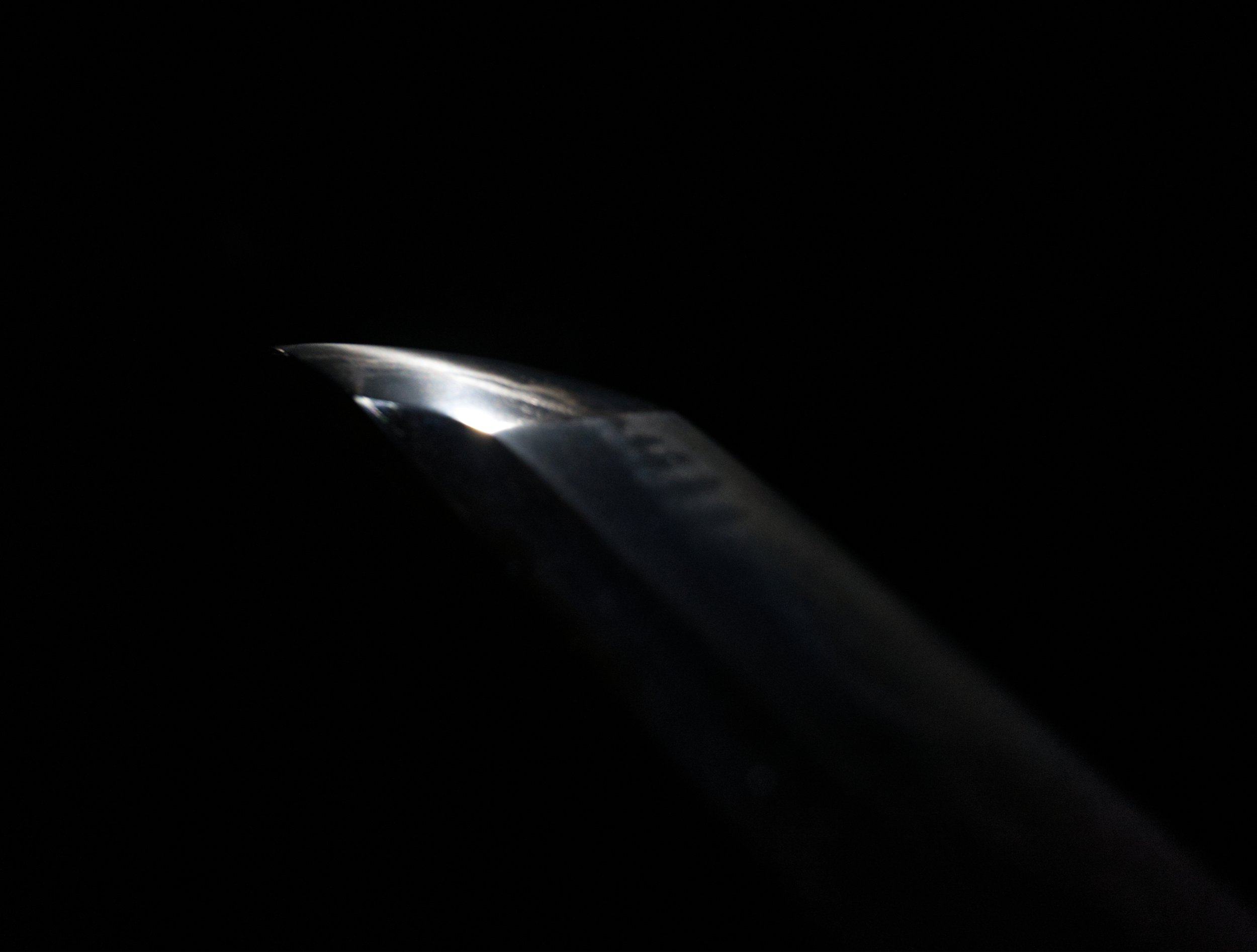
Tokyo · around 1926-1989
2 pieces on the market now
Shōwa to the present: destruction and revival
The twentieth century nearly killed the craft twice: wartime distortion, then the occupation ban. The NBTHK’s founding in 1948 and licensed forging from 1953 rebuilt the sword as an art, crowned by Living National Treasures and the mukansa rank.
We could not find an authenticity certificate on the seller’s listing. Japanese swords and fittings are normally papered by the NBTHK (or the NTHK). Without one, the attribution is the seller’s own assessment and has not been independently verified — treat it with caution and ask the dealer about certification before buying.
To facilitate this, we offer a three-day inspection period. To initiate a return, you must notify us within three days of the package being delivered. Once we confirm your request, you have seven days to ship the item back to us. The item must be returned in its original condition, including all accompanying documents, certificates, and packaging materials. The buyer is responsible for covering the shipping costs and insurance for the return shipment.
¥450,000
This is a wakizashi by the Mukansa swordsmith Yakuwa Yasutake, made in June 1967. Yasutake was a highly skilled smith who trained under Ikeda Yasumitsu and became an official swordsmith at Yasukuni Shrine. He is known for emulating classical masters and was awarded the prestigious Masamune Prize.
NihontoWatchmei · Showa (1926-1989) · nagasa 59cm · sori 1.2cm
Tokyo · around 1926-1989
2 pieces on the market now
Shōwa to the present: destruction and revival
The twentieth century nearly killed the craft twice: wartime distortion, then the occupation ban. The NBTHK’s founding in 1948 and licensed forging from 1953 rebuilt the sword as an art, crowned by Living National Treasures and the mukansa rank.
We could not find an authenticity certificate on the seller’s listing. Japanese swords and fittings are normally papered by the NBTHK (or the NTHK). Without one, the attribution is the seller’s own assessment and has not been independently verified — treat it with caution and ask the dealer about certification before buying.
To facilitate this, we offer a three-day inspection period. To initiate a return, you must notify us within three days of the package being delivered. Once we confirm your request, you have seven days to ship the item back to us. The item must be returned in its original condition, including all accompanying documents, certificates, and packaging materials. The buyer is responsible for covering the shipping costs and insurance for the return shipment.
¥450,000