Edo was the sword’s age of connoisseurship: the Hon’ami appraisers, the shogunal register of famous blades of 1719, and a thriving literature turned the sword into an object of study even as it ceased to be drawn in war.
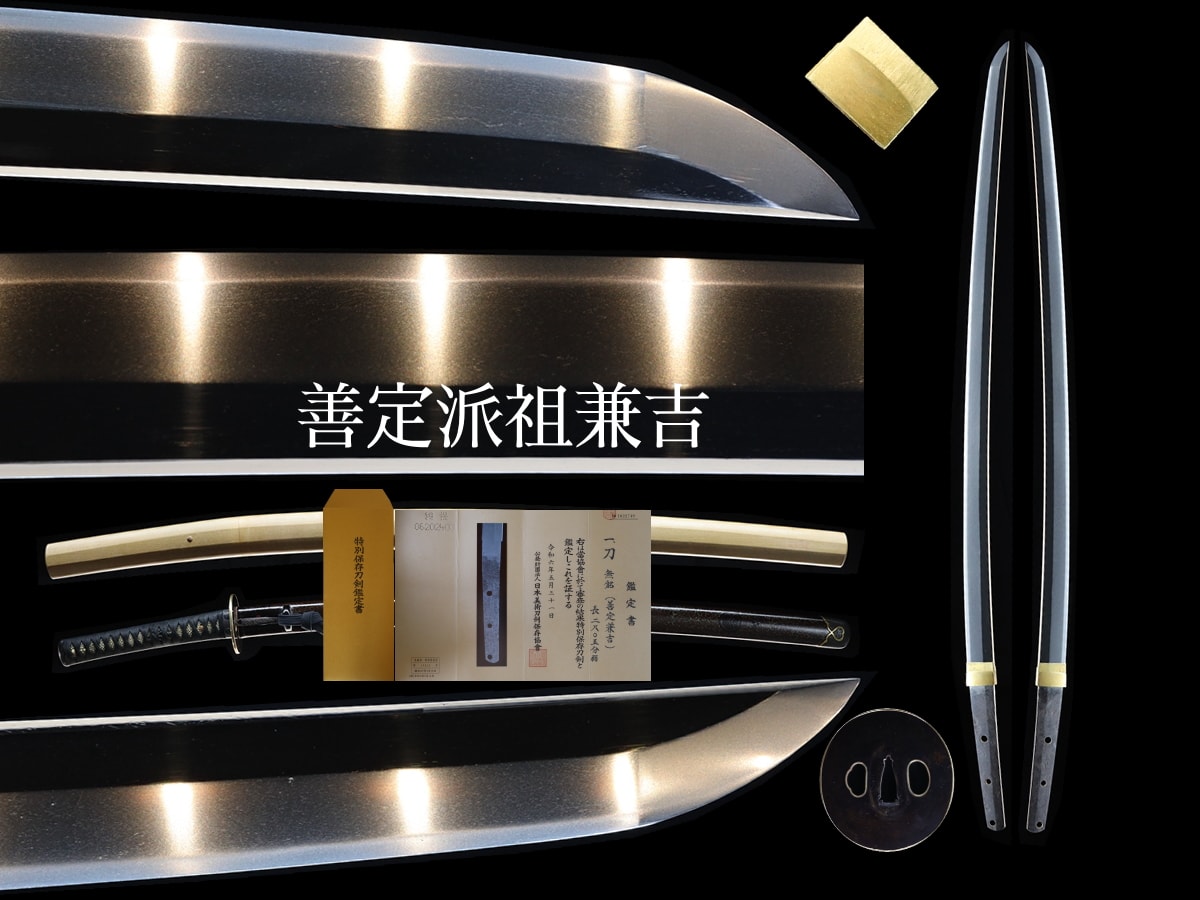
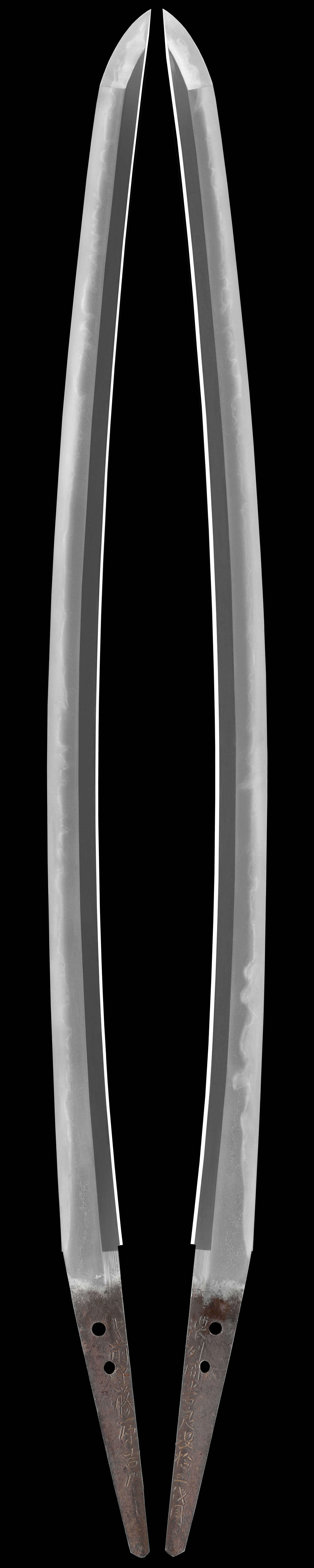
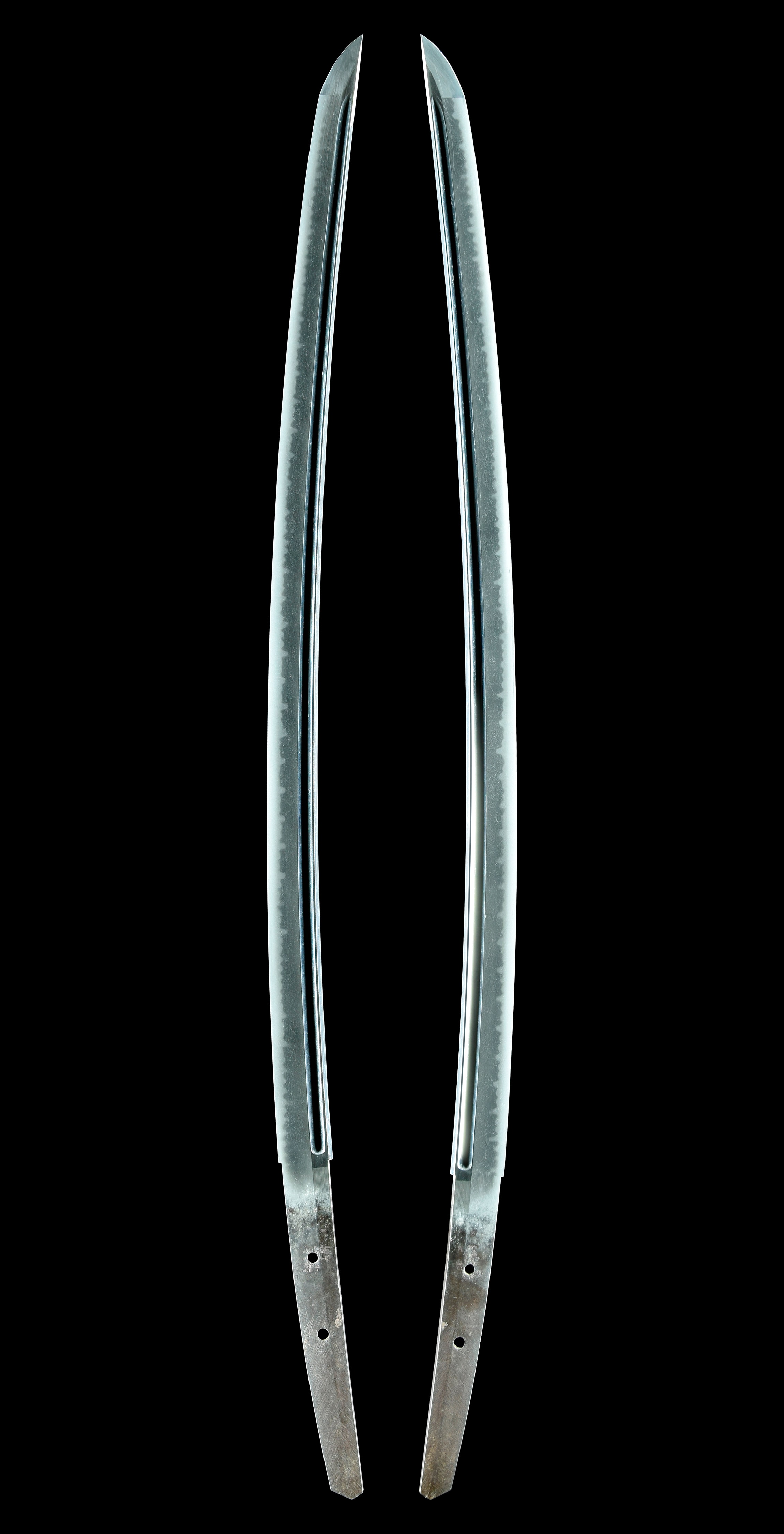
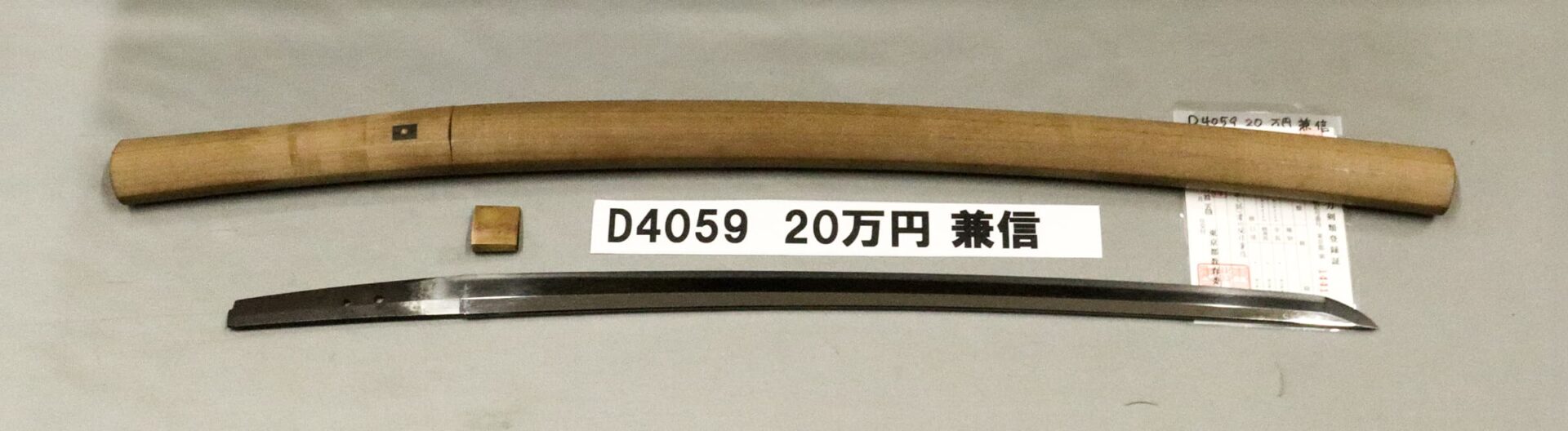
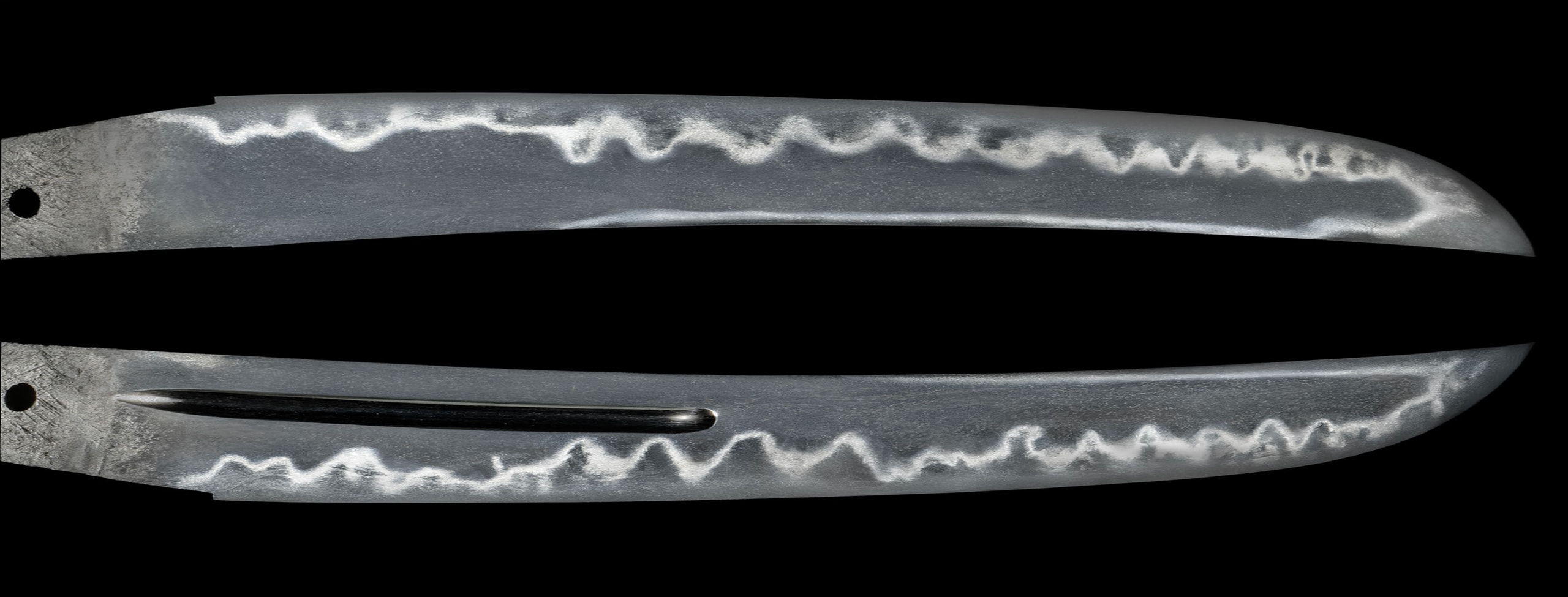
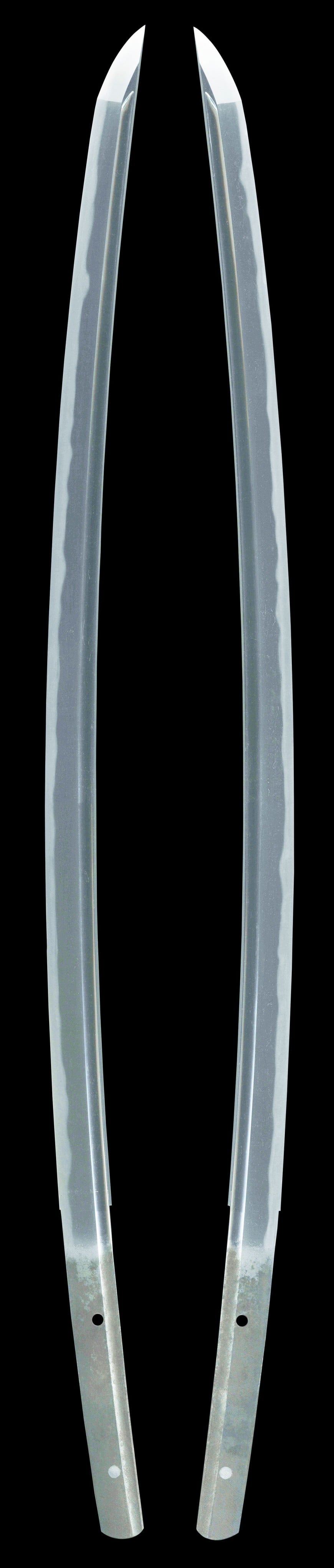
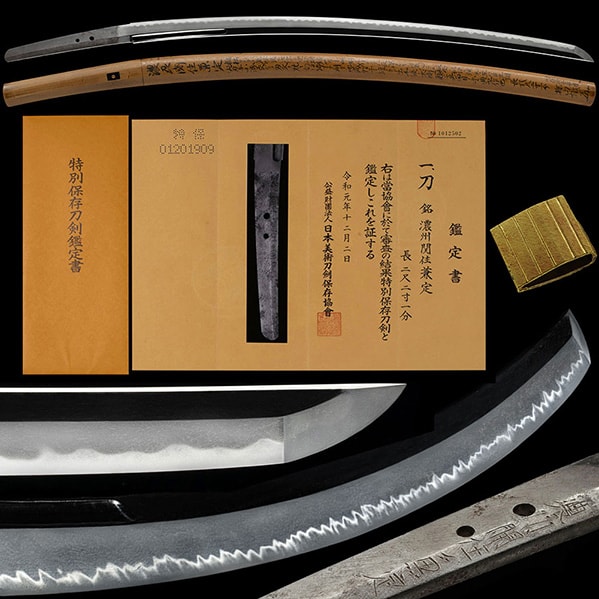
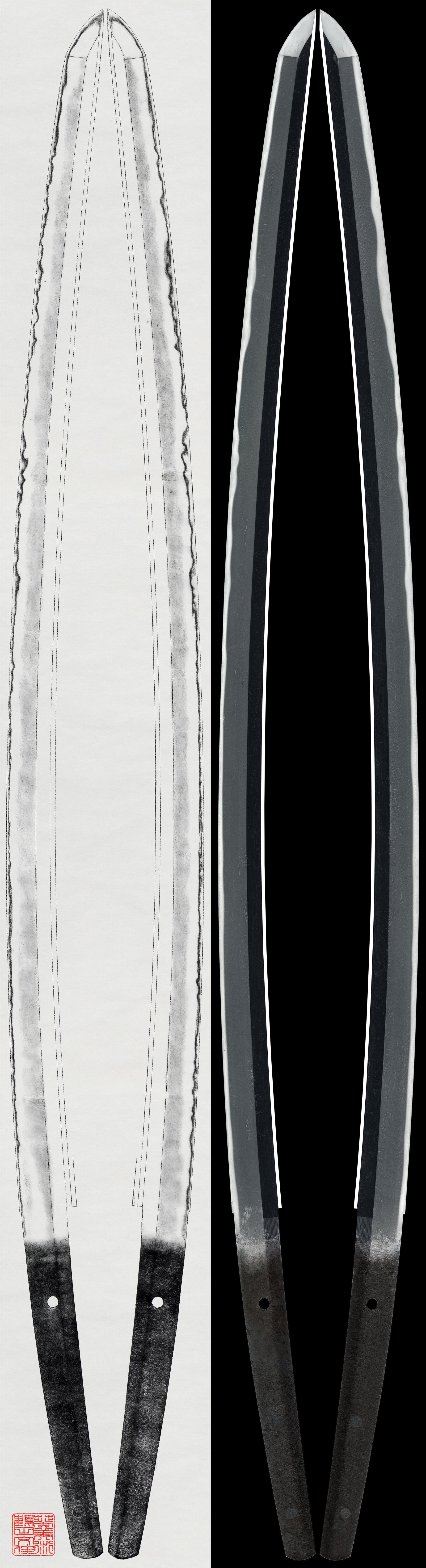
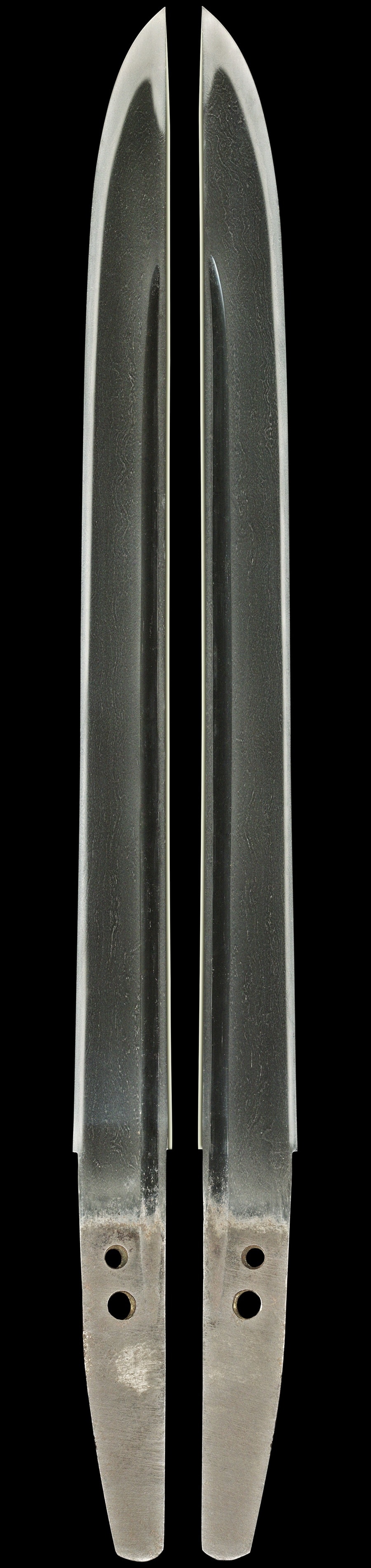
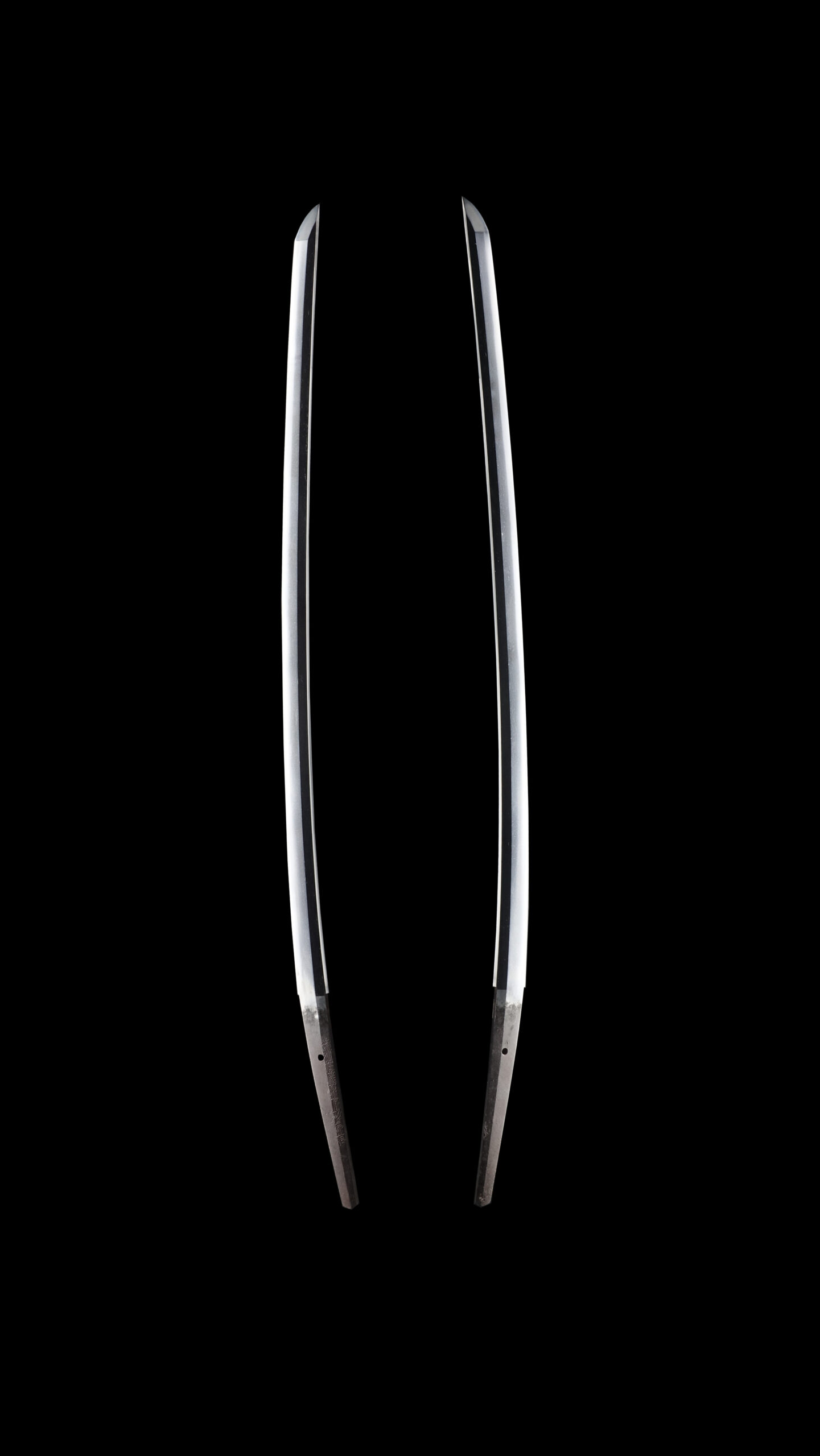
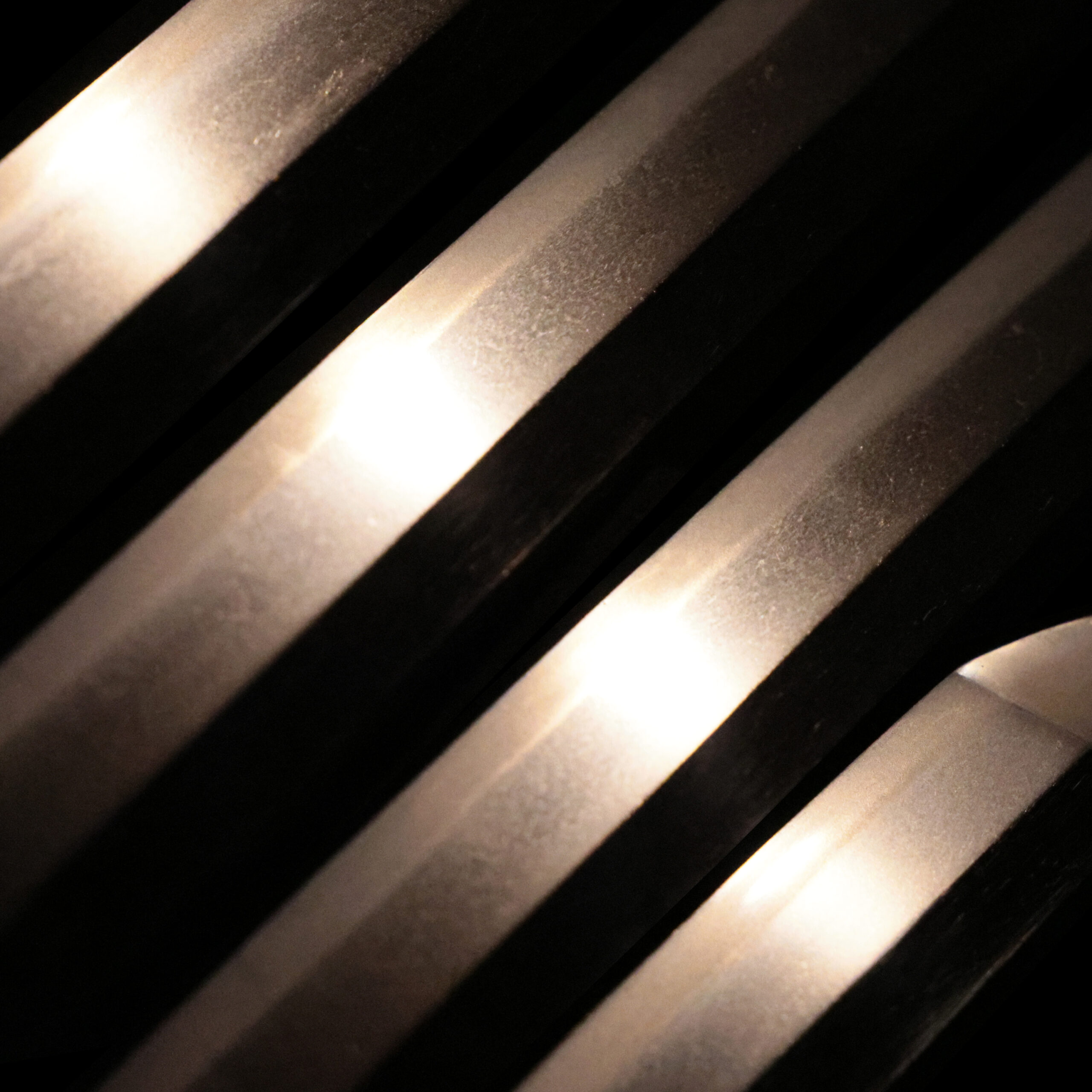
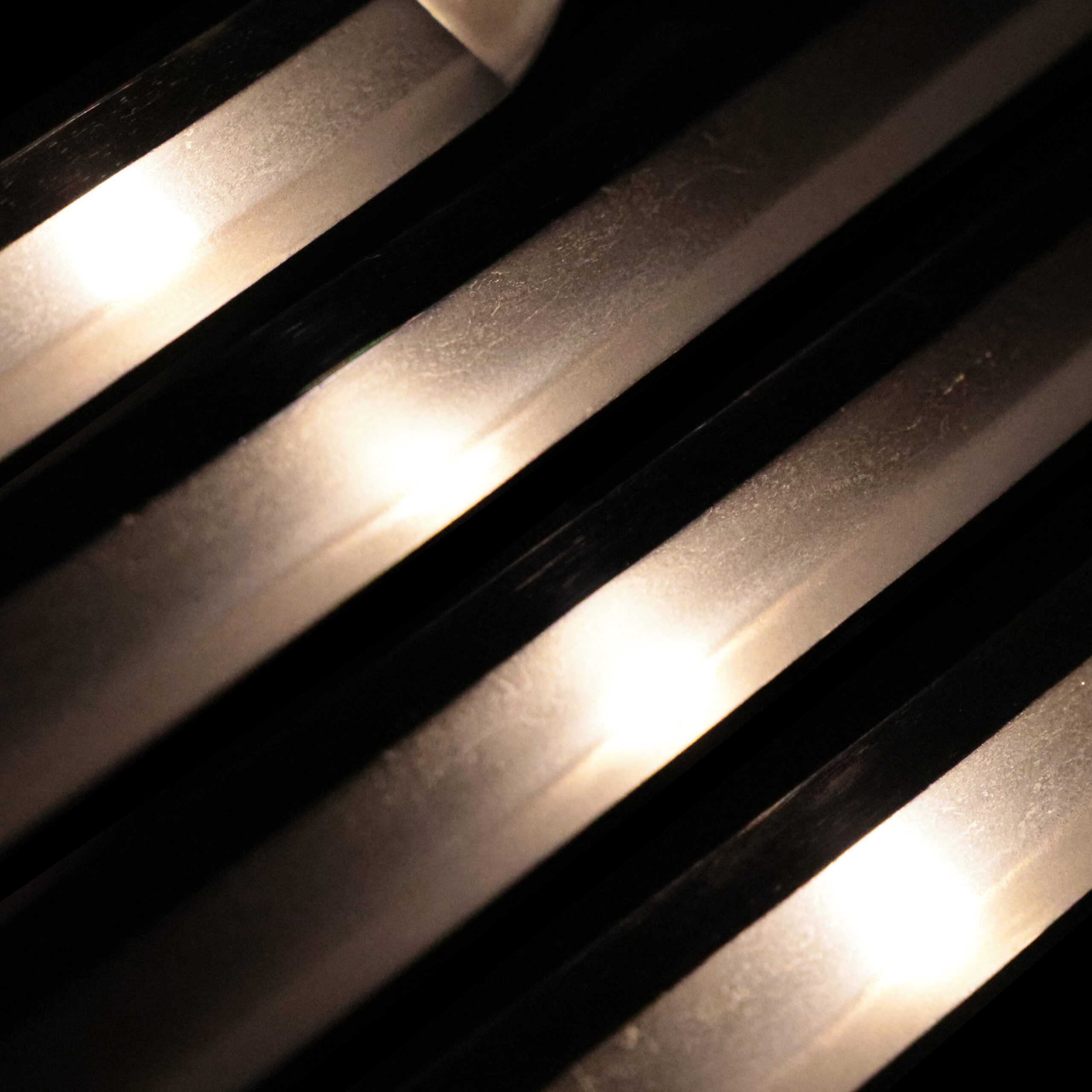
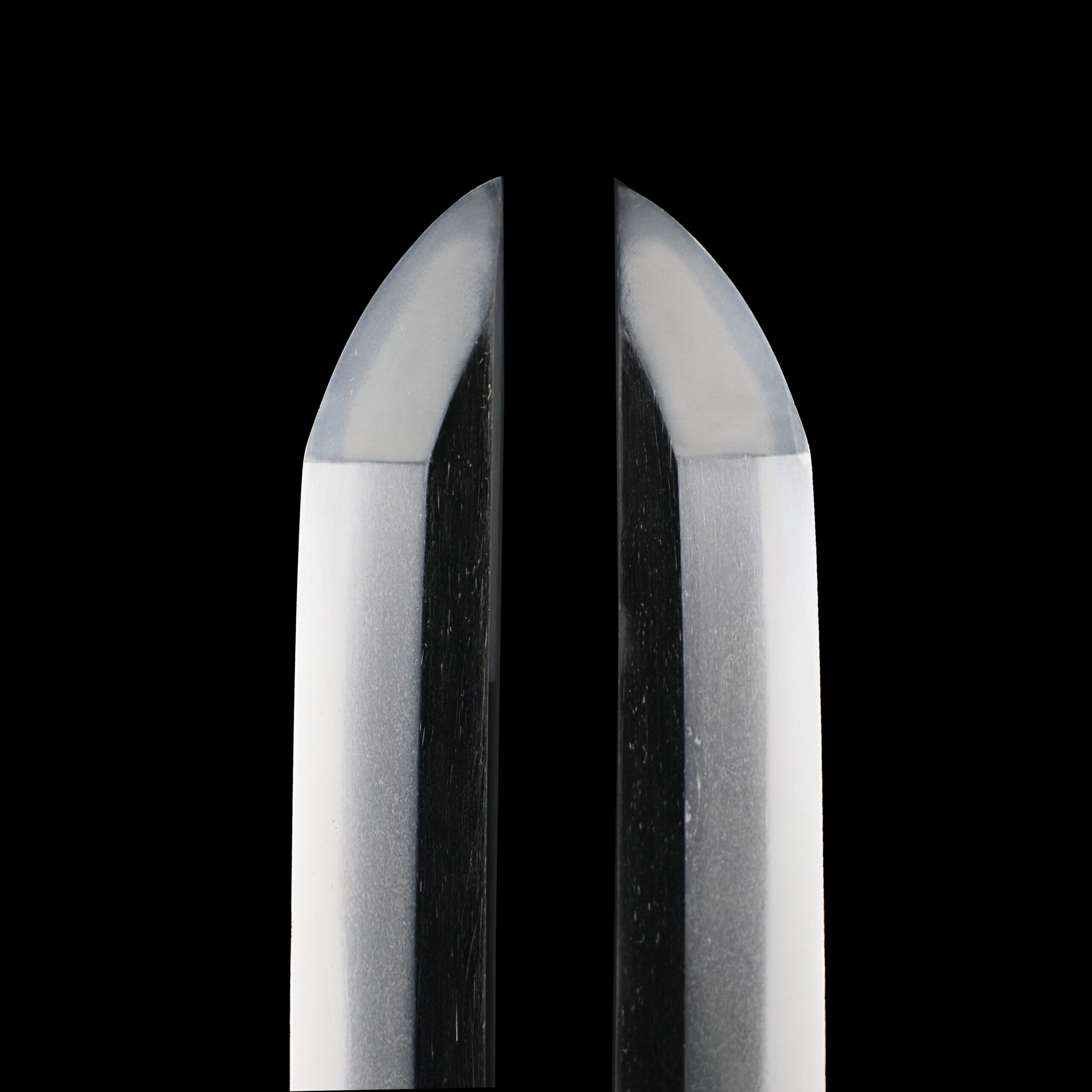
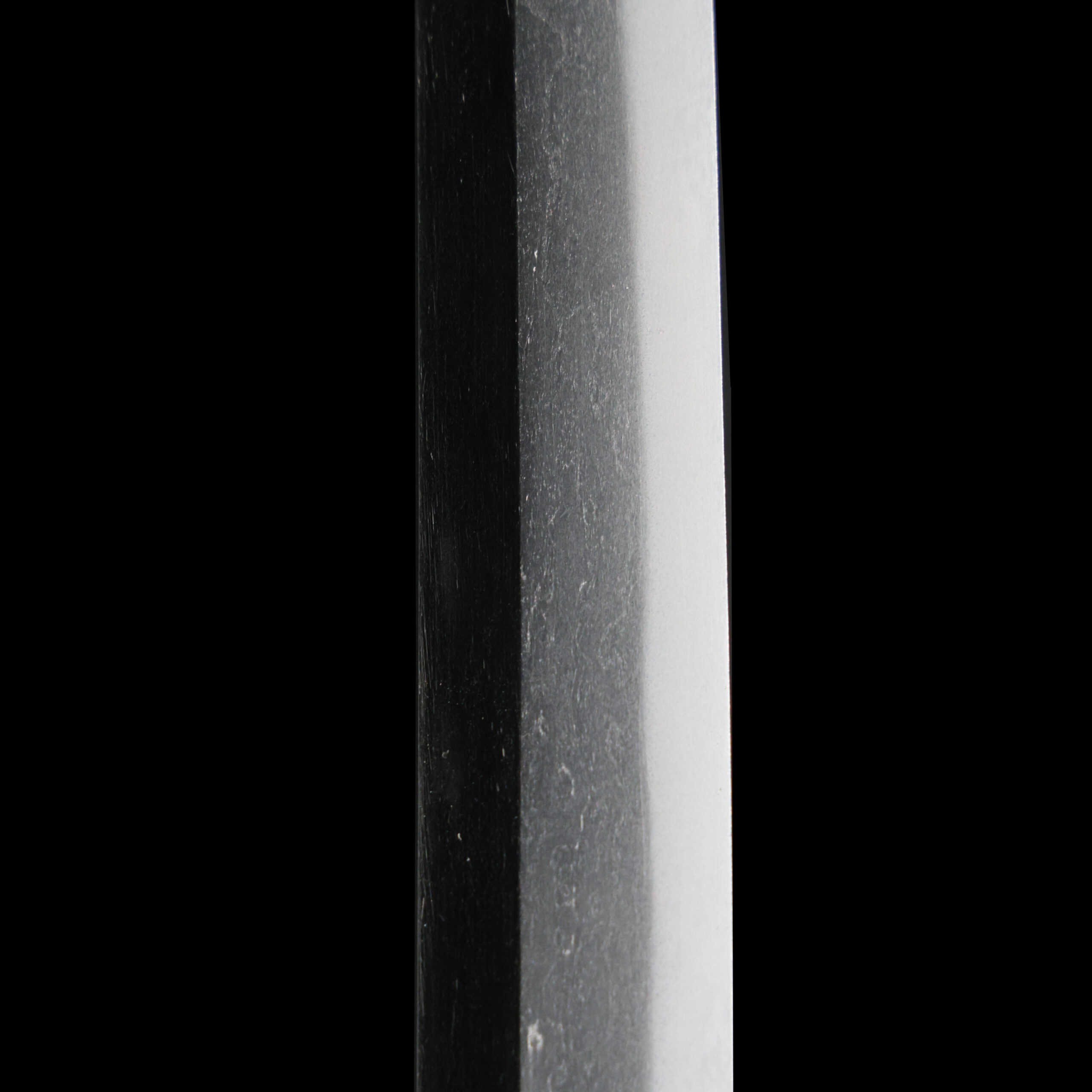
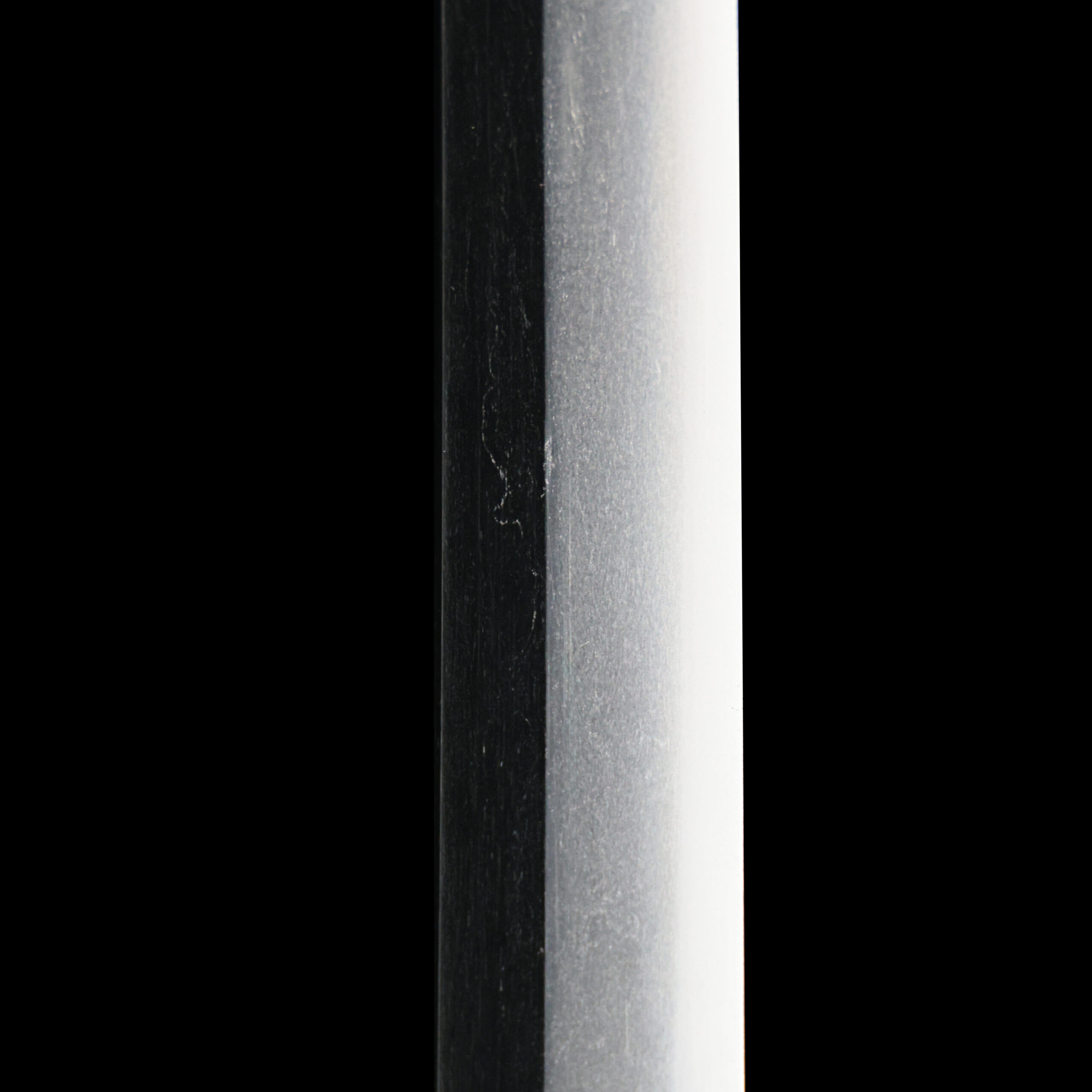
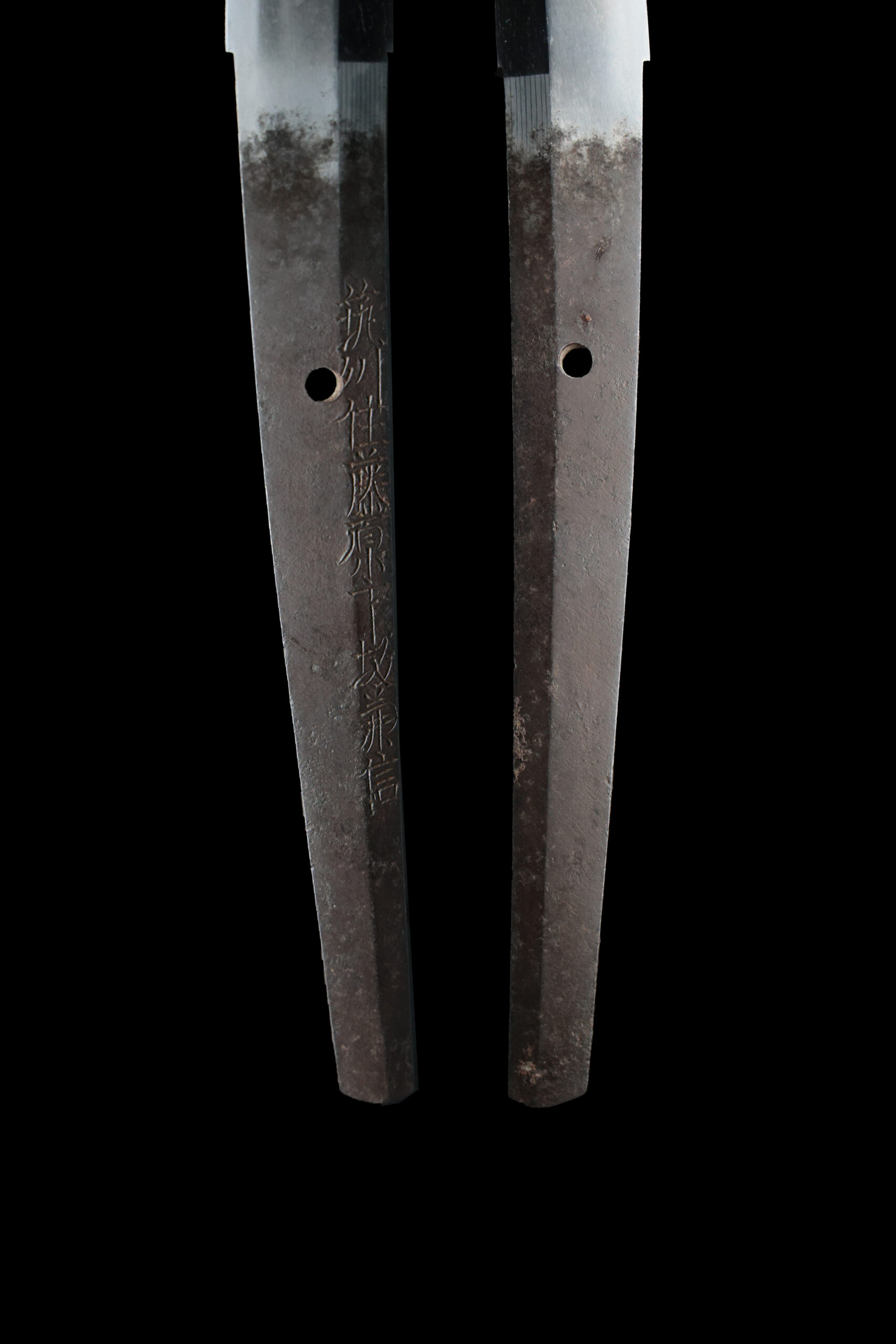
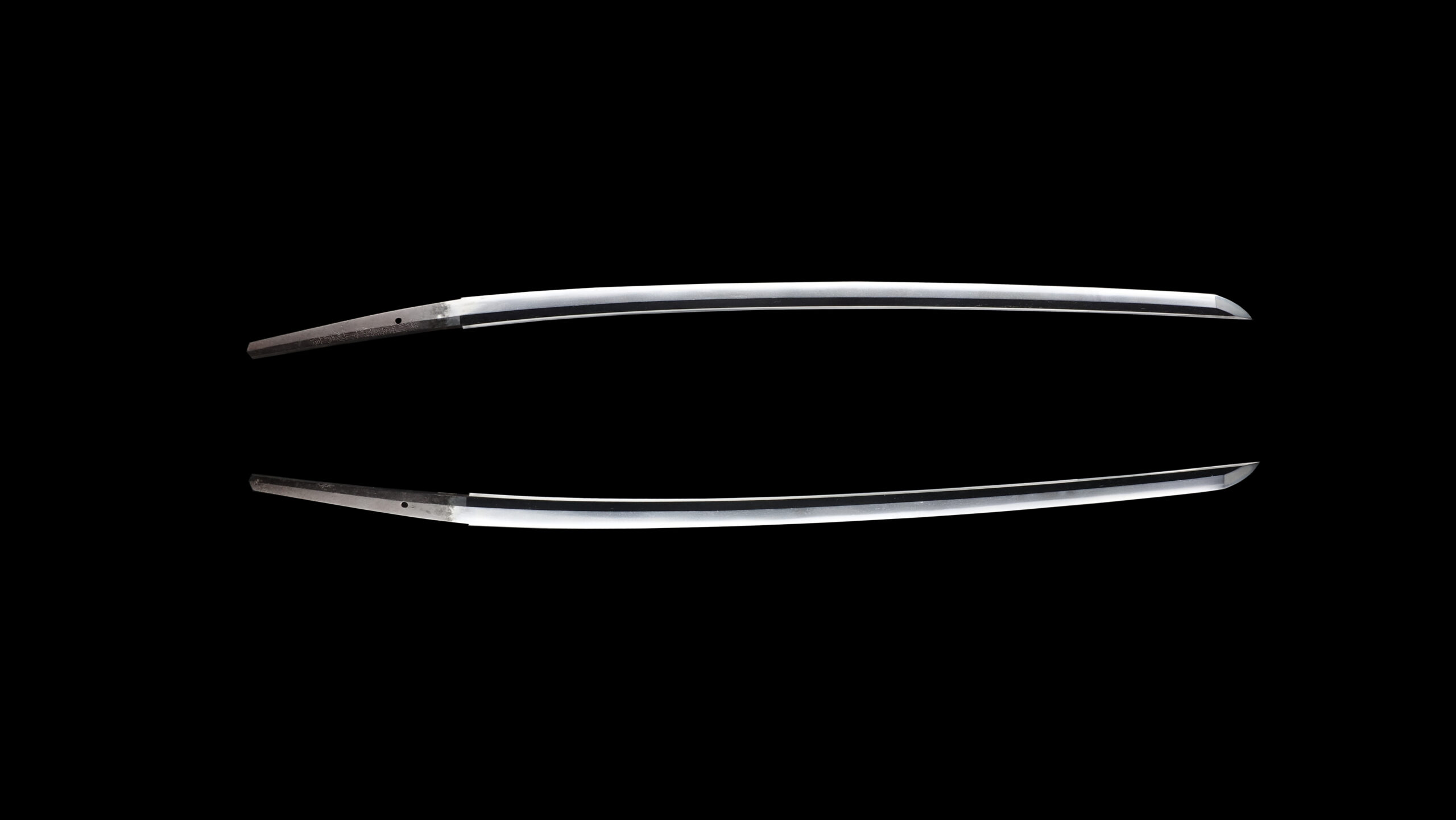
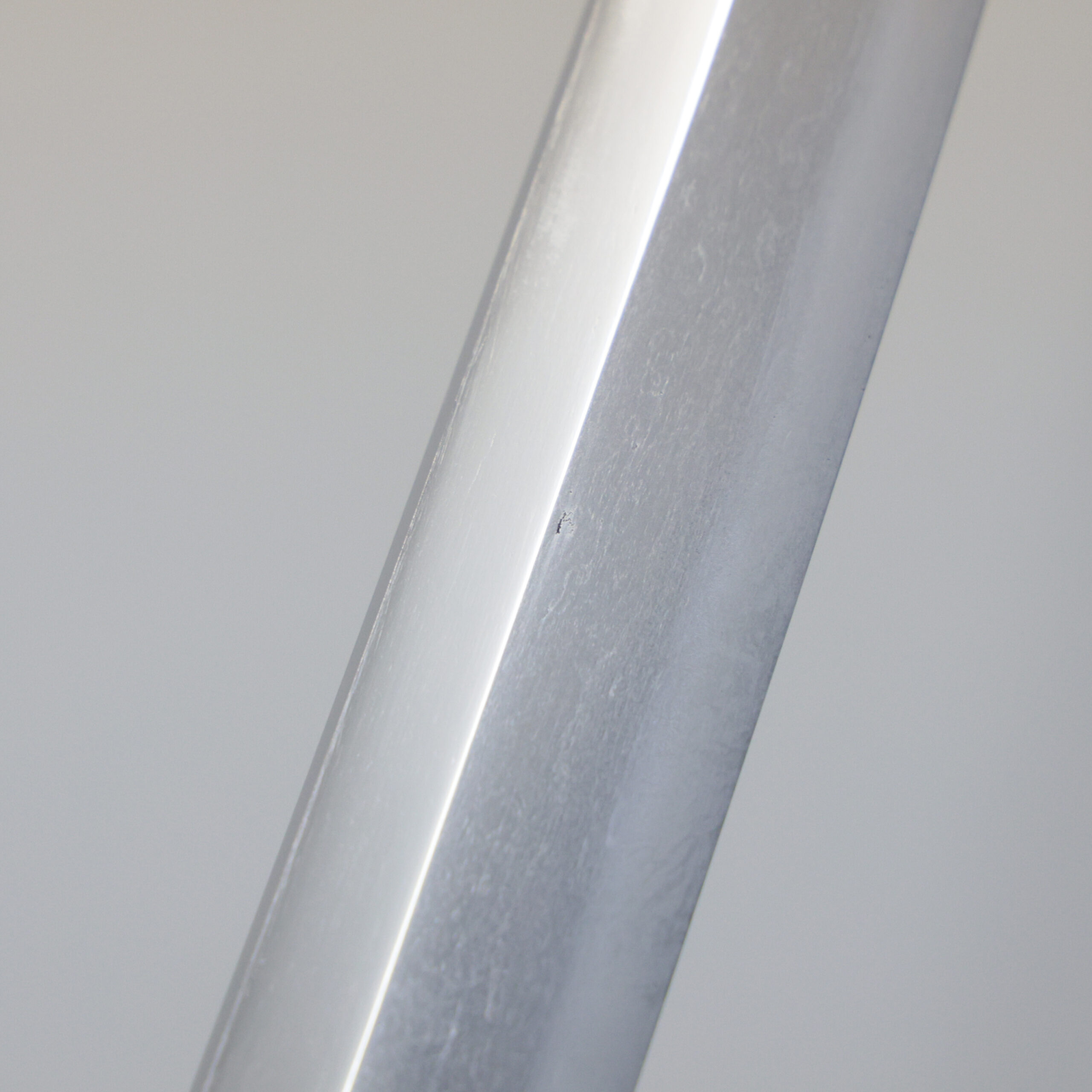
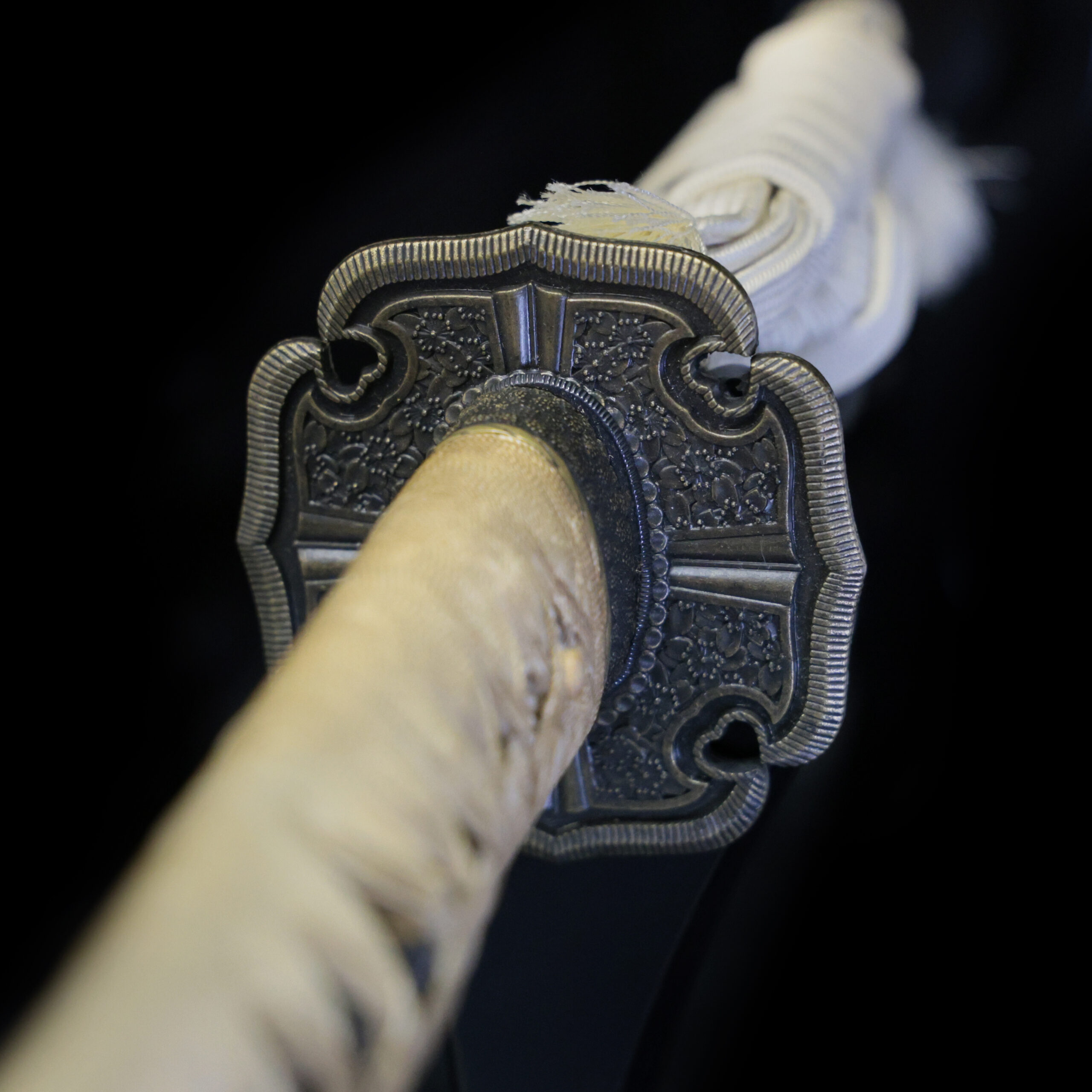
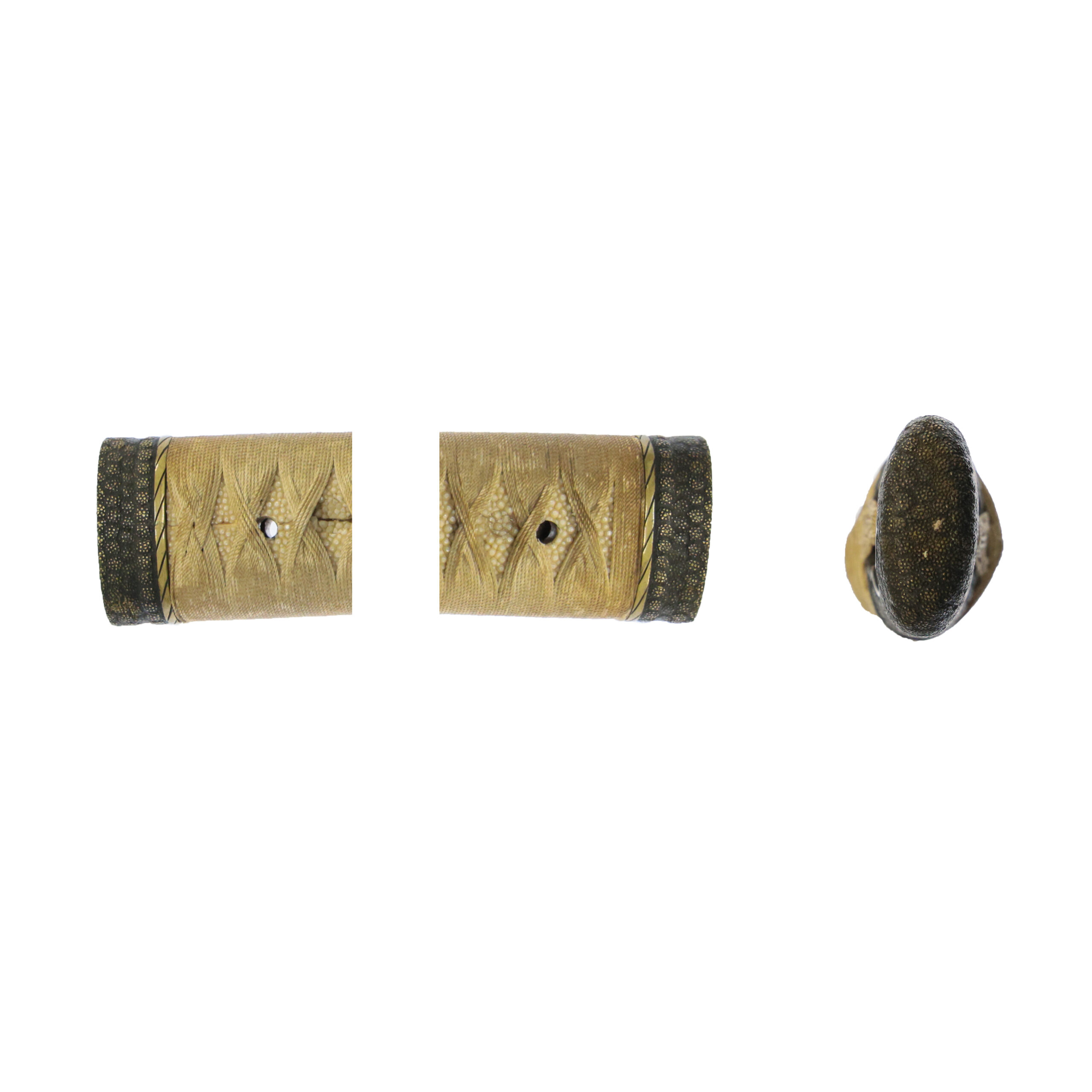
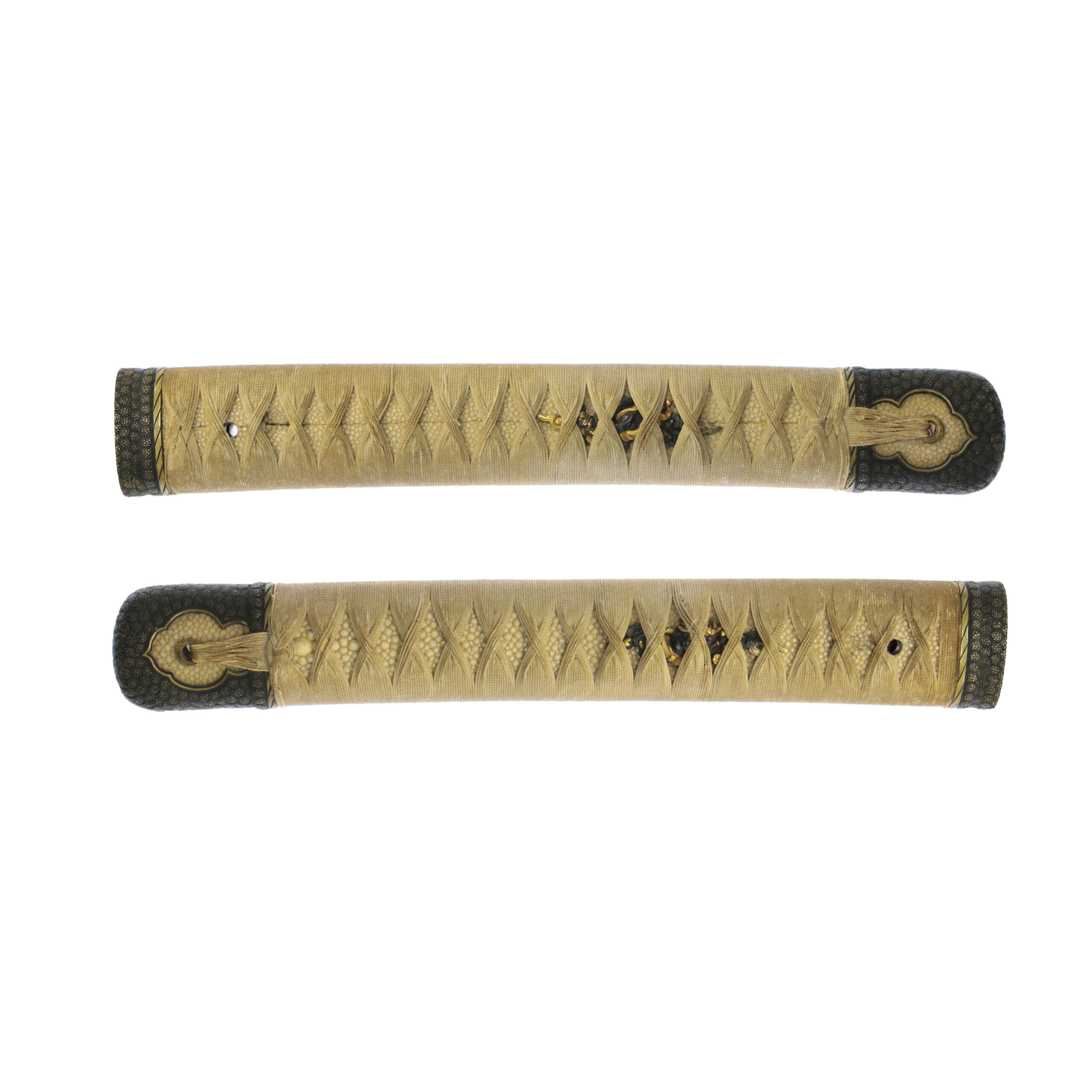
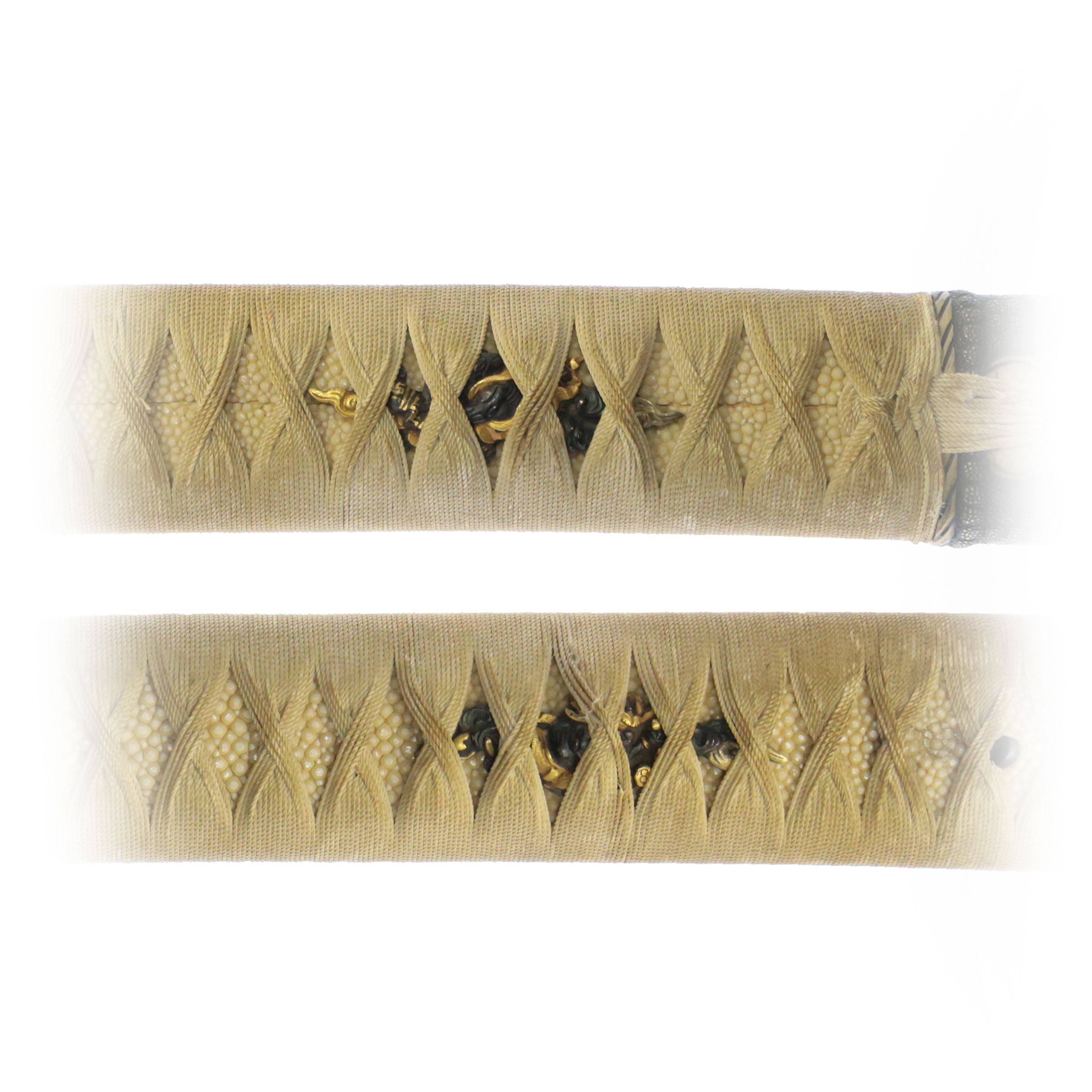
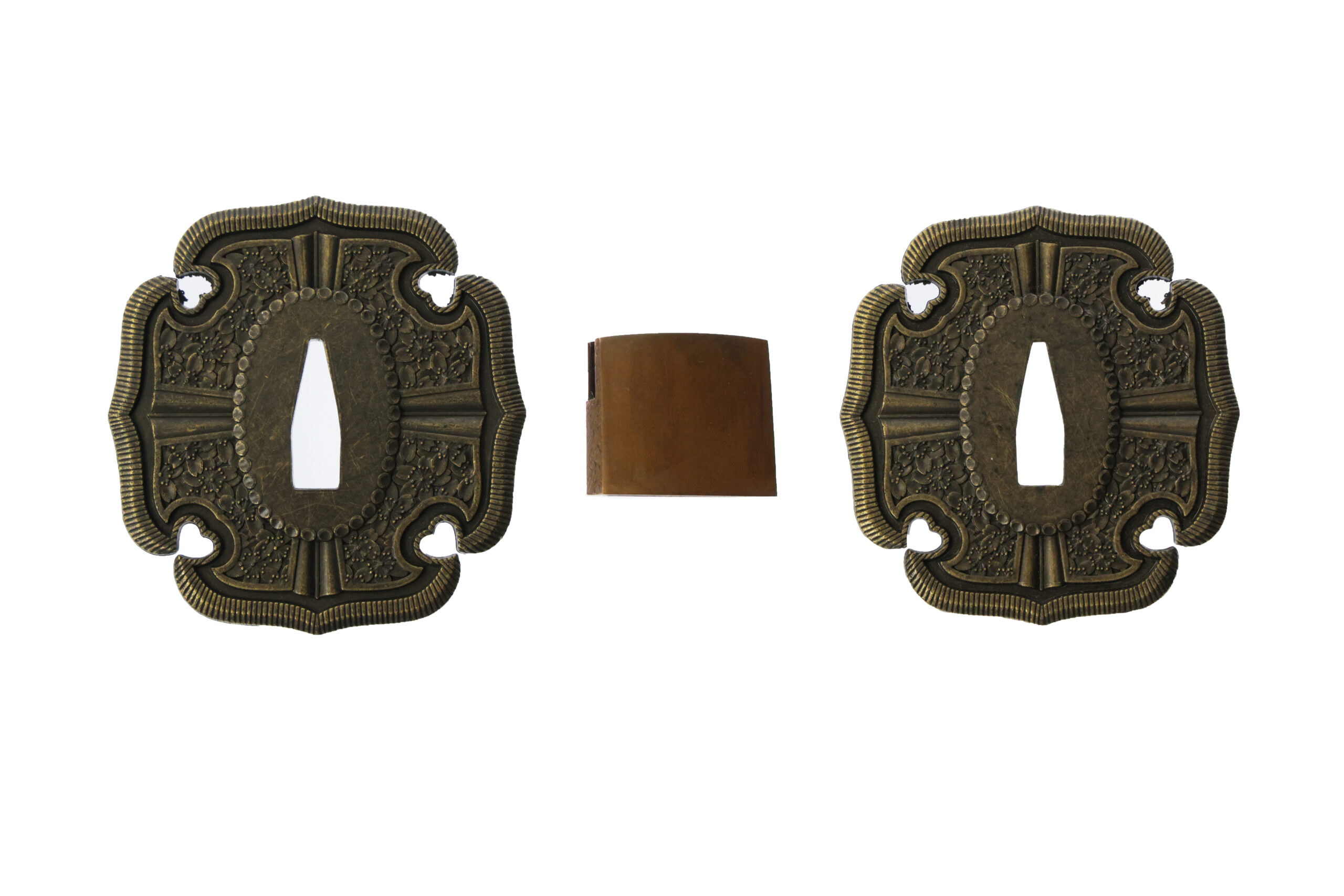
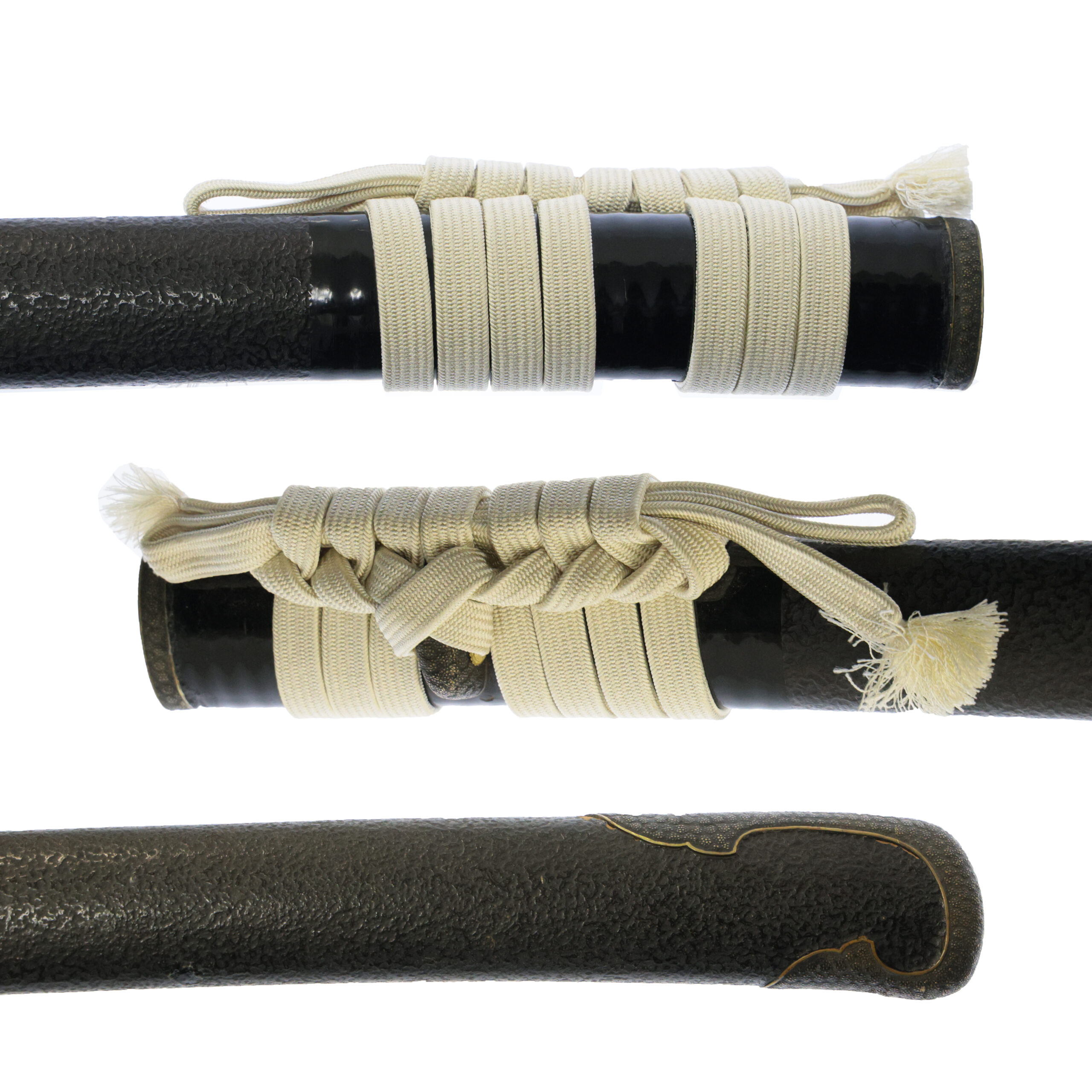
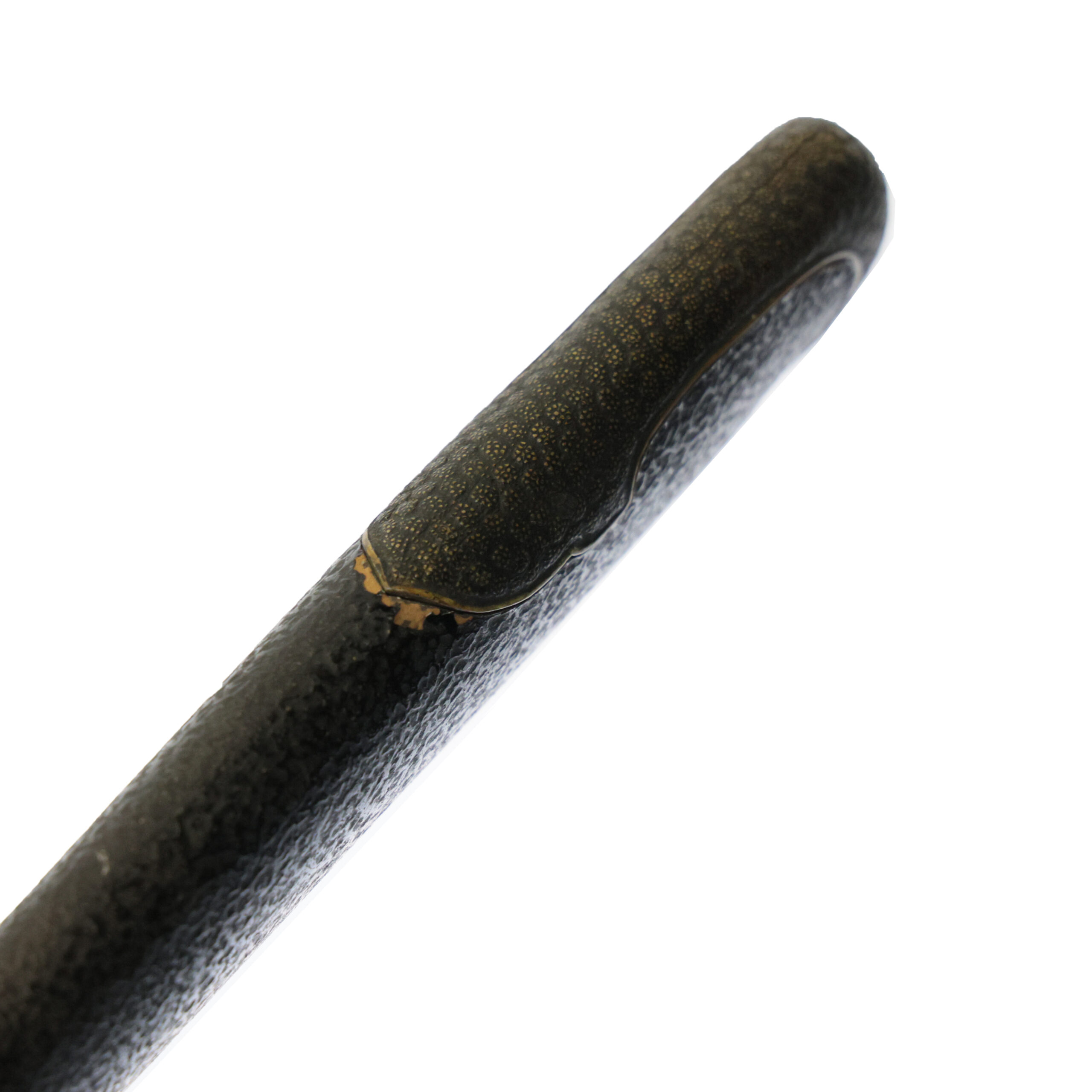
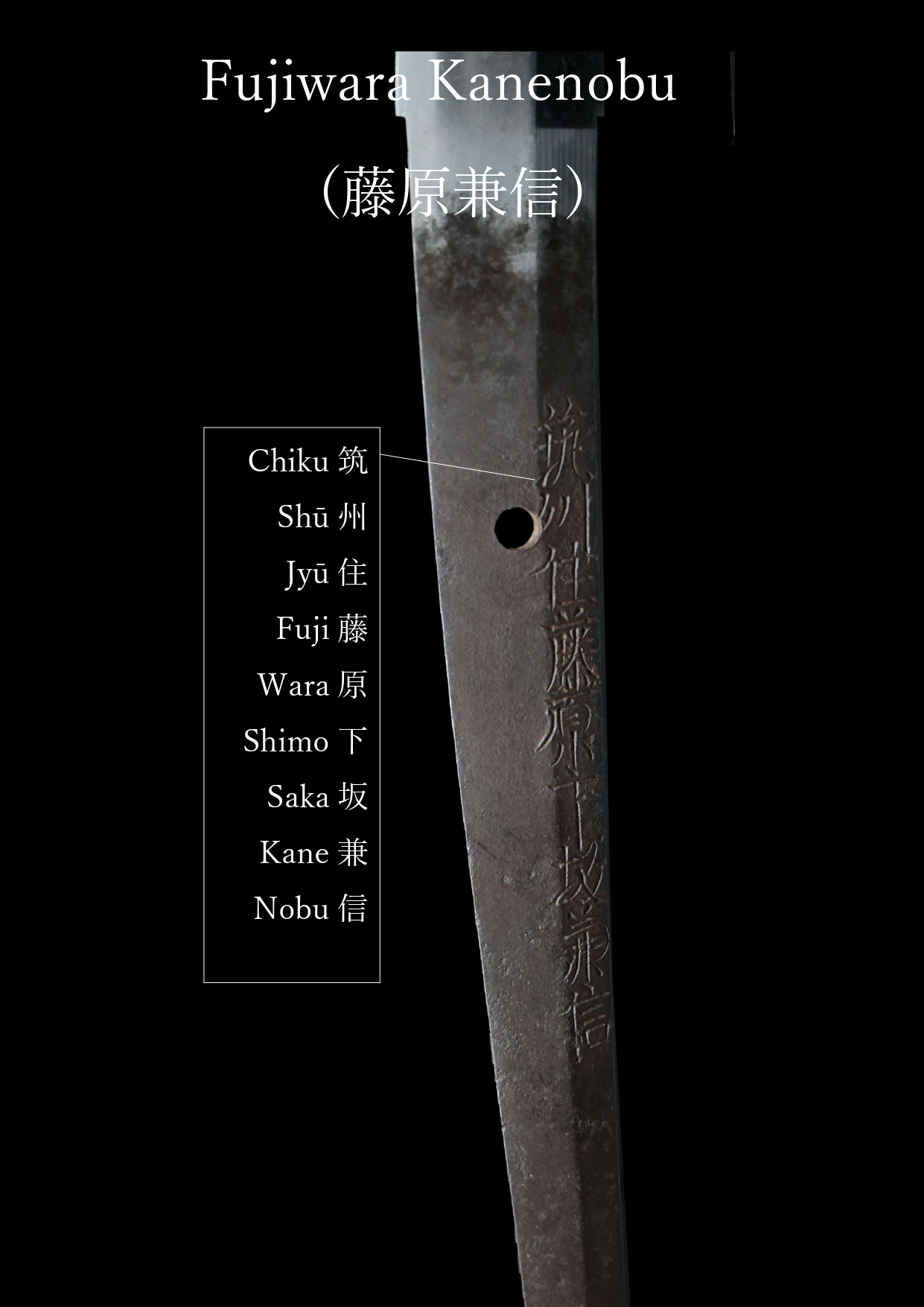
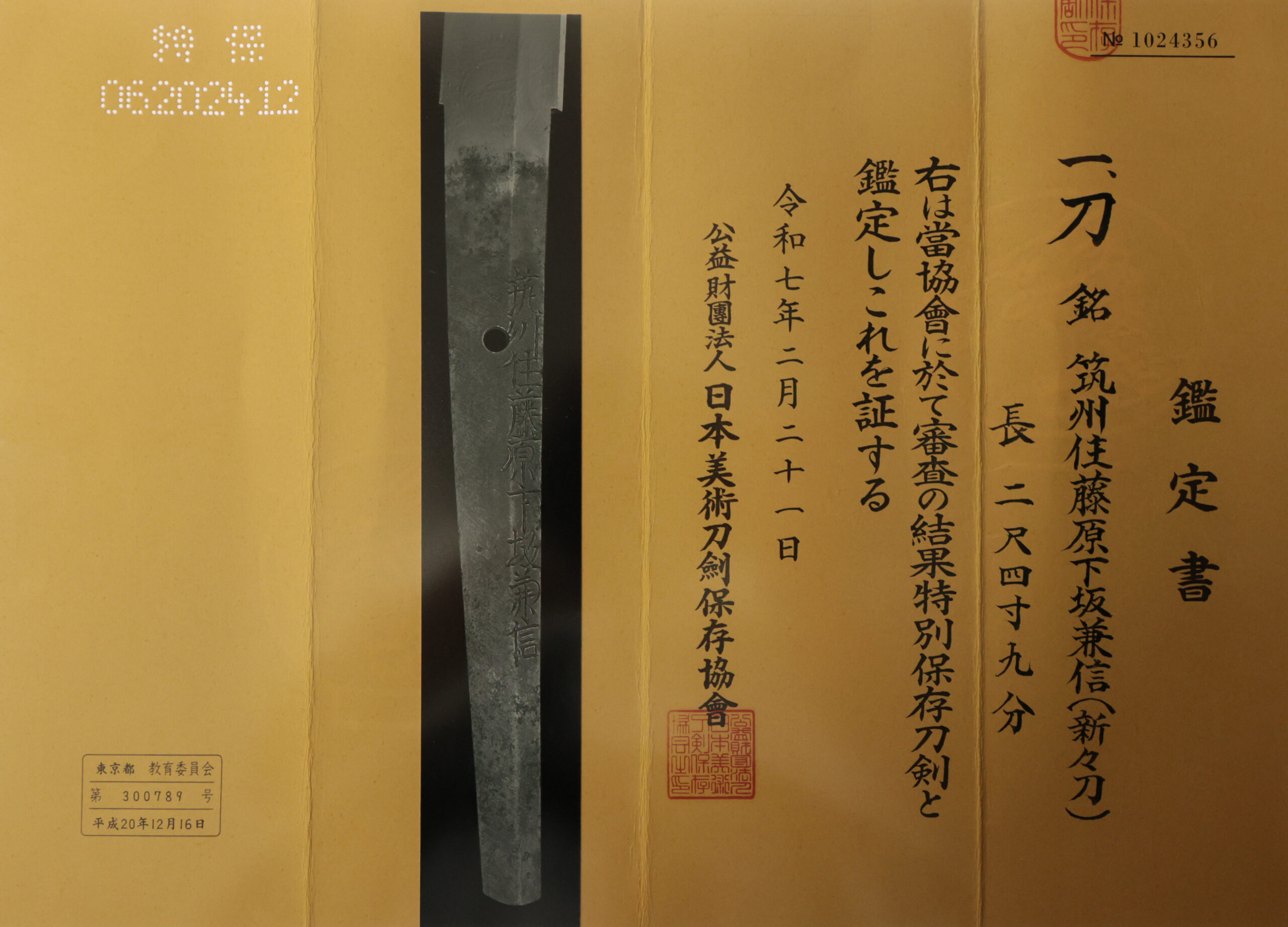
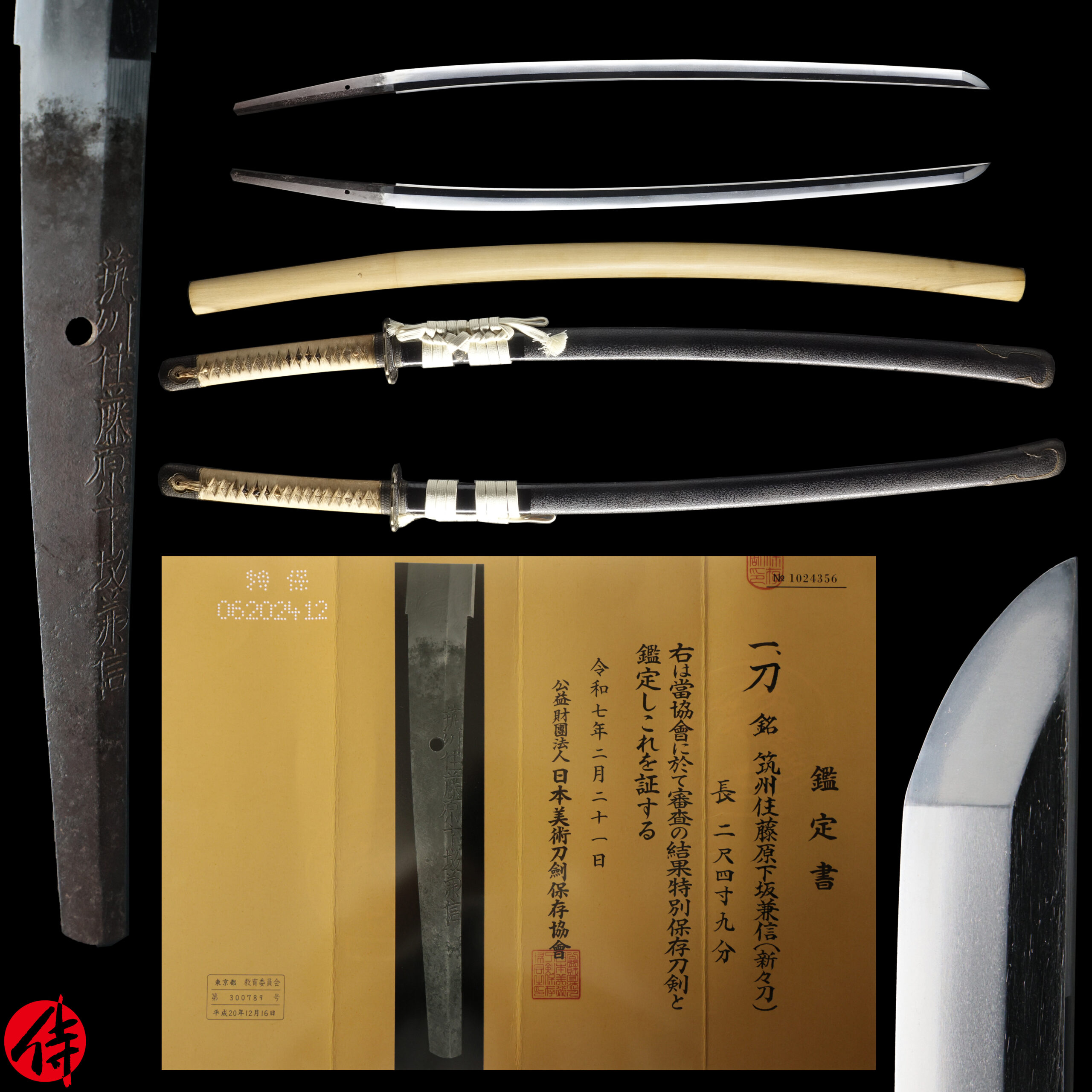
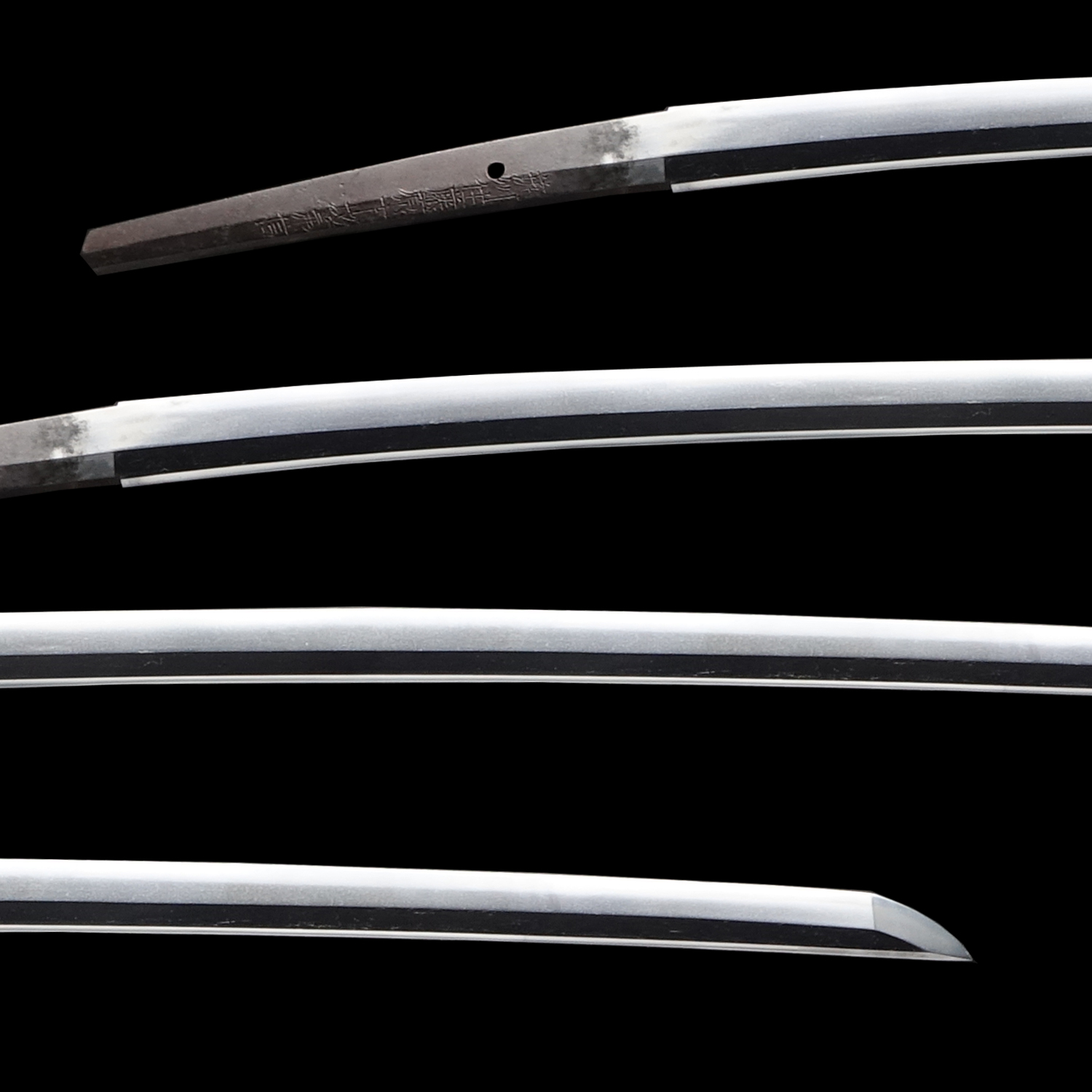
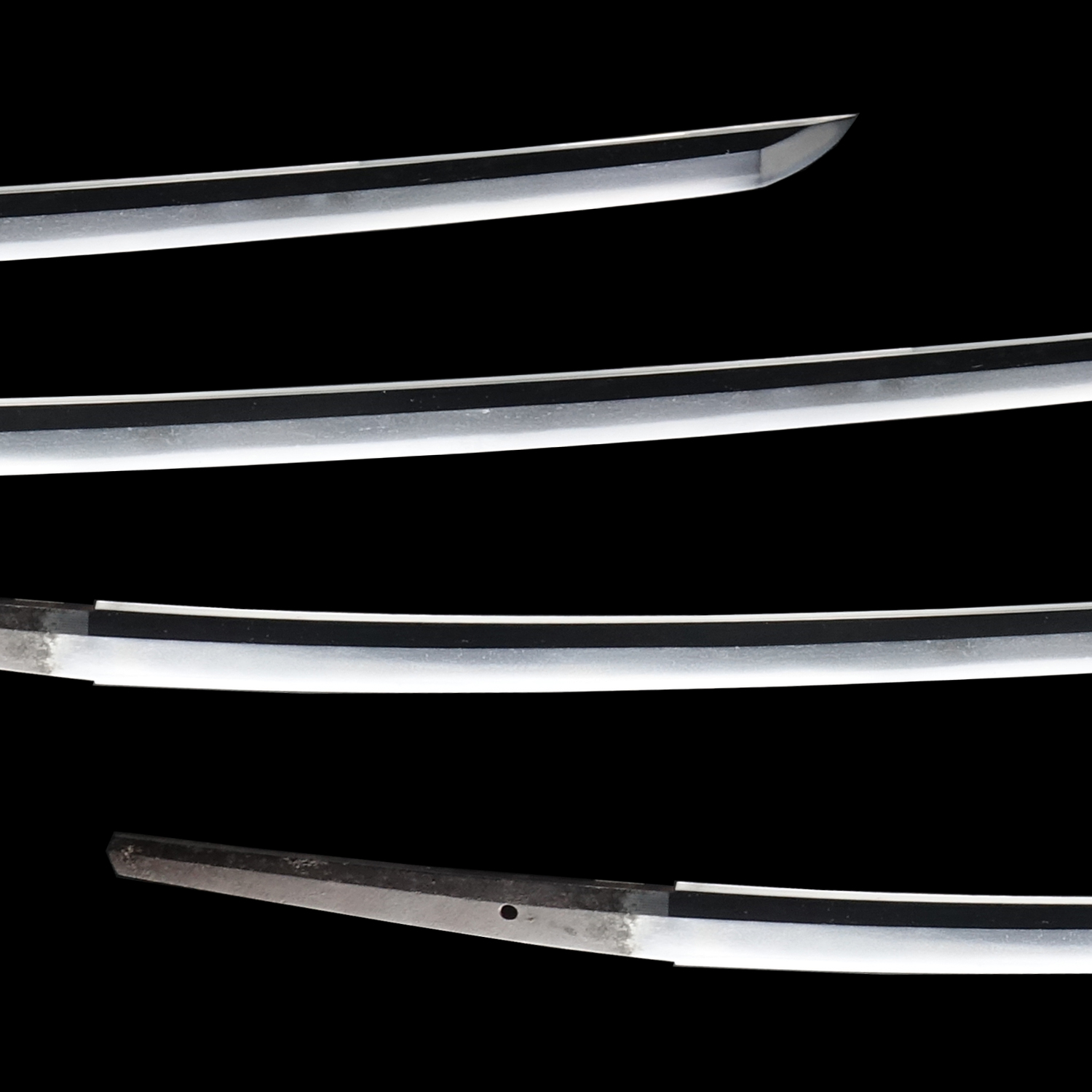
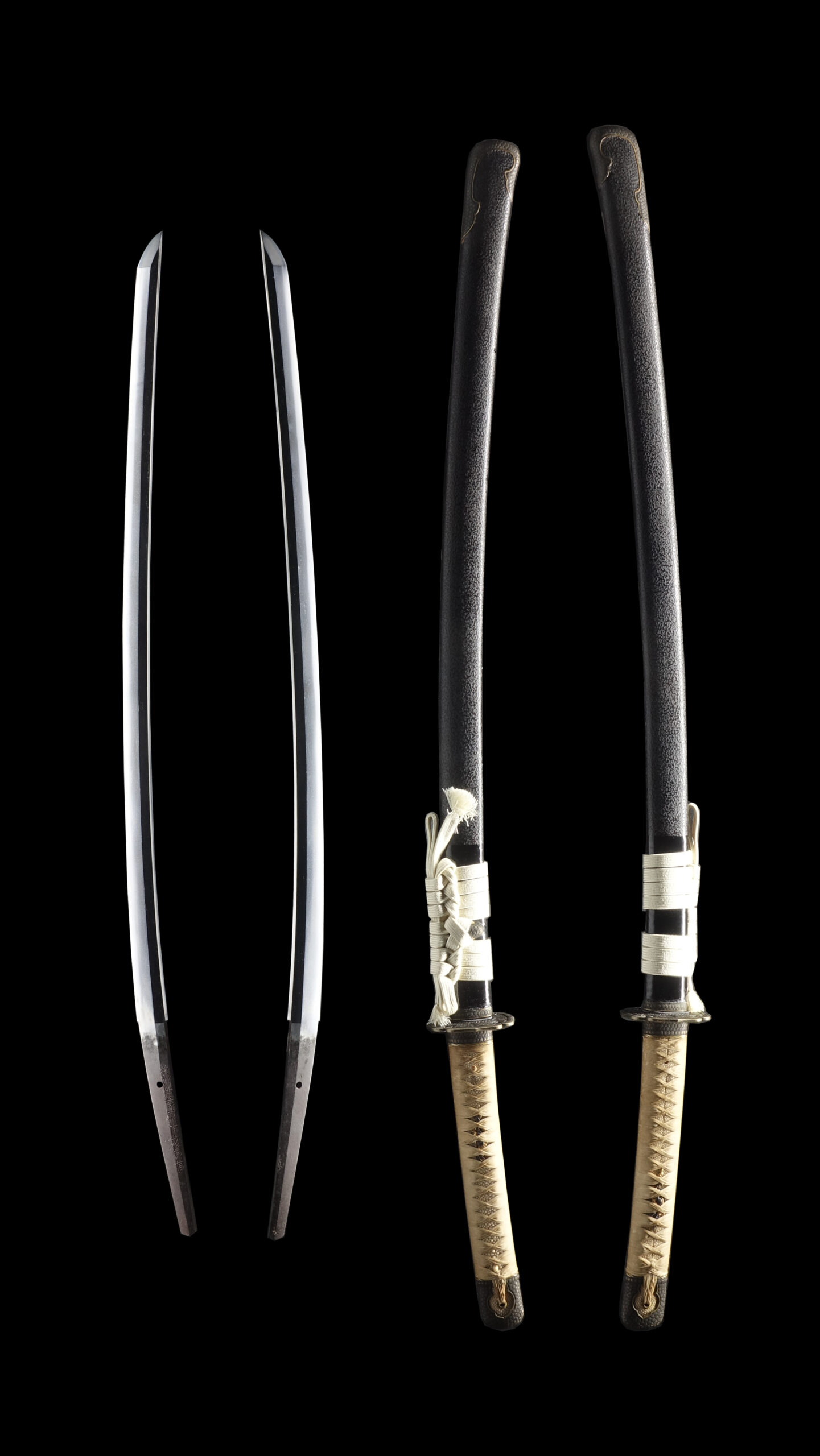
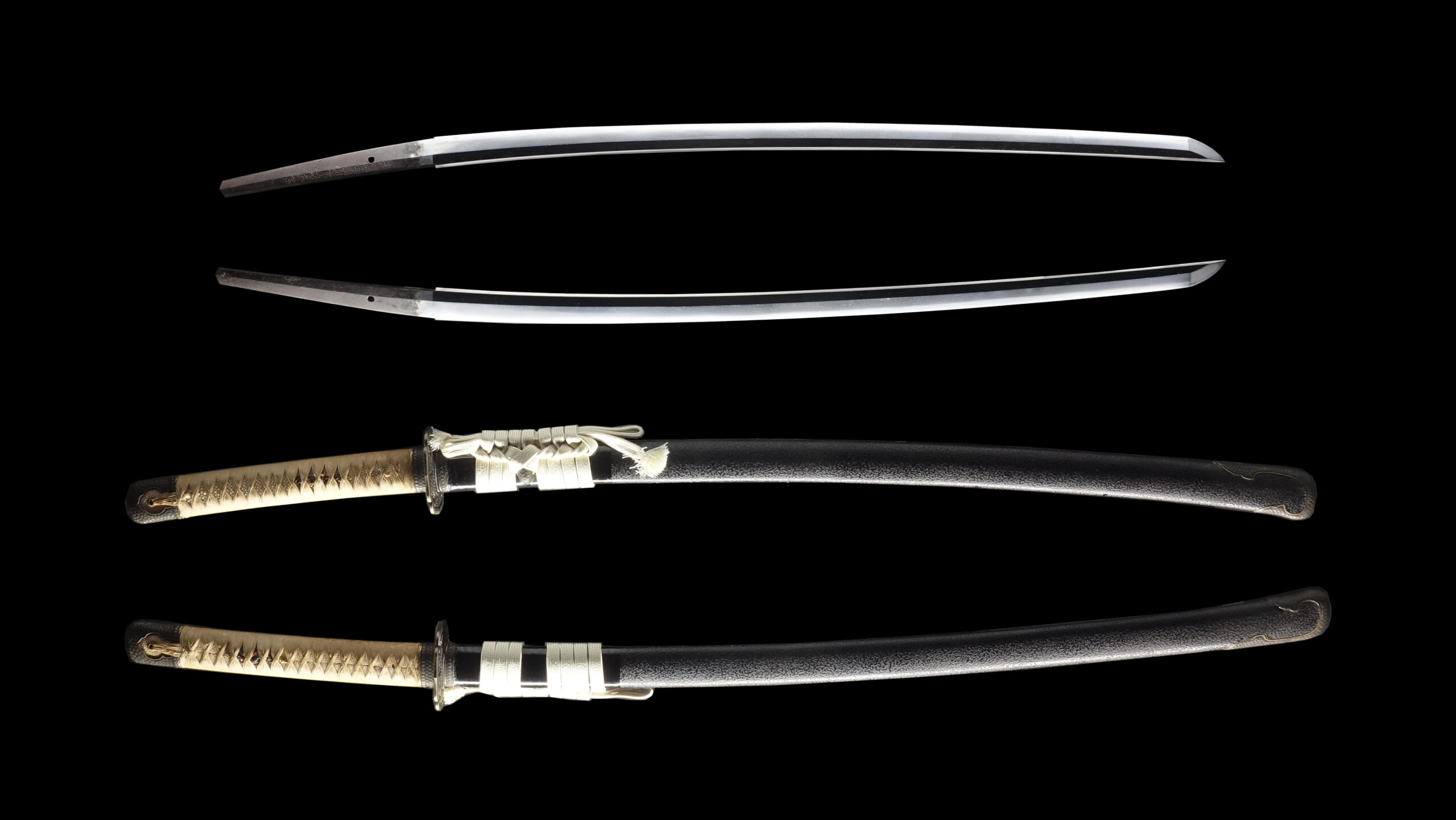
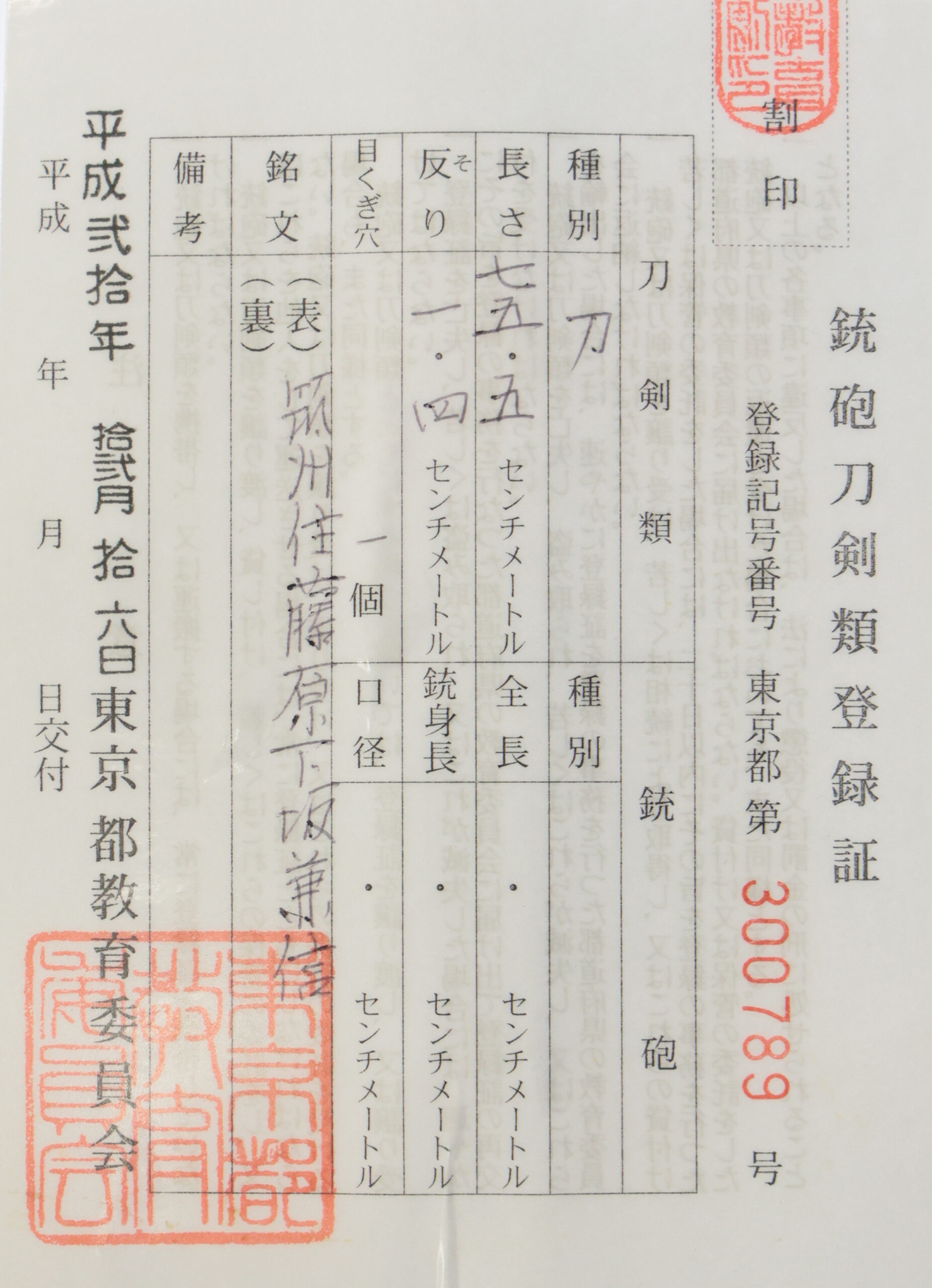
This Shin-Shinto period katana is signed by Chikushū-jū Fujiwara Shimosaka Kanenobu, a smith from the Shimosaka school with roots in Echizen. The blade comes with a full koshirae mounting and is accompanied by an NBTHK Tokubetsu Hozon Certificate. It features a long nagasa of 75.5 cm and a curvature of 1.4 cm.
 NihontoWatch
mei · Shimosaka · Kanei (1624-1644) · nagasa 75.5cm · sori 1.4cm
Mino-den · Gifu · around 1868-1912
1 piece on the market now
Mino-den · Mino
8 pieces on the market now
| Smith | Era | Designated |
|---|---|---|
| Kaneshige兼重 | 1429-1441 | 1 |
| Kaneyoshi兼吉 | 1390-1394 | 1 |
| Kaneshige兼重 | 1504-1521 | 0 |
| Kaneyoshi兼吉 | 1854-1860 | 0 |
| Chikanori近則 | 1818-1864 | 0 |
The Edo period (1615 to 1868)
Edo was the sword’s age of connoisseurship: the Hon’ami appraisers, the shogunal register of famous blades of 1719, and a thriving literature turned the sword into an object of study even as it ceased to be drawn in war.
A Hozon-certified blade judged to show notably superior workmanship and a better state of preservation. The bar is higher: re-tempered blades and most unsigned Muromachi/Edo works are excluded.
The NBTHK (Nihon Bijutsu Tōken Hozon Kyōkai, the Society for the Preservation of Japanese Art Swords) is a public-interest incorporated foundation founded in 1948 and supervised by Japan’s Agency for Cultural Affairs (Bunkachō); it is based at the Japanese Sword Museum in Tokyo. Its expert panels physically examine each submitted work (shinsa) and issue a certificate (kanteishō) ranking it by artistic and historical merit. NBTHK papers are the most widely recognized standard of authentication for Japanese swords and fittings.
NBTHK official siteReturns/exchanges limited to defects caused by shipping (except willful misconduct or gross negligence by the company); customers must contact within 72 hours of receiving the product.
¥1,400,000
This Shin-Shinto period katana is signed by Chikushū-jū Fujiwara Shimosaka Kanenobu, a smith from the Shimosaka school with roots in Echizen. The blade comes with a full koshirae mounting and is accompanied by an NBTHK Tokubetsu Hozon Certificate. It features a long nagasa of 75.5 cm and a curvature of 1.4 cm.
NihontoWatchmei · Shimosaka · Kanei (1624-1644) · nagasa 75.5cm · sori 1.4cm
Mino-den · Gifu · around 1868-1912
1 piece on the market now
Mino-den · Mino
8 pieces on the market now
| Smith | Era | Designated |
|---|---|---|
| Kaneshige兼重 | 1429-1441 | 1 |
| Kaneyoshi兼吉 | 1390-1394 | 1 |
| Kaneshige兼重 | 1504-1521 | 0 |
| Kaneyoshi兼吉 | 1854-1860 | 0 |
| Chikanori近則 | 1818-1864 | 0 |
The Edo period (1615 to 1868)
Edo was the sword’s age of connoisseurship: the Hon’ami appraisers, the shogunal register of famous blades of 1719, and a thriving literature turned the sword into an object of study even as it ceased to be drawn in war.
A Hozon-certified blade judged to show notably superior workmanship and a better state of preservation. The bar is higher: re-tempered blades and most unsigned Muromachi/Edo works are excluded.
The NBTHK (Nihon Bijutsu Tōken Hozon Kyōkai, the Society for the Preservation of Japanese Art Swords) is a public-interest incorporated foundation founded in 1948 and supervised by Japan’s Agency for Cultural Affairs (Bunkachō); it is based at the Japanese Sword Museum in Tokyo. Its expert panels physically examine each submitted work (shinsa) and issue a certificate (kanteishō) ranking it by artistic and historical merit. NBTHK papers are the most widely recognized standard of authentication for Japanese swords and fittings.
NBTHK official siteReturns/exchanges limited to defects caused by shipping (except willful misconduct or gross negligence by the company); customers must contact within 72 hours of receiving the product.
¥1,400,000