NihontoWatch MonNihontoWatchBETA
BrowseArtistsGlossary
NihontoWatch Mon

NihontoWatchBETA

Enter
MarketArtistsGlossary
Overview·Designations·Blade Forms·Signatures·School
OverviewDesignationsBlade FormsSignaturesSchool
  1. Browse
  2. Artists
  3. Kaneshige

Zensho Kaneshige

兼重

Jūyō
Vol. 12, No. 146 · katana

Zensho Kaneshige

兼重

1 ranked works

ProvinceMinoEraEikyo (1429-1441)Period1429-1441SchoolZenshoTraditionMino-denGeneration1stFujishiroChu-jo sakuToko Taikan350(top 50%)TypeSwordsmithCodeKAN2250
1Jūyō Tōken

Overview

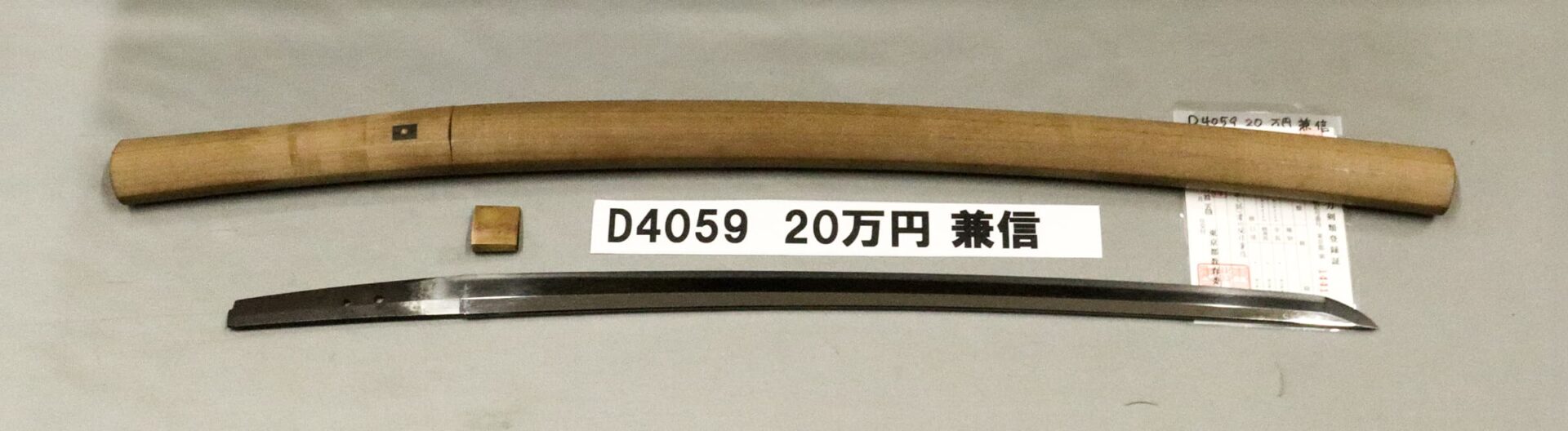
Kaneshige is traditionally counted among the Ten Disciples of Masamune and is regarded, together with Kaneuji, as a foundational figure in the origins of the forging tradition. His original home province was , at Tsuruga; he later moved to , where he exerted great influence on subsequent generations of smiths. There were several generations working under the Kaneshige name, yet from the first generation onward signed works are exceedingly few. Among judged to be by the first generation, no signed examples whatsoever are known to survive; only a single bears an extant signature that can be regarded as unquestionably reliable.

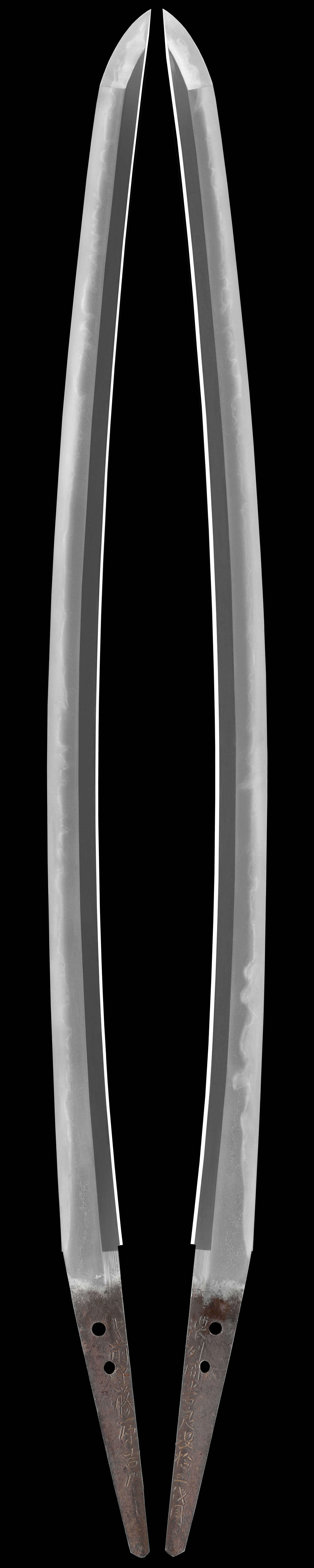
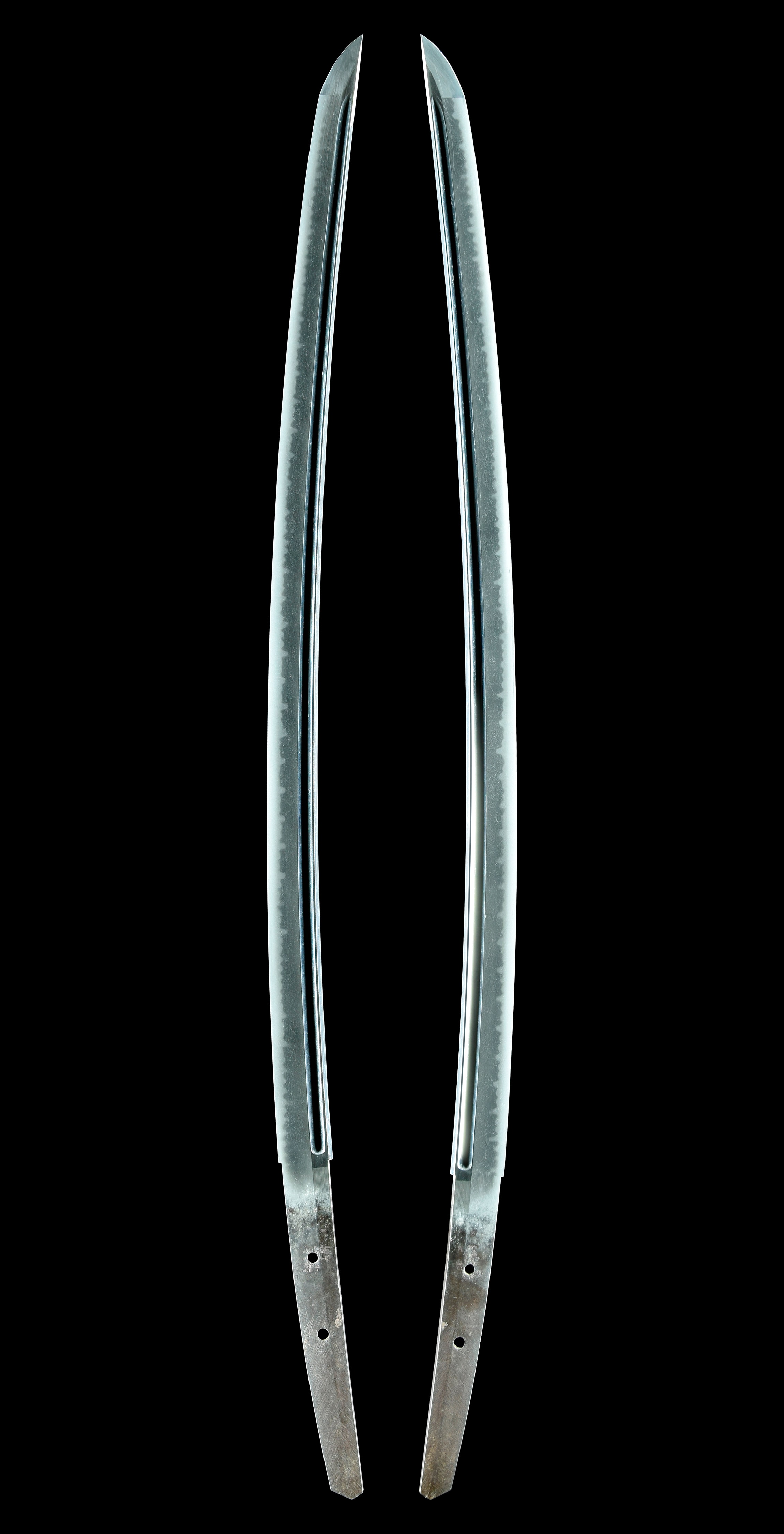
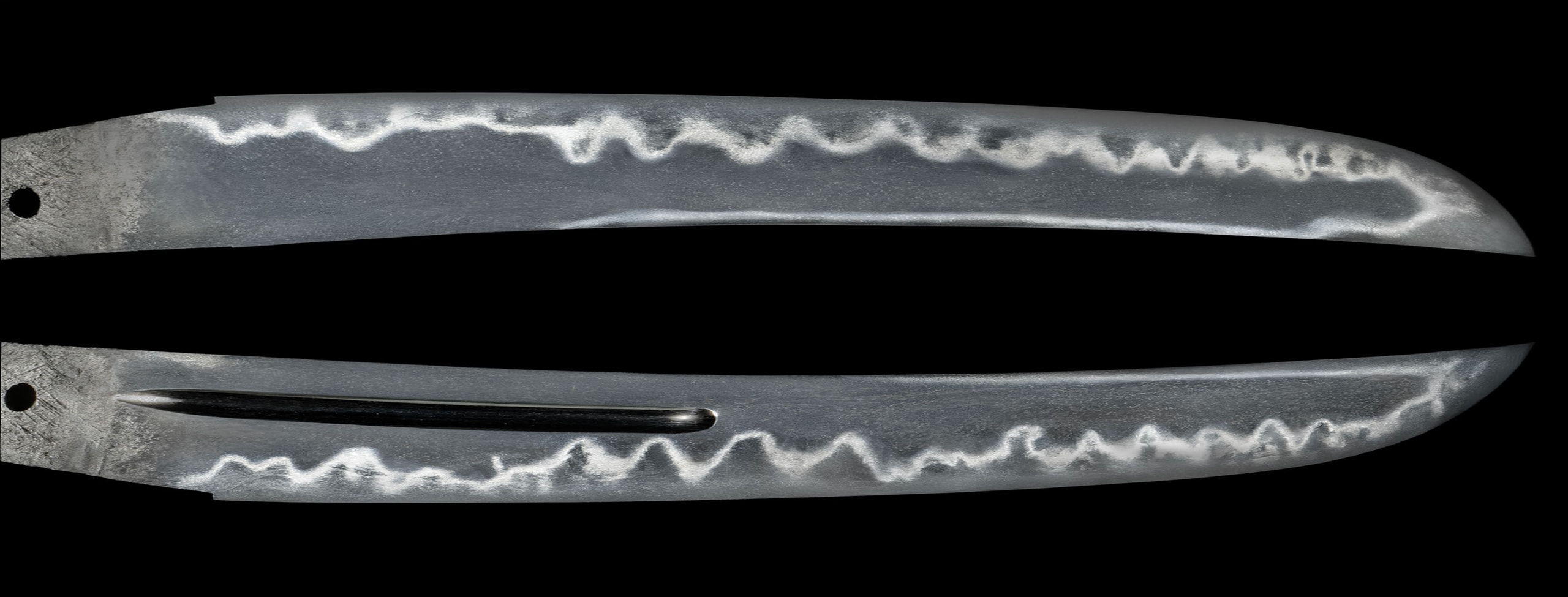
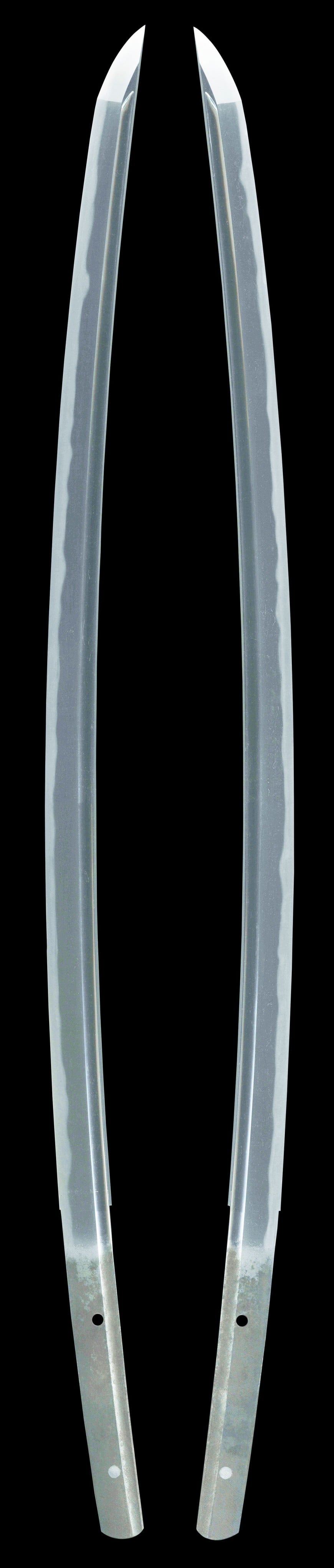
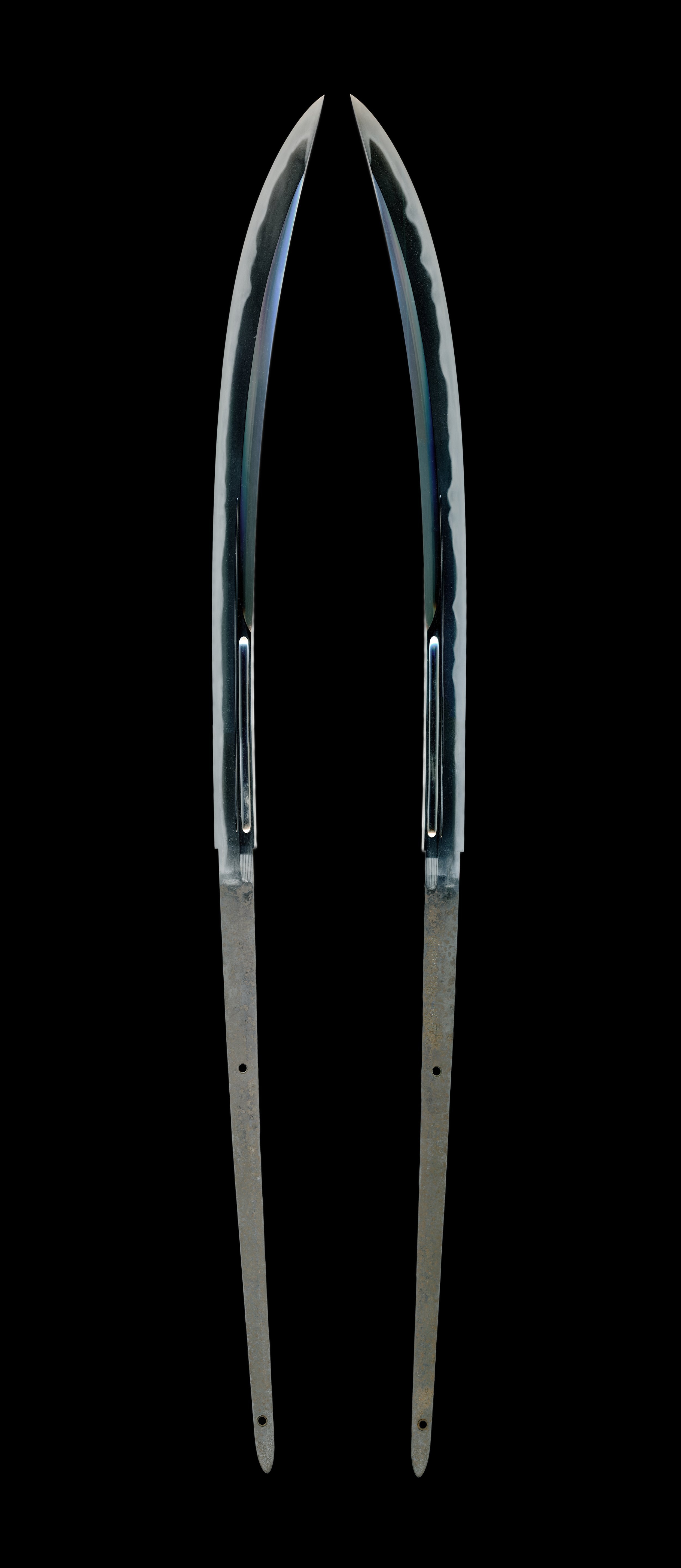
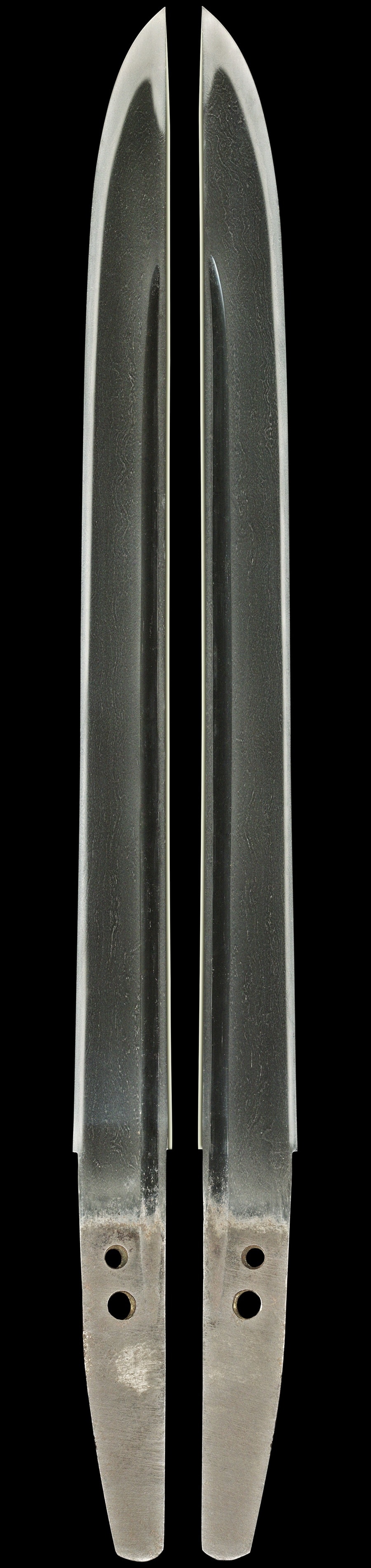
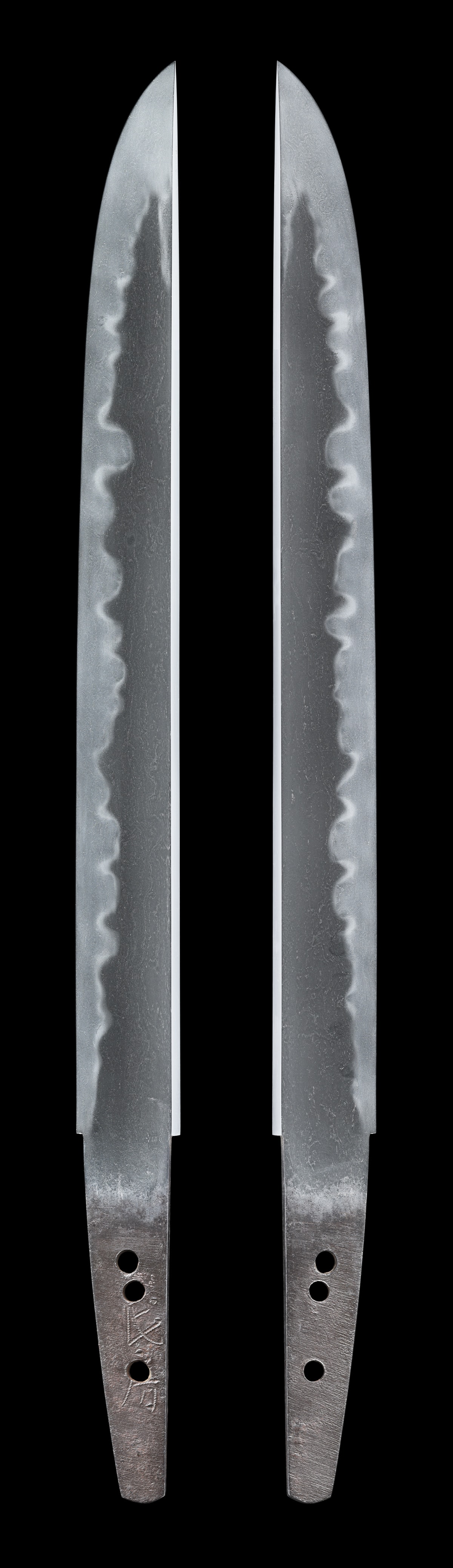
In comparison with the group of the Kaneuji lineage, Kaneshige's works show a more pronounced standing grain in the -- a distinctive quality that is one of the primary diagnostic features. Where the school tends toward pointed , Kaneshige characteristically produces in which the heads are somewhat rounded, formed in a continuous series rather than sharply peaked. His tempering encompasses mixed with and , as well as calm patterns; among signed , examples in are also found. adheres well and the is bright, yet overall his work is more subdued in tone than that of the line. A hokkoku- -- a northern provinces character -- has been recognised in the texture of the in certain works, reflecting his origins.

The appraisals consistently distinguish Kaneshige from the group, noting that his character differs in ways that warrant separate attribution. Despite the near-total absence of reliable signed long blades, the recurring evaluative standard is that works displaying the distinctive combination of standing grain, rounded tempering, and a calmer overall impression than the school can be readily accepted as representing his hand or his direct lineage. Several designated blades are recognised as upper-ranked works within the tradition, and their sound condition further attests to the quality and enduring importance of this foundational school.

Designations

Kokuhō—
Jūyō Bunkazai—
Jūyō Bijutsuhin—
Gyobutsu—
Tokubetsu Jūyō—
Jūyō Tōken1

Elite Standing

0.00 across 1 designated works

Top 100% among smiths

Blade Forms

Distribution across 1 ranked works

Signatures

Signature types across 1 ranked works

Currently Available

Zensho School

Other artisans of the Zensho school

Kaneyoshi兼吉
1 Jūyō Tōken1 for sale