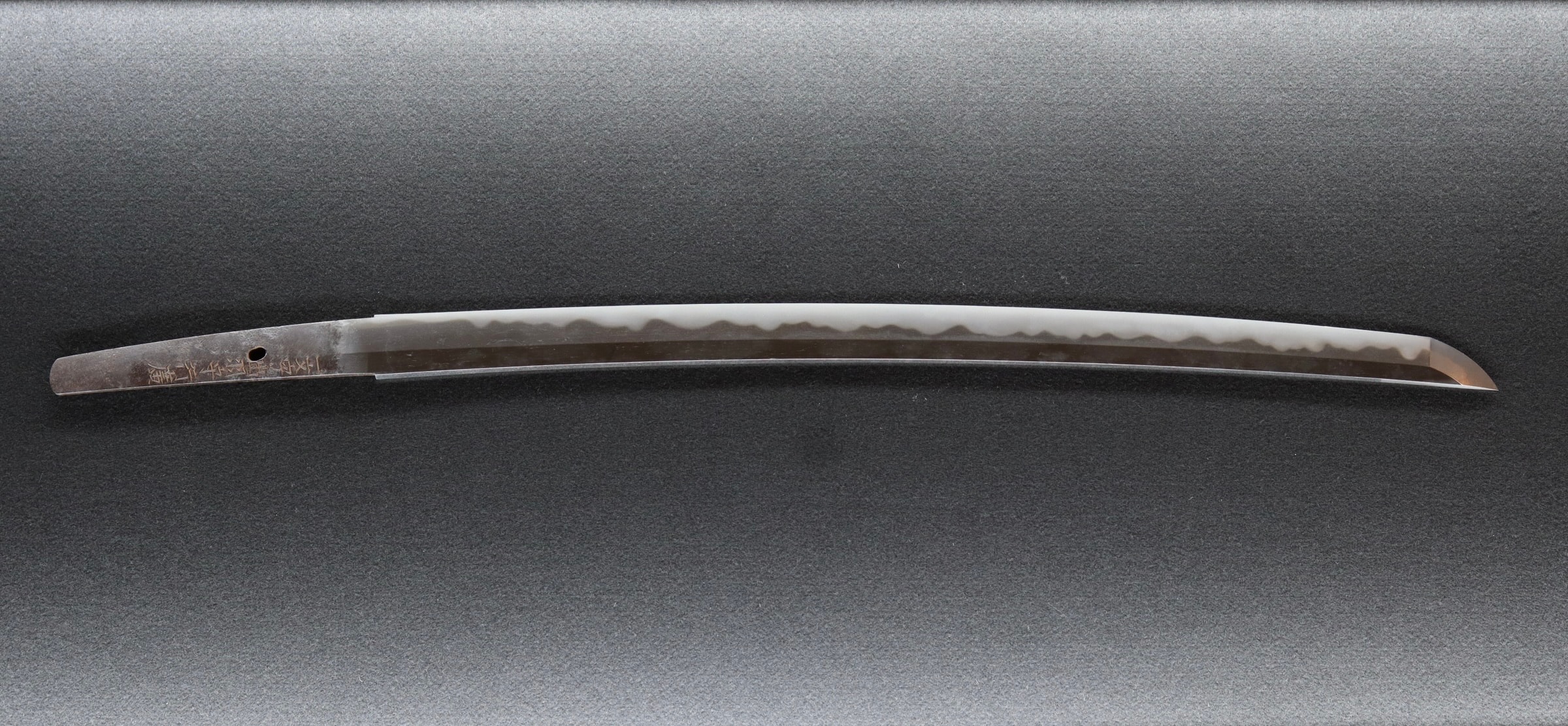
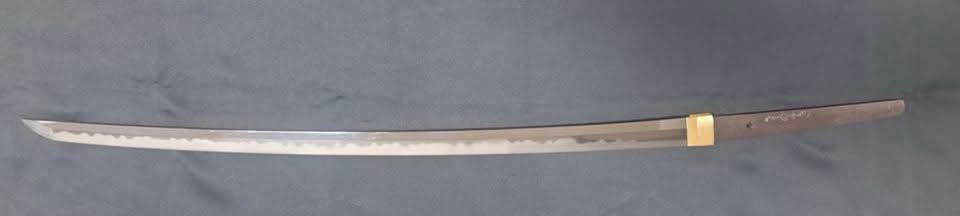
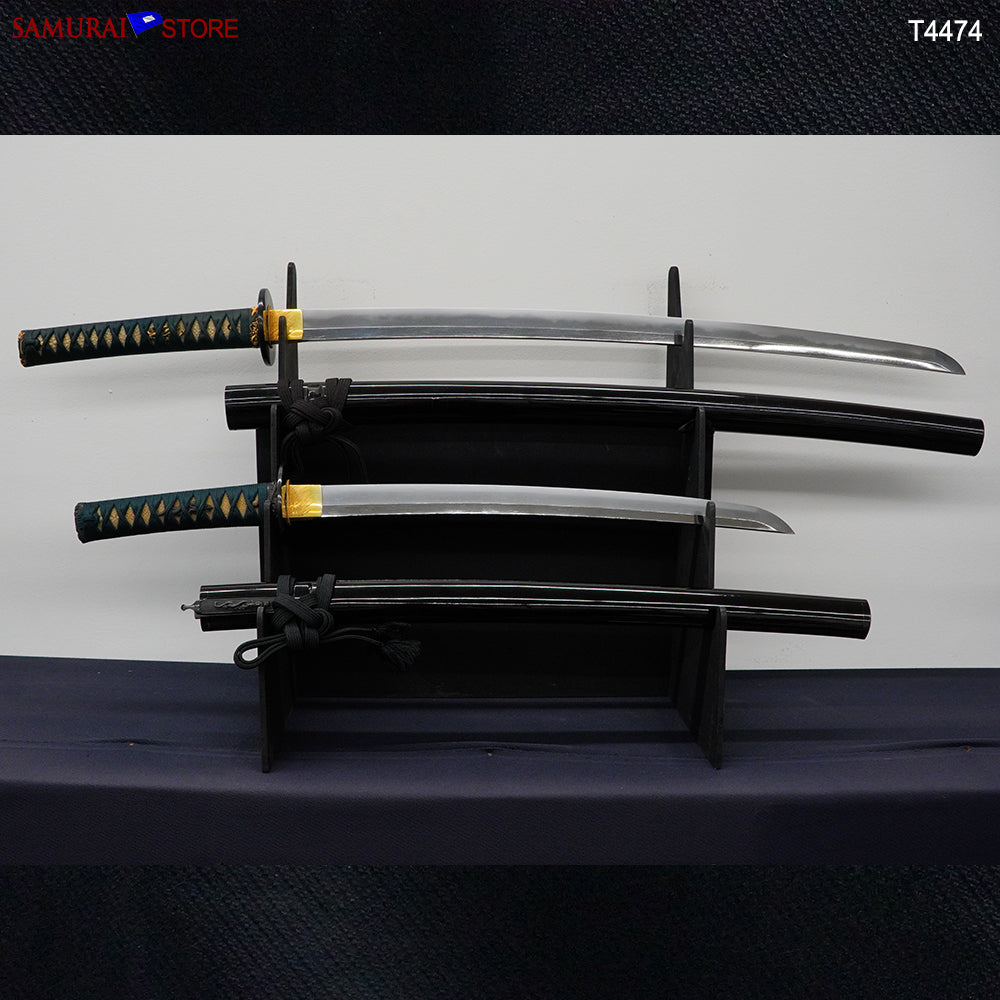
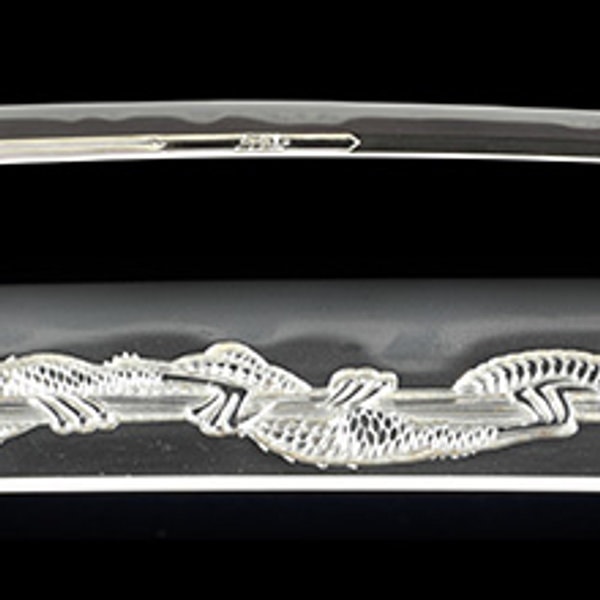
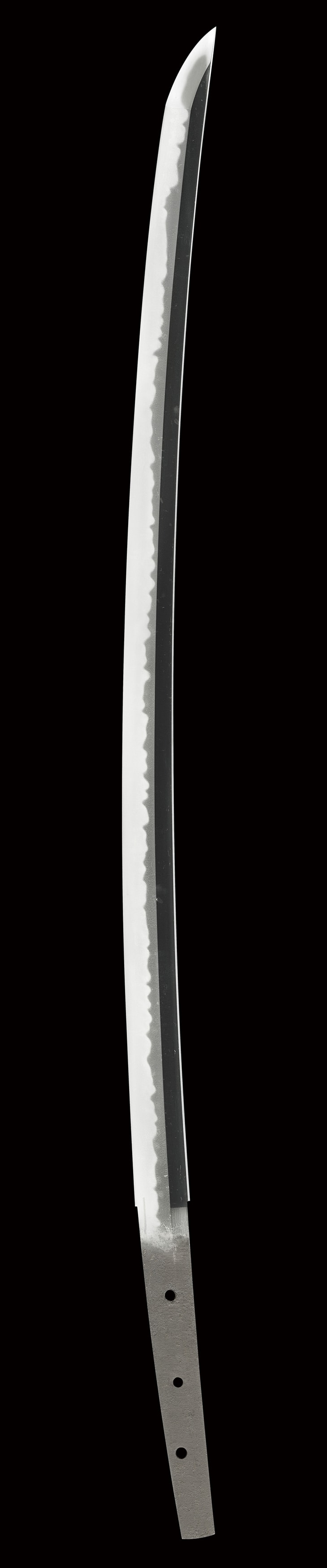
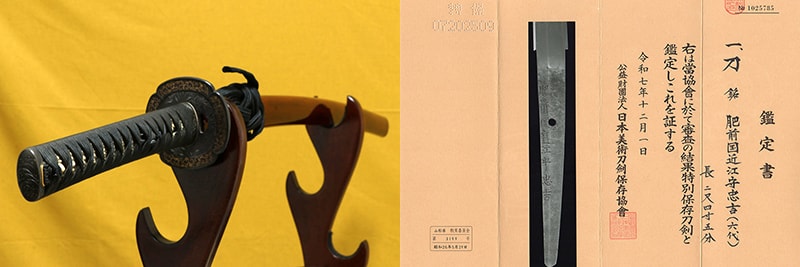
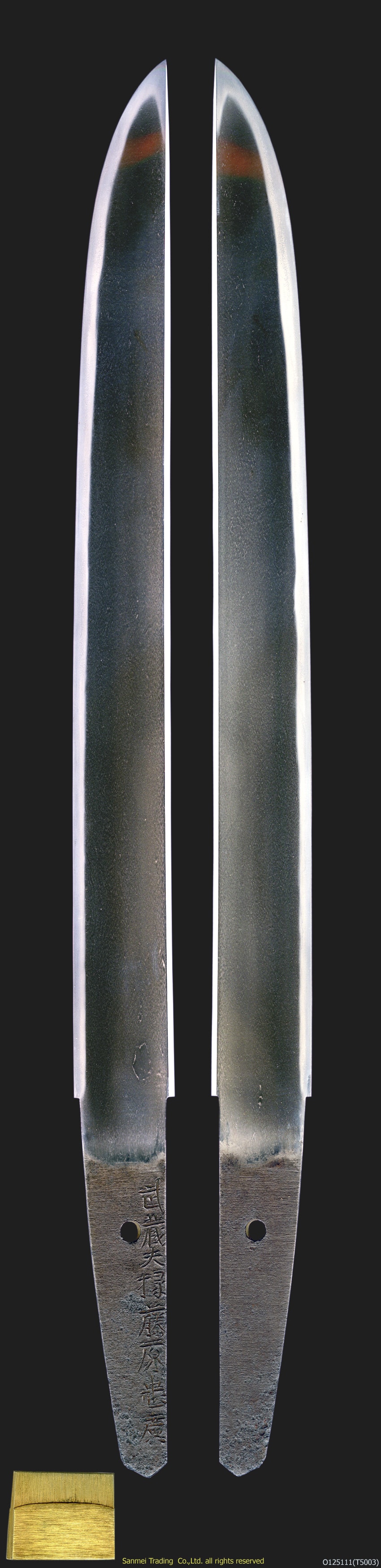
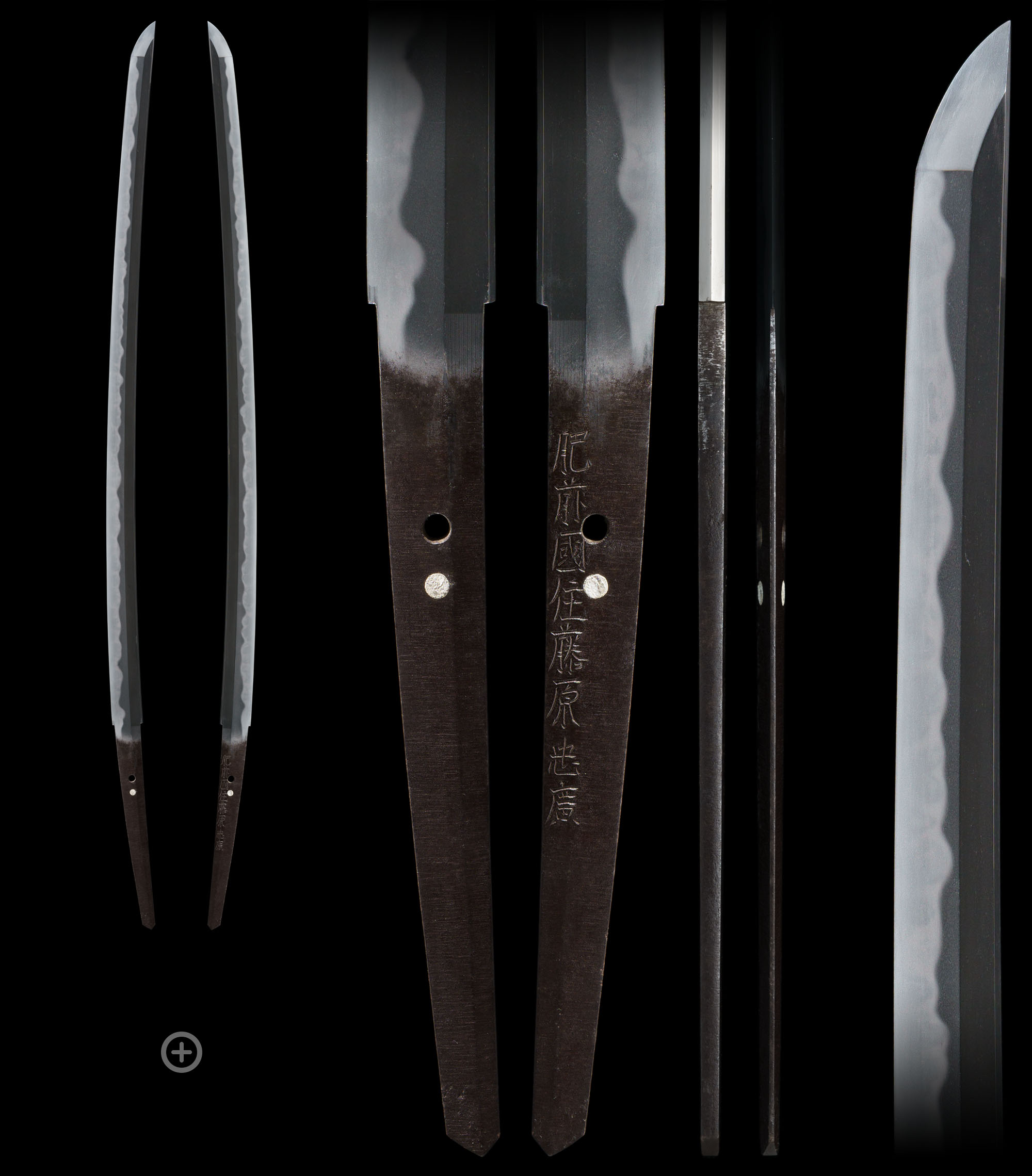
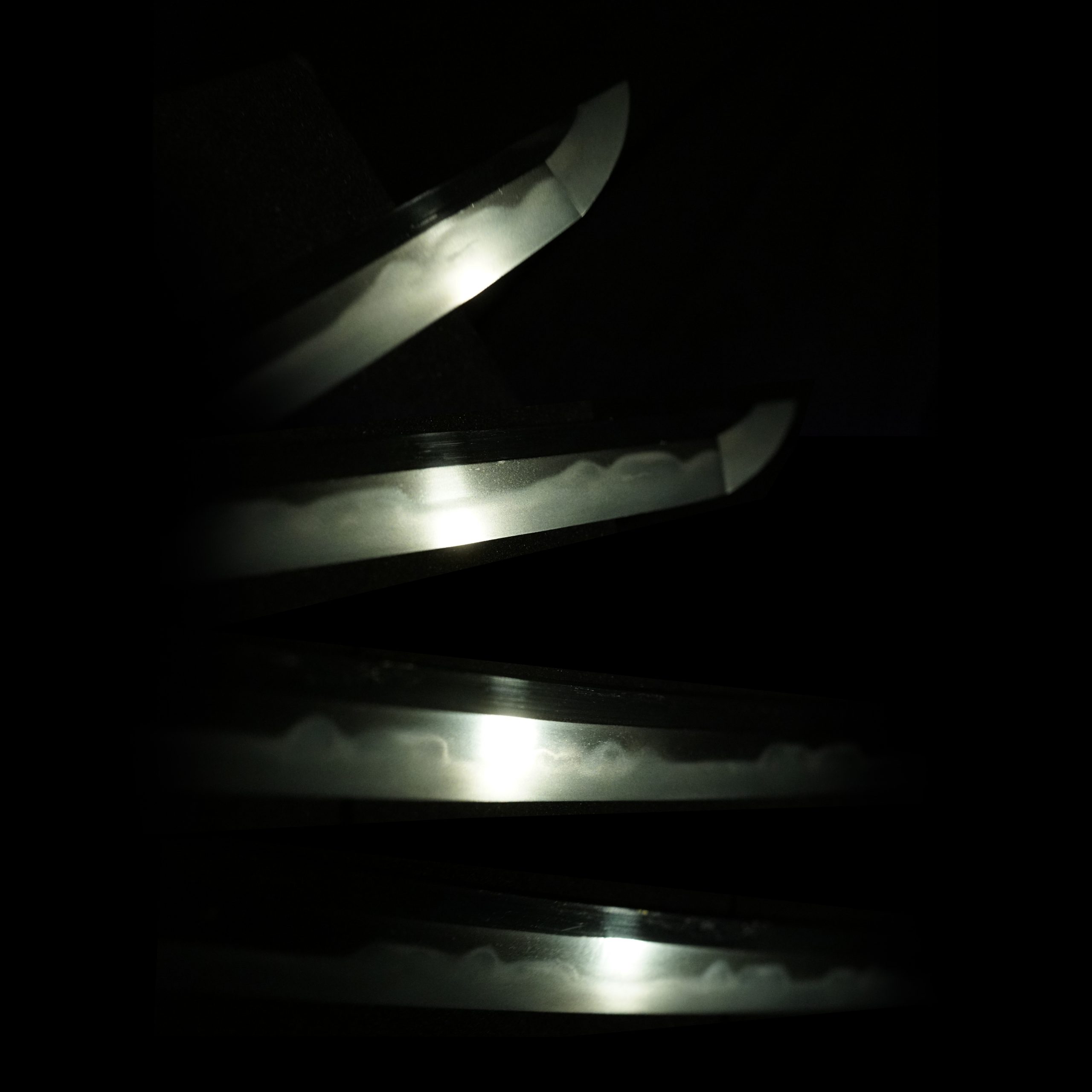
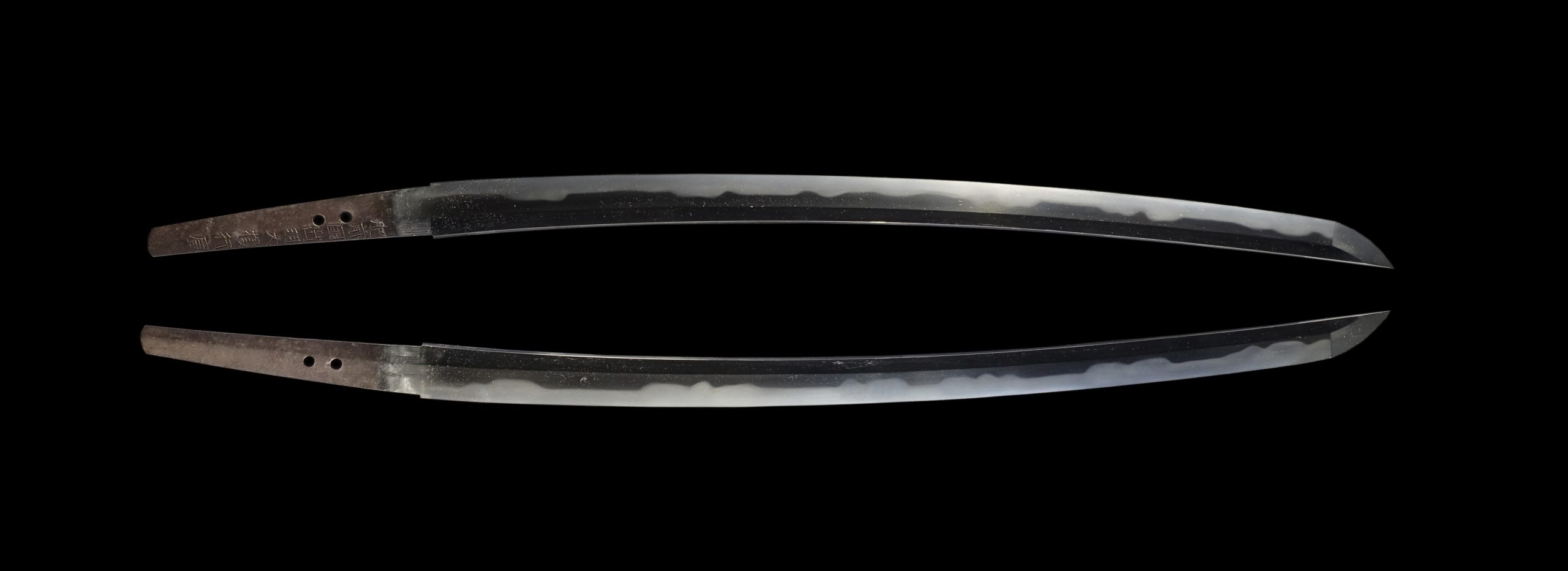
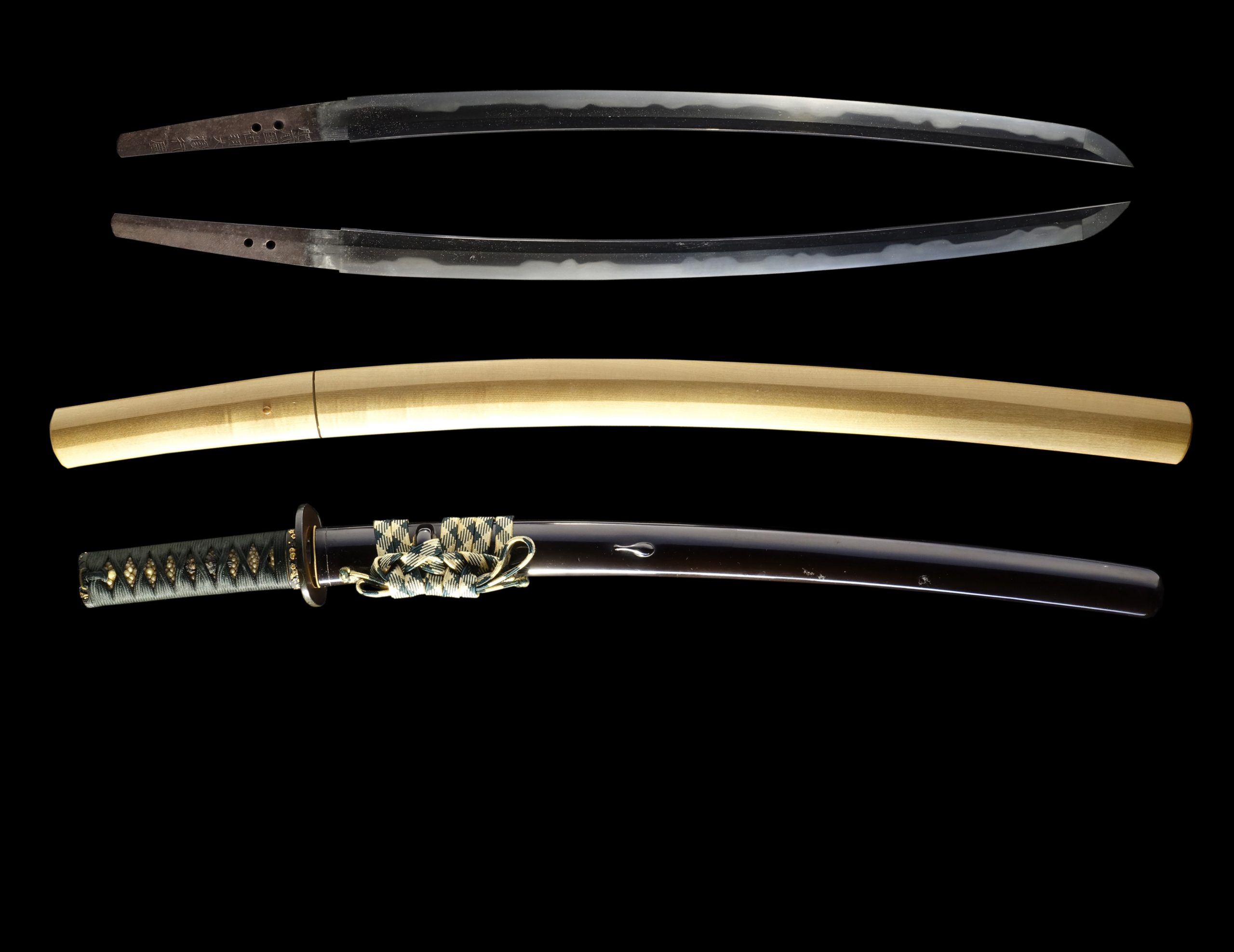
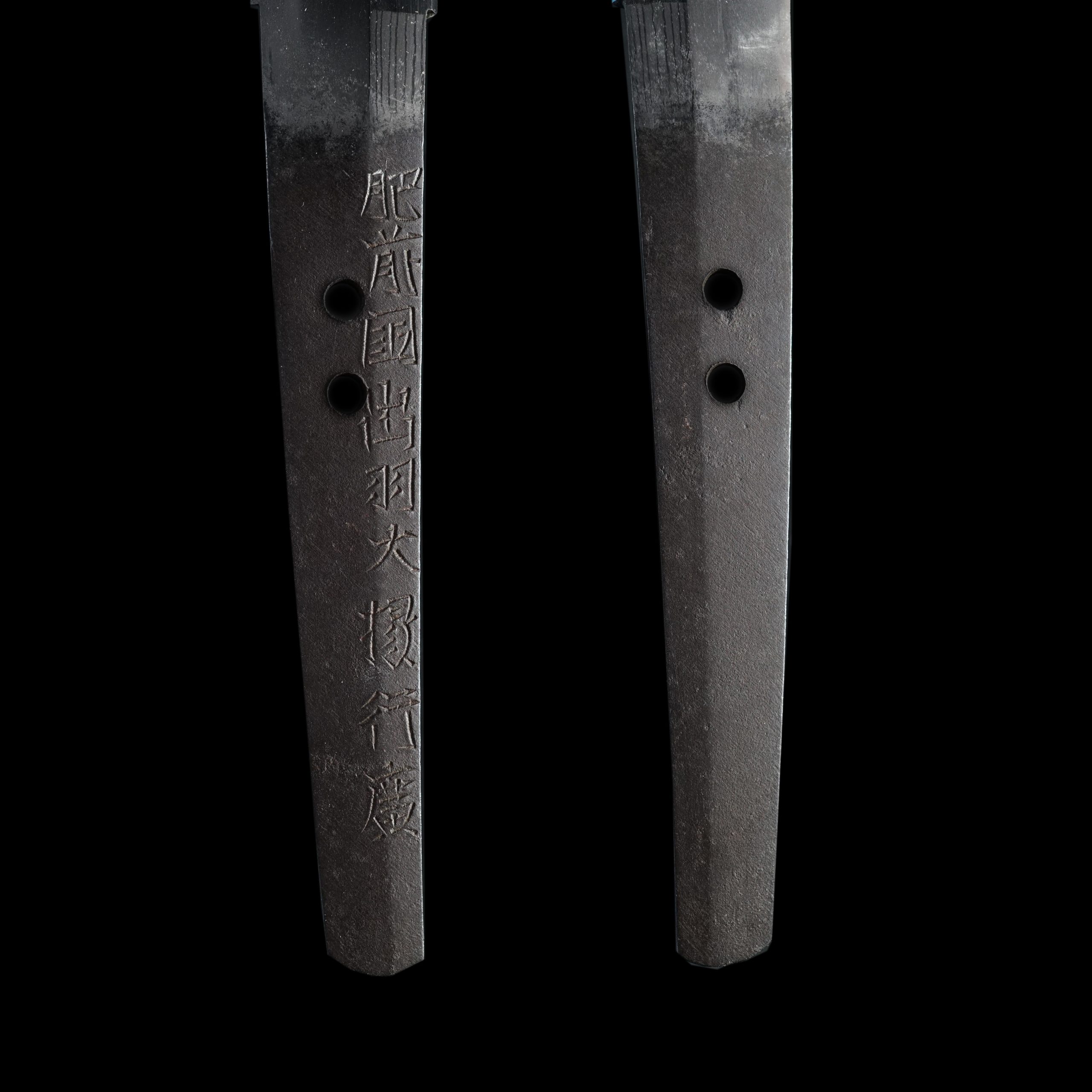
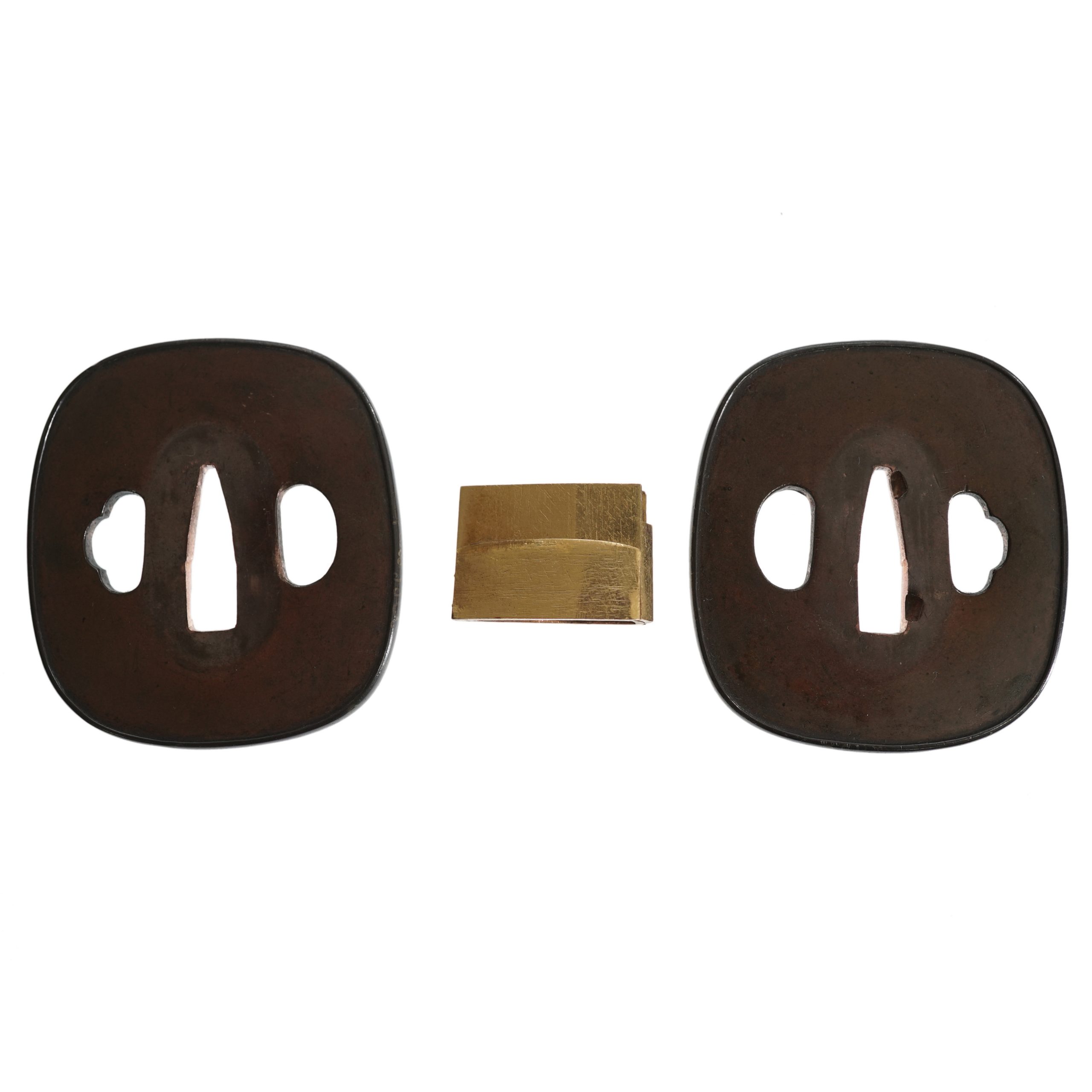
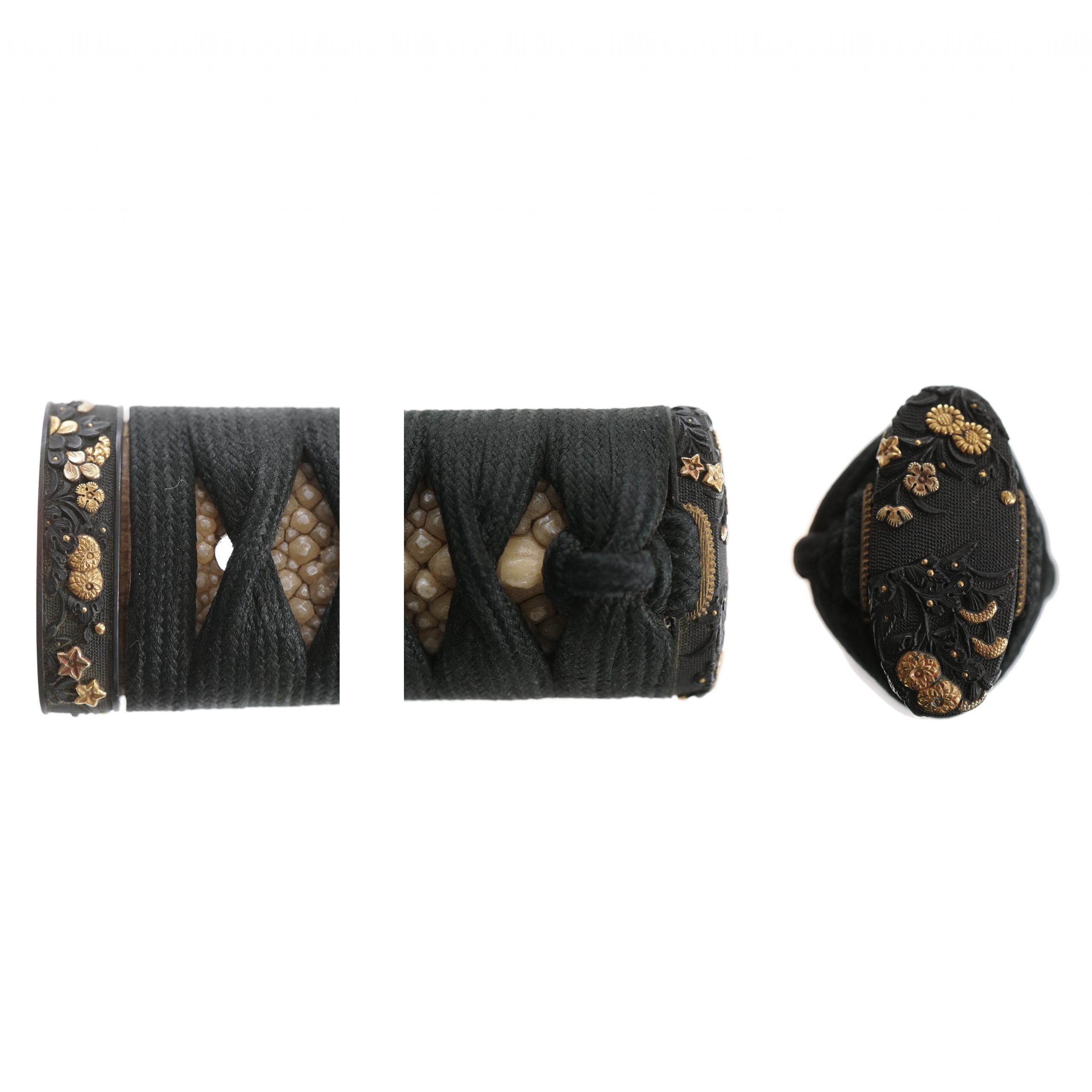
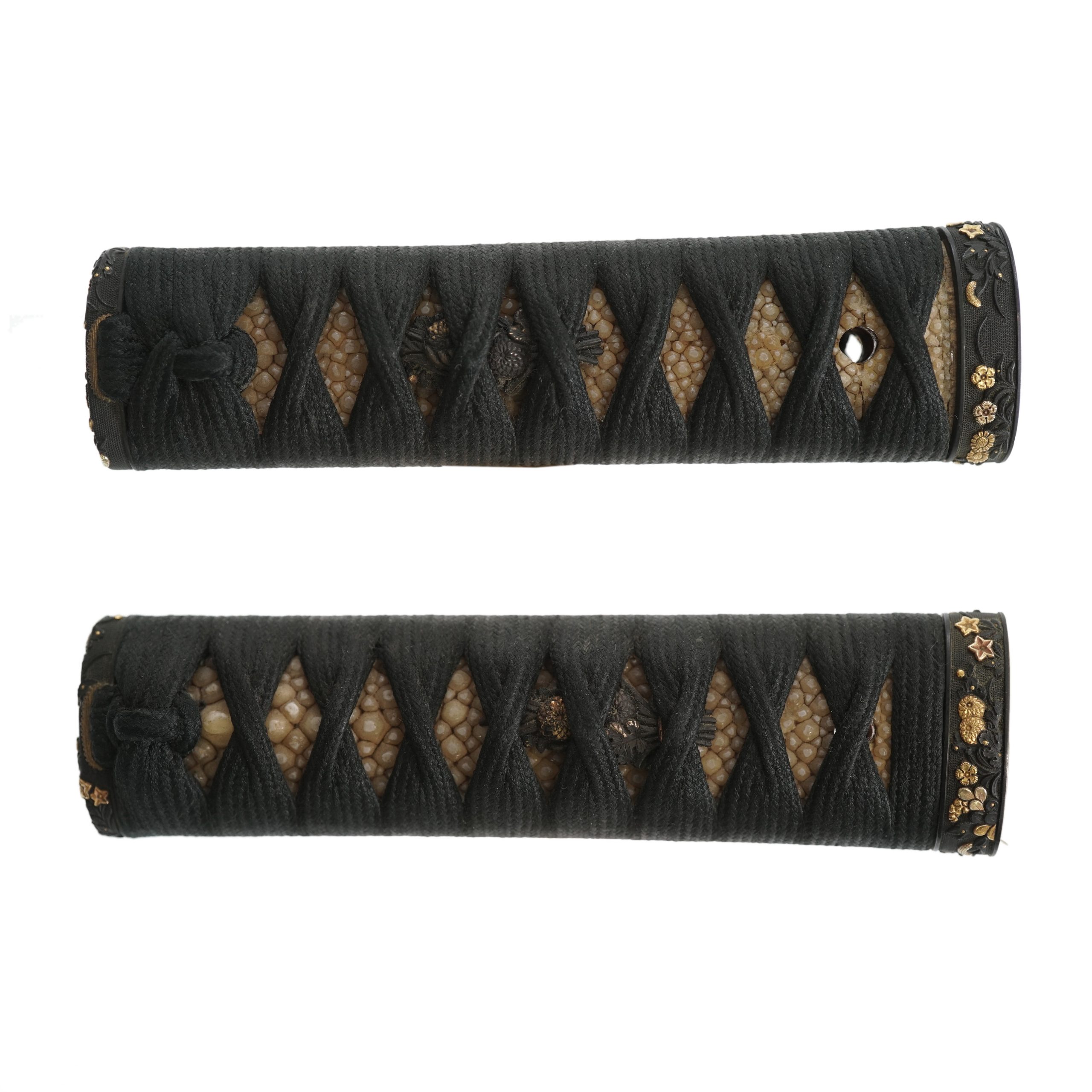
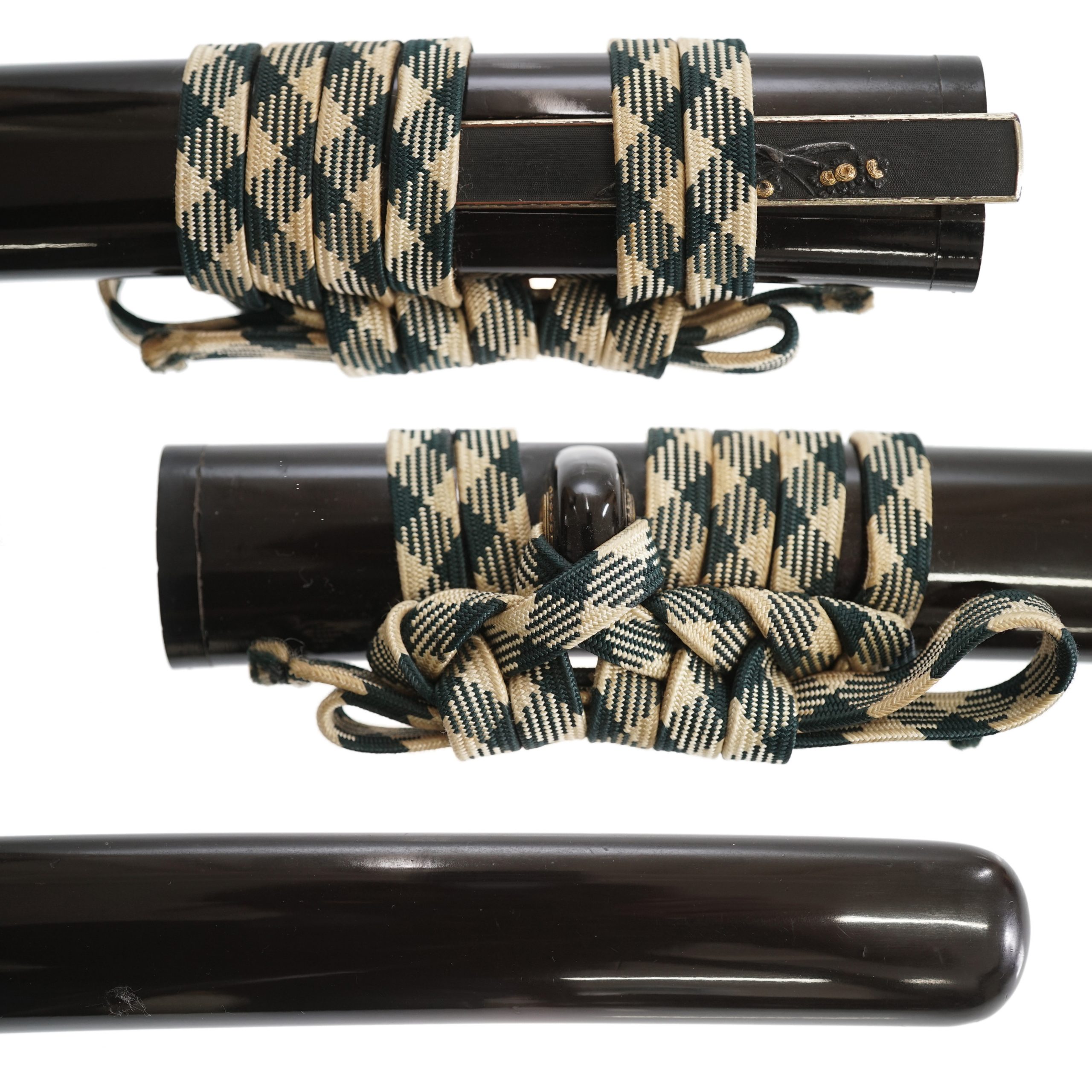
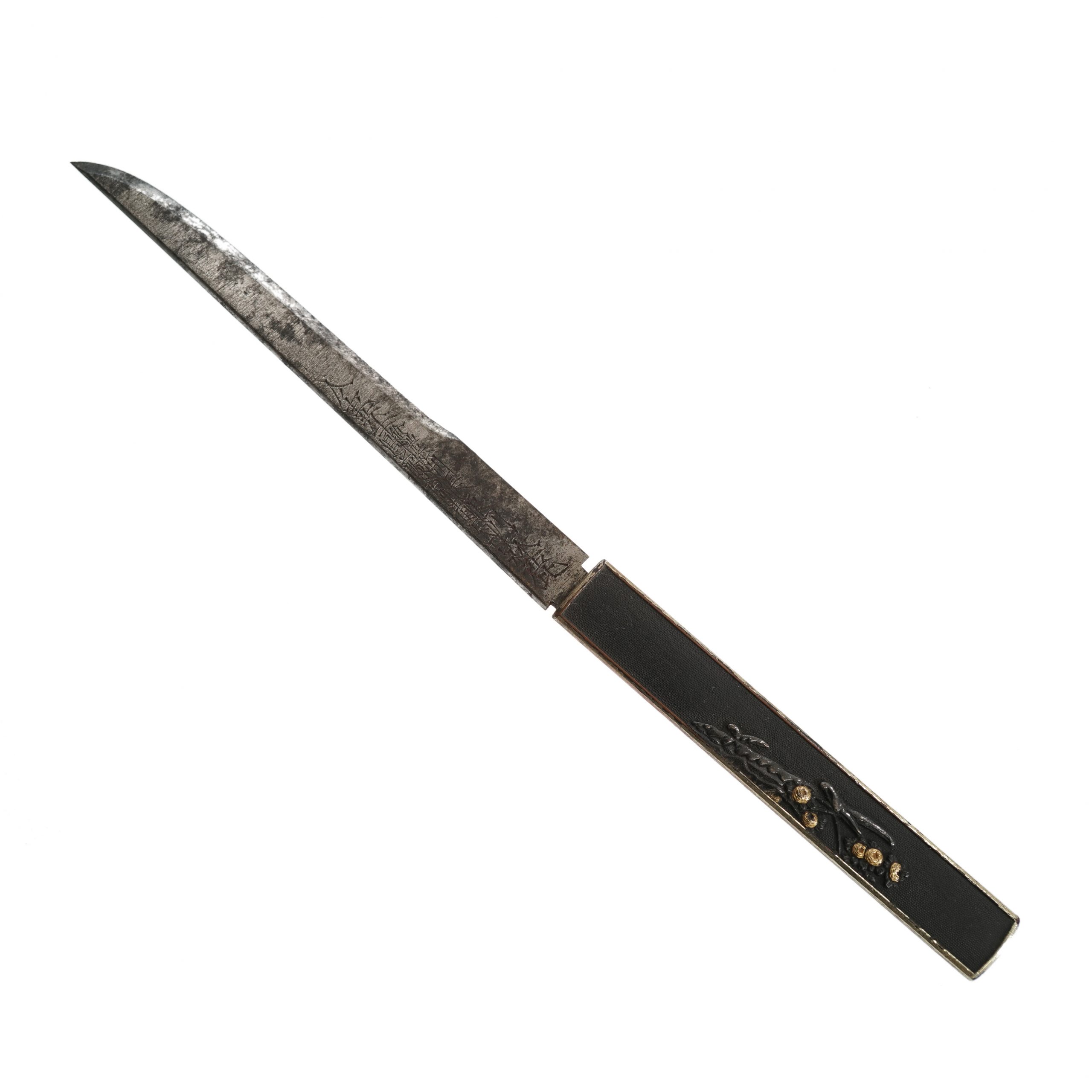
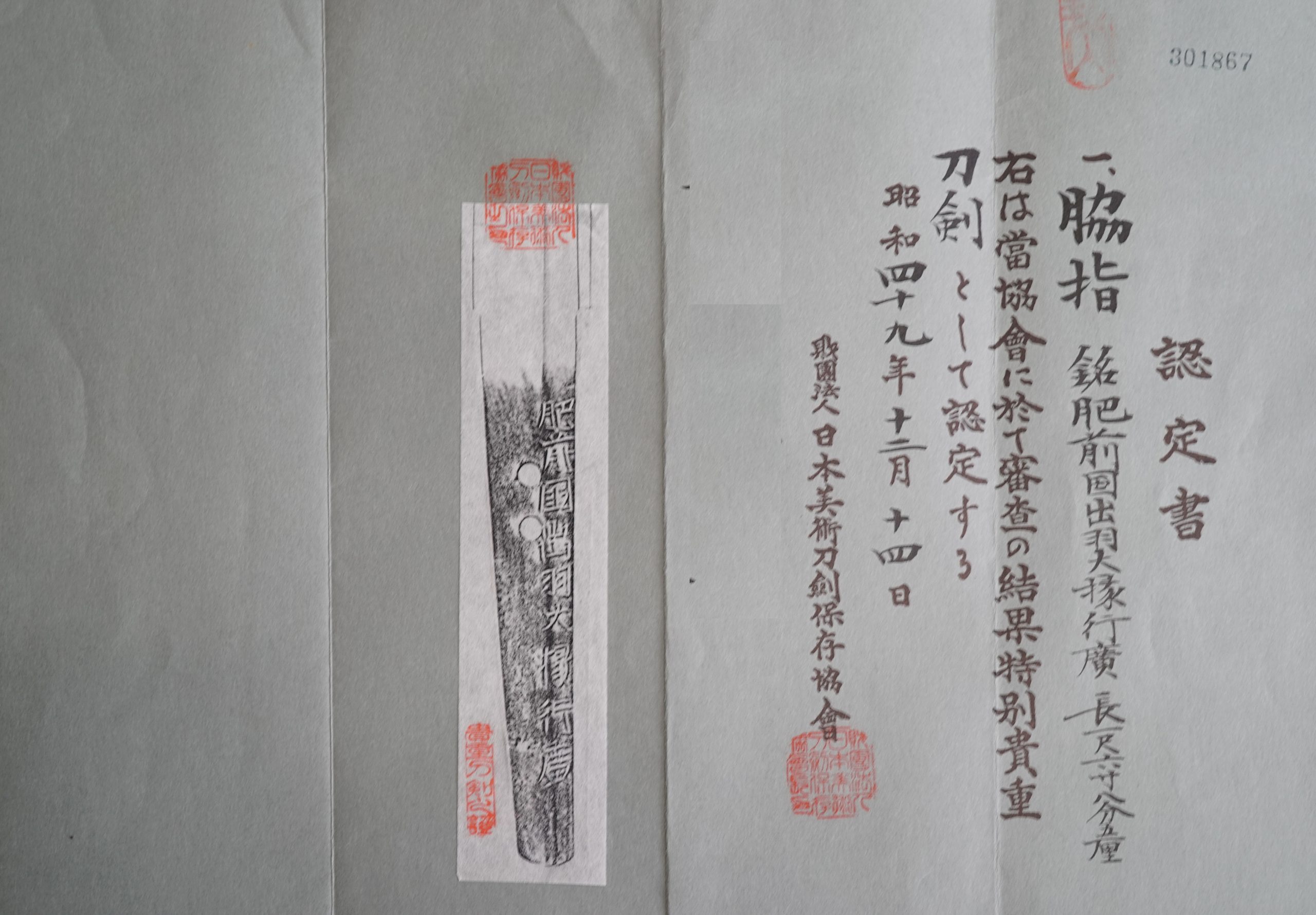
This 350-year-old Edo period Wakizashi was forged by the first generation Yukihiro in Hizen Province. Yukihiro, who served the Saga clan, received the honorable title of Dewadaijyo in 1648 A.D. and Dewano-kami in 1663 A.D. The blade features an Omidare hamon with Hako Midare design and a Ko-Itame jihada, and comes with a NBTHK Tokubetsu Kicho certificate.
 NihontoWatchBETA
mei · Shoho (1644-1648) · nagasa 51.2cm · sori 1.36cm
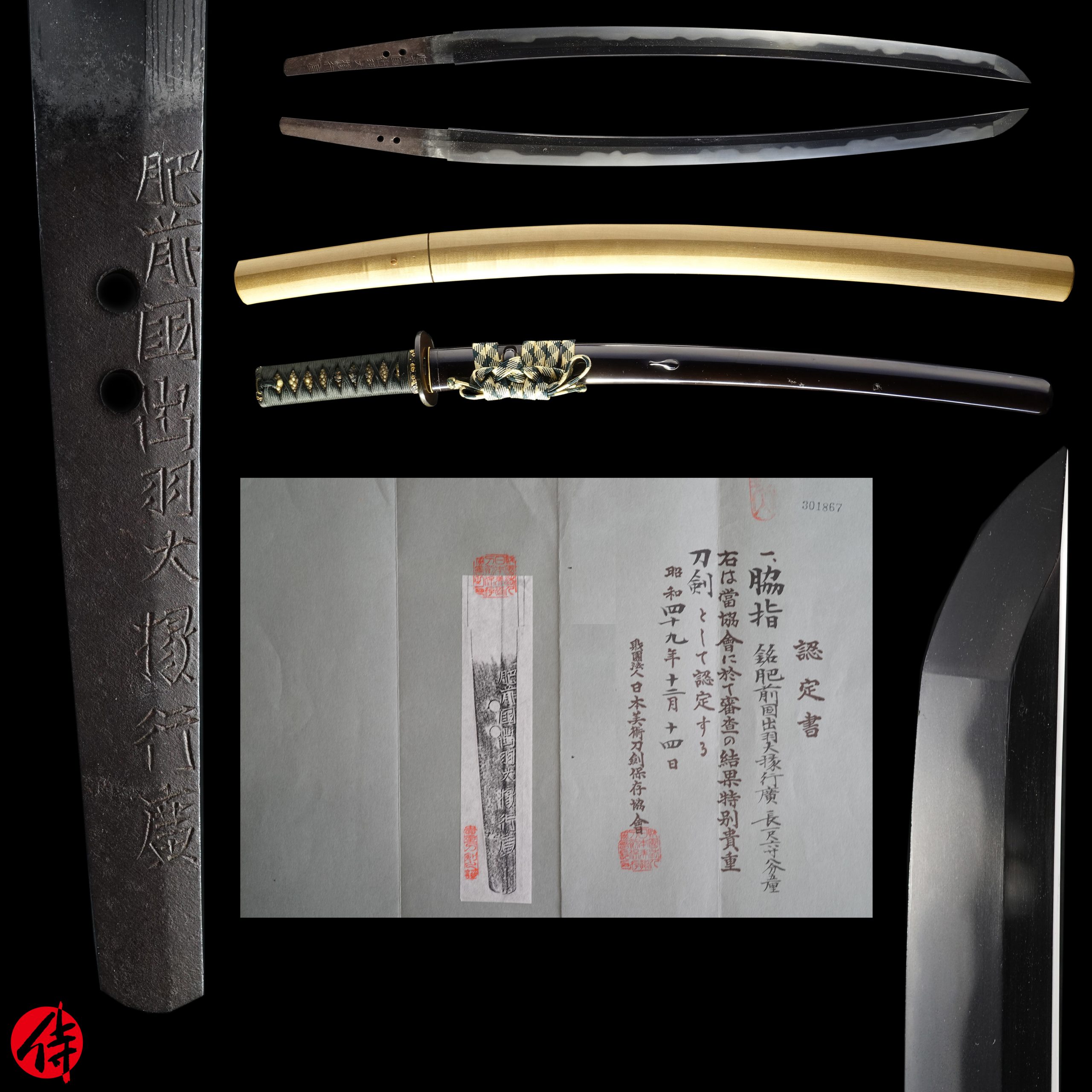
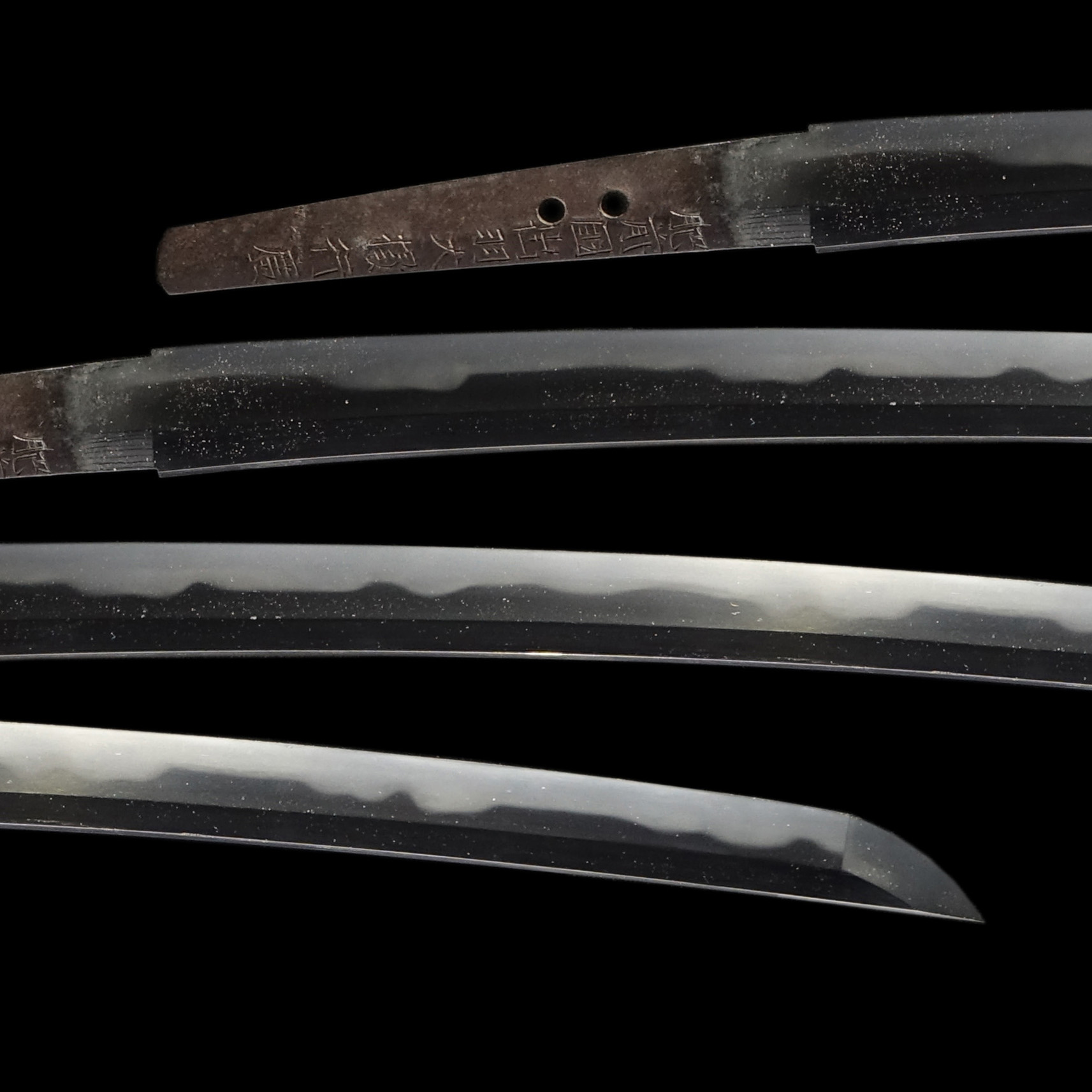
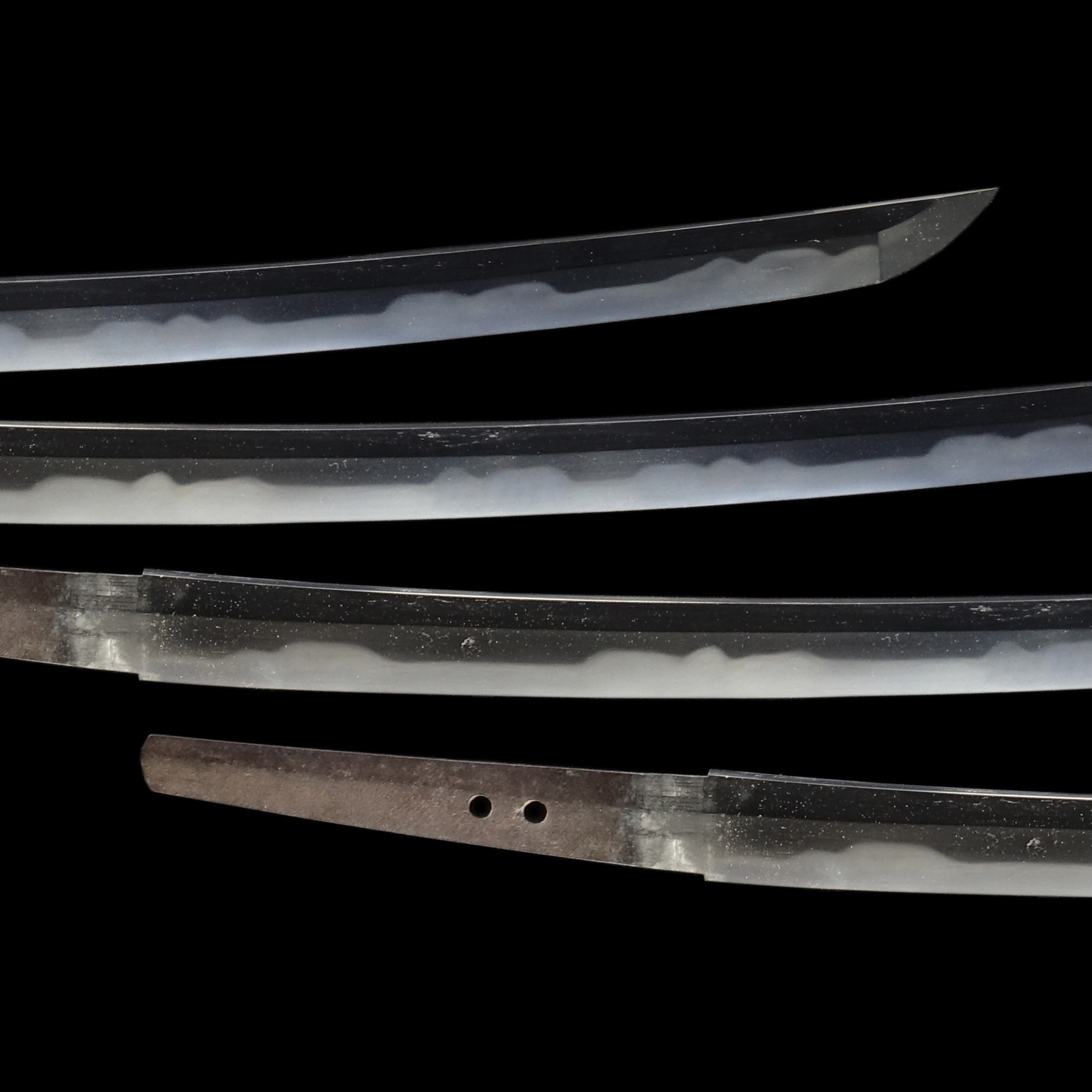
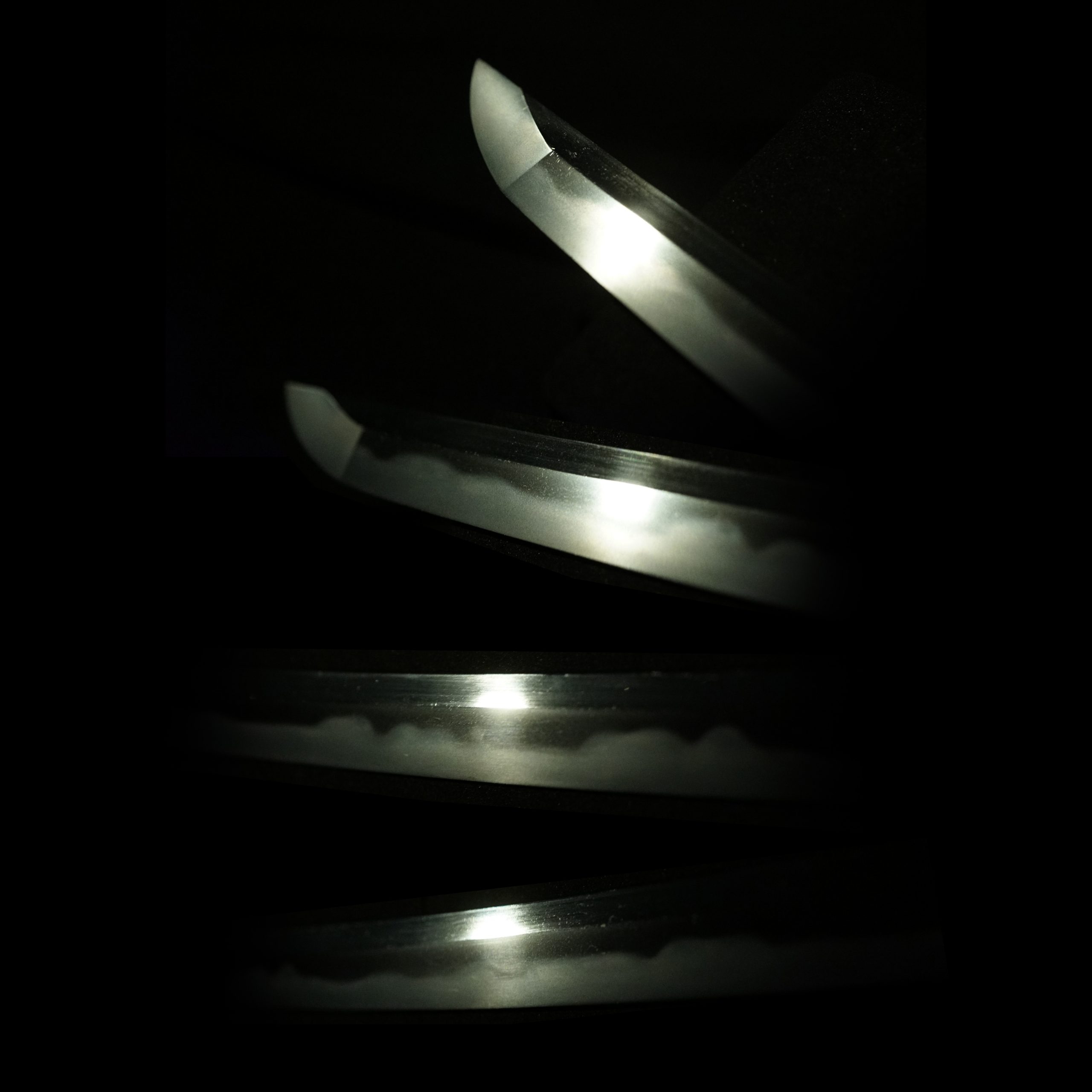
Shinto · Hizen · around 1639-1683
Fujishiro Jo saku · Tōken Taikan top 23%
8 pieces on the market now
Where Yukihiro stands among comparable artisans: across all of nihontō, and within tradition, era, and period. The tiers (Foremost · Leading · Major · Notable) weigh official designations from the NBTHK and Japan's Agency for Cultural Affairs, together with historical honors of lasting repute such as the Sansaku and Meibutsu-chō.
Select a lens to see how it's measured.
Shinto · Hizen
116 pieces on the market now
The Hizen Tadayoshi school began with a single domain commission. In Keicho 1 (1596) the Nabeshima of Hizen ordered Hashimoto Shinzaemon, the smith who would sign Tadayoshi, up to Kyoto with the carver Munenaga; there he entered the gate of Umetada Myoju and studied forging while Munenaga learned the chisel. The two returned to the province in Keicho 3 (1598), and Tadayoshi settled in the castle town below Saga, where under the domain's patronage the line grew into the dominant sword-making house of Kyushu. Learn more →
| Smith | Era | Designated |
|---|---|---|
| Tadayoshi忠吉 | 1596-1632 | 125 |
| Tadayoshi忠吉 | 1662-1681 | 60 |
| Tadahiro忠廣 | 1624-1693 | 170 |
| Masahiro正廣 | 1624-1655 | 32 |
| Tadakuni忠國 | 1648-1652 | 32 |
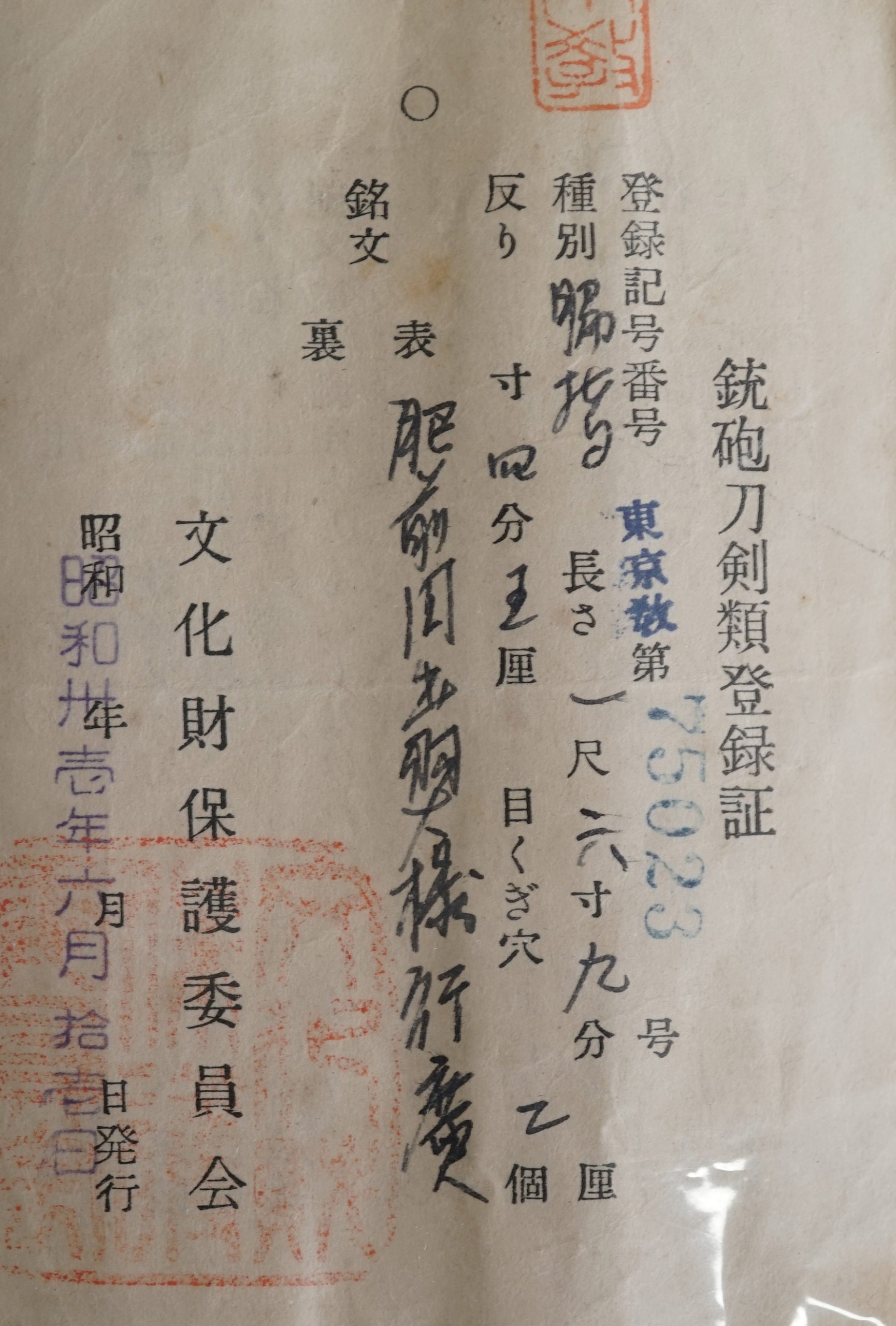
This work carries older NBTHK “Kichō”-era papers, which the NBTHK no longer issues and now regards as unreliable. To confirm the attribution, submission to an official Japanese examination body (such as the NBTHK or NTHK) for modern certification could be considered.
Returns/exchanges limited to defects caused by shipping (except willful misconduct or gross negligence by the company); customers must contact within 72 hours of receiving the product.
This 350-year-old Edo period Wakizashi was forged by the first generation Yukihiro in Hizen Province. Yukihiro, who served the Saga clan, received the honorable title of Dewadaijyo in 1648 A.D. and Dewano-kami in 1663 A.D. The blade features an Omidare hamon with Hako Midare design and a Ko-Itame jihada, and comes with a NBTHK Tokubetsu Kicho certificate.
NihontoWatchBETAmei · Shoho (1644-1648) · nagasa 51.2cm · sori 1.36cm
Shinto · Hizen · around 1639-1683
Fujishiro Jo saku · Tōken Taikan top 23%
8 pieces on the market now
Where Yukihiro stands among comparable artisans: across all of nihontō, and within tradition, era, and period. The tiers (Foremost · Leading · Major · Notable) weigh official designations from the NBTHK and Japan's Agency for Cultural Affairs, together with historical honors of lasting repute such as the Sansaku and Meibutsu-chō.
Select a lens to see how it's measured.
Shinto · Hizen
116 pieces on the market now
The Hizen Tadayoshi school began with a single domain commission. In Keicho 1 (1596) the Nabeshima of Hizen ordered Hashimoto Shinzaemon, the smith who would sign Tadayoshi, up to Kyoto with the carver Munenaga; there he entered the gate of Umetada Myoju and studied forging while Munenaga learned the chisel. The two returned to the province in Keicho 3 (1598), and Tadayoshi settled in the castle town below Saga, where under the domain's patronage the line grew into the dominant sword-making house of Kyushu. Learn more →
| Smith | Era | Designated |
|---|---|---|
| Tadayoshi忠吉 | 1596-1632 | 125 |
| Tadayoshi忠吉 | 1662-1681 | 60 |
| Tadahiro忠廣 | 1624-1693 | 170 |
| Masahiro正廣 | 1624-1655 | 32 |
| Tadakuni忠國 | 1648-1652 | 32 |
This work carries older NBTHK “Kichō”-era papers, which the NBTHK no longer issues and now regards as unreliable. To confirm the attribution, submission to an official Japanese examination body (such as the NBTHK or NTHK) for modern certification could be considered.
Returns/exchanges limited to defects caused by shipping (except willful misconduct or gross negligence by the company); customers must contact within 72 hours of receiving the product.