Perry’s arrival in 1853 unraveled the Tokugawa peace and created the first mass demand for working swords in two centuries. Kiyomaro, called the Masamune of Yotsuya, died on its eve; Munetsugu and Yukihide carried the boom to the end.
 NihontoWatchNihontoWatch
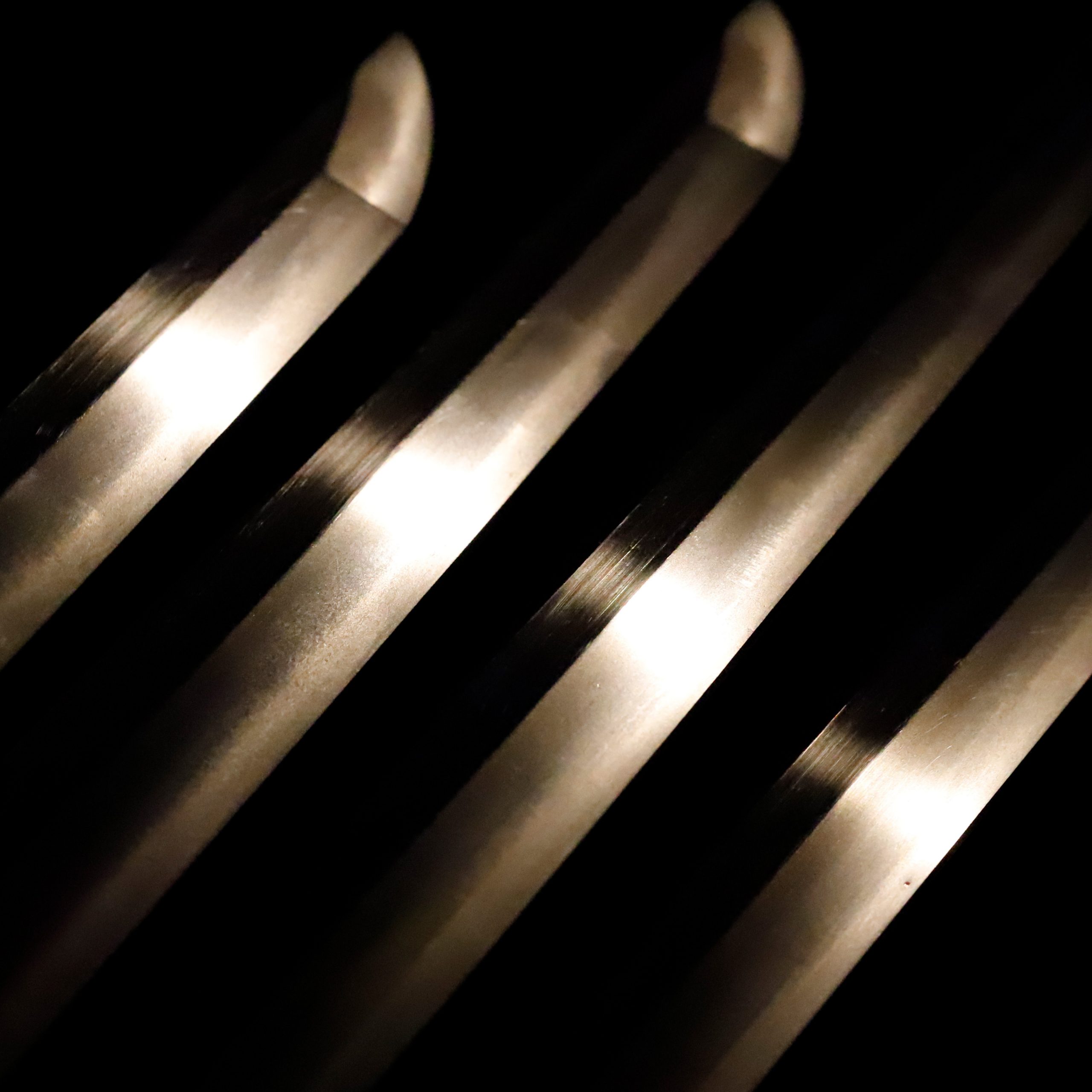
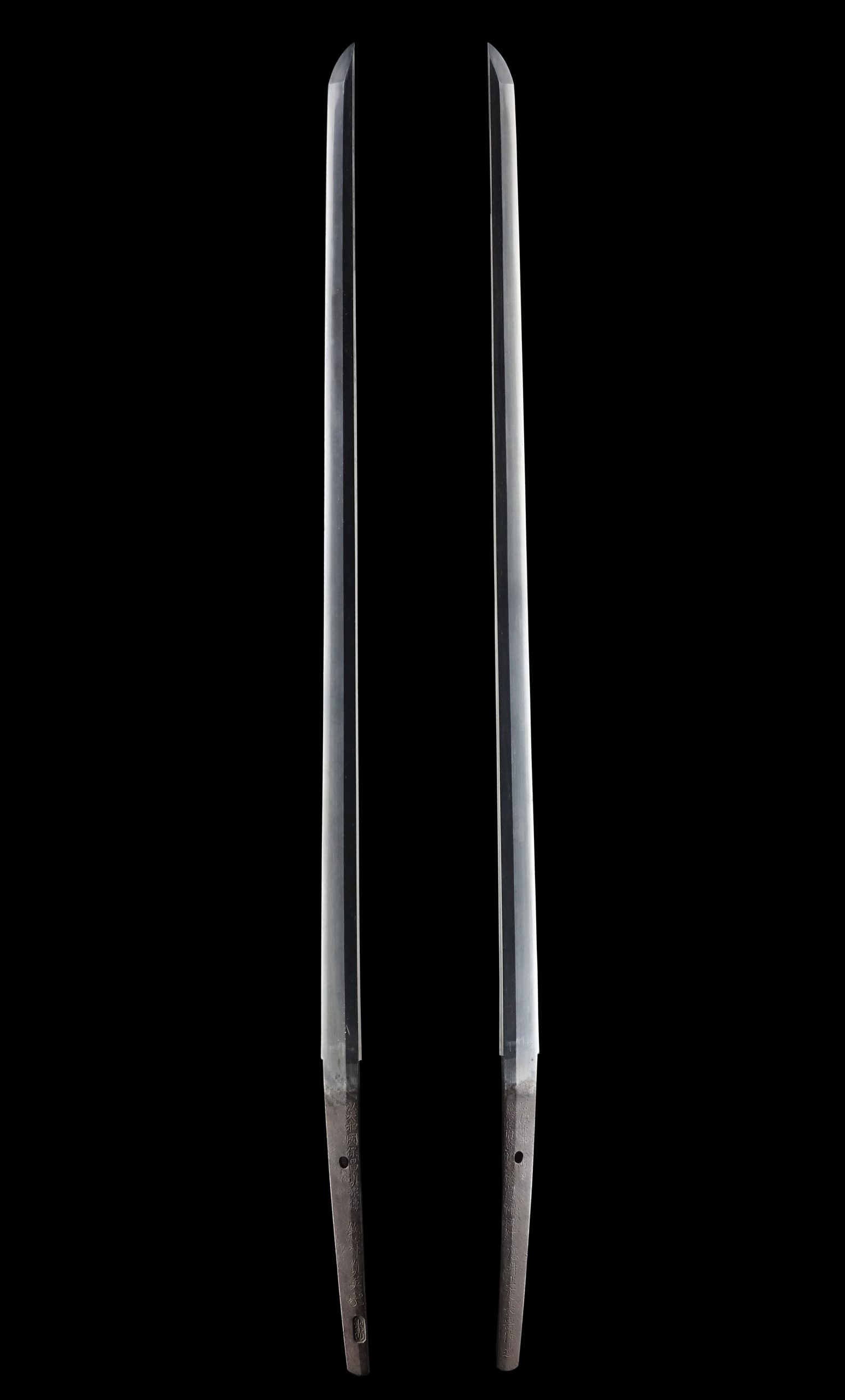
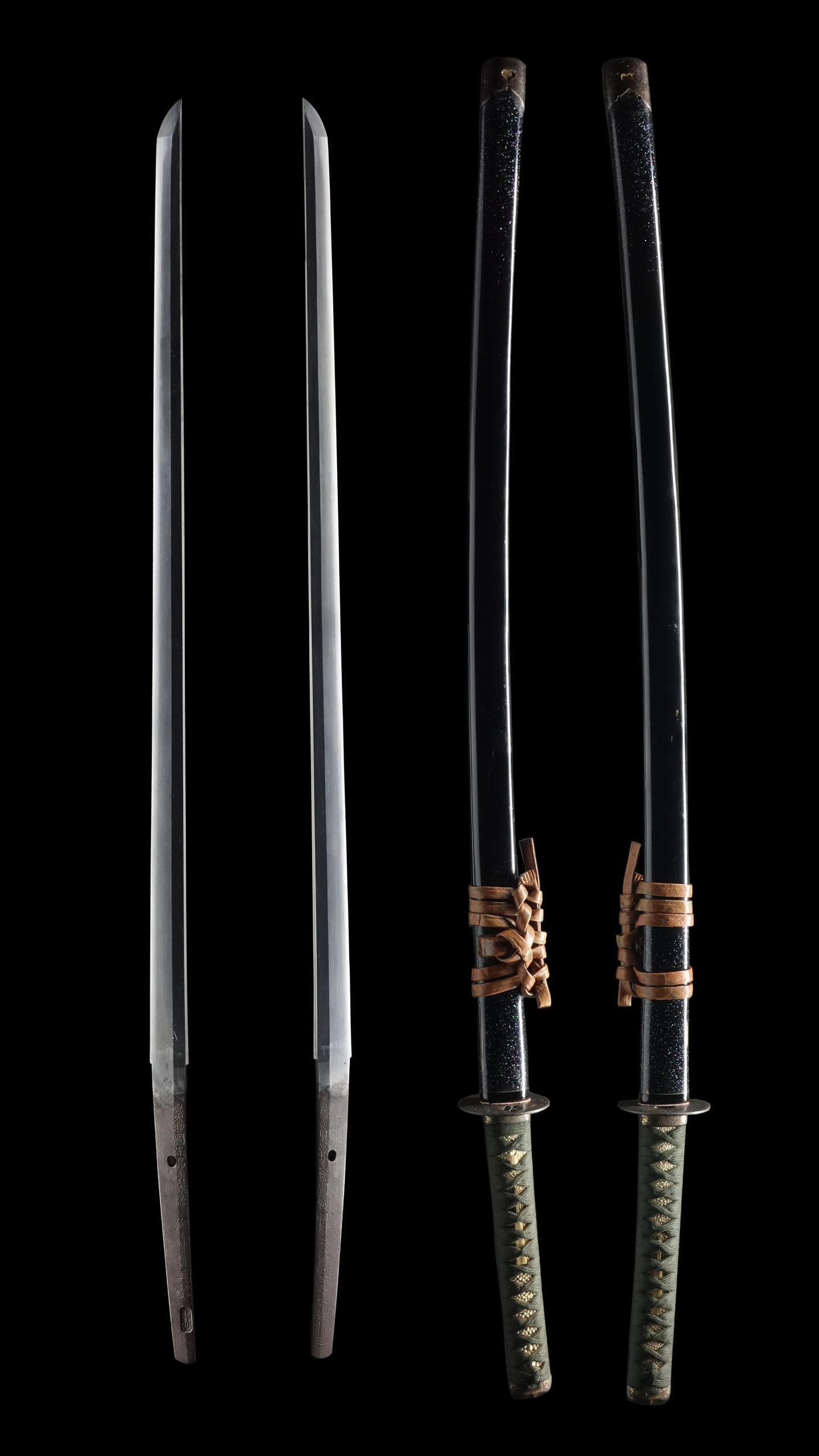
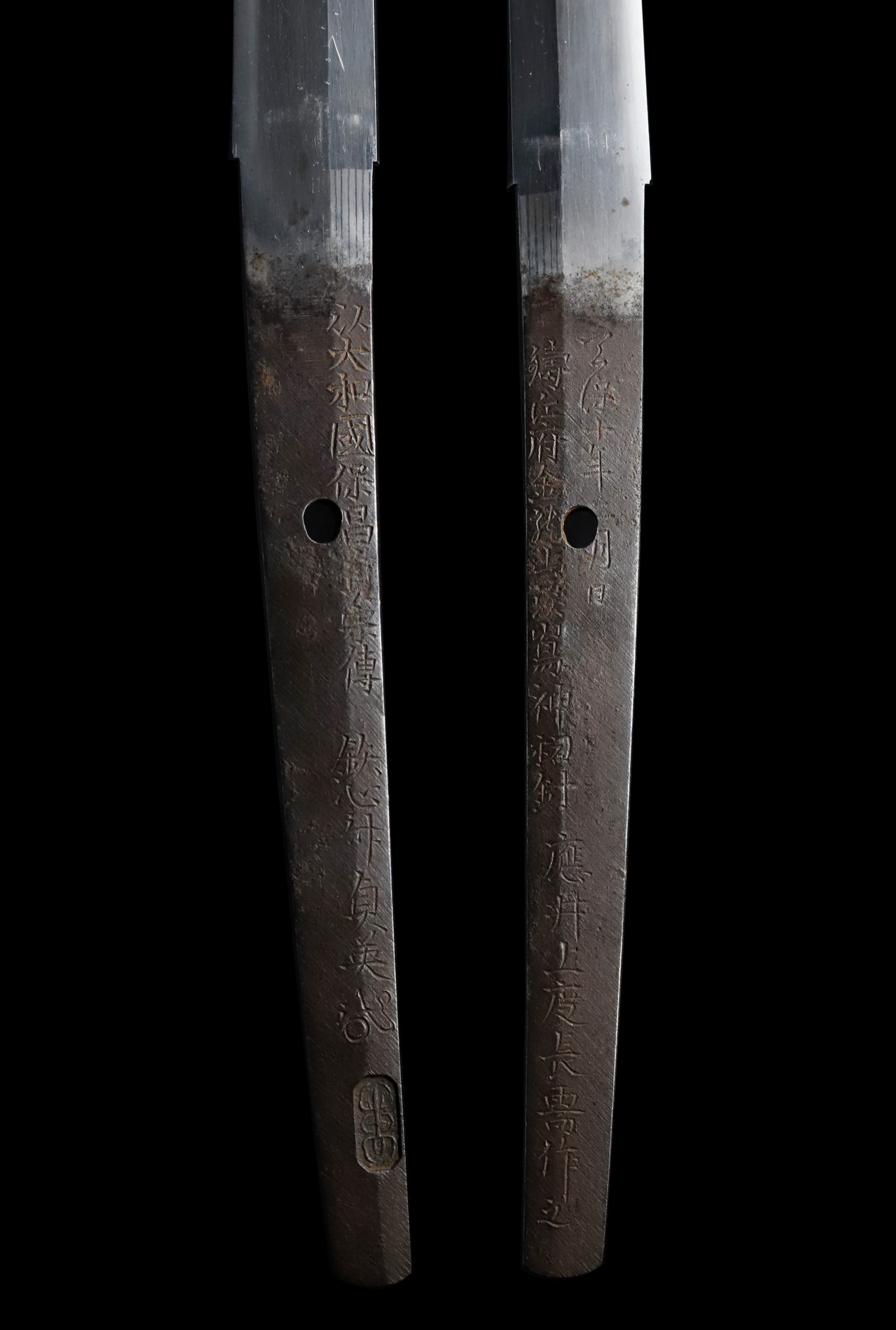
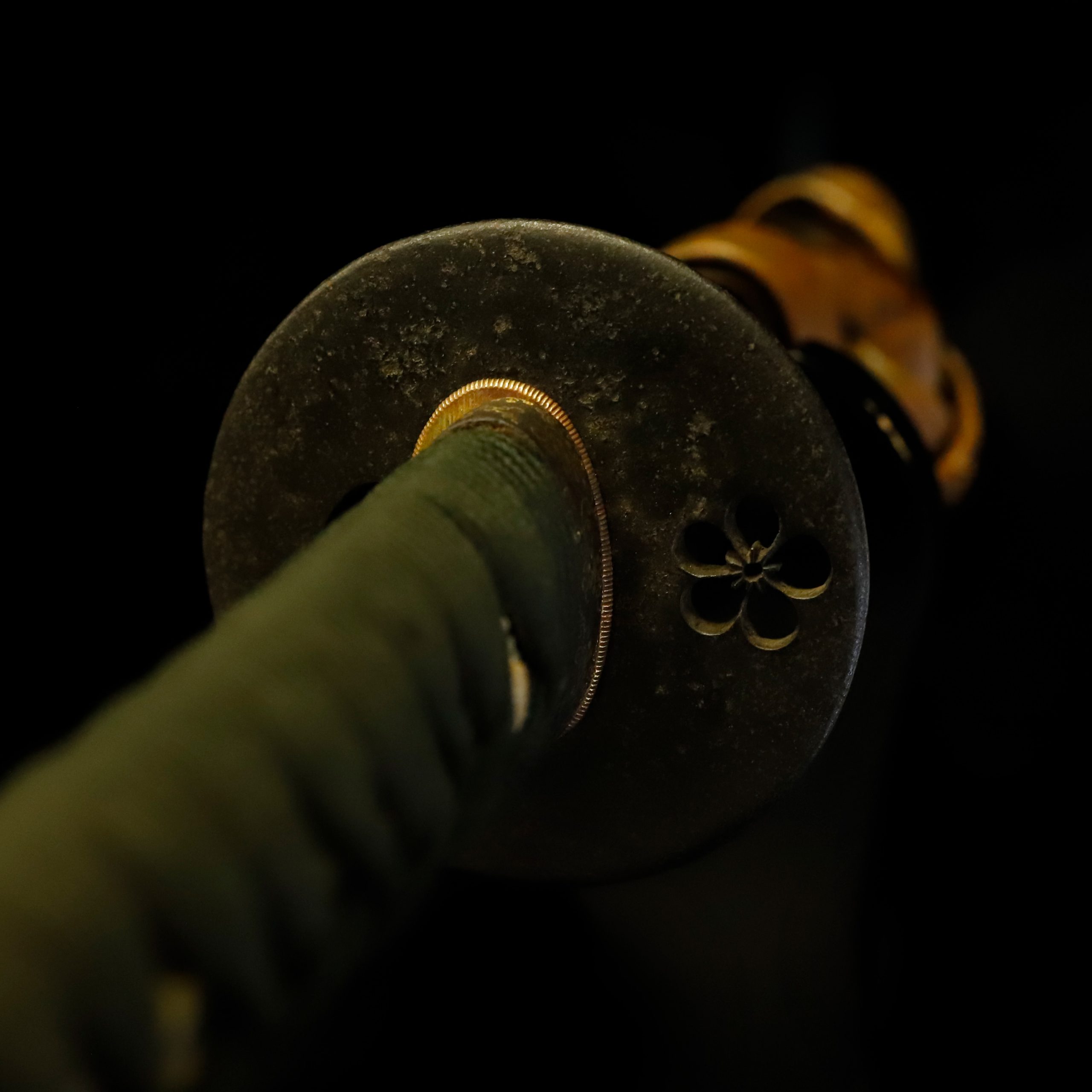
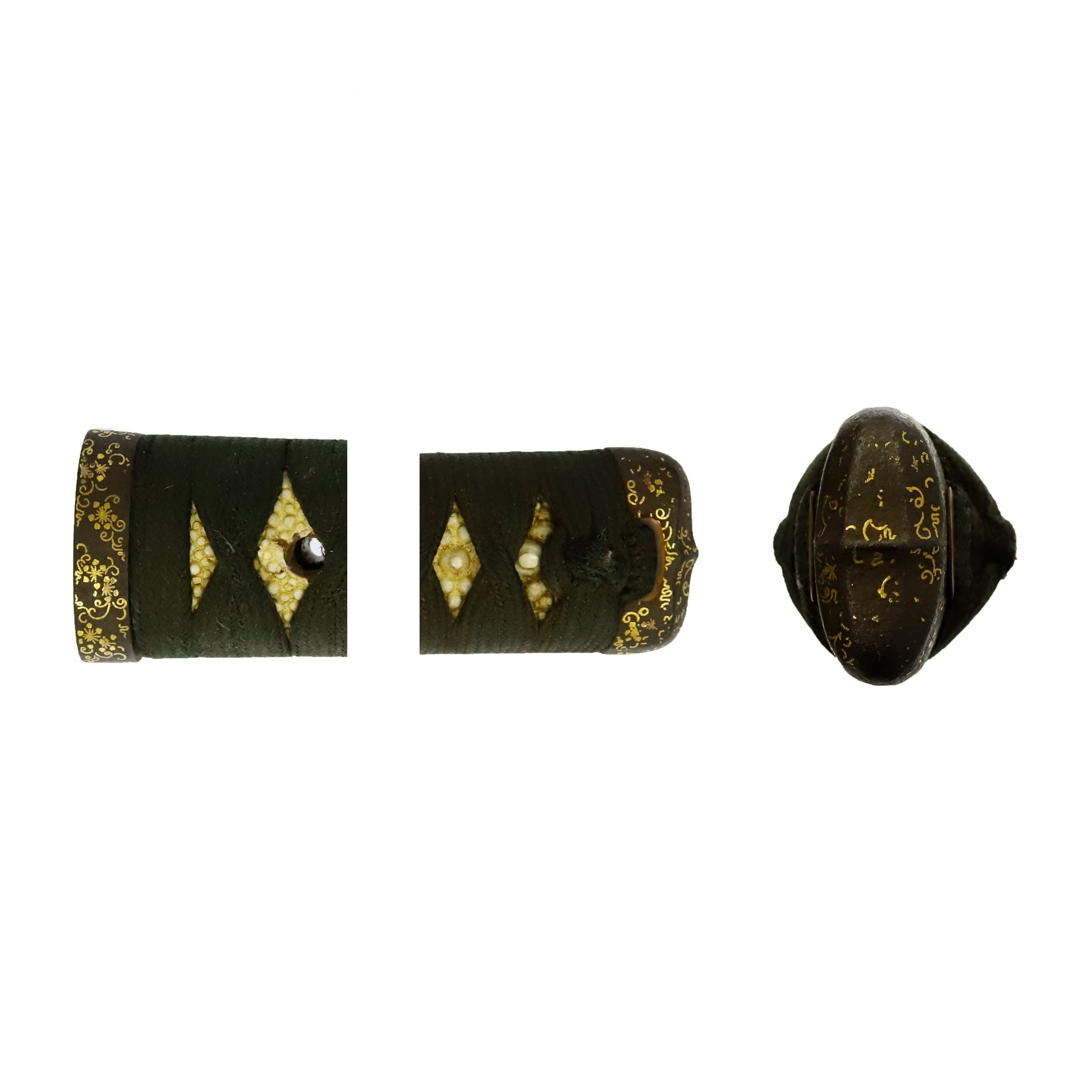
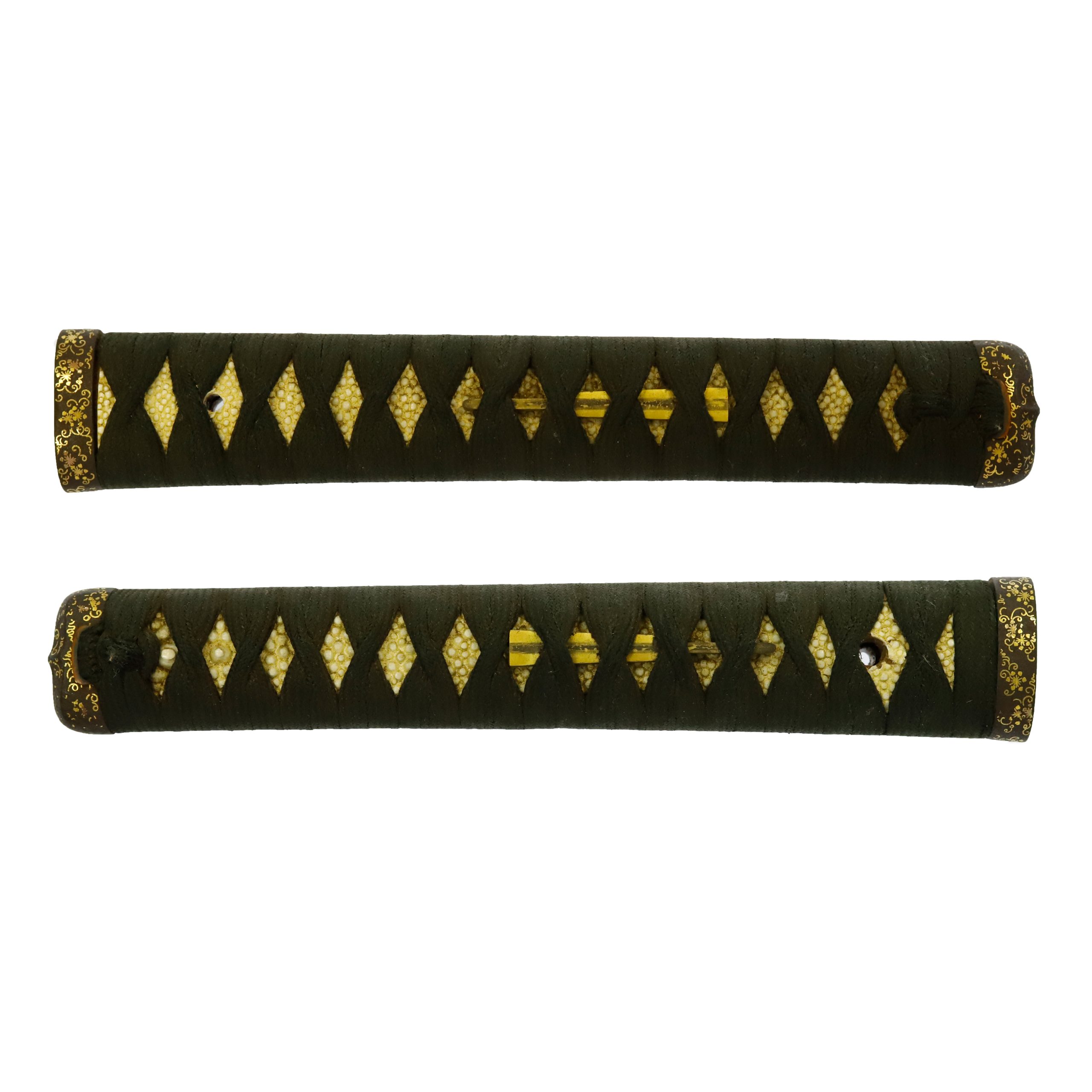
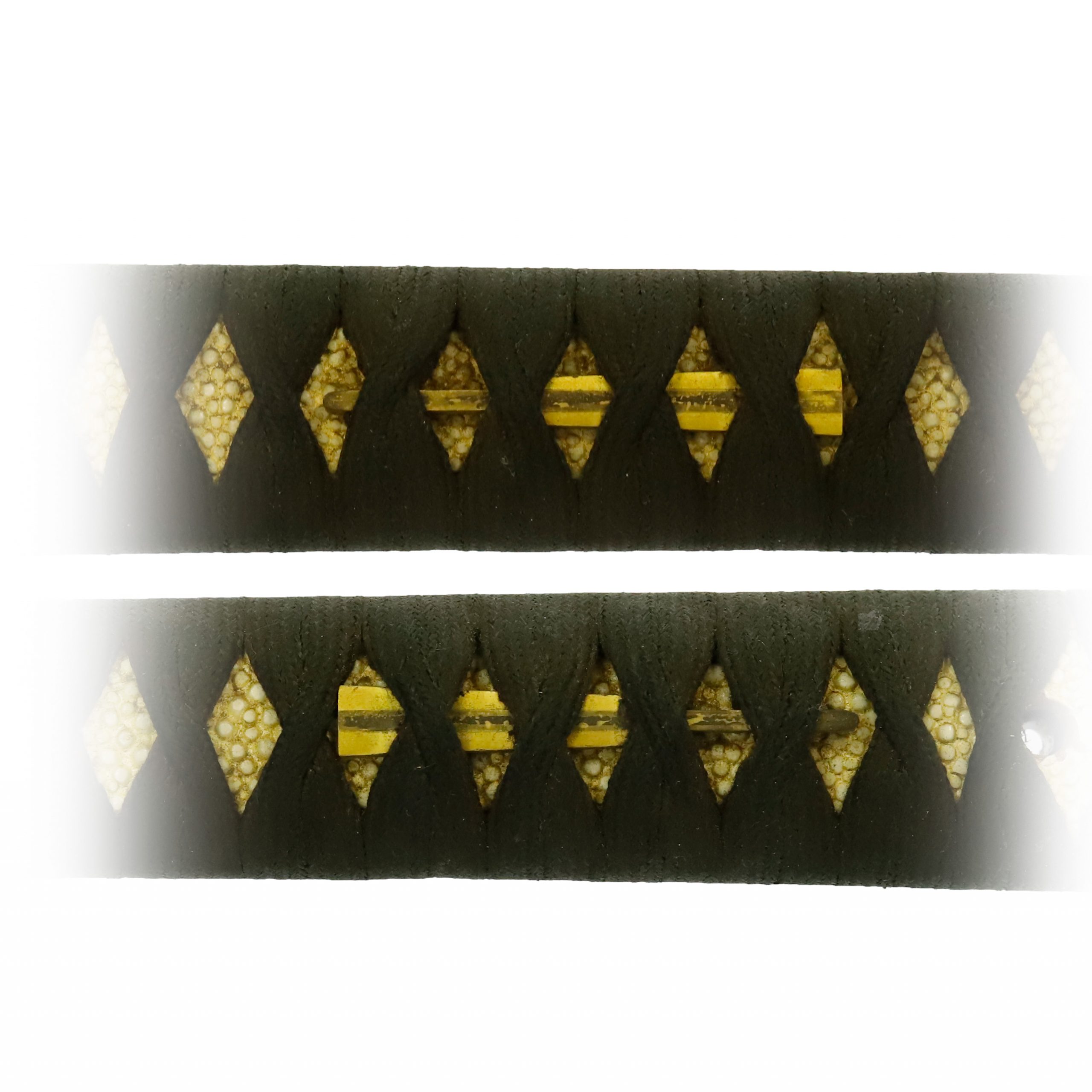
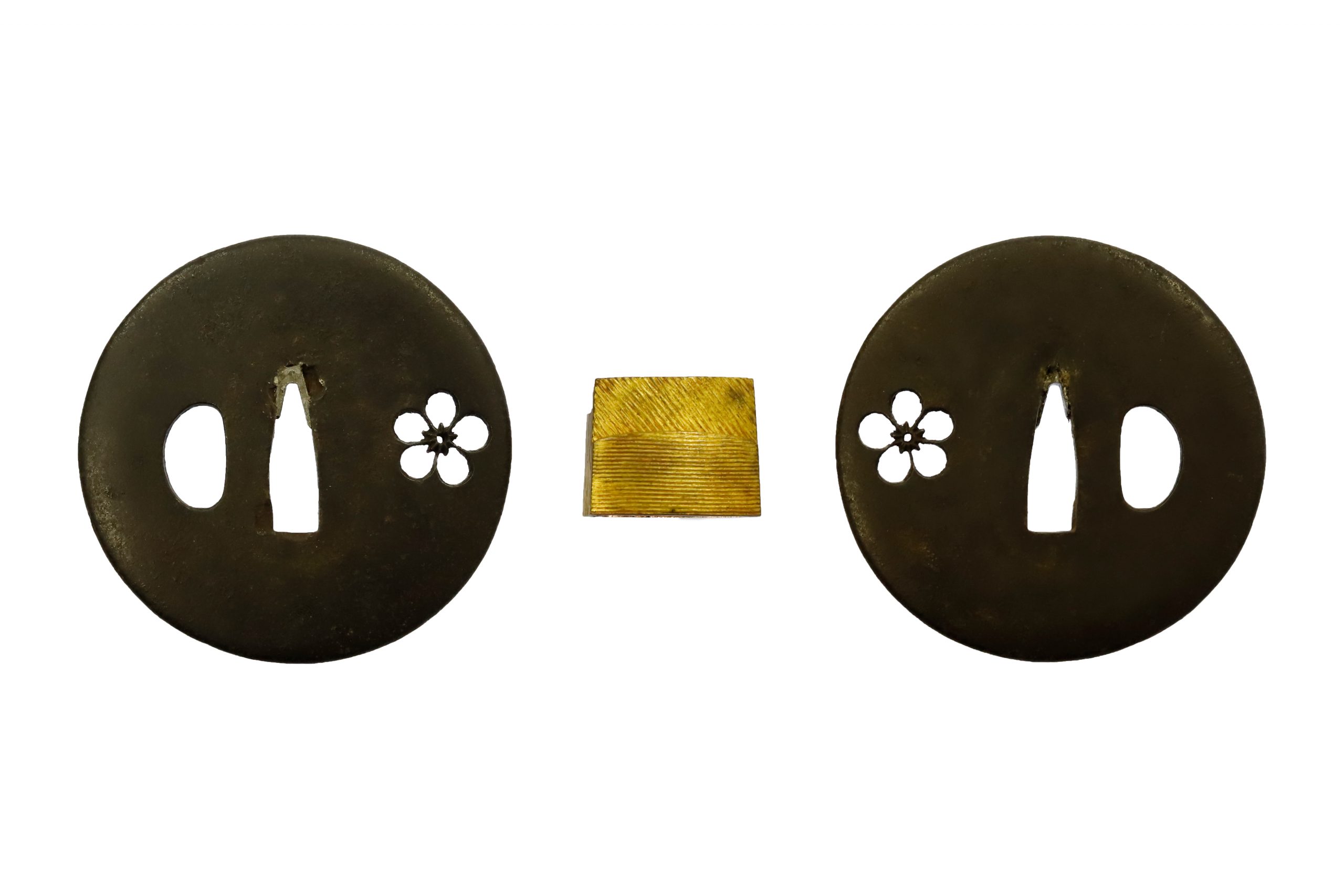
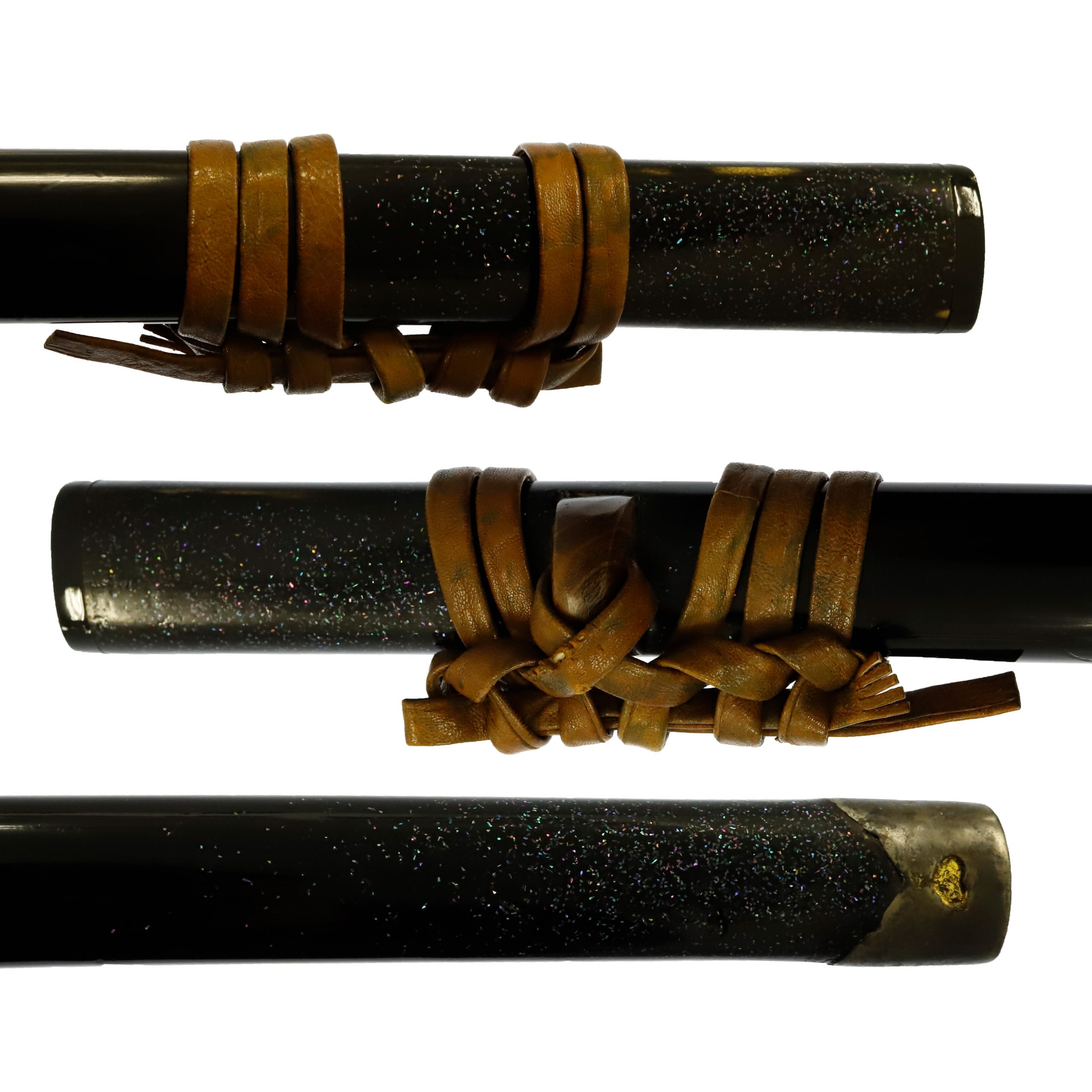
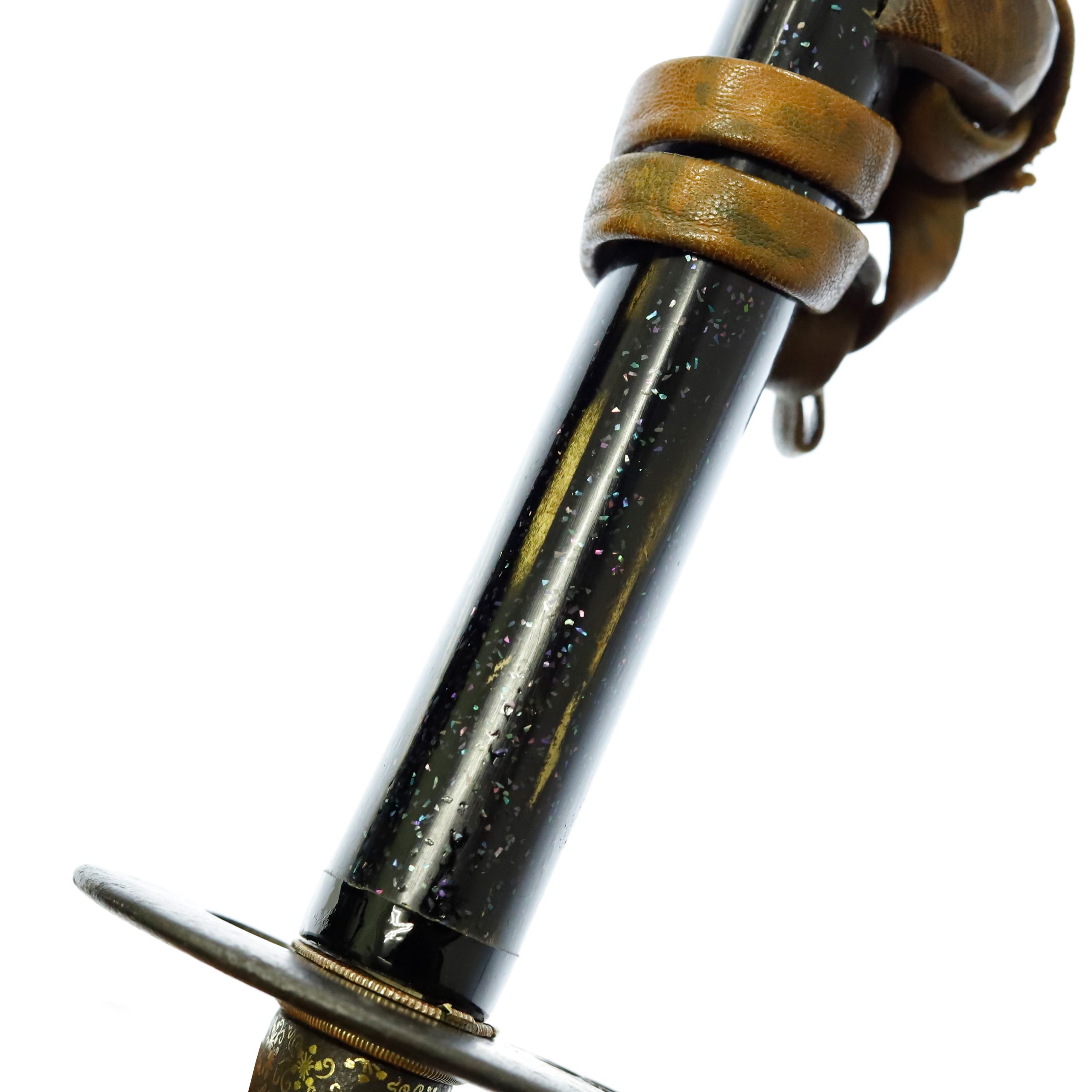
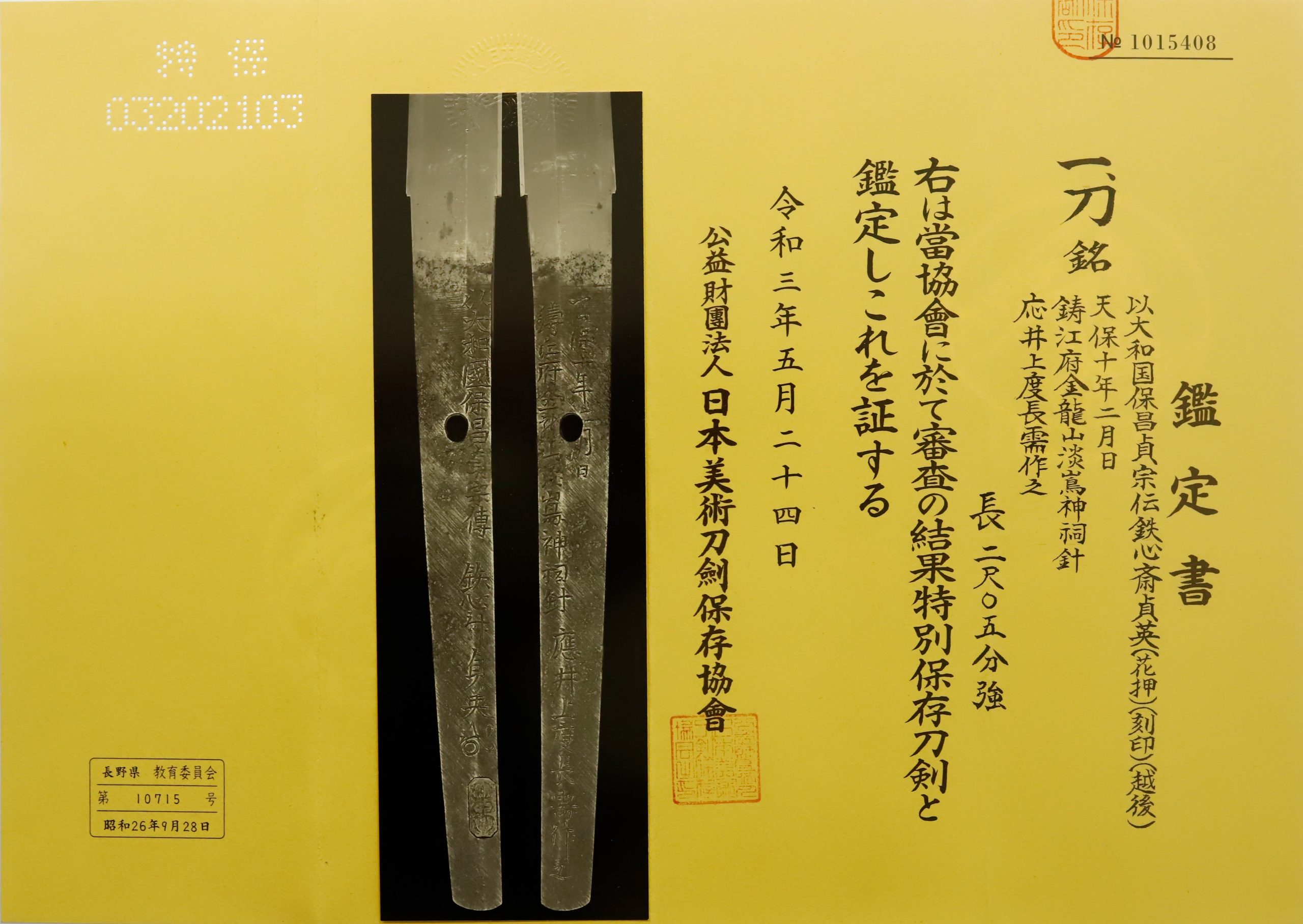
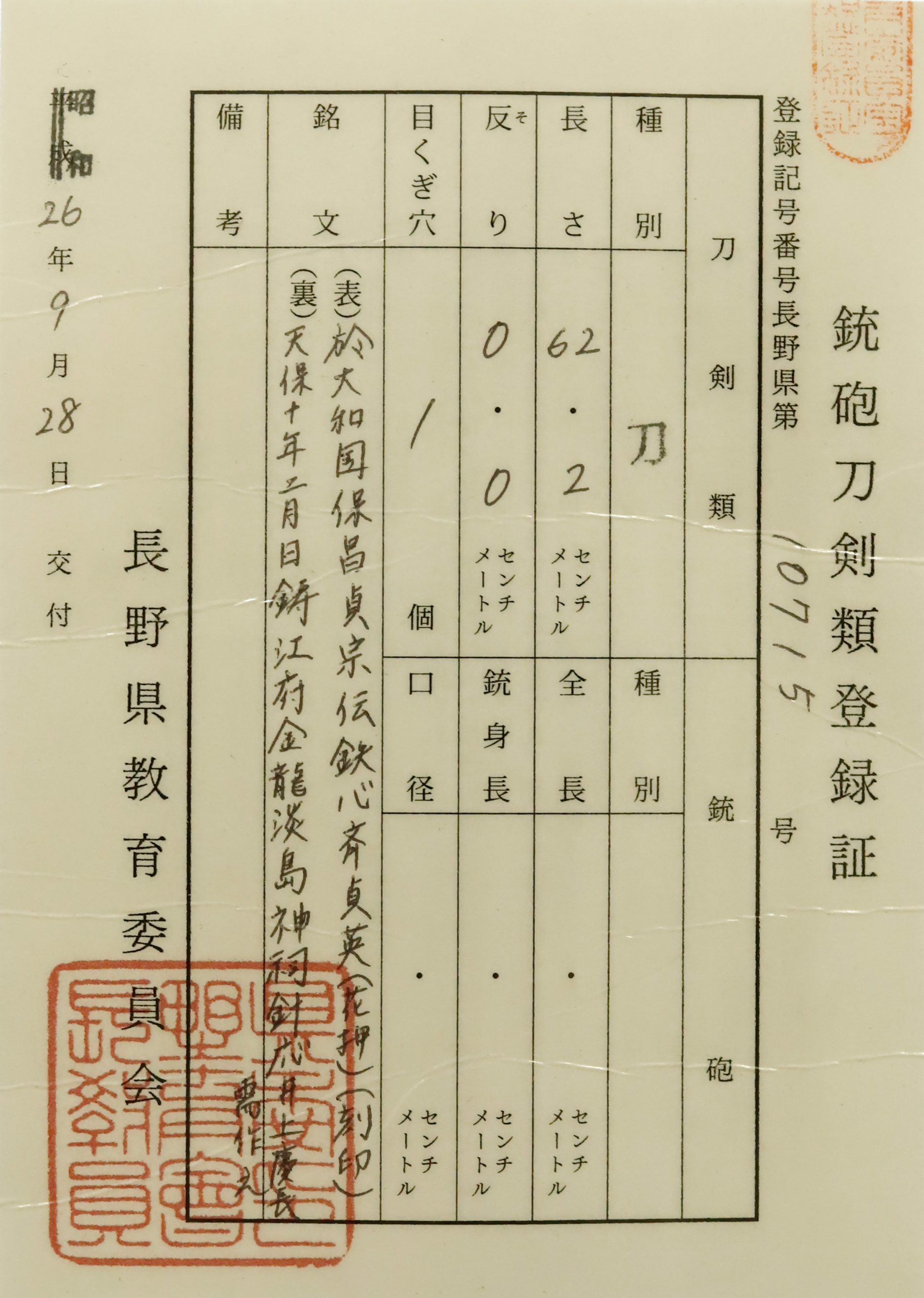
Summary This blade was signed by Tetsushinsai Sadahide (鉄心斎貞英) in the 10th year of the Tenpo era (1839). According to the signature, this blade was ordered by Inoue Takunaga (井上度長). Sadahide was originally an apprentice of Suishinshi Masahide, one of the most famous swordsmiths at the end of the Edo period (late 18th-mid 19th century). Sadahide’s birth name was Matsui Hidetaro. After finishing his apprenticeship, he became an independent swordsmith and moved to Echigo province (Today’sToday’s Niigata prefecture). He became a Hanko for Takada clan in the region. Hanko is a swordsmith who exclusively forged blades for a specific clan or domain. Who is Suishinshi Masahide (His master) Suishinshi Masahide (水心子正秀) was one of the most famous and innovative swordsmiths at the end of the Edo period. He was born in Dewa Koku (Today’sToday’s Yamagata/Akita prefecture), and his birth name was Kawabe Gihachiro. In 1771 when he was 22 years old, he moved to Musashi Koku (Today’s Tokyo) to become an apprentice of Miyagawa Yoshihide. He learned sword-forging techniques under this master, who belonged to Shitahara school, one of the most prestigious schools in this area. After finishing his apprenticeship, he returned to Dewa Koku. His craftsmanship was widely recognized, and in 1774, Masahide started to serve Akimoto Tsunetomo, the head of the domain. It is said that he began to use Suishinshi as his title during this time. In 1781, he moved to Edo city, settling in a house owned by Akimoto clan. He was always curious to know various sword-forging techniques. He started to search how Japanese swords were made during the late Heian-Azuchi Momoyama period (late 12th-late 16th century: KOTO era), especially the ones made with SOSHU DEN and BIZEN DEN traditions. Back in the day, the popular Japanese swords were less curved and muscular. However, he started to feel something was missing in those blades made in his days by exploring ancient Japanese swords. Therefore, he announced Token Fukko Ron (刀剣復古論), where swordsmiths need to go back to the old way the blades were forged. This theory resonated with many sword makers back then. Eventually, this theory became mainstream. While he published books about Japanese swords, he was also passionate about training his apprentices. Many apprentices who learned sword techniques from him later became famous swordsmiths. Considering that, he played such an essential role in the late Edo period. We assume Sadahide studied a high level of craftsmanship from Suishinshi Masahide. He is listed as Edo Sansaku (The three most prestigious swordsmiths). The other two are Taikei Naotane(大慶直胤)and Minamoto Kiyomaro (源清麿). It is appraised as a Tokubetsu Hozon Token(特別保存刀剣) issued by NBTHK(Nihon Bijutsu Touken Hozon Kyokai:日本美術刀剣保存協会). Fuchi-Kashira This Fuchi Kashira is ornamentally decorated with a gold inlay technique. We would categorize this design as a type of the Karakusa (唐草, arabesque) pattern. It is a pattern in which stems and leaves of vines are twined and make curves. Since ivy has a strong vitality and grows up without interruption, people regarded this design as a symbol of prosperity and longevity. Around vines, you would also find tiny flower-like patterns. We think these are possibly the Yukiwa (雪輪, snow ring) pattern. The shape of snowflakes is the motif of this pattern. It is considered that snow is the sign of a plentiful harvest. Tsuka and Menuki Seeing the gaps in the Tsukamaki thread, we think this Menuki’s motif is a fan. This work is the figure of the folding fan with the fan face closed. This motif has been favored as an auspicious pattern representing development and prosperity. During the Heian period (794-1185/1192), aristocrats enjoyed elegant plays with fans and appreciated the fan as a noble item. A fan has a characteristic shape, and it is called Suehirogari (末広がり) in Japanese. Based on the idea that this shape implies a perspective of the future, people appreciate this design. The fan pattern also represents wealth because it was once available only for high-ranked people. In addition, people enjoy drawing various motifs such as animals, plants, geometric patterns, and auspicious patterns on the fan surface. That might also be why the fan motif is popular. Together with the following Tsuba’s design, we would say it is a motif related to aristocratic tastes. Tsuba and Habaki This circle-shaped Tsuba seems to be made from iron. It has a Kozuka hole, and a flower pattern is engraved. This plant is a Japanese apricot blossom. Japanese apricot blossoms begin to bloom in winter that snow still covers its tree, so people thought this flower tells the arrival of spring. Same as cherry blossom, it has been appreciated for a long time in Japan. People enjoy its adorable petal shape and scent, gracefully branched tree, and compose many poems. As it comes out in the cold season, it symbolizes the power of perseverance and vitality. The Ume pattern profoundly relates to the Tenjin (天神) faith. This belief honors the soul of Sugawara no Michizane (菅原道真, 845-903), and he cherished this flower. Michizane excelled in academics and was appointed and promoted by the emperor back then. However, other aristocrats envied his promotions, and Michizane was demoted Kyushu region, far from the capital. And he passed away two years later. After his death, the capital suffered great natural disasters. And people who opposed Michizane had unfortunate experiences. People thought that his spirit caused these things, and the capital was terrified at that time. One day when such a situation continued, a person was possessed by Michizane, and he demanded to enshrine himself. The imperial court accepted his request and built a shrine in Kyushu to appease his spirit. This was managed by the Sugawara family, a family of scholars. And Michizane, who excelled in studies during his lifetime, came to be worshiped as the god of learning. Because of this background, it is said that many family crests with the Ume designs were used in the Kinki and Kita-Kyushu regions. Authentication Paper They authenticated the blade on May 24th in the 5th year of Reiwa (2021). They appraised it as Tokubetsu Hozon Touken, the blade especially worth preserving for Japanese society.
Offered by Samurai Museum
This piece has sold
Get an email when a new Gassan Sadahide piece hits the market.

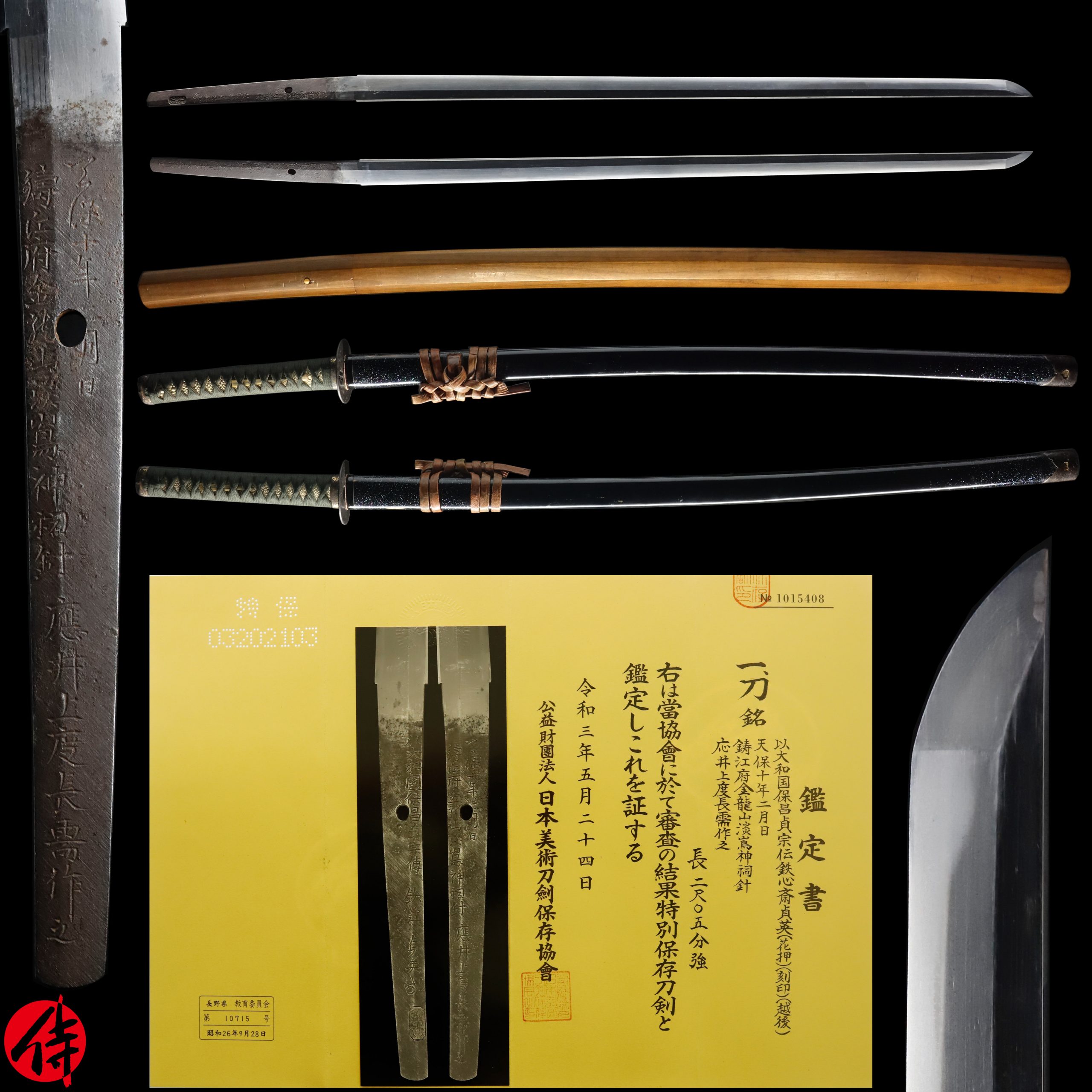
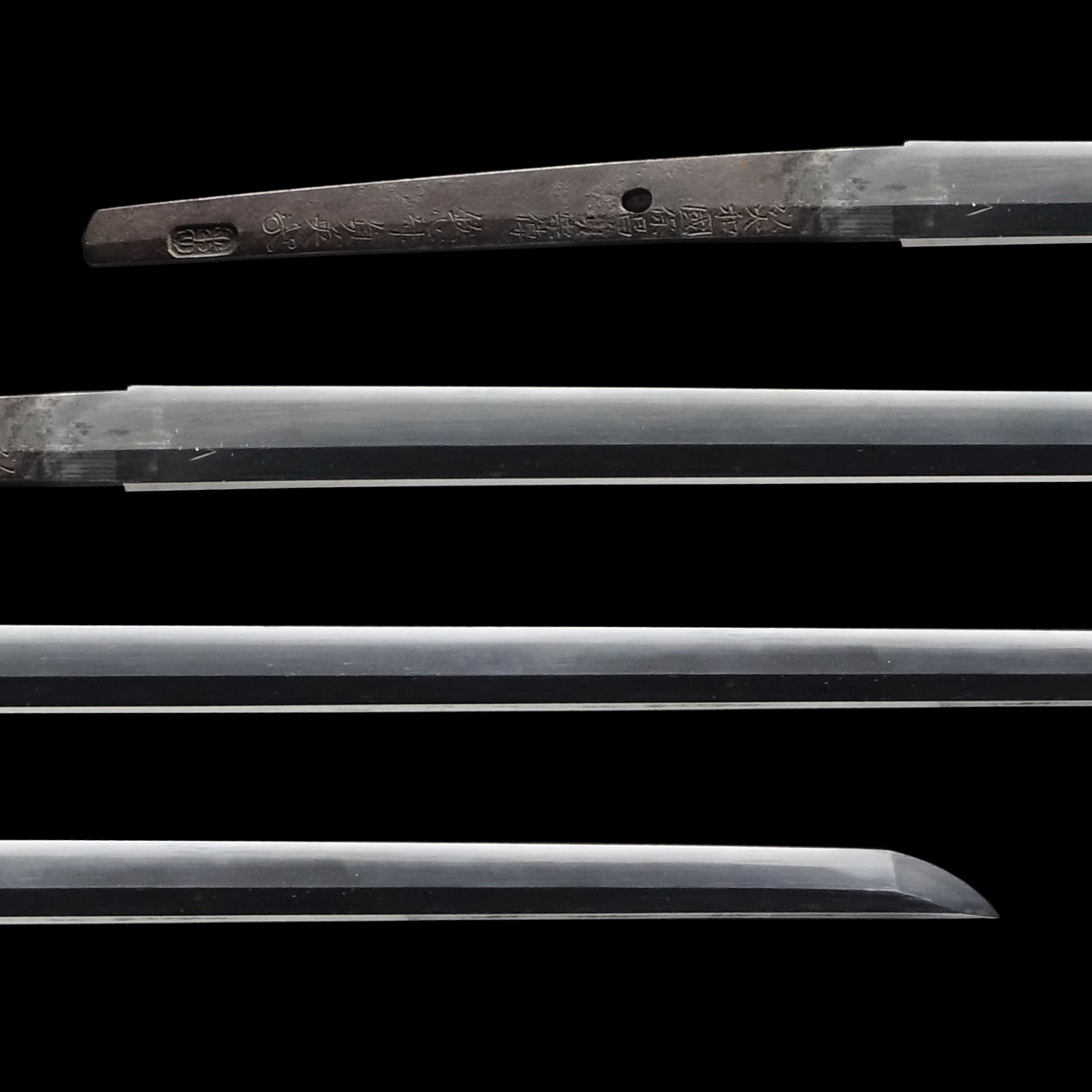
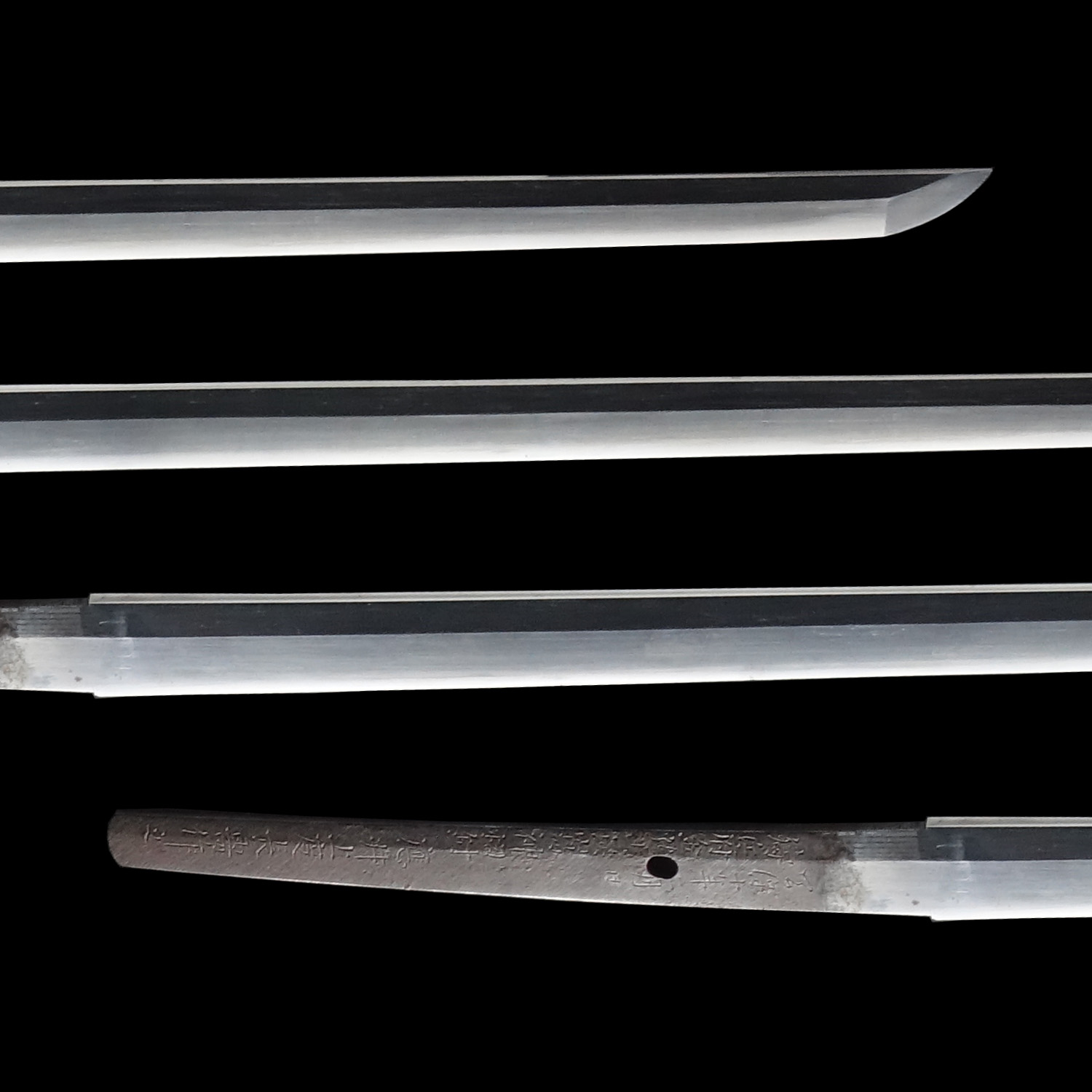
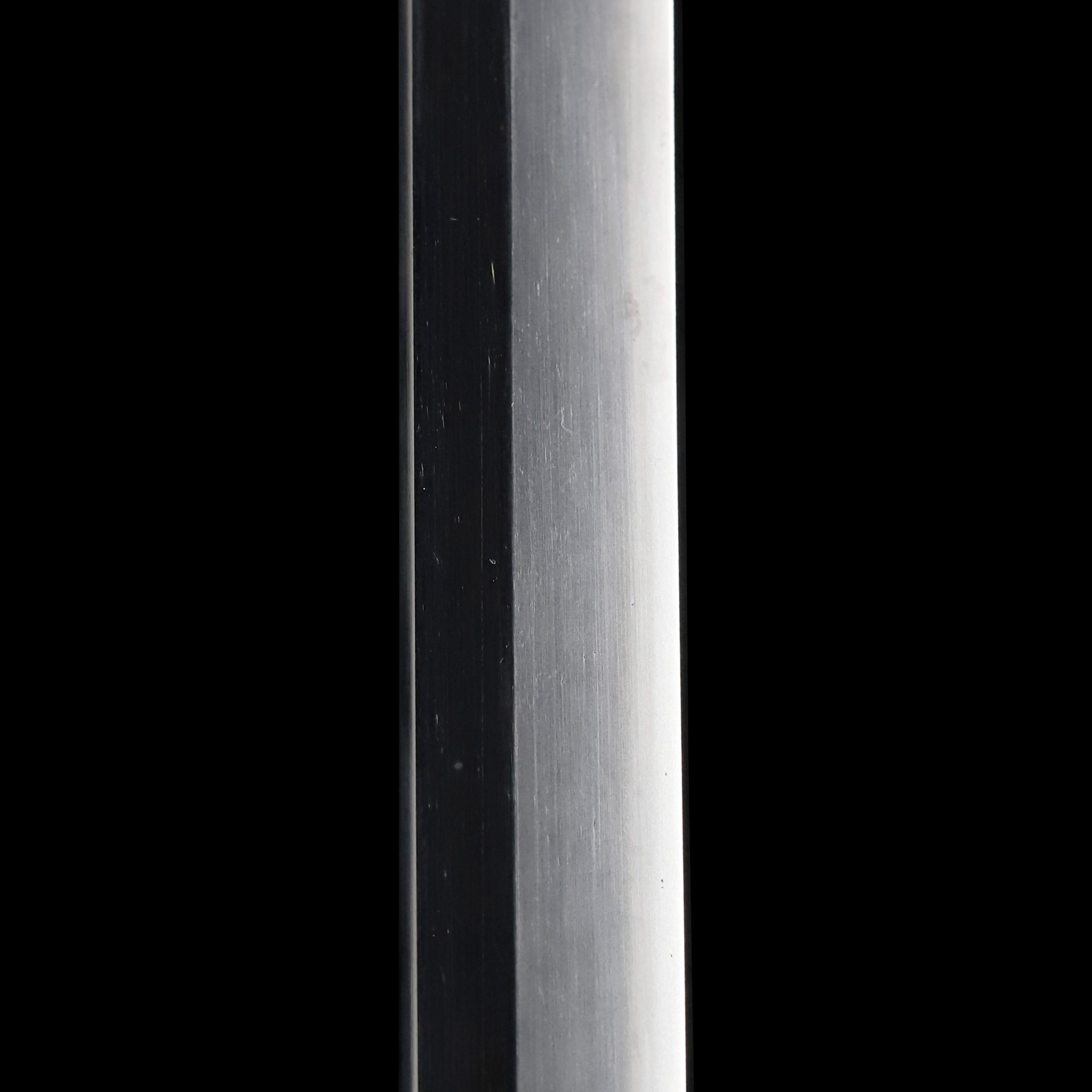
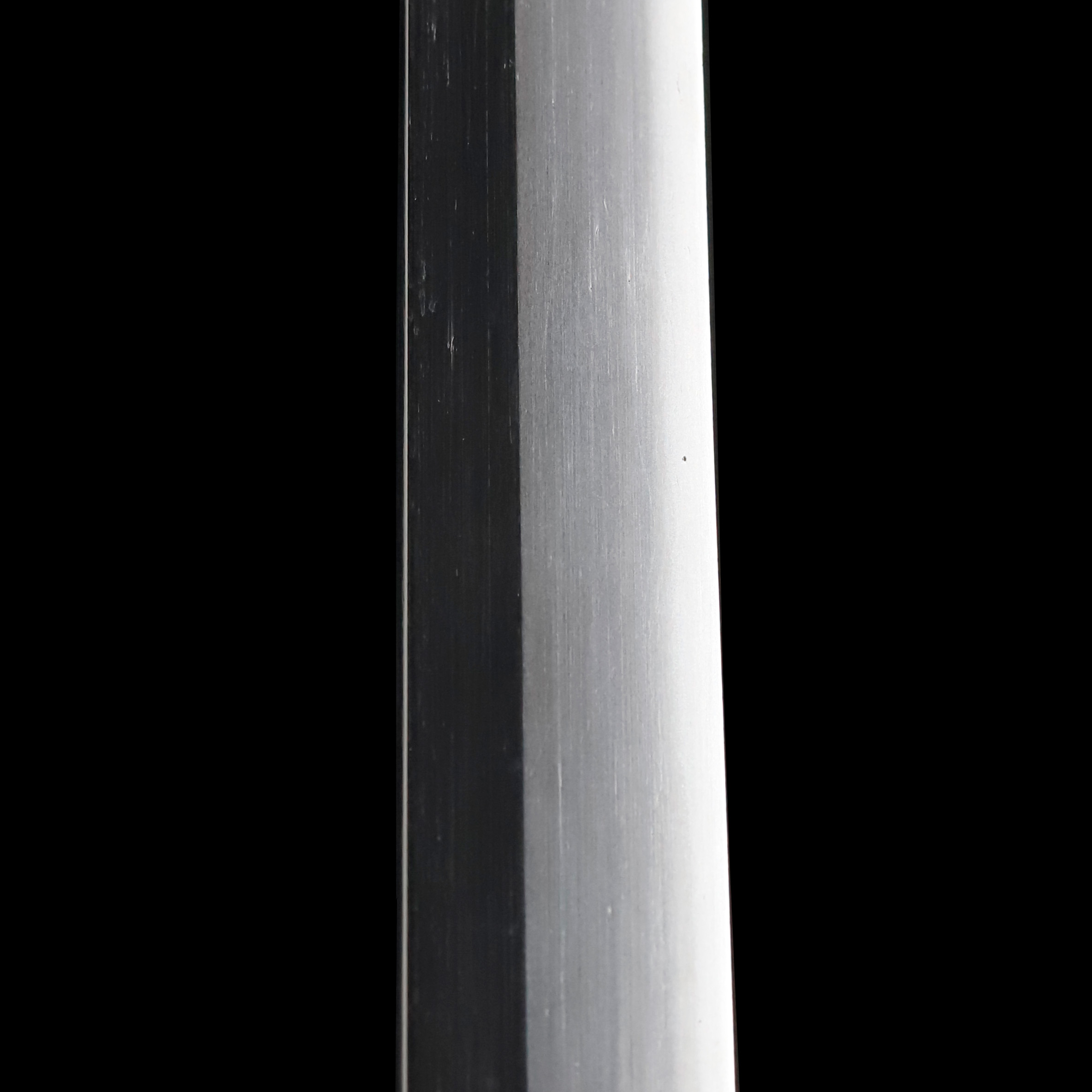
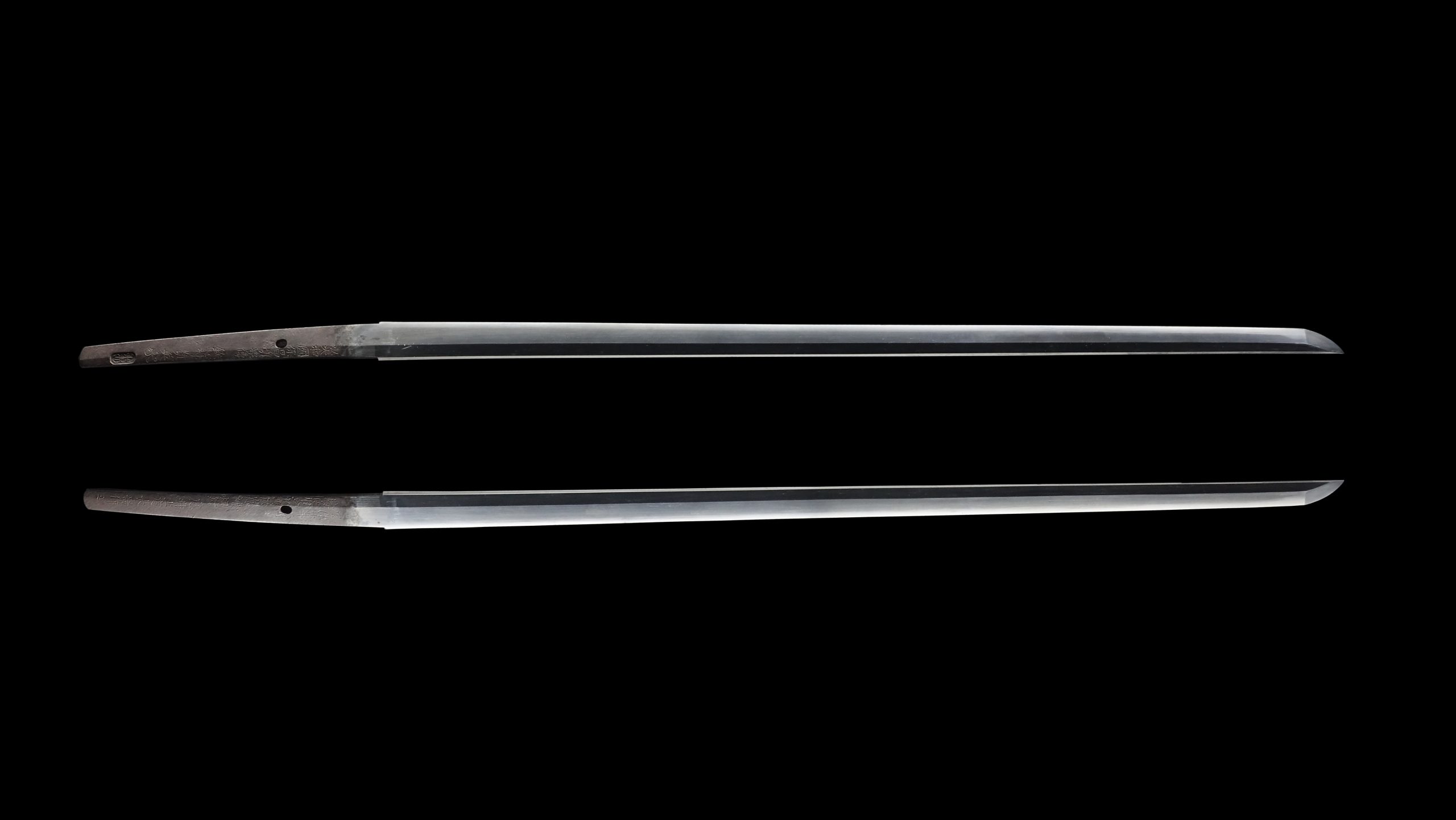
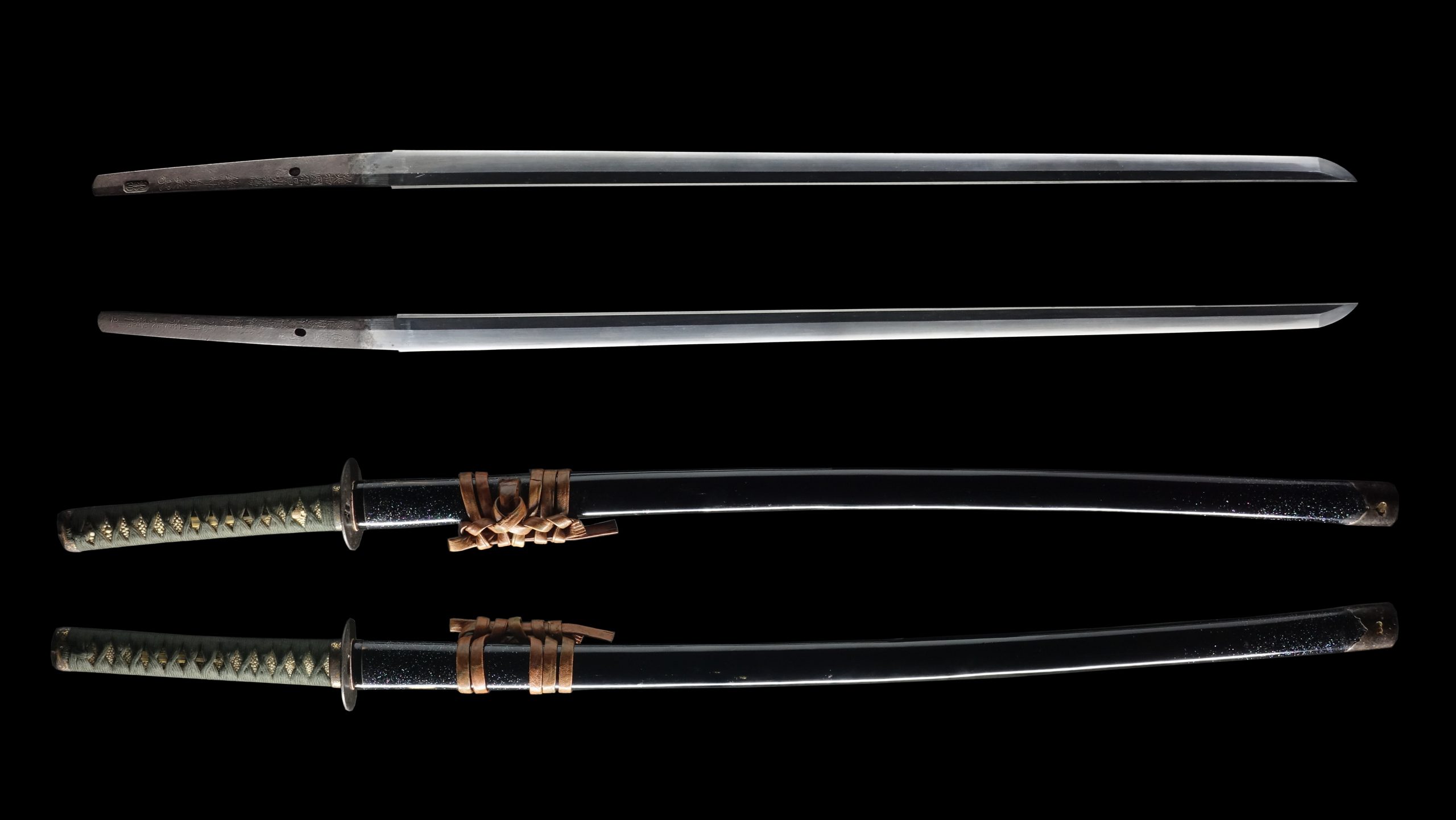
Shinshinto · Settsu · around 1848-1854
Fujishiro Chu-jo saku · Tōken Taikan top 87%
1 piece on the market now
Shinshinto · Settsu
28 pieces on the market now
| Smith | Era | Designated |
|---|---|---|
| Sadaharu貞晴 | 1865-1868 | 0 |
| Sadayoshi貞吉 | 1926-1989 | 0 |
| Yoshiaki吉明 | 1844-1848 | 0 |
| Naonobu直信 | 1854-1860 | 0 |
| Sadayoshi貞吉 | 1830-1863 | 0 |
Bakumatsu: the last war market
Perry’s arrival in 1853 unraveled the Tokugawa peace and created the first mass demand for working swords in two centuries. Kiyomaro, called the Masamune of Yotsuya, died on its eve; Munetsugu and Yukihide carried the boom to the end.
A Hozon-certified blade judged to show notably superior workmanship and a better state of preservation. The bar is higher: re-tempered blades and most unsigned Muromachi/Edo works are excluded.
The NBTHK (Nihon Bijutsu Tōken Hozon Kyōkai, the Society for the Preservation of Japanese Art Swords) is a public-interest incorporated foundation founded in 1948 and supervised by Japan’s Agency for Cultural Affairs (Bunkachō); it is based at the Japanese Sword Museum in Tokyo. Its expert panels physically examine each submitted work (shinsa) and issue a certificate (kanteishō) ranking it by artistic and historical merit. NBTHK papers are the most widely recognized standard of authentication for Japanese swords and fittings.
NBTHK official siteReturns/exchanges limited to defects caused by shipping (except willful misconduct or gross negligence by the company); customers must contact within 72 hours of receiving the product.