Perry’s arrival in 1853 unraveled the Tokugawa peace and created the first mass demand for working swords in two centuries. Kiyomaro, called the Masamune of Yotsuya, died on its eve; Munetsugu and Yukihide carried the boom to the end.
 NihontoWatchNihontoWatch
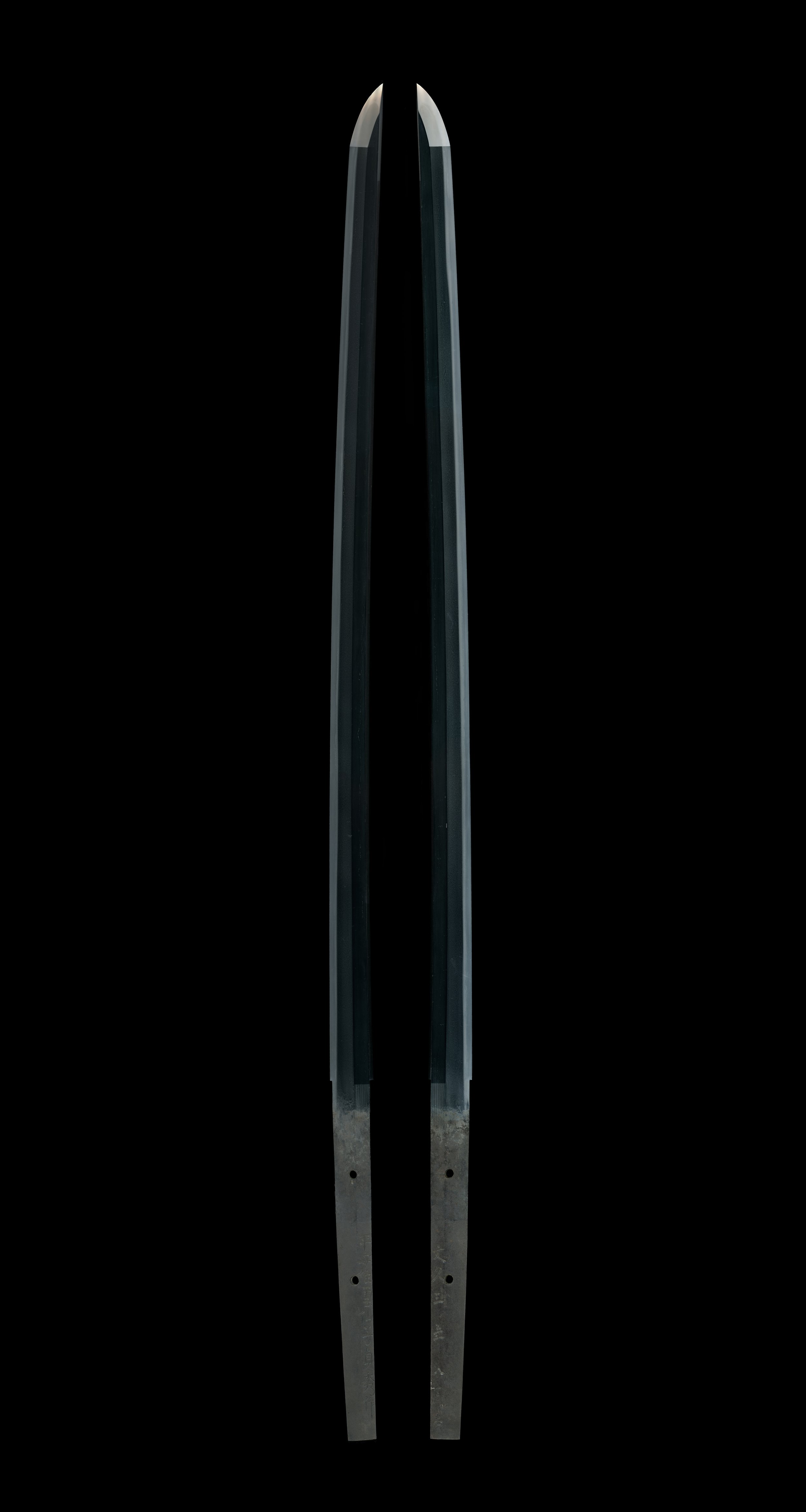
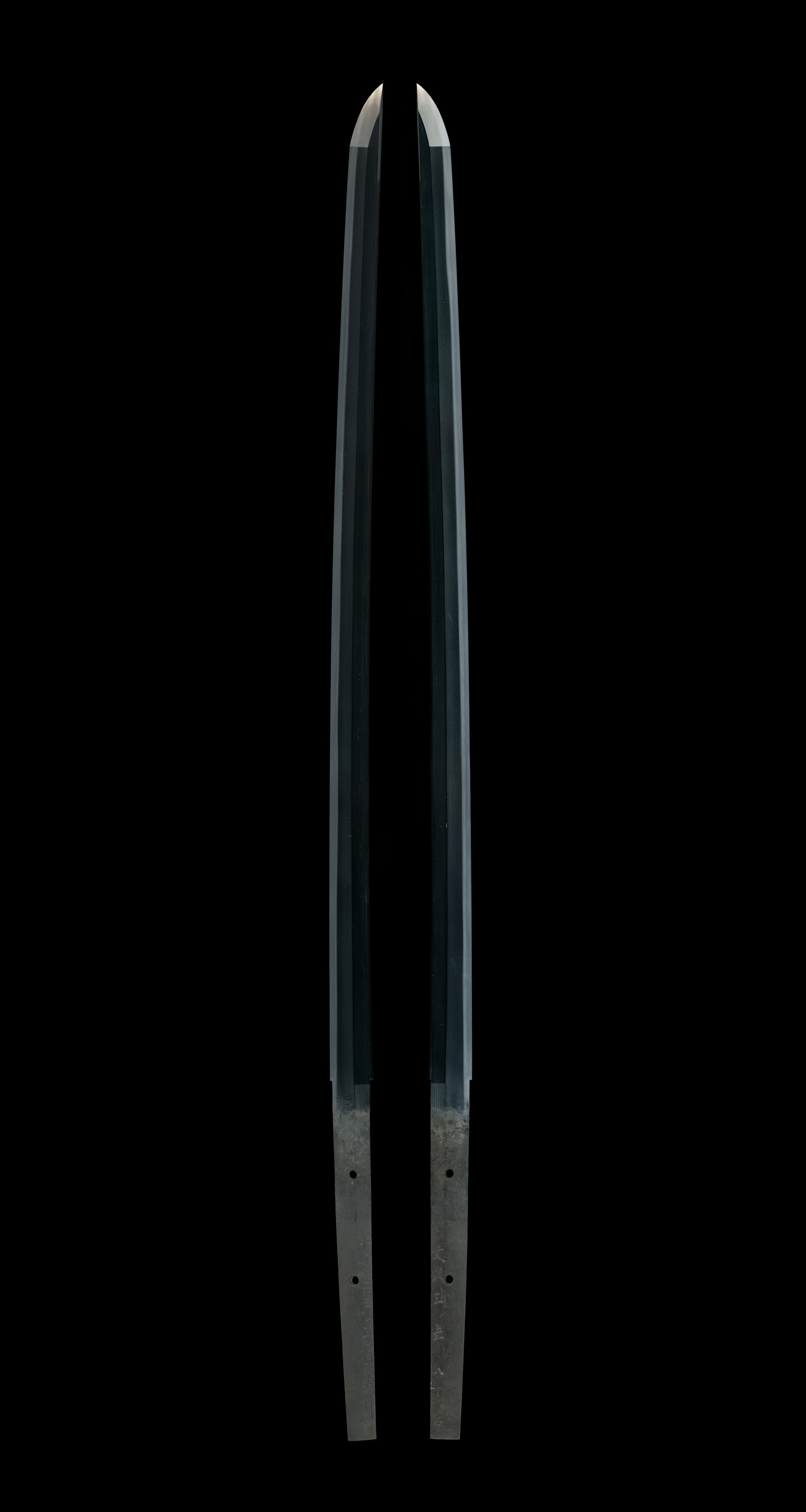
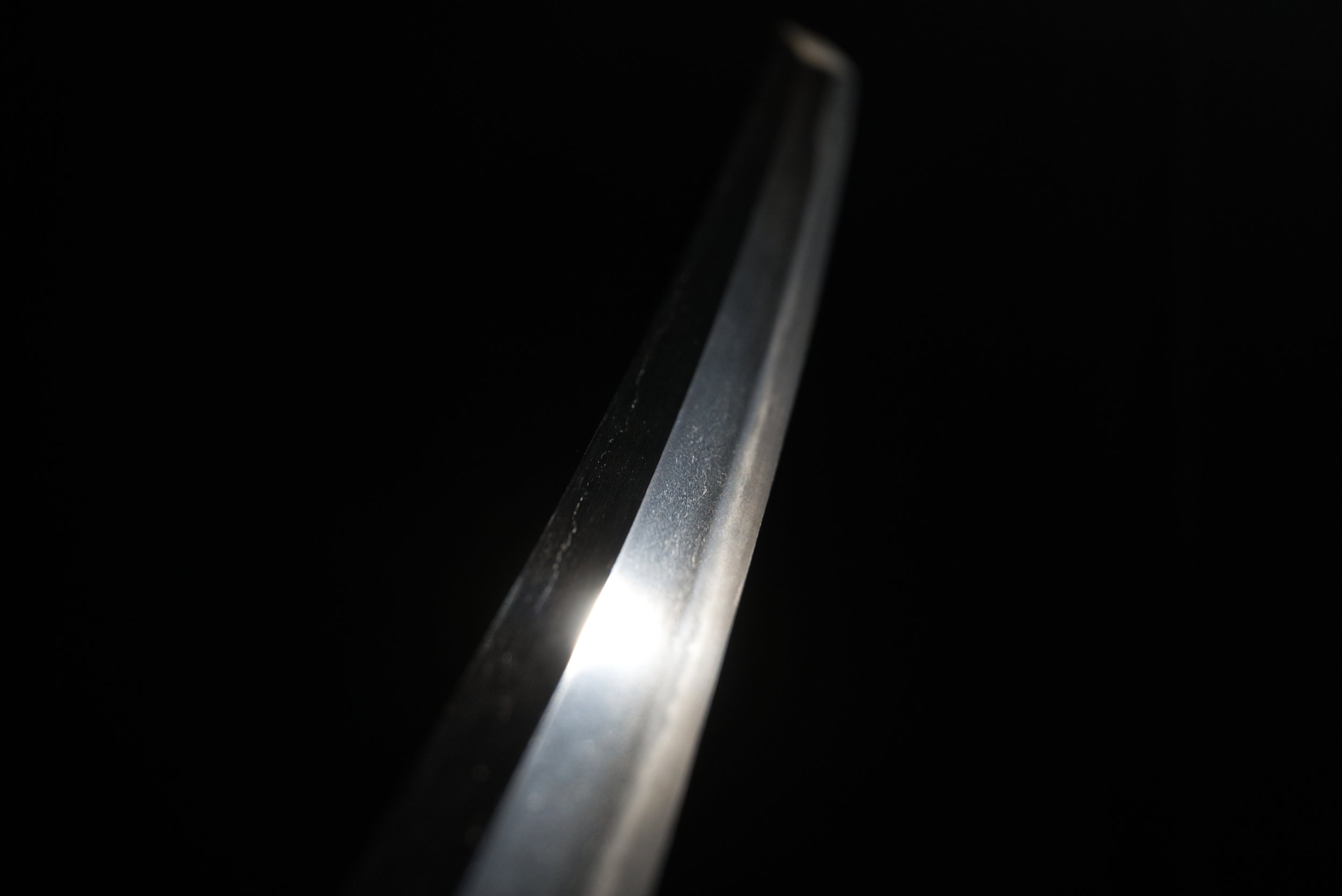
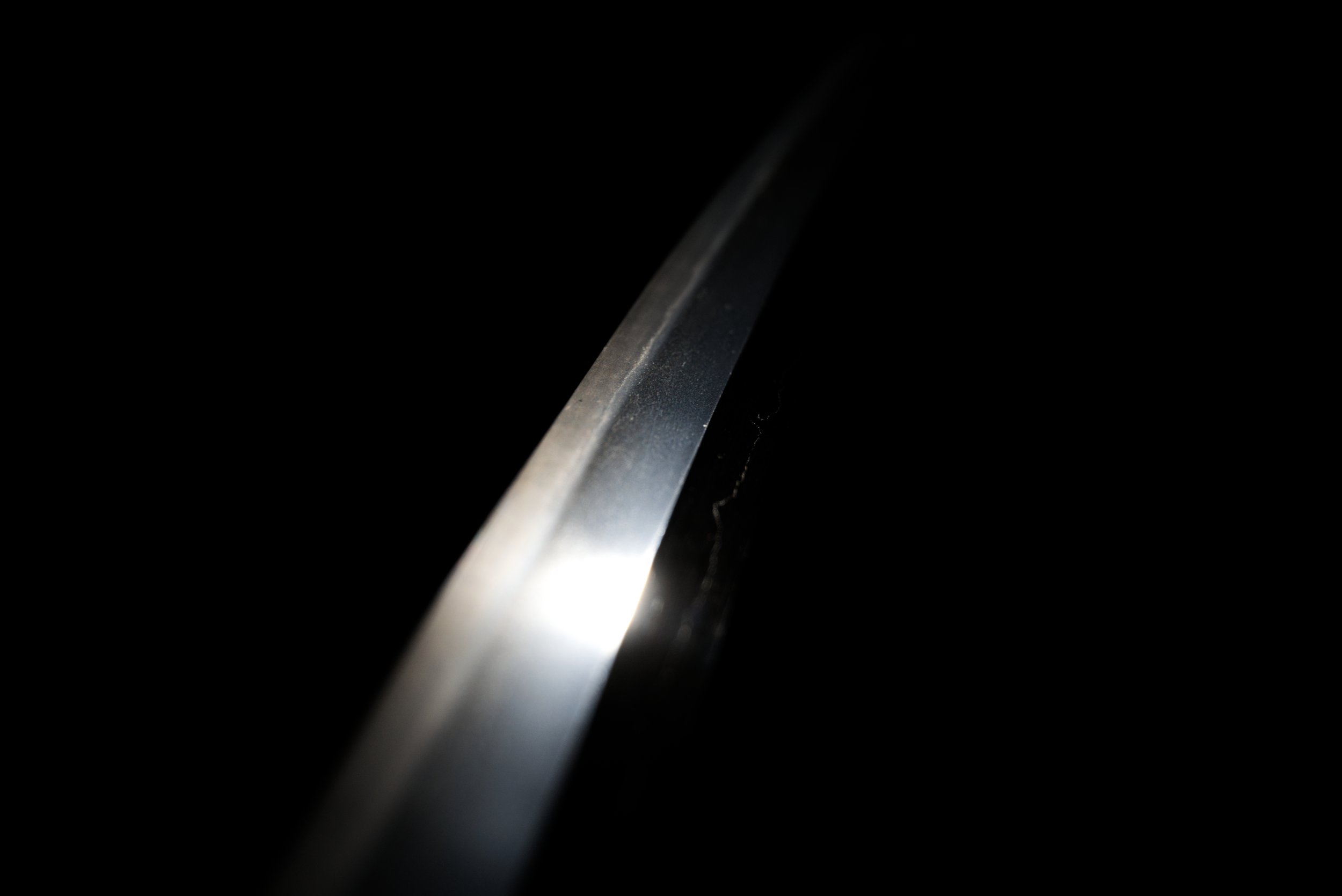
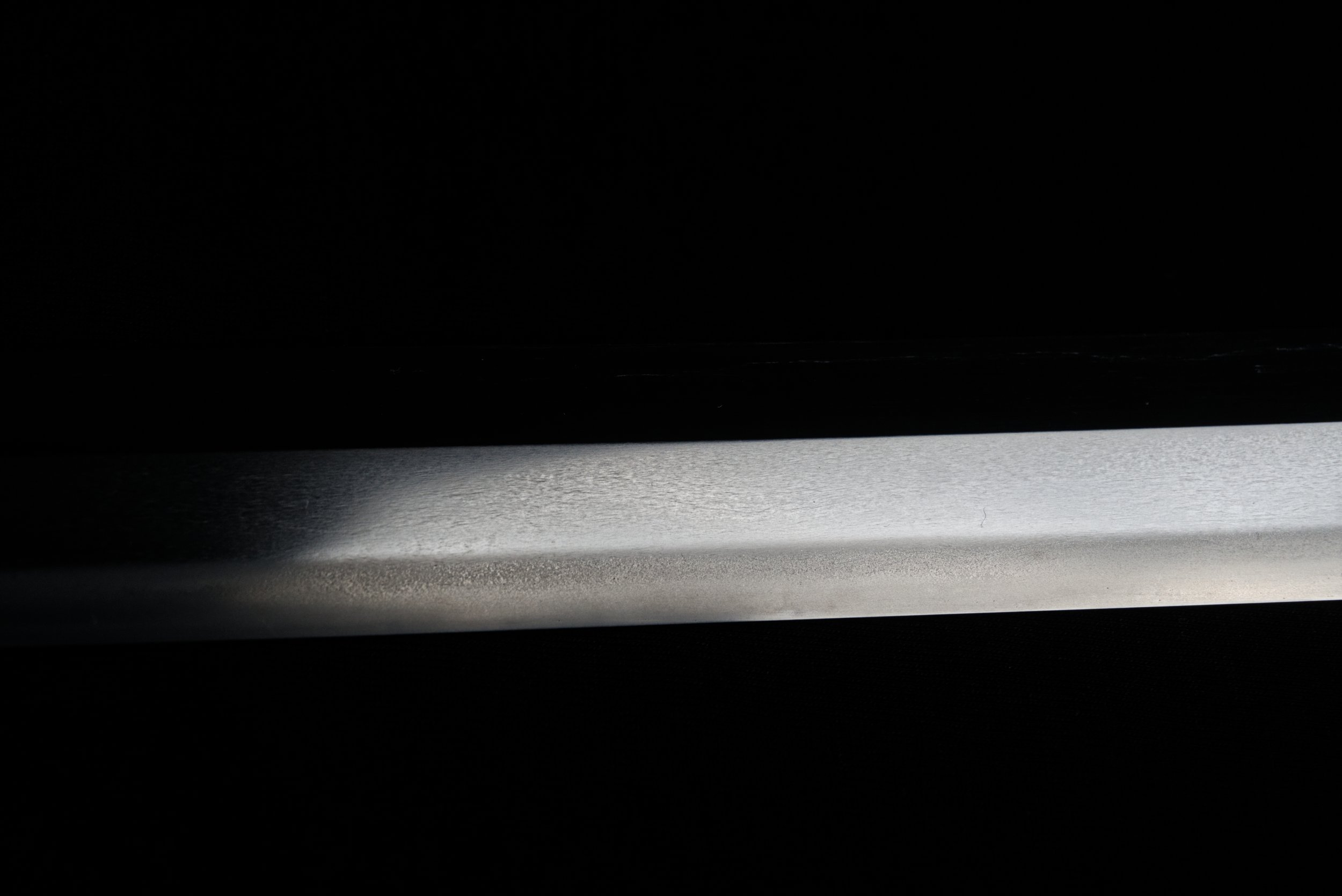
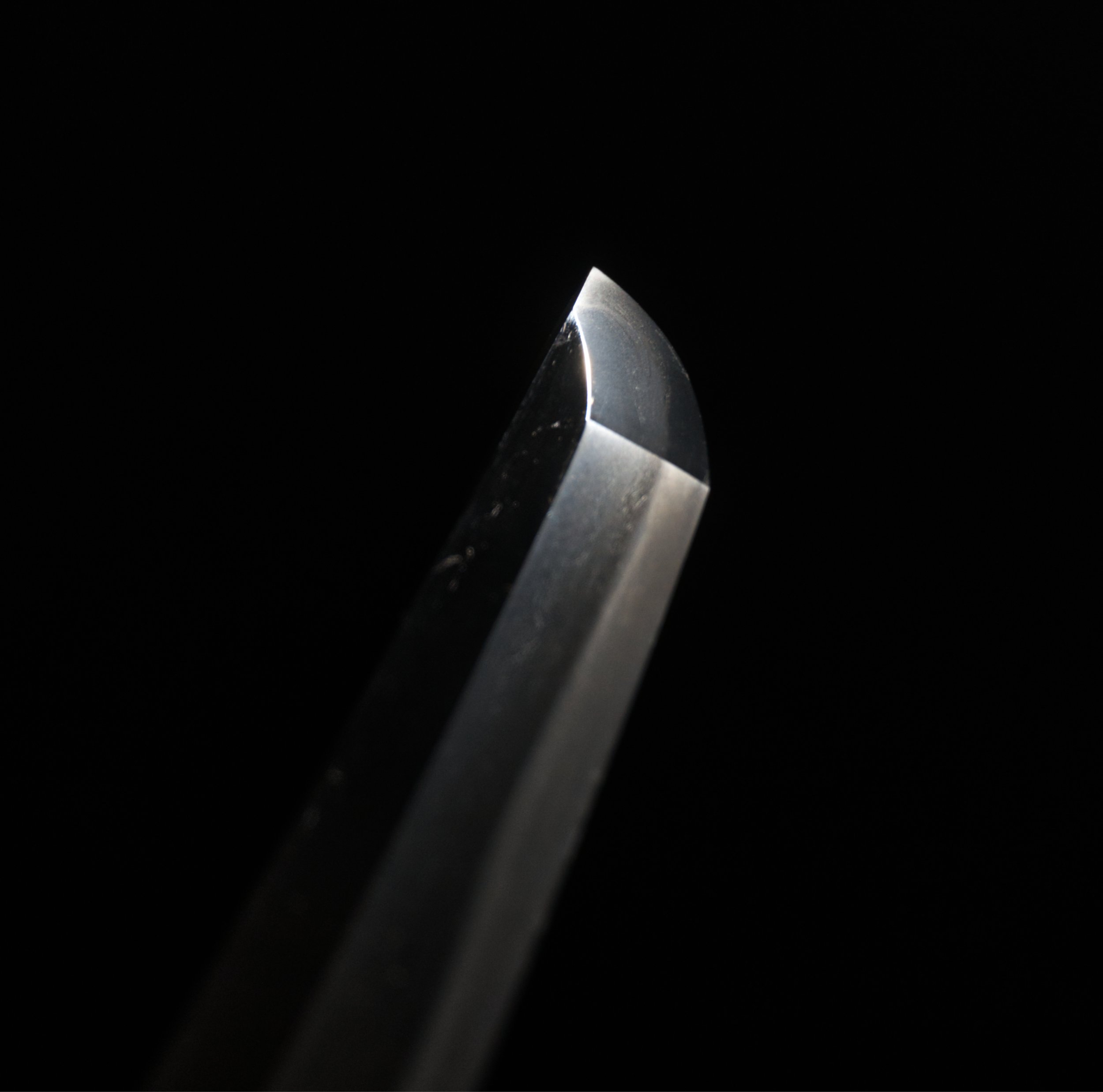
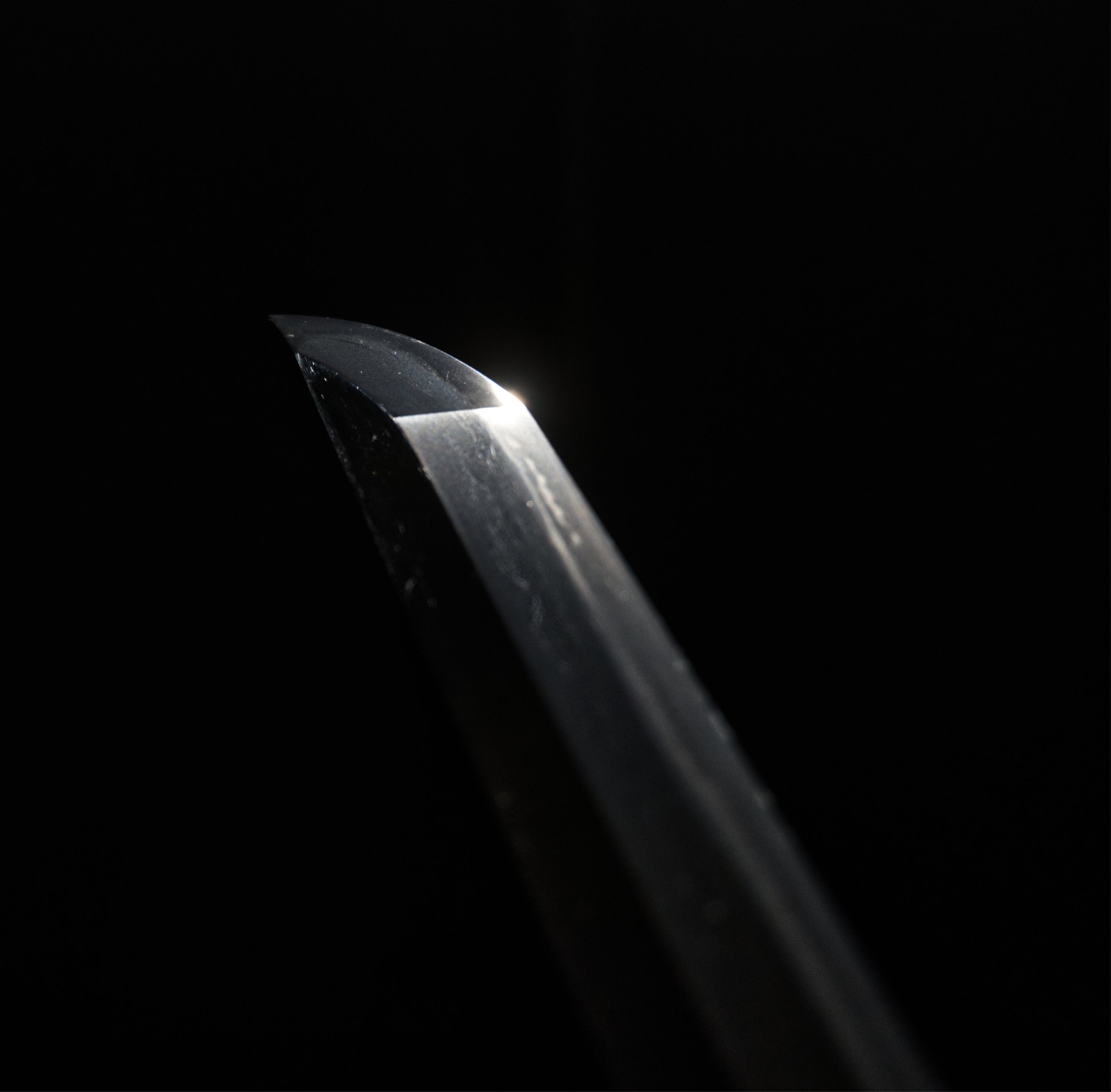
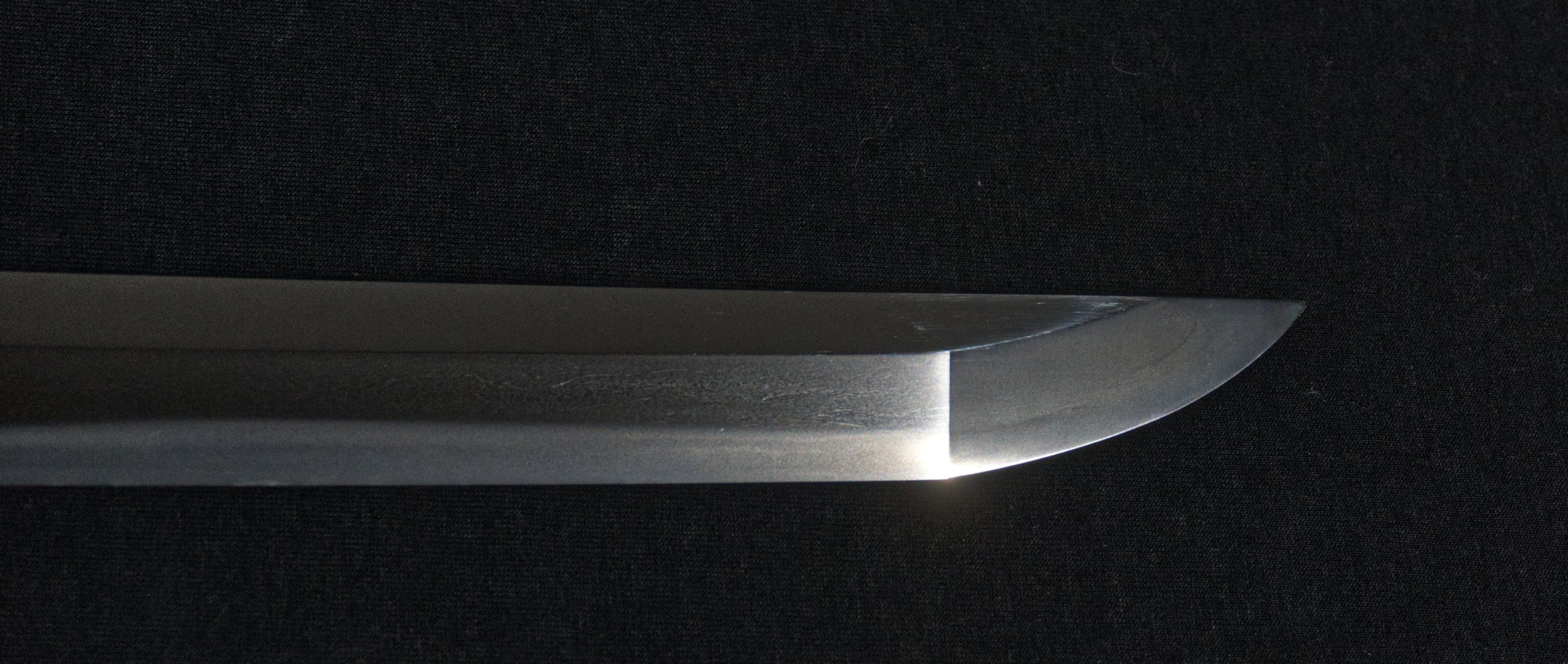
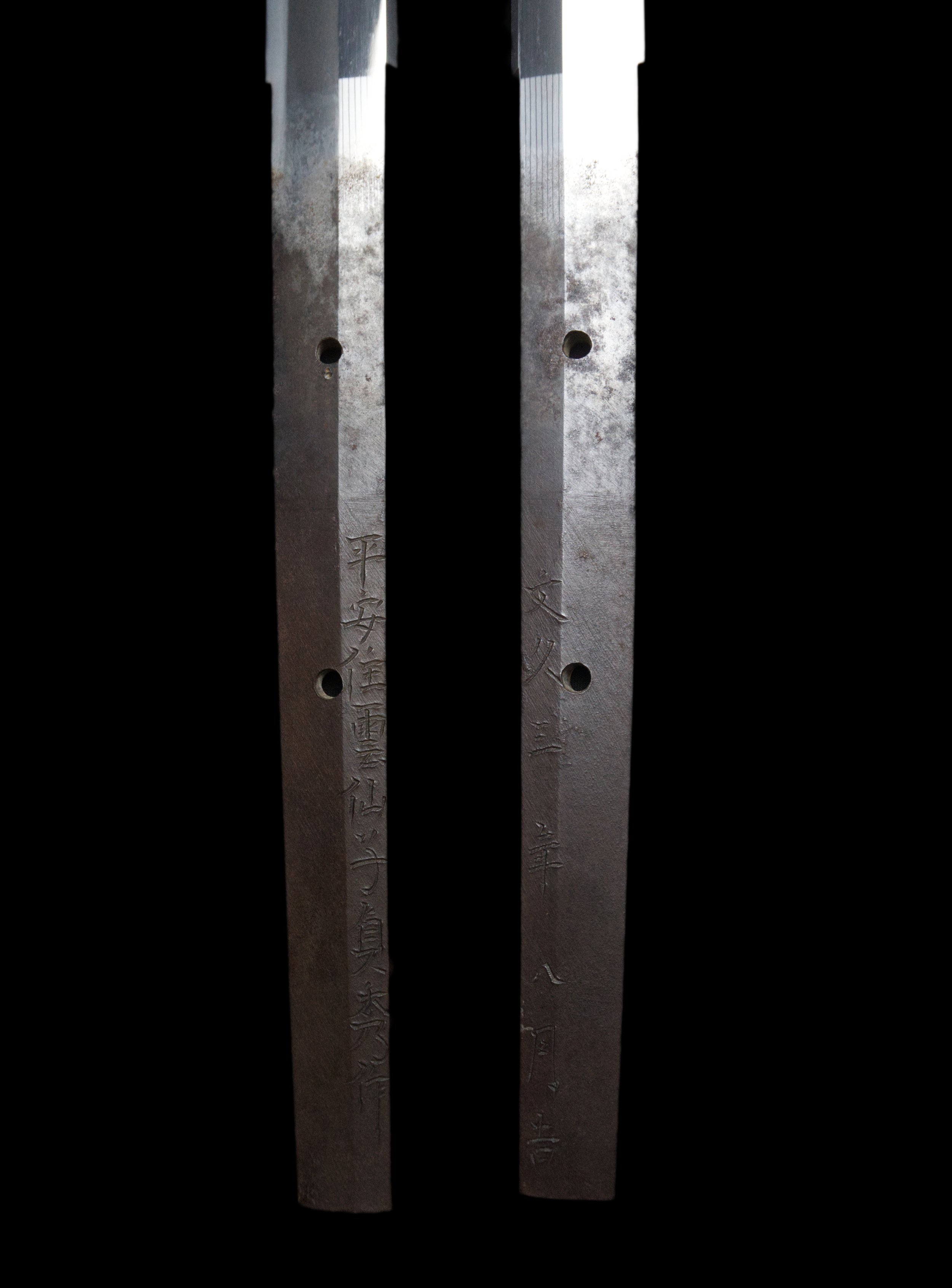
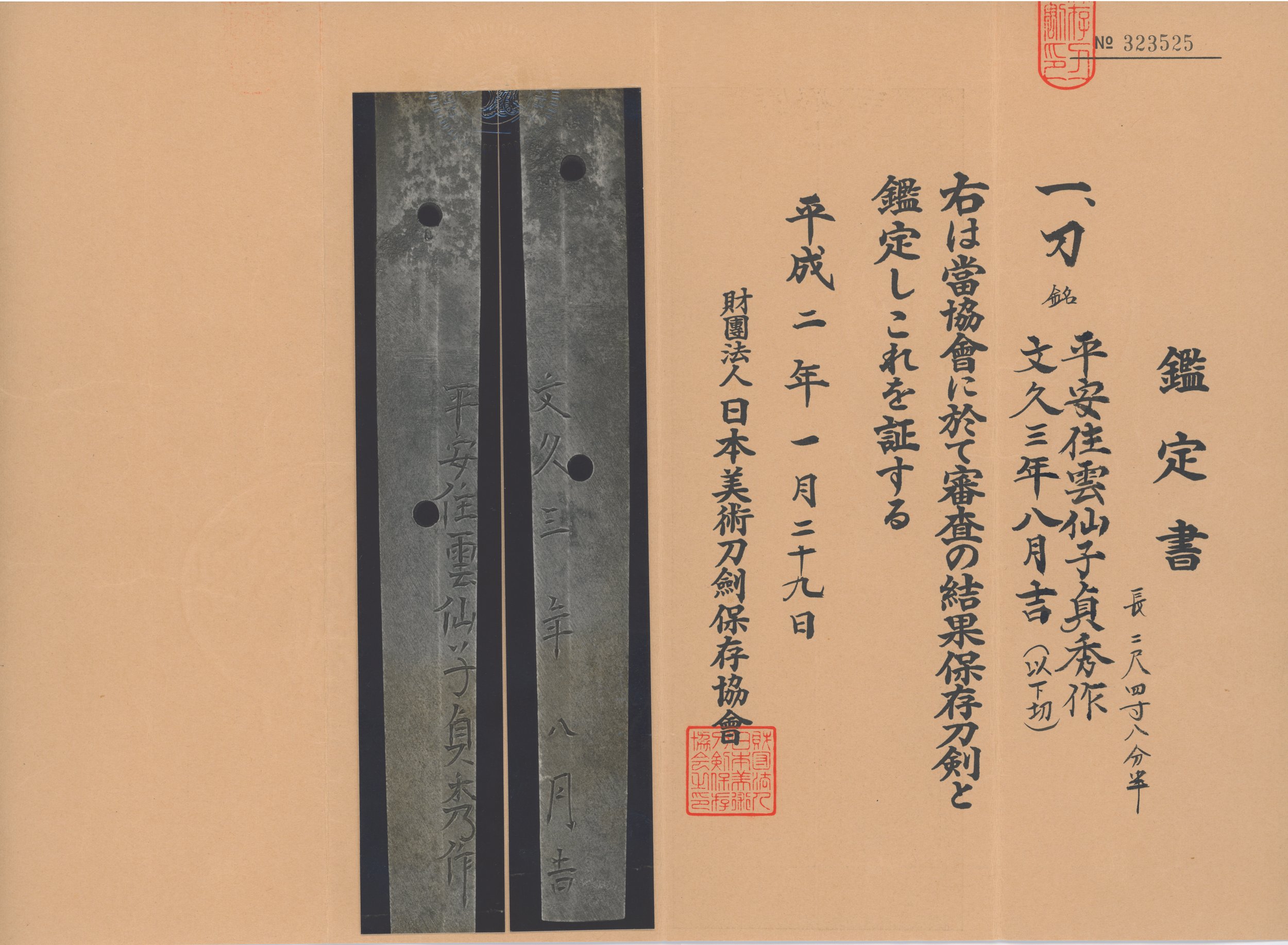
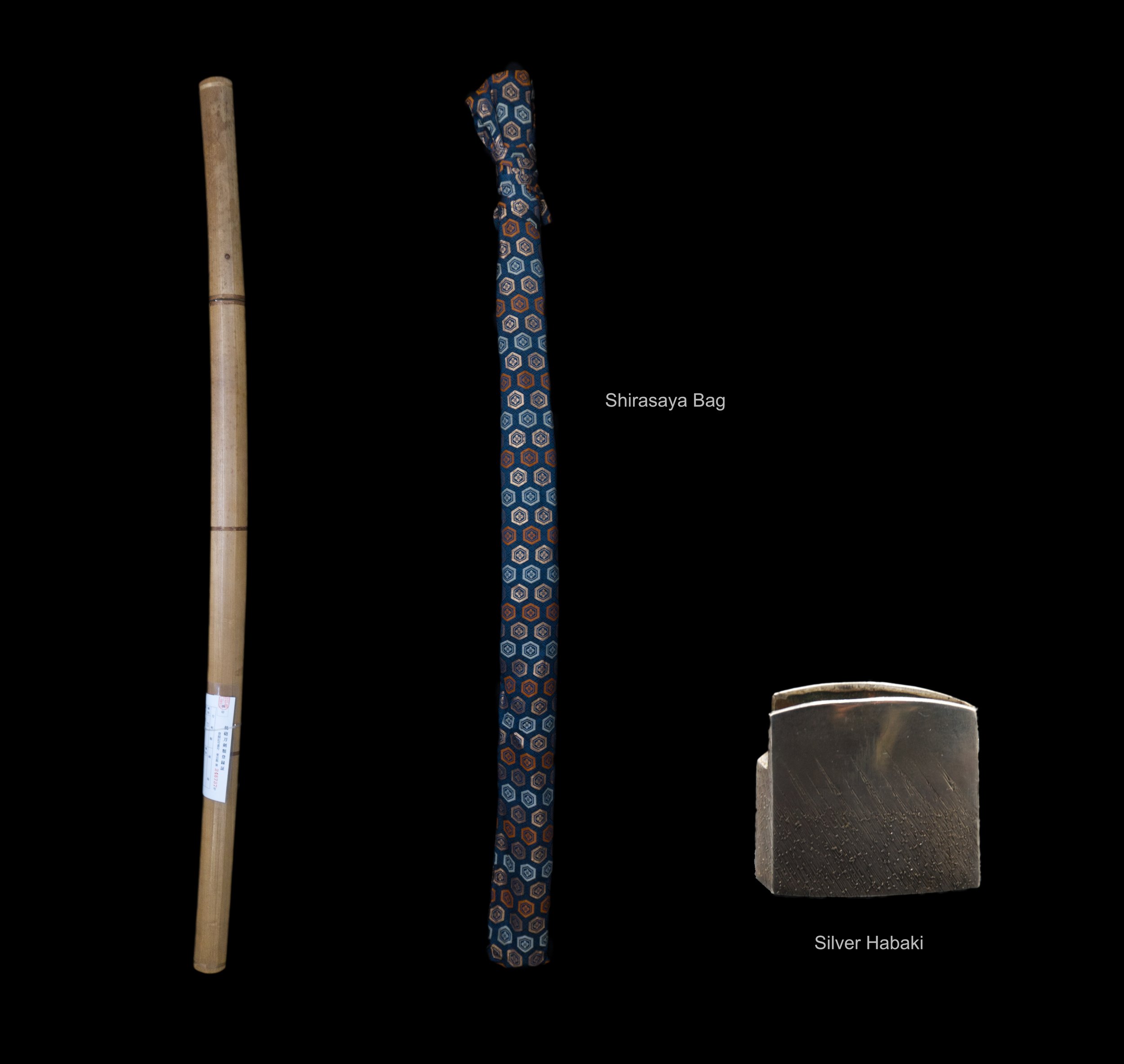
Bakamatsu Period Kinnoto - Royalist Sword This exceptional katana is accompanied by NBTHK Tokubetsu Hozon papers confirming it as the work of Unzenshi Sadahide, a Dewa-born smith whose real name was Sugimoto Hironosuke. A student of the famed Gassan Sadayoshi, Sadahide was active in Settsu (Osaka) and Yamashiro (Kyoto) during the late Edo period. The blade measures 75.2 cm in nagasa with a gentle 0.6 cm sori, a motohaba of 3.2 cm tapering to a sakihaba of 2.45 cm, a motokasane of 0.9 cm, and an unusually long 27 cm nakago. Its straight silhouette and extended tang strongly suggest that this sword began life as a Kinno-tō—a “royalist sword.” During the turbulent Bakumatsu era, Kinno-tō were carried by Imperial loyalists who supported the Sonnō Jōi (“Revere the Emperor, Expel the Barbarians”) movement. These swords were typically made with long, powerful proportions to suit warriors prepared for real combat in the political upheavals leading to the Meiji Restoration. In hand, the katana feels every bit the formidable weapon its history implies. It is long, wide, very thick, and impressively heavy, with generous niku that gives a sense of unstoppable force—more like wielding a finely forged battle-axe than a delicate art sword. Despite its massive build and martial purpose, the blade remains in flawless condition, completely free of kizu or forging issues, and represents a rare chance to own an authentic late-Edo royalist sword of exceptional quality and preservation.
NihontoWatchOffered by Toukentakarado
This piece has sold
Get an email when a new Gassan Sadahide piece hits the market.

As written by the shop
Shinshinto · Settsu · around 1848-1854
Fujishiro Chu-jo saku · Tōken Taikan top 87%
1 piece on the market now
Shinshinto · Settsu
28 pieces on the market now
| Smith | Era | Designated |
|---|---|---|
| Sadaharu貞晴 | 1865-1868 | 0 |
| Sadayoshi貞吉 | 1926-1989 | 0 |
| Yoshiaki吉明 | 1844-1848 | 0 |
| Naonobu直信 | 1854-1860 | 0 |
| Sadayoshi貞吉 | 1830-1863 | 0 |
Bakumatsu: the last war market
Perry’s arrival in 1853 unraveled the Tokugawa peace and created the first mass demand for working swords in two centuries. Kiyomaro, called the Masamune of Yotsuya, died on its eve; Munetsugu and Yukihide carried the boom to the end.
A Hozon-certified blade judged to show notably superior workmanship and a better state of preservation. The bar is higher: re-tempered blades and most unsigned Muromachi/Edo works are excluded.
The NBTHK (Nihon Bijutsu Tōken Hozon Kyōkai, the Society for the Preservation of Japanese Art Swords) is a public-interest incorporated foundation founded in 1948 and supervised by Japan’s Agency for Cultural Affairs (Bunkachō); it is based at the Japanese Sword Museum in Tokyo. Its expert panels physically examine each submitted work (shinsa) and issue a certificate (kanteishō) ranking it by artistic and historical merit. NBTHK papers are the most widely recognized standard of authentication for Japanese swords and fittings.
NBTHK official siteWe offer a three-day inspection period. To initiate a return, you must notify us within three days of the package being delivered. Once we confirm your request, you have seven days to ship the item back to us. The item must be returned in its original condition, including all accompanying documents, certificates, and packaging materials. The buyer is responsible for covering the shipping costs and insurance for the return shipment.