 NihontoWatchNihontoWatchNihontoWatch
Offered by Nihonto Australia
This piece has sold
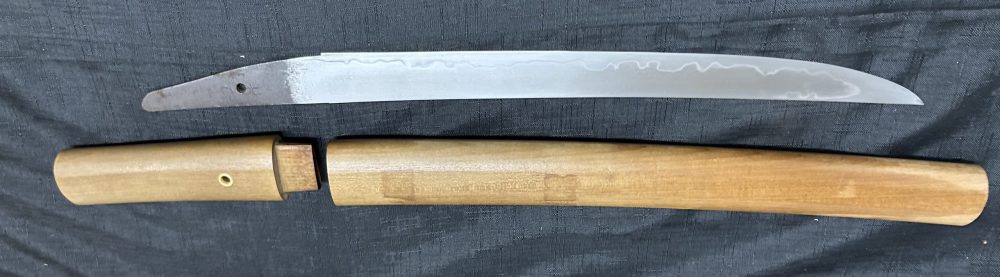
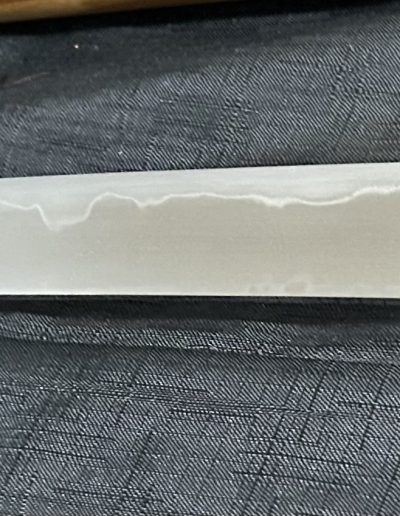
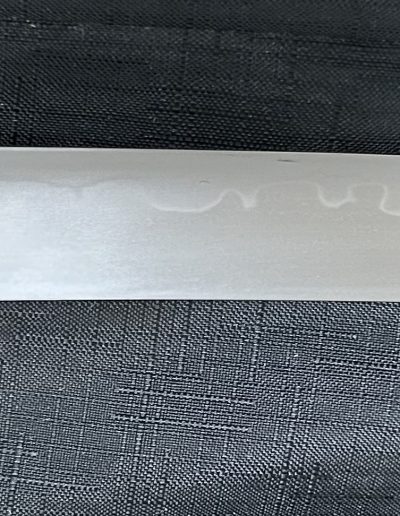
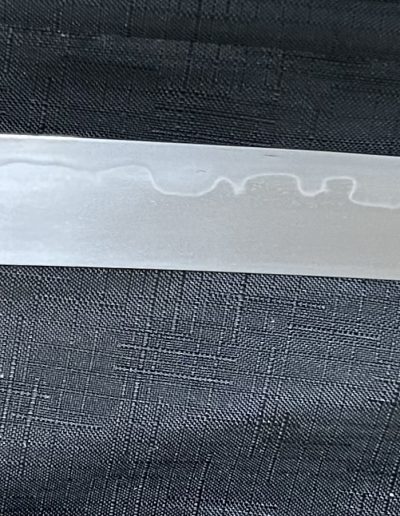
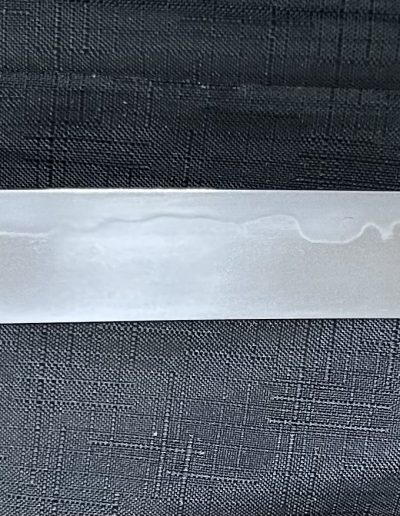
Soshu-den · Ise · around 1573-1592
Fujishiro Chu-jo saku · Tōken Taikan top 37%
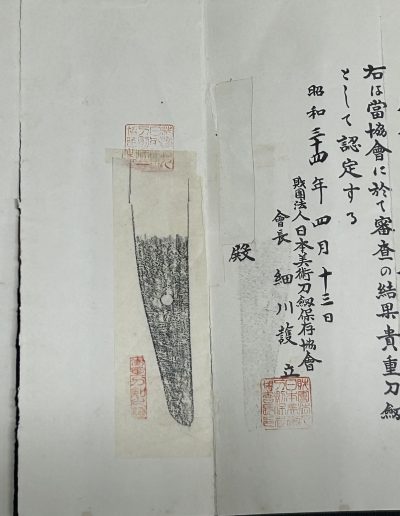
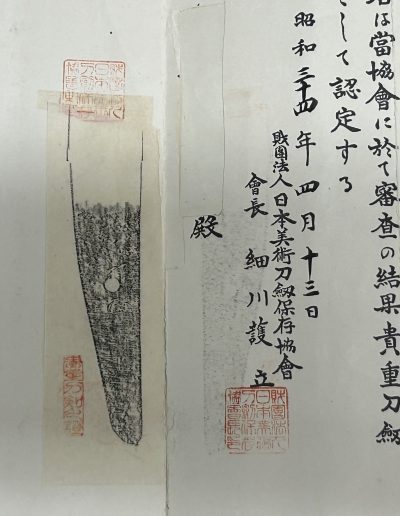
This entry covers the third-generation Muramasa of Kuwana in Ise, the smith of the Tensho era (1573 to 1592). The published sources set out the generations by their dated works: 「村正は伊勢国桑名に住し, 現存する最古の年紀が文亀元年あり, これを初代として永正・天文の年紀を見るものが二代であり, 天正年紀のあるものが三代である」 (Muramasa lived at Kuwana in Ise; the earliest surviving date is Bunki 1 (1501), taken as the first generation, works dated Eisho and Tenbun are the second generation, and those dated Tensho are the third). The earlier generations are separate entries; this one rests on the Tensho maker alone.
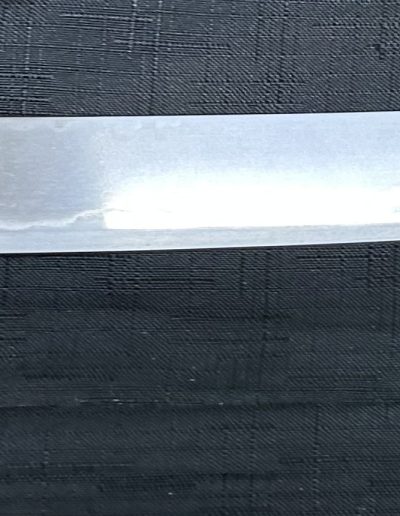
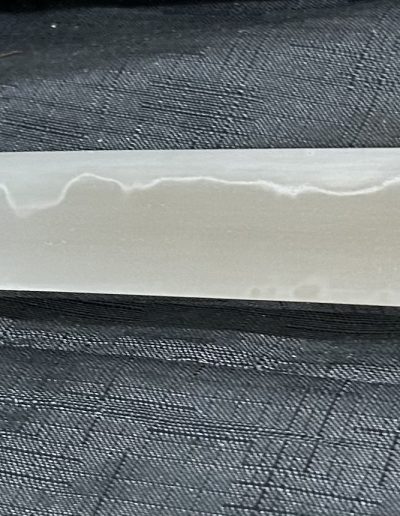
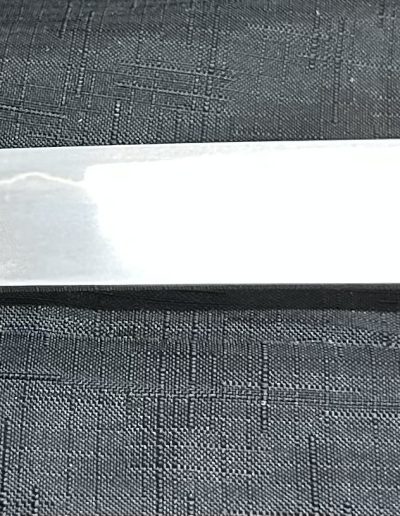
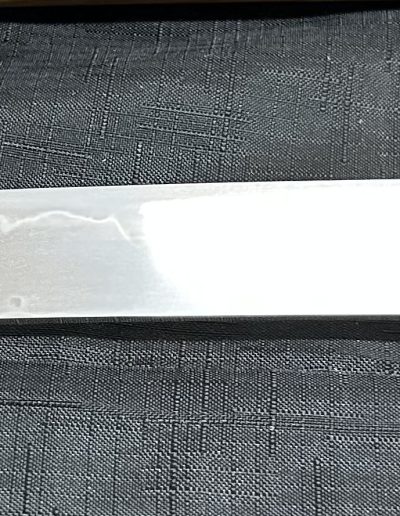
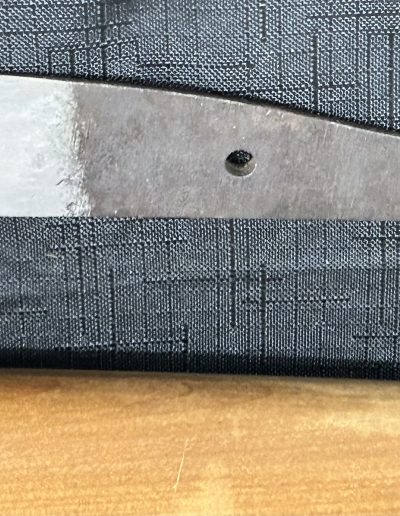
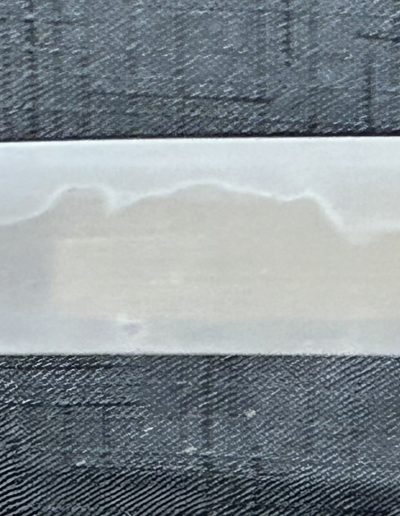
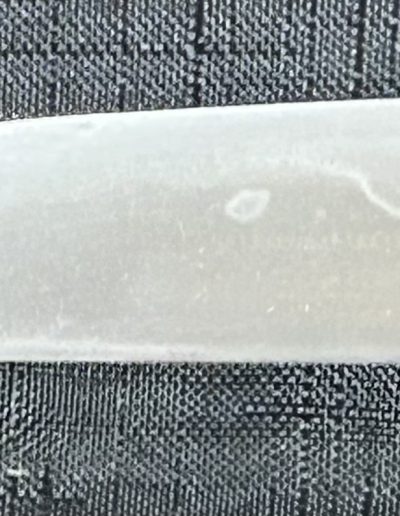
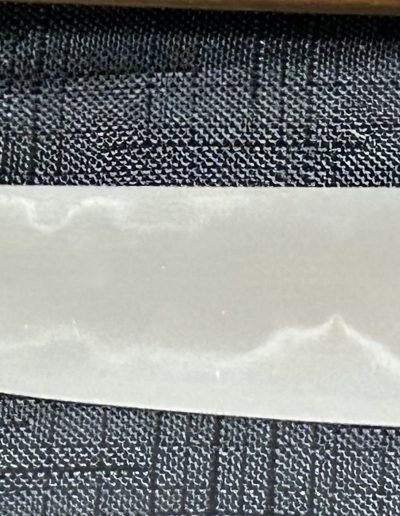
He is represented here by a single work, a hira-zukuri wakizashi with mitsu-mune, designated Juyo Token at the 17th session in 1968. The blade is wide, with sun-nobi proportions and a somewhat strong sakizori. Its jigane is a flowing itame-hada with ji-nie, a tendency toward a whitish cast, and muneyaki.
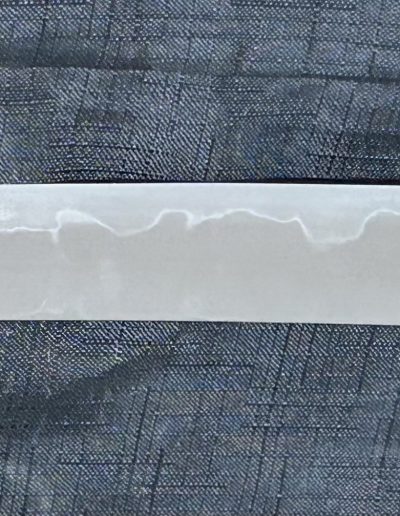
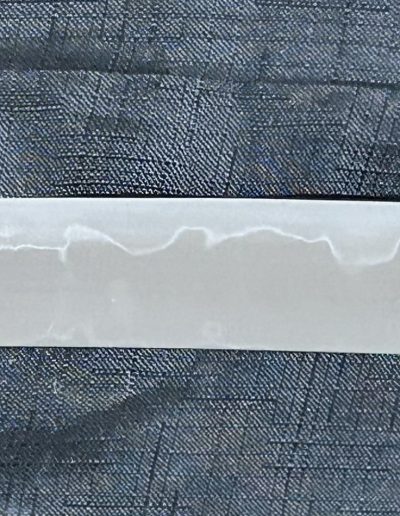
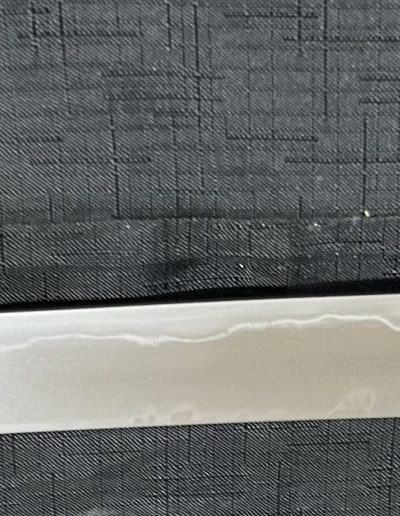
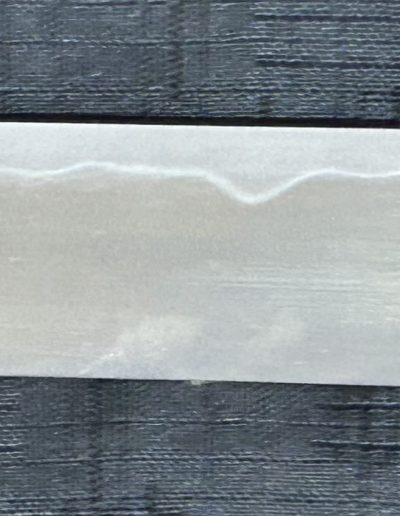
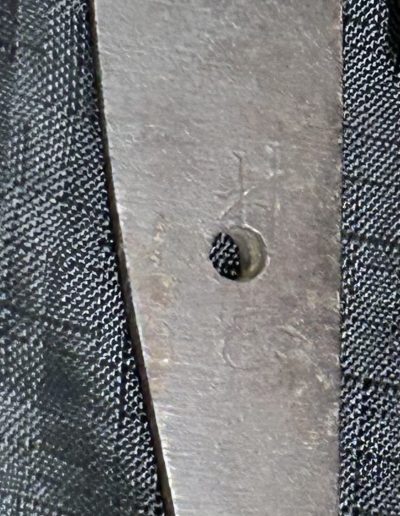
The hamon is based on notare and mixes hakoba, togariba and gunome. It grows especially lively from the middle upward, with tobiyaki, and sunagashi and mura-nie run through the whole. The boshi is midare-komi, tending to a point on the omote and ko-maru on the ura, both with vigorous hakikake and a long turn-back. The nakago is ubu, in the tanago-bara shape with a kiri yasurime, and 「棟寄りに大振りの二字銘がある」 (a large two-character signature is cut toward the mune).
The attribution to the third generation is made from the signature, and the published sources go further: 「銘振りから鑑て三代であり, その最高作である」 (judging from the manner of the signature it is by the third generation, and it is his finest work). With one designated work on record, his manner is known chiefly through this blade, which belonged at designation to Morise Kiyoyuki of Aichi.
Where Muramasa stands among comparable artisans: across all of nihontō, and within tradition, era, and period. The tiers (Foremost · Leading · Major · Notable) weigh official designations from the NBTHK and Japan's Agency for Cultural Affairs, together with historical honors of lasting repute such as the Sansaku and Meibutsu-chō.
Select a lens to see how it's measured.
Soshu-den · Ise
5 pieces on the market now
Kuwana, in Ise Province, gave the Sengo line its base, and from there the Muramasa (村正) name carried the work of late-Muromachi Ise into the Sengoku decades. The oldest extant date in the whole line is Bunki 1 (1501), carried by a katana signed "Seshu Kuwana-ju Uemon-no-jo Fujiwara Muramasa saku"[[c:1]]; from that anchor the prevailing scheme reads the Bunki pieces as the first generation, the Tenbun as the second, and the Tensho as the third, with the second master held the most skillful and most prolific of the three. The published sources set aside the popular tale that the founder studied under Masamune, calling it an unfounded tradition; the line begins instead near the close of the Muromachi period. Its hand shares common features with Mino, Shimada, and Sue-Soshu, and resembles Heianjo Nagayoshi of Kyoto so closely that the judges presume some relationship between the two, while a likeness to the Shimada smiths and to the Sue-Seki Kanesada is noted as a thing that can confuse a first reading. From the workshop issued the disciples Masashige (正重) and Masazane (正眞), filed by tradition as students of the shodai, who carried the manner forward alongside the Muramasa name itself. The feature the commentary names again and again as the school's own is the matched temper: the hamon on omote and ura align to one mirror-image pattern (omote-ura soroi), and the valleys of the midare press in toward the cutting edge. To this the masters add box-shaped elements (hako-midare), a gunome and notare base mixed with compound gunome, togariba, and yamagata figures, the nioiguchi drawn tight with patchy ko-nie in mura, and sunagashi running frequently; the boshi runs midare-komi or sugu to a ko-maru, often swept with hakikake. The forms that carry it are the wide hira-zukuri tanto and sunnobi ko-wakizashi with mitsu-mune, and the short, strongly saki-zori uchigatana; the jigane is itame tending to stand, mixed with flowing and masame-inclined grain, the steel dark at times and showing the whitish shirake cast the descriptions repeatedly note. Beneath sits the tanago-bara nakago, the fish-belly swelling that grows pronounced from the second generation, cut with a thick-chisel two-character mei.
The successors diverge by proportion rather than trick: Masashige opens the same vocabulary out, his grain standing more openly and his o-gunome and nie carried further; Masazane draws it in, holding box teeth low at the koshimoto under a calm suguha, his jihada closing tighter than his fellow pupil's. Beside the flamboyant rule each smith keeps a quiet register, tanto in suguha aimed at the Rai manner, and an occasional reach toward hitatsura with tobiyaki and muneyaki, never the rule of the work. To kantei the school, the matched faces are the first tell: the aligned omote and ura, the box figures, the valleys pressing to the edge, the tight nioiguchi with its patchy nie, and the tanago-bara nakago under the thick mei part Muramasa from the Mino, Shimada, and Heianjo hands it otherwise resembles. Within the line the nakago-mune decides: cut angular on Muramasa, it rounds out fleshily on Masashige, while Masazane is told from Masashige by his tighter steel. The Sengo reputation for cutting sharpness, with the midare valleys driven toward the ha, drew the Tokugawa legend that the blades brought calamity on the house; the sources handle it as recorded fact, noting that from the Edo period many signatures were effaced for fear of the name, so that signed katana in particular grew comparatively rare, and that one of Masazane's katana was cut "Yamashiro Province Masazane" as a deliberate screen for a daimyo recipient. Provenance runs through private and daimyo hands rather than institutional holdings: a first-generation wakizashi transmitted as a possession of Oda Nobunaga, a Masazane descended in the Mizuno and Tosa Yamauchi houses, a Lotus Sutra katana held in the Nabeshima line. The Nichiren devotion read off some blades, the title Myoho-renge-kyo cut into the steel, ties the work to its Ise region. A signed, ubu Sengo blade of secure date and matched temper comes to notice only from time to time, the legend that thinned the signatures adding to the call for those that remain. Learn more →
| Smith | Era | Designated |
|---|---|---|
| Muramasa村正 | 1521-1528 | 41 |
| Muramasa村正 | 1501-1521 | 17 |
| Masashige正重 | 1521-1528 | 12 |
| Masazane正眞 | 1501-1504 | 4 |
| Masashige正重 | 1573-1592 | 1 |