Muromachi turned sword making into an industry: the uchigatana rose with massed infantry warfare, Osafune and Seki produced bundle swords beside custom orders, and the Ming trade carried Japanese blades abroad by the tens of thousands.
 NihontoWatchNihontoWatch
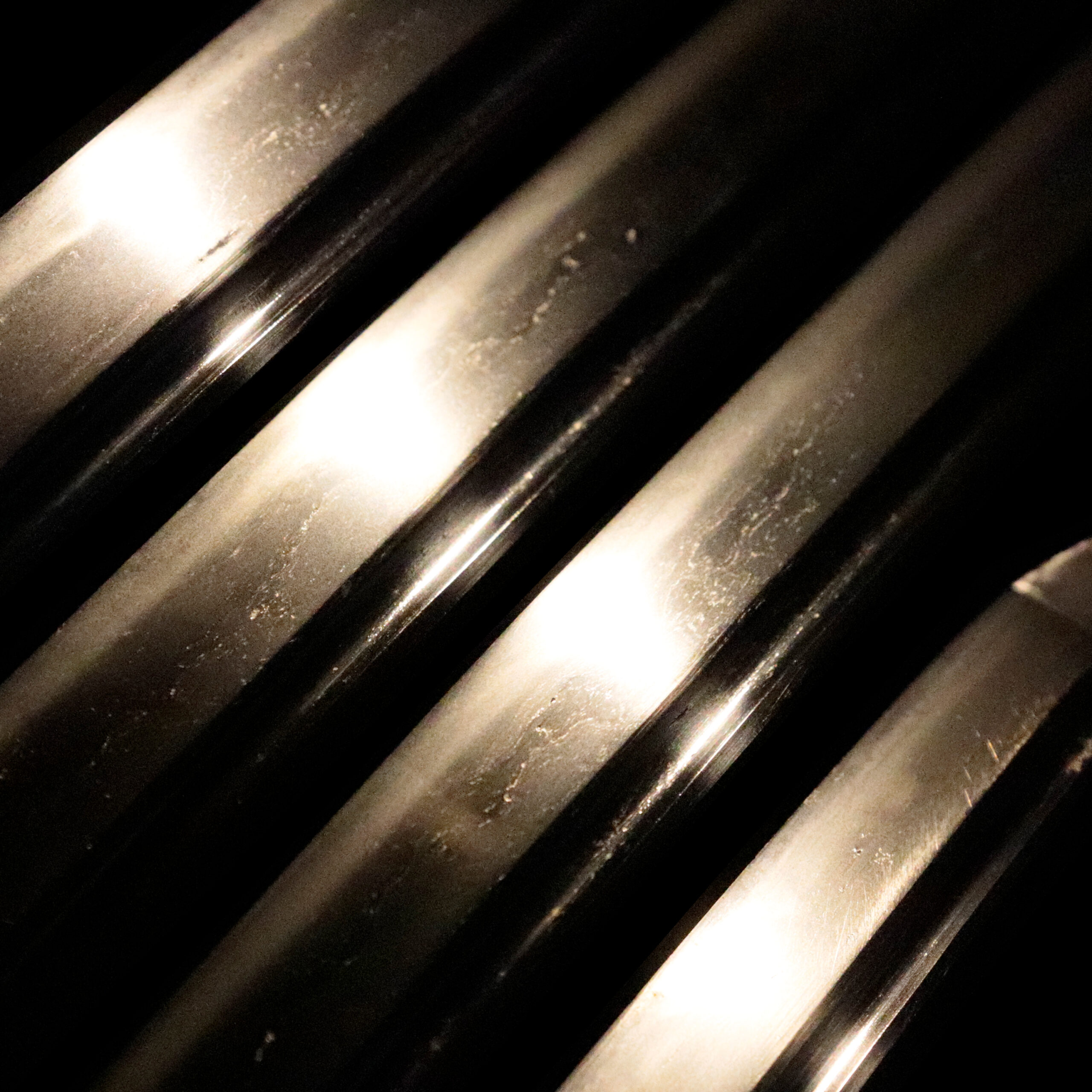
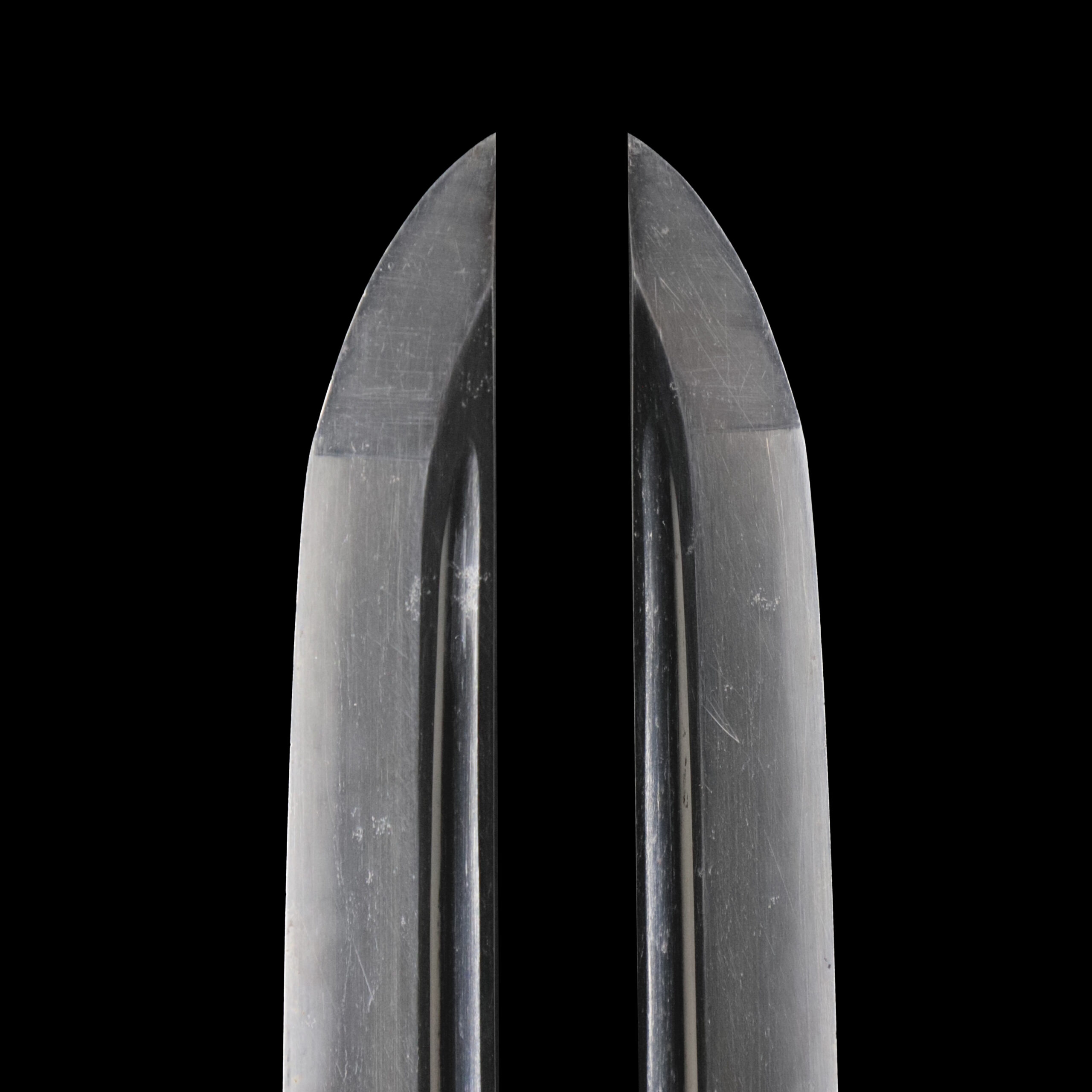
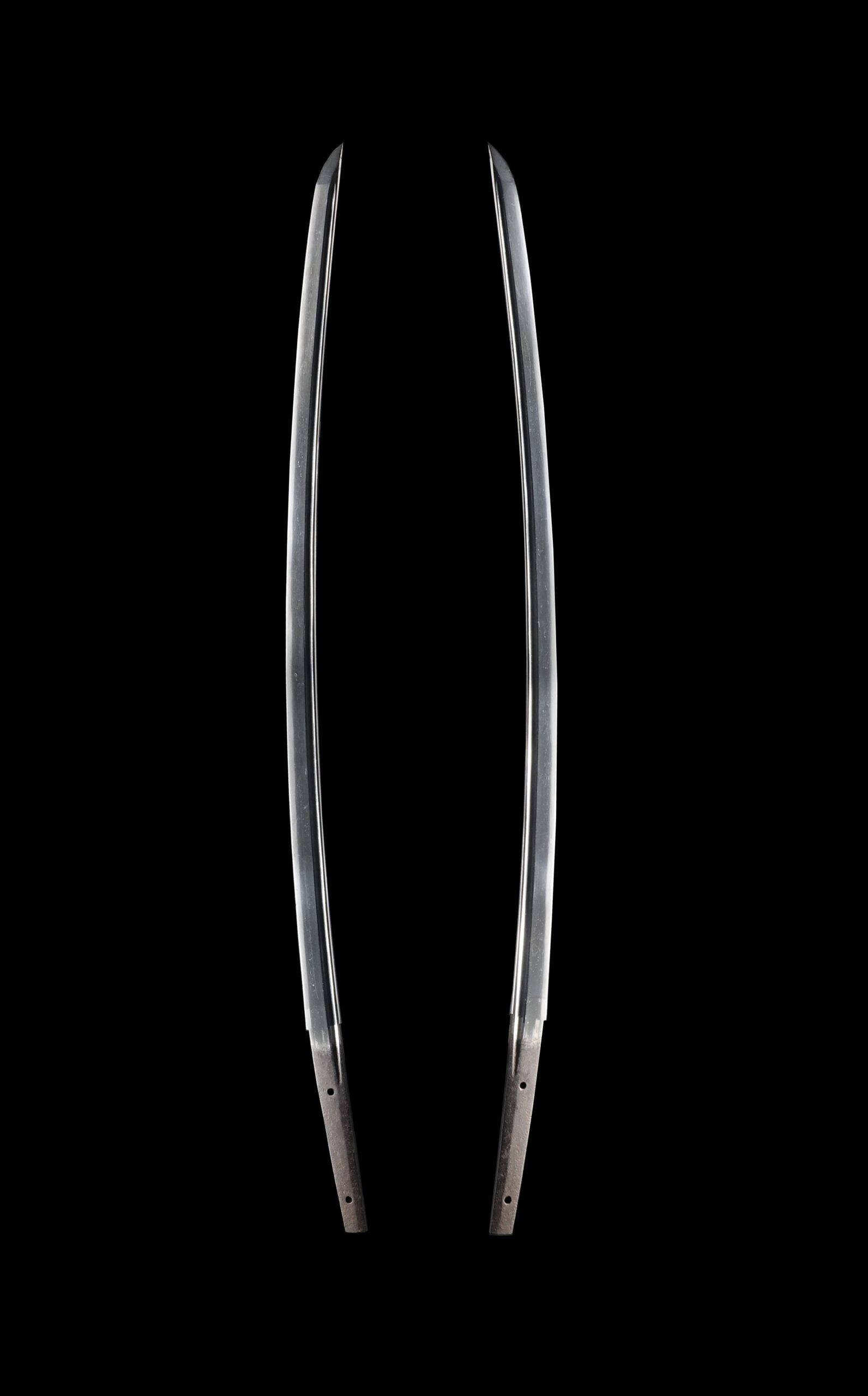
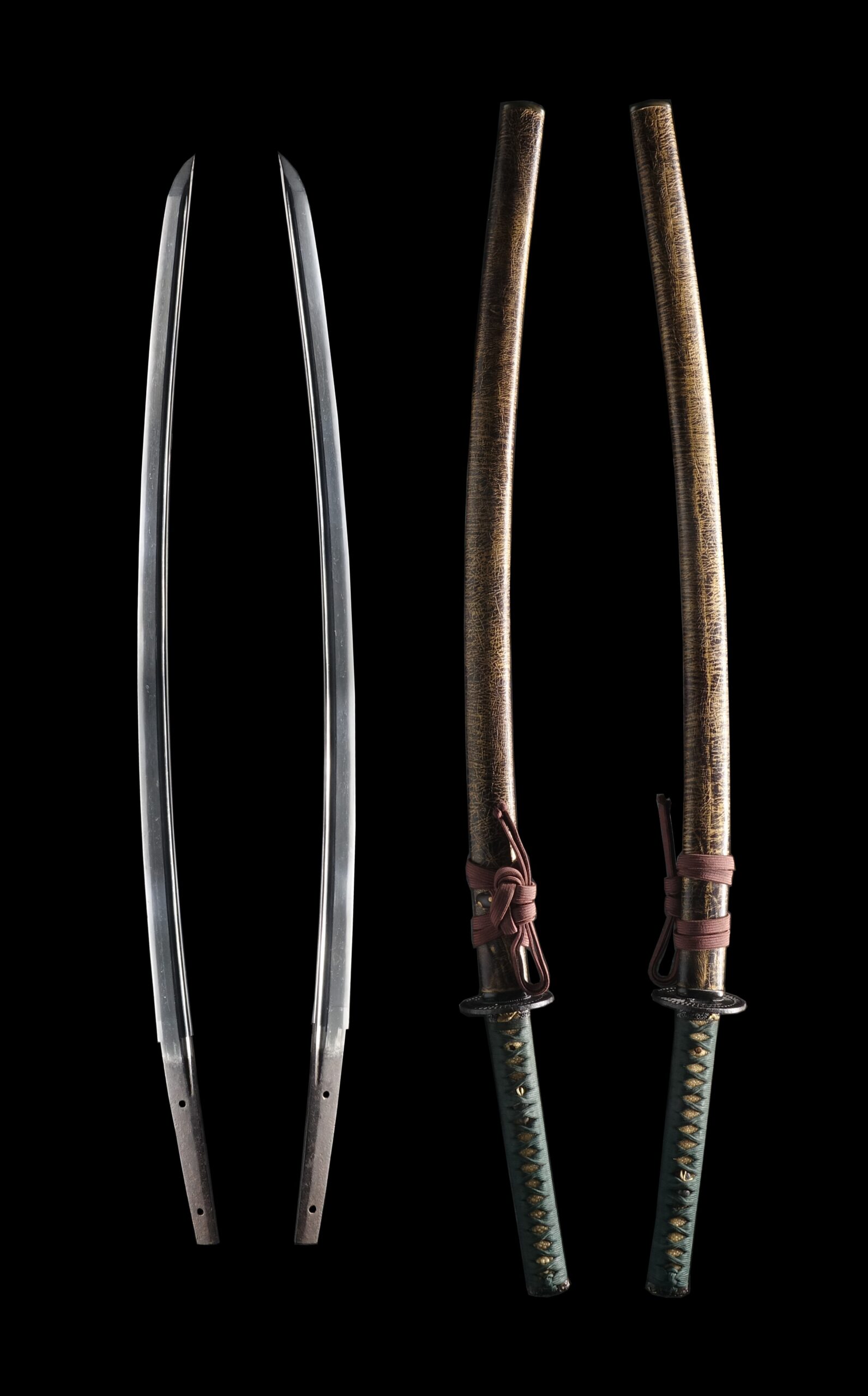
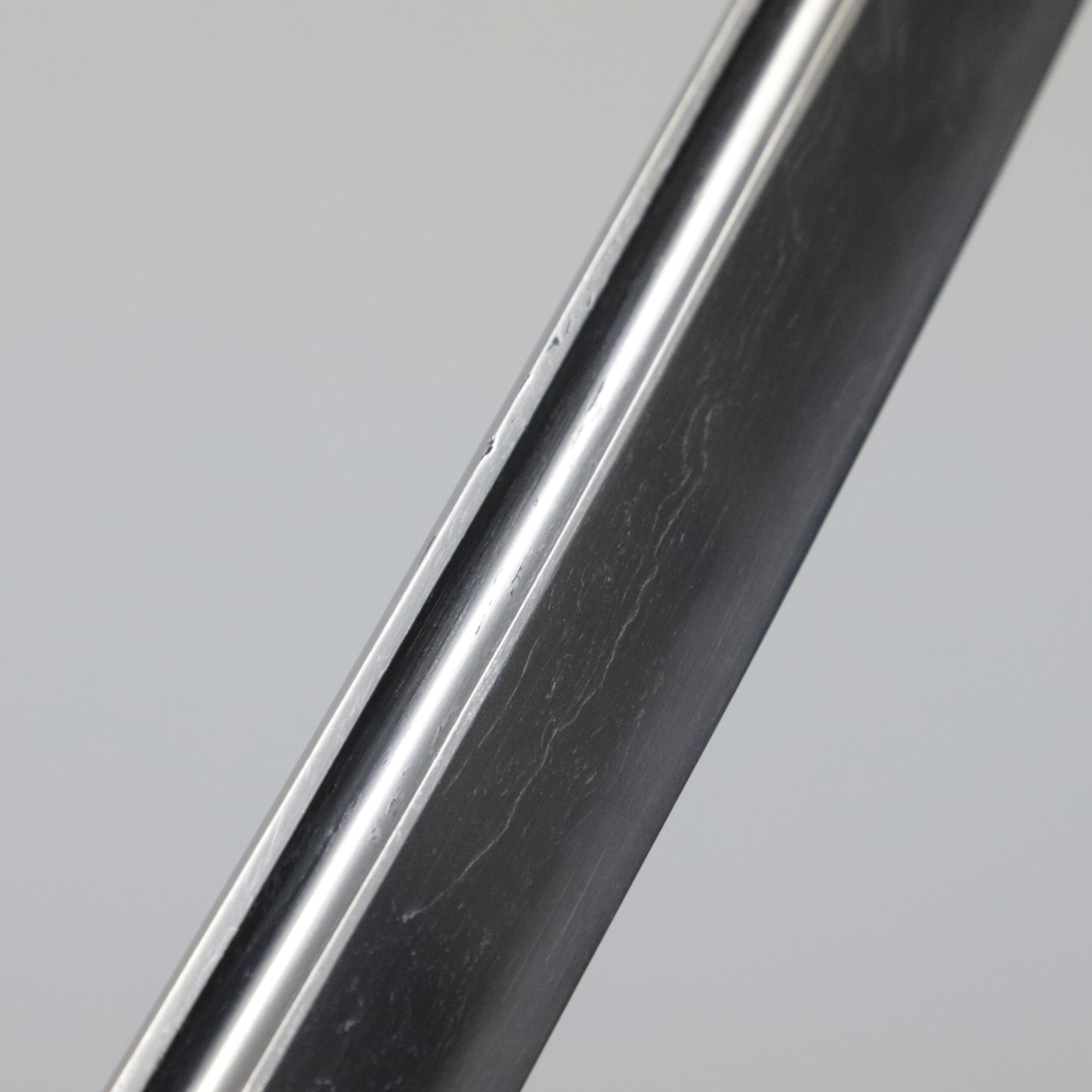
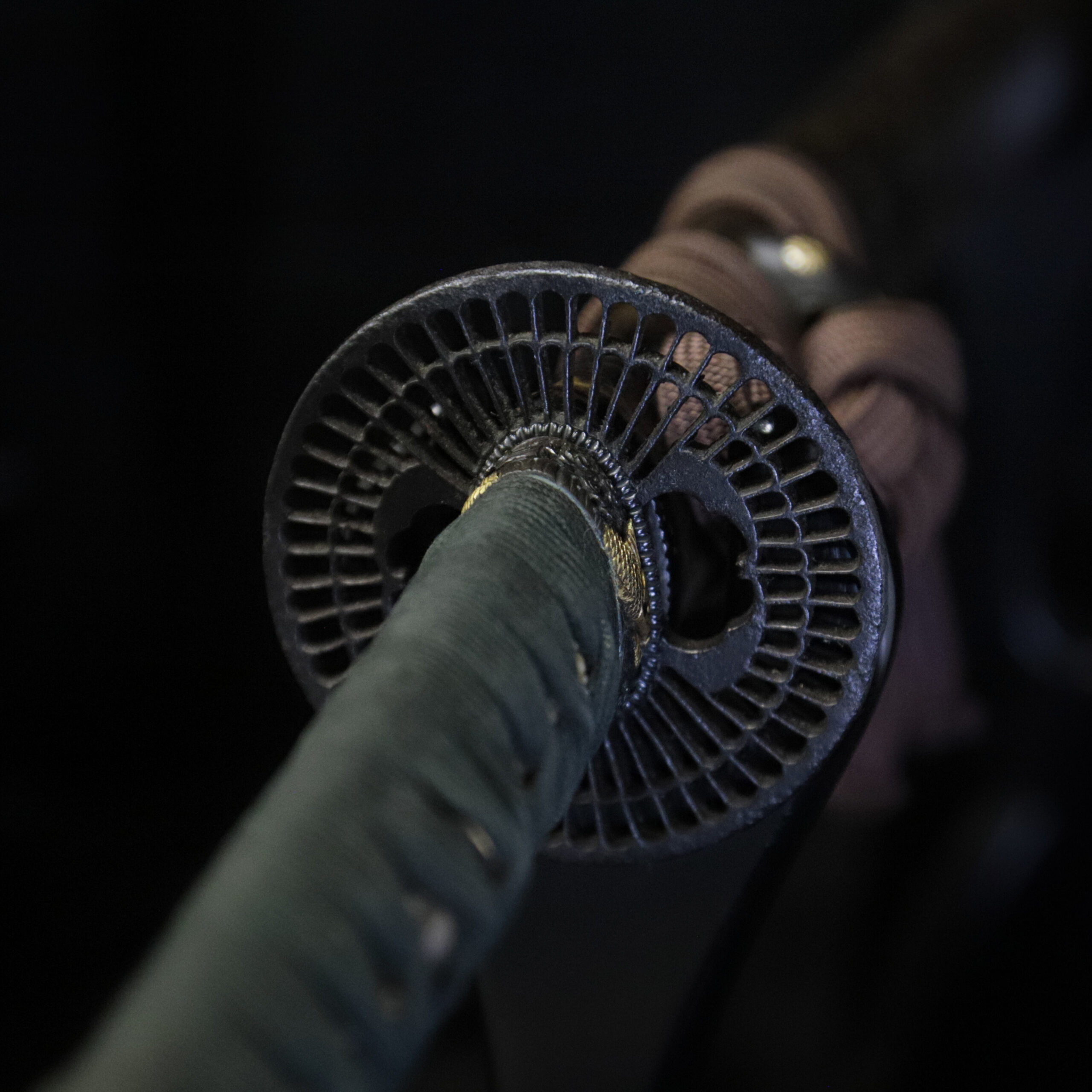
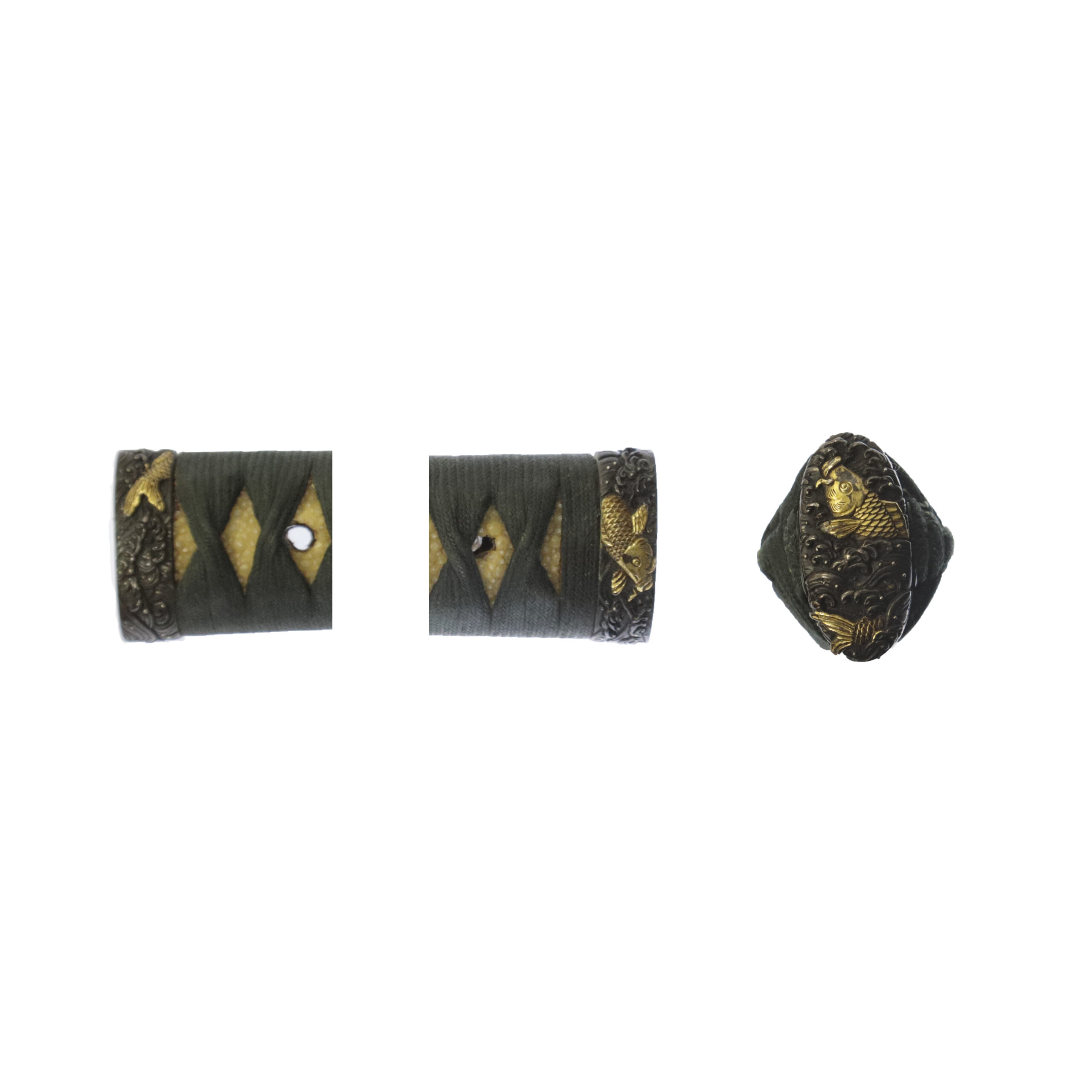
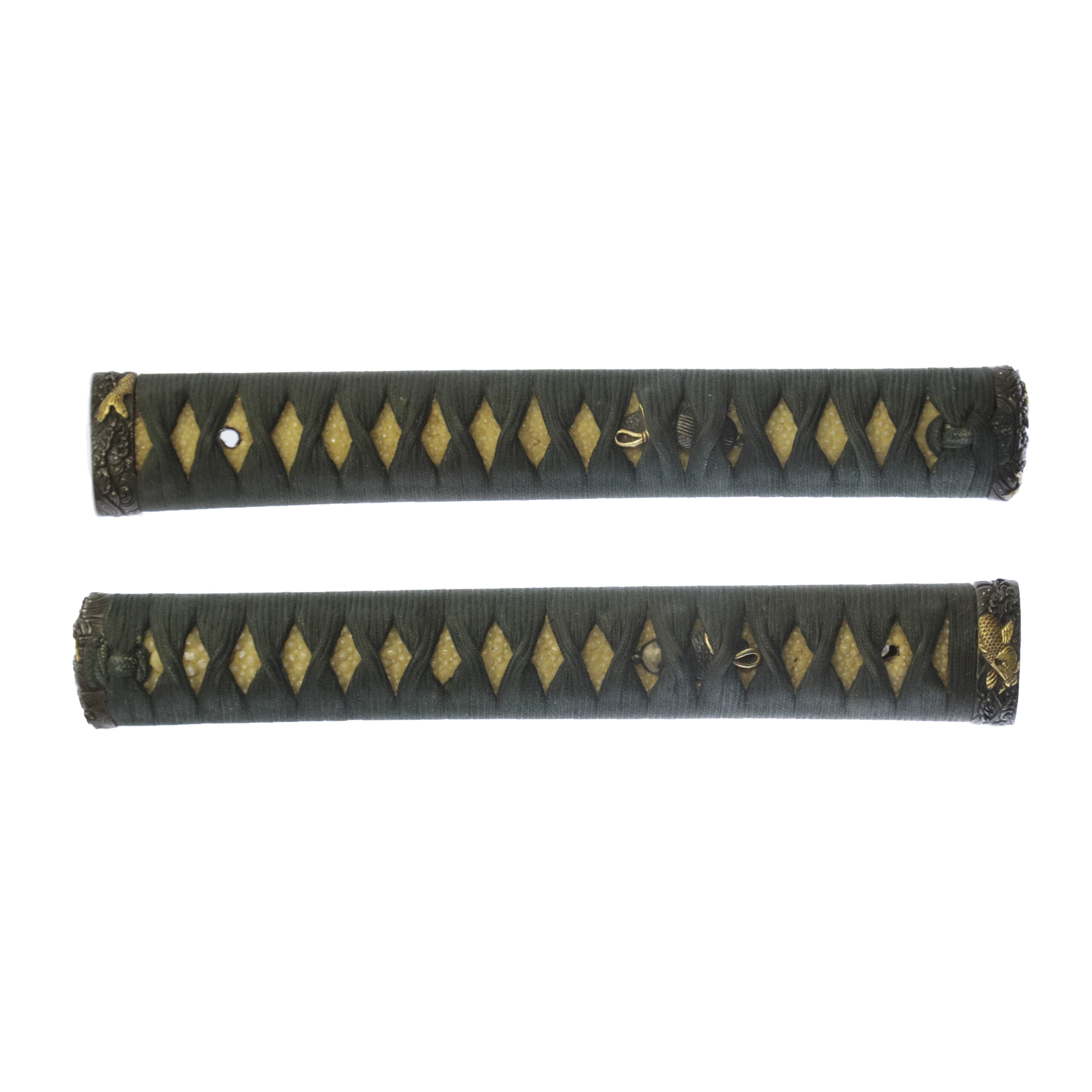
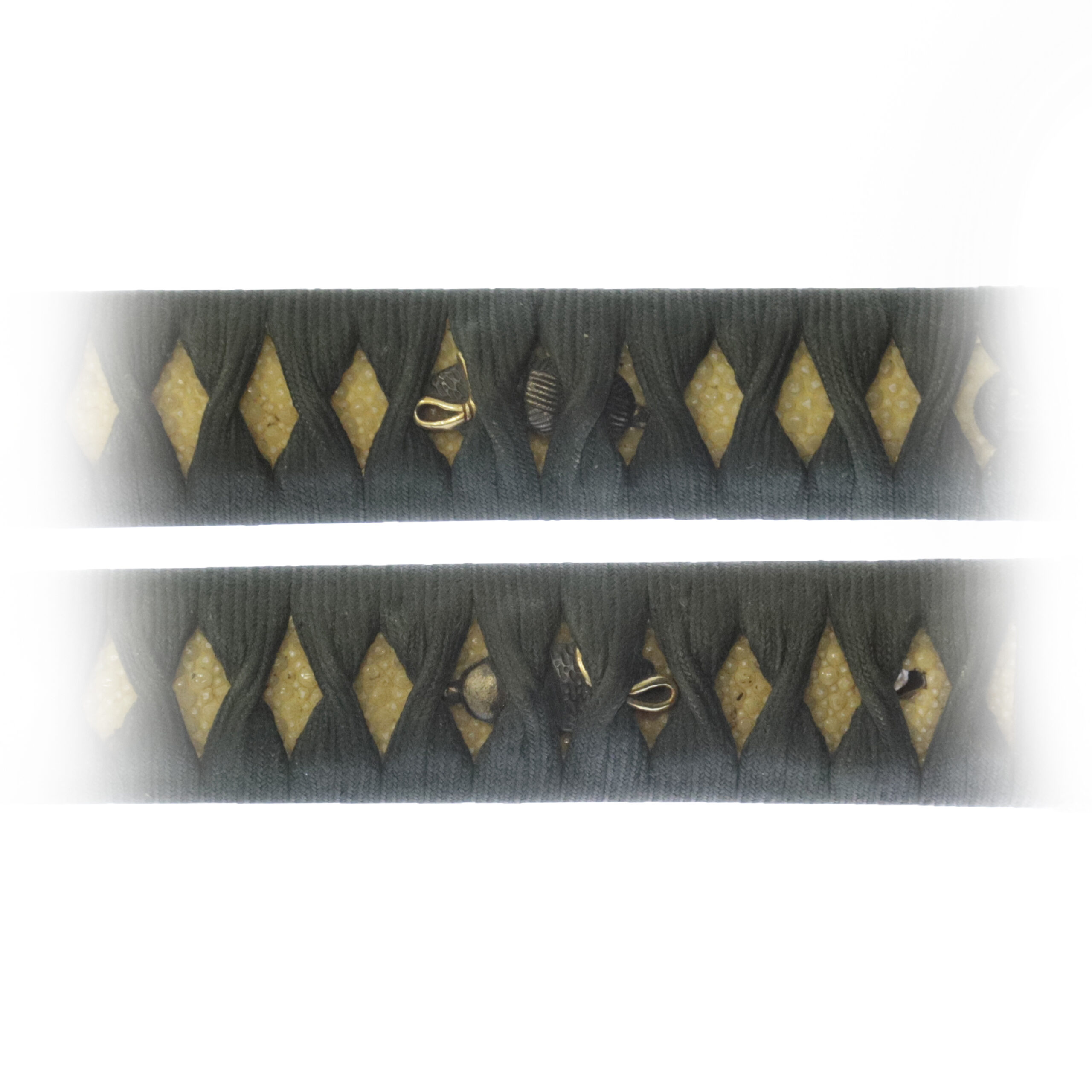
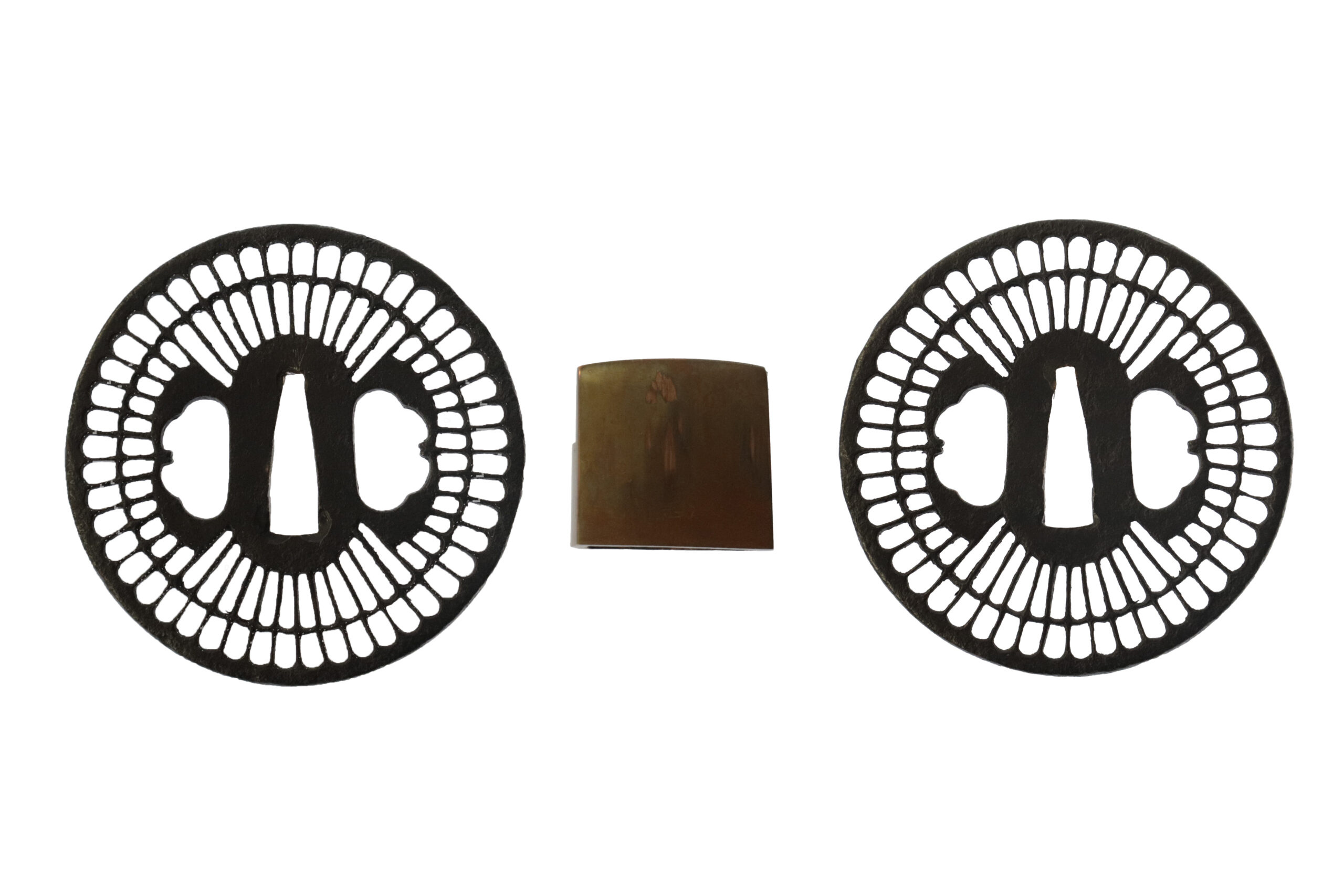
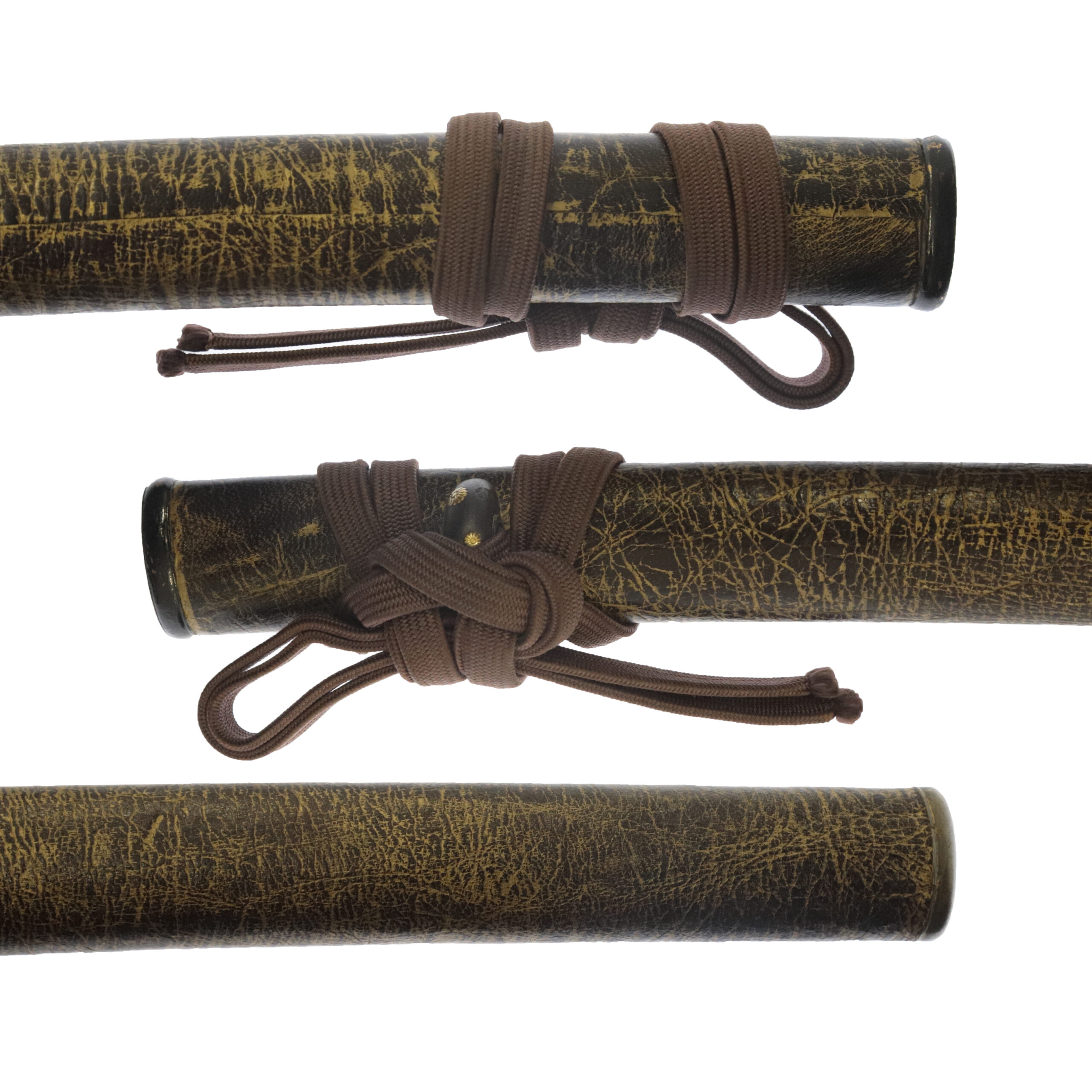
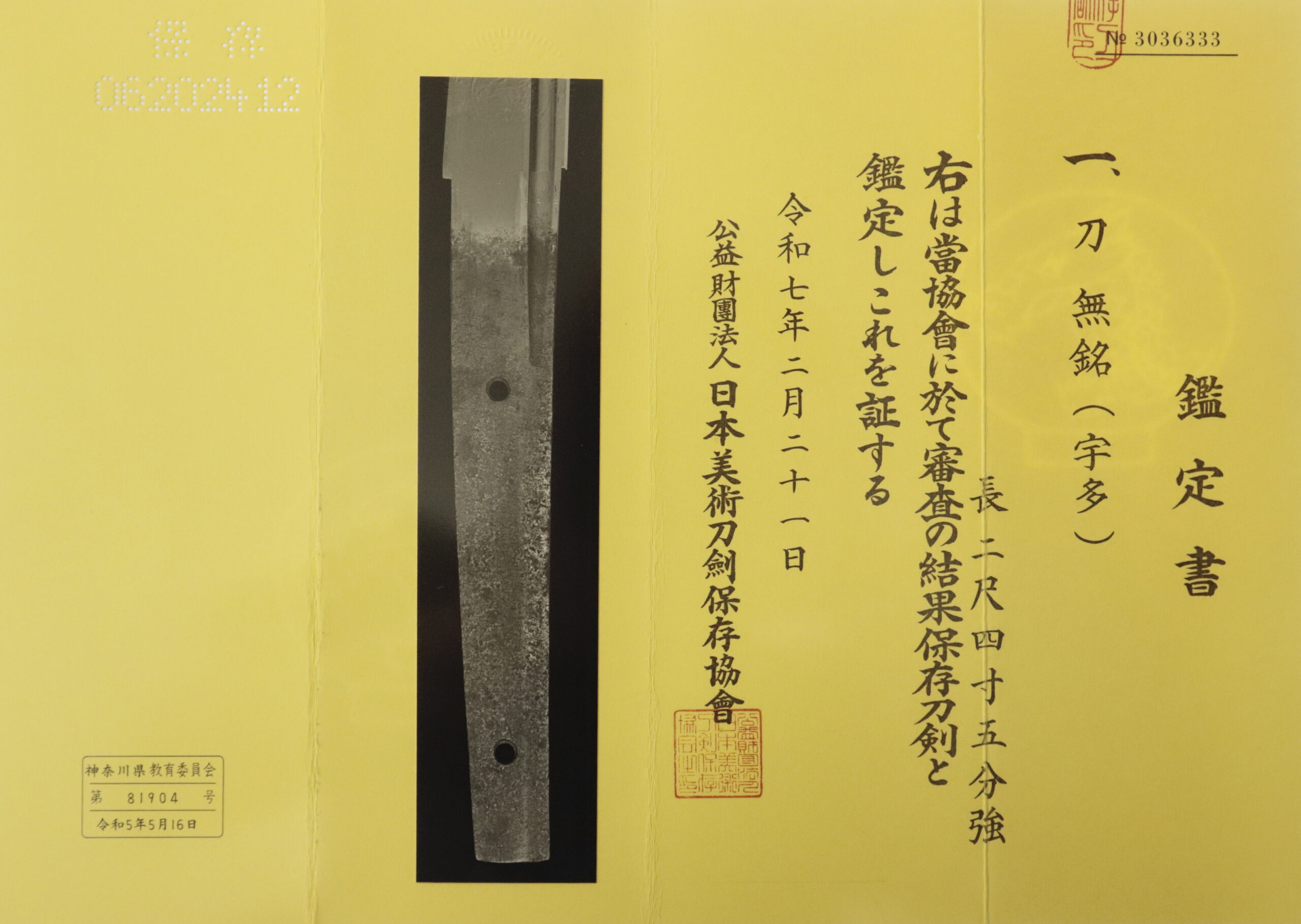
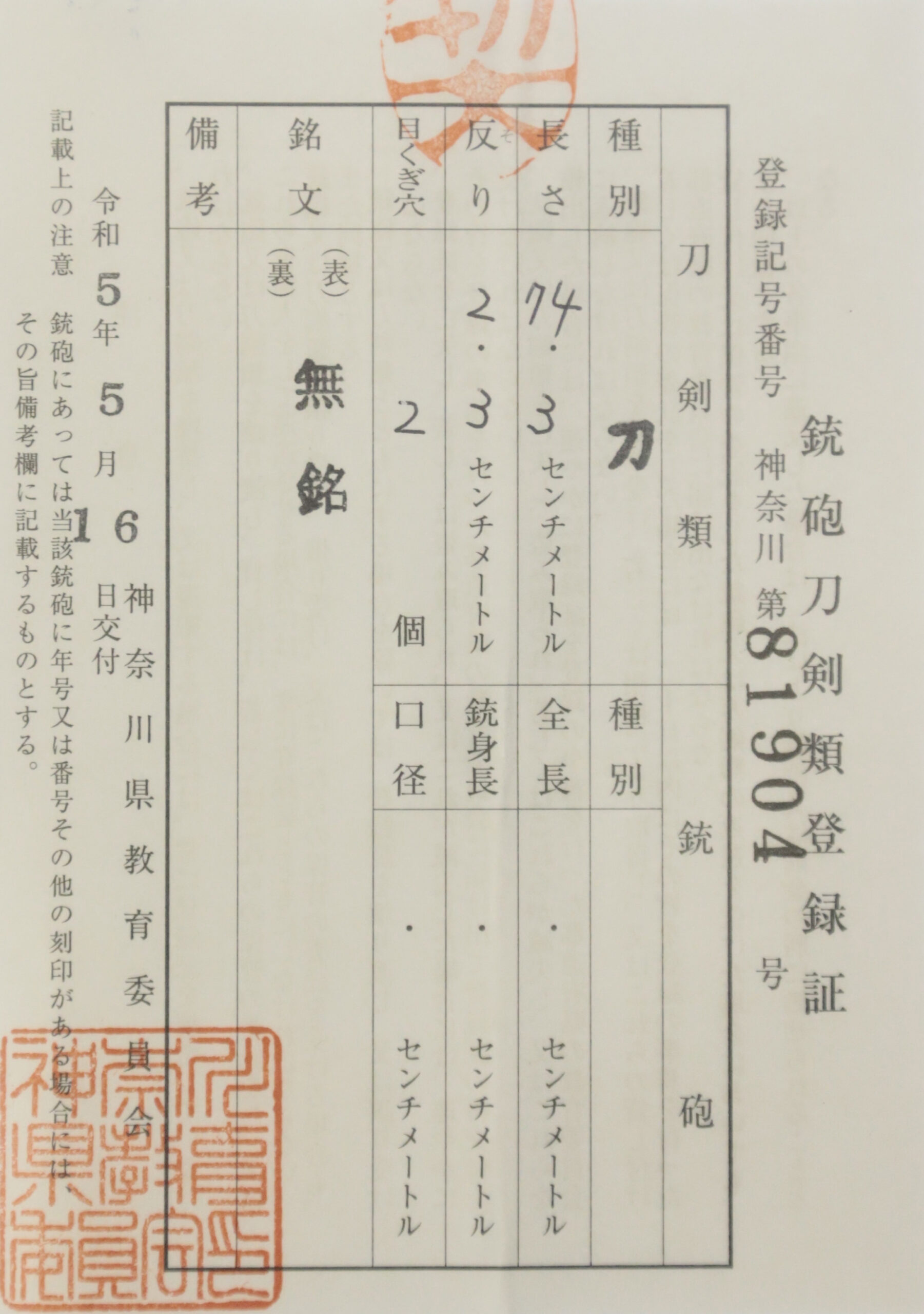
Summary This blade is attributed to the Uda school, as authenticated by the NBTHK (Society for the Preservation of Japanese Art Swords). Although the certificate does not specify the exact forging date, the NBTHK appraises it as being made in the early to mid-Muromachi period (approx. 1394–1491). The Uda school was a prestigious swordsmith group that flourished from the Nanbokuchō to the mid-Muromachi period (approx. 1334–1491). It was founded by Kunimitsu (国光) in the late Kamakura period, originally from Yamato Uda-gun (大和宇多郡) in today’s Nara prefecture. Kunimitsu later moved to Etchū province (modern-day Toyama prefecture) with his apprentices, including Kunifusa (国房) and Kunimune (国宗). The school became known for producing highly practical blades, which were in great demand during the constant warfare of the Nanbokuchō–Muromachi eras. Among the schools in the Hokuriku region (northwestern Honshu), the Uda school was the most prominent. The Uda school became widely known for forging practical and durable blades, which were highly valued during the turbulent Nanbokucho and Muromachi periods—a time when Japan was divided between rival imperial courts and marked by constant warfare. During this era, extra-long swords became popular among warriors. Works of the Uda school are generally classified into two categories: Ko-Uda (“Old Uda”), made from the late Kamakura to the Nanbokuchō period, and Uda, produced during the Muromachi period. This blade falls into the latter category. This blade is appraised as a Hozon Token (保存刀剣) issued by NBTHK(Nihon Bijutsu Touken Hozon Kyokai:日本美術刀剣保存協会). *Please keep in mind that there are a few Kitae Kizu, rust on this blade. Fuchi-Kashira A Koi (鯉, domestic carp) and waves are designed for this Fuchi-Kashira. Based on an ancient foreign story, many fish tried to climb the waterfall called the Ryumon (竜門, dragon gate) in the rapid stream of the Yellow River. As a result, only Koi climbed up and became a dragon and ran through the sky. This is the reason why “Koi-no Taki Nobori” (鯉の滝昇り, domestic carp climbing waterfall) became a symbol of success in life. The Ryumon legend is associated with this story. By living confidently and making efforts, people hoped for their children to grow up to become magnificent people. Samurai families then might have used this fish motif wishing their sons to be promoted to high-ranked Samurai. Tsuba and Habaki This tsuba features a chrysanthemum openwork design (菊透かし鐔, Kiku-Sukashi Tsuba). A long time ago, the chrysanthemum was used as a medicine for obtaining a long life in China, and it was brought to Japan with this thought in the Nara period (648-781). Chrysanthemum is one of the flowers which symbolizes fall, and people appreciate it very much since ancient times. As its petals form radially, the chrysanthemum has been likened to the sun. That is why this flower pattern is treated as the symbol of perpetual youth and longevity or good health. “Kiku no Gomon (菊の御紋)” is a kind of chrysanthemum pattern, and it has been used as the crest of the Emperor and the royal family in Japan so that it is well-known as a noble pattern. Saya This saya is finished with a leather-covered scabbard style known as Kawa-zutsumi Saya (革包鞘). Authentication Paper They authenticated the blade on February 21st in the 7th year of Reiwa (2025). They appraised it as Hozon Touken, the blade worth preserving for Japanese society.
Offered by Samurai Museum

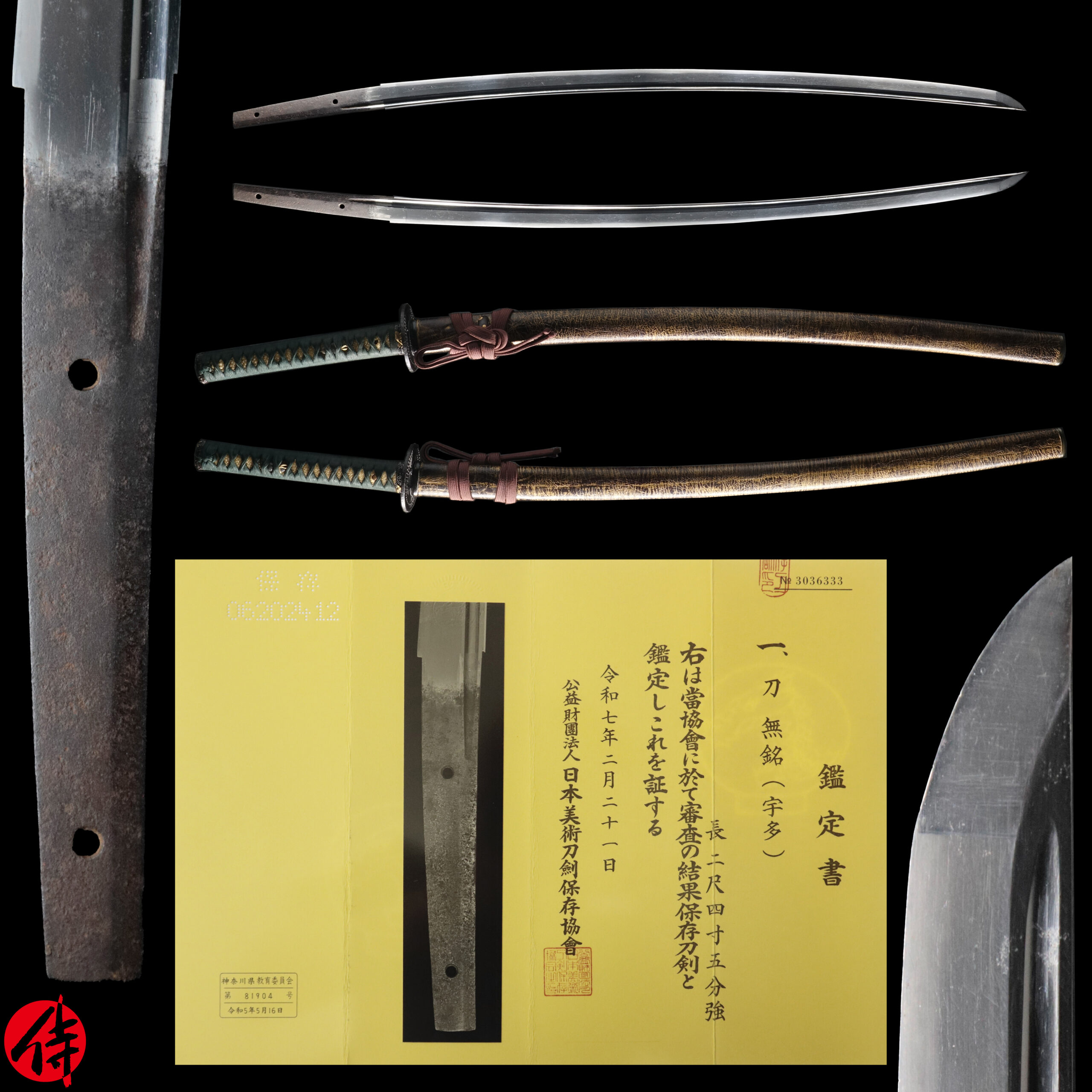
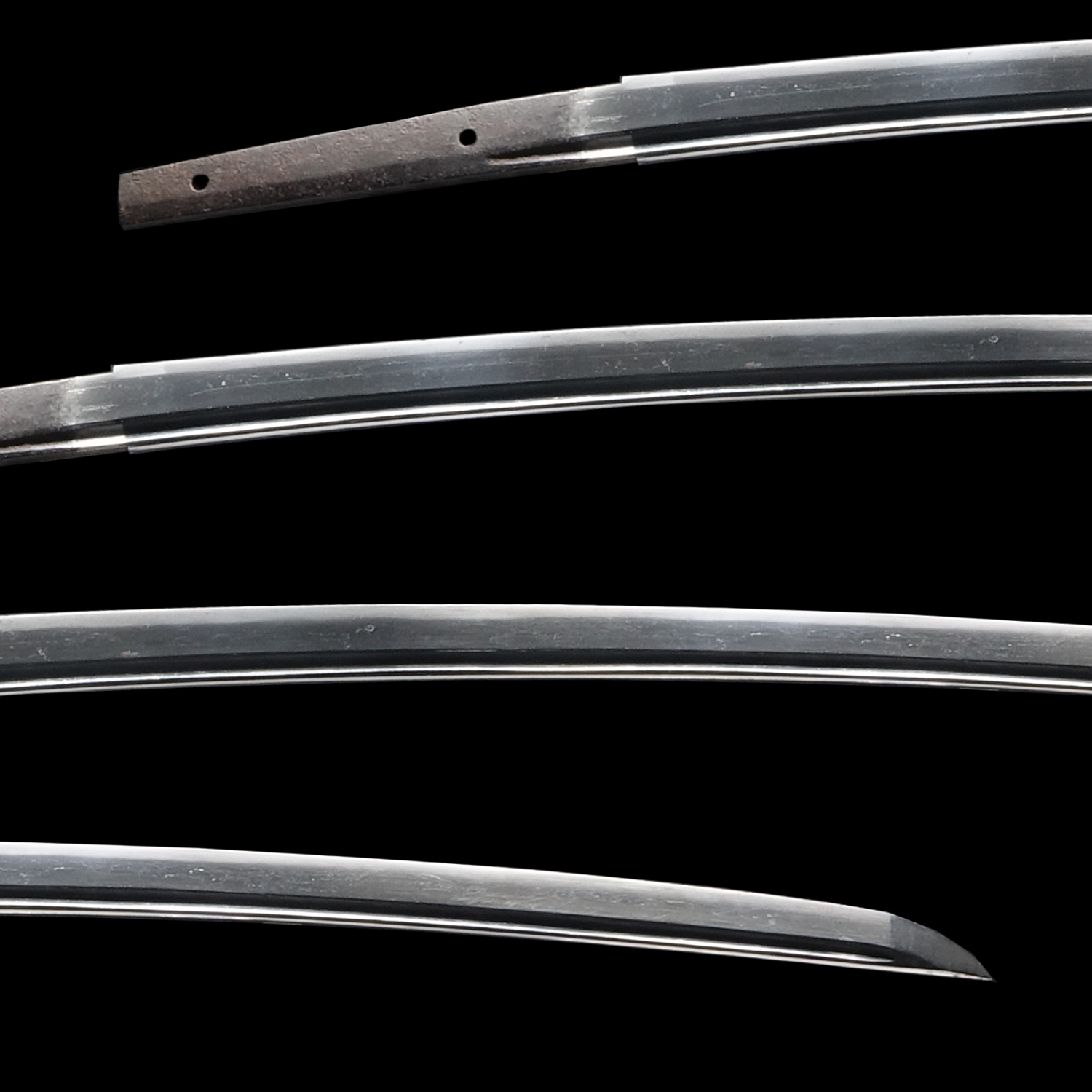
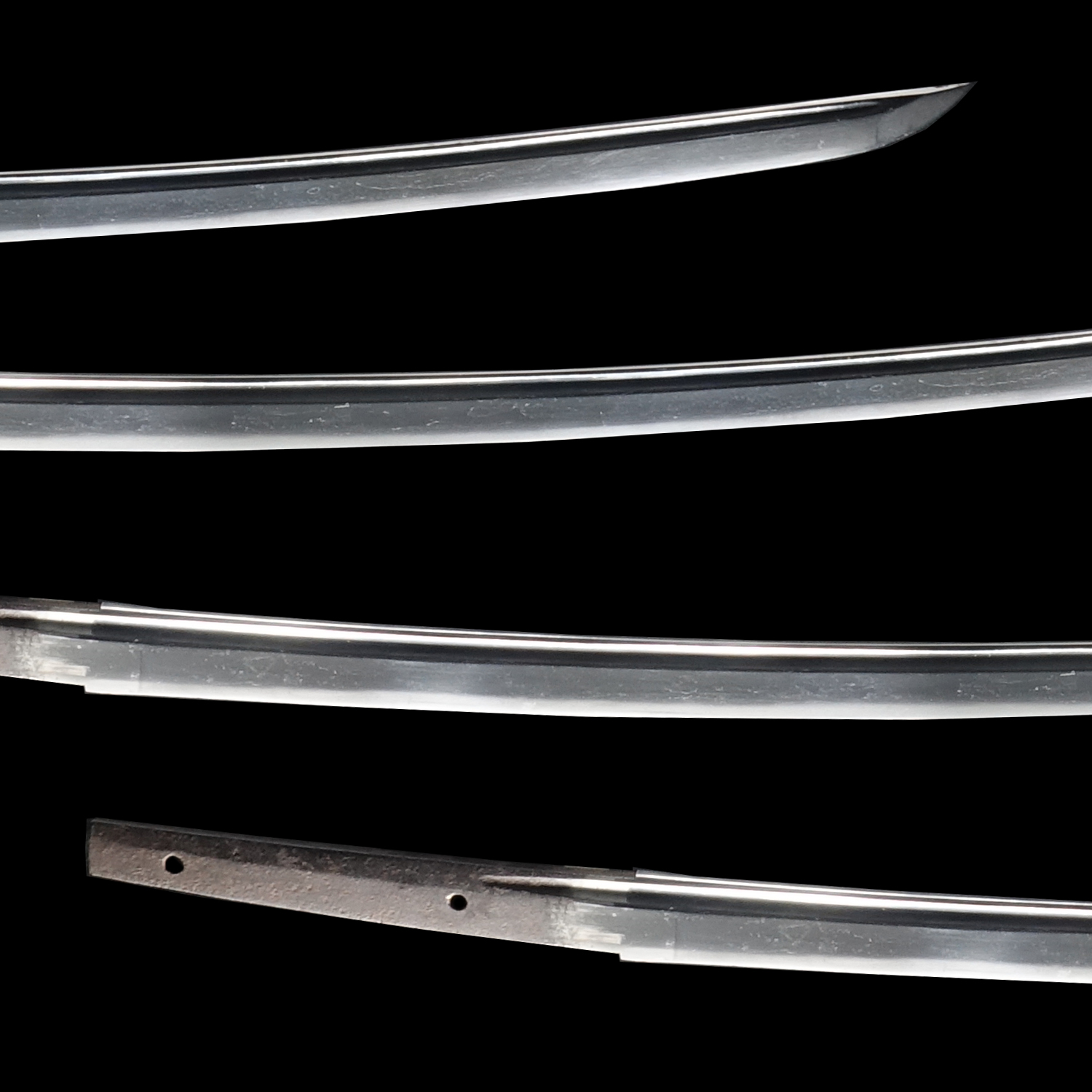
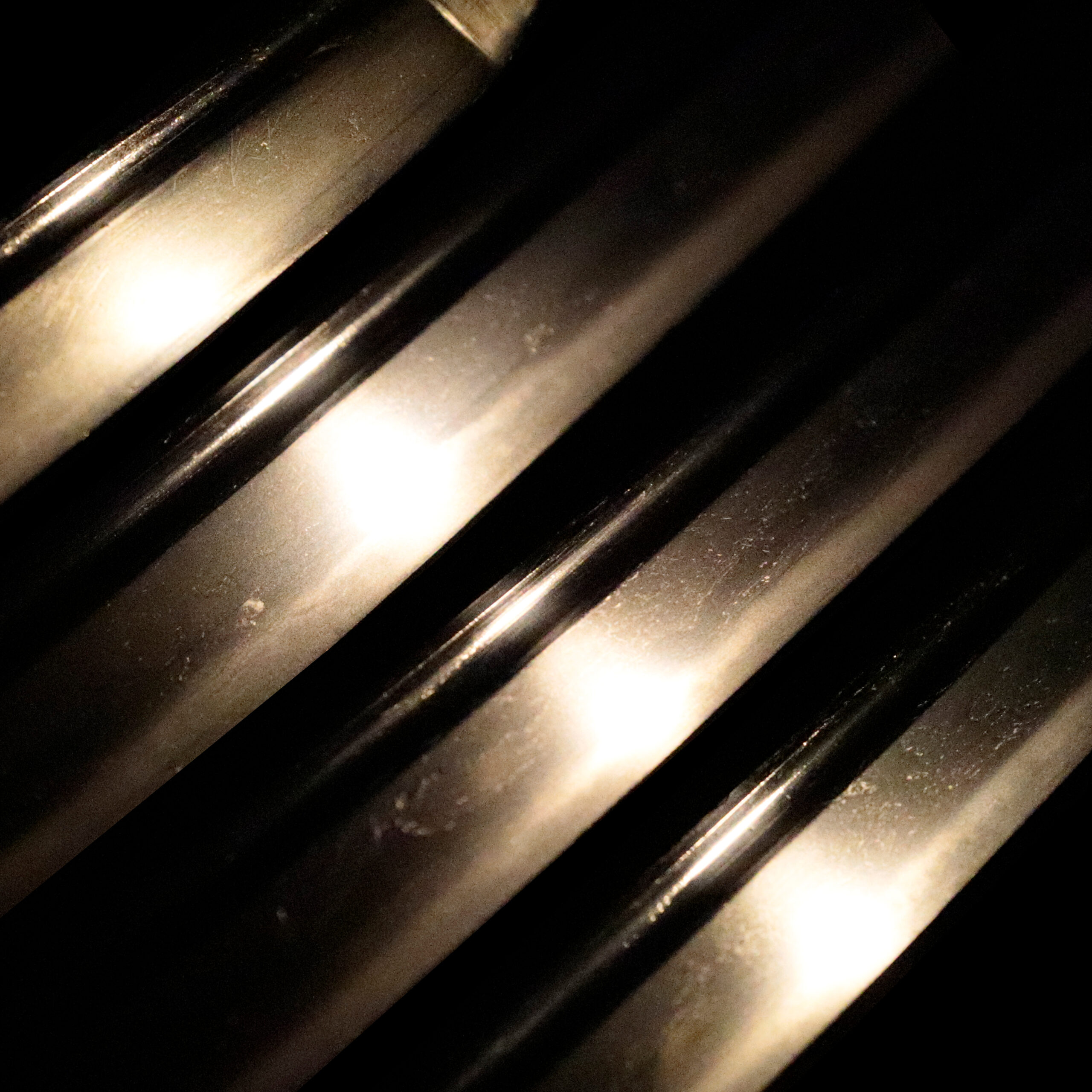
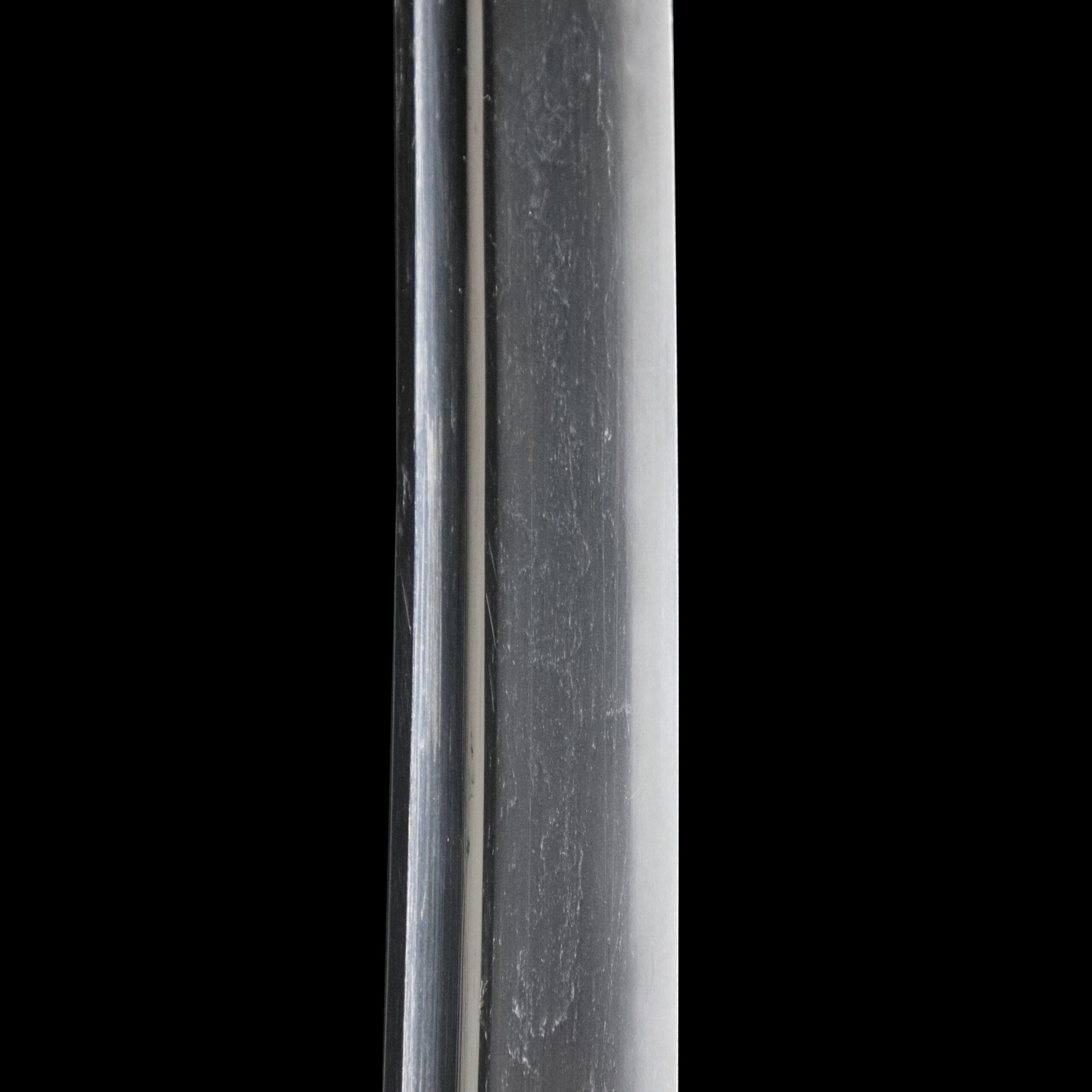
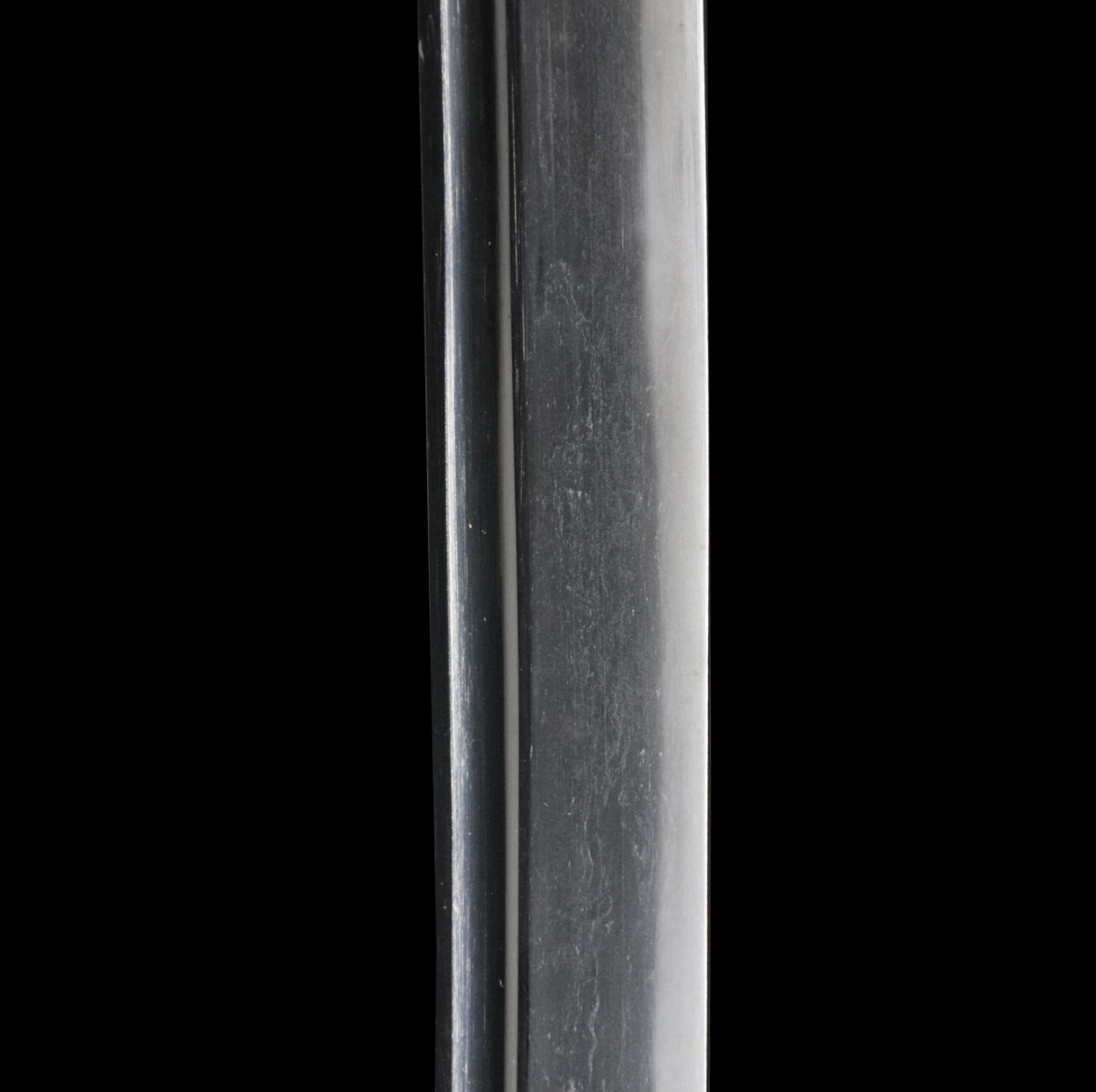
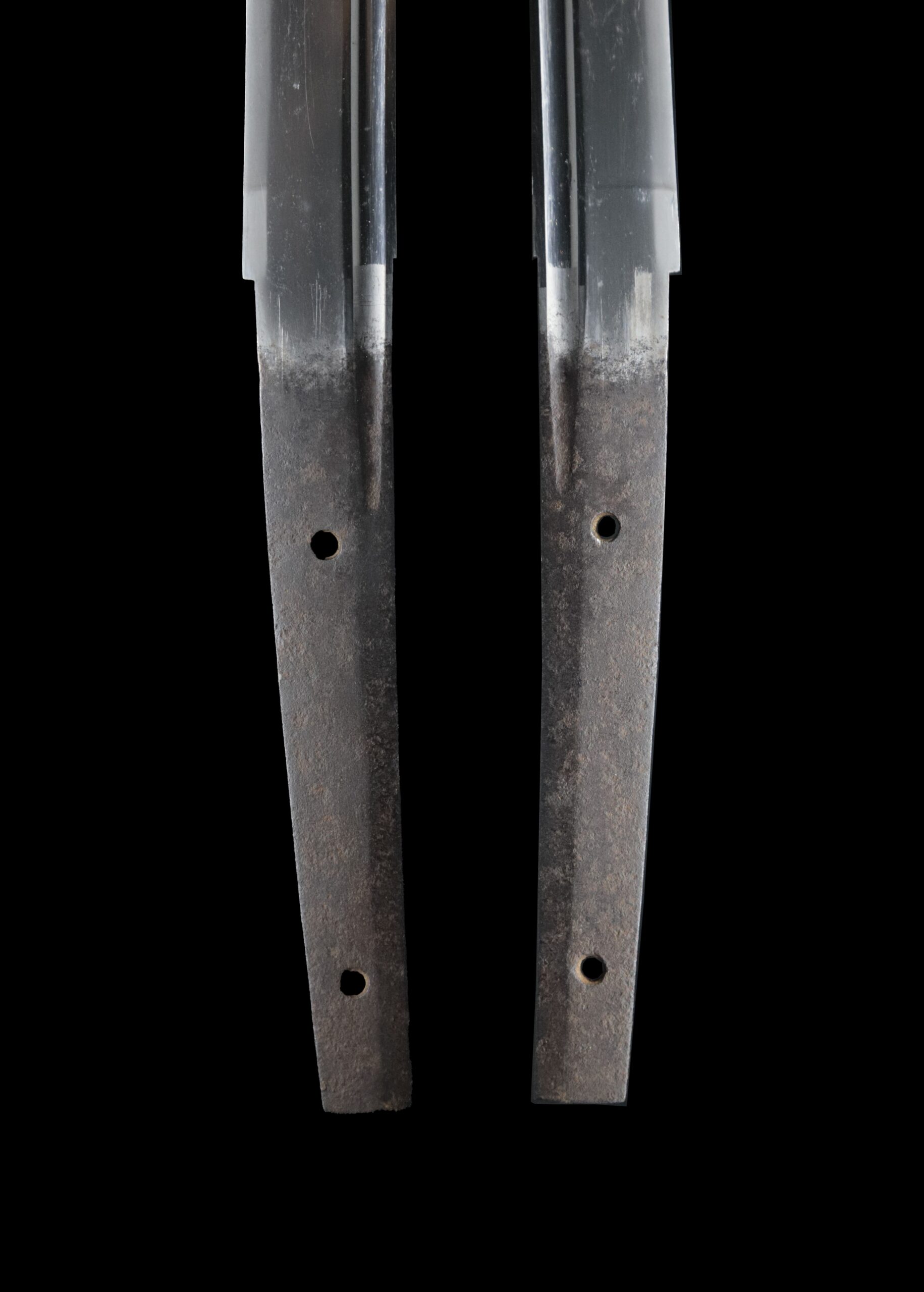
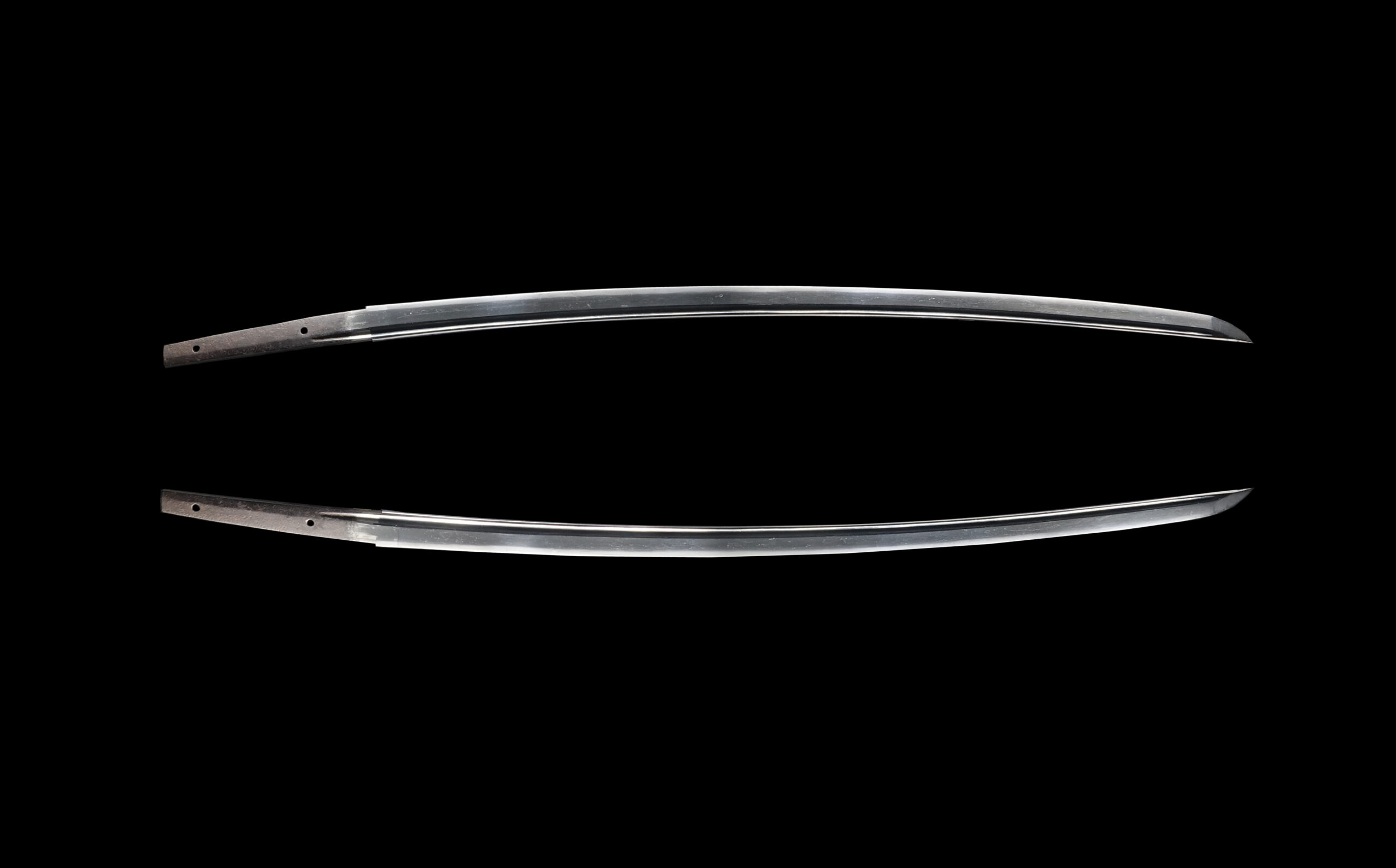
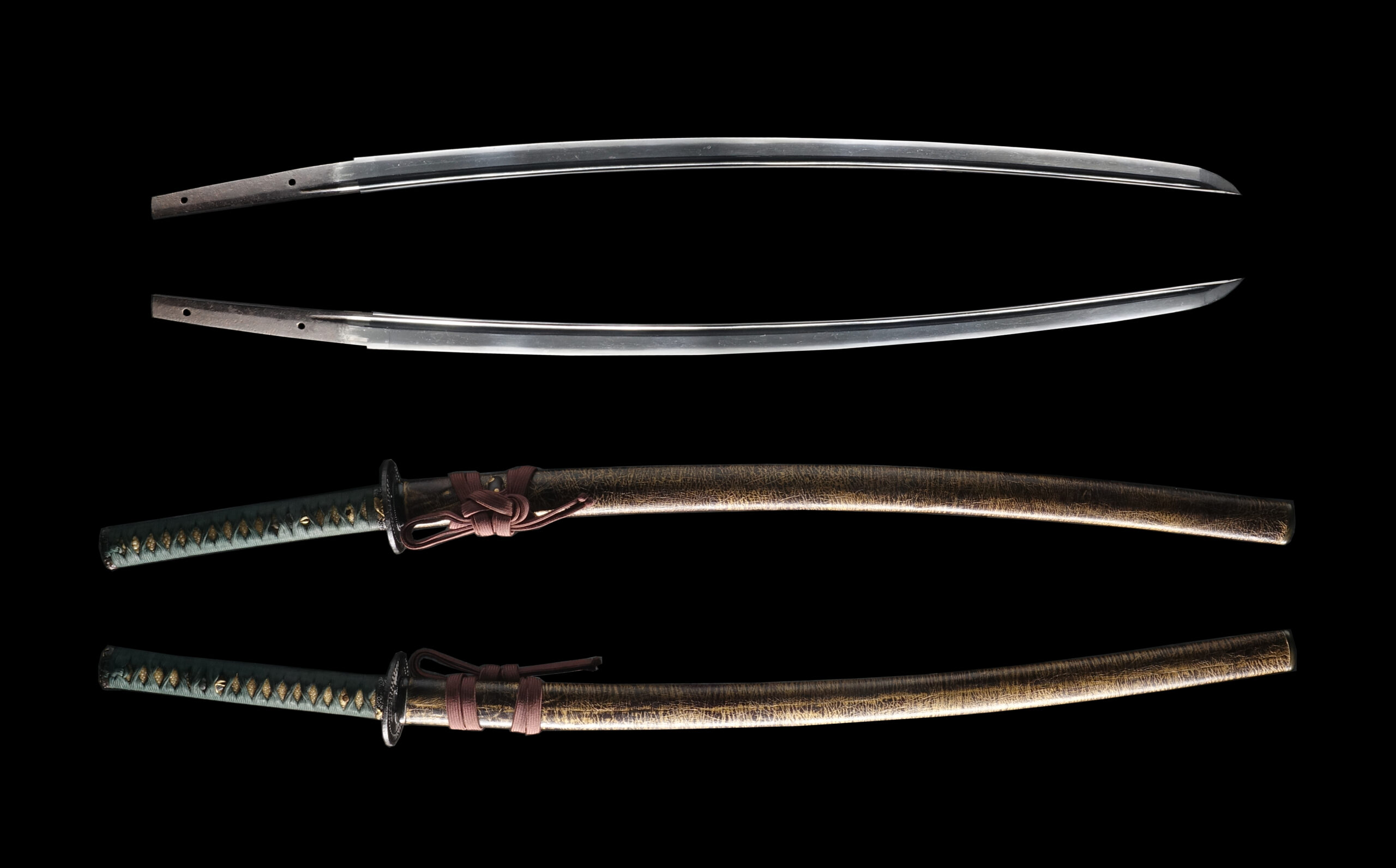
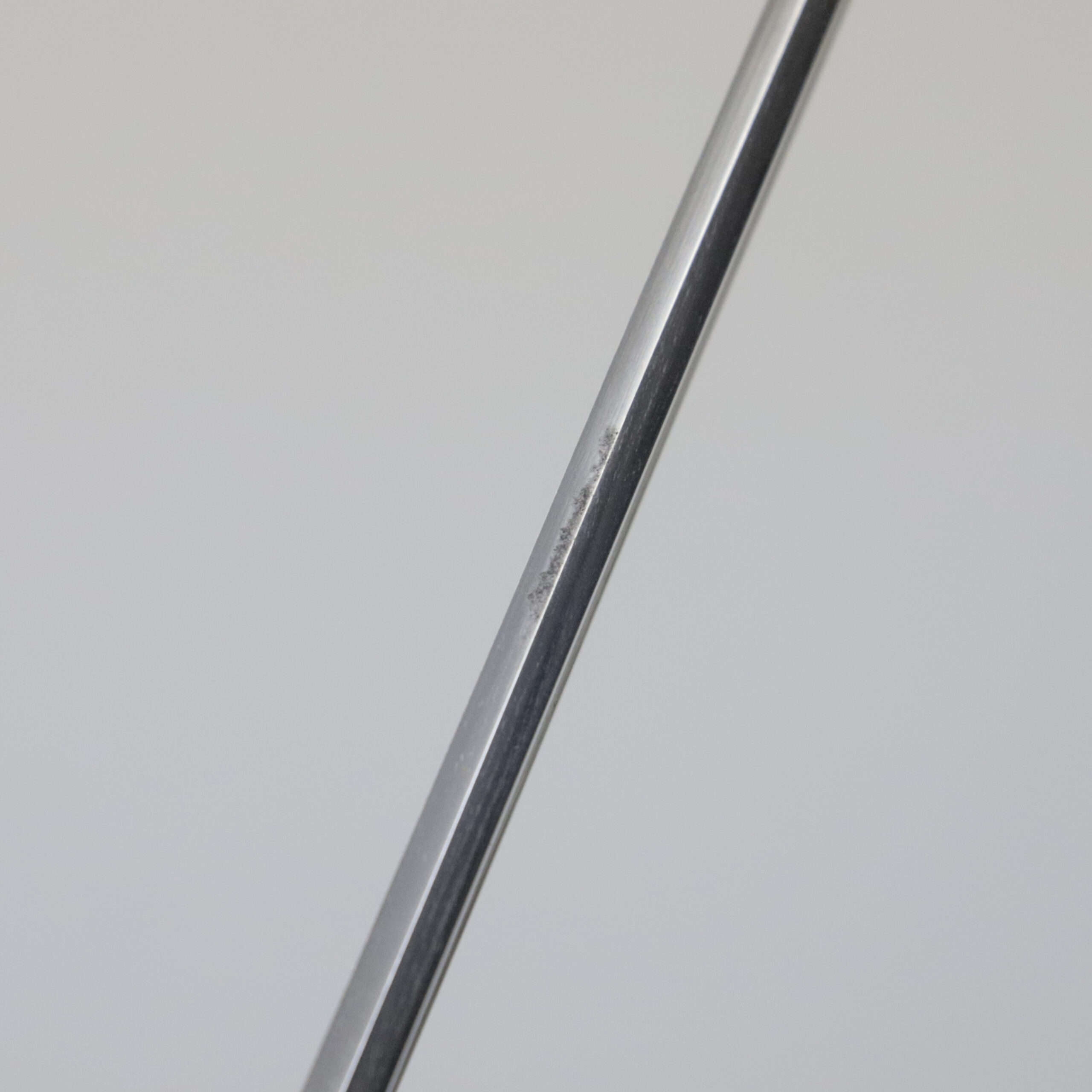
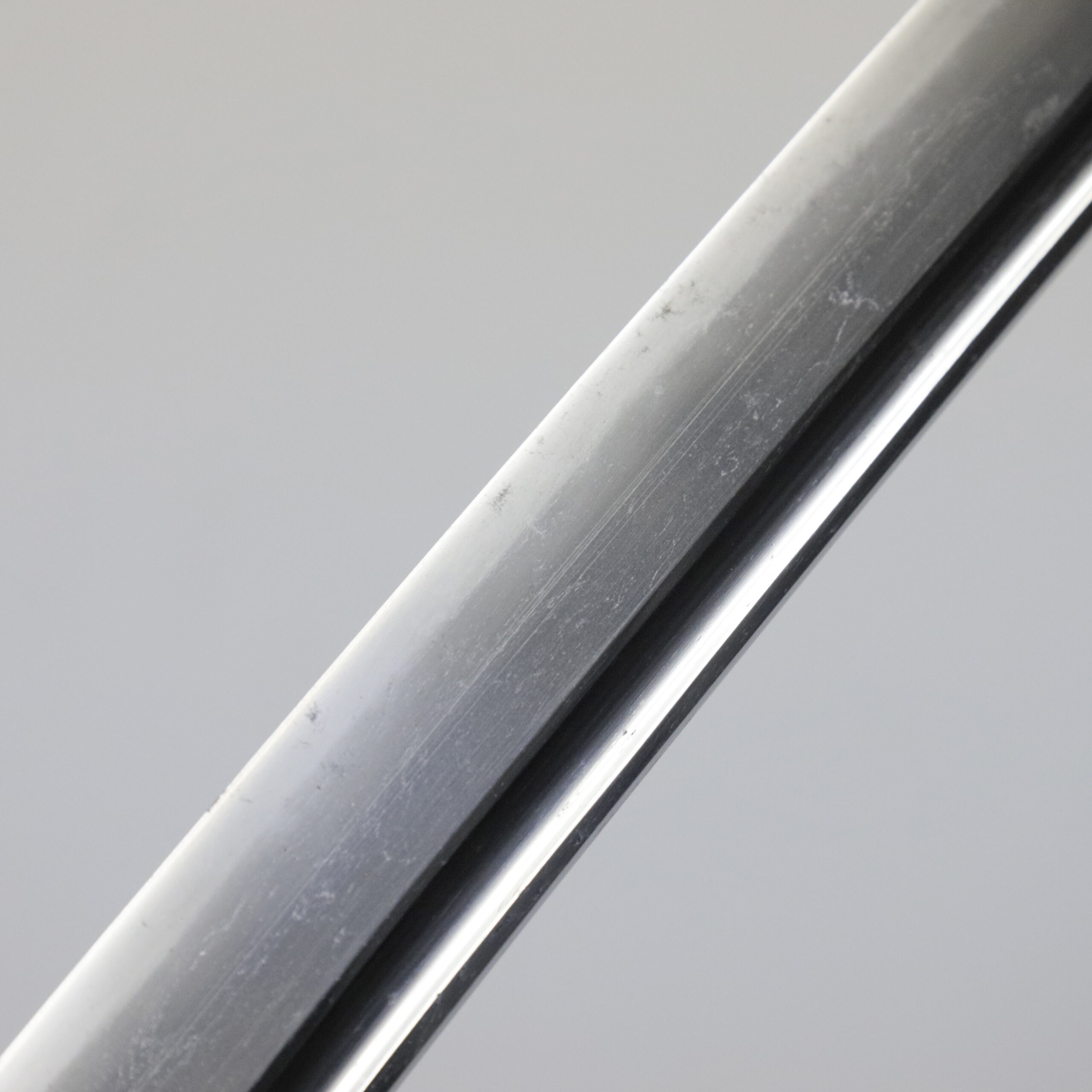
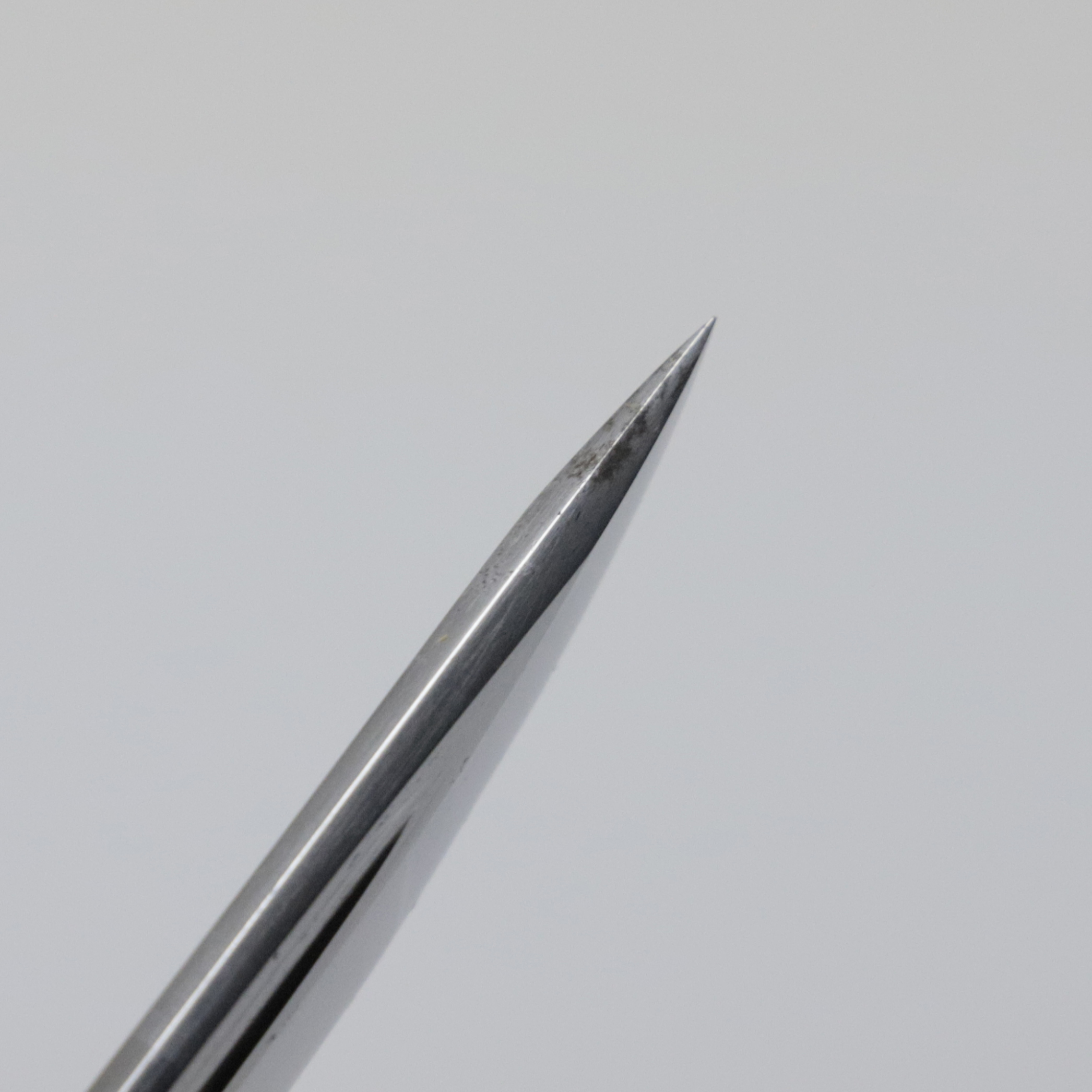
Wakimono · Etchu
22 pieces on the market now
Among the provincial lineages that carried the Yamato-den northward, the Uda school (宇多) of Etchu province holds a distinct place. Its origin lies in the late Kamakura period, when the monk-smith Kunimitsu, remembered as Ko-Nyudo Kunimitsu, migrated from Uda District in Yamato to Etchu around the close of the era. From this founder descended a long line of Kuni-named smiths; the reference registers carry Kunifusa and Kunimune as sons of the founder, Kunitsugu and Kunihisa among the generations that followed, the studio names recurring through the Oei, Hotoku, Bunmei and Tenbun eras down to the end of Muromachi and on into shinto times. The school worked the tanto (broad for its length, with little curvature) more readily than the tachi or uchigatana, and because its smiths individuate little, a signed Uda blade is read less as one hand than as the manner of its period. The school is identified first off the steel rather than the temper. The shared forging is an itame that runs and tends to stand, flowing toward masame and mixing mokume, with standing o-hada and ji-nie throughout; the steel turns whitish and at times blackish, so that a shirake-utsuri or faint bo-utsuri stands in the ji. Over this northern jigane the temper ranges from a chu-suguha opening shallowly into ko-notare and ko-midare to a vigorous gunome carrying pointed elements, ashi and yo entering, ko-nie well adhered along a tight nioiguchi. The Yamato activity of hotsure and kuichigai-ba names the old province along the habuchi, while kinsuji and sunagashi run through nearly every surviving blade.
From this base the corpus divides: a quieter Yamato-rooted suguha face, seen on the tanto; a Soshu-leaning midare face traced to Kunifusa's study under Etchu Norishige, in which the nie thickens and grows at times coarse with yubashiri and broadened yakihaba; and a refined register in which a compacted ko-itame gathers abundant ji-nie and a round, luminous nie scatters through the yakiba. Ko-Uda, the earlier work of the Nanbokucho and early Muromachi generations, reads cleaner and closer to its Yamato and Soshu models; the later Uda hands run coarser and more provincial in character. To kantei an Uda blade is to find its Yamato roots wearing a coarser northern character. The whitish, standing jigane with its masame tendency and shirake-utsuri returns the blade to the school when the temper alone might recall a Yamashiro or Soshu hand; a nie-laden example reads as Soshu at first glance and is brought home by the dark, standing steel and the nioiguchi that holds rather than glows. The best members close the distance to their models: Kunihisa, the Oei-era hand the published sources read against the founder, forged a ko-itame bright enough that the judges found his finest wakizashi and tanto all but mistakable for Rai Kunimitsu or Kunitsugu, while his standing itame and shirake-utsuri keep him within Uda. Kunimune and Kunitsugu carry the same two faces over the one northern steel, the dated and signed pieces (a Bunmei 11 katana, a Bunmei 17 yari) valued as research material for the school as much as for their make. Signed Uda blades are uncommon, so the school's standing rests heavily on mumei attributions read by jigane and temper. Provenance tends toward long, settled holding, with designated work resting in shrines and museums, and some recorded in Honma's inventory of the Imperial collection, rather than circulating, so that a signed Uda piece comes to a private collector only from time to time and with patience, a clear window onto how the Yamato tradition was carried into the northern provinces. Learn more →
| Smith | Era | Designated |
|---|---|---|
| Kunihisa國久 | 1394-1428 | 10 |
| Kunimune國宗 | 1429-1479 | 5 |
| Kunitsugu國次 | 1469-1487 | 3 |
| Kunimune國宗 | 1394-1428 | 3 |
| Kunifusa國房 | 1455-1457 | 3 |
The Muromachi period (1392 to 1573)
Muromachi turned sword making into an industry: the uchigatana rose with massed infantry warfare, Osafune and Seki produced bundle swords beside custom orders, and the Ming trade carried Japanese blades abroad by the tens of thousands.
Certifies a genuine blade worth preserving: a signature confirmed correct, or, if unsigned, an era, province, and school that the NBTHK can reliably identify.
The NBTHK (Nihon Bijutsu Tōken Hozon Kyōkai, the Society for the Preservation of Japanese Art Swords) is a public-interest incorporated foundation founded in 1948 and supervised by Japan’s Agency for Cultural Affairs (Bunkachō); it is based at the Japanese Sword Museum in Tokyo. Its expert panels physically examine each submitted work (shinsa) and issue a certificate (kanteishō) ranking it by artistic and historical merit. NBTHK papers are the most widely recognized standard of authentication for Japanese swords and fittings.
NBTHK official siteReturns/exchanges limited to defects caused by shipping (except willful misconduct or gross negligence by the company); customers must contact within 72 hours of receiving the product.