Edo was the sword’s age of connoisseurship: the Hon’ami appraisers, the shogunal register of famous blades of 1719, and a thriving literature turned the sword into an object of study even as it ceased to be drawn in war.
 NihontoWatchNihontoWatch
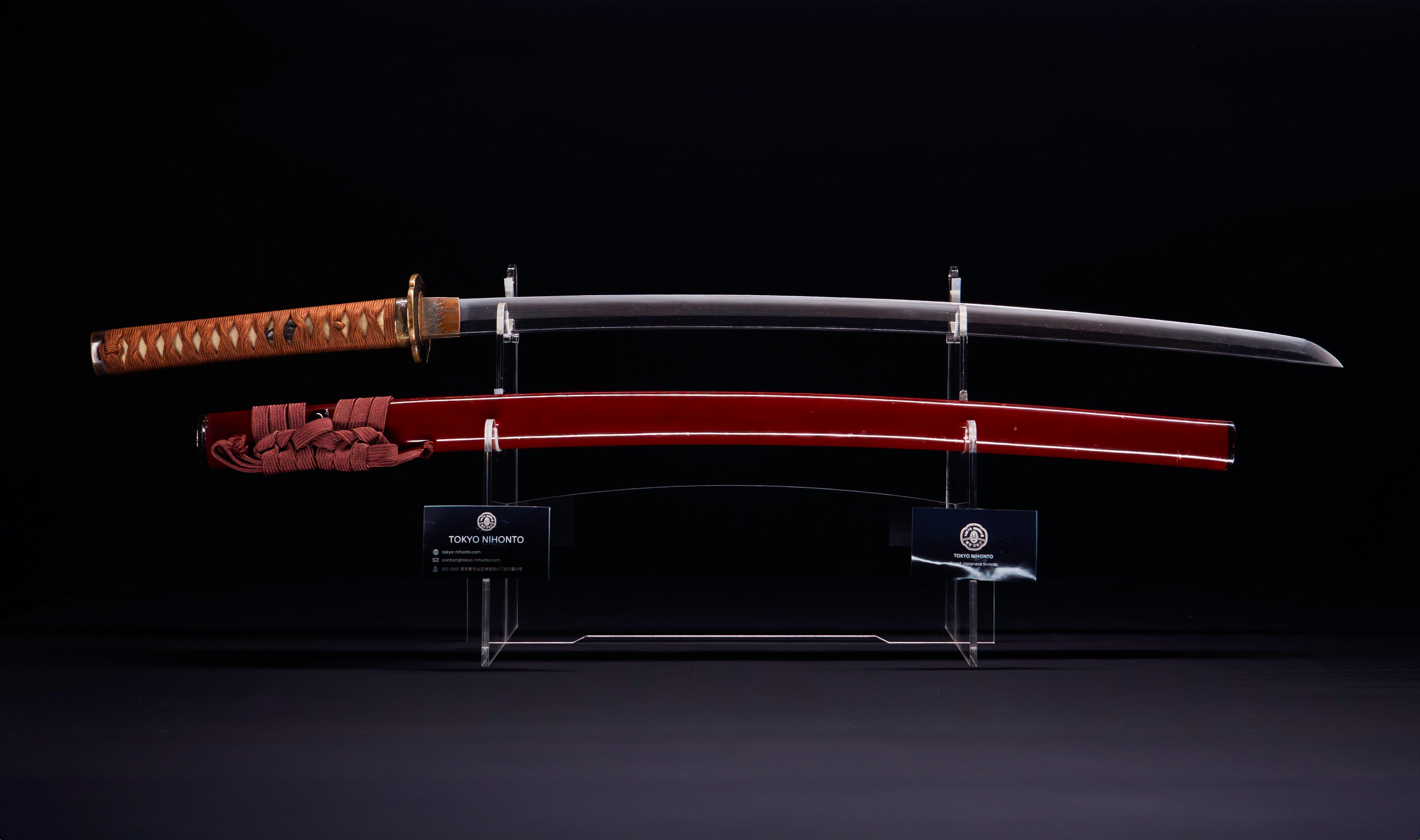
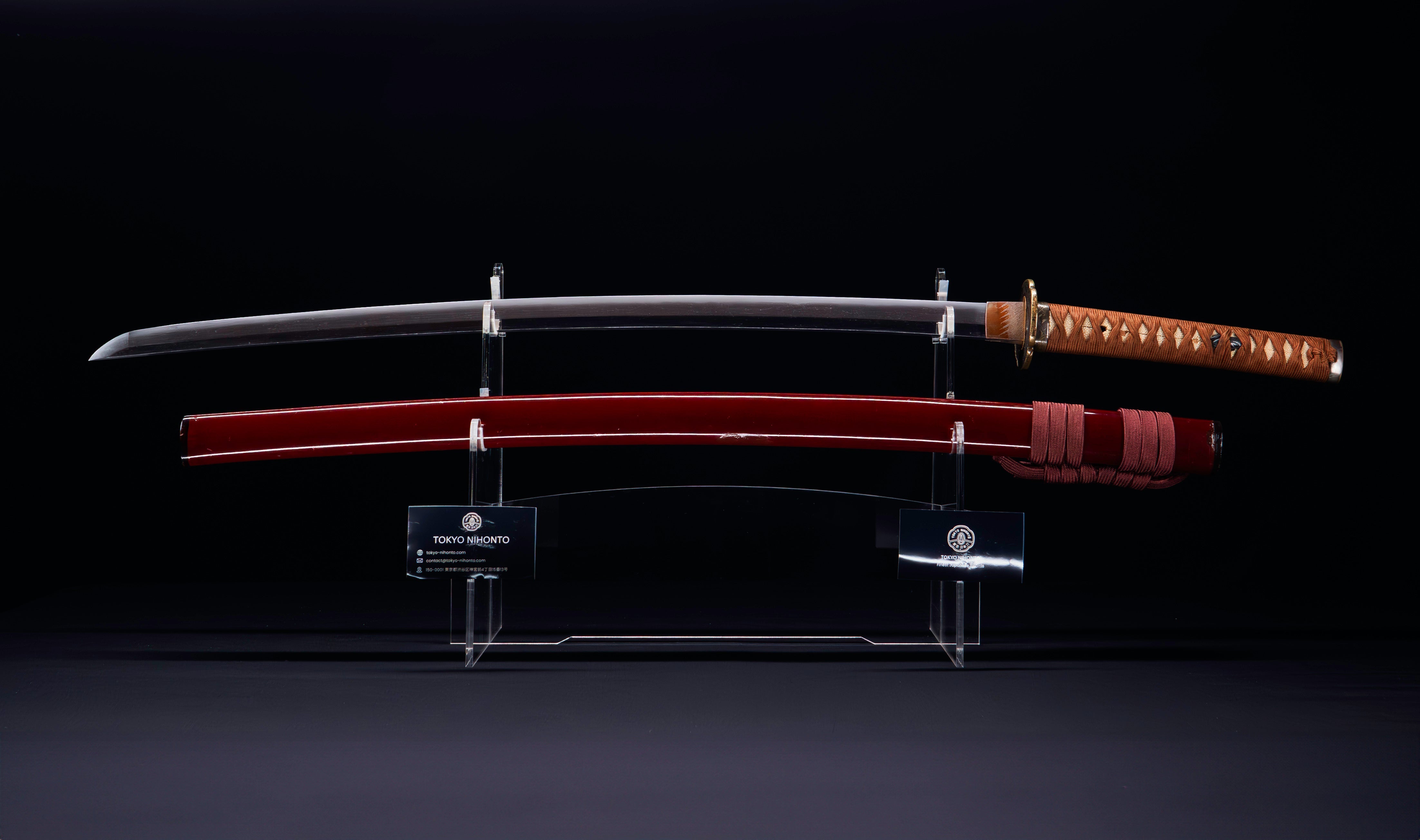
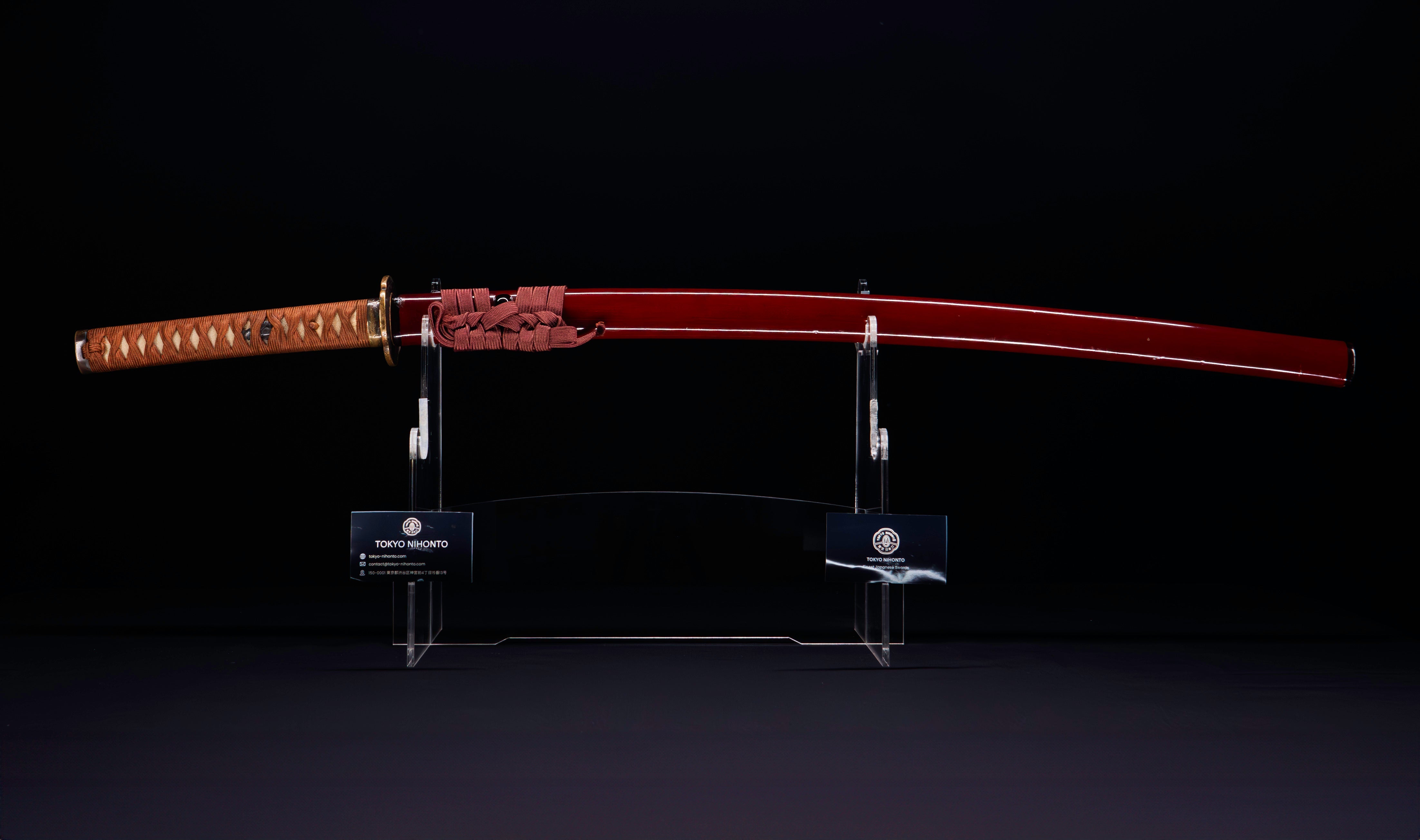
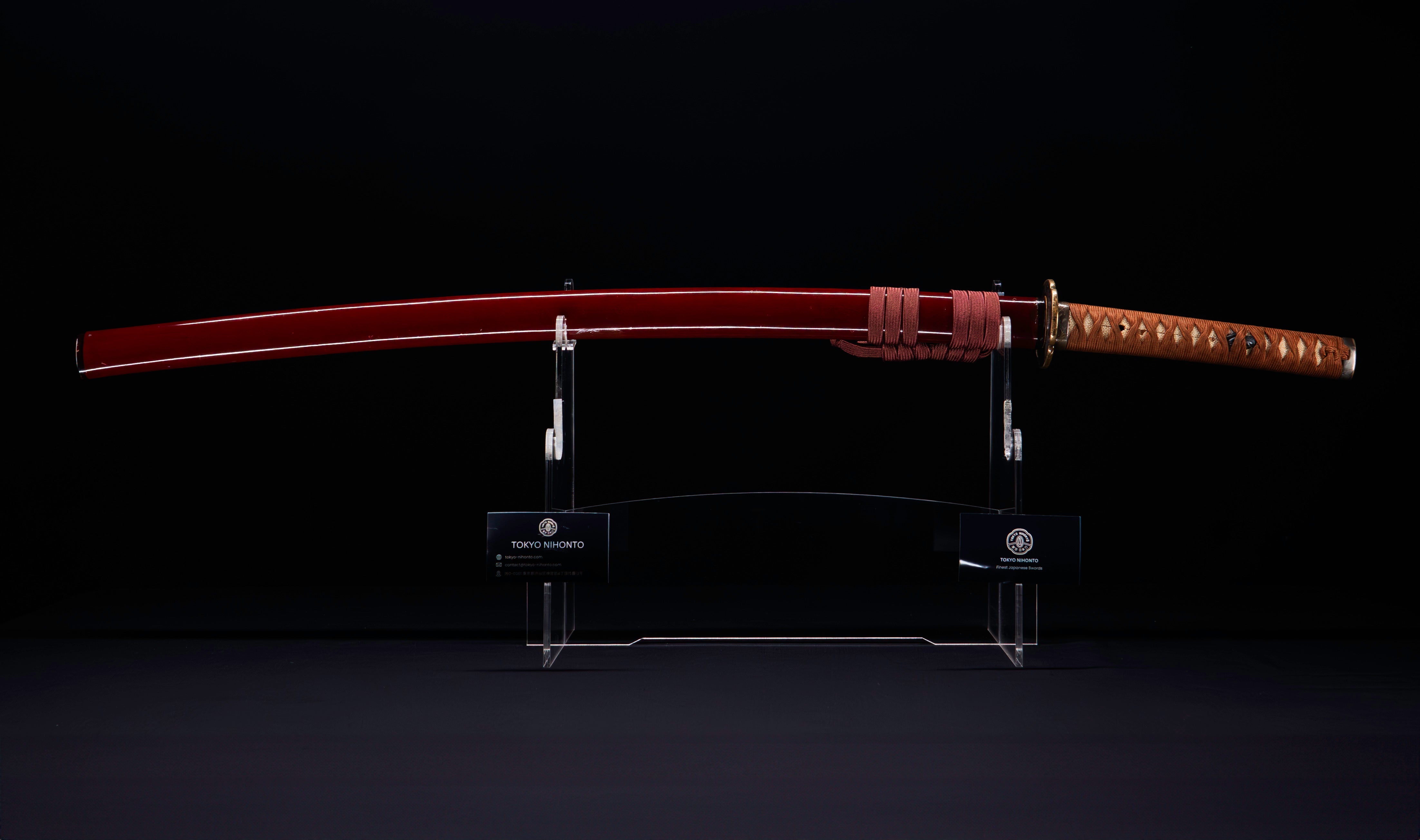
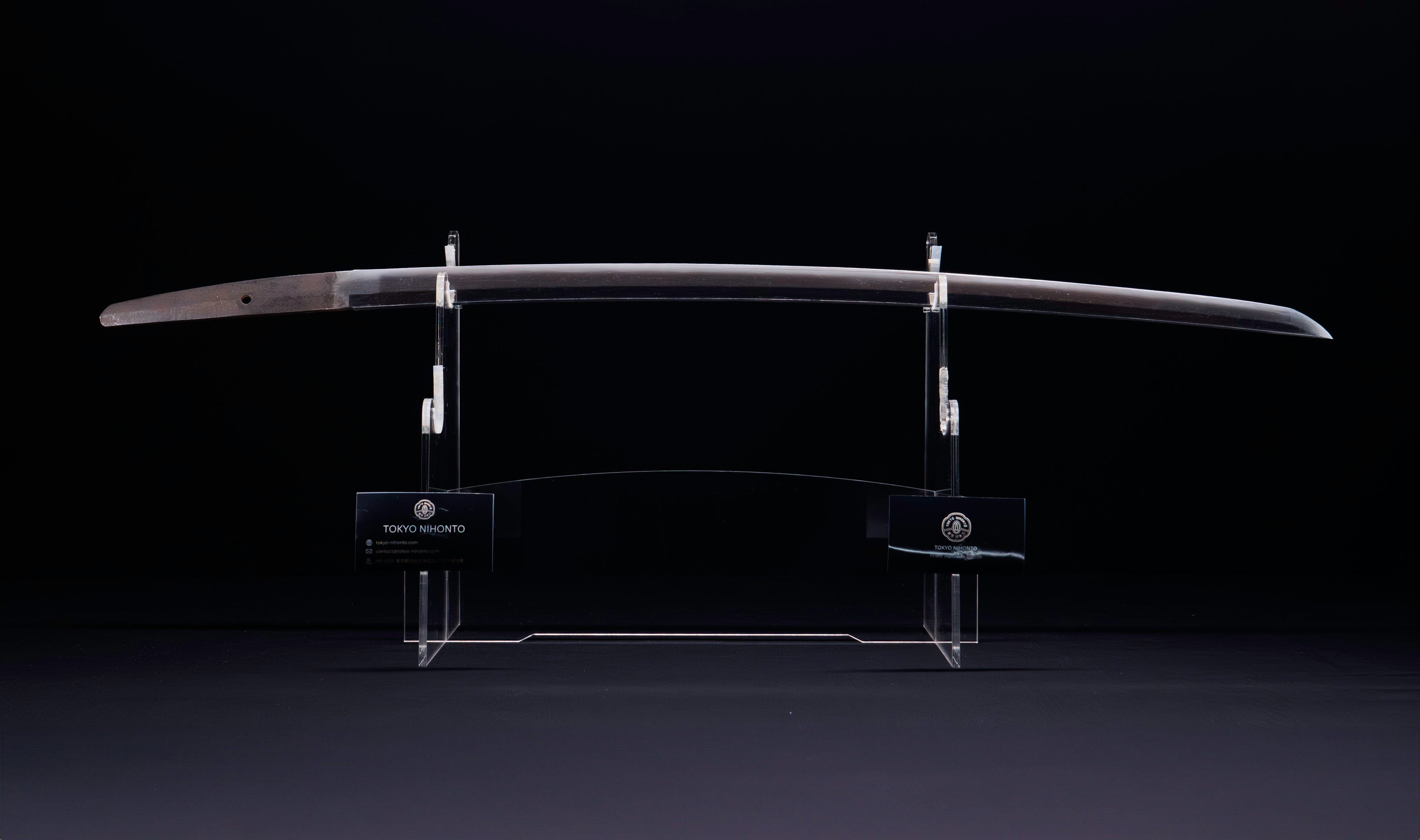
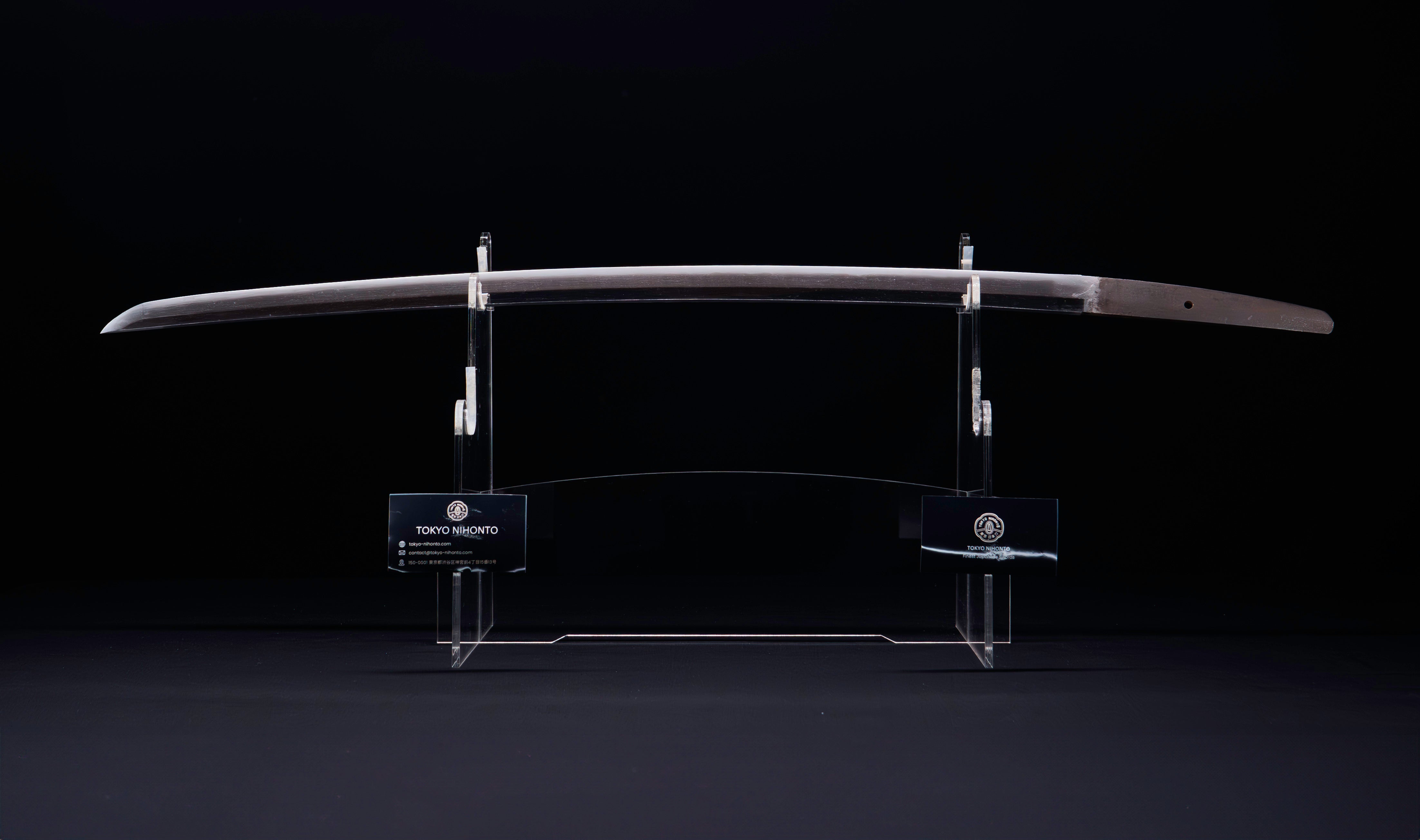
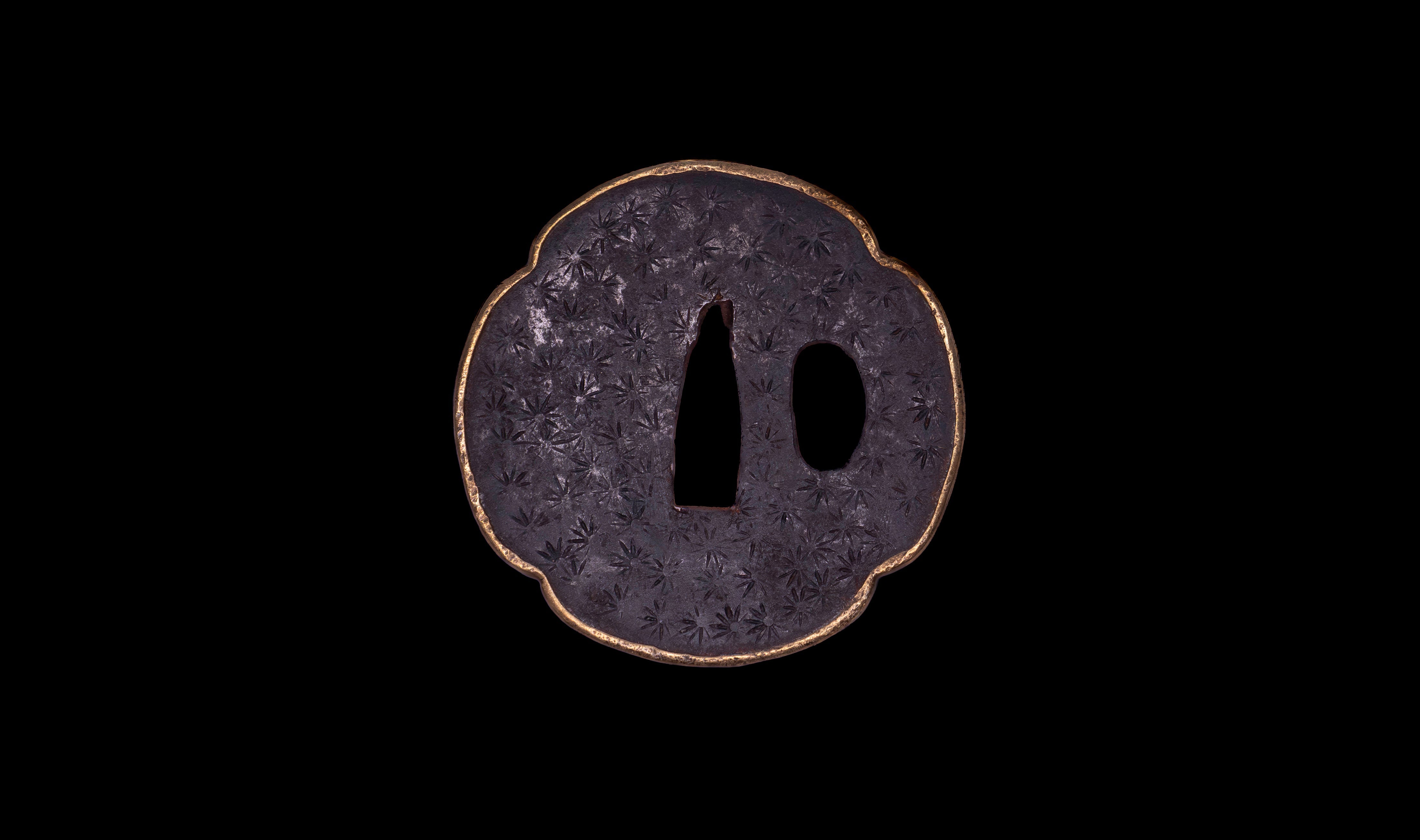
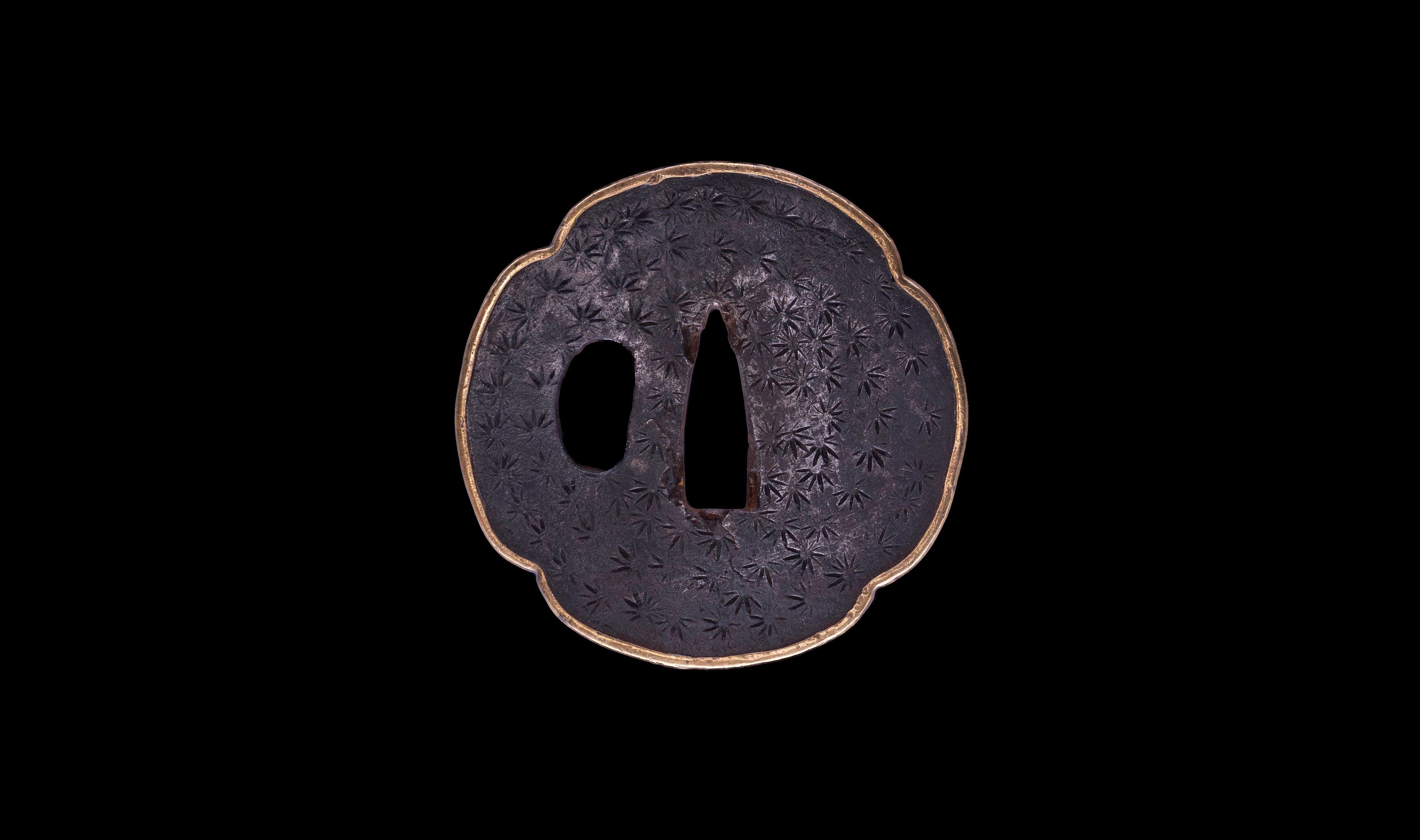
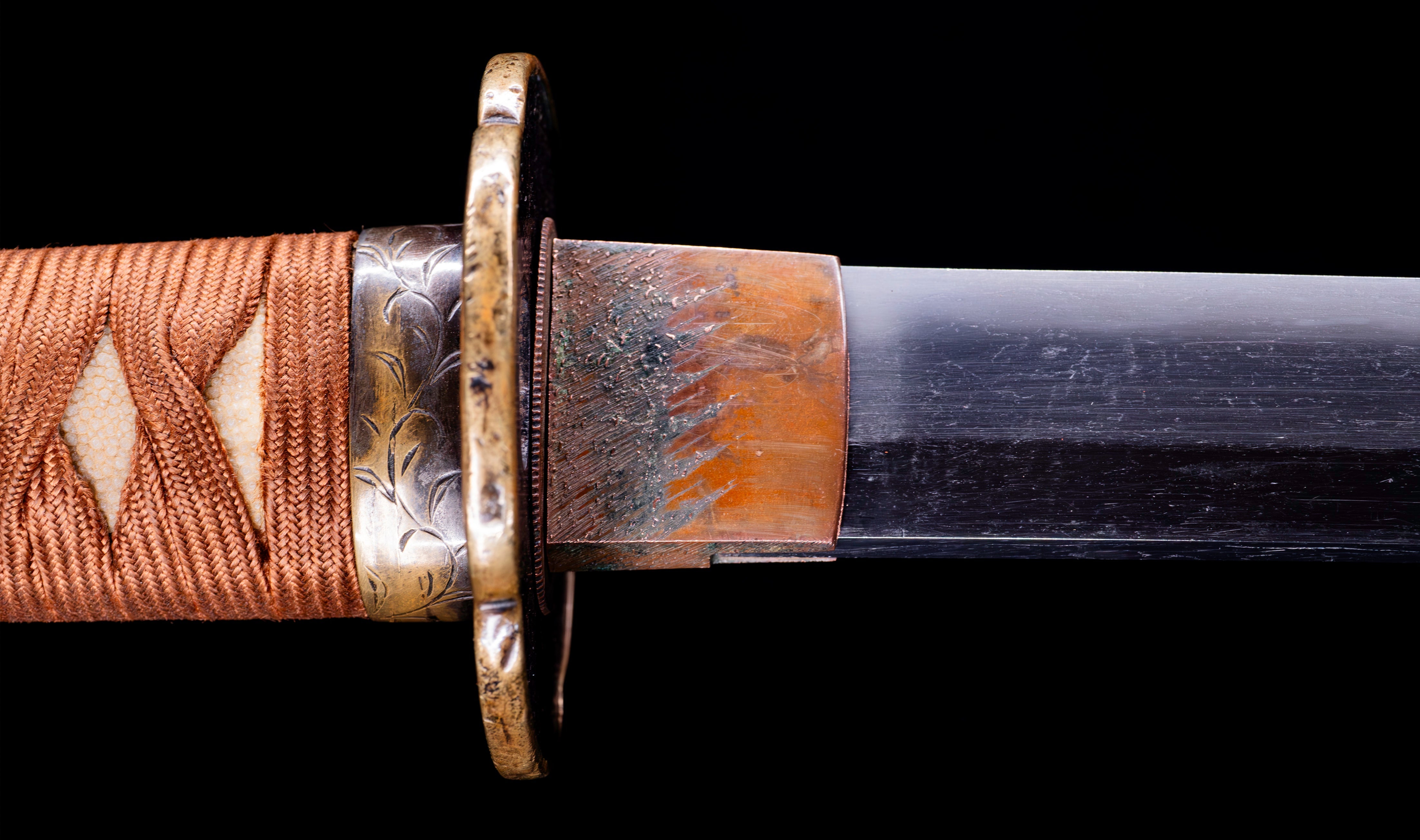
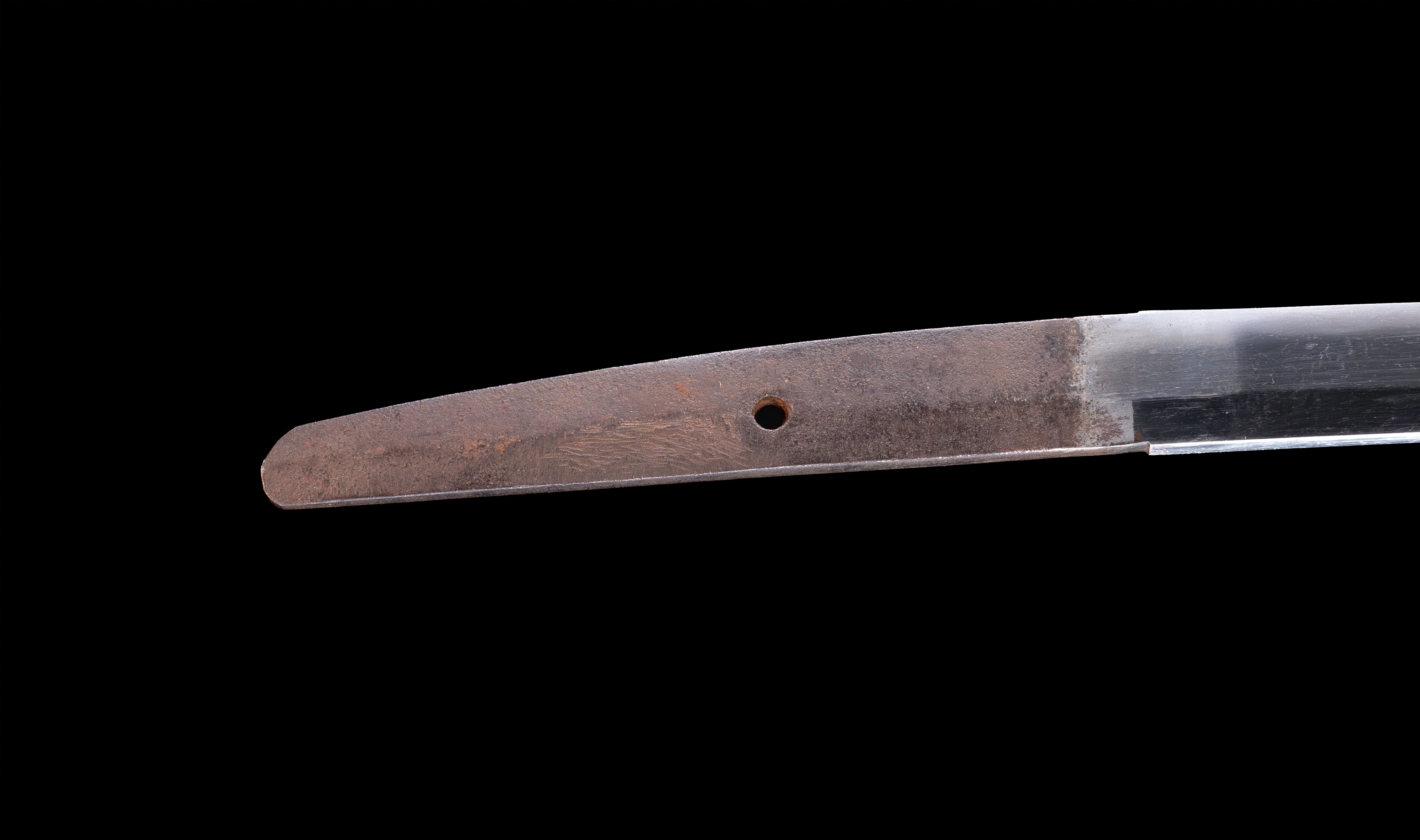
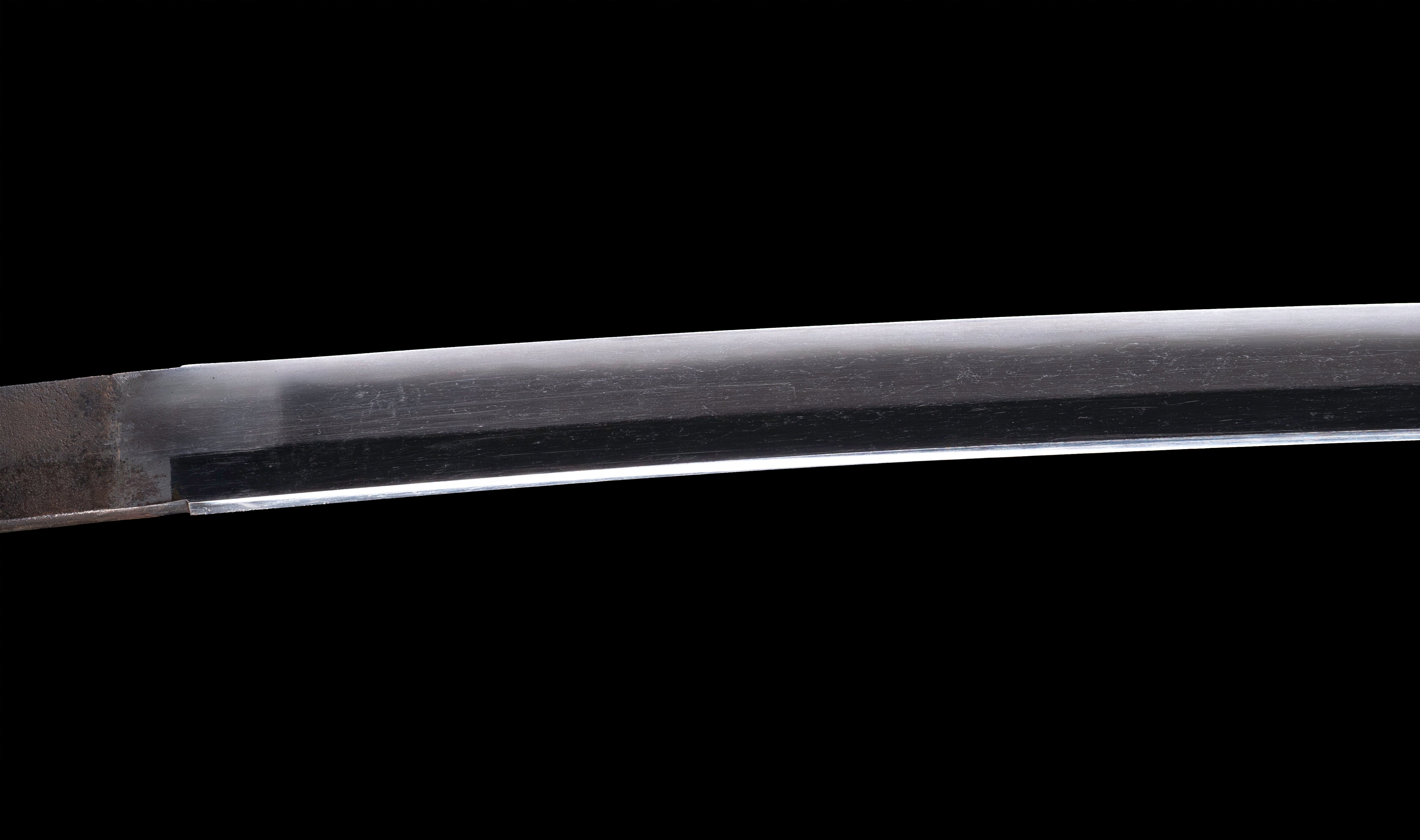
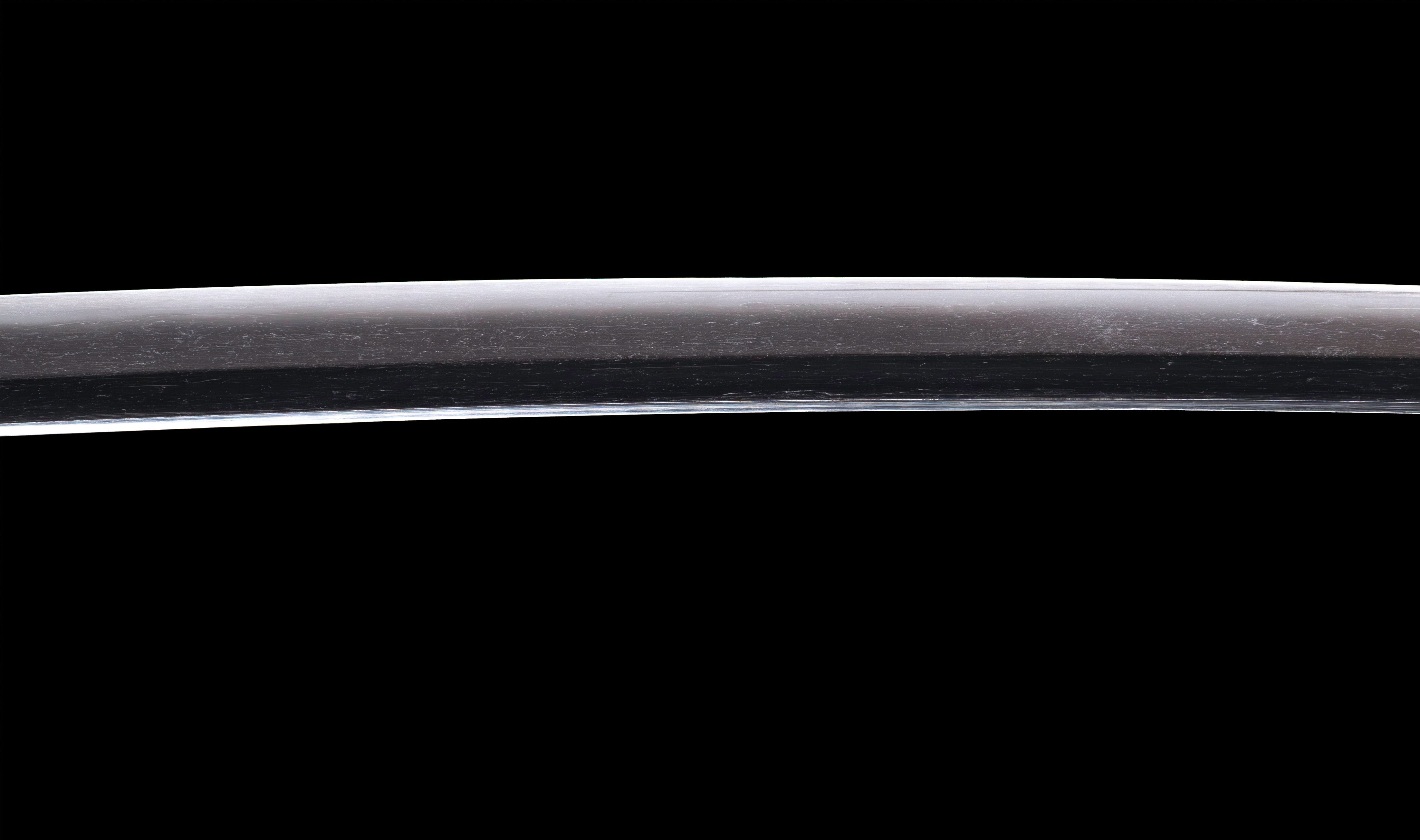
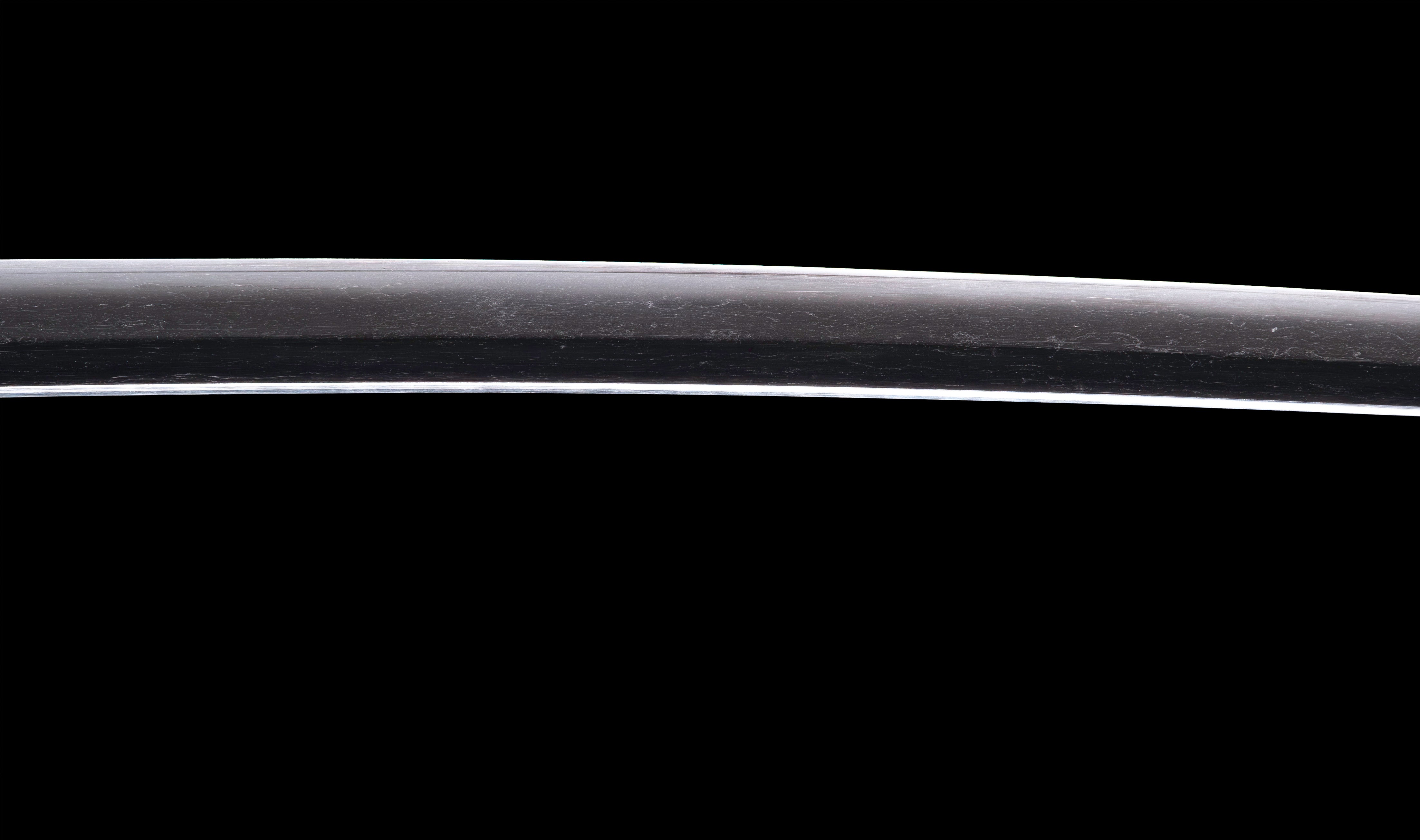
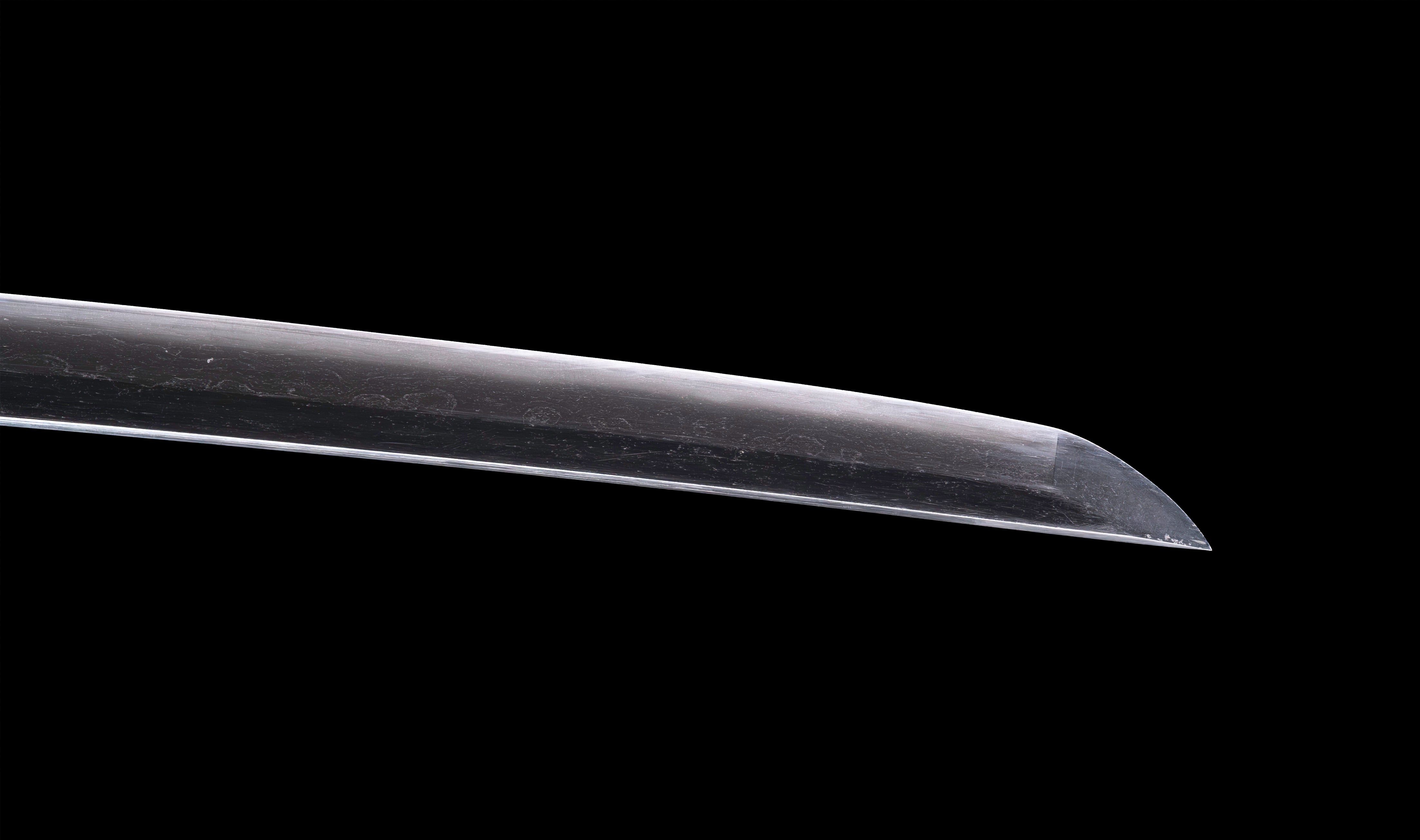
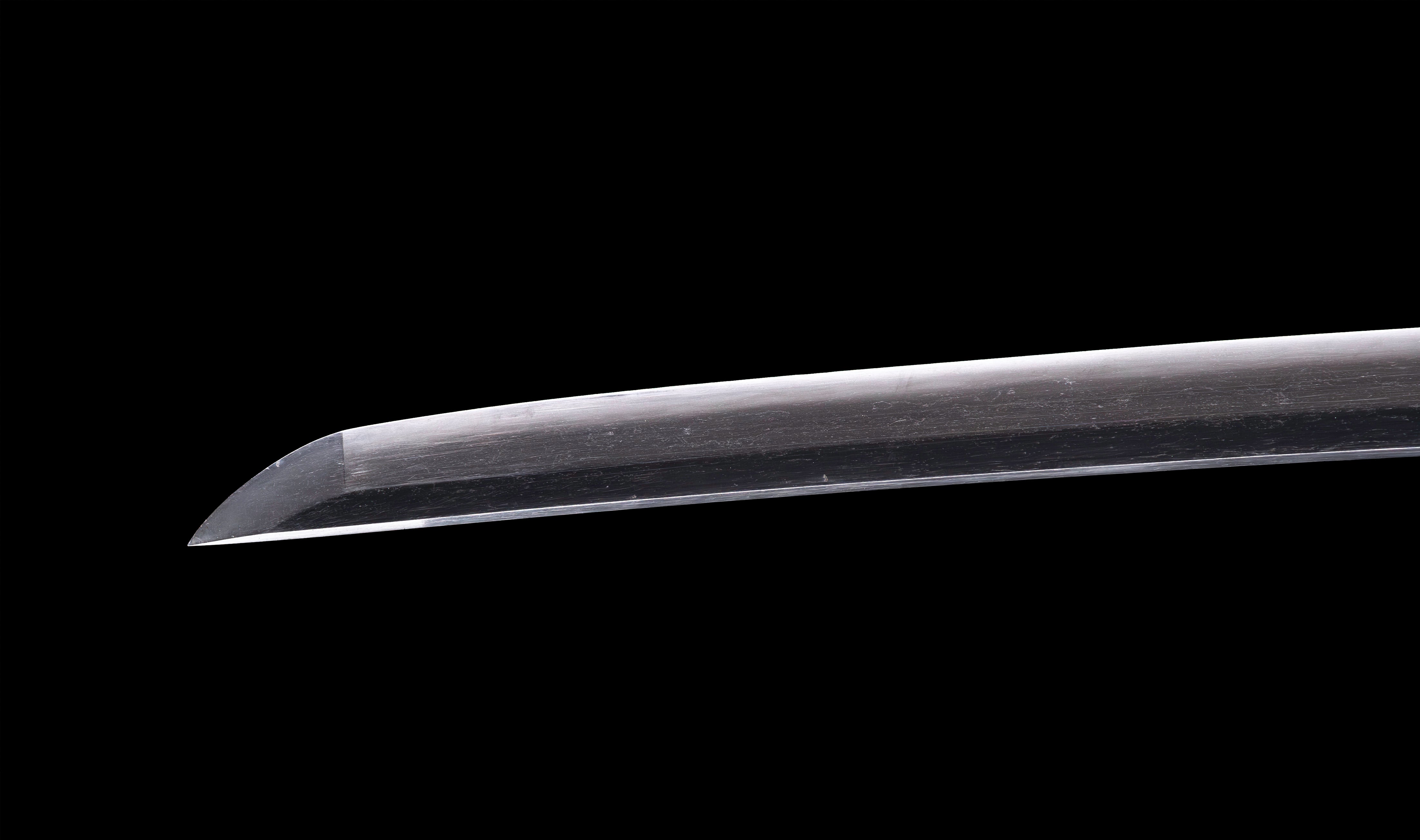
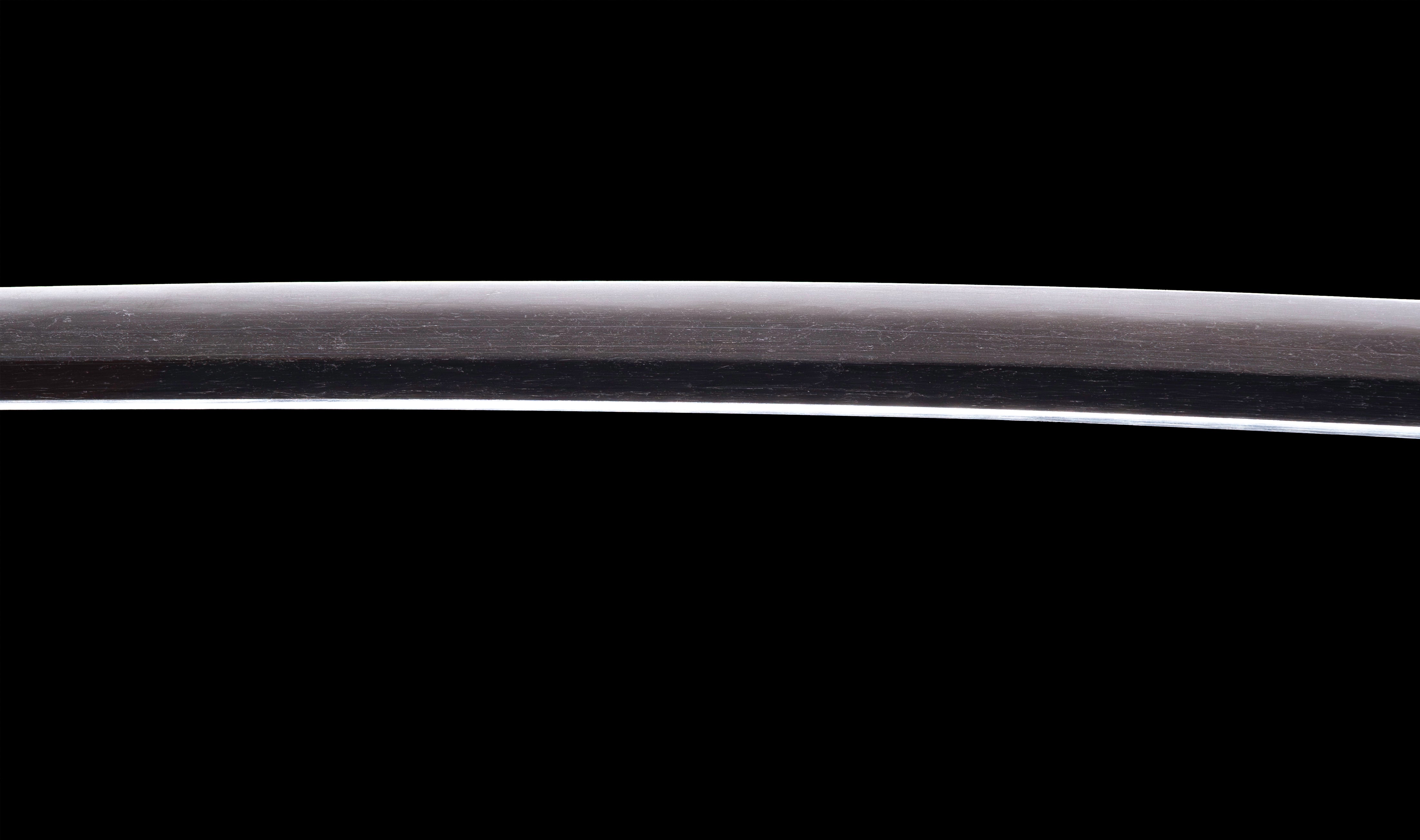
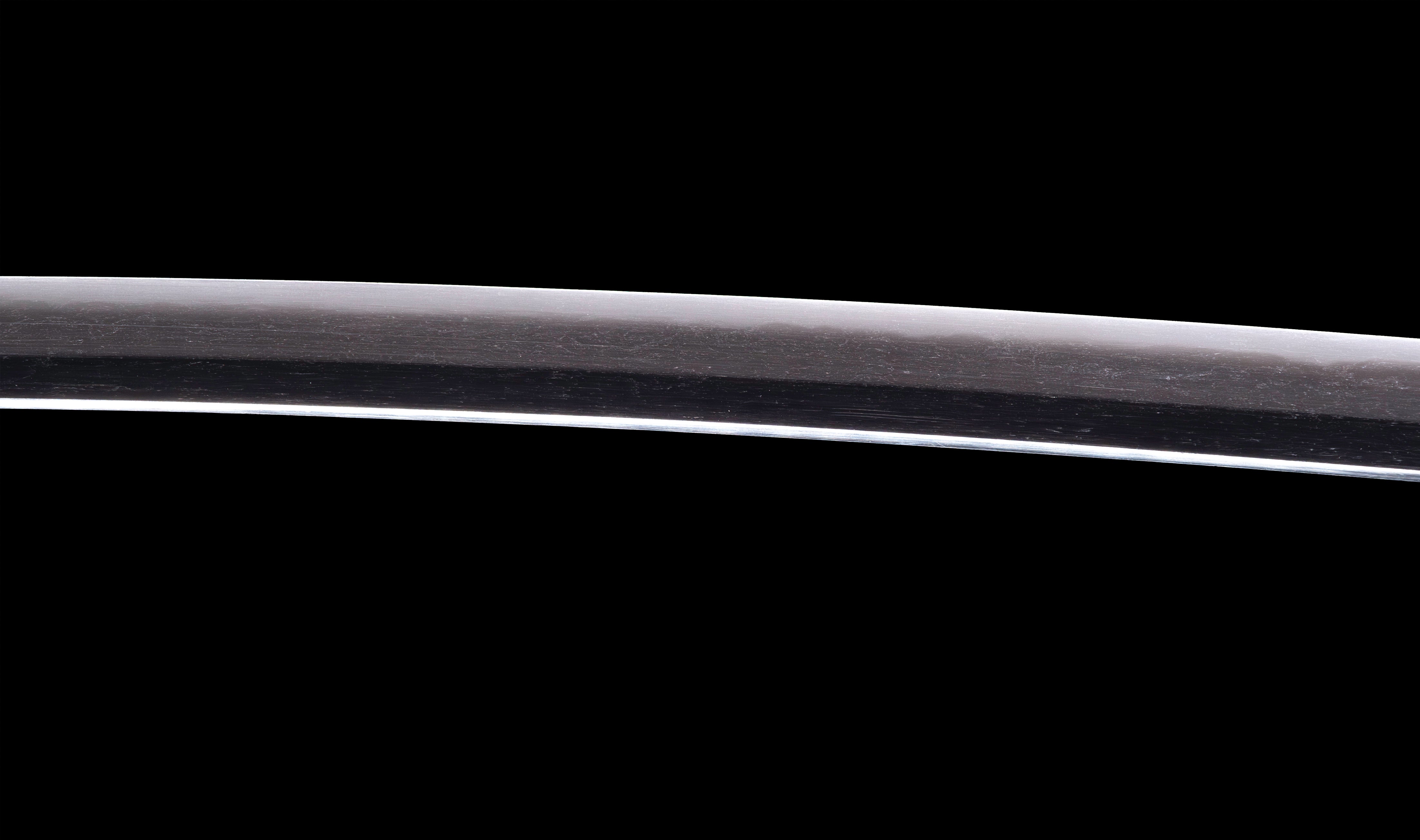
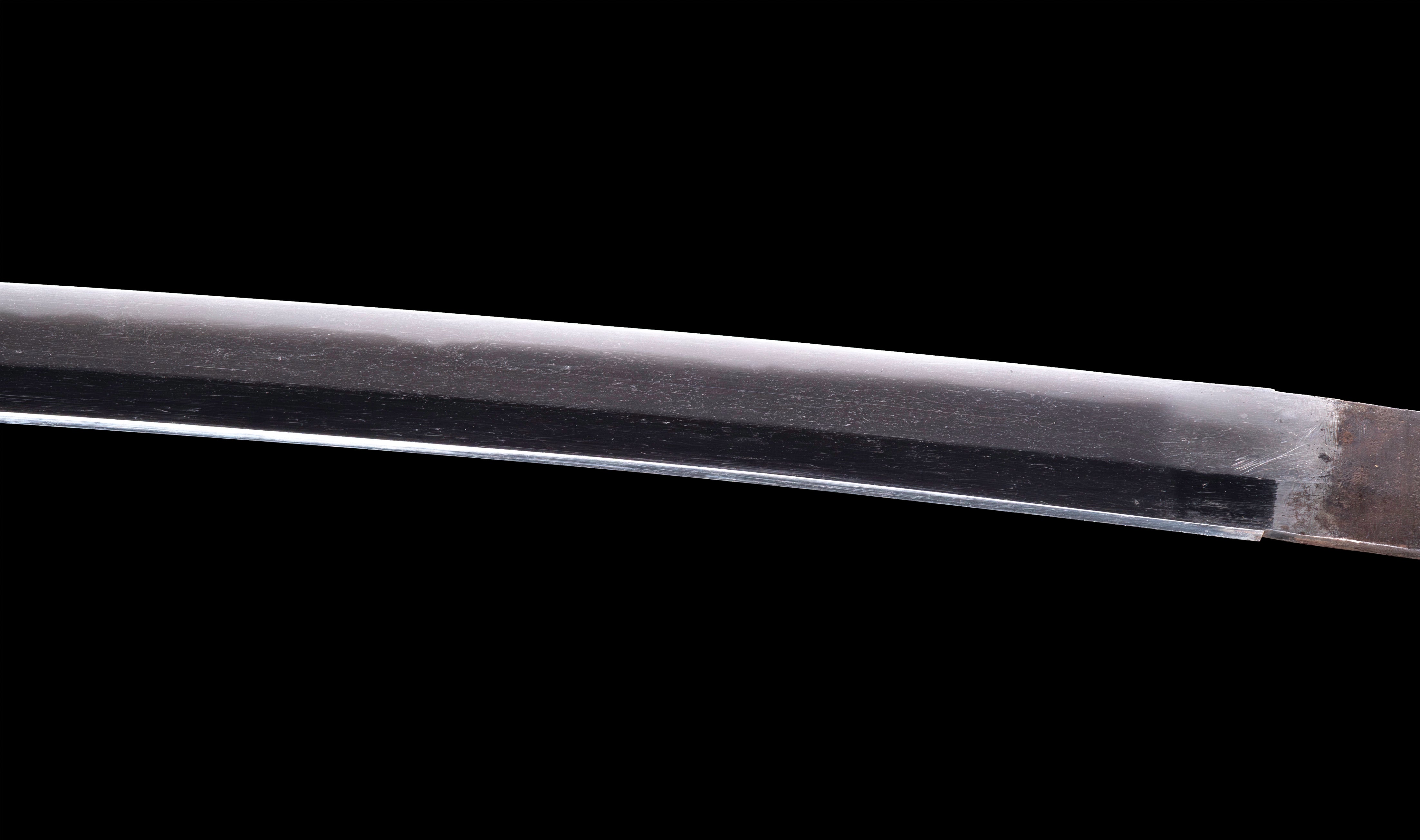
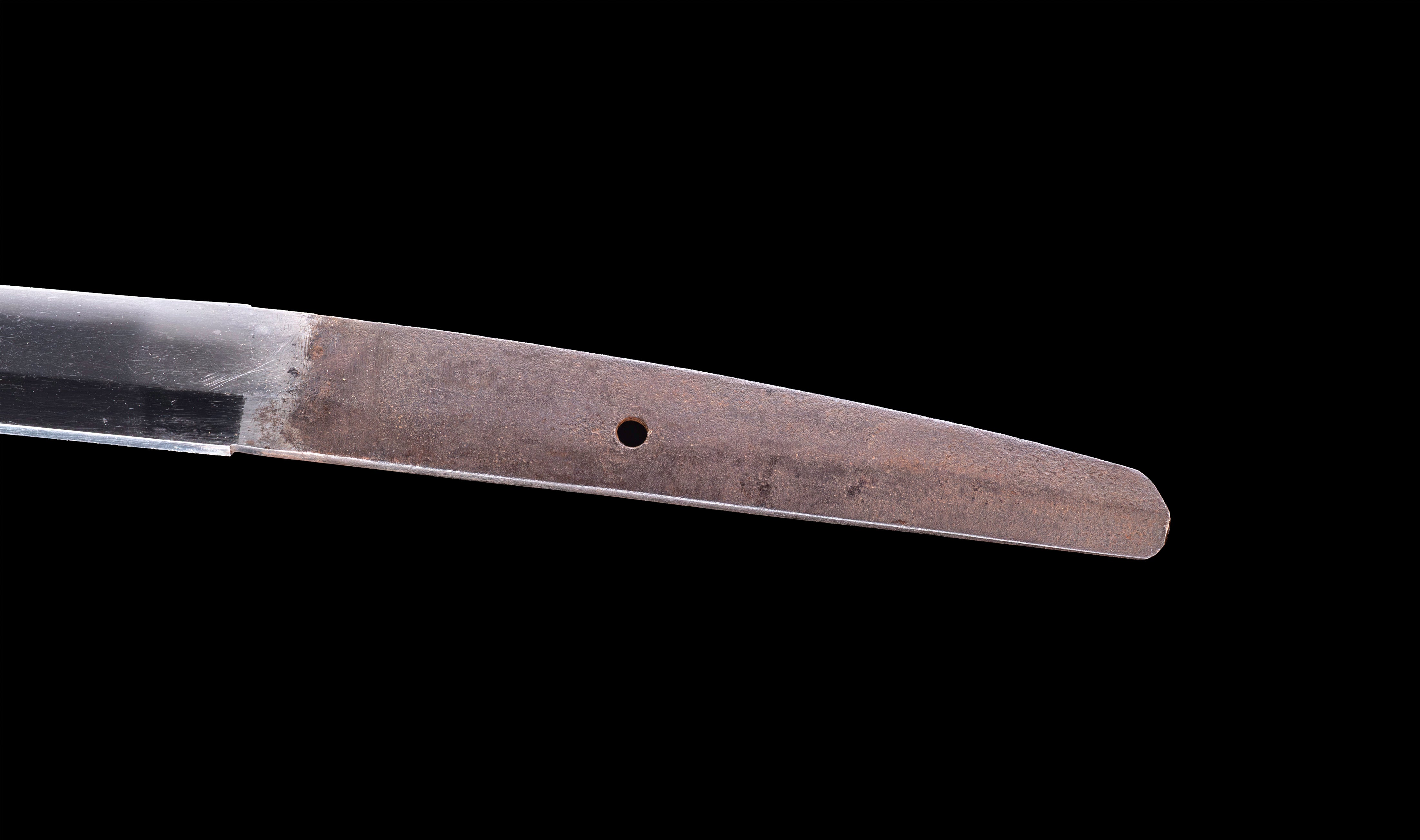
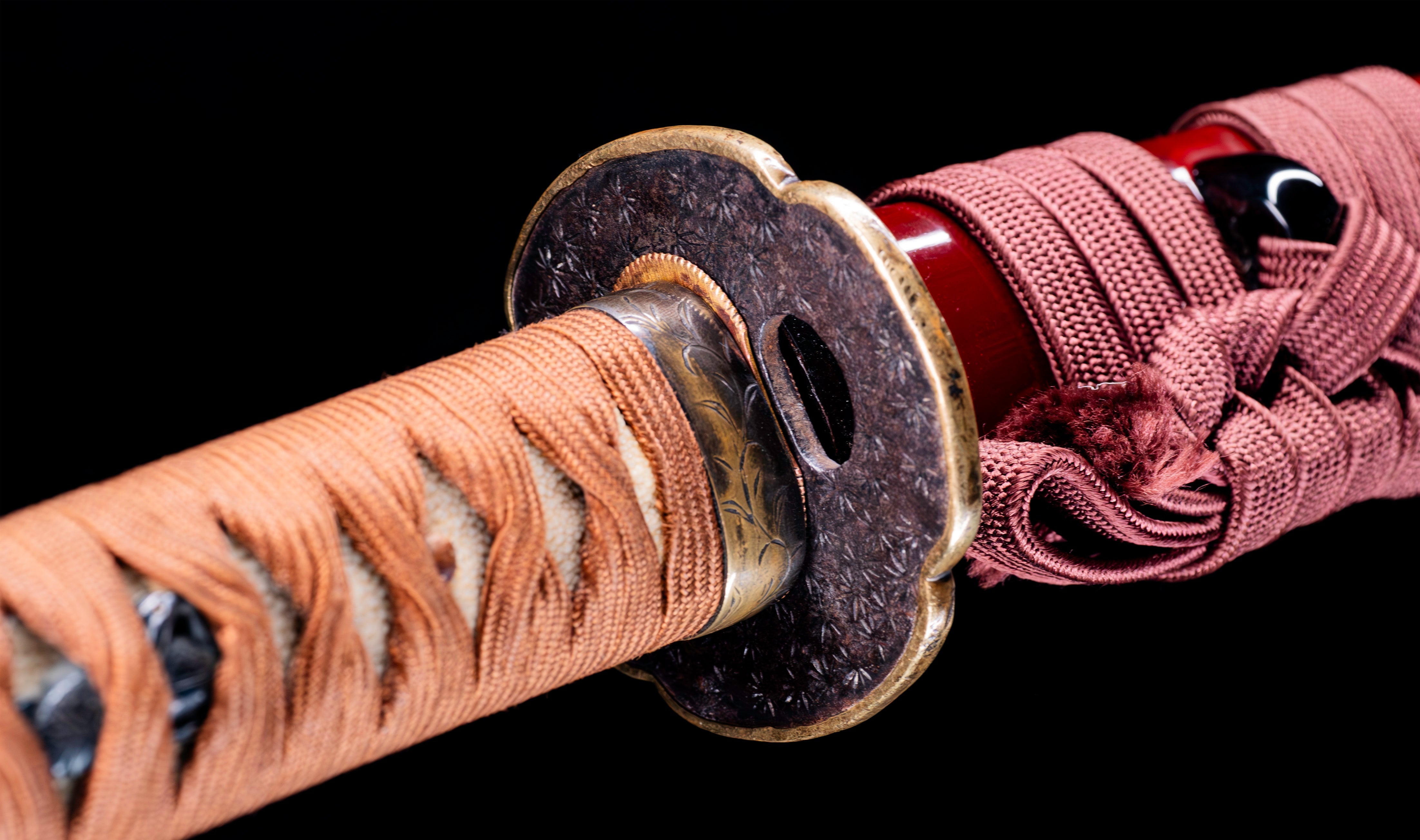
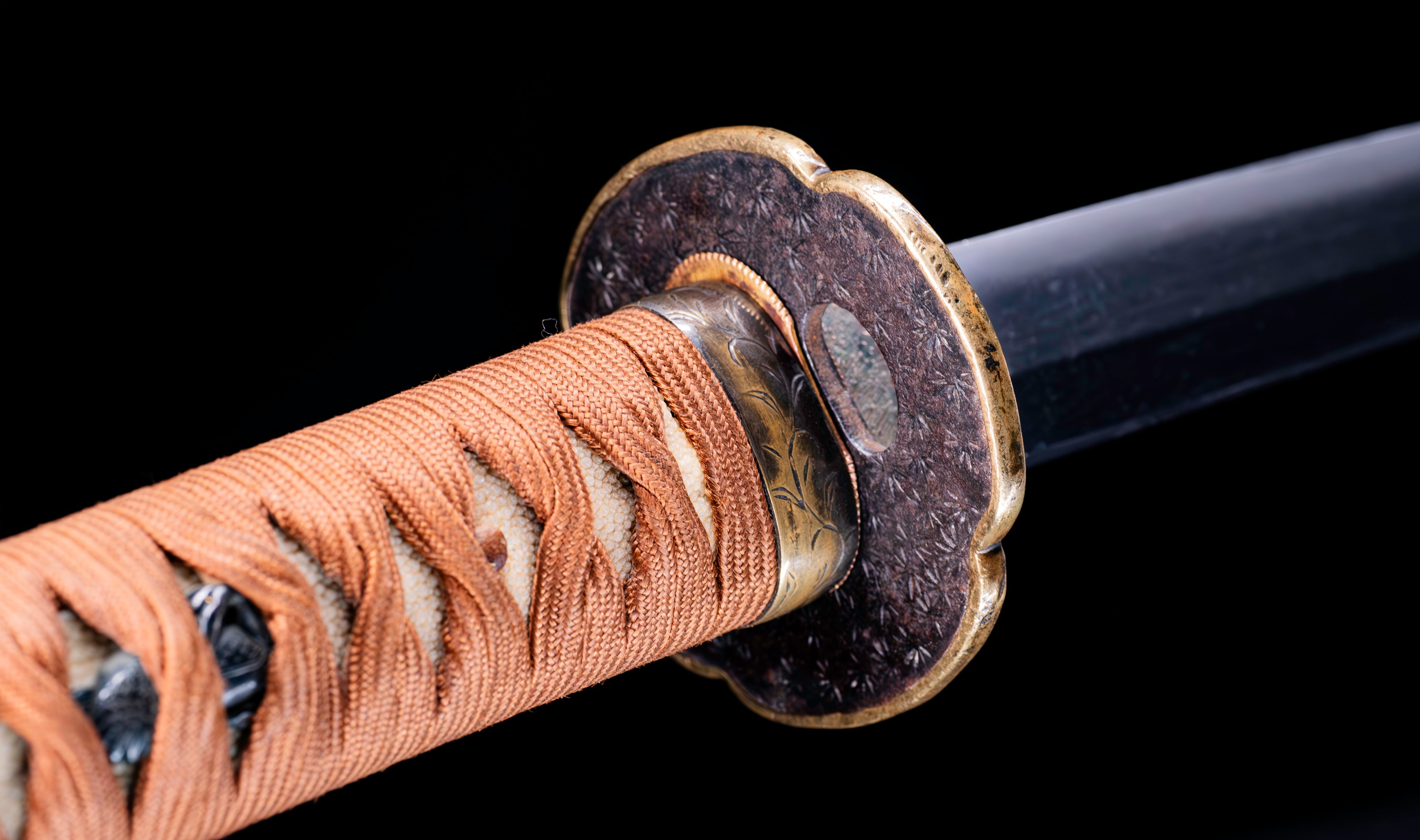
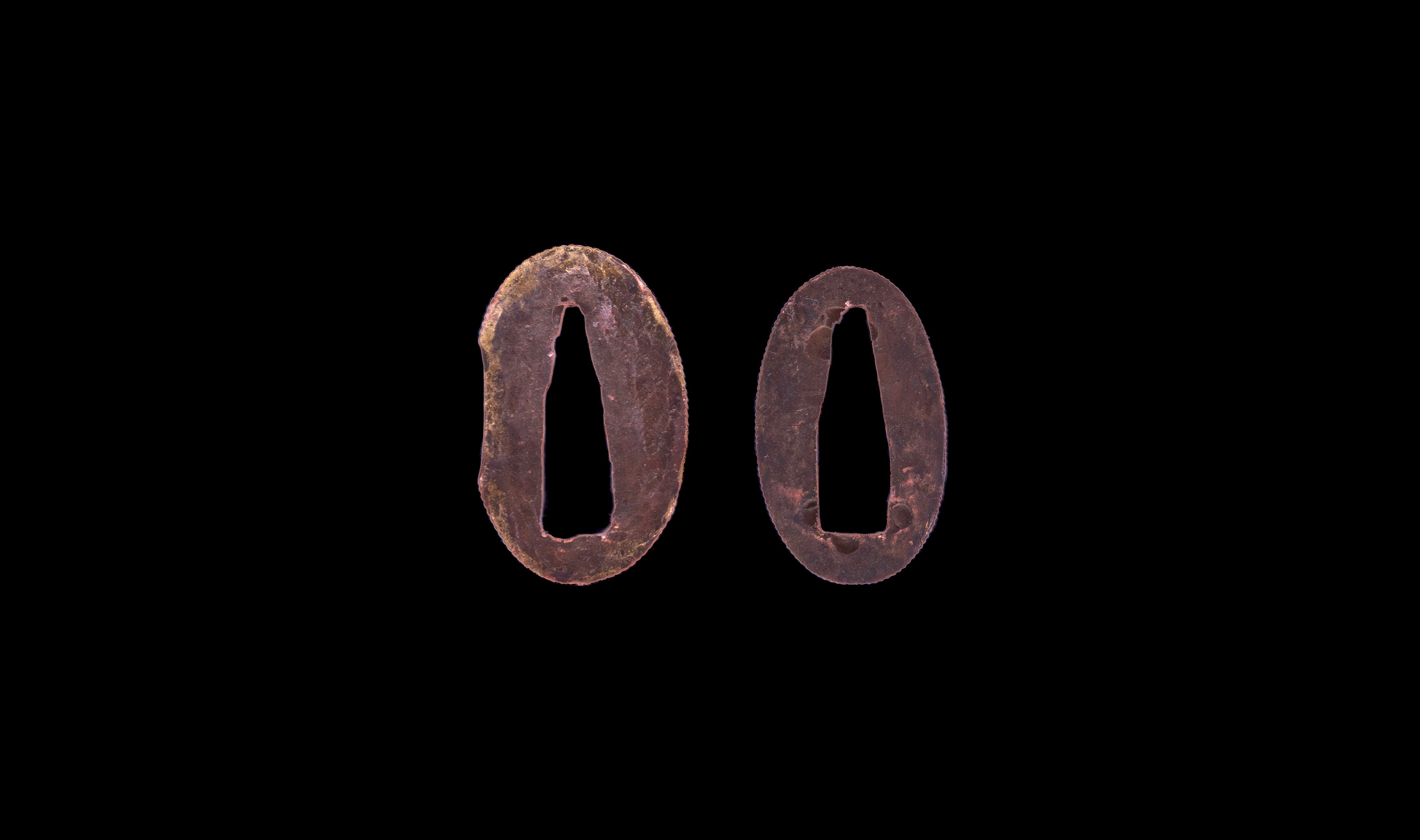
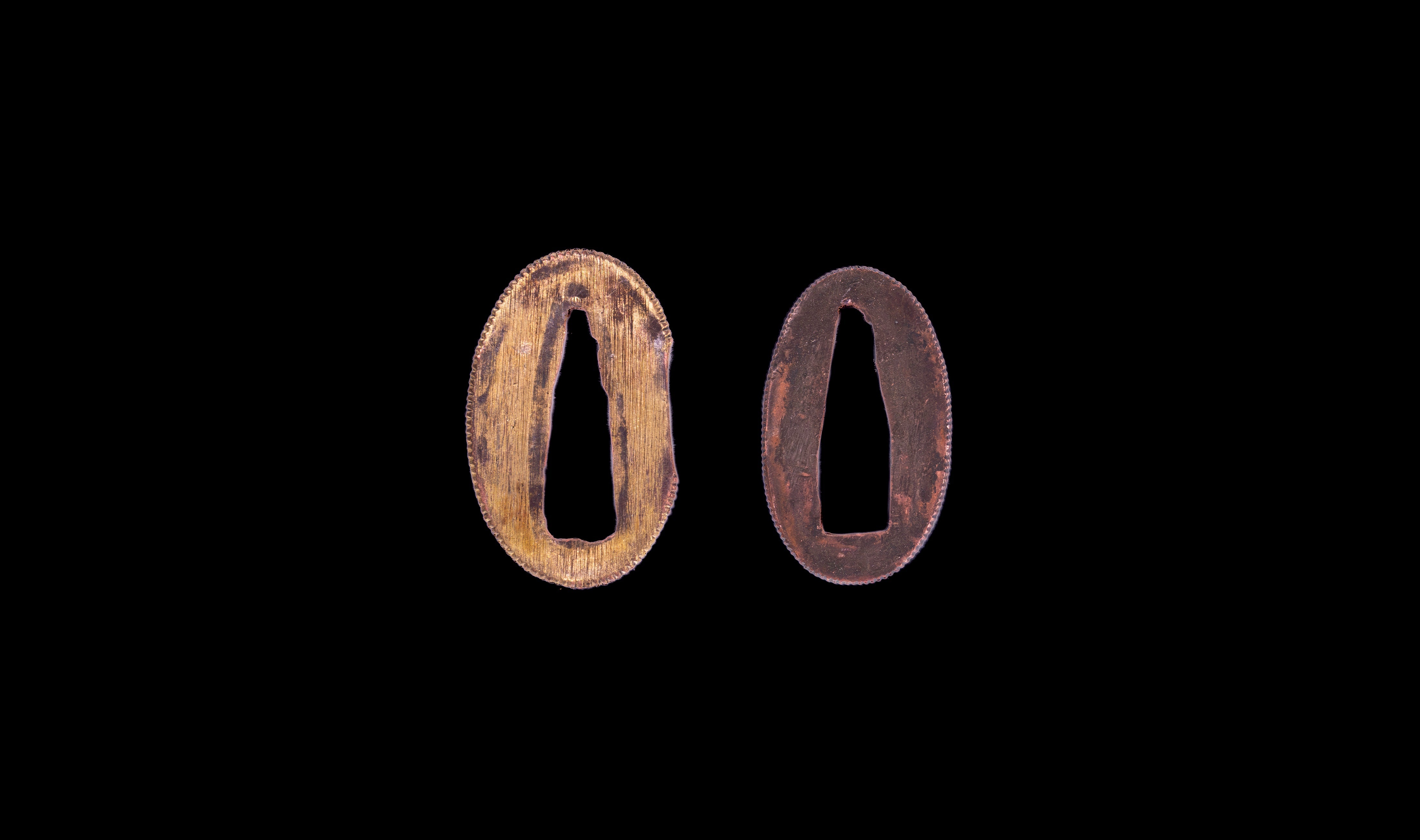
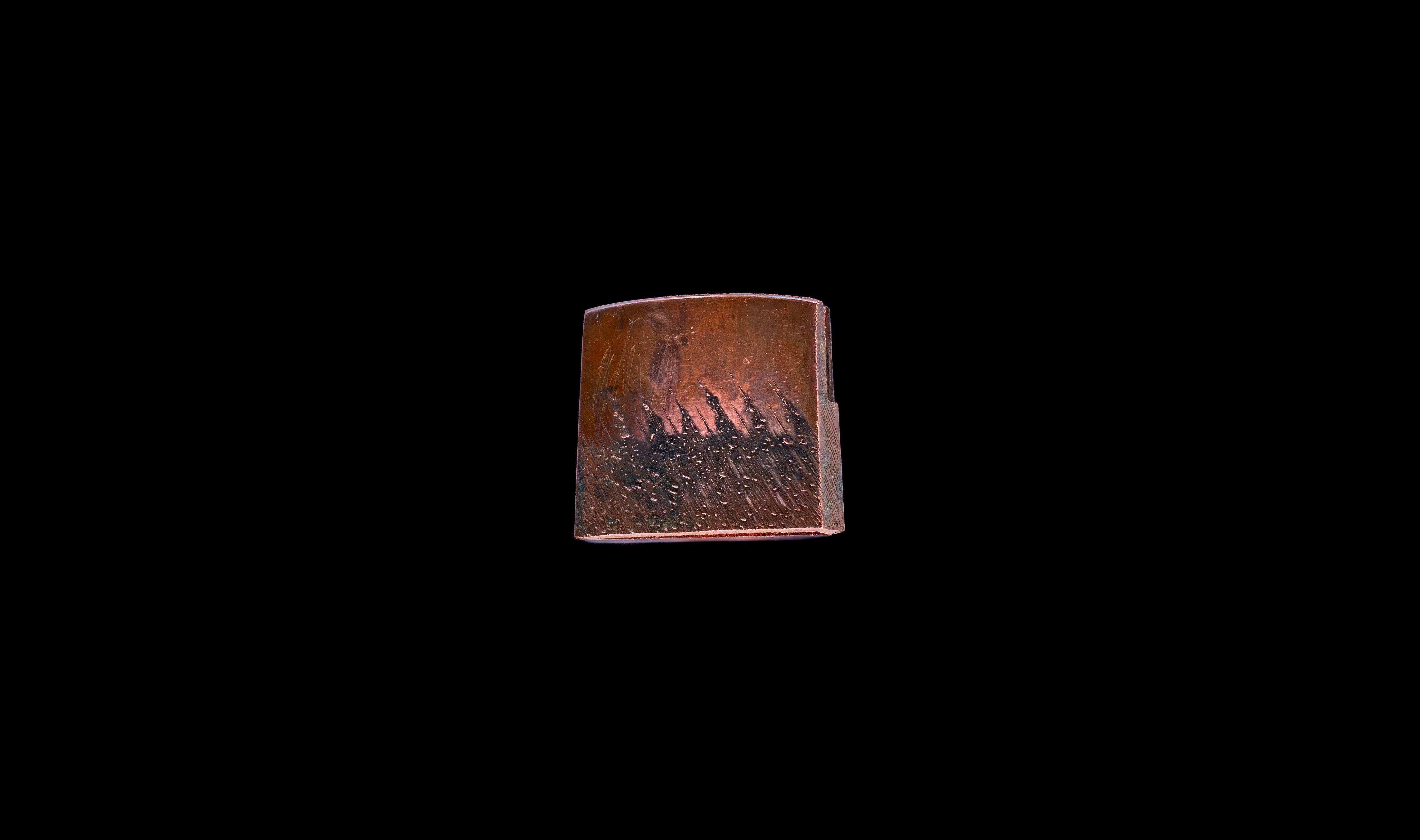
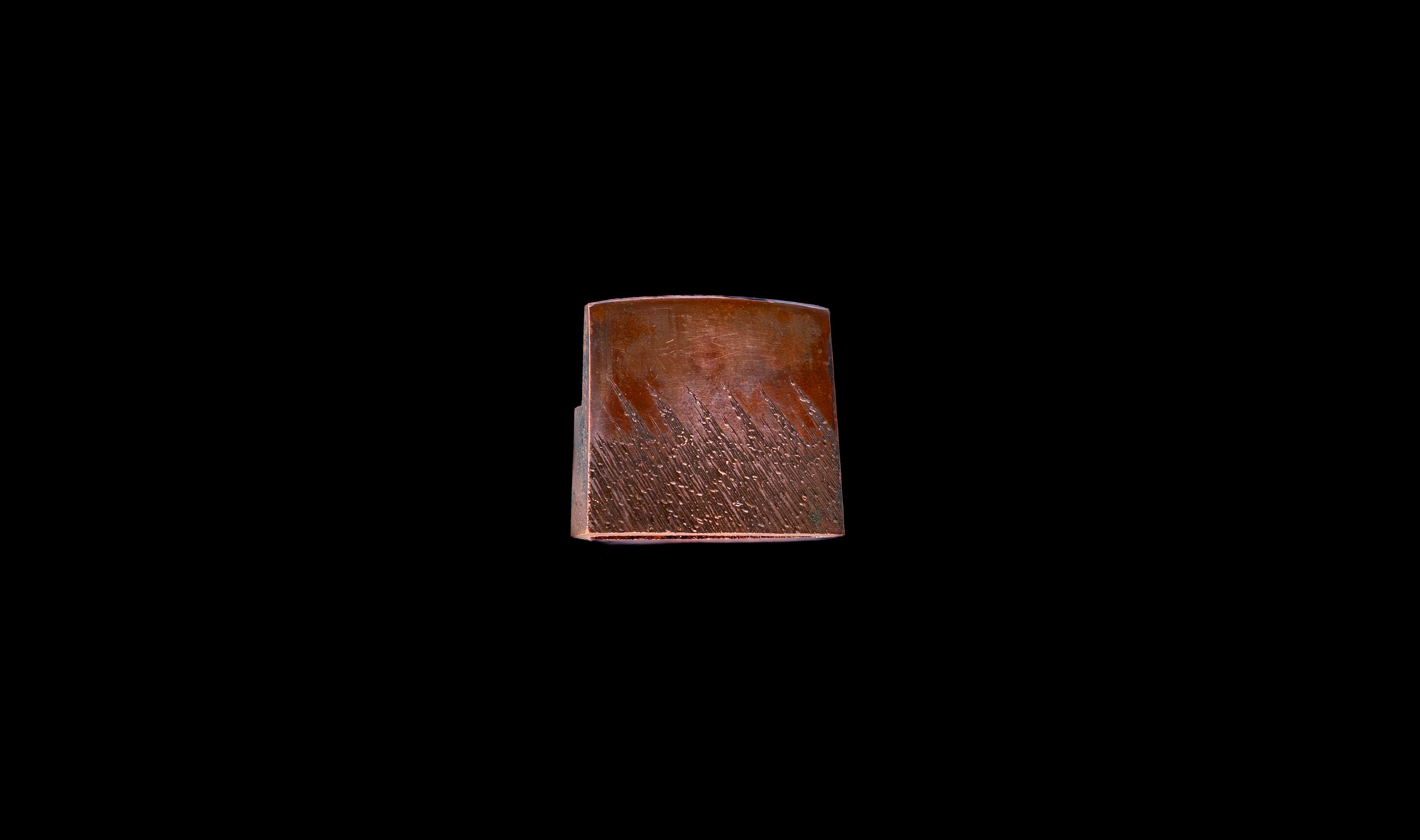
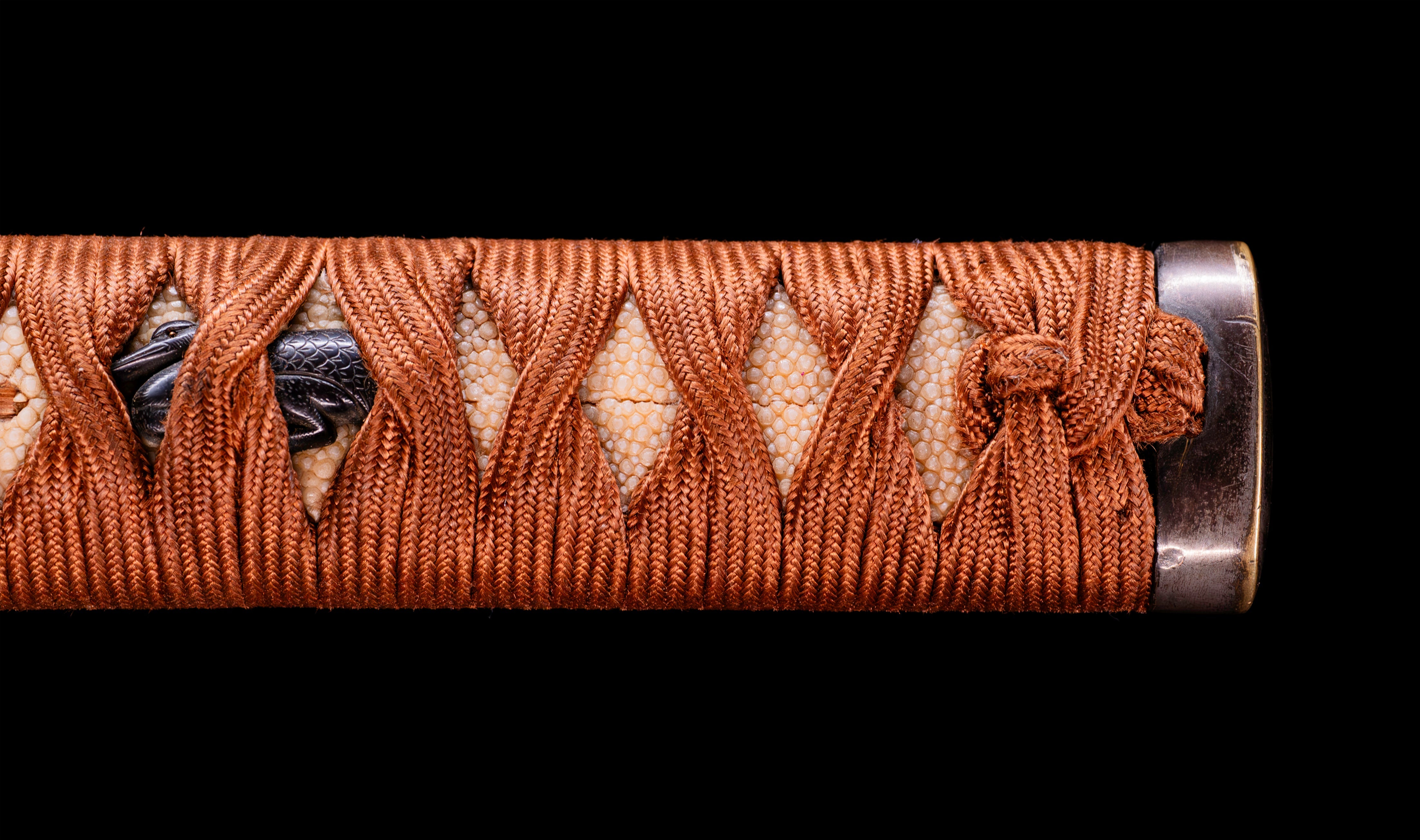
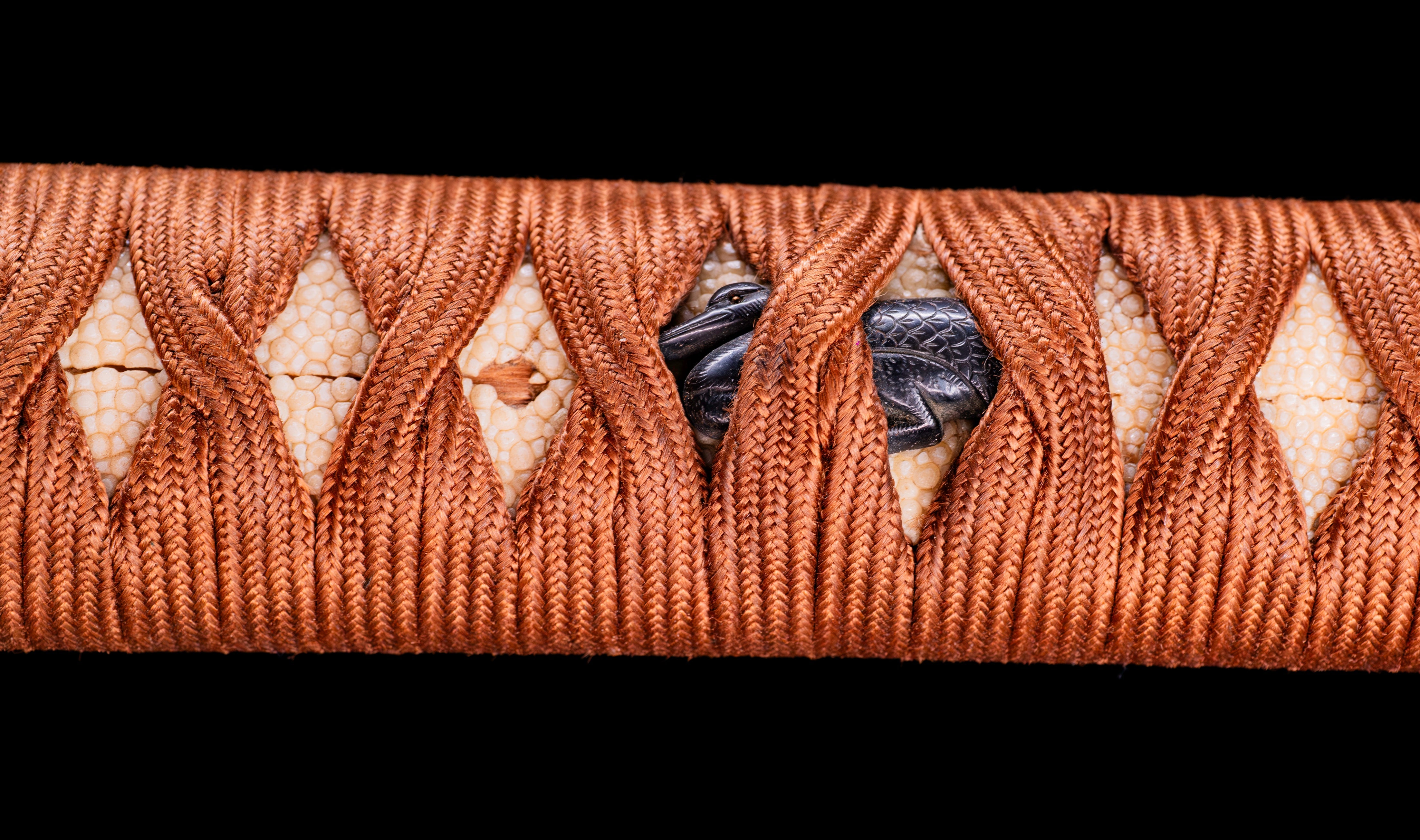
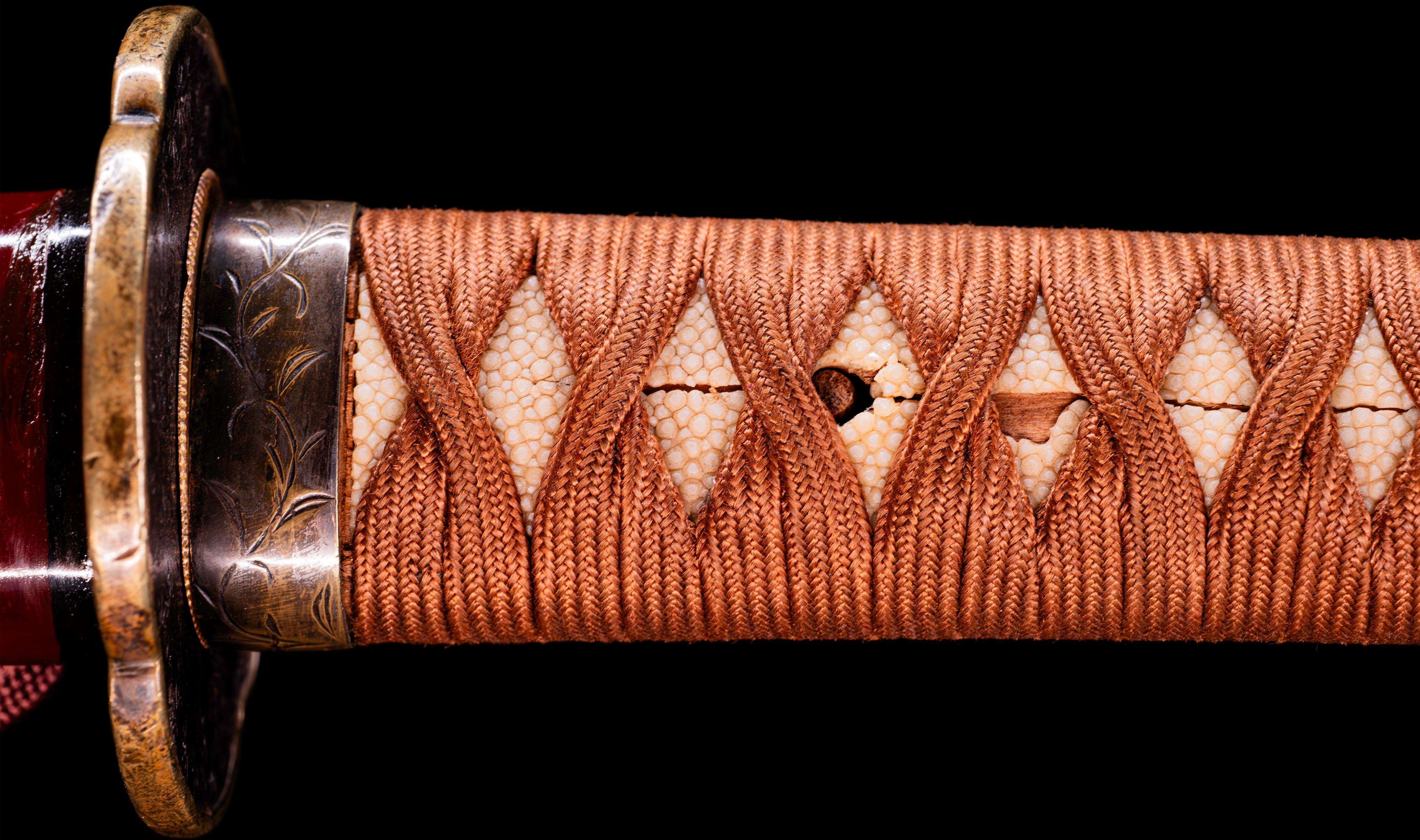
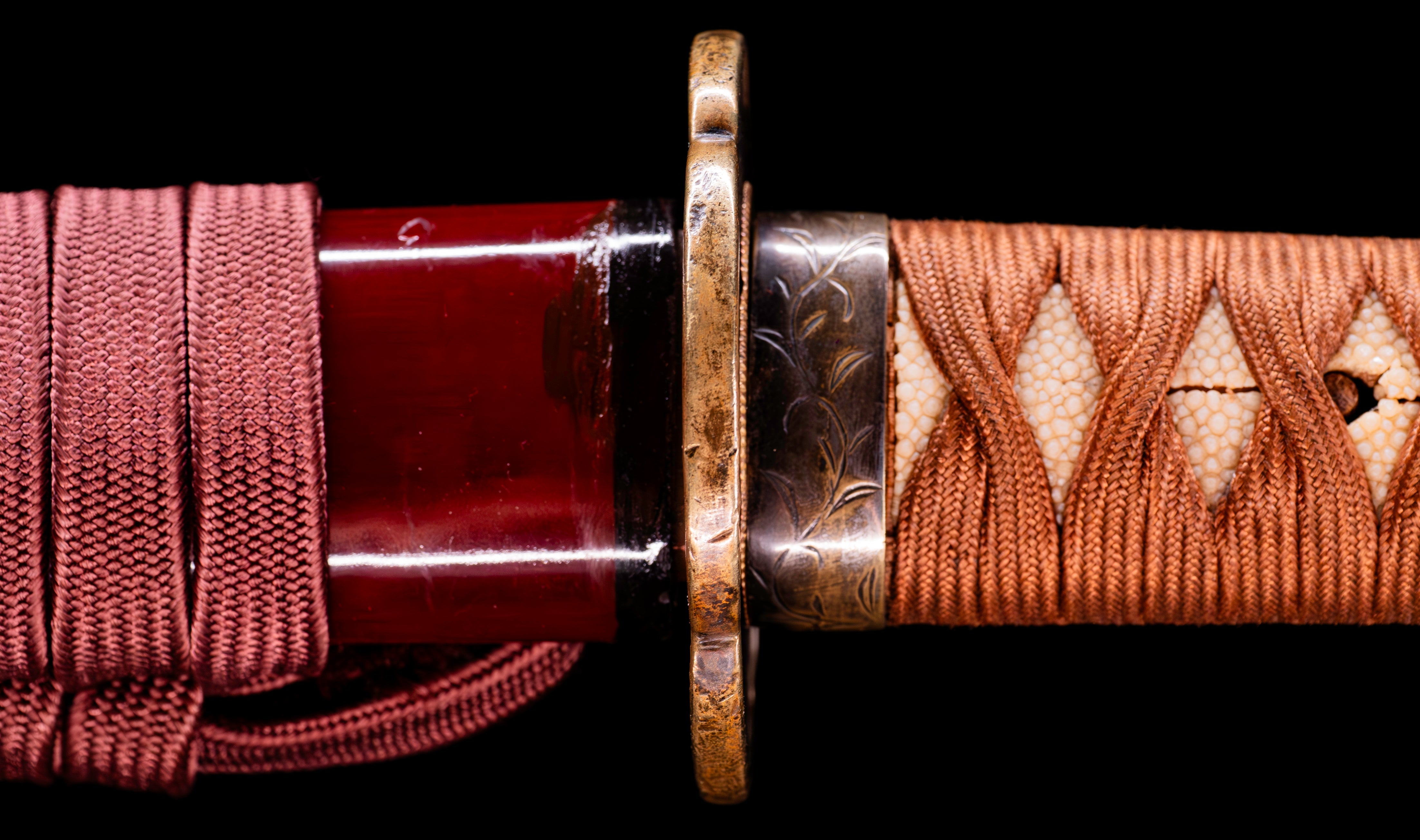
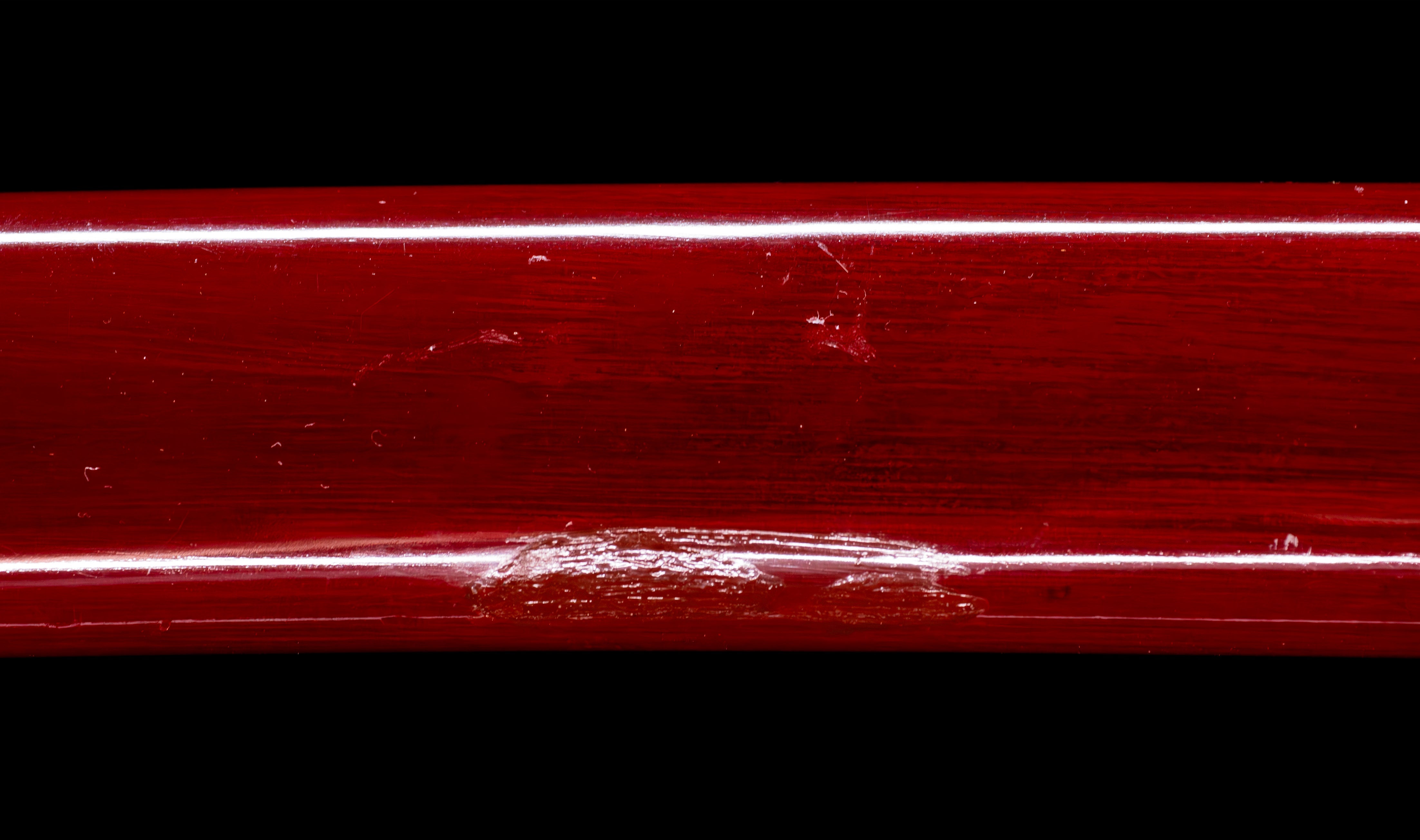
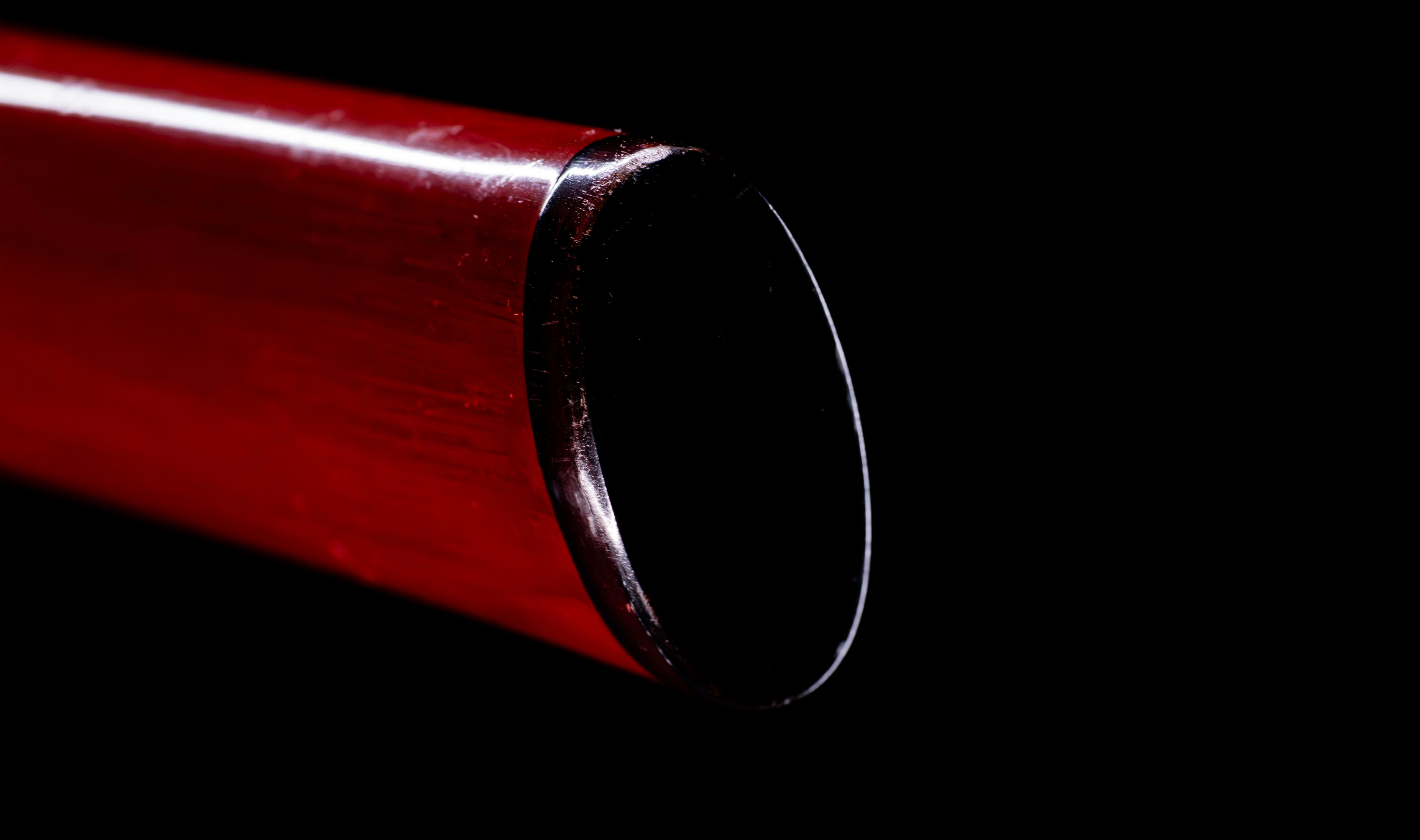
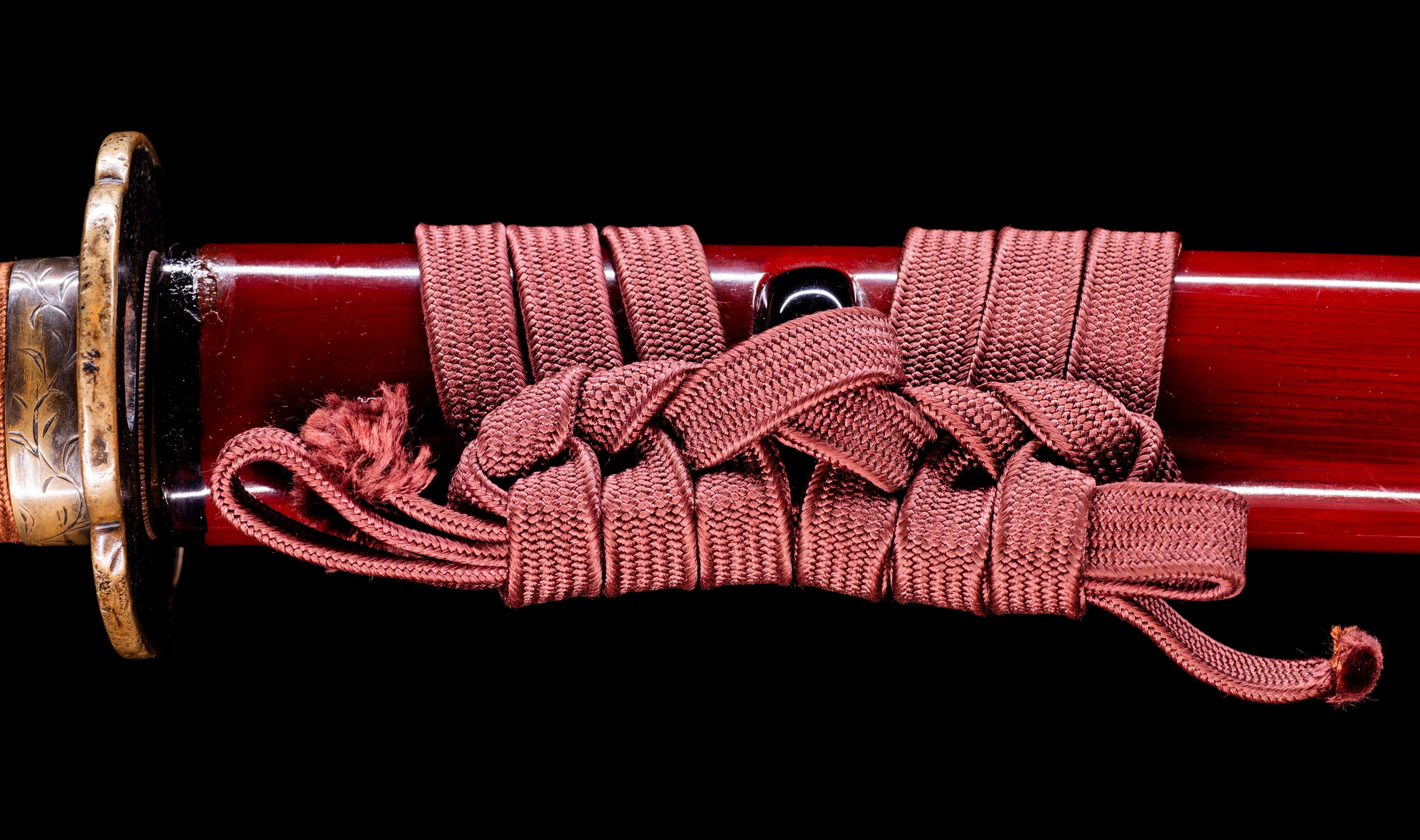
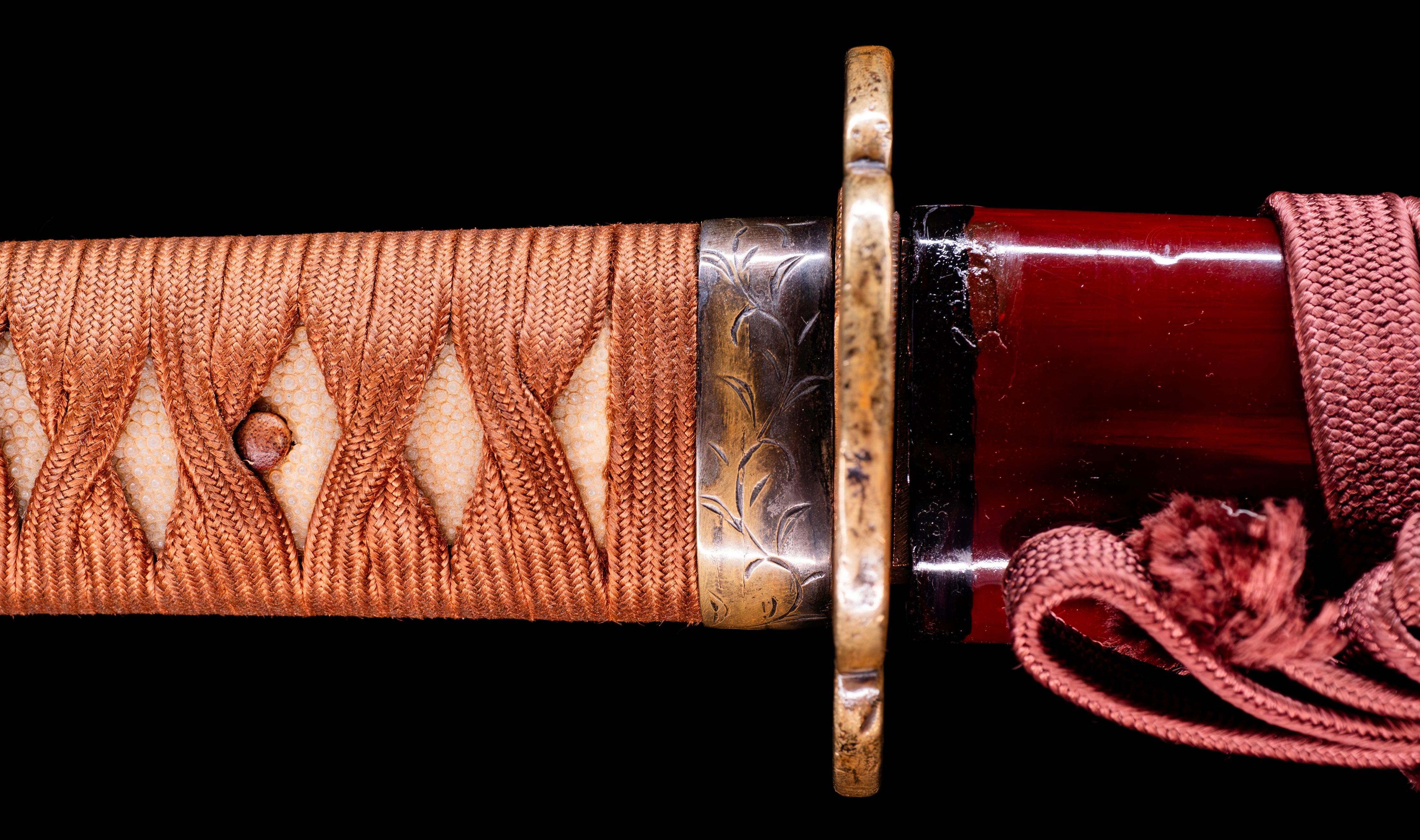
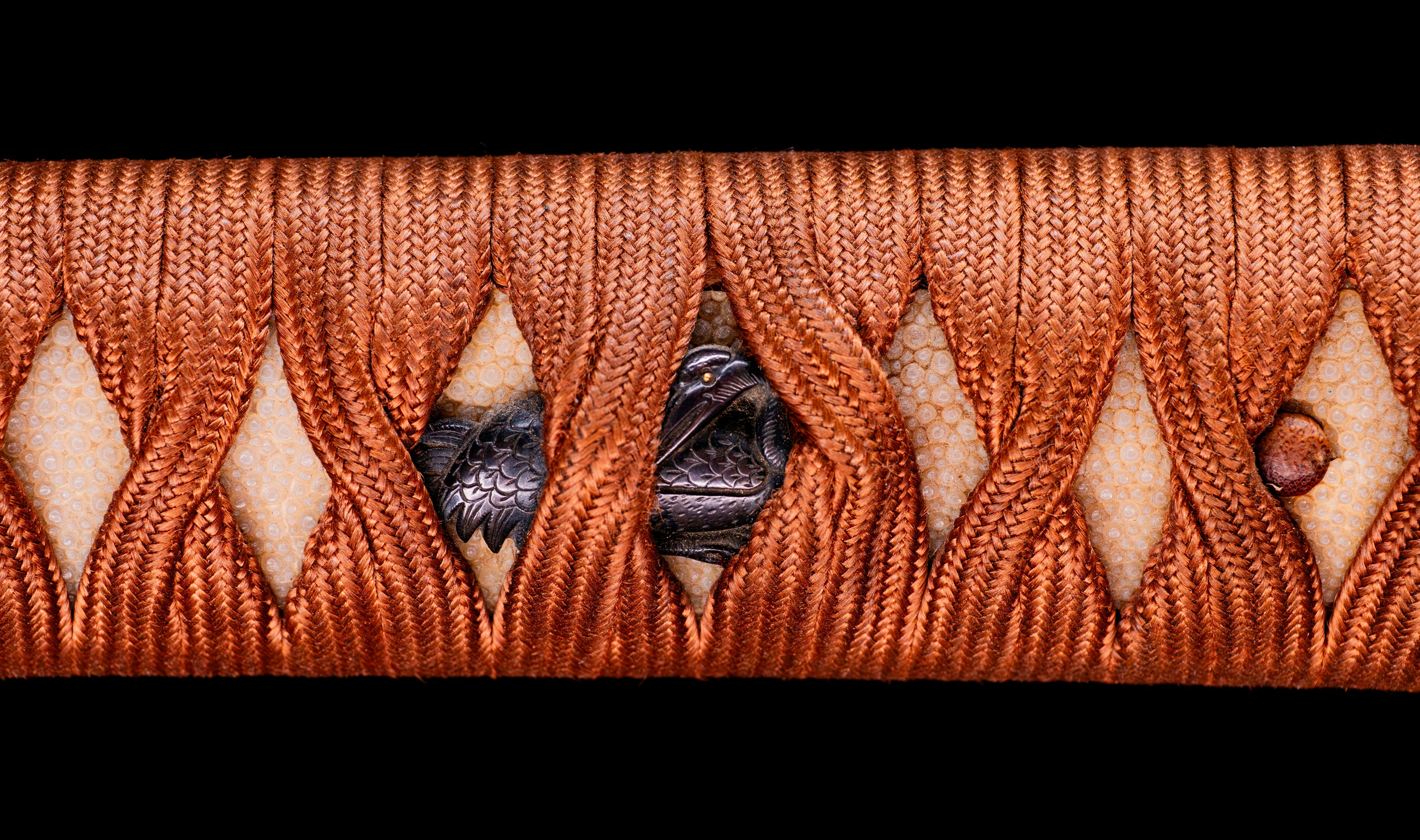
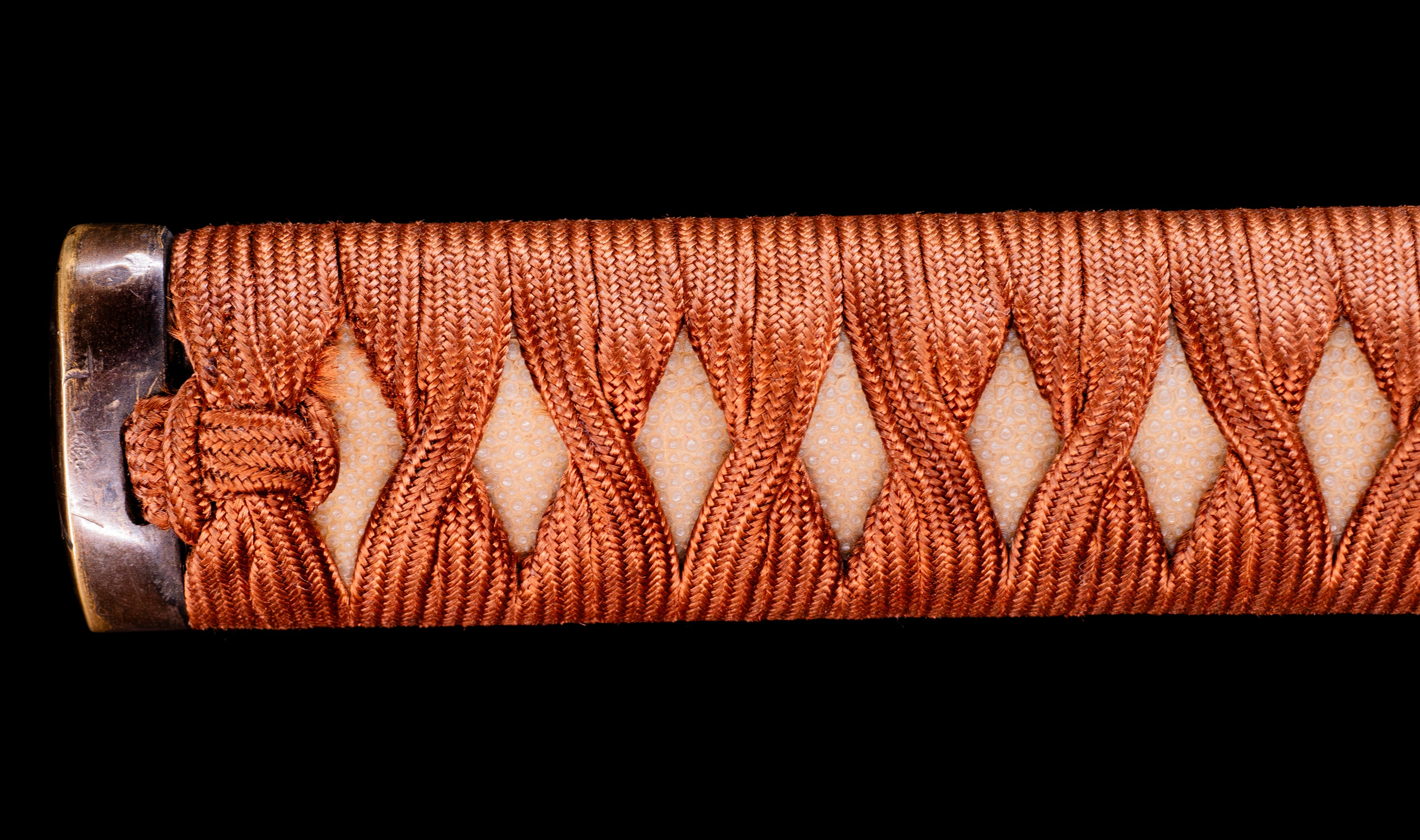
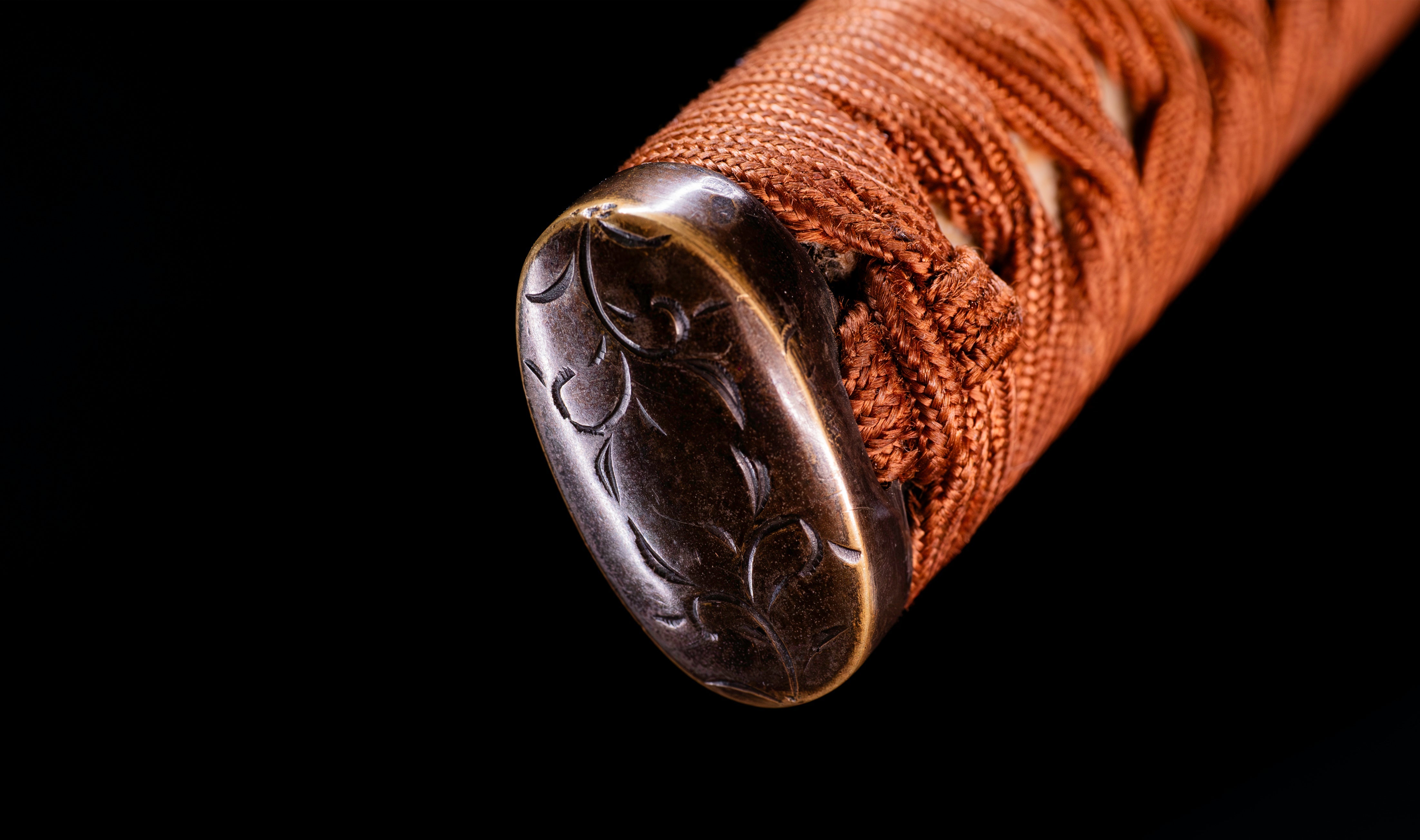
Signature (Mei): Mumei (unsigned) — both sides Period: Edo Period — jidai-tō in period koshirae Mounting: Period koshirae — red lacquer ( aka-nuri ) saya with brown sageo; iron fukurin tsuba with gold rim and momiji kebori; brass ( shinchū ) fuchi-kashira with karakusa; crane ( tsuru ) menuki in shakudō; warm-toned habaki Blade Length (Nagasa): 69.0 cm Curvature (Sori): 1.6 cm Mekugi-ana: 1 Shape: Shinogi-zukuri, chu-kissaki Motohaba: 29.2 mm / Sakihaba: 20.0 mm Motokasane: 7.2 mm / Sakikasane: 4.8 mm Blade Weight (naked): 769 g / Weight with saya: 1,043 g Total koshirae length: 100.5 cm / Saya: 75.8 cm / Tsuka: 14.3 cm Hamon: Notare (broad undulating wave) — the sword's defining aesthetic characteristic Boshi: Calm turnback into composed chu-kissaki Condition: No critical defects (no bends, edge failures, chips, or serious rust); minor surface wear as expected for age. Suitable for iai / battō. Registration: Osaka Prefecture Board of Education No. 40269 This distinguished Edo-period Katana is an unsigned ( mumei ) jidai-tō of considerable presence — a long, well-proportioned blade in a period koshirae of striking visual character, unified by a warm autumnal palette that sets it apart from the more conventional black-and-iron ensembles of the era. At 69.0 cm with a full 1.6 cm sori and a robust motokasane of 7.2 mm, this is a substantial sword with real weight and authority in the hand — the 769 g naked blade weight confirming its suitability for iai , battō , and practice without reservation. The blade's defining characteristic — and the quality that gives it its immediate identity — is the hamon . The listing describes it as 湾れ刃 ( notare-ha ): a broad, smoothly undulating tempering line whose waves roll along the cutting edge with the calm inevitability of a gentle sea. This is among the most classically beautiful of all hamon styles, its appeal rooted in the way the broad notare sweeps create a sense of restful motion along the entire length of the blade — neithe
NihontoWatchOffered by Katana Sword
This piece has sold

The Edo period (1615 to 1868)
Edo was the sword’s age of connoisseurship: the Hon’ami appraisers, the shogunal register of famous blades of 1719, and a thriving literature turned the sword into an object of study even as it ceased to be drawn in war.
30-day money-back guarantee from receipt; items must be unused, complete, in original packaging. Sale items Final Sale. Antique swords non-returnable (Japanese export law). Damage reported within 72 hours. Customer pays return shipping unless seller error/defect. Refunds within 14 days of inspection.