The twentieth century nearly killed the craft twice: wartime distortion, then the occupation ban. The NBTHK’s founding in 1948 and licensed forging from 1953 rebuilt the sword as an art, crowned by Living National Treasures and the mukansa rank.
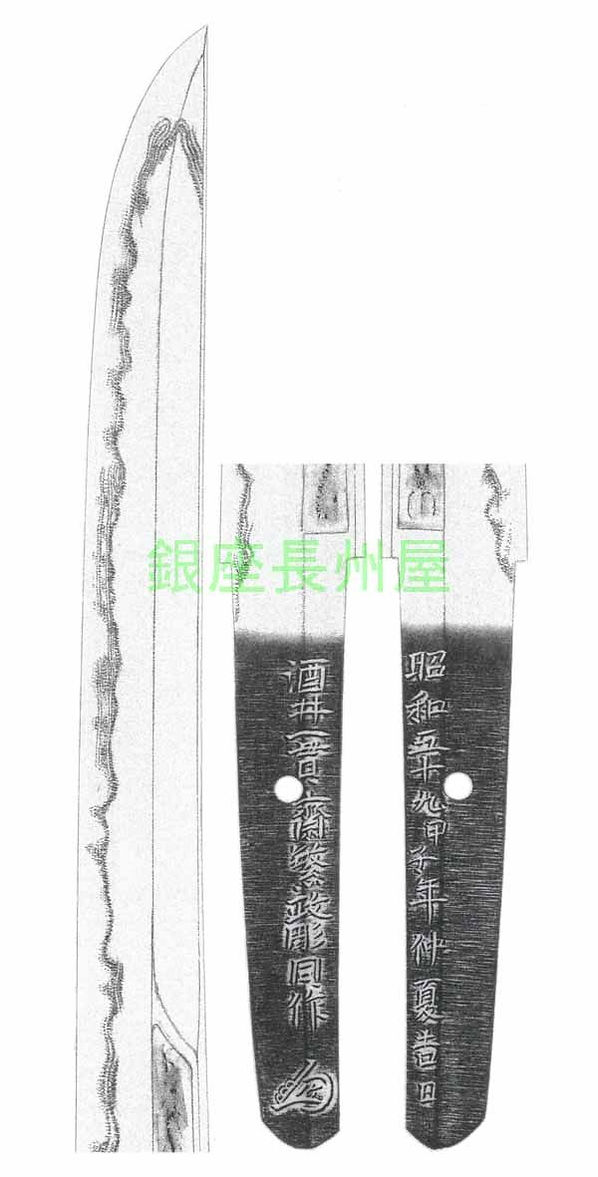
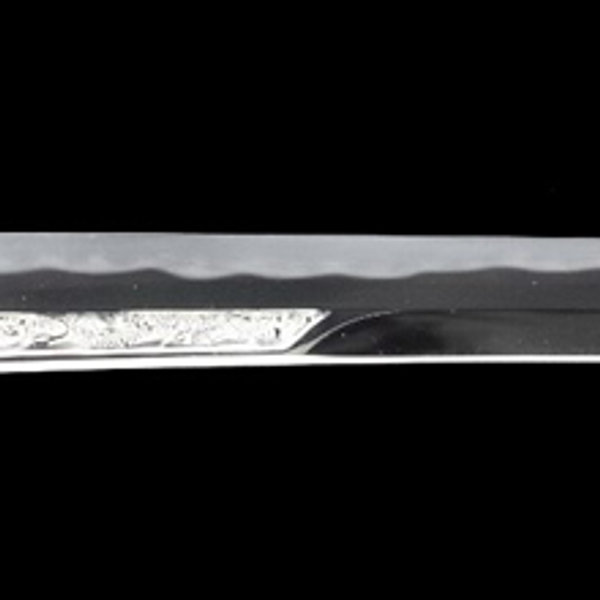
Shigemasa, whose real name was Sakai Hiroshi, was born in Meiji 38 in Otowa-cho, Shizuoka City. He was a pupil of Kasama Ikkansai Shigetsugu, who rose to fame from the Taisho to early Showa eras for his Bizen-den and toshin bori. He mastered his master's traditional sword-making techniques and the sword world's leading carving techniques, and continued to work ambitiously after the war. In Showa 43, he forged a katana in the style of Umetada Myoju using old iron from Himeji Castle with Kaen Fudo and Kurikara carvings inside the hi, as well as a wakizashi in the style of Kotetsu using old iron from Myogi Shrine with a Daikokuten carving at the koshimoto, radiating a particularly strong brilliance within the sword world.
Offered by Choshuya
This piece has sold
Get an email when a new Kasama Ikkansai Shigemasa piece hits the market.


As written by the shop
Machine translation from the shop's Japanese · may contain errors ·
around 1926-1989
4 pieces on the market now
Shōwa to the present: destruction and revival
The twentieth century nearly killed the craft twice: wartime distortion, then the occupation ban. The NBTHK’s founding in 1948 and licensed forging from 1953 rebuilt the sword as an art, crowned by Living National Treasures and the mukansa rank.
If, due to our fault, the item differs significantly from its proper condition, the item may be returned. Cooling-off is within one week of the item's arrival.