Mino was founded, tradition holds, by immigrants: Kaneuji of the Yamato Tegai line settled at Shizu to work in the new Sōshū manner, so persuasively that later appraisers judged his best blades the closest of any to Masamune.
 NihontoWatchNihontoWatch
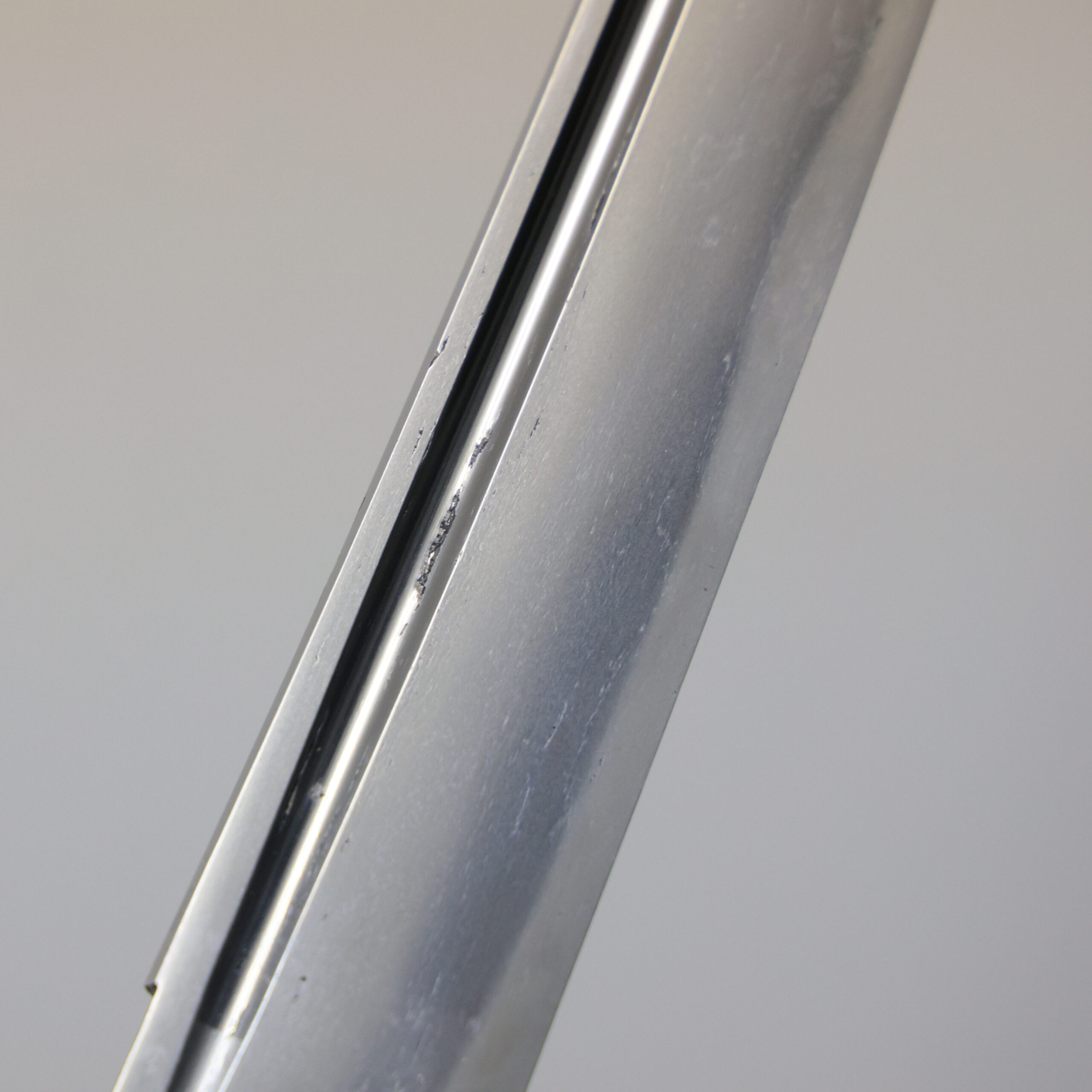
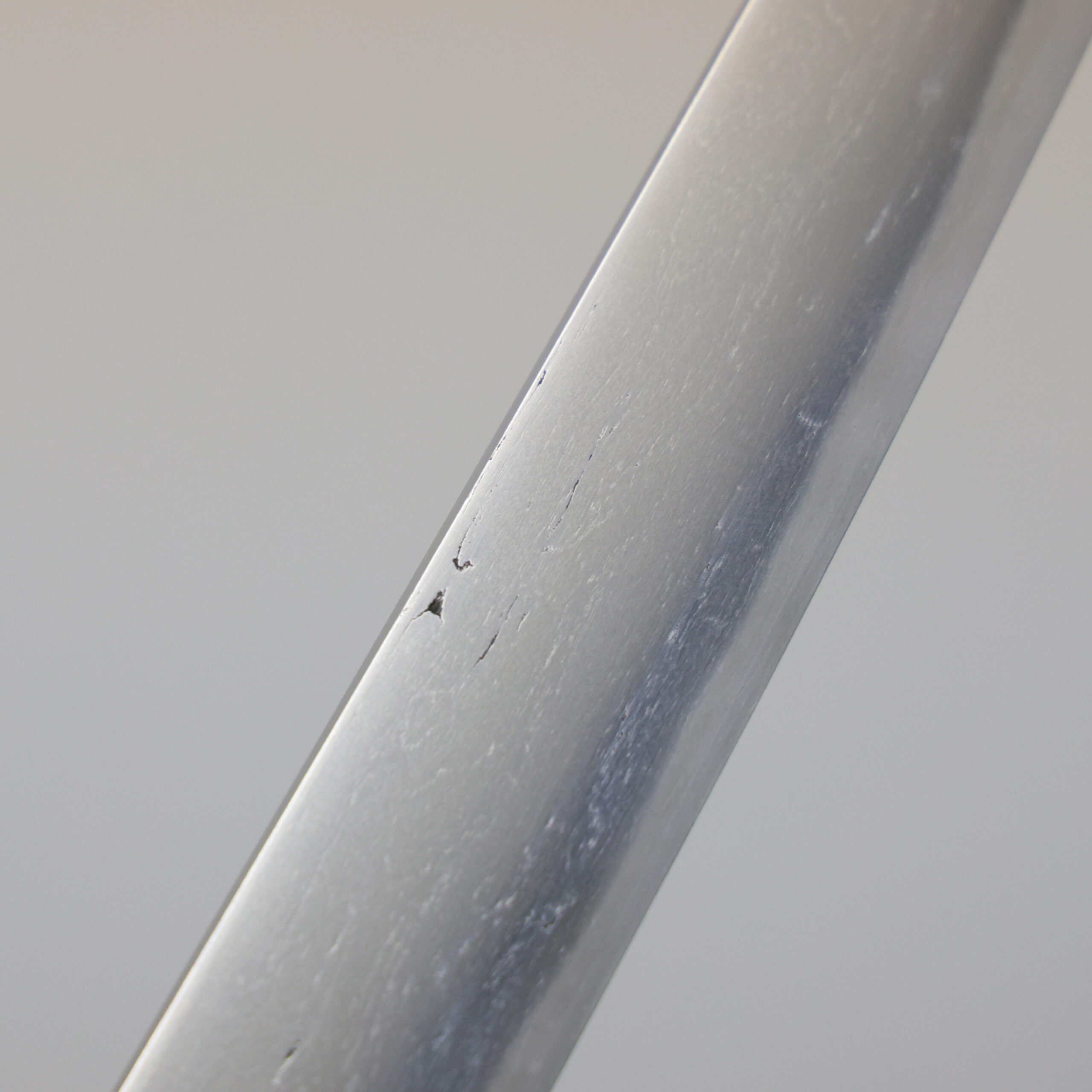
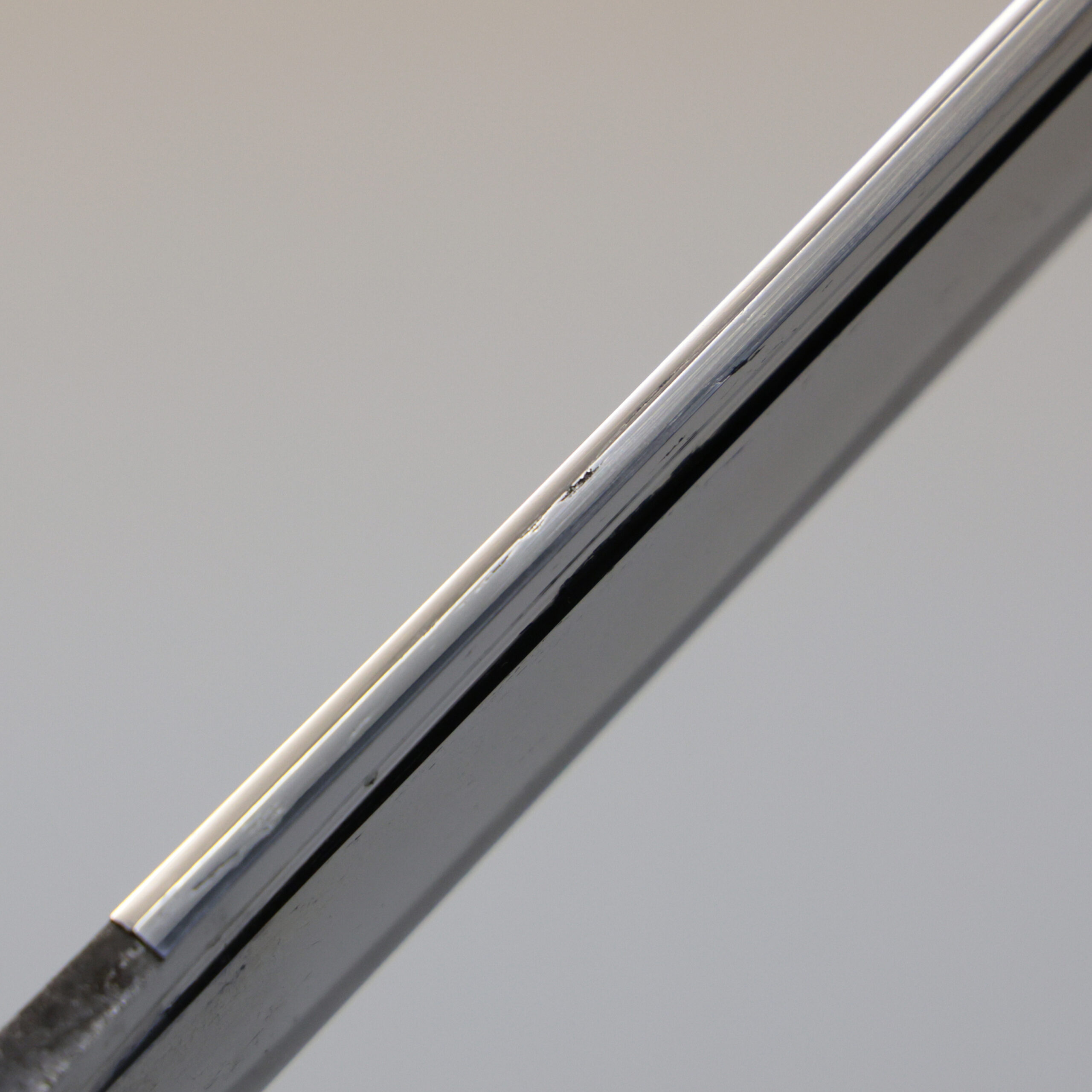
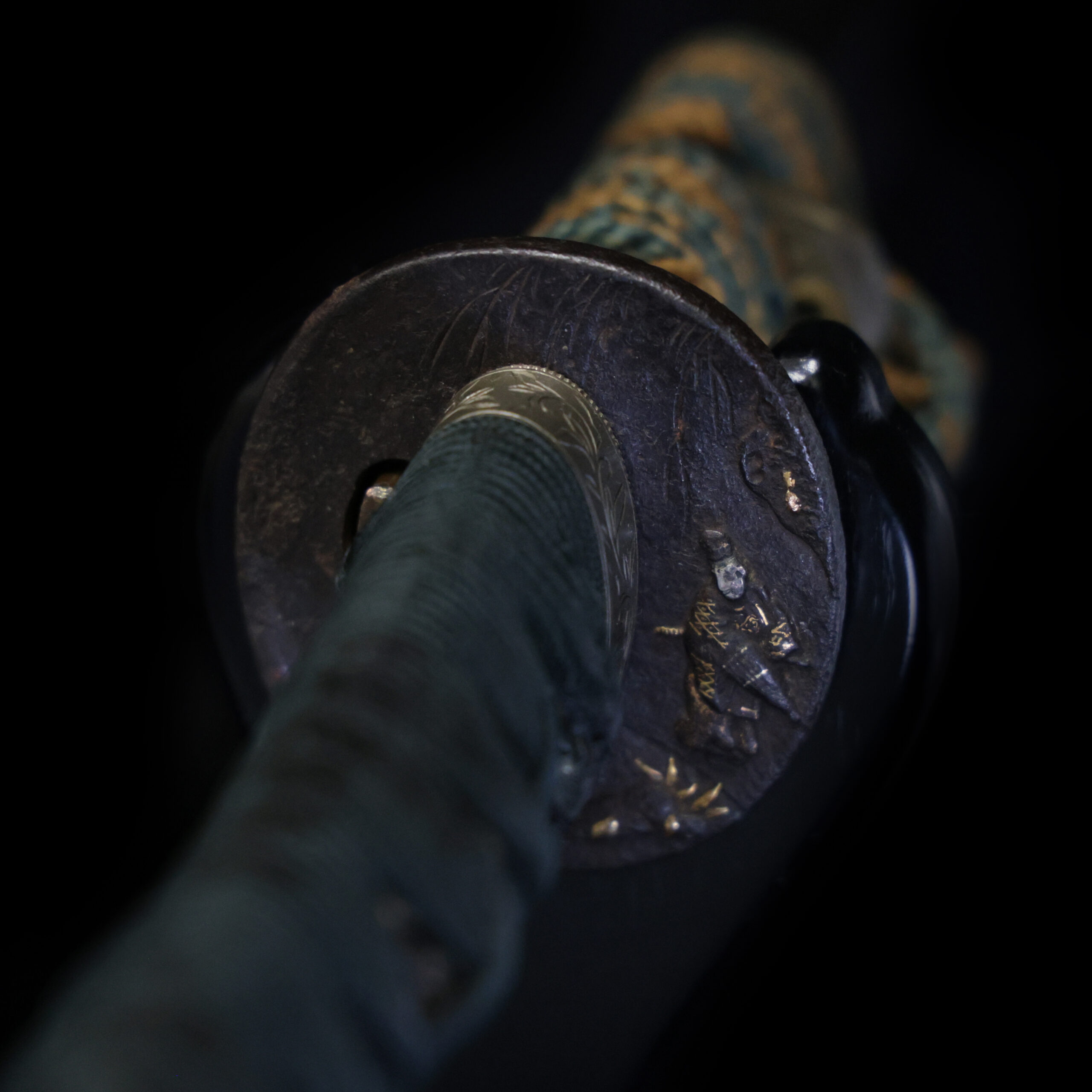
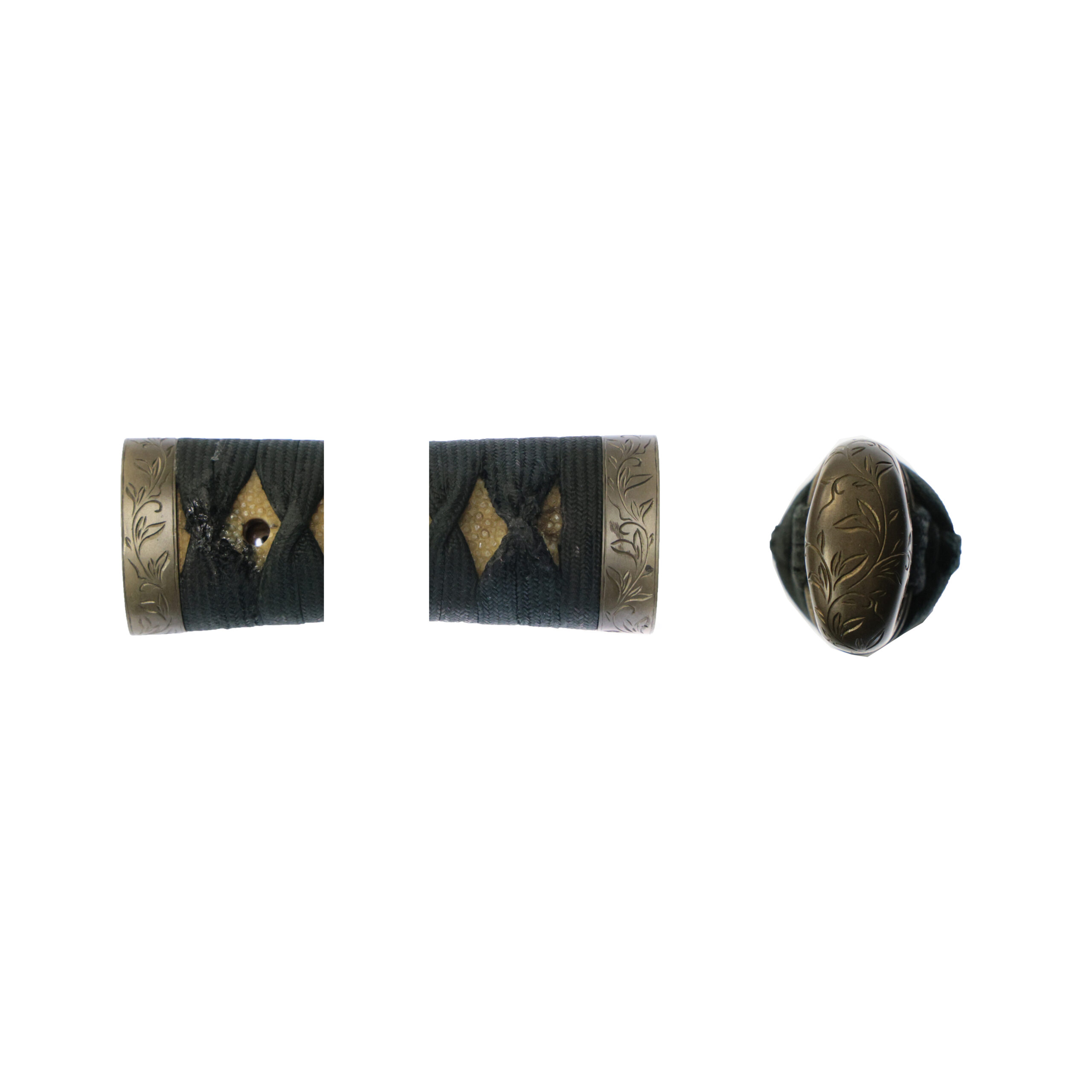
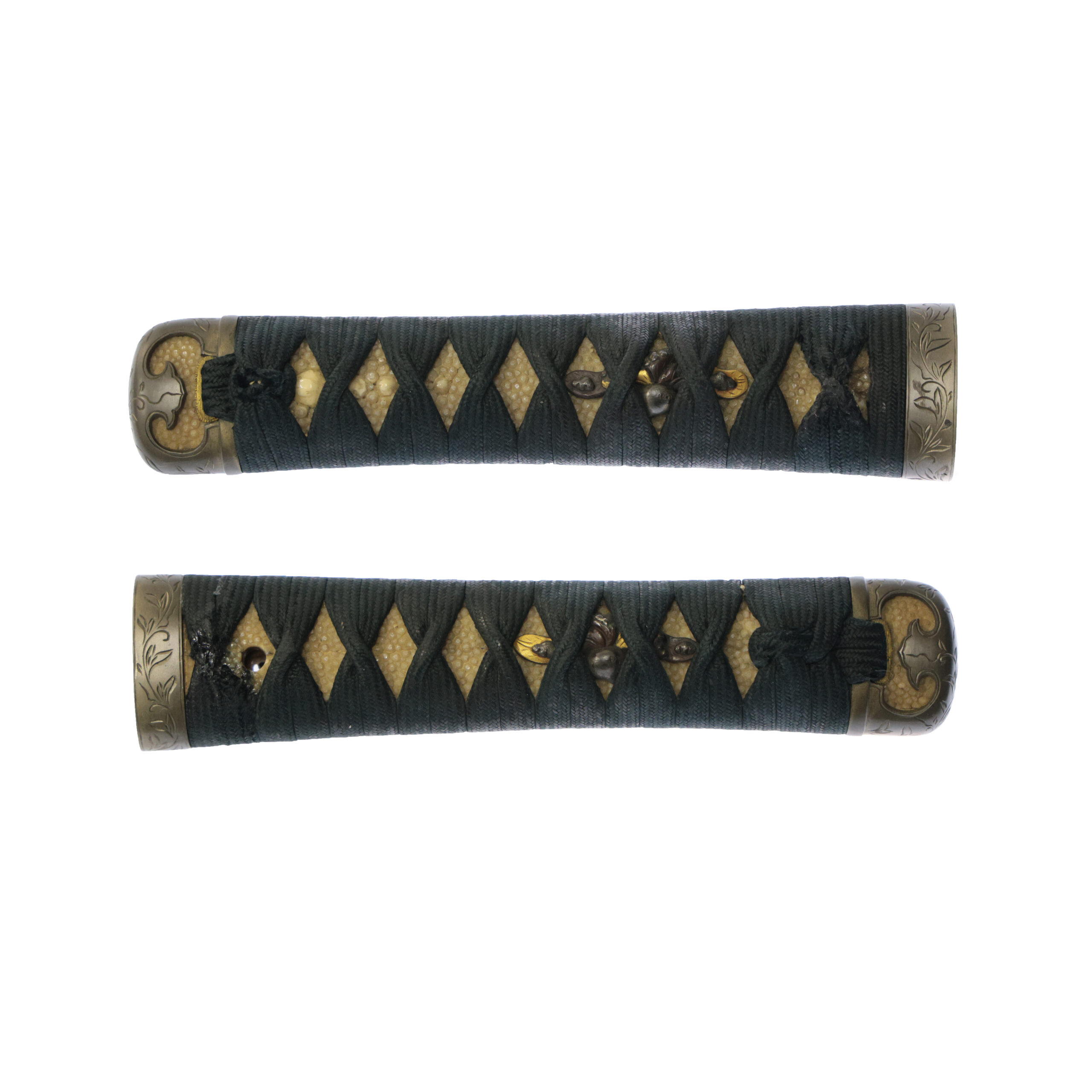
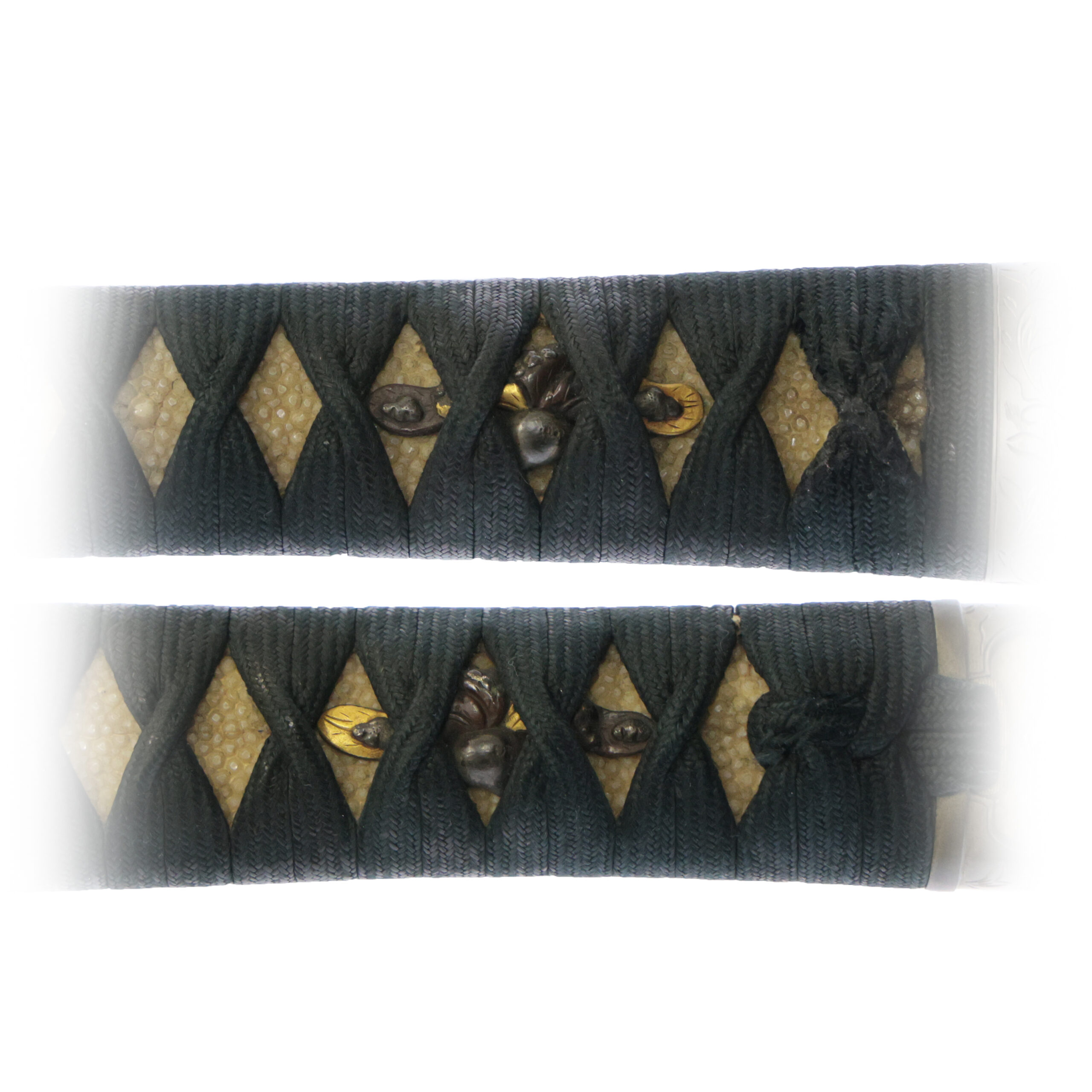
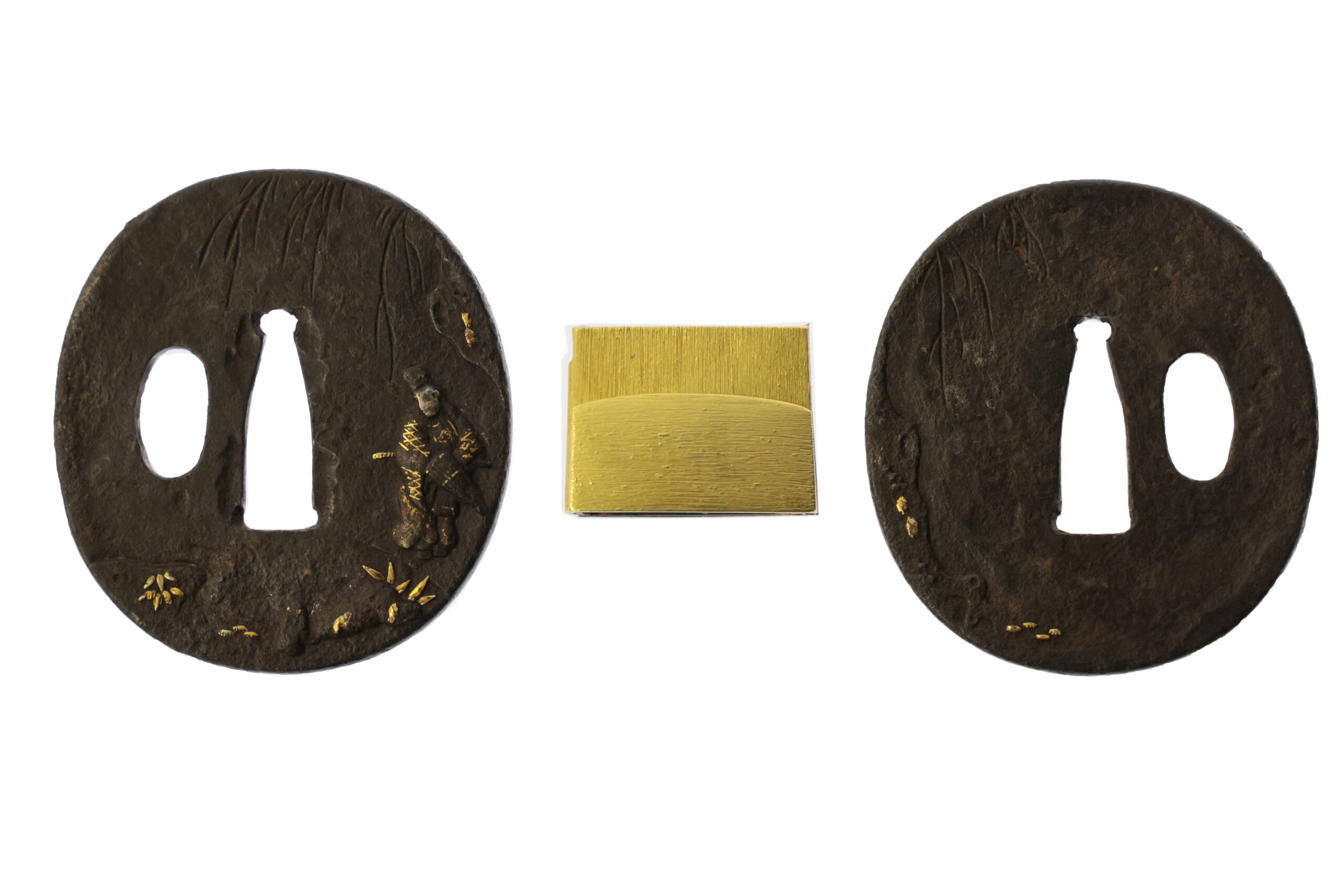
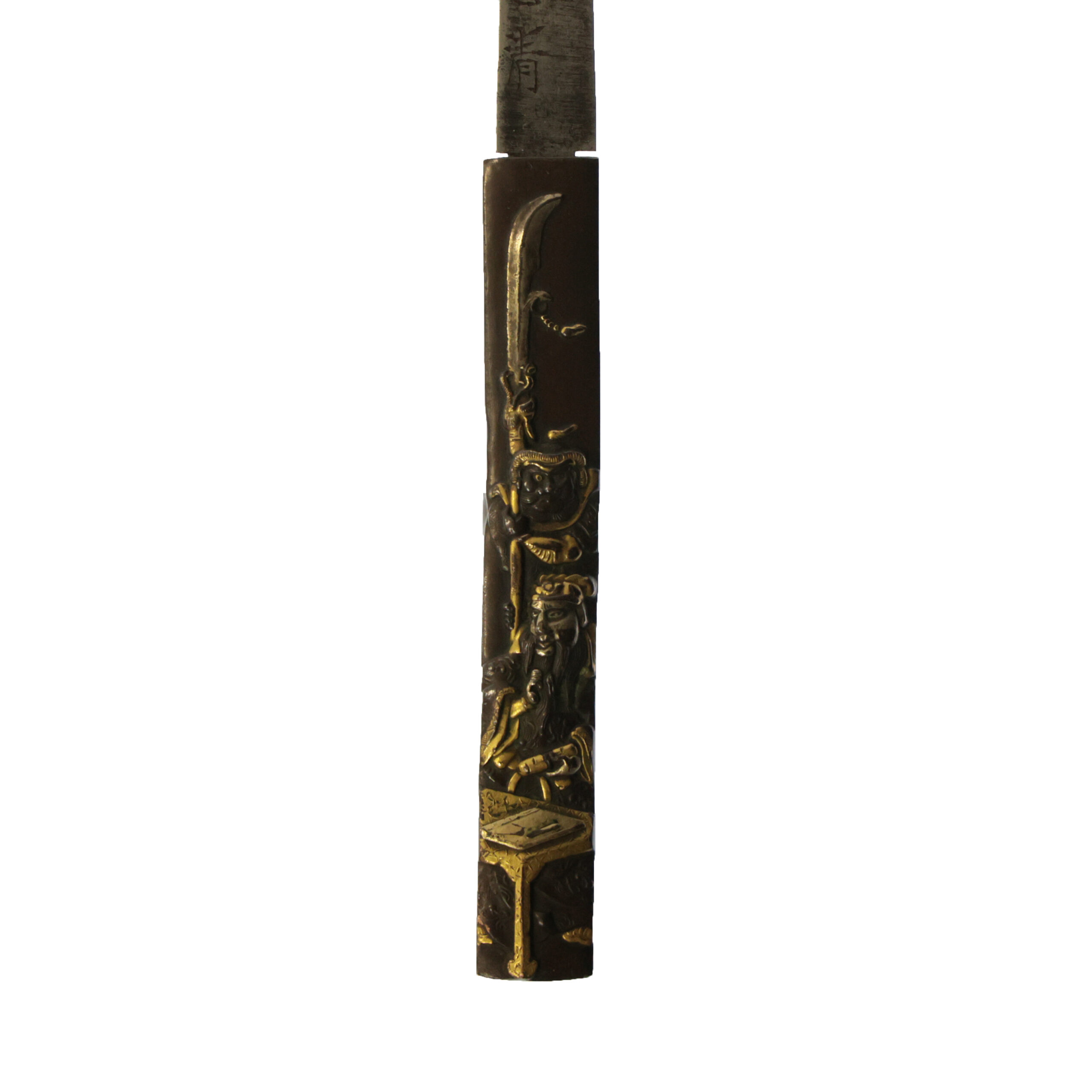
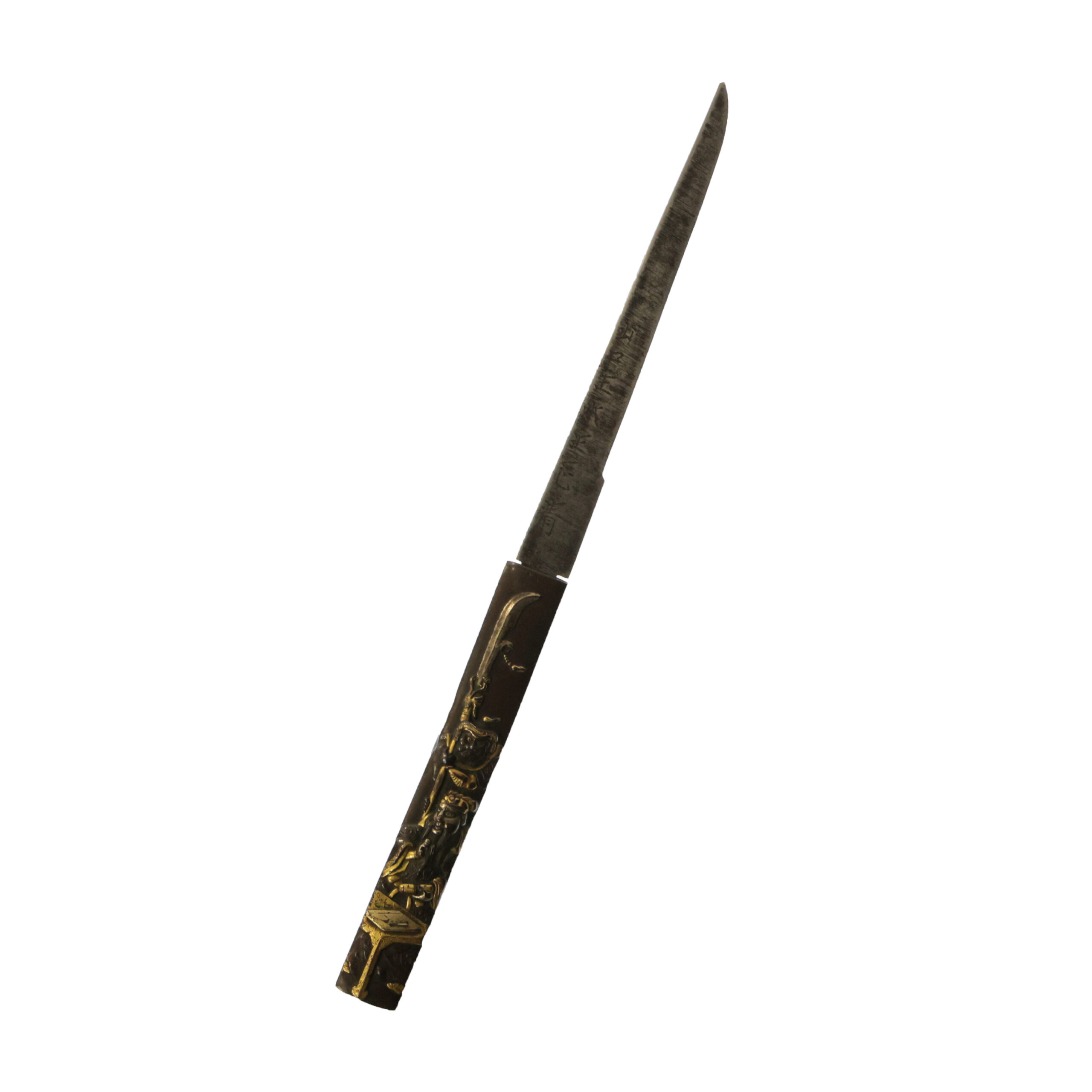
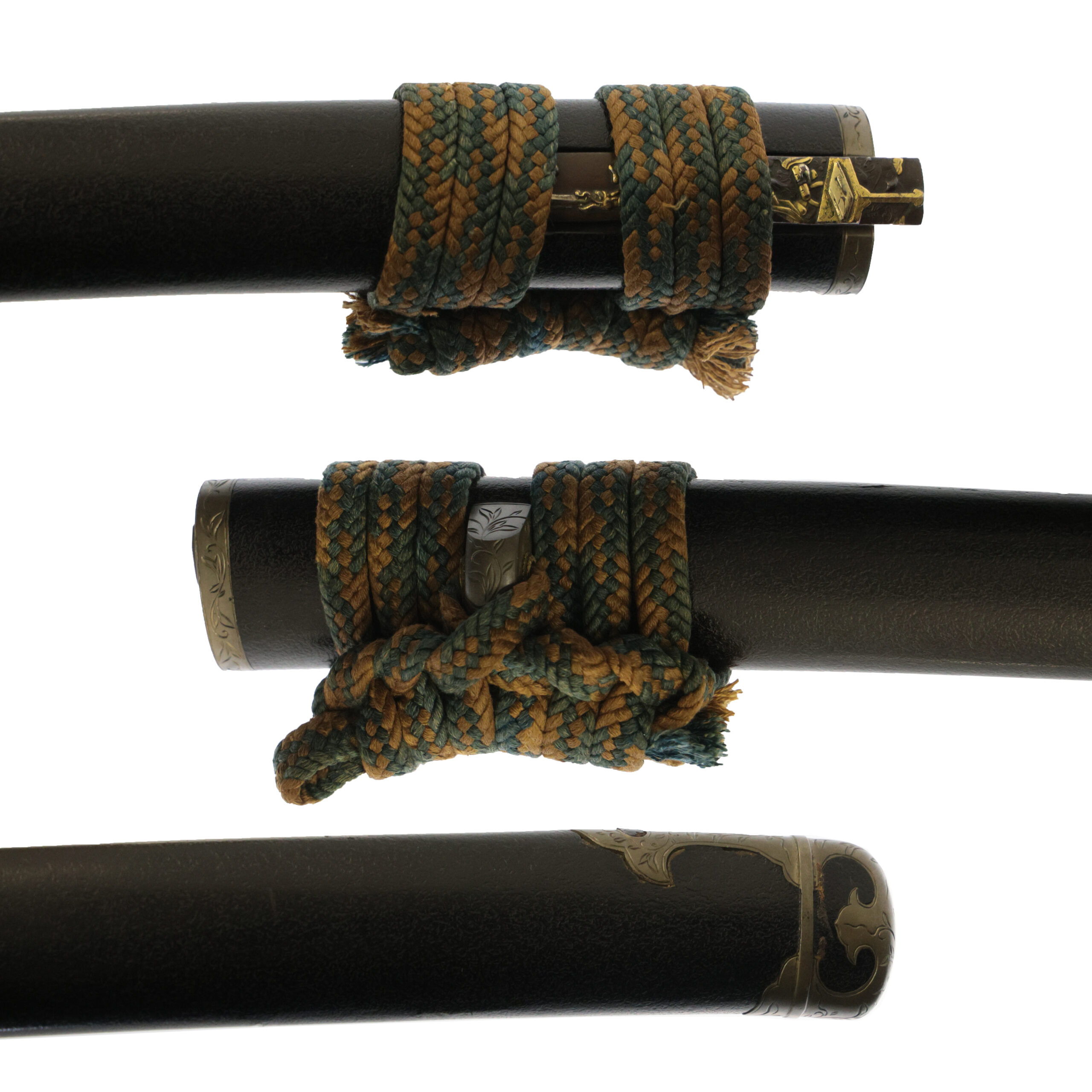
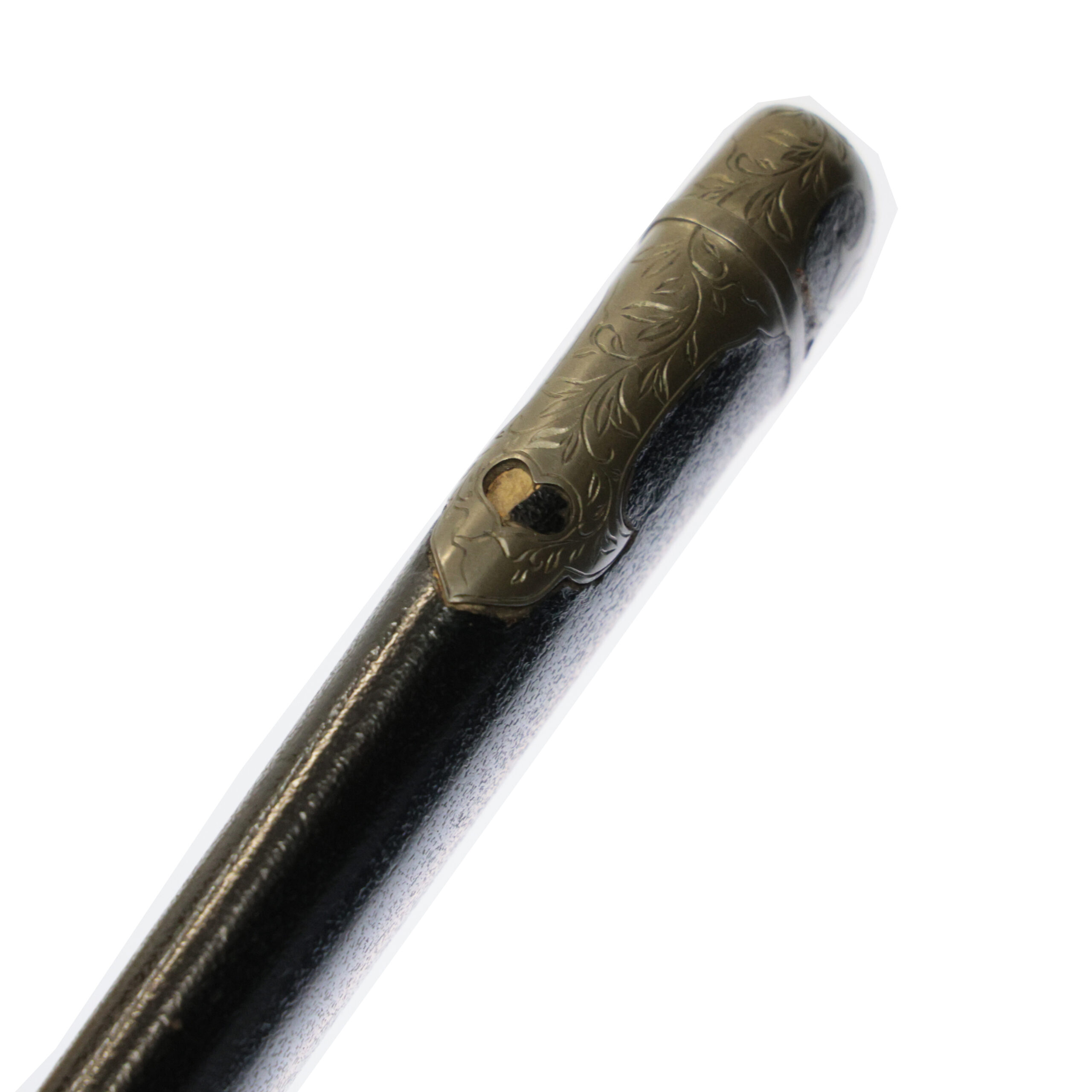
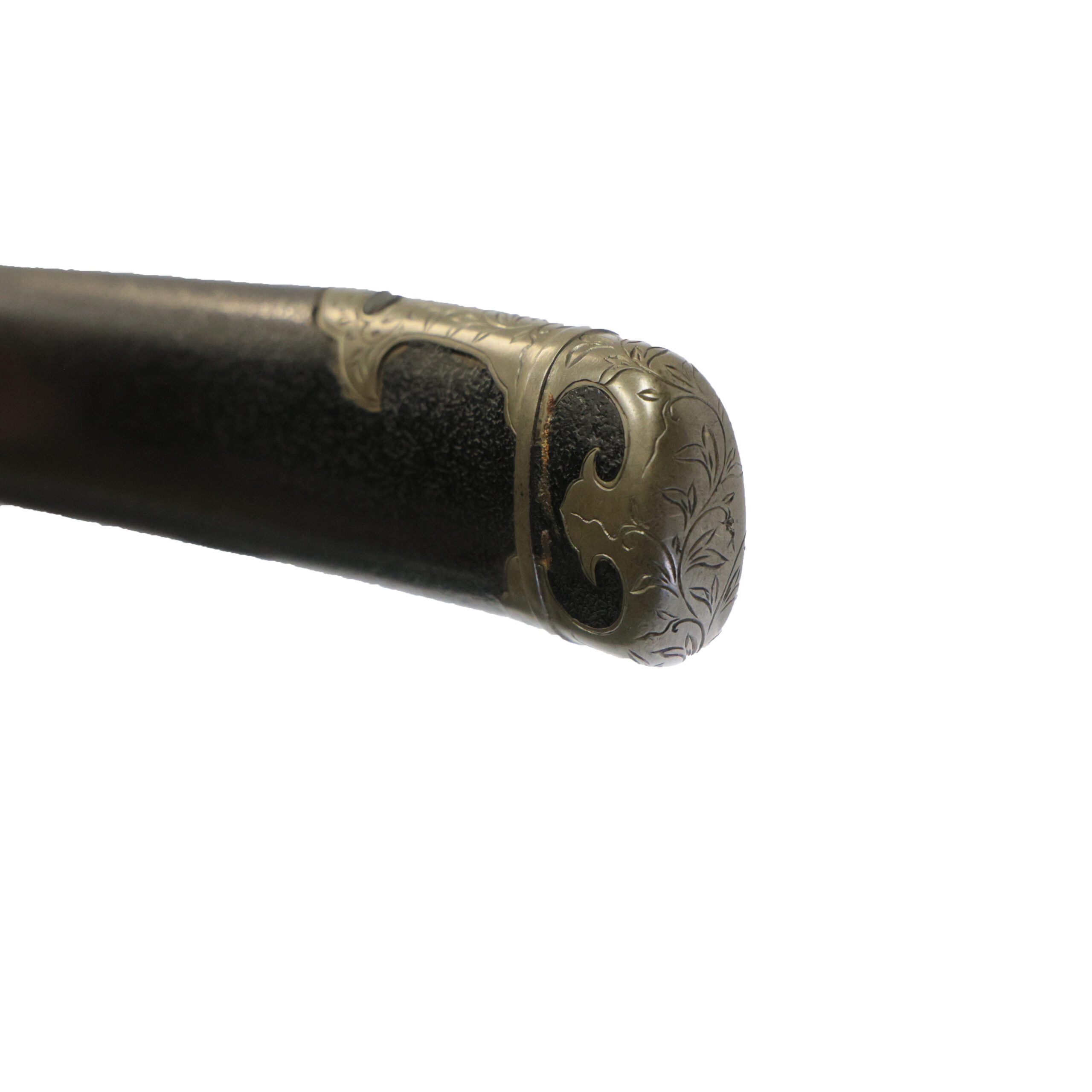
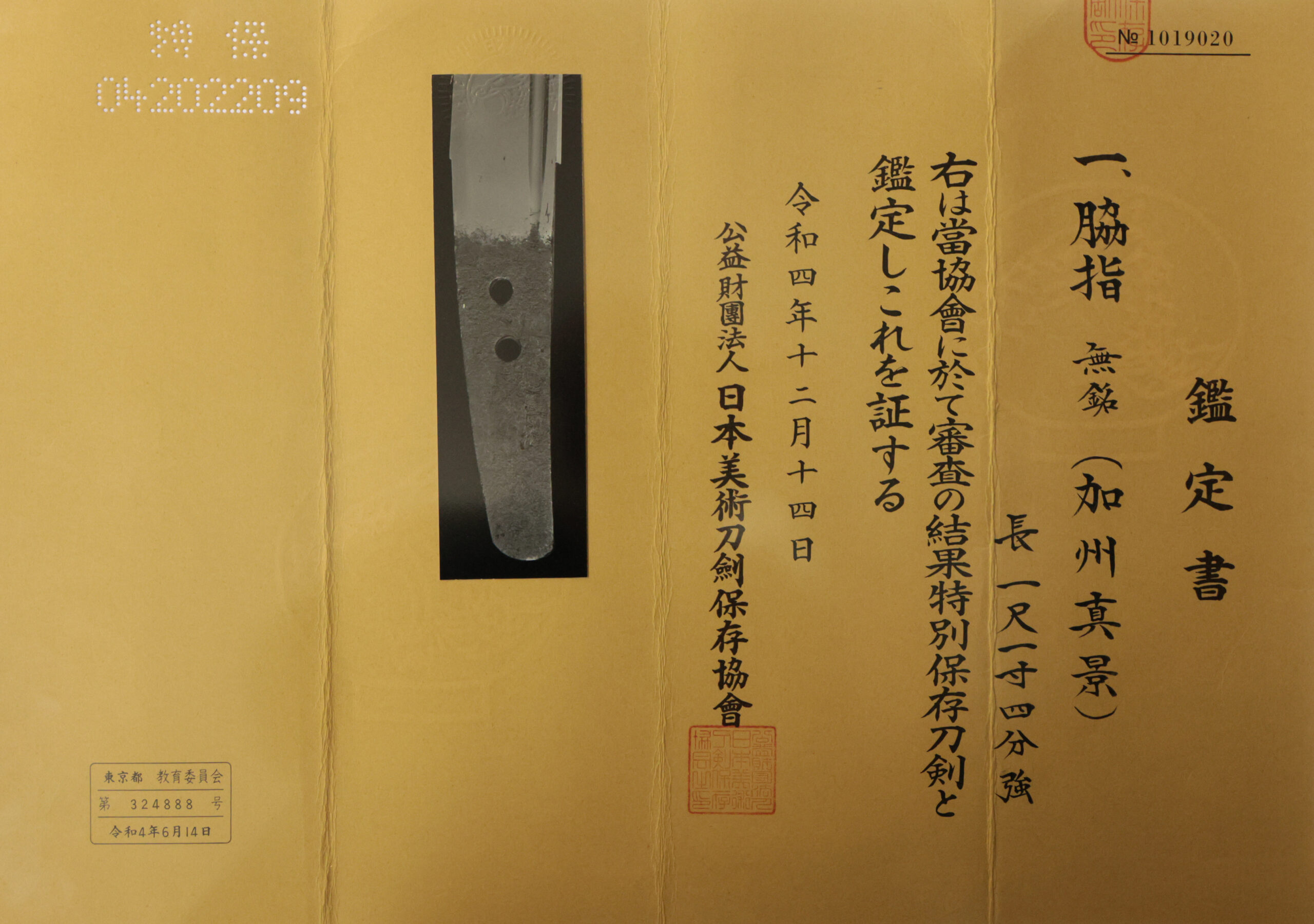
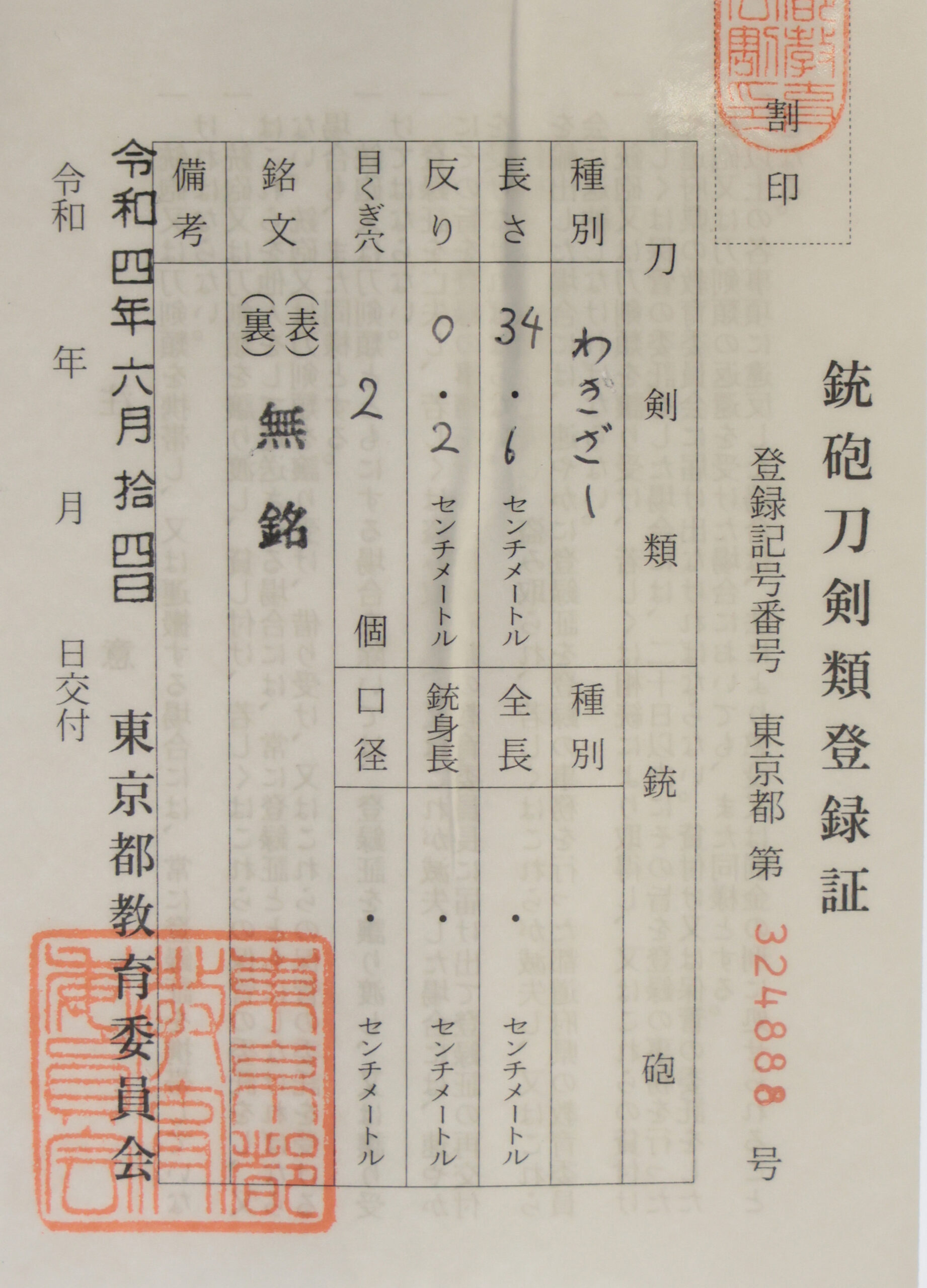
This blade is attributed to Kashu Sanekage (加州真景), who was active in the mid – late Nanbokucho period (南北朝: 1362-1375). Kashu is the province’s name in Today’s Ishikawa prefecture, and it is also known as Kaga province. It is said that he learned the sword-forging techniques from Etchu Norishige (越中則重). Kashu has been known for many renowned swordsmiths for a ling time. Although it was not clear when the sword-forging was begun there, it is said that Sanekage was one of the founders of sword-forging in Kashu province along with Fujishima Tomoshige, another renowned figure in this region. When Sanekage was active in the Nanbokucho period, Japan was tumultuous because the imperial court was split into two sides(south and north). There were many conflicts, and many Samurai were deployed. And Sanekage must have dedicated himself to forging high-quality blades for those Samurai who fought in battles. Historical Background The Nanbokuchō period (1336–1392) in Japan refers to a time when two rival imperial courts existed simultaneously and were in conflict with each other. During this period, Emperor Go-Daigo (後醍醐天皇) established the Southern Court (南朝) in Yoshino (located in present-day Nara Prefecture), while Ashikaga Takauji (足利尊氏), the founder of the Ashikaga shogunate, set up the Northern Court (北朝) in Kyoto. This division led to nearly 60 years of political instability and conflict, as both courts claimed legitimacy as the true imperial authority. The era was marked by ongoing warfare and shifting alliances, reflecting a broader transition of power from the imperial court to the samurai-led military government. The conflict eventually came to an end in 1392, when Ashikaga Yoshimitsu, the third shogun of the Ashikaga shogunate, succeeded in reunifying the two courts under a single imperial line. It is appraised as a Tokubetsu Hozon Token (特別保存刀剣) issued by NBTHK (Nihon Bijutsu Touken Hozon Kyokai: 日本美術刀剣保存協会). *Please keep in mind that there are a few kitae kizu and black rust spots on this blade. Fuchi-Kashira The theme of this fuchi-kashira is the nindō (忍冬) motif, a type of scrolling vine design known as karakusa (唐草). This pattern is inspired by the tendrils and leaves of the honeysuckle plant, characterized by its flowing, continuous curves. Its origins can be traced back to palmette motifs of ancient Egypt and Greece, which spread along the Silk Road to China and were later introduced to Japan during the Asuka and Nara periods (7th–8th centuries). The motif symbolizes longevity, prosperity, and vitality, and was widely used in Buddhist art, as seen in the roof tiles of Hōryū-ji Temple and treasures preserved in the Shōsōin Repository. Tsuka and Menuki The motif of this Menuki is a turnip (蕪, Kabu). Kabu is one of the seven herbs of spring in Japan. People eat these herbs on January 7th, hoping for good health, and it is believed that it would protect people from evil spirits. And it is also said that the word “Kabu (蕪)” was said to be associated with the word “Kabu (頭, head)”, another pronunciation of Kashira (頭). Therefore, a turnip has been cherished as a food of good luck among Samurai families, who hoped to become the head or leader. ※ Please note that part of the handle wrapping (tsuka-ito) shows a minor repair. Tsuba and Habaki This tsuba depicts a figure wearing an eboshi (烏帽子), a type of traditional cap worn by aristocrats during the Heian period (794–1185), alongside a willow tree (柳). In the Heian period, willows were especially admired for their fresh, light green color—known as yanagi-iro (willow green)—which symbolized the arrival of spring. They were beloved by court nobles and frequently appeared in poetry, garden design, and along the streets of the capital, adding a refined and elegant atmosphere. In classical Japanese poetry, such as the Kokin Wakashū (古今和歌集), willows were often paired with cherry blossoms and came to represent the colors and beauty of spring in the imperial capital. As such, the willow became a deeply rooted symbol within court culture. Kozuka The motif of this kozuka appears to depict Guan Yu(関羽), a legendary hero from the Chinese historical epic Romance of the Three Kingdoms (三国志). Guan Yu is widely celebrated as a god of war, renowned for his unmatched strength and bravery in battle. However, in this scene he is portrayed in a rare, quiet moment—seated calmly and looking at a scroll in his hands. The figure behind him, who seems to be peering over with a slightly stern expression, is likely Zhou Cang (周倉), one of Guan Yu’s loyal attendants. Based on his appearance, he is thought to be carrying the Green Dragon Crescent Blade (青龍偃月刀), a long-handled, single-edged weapon closely associated with Guan Yu. This weapon is famous as a symbol of Guan Yu’s martial prowess in the novel and is said to have weighed as much as 48 kilograms. Saya *Please keep in mind that the lacquer coating is partially missing due to the age. The surface of this Saya is decorated with the Ishime-Ji (石目地). Its base was hit by Tagane (鏨, chisel for metalworking), and it makes a rough surface that seems stone. Authentication Paper They authenticated the blade on December 14th in the 4th year of Reiwa (2022). They appraised it as Tokubetsu Hozon Touken, the blade especially worth preserving for Japanese society.
Offered by Samurai Museum
2 on the market

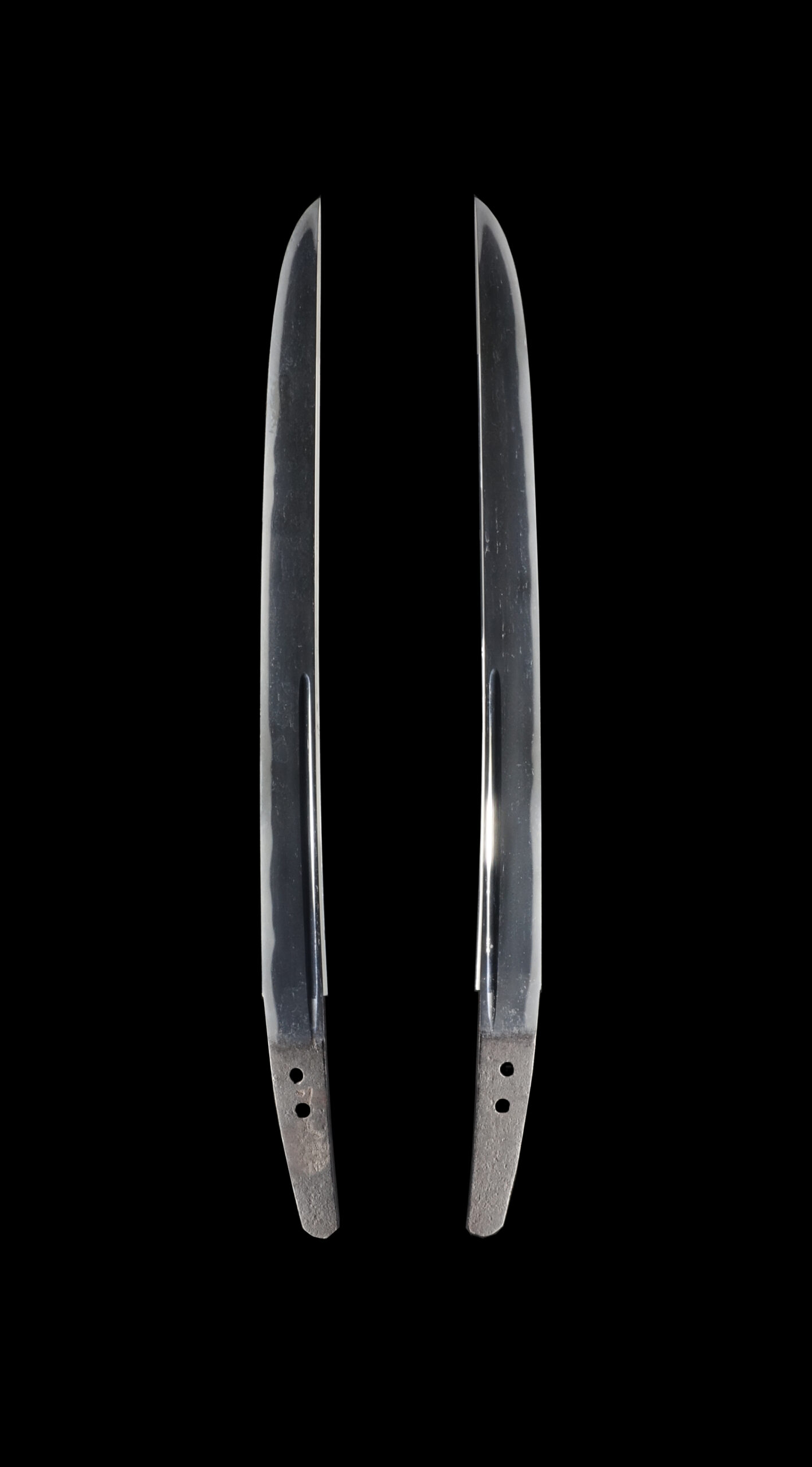
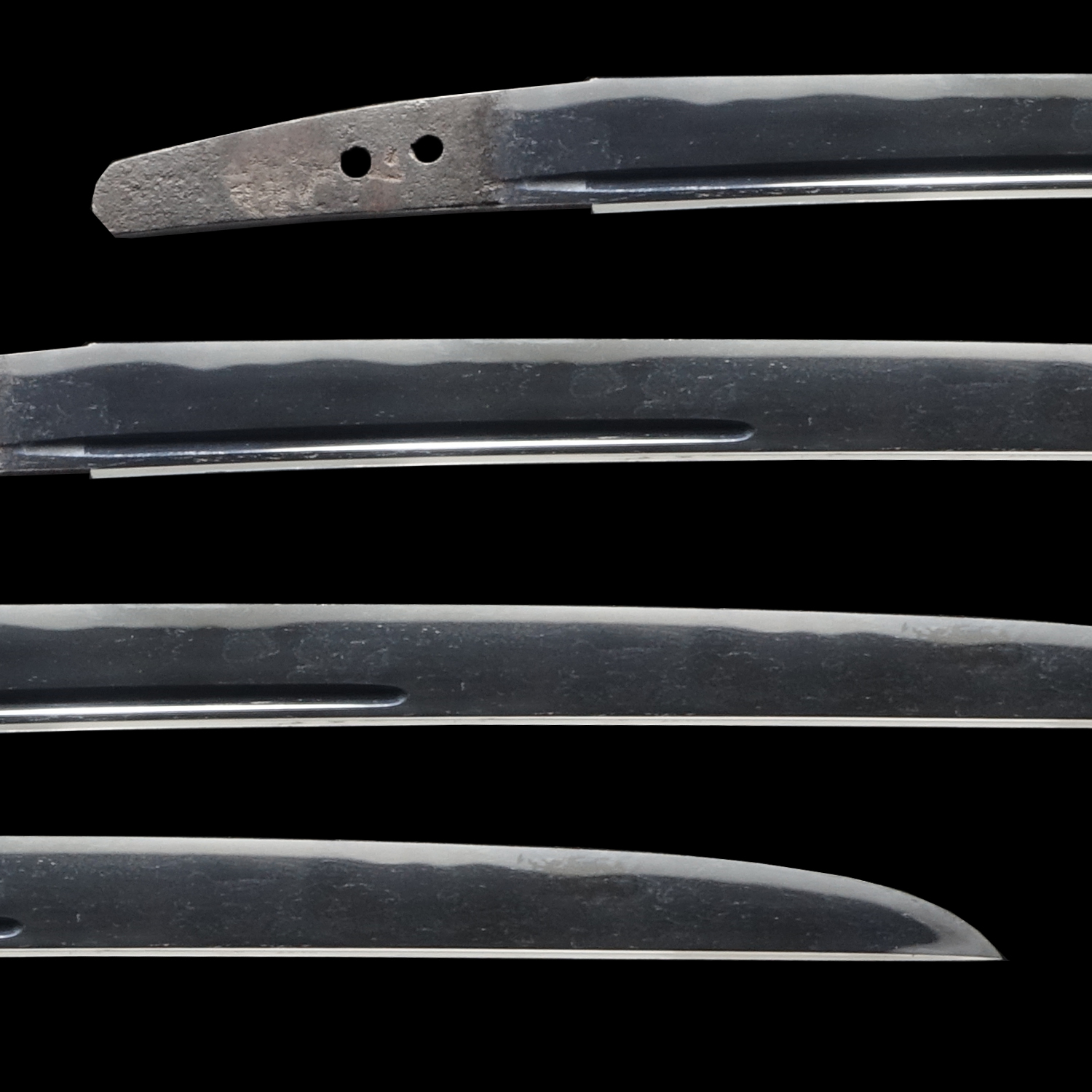
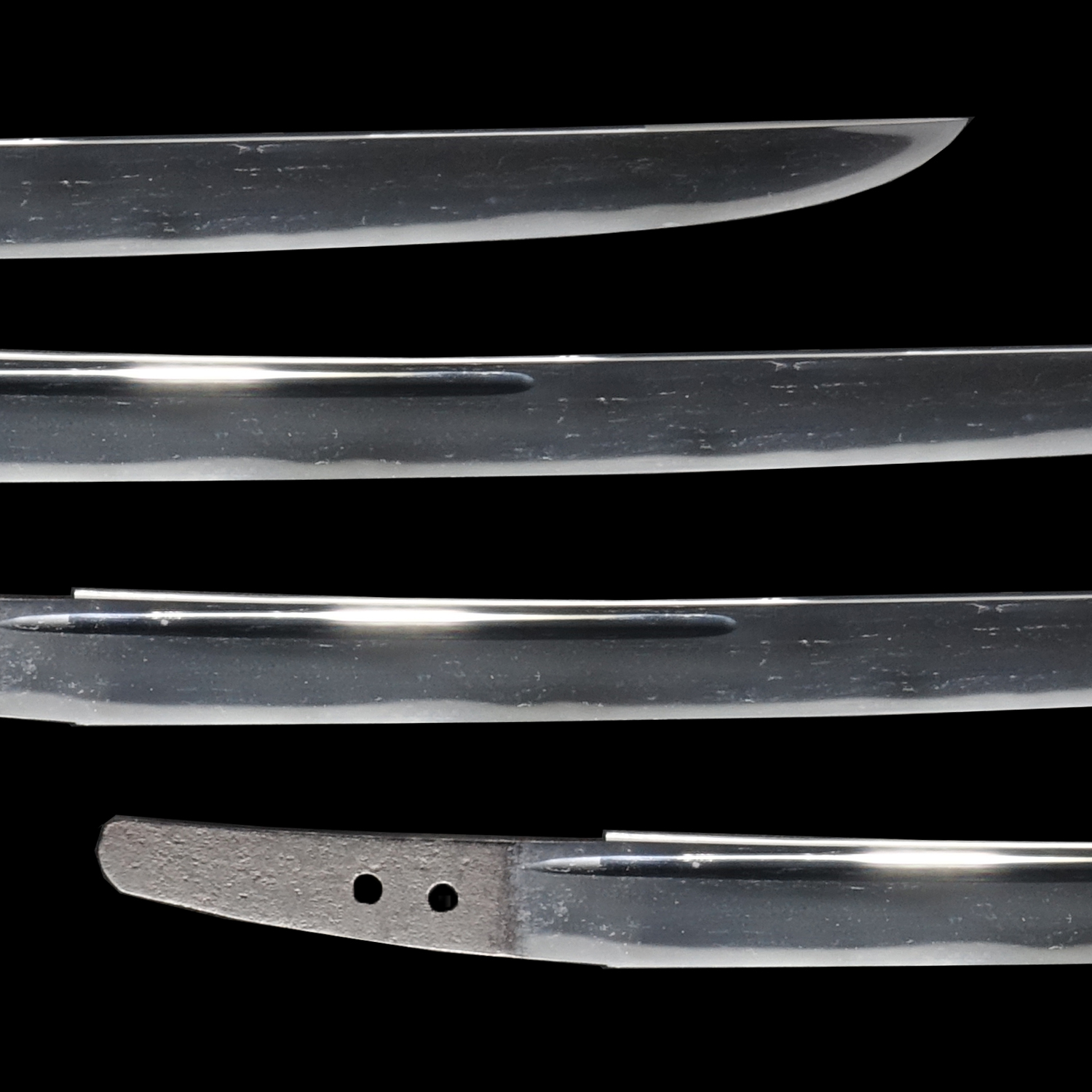
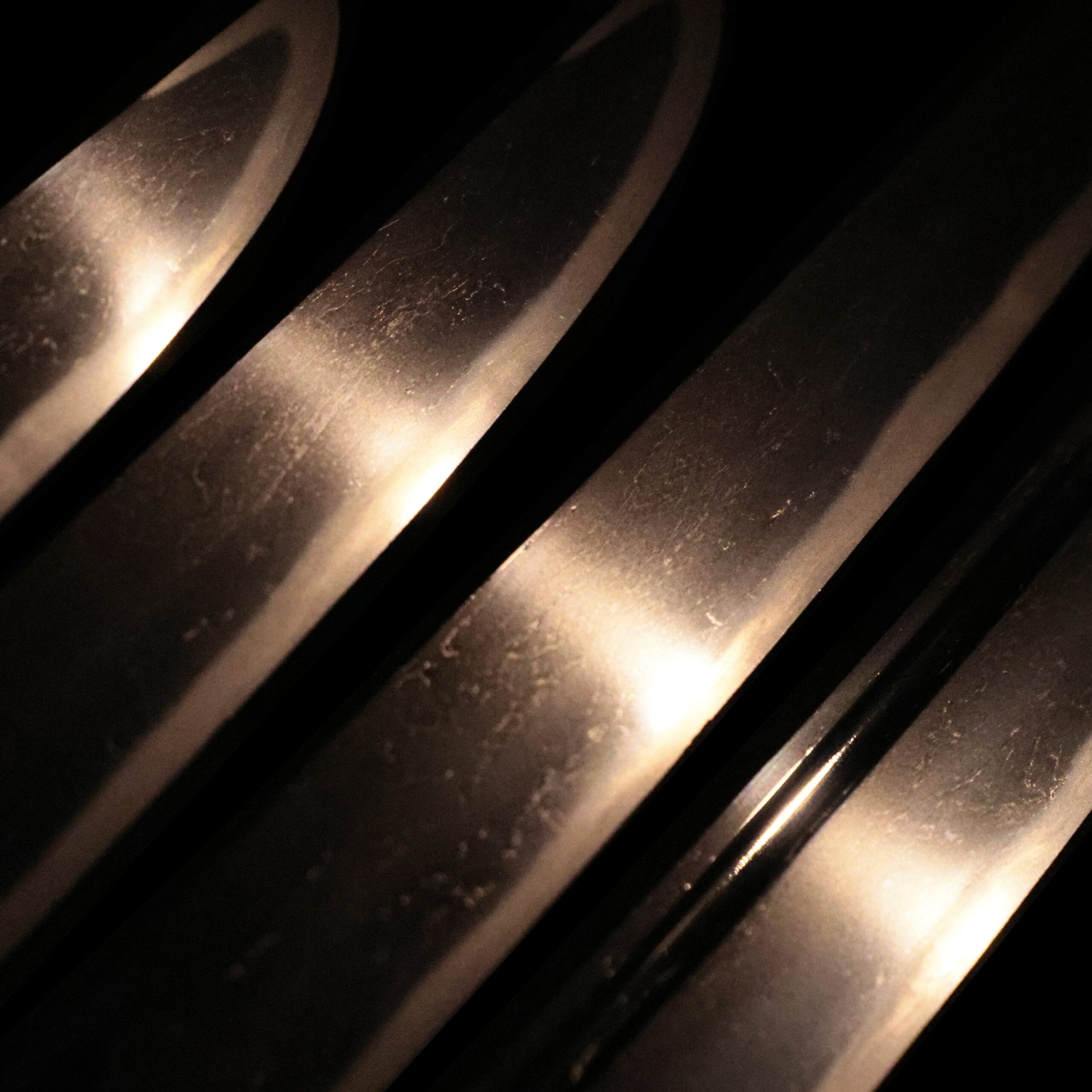
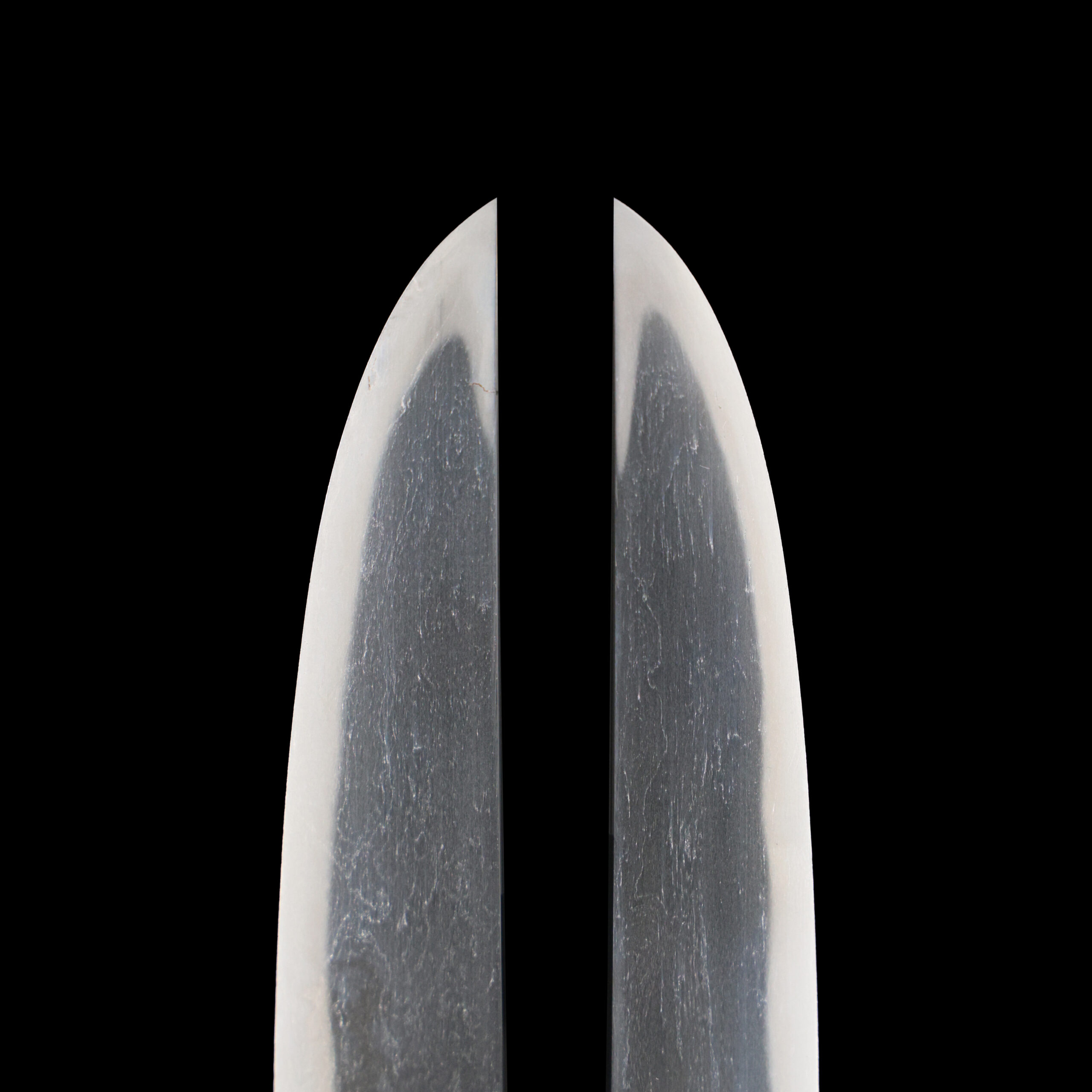
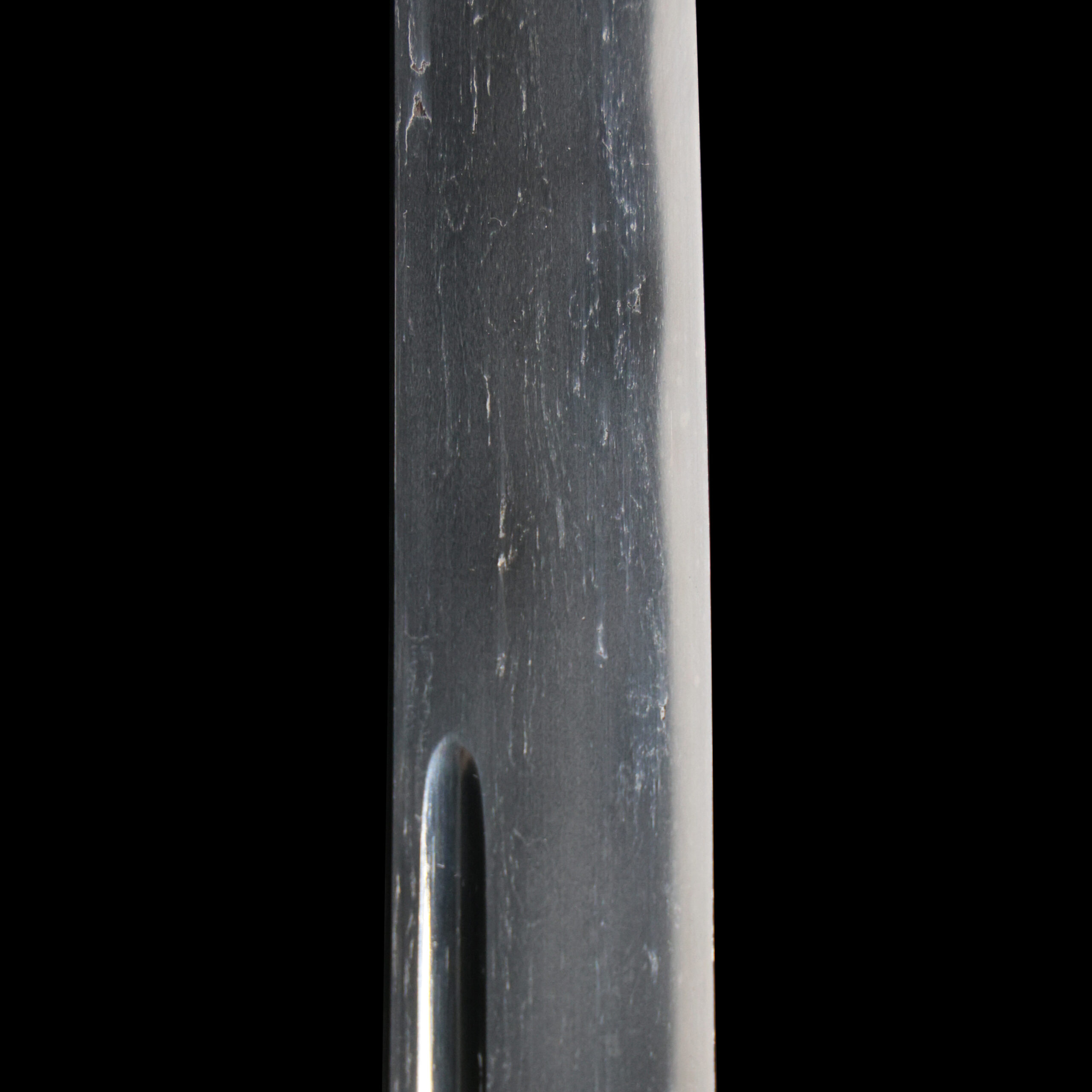
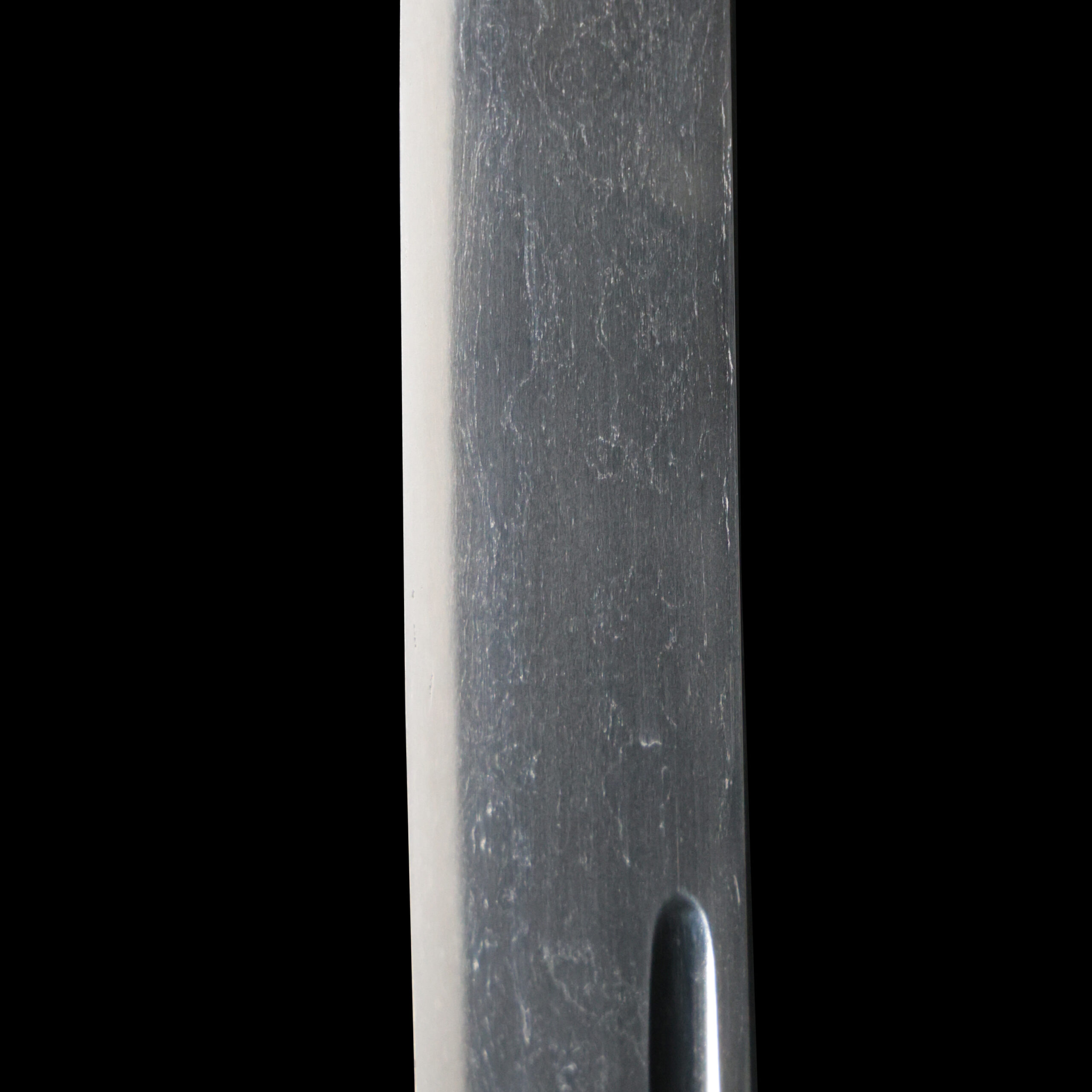
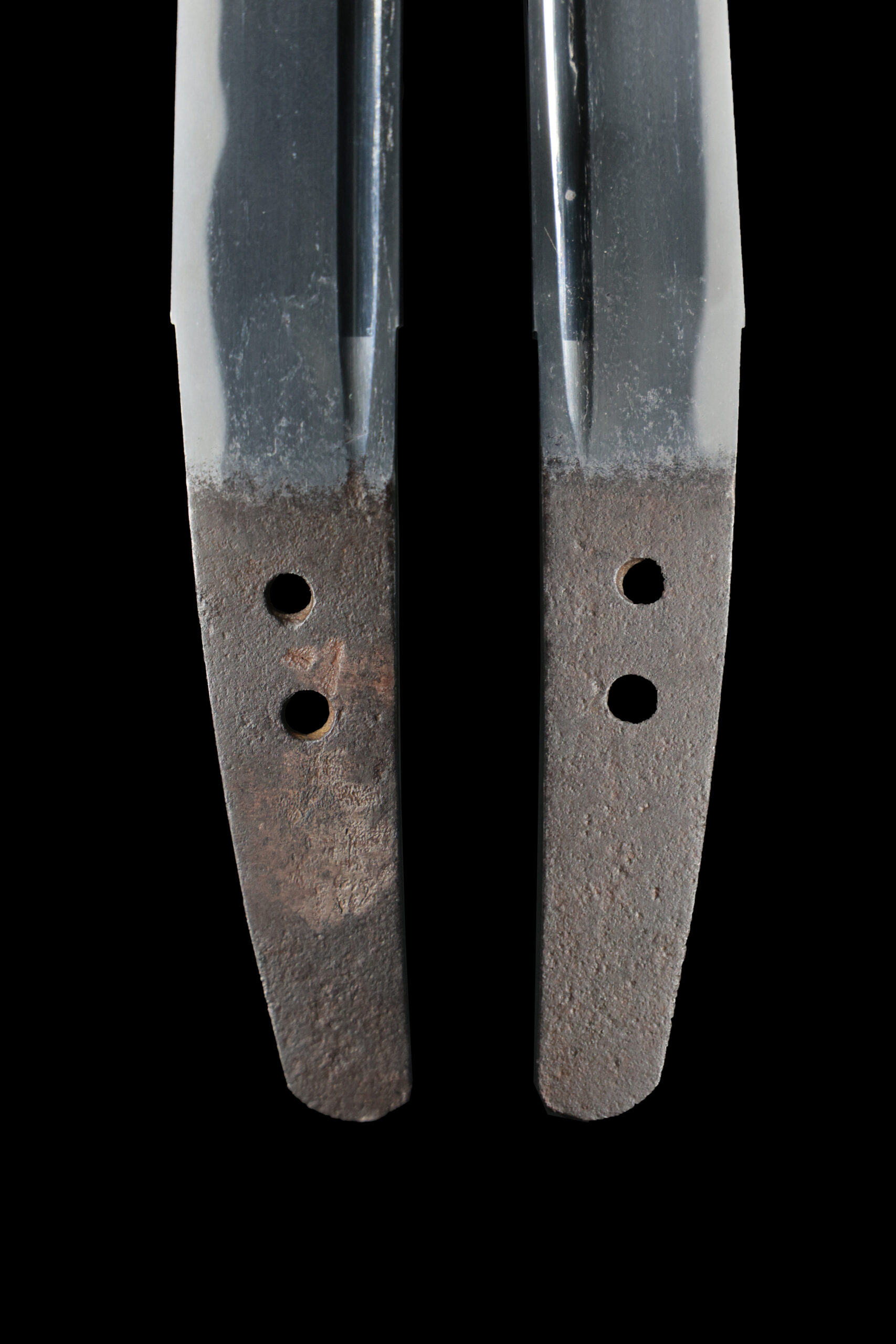
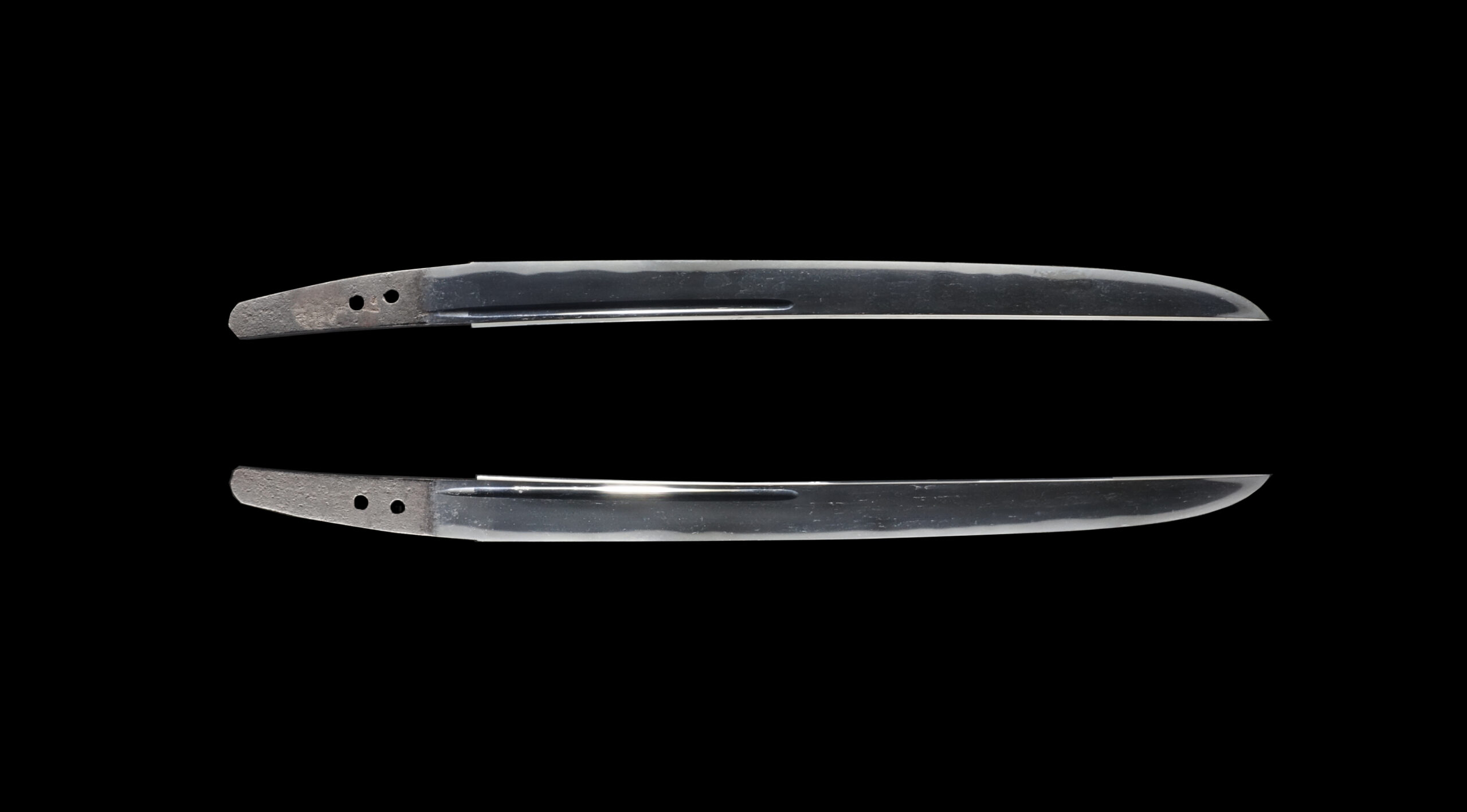

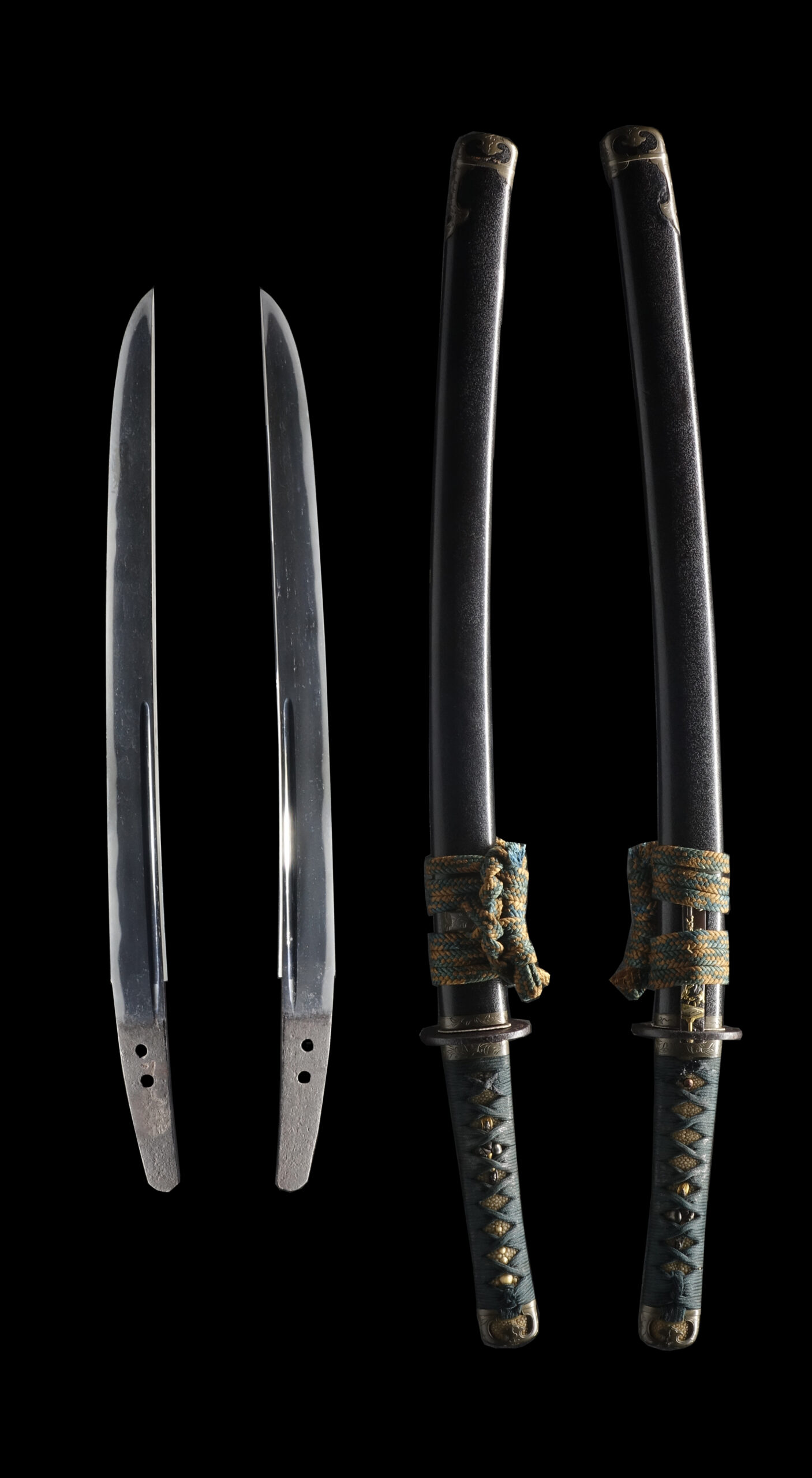
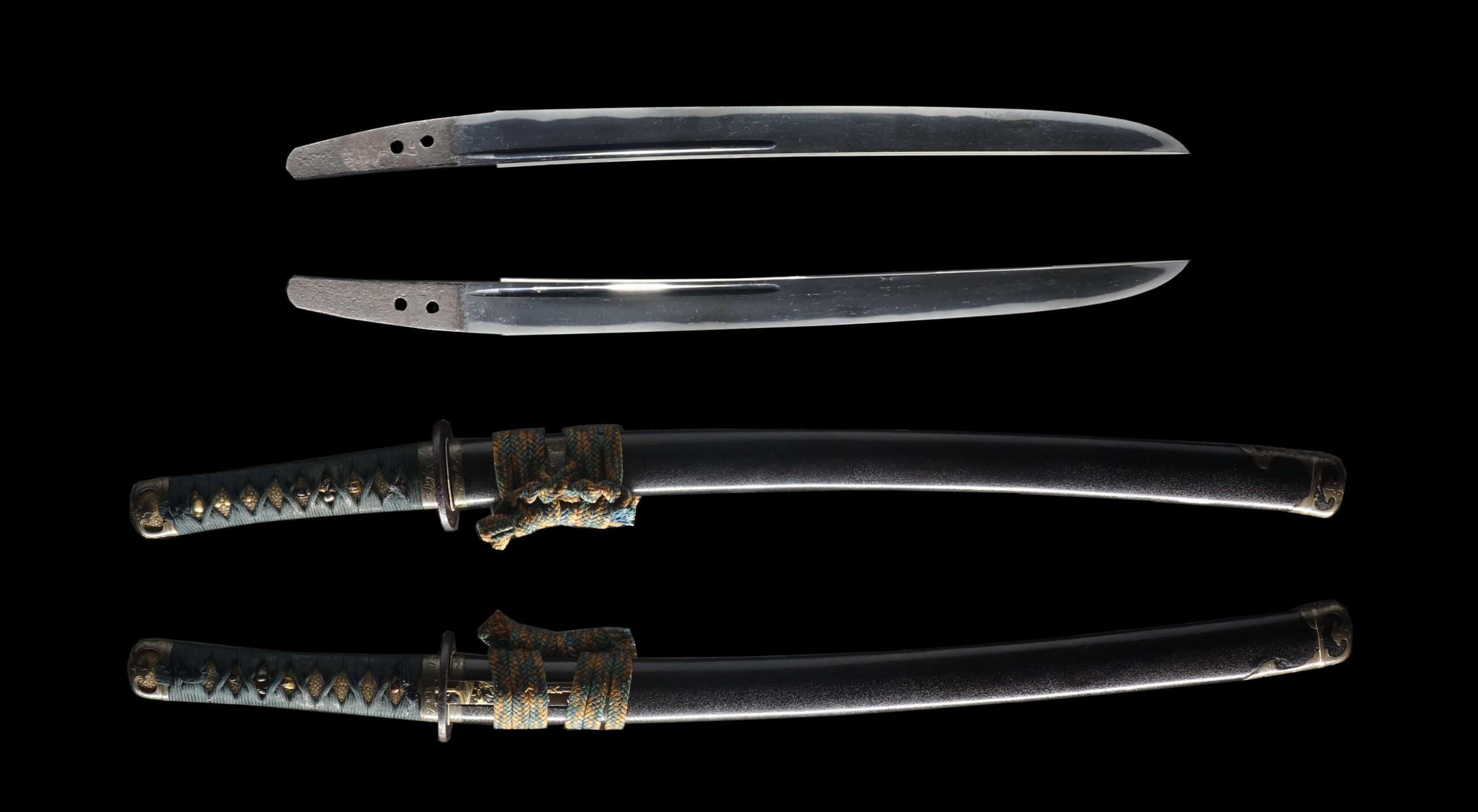
Kaga (Hokurikudo Soshu-den, the Norishige line) · Kaga · around 1362-1368
Fujishiro Jo-jo saku · Tōken Taikan top 11%
2 pieces on the market now
Only one of Sanekage's signatures carries a date, and it settles almost everything known about him: a hira-zukuri tanto inscribed Fujiwara Sanekage on the omote and Joji 6, second month on the ura, the year 1367, a blade that became an Important Cultural Property and that fixes both his province and his period. Sanekage worked in Kaga in the Nanbokucho years, and the published sources count him in the line of Etchu Norishige, the smith who had carried the Soshu tradition north out of Sagami a generation or two before. They transmit him as Norishige's pupil who later moved to Kaga, but they qualify the link on the dates: Norishige's own signed works fall in the Showa and Gen'o eras at the end of the Kamakura period, while Sanekage signs Joji, two reigns later. The gap is too wide for direct discipleship, and the judges read the connection as an inherited manner rather than a master-and-student bond, a smith who took up the Norishige hand at one or two removes and made it the leading Soshu-den style of his province.
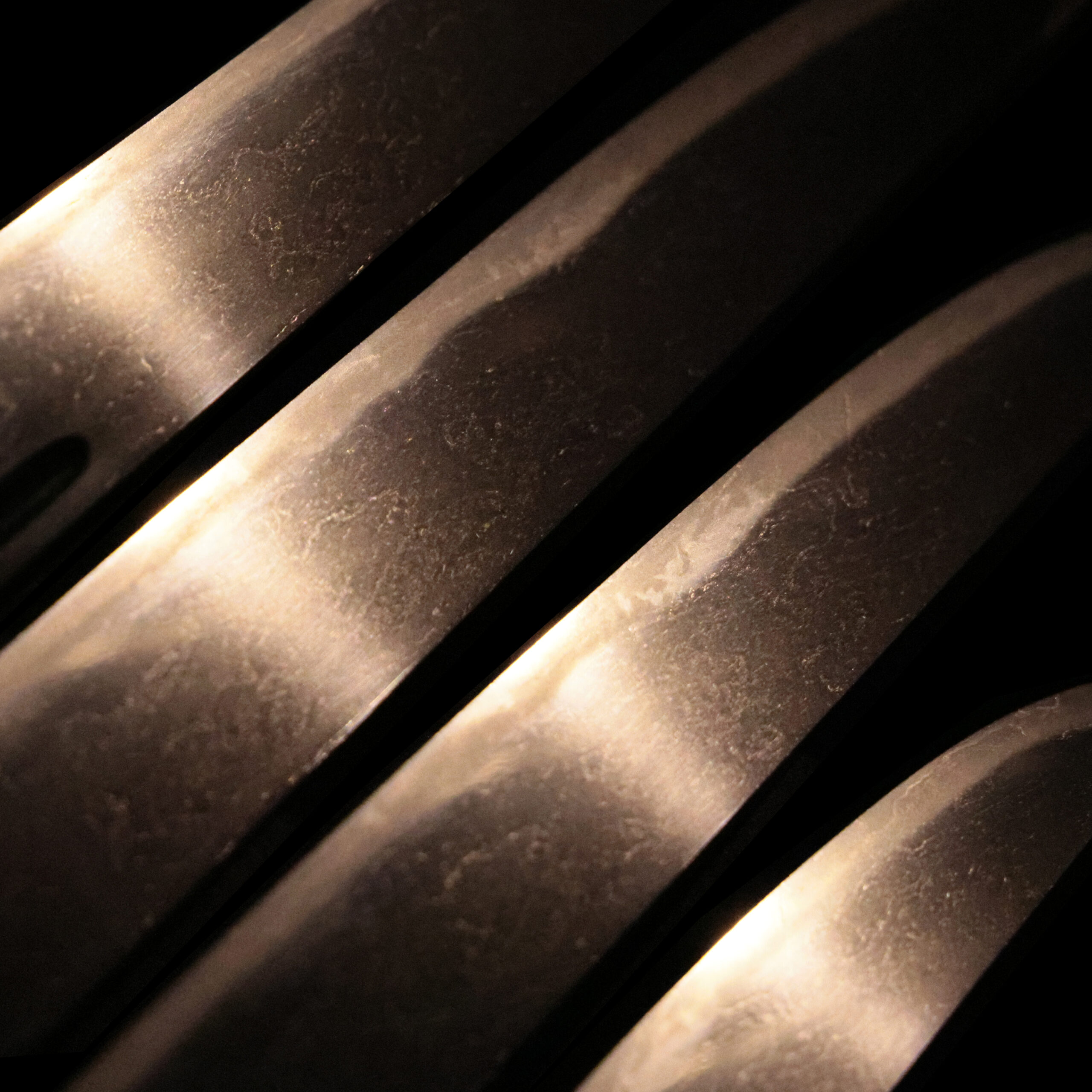
His is a nie-laden hand built on a standing itame. Over a forging of itame, often mixed with mokume and large grain, the surface stands out rather than lying flat, with thick ji-nie gathered on it and chikei entering well, the dark lines of steel that mark the Norishige descent. Onto that jigane he sets a notare mixed with gunome, the nie strong and deep, and through the temper run long sunagashi, often layered several deep, with kinsuji breaking through, hotsure fraying the habuchi, and uchinoke and yubashiri scattered along it. The boshi turns in midare-komi with frequent hakikake, finishing in a small round or sweeping to a yakizume point. It is the activity that the published sources keep naming as his tell, and they describe one greatly shortened katana as showing 「則重に直結する出来を示している」, workmanship connecting directly to Norishige.
The jigane is where his province speaks. The steel runs dark, whitish in the grain over a blackened underlying tone, a color the judges name again and again as a northern-country feeling. It is the half-step that separates him from his model: his itame does not stand as strongly as Norishige's, and against the work of the Sagami homeland the judges find his blade wanting in clarity, writing of one katana that 「相州本国の作に比してはどこか野趣が感じられる」, that compared with the works of the Soshu heartland a certain rusticity is felt in it. That rusticity is not a fault in their account but a fingerprint. The same commentary that calls his manner 「いわゆる則重風を見せている」, showing the so-called Norishige style, sets it down as the work of a country hand who inherited a great tradition and kept its vigor while losing its polish.
Two registers run through his record. The great body of it is the o-suriage mumei katana, shinogi-zukuri blades shortened from longer Nanbokucho tachi, shallow in sori, the kissaki a chu-kissaki or an o-kissaki, attributed to him from the ji and ha alone. Against these stand his rare signed pieces, all tanto and a single wakizashi, hira-zukuri and slightly sun-nobi, the long four- and five-character signatures cut with a fine chisel, several carrying devotional carving, bonji with suken or with gomabashi at the base. A few of the signed tanto are tempered instead in a purely executed narrow suguha with ko-ashi, the calm manner that sits beside his more flamboyant nie work. From the signatures themselves the judges separate generations: a first hand who signs finely and dates to Joji, and a second-generation Fujiwara Sanekage cut with a thicker chisel, judged a skilled smith second only to the first and now recorded under his own entry, so the one name probably spans more than a single lifetime.
What sets Sanekage apart is exactly the distance the published sources measure between him and Norishige. He is held to the Etchu master by the standing hada, the thick ji-nie, the chikei and the nie-laden notare, and he is held away from him by the darker steel and the northern cast, the rusticity that the heartland work does not have. The published commentary on his Important Cultural Property tanto draws the balance plainly, naming in it 「則重伝を継承した加州真景の特色」, the features of Kashu Sanekage as an inheritor of the Norishige tradition. He is not the source of that tradition but its provincial continuation, the hand through which the Soshu-den of Norishige became the nie-based style of Kaga.
For the collector Sanekage is a rare and well-defined northern name. Fujishiro grades him Jo-jo saku. He has no National Treasures; his record runs through one Important Cultural Property, the Joji 6 tanto, and through the Juyo tier, where forty-five of his blades are recorded across many sessions. The dated tanto, the judges note, is of exceptionally high documentary value because so few signed works survive, and his manner is rich in 「野趣に富み, 覇気に溢れる作域」, a workmanship full of rustic spirit and martial energy. His blades carry provenance to the Maeda, the lords of his own province of Kaga, with the dated tanto recorded in the Maeda Toshinari collection, and to the Nakagawa house. Signed Sanekage is among the scarcer things a collector of Soshu-den might hope to meet, the mumei katana coming to light from time to time and a dated signature only very rarely, a document of how the Norishige tradition lived on in the north.
Where Sanekage stands among comparable artisans: across all of nihontō, and within tradition, era, and period. The tiers (Foremost · Leading · Major · Notable) weigh official designations from the NBTHK and Japan's Agency for Cultural Affairs, together with historical honors of lasting repute such as the Sansaku and Meibutsu-chō.
Select a lens to see how it's measured.
Years he was demonstrably active, proven by signed-and-dated blades
Mino-den · Kaga
21 pieces on the market now
The Kaga inlay tradition (Kaga zōgan) emerged in Kaga Province during the early Edo period, centered on the castle town of Kanazawa under the patronage of the Maeda clan. This distinctive form of hira-zōgan is said to have developed when craftsmen specializing in stirrup decoration (abumi-shi) adapted their metalworking techniques to tsuba and other sword fittings, flourishing from the early seventeenth century through the Kyōhō era (1716–1736). Working against polished grounds of shakudō, shibuichi, or occasionally refined copper (suaka), these artisans created works characterized by their compositional sophistication and technical precision, establishing a regional aesthetic that would influence later generations of metalworkers. The hallmark of Kaga workmanship lies in its masterful deployment of multiple colored metals—gold, silver, copper, shakudō, and shibuichi—inlaid in flat relief against dark, highly polished grounds. Motifs range from naturalistic subjects such as autumn grasses, butterflies, and mandarin ducks beneath willows to more formal designs including paulownia crests and brocade wrappers, all rendered with meticulous kebori line engraving that adds refinement to the broader inlay work.
The compositions typically extend across the entire surface of the guard, creating an effect of visual richness and decorative abundance. Against jet-black shakudō or the warm tonality of suaka, the multicolored inlays achieve a luminous clarity, producing works of elegant splendor (fūryū) that balance technical virtuosity with restrained taste. The tradition's influence extended beyond its geographic center, with works attributed to Kaga methods appearing in collections throughout Japan. Large-scale presentation pieces demonstrate the school's capacity for ambitious design, while the consistent quality of execution across surviving examples suggests a well-established workshop system with shared technical standards. Though individual makers within the tradition rarely signed their work, the distinctive aesthetic—characterized by full-surface compositions, polished dark grounds, and precise multicolor inlay—remains immediately recognizable, preserving the legacy of Kanazawa's metalworking excellence through the Edo period. Learn more →
| Smith | Era | Designated |
|---|---|---|
| Sanekage真景 | 1362-1368 | 47 |
| Takahira高平 | 1621-1644 | 9 |
| Kagemitsu景光 | 1362-1368 | 4 |
| Ietsugu家次 | 1528-1558 | 2 |
| Kagehira景平 | 1661-1673 | 1 |
Mino in the Nanbokuchō period
Mino was founded, tradition holds, by immigrants: Kaneuji of the Yamato Tegai line settled at Shizu to work in the new Sōshū manner, so persuasively that later appraisers judged his best blades the closest of any to Masamune.
A Hozon-certified blade judged to show notably superior workmanship and a better state of preservation. The bar is higher: re-tempered blades and most unsigned Muromachi/Edo works are excluded.
The NBTHK (Nihon Bijutsu Tōken Hozon Kyōkai, the Society for the Preservation of Japanese Art Swords) is a public-interest incorporated foundation founded in 1948 and supervised by Japan’s Agency for Cultural Affairs (Bunkachō); it is based at the Japanese Sword Museum in Tokyo. Its expert panels physically examine each submitted work (shinsa) and issue a certificate (kanteishō) ranking it by artistic and historical merit. NBTHK papers are the most widely recognized standard of authentication for Japanese swords and fittings.
NBTHK official siteReturns/exchanges limited to defects caused by shipping (except willful misconduct or gross negligence by the company); customers must contact within 72 hours of receiving the product.
¥740,000
Certificate reading — 無銘(加州真景)