Hizen swords were a domain enterprise: the Nabeshima sent Tadayoshi to study under Umetada Myōju around 1596, then built a licensed school around him. Nine generations carried its famously consistent konuka-hada work into the Meiji era.
 NihontoWatchNihontoWatch
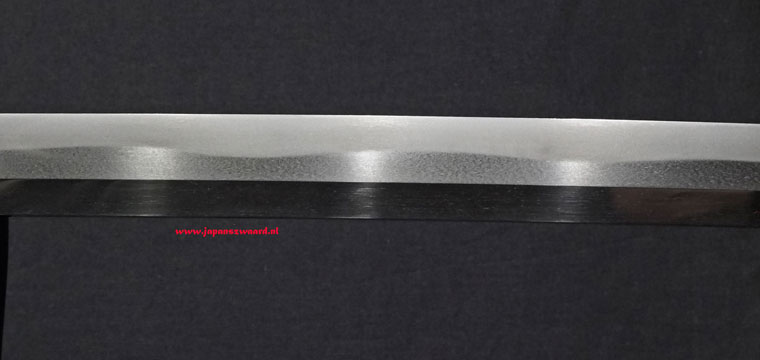
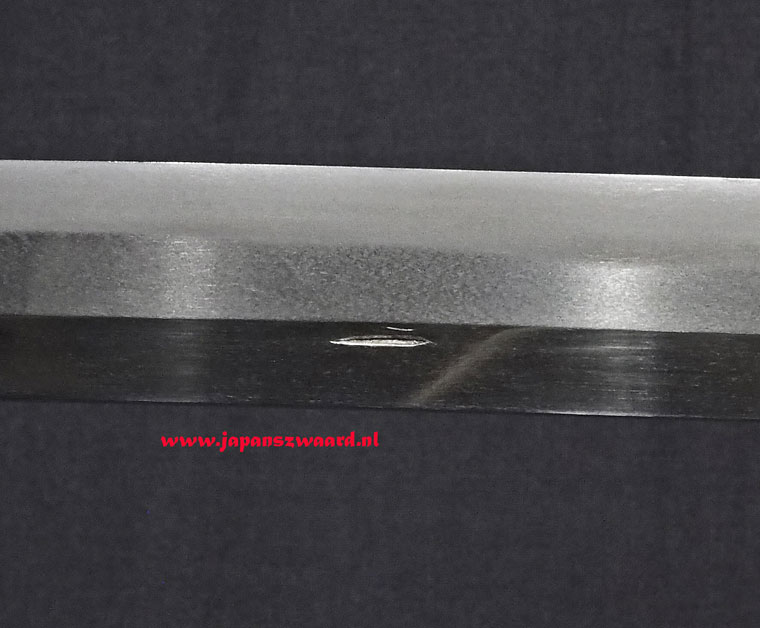
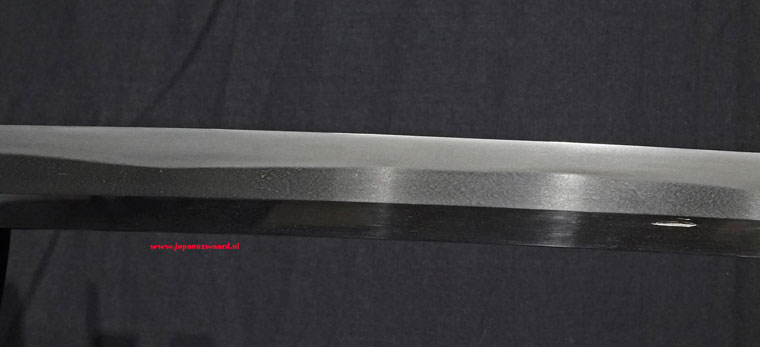
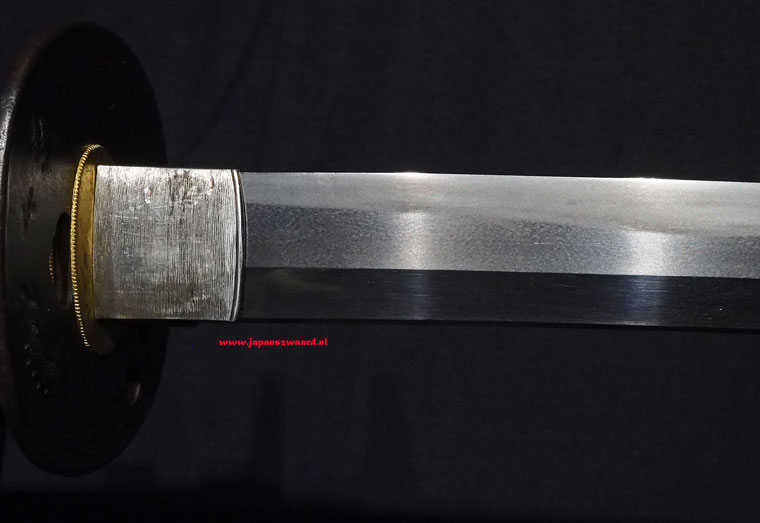
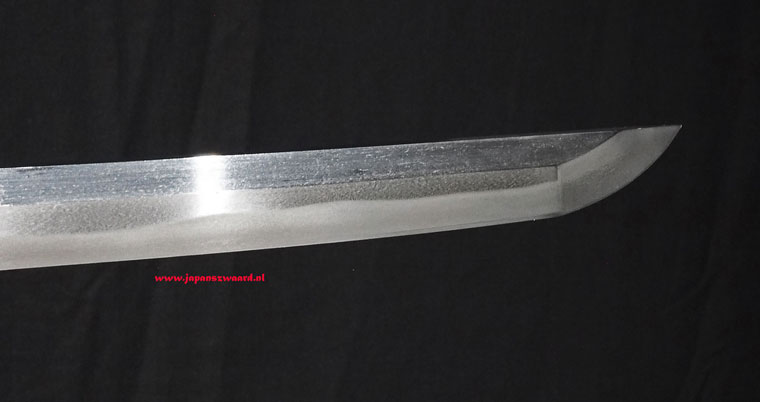
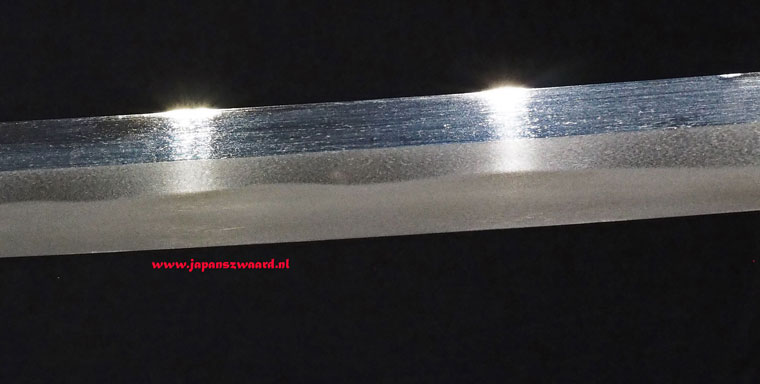
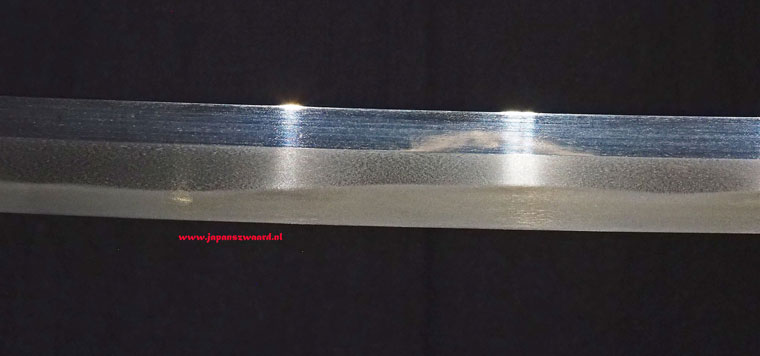
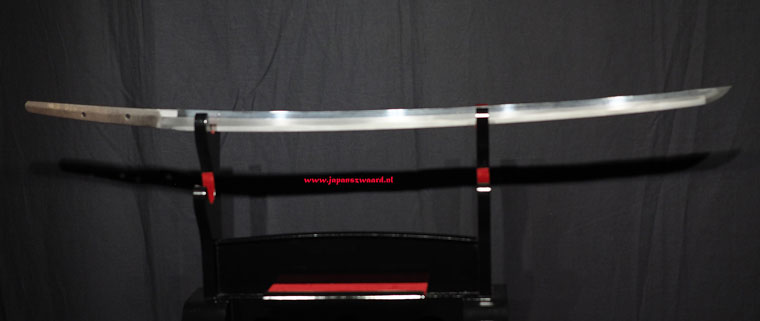
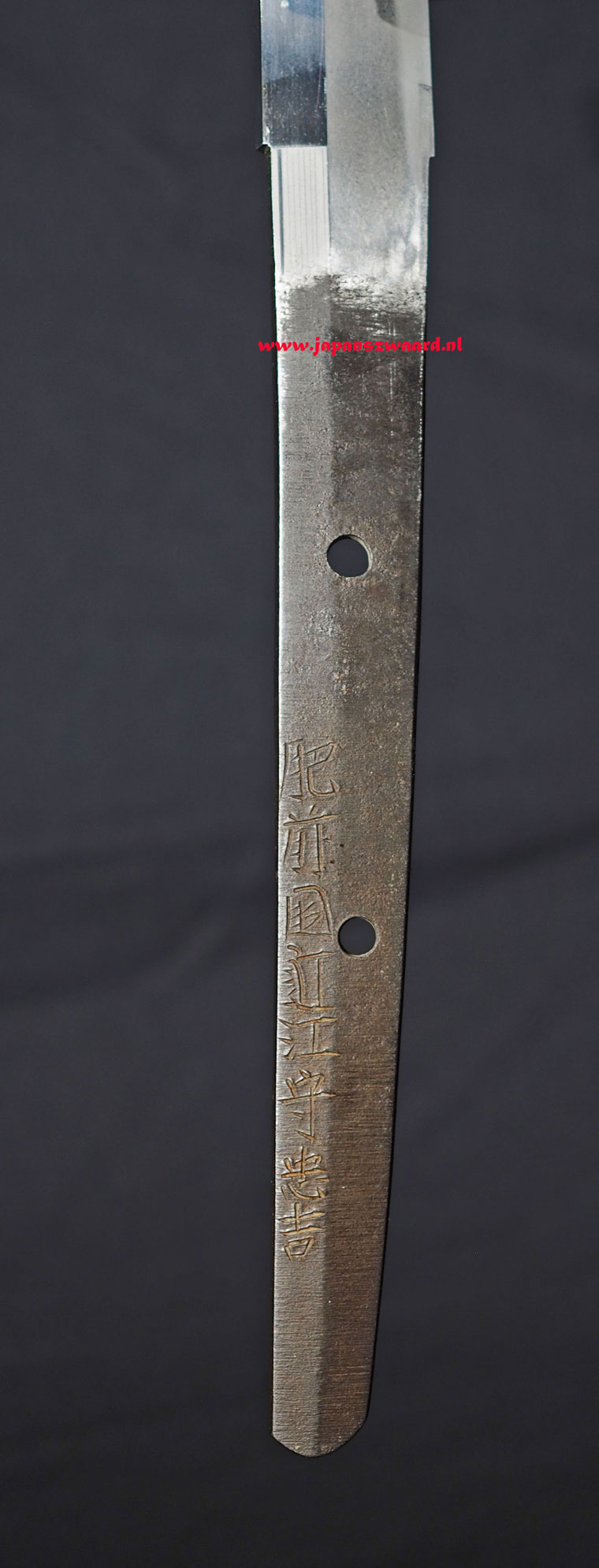
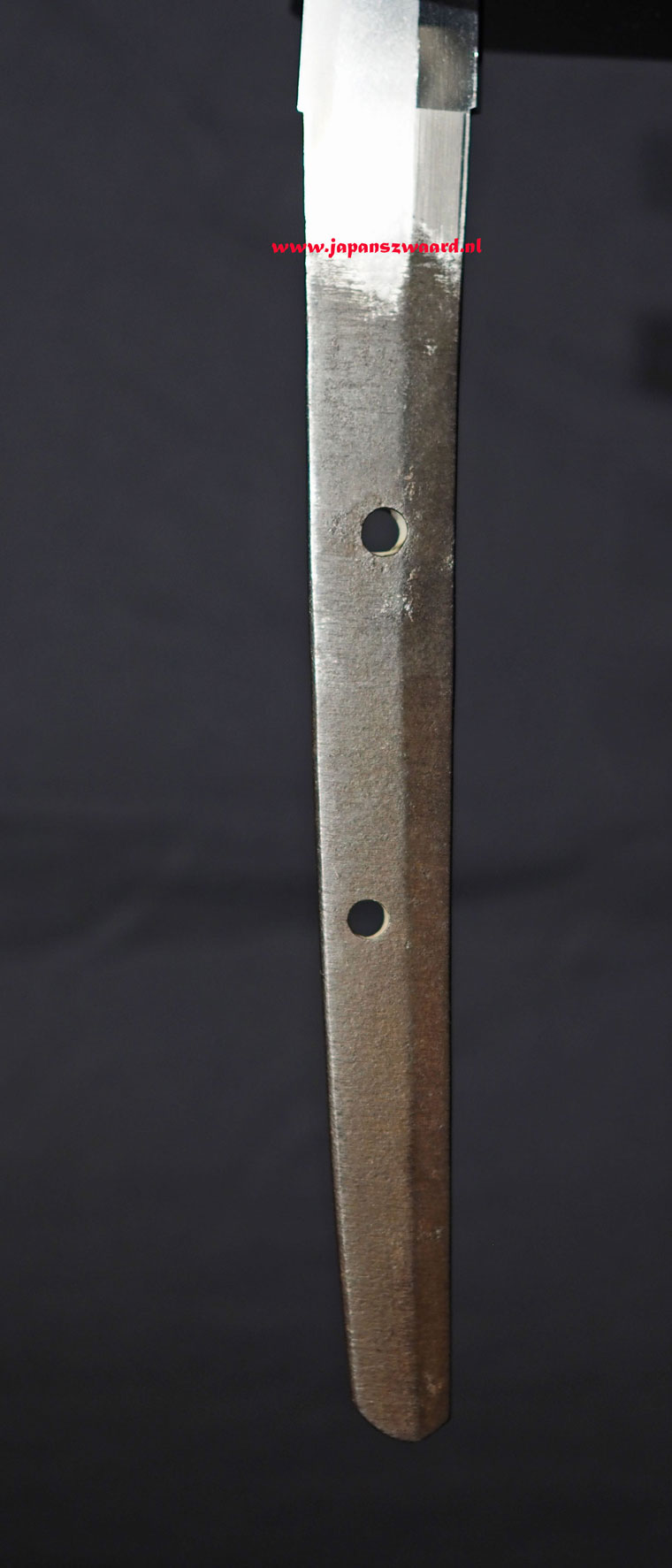
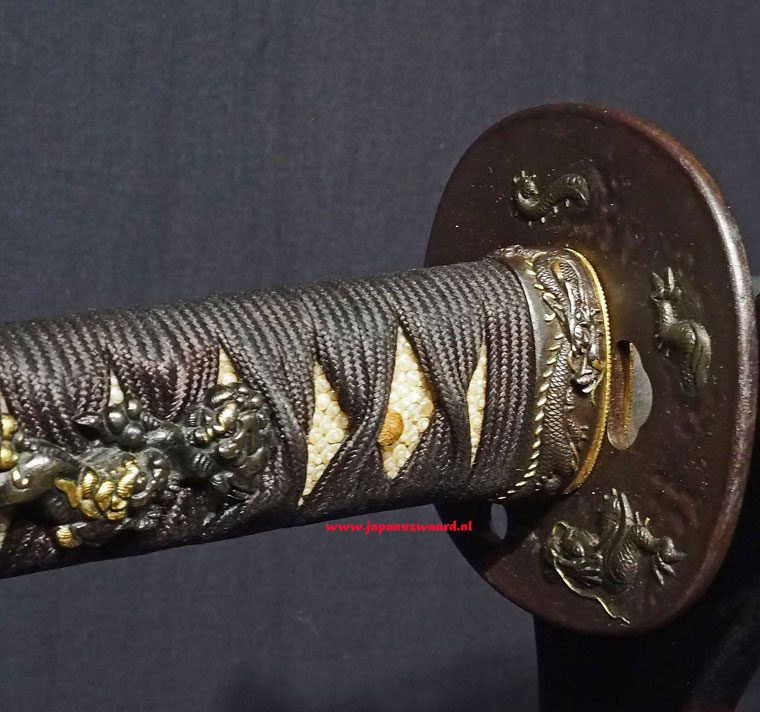
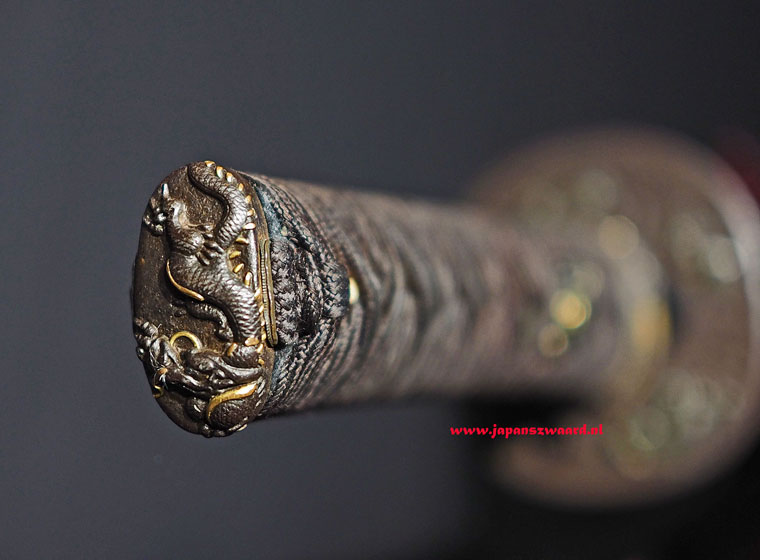
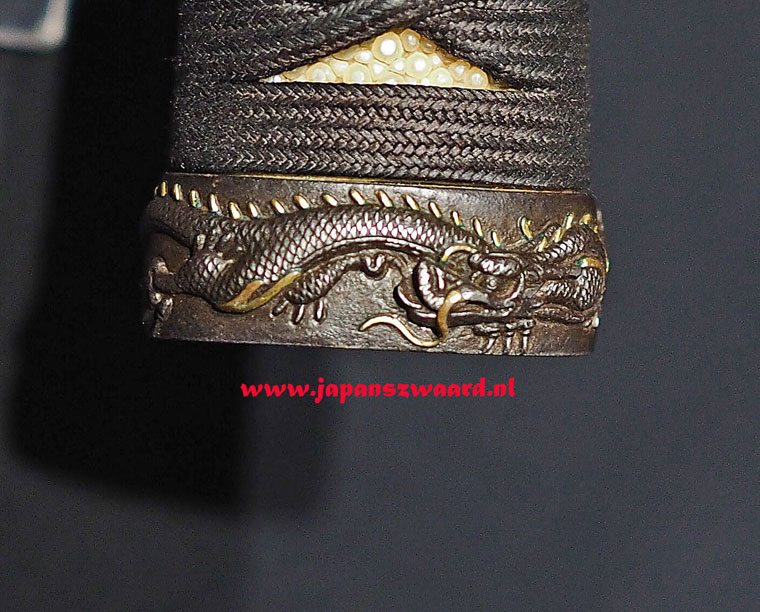
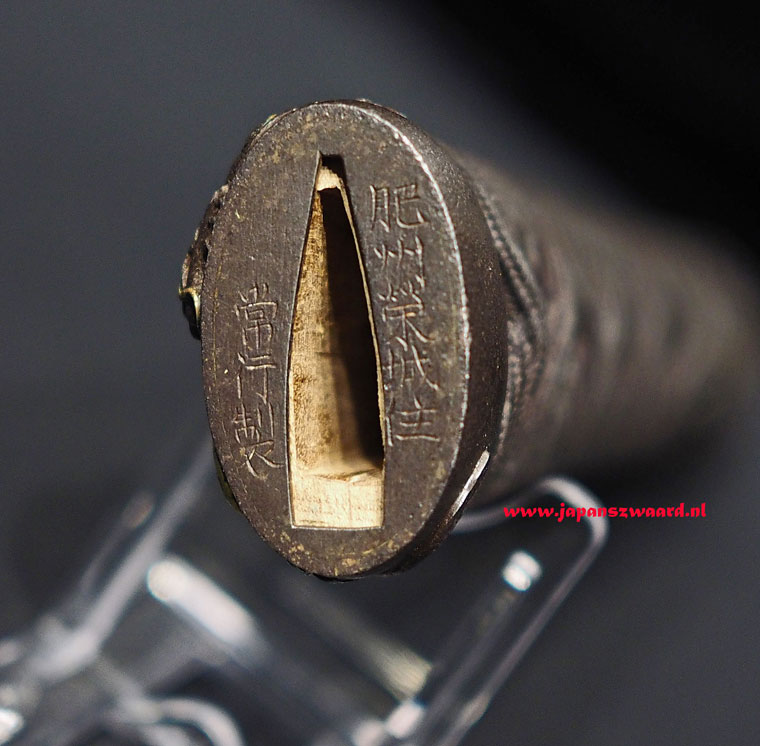
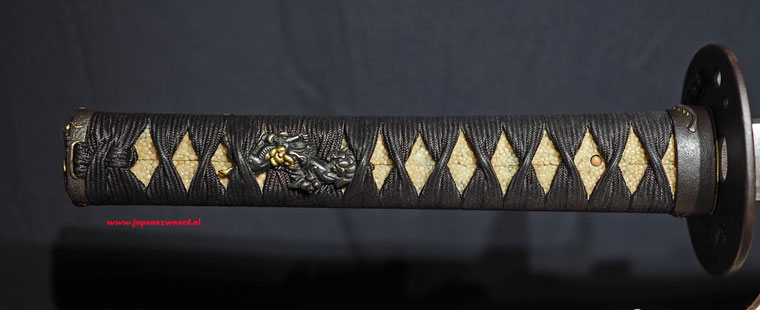
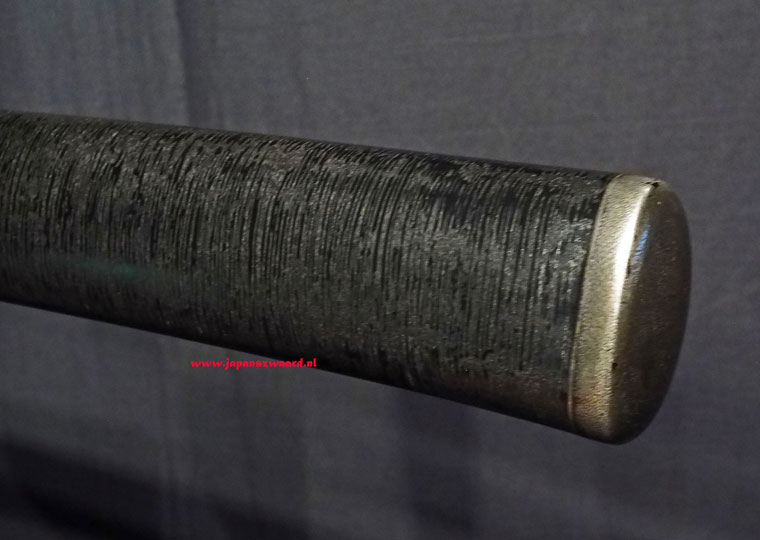
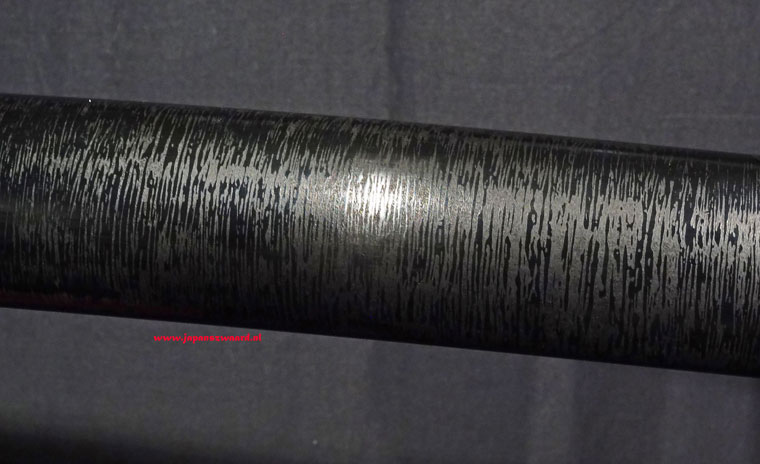
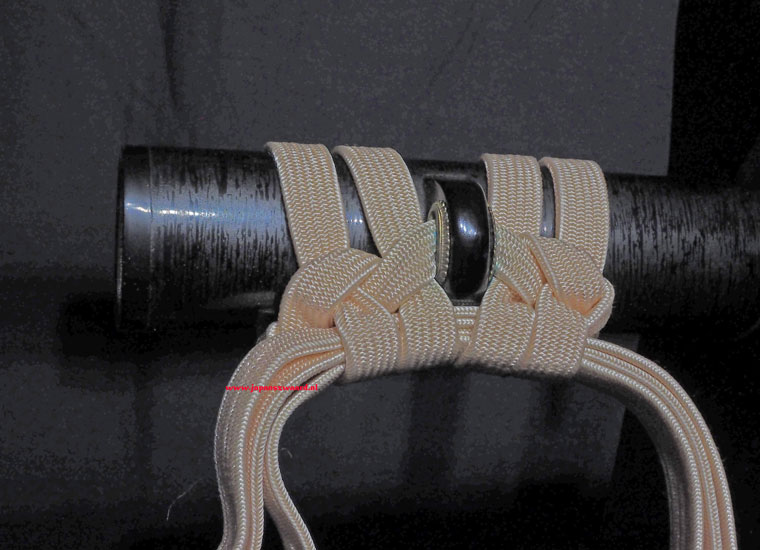
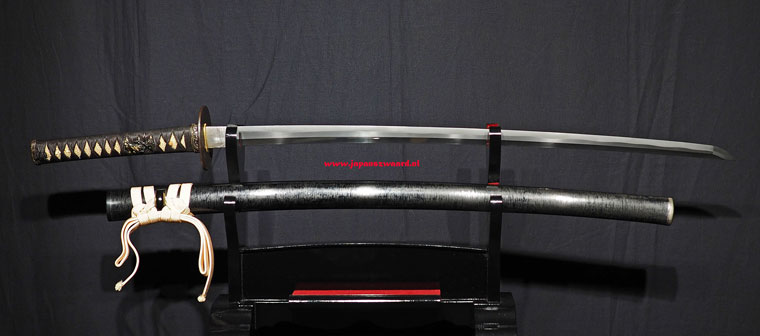
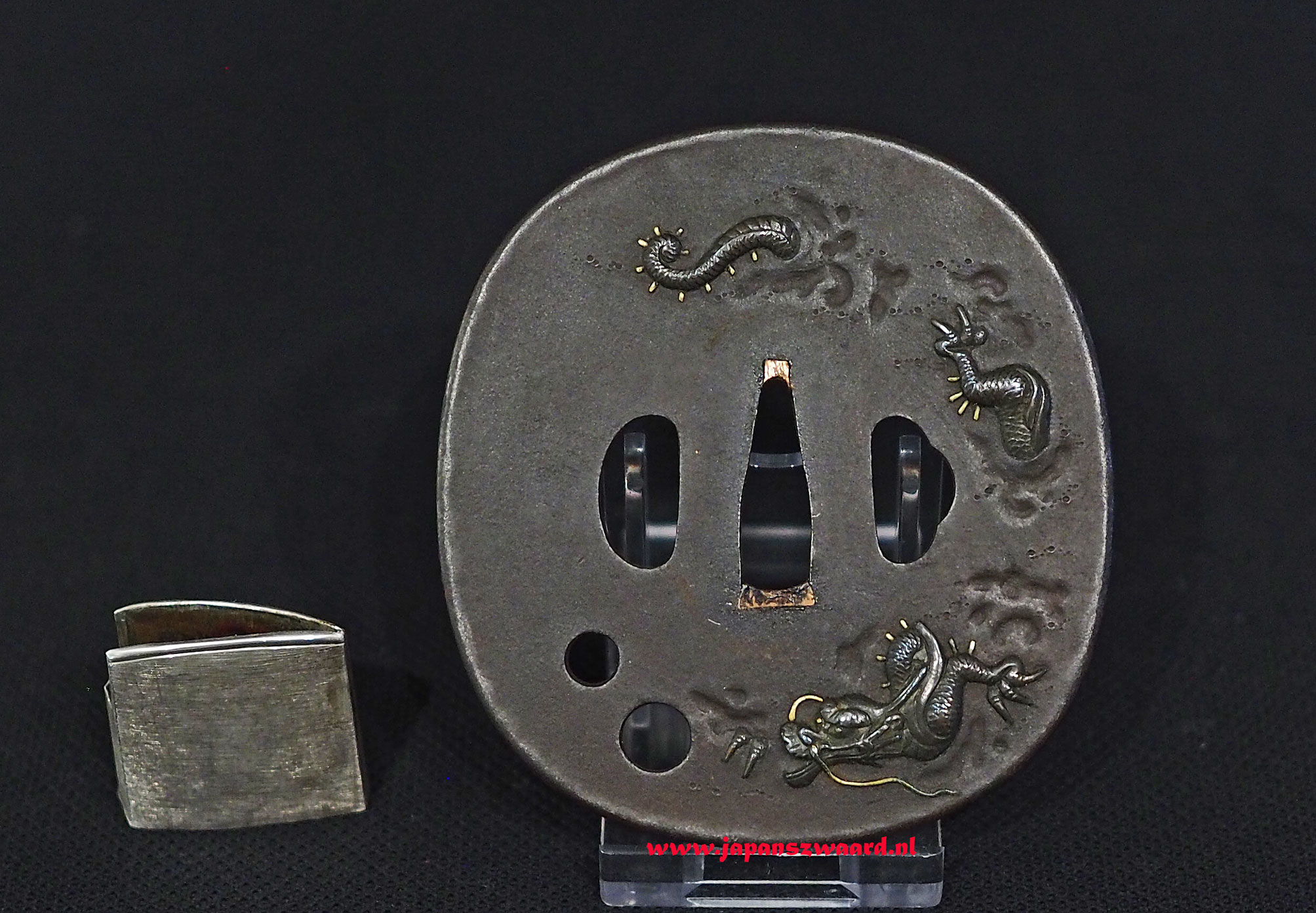
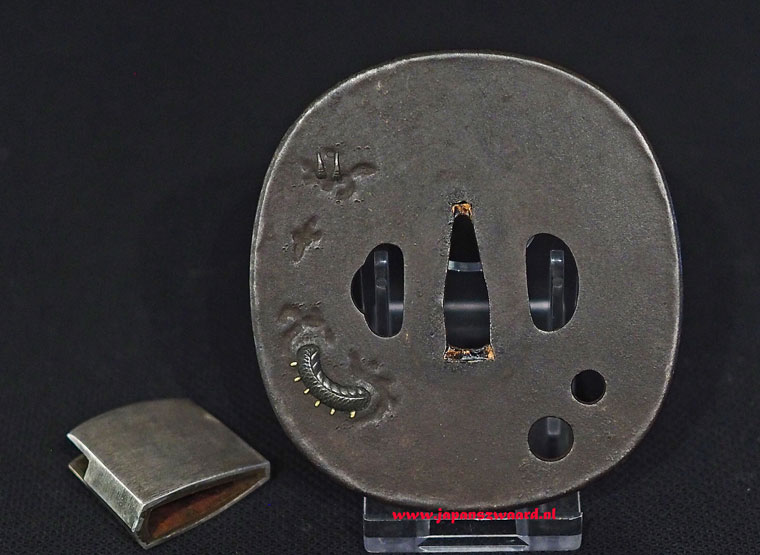
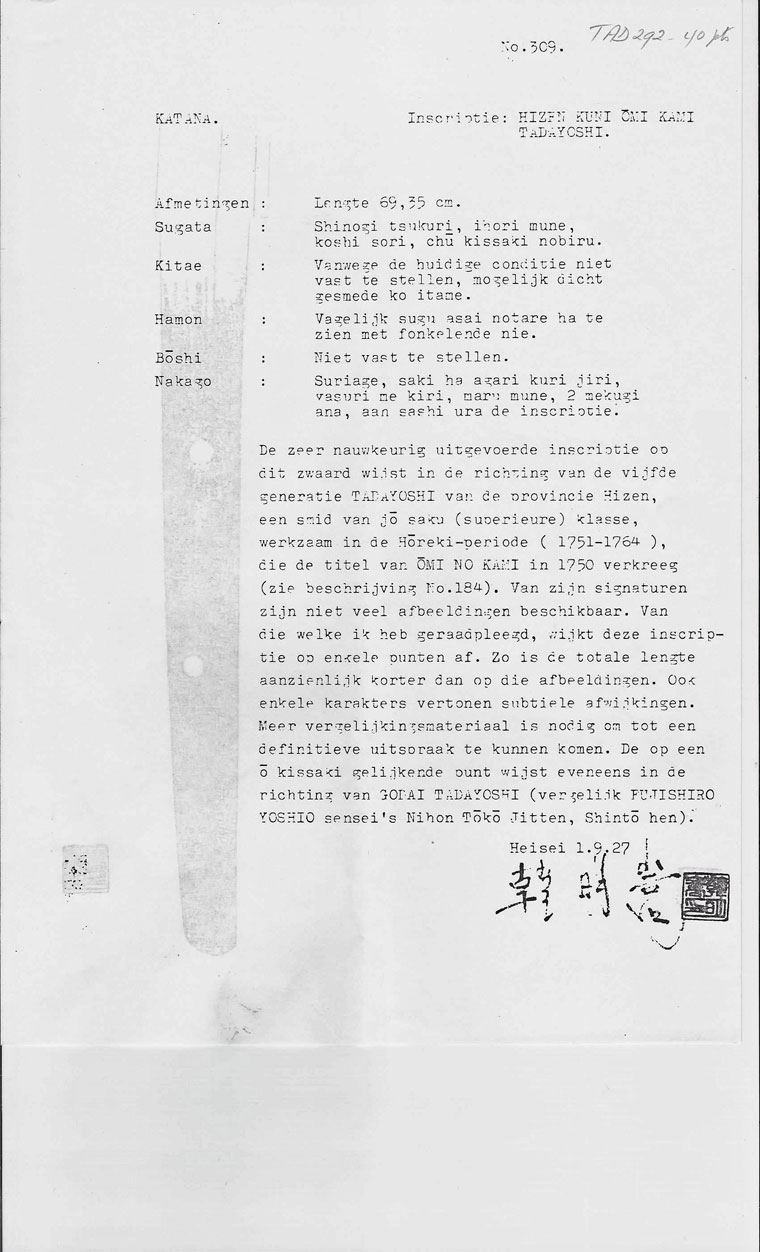
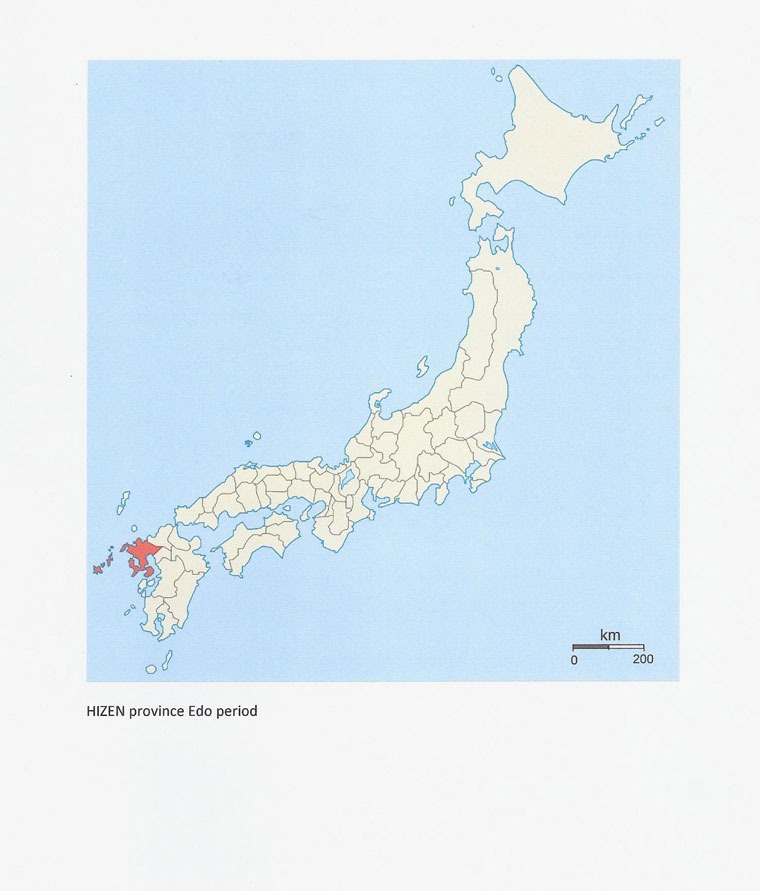
Dit is een authentiek Nihonto Japans Samurai zwaard. Een gesigneerde Shinto periode Katana (ca. 1751-1764) in een zeer goede polijsting met Zwaardbeschrijving van de Nederlandse Token Vereniging. door Mr. Han Bing Siong. Gesigneerd; Hizen Kuni Omi No Kami TADAYOSHI (5e Gen) uit de Hizen provincie met zeer fraaie Koshirae. Deze katana is elegant met een zeer levendige Hizen jihada , Tadayoshi was werkzaam rond 1751 tot zijn dood 1775. De smid Hizen Tadayoshi kan worden ingedeeld tot de Jyo-saku klasse en maakte Wazamono scherpe zwaarden en heeft 40 punten in de Hawley (TAD 292) Godai Tadayoshi, de vijfde generatie, werd geboren in 1696. Hij was de zoon van de Omi Daijo Tadayoshi. Hij begon rond 1716 te werken en werkte tot aan zijn dood in 1775. Hij signeerde Hizen Kuni Tadahiro terwijl zijn vader nog leefde. Het is ook bekend dat hij dai-mei’s voor zijn vader signeerde. Na de dood van zijn vader in 1747 veranderde hij zijn handtekening in Hizen (no) Kuni Tadayoshi. Hij kreeg de titel Omi (no) Kami in 1750, waarna hij Hizen Kuni Omi (no) Kami Tadayoshi begon te signeren. Hij is de eerste van de latere smeden die “Omi (no) Kami” signeerde en hij staat bekend onder die bijnaam. Hij moet niet worden verward met de tweede generatie Tadahiro, die ook bekend staat onder de bijnaam “Omi no Kami”. Deze smid had een lang leven en produceerde een groot aantal zwaarden. Hoewel hij tot een latere generatie behoort, wordt zijn werk beschouwd als vergelijkbaar met dat van de eerste generatie. Hij wordt beschouwd als de laatste van de “Shinto” Tadayoshi-smeden. De volgende generatie (de zesde) markeert het begin van de “Shinshinto” Tadayoshi-smeden. Tadayoshi 5e Gen ontving de titel van Omi-no-kami in 1750. De Hizen provincie ligt aan de kust onder aan het eiland Kyushu. Deze kling is Ubu, niet ingekort met 2 Mekugi-ana en heeft een mooie polijsting Er is boven de Shinogi een langwerpige opening, (zie foto) het dan een Kizu of Ware zijn , maar lijkt ook op een inkeping door een ander zwaard. De katana heeft een typische hamon op Suguha gebaseerd die iets golvend verloopt met Nie. De Habaki is van koper met een zilver folie omwikkeld in hoogwaardige kwaliteit. De Koshirae is van zeer goede kwaliteit , de Menuki zijn ShiShi tempelhonden met Shakudo in goud high-lights. de Saya is zwart Uruchi lak gemaakt als een boomschors voorbeeld in zeer goede kwaliteitl. De Tsuka is met een goede zwarte wikkeling waarvan de Fuchi gesigneerd is, met draken afbeelding uit Shakudo en verguld. De Tsuba is uit ijzer met een draak die door de wolken kruipt met goud high-lights. Een bijzondere kling van Hizen Tadayoshi 5e Gen. met een koshirae in super goede conditie.
Offered by Japanszwaard

We couldn’t find current papers for this piece. Ask the dealer whether it has been, or can be, submitted to shinsa. — Hoshi
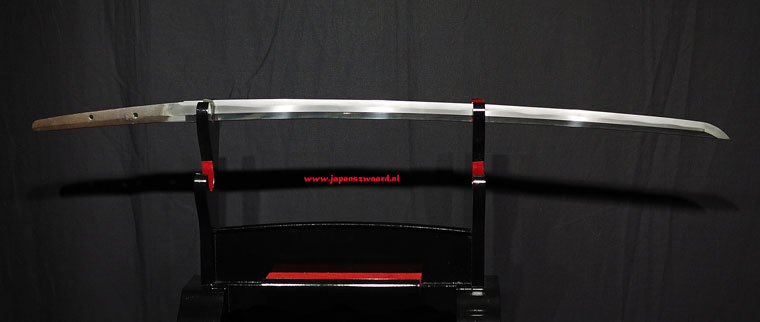
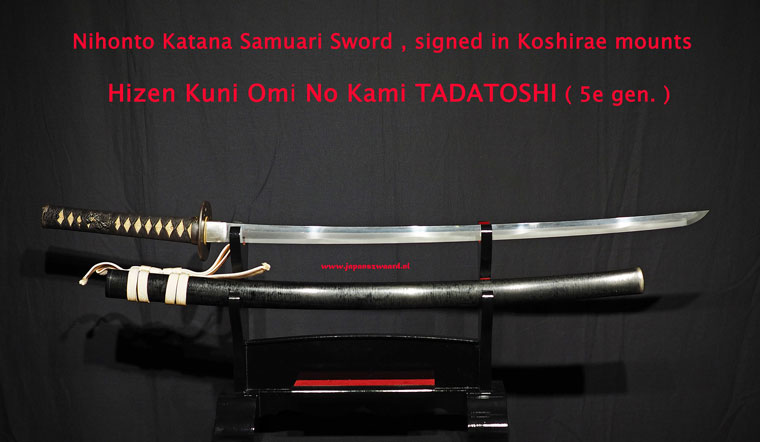
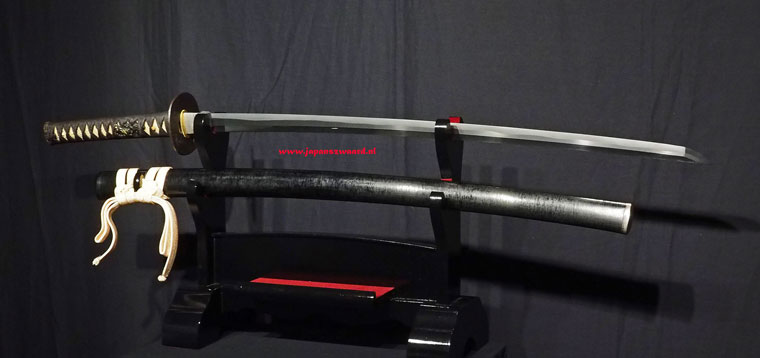
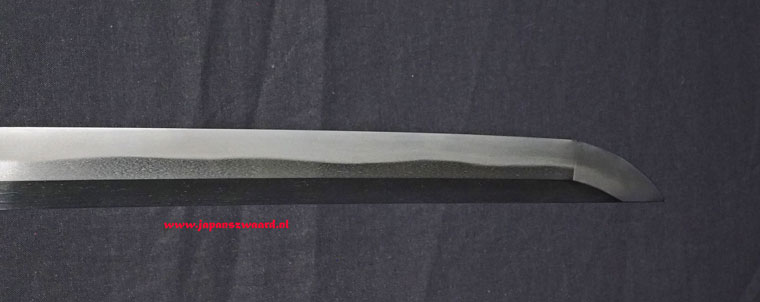
Shinto · Hizen · around 1748-1751
Fujishiro Jo saku · Tōken Taikan top 49%
Shinto · Hizen
111 pieces on the market now
The Hizen school began with a single domain commission. In Keicho 1 (1596) the Nabeshima of Hizen ordered Hashimoto Shinzaemon, the smith who would sign Tadayoshi, up to Kyoto with the carver Munenaga; there he entered the gate of Umetada Myoju and studied forging while Munenaga learned the chisel. The two returned to the province in Keicho 3 (1598), and Tadayoshi settled in the castle town below Saga, where under the domain's patronage the line grew into the dominant sword-making house of Kyushu. His own work runs from Keicho 5 (1600) to his death in Kan'ei 9 (1632); in Genna 10 (1624) he received the court title Musashi Daijo, changed his name to Tadahiro, and shifted his clan name from Minamoto to Fujiwara, so that the late Musashi Daijo blades are the founder under a second name. From him the house became a true generational institution: his son the second-generation Omi Daijo Tadahiro carried it forward as its most prolific hand, the third-generation Mutsu no Kami Tadayoshi returned its highest finish, and a Tosa no Kami branch took the founder's signature when he set it aside. Around this main line grew a circle of disciples and collateral hands, the waki-Hizen or Soba-Hizen smiths, several of them, like Yoshiie and Hironori, working as daisaku substitute makers whose own signed pieces are therefore scarce. The school's signature is its steel. Over a ko-itame forged so tightly it shows no slackness, fine ji-nie gathers in minute particles until the surface takes on the rice-bran konuka-hada (also written komenuka-hada) that no other school produces, fine chikei entering throughout and the ji notably clear and bright.
The orthodox temper laid upon it is a chu-suguha or hiro-suguha, sometimes tinged with a shallow notare and ko-gunome, the nioiguchi deep with finely clustered ko-nie and tightened to a bright clarity, the boshi running straight to a quiet ko-maru. The founder aimed this suguha toward the Rai school yet departed from it, his nioiguchi tighter and his forging carrying more vigor; the third generation refined it to what the published sources call the strongest and most precise hand of the first three generations. Against that calm register the house also worked a showier one, the Hizen choji-midare mixing gunome, long ashi, kinsuji and sunagashi, a manner the published sources already find more often in the founder's late Musashi Daijo work than in his Tadayoshi years, and one the second generation made his own. The branches pushed further from the suguha standard: Tadakuni of the Ogi domain ran sunagashi more conspicuously than any other Hizen hand and reached toward old Ichimonji in his o-choji; Masahiro and Yukihiro favored a flamboyant long-ashi choji over the calm main line; and the Iyo no Jo Munetsugu line worked apart in the Soshu-den, building a midareba on notare with a pointed togariba and a jihada that tends to stand and tone slightly blackish. A collector seeks Hizen-to first for that steel, and reads it the same way the appraiser does: a bright suguha lying over a clear, tight konuka-hada identifies the school before the signature is consulted, and the quiet ko-maru boshi on the ura-signed tang confirms the main-line practice. Generation and branch are then told within that frame, the third generation's powerful sugata recalling not his father but his grandfather, the waki-Hizen hands set apart by their irregular temper, their sujikai file marks and a sashi-ura signature, the Munetsugu line by its Soshu togari. The main line, made in real numbers across so long a span, reaches the market more readily than any Kamakura master, so a papered example is within reach of a patient collector, while the founder's own work and the finest konuka-suguha of the third generation come to open hands only from time to time. Provenance runs back through the house the school served, blades recorded to Nabeshima Katsushige and Nabeshima Naomoto and passing onward to the Owari Tokugawa, the Satake and the Imperial families; documentary inscriptions sharpen the picture further, a Myoju soemei attesting the founder's discipleship, Umetada carving adding flowers to brocade on his late blades, and the gold-inlaid cutting tests of Yamano Kanjuro and Yamano Ka'emon, rare on Hizen work, naming the edge as well as the hand. Learn more →
| Smith | Era | Designated |
|---|---|---|
| Tadayoshi忠吉 | 1596-1632 | 155 |
| Tadayoshi忠吉 | 1660-1686 | 61 |
| Tadahiro忠廣 | 1633-1693 | 133 |
| Masahiro正廣 | 1624-1655 | 30 |
| Tadakuni忠國 | 1648-1652 | 32 |
Hizen: a domain enterprise
Hizen swords were a domain enterprise: the Nabeshima sent Tadayoshi to study under Umetada Myōju around 1596, then built a licensed school around him. Nine generations carried its famously consistent konuka-hada work into the Meiji era.
We could not find an authenticity certificate on the seller’s listing. Japanese swords and fittings are normally papered by the NBTHK (or the NTHK). Without one, the attribution is the seller’s own assessment and has not been independently verified — treat it with caution and ask the dealer about certification before buying.
Swords only: if a sword does not match the description, the buyer must report it by e-mail within 48 hours of receipt, after which the sale is final. Returns only after agreement, safely packed and in exactly the condition delivered; the refund is the purchase price minus shipping/transport and bank costs, and return shipping and its risk are for the buyer. Consignment items carry no guarantee and cannot be returned.
€5,400