Edo was the sword’s age of connoisseurship: the Hon’ami appraisers, the shogunal register of famous blades of 1719, and a thriving literature turned the sword into an object of study even as it ceased to be drawn in war.
 NihontoWatchNihontoWatch
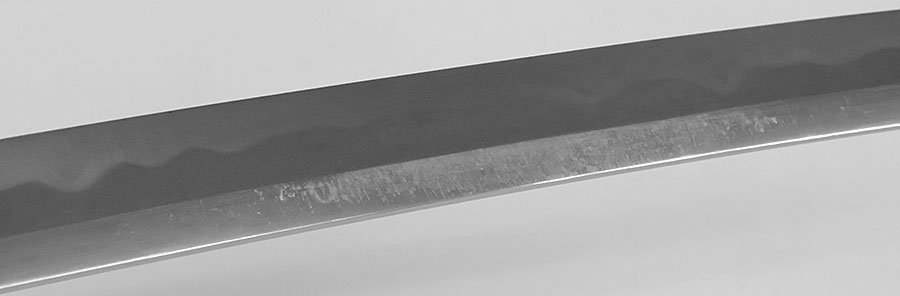
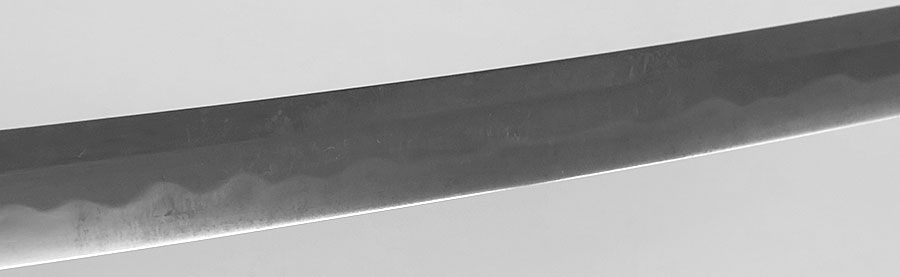
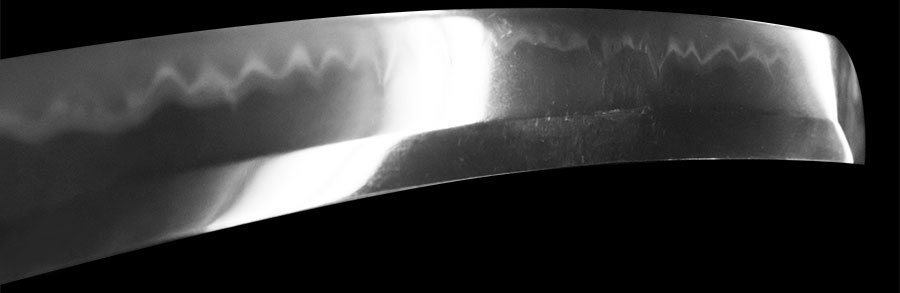
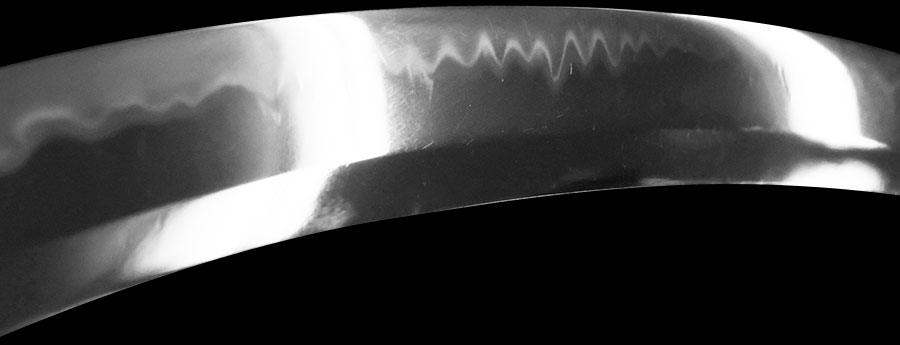
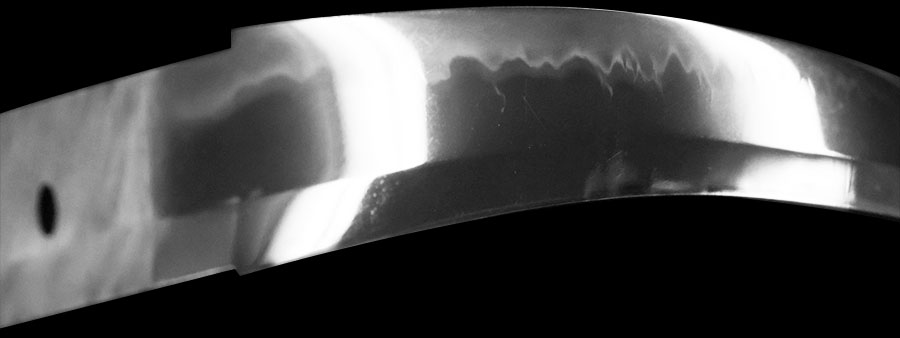
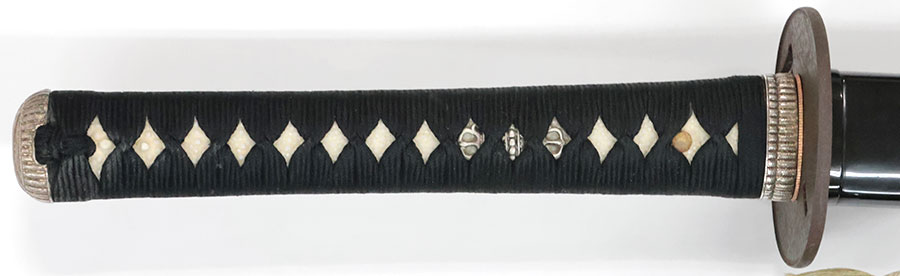
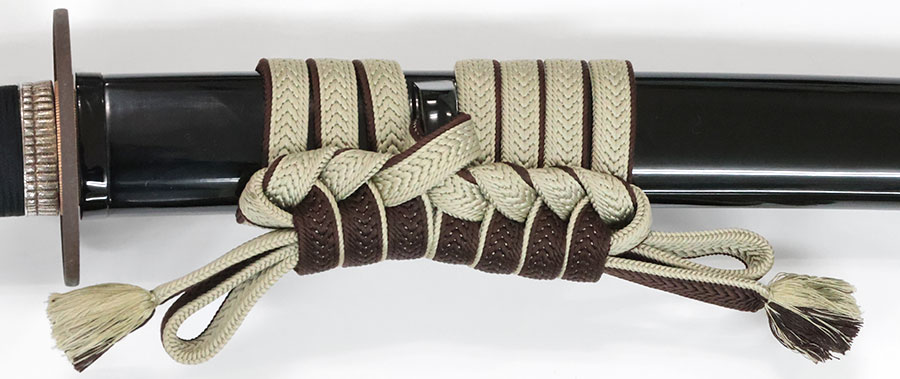
It has arrived, it has arrived; a gendaito that is a wazamono, a sword that copies the early Edo period Nagasone Okisato Nyudo Kotetsu. As this sword is mumei, the name of the swordsmith is unknown, but the sugata of the sword displays a magnificent, powerful sword shape that copies a Kotetsu, with a wonderfully wide motohaba and a wide sakihaba, and with sori. The jigane is forged in a bright ko-itame hada, and the hamon is a deep nioi gunome hamon that brilliantly copies the bright blade of a Kotetsu. The koshirae, a modern koshirae with a black ro-nuri saya, adds further splendor to this sword. I purchased this at a high price from an old iai teacher for use in tameshigiri, and the sword cuts very well. As I no longer perform tameshigiri, I was entrusted with it by the owner who said that if it could be of use to someone, please let them use it; therefore, I recommend this to those who wish to practice tameshigiri, those who wish to perform kendo kata with a shinken, those who wish to practice suburi with a shinken to check their hasuji, or those who wish to own a shinken for appreciation. As there is some light rust, I am offering it at a special, super-low price. Although it is mumei, please enjoy this Nagasone Okisato Kotetsu utsushi sword made in the modern era.
NihontoWatchOffered by Nipponto
We couldn’t find current papers for this piece. Ask the dealer whether it has been, or can be, submitted to shinsa. — Hoshi
















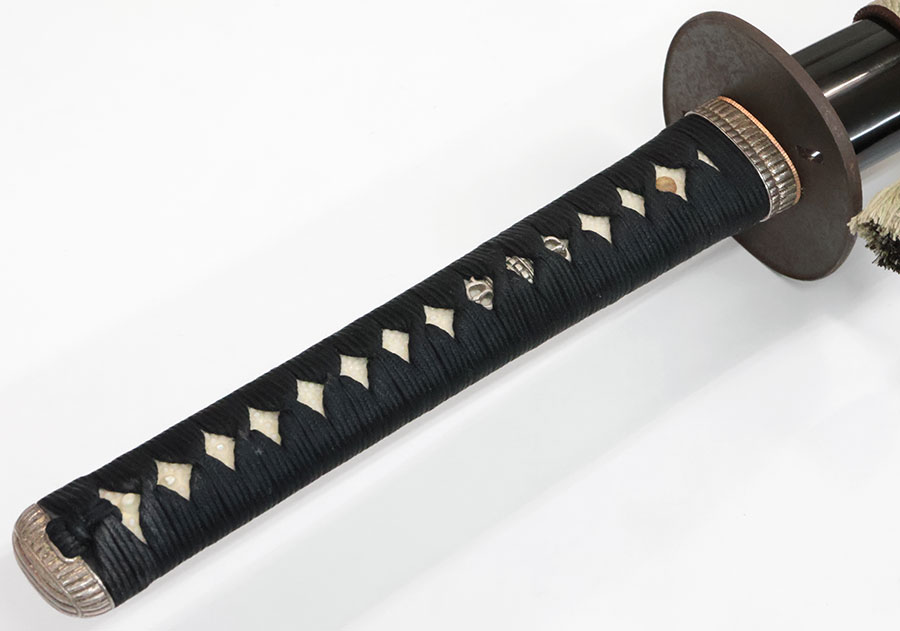
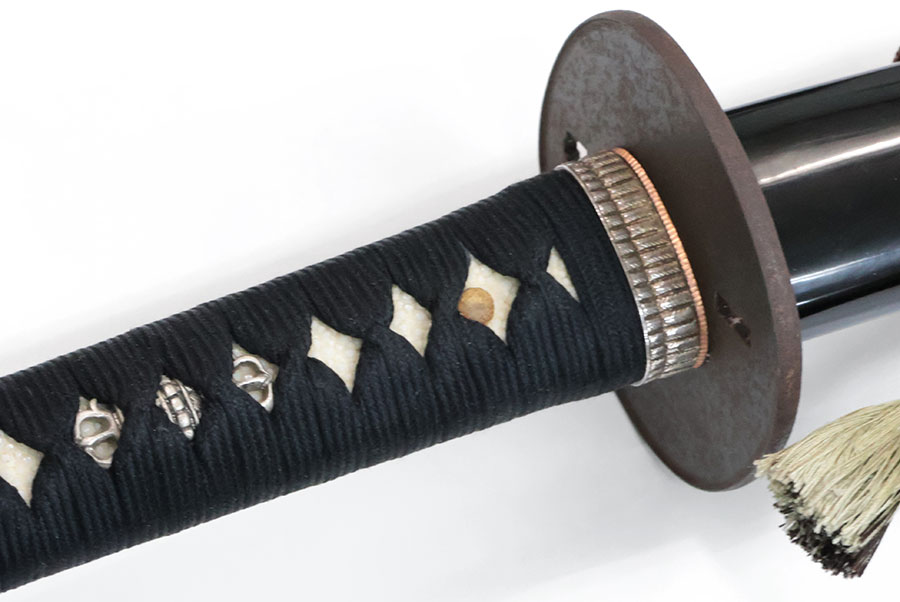
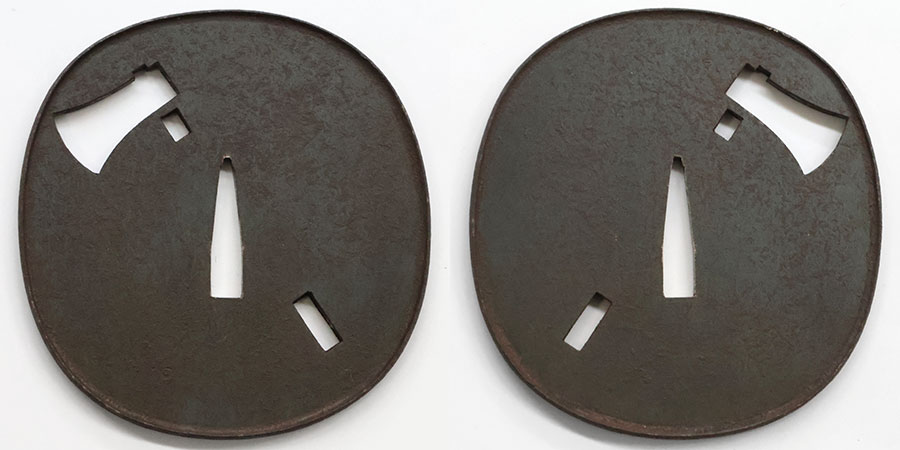


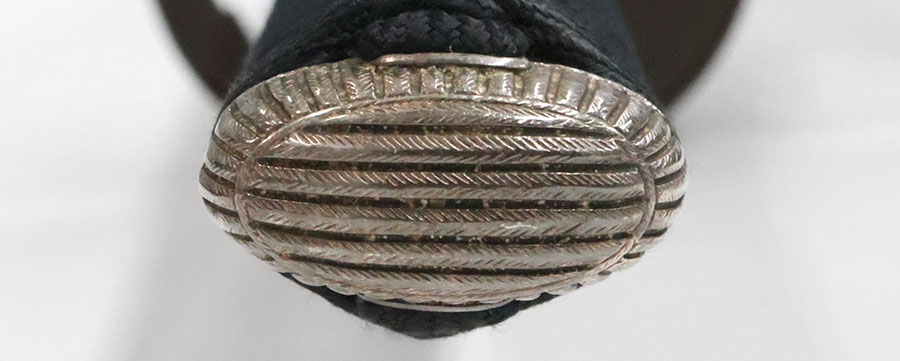
Machine translation of the shop's Japanese ·
Machine translation from the shop's Japanese · may contain errors ·
The Edo period (1615 to 1868)
Edo was the sword’s age of connoisseurship: the Hon’ami appraisers, the shogunal register of famous blades of 1719, and a thriving literature turned the sword into an object of study even as it ceased to be drawn in war.
We could not find an authenticity certificate on the seller’s listing. Japanese swords and fittings are normally papered by the NBTHK (or the NTHK). Without one, the attribution is the seller’s own assessment and has not been independently verified — treat it with caution and ask the dealer about certification before buying.
For returns due to customer circumstances, the cost is the customer's responsibility. For returns due to our mis-shipment or a defective item, we bear the cost.
¥190,000