Edo was the sword’s age of connoisseurship: the Hon’ami appraisers, the shogunal register of famous blades of 1719, and a thriving literature turned the sword into an object of study even as it ceased to be drawn in war.
 NihontoWatchNihontoWatch
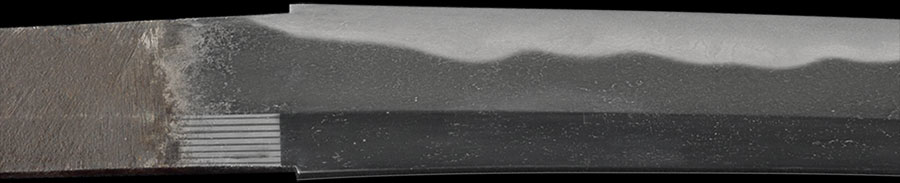
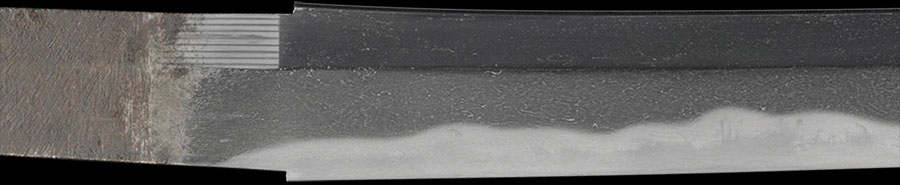
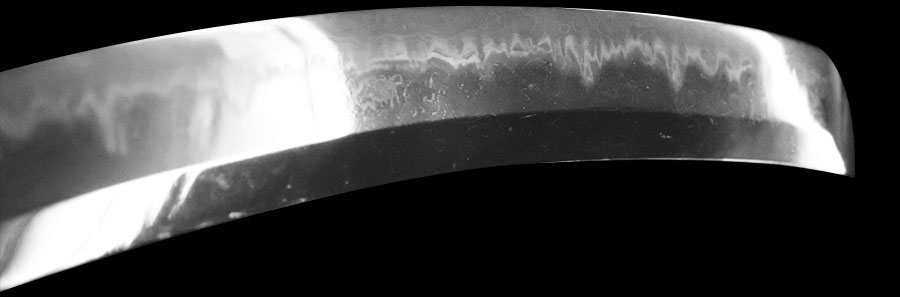
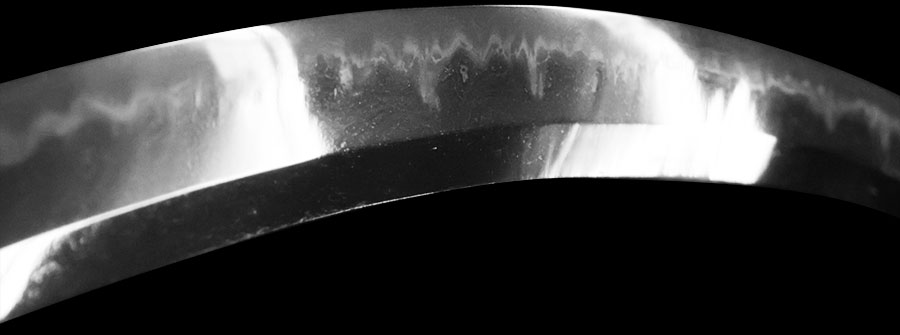
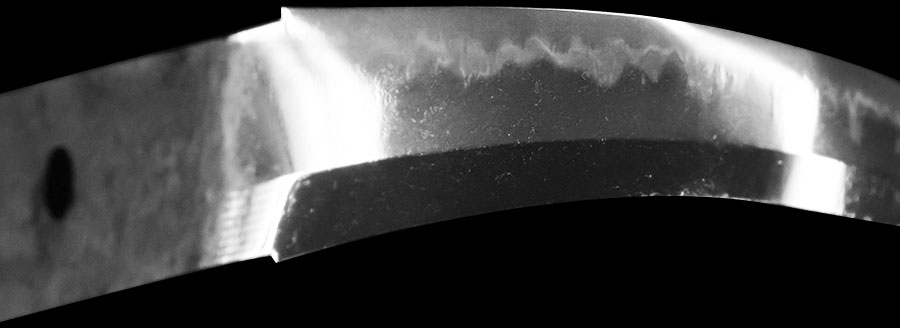
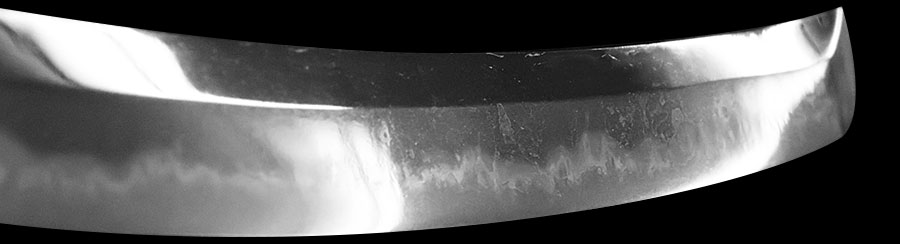
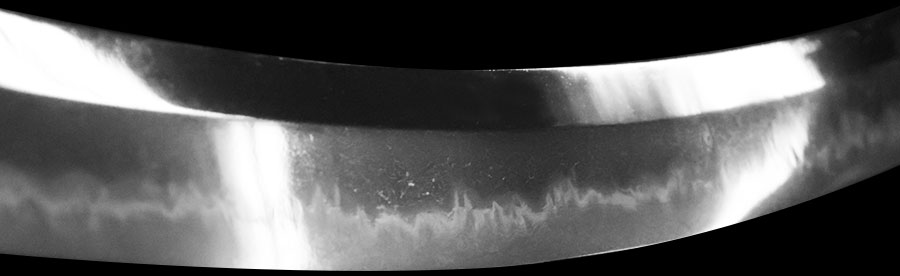
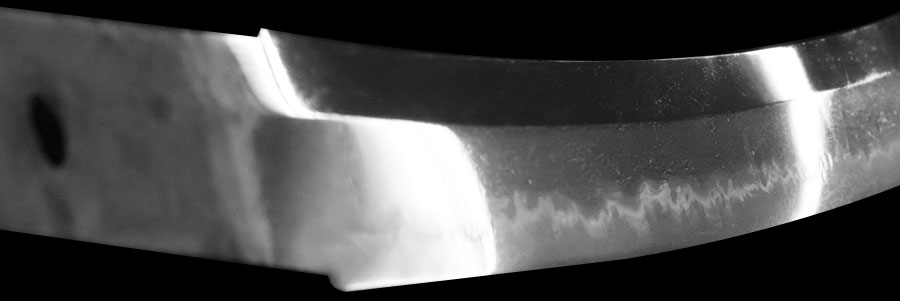
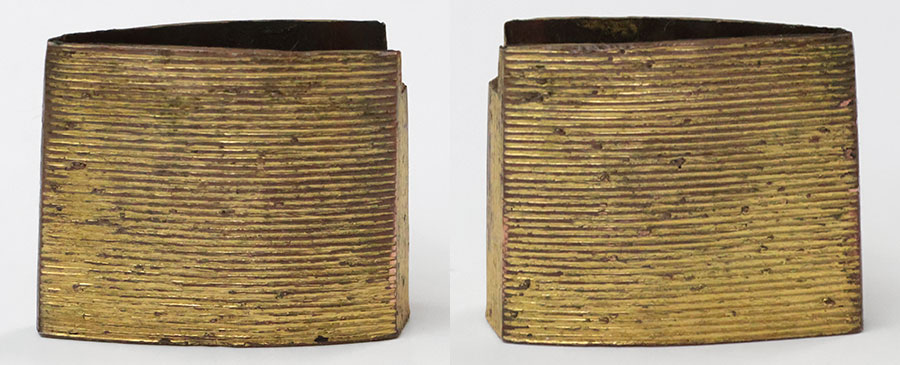
It has arrived, it has arrived; a mumei sword that has been polished to the highest standard and attributed to the auspicious Jumyo has arrived. Since ancient times, there is likely no sword as famous in the sword world as Jumyo. Jumyo can also be read as Toshinaga, and because it was believed that it would bring good health and a long life, this Jumyo was greatly appreciated as a lucky charm and was frequently used as a gift sword even among daimyo. Because the workmanship of this sword is wonderful, I will explain it as the skilled Kawachi no Kami Fujiwara Jumyo, for whom it is attributed as Shinto Jumyo; his real name was Wakahara Magoshiro, and he lived around the Kanbun era (1661) (365 years ago) of the Edo period, residing in Yumimachi, Ogaki, Mino Province, and was later invited to be a swordsmith for the Oka Domain (Oita Prefecture) with a 70,000 koku stipend. The lord of the Oka Domain at that time was the 3rd lord, Nakagawa Hisakiyo, and he was invited as a swordsmith just when the lord was inviting the Yomeigaku scholar Kumazawa Banzan, who had resigned from the Okayama Ikeda Domain, to promote irrigation projects and policies for a wealthy country and strong army. The sugata of this sword shows a good sword shape with sori and a difference between the motohaba and sakihaba. The jigane is itame-hada mixed with masame-hada, and the hamon is a vibrant gunome-ba with nioi-deki and small nie, yahazu-ba, and gunome-togari-ba, creating a bright hamon with variations, and it is magnificent with many kinsuji, nie-suji, and sunagashi appearing within the ha. The koshirae also adds further splendor to this sword, being a luxurious koshirae with an Edo period kizami-saya. This time, an old sukisha told me that he has grown old and has lived a long life thanks to this sword, so he asked me to sell this sword, which is attributed as the auspicious Shinto Jumyo, to a successor at a low price, and because of his kindness, I am offering it at a special, very low price. Please enjoy this valuable mumei, yet likely Kawachi no Kami Fujiwara Jumyo, masterpiece sword from the Bungo Oka Domain.
NihontoWatchOffered by Nipponto














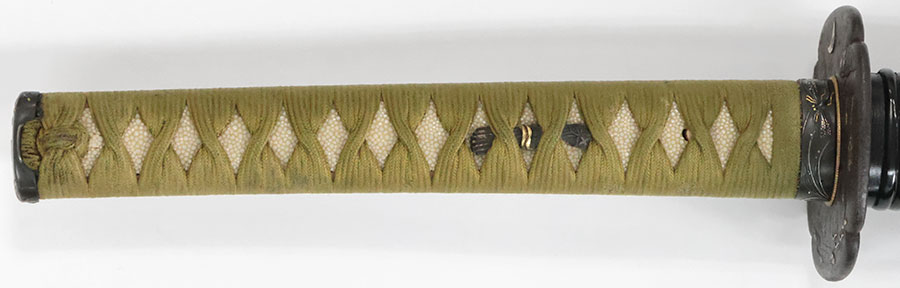
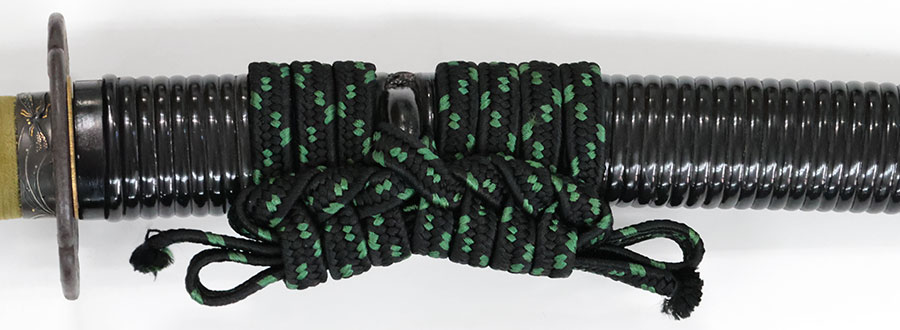


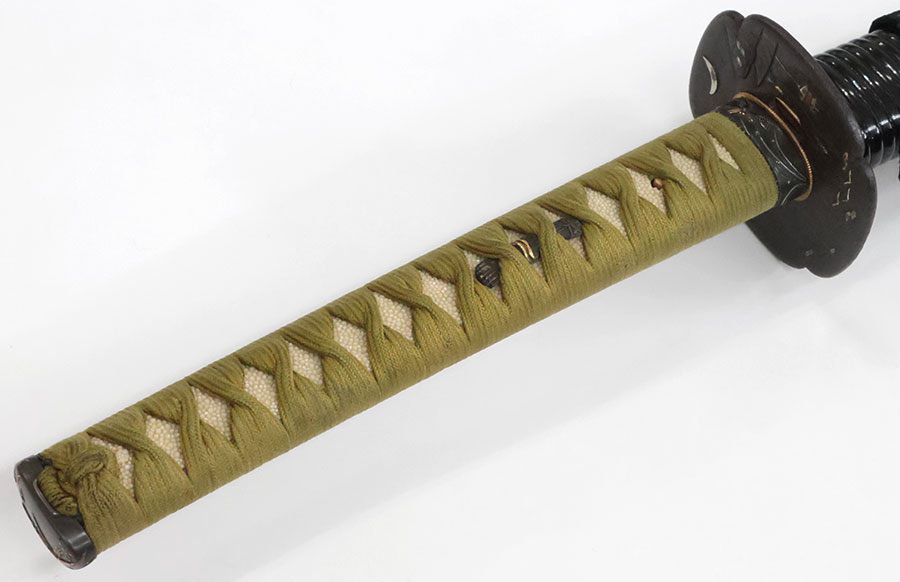
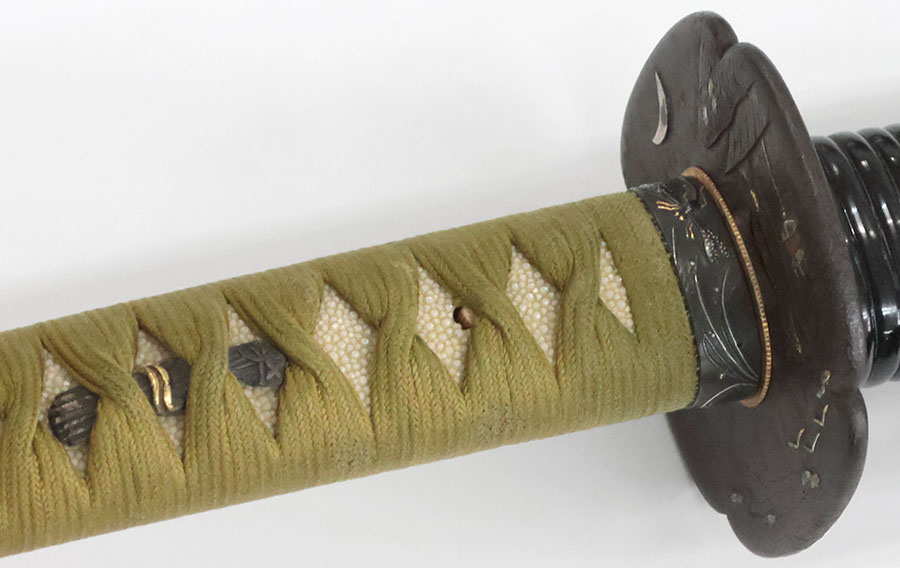
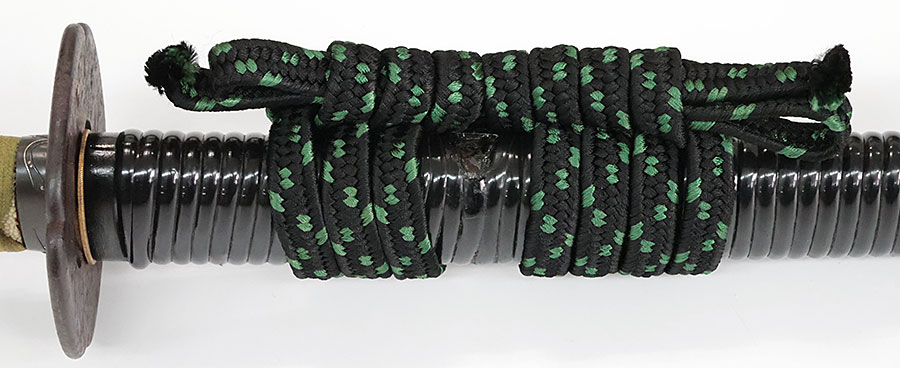
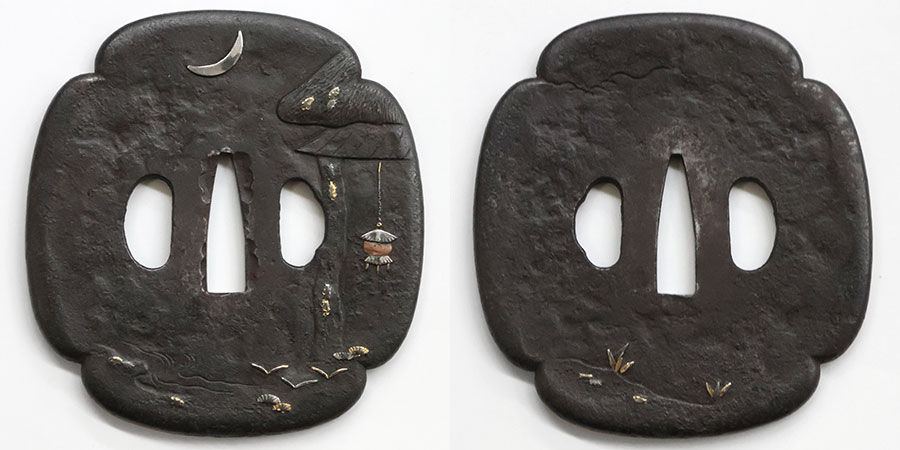
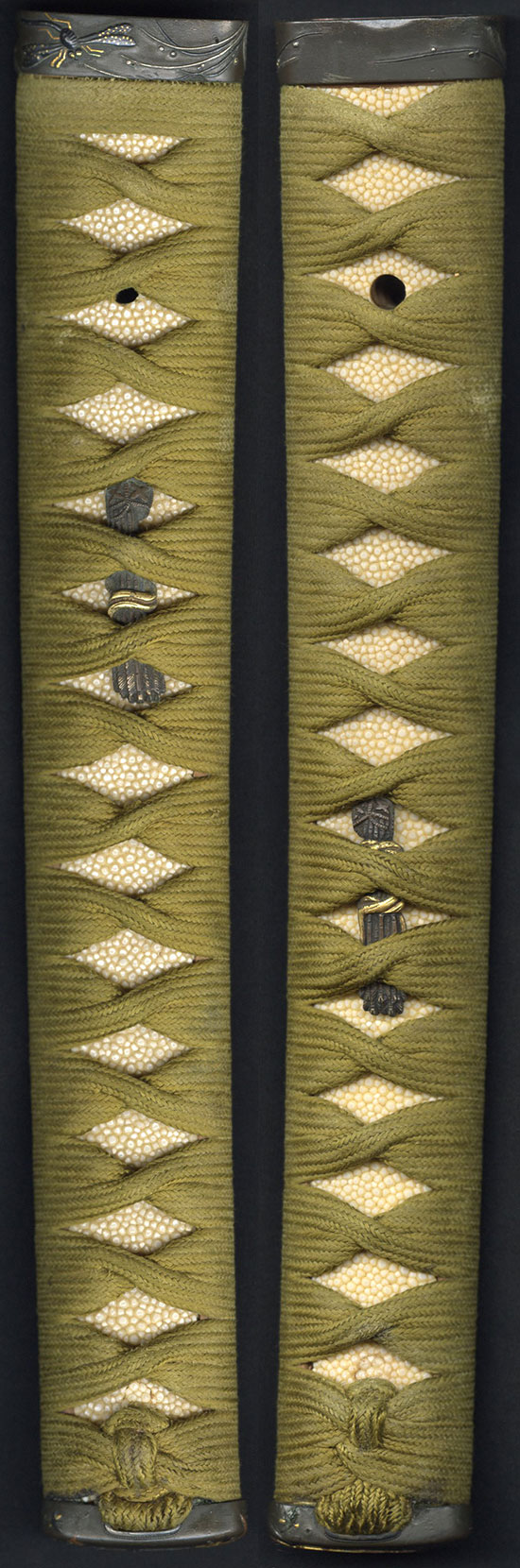
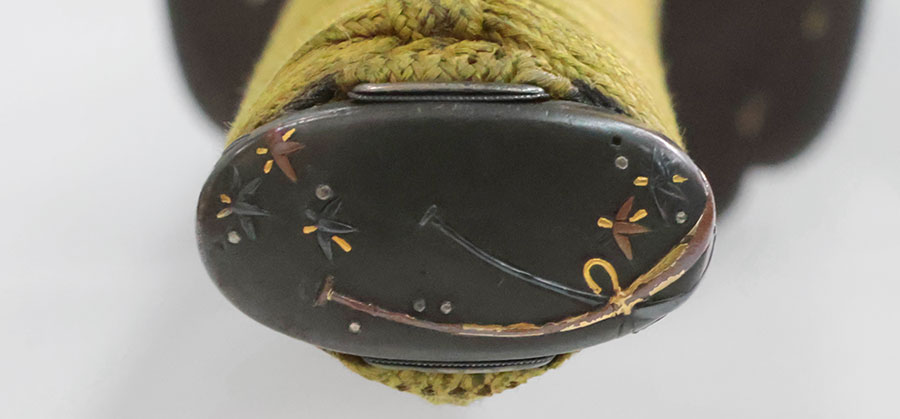
Machine translation of the shop's Japanese ·
Machine translation from the shop's Japanese · may contain errors ·
Mino-den · Mino · around 1661-1673
Fujishiro Chu saku · Tōken Taikan top 95%
3 pieces on the market now
Mino-den · Mino
11 pieces on the market now
The Edo period (1615 to 1868)
Edo was the sword’s age of connoisseurship: the Hon’ami appraisers, the shogunal register of famous blades of 1719, and a thriving literature turned the sword into an object of study even as it ceased to be drawn in war.
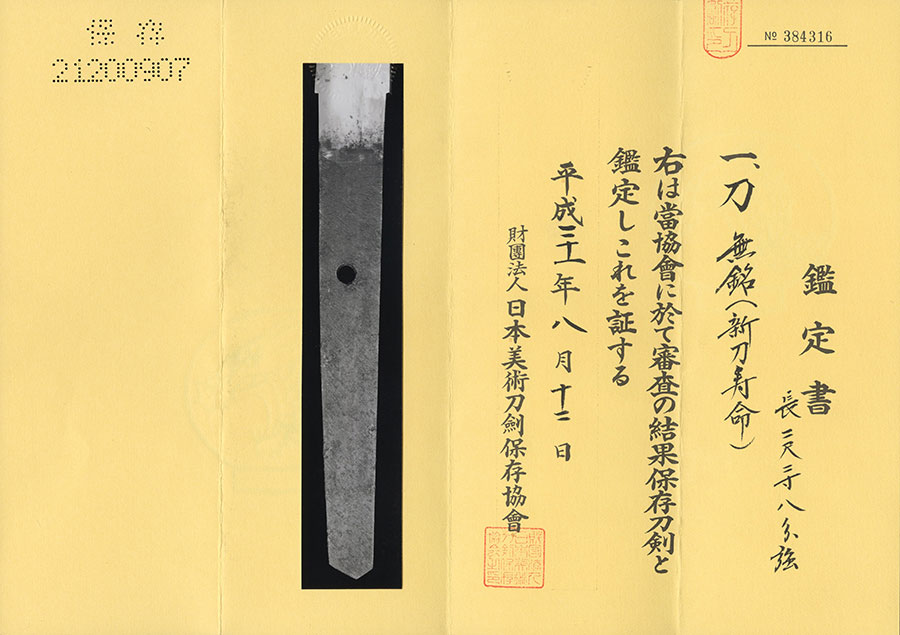
Certifies a genuine blade worth preserving: a signature confirmed correct, or, if unsigned, an era, province, and school that the NBTHK can reliably identify.
The NBTHK (Nihon Bijutsu Tōken Hozon Kyōkai, the Society for the Preservation of Japanese Art Swords) is a public-interest incorporated foundation founded in 1948 and supervised by Japan’s Agency for Cultural Affairs (Bunkachō); it is based at the Japanese Sword Museum in Tokyo. Its expert panels physically examine each submitted work (shinsa) and issue a certificate (kanteishō) ranking it by artistic and historical merit. NBTHK papers are the most widely recognized standard of authentication for Japanese swords and fittings.
NBTHK official siteFor returns due to customer circumstances, the cost is the customer's responsibility. For returns due to our mis-shipment or a defective item, we bear the cost.
¥380,000