The twentieth century nearly killed the craft twice: wartime distortion, then the occupation ban. The NBTHK’s founding in 1948 and licensed forging from 1953 rebuilt the sword as an art, crowned by Living National Treasures and the mukansa rank.
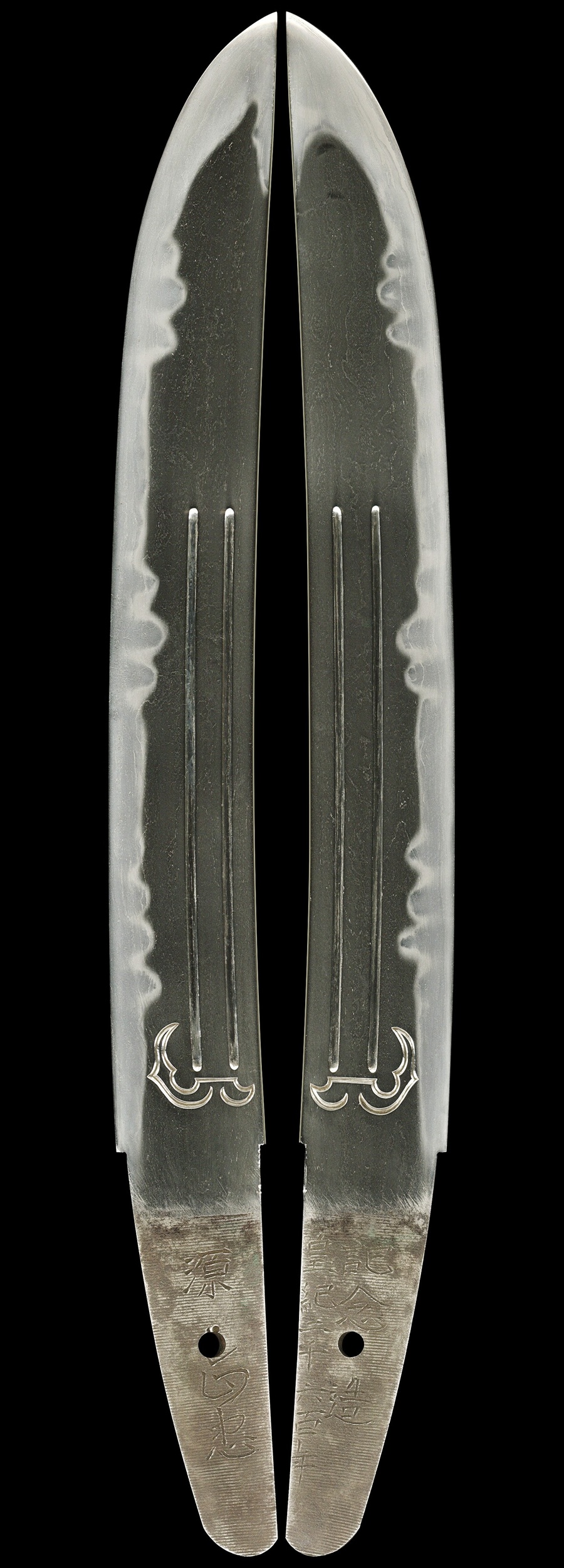
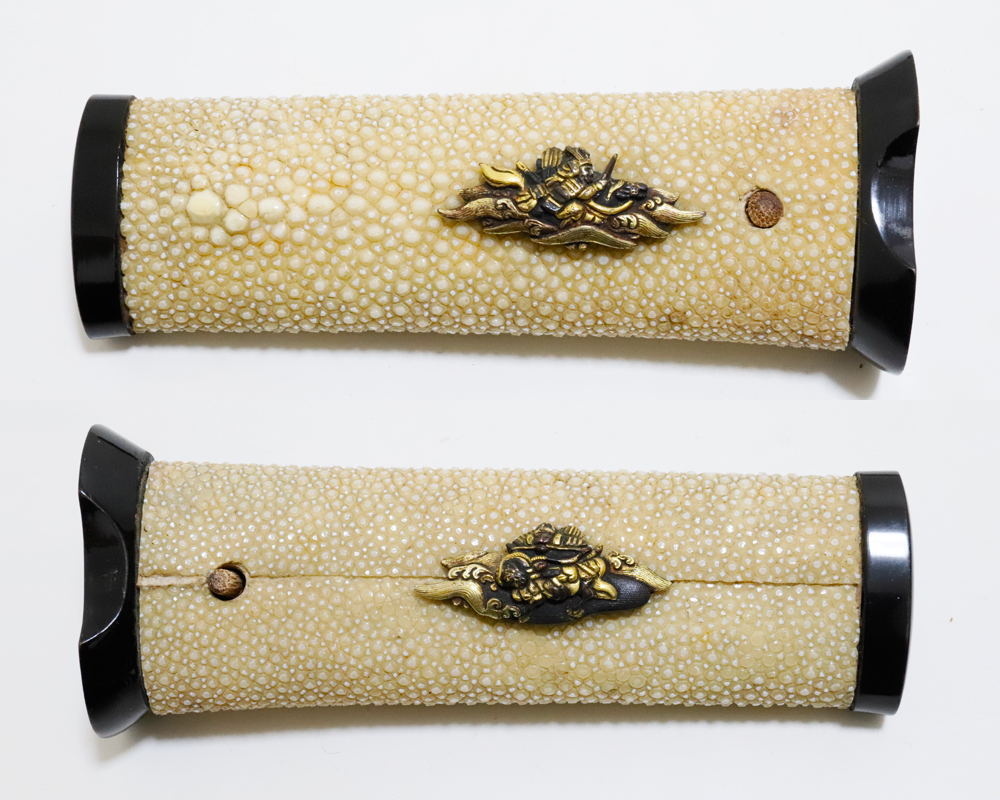
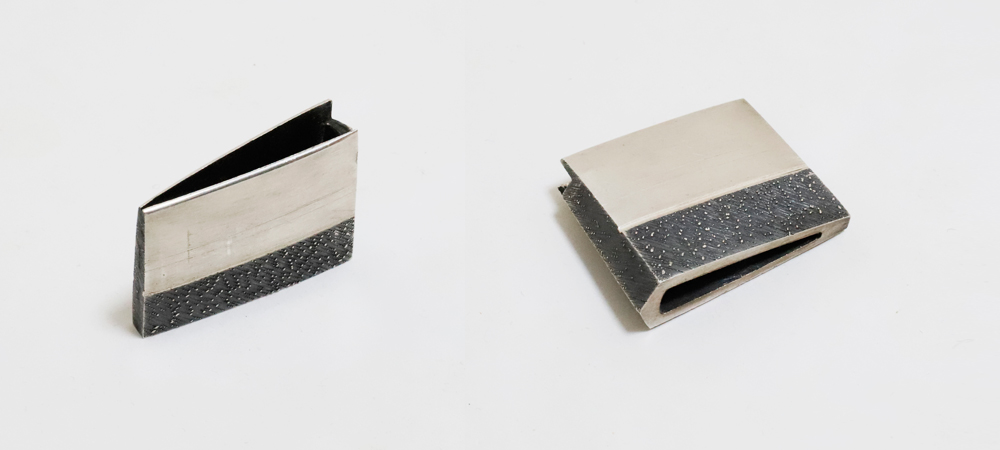
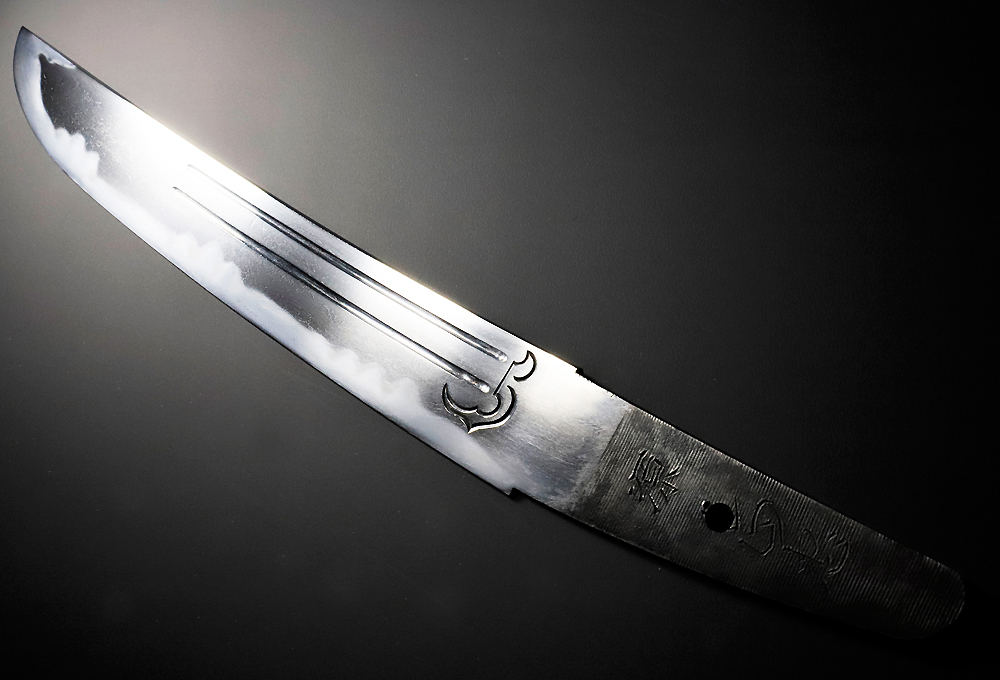
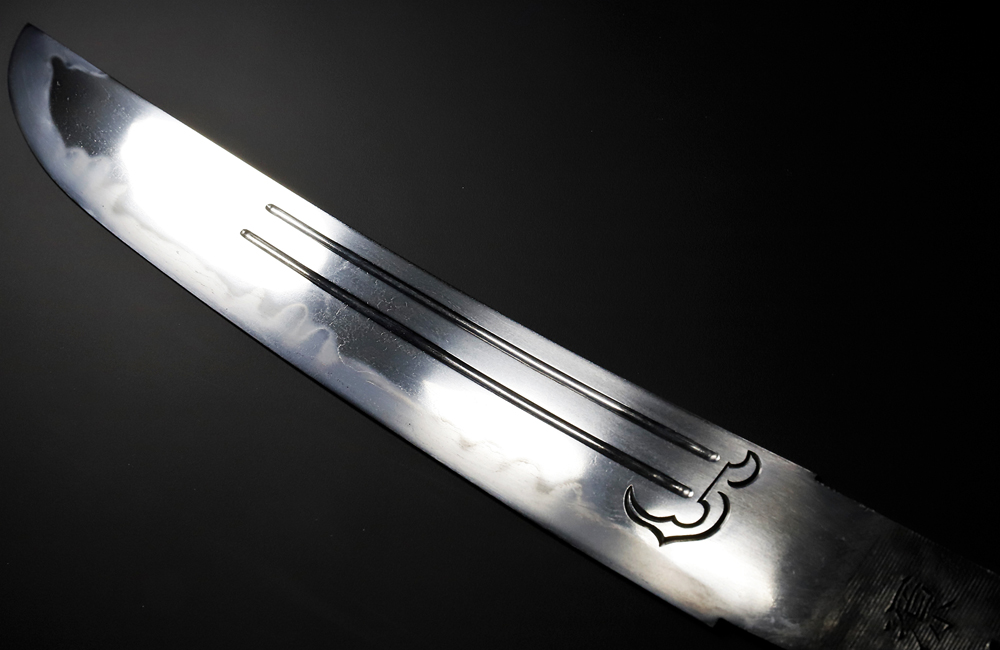
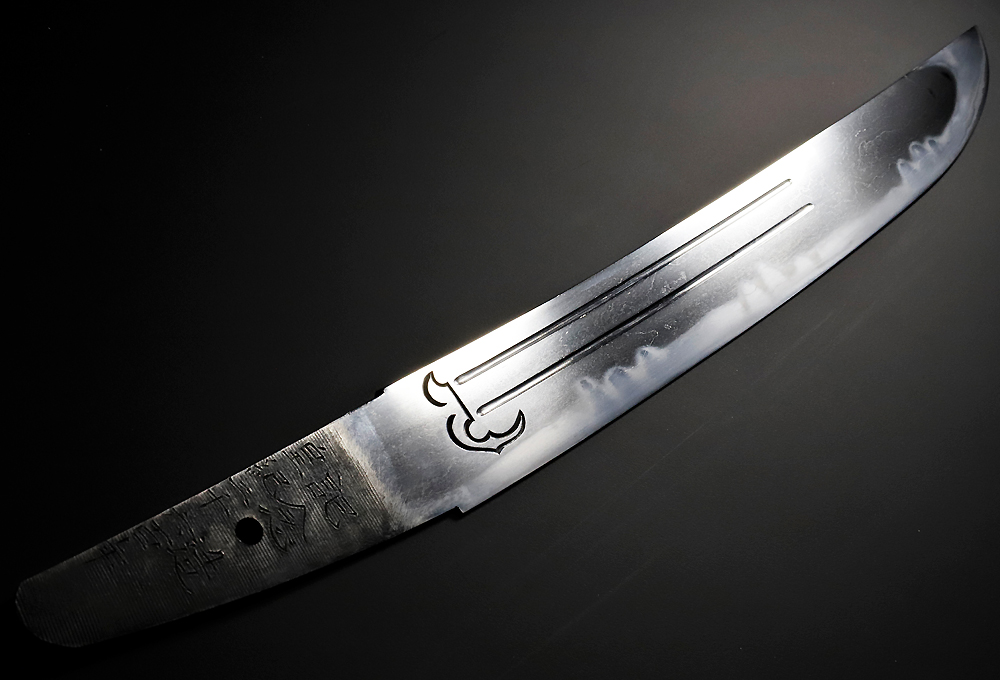
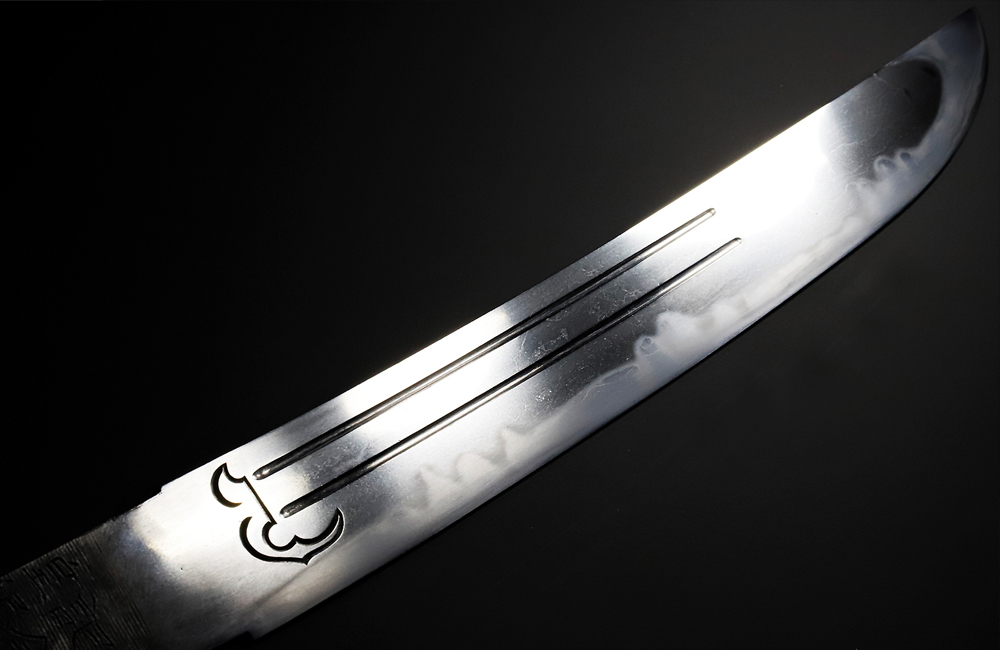
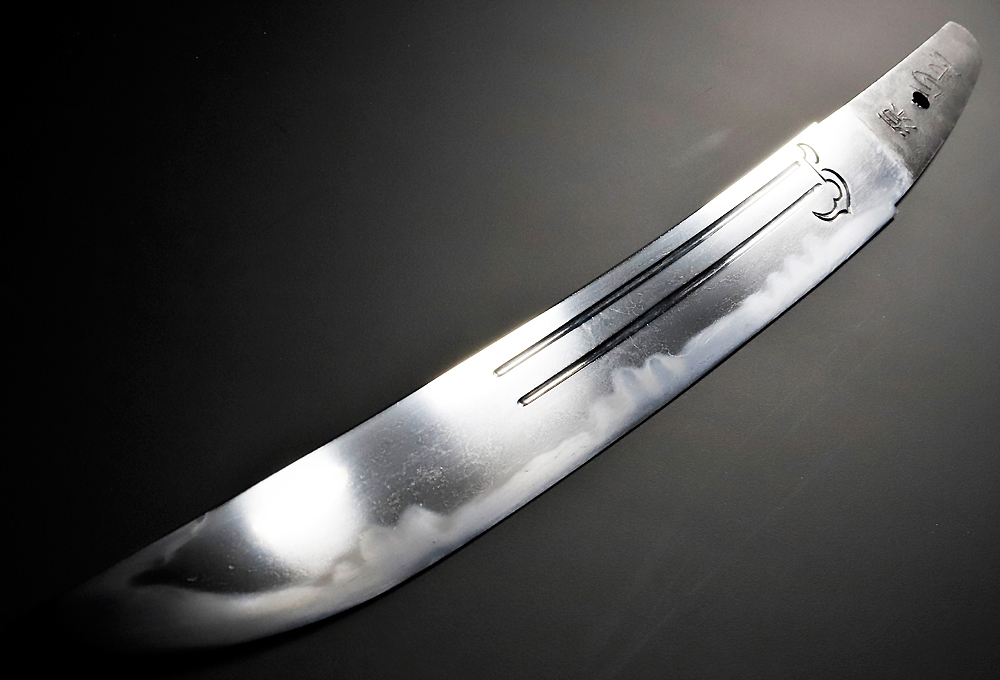
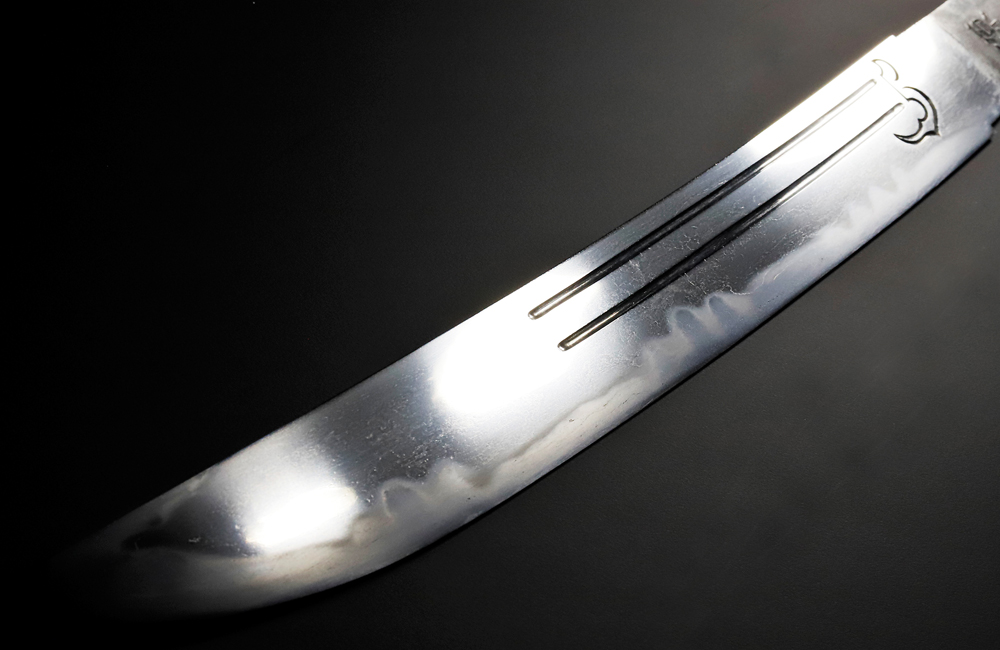
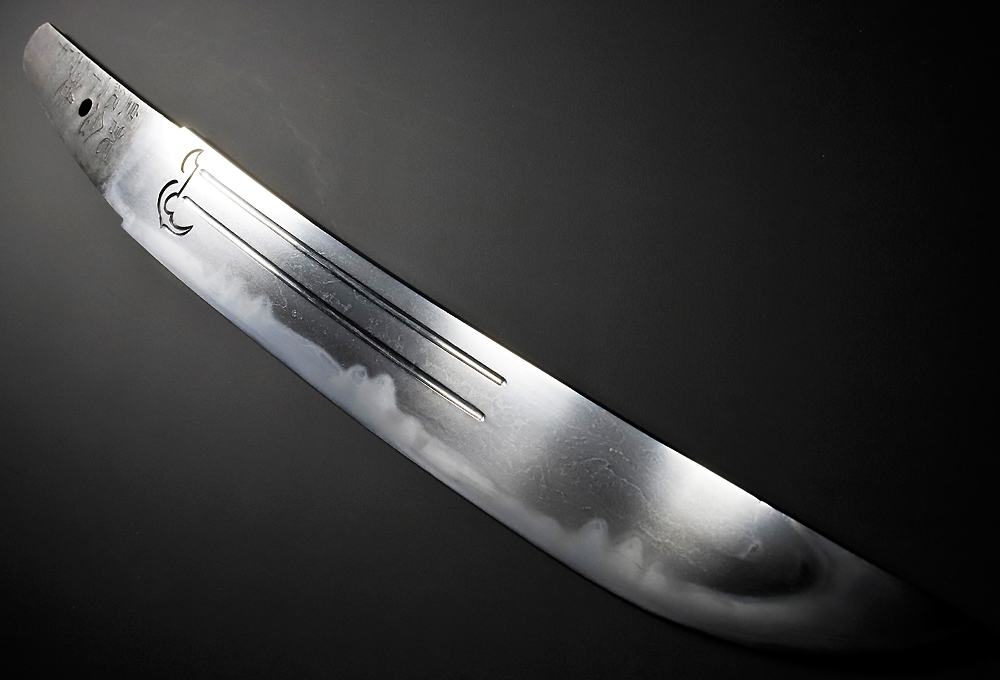
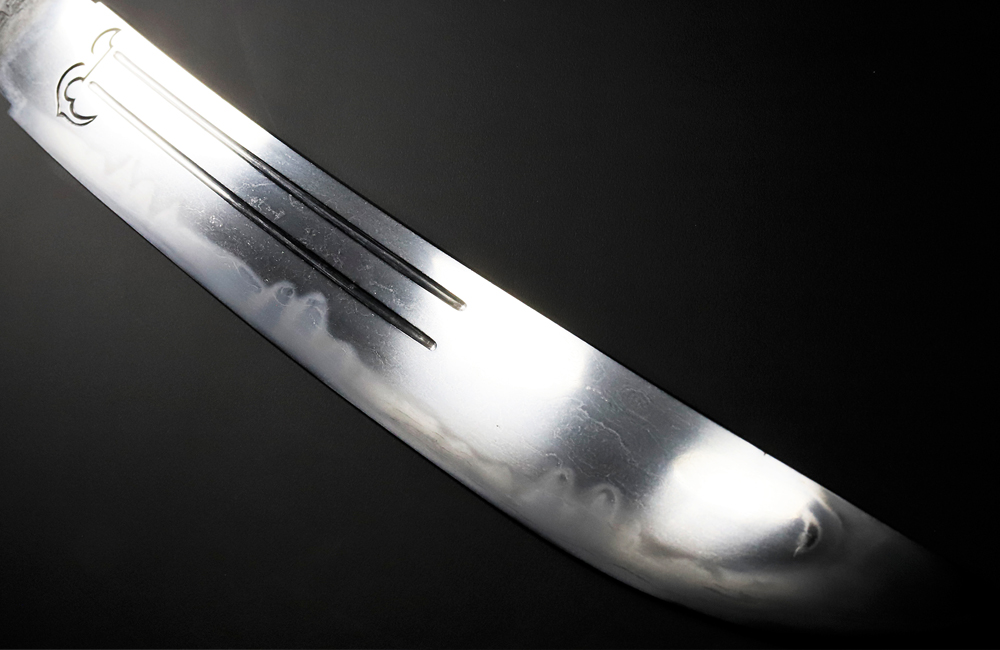
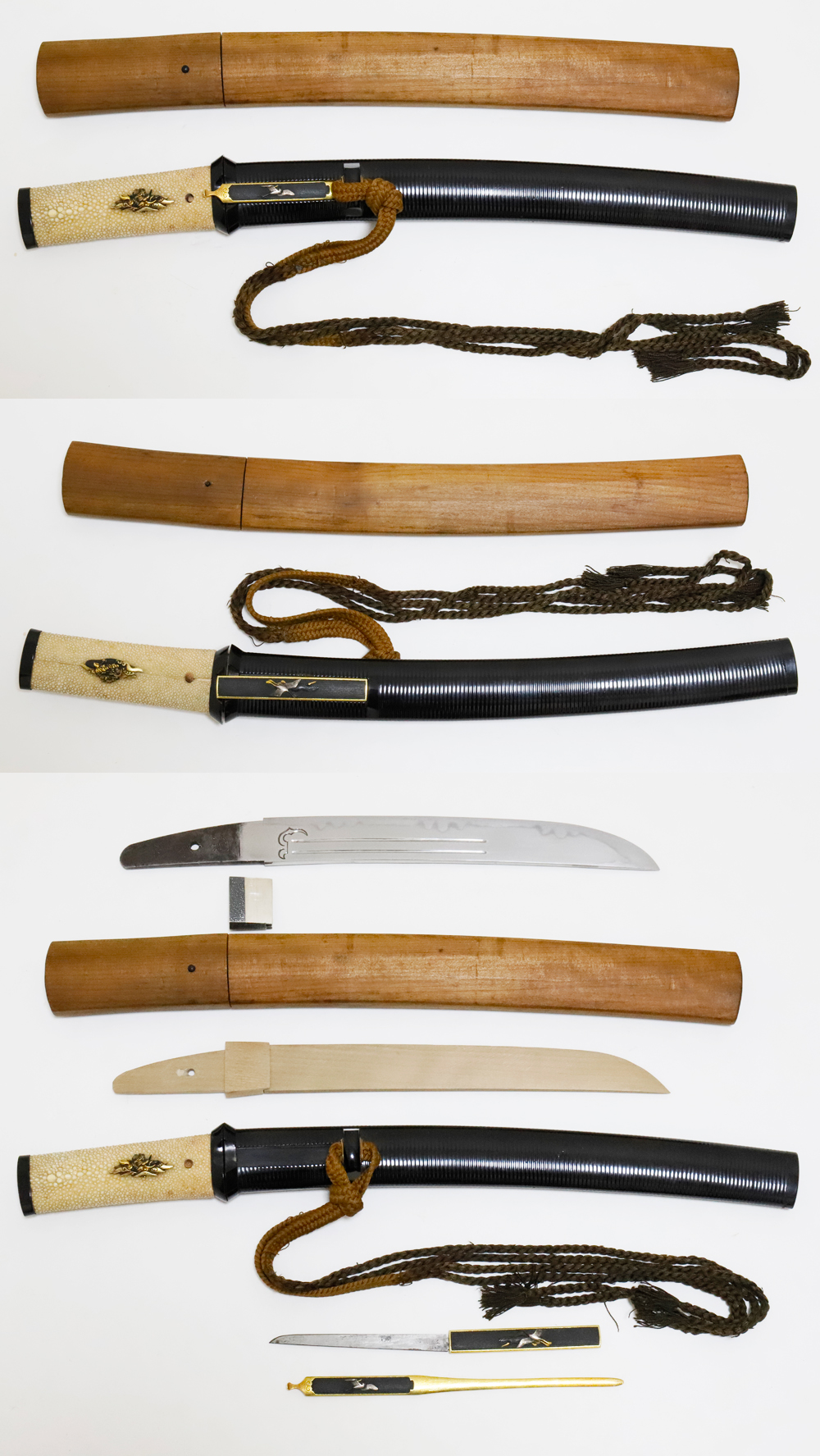
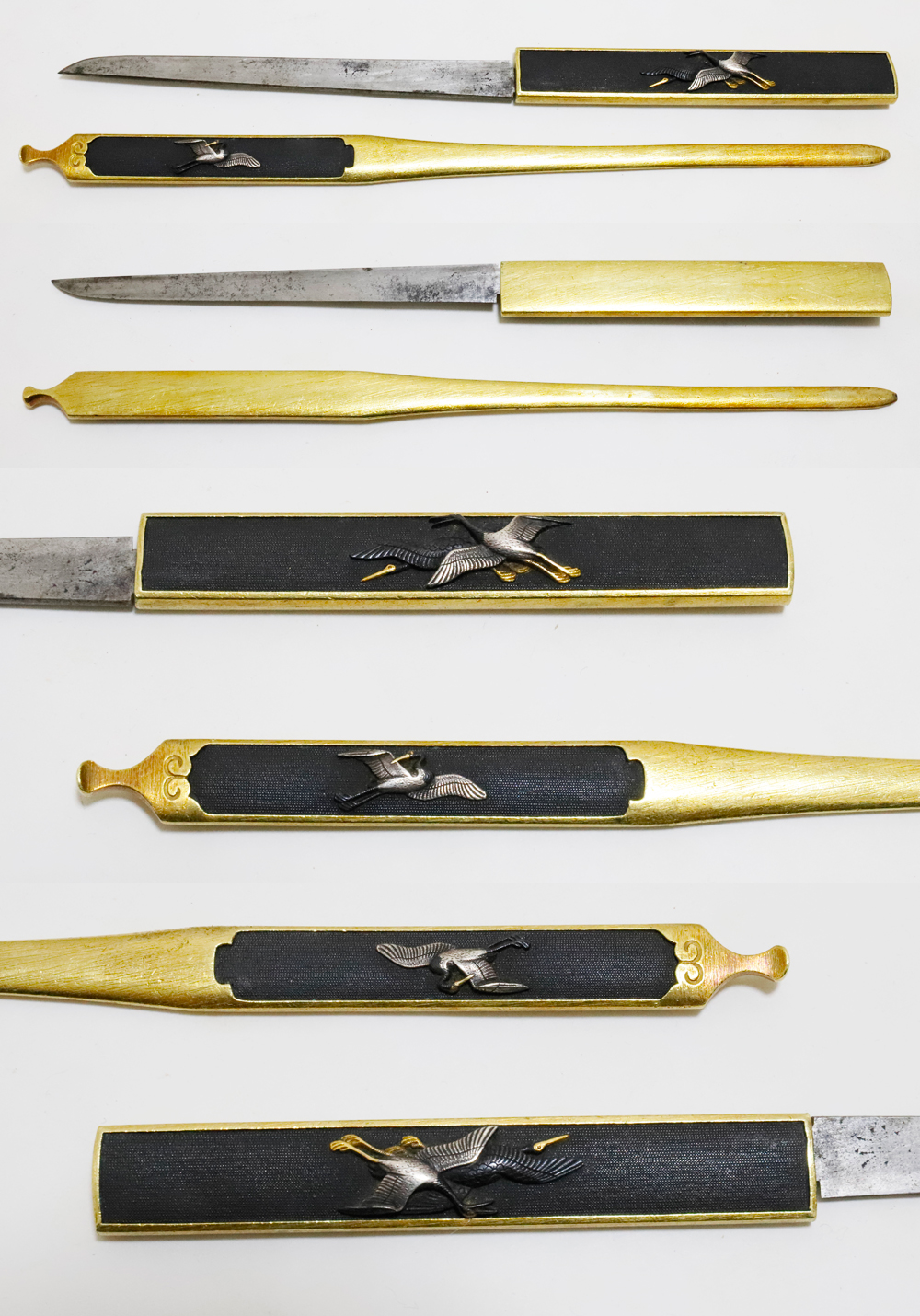
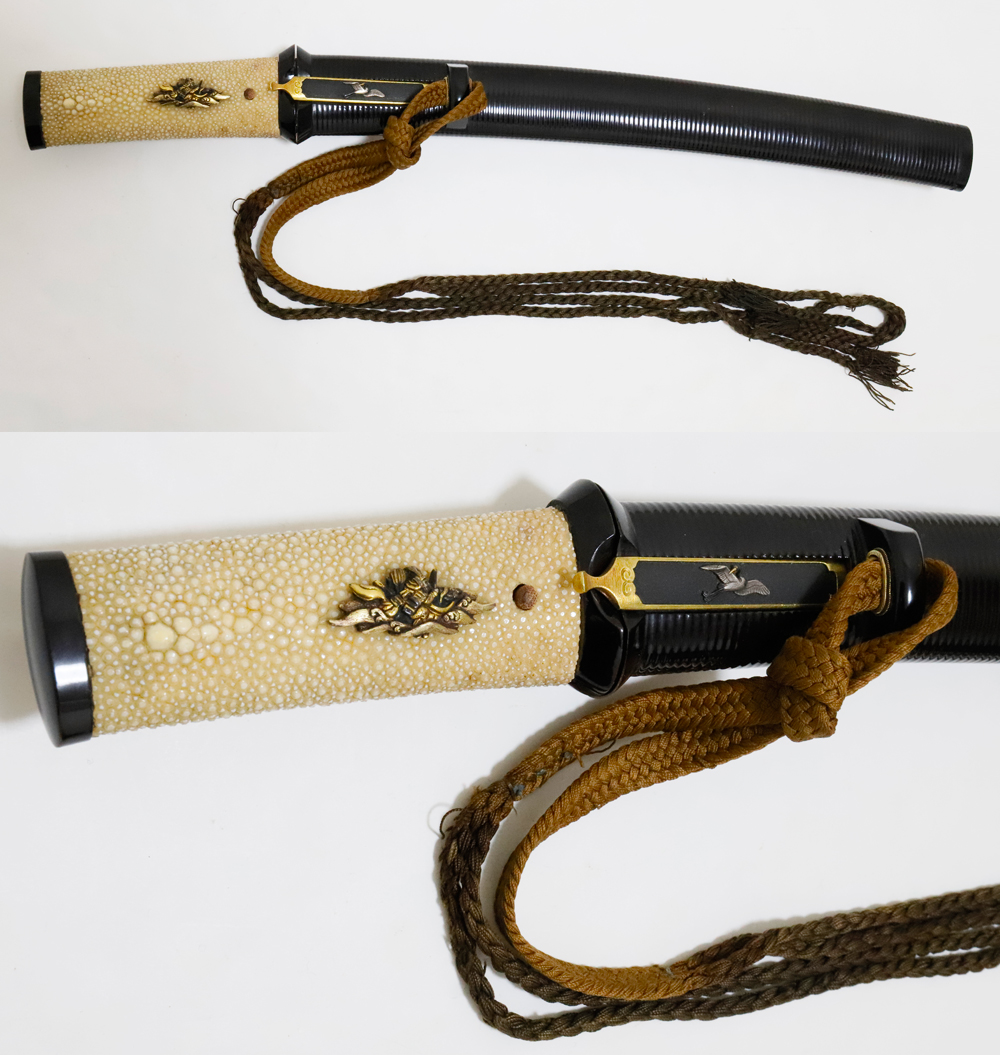
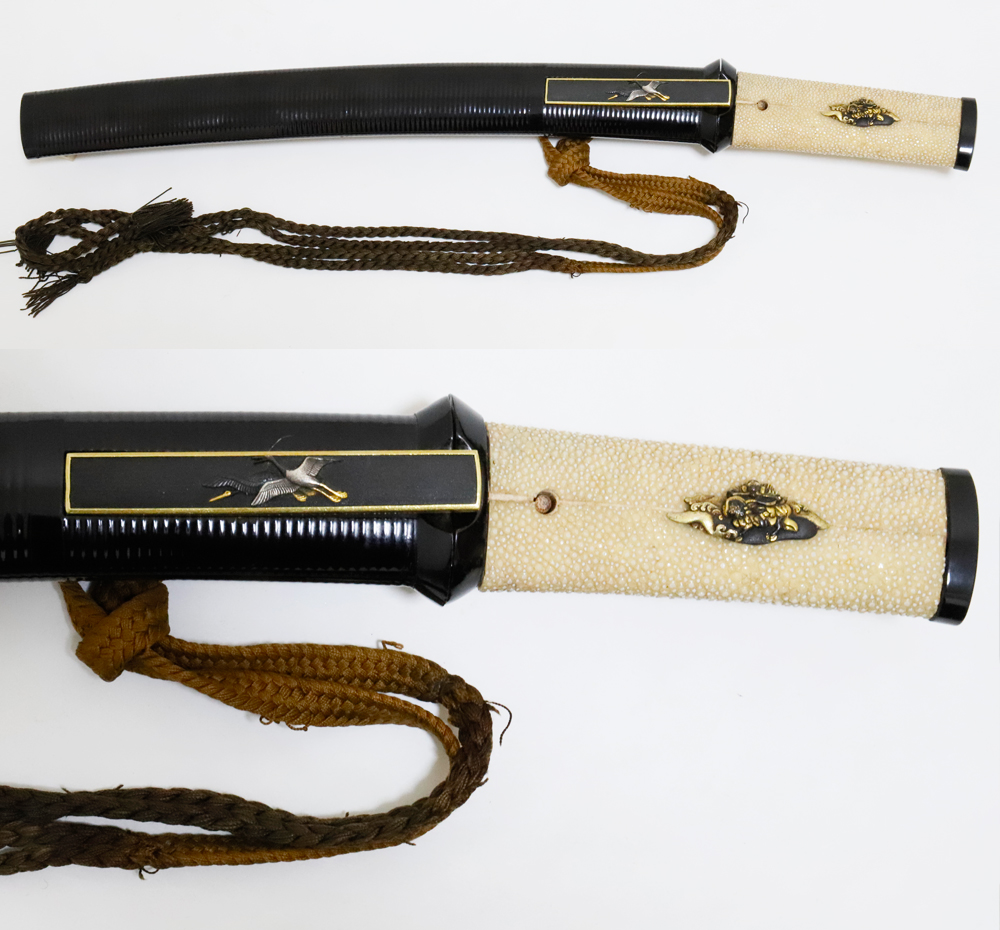
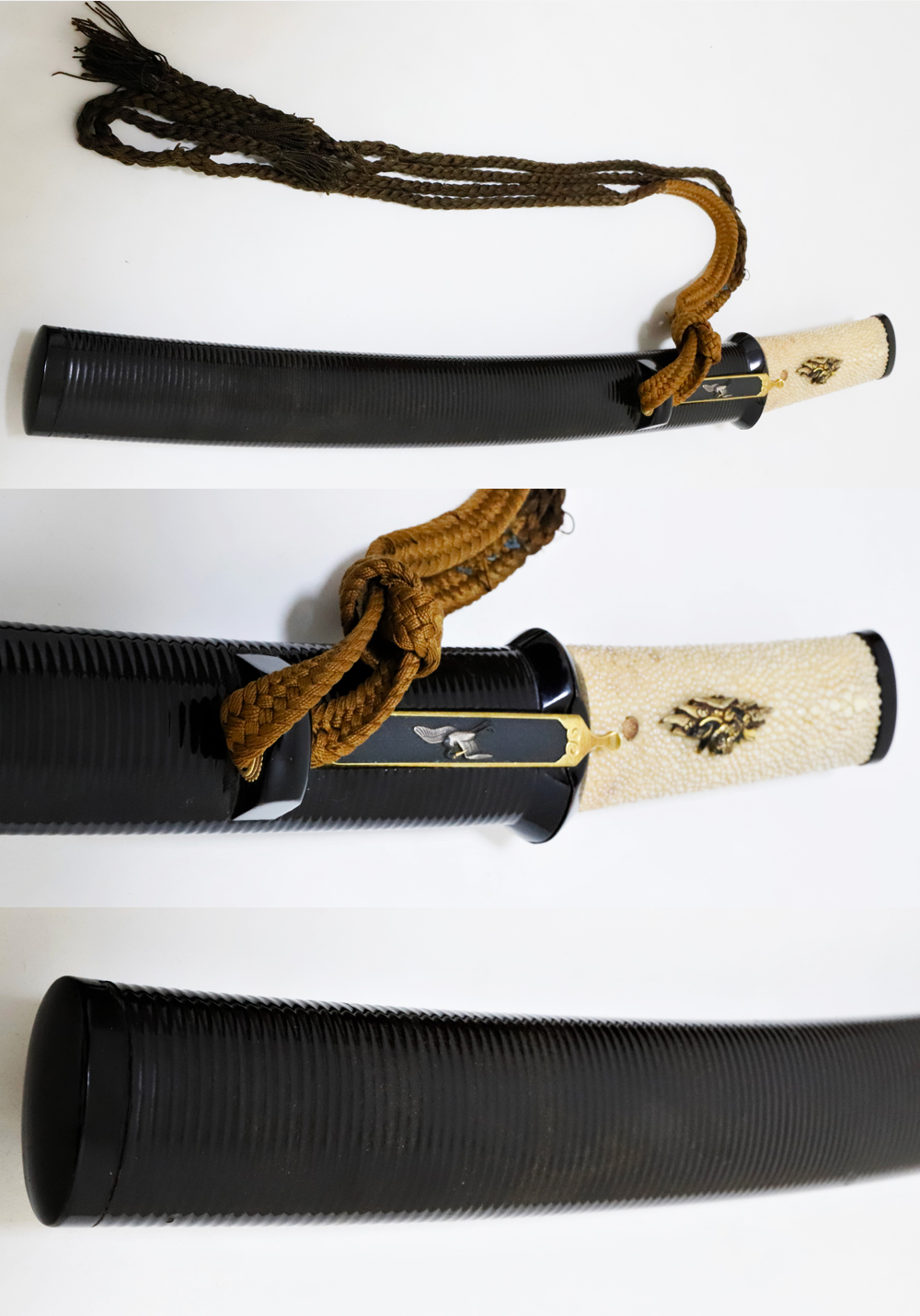
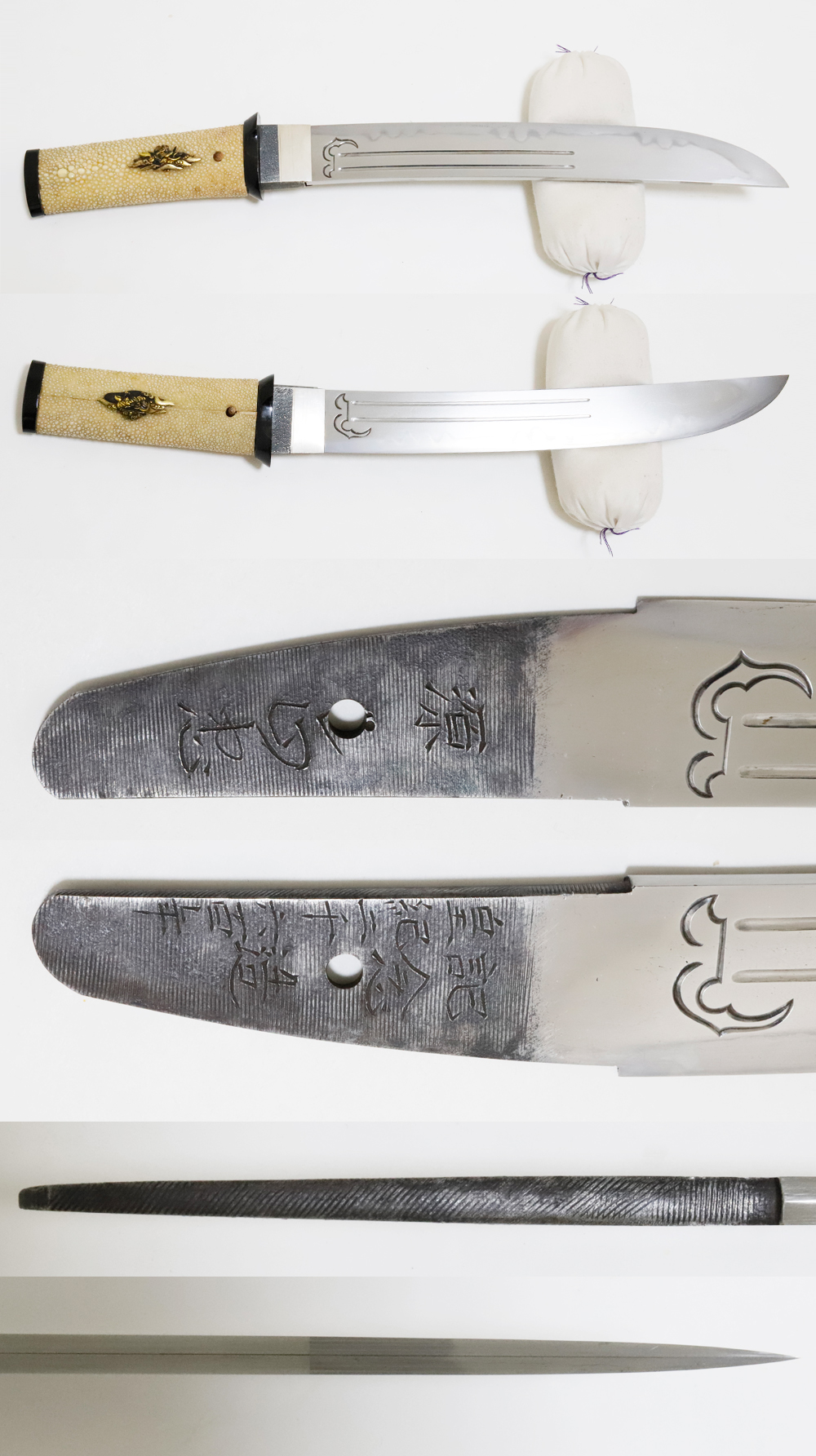
This work is a tanto by Minamoto Masatada, produced in Showa 15 (1940) to commemorate the 2600th anniversary of the Imperial Era. The maker, Minamoto Masatada, was born in Ibaraki Prefecture in Meiji 32 (1899) and was an army-commissioned swordsmith under Katsumura Masakatsu (the second). As indicated by the ura-mei "Koki 2600-nen Kinen-zo," this work conveys the historical background of the 2600th anniversary of the Imperial Era commemorative events held nationwide in Showa 15 (1940), which corresponds to the 2600th year of the Imperial Era. The hira-zukuri sugata, with its extremely wide mihaba and thin kasane, is reminiscent of the famous Soshu Masamune work, "Hocho Masamune." The omote and ura feature gomabashi carvings with tsume, making this a sword crafted with the characteristic sugata and design of the Hocho Masamune in mind. The jigane is based on a tight itame-hada, and the hamon is a sugu-cho with three consecutive gunome arranged in the upper, middle, and lower sections. This work is an ambitious piece created by a Showa-era swordsmith using his own unique skills while taking that famous old sword as a model. It comes with an aikuchi-koshirae featuring a black roiro-nuri saya, a white same-hada tsuka with menuki, and a kozuka and kogai set featuring a celebratory flying crane design with gold that shines against the piece, which was neatly custom-made for this sword. Passed the Hozon Token shinsa in June of Reiwa 8 (2026).
Minamoto Masatada (Okajima Masatada)
Offered by Touken Matsumoto


Machine translation of the shop's Japanese ·
Machine translation from the shop's Japanese · may contain errors ·
Shōwa to the present: destruction and revival
The twentieth century nearly killed the craft twice: wartime distortion, then the occupation ban. The NBTHK’s founding in 1948 and licensed forging from 1953 rebuilt the sword as an art, crowned by Living National Treasures and the mukansa rank.
Certifies a genuine blade worth preserving: a signature confirmed correct, or, if unsigned, an era, province, and school that the NBTHK can reliably identify.
The NBTHK (Nihon Bijutsu Tōken Hozon Kyōkai, the Society for the Preservation of Japanese Art Swords) is a public-interest incorporated foundation founded in 1948 and supervised by Japan’s Agency for Cultural Affairs (Bunkachō); it is based at the Japanese Sword Museum in Tokyo. Its expert panels physically examine each submitted work (shinsa) and issue a certificate (kanteishō) ranking it by artistic and historical merit. NBTHK papers are the most widely recognized standard of authentication for Japanese swords and fittings.
NBTHK official siteReturns within 7 days of the item's arrival. Returns are not possible if (1) the item has been altered, or (2) for overseas transactions.
¥600,000