





The twentieth century nearly killed the craft twice: wartime distortion, then the occupation ban. The NBTHK’s founding in 1948 and licensed forging from 1953 rebuilt the sword as an art, crowned by Living National Treasures and the mukansa rank.
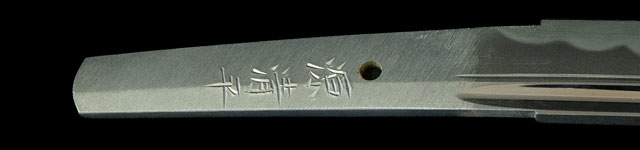
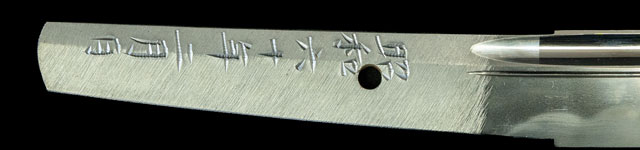
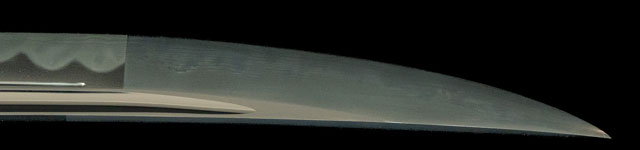
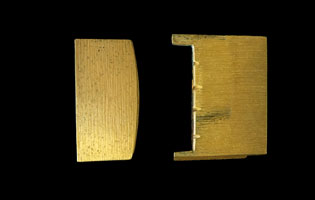
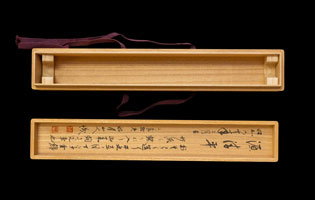
Younger brother of Living National Treasure Miyairi Shohei, born in Taisho 13. He excelled at Kiyomaro utsushi and changed his name to Kiyomune in Heisei gannen. This work is also a masterpiece that probably copies the construction of Kiyomaro. The hamon is gunome midare with ashi reaching the ha-saki, and sunagashi and kinsen are well-incorporated. The boshi is a masterpiece with sunagashi and kinsen covering the entire surface. It comes with a tomobako, which has an inscription by Kozetsusanjin (Otani Kozetsu).
Offered by Touken Hataya


Machine translation of the shop's Japanese ·
Machine translation from the shop's Japanese · may contain errors ·
Shōwa to the present: destruction and revival
The twentieth century nearly killed the craft twice: wartime distortion, then the occupation ban. The NBTHK’s founding in 1948 and licensed forging from 1953 rebuilt the sword as an art, crowned by Living National Treasures and the mukansa rank.
We could not find an authenticity certificate on the seller’s listing. Japanese swords and fittings are normally papered by the NBTHK (or the NTHK). Without one, the attribution is the seller’s own assessment and has not been independently verified — treat it with caution and ask the dealer about certification before buying.
Please request cooling-off within 8 days of the item's arrival. Items that have been altered cannot be handled. Return shipping is the customer's responsibility. If the destination is overseas, returns and refunds are not available.
Price on request