 NihontoWatchNihontoWatch
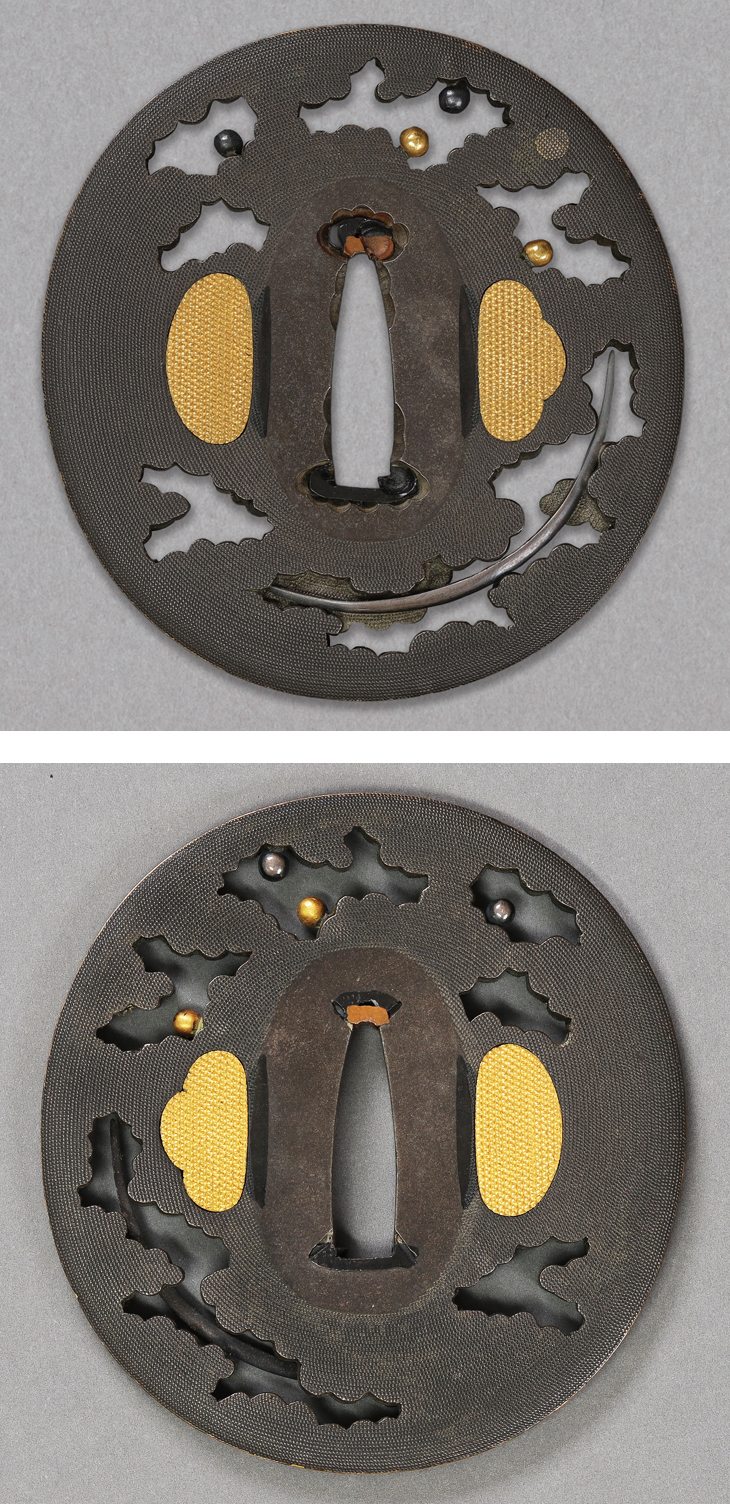
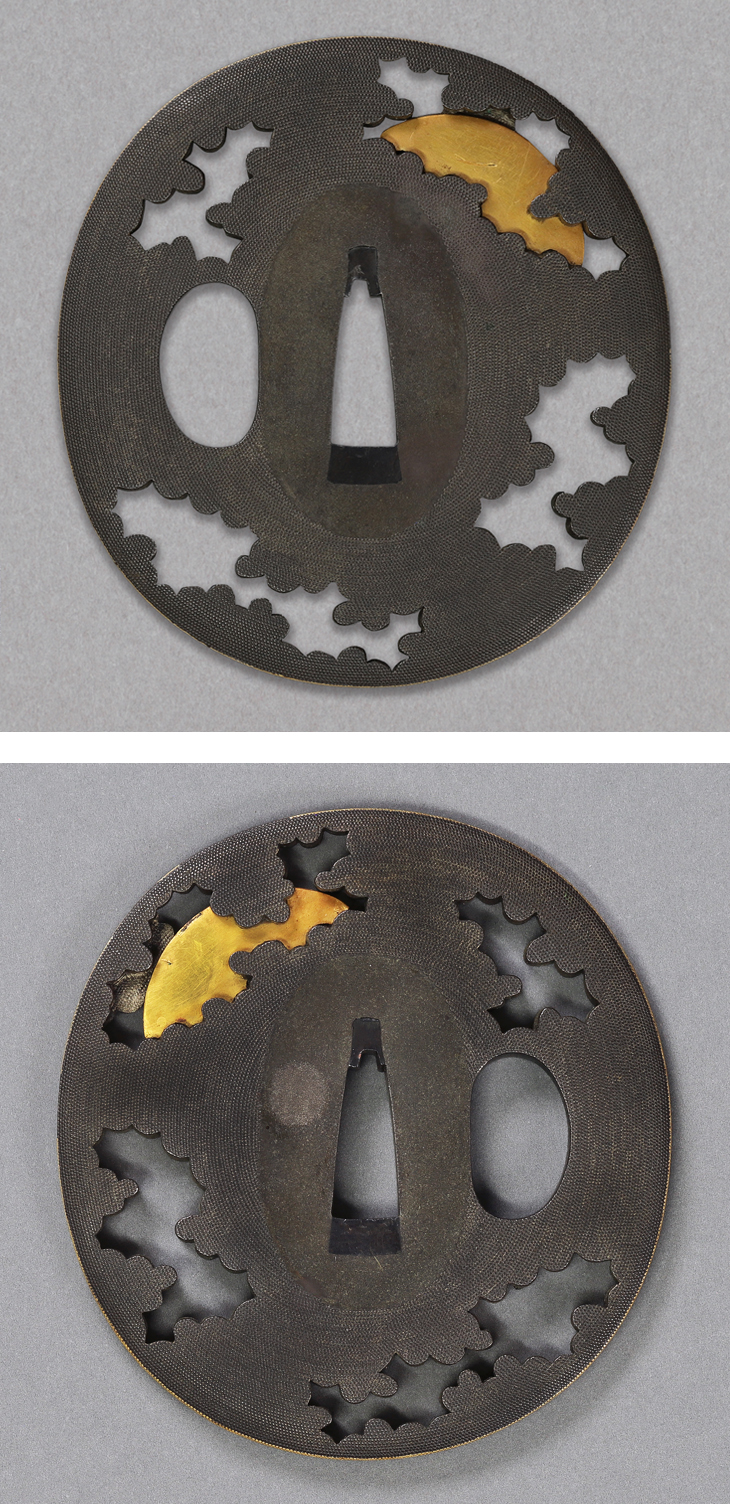
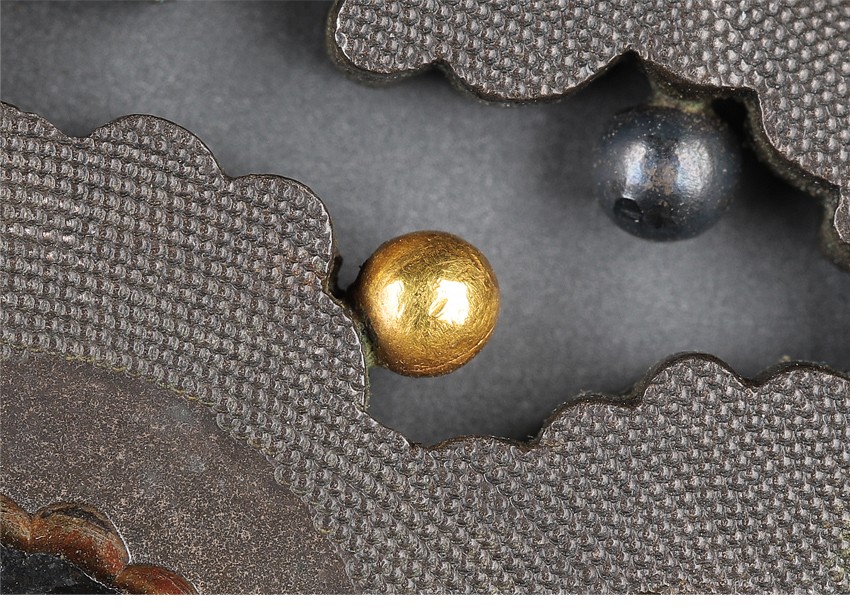
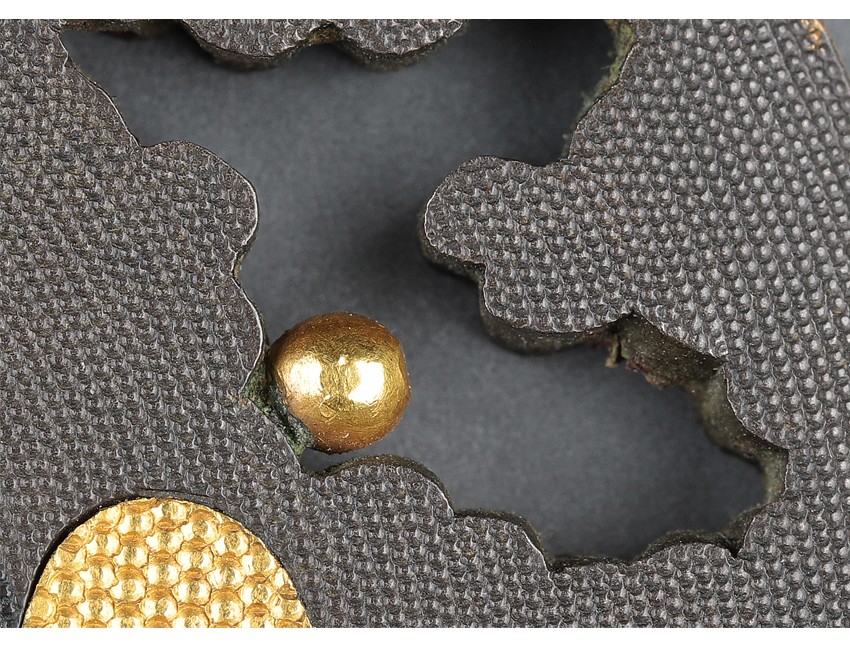
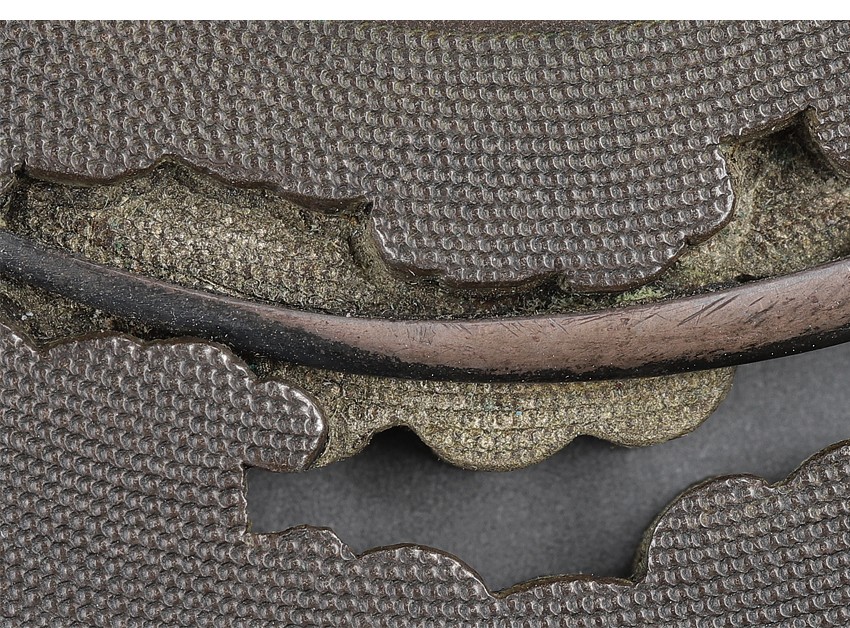
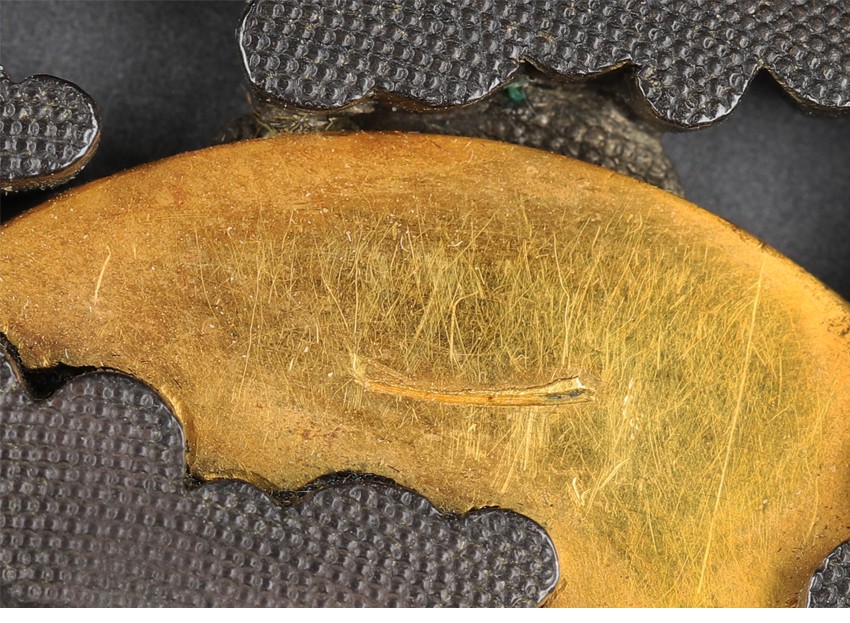
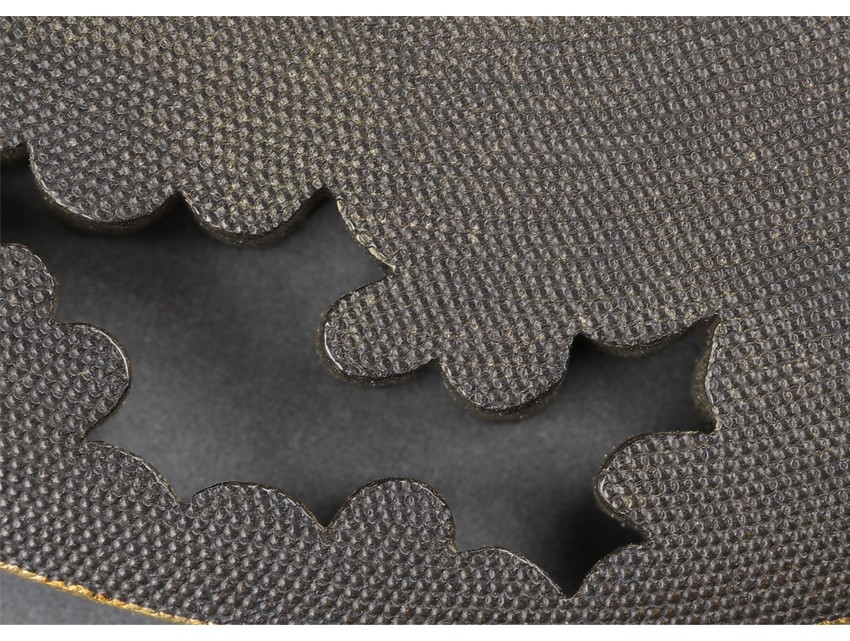
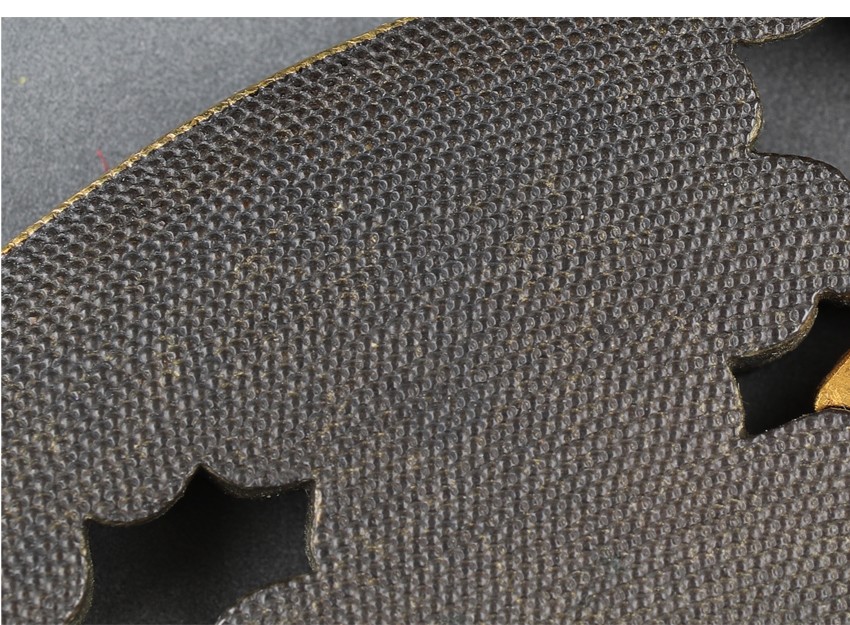
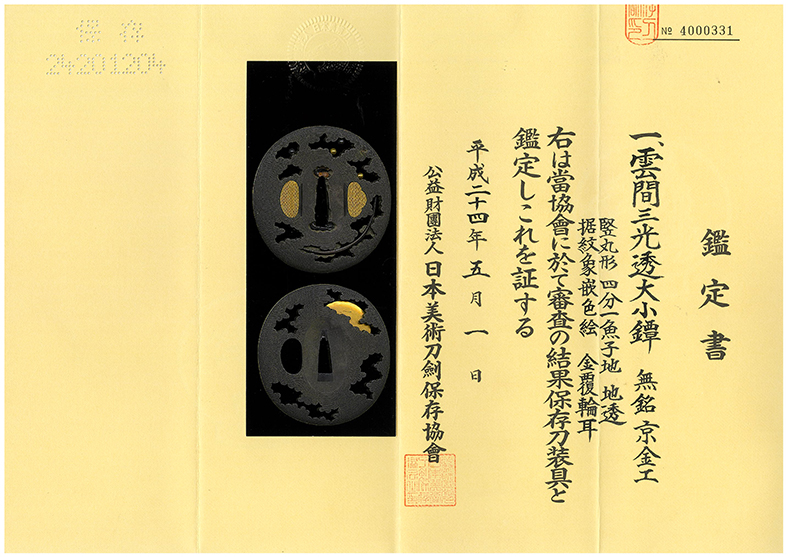
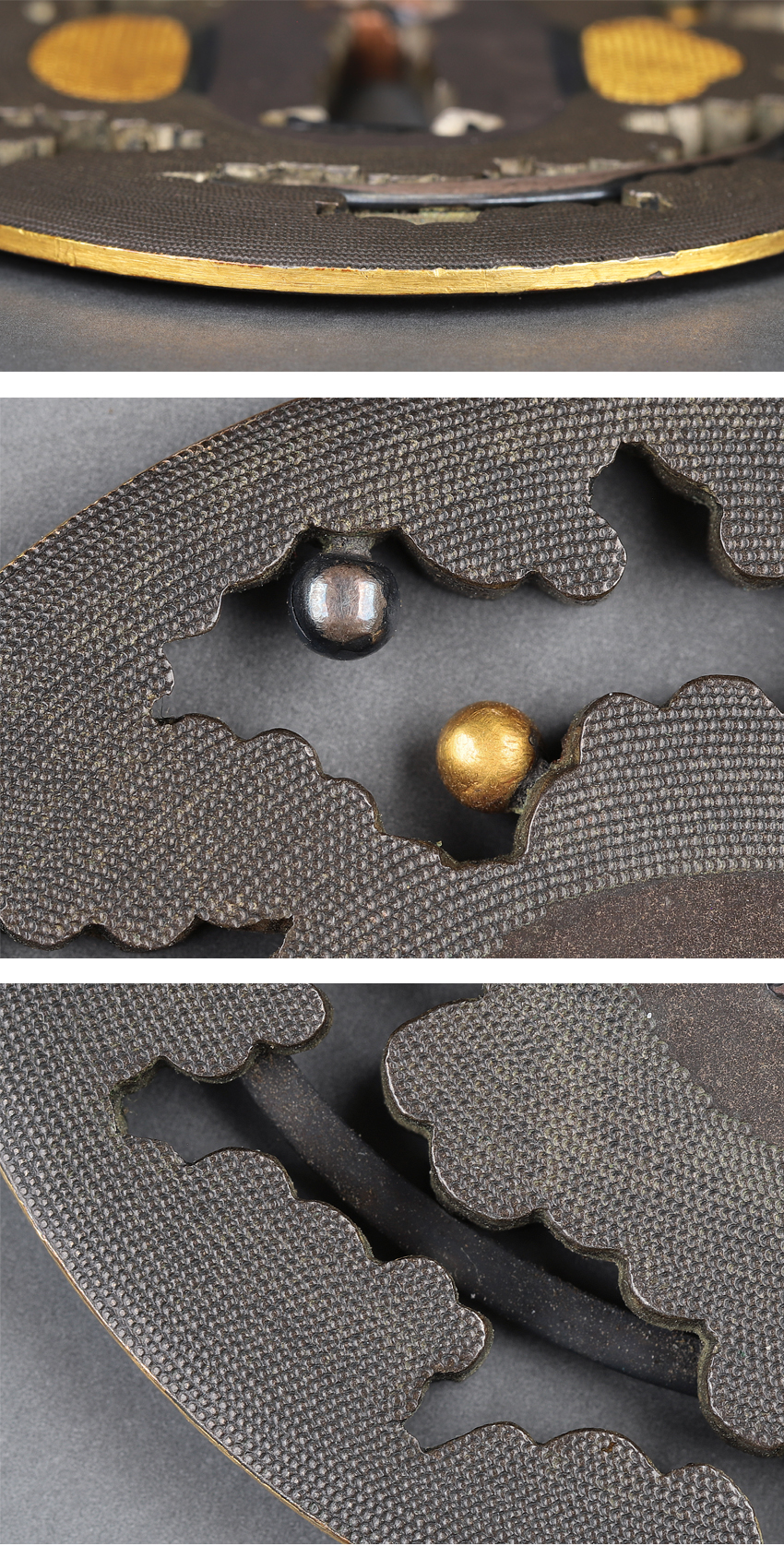
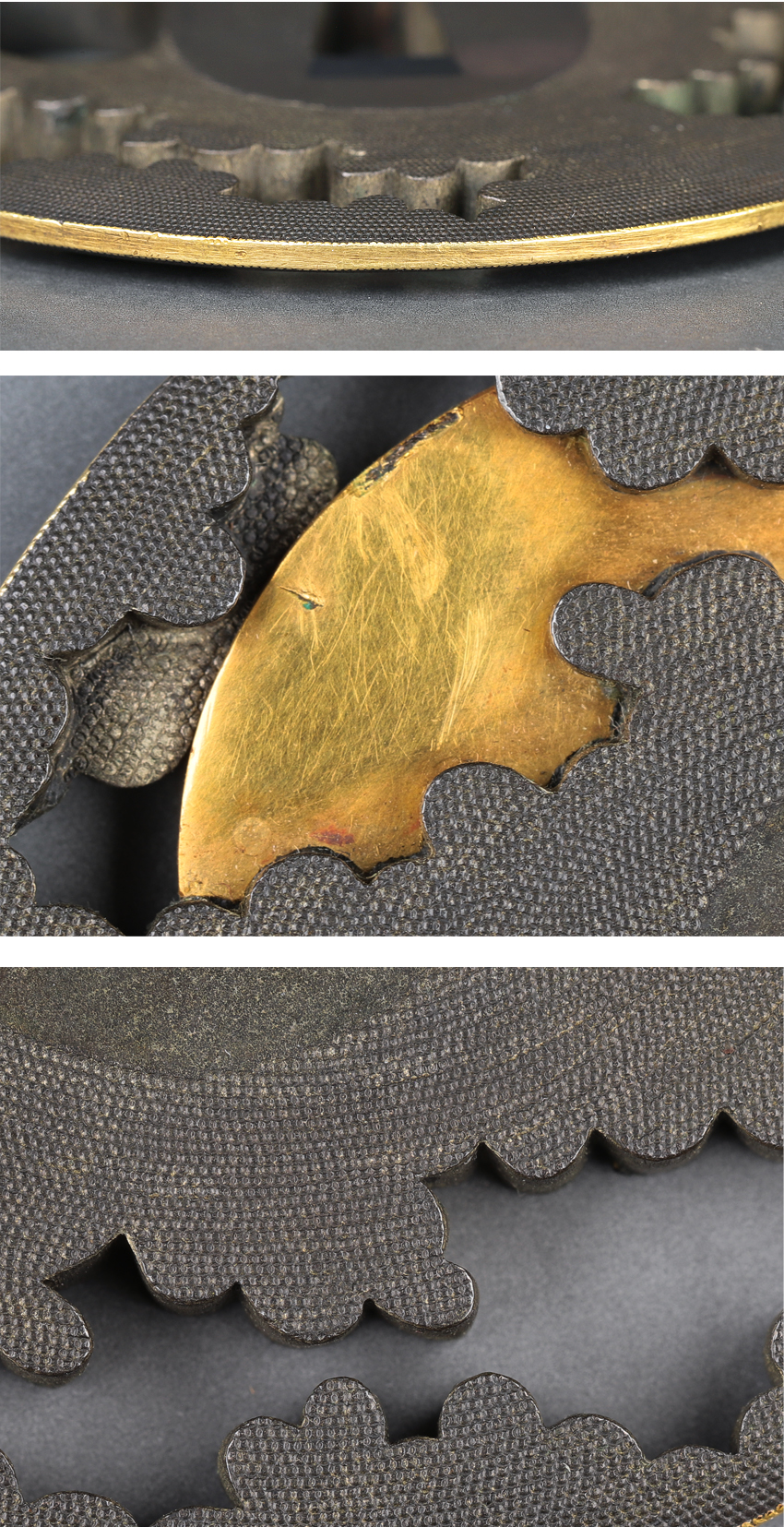
Bakumatsu period Mumei, with Hozon Tosogu Kanteisho as Kyo Kinko Dai: Tate: 67.6, Yoko: 63.9, Atsu: 4.4, Weight: 96g Sho: Tate: 64.7, Yoko: 61.8, Atsu: 4.3, Weight: 90g Shibuichi nanako-ji, tatemaru-gata, ji-sukashi, suemon zogan iroe, kin-fukurin mimi, ryohitsu kin-ume (Dai), kata-hitsu ana (Sho) This is a very rare daisho tsuba set. Cloud patterns are pierced through a fine shibuichi nanako-ji. On the dai-tsuba, a crescent moon and stars are placed within the sukashi and decorated with iroe. On the sho-tsuba, clouds are similarly pierced, and a gold moon is placed within the sukashi. The technique of piercing a pattern and then placing the moon and stars inside it is something I have never seen before and is quite surprising. While it is given a kiwame of Kyo Kinko, in any case, it seems to have been a quite provocative style for that time. In a dedicated paulownia box
NihontoWatchOffered by Samurai Nippon

Machine translation from the shop's Japanese · may contain errors ·
Certifies a genuine fitting worth preserving: a correct signature, or, if unsigned, an identifiable era and school, with recognized artistic and craft value.
The NBTHK (Nihon Bijutsu Tōken Hozon Kyōkai, the Society for the Preservation of Japanese Art Swords) is a public-interest incorporated foundation founded in 1948 and supervised by Japan’s Agency for Cultural Affairs (Bunkachō); it is based at the Japanese Sword Museum in Tokyo. Its expert panels physically examine each submitted work (shinsa) and issue a certificate (kanteishō) ranking it by artistic and historical merit. NBTHK papers are the most widely recognized standard of authentication for Japanese swords and fittings.
NBTHK official siteFor one-of-a-kind items such as swords, sword fittings and antiques, other customers may be waiting for the item, so please contact us about a return within 3 days of its arrival and ship it back within 8 days. Refunds are made on the day the returned item arrives.
¥980,000