 NihontoWatchNihontoWatch
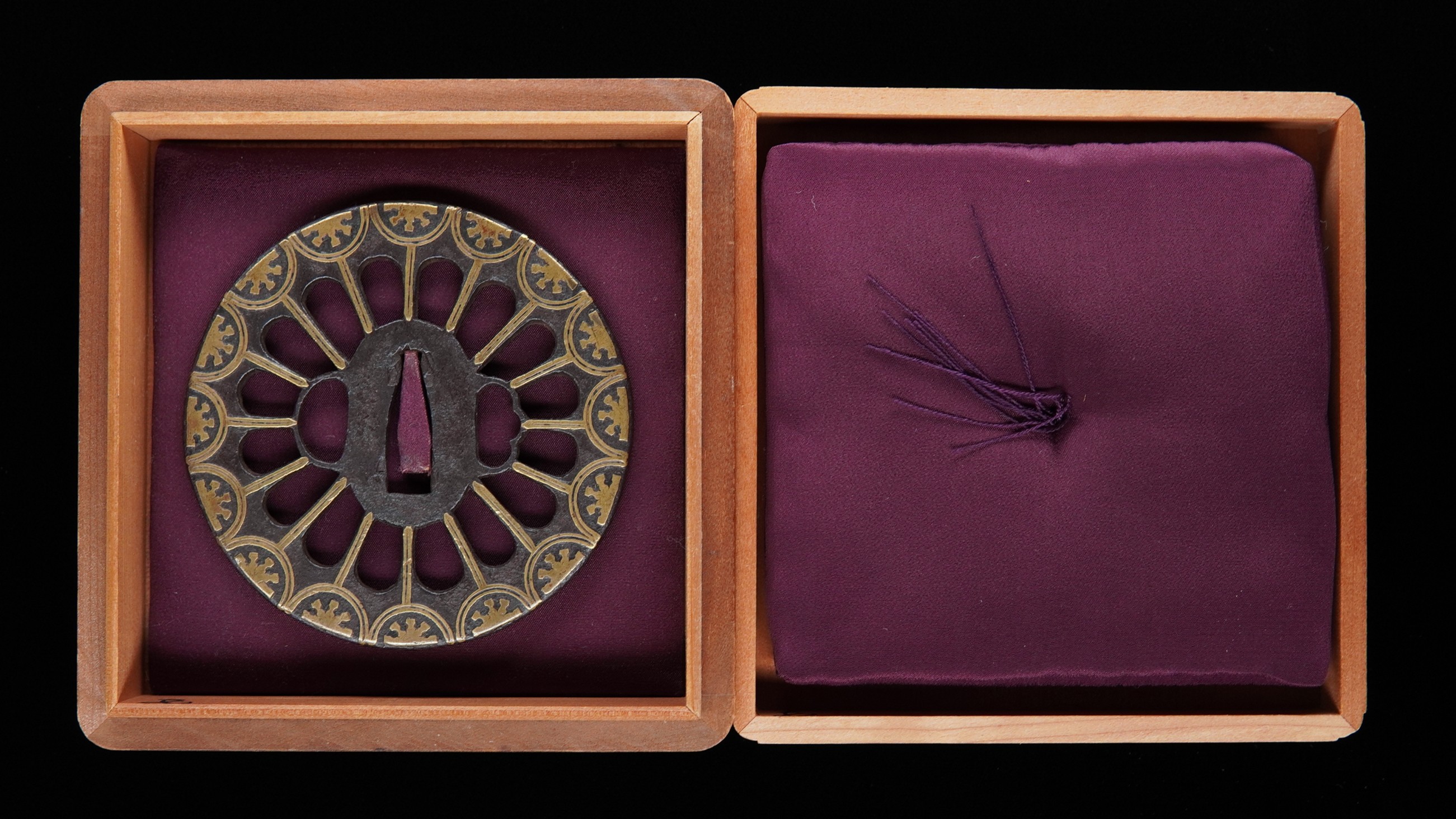
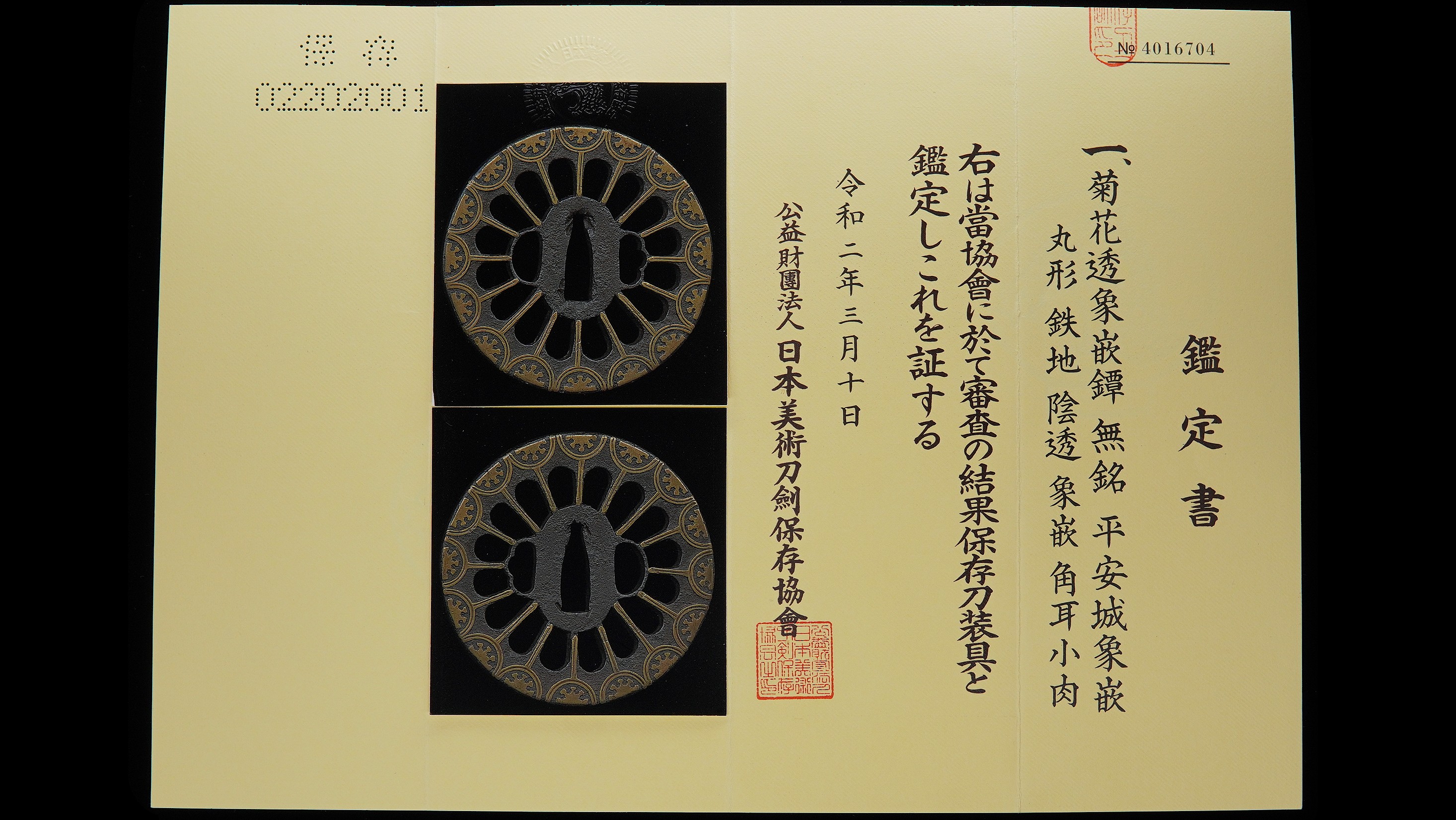
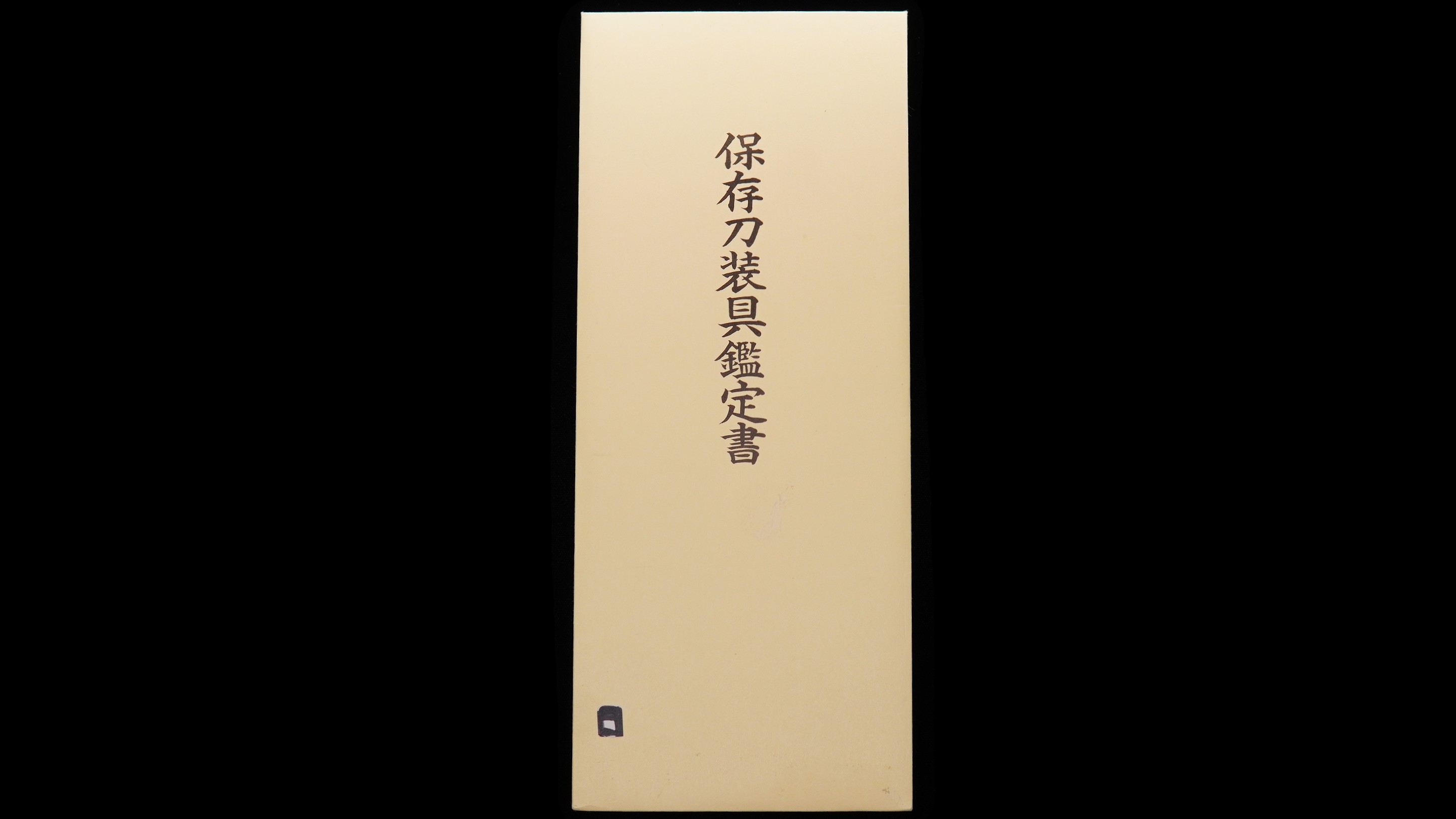
mumei Heianjo zogan maru-gata tetsu-ji kage-sukashi zogan kaku-mimi koniku with kiribako *Please forgive slight errors as these are amateur measurements taken with calipers. Heianjo-style shinchu zogan tsuba were produced primarily from the late Muromachi period to the early Edo period, and as time passed, various iroe such as kin, gin, shakudo, and suaka were used together. Works from older periods are basically mumei, but from the Azuchi-Momoyama period onward, pieces with individual mei such as "Heianjo-ju..." began to appear. This item has almost no peeling of the zogan and is a piece I can recommend to those looking for a Heianjo zogan tsuba. *There is a paper sticker on the bottom left of the envelope for the kanteisho. Please understand this.
NihontoWatchOffered by Katana Yamadaiya

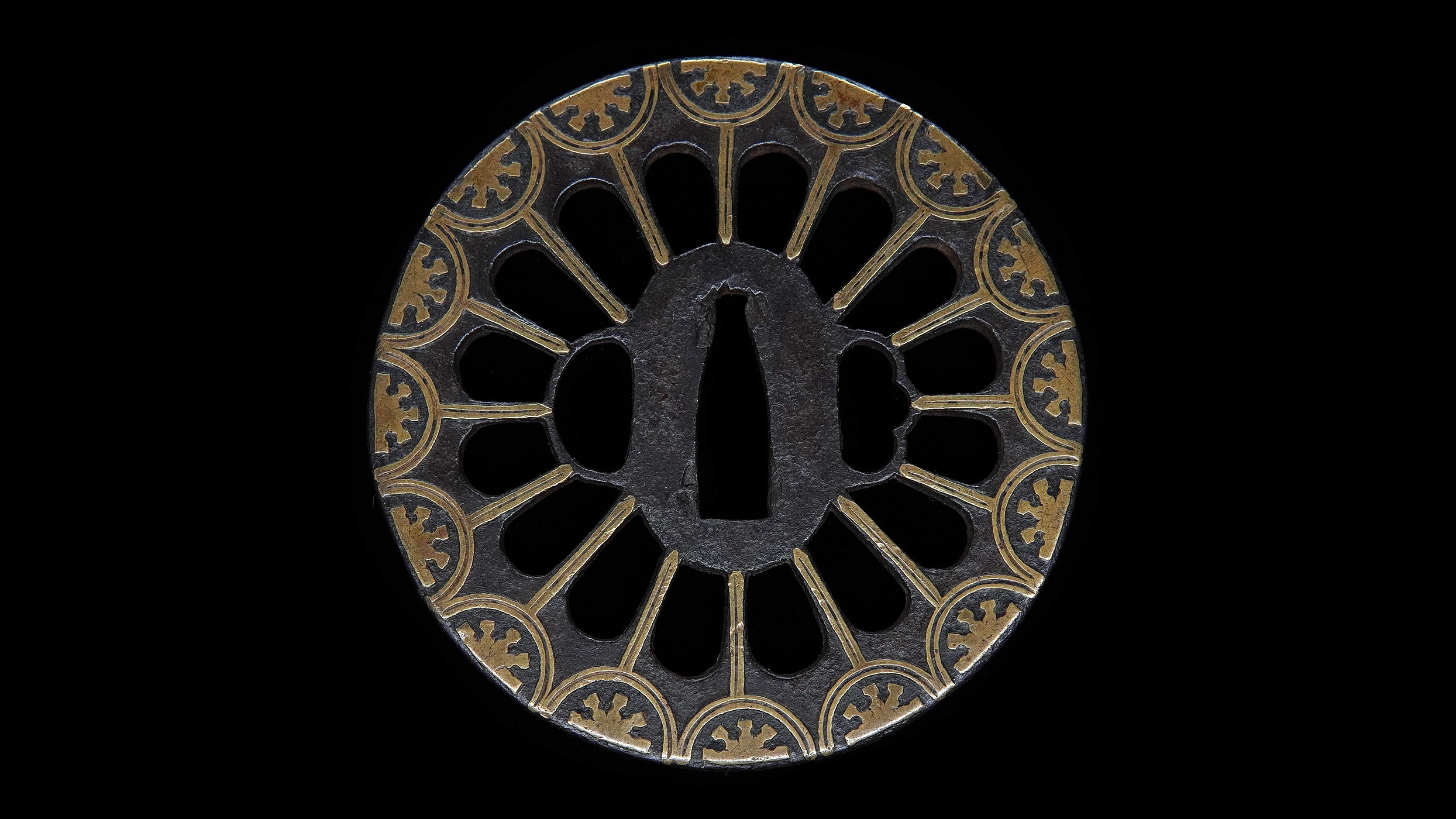
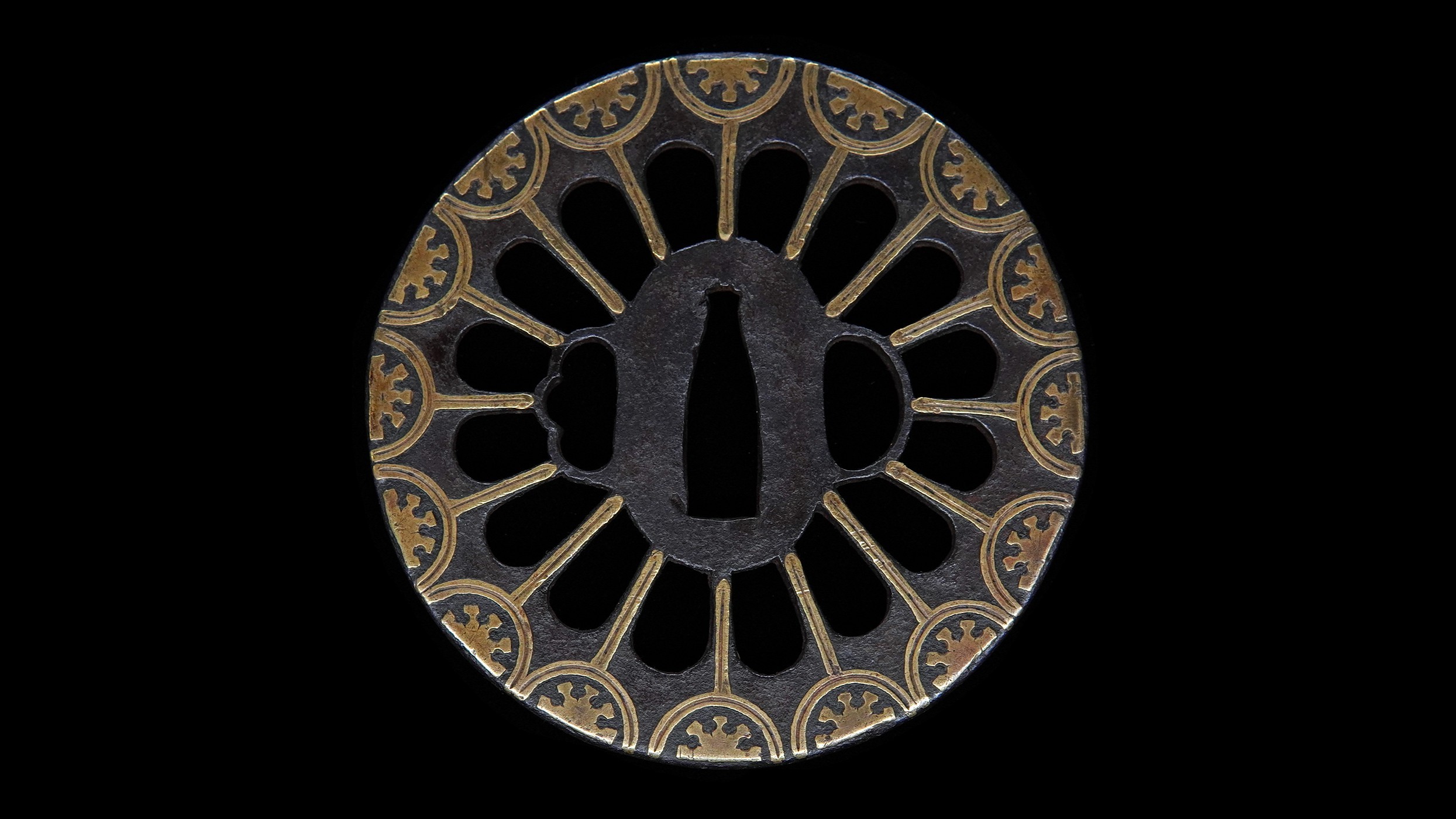
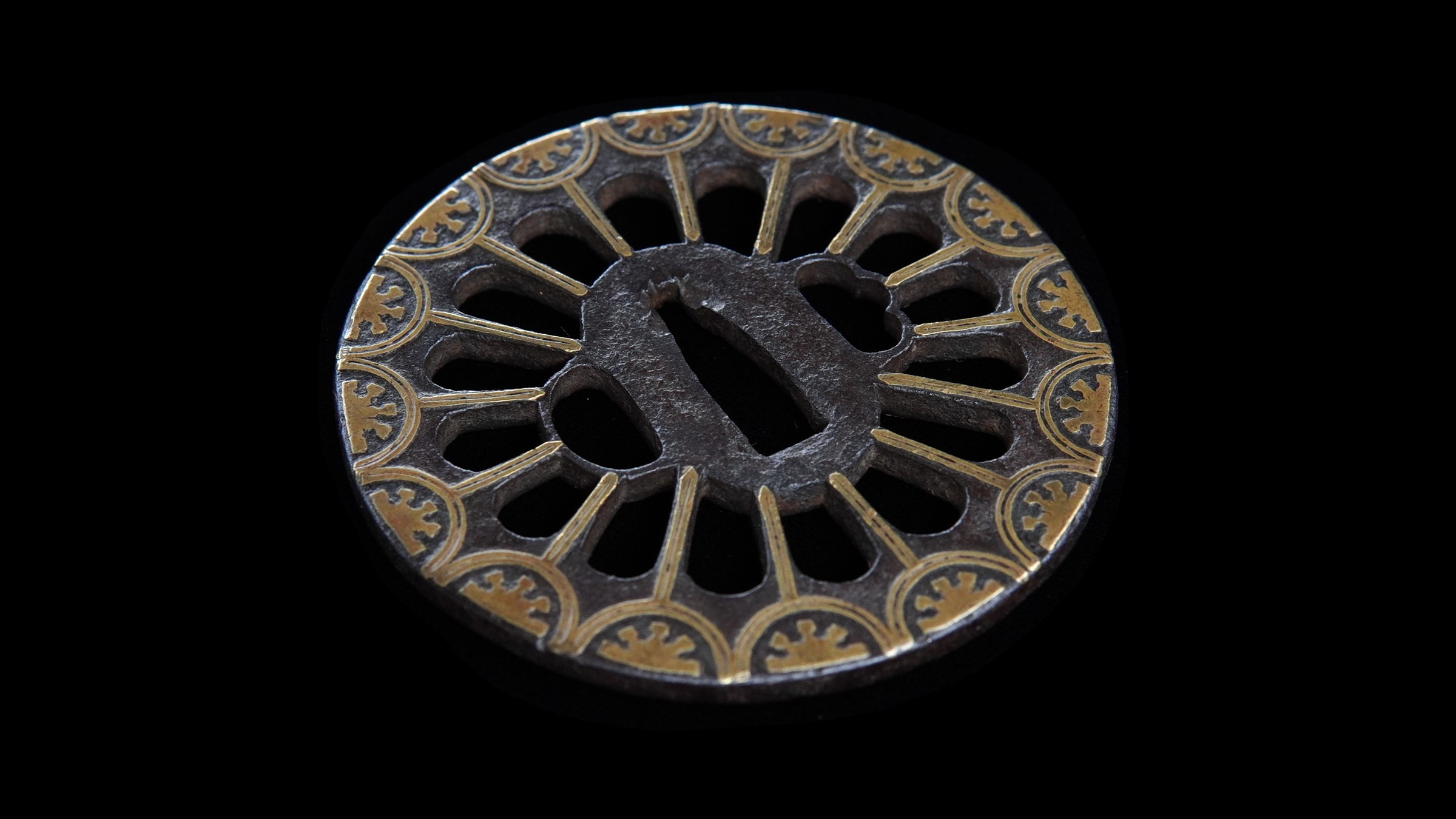
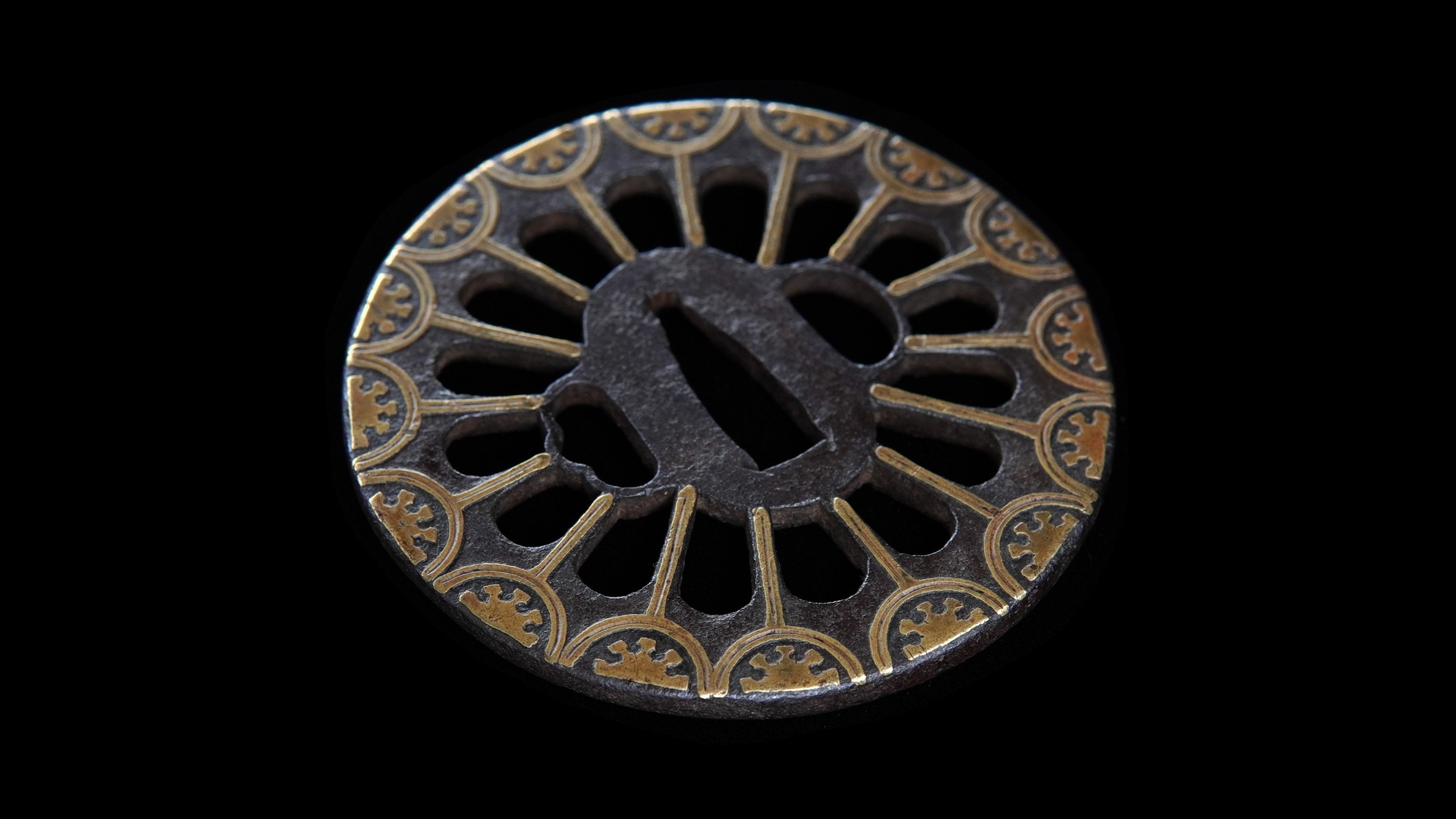
Machine translation from the shop's Japanese · may contain errors ·
Certifies a genuine fitting worth preserving: a correct signature, or, if unsigned, an identifiable era and school, with recognized artistic and craft value.
The NBTHK (Nihon Bijutsu Tōken Hozon Kyōkai, the Society for the Preservation of Japanese Art Swords) is a public-interest incorporated foundation founded in 1948 and supervised by Japan’s Agency for Cultural Affairs (Bunkachō); it is based at the Japanese Sword Museum in Tokyo. Its expert panels physically examine each submitted work (shinsa) and issue a certificate (kanteishō) ranking it by artistic and historical merit. NBTHK papers are the most widely recognized standard of authentication for Japanese swords and fittings.
NBTHK official site¥85,000