The twentieth century nearly killed the craft twice: wartime distortion, then the occupation ban. The NBTHK’s founding in 1948 and licensed forging from 1953 rebuilt the sword as an art, crowned by Living National Treasures and the mukansa rank.
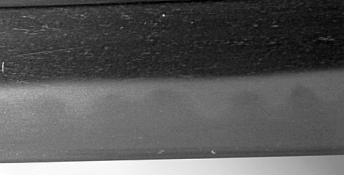
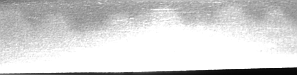
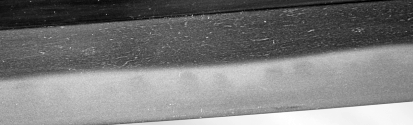
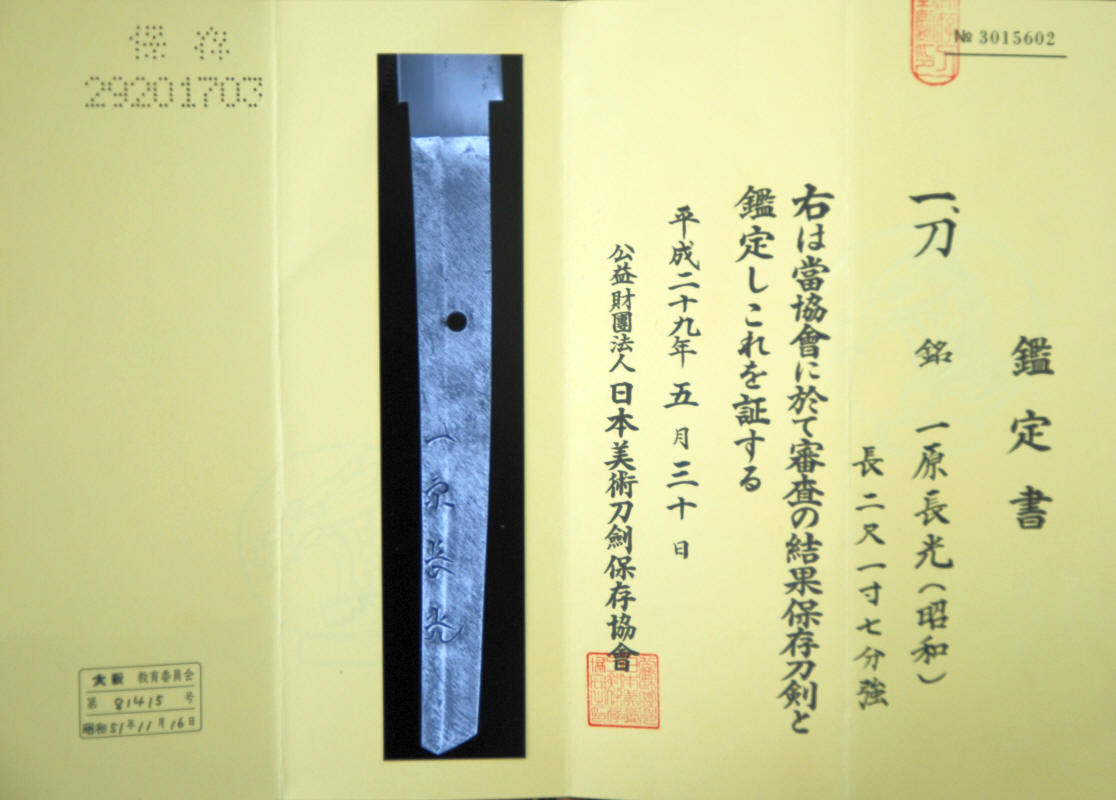
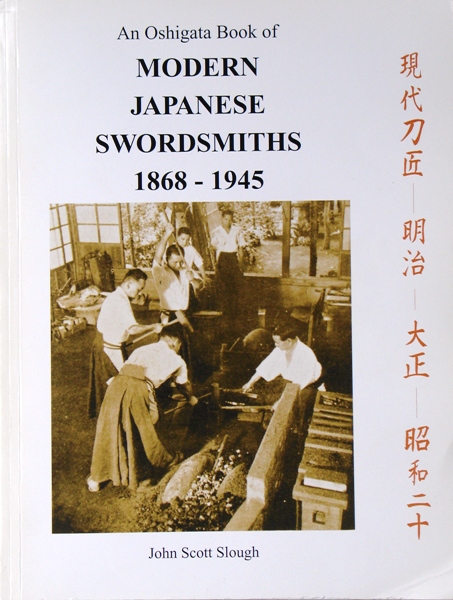
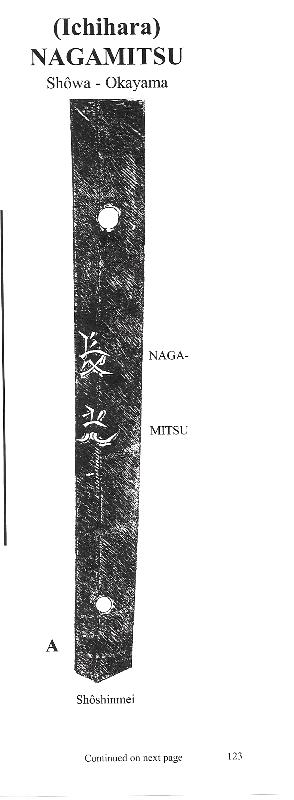
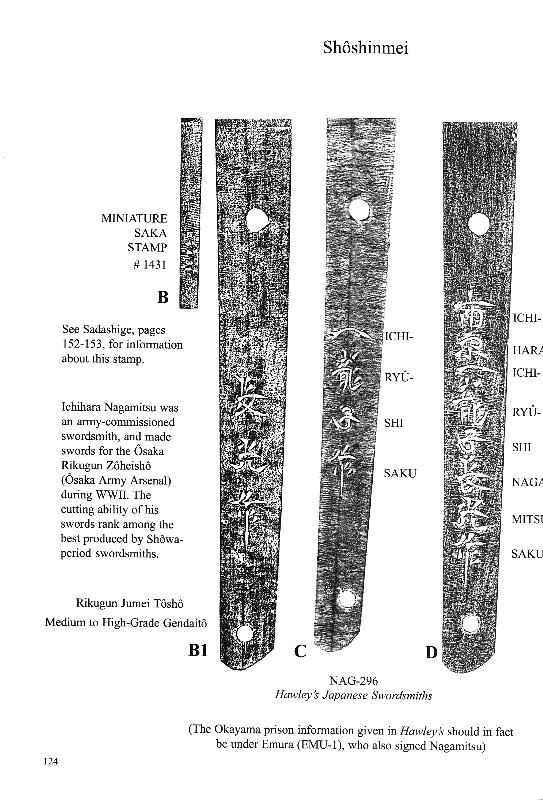
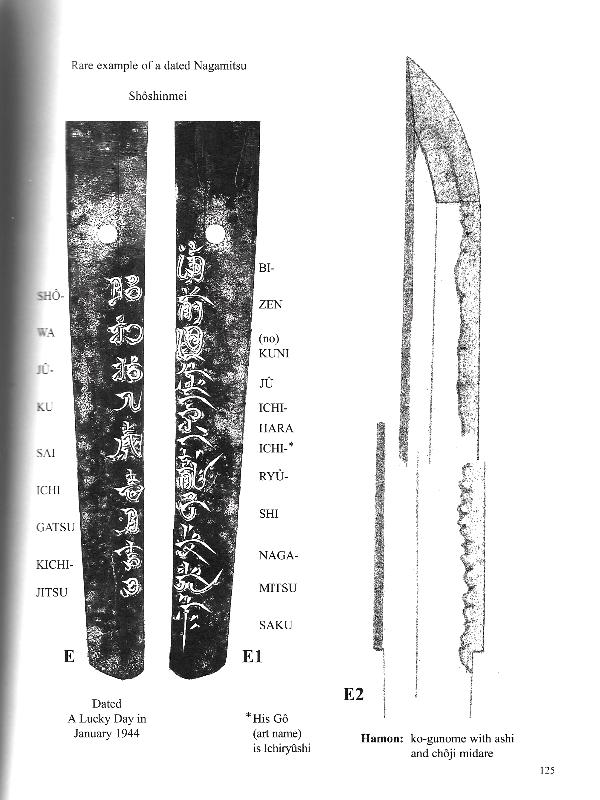
An impressively strong gendai tachi signed yonjimei, Emura Nagamitsu. Hawatare: 2 shaku 1 sun 7 bu. (65.76 cm / 25.89"). Motohaba: 3.33 cm. Sakihaba: 2363 cm. Kasane: 7.65 mm. Shinogizukure, iroi mune, chu kissaki. Nioi deki, gunome midare, some saka gunome. Deep ashiirii. The jigane is an itame. The boshi is slightly toggai with a medium long kaeri. Ref. Slough, An Oshigata Book of Modern Japanese Swordsmiths, 1868 - 1945. In new polish, with a solid silver habaki, in shirasaya, NBTHK Hozon Kanteisho. The new polish is a heavy keisho, making photograhy difficult. He also signed, Nagamitsu; Nagamitsu Saku; Ichiryusai Nagamitsu; Ichihara Ichirusai Nagamitsu; Bizen Kuni Ju Ichiryusai Saku; nado. He was an army commissioned swordsmith for the Osaka Rikugun Zoheisho (Osaka army arsenal). The cutting ability of his swords rank among the best produced during the Showa period. Tight Itame Hada NBTHK Hozon Kanteisho. An Oshigata Book of Modern Japanese Swordsmiths, 1868 - 1945
Offered by Nihonto US


Okayama · around 1926-1989
2 pieces on the market now
Shōwa to the present: destruction and revival
The twentieth century nearly killed the craft twice: wartime distortion, then the occupation ban. The NBTHK’s founding in 1948 and licensed forging from 1953 rebuilt the sword as an art, crowned by Living National Treasures and the mukansa rank.
Certifies a genuine blade worth preserving: a signature confirmed correct, or, if unsigned, an era, province, and school that the NBTHK can reliably identify.
The NBTHK (Nihon Bijutsu Tōken Hozon Kyōkai, the Society for the Preservation of Japanese Art Swords) is a public-interest incorporated foundation founded in 1948 and supervised by Japan’s Agency for Cultural Affairs (Bunkachō); it is based at the Japanese Sword Museum in Tokyo. Its expert panels physically examine each submitted work (shinsa) and issue a certificate (kanteishō) ranking it by artistic and historical merit. NBTHK papers are the most widely recognized standard of authentication for Japanese swords and fittings.
NBTHK official siteThree day, no penalty, inspection on every item. Returns must be in the same condition as shipped. Actual costs will be charged on returned items. No restocking fee. If you did not like the item is a good enough reason for return.