The twentieth century nearly killed the craft twice: wartime distortion, then the occupation ban. The NBTHK’s founding in 1948 and licensed forging from 1953 rebuilt the sword as an art, crowned by Living National Treasures and the mukansa rank.
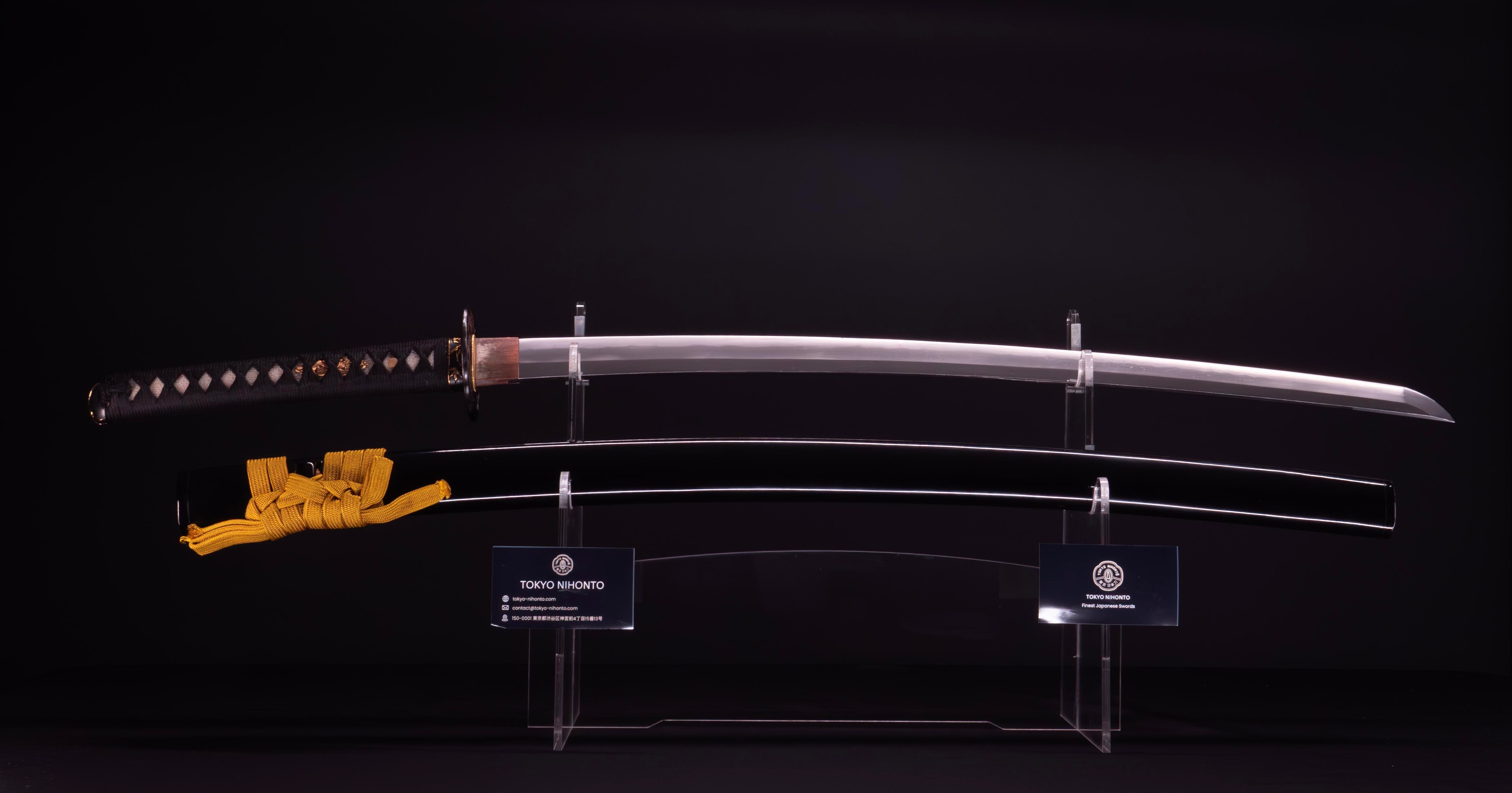
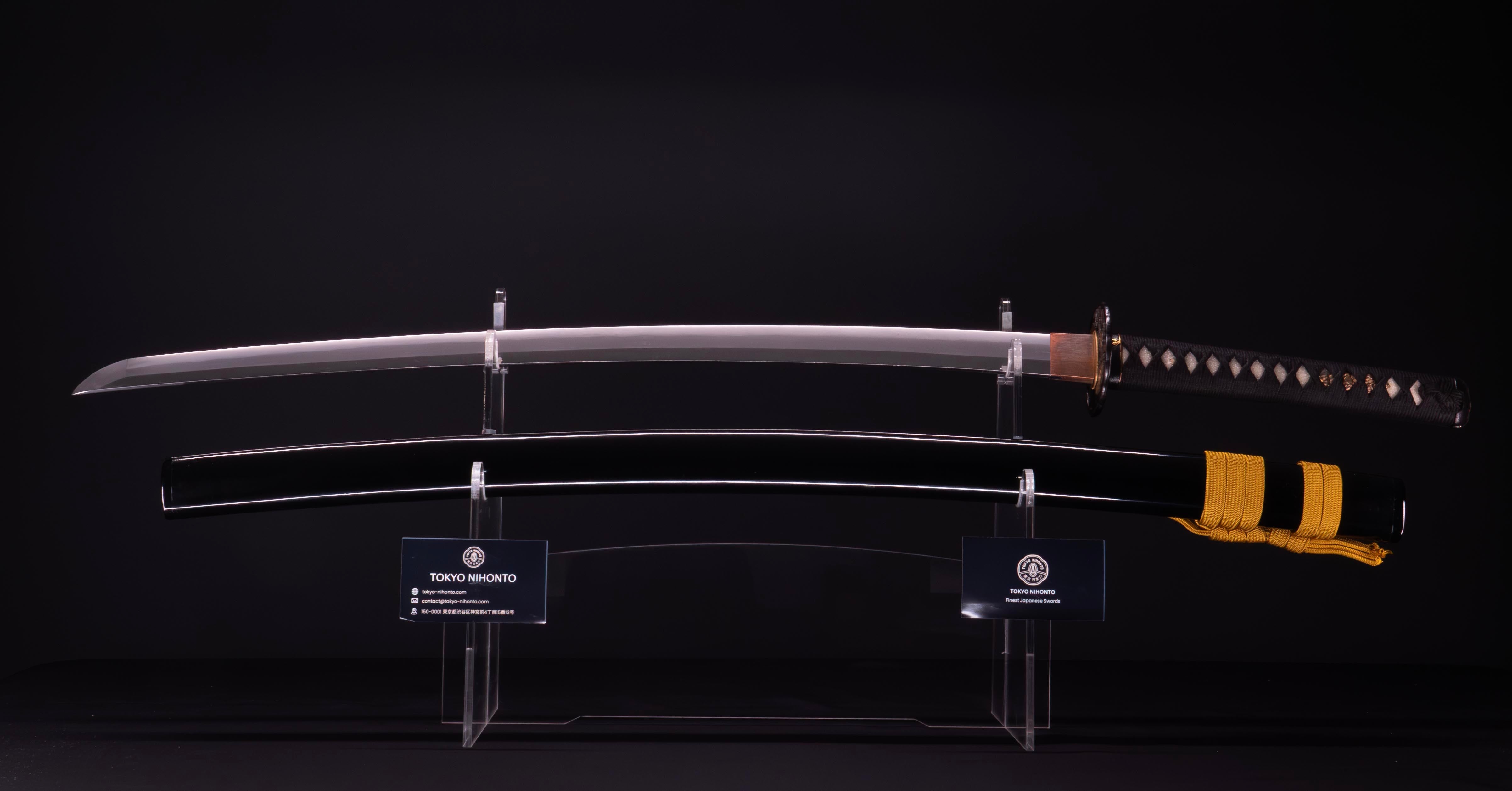
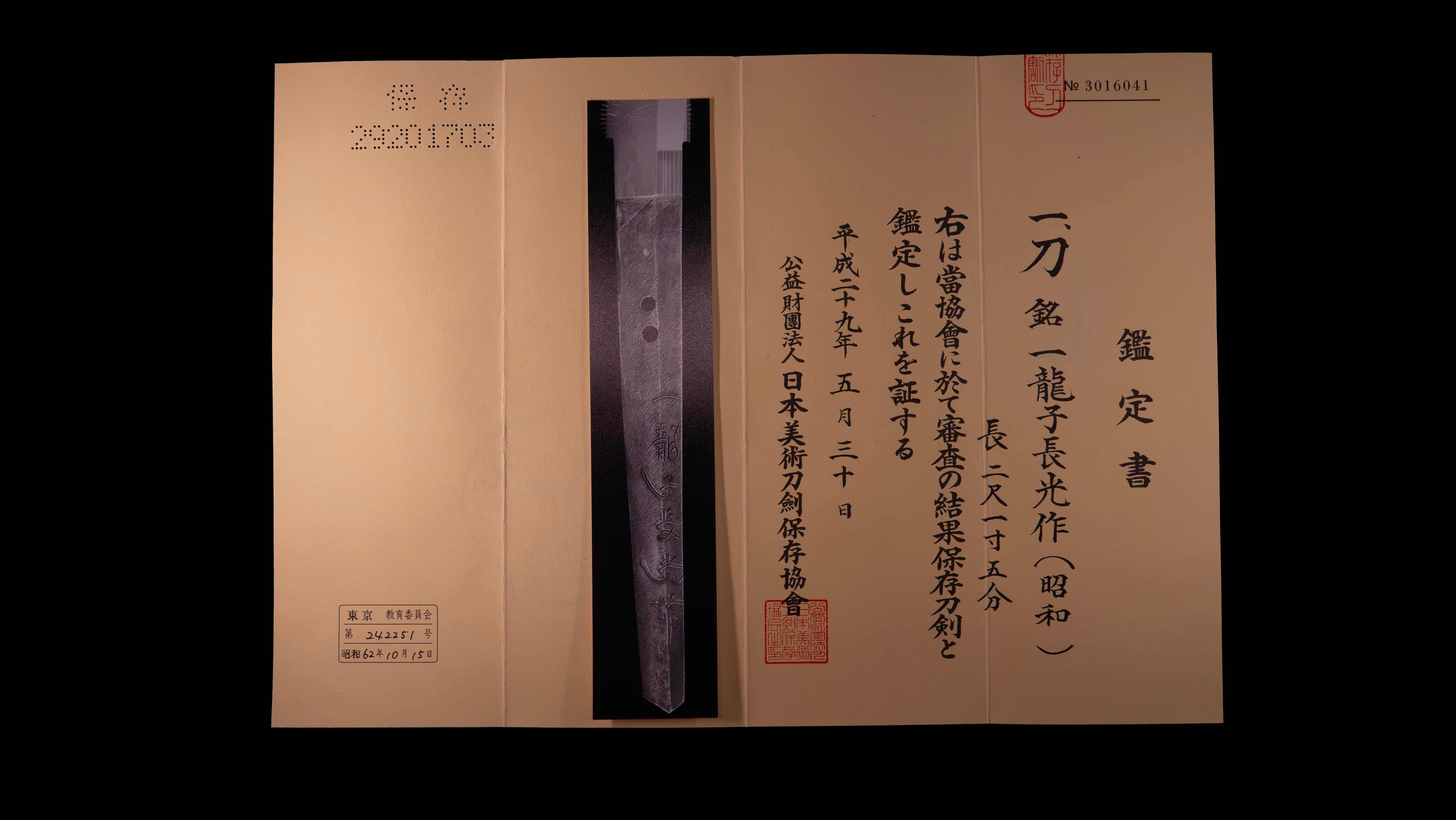
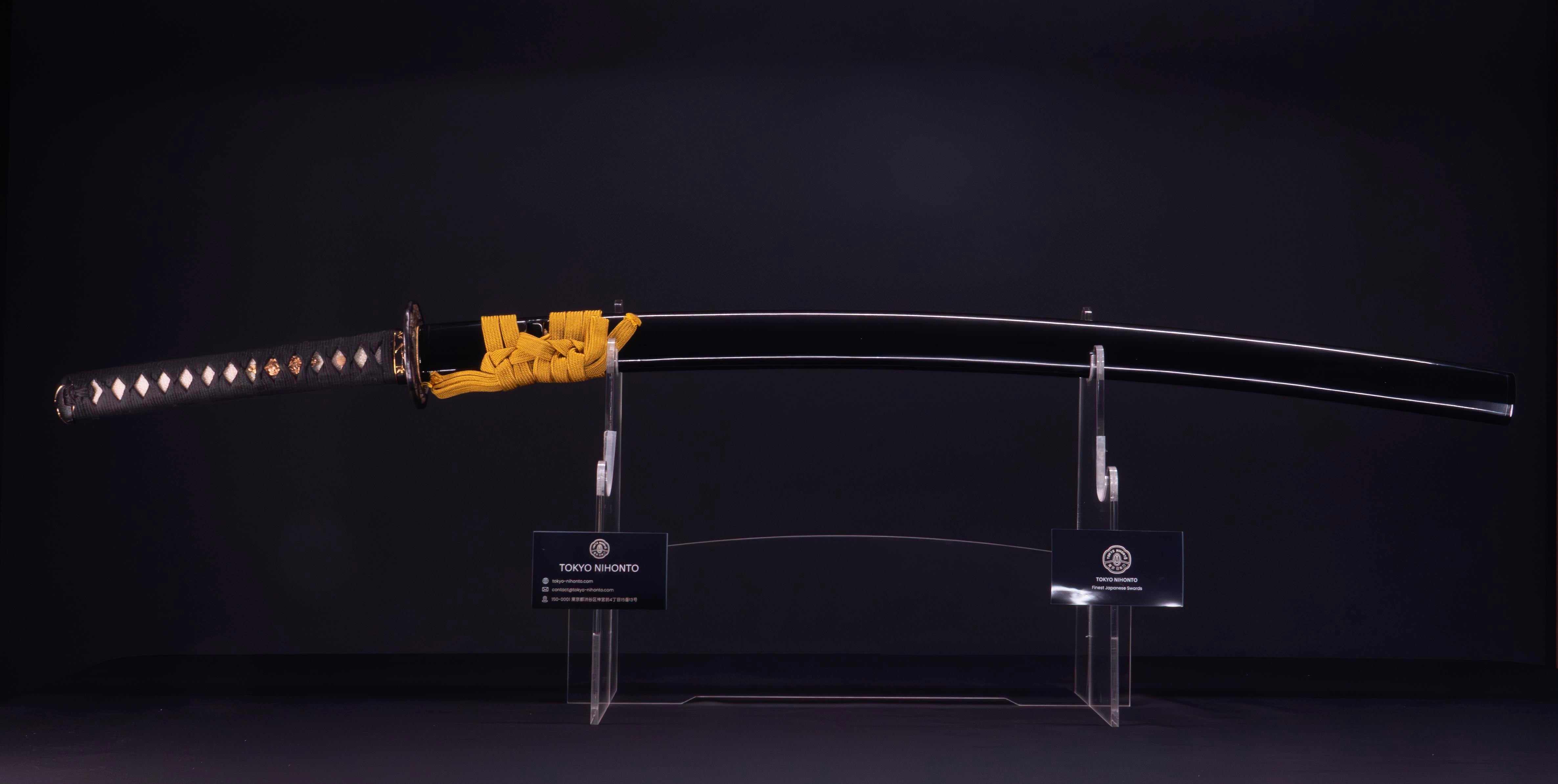
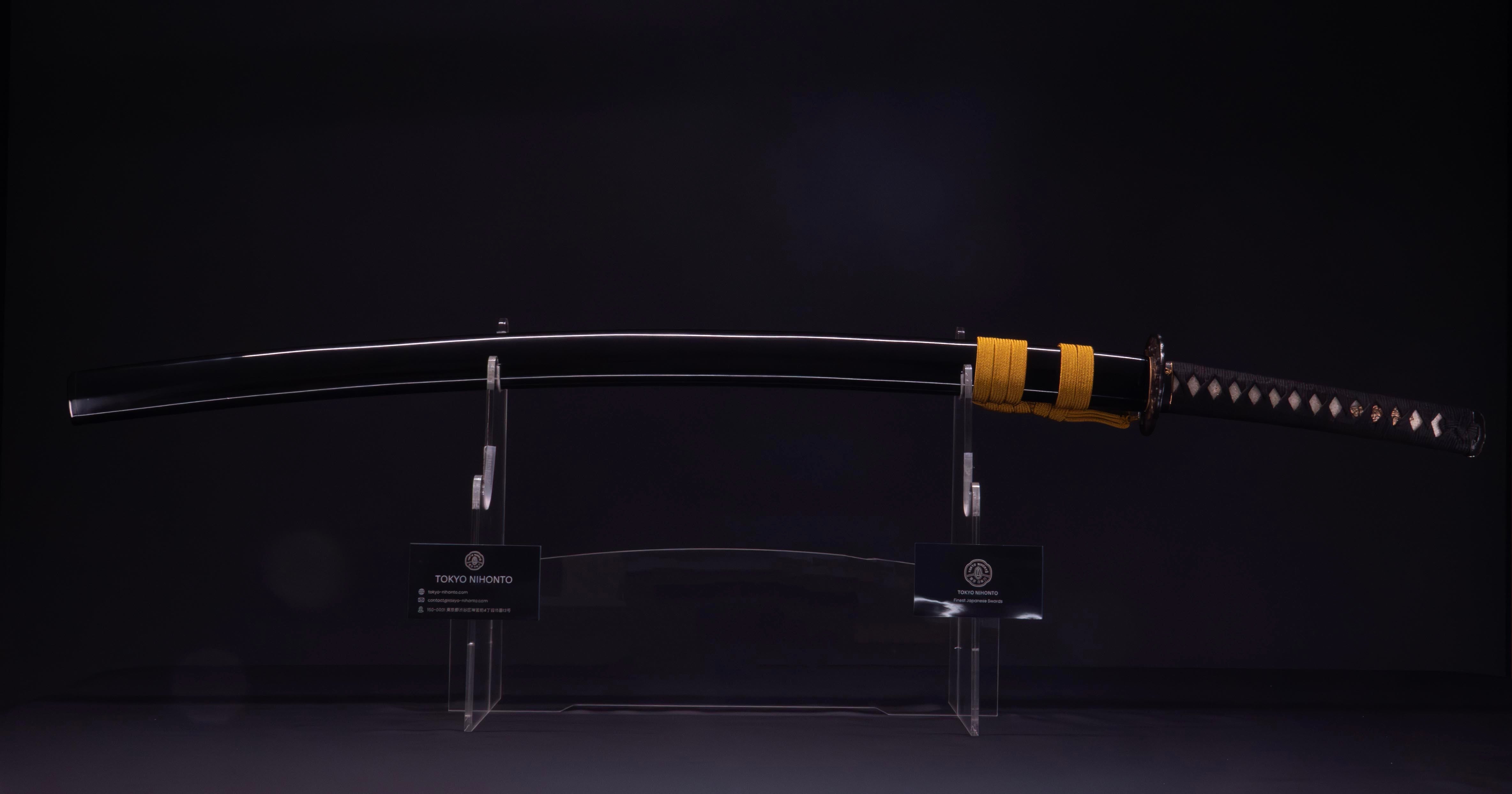
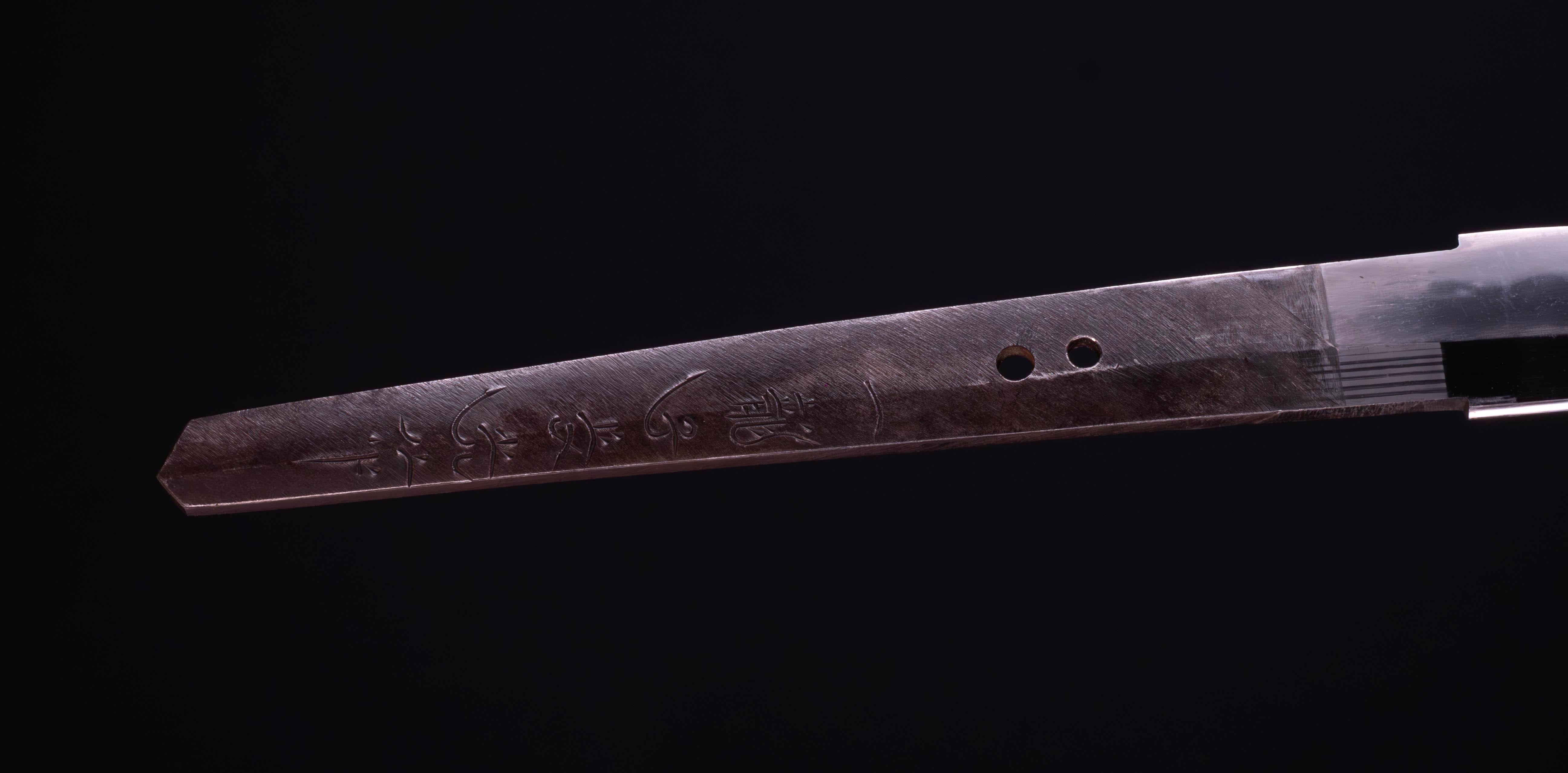
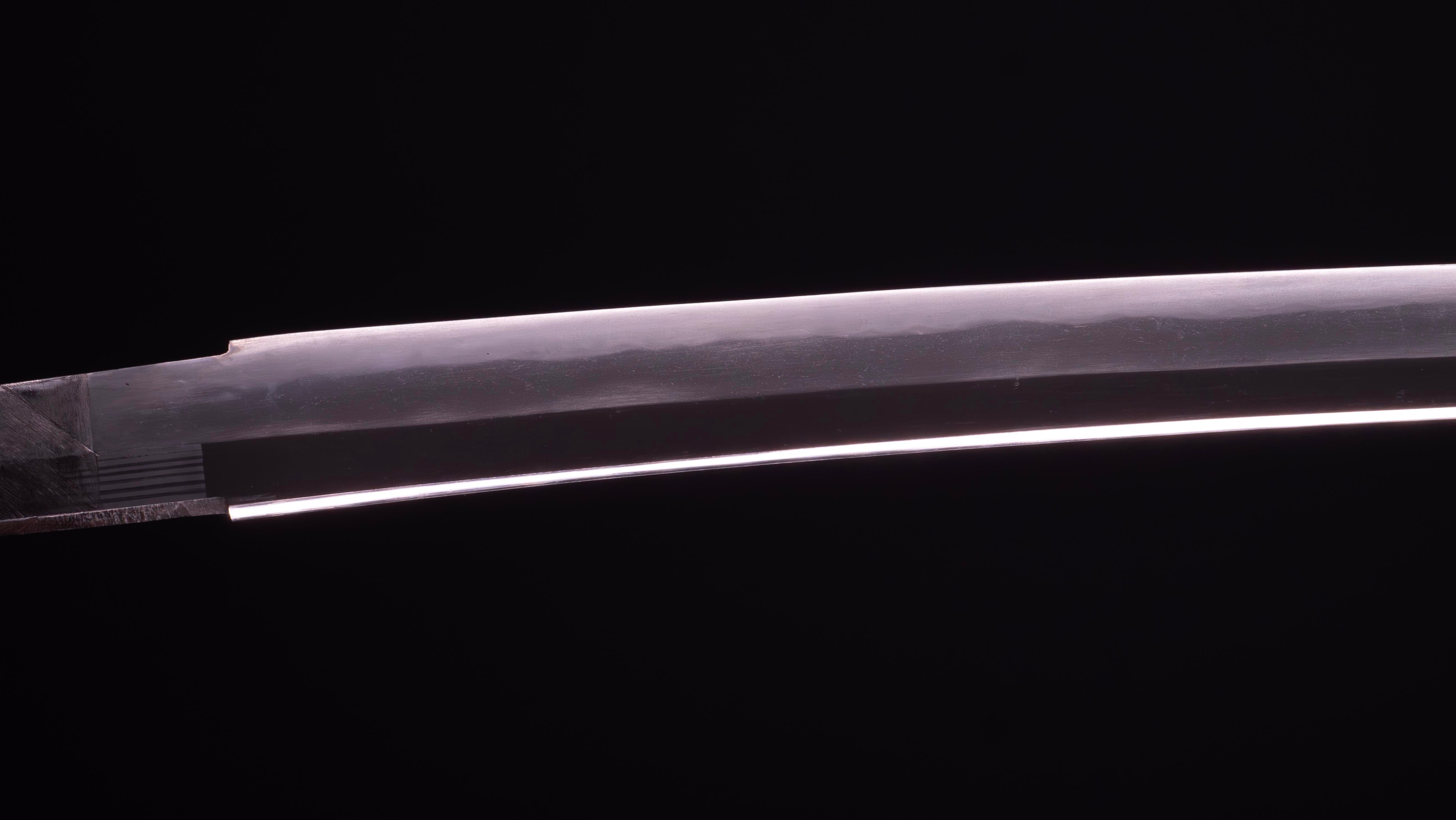
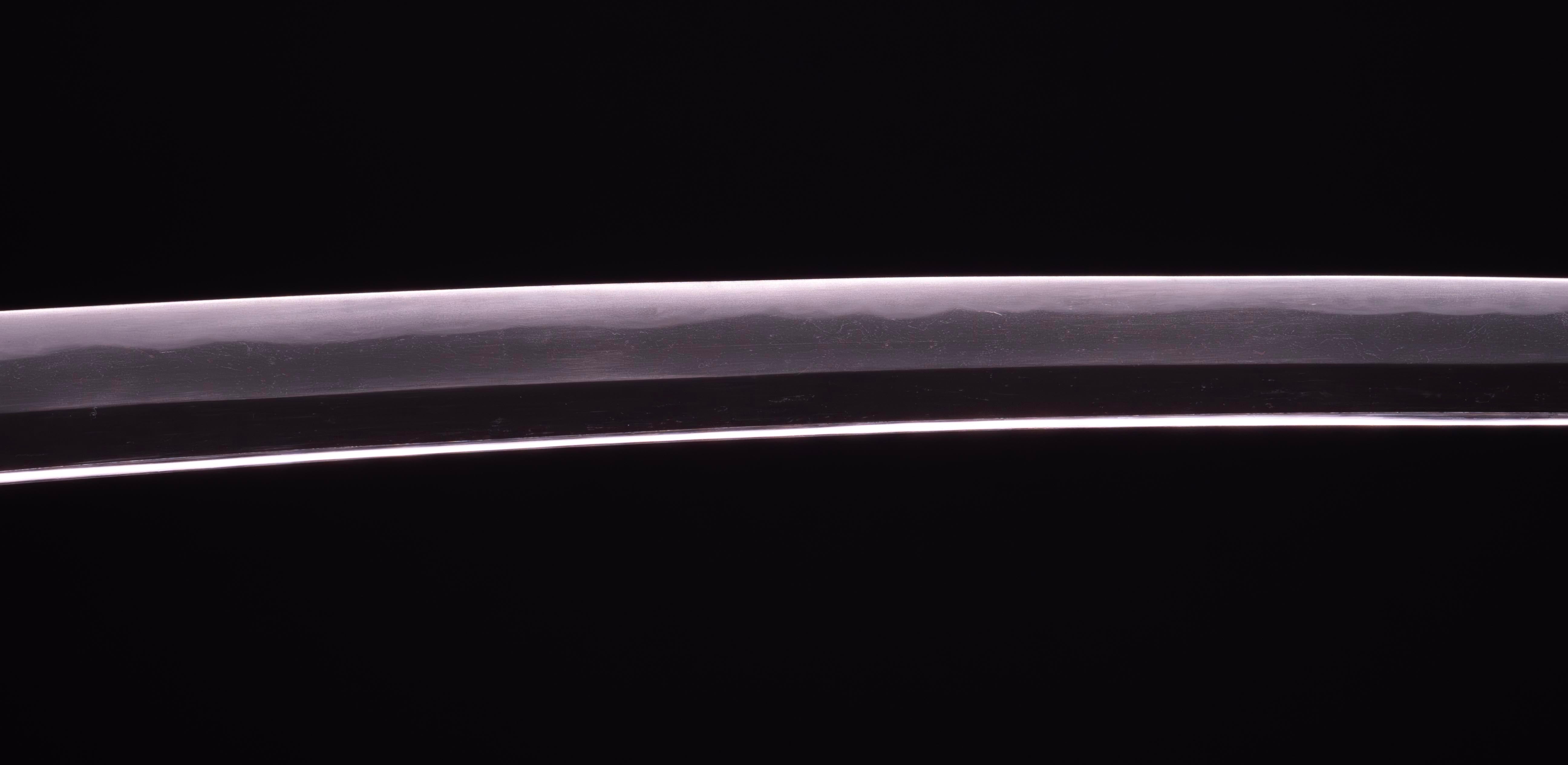
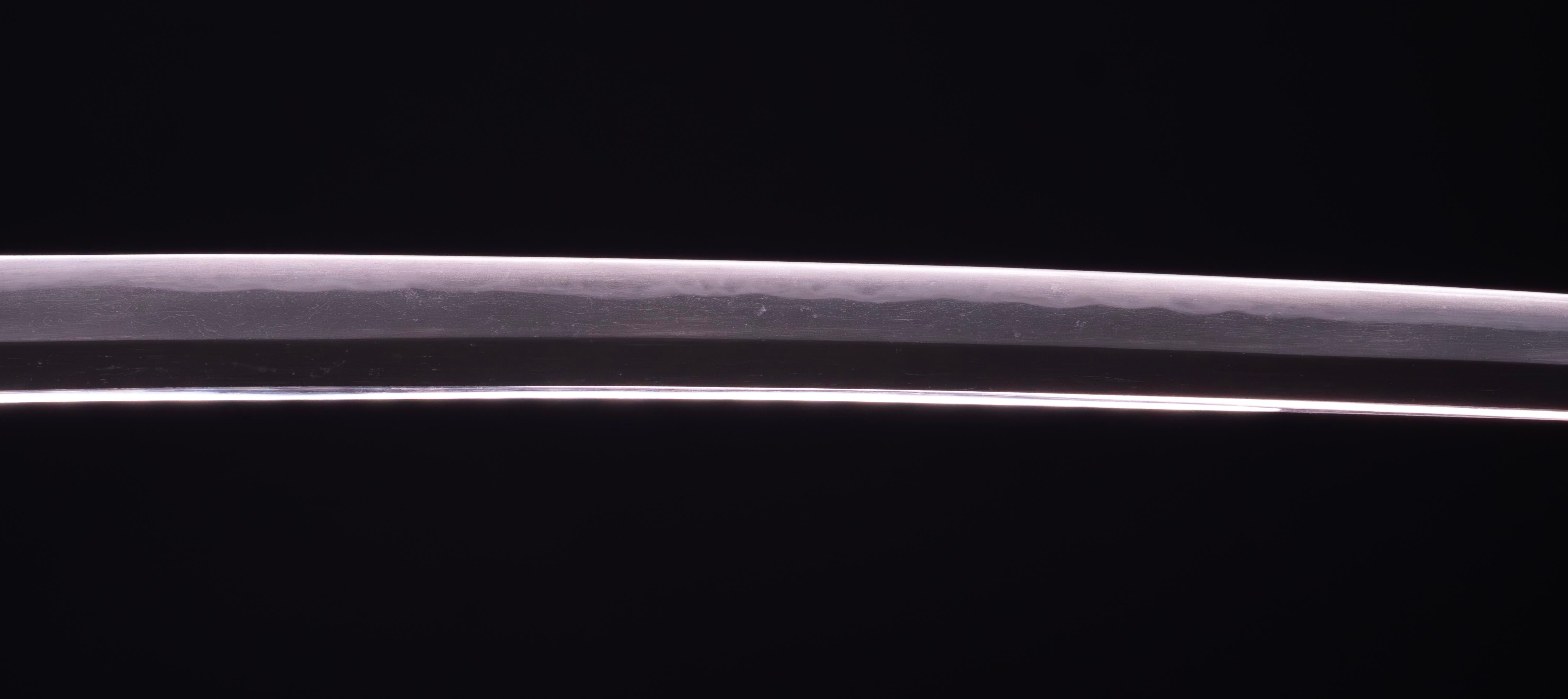
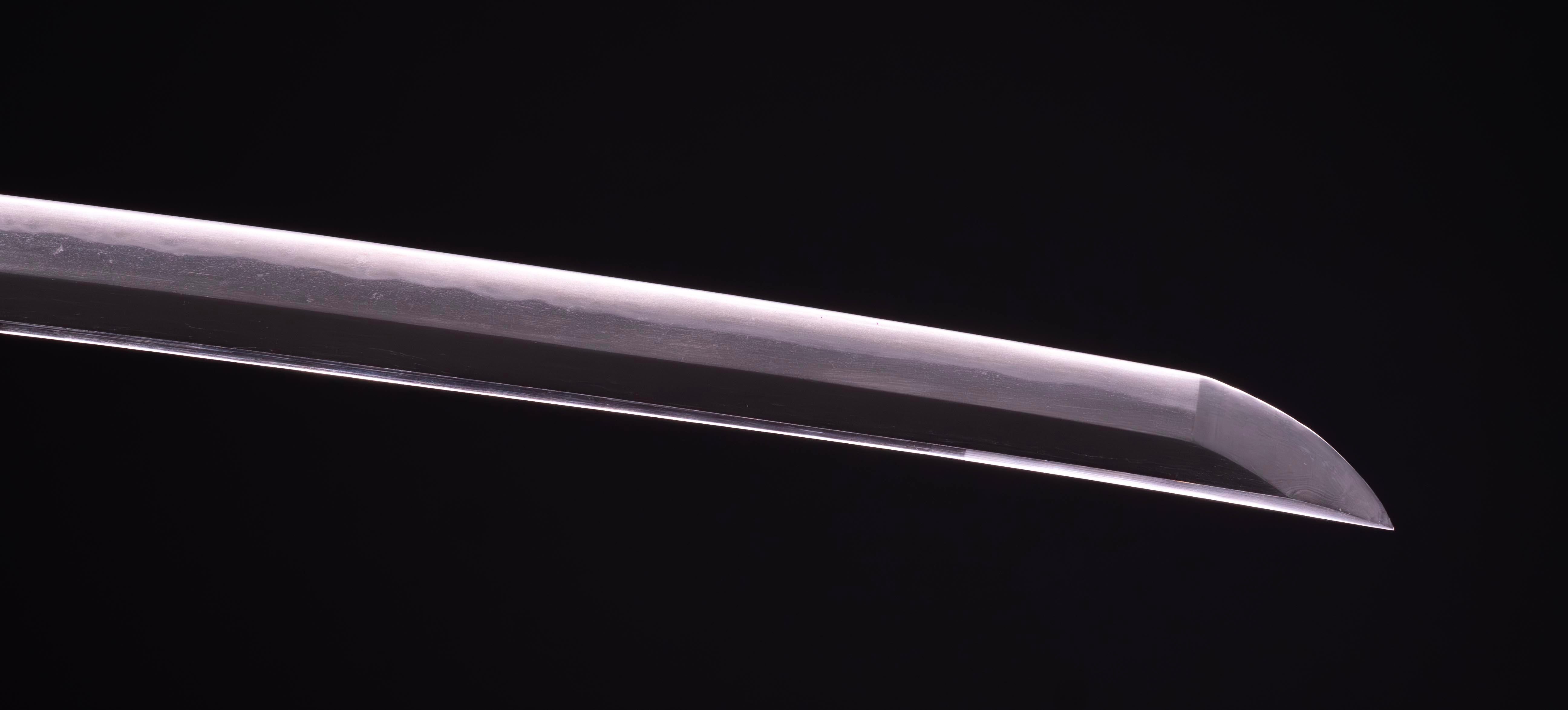
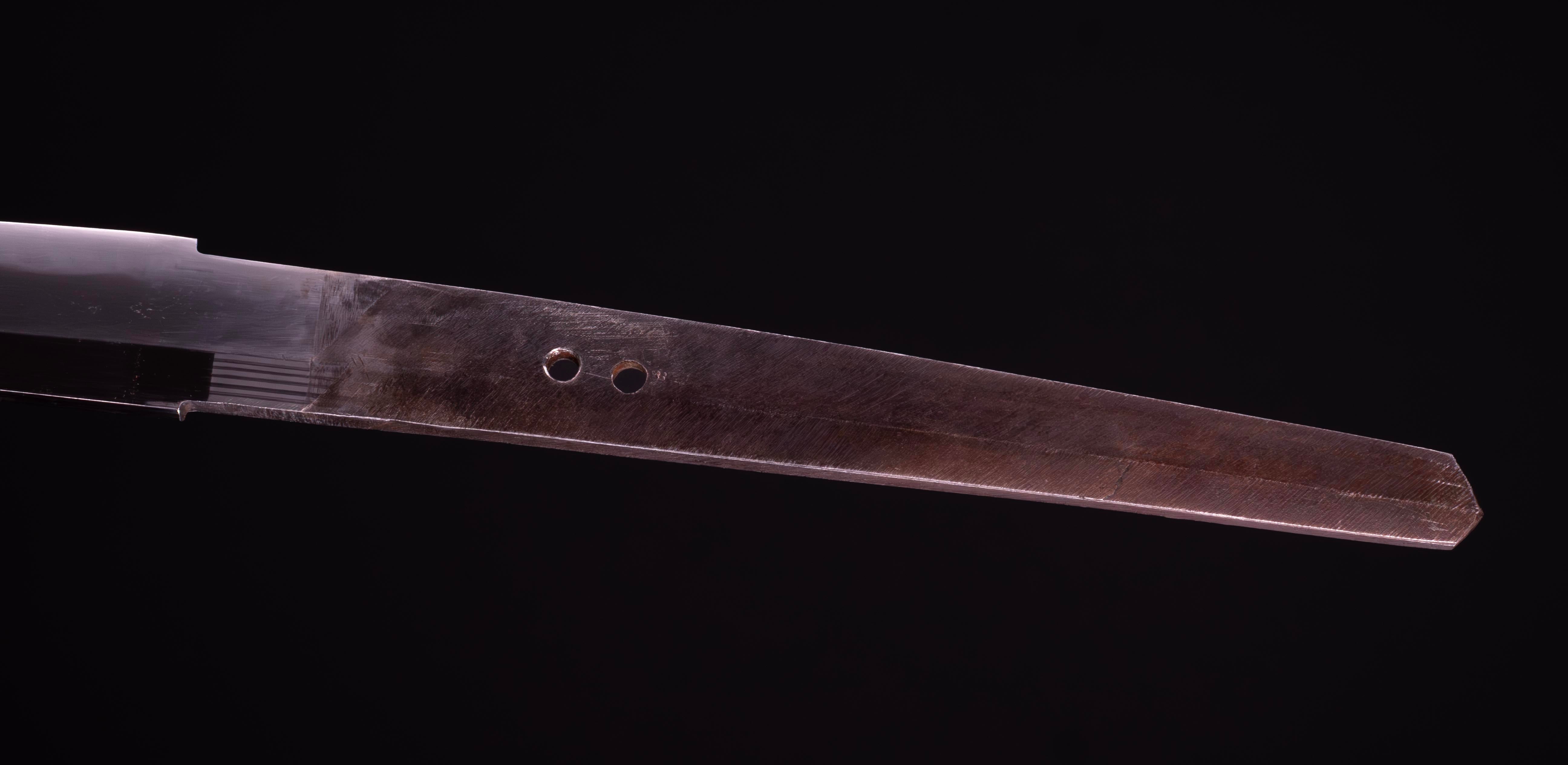
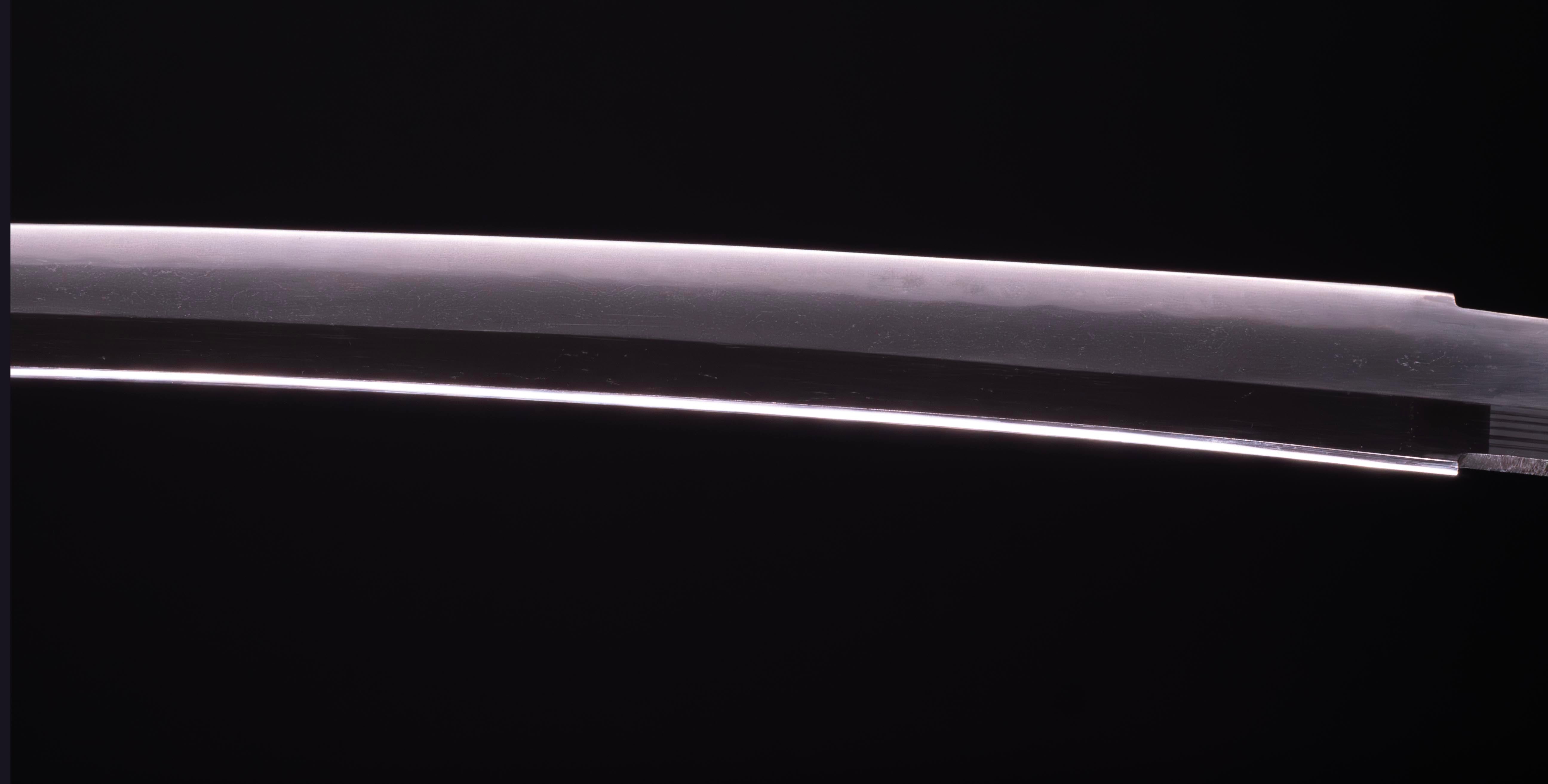
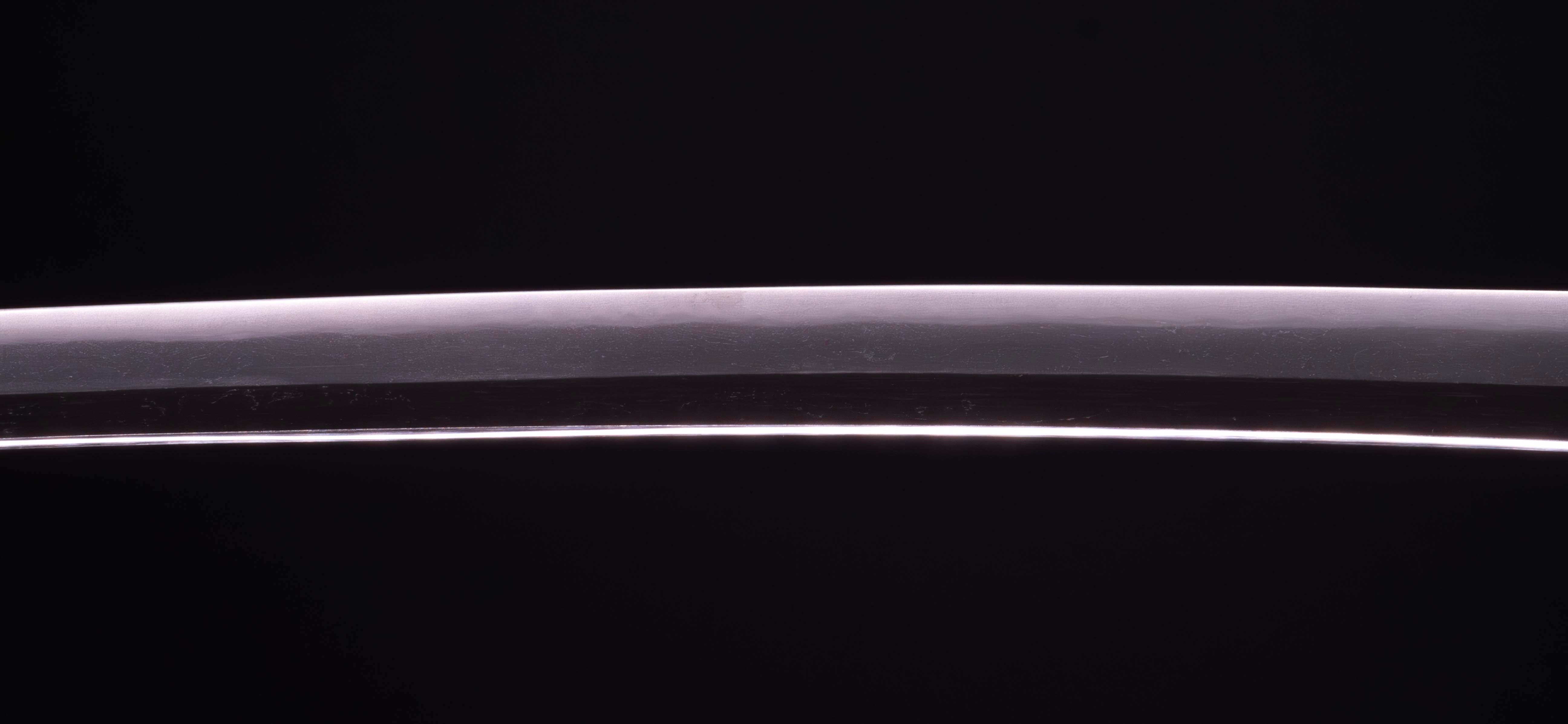
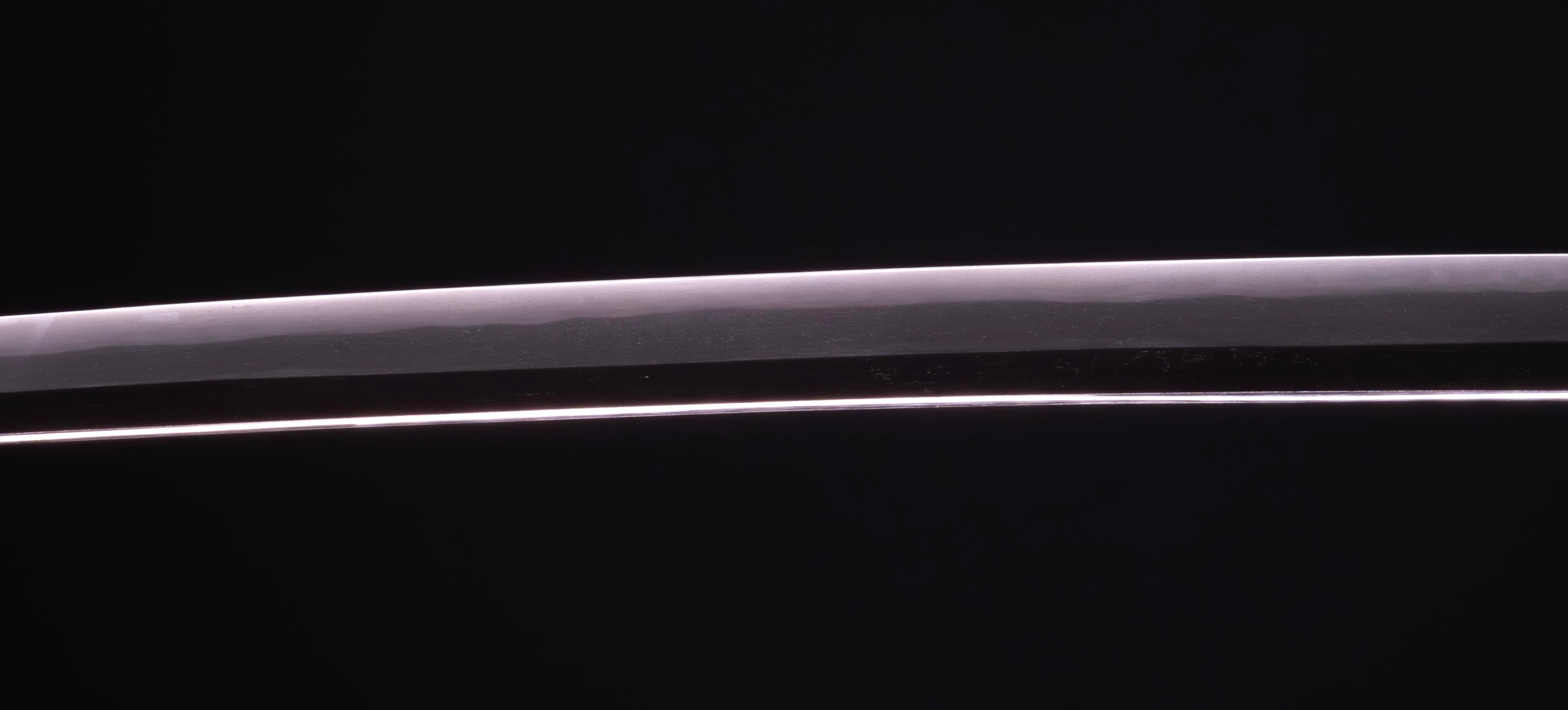
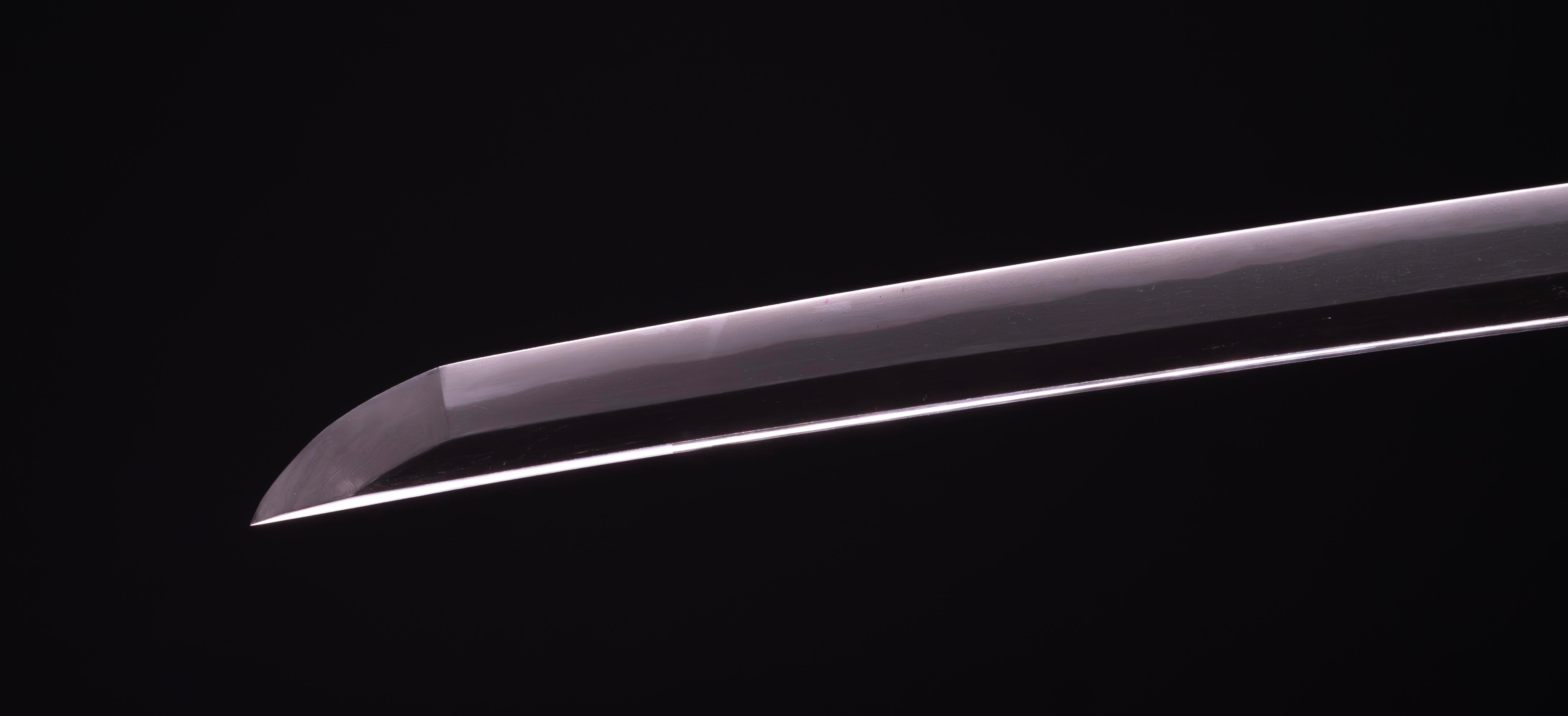
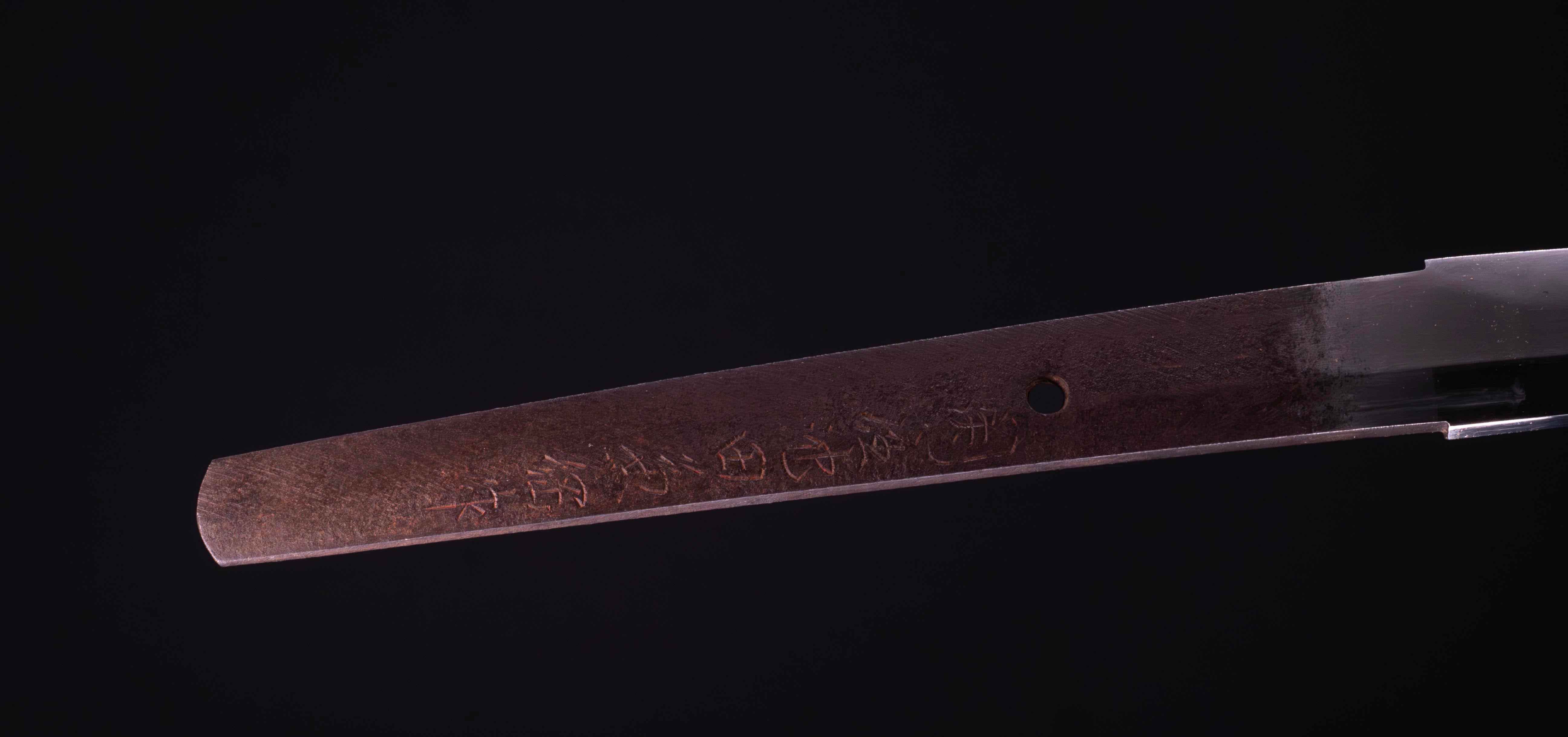
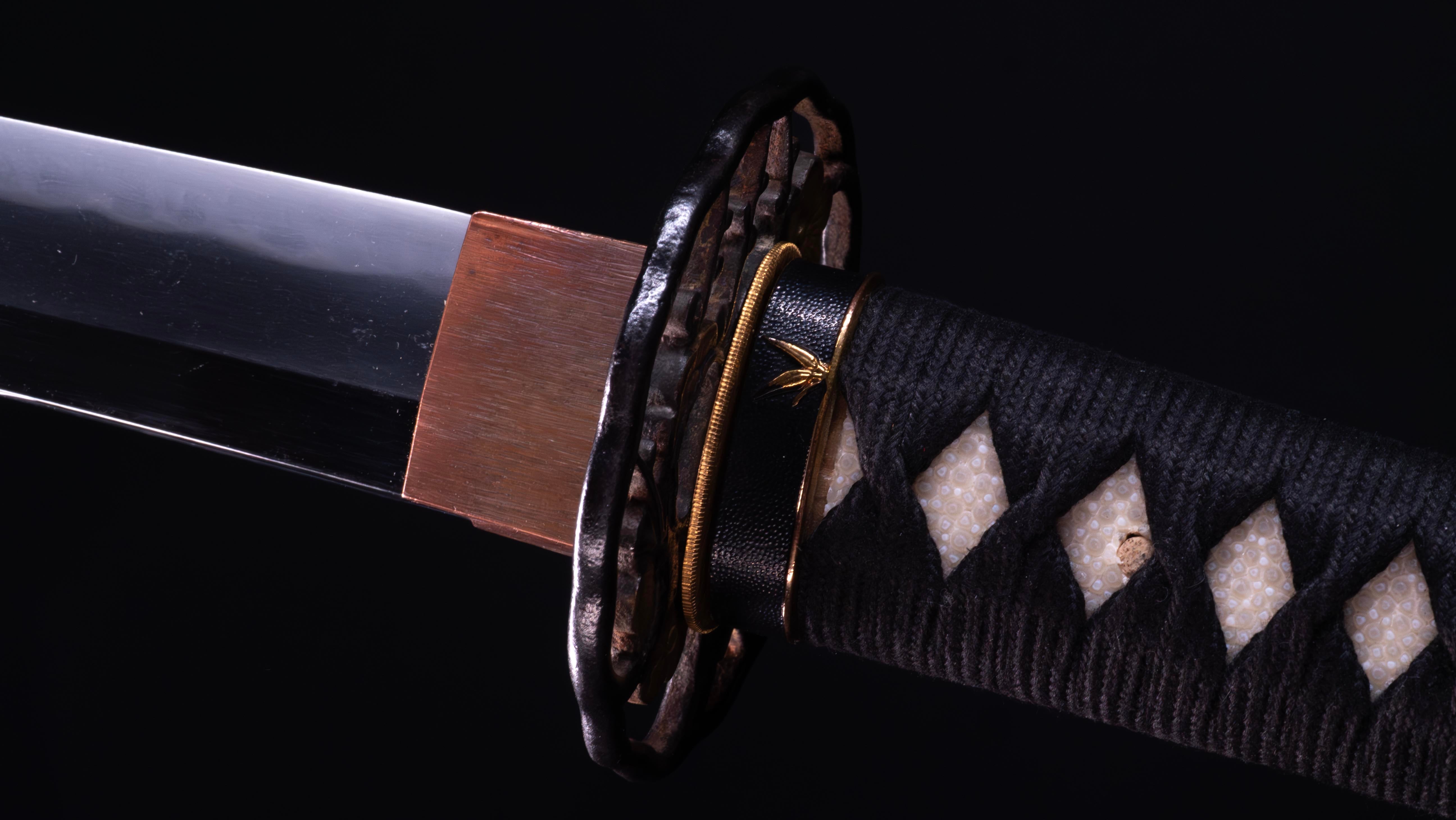
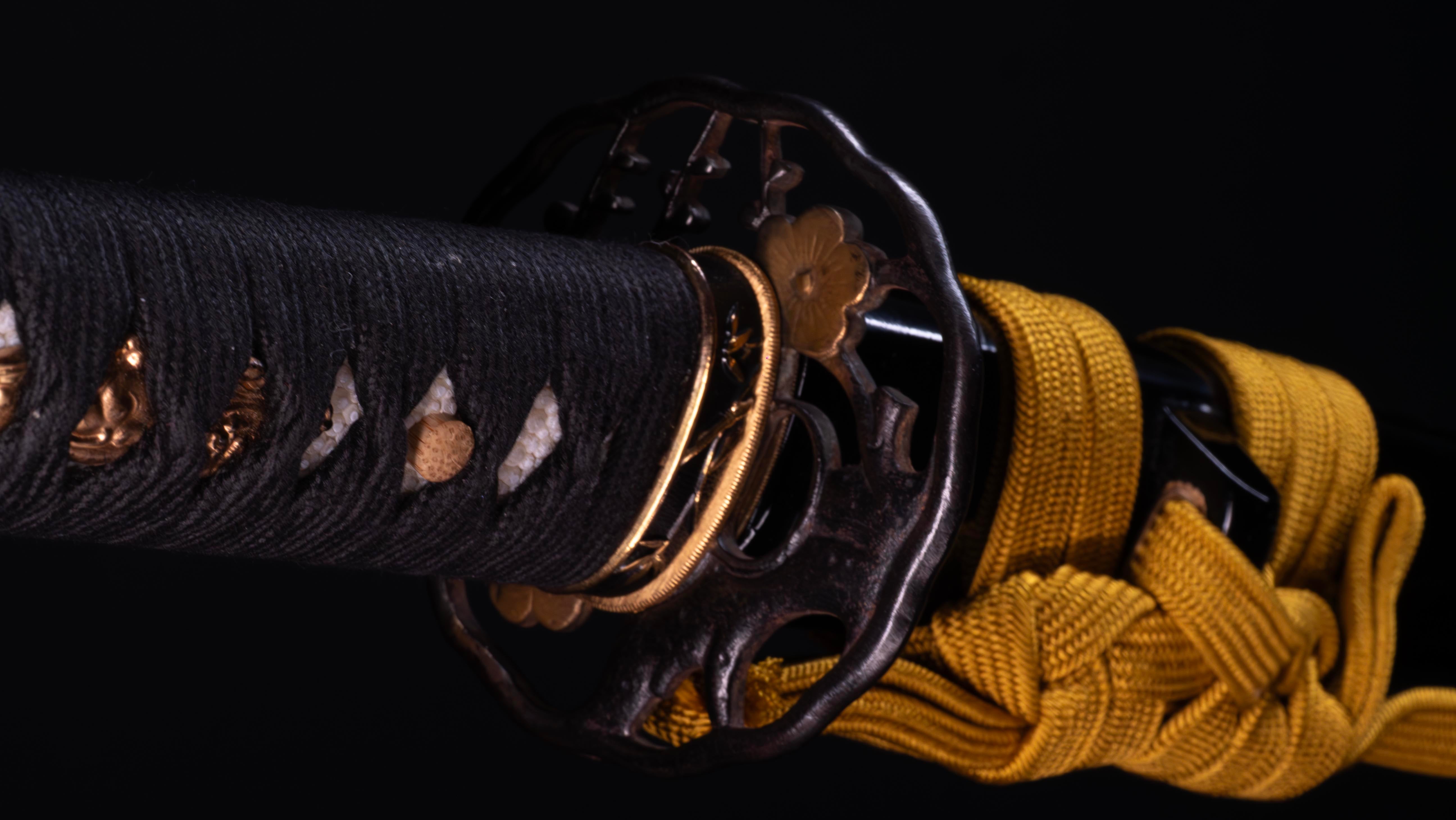
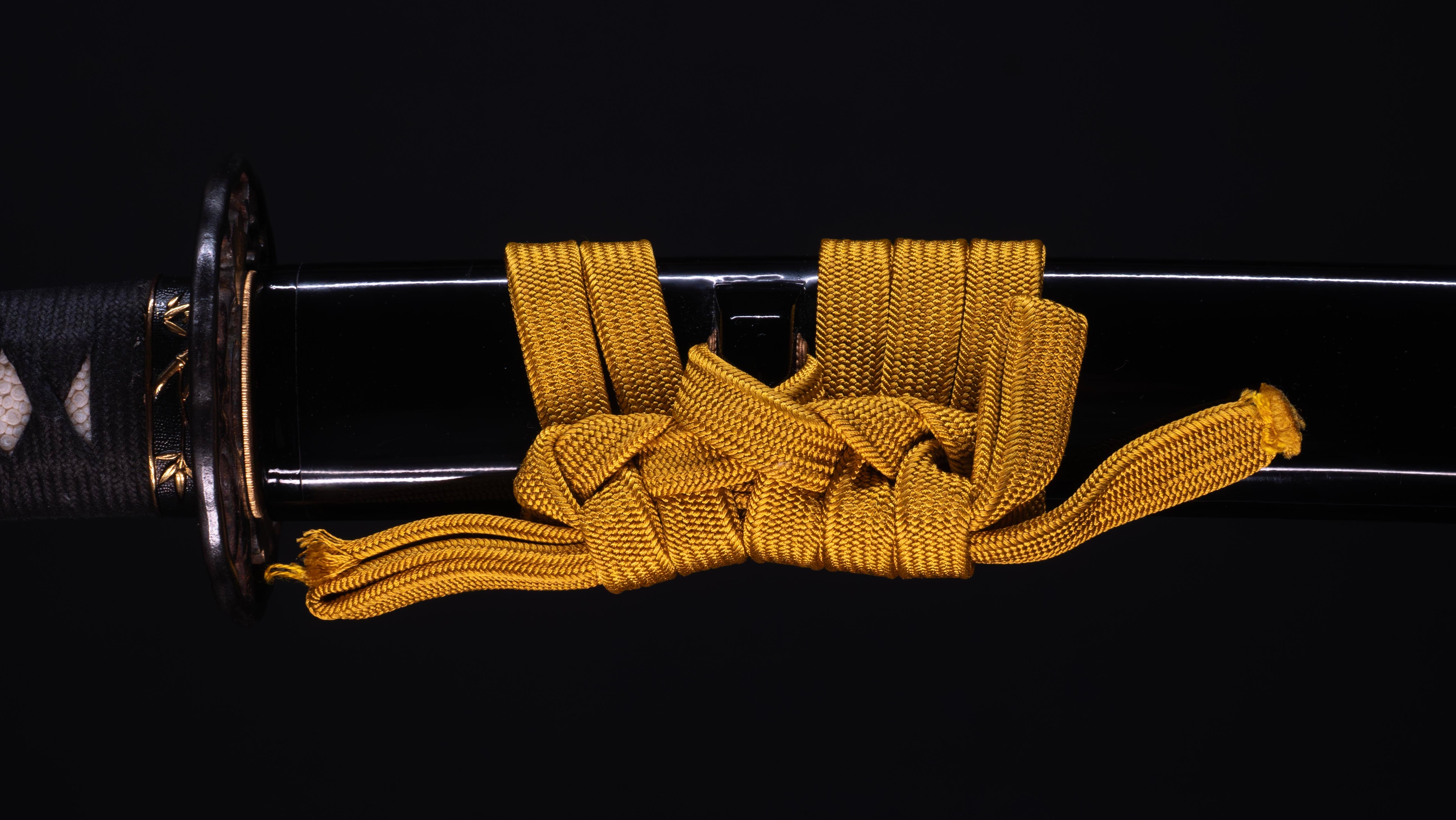
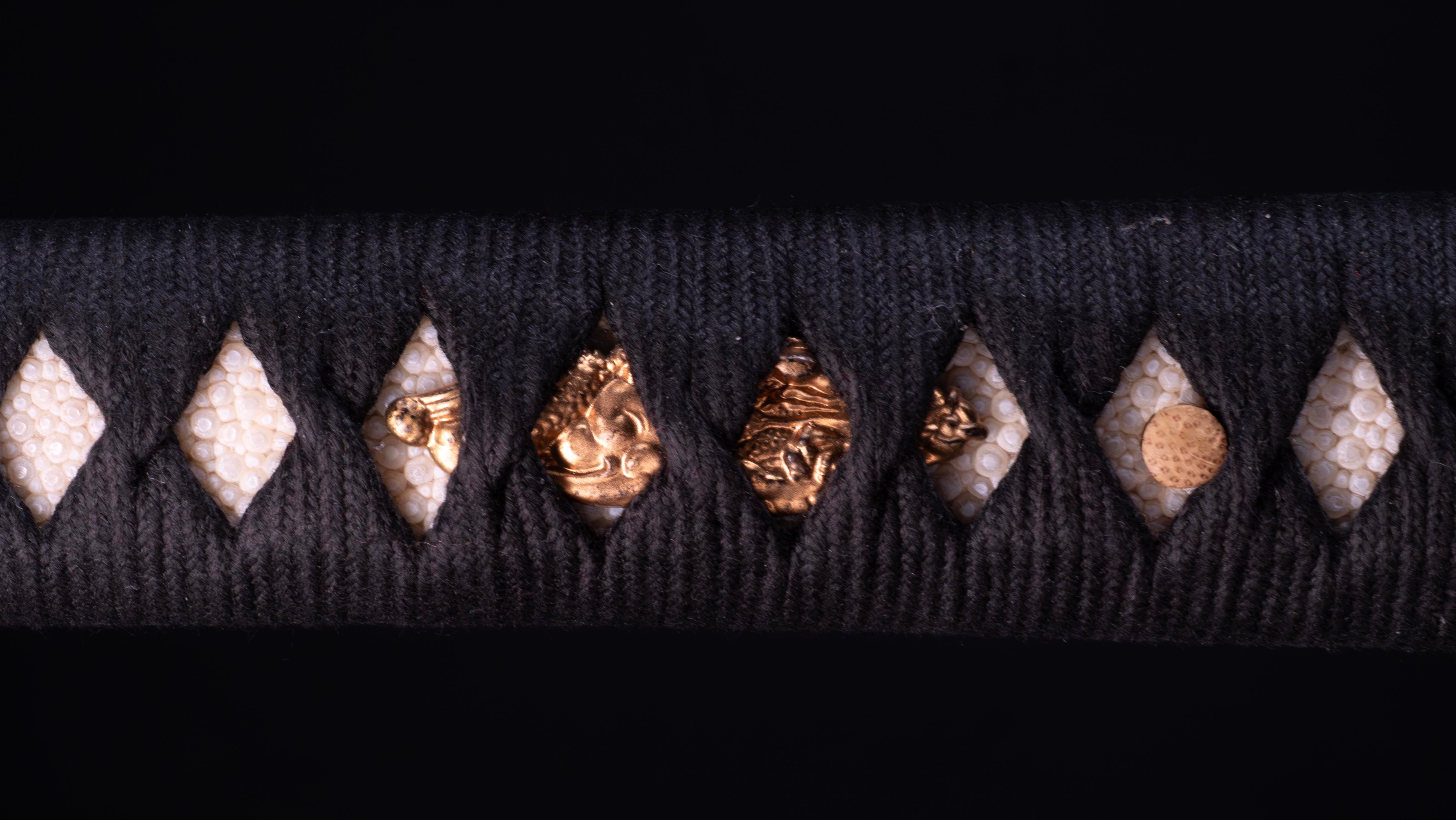
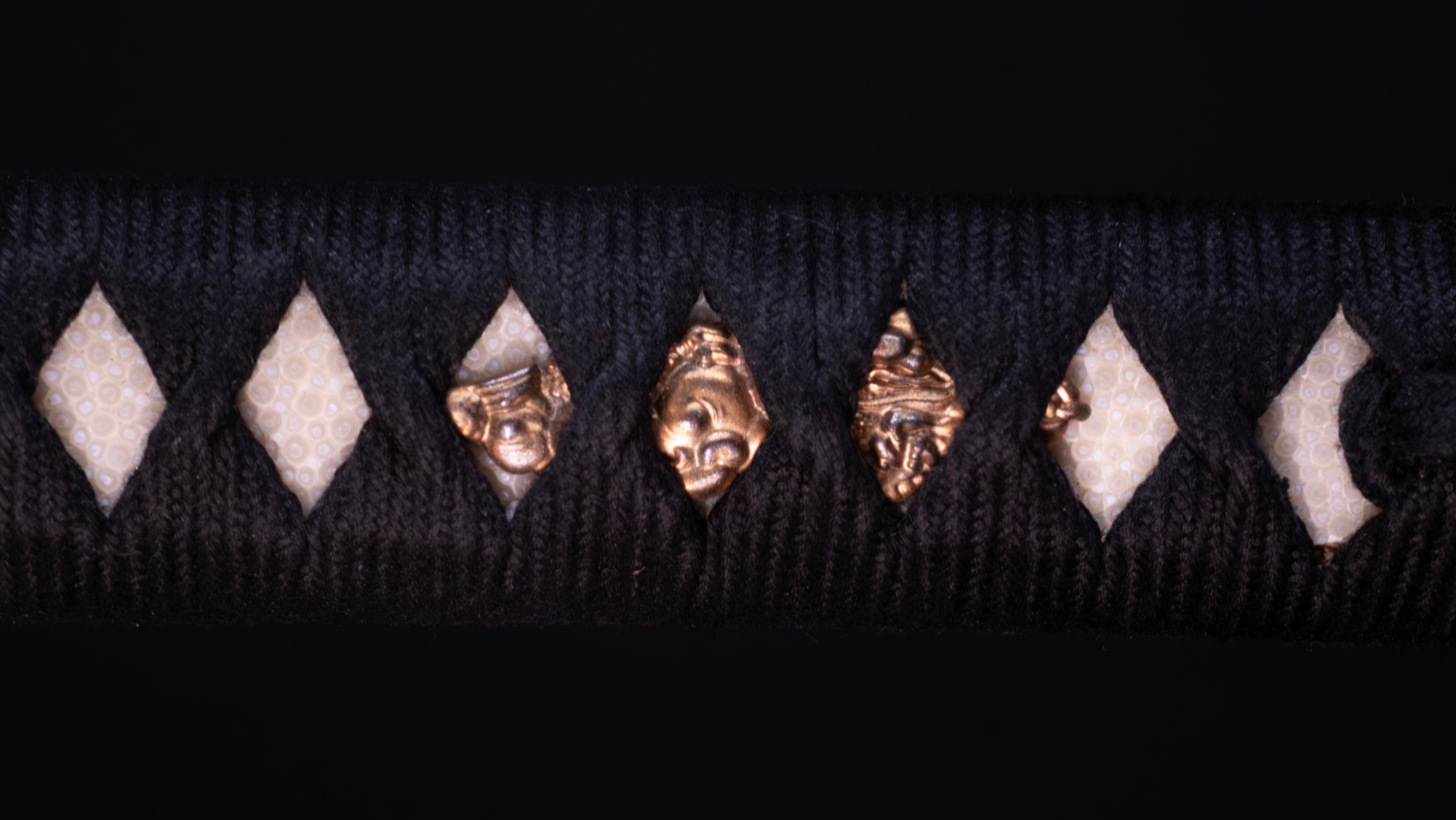
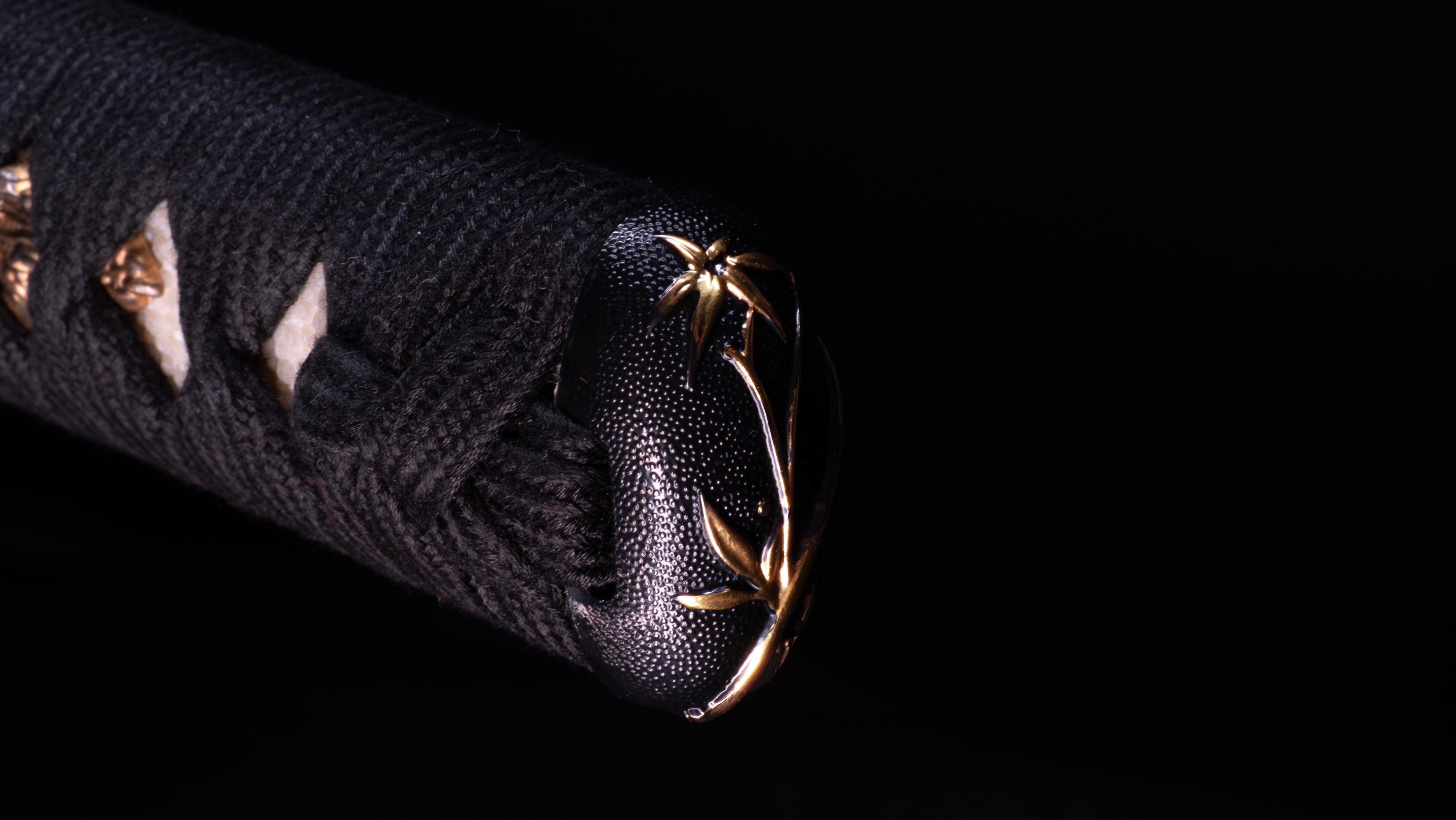
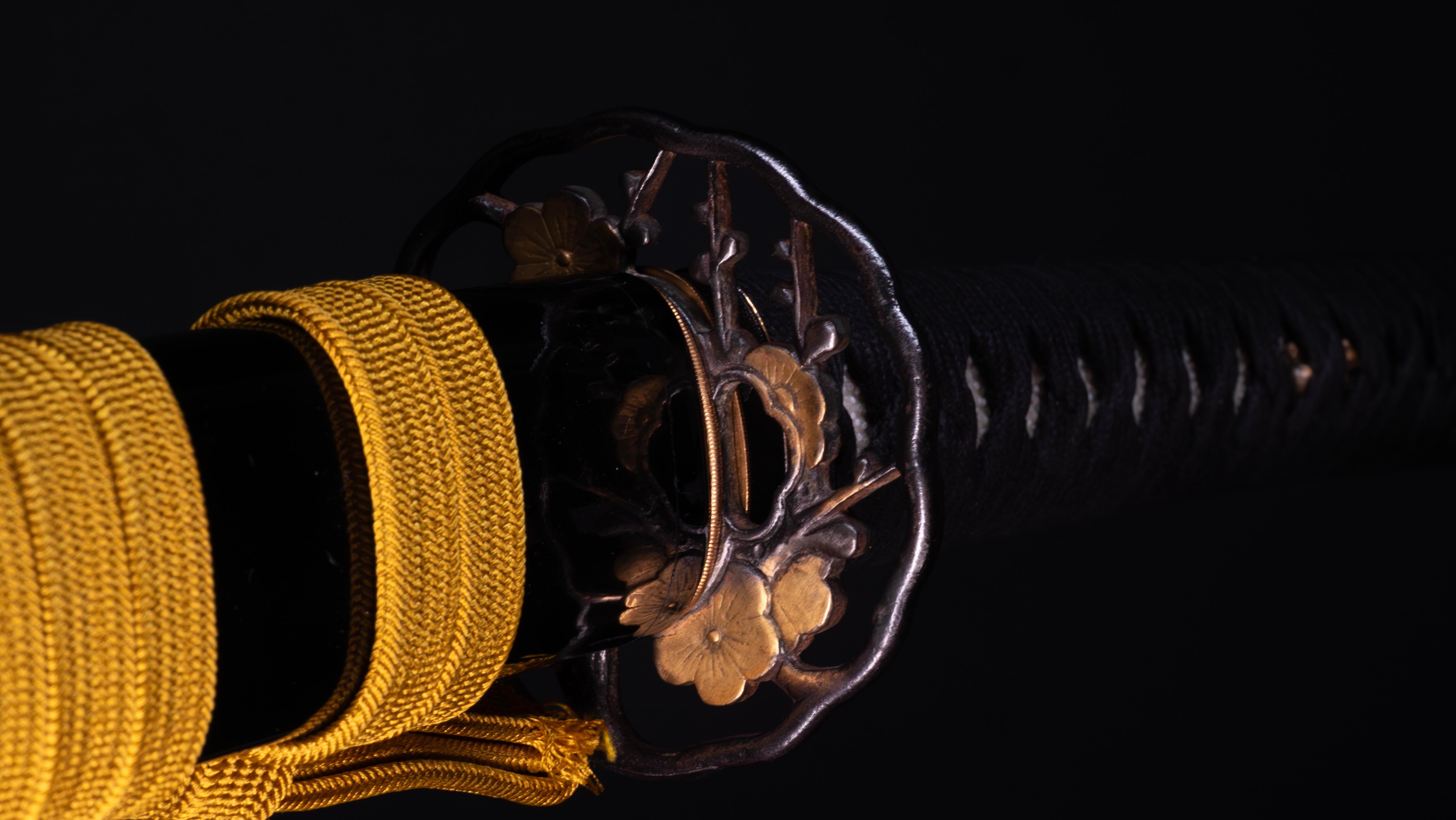
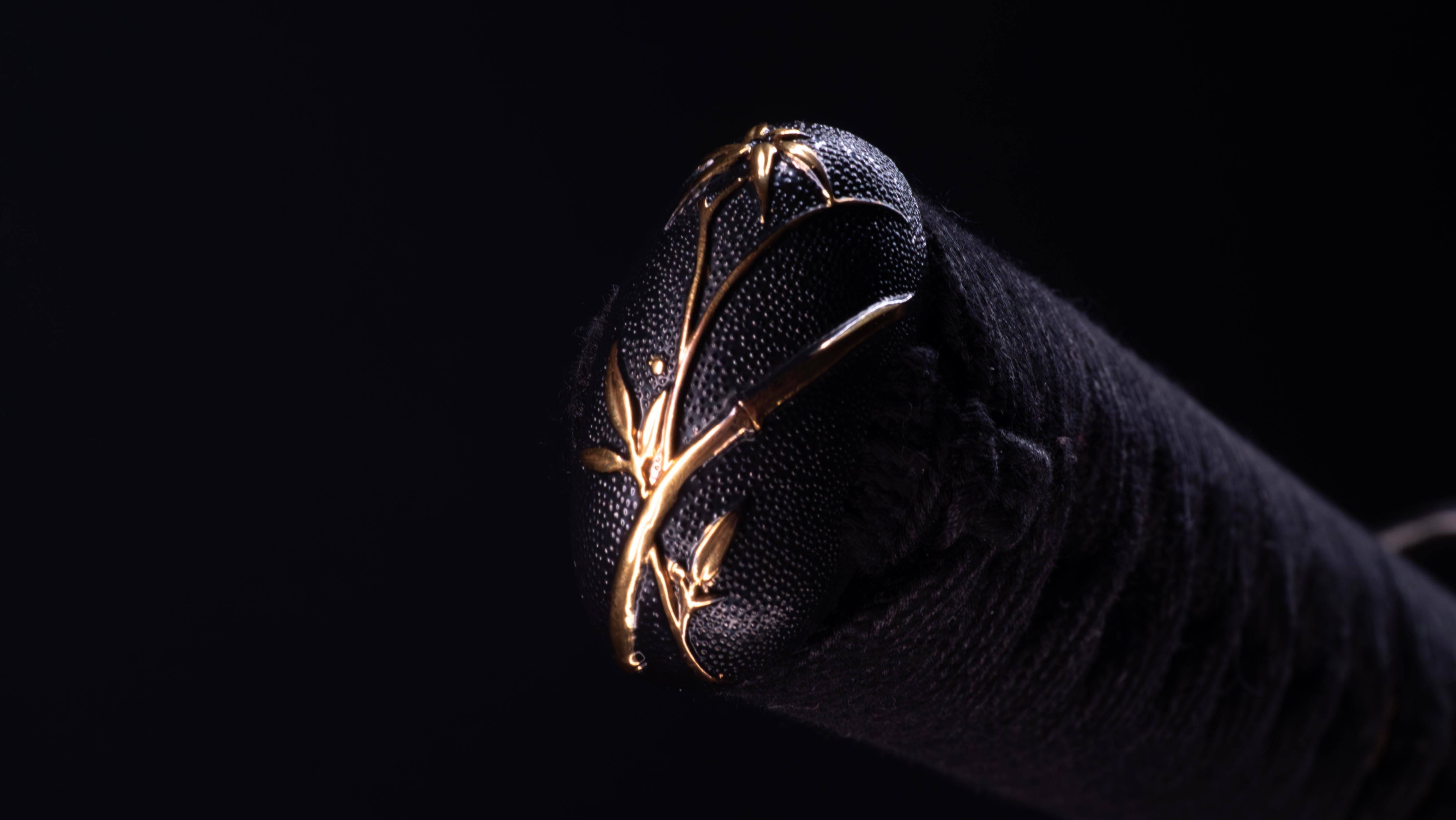
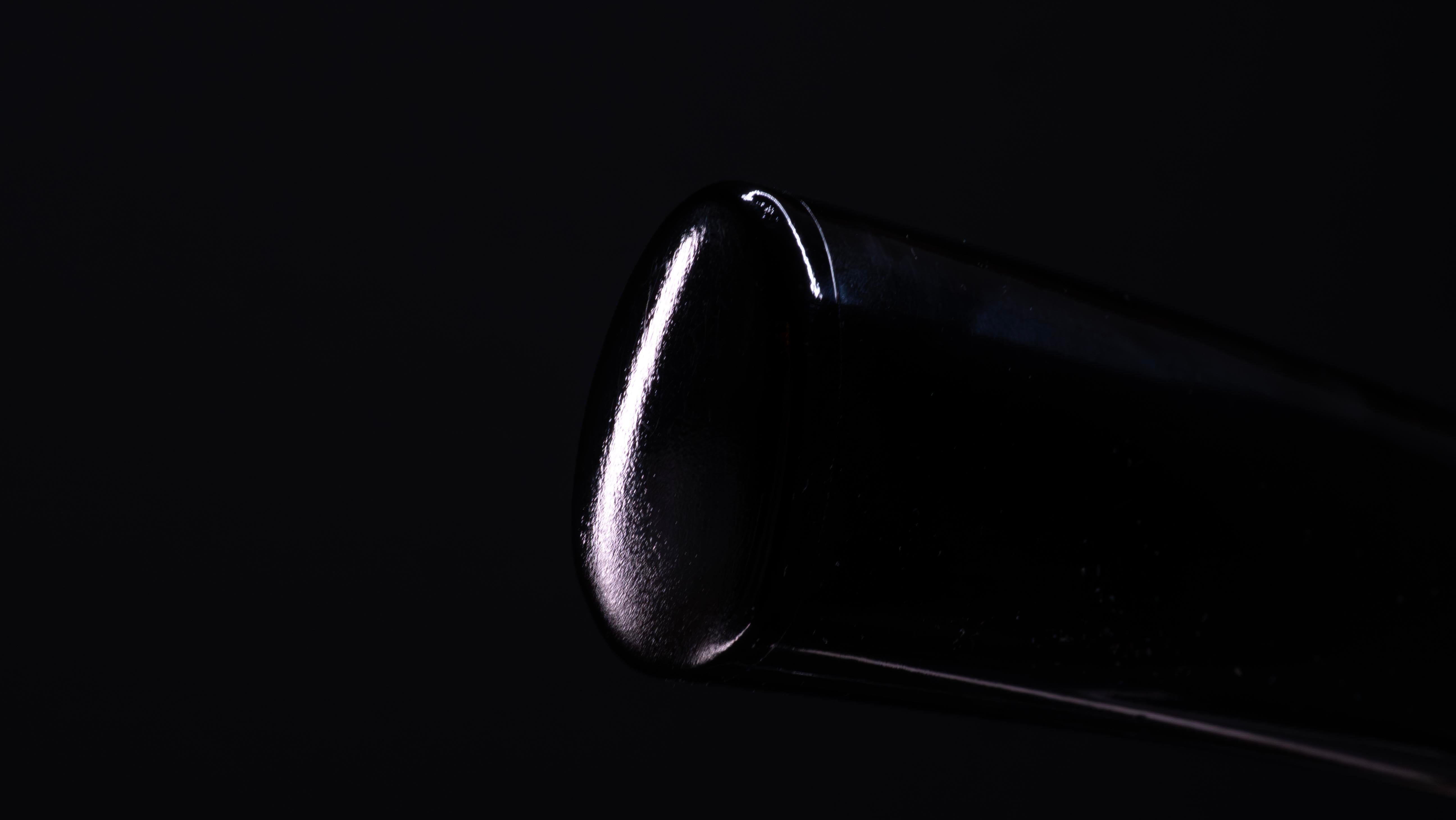
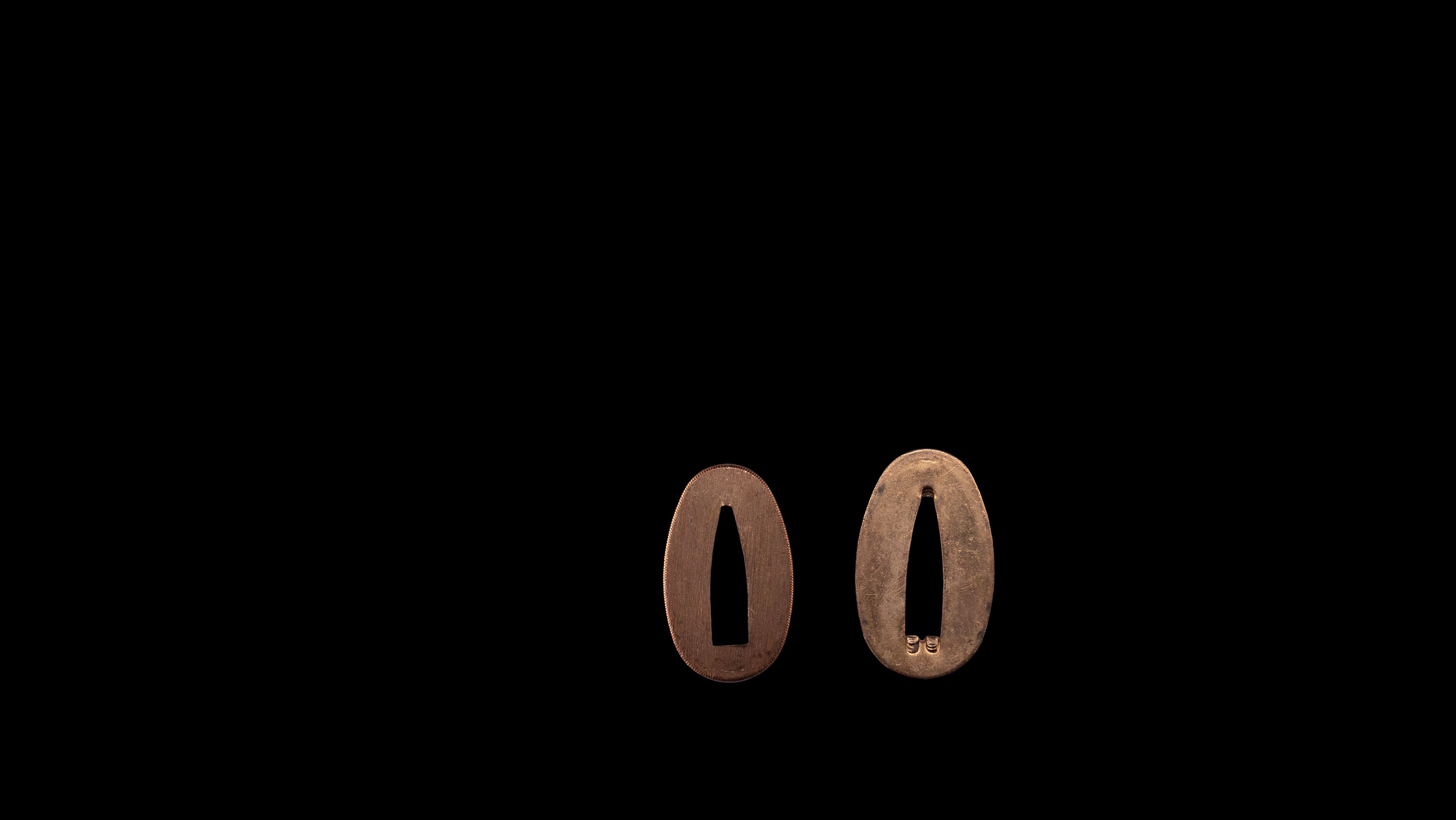
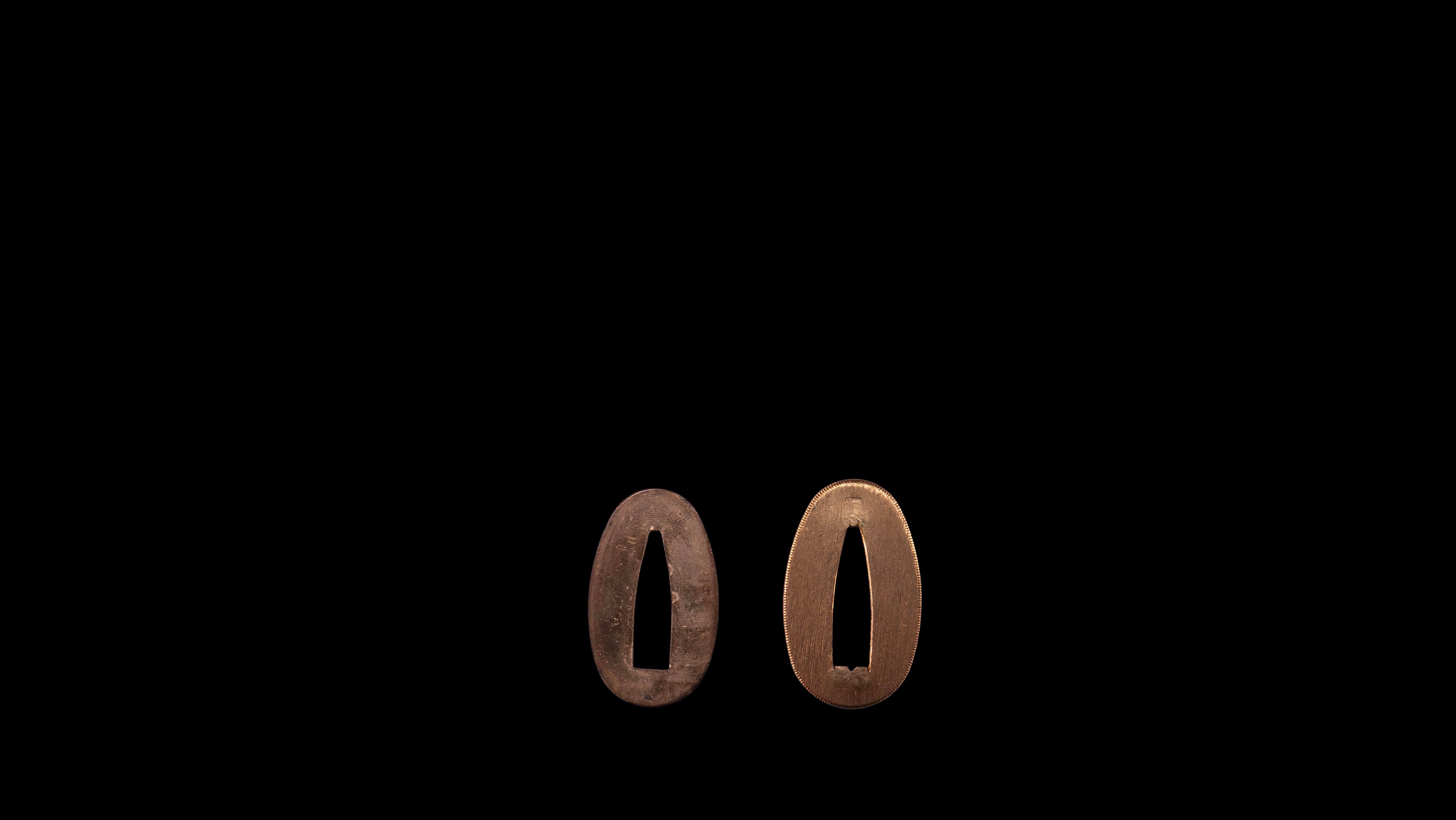
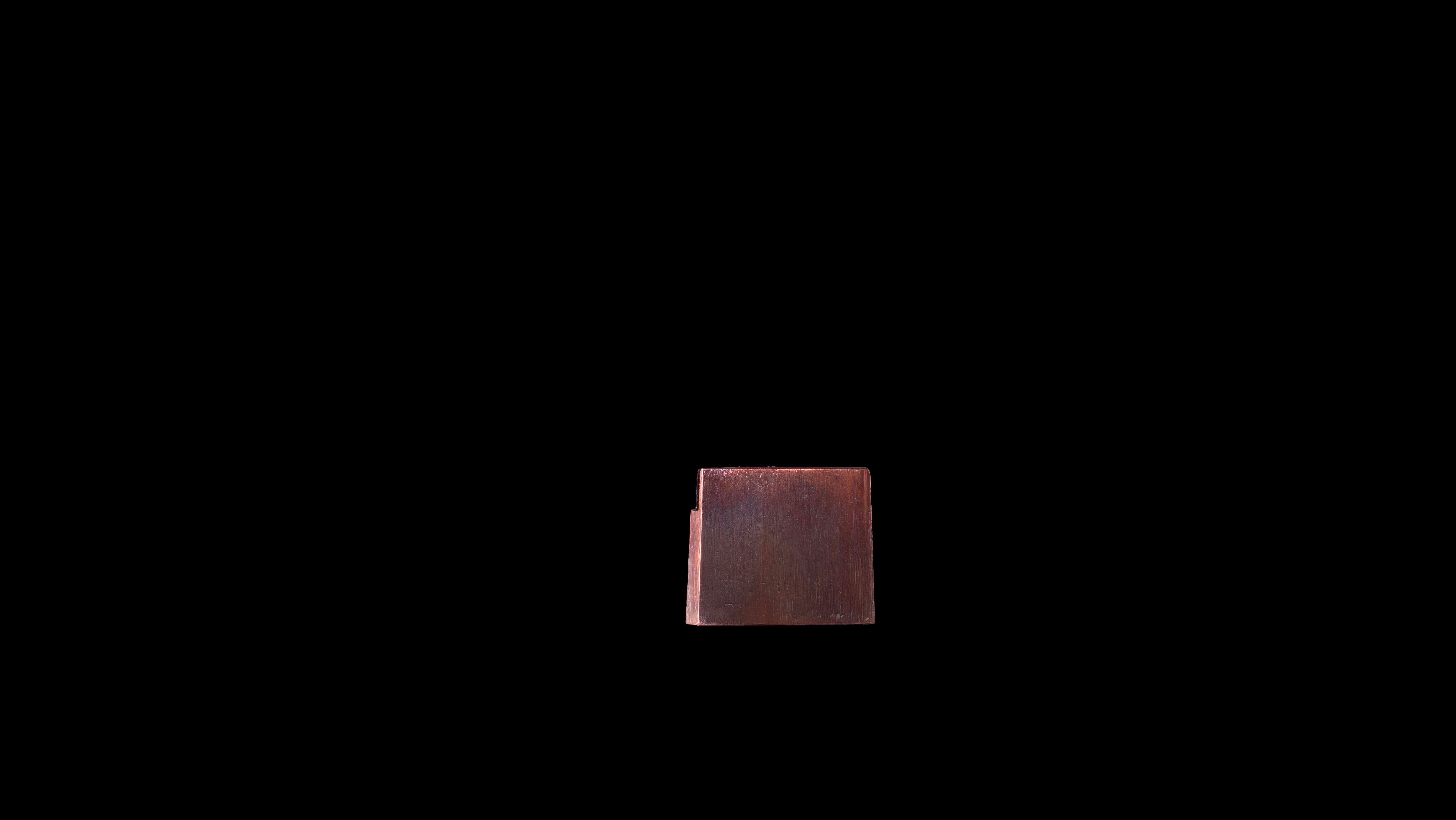
Sword Specifications Maker: Ichiryūshi Nagamitsu Period: Shōwa Era (1926–1989) Certificate: NBTHK Hozon Blade Length: 65.2 cm Curvature: 1.7 cm Width at Base: 3.25 cm Width at Tip: 2.2 cm Thickness at Base: 0.66 cm Thickness at Tip: 0.6 cm Blade Weight: 748 g Total Length with Mountings: 104.7 cm Total Weight with Mountings: 1,002 g The blade features a refined hada (grain structure), showcasing a meticulously polished steel surface. The hamon (temper line) is distinct and sharp, reflecting the expert heat treatment used to harden the edge. This katana has been professionally polished and is fully functional for cutting, making it suitable for martial arts practice. The blade also exhibits a well-balanced curvature of 1.7 cm , enhancing both its cutting ability and aesthetic appeal. The steelwork is described as Jiba Saeru , meaning both the grain and tempered edge are highly refined, sharp, and visually striking. About the Swordsmith - Ichiryūshi Nagamitsu Ichiryūshi Nagamitsu was a renowned swordsmith active during the Taishō to Shōwa era . Serving as the warden of Okayama Prison , he established a sword-forging facility within the prison , dedicating himself to the art of blade-making. His bold and charismatic nature made him a well-respected figure, captivating those who met him. Despite being a single-generation smith, he produced numerous exceptional works, showcasing his high level of craftsmanship. Known for creating swords with remarkable sharpness , his blades gained significant popularity, though only a limited number of his works exist today. Due to their rarity, his swords are highly sought after and quickly acquired whenever they surface.
Offered by Katana Sword


Okayama · around 1926-1989
2 pieces on the market now
Shōwa to the present: destruction and revival
The twentieth century nearly killed the craft twice: wartime distortion, then the occupation ban. The NBTHK’s founding in 1948 and licensed forging from 1953 rebuilt the sword as an art, crowned by Living National Treasures and the mukansa rank.
Certifies a genuine blade worth preserving: a signature confirmed correct, or, if unsigned, an era, province, and school that the NBTHK can reliably identify.
The NBTHK (Nihon Bijutsu Tōken Hozon Kyōkai, the Society for the Preservation of Japanese Art Swords) is a public-interest incorporated foundation founded in 1948 and supervised by Japan’s Agency for Cultural Affairs (Bunkachō); it is based at the Japanese Sword Museum in Tokyo. Its expert panels physically examine each submitted work (shinsa) and issue a certificate (kanteishō) ranking it by artistic and historical merit. NBTHK papers are the most widely recognized standard of authentication for Japanese swords and fittings.
NBTHK official site30-day money-back guarantee from receipt; items must be unused, complete, in original packaging. Sale items Final Sale. Antique swords non-returnable (Japanese export law). Damage reported within 72 hours. Customer pays return shipping unless seller error/defect. Refunds within 14 days of inspection.