The twentieth century nearly killed the craft twice: wartime distortion, then the occupation ban. The NBTHK’s founding in 1948 and licensed forging from 1953 rebuilt the sword as an art, crowned by Living National Treasures and the mukansa rank.
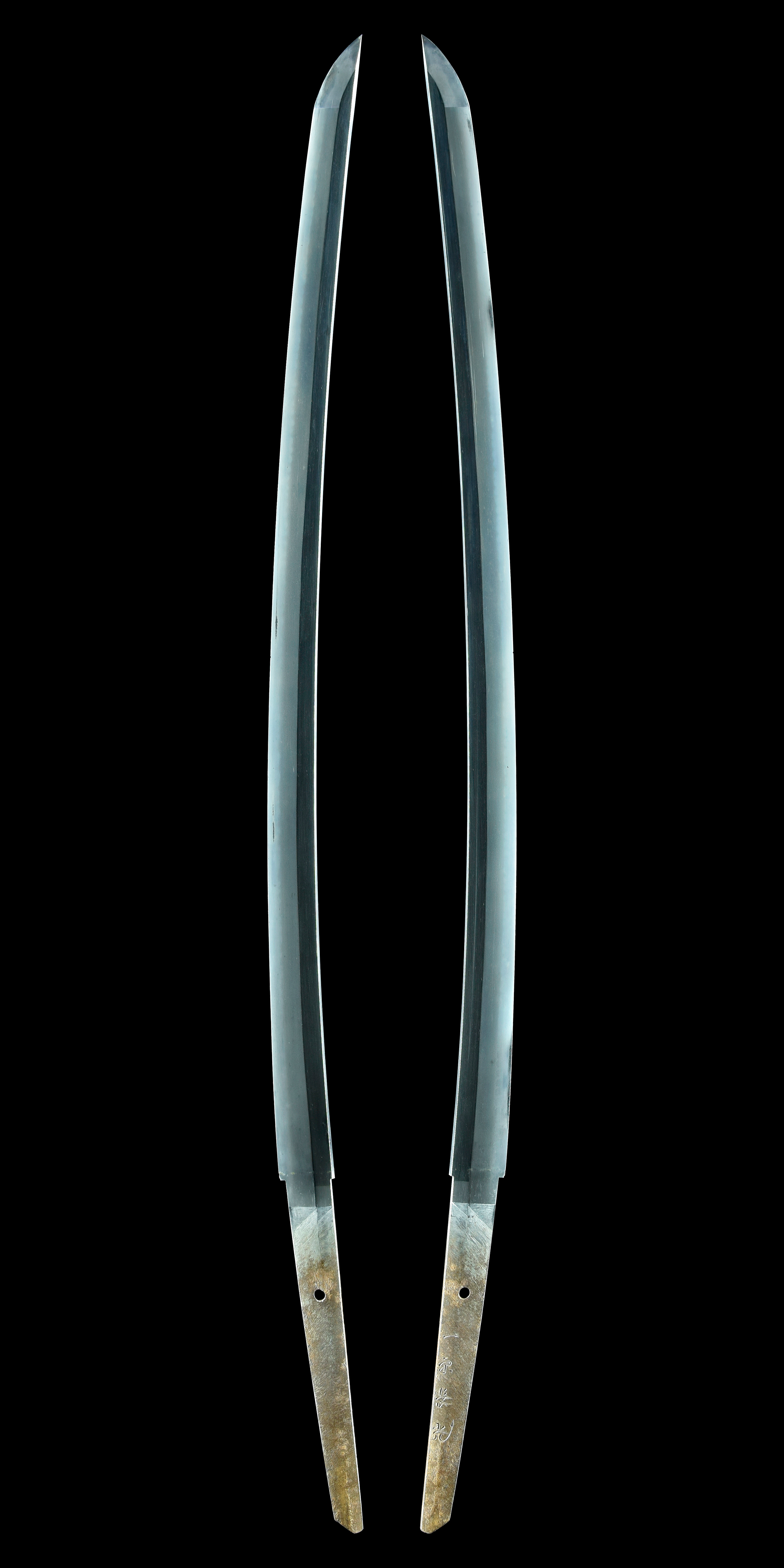
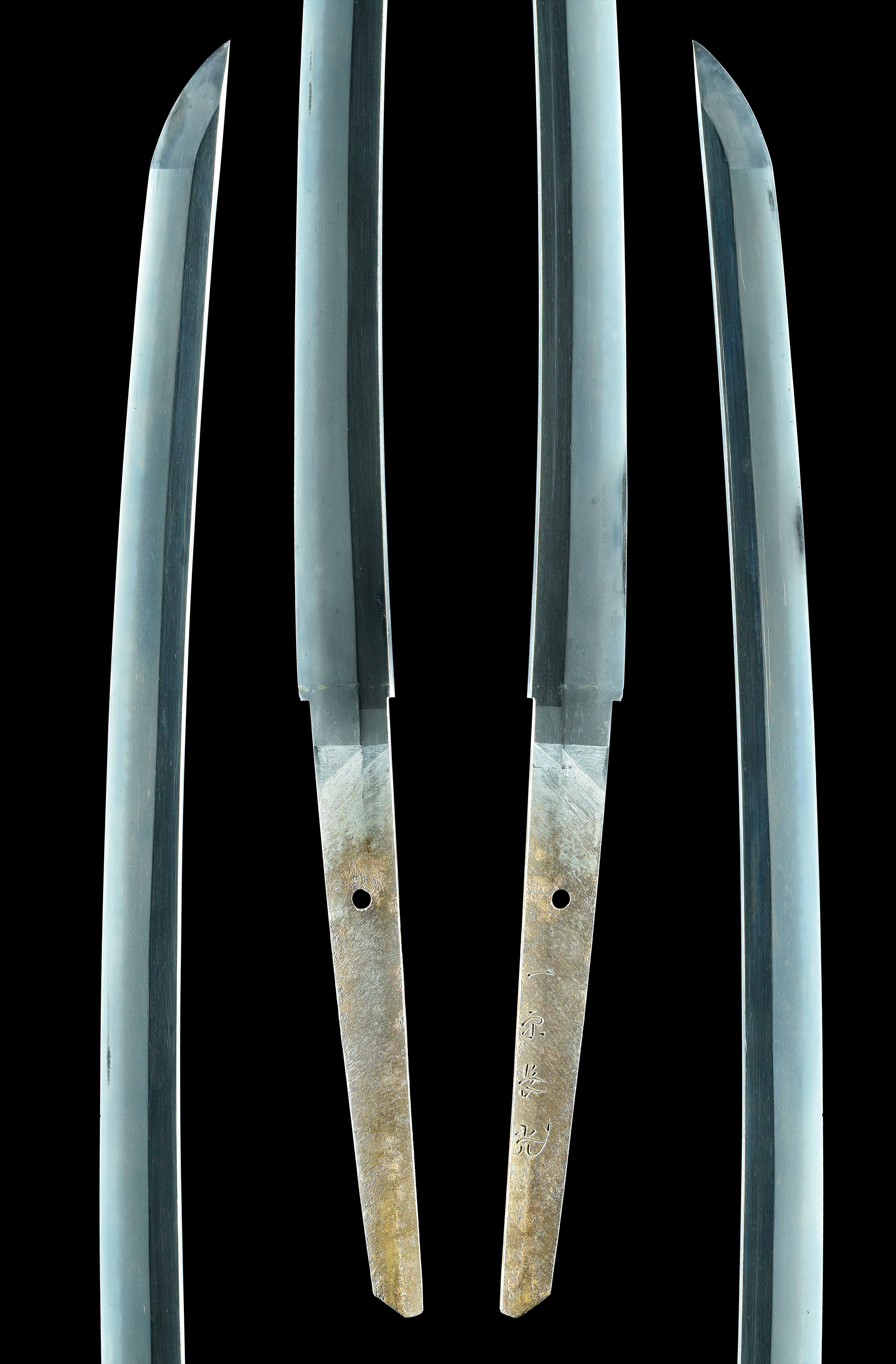
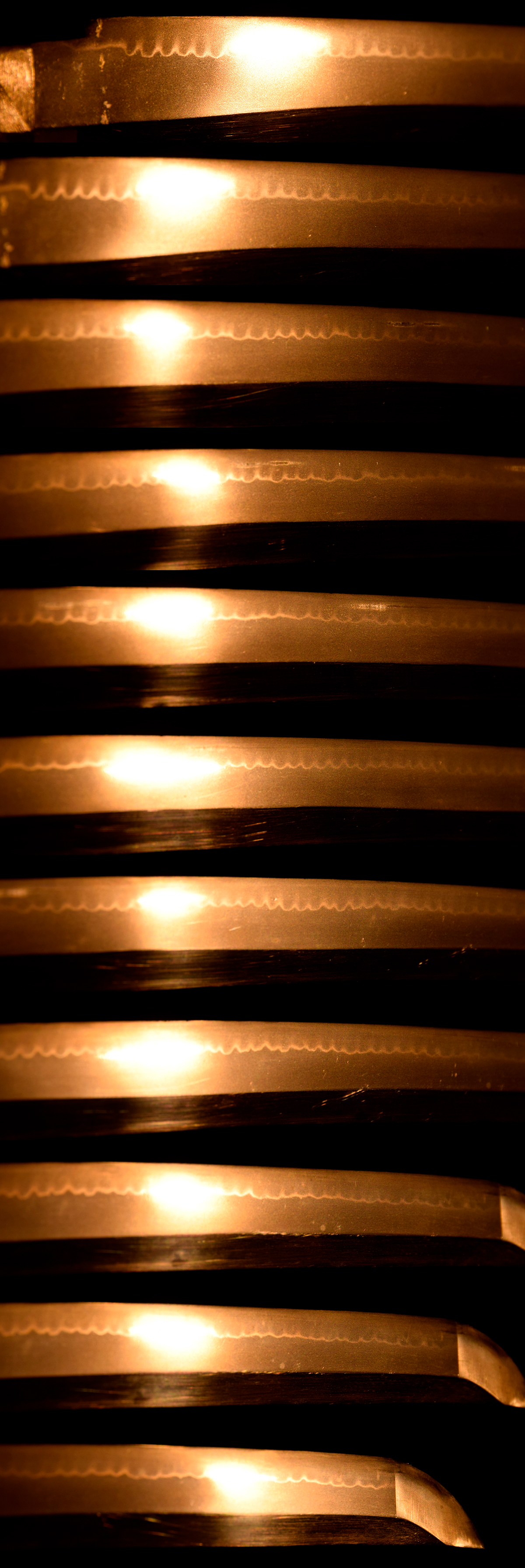
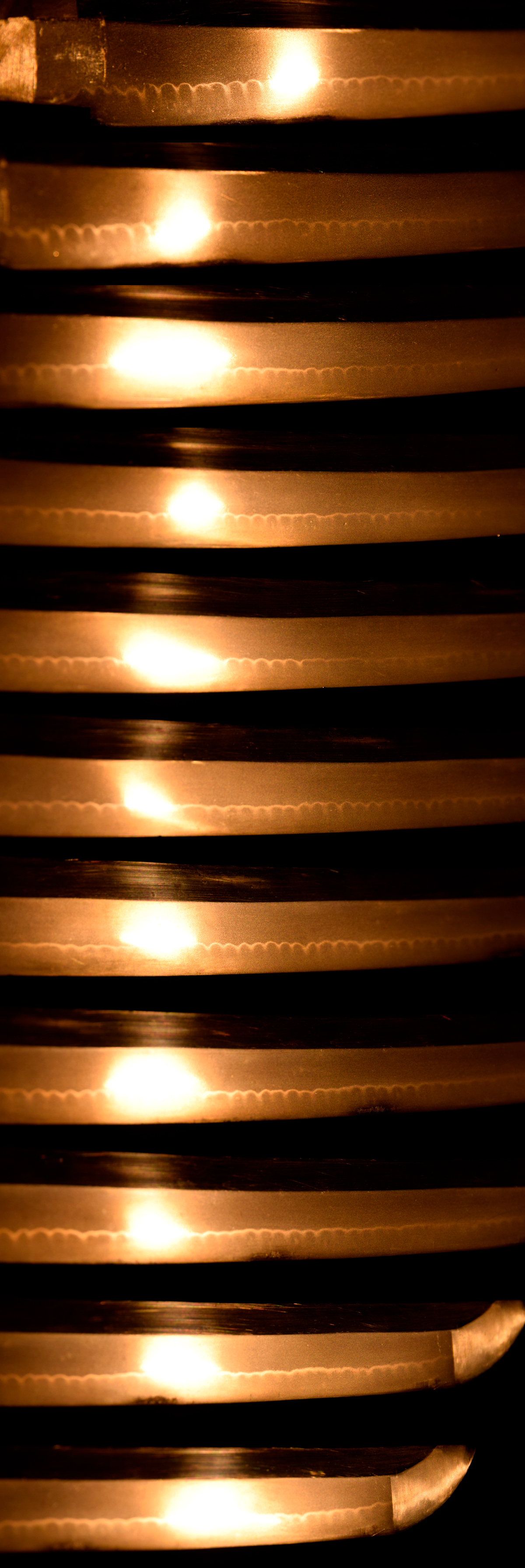
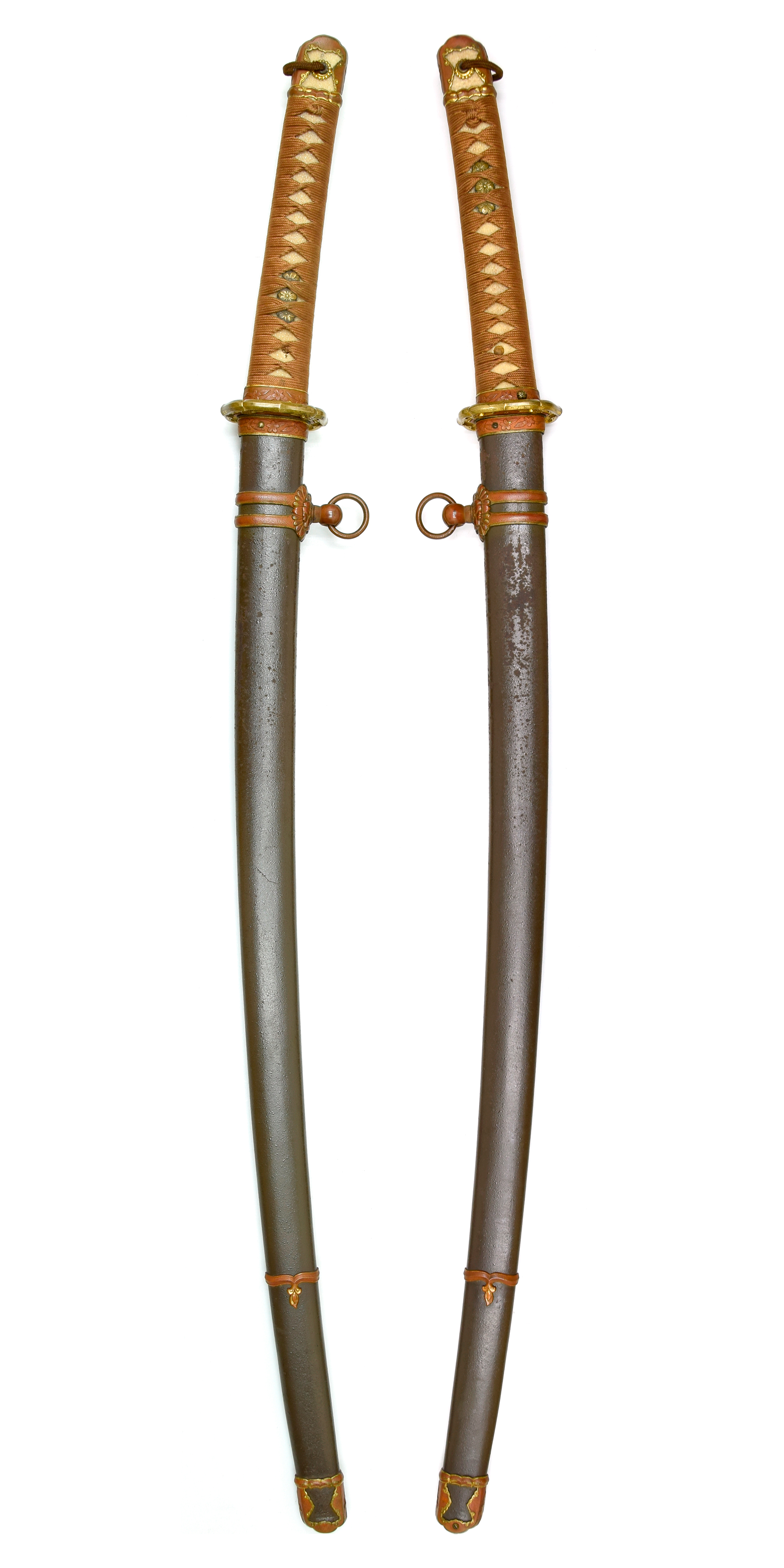
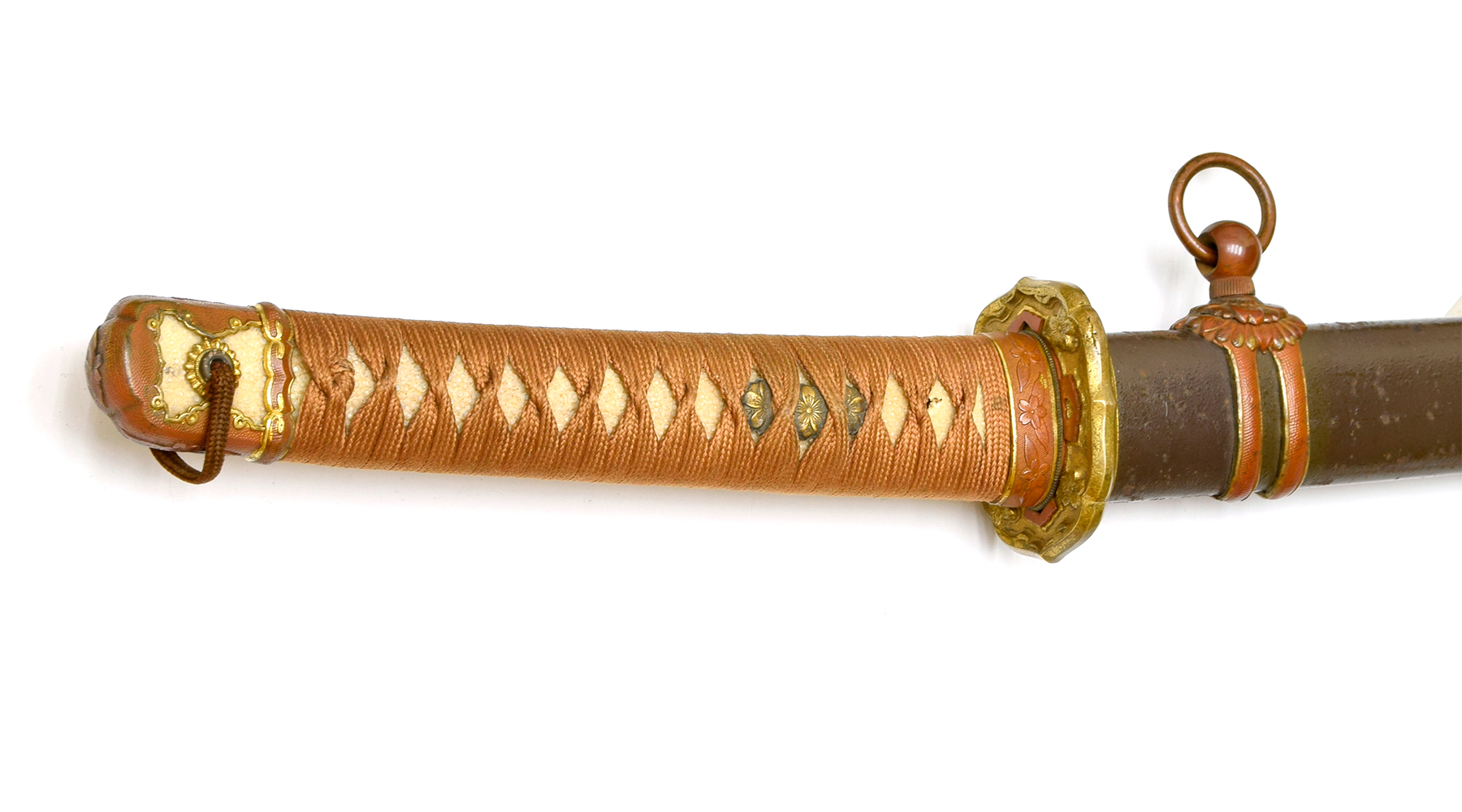
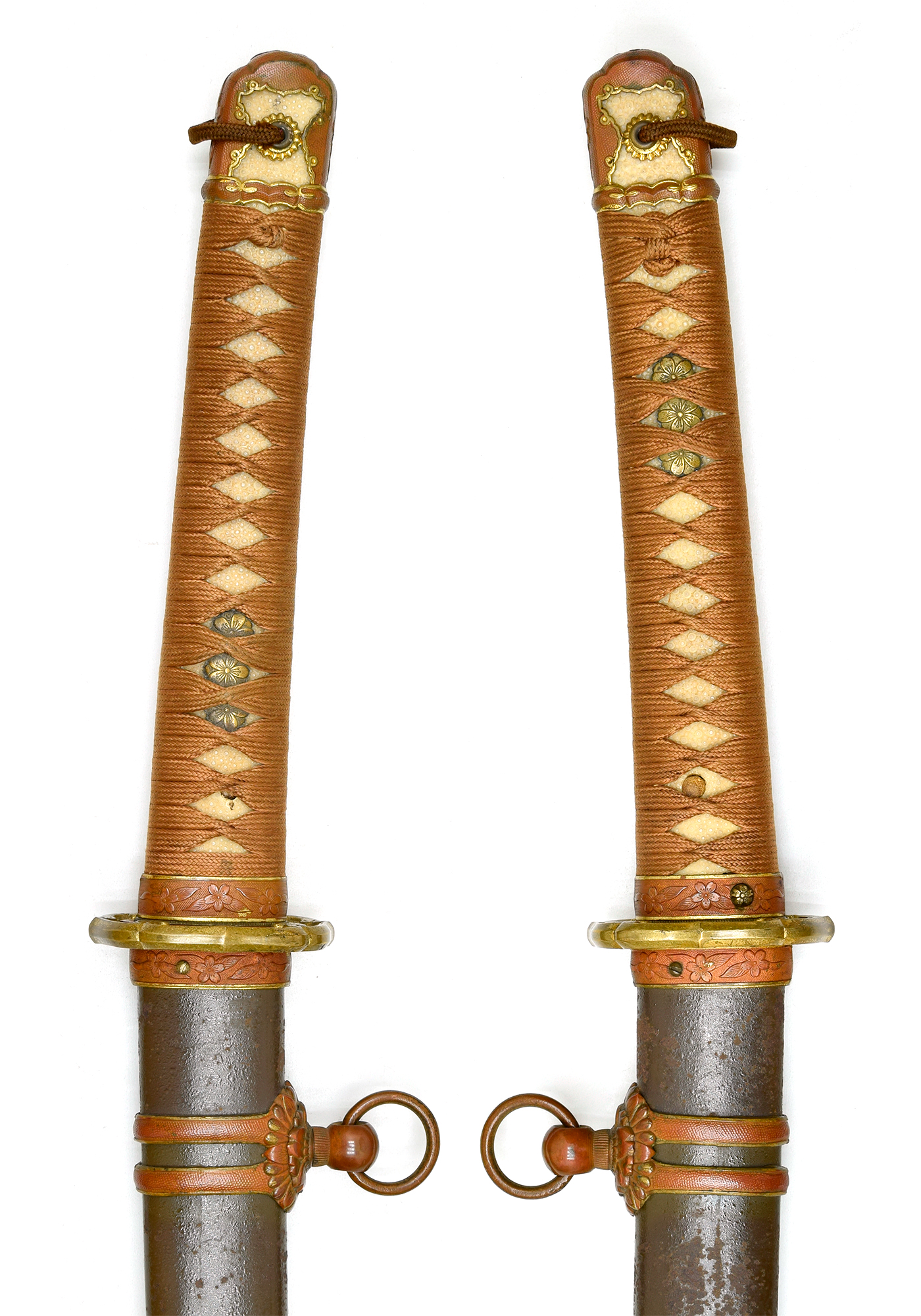
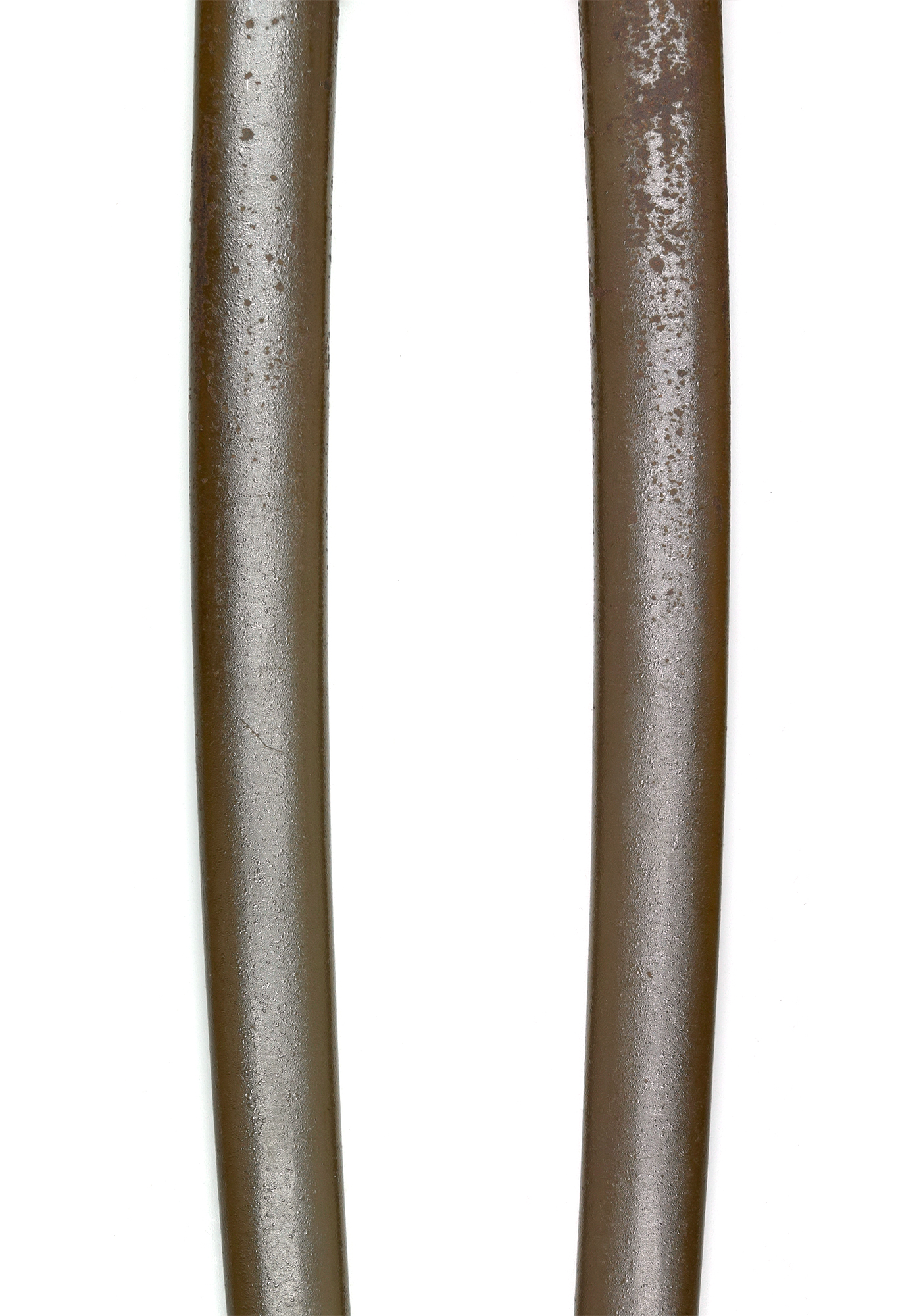
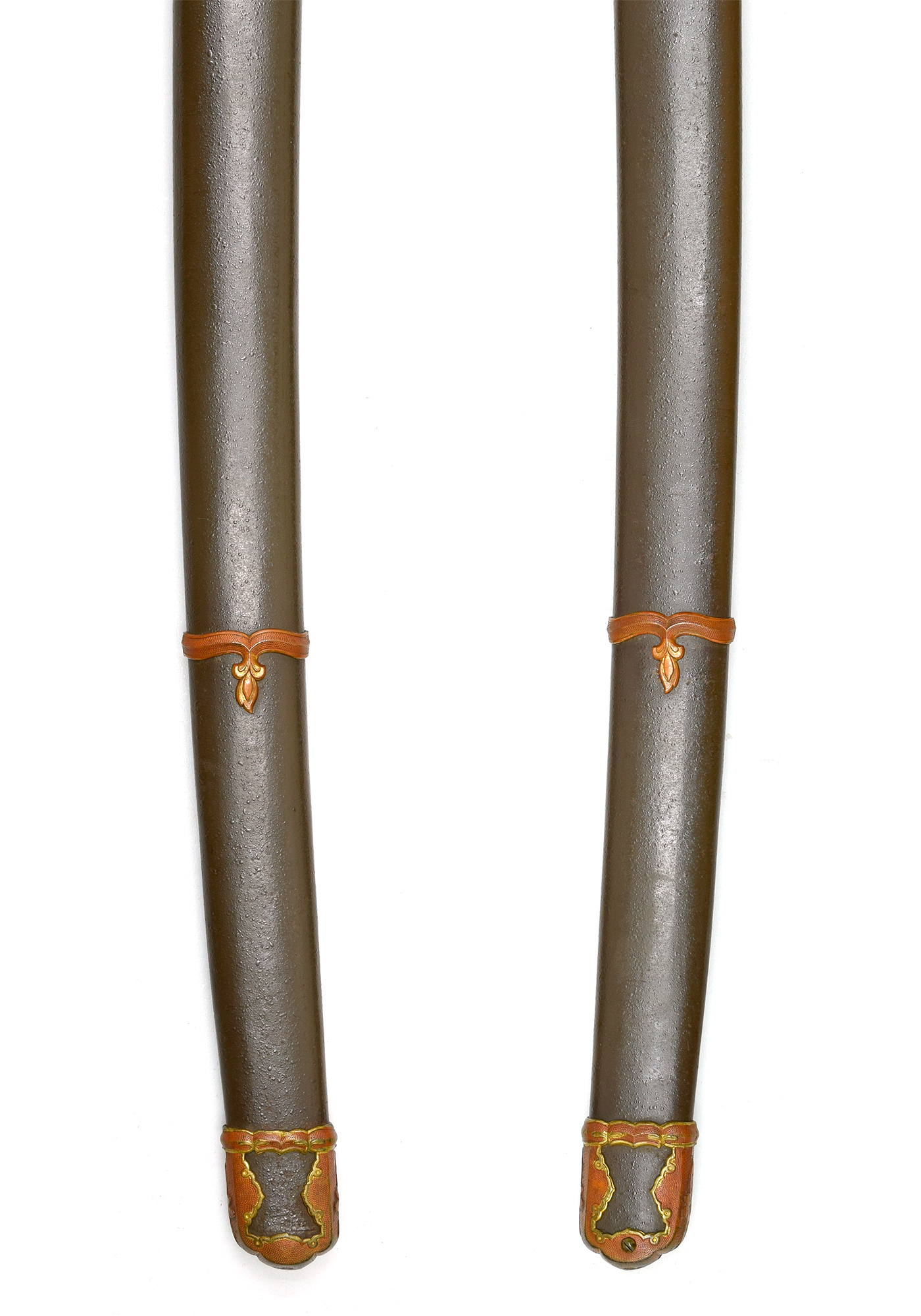
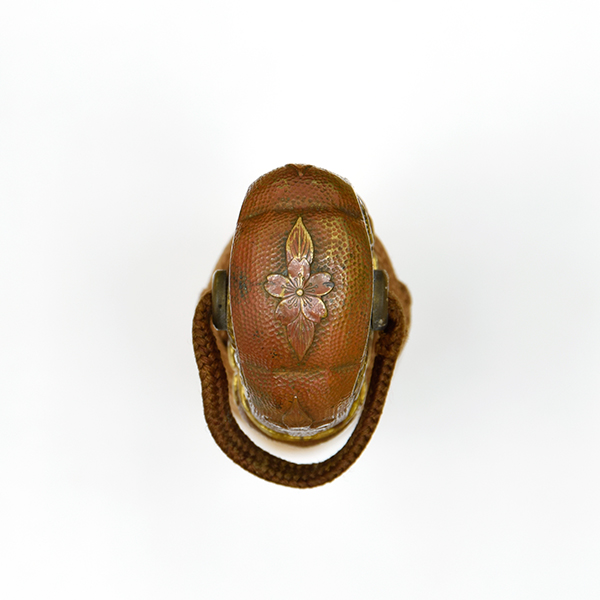
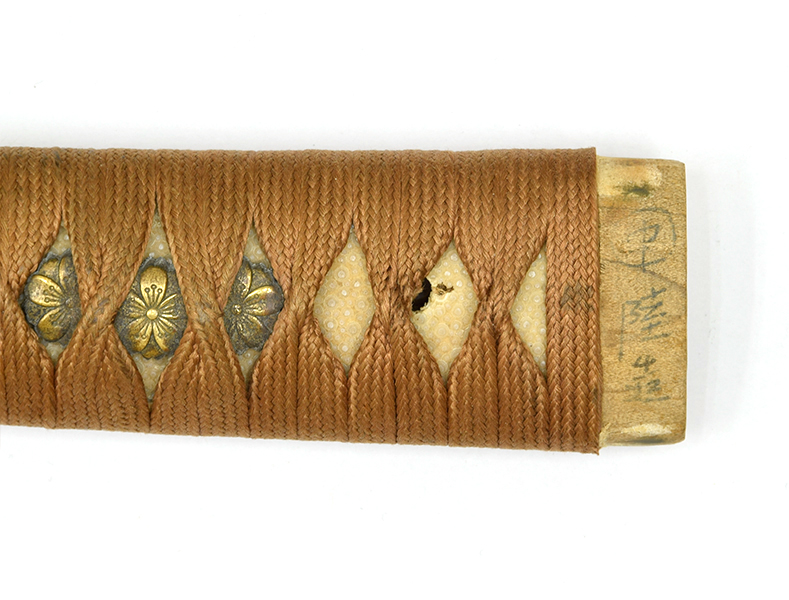
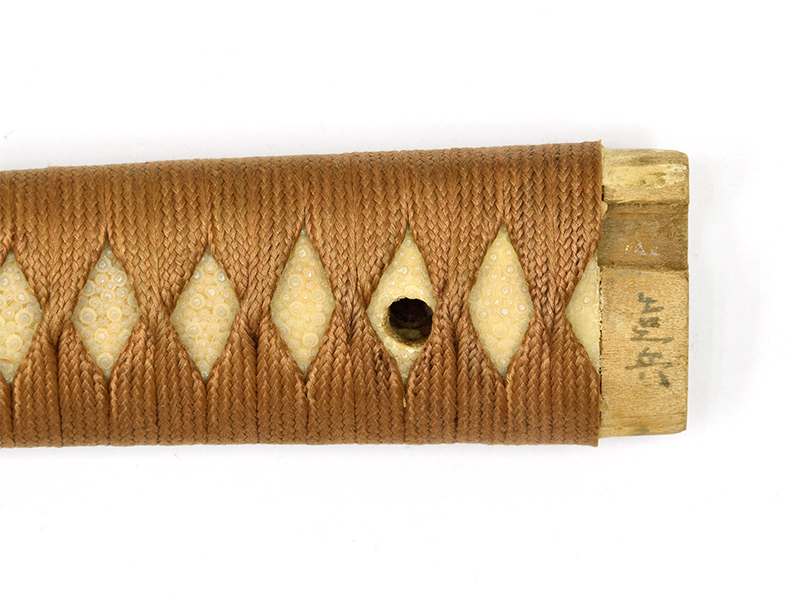
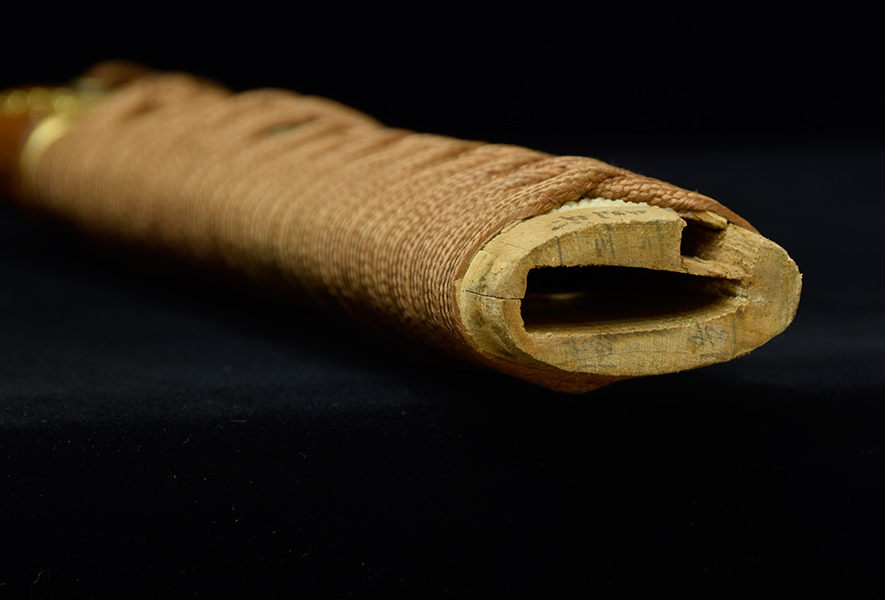
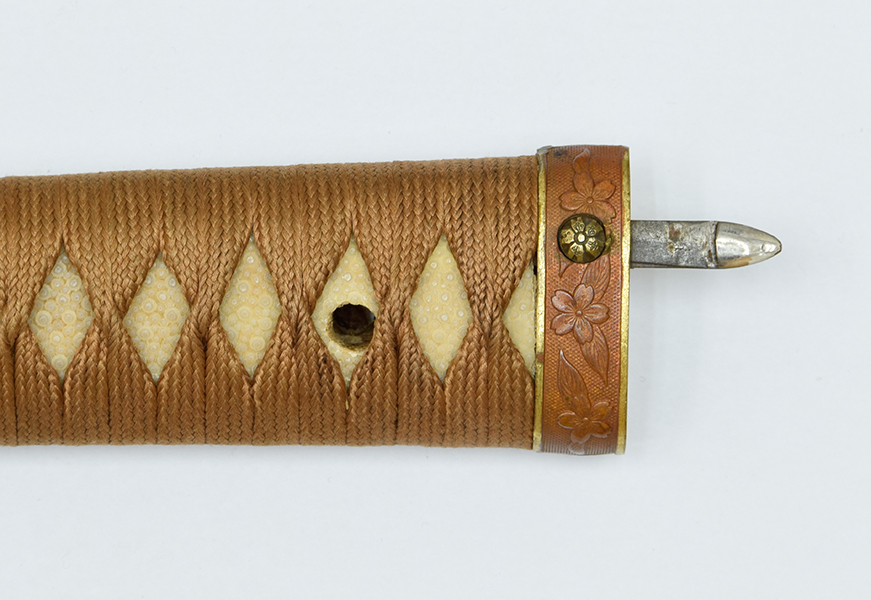
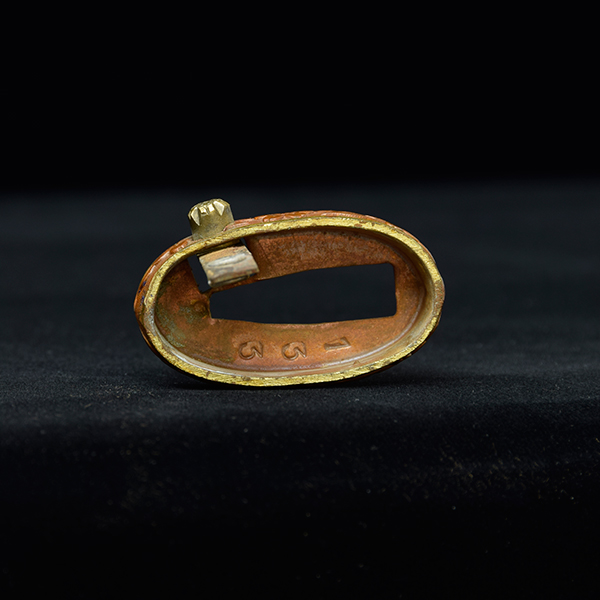
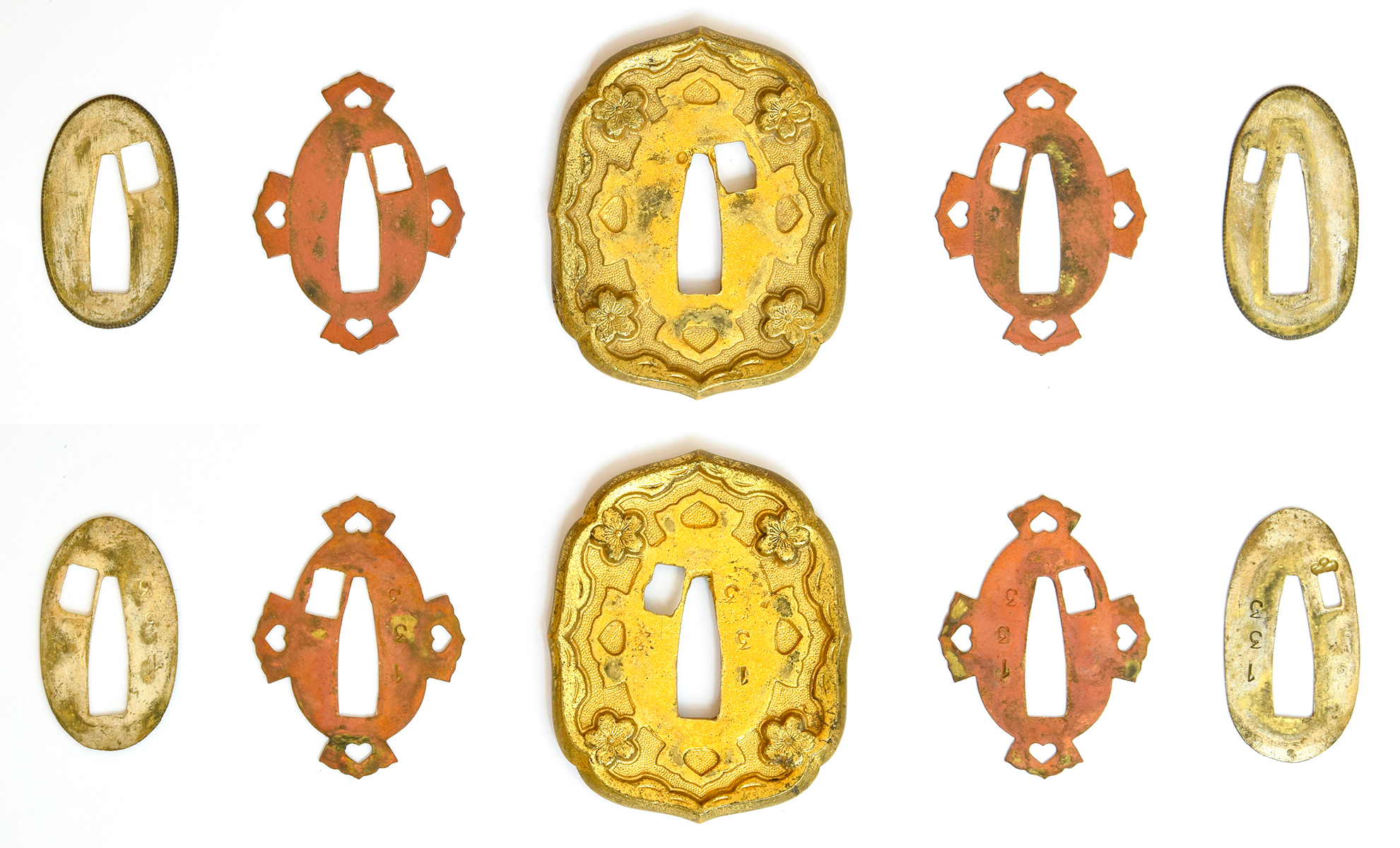
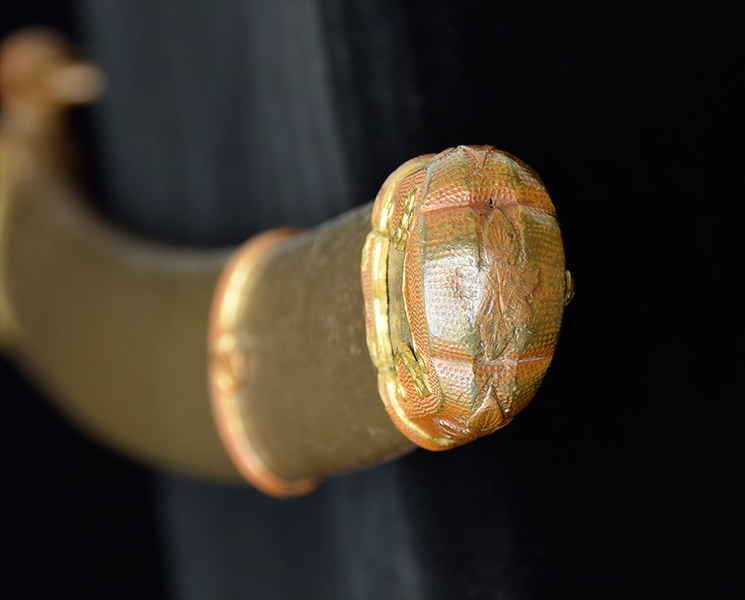
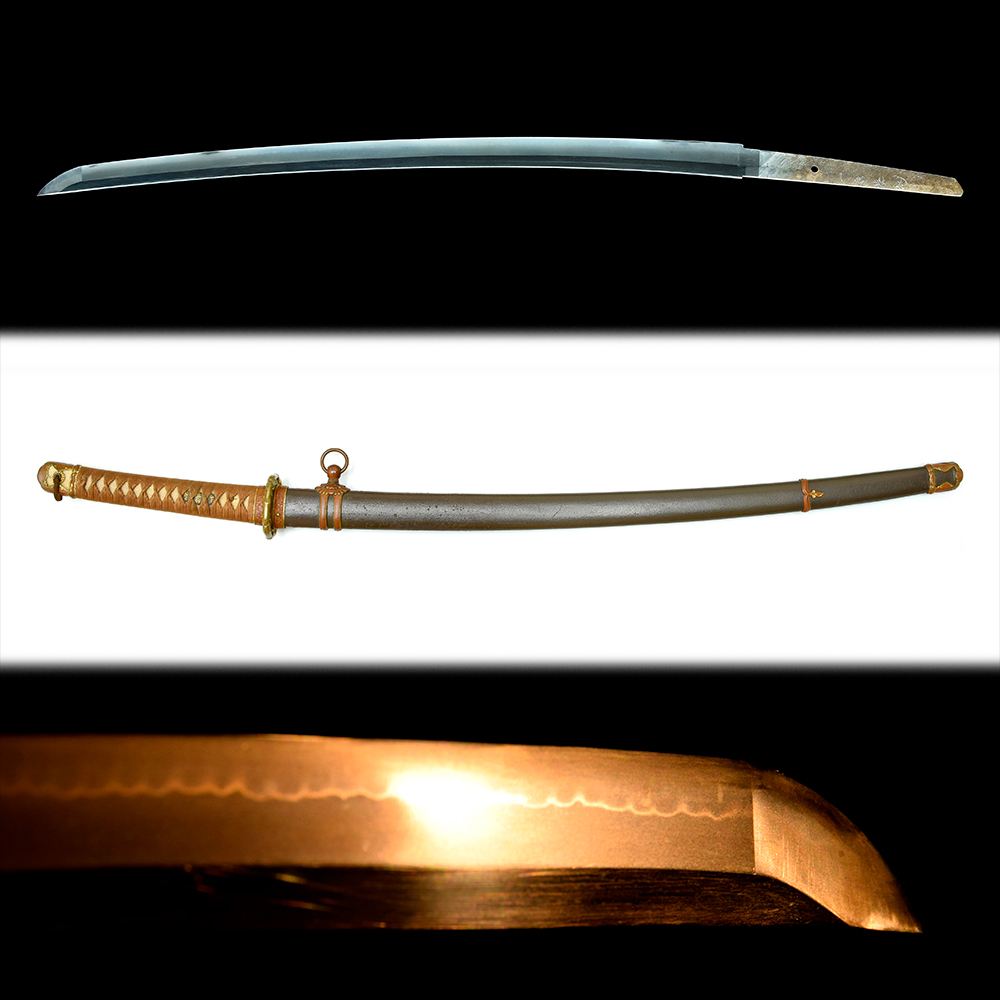
Ichihara Nagamasa was a master smith of the early Showa era whose name was included in the "Designated Swordsmith Section" at the Army Gunto Technology Encouragement Exhibition in Showa 19. He used the go Ichiryushi. Emura Shigetaro, who was the warden of Okayama Prison during the war, invited Ichiryushi Ichihara Nagamitsu to have exemplary inmates serve as sakite in order to aid their rehabilitation, and forged many nihonto within the prison. For this reason, the works of Ichihara Nagamitsu were commonly referred to in the world as "Kangoku Nagamitsu," but since the works forged at Okayama Prison were signed with the mei "Emura," it can be said that calling works with Nagamitsu's individual mei "Kangoku Nagamitsu" is a mistake. Due to the social conditions during the war, there are few works that have been given proper bijutsu kenma, so they tend to be lumped together simply as one type of hontren gunto; however, when an intensive polishing is applied, everyone is surprised by the high level of skill in these Showa meito, which were highly reputed as sharp blades even then, and he was also active as a Rikugun Jumei Toko. This katana has a ko-itame hada that is well-kneaded and tight, and he has tempered a suguha-style gunome midare with a tight nioiguchi and active ashi, making it a typical work of Nagamitsu. As it is currently in an old polish, saya-zure and hike etc. can be seen, so if you wish, our shop can apply a solid bijutsu kansho-yo jo-kenma from the shitaji to bring out the quality of Nagamitsu to the maximum before delivery. (+210,000 yen tax) The accompanying Kyuhachi-shiki Rikugun To Koshirae has a tetsu-saya and is in relatively good condition, and the cherry blossoms and leaves on the ishizuki-kanagu (kojiri-kanagu) remain clearly defined.
Offered by Toushin


Machine translation of the shop's Japanese ·
Machine translation from the shop's Japanese · may contain errors ·
Okayama · around 1926-1989
2 pieces on the market now
Shōwa to the present: destruction and revival
The twentieth century nearly killed the craft twice: wartime distortion, then the occupation ban. The NBTHK’s founding in 1948 and licensed forging from 1953 rebuilt the sword as an art, crowned by Living National Treasures and the mukansa rank.
We could not find an authenticity certificate on the seller’s listing. Japanese swords and fittings are normally papered by the NBTHK (or the NTHK). Without one, the attribution is the seller’s own assessment and has not been independently verified — treat it with caution and ask the dealer about certification before buying.
As a rule we do not accept returns, except when we have sent a different item from the one ordered or when there is a significant discrepancy between the description and the item. If you wish to return an item, please contact us within 3 days of its arrival and then send it back.
¥495,000