Muromachi turned sword making into an industry: the uchigatana rose with massed infantry warfare, Osafune and Seki produced bundle swords beside custom orders, and the Ming trade carried Japanese blades abroad by the tens of thousands.
 NihontoWatchNihontoWatch
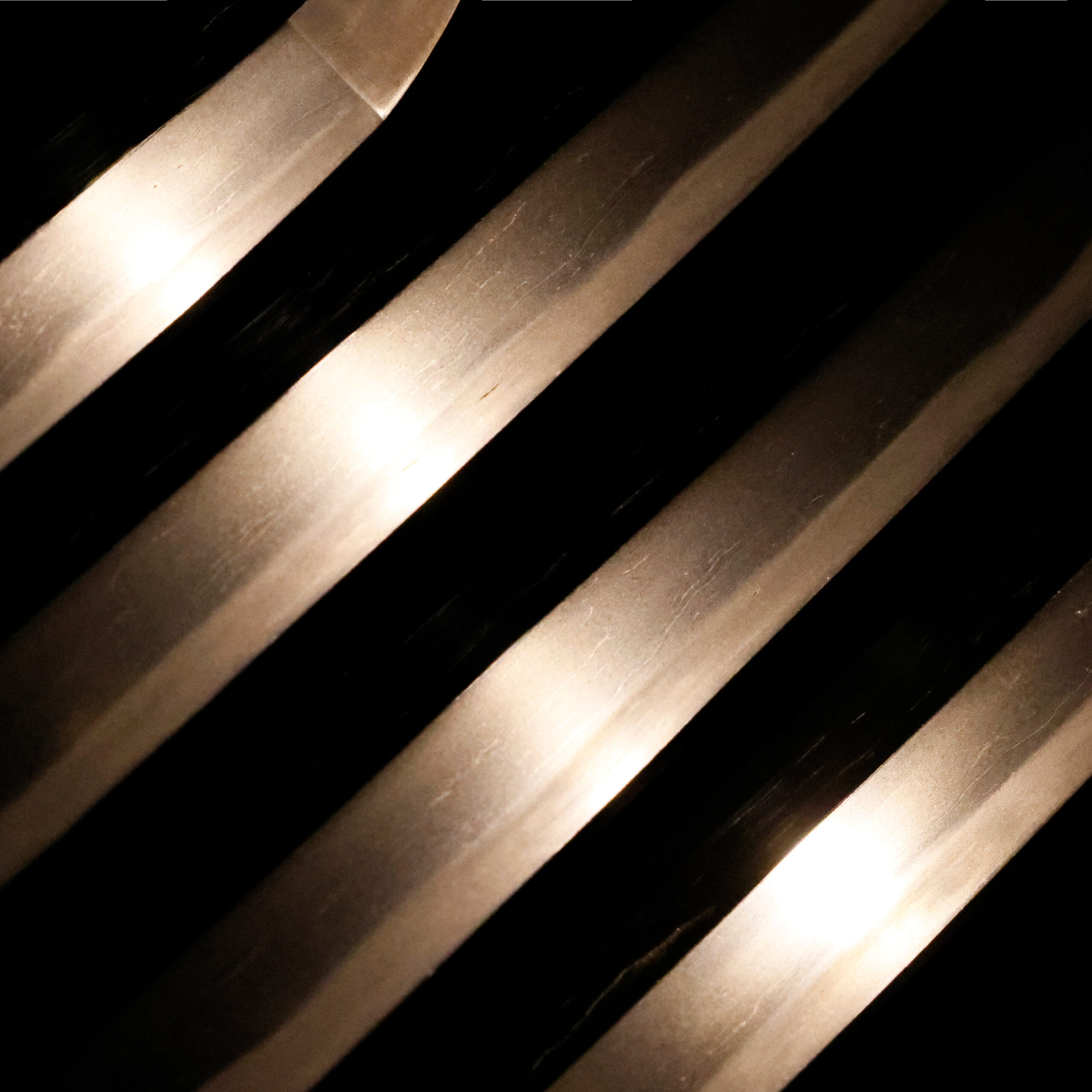
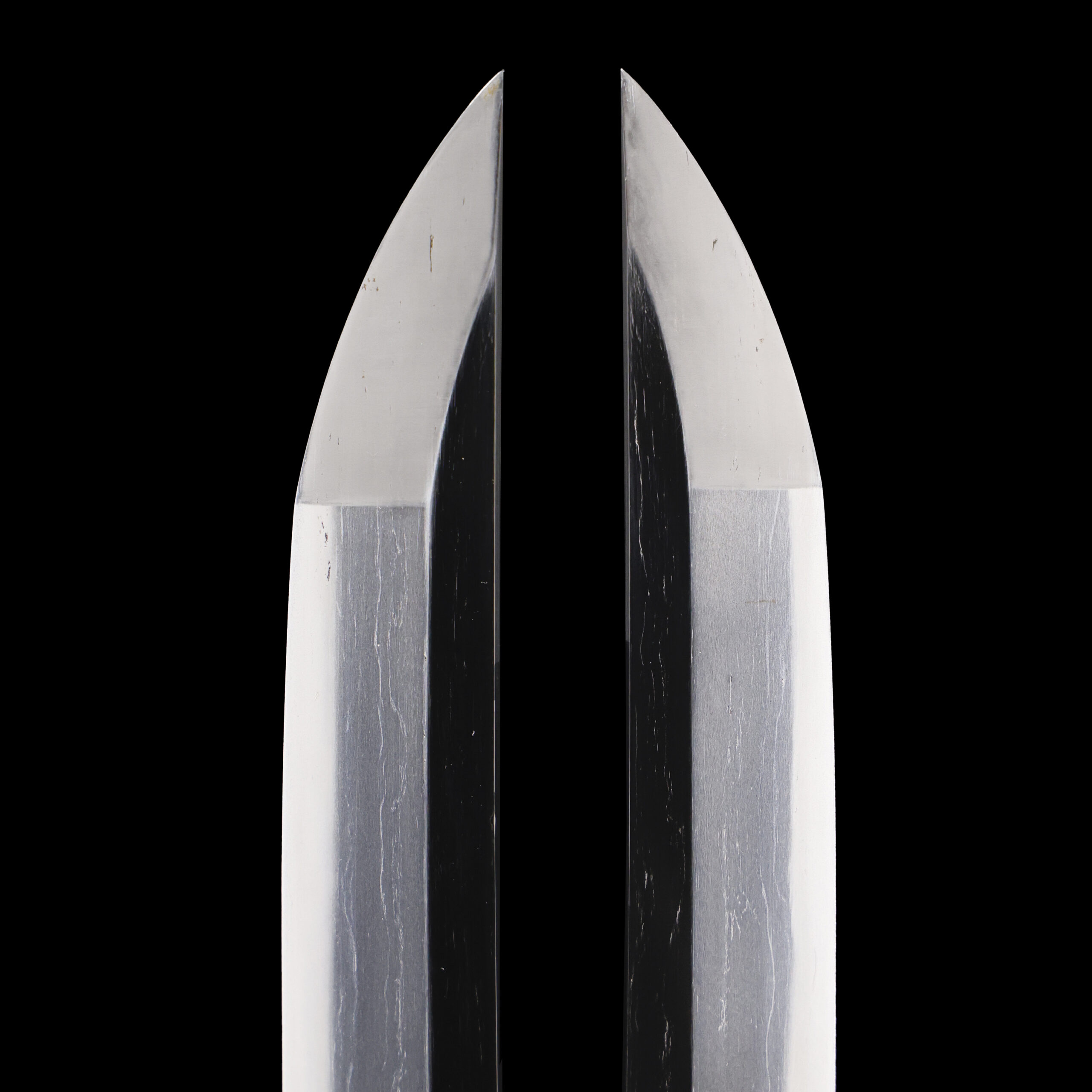
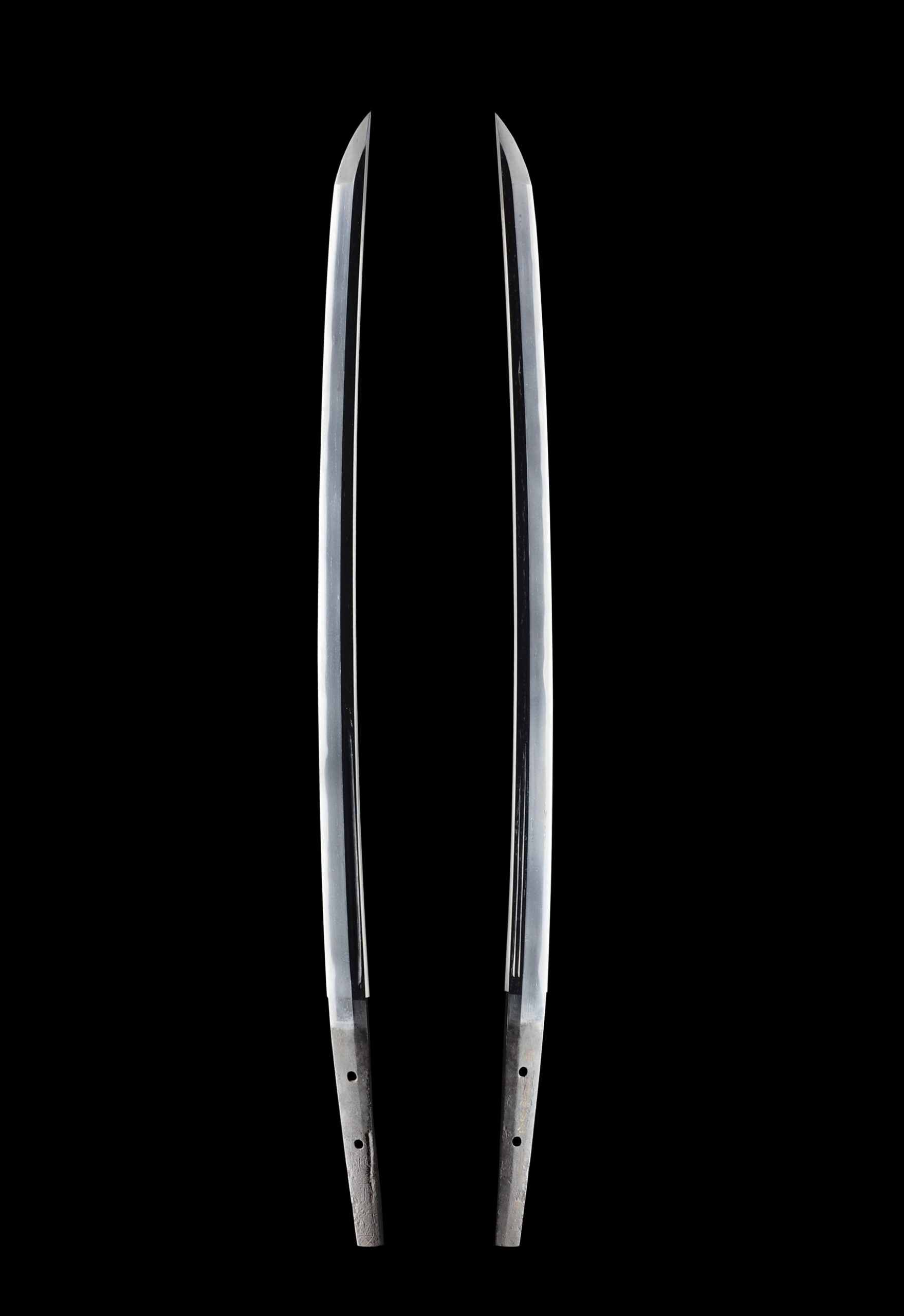
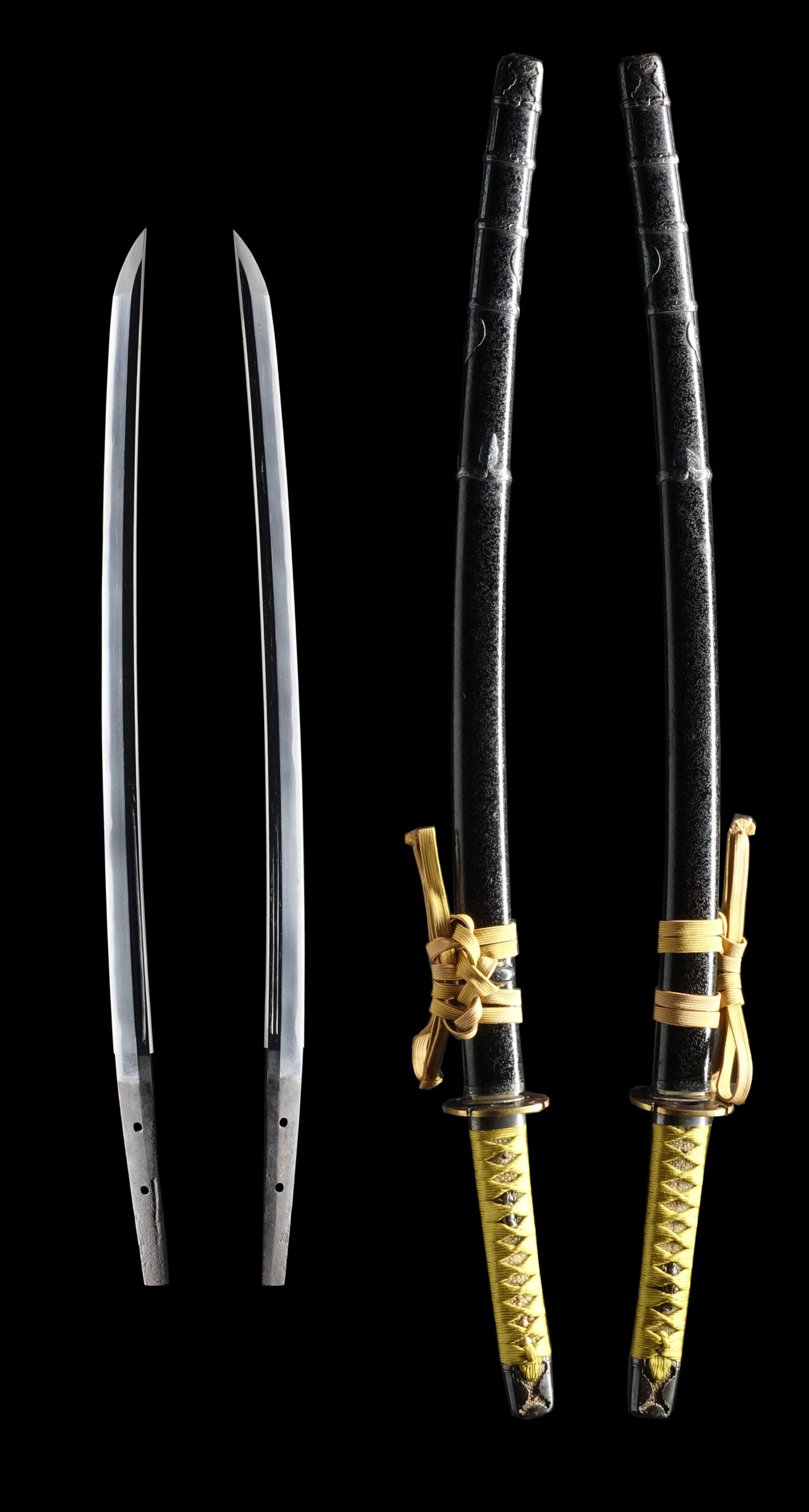
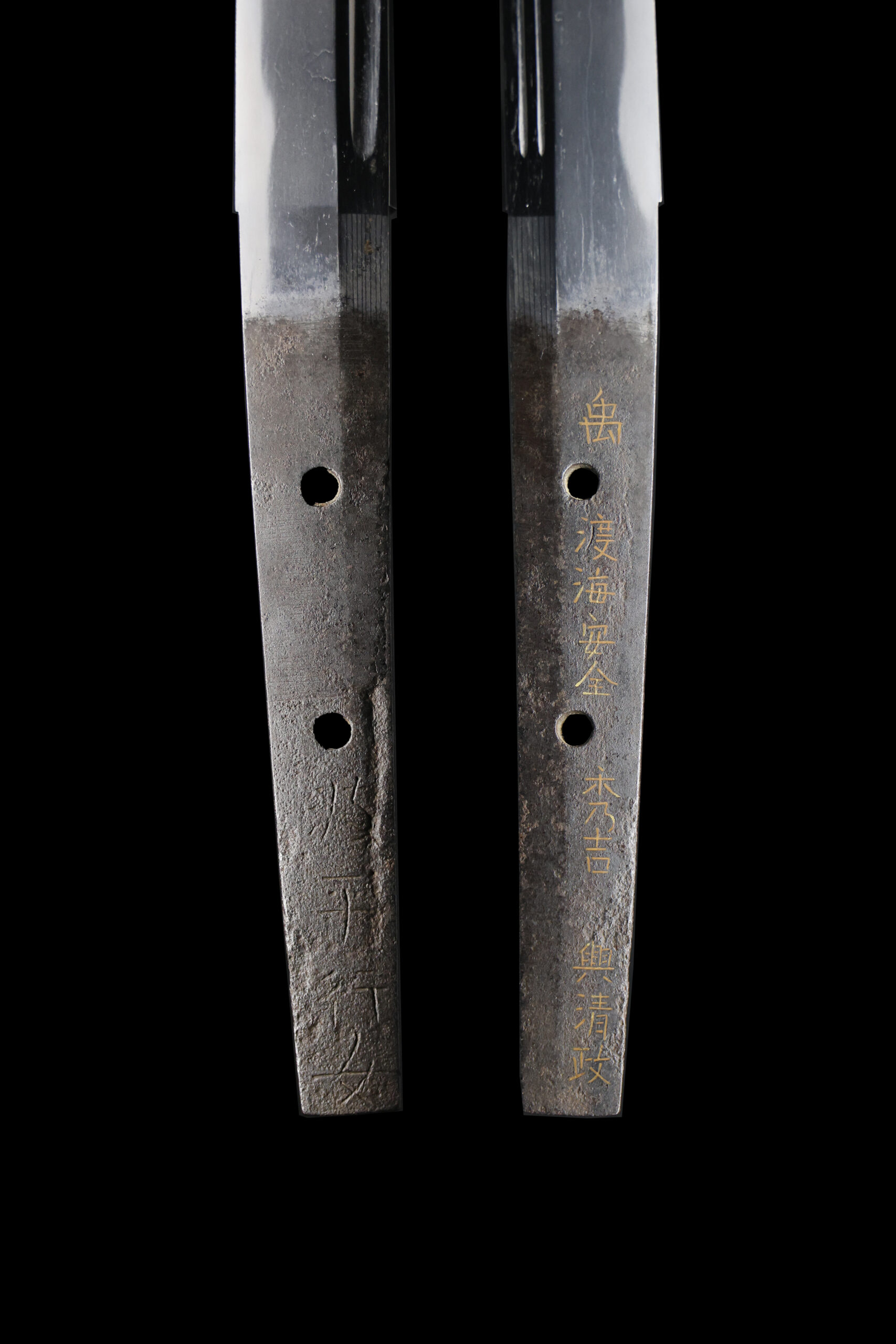
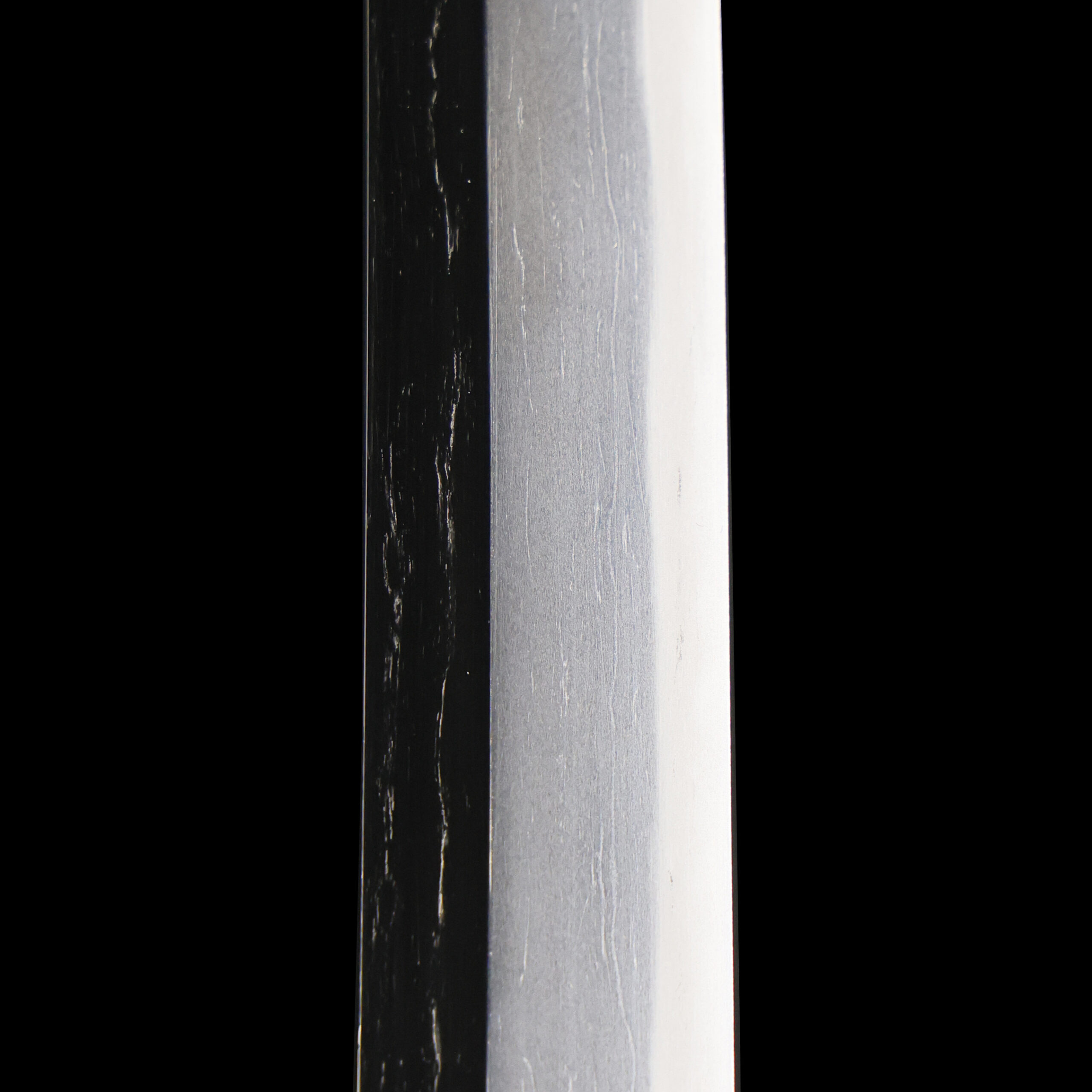
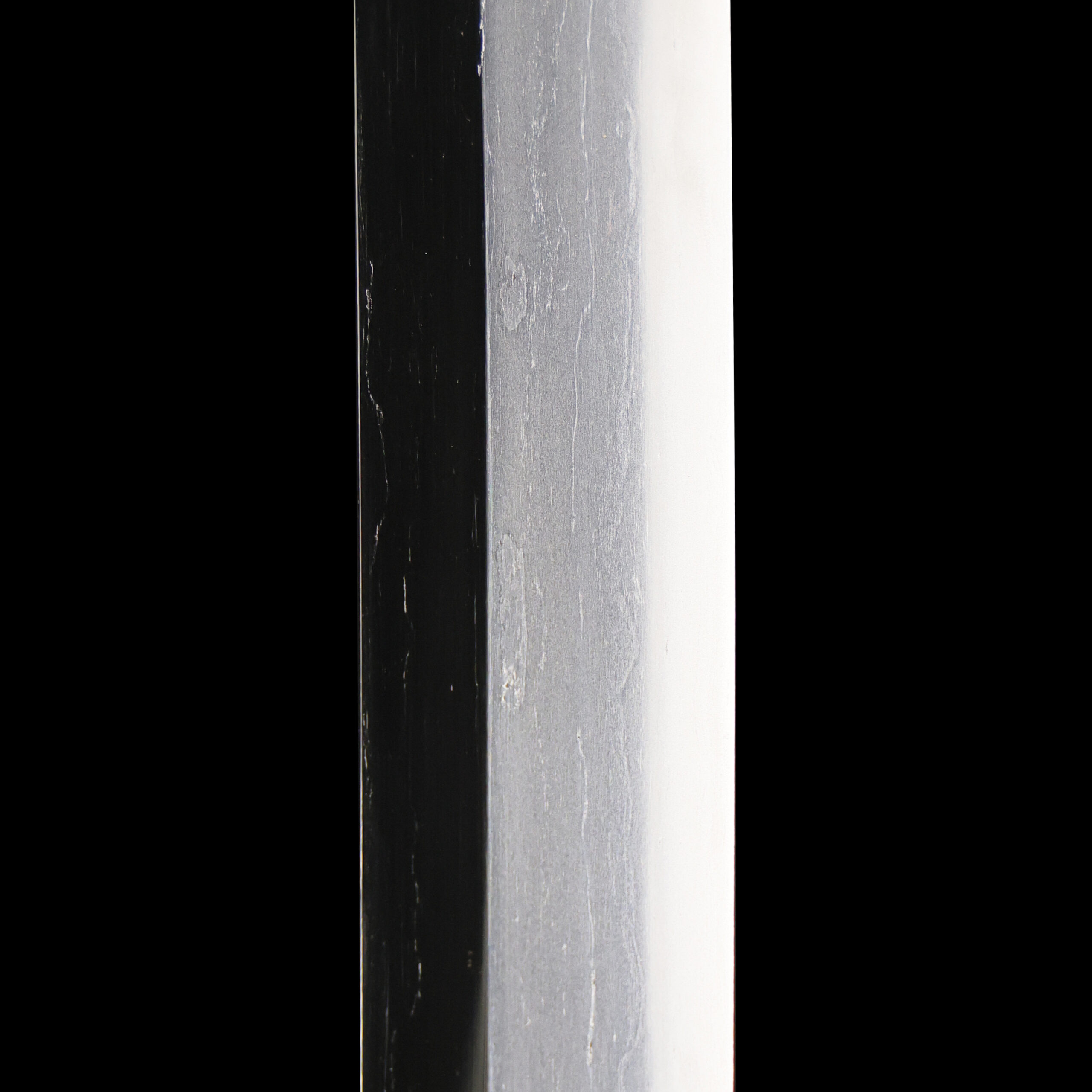
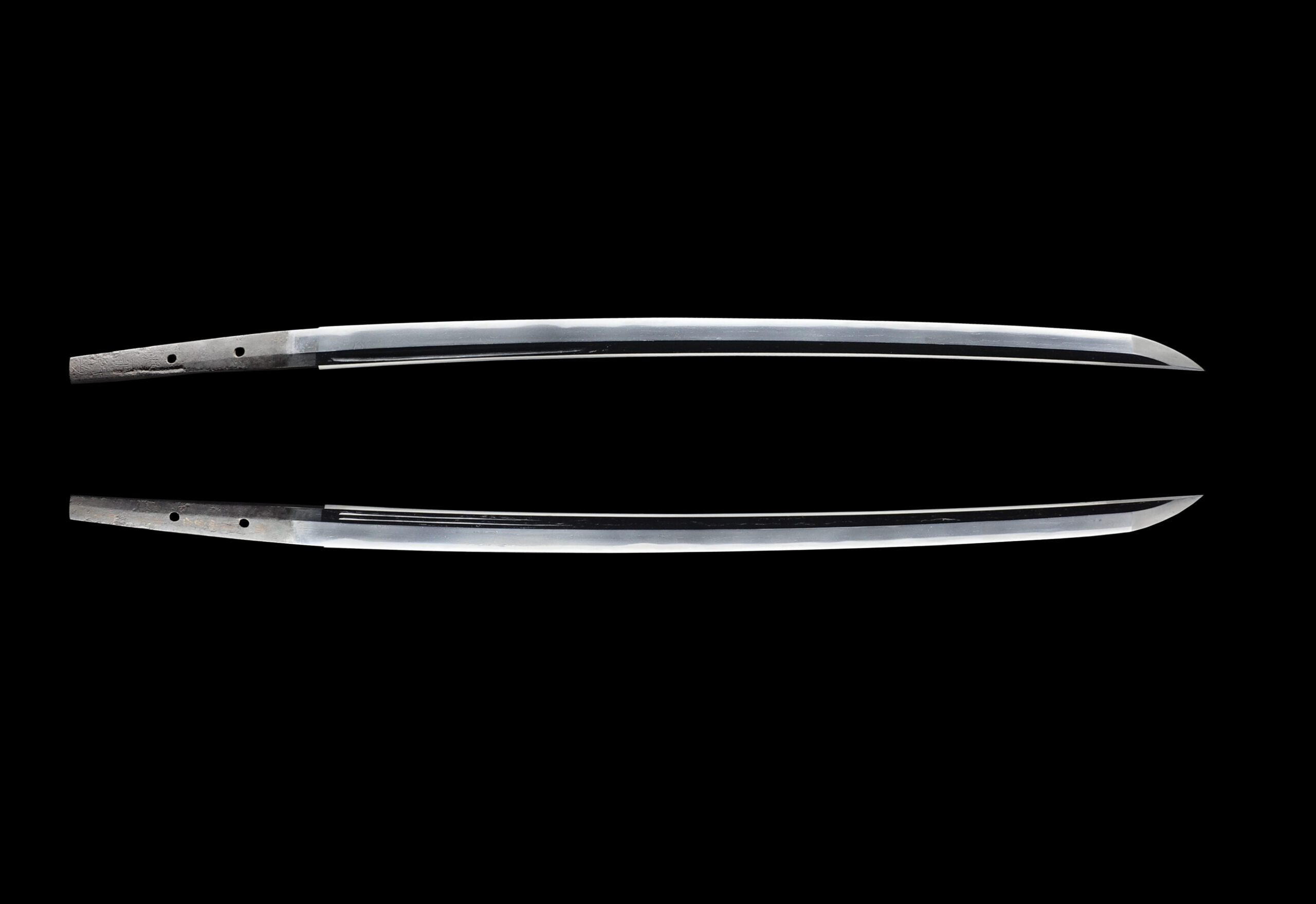
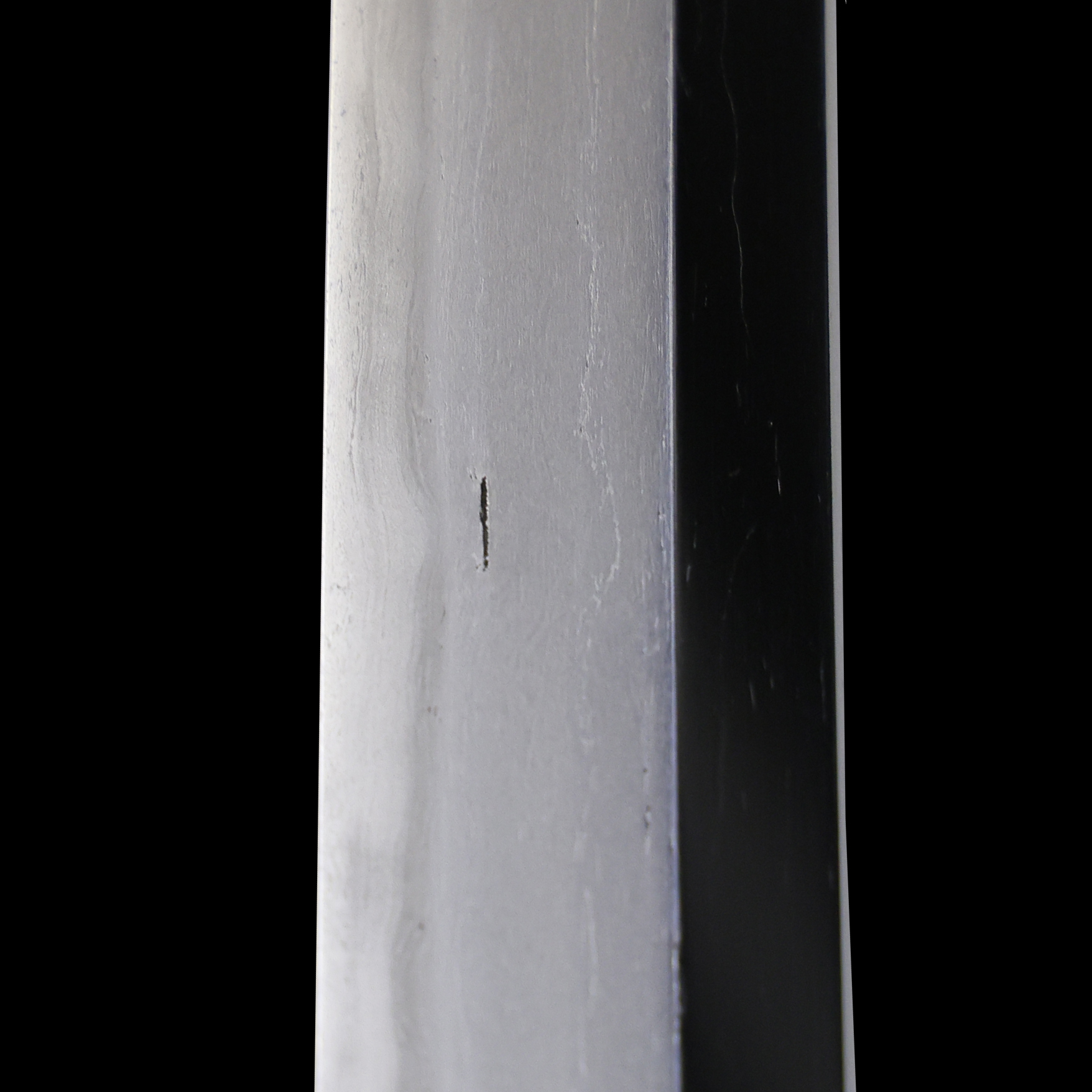
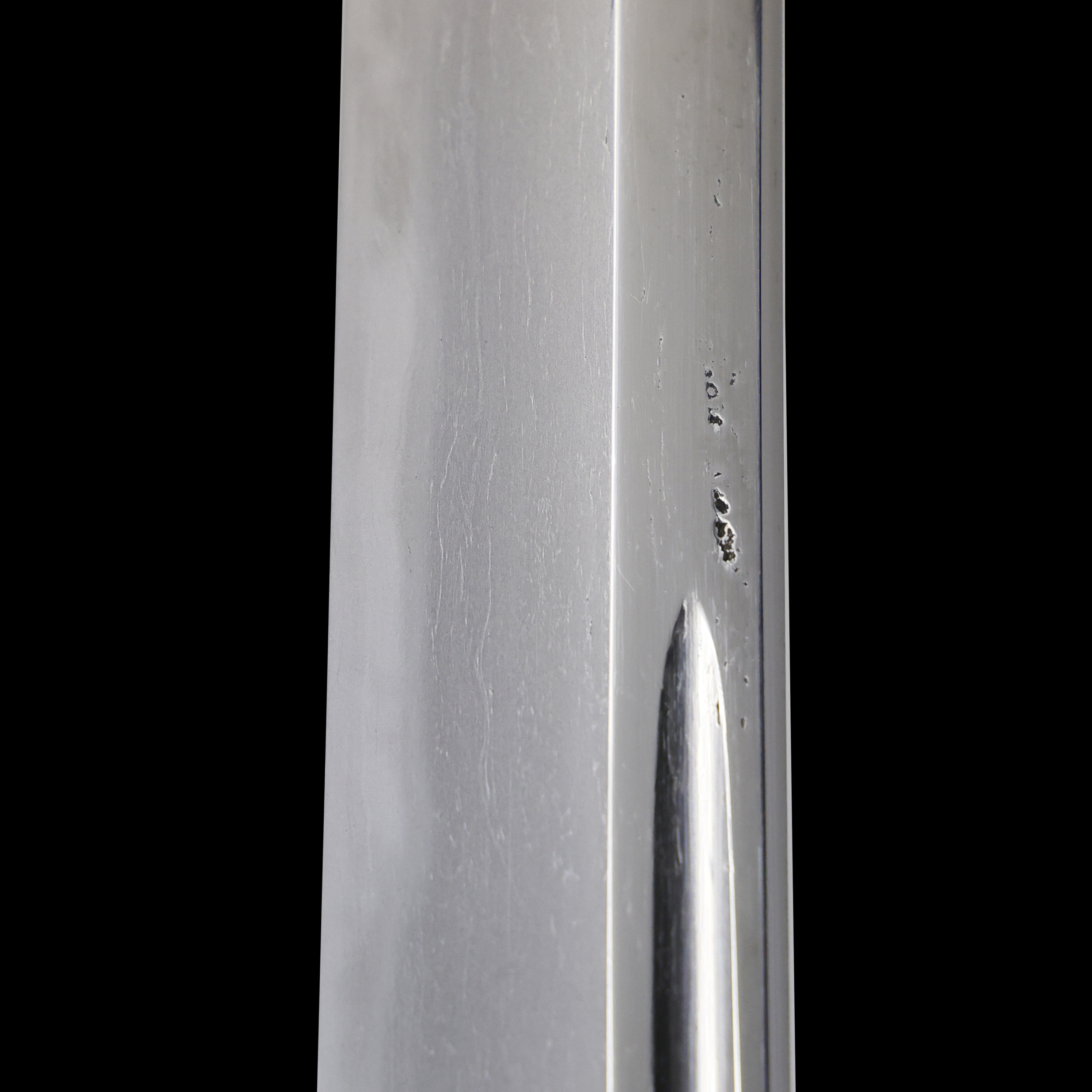
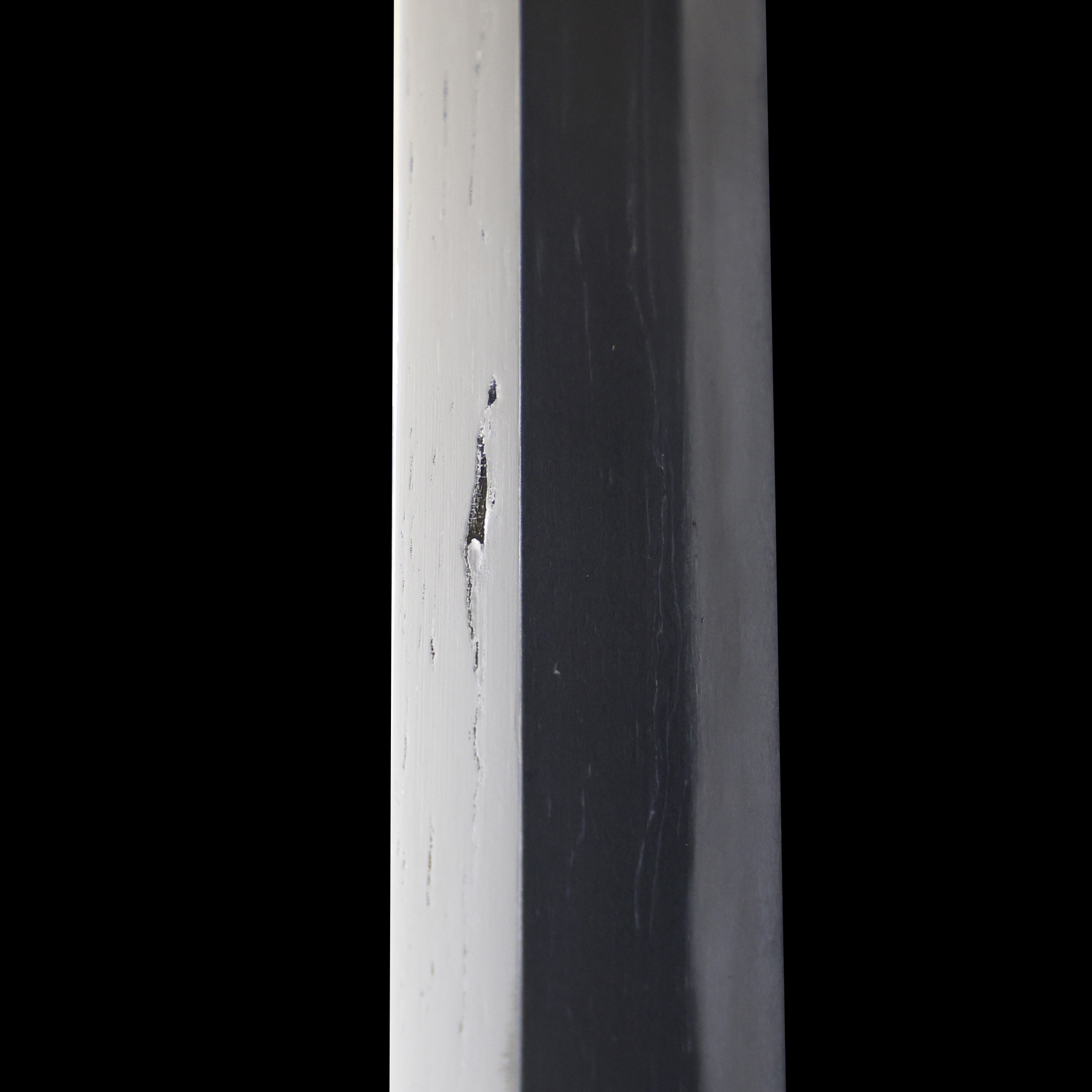
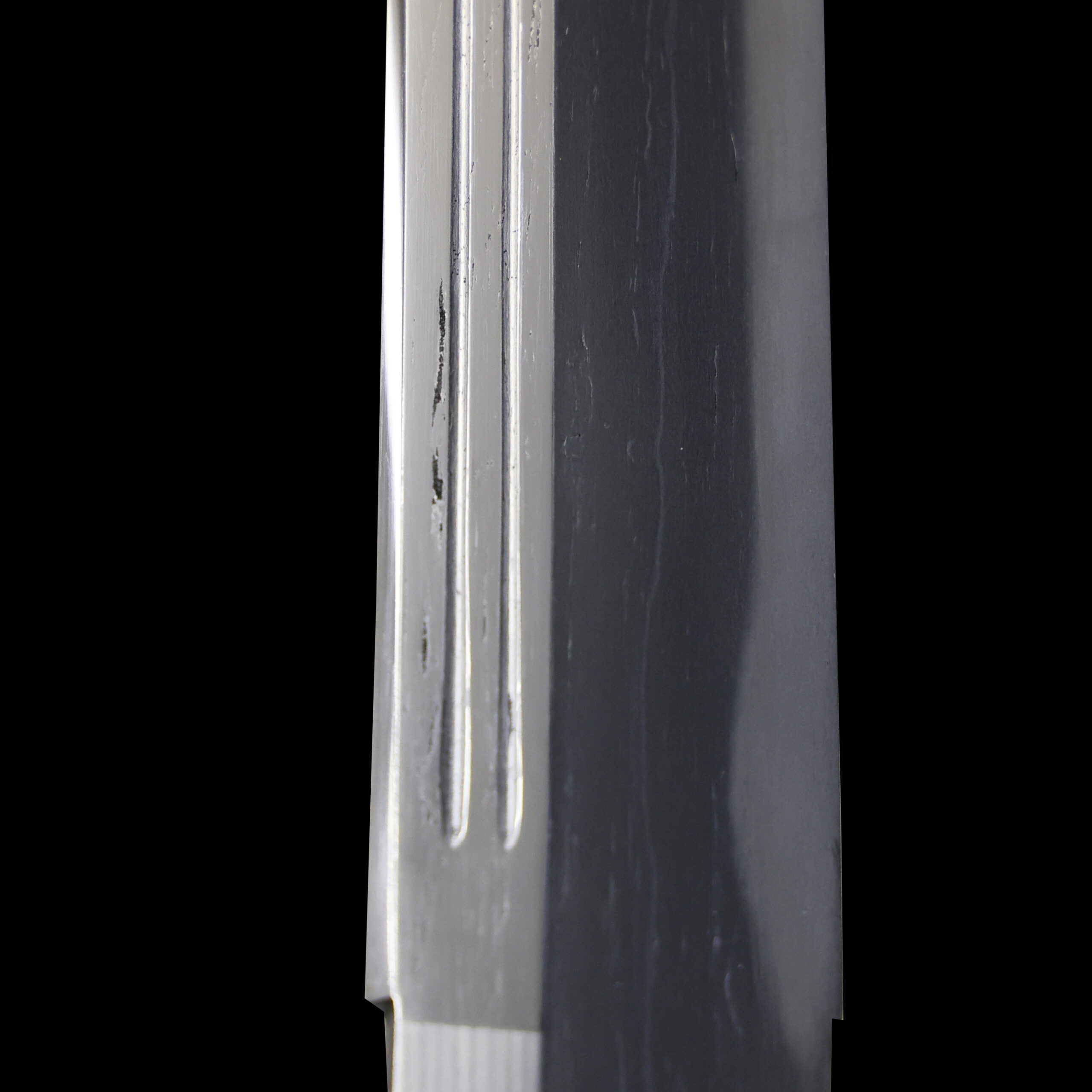
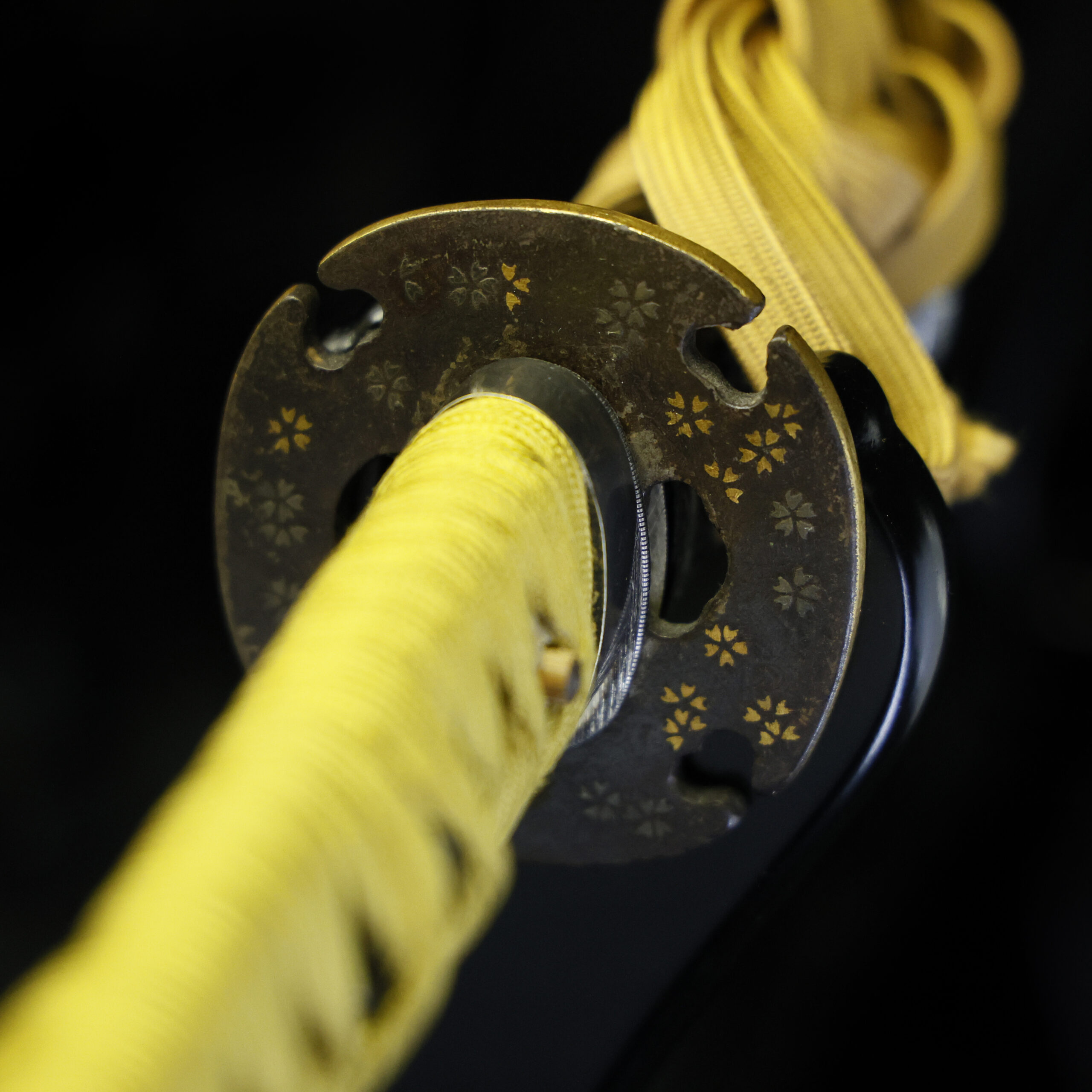
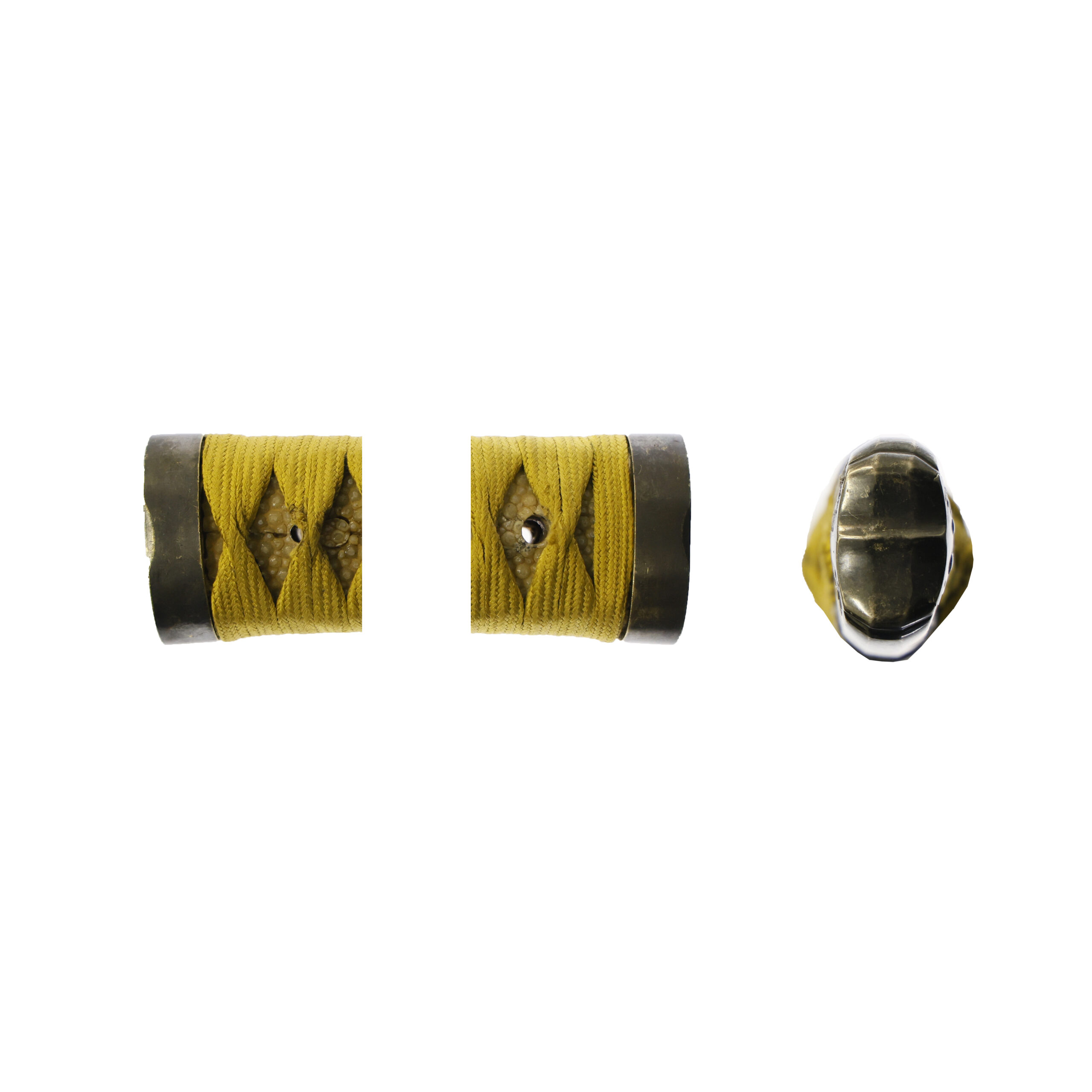
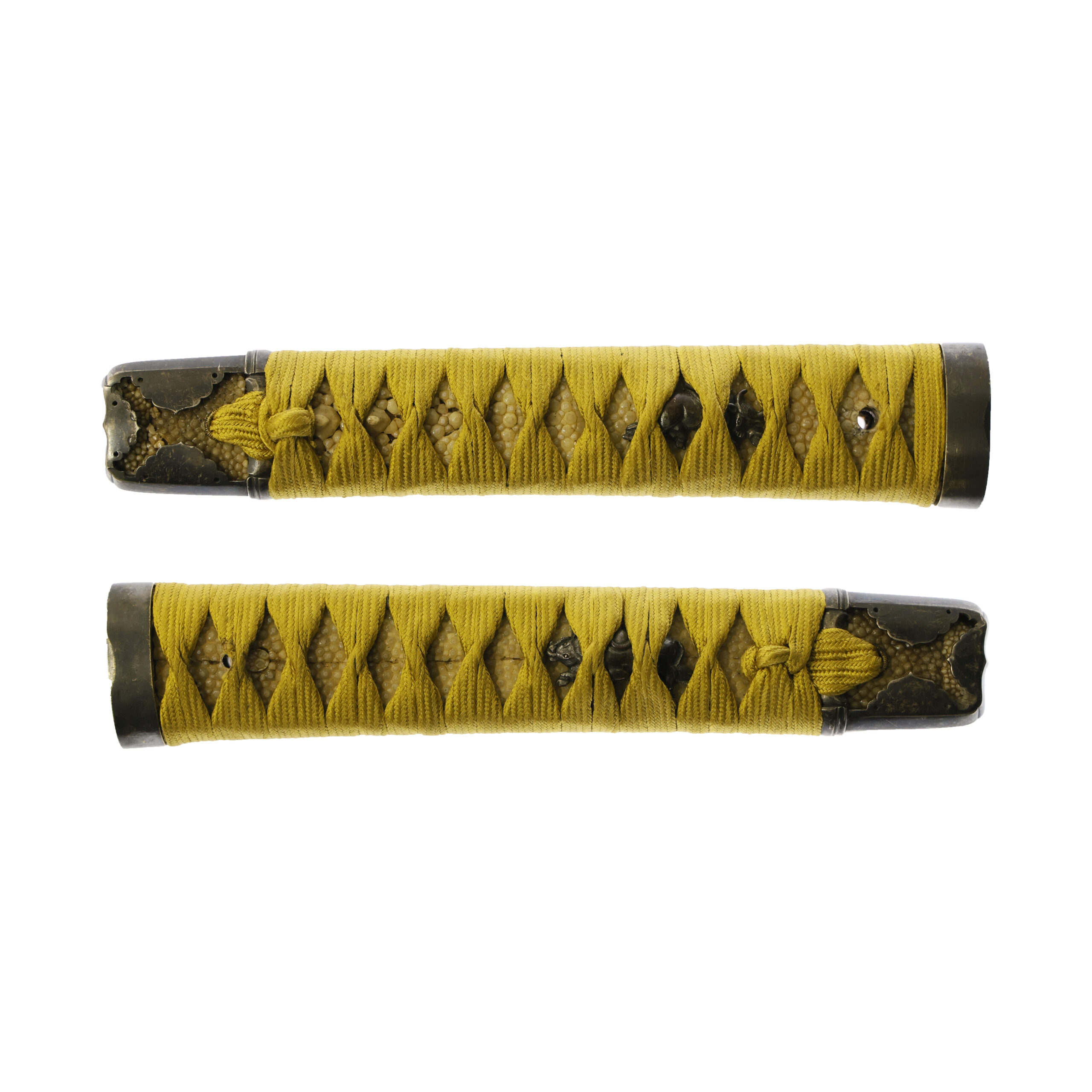
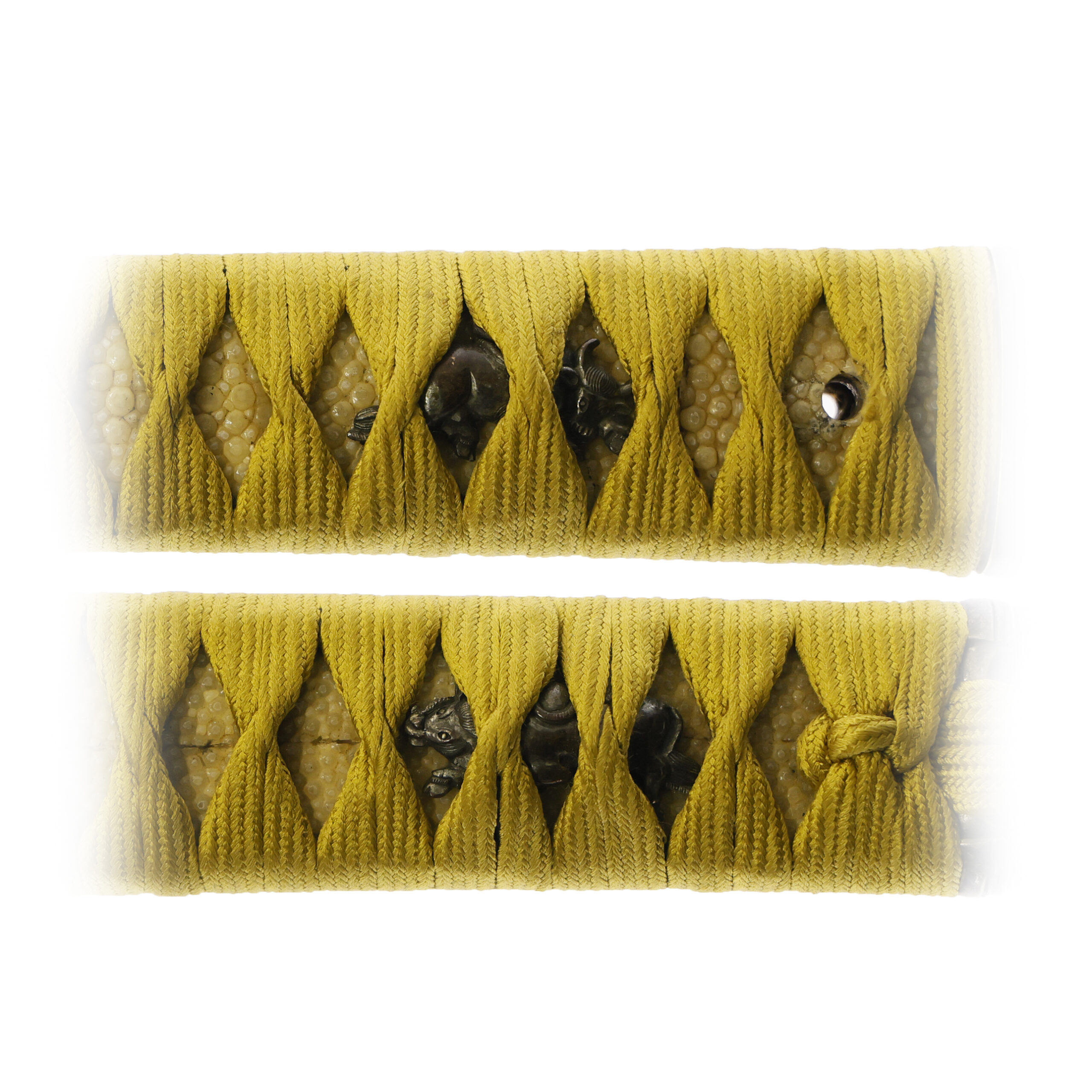
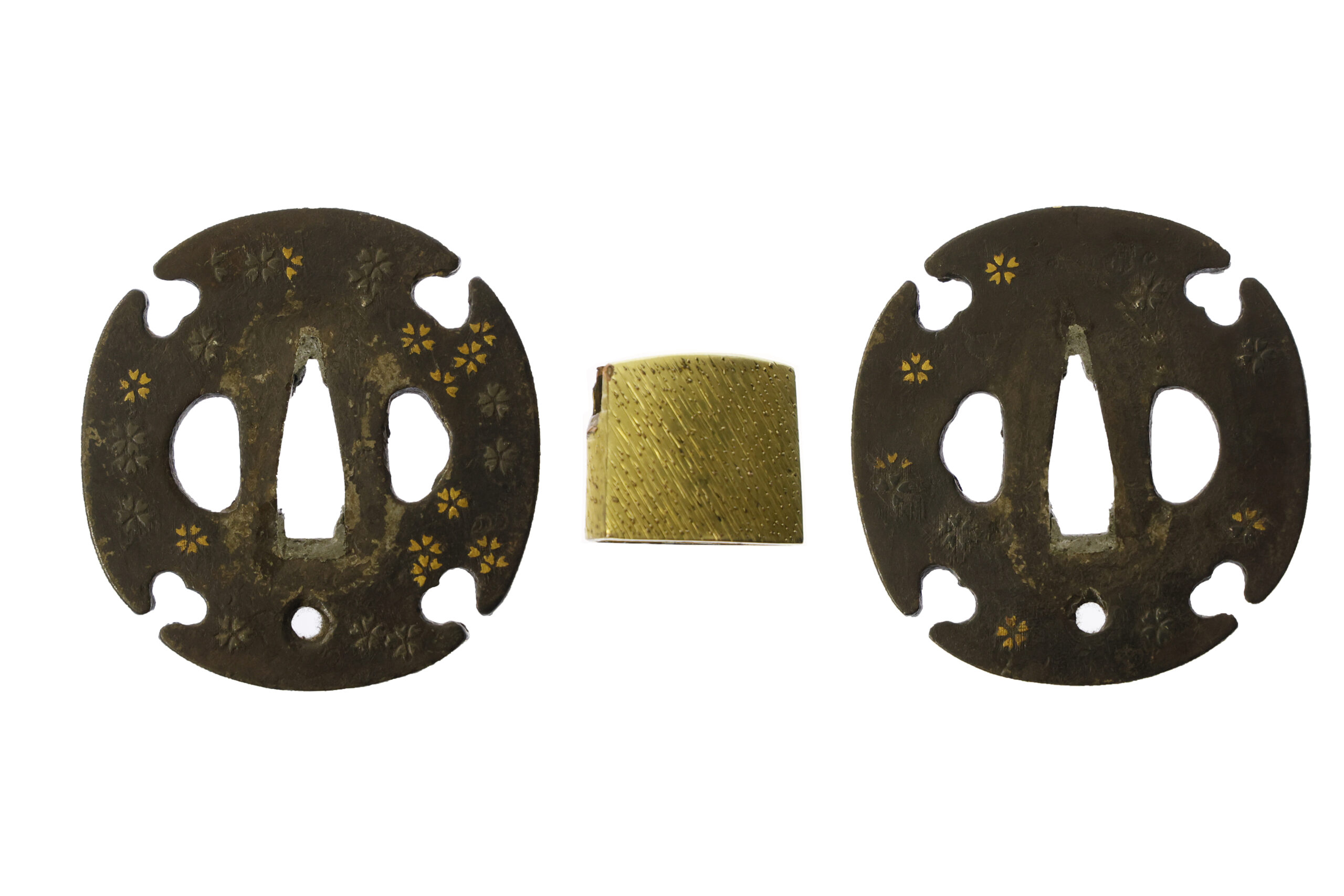
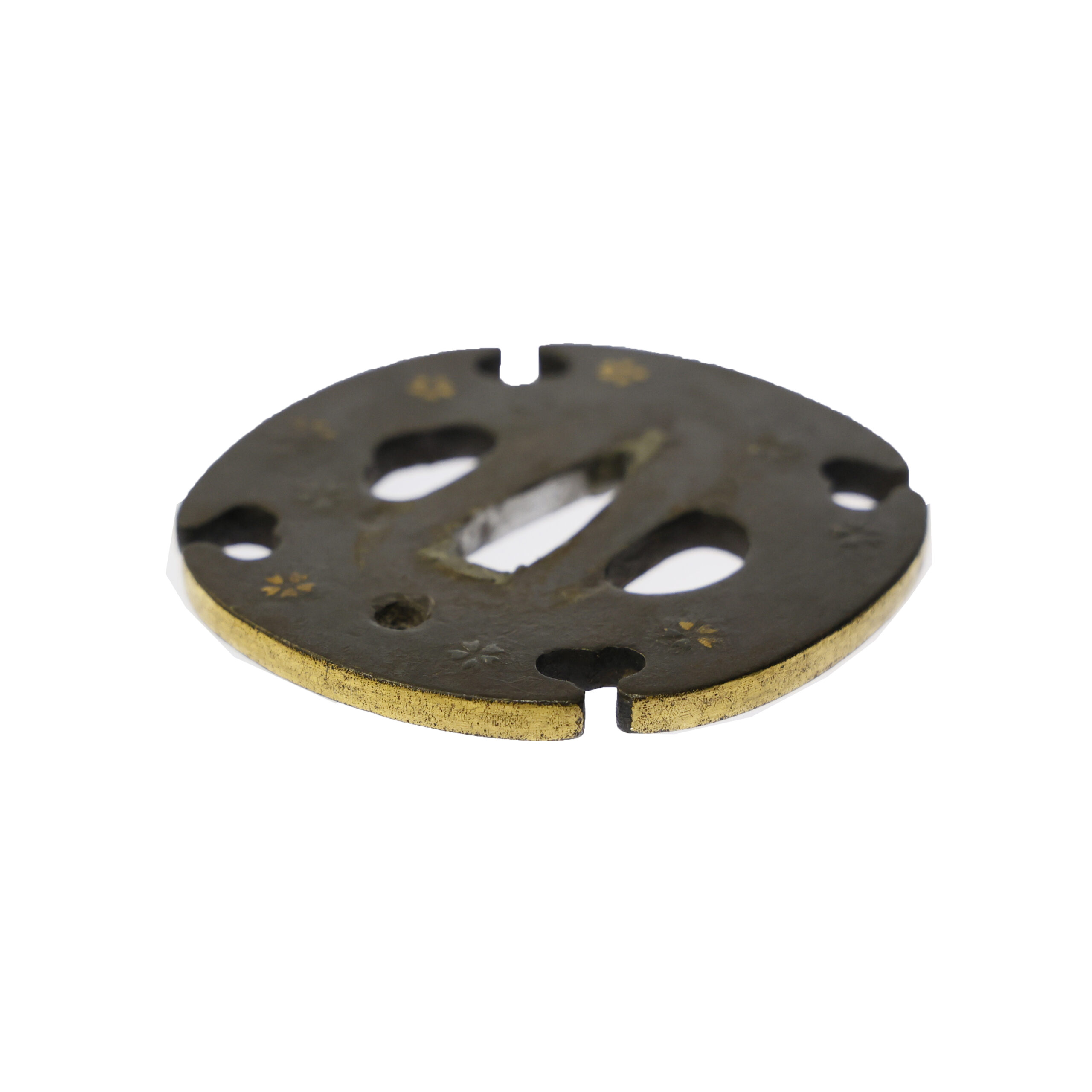
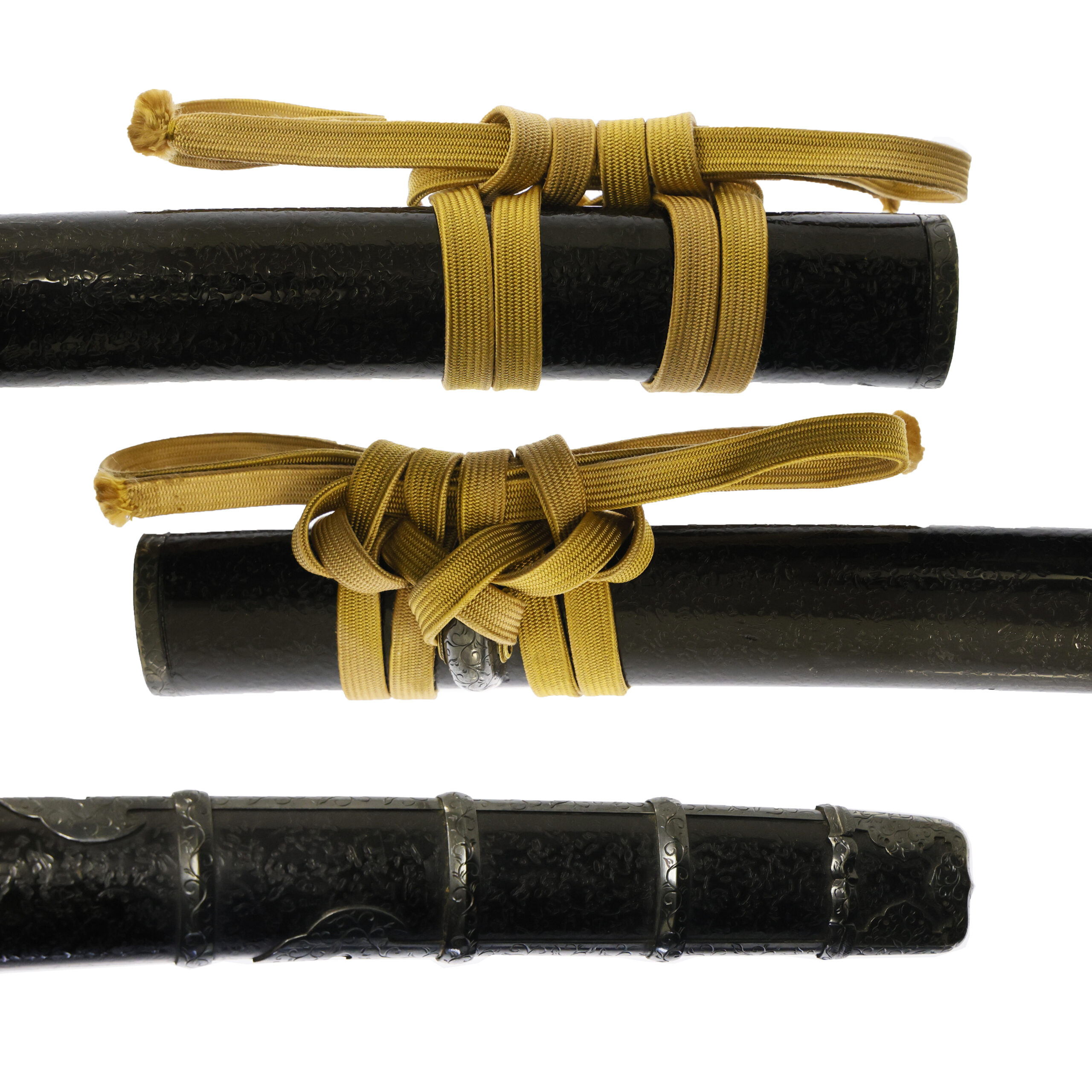
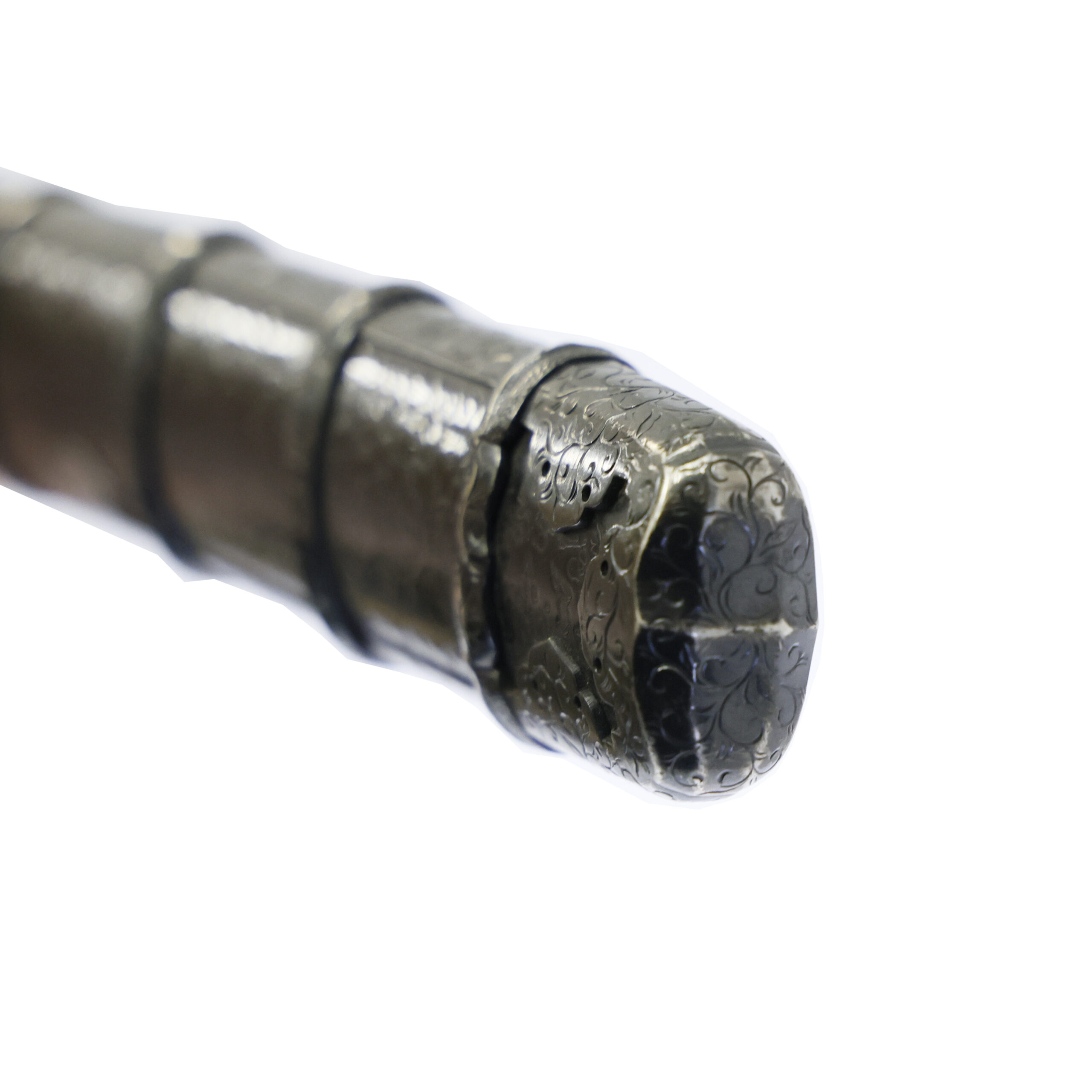
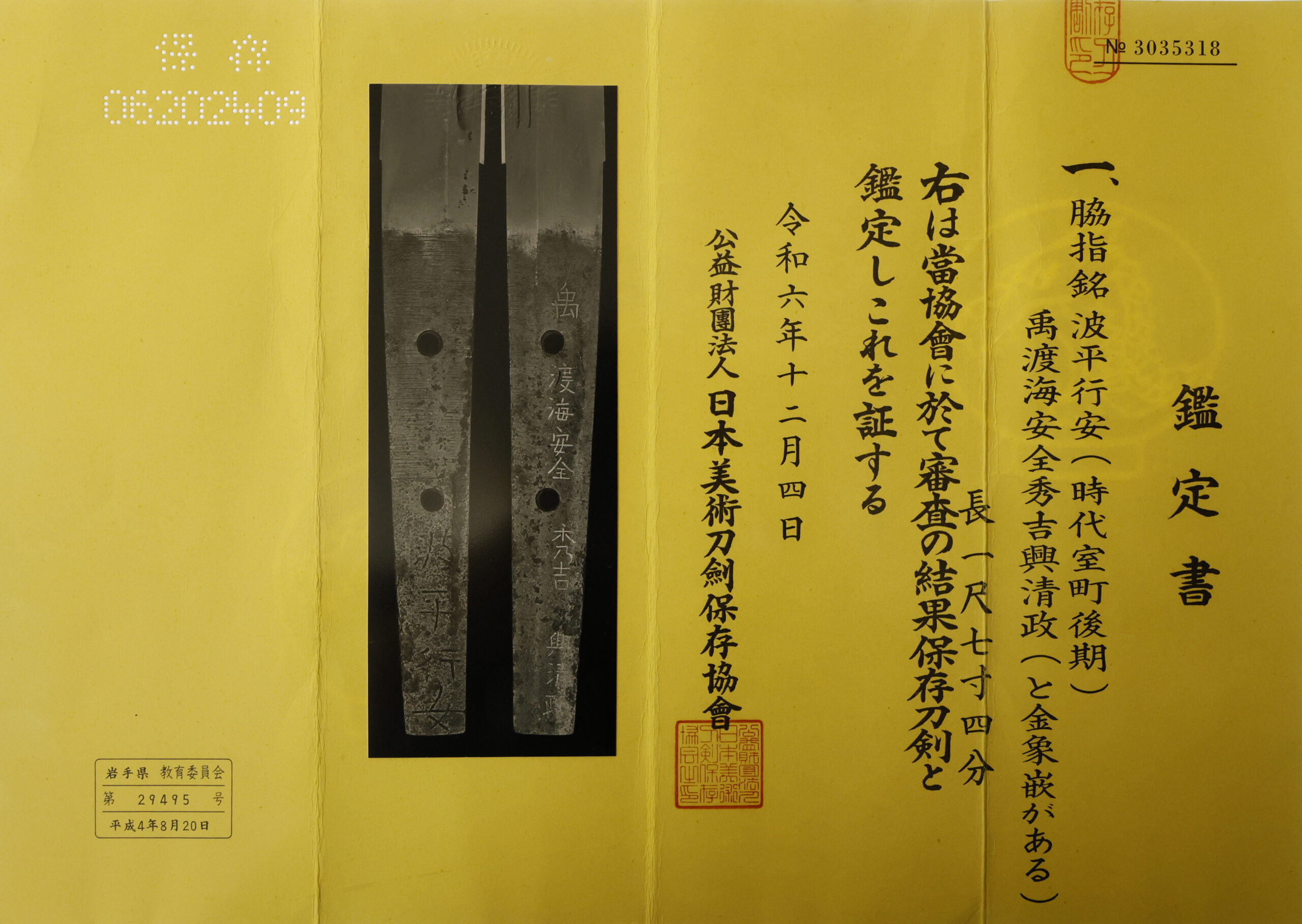
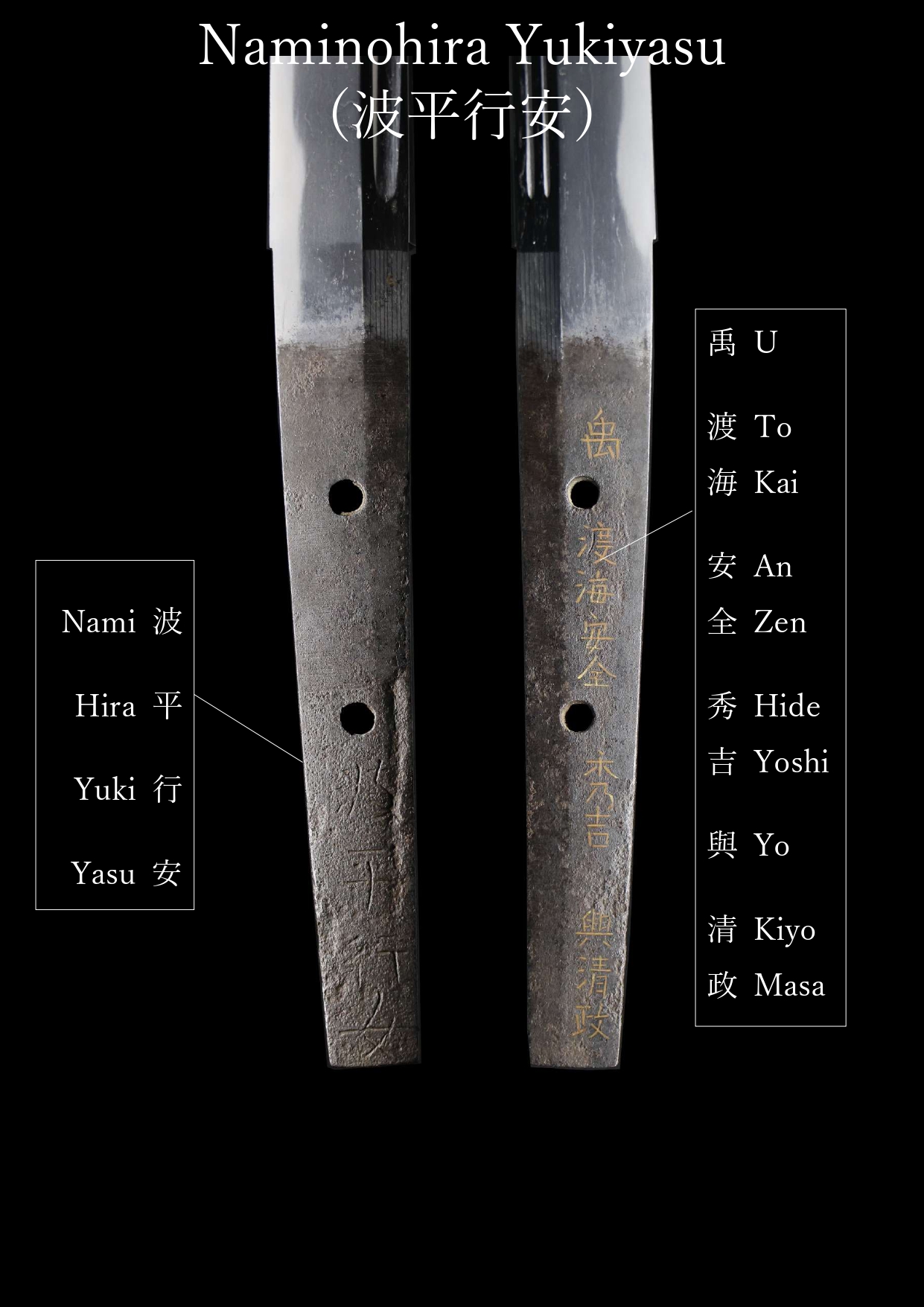
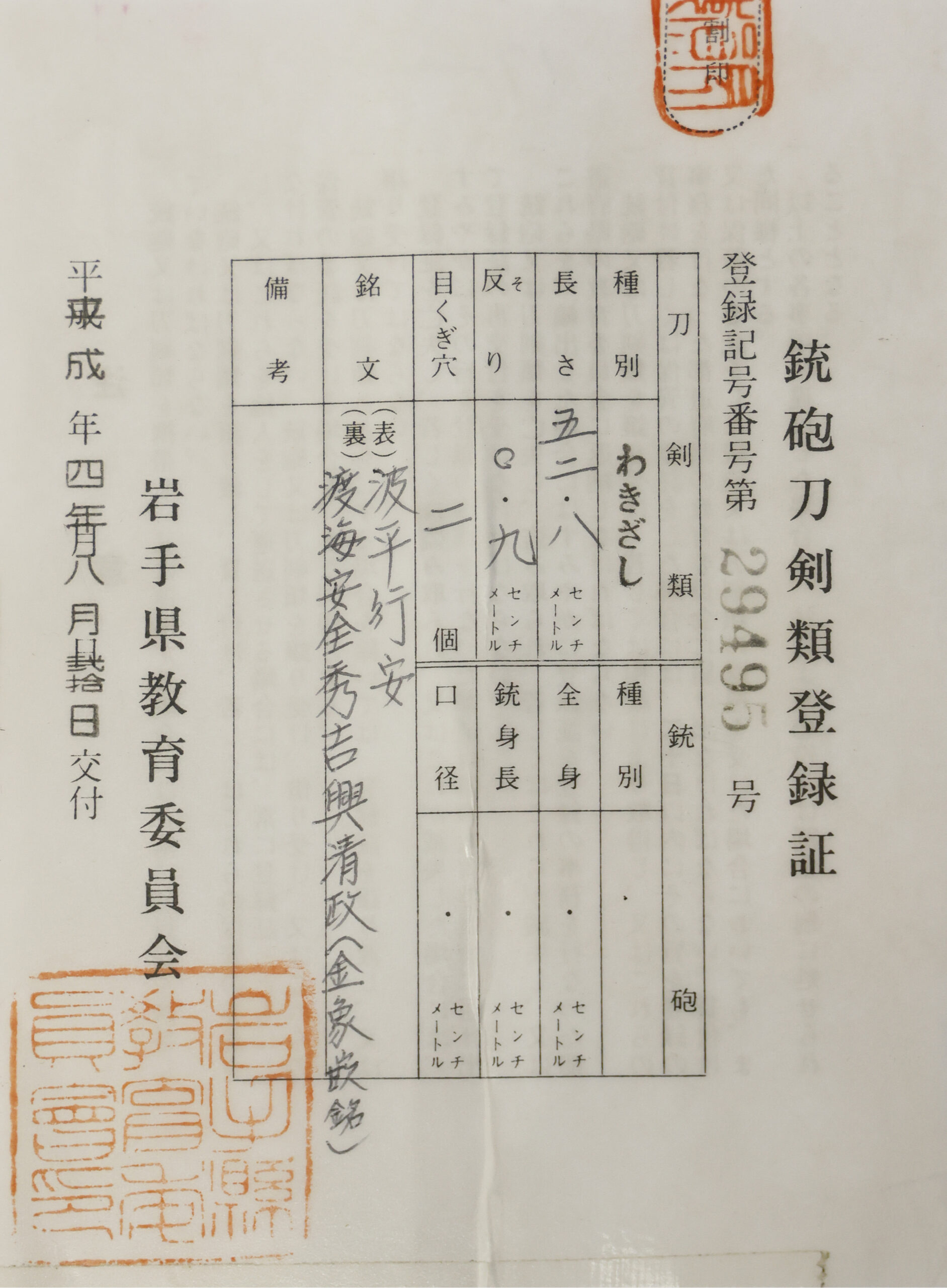
Summary This wakizashi was signed by Naminohira Yukiyasu (波平行安) from Satsuma Province (present-day Kagoshima Prefecture), and is believed to have been forged during the late Muromachi period (late 15th-early 16th century). The Naminohira school was established in the late Heian period by Masakuni, a swordsmith of the Yamato tradition who migrated to Satsuma. Blades produced before the late Nanbokucho period are referred to as Ko-Naminohira (Old Naminohira), while those made afterward are known as Sue-Naminohira (Later Naminohira). Swordsmiths of this lineage were known for incorporating the characters “Yuki” (行) or “Yasu” (安) into their signatures. The name Naminohira literally means “calm waves,” and as such, swords from this school were especially prized by samurai in naval forces as auspicious weapons. According to legend, when Masakuni sailed from Yamato to settle in Satsuma, he offered a sword to the sea in prayer for safe passage and to calm the waves. From that time on, he adopted the name Naminohira Yukiyasu (波平行安), meaning “the waves are calm, and the path is peaceful.” From the late Heian period to the end of the samurai era, the Naminohira family upheld their craft and legacy for nearly a thousand years. The maker’s name, Yukiyasu, lasted many generations and according to its NBTHK appraisal, this particular blade was signed by a late-gen Yukihira from the late Muromachi period. Also, the other side of the tang bears a gold-inlaid inscription: “禹渡海安全秀吉與清政” (translated as “Yu / crossing the sea / safety / Hideyoshi / gives to Kiyomasa”). This is thought to express a prayer to Yu the Great—a legendary Chinese ruler known for taming floods—for safe passage across the sea, and suggests that Toyotomi Hideyoshi may have presented this sword to Kato Kiyomasa. The phrase appears to reference the Bunroku and Keicho campaigns (Japan’s military expeditions to Korea in the late 16th century). However, as noted in the NBTHK appraisal, only the presence of the gold inlay itself is confirmed. There is no historical documentation to verify the accuracy of the inscription’s implied origin. This blade is appraised as a Hozon Token (保存刀剣) issued by NBTHK (Nihon Bijutsu Touken Hozon Kyokai:日本美術刀剣保存協会). *Please keep in mind that there are a few noticeable Kitae Kizu on the blade. Tsuka and Menuki The motif of this Menuki is a buffalo (水牛, suigyu). Buffalos are not naturally found in Japan, but they were first imported from China in the 7th century. It is said that buffalos are 10 times stronger than Japanese caws, so they often represent power and energy. Also, they were still rare in Edo period, so it can be said that they are the representation of wealth. Tsuba and Habaki The motif on the tsuba is cherry blossoms in scattered bloom (桜散図, sakura-chiru-zu), depicting a scene of full spring with petals fluttering across the entire surface. Cherry blossoms are one of the most iconic symbols of spring in Japan and have been cherished for centuries. Their motif is not only used in sword fittings, but also widely featured in kimono designs and traditional interior furnishings. According to one theory, cherry blossoms were believed to house the deity of grain, making them a symbol of agricultural fertility and an abundant harvest. In ancient times, people would gather under blooming cherry trees to pray for a prosperous farming season—an early custom that is said to have evolved into today’s hanami, or cherry blossom viewing picnics. Saya The motif of the metal part on the bottom part of the Saya (Saya Jiri) is Karakusa pattern (唐草, Arabesque). It is a pattern in which stems and leaves of vines are twined and make curves. Since ivy has a strong vitality and grows up without interruption, people regarded this design as a symbol of prosperity and longevity. Vine is called Tsuru (蔓) in Japanese, and it has another pronunciation; “Man.” There is a word 万 (it is also read Man), which means ten thousand. In the Karakusa pattern, leaves and vines are connected like Obi (帯, belt). The word “帯” can also be read “Tai.” Due to its pronunciation, the term “代 (Tai)” is associated. From this word-association game, an idiom 万代 is associated, and it means a thousand generations. In other words, we could imagine that people used this design wishing prosperity and longevity for their clans for a long time. Authentication Paper They authenticated the blade on December 4th in the 6th year of Reiwa (2024). They appraised it as Hozon Touken, the blade worth preserving for Japanese society.
Offered by Samurai Museum

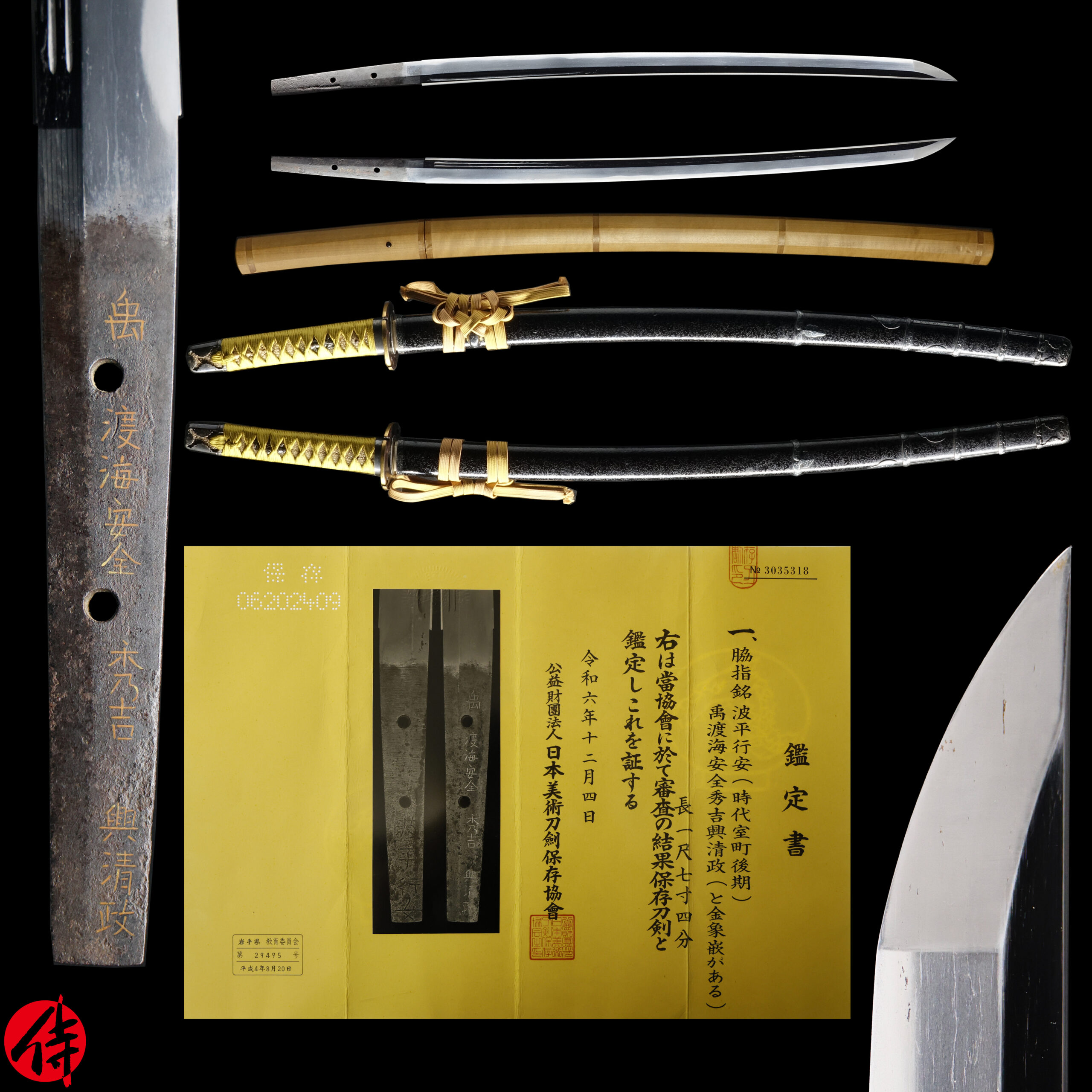
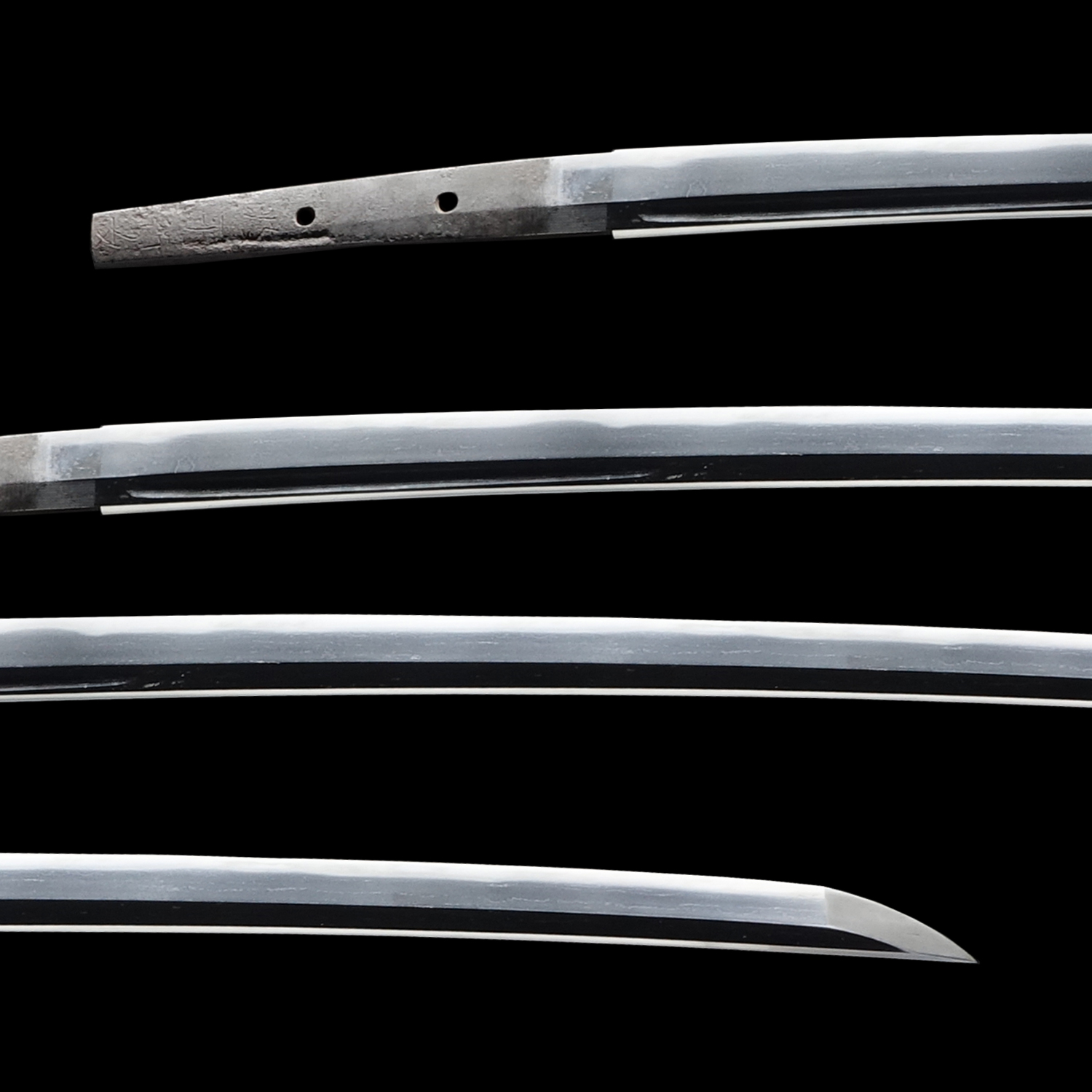
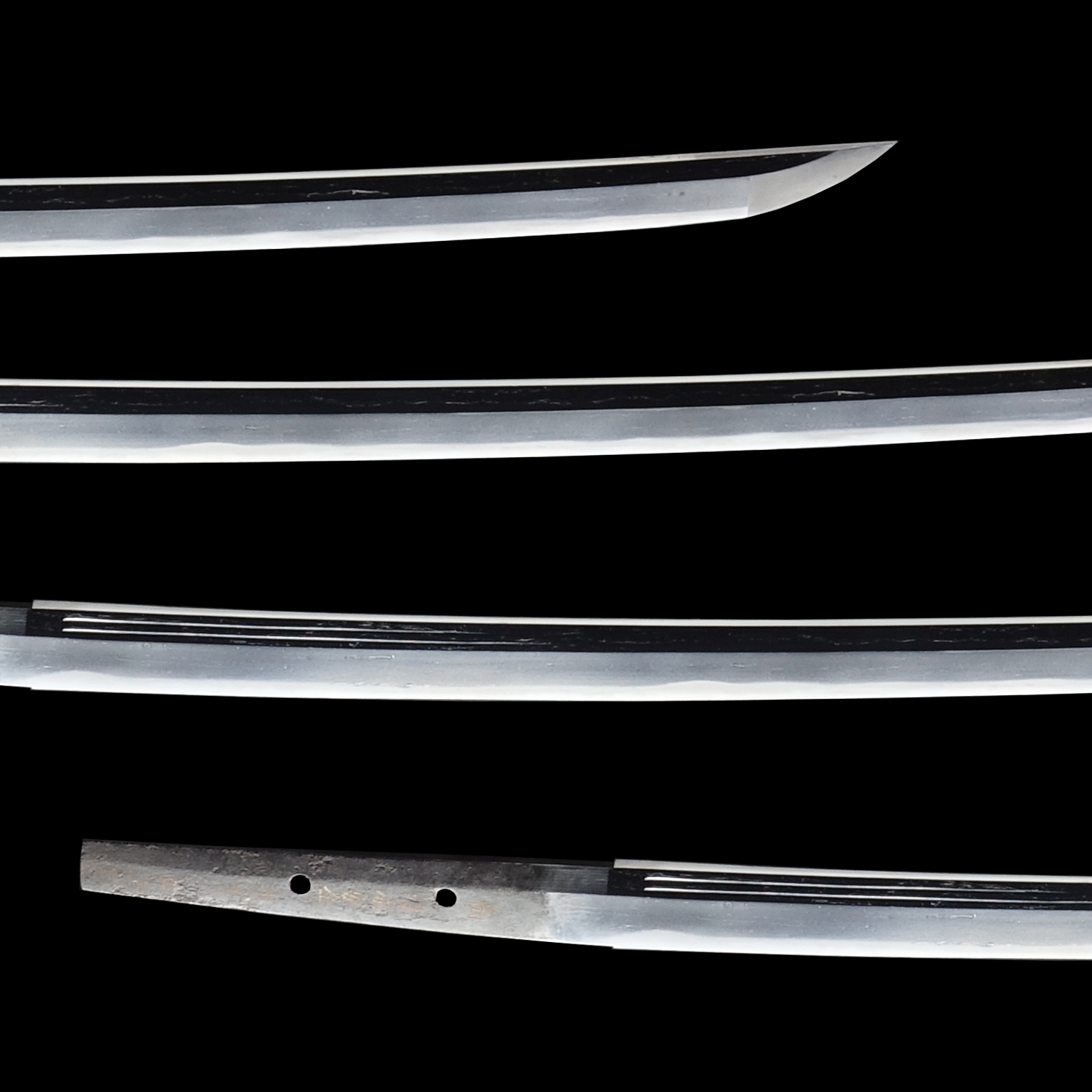
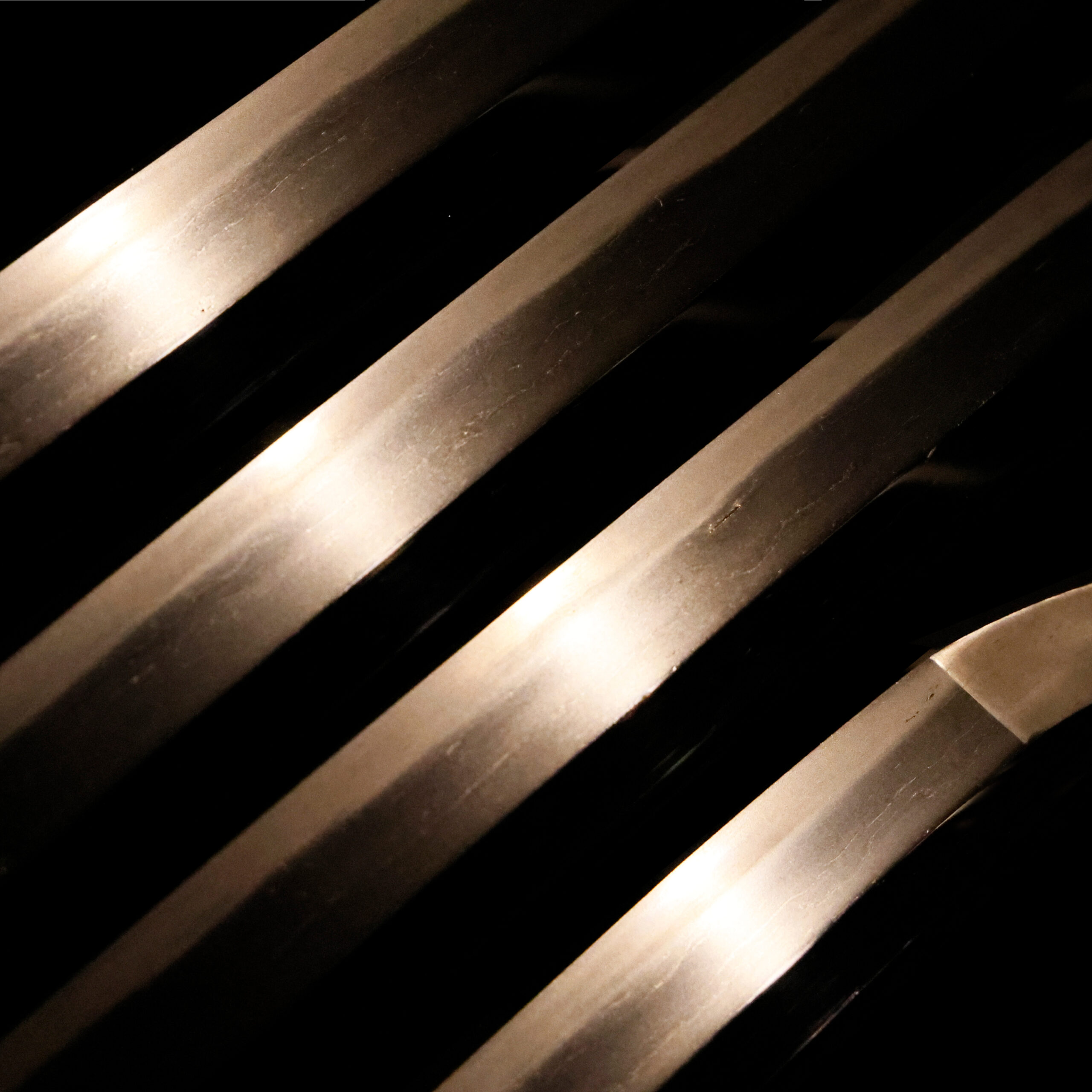
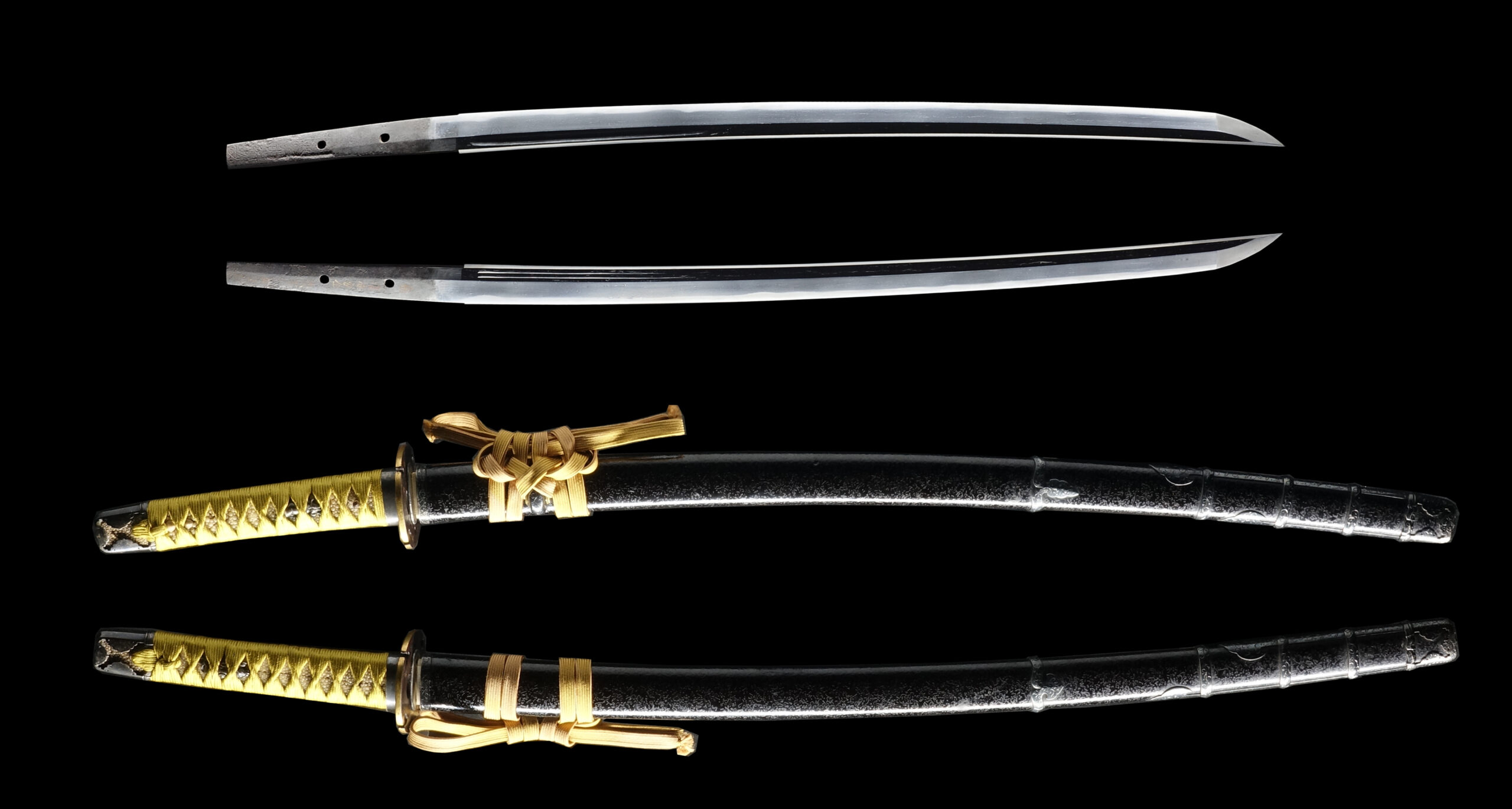
Wakimono · Satsuma
10 pieces on the market now
The Naminohira school traces its origins to the late Heian period, when a swordsmith named Masakuni migrated from Yamato Province and established himself at Naminohira in Taniyama District, Satsuma Province. His son Yukiyasu succeeded him, and the lineage continued unbroken into the late Edo shinshintō era. The collective term Ko-Naminohira designates smiths and works dating no later than the Nanbokuchō period, distinguishing the school's formative generations from later practitioners. This geographic isolation in southern Kyushu allowed the development of a distinctive regional aesthetic that balanced mainland influences with local forging traditions. The school's technical identity reveals a pronounced Yamato character in both construction and tempering, yet the forging exhibits a characteristic density and slight tenacity (nebari) that distinguishes Naminohira work from its Yamato antecedents. The jigane typically shows strongly flowing itame-hada, often with a whitish cast and well-adhering ji-nie, while thick chikei appear throughout the ground. In the hamon, a fine hoso-suguha or narrow suguha-based temper predominates, with the nioiguchi displaying a distinctive urumi tendency—a moist, soft quality that creates a subdued, somewhat shizumi-inclined appearance.
A diagnostic feature appears at the hamachi, where slight yaki-otoshi marks the transition from untempered to tempered steel. The school's Nanbokuchō-period works often present extended ō-kissaki and deep koshizori, embodying the martial aesthetic of that turbulent age. The Naminohira tradition experienced a renaissance during the Edo period, producing masters such as Ichi Heian Yasushiro, who in Kyōhō 6 (1721) was summoned to forge for Shōgun Tokugawa Yoshimune. His exceptional skill earned him the privilege of engraving the ichiyō aoi crest on his nakago and the court appointment of Shume no Suke. His work and that of his contemporary Masakiyo represent the apex of Satsuma shintō, demonstrating how provincial schools could achieve recognition at the highest levels of Tokugawa society. The scarcity of early signed works, particularly from the Kamakura and Nanbokuchō periods, renders extant examples invaluable for understanding the school's development and its role in transmitting Yamato forging methods to Japan's southern frontier. Learn more →
| Smith | Era | Designated |
|---|---|---|
| Yukiyasu行安 | 1308-1311 | 9 |
| Yasutsugu安次 | 1224-1225 | 0 |
| Yasutsugu安次 | 1375-1381 | 0 |
| Yasuyoshi安吉 | 1469-1487 | 0 |
| Yasutsuna安綱 | 1288-1333 | 0 |
The Muromachi period (1392 to 1573)
Muromachi turned sword making into an industry: the uchigatana rose with massed infantry warfare, Osafune and Seki produced bundle swords beside custom orders, and the Ming trade carried Japanese blades abroad by the tens of thousands.
Certifies a genuine blade worth preserving: a signature confirmed correct, or, if unsigned, an era, province, and school that the NBTHK can reliably identify.
The NBTHK (Nihon Bijutsu Tōken Hozon Kyōkai, the Society for the Preservation of Japanese Art Swords) is a public-interest incorporated foundation founded in 1948 and supervised by Japan’s Agency for Cultural Affairs (Bunkachō); it is based at the Japanese Sword Museum in Tokyo. Its expert panels physically examine each submitted work (shinsa) and issue a certificate (kanteishō) ranking it by artistic and historical merit. NBTHK papers are the most widely recognized standard of authentication for Japanese swords and fittings.
NBTHK official siteReturns/exchanges limited to defects caused by shipping (except willful misconduct or gross negligence by the company); customers must contact within 72 hours of receiving the product.