三人の天下人が戦国の世紀を終わらせ、刀は新しい秩序の道具となった。1588年の刀狩は刀を武士の標章とし、名刀は条約のごとく家々の間を行き交い、鑑定は以後この境で古刀と新刀を分かつ。
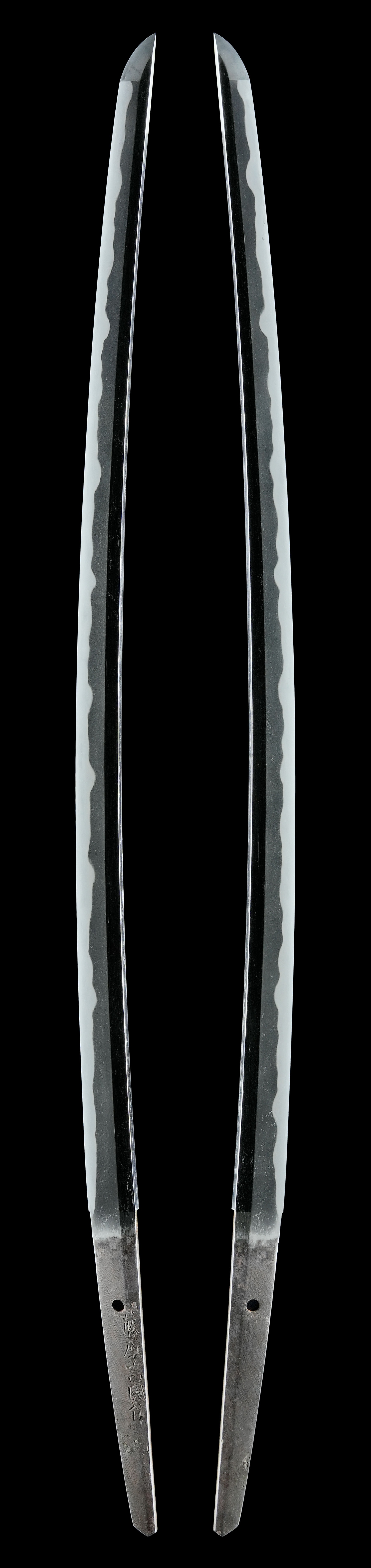
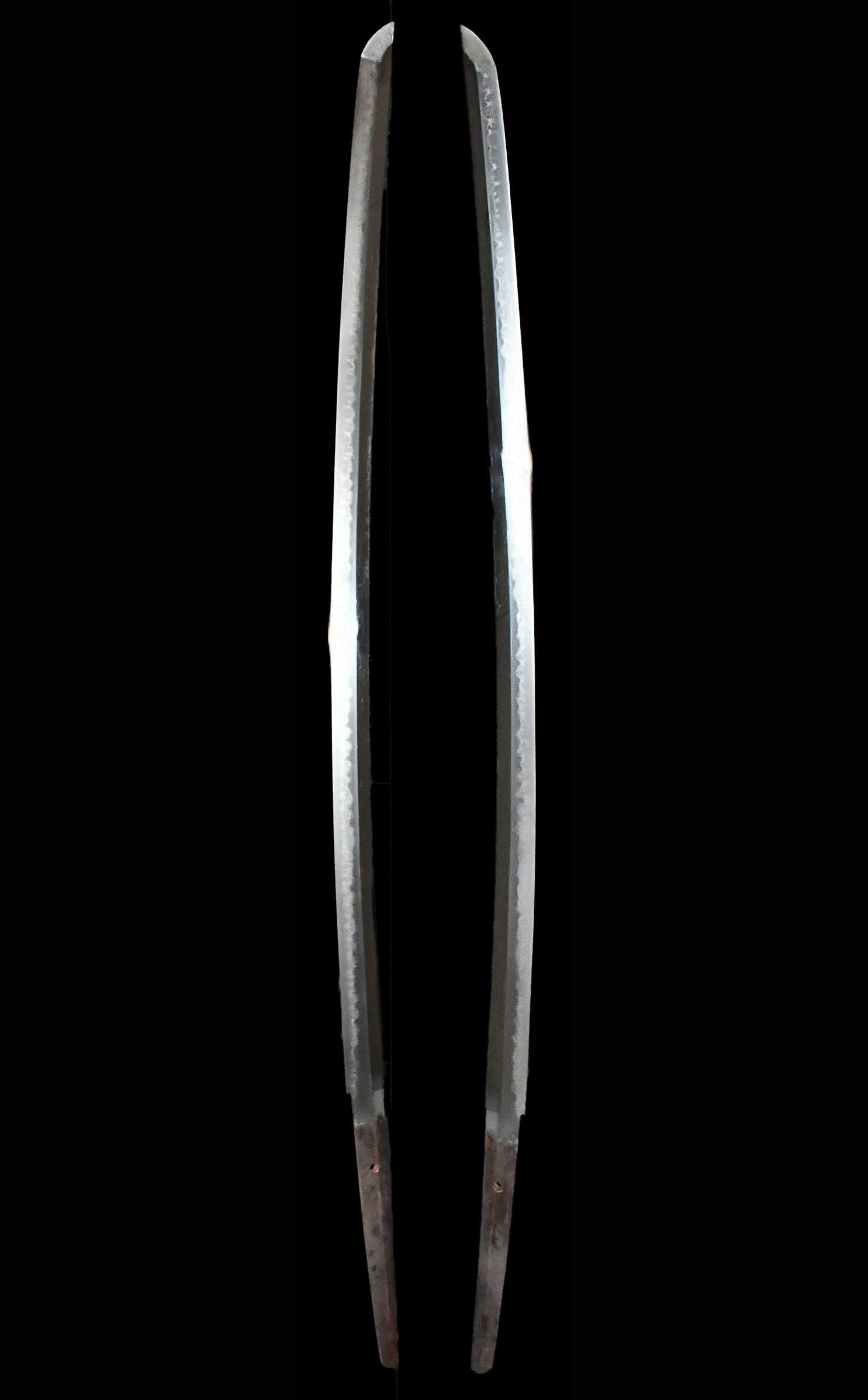
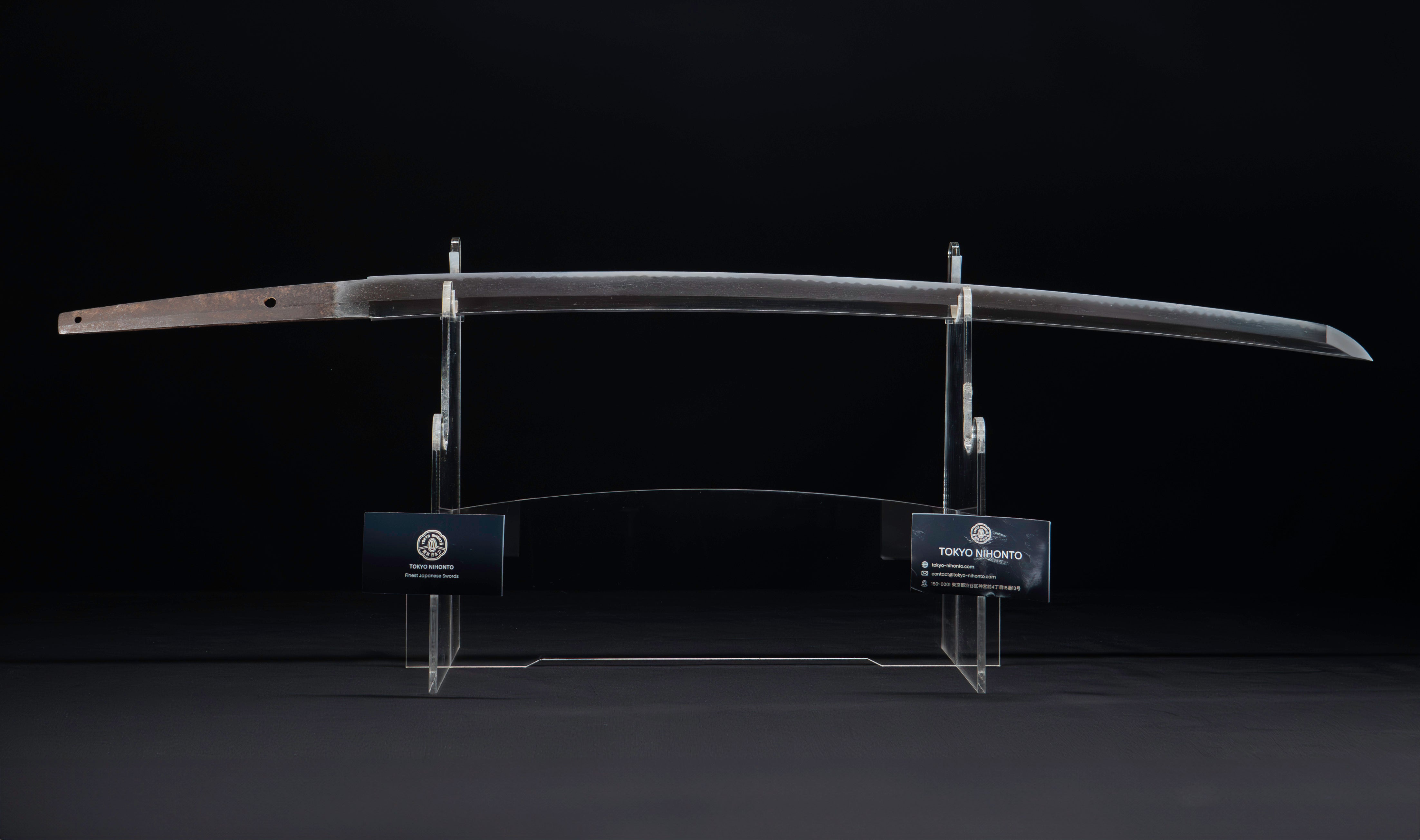
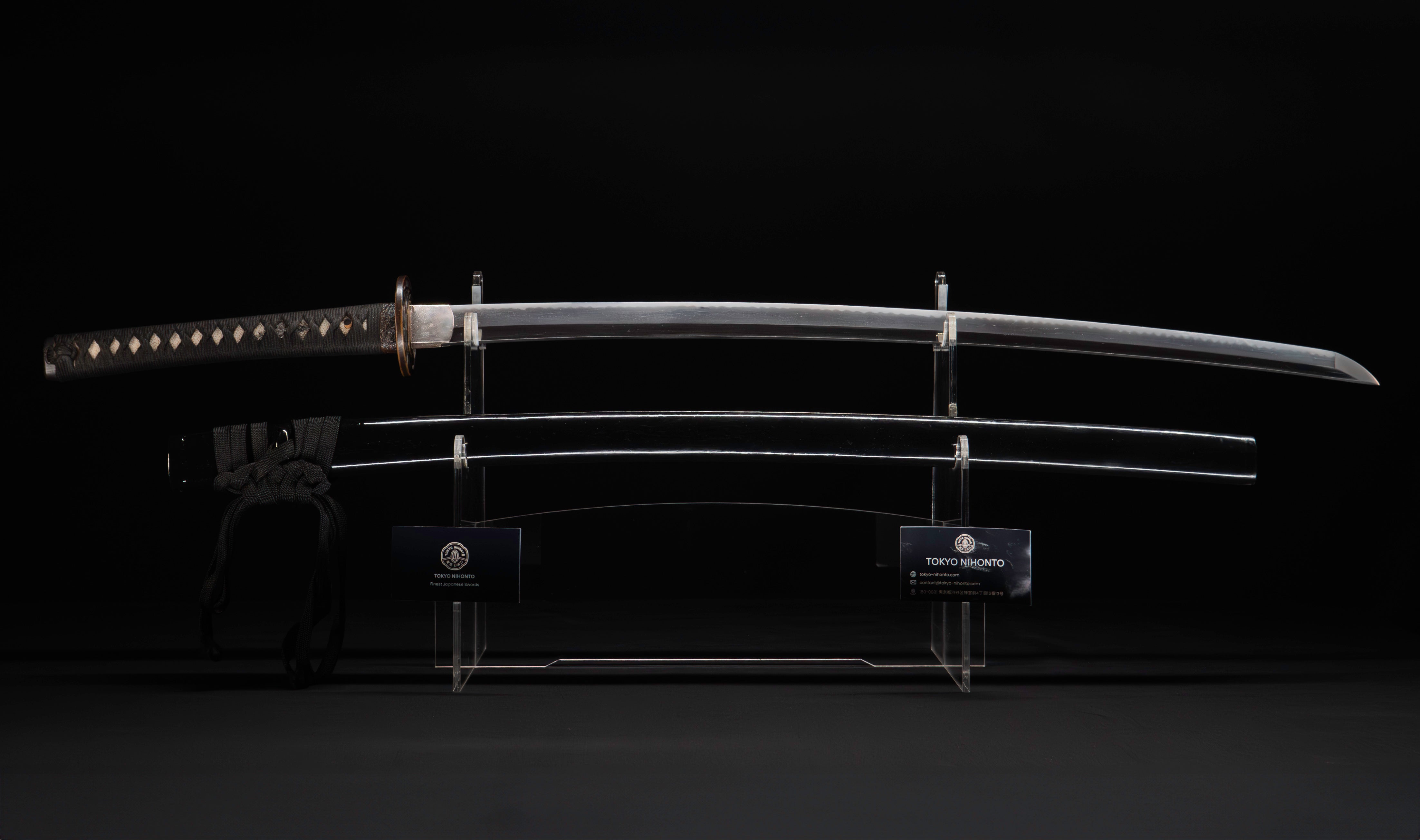
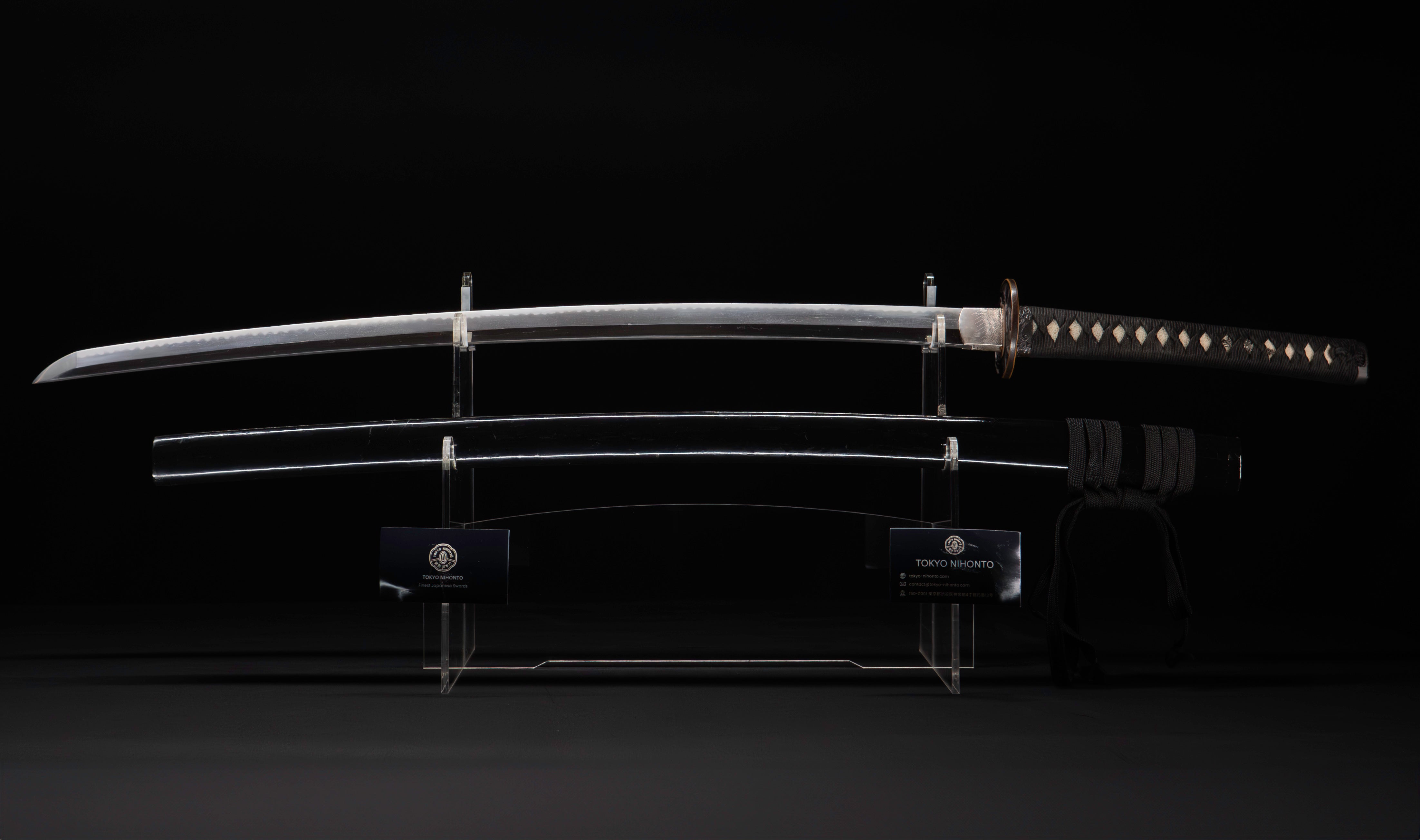
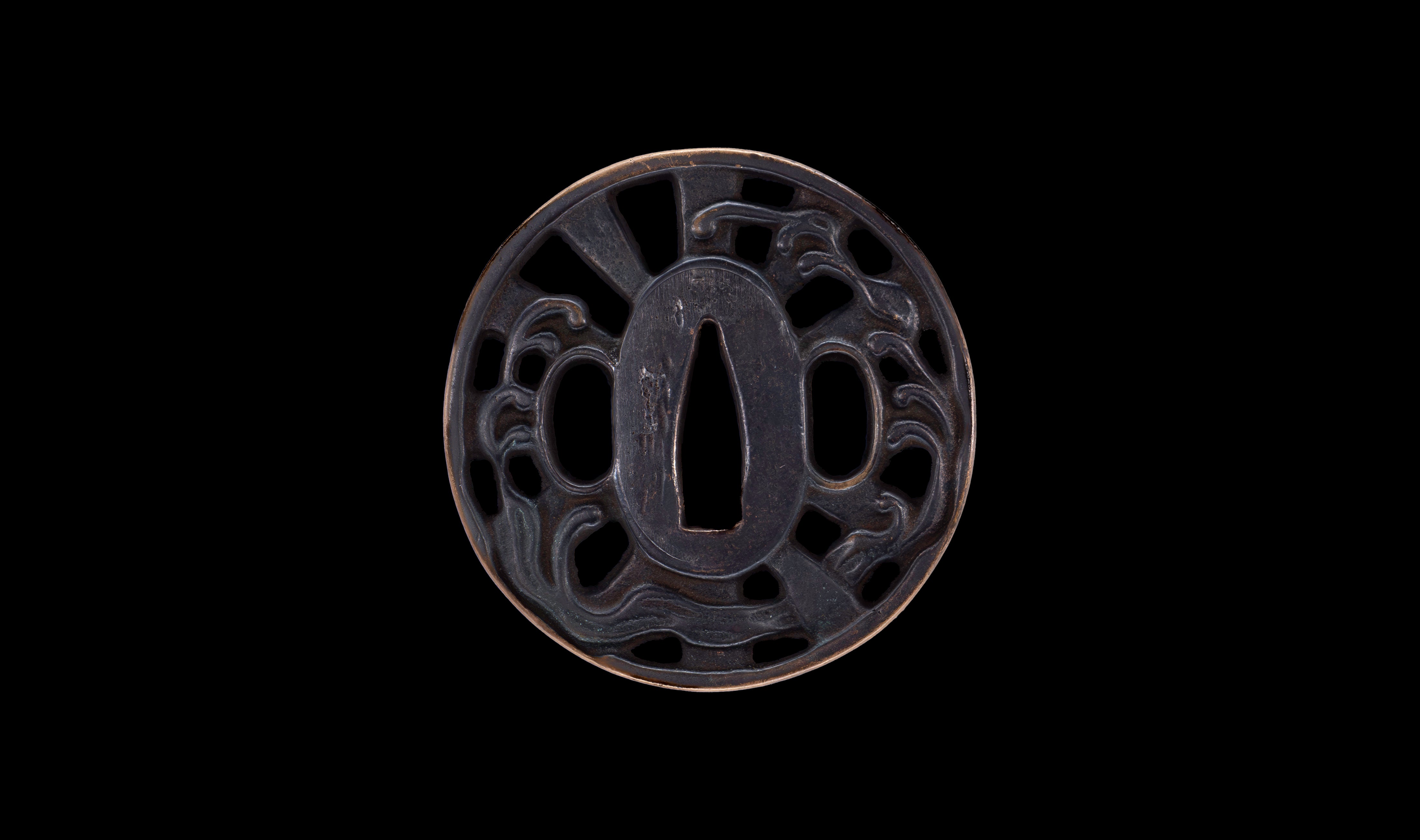
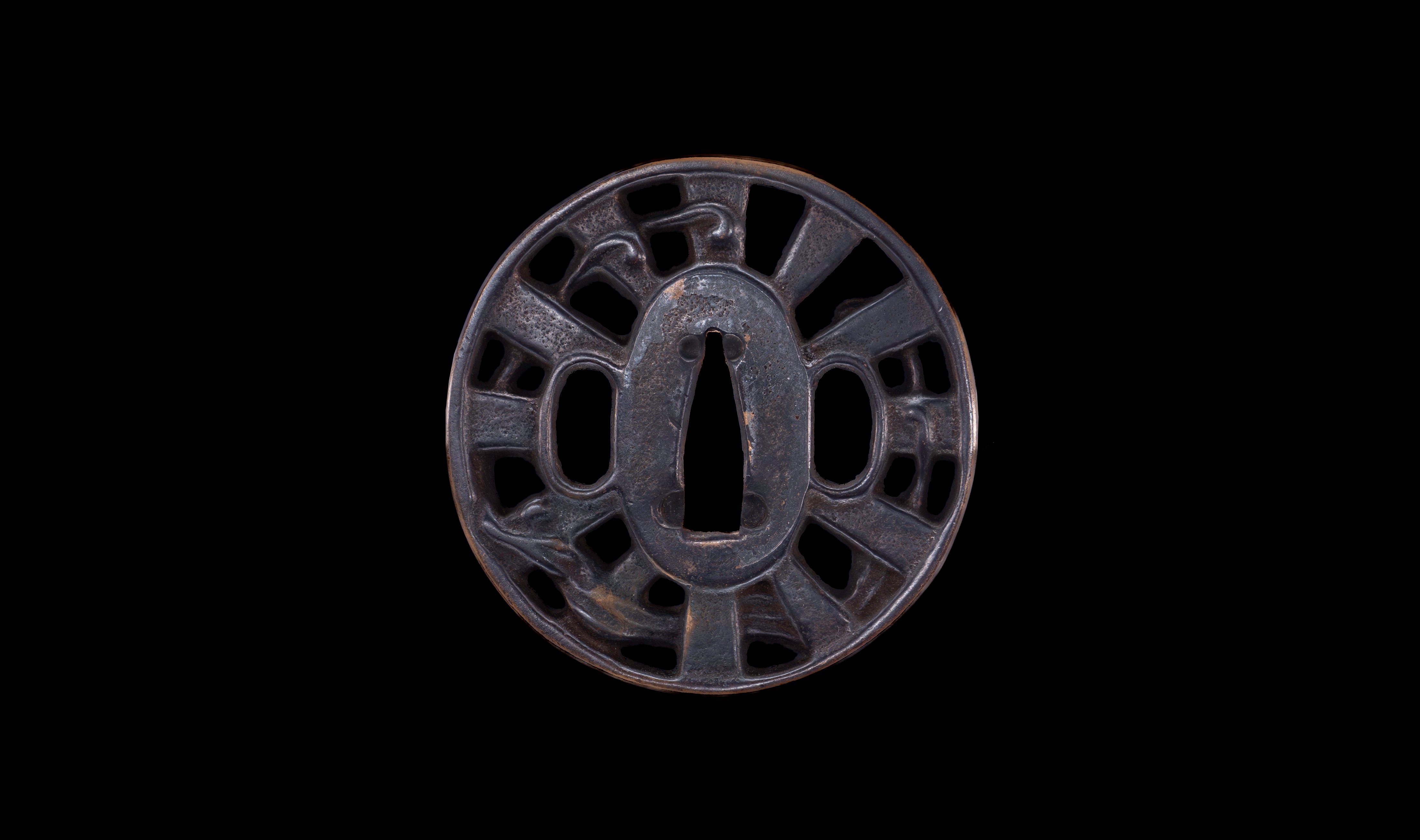
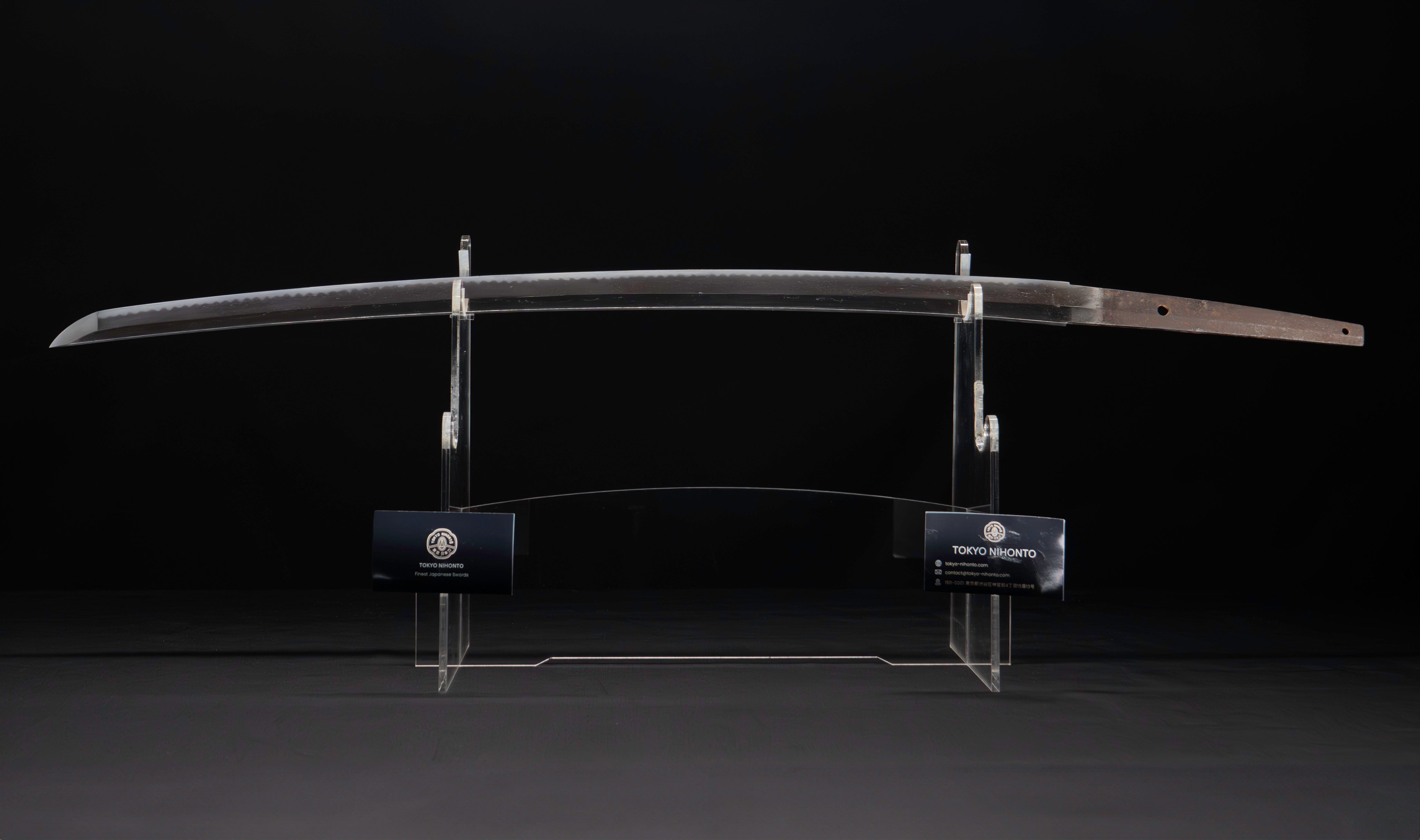
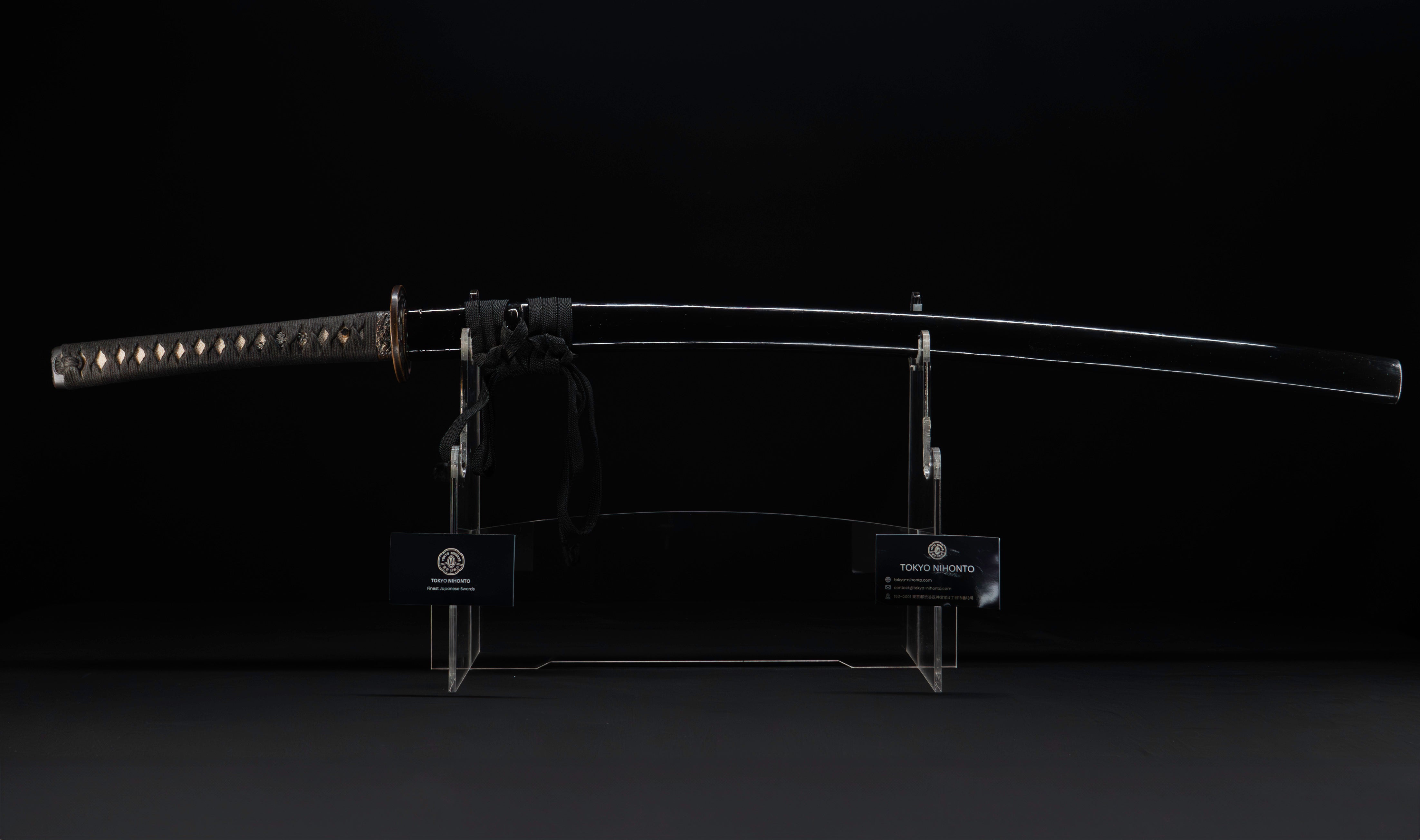
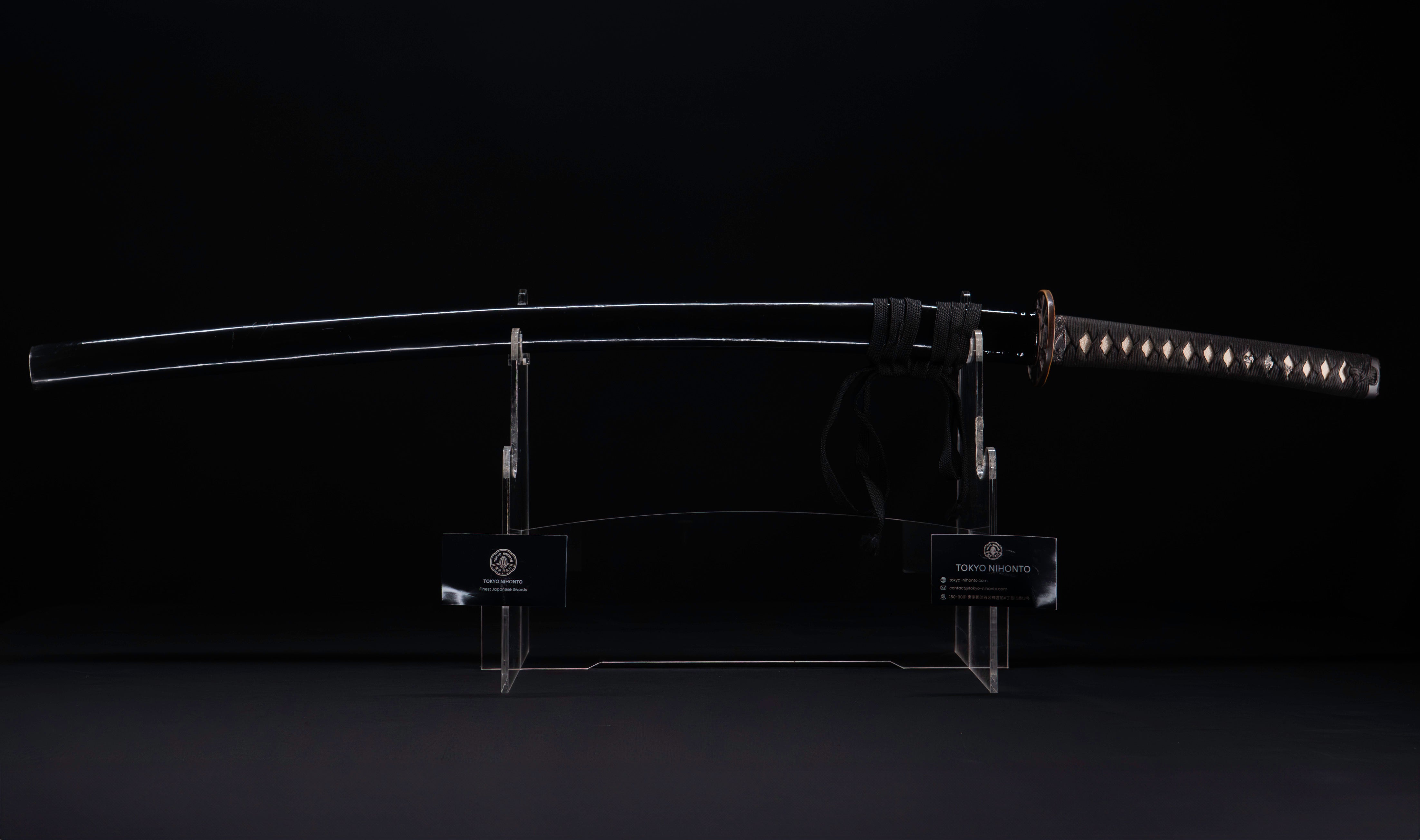
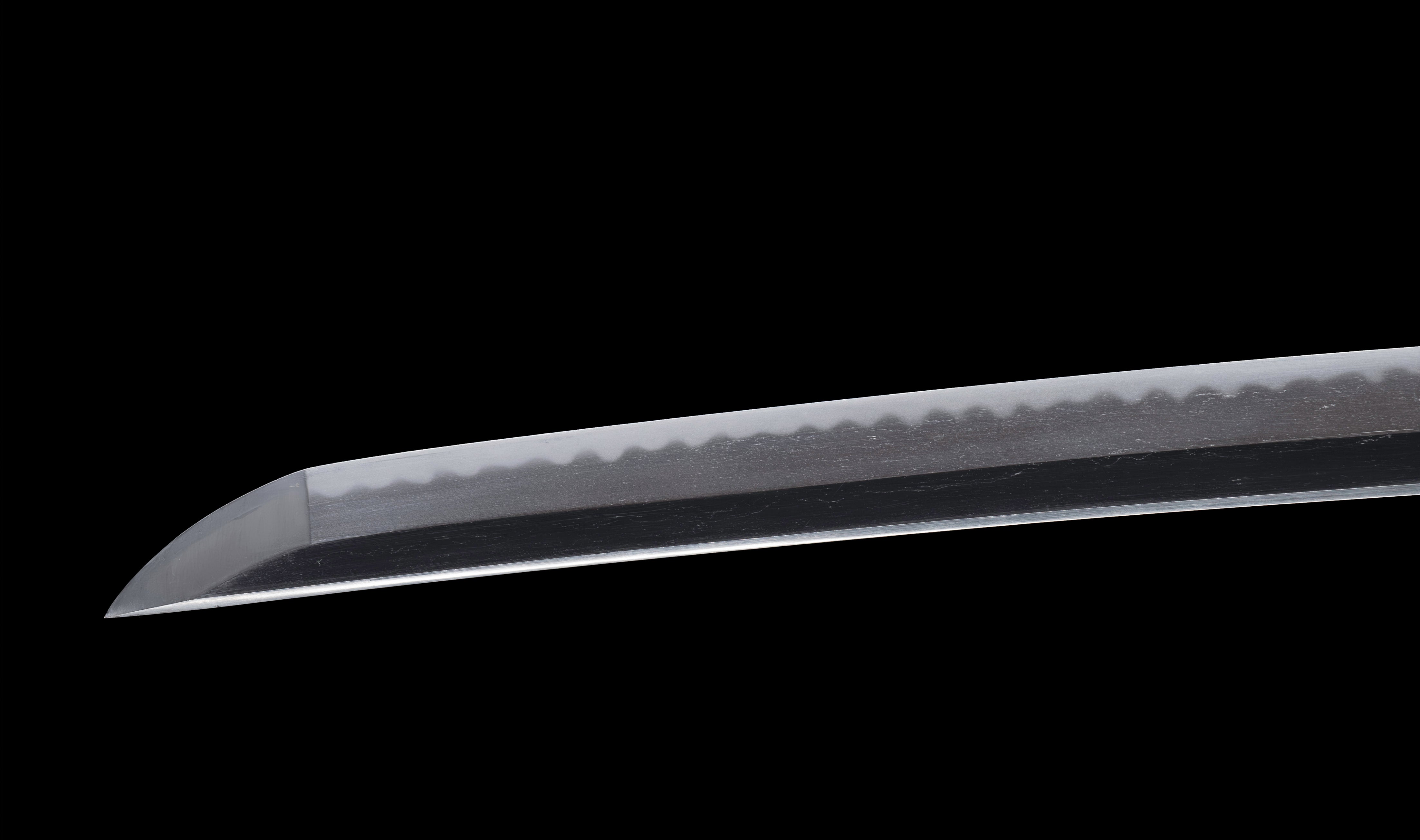
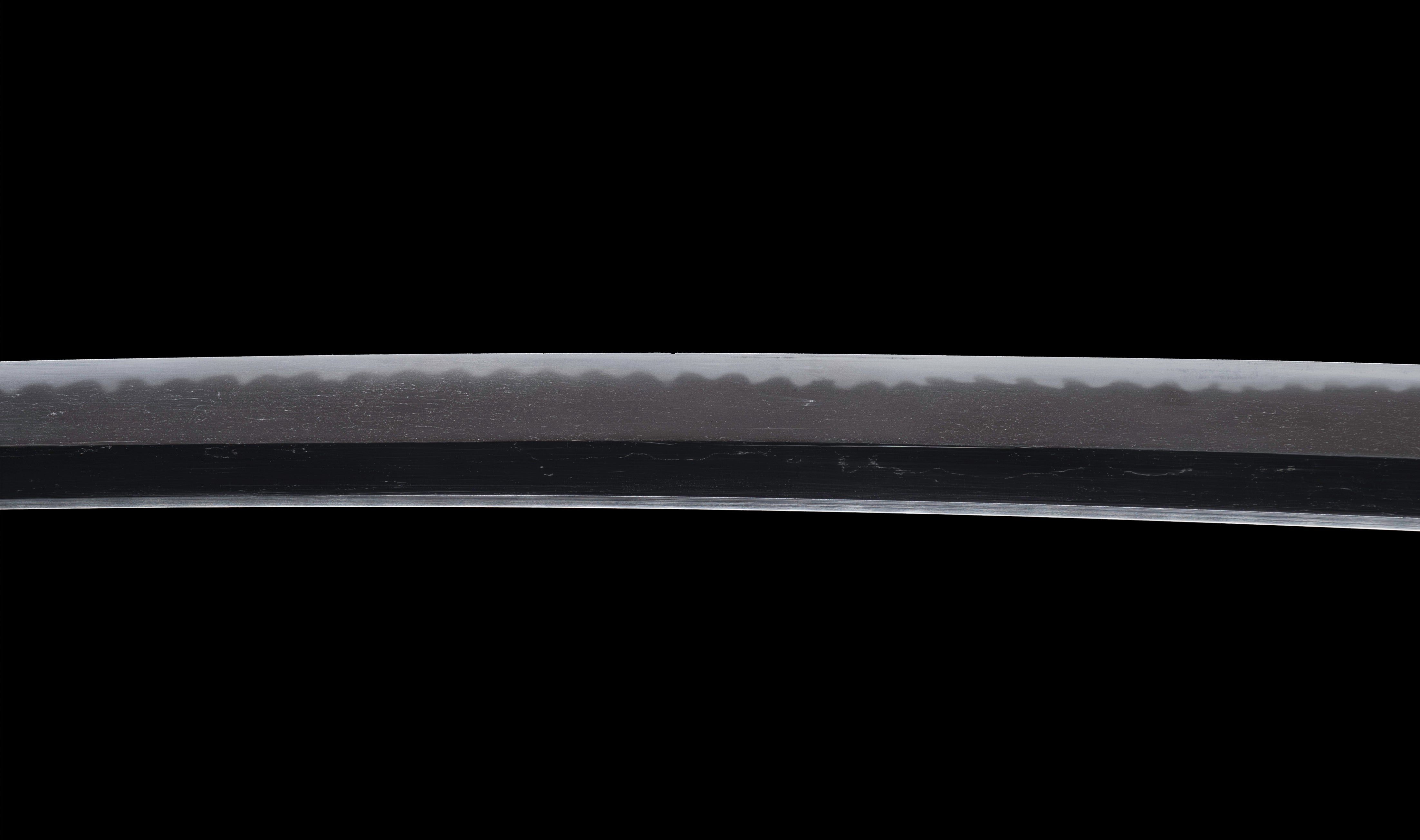
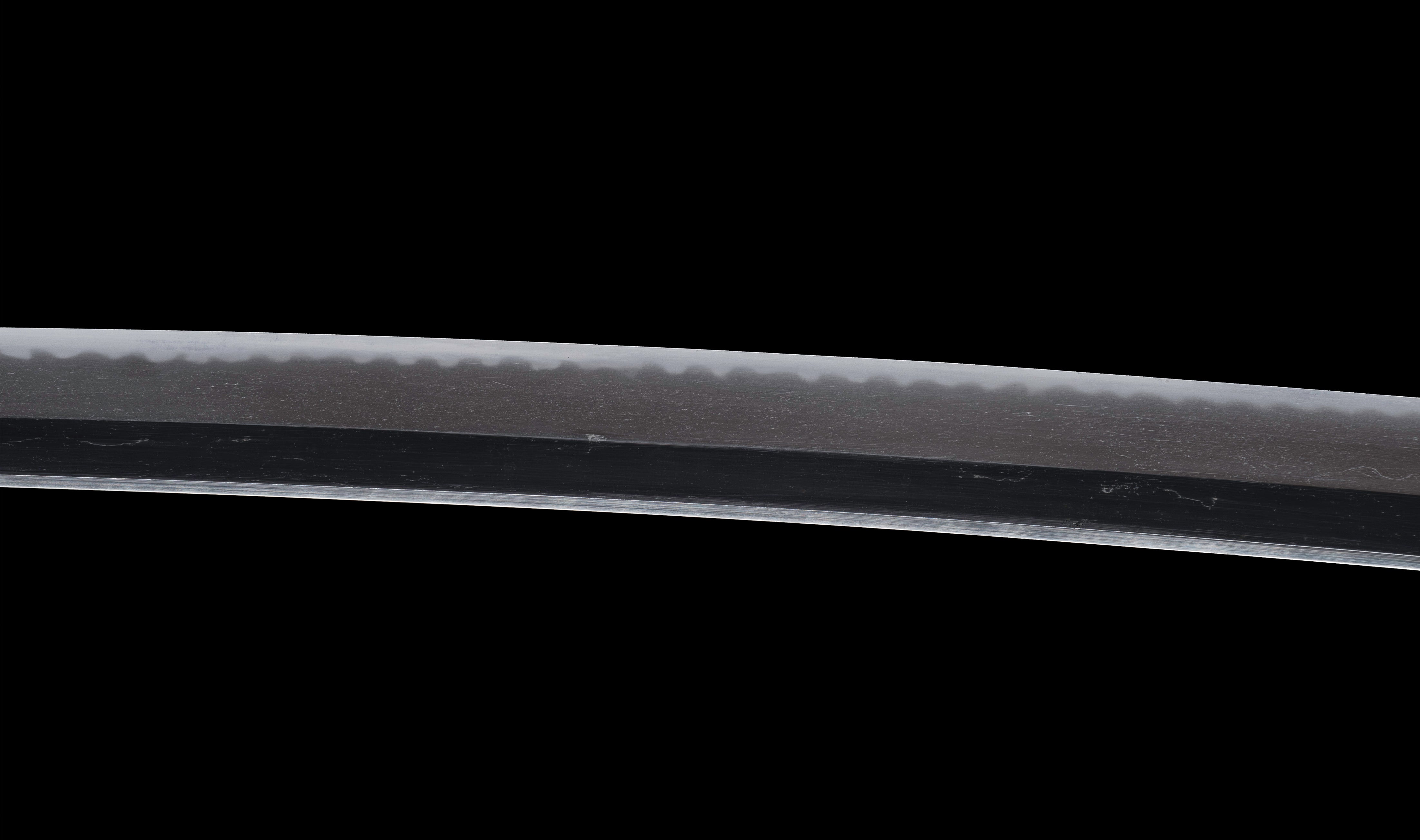
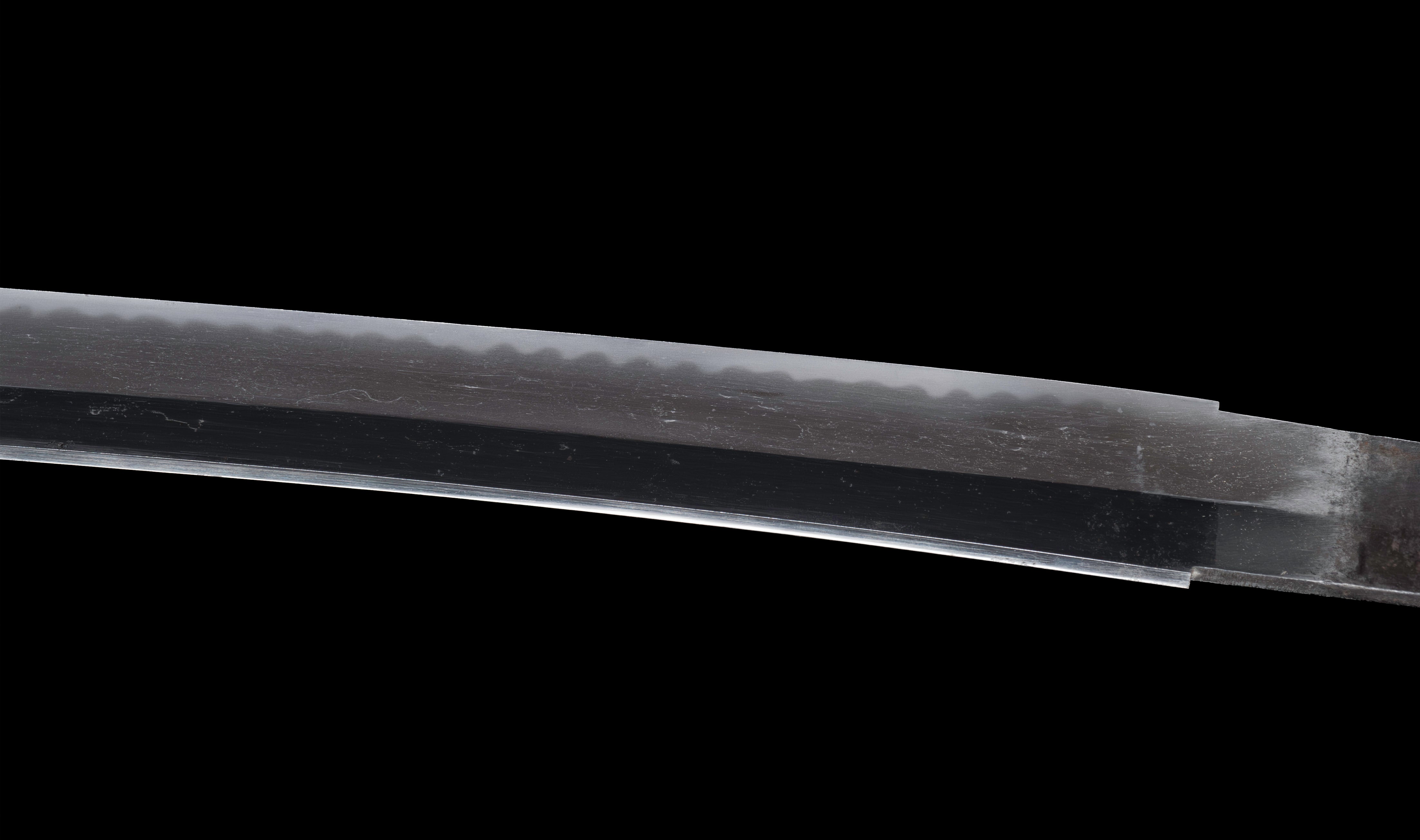
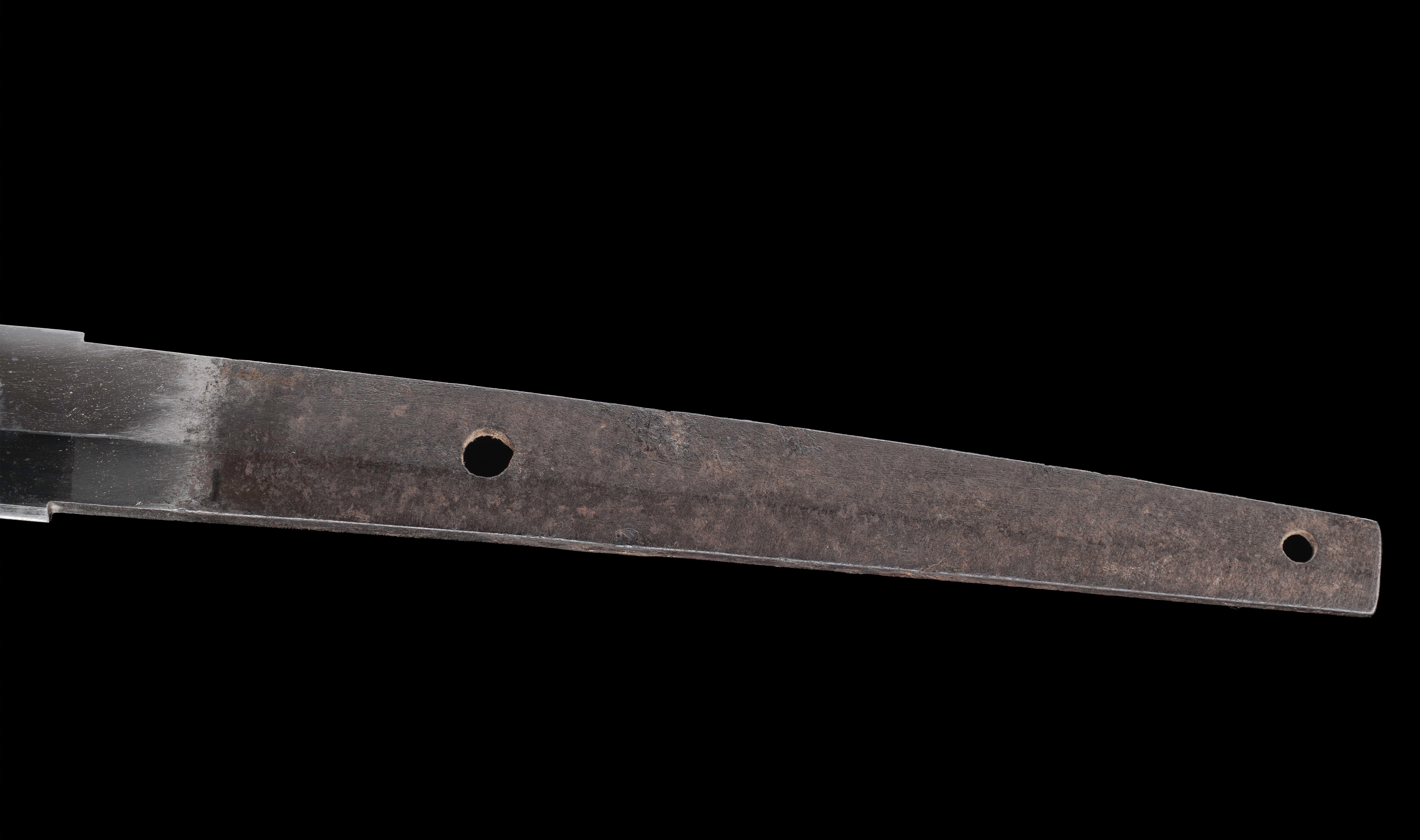
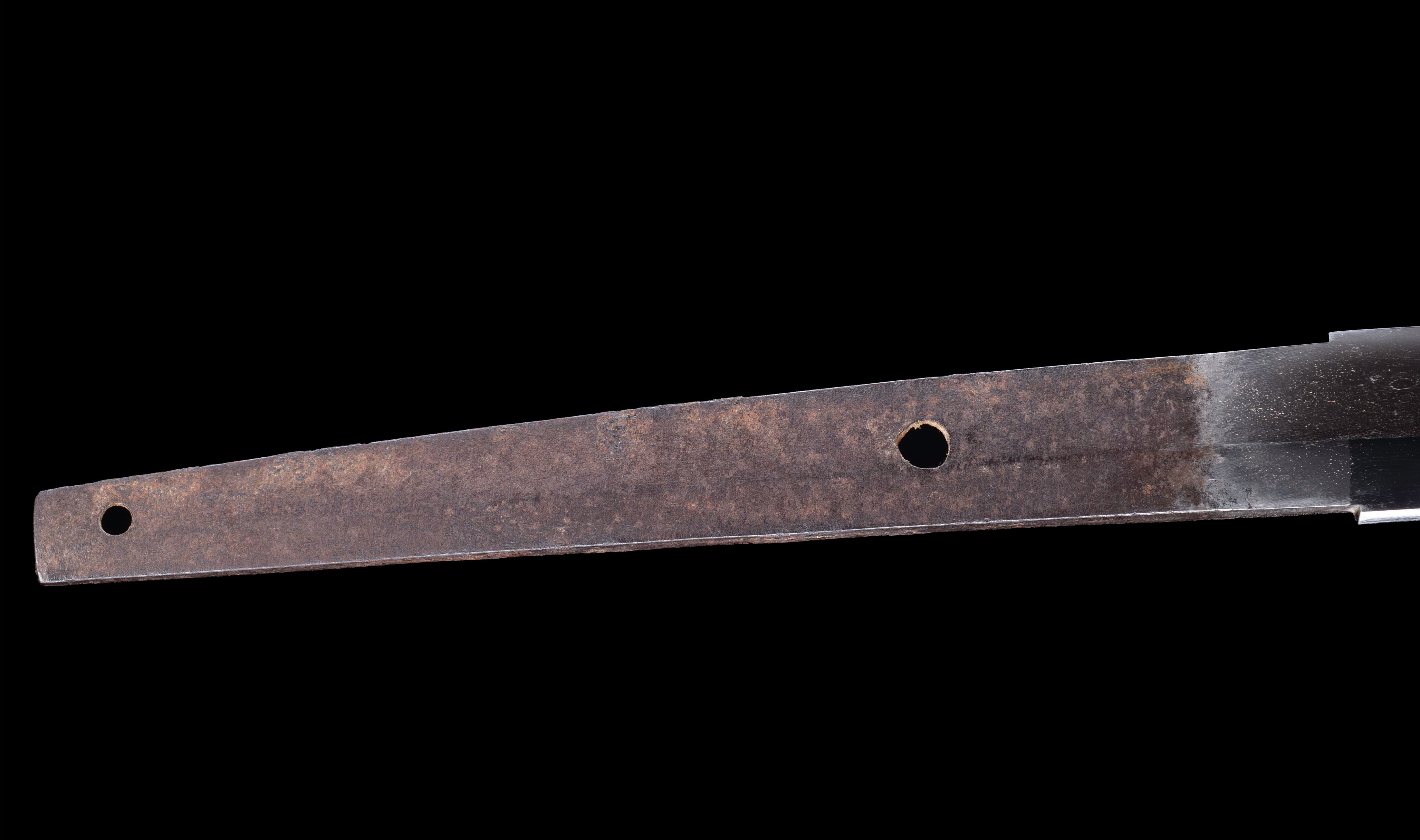
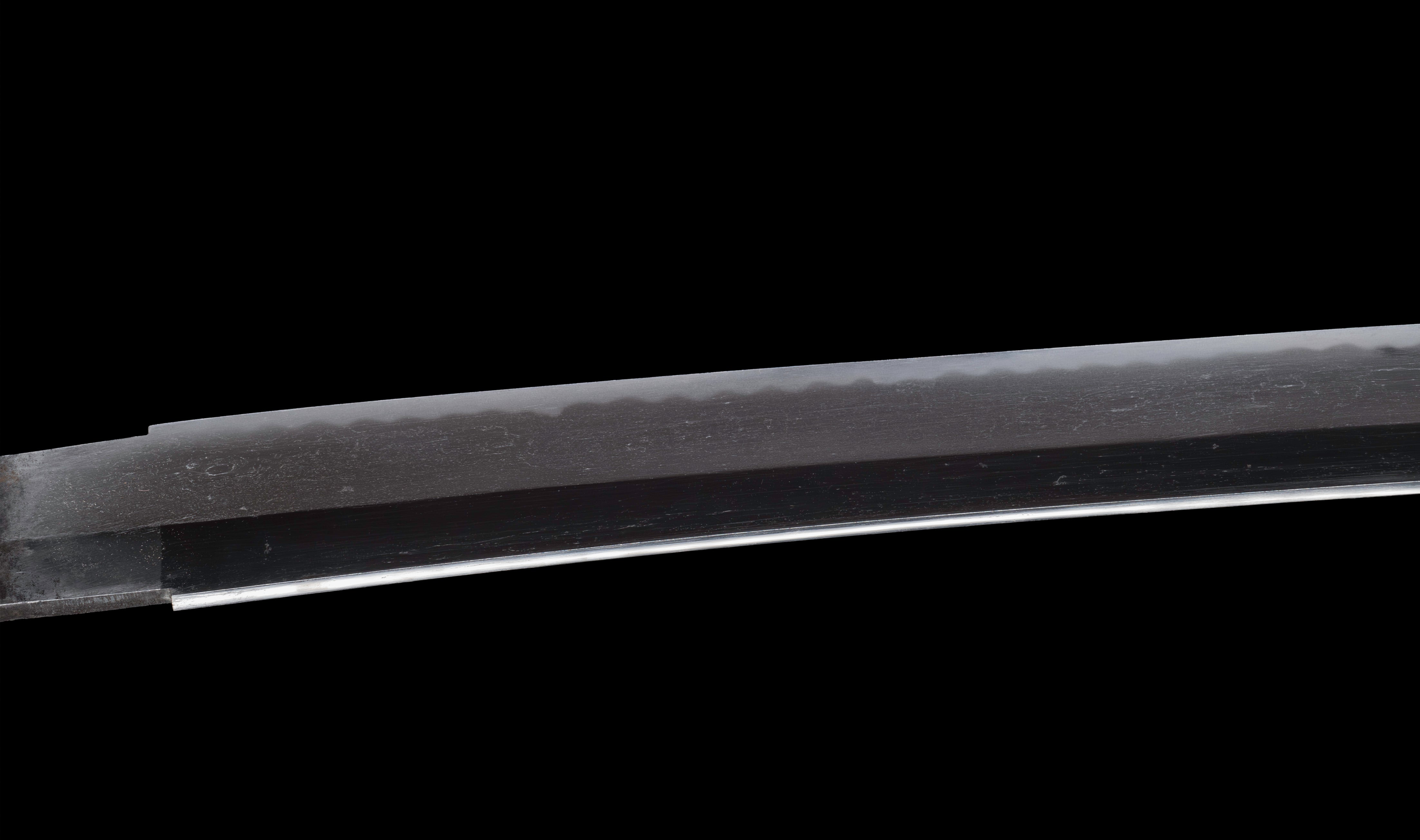
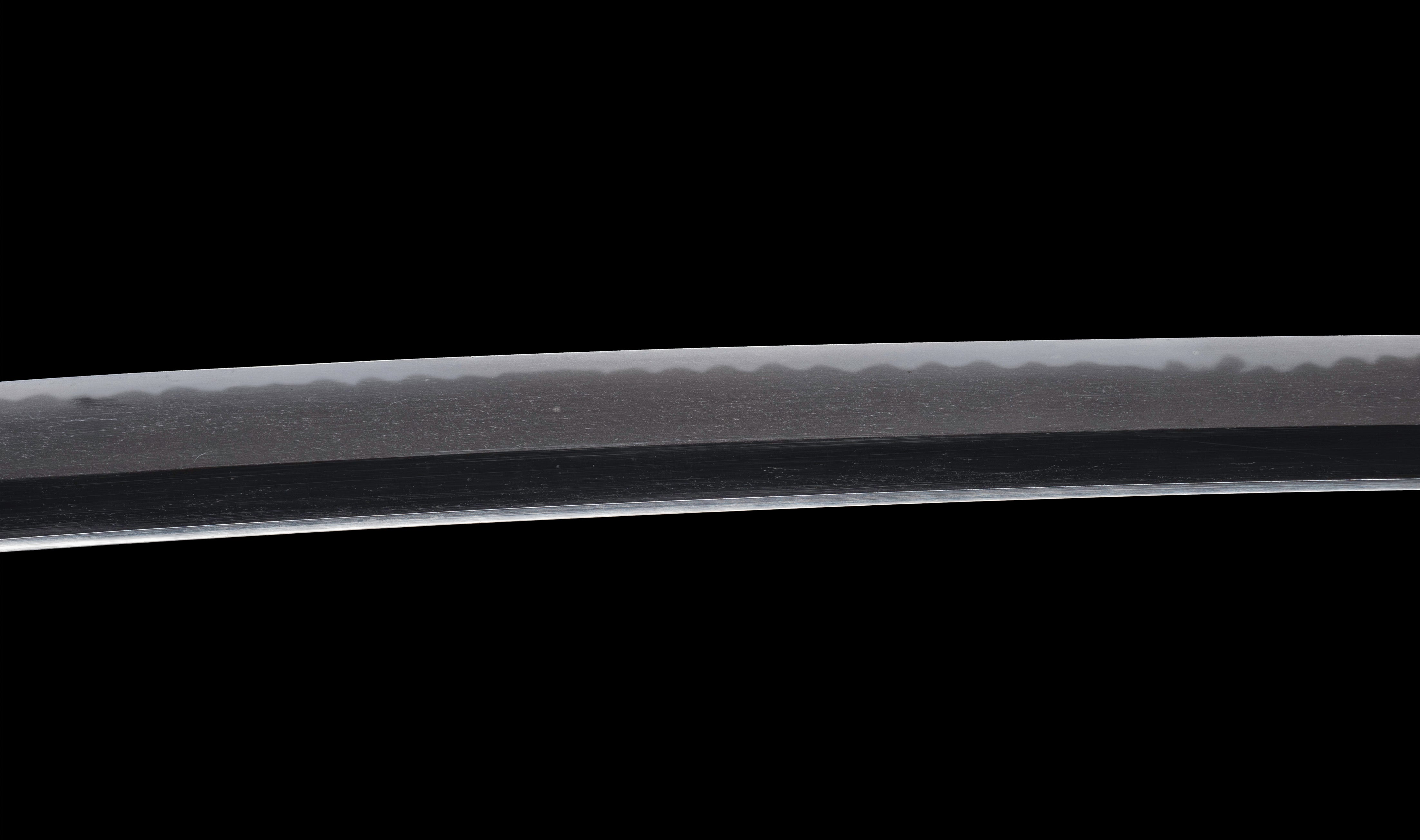
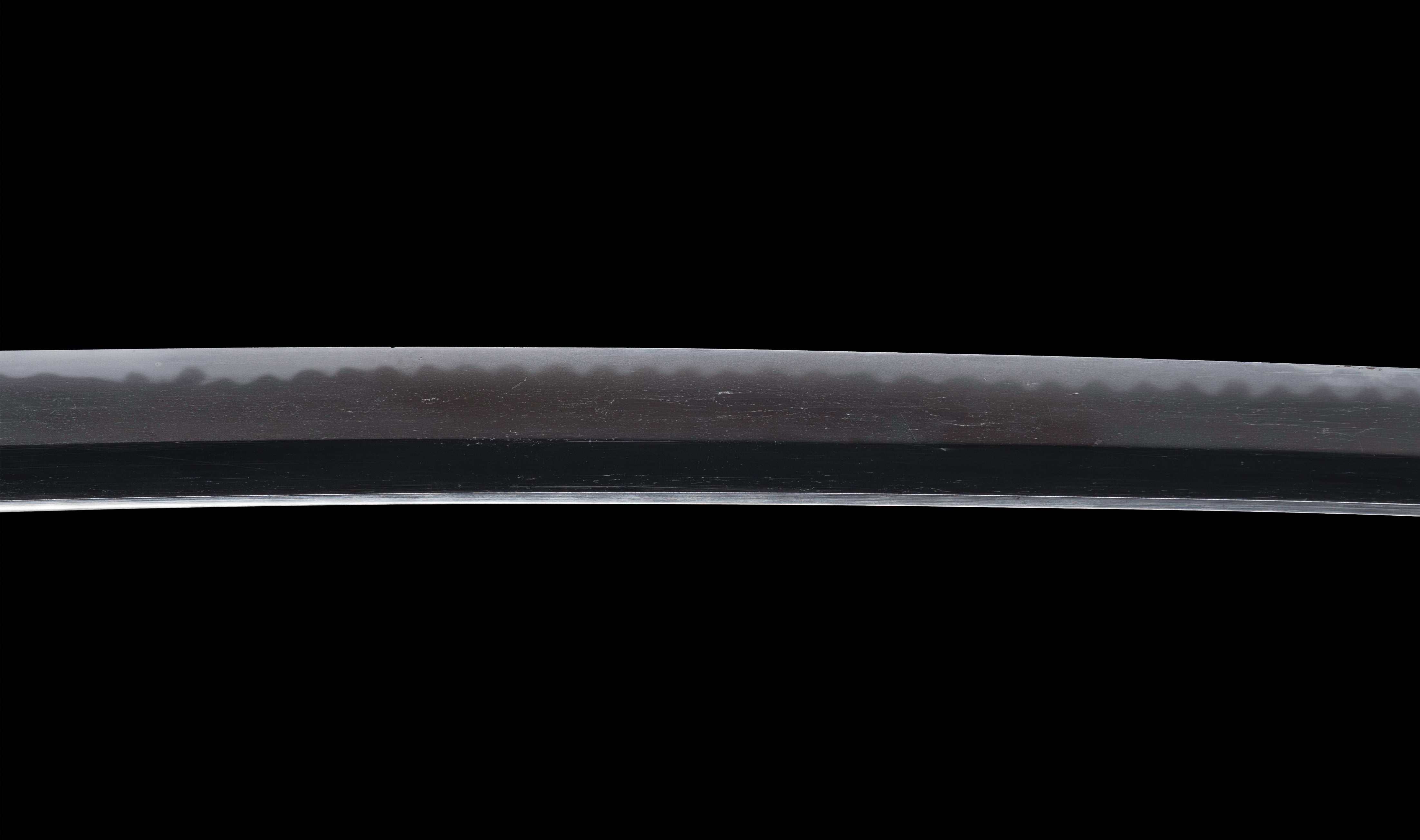
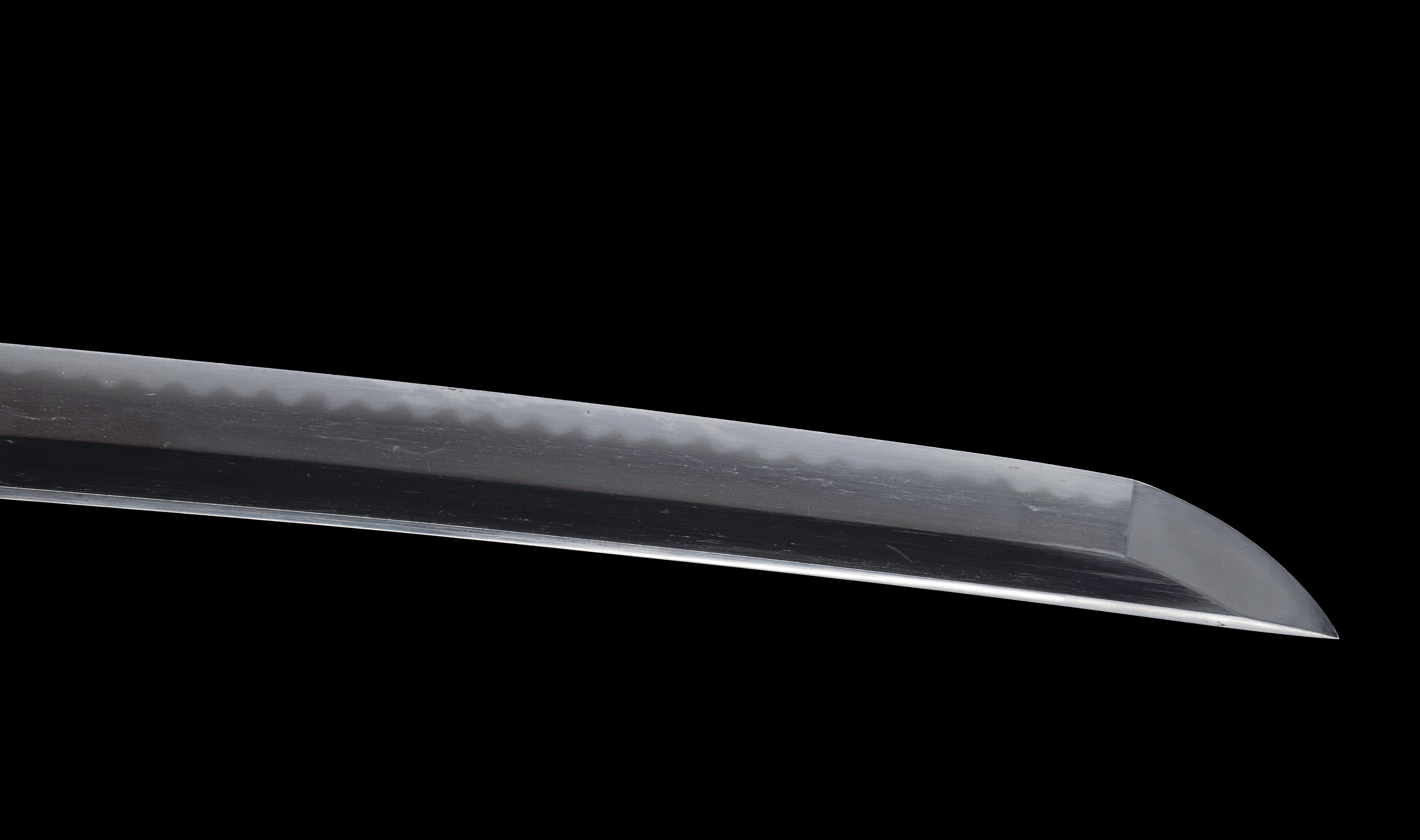
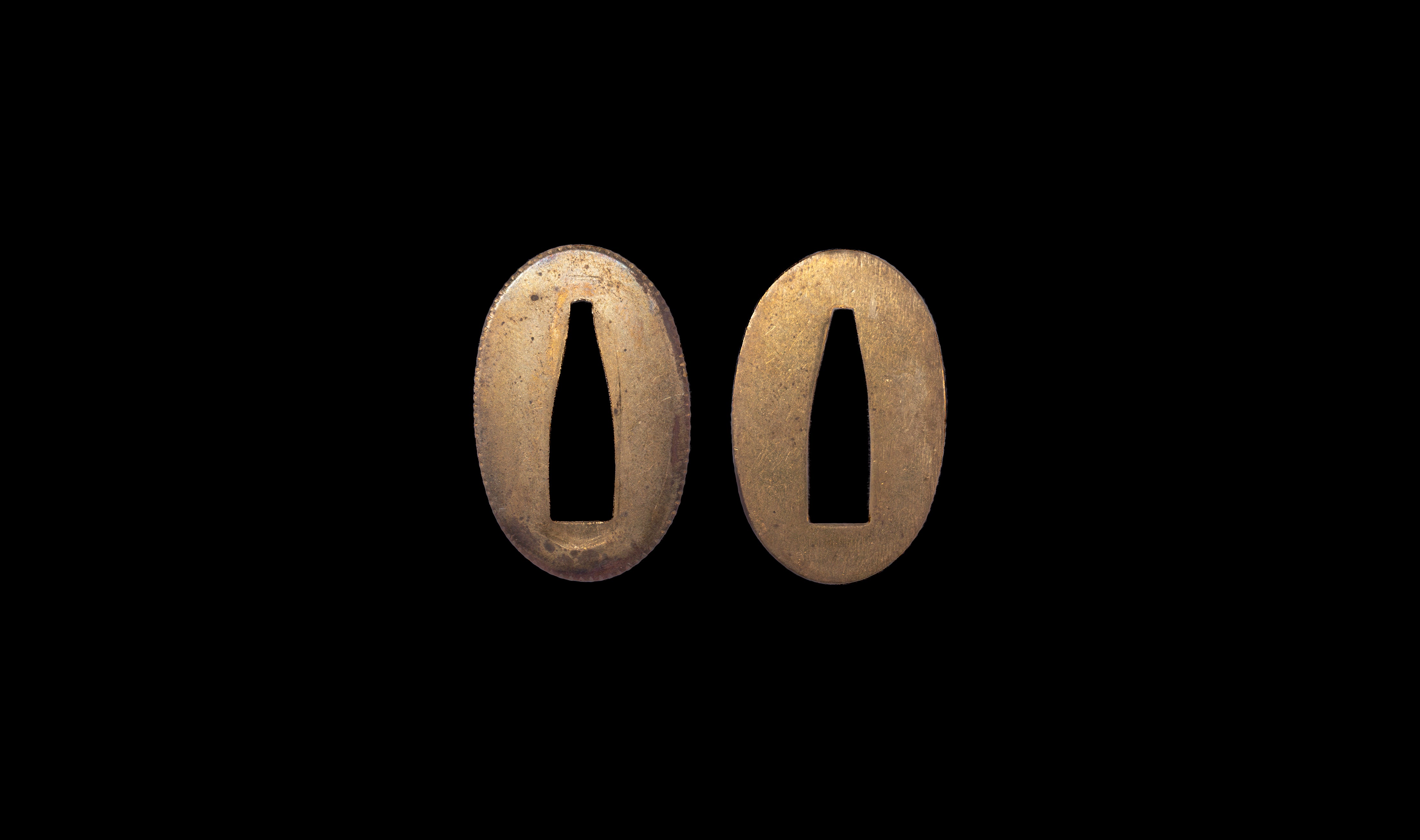
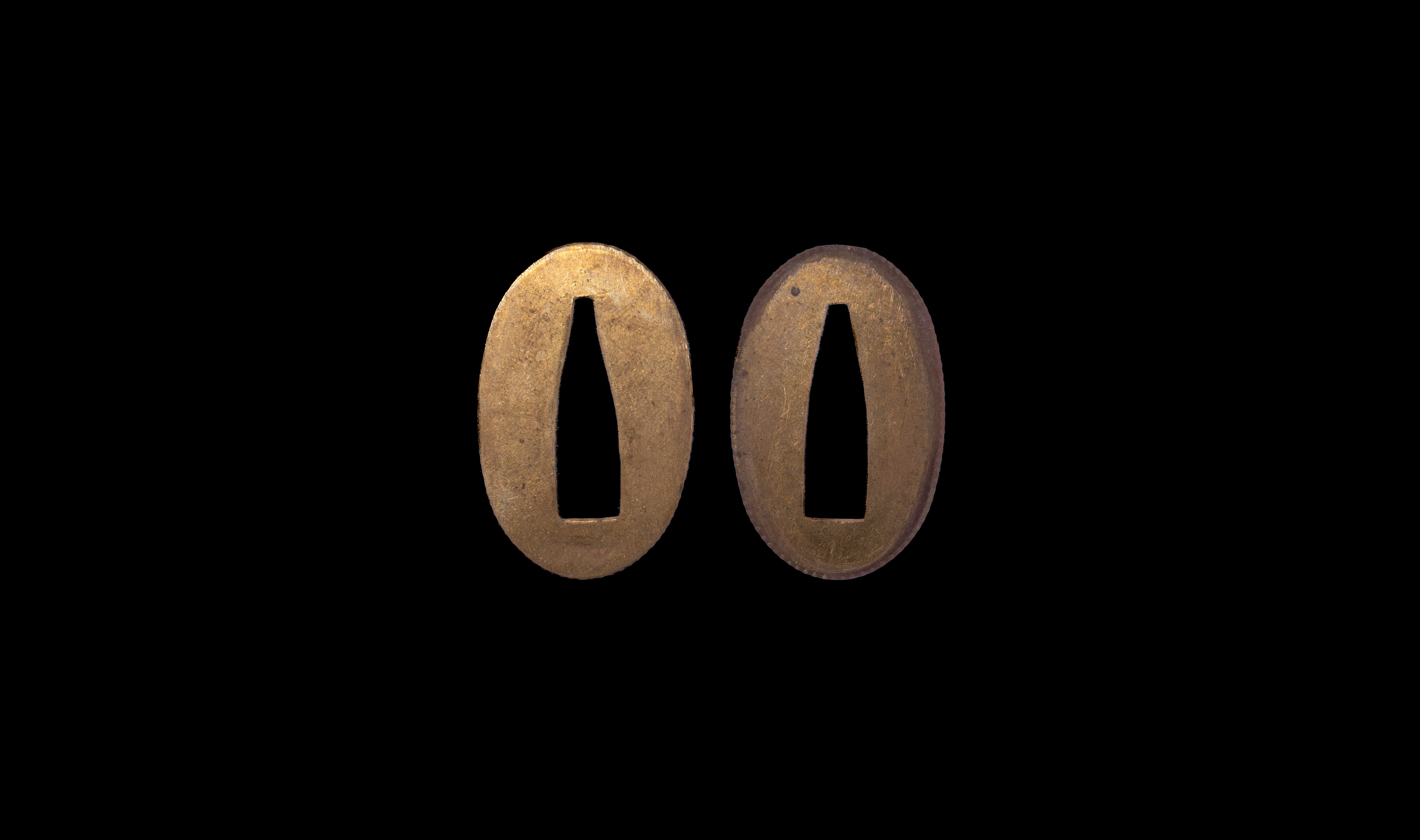
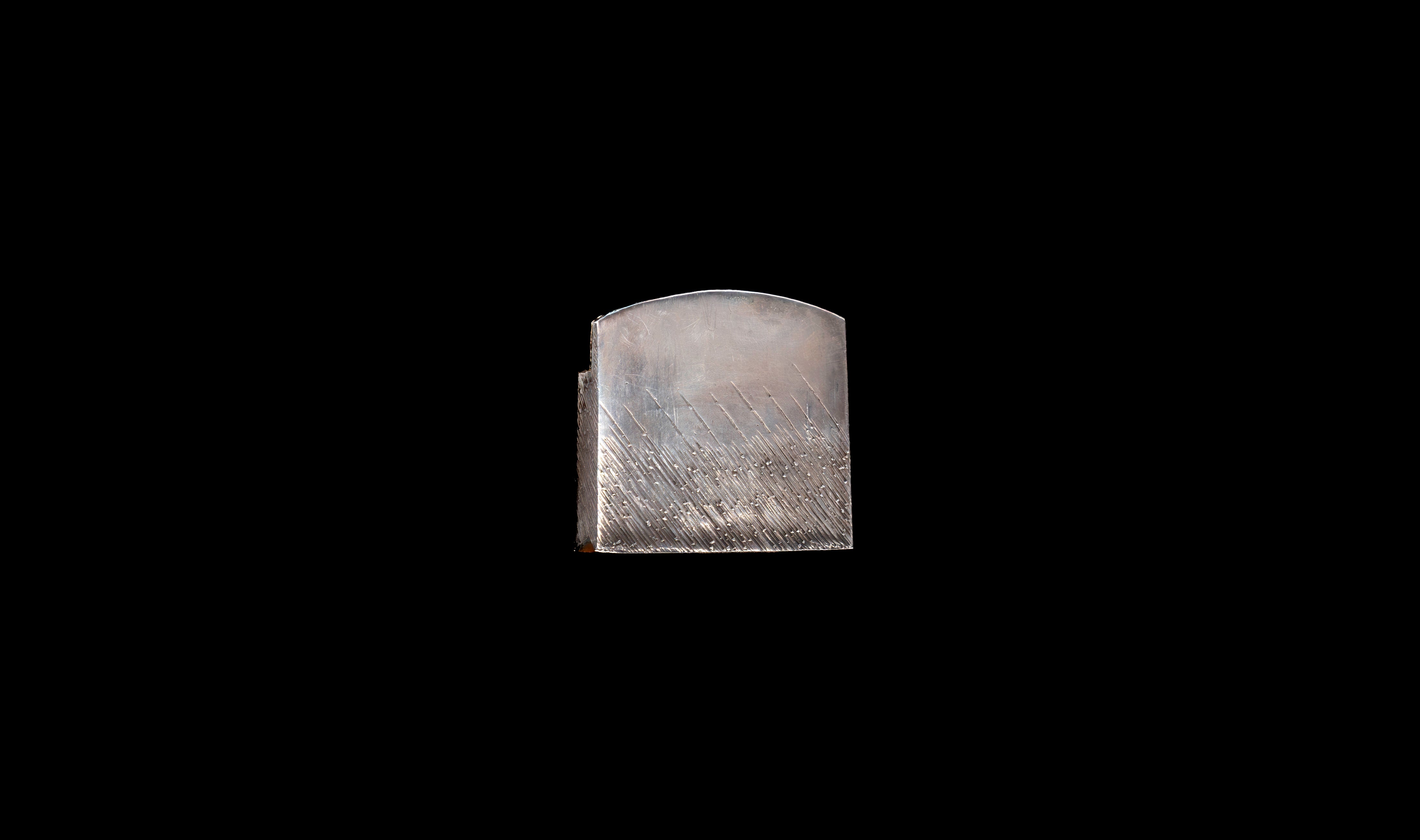
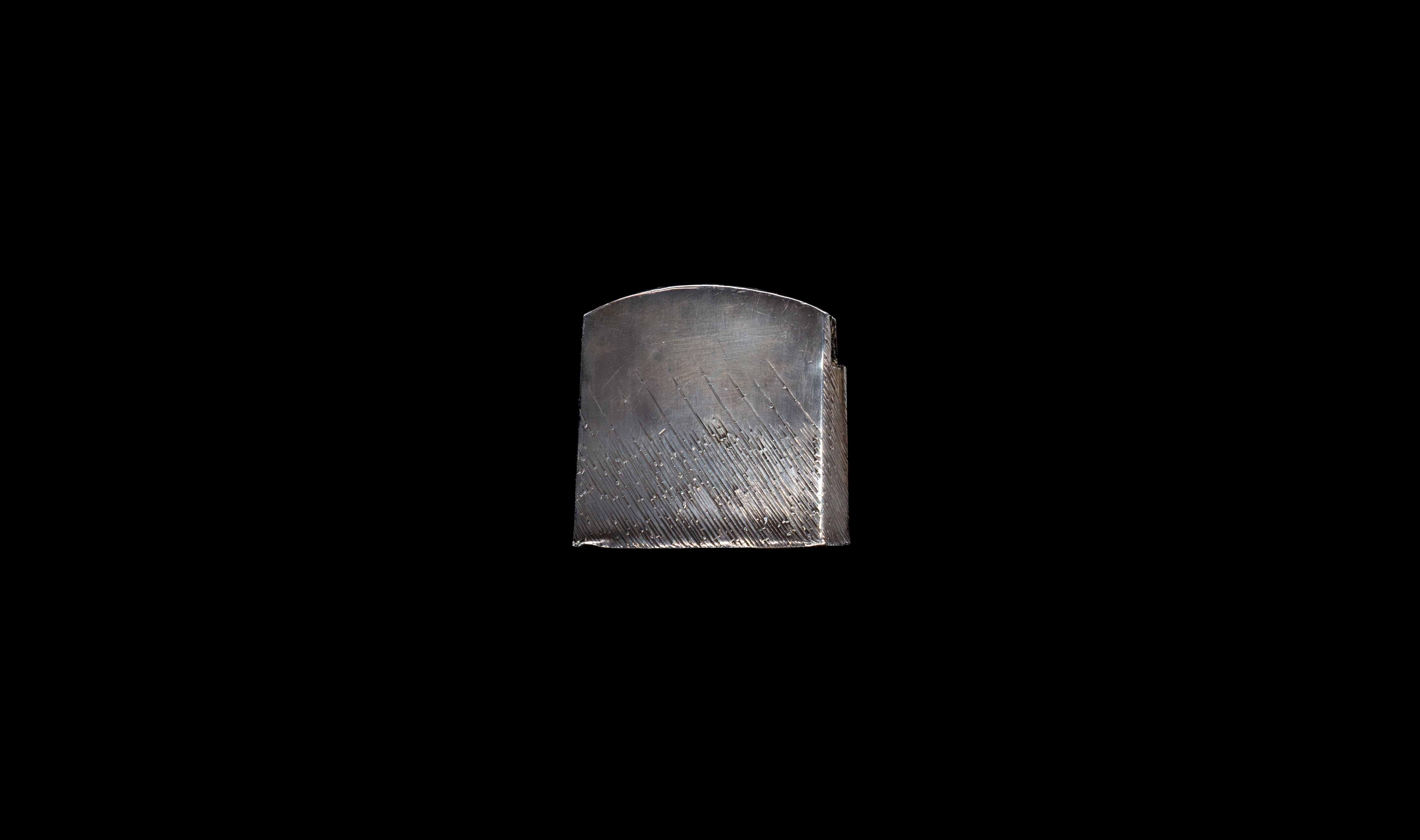
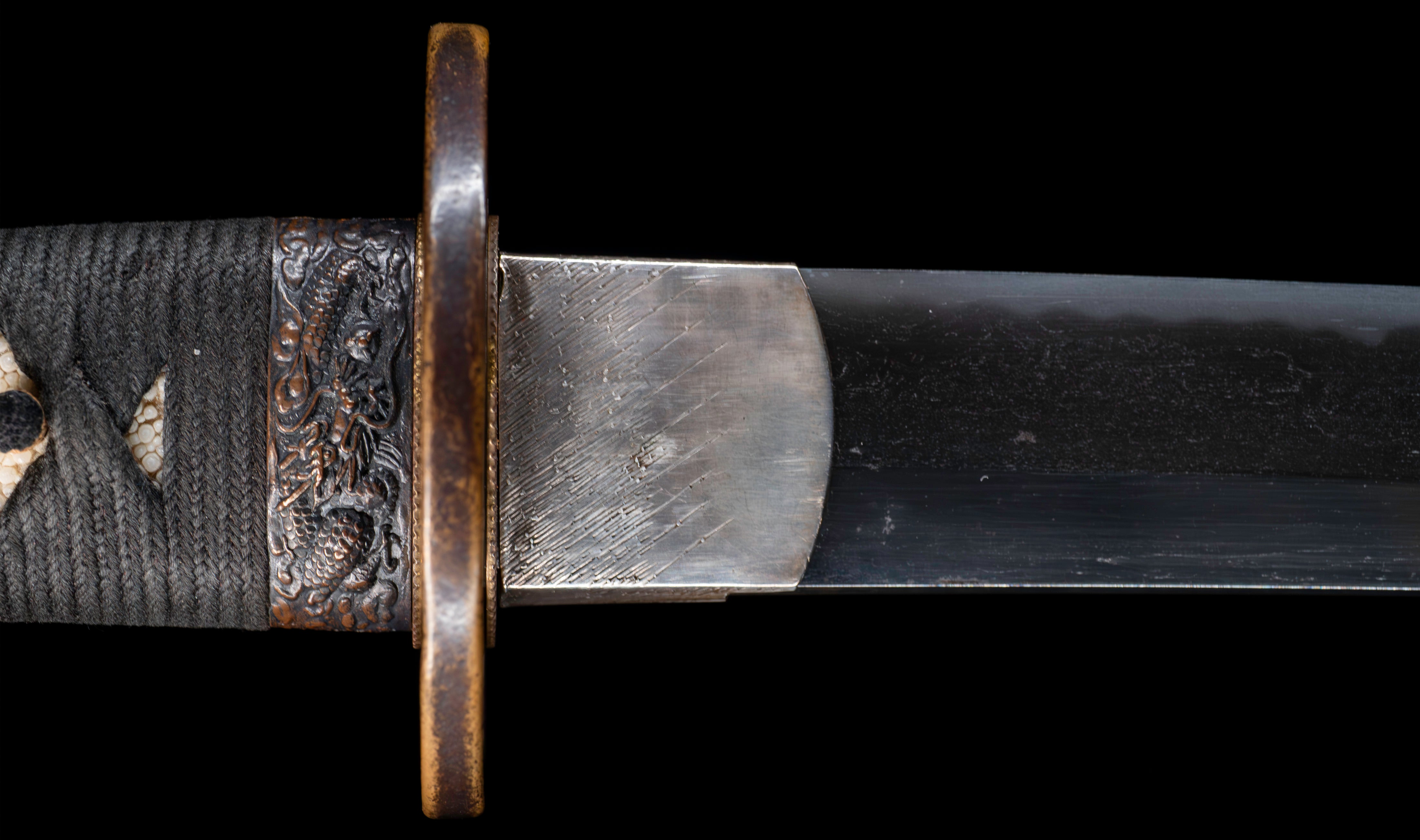
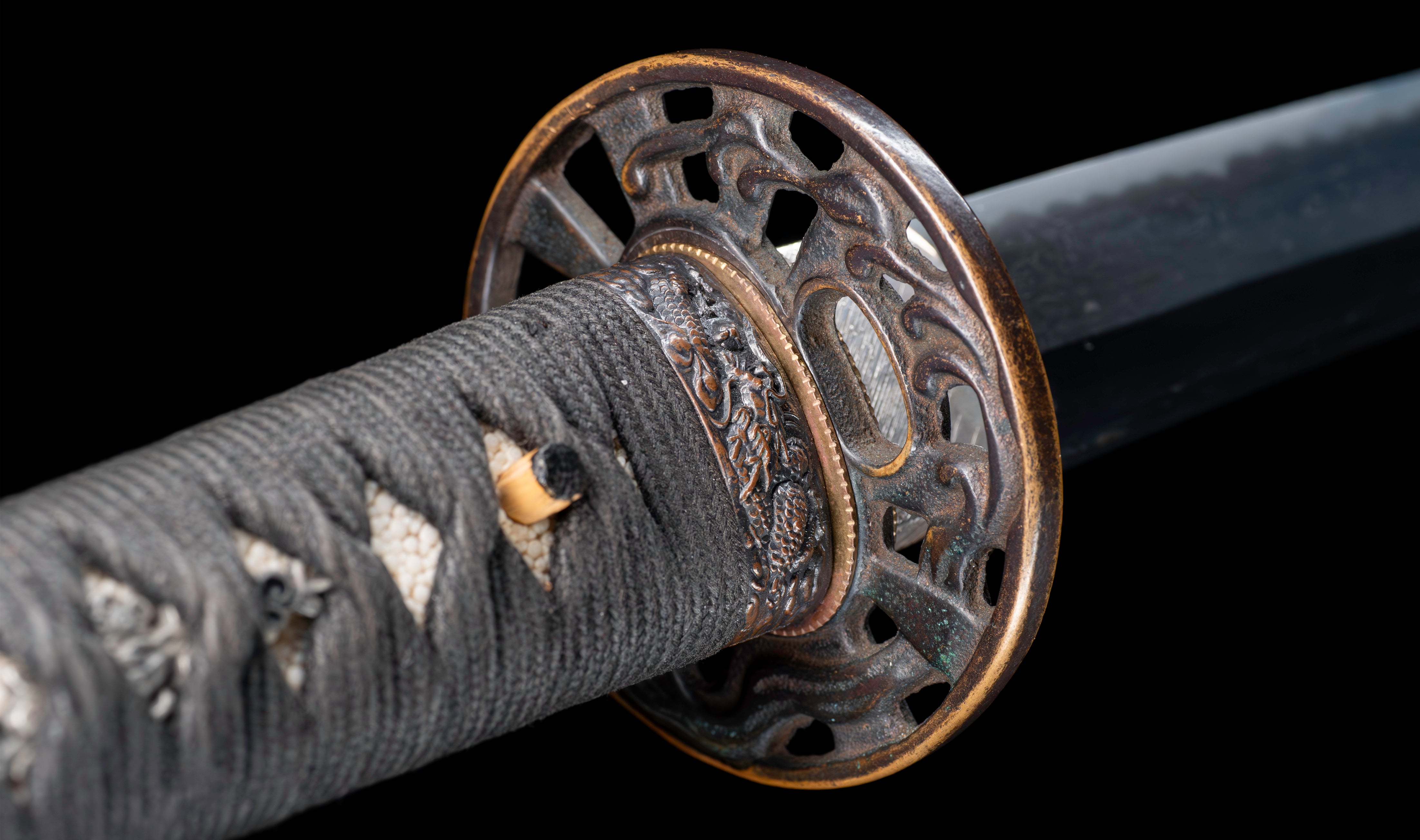
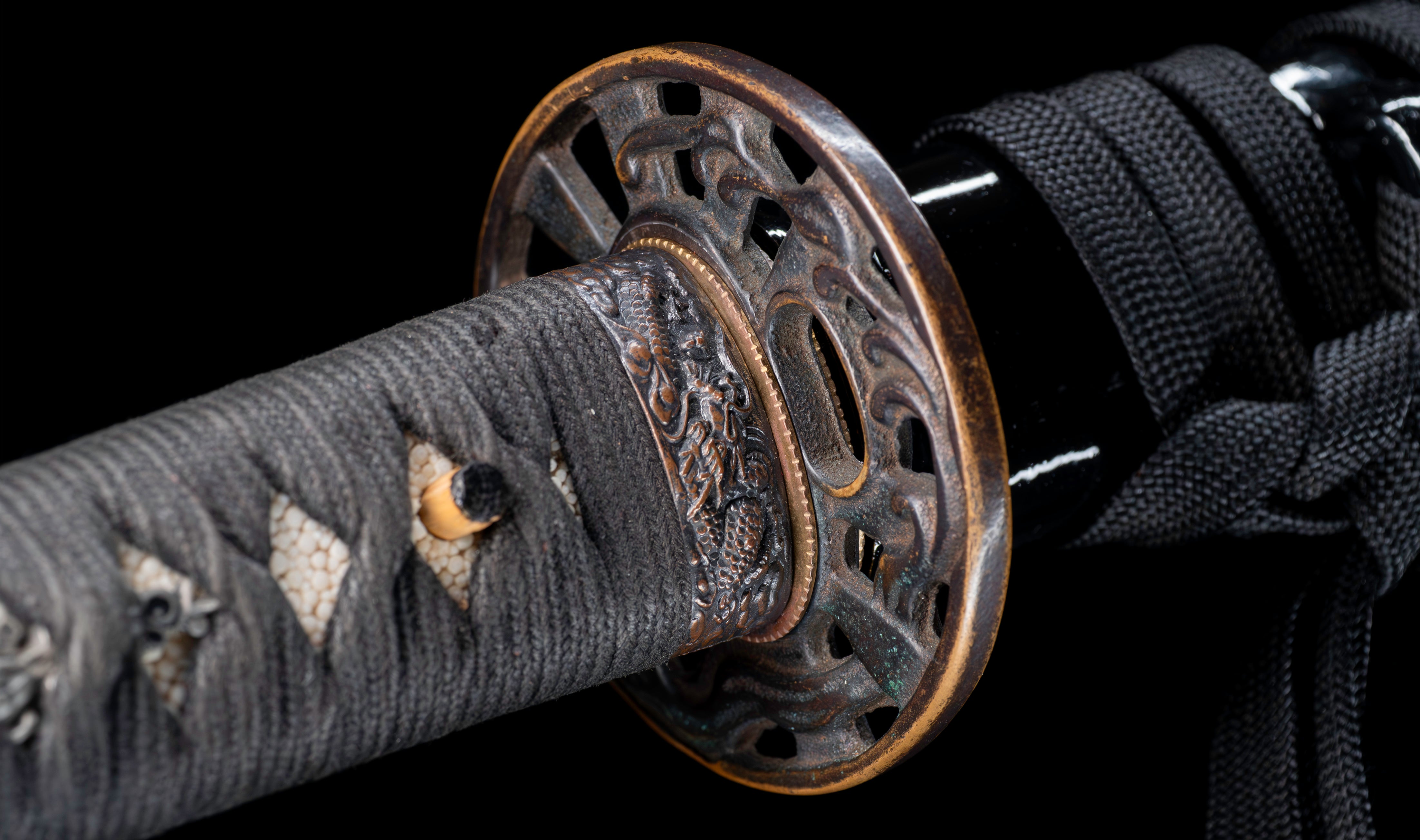
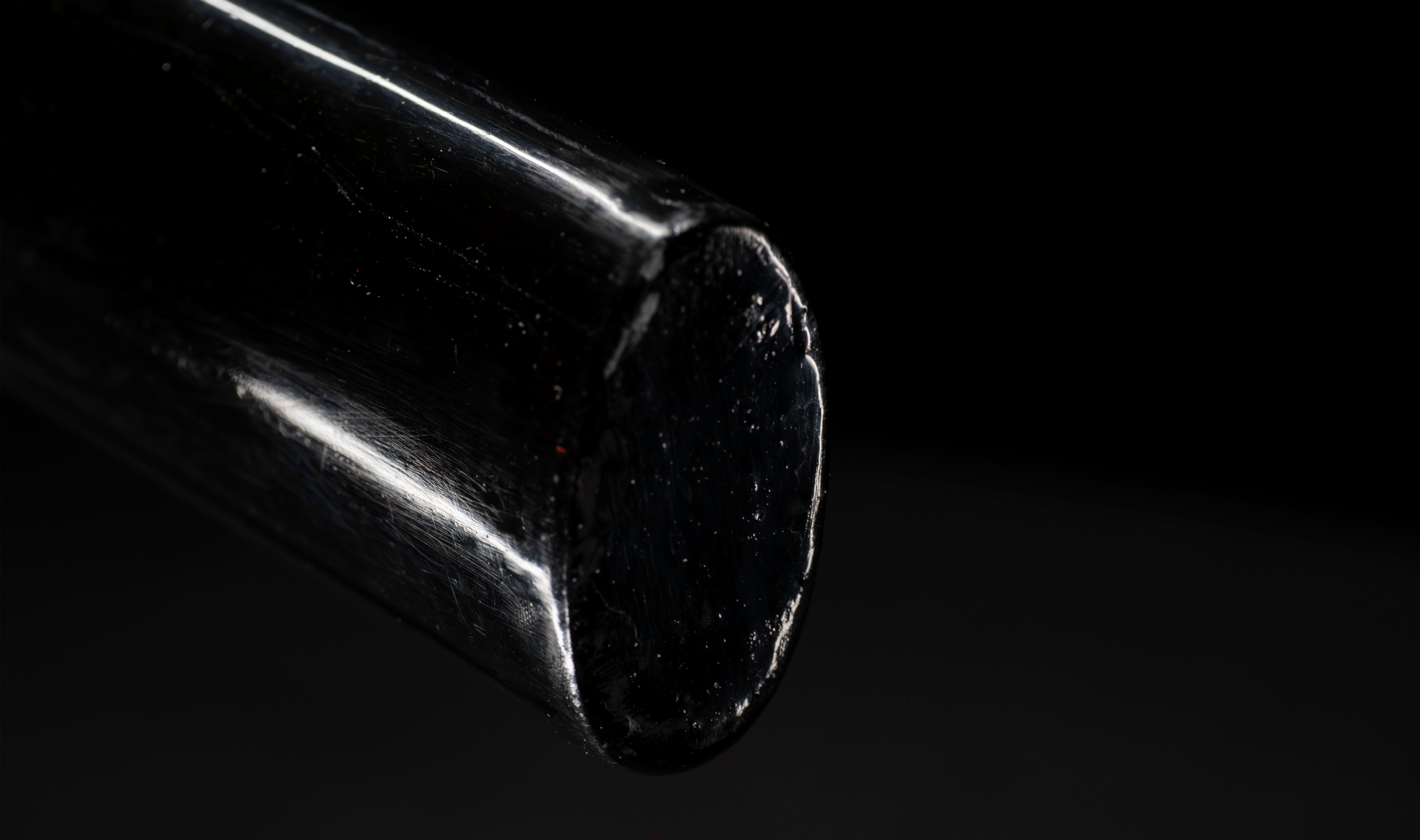
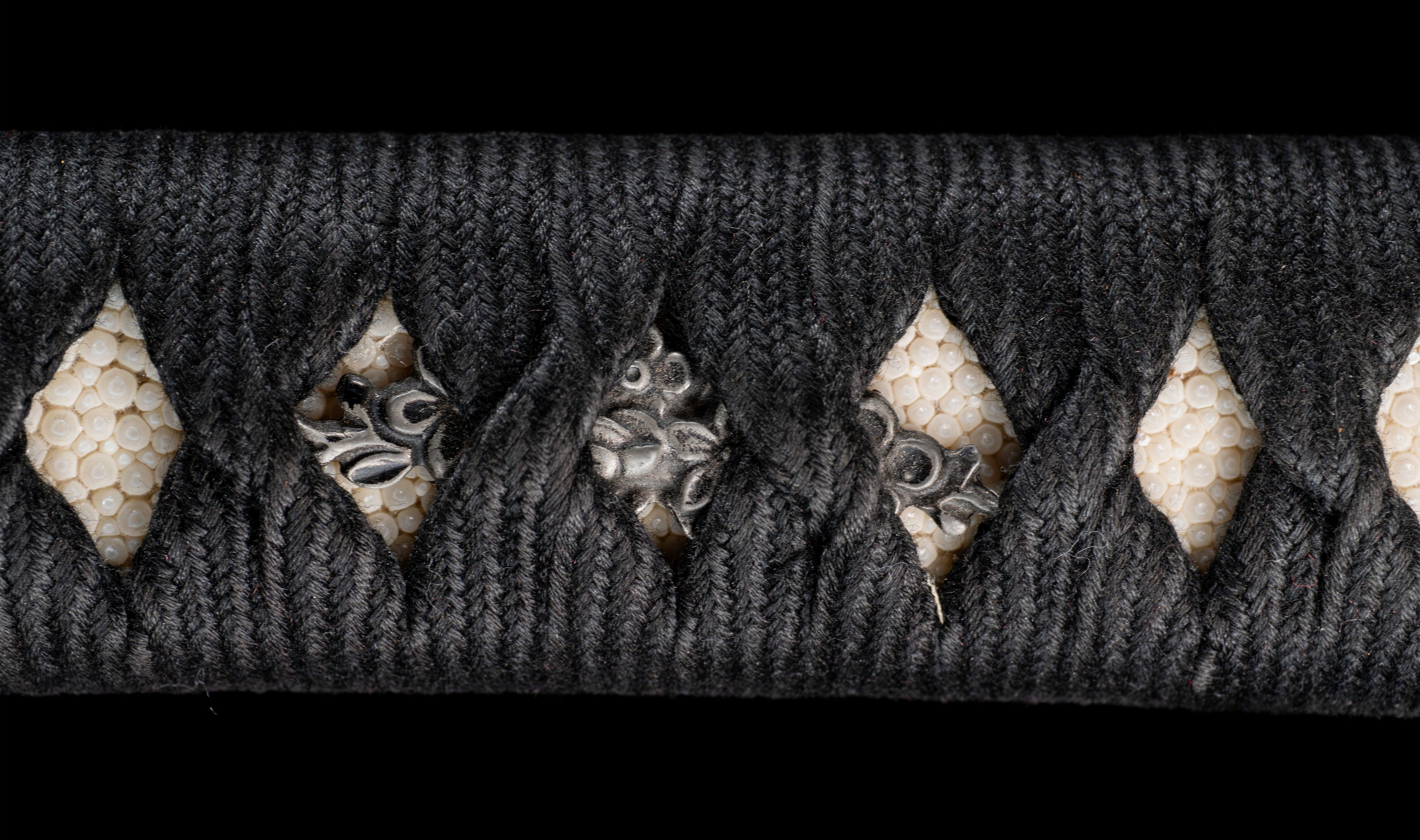
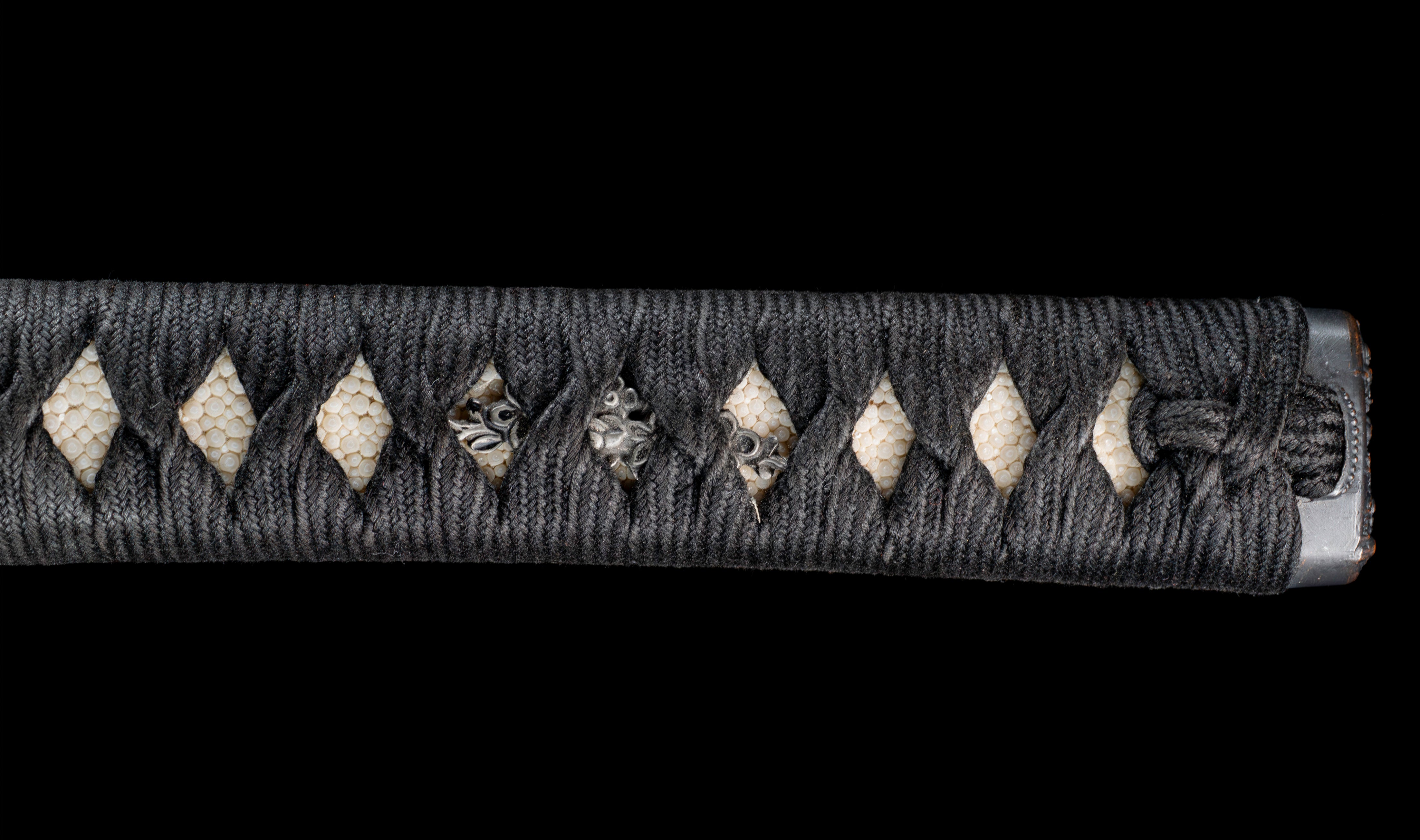
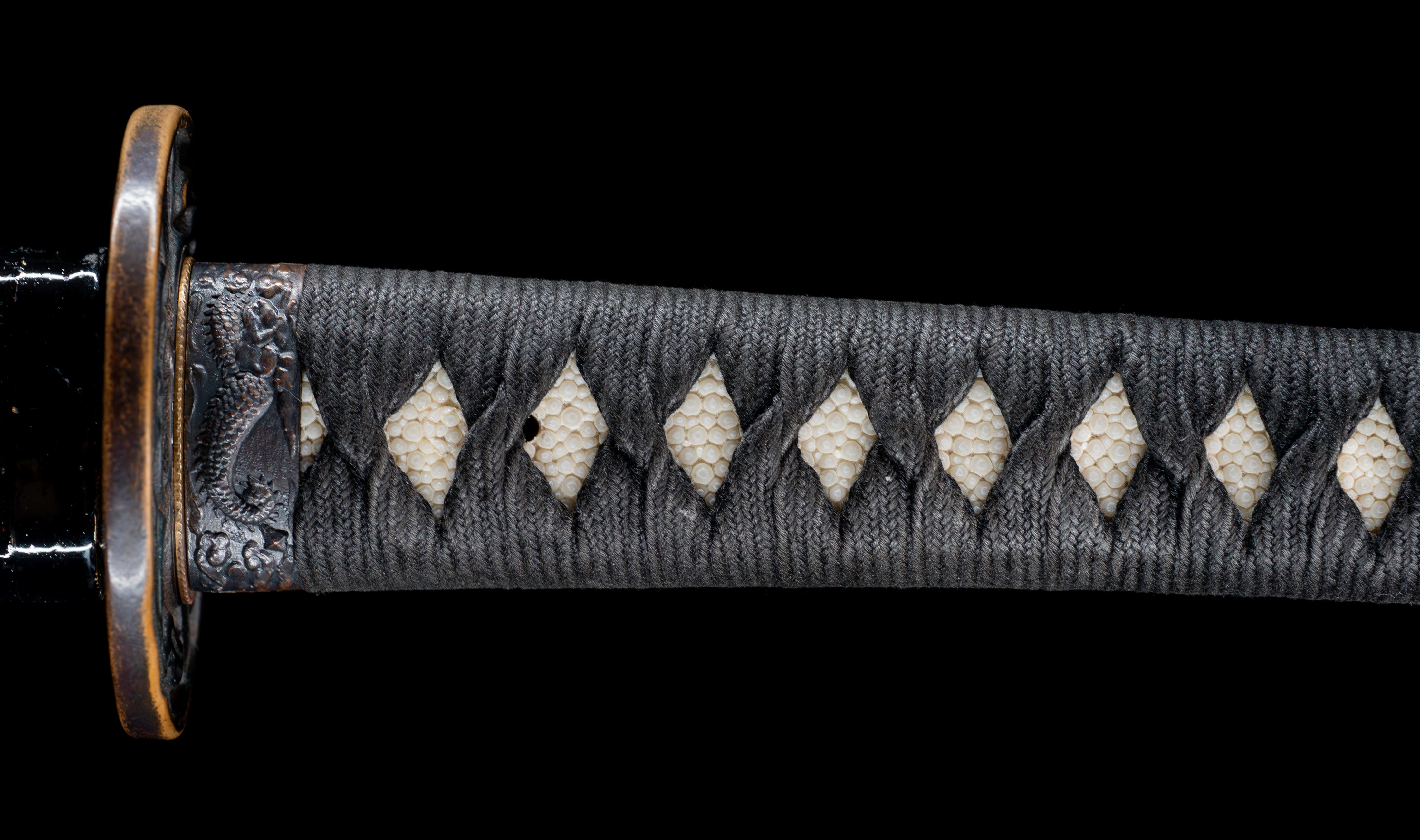
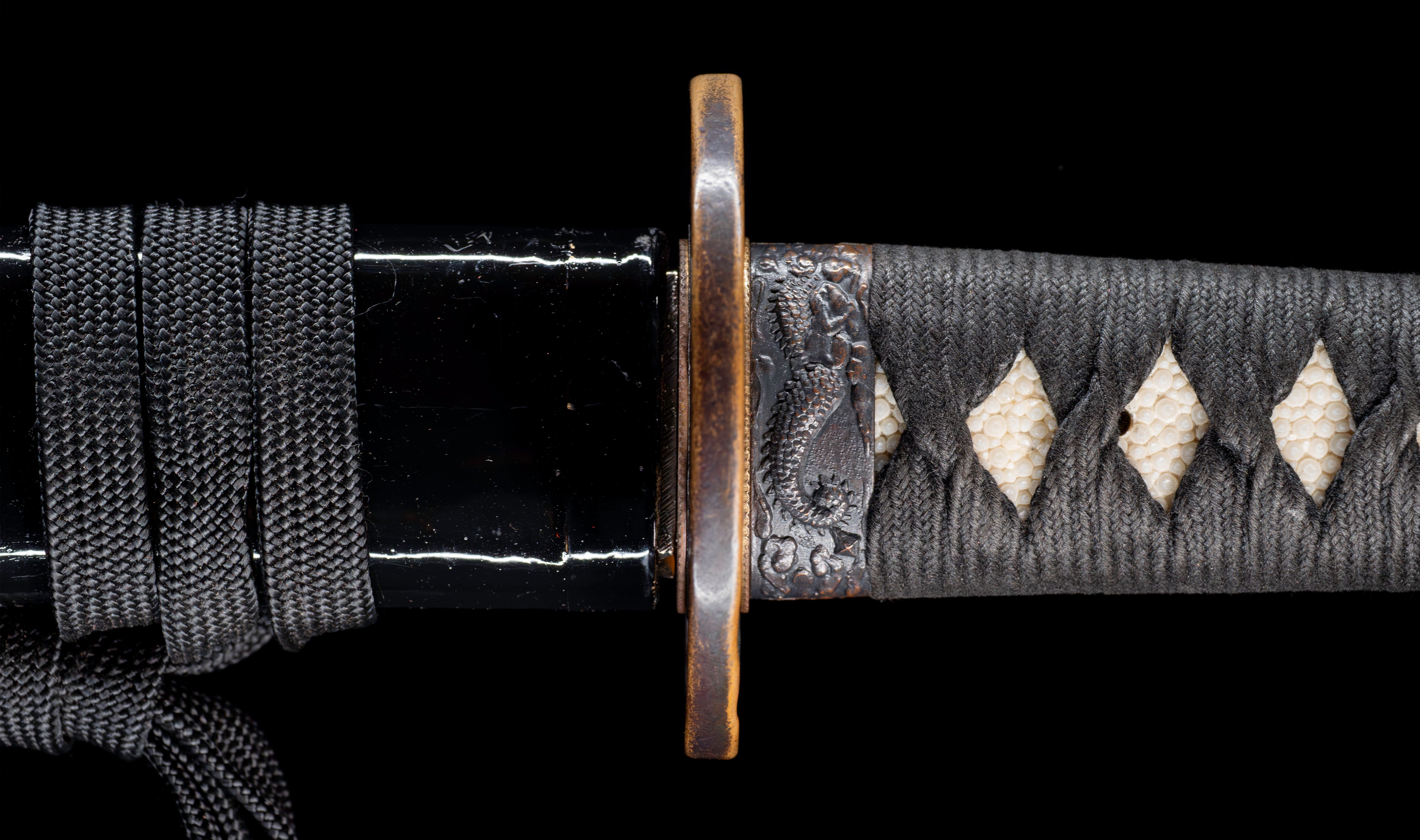
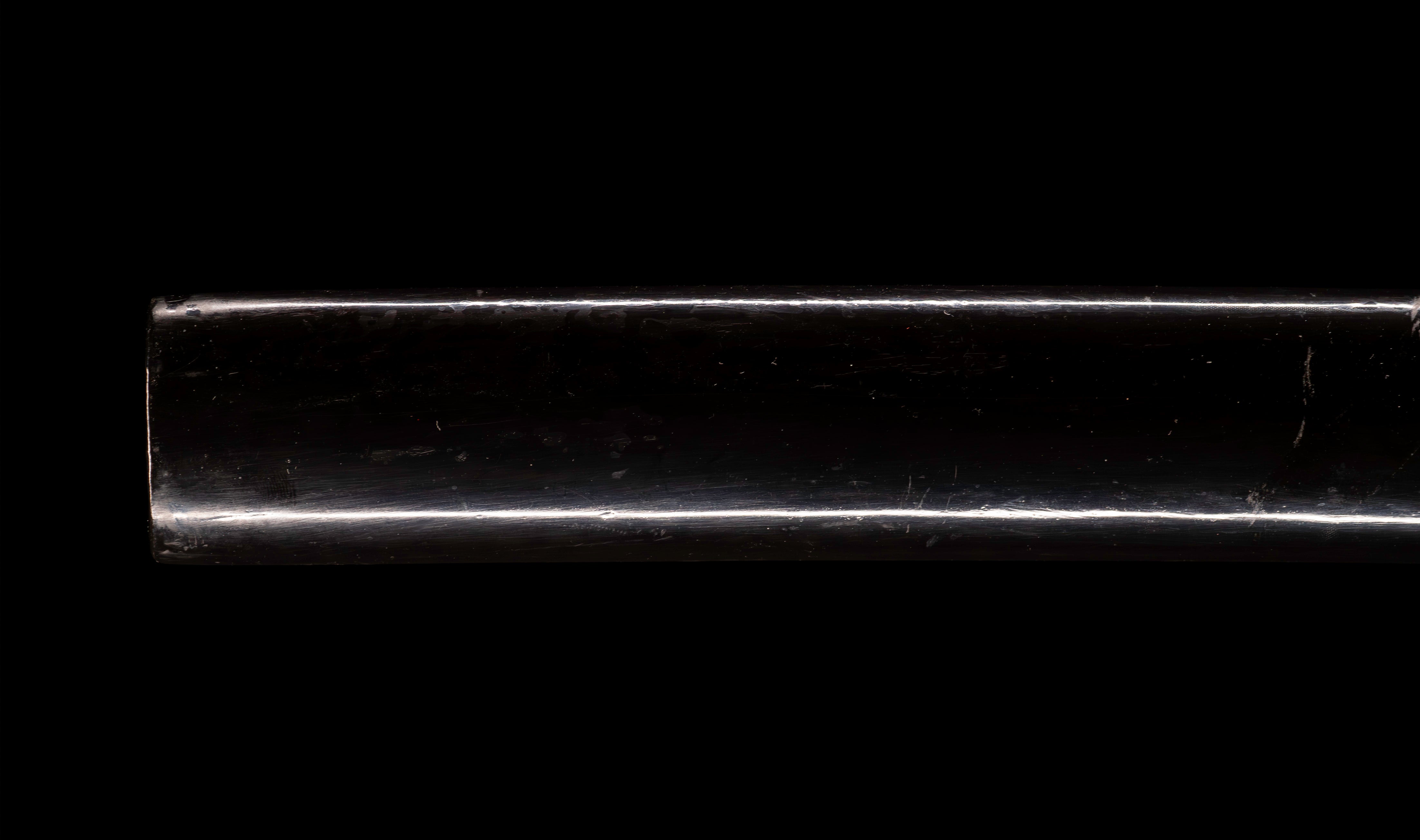
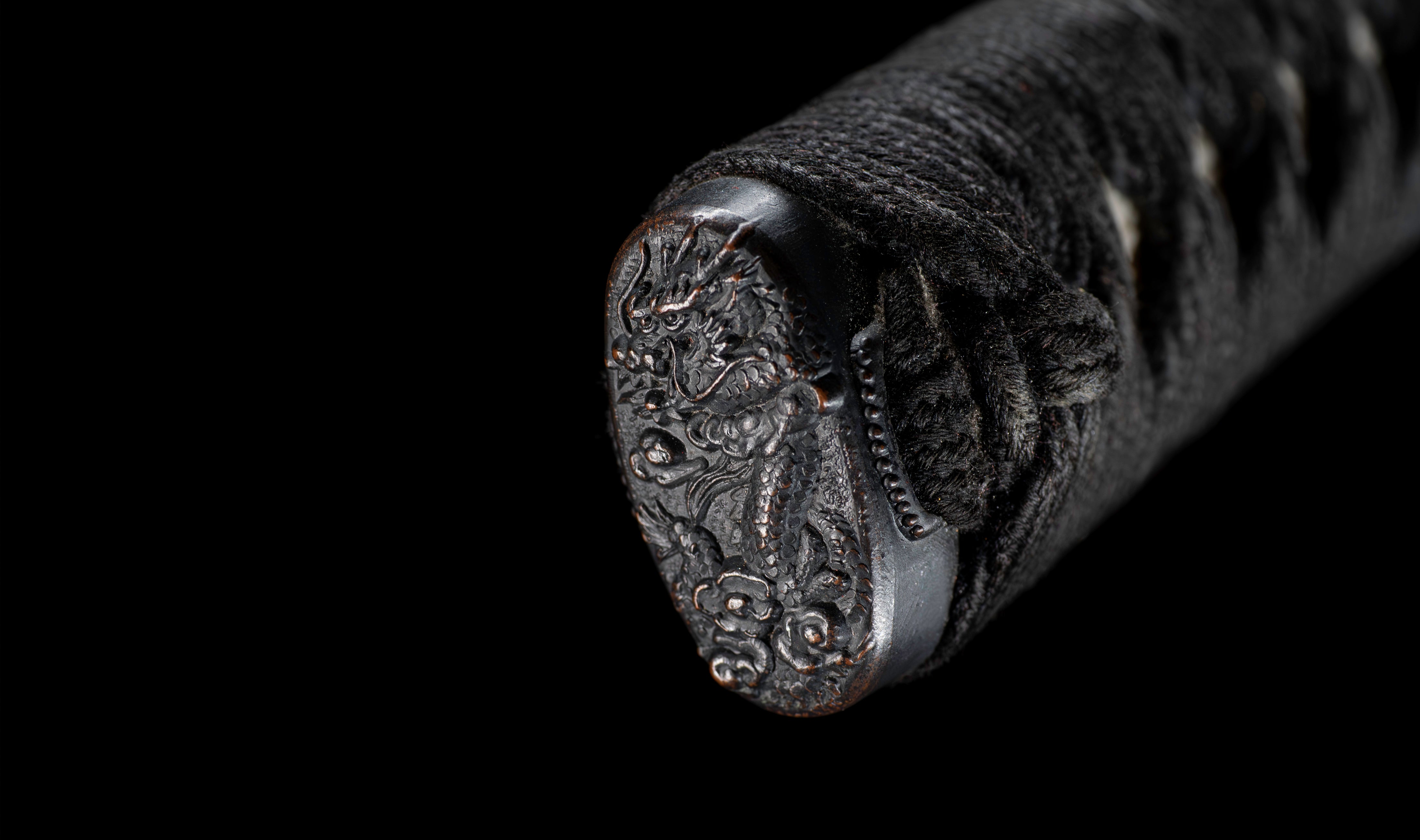
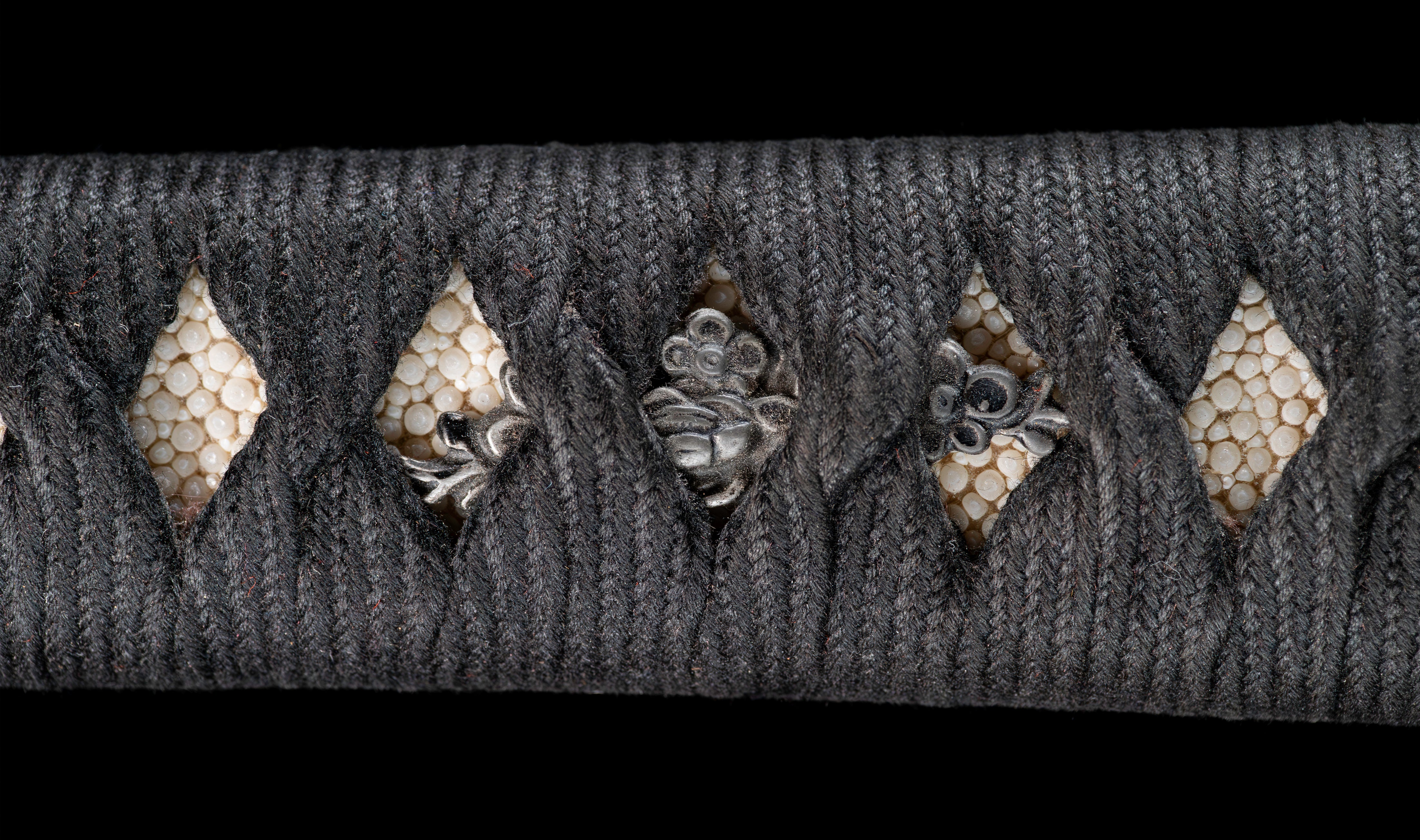
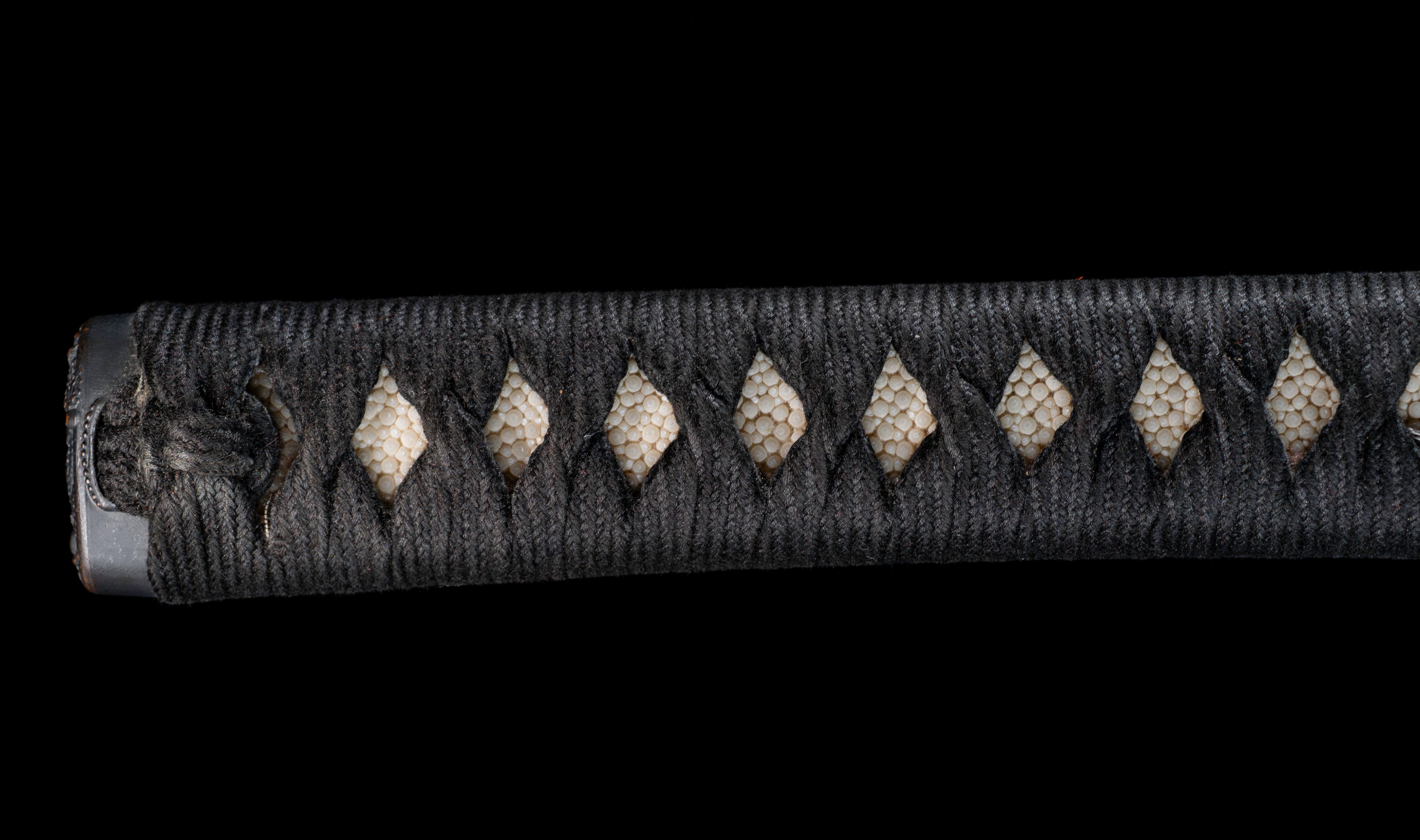
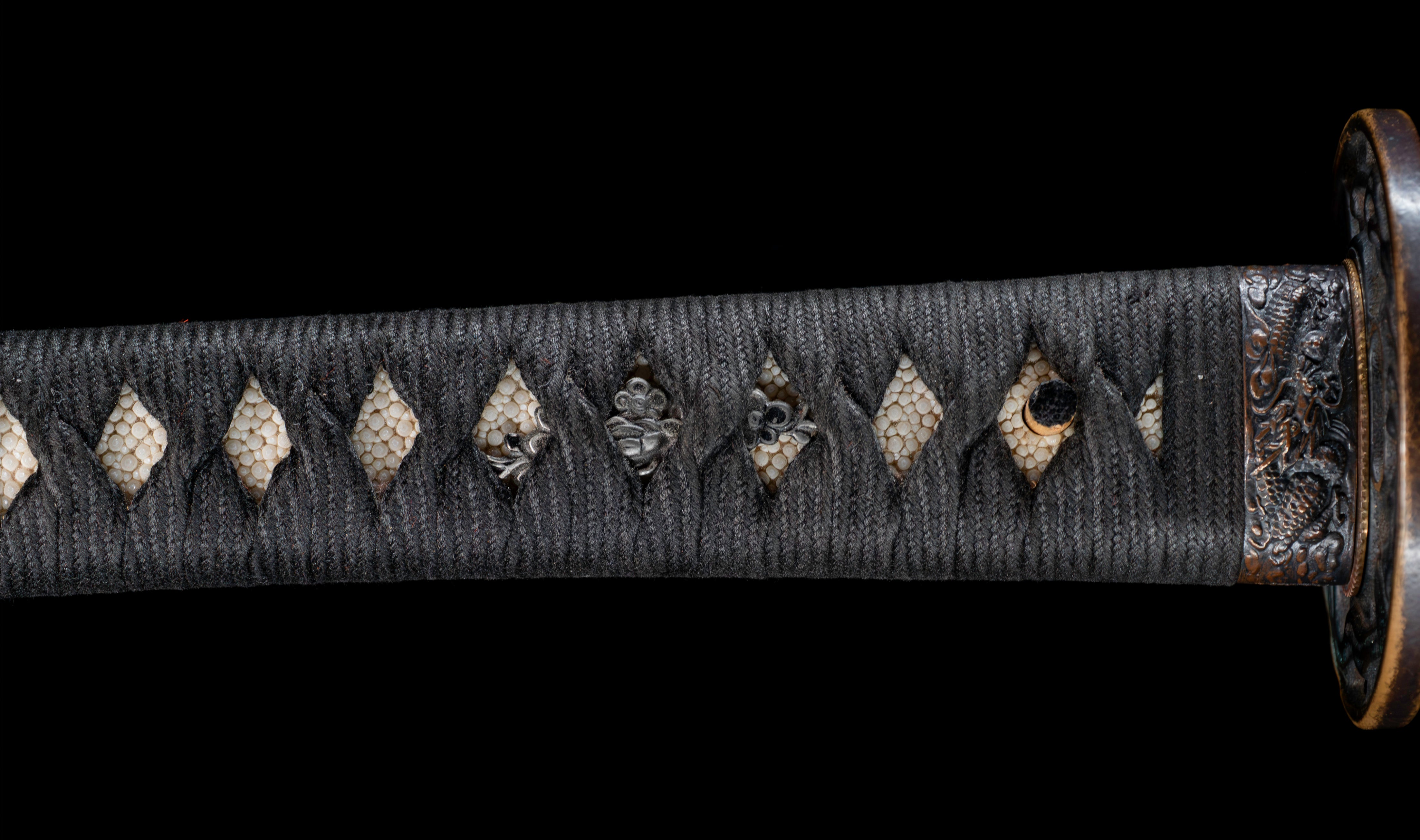
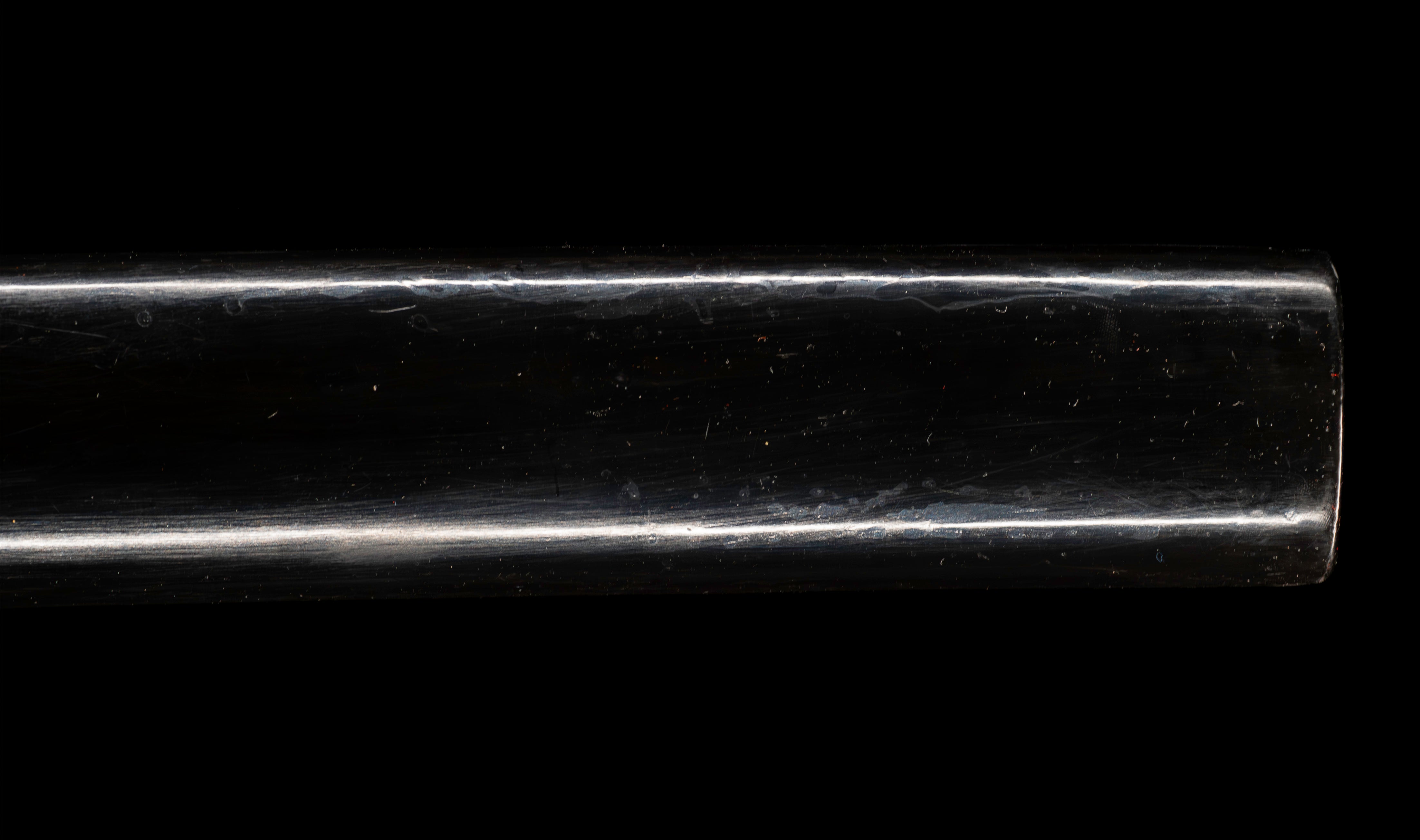
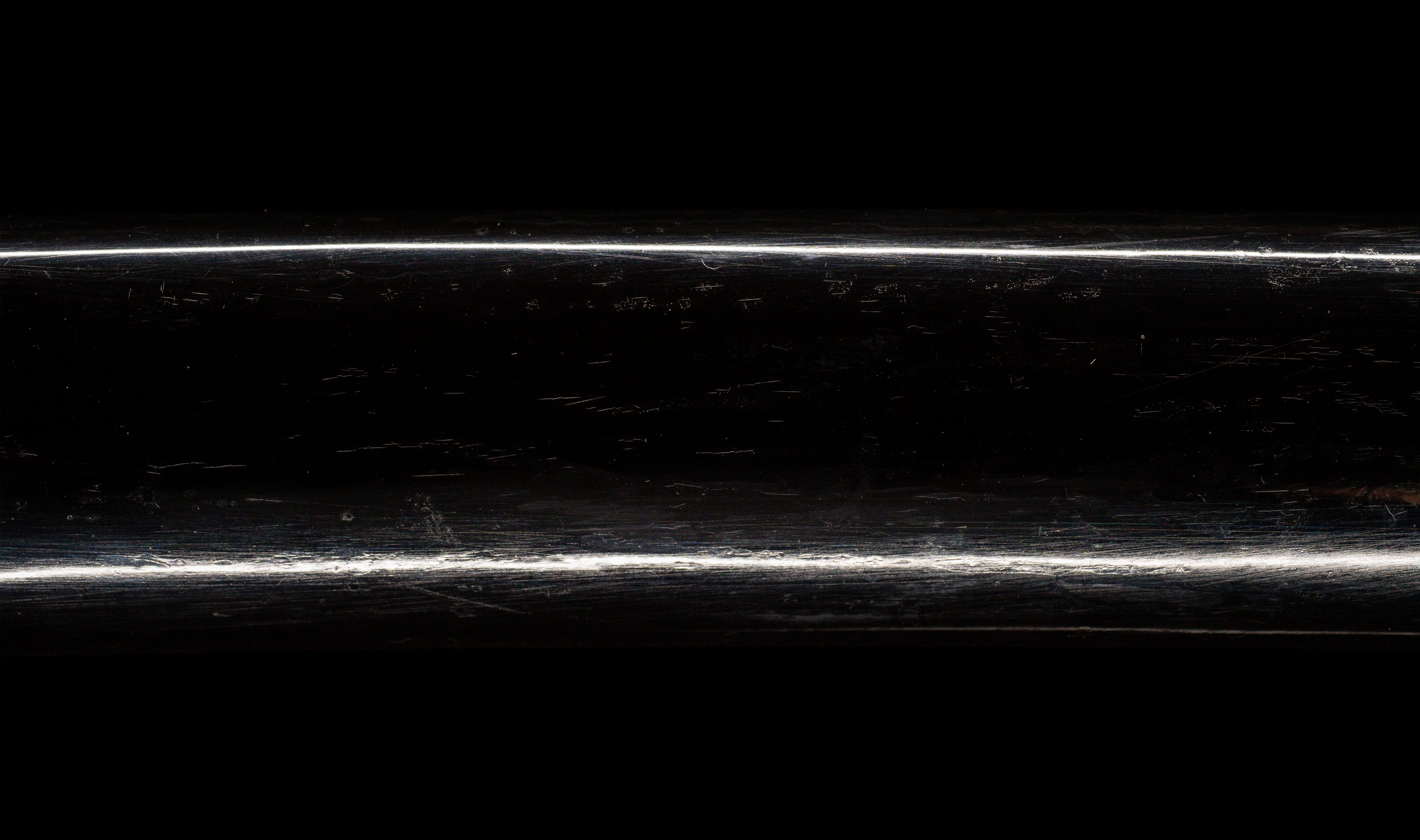
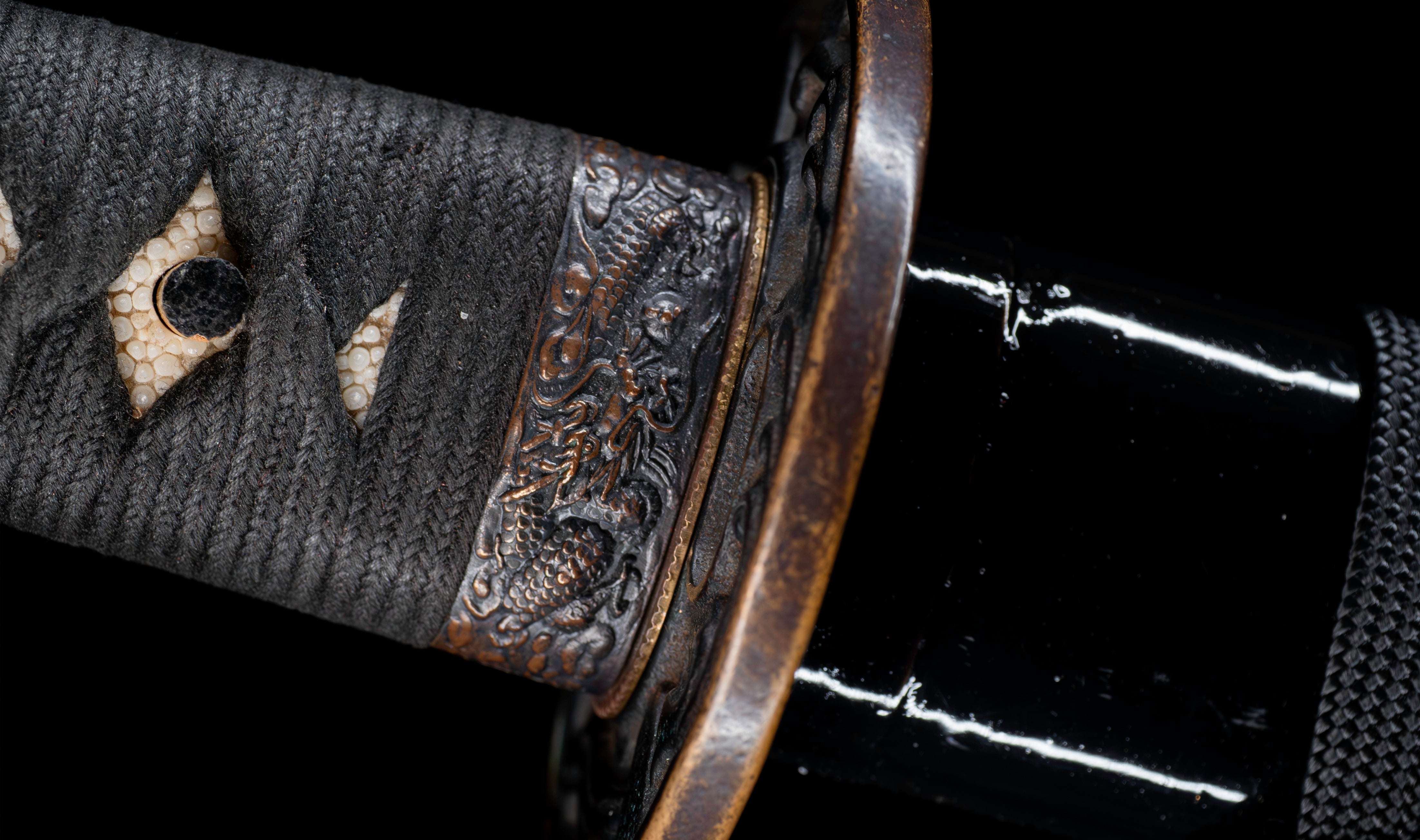
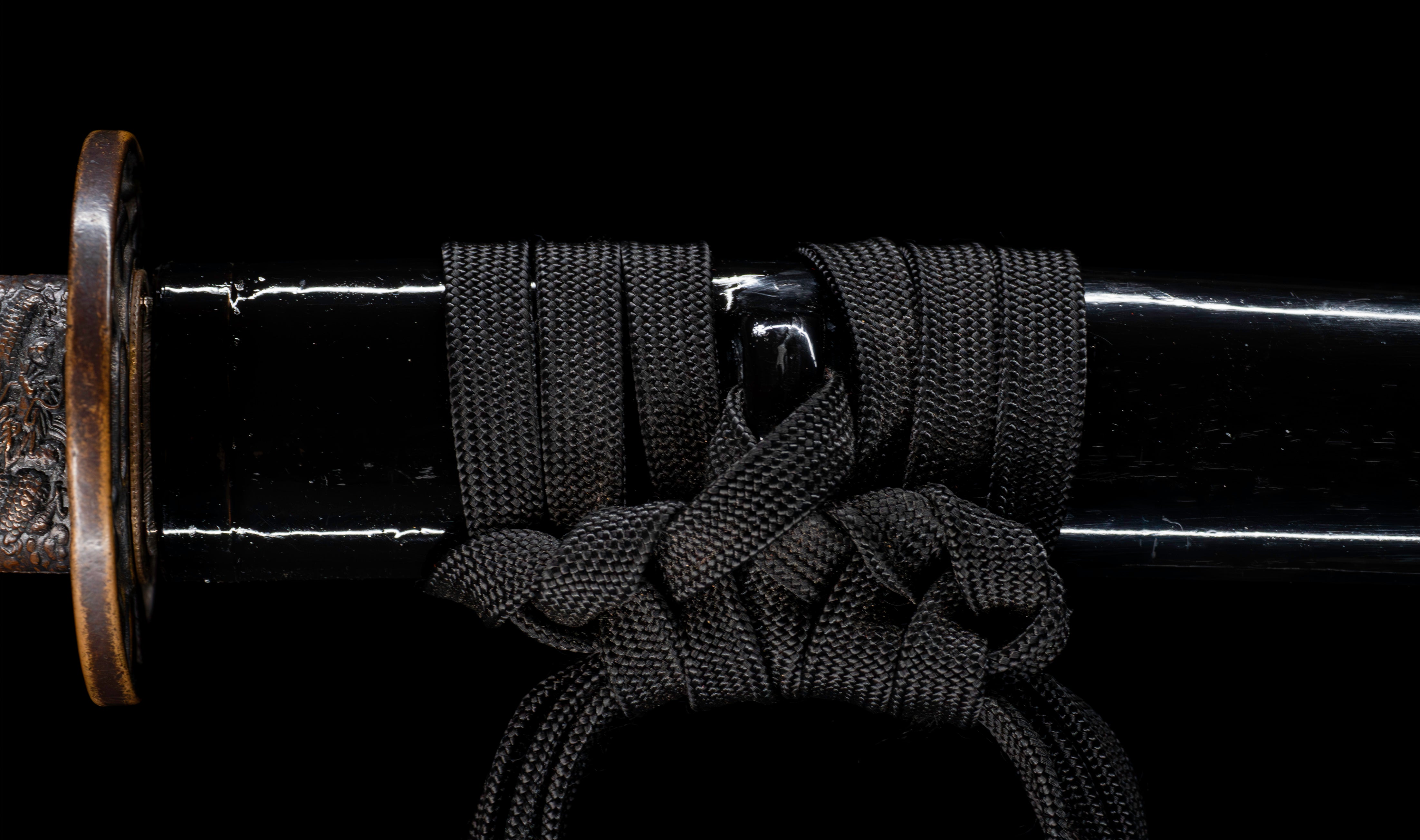
Signature (Mei): Mumei , unsigned Nakago: Ubu , unshortened, with its original taper and kuri-jiri Swordsmith: Unknown. The blade carries no shinsa paper School / Tradition: Not attributed Period: Azuchi-Momoyama , the closing decades of the sixteenth century Registration: Japanese torokusho Tokyo no. 78910, issued 14 August 1961 Certificate: None. The blade has never been submitted to shinsa Mounting: Complete black katana koshirae with roiro lacquer saya , iron openwork tsuba and dragon fuchi-kashira Blade Length (Nagasa): 68.5 cm (2 shaku 2 sun 6 bu ) Curvature (Sori): 2.1 cm (7 bu ), deep and set low on the blade Mekugi-ana: 2 Shape (Sugata): Shinogi-zukuri , iori-mune , compact chu-kissaki , pronounced koshi-zori with clear funbari Jihada: Itame mixed with mokume , muted by the present polish Hamon: Hoso-suguha , narrow, strict and unbroken, nioi-deki Boshi: Sugu with a tight ko-maru turnback, healthy width remaining Habaki: Single-piece silver or silver-foiled, filed with shigure rain marks Polish: Older polish, now tired Of the swords we have listed recently, this is the one we would keep to study, and the reason is its shape. The nakago is ubu . It has never been shortened. The taper from the machi to the nakago-jiri is natural and unbroken, the kuri-jiri is the original one, and the patina is a heavy, even black-brown that has taken centuries to build. That alone puts this blade in a minority: the great majority of sixteenth-century Japanese swords in circulation were cut down at some point, and an untouched tang is the single most informative thing a sword can offer. What that intact geometry then shows is a deep koshi-zori , with the centre of the curve sitting distinctly in the lower third of the blade, and clear funbari , the widening toward the base that a sword only keeps if it has not been shortened. The sword is dated to the Azuchi-Momoyama period , and the proportions belong to it precisely: a blade of 68.5 cm with 2.1 cm of curvature set low is a
 NihontoWatch
無銘 · 桃山 · 長さ 68.5cm · 反り 2.1cm
桃山時代
三人の天下人が戦国の世紀を終わらせ、刀は新しい秩序の道具となった。1588年の刀狩は刀を武士の標章とし、名刀は条約のごとく家々の間を行き交い、鑑定は以後この境で古刀と新刀を分かつ。
販売店の出品ページで鑑定書を確認できませんでした。日本刀および刀装具は通常、NBTHK(または NTHK)の鑑定を受けます。鑑定書がない場合、極めは販売店の見解にとどまり、第三者による確認は行われていません。ご購入前に販売店へ鑑定書の有無をお問い合わせのうえ、慎重にご判断ください。
Returns/exchanges only for manufactured defects or incorrect products; notify within 72 hours of delivery. Cancellation only within 2 hours of placing. Customer pays return shipping. Refund within 3 business days of package arrival.
$3,300
Signature (Mei): Mumei , unsigned Nakago: Ubu , unshortened, with its original taper and kuri-jiri Swordsmith: Unknown. The blade carries no shinsa paper School / Tradition: Not attributed Period: Azuchi-Momoyama , the closing decades of the sixteenth century Registration: Japanese torokusho Tokyo no. 78910, issued 14 August 1961 Certificate: None. The blade has never been submitted to shinsa Mounting: Complete black katana koshirae with roiro lacquer saya , iron openwork tsuba and dragon fuchi-kashira Blade Length (Nagasa): 68.5 cm (2 shaku 2 sun 6 bu ) Curvature (Sori): 2.1 cm (7 bu ), deep and set low on the blade Mekugi-ana: 2 Shape (Sugata): Shinogi-zukuri , iori-mune , compact chu-kissaki , pronounced koshi-zori with clear funbari Jihada: Itame mixed with mokume , muted by the present polish Hamon: Hoso-suguha , narrow, strict and unbroken, nioi-deki Boshi: Sugu with a tight ko-maru turnback, healthy width remaining Habaki: Single-piece silver or silver-foiled, filed with shigure rain marks Polish: Older polish, now tired Of the swords we have listed recently, this is the one we would keep to study, and the reason is its shape. The nakago is ubu . It has never been shortened. The taper from the machi to the nakago-jiri is natural and unbroken, the kuri-jiri is the original one, and the patina is a heavy, even black-brown that has taken centuries to build. That alone puts this blade in a minority: the great majority of sixteenth-century Japanese swords in circulation were cut down at some point, and an untouched tang is the single most informative thing a sword can offer. What that intact geometry then shows is a deep koshi-zori , with the centre of the curve sitting distinctly in the lower third of the blade, and clear funbari , the widening toward the base that a sword only keeps if it has not been shortened. The sword is dated to the Azuchi-Momoyama period , and the proportions belong to it precisely: a blade of 68.5 cm with 2.1 cm of curvature set low is a
NihontoWatch無銘 · 桃山 · 長さ 68.5cm · 反り 2.1cm
桃山時代
三人の天下人が戦国の世紀を終わらせ、刀は新しい秩序の道具となった。1588年の刀狩は刀を武士の標章とし、名刀は条約のごとく家々の間を行き交い、鑑定は以後この境で古刀と新刀を分かつ。
販売店の出品ページで鑑定書を確認できませんでした。日本刀および刀装具は通常、NBTHK(または NTHK)の鑑定を受けます。鑑定書がない場合、極めは販売店の見解にとどまり、第三者による確認は行われていません。ご購入前に販売店へ鑑定書の有無をお問い合わせのうえ、慎重にご判断ください。
Returns/exchanges only for manufactured defects or incorrect products; notify within 72 hours of delivery. Cancellation only within 2 hours of placing. Customer pays return shipping. Refund within 3 business days of package arrival.
$3,300