江戸は刀の目利きの時代である。本阿弥の鑑定、1719年の享保名物帳、盛んな刀剣書が、戦で抜かれることのなくなった刀を学問の対象へと変えていった。
 NihontoWatchNihontoWatch
刃長58.11センチ 反り0.3センチ 元幅29.2ミリ 元重ね5.5ミリ 物打幅22.6ミリ 物打重ね4.2ミリ 横手位置幅18.2ミリ 松葉先重ね4.0ミリ 裸身重量453グラム。 江戸前期寛文頃(1661~) The early period of Edo 平成13年7月5日 和歌山県登録 初代越前住播磨大掾藤原重高は、新刀期越前を代表する刀工で、新刀鍛冶工系譜に関兼則末葉又は門人とも伝えられています。初・二代は受領あり、それ以下は受領無しと伝え、作風は良く出来た作に肥後大掾等に似るもの。また、日向大掾貞次等に似る作風のもの、互の目乱れ直刃等が見られ、地鉄は板目、小板目の肌立ち心のものが散見されます。 銘字は初・二代とも『越前住播磨大掾藤原重高』を冠して、初代は重高の銘をやや横広に切り、二代は『重』の銘の中の『田』の上空間を縦長に、又『高』の銘字も縦長の形状になり、初代の作品は少なく、二代の作が多く残されています。 この脇指は姿や銘文から、二代重高と鑑せられる作で、うぶ買い付けのままの姿でご案内致します。総体に錆に包まれていますが、今のところ疵はなさそうに見えます。焼刃を確認すべく店主町井勲自ら砥石を当てて確認致しましたところ、帽子までしっかりと焼刃が確認できております。 しかるべき諸工作を施し、特別保存刀剣鑑定まで御受審頂いて後世に伝え残して頂きたい逸品です。 各種クレジットカード、ショッピングローンによる分割購入も承っております。お気軽にお申し付け下さい。
NihontoWatch取扱店 刀心

出品ページに鑑定書の記載がありますが、当サイトの記録にはまだありません。私たちが第三者による確認として頼りにしているのは、現在有効な日刀保・日本刀剣保存会の審査の鑑定書です。鑑定書の鮮明な写真を刀剣商にお求めになるとよいでしょう。 — Hoshi

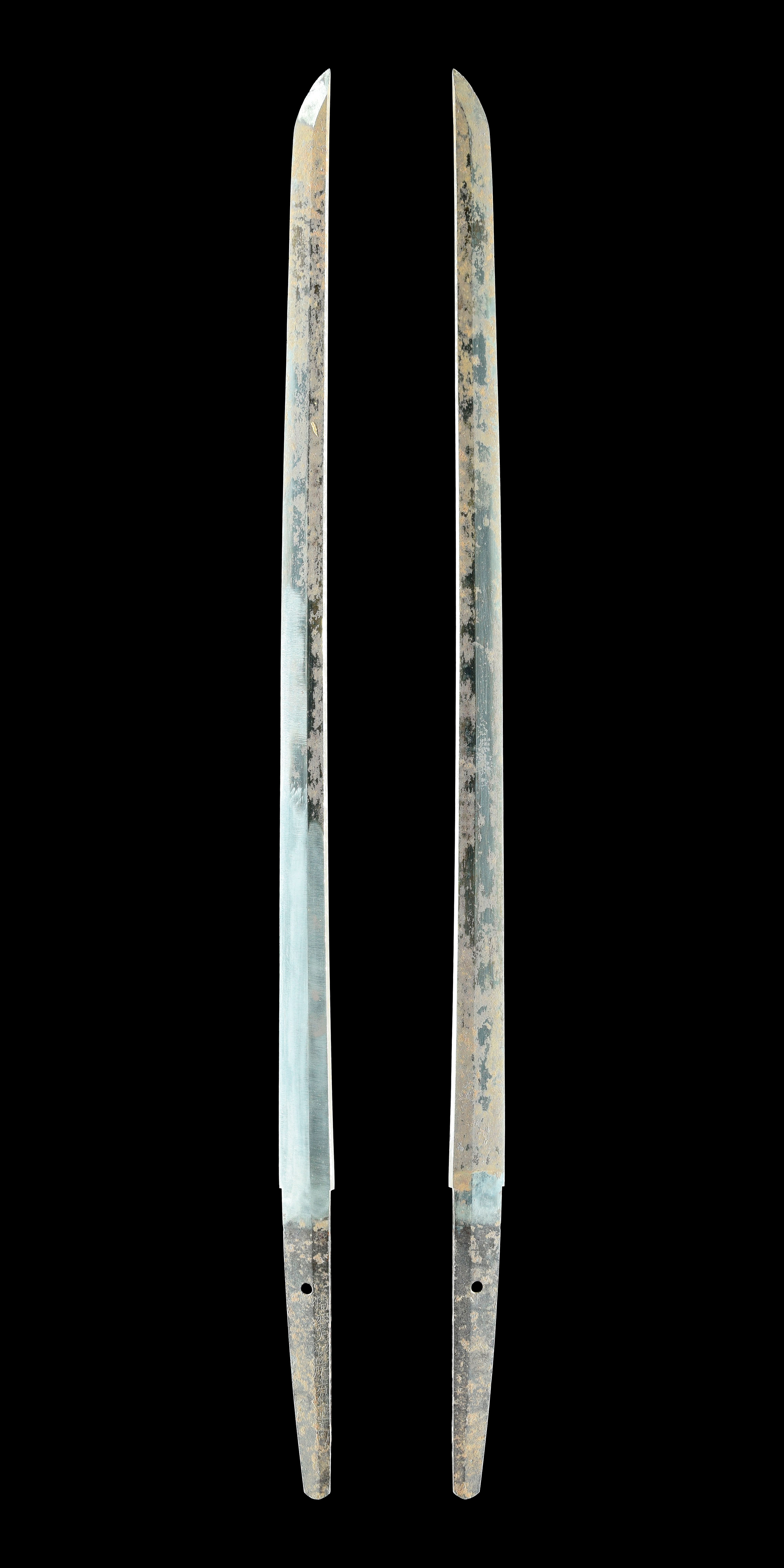
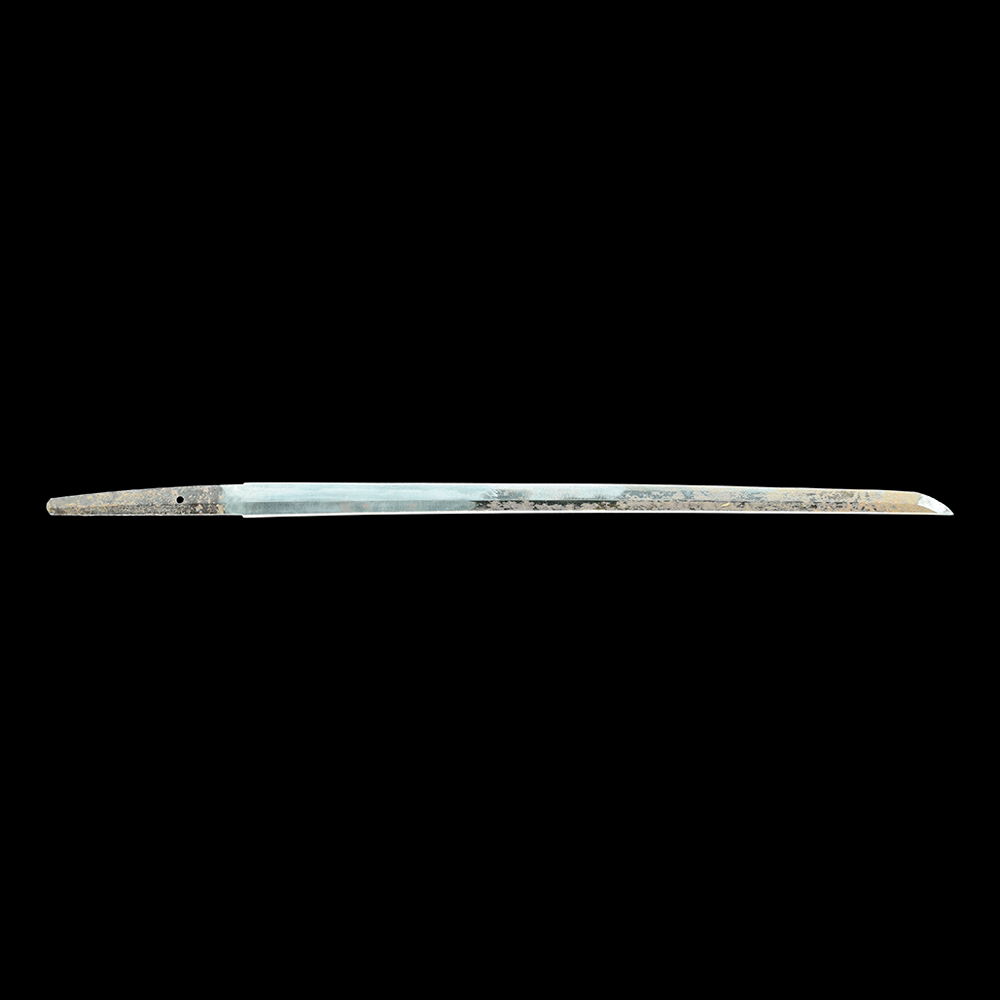
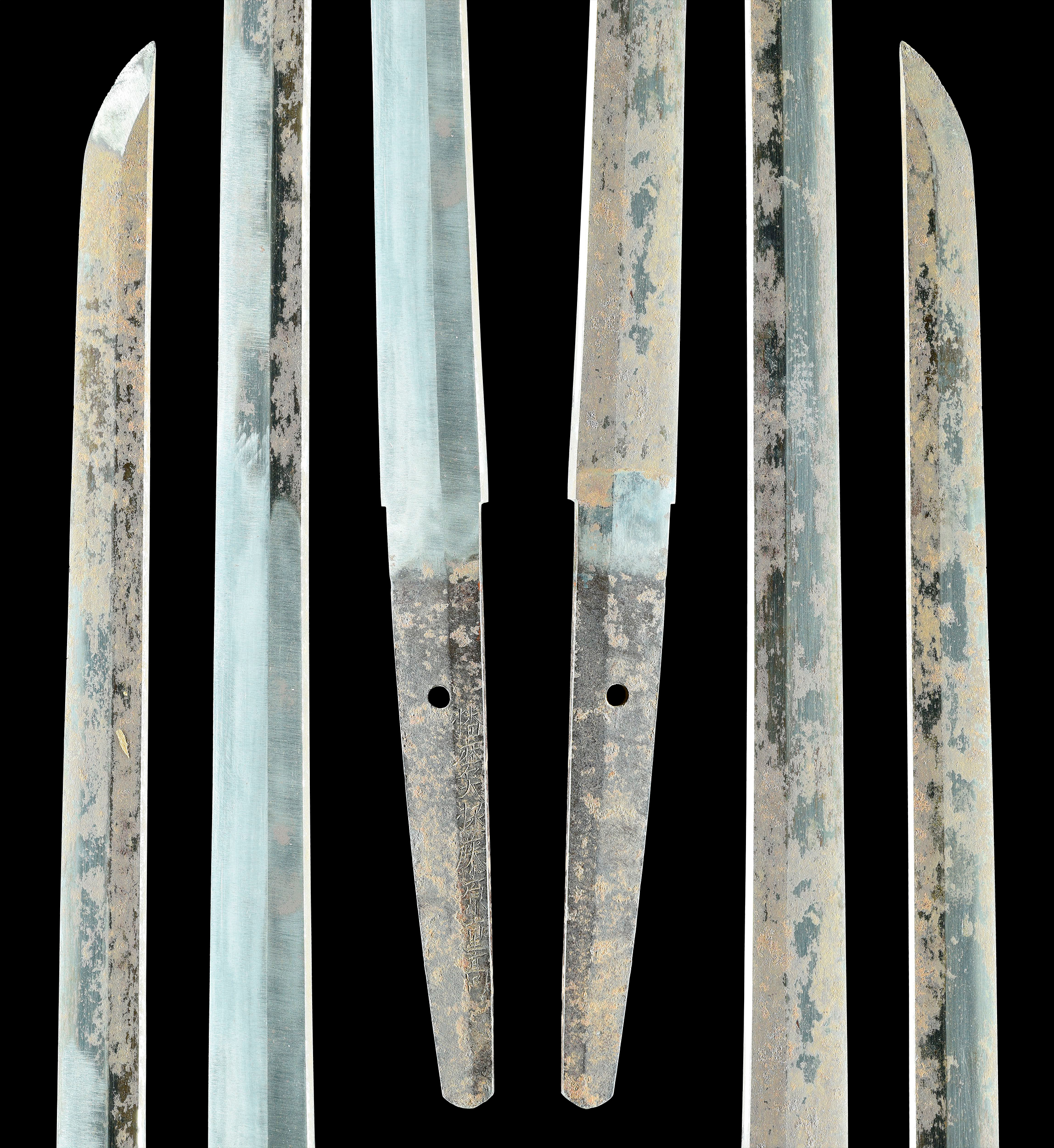
新刀 · 越前 · 1624-1644頃
藤代 中上作 · 刀剣大鑑 上位49%
現在2点販売中
新刀 · 越前
現在39点販売中
茎にきられた黒い鉄こそ、この一門の最も確かな標である。鍛えは板目に杢が目立って交じり、刃寄り棟寄りに流れて肌立ち、地沸厚く、地景細かに入って、かねが総じて黒みをおびる。説明書はこれを繰り返し「越前がねの特色」と名指し、初代康継から重高・貞国・貞次に至るまで終始変わらぬ見どころとする。この一団は近江国坂田郡下坂郷を本貫とし、新刀初頭の越前にあって「下坂」を商標として用いた幾人かの鍛冶の集まりであって、説明書は一人の刀工とみるよりは一団とみるのが妥当とし、初期は康継をその代表者とする。初代康継は下坂市左衛門と称して越前に移り結城秀康に仕え、初め肥後大掾下坂と銘した。慶長十年から十一年にかけて江戸に召され、家康・秀忠両将軍の御前で鍛刀した褒賞として「康」の一字と三つ葉葵紋を茎にきることを許されて康継と改名し、葵下坂・御紋康継の名はこれに発する。以後は将軍家の御抱工として越前と江戸を隔年に勤め、本国打には越前住、江戸打には於武州江戸と切り添え、南蛮鉄を以南蛮鉄と添えた。肥後大掾藤原下坂の康継前銘は貞国・兼法・国康らと鏨運びも筆意も酷似し、今日なお銘振りによってしか分かち得ぬほど近い。 この一門の手は静かで、同時代の備前・美濃の華やかな新刀の多くに対置される。刃文は浅いのたれ・中直刃を基調に小互の目を連れて交え、小足・葉入り、沸厚く、荒めの沸がむらにつき、本工らしいばさけを生じて、金筋・砂流しが長くかかり、棟焼・飛焼さかんに、時に皆焼風となり、匂口は沈みごころとなる。帽子は浅くのたれて先尖りごころに三品風を呈し、掃きかけて長く返る。姿は身幅広く元先の幅差少なく重ね厚め反り浅い慶長新刀体配で、平造脇指は幅広寸延びとなる。彫物がいま一つの恒常で、彫口深く力強い越前彫・記内彫が一門の手を示し、不動三体仏・倶利迦羅・梵字・護摩箸・素剣を巧みに彫る。記内ら越前の彫物師の手によるこの深い浮彫は、説明書が地方の特色と名指すものである。一門が最も称えられる作域は相州写しであって、初代・二代ともに大坂落城に焼失した名物の再刃を試み、中でも貞宗写しを最も得意とし、各写しに自らの作風を加えて徒らに模倣せぬところに特色がある。手は系統と目的とで分かれ、貞国は直刃を得意として地がつんで精美に、貞次は越前関の系譜を引いて丁子の目立つ明るい現れを示し、重高は茎尻を栗尻とする点で一門の剣形と分かたれる。 収集家がこの一門の作に向かうべき所以は、その見分けやすさにある。黒く肌立った越前がね、ばさけた刃縁、縞がかる砂流し、長く掃きかける小丸の返り、そして深い記内彫が併さって、写した古作によってではなく一門自らの語法によって読まれる。中心に立つのは初代康継で、駿府滞在中の駿州打や名物写しを残し、駿府御分物の一刀は紀州徳川家に、号風雷神の刀は越前松平家に伝来した。嫡子二代康継は父風を忠実に継ぎ、継の字形以外では殆ど区別し難く、晩年は初代に劣らぬ域に達した。二代の後、家は江戸三代を右馬助、越前家を四郎右衛門が継いで両系に分かれ、同名は幕末まで両地に栄えた。江戸三代は鍛えがつんで綺麗に、匂口は明るく、直ぐの焼出しを置いて法城寺一派など当時の江戸物に近づく。後援者本多飛騨守成重の立葵紋が貞次や康継一門の優品に多くきられ、截断銘がその伝来を彩る。藤代は上々作から上作に位し、一門は名だたる蔵伝よりも在銘の指定刀を通して出会われる。市に現れるのは葵紋を切った在銘の康継、あるいは下坂貞国・貞次・重高の在銘作であって、根気をもって待てば折にふれ世に現れ、現れれば家康の葵紋下賜に発する越前下坂の確かな一口となる。 詳しく見る →
江戸時代
江戸は刀の目利きの時代である。本阿弥の鑑定、1719年の享保名物帳、盛んな刀剣書が、戦で抜かれることのなくなった刀を学問の対象へと変えていった。
刀剣商の出品ページで鑑定書を確認できませんでした。日本刀および刀装具は通常、NBTHK(または NTHK)の鑑定を受けます。鑑定書がない場合、極めは刀剣商の見解にとどまり、第三者による確認は行われていません。ご購入前に刀剣商へ鑑定書の有無をお問い合わせのうえ、慎重にご判断ください。
お求めになられた商品とは異なる商品をお届けしてしまった場合や、表記内容と現物とに大きな隔たりなどがあった場合を除き、基本的に返品はお受けいたしません。返品をご要望の場合は、商品到着後3日以内に御連絡の上ご返送下さい。
¥253,000