二世紀半の泰平のあいだ、刀は武器である以上に武士の身分の標章であった。江戸の実証と大坂の華やぎのように都市ごとの作風が育ち、時代の末には需要も細っていく。
 NihontoWatchNihontoWatch
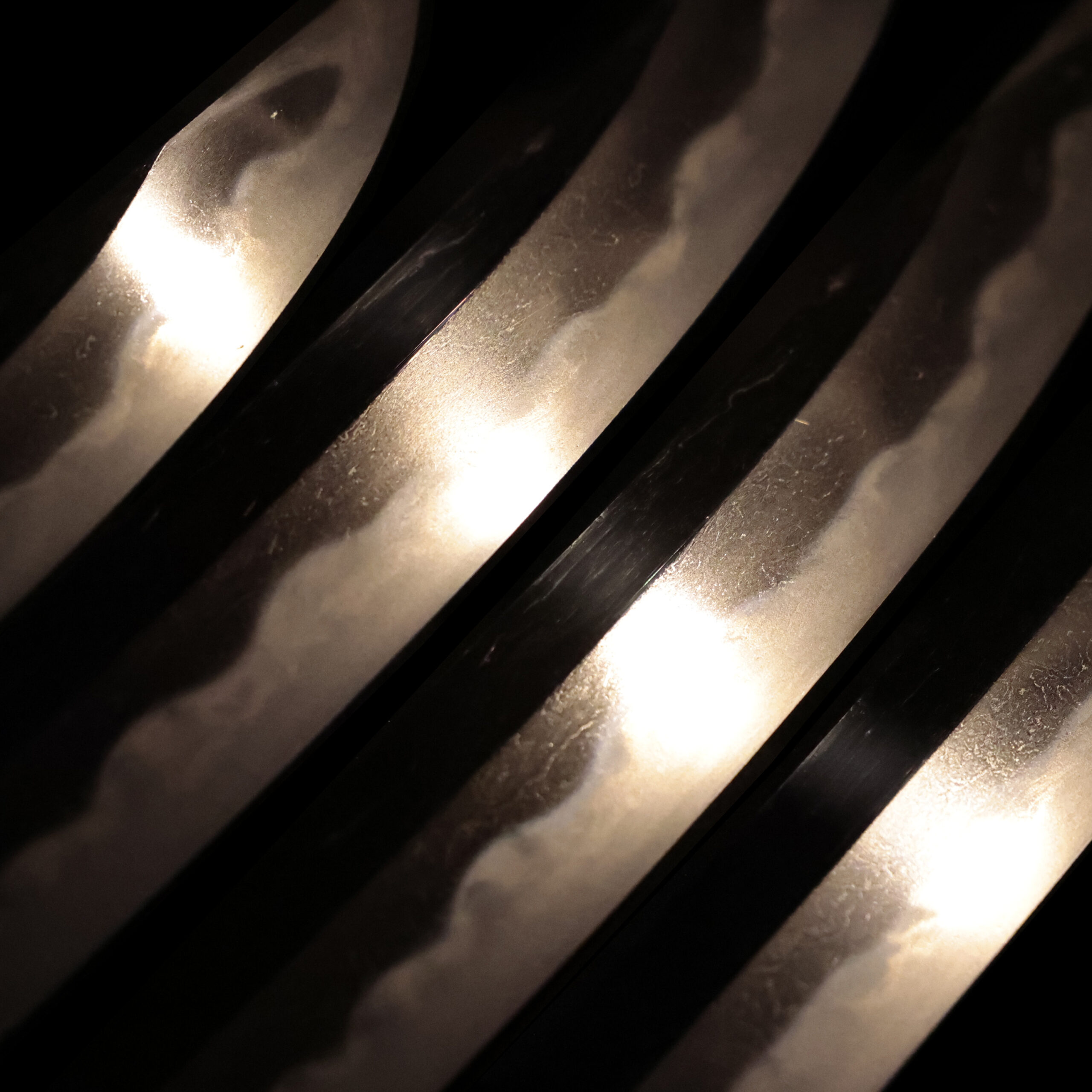
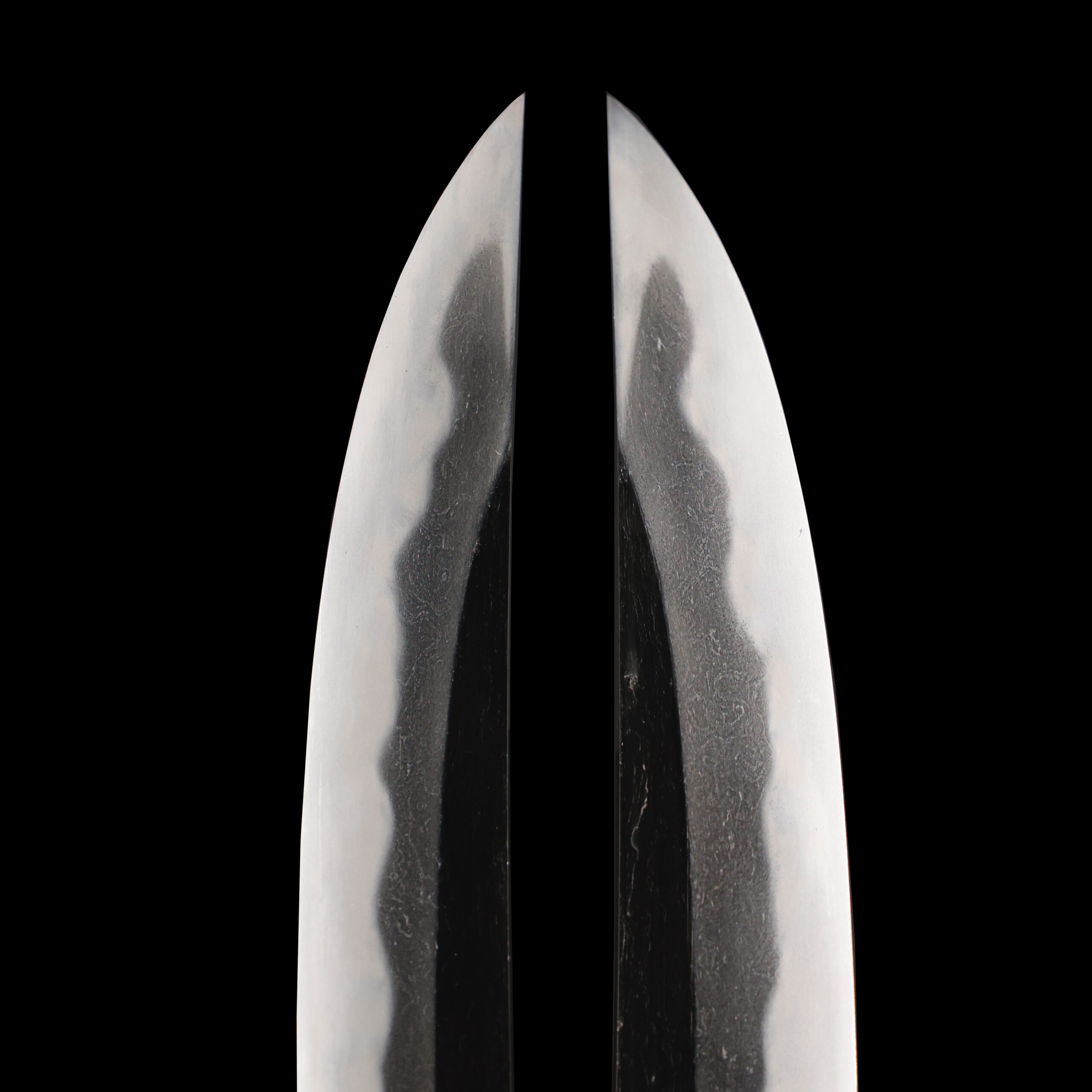
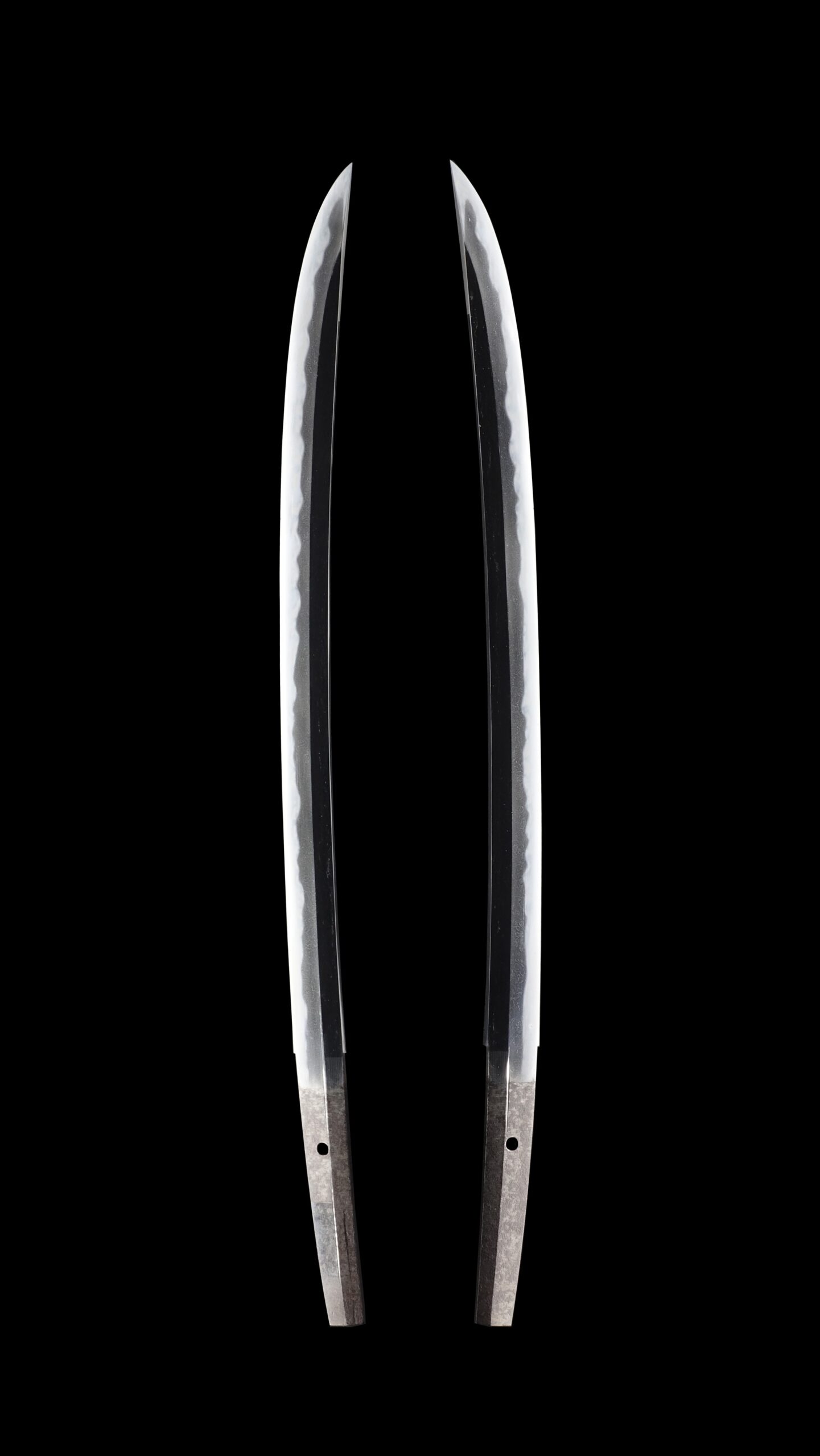
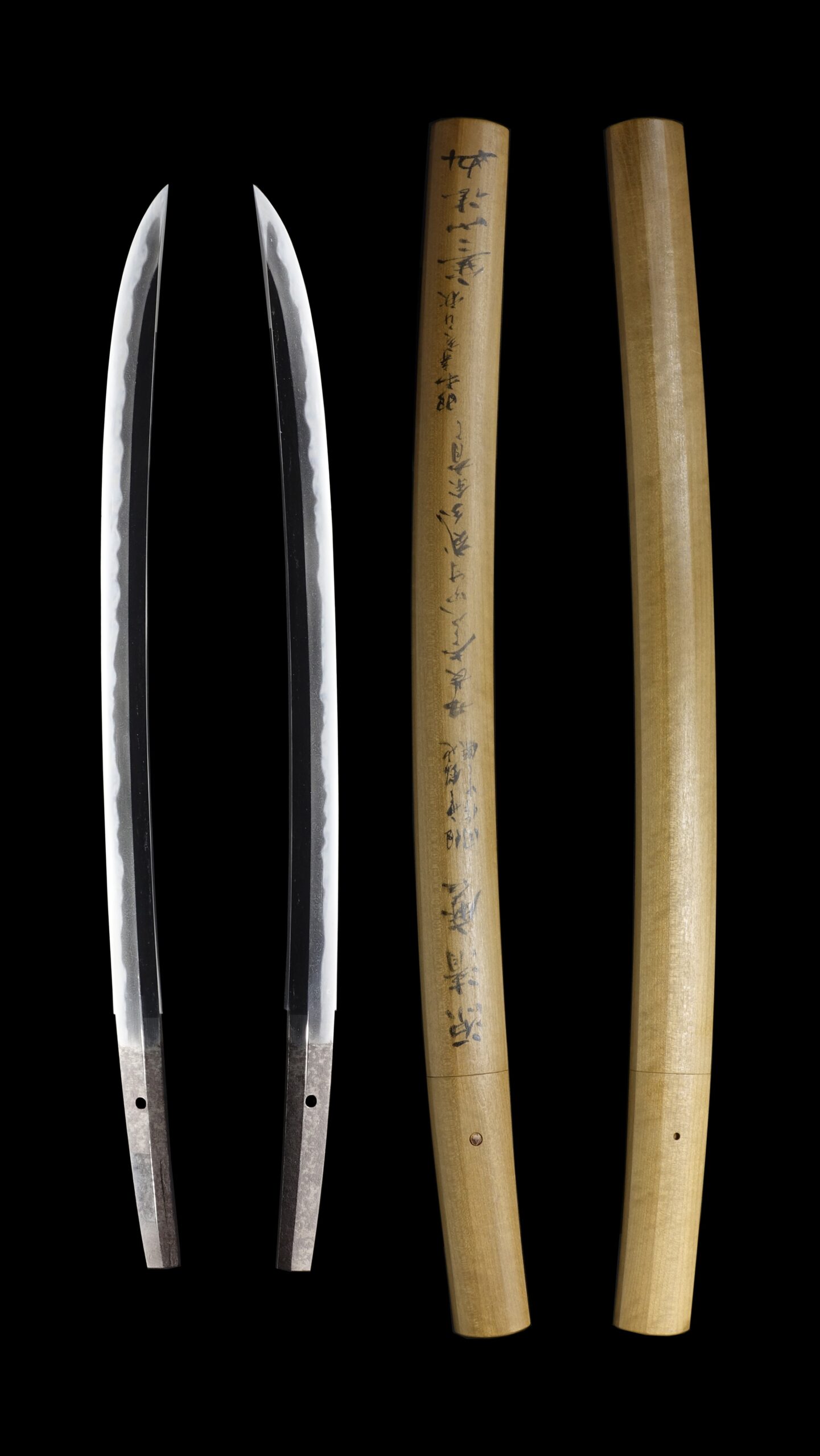
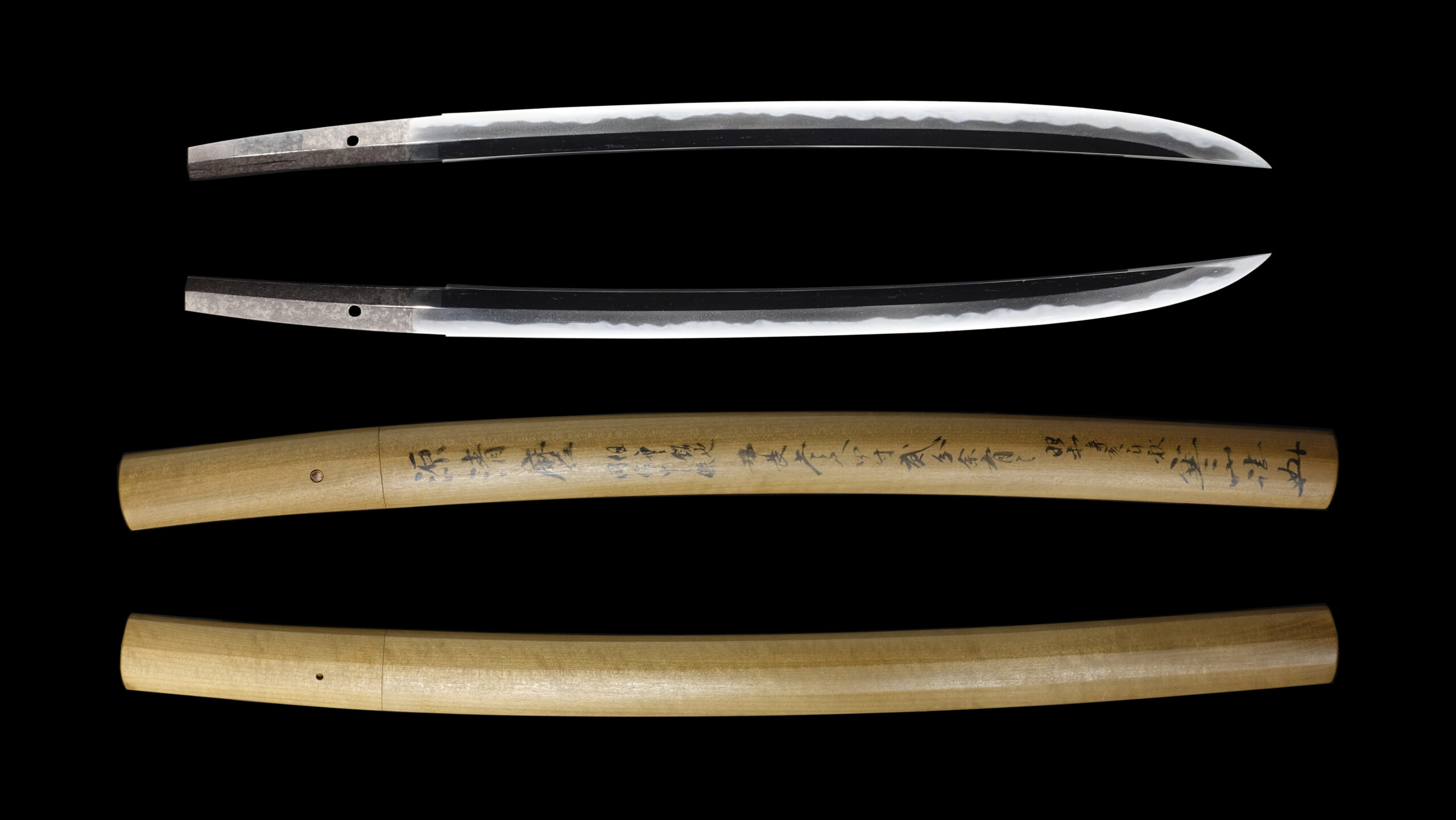
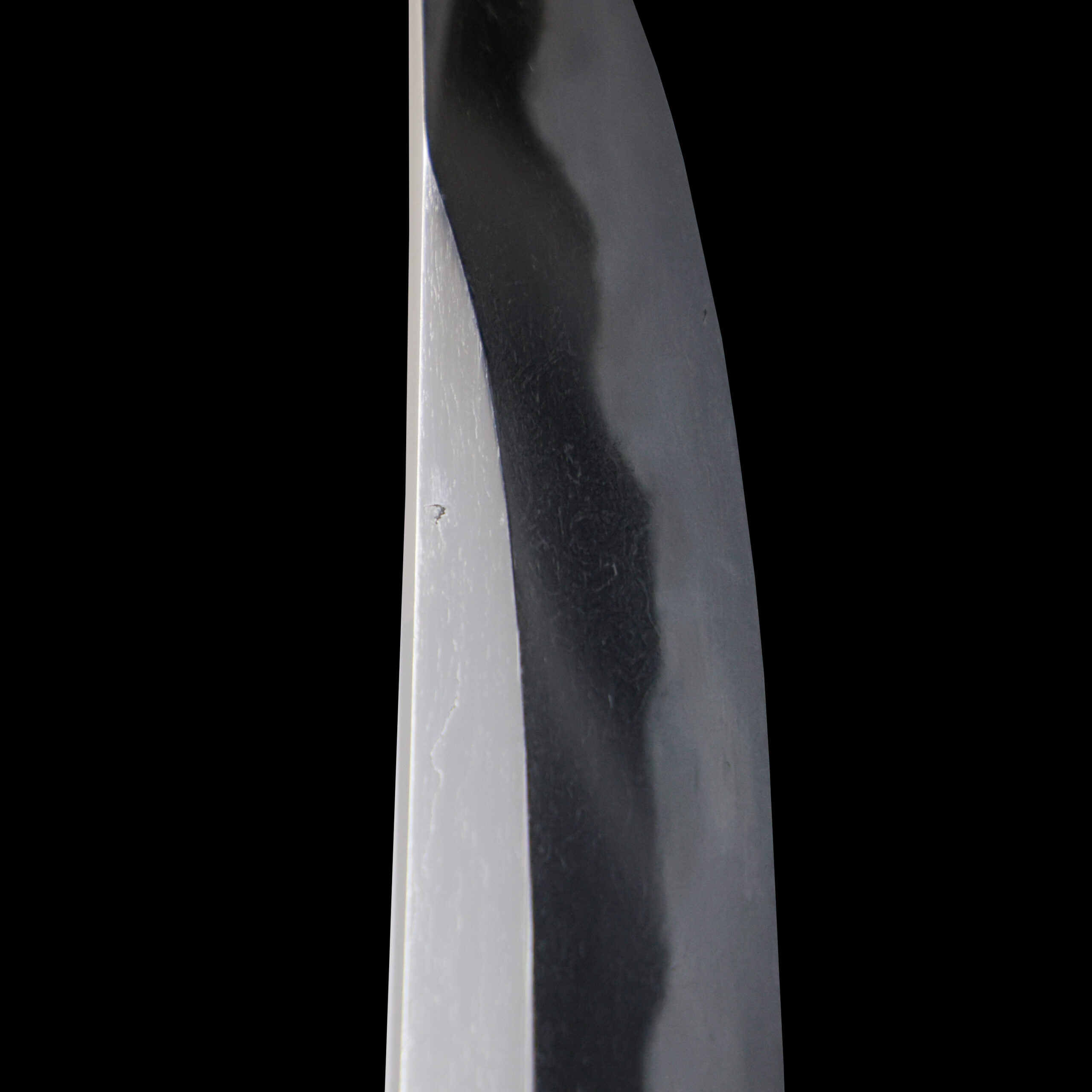
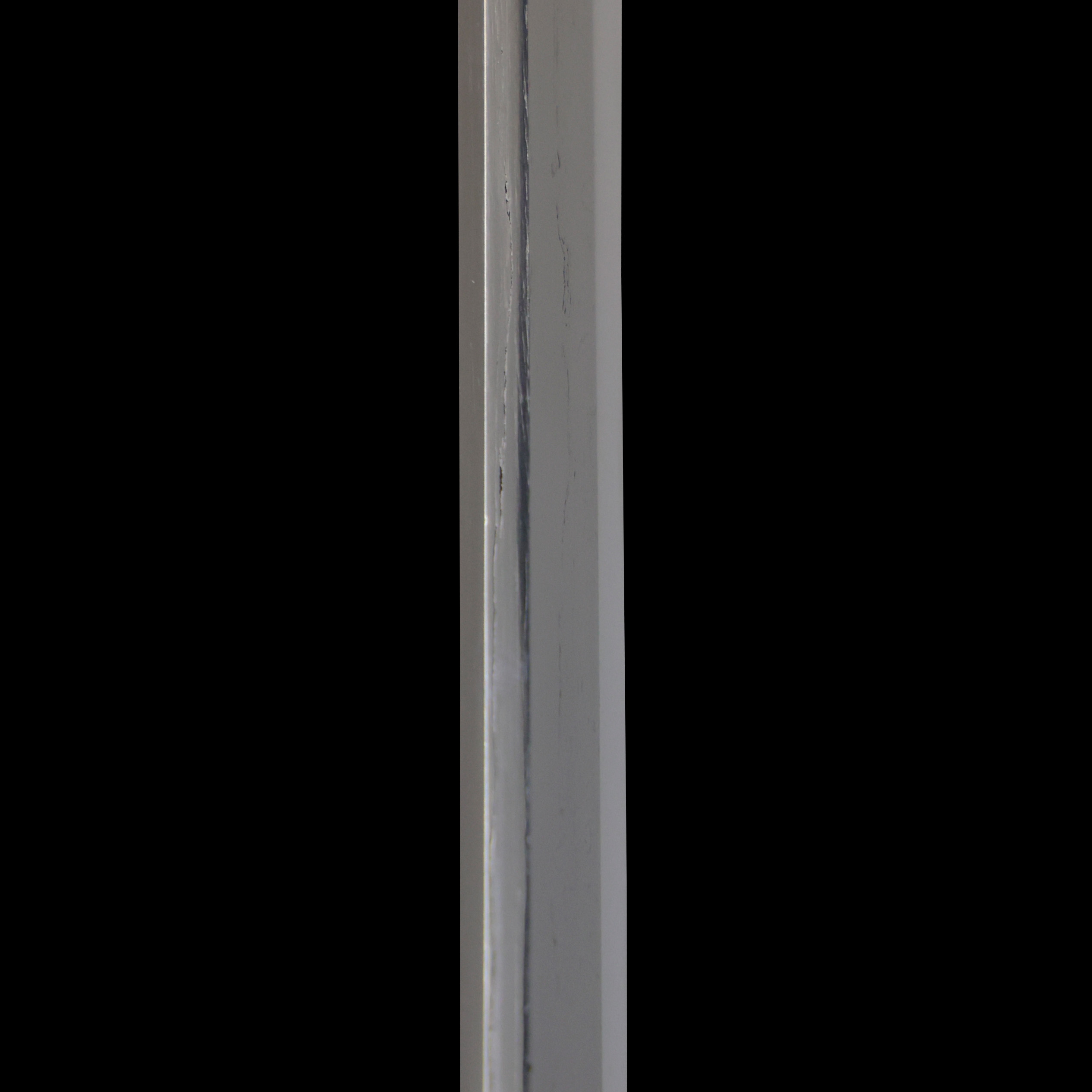
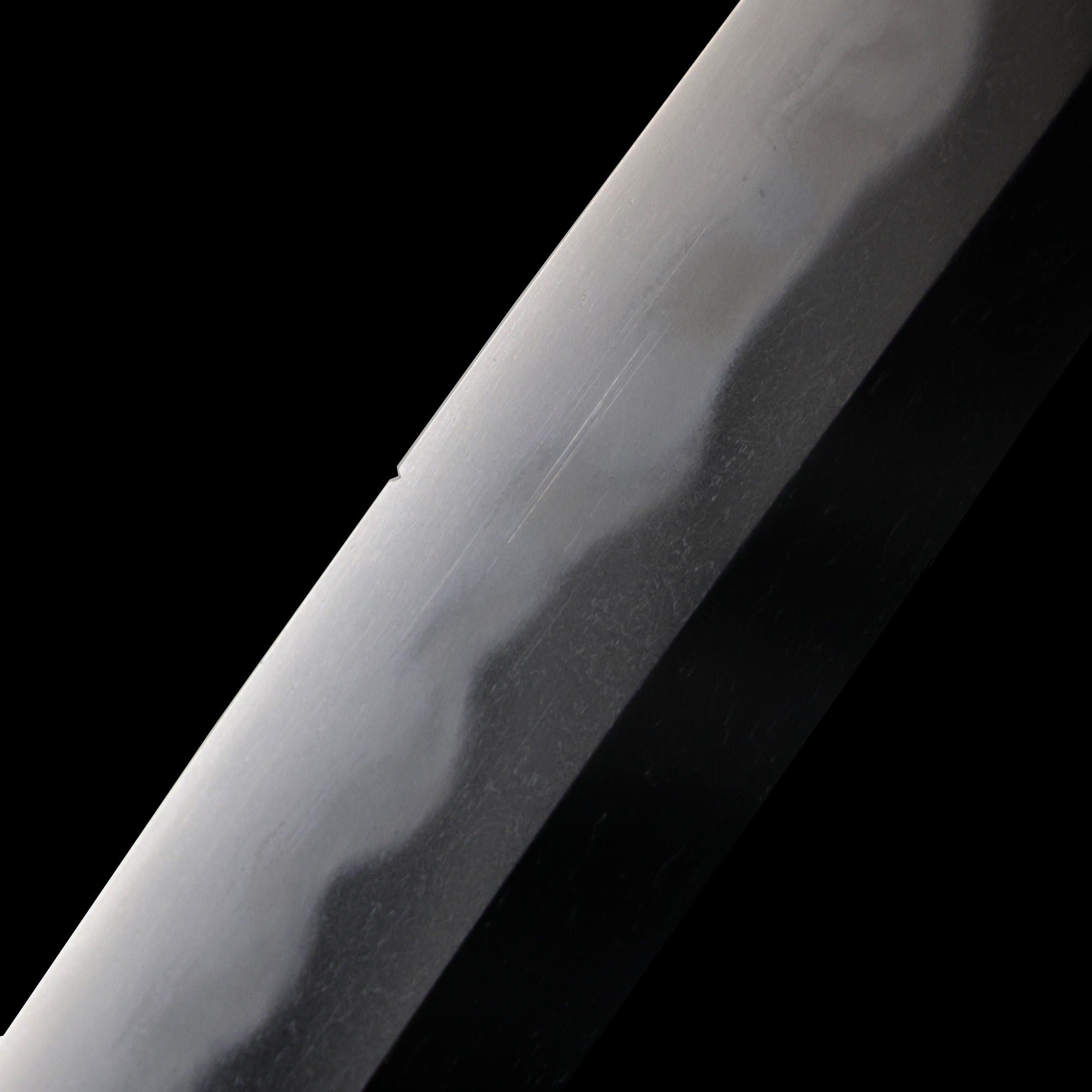
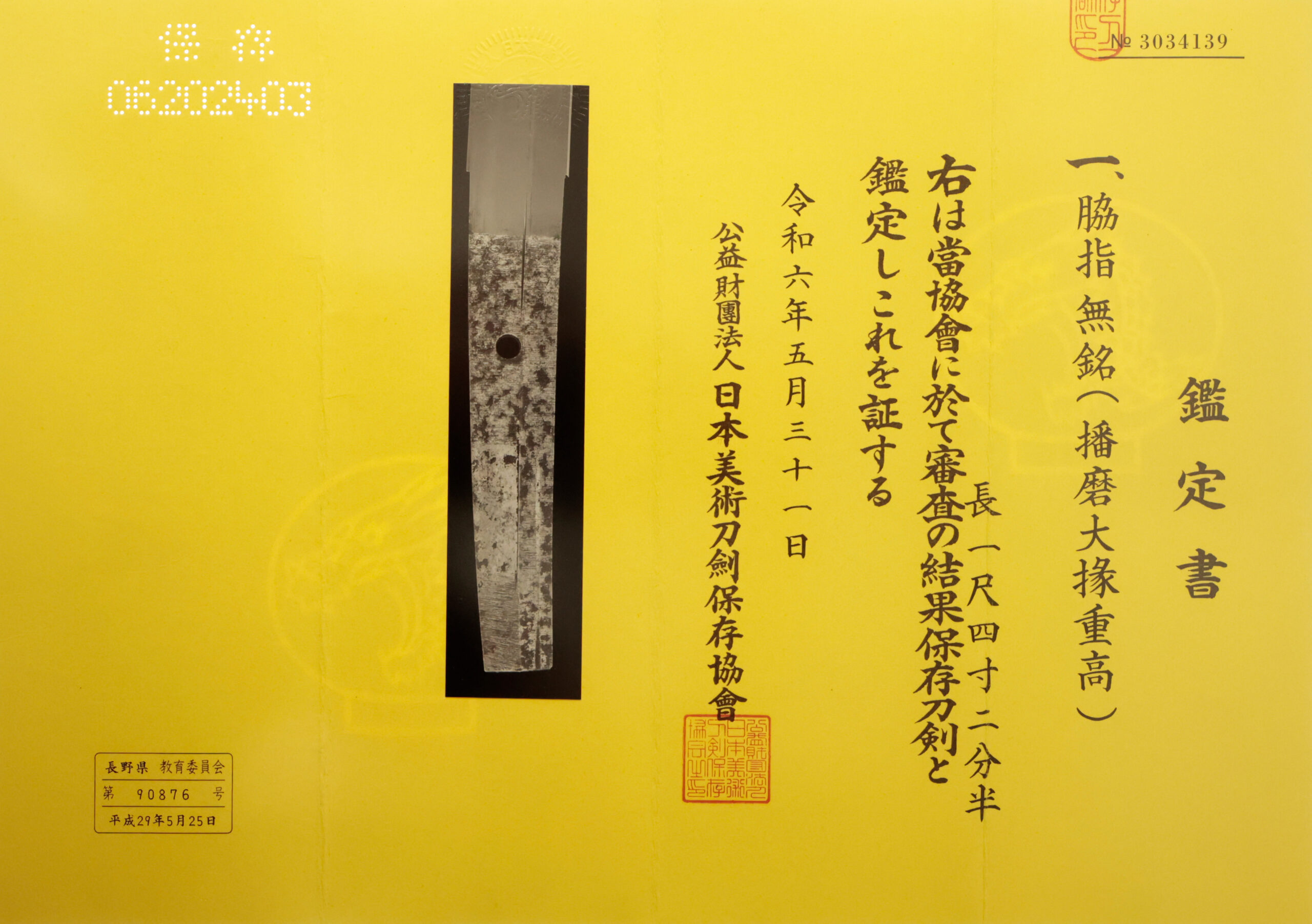
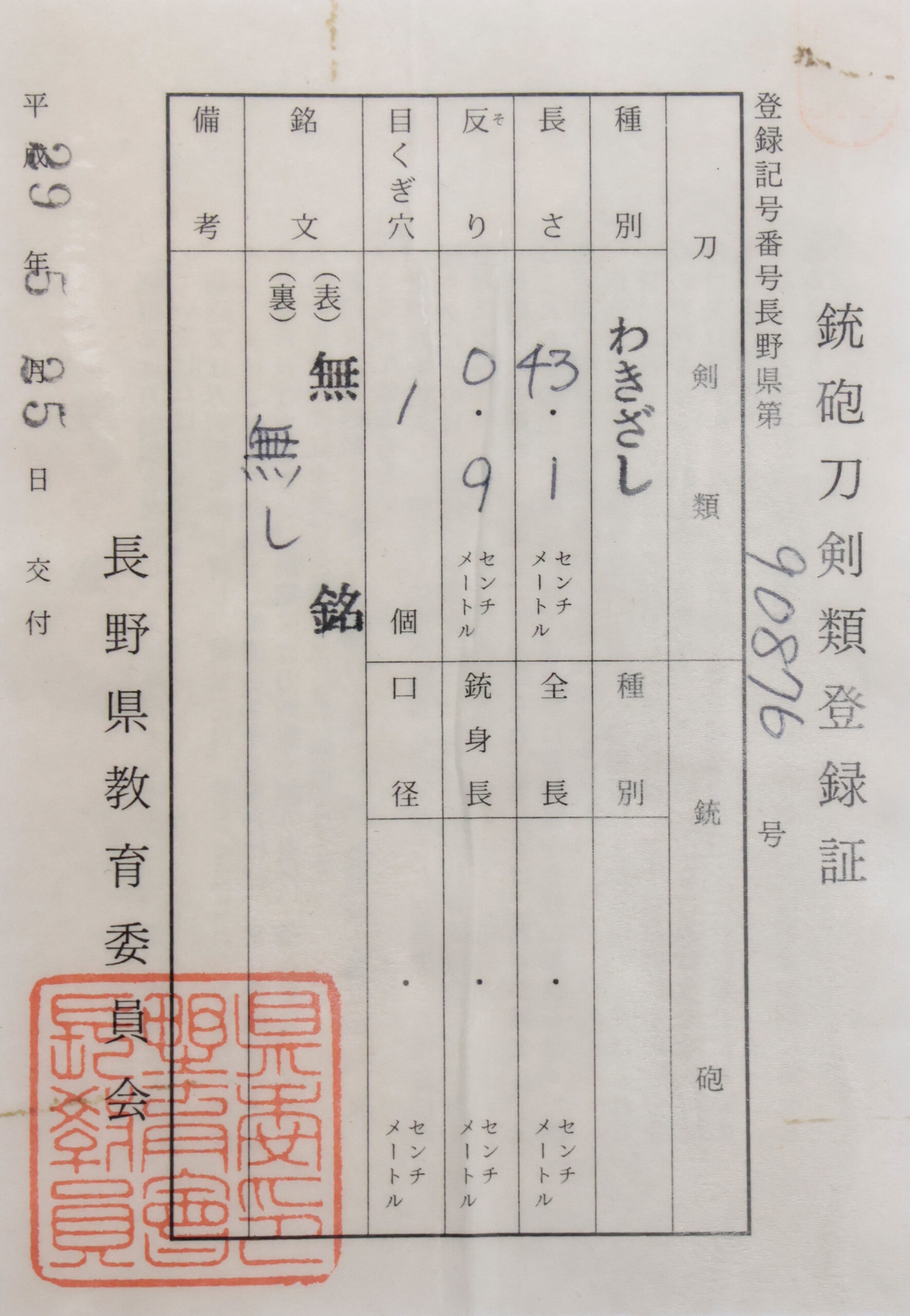
骨董日本刀 脇差 播磨大掾重高(鑑定:日本美術刀剣保存協会 保存刀剣) 【解説】 本作は、江戸時代初期から中期にかけて越前国(現在の福井県)で活躍した播磨大掾重高(はりまだいじょうしげたか)の作と極められた一振りです。「播磨大掾」とは、その優れた技量に対して朝廷より授けられた受領銘(官位)です。当時の刀工は、自らの居住地と受領した官位を銘文に刻むことが一般的でした。 重高の名は江戸時代末期まで11代にわたって受け継がれ、越前国を代表する名門として知られています。なかでも初代から3代までは「播磨大掾」を称しており、本作はそのいずれかの代の作と推測されます。初代は慶長から元和年間(1600-1624年)、2代は寛永から万治年間(1624-1661年)、3代は寛文から天和年間(1661-1681年)にかけて活躍しました。2代、3代ともに初代に劣らぬ名手であったと伝えられています。 初代重高は信州(現在の長野県)に生まれ、美濃国(現在の岐阜県)へ移り名工・兼則の門下に入りました。美濃国は古来より刀剣制作の要所として栄えた地です。室町時代末期、重高は師の兼則とともに越前国へ移住しました。以来、重高家は代々同地に定住し、越前松平家の抱え工として高品質な刀剣を打ち続けました。 江戸時代の越前国は、徳川将軍家の親藩である越前松平家が統治し、大いに繁栄しました。武士からの需要が高かったため、諸国から多くの腕利きの刀工が集まりました。初代重高をはじめとする美濃出身の刀工たちは「越前関」と呼ばれ、その作風を確立しました。 本作は、公益財団法人 日本美術刀剣保存協会(NBTHK)により「保存刀剣」に鑑定されています。この鑑定書は、美術的価値が高く、保存状態が良好な本物の日本刀であることを証明するものです。 ※刀身に一部欠け(こぼれ)および鍛え傷が見受けられます。詳細なコンディションについては、お気軽にお問い合わせください。 【刀身】 長さ(Nagasa):43.1 cm 反り(Sori):0.9 cm 刃文(Hamon):焼入れによって刃縁に現れる結晶構造 地文(Jihada):鍛錬の過程で折り返し重ねられた鋼の表面模様 切先(Kissaki):刀身の先端部分 茎(Nakago):柄に収まる持ち手にあたる部分 日本の刀工は、柄内部での赤錆を防ぐために茎に黒錆を残します。この茎の朽ち込み具合や錆色は、専門家が制作年代を特定する際の重要な指標となります。 鎺(Habaki):刀身が鞘の内部に直接触れるのを防ぎ、刀身を固定して錆や欠けを防止する金具 鑑定書:日本美術刀剣保存協会(NBTHK)保存刀剣鑑定書(第3034139号) NBTHKは、現代日本において最も権威ある刀剣鑑定機関の一つです。本作は令和6年(2024年)5月31日に「保存刀剣(日本の社会において保存すべき価値のある刀剣)」として認定されました。ご購入者様にはこの鑑定書原本をお付けいたします。ご希望があれば、鑑定書内容の英訳PDFを作成することも可能です。 登録証番号:長野県 第90876号 長野県教育委員会発行の銃砲刀剣類登録証が付属します。
NihontoWatch取扱店 サムライミュージアム

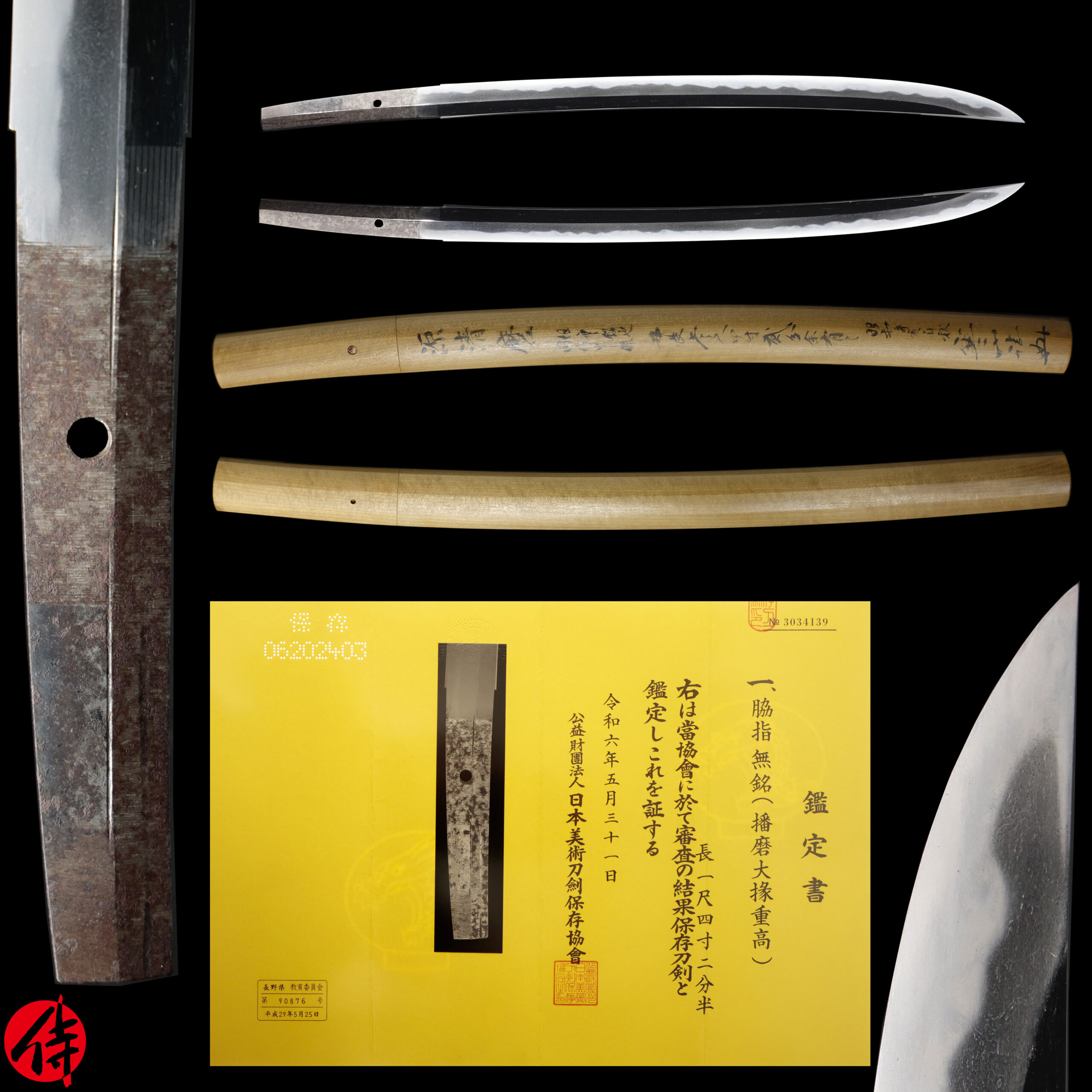
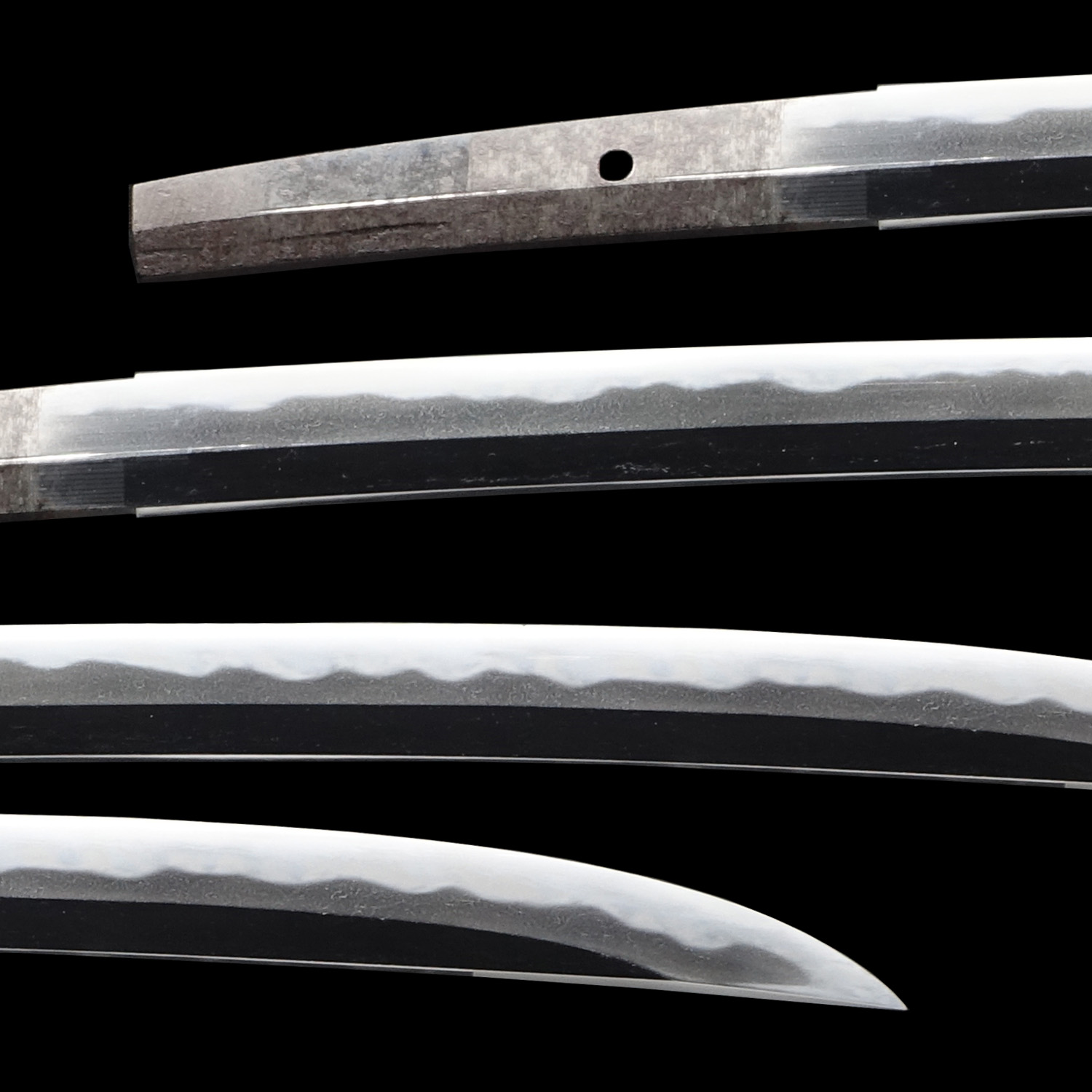
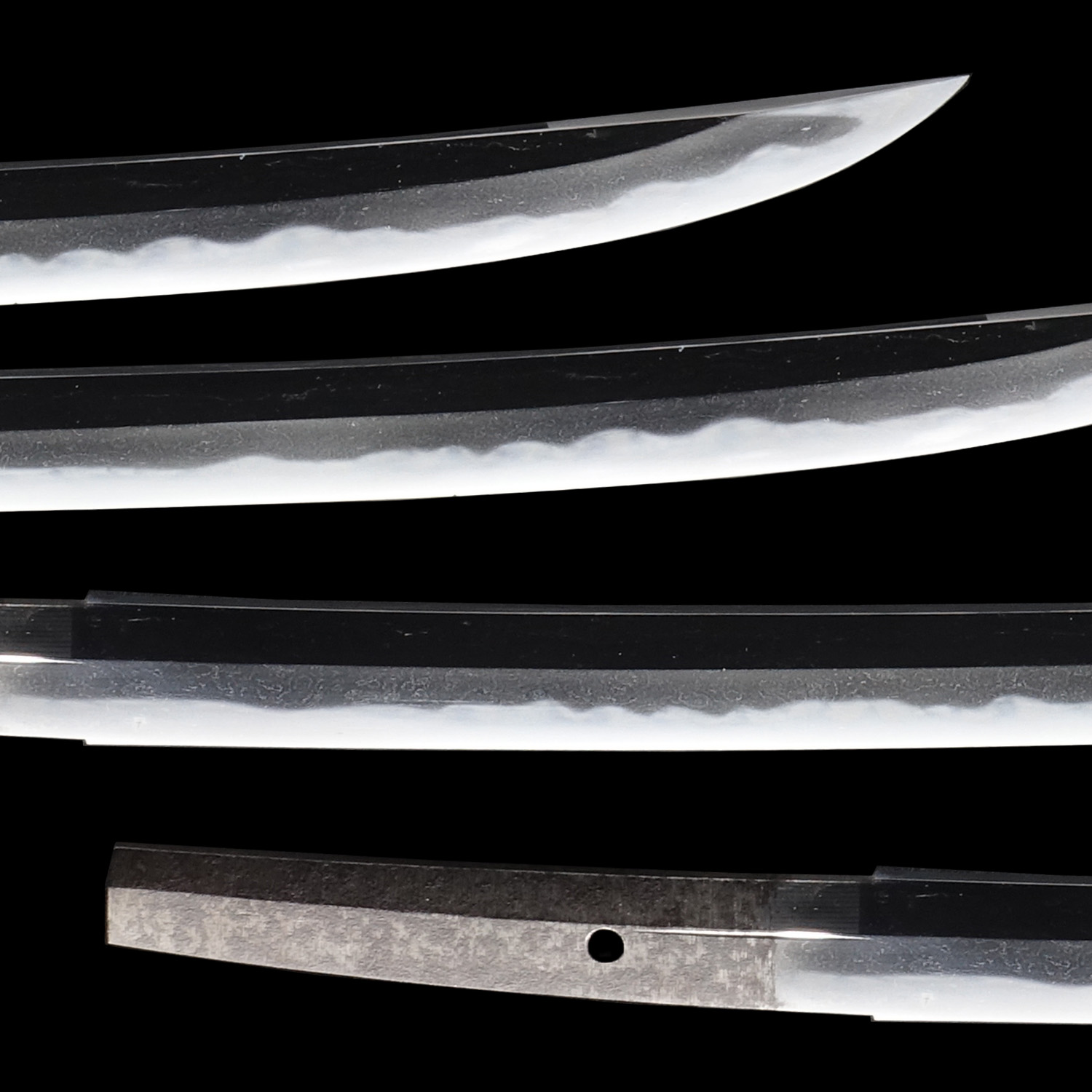
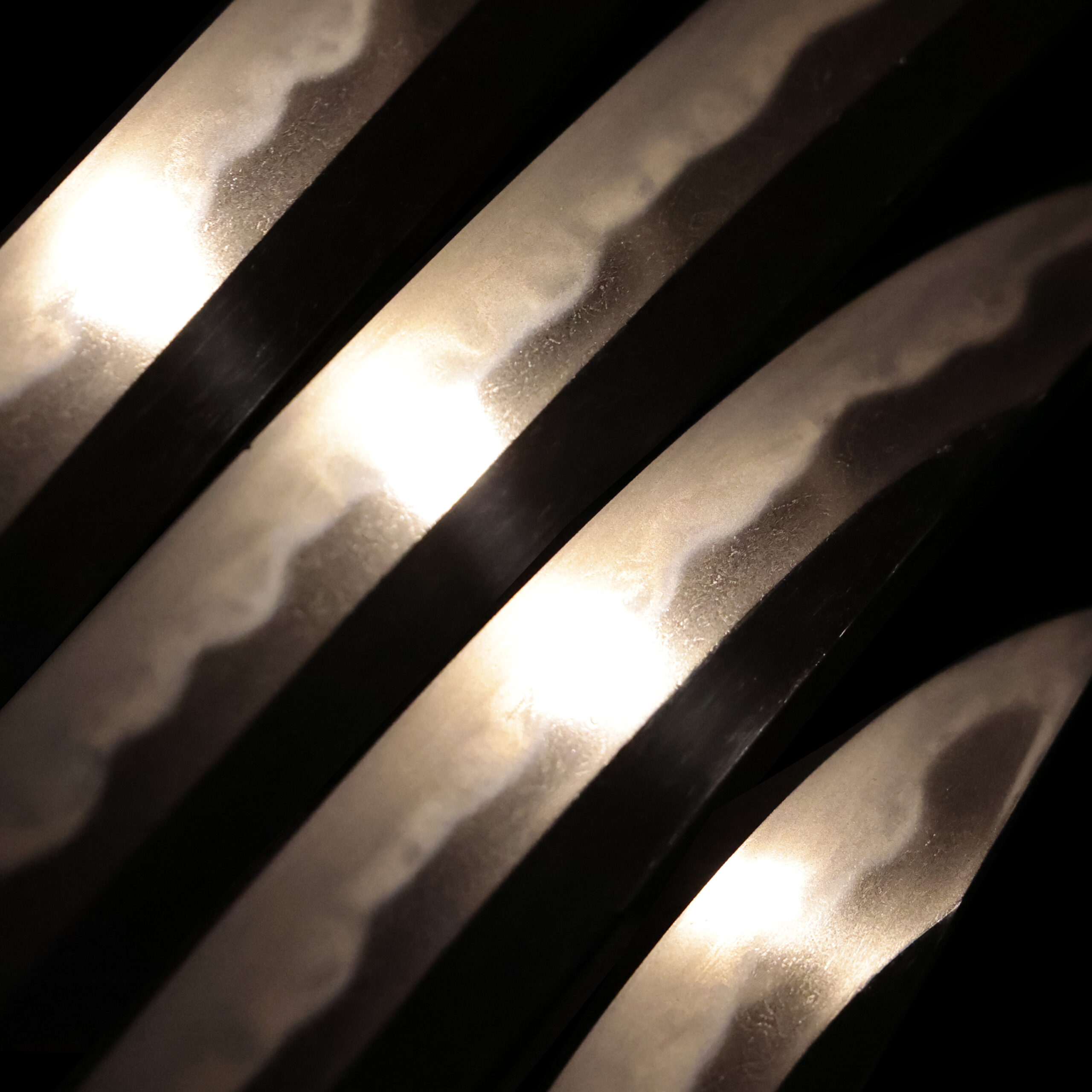
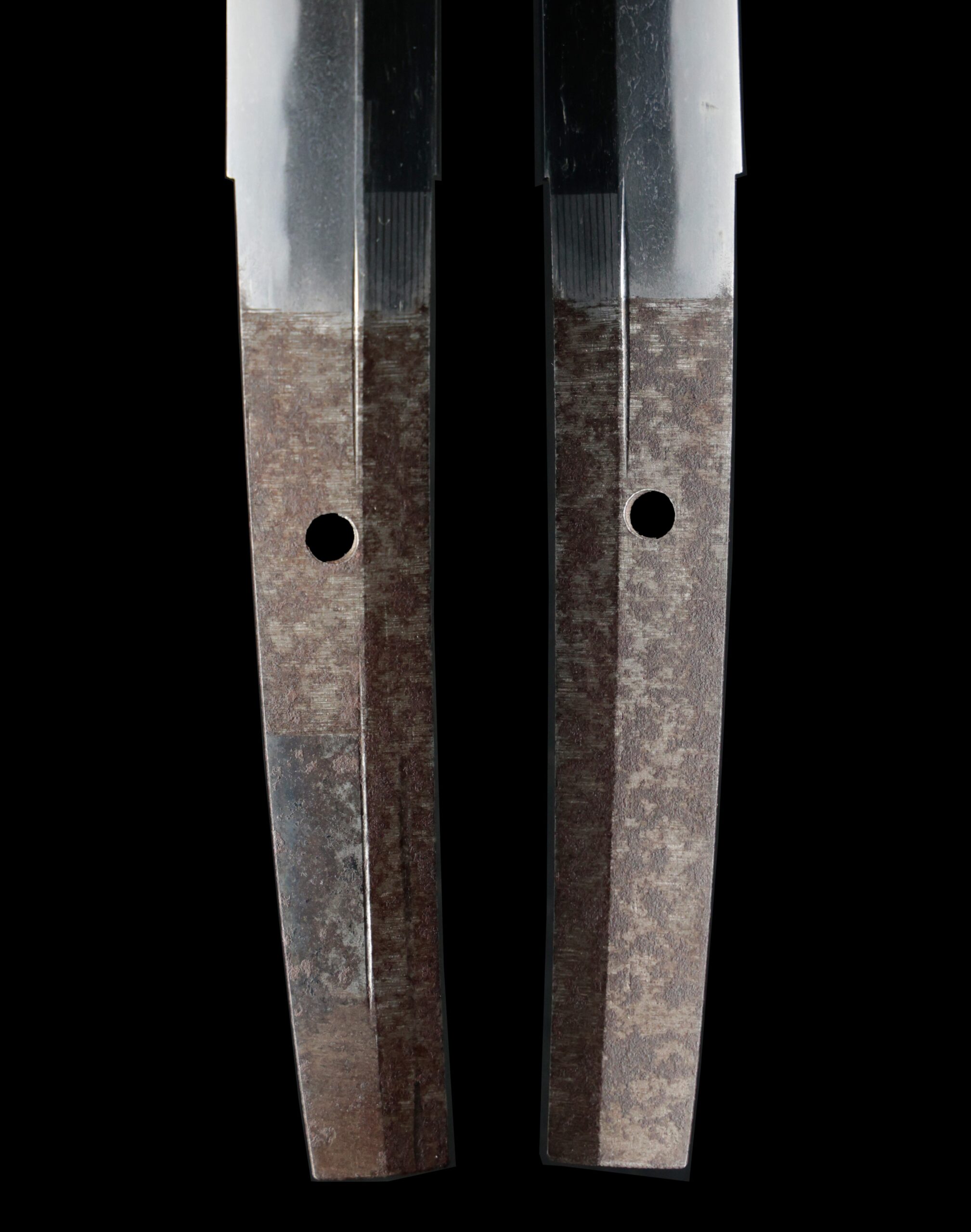
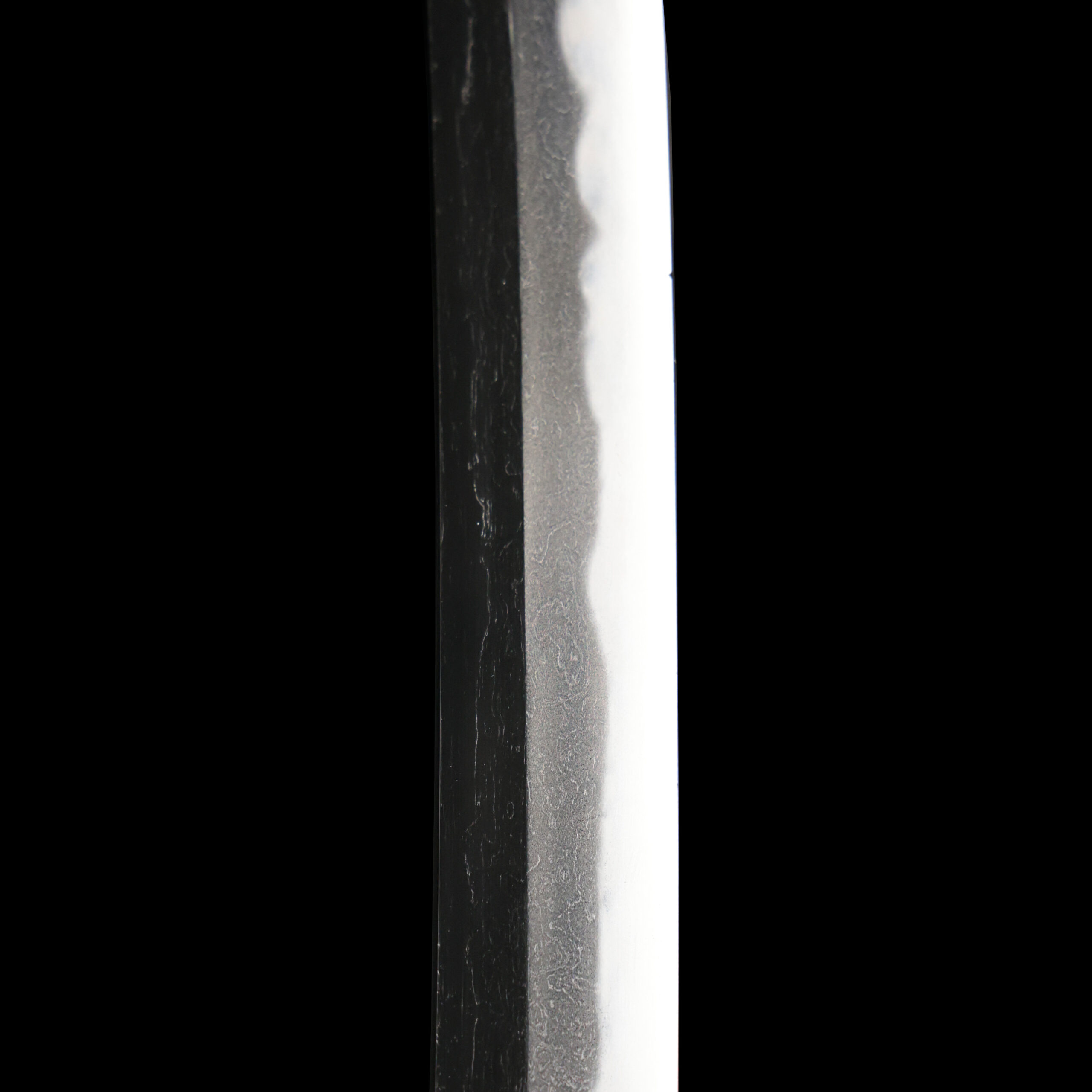
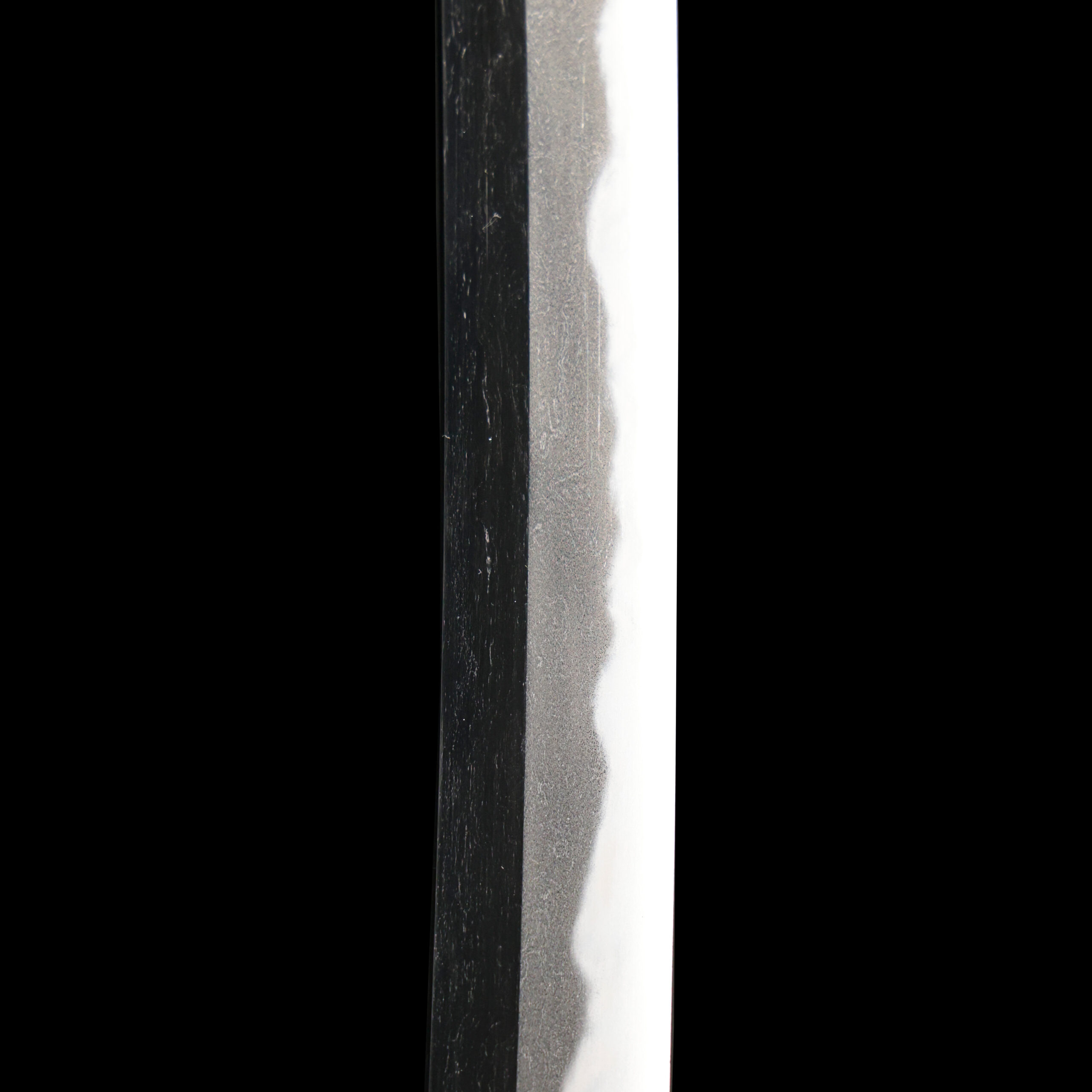
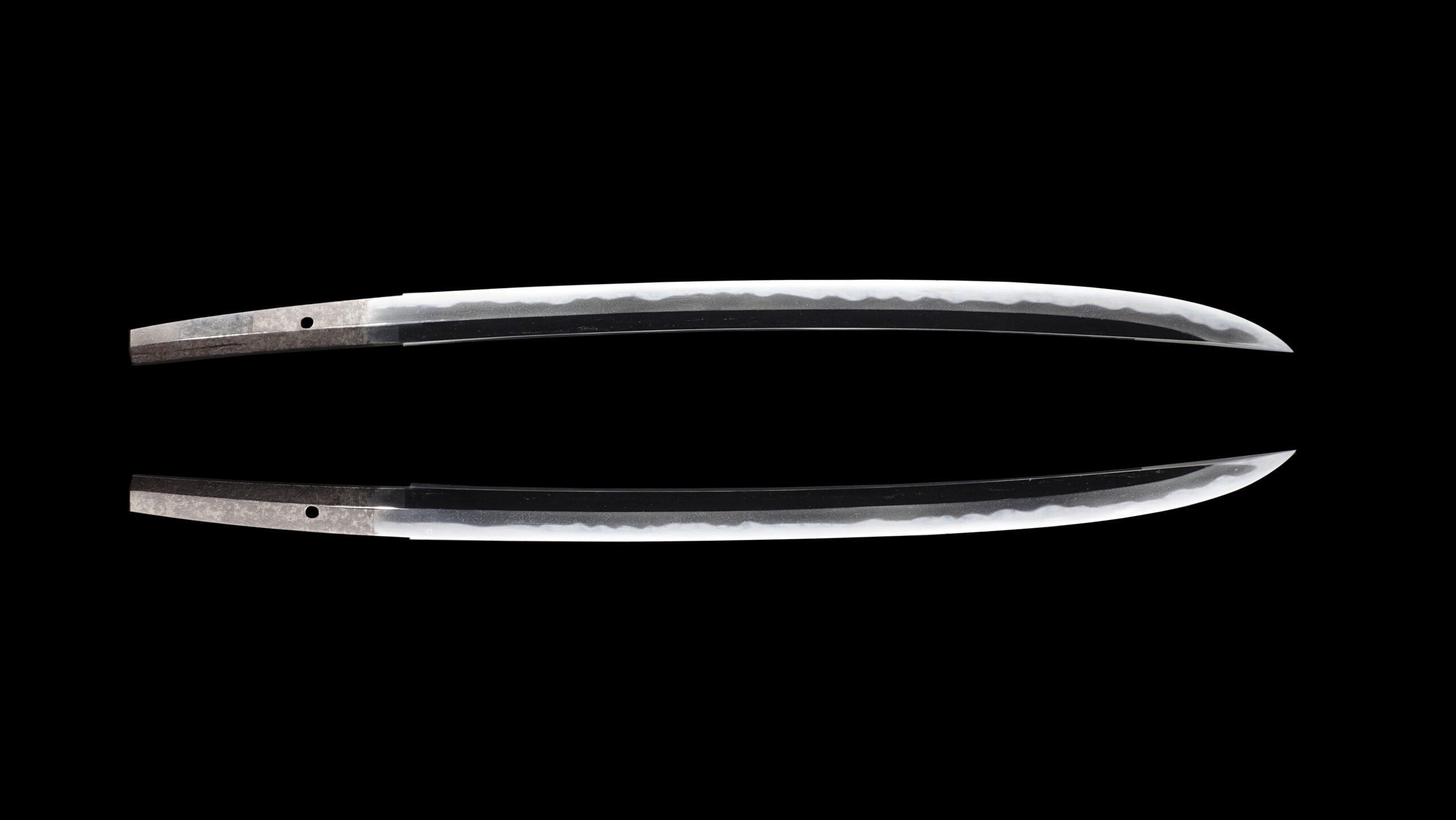
新刀 · 越前 · 1624-1644頃
藤代 中上作 · 刀剣大鑑 上位49%
現在2点販売中
新刀 · 越前
現在39点販売中
茎にきられた黒い鉄こそ、この一門の最も確かな標である。鍛えは板目に杢が目立って交じり、刃寄り棟寄りに流れて肌立ち、地沸厚く、地景細かに入って、かねが総じて黒みをおびる。説明書はこれを繰り返し「越前がねの特色」と名指し、初代康継から重高・貞国・貞次に至るまで終始変わらぬ見どころとする。この一団は近江国坂田郡下坂郷を本貫とし、新刀初頭の越前にあって「下坂」を商標として用いた幾人かの鍛冶の集まりであって、説明書は一人の刀工とみるよりは一団とみるのが妥当とし、初期は康継をその代表者とする。初代康継は下坂市左衛門と称して越前に移り結城秀康に仕え、初め肥後大掾下坂と銘した。慶長十年から十一年にかけて江戸に召され、家康・秀忠両将軍の御前で鍛刀した褒賞として「康」の一字と三つ葉葵紋を茎にきることを許されて康継と改名し、葵下坂・御紋康継の名はこれに発する。以後は将軍家の御抱工として越前と江戸を隔年に勤め、本国打には越前住、江戸打には於武州江戸と切り添え、南蛮鉄を以南蛮鉄と添えた。肥後大掾藤原下坂の康継前銘は貞国・兼法・国康らと鏨運びも筆意も酷似し、今日なお銘振りによってしか分かち得ぬほど近い。 この一門の手は静かで、同時代の備前・美濃の華やかな新刀の多くに対置される。刃文は浅いのたれ・中直刃を基調に小互の目を連れて交え、小足・葉入り、沸厚く、荒めの沸がむらにつき、本工らしいばさけを生じて、金筋・砂流しが長くかかり、棟焼・飛焼さかんに、時に皆焼風となり、匂口は沈みごころとなる。帽子は浅くのたれて先尖りごころに三品風を呈し、掃きかけて長く返る。姿は身幅広く元先の幅差少なく重ね厚め反り浅い慶長新刀体配で、平造脇指は幅広寸延びとなる。彫物がいま一つの恒常で、彫口深く力強い越前彫・記内彫が一門の手を示し、不動三体仏・倶利迦羅・梵字・護摩箸・素剣を巧みに彫る。記内ら越前の彫物師の手によるこの深い浮彫は、説明書が地方の特色と名指すものである。一門が最も称えられる作域は相州写しであって、初代・二代ともに大坂落城に焼失した名物の再刃を試み、中でも貞宗写しを最も得意とし、各写しに自らの作風を加えて徒らに模倣せぬところに特色がある。手は系統と目的とで分かれ、貞国は直刃を得意として地がつんで精美に、貞次は越前関の系譜を引いて丁子の目立つ明るい現れを示し、重高は茎尻を栗尻とする点で一門の剣形と分かたれる。 収集家がこの一門の作に向かうべき所以は、その見分けやすさにある。黒く肌立った越前がね、ばさけた刃縁、縞がかる砂流し、長く掃きかける小丸の返り、そして深い記内彫が併さって、写した古作によってではなく一門自らの語法によって読まれる。中心に立つのは初代康継で、駿府滞在中の駿州打や名物写しを残し、駿府御分物の一刀は紀州徳川家に、号風雷神の刀は越前松平家に伝来した。嫡子二代康継は父風を忠実に継ぎ、継の字形以外では殆ど区別し難く、晩年は初代に劣らぬ域に達した。二代の後、家は江戸三代を右馬助、越前家を四郎右衛門が継いで両系に分かれ、同名は幕末まで両地に栄えた。江戸三代は鍛えがつんで綺麗に、匂口は明るく、直ぐの焼出しを置いて法城寺一派など当時の江戸物に近づく。後援者本多飛騨守成重の立葵紋が貞次や康継一門の優品に多くきられ、截断銘がその伝来を彩る。藤代は上々作から上作に位し、一門は名だたる蔵伝よりも在銘の指定刀を通して出会われる。市に現れるのは葵紋を切った在銘の康継、あるいは下坂貞国・貞次・重高の在銘作であって、根気をもって待てば折にふれ世に現れ、現れれば家康の葵紋下賜に発する越前下坂の確かな一口となる。 詳しく見る →
江戸時代
二世紀半の泰平のあいだ、刀は武器である以上に武士の身分の標章であった。江戸の実証と大坂の華やぎのように都市ごとの作風が育ち、時代の末には需要も細っていく。
銘が正しい、または無銘でも年代・国・系統を確実に指摘できる、保存に値する真正の作と鑑定されたものです。
日本美術刀剣保存協会(NBTHK)は、1948年に設立され、文化庁の監督を受ける公益財団法人で、東京・刀剣博物館に本部を置きます。専門の審査員が出品作を直接審査し、美術的・歴史的価値に応じた鑑定書を発行します。NBTHKの鑑定書は、日本刀および刀装具の真正性を示す最も広く認知された基準です。
NBTHK公式サイトReturns/exchanges limited to defects caused by shipping (except willful misconduct or gross negligence by the company); customers must contact within 72 hours of receiving the product.