NihontoWatch MonNihontoWatch
マーケット
事典
鑑定
NihontoWatch MonNihontoWatch
マーケット
事典
鑑定

説明

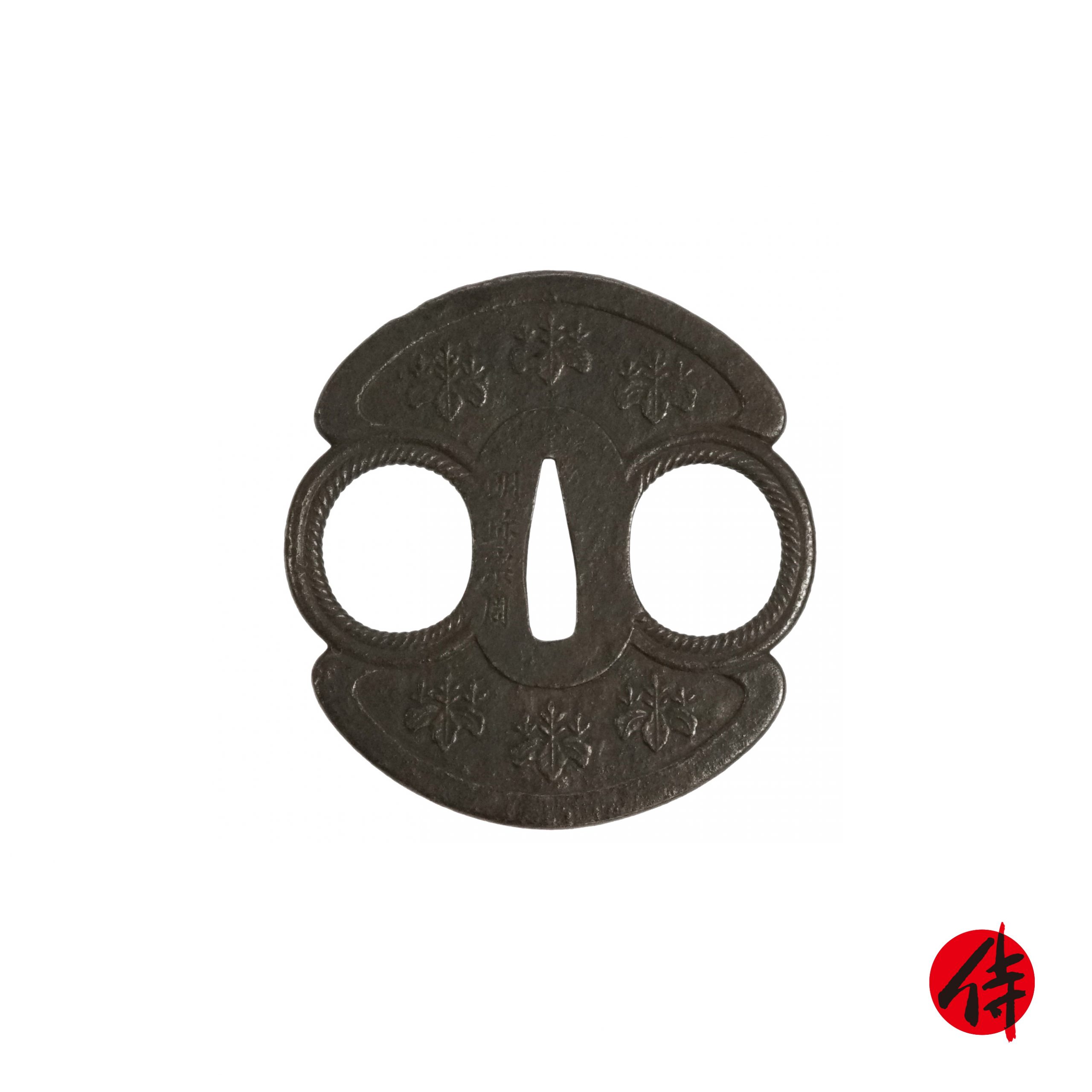
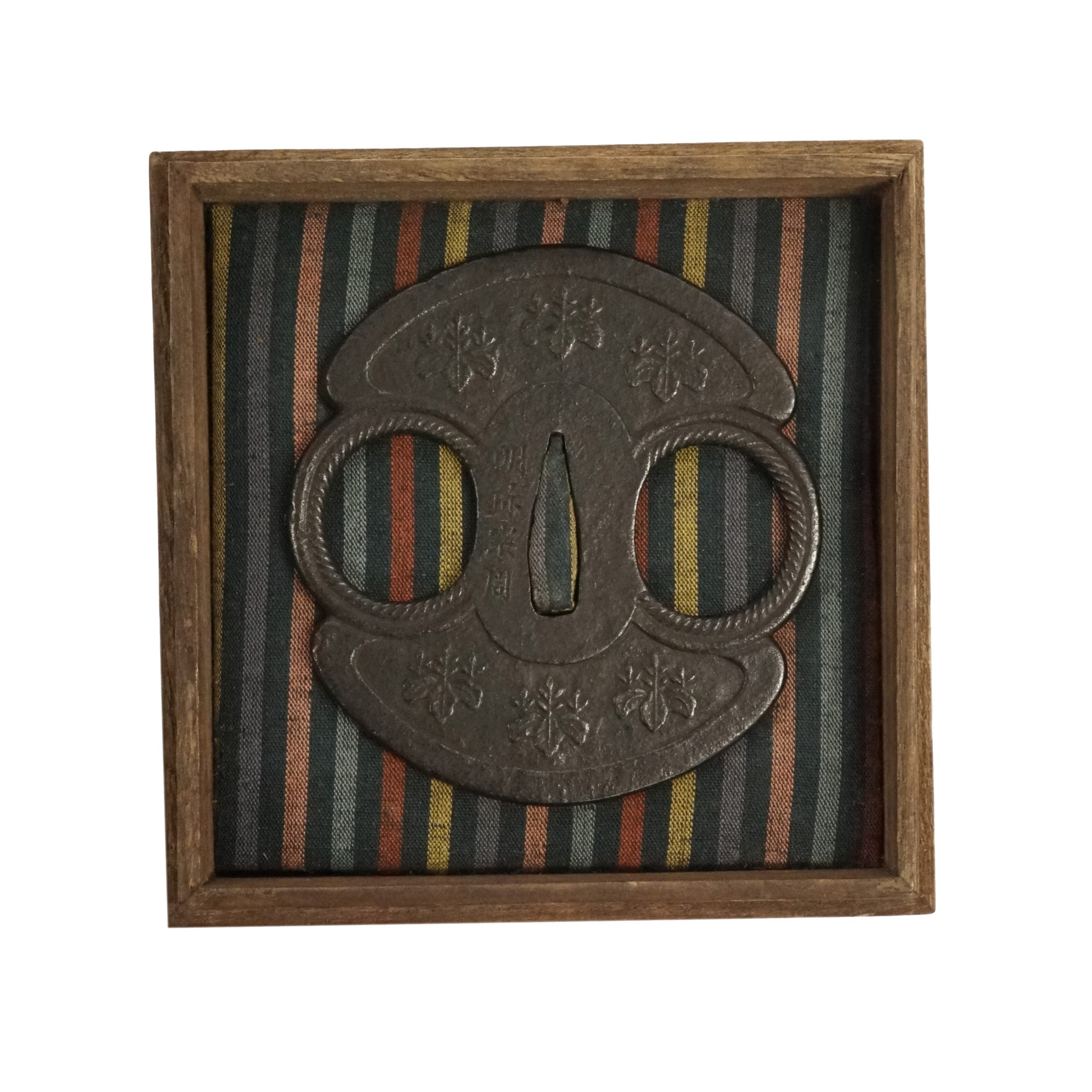
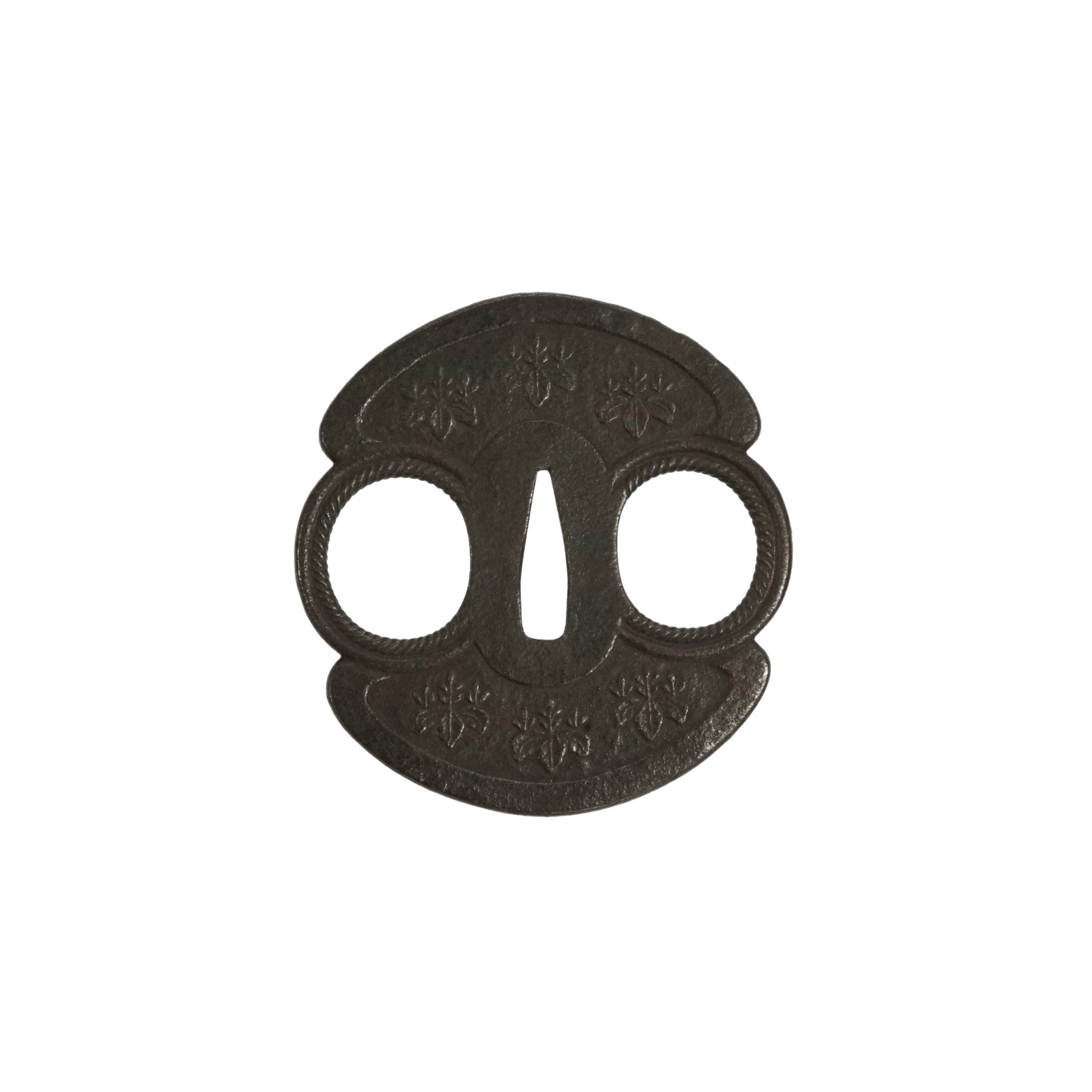
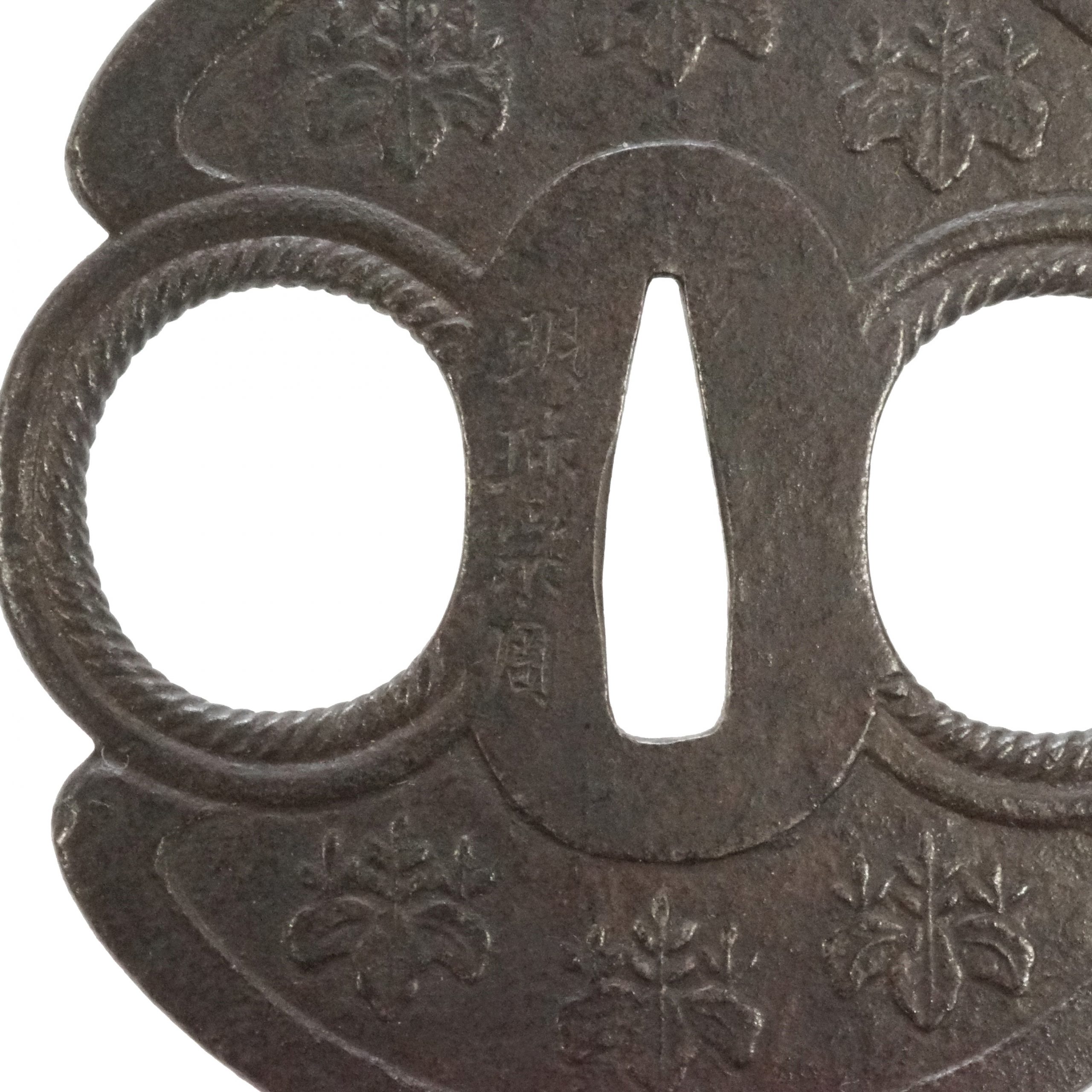
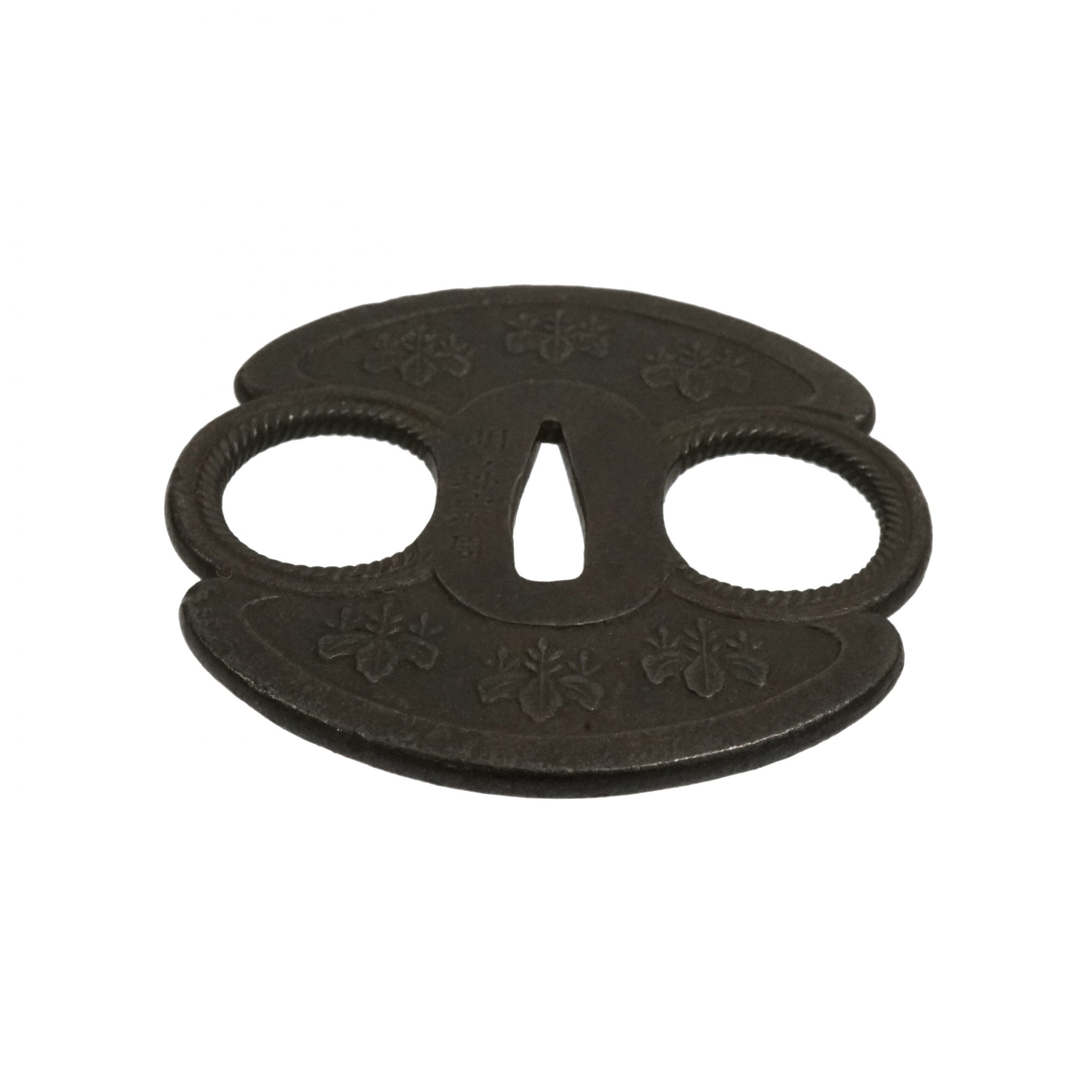
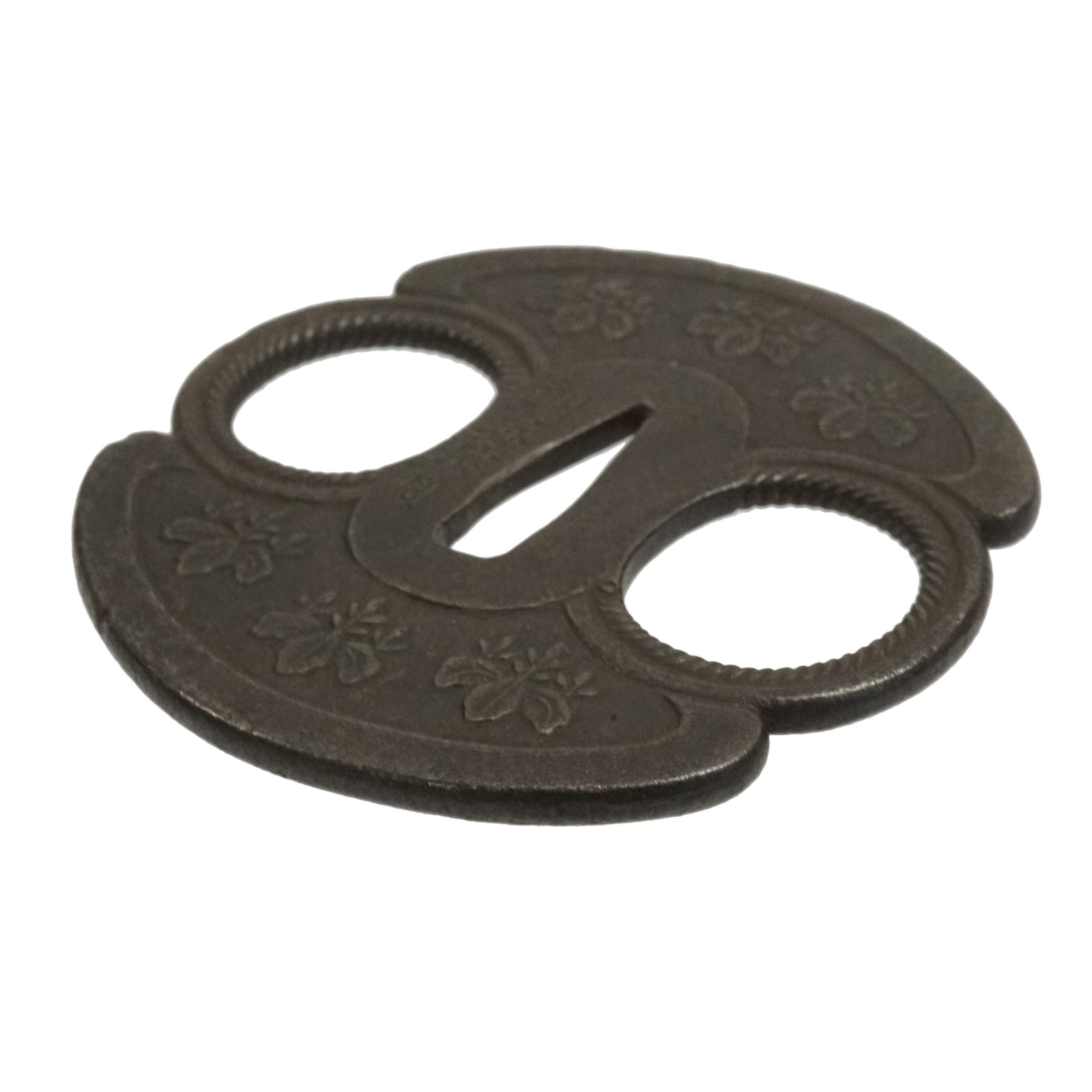
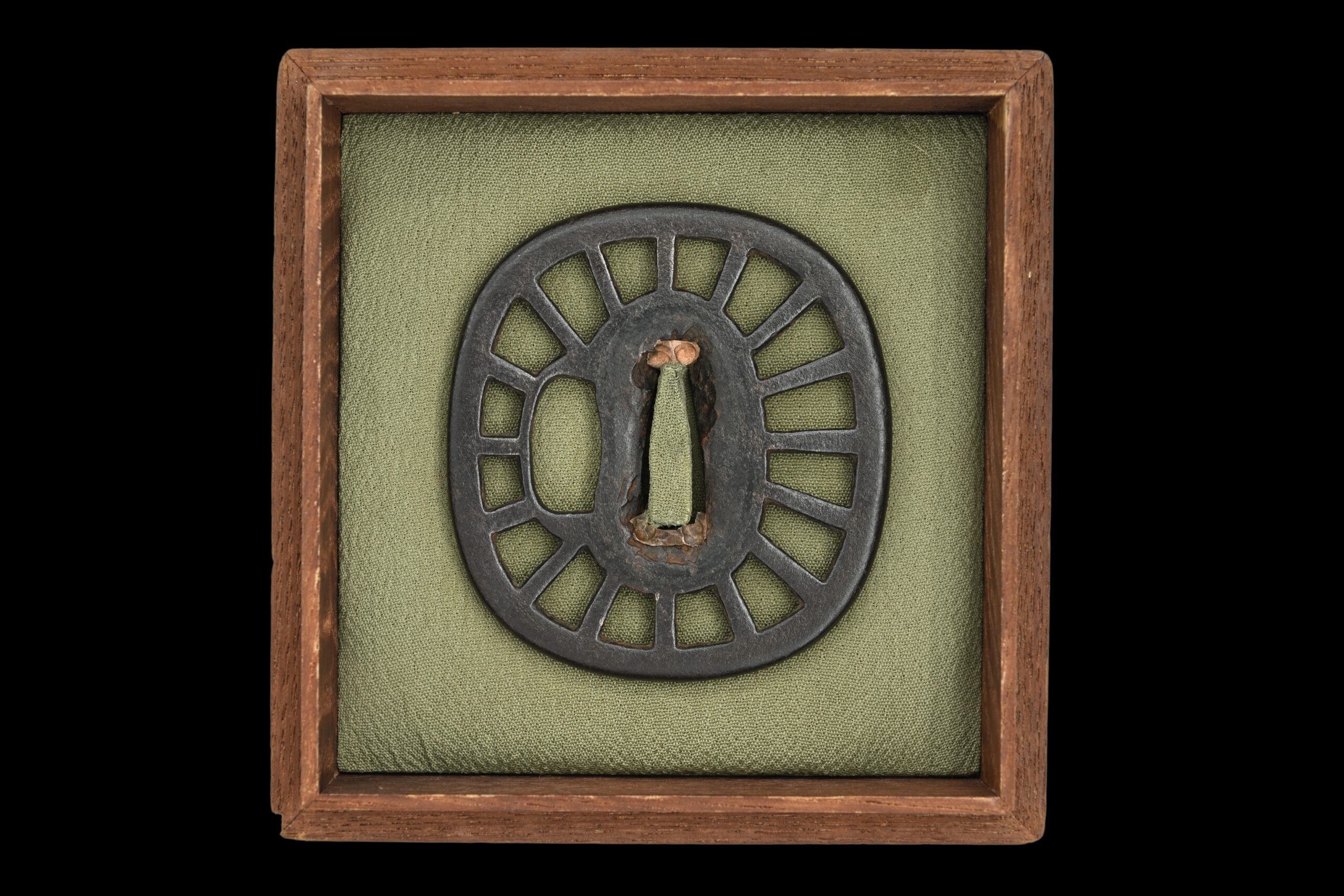
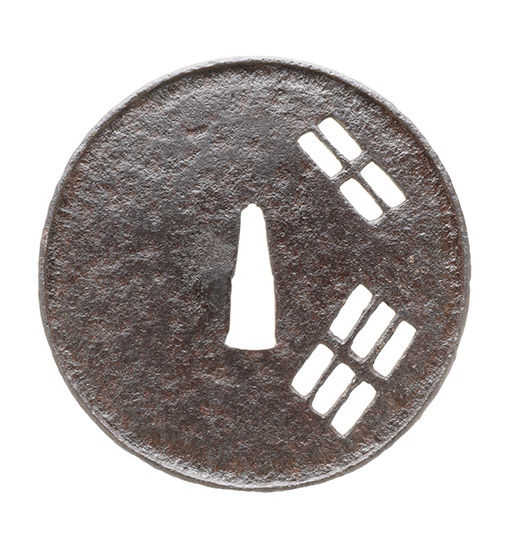
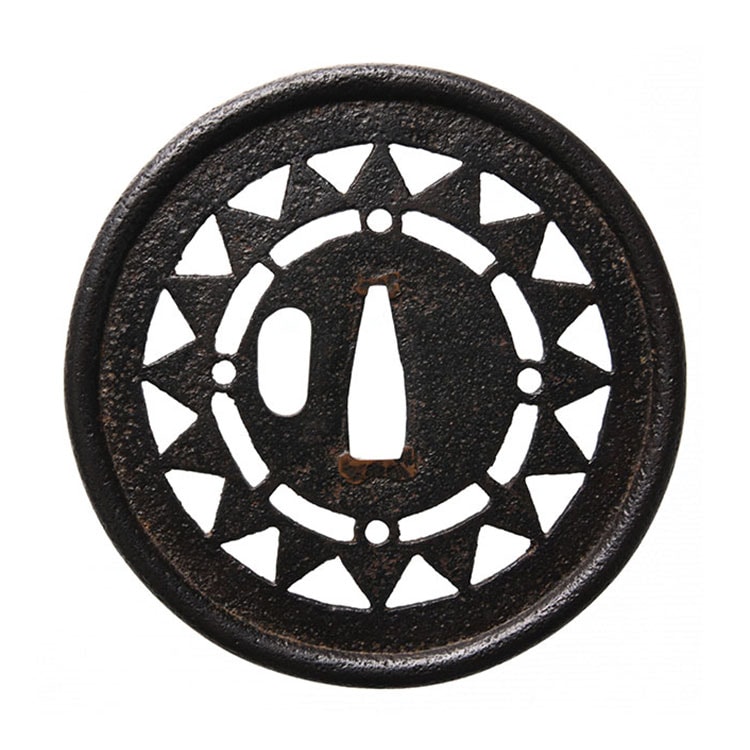
Title: Myochin-style, Gosan-no Kiri Mon Description The Gosan-no Kiri (五三の桐) pattern is designed. The Kiri (桐) pattern is composed of three standing straight inflorescences and three leaves. The number of flowers that are blooming at each inflorescence means the ranks of this design. For example, the Goshichi-no Kiri (五七の桐) pattern has five-seven five flowers for inflorescences. So that this is a more high-ranked design than Gosan-no Kiri (three-five-three flowers) pattern, this motif is known as the symbolic design of the Japanese government. It is also famous that one of the most popular Samurais in Japan: Toyotomi Hideyoshi used the Kiri pattern for his family crest. This plant pattern was once used by the imperial family and national leaders of the time. However, today, it is often used by ordinary people. Myochin school has its origin from the Kamakura Period, and it lasted until the late Edo Period. Myochin typically used iron and did not use other materials such as copper, either brass. They imported Nanban iron from India, China, or Europe. Myochin is well-known as the top class of iron metalworkers. *As this item is an antique, please check each photo and ensure its condition. What is Tsuba? Tsuba is the hand-guard of the Japanese sword. High-class Samurai wore his katana sword with its beautiful sword mountings such as Tsuba. Tsuba’s front design tends to be more decorative as this part was often seen by other Samurais when he was walking on the streets. Why is it that the sword mounting was important for Samurai? The sword mountings of the Japanese sword have many kinds of decorations such as handguards (Tsuba), sword hilt (Menuki), pommel (Fuchi Kashira). The sword mountings of the Japanese sword have many kinds of decorations such as handguards (Tsuba), sword hilt (Menuki), pommel (Fuchi Kashira). The Japanese sword worked as a weapon and as an object to show who he was. For example, it shows their personalities and beliefs. You could say that it is like decorations for smartphones today. We recommend you zoom in on the pictures of the sword fittings. When you do so, you can see the skill of Japanese metal engraving techniques. They are mainly made of iron and copper with inlays of gold, silver, and bronze. When it comes to handguard (Tsuba), each one has a different outline and weight. These sword fittings that have lived with Japanese swords of the same age might be worth as much as the Japanese swords. They are inconspicuous parts of the Japanese sword. Nevertheless, if you are knowledgeable or particular about it, you will become a connoisseur of the Samurai. ————————————————————————————————————— 【About us】 Samurai Museum is located in Tokyo, Japan, exhibiting antique artifacts related to the Samurai history. Samurai Museum Shop is the place for those who are interested in Japanese culture and craftsmanship. We deal with antique Samurai swords/armor, traditional crafts made in Japan and so on. Payment method We accept payment through Stripe (Credit card), PayPal, Apple Pay or ChromePay, all of which are secure payment methods. If you prefer other payment method, please contact us. After confirming your payment, we will apply for an export permit. You may either pay in JPY, USD, AUD, EUR or GBP . The price is set in Japanese Yen. Prices in other currencies are automatically calculated based on the latest exchange rate. Shipping Duration We normally ship via EMS (Express Mail Service) provided by Japan Post. It usually takes at least 5-14 days to deliver the package after you place an order. We will use DHL instead for those who ordered from USA or Australia as EMS temporarily stops shipping to these countries due to COVID-19. We offer Free International Shipping as long as we can ship your order by either EMS or DHL. (USA, Australia only) We will inform you of the order’s tracking number via email. Please make sure you fill out your valid email address correctly. *Please keep in mind that due to the spread of C

NihontoWatch MonNihontoWatch
MarketEncyclopediaKantei
刀装具›甲冑師›明珍›Edo period antique Tsuba for Samurai Sword (T-303)
鍔
明珍派

Edo period antique Tsuba for Samurai Sword (T-303)

在銘 · Myochin · 江戸

売却済
鍔
刀身だけで刀工を見抜けますか? 本日の鑑定 →
明珍派 — 1 of 6
明珍派 — 2 of 6
明珍派 — 3 of 6
明珍派 — 4 of 6
明珍派 — 5 of 6
明珍派 — 6 of 6
1 / 6
1 / 6
明珍派 — 1 of 6明珍派 — 2 of 6明珍派 — 3 of 6明珍派 — 4 of 6明珍派 — 5 of 6明珍派 — 6 of 6
鍔
刀身だけで刀工を見抜けますか? 本日の鑑定 →
法量・詳細
作者

明珍派

時代

江戸

銘

在銘

説明

Title: Myochin-style, Gosan-no Kiri Mon Description The Gosan-no Kiri (五三の桐) pattern is designed. The Kiri (桐) pattern is composed of three standing straight inflorescences and three leaves. The number of flowers that are blooming at each inflorescence means the ranks of this design. For example, the Goshichi-no Kiri (五七の桐) pattern has five-seven five flowers for inflorescences. So that this is a more high-ranked design than Gosan-no Kiri (three-five-three flowers) pattern, this motif is known as the symbolic design of the Japanese government. It is also famous that one of the most popular Samurais in Japan: Toyotomi Hideyoshi used the Kiri pattern for his family crest. This plant pattern was once used by the imperial family and national leaders of the time. However, today, it is often used by ordinary people. Myochin school has its origin from the Kamakura Period, and it lasted until the late Edo Period. Myochin typically used iron and did not use other materials such as copper, either brass. They imported Nanban iron from India, China, or Europe. Myochin is well-known as the top class of iron metalworkers. *As this item is an antique, please check each photo and ensure its condition. What is Tsuba? Tsuba is the hand-guard of the Japanese sword. High-class Samurai wore his katana sword with its beautiful sword mountings such as Tsuba. Tsuba’s front design tends to be more decorative as this part was often seen by other Samurais when he was walking on the streets. Why is it that the sword mounting was important for Samurai? The sword mountings of the Japanese sword have many kinds of decorations such as handguards (Tsuba), sword hilt (Menuki), pommel (Fuchi Kashira). The sword mountings of the Japanese sword have many kinds of decorations such as handguards (Tsuba), sword hilt (Menuki), pommel (Fuchi Kashira). The Japanese sword worked as a weapon and as an object to show who he was. For example, it shows their personalities and beliefs. You could say that it is like decorations for smartphones today. We recommend you zoom in on the pictures of the sword fittings. When you do so, you can see the skill of Japanese metal engraving techniques. They are mainly made of iron and copper with inlays of gold, silver, and bronze. When it comes to handguard (Tsuba), each one has a different outline and weight. These sword fittings that have lived with Japanese swords of the same age might be worth as much as the Japanese swords. They are inconspicuous parts of the Japanese sword. Nevertheless, if you are knowledgeable or particular about it, you will become a connoisseur of the Samurai. ————————————————————————————————————— 【About us】 Samurai Museum is located in Tokyo, Japan, exhibiting antique artifacts related to the Samurai history. Samurai Museum Shop is the place for those who are interested in Japanese culture and craftsmanship. We deal with antique Samurai swords/armor, traditional crafts made in Japan and so on. Payment method We accept payment through Stripe (Credit card), PayPal, Apple Pay or ChromePay, all of which are secure payment methods. If you prefer other payment method, please contact us. After confirming your payment, we will apply for an export permit. You may either pay in JPY, USD, AUD, EUR or GBP . The price is set in Japanese Yen. Prices in other currencies are automatically calculated based on the latest exchange rate. Shipping Duration We normally ship via EMS (Express Mail Service) provided by Japan Post. It usually takes at least 5-14 days to deliver the package after you place an order. We will use DHL instead for those who ordered from USA or Australia as EMS temporarily stops shipping to these countries due to COVID-19. We offer Free International Shipping as long as we can ship your order by either EMS or DHL. (USA, Australia only) We will inform you of the order’s tracking number via email. Please make sure you fill out your valid email address correctly. *Please keep in mind that due to the spread of C

流派について

明珍

甲冑師 · Kyoto

現在21点販売中

›
0名の刀工指定0口
主要刀工
刀工時代指定
宗政—0
保次—0
宗定—0
宗次—0
義忠—0
明珍流派を見る →
ご注意 — 鑑定書が見つかりません

販売店の出品ページで鑑定書を確認できませんでした。日本刀および刀装具は通常、NBTHK(または NTHK)の鑑定を受けます。鑑定書がない場合、極めは販売店の見解にとどまり、第三者による確認は行われていません。ご購入前に販売店へ鑑定書の有無をお問い合わせのうえ、慎重にご判断ください。

販売店
サ
サムライミュージアム
🇯🇵日本から発送
›
✓認証販売店samuraimuseum.jp
✓海外発送可✓英語対応PayPalクレジットカード
返品ポリシー

Returns/exchanges limited to defects caused by shipping (except willful misconduct or gross negligence by the company); customers must contact within 72 hours of receiving the product.

サムライミュージアムの出品一覧を見る→販売店サイトでこの商品を見る→

明珍派の売約済み

すべて見る →
Japanese Sword Books and Tsuba
Tsuba - by Myochin School - T141. 鉄地木目象嵌鍔Tsuba - by Myochin School - T141. 鉄地木目象嵌鍔
売切れ

鍔

作明珍派
江戸
売却済
Japanese Sword Books and Tsuba
Tsuba - by Myochin School - T235. Papered Myochin Muneyasu tsubaTsuba - by Myochin School - T235. Papered Myochin Muneyasu tsuba
売切れ

鍔

作明珍派
江戸
売却済
サムライミュージアム
特別貴重
Tsuba - Tokubetsu Kichō - by Myochin School - Edo period antique Tsuba for Samurai Sword with NBTHK Kantesho Certificate (T-853)Tsuba - Tokubetsu Kichō - by Myochin School - Edo period antique Tsuba for Samurai Sword with NBTHK Kantesho Certificate (T-853)
売切れ

鍔

作明珍派
江戸
売却済
銀座誠友堂
保存
Tsuba - Hozon - by Myochin School - 鍔 【明珍 八木梗紋透鍔】 日本美術刀剣保存協会 保存刀装具Tsuba - Hozon - by Myochin School - 鍔 【明珍 八木梗紋透鍔】 日本美術刀剣保存協会 保存刀装具
売切れ

鍔

作明珍派
江戸
売却済
Japanese Sword Books and Tsuba
Tsuba - by Myochin School - H372 甲冑師 明珍 鍔 ホルブルック旧蔵Tsuba - by Myochin School - H372 甲冑師 明珍 鍔 ホルブルック旧蔵
売切れ

鍔

作明珍派
桃山
売却済
サムライミュージアム
Tsuba - by Myochin School - Edo period antique Natsu-Zuta Zu Tsuba for Samurai Sword (T-881)Tsuba - by Myochin School - Edo period antique Natsu-Zuta Zu Tsuba for Samurai Sword (T-881)
売切れ

鍔

作明珍派
江戸
売却済
美術刀剣松本
保存
Tsuba - Hozon - by Myochin School - 刀 関善定家近則Tsuba - Hozon - by Myochin School - 刀 関善定家近則
売切れ

鍔

作明珍派
売却済
銀座長州屋
特別保存
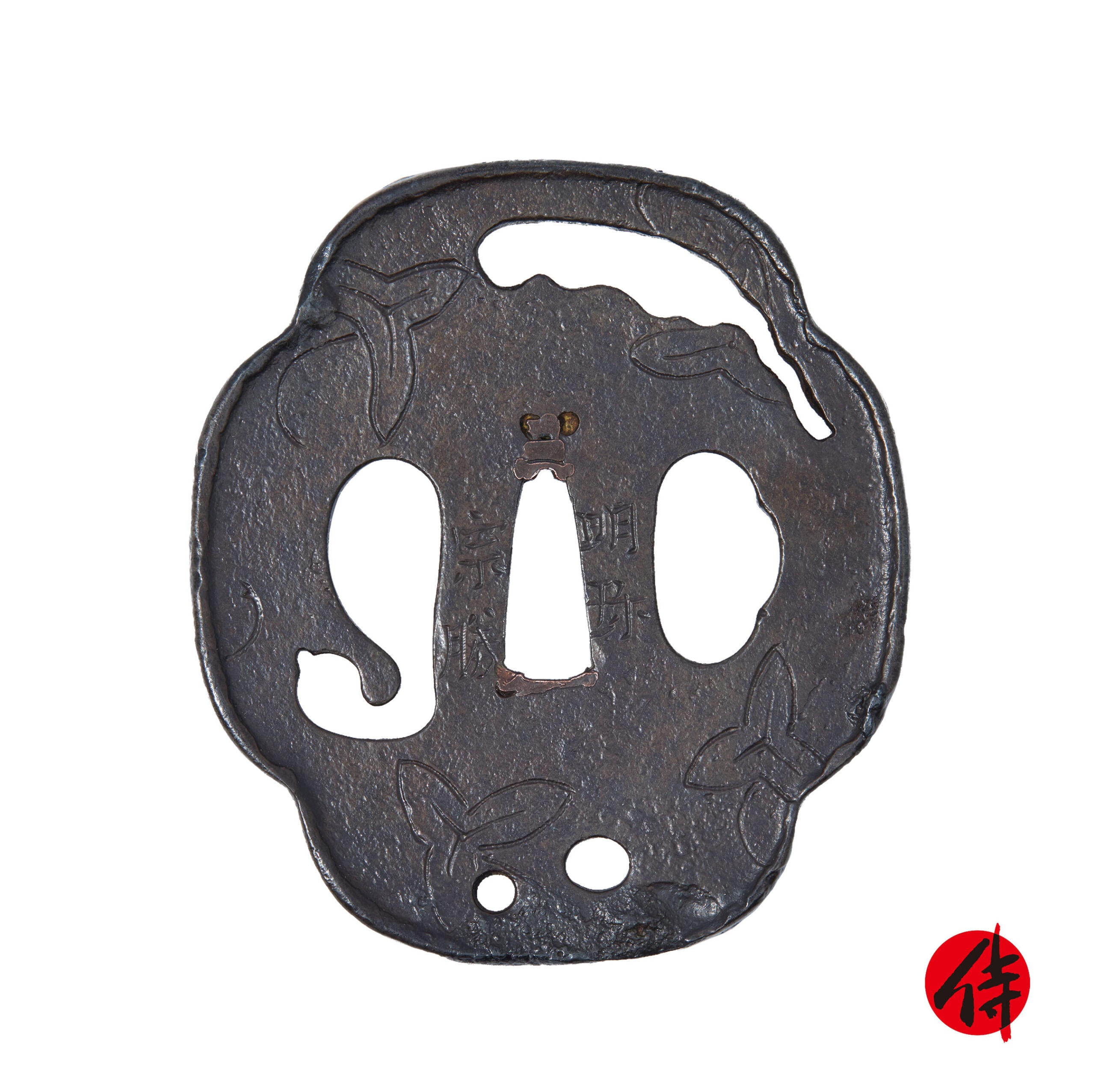
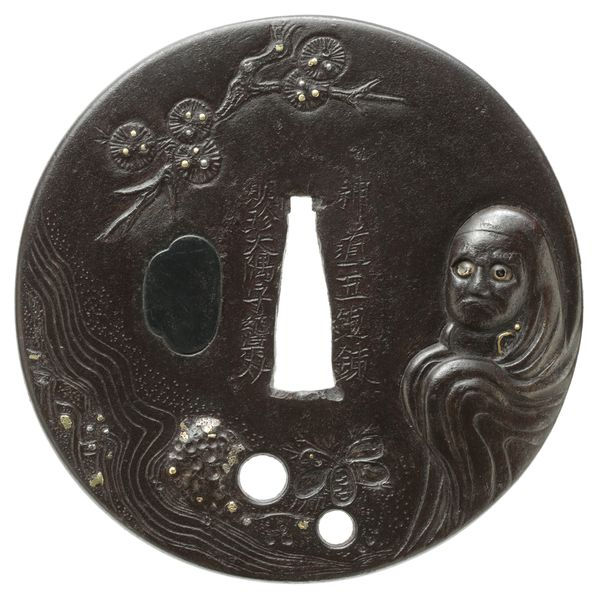
Tsuba - Tokuho - by Myochin School - 達磨図鍔(鐔) 銘 神道五銕錬明珍大隅守紀宗介 享保三戊戌六月吉日 行年七十七歳造之Tsuba - Tokuho - by Myochin School - 達磨図鍔(鐔) 銘 神道五銕錬明珍大隅守紀宗介 享保三戊戌六月吉日 行年七十七歳造之
売切れ

鍔

作明珍派
江戸
売却済

明珍派の作

すべて見る →
銀座誠友堂
特別保存
Tsuba - Tokuho - by Myochin School - 鍔[無銘 明珍 兜鉢図鍔][日本美術刀剣保存協会]特別保存刀装具Tsuba - Tokuho - by Myochin School - 鍔[無銘 明珍 兜鉢図鍔][日本美術刀剣保存協会]特別保存刀装具

鍔

作明珍派
平安
¥850,000
銀座長州屋
Tsuba - by Myochin Yoshihisa - 南天図透鍔(鐔) 銘 越州住明珍吉久作Tsuba - by Myochin Yoshihisa - 南天図透鍔(鐔) 銘 越州住明珍吉久作

鍔

作義久
江戸
お問い合わせ
Yakiba
保存
Kozuka - Hozon - by Myochin Munemasa - 宗政 賢人引牛図Kozuka - Hozon - by Myochin Munemasa - 宗政 賢人引牛図

小柄

作宗政
江戸
¥1,500
濃州堂
Tsuba - by Myochin School - 鍔 明珍(大小セット)Tsuba - by Myochin School - 鍔 明珍(大小セット)

鍔

作明珍派
¥158,000
Nihonto Art
保存
Tsuba - Hozon - by Myochin School - 鐔 明珍十代 NBTHK 保存刀装具鑑定書Tsuba - Hozon - by Myochin School - 鐔 明珍十代 NBTHK 保存刀装具鑑定書

鍔

作明珍派
江戸
¥650
Nihon Collection
保存
Tsuba - Hozon - by Myochin School - 明珍作 車透図Tsuba - Hozon - by Myochin School - 明珍作 車透図

鍔

作明珍派
江戸
¥1,200
刀心
保存
Tsuba - Hozon - by Myochin School - 平四つ目紋図鐔 無銘(明珍)Mumei(Myochin) 12-1298Tsuba - Hozon - by Myochin School - 平四つ目紋図鐔 無銘(明珍)Mumei(Myochin) 12-1298

鍔

作明珍派
江戸
¥165,000
刀心
保存
Tsuba - Hozon - by Myochin Muneaki - 縄に鎌透鐔 五十九代増田明珍紀宗朗 -Myochin Ki Muneaki- 12-1472Tsuba - Hozon - by Myochin Muneaki - 縄に鎌透鐔 五十九代増田明珍紀宗朗 -Myochin Ki Muneaki- 12-1472

鍔

作宗朗
江戸
¥440,000

甲冑師派の作

すべて見る →
兵左衛門百観音堂
特別保存
Tsuba - Tokuho - by Ko-Katchushi School - 古甲冑師 笠に波洲浜透かし鐔Tsuba - Tokuho - by Ko-Katchushi School - 古甲冑師 笠に波洲浜透かし鐔

鍔

作古甲冑師派
古刀
¥500,000
葵美術
保存
Tsuba - Hozon - by Katchushi School - 大小鍔:無銘(甲冑師)(日本美術刀剣保存協会 保存刀装具)Tsuba - Hozon - by Katchushi School - 大小鍔:無銘(甲冑師)(日本美術刀剣保存協会 保存刀装具)

鍔

作甲冑師派
江戸
¥115,000
葵美術
特別保存
Tsuba - Tokuho - by Katchushi School - 鍔:無銘(甲冑師)Tsuba - Tokuho - by Katchushi School - 鍔:無銘(甲冑師)

鍔

作甲冑師派
江戸
¥135,000
銀座長州屋
特別保存
Tsuba - Tokuho - by Ko-Katchushi School - 筏透図鐔 無銘 古甲冑師Tsuba - Tokuho - by Ko-Katchushi School - 筏透図鐔 無銘 古甲冑師

鍔

作古甲冑師派
古刀
お問い合わせ
永楽堂
特別保存
Tsuba - Tokuho - by Ko-Katchushi School - 特別保存刀装具 古甲冑師 四方猪目透鍔Tsuba - Tokuho - by Ko-Katchushi School - 特別保存刀装具 古甲冑師 四方猪目透鍔

鍔

作古甲冑師派
古刀
¥320,000
永楽堂
特別保存
Tsuba - Tokuho - by Ko-Katchushi School - 古甲冑師 紋様散し透鍔/鐔Tsuba - Tokuho - by Ko-Katchushi School - 古甲冑師 紋様散し透鍔/鐔

鍔

作古甲冑師派
江戸
¥260,000
永楽堂
保存
Tsuba - Hozon - by Katchushi School - 甲冑師 輪宝透鍔/鐔 保存刀装具Tsuba - Hozon - by Katchushi School - 甲冑師 輪宝透鍔/鐔 保存刀装具

鍔

作甲冑師派
江戸
¥300,000
永楽堂
特別保存
Tsuba - Tokuho - by Ko-Katchushi School - 古甲冑師 雪輪透鍔/鐔Tsuba - Tokuho - by Ko-Katchushi School - 古甲冑師 雪輪透鍔/鐔

鍔

作古甲冑師派
¥350,000

刀剣

  • 刀
  • 脇差
  • 短刀
  • 太刀
  • 薙刀
  • 槍
  • 日本刀の販売
  • サムライソード

刀装具

  • 鍔
  • 縁頭
  • 小柄
  • 目貫
  • 鍔(ソードガード)

甲冑武具

  • 兜
  • 甲冑
  • 甲冑・武具一覧

鑑定別

  • 特重
  • 重要
  • 特別保存
  • 保存

リソース

  • 刀剣商一覧
  • 刀工一覧
  • 誌上鑑定
  • すべて見る
Nihontowatch© 2026
利用規約プライバシーCookie運営者情報
売切れ

説明

Title: Myochin-style, Gosan-no Kiri Mon Description The Gosan-no Kiri (五三の桐) pattern is designed. The Kiri (桐) pattern is composed of three standing straight inflorescences and three leaves. The number of flowers that are blooming at each inflorescence means the ranks of this design. For example, the Goshichi-no Kiri (五七の桐) pattern has five-seven five flowers for inflorescences. So that this is a more high-ranked design than Gosan-no Kiri (three-five-three flowers) pattern, this motif is known as the symbolic design of the Japanese government. It is also famous that one of the most popular Samurais in Japan: Toyotomi Hideyoshi used the Kiri pattern for his family crest. This plant pattern was once used by the imperial family and national leaders of the time. However, today, it is often used by ordinary people. Myochin school has its origin from the Kamakura Period, and it lasted until the late Edo Period. Myochin typically used iron and did not use other materials such as copper, either brass. They imported Nanban iron from India, China, or Europe. Myochin is well-known as the top class of iron metalworkers. *As this item is an antique, please check each photo and ensure its condition. What is Tsuba? Tsuba is the hand-guard of the Japanese sword. High-class Samurai wore his katana sword with its beautiful sword mountings such as Tsuba. Tsuba’s front design tends to be more decorative as this part was often seen by other Samurais when he was walking on the streets. Why is it that the sword mounting was important for Samurai? The sword mountings of the Japanese sword have many kinds of decorations such as handguards (Tsuba), sword hilt (Menuki), pommel (Fuchi Kashira). The sword mountings of the Japanese sword have many kinds of decorations such as handguards (Tsuba), sword hilt (Menuki), pommel (Fuchi Kashira). The Japanese sword worked as a weapon and as an object to show who he was. For example, it shows their personalities and beliefs. You could say that it is like decorations for smartphones today. We recommend you zoom in on the pictures of the sword fittings. When you do so, you can see the skill of Japanese metal engraving techniques. They are mainly made of iron and copper with inlays of gold, silver, and bronze. When it comes to handguard (Tsuba), each one has a different outline and weight. These sword fittings that have lived with Japanese swords of the same age might be worth as much as the Japanese swords. They are inconspicuous parts of the Japanese sword. Nevertheless, if you are knowledgeable or particular about it, you will become a connoisseur of the Samurai. ————————————————————————————————————— 【About us】 Samurai Museum is located in Tokyo, Japan, exhibiting antique artifacts related to the Samurai history. Samurai Museum Shop is the place for those who are interested in Japanese culture and craftsmanship. We deal with antique Samurai swords/armor, traditional crafts made in Japan and so on. Payment method We accept payment through Stripe (Credit card), PayPal, Apple Pay or ChromePay, all of which are secure payment methods. If you prefer other payment method, please contact us. After confirming your payment, we will apply for an export permit. You may either pay in JPY, USD, AUD, EUR or GBP . The price is set in Japanese Yen. Prices in other currencies are automatically calculated based on the latest exchange rate. Shipping Duration We normally ship via EMS (Express Mail Service) provided by Japan Post. It usually takes at least 5-14 days to deliver the package after you place an order. We will use DHL instead for those who ordered from USA or Australia as EMS temporarily stops shipping to these countries due to COVID-19. We offer Free International Shipping as long as we can ship your order by either EMS or DHL. (USA, Australia only) We will inform you of the order’s tracking number via email. Please make sure you fill out your valid email address correctly. *Please keep in mind that due to the spread of C

NihontoWatch MonNihontoWatch
MarketEncyclopediaKantei
刀装具›甲冑師›明珍›Edo period antique Tsuba for Samurai Sword (T-303)
鍔
明珍派

Edo period antique Tsuba for Samurai Sword (T-303)

在銘 · Myochin · 江戸

売却済
鍔
刀身だけで刀工を見抜けますか? 本日の鑑定 →
明珍派 — 1 of 6
明珍派 — 2 of 6
明珍派 — 3 of 6
明珍派 — 4 of 6
明珍派 — 5 of 6
明珍派 — 6 of 6
1 / 6
1 / 6
明珍派 — 1 of 6明珍派 — 2 of 6明珍派 — 3 of 6明珍派 — 4 of 6明珍派 — 5 of 6明珍派 — 6 of 6
鍔
刀身だけで刀工を見抜けますか? 本日の鑑定 →
法量・詳細
作者

明珍派

時代

江戸

銘

在銘

説明

Title: Myochin-style, Gosan-no Kiri Mon Description The Gosan-no Kiri (五三の桐) pattern is designed. The Kiri (桐) pattern is composed of three standing straight inflorescences and three leaves. The number of flowers that are blooming at each inflorescence means the ranks of this design. For example, the Goshichi-no Kiri (五七の桐) pattern has five-seven five flowers for inflorescences. So that this is a more high-ranked design than Gosan-no Kiri (three-five-three flowers) pattern, this motif is known as the symbolic design of the Japanese government. It is also famous that one of the most popular Samurais in Japan: Toyotomi Hideyoshi used the Kiri pattern for his family crest. This plant pattern was once used by the imperial family and national leaders of the time. However, today, it is often used by ordinary people. Myochin school has its origin from the Kamakura Period, and it lasted until the late Edo Period. Myochin typically used iron and did not use other materials such as copper, either brass. They imported Nanban iron from India, China, or Europe. Myochin is well-known as the top class of iron metalworkers. *As this item is an antique, please check each photo and ensure its condition. What is Tsuba? Tsuba is the hand-guard of the Japanese sword. High-class Samurai wore his katana sword with its beautiful sword mountings such as Tsuba. Tsuba’s front design tends to be more decorative as this part was often seen by other Samurais when he was walking on the streets. Why is it that the sword mounting was important for Samurai? The sword mountings of the Japanese sword have many kinds of decorations such as handguards (Tsuba), sword hilt (Menuki), pommel (Fuchi Kashira). The sword mountings of the Japanese sword have many kinds of decorations such as handguards (Tsuba), sword hilt (Menuki), pommel (Fuchi Kashira). The Japanese sword worked as a weapon and as an object to show who he was. For example, it shows their personalities and beliefs. You could say that it is like decorations for smartphones today. We recommend you zoom in on the pictures of the sword fittings. When you do so, you can see the skill of Japanese metal engraving techniques. They are mainly made of iron and copper with inlays of gold, silver, and bronze. When it comes to handguard (Tsuba), each one has a different outline and weight. These sword fittings that have lived with Japanese swords of the same age might be worth as much as the Japanese swords. They are inconspicuous parts of the Japanese sword. Nevertheless, if you are knowledgeable or particular about it, you will become a connoisseur of the Samurai. ————————————————————————————————————— 【About us】 Samurai Museum is located in Tokyo, Japan, exhibiting antique artifacts related to the Samurai history. Samurai Museum Shop is the place for those who are interested in Japanese culture and craftsmanship. We deal with antique Samurai swords/armor, traditional crafts made in Japan and so on. Payment method We accept payment through Stripe (Credit card), PayPal, Apple Pay or ChromePay, all of which are secure payment methods. If you prefer other payment method, please contact us. After confirming your payment, we will apply for an export permit. You may either pay in JPY, USD, AUD, EUR or GBP . The price is set in Japanese Yen. Prices in other currencies are automatically calculated based on the latest exchange rate. Shipping Duration We normally ship via EMS (Express Mail Service) provided by Japan Post. It usually takes at least 5-14 days to deliver the package after you place an order. We will use DHL instead for those who ordered from USA or Australia as EMS temporarily stops shipping to these countries due to COVID-19. We offer Free International Shipping as long as we can ship your order by either EMS or DHL. (USA, Australia only) We will inform you of the order’s tracking number via email. Please make sure you fill out your valid email address correctly. *Please keep in mind that due to the spread of C

流派について

明珍

甲冑師 · Kyoto

現在21点販売中

›
0名の刀工指定0口
主要刀工
刀工時代指定
宗政—0
保次—0
宗定—0
宗次—0
義忠—0
明珍流派を見る →
ご注意 — 鑑定書が見つかりません

販売店の出品ページで鑑定書を確認できませんでした。日本刀および刀装具は通常、NBTHK(または NTHK)の鑑定を受けます。鑑定書がない場合、極めは販売店の見解にとどまり、第三者による確認は行われていません。ご購入前に販売店へ鑑定書の有無をお問い合わせのうえ、慎重にご判断ください。

販売店
サ
サムライミュージアム
🇯🇵日本から発送
›
✓認証販売店samuraimuseum.jp
✓海外発送可✓英語対応PayPalクレジットカード
返品ポリシー

Returns/exchanges limited to defects caused by shipping (except willful misconduct or gross negligence by the company); customers must contact within 72 hours of receiving the product.

サムライミュージアムの出品一覧を見る→販売店サイトでこの商品を見る→

明珍派の売約済み

すべて見る →
Japanese Sword Books and Tsuba
Tsuba - by Myochin School - T141. 鉄地木目象嵌鍔Tsuba - by Myochin School - T141. 鉄地木目象嵌鍔
売切れ

鍔

作明珍派
江戸
売却済
Japanese Sword Books and Tsuba
Tsuba - by Myochin School - T235. Papered Myochin Muneyasu tsubaTsuba - by Myochin School - T235. Papered Myochin Muneyasu tsuba
売切れ

鍔

作明珍派
江戸
売却済
サムライミュージアム
特別貴重
Tsuba - Tokubetsu Kichō - by Myochin School - Edo period antique Tsuba for Samurai Sword with NBTHK Kantesho Certificate (T-853)Tsuba - Tokubetsu Kichō - by Myochin School - Edo period antique Tsuba for Samurai Sword with NBTHK Kantesho Certificate (T-853)
売切れ

鍔

作明珍派
江戸
売却済
銀座誠友堂
保存
Tsuba - Hozon - by Myochin School - 鍔 【明珍 八木梗紋透鍔】 日本美術刀剣保存協会 保存刀装具Tsuba - Hozon - by Myochin School - 鍔 【明珍 八木梗紋透鍔】 日本美術刀剣保存協会 保存刀装具
売切れ

鍔

作明珍派
江戸
売却済
Japanese Sword Books and Tsuba
Tsuba - by Myochin School - H372 甲冑師 明珍 鍔 ホルブルック旧蔵Tsuba - by Myochin School - H372 甲冑師 明珍 鍔 ホルブルック旧蔵
売切れ

鍔

作明珍派
桃山
売却済
サムライミュージアム
Tsuba - by Myochin School - Edo period antique Natsu-Zuta Zu Tsuba for Samurai Sword (T-881)Tsuba - by Myochin School - Edo period antique Natsu-Zuta Zu Tsuba for Samurai Sword (T-881)
売切れ

鍔

作明珍派
江戸
売却済
美術刀剣松本
保存
Tsuba - Hozon - by Myochin School - 刀 関善定家近則Tsuba - Hozon - by Myochin School - 刀 関善定家近則
売切れ

鍔

作明珍派
売却済
銀座長州屋
特別保存
Tsuba - Tokuho - by Myochin School - 達磨図鍔(鐔) 銘 神道五銕錬明珍大隅守紀宗介 享保三戊戌六月吉日 行年七十七歳造之Tsuba - Tokuho - by Myochin School - 達磨図鍔(鐔) 銘 神道五銕錬明珍大隅守紀宗介 享保三戊戌六月吉日 行年七十七歳造之
売切れ

鍔

作明珍派
江戸
売却済

明珍派の作

すべて見る →
銀座誠友堂
特別保存
Tsuba - Tokuho - by Myochin School - 鍔[無銘 明珍 兜鉢図鍔][日本美術刀剣保存協会]特別保存刀装具Tsuba - Tokuho - by Myochin School - 鍔[無銘 明珍 兜鉢図鍔][日本美術刀剣保存協会]特別保存刀装具

鍔

作明珍派
平安
¥850,000
銀座長州屋
Tsuba - by Myochin Yoshihisa - 南天図透鍔(鐔) 銘 越州住明珍吉久作Tsuba - by Myochin Yoshihisa - 南天図透鍔(鐔) 銘 越州住明珍吉久作

鍔

作義久
江戸
お問い合わせ
Yakiba
保存
Kozuka - Hozon - by Myochin Munemasa - 宗政 賢人引牛図Kozuka - Hozon - by Myochin Munemasa - 宗政 賢人引牛図

小柄

作宗政
江戸
¥1,500
濃州堂
Tsuba - by Myochin School - 鍔 明珍(大小セット)Tsuba - by Myochin School - 鍔 明珍(大小セット)

鍔

作明珍派
¥158,000
Nihonto Art
保存
Tsuba - Hozon - by Myochin School - 鐔 明珍十代 NBTHK 保存刀装具鑑定書Tsuba - Hozon - by Myochin School - 鐔 明珍十代 NBTHK 保存刀装具鑑定書

鍔

作明珍派
江戸
¥650
Nihon Collection
保存
Tsuba - Hozon - by Myochin School - 明珍作 車透図Tsuba - Hozon - by Myochin School - 明珍作 車透図

鍔

作明珍派
江戸
¥1,200
刀心
保存
Tsuba - Hozon - by Myochin School - 平四つ目紋図鐔 無銘(明珍)Mumei(Myochin) 12-1298Tsuba - Hozon - by Myochin School - 平四つ目紋図鐔 無銘(明珍)Mumei(Myochin) 12-1298

鍔

作明珍派
江戸
¥165,000
刀心
保存
Tsuba - Hozon - by Myochin Muneaki - 縄に鎌透鐔 五十九代増田明珍紀宗朗 -Myochin Ki Muneaki- 12-1472Tsuba - Hozon - by Myochin Muneaki - 縄に鎌透鐔 五十九代増田明珍紀宗朗 -Myochin Ki Muneaki- 12-1472

鍔

作宗朗
江戸
¥440,000

甲冑師派の作

すべて見る →
兵左衛門百観音堂
特別保存
Tsuba - Tokuho - by Ko-Katchushi School - 古甲冑師 笠に波洲浜透かし鐔Tsuba - Tokuho - by Ko-Katchushi School - 古甲冑師 笠に波洲浜透かし鐔

鍔

作古甲冑師派
古刀
¥500,000
葵美術
保存
Tsuba - Hozon - by Katchushi School - 大小鍔:無銘(甲冑師)(日本美術刀剣保存協会 保存刀装具)Tsuba - Hozon - by Katchushi School - 大小鍔:無銘(甲冑師)(日本美術刀剣保存協会 保存刀装具)

鍔

作甲冑師派
江戸
¥115,000
葵美術
特別保存
Tsuba - Tokuho - by Katchushi School - 鍔:無銘(甲冑師)Tsuba - Tokuho - by Katchushi School - 鍔:無銘(甲冑師)

鍔

作甲冑師派
江戸
¥135,000
銀座長州屋
特別保存
Tsuba - Tokuho - by Ko-Katchushi School - 筏透図鐔 無銘 古甲冑師Tsuba - Tokuho - by Ko-Katchushi School - 筏透図鐔 無銘 古甲冑師

鍔

作古甲冑師派
古刀
お問い合わせ
永楽堂
特別保存
Tsuba - Tokuho - by Ko-Katchushi School - 特別保存刀装具 古甲冑師 四方猪目透鍔Tsuba - Tokuho - by Ko-Katchushi School - 特別保存刀装具 古甲冑師 四方猪目透鍔

鍔

作古甲冑師派
古刀
¥320,000
永楽堂
特別保存
Tsuba - Tokuho - by Ko-Katchushi School - 古甲冑師 紋様散し透鍔/鐔Tsuba - Tokuho - by Ko-Katchushi School - 古甲冑師 紋様散し透鍔/鐔

鍔

作古甲冑師派
江戸
¥260,000
永楽堂
保存
Tsuba - Hozon - by Katchushi School - 甲冑師 輪宝透鍔/鐔 保存刀装具Tsuba - Hozon - by Katchushi School - 甲冑師 輪宝透鍔/鐔 保存刀装具

鍔

作甲冑師派
江戸
¥300,000
永楽堂
特別保存
Tsuba - Tokuho - by Ko-Katchushi School - 古甲冑師 雪輪透鍔/鐔Tsuba - Tokuho - by Ko-Katchushi School - 古甲冑師 雪輪透鍔/鐔

鍔

作古甲冑師派
¥350,000

刀剣

  • 刀
  • 脇差
  • 短刀
  • 太刀
  • 薙刀
  • 槍
  • 日本刀の販売
  • サムライソード

刀装具

  • 鍔
  • 縁頭
  • 小柄
  • 目貫
  • 鍔(ソードガード)

甲冑武具

  • 兜
  • 甲冑
  • 甲冑・武具一覧

鑑定別

  • 特重
  • 重要
  • 特別保存
  • 保存

リソース

  • 刀剣商一覧
  • 刀工一覧
  • 誌上鑑定
  • すべて見る
Nihontowatch© 2026
利用規約プライバシーCookie運営者情報
売切れ
NihontoWatch MonNihontoWatch
マーケット
事典
鑑定
NihontoWatch MonNihontoWatch
マーケット
事典
鑑定