戦国の関は一つの産業であった。春日神社を氏神と仰ぐ鍛冶たちが、中部日本の軍勢を武装させた。孫六兼元の三本杉と之定の最上作は、量産の町に第一級の技が息づいていたことの証である。
 NihontoWatchNihontoWatch
日本刀 脇差:無銘(出雲守氏貞) 日本美術刀剣保存協会(NBTHK)保存刀剣鑑定書付 【解説】 本脇差は、室町時代末期の元亀・天正年間(1570-1593年)に活躍した「氏貞(うじさだ)」、別名「出雲守氏貞」の作と極められた一口です。記録によれば、氏貞は天正五年(1577年)以降に出雲守の受領銘を許されたとされています。 当初は「兼貞」と銘じていましたが、後に「氏貞」へと改名しました。彼は初代氏房の門人であり、織田信長に仕えた名工・若狭守氏房の兄にあたります。当初は美濃国(現在の岐阜県)で打刀していましたが、後に尾張国(現在の愛知県)へと移住しました。弟の若狭守氏房もまた、美濃から尾張へと拠点を移しています。 「一国氏貞」の逸話 氏貞には、戦国の三英傑の一人、豊臣秀吉にまつわる興味深い逸話が残されています。秀吉がまだ立身出世の途にあった頃、同僚の小林という武士が氏貞銘の見事な刀を所有していました。 秀吉はその刀を大変気に入り、譲ってほしいと頼み込みましたが、小林は頑なに拒みました。 後に秀吉が天下人となり、十一か国を治める身となった際、再び小林にその刀を所望しました。秀吉は刀の代わりとして「伊勢一国」を与えるという破格の条件を提示しましたが、それでも小林は首を縦に振らなかったといいます。この話は語り草となり、氏貞の刀は「一国氏貞」と呼ばれるようになりました。これは、氏貞の一口が国一つに匹敵する価値を持つことを象徴しています。 美濃伝について 美濃伝は、鎌倉時代末期(1280-1330年頃)に大和伝を源流として興りました。室町時代に全盛を迎え、江戸時代までその伝統は続きました。刃文に「尖り刃」が混じるのが特徴で、白く霧がかったような「白斑(しらうつり)」が現れることもあります。 戦国時代、武器の需要が高まる中で美濃伝は飛躍的に発展しました。美濃は明智光秀、尾張は織田信長、駿河は徳川家康といった有力大名が割拠する中心地に位置しており、関東と京を結ぶ要所であったことから、実戦本位で切れ味に優れる美濃刀は多くの武将たちに重用されました。 本刀は、日本美術刀剣保存協会(NBTHK)により、美術的価値が高く保存状態が極めて良好である「保存刀剣」として鑑定されています。 【刀身】 長さ(銘文):37.7 cm 反り:1.51 cm 刃文:焼入れによって刃先に現れる結晶構造 地鉄(肌):鍛錬の過程で現れる鋼の表面模様 茎(なかご):刀身の柄に収まる部分。専門家が製作年代を特定する上で重要な、時代を経た自然な錆色(黒錆)が残されています。 【拵】 外装一式。鞘、柄、鍔などの装飾金具で構成されています。 縁頭:一対
NihontoWatch取扱店 サムライミュージアム

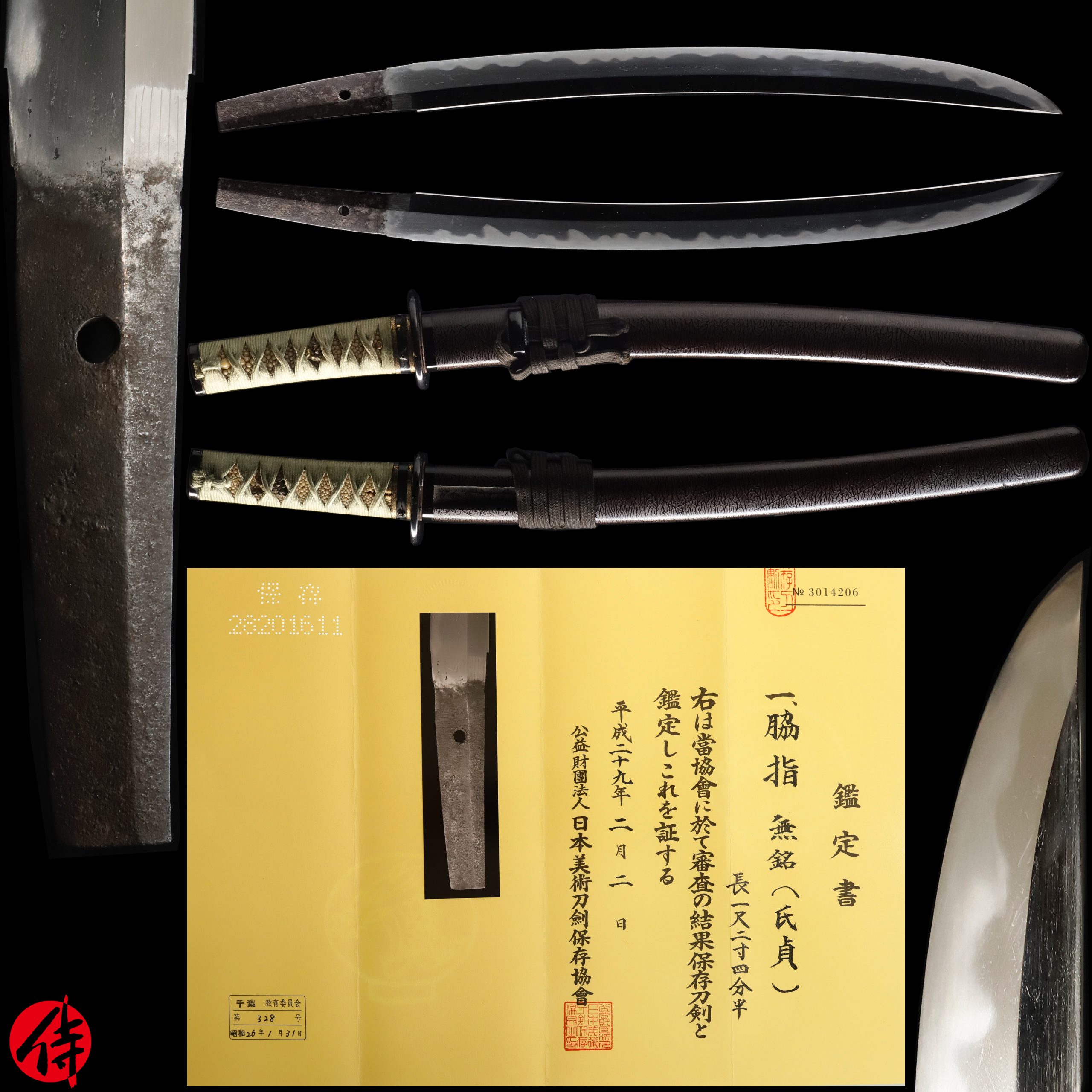
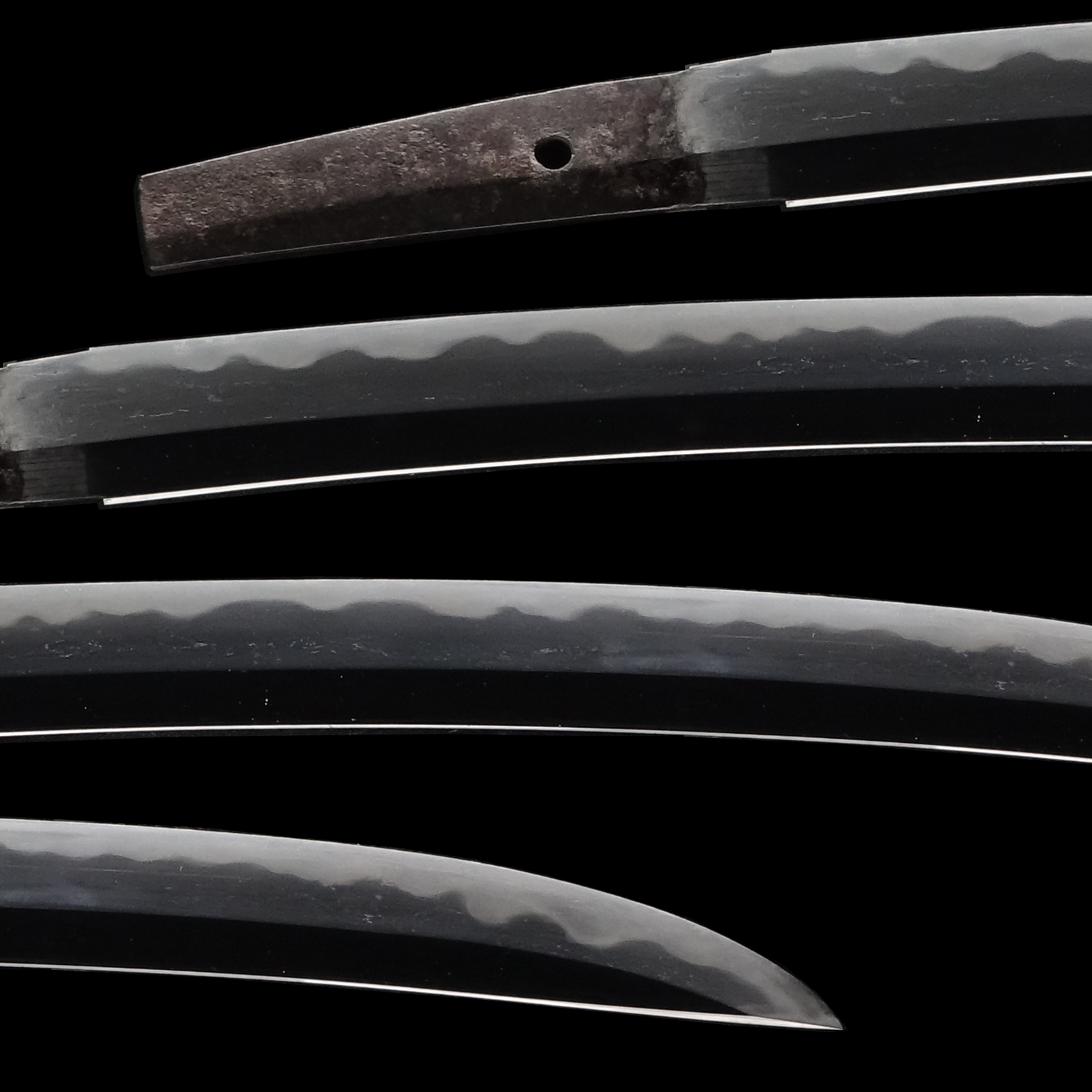
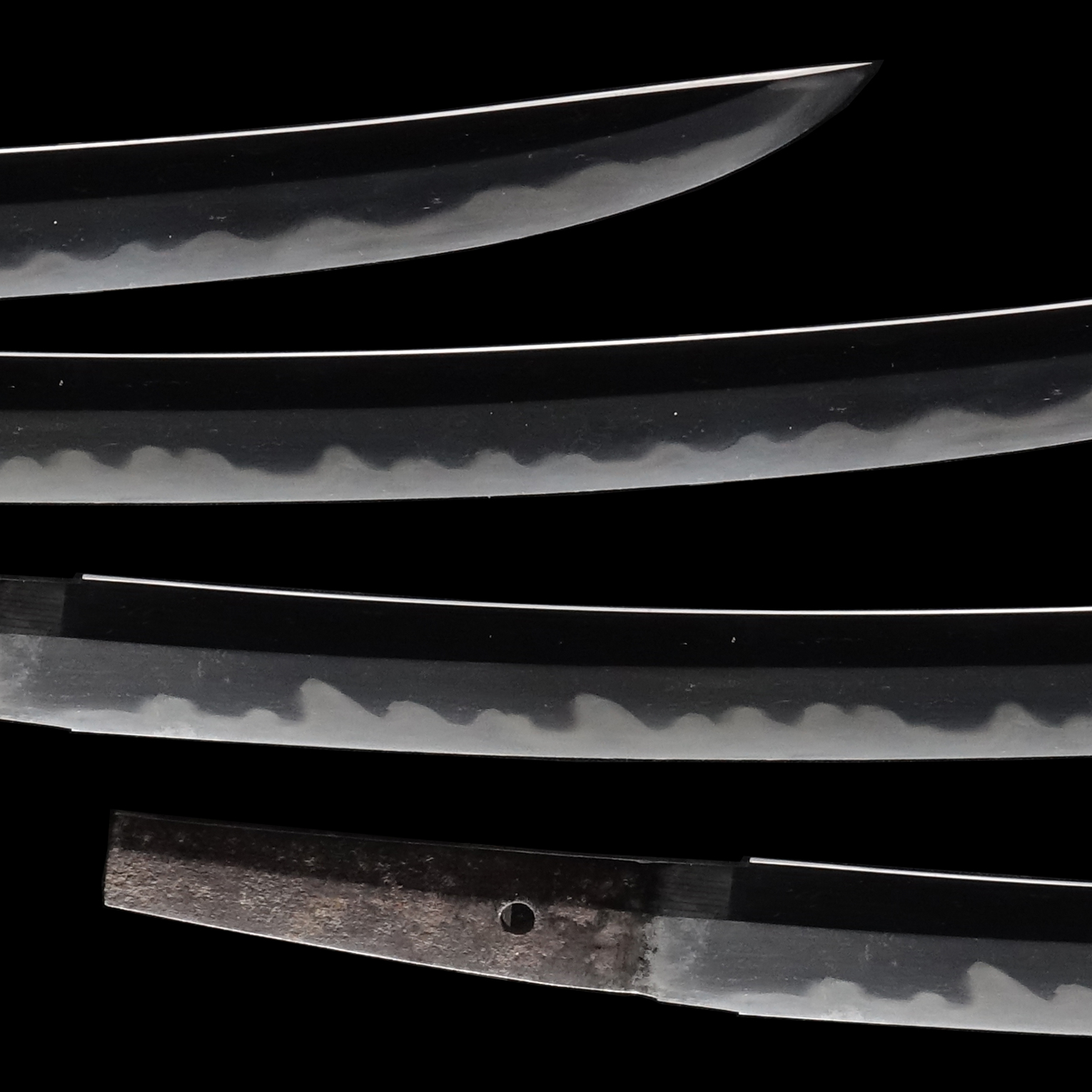
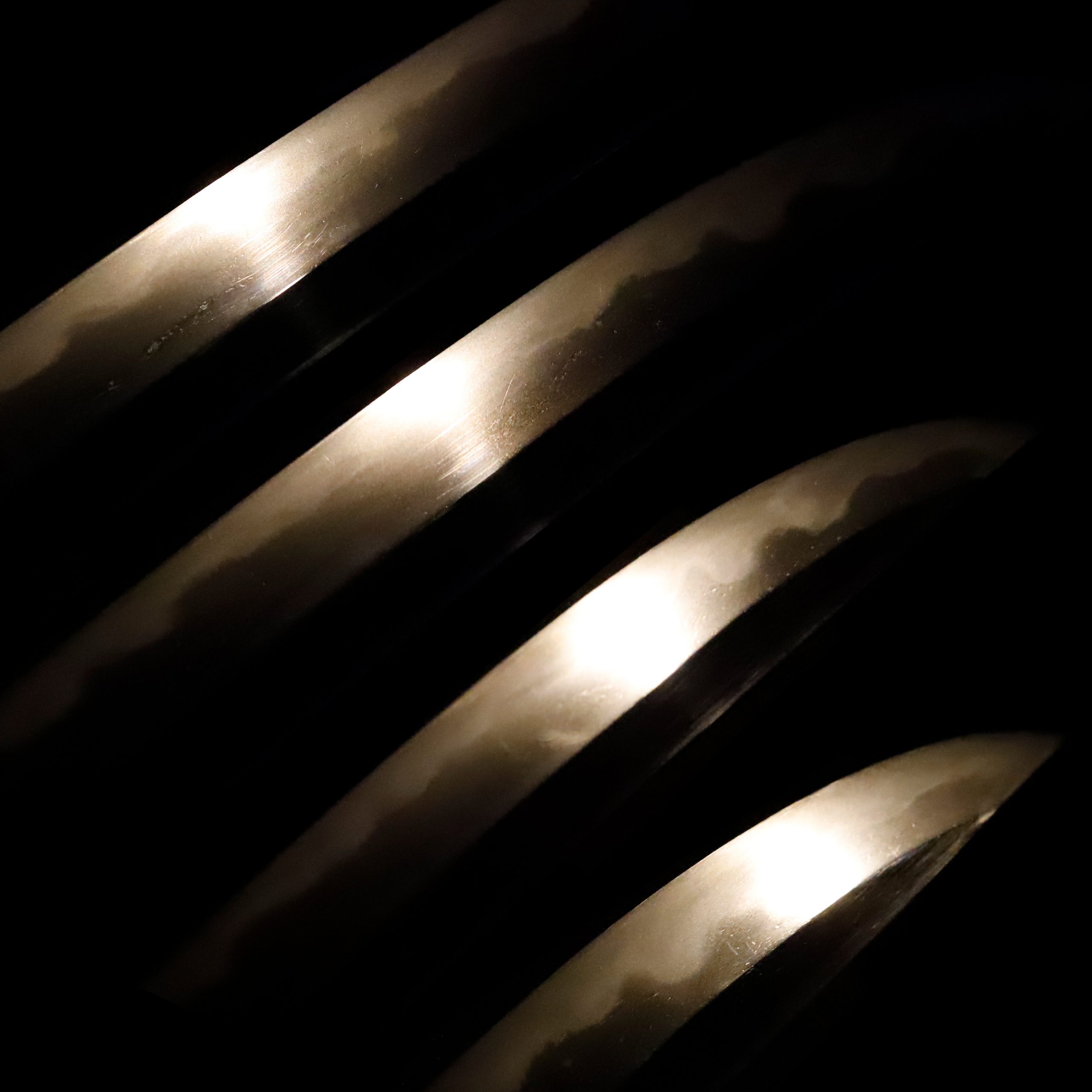
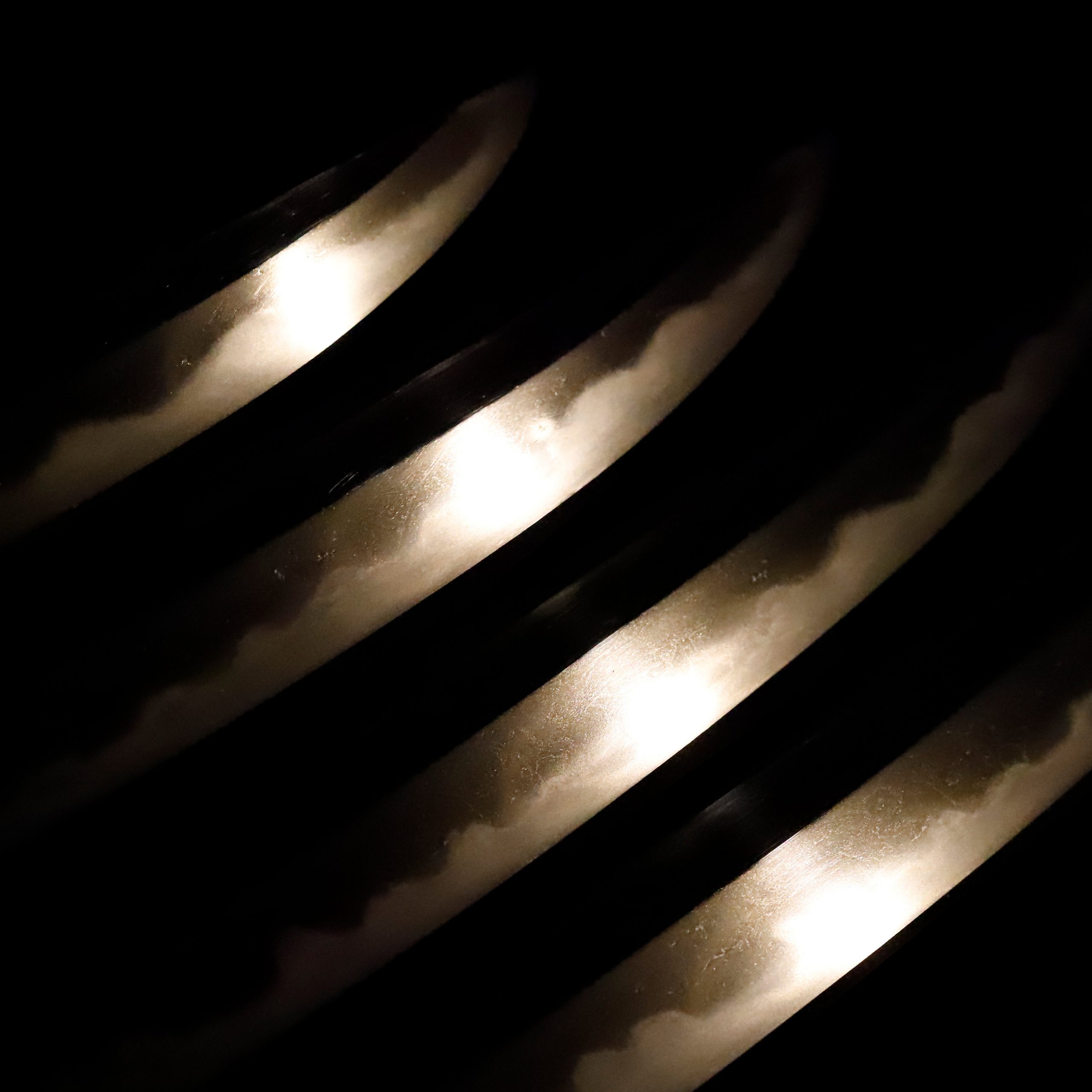
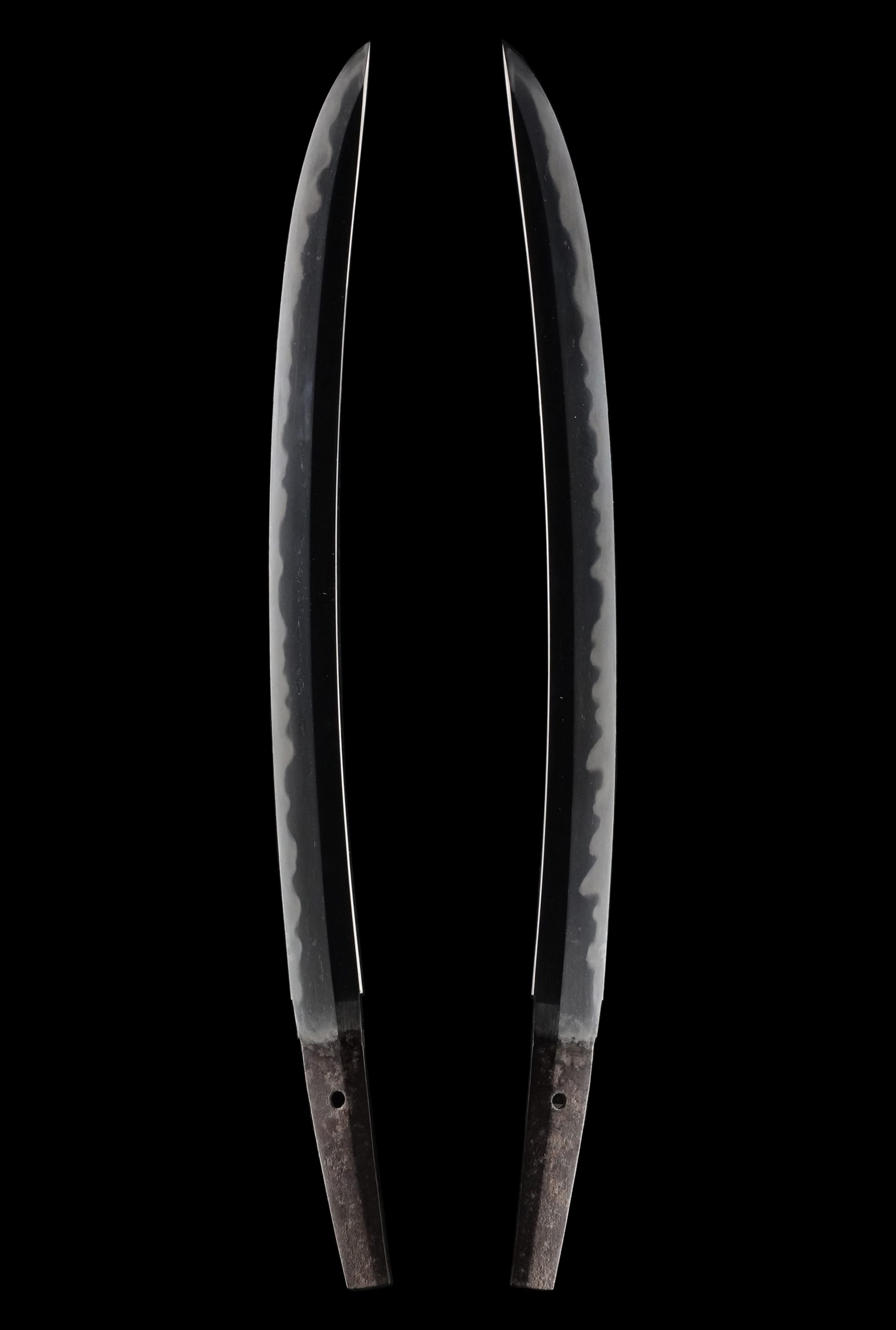
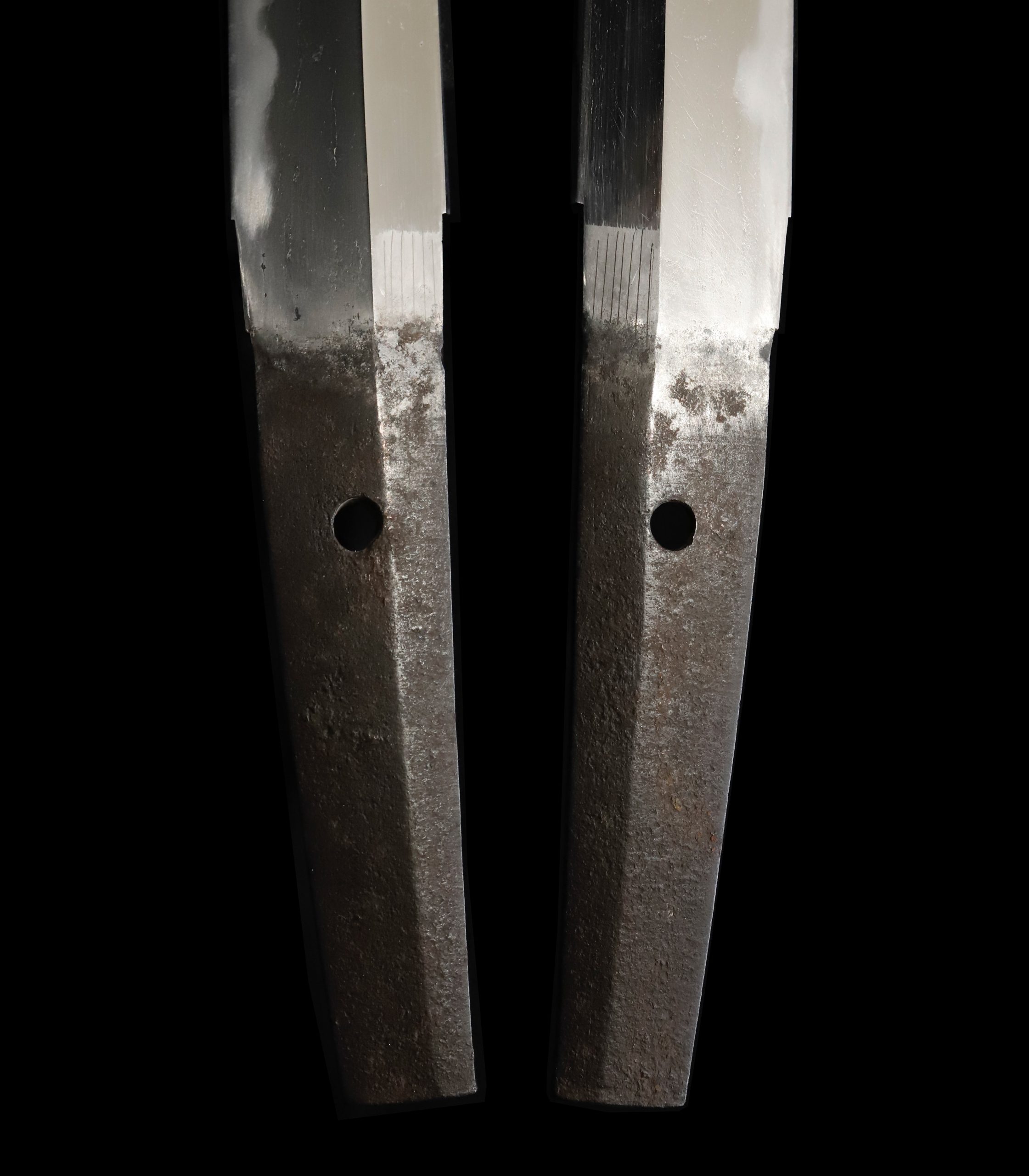
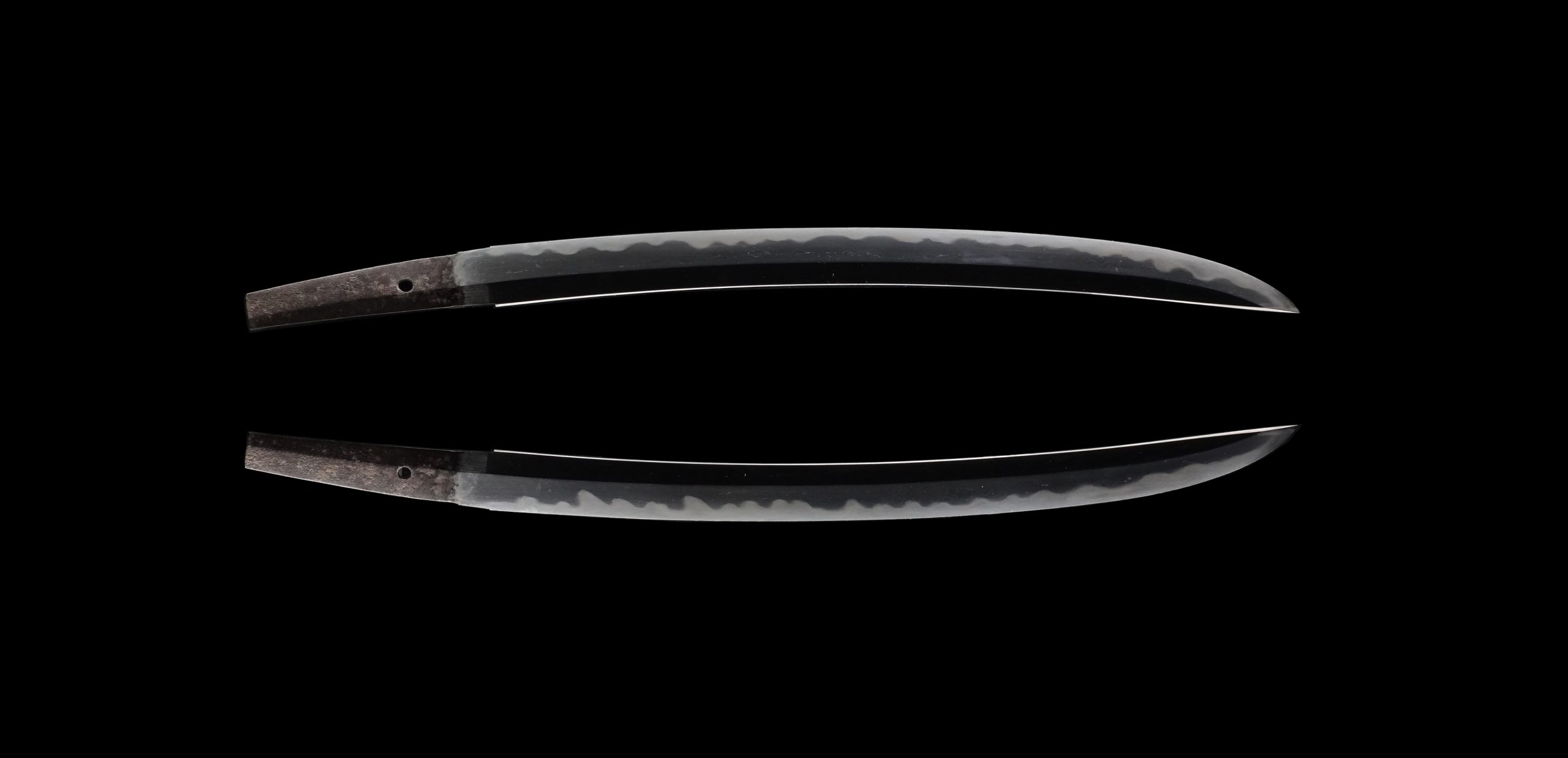
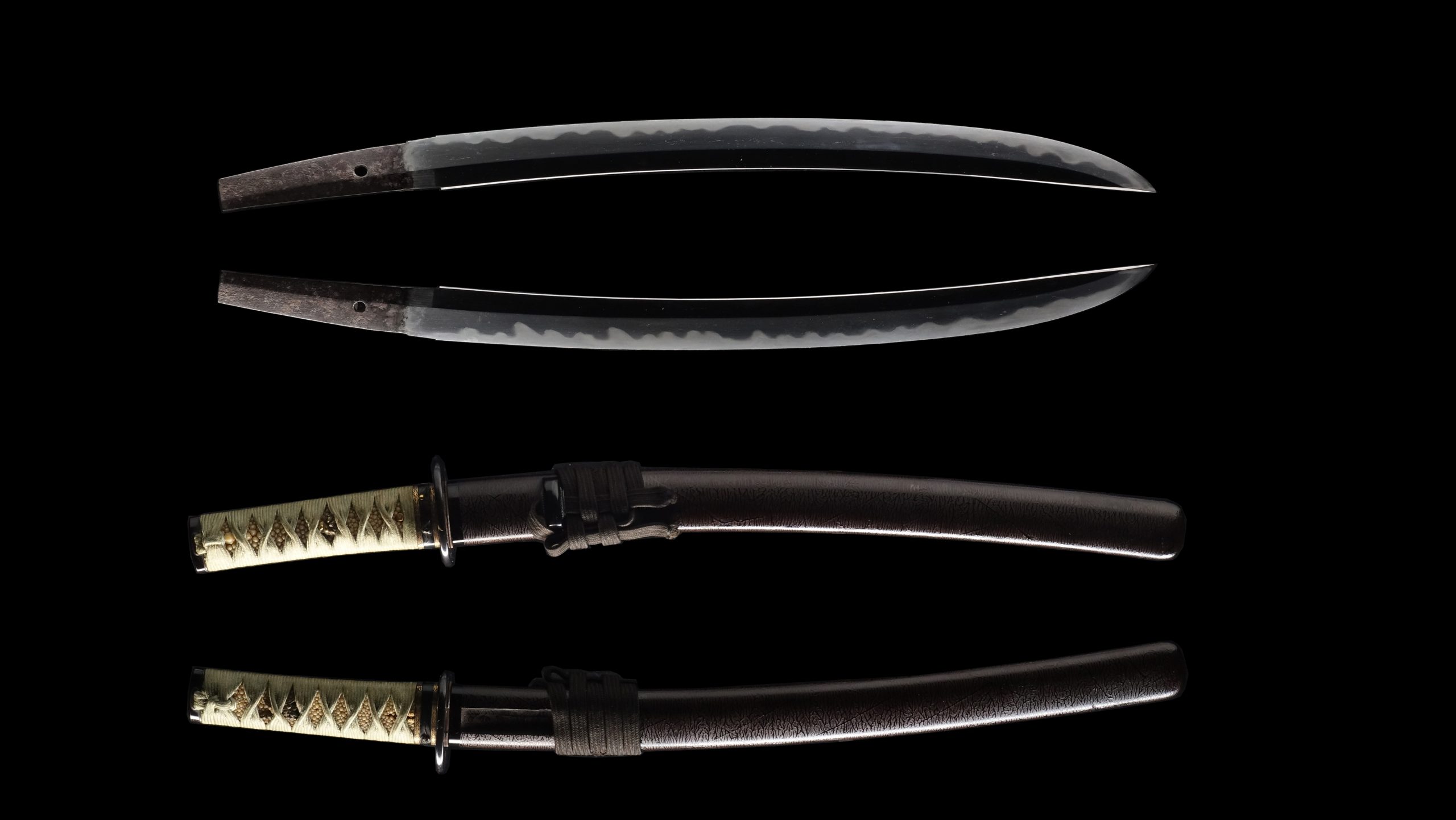
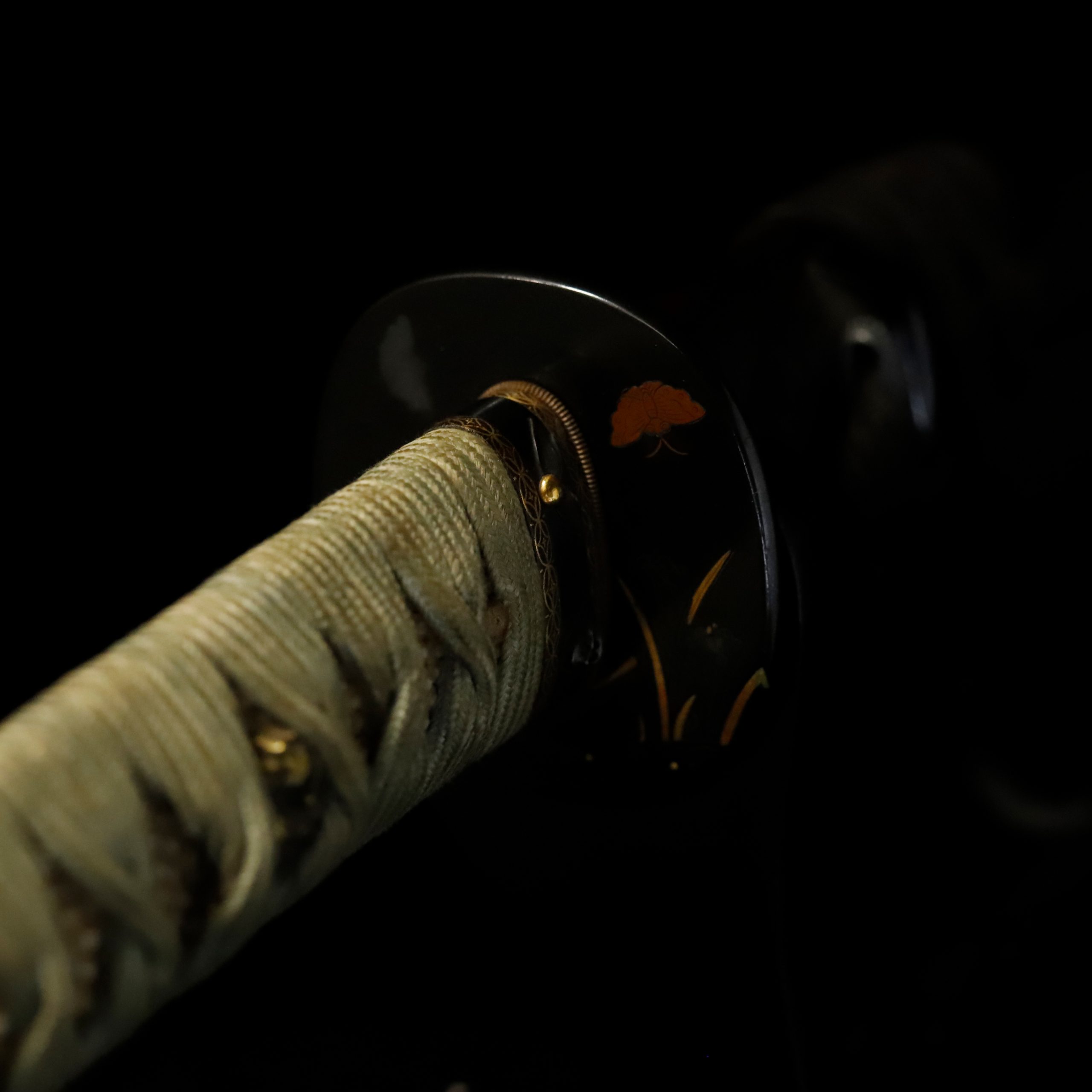
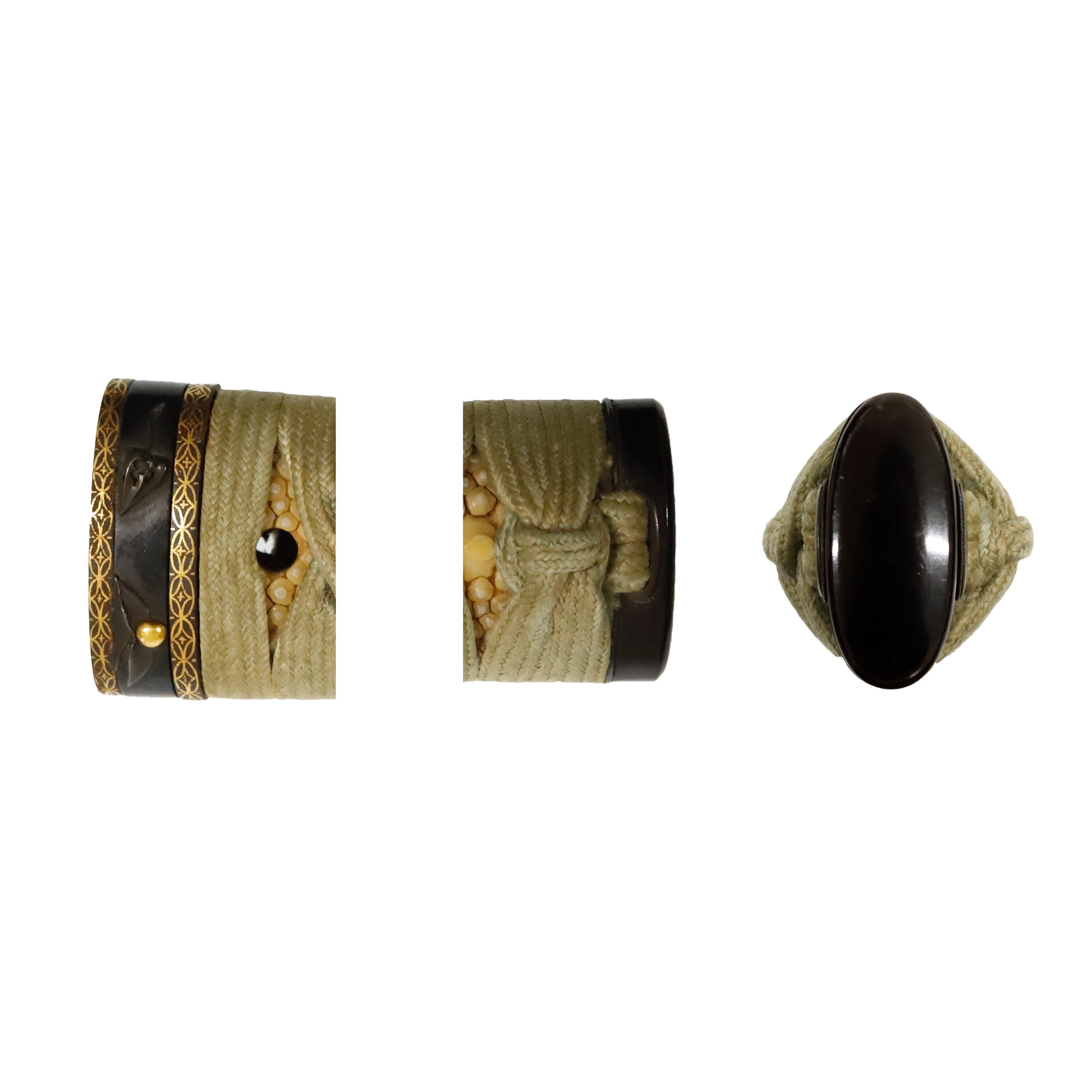
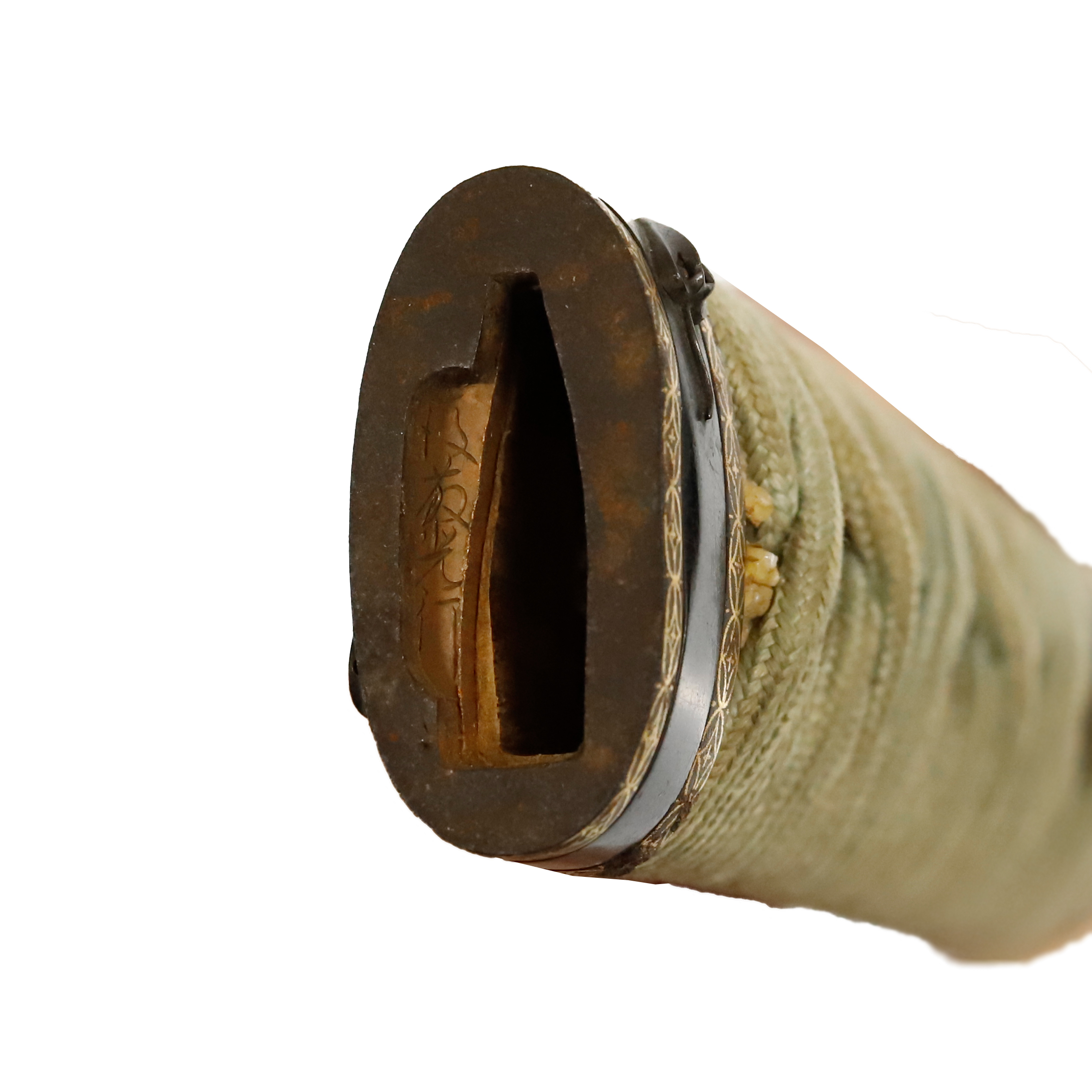
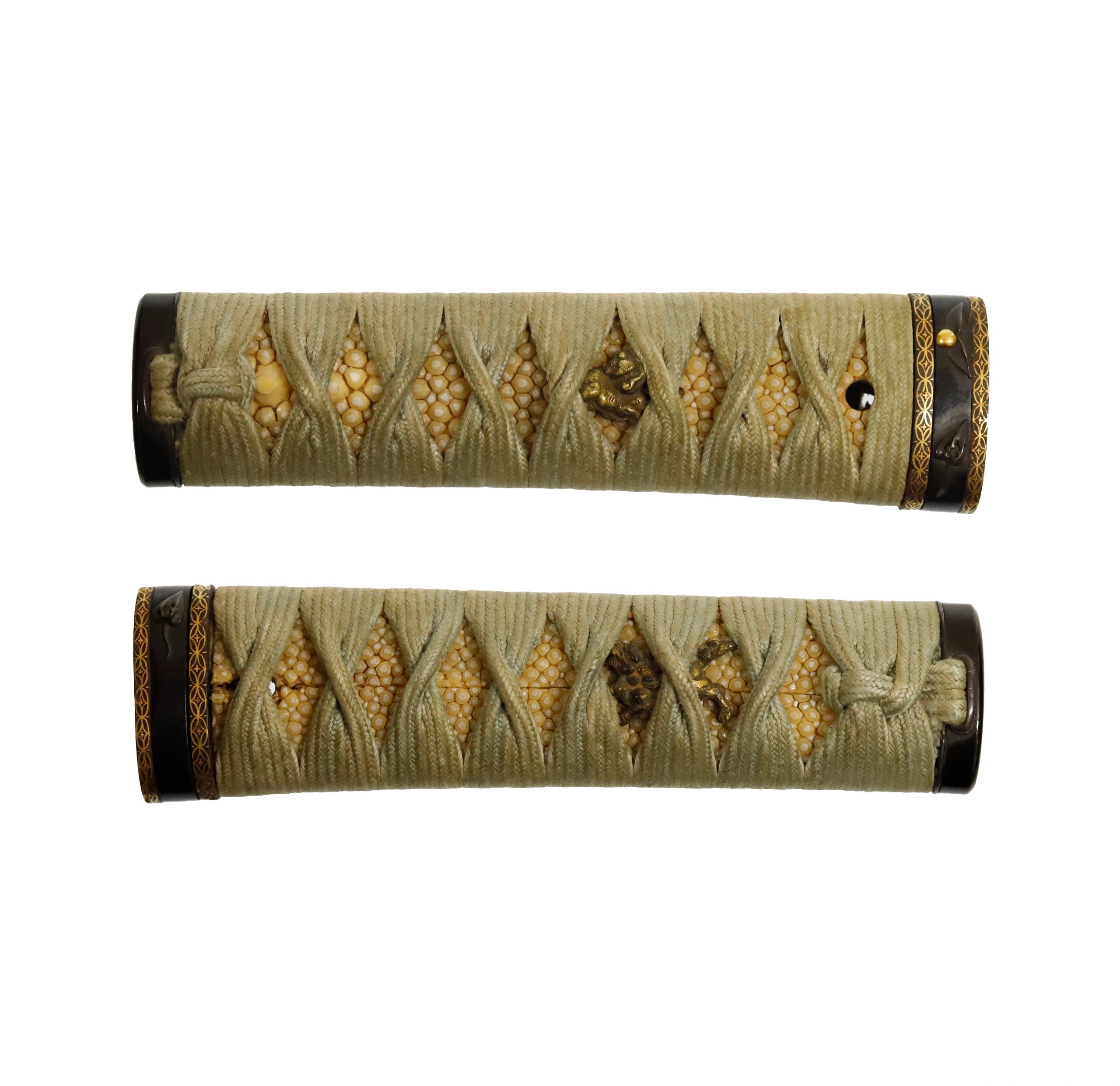
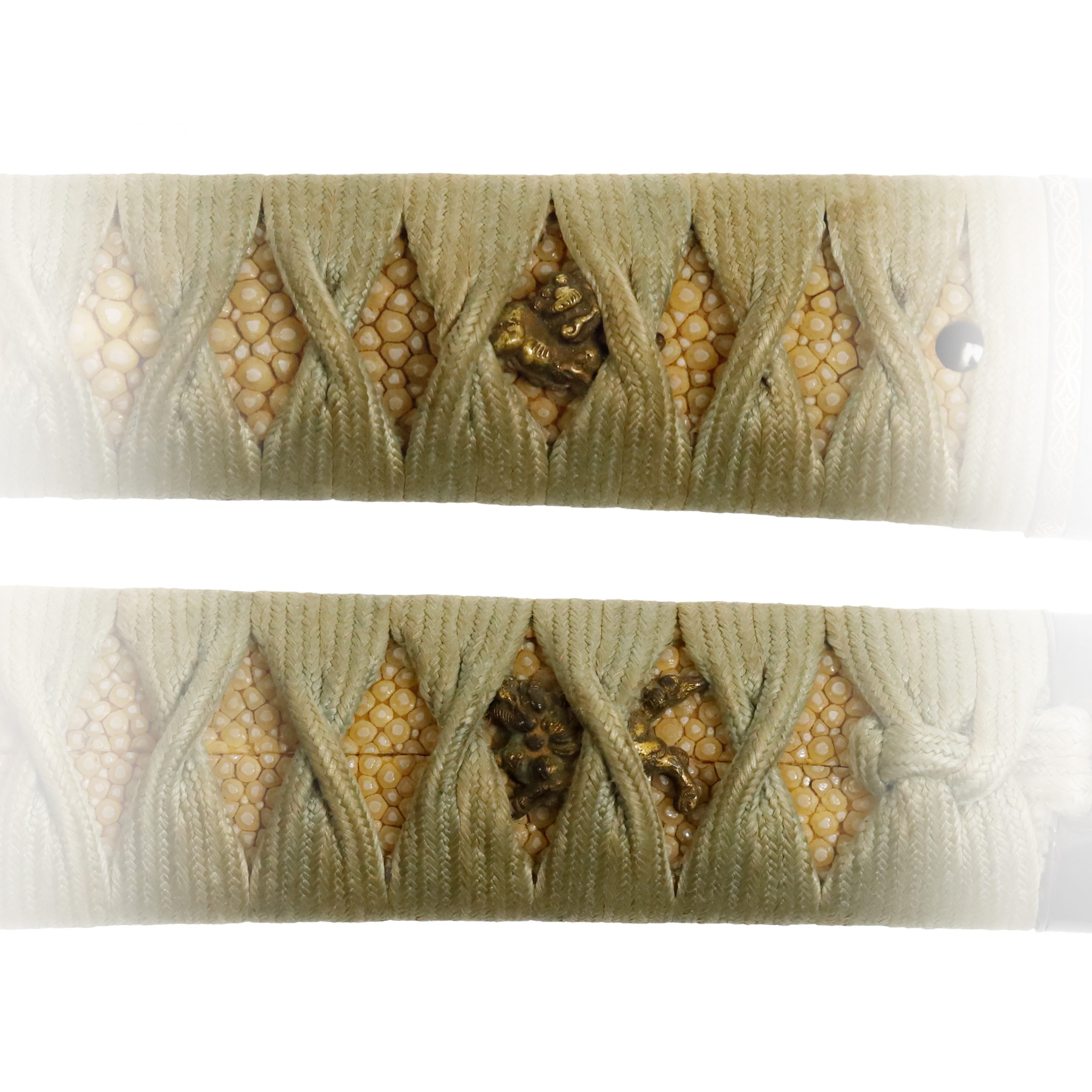
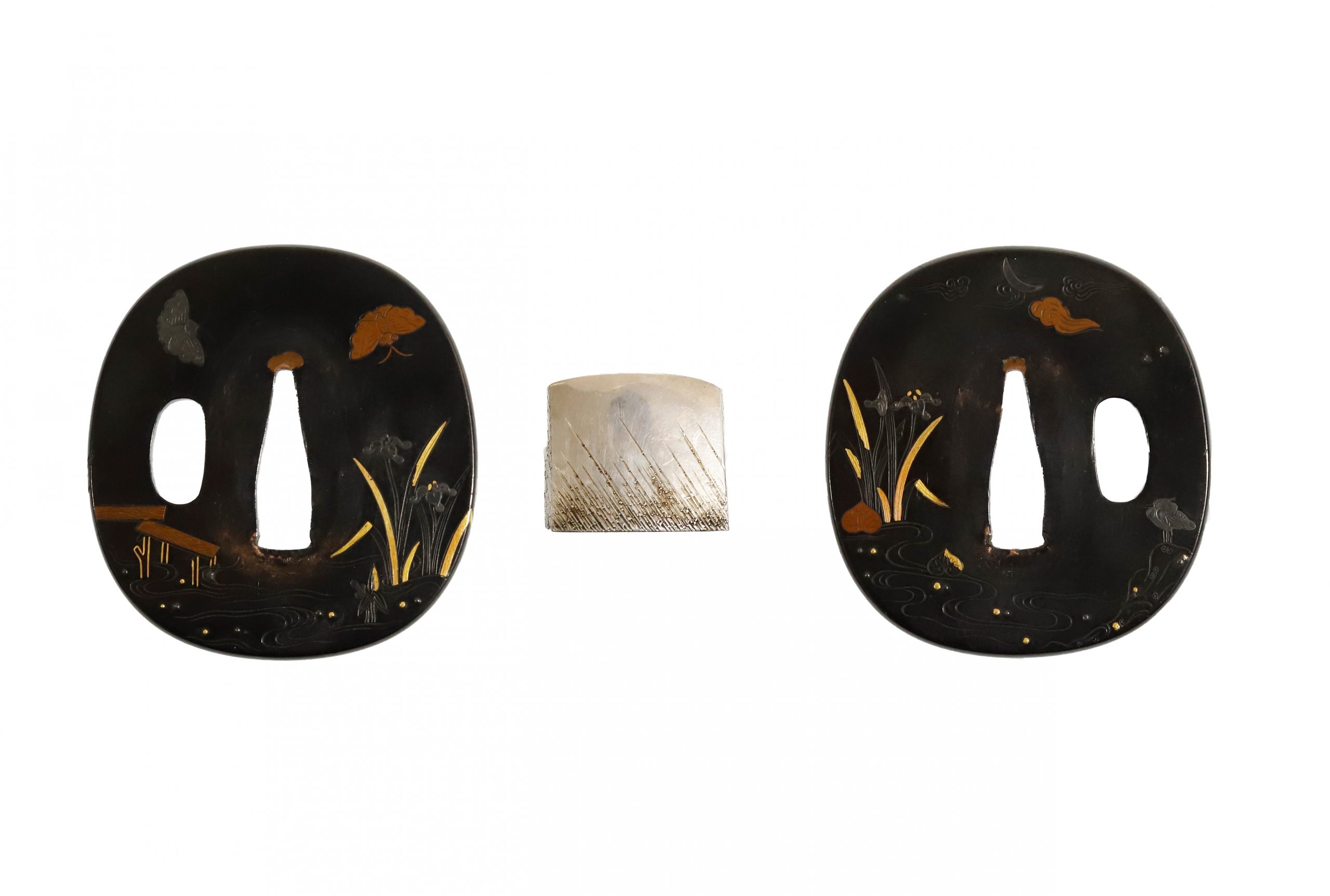
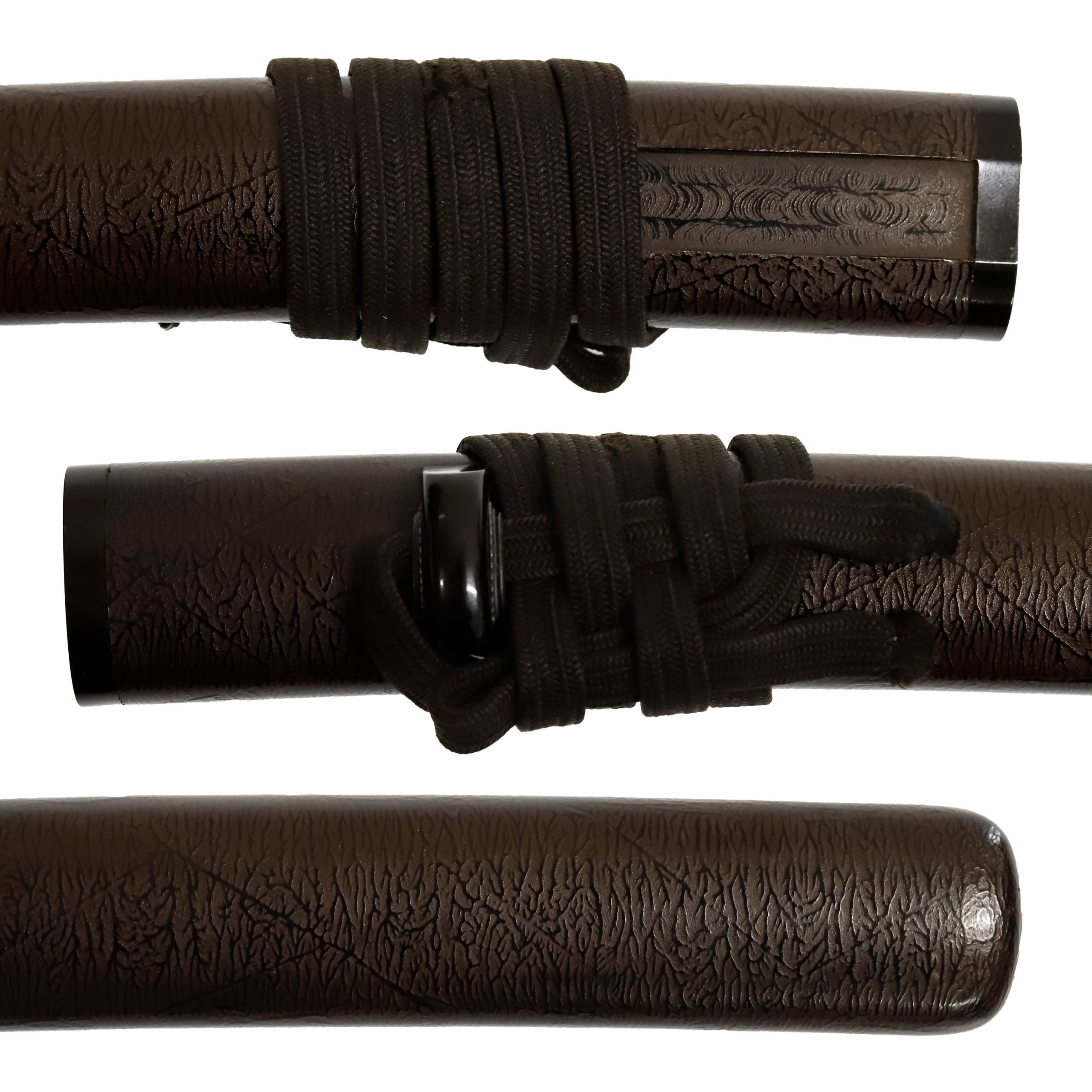
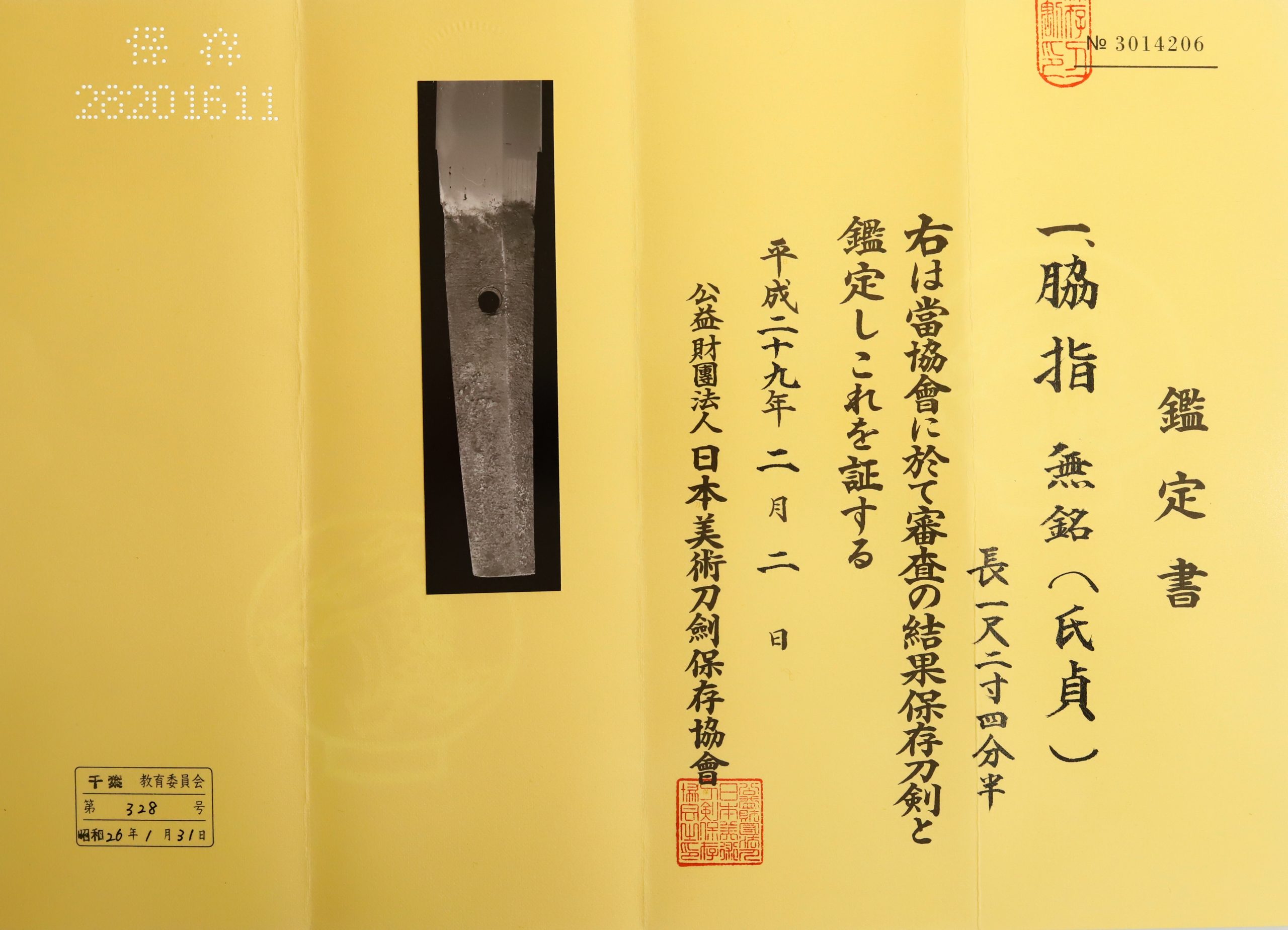
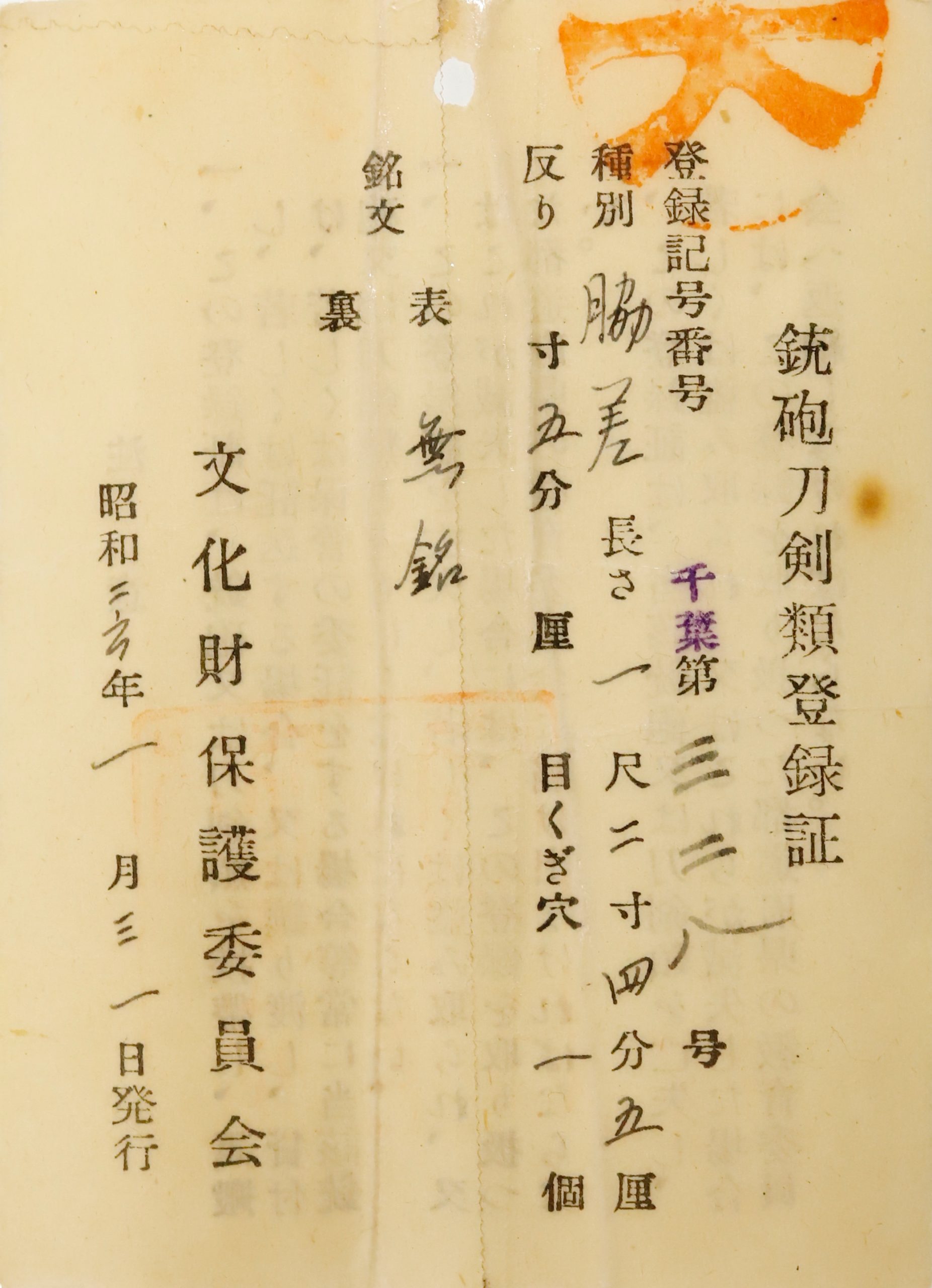
美濃伝 · 美濃 · 1558-1592頃
藤代 中上作 · 刀剣大鑑 上位31%
現在3点販売中
氏貞は室町時代末期の関の刀工で、初代若狭守氏房の子で、二代若狭守氏房の弟と伝えられる。出雲守、左近少将、権少将を受領し銘に冠する。常の作風は、小板目に柾ごころの肌合が交じった鍛えを呈し、浅く大きくのたれた焼刃に箱がかった刃を交えるなど、末関中特に氏房系の特色をよく示したものが多い。
作風は、板目肌立ちごころに僅かに流れ肌交じり、板目に流れ柾交じり、あるいは小板目に流れて柾ごころの肌が交じるなど、鍛えに変化が見られる。刃文は浅く大きくのたれ、箱がかった刃や互の目、尖り刃などを交え、焼深く匂口締まるものや、のたれを主調に互の目、小互の目を交え、小足入り、砂流しかかり、匂深く小沸つき、匂口冴えるものなどがある。複式風の互の目・互の目丁子・尖り刃など交じり、足入り、処々葉を交え、匂口締まりごころとなり、匂勝ちとなる作もある。帽子は乱れ込み、先を焼詰め、あるいは小丸、掃きかけるなどが見られる。姿は、鎬造、庵棟、あるいは三つ棟で、身幅広く、先反りややつき、中鋒延びごころとなるものが多い。
氏貞の作は、地刃共に出来が良く、その出来栄えから「一国」の号があったとも伝えられる。重要刀剣の指定を受けている作は、末美濃物中で優れたものと評価され、年紀のあるものも貴重である。氏房系の特色をよく示し、地刃の出来が優れている点が評価されている。
氏貞の位置づけを、日本刀全体および伝法・時代・時期ごとに示します。各区分(随一・屈指・有数・著名)は、NBTHK および文化庁による指定に加え、三作や名物帳などの歴史的栄誉を加味したものです。
各項目を選ぶと評価方法が表示されます。
在銘年紀作が示す、確実に活動していた年代
美濃伝 · 尾張
現在15点販売中
氏房は尾張国に興った一門で、その作は桃山末から江戸初期、いわゆる新古境いの時代に位置づけられる。説示は若狭守氏房・飛騨守氏房を本流の手本として繰り返し挙げ、これに連なる工として、若狭守氏房の次男と伝える越後守氏恒、初代氏房の子と伝える出雲守氏貞らを記す。氏恒は河村平十郎、初銘を氏重とし、元和六年に越後守を受領、明暦二年に尾州名古屋にて歿したと美濃刀大鑑が伝える。氏貞は出雲守を受領し、左近少将あるいは権少将と銘した。一門は美濃を根として尾張に移り、徳川・尾張の地で代々その作風を継いだ。 作風は美濃伝を基調とする。鍛えは板目がつみ、杢や流れ肌を交え、地沸が微塵に厚くつき、地景が細かに入る。刃文は直ぐの焼出しごころを見せたうえ、下半は浅いのたれを基調に小互の目を連れて交え、上半は小のたれに大互の目や尖りごころの互の目を交える。のたれが角がかり、小足・葉が入り、沸がつき、処々荒めの沸を交えてむらづき、金筋・砂流しがかかり、随処に飛焼・棟焼を交えて匂口が幾分沈みごころとなる。帽子は焼深く、三品風に先が尖り、あるいは一枚風となって長く焼き下げ、掃きかける。短刀には平造に草の倶利迦羅や護摩箸に蓮台の彫物を加えるものがあり、師伝をよく踏襲する。大きくのたれた刃に大乱れを焼き、飛焼を交えて皆焼風となる一類もある。見分けは、のたれの角がかりと沸のむらづき、匂口の沈みごころ、そして三品風に先の尖る帽子に求められる。 伝来し指定された作には、越後守氏恒の幅広・大鋒で重ね厚く長寸の豪壮な刀、左近権少将氏貞の天正五年紀を切る彫物入りの短刀、氏貞の皆焼風を示す刀などがある。鑑定の要点は、若狭守及び飛騨守氏房の作柄を髣髴とさせる地刃の総体にあり、肉置き豊かな体配と大模様の刃文が相俟って迫力ある一作風を成す。寡作の工にあっても抜群の出来を示し、長大な姿にして破綻のないところに、この一門の力量がうかがわれる。 詳しく見る →
室町時代の美濃
戦国の関は一つの産業であった。春日神社を氏神と仰ぐ鍛冶たちが、中部日本の軍勢を武装させた。孫六兼元の三本杉と之定の最上作は、量産の町に第一級の技が息づいていたことの証である。
銘が正しい、または無銘でも年代・国・系統を確実に指摘できる、保存に値する真正の作と鑑定されたものです。
日本美術刀剣保存協会(NBTHK)は、1948年に設立され、文化庁の監督を受ける公益財団法人で、東京・刀剣博物館に本部を置きます。専門の審査員が出品作を直接審査し、美術的・歴史的価値に応じた鑑定書を発行します。NBTHKの鑑定書は、日本刀および刀装具の真正性を示す最も広く認知された基準です。
NBTHK公式サイトReturns/exchanges limited to defects caused by shipping (except willful misconduct or gross negligence by the company); customers must contact within 72 hours of receiving the product.