戦国の関は一つの産業であった。春日神社を氏神と仰ぐ鍛冶たちが、中部日本の軍勢を武装させた。孫六兼元の三本杉と之定の最上作は、量産の町に第一級の技が息づいていたことの証である。
 NihontoWatchNihontoWatch
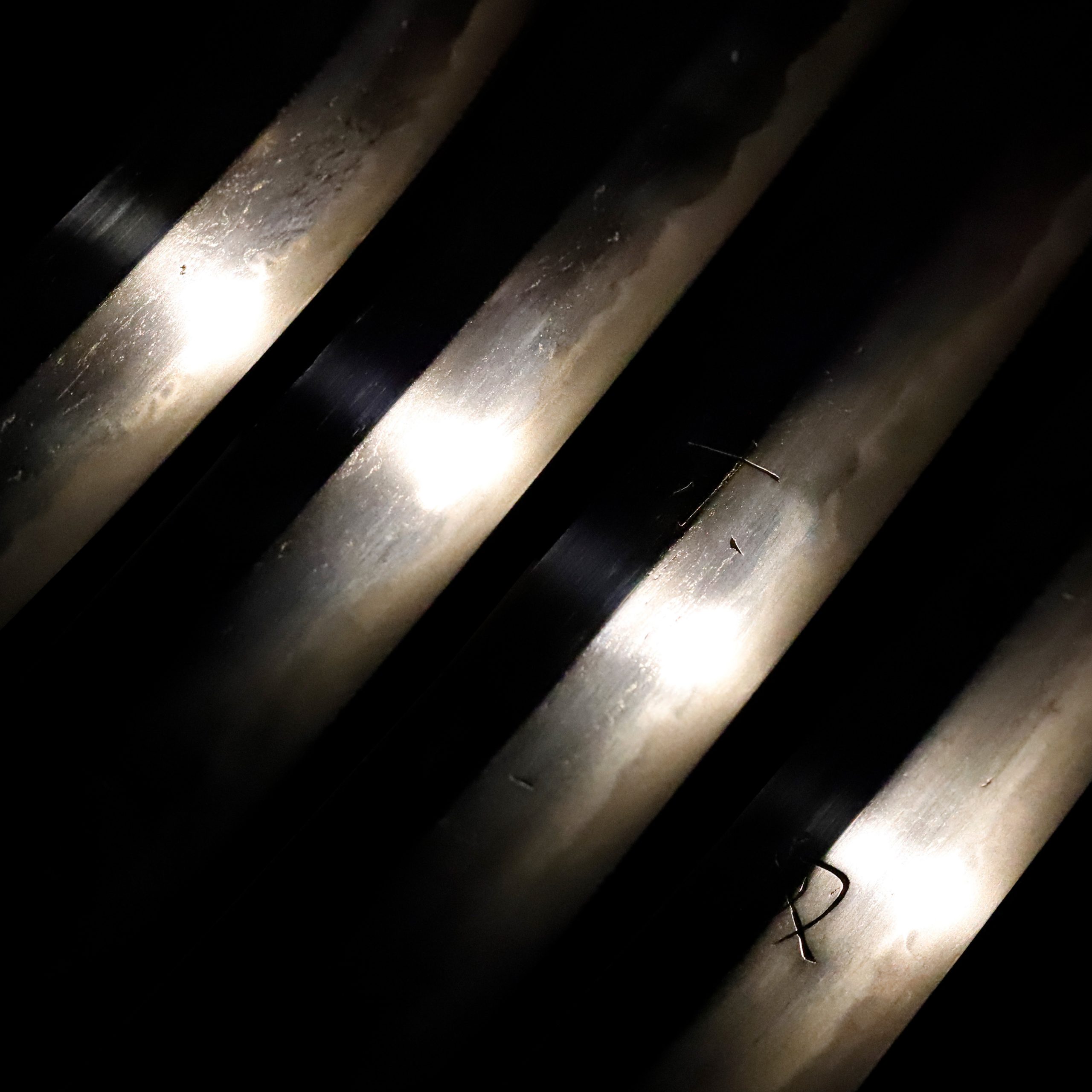
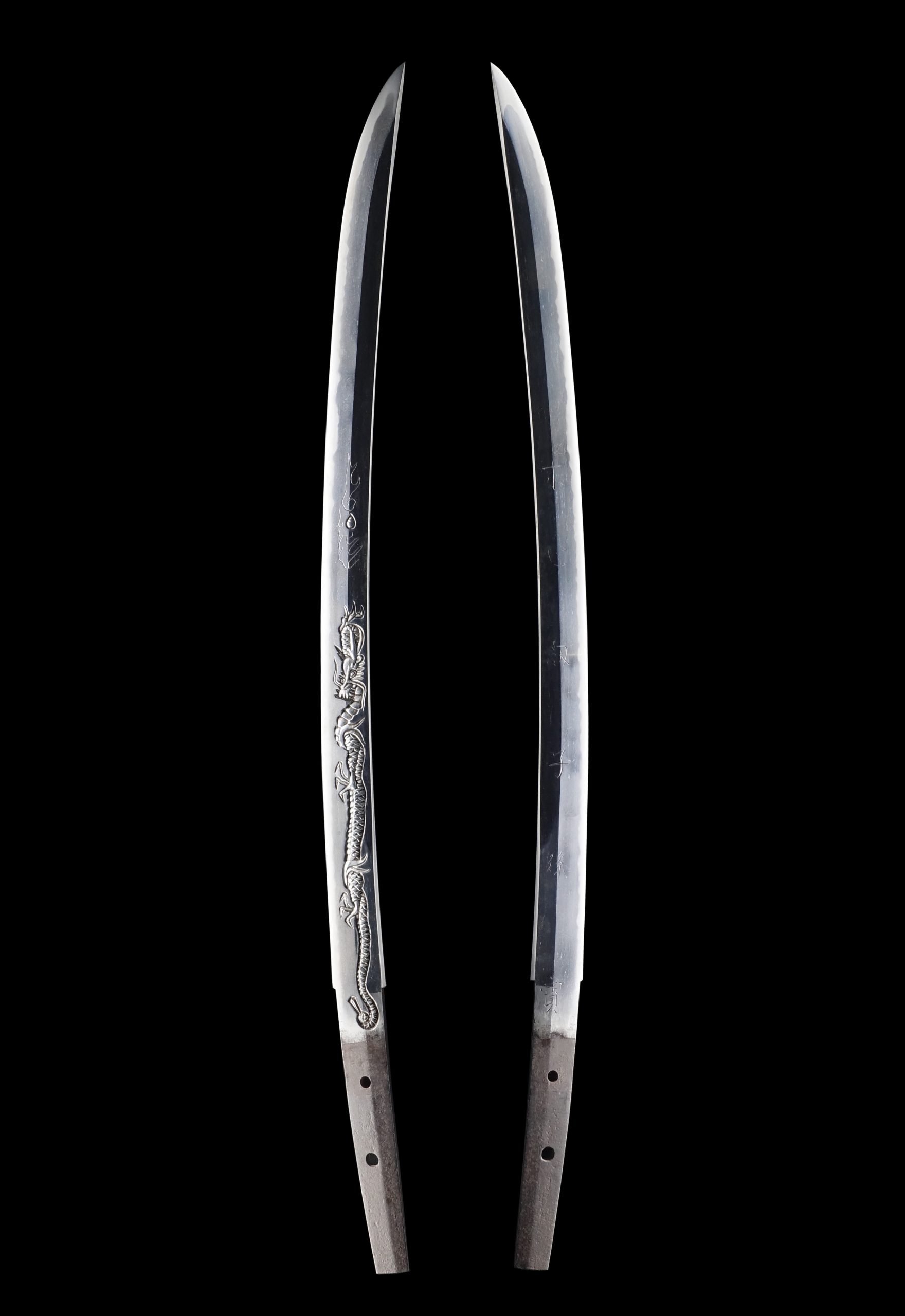
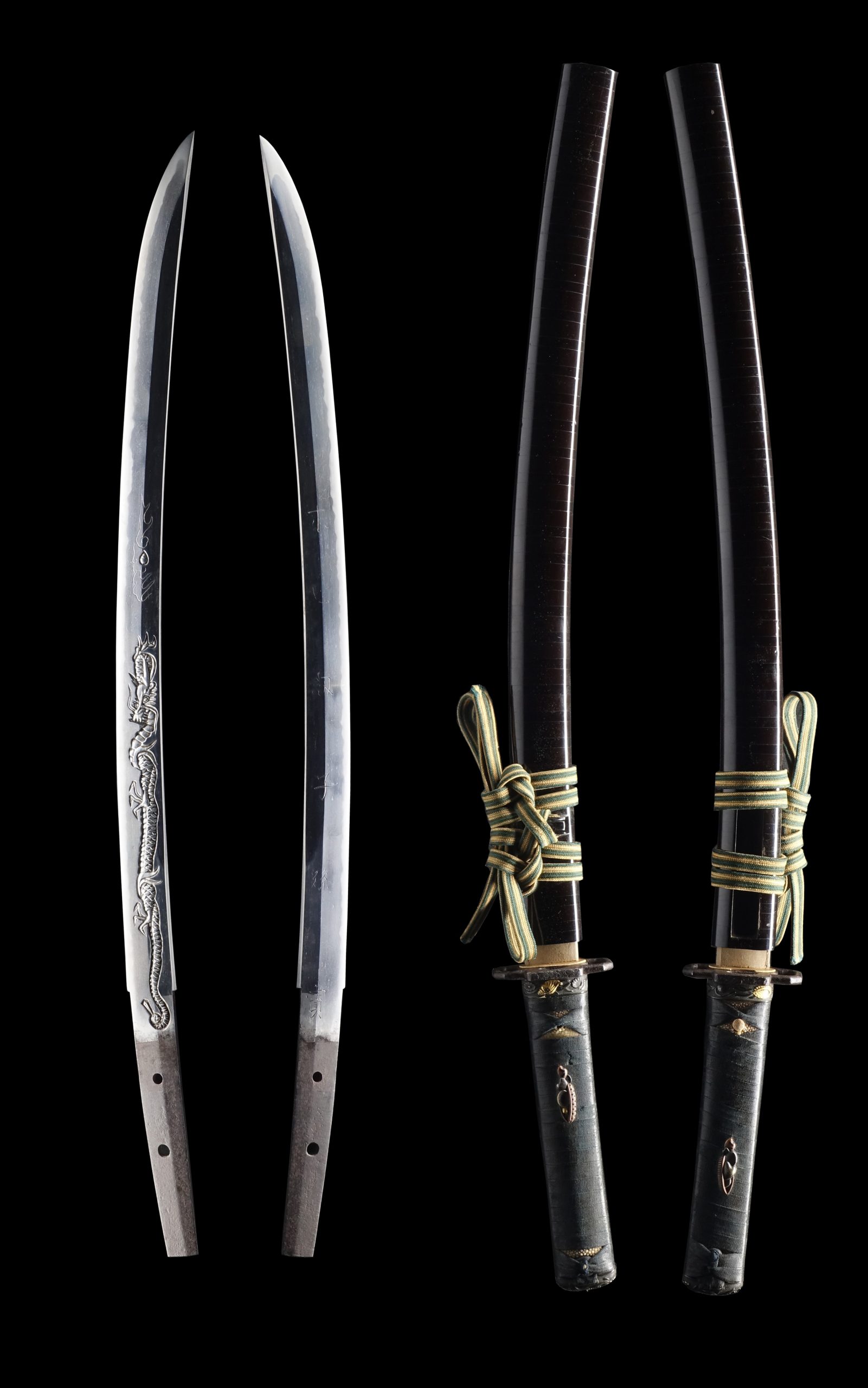
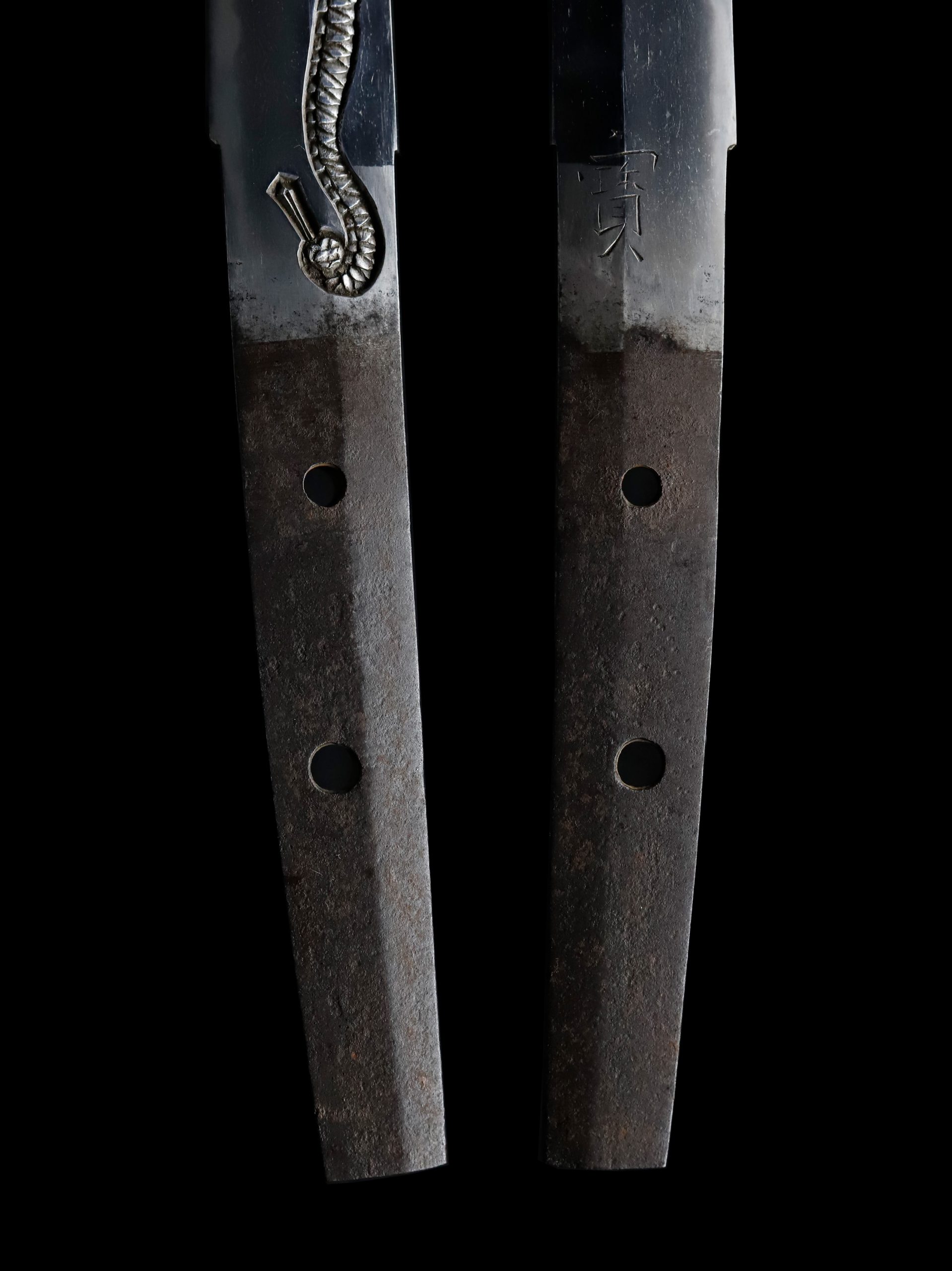
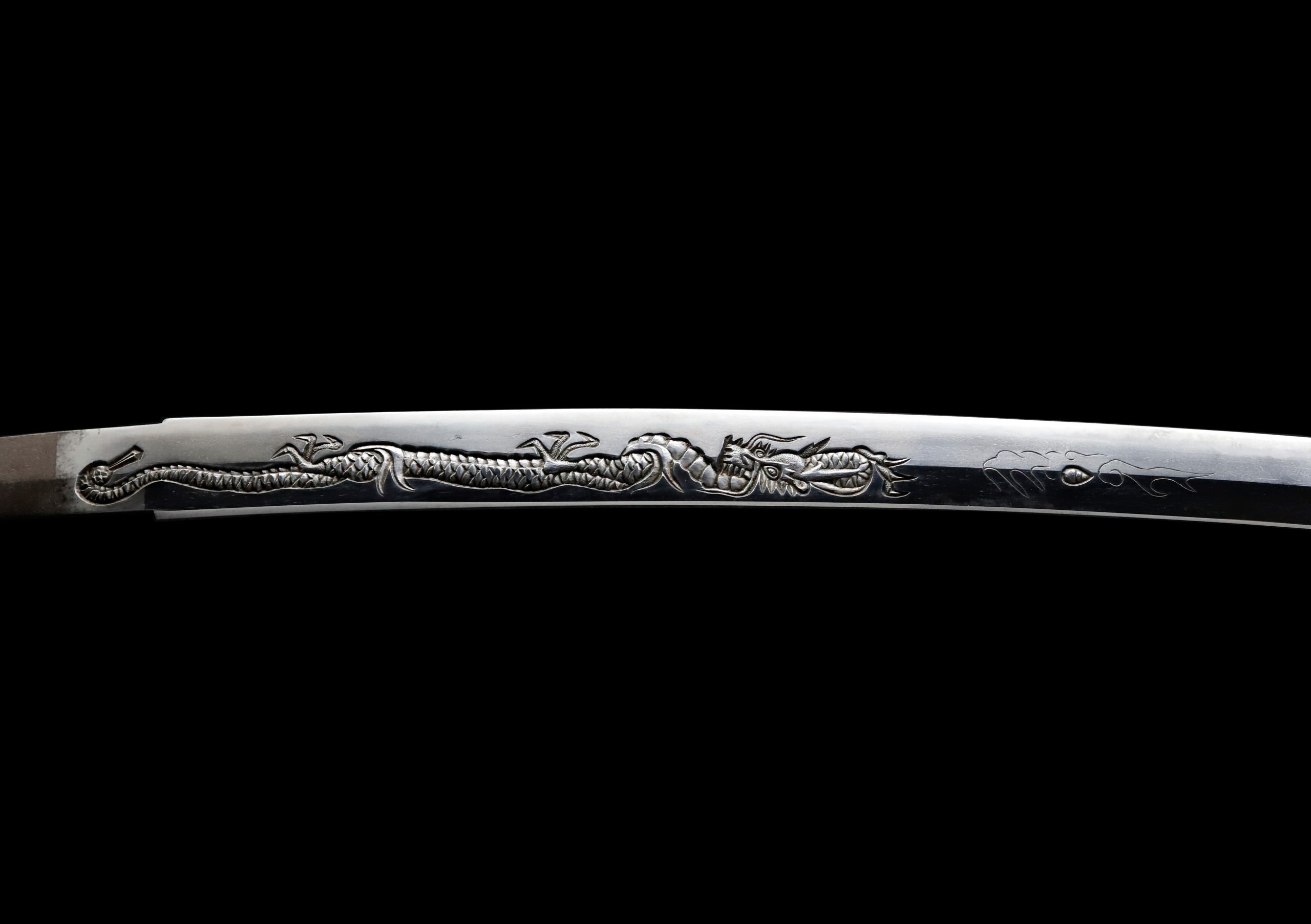
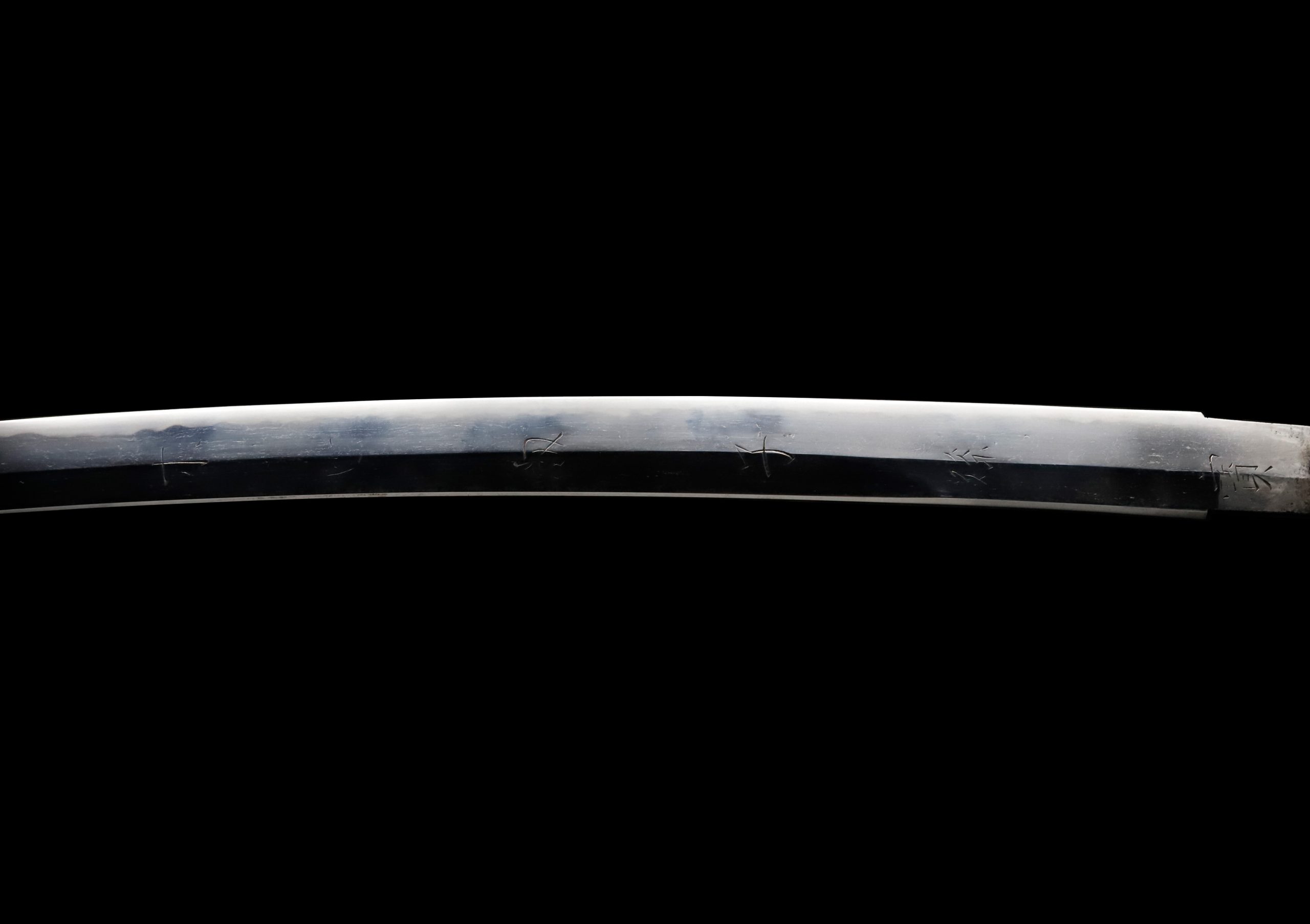
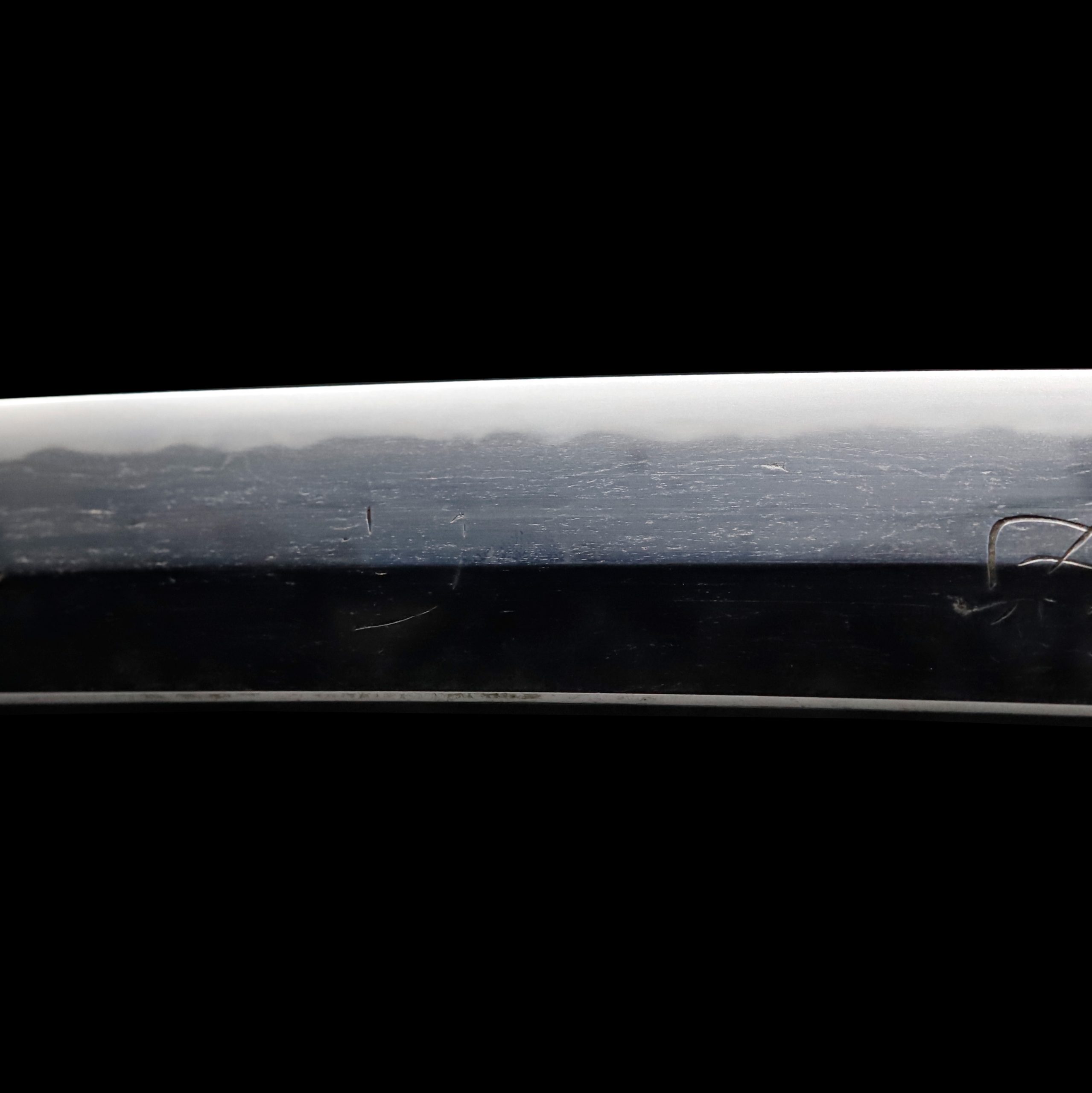
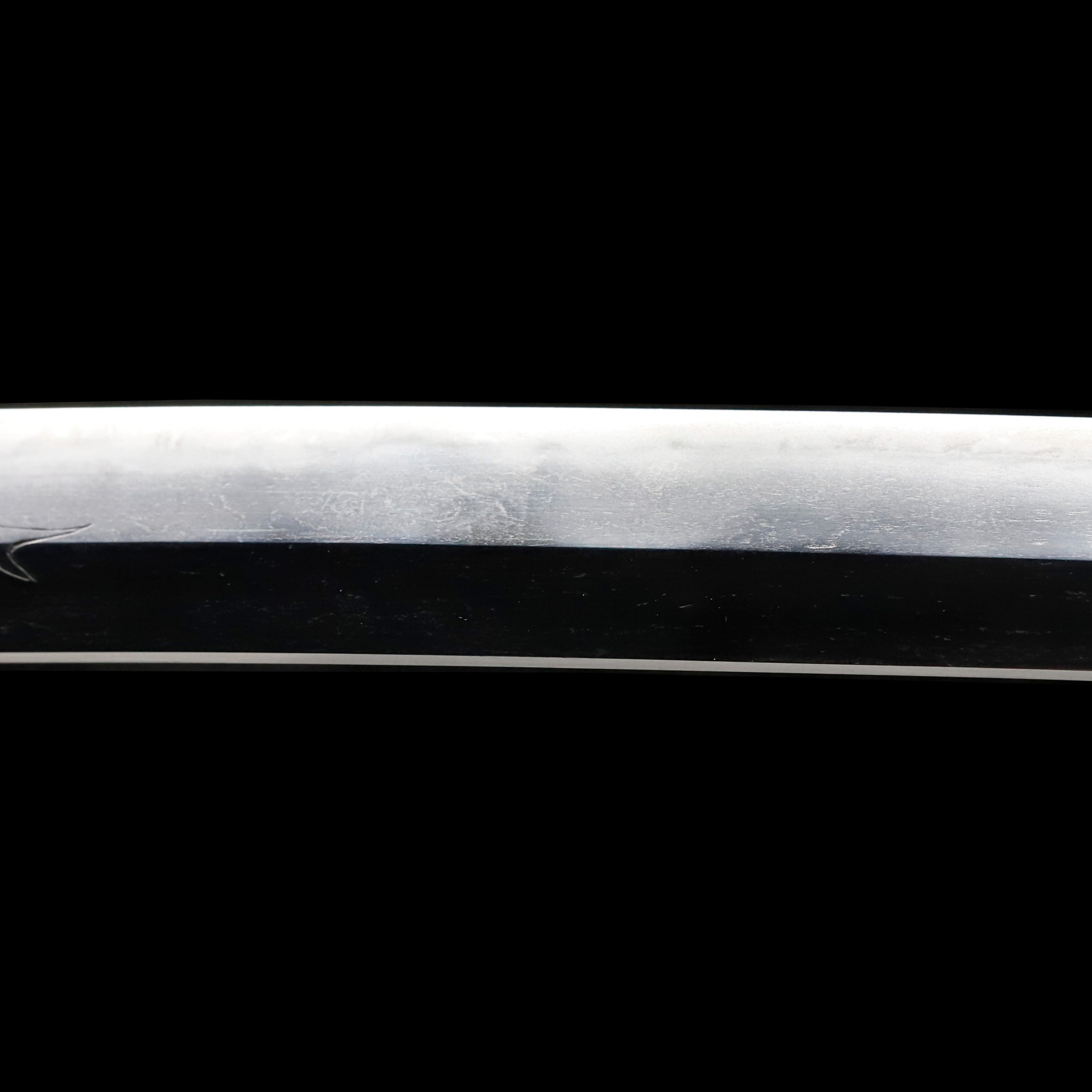
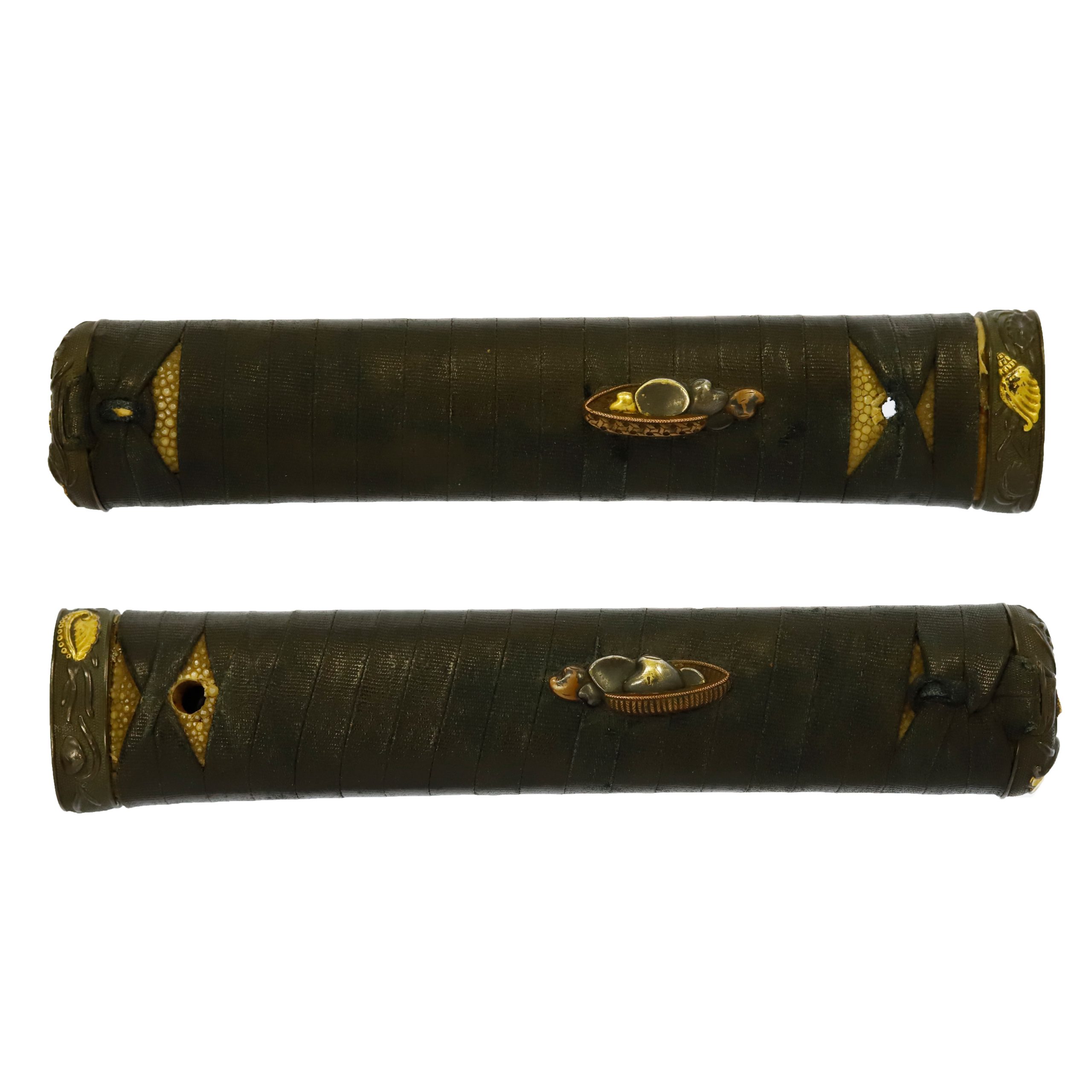
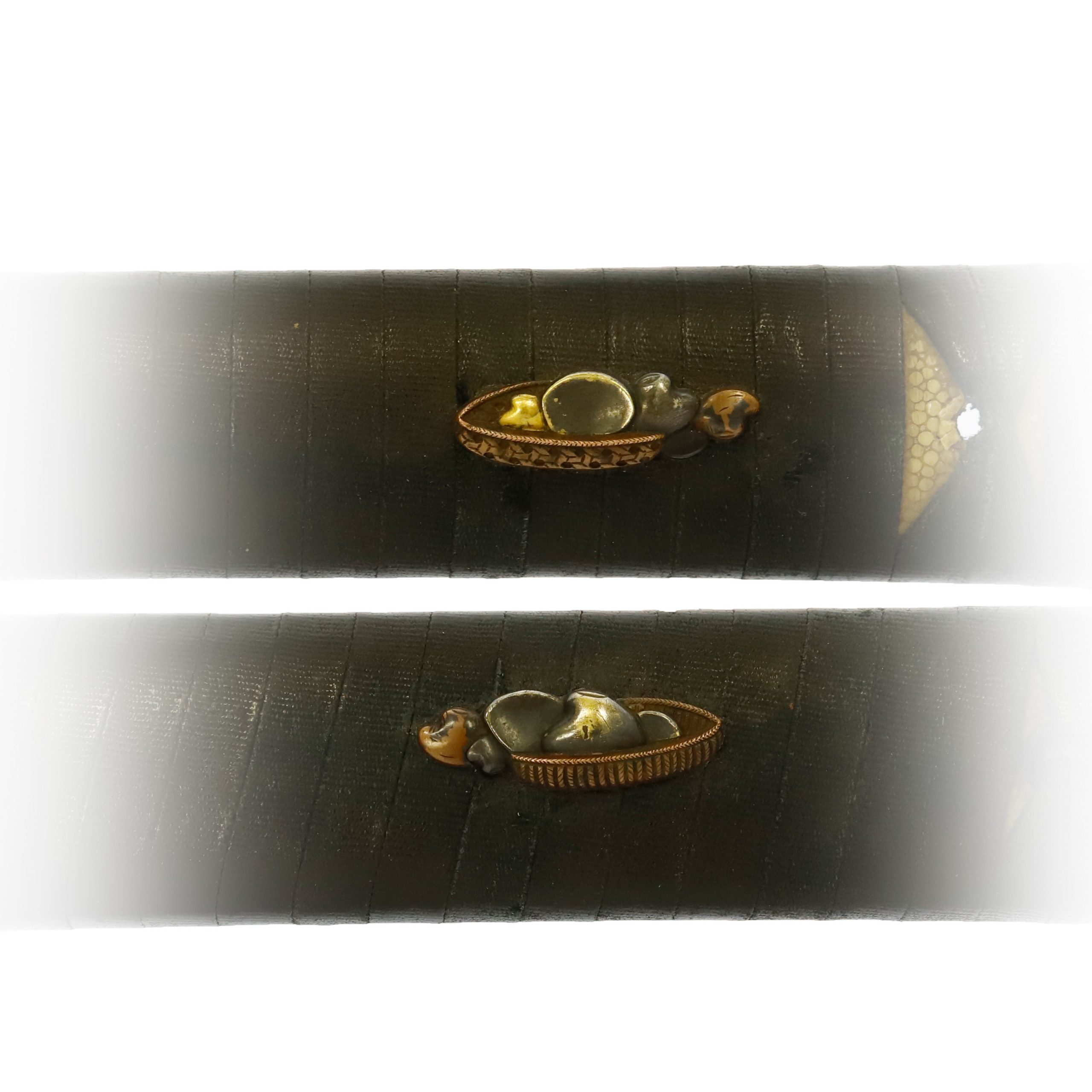
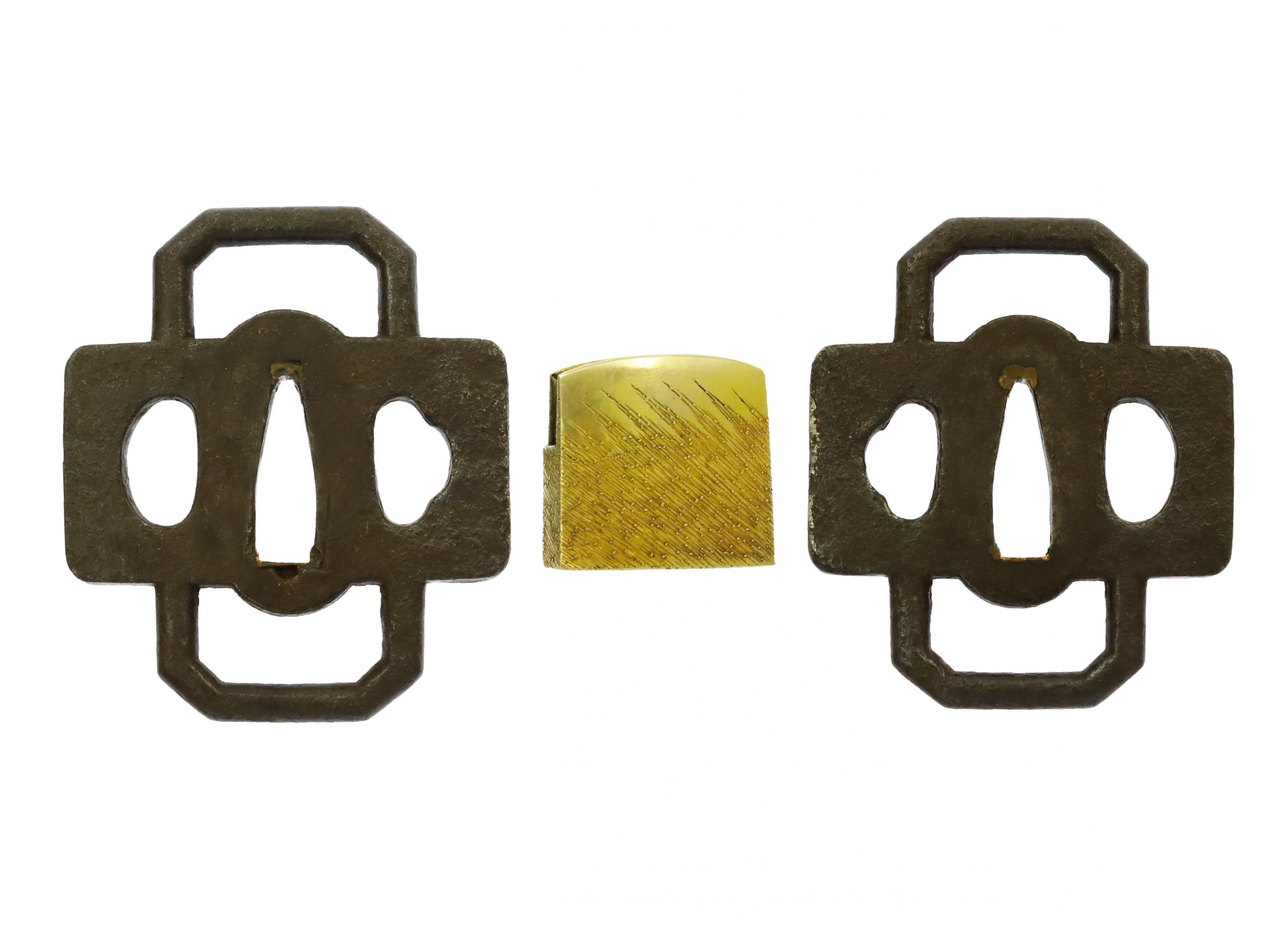
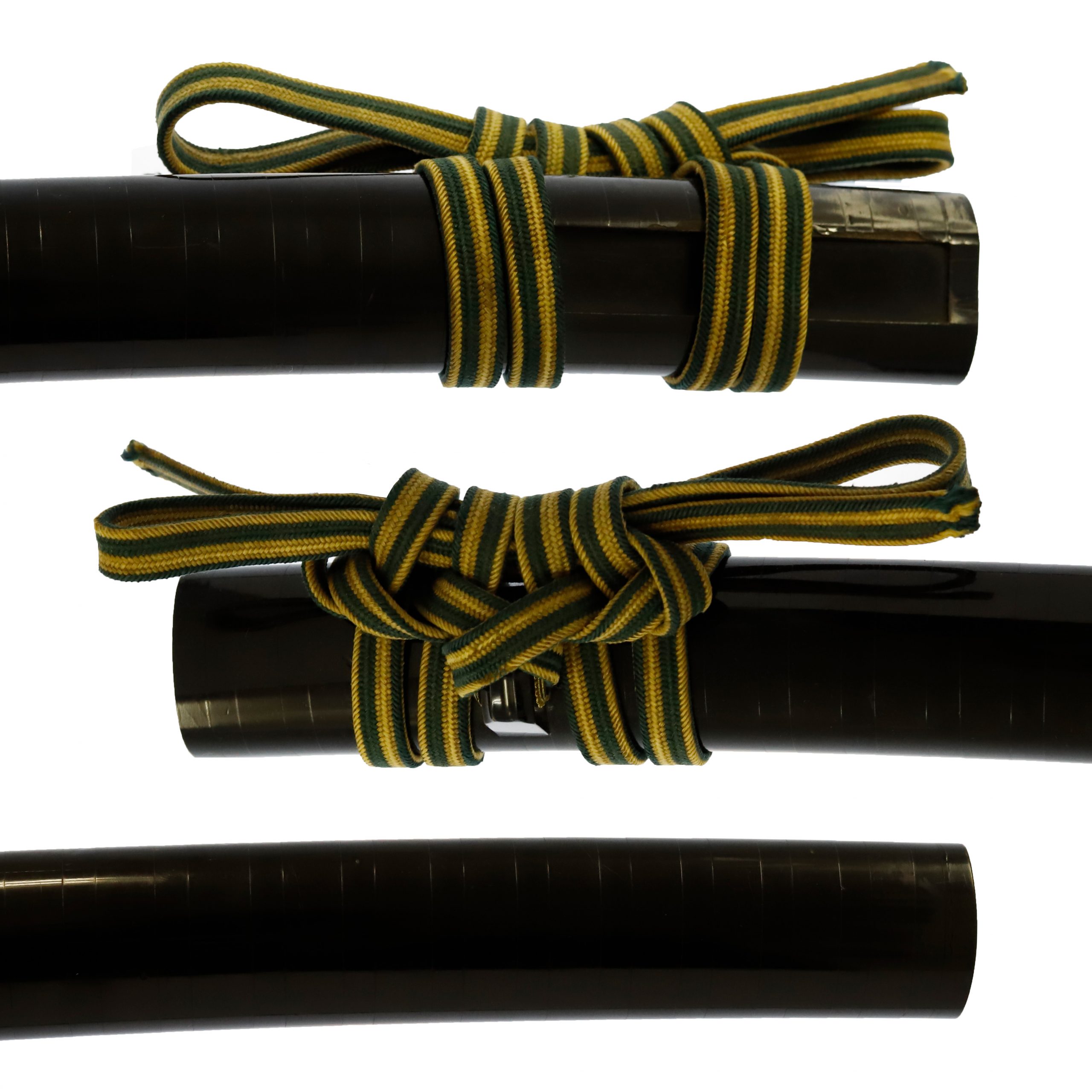
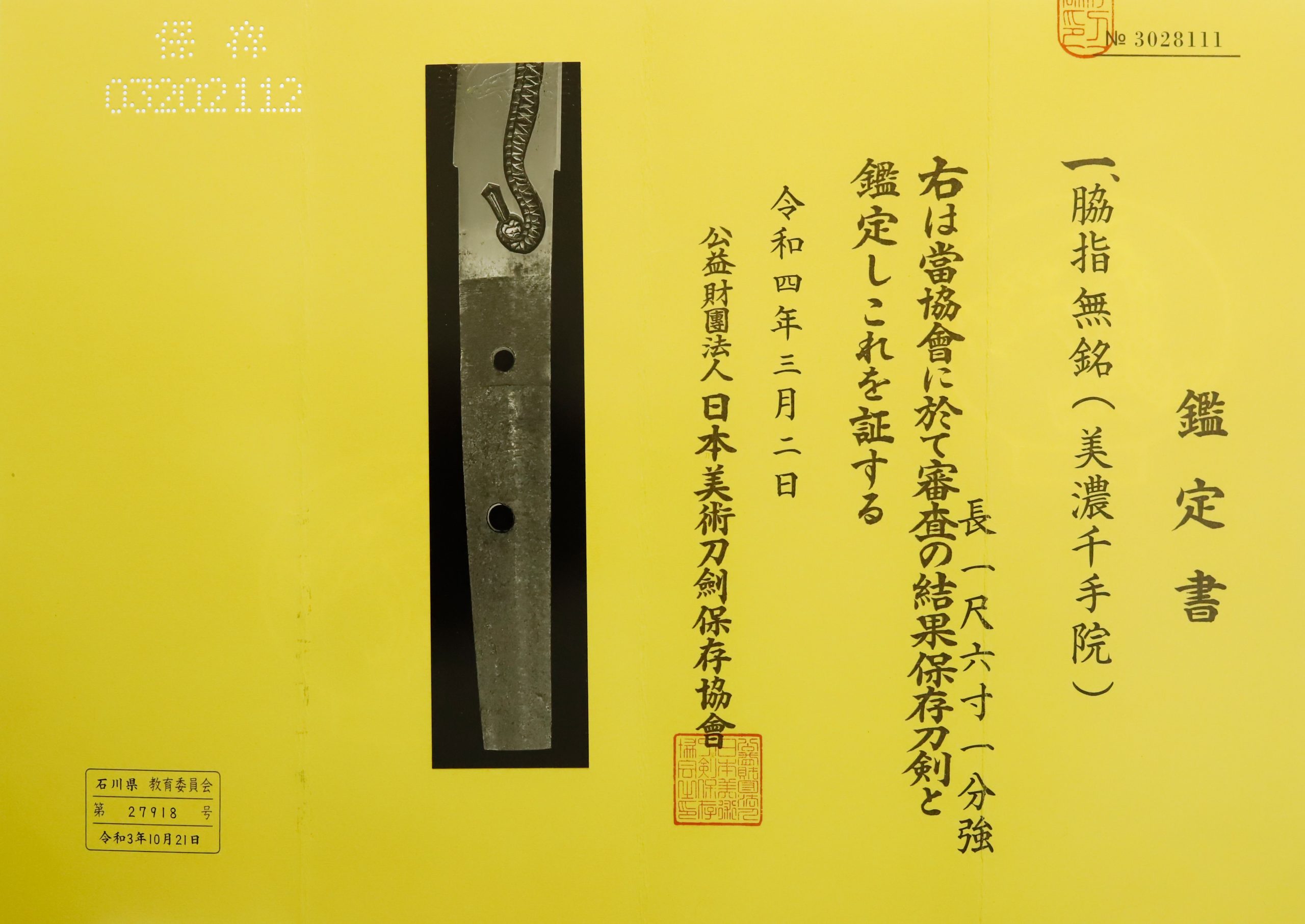
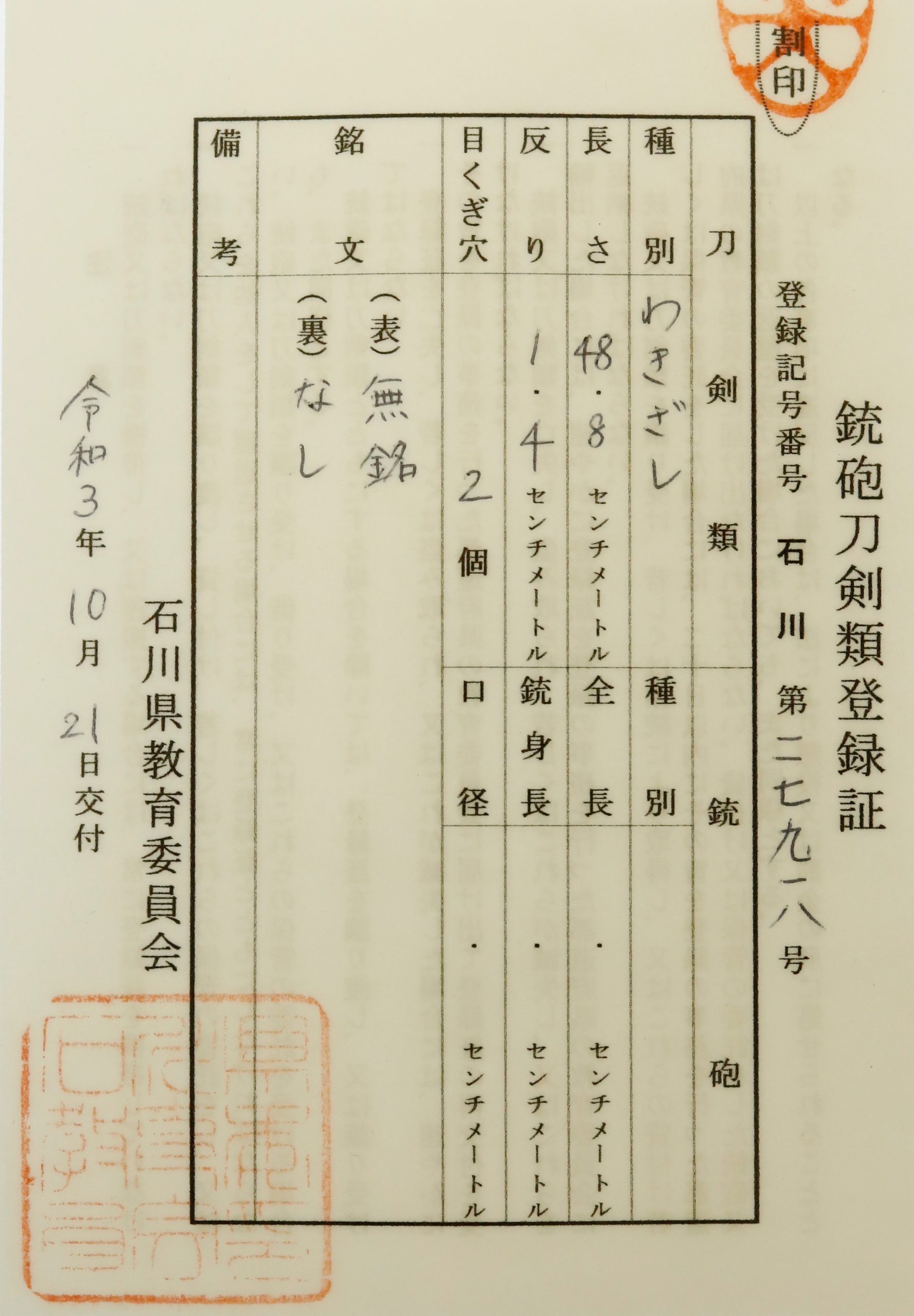
日本刀 脇差:美濃千手院(日本美術刀剣保存協会 保存刀剣鑑定書付) 【解説】 本脇差は、南北朝時代後期から室町時代後期(14世紀半ば〜16世紀初頭)にかけて美濃国(現在の岐阜県)で栄えた名門、美濃千手院派の作と極められた一振りです。日本美術刀剣保存協会(NBTHK)の鑑定によれば、本作の制作年代は室町時代中期から後期(15世紀後半〜16世紀初頭)と推定されます。 美濃千手院派は、古来より交通の要衝であり軍事拠点でもあった関ヶ原近郊の赤坂の地に居を構えました。流派の祖は、大和国千手院重弘の子である泉水と伝えられています。大和伝は平安後期から鎌倉時代にかけて隆盛を極めた五箇伝の一つですが、南北朝時代、泉水が大和国(現在の奈良県)から美濃国赤坂へと移住したことで、美濃千手院の歴史が始まりました。 (大和千手院派について) 大和千手院の名称は、東大寺の塔頭であり千手観音を祀る「千手堂」に仕えた刀工集団であったことに由来します。その祖は平安後期(永保・嘉承年間)の刀工・行信とされ、東大寺の御抱え鍛冶として奉仕しました。 (彫物) 刀身の片面には、見事な龍の彫物が施されています。龍は古来より瑞祥の象徴として尊ばれてきました。その姿は「九似(きゅうじ)」、すなわち角は鹿、頭は駱駝、目は鬼、項は蛇、腹は蛟(みずち)、鱗は魚、爪は鷹、掌は虎、耳は牛に似るとされ、あらゆる動物の頂点に立つ霊獣と考えられています。 本作は日本美術刀剣保存協会(NBTHK)により「保存刀剣」に認定されており、美術的価値が高く、後世に伝えるべき正真の日本刀であることが証明されています。 ※刀身には鑑賞を損なわない程度の鍛え傷や黒錆が僅かに見られます。詳細な状態については、お気軽にお問い合わせください。 【刀身諸元】 長さ(刃長):48.8 cm 反り:1.4 cm 刃文:焼入れによって刃先に現れる結晶構造 地鉄(肌):折り返し鍛錬によって現れる鋼の表面模様 彫物:刀身に施された彫刻 茎(なかつご):柄に収まる中心部分。意図的に残された黒錆の朽ち込み具合や変色は、制作年代を特定する上で極めて重要な指標となります。 【外装(拵)】 拵は鞘、柄、鍔などの各部材で構成される日本刀の外装です。 縁頭(ふちかしら):柄の上下を保護する一対の金具。 本品の縁頭は、後述する目貫の意匠と呼応しています。縁には多彩な貝類が配され、頭には貝と網代(または紐)が彫り込まれており、所々に金の色絵が施されています。 これらは「貝尽くし」と呼ばれる日本の伝統的な吉祥文様です。様々な貝を組み合わせたこの意匠は、海辺の情景や波と共に描かれることが多く、涼やかな趣を感じさせます。また、二枚貝(特に蛤)は対となる殻以外とは決して合わないことから、夫婦和合の象徴としても親しまれてきました。
NihontoWatch取扱店 サムライミュージアム

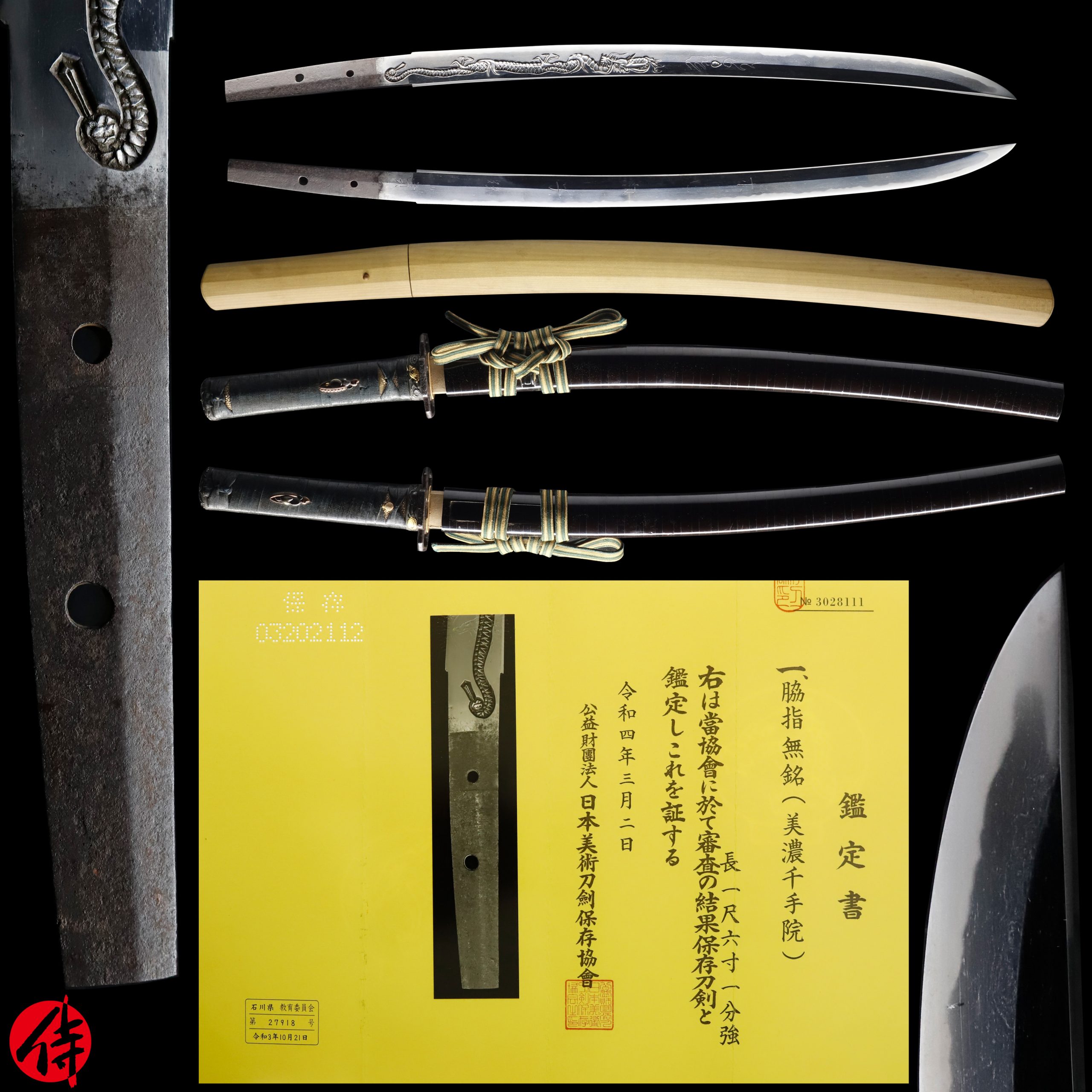
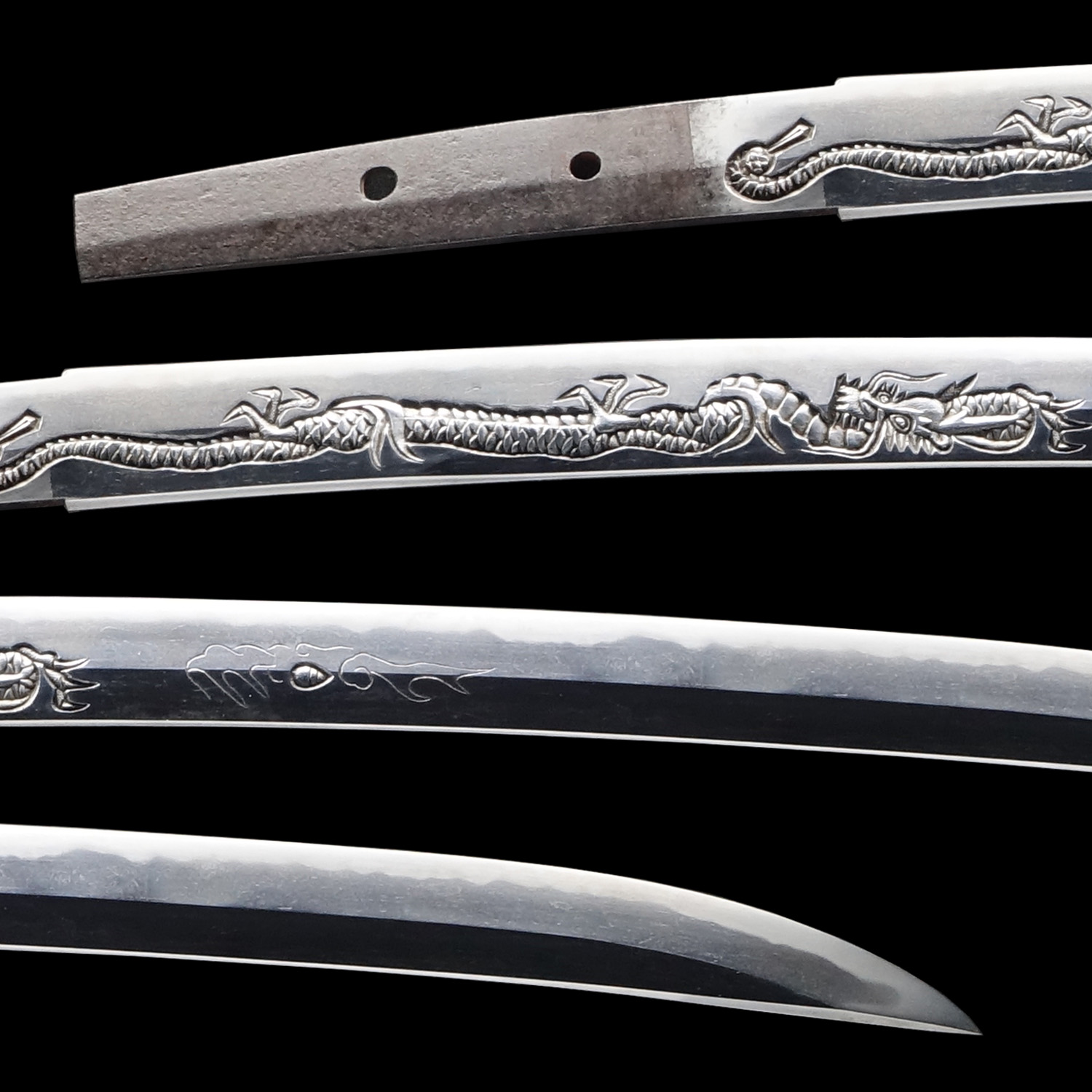
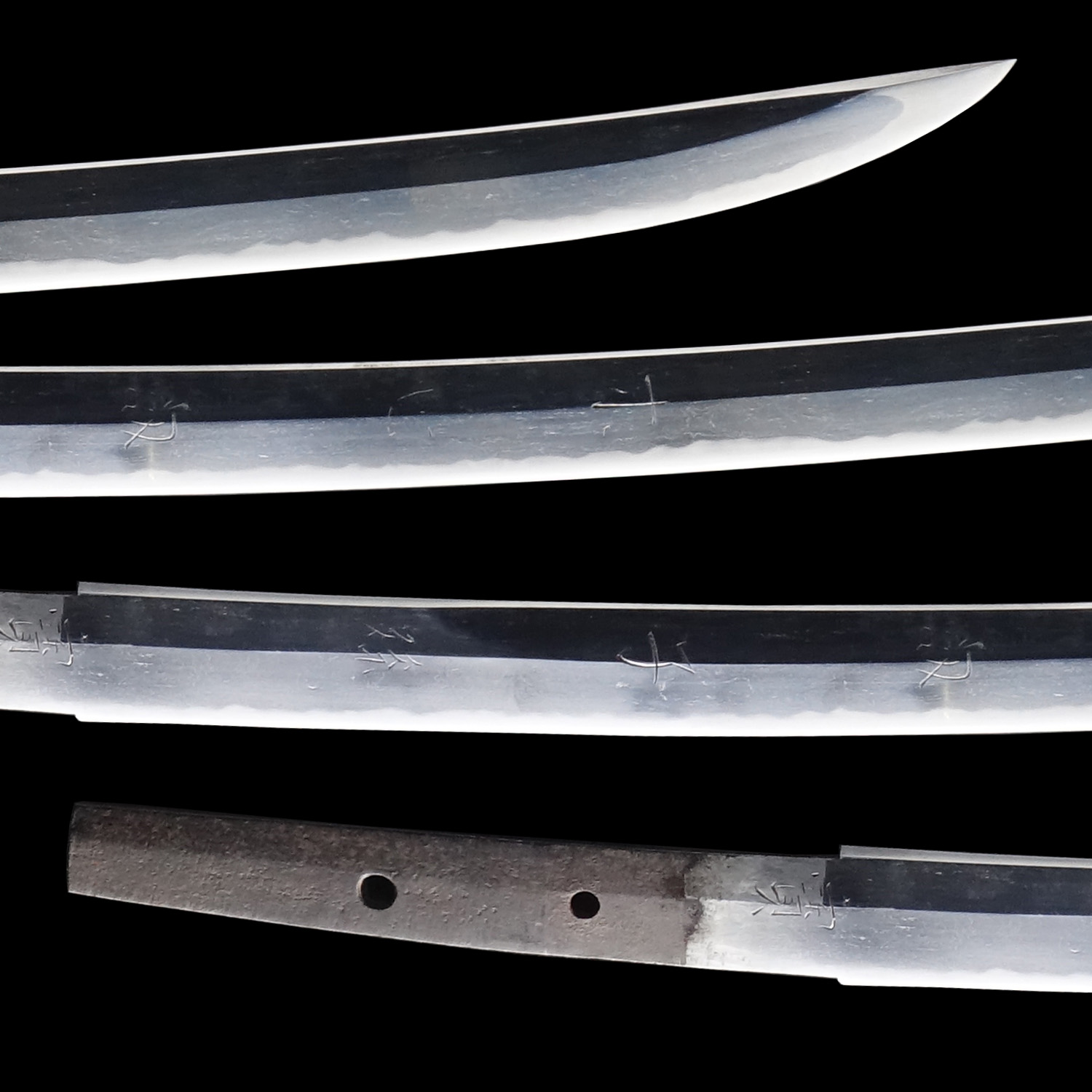
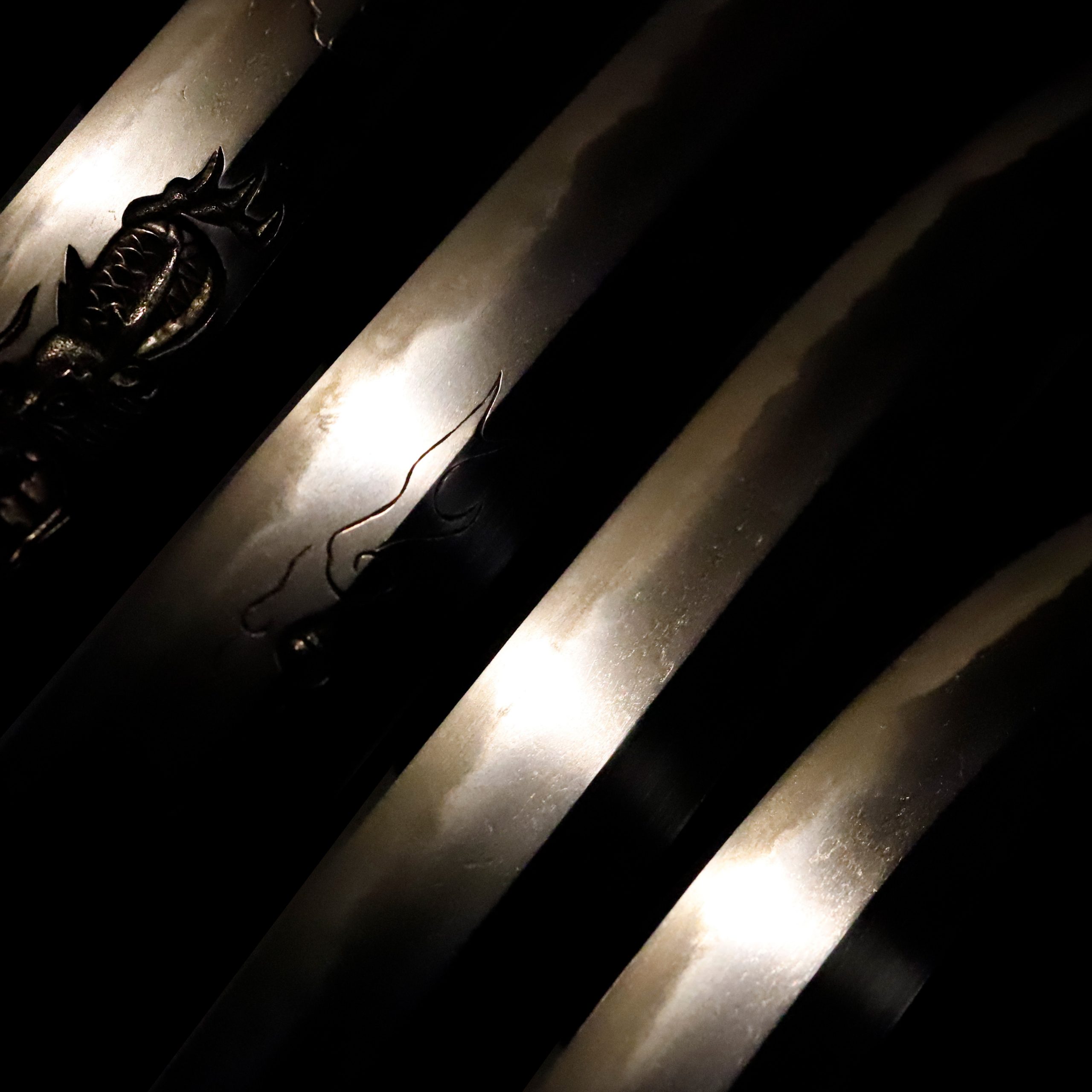
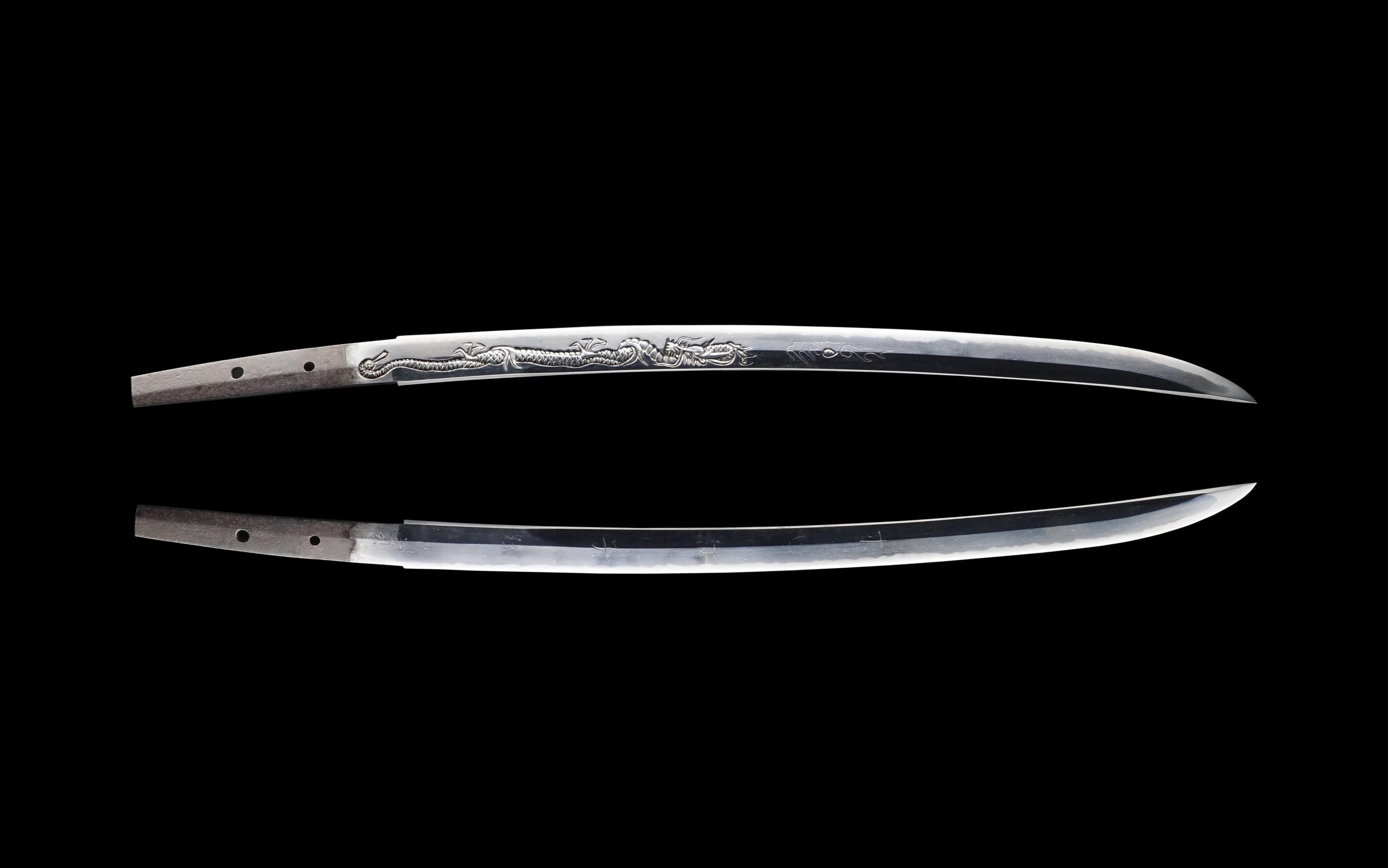
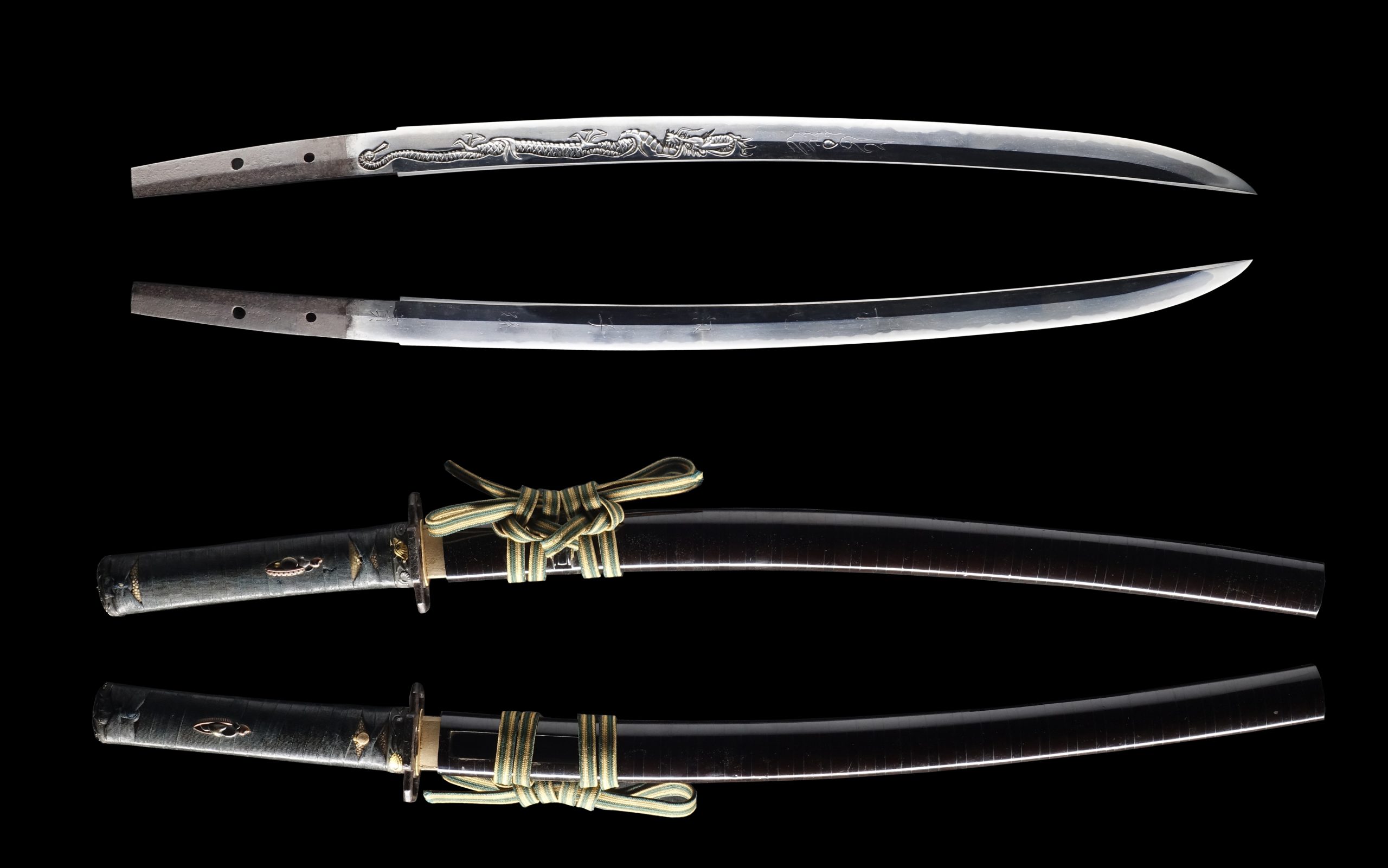
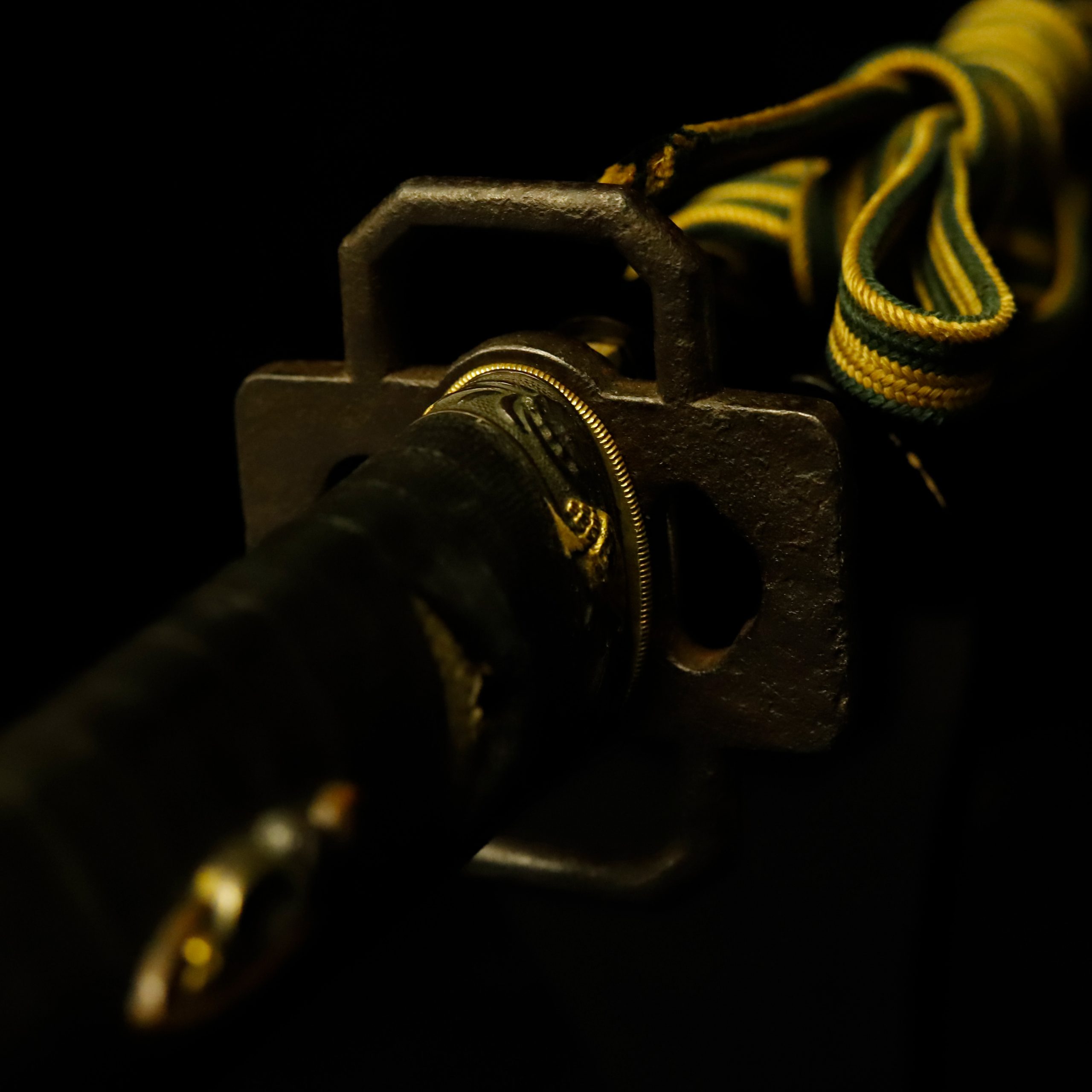
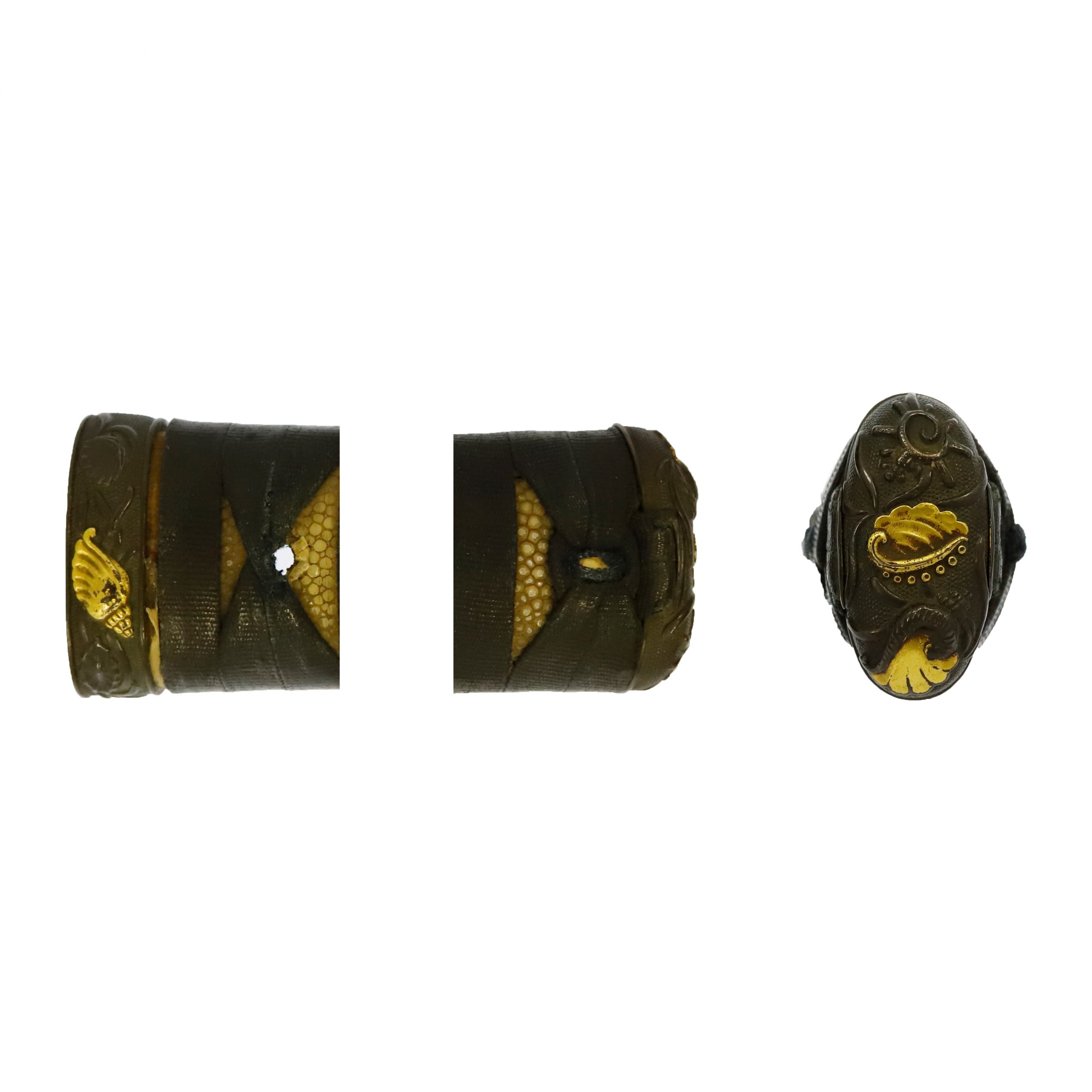
美濃伝 · 美濃
現在6点販売中
美濃千手院は赤坂千手院とも呼ばれ、大和千手院派の流れを汲む一派である。説示によれば、大和千手院の刀工が美濃国赤坂へ移住して興ったもので、その移住期は建武の頃と伝える国重をはじめとして南北朝末葉に及ぶとされ、室町時代に殊に繁栄した。校正古刀銘鑑はこの派の祖を国長とし、貞和頃から延文・永徳を経て明応に至るまで複数の国長がいたことを記す。説示が扱う工には、二字銘の太刀を残す国重、貞治頃と銘鑑にある国行、応安元年紀の短刀を遺す国長、室町の弘長と弘重、さらに後代の道永や道印、康道、ただ千手院とのみ切る者がある。これとは別に、越前敦賀から美濃へ移った越州藤原国行があり、応安六年から翌年八月までの間に濃州入りしたと押形所載の銘から推測されている。 作風は板目に柾がかり、あるいは柾目の強い鍛えに大和の特色が濃く現れる点を共通の語法とする。説示は肌立ちごころとなって地沸がつき、地景が入り、総体に白けごころを帯び、鉄色に黒みのあることを繰り返し記す。刃文は直刃や小のたれを基調に互の目や小乱れを交え、刃縁にほつれや喰違いを見せ、砂流しと金筋がかかって匂口締まりごころに小沸がつく。帽子は乱れ込んで掃きかけ、尖りごころに返るものが多い。一般の関物と比べて大和気質が一段と濃く、刃文の出来に隔たりがあることが見分けの手がかりとされる。越州国行に限っては別の作域を示し、板目に柾を交えて荒めの沸がつき、湯走りや飛焼、棟焼を交えて皆焼状となり、相州伝を思わせる沸出来を強調する。 鑑定の要点は、地鉄に大和の根を残しつつ刃に美濃色への移行を読むことにあり、地刃が他の美濃物と争い難い一致を見せる一方、刃文の傾きで識別される。個名を切る作は頗る少なく、千手院とのみ銘するものが多いため、有銘の国行や国重、国長の作は貴重な資料とされる。代表作には佩表に二字銘を有する国行の太刀、南北朝期の国重の太刀、応安元年紀の国長短刀、弘長と弘重の合作槍、千手院作の大身槍があり、銘鑑や光山押形と銘振りを照合して極めの根拠とする。越州国行の濃州住の在銘作は、移住後の作例として、また細直刃という新たな作域を示す点で資料性が高い。室町後期まで命脈を保ったこの一派は、大和から美濃へ流れた刀工の足跡を地刃に刻む系統として位置づけられる。 詳しく見る →
室町時代の美濃
戦国の関は一つの産業であった。春日神社を氏神と仰ぐ鍛冶たちが、中部日本の軍勢を武装させた。孫六兼元の三本杉と之定の最上作は、量産の町に第一級の技が息づいていたことの証である。
銘が正しい、または無銘でも年代・国・系統を確実に指摘できる、保存に値する真正の作と鑑定されたものです。
日本美術刀剣保存協会(NBTHK)は、1948年に設立され、文化庁の監督を受ける公益財団法人で、東京・刀剣博物館に本部を置きます。専門の審査員が出品作を直接審査し、美術的・歴史的価値に応じた鑑定書を発行します。NBTHKの鑑定書は、日本刀および刀装具の真正性を示す最も広く認知された基準です。
NBTHK公式サイトReturns/exchanges limited to defects caused by shipping (except willful misconduct or gross negligence by the company); customers must contact within 72 hours of receiving the product.