戦国の関は一つの産業であった。春日神社を氏神と仰ぐ鍛冶たちが、中部日本の軍勢を武装させた。孫六兼元の三本杉と之定の最上作は、量産の町に第一級の技が息づいていたことの証である。
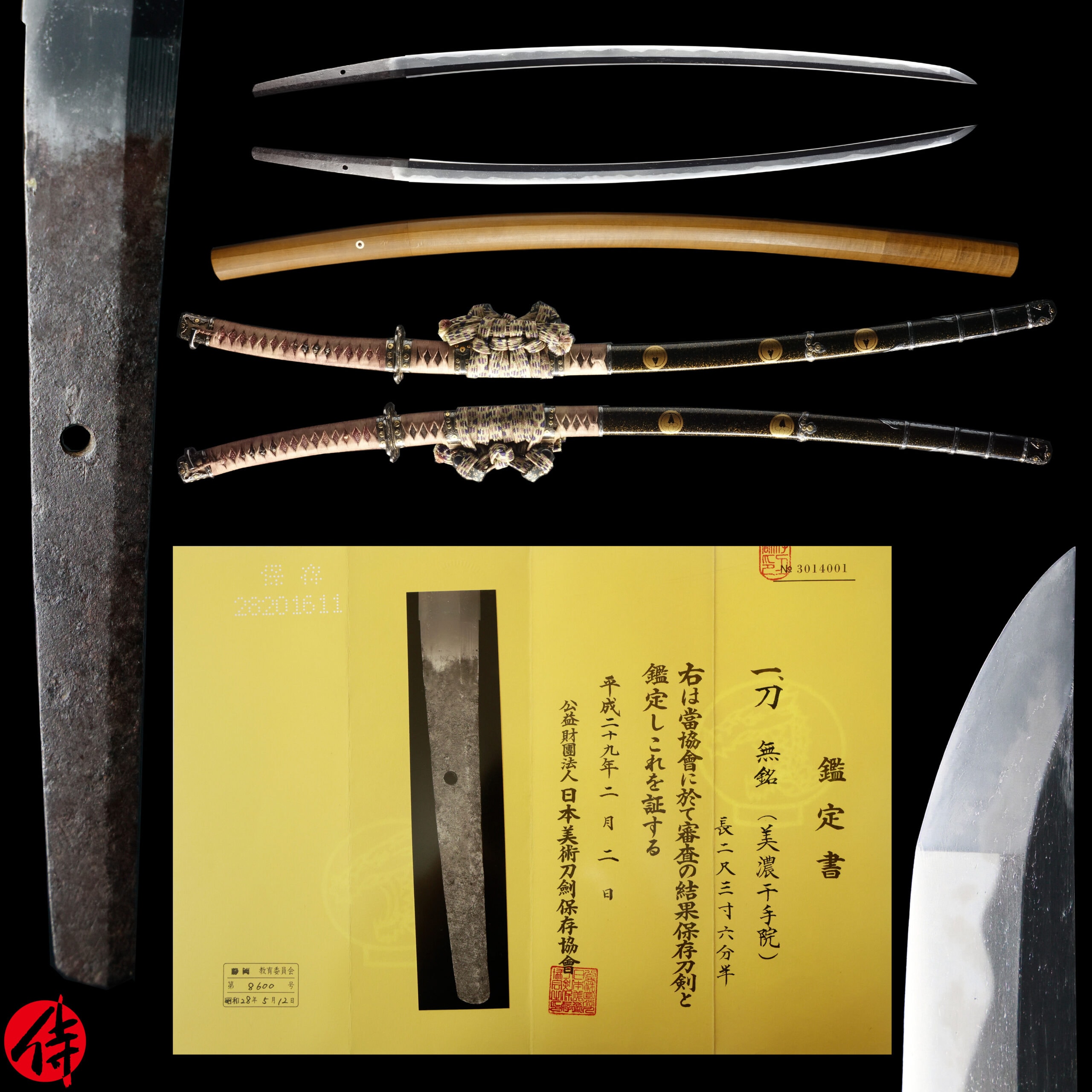
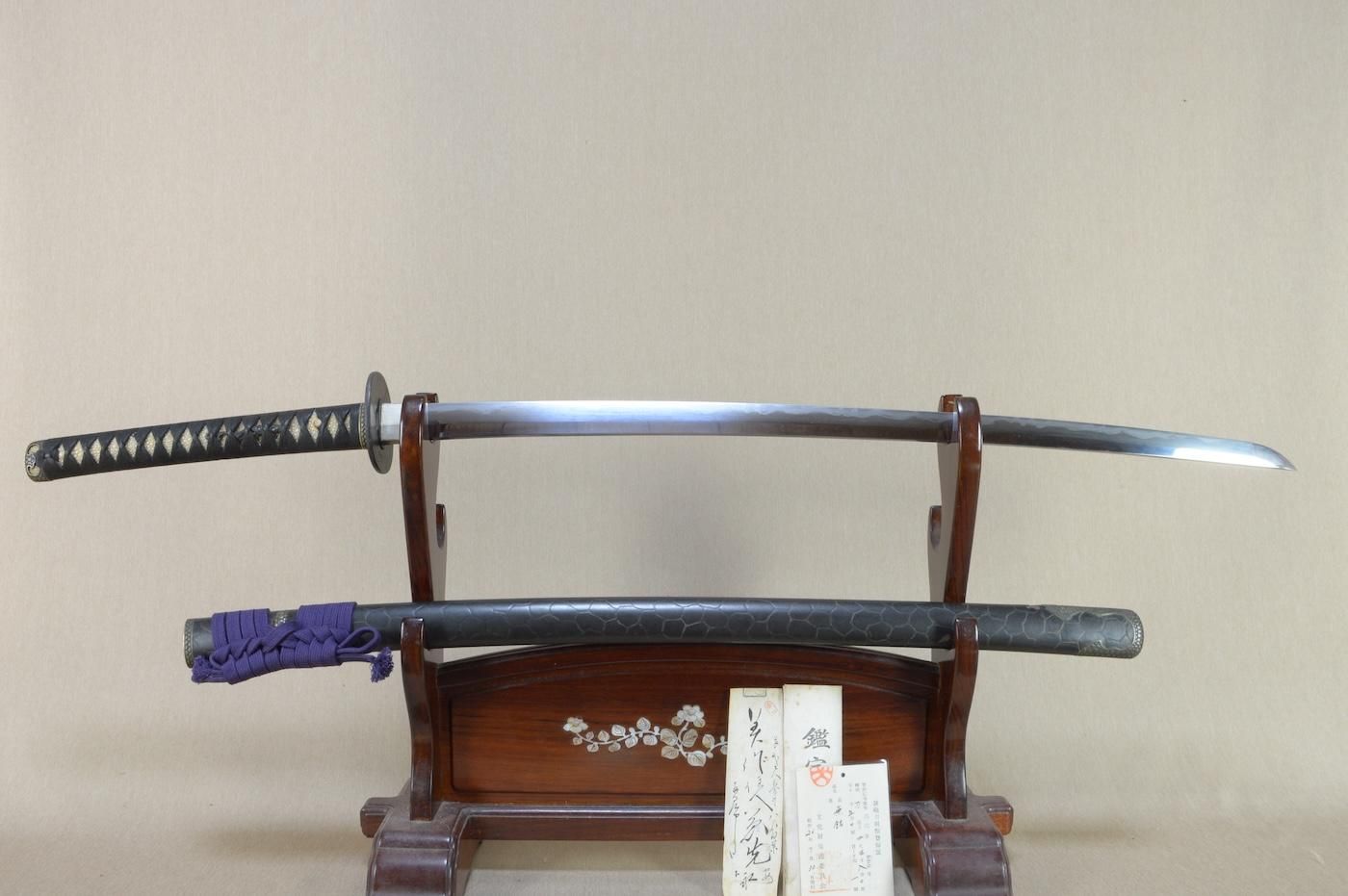
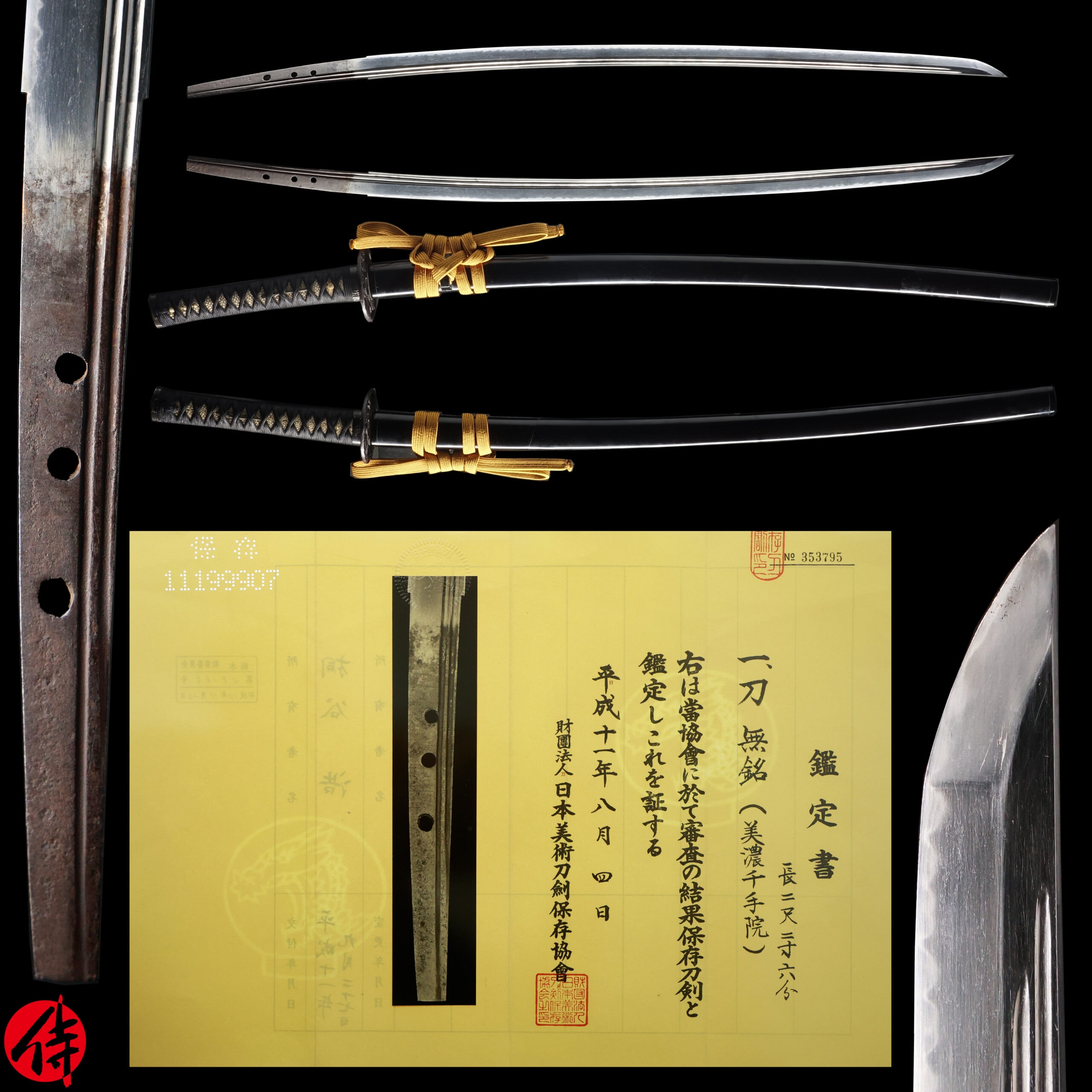
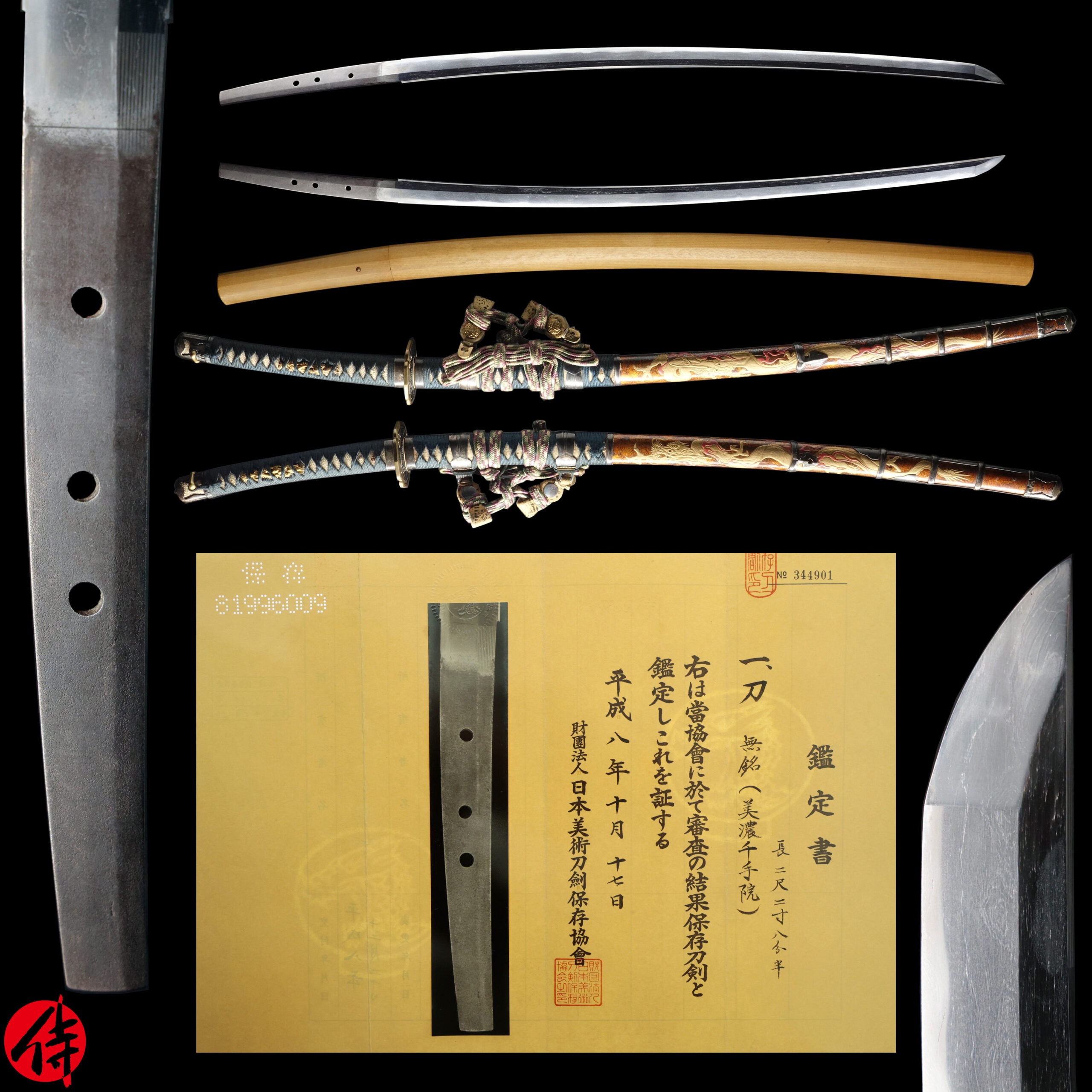
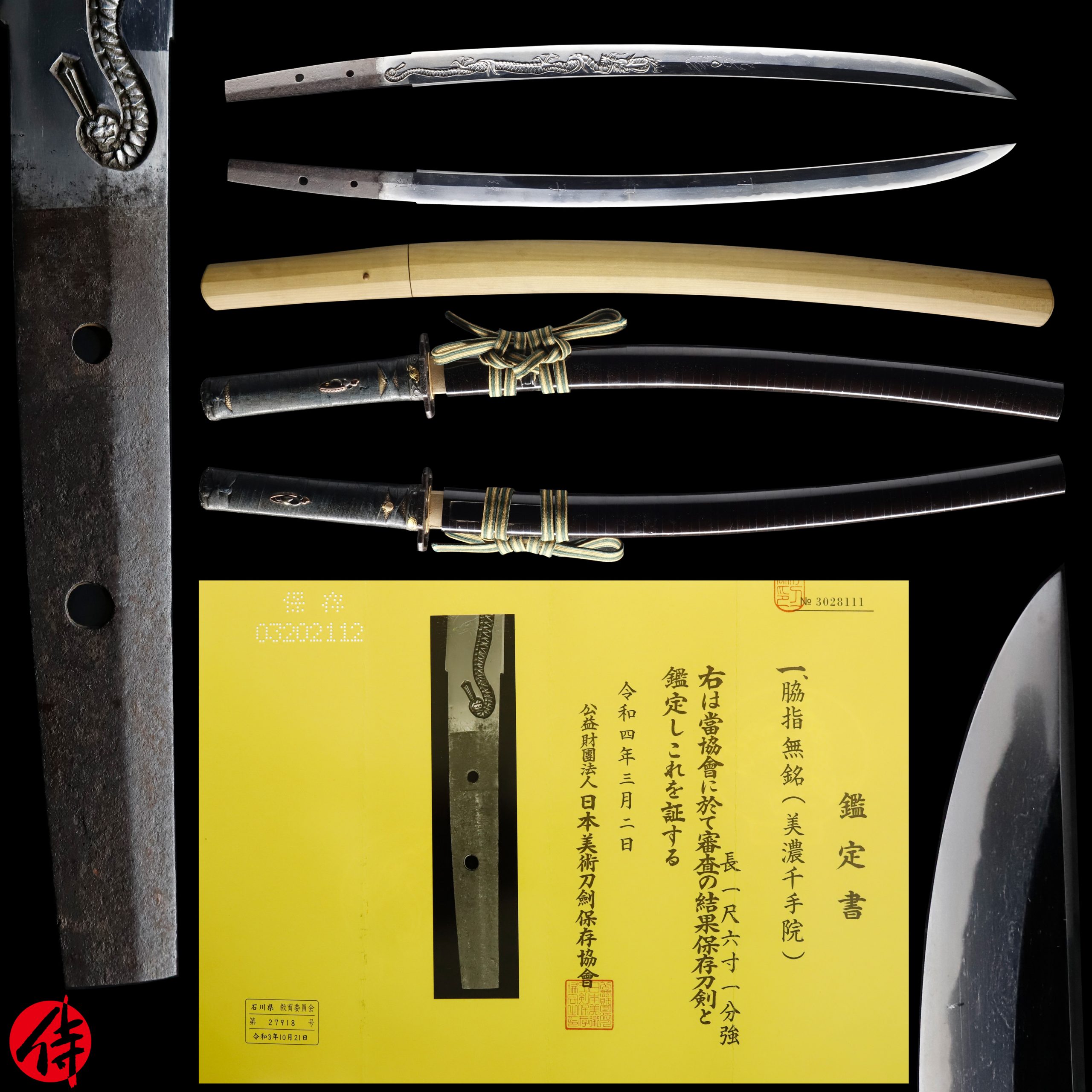
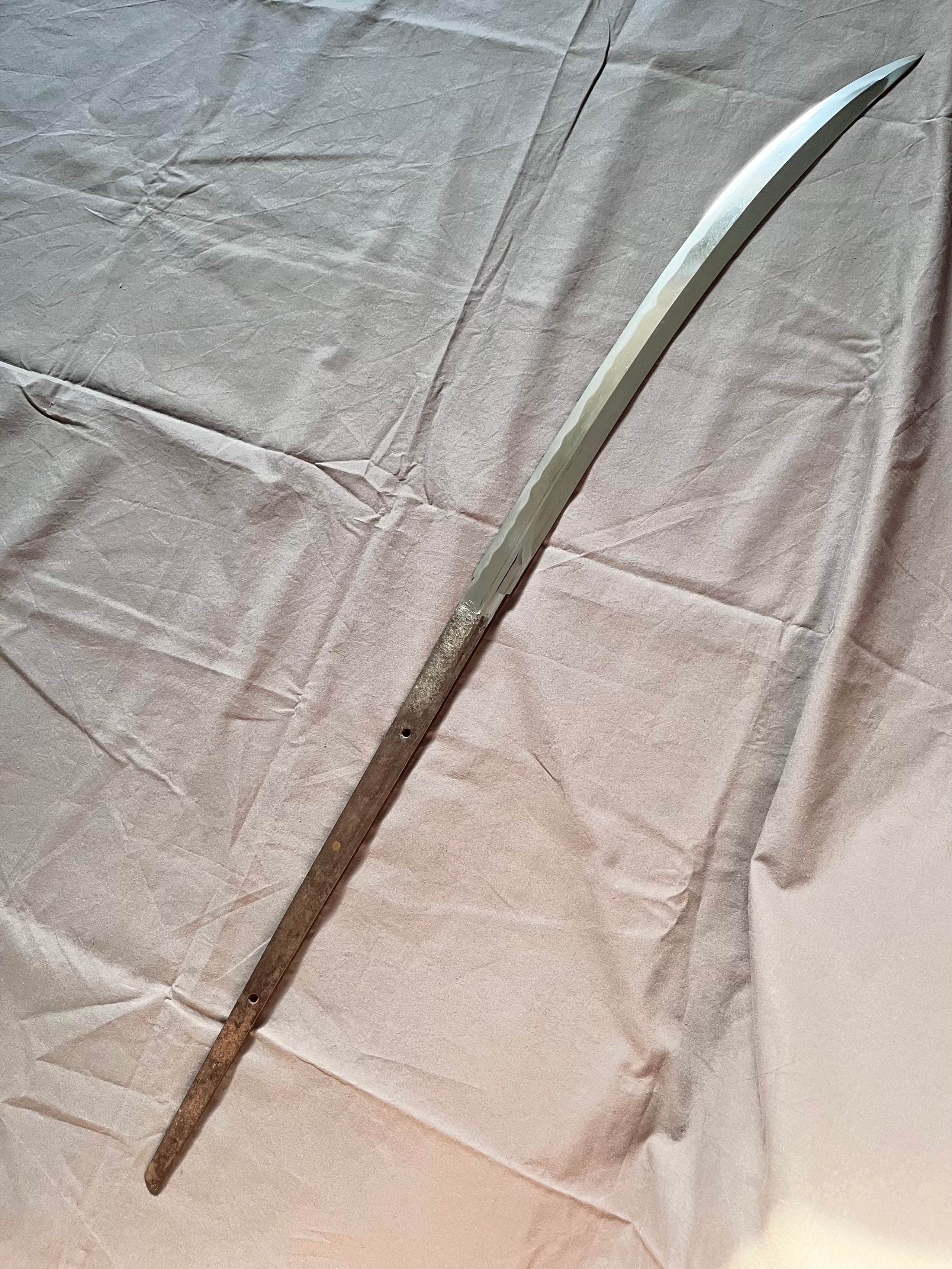
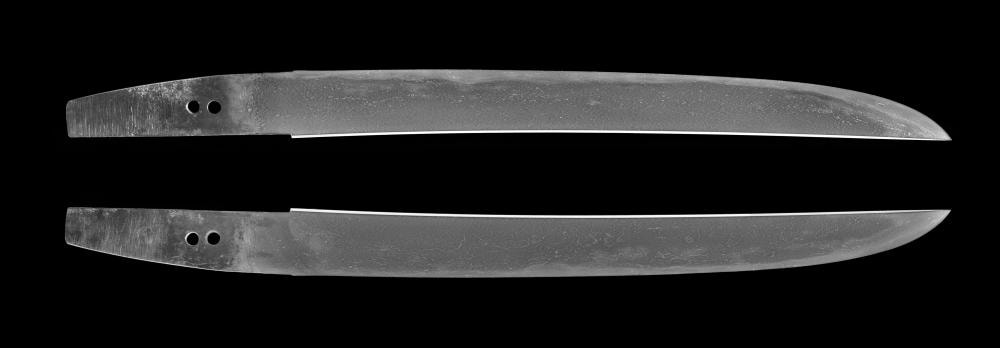
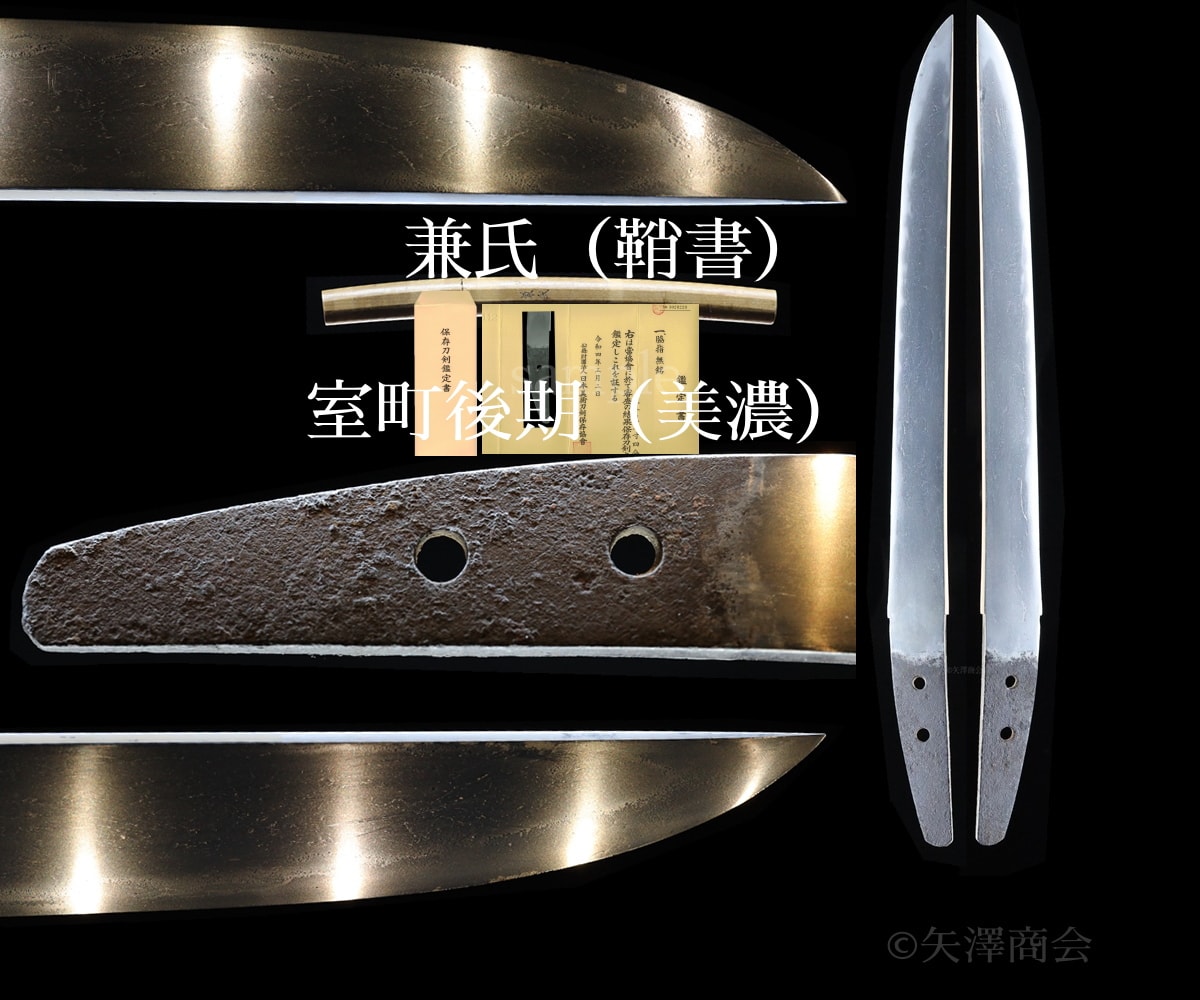
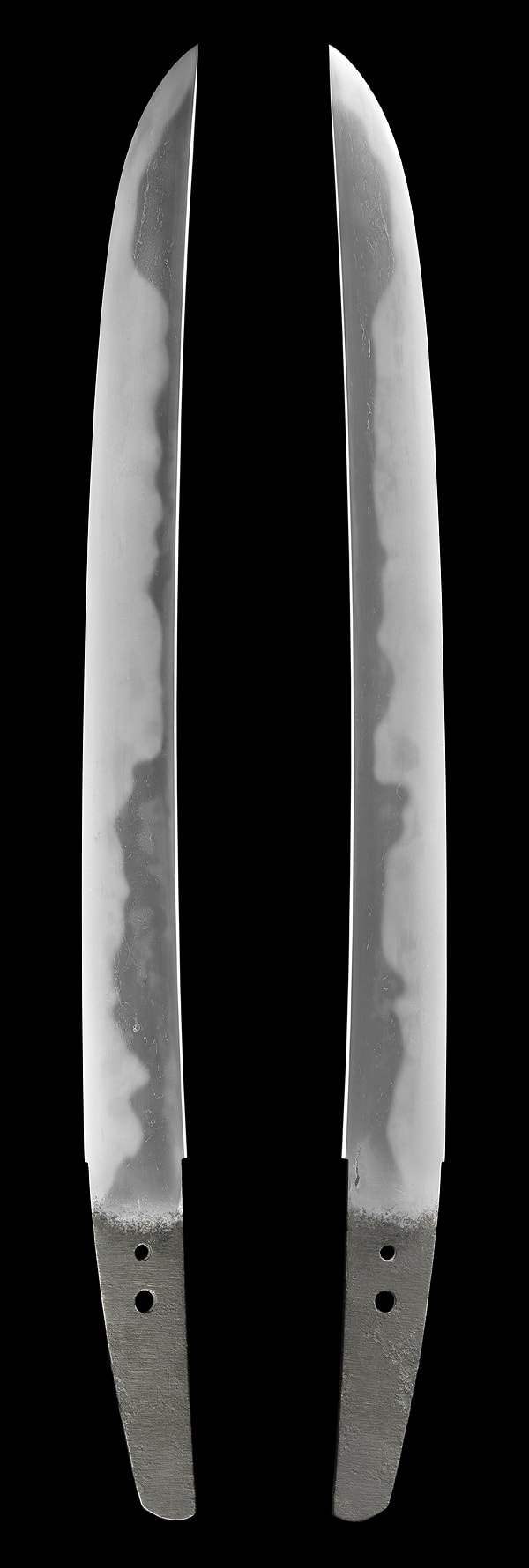
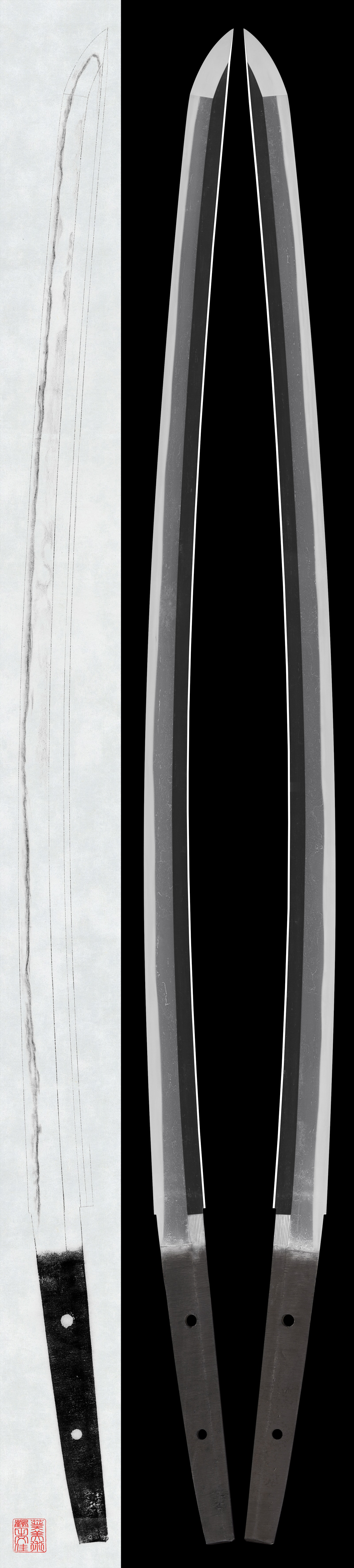
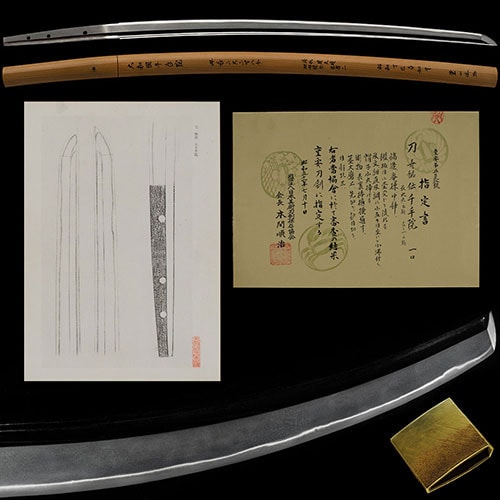
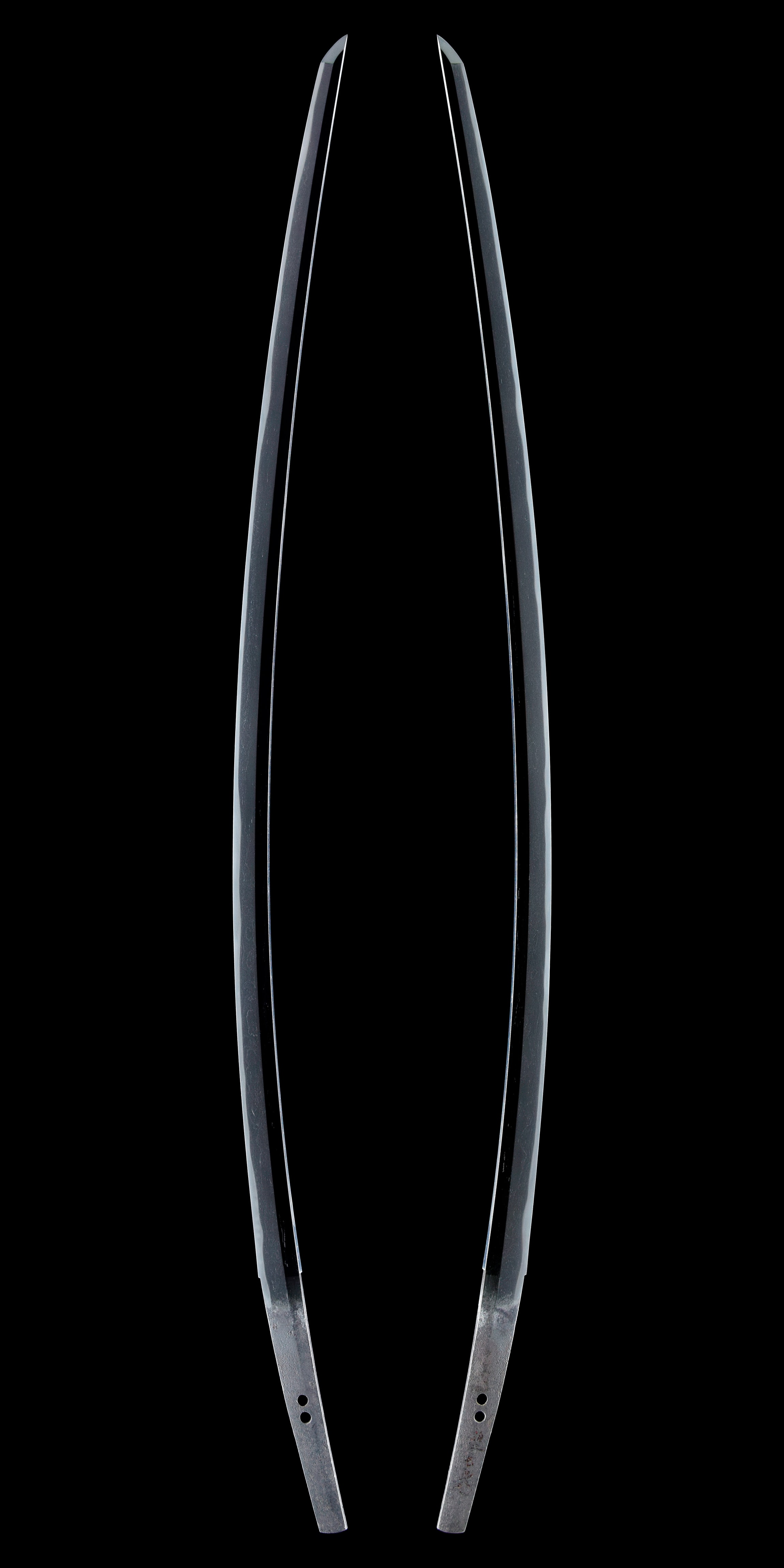
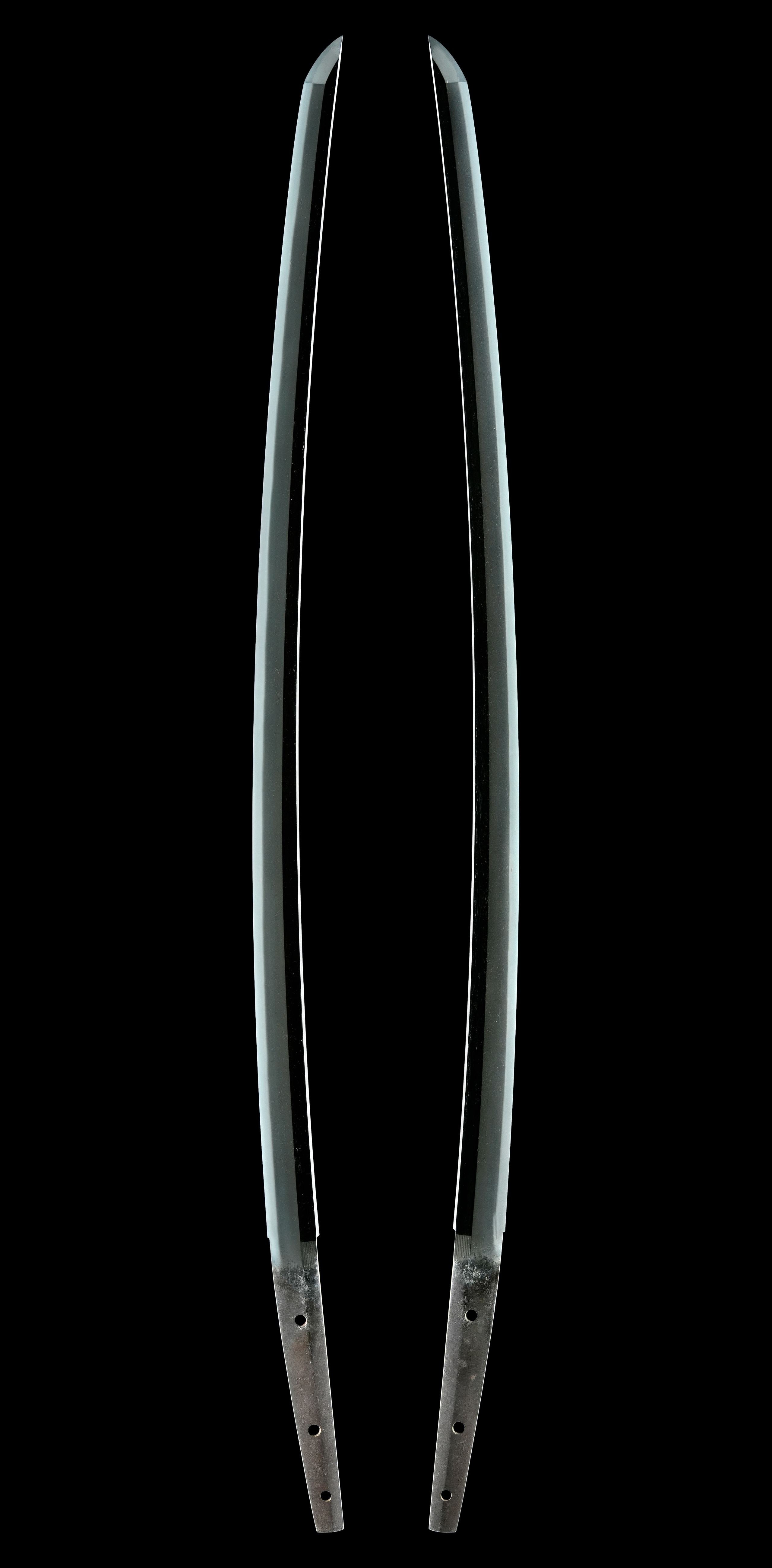
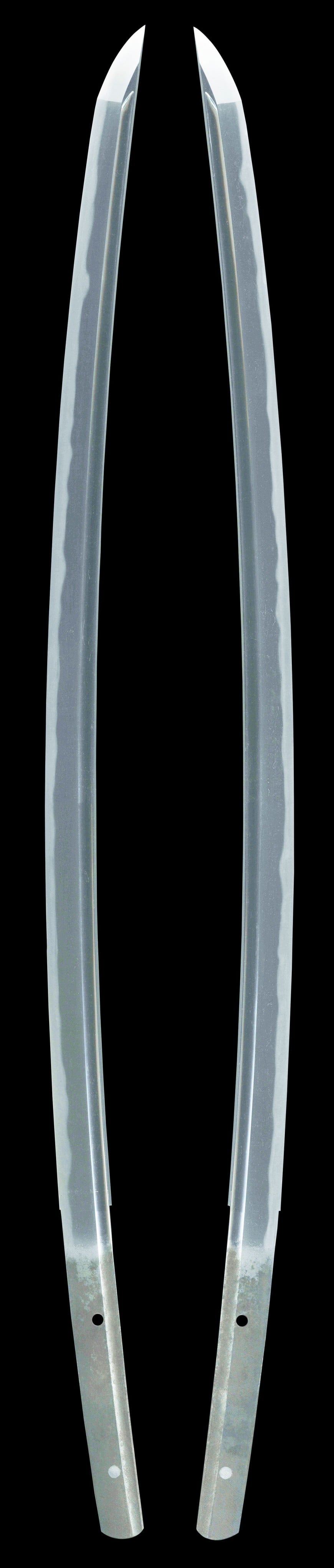
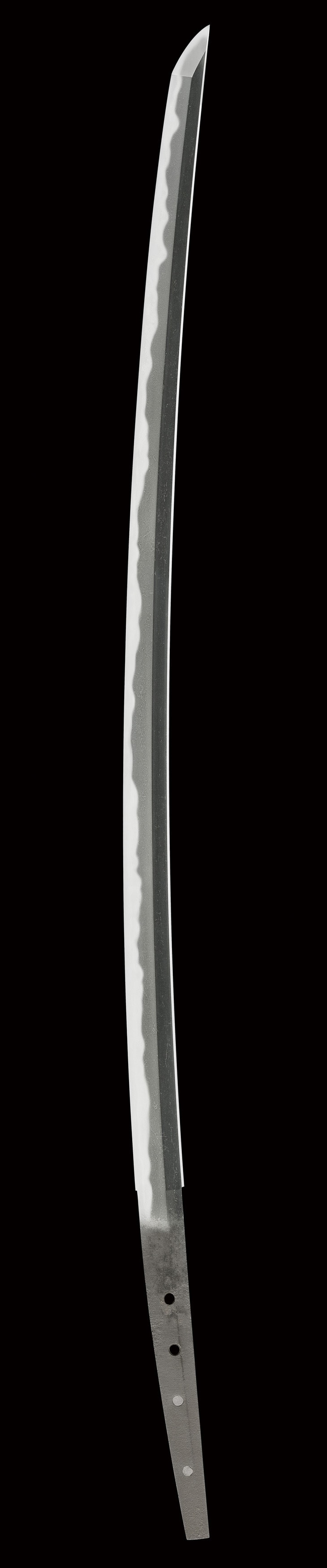
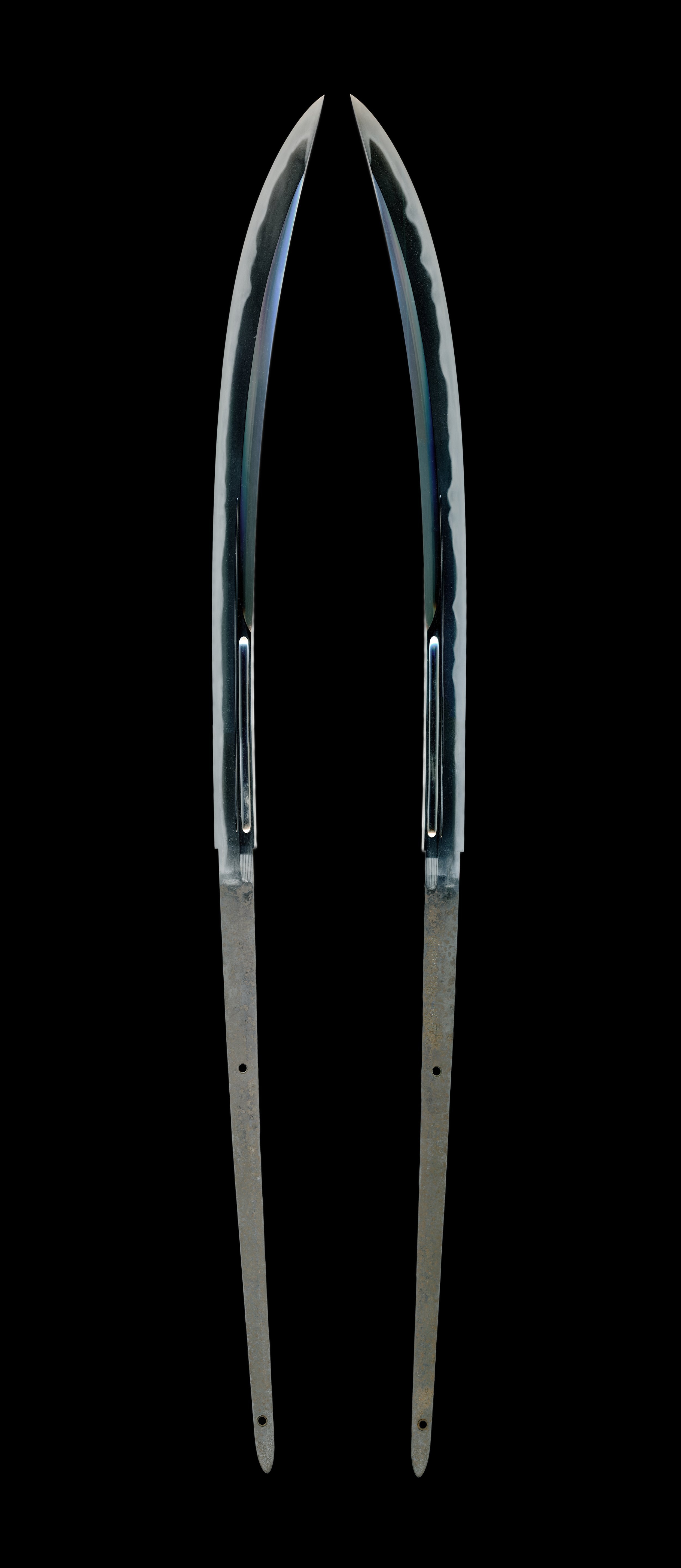
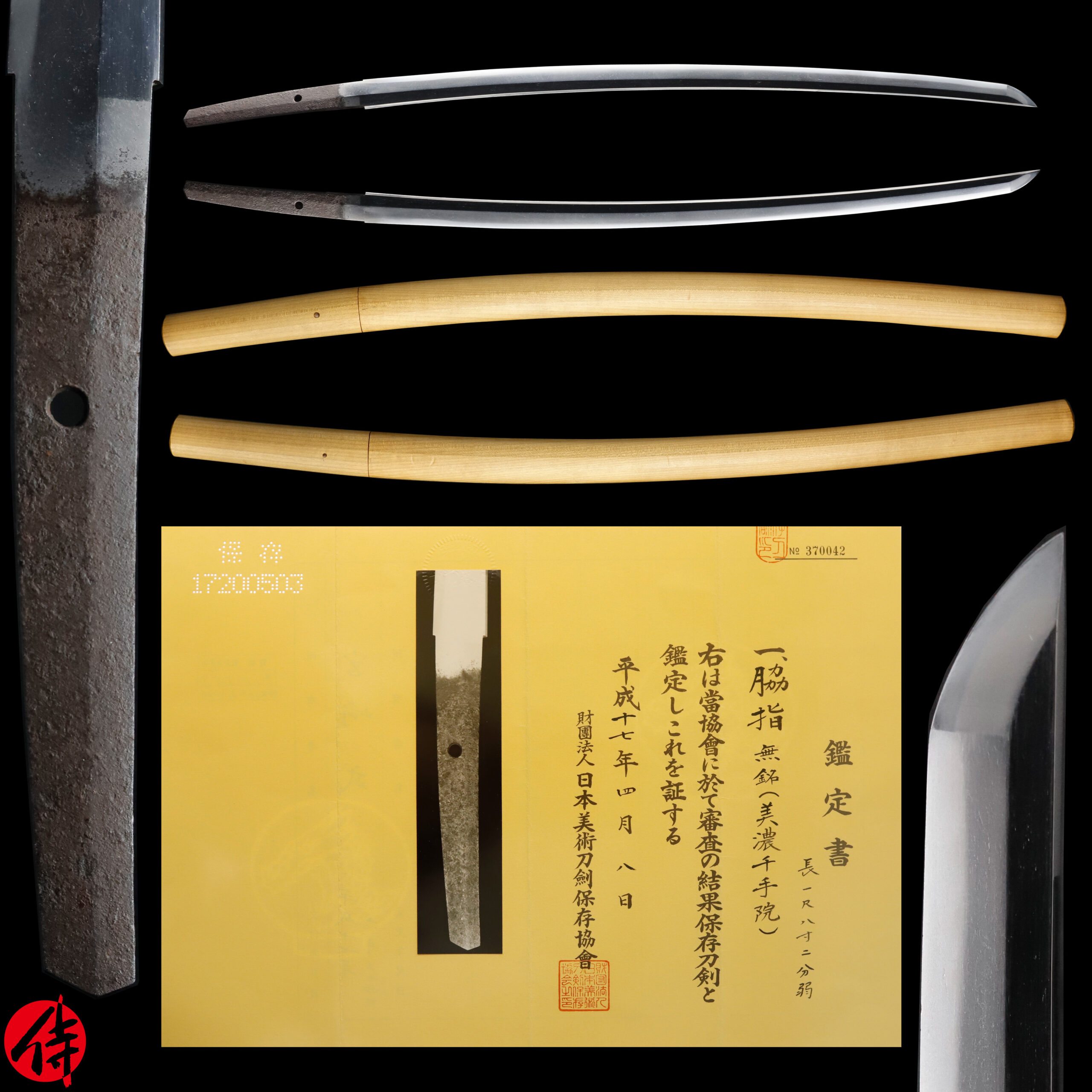
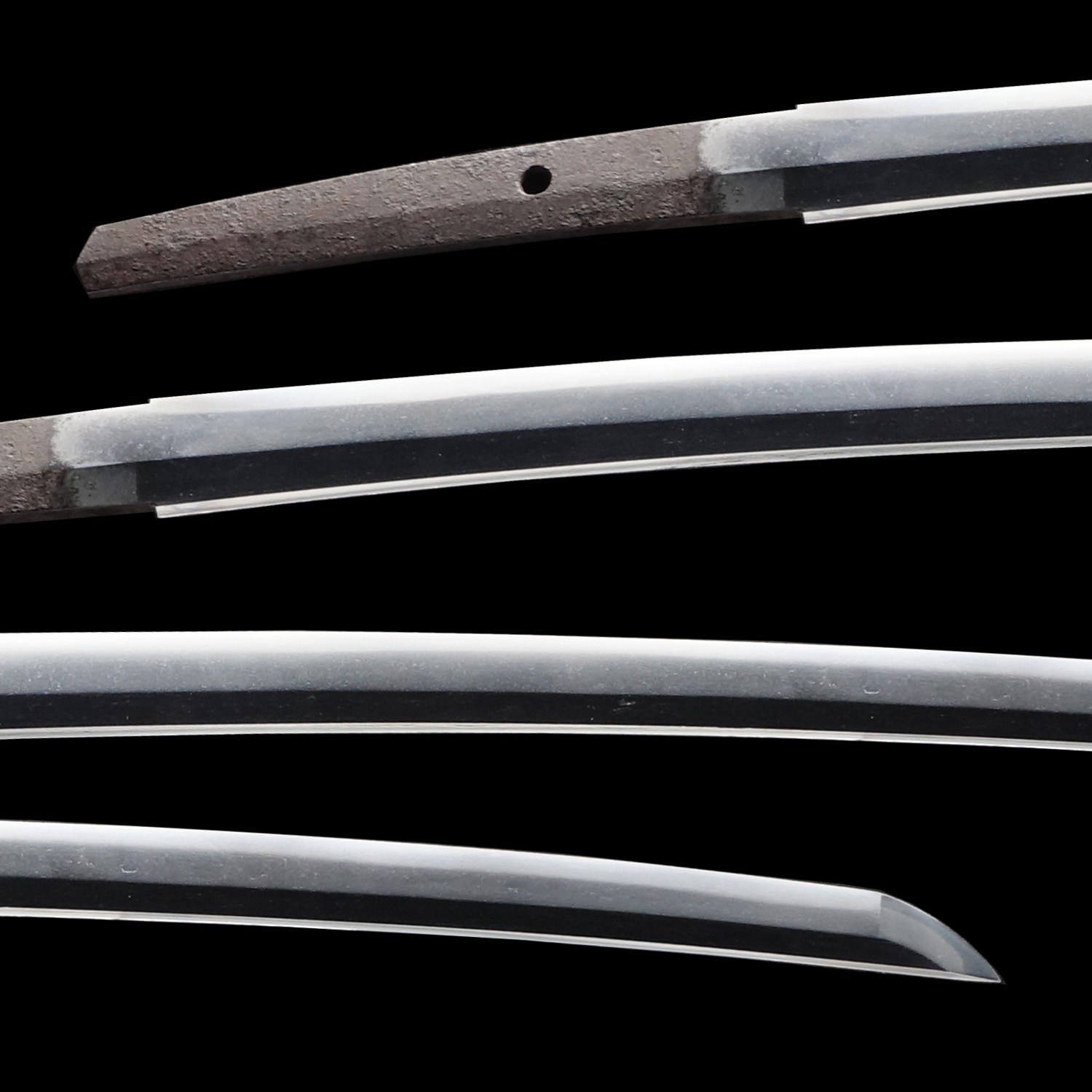
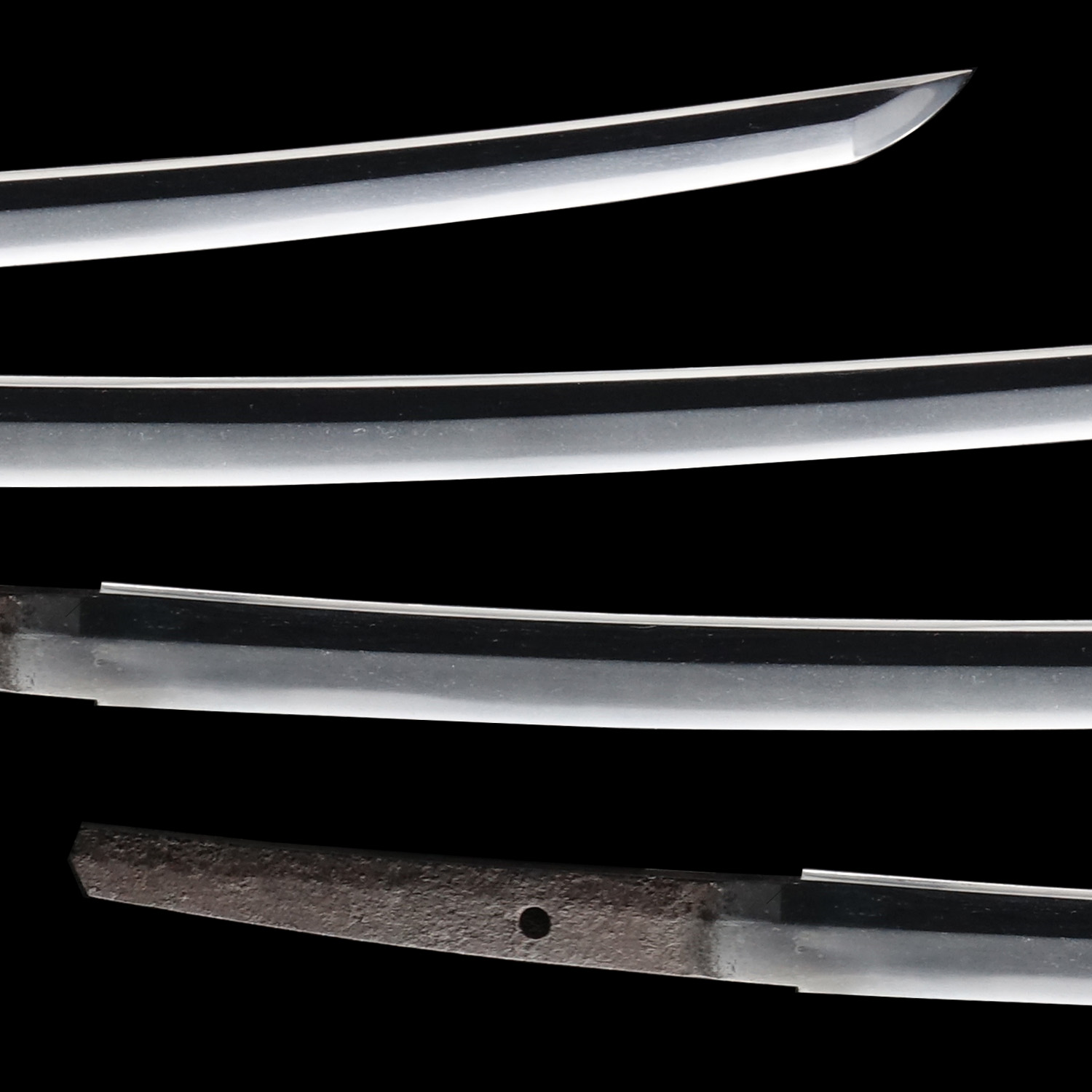
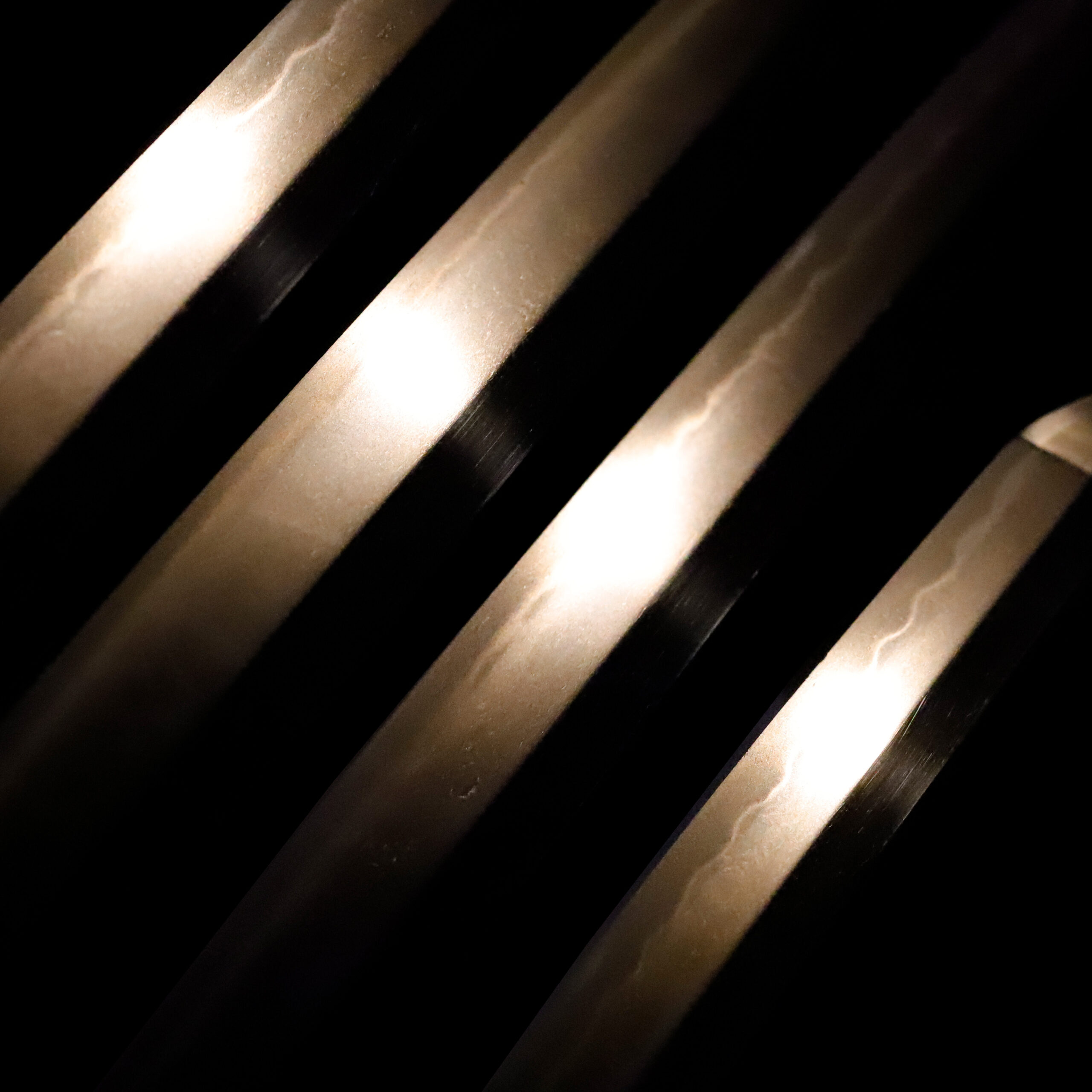
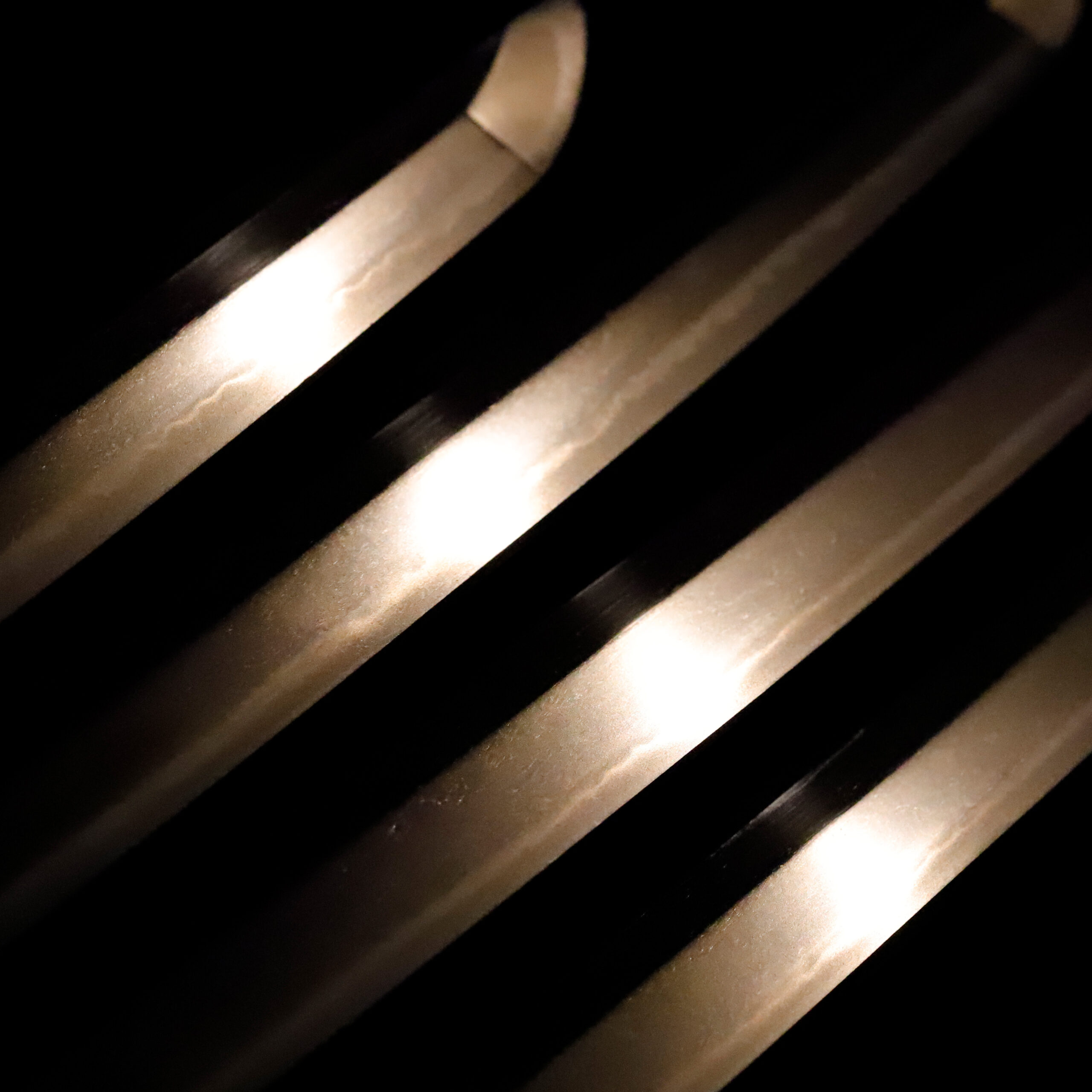
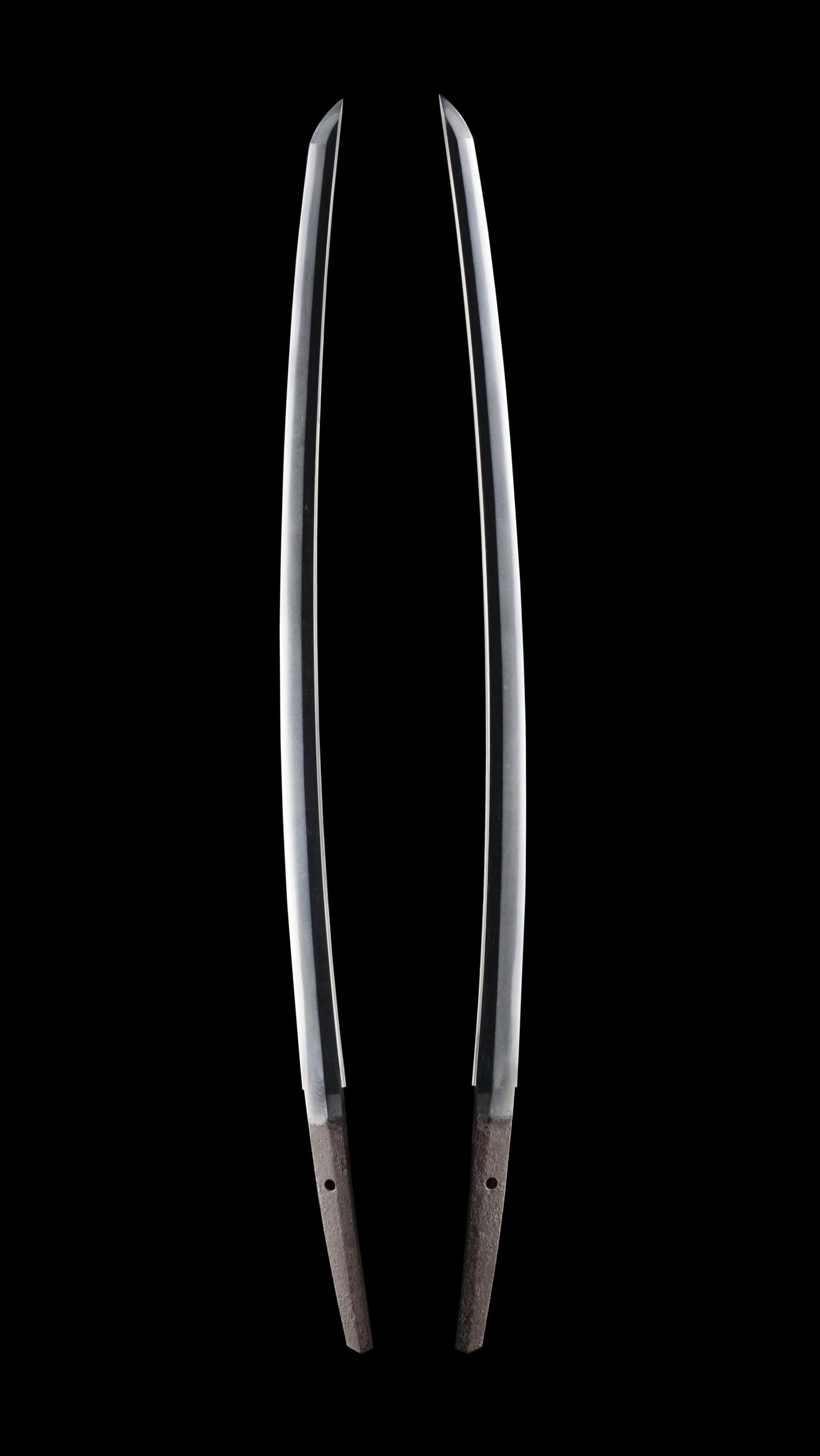
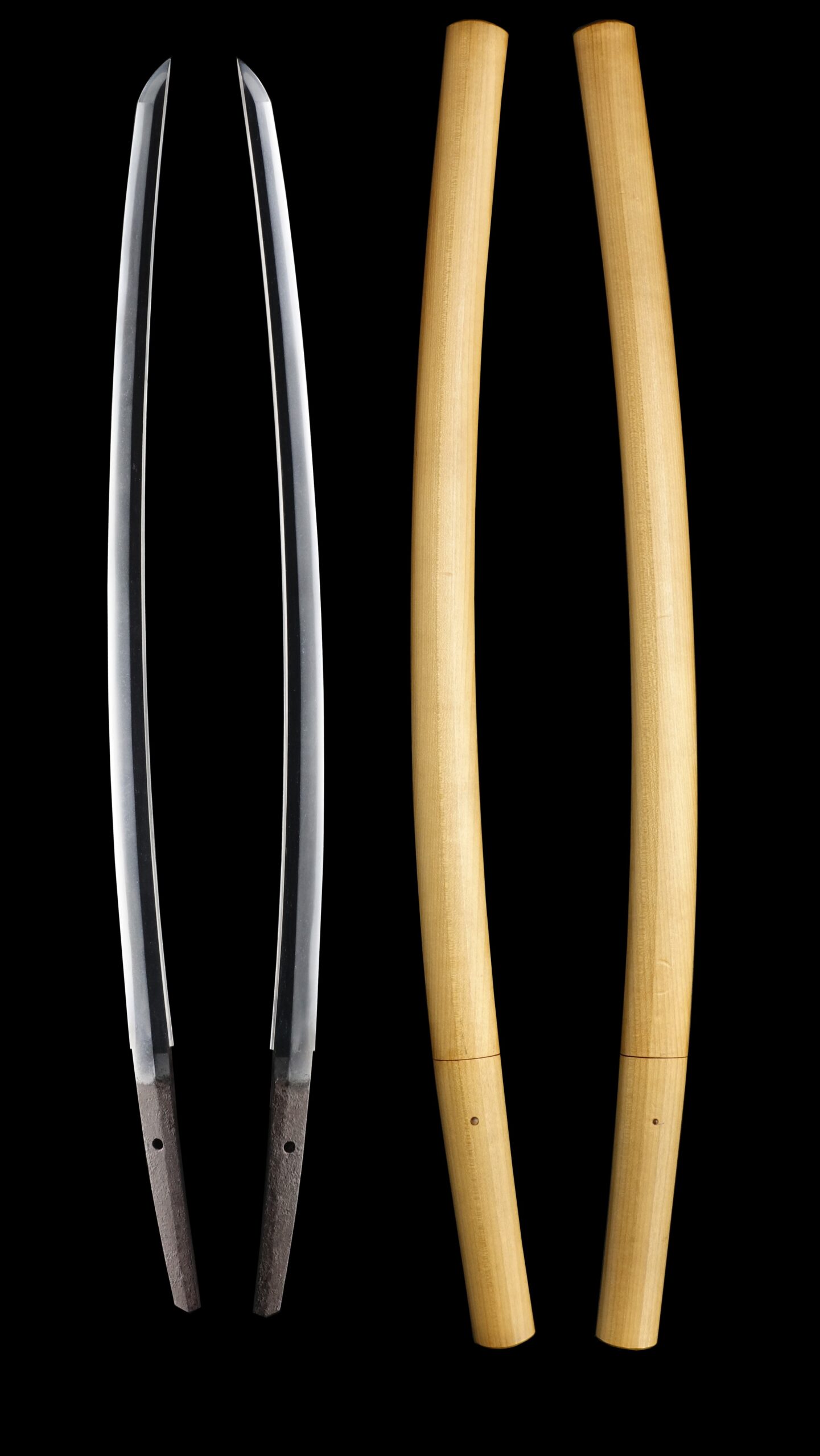
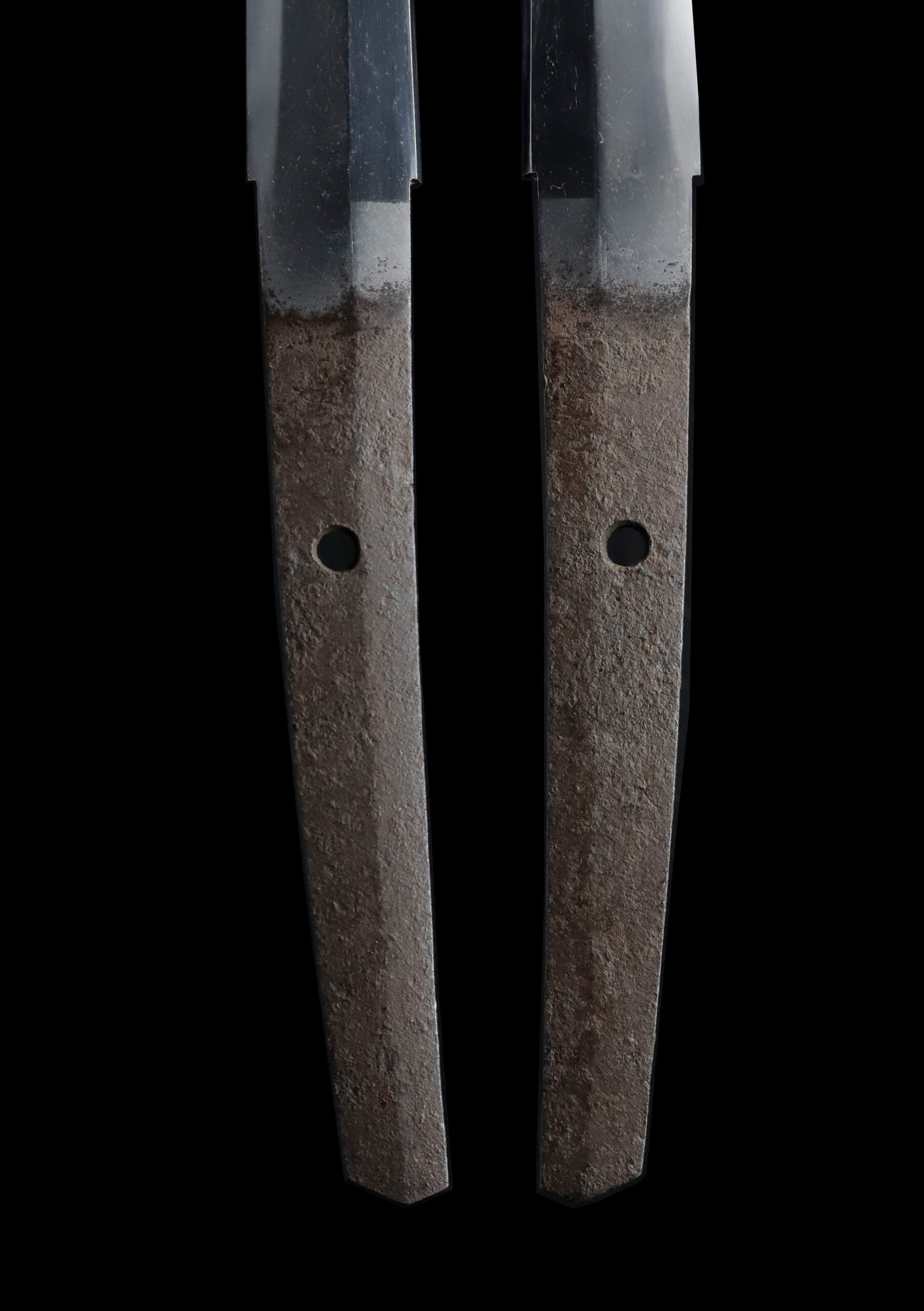
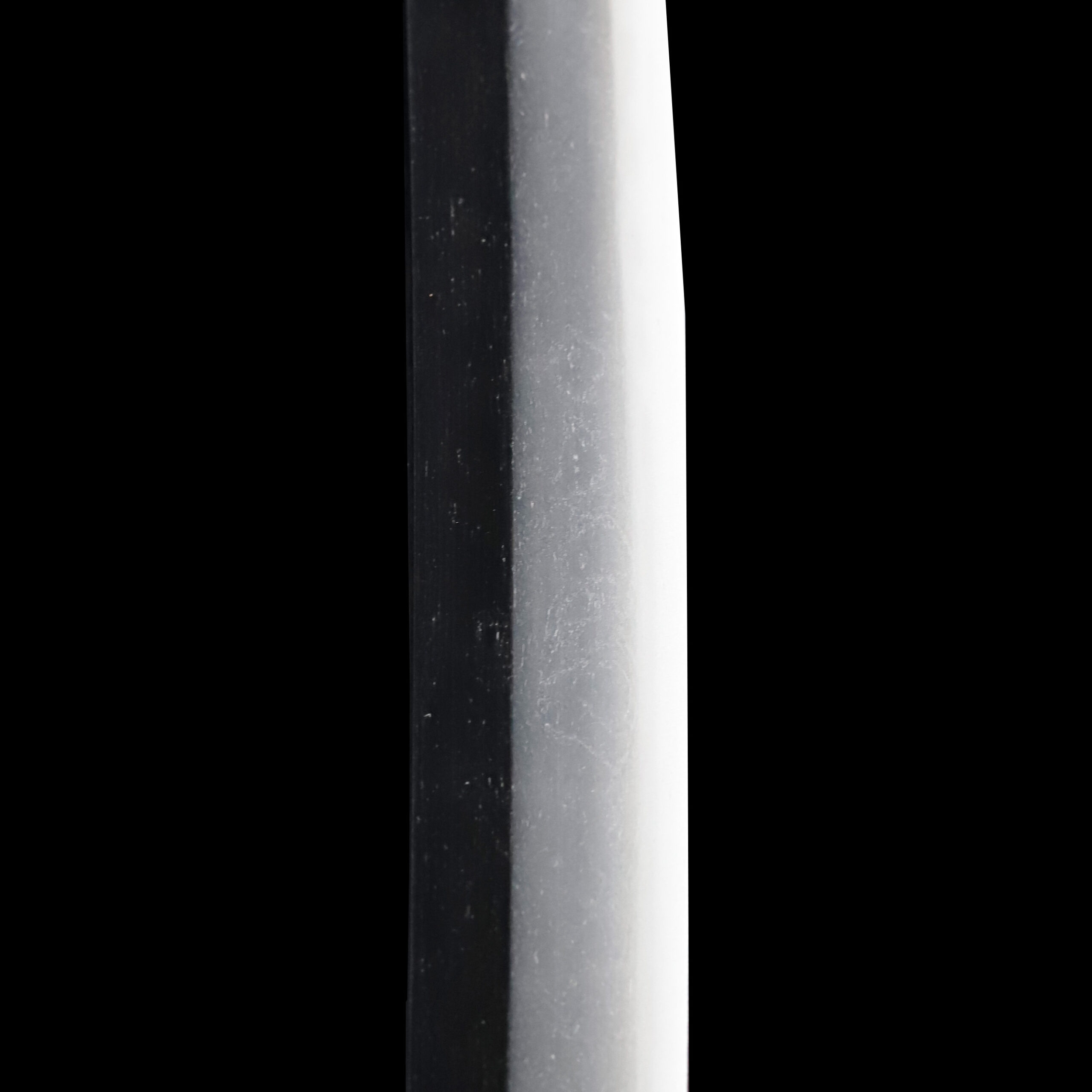
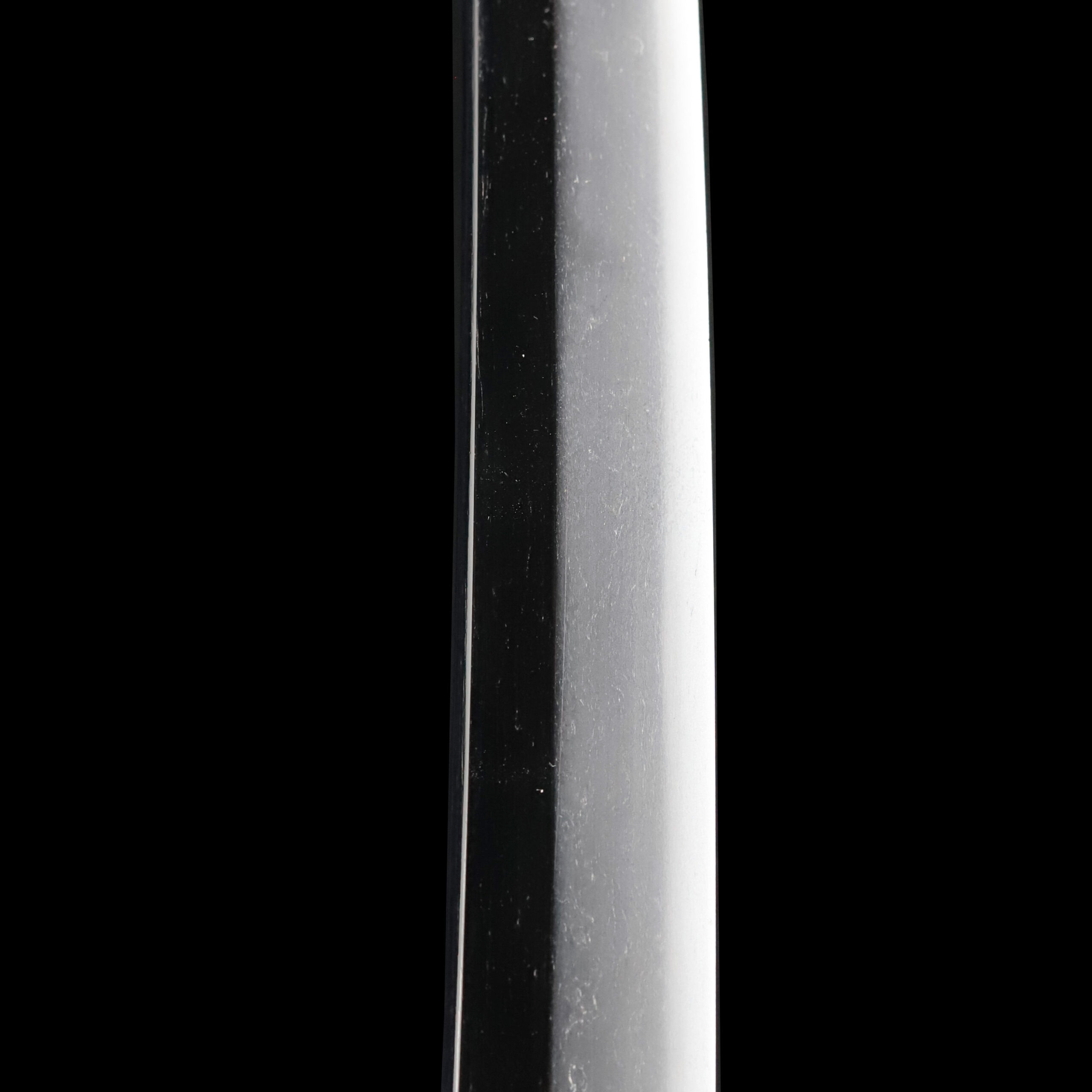
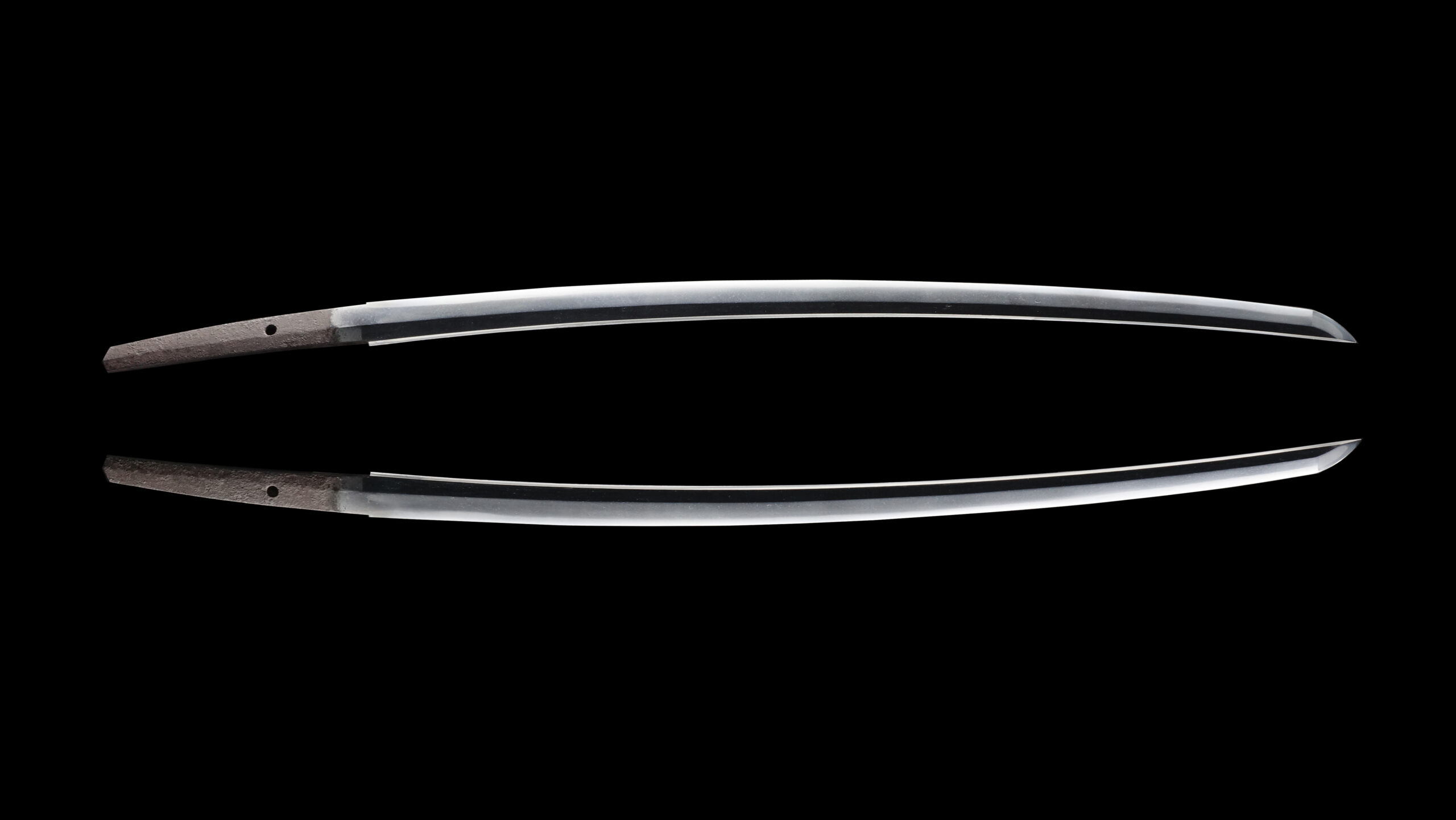
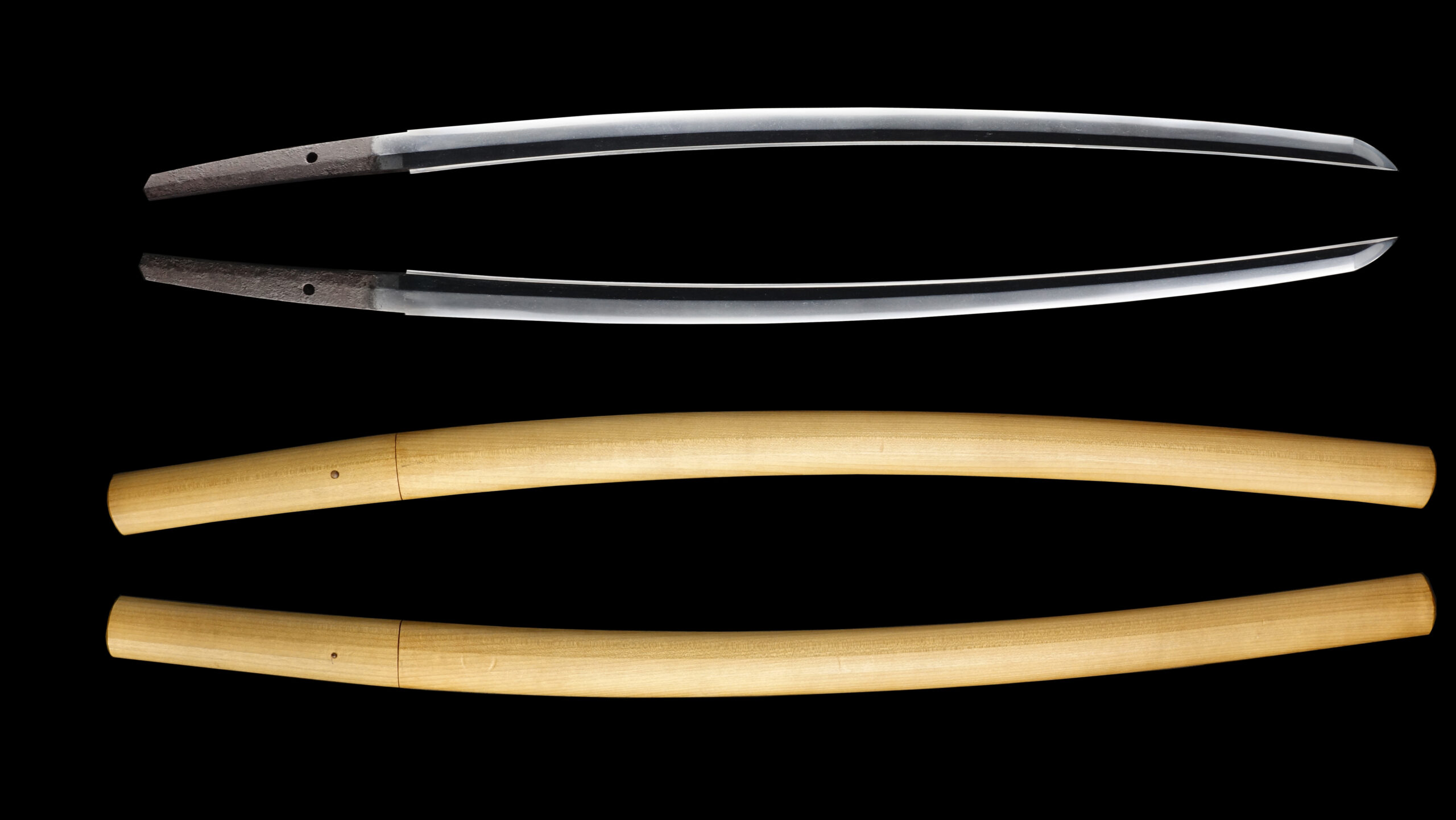
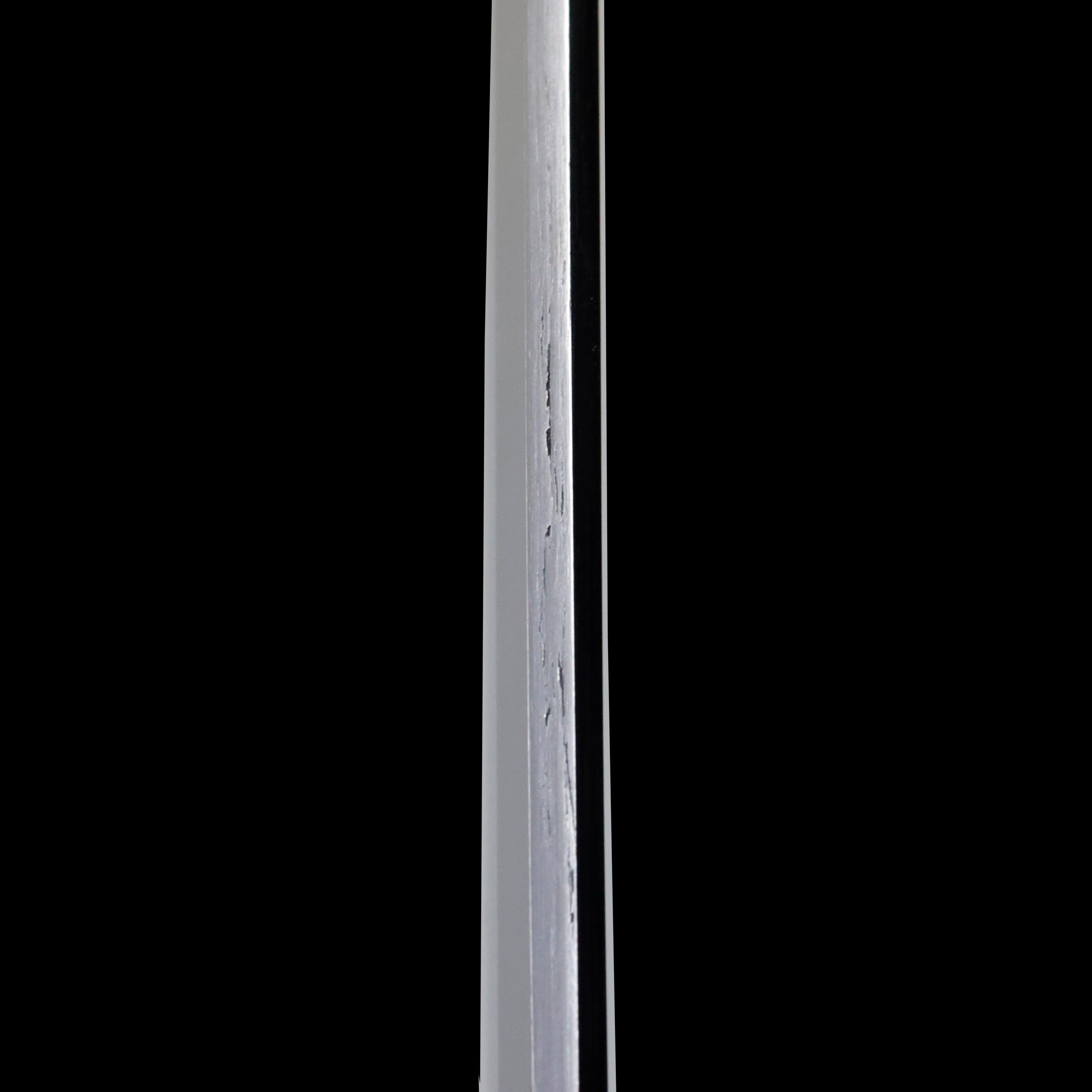
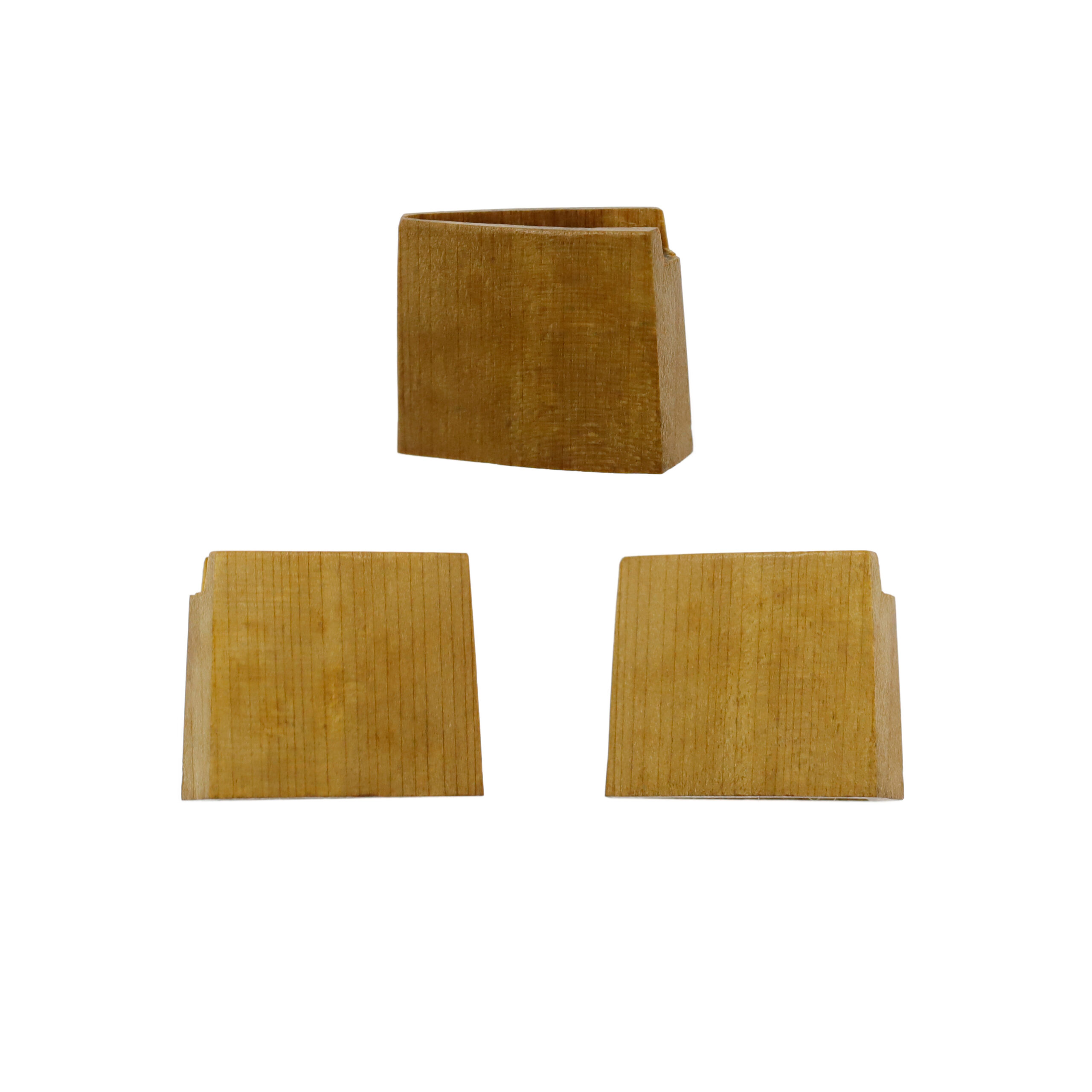
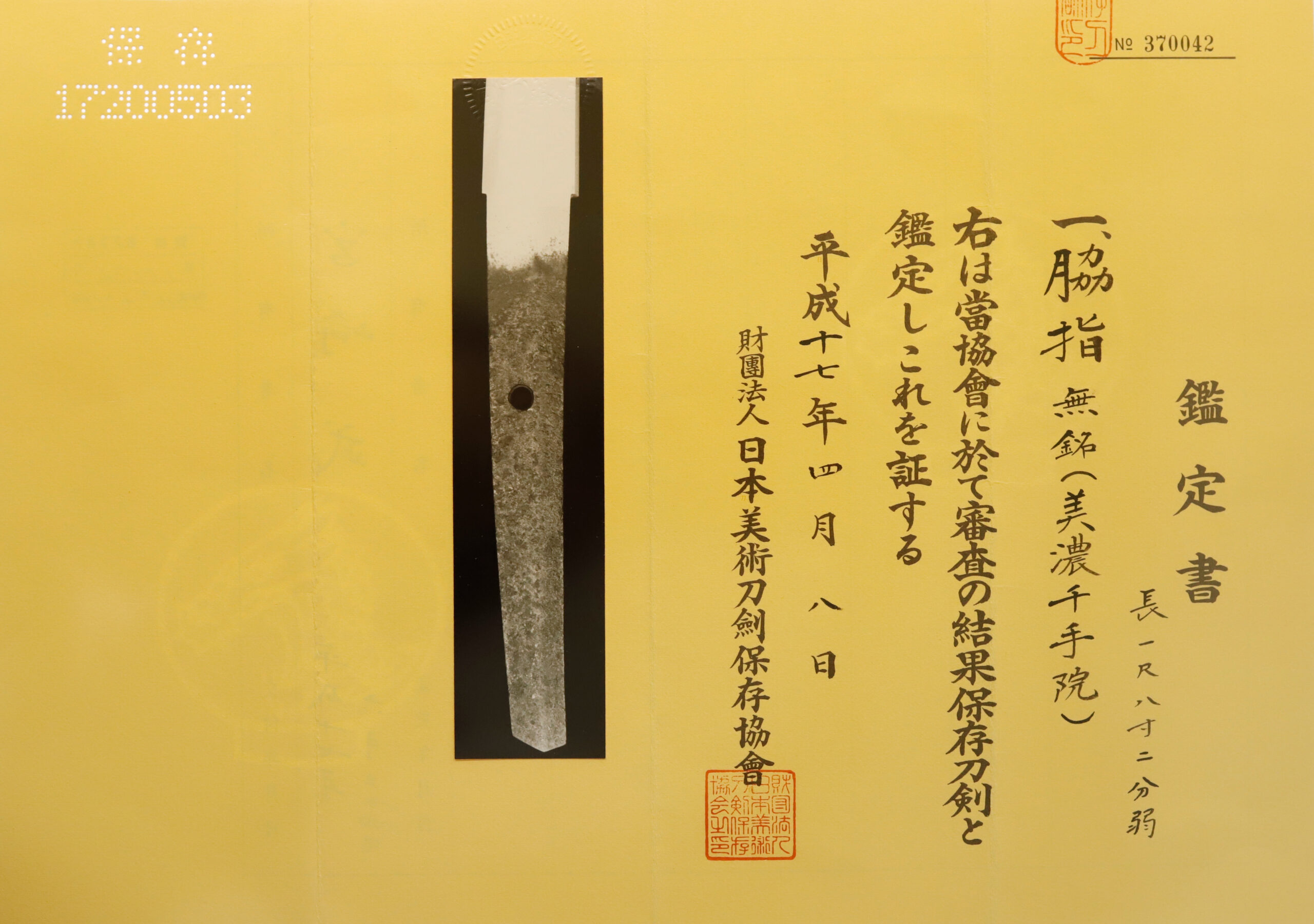
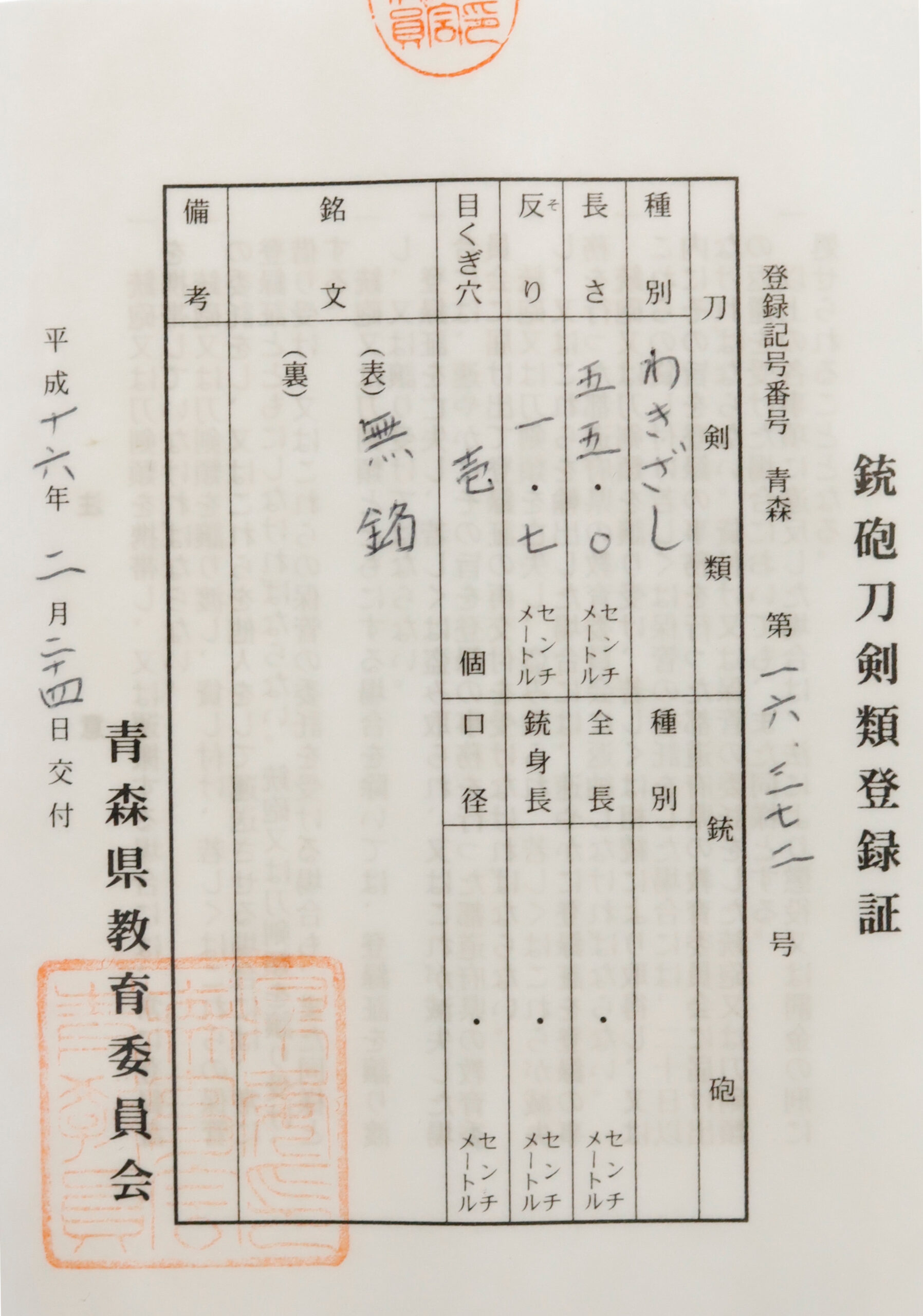
Antique Japanese Sword Wakizashi attributed to Mino Senjuin with NBTHK Hozon Certificate 【Description】 This blade is attributed to Mino Senjuin (美濃千手院), which is one of the most famous schools during the late Nanbokucho-late Muromachi (Mid 14th-Early 16th century) period in Mino province (today’s Gifu prefecture). According to NBTHK that appraised this blade, it was approximately made during the mid-late Muromachi period (Late 15th-Early 16th century). The school was located in Akasaka village near Sekigahara, an essential hub for transportation and military bases from ancient times. It is said that the Mino Senjuin school was founded by Sensui (泉水), the son of Yamato Koku Senjuin Shigehiro. Yamato region was one of the most famous sites for sword-forging during the late Heian-Kamakura period. Sensui moved from Yamato (today’s Nara prefecture) to Akasaka village in Mino province during the Nanbokucho period. Senjuin School in Yamato region There was a temple called Senjudo in Nara prefecture where Senju Kannon (Thousand arms) Budha statue was worshiped. And a group of swordsmiths who lived there was known as Senjuin (千手院). They belonged to Todaji temple. Senjuin School was founded by Yukinobu, who was the son of Yoshiyuki. Yukinonobu was originally a servant for Senjuin temple, a branch of Todaiji temple during the late Heian period (1086-1107), and eventually became an Okakae Kaji for the temple. This blade is appraised as a Hozon Touken (保存刀剣) issued by NBTHK (Nihon Bijutsu Touken Hozon Kyokai: 日本美術刀剣保存協会). This authentication paper was only given to authentic Japanese swords, well preserved and high quality with artistic value. *Please keep in mind that there is Kitae Kizu on the Mune (backbone of the blade). We also put the photo of this area from the picture above. 【Blade】 Cutting Edge Length (Nagasa) : 55.0 cm ( 21.6 inches) Curvature (Sori) : 1.7 cm (0.66 inches) Hamon : The crystalline structure which forms along the cutting edge of a blade as a result of the hardening process. Jimon (Jihada) : Visible steel surface pattern created by folding and hammering during forging process. Nakago : Nakago is the tang of the Japanese sword. Japanese swordsmiths left the black rust on the tang because it prevents red rust while the tang is in its handle. And the discoloration of the tang was created over time, and it is a great indicator for a Japanese sword specialist to estimate when the sword was forged. Habaki : Habaki is the equipment to make the blade not touch its scabbard inside. It prevents the blade from getting rusty and chipped. *Please keep in mind that this Habaki is made of wood. Authentication Paper : NBTHK Hozon Certificate for the blade (No.370042) NBTHK , also known as Nihon Bijutsu Touken Hozon Kyokai (the Society for the Preservation of the Japan Art Sword), is one of the oldest Japanese sword appraising organizations in modern-day Japan. They authenticated the blade on April 8th in the 17th year of Heisei (2005). They appraised it as Hozon Touken, the blade worth preserving for Japanese society. The purchaser will receive this original certificate as well. We can also translate what is written into English and make a PDF file for your record if you request. Registration Number : Aomori 16372 The Board of Education in Aomori prefecture issued a registration paper for this sword. It is called Jyu Token Rui Torokusho (銃刀剣類登録証). Bunkacho (The Agency for Cultural Affairs) acknowledges a Japanese sword with this paper as a work of art. The sword needs to be traditionally hand-forged and made of Tamahagane carbon steel to be registered in the system. With this paper, its owner in Japan can legally own an authentic Japanese sword. Based on this registration number, we will apply for its export permit. This paper will need to be returned to the board of education when the sword is being shipped abroad, but you can receive a copy of it. An English translation of this registration paper is available on request. 【About
 NihontoWatch
無銘 · Mino Senjuin · 室町 · 長さ 55cm · 反り 1.7cm
美濃伝 · 美濃
現在7点販売中
美濃千手院は赤坂千手院とも呼ばれ、大和千手院派の流れを汲む一派である。説示によれば、大和千手院の刀工が美濃国赤坂へ移住して興ったもので、その移住期は建武の頃と伝える国重をはじめとして南北朝末葉に及ぶとされ、室町時代に殊に繁栄した。校正古刀銘鑑はこの派の祖を国長とし、貞和頃から延文・永徳を経て明応に至るまで複数の国長がいたことを記す。説示が扱う工には、二字銘の太刀を残す国重、貞治頃と銘鑑にある国行、応安元年紀の短刀を遺す国長、室町の弘長と弘重、さらに後代の道永や道印、康道、ただ千手院とのみ切る者がある。これとは別に、越前敦賀から美濃へ移った越州藤原国行があり、応安六年から翌年八月までの間に濃州入りしたと押形所載の銘から推測されている。 作風は板目に柾がかり、あるいは柾目の強い鍛えに大和の特色が濃く現れる点を共通の語法とする。説示は肌立ちごころとなって地沸がつき、地景が入り、総体に白けごころを帯び、鉄色に黒みのあることを繰り返し記す。刃文は直刃や小のたれを基調に互の目や小乱れを交え、刃縁にほつれや喰違いを見せ、砂流しと金筋がかかって匂口締まりごころに小沸がつく。帽子は乱れ込んで掃きかけ、尖りごころに返るものが多い。一般の関物と比べて大和気質が一段と濃く、刃文の出来に隔たりがあることが見分けの手がかりとされる。越州国行に限っては別の作域を示し、板目に柾を交えて荒めの沸がつき、湯走りや飛焼、棟焼を交えて皆焼状となり、相州伝を思わせる沸出来を強調する。 鑑定の要点は、地鉄に大和の根を残しつつ刃に美濃色への移行を読むことにあり、地刃が他の美濃物と争い難い一致を見せる一方、刃文の傾きで識別される。個名を切る作は頗る少なく、千手院とのみ銘するものが多いため、有銘の国行や国重、国長の作は貴重な資料とされる。代表作には佩表に二字銘を有する国行の太刀、南北朝期の国重の太刀、応安元年紀の国長短刀、弘長と弘重の合作槍、千手院作の大身槍があり、銘鑑や光山押形と銘振りを照合して極めの根拠とする。越州国行の濃州住の在銘作は、移住後の作例として、また細直刃という新たな作域を示す点で資料性が高い。室町後期まで命脈を保ったこの一派は、大和から美濃へ流れた刀工の足跡を地刃に刻む系統として位置づけられる。 詳しく見る →
室町時代の美濃
戦国の関は一つの産業であった。春日神社を氏神と仰ぐ鍛冶たちが、中部日本の軍勢を武装させた。孫六兼元の三本杉と之定の最上作は、量産の町に第一級の技が息づいていたことの証である。
銘が正しい、または無銘でも年代・国・系統を確実に指摘できる、保存に値する真正の作と鑑定されたものです。
日本美術刀剣保存協会(NBTHK)は、1948年に設立され、文化庁の監督を受ける公益財団法人で、東京・刀剣博物館に本部を置きます。専門の審査員が出品作を直接審査し、美術的・歴史的価値に応じた鑑定書を発行します。NBTHKの鑑定書は、日本刀および刀装具の真正性を示す最も広く認知された基準です。
NBTHK公式サイトReturns/exchanges limited to defects caused by shipping (except willful misconduct or gross negligence by the company); customers must contact within 72 hours of receiving the product.
Antique Japanese Sword Wakizashi attributed to Mino Senjuin with NBTHK Hozon Certificate 【Description】 This blade is attributed to Mino Senjuin (美濃千手院), which is one of the most famous schools during the late Nanbokucho-late Muromachi (Mid 14th-Early 16th century) period in Mino province (today’s Gifu prefecture). According to NBTHK that appraised this blade, it was approximately made during the mid-late Muromachi period (Late 15th-Early 16th century). The school was located in Akasaka village near Sekigahara, an essential hub for transportation and military bases from ancient times. It is said that the Mino Senjuin school was founded by Sensui (泉水), the son of Yamato Koku Senjuin Shigehiro. Yamato region was one of the most famous sites for sword-forging during the late Heian-Kamakura period. Sensui moved from Yamato (today’s Nara prefecture) to Akasaka village in Mino province during the Nanbokucho period. Senjuin School in Yamato region There was a temple called Senjudo in Nara prefecture where Senju Kannon (Thousand arms) Budha statue was worshiped. And a group of swordsmiths who lived there was known as Senjuin (千手院). They belonged to Todaji temple. Senjuin School was founded by Yukinobu, who was the son of Yoshiyuki. Yukinonobu was originally a servant for Senjuin temple, a branch of Todaiji temple during the late Heian period (1086-1107), and eventually became an Okakae Kaji for the temple. This blade is appraised as a Hozon Touken (保存刀剣) issued by NBTHK (Nihon Bijutsu Touken Hozon Kyokai: 日本美術刀剣保存協会). This authentication paper was only given to authentic Japanese swords, well preserved and high quality with artistic value. *Please keep in mind that there is Kitae Kizu on the Mune (backbone of the blade). We also put the photo of this area from the picture above. 【Blade】 Cutting Edge Length (Nagasa) : 55.0 cm ( 21.6 inches) Curvature (Sori) : 1.7 cm (0.66 inches) Hamon : The crystalline structure which forms along the cutting edge of a blade as a result of the hardening process. Jimon (Jihada) : Visible steel surface pattern created by folding and hammering during forging process. Nakago : Nakago is the tang of the Japanese sword. Japanese swordsmiths left the black rust on the tang because it prevents red rust while the tang is in its handle. And the discoloration of the tang was created over time, and it is a great indicator for a Japanese sword specialist to estimate when the sword was forged. Habaki : Habaki is the equipment to make the blade not touch its scabbard inside. It prevents the blade from getting rusty and chipped. *Please keep in mind that this Habaki is made of wood. Authentication Paper : NBTHK Hozon Certificate for the blade (No.370042) NBTHK , also known as Nihon Bijutsu Touken Hozon Kyokai (the Society for the Preservation of the Japan Art Sword), is one of the oldest Japanese sword appraising organizations in modern-day Japan. They authenticated the blade on April 8th in the 17th year of Heisei (2005). They appraised it as Hozon Touken, the blade worth preserving for Japanese society. The purchaser will receive this original certificate as well. We can also translate what is written into English and make a PDF file for your record if you request. Registration Number : Aomori 16372 The Board of Education in Aomori prefecture issued a registration paper for this sword. It is called Jyu Token Rui Torokusho (銃刀剣類登録証). Bunkacho (The Agency for Cultural Affairs) acknowledges a Japanese sword with this paper as a work of art. The sword needs to be traditionally hand-forged and made of Tamahagane carbon steel to be registered in the system. With this paper, its owner in Japan can legally own an authentic Japanese sword. Based on this registration number, we will apply for its export permit. This paper will need to be returned to the board of education when the sword is being shipped abroad, but you can receive a copy of it. An English translation of this registration paper is available on request. 【About
NihontoWatch無銘 · Mino Senjuin · 室町 · 長さ 55cm · 反り 1.7cm
美濃伝 · 美濃
現在7点販売中
美濃千手院は赤坂千手院とも呼ばれ、大和千手院派の流れを汲む一派である。説示によれば、大和千手院の刀工が美濃国赤坂へ移住して興ったもので、その移住期は建武の頃と伝える国重をはじめとして南北朝末葉に及ぶとされ、室町時代に殊に繁栄した。校正古刀銘鑑はこの派の祖を国長とし、貞和頃から延文・永徳を経て明応に至るまで複数の国長がいたことを記す。説示が扱う工には、二字銘の太刀を残す国重、貞治頃と銘鑑にある国行、応安元年紀の短刀を遺す国長、室町の弘長と弘重、さらに後代の道永や道印、康道、ただ千手院とのみ切る者がある。これとは別に、越前敦賀から美濃へ移った越州藤原国行があり、応安六年から翌年八月までの間に濃州入りしたと押形所載の銘から推測されている。 作風は板目に柾がかり、あるいは柾目の強い鍛えに大和の特色が濃く現れる点を共通の語法とする。説示は肌立ちごころとなって地沸がつき、地景が入り、総体に白けごころを帯び、鉄色に黒みのあることを繰り返し記す。刃文は直刃や小のたれを基調に互の目や小乱れを交え、刃縁にほつれや喰違いを見せ、砂流しと金筋がかかって匂口締まりごころに小沸がつく。帽子は乱れ込んで掃きかけ、尖りごころに返るものが多い。一般の関物と比べて大和気質が一段と濃く、刃文の出来に隔たりがあることが見分けの手がかりとされる。越州国行に限っては別の作域を示し、板目に柾を交えて荒めの沸がつき、湯走りや飛焼、棟焼を交えて皆焼状となり、相州伝を思わせる沸出来を強調する。 鑑定の要点は、地鉄に大和の根を残しつつ刃に美濃色への移行を読むことにあり、地刃が他の美濃物と争い難い一致を見せる一方、刃文の傾きで識別される。個名を切る作は頗る少なく、千手院とのみ銘するものが多いため、有銘の国行や国重、国長の作は貴重な資料とされる。代表作には佩表に二字銘を有する国行の太刀、南北朝期の国重の太刀、応安元年紀の国長短刀、弘長と弘重の合作槍、千手院作の大身槍があり、銘鑑や光山押形と銘振りを照合して極めの根拠とする。越州国行の濃州住の在銘作は、移住後の作例として、また細直刃という新たな作域を示す点で資料性が高い。室町後期まで命脈を保ったこの一派は、大和から美濃へ流れた刀工の足跡を地刃に刻む系統として位置づけられる。 詳しく見る →
室町時代の美濃
戦国の関は一つの産業であった。春日神社を氏神と仰ぐ鍛冶たちが、中部日本の軍勢を武装させた。孫六兼元の三本杉と之定の最上作は、量産の町に第一級の技が息づいていたことの証である。
銘が正しい、または無銘でも年代・国・系統を確実に指摘できる、保存に値する真正の作と鑑定されたものです。
日本美術刀剣保存協会(NBTHK)は、1948年に設立され、文化庁の監督を受ける公益財団法人で、東京・刀剣博物館に本部を置きます。専門の審査員が出品作を直接審査し、美術的・歴史的価値に応じた鑑定書を発行します。NBTHKの鑑定書は、日本刀および刀装具の真正性を示す最も広く認知された基準です。
NBTHK公式サイトReturns/exchanges limited to defects caused by shipping (except willful misconduct or gross negligence by the company); customers must contact within 72 hours of receiving the product.