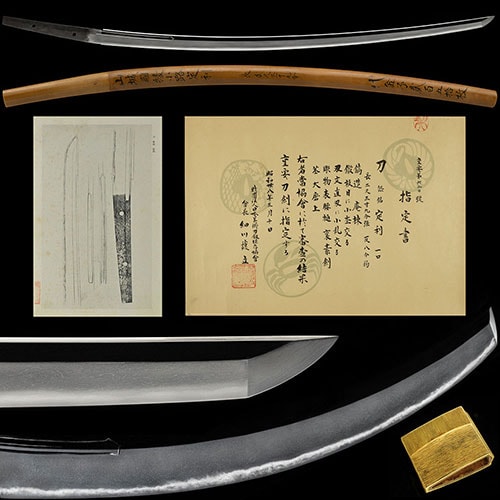
室町は刀剣業を産業に変えた。徒歩の集団戦とともに打刀が興り、長船と関は数打ち物と注文打ちを並行して産し、勘合貿易は日本刀を数万振の単位で海外へ運んだ。
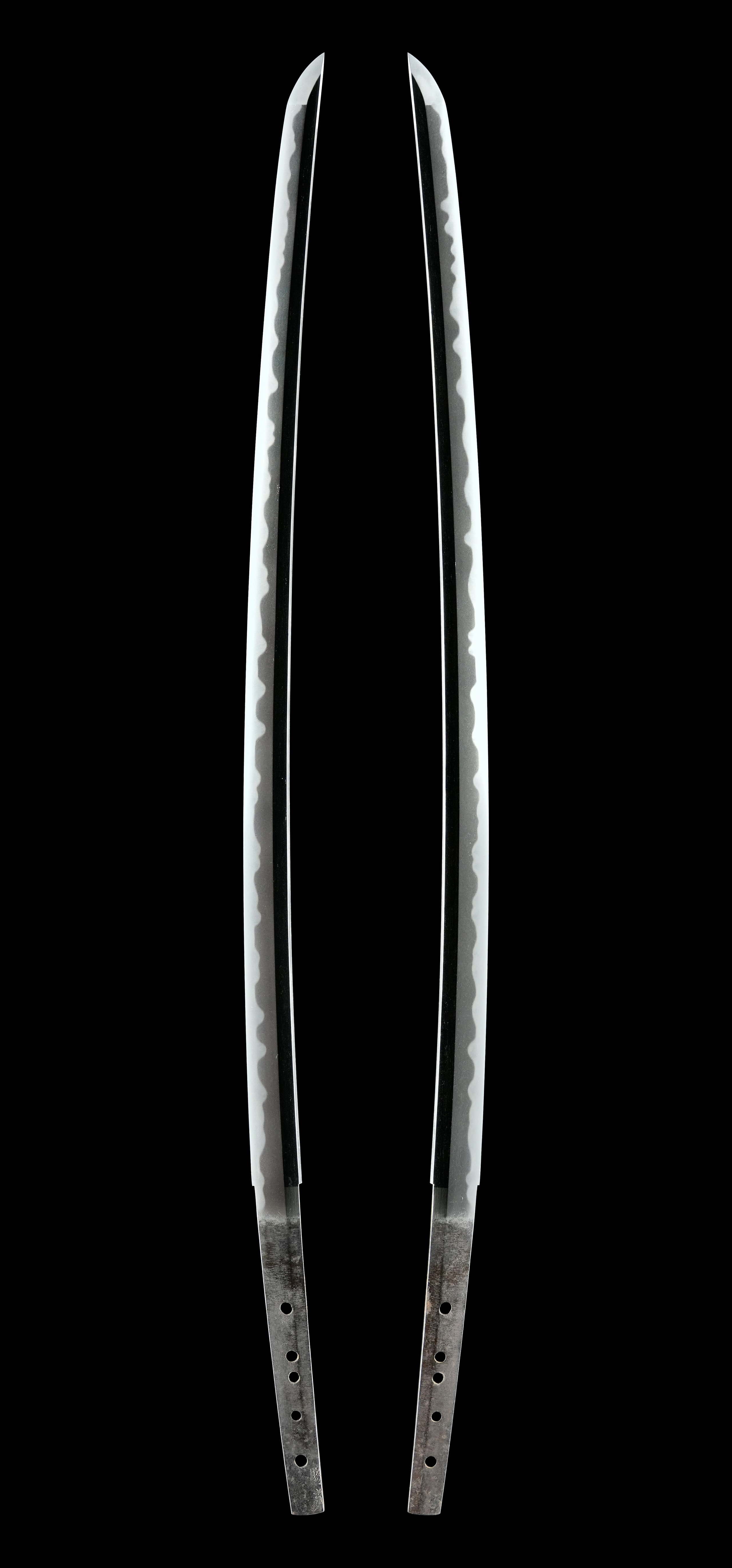
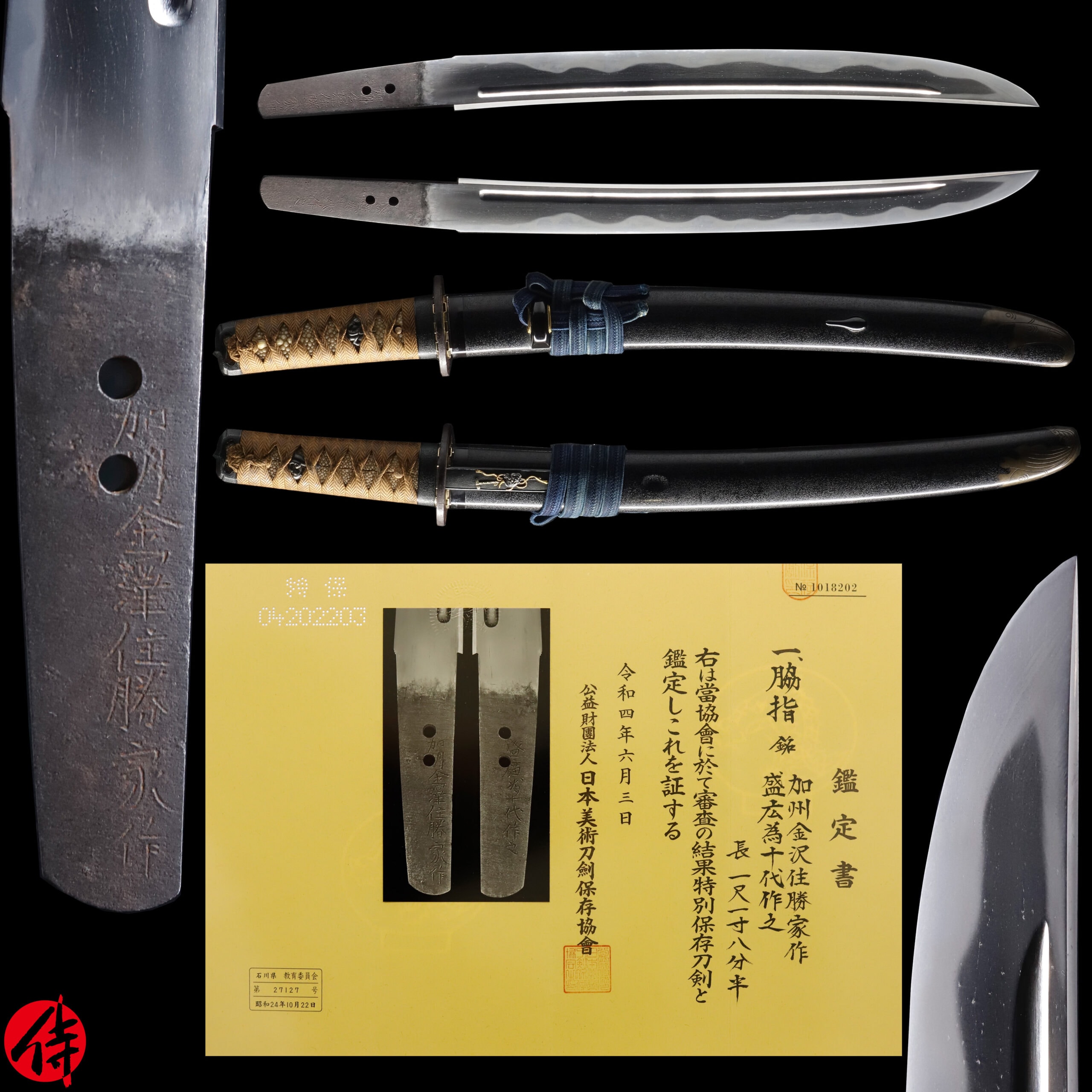
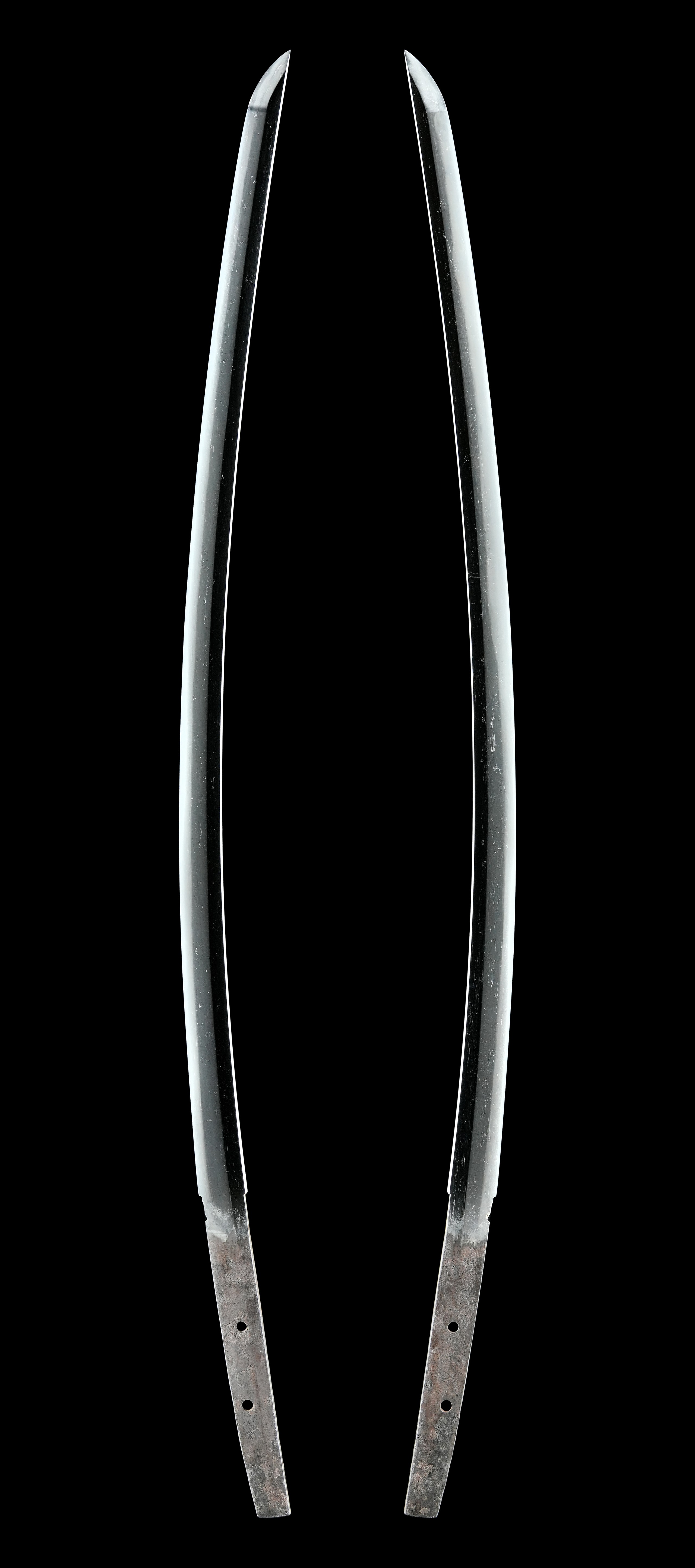
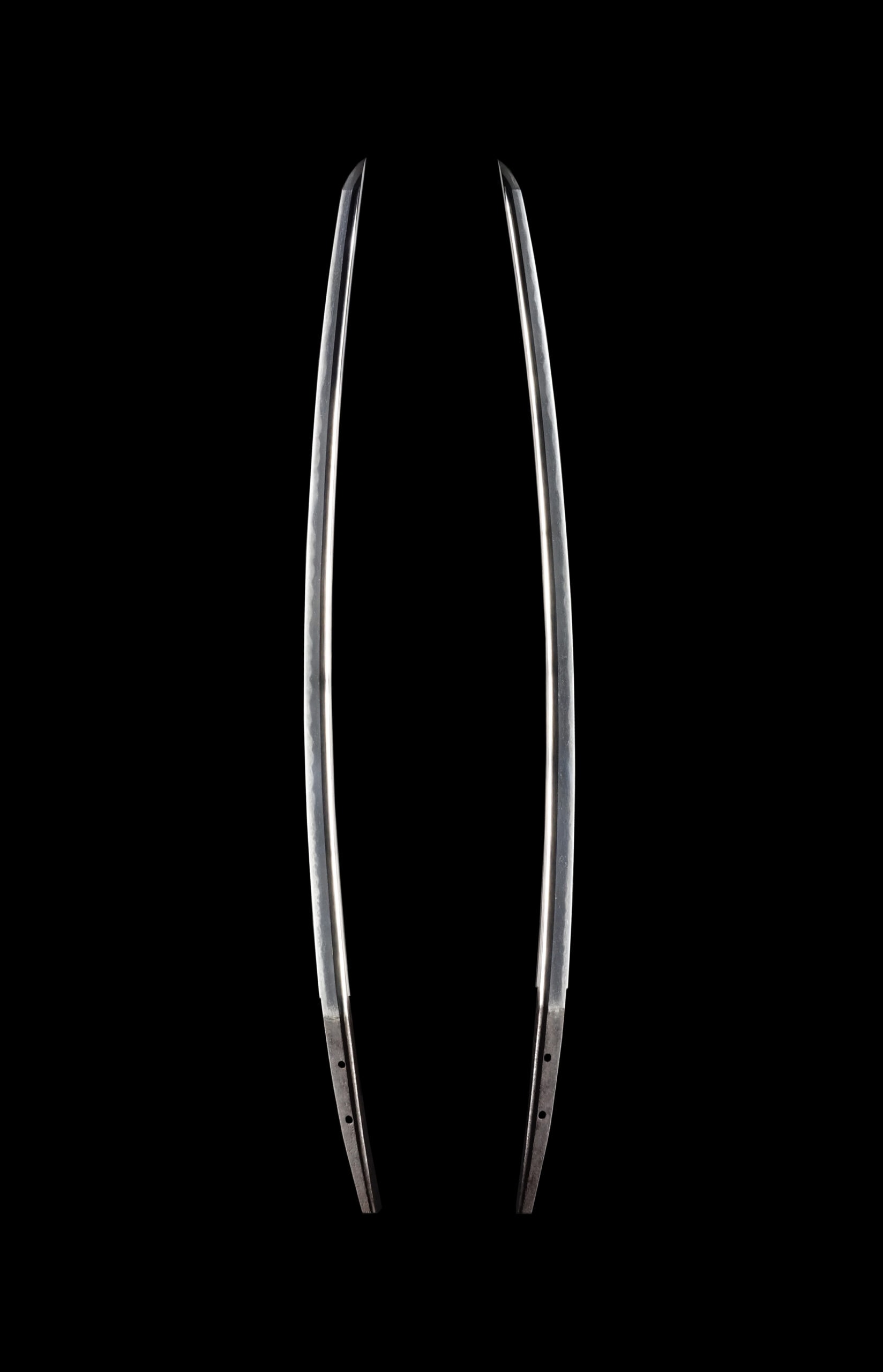
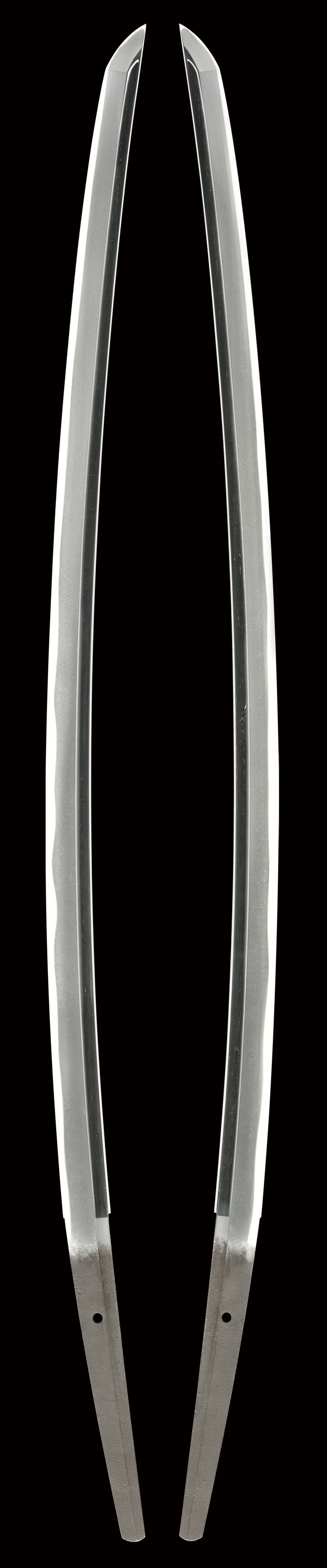
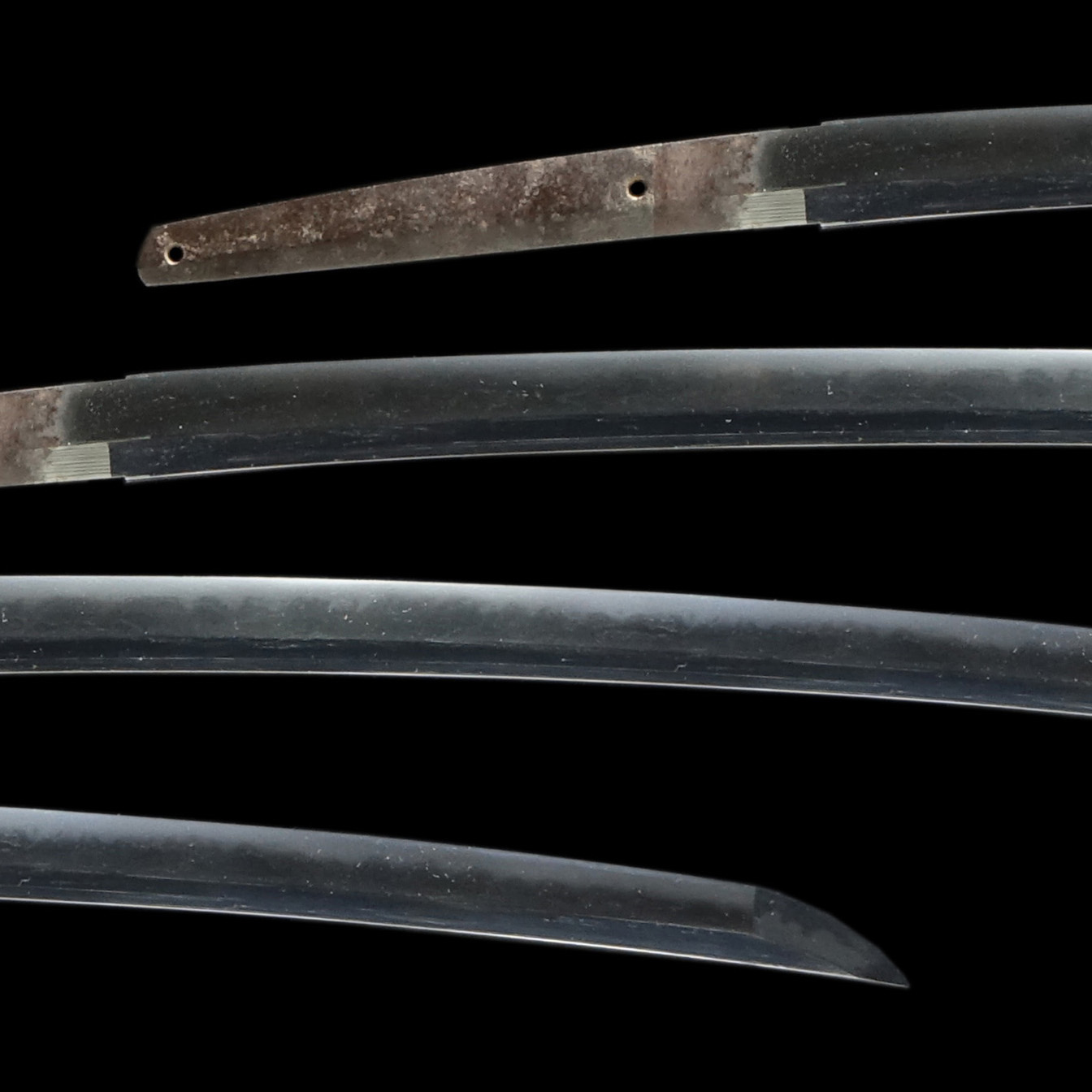
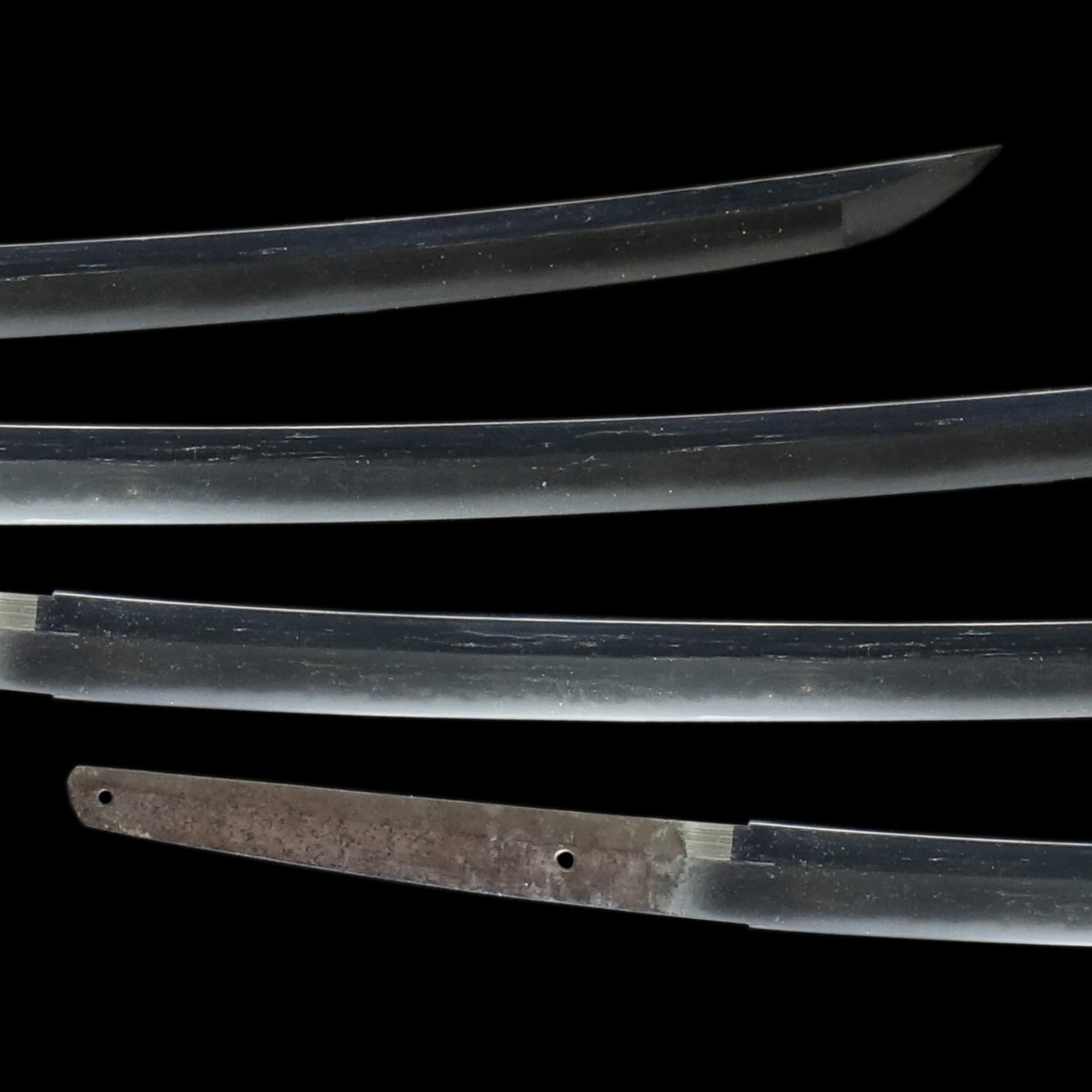
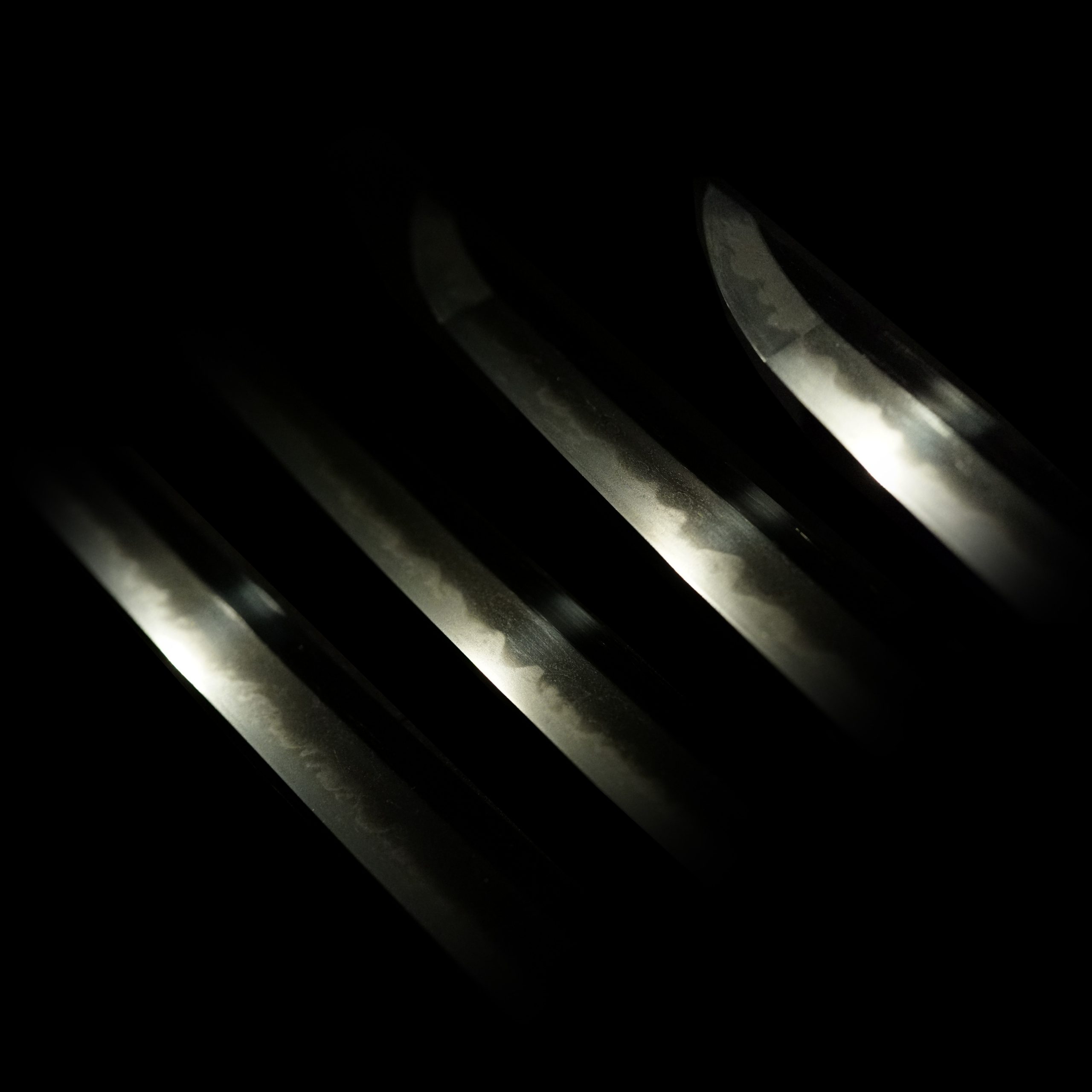
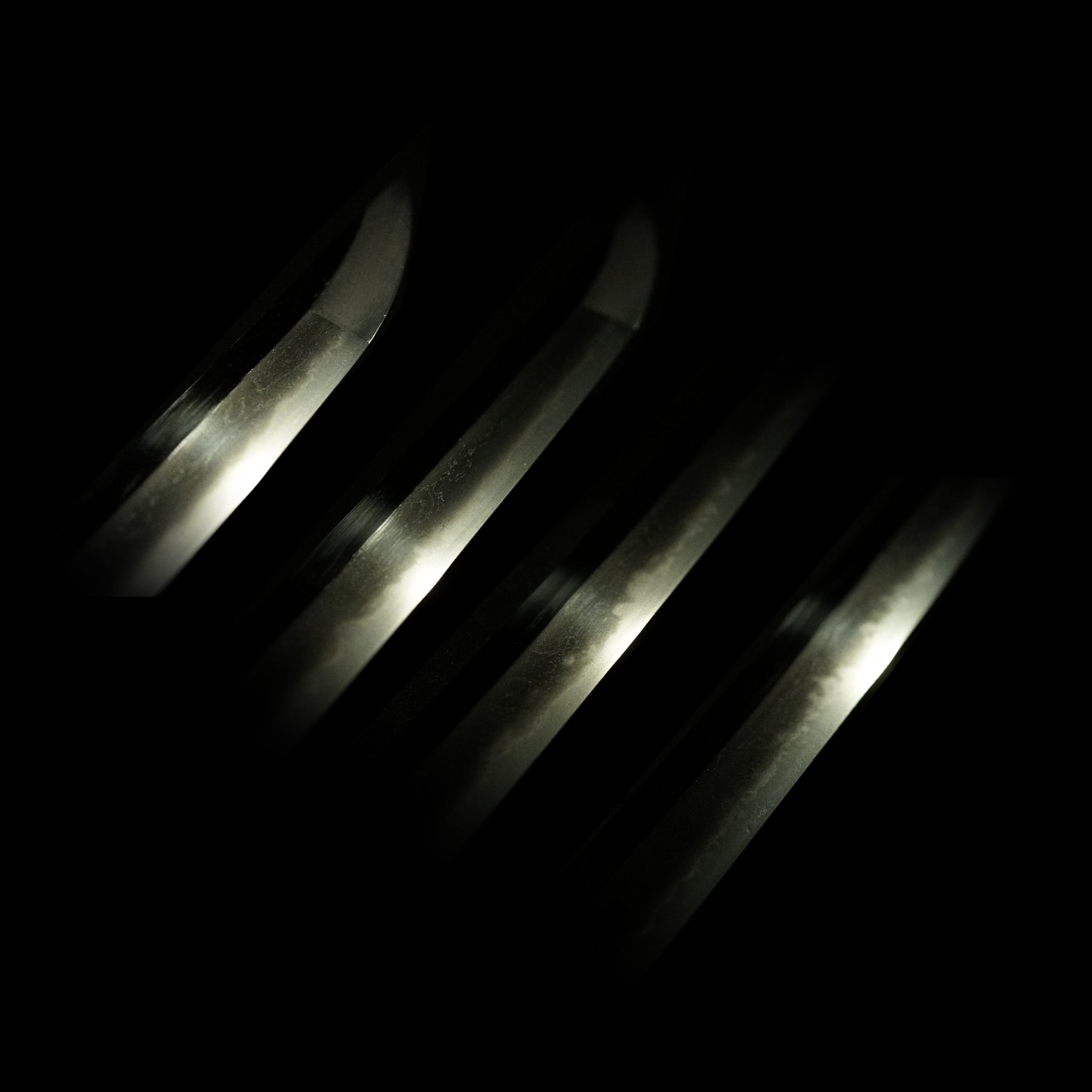
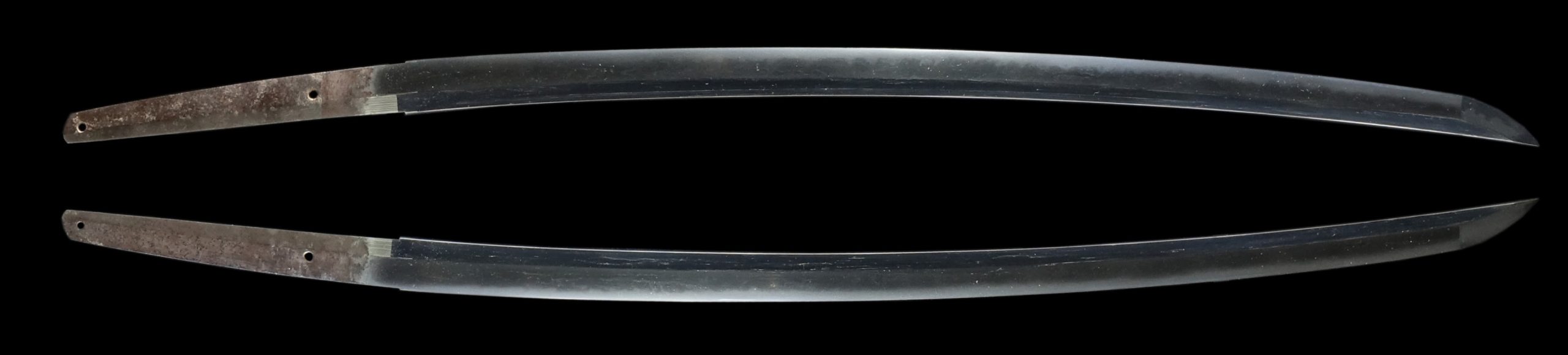
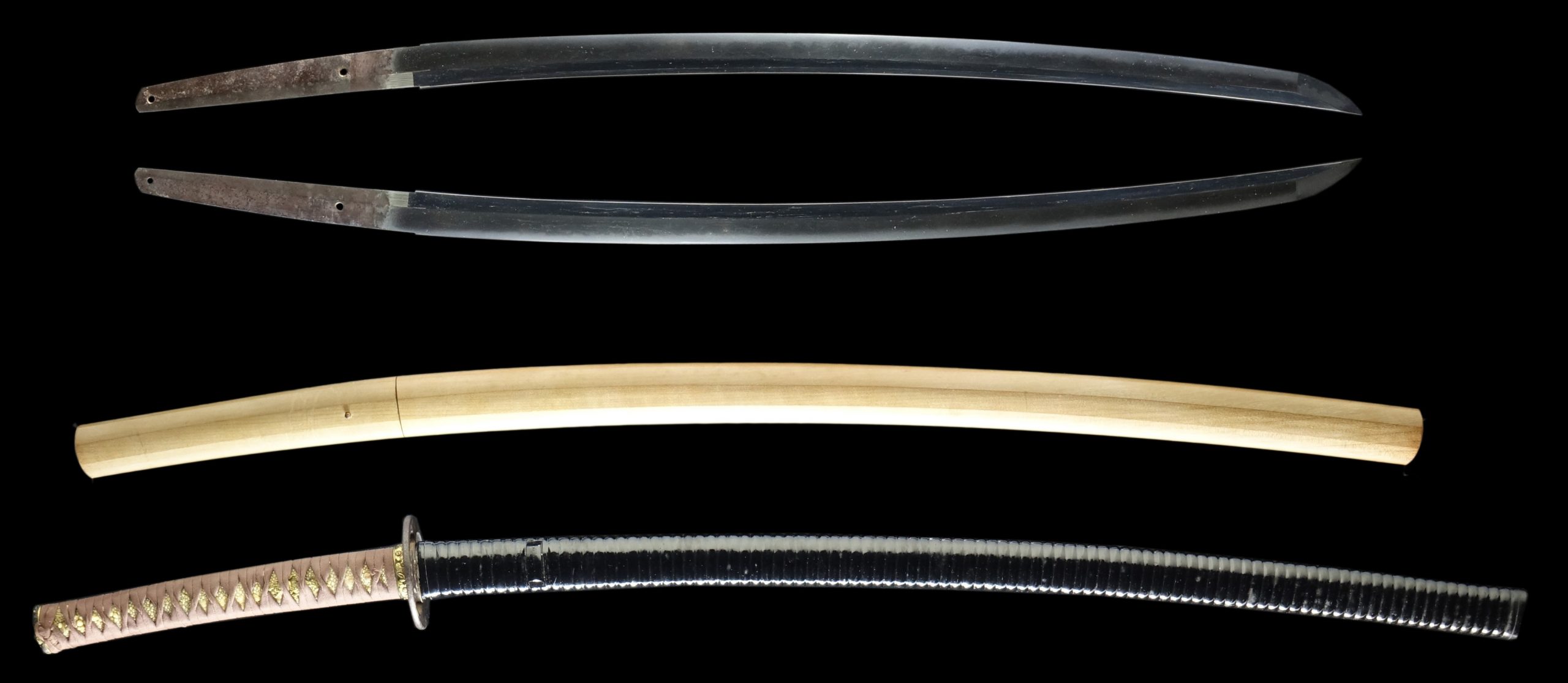
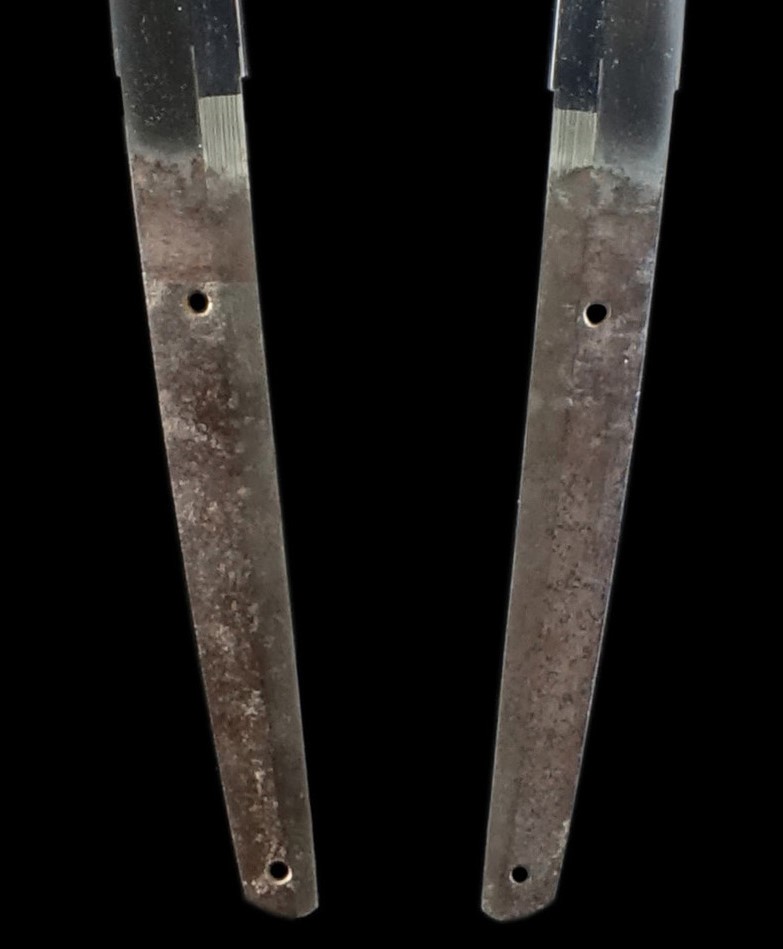
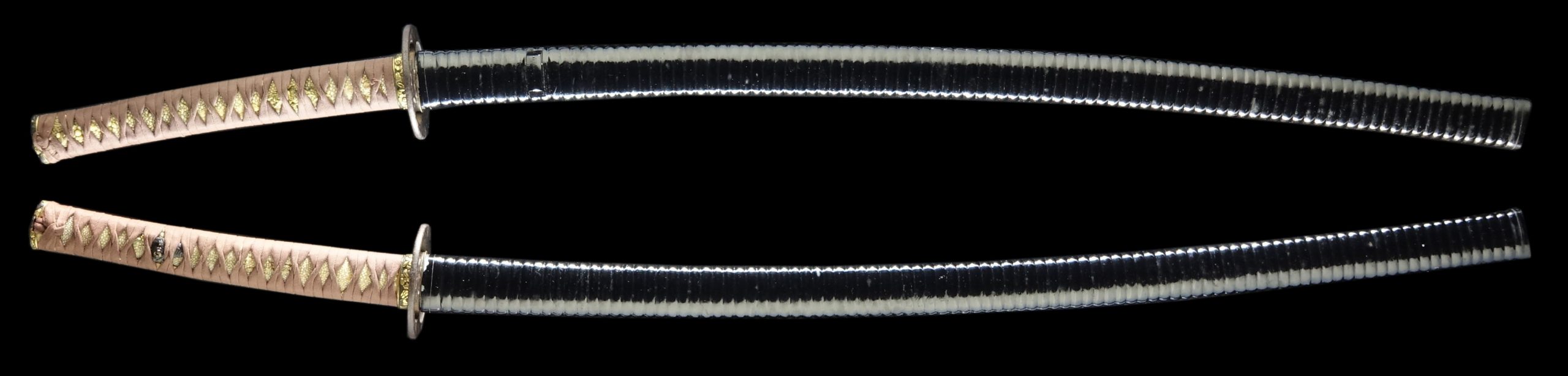
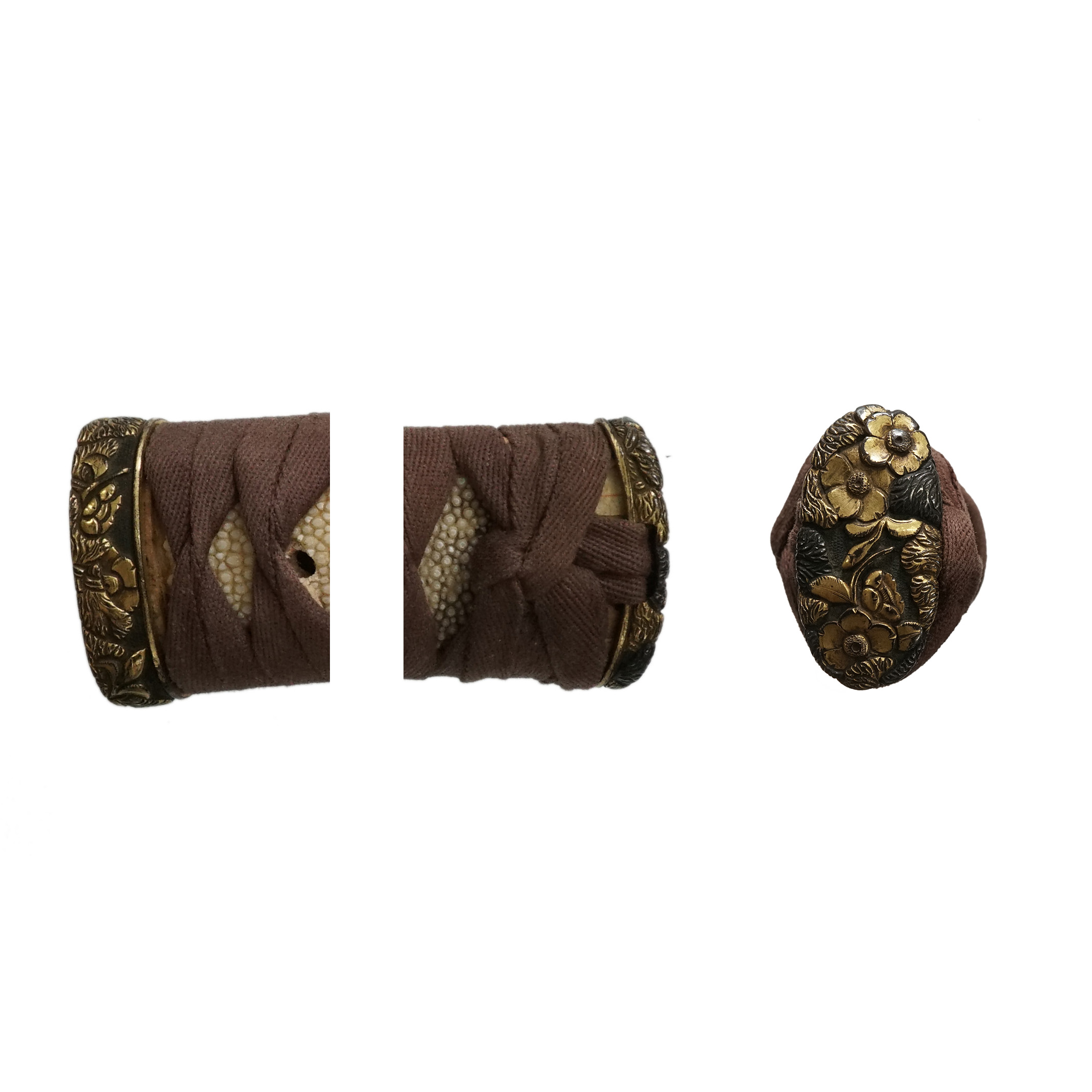
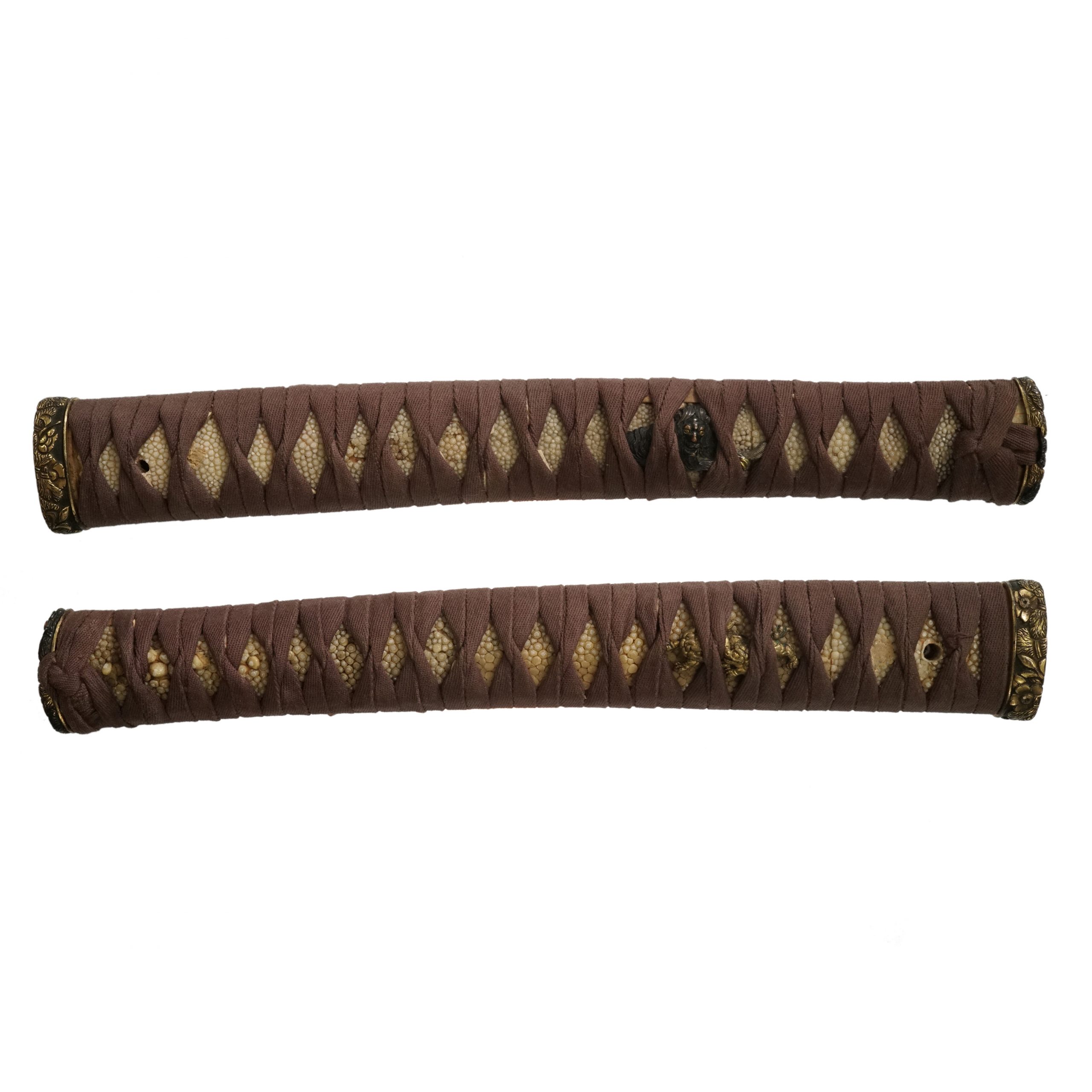
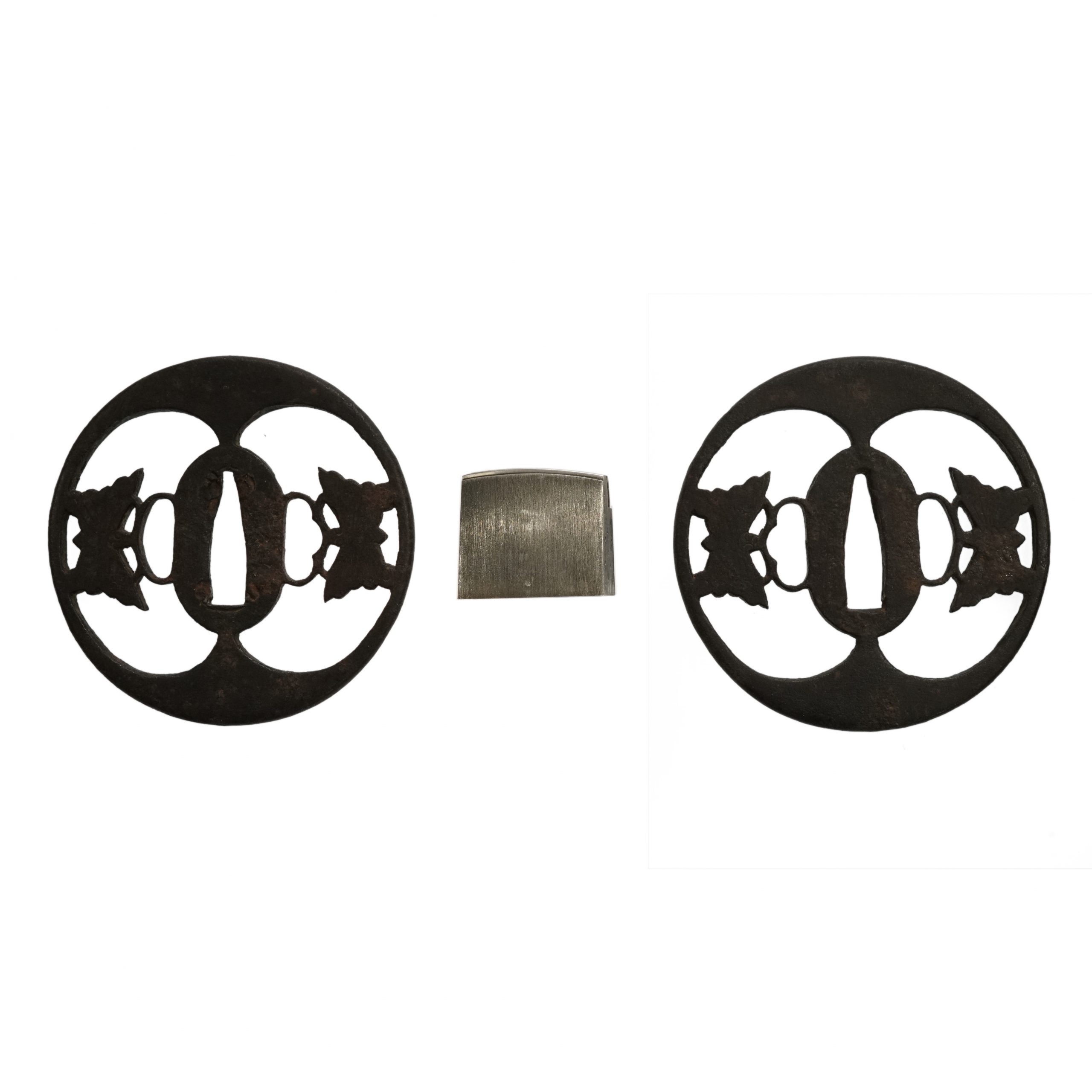
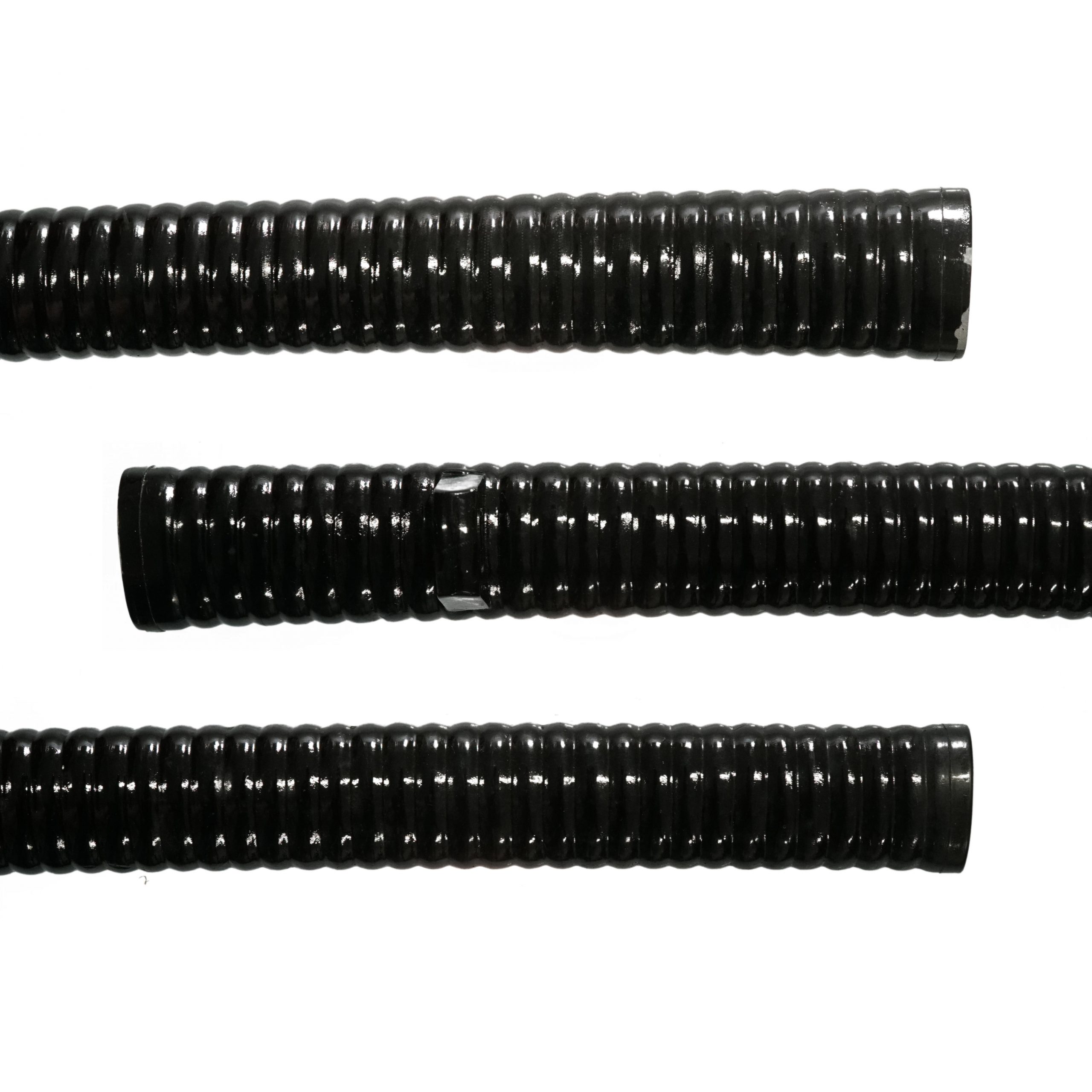
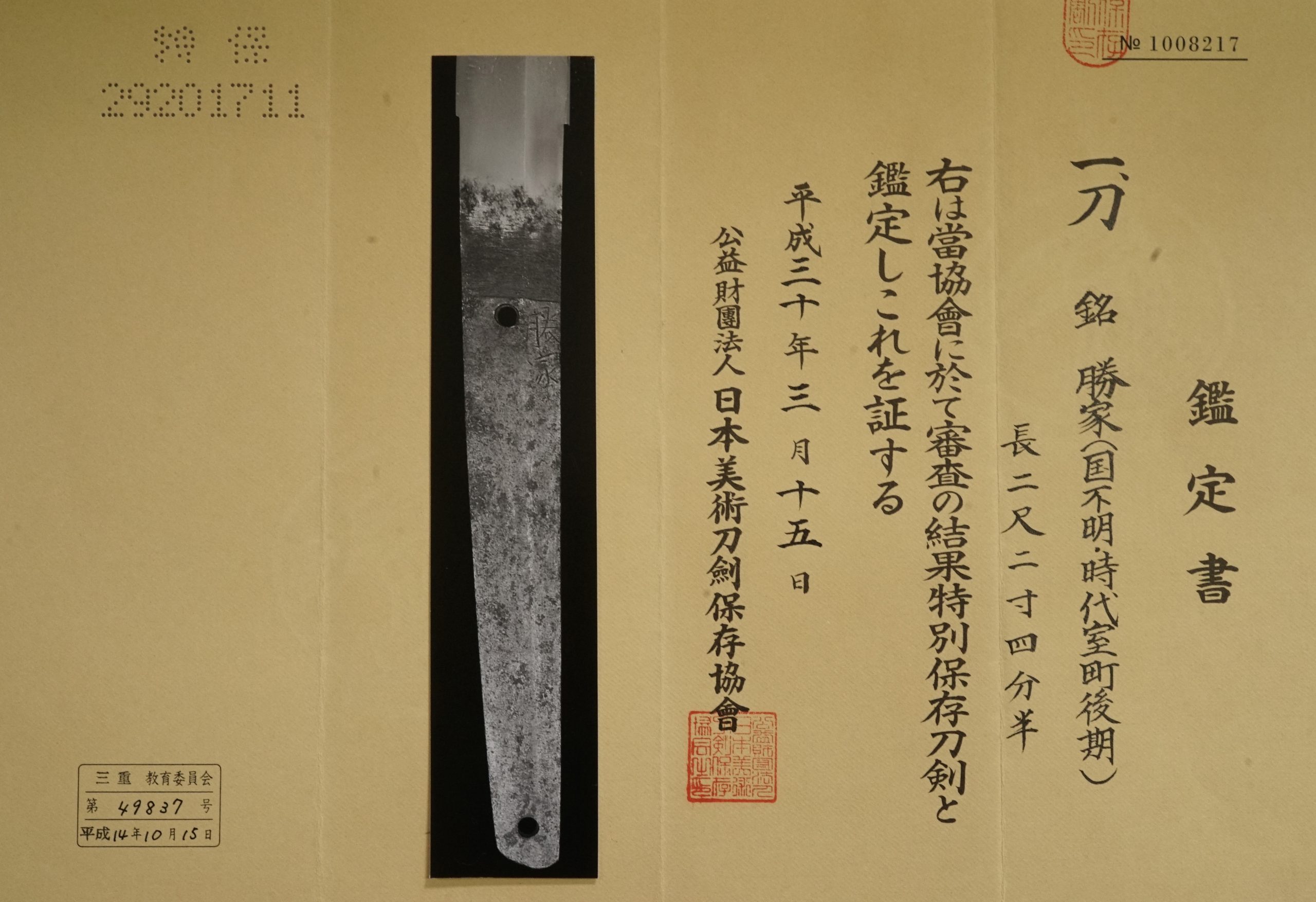
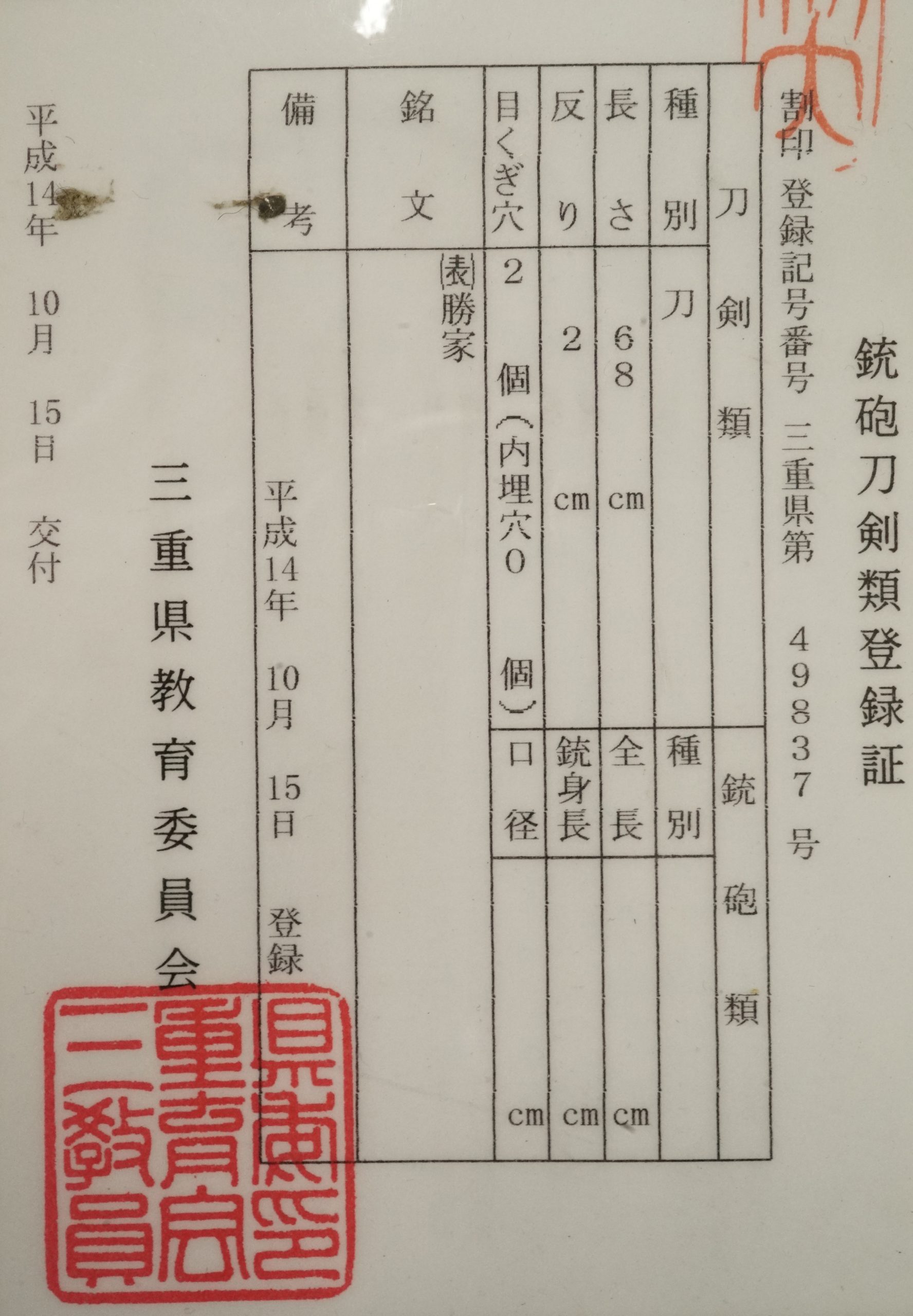
日本刀 銘 勝家(加州勝家) NBTHK 特別保存刀剣鑑定書付 【説明】 本作は、日本美術刀剣保存協会(NBTHK)により、室町時代後期の「勝家」の作と鑑定された一振りです。鑑定書には代の明記はありませんが、作風から加州勝家によるものと推測されます。 「勝家」の銘は、室町中期から江戸初期(1450年代〜1650年代)にかけて数代にわたり受け継がれました。初代勝家は、五ヶ伝の一つ「美濃伝」で知られる美濃国の出身です。室町中期の宝徳年間(1450年代)に門弟と共に加賀国(現在の石川県)へ移住し、現地の僧侶に抱えられ「陀羅尼派」を興しました。二代目以降は名門・前田家に仕え、多くの武士のために刀を打ちました。特定の藩に抱えられる「御用鍛冶」となることは、刀工にとって極めて名誉なことでした。 本作が制作されたのは、群雄が割拠し天下を争った戦国時代の真っ只中です。激動の時代を生き抜いてきた歴史の重みを感じさせる名品といえるでしょう。 茎(なかご)には目釘孔が二つあり、これは制作当時の長さから少なくとも一度は磨上げ(短く仕立て直すこと)が行われたことを示しています。元来はかなりの長寸であったことが伺えます。 本刀はNBTHKより「特別保存刀剣」の鑑定を受けています。これは日本美術刀剣保存協会が、特に保存価値が高いと認めた貴重な刀剣にのみ与える格付けです。刀身の状態は極めて良好であり、その格調に見合う華やかな拵(こしらえ)が付随しています。 【刀身】 長さ(Nagasa):68.0 cm 反り(Sori):2.0 cm 刃文(Hamon):焼入れによって現れる刃の紋様 地文(Jimon):鋼の表面に現れる鍛え肌の紋様 【拵】 拵(こしらえ)とは、鞘、柄、鍔などを含めた日本刀の外装のことです。 縁頭(Fuchi-Kashira): 柄の両端を保護し装飾する金具です。 本作の縁頭には大輪の椿が施されています。平安時代、椿は油や化粧品、薬として重宝され、不老長寿をもたらす高貴な花として貴族の間で愛されました。また、古来より邪気を払う縁起の良い植物とされています。「椿」という漢字が「木」に「春」と書くように、冬に咲き春の訪れを告げる花としても親しまれてきました。江戸時代には貴族から庶民まで広く普及し、様々な調度品の意匠として愛好されました。 柄・目抜き(Tsuka / Menuki): 柄は刀を握る部位、目貫はその装飾金具です。 目貫には獅子の図が配されています。黒々とした体躯に長い鬣(たてがみ)を持つ威風堂々とした獅子と、黄金色の獅子が向かい合い、共に駆ける姿が描かれています。獅子は太陽の力を宿すと信じられ、厄除けや守護の象徴として尊ばれてきました。 鍔・鎺(Tsuba / Habaki): 鍔は手を守るための仕切り、鎺(はばき)は刀身を鞘の中に固定し、刀身が鞘の内側に触れて錆びたり傷ついたりするのを防ぐ金具です。 鉄地丸形の鍔には、蝶の図が施されています。幼虫から成虫へと姿を変える蝶は「不死不滅」の象徴とされました。そのため、多くの武士が戦場での加護を願い、家紋の意匠として蝶を用いてきました。 鞘(Saya): 刀身を収めるための外装です。
 NihontoWatch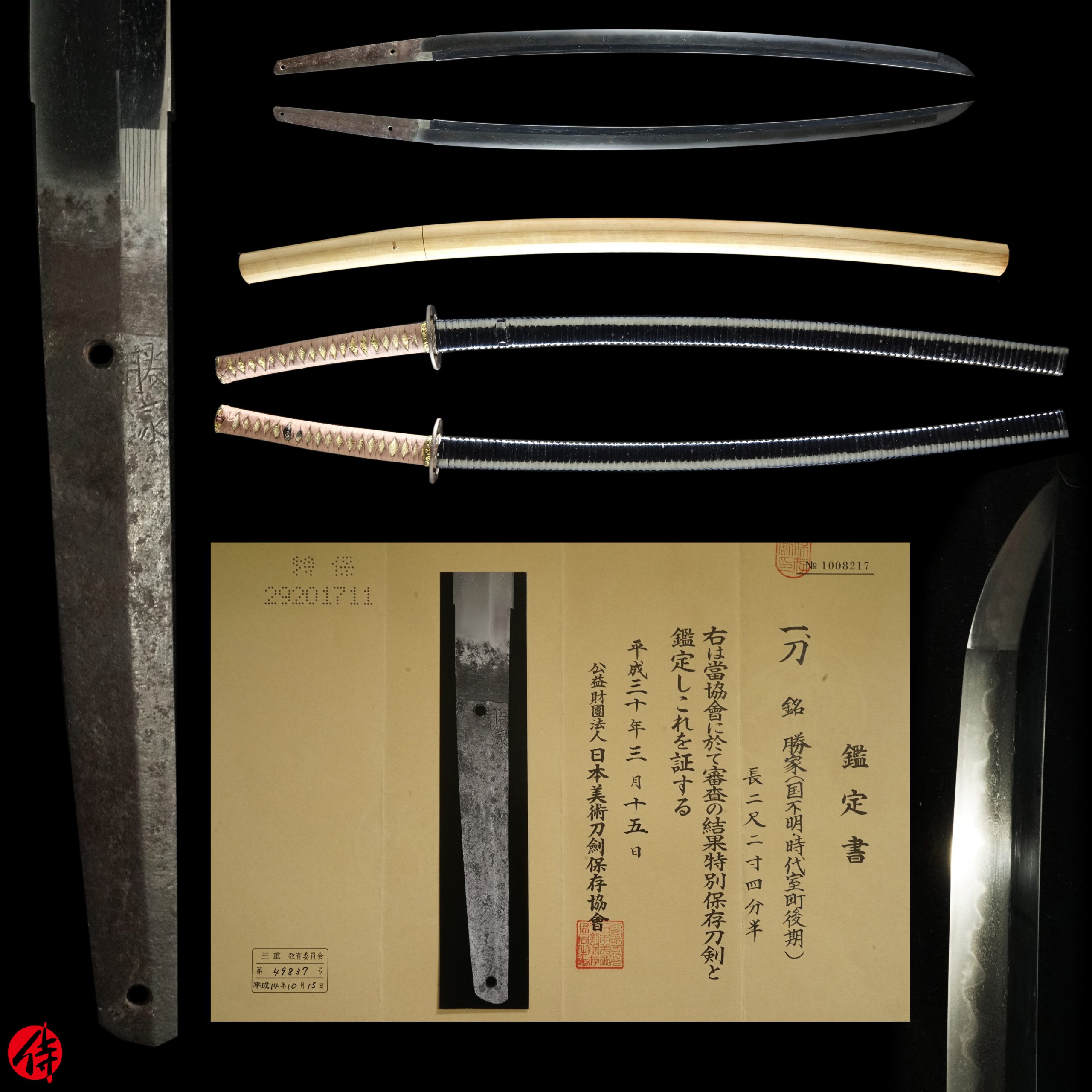
山城伝 · 加賀 · 1394-1428頃
刀剣大鑑 上位49%
現在1点販売中
山城伝 · 加賀
現在19点販売中
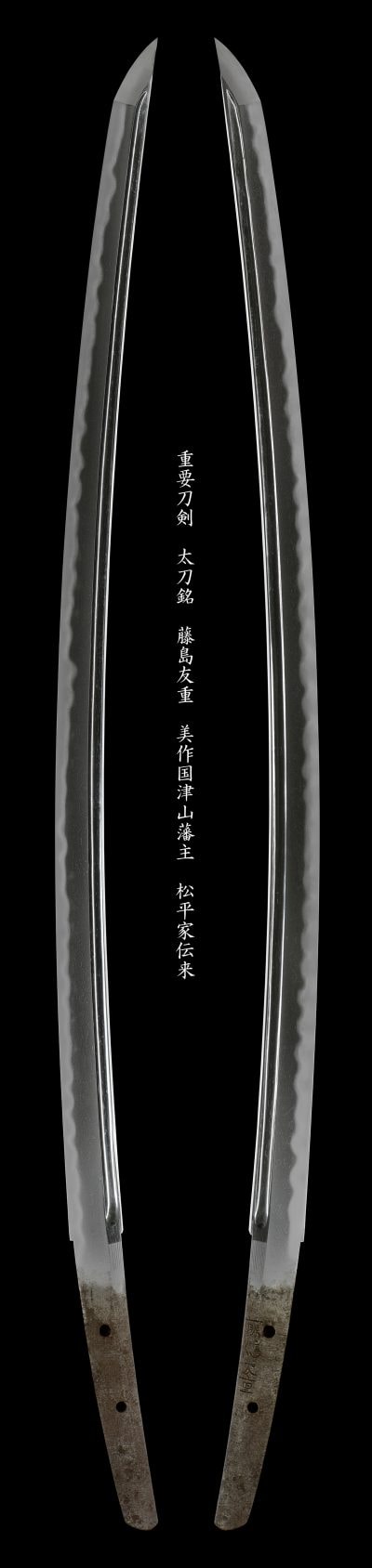
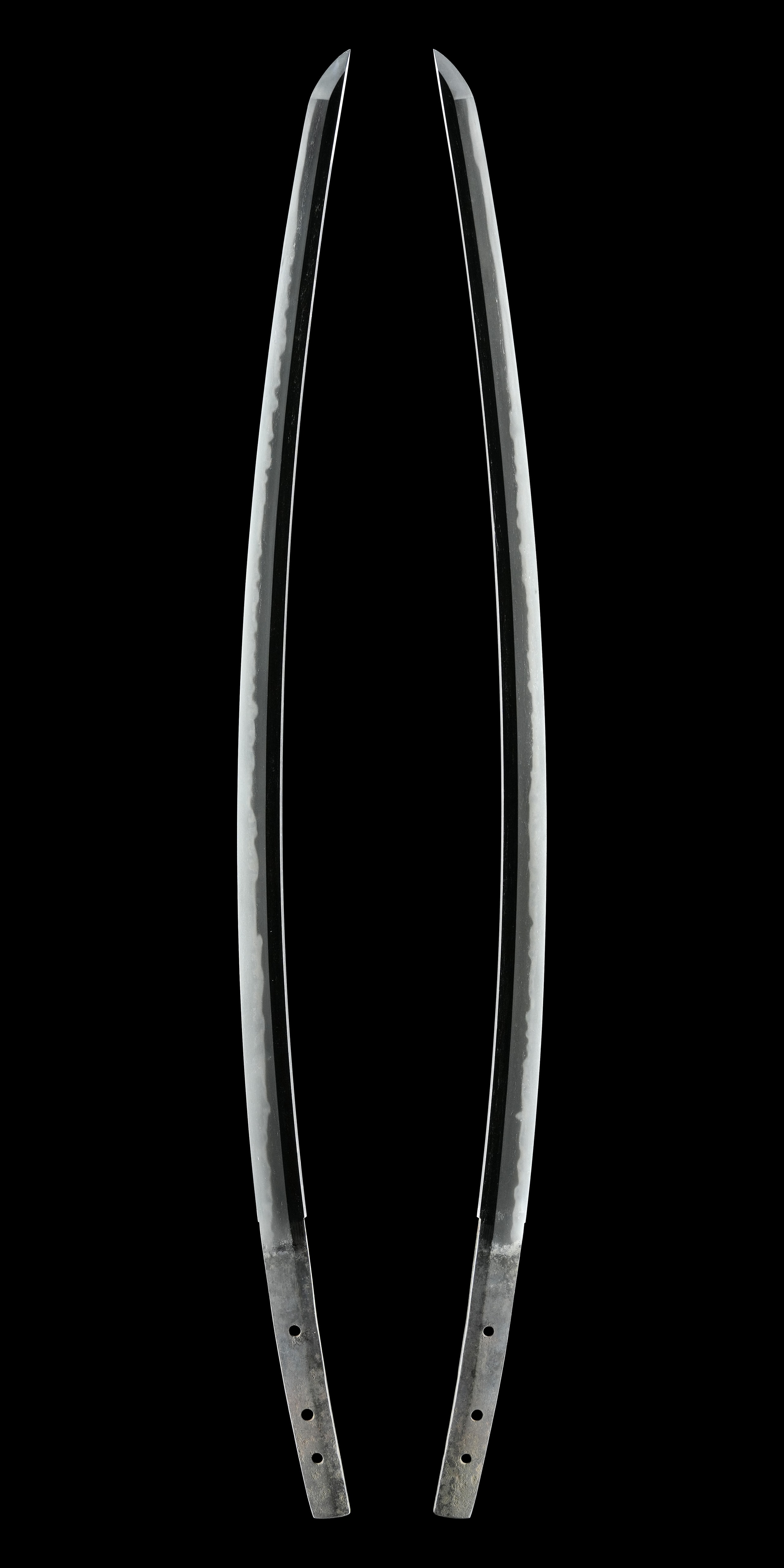
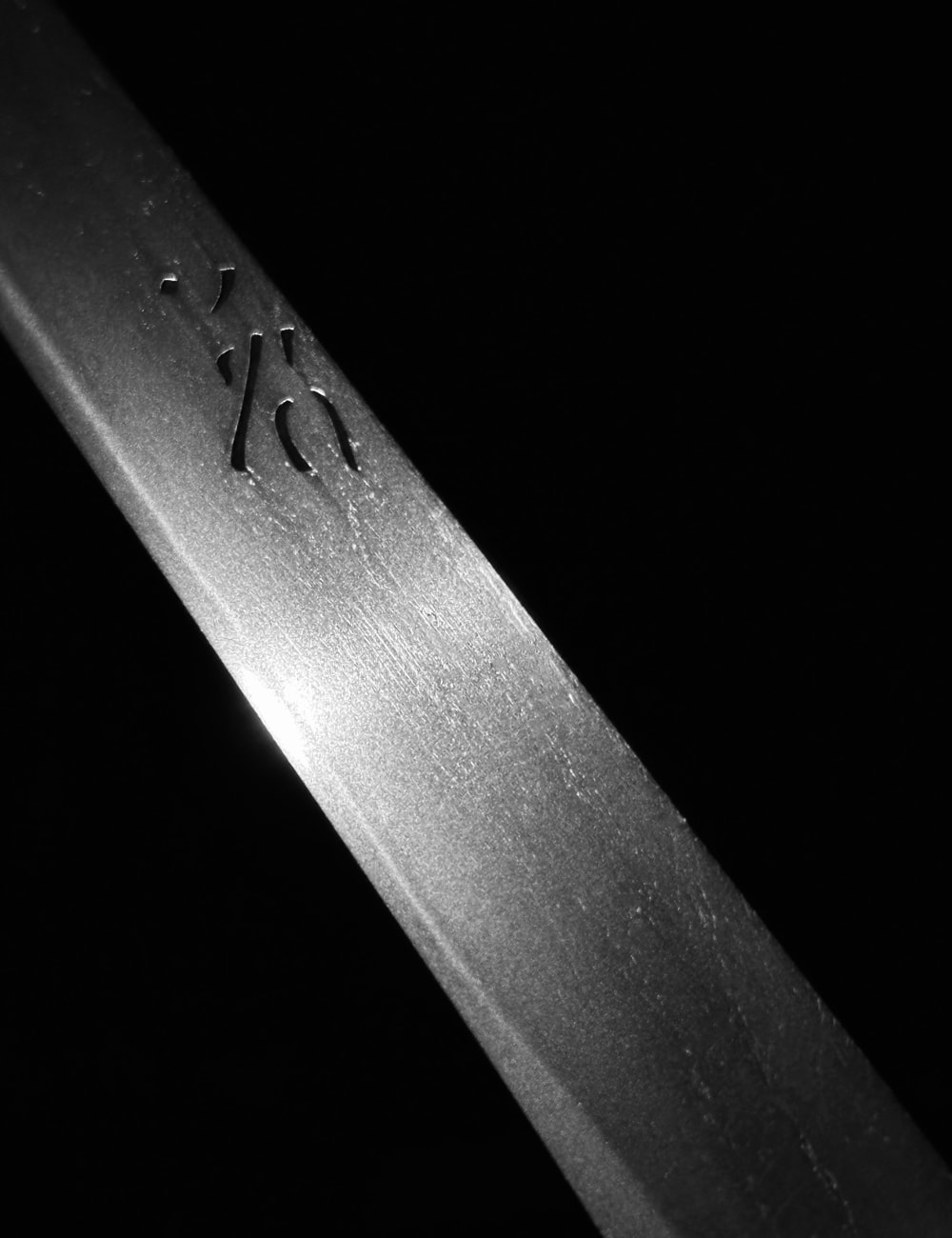
藤島派は加賀国藤島の地に興り、北陸道にあって数代を重ねた一門である。その祖にして代表工が友重で、名跡は南北朝末から室町を経て近世にまで及び、現存する年紀作のうち最も古いものは応永二年の短刀である。構成員の解説はいずれも、初代を山城の来国俊の門人、あるいは同国真景の門とする古伝を載せながらこれを疑い、作風の上で来国俊に結ばれず、年代の上で真景にも肯定し難いとして、茎仕立と地刃よりすればむしろ大和物の系統、大和尻懸の手に近いものと判ずる。南北朝期を遡る作はみないとされ、初代は建武の頃、二代は貞治、三代は応永と伝える説もあるが、構成員はおおむね各作を一個人の経歴にではなく、固定した同派の特質に照らして鑑する。北陸の地にあって、同派は越中・越前の工と気脈を通じ、美濃と大和の風を受けた古刀の一門として立つ。 作風の眼目はその地鉄にある。板目に杢を交え、流れごころに肌立って、地沸つき地景入り、かねは際立って黒みをおびる。構成員はこれを同派一番の見どころとして、地鉄が肌立ちごころで黒みを帯びることを北国物の徴とし、ある作には白気映りが淡く立つと記す。山城のようなつんだ小板目には締まらず、槍・薙刀や磨上の太刀では柾目に寄った肌となって、その地に大和を素直に示す。刃文はこの地に応えて自らの混在を示し、互の目乱れを基調に、箱がかった刃・尖り刃・角ばる刃をのたれ・小のたれとともに交える。これを構成員は備前気質と美濃風が混在した感のある乱れ刃と呼び、足やや長く入り、総体に沸づいて砂流しかかり金筋入り、処々に飛焼や二重刃を交え、帽子は直ぐまたは乱れ込んで小丸となり、しばしば掃きかける。短刀ではこの手が穏やかになり、鍛えは小板目につみ、焼刃は細直刃あるいは低い小のたれ・小互の目に小沸を交え、匂口はうるんでほつれ・湯走りを交えて、同派の大和の素地が最も素直に現れる。 鑑定の勘所は、大和を素地とする黒く肌立つかねの上に、備前・美濃を想わせる躁ぎ立つ焼刃を置くという取り合わせにある。互の目と長い足は備前の作に似るが、箱がかった刃と尖り刃、肌立つ黒い地、絶えずかかる砂流しが素直な備前丁子からこれを引き離し、柾に寄る地と黒いかねが真の山城・純然たる大和の作からもこれを隔てる。同派は売立や商家に時に現れる重要刀剣を遺し、銘はほぼ在銘で、藤嶋友重の四字銘が最も多く、友重の二字銘がこれに次ぎ、生ぶ茎の作が大半を占める。藤代は同工を中上作、あるいは古刀の中位に位置づける。中心となるのは応永頃の友重で、室町から後代にかけての作が最も多く現存する。白眉として、三鈷剣と妙見大菩薩の神号を彫った大身槍を同時代を代表する名槍とする評があり、太刀の遺例は数少なく取り立てられる。伝来は稲葉家に伝わった刀や皇室の御物に列する短刀があり、市場の品ではなく長く家に伝えられた重宝を含む。一口の黒いかねの作が北国一派の総体をその地に湛えるところに、同派の値はある。 詳しく見る →
室町は刀剣業を産業に変えた。徒歩の集団戦とともに打刀が興り、長船と関は数打ち物と注文打ちを並行して産し、勘合貿易は日本刀を数万振の単位で海外へ運んだ。
保存刀剣のうち、出来が一層優れ、保存状態も良好と認められたものです。再刃や、室町・江戸期の多くの無銘作は対象外となり、保存刀剣より高い基準が課されます。
日本美術刀剣保存協会(NBTHK)は、1948年に設立され、文化庁の監督を受ける公益財団法人で、東京・刀剣博物館に本部を置きます。専門の審査員が出品作を直接審査し、美術的・歴史的価値に応じた鑑定書を発行します。NBTHKの鑑定書は、日本刀および刀装具の真正性を示す最も広く認知された基準です。
NBTHK公式サイトReturns/exchanges limited to defects caused by shipping (except willful misconduct or gross negligence by the company); customers must contact within 72 hours of receiving the product.
日本刀 銘 勝家(加州勝家) NBTHK 特別保存刀剣鑑定書付 【説明】 本作は、日本美術刀剣保存協会(NBTHK)により、室町時代後期の「勝家」の作と鑑定された一振りです。鑑定書には代の明記はありませんが、作風から加州勝家によるものと推測されます。 「勝家」の銘は、室町中期から江戸初期(1450年代〜1650年代)にかけて数代にわたり受け継がれました。初代勝家は、五ヶ伝の一つ「美濃伝」で知られる美濃国の出身です。室町中期の宝徳年間(1450年代)に門弟と共に加賀国(現在の石川県)へ移住し、現地の僧侶に抱えられ「陀羅尼派」を興しました。二代目以降は名門・前田家に仕え、多くの武士のために刀を打ちました。特定の藩に抱えられる「御用鍛冶」となることは、刀工にとって極めて名誉なことでした。 本作が制作されたのは、群雄が割拠し天下を争った戦国時代の真っ只中です。激動の時代を生き抜いてきた歴史の重みを感じさせる名品といえるでしょう。 茎(なかご)には目釘孔が二つあり、これは制作当時の長さから少なくとも一度は磨上げ(短く仕立て直すこと)が行われたことを示しています。元来はかなりの長寸であったことが伺えます。 本刀はNBTHKより「特別保存刀剣」の鑑定を受けています。これは日本美術刀剣保存協会が、特に保存価値が高いと認めた貴重な刀剣にのみ与える格付けです。刀身の状態は極めて良好であり、その格調に見合う華やかな拵(こしらえ)が付随しています。 【刀身】 長さ(Nagasa):68.0 cm 反り(Sori):2.0 cm 刃文(Hamon):焼入れによって現れる刃の紋様 地文(Jimon):鋼の表面に現れる鍛え肌の紋様 【拵】 拵(こしらえ)とは、鞘、柄、鍔などを含めた日本刀の外装のことです。 縁頭(Fuchi-Kashira): 柄の両端を保護し装飾する金具です。 本作の縁頭には大輪の椿が施されています。平安時代、椿は油や化粧品、薬として重宝され、不老長寿をもたらす高貴な花として貴族の間で愛されました。また、古来より邪気を払う縁起の良い植物とされています。「椿」という漢字が「木」に「春」と書くように、冬に咲き春の訪れを告げる花としても親しまれてきました。江戸時代には貴族から庶民まで広く普及し、様々な調度品の意匠として愛好されました。 柄・目抜き(Tsuka / Menuki): 柄は刀を握る部位、目貫はその装飾金具です。 目貫には獅子の図が配されています。黒々とした体躯に長い鬣(たてがみ)を持つ威風堂々とした獅子と、黄金色の獅子が向かい合い、共に駆ける姿が描かれています。獅子は太陽の力を宿すと信じられ、厄除けや守護の象徴として尊ばれてきました。 鍔・鎺(Tsuba / Habaki): 鍔は手を守るための仕切り、鎺(はばき)は刀身を鞘の中に固定し、刀身が鞘の内側に触れて錆びたり傷ついたりするのを防ぐ金具です。 鉄地丸形の鍔には、蝶の図が施されています。幼虫から成虫へと姿を変える蝶は「不死不滅」の象徴とされました。そのため、多くの武士が戦場での加護を願い、家紋の意匠として蝶を用いてきました。 鞘(Saya): 刀身を収めるための外装です。
NihontoWatch山城伝 · 加賀 · 1394-1428頃
刀剣大鑑 上位49%
現在1点販売中
山城伝 · 加賀
現在19点販売中
藤島派は加賀国藤島の地に興り、北陸道にあって数代を重ねた一門である。その祖にして代表工が友重で、名跡は南北朝末から室町を経て近世にまで及び、現存する年紀作のうち最も古いものは応永二年の短刀である。構成員の解説はいずれも、初代を山城の来国俊の門人、あるいは同国真景の門とする古伝を載せながらこれを疑い、作風の上で来国俊に結ばれず、年代の上で真景にも肯定し難いとして、茎仕立と地刃よりすればむしろ大和物の系統、大和尻懸の手に近いものと判ずる。南北朝期を遡る作はみないとされ、初代は建武の頃、二代は貞治、三代は応永と伝える説もあるが、構成員はおおむね各作を一個人の経歴にではなく、固定した同派の特質に照らして鑑する。北陸の地にあって、同派は越中・越前の工と気脈を通じ、美濃と大和の風を受けた古刀の一門として立つ。 作風の眼目はその地鉄にある。板目に杢を交え、流れごころに肌立って、地沸つき地景入り、かねは際立って黒みをおびる。構成員はこれを同派一番の見どころとして、地鉄が肌立ちごころで黒みを帯びることを北国物の徴とし、ある作には白気映りが淡く立つと記す。山城のようなつんだ小板目には締まらず、槍・薙刀や磨上の太刀では柾目に寄った肌となって、その地に大和を素直に示す。刃文はこの地に応えて自らの混在を示し、互の目乱れを基調に、箱がかった刃・尖り刃・角ばる刃をのたれ・小のたれとともに交える。これを構成員は備前気質と美濃風が混在した感のある乱れ刃と呼び、足やや長く入り、総体に沸づいて砂流しかかり金筋入り、処々に飛焼や二重刃を交え、帽子は直ぐまたは乱れ込んで小丸となり、しばしば掃きかける。短刀ではこの手が穏やかになり、鍛えは小板目につみ、焼刃は細直刃あるいは低い小のたれ・小互の目に小沸を交え、匂口はうるんでほつれ・湯走りを交えて、同派の大和の素地が最も素直に現れる。 鑑定の勘所は、大和を素地とする黒く肌立つかねの上に、備前・美濃を想わせる躁ぎ立つ焼刃を置くという取り合わせにある。互の目と長い足は備前の作に似るが、箱がかった刃と尖り刃、肌立つ黒い地、絶えずかかる砂流しが素直な備前丁子からこれを引き離し、柾に寄る地と黒いかねが真の山城・純然たる大和の作からもこれを隔てる。同派は売立や商家に時に現れる重要刀剣を遺し、銘はほぼ在銘で、藤嶋友重の四字銘が最も多く、友重の二字銘がこれに次ぎ、生ぶ茎の作が大半を占める。藤代は同工を中上作、あるいは古刀の中位に位置づける。中心となるのは応永頃の友重で、室町から後代にかけての作が最も多く現存する。白眉として、三鈷剣と妙見大菩薩の神号を彫った大身槍を同時代を代表する名槍とする評があり、太刀の遺例は数少なく取り立てられる。伝来は稲葉家に伝わった刀や皇室の御物に列する短刀があり、市場の品ではなく長く家に伝えられた重宝を含む。一口の黒いかねの作が北国一派の総体をその地に湛えるところに、同派の値はある。 詳しく見る →
室町は刀剣業を産業に変えた。徒歩の集団戦とともに打刀が興り、長船と関は数打ち物と注文打ちを並行して産し、勘合貿易は日本刀を数万振の単位で海外へ運んだ。
保存刀剣のうち、出来が一層優れ、保存状態も良好と認められたものです。再刃や、室町・江戸期の多くの無銘作は対象外となり、保存刀剣より高い基準が課されます。
日本美術刀剣保存協会(NBTHK)は、1948年に設立され、文化庁の監督を受ける公益財団法人で、東京・刀剣博物館に本部を置きます。専門の審査員が出品作を直接審査し、美術的・歴史的価値に応じた鑑定書を発行します。NBTHKの鑑定書は、日本刀および刀装具の真正性を示す最も広く認知された基準です。
NBTHK公式サイトReturns/exchanges limited to defects caused by shipping (except willful misconduct or gross negligence by the company); customers must contact within 72 hours of receiving the product.