説明

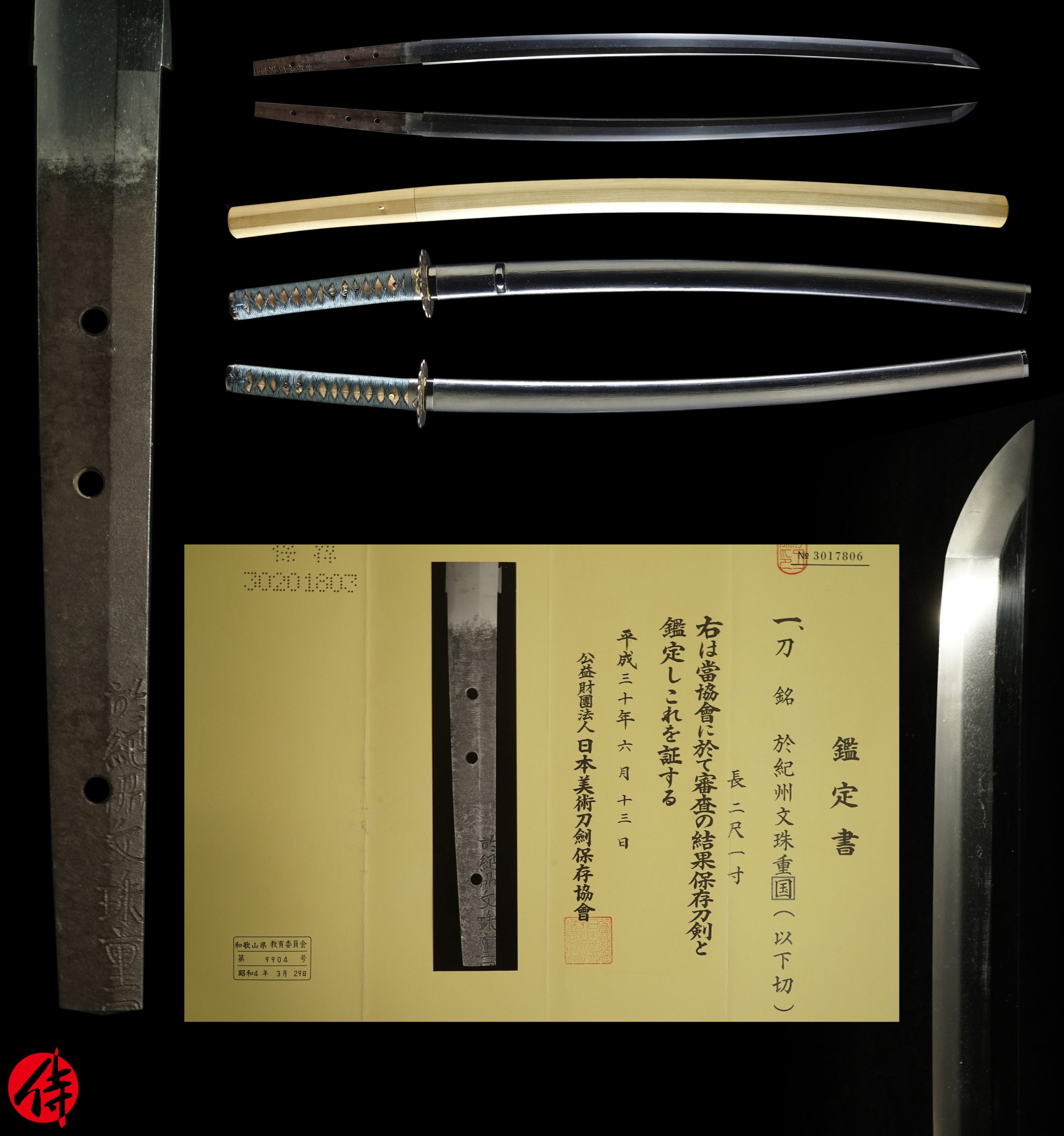
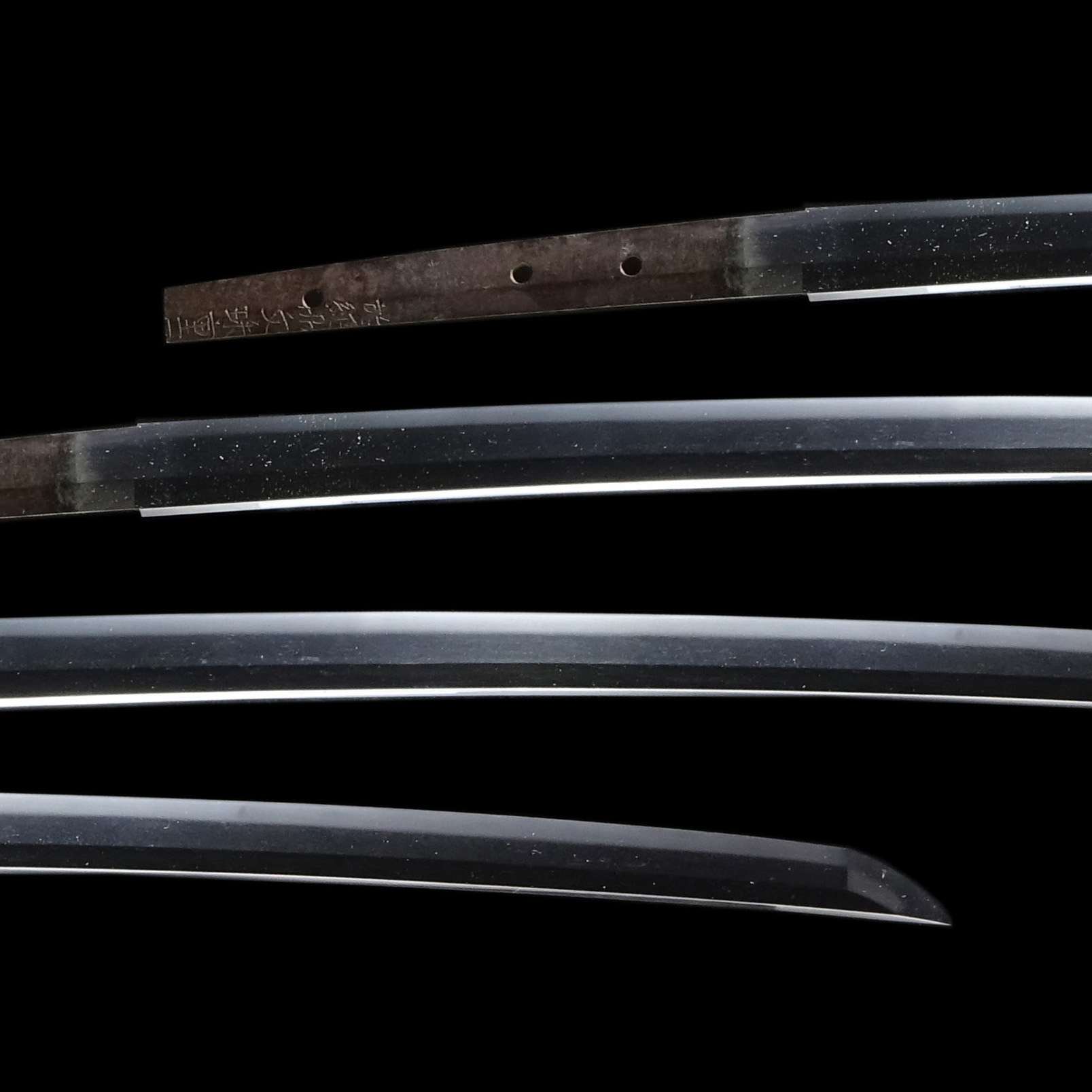
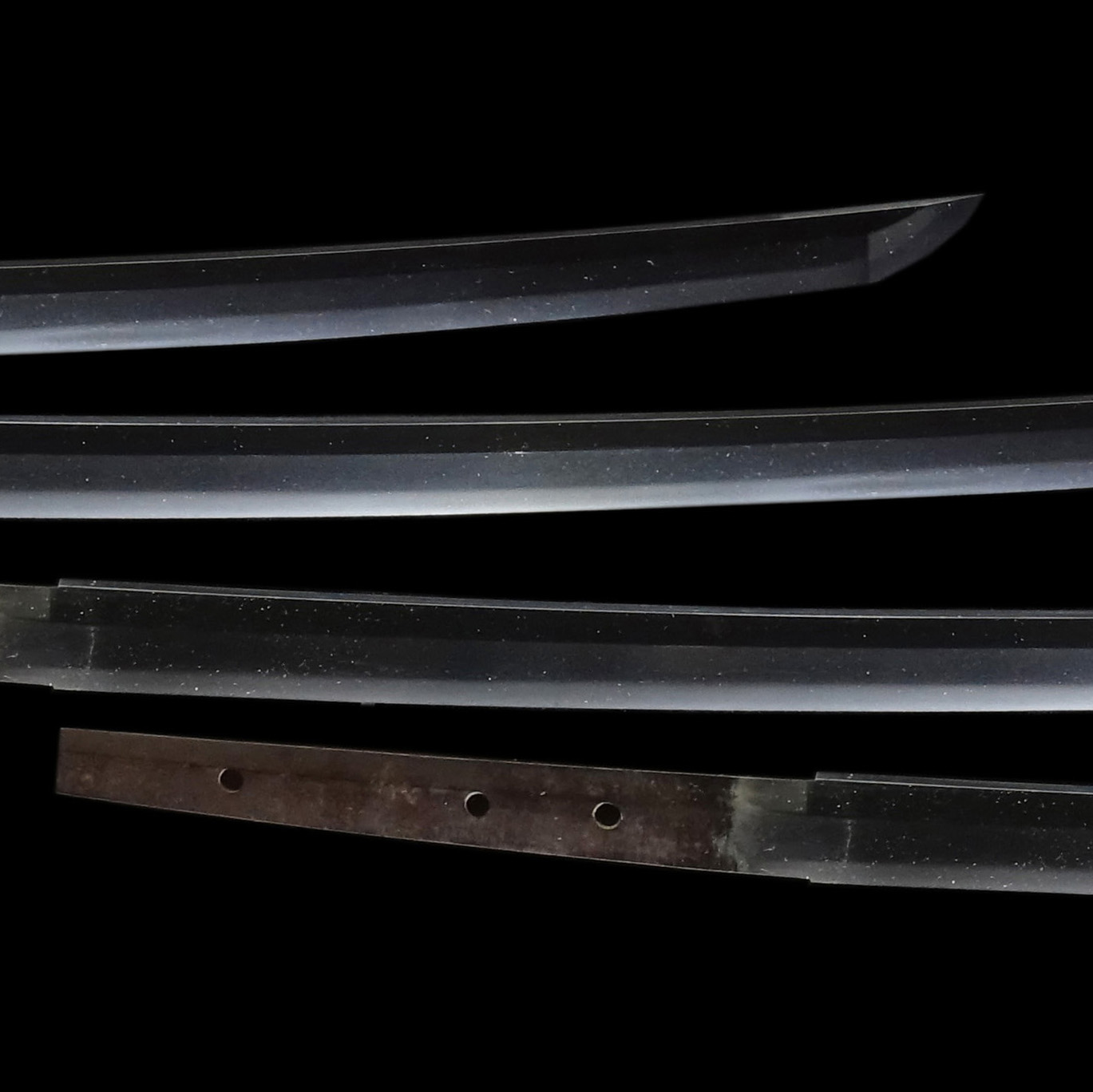
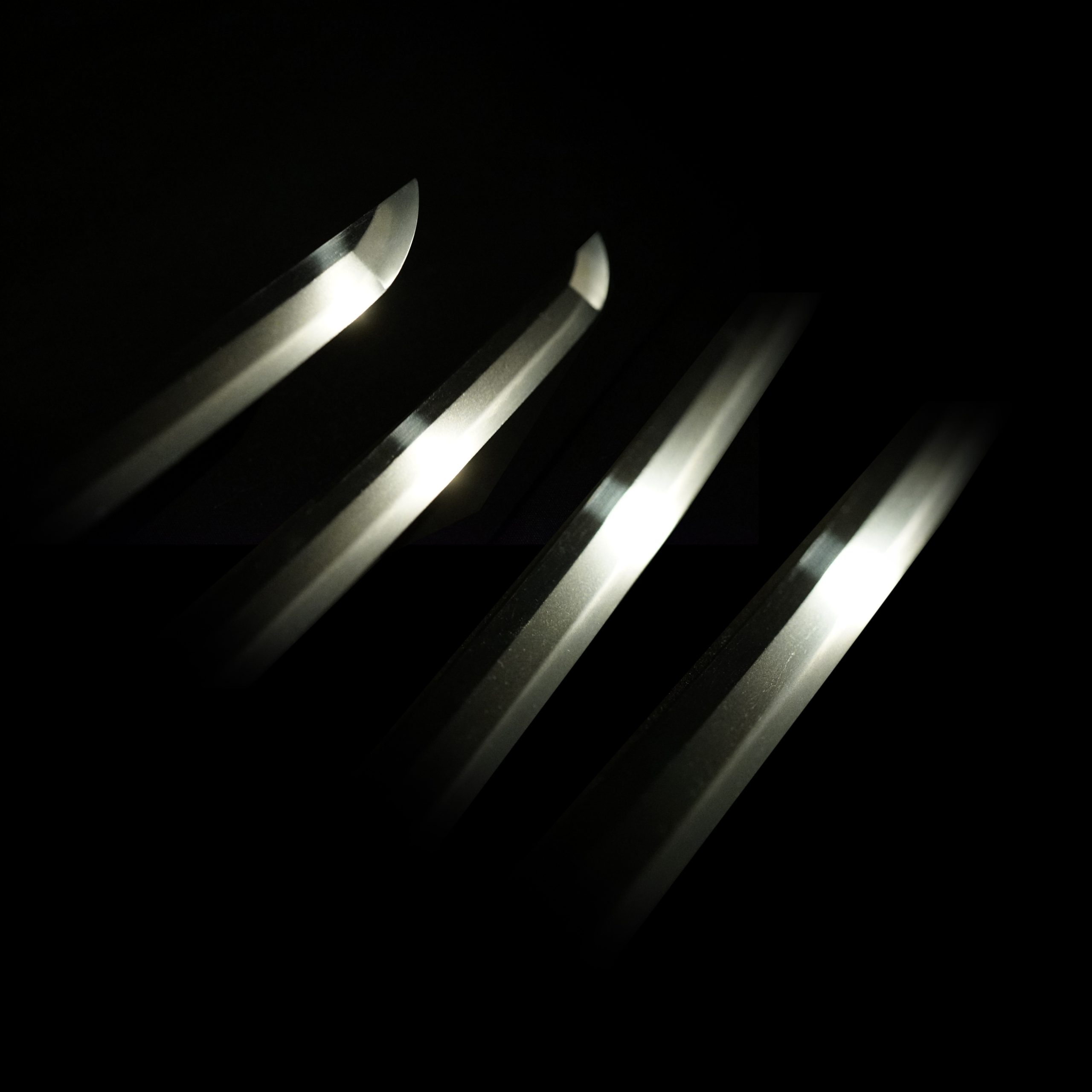
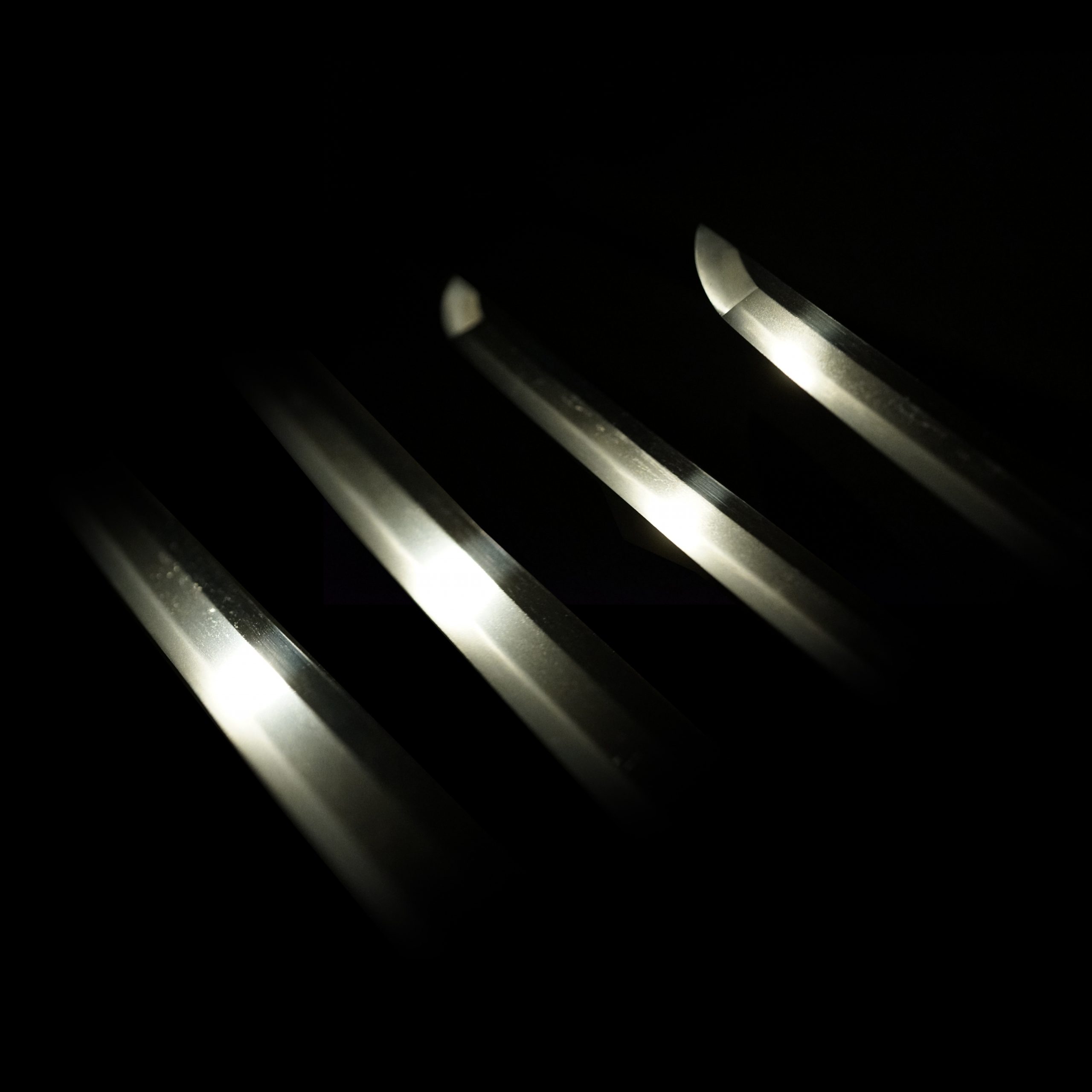
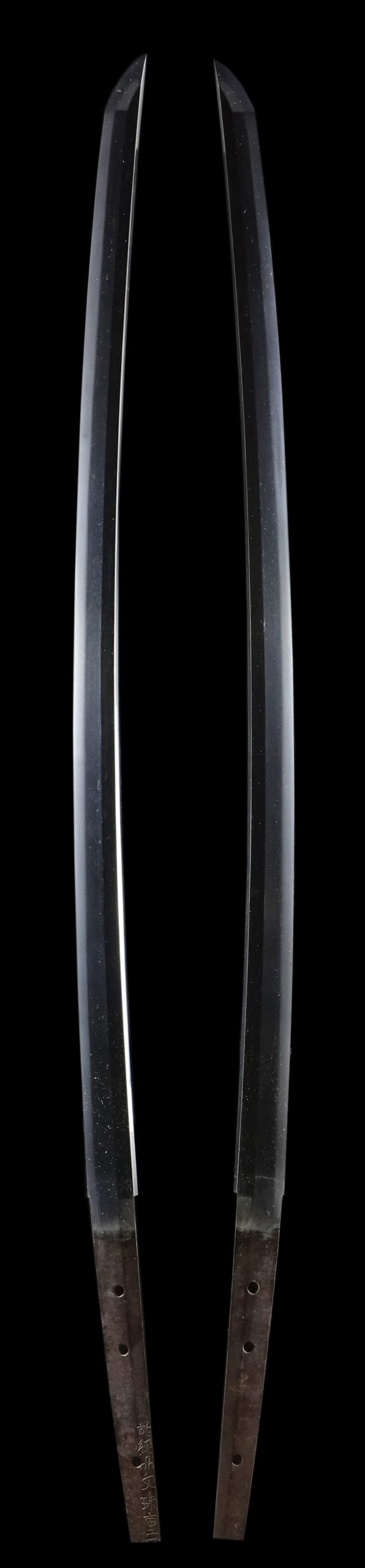
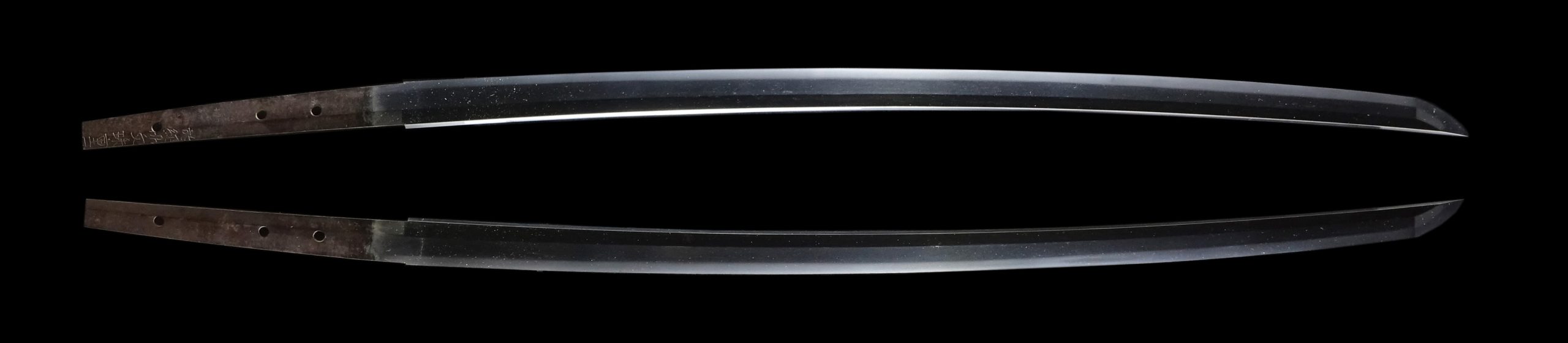
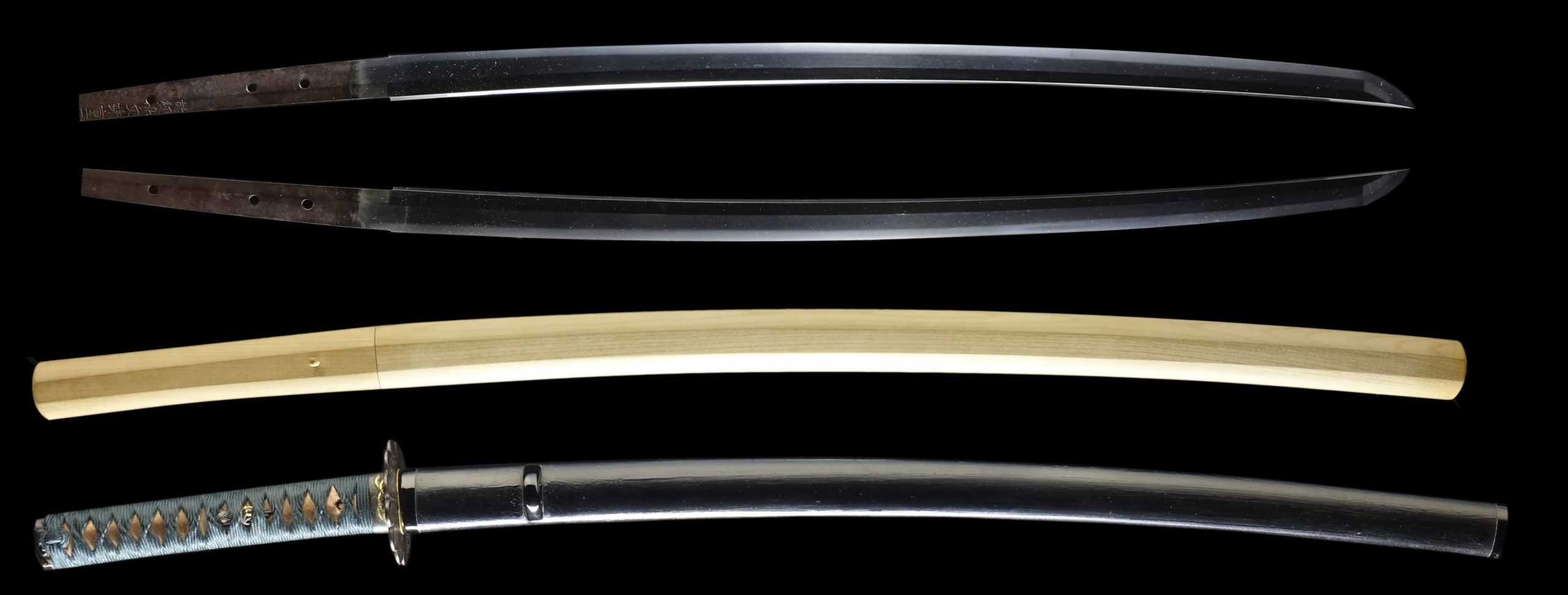
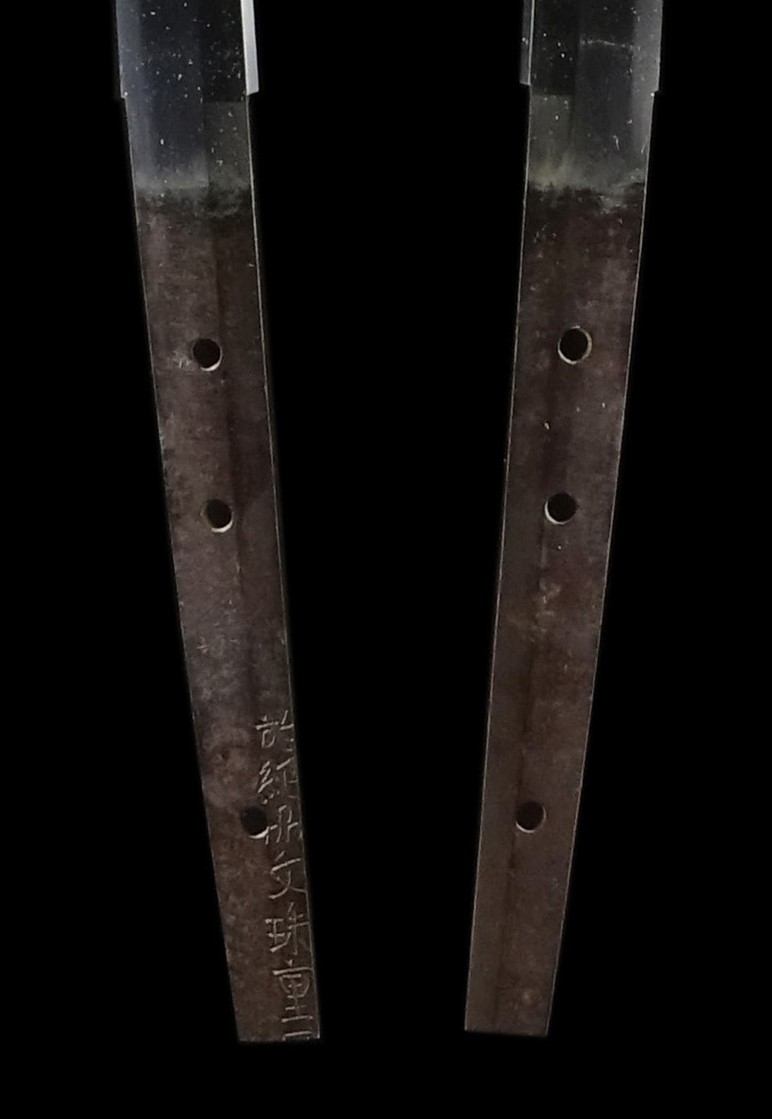
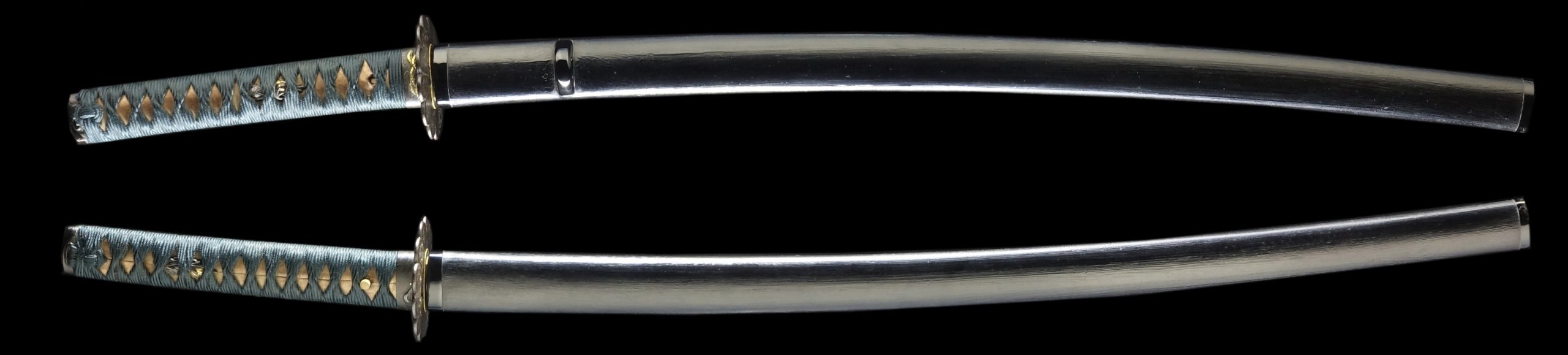
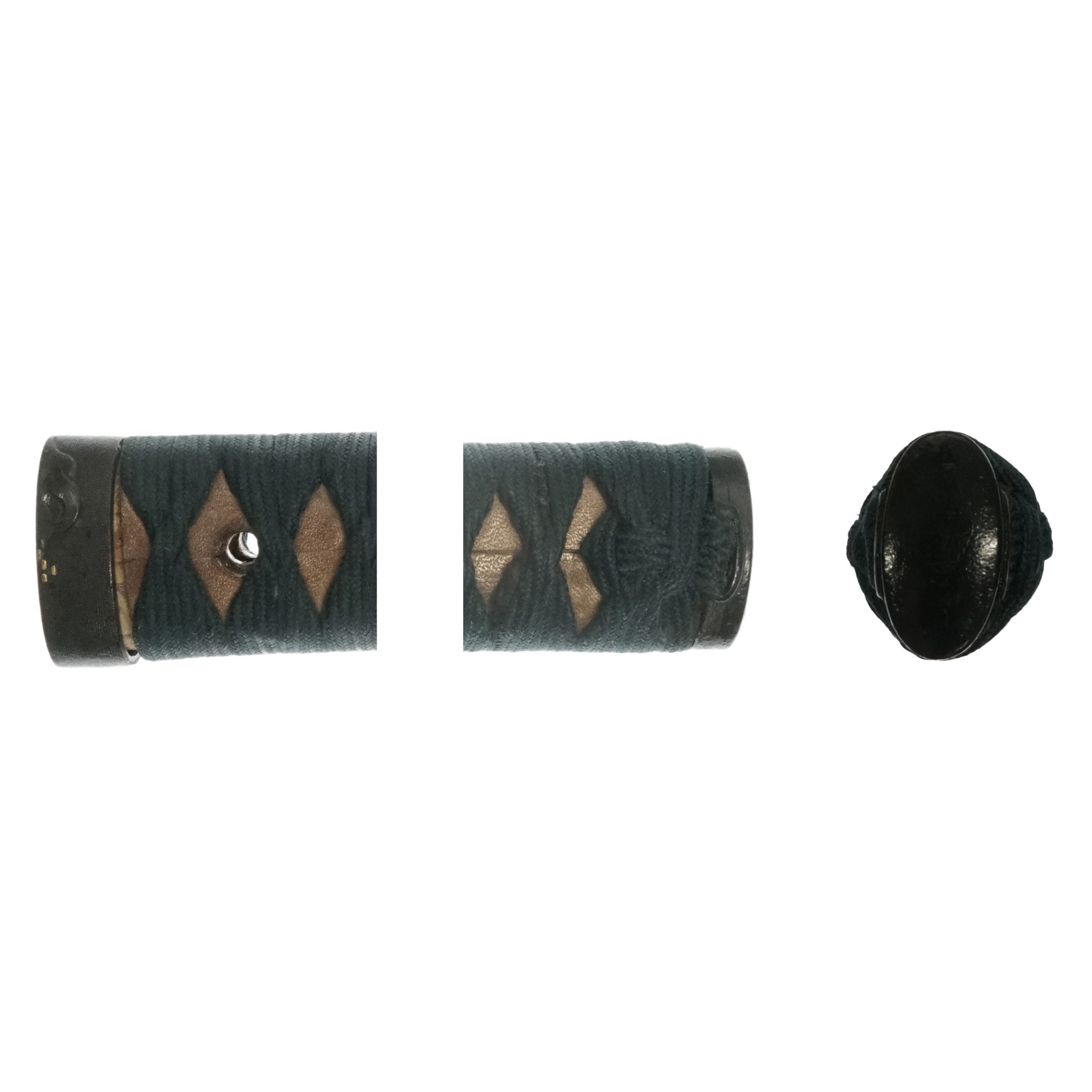
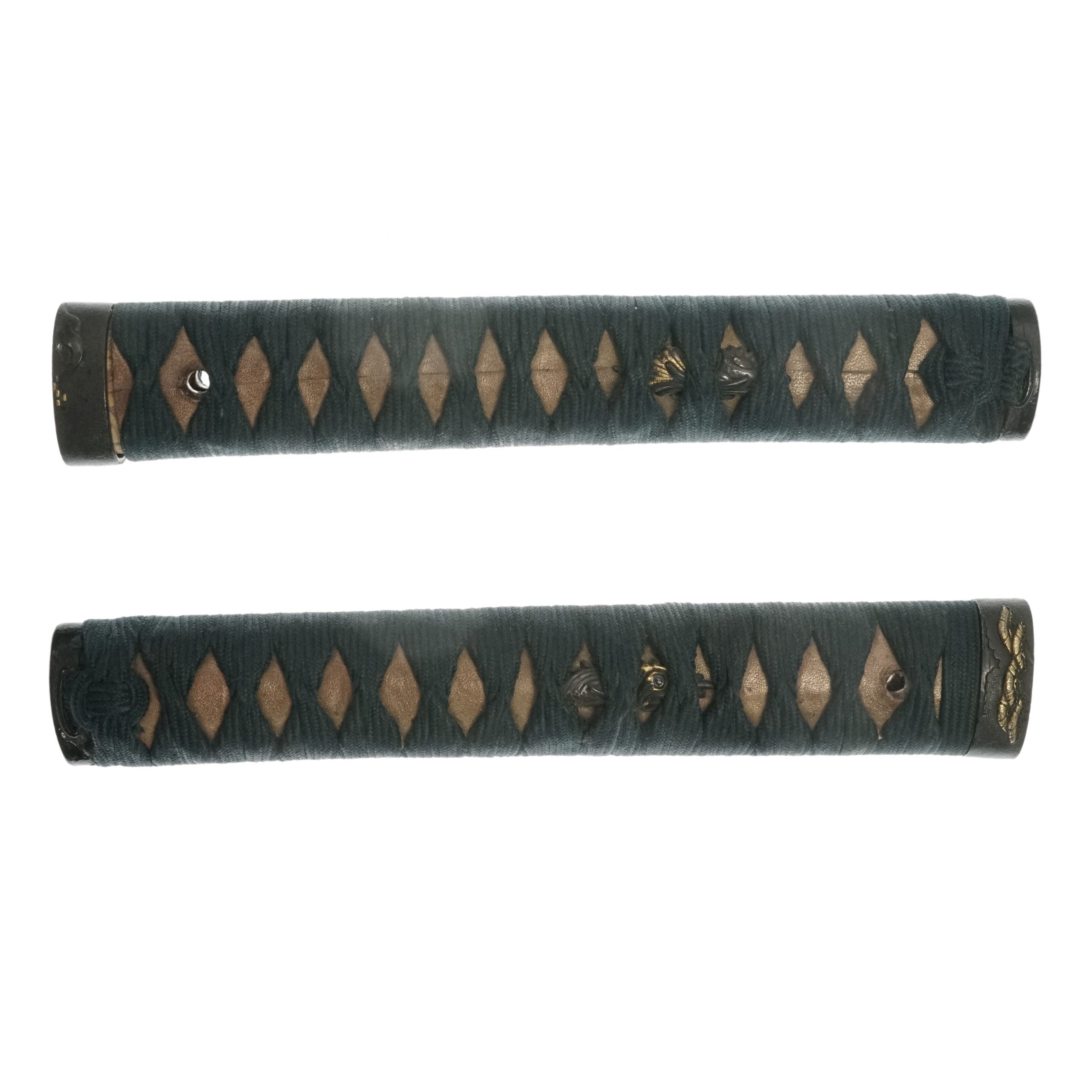
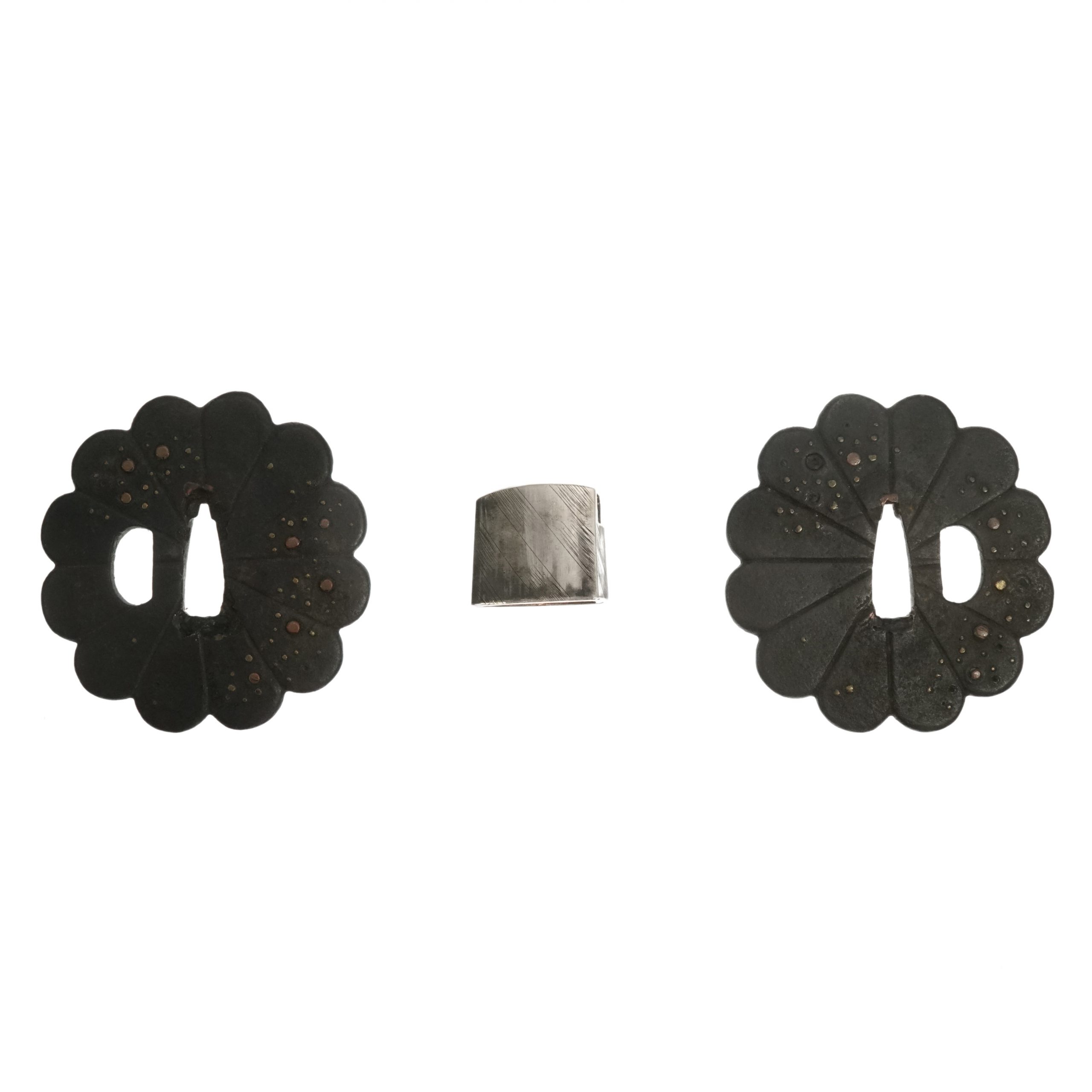
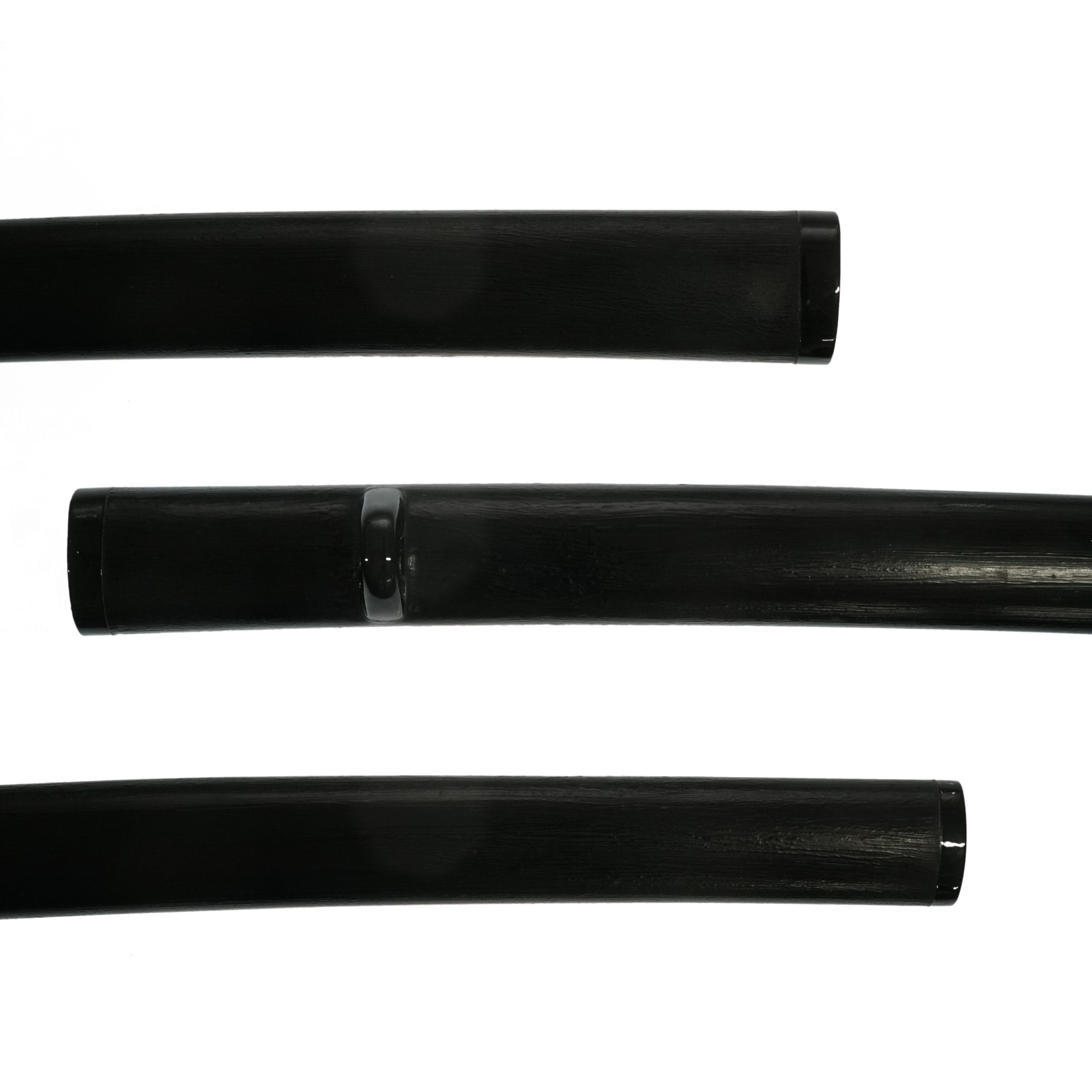
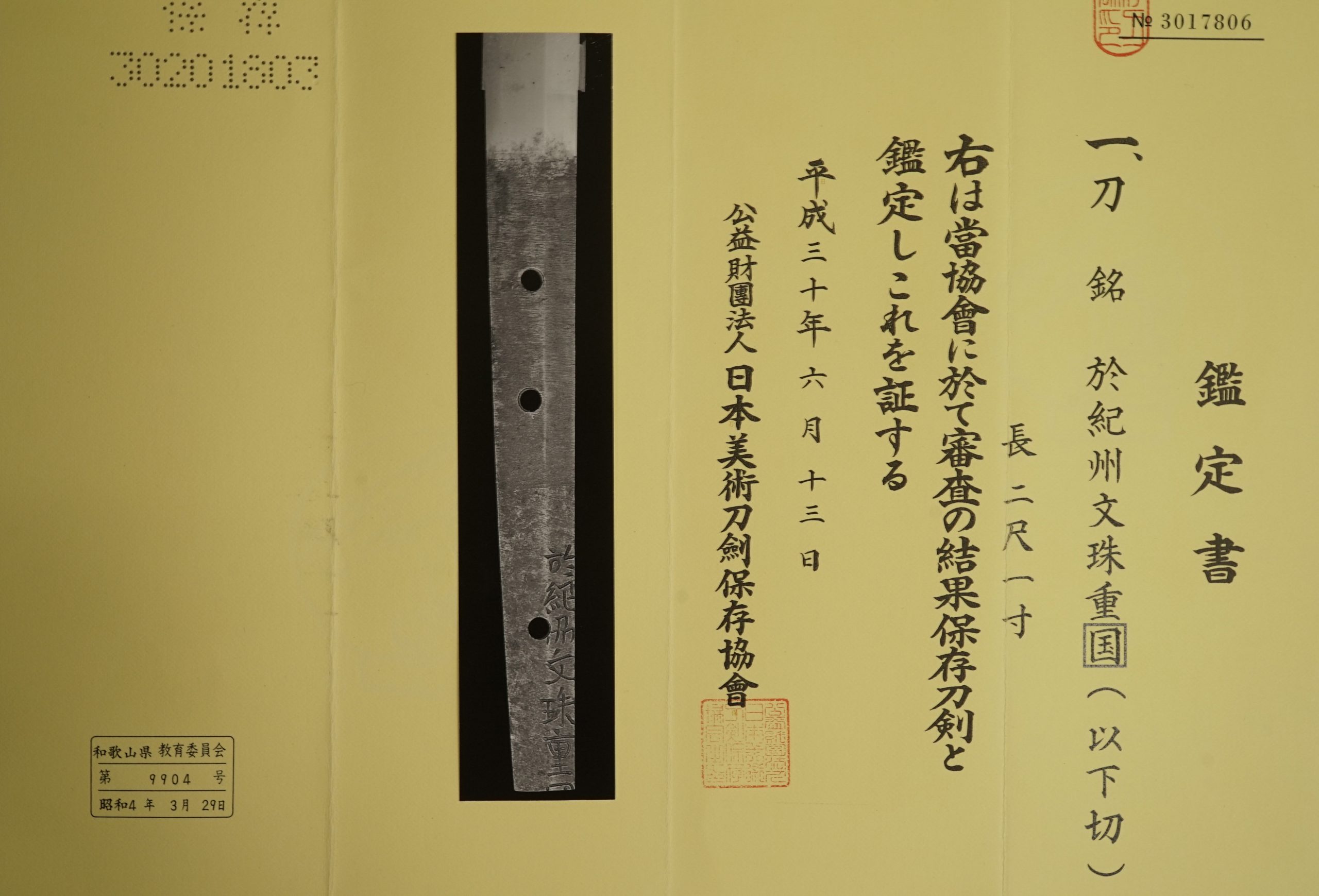
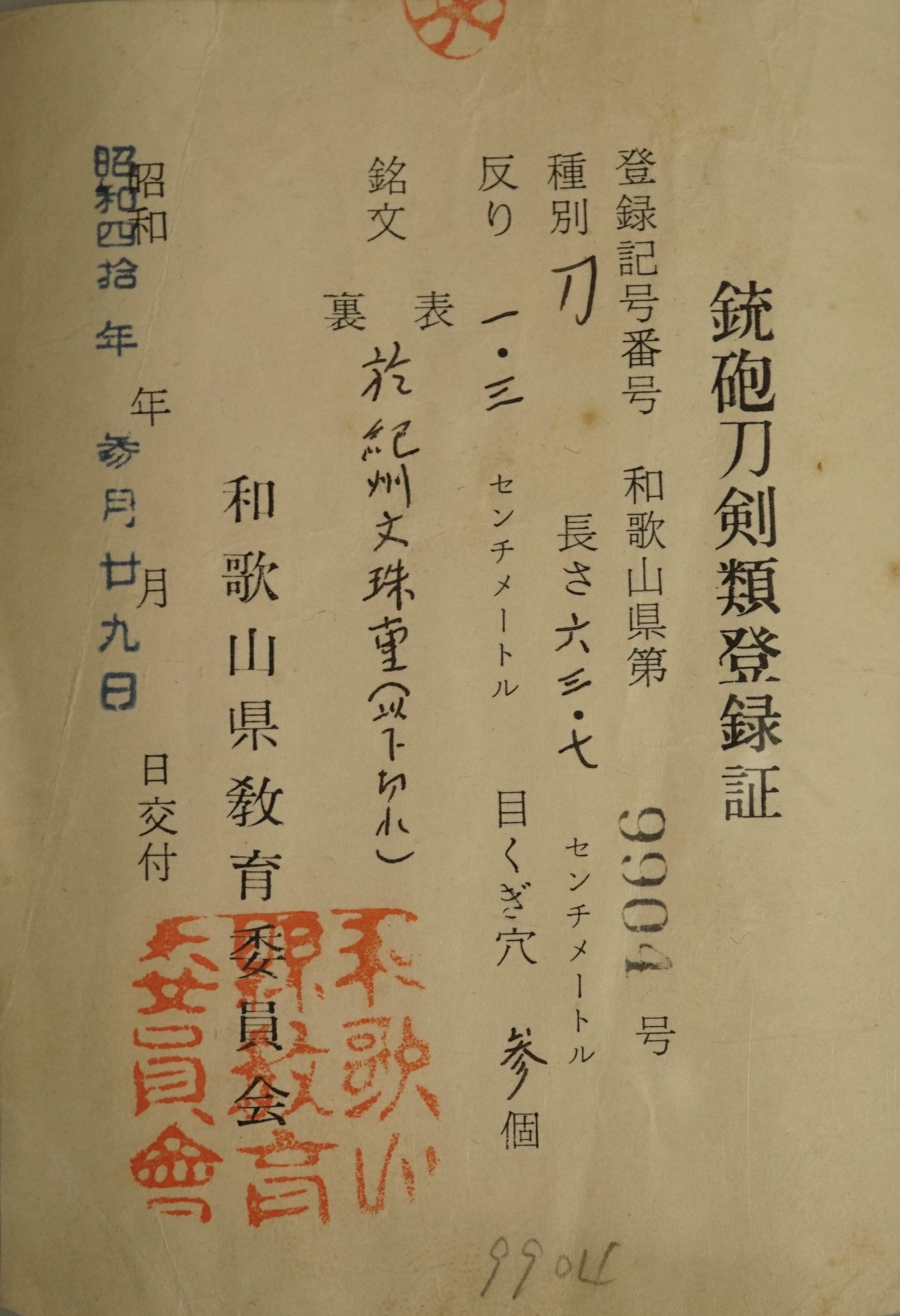
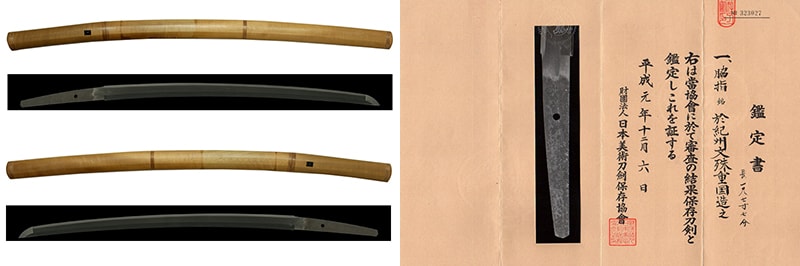
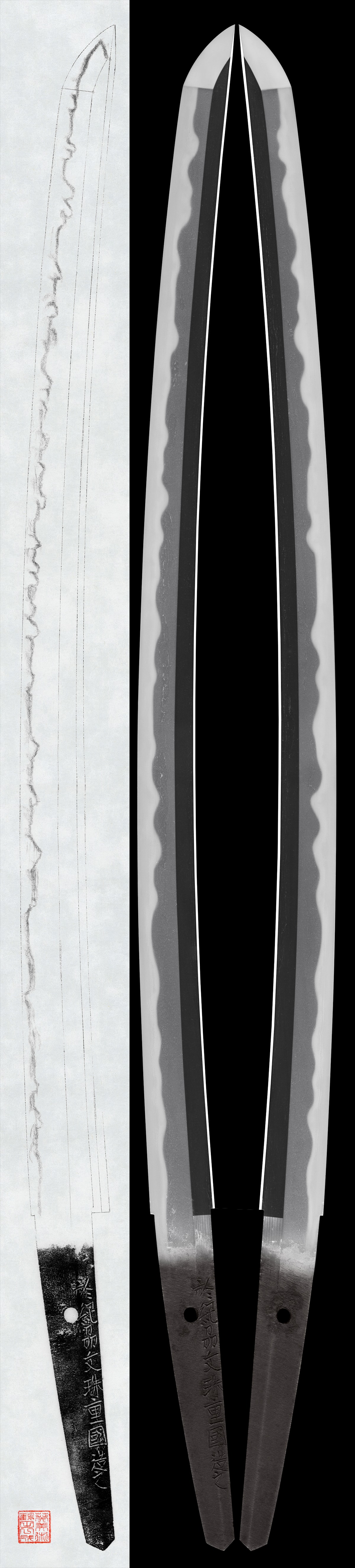
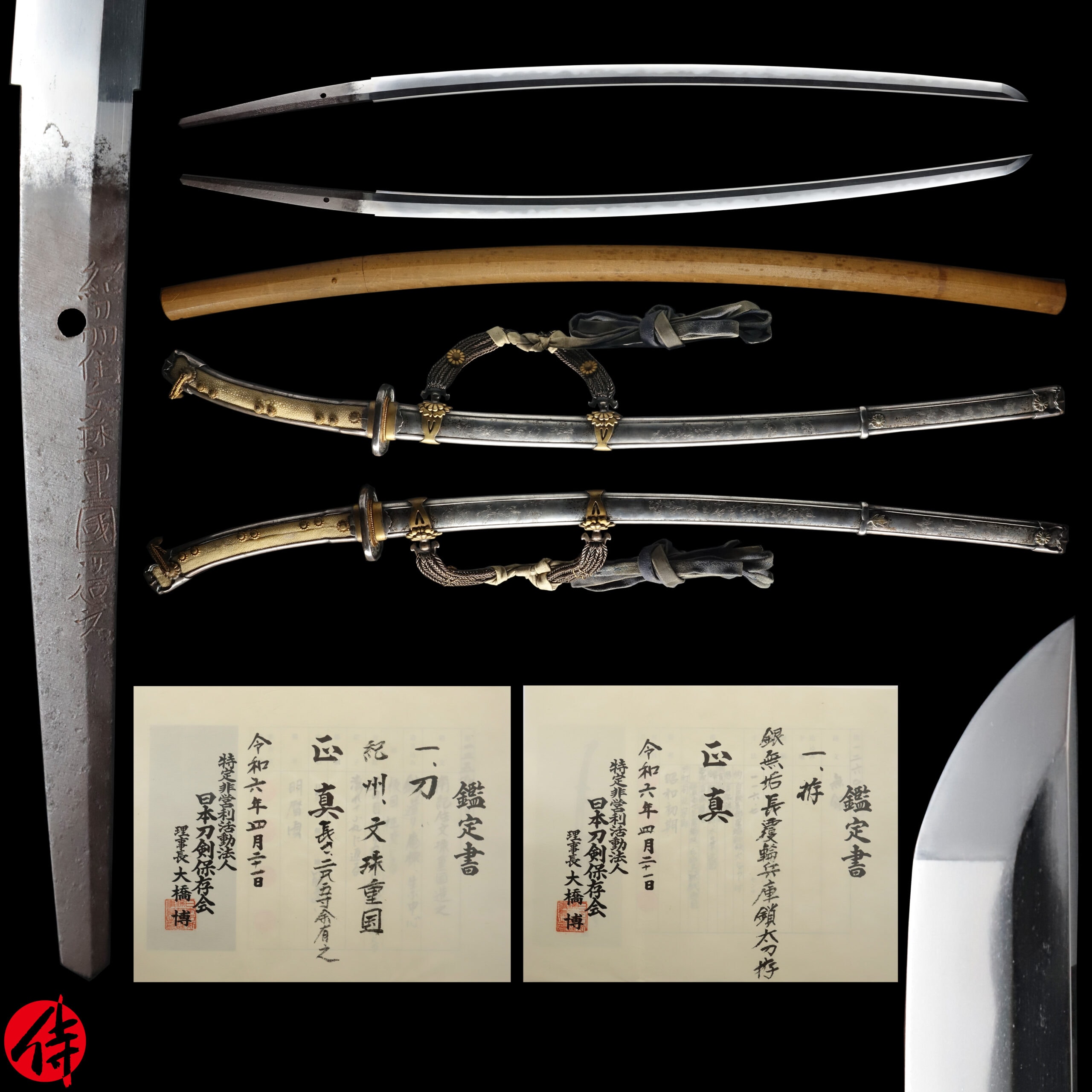
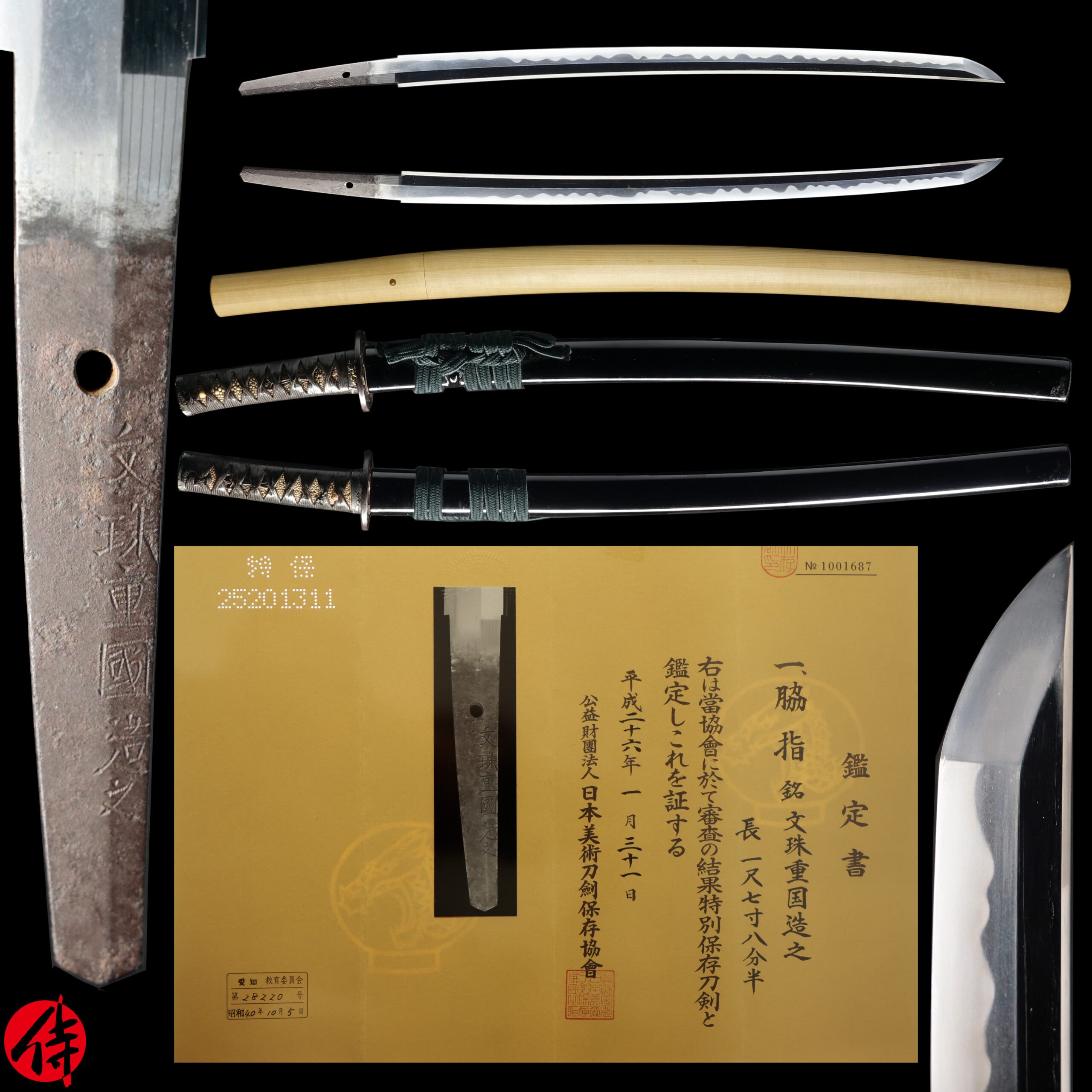
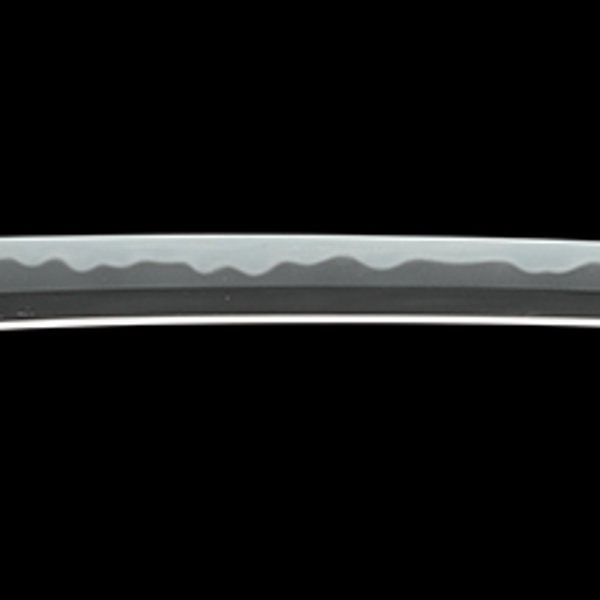
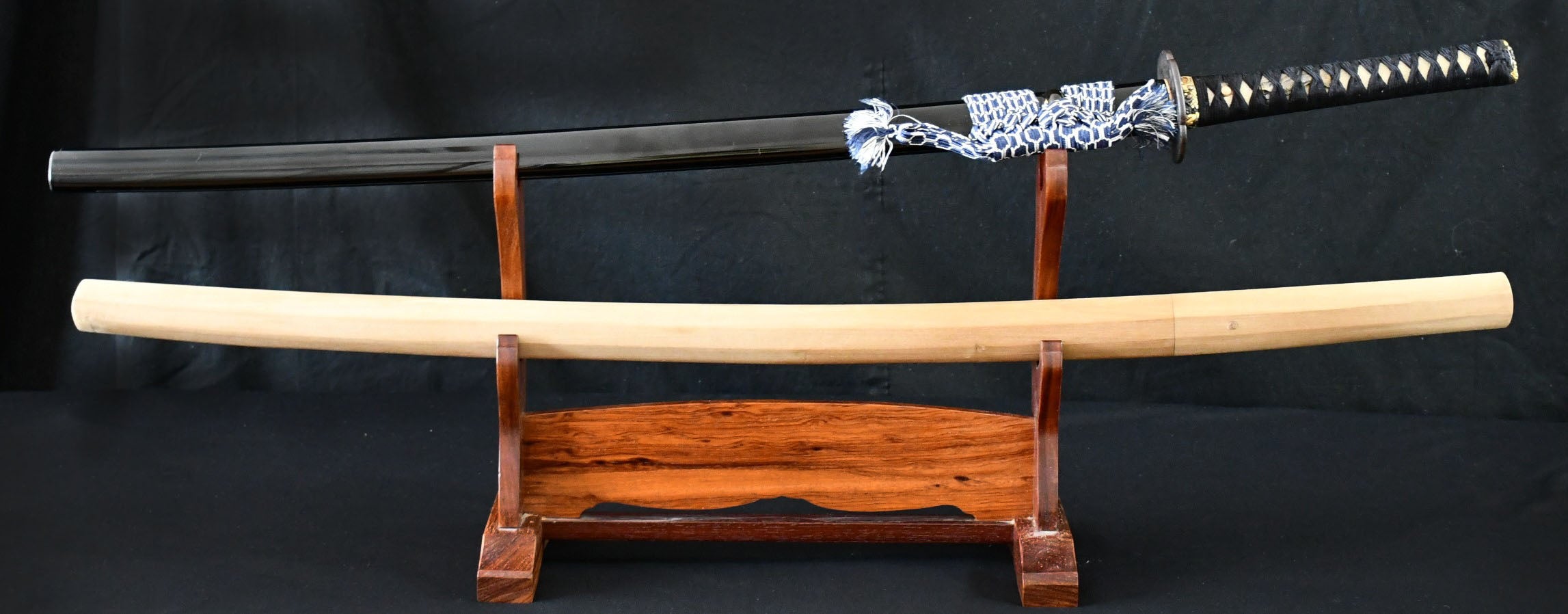
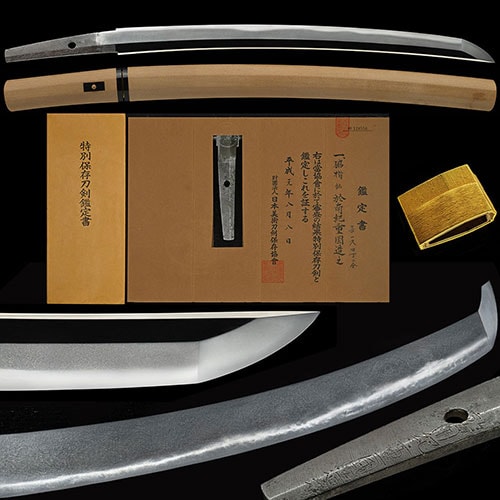
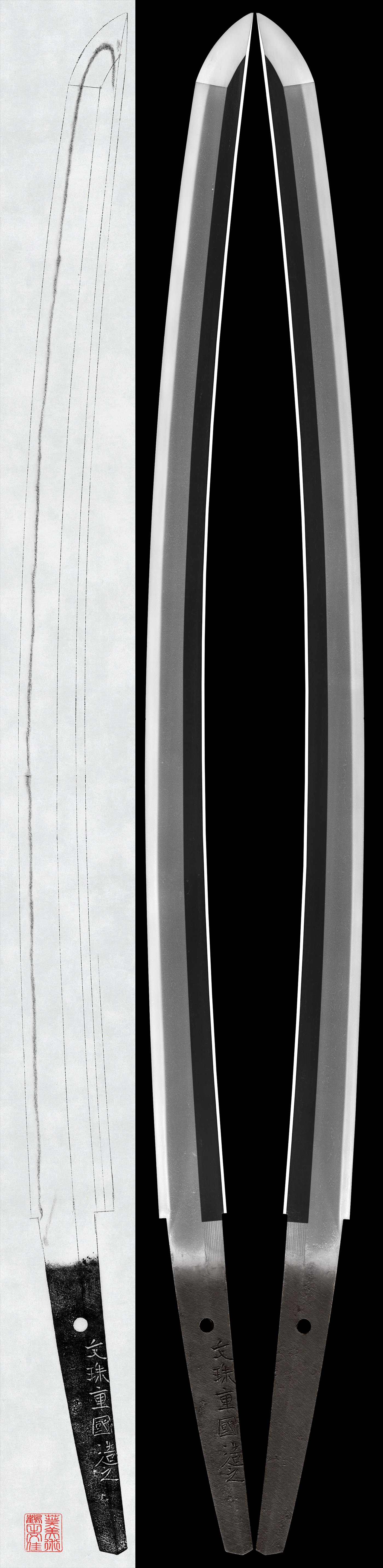
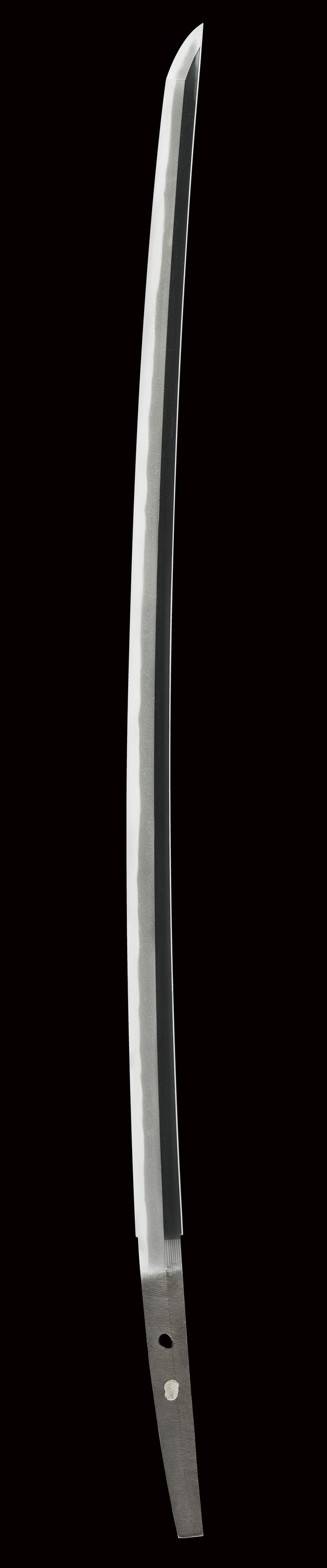
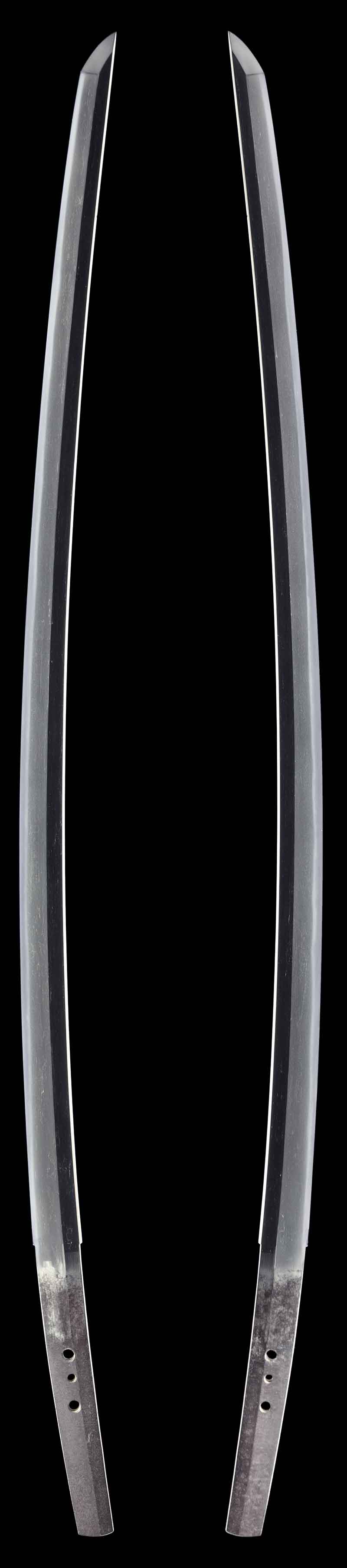
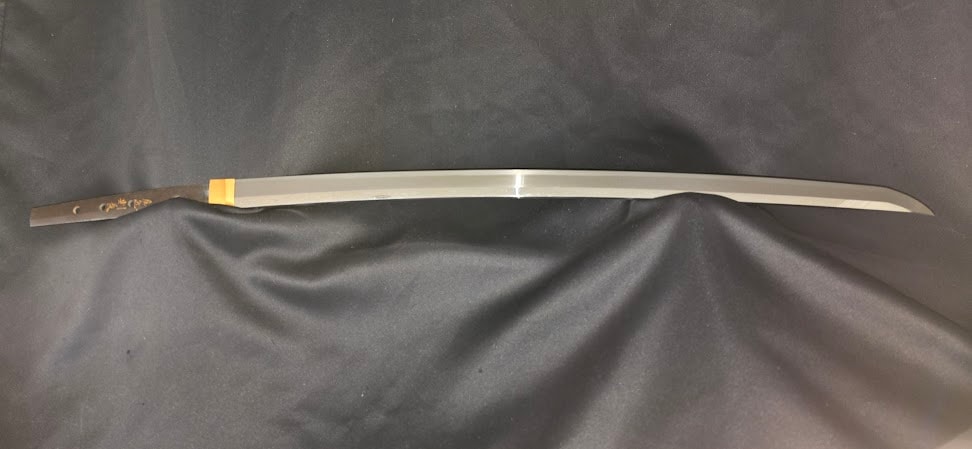
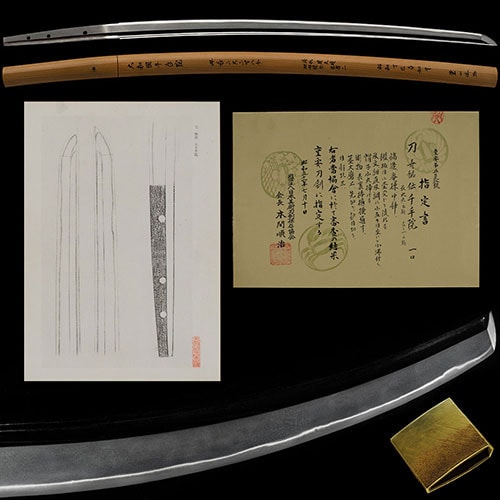
Antique Japanese Sword Katana Signed by Shigekuni with NBTHK Hozon Certificate 【Description】 Based on the signature and authentication paper, we believe the second-gen Shigekuni forged this blade. He is also known as Monjyu Shigekuni, as he often inscribed “Monjyu” when he signed on his work. He forged swords during the early Edo period.(1655-) The swordsmith’s name “Shigekuni” lasted 11th generations from the early Edo period(1615-) to the late Edo period(-1868). Shigekuni served the Kishu Tokugawa clan in the Kishu region(Wakayama), direct linage from the Tokugawa clan, who ruled the Edo government. Kishu Tokugawa clan is known as GOSANKE, which is eligible to take over Shogun’s position. Shougun is the supreme head of the military government ruled by Samurai warriors in Japan’s medieval times. The first generation Shigekuni is called Nanki Shigekuni and is known as one of the greatest swordsmiths in the SHINTO era(the swords created during 1596 A.D.-1763 A.D. ). It is said that the second-gen Shigekuni forged swords for Tokugawa Yoriyoshi, the 10th son of Tokugawa Ieyasu, the feudal lord of the Kishu region. You can see the great sword-forging technique inherited and learned from his father, Nanki Shigekuni. This blade is appraised as Hozon certificate issued by NBTHK. This authentication paper was only given to Japanese swords, worth preserving by Nihon Bijutsu Touken Hozon Kyokai(the Society for the Preservation of the Japan Art Sword). If you like Sageo for this Katana, we will add it without additional charge. 【 Blade】 Cutting Edge Length(Nagasa) : 63.7 cm( 25.1 inches) Curvature(Sori) : 1.3 cm(0.51 inches) Hamon: The crystalline structure which forms along the cutting edge of a blade as a result of the hardening process Jimon(Jihada): visible steel surface pattern created by folding and hammering during forging process Nakago : Nakago is the tang of the Japanese sword. Japanese swordsmiths left the black rust on the tang on purpose to prevent red rust while the tang is in its handle. And the discoloration of the tang was created over time, which is a great indicator for a Japanese sword specialist to estimate when the sword was forged. The blade was forged by Monjyu Shigekuni and due to the adjustment of the length(Suriage), the signature of Kuni was cut. Koshirae: Koshirae is the mounting of the Japanese sword. There are several parts that consist of Koshirae such as Saya(Sabbard), Tsuka( Handle), Tsuba(Handguard). Fuchi-Kashira : A pair of matching sword fittings that cover the upper and bottom parts of its sword hilt. The Kashira has a plane design, and the Fuchi is decorated with a kind of pattern that looks like waves. Tsuka and Menuki : Tsuka is the handle of the Japanese sword and Menuki is its decoration. The motif of this Menuki is challenging to identify. You could check another side of Fuchi Kashira’s design with the picture below. It looks the pine tree pattern is designed for Fuchi. As this plant keeps its green color throughout the years by withstanding severe heat and cold, people once regarded pine trees as sacred plants. Due to its strong vitality, this design was considered it represents longevity; therefore, the pine tree pattern is familiar to Japanese people. Tsuba and Habaki : Tsuba is the handguard for the Japanese Sword and Habaki is the equipment to make the blade not touch its scabbard inside.It prevents the blade from getting rusty and chipped. This Tsuba has a chrysanthemum shape. Small dots might depict waterdrops. A long time ago, the chrysanthemum was used as a medicine for long life in China, and it was brought to Japan with this thought in the Nara period (648-781). This flower symbolizes fall, and people appreciate it very much since ancient times. As its petals form radially, the chrysanthemum has been likened to the sun. That is why this flower pattern is treated as the symbol of perpetual youth and longevity or good health. Saya : Saya is the scabbard for the Japanese sword. Authen

Antique Japanese Sword Katana Signed by Shigekuni NBTHK Hozon Certificate
売切れ
Hozon売切れ

Antique Japanese Sword Katana Signed by Shigekuni NBTHK Hozon Certificate

売却済

世界81社の刀剣商を横断追跡 · 価格履歴 · 売却アーカイブ

仕様

長さ

63.7 cm

反り

1.3 cm

作者について

Monju Shigekuni重國

1 重要文化財8 重要美術品1 御物6 特別重要刀剣44 重要刀剣

南紀重国はその作に「於南紀重国造之」と切り、説明書はその銘文をそのまま履歴として読む。彼は本国大和、手掻派の末葉といわれ、慶長年間に徳川家康に仕えて駿府で作刀し、元和五年(一六一九)に徳川頼宣の紀州和歌山移封に従って移った、と記される。通称を九郎三郎といい、一銘には「紀州明光山文珠九郎三郎重国」と切るものがあって、この系を発した大和文殊の根に結ぶ。彼を録する説明書はこの出自を一様には均さない。「彼の作風は大別して二様あり」(大別して二様)といい、その二様を作ごとに名指す。すなわち相州上工、就中、郷義弘に私淑したと想われる相州伝の乱れ刃と、「彼の御家芸とも」(彼の御家芸とも)いうべき大和手掻の作風を継承して「包永を髣髴」(包永を髣髴)とさせる直刃である。 二様の第一は、説明書が相州伝の典型かつ出色と呼ぶ作域である。流れた板目に杢、時に大板目を交え、処々肌立ちごころとなった鍛えに、地沸が厚くつき、地景が頻りに入り、かねが冴える。その地に浅いのたれ・小のたれを焼き、互の目・大互の目、時に尖りごころの刃を交え、物打辺上より一段と焼幅を広める。匂は深く、沸は厚く処々に崩れ、総体に金筋・砂流しが頻りにかかり、僅かに飛焼・湯走りを交えて、匂口は明るく冴える。帽子は直ぐに小丸あるいは焼詰めに返り、掃きかける。徳川家に抱えられてこの時期に相伝復興を志した同列の工のうちでも、彼の刃中の働きは最も豊かで、地刃を覆う金筋・砂流しはいずれの工よりも盛んである。そしてまさにその地刃の明るい冴えを、説明書は「殊に地刃が明るく冴える点が彼の本領」(殊に地刃が明るく冴える点が彼の本領)と名指す。ある重要刀剣の脇指では、刃中金筋の渦巻き状になる態を捉え、これを彼の相州伝の作柄によく見受けられる見どころと記す。 そのいずれの作でも、鍛えは一様に流れた板目で、地沸厚く、地景がよく入り、かねが冴える。説明書はこの鍛えを二様の下に通う恒と見る。細かくつんだ小板目ではなく、立って肌目の起つ鍛えで、流れ肌を最も濃く帯びる。これこそ二様を貫いて伝わる大和の血である。直刃側の作はその継承を顕わに示す。直刃調、時に中直刃・広直刃に、物打辺上より小互の目を交え、刃縁ほつれて喰違刃・二重刃・湯走りを見せ、帽子は焼詰めまたは直ぐに掃きかける。柾がかった鍛えと焼詰めの帽子こそ手掻の末葉たる証で、祖の包永に近く、大和の血を引かずに相伝を復興した越前・堀川の工にはほぼ見られない。いずれの作に属しても、説明書が値の据えどころと名指すのは同じく、明るく冴えた地刃と刃中の豊かな働きである。 説明書は二様の外に第三の作域を読み、ここに重国はおのれとなる。相州伝を基盤に大和伝を加味し、その上に彼独特の一作風を樹立した、と記し、その好例を「白眉」(白眉)と呼んで、特に地鉄の良さと地刃の明るく冴える点を挙げる。相州伝の側はまた「江写し」(江写し)とも称せられ、ある作には盛んな出来であって地の出来も冴えて見事と説明書はいう。作はほとんどが在銘で、長銘と細鏨の二字銘「重国」の二様にわたり、二字銘は初代作に稀とされる。後代の南紀数代は一括して極められ、本文が「初代」と明記する作はその旨を付す。互の目・角がかった刃・矢筈風の刃を交えたある脇指の乱れには、説明書は「文珠風の色合い」(文珠風の色合い)を看て取り、「二代以降の刃取りの先駆」(二代以降の刃取りの先駆)を感じさせると読む。彼から下る紀州新刀へと、その線は前へ開く。 説明書はその異なりを、模範の欠を挙げてではなく、彼自身の地に拠って描く。私淑した相州上工に対しては、明るく沸の強い地刃と自在に走る金筋・砂流しが彼独自の盛んで冴えた作域と読まれ、ある初期の短刀を説明書はこの工最高の地鉄とまで称し、刃も明るく働きも豊かという。出自の大和に対しては、流れ肌・柾がかった鍛え・喰違刃・焼詰めの帽子が手掻の血を告げ、それは相州伝の作にすら、鎬幅広く鎬高い造込みと掃きかけた帽子となって彼本来の大和気質を露わす。逆に下を見れば、説明書は彼の相州伝の作、横手を焼き込んで丸く返り地刃明るく冴えるところに「徹の作風に相通ずる」(徹の作風に相通ずる)ものを読み、虎徹がこの種の作域を参酌したであろうと推す。次代の名工へと辿られるこの似通いは、郷と包永が後ろを閉じるように、彼の系を前へ閉じる。 藤代の極めで最上作。その名を負う指定の重みは新刀の工の中で高く、重要文化財一口を戴き、特別重要刀剣六口、その下に重要刀剣四十四口、特別重要刀剣と重要刀剣を併せて凡そ五十口を数え、公の記録ではその作はことごとく在銘、五十九口に無銘はない。作に録された来歴はそのまま彼が仕えた家へ遡る。和歌山の紀州徳川家に伝来した作があり、その下で打った徳川家康・徳川頼宣が刀の歴史に立ち、後の所持には皇室も連なる。元和八年(一六二二)紀の脇指が数口現存し、頼宣の重臣の所持銘を帯びる。一口は紀州藩老蔭山土佐守宗信の注文に応じ、他の一口は「三河以来の頼宣の重臣」(三河以来の頼宣の重臣)都筑藤一の所持銘を持ち、説明書はこれらを重国研究上の貴重な資料と記す。彼の相州伝の作刀は「その多くが磨上がっており」(その多くが磨上がっており)、生ぶ茎のものは稀で、その点でも貴重とされる、と説明書はいう。在銘の重国は手の届かぬ名ではない。時に一口が市に現れ、刀よりは脇指のことが多く、遺るものの多くは古い大名家・愛蔵家の許にあって取引には出ず、現れれば紀州新刀の一つの画期となる。

刀剣商

サムライミュージアム

samuraimuseum.jp

売切れ