後世のほとんどの権威が、鎌倉を日本刀の黄金時代と呼ぶ。最初の武家政権が注文主となり、諸伝統が同時に最盛期を迎え、伝えでは諸国の名工が後鳥羽上皇の御所に月番で伺候した。
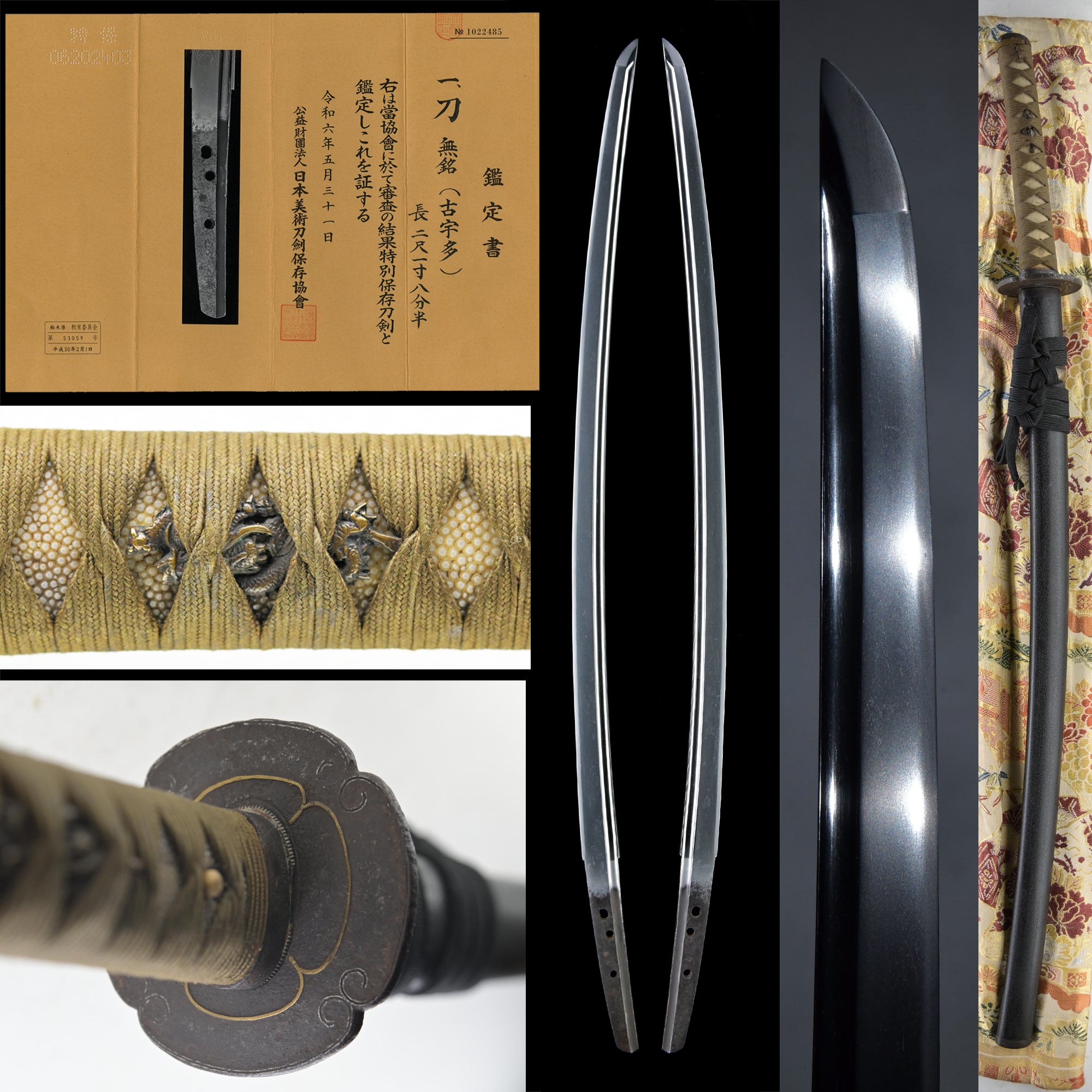
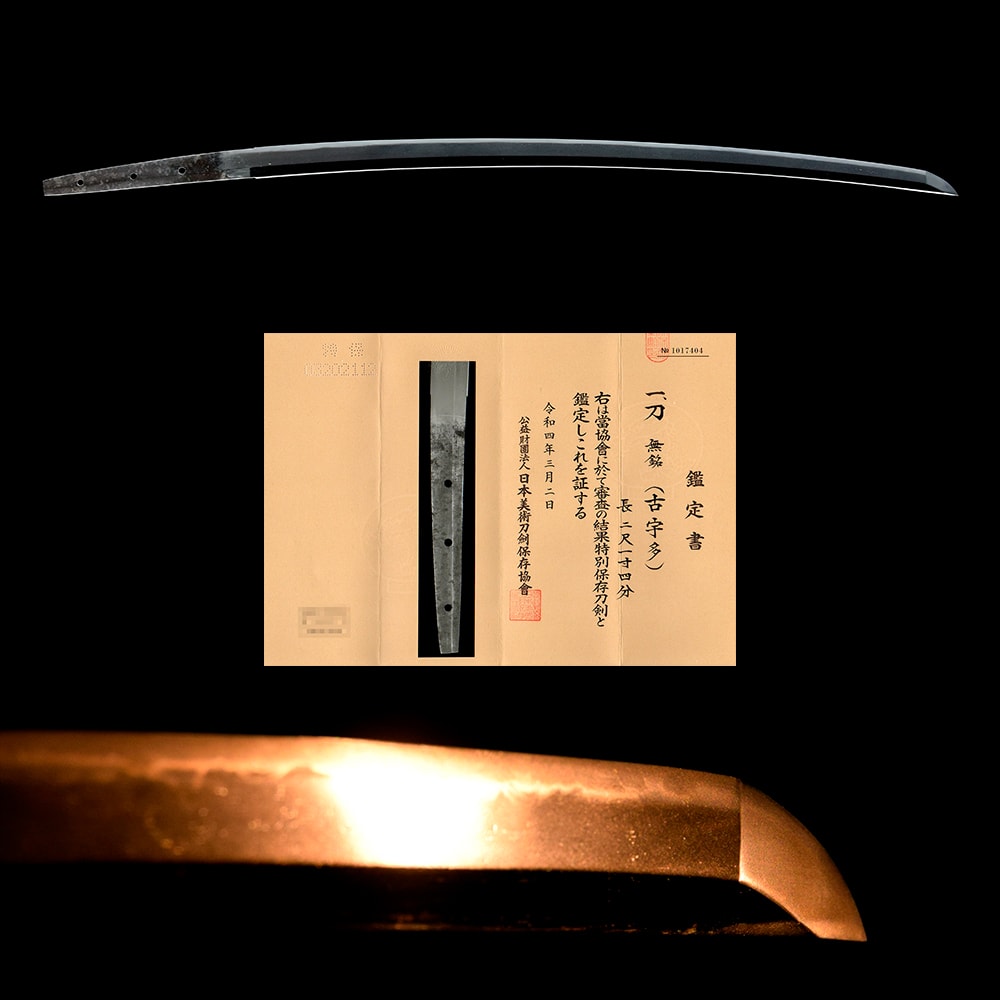
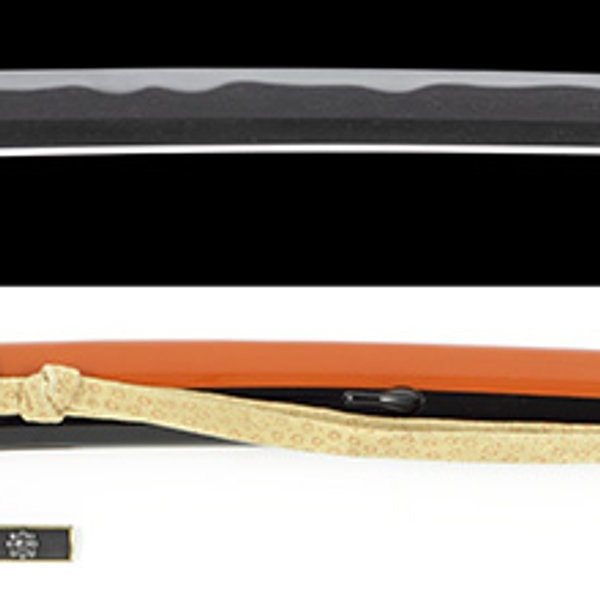
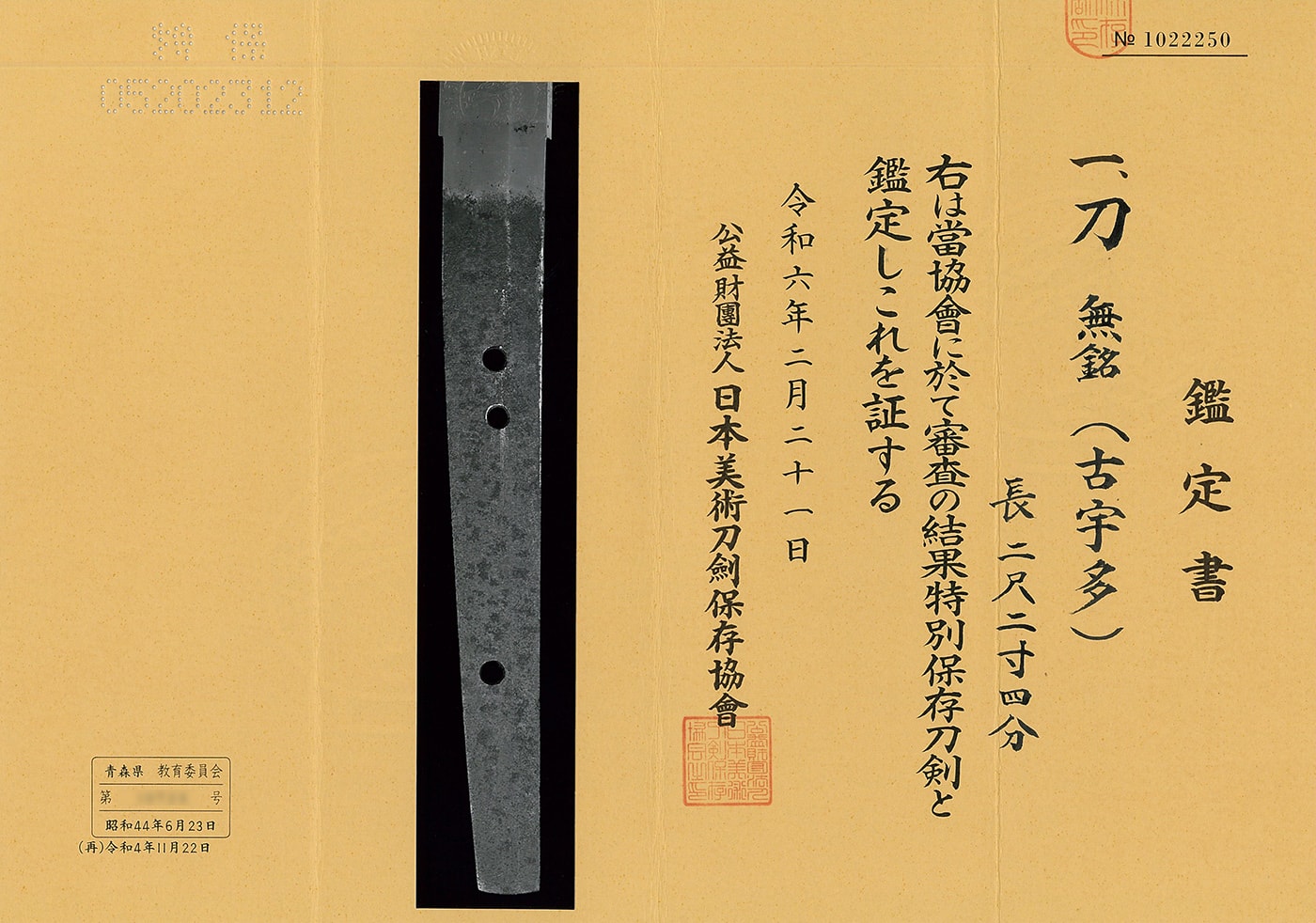
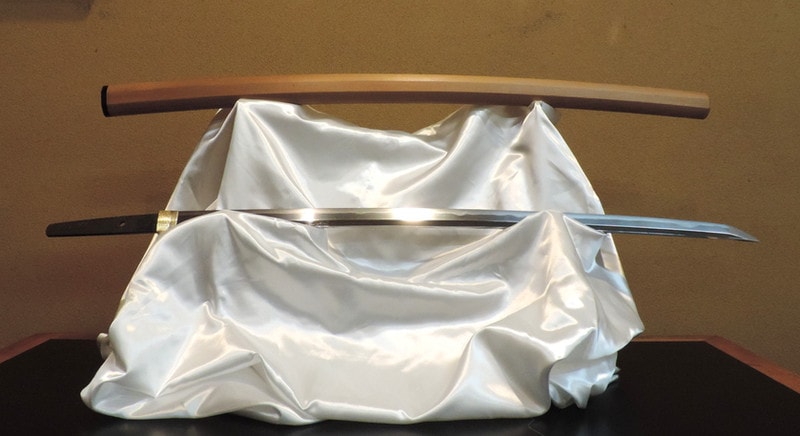
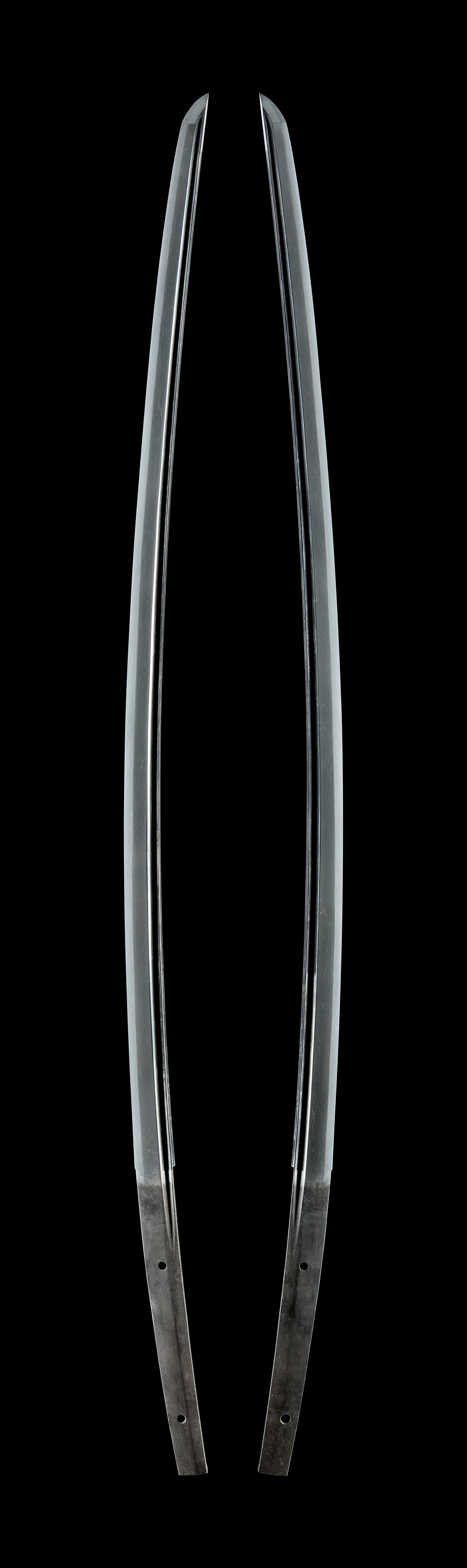
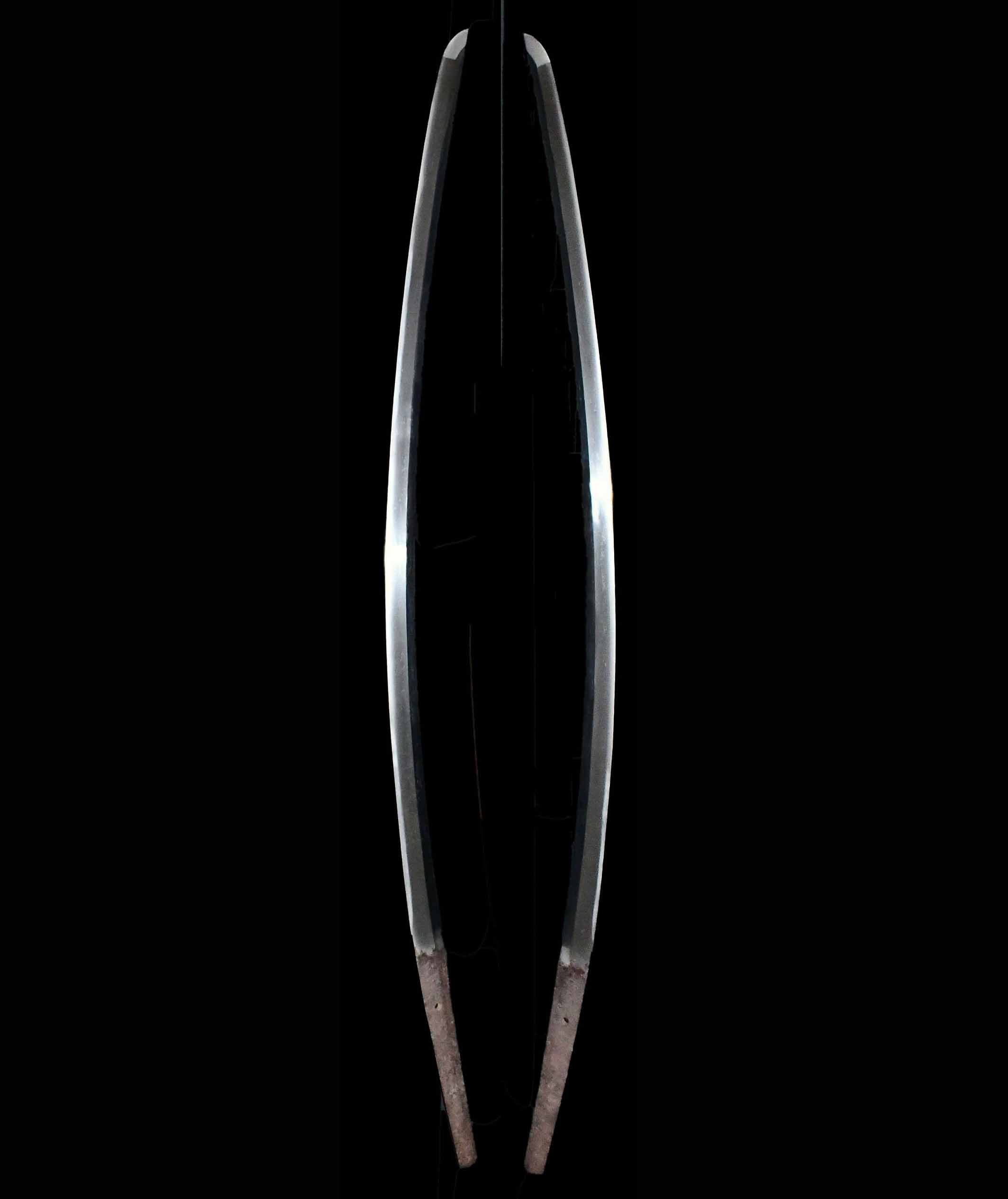
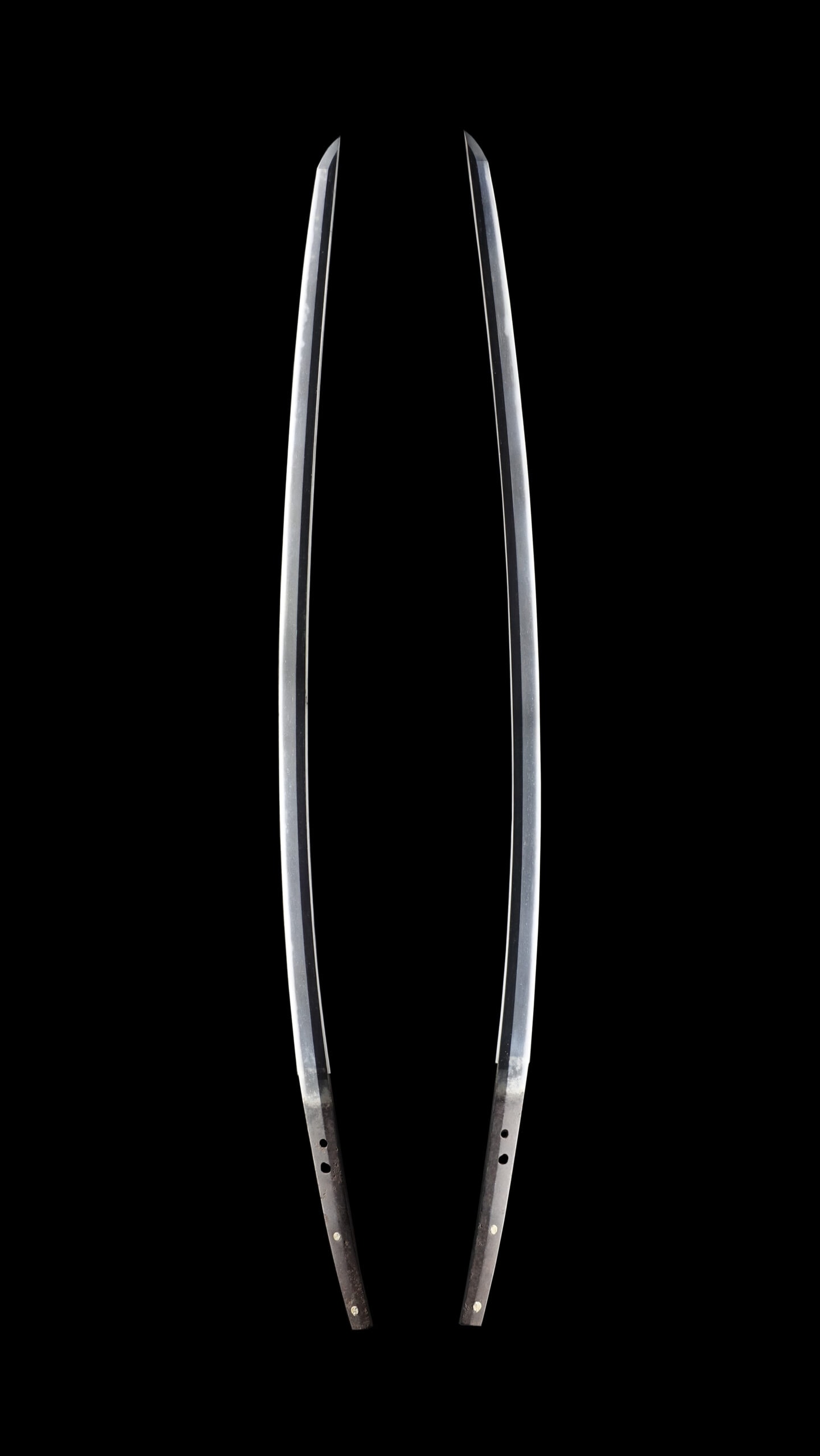
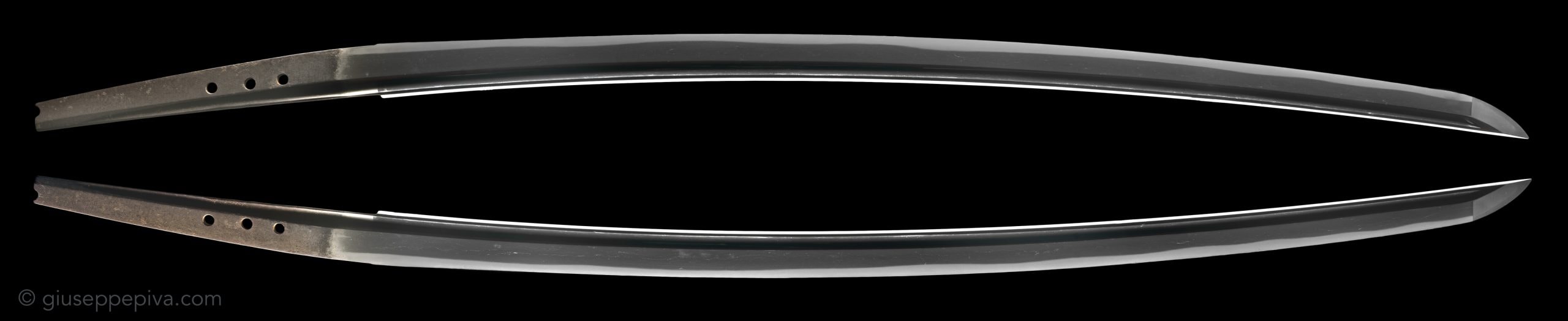
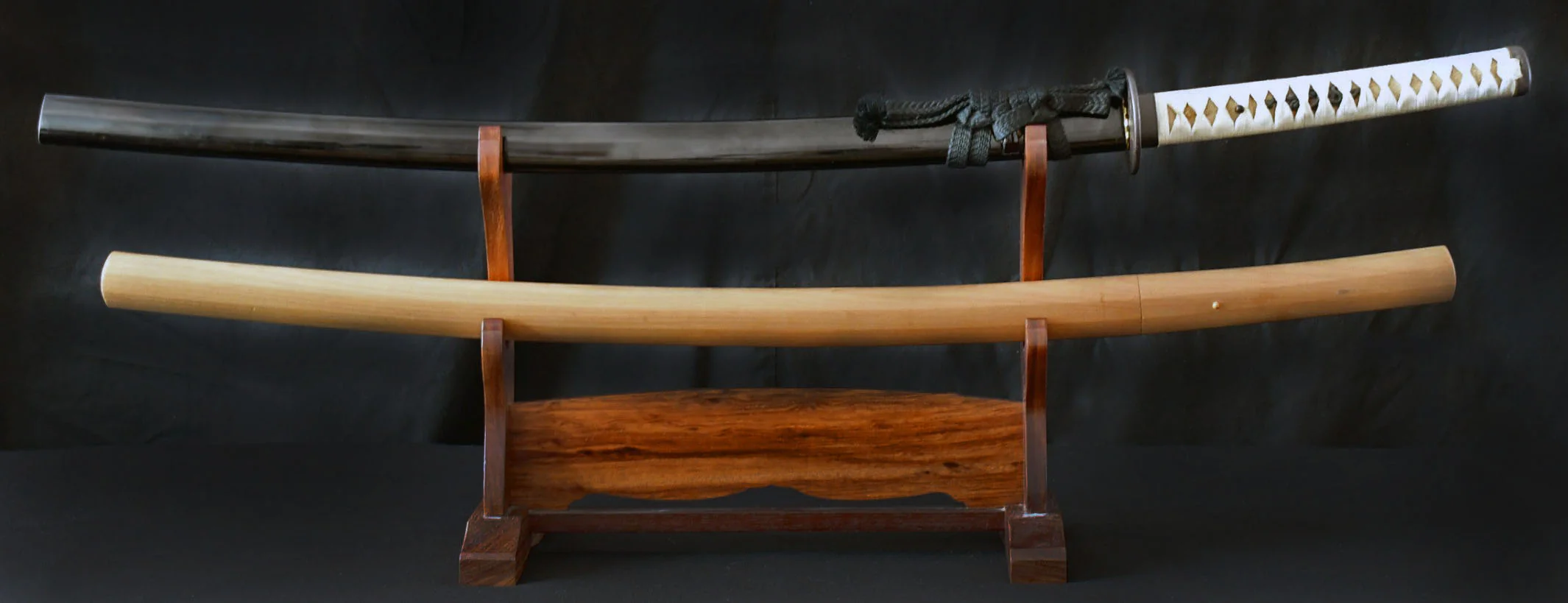
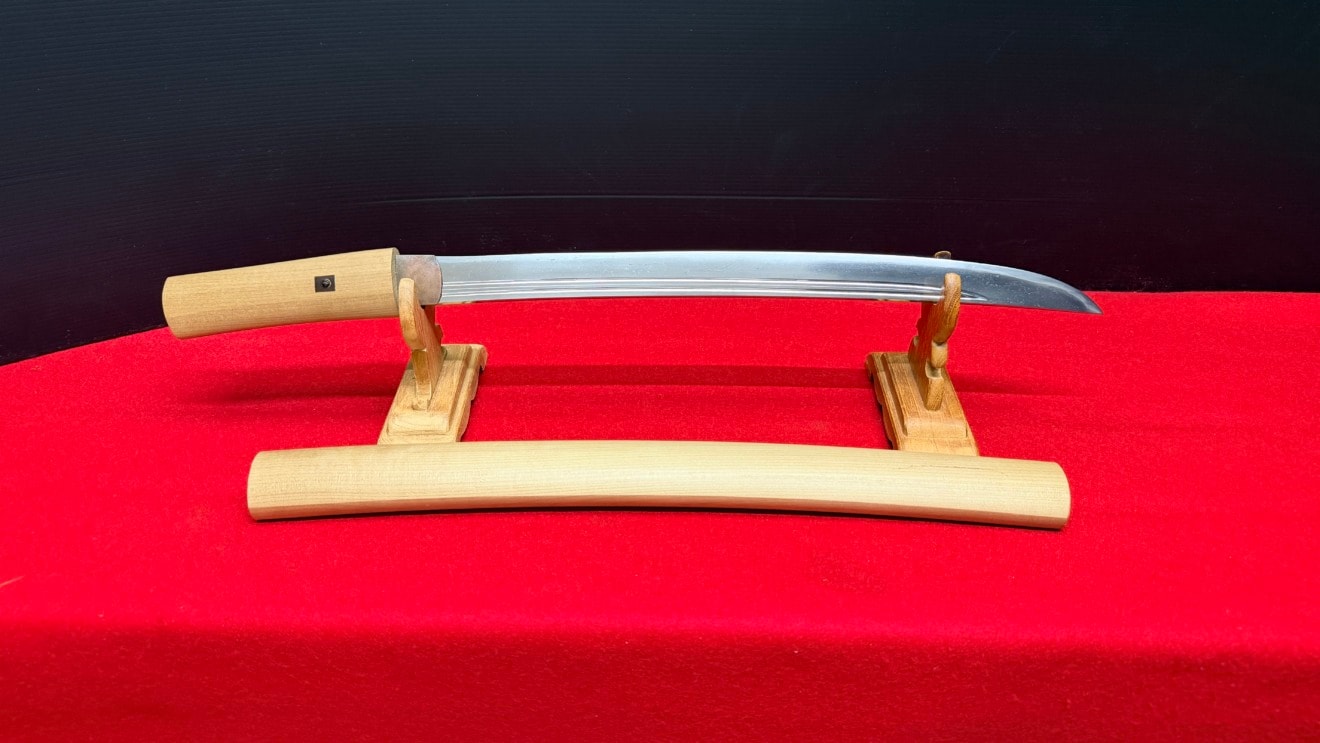
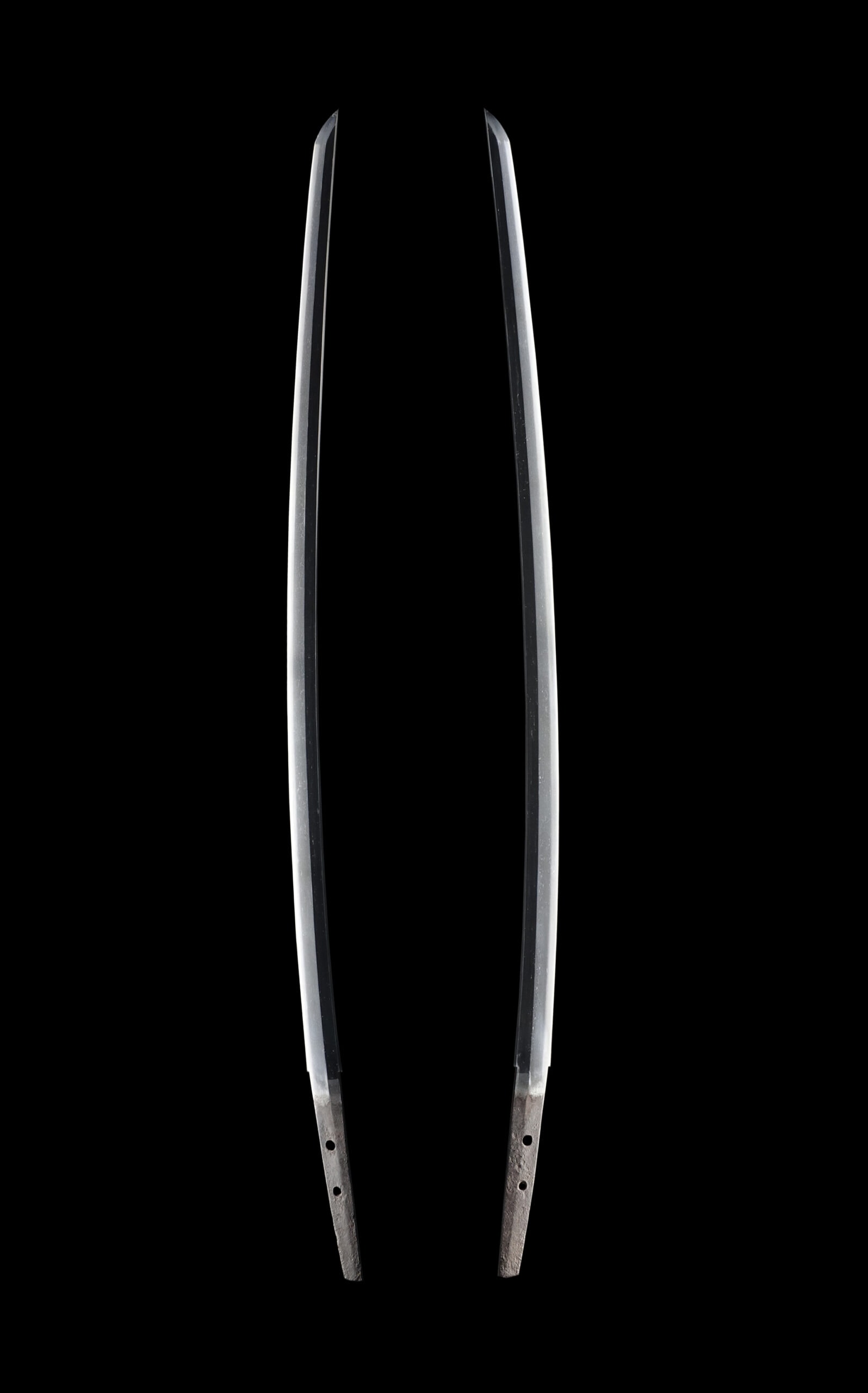
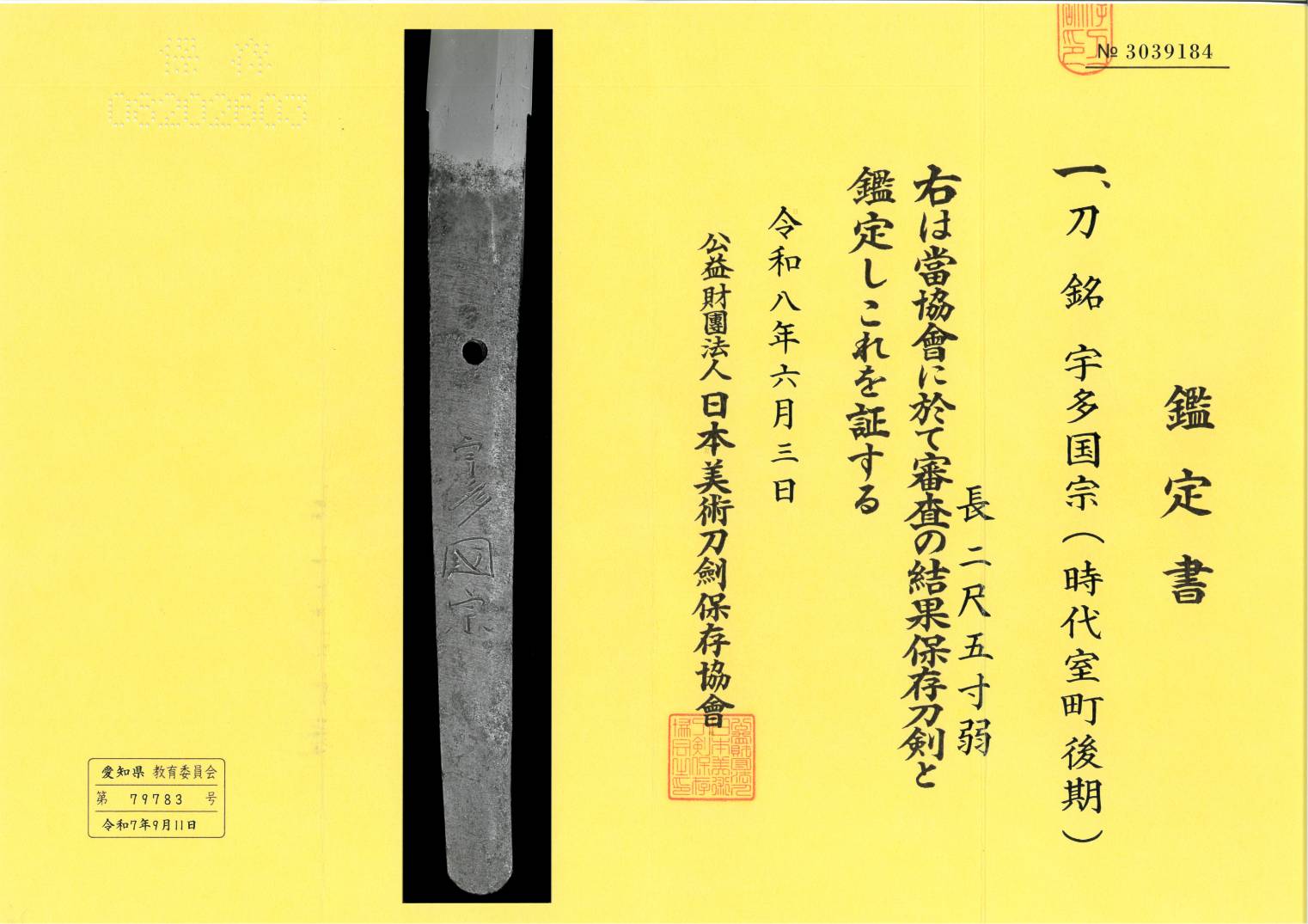
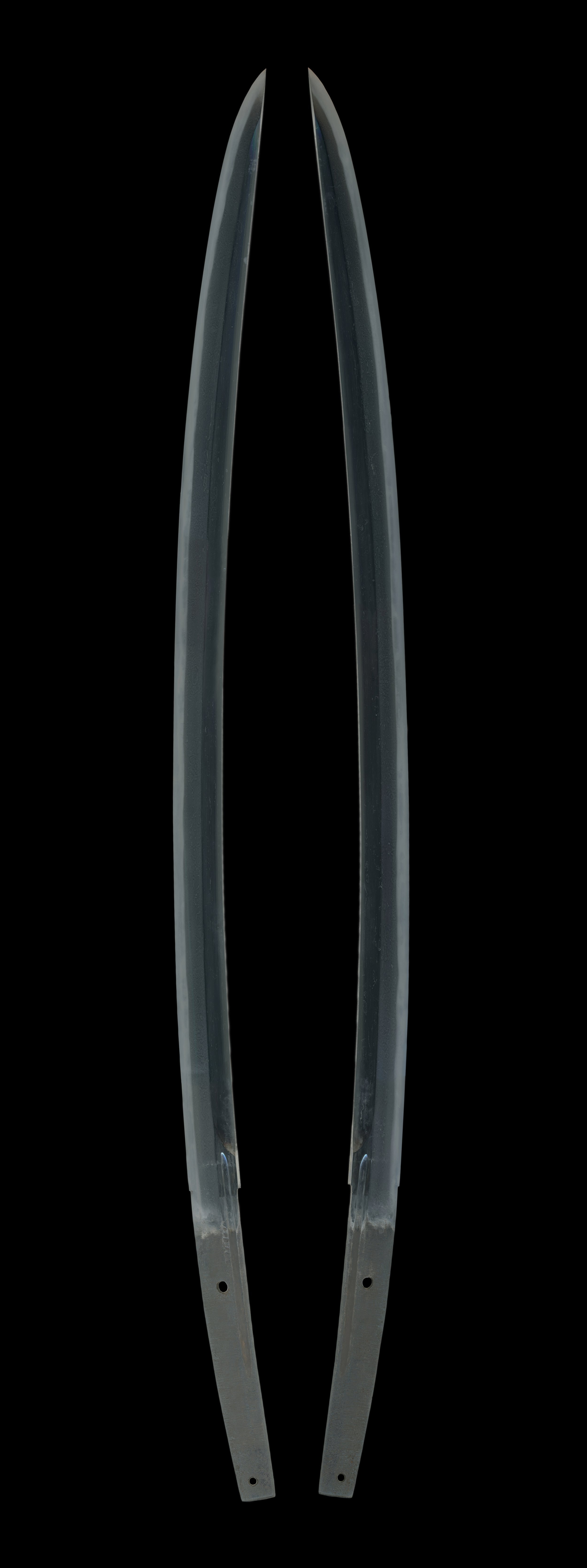
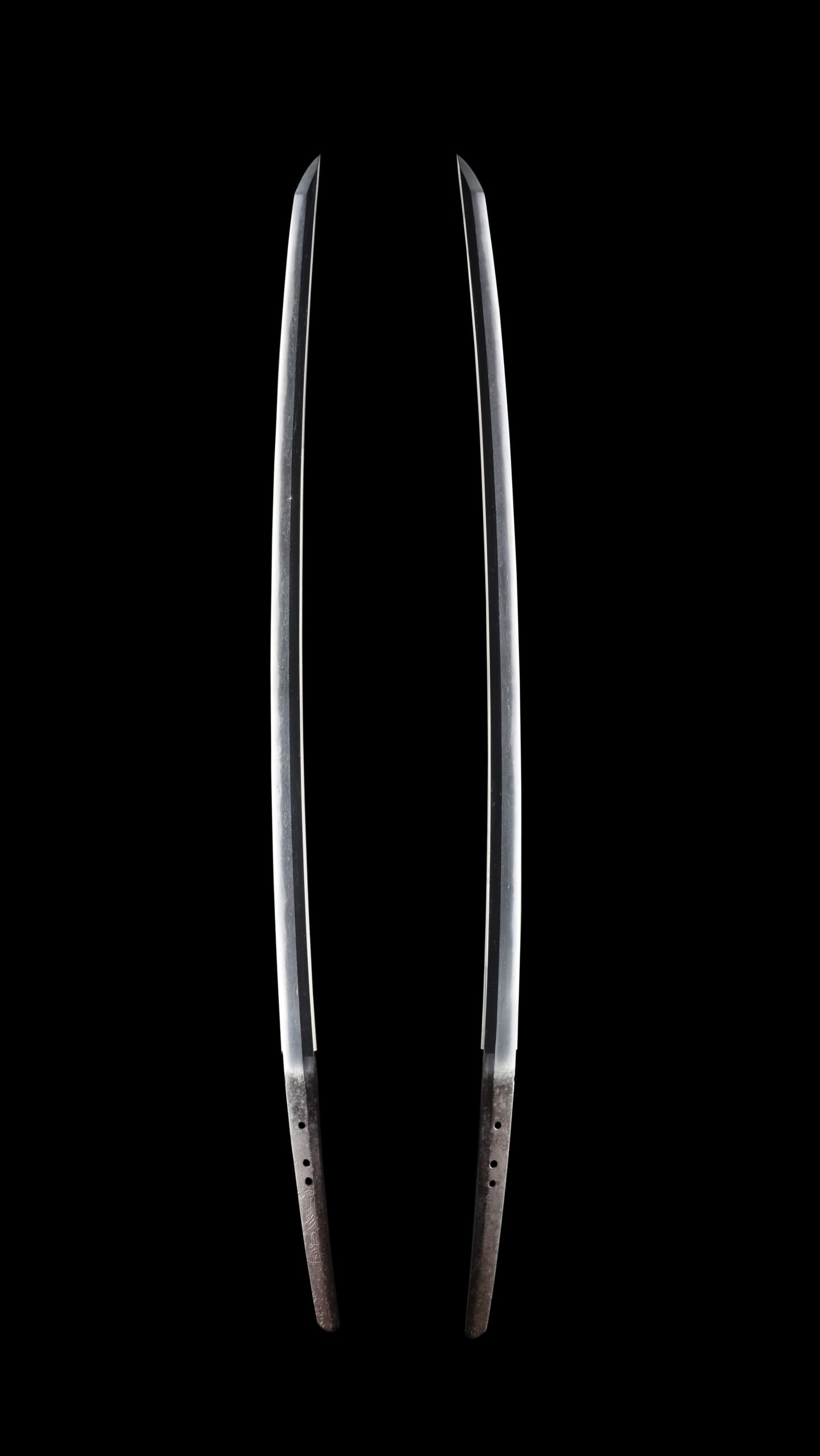
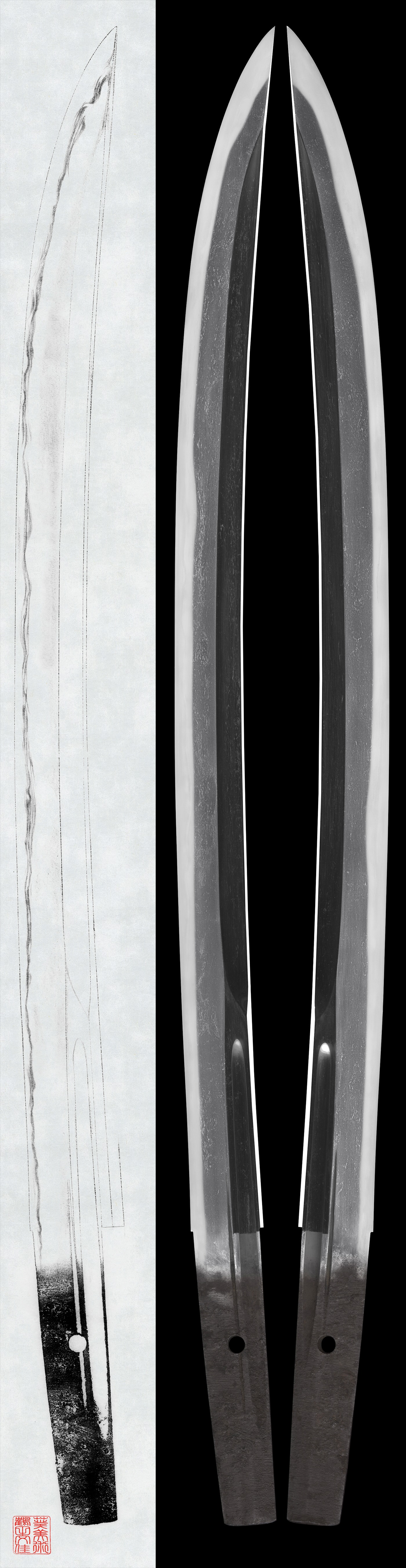
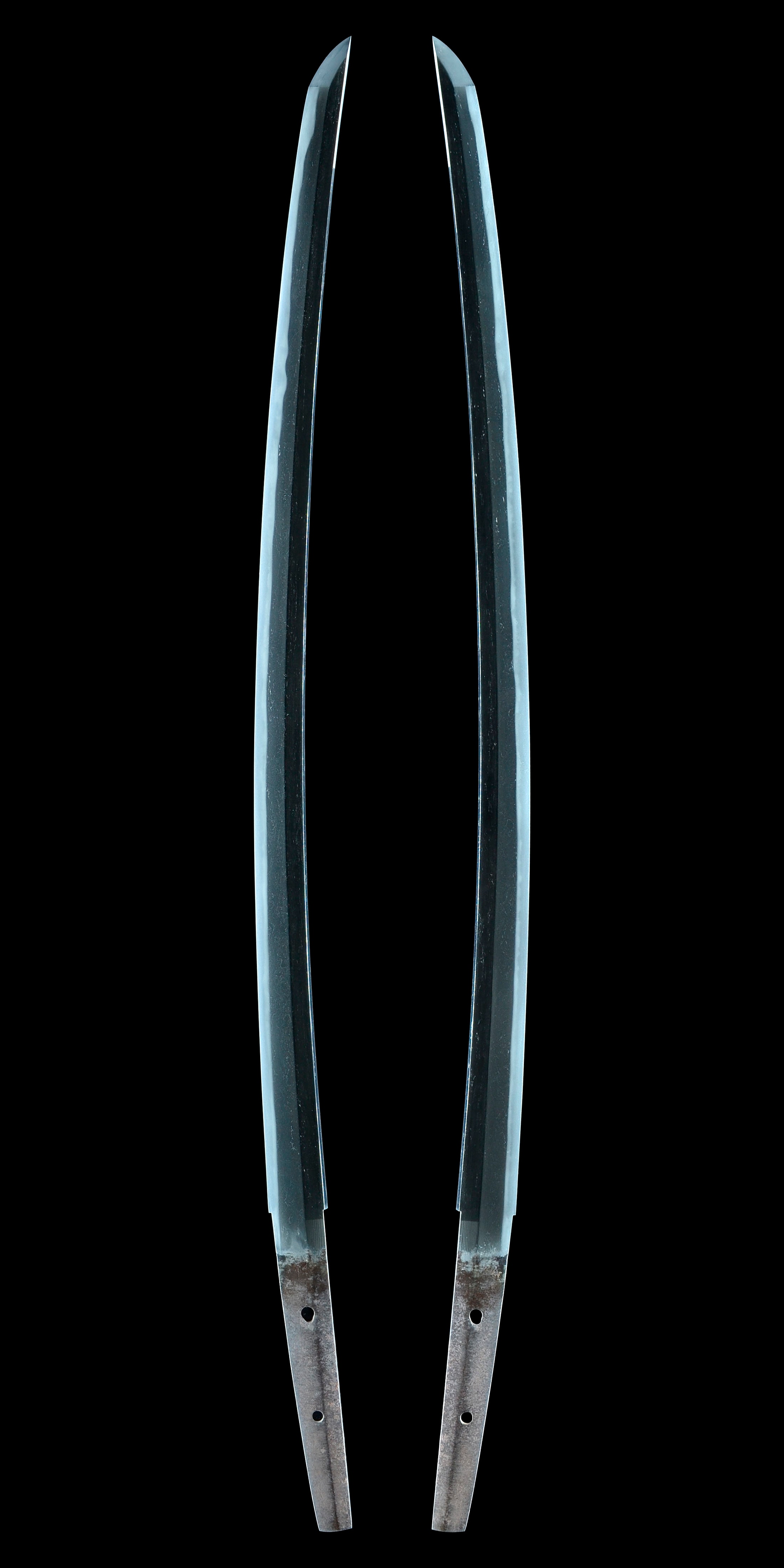
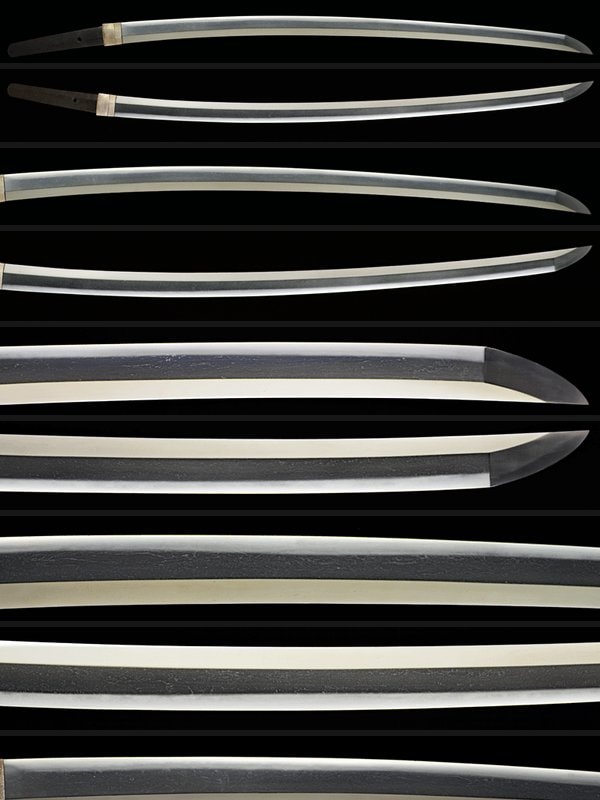
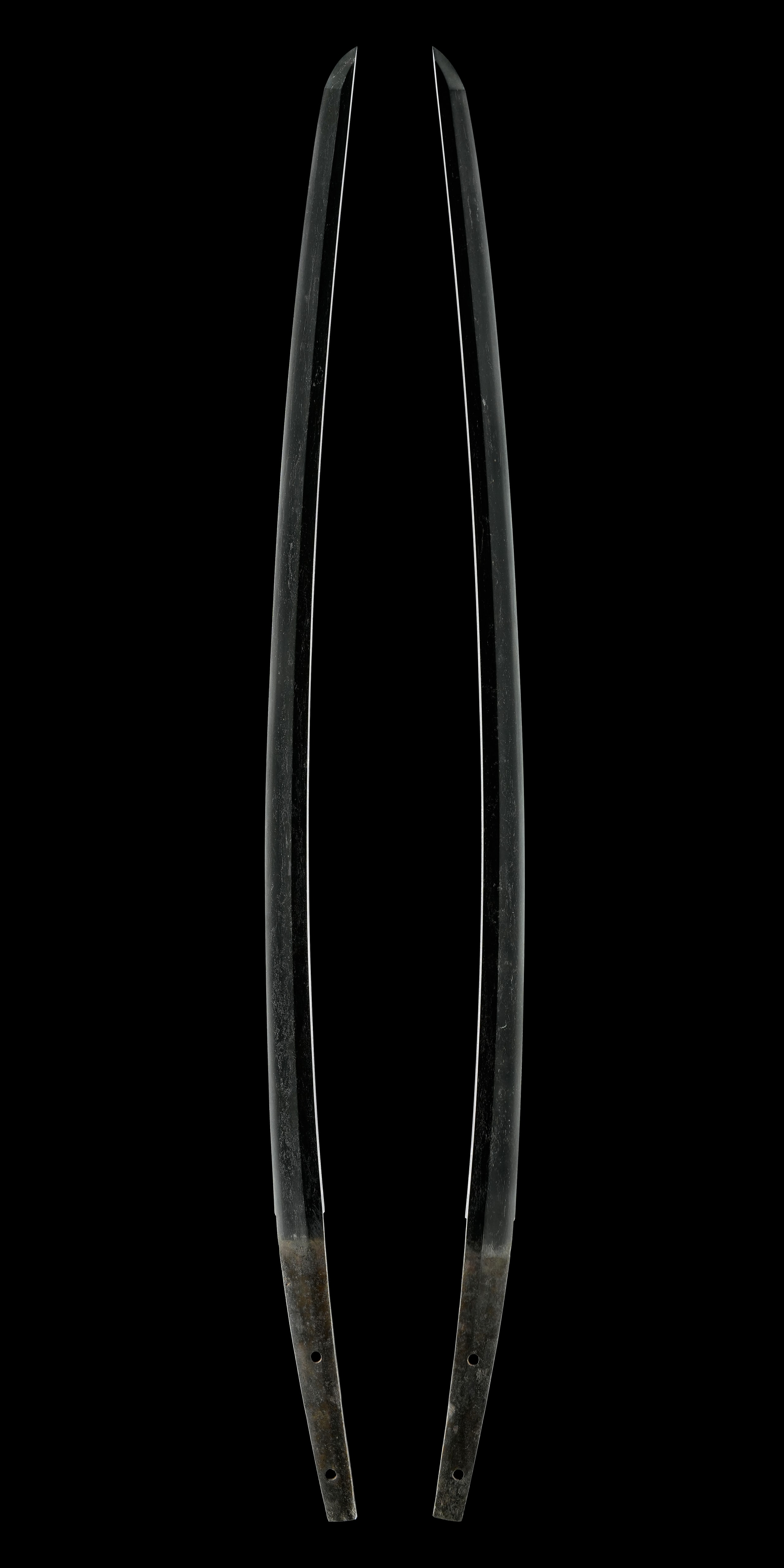
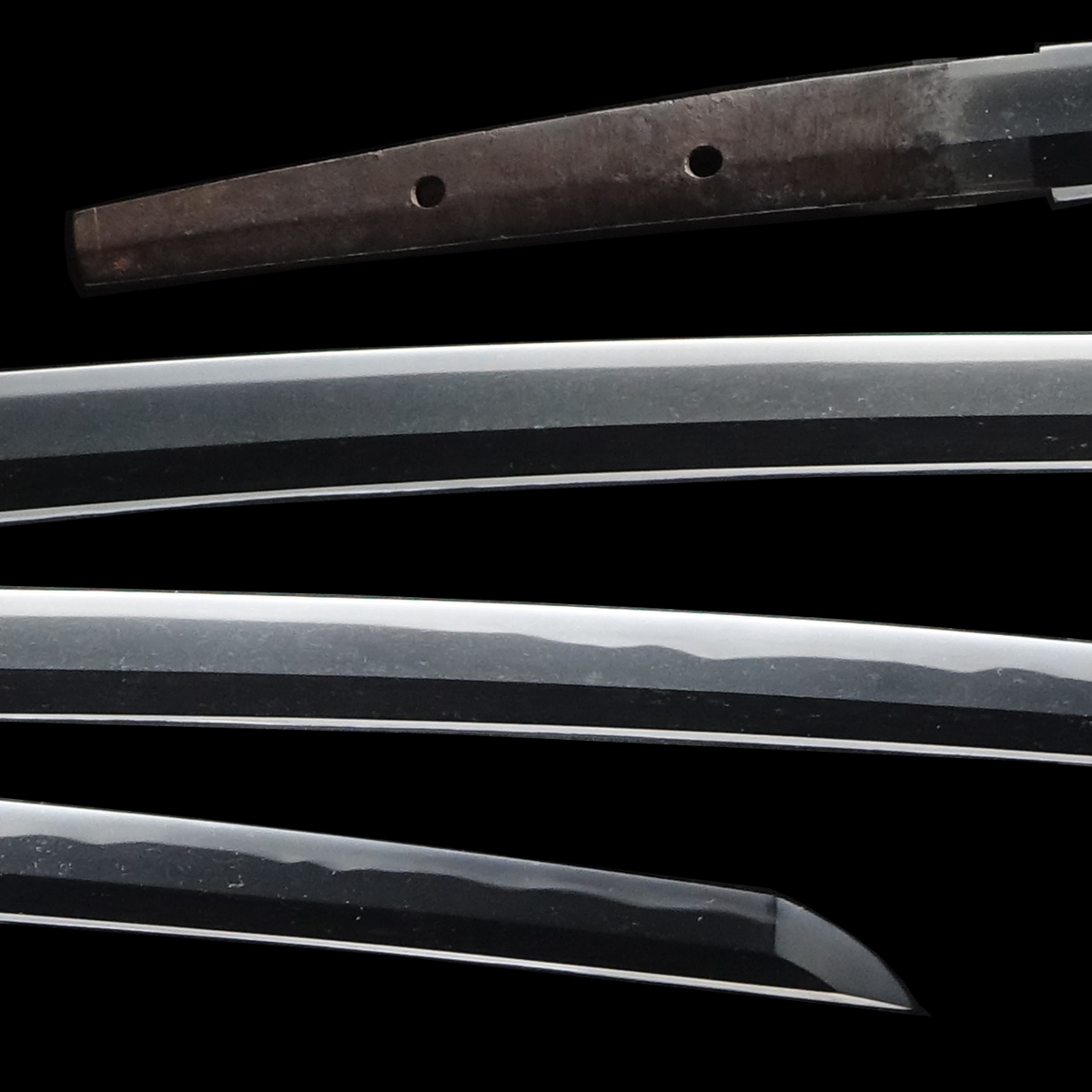
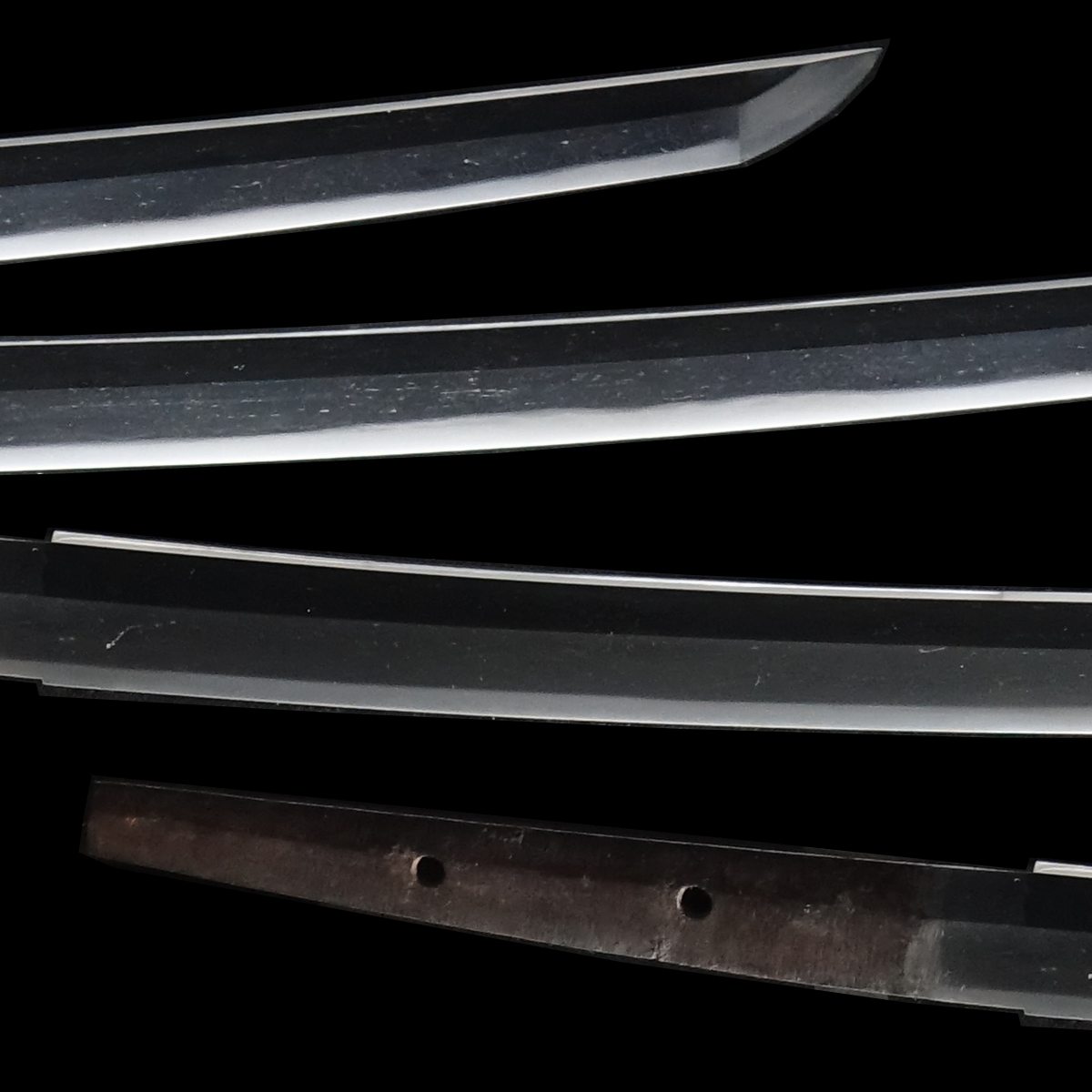
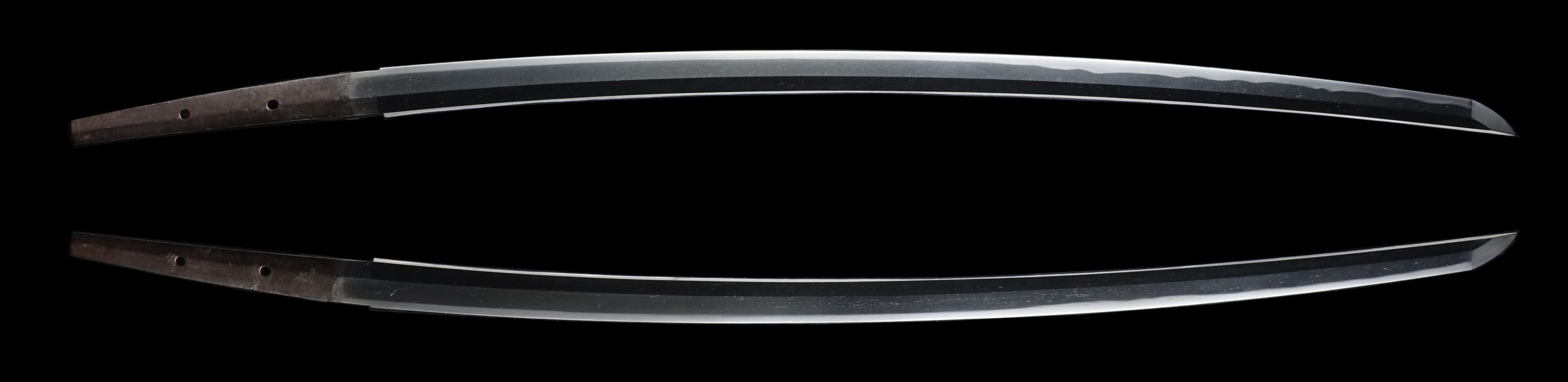
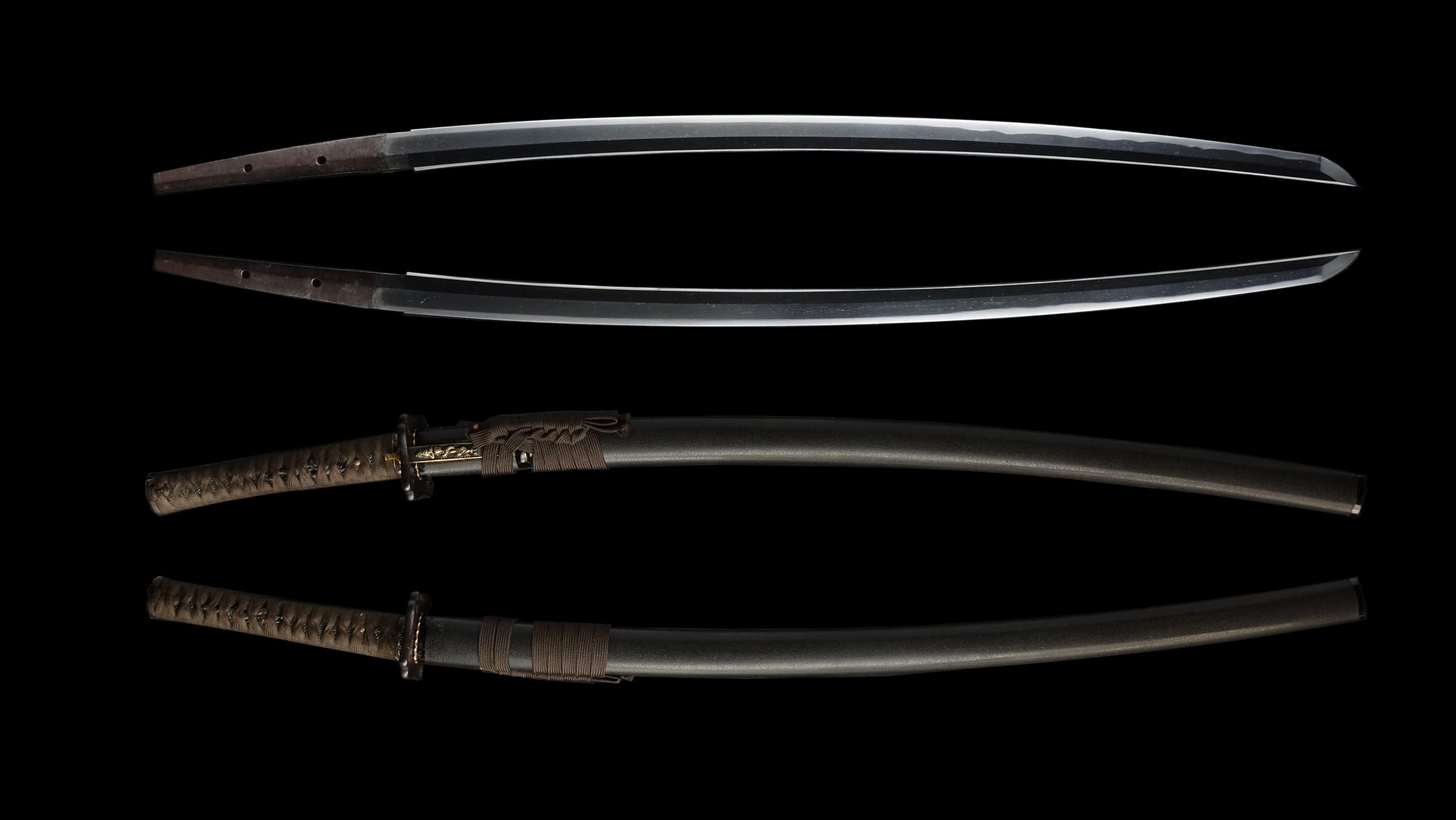
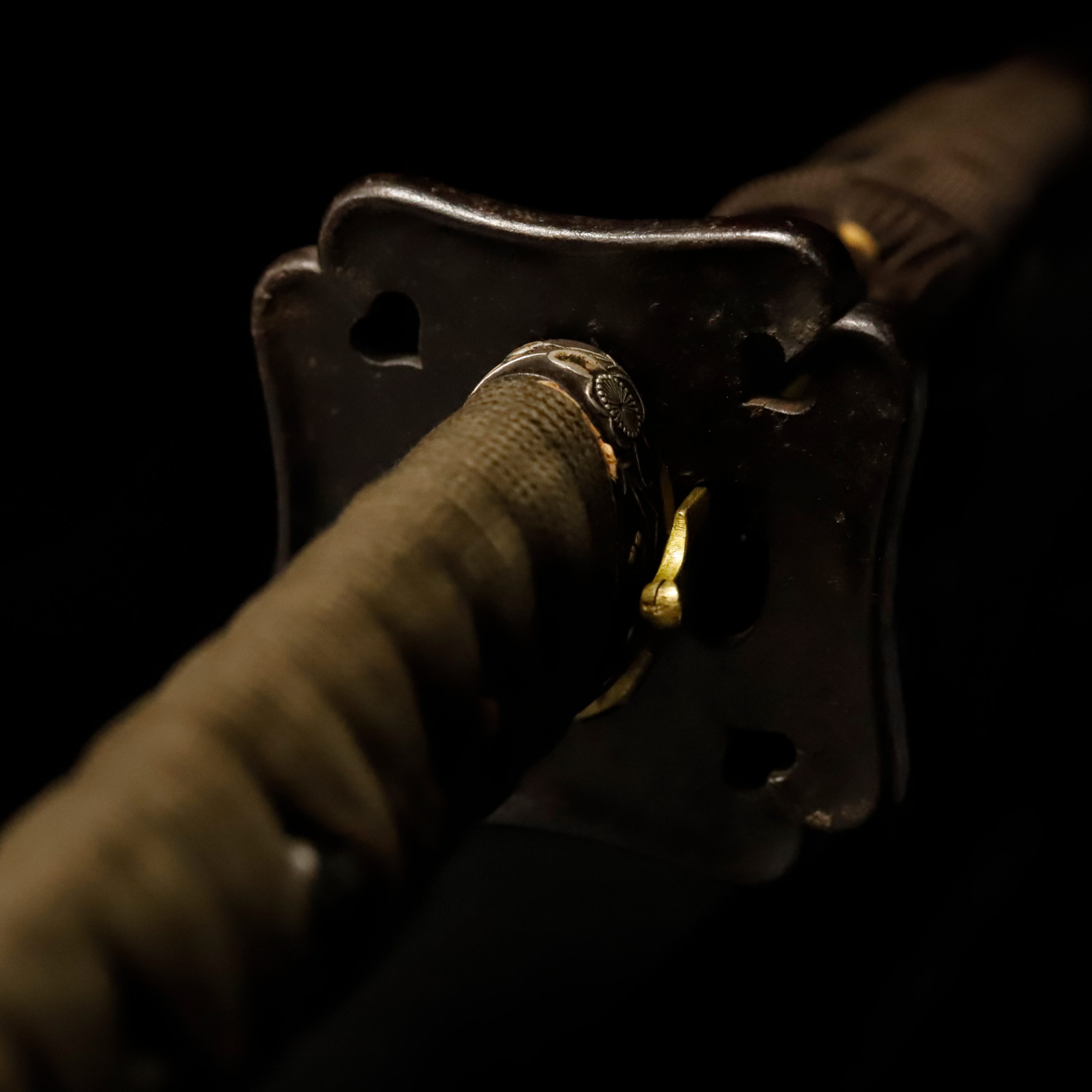
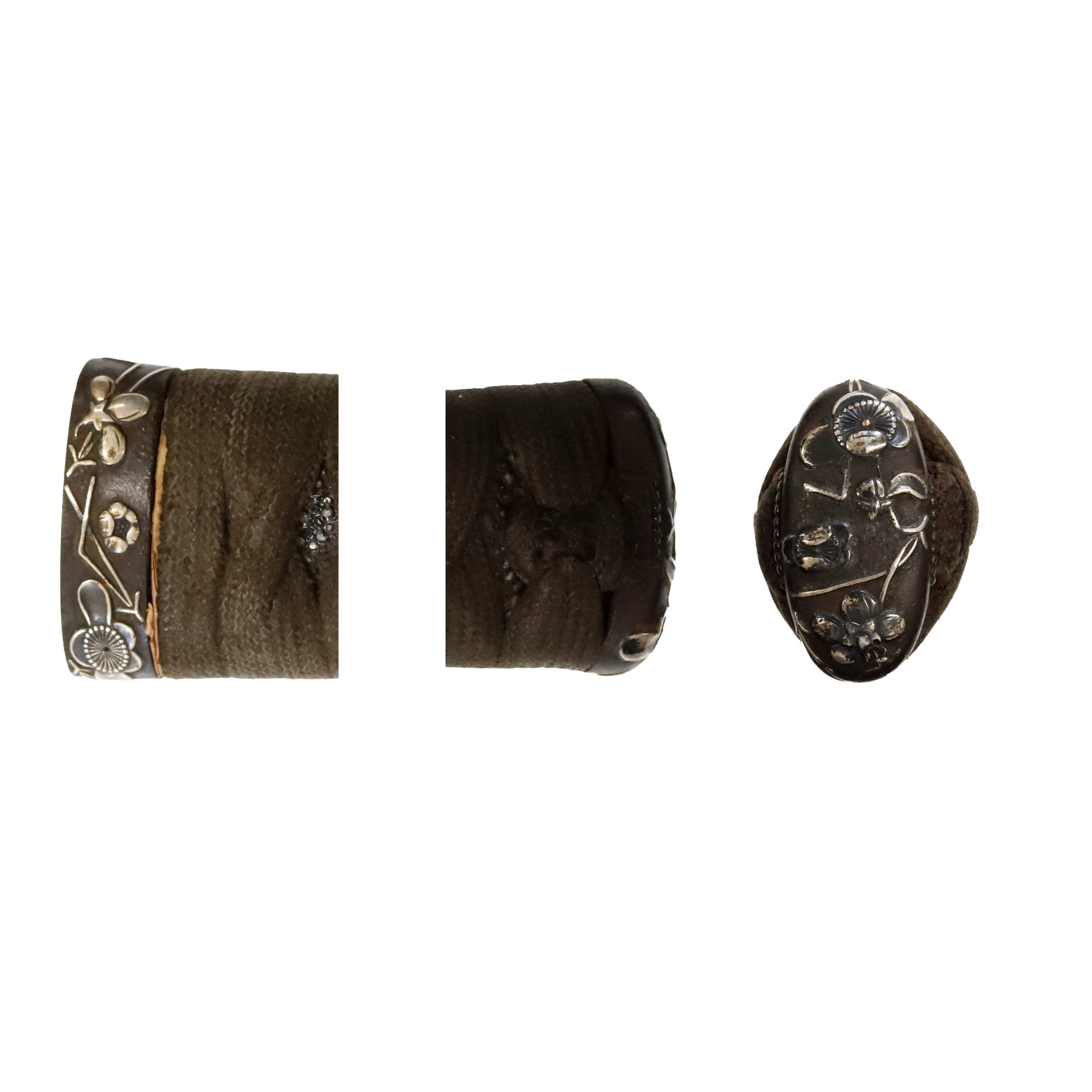
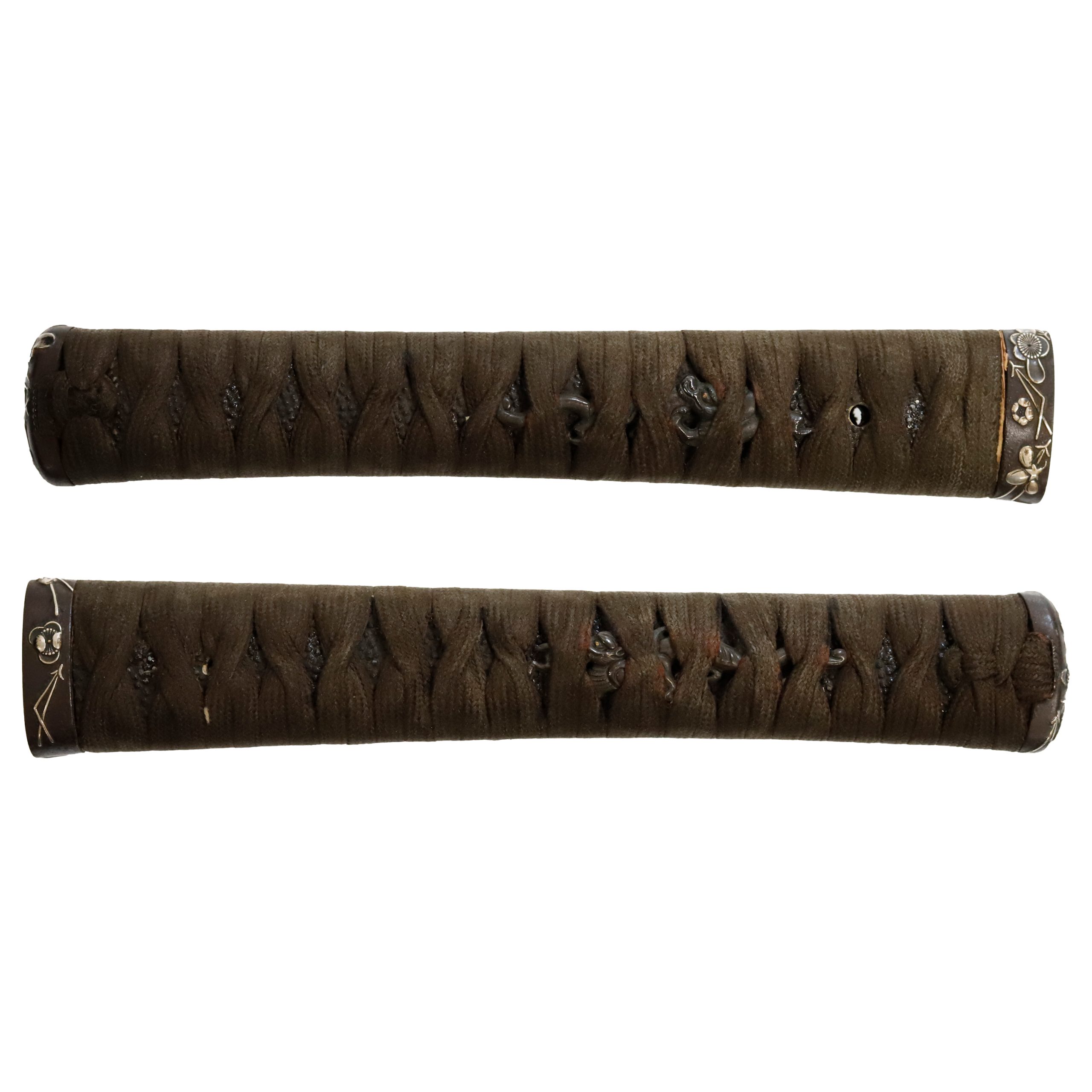
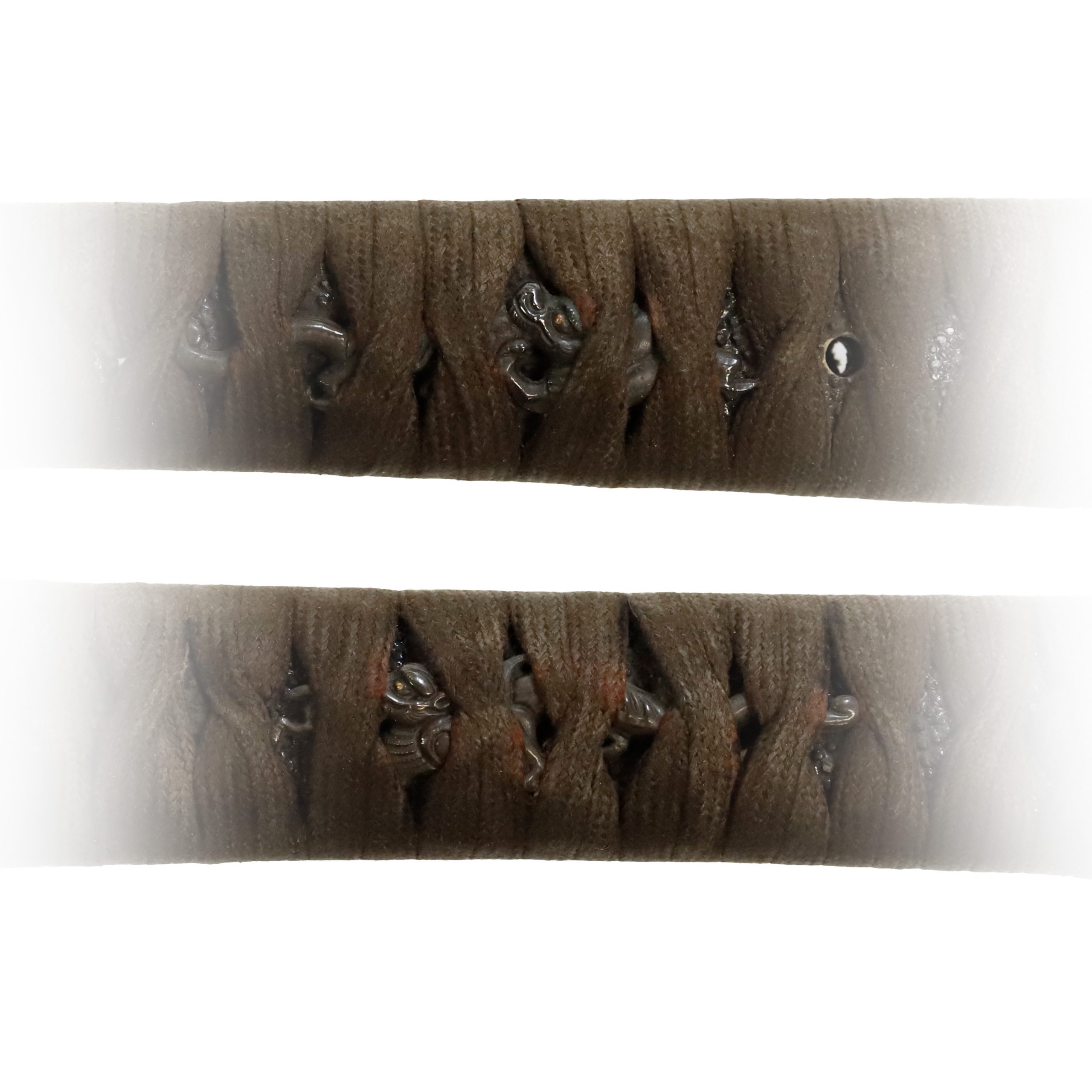
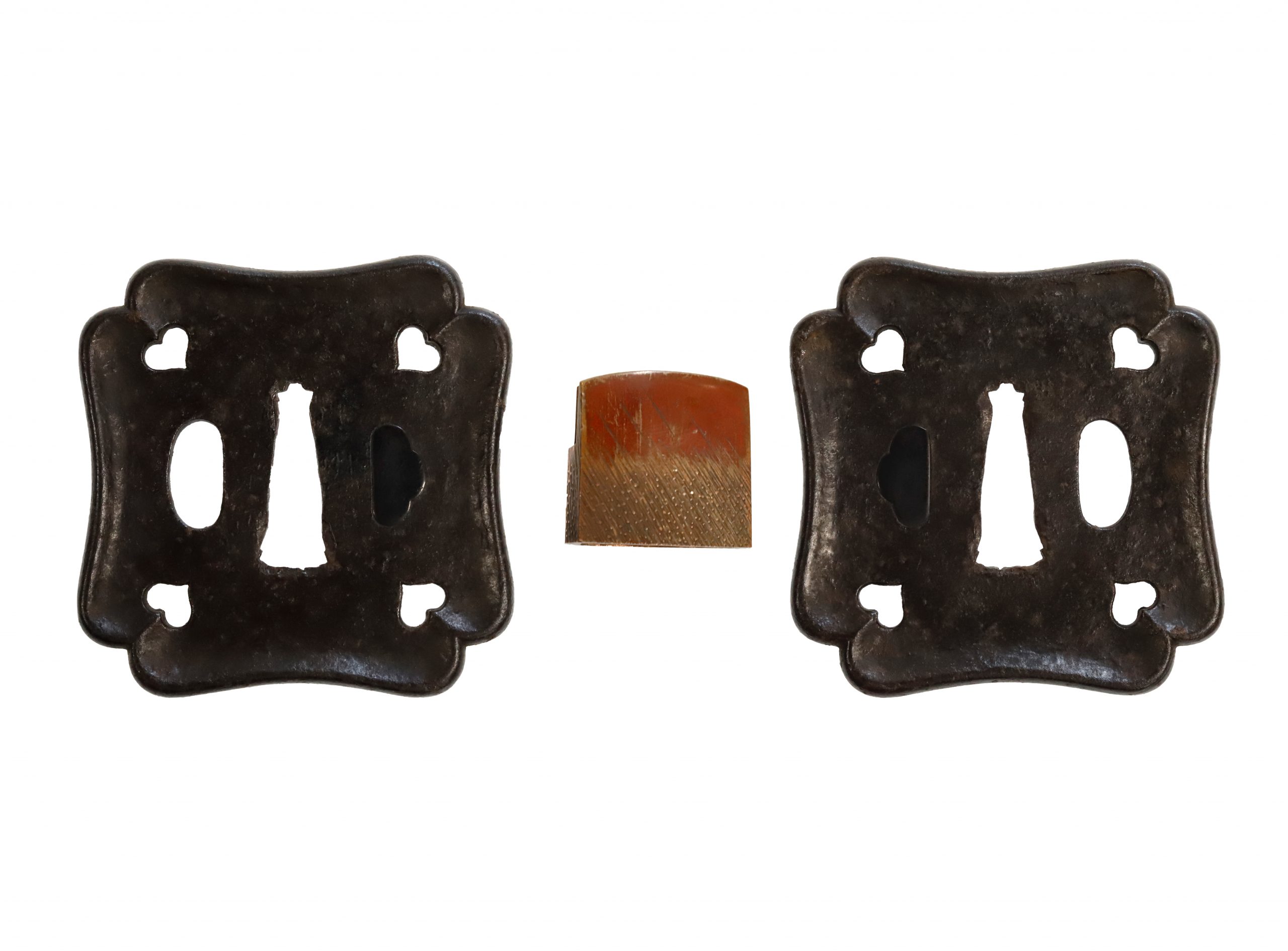
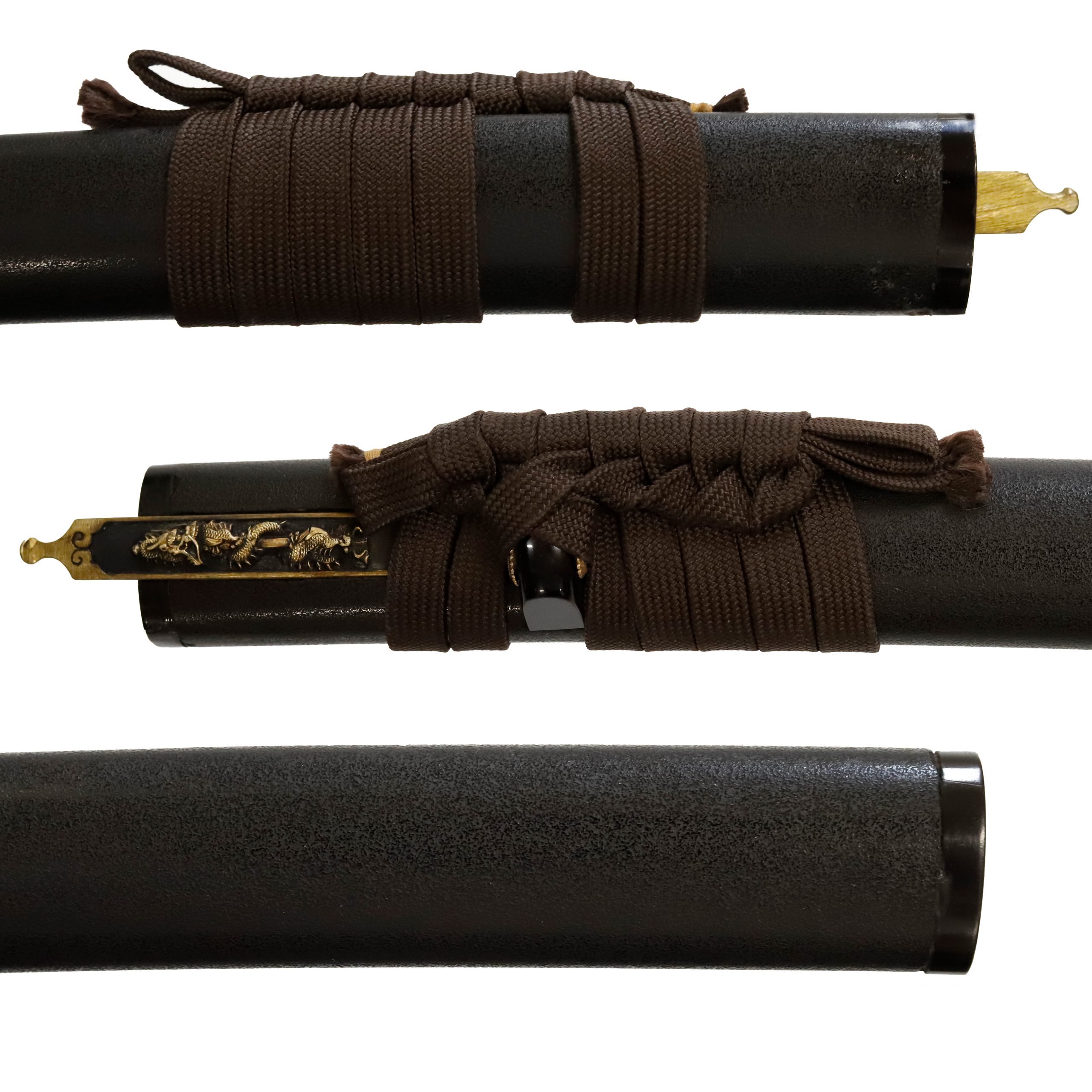
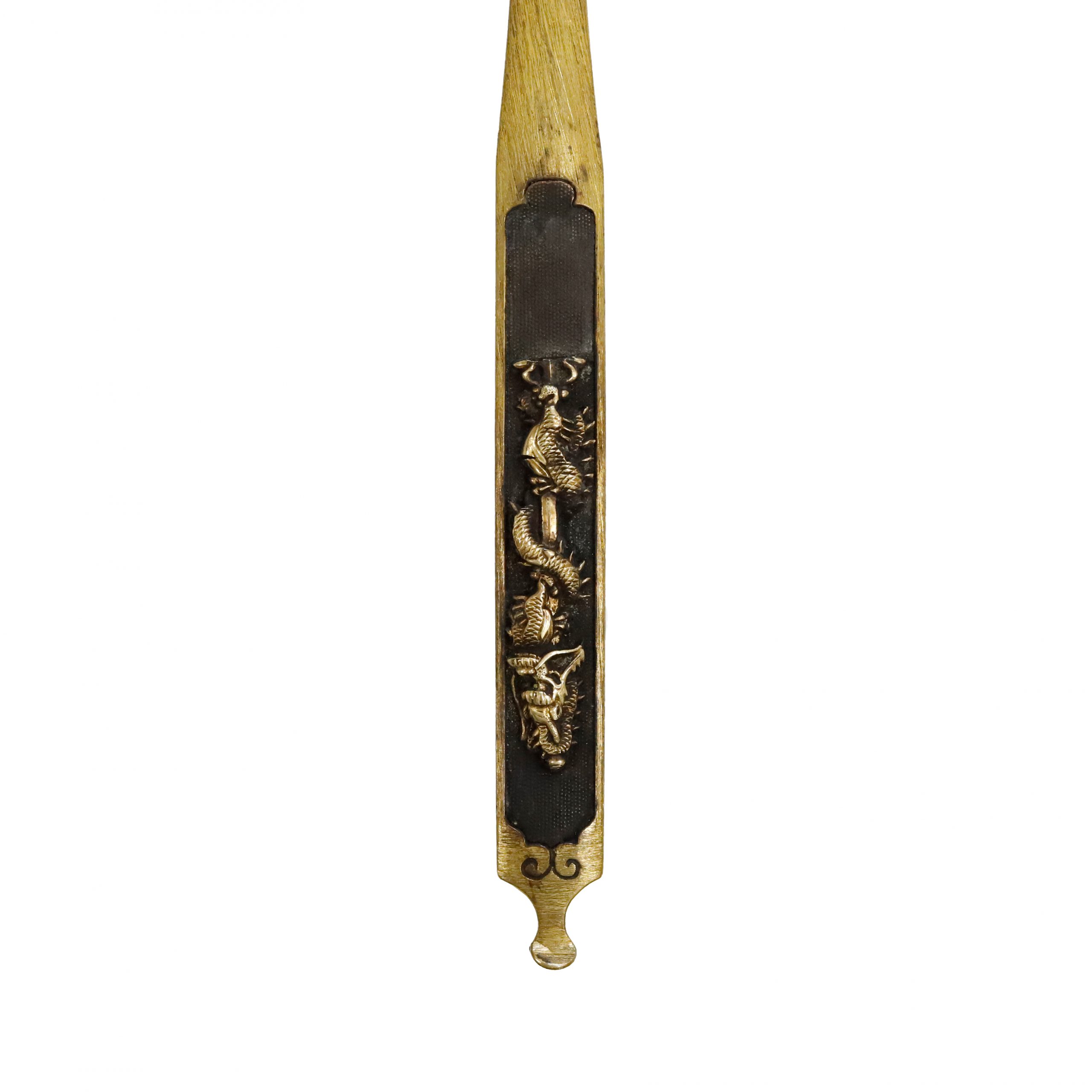
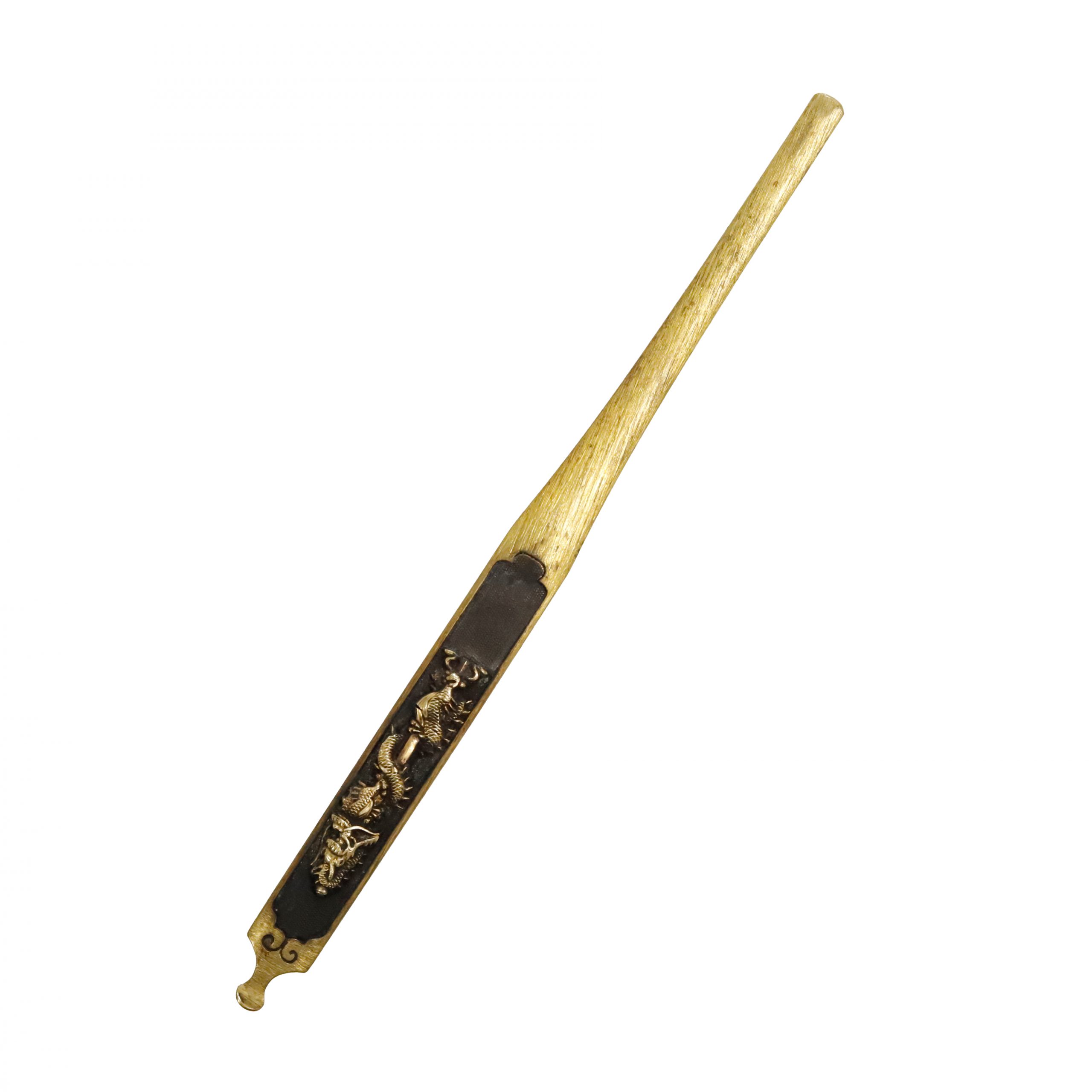
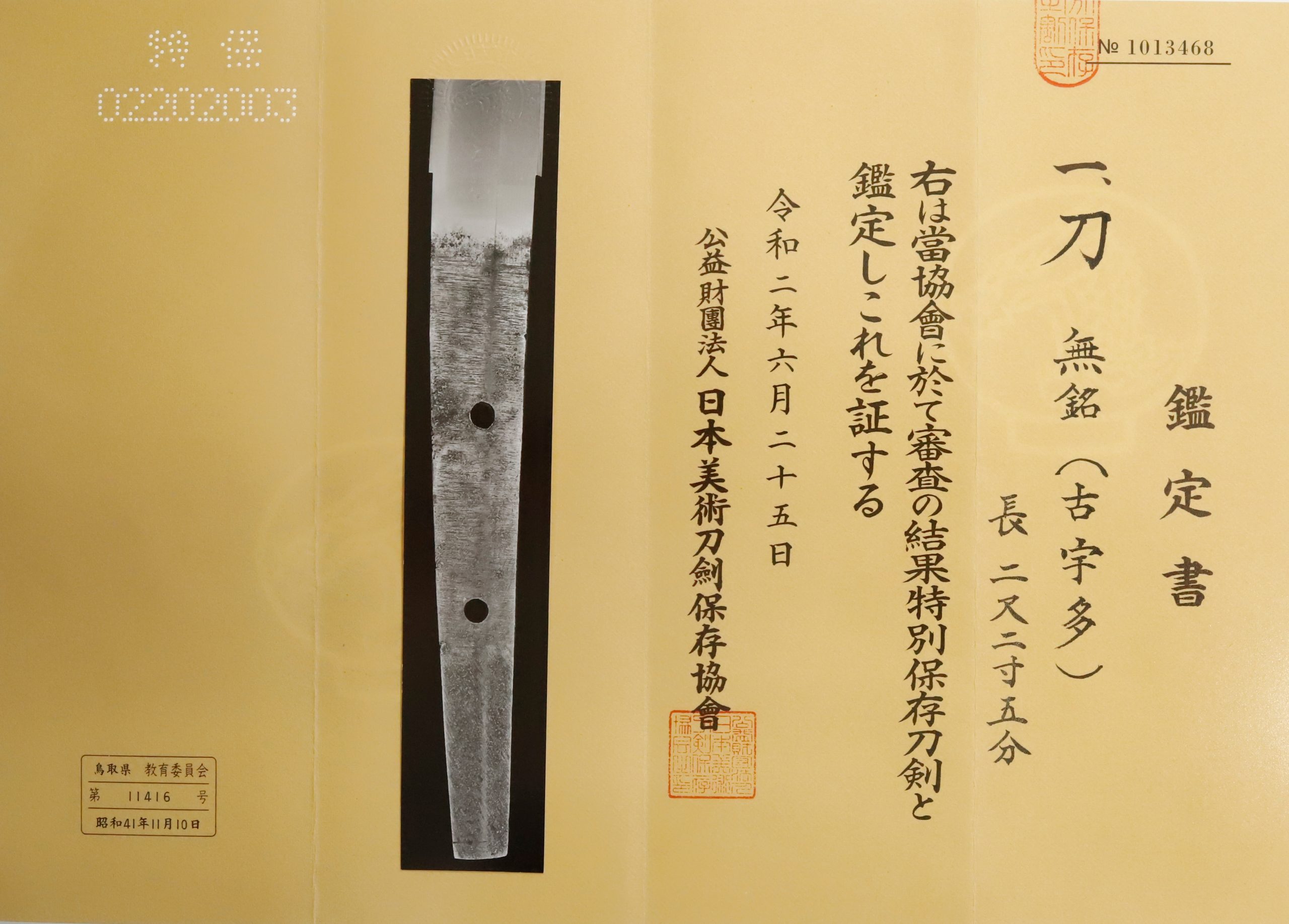
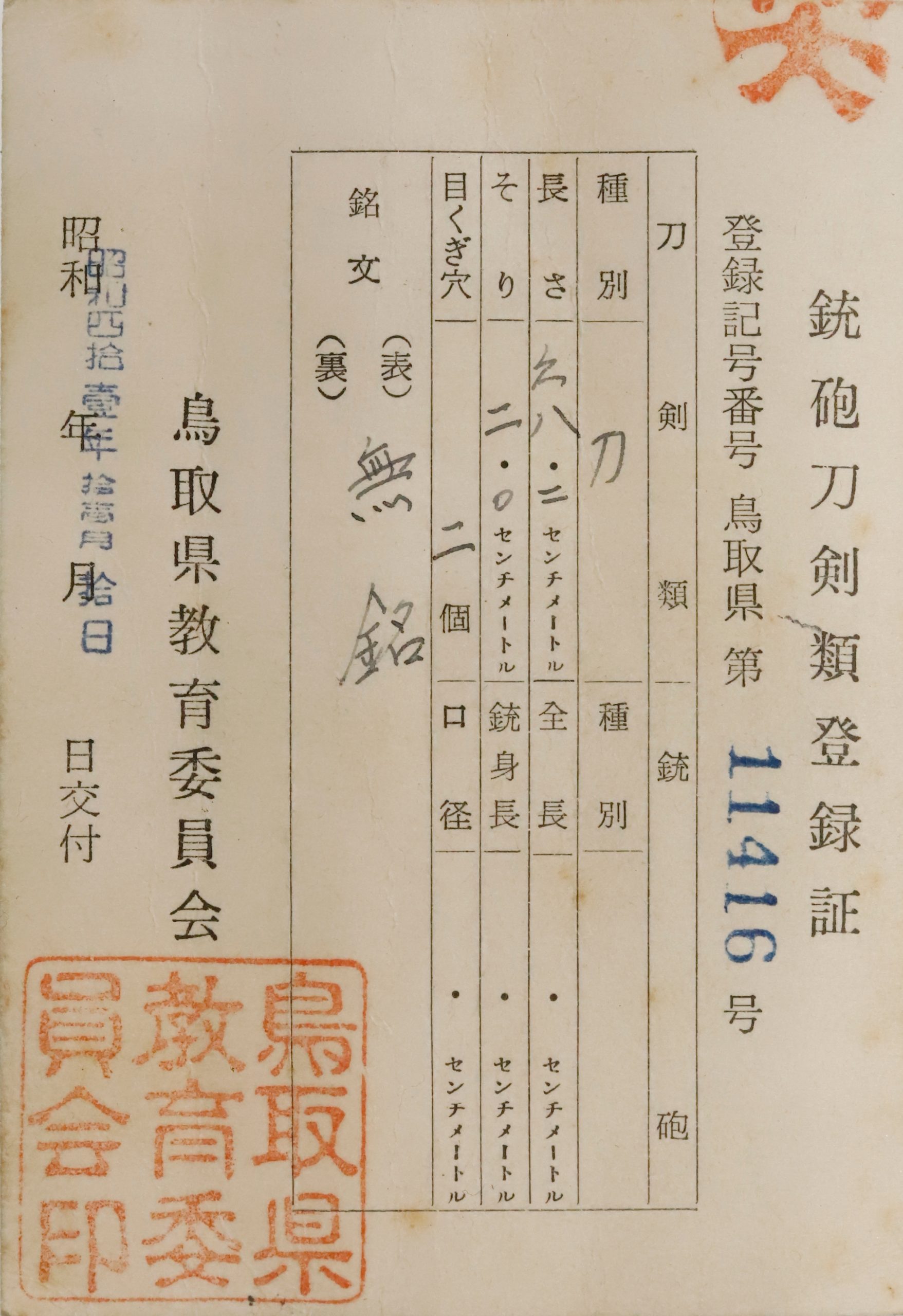
日本刀 刀 無銘 古宇多(日本美術刀剣保存協会 特別保存刀剣鑑定書付) 【解説】 本作は、日本美術刀剣保存協会(日美刀保)により「古宇多」と極められた一振りです。鑑定書には詳細な製作年代の記載はありませんが、協会への確認により、鎌倉末期から南北朝時代(1299年〜1393年頃)の作であるとの見解を得ております。 宇多派は、鎌倉時代末期に大和国宇多郡(現在の奈良県)から越中国(現在の富山県)へ移住した国光を始祖とする名門です。国光は、国房や国宗といった門弟を連れて越中へ下り、以来、南北朝から室町中期にかけて同地で大きく繁栄しました。北陸諸派の中でも随一の勢力を誇り、実戦的で力強い作風は、戦乱の続く南北朝・室町期の武士たちから高く支持されました。 南北朝時代は朝廷が南北に分かれ、全国で戦火が絶えない激動の時代でした。当時の戦場では長大な太刀が流行し、本作もその名残を留めています。現状の長さは標準的ですが、茎(なかご)の形状から、かつては相当な長さを誇った大太刀を後年に磨上げたものと推測されます。 宇多派の作風は、鎌倉末期から南北朝時代のものを「古宇多」、室町時代以降のものを「宇多」と区別して呼びますが、本作はより時代を遡る貴重な「古宇多」として鑑定されています。地肌が美しく立ち、気品ある直刃(すぐは)を焼いた見事な出来映えであり、保存状態も極めて良好です。 【刀身】 長さ(Nagasa):68.2 cm 反り(Sori):2.0 cm 刃文(Hamon):焼入れによって刃先に現れる結晶構造 地紋(Jihada):鍛錬の過程で現れる鋼の表面模様 茎(Nakago): 刀身の柄に収まる部分です。職人が意図的に残した黒錆は、内部の腐食を防ぐ役割を果たすとともに、その色調や状態は製作年代を特定する重要な指標となります。 【拵】 外装(Koshirae): 鞘、柄、鍔など、刀剣を保護し装飾するための拵え一式です。 縁頭(Fuchi-Kashira): 柄の両端を保護する金具です。本作には「梅」と「松葉文」が銀象嵌で施されています。 梅は雪の中でも花を咲かせることから、春の訪れを告げる花として古来より愛でられてきました。その愛らしい花弁と香りは多くの詩に詠まれ、寒さに耐え忍ぶ「忍耐」と「生命力」の象徴とされています。 また、松葉は落葉しても二本の葉の根元が離れないことから、夫婦円満や良縁の象徴として尊ばれてきました。この意匠は、徳川五代将軍・綱吉公が愛用したことでも知られる吉祥文様です。
 NihontoWatch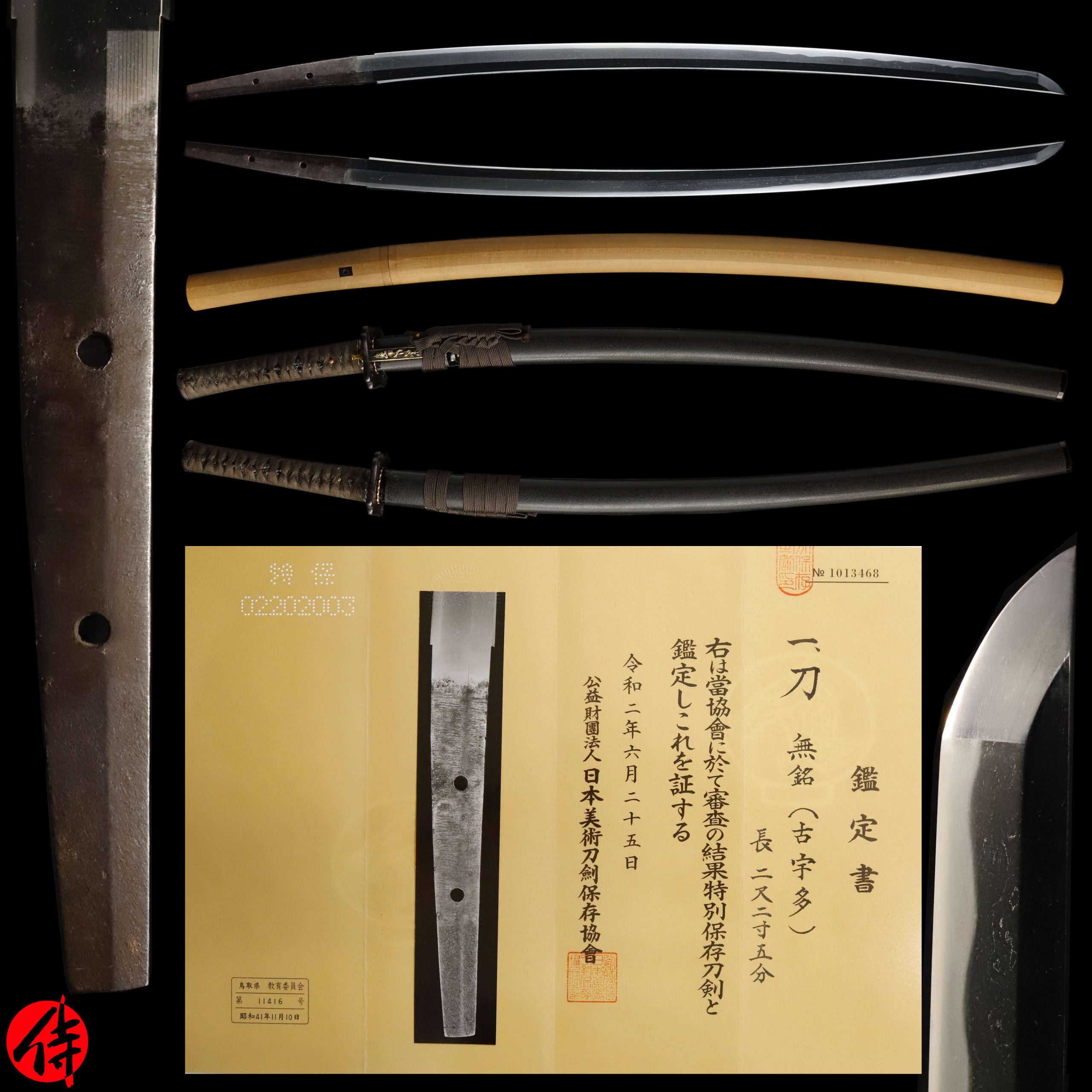
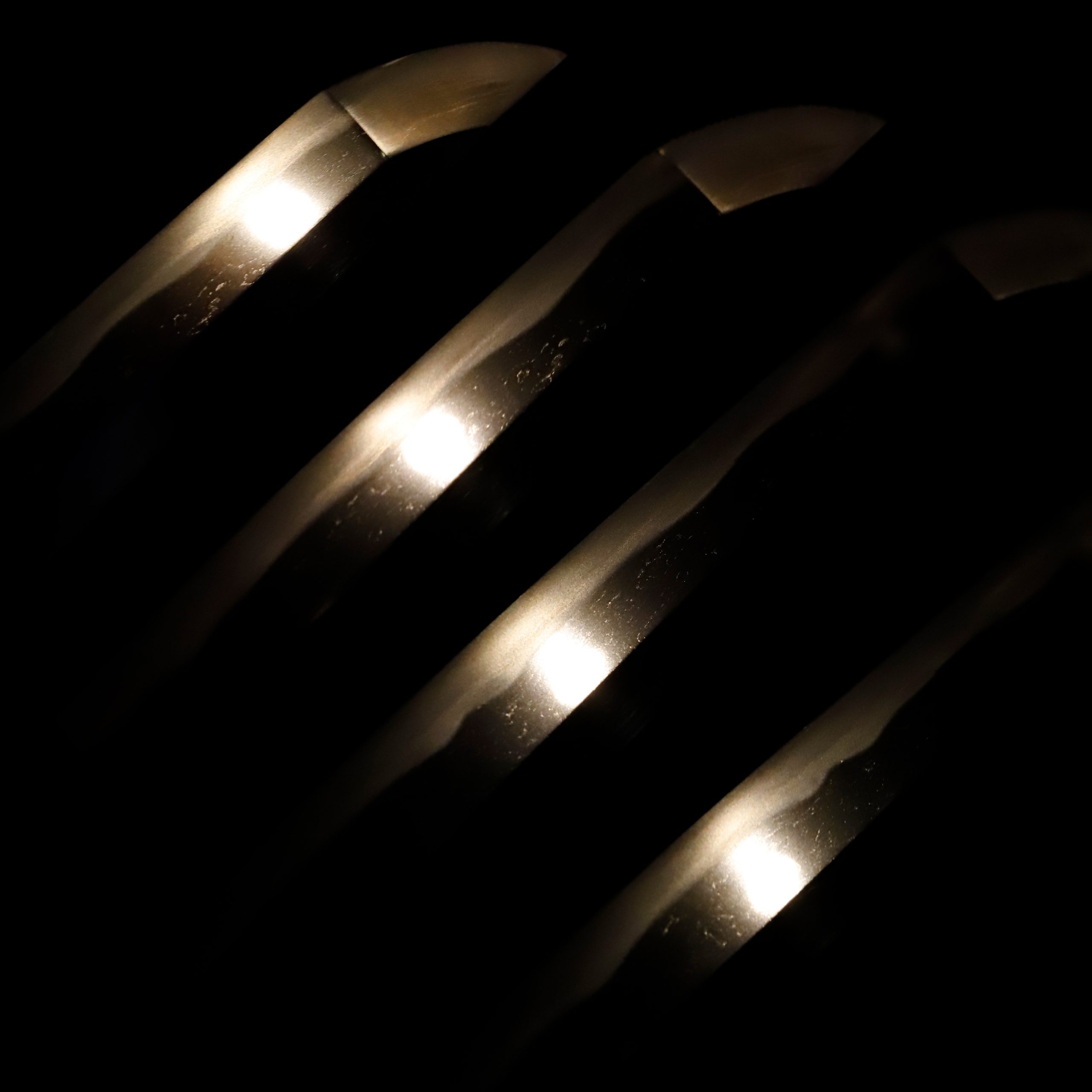
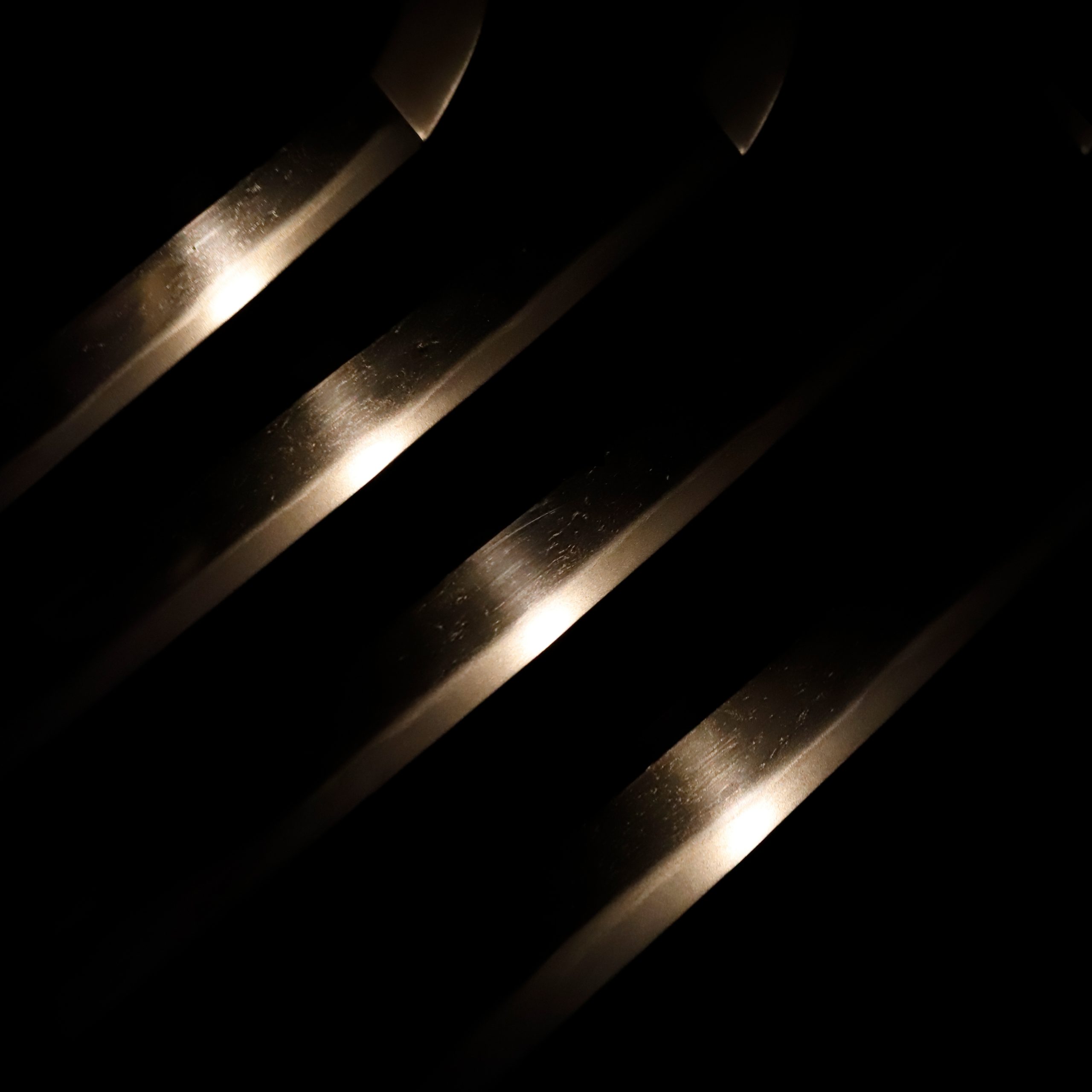
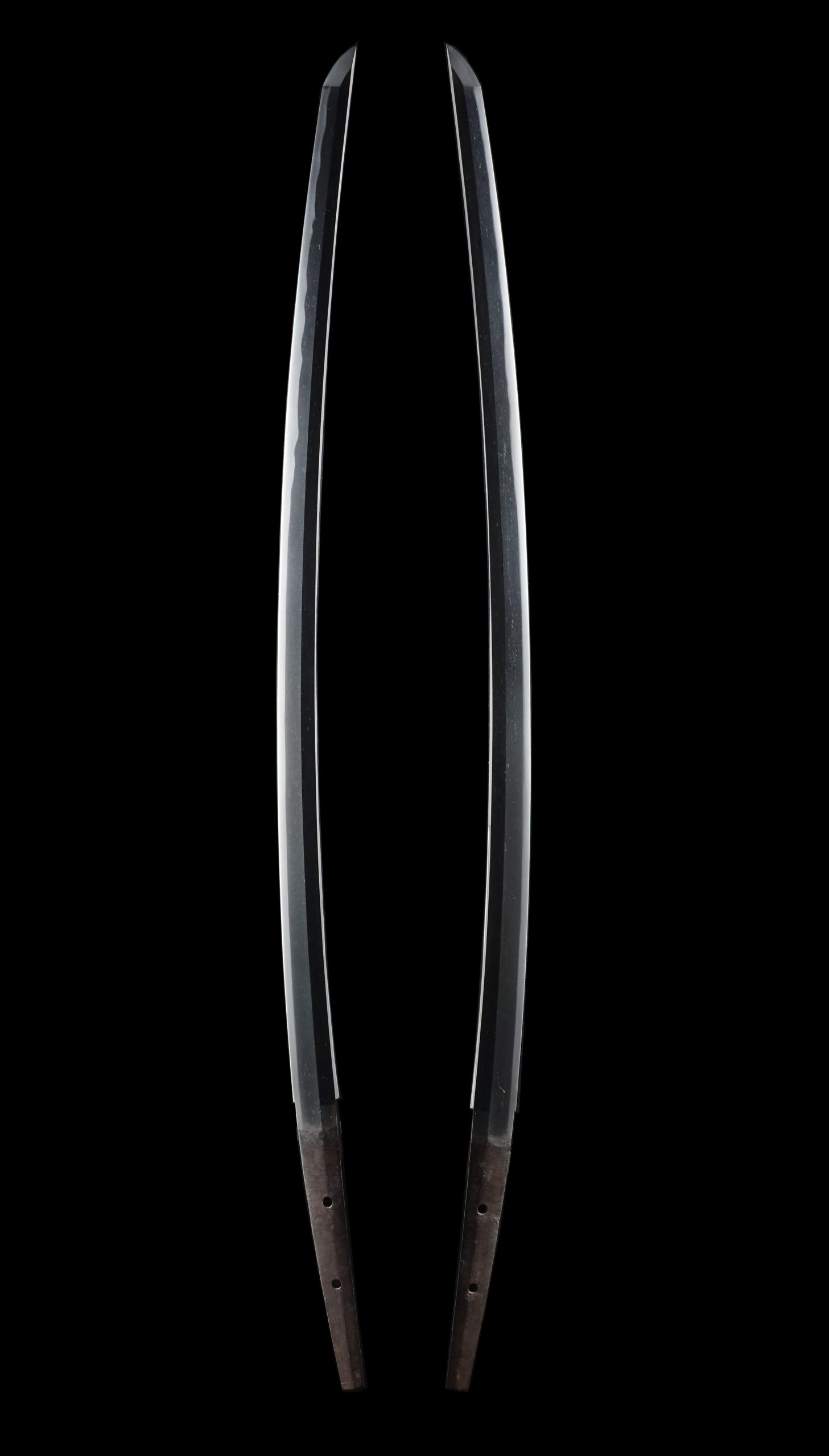
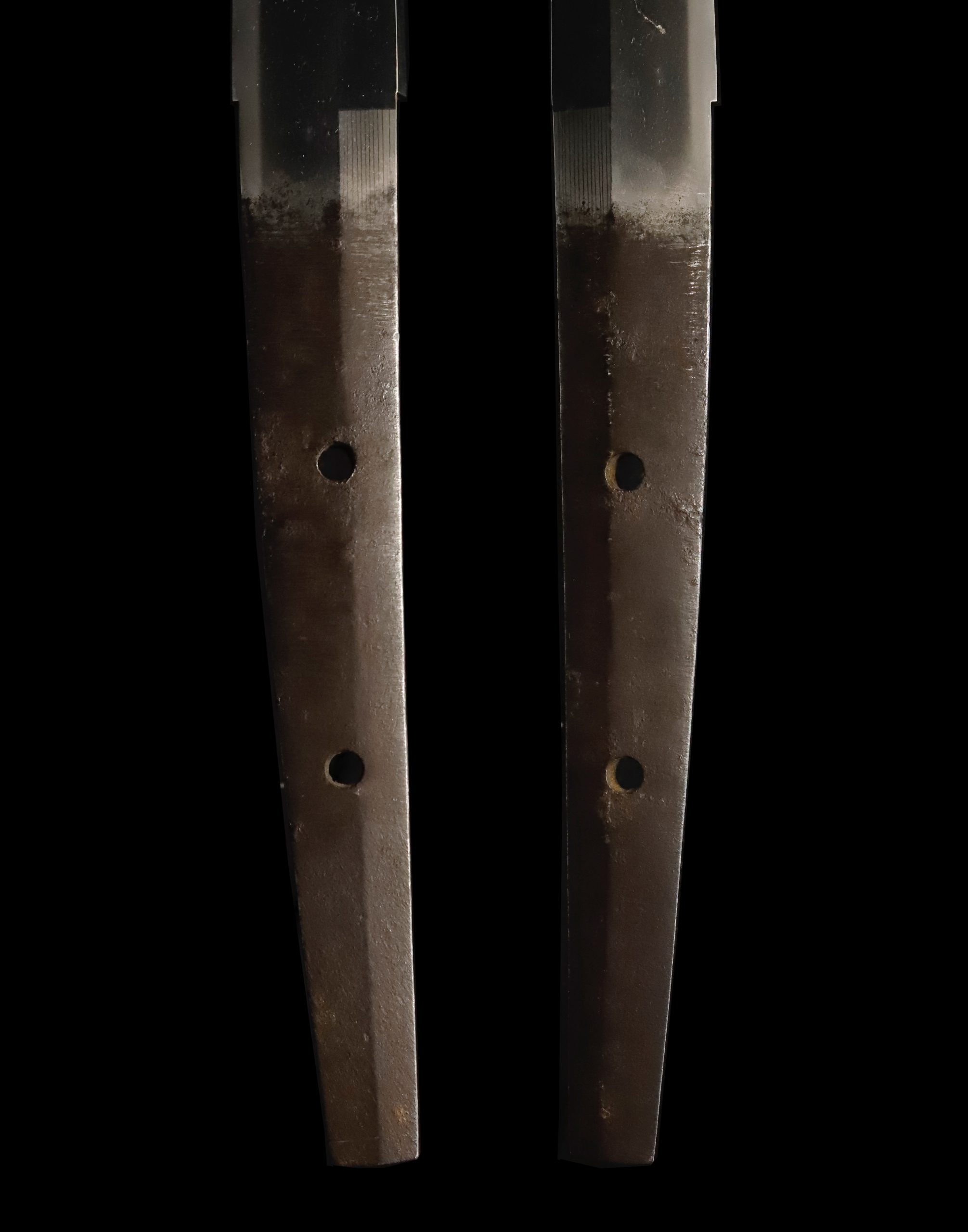
脇物 · 越中
現在8点販売中
古宇多は越中宇多派の最も早い相をさす称であり、その出自は北国にあらずして大和にある。説明書はその祖を僧体の刀工古入道国光と伝え、大和国宇陀郡より北上して鎌倉時代末期の文保頃に越中宇津の地に来住し、大和譲りの鍛刀を北国にもたらして一派を興したとする。国光には確かな在銘作が殆ど遺らず、その名は最も古い作を強い大和気質によって極める要として立つ。その子に国房・国宗があり、国次らと共に南北朝期へ系を継ぎ、同銘を代々相承して室町期に及んだ。古宇多とはこのうち鎌倉末期より南北朝の作をいい、国房はそのなかでも在銘作を遺す数少ない一人として、康応元年に上る年紀を伝える。後の友則のごとき工に至るまで、一派は個々の名よりも時代と一派とに拠って鑑せられ、極めの多くは個名ではなく古宇多の名に帰する。 作風は一派が遂に融合させなかった二様にわたる。一は終始失われぬ大和の本性で、短刀・脇指に最もよく現れる。流れごころに肌立った板目あるいはつんだ小板目に杢を交え、中直刃を基調に小互の目・浅いのたれを交え、刃縁には喰違刃・細かなほつれ・打のけが交じり、足入り、匂深く小沸つき、砂流し・金筋がかかり、帽子は直ぐに小丸あるいは焼詰めに掃きかける。今一つは相州伝がかった手で、説明書はこれを越中則重に学び江を範としたことに由来させ、南北朝の豪壮な太刀に現れる。身幅広く重ね厚く、流れごころの板目に地景・地沸つき、のたれや直刃に互の目を交えて沸よくつき、砂流し頻りに金筋入り、帽子は乱れ込みに掃きかける。両様の底に変わらぬのは地鉄であり、板目はかな色黒みをおびて処々カス立ち潤み、鍛えがつまれば白け映りが鮮やかに立つ。説明書はこの色を北国物特有の持味と呼び、刃縁につくつぶらな沸を宇多派の徴とする。後代宇多との別は、この黒く肌立つ地と沈みごころの匂口にあり、明るく冴えた真の相州物からも、より素朴な北国の工からも、これによって分かたれる。 鑑定の勘所はこの地鉄に始まり地鉄に終わる。最も相州然とした沸の豊かな作をも北国へ戻すのは黒く肌立った地と沈む匂口であり、説明書は相似が造込みに止まり純然たる相州伝の極めには至らぬことを明言する。古宇多に細かく明るく地景の細やかなものと、肌立って地景大きく黒味のものとの二様があり、説明書は前者を義弘、後者を則重の流れに分かつ。主要工としては、祖たる国光が大和気質と北国の地とを併せて一派の基を据え、国房は鍛えのつまった地鉄を固有の見どころとして相州伝を宇多の作風に引き入れ、国宗はやや肌立った地によってこれと対をなす。これに国次・友則らが続くが、説明書は友則を一派中でも技術の高い工と序しつつ棟梁とはせず、他は総じて古宇多の名に括る。在銘作が稀であるため、現存の多くは大磨上無銘の極めであり、その指定はおおむね重要刀剣の階にあって、国宝も重要文化財も伝わらず、大名の所伝も乏しい。来歴の知られる例は黒川古文化研究所や旧蔵家を経た数口にとどまる。されば古宇多の鑑賞は名物の連なりによるのではなく、作そのものと、大和の鍛刀がいかに北国に根づいたかを語る地鉄に拠る。年紀の上がる在銘の一口が世に出ることは稀であり、その作はこの二つの伝統が北国で出会った様を実際に見られる場所である。 詳しく見る →
鎌倉時代
後世のほとんどの権威が、鎌倉を日本刀の黄金時代と呼ぶ。最初の武家政権が注文主となり、諸伝統が同時に最盛期を迎え、伝えでは諸国の名工が後鳥羽上皇の御所に月番で伺候した。
保存刀剣のうち、出来が一層優れ、保存状態も良好と認められたものです。再刃や、室町・江戸期の多くの無銘作は対象外となり、保存刀剣より高い基準が課されます。
日本美術刀剣保存協会(NBTHK)は、1948年に設立され、文化庁の監督を受ける公益財団法人で、東京・刀剣博物館に本部を置きます。専門の審査員が出品作を直接審査し、美術的・歴史的価値に応じた鑑定書を発行します。NBTHKの鑑定書は、日本刀および刀装具の真正性を示す最も広く認知された基準です。
NBTHK公式サイトReturns/exchanges limited to defects caused by shipping (except willful misconduct or gross negligence by the company); customers must contact within 72 hours of receiving the product.