江戸は刀の目利きの時代である。本阿弥の鑑定、1719年の享保名物帳、盛んな刀剣書が、戦で抜かれることのなくなった刀を学問の対象へと変えていった。
 NihontoWatchNihontoWatch
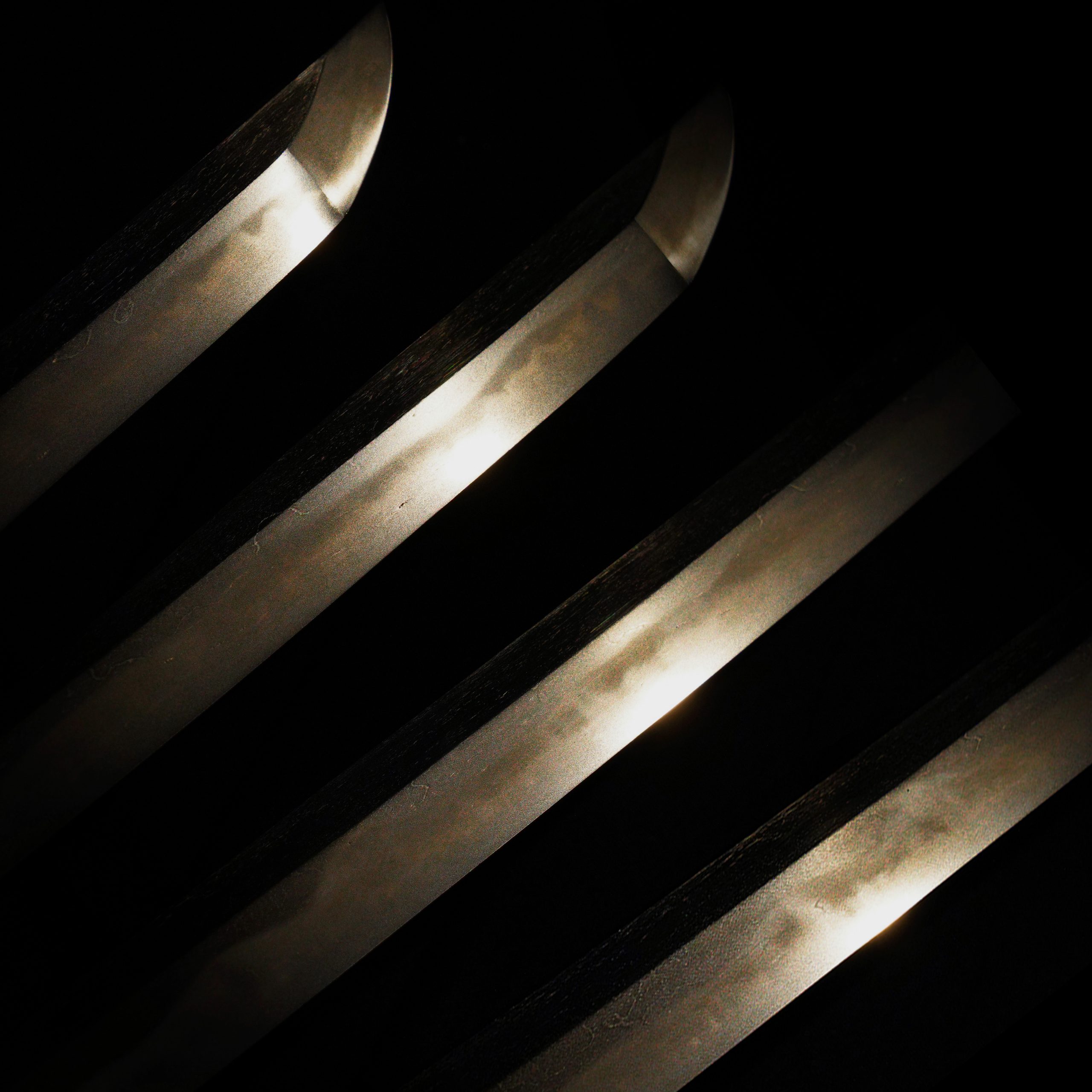
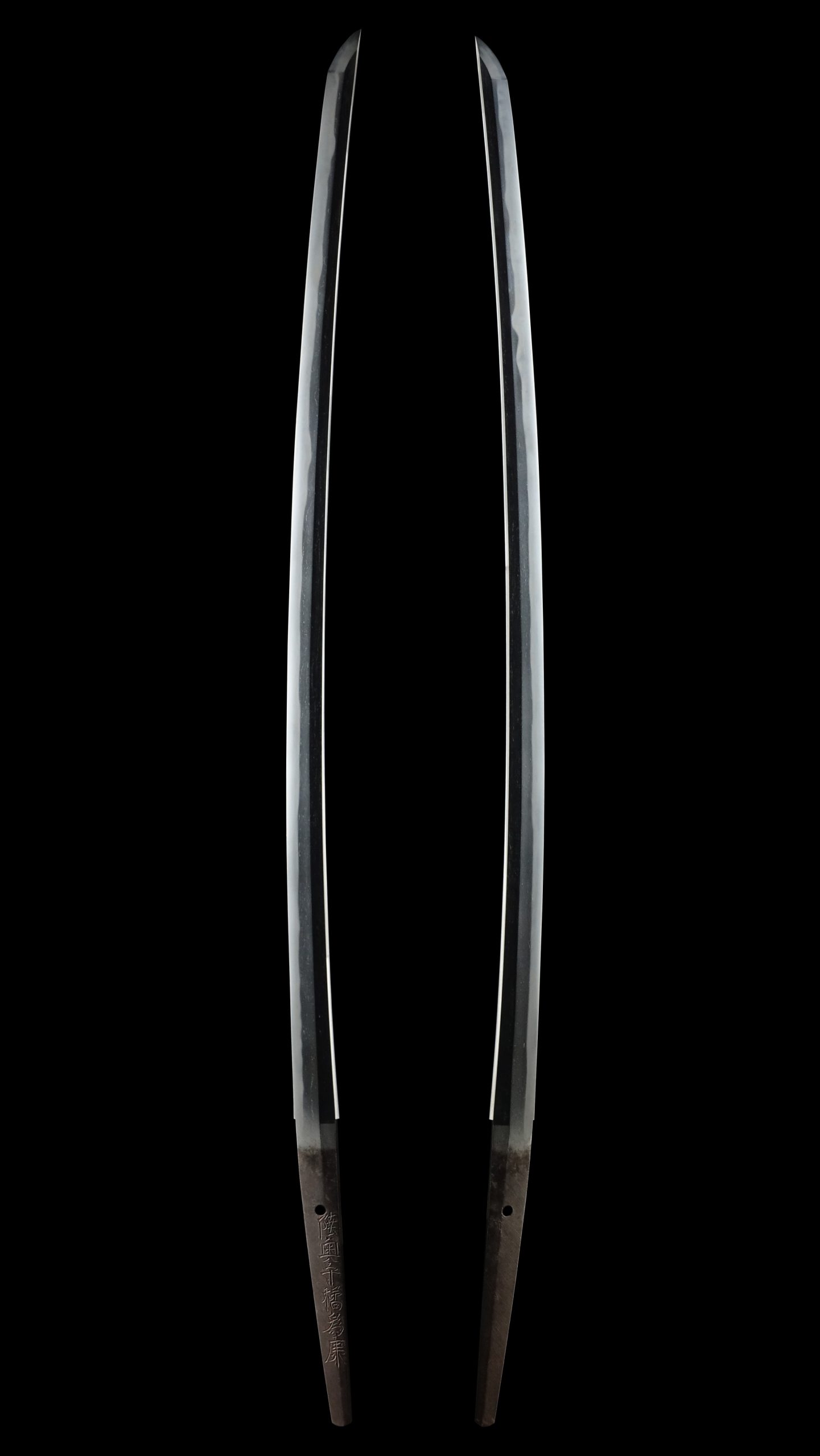
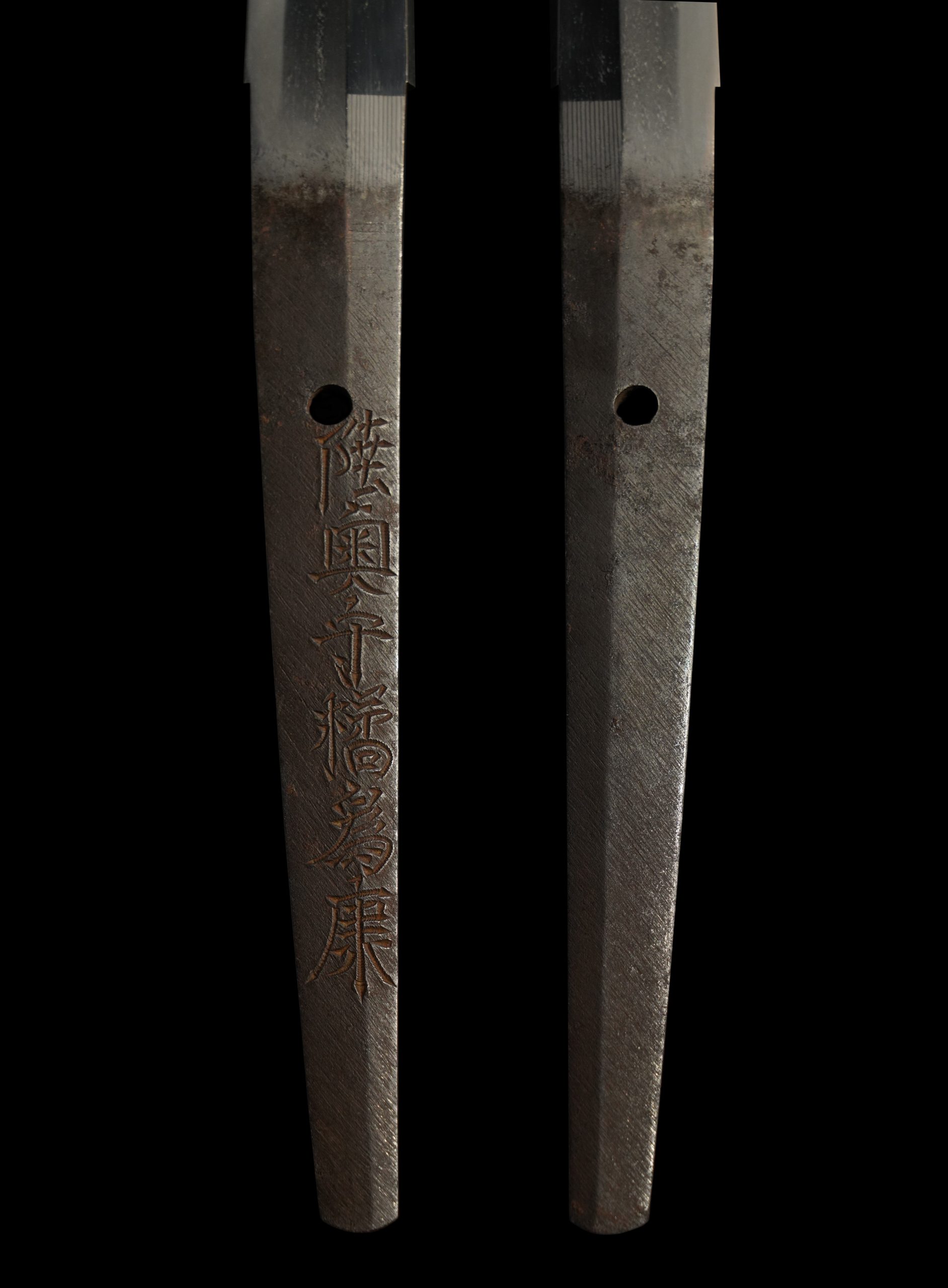
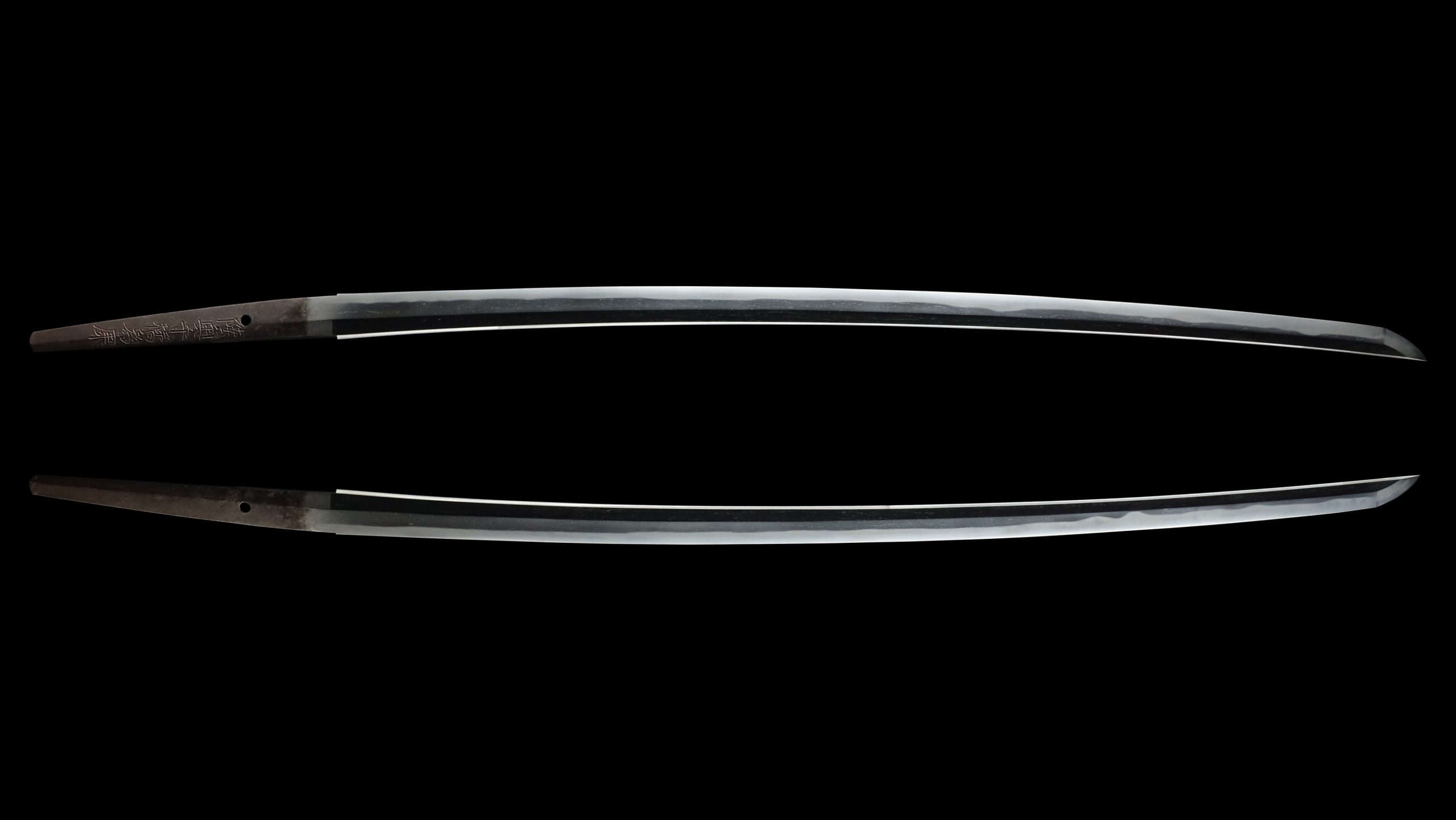
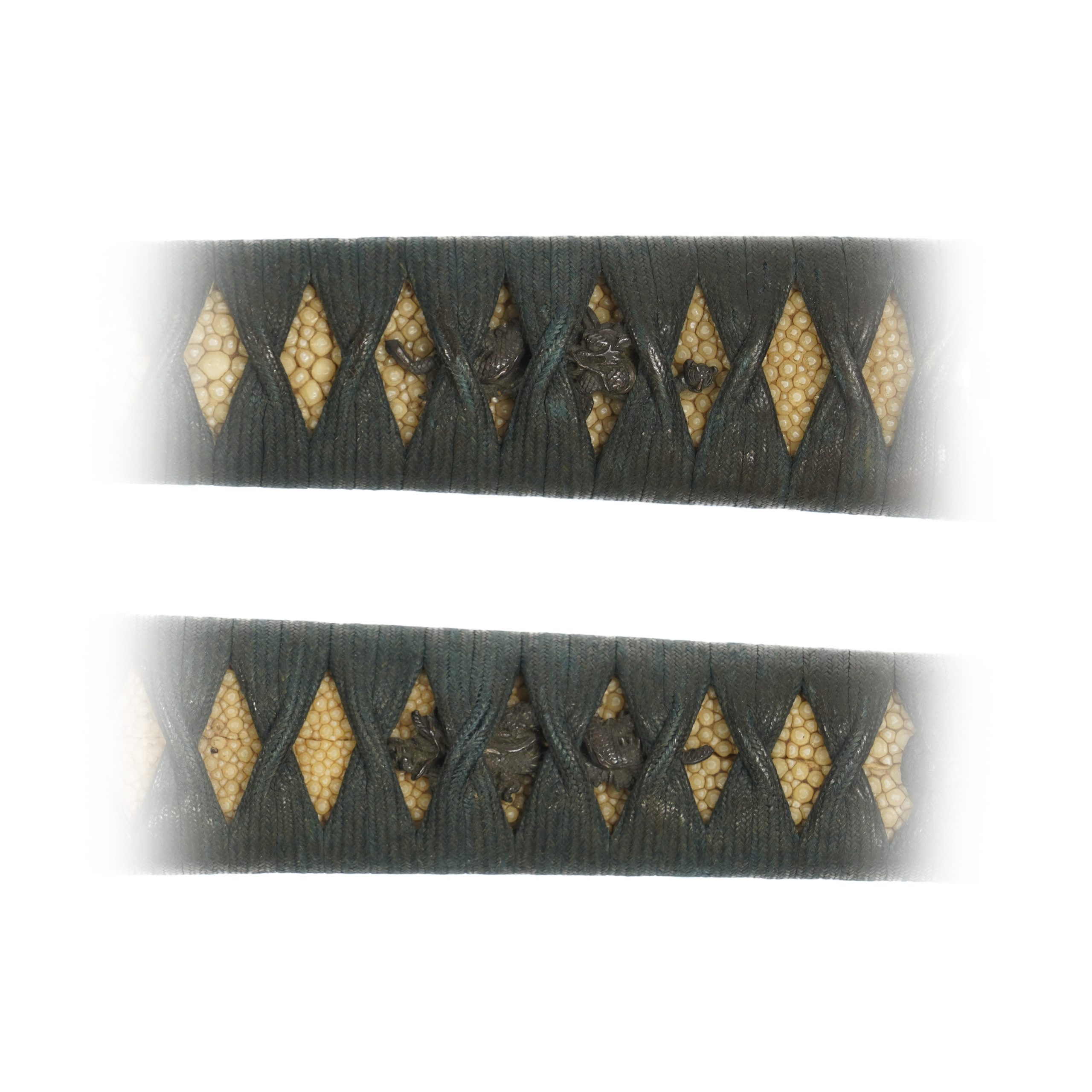
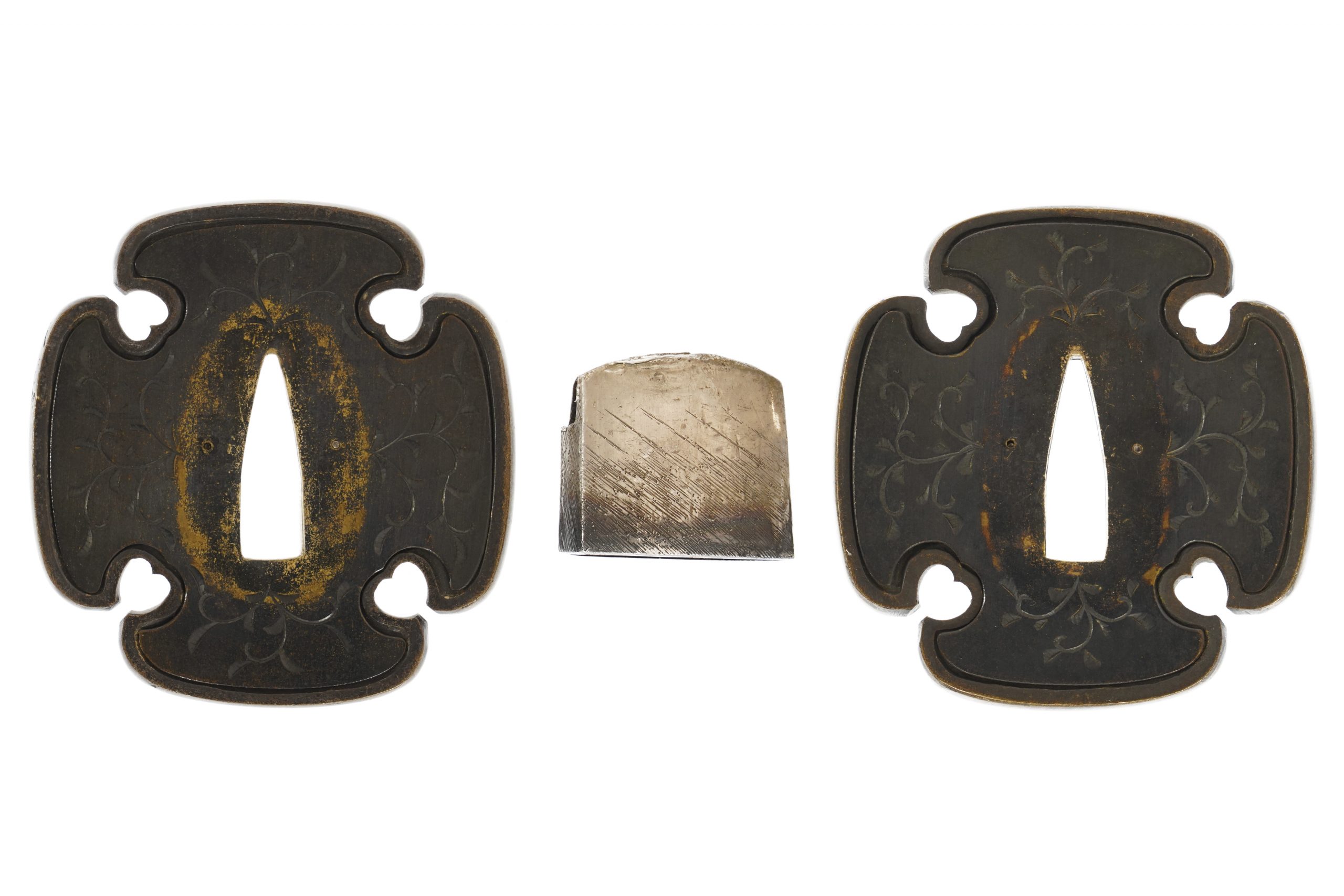
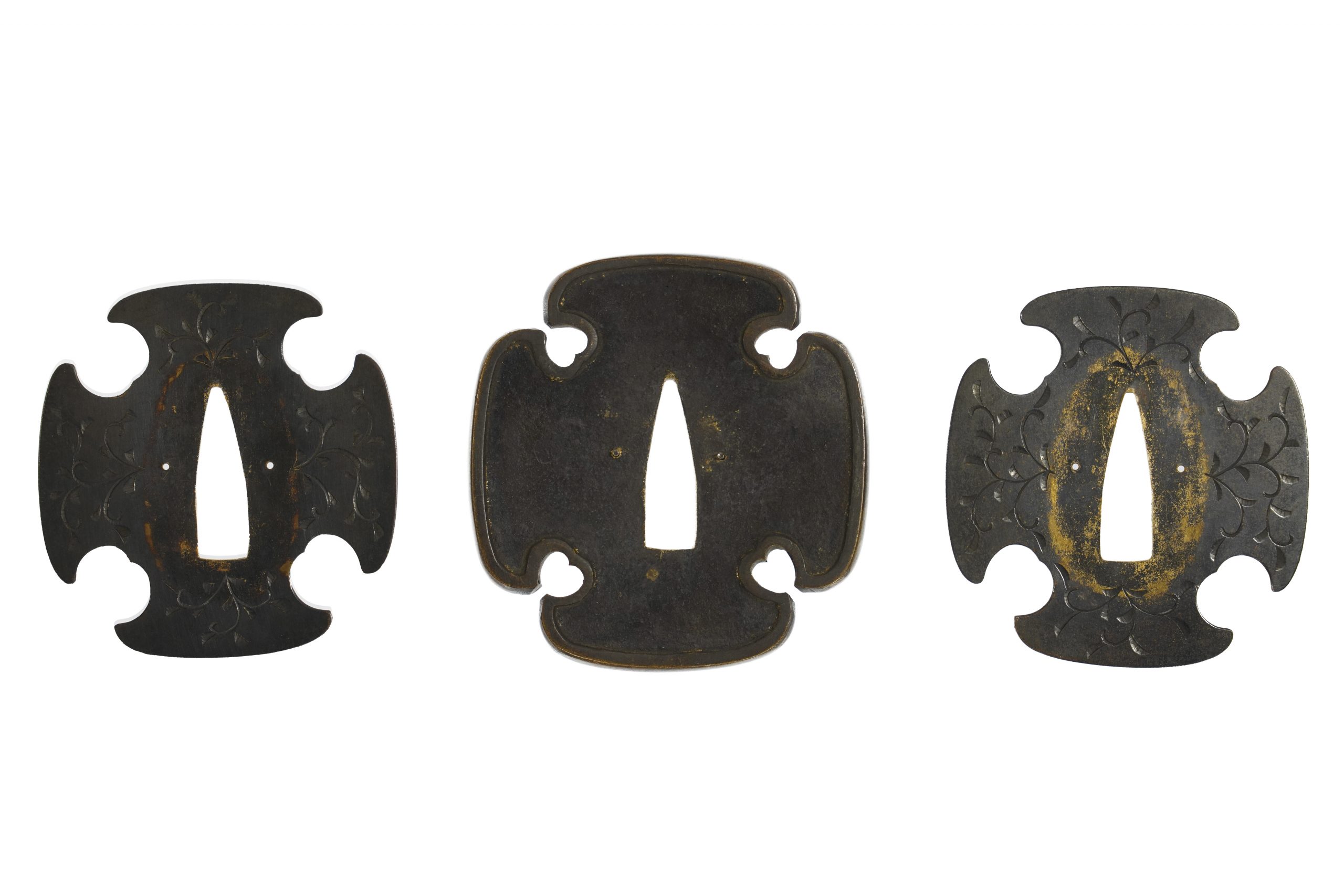
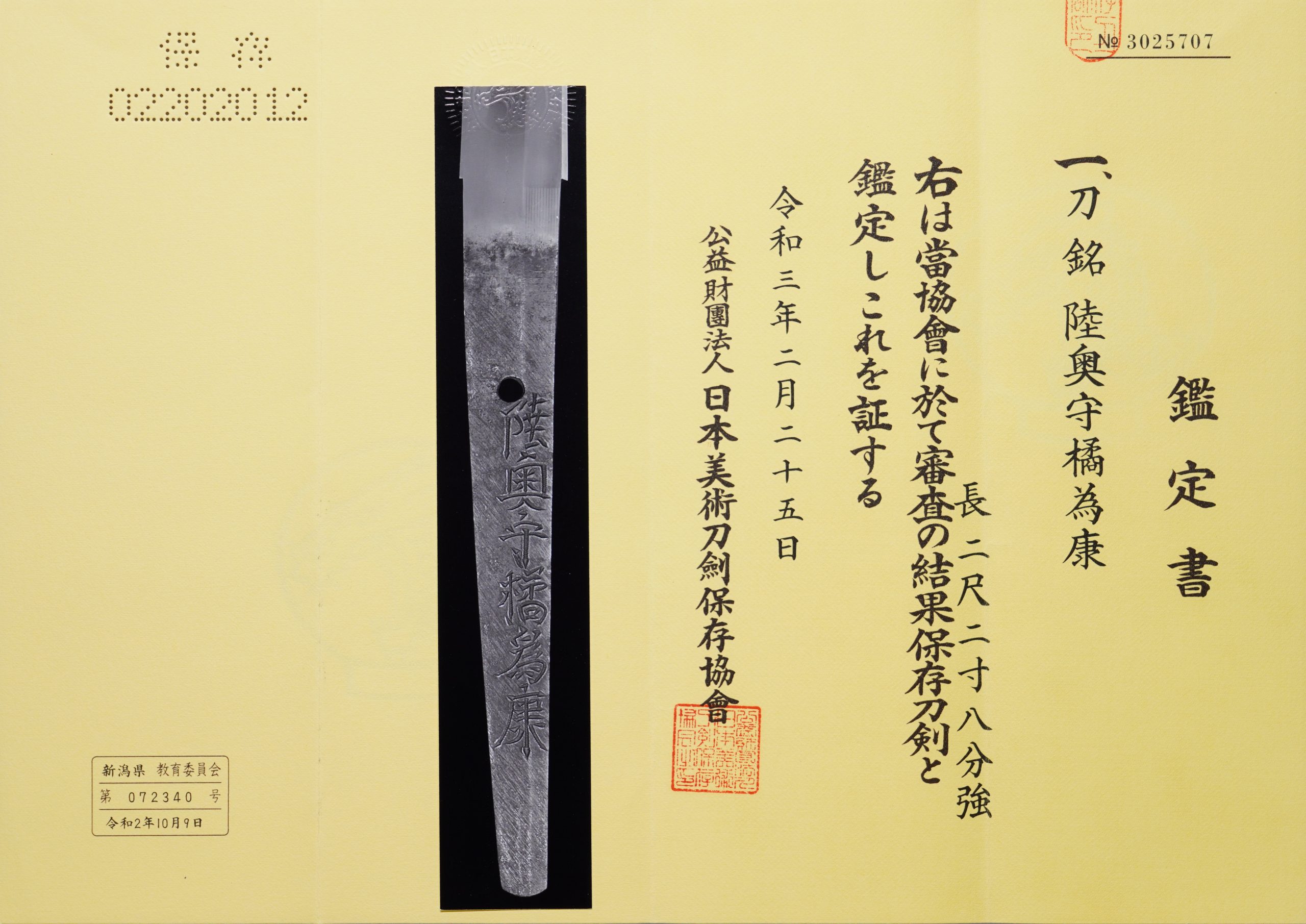
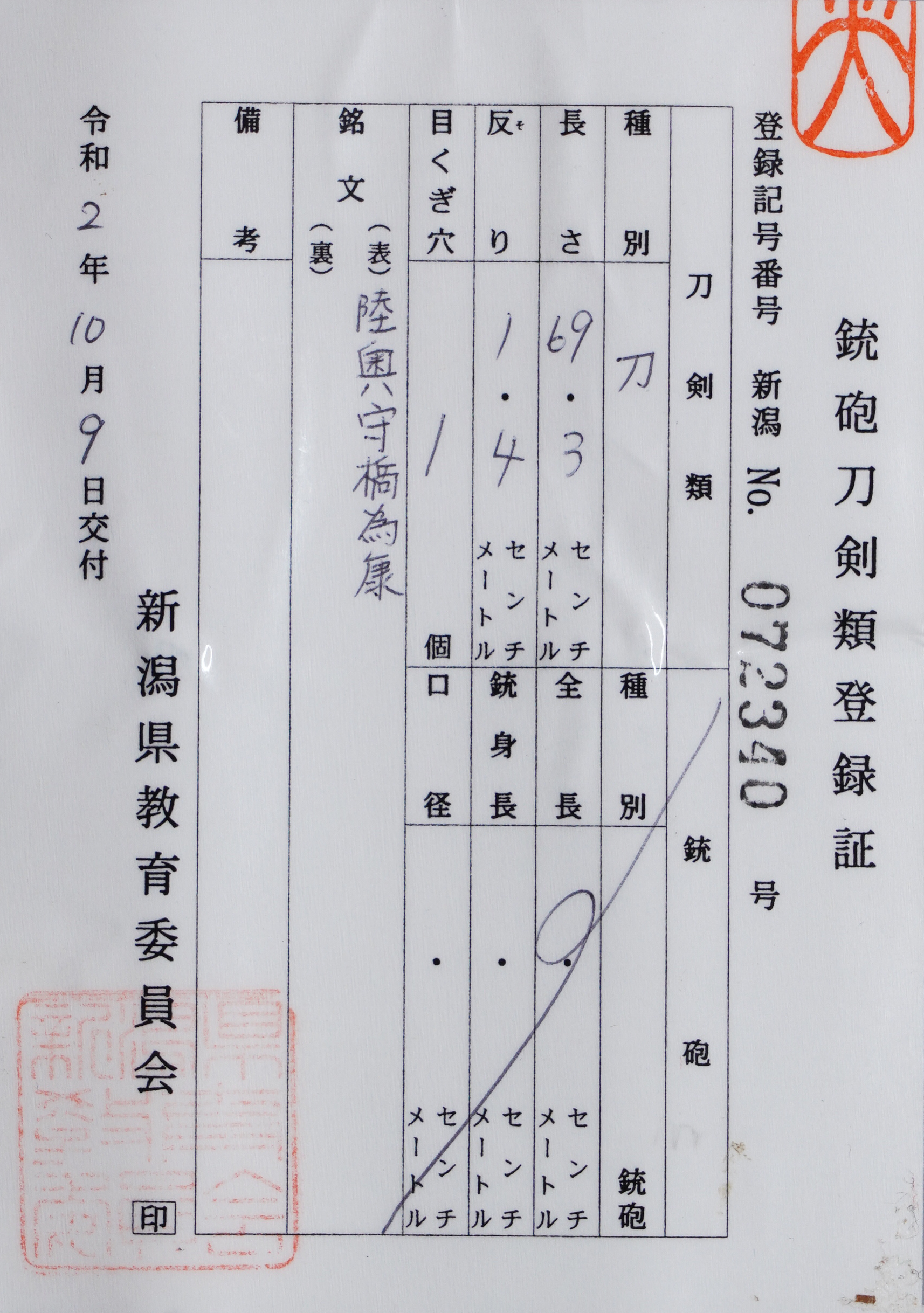
Antique Japanese Sword Katana Signed by Tameyasu with Hozon Certificate 【Description】 This blade was forged by Mutsu no kami Tachibana Tameyasu(陸奥守橘為康) during the Kanbun-Enpo era(1661-1681:Early Edo period). Tameyasu was the maker’s name used by the second-gen Kishu Ishido Yasuhiro at the end of his career. His father was Tosa Shogen Tachibana Yasuhiro(土佐将監橘康廣), and his younger brother is Bitchu no kami Yasuhiro, both of whom are famous swordsmiths.His real name is Tomita Goro Zaemon(富田五郎左衛門). Tameyasu belonged to a prestigious sword school called Kishu Ishido and Osaka Ishido School. His father was born in Omi province, located in Shiga prefecture. And he belonged to Omi Ishido school during the early Edo period. Ishido school was initially founded by Sukenaga, an offspring of Ichimonji Sukemune, who made Fukuoka Ichimonji school in Bizen province(Today’s Okayama prefecture). During 1492-1501(Mid Muromachi period), Sukenaga and his school moved to Omi province from Bizen province after being summoned by Gamou family, a powerful feudal line in that region. Sukenaga started to live in front of Ishido temple, and he changed his surname to Ishido. As of the early Edo period, many Ishido swordsmiths moved to other parts of Japan. There are four areas: Edo, Osaka, Kishu(Wakayama prefecture), and Chikuzen(Fukuoka prefecture). Omi Ishido school is the origin of whole other Ishido branches that flourished during the Edo period. Following this trend, his father moved to Kishu province from Omi province. It is said that the father was the founder of Kishu Ishido school. Tameyasu and his father forged swords near Wakayama castle in Kishu province first. And, they moved to Settsu city in Osaka. They also built the foundation of Osaka Sekido school.Tameyasu is known as one of the most prominent figures that made Osaka Isido school prosperous during the early Edo period. This blade is appraised as a Hozon Token(保存刀剣) issued by NBTHK(Nihon Bijutsu Touken Hozon Kyokai:日本美術刀剣保存協会). This authentication paper was only given to authentic Japanese swords, well preserved with artistic value. 【 Blade】 Cutting Edge Length(Nagasa) : 69.3 cm(27.3 inches) Curvature(Sori) : 1.4 cm( 0.55 inches) For more detailed measurement of the blade/sword mounting Hamon : The crystalline structure which forms along the cutting edge of a blade as a result of the hardening process Jimon(Jihada) : visible steel surface pattern created by folding and hammering during forging process Nakago : Nakago is the tang of the Japanese sword. Japanese swordsmiths left the black rust on the tang because it prevents red rust while the tang is in its handle. And the discoloration of the tang was created over time, and it is a great indicator for a Japanese sword specialist to estimate when the sword was forged. Koshirae: Koshirae is the mounting of the Japanese sword. There are several parts that consist of Koshirae such as Saya(Scabbard), Tsuka( Handle), Tsuba(Handguard). Fuchi-Kashira : A pair of matching sword fittings that cover the upper and bottom parts of its sword hilt. A kind of vine plant is engraved for this Fuchi Kashira. As ivy has a strong vitality and grows up without interruption, people regarded this design as a symbol of prosperity and longevity. This Fuchi Kashira has a simple design; however, it complements the beauty of this sword’s entire Koshirae. Clear sculpture lines look attractive with the combination of this Fuchi Kashira’s glossy black color. Tsuka and Menuki : Tsuka is the handle of the Japanese sword and Menuki is its decoration. Dragons are designed for this Menuki. You could find that the upper side dragon has a ball. It is said this ball is the Nyoi Houju (如意宝珠, Cintāmaṇi). It is a fantasy jewel that fulfills any desire, gives out treasure, clothes, food, and drink. Moreover, it heals illness and suffering, removes evils, purifies muddy water, and prevents disasters. A theory says this magical item is taken from the brain of the king of the dragon. I
NihontoWatch取扱店 サムライミュージアム

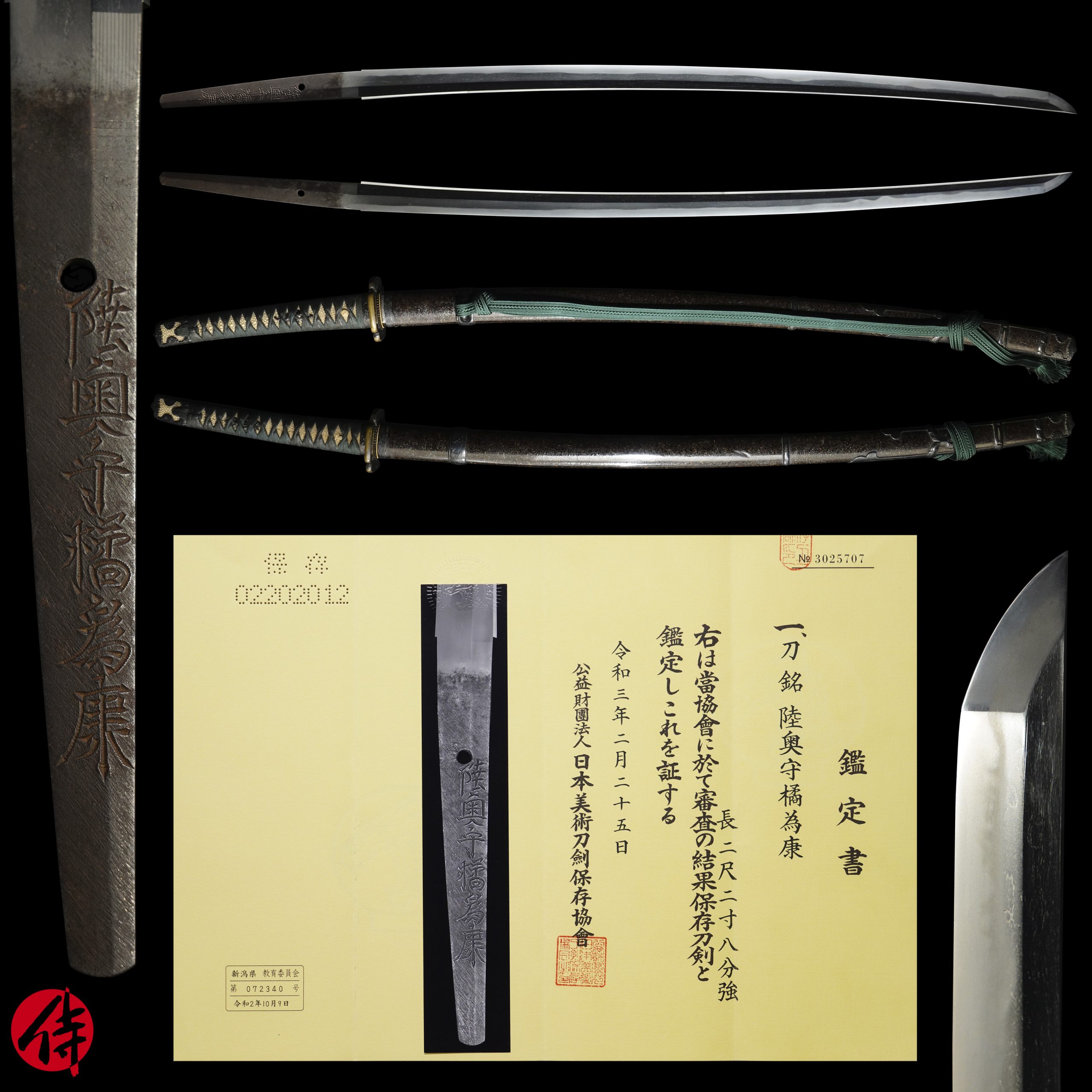
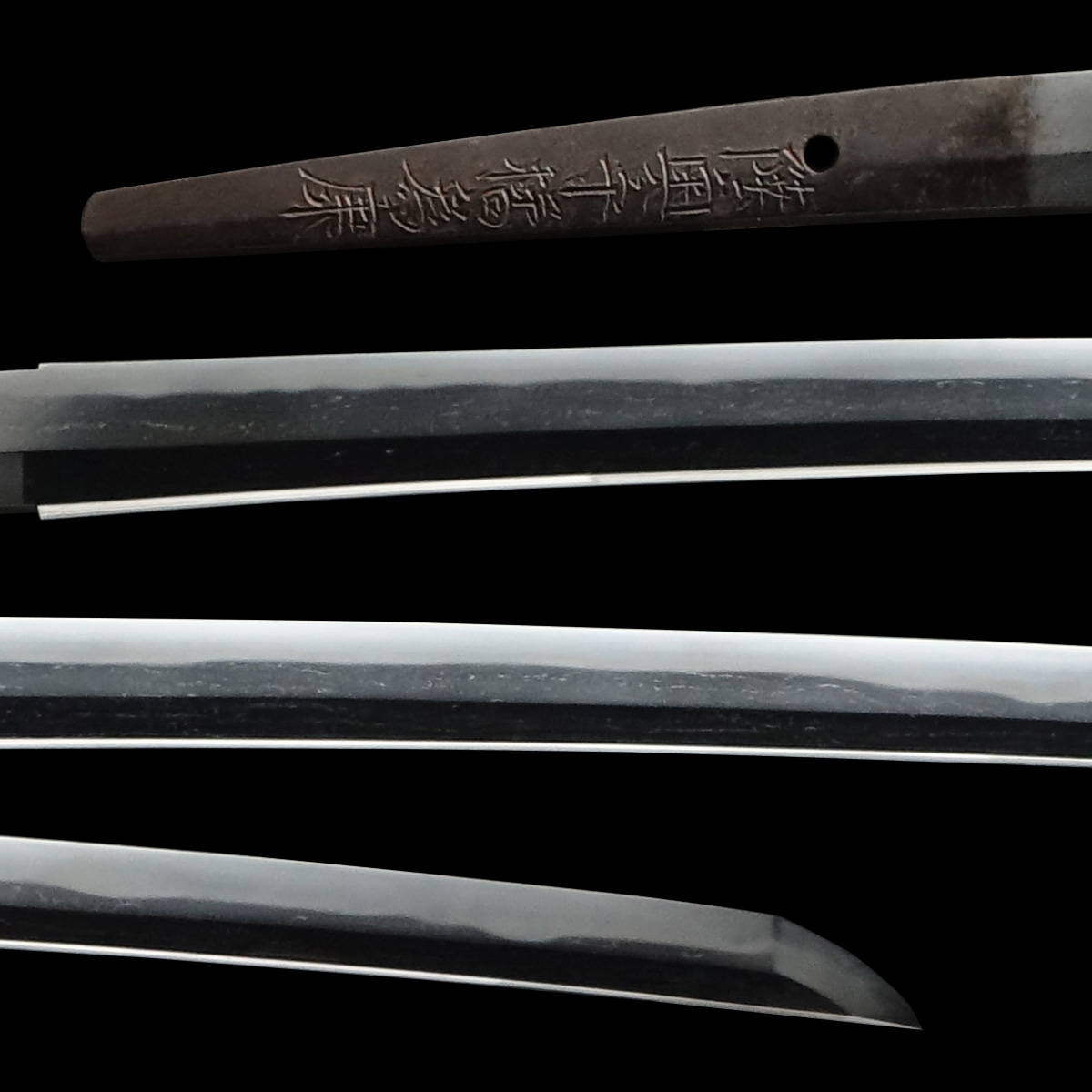
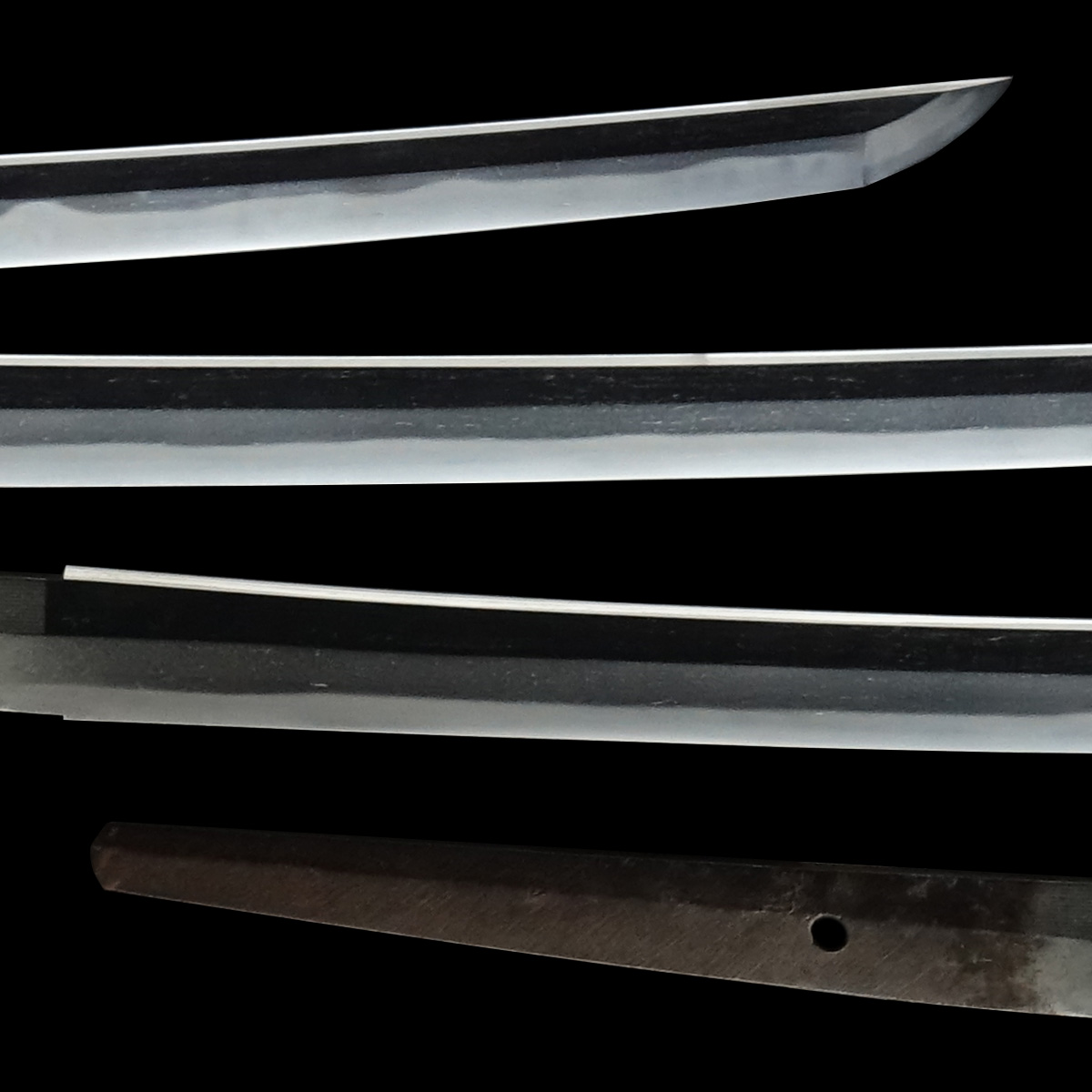
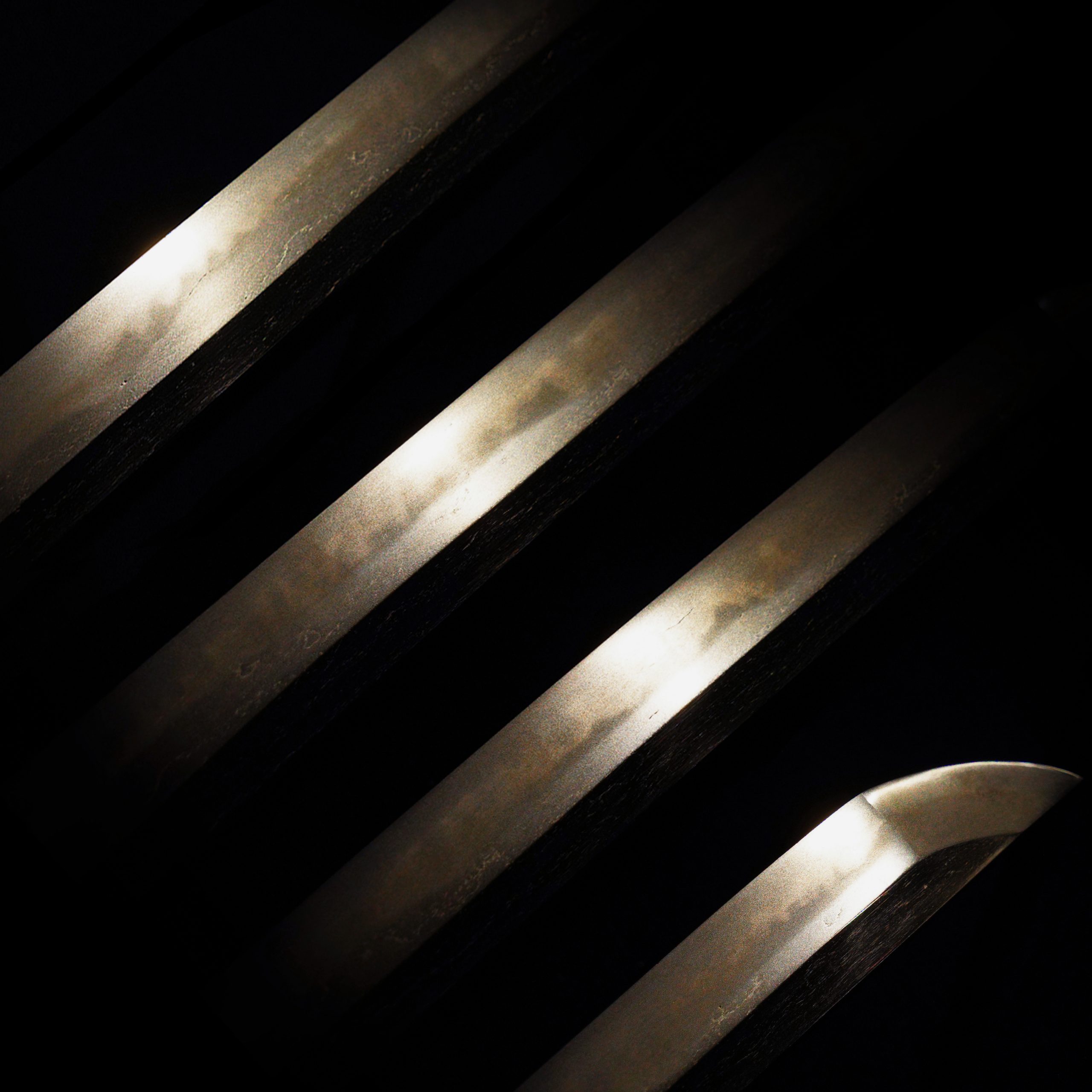
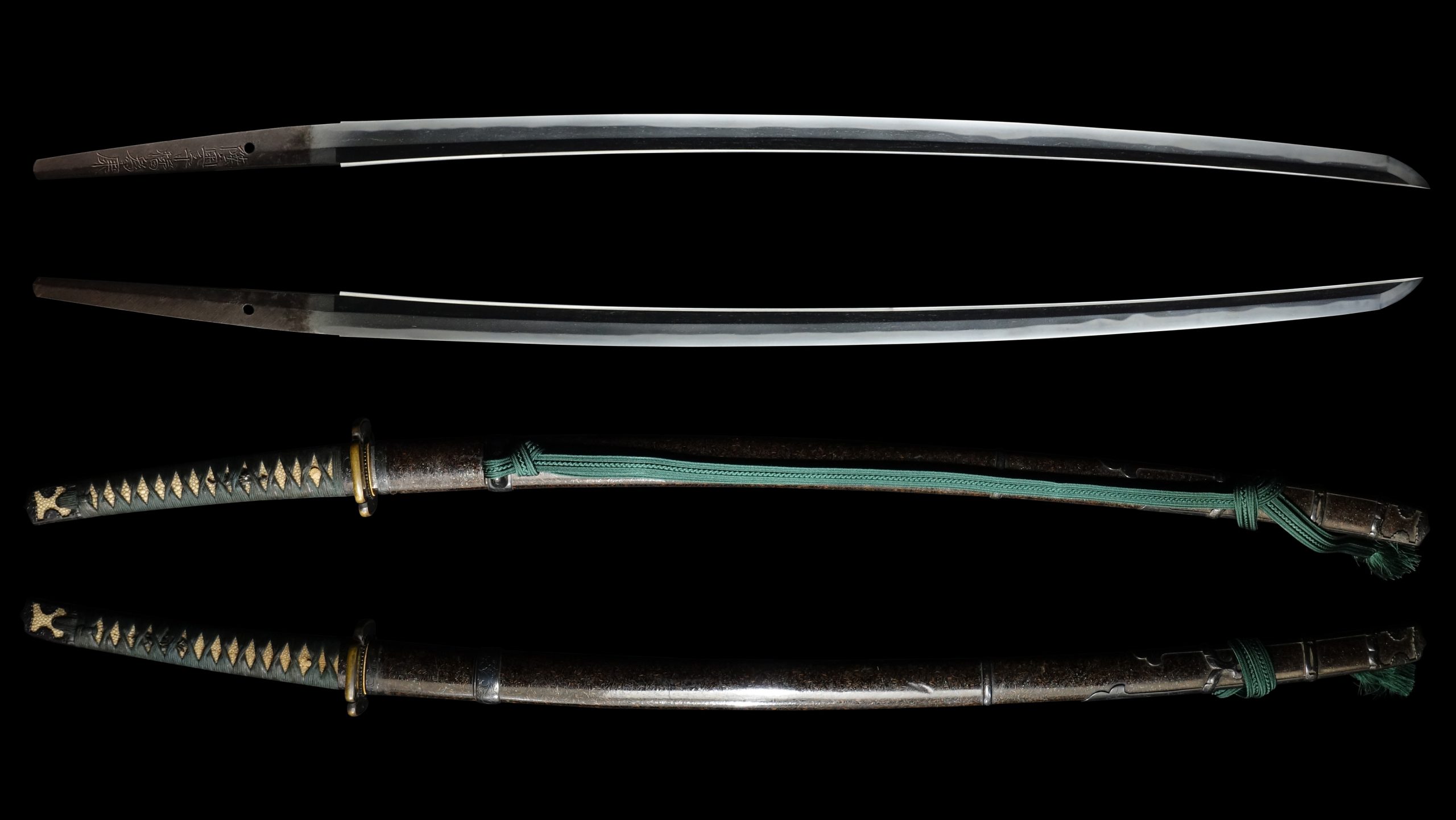
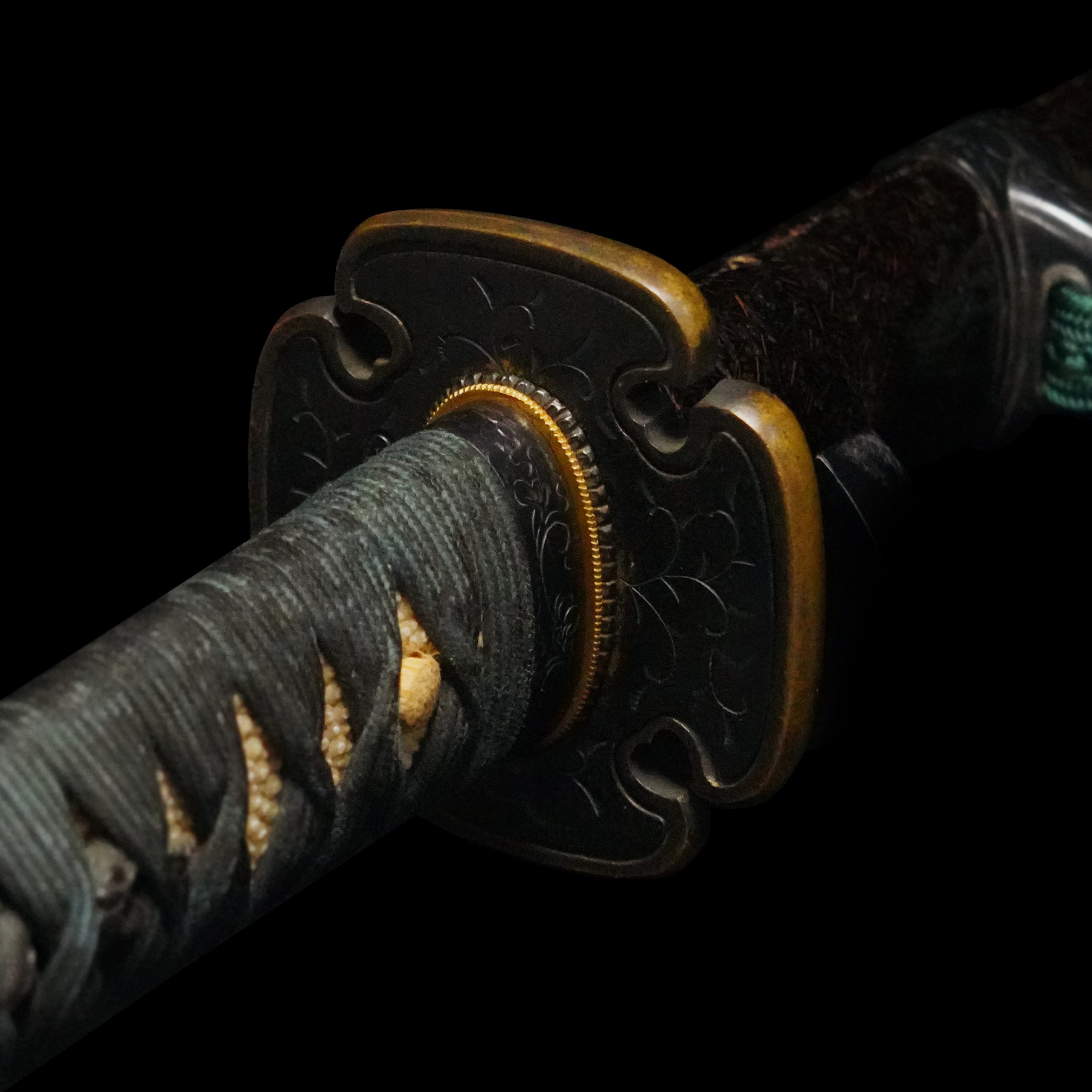
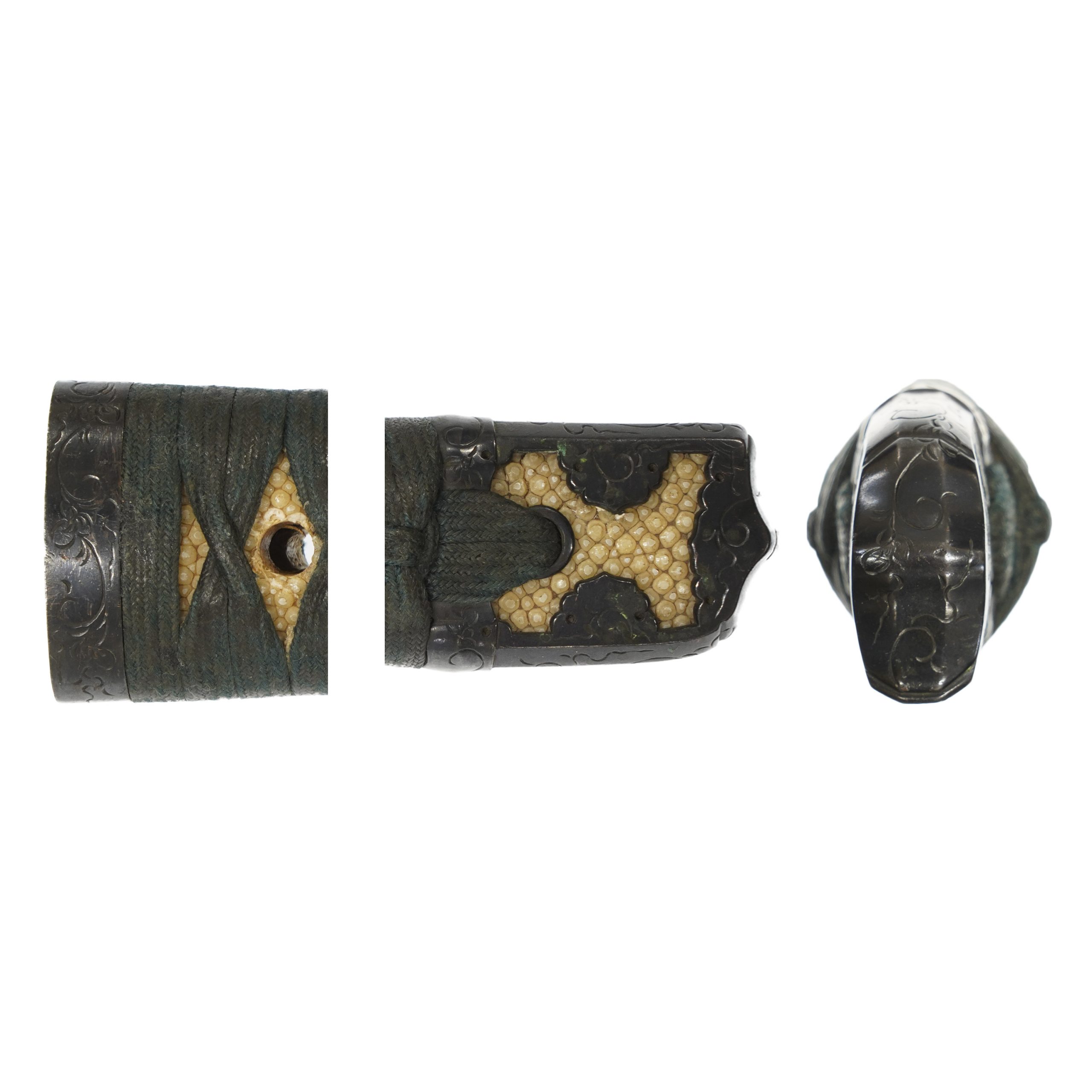
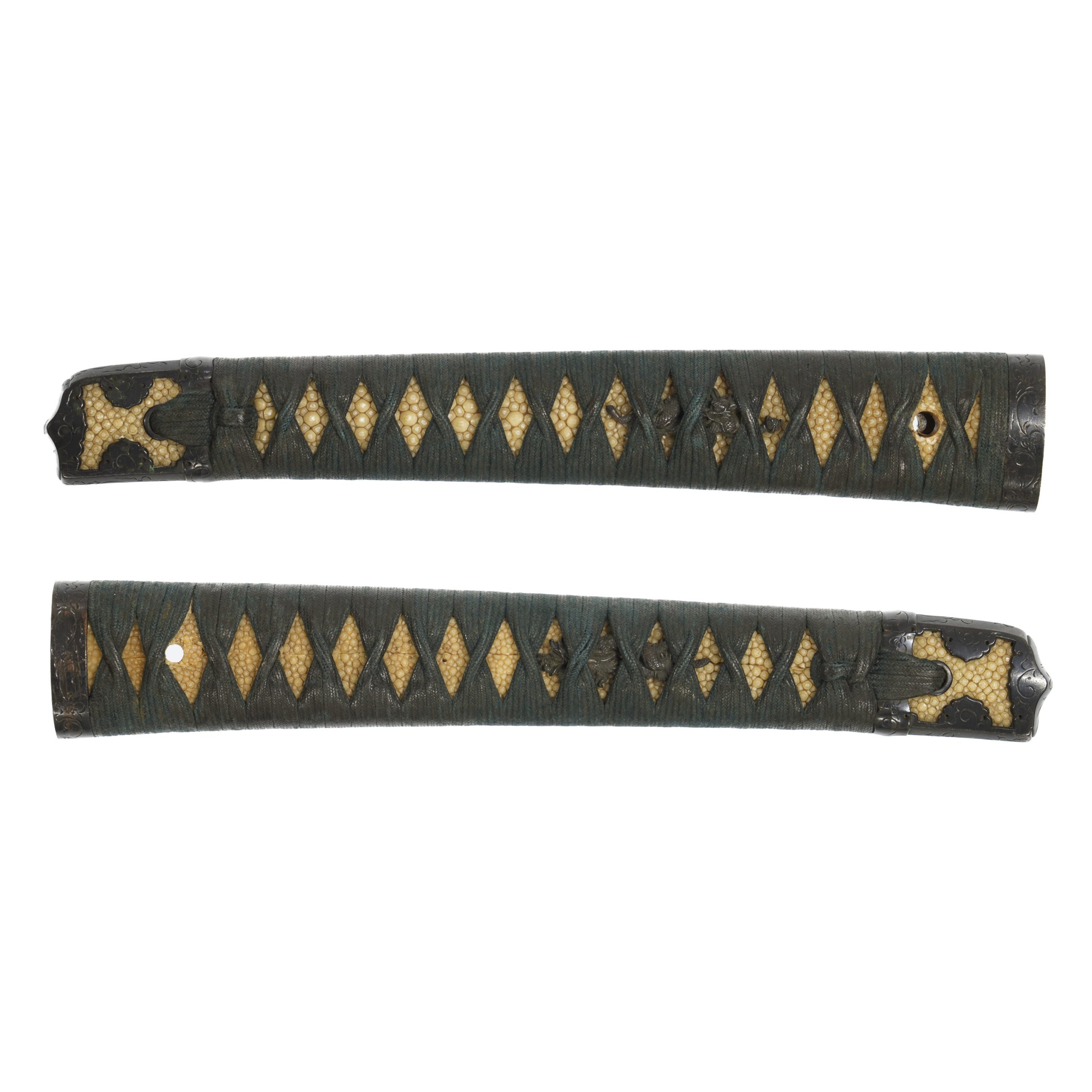
摂津 · 1661-1673頃
藤代 上作 · 刀剣大鑑 上位49%
江戸時代
江戸は刀の目利きの時代である。本阿弥の鑑定、1719年の享保名物帳、盛んな刀剣書が、戦で抜かれることのなくなった刀を学問の対象へと変えていった。
銘が正しい、または無銘でも年代・国・系統を確実に指摘できる、保存に値する真正の作と鑑定されたものです。
日本美術刀剣保存協会(NBTHK)は、1948年に設立され、文化庁の監督を受ける公益財団法人で、東京・刀剣博物館に本部を置きます。専門の審査員が出品作を直接審査し、美術的・歴史的価値に応じた鑑定書を発行します。NBTHKの鑑定書は、日本刀および刀装具の真正性を示す最も広く認知された基準です。
NBTHK公式サイトReturns/exchanges limited to defects caused by shipping (except willful misconduct or gross negligence by the company); customers must contact within 72 hours of receiving the product.