二十世紀は二度この工芸を殺しかけた。戦時の歪みと、占領下の禁令である。1948年の日刀保設立と1953年の作刀再開が刀を美術として再建し、人間国宝と無鑑査がその頂に立つ。
 NihontoWatchNihontoWatch
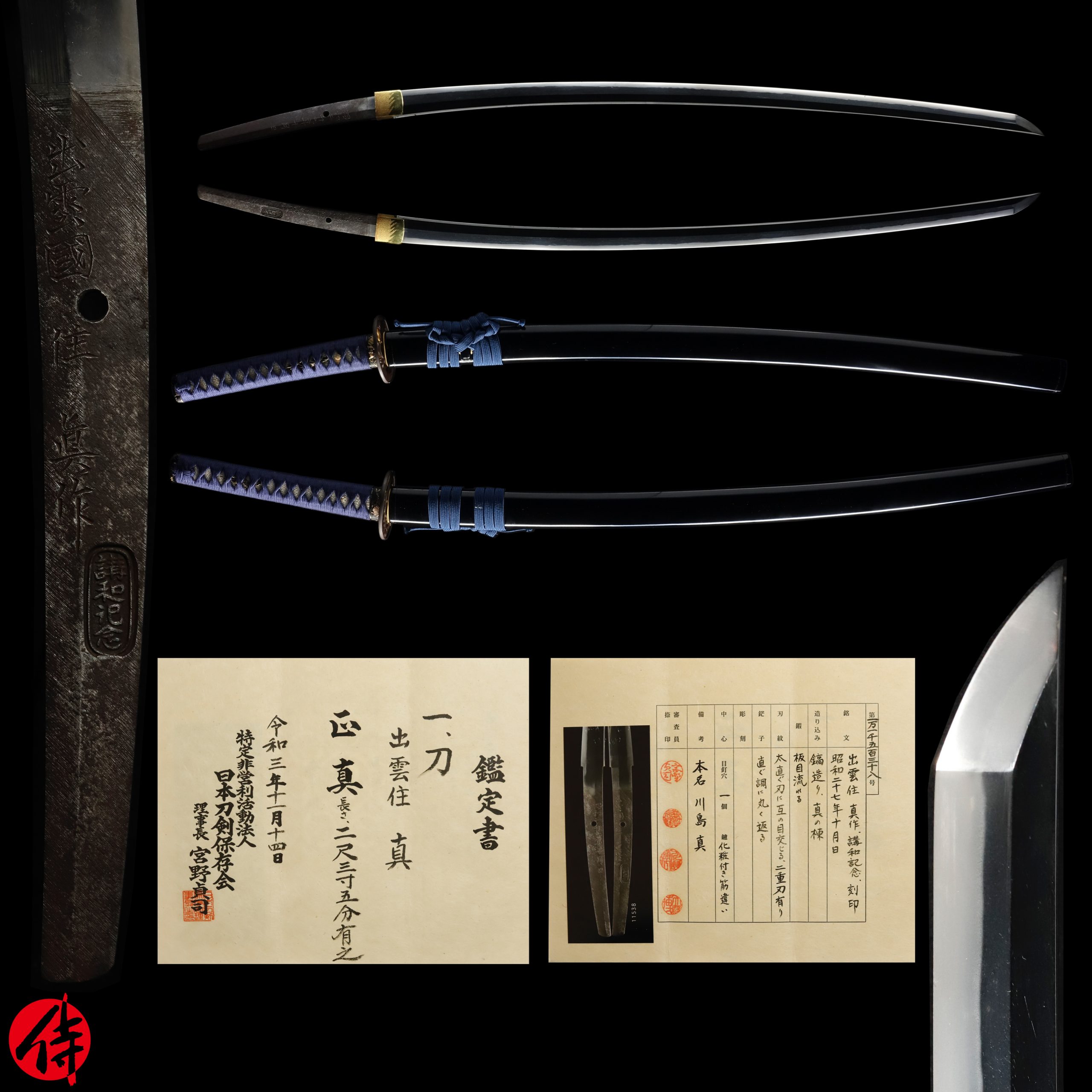
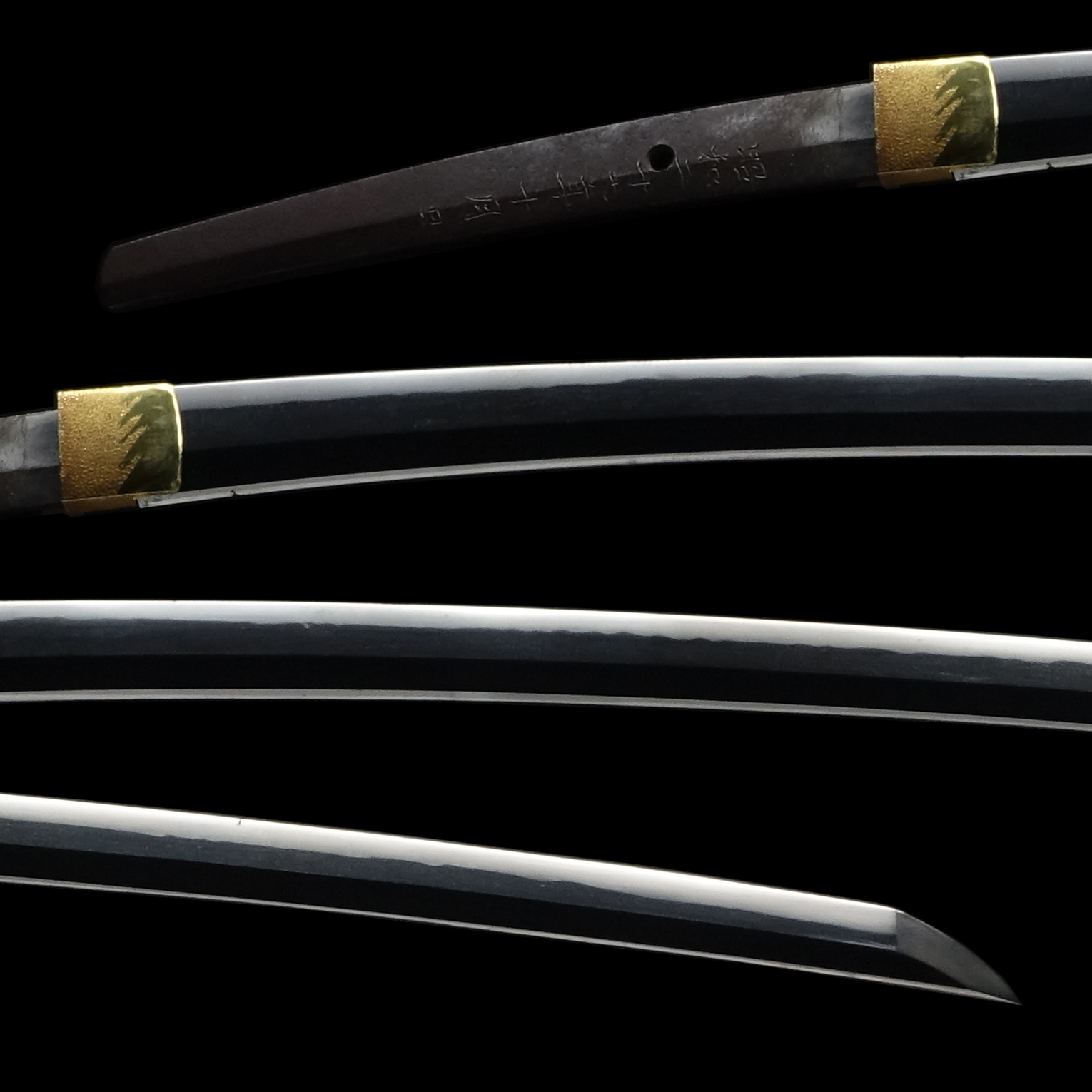
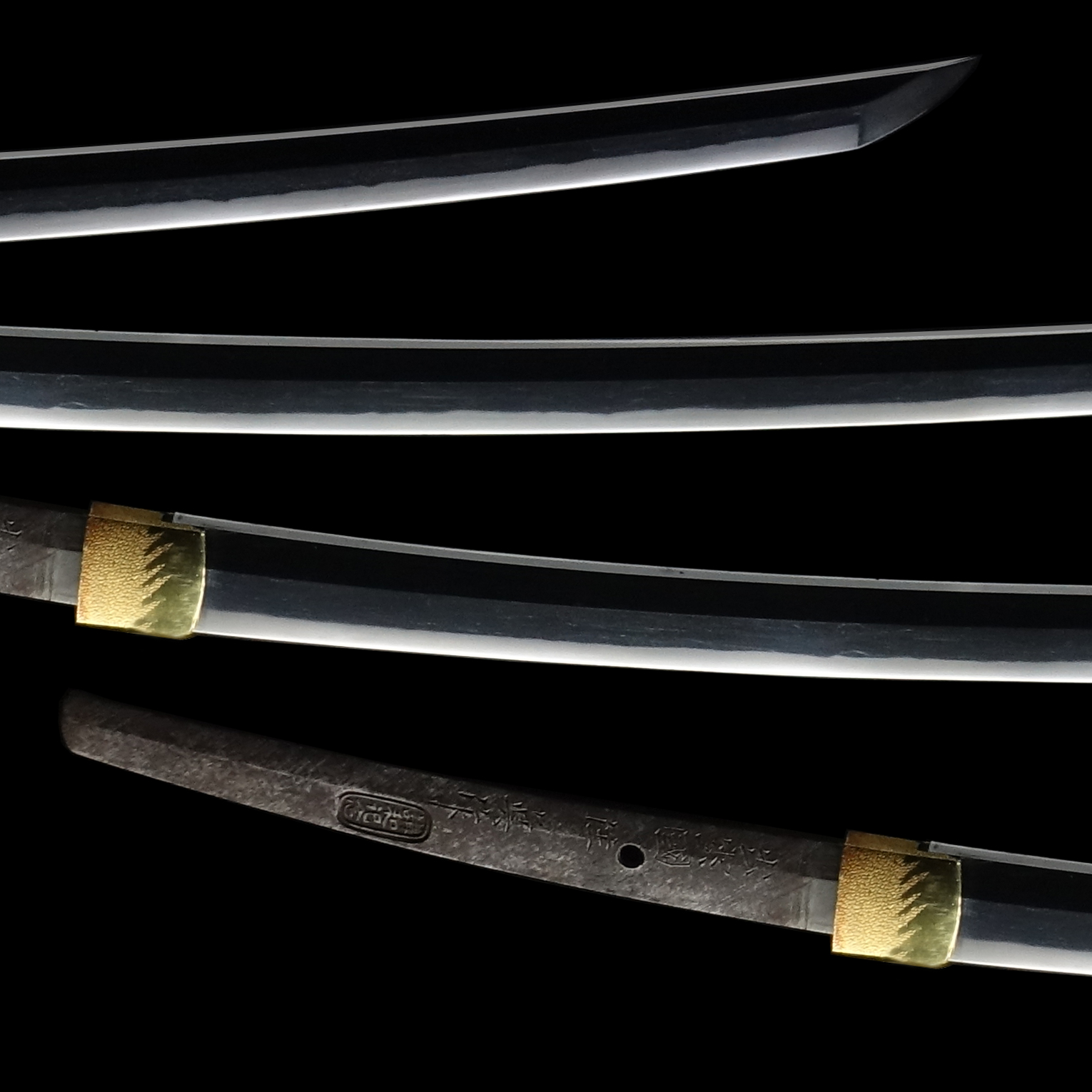
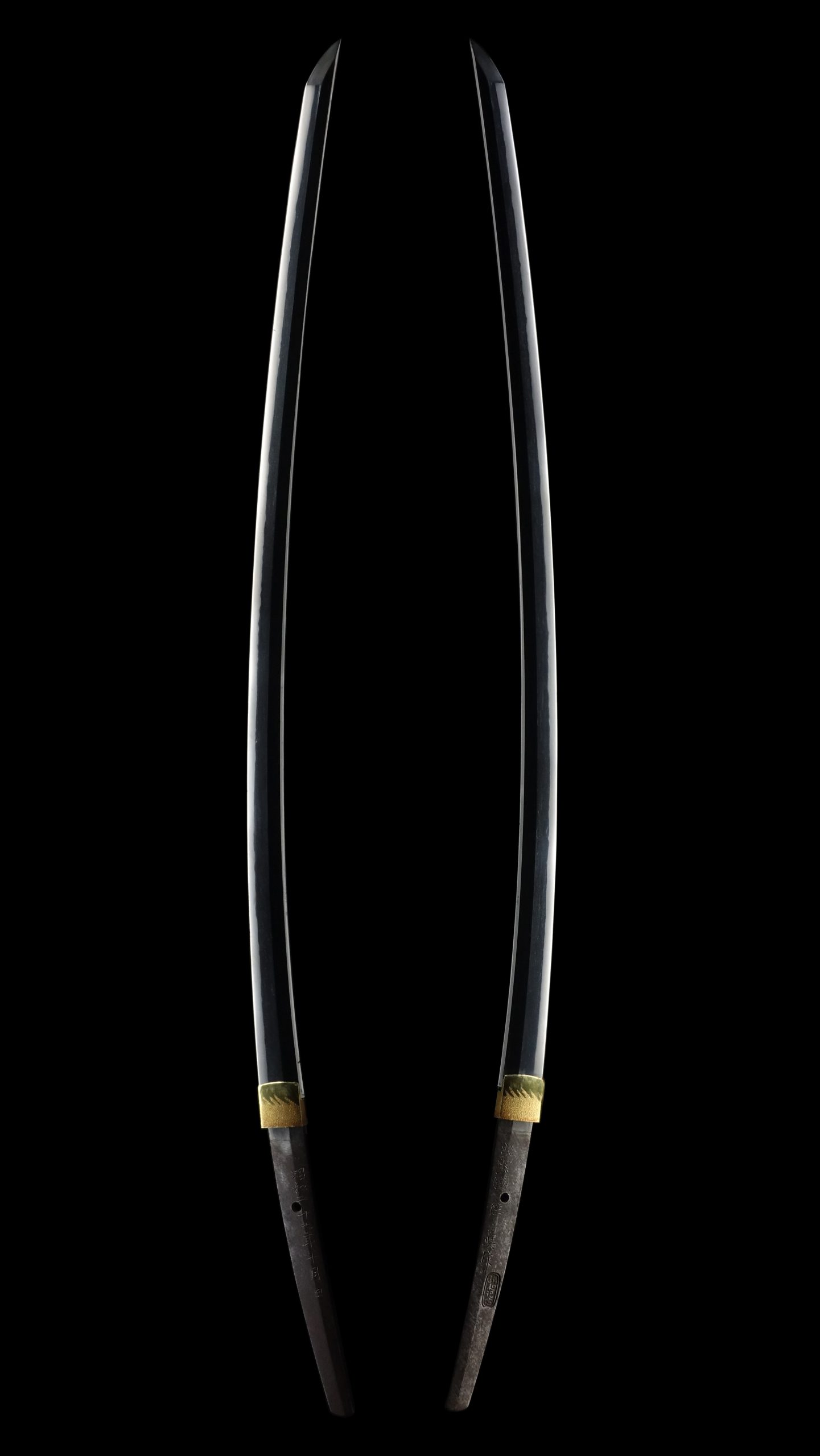
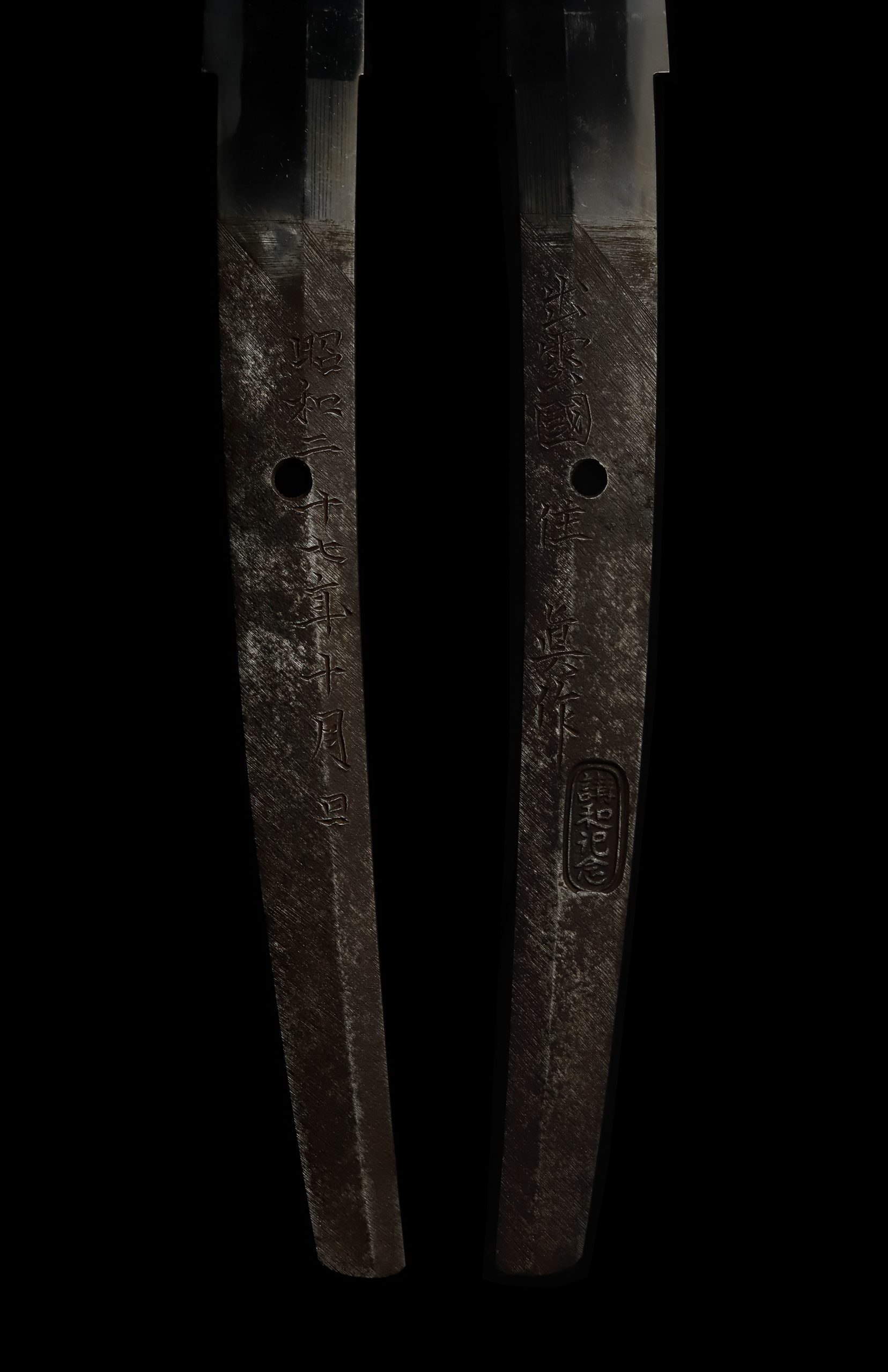
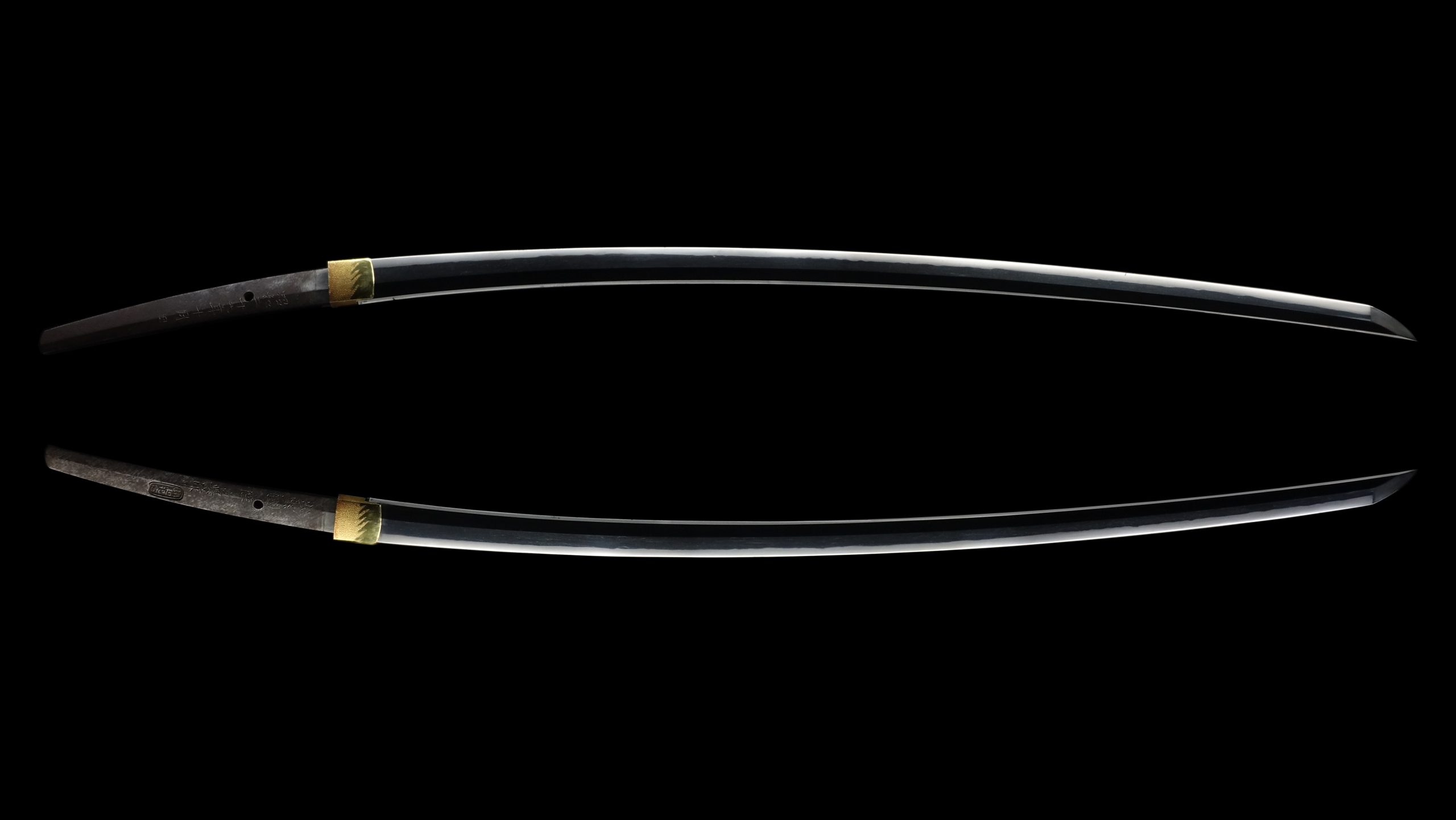
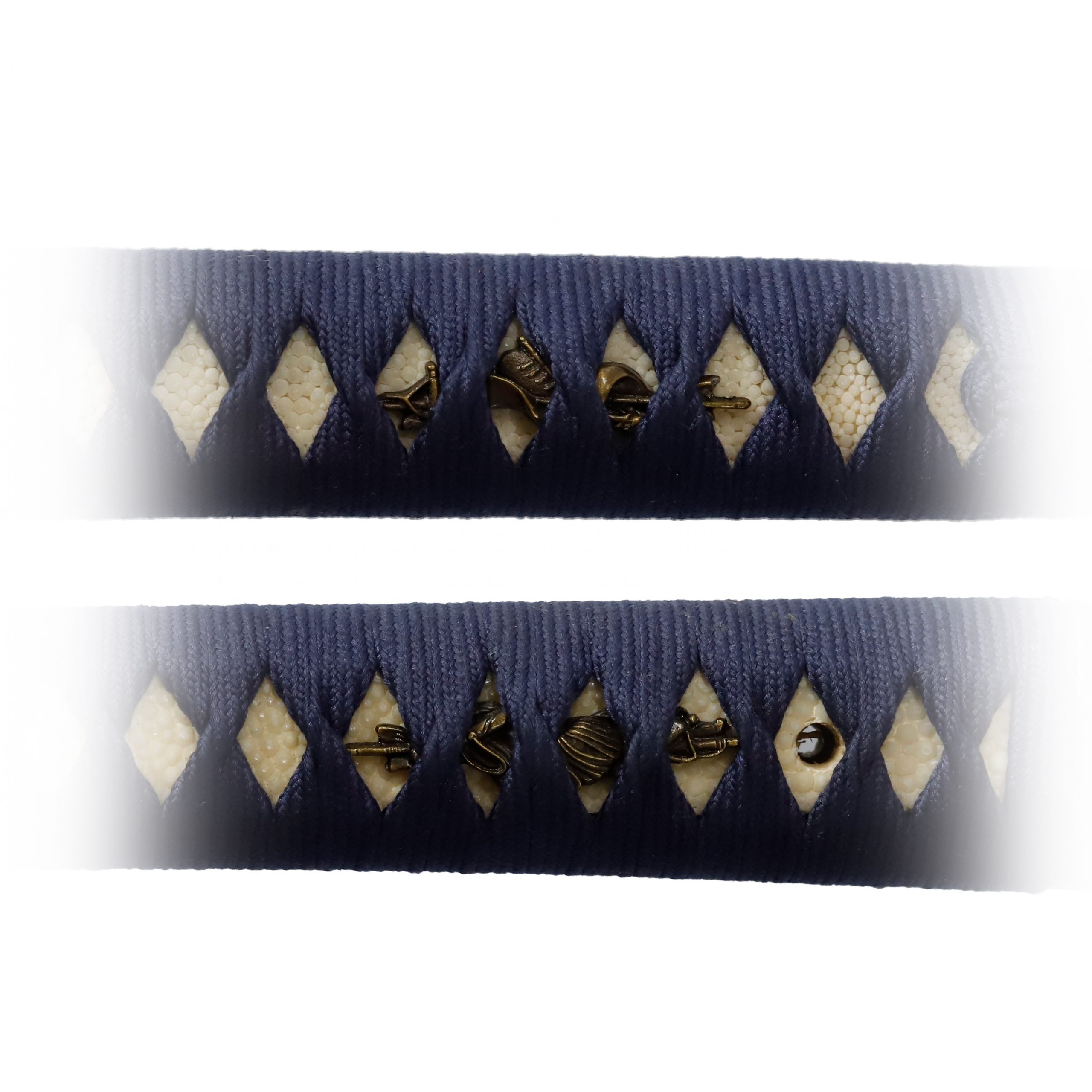
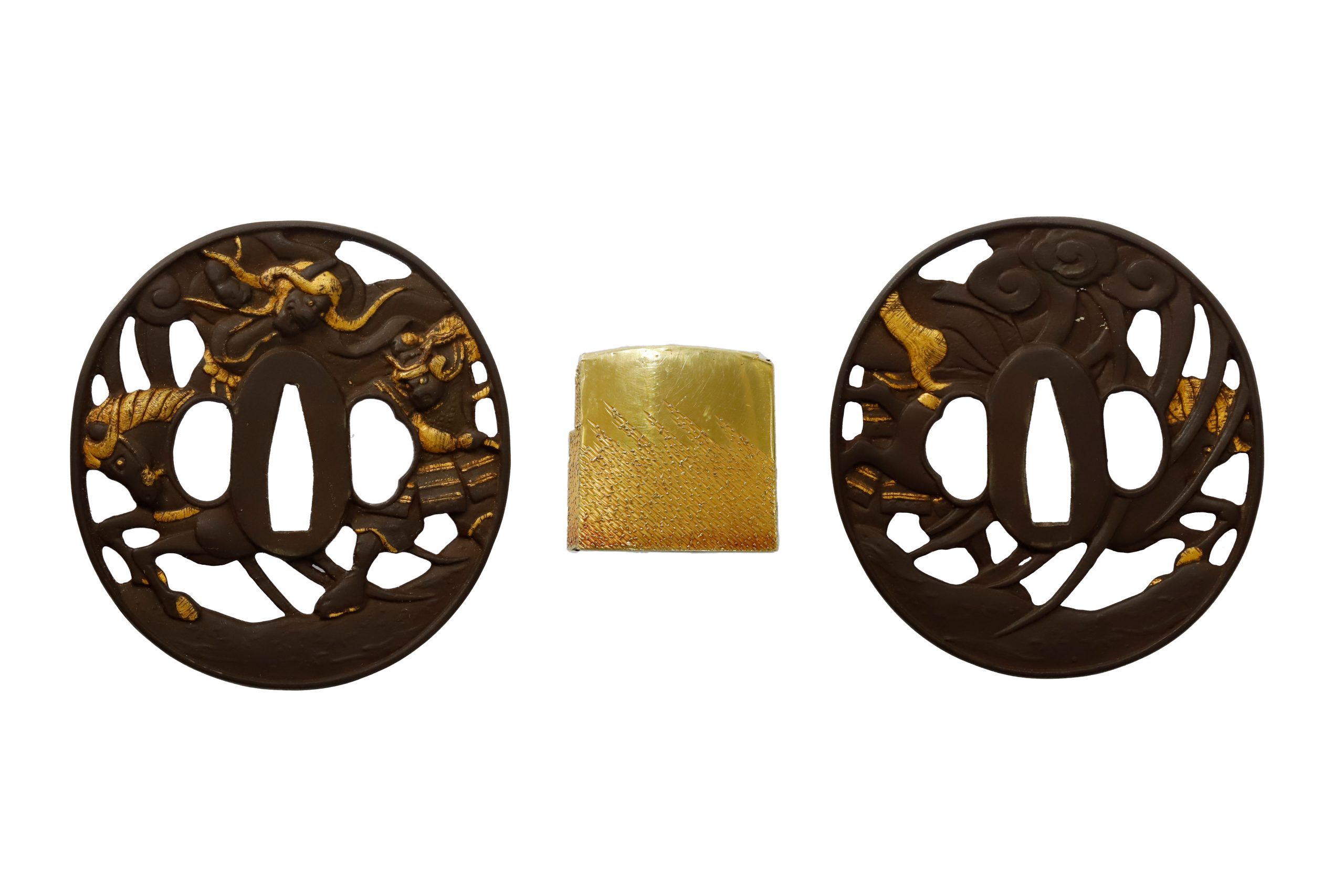
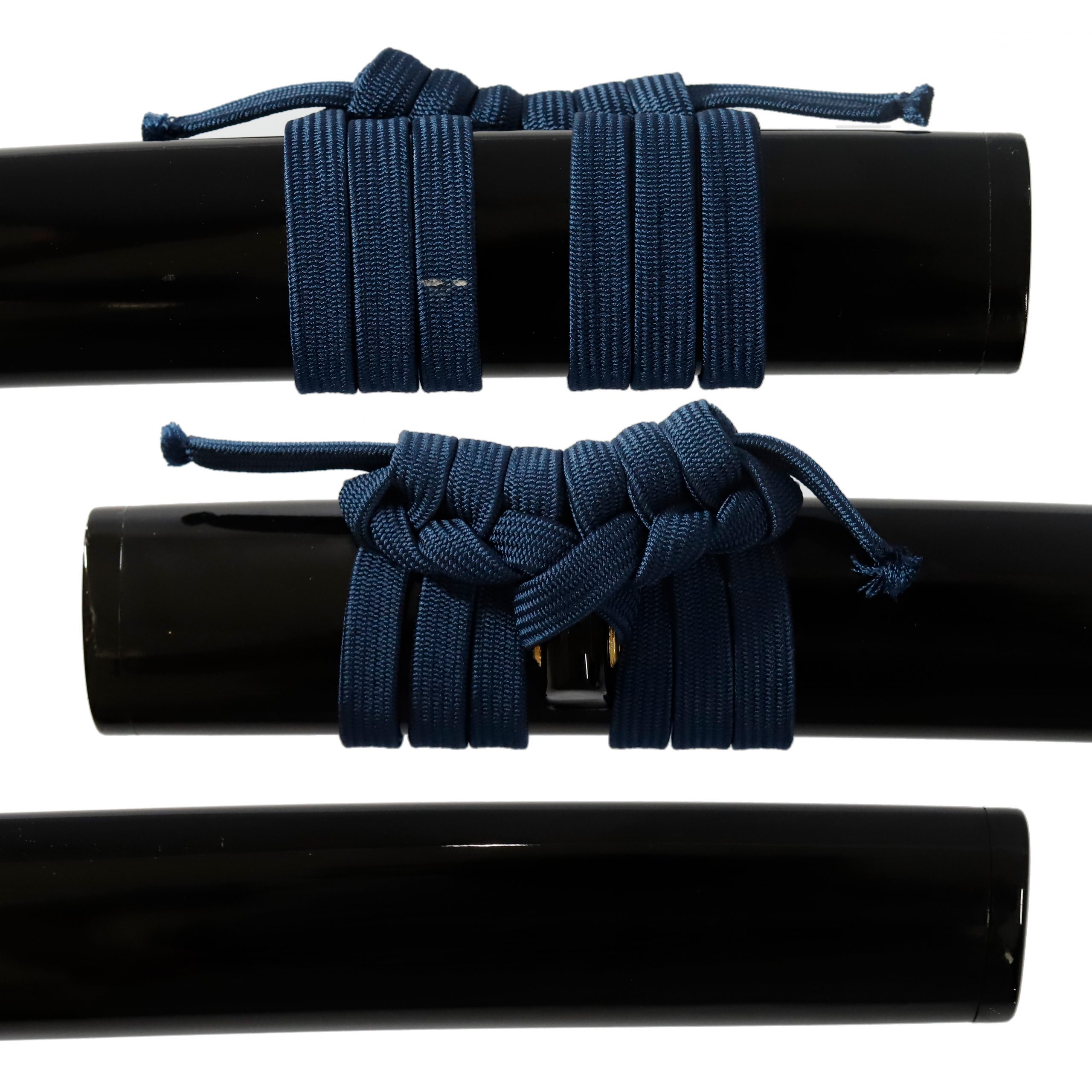
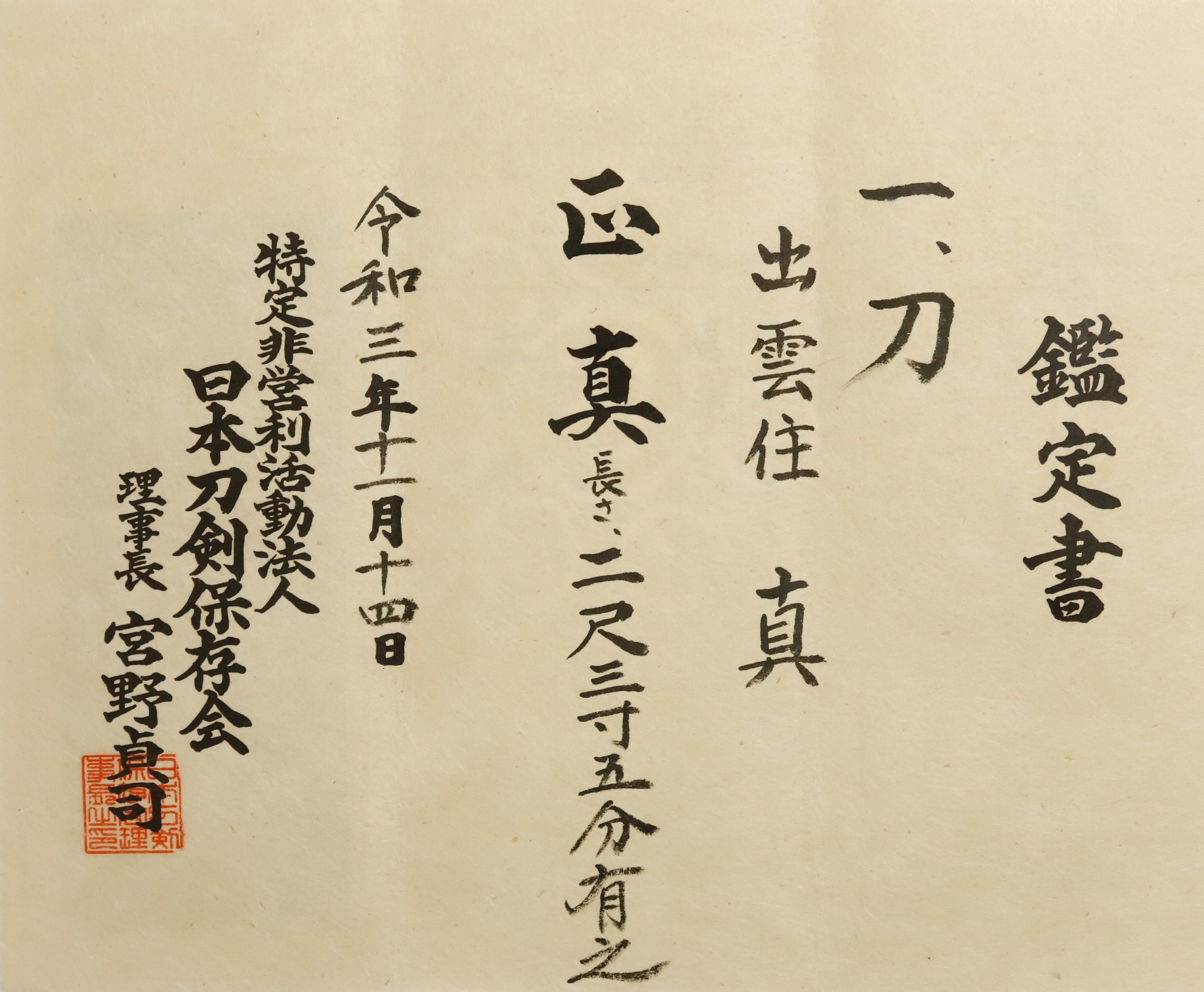
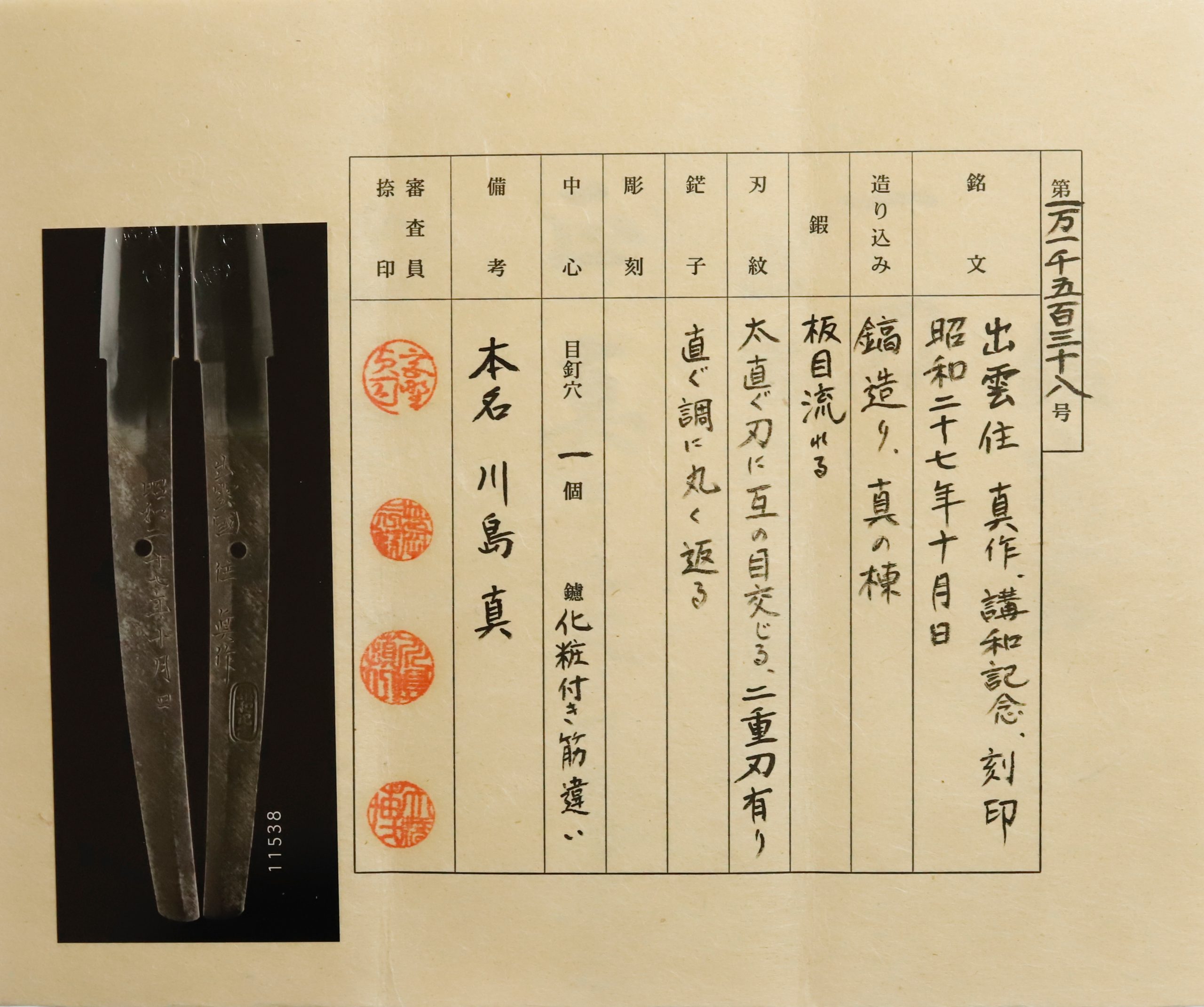
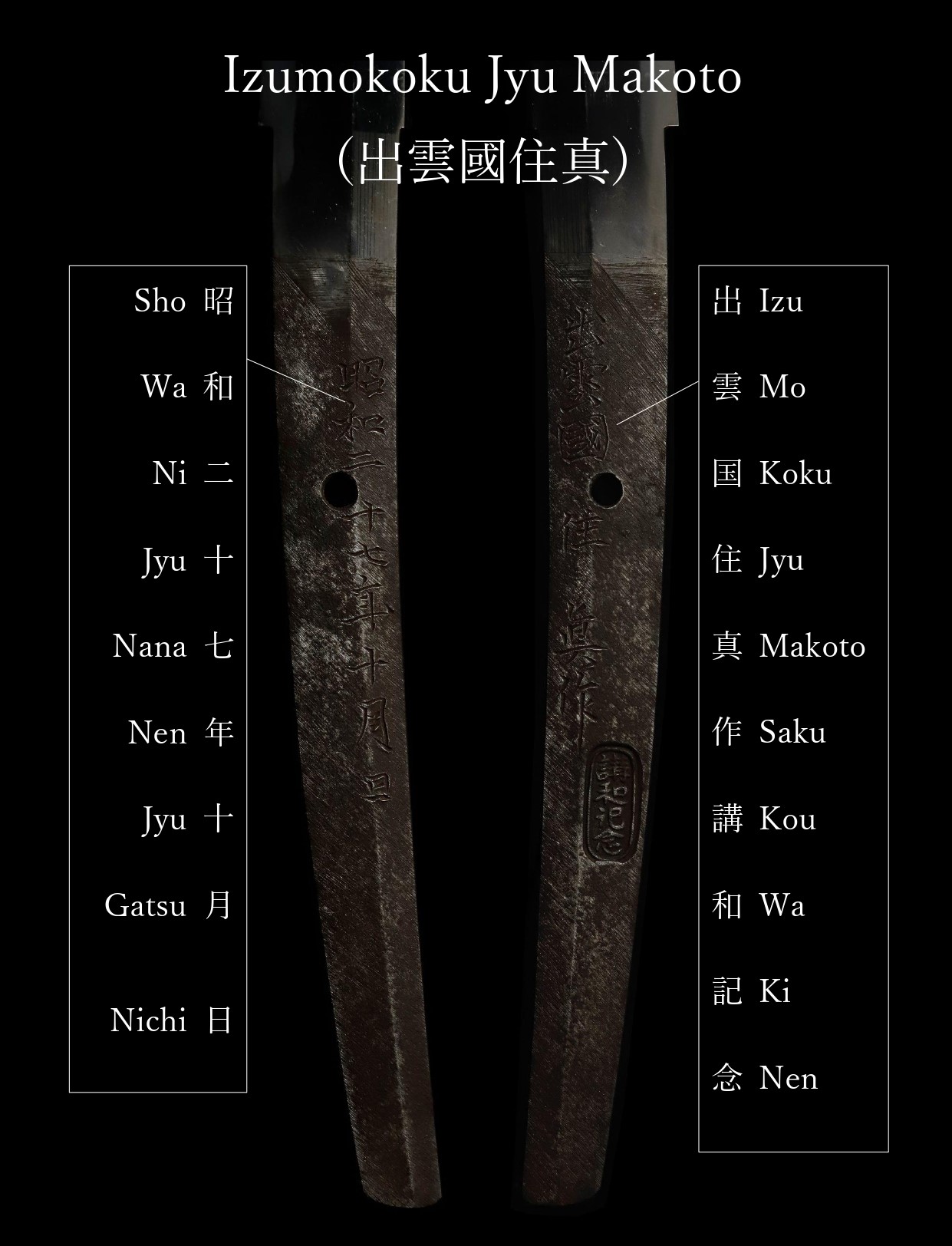
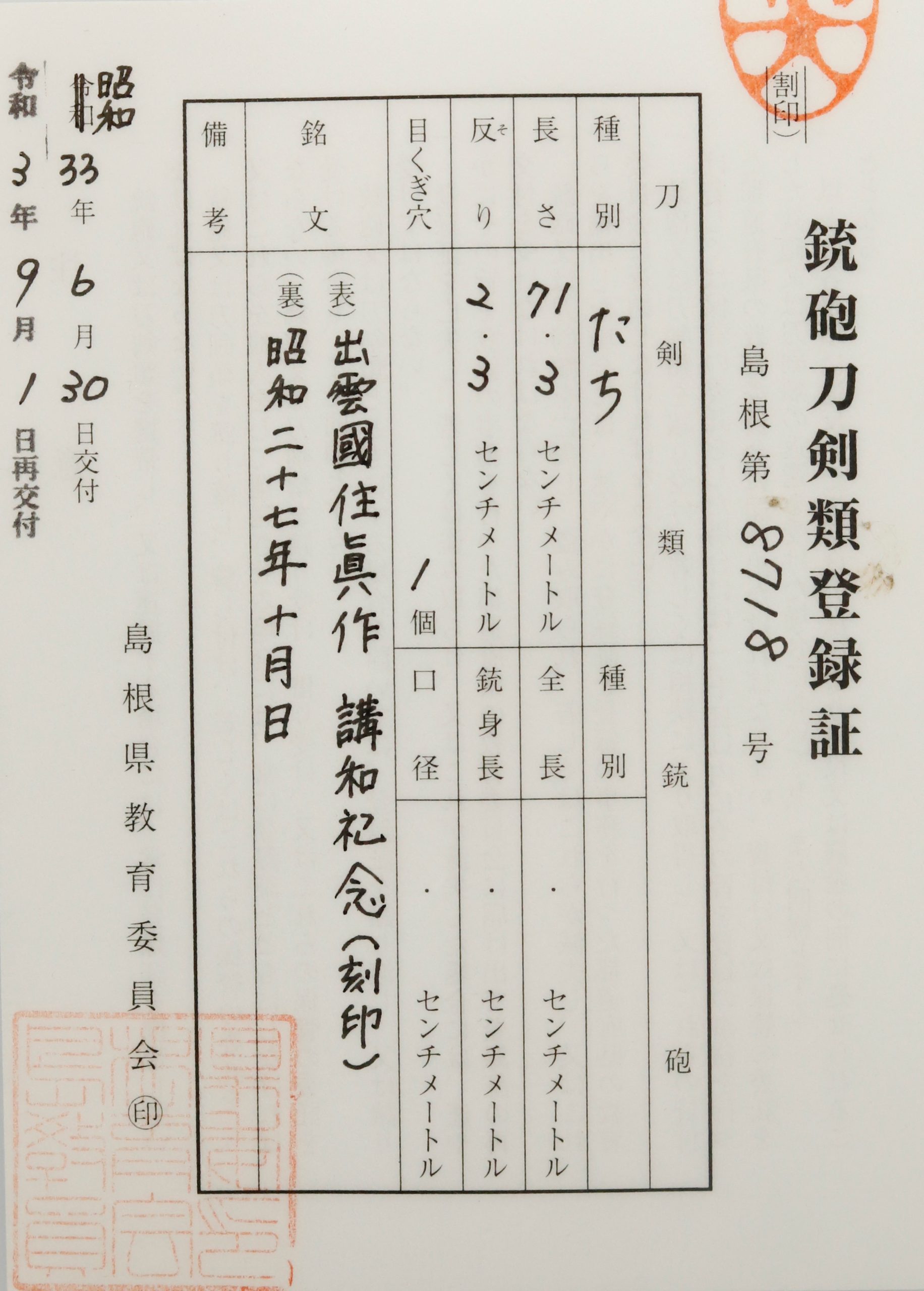
Modern Japanese Sword Gendaito Katana Signed by Izumokoku Jyu Makoto with NTHK Certificate 【Description】 This blade was signed by the first-gen Kawashima Tadayoshi (川島忠善), also known as Kawashima Makoto (川島真) in October, 27th year of the Showa era(1951). He was one of the most famous swordsmiths after post Samurai era (Meiji era-). He was born in the 25th year of Meiji (1892) in Shimane prefecture, a famous place for making Tamahagane carbon steel. Kawashima family had been running a school since the Meiji era. He was assigned as a swordsmith who forged Japanese swords to commemorate The San Francisco Peace Treaty sealed on September 8th in the 26th year of the Showa (1951). After the Second World War(1945), many Japanese swordsmiths hadn’t been allowed to forge swords under the Allied Forces’ occupation. However, this rule changed after the treaty was formed in 1952. He was a nationally recognized swordsmith for his superb craftsmanship, so he received an honor to forge a sword to celebrate that Japanese swordsmiths could make swords again. This blade has this anniversary stamp called Kowa Kinen Kokuin (講和記念刻印) alongside with the signature. He was also designated as an important intangible asset in Shimane prefecture. And, he eventually became a *Mukansa swordsmith. He was specialized in forging BIZEN style swords with heavy curvature, and you can see this characteristic in the blade. He focused on forging strong-looking practical blades which also hold aesthetic beauty. He died at the age of 64 in the 31st year of the Showa era (1956), but his son (the second-gen Tadayoshi) kept the tradition. What is a Mukansa swordsmith? It is one of the most honorable titles a modern swordsmith could receive. One with this title could submit his work to the Japanese sword exhibition held by NBTHK(Nihon Bijyutu Touken Hozon Kyokai) without being examined. In contrast, other sword makers need to pass a rigorous test to participate in this event. This fact also suggests he was a great swordsmith in modern times. There are only 39 Mukansa swordsmiths now since the exhibition started in 1955. This exhibition is held by NBTHK once a year, and modern swordsmiths compete for their craftsmanship there. About Modern Swordsmith There are around 150-200 swordsmiths in Japan today. To legally produce Japanese swords, one needs to pass the national exam given by the Agency for Cultural Affairs(Bunka-Cho) and receive the license. Before taking the exam, one must finish his or her apprenticeship under a licensed master for more than five years. Those who practice Iaido(居合道) tend to use those modern swords, and there are modern Japanese sword collectors nationwide. The modern Japanese sword makers are researching old ways to forge swords and trying to recreate ancient-style swords. They are the ones who keep the tradition of Japanese history alive. * Please keep in mind that there are a couple of black rusts on the blade. If you like to make sure of the condition, please feel free to contact us. 【Blade】 Cutting Edge Length(Nagasa) : 71.3 cm( 28.0 inches) Curvature(Sori) : 2.3 cm(0.90 inches) Hamon : The crystalline structure which forms along the cutting edge of a blade as a result of the hardening process Jimon(Jihada) : visible steel surface pattern created by folding and hammering during forging process Nakago : Nakago is the tang of the Japanese sword. Koshirae: Koshirae is the mounting of the Japanese sword. There are several parts that consist of Koshirae such as Saya(Scabbard), Tsuka(Handle), Tsuba(Handguard). Fuchi-Kashira : A pair of matching sword fittings that cover the upper and bottom parts of its sword hilt. Tsuka and Menuki : Tsuka is the handle of the Japanese sword and Menuki is its decoration. Tsuba and Habaki : Tsuba is the handguard for the Japanese Sword and Habaki is the equipment to make the blade not touch its scabbard inside. It prevents the blade from getting rusty and chipped. Saya : Saya is the scabbard for the Japanese sword.
NihontoWatch取扱店 サムライミュージアム

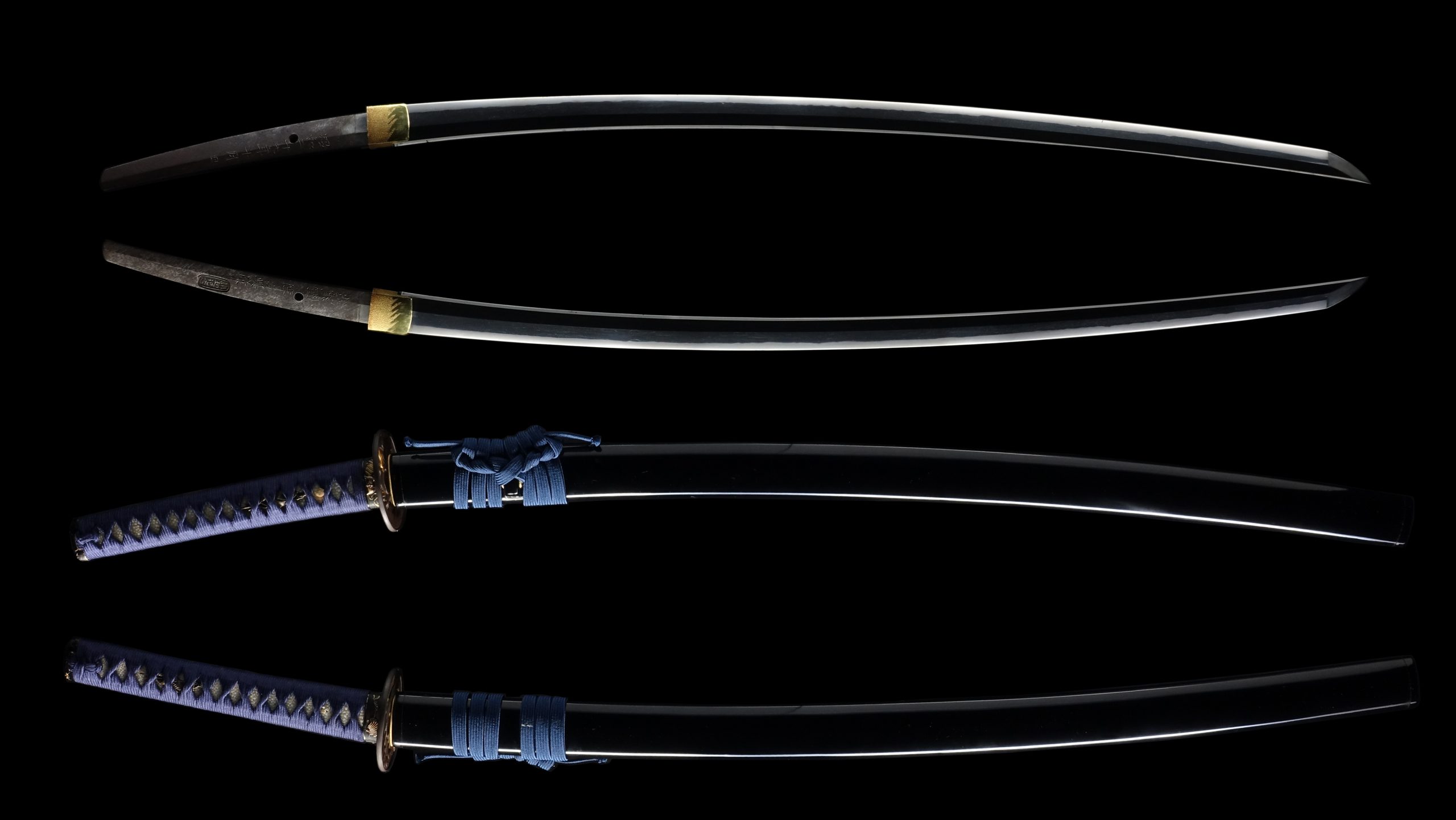
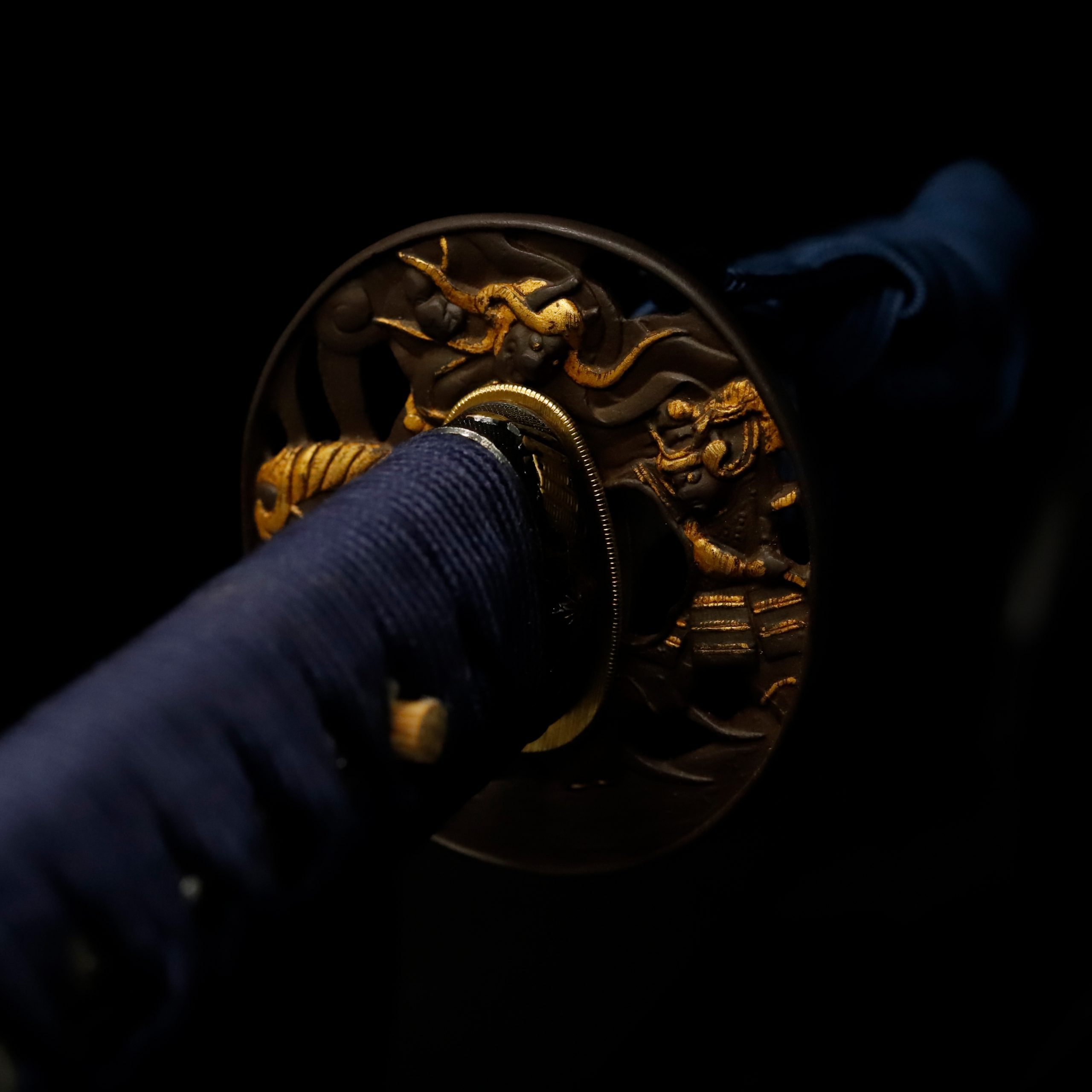
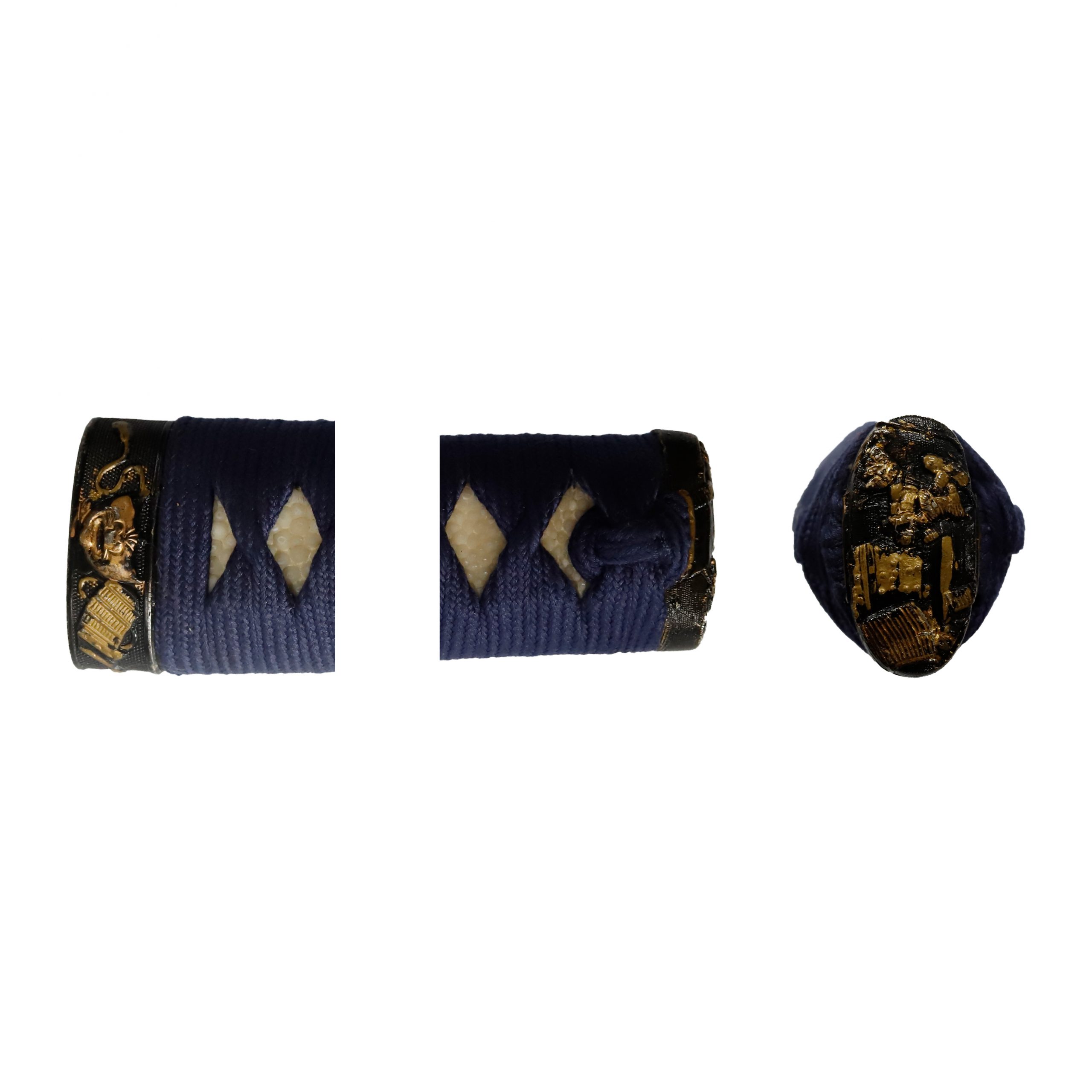
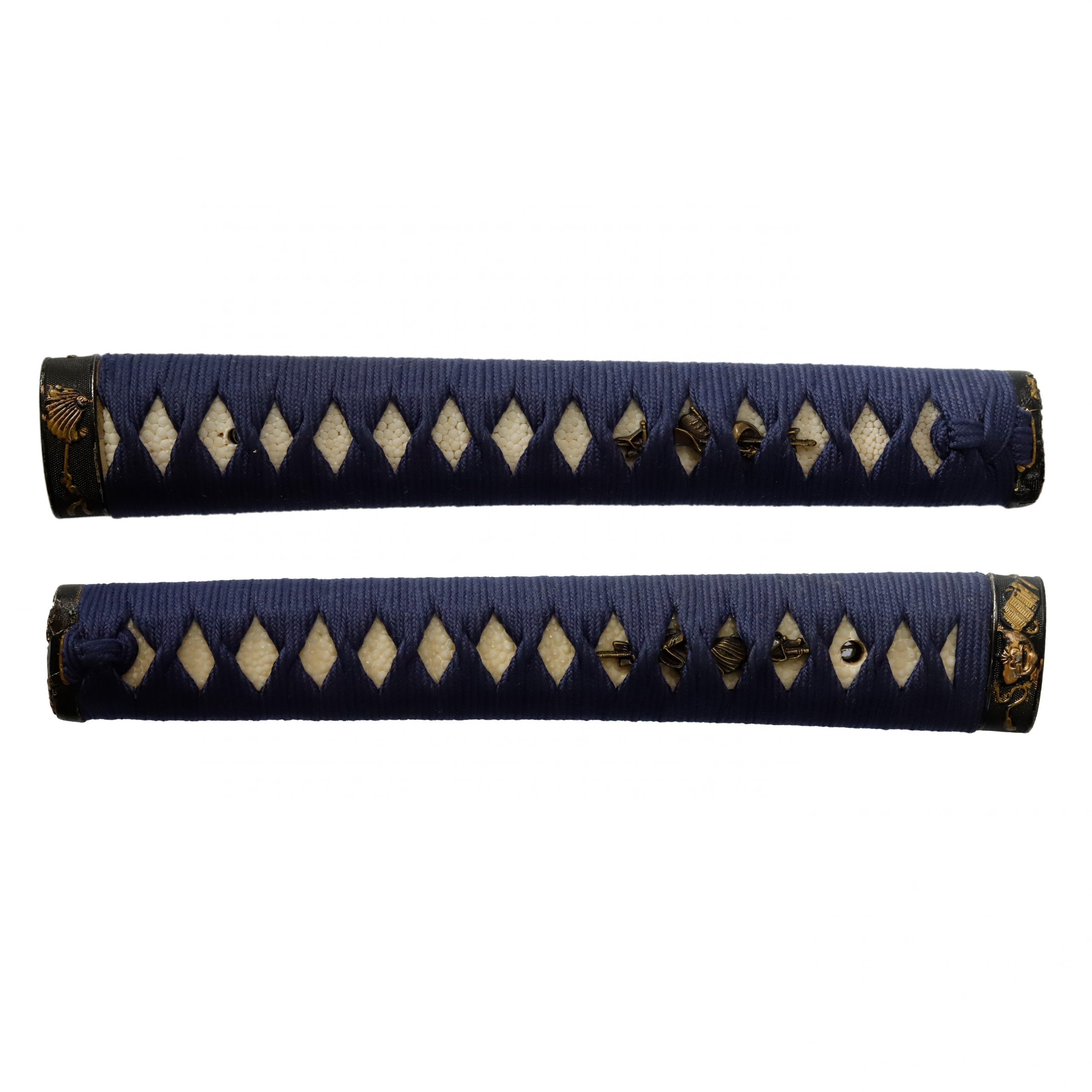
昭和から現代へ 断絶と再生
二十世紀は二度この工芸を殺しかけた。戦時の歪みと、占領下の禁令である。1948年の日刀保設立と1953年の作刀再開が刀を美術として再建し、人間国宝と無鑑査がその頂に立つ。
NTHKの中心的な鑑定書で、相応の出来を備えた作に発行されます。在銘作は銘の正真を、無銘作は審査員による刀工・流派の極めを示します。点数を記す詳細な審査表が付されます。
NTHK(日本刀剣保存会)は、NBTHK(1948年設立)に先立つ1910年に創立された、日本で最も古い刀剣鑑定団体です。長く会を率いた会長の没後、NTHKとNTHK-NPOの二つに分かれ、いずれも審査を続けています。NTHKの鑑定書は、点数と審査員の所見を併記する詳細な審査表が特徴で、特に無銘作の極めに定評があります。
Returns/exchanges limited to defects caused by shipping (except willful misconduct or gross negligence by the company); customers must contact within 72 hours of receiving the product.