NihontoWatch MonNihontoWatch
マーケット
事典
鑑定
NihontoWatch MonNihontoWatch
マーケット
事典
鑑定

説明

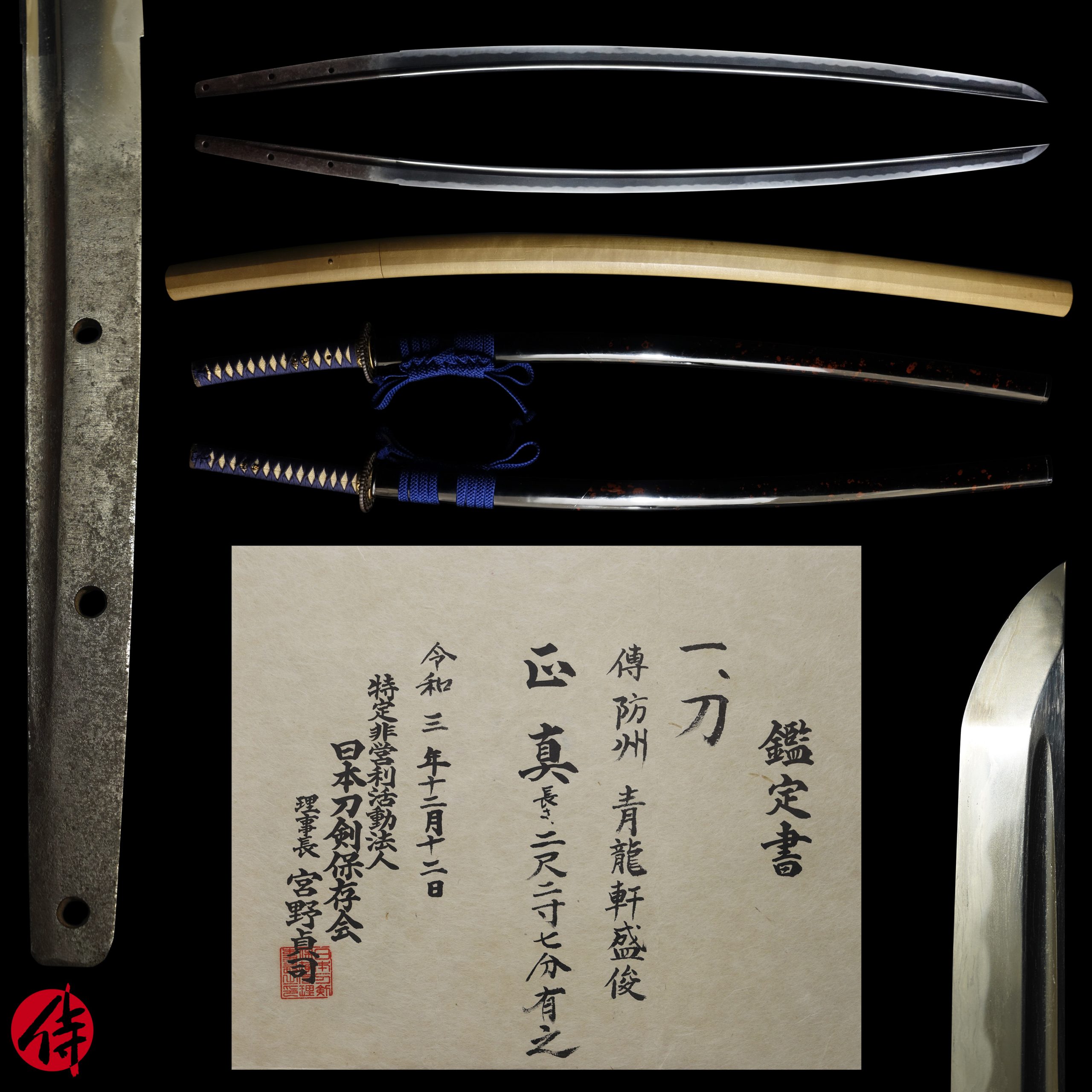
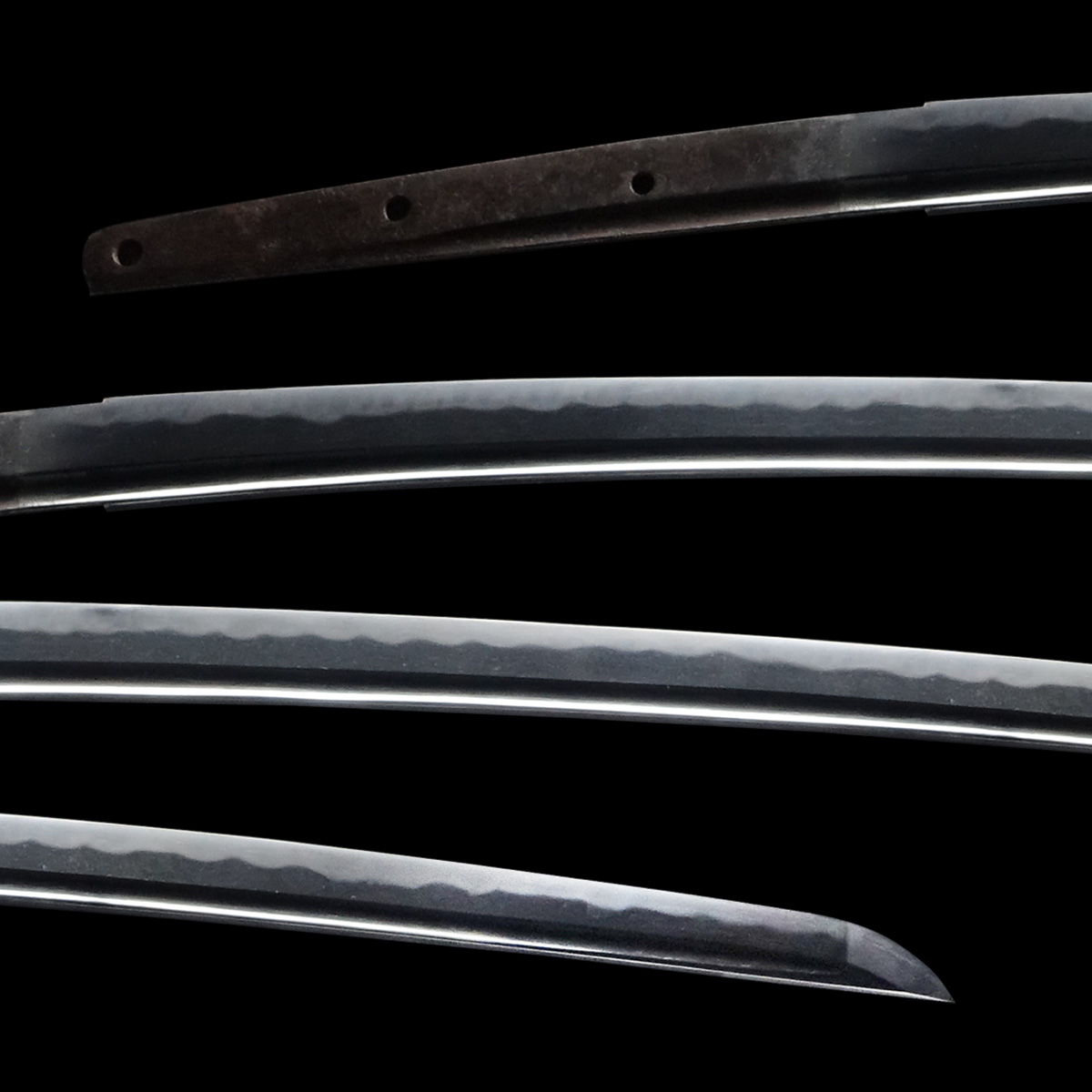
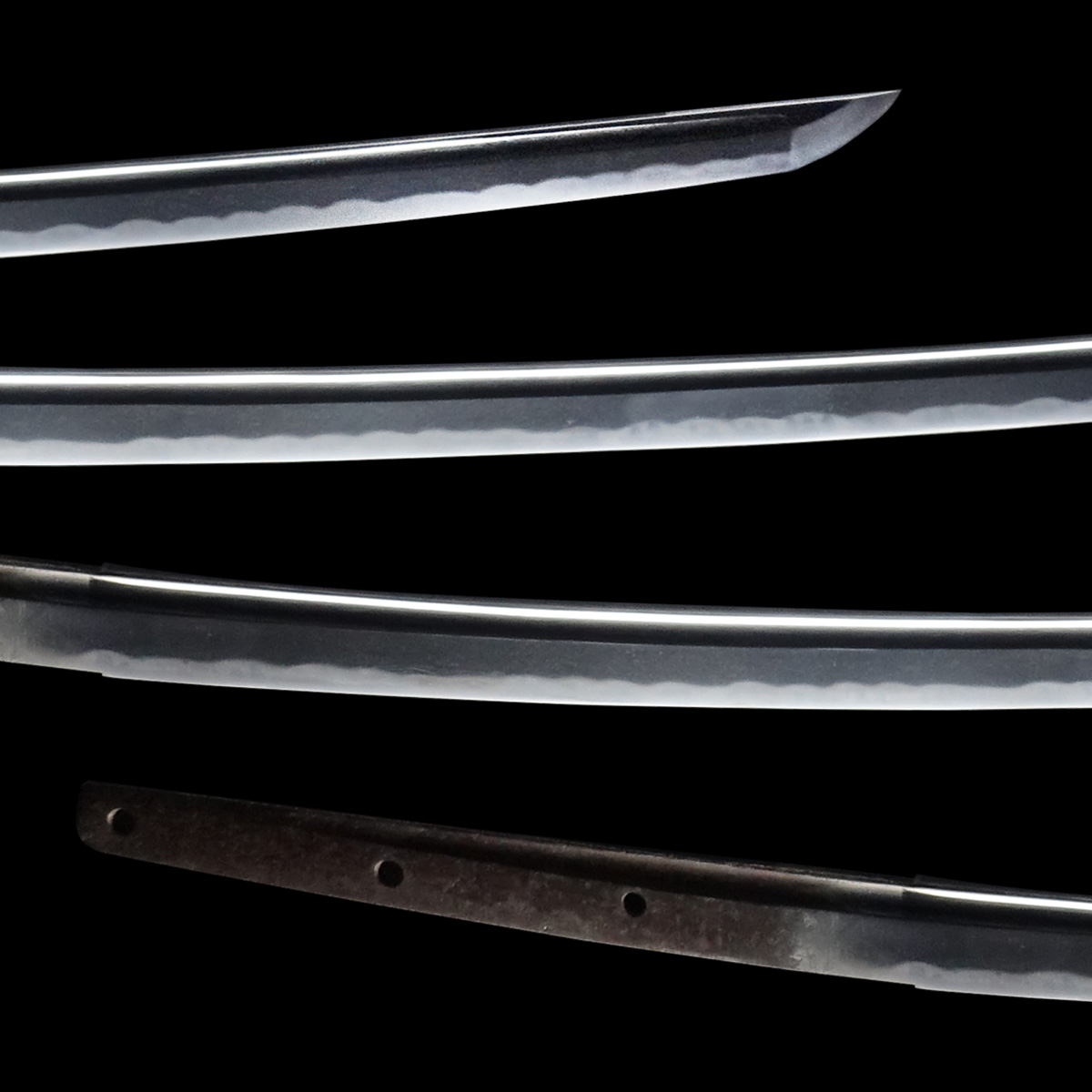
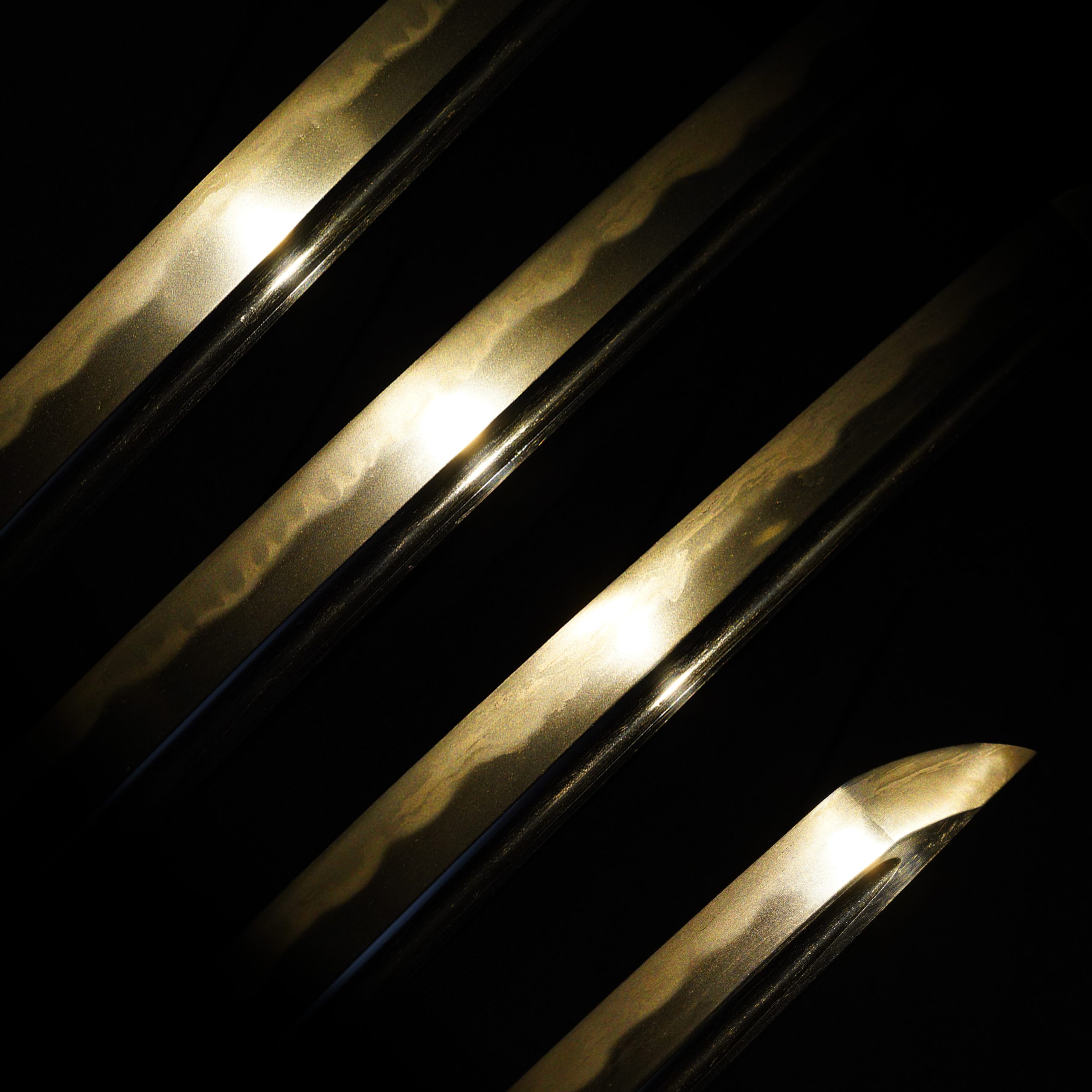
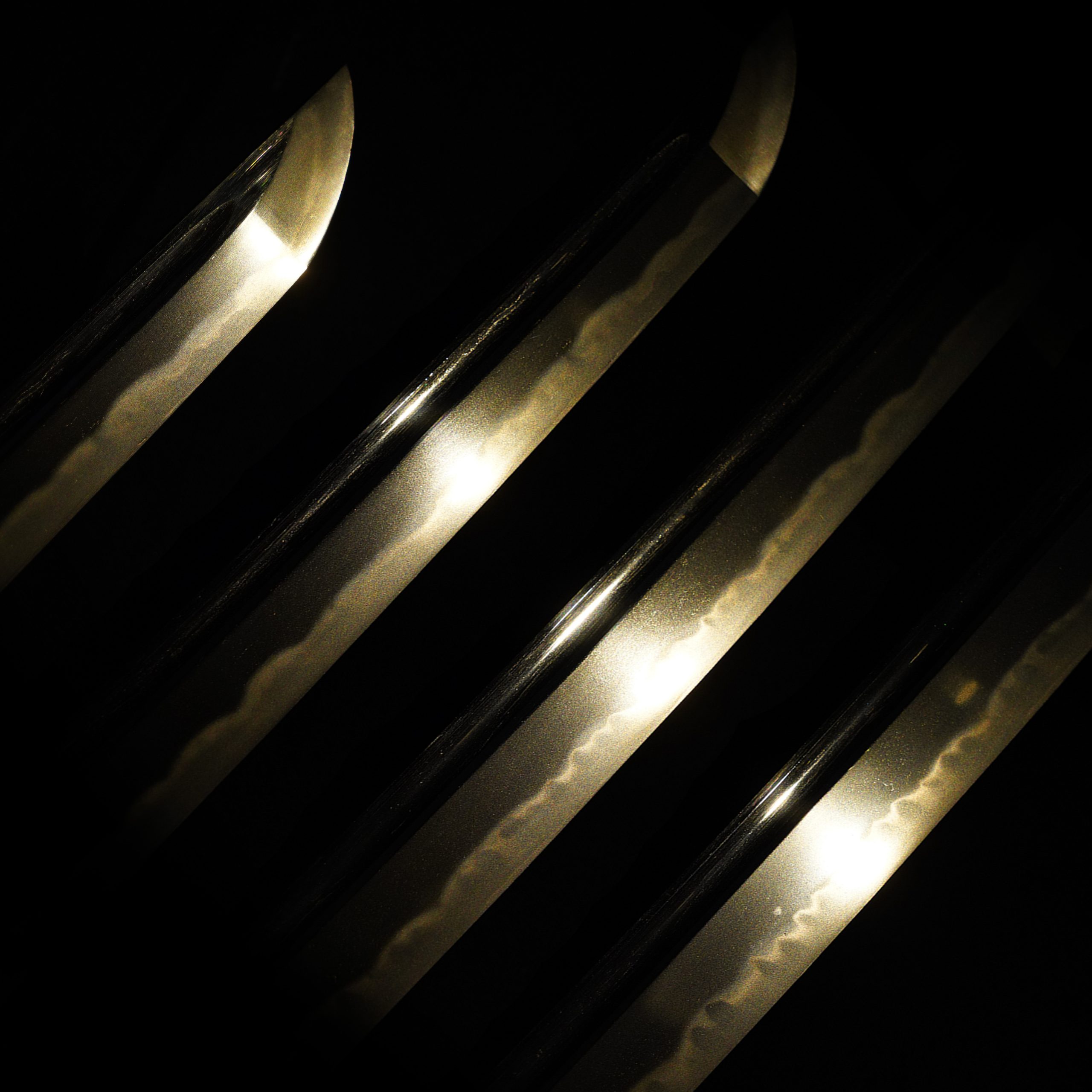
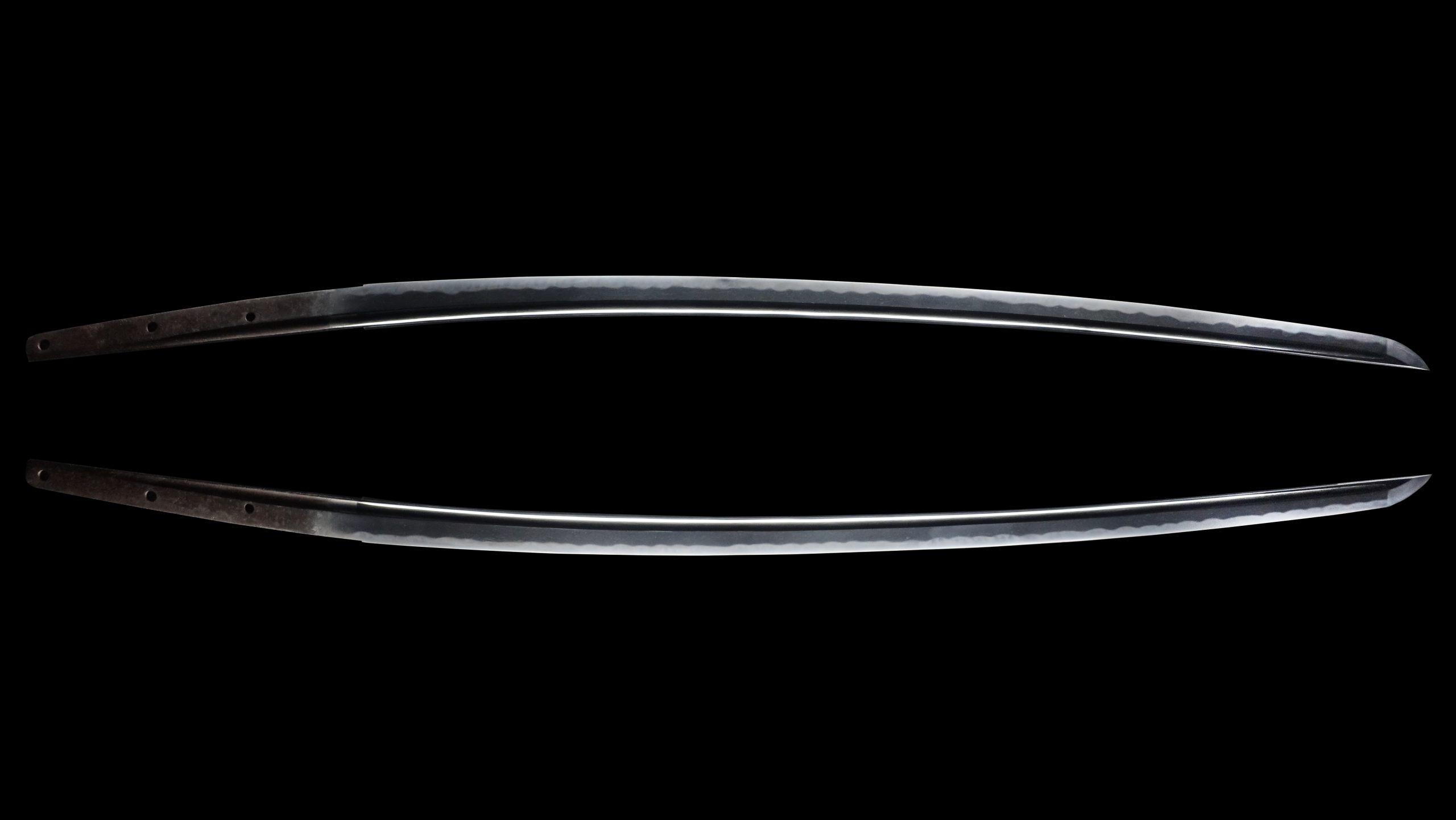
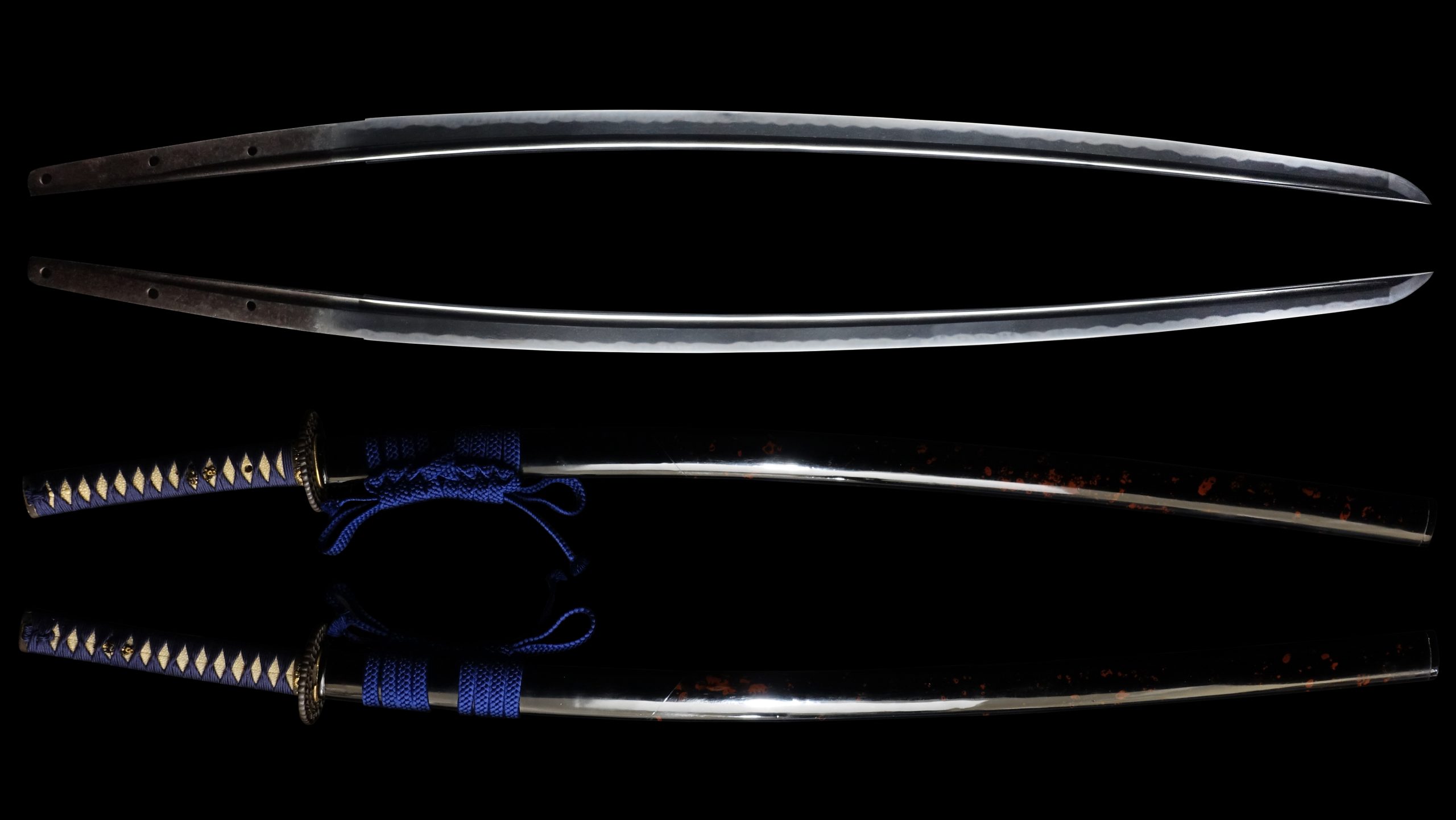
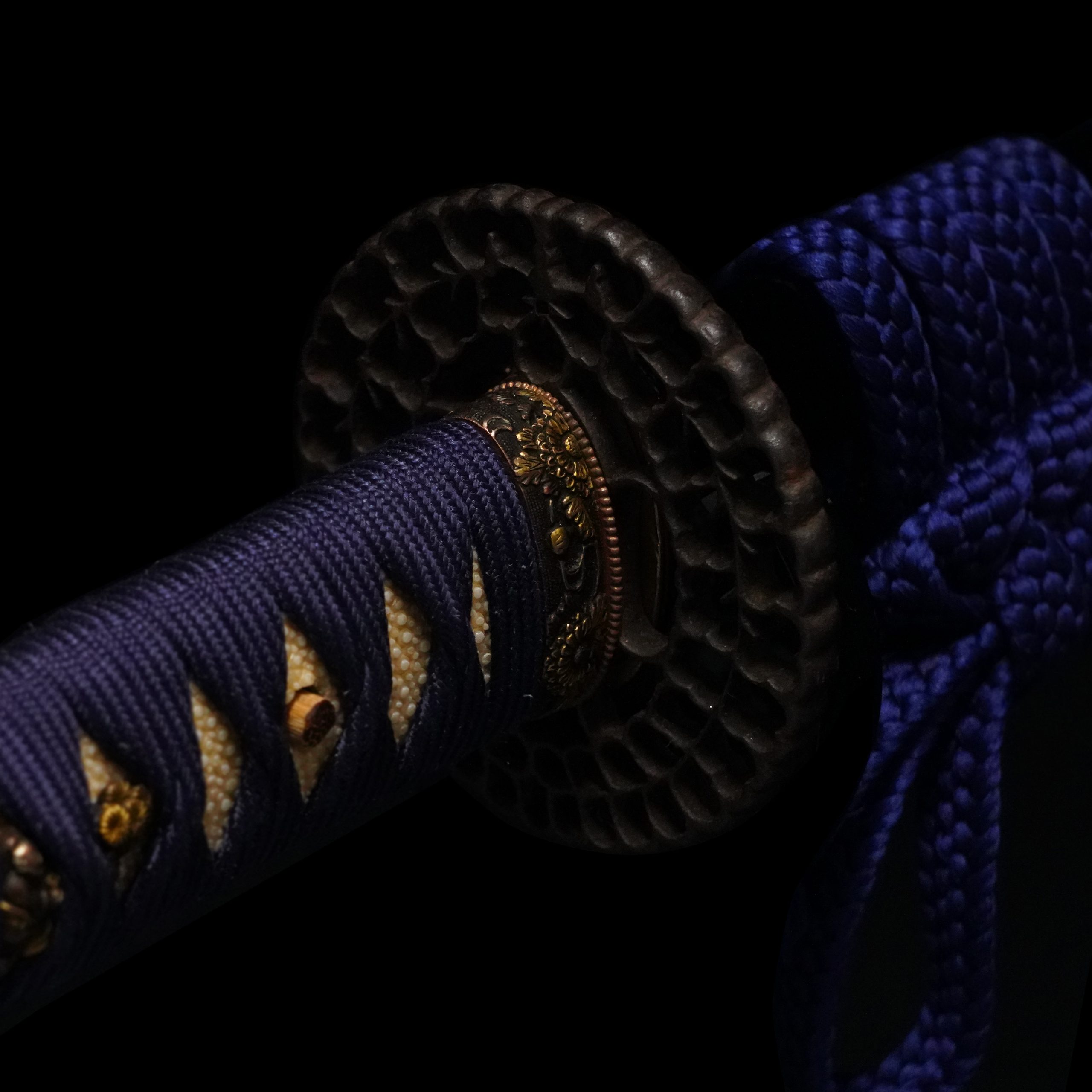
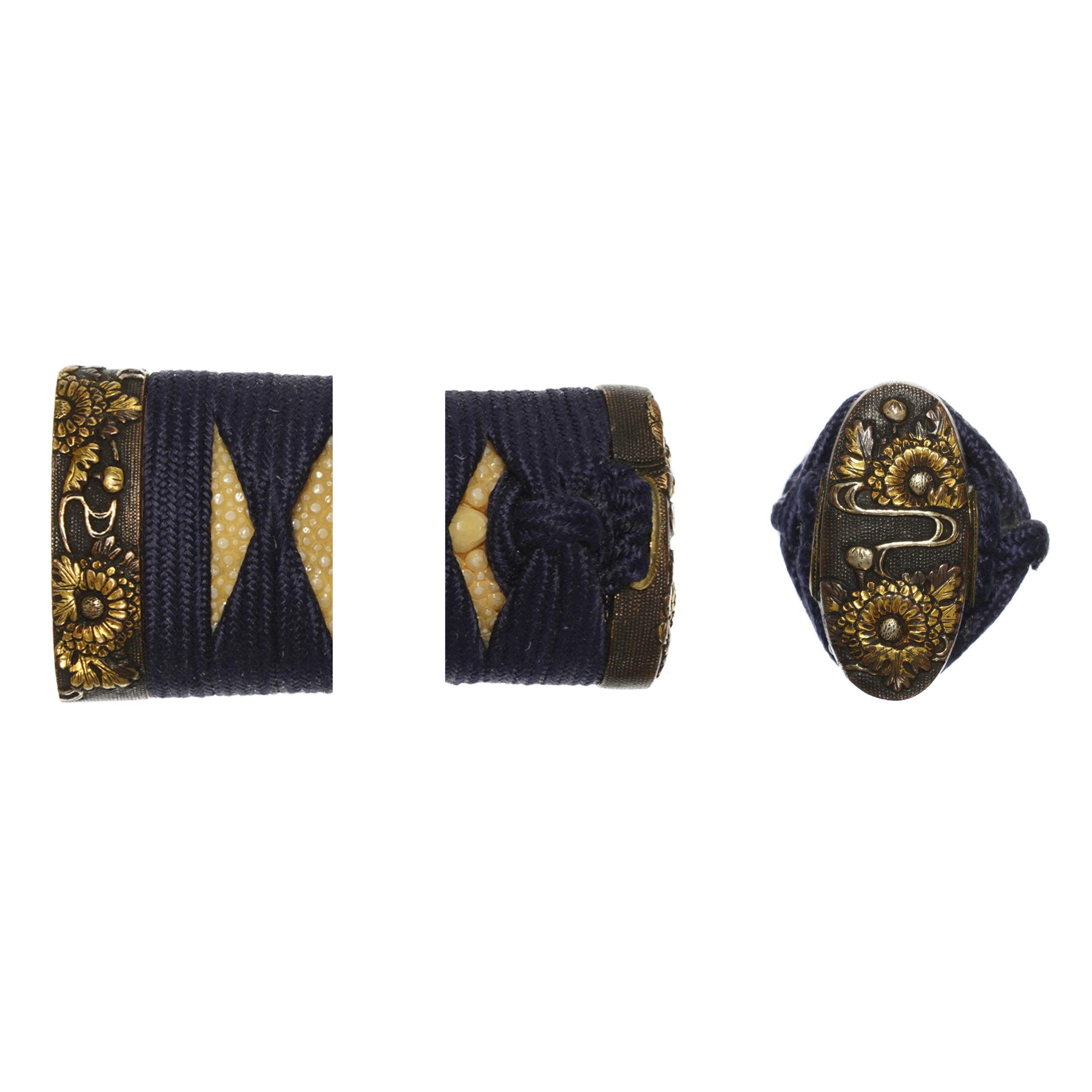
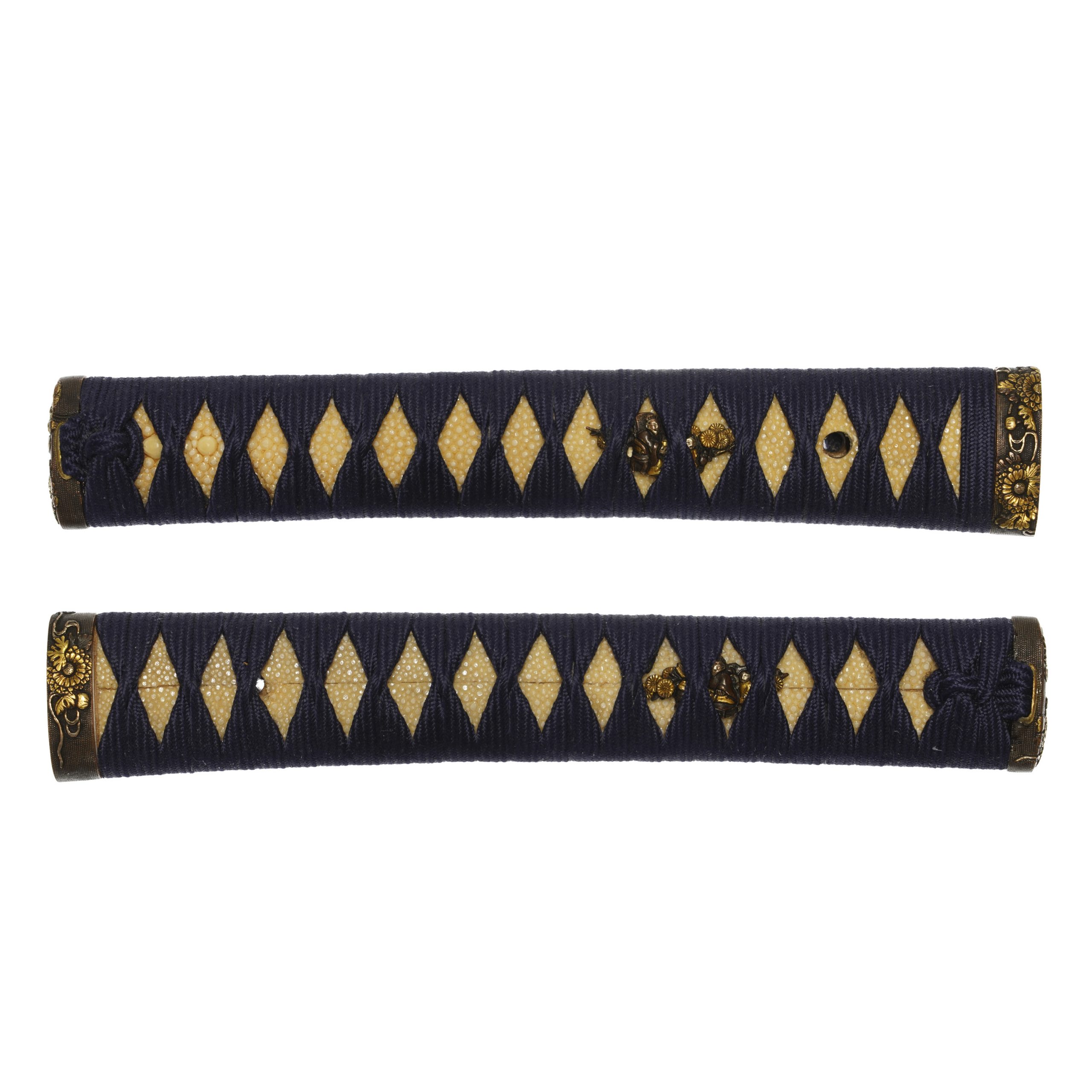
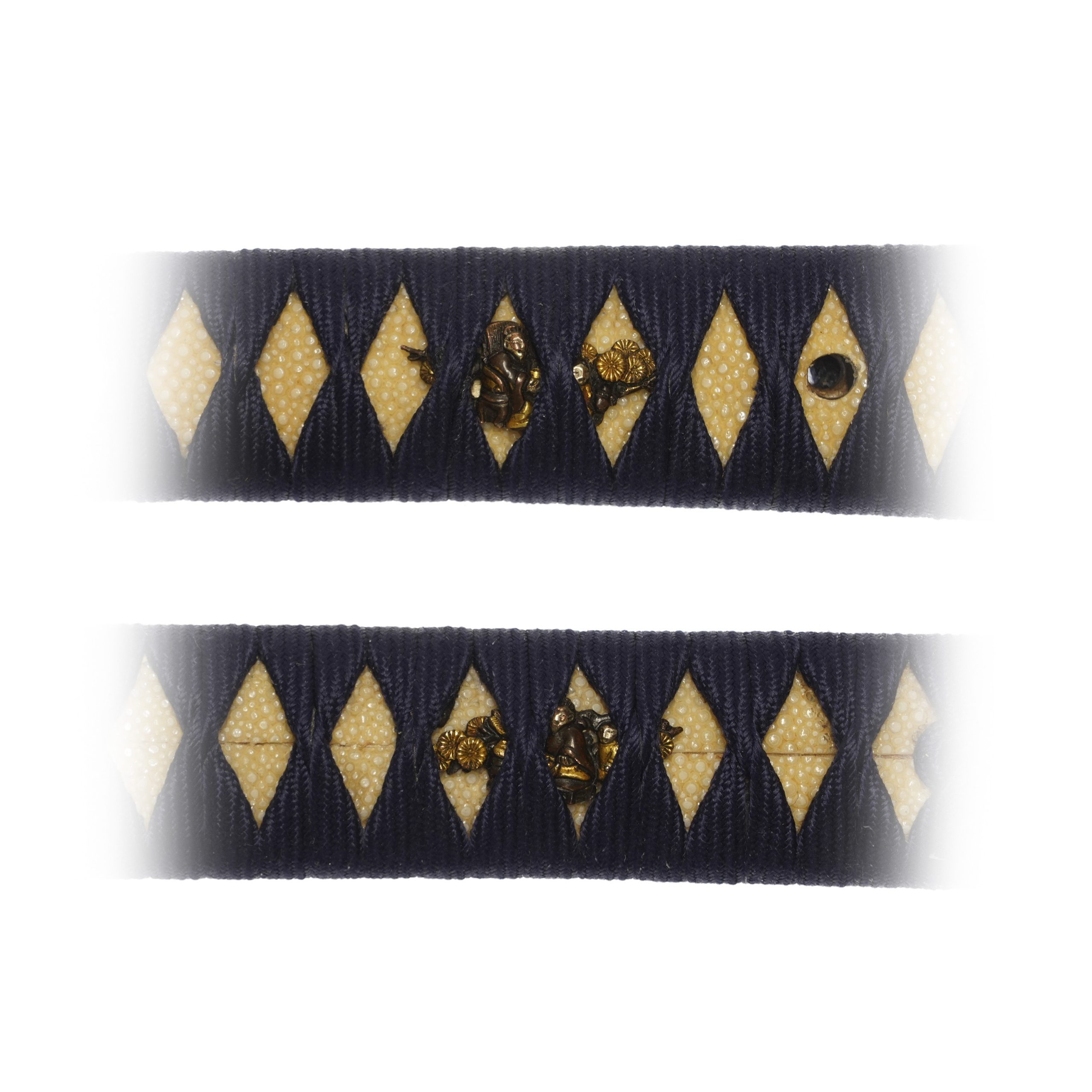
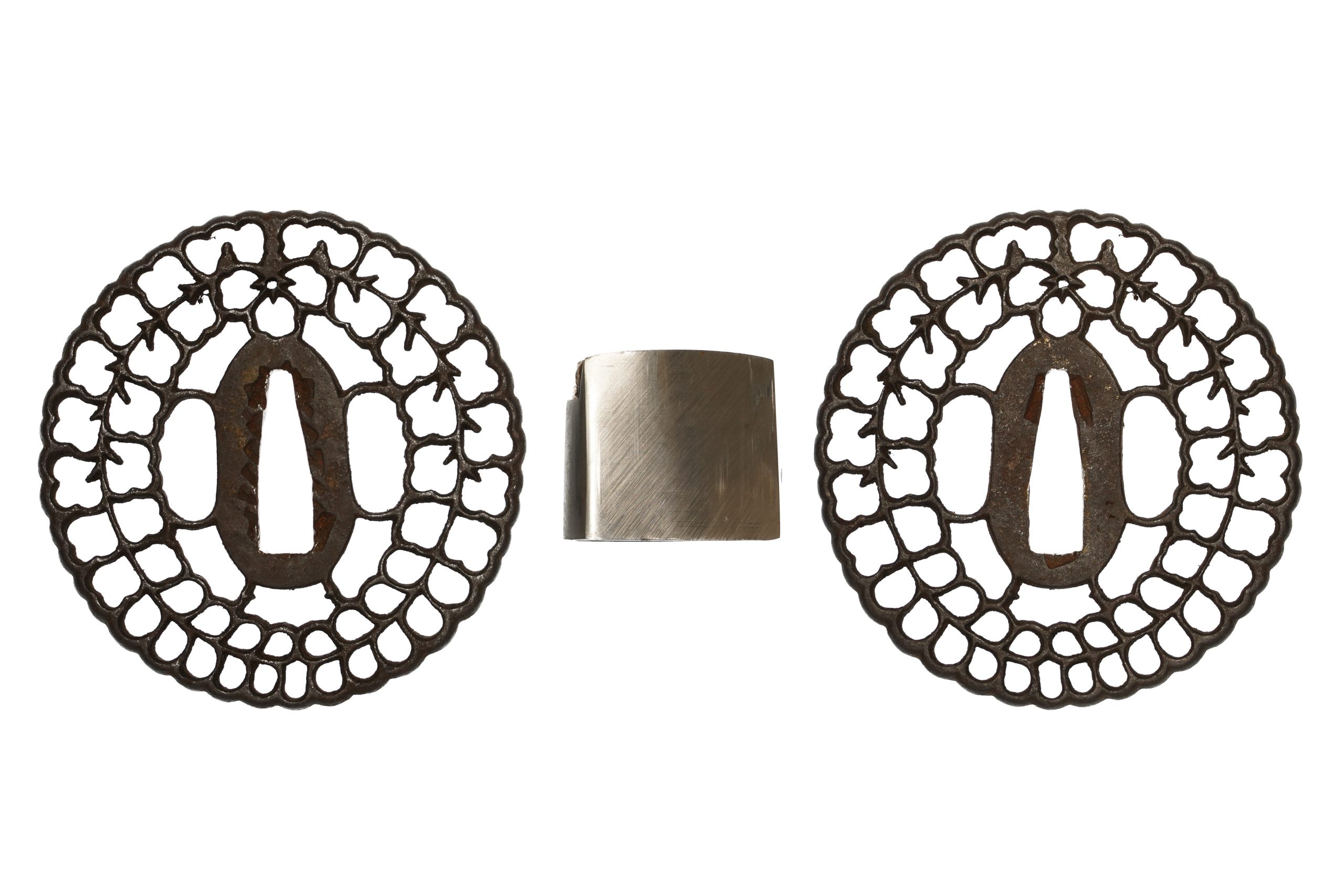
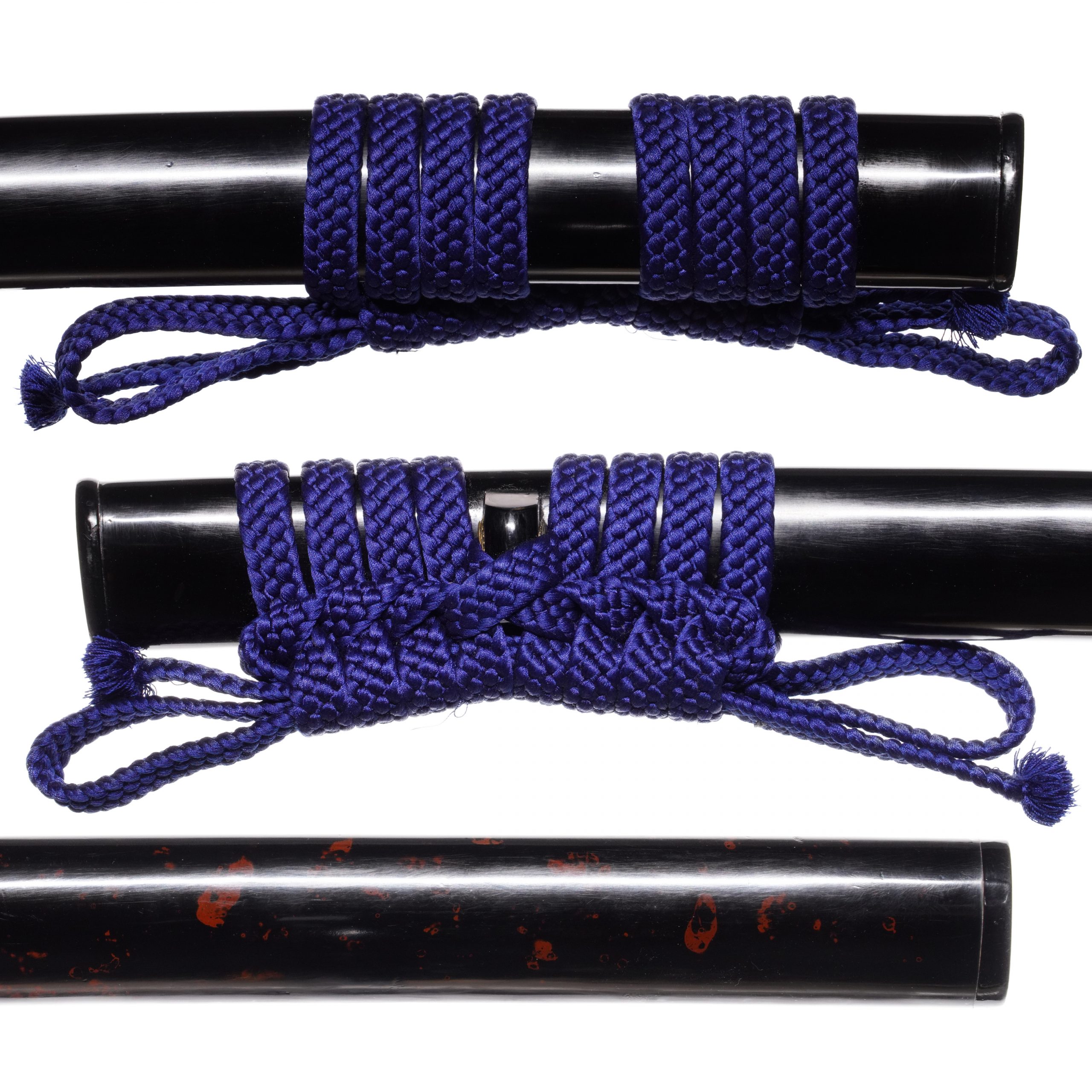
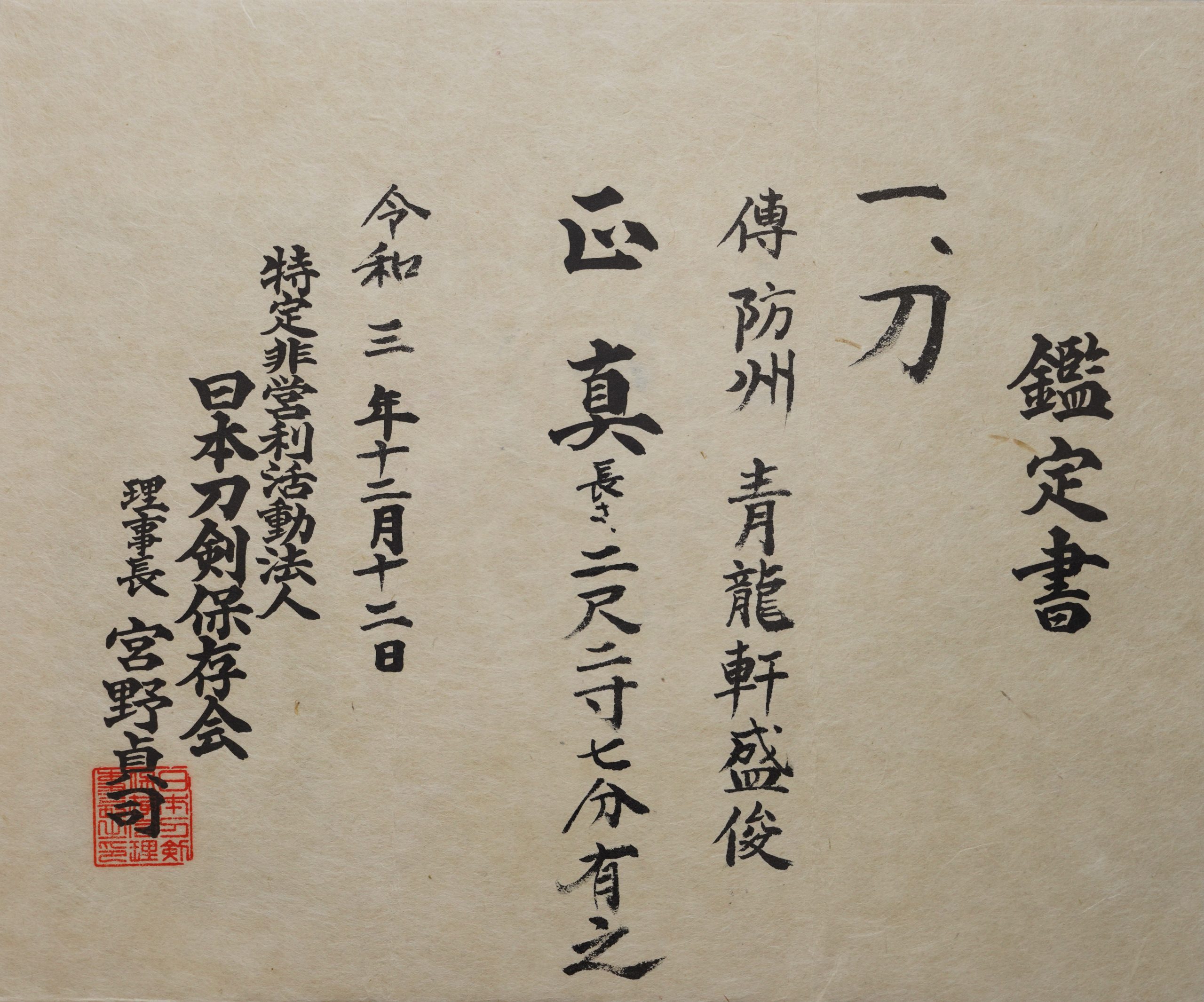
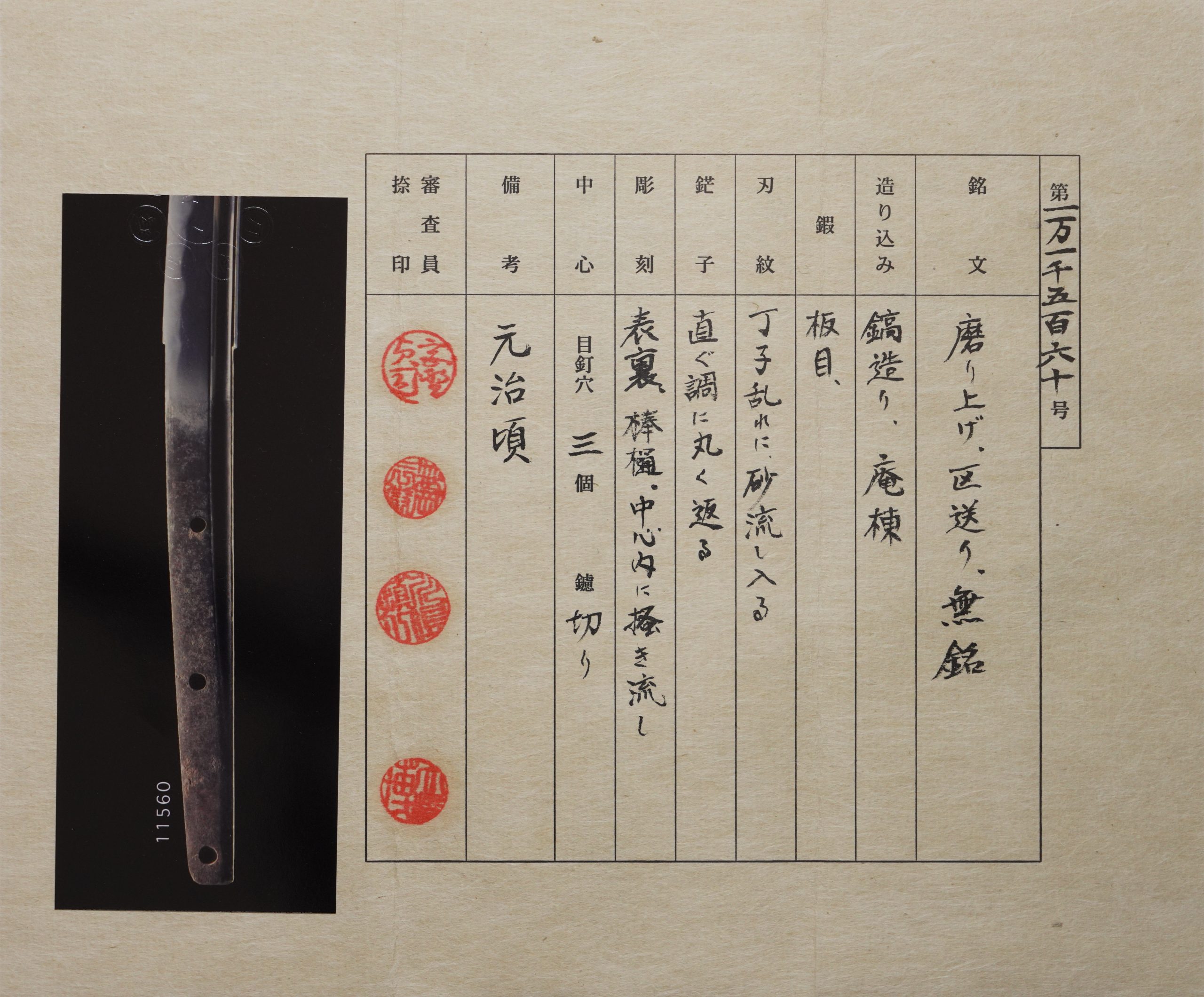
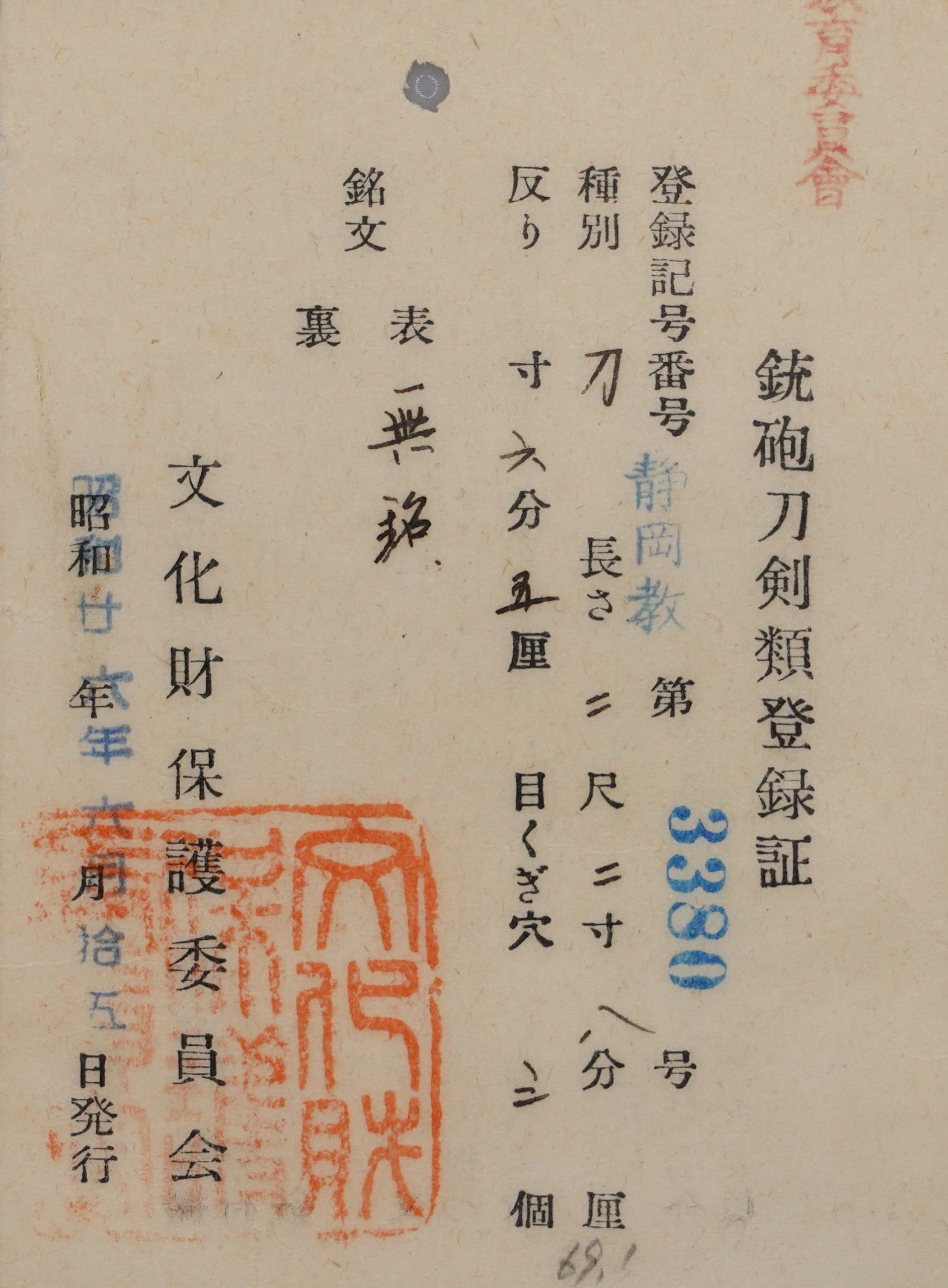
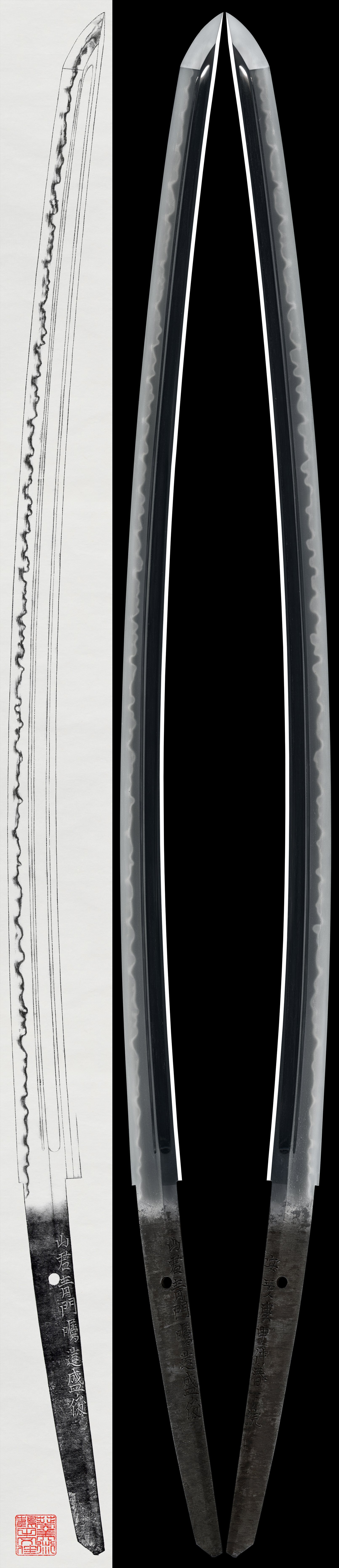
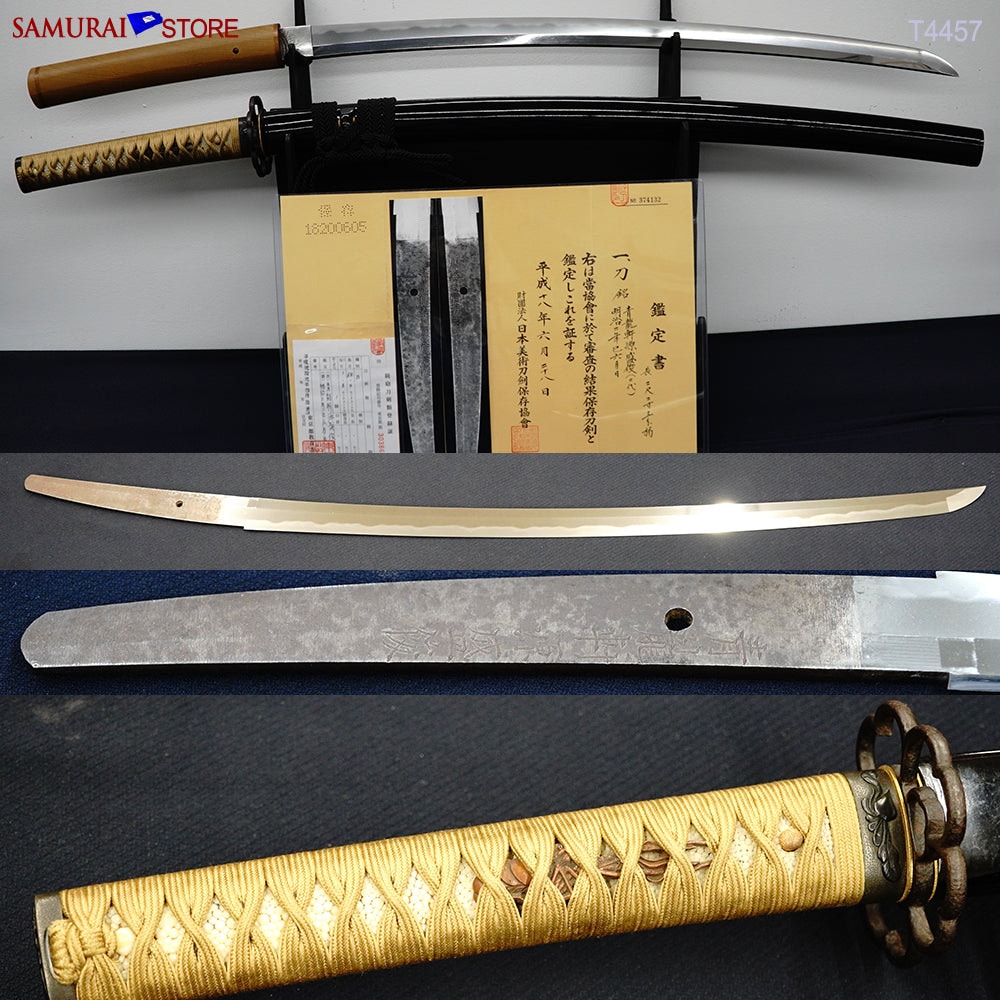
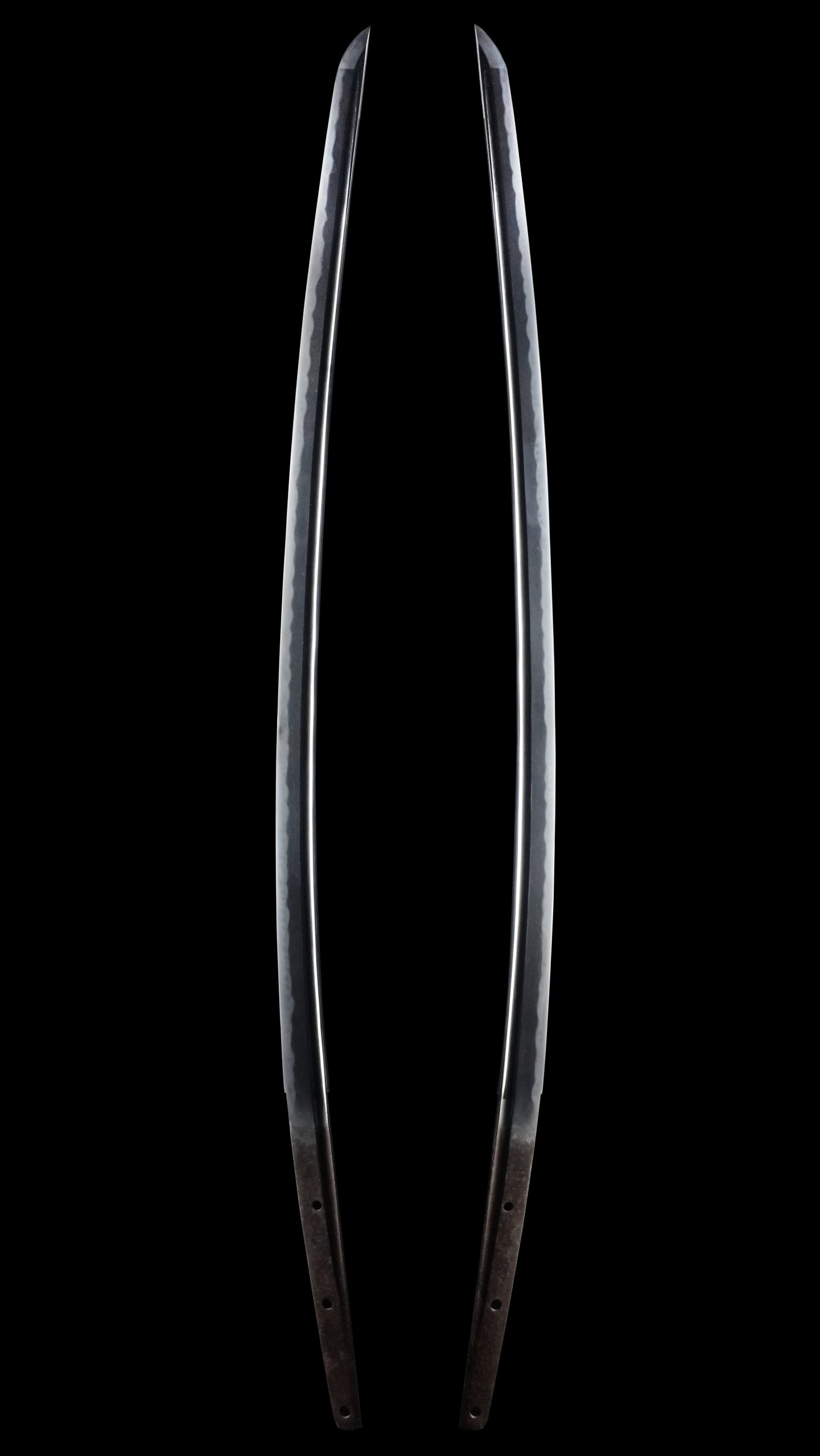
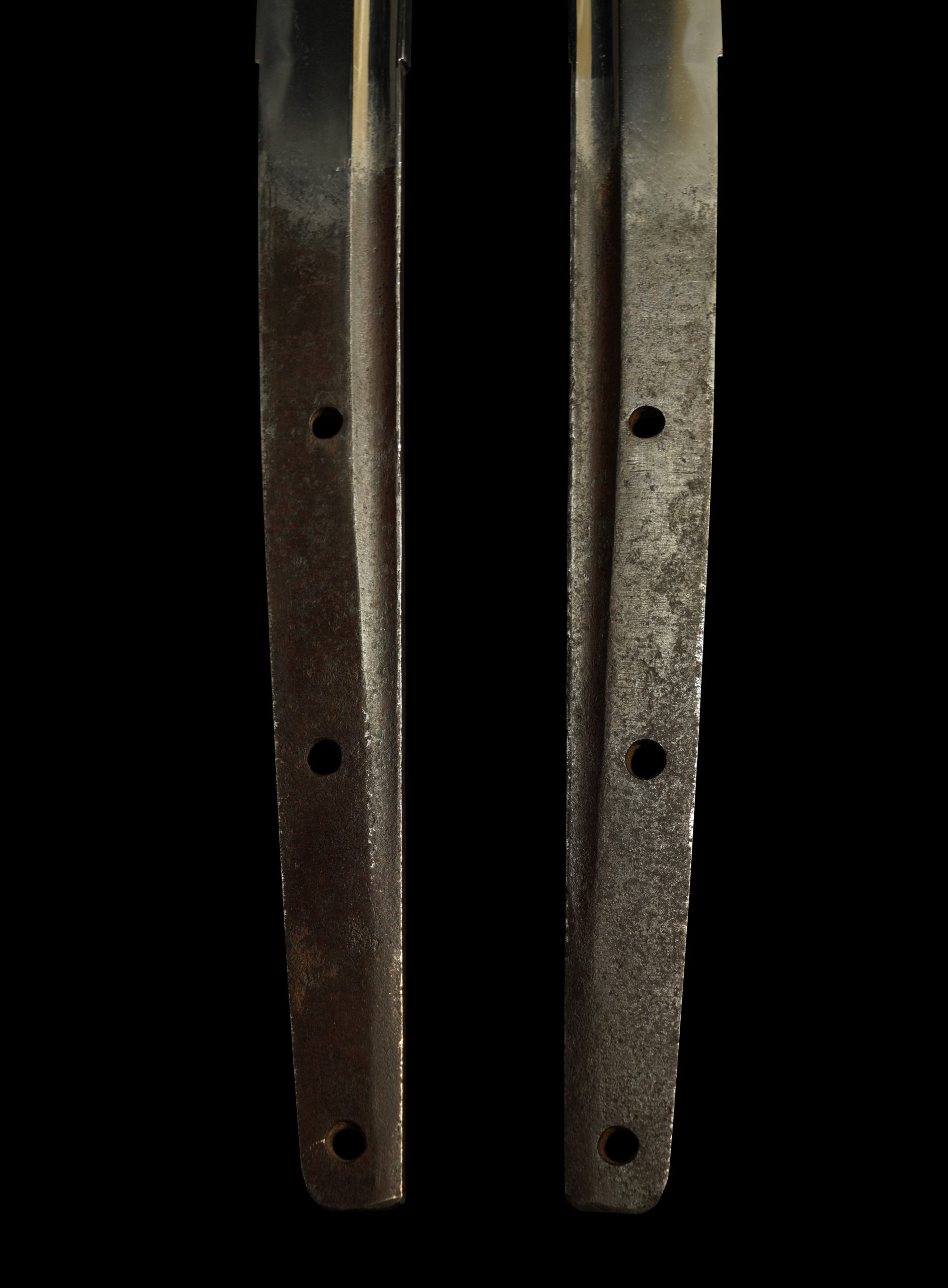
Antique Japanese Sword Katana Attributed to Seiryuken Moritoshi with NTHK Kanteisho Certificate 【Description】 According to NTHK’s appraisal, this blade is attributed to Seiryuken Moritoshi (青龍軒盛俊) during the Genji era ( 1864-1865 : The end of the Edo period ). Moritoshi is one of the most renowned swordsmiths in the Choshu domain at the end of the Edo period (Bakumatsu era). In the second year of the Kyowa (1802), he was born in Iwakuni city, Suo province (Yamaguchi prefecture). His birth name was Iwamoto Kyozaemon. Firstly, he was studying sword-forging techniques in Yamaguchi prefecture but moved to Edo city to become an apprentice of Chounsai Tsunatoshi ( 長運斎綱俊 ). Moreover, he also learned from Koyama Munetsugu ( 固山宗次 ), an apprentice of Tsunatoshi. Both were very popular in Edo city at the end of the Edo period. One year later, he was allowed to sign Moritoshi as his maker’s name, returning to Iwakuni city. He firstly named himself Seiryushi (a child of Blue Dragon) and then changed it to Seiryuken (A house of Blue Dragon). According to Chiyozuru Korehide, another student of Tsunatoshi, the son of Tsunatoshi (Koretoshi), was sent to Morihide to be trained under his roof when Korehide was 12 years old. This fact indicates that Moritoshi was trusted by his master very much, and his craftsmanship was highly appreciated. Furthermore, Moritoshi also trained Morihide, the second-gen Moritoshi, and other swordsmiths. It is said that Moritoshi was very passionate about studying different sword-forging techniques. Nine years after his first apprenticeship, he returned to Edo city to learn from Tsunatoshi. Moreover, he traveled through Kanto, Sanin, Kyushu area to improve his craftsmanship from other swordsmiths. Whenever he heard that there were reputable swordsmiths, he visited there and learned their techniques. He was excellent at forging swords in Bizen Den tradition, which he learned from his master. Eventually, he became an Okakaekaji for the Yoshikawa clan, who ruled Iwakuni city. Yoshikawa clan was under the Mori family’s rule, and they were considered a branch of the Choshu domain. We assume Moritoshi forged many swords for members or vassals of Mori clans during the end of the Edo period. He died on April 25th in the third year of the Keio era (1867) at 66 years of age. It is said that he kept forging swords right before his death. His apprentice Morihide arranged a tombstone for his master. That indicates that Moritoshi and Morihide had close ties and a good master-apprentice relationship. 【 Blade】 Cutting Edge Length(Nagasa) : 68.8 cm( 27.1 inches) Curvature(Sori) : 1.97 cm (0.77 inches) Hamon : The crystalline structure which forms along the cutting edge of a blade as a result of the hardening process Jimon(Jihada) : visible steel surface pattern created by folding and hammering during forging process Nakago : Nakago is the tang of the Japanese sword. Japanese swordsmiths left the black rust on the tang because it prevents red rust while the tang is in its handle. And the discoloration of the tang was created over time, and it is a great indicator for a Japanese sword specialist to estimate when the sword was forged. Koshirae: Koshirae is the mounting of the Japanese sword. There are several parts that consist of Koshirae such as Saya(Scabbard), Tsuka( Handle), Tsuba(Handguard). Fuchi-Kashira : A pair of matching sword fittings that cover the upper and bottom parts of its sword hilt. This Fuchi Kashira has a decorative look thanks to its design. The golden and silvery paints are applied to chrysanthemums and water patterns. We would judge this theme as a type of the Kikusui (菊水) pattern. It depicts chrysanthemum flowers floating in running water. Since a long time ago, the Kikusui pattern has been known as a design that represents longevity based on a legend in the Continent. It says we could extend our lifespan by drinking water flowing from the chrysanthemum colony. Therefore, people treated this design as a kind of

NihontoWatch MonNihontoWatch
MarketEncyclopediaKantei
刀剣›盛俊›Antique Japanese Sword Katana Attributed to Seiryuken Moritoshi NTHK Kanteisho Certificate
刀
盛俊

Antique Japanese Sword Katana Attributed to Seiryuken Moritoshi NTHK Kanteisho Certificate

無銘 · 幕末〜明治 · 長さ 68.8cm · 反り 1.97cm
売却済
盛俊 · 幕末〜明治販売中 2点 →
刀
刀身だけで刀工を見抜けますか? 本日の鑑定 →
盛俊 — 1 of 18
盛俊 — 2 of 18
盛俊 — 3 of 18
盛俊 — 4 of 18
盛俊 — 5 of 18
盛俊 — 6 of 18
盛俊 — 7 of 18
盛俊 — 8 of 18
盛俊 — 9 of 18
盛俊 — 10 of 18
盛俊 — 11 of 18
盛俊 — 12 of 18
盛俊 — 13 of 18
盛俊 — 14 of 18
盛俊 — 15 of 18
盛俊 — 16 of 18
盛俊 — 17 of 18
盛俊 — 18 of 18
1 / 18
1 / 18
盛俊 — 1 of 18盛俊 — 2 of 18盛俊 — 3 of 18盛俊 — 4 of 18盛俊 — 5 of 18盛俊 — 6 of 18盛俊 — 7 of 18盛俊 — 8 of 18盛俊 — 9 of 18盛俊 — 10 of 18盛俊 — 11 of 18盛俊 — 12 of 18盛俊 — 13 of 18盛俊 — 14 of 18盛俊 — 15 of 18盛俊 — 16 of 18盛俊 — 17 of 18盛俊 — 18 of 18
盛俊 · 幕末〜明治販売中 2点 →
刀
刀身だけで刀工を見抜けますか? 本日の鑑定 →
法量・詳細
刀工
盛俊
種別
刀
活動期
1854–1869年頃(幕末〜明治)
国
長門
銘
無銘
法量
長さ 68.8cm反り 1.97cm
説明

Antique Japanese Sword Katana Attributed to Seiryuken Moritoshi with NTHK Kanteisho Certificate 【Description】 According to NTHK’s appraisal, this blade is attributed to Seiryuken Moritoshi (青龍軒盛俊) during the Genji era ( 1864-1865 : The end of the Edo period ). Moritoshi is one of the most renowned swordsmiths in the Choshu domain at the end of the Edo period (Bakumatsu era). In the second year of the Kyowa (1802), he was born in Iwakuni city, Suo province (Yamaguchi prefecture). His birth name was Iwamoto Kyozaemon. Firstly, he was studying sword-forging techniques in Yamaguchi prefecture but moved to Edo city to become an apprentice of Chounsai Tsunatoshi ( 長運斎綱俊 ). Moreover, he also learned from Koyama Munetsugu ( 固山宗次 ), an apprentice of Tsunatoshi. Both were very popular in Edo city at the end of the Edo period. One year later, he was allowed to sign Moritoshi as his maker’s name, returning to Iwakuni city. He firstly named himself Seiryushi (a child of Blue Dragon) and then changed it to Seiryuken (A house of Blue Dragon). According to Chiyozuru Korehide, another student of Tsunatoshi, the son of Tsunatoshi (Koretoshi), was sent to Morihide to be trained under his roof when Korehide was 12 years old. This fact indicates that Moritoshi was trusted by his master very much, and his craftsmanship was highly appreciated. Furthermore, Moritoshi also trained Morihide, the second-gen Moritoshi, and other swordsmiths. It is said that Moritoshi was very passionate about studying different sword-forging techniques. Nine years after his first apprenticeship, he returned to Edo city to learn from Tsunatoshi. Moreover, he traveled through Kanto, Sanin, Kyushu area to improve his craftsmanship from other swordsmiths. Whenever he heard that there were reputable swordsmiths, he visited there and learned their techniques. He was excellent at forging swords in Bizen Den tradition, which he learned from his master. Eventually, he became an Okakaekaji for the Yoshikawa clan, who ruled Iwakuni city. Yoshikawa clan was under the Mori family’s rule, and they were considered a branch of the Choshu domain. We assume Moritoshi forged many swords for members or vassals of Mori clans during the end of the Edo period. He died on April 25th in the third year of the Keio era (1867) at 66 years of age. It is said that he kept forging swords right before his death. His apprentice Morihide arranged a tombstone for his master. That indicates that Moritoshi and Morihide had close ties and a good master-apprentice relationship. 【 Blade】 Cutting Edge Length(Nagasa) : 68.8 cm( 27.1 inches) Curvature(Sori) : 1.97 cm (0.77 inches) Hamon : The crystalline structure which forms along the cutting edge of a blade as a result of the hardening process Jimon(Jihada) : visible steel surface pattern created by folding and hammering during forging process Nakago : Nakago is the tang of the Japanese sword. Japanese swordsmiths left the black rust on the tang because it prevents red rust while the tang is in its handle. And the discoloration of the tang was created over time, and it is a great indicator for a Japanese sword specialist to estimate when the sword was forged. Koshirae: Koshirae is the mounting of the Japanese sword. There are several parts that consist of Koshirae such as Saya(Scabbard), Tsuka( Handle), Tsuba(Handguard). Fuchi-Kashira : A pair of matching sword fittings that cover the upper and bottom parts of its sword hilt. This Fuchi Kashira has a decorative look thanks to its design. The golden and silvery paints are applied to chrysanthemums and water patterns. We would judge this theme as a type of the Kikusui (菊水) pattern. It depicts chrysanthemum flowers floating in running water. Since a long time ago, the Kikusui pattern has been known as a design that represents longevity based on a legend in the Continent. It says we could extend our lifespan by drinking water flowing from the chrysanthemum colony. Therefore, people treated this design as a kind of

作者について

盛俊

周防 · 1854-1869頃

現在2点販売中

›
盛俊の作 2点が現在販売中→
盛俊 — 詳細

この作者について学ぶ →

歴史的背景

幕末 最後の需要

›

1853年のペリー来航は徳川の泰平をほどき、二世紀ぶりに実用刀の大量需要を生んだ。四谷正宗と呼ばれた清麿はその前夜に世を去り、宗次や行秀が最後の好況を担った。

幕末 最後の需要 →

NTHK(日本刀剣保存会)鑑定
鑑定書Kanteishō
›

NTHKの中心的な鑑定書で、相応の出来を備えた作に発行されます。在銘作は銘の正真を、無銘作は審査員による刀工・流派の極めを示します。点数を記す詳細な審査表が付されます。

NTHKについて›

NTHK(日本刀剣保存会)は、NBTHK(1948年設立)に先立つ1910年に創立された、日本で最も古い刀剣鑑定団体です。長く会を率いた会長の没後、NTHKとNTHK-NPOの二つに分かれ、いずれも審査を続けています。NTHKの鑑定書は、点数と審査員の所見を併記する詳細な審査表が特徴で、特に無銘作の極めに定評があります。

販売店
サ
サムライミュージアム
🇯🇵日本から発送
›
✓認証販売店samuraimuseum.jp
✓海外発送可✓英語対応PayPalクレジットカード
返品ポリシー

Returns/exchanges limited to defects caused by shipping (except willful misconduct or gross negligence by the company); customers must contact within 72 hours of receiving the product.

サムライミュージアムの出品一覧を見る→販売店サイトでこの商品を見る→

盛俊の他の作

すべて見る →
イーソード
特別保存
Wakizashi - Tokuho - 作 盛俊 - 脇差:盛俊(青竜軒盛俊)Wakizashi - Tokuho - 作 盛俊 - 脇差:盛俊(青竜軒盛俊)

脇差

作盛俊
30.9cm·江戸
¥500,000
銀座長州屋
特別保存
Tanto - Tokuho - 作 盛俊 - 短刀 銘 青龍軒盛俊造之 文久三年癸亥八月日Tanto - Tokuho - 作 盛俊 - 短刀 銘 青龍軒盛俊造之 文久三年癸亥八月日

短刀

作盛俊
30.6cm·幕末〜明治
お問い合わせ

盛俊の売約済み

すべて見る →
葵美術
特別保存
Katana - Tokuho - 作 盛俊 - 刀:山公制門嘱造守俊(周防)安政庚申二月下旬(日本美術刀剣保存協会 特別保存刀剣)(刀・拵:刀剣円社審査委員会鑑定書)Katana - Tokuho - 作 盛俊 - 刀:山公制門嘱造守俊(周防)安政庚申二月下旬(日本美術刀剣保存協会 特別保存刀剣)(刀・拵:刀剣円社審査委員会鑑定書)
売切れ

刀

作盛俊
68.78cm·新々刀
売却済
Samurai Store
保存
Katana - Hozon - 作 盛俊 - Antique Katana sword in Antique Ornate Mounting NBTHK Hozon (well preserved) certificatedKatana - Hozon - 作 盛俊 - Antique Katana sword in Antique Ornate Mounting NBTHK Hozon (well preserved) certificated
売切れ

刀

作盛俊
68.4cm·明治
売却済
刀剣 備前屋
特別保存
Katana - Tokuho - 作 盛俊 - 防州岩国藩青龍軒盛俊造之Katana - Tokuho - 作 盛俊 - 防州岩国藩青龍軒盛俊造之
売切れ

刀

作盛俊
69.7cm·幕末〜明治
売却済
勝武堂
保存
Katana - Hozon - 作 盛俊 - 刀 清竜子盛俊 天保壬寅八月日 / Katana Seiryushi Moritoshi A.D. 1842Katana - Hozon - 作 盛俊 - 刀 清竜子盛俊 天保壬寅八月日 / Katana Seiryushi Moritoshi A.D. 1842
売切れ

刀

作盛俊
74cm·弘化
売却済
永楽堂
保存
Tsuba - Hozon - 作 盛俊 - 盛俊 雪の班消之図鍔/鐔Tsuba - Hozon - 作 盛俊 - 盛俊 雪の班消之図鍔/鐔
売切れ

鍔

作盛俊
江戸
売却済
飯田高遠堂
特別保存
Tanto - Tokuho - 作 盛俊 - 新刀Tanto - Tokuho - 作 盛俊 - 新刀
売切れ

短刀

作盛俊
28.8cm·幕末〜明治
売却済
飯田高遠堂
特別保存
Katana - Tokuho - 作 盛俊 - 新刀Katana - Tokuho - 作 盛俊 - 新刀
売切れ

刀

作盛俊
73.8cm·幕末〜明治
売却済

刀剣

  • 刀
  • 脇差
  • 短刀
  • 太刀
  • 薙刀
  • 槍
  • 日本刀の販売
  • サムライソード

刀装具

  • 鍔
  • 縁頭
  • 小柄
  • 目貫
  • 鍔(ソードガード)

甲冑武具

  • 兜
  • 甲冑
  • 甲冑・武具一覧

鑑定別

  • 特重
  • 重要
  • 特別保存
  • 保存

リソース

  • 刀剣商一覧
  • 刀工一覧
  • 誌上鑑定
  • すべて見る
Nihontowatch© 2026
利用規約プライバシーCookie運営者情報
売切れ

説明

Antique Japanese Sword Katana Attributed to Seiryuken Moritoshi with NTHK Kanteisho Certificate 【Description】 According to NTHK’s appraisal, this blade is attributed to Seiryuken Moritoshi (青龍軒盛俊) during the Genji era ( 1864-1865 : The end of the Edo period ). Moritoshi is one of the most renowned swordsmiths in the Choshu domain at the end of the Edo period (Bakumatsu era). In the second year of the Kyowa (1802), he was born in Iwakuni city, Suo province (Yamaguchi prefecture). His birth name was Iwamoto Kyozaemon. Firstly, he was studying sword-forging techniques in Yamaguchi prefecture but moved to Edo city to become an apprentice of Chounsai Tsunatoshi ( 長運斎綱俊 ). Moreover, he also learned from Koyama Munetsugu ( 固山宗次 ), an apprentice of Tsunatoshi. Both were very popular in Edo city at the end of the Edo period. One year later, he was allowed to sign Moritoshi as his maker’s name, returning to Iwakuni city. He firstly named himself Seiryushi (a child of Blue Dragon) and then changed it to Seiryuken (A house of Blue Dragon). According to Chiyozuru Korehide, another student of Tsunatoshi, the son of Tsunatoshi (Koretoshi), was sent to Morihide to be trained under his roof when Korehide was 12 years old. This fact indicates that Moritoshi was trusted by his master very much, and his craftsmanship was highly appreciated. Furthermore, Moritoshi also trained Morihide, the second-gen Moritoshi, and other swordsmiths. It is said that Moritoshi was very passionate about studying different sword-forging techniques. Nine years after his first apprenticeship, he returned to Edo city to learn from Tsunatoshi. Moreover, he traveled through Kanto, Sanin, Kyushu area to improve his craftsmanship from other swordsmiths. Whenever he heard that there were reputable swordsmiths, he visited there and learned their techniques. He was excellent at forging swords in Bizen Den tradition, which he learned from his master. Eventually, he became an Okakaekaji for the Yoshikawa clan, who ruled Iwakuni city. Yoshikawa clan was under the Mori family’s rule, and they were considered a branch of the Choshu domain. We assume Moritoshi forged many swords for members or vassals of Mori clans during the end of the Edo period. He died on April 25th in the third year of the Keio era (1867) at 66 years of age. It is said that he kept forging swords right before his death. His apprentice Morihide arranged a tombstone for his master. That indicates that Moritoshi and Morihide had close ties and a good master-apprentice relationship. 【 Blade】 Cutting Edge Length(Nagasa) : 68.8 cm( 27.1 inches) Curvature(Sori) : 1.97 cm (0.77 inches) Hamon : The crystalline structure which forms along the cutting edge of a blade as a result of the hardening process Jimon(Jihada) : visible steel surface pattern created by folding and hammering during forging process Nakago : Nakago is the tang of the Japanese sword. Japanese swordsmiths left the black rust on the tang because it prevents red rust while the tang is in its handle. And the discoloration of the tang was created over time, and it is a great indicator for a Japanese sword specialist to estimate when the sword was forged. Koshirae: Koshirae is the mounting of the Japanese sword. There are several parts that consist of Koshirae such as Saya(Scabbard), Tsuka( Handle), Tsuba(Handguard). Fuchi-Kashira : A pair of matching sword fittings that cover the upper and bottom parts of its sword hilt. This Fuchi Kashira has a decorative look thanks to its design. The golden and silvery paints are applied to chrysanthemums and water patterns. We would judge this theme as a type of the Kikusui (菊水) pattern. It depicts chrysanthemum flowers floating in running water. Since a long time ago, the Kikusui pattern has been known as a design that represents longevity based on a legend in the Continent. It says we could extend our lifespan by drinking water flowing from the chrysanthemum colony. Therefore, people treated this design as a kind of

NihontoWatch MonNihontoWatch
MarketEncyclopediaKantei
刀剣›盛俊›Antique Japanese Sword Katana Attributed to Seiryuken Moritoshi NTHK Kanteisho Certificate
刀
盛俊

Antique Japanese Sword Katana Attributed to Seiryuken Moritoshi NTHK Kanteisho Certificate

無銘 · 幕末〜明治 · 長さ 68.8cm · 反り 1.97cm
売却済
盛俊 · 幕末〜明治販売中 2点 →
刀
刀身だけで刀工を見抜けますか? 本日の鑑定 →
盛俊 — 1 of 18
盛俊 — 2 of 18
盛俊 — 3 of 18
盛俊 — 4 of 18
盛俊 — 5 of 18
盛俊 — 6 of 18
盛俊 — 7 of 18
盛俊 — 8 of 18
盛俊 — 9 of 18
盛俊 — 10 of 18
盛俊 — 11 of 18
盛俊 — 12 of 18
盛俊 — 13 of 18
盛俊 — 14 of 18
盛俊 — 15 of 18
盛俊 — 16 of 18
盛俊 — 17 of 18
盛俊 — 18 of 18
1 / 18
1 / 18
盛俊 — 1 of 18盛俊 — 2 of 18盛俊 — 3 of 18盛俊 — 4 of 18盛俊 — 5 of 18盛俊 — 6 of 18盛俊 — 7 of 18盛俊 — 8 of 18盛俊 — 9 of 18盛俊 — 10 of 18盛俊 — 11 of 18盛俊 — 12 of 18盛俊 — 13 of 18盛俊 — 14 of 18盛俊 — 15 of 18盛俊 — 16 of 18盛俊 — 17 of 18盛俊 — 18 of 18
盛俊 · 幕末〜明治販売中 2点 →
刀
刀身だけで刀工を見抜けますか? 本日の鑑定 →
法量・詳細
刀工
盛俊
種別
刀
活動期
1854–1869年頃(幕末〜明治)
国
長門
銘
無銘
法量
長さ 68.8cm反り 1.97cm
説明

Antique Japanese Sword Katana Attributed to Seiryuken Moritoshi with NTHK Kanteisho Certificate 【Description】 According to NTHK’s appraisal, this blade is attributed to Seiryuken Moritoshi (青龍軒盛俊) during the Genji era ( 1864-1865 : The end of the Edo period ). Moritoshi is one of the most renowned swordsmiths in the Choshu domain at the end of the Edo period (Bakumatsu era). In the second year of the Kyowa (1802), he was born in Iwakuni city, Suo province (Yamaguchi prefecture). His birth name was Iwamoto Kyozaemon. Firstly, he was studying sword-forging techniques in Yamaguchi prefecture but moved to Edo city to become an apprentice of Chounsai Tsunatoshi ( 長運斎綱俊 ). Moreover, he also learned from Koyama Munetsugu ( 固山宗次 ), an apprentice of Tsunatoshi. Both were very popular in Edo city at the end of the Edo period. One year later, he was allowed to sign Moritoshi as his maker’s name, returning to Iwakuni city. He firstly named himself Seiryushi (a child of Blue Dragon) and then changed it to Seiryuken (A house of Blue Dragon). According to Chiyozuru Korehide, another student of Tsunatoshi, the son of Tsunatoshi (Koretoshi), was sent to Morihide to be trained under his roof when Korehide was 12 years old. This fact indicates that Moritoshi was trusted by his master very much, and his craftsmanship was highly appreciated. Furthermore, Moritoshi also trained Morihide, the second-gen Moritoshi, and other swordsmiths. It is said that Moritoshi was very passionate about studying different sword-forging techniques. Nine years after his first apprenticeship, he returned to Edo city to learn from Tsunatoshi. Moreover, he traveled through Kanto, Sanin, Kyushu area to improve his craftsmanship from other swordsmiths. Whenever he heard that there were reputable swordsmiths, he visited there and learned their techniques. He was excellent at forging swords in Bizen Den tradition, which he learned from his master. Eventually, he became an Okakaekaji for the Yoshikawa clan, who ruled Iwakuni city. Yoshikawa clan was under the Mori family’s rule, and they were considered a branch of the Choshu domain. We assume Moritoshi forged many swords for members or vassals of Mori clans during the end of the Edo period. He died on April 25th in the third year of the Keio era (1867) at 66 years of age. It is said that he kept forging swords right before his death. His apprentice Morihide arranged a tombstone for his master. That indicates that Moritoshi and Morihide had close ties and a good master-apprentice relationship. 【 Blade】 Cutting Edge Length(Nagasa) : 68.8 cm( 27.1 inches) Curvature(Sori) : 1.97 cm (0.77 inches) Hamon : The crystalline structure which forms along the cutting edge of a blade as a result of the hardening process Jimon(Jihada) : visible steel surface pattern created by folding and hammering during forging process Nakago : Nakago is the tang of the Japanese sword. Japanese swordsmiths left the black rust on the tang because it prevents red rust while the tang is in its handle. And the discoloration of the tang was created over time, and it is a great indicator for a Japanese sword specialist to estimate when the sword was forged. Koshirae: Koshirae is the mounting of the Japanese sword. There are several parts that consist of Koshirae such as Saya(Scabbard), Tsuka( Handle), Tsuba(Handguard). Fuchi-Kashira : A pair of matching sword fittings that cover the upper and bottom parts of its sword hilt. This Fuchi Kashira has a decorative look thanks to its design. The golden and silvery paints are applied to chrysanthemums and water patterns. We would judge this theme as a type of the Kikusui (菊水) pattern. It depicts chrysanthemum flowers floating in running water. Since a long time ago, the Kikusui pattern has been known as a design that represents longevity based on a legend in the Continent. It says we could extend our lifespan by drinking water flowing from the chrysanthemum colony. Therefore, people treated this design as a kind of

作者について

盛俊

周防 · 1854-1869頃

現在2点販売中

›
盛俊の作 2点が現在販売中→
盛俊 — 詳細

この作者について学ぶ →

歴史的背景

幕末 最後の需要

›

1853年のペリー来航は徳川の泰平をほどき、二世紀ぶりに実用刀の大量需要を生んだ。四谷正宗と呼ばれた清麿はその前夜に世を去り、宗次や行秀が最後の好況を担った。

幕末 最後の需要 →

NTHK(日本刀剣保存会)鑑定
鑑定書Kanteishō
›

NTHKの中心的な鑑定書で、相応の出来を備えた作に発行されます。在銘作は銘の正真を、無銘作は審査員による刀工・流派の極めを示します。点数を記す詳細な審査表が付されます。

NTHKについて›

NTHK(日本刀剣保存会)は、NBTHK(1948年設立)に先立つ1910年に創立された、日本で最も古い刀剣鑑定団体です。長く会を率いた会長の没後、NTHKとNTHK-NPOの二つに分かれ、いずれも審査を続けています。NTHKの鑑定書は、点数と審査員の所見を併記する詳細な審査表が特徴で、特に無銘作の極めに定評があります。

販売店
サ
サムライミュージアム
🇯🇵日本から発送
›
✓認証販売店samuraimuseum.jp
✓海外発送可✓英語対応PayPalクレジットカード
返品ポリシー

Returns/exchanges limited to defects caused by shipping (except willful misconduct or gross negligence by the company); customers must contact within 72 hours of receiving the product.

サムライミュージアムの出品一覧を見る→販売店サイトでこの商品を見る→

盛俊の他の作

すべて見る →
イーソード
特別保存
Wakizashi - Tokuho - 作 盛俊 - 脇差:盛俊(青竜軒盛俊)Wakizashi - Tokuho - 作 盛俊 - 脇差:盛俊(青竜軒盛俊)

脇差

作盛俊
30.9cm·江戸
¥500,000
銀座長州屋
特別保存
Tanto - Tokuho - 作 盛俊 - 短刀 銘 青龍軒盛俊造之 文久三年癸亥八月日Tanto - Tokuho - 作 盛俊 - 短刀 銘 青龍軒盛俊造之 文久三年癸亥八月日

短刀

作盛俊
30.6cm·幕末〜明治
お問い合わせ

盛俊の売約済み

すべて見る →
葵美術
特別保存
Katana - Tokuho - 作 盛俊 - 刀:山公制門嘱造守俊(周防)安政庚申二月下旬(日本美術刀剣保存協会 特別保存刀剣)(刀・拵:刀剣円社審査委員会鑑定書)Katana - Tokuho - 作 盛俊 - 刀:山公制門嘱造守俊(周防)安政庚申二月下旬(日本美術刀剣保存協会 特別保存刀剣)(刀・拵:刀剣円社審査委員会鑑定書)
売切れ

刀

作盛俊
68.78cm·新々刀
売却済
Samurai Store
保存
Katana - Hozon - 作 盛俊 - Antique Katana sword in Antique Ornate Mounting NBTHK Hozon (well preserved) certificatedKatana - Hozon - 作 盛俊 - Antique Katana sword in Antique Ornate Mounting NBTHK Hozon (well preserved) certificated
売切れ

刀

作盛俊
68.4cm·明治
売却済
刀剣 備前屋
特別保存
Katana - Tokuho - 作 盛俊 - 防州岩国藩青龍軒盛俊造之Katana - Tokuho - 作 盛俊 - 防州岩国藩青龍軒盛俊造之
売切れ

刀

作盛俊
69.7cm·幕末〜明治
売却済
勝武堂
保存
Katana - Hozon - 作 盛俊 - 刀 清竜子盛俊 天保壬寅八月日 / Katana Seiryushi Moritoshi A.D. 1842Katana - Hozon - 作 盛俊 - 刀 清竜子盛俊 天保壬寅八月日 / Katana Seiryushi Moritoshi A.D. 1842
売切れ

刀

作盛俊
74cm·弘化
売却済
永楽堂
保存
Tsuba - Hozon - 作 盛俊 - 盛俊 雪の班消之図鍔/鐔Tsuba - Hozon - 作 盛俊 - 盛俊 雪の班消之図鍔/鐔
売切れ

鍔

作盛俊
江戸
売却済
飯田高遠堂
特別保存
Tanto - Tokuho - 作 盛俊 - 新刀Tanto - Tokuho - 作 盛俊 - 新刀
売切れ

短刀

作盛俊
28.8cm·幕末〜明治
売却済
飯田高遠堂
特別保存
Katana - Tokuho - 作 盛俊 - 新刀Katana - Tokuho - 作 盛俊 - 新刀
売切れ

刀

作盛俊
73.8cm·幕末〜明治
売却済

刀剣

  • 刀
  • 脇差
  • 短刀
  • 太刀
  • 薙刀
  • 槍
  • 日本刀の販売
  • サムライソード

刀装具

  • 鍔
  • 縁頭
  • 小柄
  • 目貫
  • 鍔(ソードガード)

甲冑武具

  • 兜
  • 甲冑
  • 甲冑・武具一覧

鑑定別

  • 特重
  • 重要
  • 特別保存
  • 保存

リソース

  • 刀剣商一覧
  • 刀工一覧
  • 誌上鑑定
  • すべて見る
Nihontowatch© 2026
利用規約プライバシーCookie運営者情報
売切れ
NihontoWatch MonNihontoWatch
マーケット
事典
鑑定
NihontoWatch MonNihontoWatch
マーケット
事典
鑑定