二十世紀は二度この工芸を殺しかけた。戦時の歪みと、占領下の禁令である。1948年の日刀保設立と1953年の作刀再開が刀を美術として再建し、人間国宝と無鑑査がその頂に立つ。
 NihontoWatchNihontoWatch
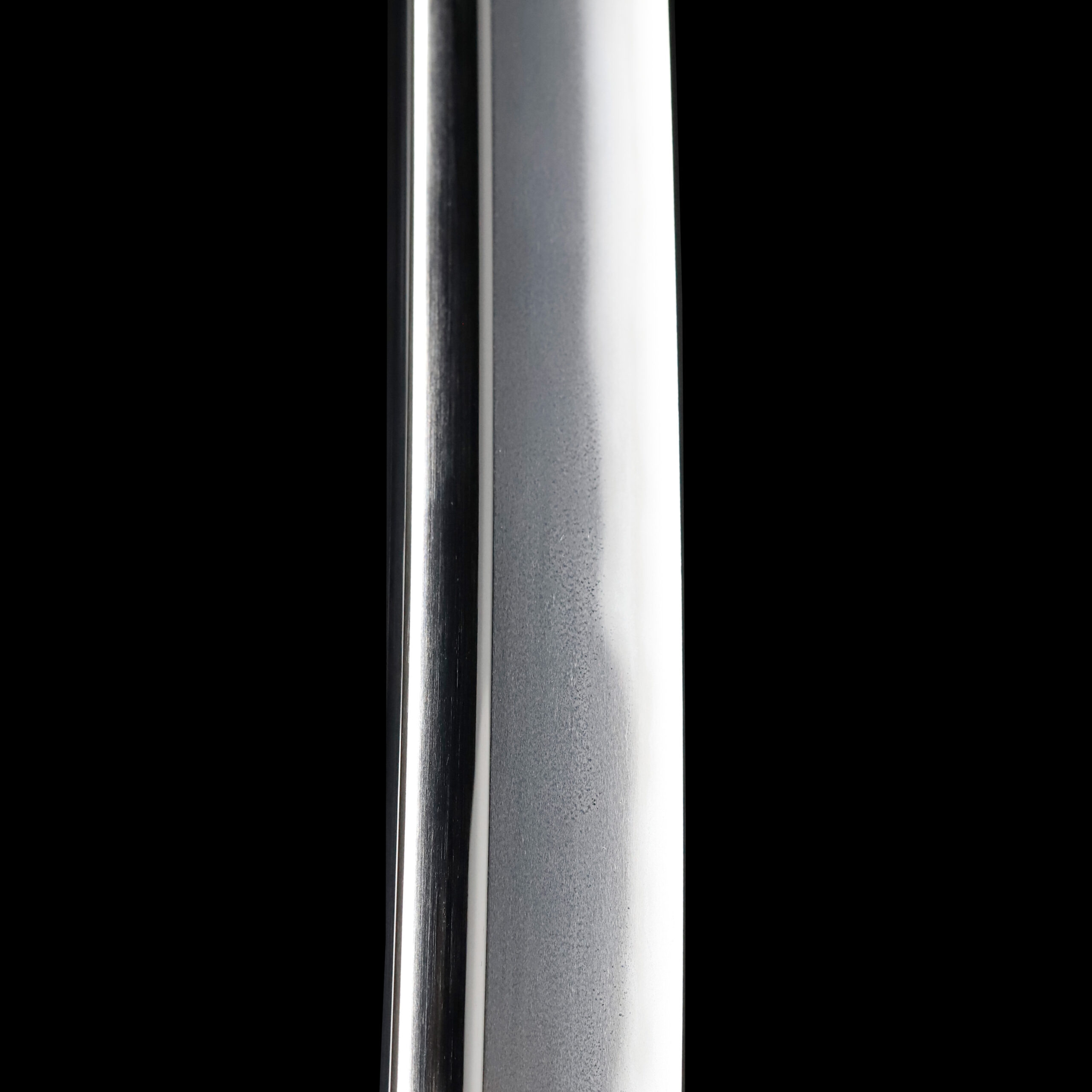
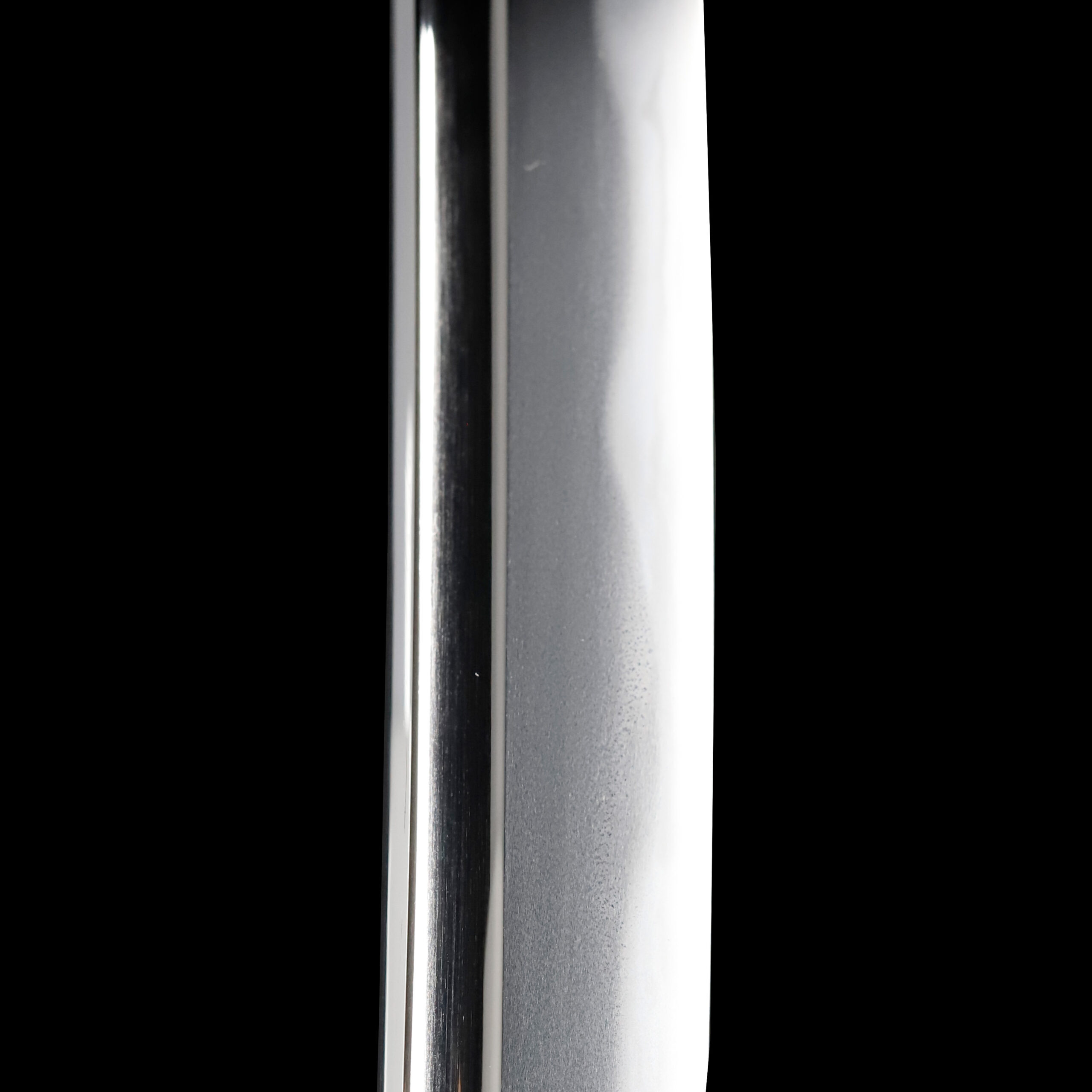
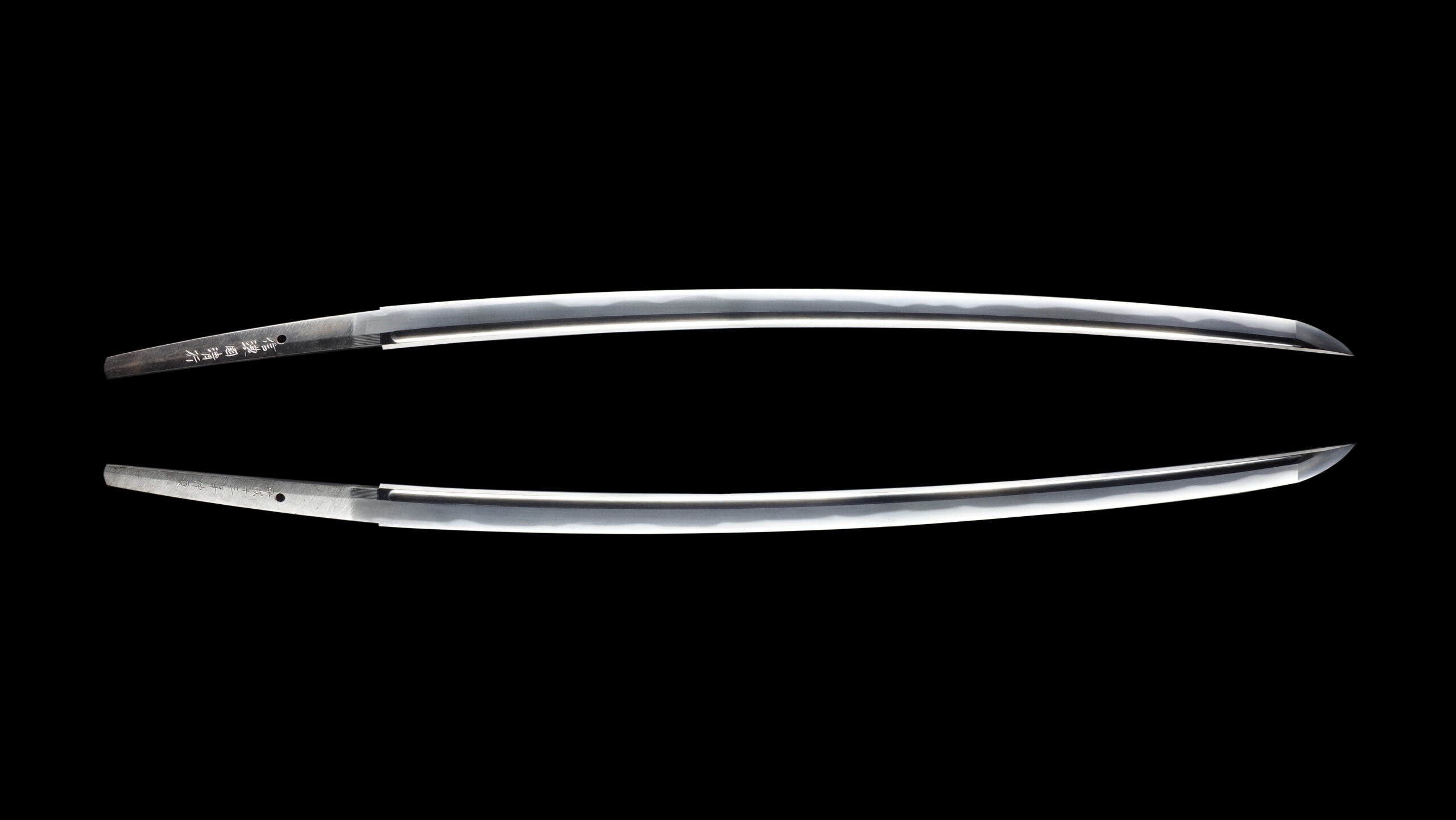
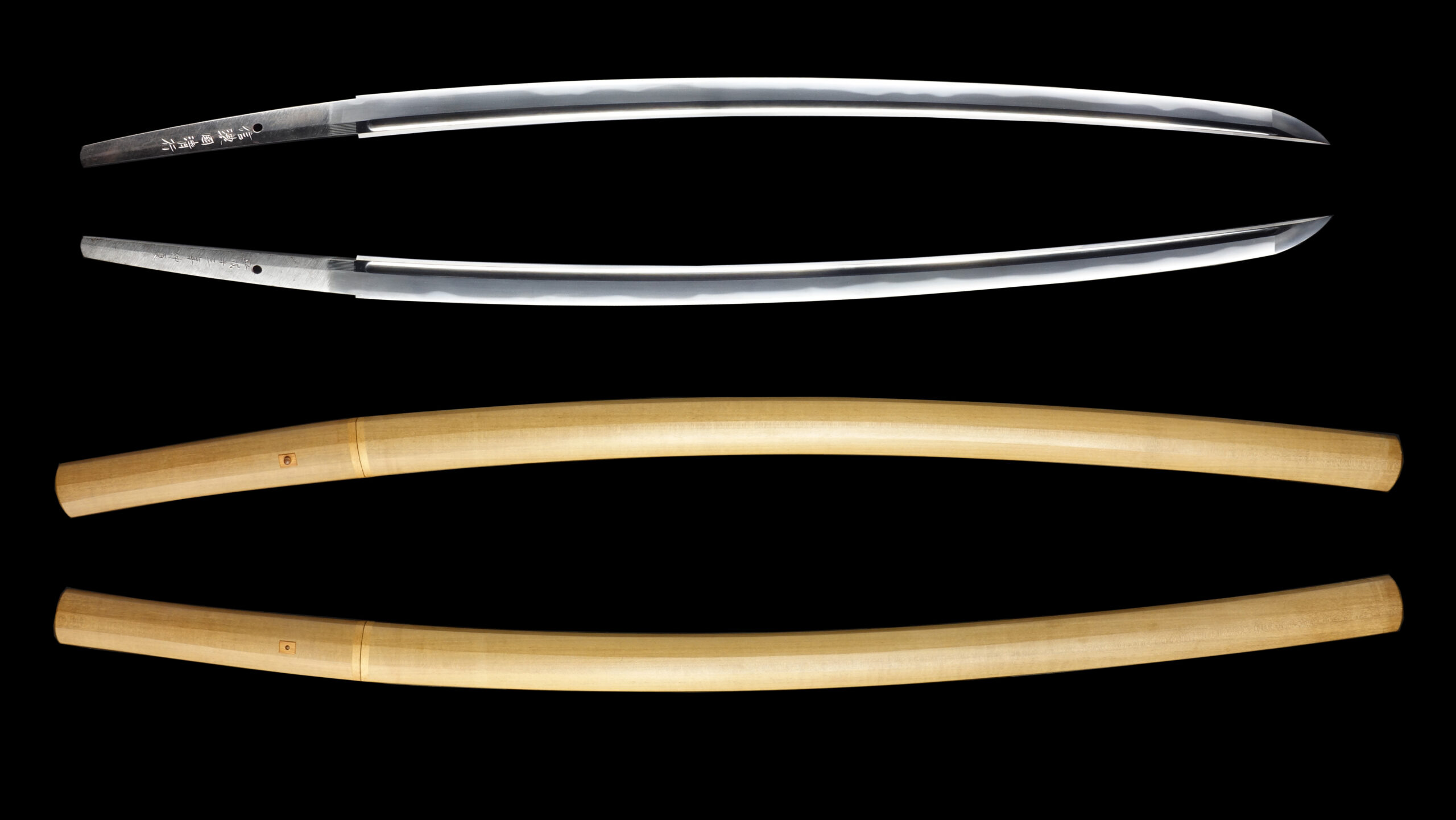
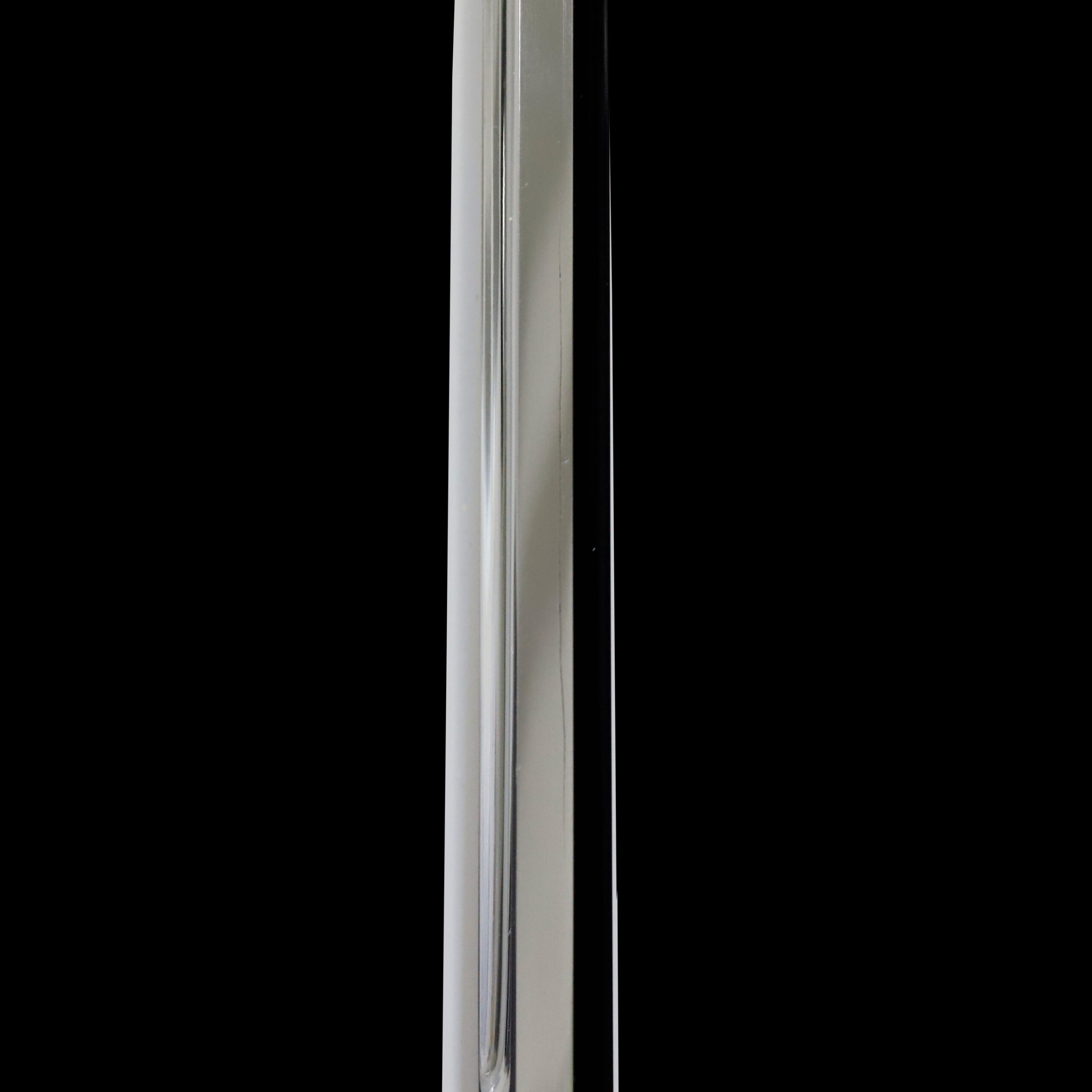
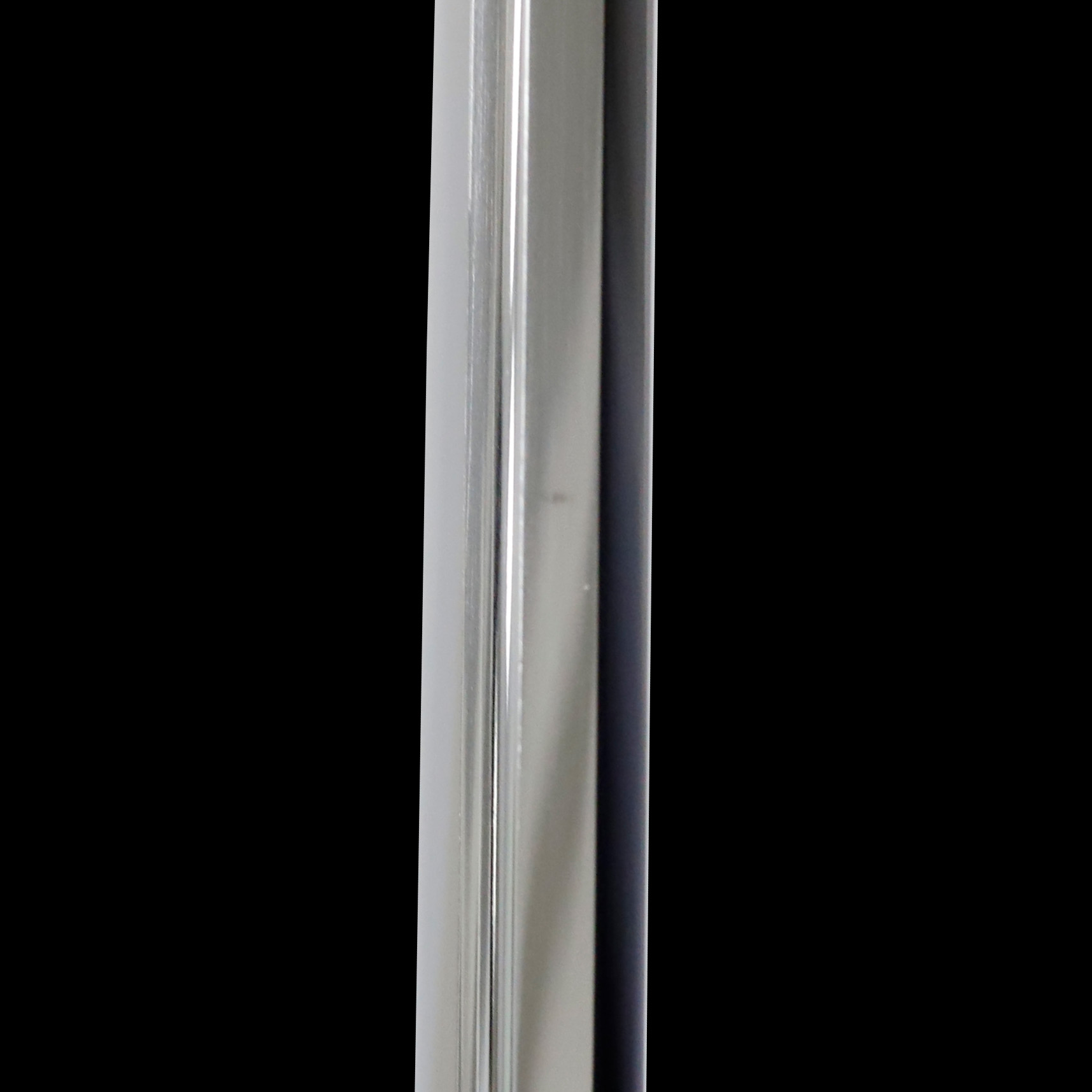
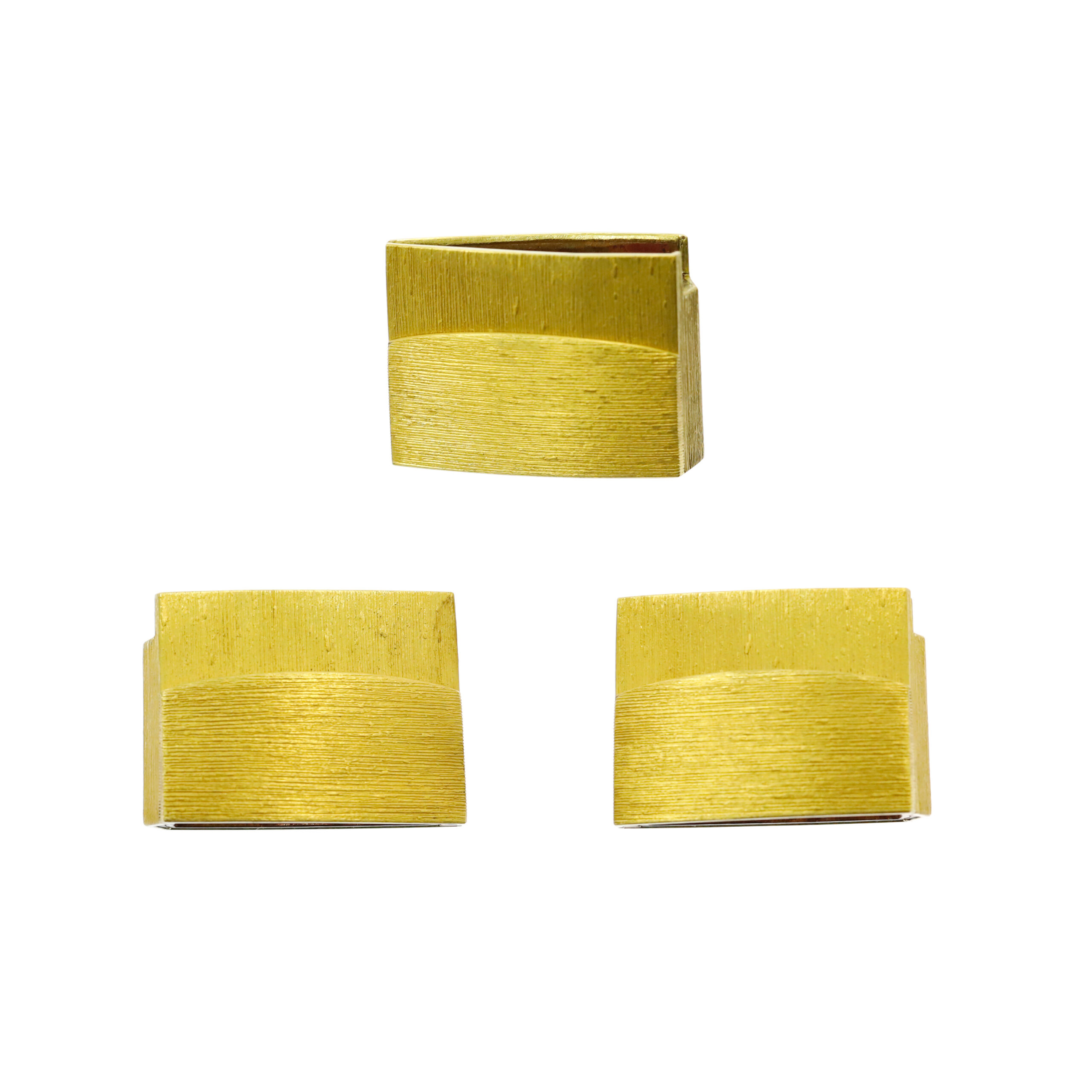
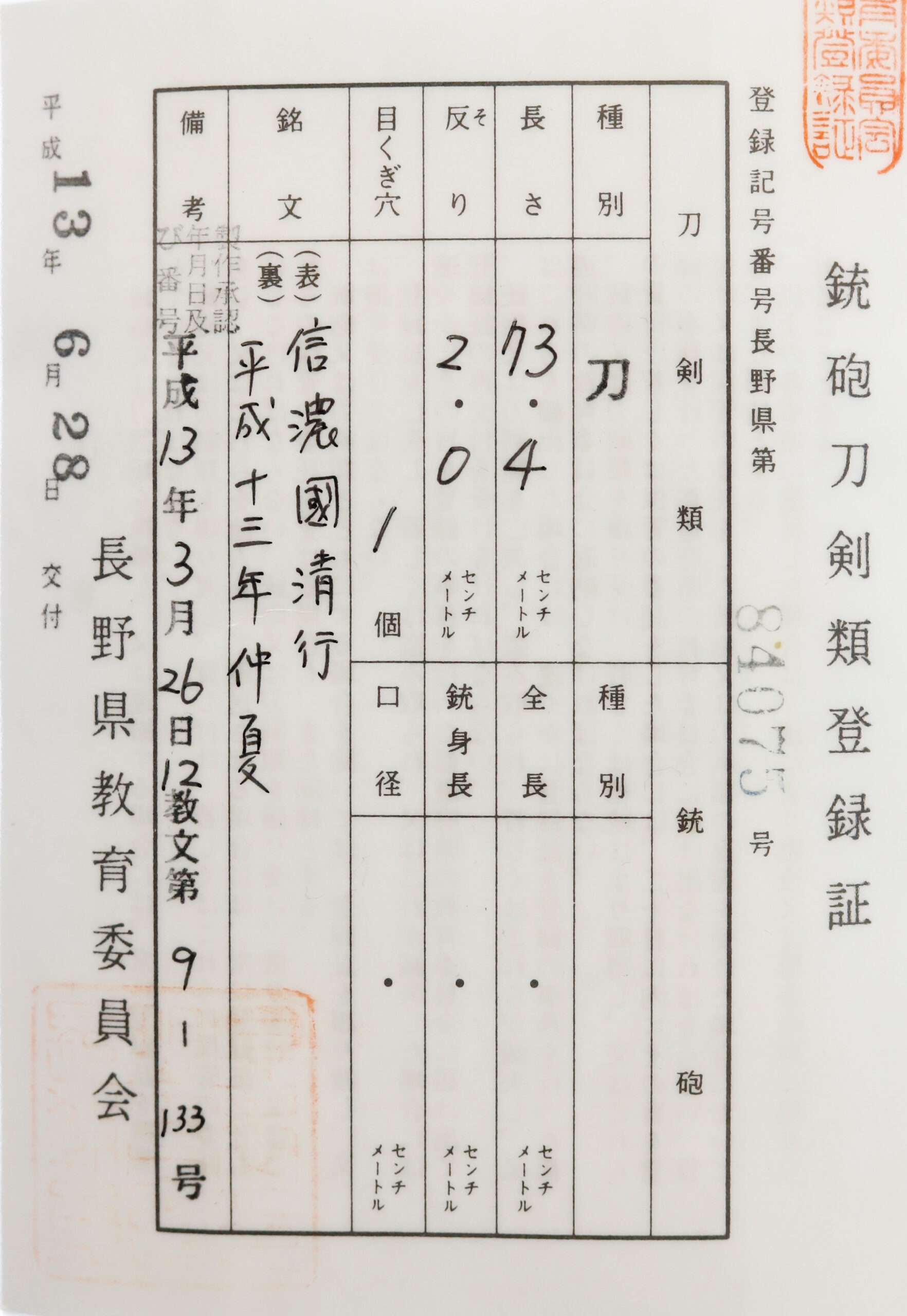
Summary This blade was signed by Shinano Koku Kiyoyuki (信濃国清行) in Nagano prefecture in the 13th year of the Heisei era (2001). His birthname was Furukawa Kiyoyuki, and he was born in the 23rd year of the Showa era (1948) in Nagano prefecture. He initially majored in applied physics at The Tokyo University of Science, but he became fascinated by the beauty of the Japanese sword when he visited the exhibition at the Shinano Art Museum. After graduating from university in 1972, he became an apprentice of Miyairi Kiyohira, whose older brother was a national treasure of Japan. Kiyoyuki learned highly skilled sword-forging techniques from his master. In 1978, the Agency for Cultural Affairs permitted him to forge Japanese swords after he finished rigorous training. He opened his workshop in Suzuka town, Nagano prefecture, in 1981. He spent many years researching and recreating Japanese swords made in the Kamakura period. He received multiple awards for his superb craftsmanship, including the Kanzan Award. He was great at forging swords in Soshu Den tradition. Soshu Den is one of the five traditions of forging Japanese swords. It is said that Soshu Den is one of the most difficult ones to master of all. In 2007, he was designated as an intangible cultural asset by Suzaka town, Nagano prefecture. He was also acknowledged as a *Mukansa swordsmith after receiving another award in the Shinsaku Meito Ten in 2009. He devoted his career to preserving the precious tradition of Japanese sword-forging and researching old methods to create beautiful Japanese swords. He died at the age of 67 in 2015. *What is Mukansa swordsmith? It is one of the most honorable titles a modern swordsmith could receive. One with this title could submit his work to the Japanese sword exhibition held by NBTHK(Nihon Bijyutu Touken Hozon Kyokai) without being examined. In contrast, other sword makers must pass a rigorous test to participate in this event. This fact also suggests he was a great swordsmith in modern times. This exhibition is held by NBTHK once a year, and modern swordsmiths compete for their craftsmanship there. There are only 39 Mukansa swordsmiths now since the exhibition started in 1955. About Modern Swordsmith There are around 150-200 swordsmiths in Japan today. To legally produce Japanese swords, one needs to pass the national exam given by the Agency for Cultural Affairs(Bunka-Cho) and receive the license. Before taking the exam, one must finish his or her apprenticeship under a licensed master for more than five years. Those who practice Iaido(居合道) tend to use those modern swords, and there are modern Japanese sword collectors nationwide. Modern Japanese sword makers are researching old ways to forge swords and trying to recreate ancient-style swords. They are the ones who keep the tradition of Japanese history alive. *Please keep in mind that there is a Kitae Kzu on the Hi (groove) of this blade.

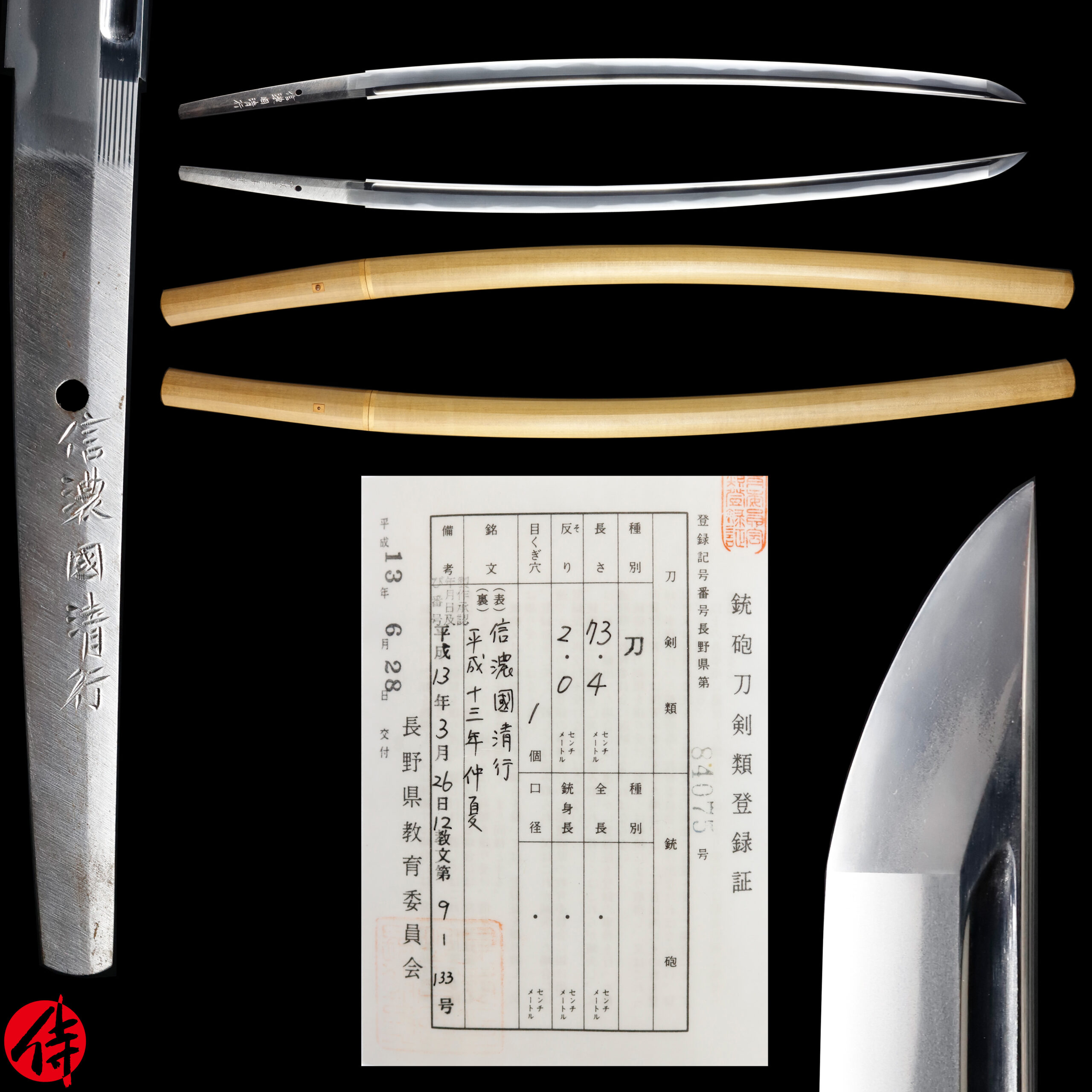
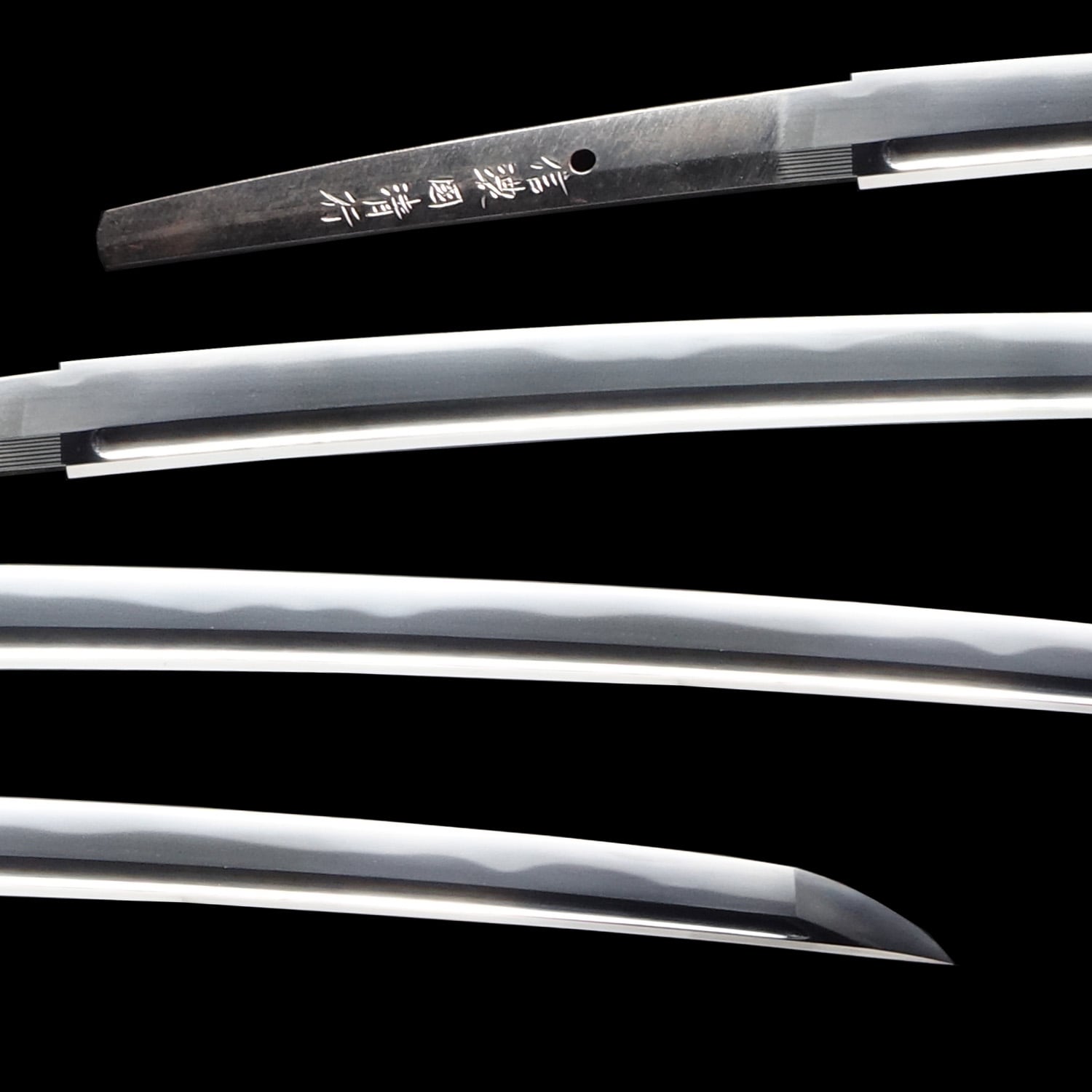
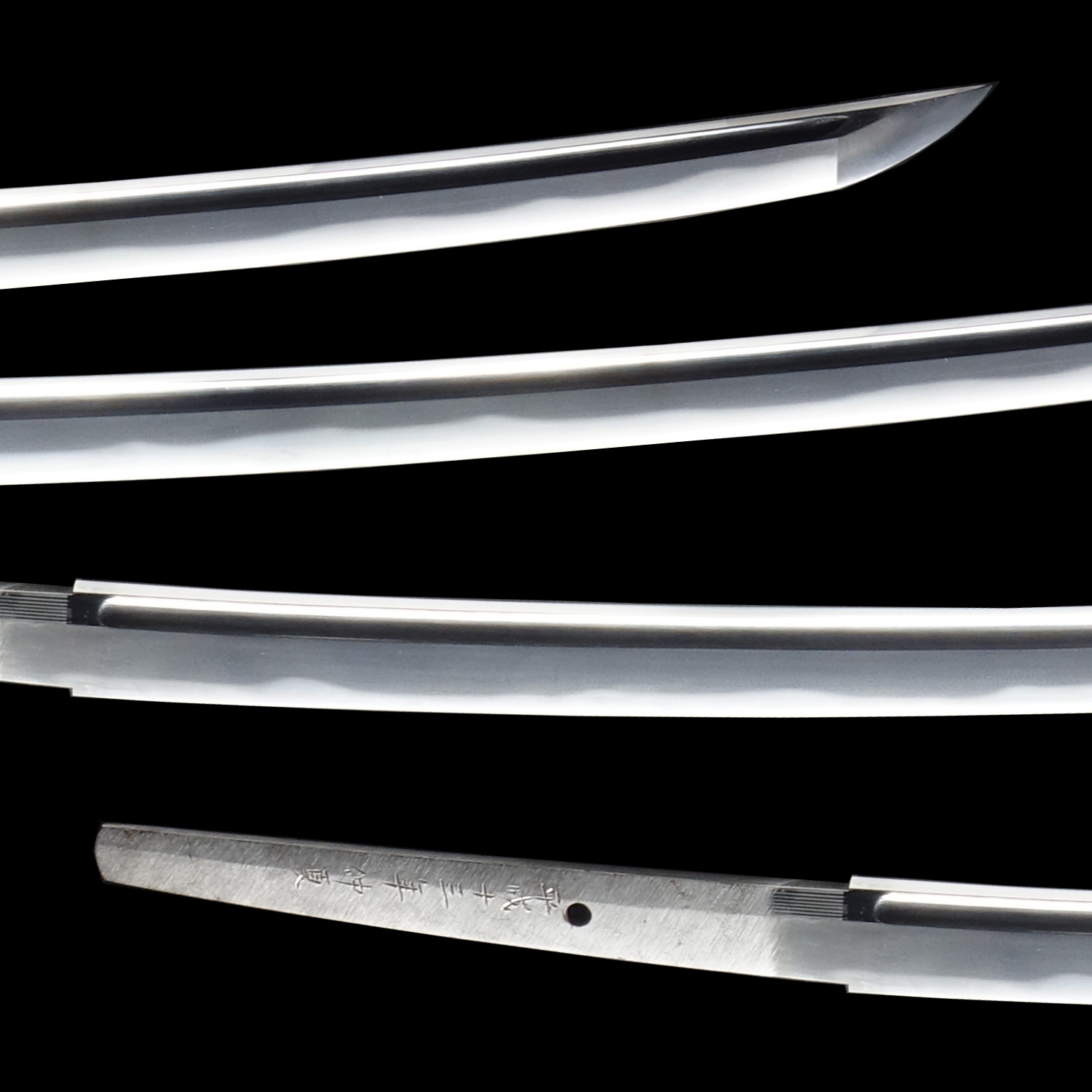
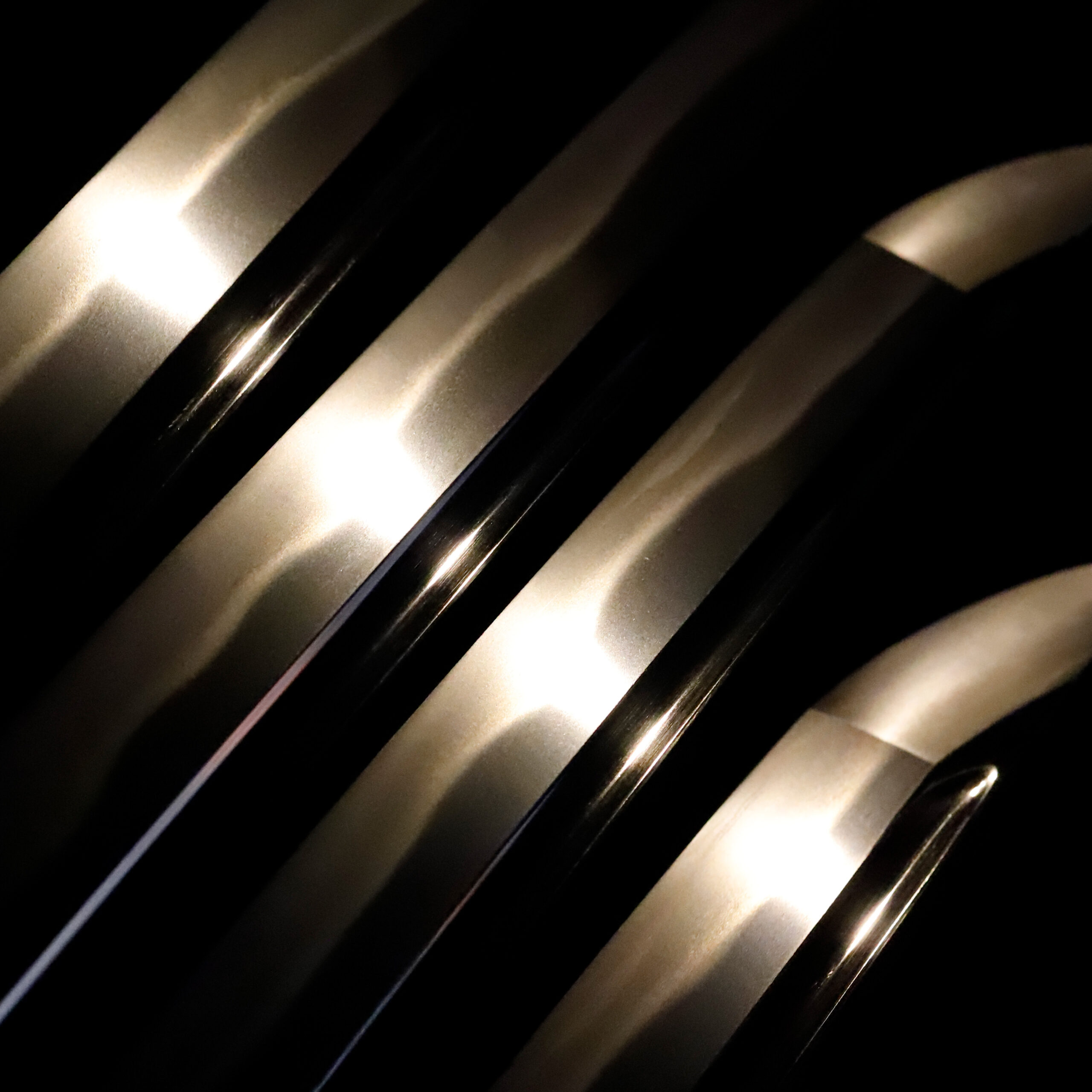
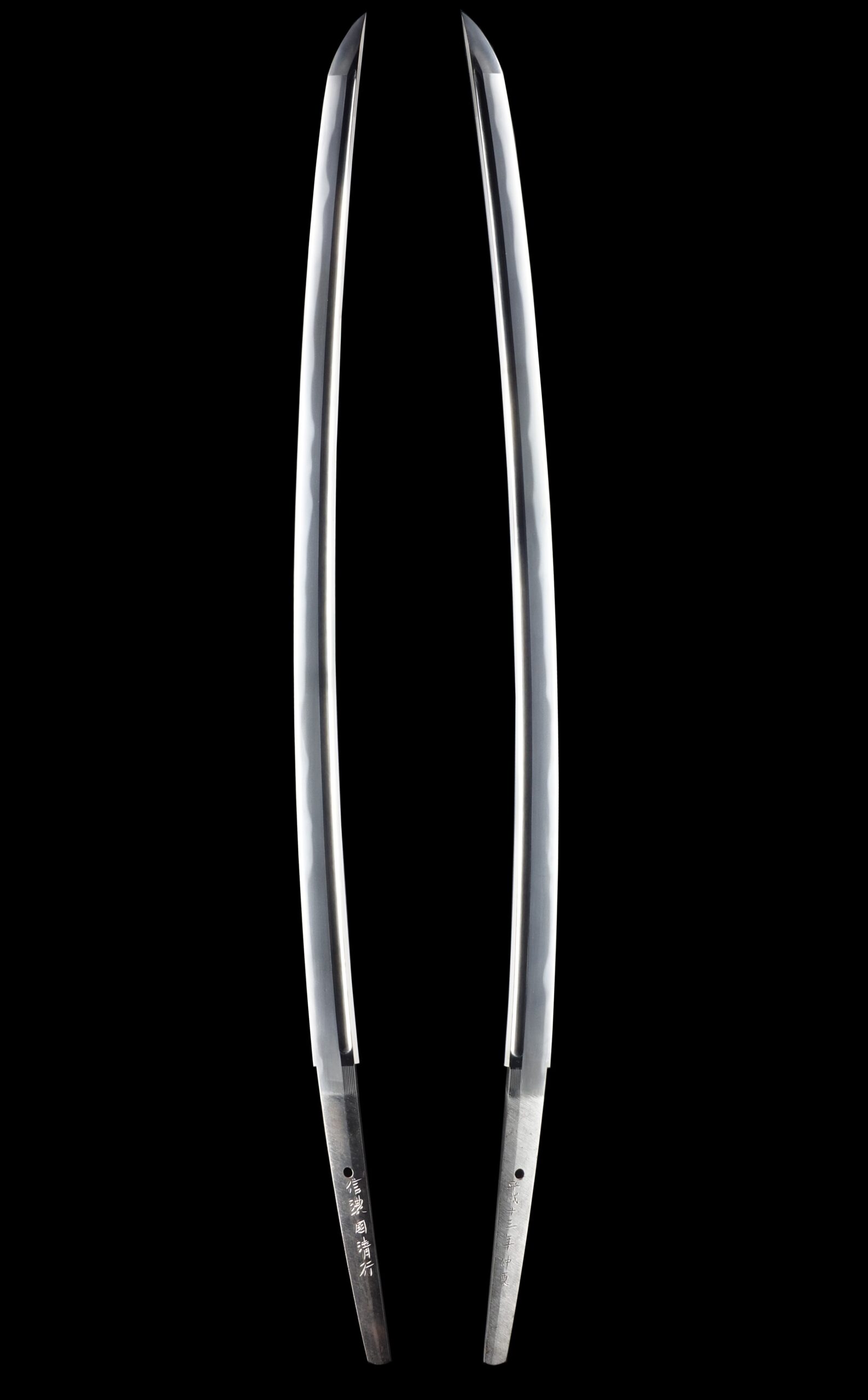
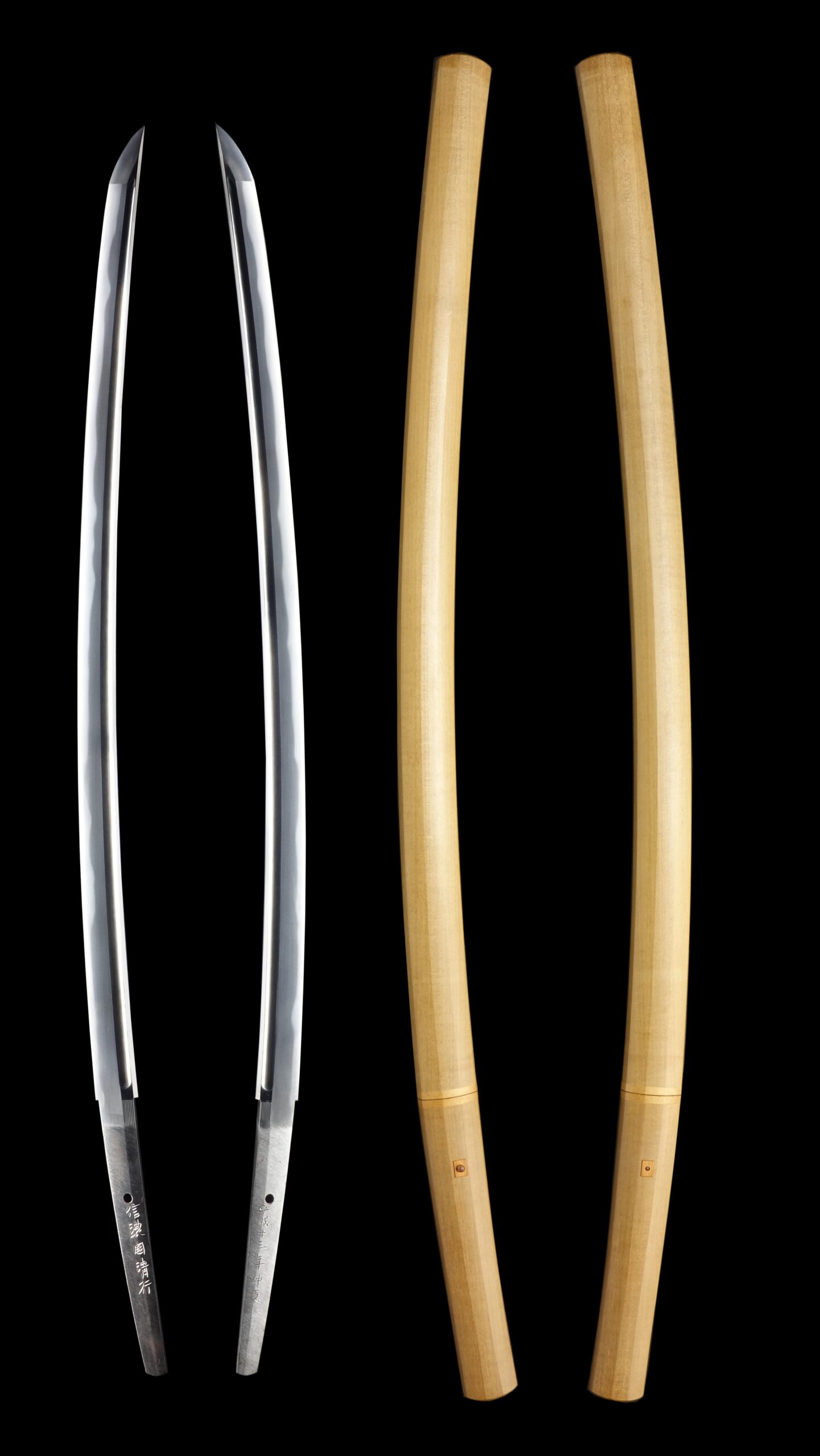
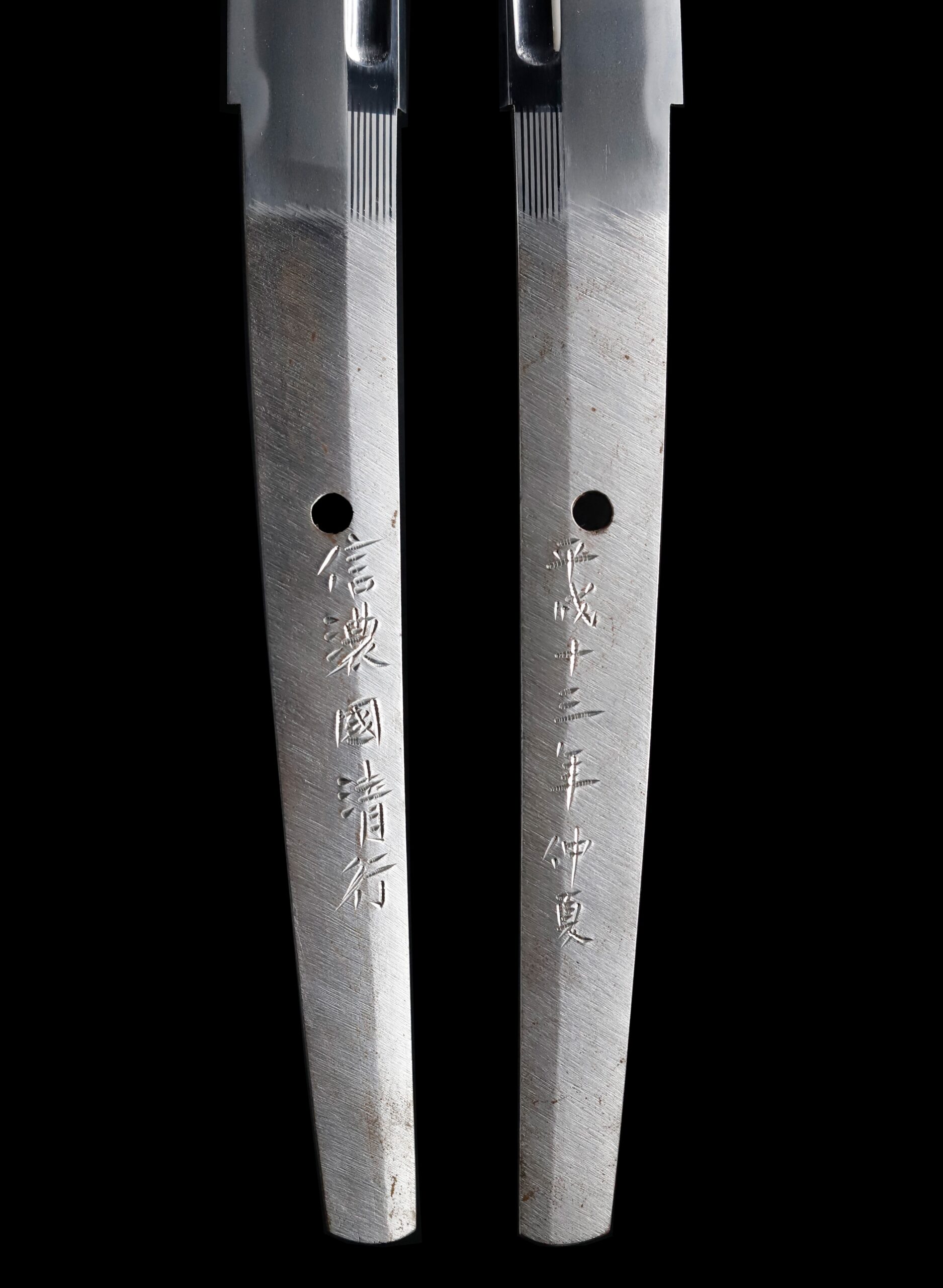
販売店の記載のまま
信濃 · 1978-2015頃
現在1点販売中
昭和から現代へ 断絶と再生
二十世紀は二度この工芸を殺しかけた。戦時の歪みと、占領下の禁令である。1948年の日刀保設立と1953年の作刀再開が刀を美術として再建し、人間国宝と無鑑査がその頂に立つ。
Returns/exchanges limited to defects caused by shipping (except willful misconduct or gross negligence by the company); customers must contact within 72 hours of receiving the product.