NihontoWatch MonNihontoWatch
マーケット
事典
鑑定
NihontoWatch MonNihontoWatch
マーケット
事典
鑑定

説明

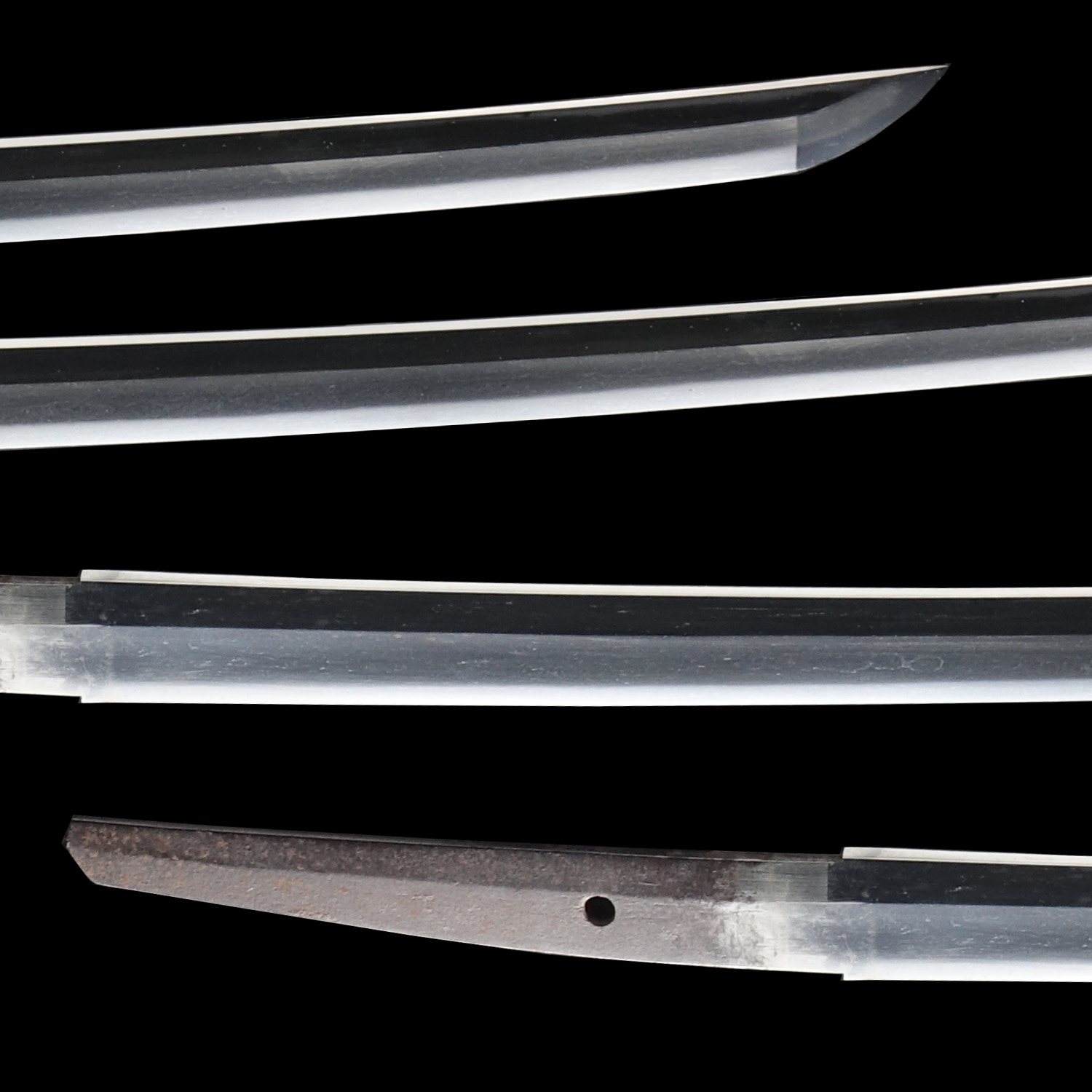
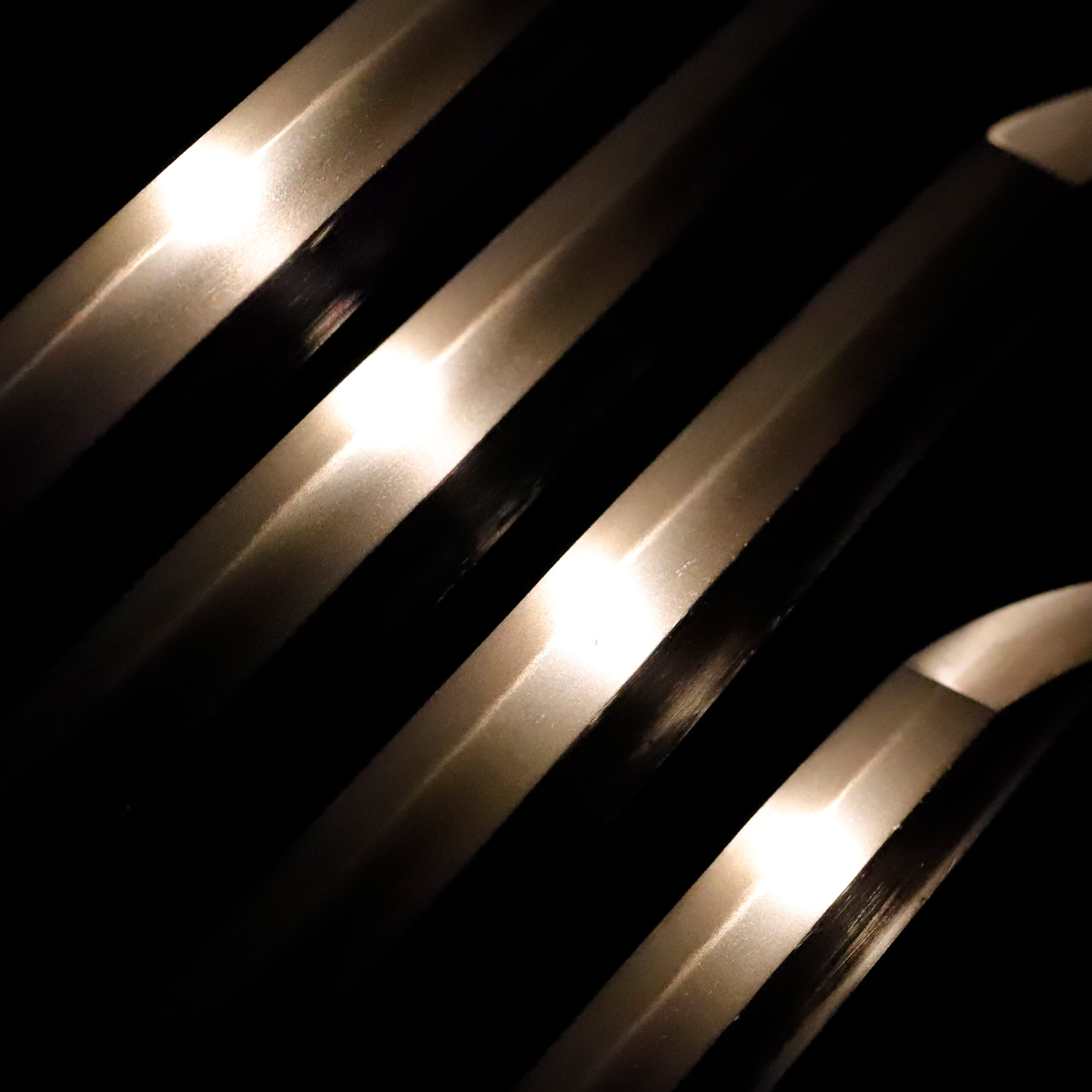
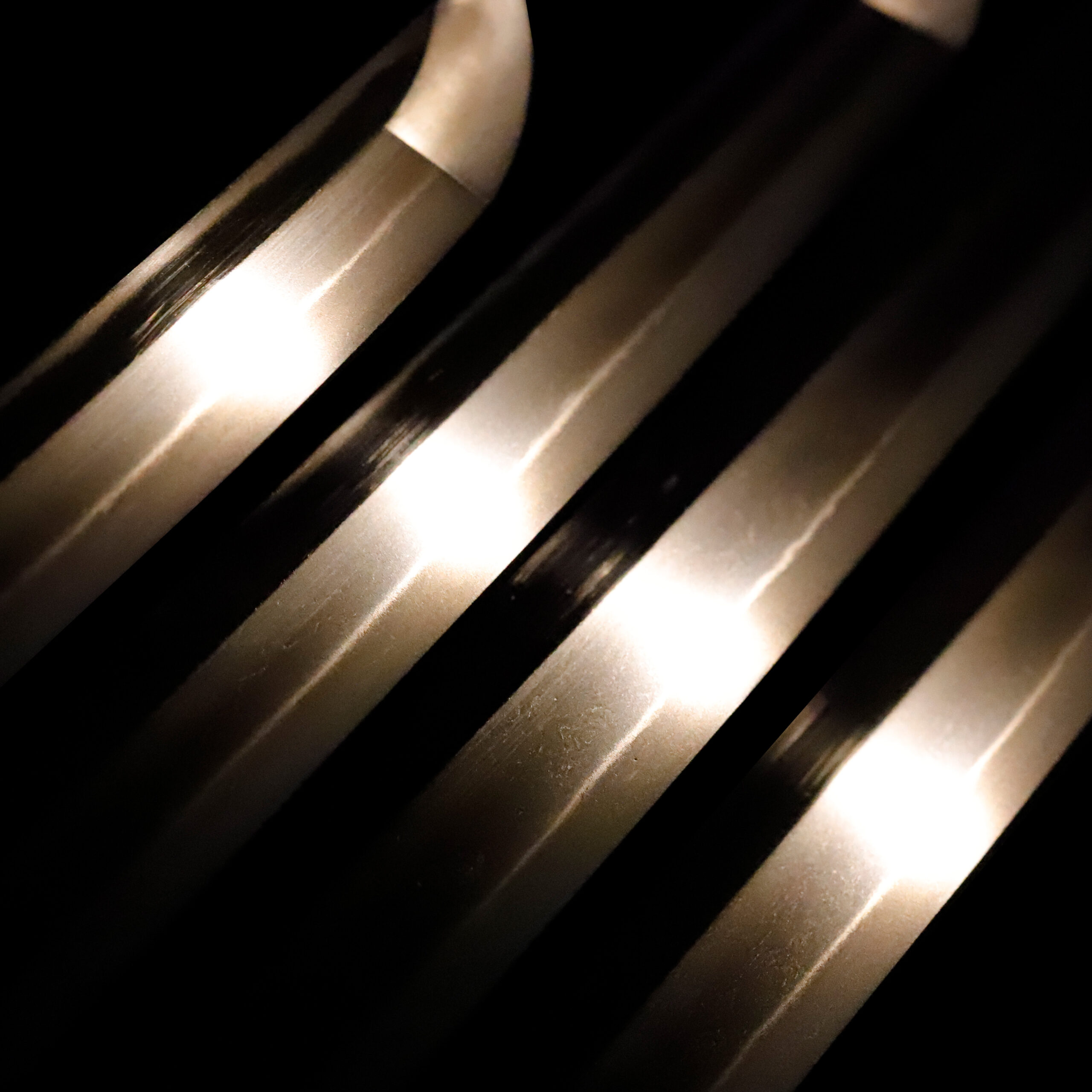
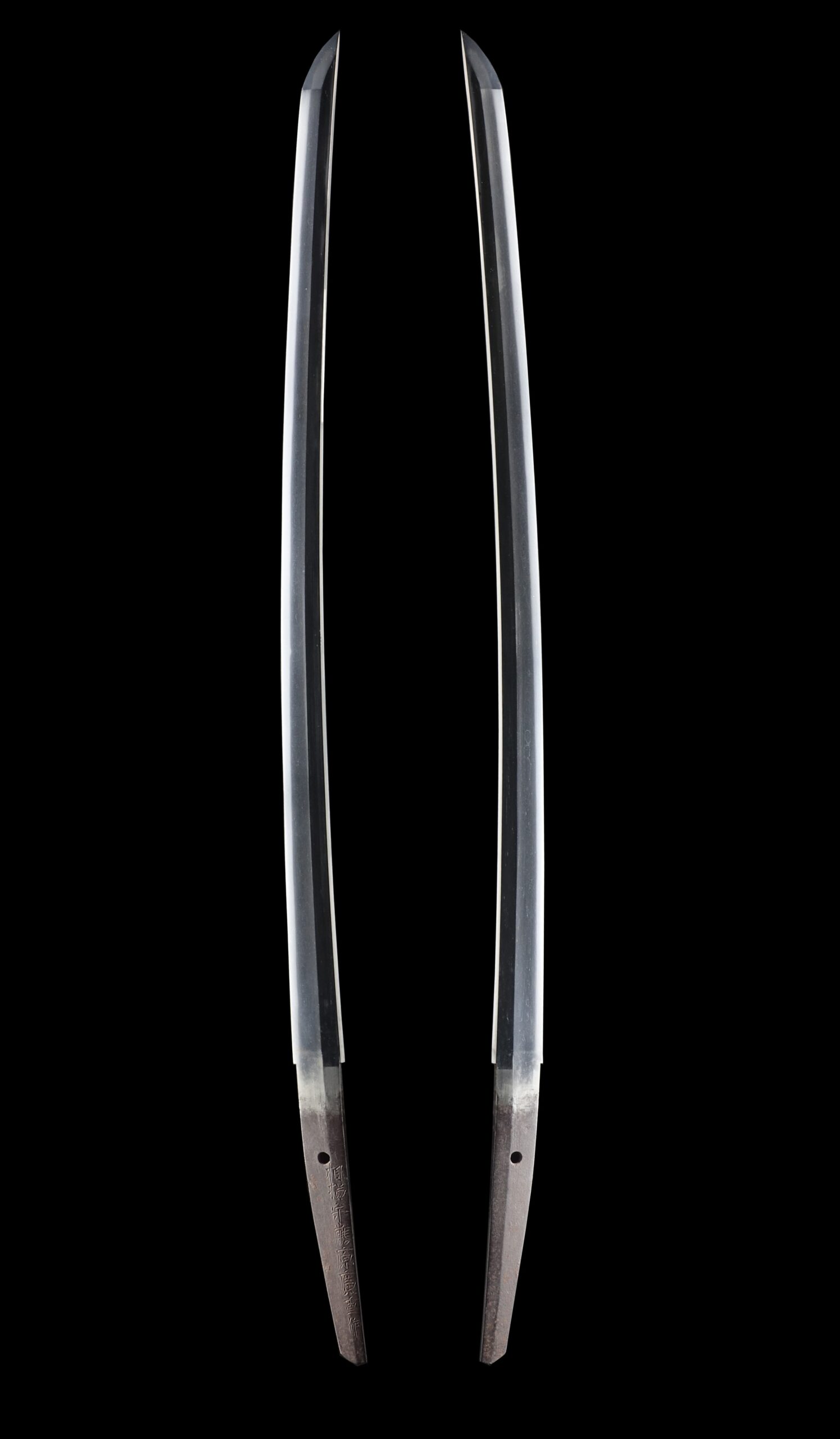
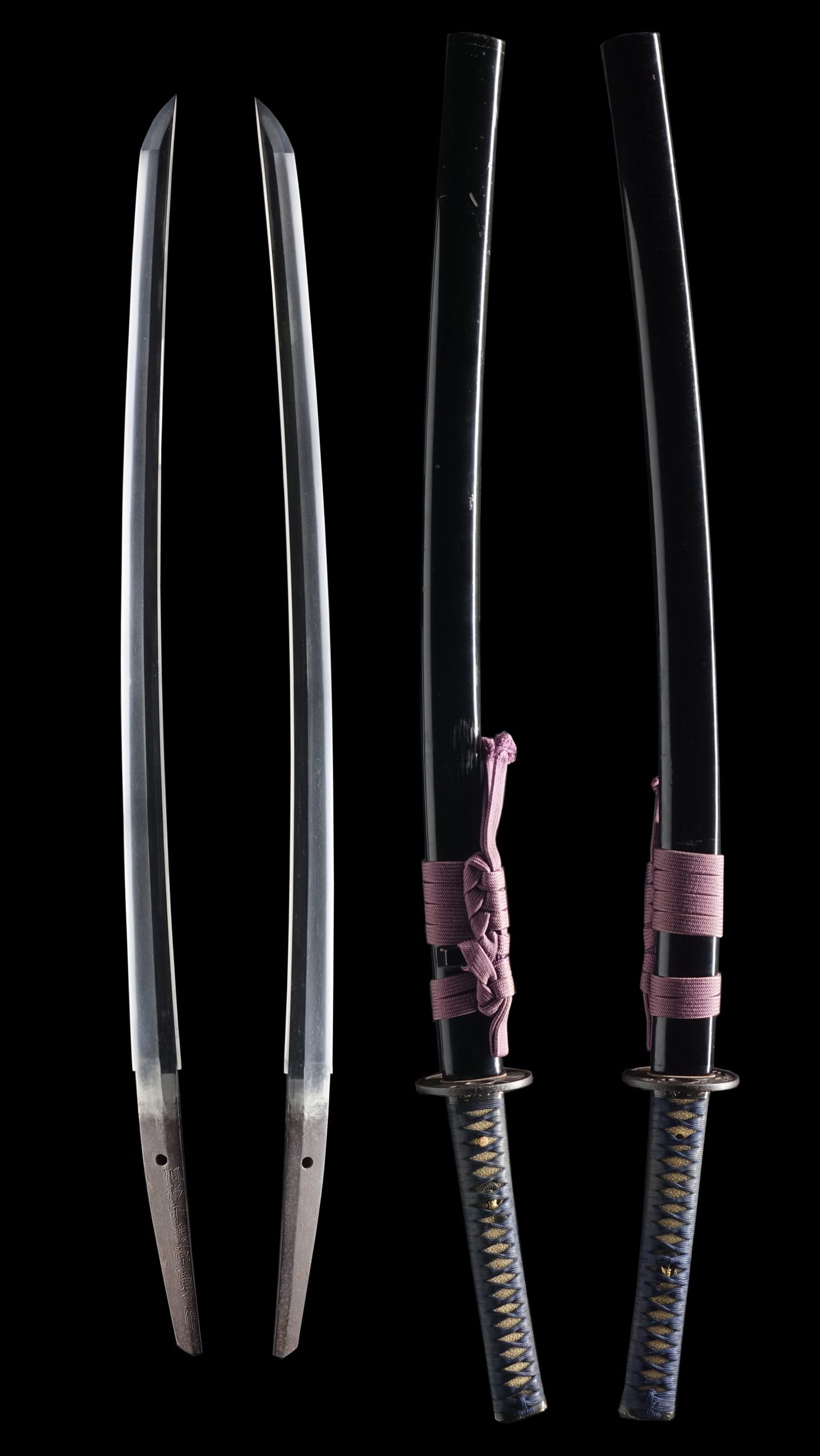
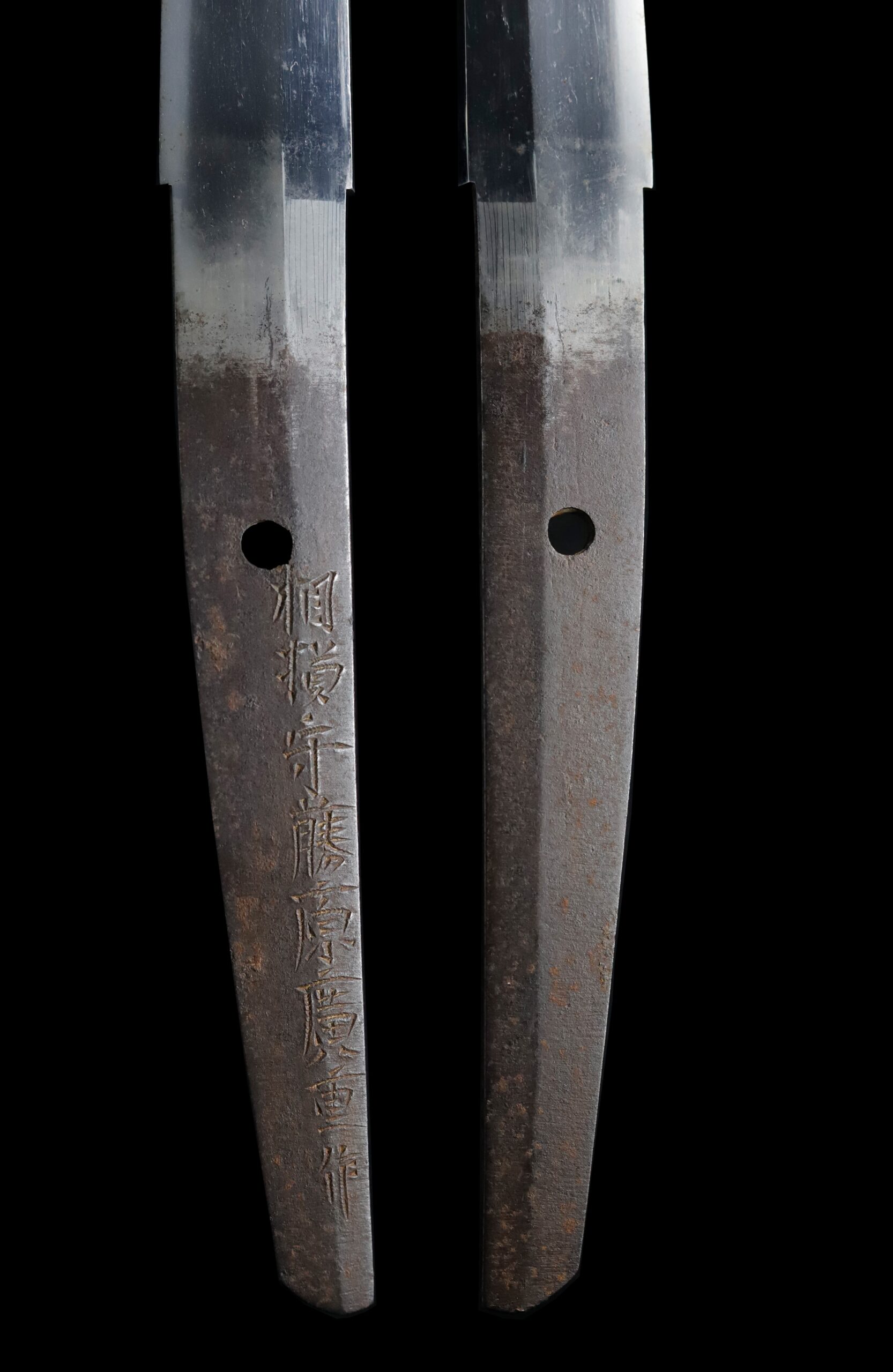
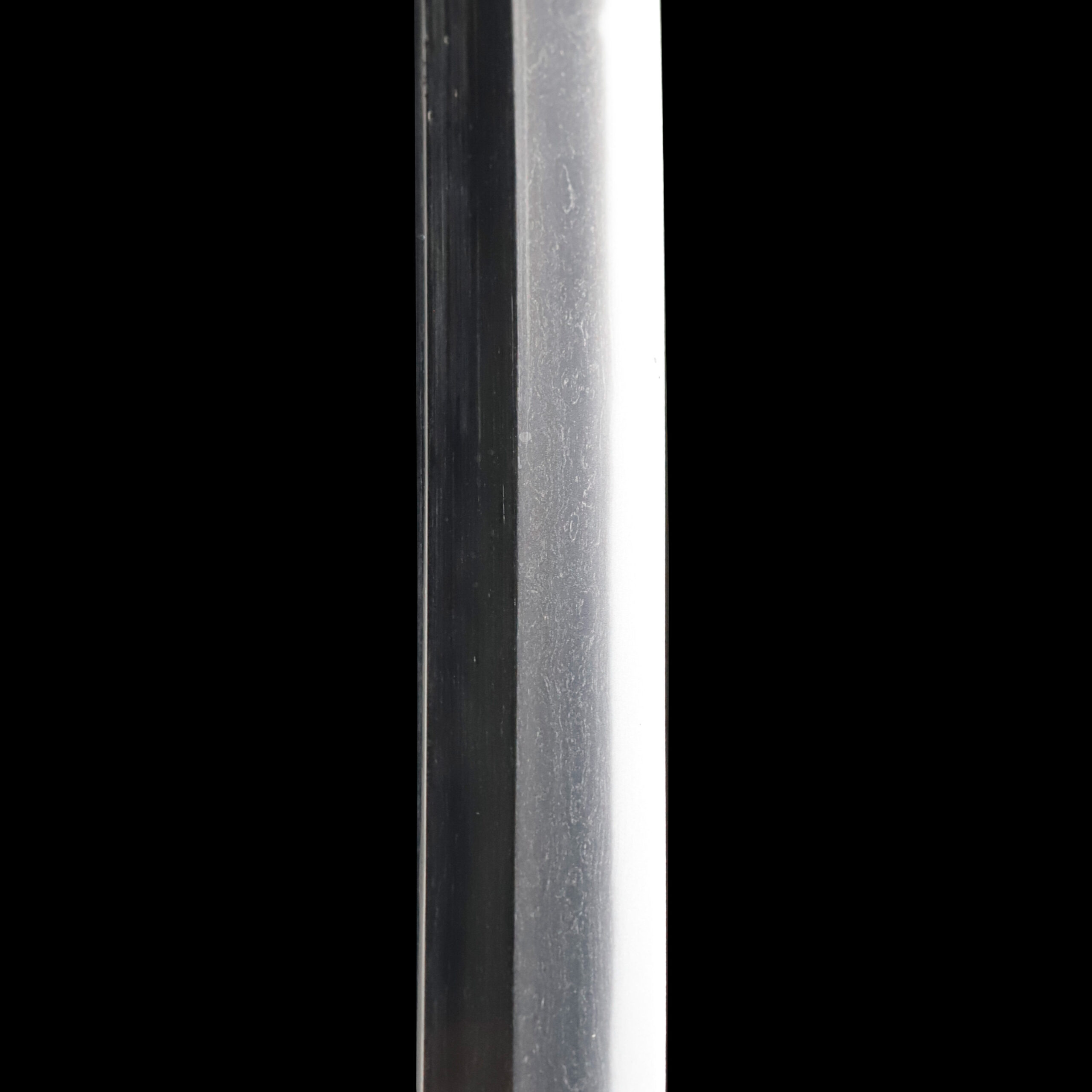
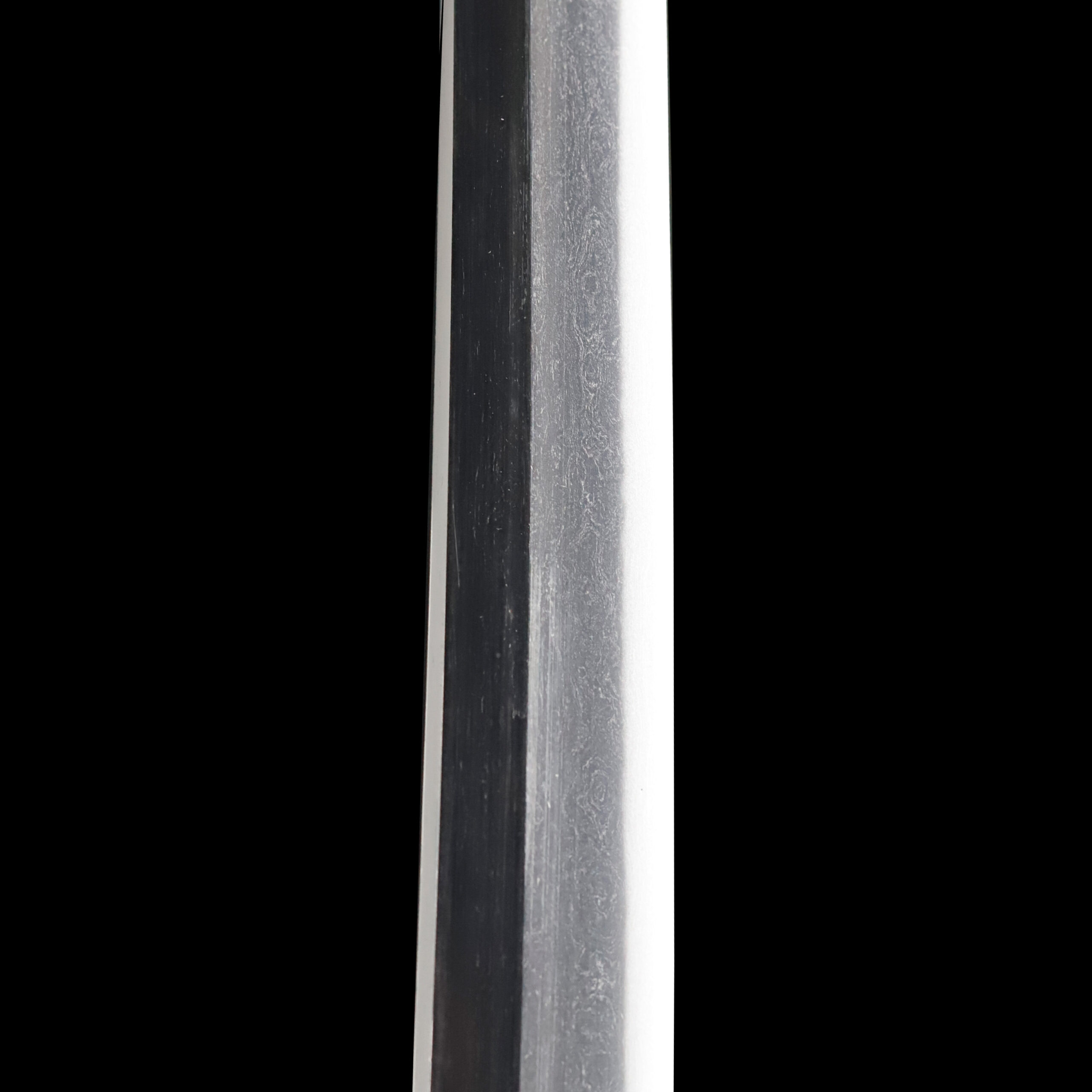
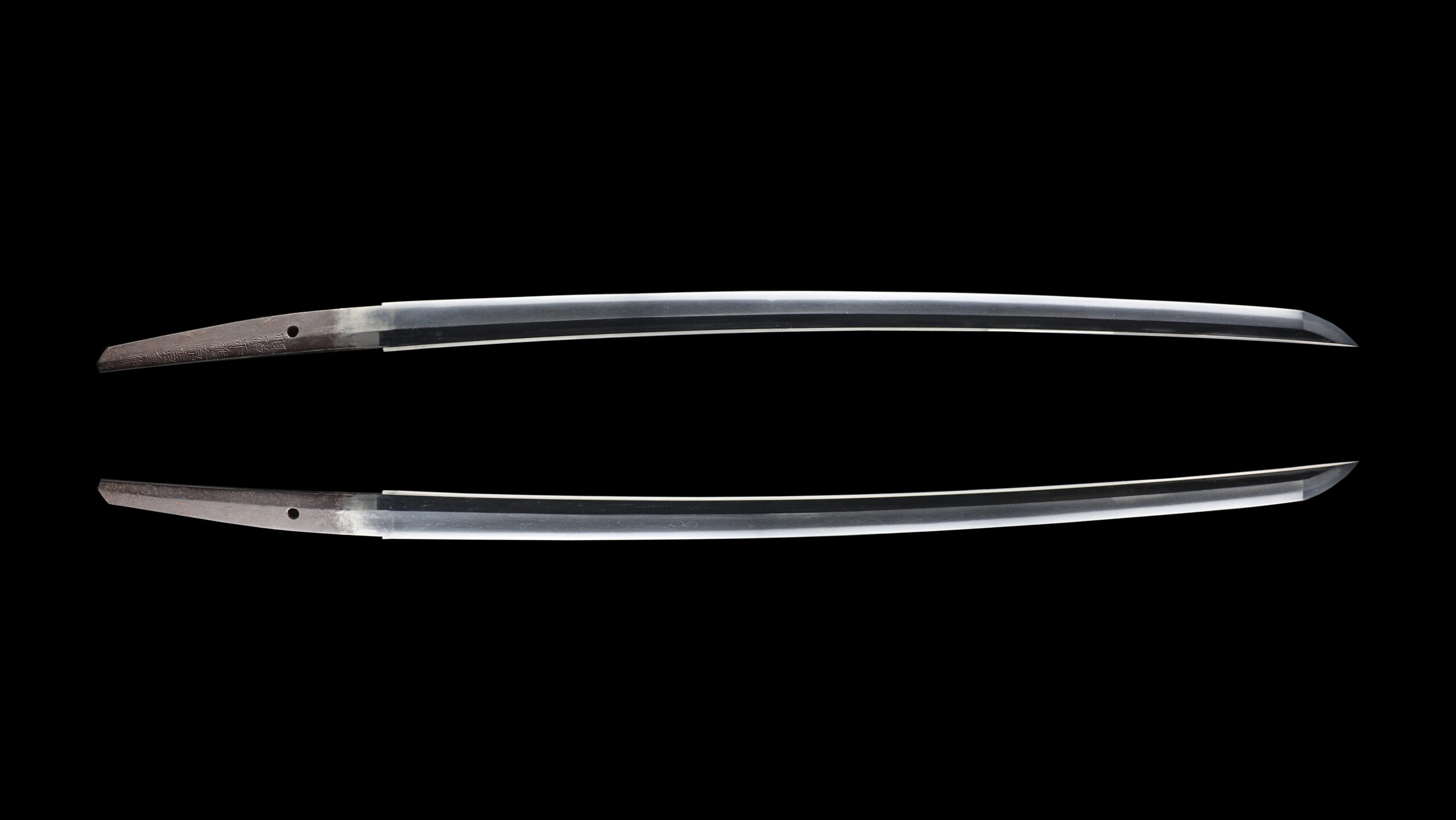
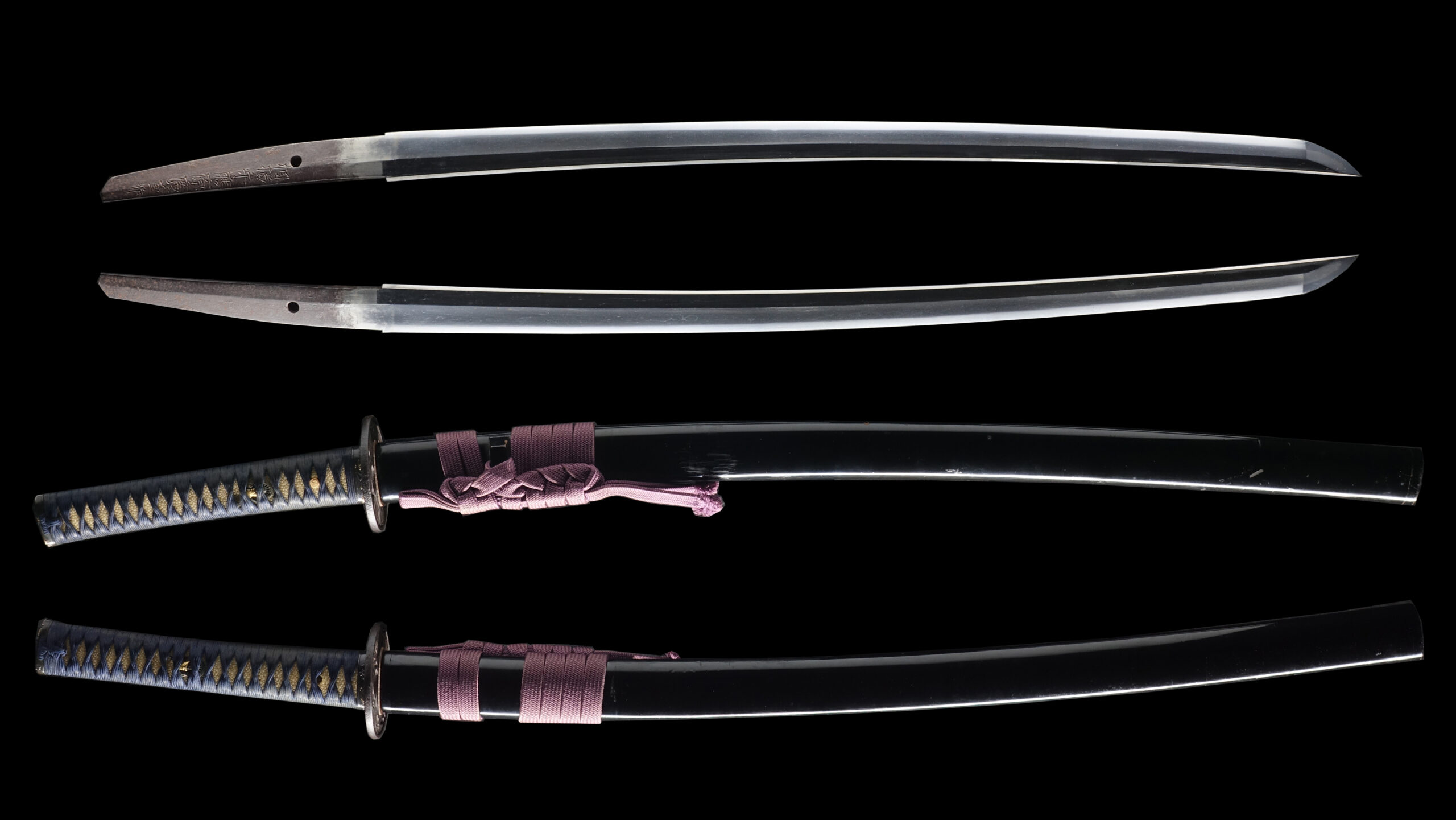
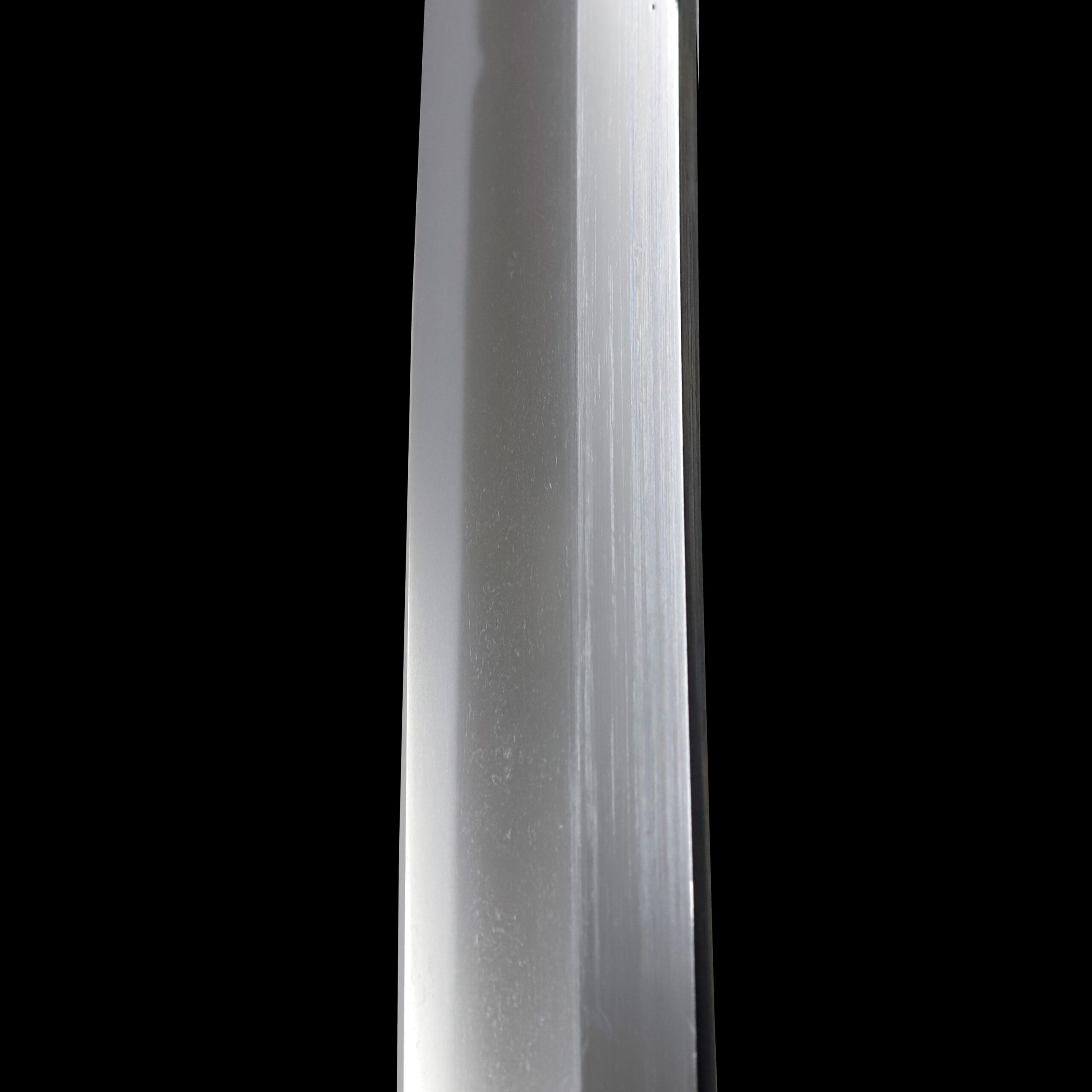
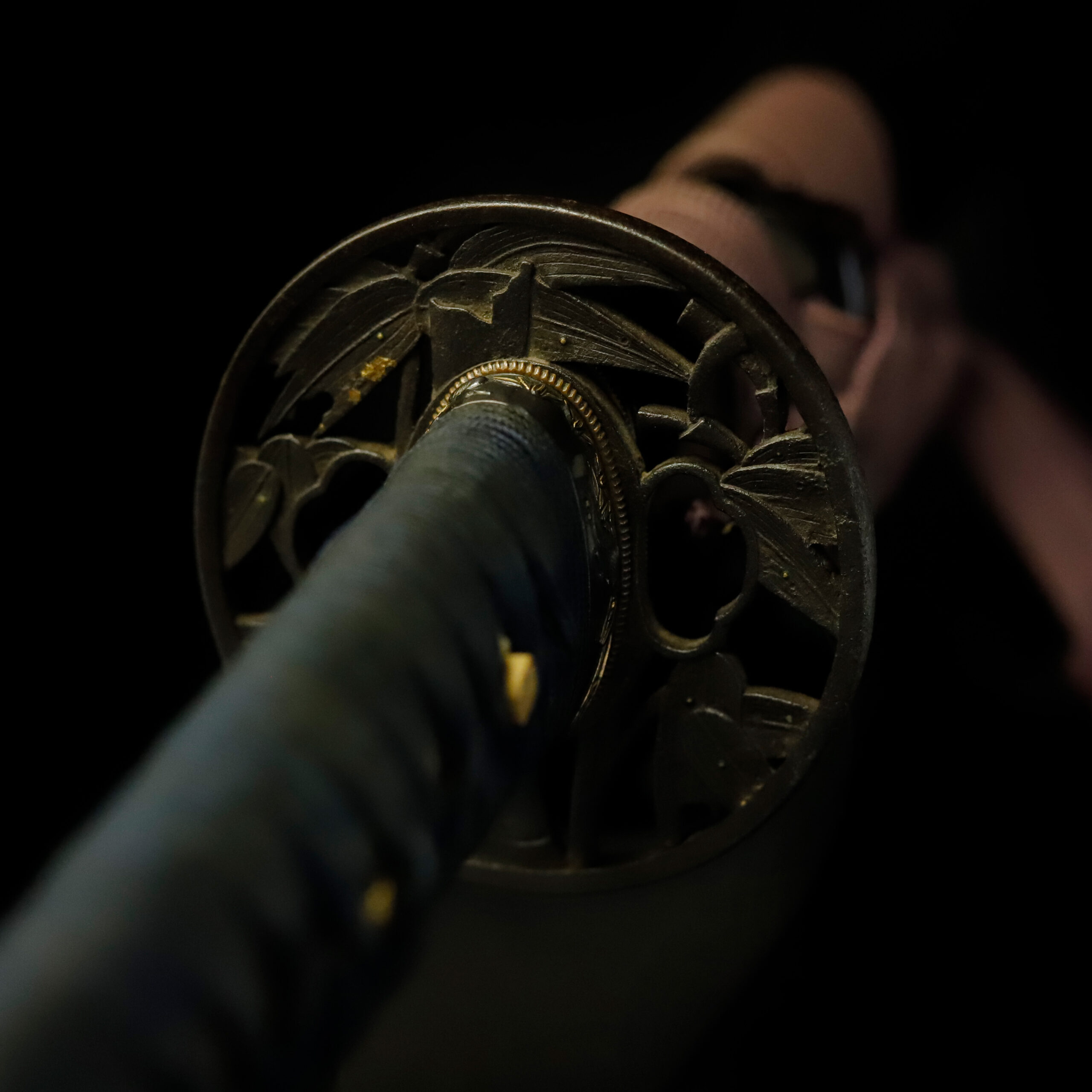
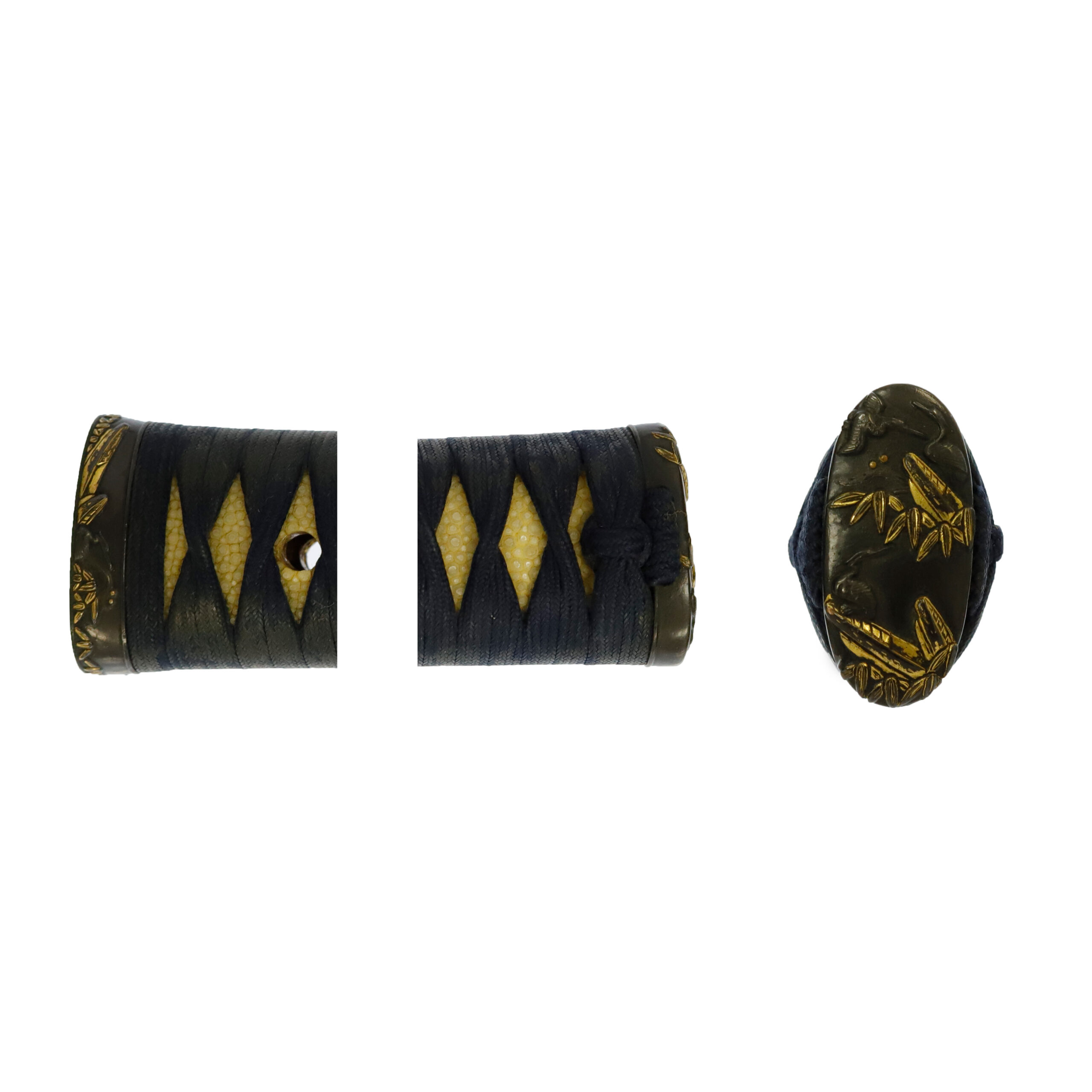
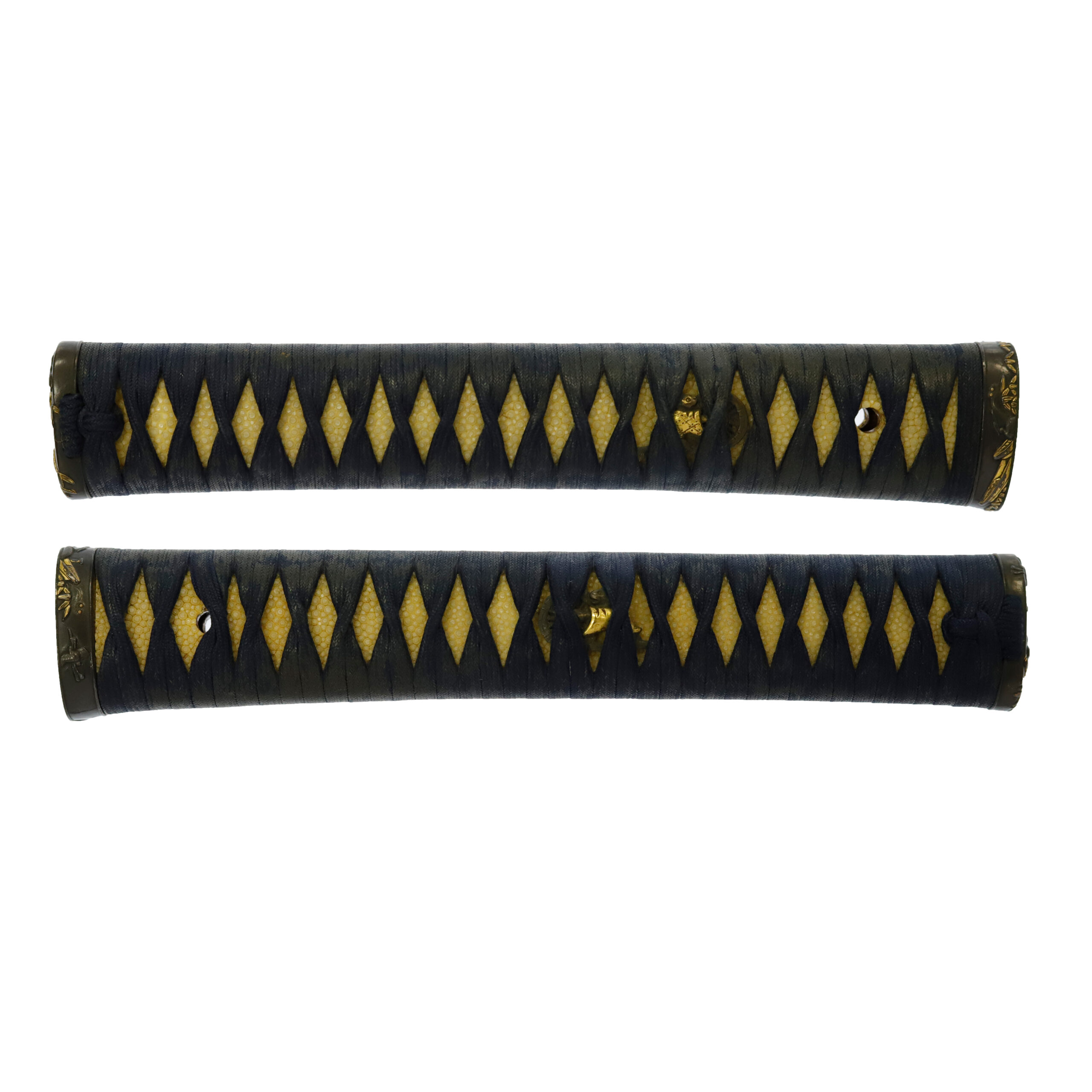
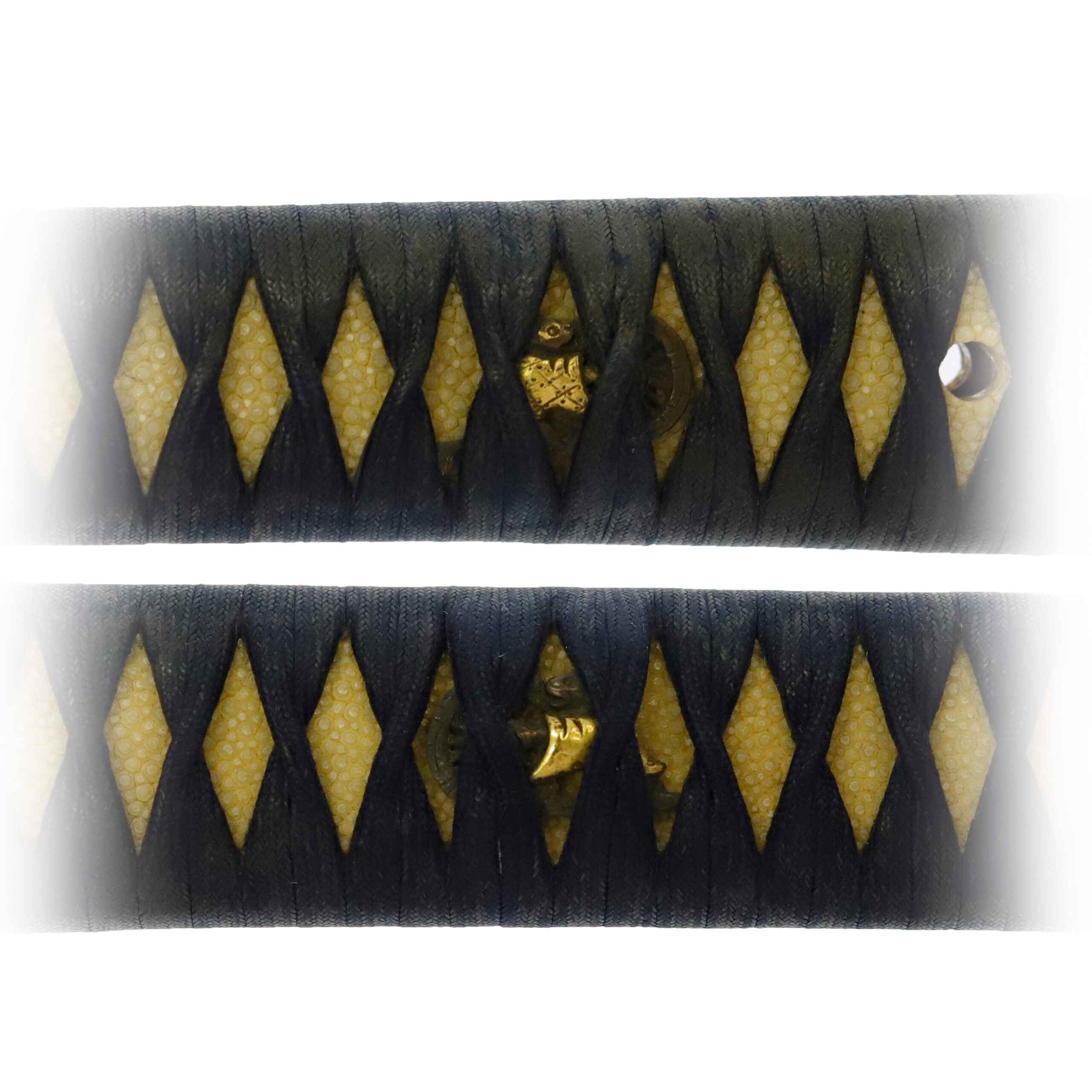
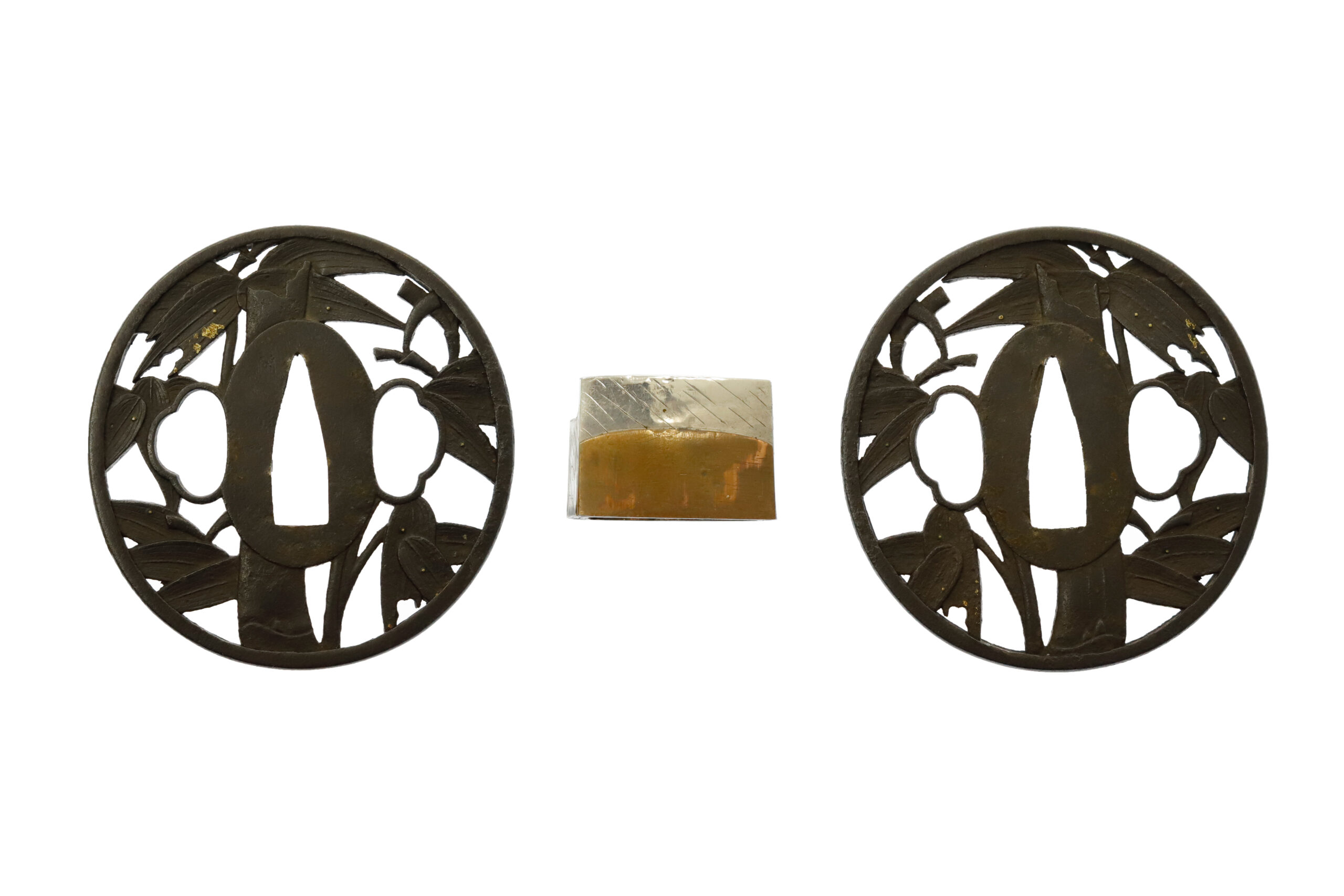
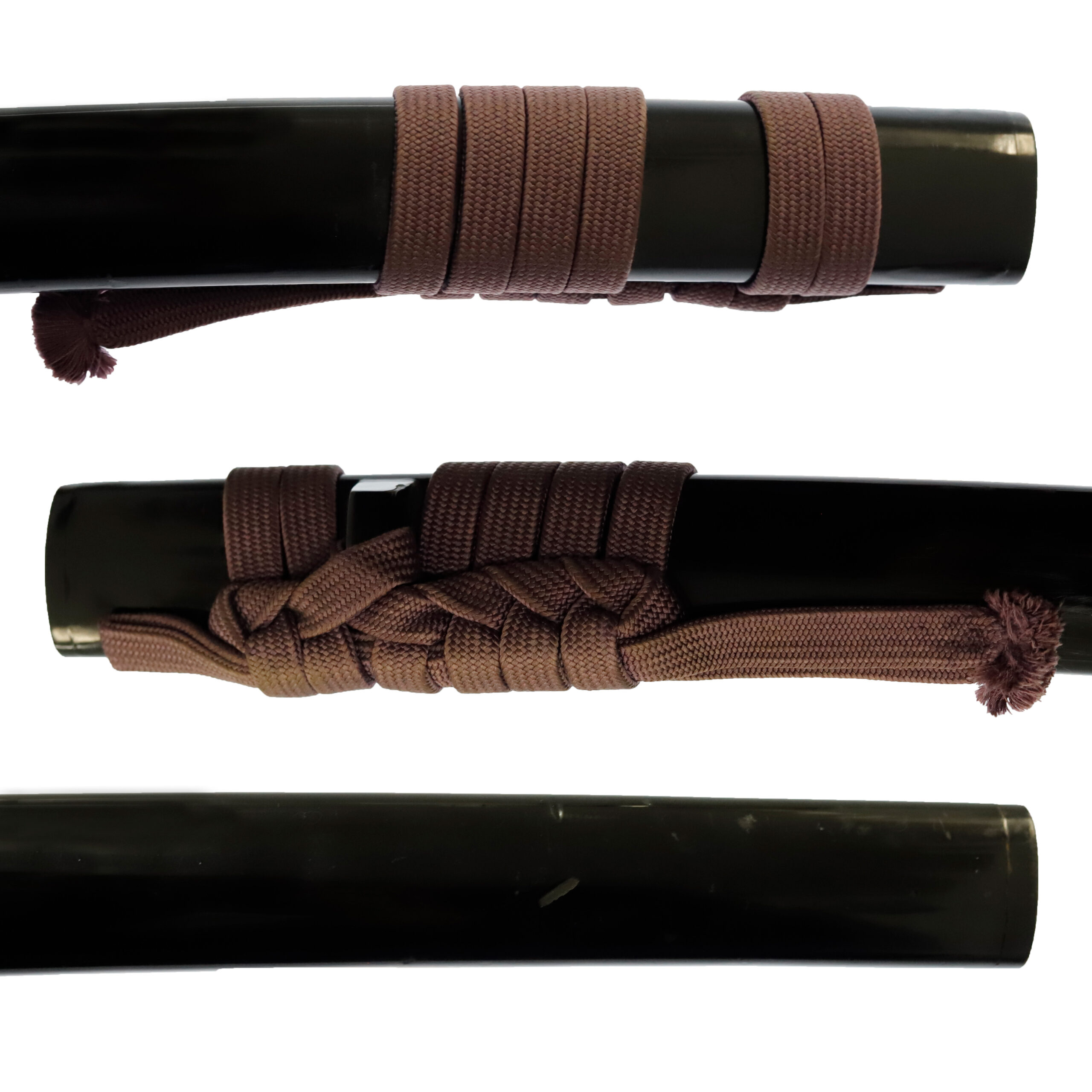
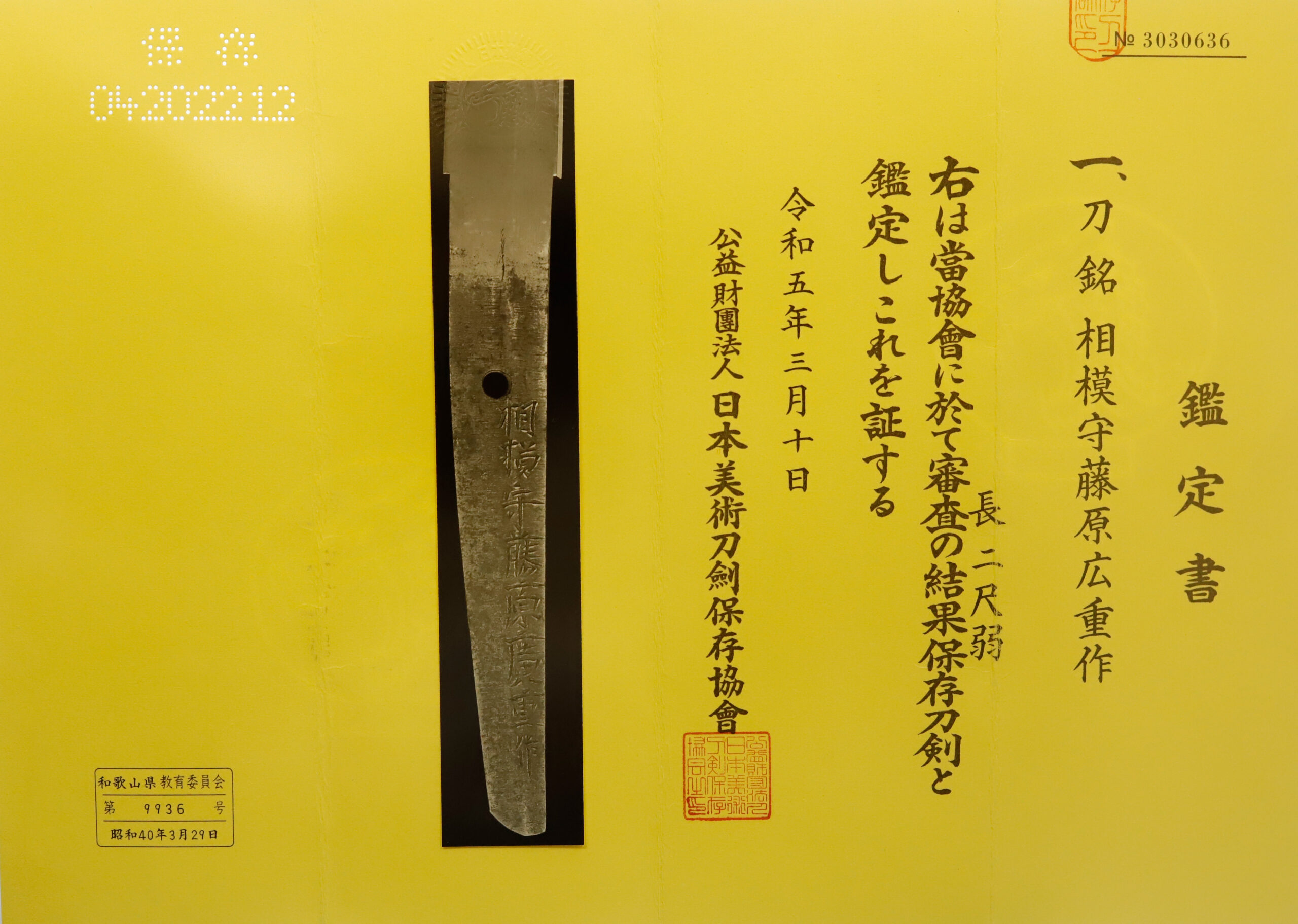
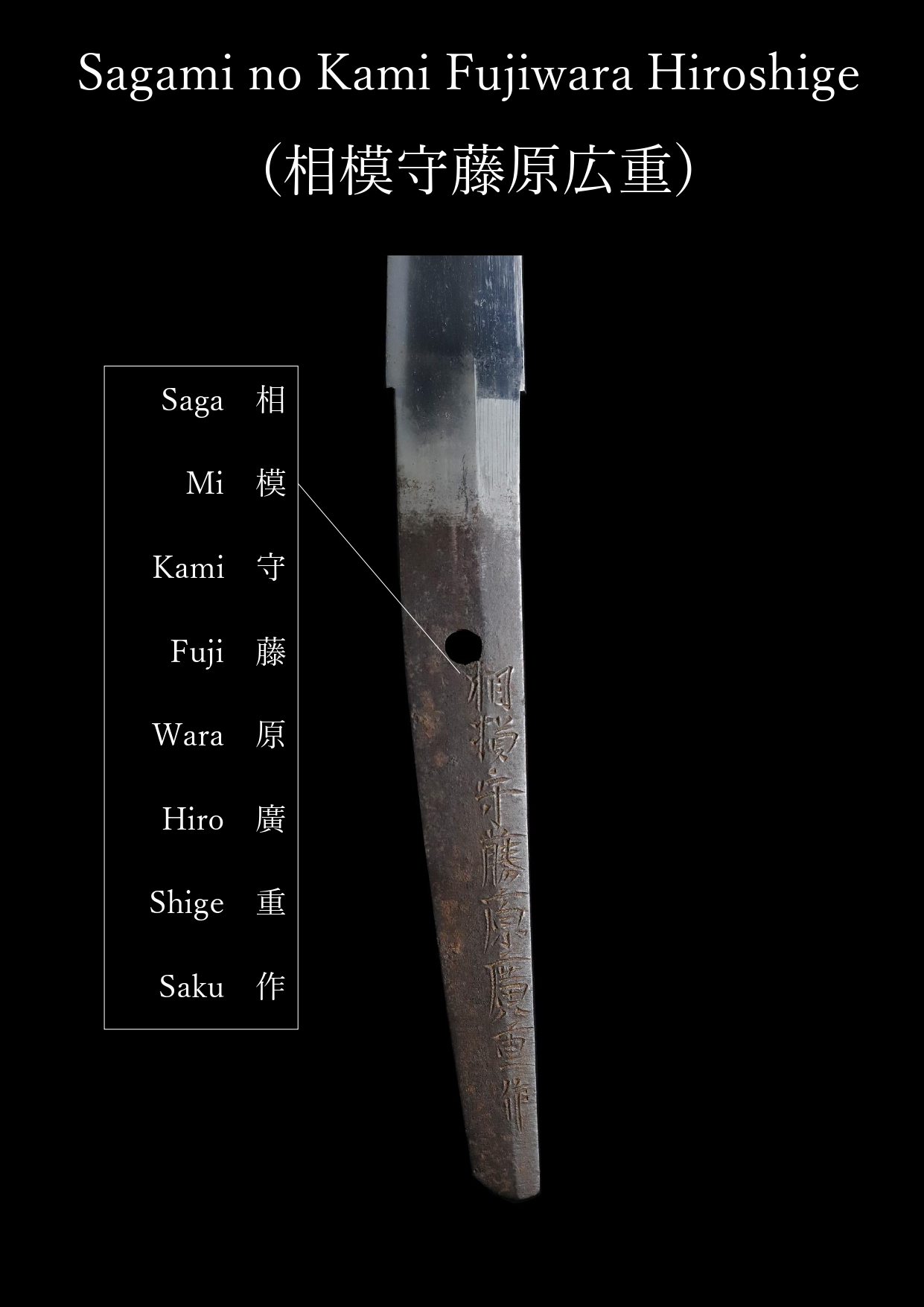
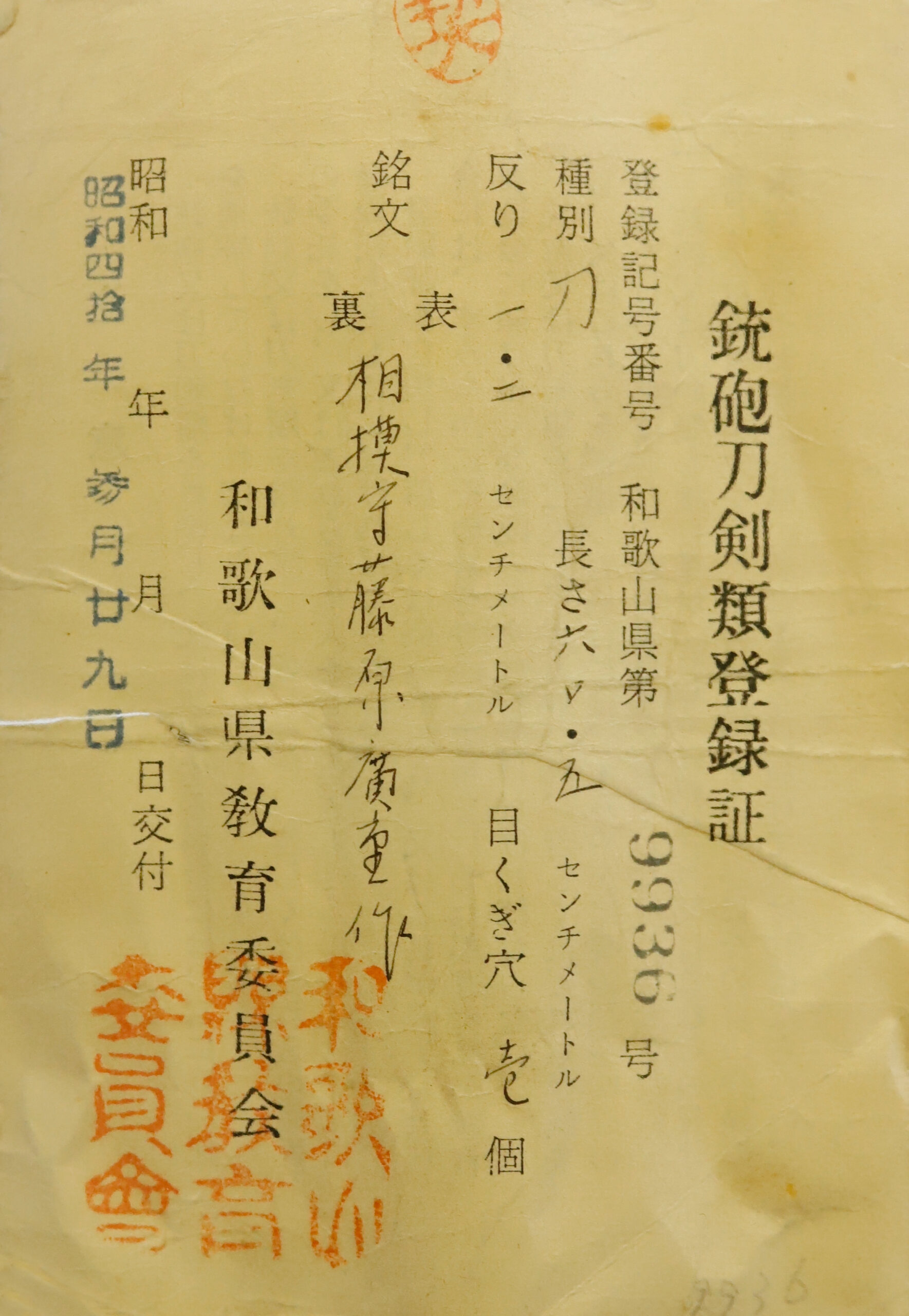
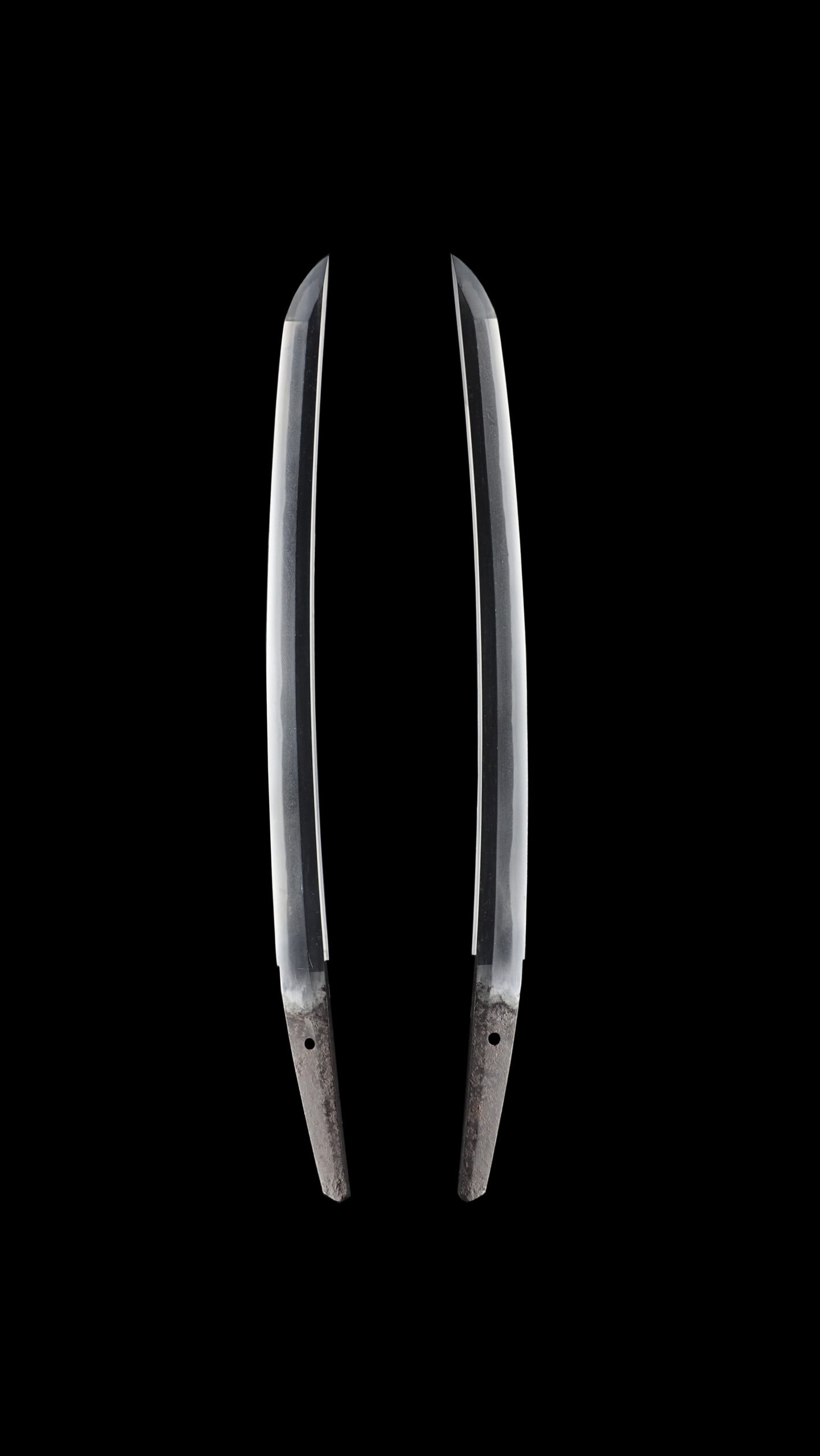
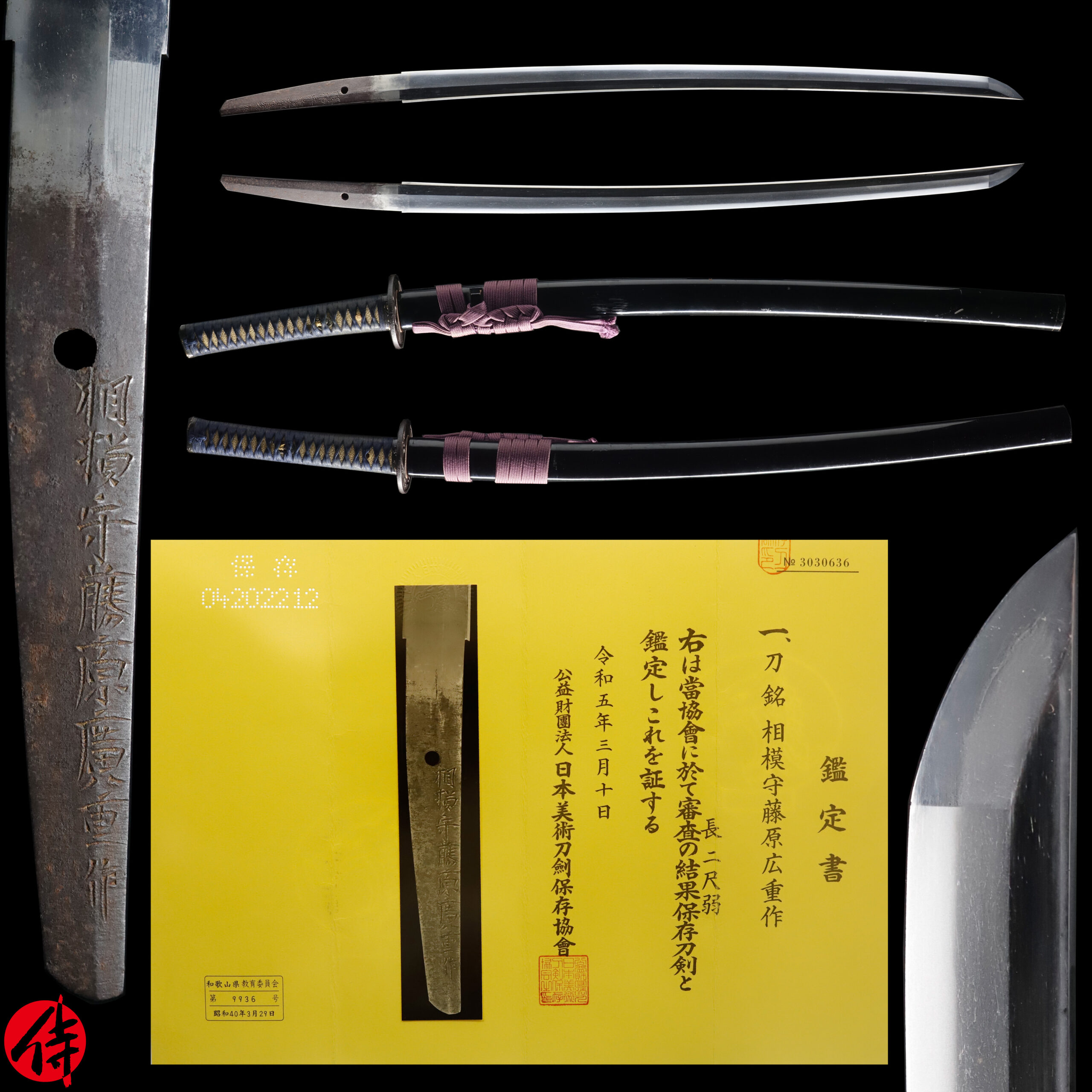
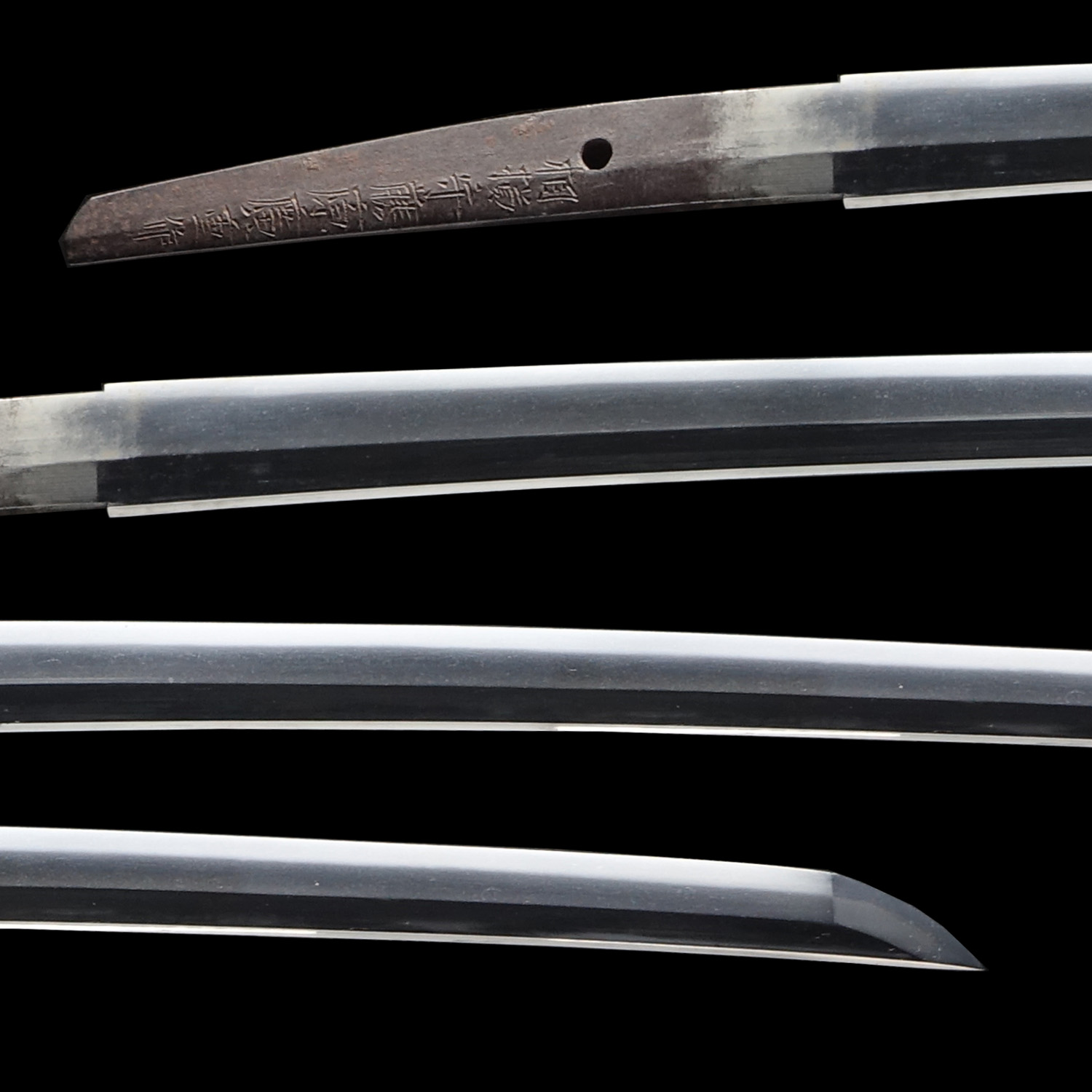
Antique Japanese Sword Katana Signed by Sagami no Kami Hiroshige with NBTHK Hozon Certificate 【Description】 This blade was signed by Sagami no Kami Fujiwara Hiroshige (相模守藤原広重), who was active during the early Edo period (1624-1644). He was known as the second-gen Hiroshige. The first-gen Hiroshige, his father was the fourth son of the Terushige. Hiroshige belonged to the Bushu Shitahara school, located in today’s Tokyo (Hachioji city).It is said that Yamamoto Norishige founded the school, and it thrived from the end of the Muromachi period to the late Edo period (Late 16th century to Late 19th century). One of the famous apprentice who learned from this founder was Terushige. The first-gen Hiroshige first learned sword-forging techniques from his father and founded his own branch. Sagami no Kami Fujiwara Hiroshige was born as the first son and his birth name was Yamamoto Fujiemon. Shitahara school is the group of swordsmiths under the Hojo clan’s auspicious, powerful feudal line during the late Muromachi period. After the Toyotomi clan destroyed the Hojo clan in the Azuchi Momoyama period, Shitahara started to serve the Tokugawa clan as Okakae Kaji, swordsmiths exclusively working for a specific feudal family. Most of the Shitahara swordsmith’s real sir name was Yamamoto. They especially flourished during the late Muromachi period-early Edo period. They kept forging for the Tokugawa clan until the end of the Edo period. Among the Bushu Shitahara group, Hiroshige was one of the most famous ones. The maker’s name, Hiroshige, lasted for several generations. This blade is appraised as a Hozon Touken (保存刀剣) issued by NBTHK (Nihon Bijutsu Touken Hozon Kyokai: 日本美術刀剣保存協会). This authentication paper was only given to authentic Japanese swords, well preserved and high quality with artistic value. *Please keep in mind that there are slightly visible Hike Kizu (scratch caused by unsheathing/sheathing the blade) and Kitae Kizu on the blade. If you like to see the detailed condition, please feel free to contact us. 【Blade】 Cutting Edge Length (Nagasa) : 60.5 cm ( 23.8 inches) Curvature (Sori) : 1.2 cm (0.47 inches) Hamon : The crystalline structure which forms along the cutting edge of a blade as a result of the hardening process. Jimon (Jihada) : Visible steel surface pattern created by folding and hammering during forging process. Nakago : Nakago is the tang of the Japanese sword. Japanese swordsmiths left the black rust on the tang because it prevents red rust while the tang is in its handle. And the discoloration of the tang was created over time, and it is a great indicator for a Japanese sword specialist to estimate when the sword was forged. Koshirae : Koshirae is the mounting of the Japanese sword. There are several parts that consist of Koshirae such as Saya (Scabbard), Tsuka (Handle), Tsuba (Handguard). Fuchi-Kashira : A pair of matching sword fittings that cover the upper and bottom parts of its sword hilt. You would find the figures of several birds. Many leaves surround the birds, some of which look like bamboo leaves. Seeing the appearance of these birds, we estimate they are Sagis (鷺, heron). Since ancient times, some animals have been considered messengers of the gods, and the heron is one of them. In Japan, there is an idea that worships herons as the symbol of plentiful harvest, and there are many shrines whose names have “Sagi (鷺).” Tsuka and Menuki : Tsuka is the handle of the Japanese sword and Menuki is its decoration. Although it is challenging to determine the motif of this Menuki based on what we could see through the gaps of the Tsukamaki thread, the spinning wheel with an animal, such as a mouse or a monkey, is designed here. It is an adorable work that shows how they handle tools as if they were humans. Tsuba and Habaki : Tsuba is the handguard for the Japanese Sword and Habaki is the equipment to make the blade not touch its scabbard inside. It prevents the blade from getting rusty and chipped. The design of

NihontoWatch MonNihontoWatch
MarketEncyclopediaKantei
刀剣›廣重›Antique Japanese Sword Katana Signed by Sagami no Kami Hiroshige | Samurai Museum Shop
刀保存
廣重

Antique Japanese Sword Katana Signed by Sagami no Kami Hiroshige | Samurai Museum Shop

在銘 · Bushu Shitahara · 新刀 · 長さ 60.5cm · 反り 1.2cm
売却済
廣重 · Bushu Shitahara · 新刀販売中 2点 →
刀保存
刀身だけで刀工を見抜けますか? 本日の鑑定 →
廣重 — 1 of 22
廣重 — 2 of 22
廣重 — 3 of 22
廣重 — 4 of 22
廣重 — 5 of 22
廣重 — 6 of 22
廣重 — 7 of 22
廣重 — 8 of 22
廣重 — 9 of 22
廣重 — 10 of 22
廣重 — 11 of 22
廣重 — 12 of 22
廣重 — 13 of 22
廣重 — 14 of 22
廣重 — 15 of 22
廣重 — 16 of 22
廣重 — 17 of 22
廣重 — 18 of 22
廣重 — 19 of 22
廣重 — 20 of 22
廣重 — 21 of 22
廣重 — 22 of 22
1 / 22
1 / 22
廣重 — 1 of 22廣重 — 2 of 22廣重 — 3 of 22廣重 — 4 of 22廣重 — 5 of 22廣重 — 6 of 22廣重 — 7 of 22廣重 — 8 of 22廣重 — 9 of 22廣重 — 10 of 22廣重 — 11 of 22廣重 — 12 of 22廣重 — 13 of 22廣重 — 14 of 22廣重 — 15 of 22廣重 — 16 of 22廣重 — 17 of 22廣重 — 18 of 22廣重 — 19 of 22廣重 — 20 of 22廣重 — 21 of 22廣重 — 22 of 22
廣重 · Bushu Shitahara · 新刀販売中 2点 →
刀保存
刀身だけで刀工を見抜けますか? 本日の鑑定 →
法量・詳細
刀工
廣重
種別
刀
活動期
1655–1658年頃(Meireki)
国
武蔵
銘
在銘
法量
長さ 60.5cm反り 1.2cm
説明

Antique Japanese Sword Katana Signed by Sagami no Kami Hiroshige with NBTHK Hozon Certificate 【Description】 This blade was signed by Sagami no Kami Fujiwara Hiroshige (相模守藤原広重), who was active during the early Edo period (1624-1644). He was known as the second-gen Hiroshige. The first-gen Hiroshige, his father was the fourth son of the Terushige. Hiroshige belonged to the Bushu Shitahara school, located in today’s Tokyo (Hachioji city).It is said that Yamamoto Norishige founded the school, and it thrived from the end of the Muromachi period to the late Edo period (Late 16th century to Late 19th century). One of the famous apprentice who learned from this founder was Terushige. The first-gen Hiroshige first learned sword-forging techniques from his father and founded his own branch. Sagami no Kami Fujiwara Hiroshige was born as the first son and his birth name was Yamamoto Fujiemon. Shitahara school is the group of swordsmiths under the Hojo clan’s auspicious, powerful feudal line during the late Muromachi period. After the Toyotomi clan destroyed the Hojo clan in the Azuchi Momoyama period, Shitahara started to serve the Tokugawa clan as Okakae Kaji, swordsmiths exclusively working for a specific feudal family. Most of the Shitahara swordsmith’s real sir name was Yamamoto. They especially flourished during the late Muromachi period-early Edo period. They kept forging for the Tokugawa clan until the end of the Edo period. Among the Bushu Shitahara group, Hiroshige was one of the most famous ones. The maker’s name, Hiroshige, lasted for several generations. This blade is appraised as a Hozon Touken (保存刀剣) issued by NBTHK (Nihon Bijutsu Touken Hozon Kyokai: 日本美術刀剣保存協会). This authentication paper was only given to authentic Japanese swords, well preserved and high quality with artistic value. *Please keep in mind that there are slightly visible Hike Kizu (scratch caused by unsheathing/sheathing the blade) and Kitae Kizu on the blade. If you like to see the detailed condition, please feel free to contact us. 【Blade】 Cutting Edge Length (Nagasa) : 60.5 cm ( 23.8 inches) Curvature (Sori) : 1.2 cm (0.47 inches) Hamon : The crystalline structure which forms along the cutting edge of a blade as a result of the hardening process. Jimon (Jihada) : Visible steel surface pattern created by folding and hammering during forging process. Nakago : Nakago is the tang of the Japanese sword. Japanese swordsmiths left the black rust on the tang because it prevents red rust while the tang is in its handle. And the discoloration of the tang was created over time, and it is a great indicator for a Japanese sword specialist to estimate when the sword was forged. Koshirae : Koshirae is the mounting of the Japanese sword. There are several parts that consist of Koshirae such as Saya (Scabbard), Tsuka (Handle), Tsuba (Handguard). Fuchi-Kashira : A pair of matching sword fittings that cover the upper and bottom parts of its sword hilt. You would find the figures of several birds. Many leaves surround the birds, some of which look like bamboo leaves. Seeing the appearance of these birds, we estimate they are Sagis (鷺, heron). Since ancient times, some animals have been considered messengers of the gods, and the heron is one of them. In Japan, there is an idea that worships herons as the symbol of plentiful harvest, and there are many shrines whose names have “Sagi (鷺).” Tsuka and Menuki : Tsuka is the handle of the Japanese sword and Menuki is its decoration. Although it is challenging to determine the motif of this Menuki based on what we could see through the gaps of the Tsukamaki thread, the spinning wheel with an animal, such as a mouse or a monkey, is designed here. It is an adorable work that shows how they handle tools as if they were humans. Tsuba and Habaki : Tsuba is the handguard for the Japanese Sword and Habaki is the equipment to make the blade not touch its scabbard inside. It prevents the blade from getting rusty and chipped. The design of

作者について

廣重

武蔵 · 1655-1658頃

刀剣大鑑 上位60%

現在2点販売中

›
廣重の作 2点が現在販売中→
廣重 — 詳細

この作者について学ぶ →

歴史的背景

江戸時代

›

徳川の泰平のもと、大小は法度の定める身分の制服となり、需要は城下町、とりわけ江戸に集まった。工芸は二つに分かれる。目利きのための華やかな鑑賞の作と、截断の結果を金象嵌に刻む実証の刀である。

江戸時代 →

NBTHK鑑定書
Hozon Tōken保存刀剣
Sword Worthy of Preservation
›

銘が正しい、または無銘でも年代・国・系統を確実に指摘できる、保存に値する真正の作と鑑定されたものです。

NBTHKについて›

日本美術刀剣保存協会(NBTHK)は、1948年に設立され、文化庁の監督を受ける公益財団法人で、東京・刀剣博物館に本部を置きます。専門の審査員が出品作を直接審査し、美術的・歴史的価値に応じた鑑定書を発行します。NBTHKの鑑定書は、日本刀および刀装具の真正性を示す最も広く認知された基準です。

NBTHK公式サイト→
販売店
サ
サムライミュージアム
🇯🇵日本から発送
›
✓認証販売店samuraimuseum.jp
✓海外発送可✓英語対応PayPalクレジットカード
返品ポリシー

Returns/exchanges limited to defects caused by shipping (except willful misconduct or gross negligence by the company); customers must contact within 72 hours of receiving the product.

サムライミュージアムの出品一覧を見る→販売店サイトでこの商品を見る→

廣重の他の作

すべて見る →
サムライミュージアム
保存
Katana - Hozon - by Hiroshige - 日本刀 刀 銘 廣重(博重) 日本美術刀剣保存協会 保持審査合格 安定保存刀剣鑑定書付Katana - Hozon - by Hiroshige - 日本刀 刀 銘 廣重(博重) 日本美術刀剣保存協会 保持審査合格 安定保存刀剣鑑定書付

刀

作廣重
69.2cm·江戸
¥5,455
刀剣小町
特別保存
Wakizashi - Tokuho - by Hiroshige - 脇差 白鞘入りWakizashi - Tokuho - by Hiroshige - 脇差 白鞘入り

脇差

作廣重
51.81cm·江戸
¥380,000

廣重の売約済み

すべて見る →
池田美術
Katana - by Hiroshige - 【訳あり特価】「相模守藤原廣重」 73.1cm 、鑑賞に・居合・試斬刀として!!!Katana - by Hiroshige - 【訳あり特価】「相模守藤原廣重」 73.1cm 、鑑賞に・居合・試斬刀として!!!
売切れ

刀

作廣重
73.1cm·Meireki (1655-1658)
売却済

Bushu Shitahara派の作

サムライミュージアム
NTHK
Wakizashi - NTHK - by Hizen School - 骨董日本刀 脇差 伝武州下原正広 NTHK鑑定書付Wakizashi - NTHK - by Hizen School - 骨董日本刀 脇差 伝武州下原正広 NTHK鑑定書付

脇差

作肥前派
48.1cm·桃山
¥2,760
サムライミュージアム
Wakizashi - by Shitahara School - 日本刀 脇差 伝下原広重 NTHK鑑定書付Wakizashi - by Shitahara School - 日本刀 脇差 伝下原広重 NTHK鑑定書付

脇差

作下原派
40.6cm·Meireki (1655-1658)
¥1,733

刀剣

  • 刀
  • 脇差
  • 短刀
  • 太刀
  • 薙刀
  • 槍
  • 日本刀の販売
  • サムライソード

刀装具

  • 鍔
  • 縁頭
  • 小柄
  • 目貫
  • 鍔(ソードガード)

甲冑武具

  • 兜
  • 甲冑
  • 甲冑・武具一覧

鑑定別

  • 特重
  • 重要
  • 特別保存
  • 保存

リソース

  • 刀剣商一覧
  • 刀工一覧
  • 誌上鑑定
  • すべて見る
Nihontowatch© 2026
利用規約プライバシーCookie運営者情報
売切れ

説明

Antique Japanese Sword Katana Signed by Sagami no Kami Hiroshige with NBTHK Hozon Certificate 【Description】 This blade was signed by Sagami no Kami Fujiwara Hiroshige (相模守藤原広重), who was active during the early Edo period (1624-1644). He was known as the second-gen Hiroshige. The first-gen Hiroshige, his father was the fourth son of the Terushige. Hiroshige belonged to the Bushu Shitahara school, located in today’s Tokyo (Hachioji city).It is said that Yamamoto Norishige founded the school, and it thrived from the end of the Muromachi period to the late Edo period (Late 16th century to Late 19th century). One of the famous apprentice who learned from this founder was Terushige. The first-gen Hiroshige first learned sword-forging techniques from his father and founded his own branch. Sagami no Kami Fujiwara Hiroshige was born as the first son and his birth name was Yamamoto Fujiemon. Shitahara school is the group of swordsmiths under the Hojo clan’s auspicious, powerful feudal line during the late Muromachi period. After the Toyotomi clan destroyed the Hojo clan in the Azuchi Momoyama period, Shitahara started to serve the Tokugawa clan as Okakae Kaji, swordsmiths exclusively working for a specific feudal family. Most of the Shitahara swordsmith’s real sir name was Yamamoto. They especially flourished during the late Muromachi period-early Edo period. They kept forging for the Tokugawa clan until the end of the Edo period. Among the Bushu Shitahara group, Hiroshige was one of the most famous ones. The maker’s name, Hiroshige, lasted for several generations. This blade is appraised as a Hozon Touken (保存刀剣) issued by NBTHK (Nihon Bijutsu Touken Hozon Kyokai: 日本美術刀剣保存協会). This authentication paper was only given to authentic Japanese swords, well preserved and high quality with artistic value. *Please keep in mind that there are slightly visible Hike Kizu (scratch caused by unsheathing/sheathing the blade) and Kitae Kizu on the blade. If you like to see the detailed condition, please feel free to contact us. 【Blade】 Cutting Edge Length (Nagasa) : 60.5 cm ( 23.8 inches) Curvature (Sori) : 1.2 cm (0.47 inches) Hamon : The crystalline structure which forms along the cutting edge of a blade as a result of the hardening process. Jimon (Jihada) : Visible steel surface pattern created by folding and hammering during forging process. Nakago : Nakago is the tang of the Japanese sword. Japanese swordsmiths left the black rust on the tang because it prevents red rust while the tang is in its handle. And the discoloration of the tang was created over time, and it is a great indicator for a Japanese sword specialist to estimate when the sword was forged. Koshirae : Koshirae is the mounting of the Japanese sword. There are several parts that consist of Koshirae such as Saya (Scabbard), Tsuka (Handle), Tsuba (Handguard). Fuchi-Kashira : A pair of matching sword fittings that cover the upper and bottom parts of its sword hilt. You would find the figures of several birds. Many leaves surround the birds, some of which look like bamboo leaves. Seeing the appearance of these birds, we estimate they are Sagis (鷺, heron). Since ancient times, some animals have been considered messengers of the gods, and the heron is one of them. In Japan, there is an idea that worships herons as the symbol of plentiful harvest, and there are many shrines whose names have “Sagi (鷺).” Tsuka and Menuki : Tsuka is the handle of the Japanese sword and Menuki is its decoration. Although it is challenging to determine the motif of this Menuki based on what we could see through the gaps of the Tsukamaki thread, the spinning wheel with an animal, such as a mouse or a monkey, is designed here. It is an adorable work that shows how they handle tools as if they were humans. Tsuba and Habaki : Tsuba is the handguard for the Japanese Sword and Habaki is the equipment to make the blade not touch its scabbard inside. It prevents the blade from getting rusty and chipped. The design of

NihontoWatch MonNihontoWatch
MarketEncyclopediaKantei
刀剣›廣重›Antique Japanese Sword Katana Signed by Sagami no Kami Hiroshige | Samurai Museum Shop
刀保存
廣重

Antique Japanese Sword Katana Signed by Sagami no Kami Hiroshige | Samurai Museum Shop

在銘 · Bushu Shitahara · 新刀 · 長さ 60.5cm · 反り 1.2cm
売却済
廣重 · Bushu Shitahara · 新刀販売中 2点 →
刀保存
刀身だけで刀工を見抜けますか? 本日の鑑定 →
廣重 — 1 of 22
廣重 — 2 of 22
廣重 — 3 of 22
廣重 — 4 of 22
廣重 — 5 of 22
廣重 — 6 of 22
廣重 — 7 of 22
廣重 — 8 of 22
廣重 — 9 of 22
廣重 — 10 of 22
廣重 — 11 of 22
廣重 — 12 of 22
廣重 — 13 of 22
廣重 — 14 of 22
廣重 — 15 of 22
廣重 — 16 of 22
廣重 — 17 of 22
廣重 — 18 of 22
廣重 — 19 of 22
廣重 — 20 of 22
廣重 — 21 of 22
廣重 — 22 of 22
1 / 22
1 / 22
廣重 — 1 of 22廣重 — 2 of 22廣重 — 3 of 22廣重 — 4 of 22廣重 — 5 of 22廣重 — 6 of 22廣重 — 7 of 22廣重 — 8 of 22廣重 — 9 of 22廣重 — 10 of 22廣重 — 11 of 22廣重 — 12 of 22廣重 — 13 of 22廣重 — 14 of 22廣重 — 15 of 22廣重 — 16 of 22廣重 — 17 of 22廣重 — 18 of 22廣重 — 19 of 22廣重 — 20 of 22廣重 — 21 of 22廣重 — 22 of 22
廣重 · Bushu Shitahara · 新刀販売中 2点 →
刀保存
刀身だけで刀工を見抜けますか? 本日の鑑定 →
法量・詳細
刀工
廣重
種別
刀
活動期
1655–1658年頃(Meireki)
国
武蔵
銘
在銘
法量
長さ 60.5cm反り 1.2cm
説明

Antique Japanese Sword Katana Signed by Sagami no Kami Hiroshige with NBTHK Hozon Certificate 【Description】 This blade was signed by Sagami no Kami Fujiwara Hiroshige (相模守藤原広重), who was active during the early Edo period (1624-1644). He was known as the second-gen Hiroshige. The first-gen Hiroshige, his father was the fourth son of the Terushige. Hiroshige belonged to the Bushu Shitahara school, located in today’s Tokyo (Hachioji city).It is said that Yamamoto Norishige founded the school, and it thrived from the end of the Muromachi period to the late Edo period (Late 16th century to Late 19th century). One of the famous apprentice who learned from this founder was Terushige. The first-gen Hiroshige first learned sword-forging techniques from his father and founded his own branch. Sagami no Kami Fujiwara Hiroshige was born as the first son and his birth name was Yamamoto Fujiemon. Shitahara school is the group of swordsmiths under the Hojo clan’s auspicious, powerful feudal line during the late Muromachi period. After the Toyotomi clan destroyed the Hojo clan in the Azuchi Momoyama period, Shitahara started to serve the Tokugawa clan as Okakae Kaji, swordsmiths exclusively working for a specific feudal family. Most of the Shitahara swordsmith’s real sir name was Yamamoto. They especially flourished during the late Muromachi period-early Edo period. They kept forging for the Tokugawa clan until the end of the Edo period. Among the Bushu Shitahara group, Hiroshige was one of the most famous ones. The maker’s name, Hiroshige, lasted for several generations. This blade is appraised as a Hozon Touken (保存刀剣) issued by NBTHK (Nihon Bijutsu Touken Hozon Kyokai: 日本美術刀剣保存協会). This authentication paper was only given to authentic Japanese swords, well preserved and high quality with artistic value. *Please keep in mind that there are slightly visible Hike Kizu (scratch caused by unsheathing/sheathing the blade) and Kitae Kizu on the blade. If you like to see the detailed condition, please feel free to contact us. 【Blade】 Cutting Edge Length (Nagasa) : 60.5 cm ( 23.8 inches) Curvature (Sori) : 1.2 cm (0.47 inches) Hamon : The crystalline structure which forms along the cutting edge of a blade as a result of the hardening process. Jimon (Jihada) : Visible steel surface pattern created by folding and hammering during forging process. Nakago : Nakago is the tang of the Japanese sword. Japanese swordsmiths left the black rust on the tang because it prevents red rust while the tang is in its handle. And the discoloration of the tang was created over time, and it is a great indicator for a Japanese sword specialist to estimate when the sword was forged. Koshirae : Koshirae is the mounting of the Japanese sword. There are several parts that consist of Koshirae such as Saya (Scabbard), Tsuka (Handle), Tsuba (Handguard). Fuchi-Kashira : A pair of matching sword fittings that cover the upper and bottom parts of its sword hilt. You would find the figures of several birds. Many leaves surround the birds, some of which look like bamboo leaves. Seeing the appearance of these birds, we estimate they are Sagis (鷺, heron). Since ancient times, some animals have been considered messengers of the gods, and the heron is one of them. In Japan, there is an idea that worships herons as the symbol of plentiful harvest, and there are many shrines whose names have “Sagi (鷺).” Tsuka and Menuki : Tsuka is the handle of the Japanese sword and Menuki is its decoration. Although it is challenging to determine the motif of this Menuki based on what we could see through the gaps of the Tsukamaki thread, the spinning wheel with an animal, such as a mouse or a monkey, is designed here. It is an adorable work that shows how they handle tools as if they were humans. Tsuba and Habaki : Tsuba is the handguard for the Japanese Sword and Habaki is the equipment to make the blade not touch its scabbard inside. It prevents the blade from getting rusty and chipped. The design of

作者について

廣重

武蔵 · 1655-1658頃

刀剣大鑑 上位60%

現在2点販売中

›
廣重の作 2点が現在販売中→
廣重 — 詳細

この作者について学ぶ →

歴史的背景

江戸時代

›

徳川の泰平のもと、大小は法度の定める身分の制服となり、需要は城下町、とりわけ江戸に集まった。工芸は二つに分かれる。目利きのための華やかな鑑賞の作と、截断の結果を金象嵌に刻む実証の刀である。

江戸時代 →

NBTHK鑑定書
Hozon Tōken保存刀剣
Sword Worthy of Preservation
›

銘が正しい、または無銘でも年代・国・系統を確実に指摘できる、保存に値する真正の作と鑑定されたものです。

NBTHKについて›

日本美術刀剣保存協会(NBTHK)は、1948年に設立され、文化庁の監督を受ける公益財団法人で、東京・刀剣博物館に本部を置きます。専門の審査員が出品作を直接審査し、美術的・歴史的価値に応じた鑑定書を発行します。NBTHKの鑑定書は、日本刀および刀装具の真正性を示す最も広く認知された基準です。

NBTHK公式サイト→
販売店
サ
サムライミュージアム
🇯🇵日本から発送
›
✓認証販売店samuraimuseum.jp
✓海外発送可✓英語対応PayPalクレジットカード
返品ポリシー

Returns/exchanges limited to defects caused by shipping (except willful misconduct or gross negligence by the company); customers must contact within 72 hours of receiving the product.


サムライミュージアムの出品一覧を見る→販売店サイトでこの商品を見る→

廣重の他の作

すべて見る →
サムライミュージアム
保存
Katana - Hozon - by Hiroshige - 日本刀 刀 銘 廣重(博重) 日本美術刀剣保存協会 保持審査合格 安定保存刀剣鑑定書付Katana - Hozon - by Hiroshige - 日本刀 刀 銘 廣重(博重) 日本美術刀剣保存協会 保持審査合格 安定保存刀剣鑑定書付

刀

作廣重
69.2cm·江戸
¥5,455
刀剣小町
特別保存
Wakizashi - Tokuho - by Hiroshige - 脇差 白鞘入りWakizashi - Tokuho - by Hiroshige - 脇差 白鞘入り

脇差

作廣重
51.81cm·江戸
¥380,000

廣重の売約済み

すべて見る →
池田美術
Katana - by Hiroshige - 【訳あり特価】「相模守藤原廣重」 73.1cm 、鑑賞に・居合・試斬刀として!!!Katana - by Hiroshige - 【訳あり特価】「相模守藤原廣重」 73.1cm 、鑑賞に・居合・試斬刀として!!!
売切れ

刀

作廣重
73.1cm·Meireki (1655-1658)
売却済

Bushu Shitahara派の作

サムライミュージアム
NTHK
Wakizashi - NTHK - by Hizen School - 骨董日本刀 脇差 伝武州下原正広 NTHK鑑定書付Wakizashi - NTHK - by Hizen School - 骨董日本刀 脇差 伝武州下原正広 NTHK鑑定書付

脇差

作肥前派
48.1cm·桃山
¥2,760
サムライミュージアム
Wakizashi - by Shitahara School - 日本刀 脇差 伝下原広重 NTHK鑑定書付Wakizashi - by Shitahara School - 日本刀 脇差 伝下原広重 NTHK鑑定書付

脇差

作下原派
40.6cm·Meireki (1655-1658)
¥1,733

刀剣

  • 刀
  • 脇差
  • 短刀
  • 太刀
  • 薙刀
  • 槍
  • 日本刀の販売
  • サムライソード

刀装具

  • 鍔
  • 縁頭
  • 小柄
  • 目貫
  • 鍔(ソードガード)

甲冑武具

  • 兜
  • 甲冑
  • 甲冑・武具一覧

鑑定別

  • 特重
  • 重要
  • 特別保存
  • 保存

リソース

  • 刀剣商一覧
  • 刀工一覧
  • 誌上鑑定
  • すべて見る
Nihontowatch© 2026
利用規約プライバシーCookie運営者情報
売切れ
NihontoWatch MonNihontoWatch
マーケット
事典
鑑定
NihontoWatch MonNihontoWatch
マーケット
事典
鑑定