NihontoWatch Mon

NihontoWatch

マーケット
事典
鑑定
NihontoWatch Mon

NihontoWatch

マーケット
事典
鑑定

説明

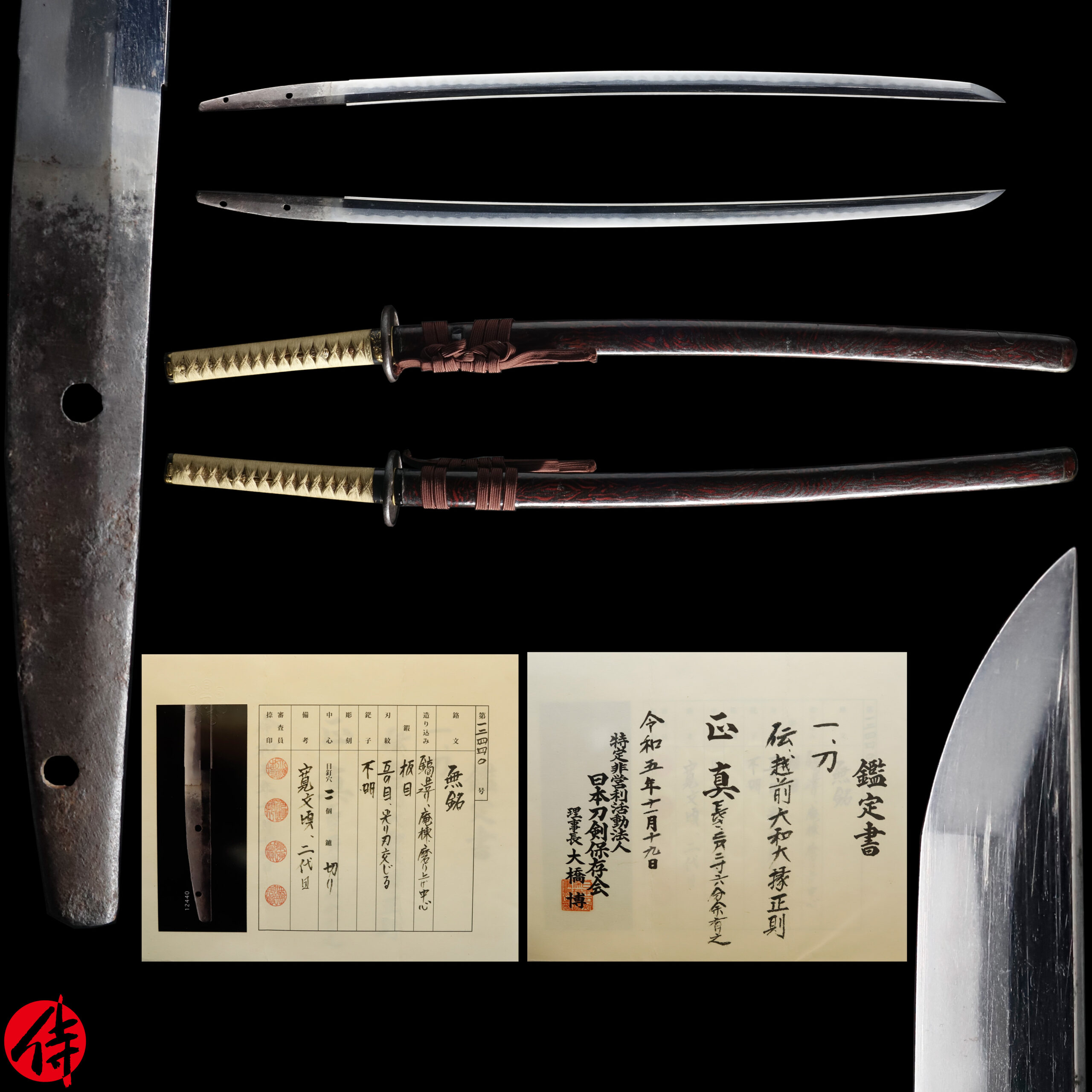
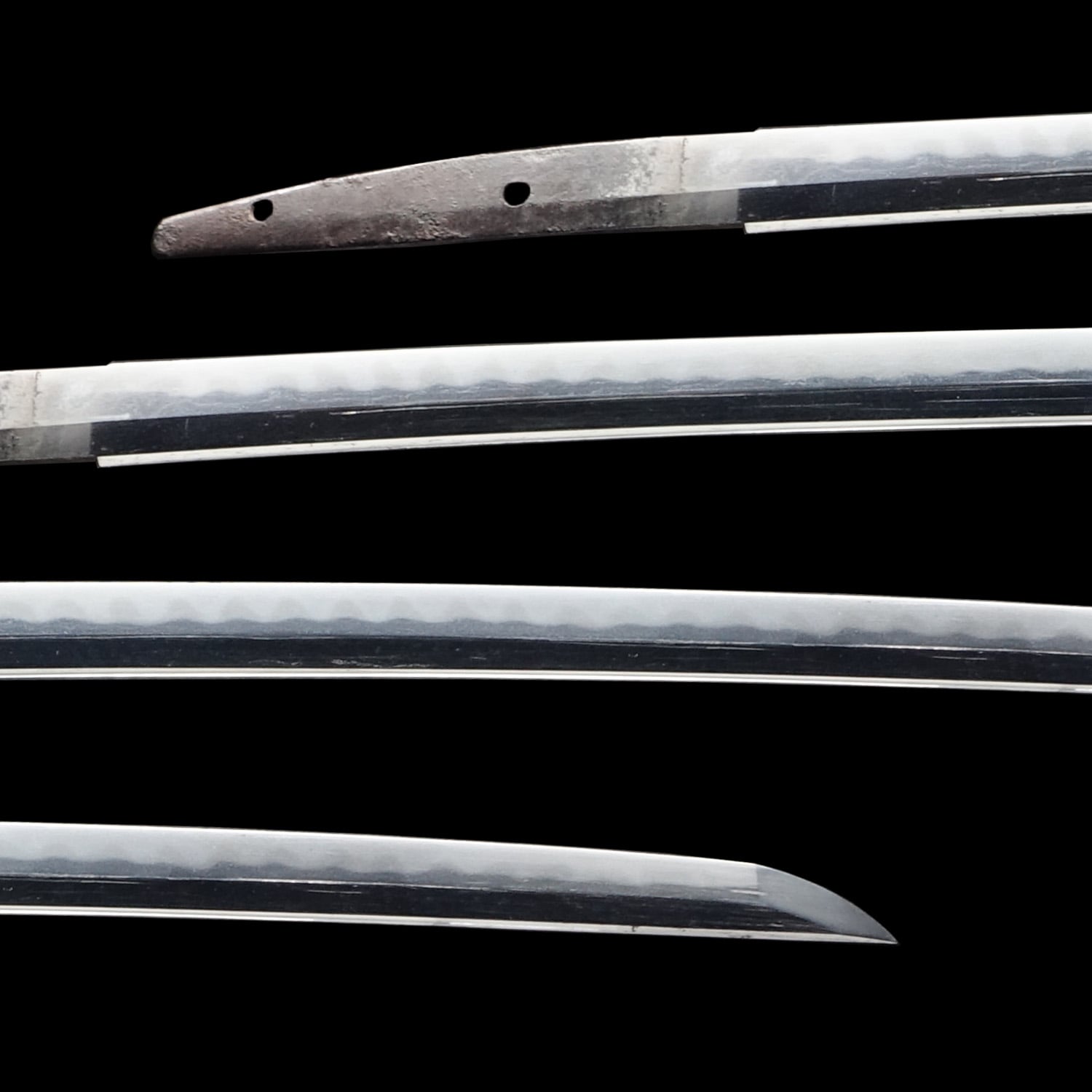
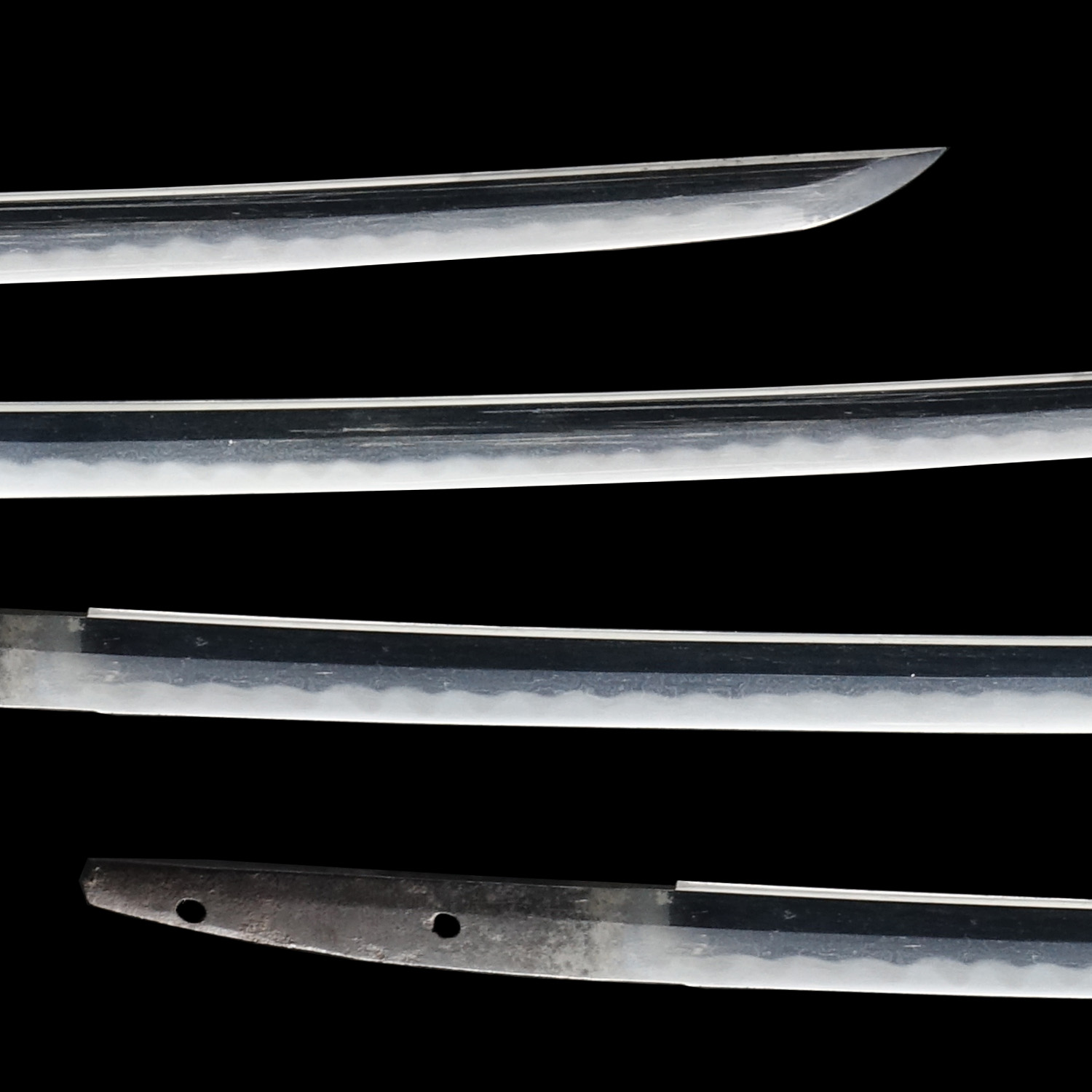
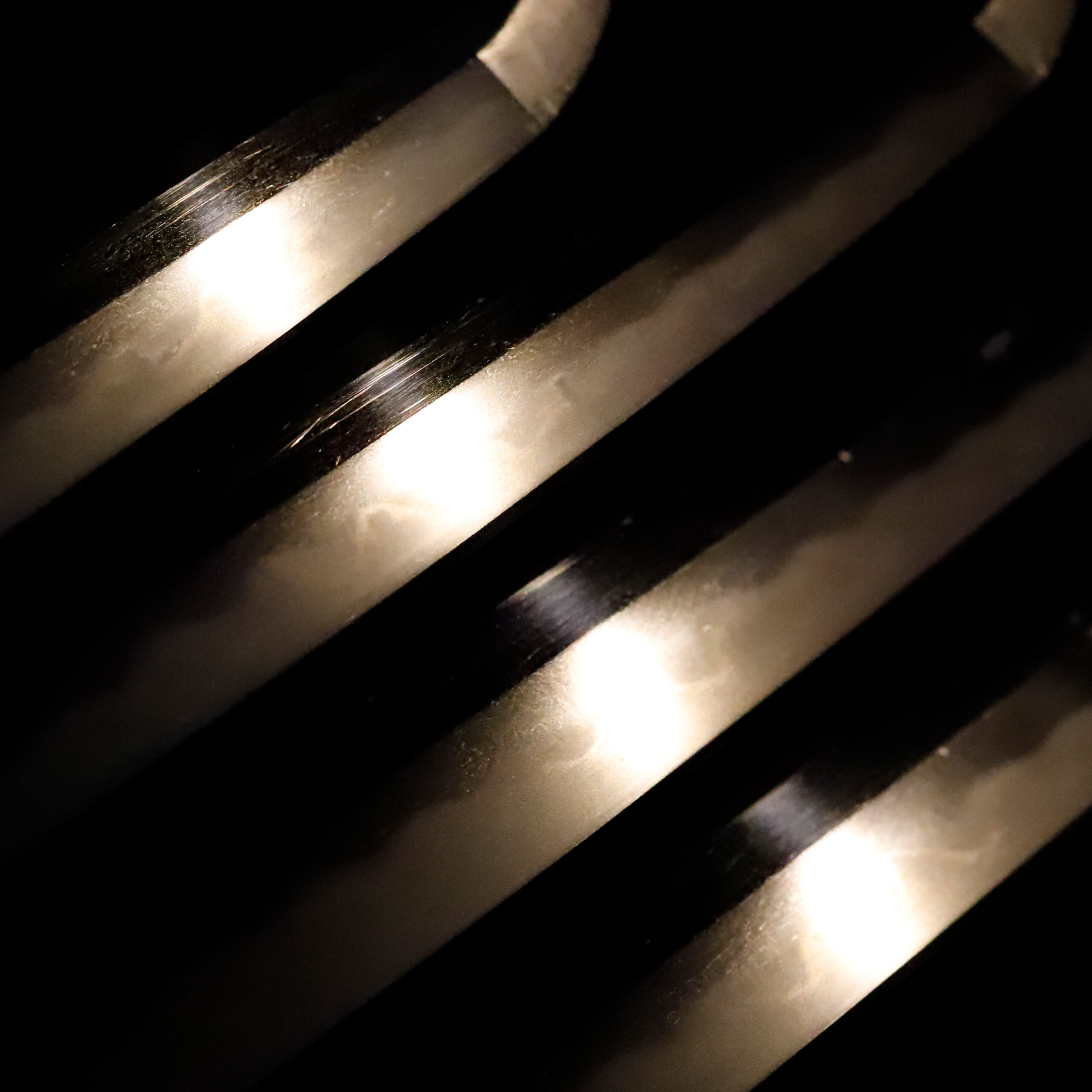
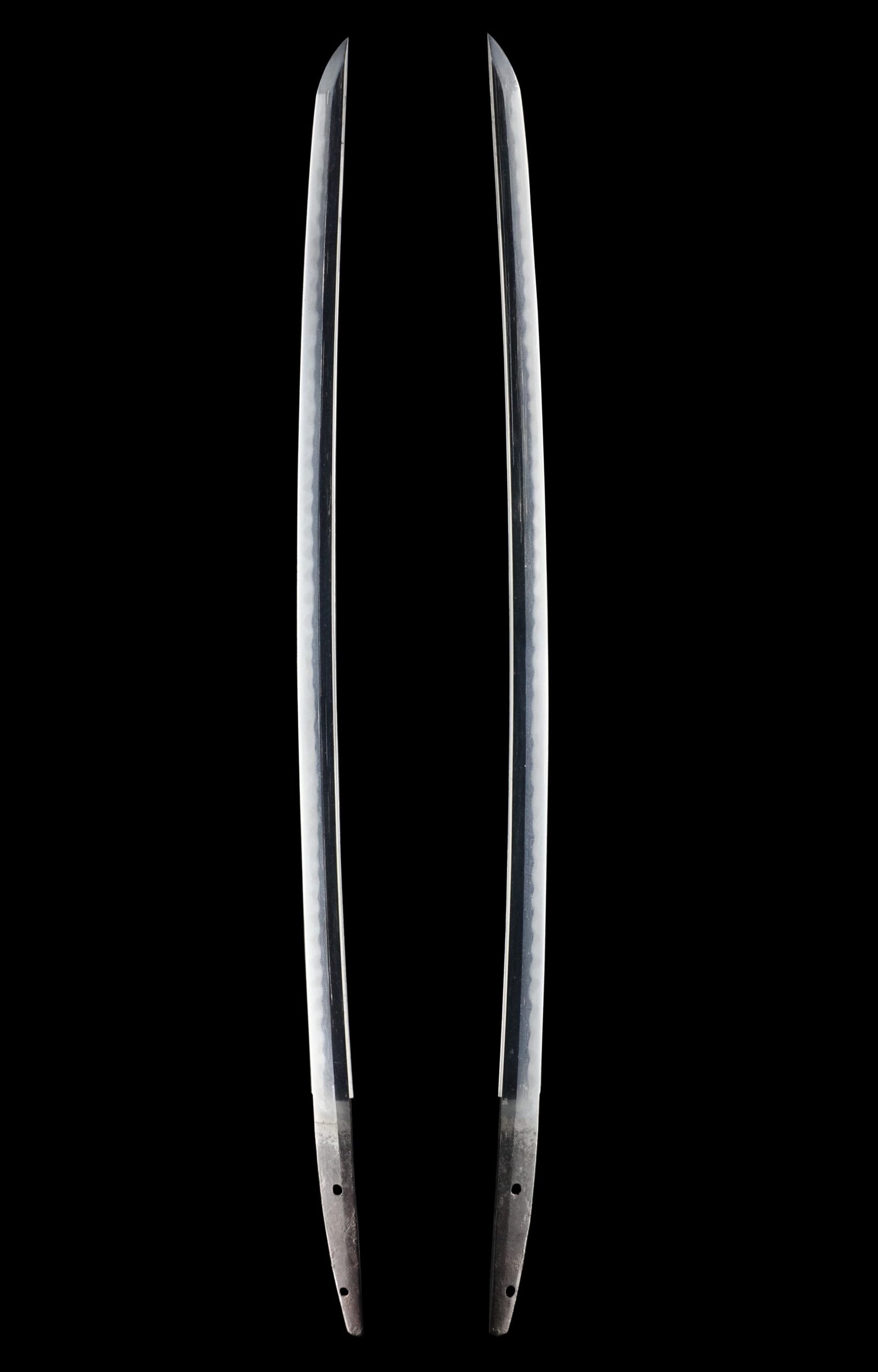
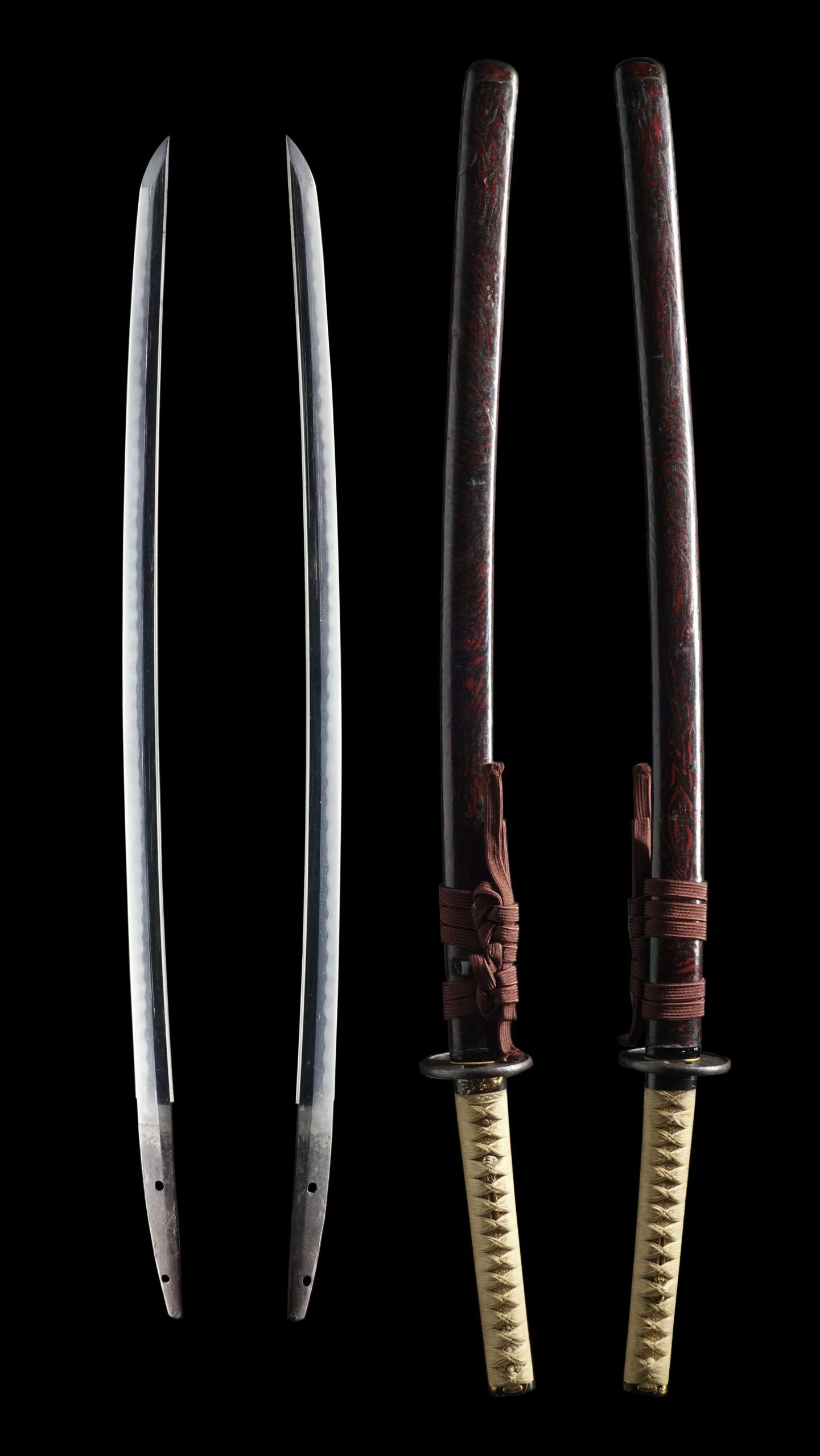
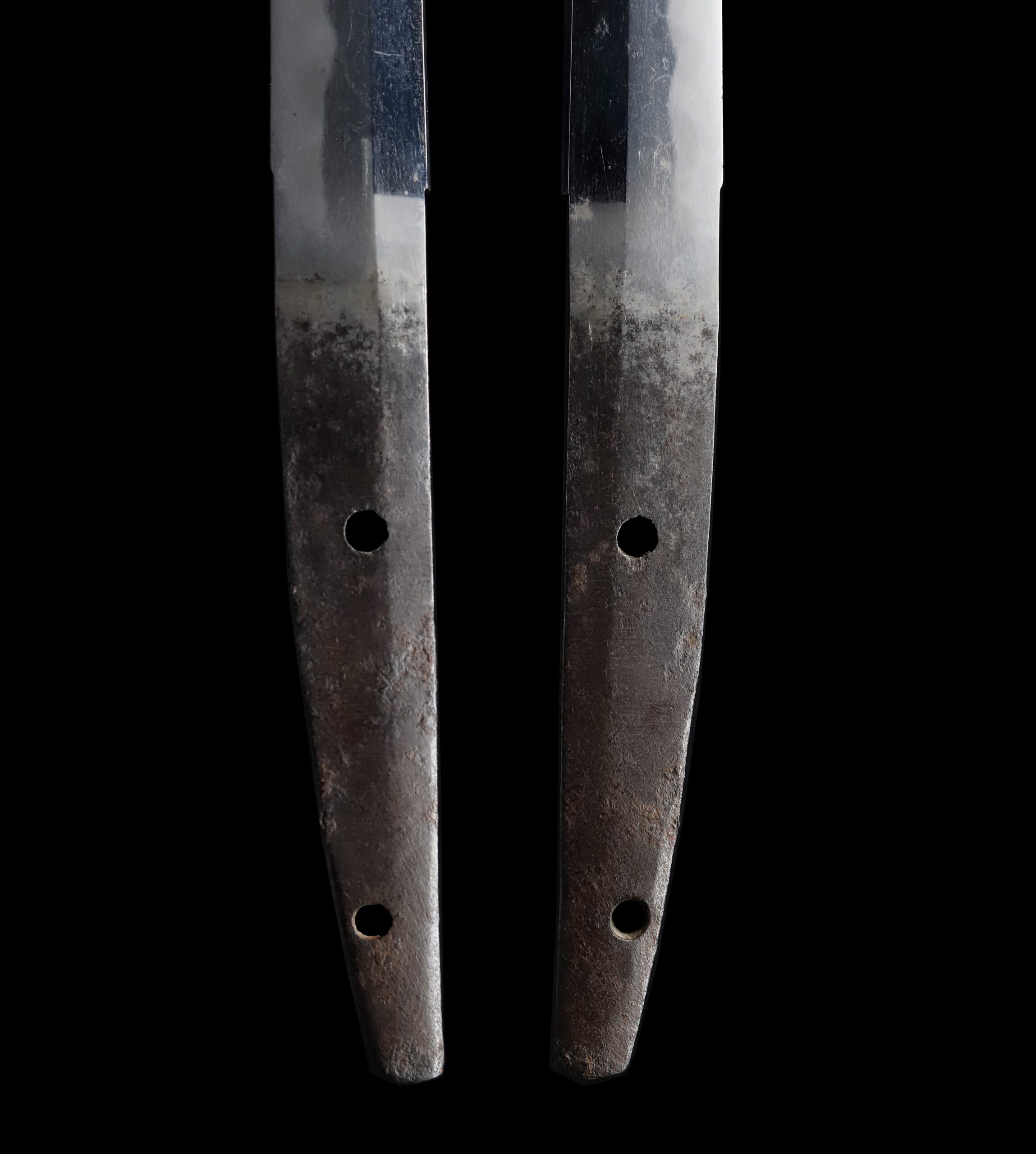
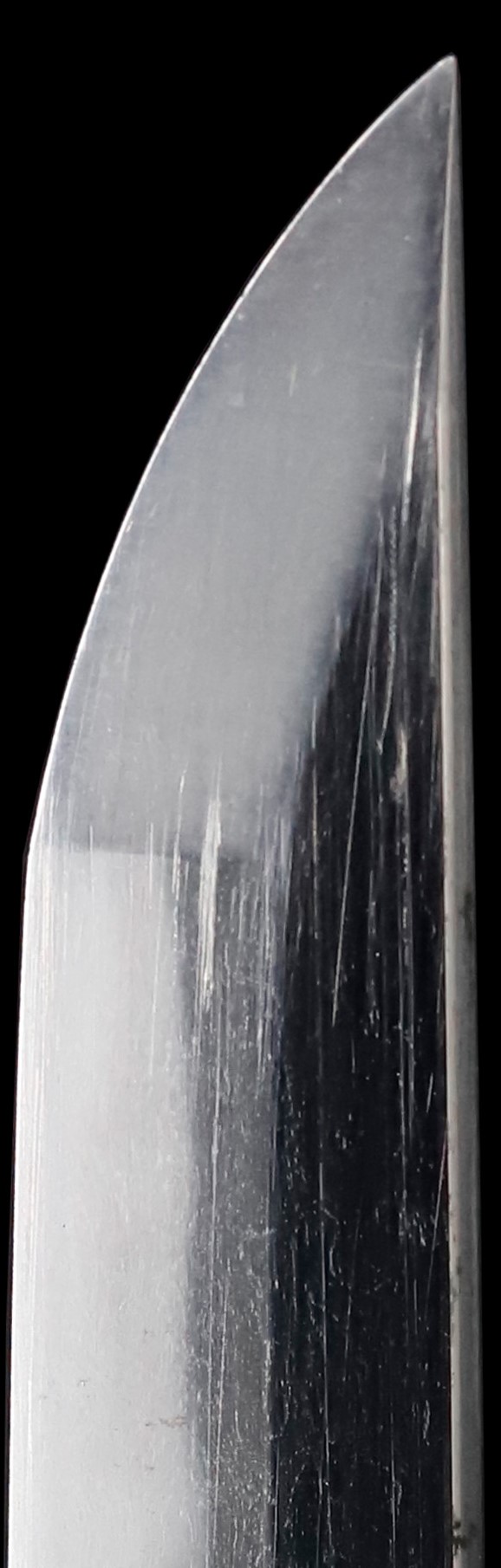
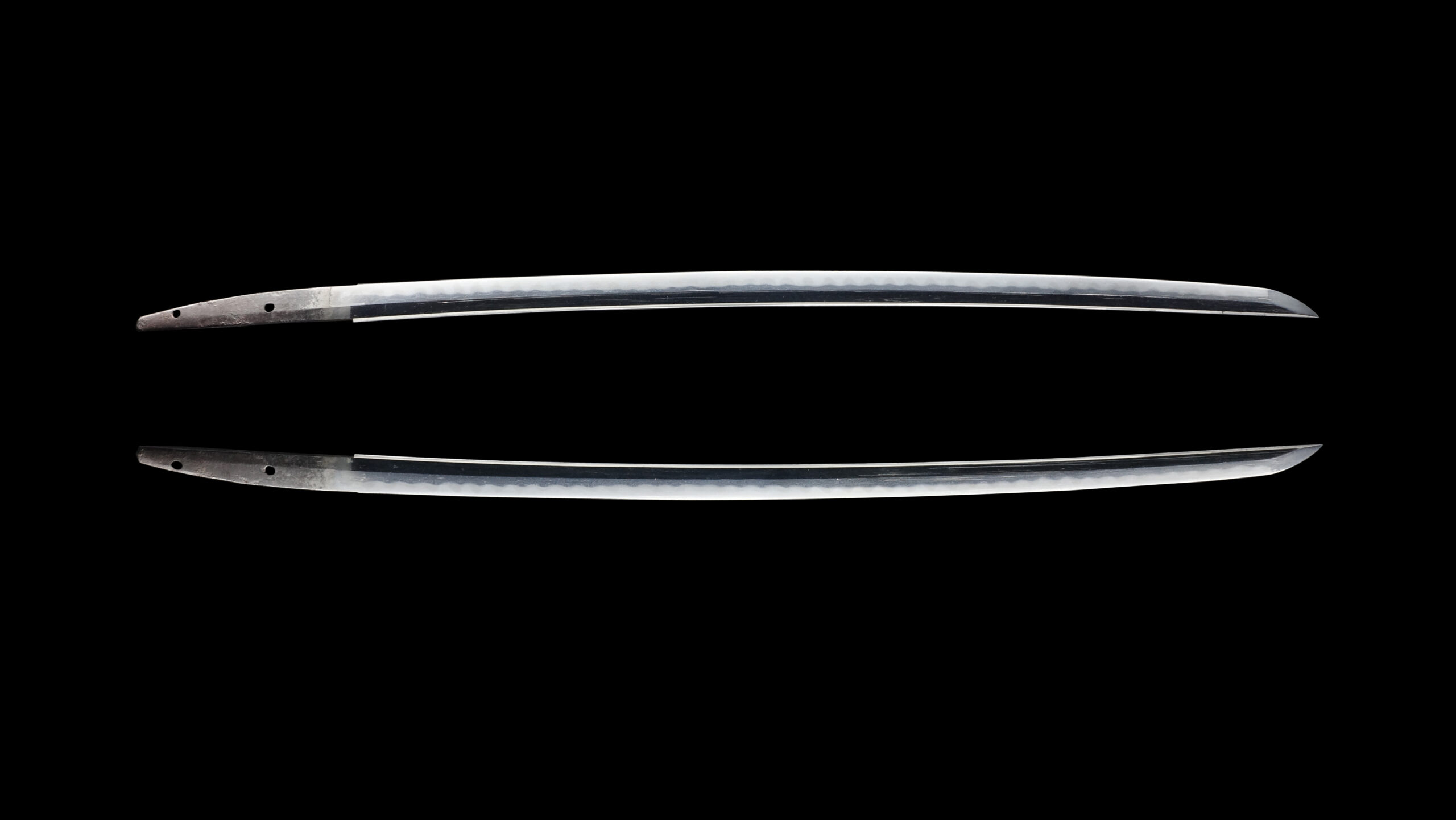
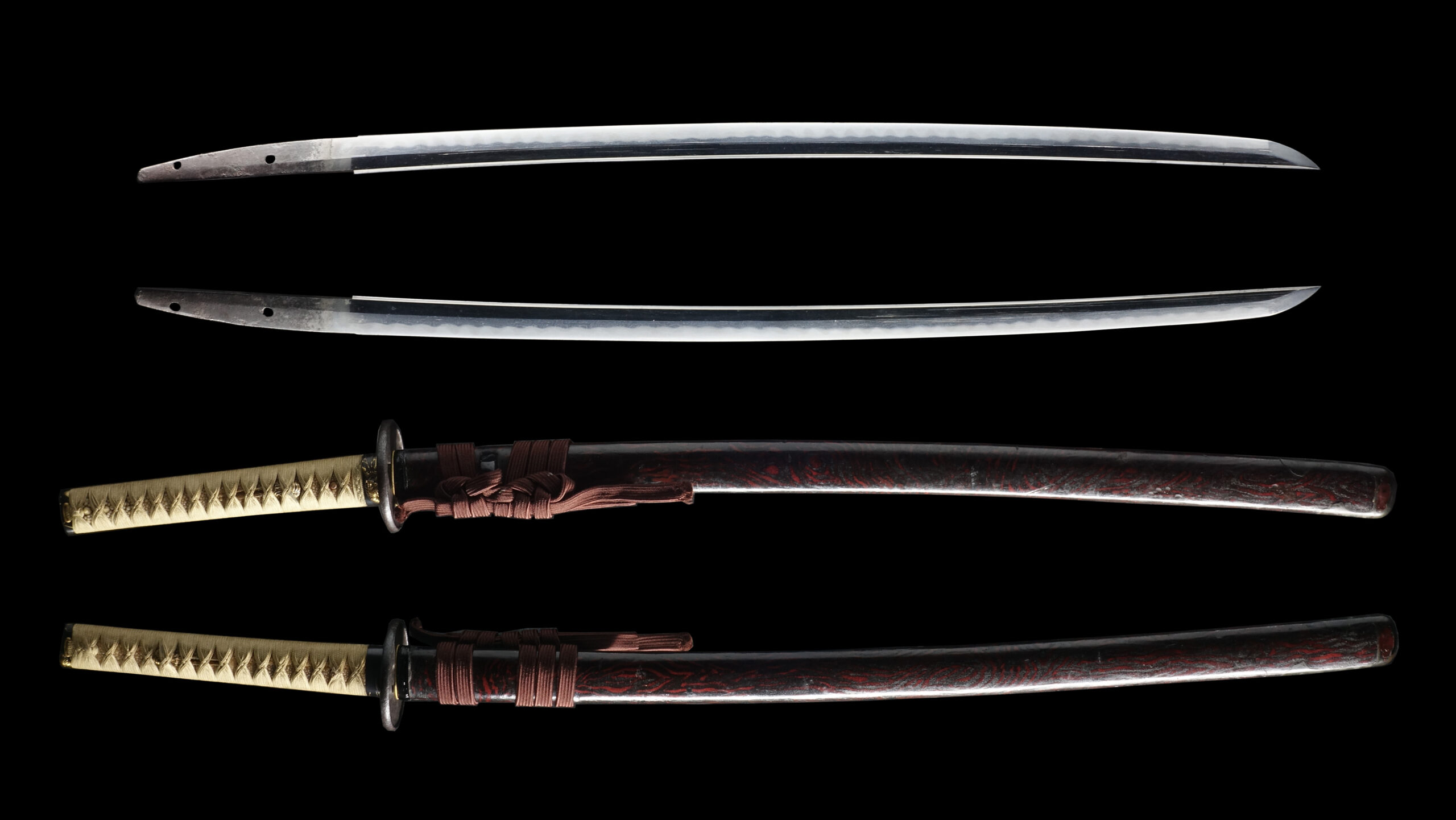
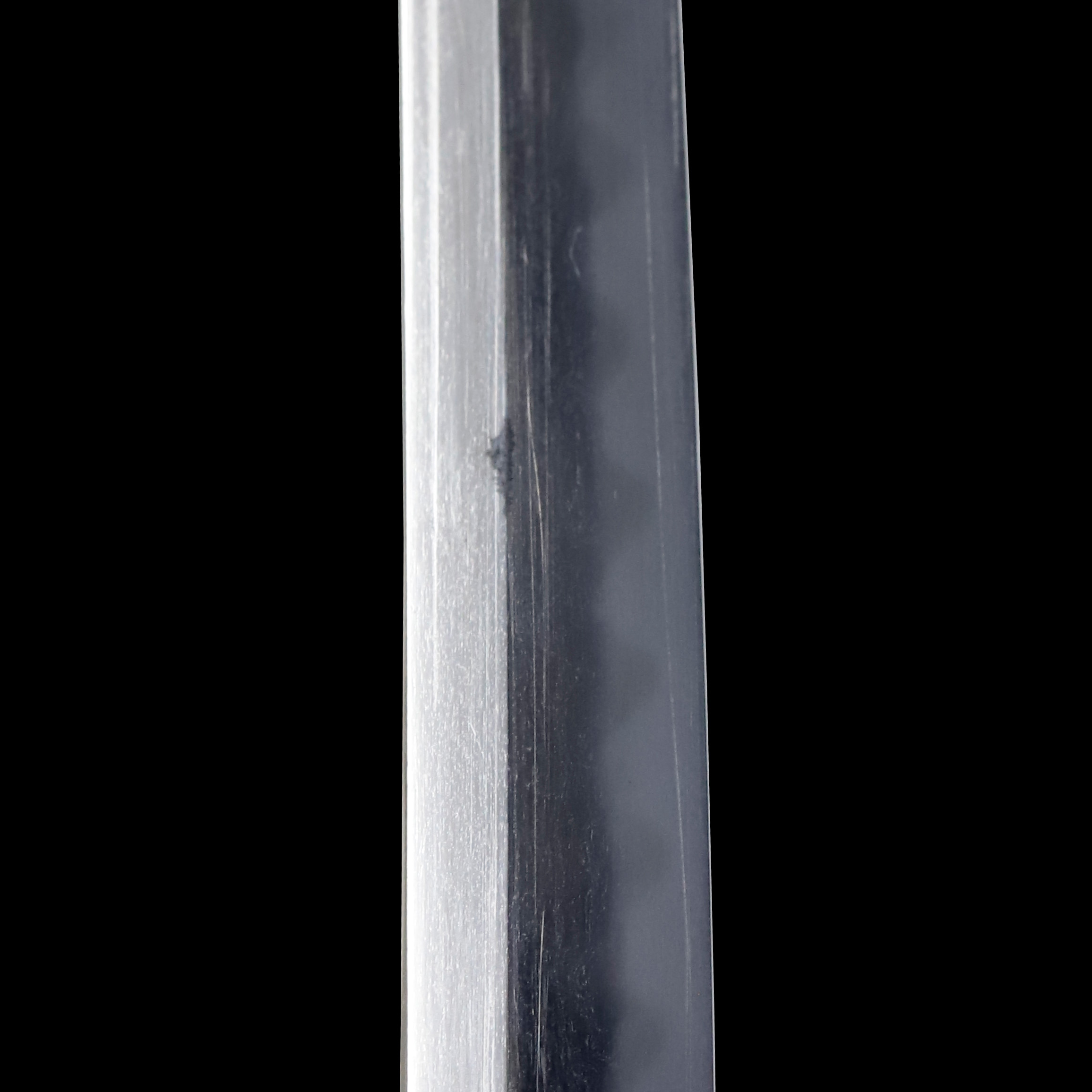
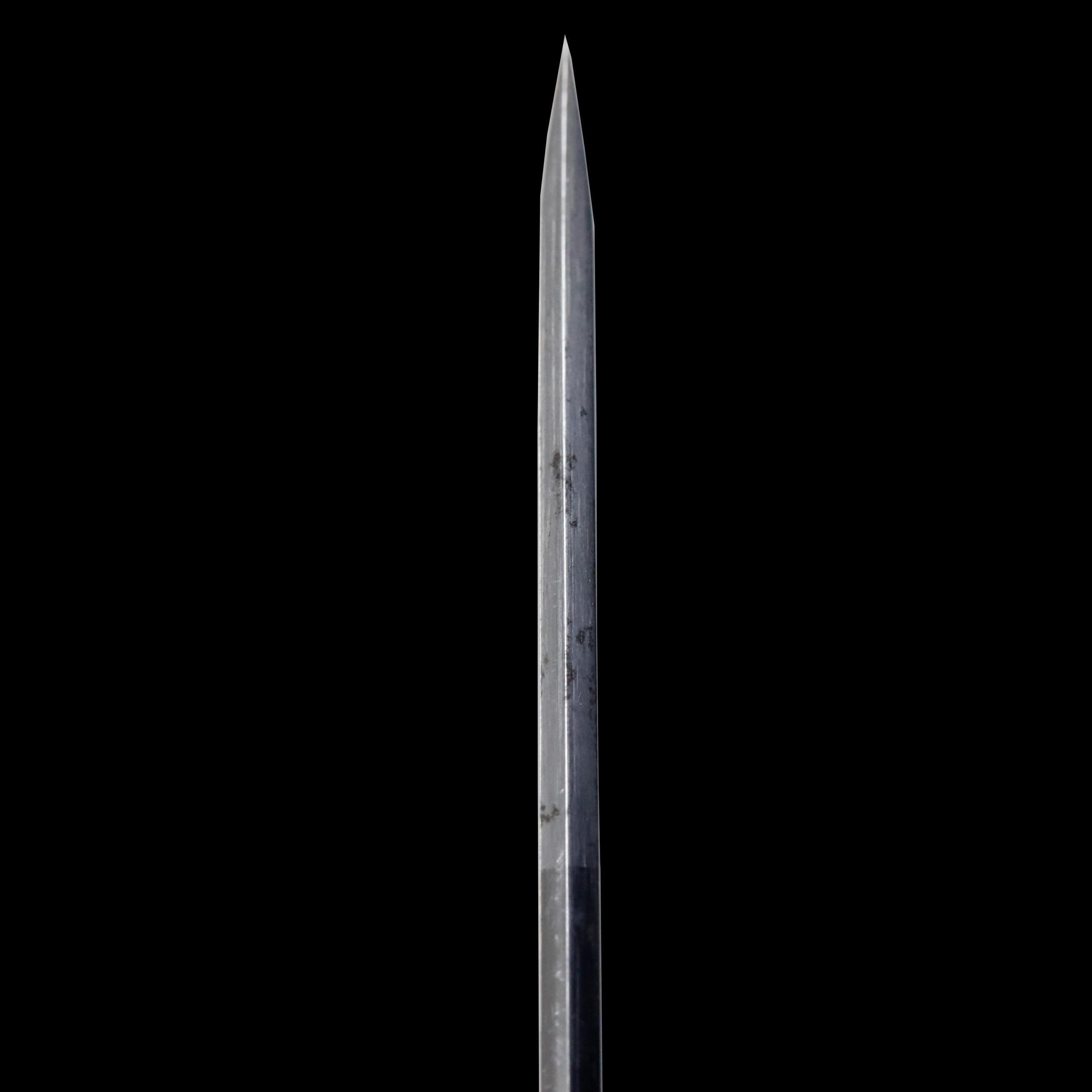
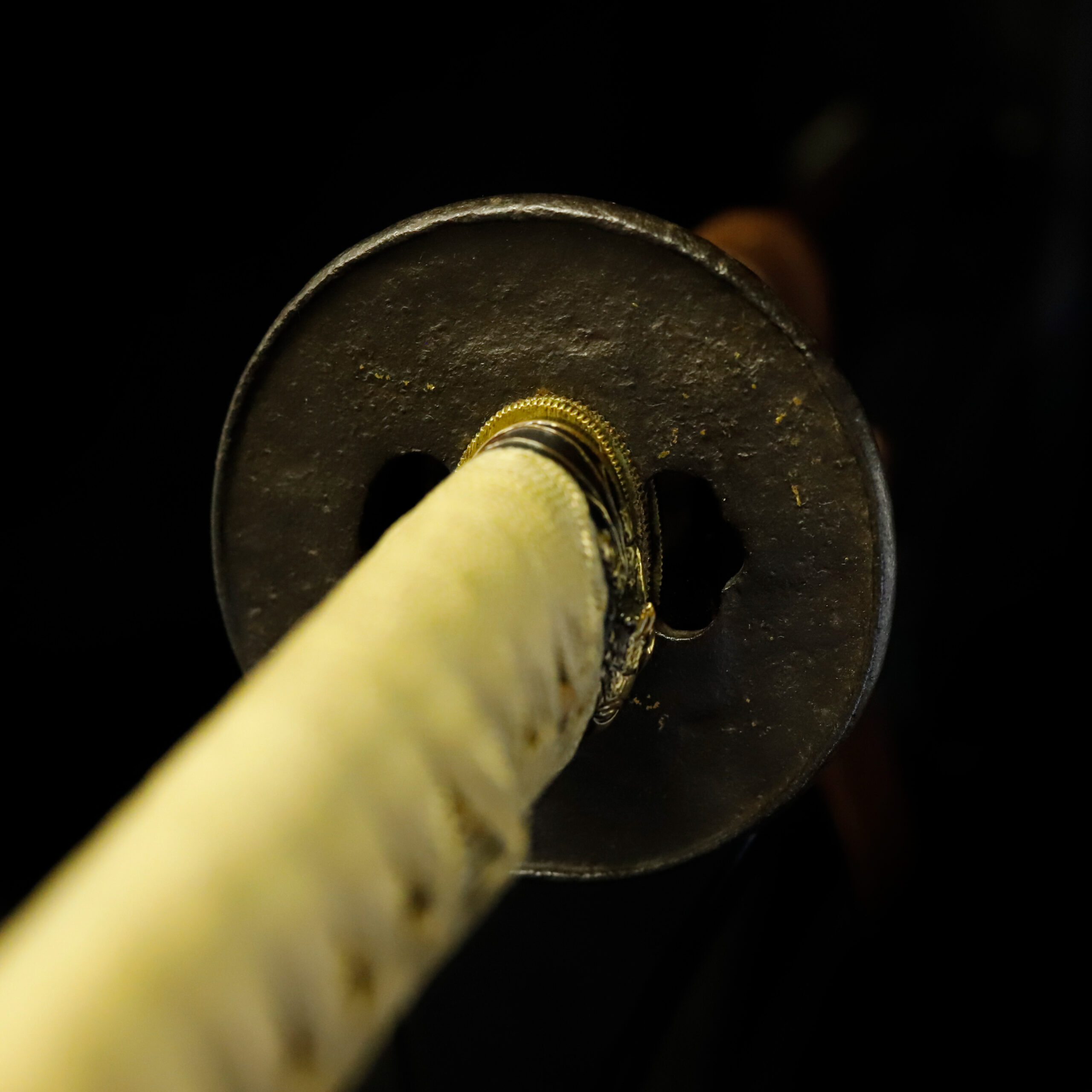
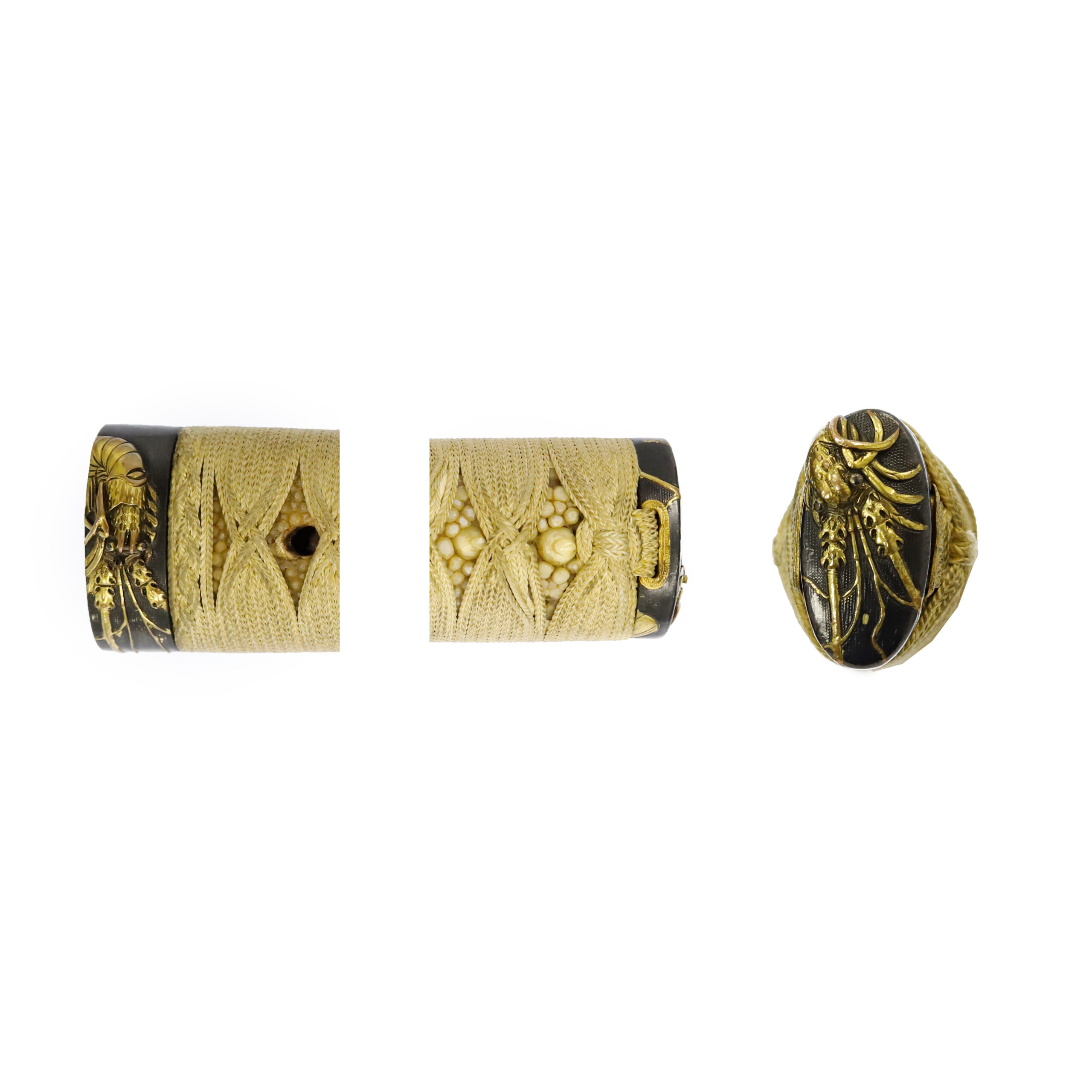
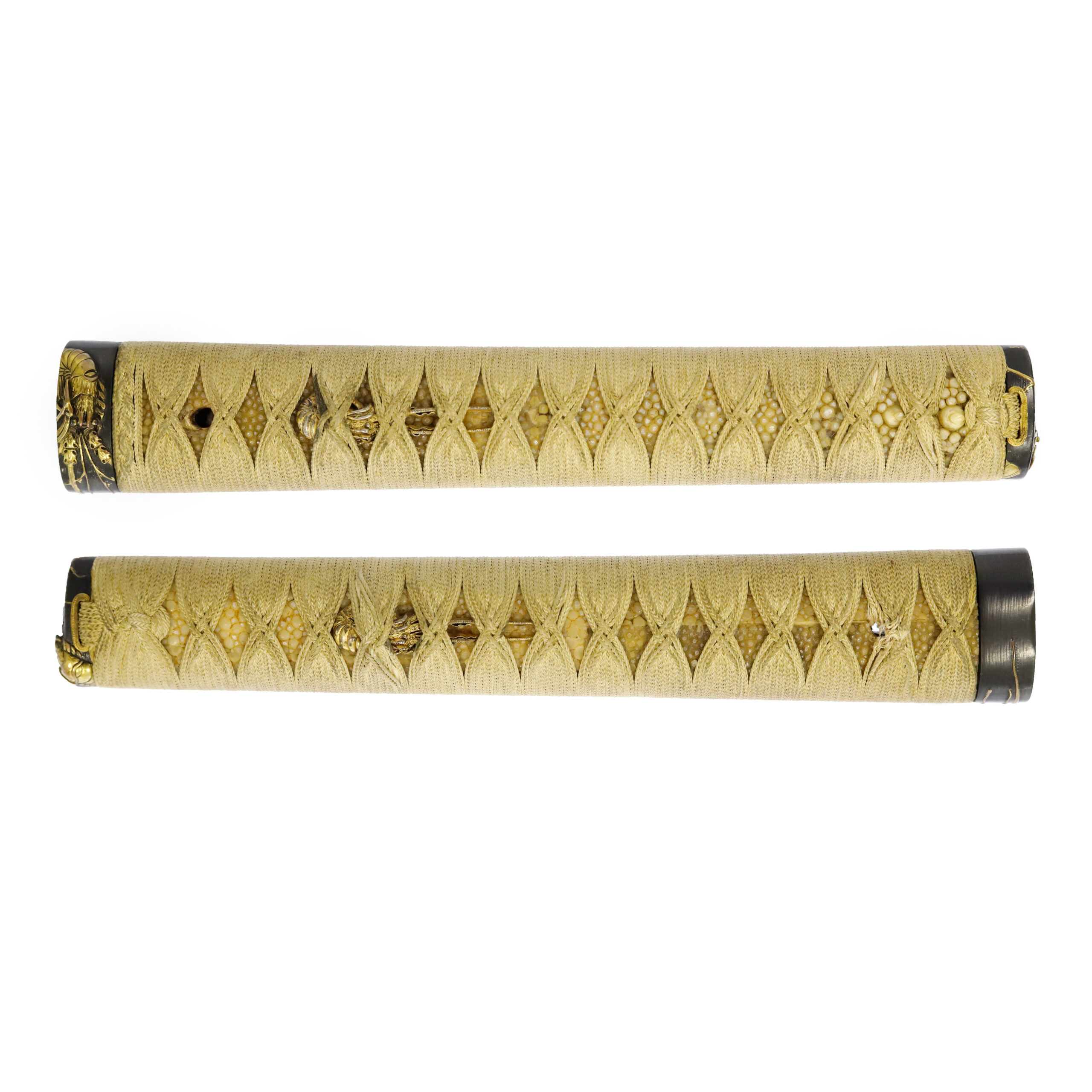
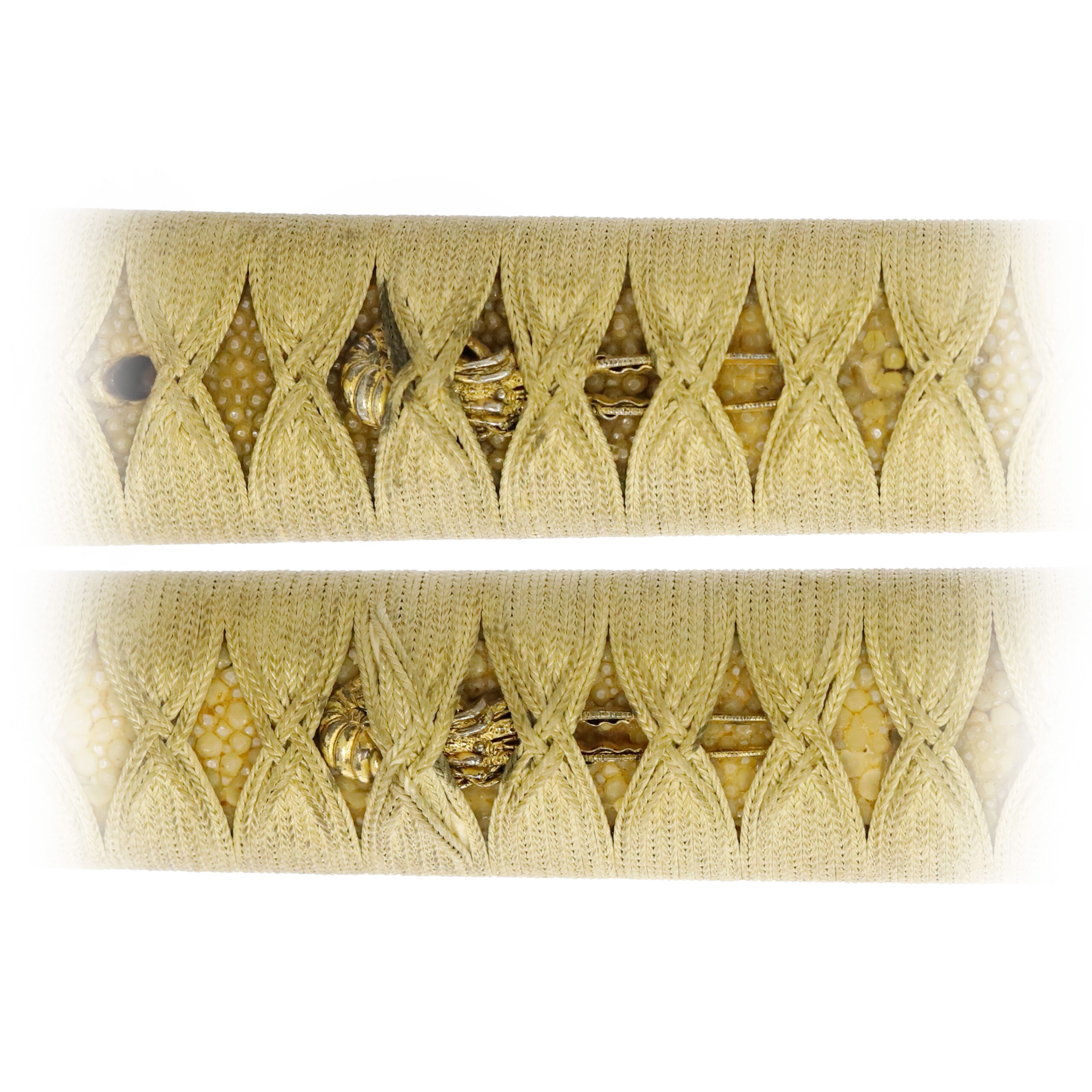
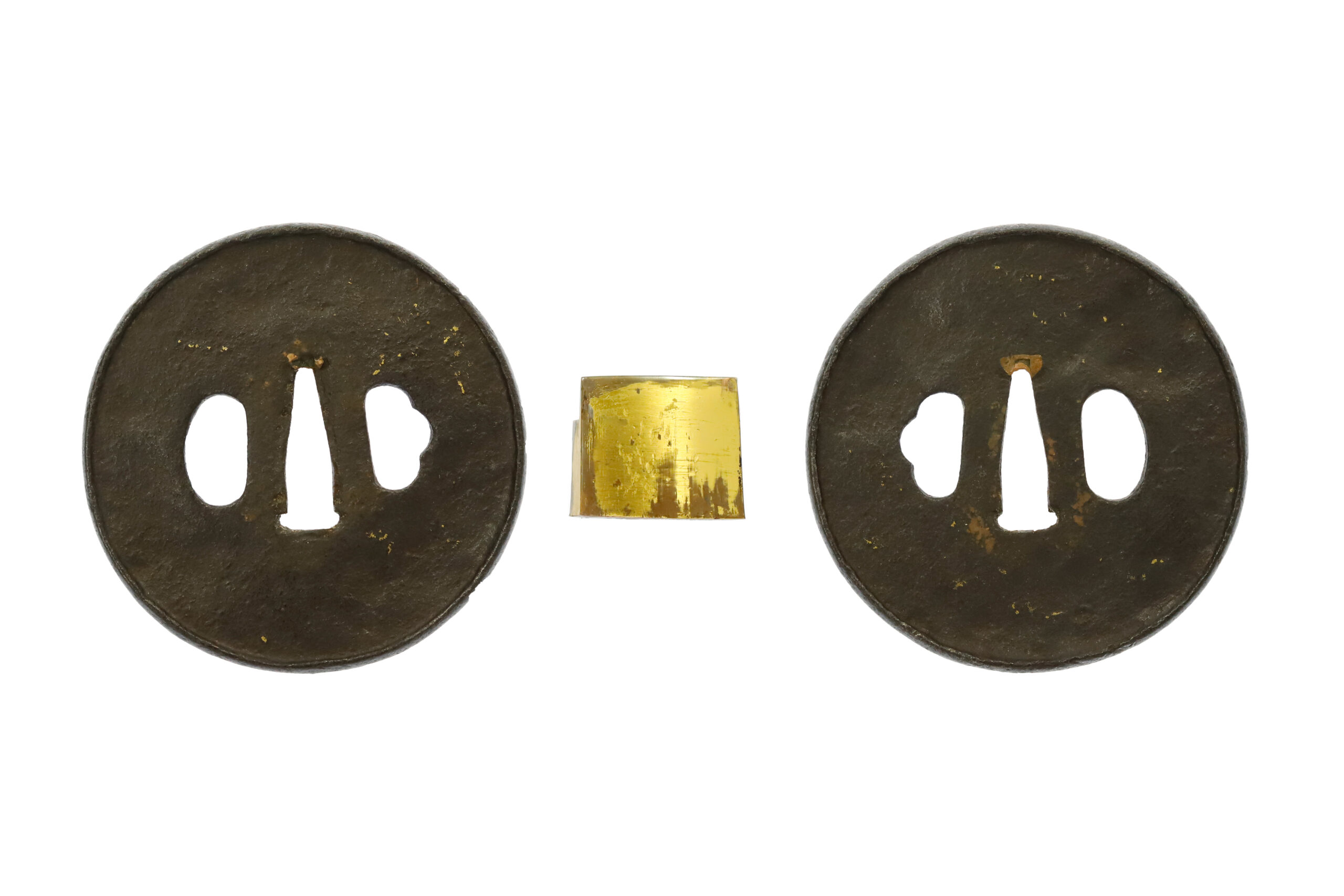
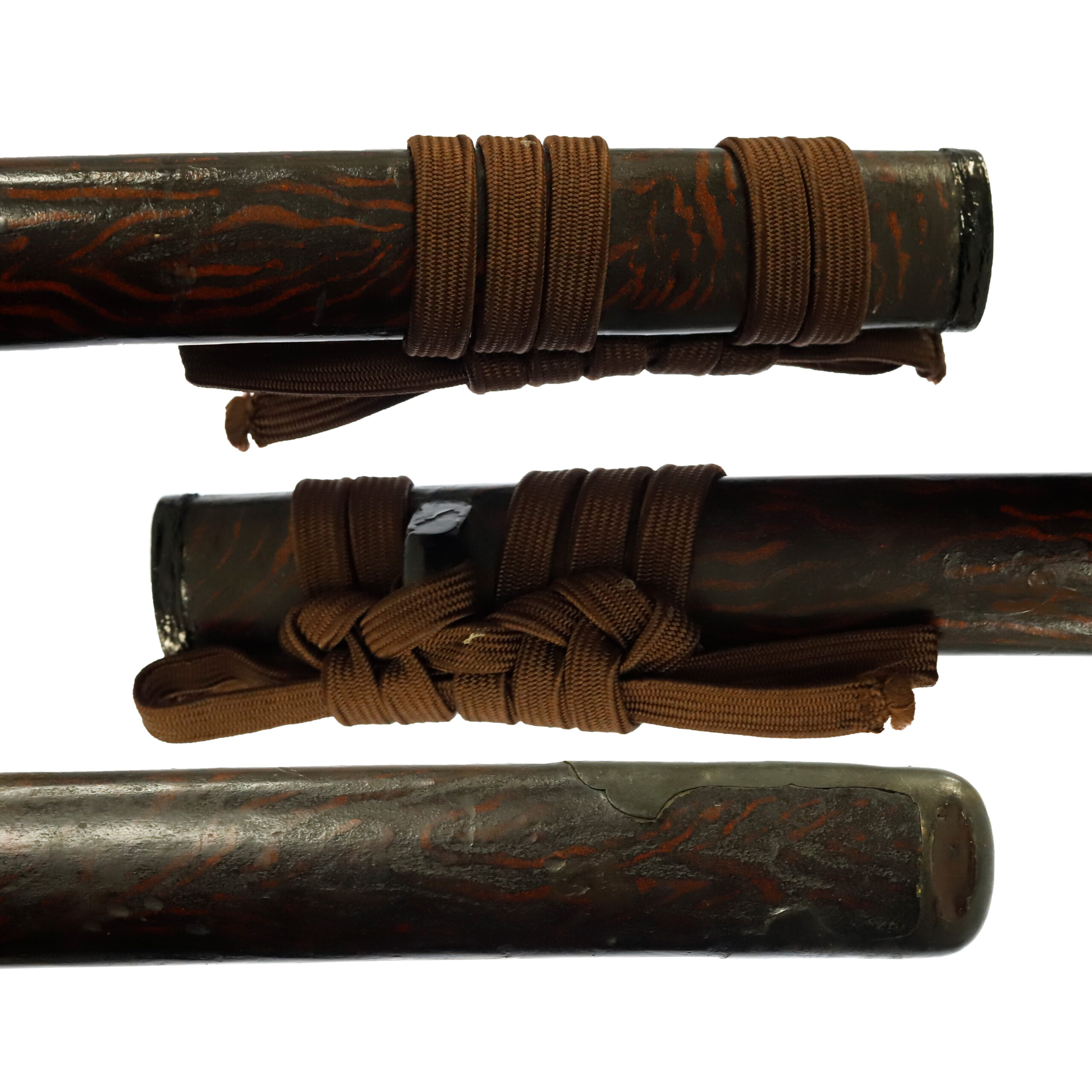
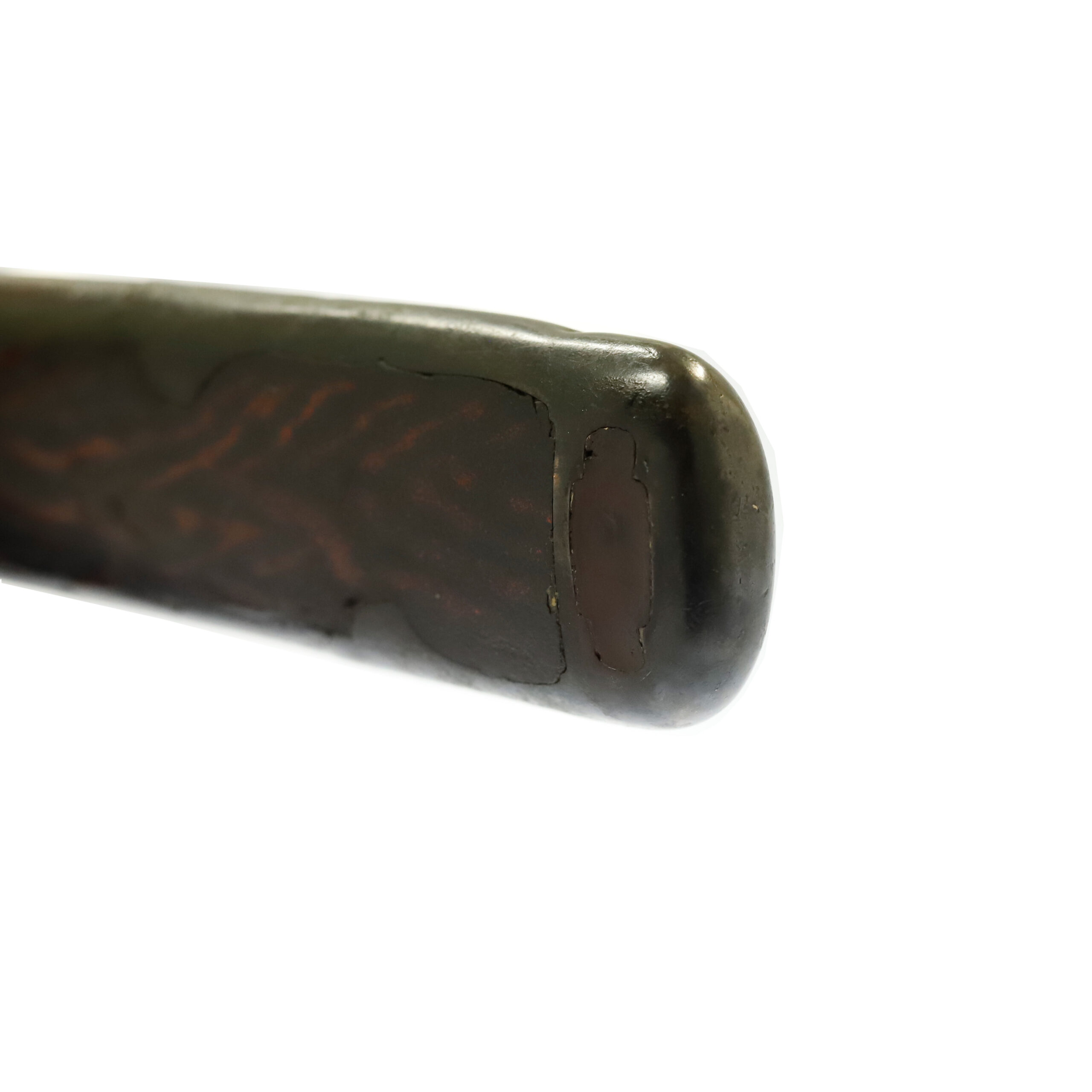
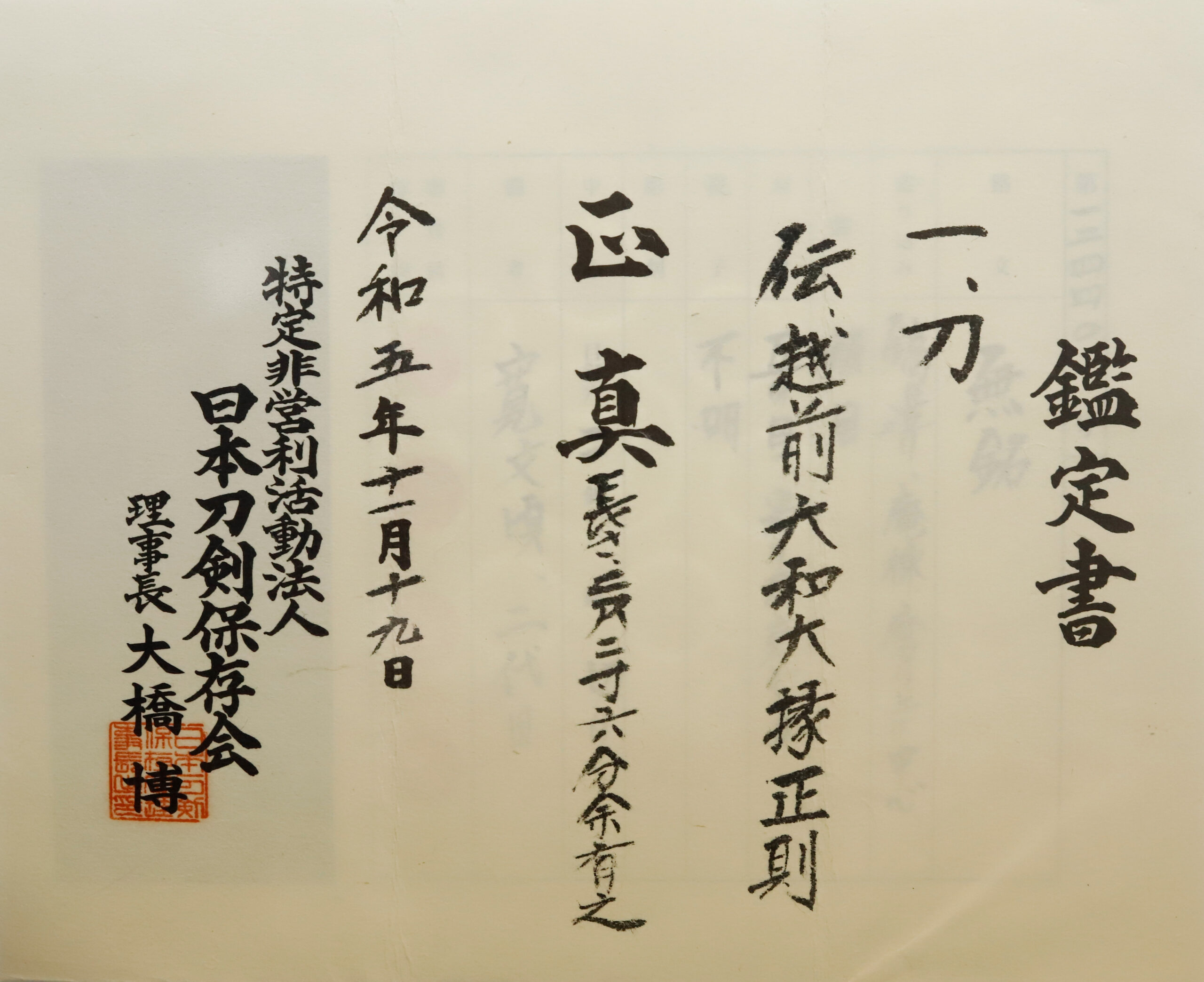
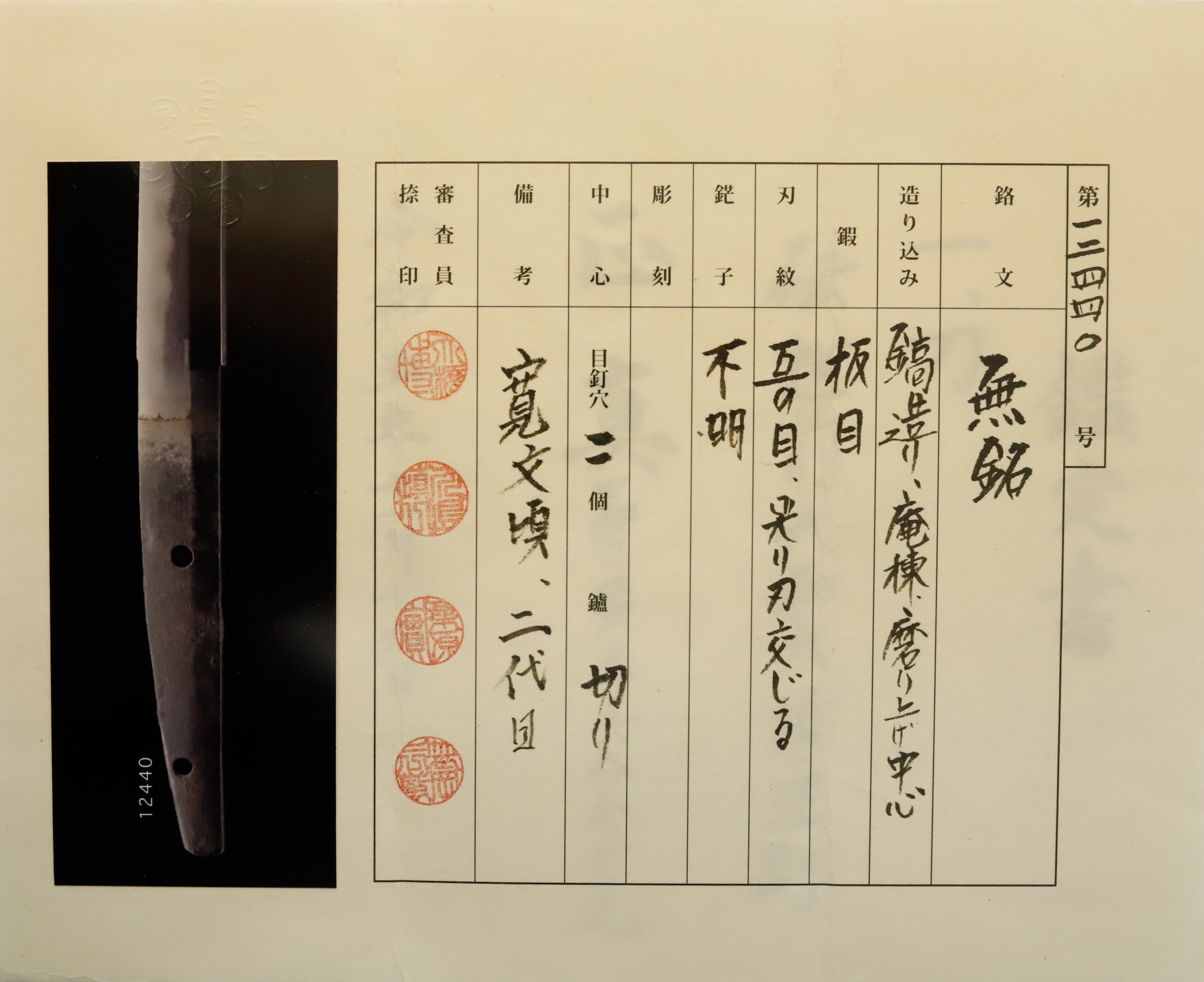
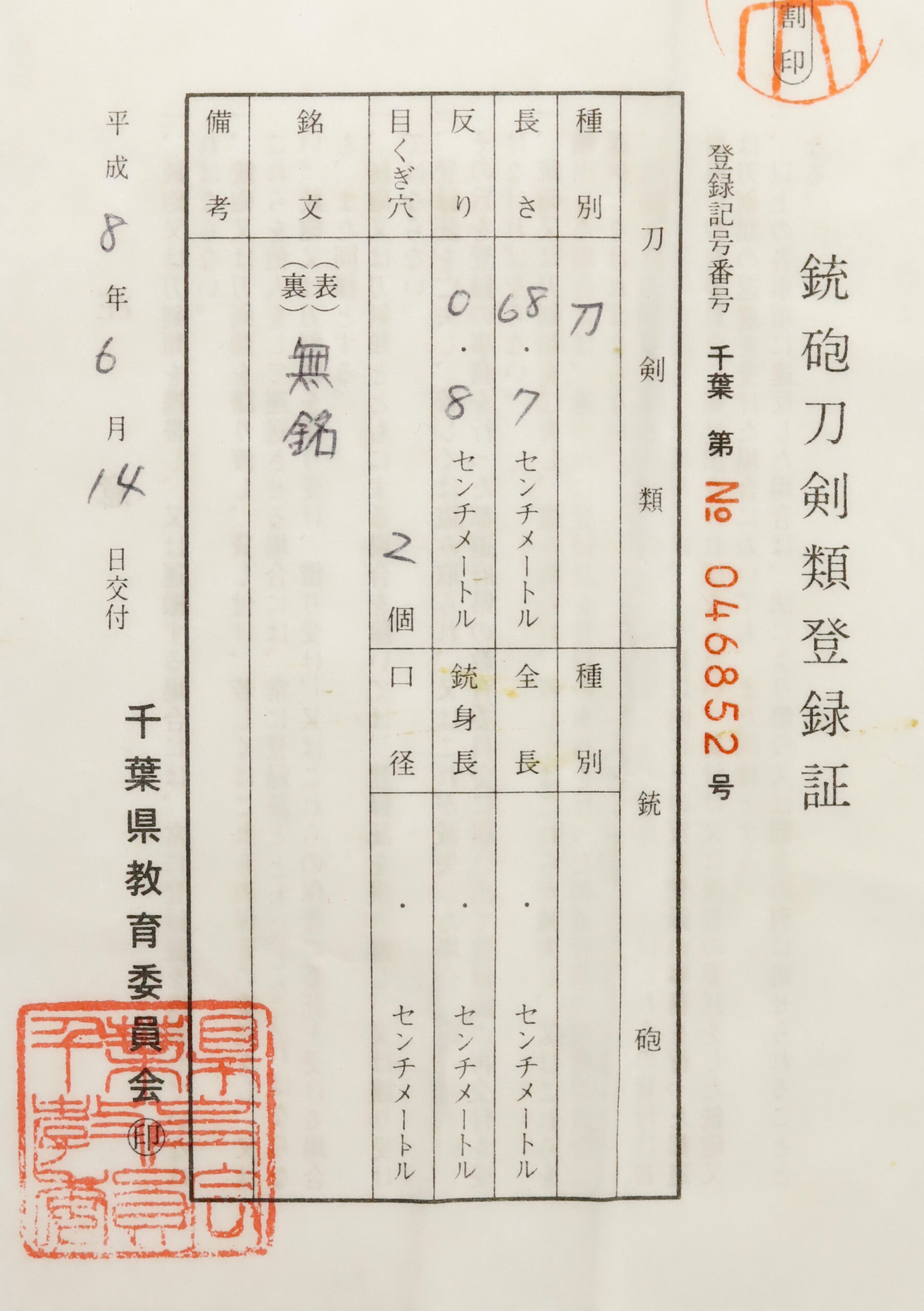
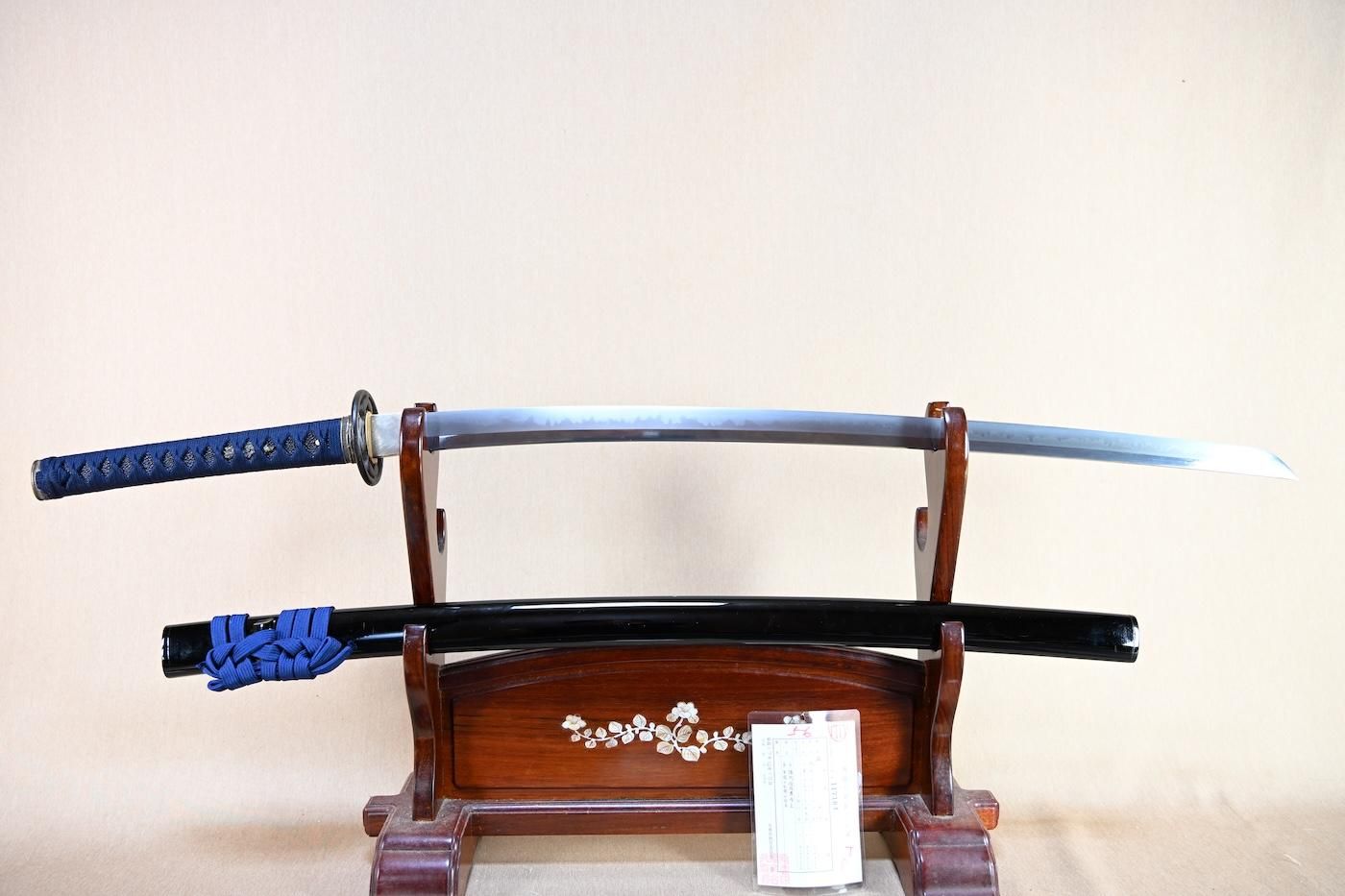
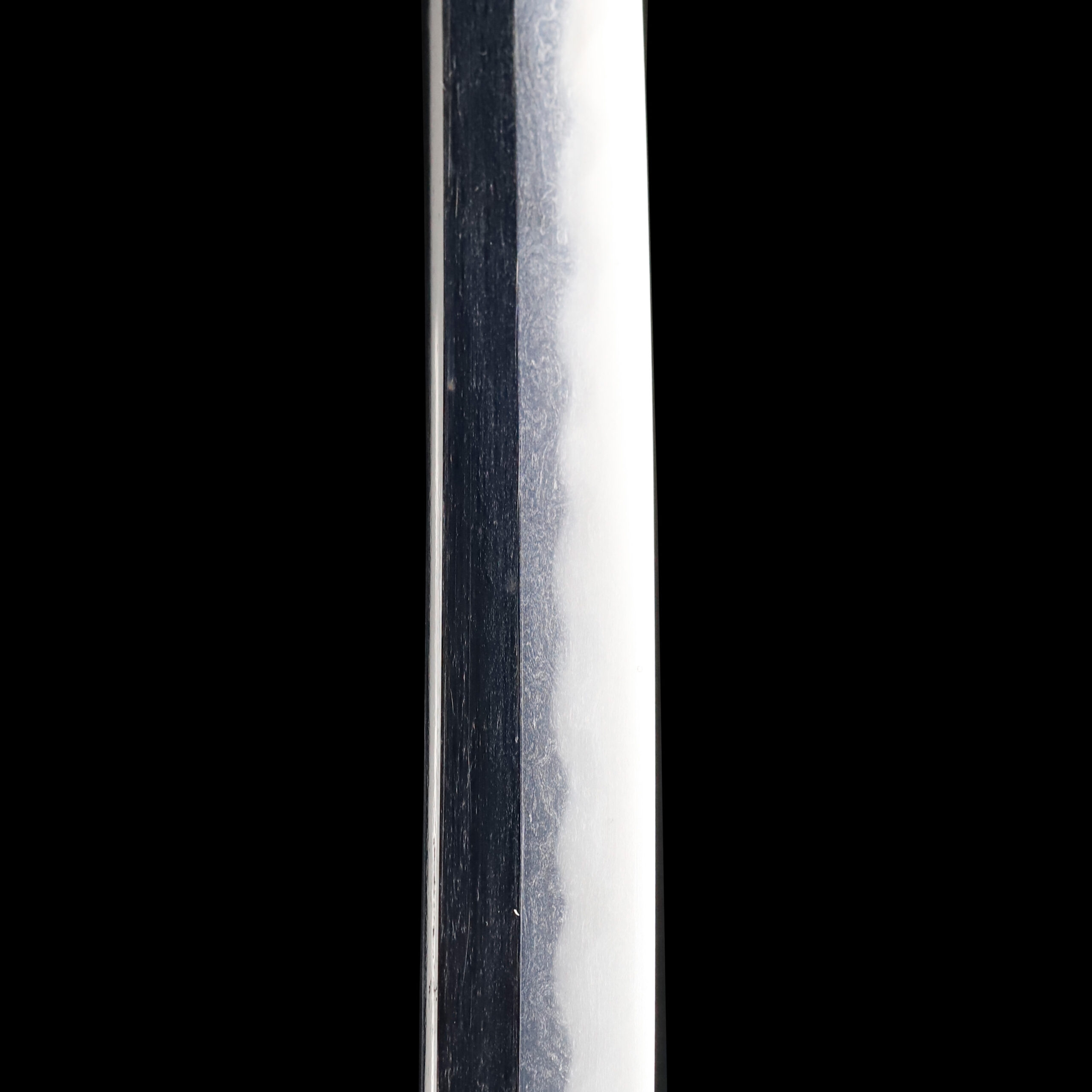
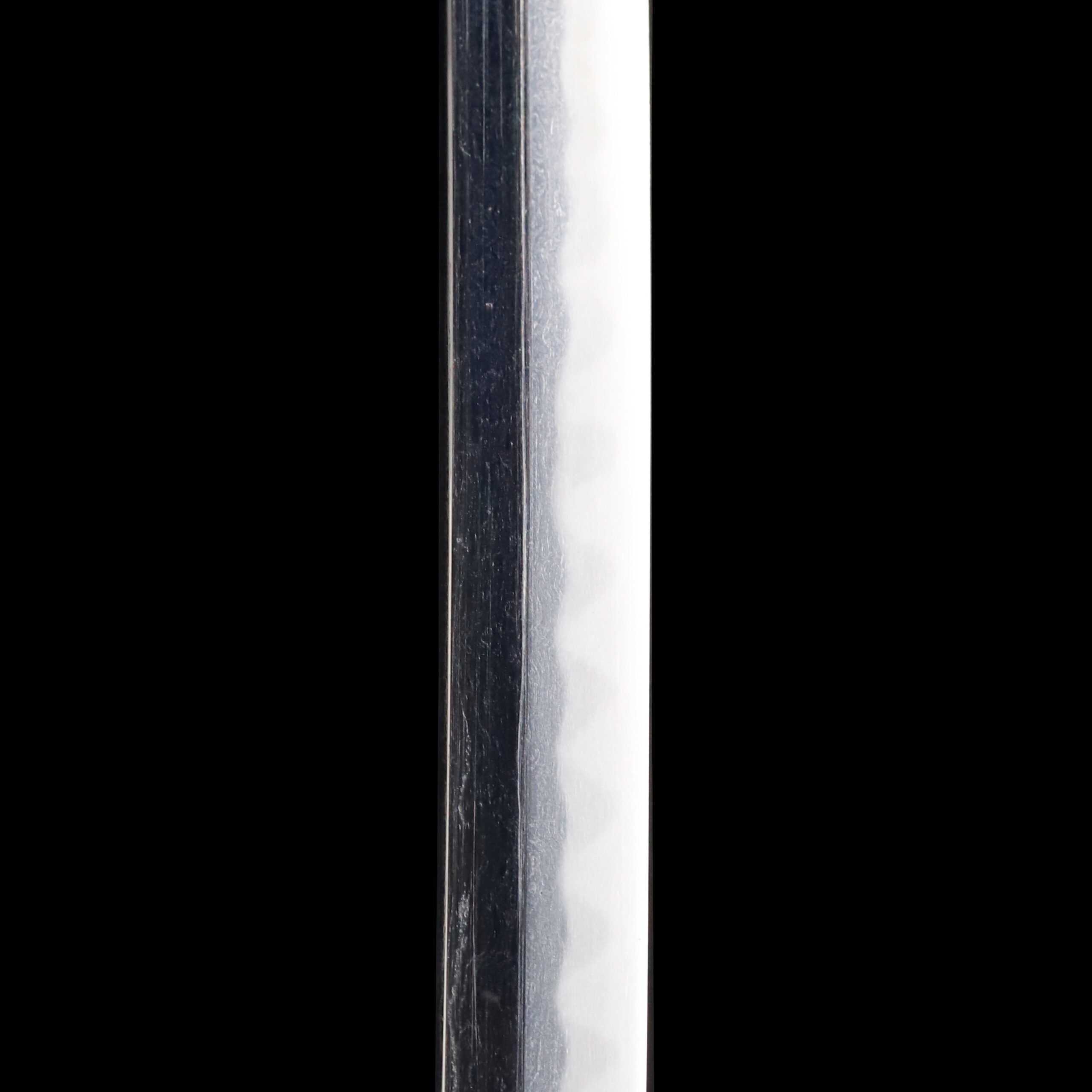
Antique Japanese Sword Katana Katana attributed to the second-gen Yamato Daijo Masanori with NTHK Kanteisho 【Description】 This blade is attributed to the second-gen Yamato Daijyo Fijiwara Masanori(大和大掾藤原正則), who was active during the early Edo period (Mid-Late 17th century). His father, the first-gen Masanori, was born in Miyatsu city, Tango koku(northern Koyoto prefecture). His father was especially active during the early Edo period(the 13th year of Keisho-the fourth year of Keian : 1608-1651). Both Masanori is famous for having forged extremely sharp blades and was popular among high-class Samurai. It is said that the first-gen Masanori was a descendant of Yamashiro koku Sanjyo Yoshinori(山城国三条吉則), one of the most famous swordsmiths during the Muromachi period(Prior to Edo period). After learning the sword-forging technique from Norimitsu(則光), his father, in Miyatsu city, the first-gen Masanori moved to Kyoto city. The first-gen Masanori was eventually noticed and supported by Matsudaira Hideyasu, the third son of Tokugawa Ieyasu, the founder of the Edo government. Hideysu was the feudal lord of Echizen province during the early Edo period. He then moved to Echizen province to serve the Matsudaira clan. He became an Okakaekaji for Matsudaira Tadanao(松平忠直), who was the first son of Matsudaira Hideyasu. An Okakaekaji means those who exclusively forged swords for specific Samurai or clan. It was honorable for any makers to serve this position back then. He also received an official title of Yamato Daijyo from the emperor for his excellent craftsmanship. The second-gen Masanori (二代正則) originally signed Masanori (正法) but changed it to Masanori (正則). The second-gen also received Yamato Daijo title. *Please keep in mind that there are a couple of visible Kitae Kizu and partial black rust on the blade. If you like to see the detailed condition, please feel free to contact us. 【 Blade】 Cutting Edge Length(Nagasa) : 68.7 cm (27.0 inches) Curvature(Sori) : 0.8 cm (0.31 inches) Hamon : The crystalline structure which forms along the cutting edge of a blade as a result of the hardening process Jimon(Jihada) : visible steel surface pattern created by folding and hammering during forging process Nakago : Nakago is the tang of the Japanese sword. Japanese swordsmiths left the black rust on the tang because it prevents red rust while the tang is in its handle. And the discoloration of the tang was created over time, and it is a great indicator for a Japanese sword specialist to estimate when the sword was forged. Koshirae: Koshirae is the mounting of the Japanese sword. There are several parts that consist of Koshirae such as Saya(Scabbard), Tsuka(Handle), Tsuba(Handguard). Fuchi-Kashira : A pair of matching sword fittings that cover the upper and bottom parts of its sword hilt. Tsuka and Menuki : Tsuka is the handle of the Japanese sword and Menuki is its decoration. Tsuba and Habaki : Tsuba is the handguard for the Japanese Sword and Habaki is the equipment to make the blade not touch its scabbard inside. It prevents the blade from getting rusty and chipped. Saya : Saya is the scabbard for the Japanese sword. Authentication Paper : NTHK Kanteisho Certificate for the blade NTHK , also known as NPO Nihon Touken Hozon Kai, is the oldest organization for sword authentication of Japanese swords in modern times. It was established in 1889 during the post-Samurai era. They authenticated the blade on Nov 19th in the 5th year of Reiwa (2023). The purchaser will receive this original certificate as well. We can also translate what is written into English and make a PDF file for your record if you request. Registration Number : Chiba 046852 The Board of Education in Chiba prefecture issued a registration paper for this sword . It is called Jyu Token Rui Torokusho(銃刀剣類登録証). Bunkacho(The Agency for Cultural Affairs) acknowledges a Japanese sword with this paper as a work of art. The sword needs to be traditionally hand-forged and made of Tamahagan

NihontoWatch MonNihontoWatch
MarketEncyclopediaKantei
刀剣›成典›Antique Japanese Sword Katana attributed to the second-gen Yamato Daijo Masanori NTHK Kanteisho Certificate
刀
成典

Antique Japanese Sword Katana attributed to the second-gen Yamato Daijo Masanori NTHK Kanteisho Certificate

無銘 · 新刀 · 長さ 68.7cm · 反り 0.8cm
売却済
成典 — 1 of 25
成典 — 2 of 25
成典 — 3 of 25
成典 — 4 of 25
成典 — 5 of 25
成典 — 6 of 25
成典 — 7 of 25
成典 — 8 of 25
成典 — 9 of 25
成典 — 10 of 25
成典 — 11 of 25
成典 — 12 of 25
成典 — 13 of 25
成典 — 14 of 25
成典 — 15 of 25
成典 — 16 of 25
成典 — 17 of 25
成典 — 18 of 25
成典 — 19 of 25
成典 — 20 of 25
成典 — 21 of 25
成典 — 22 of 25
成典 — 23 of 25
成典 — 24 of 25
成典 — 25 of 25
1 / 25
1 / 25
成典 — 1 of 25成典 — 2 of 25成典 — 3 of 25成典 — 4 of 25成典 — 5 of 25成典 — 6 of 25成典 — 7 of 25成典 — 8 of 25成典 — 9 of 25成典 — 10 of 25成典 — 11 of 25成典 — 12 of 25成典 — 13 of 25成典 — 14 of 25成典 — 15 of 25成典 — 16 of 25成典 — 17 of 25成典 — 18 of 25成典 — 19 of 25成典 — 20 of 25成典 — 21 of 25成典 — 22 of 25成典 — 23 of 25成典 — 24 of 25成典 — 25 of 25
法量・詳細
刀工
成典
種別
刀
活動期
1989–2019年頃(Heisei)
国
越前
銘
無銘
法量
長さ 68.7cm反り 0.8cm
説明

Antique Japanese Sword Katana Katana attributed to the second-gen Yamato Daijo Masanori with NTHK Kanteisho 【Description】 This blade is attributed to the second-gen Yamato Daijyo Fijiwara Masanori(大和大掾藤原正則), who was active during the early Edo period (Mid-Late 17th century). His father, the first-gen Masanori, was born in Miyatsu city, Tango koku(northern Koyoto prefecture). His father was especially active during the early Edo period(the 13th year of Keisho-the fourth year of Keian : 1608-1651). Both Masanori is famous for having forged extremely sharp blades and was popular among high-class Samurai. It is said that the first-gen Masanori was a descendant of Yamashiro koku Sanjyo Yoshinori(山城国三条吉則), one of the most famous swordsmiths during the Muromachi period(Prior to Edo period). After learning the sword-forging technique from Norimitsu(則光), his father, in Miyatsu city, the first-gen Masanori moved to Kyoto city. The first-gen Masanori was eventually noticed and supported by Matsudaira Hideyasu, the third son of Tokugawa Ieyasu, the founder of the Edo government. Hideysu was the feudal lord of Echizen province during the early Edo period. He then moved to Echizen province to serve the Matsudaira clan. He became an Okakaekaji for Matsudaira Tadanao(松平忠直), who was the first son of Matsudaira Hideyasu. An Okakaekaji means those who exclusively forged swords for specific Samurai or clan. It was honorable for any makers to serve this position back then. He also received an official title of Yamato Daijyo from the emperor for his excellent craftsmanship. The second-gen Masanori (二代正則) originally signed Masanori (正法) but changed it to Masanori (正則). The second-gen also received Yamato Daijo title. *Please keep in mind that there are a couple of visible Kitae Kizu and partial black rust on the blade. If you like to see the detailed condition, please feel free to contact us. 【 Blade】 Cutting Edge Length(Nagasa) : 68.7 cm (27.0 inches) Curvature(Sori) : 0.8 cm (0.31 inches) Hamon : The crystalline structure which forms along the cutting edge of a blade as a result of the hardening process Jimon(Jihada) : visible steel surface pattern created by folding and hammering during forging process Nakago : Nakago is the tang of the Japanese sword. Japanese swordsmiths left the black rust on the tang because it prevents red rust while the tang is in its handle. And the discoloration of the tang was created over time, and it is a great indicator for a Japanese sword specialist to estimate when the sword was forged. Koshirae: Koshirae is the mounting of the Japanese sword. There are several parts that consist of Koshirae such as Saya(Scabbard), Tsuka(Handle), Tsuba(Handguard). Fuchi-Kashira : A pair of matching sword fittings that cover the upper and bottom parts of its sword hilt. Tsuka and Menuki : Tsuka is the handle of the Japanese sword and Menuki is its decoration. Tsuba and Habaki : Tsuba is the handguard for the Japanese Sword and Habaki is the equipment to make the blade not touch its scabbard inside. It prevents the blade from getting rusty and chipped. Saya : Saya is the scabbard for the Japanese sword. Authentication Paper : NTHK Kanteisho Certificate for the blade NTHK , also known as NPO Nihon Touken Hozon Kai, is the oldest organization for sword authentication of Japanese swords in modern times. It was established in 1889 during the post-Samurai era. They authenticated the blade on Nov 19th in the 5th year of Reiwa (2023). The purchaser will receive this original certificate as well. We can also translate what is written into English and make a PDF file for your record if you request. Registration Number : Chiba 046852 The Board of Education in Chiba prefecture issued a registration paper for this sword . It is called Jyu Token Rui Torokusho(銃刀剣類登録証). Bunkacho(The Agency for Cultural Affairs) acknowledges a Japanese sword with this paper as a work of art. The sword needs to be traditionally hand-forged and made of Tamahagan

作者について

成典

摂津 · 1989-2019頃

現在2点販売中

›
成典の作 2点が現在販売中→
成典 — 詳細

歴史的背景

二十世紀は二度この工芸を殺しかけた。戦時の歪みと、占領下の禁令である。1948年の日刀保設立と1953年の作刀再開が刀を美術として再建し、人間国宝と無鑑査がその頂に立つ。

昭和から現代へ 断絶と再生 →

NTHK(日本刀剣保存会)鑑定
Kanteishō鑑定書
NTHK Appraisal Certificate
›

NTHKの中心的な鑑定書で、相応の出来を備えた作に発行されます。在銘作は銘の正真を、無銘作は審査員による刀工・流派の極めを示します。点数を記す詳細な審査表が付されます。

NTHKについて›

NTHK(日本刀剣保存会)は、NBTHK(1948年設立)に先立つ1910年に創立された、日本で最も古い刀剣鑑定団体です。長く会を率いた会長の没後、NTHKとNTHK-NPOの二つに分かれ、いずれも審査を続けています。NTHKの鑑定書は、点数と審査員の所見を併記する詳細な審査表が特徴で、特に無銘作の極めに定評があります。

販売店
サ
サムライミュージアム
🇯🇵日本から発送
›
✓認証販売店samuraimuseum.jp
✓海外発送可✓英語対応PayPalクレジットカード
返品ポリシー

Returns/exchanges limited to defects caused by shipping (except willful misconduct or gross negligence by the company); customers must contact within 72 hours of receiving the product.

サムライミュージアムの出品一覧を見る→販売店サイトでこの商品を見る→

成典の他の作

すべて見る →
池田美術
現代刀
Katana - by Narinori - 【試斬刀に重量感の有る現代刀】「成典」73.6cm 、鑑賞に・居合・試斬刀として!!!Katana - by Narinori - 【試斬刀に重量感の有る現代刀】「成典」73.6cm 、鑑賞に・居合・試斬刀として!!!

刀

作成典
73.6cm·Heisei (1989-2019)
¥341,000
刀心
現代刀
Katana - by Narinori - 摂州住成典作 昭和六十一年七月日 -Sesshu ju Shigenori- 2-1879Katana - by Narinori - 摂州住成典作 昭和六十一年七月日 -Sesshu ju Shigenori- 2-1879

刀

作成典
71.55cm·昭和
¥462,000

成典の売約済み

明倫産業
Katana - by Narinori - 摂州住成典 昭和六十一年十二月日(刀剣乱舞でも有名な三条宗近写) Sesshuju NarinoriKatana - by Narinori - 摂州住成典 昭和六十一年十二月日(刀剣乱舞でも有名な三条宗近写) Sesshuju Narinori
売切れ

刀

作成典
72cm·昭和
売却済
儀平屋
現代刀
Katana - by Narinori - (01-2327) 現代刀 摂州住成典作之 二尺四寸一分 打刀拵入Katana - by Narinori - (01-2327) 現代刀 摂州住成典作之 二尺四寸一分 打刀拵入
売切れ

刀

作成典
73cm·現代刀
売却済
池田美術
現代刀
Katana - by Narinori - 【健全な現代刀】「成典」 73.4cm 、鑑賞に・居合・試斬刀として!!!Katana - by Narinori - 【健全な現代刀】「成典」 73.4cm 、鑑賞に・居合・試斬刀として!!!
売切れ

刀

作成典
73.4cm·現代刀
売却済
池田美術
現代刀
Katana - by Narinori - 【研ぎ上がり・斬れ味保証、研師お薦めの一振り 】「成典」 73.1 cm 、鑑賞に・居合・試斬刀として!!!Katana - by Narinori - 【研ぎ上がり・斬れ味保証、研師お薦めの一振り 】「成典」 73.1 cm 、鑑賞に・居合・試斬刀として!!!
売切れ

刀

作成典
73.1cm·Heisei (1989-2019)
売却済
池田美術
現代刀
Katana - by Narinori - 【健全な現代刀、身幅・重ね尋常の、扱いやすい一振り】「成典」73.5cm 、鑑賞に・居合・試斬刀として!!!Katana - by Narinori - 【健全な現代刀、身幅・重ね尋常の、扱いやすい一振り】「成典」73.5cm 、鑑賞に・居合・試斬刀として!!!
売切れ

刀

作成典
73.5cm·Heisei (1989-2019)
売却済

刀剣

  • 刀
  • 脇差
  • 短刀
  • 太刀
  • 薙刀
  • 槍

刀装具

  • 鍔
  • 縁頭
  • 小柄
  • 目貫

甲冑武具

  • 兜
  • 甲冑

鑑定別

  • 特重
  • 重要
  • 特別保存
  • 保存

リソース

  • 刀剣商一覧
  • 刀工一覧
  • 誌上鑑定
  • すべて見る
Nihontowatch© 2026
利用規約プライバシーCookie運営者情報

説明

Antique Japanese Sword Katana Katana attributed to the second-gen Yamato Daijo Masanori with NTHK Kanteisho 【Description】 This blade is attributed to the second-gen Yamato Daijyo Fijiwara Masanori(大和大掾藤原正則), who was active during the early Edo period (Mid-Late 17th century). His father, the first-gen Masanori, was born in Miyatsu city, Tango koku(northern Koyoto prefecture). His father was especially active during the early Edo period(the 13th year of Keisho-the fourth year of Keian : 1608-1651). Both Masanori is famous for having forged extremely sharp blades and was popular among high-class Samurai. It is said that the first-gen Masanori was a descendant of Yamashiro koku Sanjyo Yoshinori(山城国三条吉則), one of the most famous swordsmiths during the Muromachi period(Prior to Edo period). After learning the sword-forging technique from Norimitsu(則光), his father, in Miyatsu city, the first-gen Masanori moved to Kyoto city. The first-gen Masanori was eventually noticed and supported by Matsudaira Hideyasu, the third son of Tokugawa Ieyasu, the founder of the Edo government. Hideysu was the feudal lord of Echizen province during the early Edo period. He then moved to Echizen province to serve the Matsudaira clan. He became an Okakaekaji for Matsudaira Tadanao(松平忠直), who was the first son of Matsudaira Hideyasu. An Okakaekaji means those who exclusively forged swords for specific Samurai or clan. It was honorable for any makers to serve this position back then. He also received an official title of Yamato Daijyo from the emperor for his excellent craftsmanship. The second-gen Masanori (二代正則) originally signed Masanori (正法) but changed it to Masanori (正則). The second-gen also received Yamato Daijo title. *Please keep in mind that there are a couple of visible Kitae Kizu and partial black rust on the blade. If you like to see the detailed condition, please feel free to contact us. 【 Blade】 Cutting Edge Length(Nagasa) : 68.7 cm (27.0 inches) Curvature(Sori) : 0.8 cm (0.31 inches) Hamon : The crystalline structure which forms along the cutting edge of a blade as a result of the hardening process Jimon(Jihada) : visible steel surface pattern created by folding and hammering during forging process Nakago : Nakago is the tang of the Japanese sword. Japanese swordsmiths left the black rust on the tang because it prevents red rust while the tang is in its handle. And the discoloration of the tang was created over time, and it is a great indicator for a Japanese sword specialist to estimate when the sword was forged. Koshirae: Koshirae is the mounting of the Japanese sword. There are several parts that consist of Koshirae such as Saya(Scabbard), Tsuka(Handle), Tsuba(Handguard). Fuchi-Kashira : A pair of matching sword fittings that cover the upper and bottom parts of its sword hilt. Tsuka and Menuki : Tsuka is the handle of the Japanese sword and Menuki is its decoration. Tsuba and Habaki : Tsuba is the handguard for the Japanese Sword and Habaki is the equipment to make the blade not touch its scabbard inside. It prevents the blade from getting rusty and chipped. Saya : Saya is the scabbard for the Japanese sword. Authentication Paper : NTHK Kanteisho Certificate for the blade NTHK , also known as NPO Nihon Touken Hozon Kai, is the oldest organization for sword authentication of Japanese swords in modern times. It was established in 1889 during the post-Samurai era. They authenticated the blade on Nov 19th in the 5th year of Reiwa (2023). The purchaser will receive this original certificate as well. We can also translate what is written into English and make a PDF file for your record if you request. Registration Number : Chiba 046852 The Board of Education in Chiba prefecture issued a registration paper for this sword . It is called Jyu Token Rui Torokusho(銃刀剣類登録証). Bunkacho(The Agency for Cultural Affairs) acknowledges a Japanese sword with this paper as a work of art. The sword needs to be traditionally hand-forged and made of Tamahagan

NihontoWatch MonNihontoWatch
MarketEncyclopediaKantei
刀剣›成典›Antique Japanese Sword Katana attributed to the second-gen Yamato Daijo Masanori NTHK Kanteisho Certificate
刀
成典

Antique Japanese Sword Katana attributed to the second-gen Yamato Daijo Masanori NTHK Kanteisho Certificate

無銘 · 新刀 · 長さ 68.7cm · 反り 0.8cm
売却済
成典 — 1 of 25
成典 — 2 of 25
成典 — 3 of 25
成典 — 4 of 25
成典 — 5 of 25
成典 — 6 of 25
成典 — 7 of 25
成典 — 8 of 25
成典 — 9 of 25
成典 — 10 of 25
成典 — 11 of 25
成典 — 12 of 25
成典 — 13 of 25
成典 — 14 of 25
成典 — 15 of 25
成典 — 16 of 25
成典 — 17 of 25
成典 — 18 of 25
成典 — 19 of 25
成典 — 20 of 25
成典 — 21 of 25
成典 — 22 of 25
成典 — 23 of 25
成典 — 24 of 25
成典 — 25 of 25
1 / 25
1 / 25
成典 — 1 of 25成典 — 2 of 25成典 — 3 of 25成典 — 4 of 25成典 — 5 of 25成典 — 6 of 25成典 — 7 of 25成典 — 8 of 25成典 — 9 of 25成典 — 10 of 25成典 — 11 of 25成典 — 12 of 25成典 — 13 of 25成典 — 14 of 25成典 — 15 of 25成典 — 16 of 25成典 — 17 of 25成典 — 18 of 25成典 — 19 of 25成典 — 20 of 25成典 — 21 of 25成典 — 22 of 25成典 — 23 of 25成典 — 24 of 25成典 — 25 of 25
法量・詳細
刀工
成典
種別
刀
活動期
1989–2019年頃(Heisei)
国
越前
銘
無銘
法量
長さ 68.7cm反り 0.8cm
説明

Antique Japanese Sword Katana Katana attributed to the second-gen Yamato Daijo Masanori with NTHK Kanteisho 【Description】 This blade is attributed to the second-gen Yamato Daijyo Fijiwara Masanori(大和大掾藤原正則), who was active during the early Edo period (Mid-Late 17th century). His father, the first-gen Masanori, was born in Miyatsu city, Tango koku(northern Koyoto prefecture). His father was especially active during the early Edo period(the 13th year of Keisho-the fourth year of Keian : 1608-1651). Both Masanori is famous for having forged extremely sharp blades and was popular among high-class Samurai. It is said that the first-gen Masanori was a descendant of Yamashiro koku Sanjyo Yoshinori(山城国三条吉則), one of the most famous swordsmiths during the Muromachi period(Prior to Edo period). After learning the sword-forging technique from Norimitsu(則光), his father, in Miyatsu city, the first-gen Masanori moved to Kyoto city. The first-gen Masanori was eventually noticed and supported by Matsudaira Hideyasu, the third son of Tokugawa Ieyasu, the founder of the Edo government. Hideysu was the feudal lord of Echizen province during the early Edo period. He then moved to Echizen province to serve the Matsudaira clan. He became an Okakaekaji for Matsudaira Tadanao(松平忠直), who was the first son of Matsudaira Hideyasu. An Okakaekaji means those who exclusively forged swords for specific Samurai or clan. It was honorable for any makers to serve this position back then. He also received an official title of Yamato Daijyo from the emperor for his excellent craftsmanship. The second-gen Masanori (二代正則) originally signed Masanori (正法) but changed it to Masanori (正則). The second-gen also received Yamato Daijo title. *Please keep in mind that there are a couple of visible Kitae Kizu and partial black rust on the blade. If you like to see the detailed condition, please feel free to contact us. 【 Blade】 Cutting Edge Length(Nagasa) : 68.7 cm (27.0 inches) Curvature(Sori) : 0.8 cm (0.31 inches) Hamon : The crystalline structure which forms along the cutting edge of a blade as a result of the hardening process Jimon(Jihada) : visible steel surface pattern created by folding and hammering during forging process Nakago : Nakago is the tang of the Japanese sword. Japanese swordsmiths left the black rust on the tang because it prevents red rust while the tang is in its handle. And the discoloration of the tang was created over time, and it is a great indicator for a Japanese sword specialist to estimate when the sword was forged. Koshirae: Koshirae is the mounting of the Japanese sword. There are several parts that consist of Koshirae such as Saya(Scabbard), Tsuka(Handle), Tsuba(Handguard). Fuchi-Kashira : A pair of matching sword fittings that cover the upper and bottom parts of its sword hilt. Tsuka and Menuki : Tsuka is the handle of the Japanese sword and Menuki is its decoration. Tsuba and Habaki : Tsuba is the handguard for the Japanese Sword and Habaki is the equipment to make the blade not touch its scabbard inside. It prevents the blade from getting rusty and chipped. Saya : Saya is the scabbard for the Japanese sword. Authentication Paper : NTHK Kanteisho Certificate for the blade NTHK , also known as NPO Nihon Touken Hozon Kai, is the oldest organization for sword authentication of Japanese swords in modern times. It was established in 1889 during the post-Samurai era. They authenticated the blade on Nov 19th in the 5th year of Reiwa (2023). The purchaser will receive this original certificate as well. We can also translate what is written into English and make a PDF file for your record if you request. Registration Number : Chiba 046852 The Board of Education in Chiba prefecture issued a registration paper for this sword . It is called Jyu Token Rui Torokusho(銃刀剣類登録証). Bunkacho(The Agency for Cultural Affairs) acknowledges a Japanese sword with this paper as a work of art. The sword needs to be traditionally hand-forged and made of Tamahagan

作者について

成典

摂津 · 1989-2019頃

現在2点販売中

›
成典の作 2点が現在販売中→
成典 — 詳細

歴史的背景

二十世紀は二度この工芸を殺しかけた。戦時の歪みと、占領下の禁令である。1948年の日刀保設立と1953年の作刀再開が刀を美術として再建し、人間国宝と無鑑査がその頂に立つ。

昭和から現代へ 断絶と再生 →

NTHK(日本刀剣保存会)鑑定
Kanteishō鑑定書
NTHK Appraisal Certificate
›

NTHKの中心的な鑑定書で、相応の出来を備えた作に発行されます。在銘作は銘の正真を、無銘作は審査員による刀工・流派の極めを示します。点数を記す詳細な審査表が付されます。

NTHKについて›

NTHK(日本刀剣保存会)は、NBTHK(1948年設立)に先立つ1910年に創立された、日本で最も古い刀剣鑑定団体です。長く会を率いた会長の没後、NTHKとNTHK-NPOの二つに分かれ、いずれも審査を続けています。NTHKの鑑定書は、点数と審査員の所見を併記する詳細な審査表が特徴で、特に無銘作の極めに定評があります。

販売店
サ
サムライミュージアム
🇯🇵日本から発送
›
✓認証販売店samuraimuseum.jp
✓海外発送可✓英語対応PayPalクレジットカード
返品ポリシー

Returns/exchanges limited to defects caused by shipping (except willful misconduct or gross negligence by the company); customers must contact within 72 hours of receiving the product.

サムライミュージアムの出品一覧を見る→販売店サイトでこの商品を見る→

成典の他の作

すべて見る →
池田美術
現代刀
Katana - by Narinori - 【試斬刀に重量感の有る現代刀】「成典」73.6cm 、鑑賞に・居合・試斬刀として!!!Katana - by Narinori - 【試斬刀に重量感の有る現代刀】「成典」73.6cm 、鑑賞に・居合・試斬刀として!!!

刀

作成典
73.6cm·Heisei (1989-2019)
¥341,000
刀心
現代刀
Katana - by Narinori - 摂州住成典作 昭和六十一年七月日 -Sesshu ju Shigenori- 2-1879Katana - by Narinori - 摂州住成典作 昭和六十一年七月日 -Sesshu ju Shigenori- 2-1879

刀

作成典
71.55cm·昭和
¥462,000

成典の売約済み

明倫産業
Katana - by Narinori - 摂州住成典 昭和六十一年十二月日(刀剣乱舞でも有名な三条宗近写) Sesshuju NarinoriKatana - by Narinori - 摂州住成典 昭和六十一年十二月日(刀剣乱舞でも有名な三条宗近写) Sesshuju Narinori
売切れ

刀

作成典
72cm·昭和
売却済
儀平屋
現代刀
Katana - by Narinori - (01-2327) 現代刀 摂州住成典作之 二尺四寸一分 打刀拵入Katana - by Narinori - (01-2327) 現代刀 摂州住成典作之 二尺四寸一分 打刀拵入
売切れ

刀

作成典
73cm·現代刀
売却済
池田美術
現代刀
Katana - by Narinori - 【健全な現代刀】「成典」 73.4cm 、鑑賞に・居合・試斬刀として!!!Katana - by Narinori - 【健全な現代刀】「成典」 73.4cm 、鑑賞に・居合・試斬刀として!!!
売切れ

刀

作成典
73.4cm·現代刀
売却済
池田美術
現代刀
Katana - by Narinori - 【研ぎ上がり・斬れ味保証、研師お薦めの一振り 】「成典」 73.1 cm 、鑑賞に・居合・試斬刀として!!!Katana - by Narinori - 【研ぎ上がり・斬れ味保証、研師お薦めの一振り 】「成典」 73.1 cm 、鑑賞に・居合・試斬刀として!!!
売切れ

刀

作成典
73.1cm·Heisei (1989-2019)
売却済
池田美術
現代刀
Katana - by Narinori - 【健全な現代刀、身幅・重ね尋常の、扱いやすい一振り】「成典」73.5cm 、鑑賞に・居合・試斬刀として!!!Katana - by Narinori - 【健全な現代刀、身幅・重ね尋常の、扱いやすい一振り】「成典」73.5cm 、鑑賞に・居合・試斬刀として!!!
売切れ

刀

作成典
73.5cm·Heisei (1989-2019)
売却済

刀剣

  • 刀
  • 脇差
  • 短刀
  • 太刀
  • 薙刀
  • 槍

刀装具

  • 鍔
  • 縁頭
  • 小柄
  • 目貫

甲冑武具

  • 兜
  • 甲冑

鑑定別

  • 特重
  • 重要
  • 特別保存
  • 保存

リソース

  • 刀剣商一覧
  • 刀工一覧
  • 誌上鑑定
  • すべて見る
Nihontowatch© 2026
利用規約プライバシーCookie運営者情報
NihontoWatch Mon

NihontoWatch

マーケット
事典
鑑定
NihontoWatch Mon

NihontoWatch

マーケット
事典
鑑定