説明

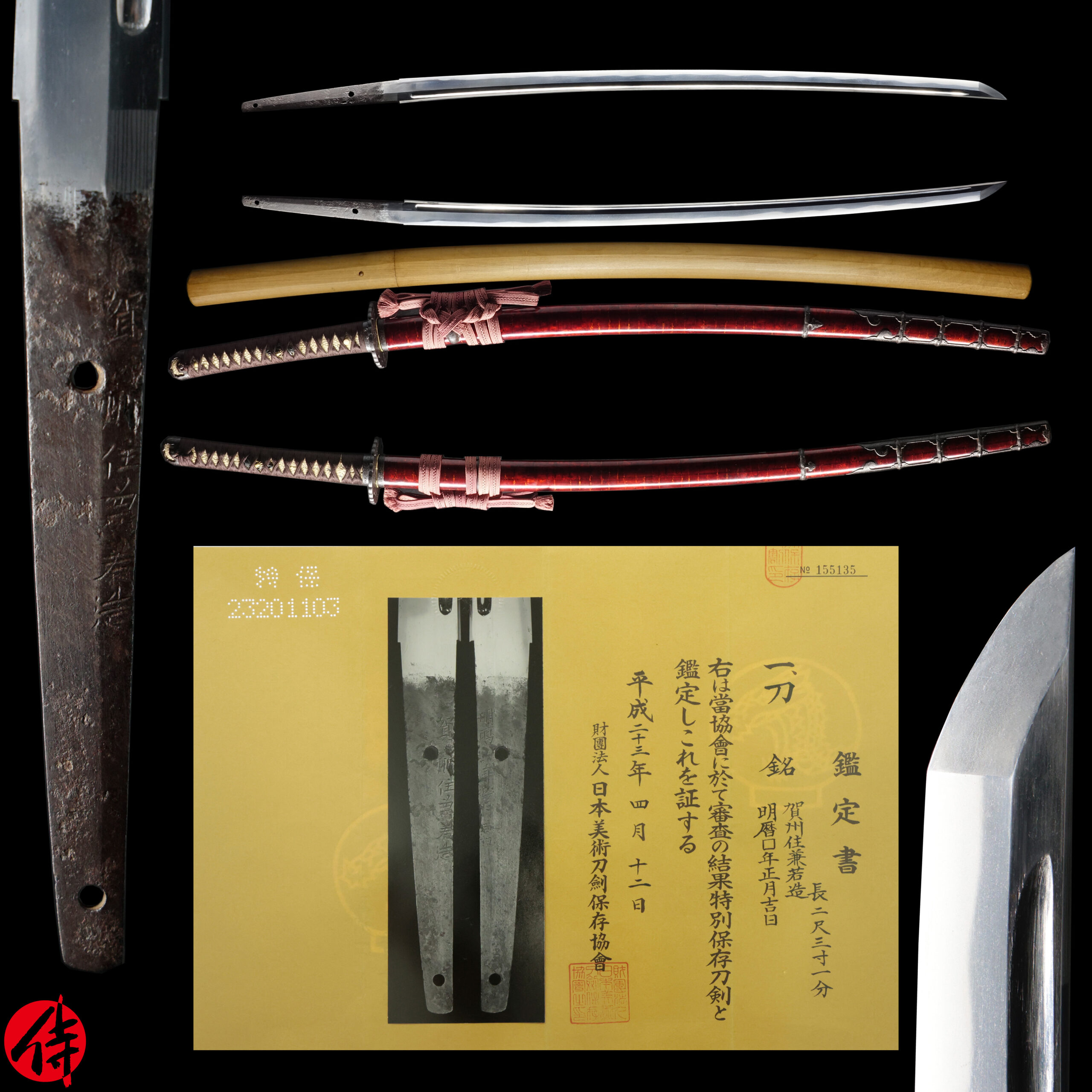
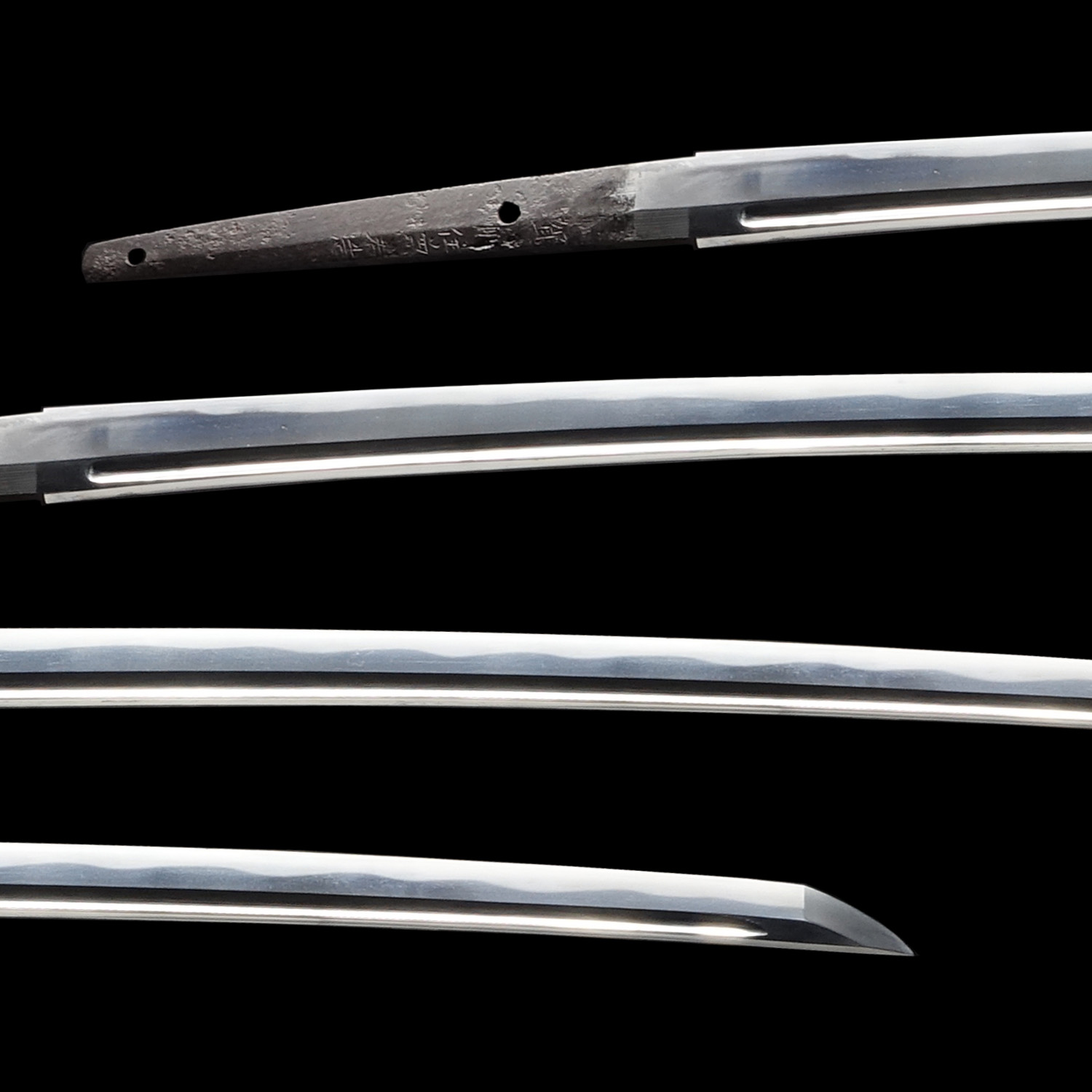
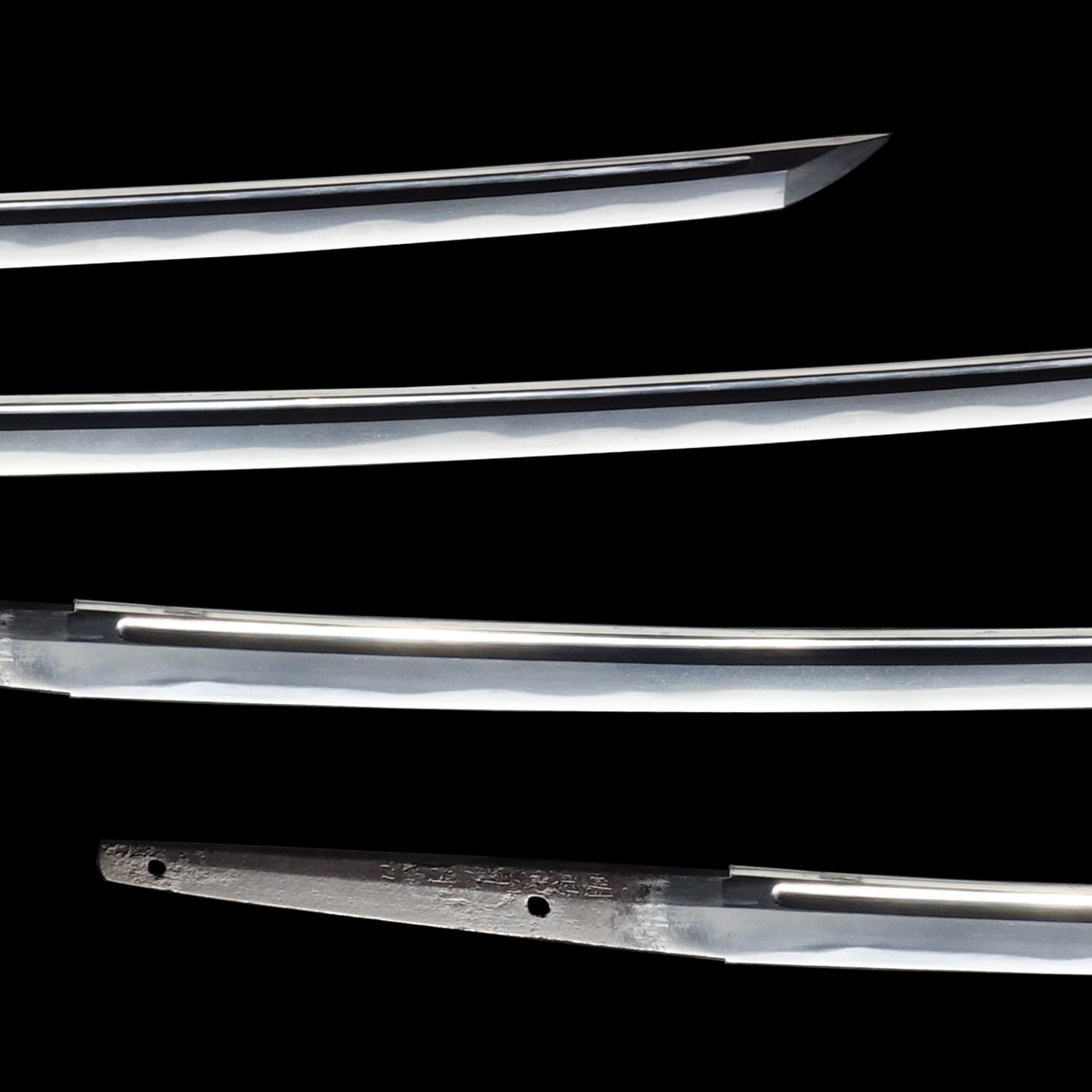
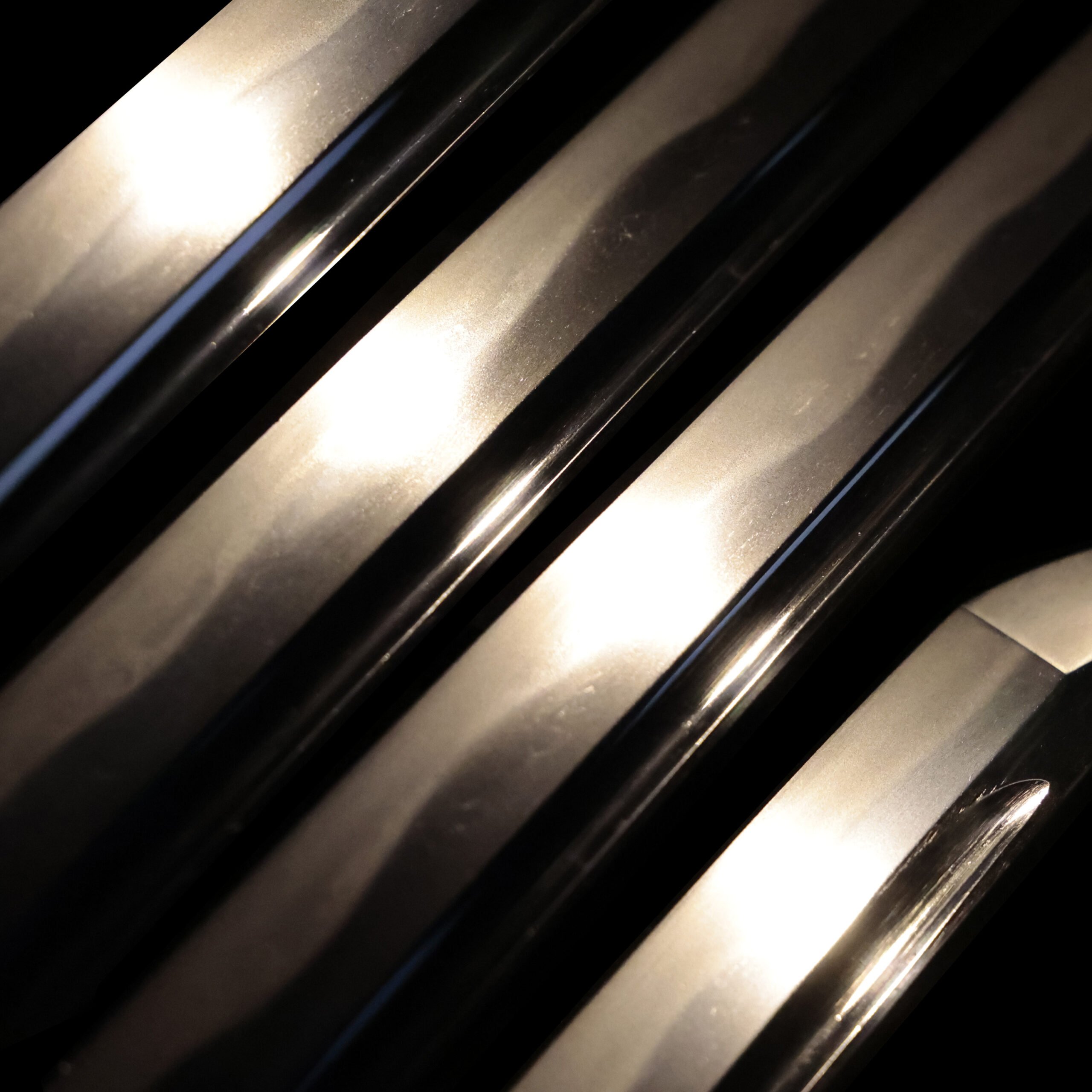
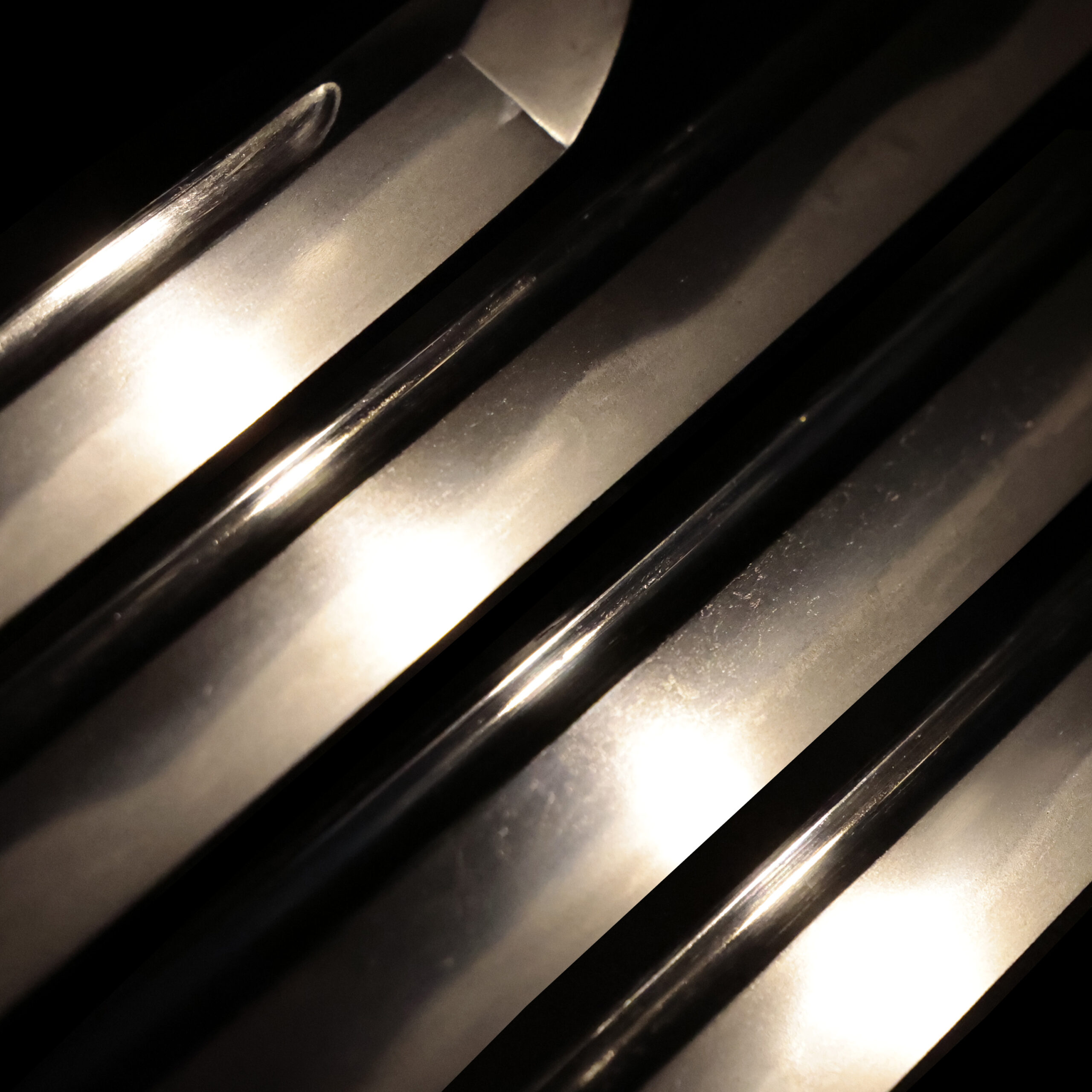
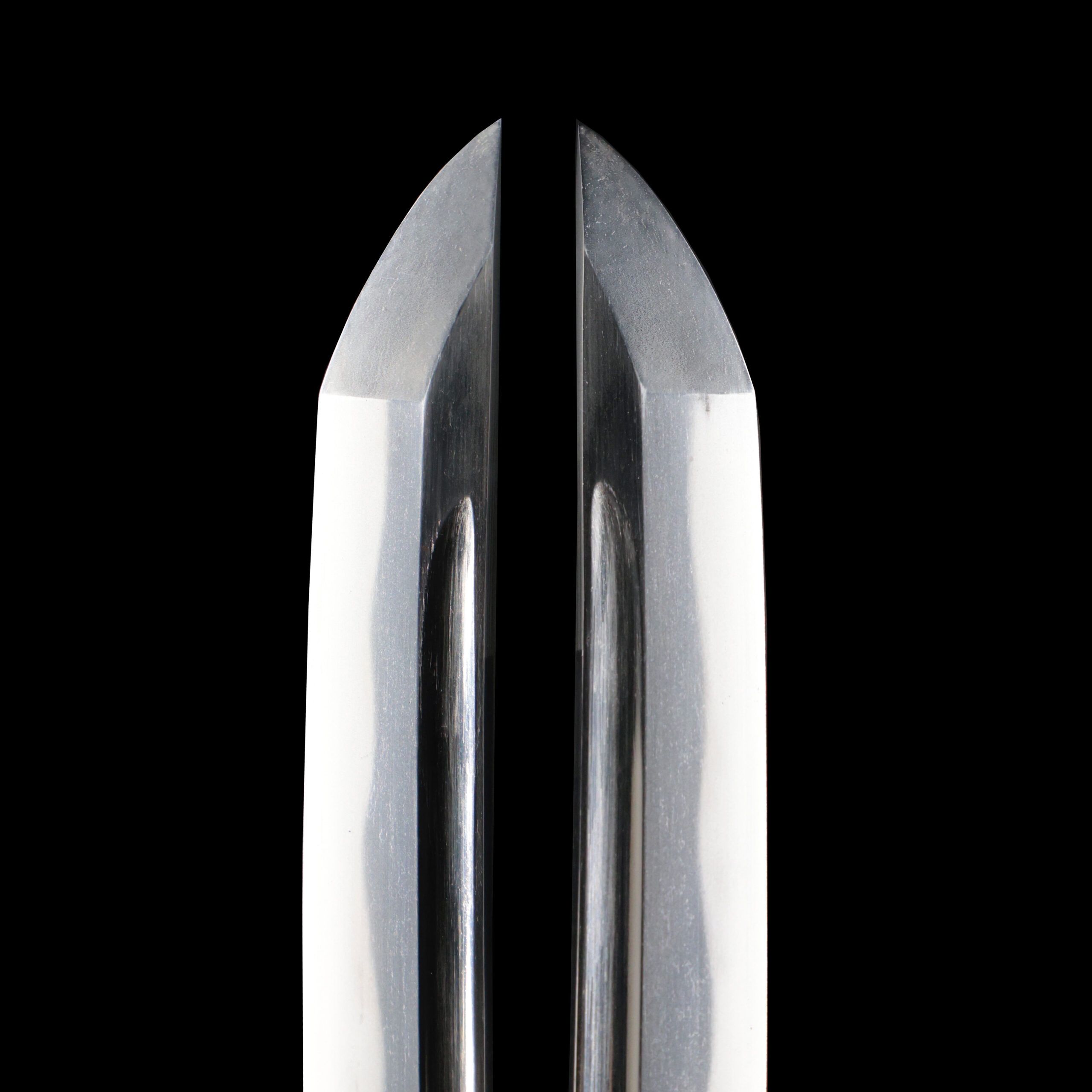
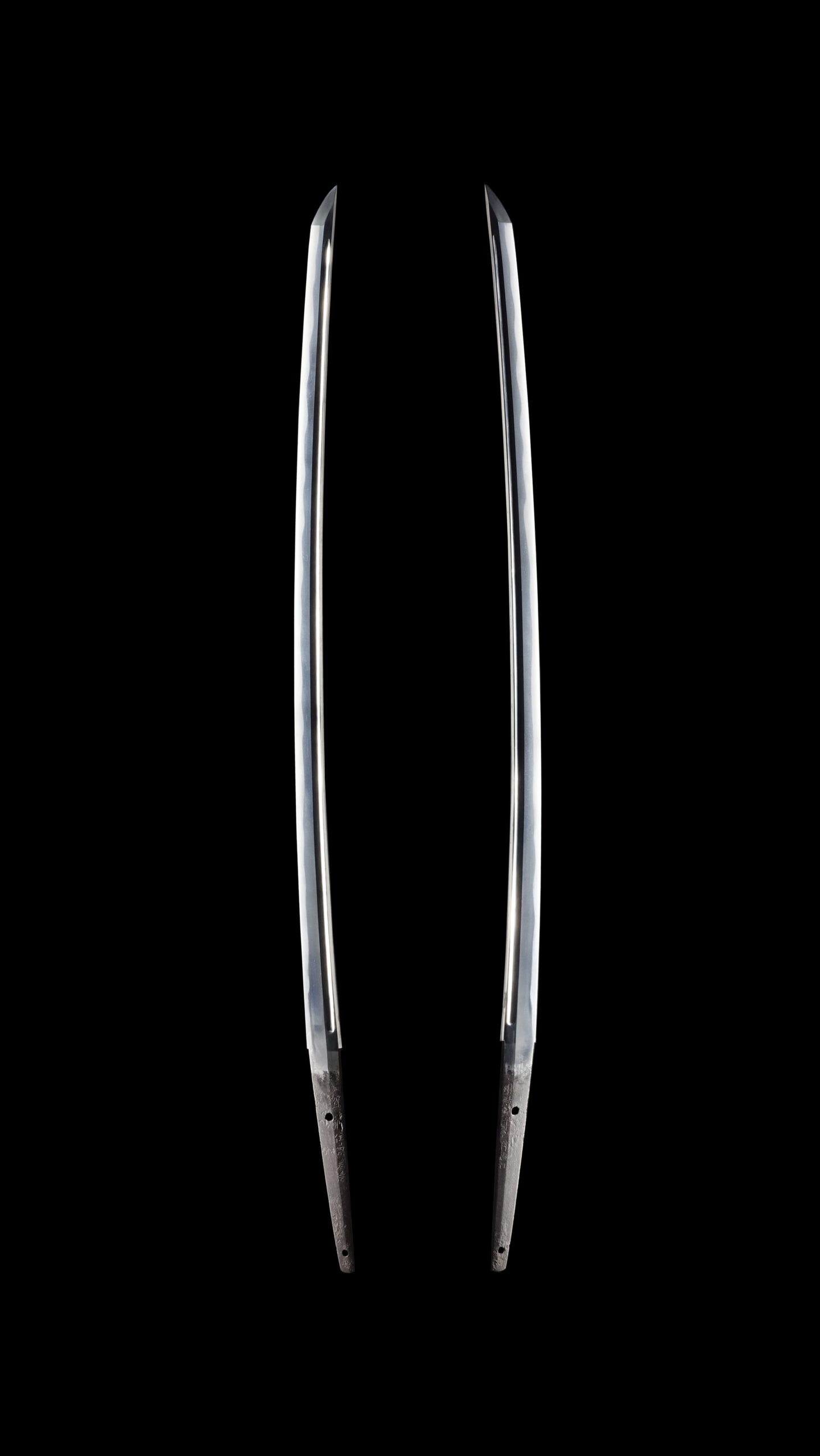
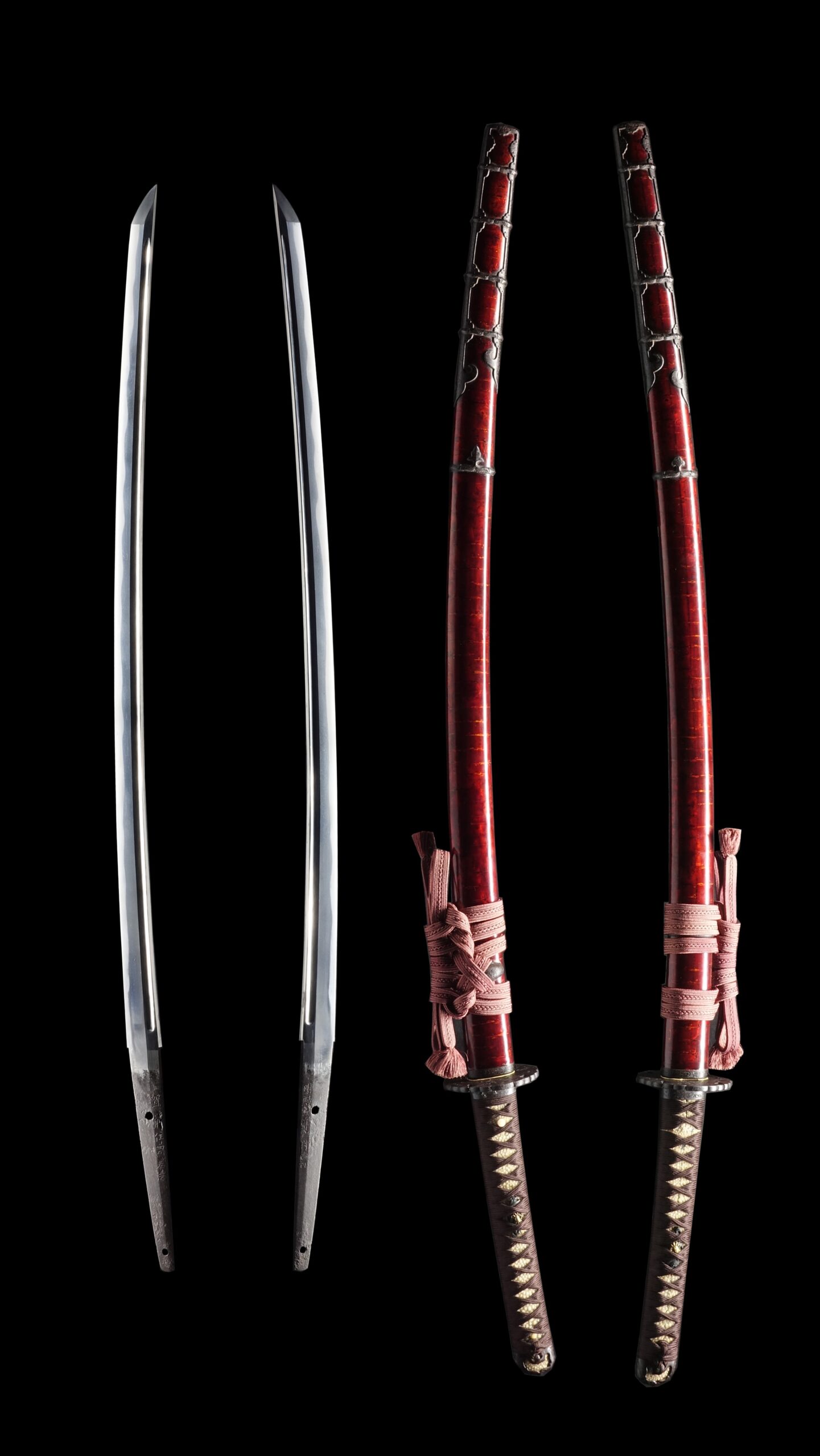
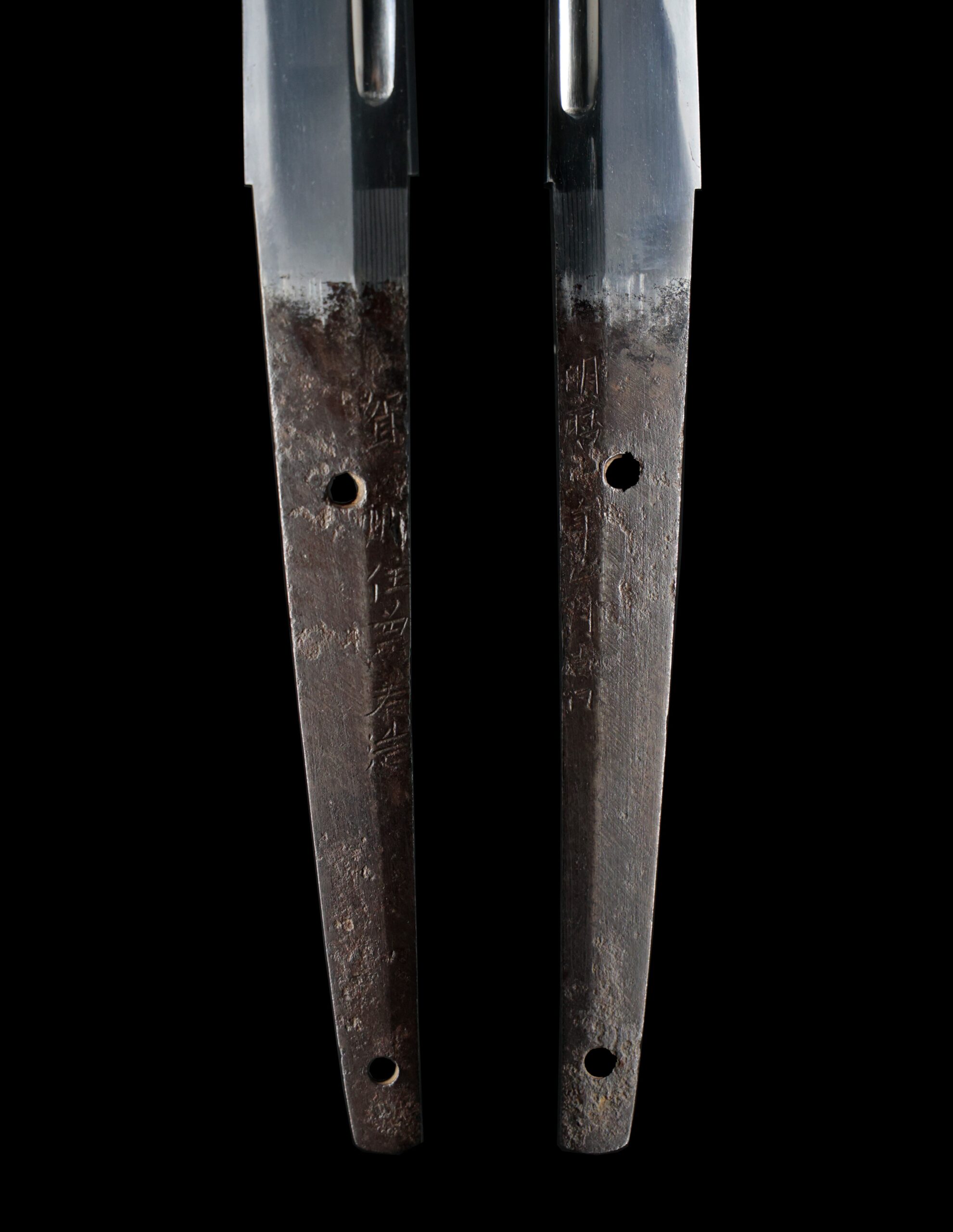
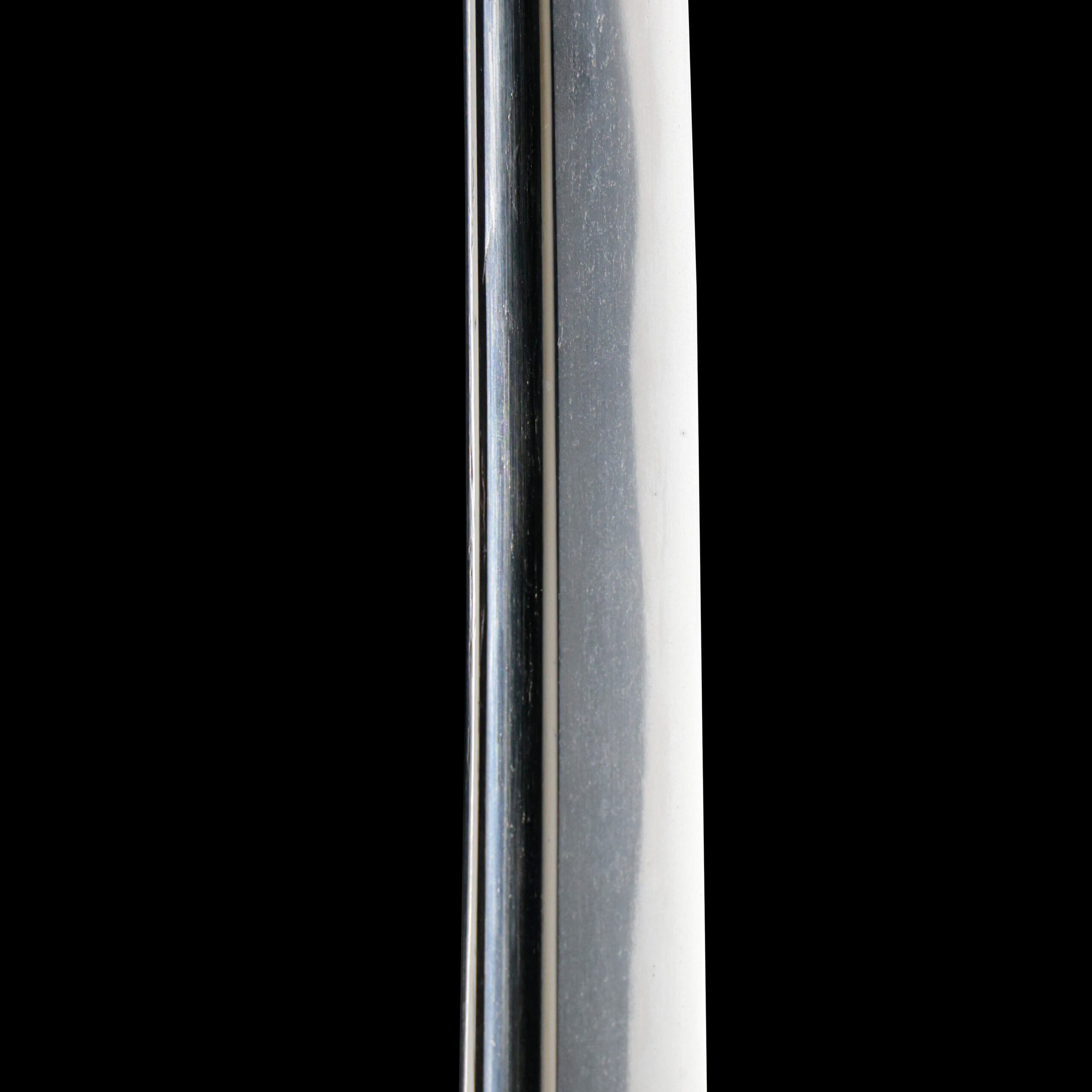
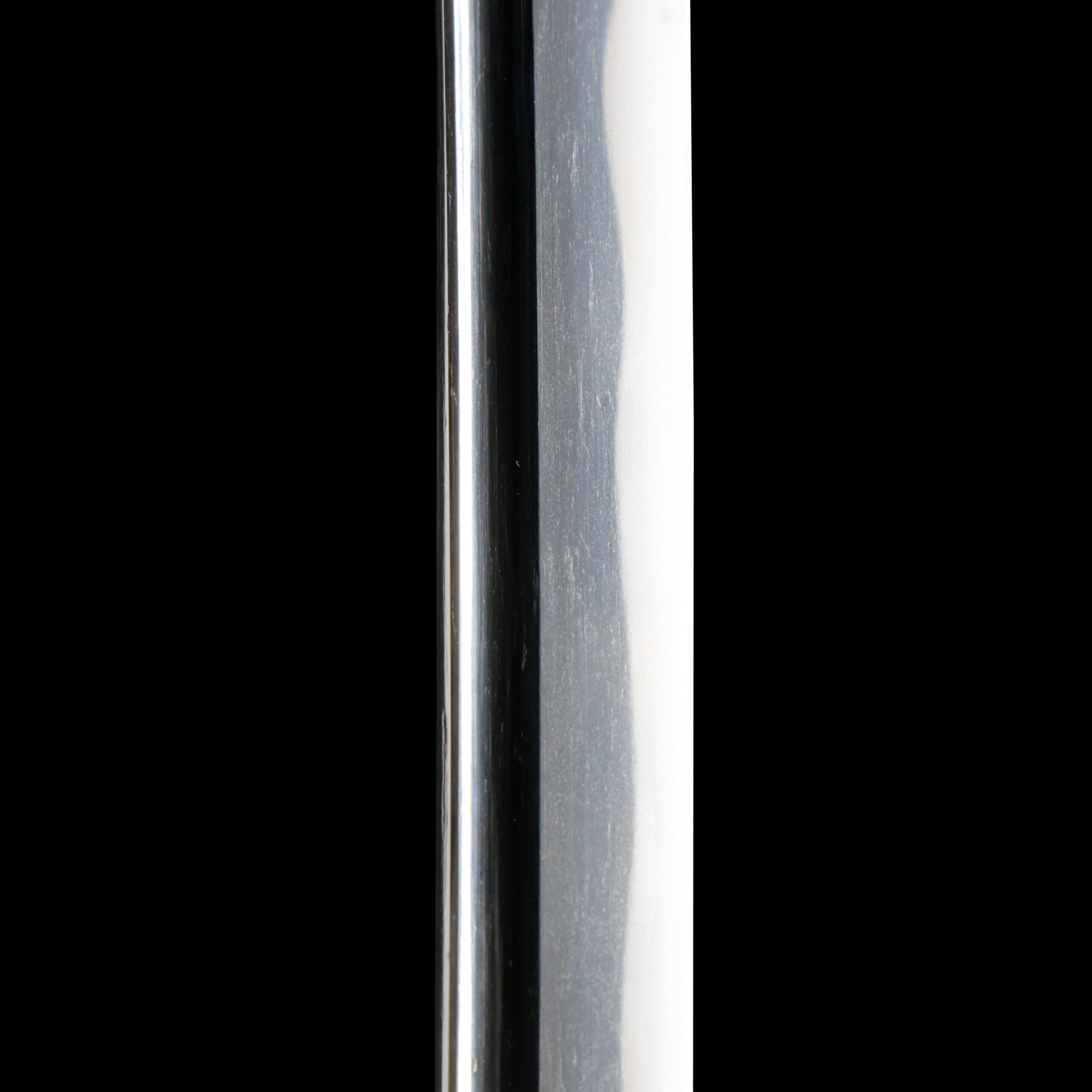
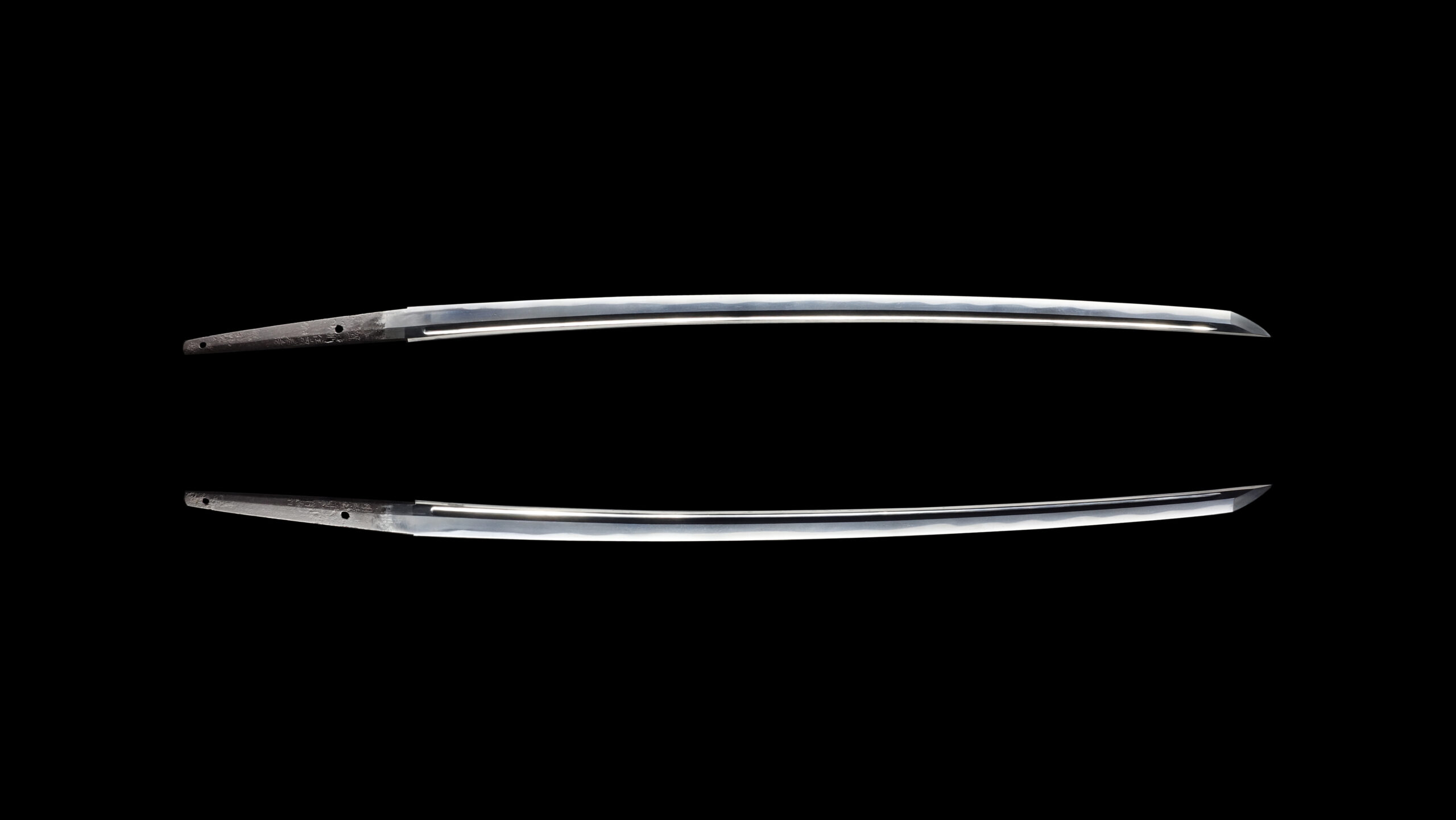
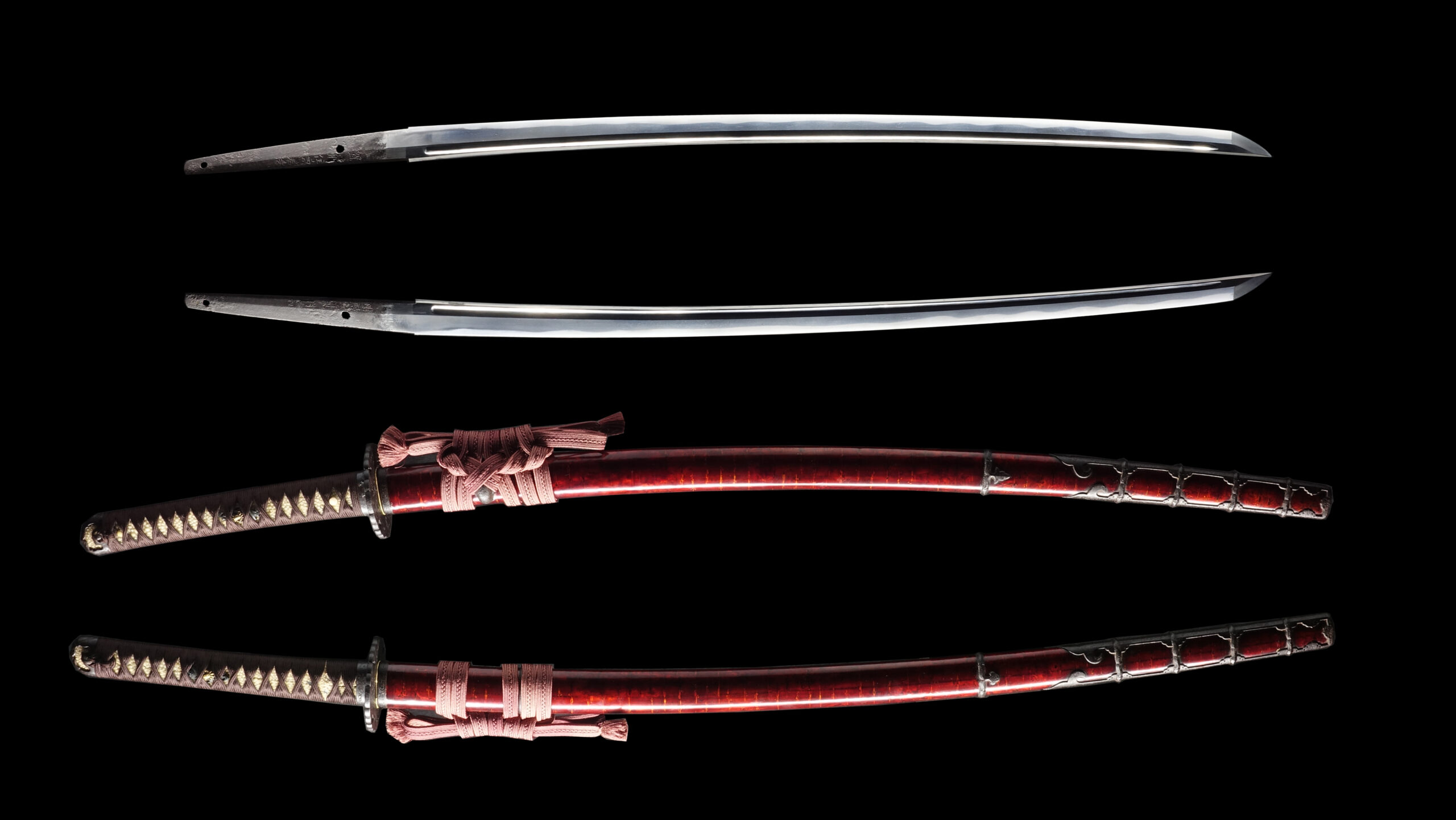
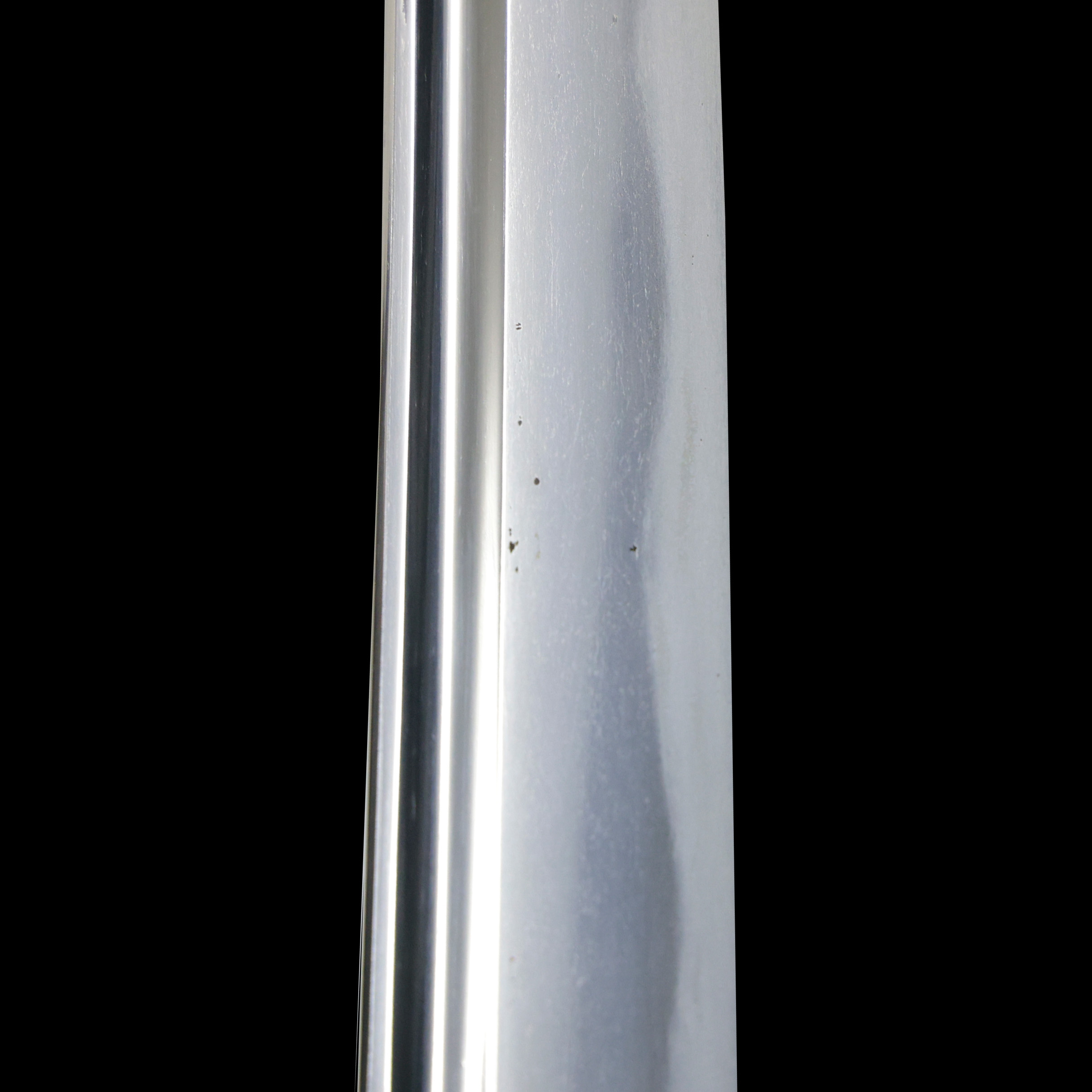
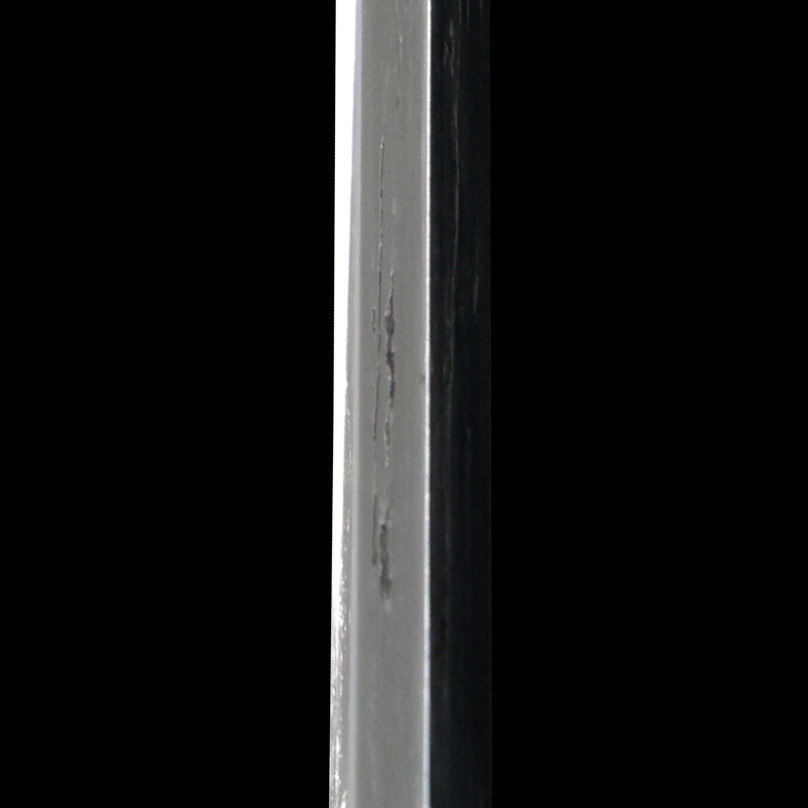
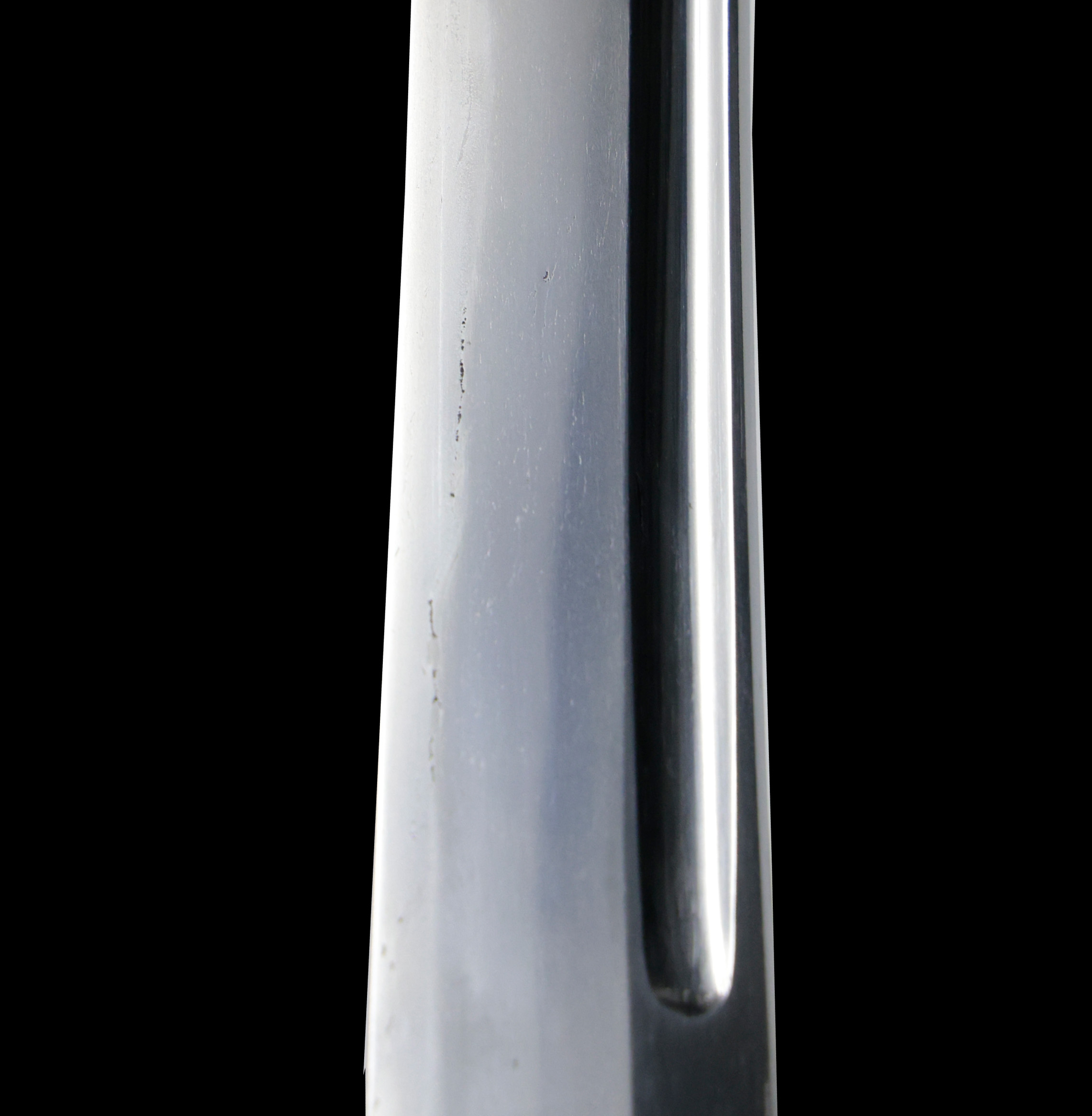
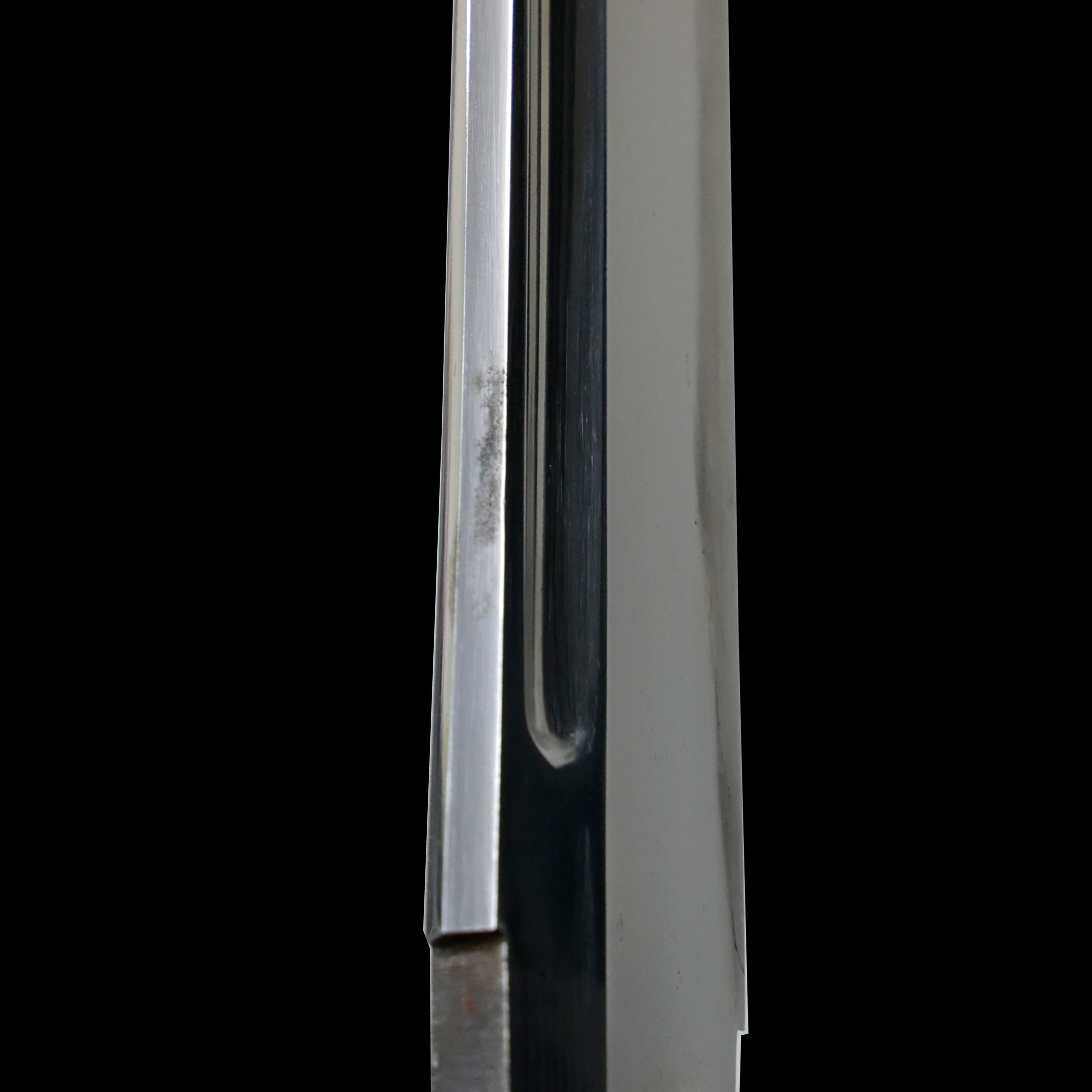
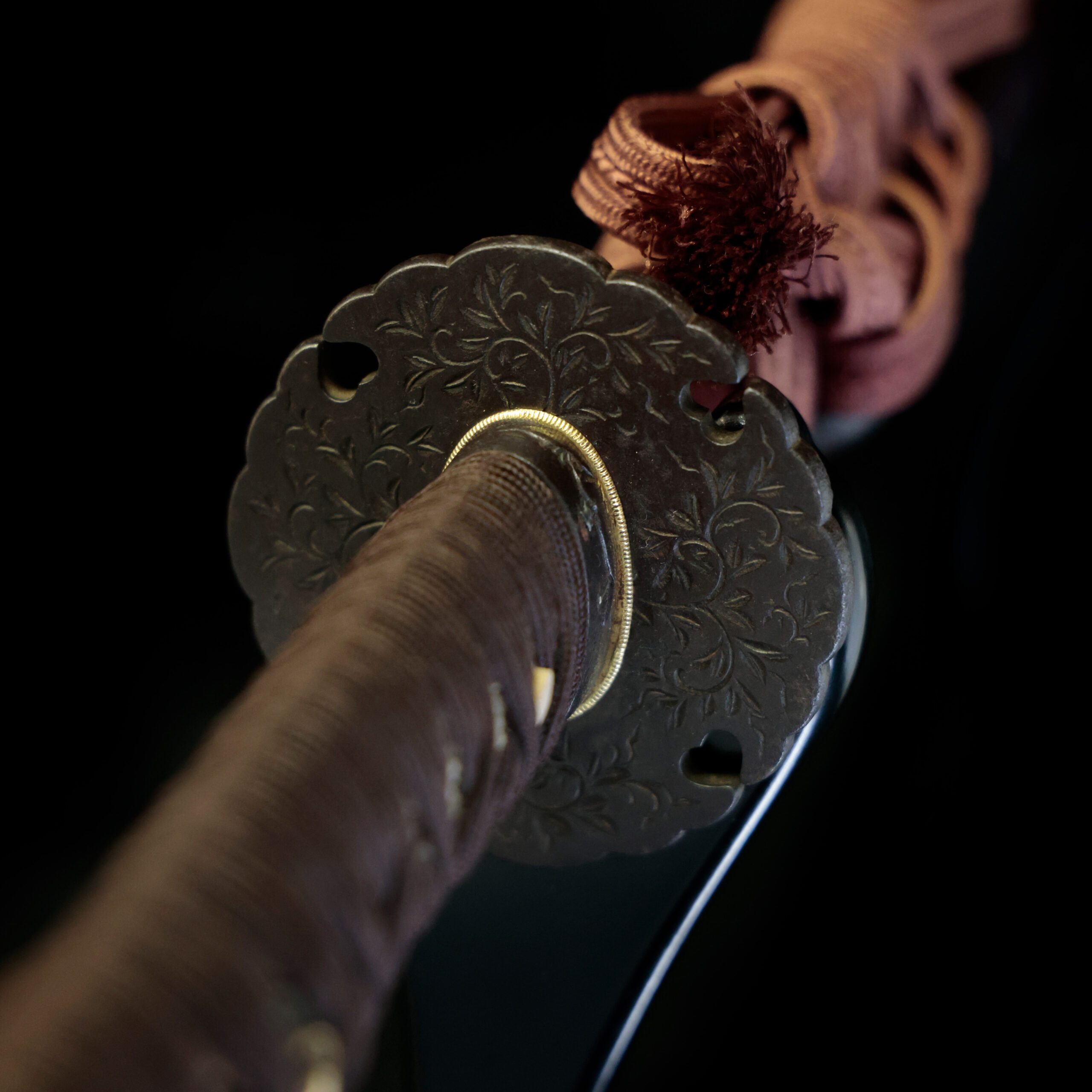
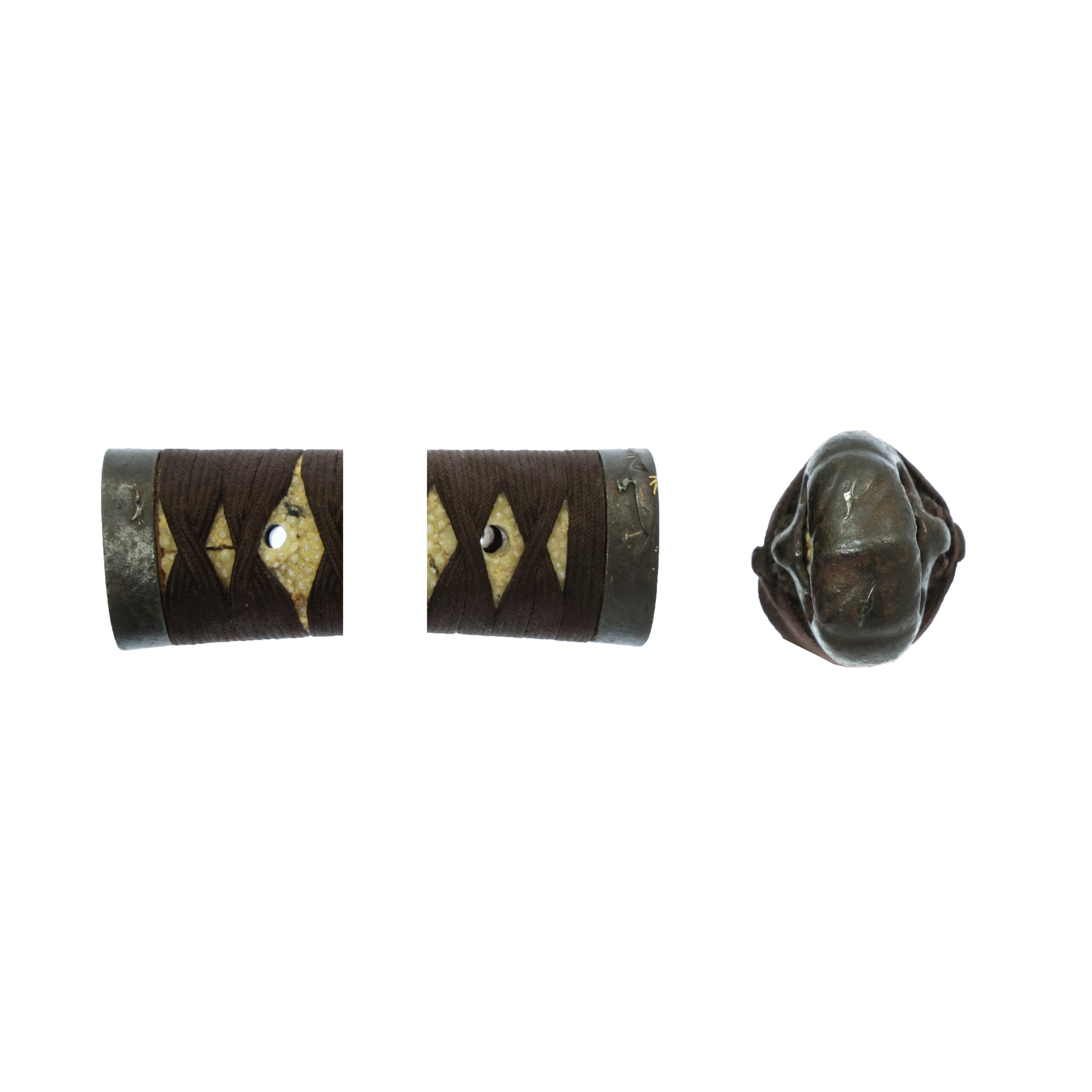
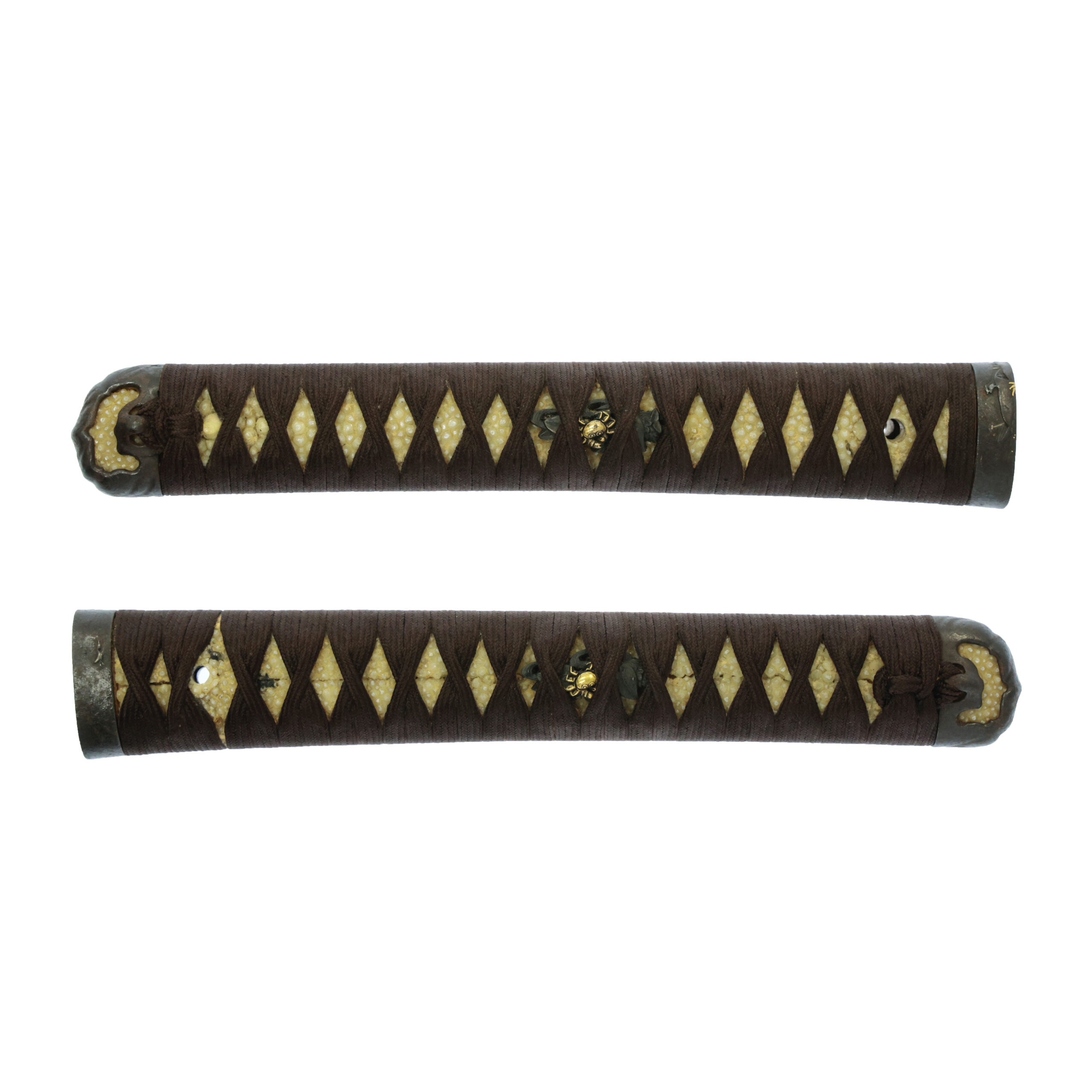
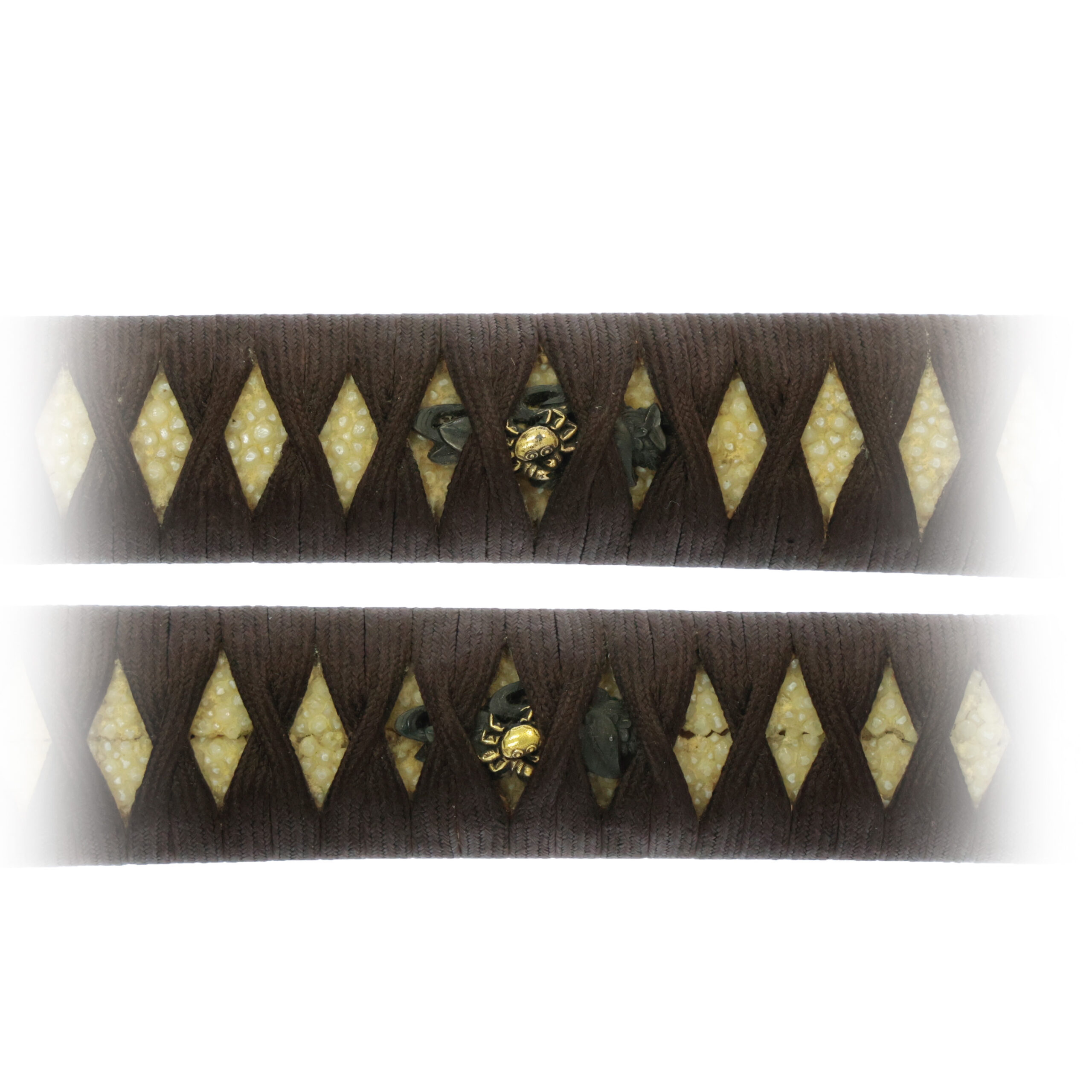
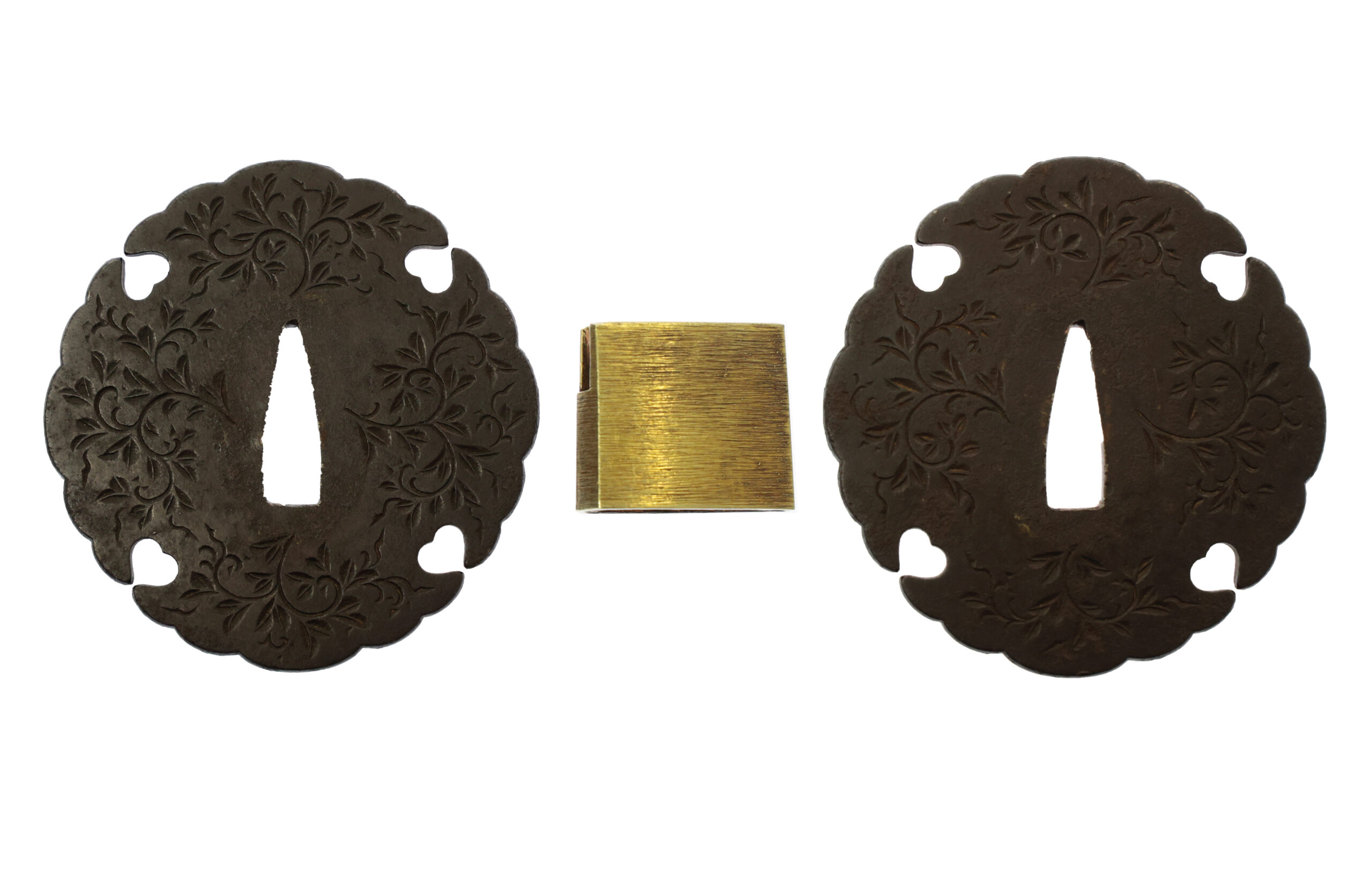
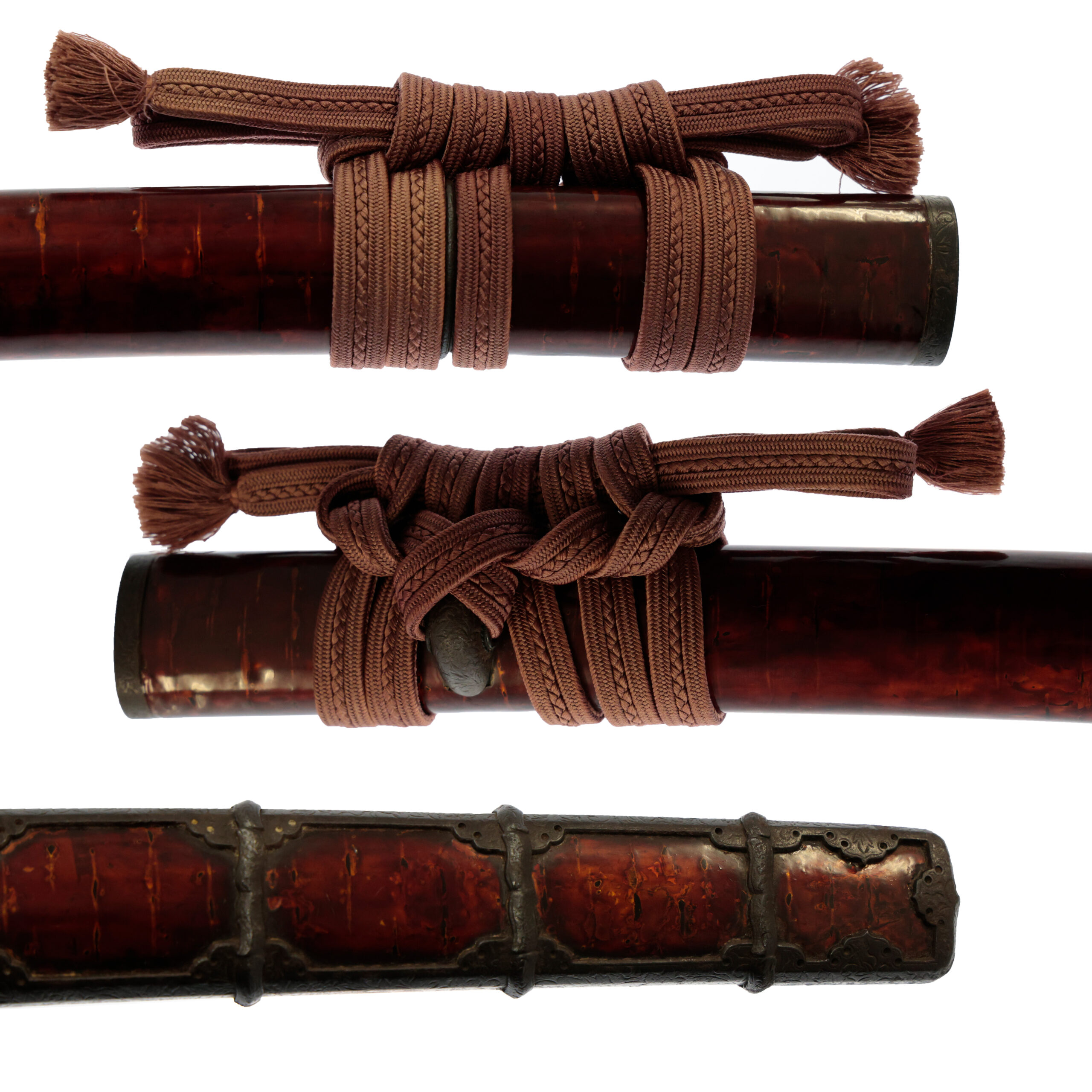
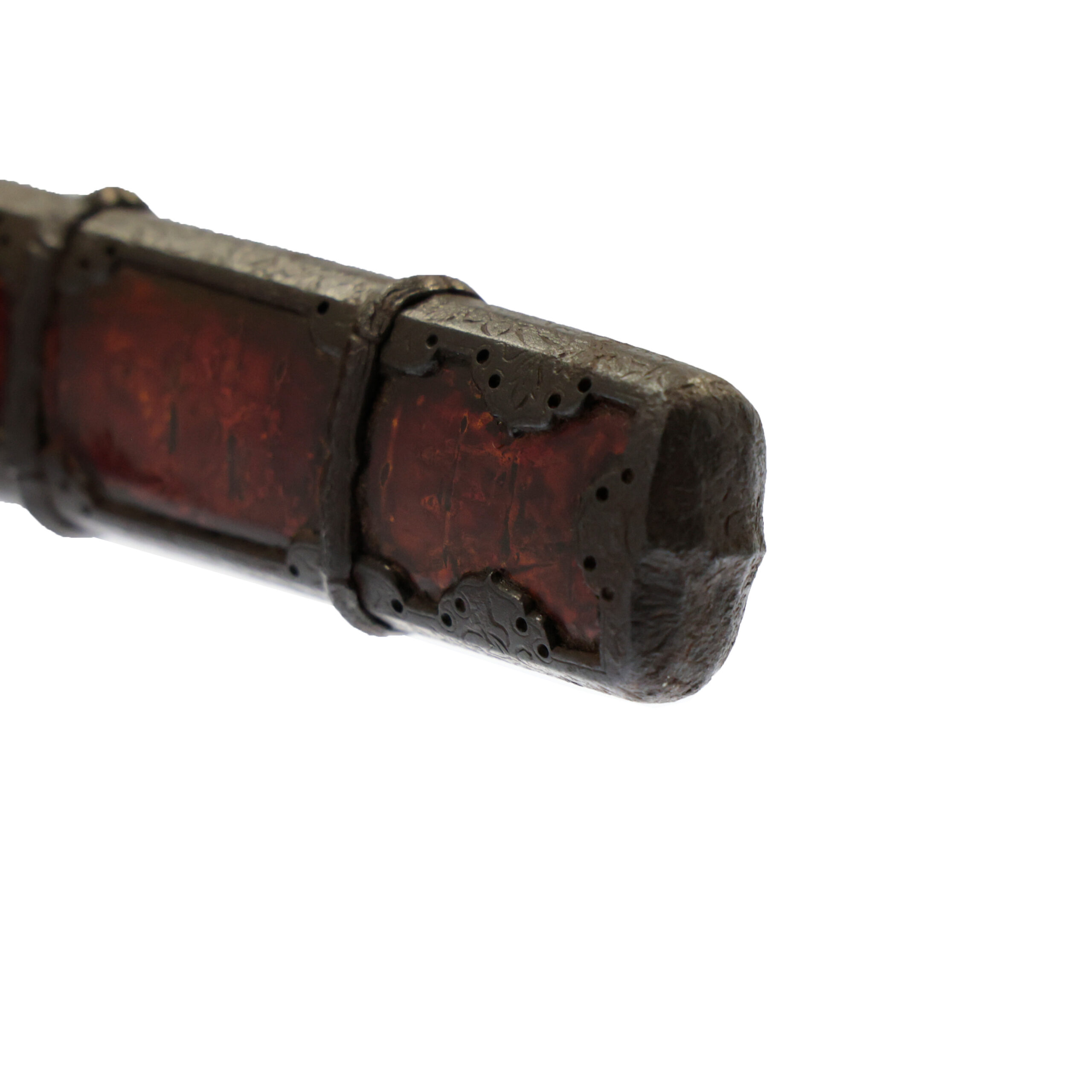
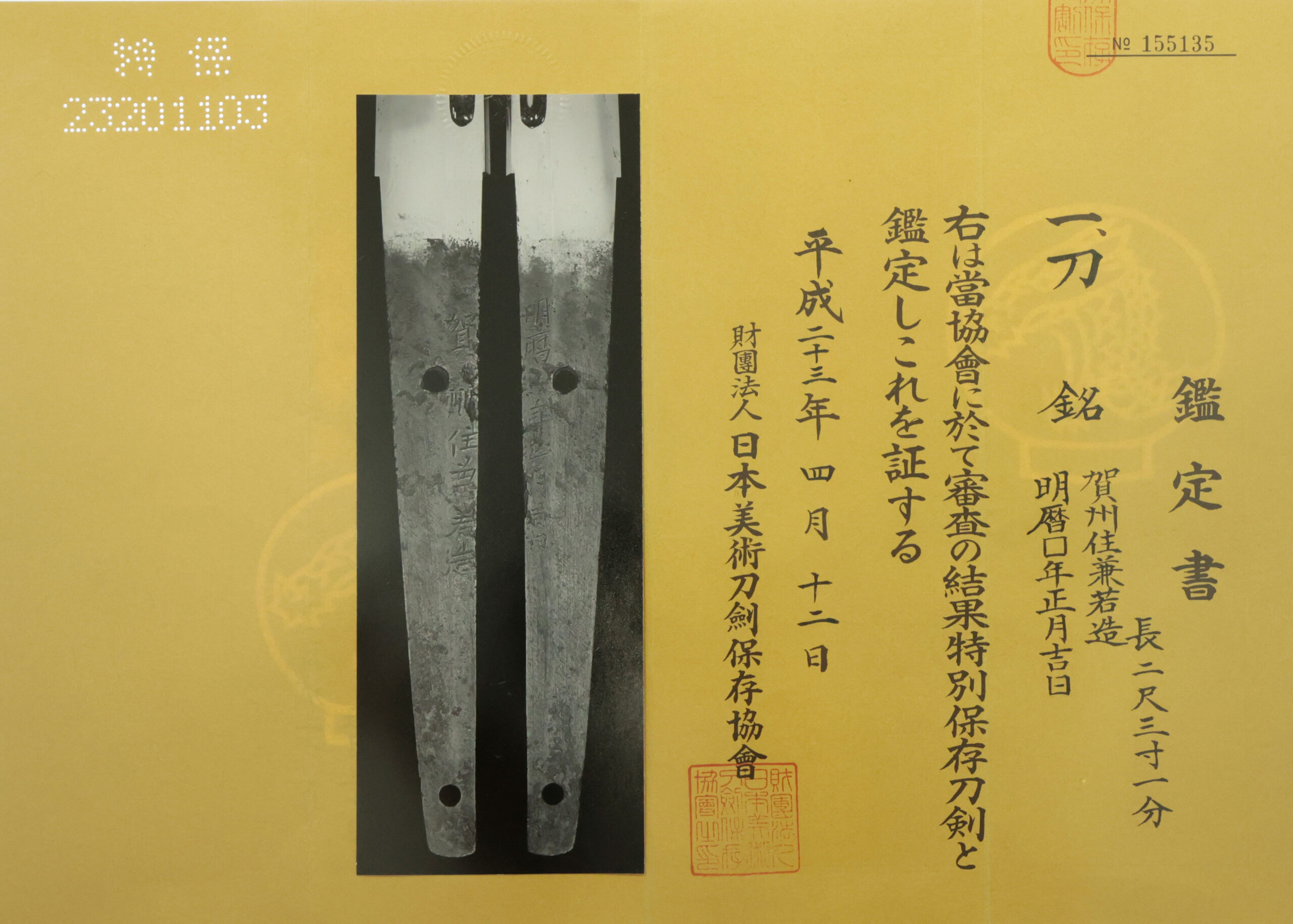
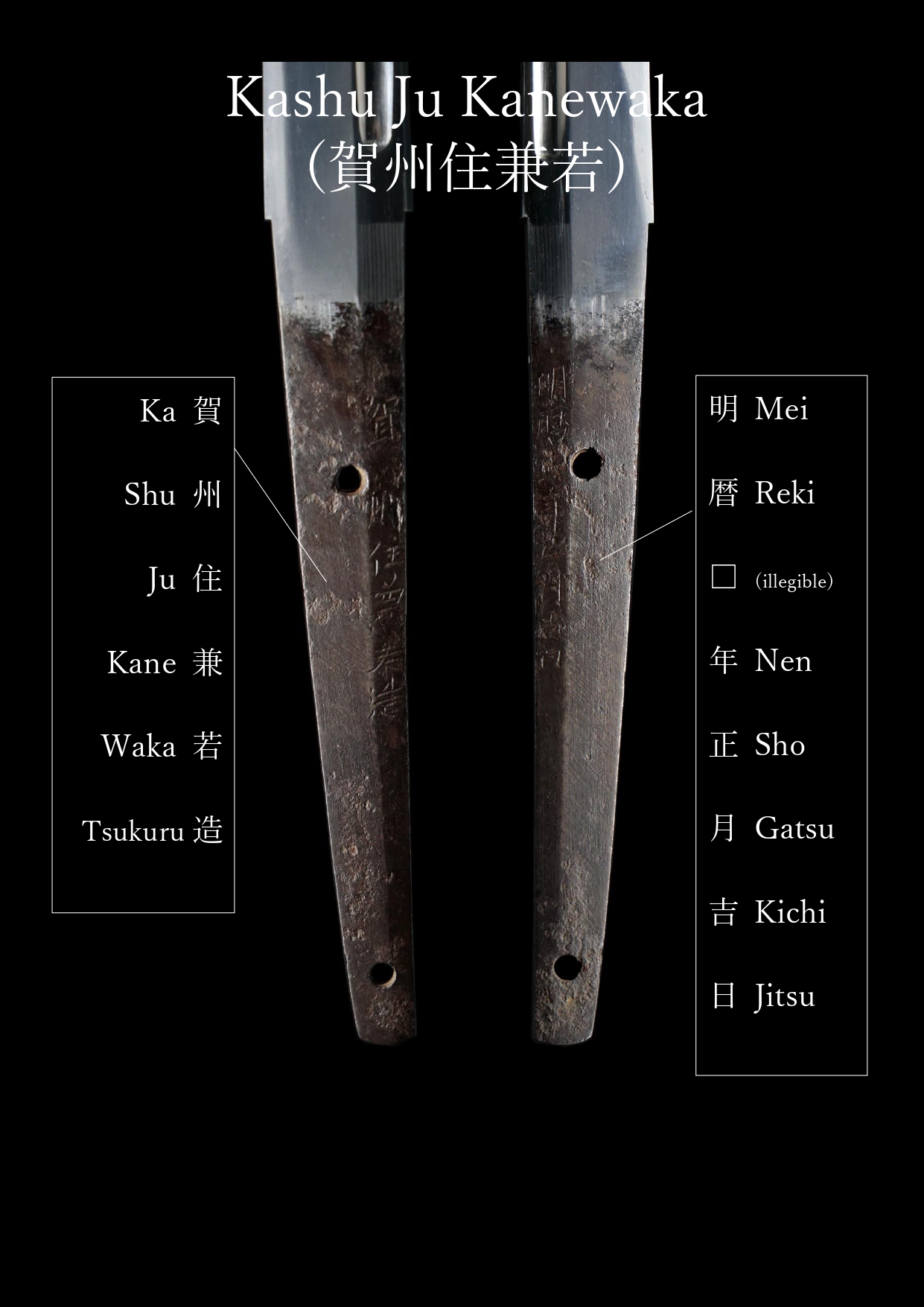
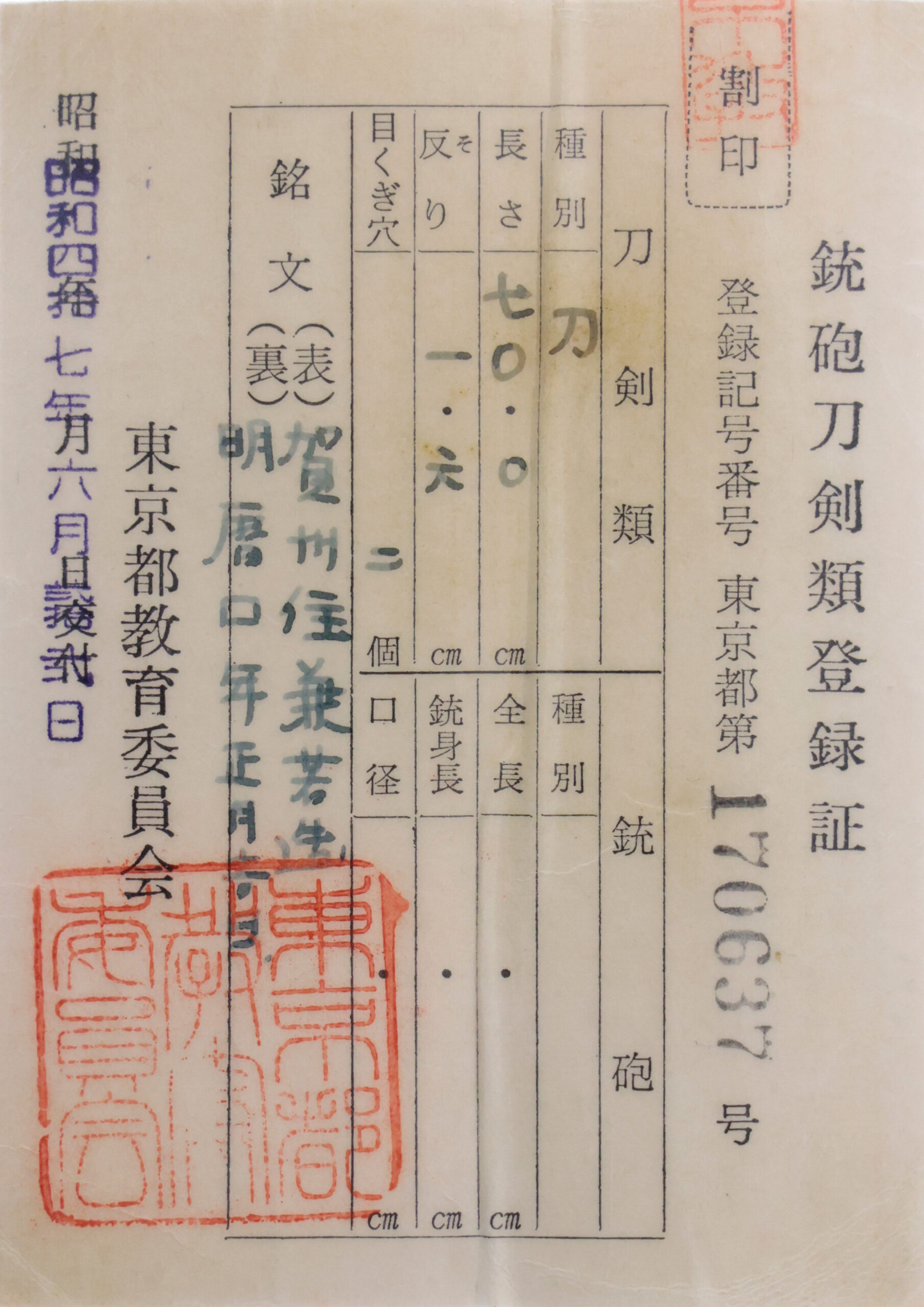
Antique Japanese Sword Katana Signed by the second-gen Kanewaka with Tokubetsu Hozon Certificate 【Description】 Summary This blade was signed by Kashu Ju Kanewaka (賀州住兼若) during the Meireki era (1655-1658: Early Edo period) based on the inscription on the tang. Kashu is another name of Kaga province (today’s Ishikawa prefecture), and Kashu Ju means that he resided in this area when he forged this blade. The maker’s name, Kanewaka, is one of the most prestigious swordsmiths in this province and lasted several generations during the early-late Edo period (approx. 280-400 years ago). According to its NBTHK appraisal, it was created by Matasuke Kanewaka, also known as the second-gen Kanewaka, who was active during the early Edo period (the mid 17th century). The first-gen Kanewaka was originally from Mino province (today’s Gifu prefecture). Later on, he moved to the Kaga domain (today’s Ishikawa prefecture) at the beginning of the Edo period after being summoned by Maeda Toshitsune, the third-gen head of the Kaga domain. Then, he changed his name to Takahira (高平) and he received an honorable official title, Etchu no Kami for his excellent sword-forging techniques from the imperial court around the 5th year of the Genna era (1619). That means this blade was created three years after he received the title. The second-gen Kanewaka was born as the third son of Takahira, the first-gen Kanewaka, in the 15th year of the Keicho era (1610). He also became a renowned swordsmith as his father, and his works are said to be spectacular and most popular. It is said that Kanewaka forged swords for those who belonged to the Kaga domain under the Maeda clan’s control. All the swordsmiths who signed Kanewaka in the Kaga domain were under the auspice of the Maeda clan from generation to generation because of their highly skilled craftsmanship. Maeda Clan Maeda clan was originally a retainer of Oda family, who ruled Owari province (today’s Nagoya area in Aichi prefecture). The first head of the Maeda clan was Toshie Maeda. He climbed the social ladder of Samurai society, and he became the feudal lord of Kaga province (today’s Ishikawa prefecture). It is said that he had a vast rice fief that fed 100 million grown-up adults, which is called Hyakuman Goku. The Maeda clan was one of the most powerful lines in Samurai history. Toshie Maeda had a close tie with Oda Nobunaga and Hideyoshi Toyotomi. It is said that the first-gen Kanewaka forged blades for Maeda Toshiie when Kanewaka was still in Mino province (today’s Gifu prefecture). This blade comes with a beautiful Handachi Koshirae (半太刀拵, half Tachi style sword mounting). We are confident this Koshirae will enhance an experience of appreciating this magnificent blade. It is appraised as a Tokubetsu Hozon Token (特別保存刀剣) issued by NBTHK (Nihon Bijutsu Touken Hozon Kyokai:日本美術刀剣保存協会). This authentication paper was only given to authentic Japanese swords, especially well preserved and high quality with artistic value. *Please keep in mind that there are several Kitae Kizu on the blade. If you like to know the detailed condition, please feel free to contact us. 【Blade】 Cutting Edge Length(Nagasa) : 70.0 cm (27.5 inches) Curvature(Sori) : 1.6 cm (0.62 inches) Hamon : The crystalline structure which forms along the cutting edge of a blade as a result of the hardening process Jimon(Jihada) : visible steel surface pattern created by folding and hammering during forging process Kissaki : Kissaki is the tip of the Japanese sword. Nakago : Nakago is the tang of the Japanese sword. Japanese swordsmiths left the black rust on the tang because it prevents red rust while the tang is in its handle. And the discoloration of the tang was created over time, and it is a great indicator for a Japanese sword specialist to estimate when the sword was forged. Koshirae :Koshirae is the mounting of the Japanese sword. There are several parts that consist of Koshirae such as Saya (Scabbard), Tsuka (Handle), Tsuba (Handguard). Fuch

Antique Japanese Sword Katana Signed by the second-gen Kanewaka NBTHK Tokubetsu Hozon Certificate
売切れ
Tokuho売切れ

Antique Japanese Sword Katana Signed by the second-gen Kanewaka NBTHK Tokubetsu Hozon Certificate

売却済

世界81社の刀剣商を横断追跡 · 価格履歴 · 売却アーカイブ

仕様

長さ

70 cm

反り

1.6 cm

作者について

Kashu Kanewaka兼若

2 重要刀剣

Kanewaka of Kashu was originally from Mino Province and later relocated to Kaga, establishing what would become one of the most distinguished shinto lineages of the Hokuriku region. The first generation, known as Tsujimura Jinroku, began forging swords in Kaga with dated works commencing from Keicho 9 (1604); around Genna 5 (1619) he received the court title Etchu no Kami and changed his name to Takahira. The second generation, called Matasuke, was the third son of the founder, born in Keicho 17 (1612) and active from Kan'ei through Enpo, dying in Enpo 5 (1677) at the age of sixty-six. The third generation, Shiroemon, was the legitimate heir of Matasuke and carried on the family tradition from the Kanbun era through Shotoku, a span of roughly fifty years. It is said that early in his career the third generation frequently produced works made in his father's stead and also executed pieces bearing his father's name as *dai-saku* and *dai-mei*. A fourth generation, Tsujiura Shiroemon, inherited the name after his father's death, and his works have been recognized even among the imperial collection. The Kanewaka lineage retained a strong Mino flavor deriving from its place of origin. The first generation's workmanship characteristically shows a *midare* tendency mixed with *gunome* and pointed *togariba*, with *nie* adhering well; *tobiyaki* appear, and the *nioiguchi* is bright. His forging displays *itame-hada* with a tendency toward flowing grain, the *hada* standing out with *chikei* and abundant *ji-nie*, imparting an antique impression noted by examiners as characteristic of the northern provinces' workmanship. From the second generation onward, a clearly defined *hako-ba* became the family's most recognized hallmark: the valleys of the *midare* assume angular, boxed contours in a manner the setsumei consistently describe as *hako-gakatta*. The second generation's *gunome-midare* with *ko-notare*, angular *notare*, and deep *nioi* clearly exhibits the traits of Kaga work, while *sunagashi* sweeps conspicuously through the temper and *kinsuji* appear. In the third generation, the *hakoba* tends to become more sharply defined, and works in *masame* forging, while comparatively uncommon, demonstrate the breadth of the school's technical range. Taken collectively, the Kanewaka school produced swords of a forceful, spirited presence. Each generation was highly skilled, and the setsumei note that the third generation proved worthy of his father and grandfather. Particularly distinctive are their *taka-no-ha* influences and vigorous *hotsure* along the edge, with the *boshi* characteristically finishing in *hakikake*. The school's works span katana, wakizashi, ken, and tanto, and examples bearing the maker's common name or precise dates are valued as documentary material. Among early shinto smiths of Kaga, the Kanewaka line stands as a defining presence, and its finest works are praised as possessing both dignified *taihai* and bold vigor.

刀剣商

サムライミュージアム

samuraimuseum.jp

売切れ