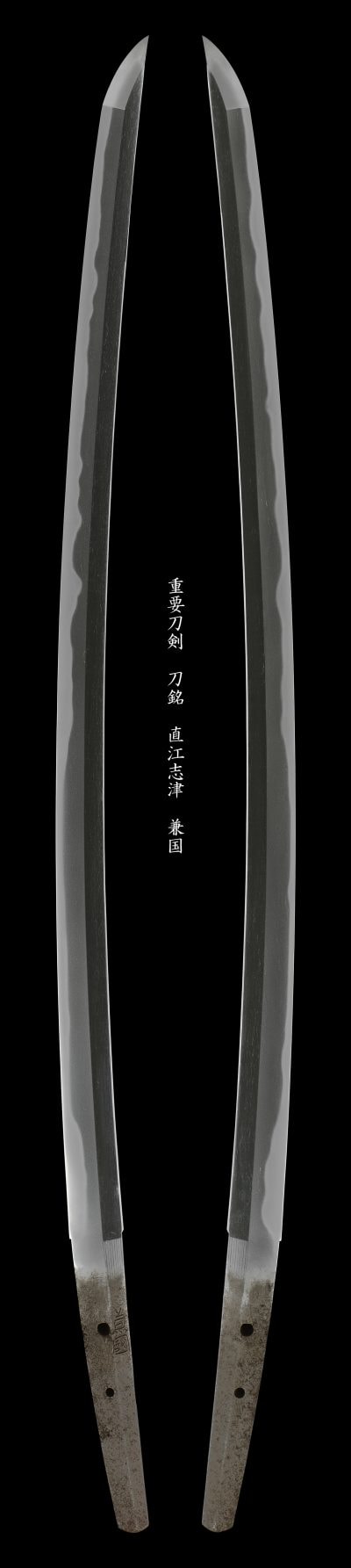
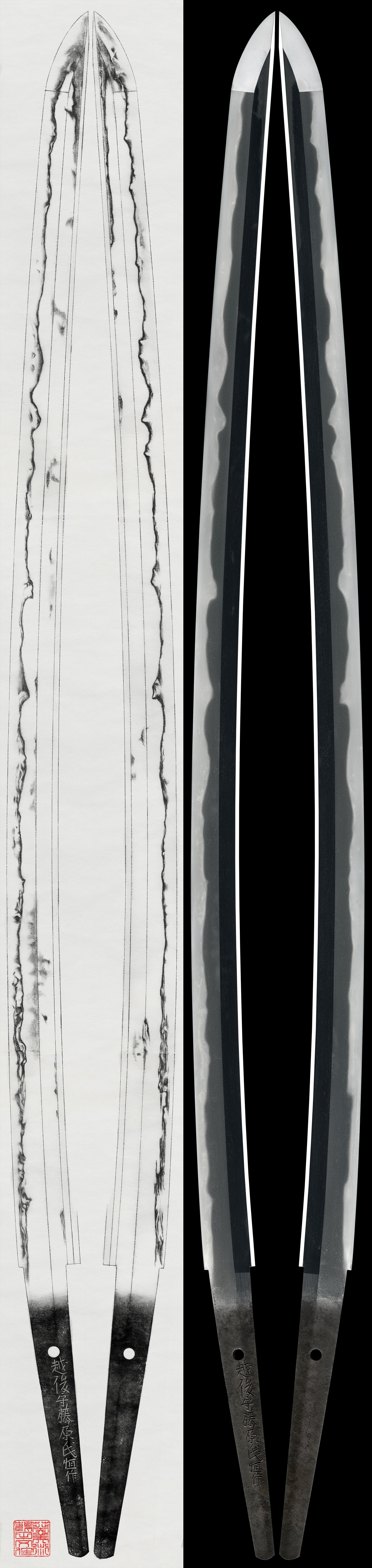
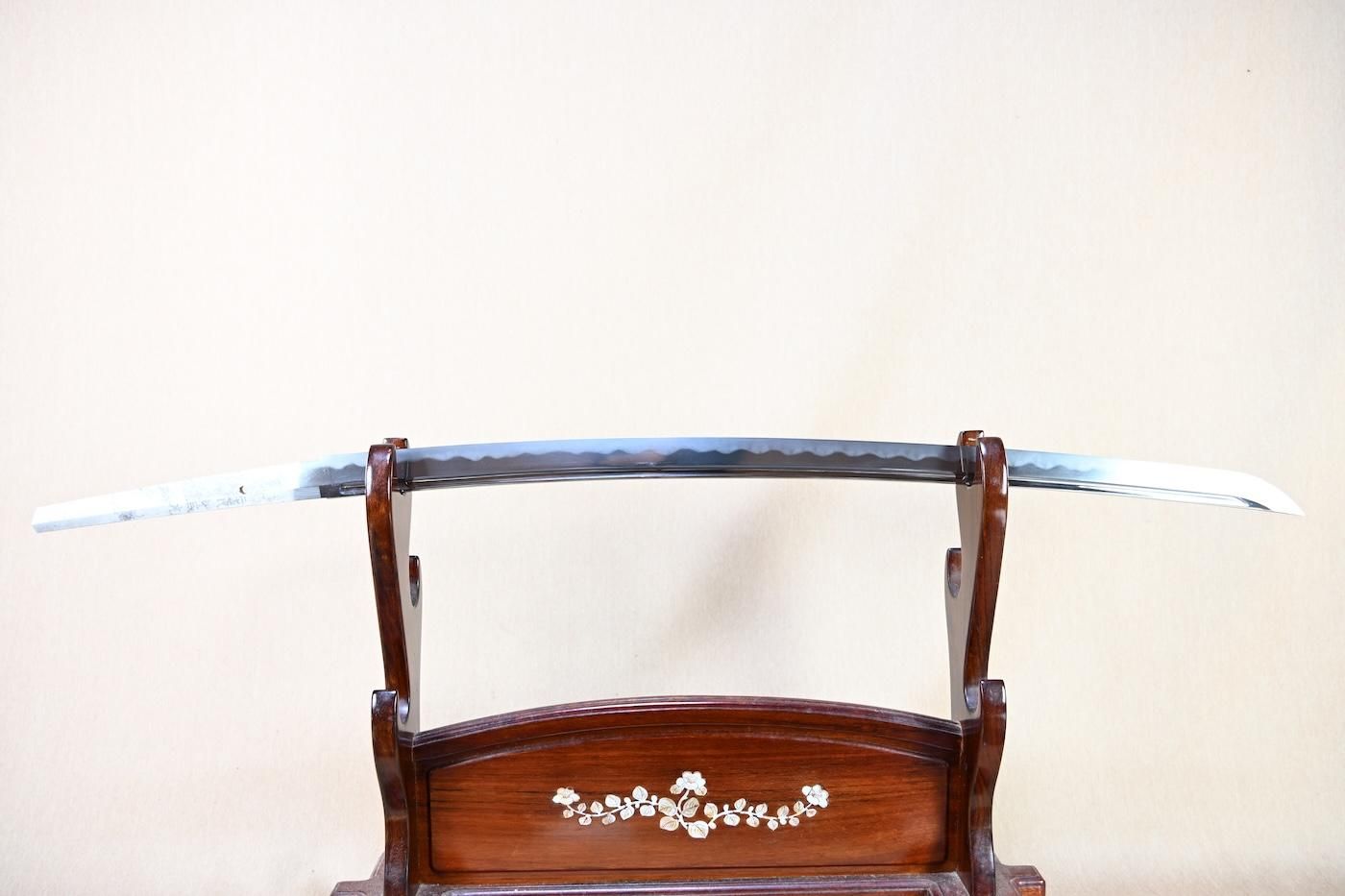
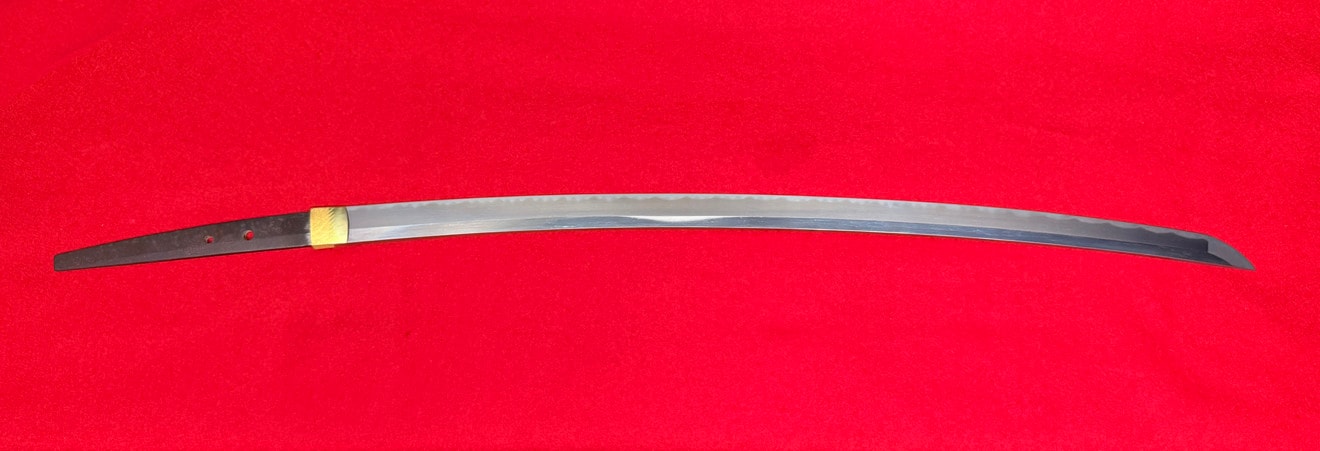
美濃伝は、伝えによれば移住者が開いた。大和手掻系の出と伝えられる兼氏が志津に住し、新しい相州風で鍛えて、後世の鑑定家にその最上作は誰よりも正宗に近いと言わしめている。
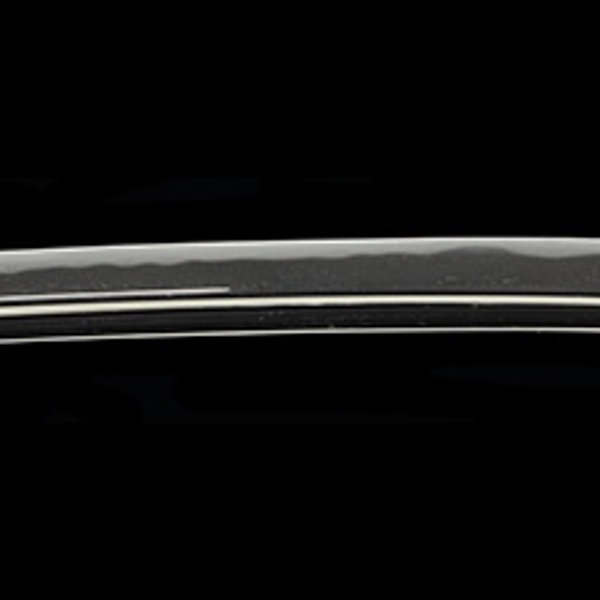
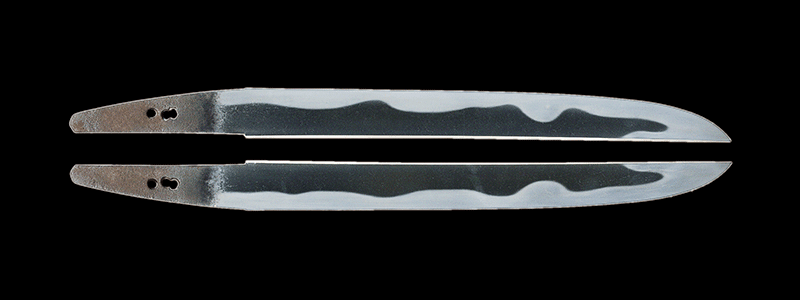
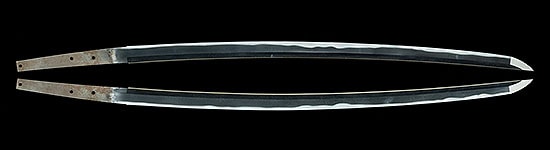
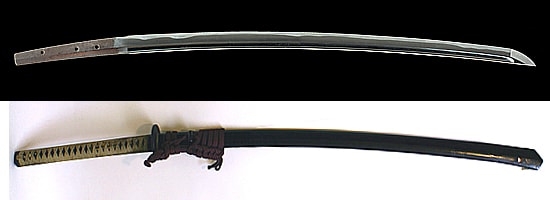
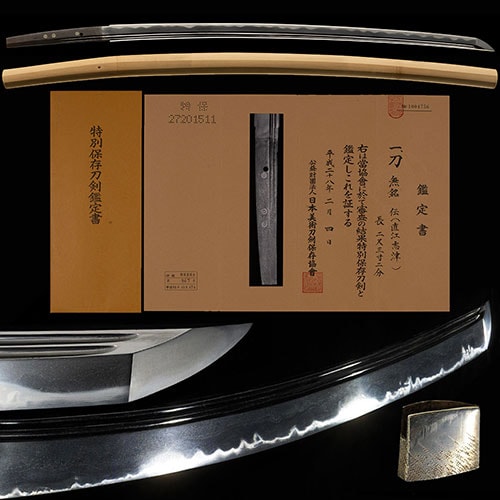
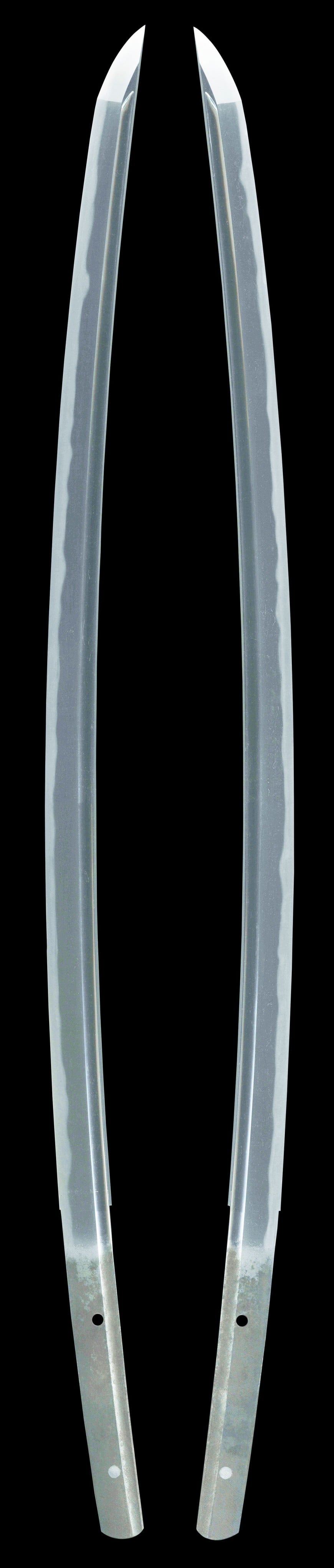
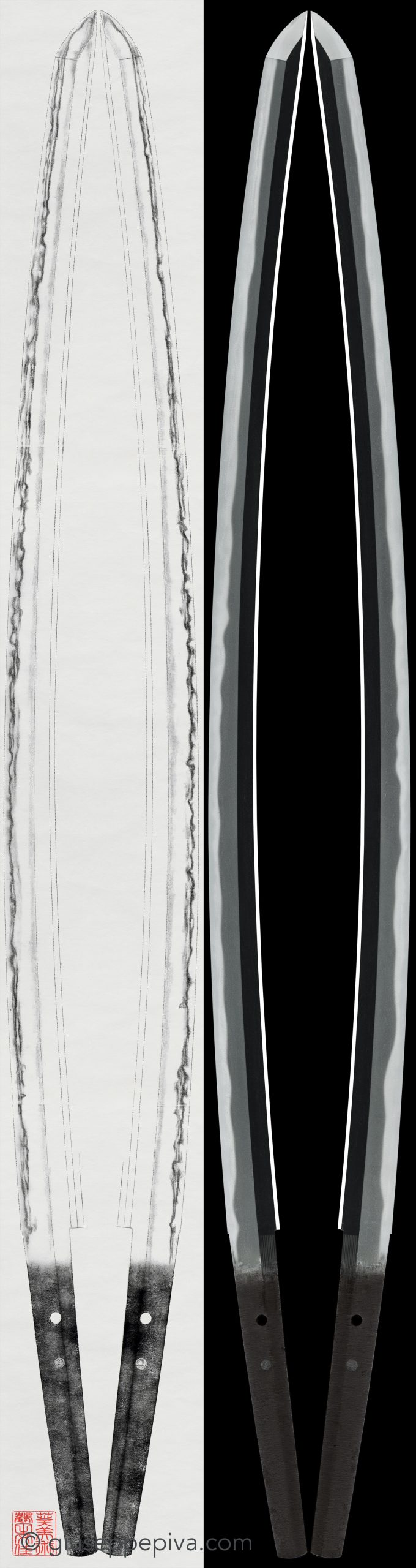
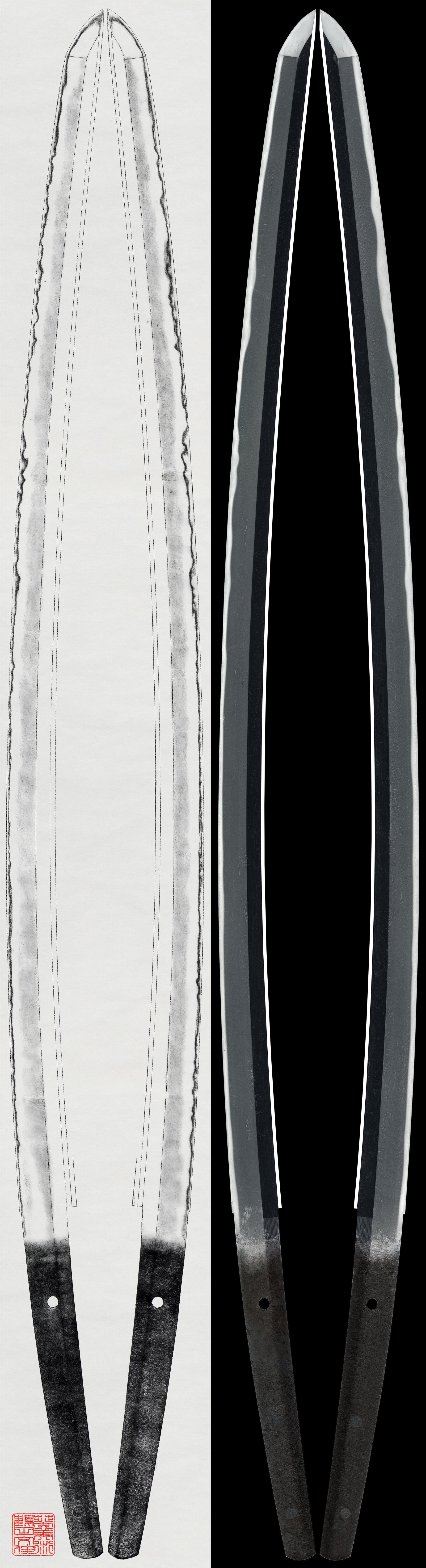
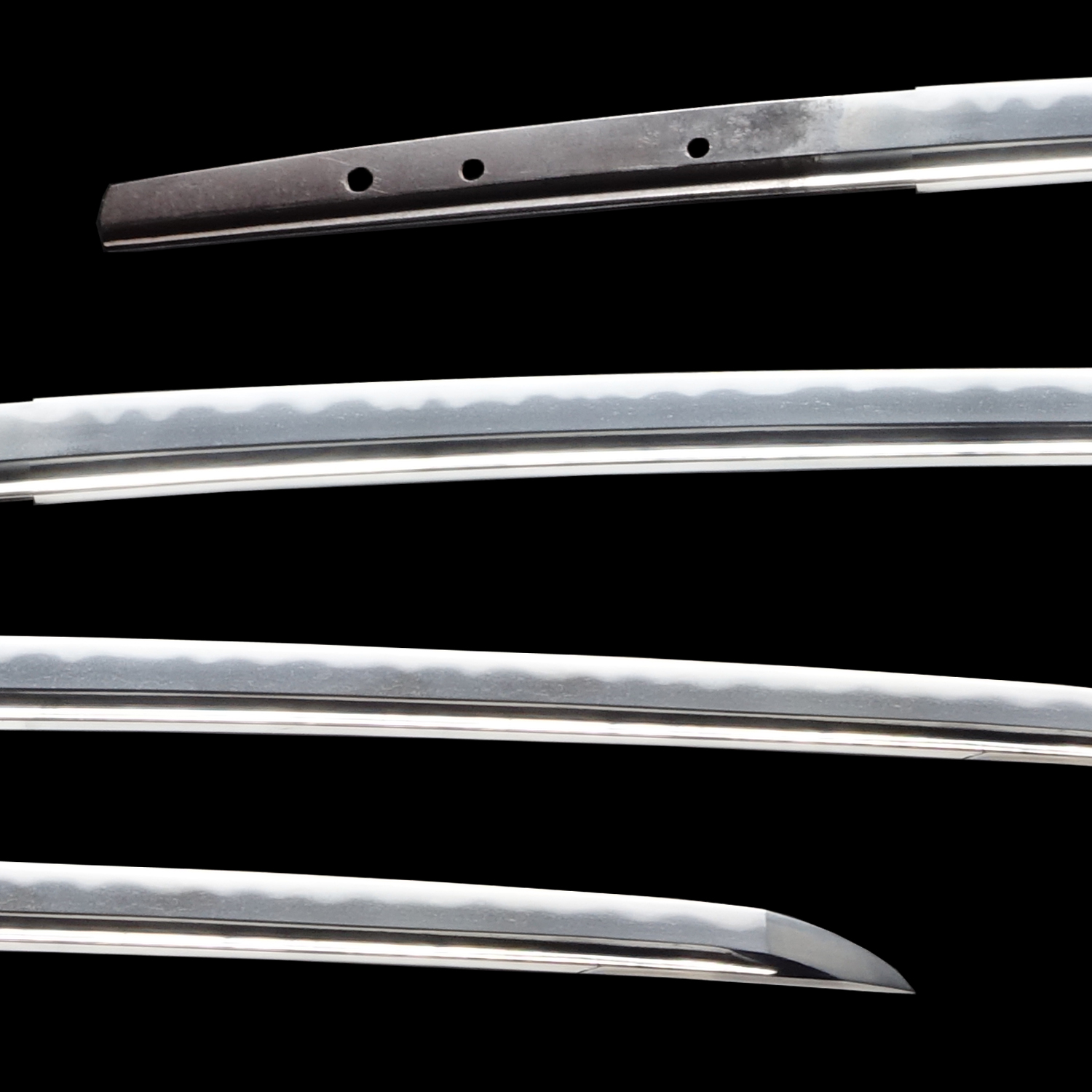
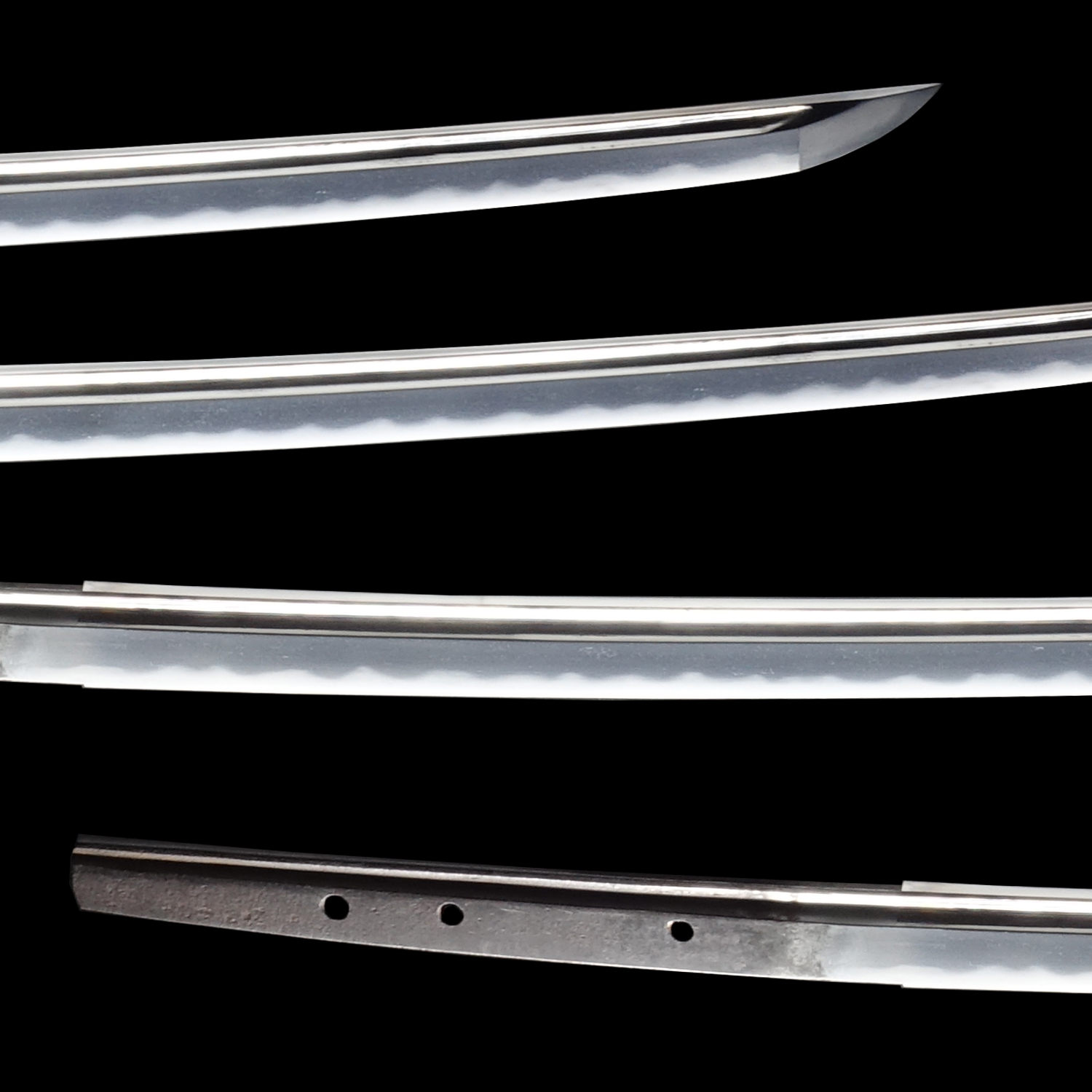
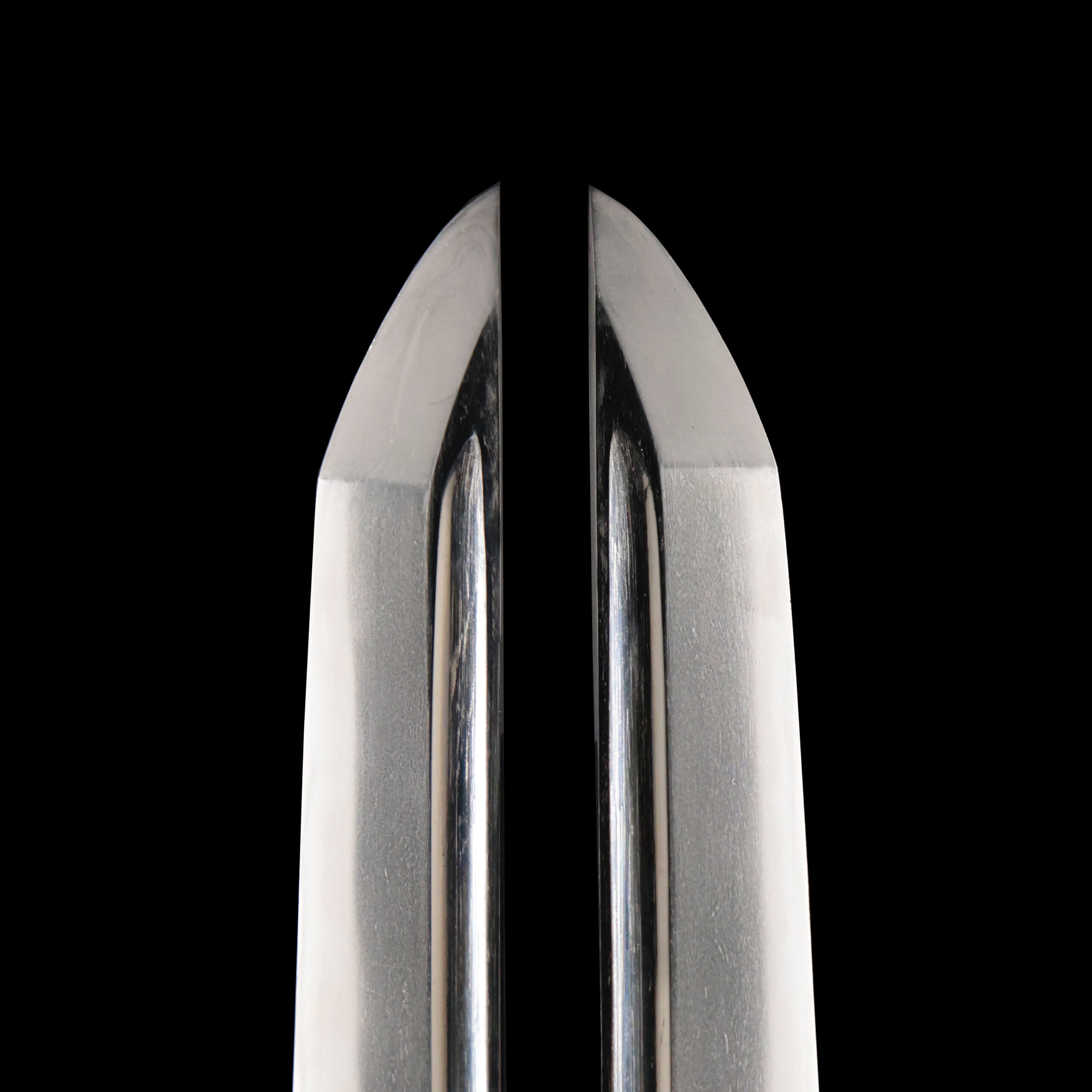
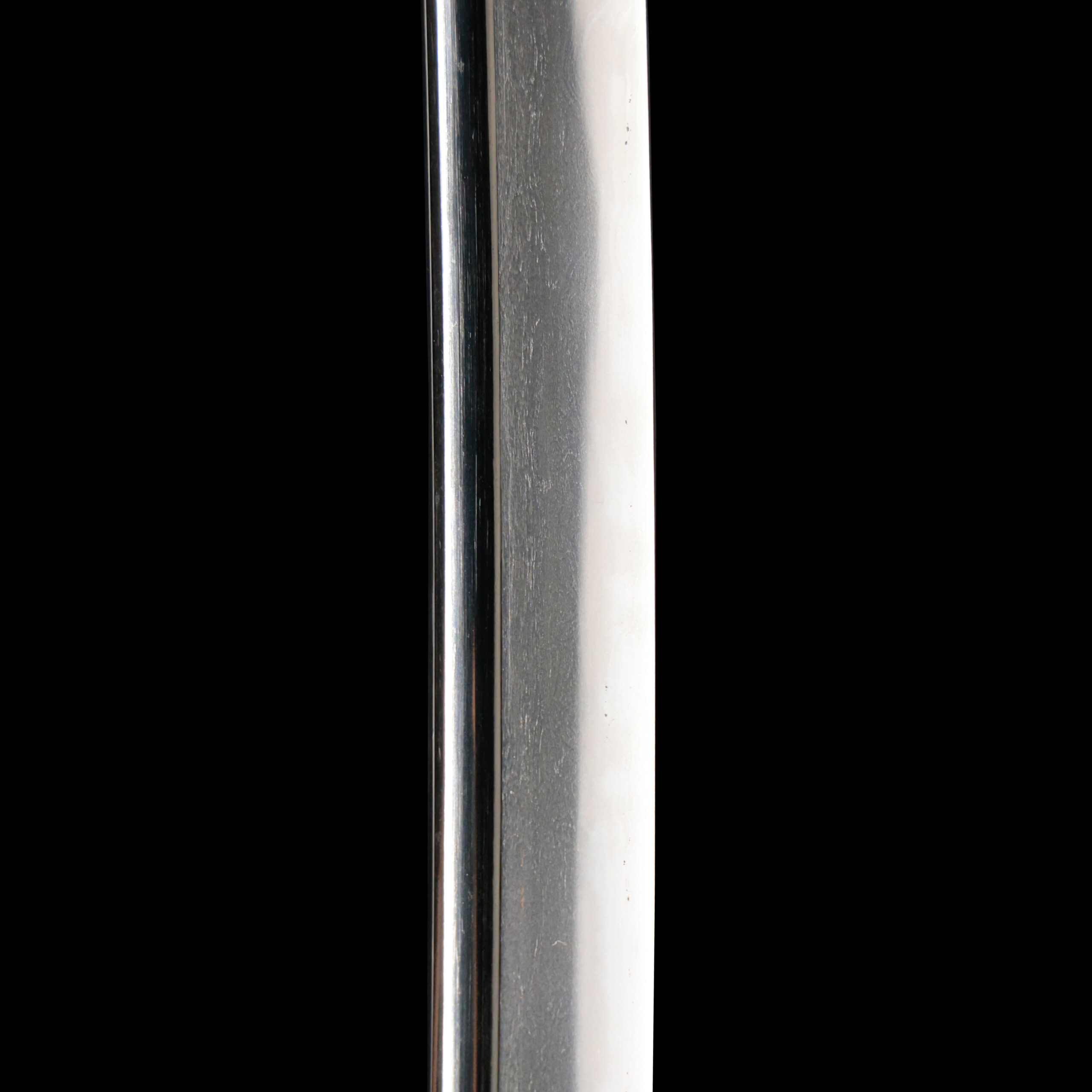
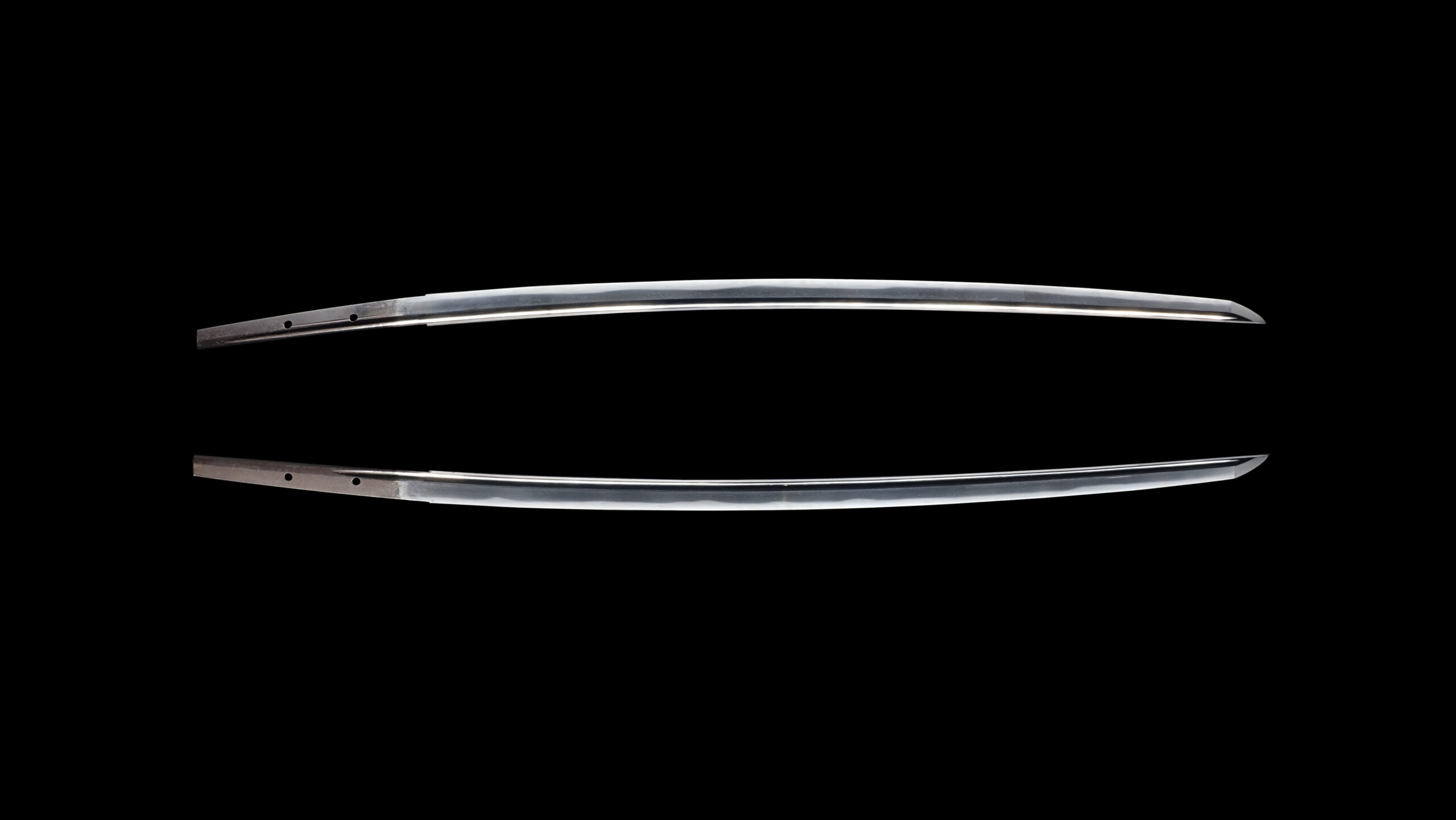
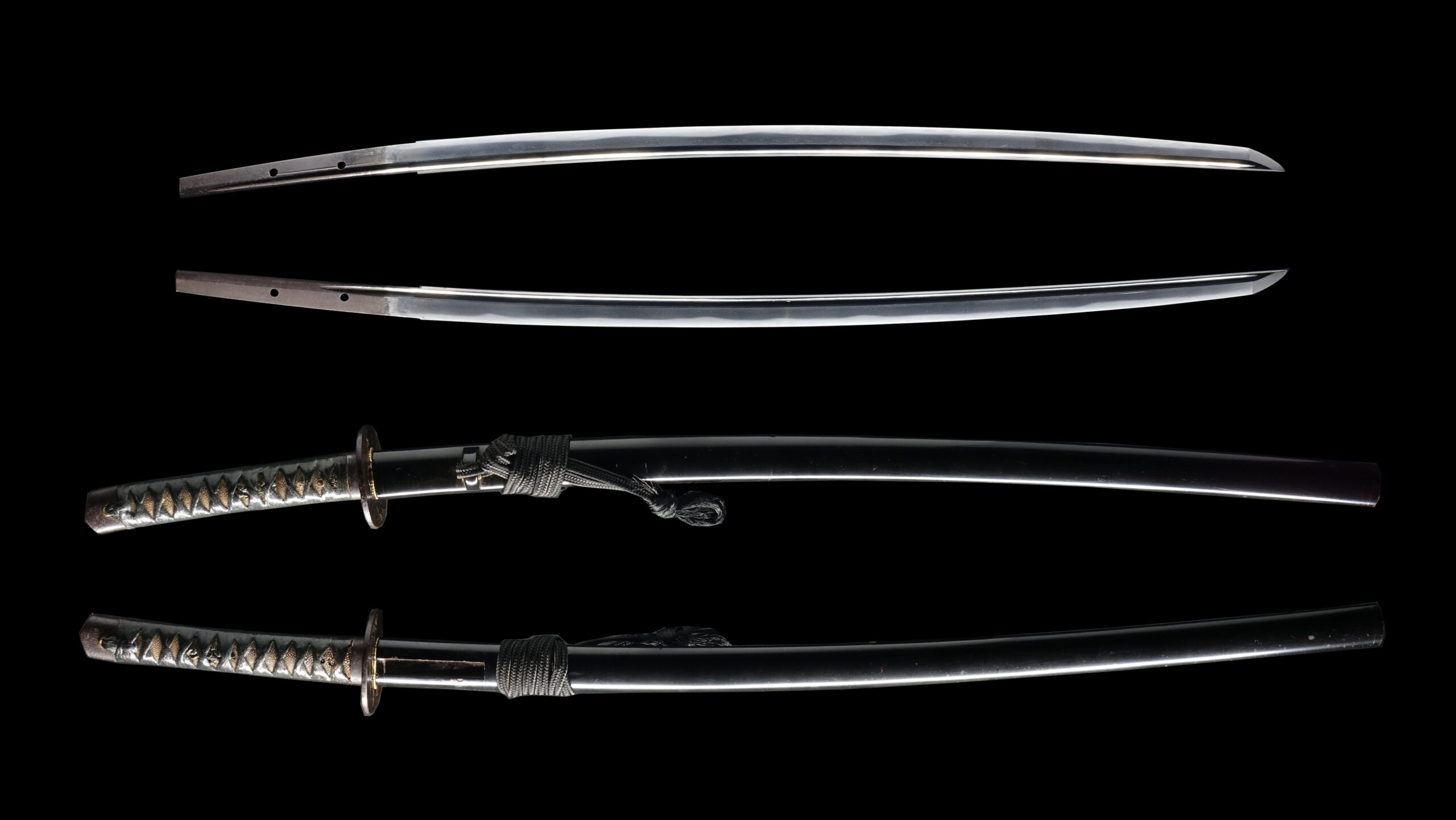
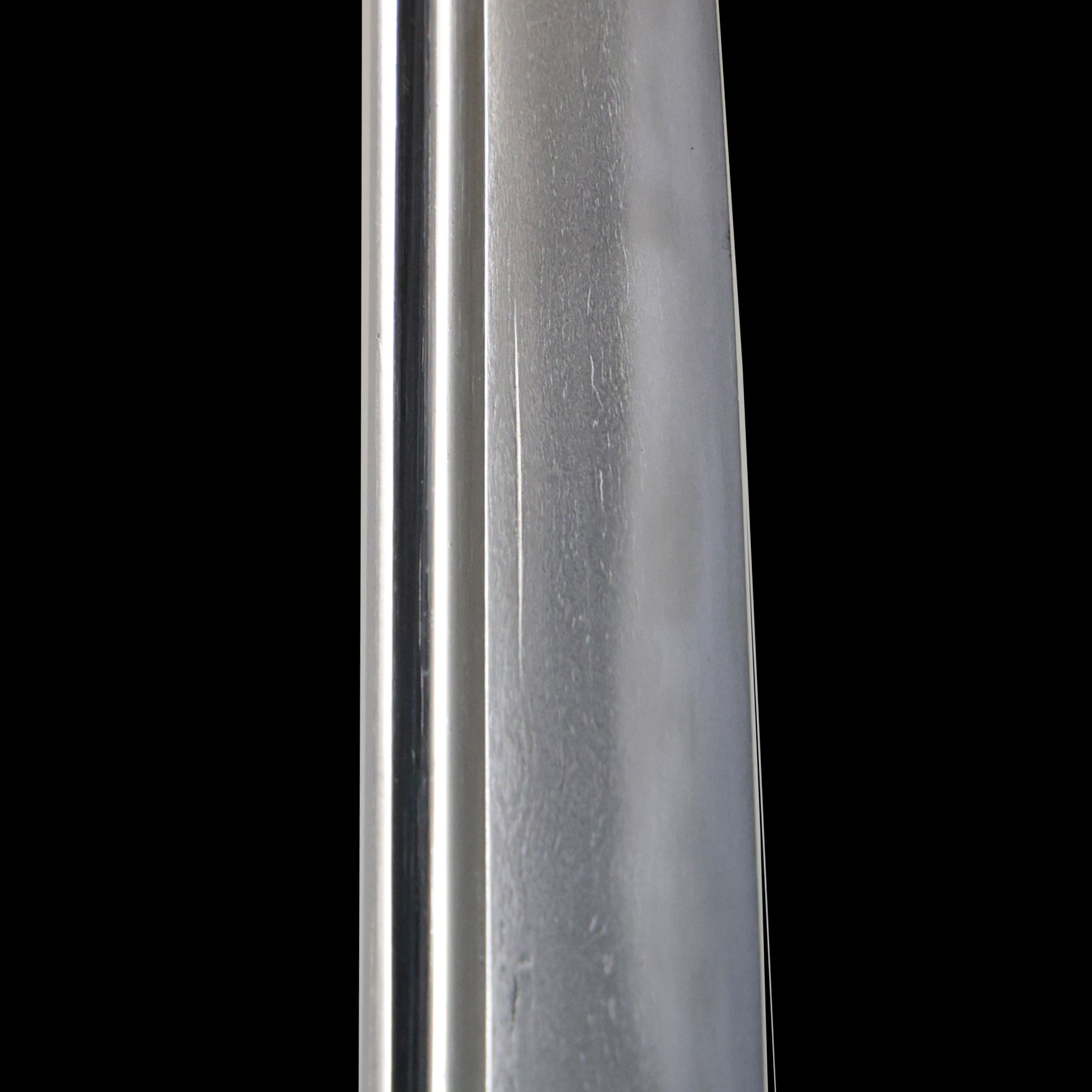
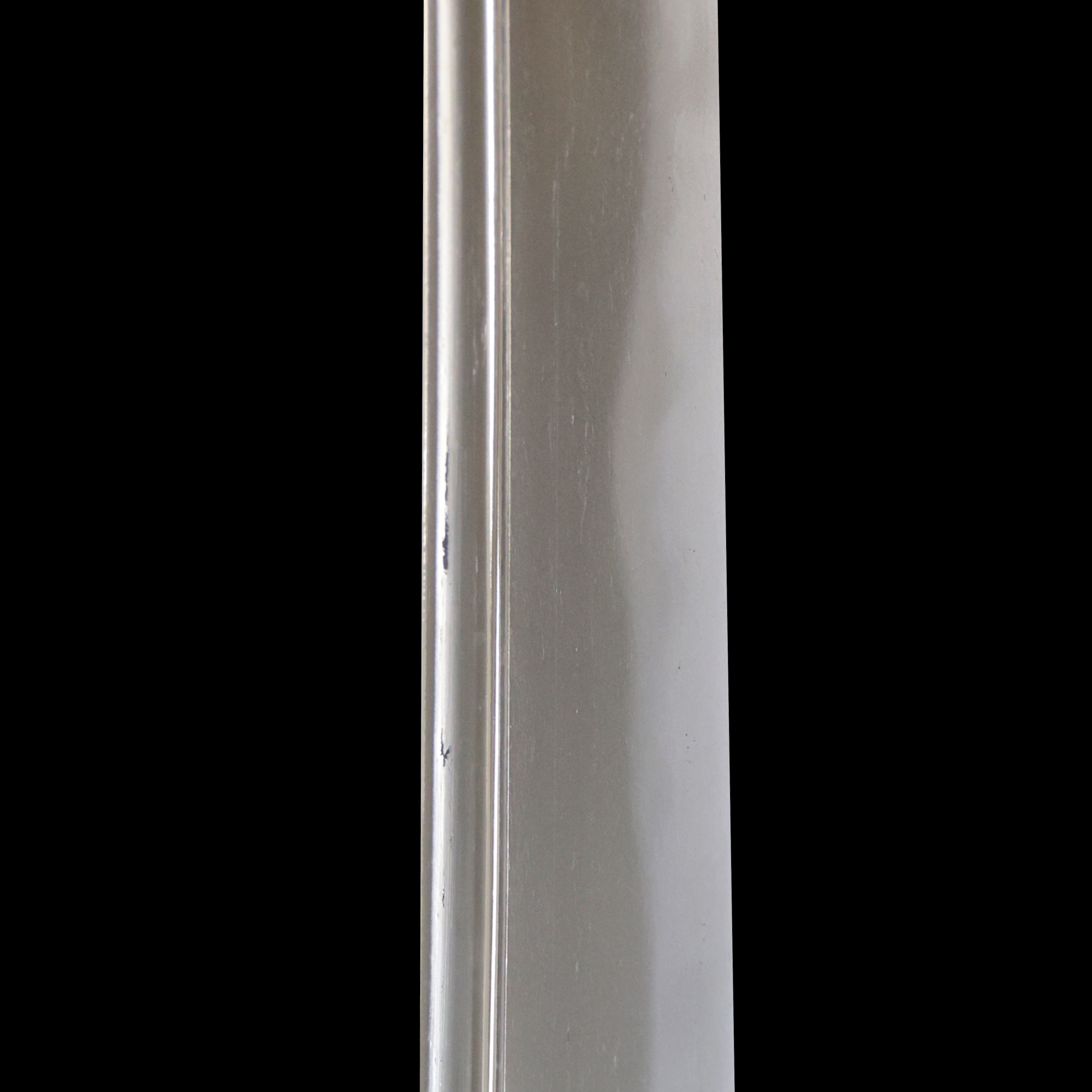
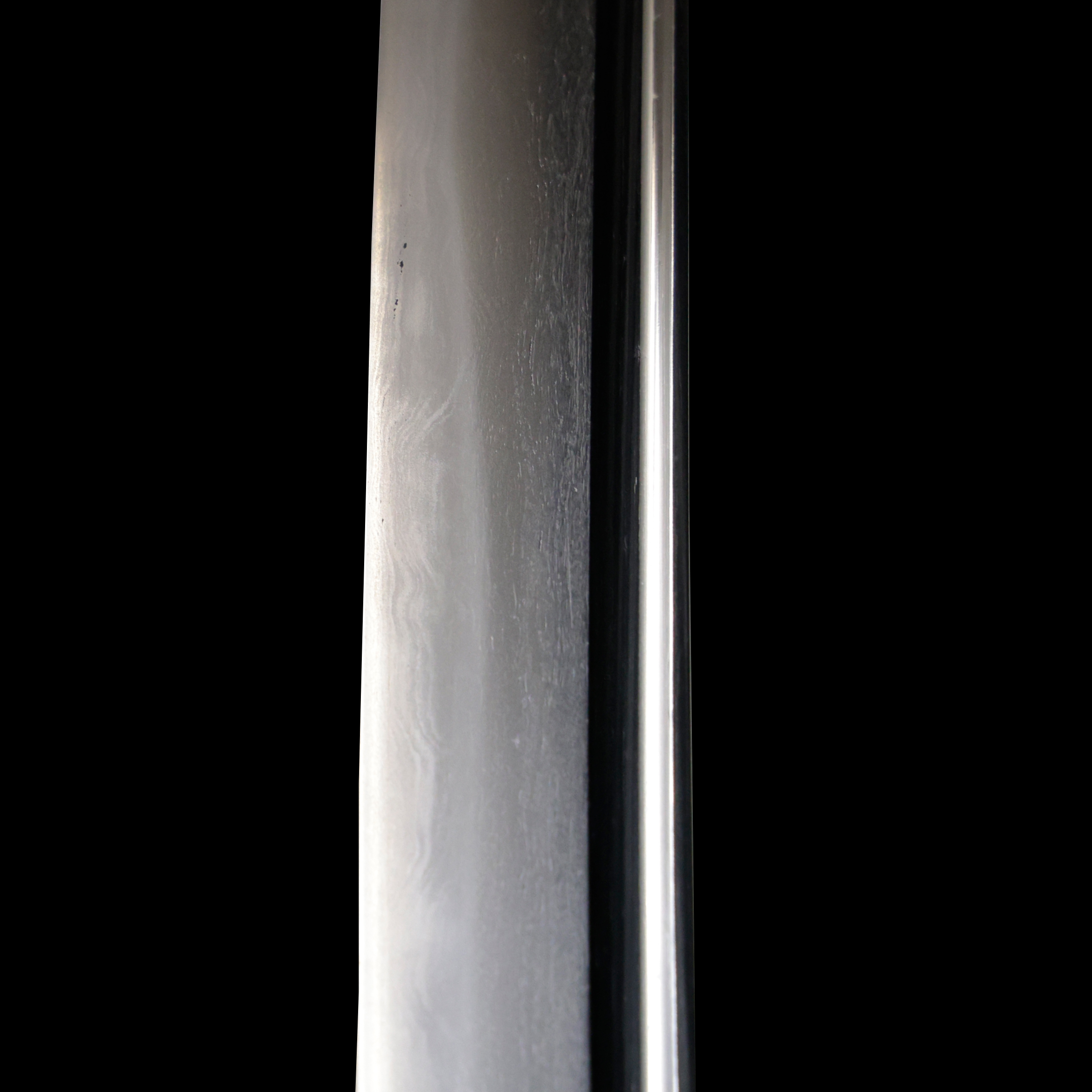
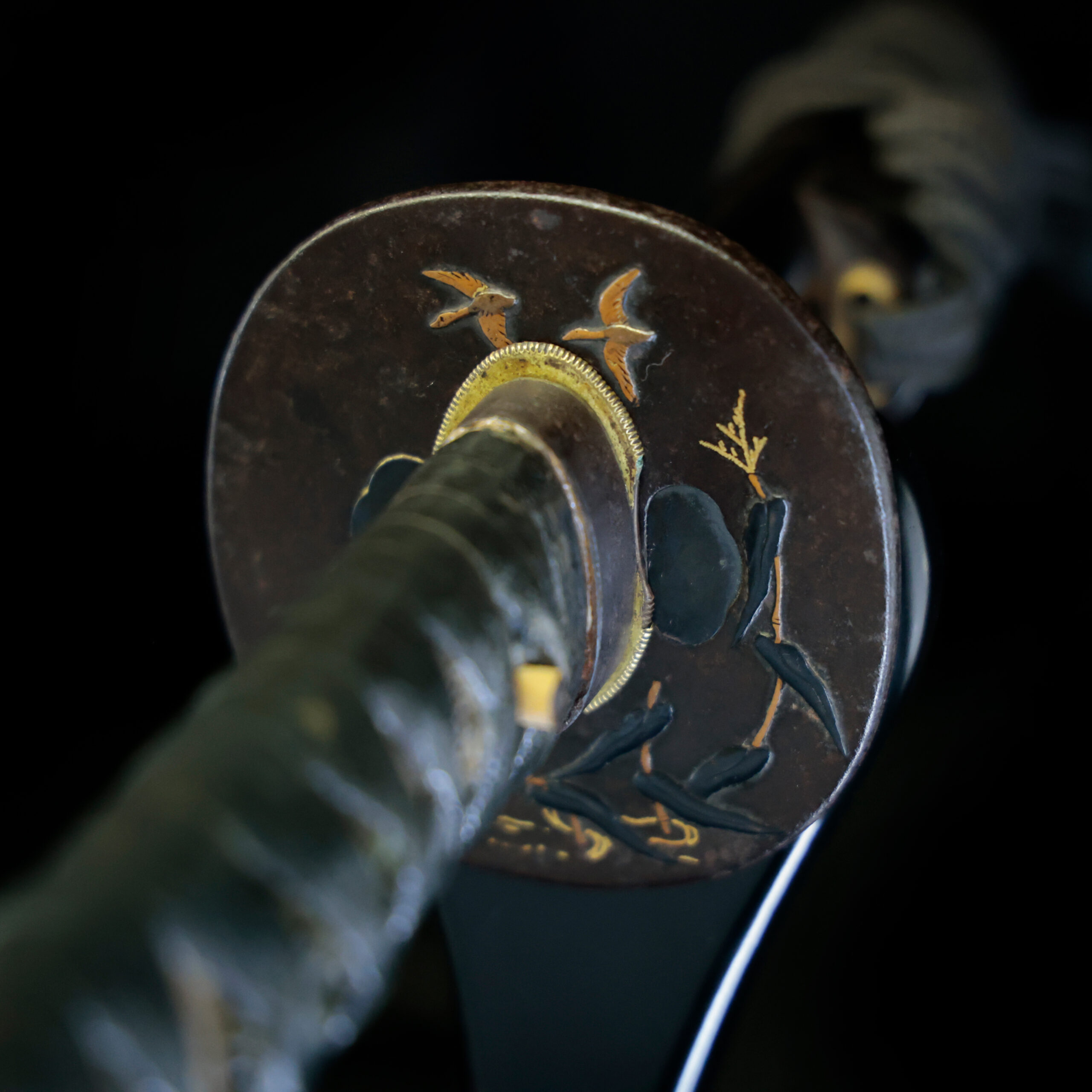
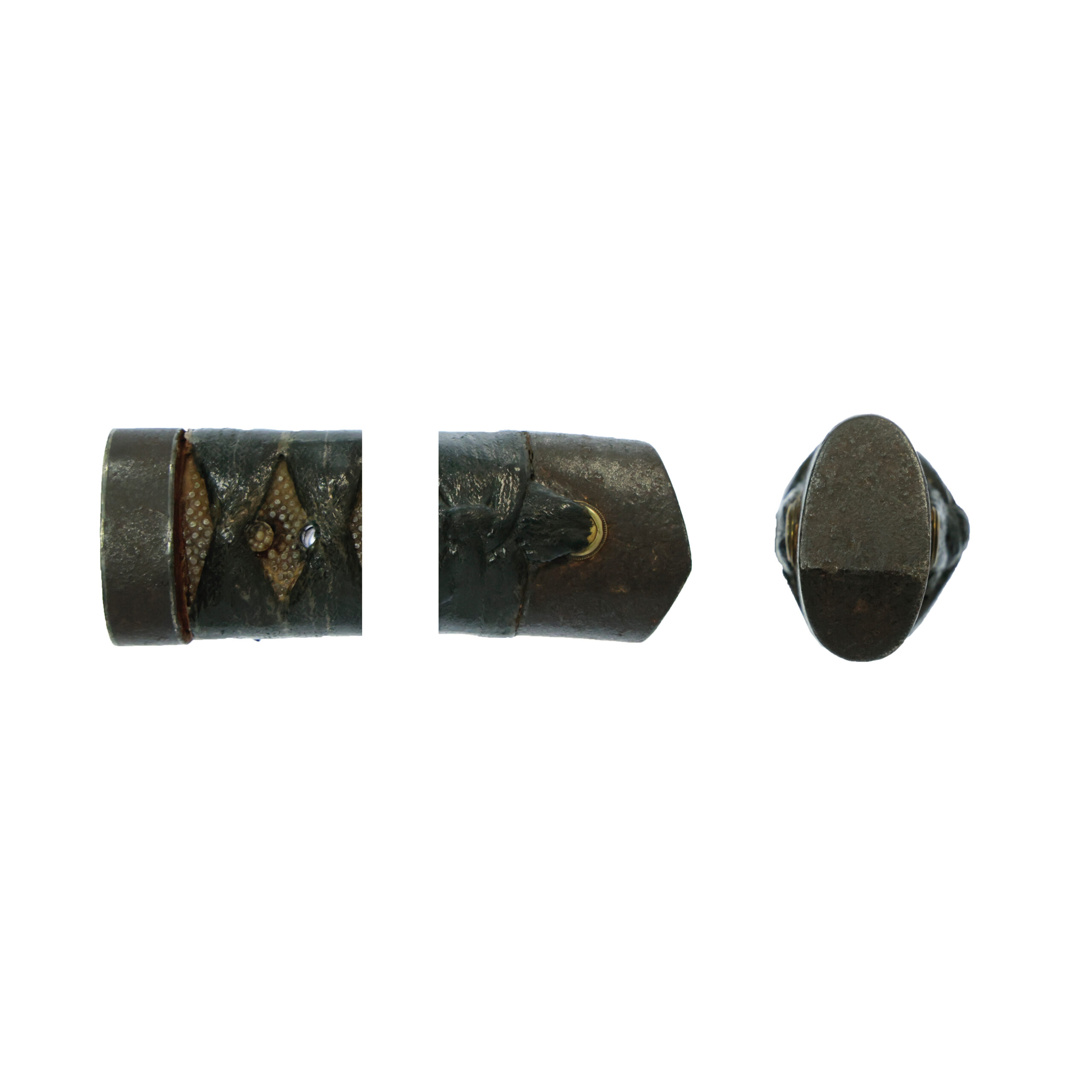
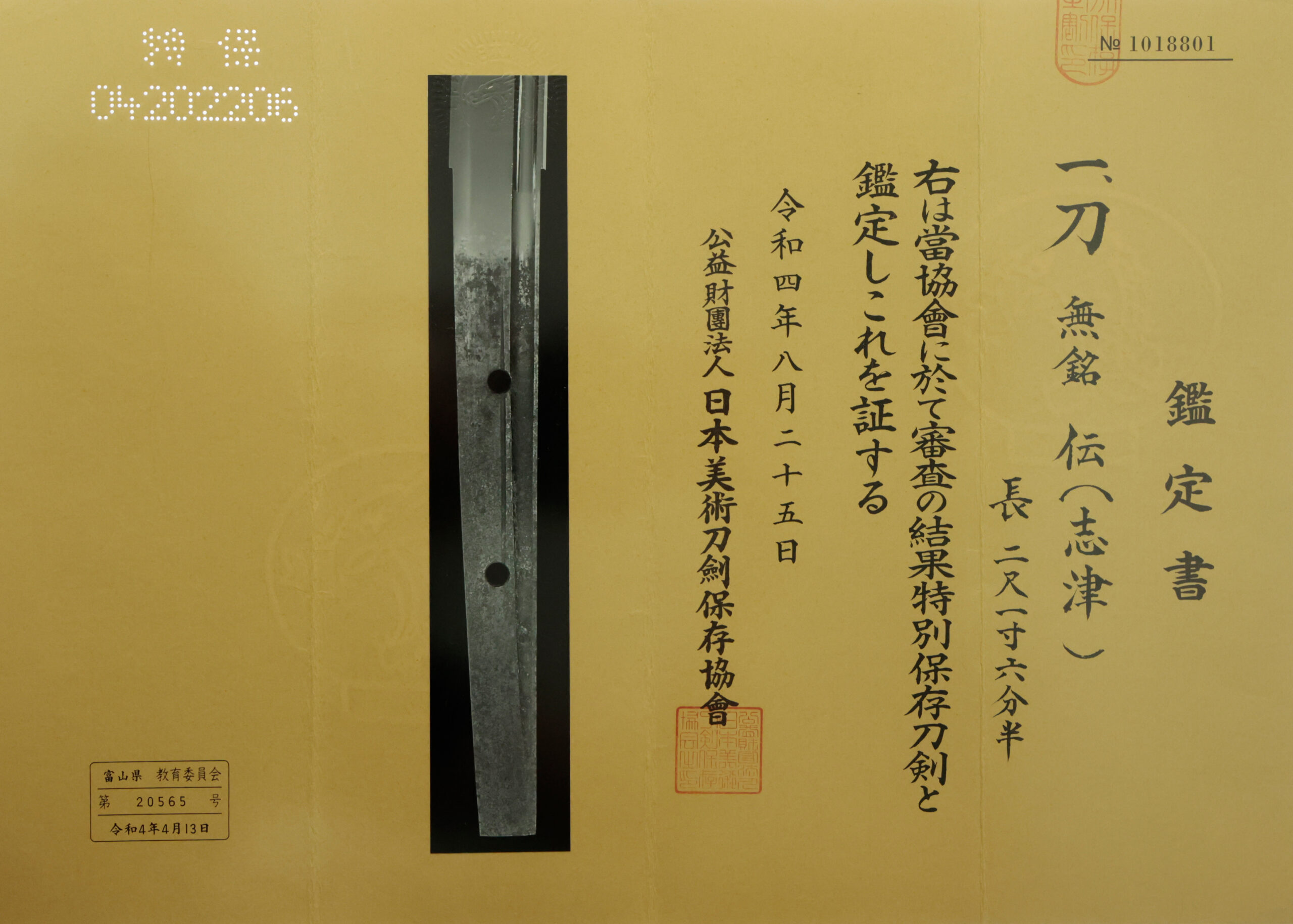
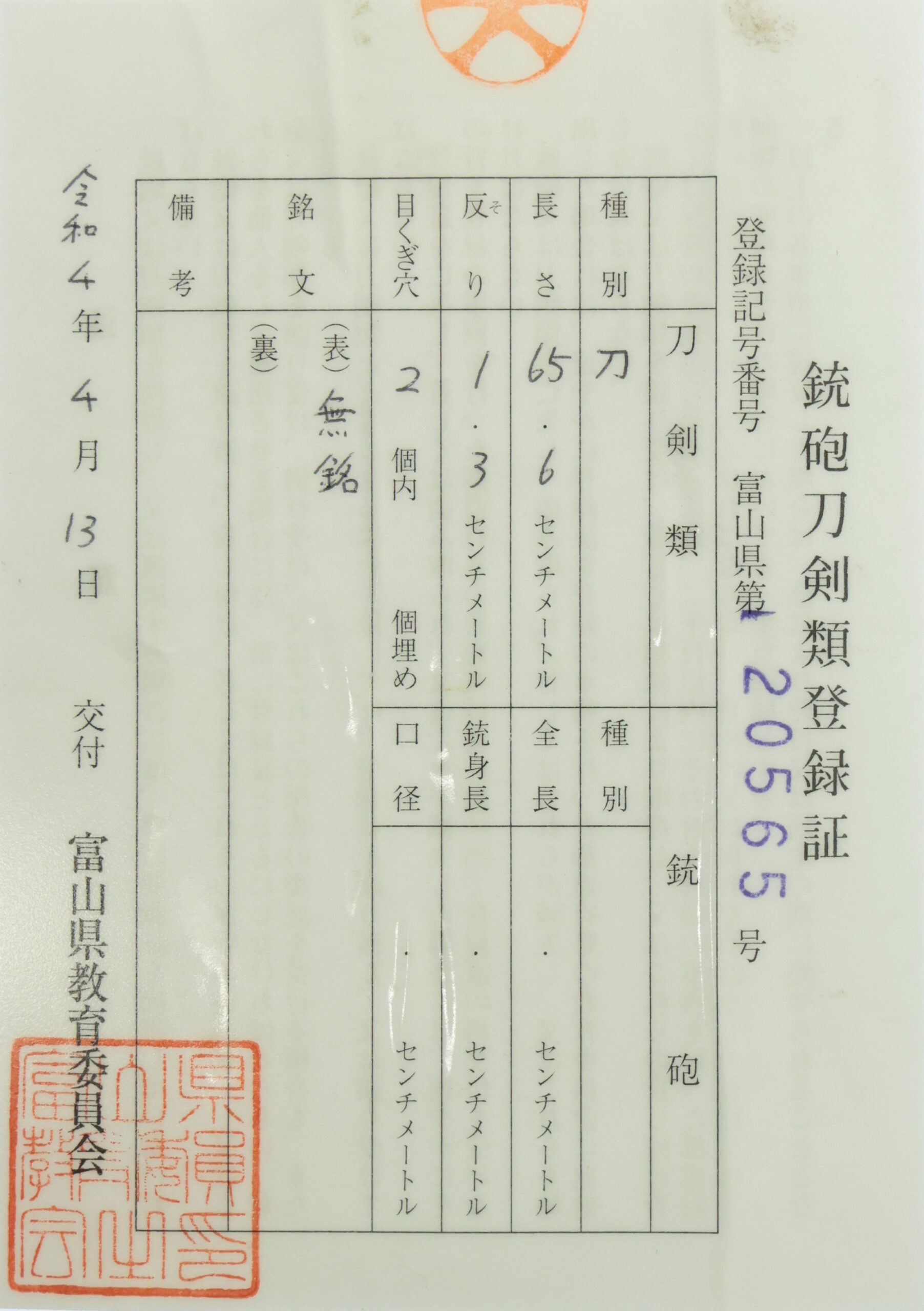
特別保存刀剣鑑定書付 伝志津 南北朝時代 【解説】 本刀は南北朝時代(14世紀)の「伝志津(でんしづ)」と極められた一振りです。「志津」とは一派の名称であり、その代表格として名高いのが志津三郎兼氏です。兼氏は「正宗十哲」の一人に数えられ、美濃伝の発展に多大なる貢献を果たしました。元々は大和国(現在の奈良県)の手掻派の出身で、当初は兼氏(かねうじ)と称していました。その後、正宗の門下に入り相州伝を極めた後、美濃国志津(現在の岐阜県海津市)に移住し、志津三郎兼氏と改名しました。 「志津」という呼称は、岐阜県養老町の直江村に居住した刀工群、およびそこで打たれた刀剣の総称としても用いられます。美濃伝に属しながらも、その作風は大和伝と相州伝が融合したものであり、まさに美濃伝の先駆けと言える存在です。元来「志津」は美濃の地名ですが、正宗門下からこの地に移り住んだ兼氏と結びつき、今日では兼氏その人を指す言葉としても定着しています。彼は正宗十哲の中でも、師である正宗に最も近い作風を示す工の一人として高く評価されています。志津伝のスタイルは大和伝と相州伝の要素を併せ持ち、後の美濃伝の源流となりました。 志津派は、兼氏を始祖とし、その子孫や門下生によって形成されました。兼次や兼友ら、後に直江(現在の岐阜県大垣市)に移り住んだ一派は「直江志津」と呼ばれ区別されています。 美濃伝の歴史 美濃伝は「五ヶ伝」の中で最も新しく、現在の岐阜県南部を中心に繁栄しました。大和手掻派出身で相州伝を学んだ兼氏や、同じく正宗十哲の一人とされる越前国の兼法らが美濃へ移り、大和伝と相州伝を融合させた独自の作風を確立しました。美濃伝は南北朝時代(1336-1392)から戦国時代(1467-1568)にかけて大きく発展を遂げました。 美濃国は京・関西と関東を結ぶ交通の要所であり、美濃出身の明智光秀、尾張の織田信長、三河の徳川家康といった有力武将やその家臣団が近隣に拠点を置いていました。こうした権力者たちが美濃刀を愛用したことが、その繁栄を後押ししました。美濃刀は実戦における切れ味と機能性に優れ、戦国武将たちの好みに合致していたのです。 天正18年(1590年)の吉井川の大洪水により、それまで隆盛を極めていた備前伝が壊滅的な打撃を受けた際、美濃伝は国内の需要を一手に引き受ける主要な産地となり、江戸時代末期に至るまでその繁栄は続きました。 本刀は、日本美術刀剣保存協会(NBTHK)により「特別保存刀剣」に鑑定されています。この鑑定書は、保存状態が極めて良好で、かつ美術的価値の高い真銘の刀剣に対してのみ発行されるものです。 ※本刃には数箇所、鍛え傷(きたえきず)が見受けられます。詳細なコンディションについては、お気軽にお問い合わせください。 【刀身】 長さ(Nagasa):65.6 cm 反り(Sori):1.3 cm 刃文(Hamon):焼入れによって刃先に現れる結晶構造 地鉄(Jihada):折り返し鍛錬によって生じる鋼の表面模様 切先(Kissaki):刀身の先端部分 茎(Nakago):刀身の柄に収まる部分
 NihontoWatch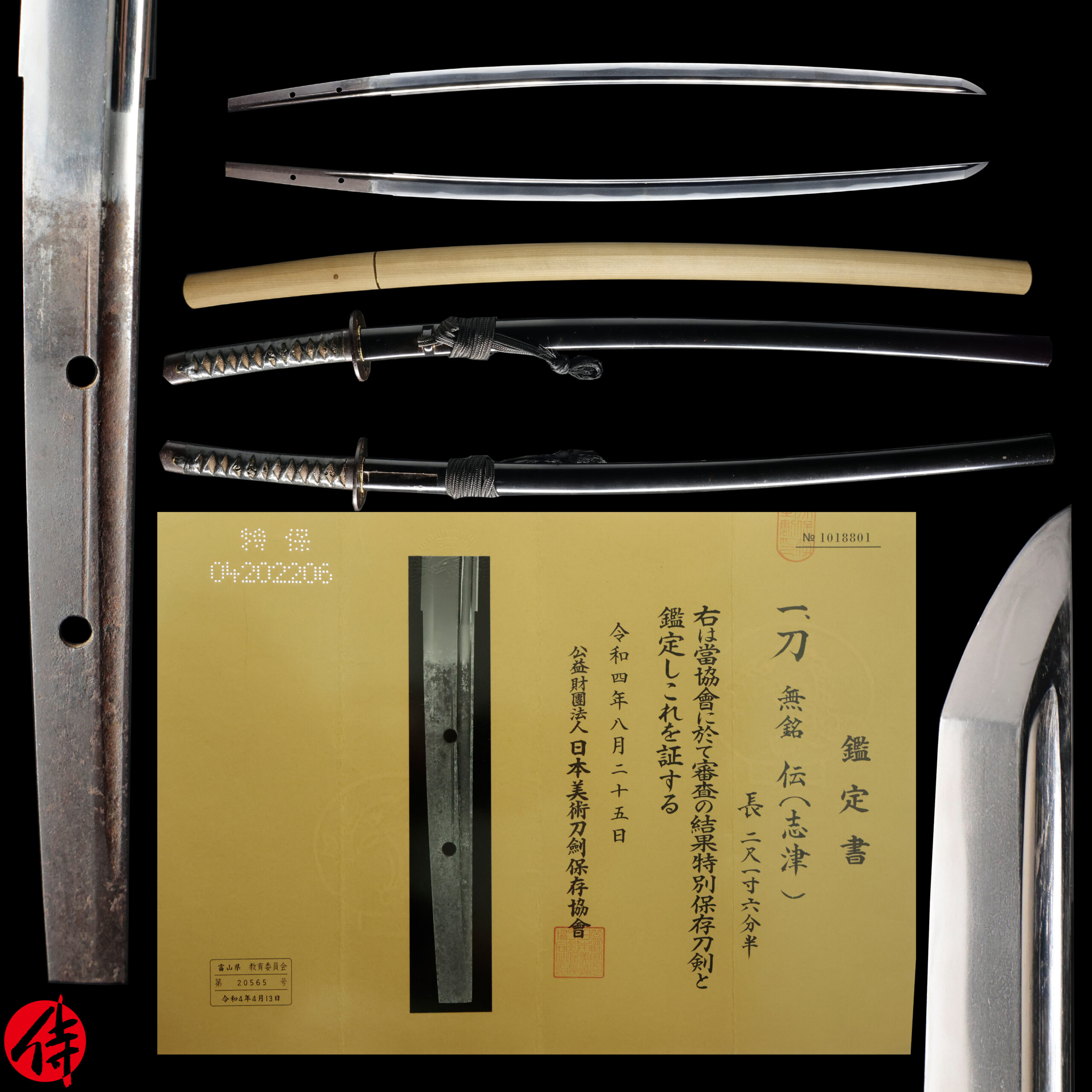


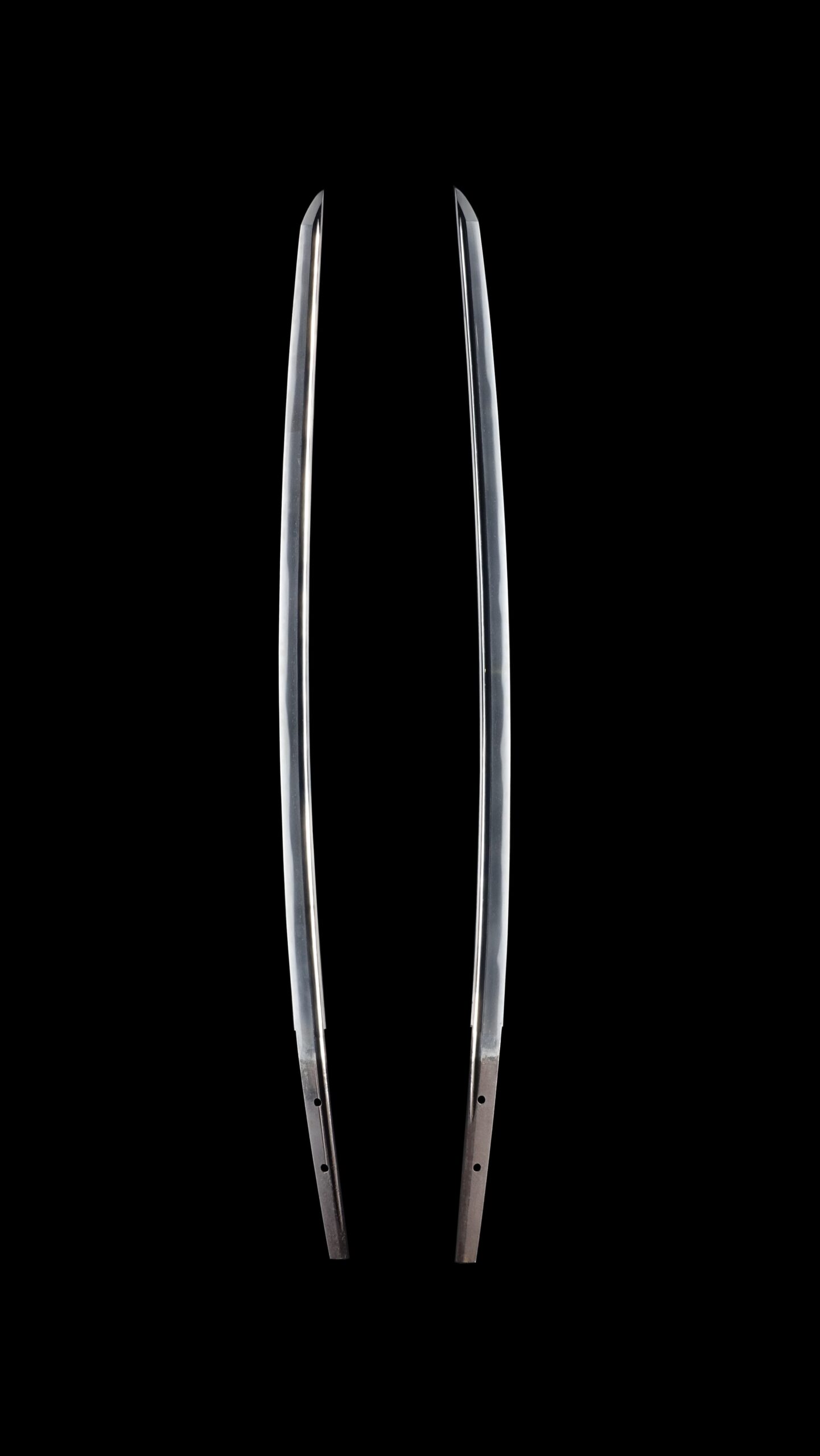
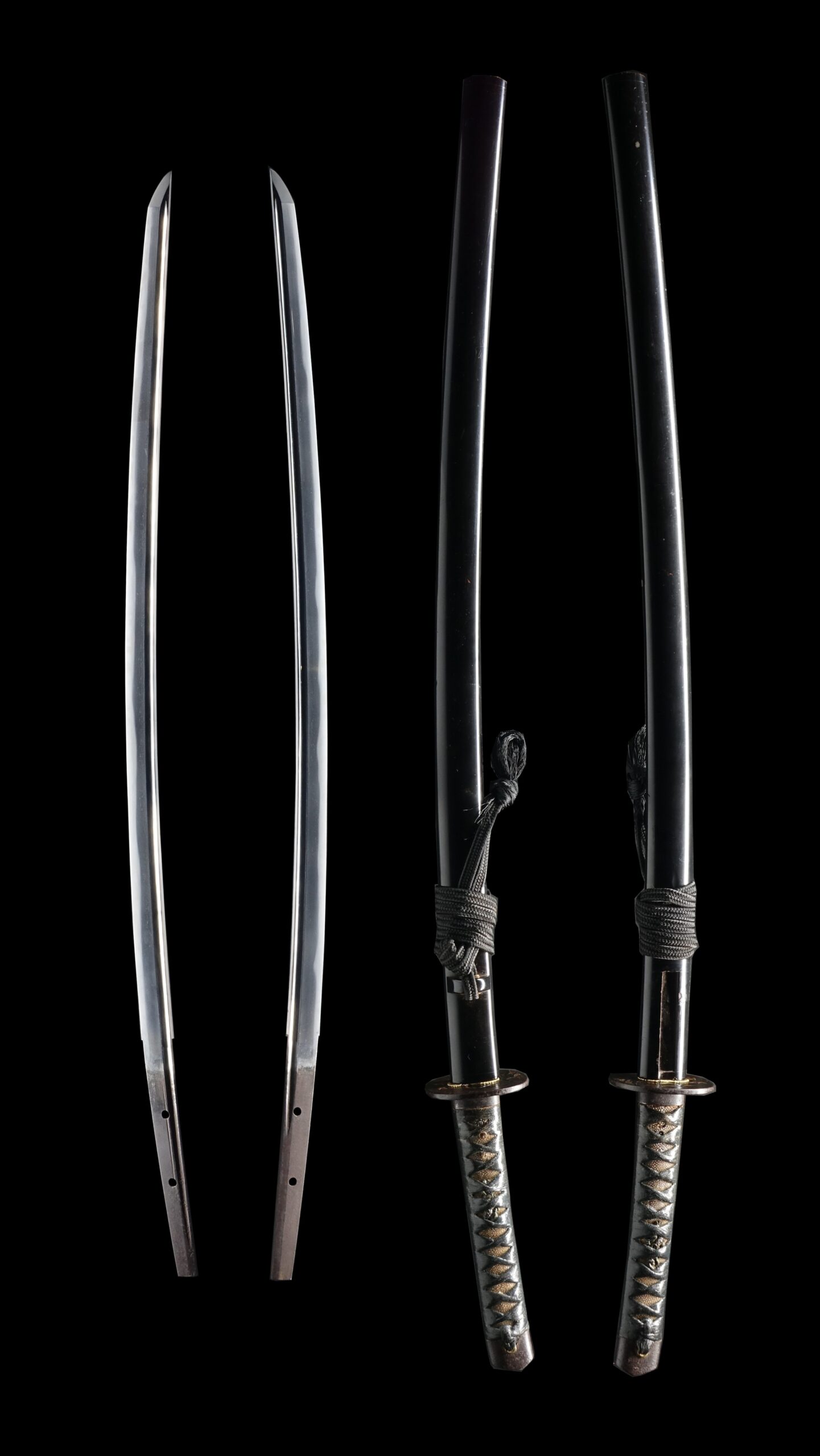
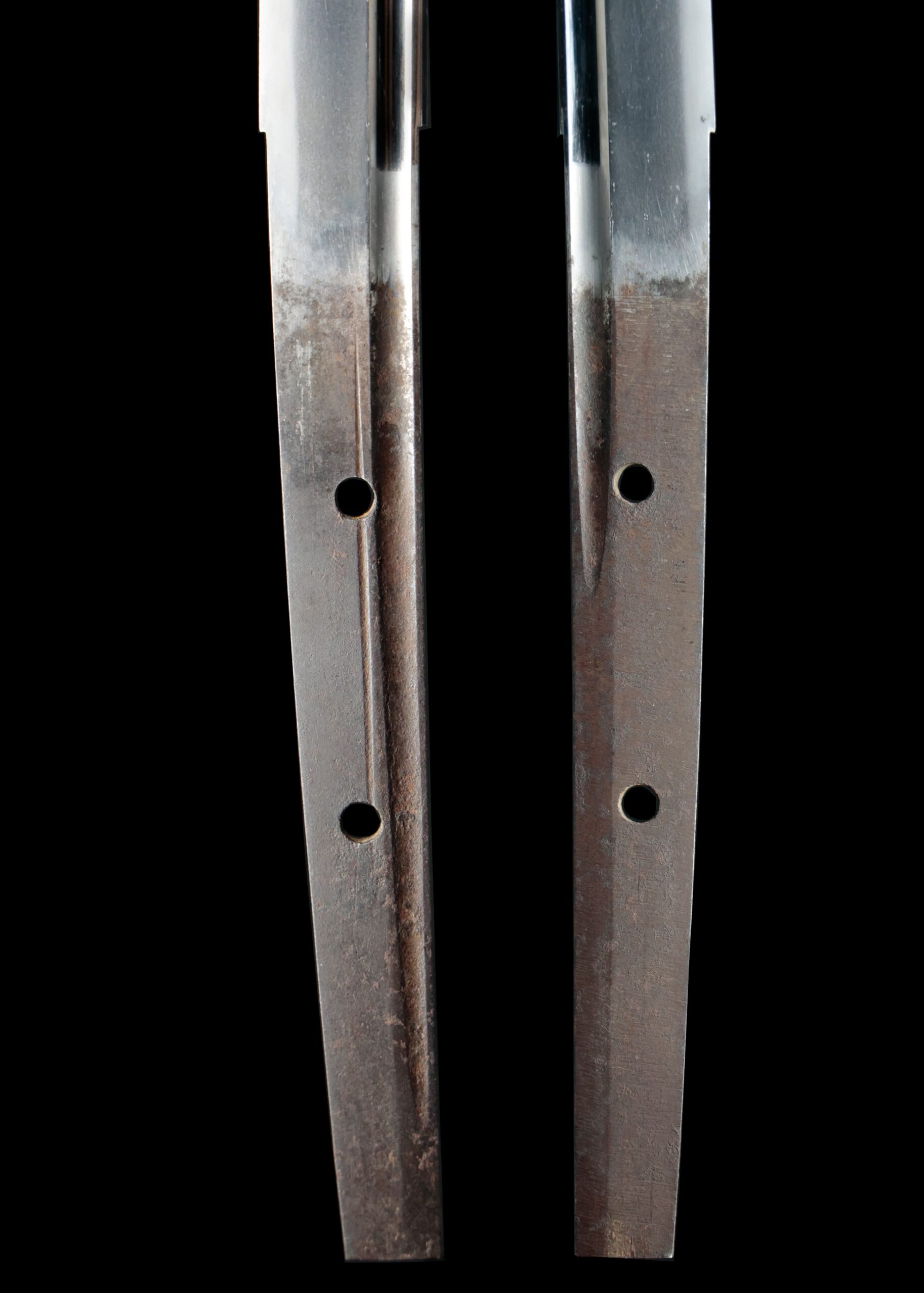
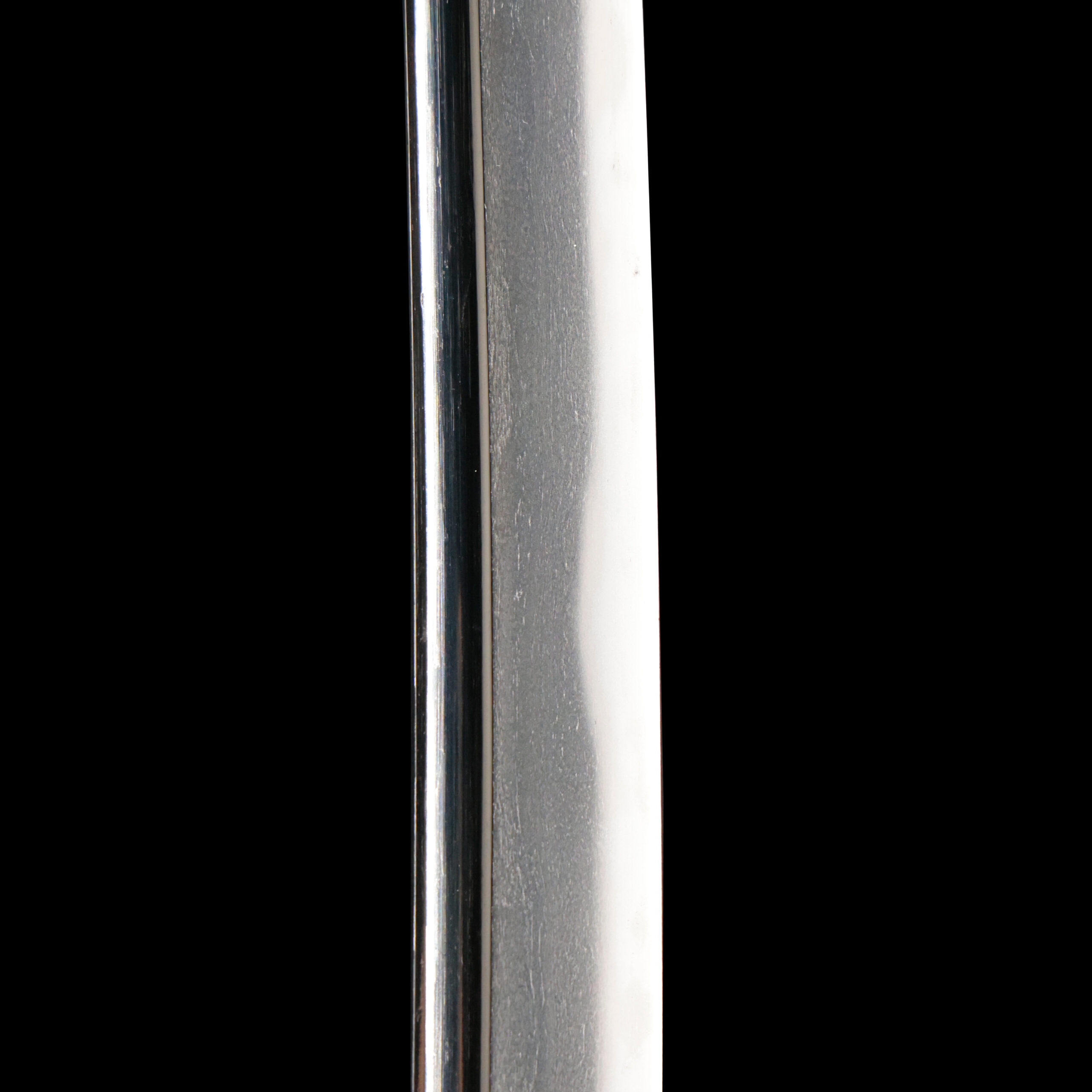
美濃伝 · 美濃
現在24点販売中
志津とは元来、美濃国多藝郡の地名であるが、この地に大和手掻派の包氏が来住して作刀したことに由来する。包氏は相州鎌倉において正宗の門に学び、兼氏と改名した後、美濃国志津に移住し、志津三郎兼氏と称した。古来、彼は正宗十哲の一人に数えられ、それらの中にあって正宗に最も近い作風を示す刀工として知られる。従って、単に志津と呼んだ場合は兼氏を意味することが通例であるが、広義には兼氏の門流及び鎌倉末期から南北朝時代にかけて同派の作風を継承した刀工の作をも含めた総称として用いられる。また、兼氏が美濃に移住する以前の大和在住時代の作、すなわち包氏と銘していた時期の作を大和志津と呼称し、美濃移住後の作と区別する。大和志津は相州伝の影響を受けながらも大和伝本来の作風を色濃く残しており、直刃調に小互の目や小丁子足が交じり、地景が目立ち、刃中の働きに変化を見せるなど、独特の様相を呈している。 志津派の作刀は、板目肌が流れごころとなり、処々肌立ちを見せ、地沸が微塵に厚くつき、地景が頻りに入る鍛えを特色とする。刃文は浅い湾れを基調に互の目、尖り刃、小のたれなどが交じり、足・葉がよく入り、匂口深く沸が厚くつき、砂流しや金筋が細かくかかるなど、相州伝上位作の技倆を示す。特に物打上において金筋が見事に入り、また二重刃ごころの飛焼が連なる例も見られ、働きが豊富である。帽子は乱れ込んで先尖りごころとなり、力強く掃きかけて返るものが多く、短刀においても覇気漲る様相を呈する。地刃ともに相州伝の強さを示しながらも、刃取りに美濃風が看取され、また地に柾ごころが見られ、刃中に互の目が連れる処に志津の見どころがある。焼幅をやや狭めに焼き、匂口が明るく冴える点も顕著な特徴である。総じて、相州伝に大和伝を加味した独自の作域を示し、地沸が厚くつき、輝く刃沸が存分に働くなど、優れた出来映えの作が多い。 志津派の作刀は、鎌倉末期から南北朝時代にかけて制作され、磨上げ無銘のものが大半を占める。在銘の兼氏作には細身のものも存在するが、身幅広く、中鋒延びごころの堂々とした姿のものが多く、南北朝期の豪壮な作風を示している。これら志津の作は古来より高く評価され、特別重要刀剣、重要刀剣に多数指定されており、藩政時代には山内家をはじめとする大名家に伝来したものも少なくない。また、本阿弥家による極めにおいても志津の折紙が付されたものが伝存しており、江戸時代より名工として認識されていたことが窺える。地刃健全で出来の傑れた作が多く、正宗門下として相州伝の精髄を体得しながらも、大和伝の伝統を基盤とした独自の作風を確立した点において、日本刀史上重要な位置を占める一派である。 詳しく見る →
南北朝時代の美濃
美濃伝は、伝えによれば移住者が開いた。大和手掻系の出と伝えられる兼氏が志津に住し、新しい相州風で鍛えて、後世の鑑定家にその最上作は誰よりも正宗に近いと言わしめている。
保存刀剣のうち、出来が一層優れ、保存状態も良好と認められたものです。再刃や、室町・江戸期の多くの無銘作は対象外となり、保存刀剣より高い基準が課されます。
日本美術刀剣保存協会(NBTHK)は、1948年に設立され、文化庁の監督を受ける公益財団法人で、東京・刀剣博物館に本部を置きます。専門の審査員が出品作を直接審査し、美術的・歴史的価値に応じた鑑定書を発行します。NBTHKの鑑定書は、日本刀および刀装具の真正性を示す最も広く認知された基準です。
NBTHK公式サイトReturns/exchanges limited to defects caused by shipping (except willful misconduct or gross negligence by the company); customers must contact within 72 hours of receiving the product.