二世紀半の泰平のあいだ、刀は武器である以上に武士の身分の標章であった。江戸の実証と大坂の華やぎのように都市ごとの作風が育ち、時代の末には需要も細っていく。
 NihontoWatchNihontoWatch
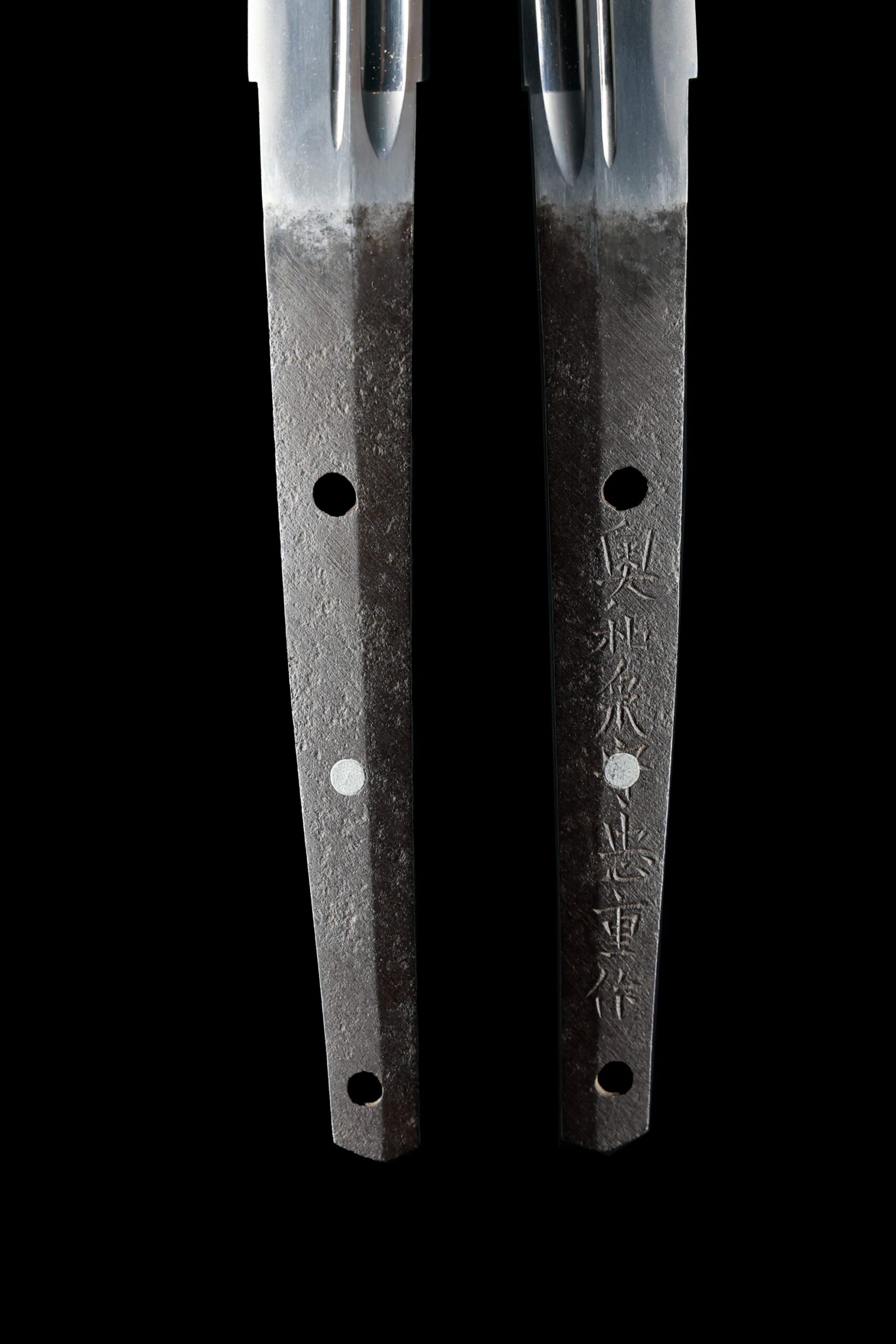
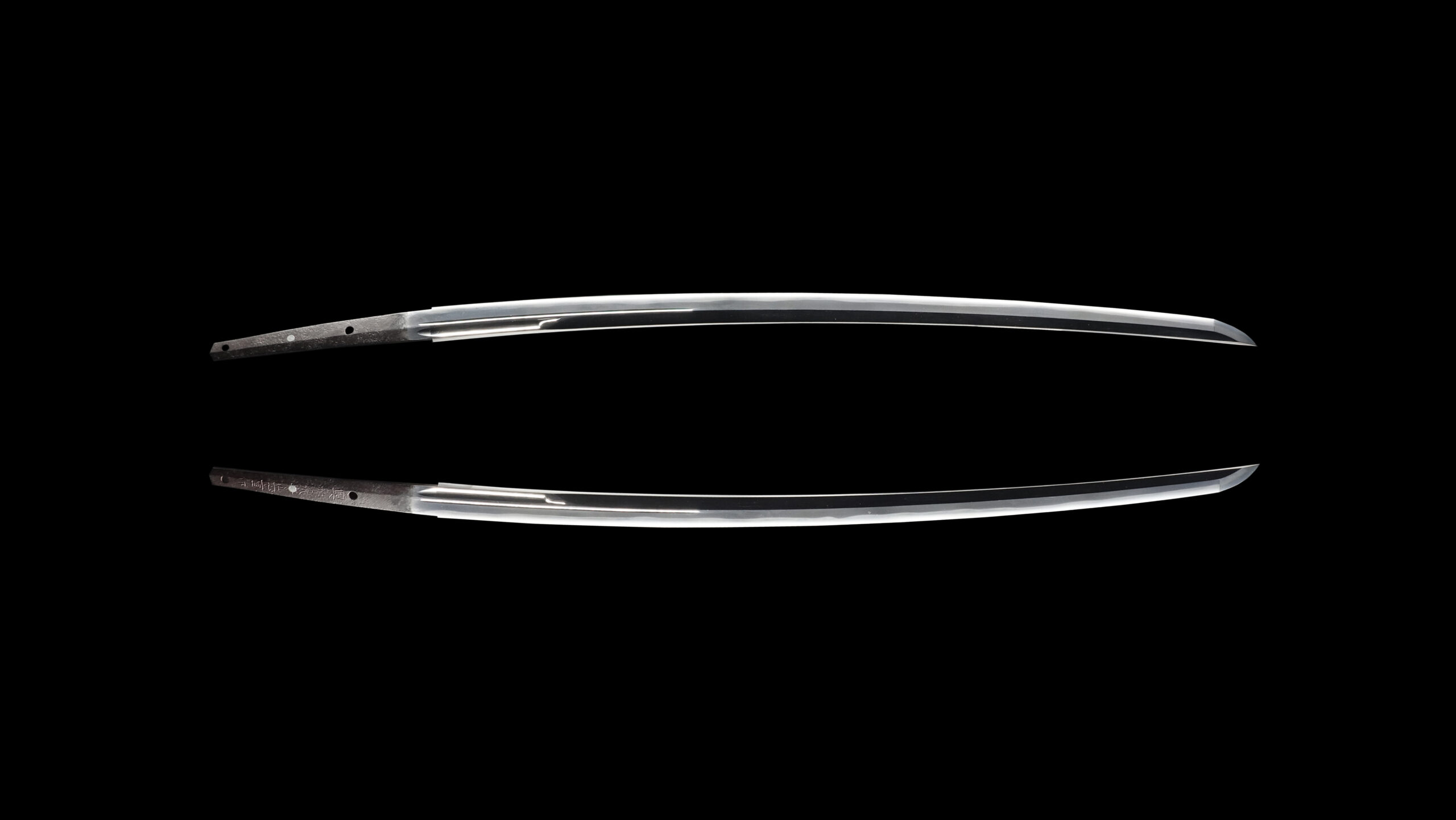
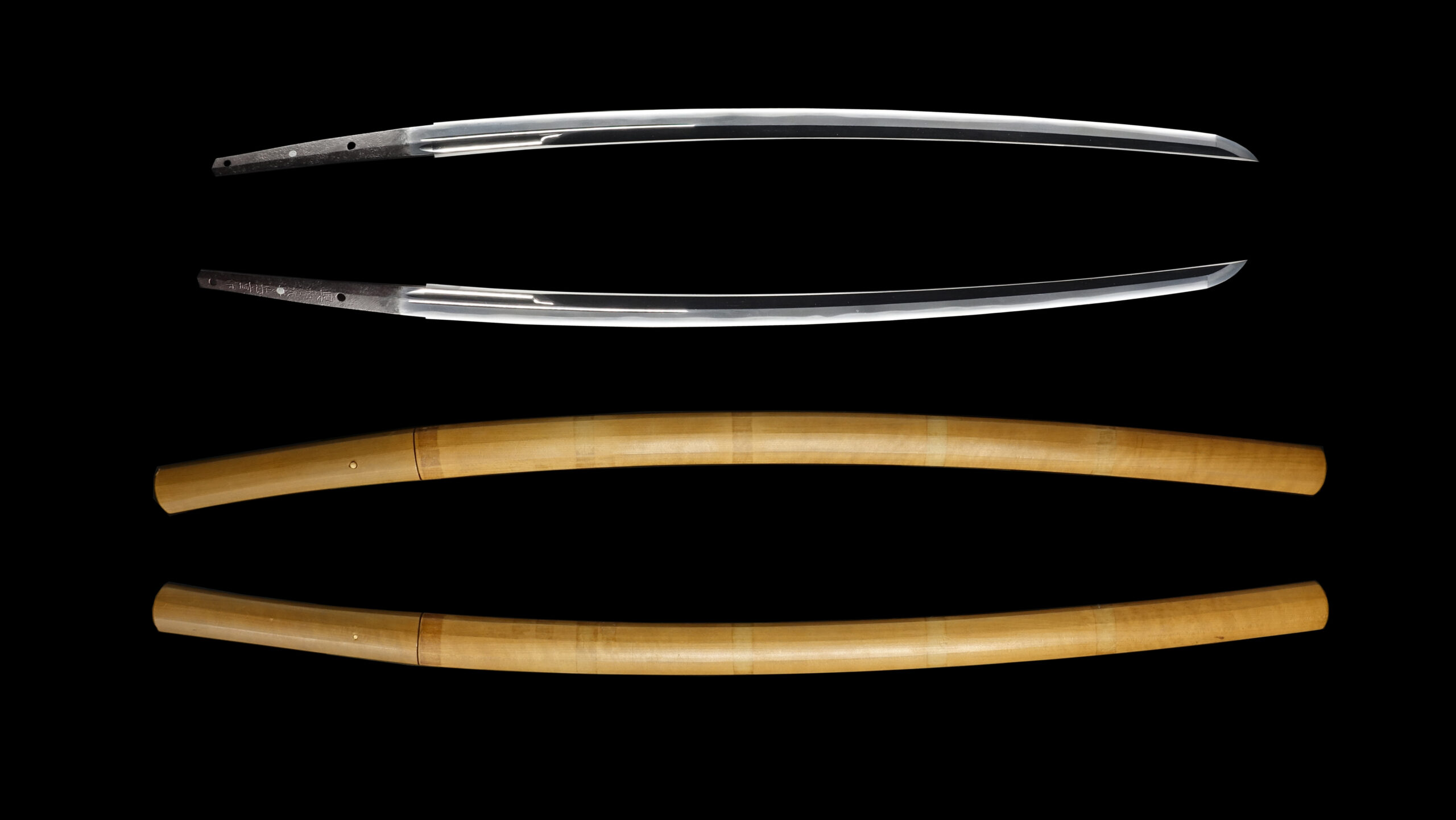
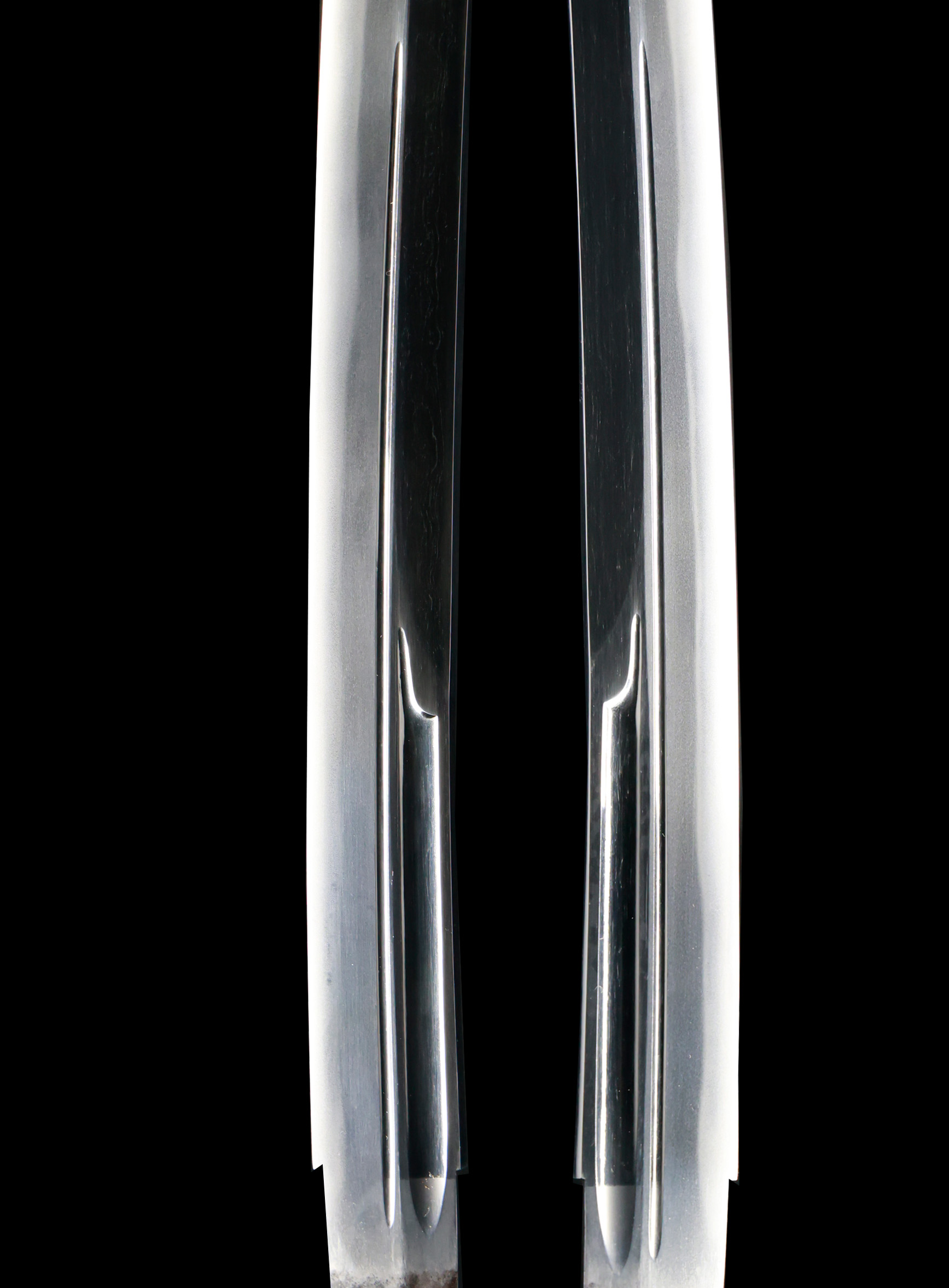
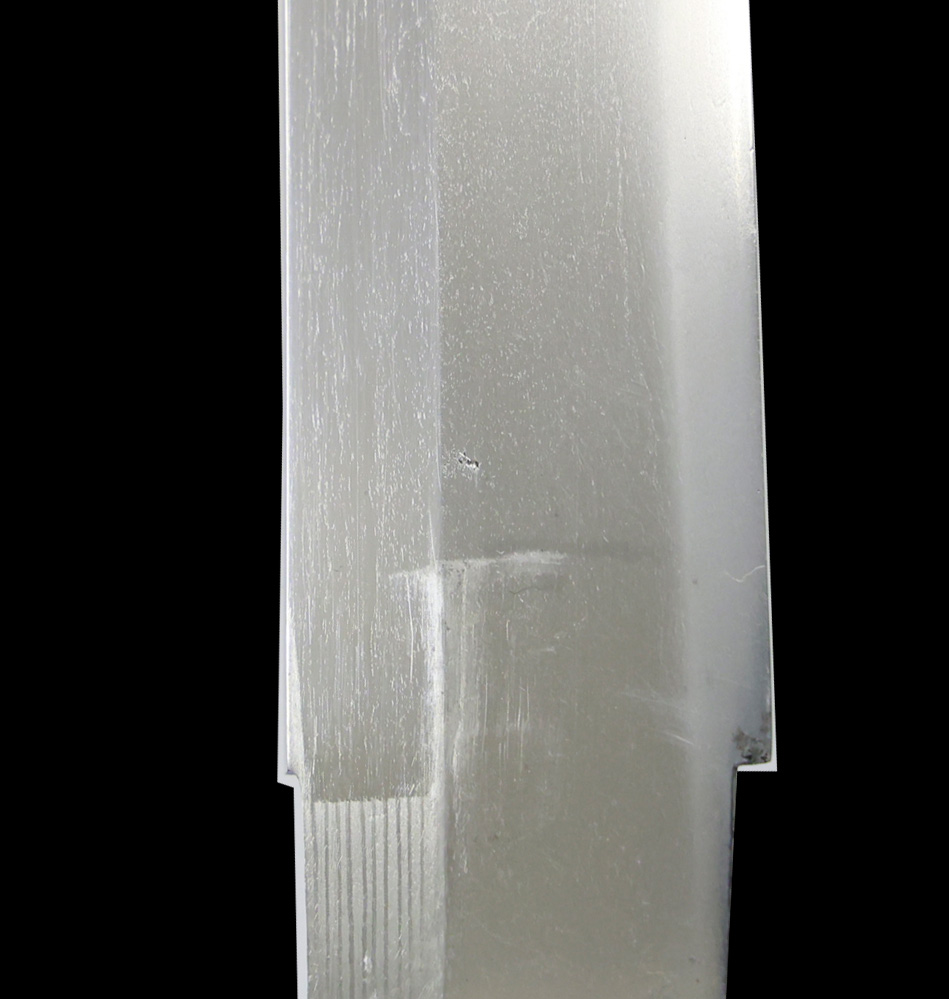
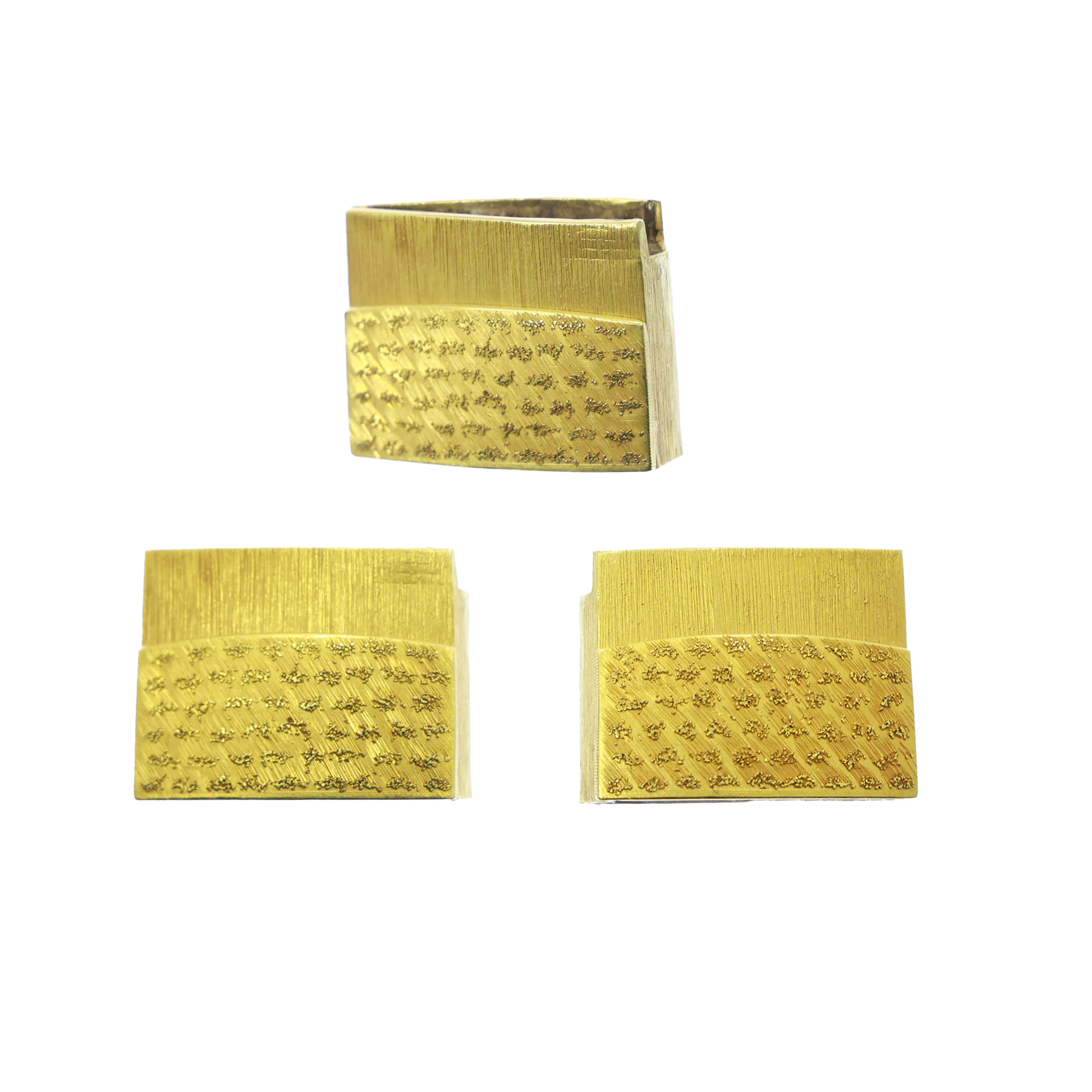
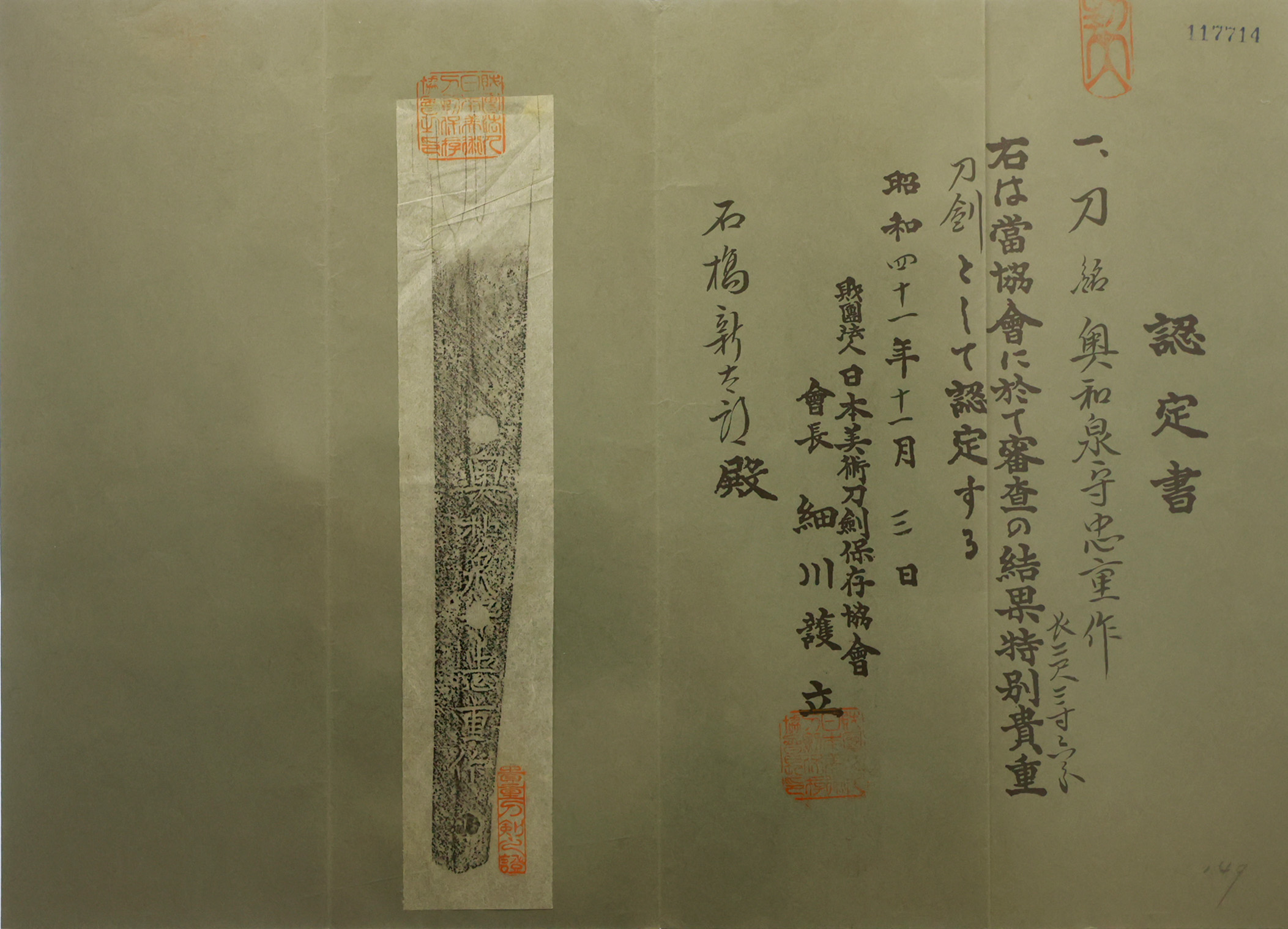
Summary This blade was signed by Oku Izumi no Kami Tadashige (奥和泉守忠重). Tadashige was a swordsmith active during the early-mid Edo period (from the late 17th century to the early 18th century). He was born in Satsuma province (today’s Kagoshima prefecture) as the third son of Oku Tadakiyo (奥忠清) and learned the sword forging in Settsu province (today’s Osaka) under the second-gen Tsuda Echizen no Kami Sukehiro (津田越前守助広). His swords gained a reputation for their exceptional sharpness, and in the second year of the Genroku era (1689), he was given the title “Izumi-jō,” later changing to “Izumi-no-kami.” Kami is an honorable official title given to skilled and acknowledged swordsmiths from the imperial court. Second-gen Sukehiro Echizen no Kami Sukehiro (越前守助広), the second-gen Sukehiro, was one of Osaka’s most skilled and influential swordsmiths in the early Edo period (Mid-Late 17th century), following Awataguchi Tadatsuna and Inoue Shinkai. These three sword makers are called Sanketsu of *Osaka Shinto. The maker’s name Sukehiro lasted three generations, and this blade was made by the second generation. His birth name was Jin no Jyo (甚之丞). Sukehiro was born in 1637 in Settsu province (Today’s Osaka prefecture) as the son of the first-gen Sukehiro, who was also known as Soboro Sukehiro. The second-gen Sukehiro learned sword-forging techniques from his father. He became an independent swordsmith and took over his father’s school in 1655 when his father died. He received the honorable title of Echizen no Kami in 1658 for his superb craftsmanship and started to serve Aoyama Munetoshi, who was one of the officials for Osaka castle. It is said that he created about 1670 blades in his career. He kept forging blades until he died at the age of 46 years old (1682). He invented a very particular Hamon (tempering line) called Toran Midareba (濤瀾乱刃). He became extremely popular in Osaka city, and his fame became nationwide. *Please keep in mind that there are a couple of light Kizu (scratches) on this blade. Authentication Paper They authenticated the blade on November 3rd in the 41st year of Showa (1966). They appraised it as a Tokubetsu Kiho Touken, an old form of the certificate. The purchaser will receive the original certificate as well.

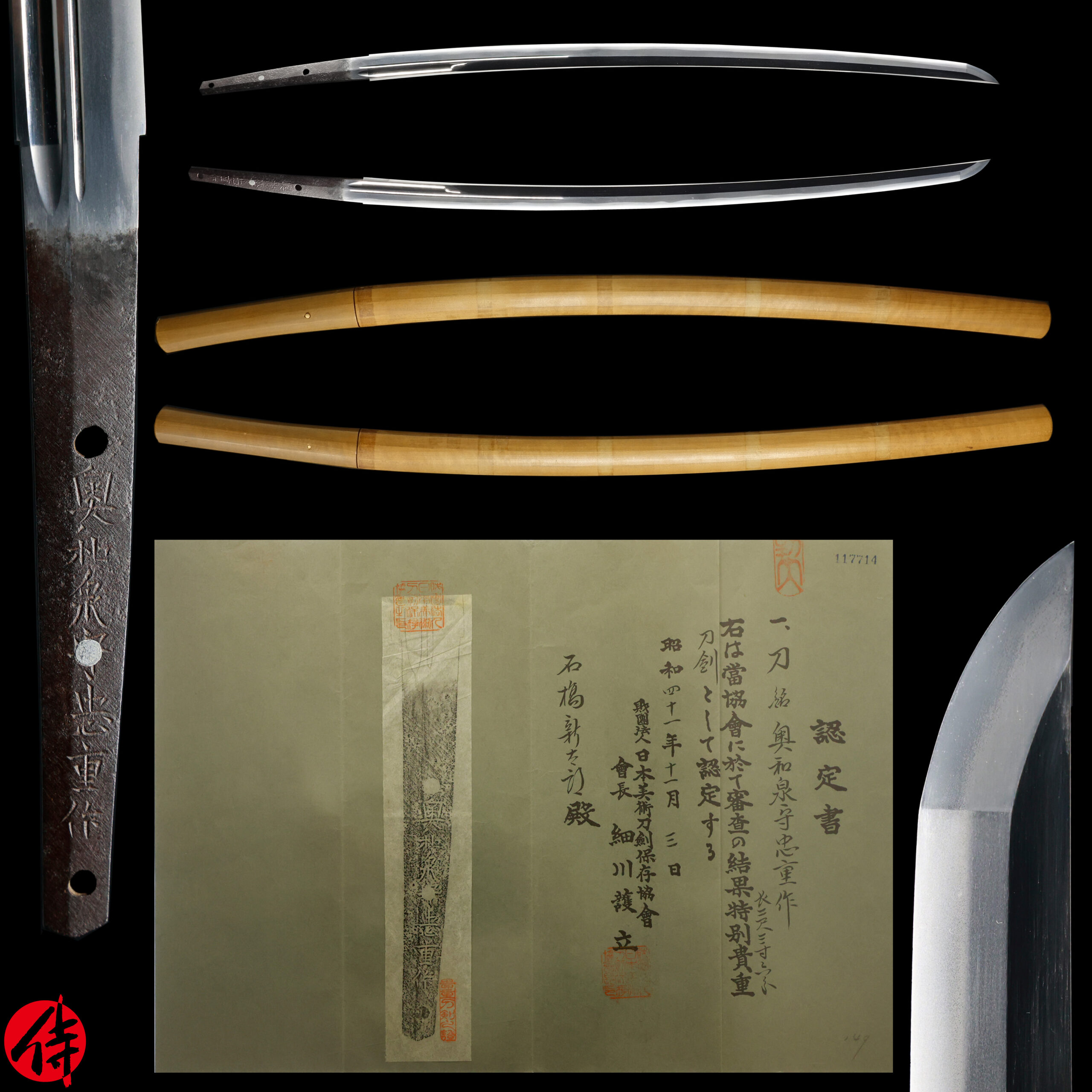
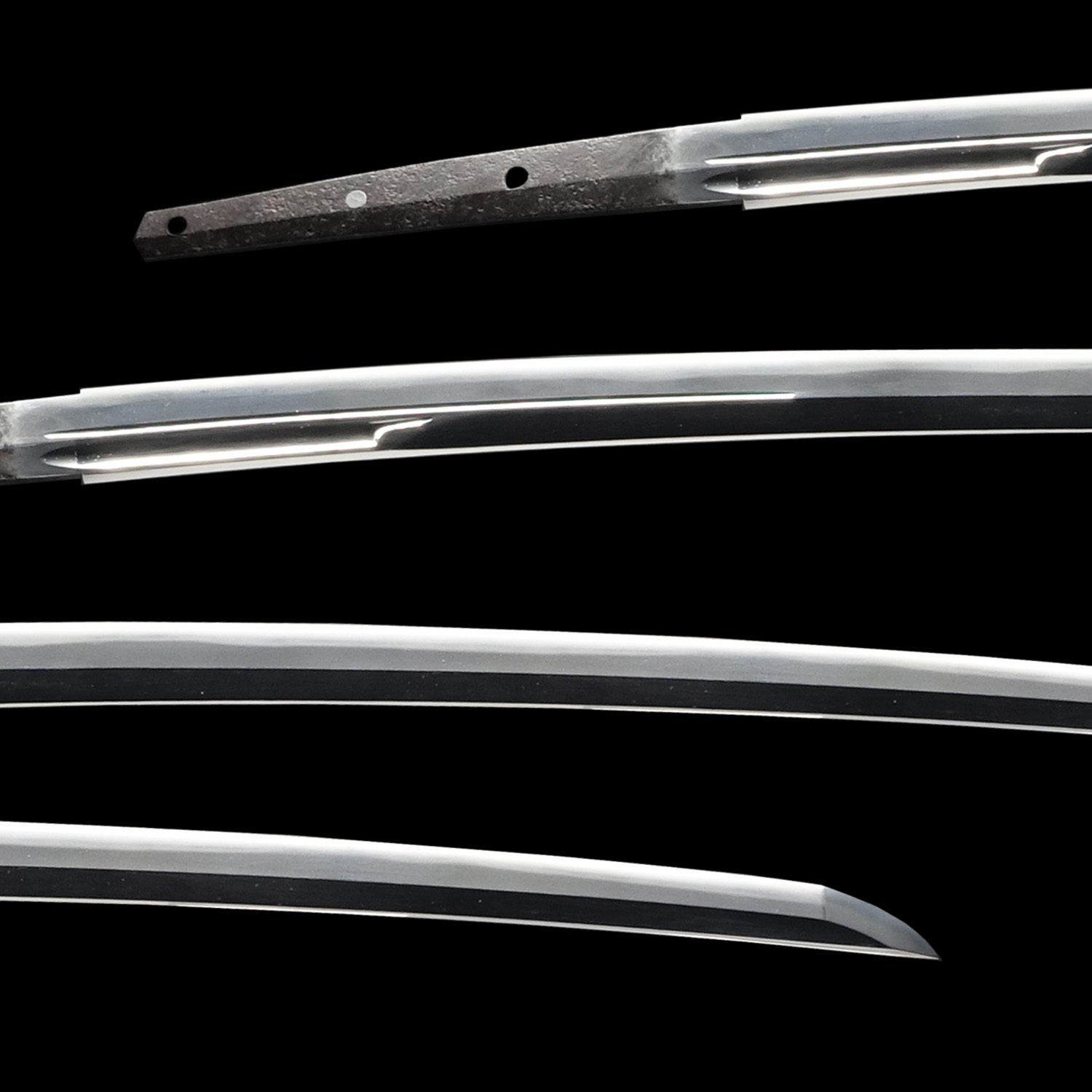
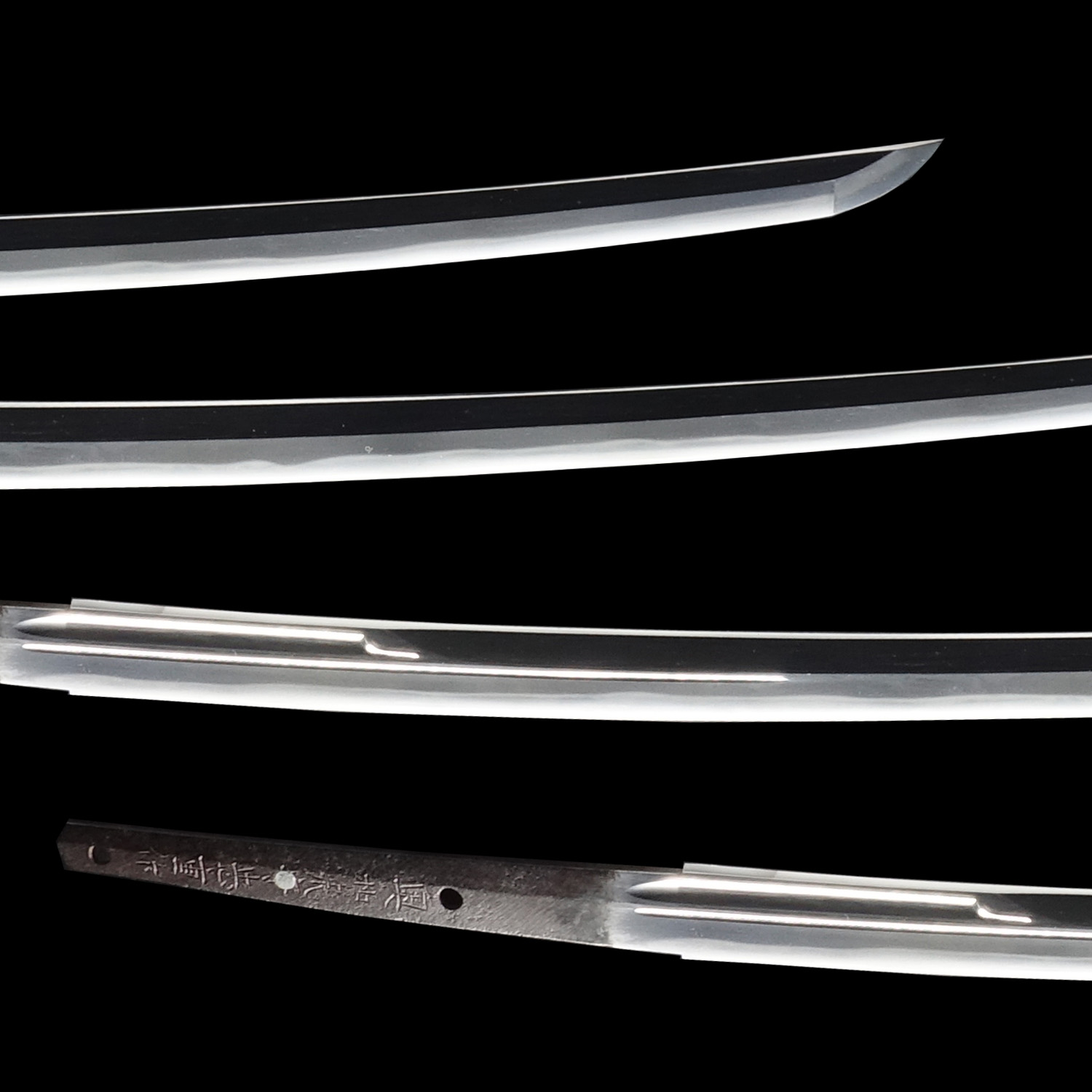
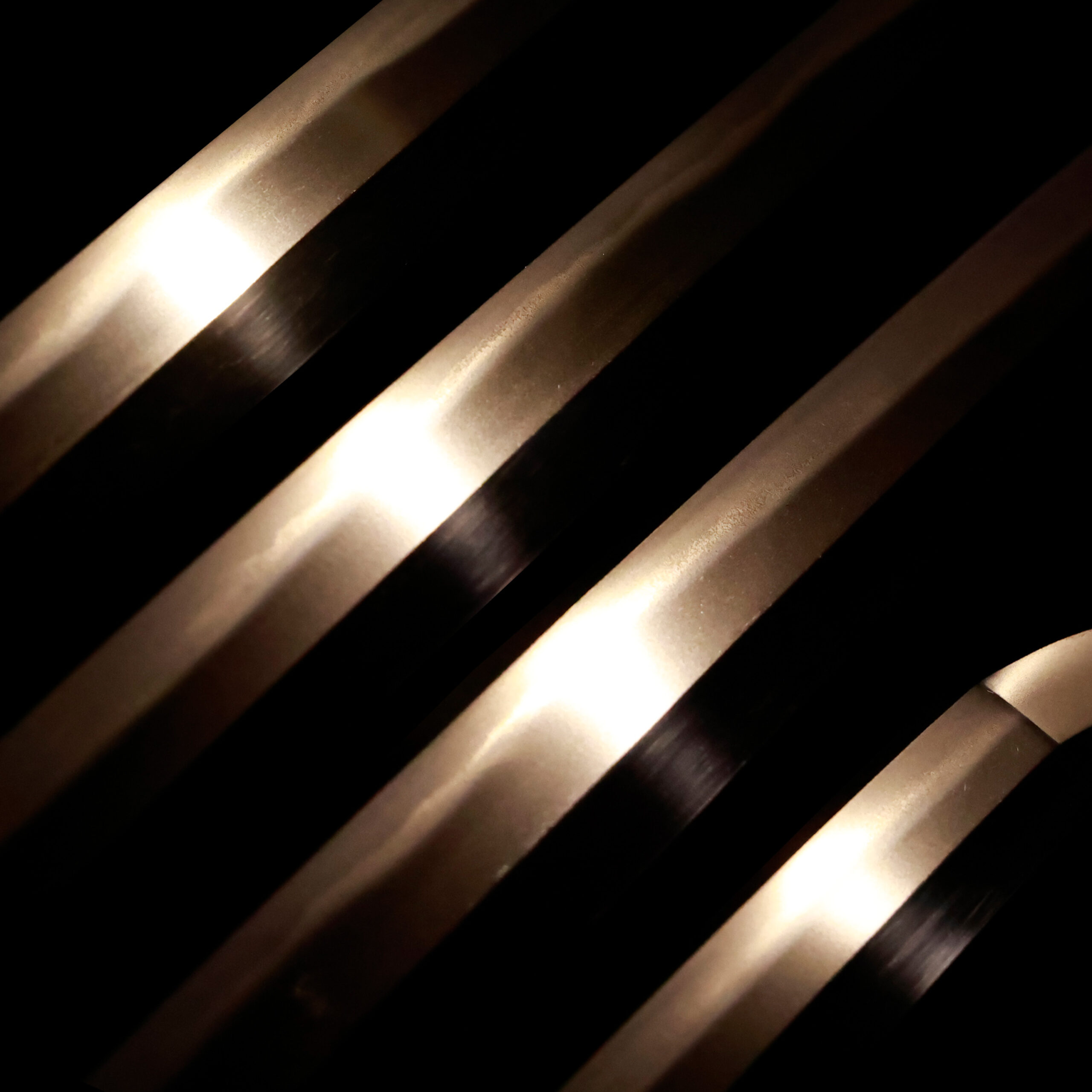
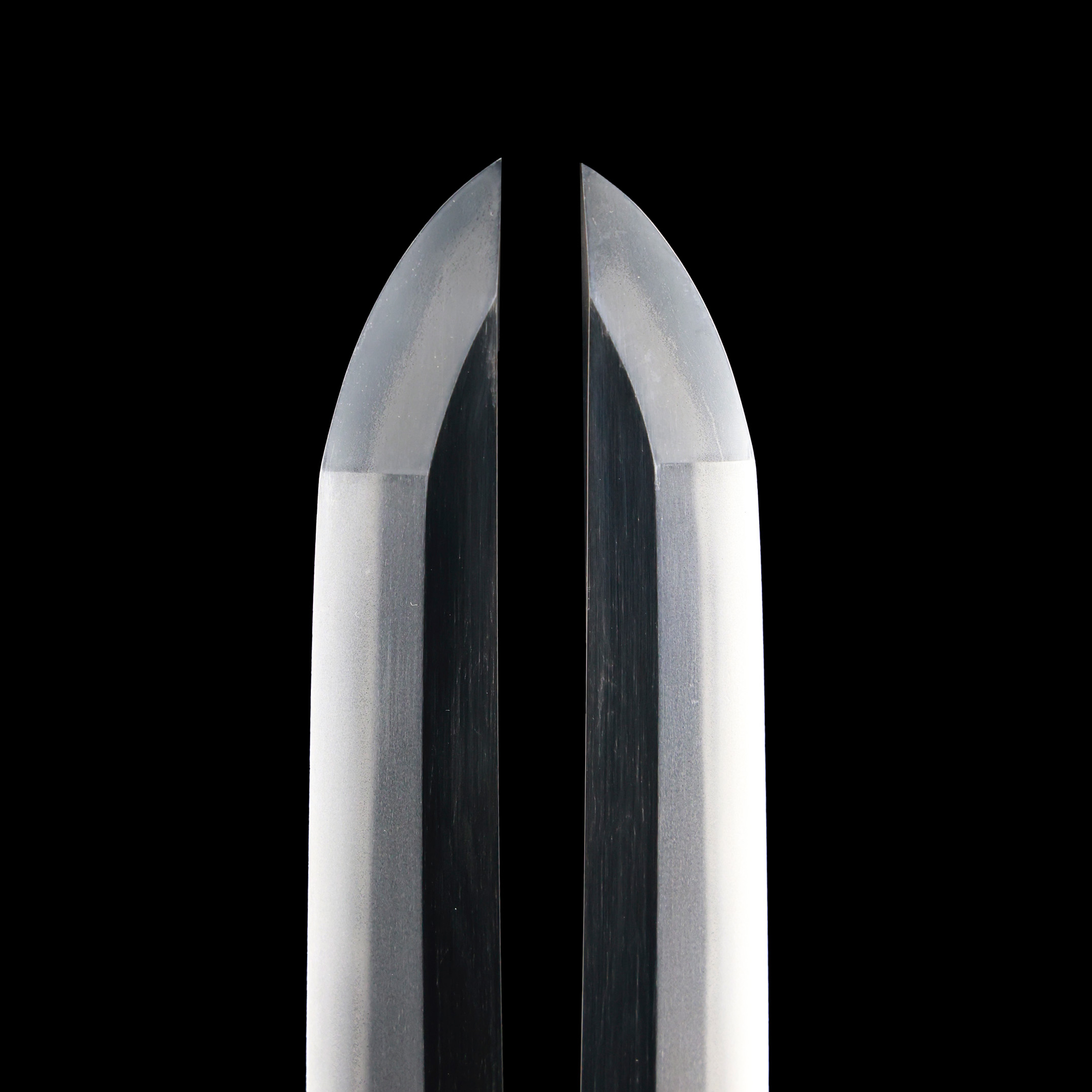
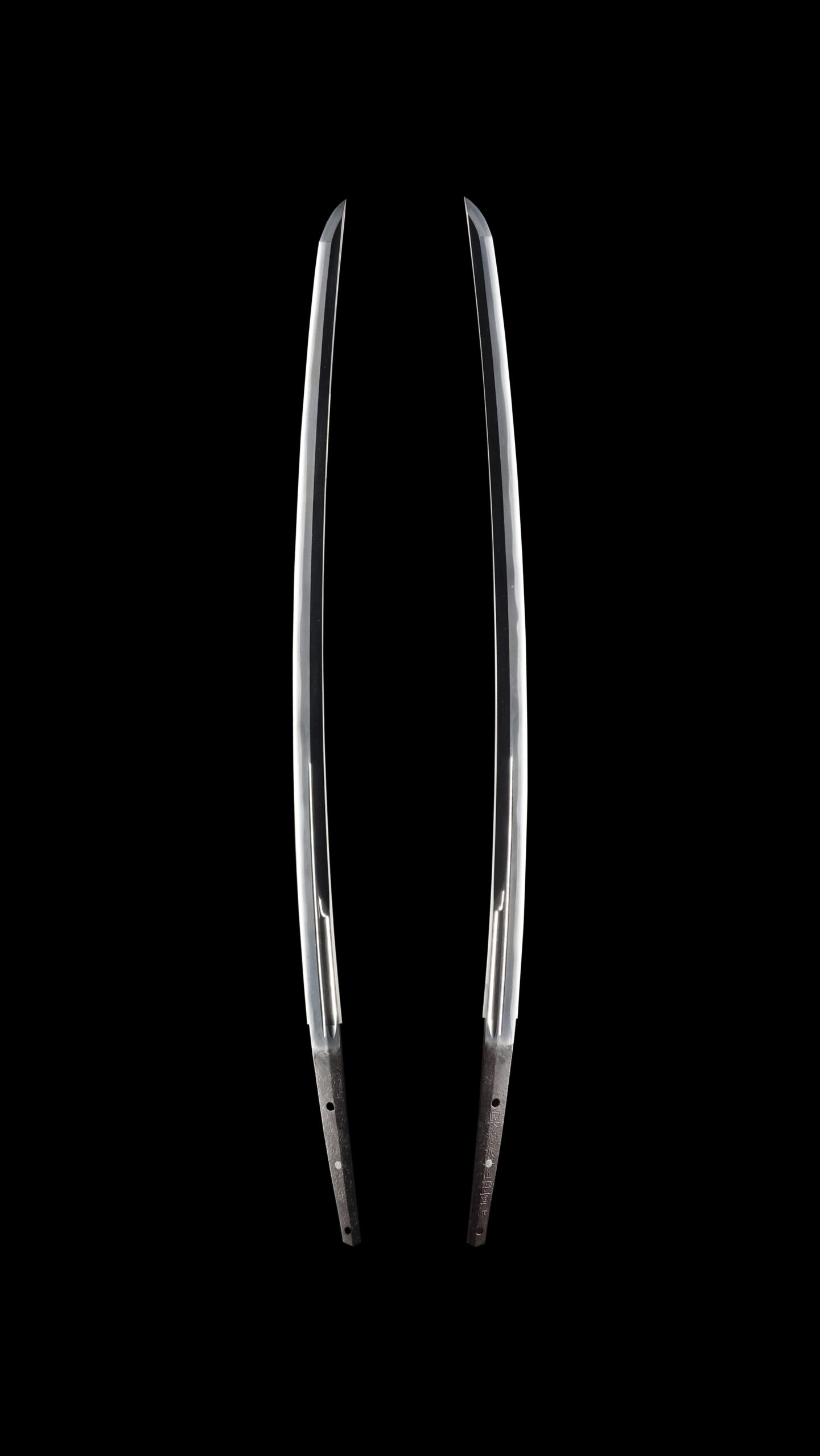
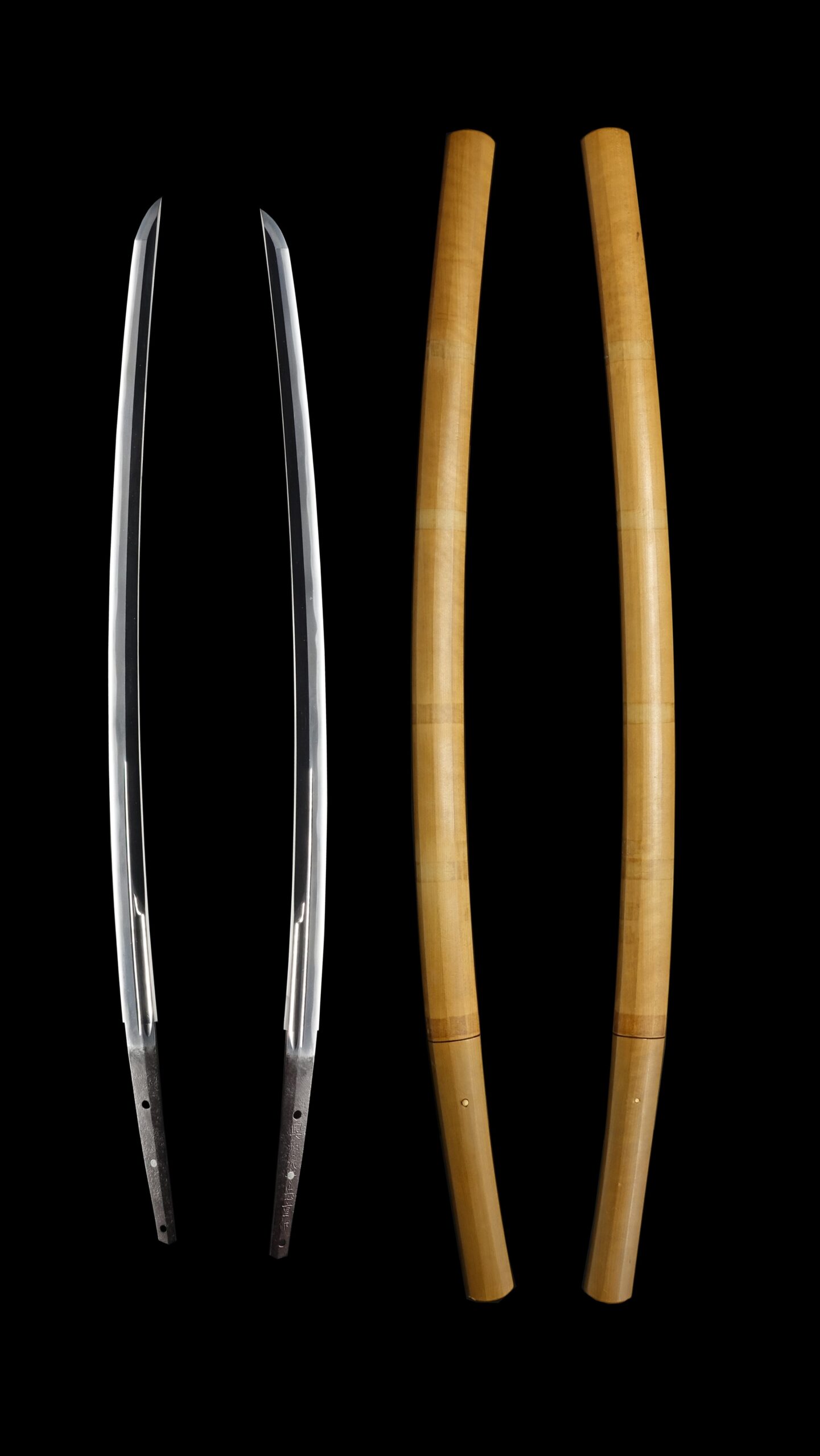

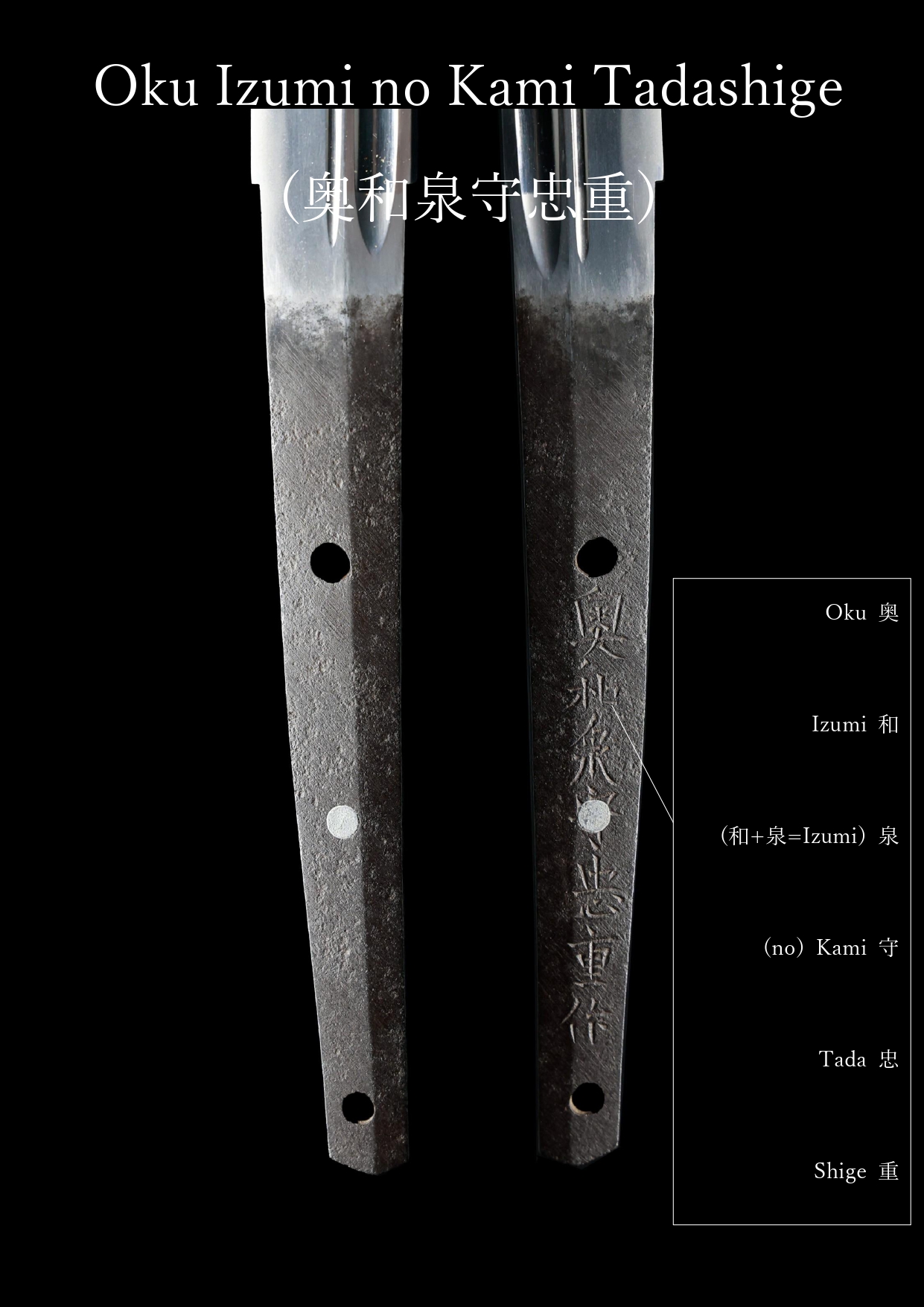
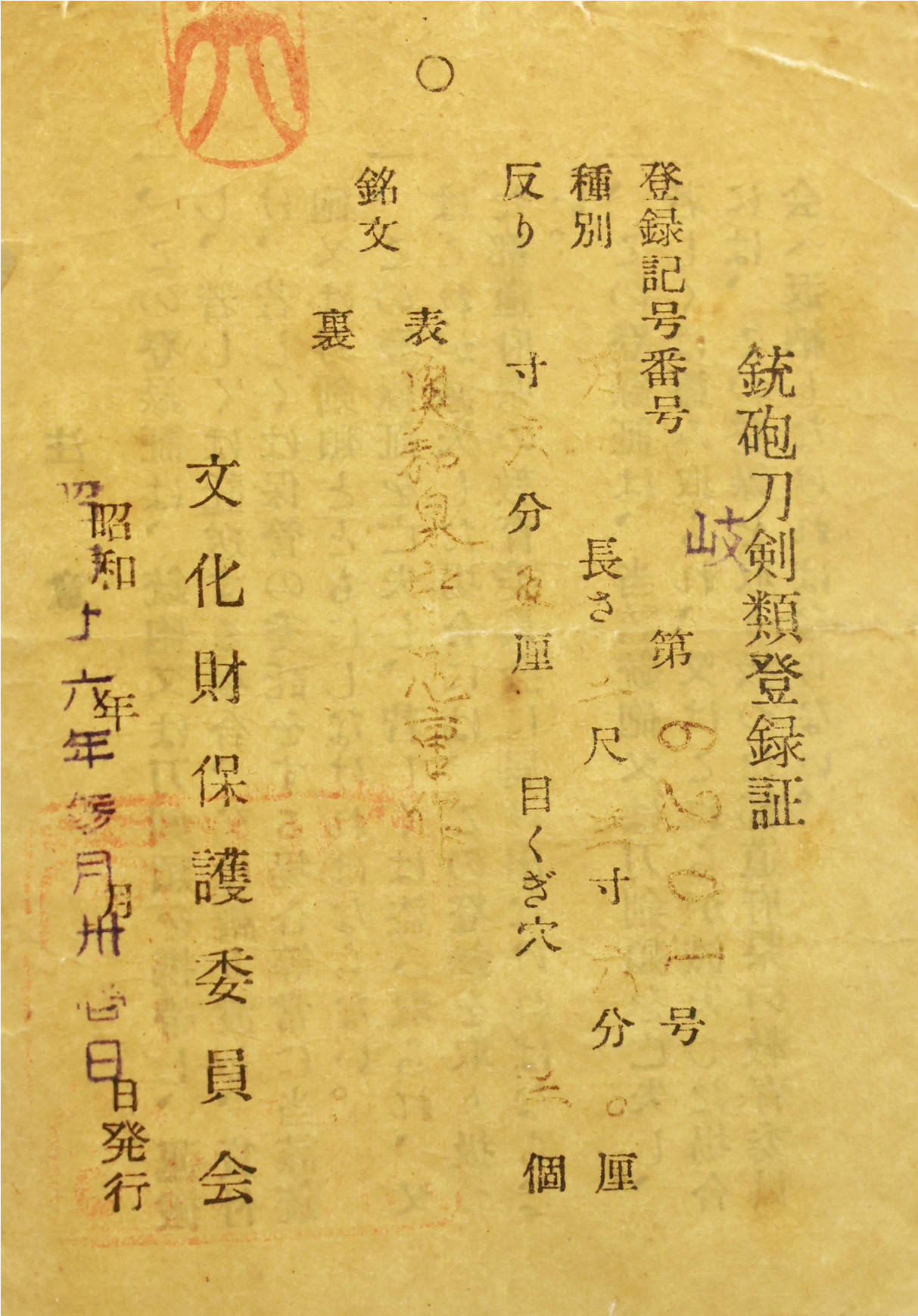
販売店の記載のまま
薩摩 · 1688-1704頃
藤代 上作 · 刀剣大鑑 上位39%
現在1点販売中
江戸時代
二世紀半の泰平のあいだ、刀は武器である以上に武士の身分の標章であった。江戸の実証と大坂の華やぎのように都市ごとの作風が育ち、時代の末には需要も細っていく。
本作はNBTHKの旧鑑定書(貴重・特別貴重)を有しますが、これらは現在発行されておらず、現在の日刀保ではほとんど認められていません。極めを確認するには、公的な鑑定機関(NBTHK・NTHKなど)に再提出し、現行の鑑定を受けることもご検討ください。
Returns/exchanges limited to defects caused by shipping (except willful misconduct or gross negligence by the company); customers must contact within 72 hours of receiving the product.