室町は刀剣業を産業に変えた。徒歩の集団戦とともに打刀が興り、長船と関は数打ち物と注文打ちを並行して産し、勘合貿易は日本刀を数万振の単位で海外へ運んだ。
 NihontoWatchNihontoWatch
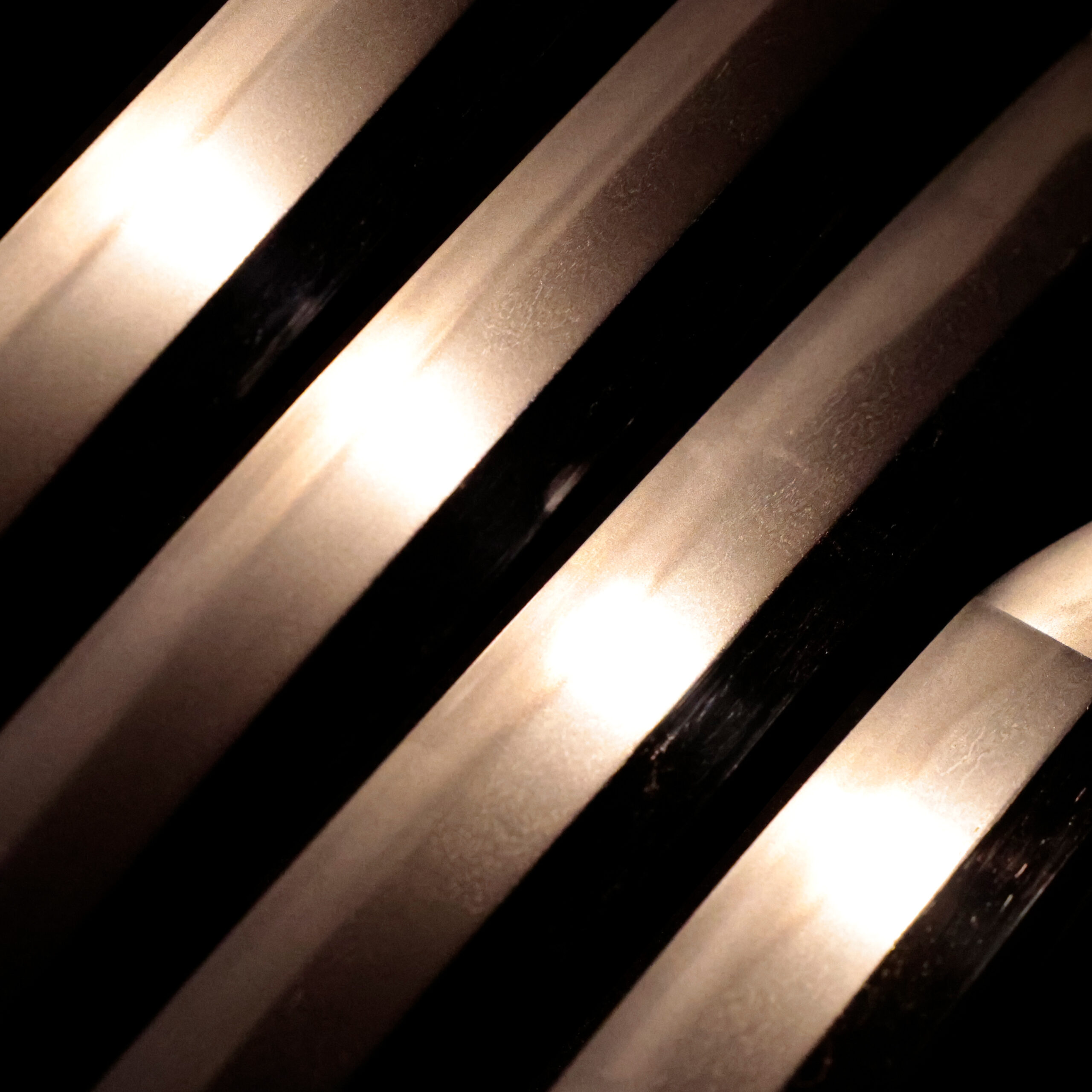
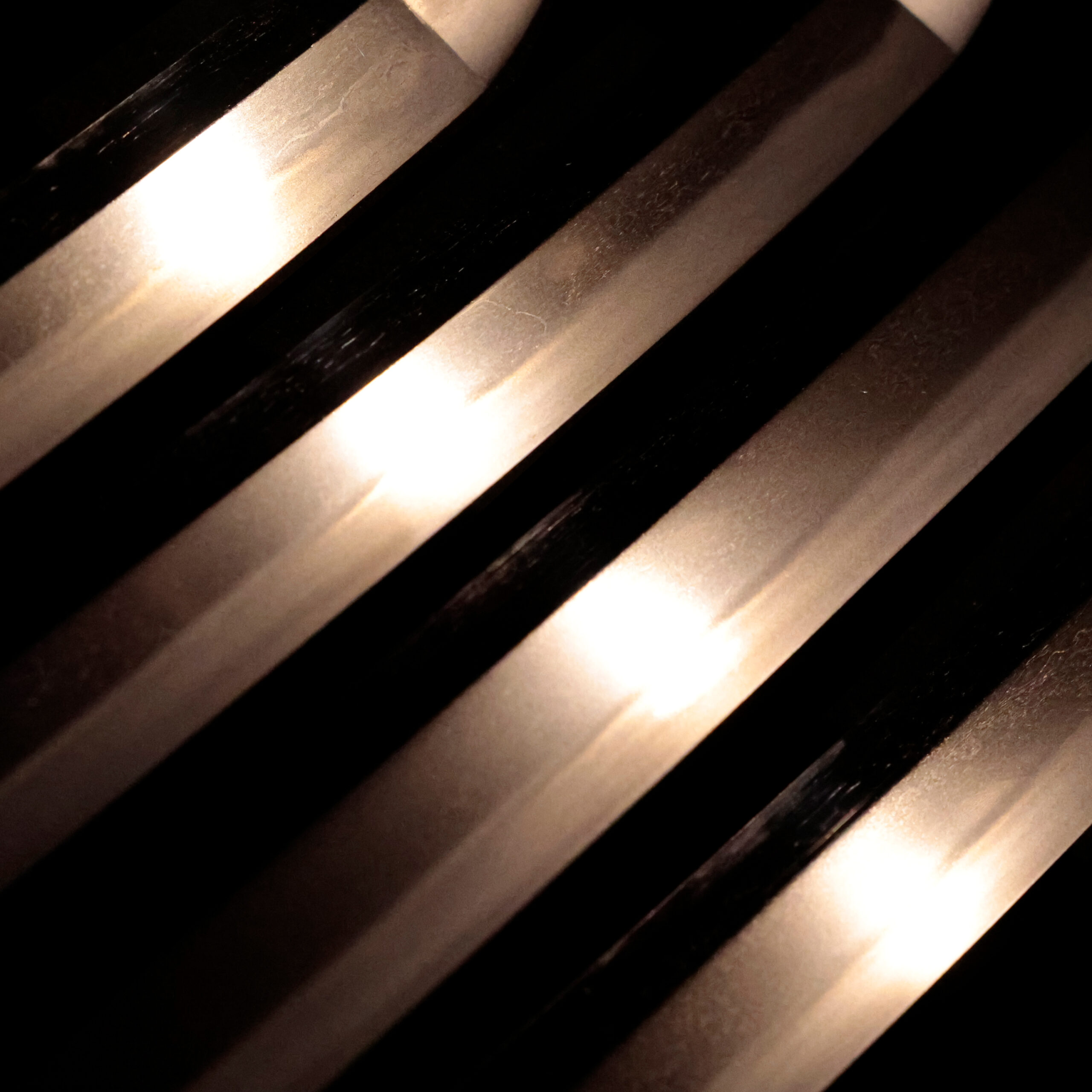
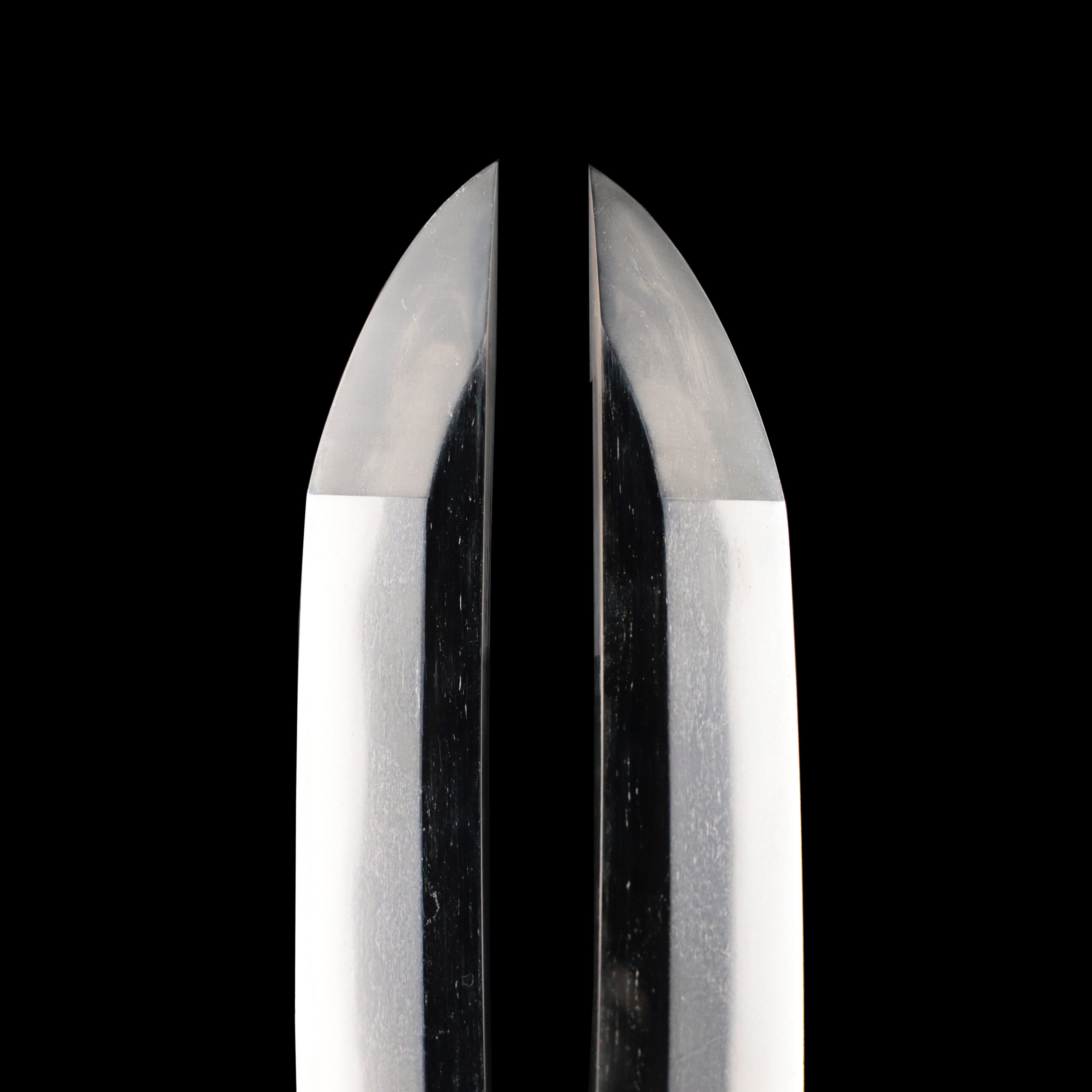
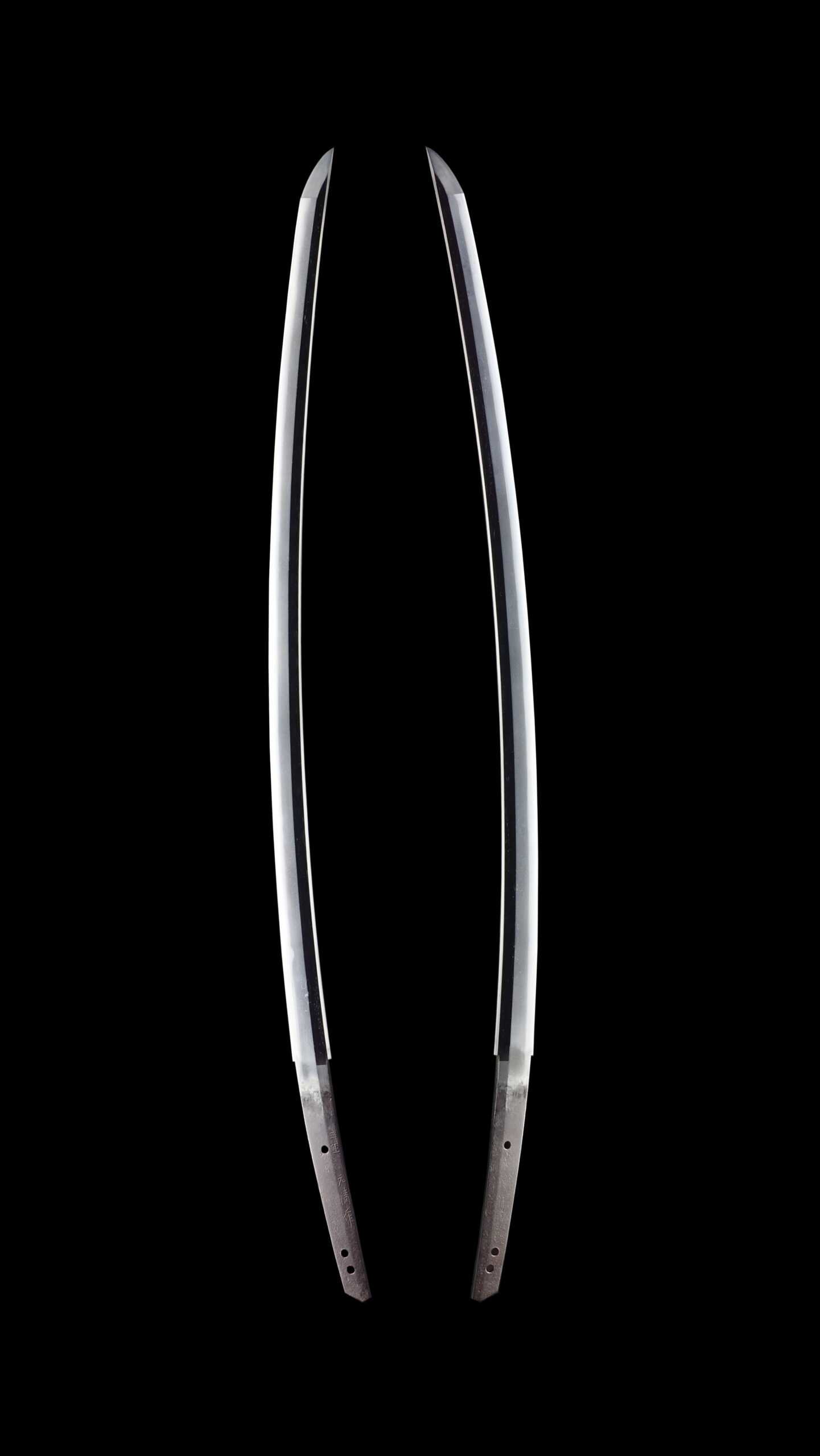
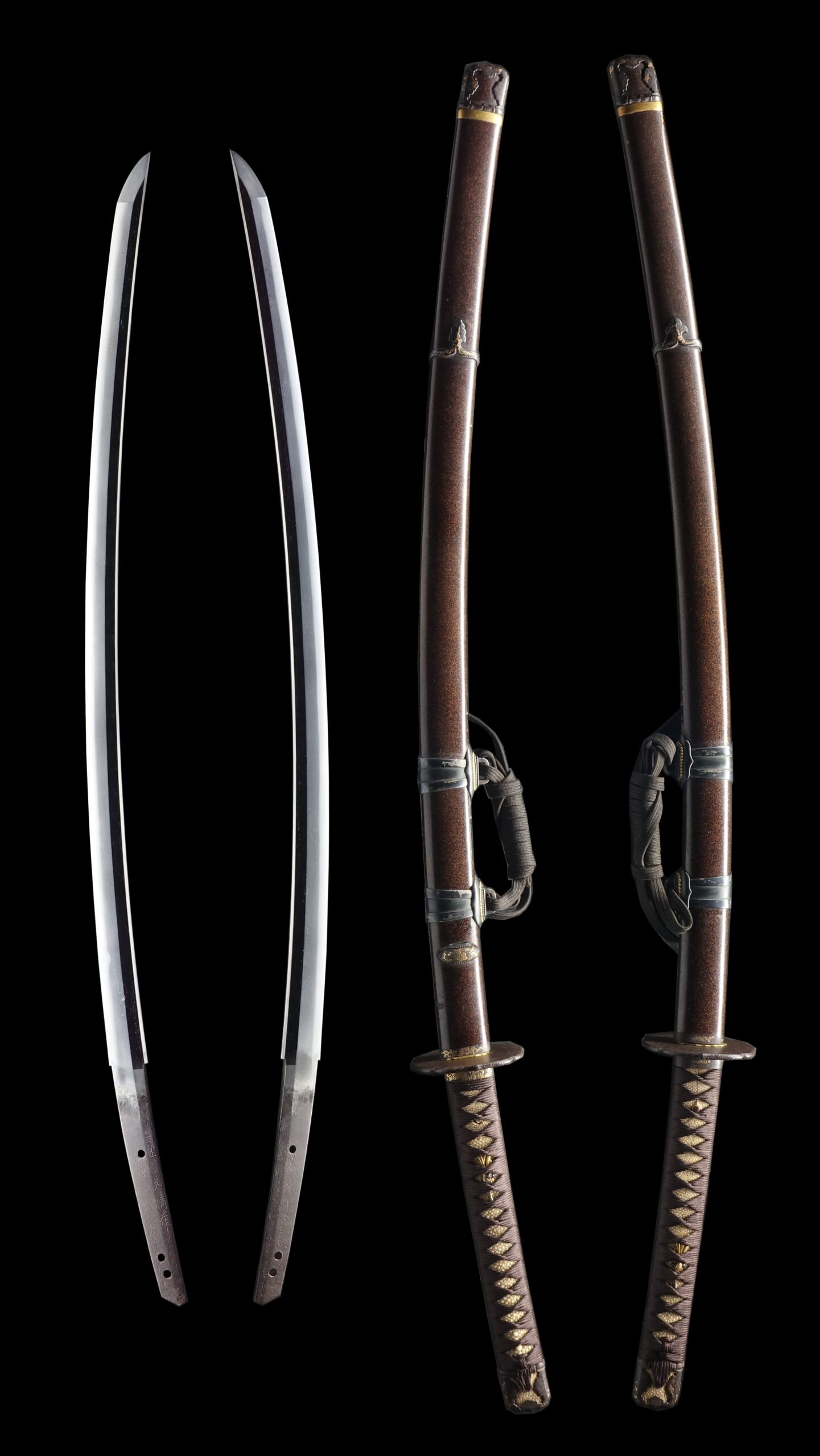
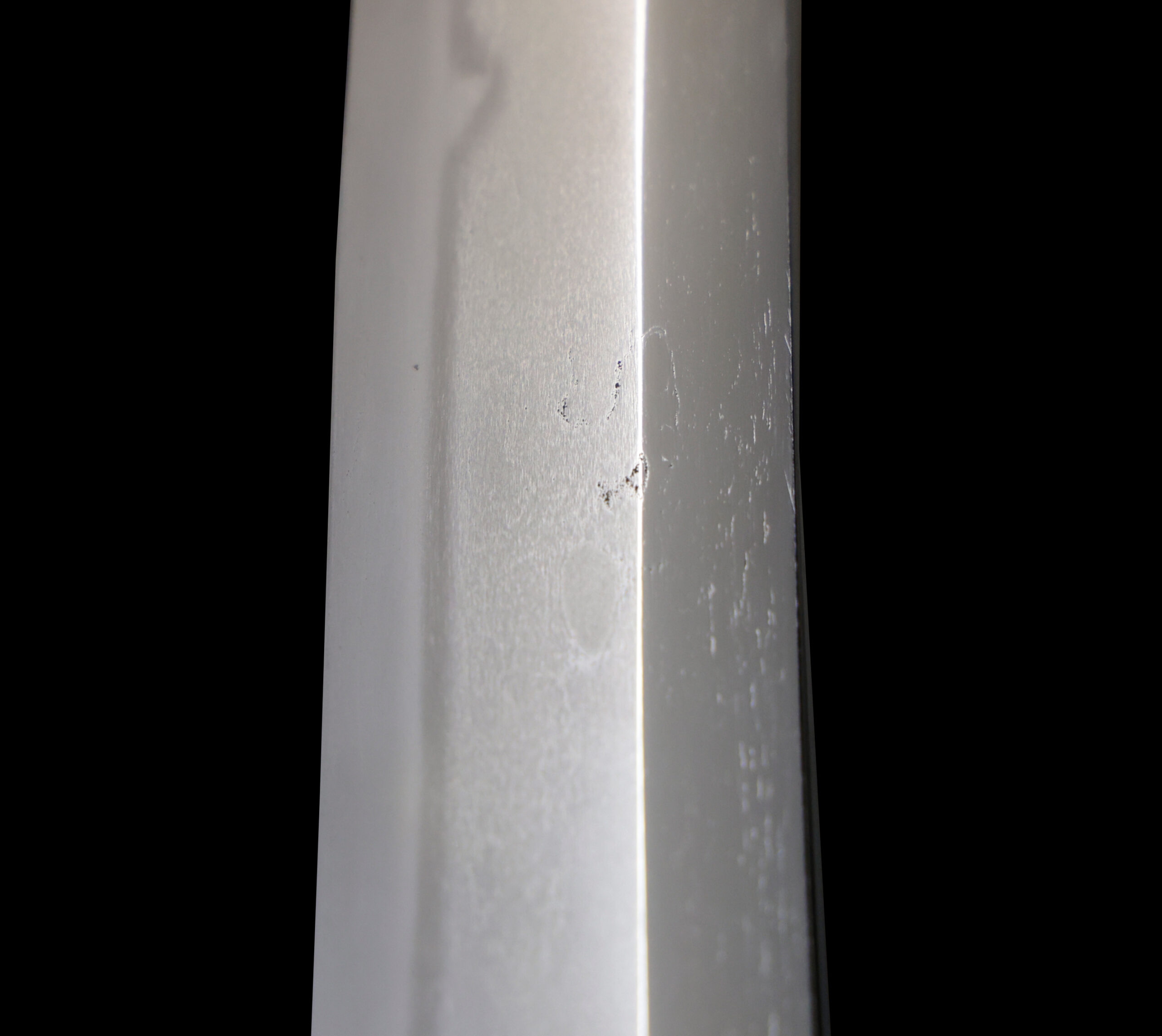
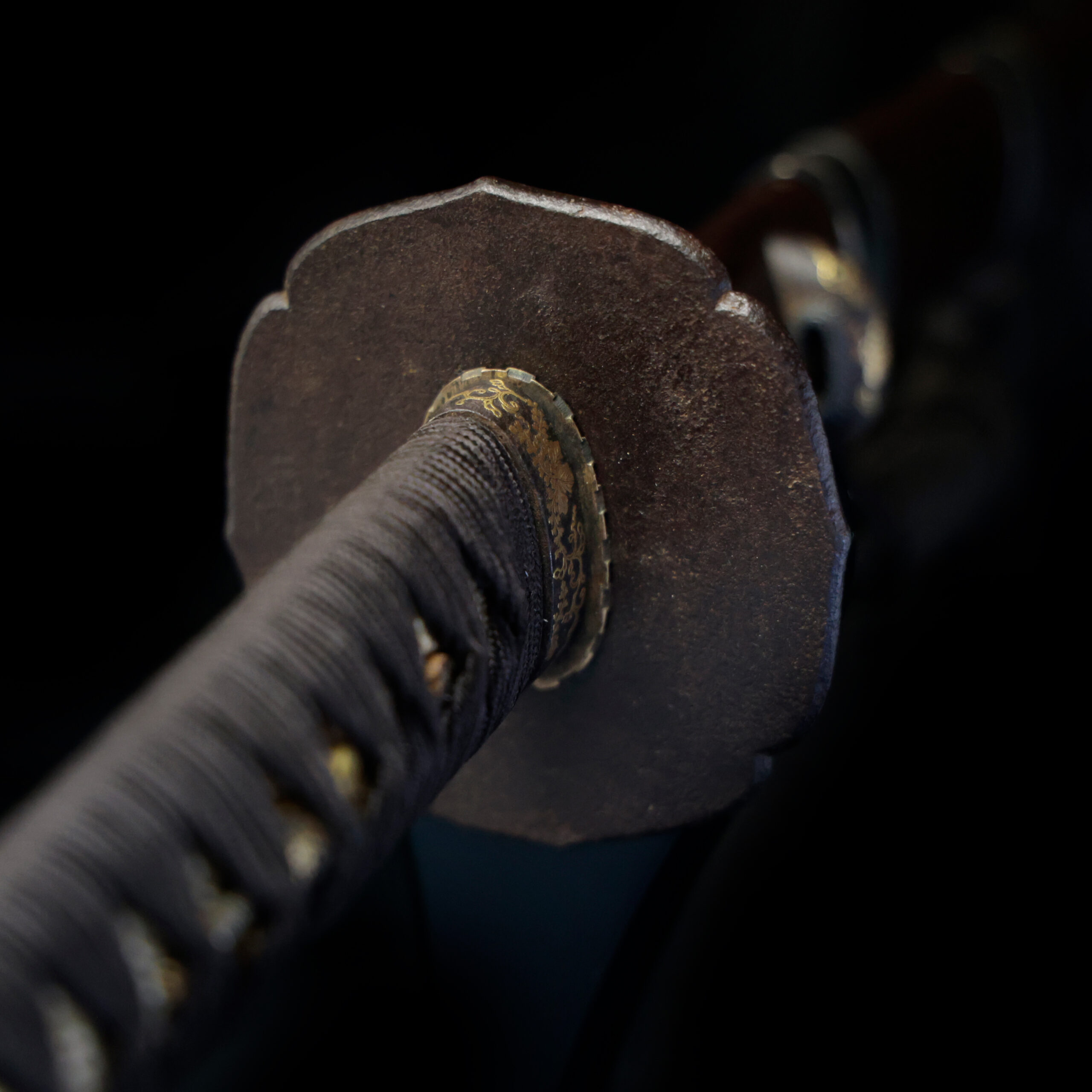
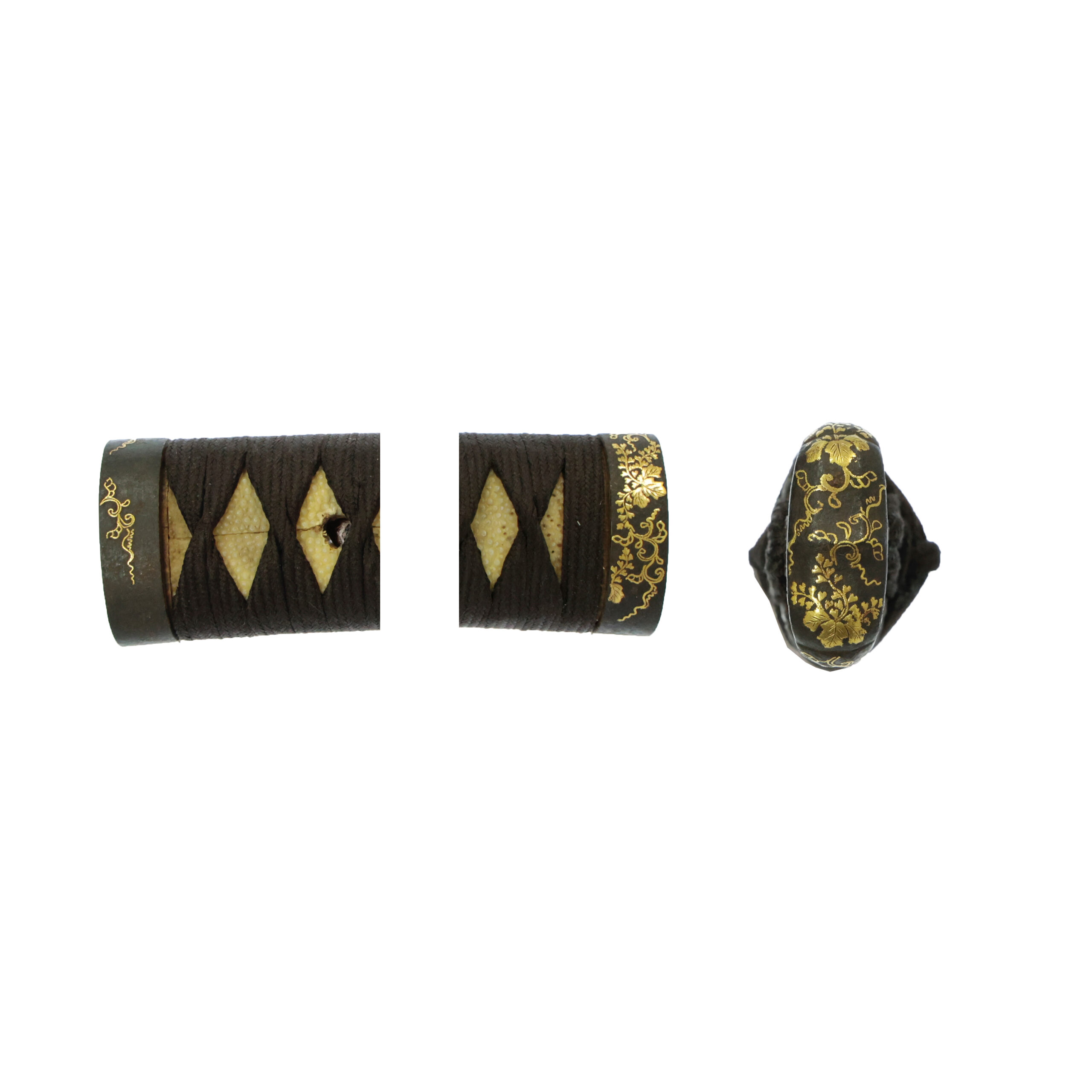
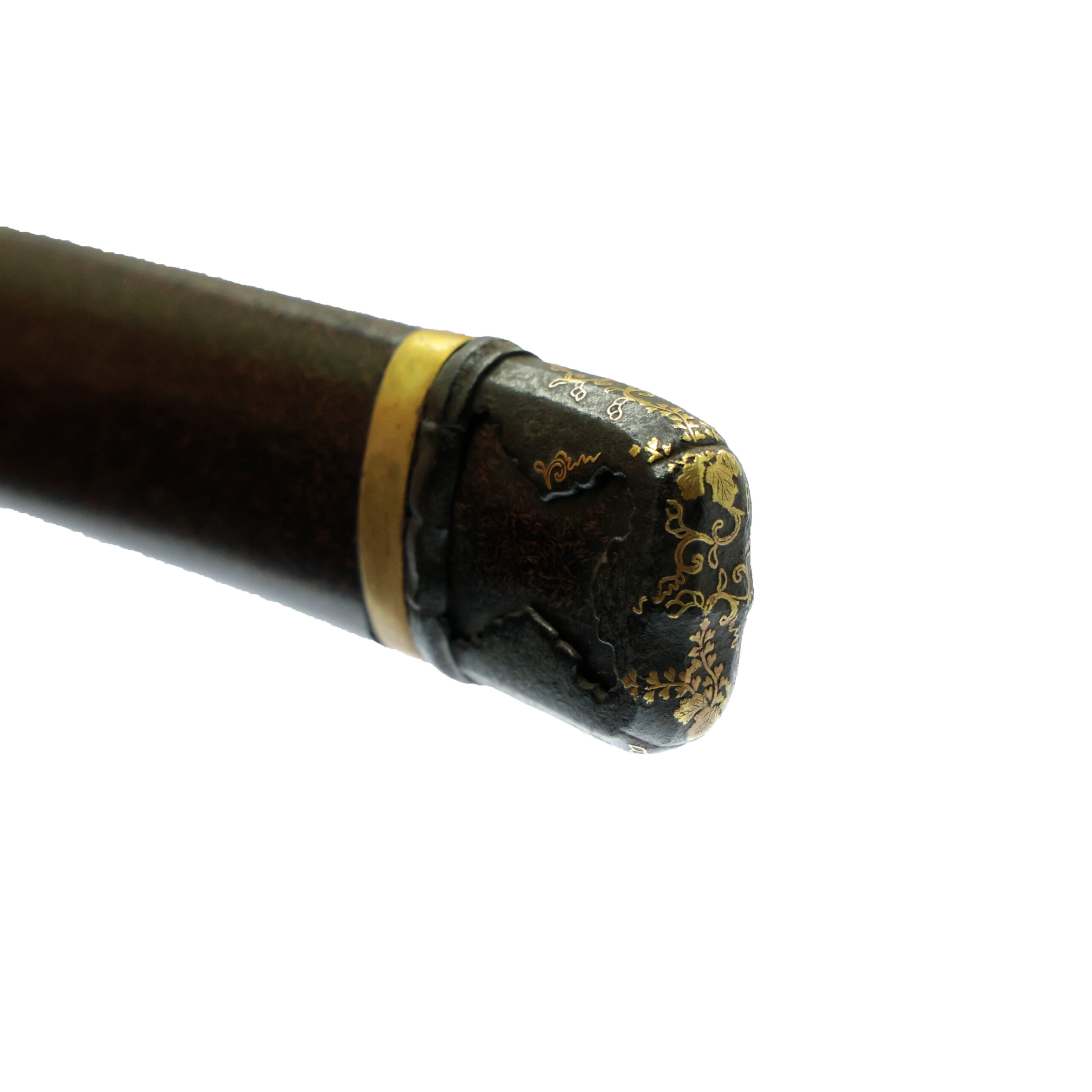
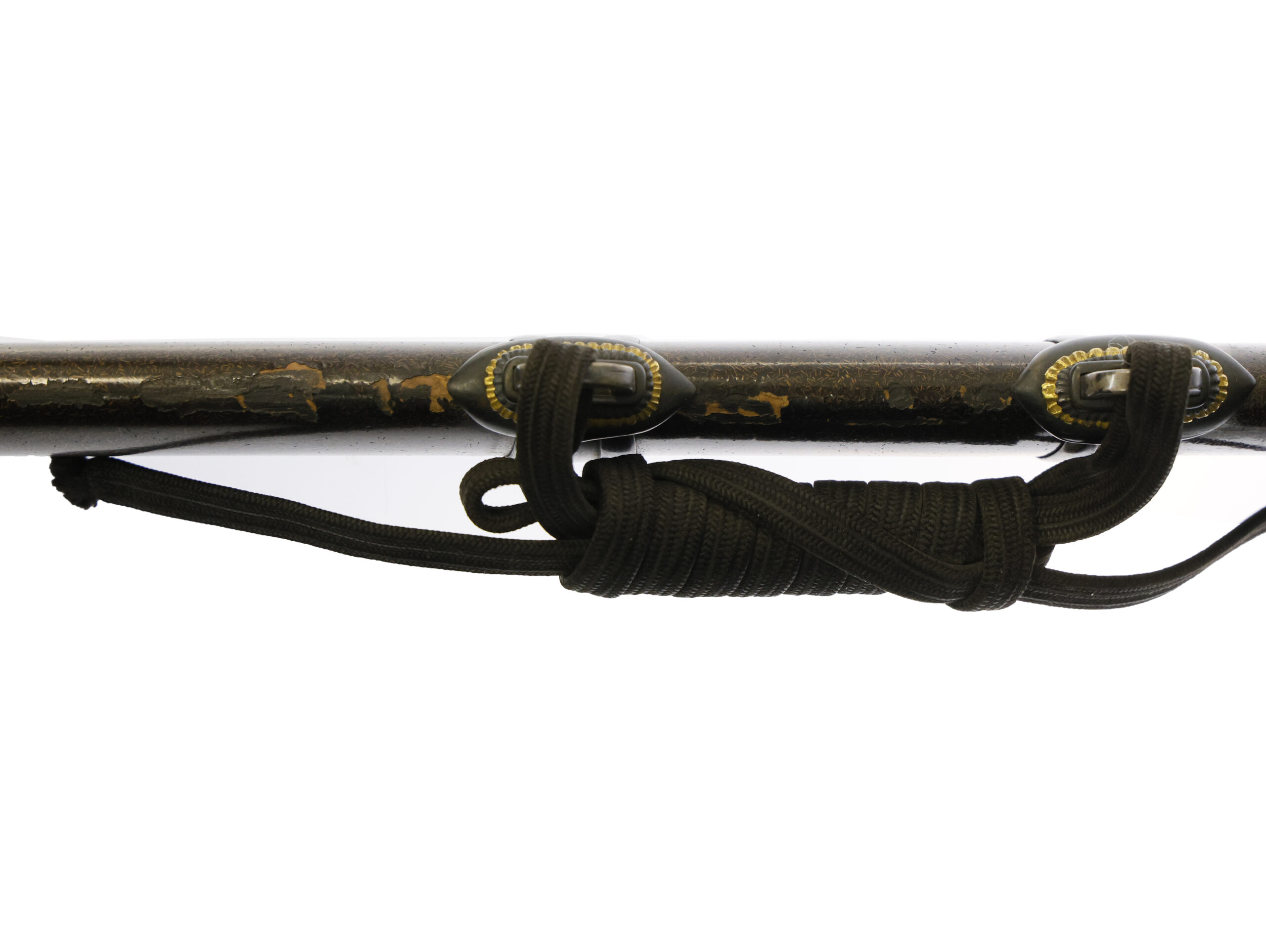
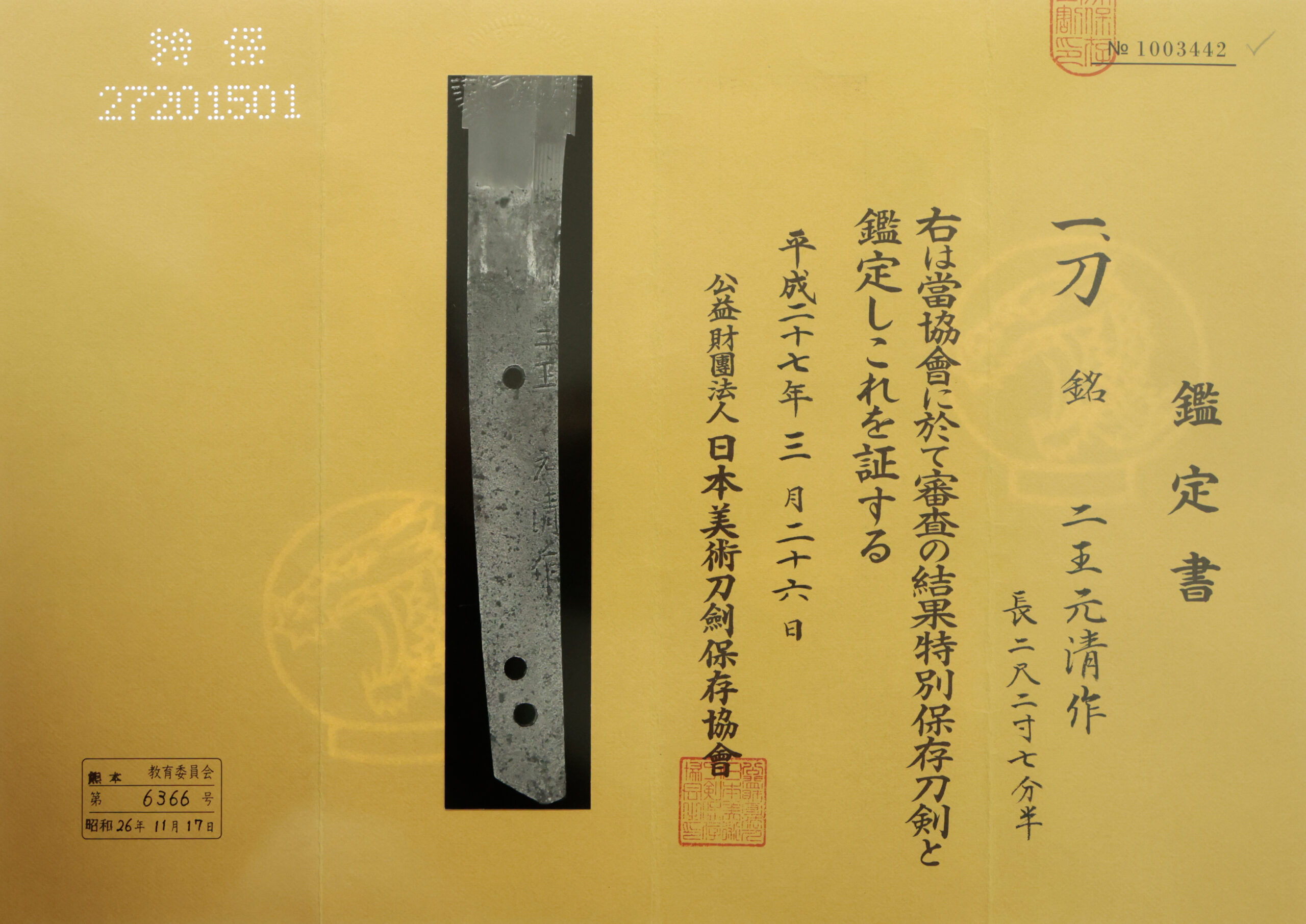
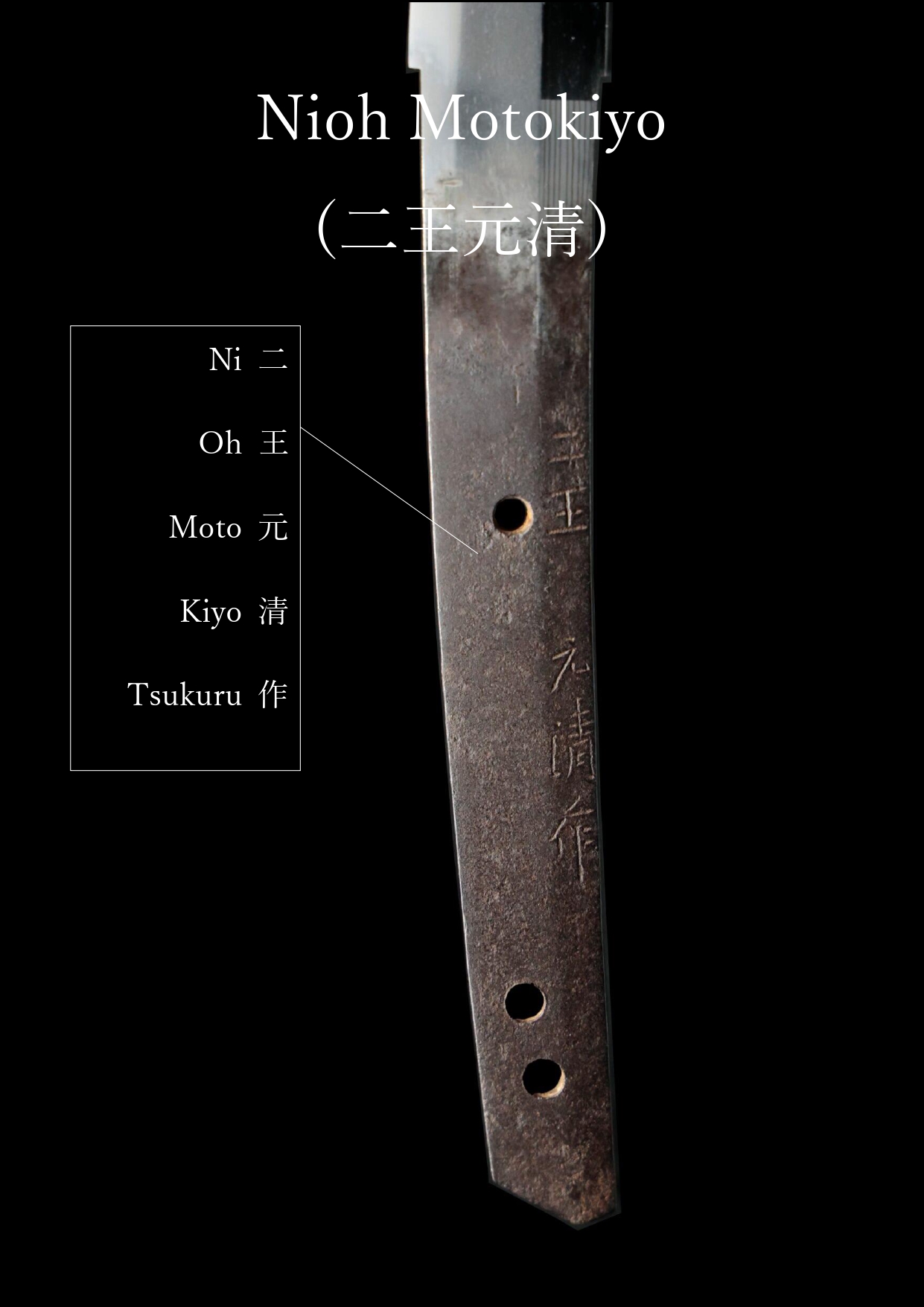
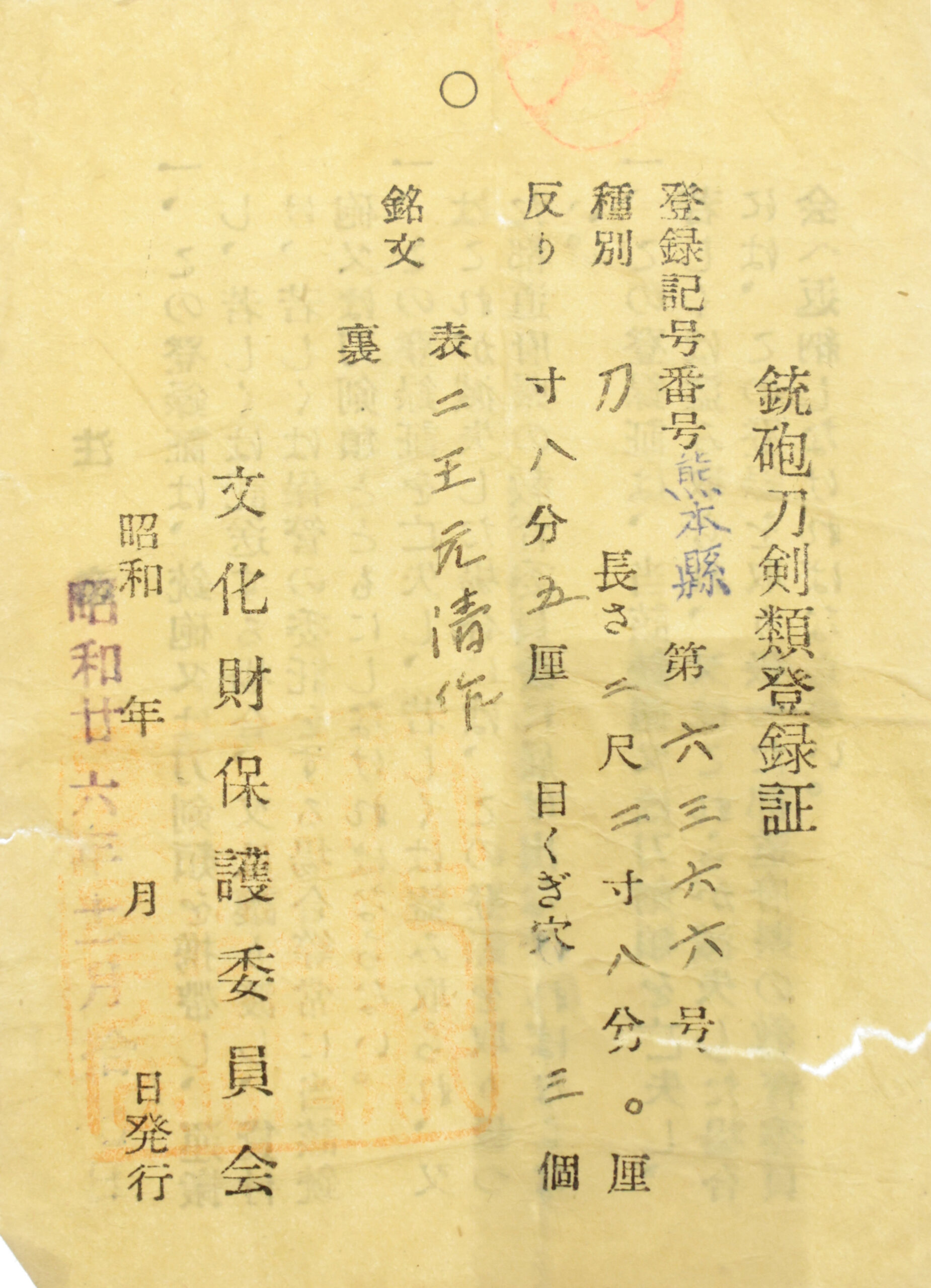
Antique Japanese Sword Katana Signed by Nioh Motokiyo with Tokubetsu Hozon Certificate 【Description】 This blade was signed by Nioh Motokiyo (二王元清) who was active during the late Muromachi period (Eisho era: 1504-1521). Motokiyo belonged to Nioh school, a prestigious school located in Suo domain (Today’s Yamaguchi prefecture). Nioh school flourished from the mid-Kamakura period to the late Muromachi period(500-750 years ago) and lasted until the Edo period (150—400 years ago). The school was founded by Nioh Taro Kiyotsuna (二王太郎清綱) in Suo Province (today’s Yamaguchi prefecture). According to his remaining work, the oldest blade was forged in 1265. It is currently enshrined in Itsukushima Shrine in Hiroshima. It is said that he started to forge swords in around 1205 (early Kamakura period). The Nioh swordsmiths inherited the part of its founder’s name 清 (Kiyo) such as 清房 (Kiyofusa), 清長 (Kiyonaga). There were a lot of lands in Suo Province controlled by the Todaiji temple in the Kamakura-Muromachi period. It is said that Nioh school and Yamato swordsmiths from Nara prefecture had a strong relationship and technological exchange. That is why the blades forged by Nioh swordsmiths had a strong influence from YAMATO-DEN. *Todaiji temple is located in Nara prefecture. Before the Edo period, temples and shrines gained strong political influence. The name Nioh came from the legend that the Tachi blade forged by Kiyotsuna (the founder of Nioh school) was able to save the Nioh statue by cutting the chain connected to it when Nioh temple was on fire. Another theory was that Nioh swordsmiths lived in a village called Nioh no Sho (二保庄) and started to call themselves Nioh swordsmiths. While it was very common for an antique Japanese sword made during or before Muromachi period to get shortened for Suriage (size adjustment), This blade remains its original length. And, it has Suguha tempering line, one of the most traditional tempering line in Japanese sword-forging. We are confident you will be amazed to see the beauty this sword holds in person. It is appraised as a Tokubetsu Hozon Token (特別保存刀剣) issued by NBTHK (Nihon Bijutsu Touken Hozon Kyokai:日本美術刀剣保存協会). This authentication paper was only given to authentic Japanese swords, especially well preserved and high quality with artistic value. *Please keep in mind that there is one noticeable Kitae Kizu on the blade. If you like to know the detailed condition, please feel free to contact us. 【 Blade】 Cutting Edge Length(Nagasa) : 69.0 cm (27.1 inches) Curvature(Sori) : 2.57 cm (1.01 inches) Hamon : The crystalline structure which forms along the cutting edge of a blade as a result of the hardening process Jimon(Jihada) : visible steel surface pattern created by folding and hammering during forging process Kissaki : Kissaki is the tip of the Japanese sword. Nakago : Nakago is the tang of the Japanese sword. Japanese swordsmiths left the black rust on the tang because it prevents red rust while the tang is in its handle. And the discoloration of the tang was created over time, and it is a great indicator for a Japanese sword specialist to estimate when the sword was forged. Koshirae : Koshirae is the mounting of the Japanese sword. There are several parts that consist of Koshirae such as Saya (Scabbard), Tsuka (Handle), Tsuba (Handguard). Fuchi-Kashira : A pair of matching sword fittings that cover the upper and bottom parts of its sword hilt. The combination of Kiri (桐, paulownia) and Karakusa (唐草, arabesque) pattern is gorgeously designed on this Fuchi Kashira. The Kiri pattern generally comprises three standing straight inflorescences and three leaves. The number of blooming flowers at each inflorescence means the ranks of this design. The Gosan-no-Kiri (五三の桐) pattern is a popular design that the paulownia motif is used. According to tradition, the Houou (鳳凰, Fenghuang) rests its wings at the paulownia tree; therefore, it has come to be regarded as a holy plant. Also, the Karakusa pattern is a
NihontoWatch元清Motokiyo
取扱店 サムライミュージアム

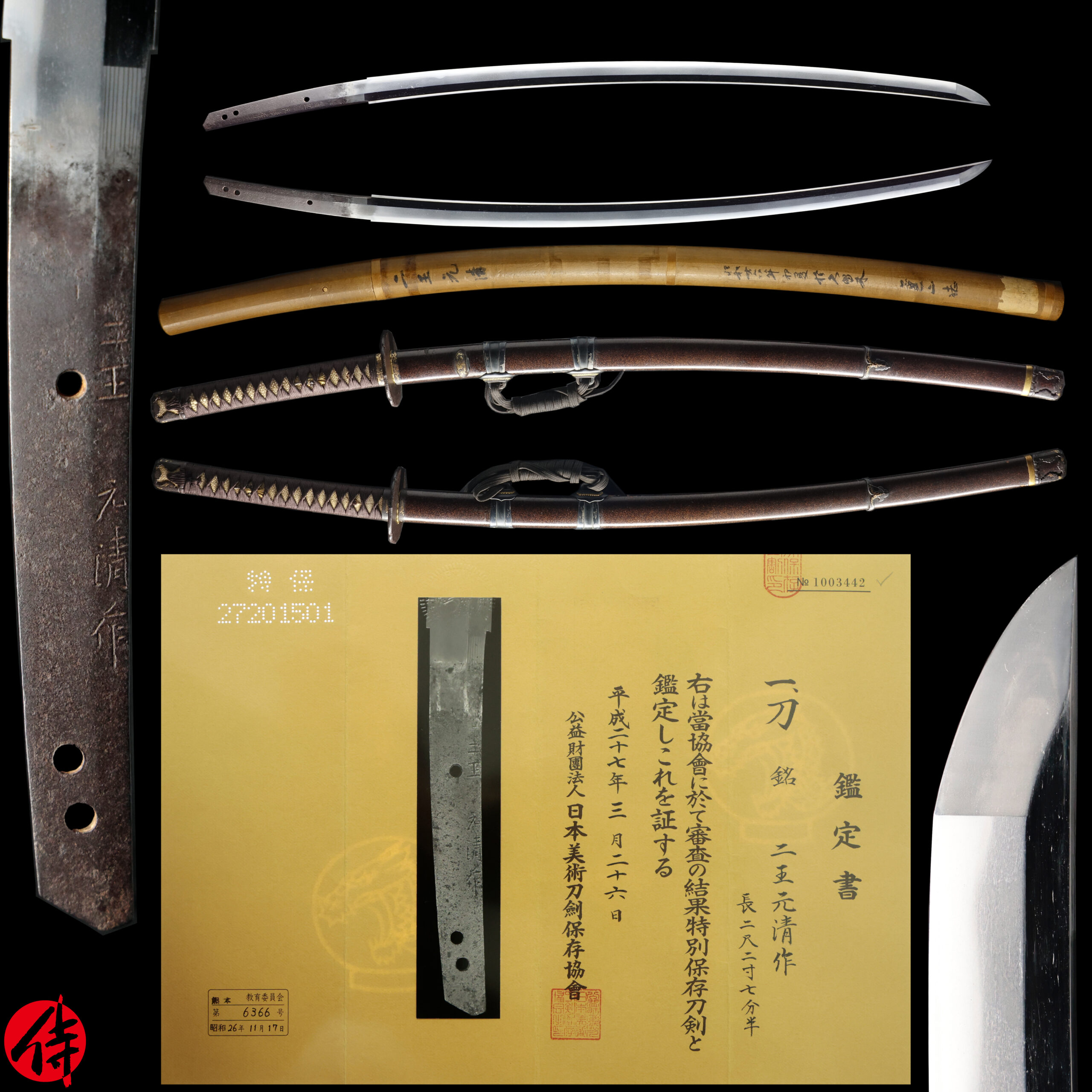
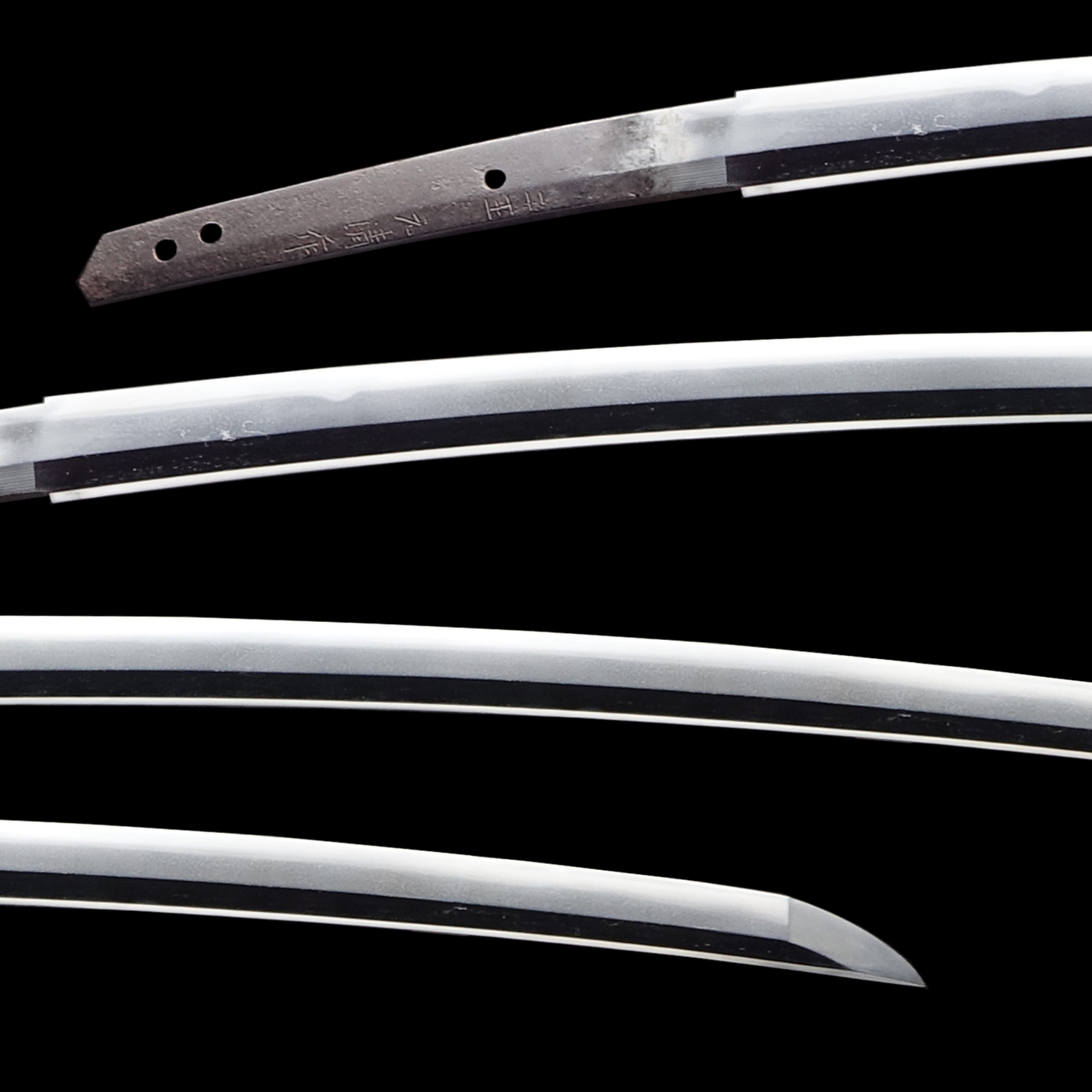
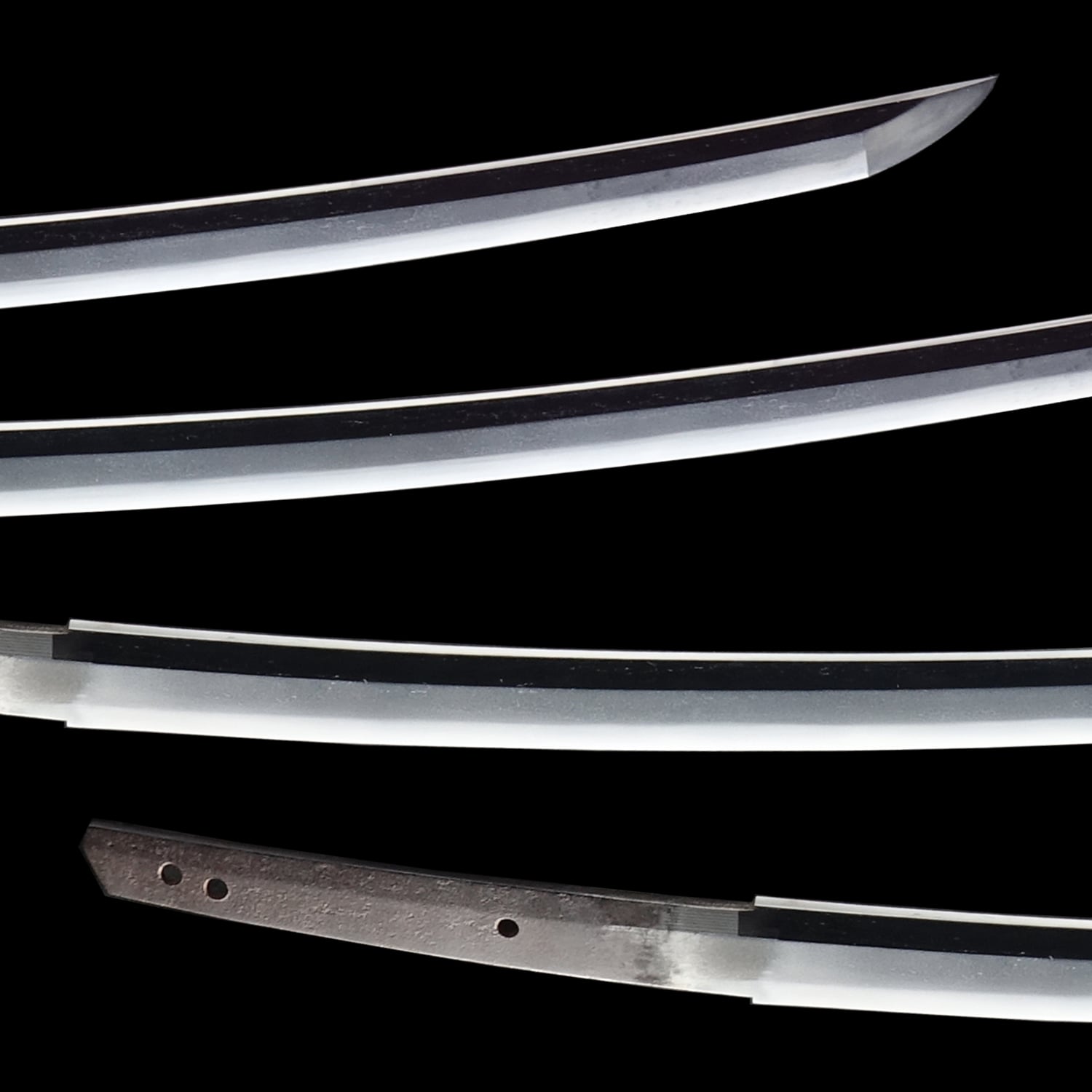
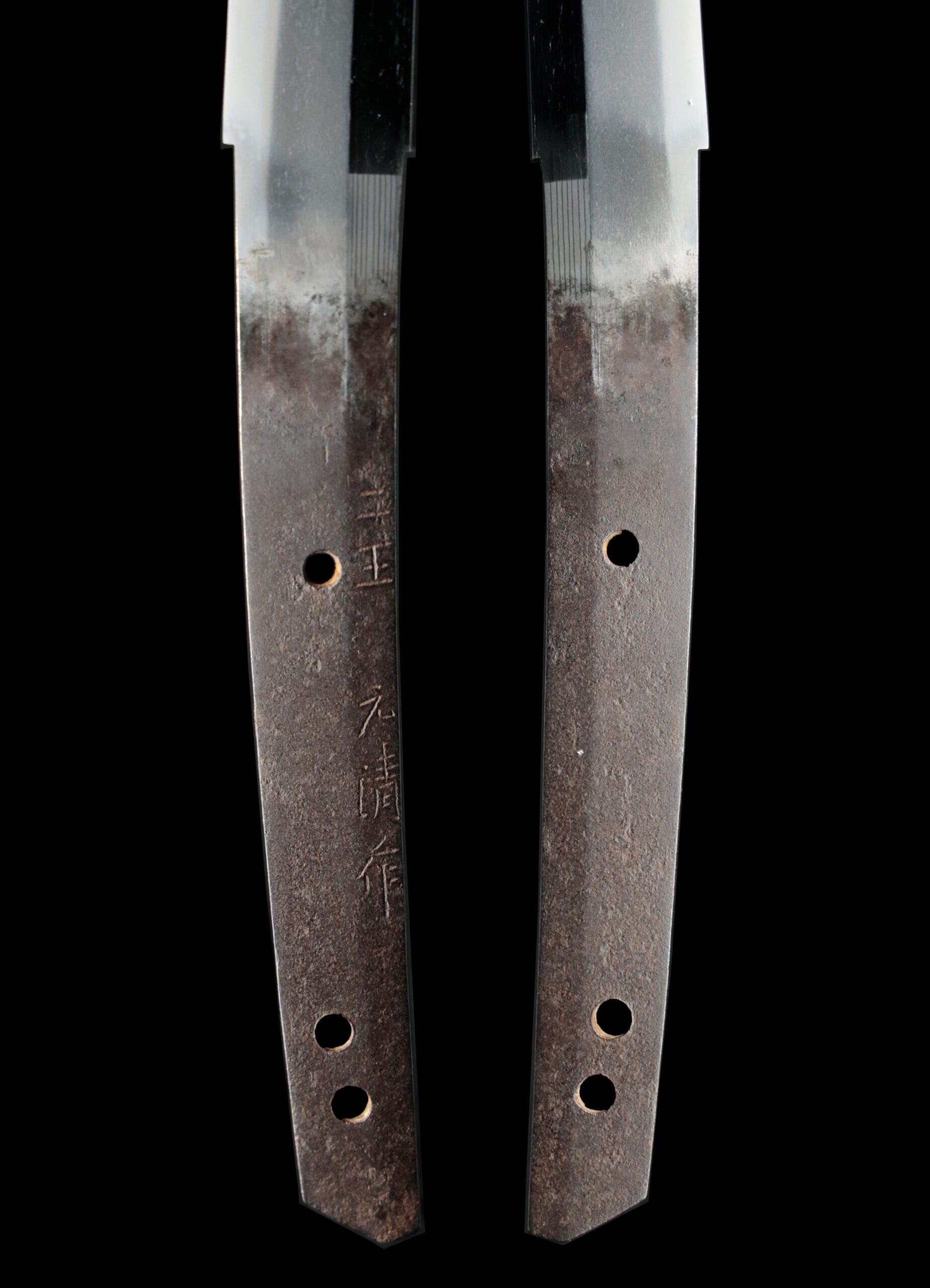
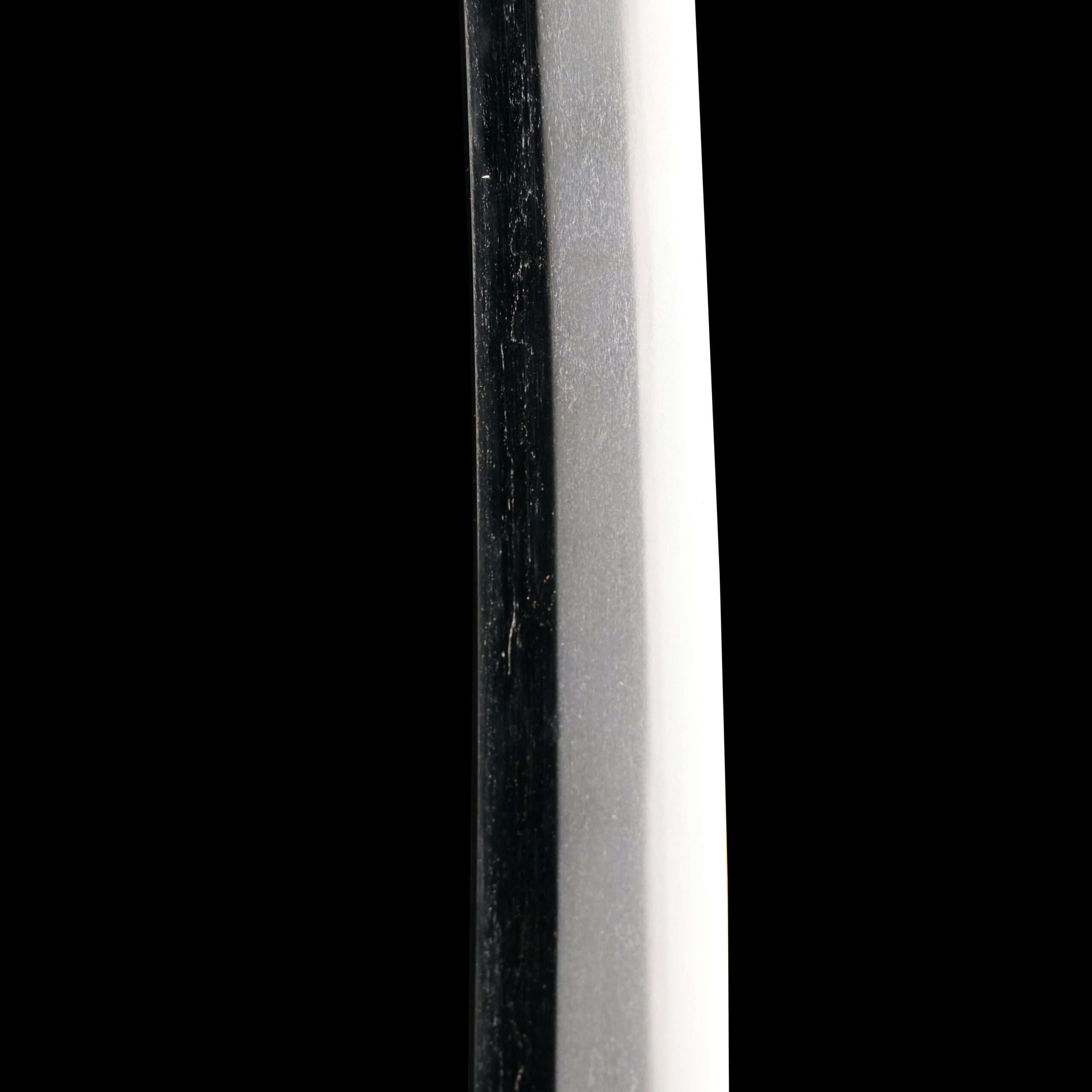
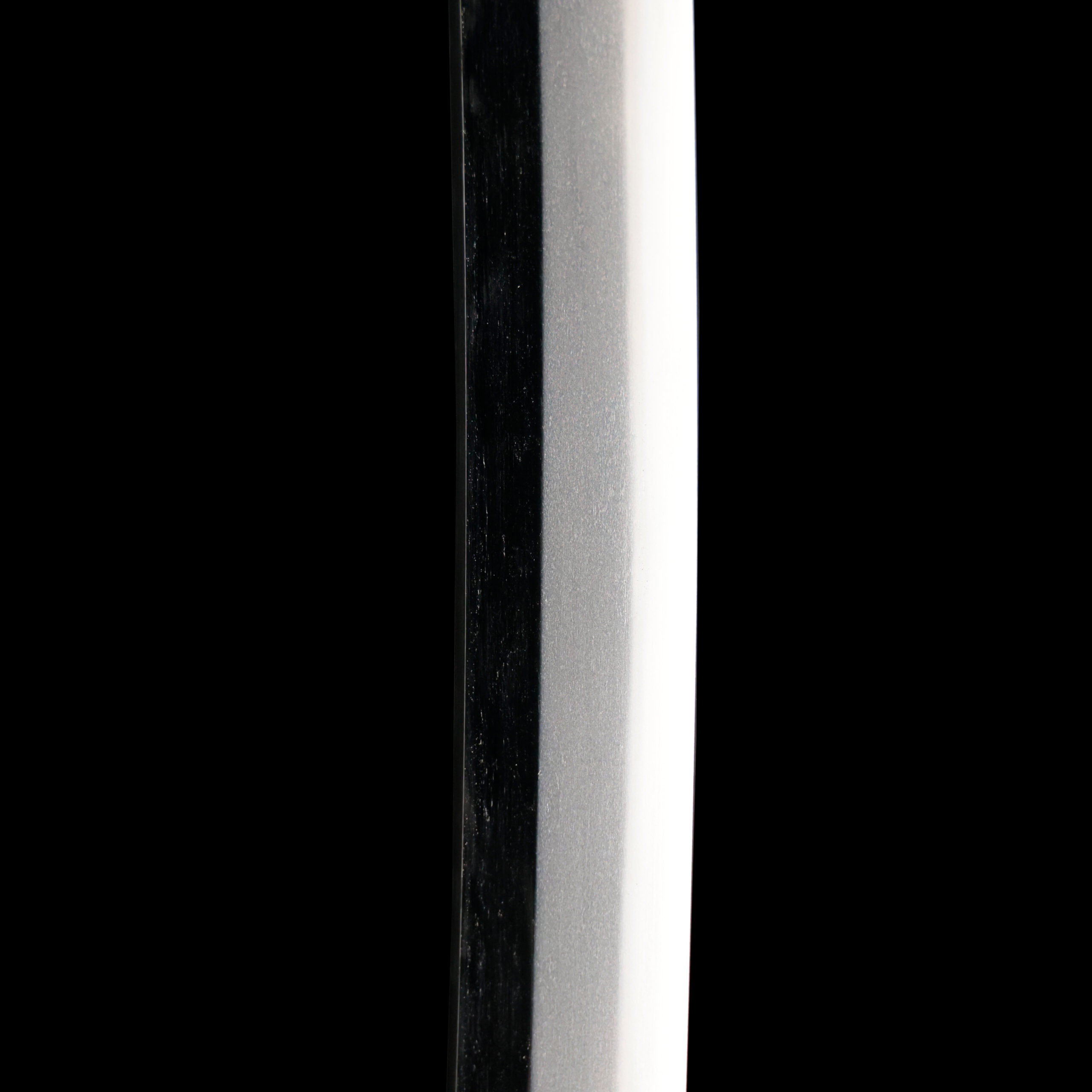
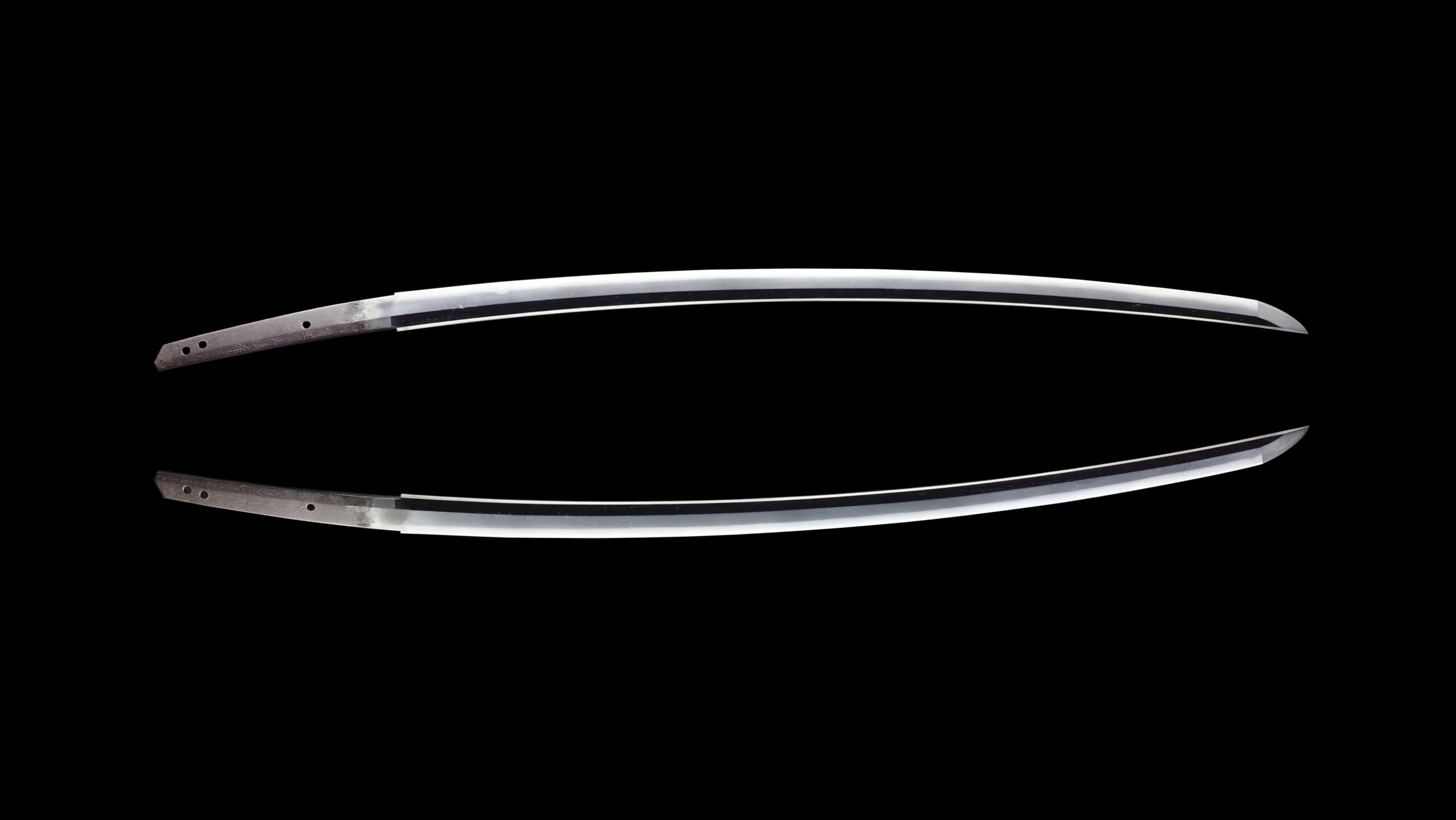
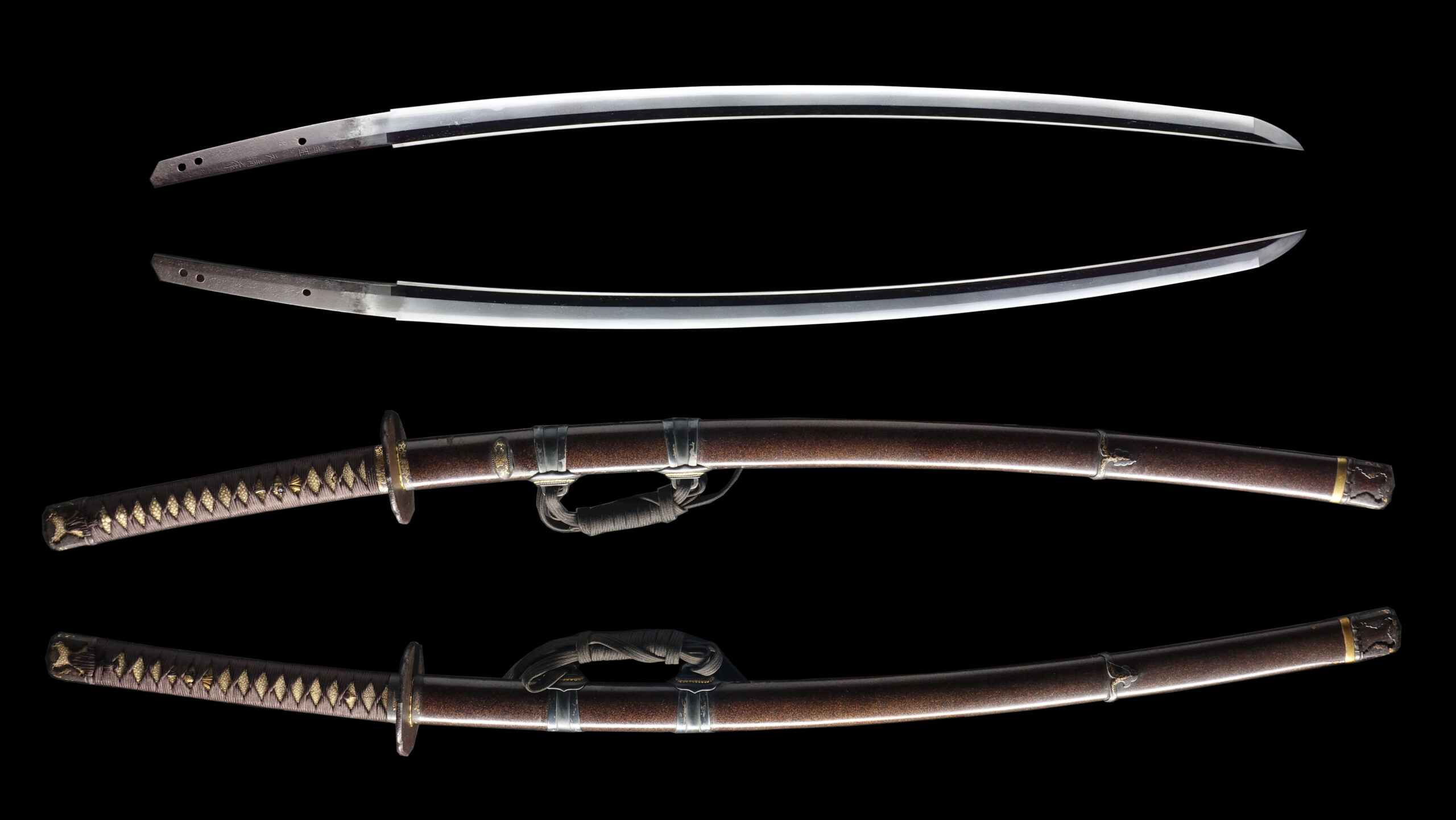
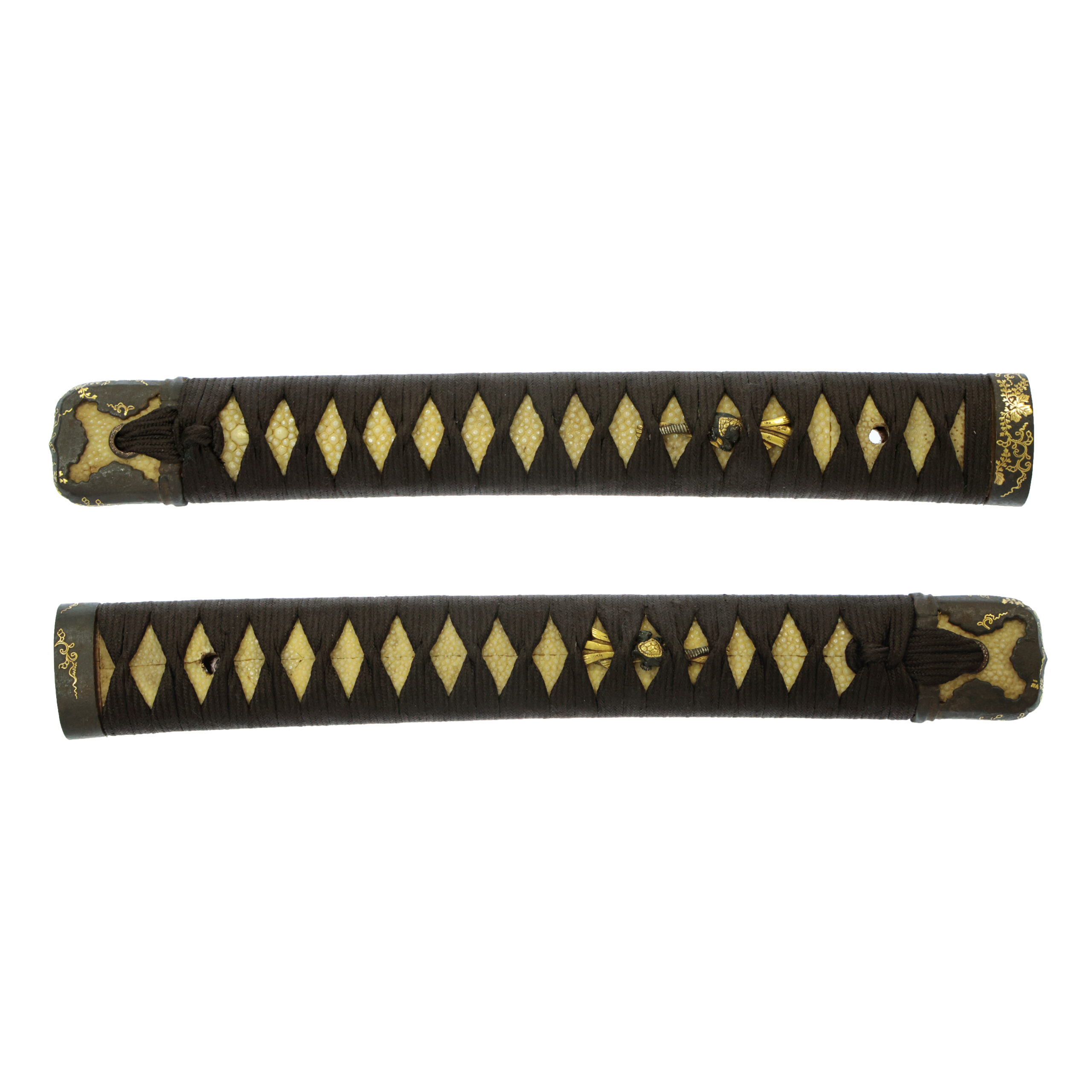
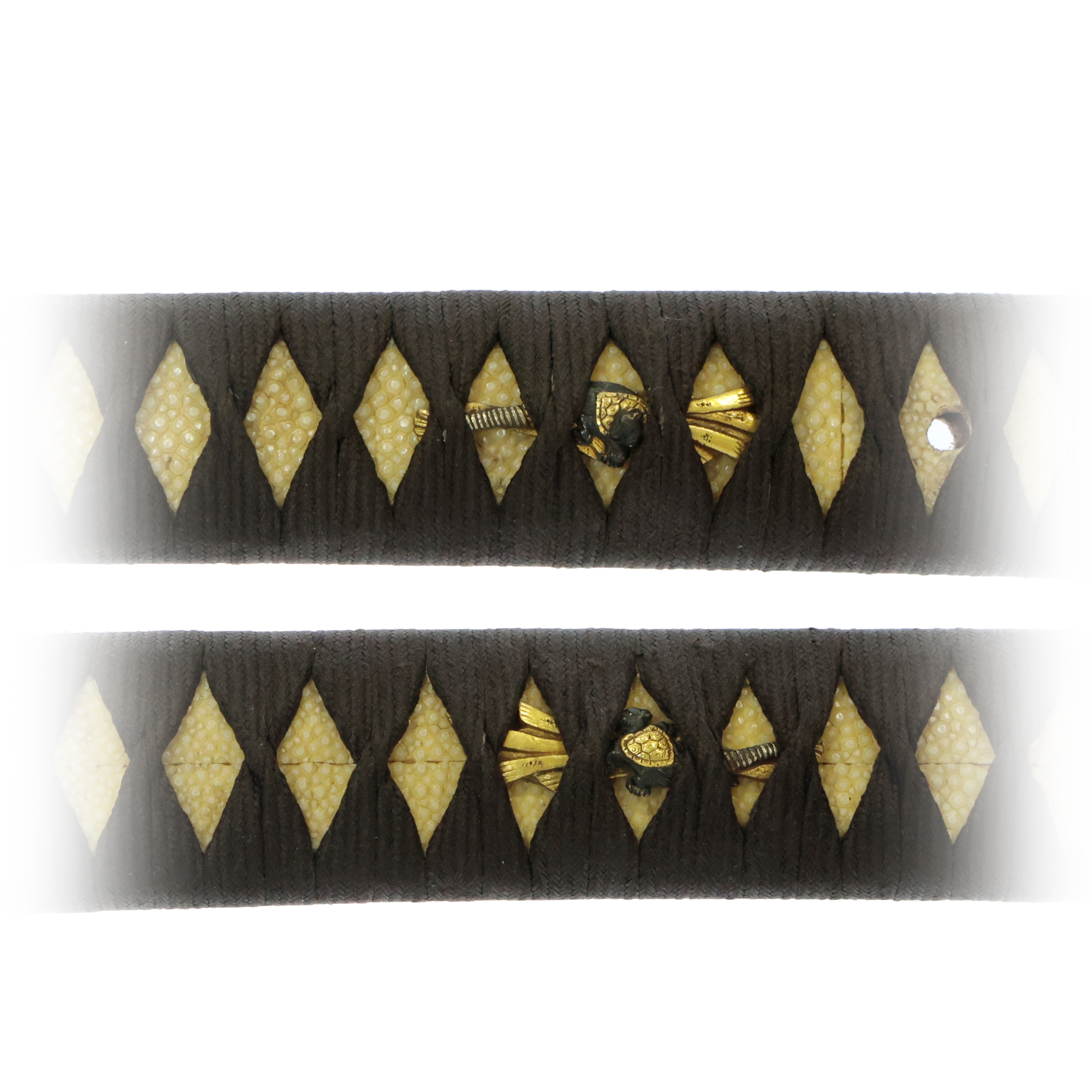
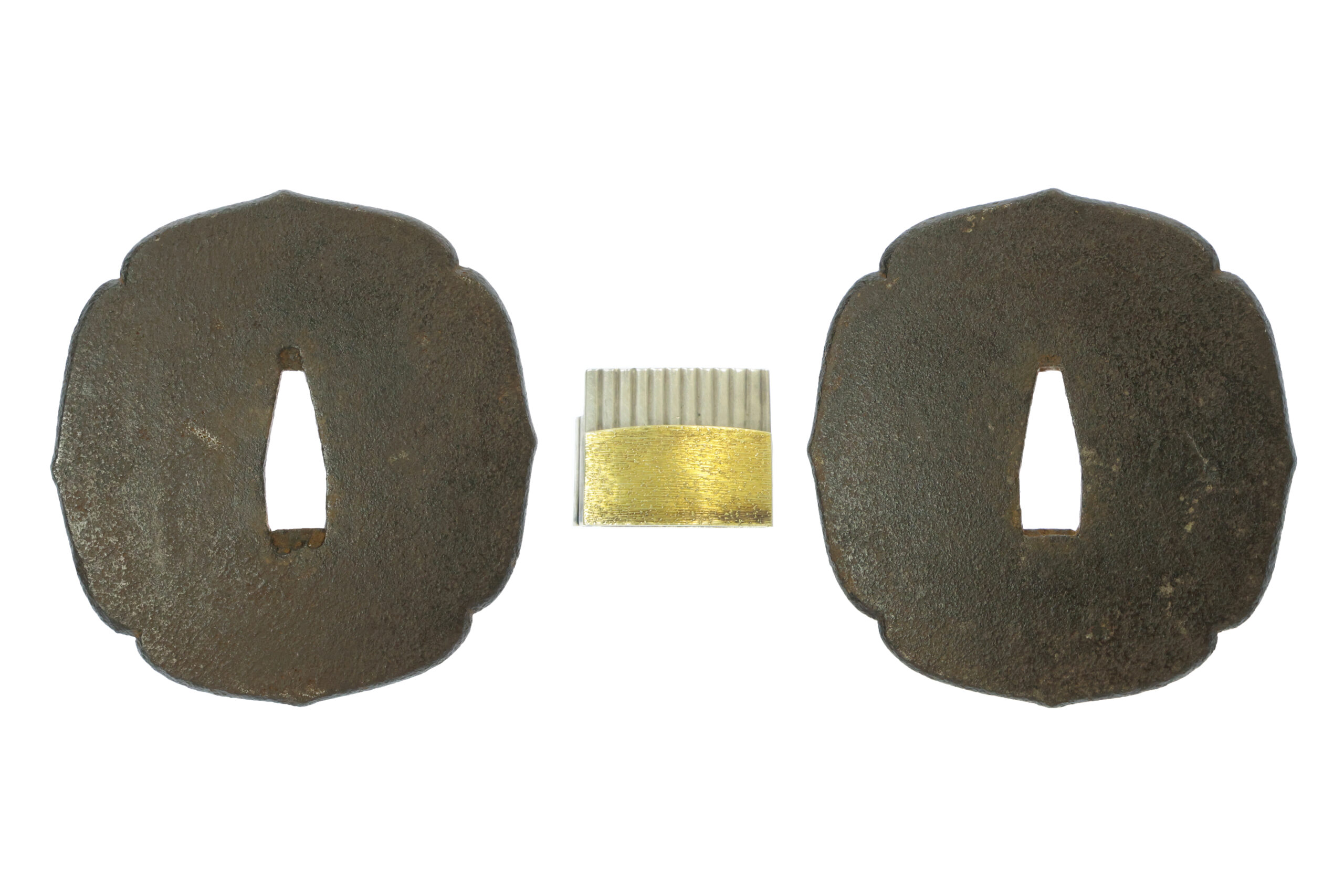
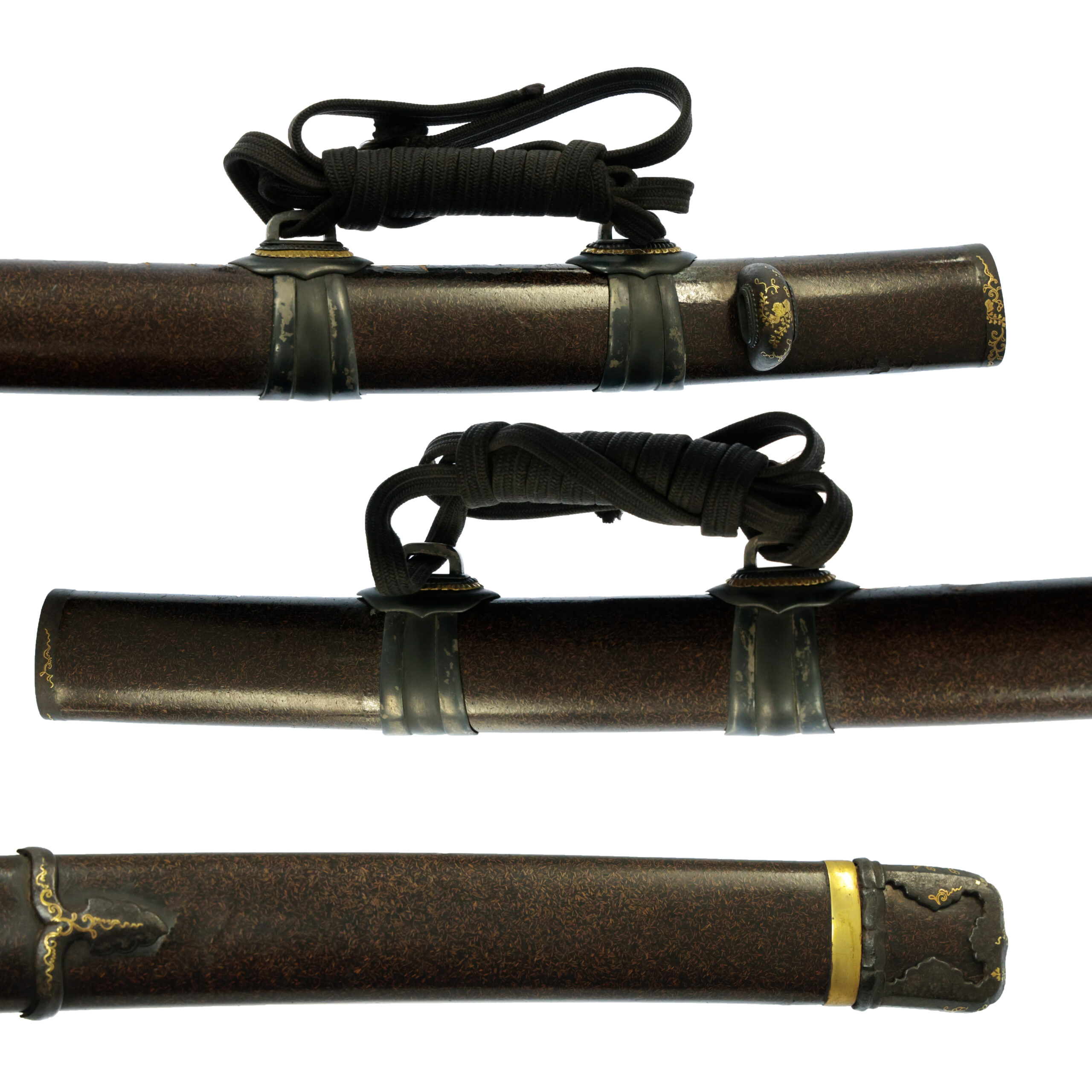
周防 · 1504-1521頃
刀剣大鑑 上位63%
現在1点販売中
室町時代
室町は刀剣業を産業に変えた。徒歩の集団戦とともに打刀が興り、長船と関は数打ち物と注文打ちを並行して産し、勘合貿易は日本刀を数万振の単位で海外へ運んだ。
保存刀剣のうち、出来が一層優れ、保存状態も良好と認められたものです。再刃や、室町・江戸期の多くの無銘作は対象外となり、保存刀剣より高い基準が課されます。
日本美術刀剣保存協会(NBTHK)は、1948年に設立され、文化庁の監督を受ける公益財団法人で、東京・刀剣博物館に本部を置きます。専門の審査員が出品作を直接審査し、美術的・歴史的価値に応じた鑑定書を発行します。NBTHKの鑑定書は、日本刀および刀装具の真正性を示す最も広く認知された基準です。
NBTHK公式サイトReturns/exchanges limited to defects caused by shipping (except willful misconduct or gross negligence by the company); customers must contact within 72 hours of receiving the product.