徳川の泰平のもと、大小は法度の定める身分の制服となり、需要は城下町、とりわけ江戸に集まった。工芸は二つに分かれる。目利きのための華やかな鑑賞の作と、截断の結果を金象嵌に刻む実証の刀である。
 NihontoWatchNihontoWatch
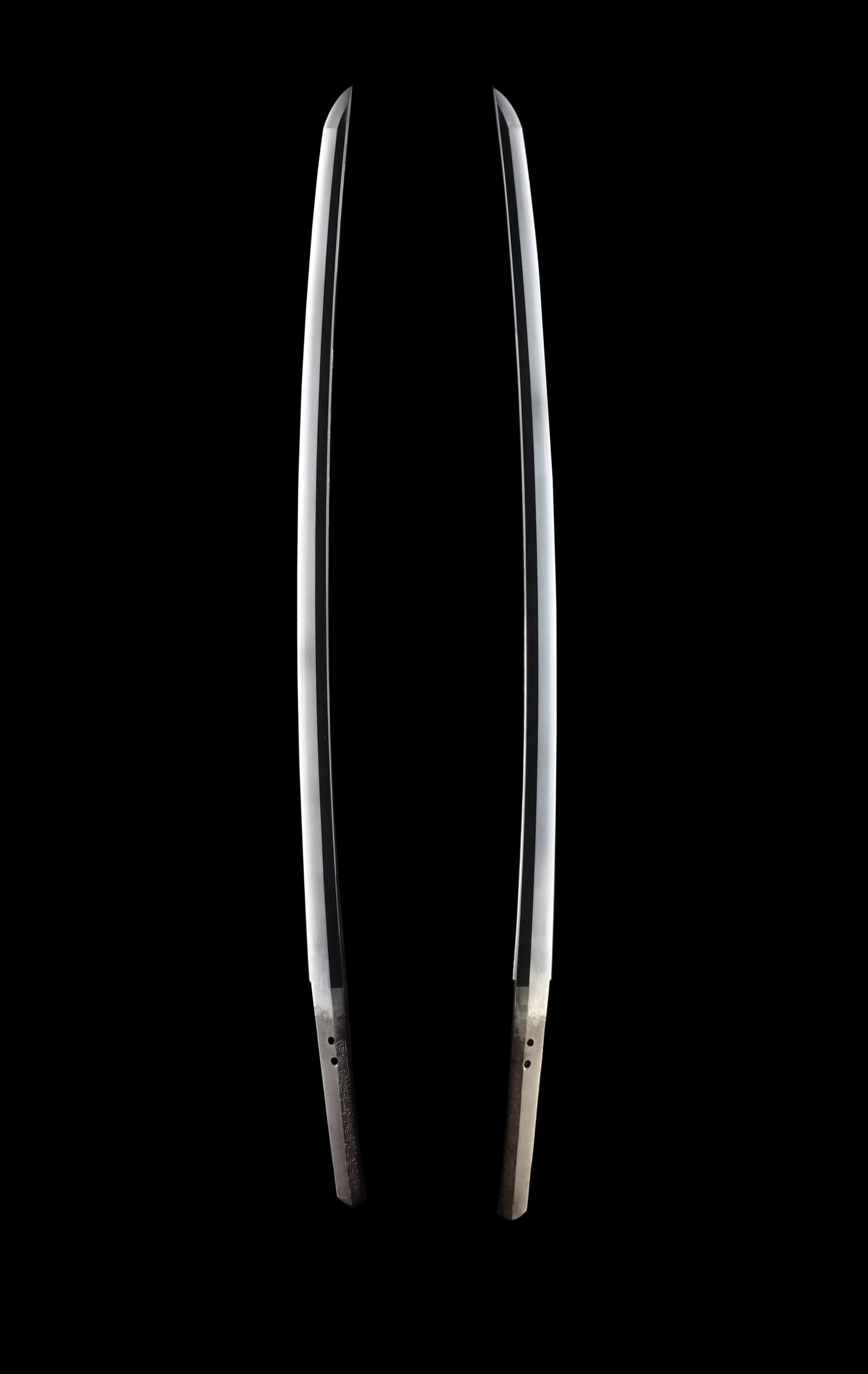
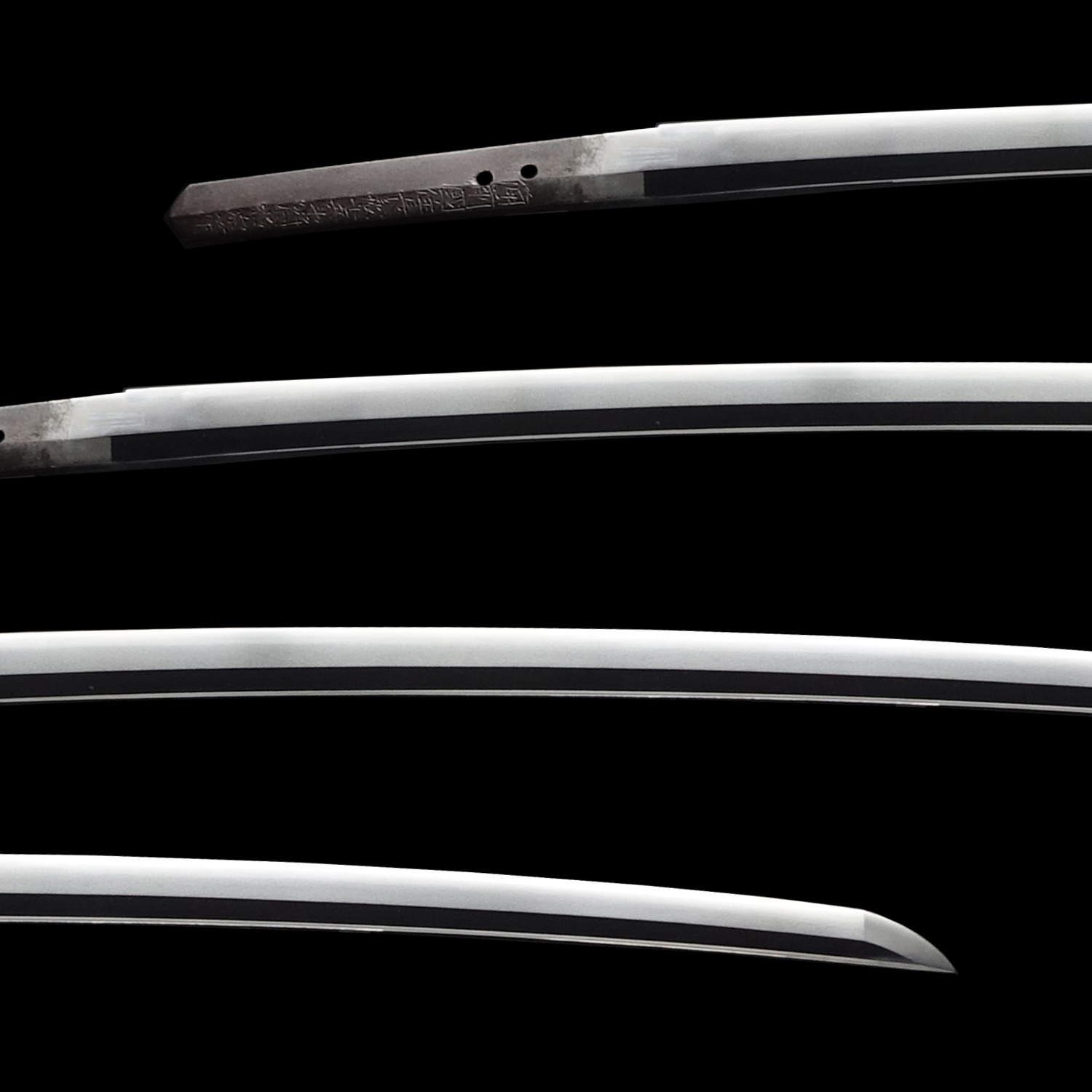
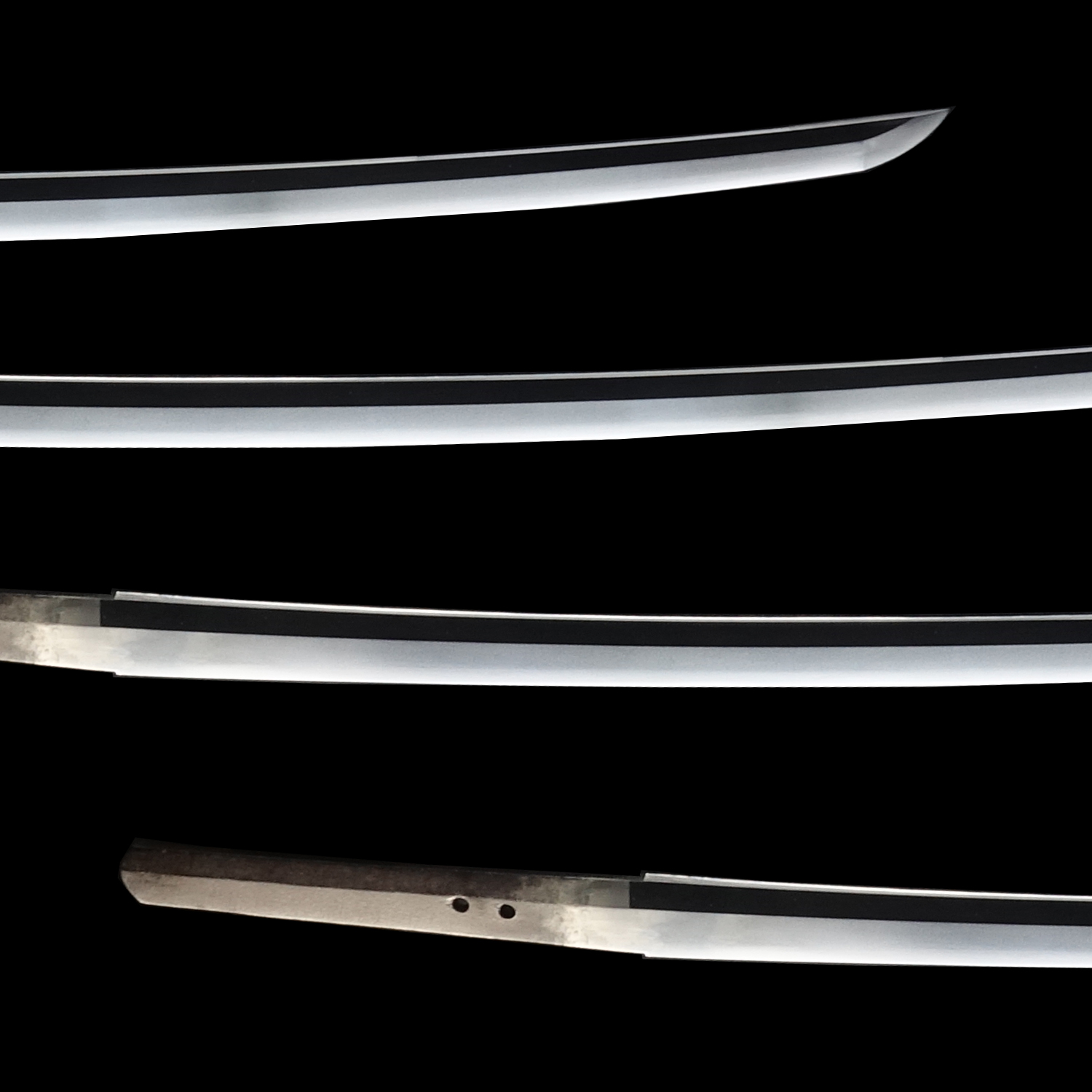
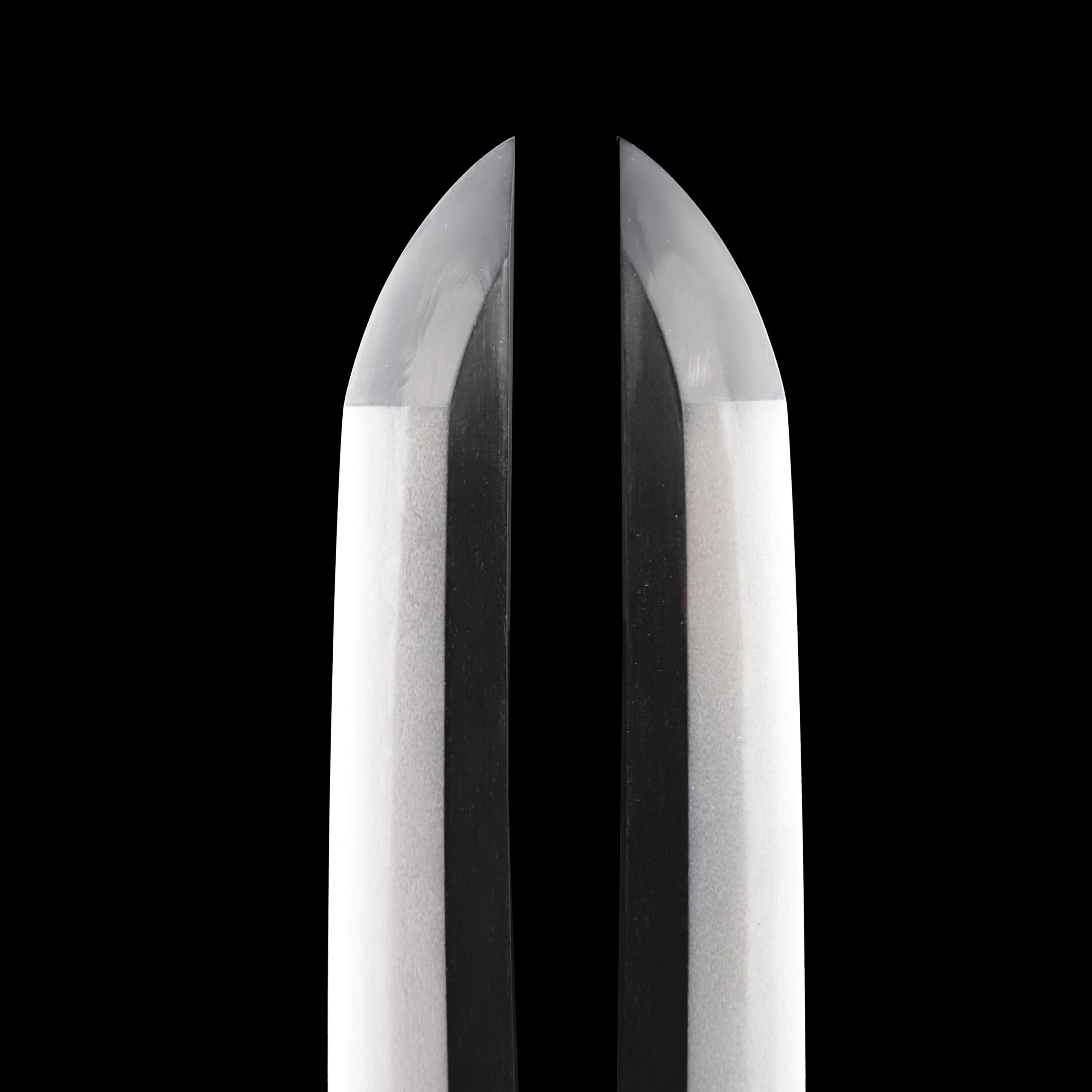
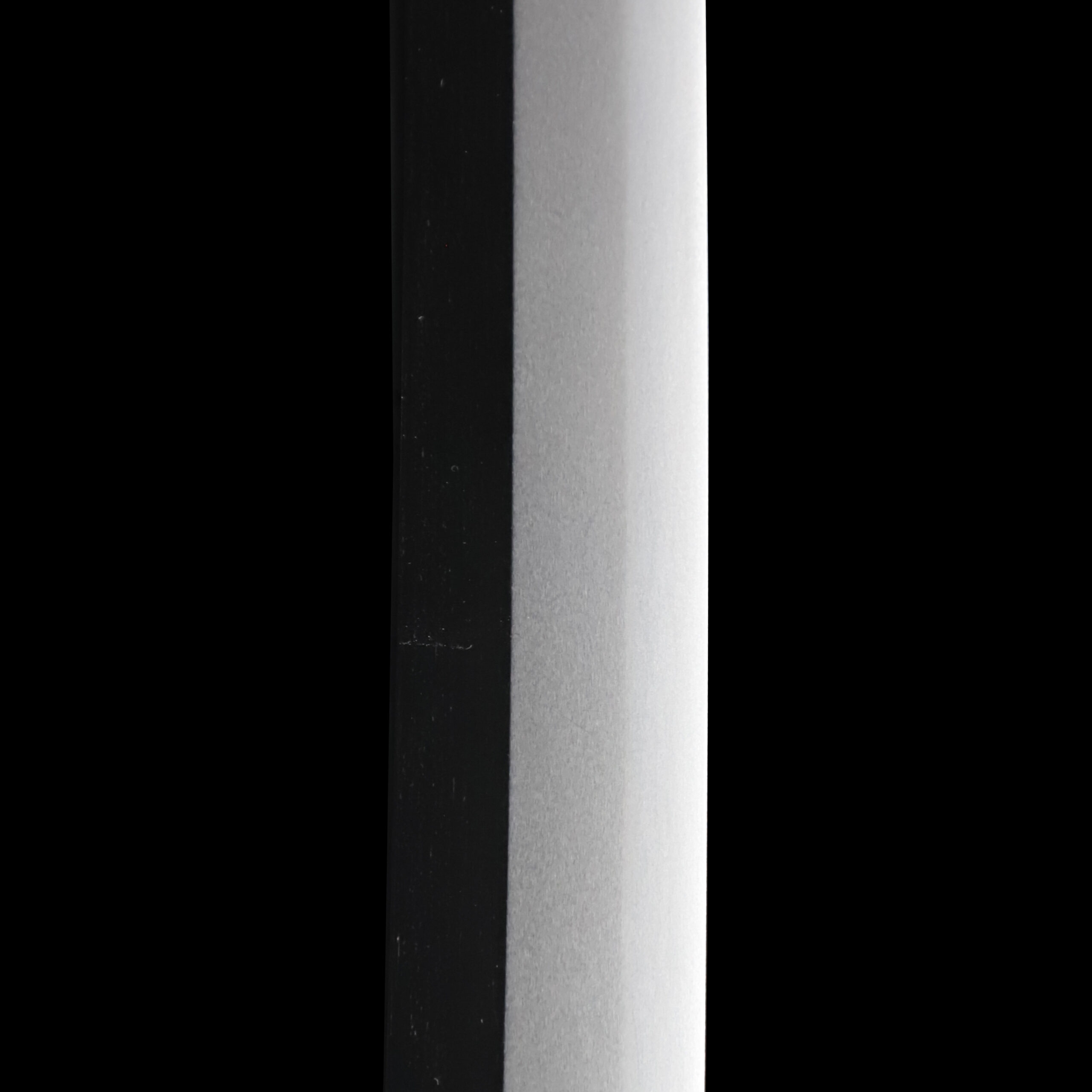
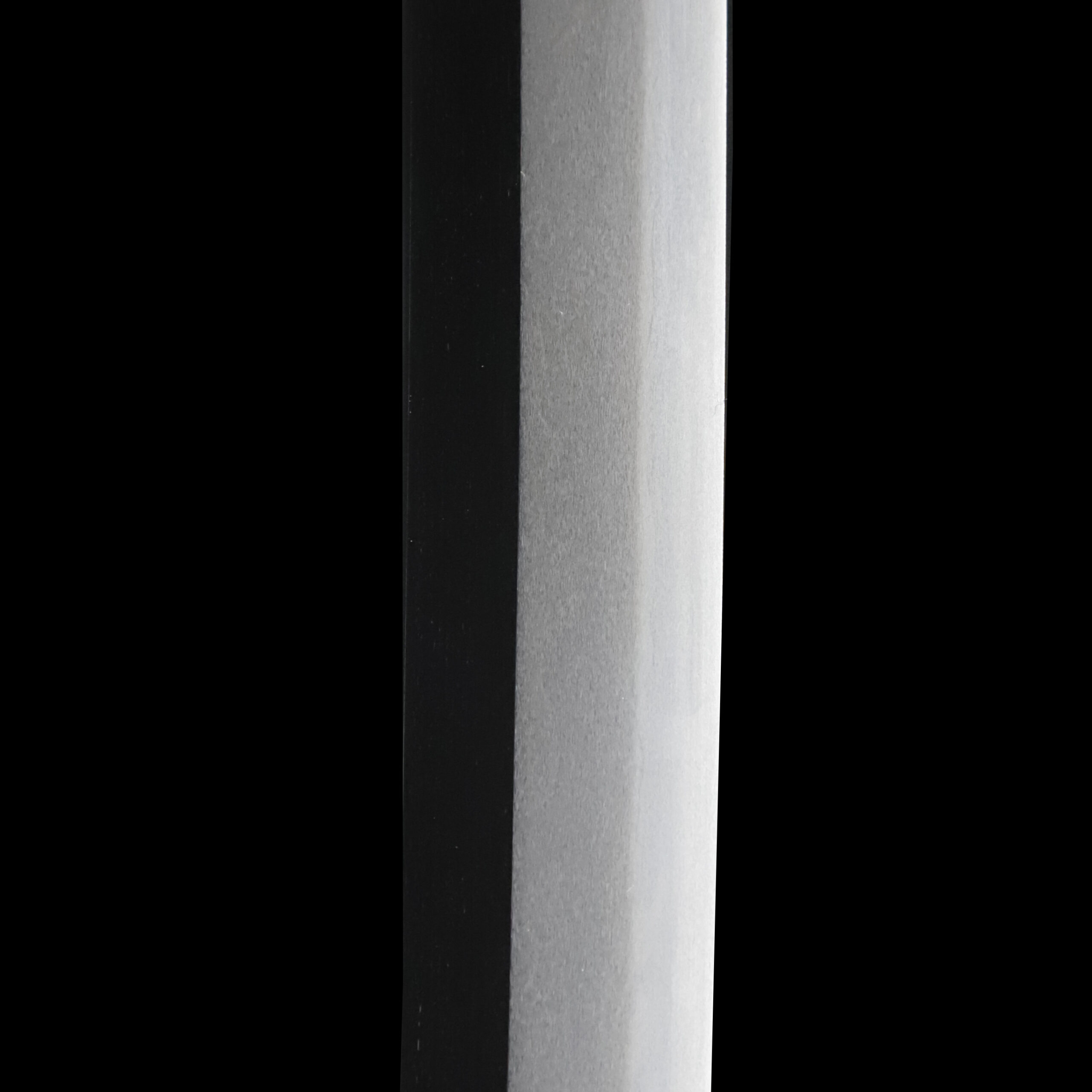
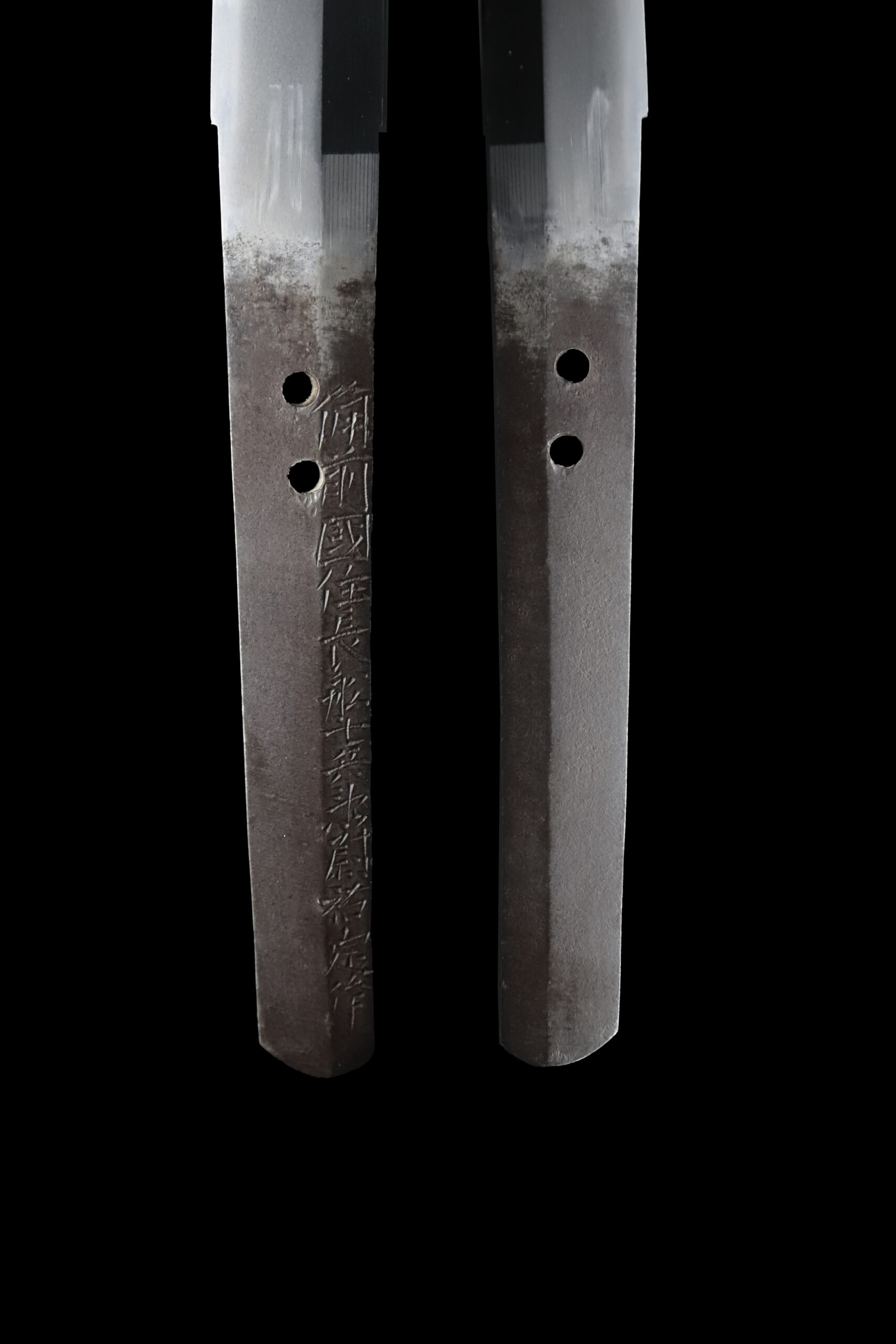
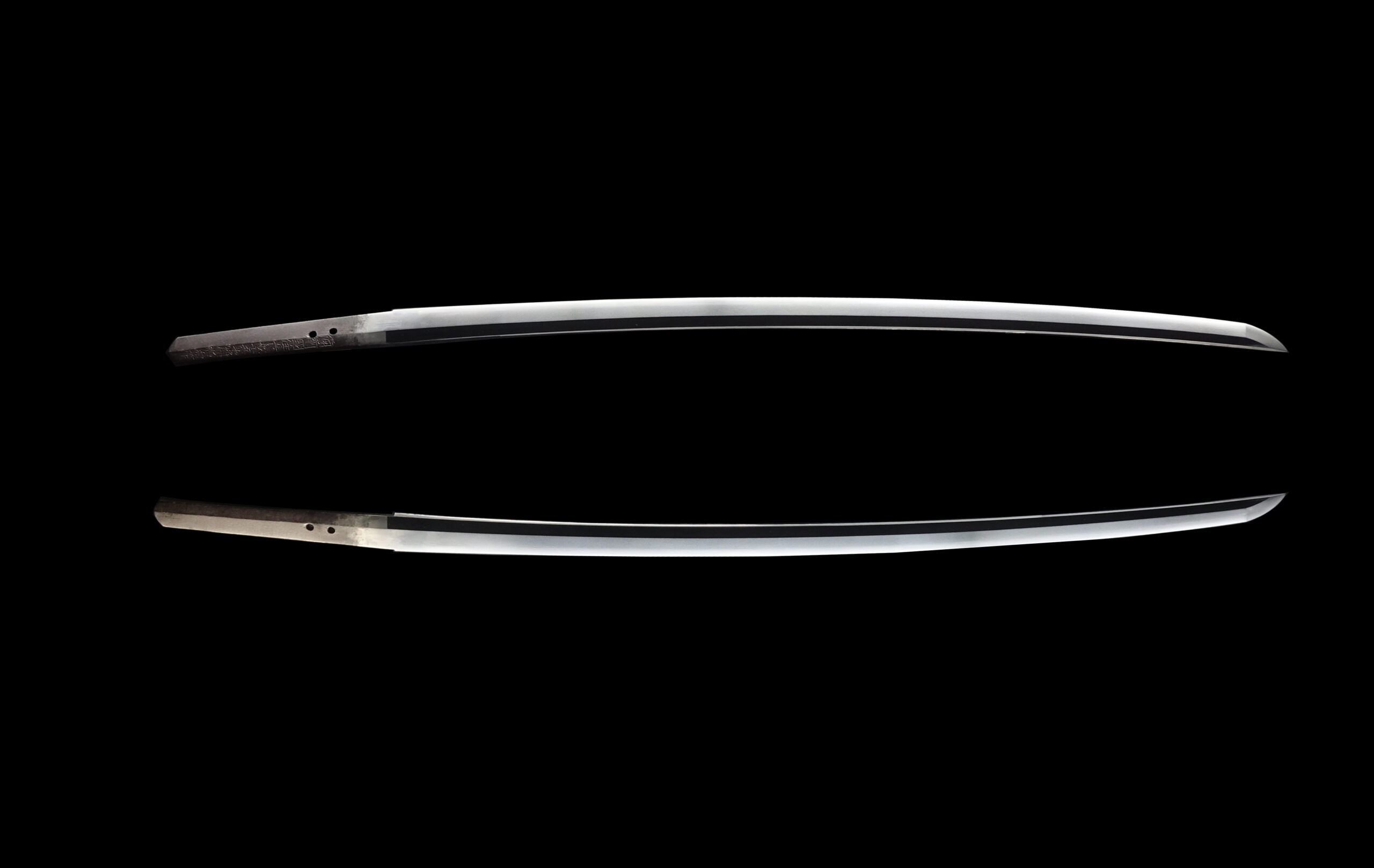
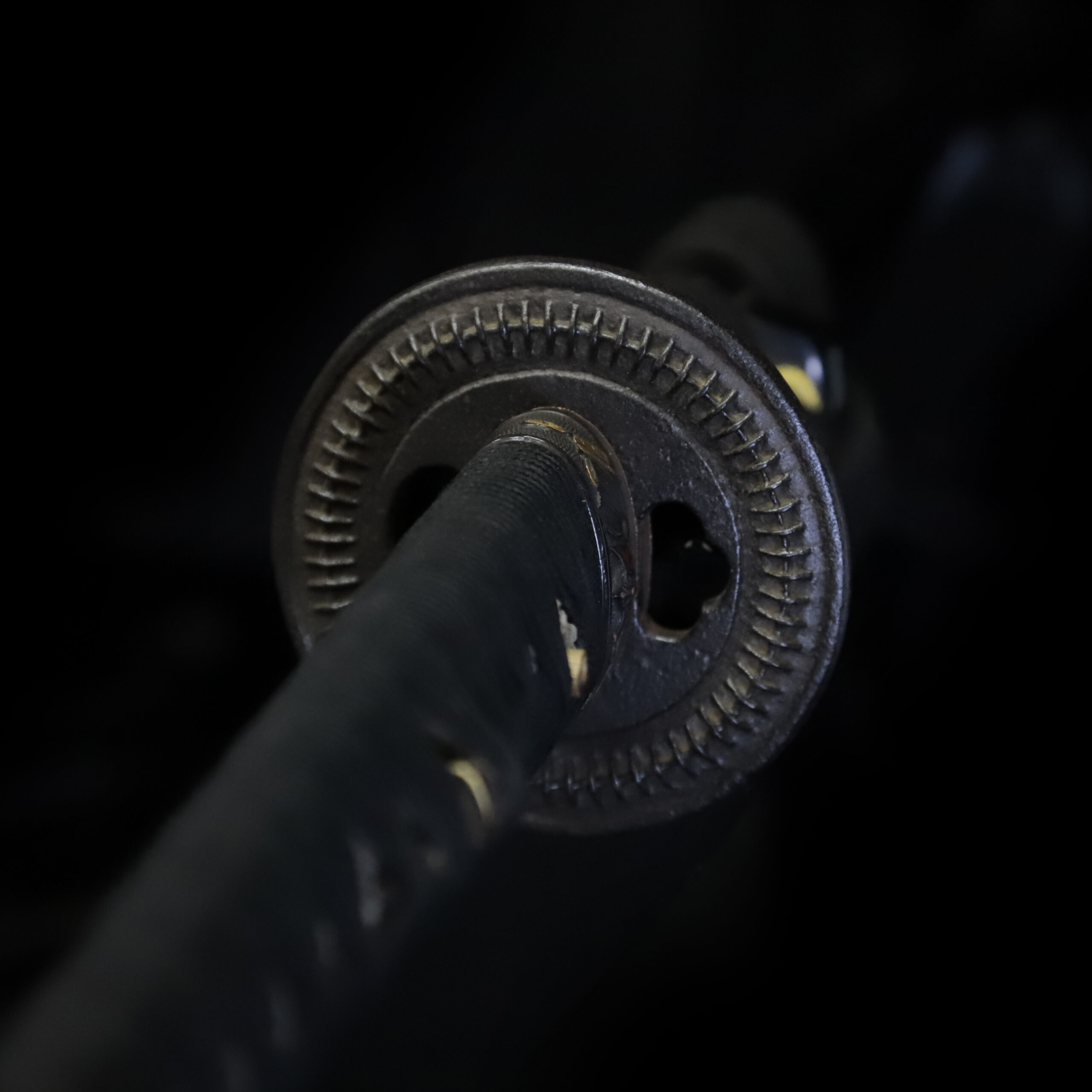
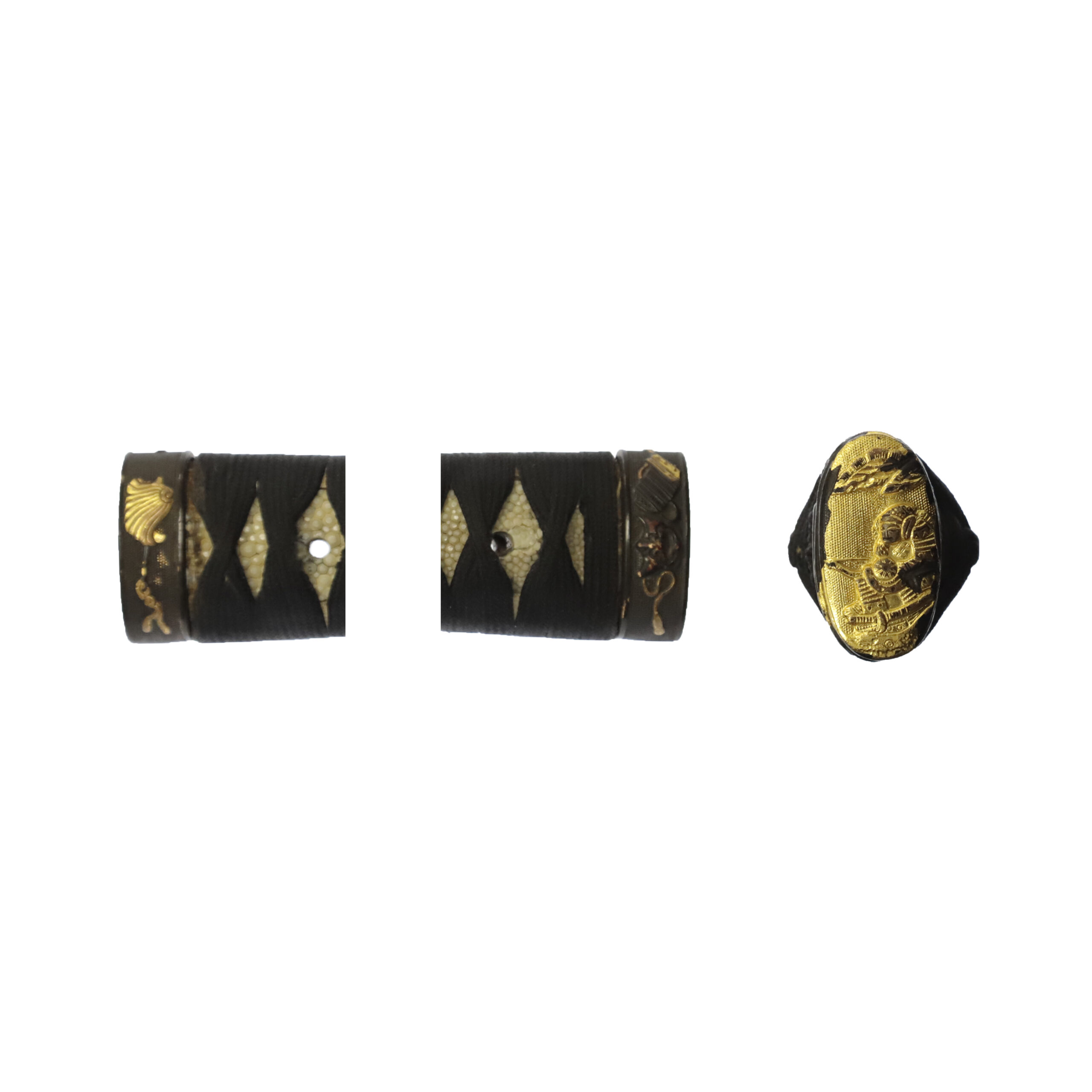
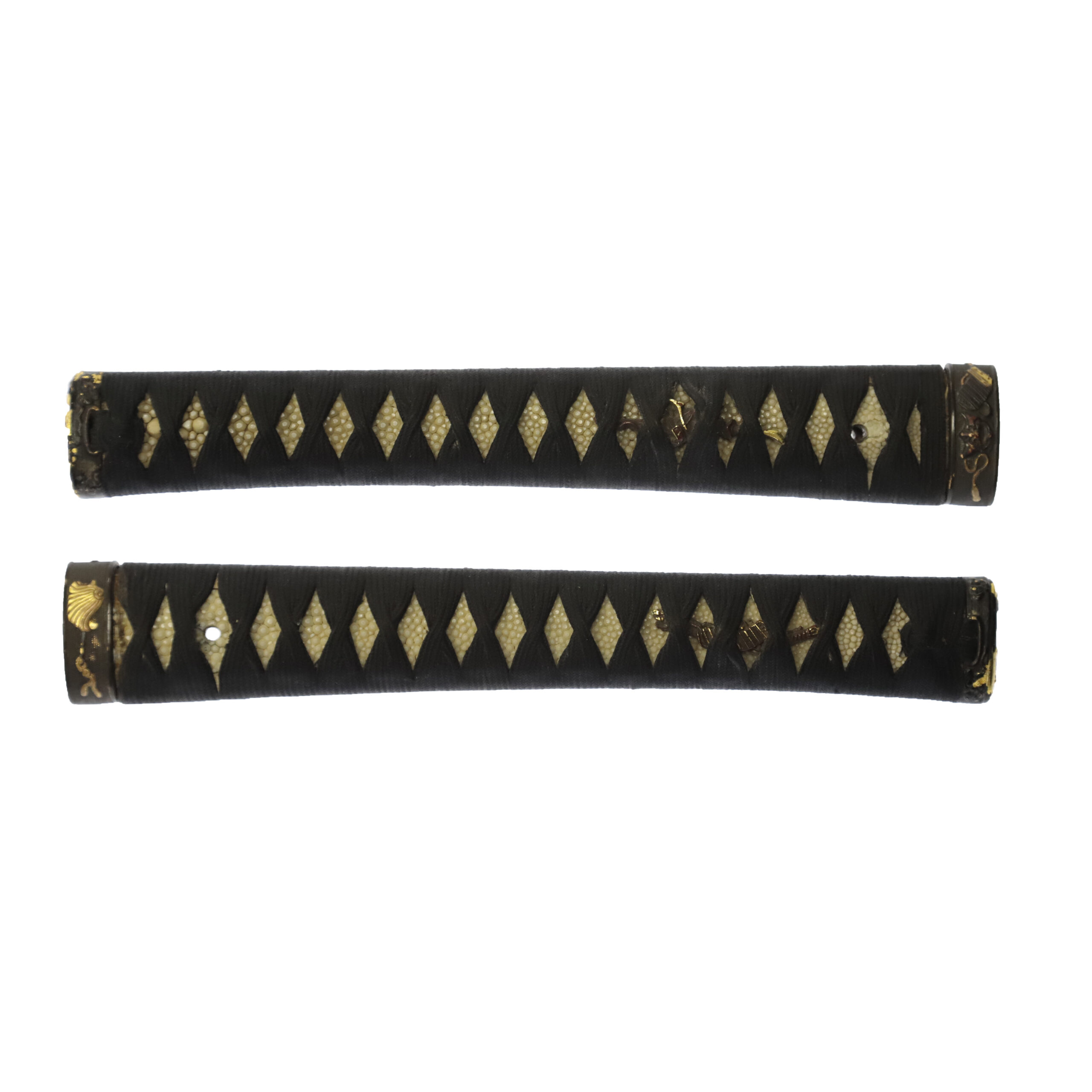
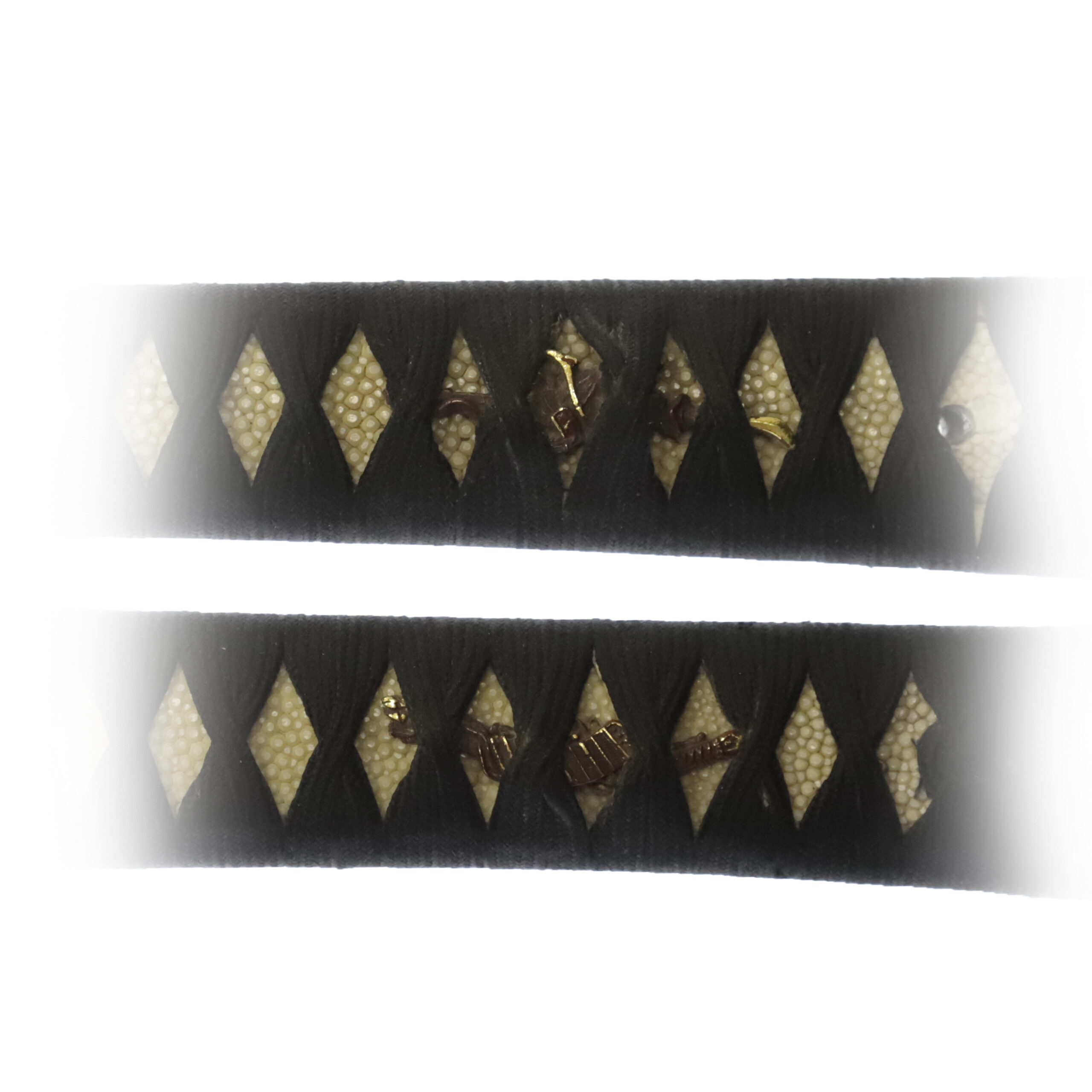
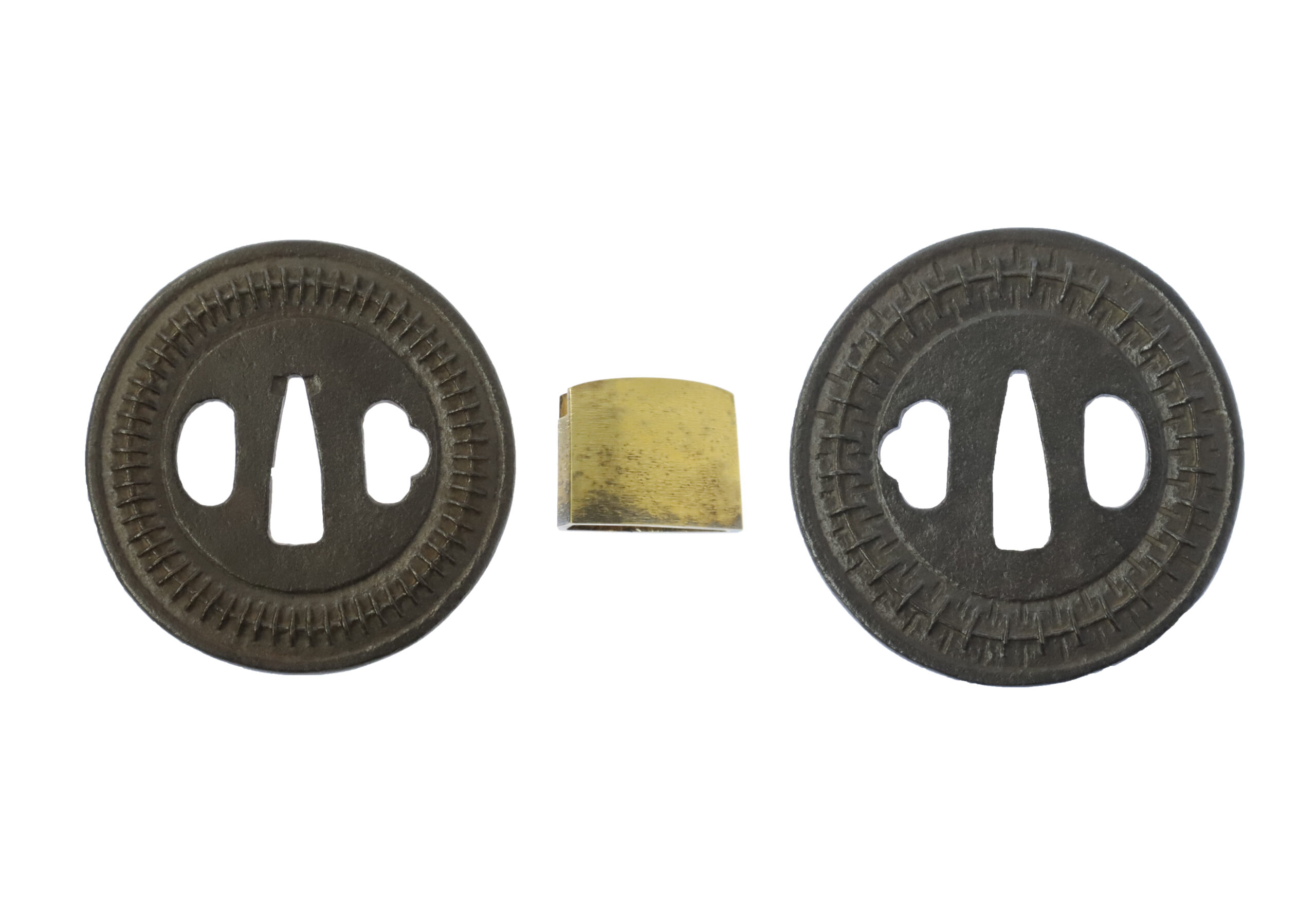
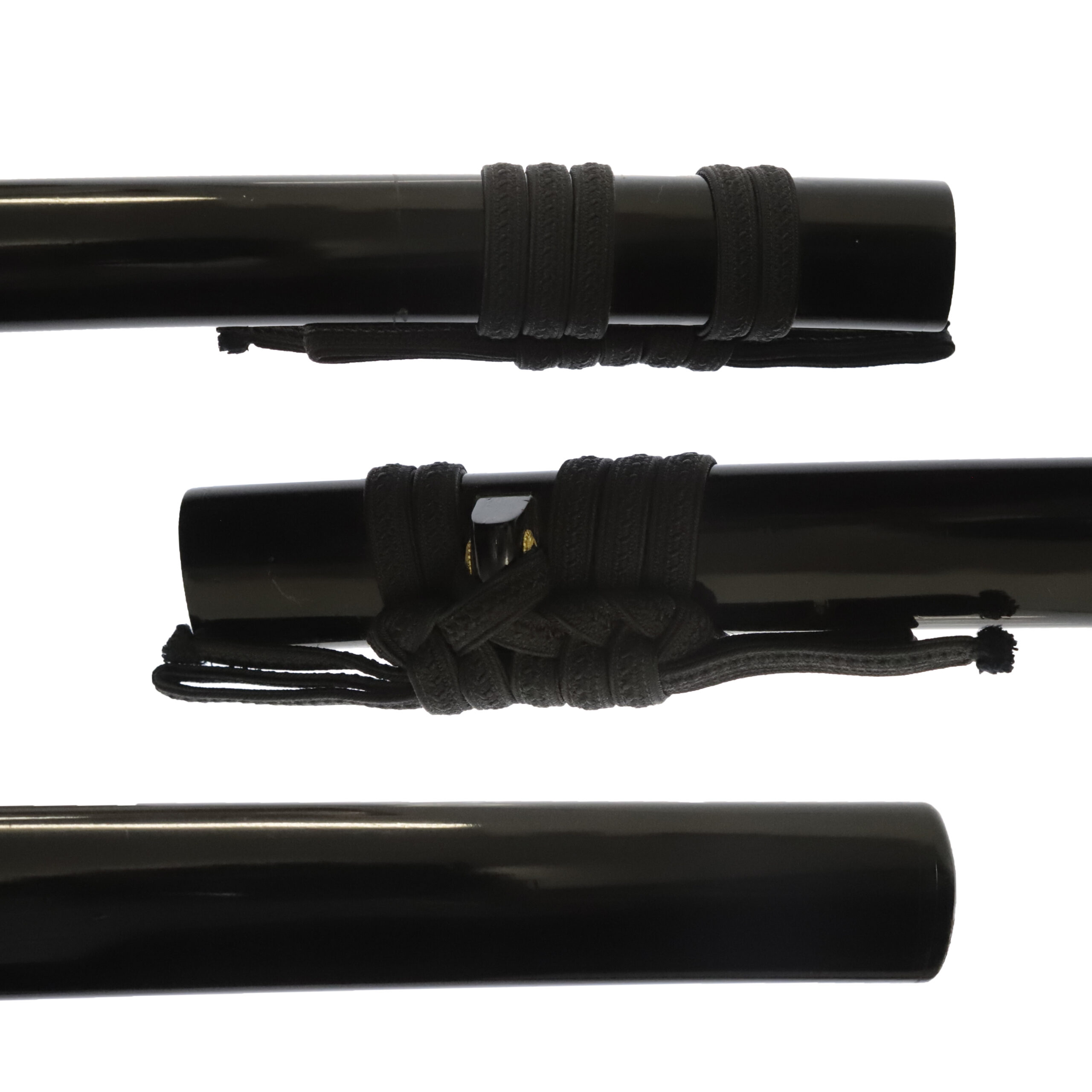
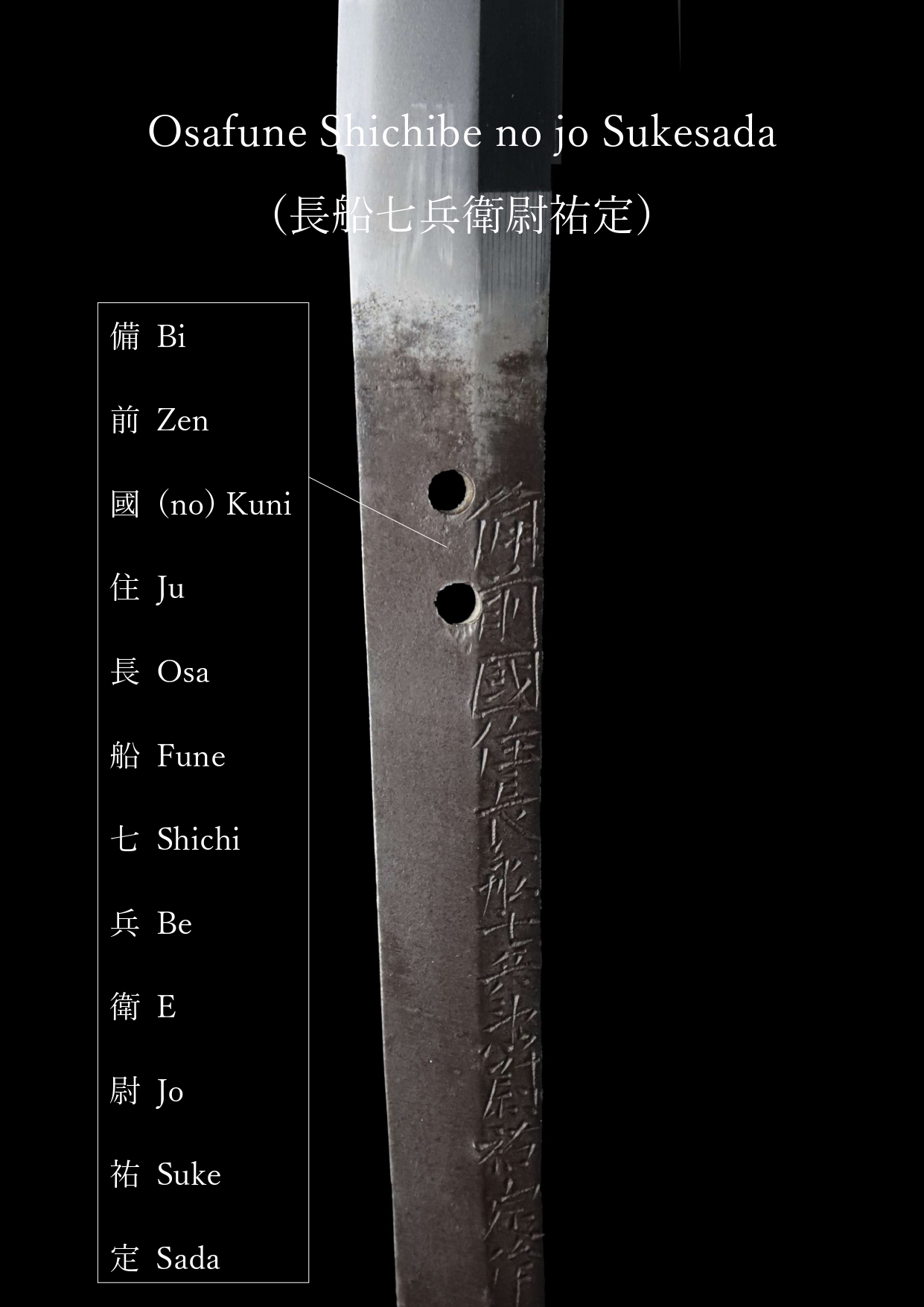
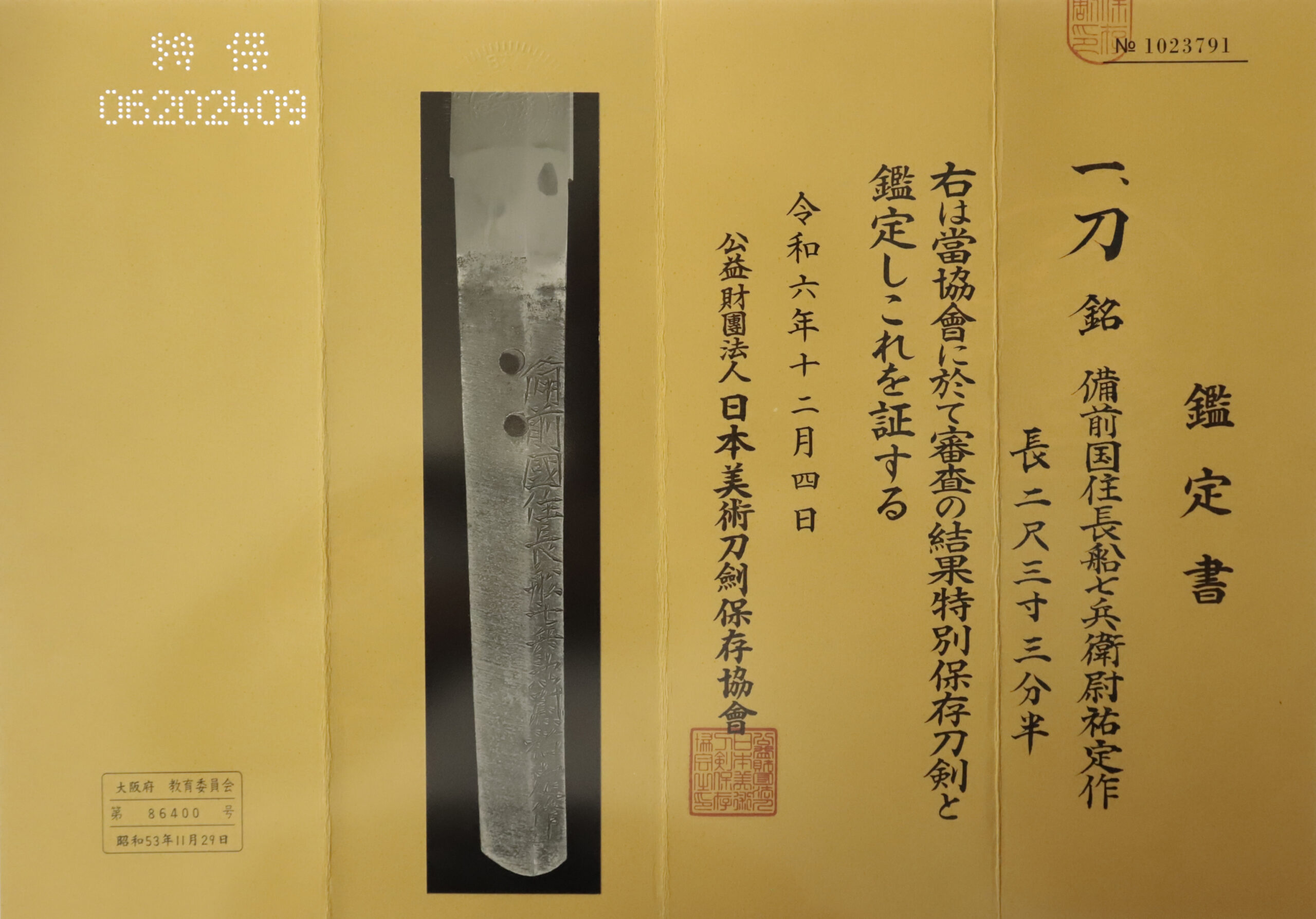
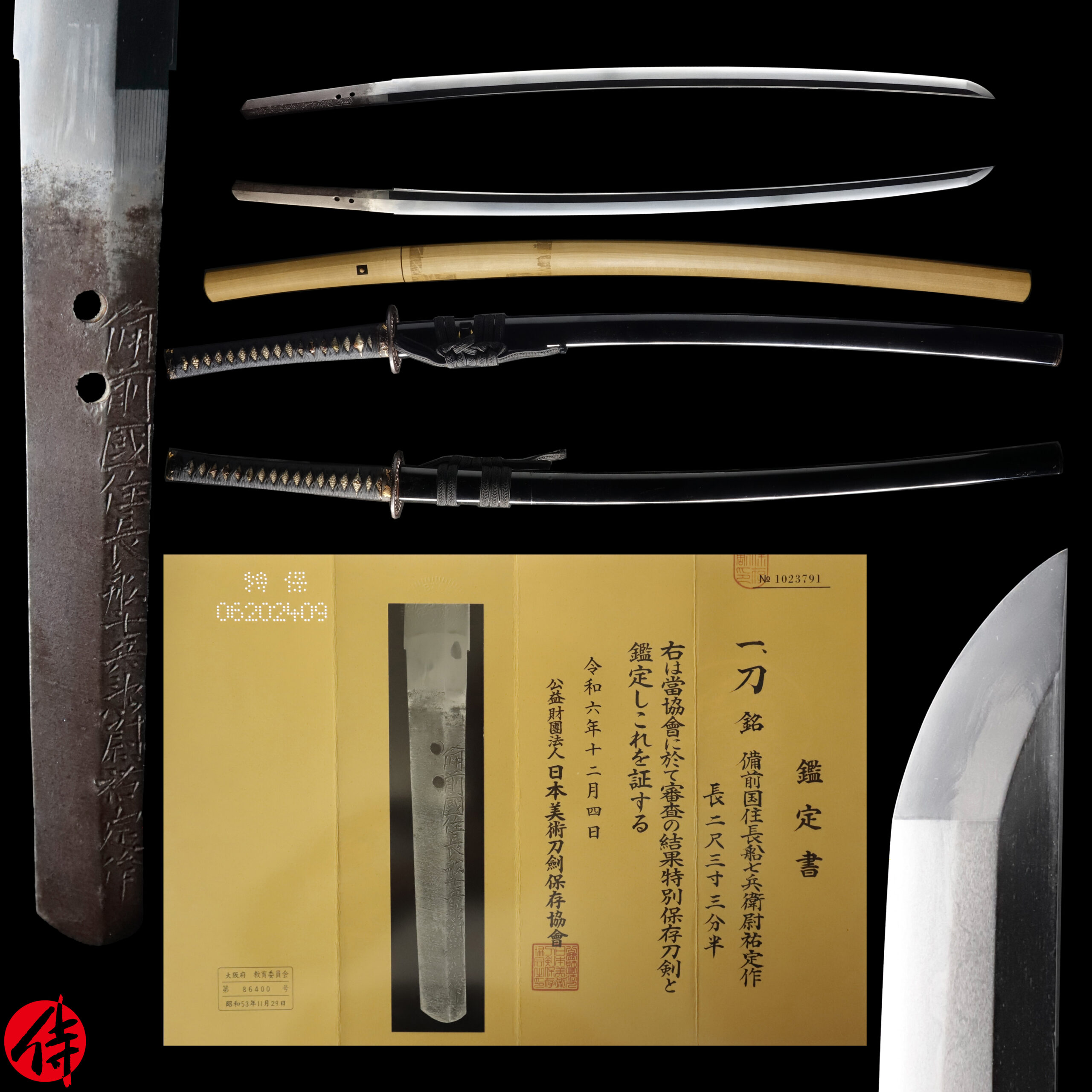
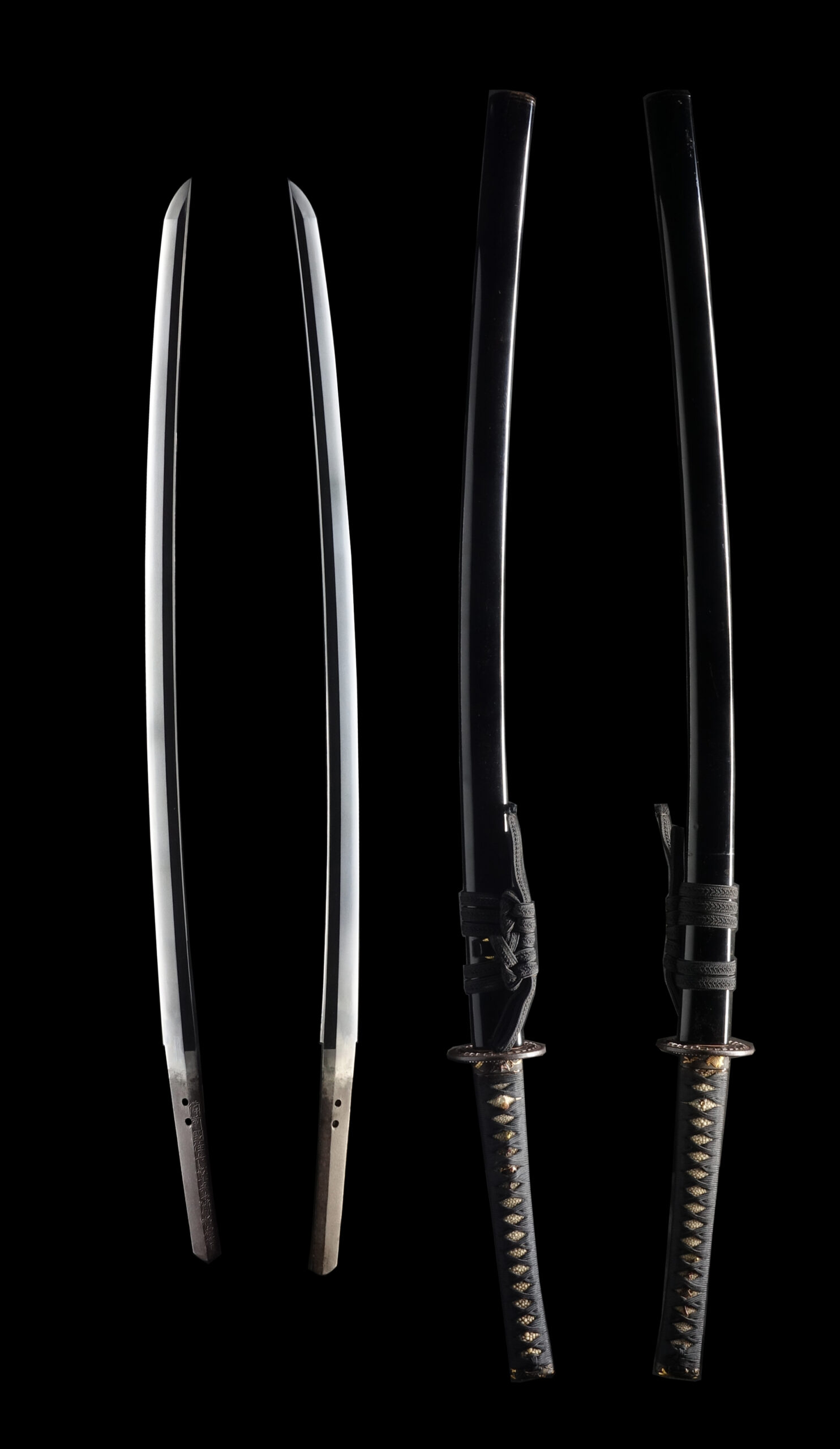
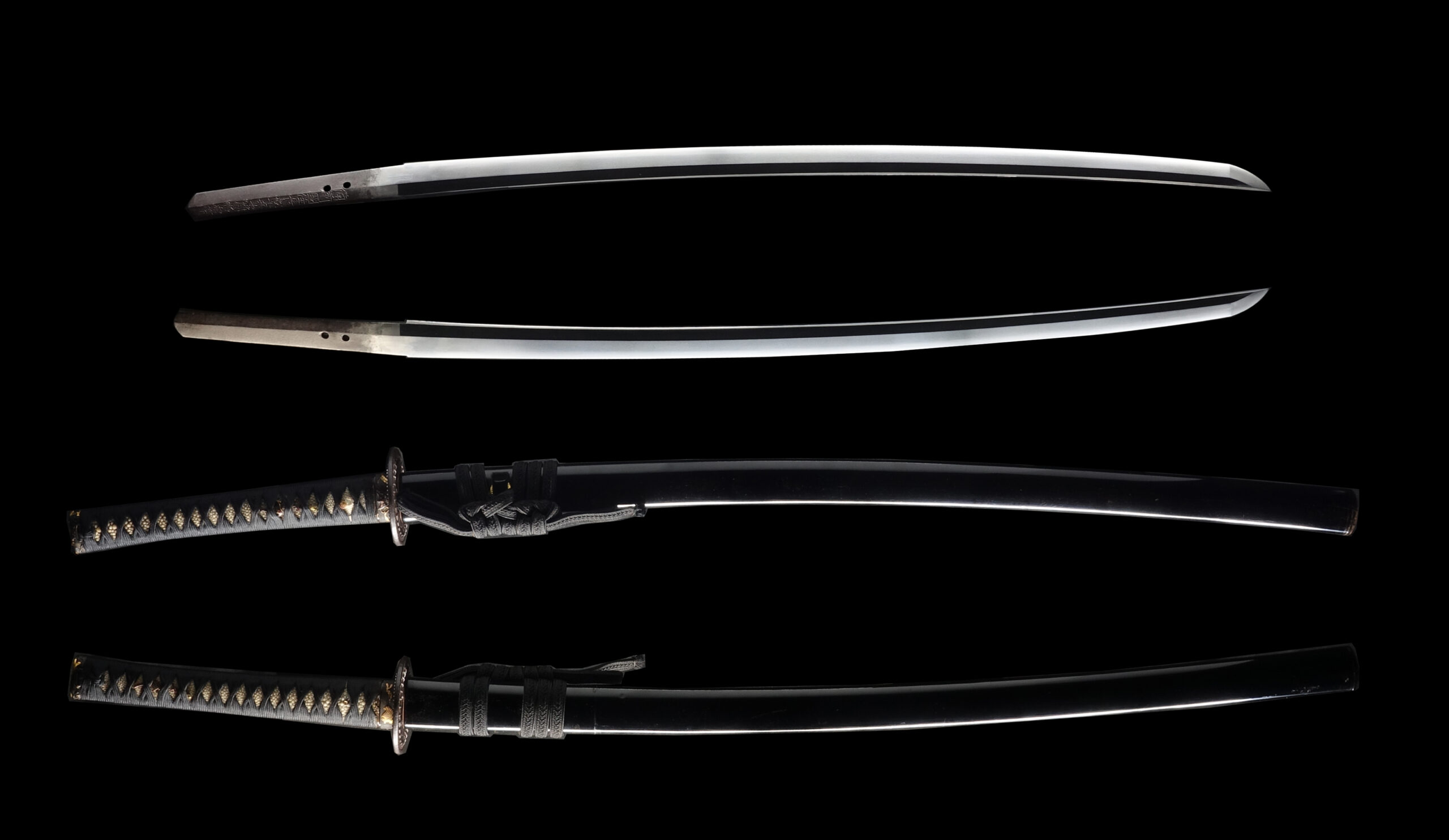
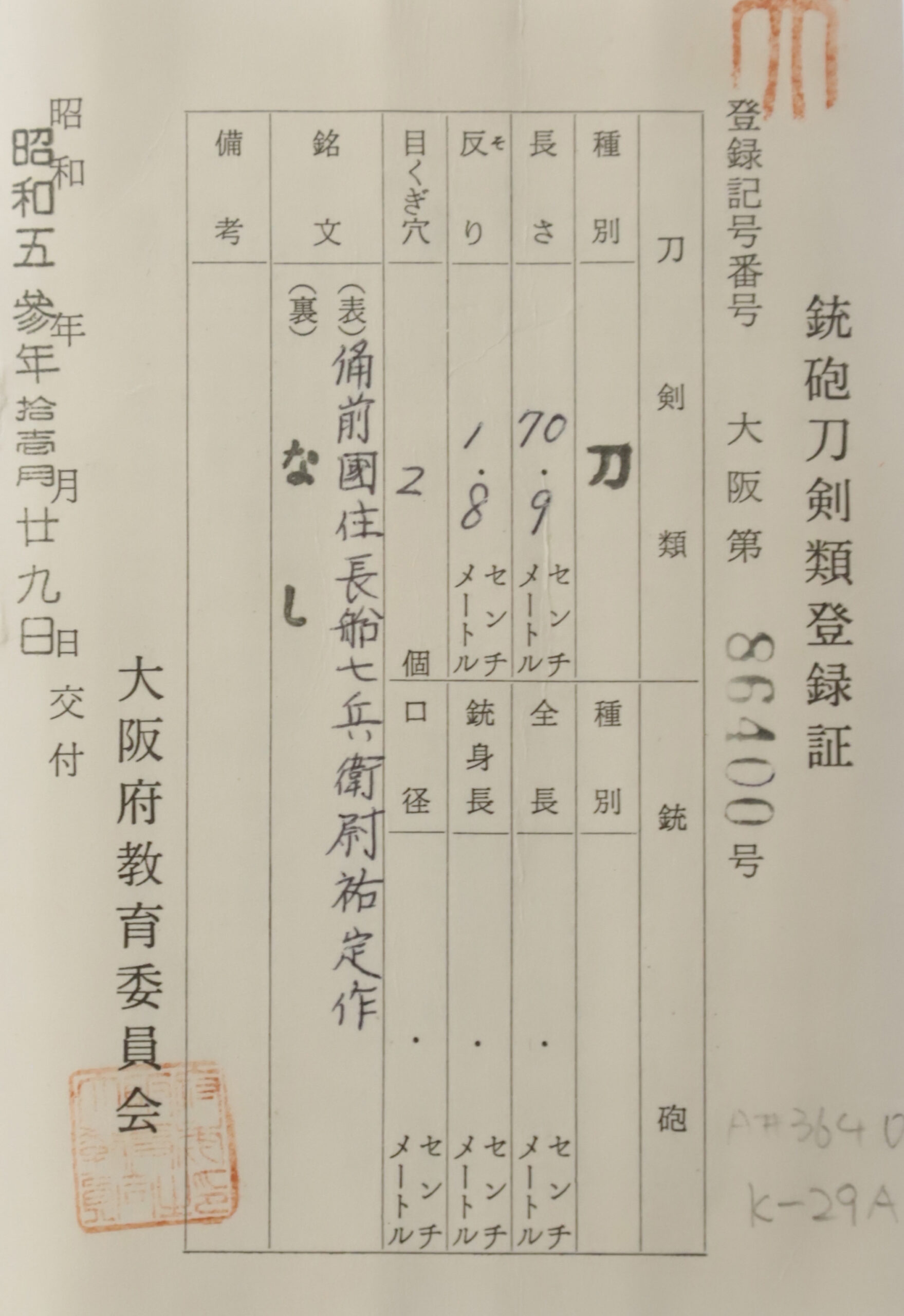
Antique Japanese Sword Katana Signed by Sukesada with Tokubetsu Hozon Certificate 【Description】 This blade bears the signature “Bizen no Kuni Jū Osafune Shichibe no Jō Sukesada” (備前国住長船七兵衛尉祐定), who was active during the early Edo period. It was forged by Shichibe no Jō Sukesada, a distinguished swordsmith of the Bizen Osafune Sukesada lineage in present-day Okayama Prefecture. The Sukesada school was one of the most celebrated and productive branches within the Osafune tradition, which itself was the largest and most prosperous school in Bizen province. Over several centuries, many generations of Sukesada smiths forged blades in a wide range of styles, adapting their work to the changing needs of the time—from the demands of warfare during the Sengoku period to the ceremonial and aesthetic preferences of the peaceful Edo era. At its height, as many as sixty swordsmiths were using the name “Sukesada,” making it a well-known and trusted hallmark among samurai across Japan. Shichibe no Jō Sukesada was the 5th generation descendant of Yosōzaemon-jō Sukesada, a master who flourished around the Eishō era (1504–1521) and is regarded as one of the greatest smiths of the Sukesada lineage. He was the eldest son of Tōshirō Sukesada and the father of Ueno Daijō Sukesada, both accomplished smiths in their own right. As such, he played a pivotal role as the reviver of the Bizen Osafune Sukesada family during the early Edo period, bridging the traditions of the late Muromachi era with the emerging shintō (新刀, new sword) period. According to records, Shichibe no Jō Sukesada lived an exceptionally long life, passing away in 1674 (Enpō 2) at the age of 98. By counting backward, his birth year is estimated to have been 1577 (Tenshō 5). The earliest extant blade with an inscribed date by his hand is from Genwa 2 (1616), showing his active work over a remarkably long career. In his later years, some of his works are believed to have been assisted or completed by his son, Ueno Daijō Sukesada, continuing the family legacy under the same signature. This History of Bizen Osafune School The Bizen Osafune school traces its roots back to the mid-Kamakura period and its founder Mitsutada (光忠). Over time, the school produced many legendary smiths, including Nagamitsu, Sanenaga, and Kagemitsu—collectively known as the Osafune Sansaku (“Three Great Masters of Osafune”)—as well as the so-called Osafune Shitennō (“Four Heavenly Kings of Osafune”): Nagamitsu, Kanemitsu, Nagayoshi, and Motoshige. Bizen’s geographical advantages—rich iron sand deposits from the Chūgoku Mountains, abundant water from the Yoshii River, and plentiful high-quality charcoal—made it an ideal center for sword-forging. This environment enabled the creation of Bizen-den, one of the five great traditions (Gokaden) of Japanese sword-making, known for its beauty, durability, and excellent cutting ability. Many Bizen blades, including works by the Sukesada school, were carried into battle during the Sengoku (“Warring States”) period and are today regarded as both artistic and historical treasures. It is appraised as a Tokubetsu Hozon Token (特別保存刀剣) issued by NBTHK (Nihon Bijutsu Touken Hozon Kyokai:日本美術刀剣保存協会). This authentication paper was only given to authentic Japanese swords, especially well preserved and high quality with artistic value. 【Blade】 Cutting Edge Length(Nagasa) : 70.9 cm (27.9 inches) Curvature(Sori) : 1.8 cm (0.70 inches) Hamon : The crystalline structure which forms along the cutting edge of a blade as a result of the hardening process Jimon(Jihada) : visible steel surface pattern created by folding and hammering during forging process Kissaki : Kissaki is the tip of the Japanese sword. Nakago : Nakago is the tang of the Japanese sword. Japanese swordsmiths left the black rust on the tang because it prevents red rust while the tang is in its handle. And the discoloration of the tang was created over time, and it is a great indicator for a Japanese sword specialist to estim
取扱店 サムライミュージアム



備前伝 · 備前
現在184点販売中
備前国邑久郡長船の地に興り、鎌倉時代中期から室町時代末期に至るまで連綿と鍛刀を続けた、刀剣史上最大の流派である。事実上の祖は光忠で、近忠の子と伝えるが近忠の作刀が知られないため、長船本流の起点はこの工に置かれる。古伝はその源を古備前正恒の一類が長船に移り住んだことに求め、光忠はその流れを承けて一門を興したと説く。すなわち本流派は、古備前の地盤の上に、丁子を主調とする華麗な作風をもって自立した備前鍛冶の本系である。光忠の下に長光、真長、景光らが輩出し、以後、相伝備前の兼光・長義・元重、室町初期の応永備前を経て末備前に至るまで、備前伝の中核を担い続けた。 作風は備前伝を基盤とし、よく錬れて杢を交えた板目に地沸が微塵につき、地景が細かに入り、地に乱れ映りが鮮明に立つ鍛えを共通の地とする。この乱れ映りこそ、在銘無銘を問わず一門の作を備前へ繋ぎ止める最も確かな標である。刃文には世代ごとの軸がある。草創の古長船にあって光忠は蛙子丁子を看どころとし、子の長光は頭の丸いふくらみのある丁子を加え、孫の景光は片落ち互の目を完成して逆がかりの足を看どころとした。この光忠、長光、景光の三代が長船嫡流の背骨をなし、近景がその影として景光をほぼ完璧に映し、真長は同じ地に締まる匂口の直刃を得意とした。南北朝期に入ると兼光が嫡流を承けつつのたれ主調の大模様を加え、相州伝を摂取した相伝備前の作風が現れる。長義は耳形の刃を看どころに兼光以上に相州伝を強調し、長重と兼長がこれに連なり、義景は匂口の沈むところに、元重は焼頭の揃った角ばる刃と青江気質に、それぞれ別系の個性を示した。体配もまた時代を映し、鎌倉の腰反り高い太刀から、南北朝の身幅広く大鋒の延文貞治型へ、さらに応永備前では古作への復古を志して優美な太刀姿と丁子刃が甦る。康光と盛光を双璧とする応永備前は、腰の広く開いた互の目とローソクの芯と称する尖り返る帽子を看どころとし、その腰開き互の目と棒映りは末備前へと受け継がれた。長光景光以来の梵字、三鈷剣、倶利迦羅、八幡大菩薩などの刀身彫もまた、末備前まで絶えず継承された一門の標である。 鑑定にあっては、まず鮮明な乱れ映りで一門を備前と読み、次に世代と系統の看どころで工を分かつ。蛙子丁子は光忠、丸い頭の丁子は長光、逆がかる片落ち互の目は景光、のたれと角互の目は兼光、耳形の刃は長義、角ばり逆がかる刃と蝉の羽根の肌は元重、ローソクの芯の帽子は応永備前という具合に、看どころが系統と時代を指し示す。嫡流の光忠、長光、景光、兼光は藤代の最上作に列し、なかでも長光は重要文化財の指定数が全刀工中最多で、嫡流の作には名物大般若長光や小龍景光をはじめ、織田信長、徳川家康、上杉謙信ら天下を握った者の手を経た作が多い。相伝備前の長義や兼長、応永備前の康光や盛光もそれぞれ重きをなし、別系の元重もまた南北朝備前の大きな名を保つ。嫡流の在銘作が市に現れることは稀で、大半は大磨上無銘の極めとして伝わるが、長光のごとく銘を惜しまなかった工の作はなお蒐集家の手の届く範囲にある。後世への影響は計り知れず、本流派の作風と刀身彫の伝統は末備前を通じて室町備前の主流をなし、備前伝そのものの規範となった。 詳しく見る →
江戸時代
徳川の泰平のもと、大小は法度の定める身分の制服となり、需要は城下町、とりわけ江戸に集まった。工芸は二つに分かれる。目利きのための華やかな鑑賞の作と、截断の結果を金象嵌に刻む実証の刀である。
保存刀剣のうち、出来が一層優れ、保存状態も良好と認められたものです。再刃や、室町・江戸期の多くの無銘作は対象外となり、保存刀剣より高い基準が課されます。
日本美術刀剣保存協会(NBTHK)は、1948年に設立され、文化庁の監督を受ける公益財団法人で、東京・刀剣博物館に本部を置きます。専門の審査員が出品作を直接審査し、美術的・歴史的価値に応じた鑑定書を発行します。NBTHKの鑑定書は、日本刀および刀装具の真正性を示す最も広く認知された基準です。
NBTHK公式サイトReturns/exchanges limited to defects caused by shipping (except willful misconduct or gross negligence by the company); customers must contact within 72 hours of receiving the product.
Certificate reading — 銘 備前国住長船七兵衛尉祐定作