南北朝の戦乱は、山城の精緻を支えた公家社会を疲弊させた。来派最後の巨匠たちをもって古典の系譜は閉じ、長谷部と信国が新しい相州風を都に持ち込んでいる。
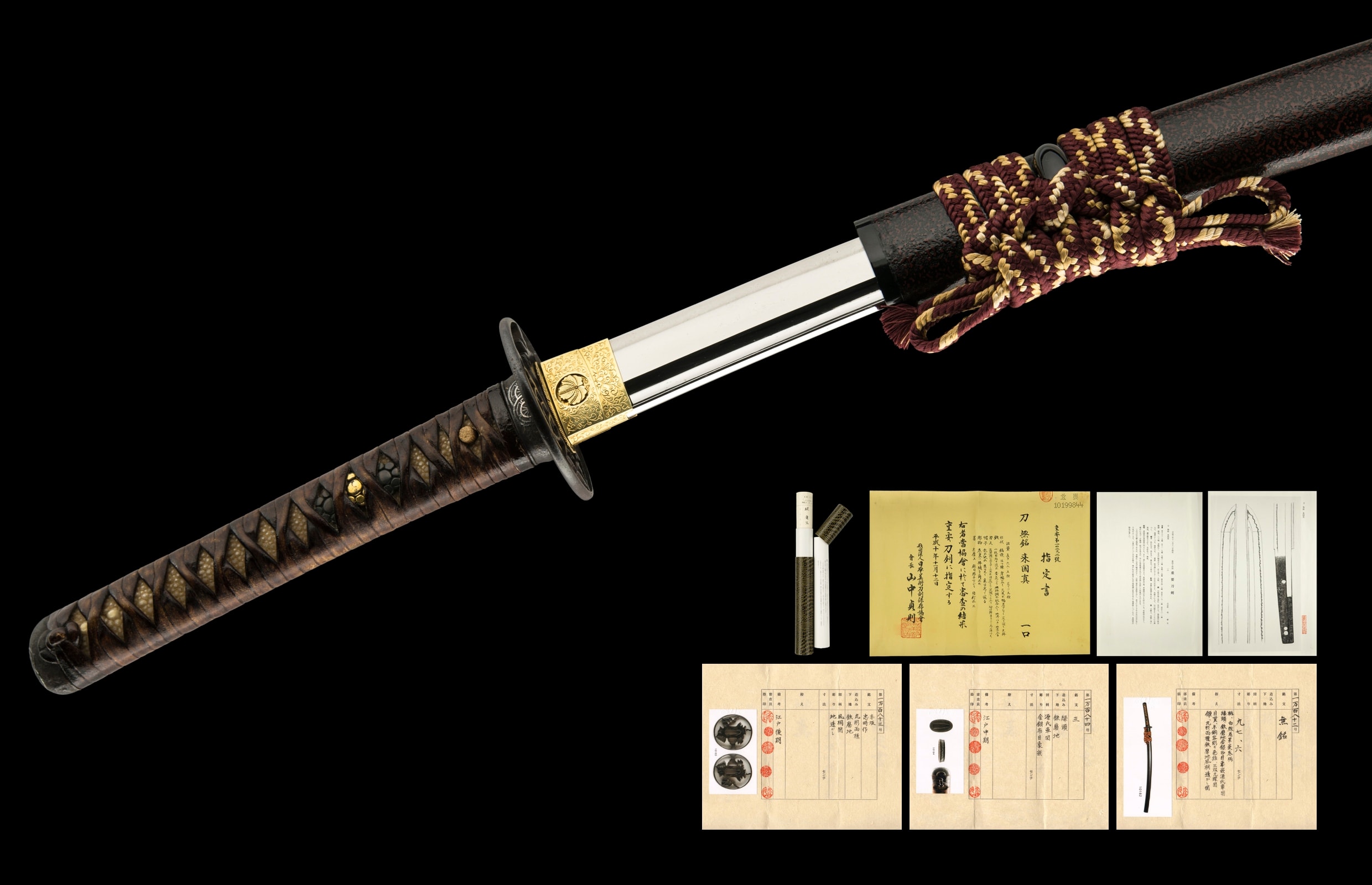
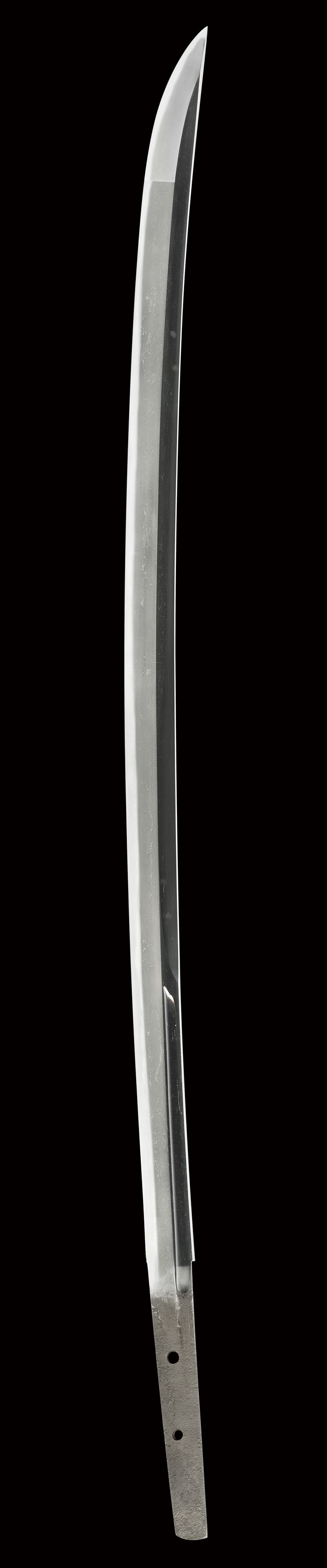
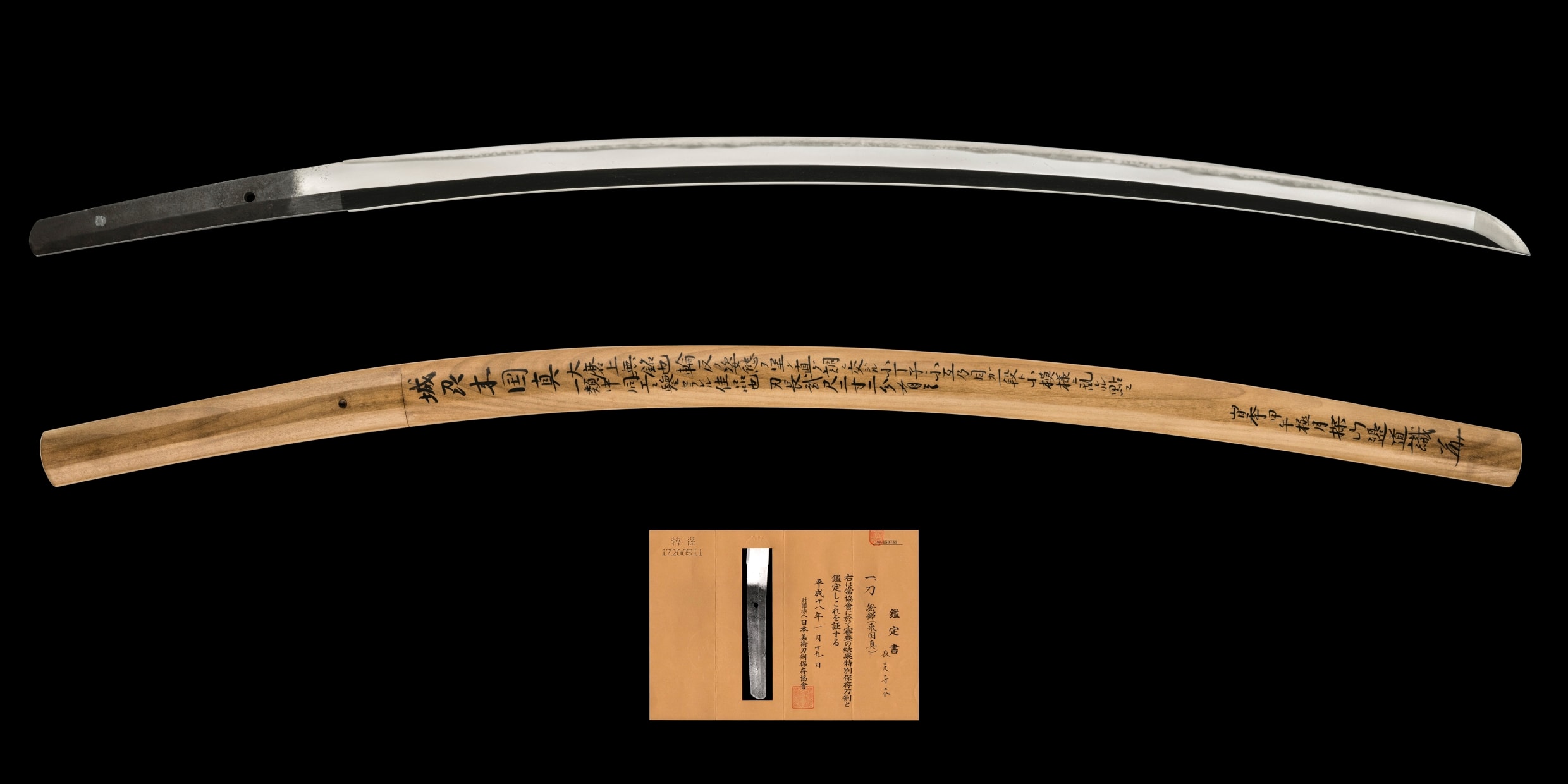
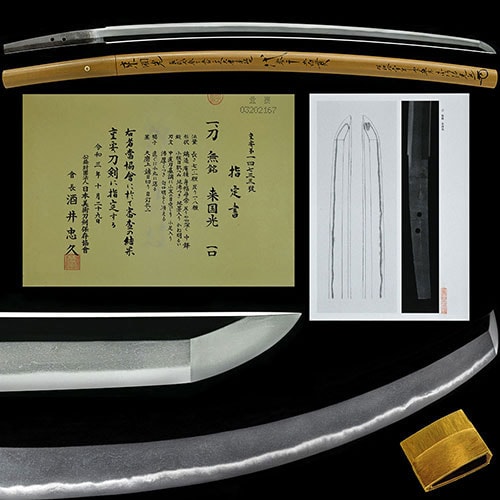
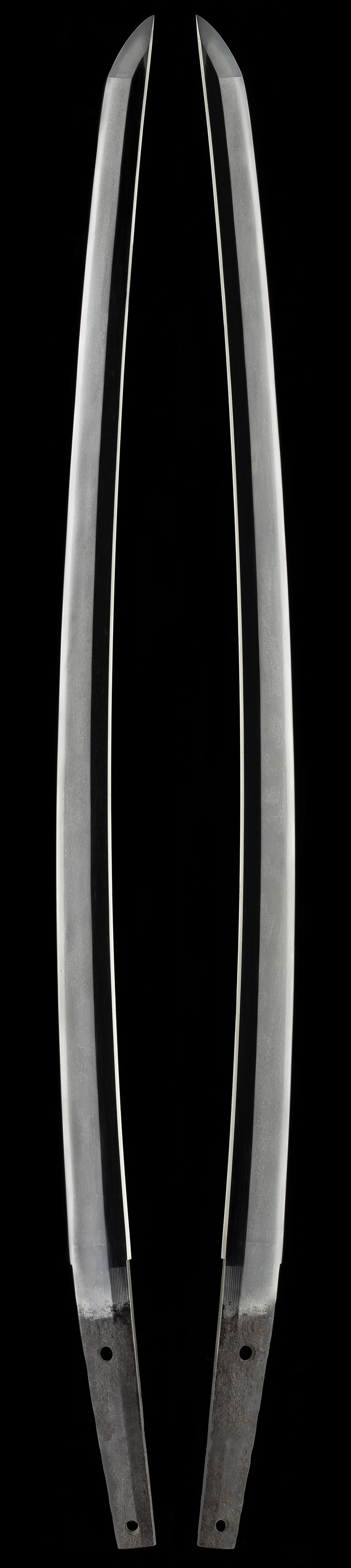
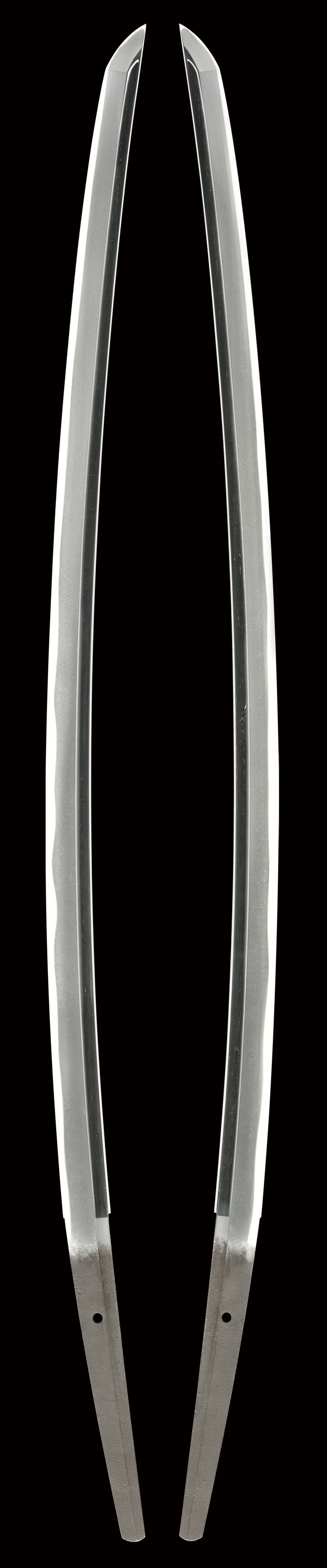
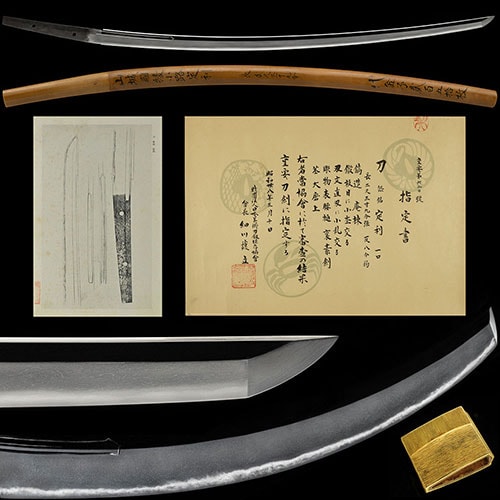
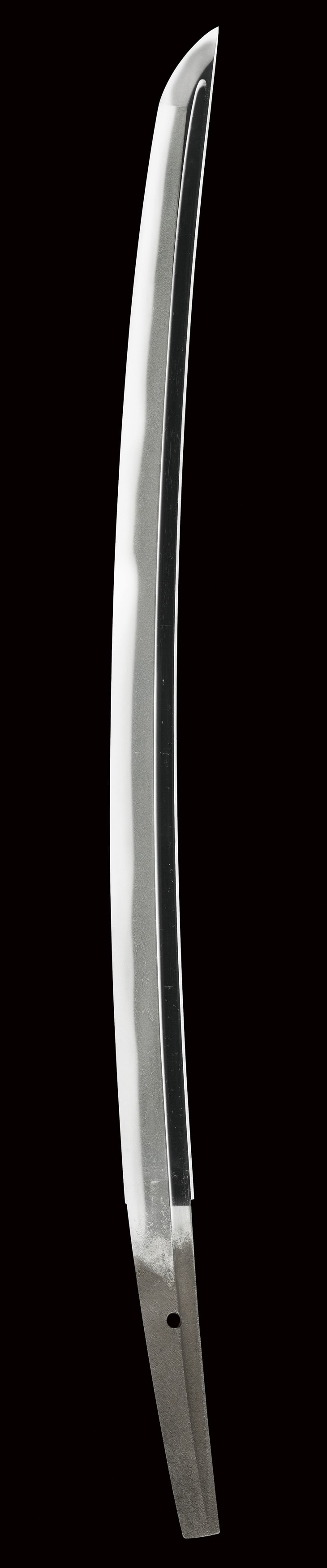
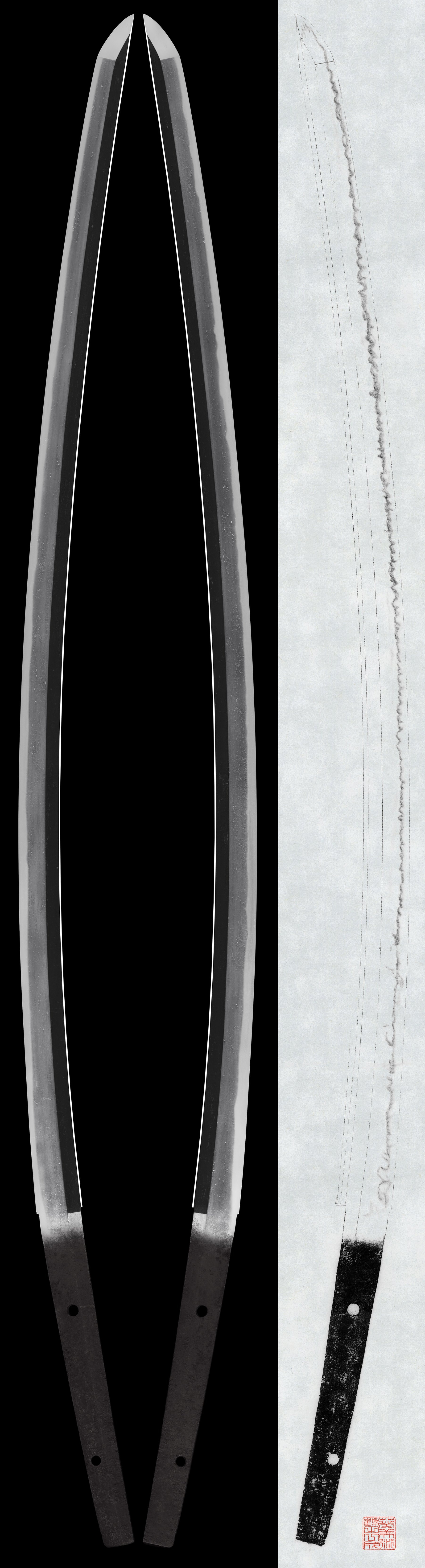
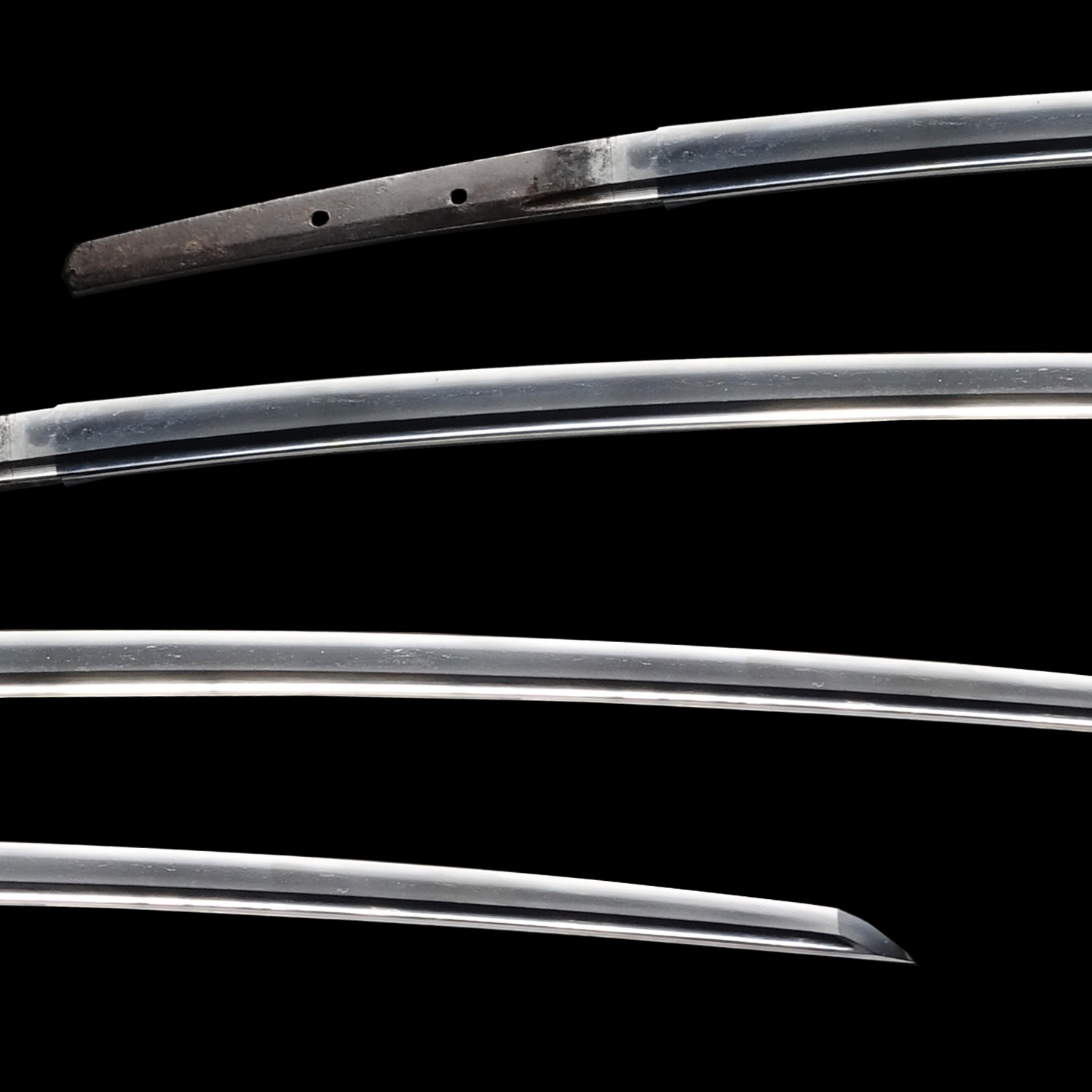
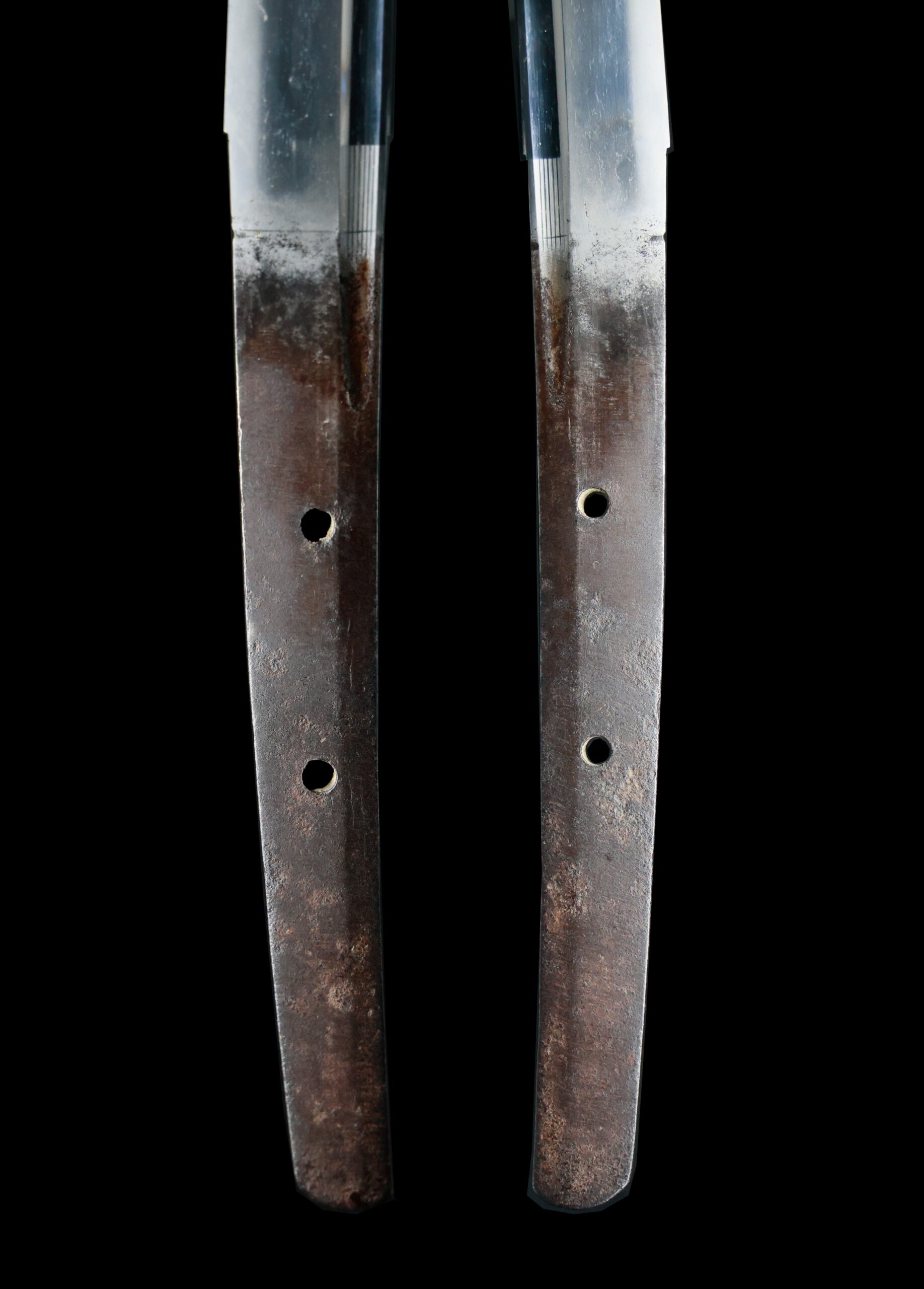
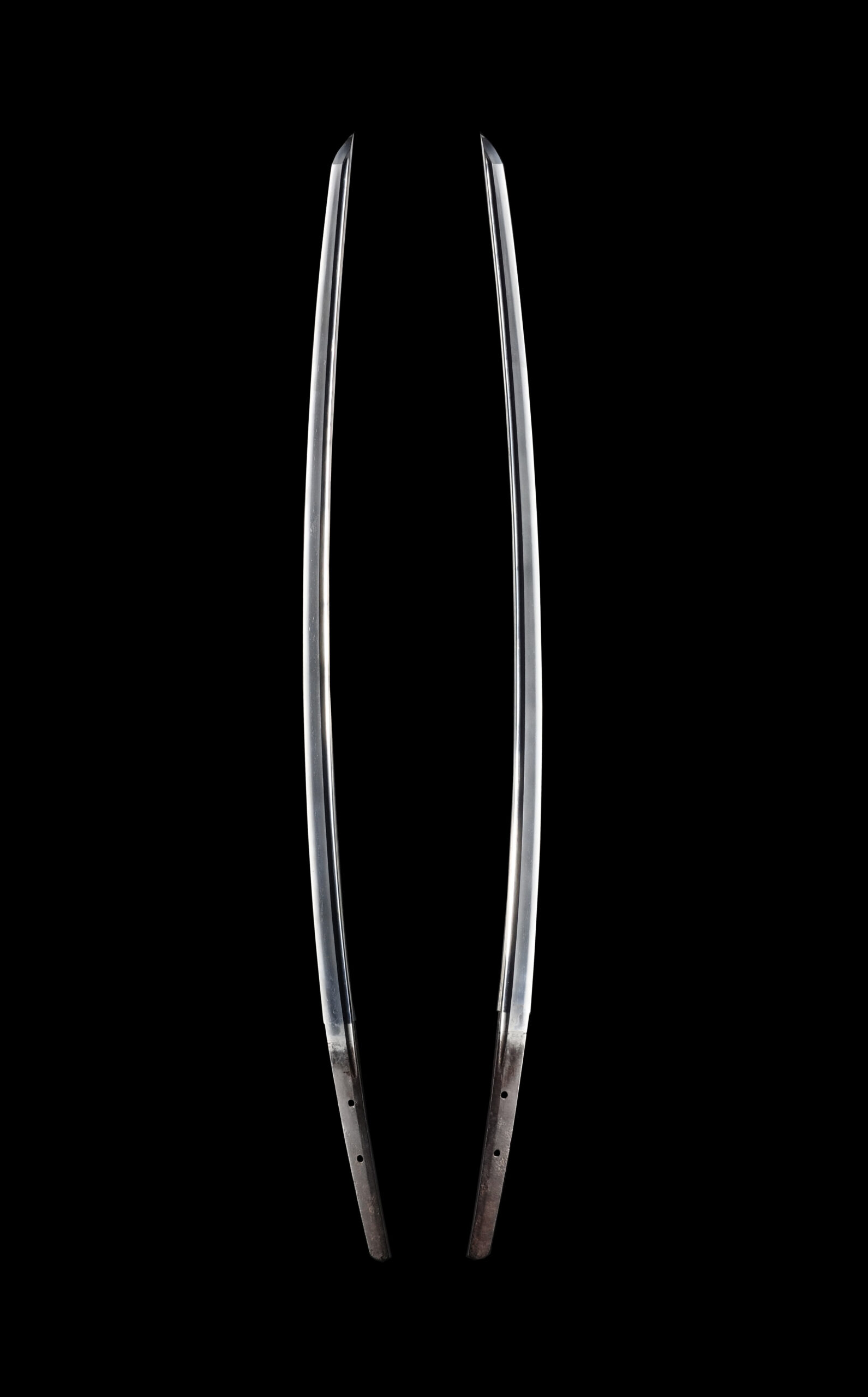
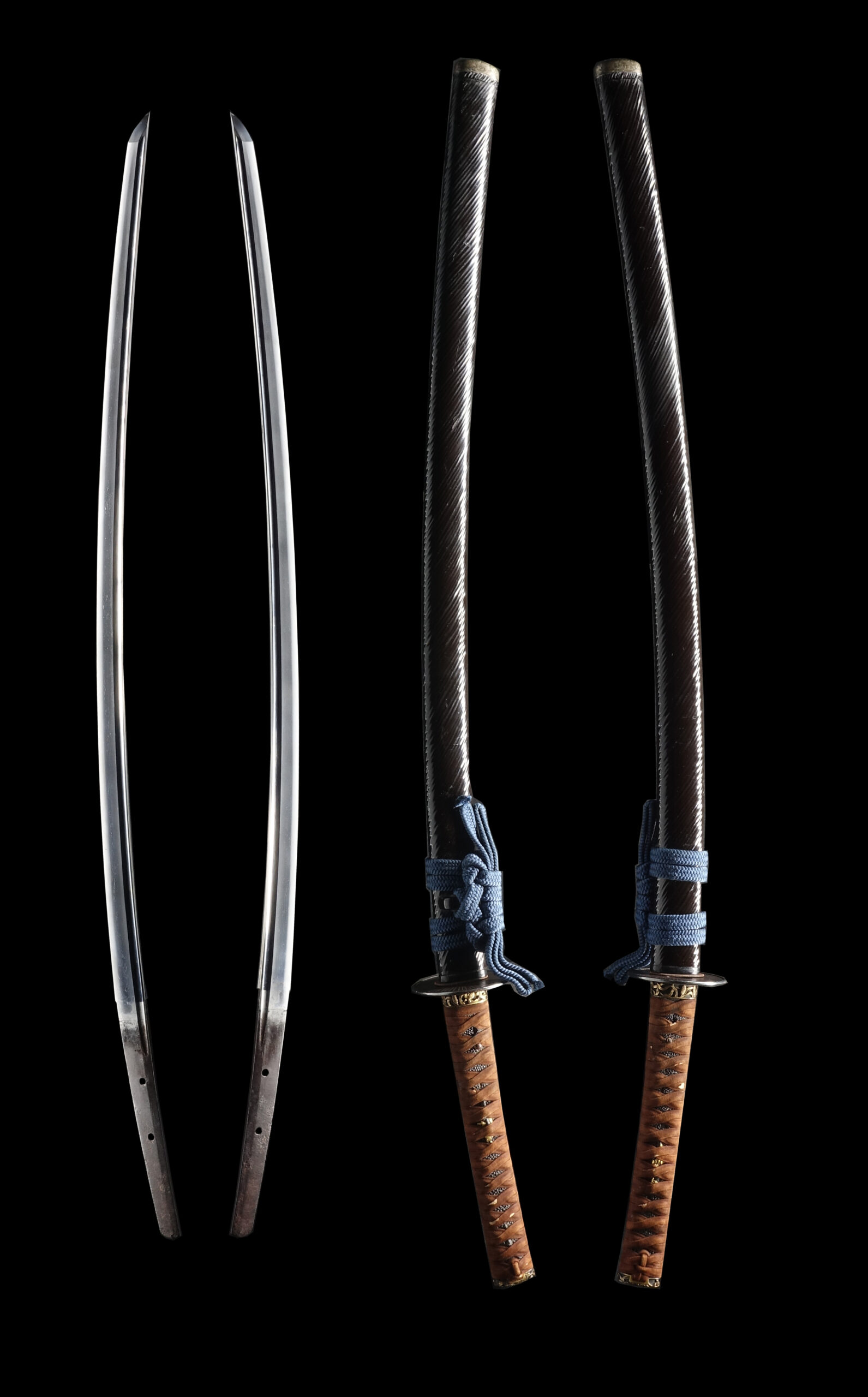
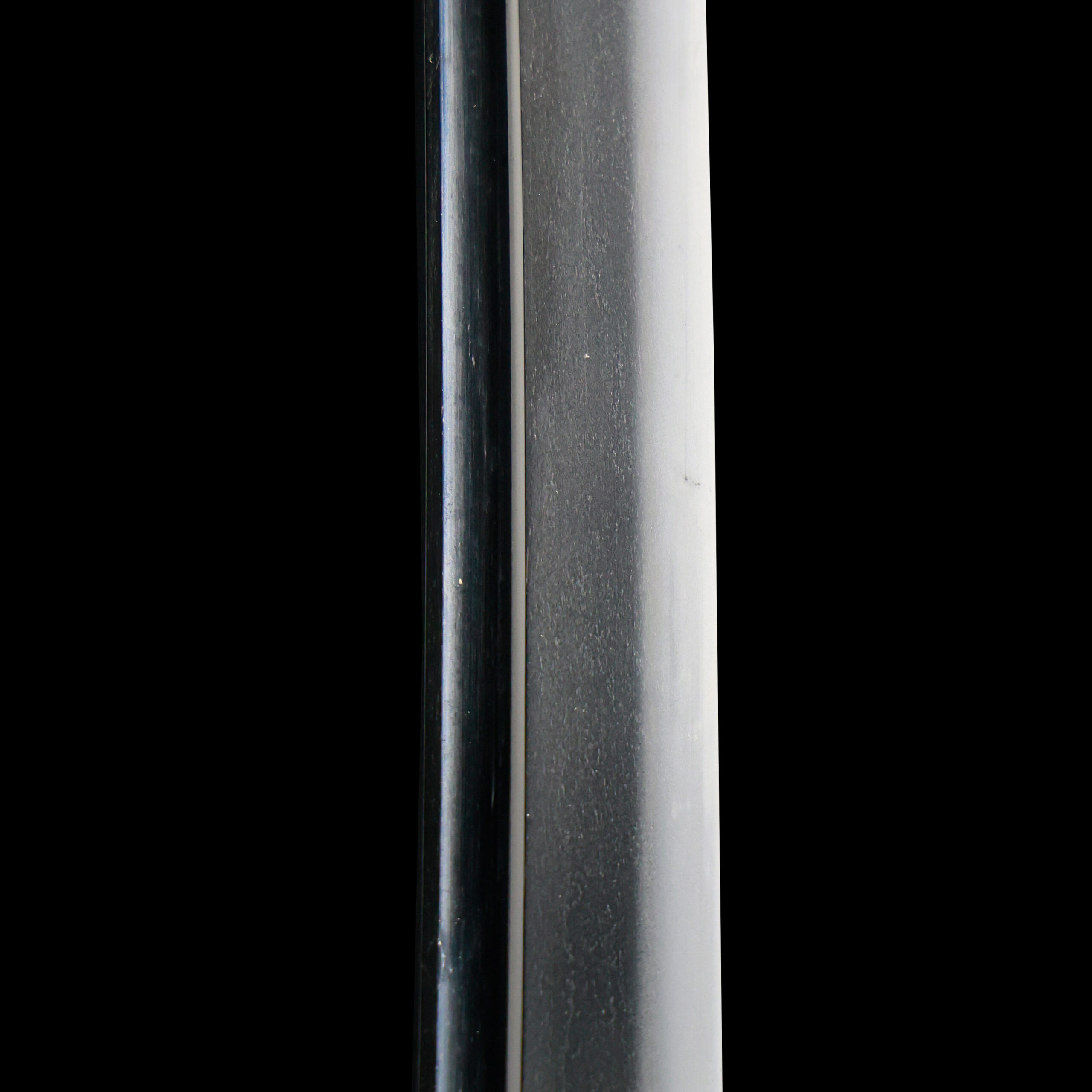
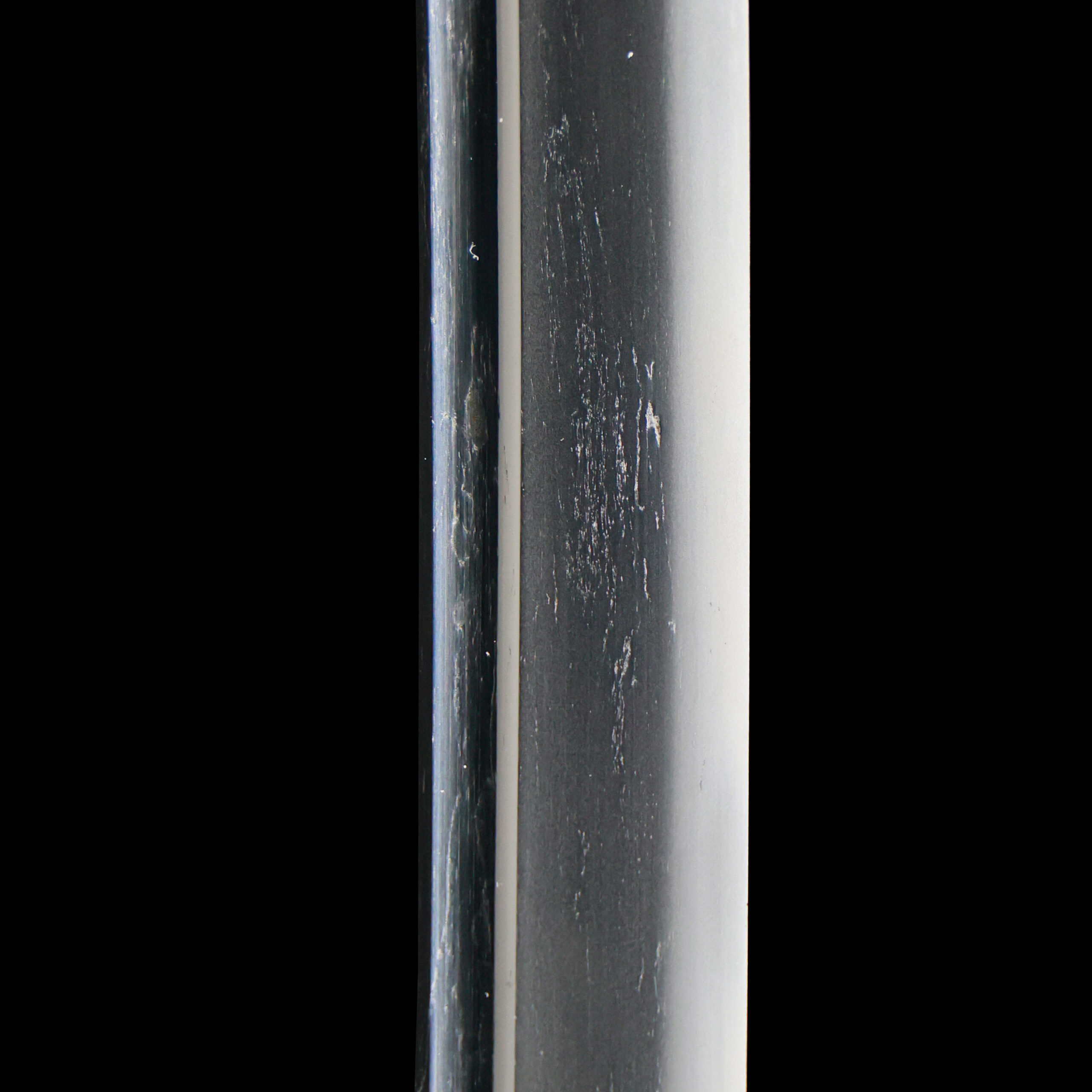
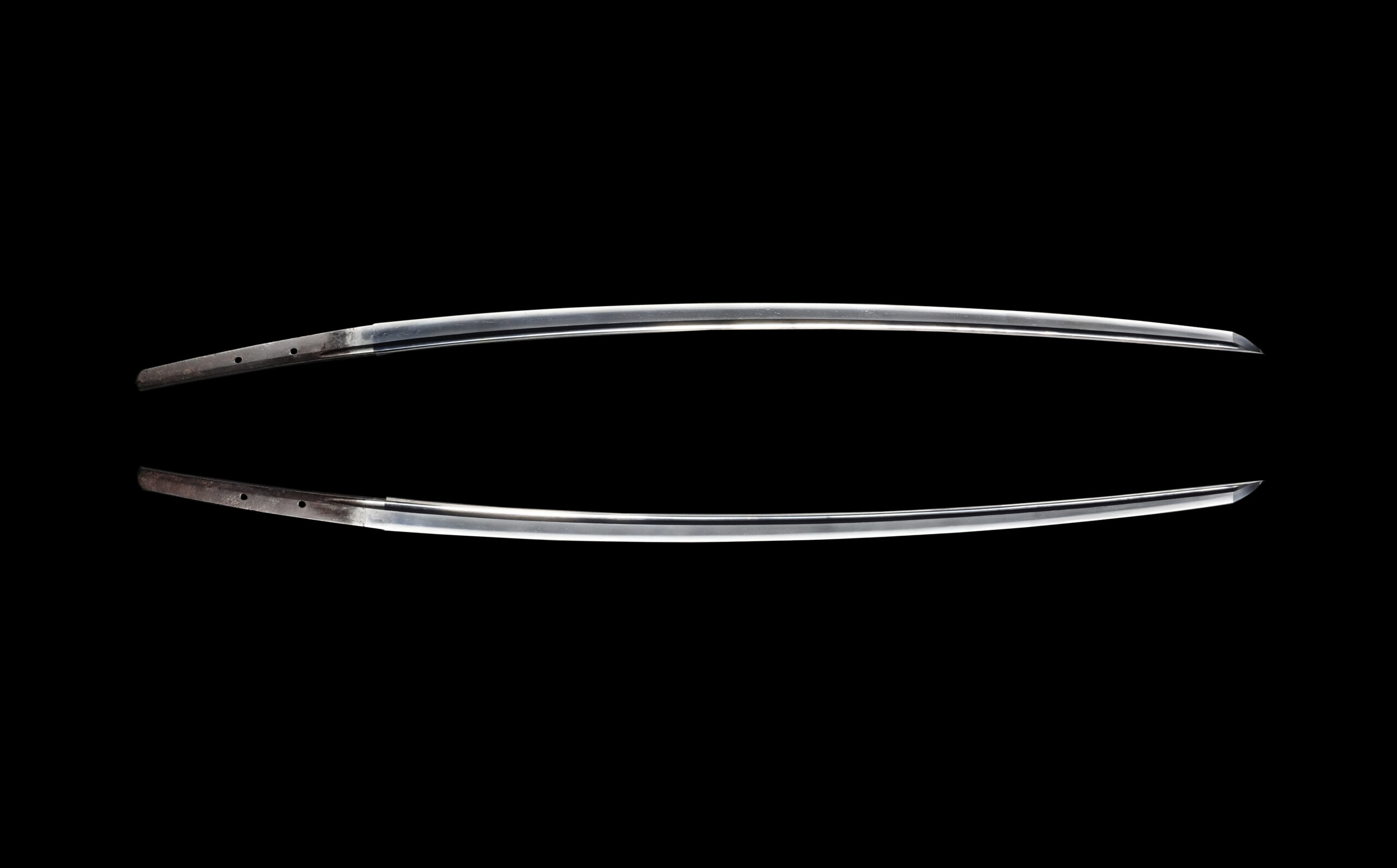
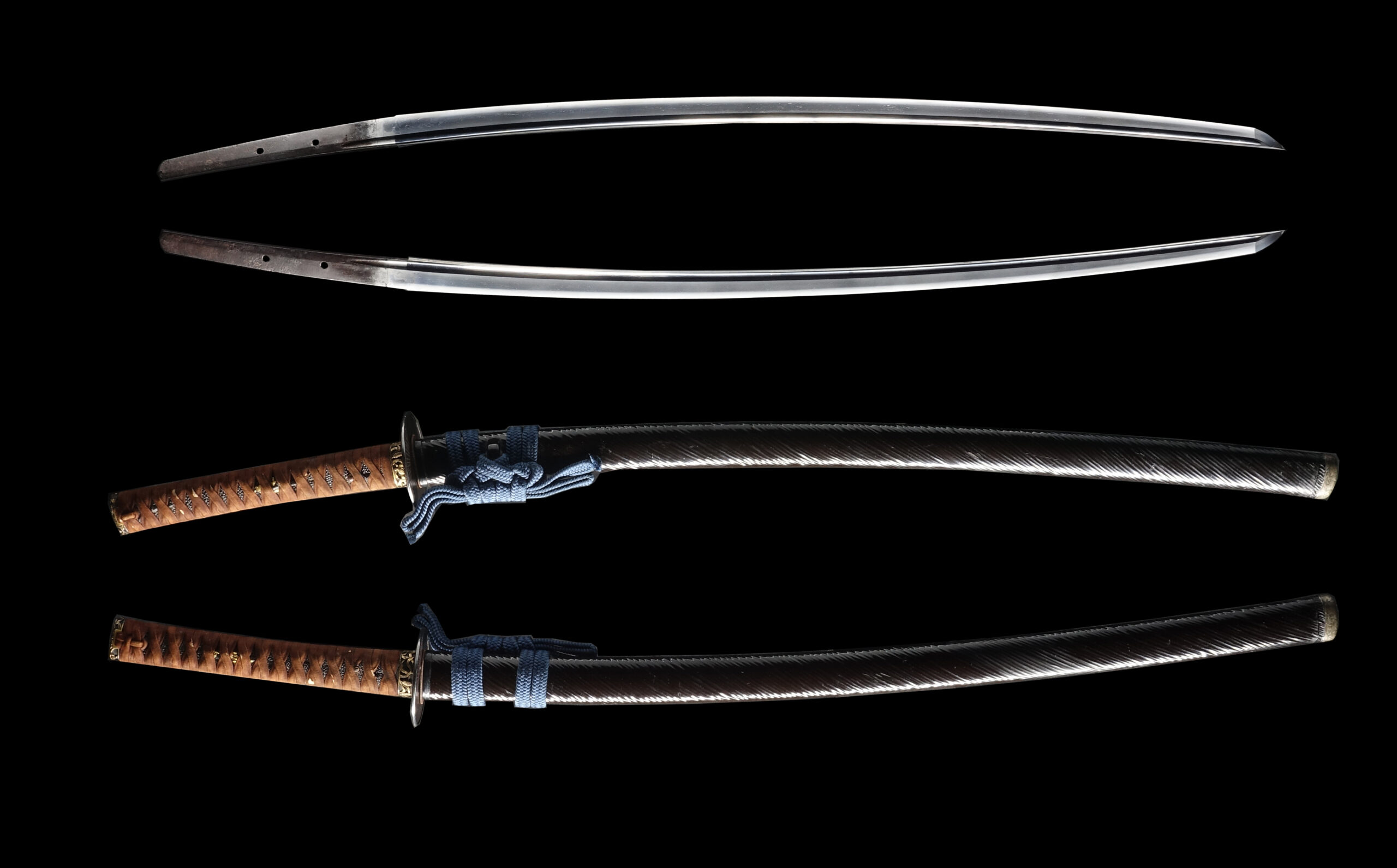
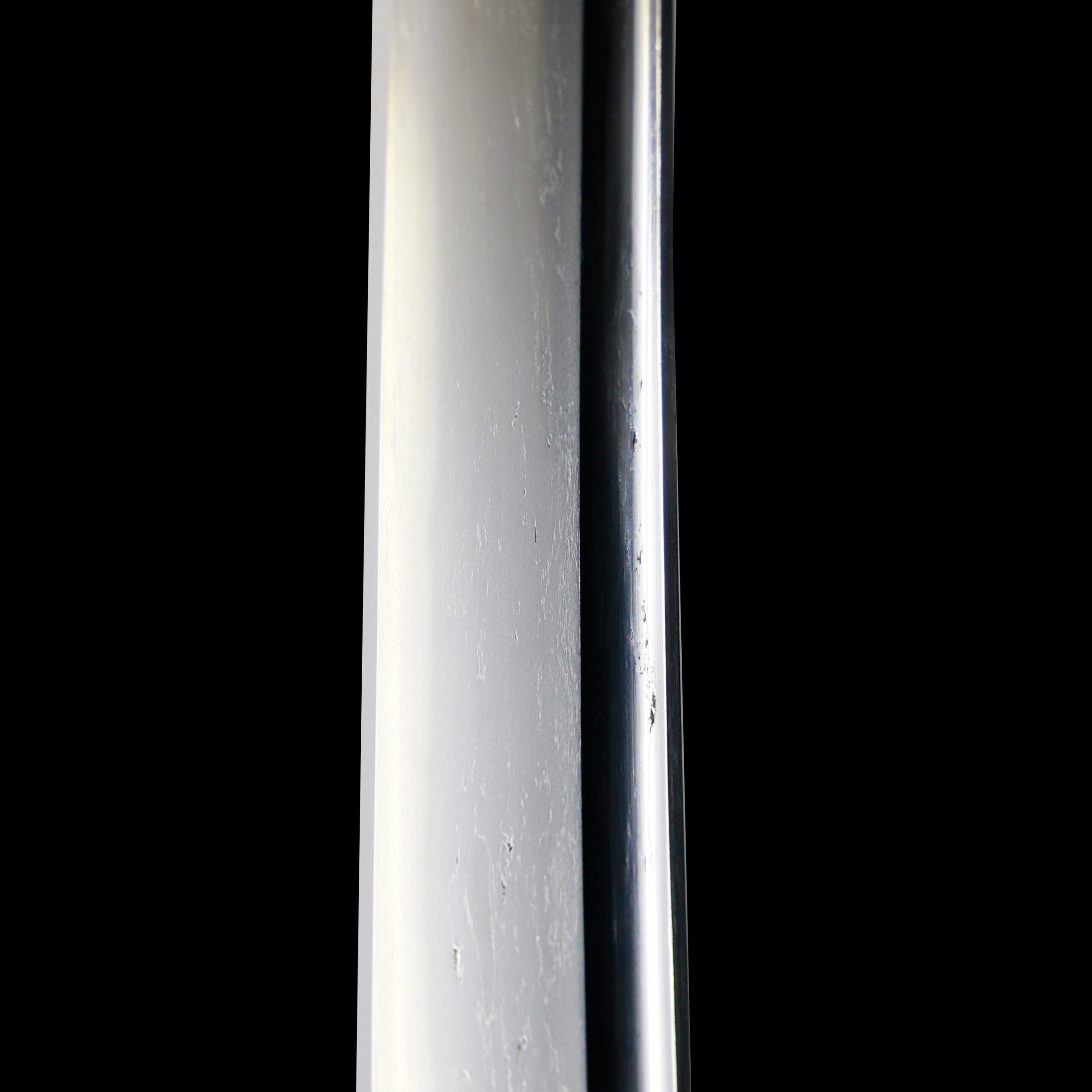
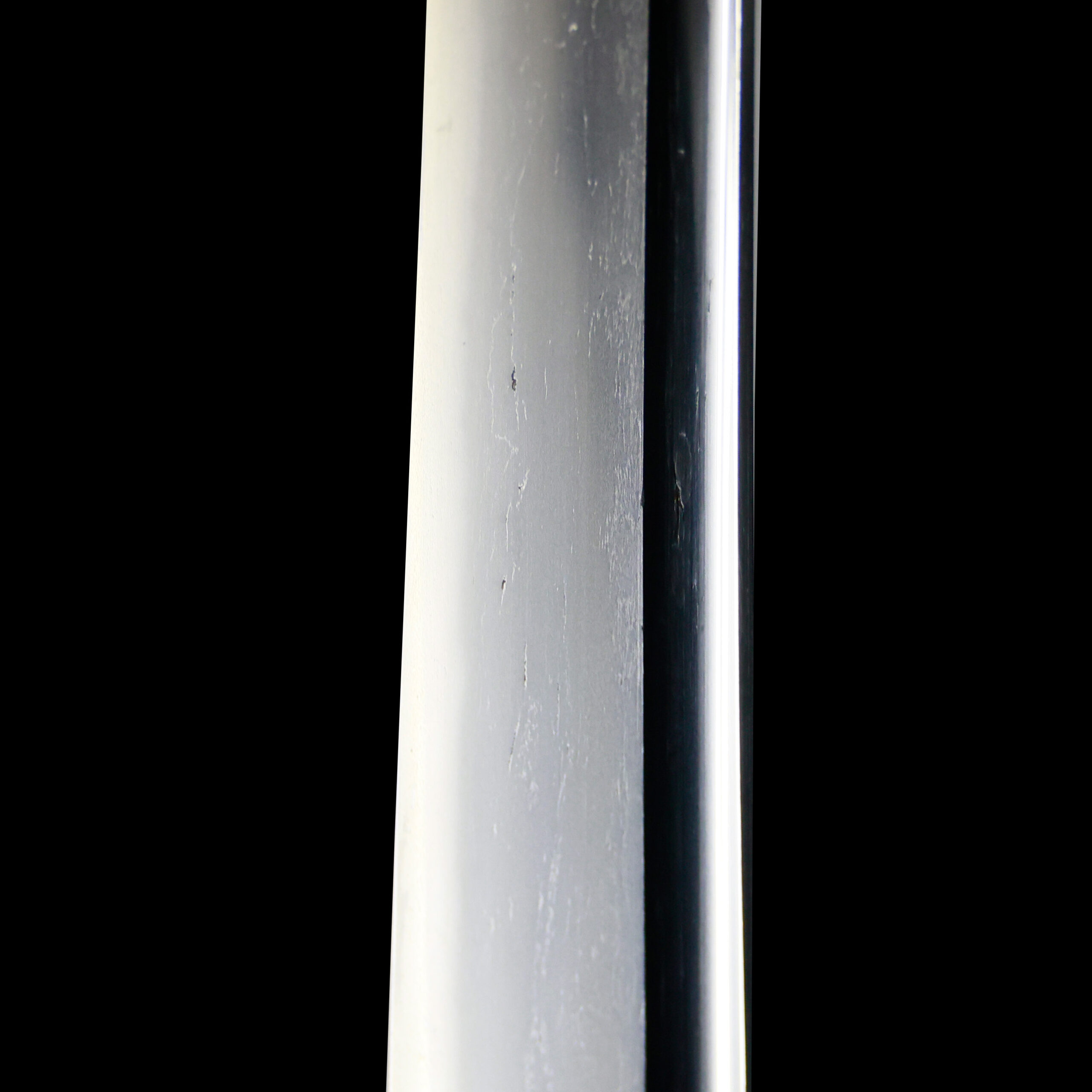
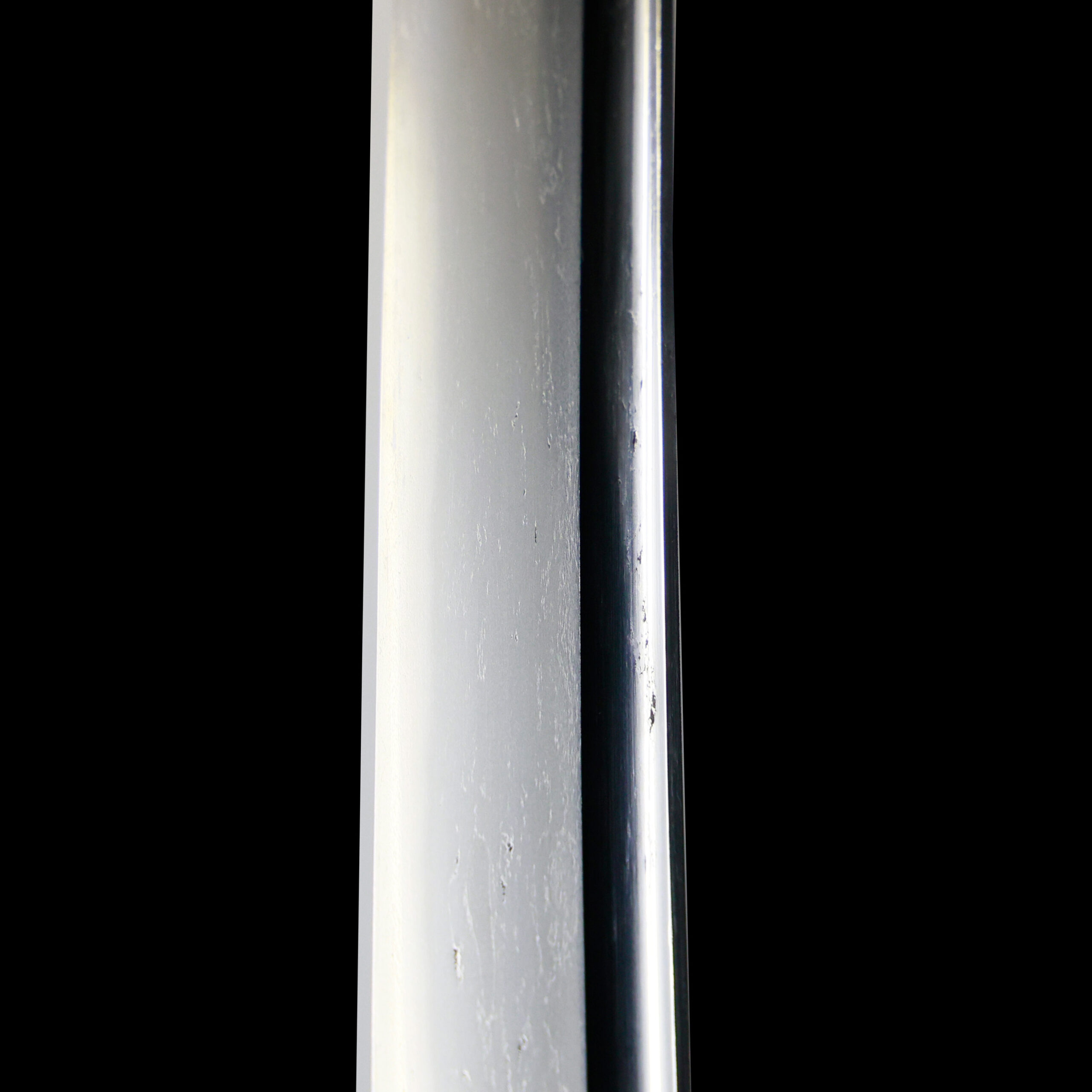
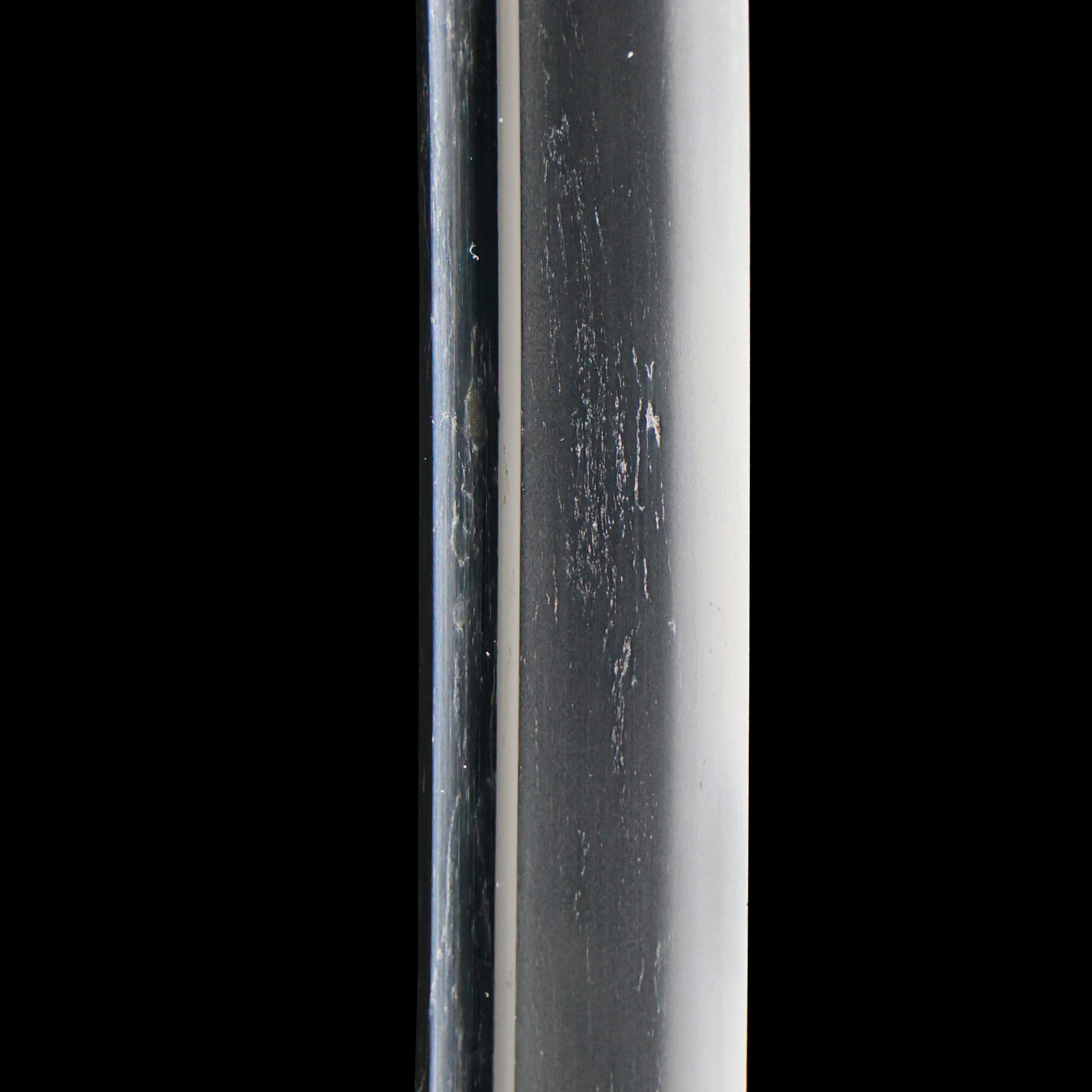
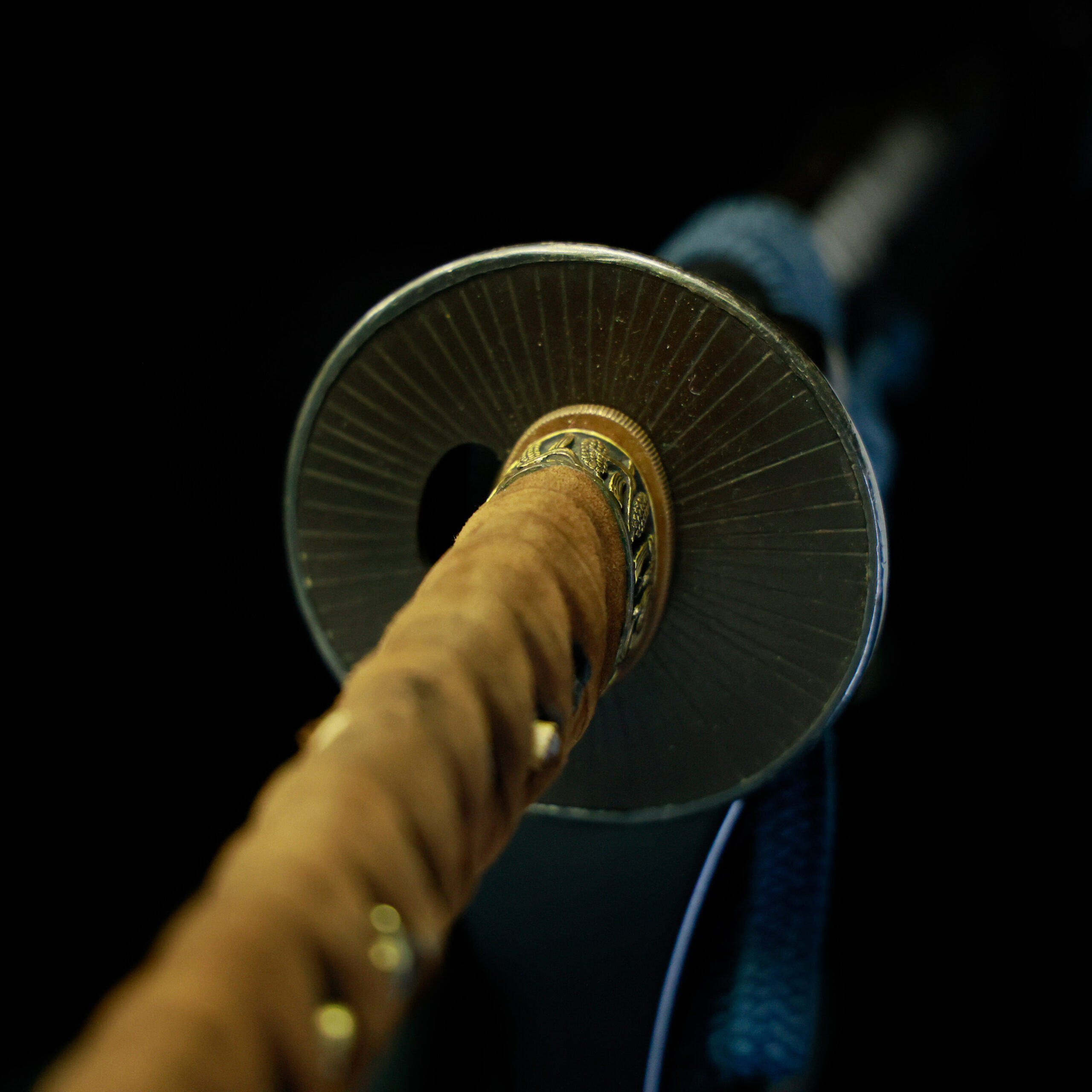
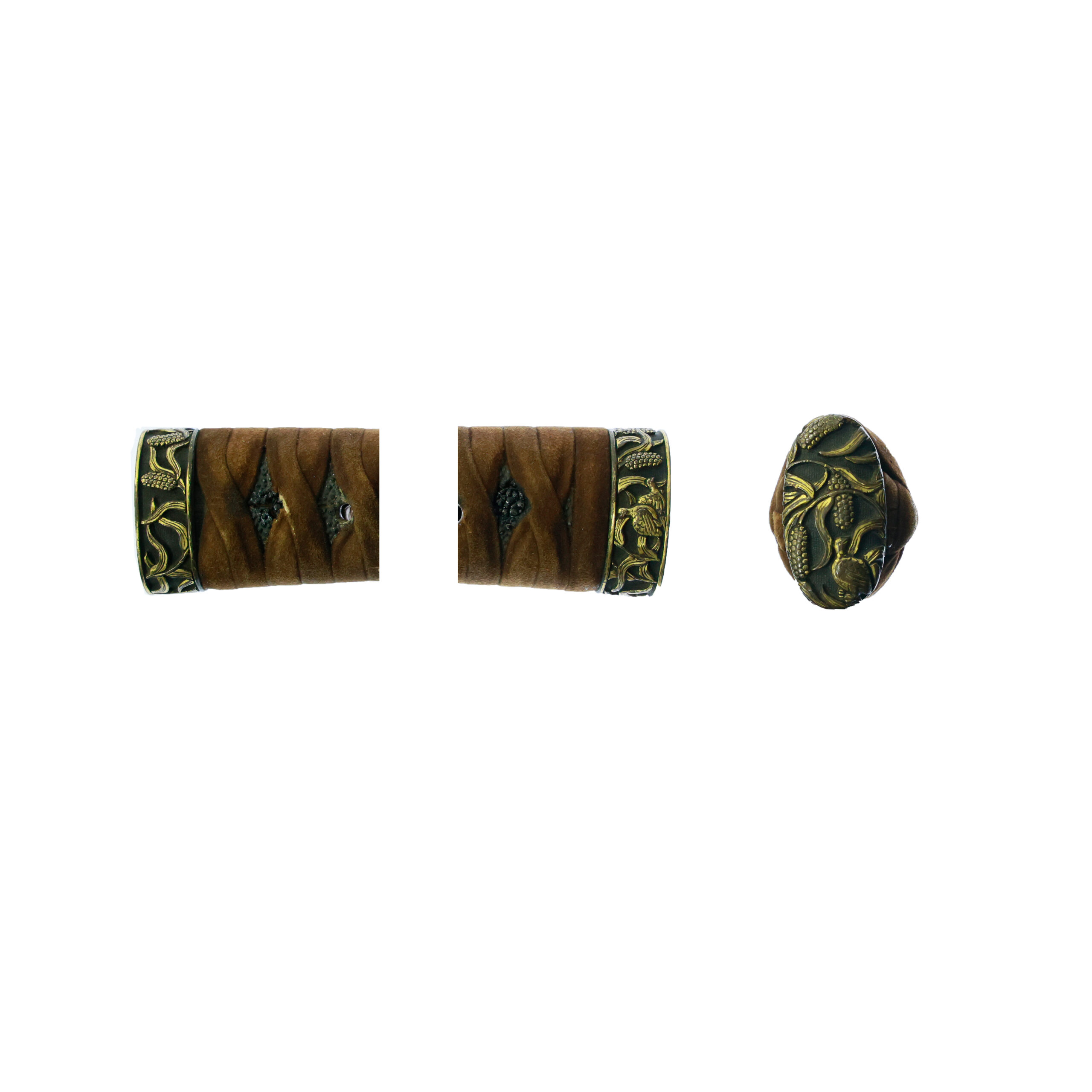
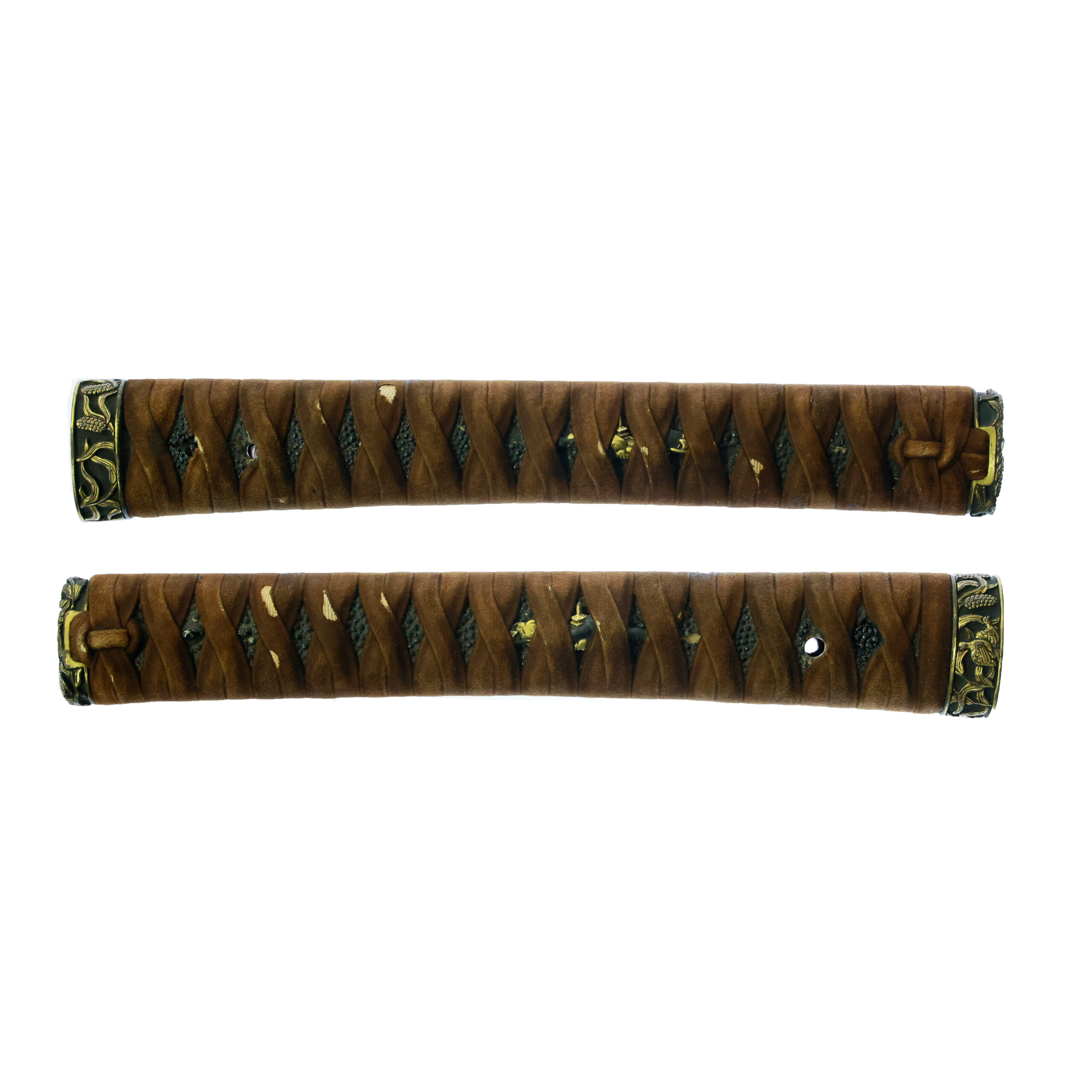
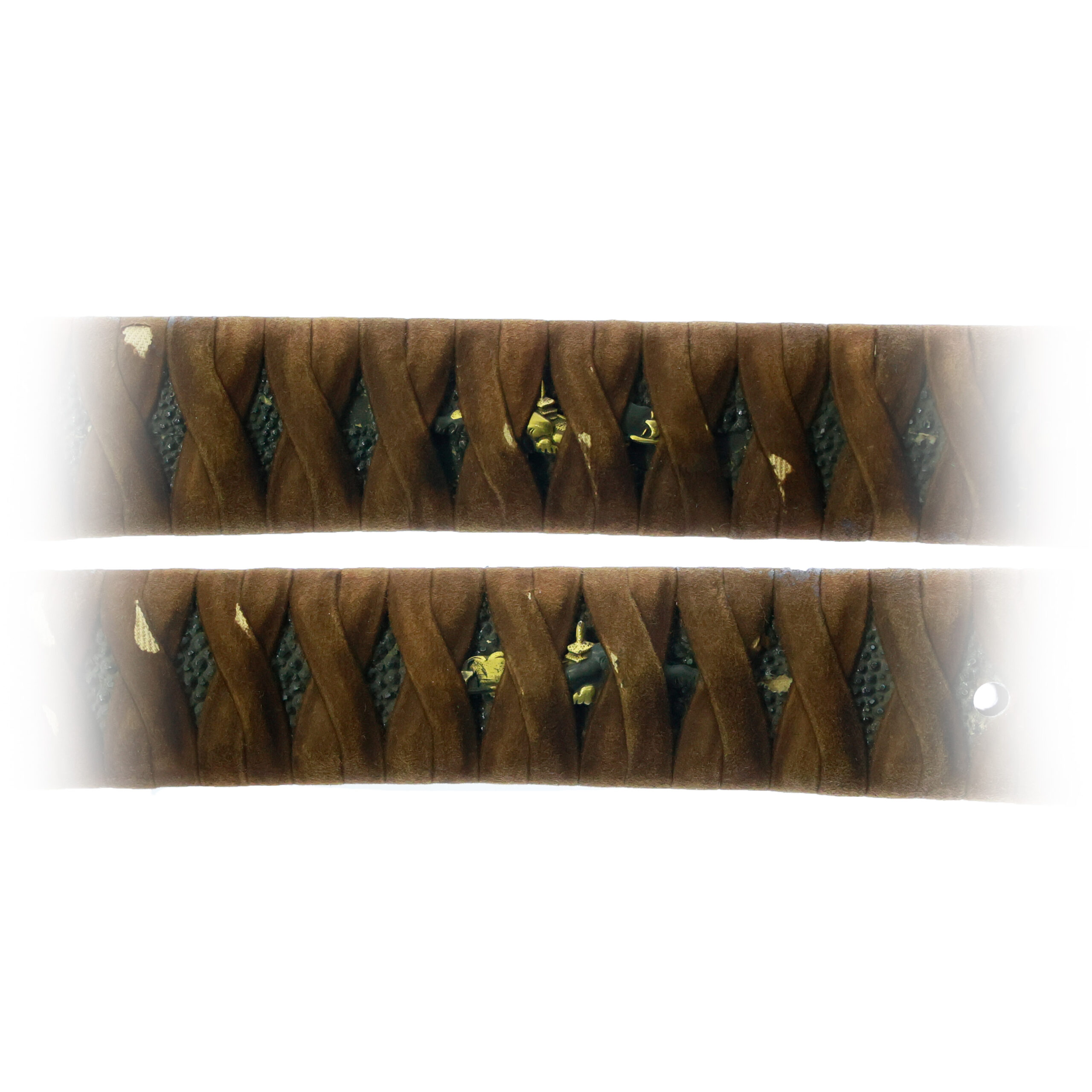
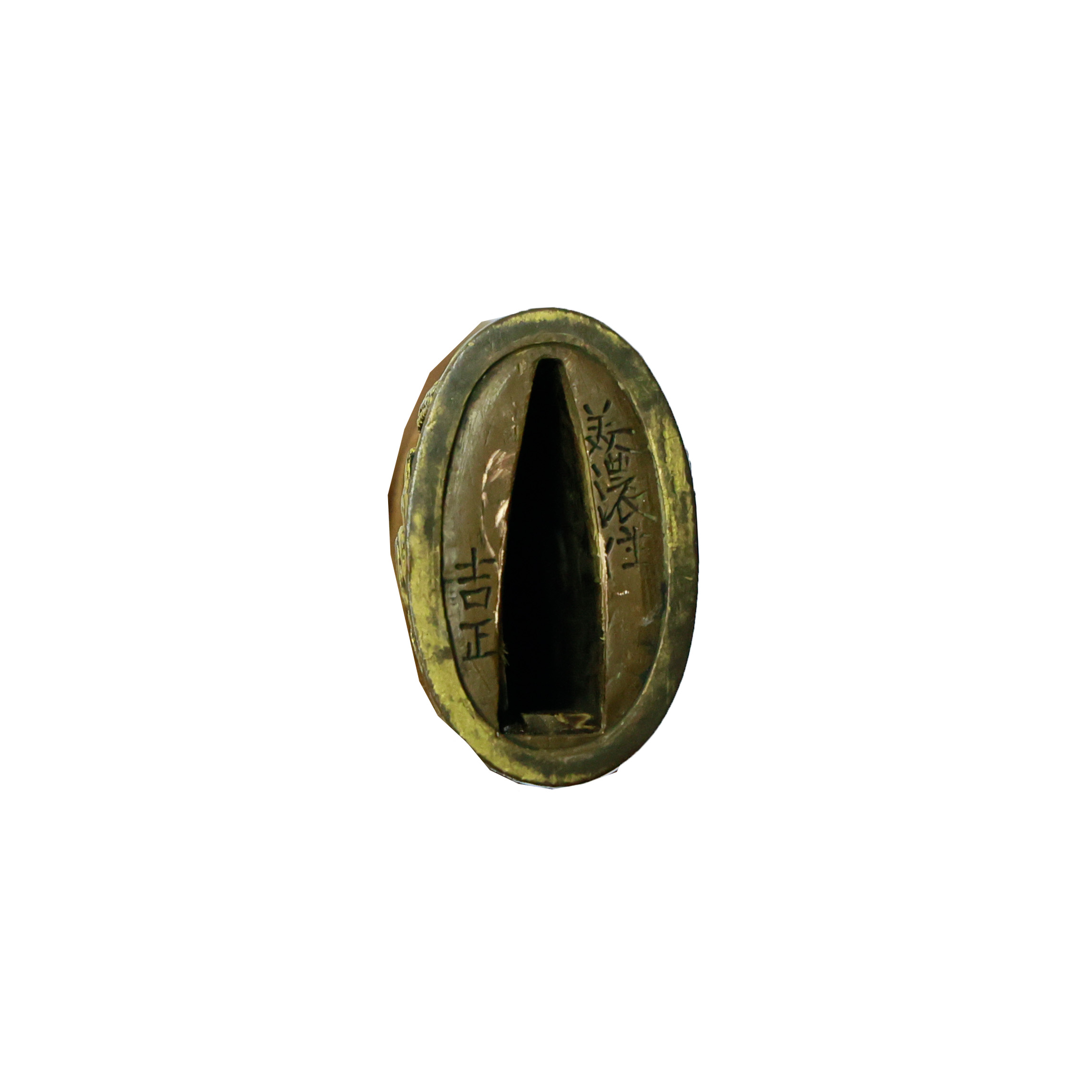
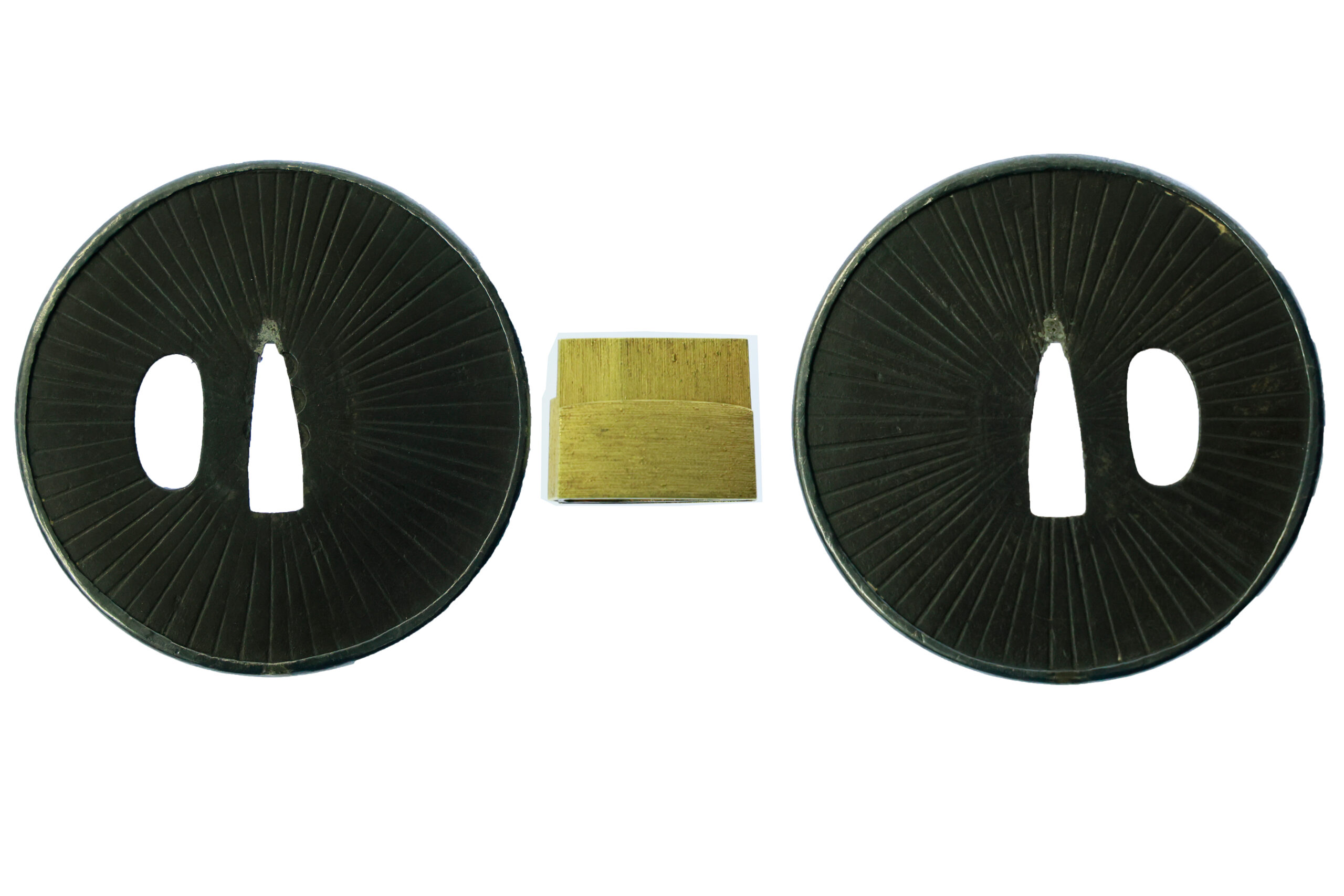
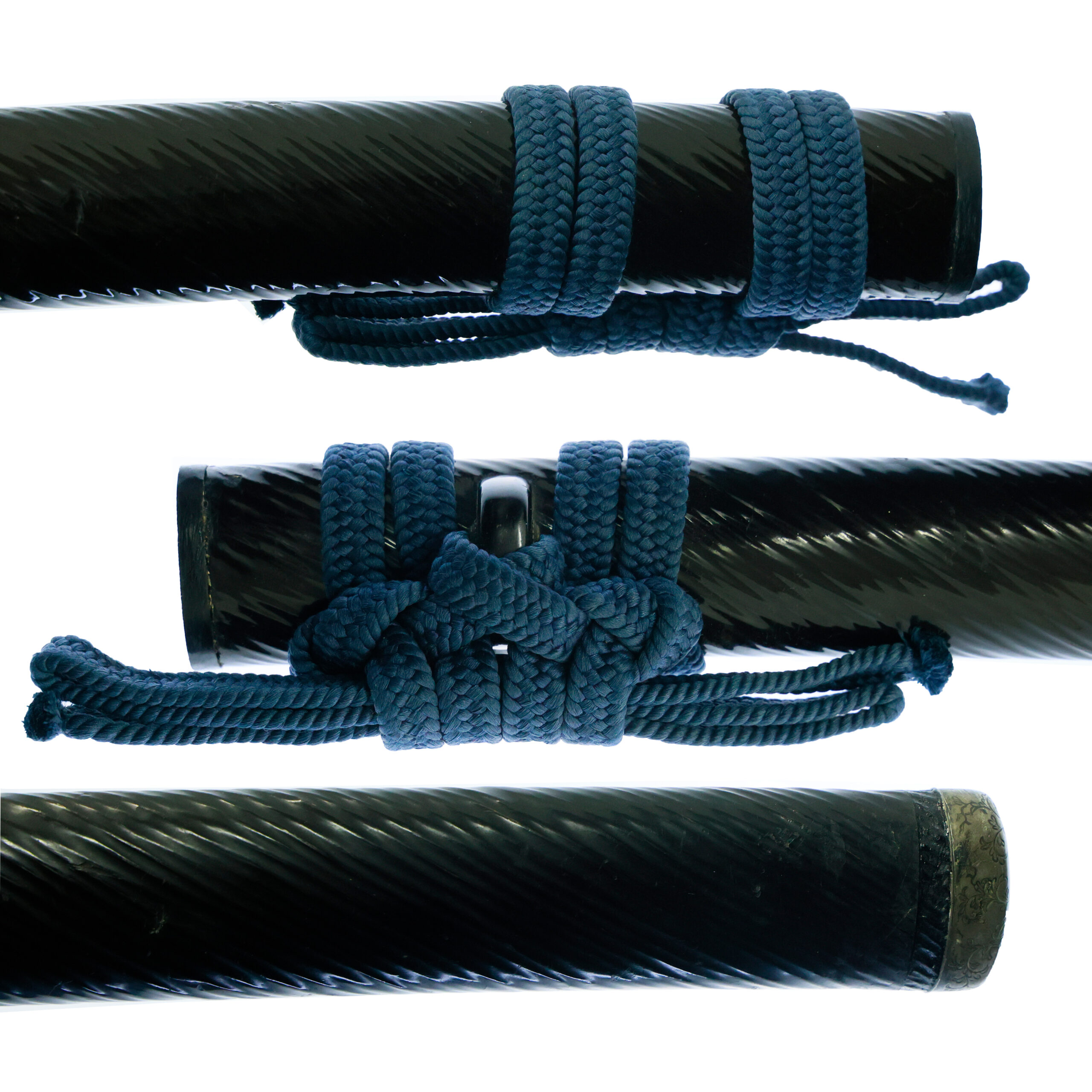
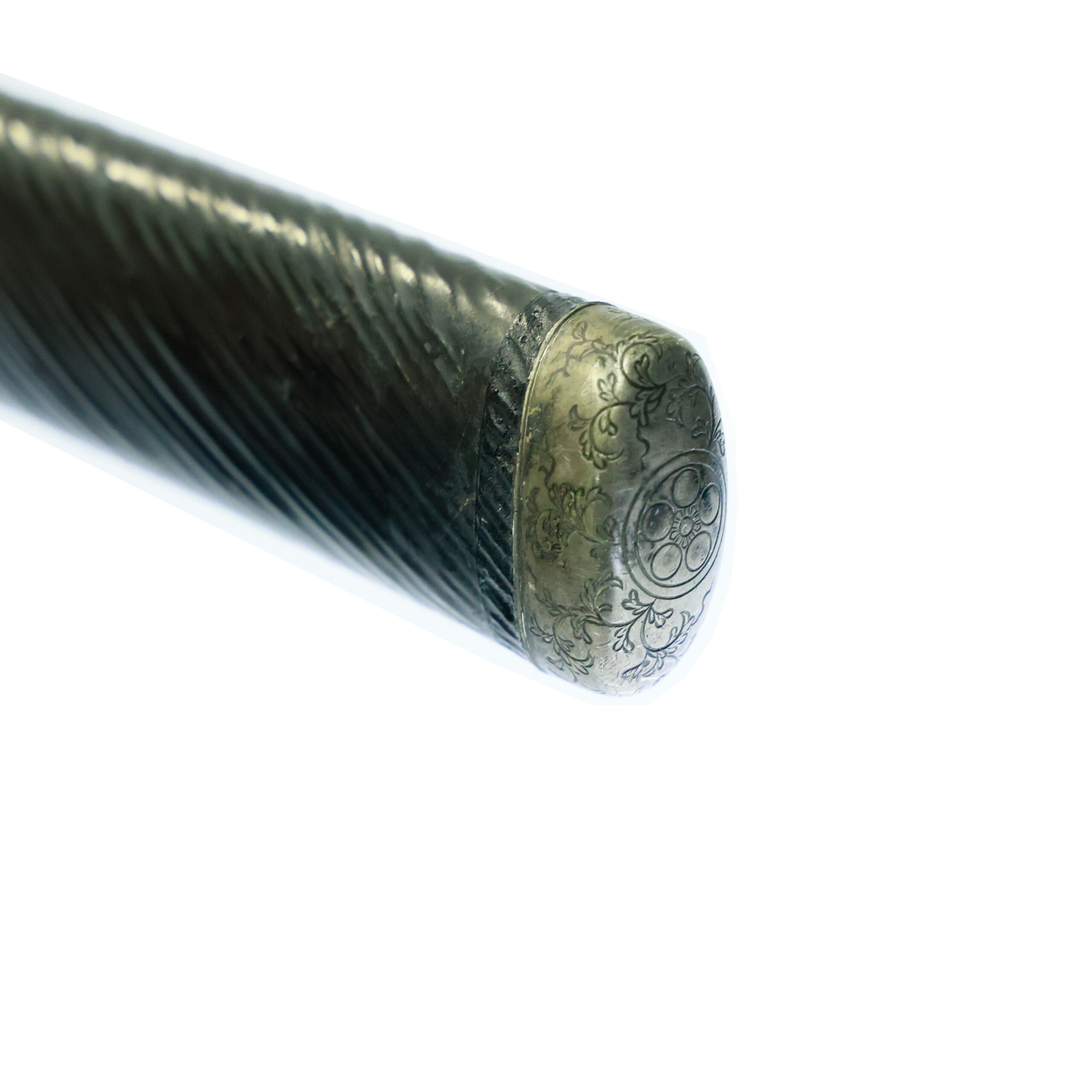
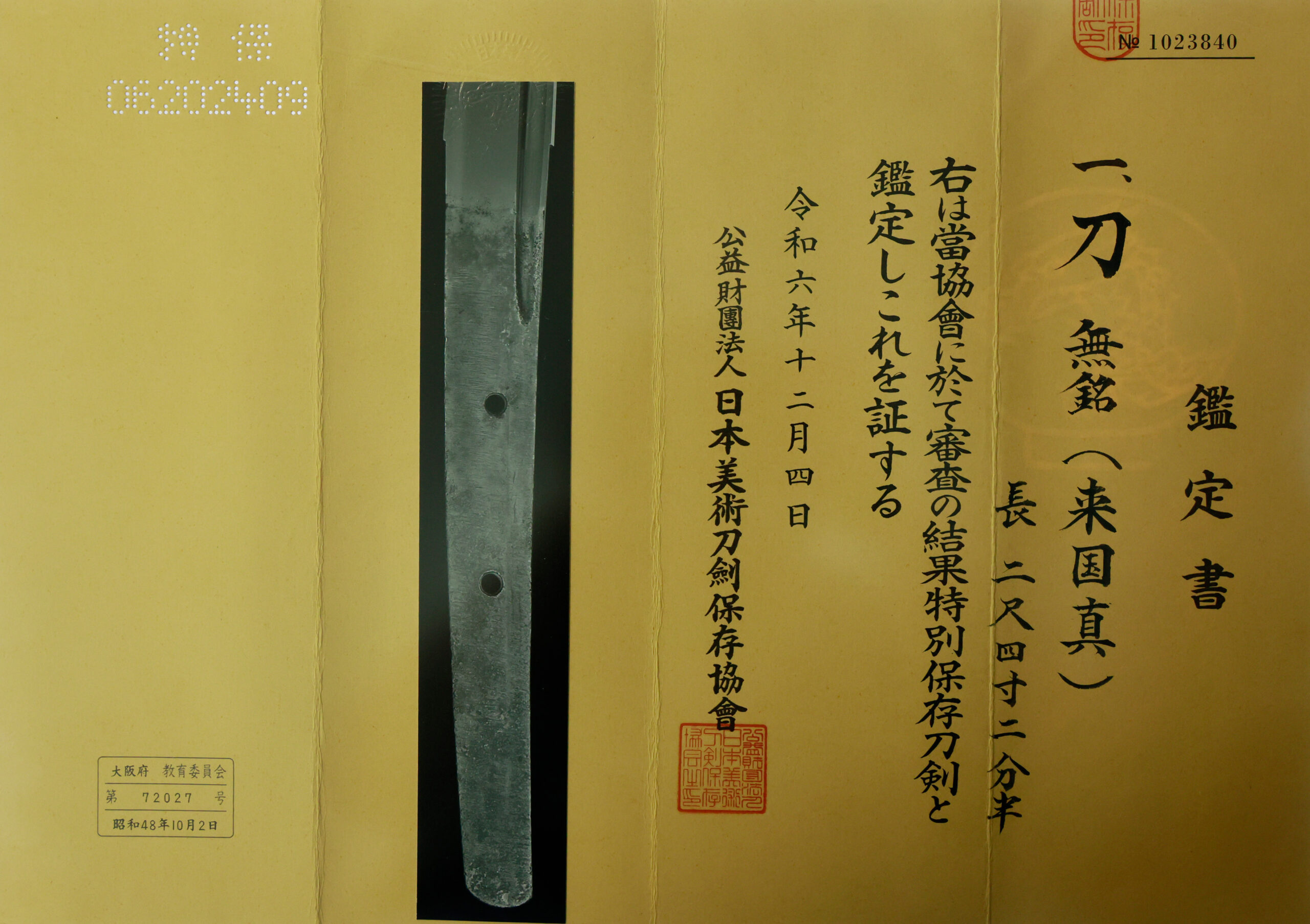
特別保存刀剣鑑定書付 刀 伝・来国真 【解説文】 本刀は、日本刀の鑑定・保存における権威である日本美術刀剣保存協会(NBTHK)により、「来国真(らいくにざね)」と個銘極めがなされた名刀です。 来国真は、鎌倉中期から南北朝時代にかけて山城国(現在の京都府)で隆盛を極めた「来派」の主要な刀工です。来国俊の門人または子と伝えられ、一説には来国光の弟、来倫国の兄とも言われています。特に南北朝中期の文和年間(1352-1356年)頃に活躍したとされています。 来派は国行を祖とし、国俊、国光といった名工を輩出した名門です。国真はその正系にあって優れた技量を発揮し、山城伝の伝統を継承する重要な作り手として高く評価されています。 山城国は「山城伝」と呼ばれる独自の作風で知られています。その起源は平安遷都まで遡り、当初は公家や皇族のための御用を、後に武家政権の台頭とともに諸大名の需要に応え、数多くの名工を輩出しました。 三条宗近を始祖とする山城伝には七つの流派がありますが、なかでも来派は粟田口派と並び、最も格式高い名門として知られています。山城伝の最大の特徴は、気品ある姿と潤いのある美しい地鉄(じがね)にあり、本作にもその気風が顕著に表れています。 本作は日本美術刀剣保存協会より「特別保存刀剣」に指定されています。これは、保存状態が極めて良好で、かつ美術的価値が特に高い真作の日本刀にのみ与えられる格付けです。 ※樋の中に僅かな鍛え傷が見受けられます。詳細なコンディションについては、お気軽にお問い合わせください。 【刀身】 長さ(Nagasa):73.6 cm 反り(Sori):2.2 cm 刃文(Hamon):焼入れによって刃先に現れる結晶構造。 地肌(Jihada):鍛錬の過程で現れる鋼の表面模様。 切先(Kissaki):刀身の先端部分。 茎(Nakago):柄に収まる持ち手部分。 日本刀の茎には、赤錆を防ぐために意図的に黒錆を残します。この錆色(経年変化)は、専門家が製作年代を推定する際の重要な指標となります。 【拵】 拵(Koshirae):鞘、柄、鍔などを含めた外装一式。 縁頭(Fuchi-Kashira):柄の両端を保護し装飾する金具。 この縁頭には「稲穂」の図が施されています。古来より日本では、米は主食としてだけでなく、豊穣と繁栄の象徴として崇められてきました。一粒一粒に神が宿ると信じられ、神聖な宝物として扱われてきた歴史があります。 稲穂の意匠は、五穀豊穣を司る稲荷信仰とも深く結びついており、神紋や家紋にも多く用いられるなど、日本人にとって非常に親しみ深く、意義深い文様です。本作の意匠には、豊かな収穫と繁栄への願いが込められていると言えるでしょう。
 NihontoWatch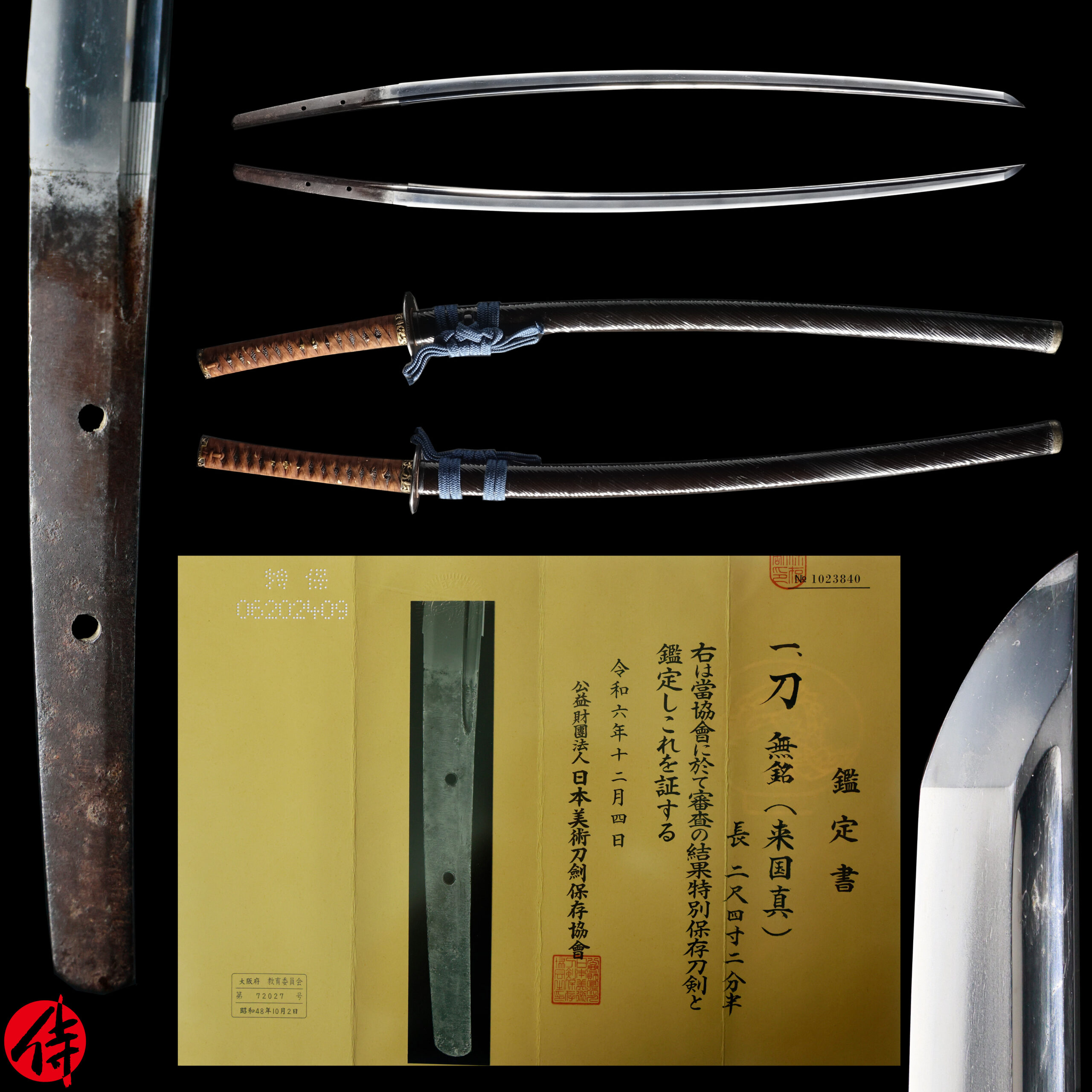
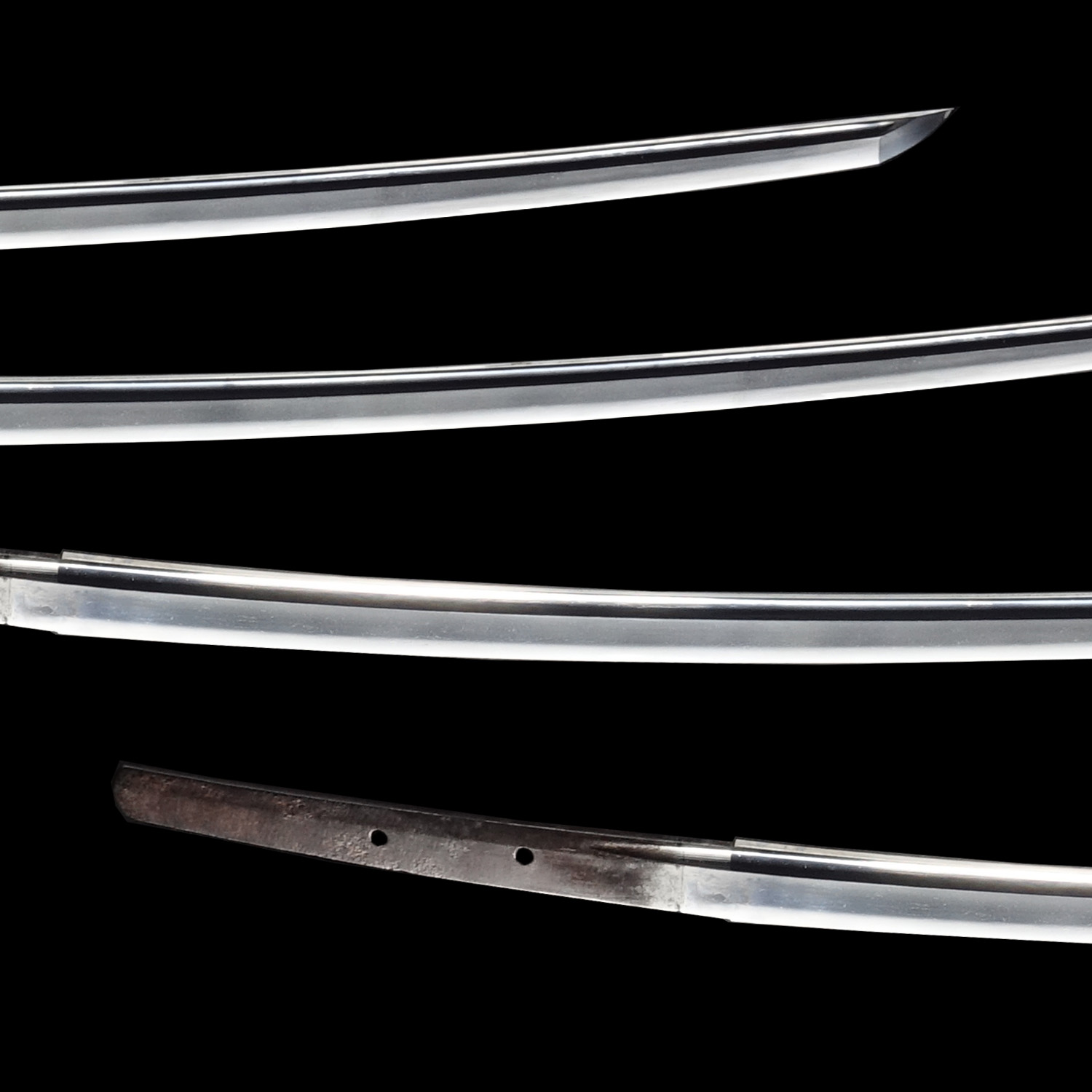
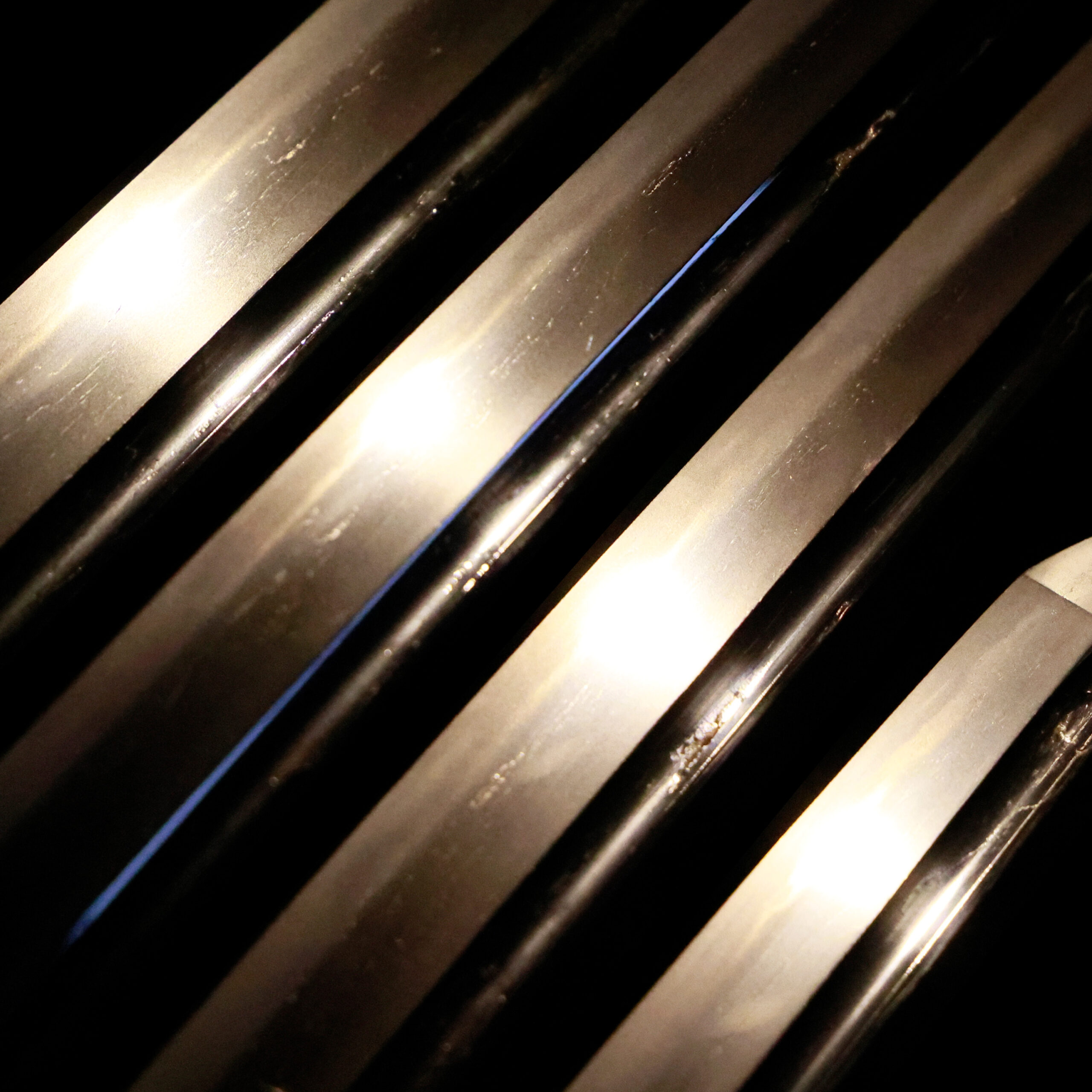
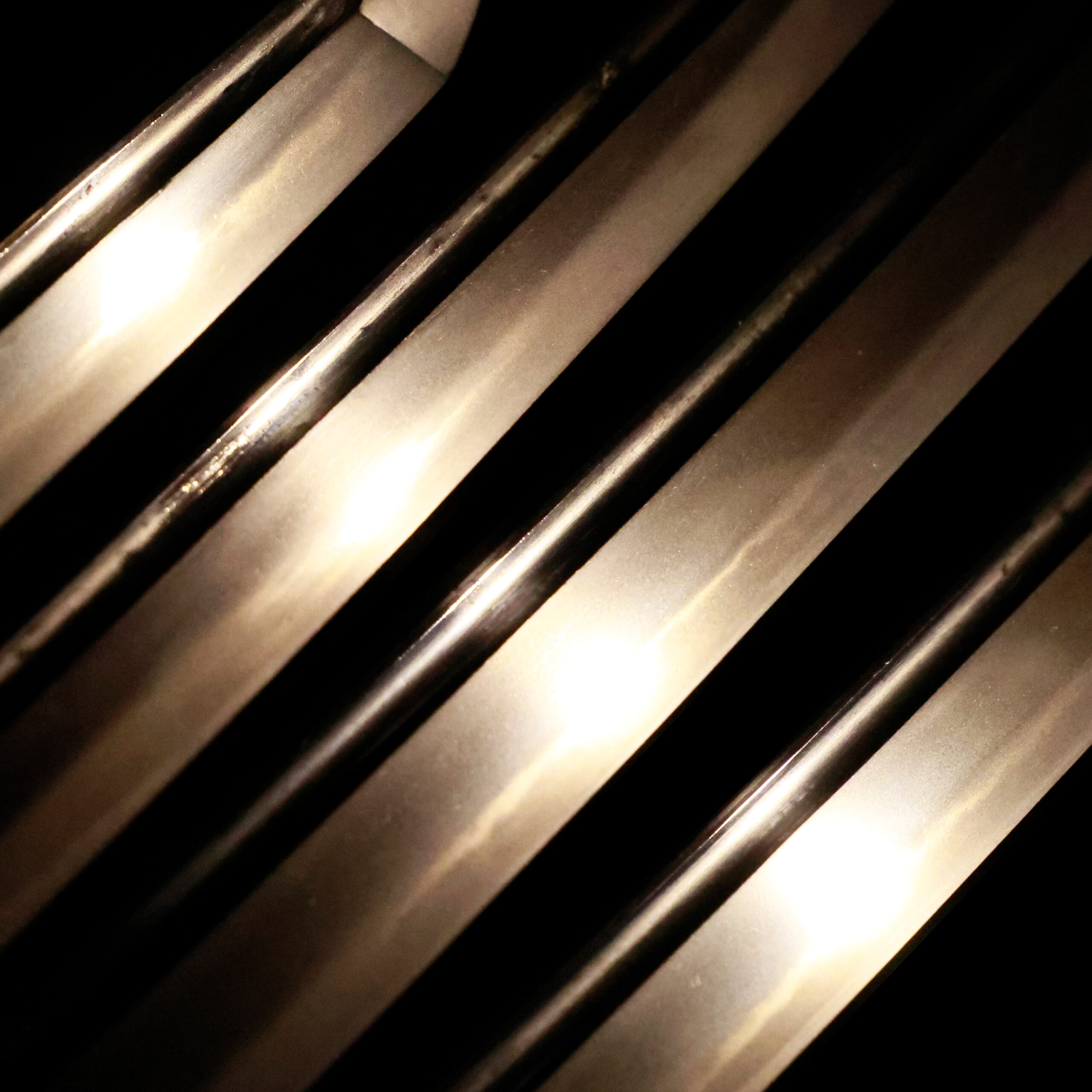
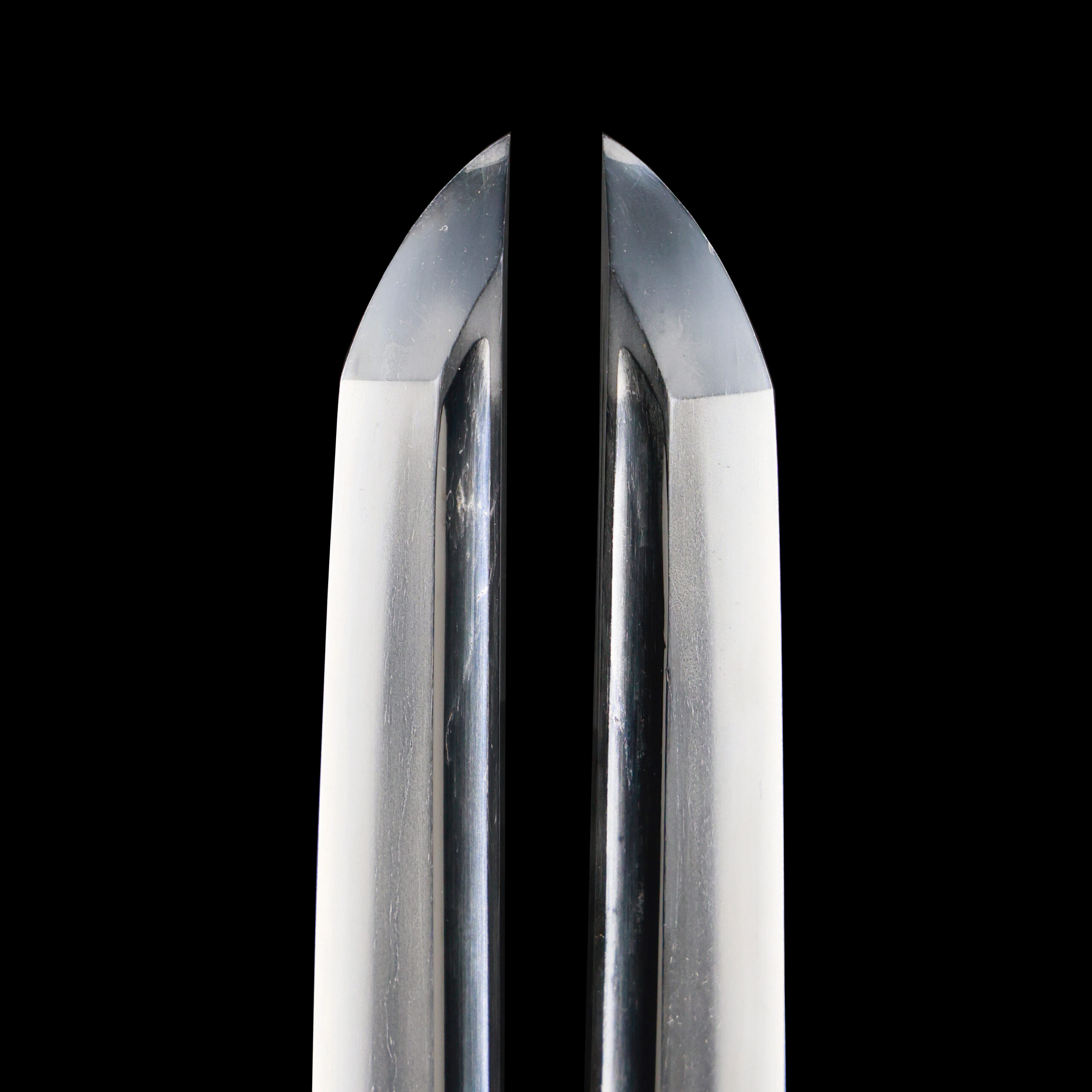
Rai (Yamashiro, Kyoto) · 山城 · 1334-1370頃
藤代 Jo saku
現在1点販売中
来国眞は山城来派の小名の一人で、剣書は来国俊の子あるいは門人とし、来国光の弟・来倫国の兄と伝える。鎌倉時代末期から南北朝時代にかけて京に活躍した。その記録はほとんど二つの面を持つ問題であり、説明書はその系譜自体を慎重に語る。『銘鑑』は正和の頃を挙げ、別に「建武前」として同名の一工を載せるが、説明書は受け継がれた所伝が作風・年代の両面から無理があるように思われるとし、作品の上からは初代・二代を見るべきであるとする。本工は結局のところ、一人の確たる記録された手というよりも、ある種の精緻な来派の作を伝えてきた鑑定上の約束事である、と言ってよい。
収集家が出会う典型の来国眞は、古来より極められた大磨上無銘の刀であり、それはまず地鉄に読まれる。よく鍛えた板目、時に小板目つみて杢や流れ肌を交えた地に、肌やや立ちごころとなり、地沸が微塵に厚くつき、地景が頻りに入り、地には淡い沸映りないし映りの立つことが多い。説明書はこれを来国光に通じる地鉄としつつ、その言葉どおり「来国光に似てやや及ばない」[[c:1]]ものとし、やや立った肌と静かな沸映りこそ、純然たる来派の明るくよくつんだ山城の地ではなく、来の地鉄を一歩南北朝へ進めた手を示すと読む。
その地に対して、本工は広・中の直刃調を焼き、小丁子・小互の目・小乱れを交える。足・葉よく入り、小沸よくつき、刃縁は細かにほつれて時に二重刃ごころとなり、金筋・砂流しがかかり、匂口は締まりごころとも明るく冴えるともなる。帽子は直ぐに小丸、あるいは乱れ込んで盛んに掃きかけ、華やかな作では尖って火焰風となる。極めの要は質ではなく程度にある。刃文は穏やかな来の作域であるが、その乱れは来国光に比して小模様であり、説明書はまさにその観察を約束事に変えて、来国光に似て作位が一段下と判じ、「一派の中では所伝通りに鑑することが最も妥当」[[c:2]]と結ぶ。
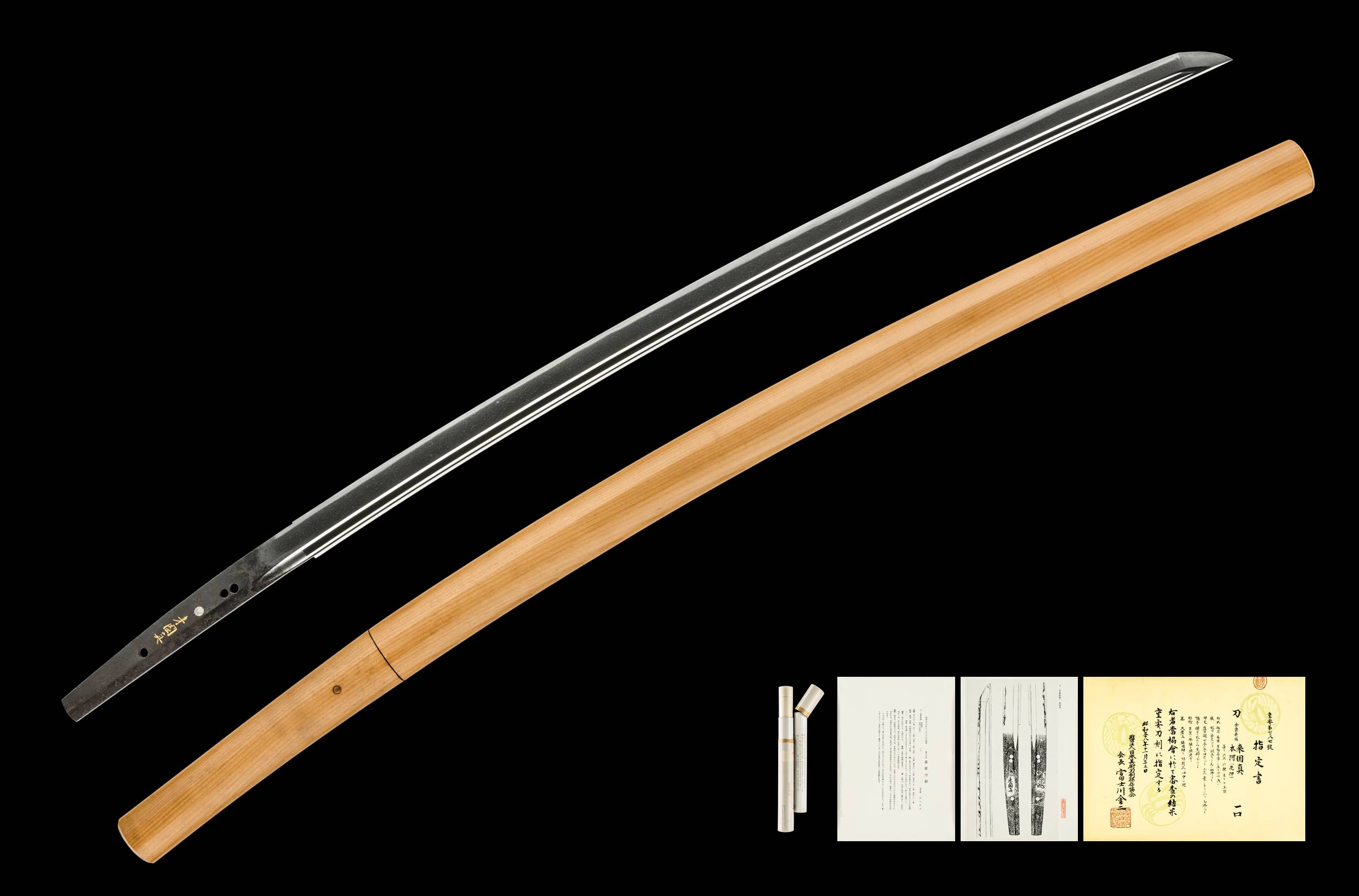
もう一つの面は在銘作で、これがより稀で、より謎めいている。在銘作は極めて少なく、多くは平造の脇指・短刀で、身幅広く寸延び、重ね薄く反り浅い、典型的な南北朝姿をなし、三字銘をやや大振りに目釘孔の下に切る。鍛えは板目に杢を交えて流れやや肌立ち、地沸よくつくが、その焼刃は本流の極めから離れる。直刃調にのたれ・小互の目を交え、処々強く沸づき、刃縁はほつれ・打のけ・喰違刃風・二重刃・湯走りへと転じる。中には皆焼風を帯びるものがあり、説明書の言葉では「皆焼風をおびて長谷部に近似した出来口」[[c:3]]を見せる。そこから在銘の太刀・脇指についての説明は「南北朝の作と断定せざるを得ない」[[c:4]]と結び、穏やかな無銘極めと華やかな在銘作とのこの隔たりこそが、同名の初代・二代という積年の問いの拠りどころとなっている。
来国眞の極めをその隣人から分かつのは、まさに極めの言うところであり、しかも判者はそれを比較対象の特徴からではなく本工自身の作から引く。本工は来国光・来国次の傍らに来派の一員として立ち、山城の作風を伝える。その作は来国光より作位一段下と読まれ乱れが小模様な精緻な来派直刃であり、やや立った板目に立つ淡い沸映りが繰り返す見どころである。本阿弥の金象嵌極めを負うある在銘の刀は、これに対して丁子乱れに互の目を交え、乱れが間近く棟焼をも交えており、説明書はこれを来国光・来国次に連なる来派の伝統を覇気をもって伝えたものと読む。腰元・横手下に飛焼・湯走りの集まる皆焼がかった作こそ、その個性の認められる所である。極めは従って慎重なもので、唯一無二の特徴によるのではなく、一派の中での作位と格によってなされる。
収集の観点では、本工は来派の中でも手の届きやすい名であり、その来歴は静かに名門である。藤代の極めは上作。国宝はなく、重要文化財もなく、その記録はすべて重要刀剣に列し、重要の級に二十五口、その大半は本阿弥の金象嵌極めを負う大磨上無銘の刀で、説明書はその数口を同工極めの中でも特に優れ地刃ともに健全とする。在銘作はその誉れであり稀少であって、ある重要刀剣の脇指の説明はこれを「在銘稀有な同工の作風を知る上でも、大変貴重な資料」[[c:5]]と称える。本工の刀は肉置きがよく、大名家を通じた確かな伝来を持つ。前橋・姫路の酒井家はその一で、ある一口は延享二年に八代将軍徳川吉宗の御隠退の祝として酒井忠恭に賜り、以後同家に伝わった。さらに鍋島家・島津家に伝来した作があり、神宮徴古館・東京国立博物館・東京富士美術館に収まる例もある。その記録がことごとく取引可能な級にあるため、来国眞の刀は第一級の来国光のように手の届かぬものではない。一方で在銘の一口が世に出ることは稀であり、収集家にとって注目すべきもの、来派いかに南北朝へ身を運んだかを語る一証である。
國眞の位置づけを、日本刀全体および伝統・時代・時期ごとに示します。各位(随一・屈指・有数・著名)は、NBTHK および文化庁による指定に加え、三作や名物帳などの歴史的栄誉を加味したものです。
各項目を選ぶと評価方法が表示されます。
山城伝 · 山城
現在46点販売中
来派の作をまず見分けさせるのは地鉄である。精美によく約んだ小板目を主体に板目・杢・流れ肌を交えてよく錬れ、地沸が微塵に厚くつき、細かな地景が頻りに入り、沸映りが立って鉄が明るく冴える。処々に交じる柔らかく大模様の肌合は来肌と呼ばれ、疵ではなく一派の見どころとして受け取られている。この明るく精到な山城の鍛えこそ、来一門の作を貫く第一の標識である。 その出発点に位置するのが、鎌倉時代中期に山城国京都に活躍した来国行で、諸書のくり返し記すとおり事実上の祖と仰がれる。自身の作に年紀はないが、その子と伝える二字国俊に弘安元年(一二七八)の太刀があり、これに拠って正元・文応頃の活躍年代が首肯される。以後、二字国俊から三字銘の来国俊へ、さらに来国光・来国次へと血脈が継がれ、鎌倉末から南北朝前期にかけて一門は山城刀工の最上位を占めた。なお来国俊は来派で最初に「来」の字を冠した工であり、以後の一門が皆これに倣っている。二字国俊と三字銘来国俊の同人・別人は、両銘の年紀が弘安元年から元亨元年の約四十年に納まることなどから近年同人説が定着しつつあり、一門の古典的な論点をなす。 地鉄の上に来派の焼く刃は、備前の華やかな丁子ではなく、広直刃調を基調とする。これに小丁子・小互の目・小乱れを交え、足・葉が繁く入り、佩表の足が備前とは逆に茎の方へ斜めに傾く所謂京逆足となるところに京物の本領がある。匂深く明るく、小沸が厚くついて働きは刃の高さではなく沸に宿り、刃中に金筋・砂流しがかかる。帽子は小丸を主としながら掃きかけを伴うことが多く、この掃きかけは小丸と並ぶ第一の鑑別点に据えるべきものである。時代と系統による振幅も明瞭で、二字国俊は身幅広く猪首鋒に結ぶ豪壮な体配に丁子主調の賑やかな乱れを焼き、三字銘来国俊は細身か尋常の姿に締まった直刃の上品な作域を示す。末期の来国光は直刃に互の目を目立って交え作域が最も広く、来国次に至っては地刃の沸が一門で最も強く、のたれに互の目を交えた相州伝寄りの作風から鎌倉来と呼ばれ正宗十哲に数えられる。 収集家がこの一門を求めるべき所以は、まずその鑑定の勘所が明快なことにある。よく約んだ小板目に微塵の地沸と鮮明な沸映り、広直刃に京逆足、そして掃きかける帽子という積極的な特色が揃い、無銘極めの拠りどころが明文化されている。一門内の差も精密に引かれ、来国光は来国次に比して焼きが幾分低く突き上げ気味の帽子に個性を窺い、戸津来あるいは中堂来と呼ばれる光包は来肌の少ない強く冴えた地鉄と広く長く返る帽子で一門中の異色として立つ。代表作と伝来も厚く、来国行在銘の太刀は筑前黒田家に伝わって本阿弥光忠の千貫折紙と後藤家製の糸巻太刀拵を備え、名物愛染国俊・名物鳥飼国俊・名物乱光包をはじめ尾張紀州徳川家、前田家、上杉家、島津家、伊達家など大名家の蔵刀として珍重された。鎌倉末期山城物の最も純粋な姿を示す来派の作は、日本刀剣史において古刀山城の頂点に位置づけられ、真剣な収集家が現実に到達し得る目標であり続けている。 詳しく見る →
南北朝時代の山城
南北朝の戦乱は、山城の精緻を支えた公家社会を疲弊させた。来派最後の巨匠たちをもって古典の系譜は閉じ、長谷部と信国が新しい相州風を都に持ち込んでいる。
保存刀剣のうち、出来が一層優れ、保存状態も良好と認められたものです。再刃や、室町・江戸期の多くの無銘作は対象外となり、保存刀剣より高い基準が課されます。
日本美術刀剣保存協会(NBTHK)は、1948年に設立され、文化庁の監督を受ける公益財団法人で、東京・刀剣博物館に本部を置きます。専門の審査員が出品作を直接審査し、美術的・歴史的価値に応じた鑑定書を発行します。NBTHKの鑑定書は、日本刀および刀装具の真正性を示す最も広く認知された基準です。
NBTHK公式サイトReturns/exchanges limited to defects caused by shipping (except willful misconduct or gross negligence by the company); customers must contact within 72 hours of receiving the product.
特別保存刀剣鑑定書付 刀 伝・来国真 【解説文】 本刀は、日本刀の鑑定・保存における権威である日本美術刀剣保存協会(NBTHK)により、「来国真(らいくにざね)」と個銘極めがなされた名刀です。 来国真は、鎌倉中期から南北朝時代にかけて山城国(現在の京都府)で隆盛を極めた「来派」の主要な刀工です。来国俊の門人または子と伝えられ、一説には来国光の弟、来倫国の兄とも言われています。特に南北朝中期の文和年間(1352-1356年)頃に活躍したとされています。 来派は国行を祖とし、国俊、国光といった名工を輩出した名門です。国真はその正系にあって優れた技量を発揮し、山城伝の伝統を継承する重要な作り手として高く評価されています。 山城国は「山城伝」と呼ばれる独自の作風で知られています。その起源は平安遷都まで遡り、当初は公家や皇族のための御用を、後に武家政権の台頭とともに諸大名の需要に応え、数多くの名工を輩出しました。 三条宗近を始祖とする山城伝には七つの流派がありますが、なかでも来派は粟田口派と並び、最も格式高い名門として知られています。山城伝の最大の特徴は、気品ある姿と潤いのある美しい地鉄(じがね)にあり、本作にもその気風が顕著に表れています。 本作は日本美術刀剣保存協会より「特別保存刀剣」に指定されています。これは、保存状態が極めて良好で、かつ美術的価値が特に高い真作の日本刀にのみ与えられる格付けです。 ※樋の中に僅かな鍛え傷が見受けられます。詳細なコンディションについては、お気軽にお問い合わせください。 【刀身】 長さ(Nagasa):73.6 cm 反り(Sori):2.2 cm 刃文(Hamon):焼入れによって刃先に現れる結晶構造。 地肌(Jihada):鍛錬の過程で現れる鋼の表面模様。 切先(Kissaki):刀身の先端部分。 茎(Nakago):柄に収まる持ち手部分。 日本刀の茎には、赤錆を防ぐために意図的に黒錆を残します。この錆色(経年変化)は、専門家が製作年代を推定する際の重要な指標となります。 【拵】 拵(Koshirae):鞘、柄、鍔などを含めた外装一式。 縁頭(Fuchi-Kashira):柄の両端を保護し装飾する金具。 この縁頭には「稲穂」の図が施されています。古来より日本では、米は主食としてだけでなく、豊穣と繁栄の象徴として崇められてきました。一粒一粒に神が宿ると信じられ、神聖な宝物として扱われてきた歴史があります。 稲穂の意匠は、五穀豊穣を司る稲荷信仰とも深く結びついており、神紋や家紋にも多く用いられるなど、日本人にとって非常に親しみ深く、意義深い文様です。本作の意匠には、豊かな収穫と繁栄への願いが込められていると言えるでしょう。
NihontoWatchRai (Yamashiro, Kyoto) · 山城 · 1334-1370頃
藤代 Jo saku
現在1点販売中
来国眞は山城来派の小名の一人で、剣書は来国俊の子あるいは門人とし、来国光の弟・来倫国の兄と伝える。鎌倉時代末期から南北朝時代にかけて京に活躍した。その記録はほとんど二つの面を持つ問題であり、説明書はその系譜自体を慎重に語る。『銘鑑』は正和の頃を挙げ、別に「建武前」として同名の一工を載せるが、説明書は受け継がれた所伝が作風・年代の両面から無理があるように思われるとし、作品の上からは初代・二代を見るべきであるとする。本工は結局のところ、一人の確たる記録された手というよりも、ある種の精緻な来派の作を伝えてきた鑑定上の約束事である、と言ってよい。
収集家が出会う典型の来国眞は、古来より極められた大磨上無銘の刀であり、それはまず地鉄に読まれる。よく鍛えた板目、時に小板目つみて杢や流れ肌を交えた地に、肌やや立ちごころとなり、地沸が微塵に厚くつき、地景が頻りに入り、地には淡い沸映りないし映りの立つことが多い。説明書はこれを来国光に通じる地鉄としつつ、その言葉どおり「来国光に似てやや及ばない」[[c:1]]ものとし、やや立った肌と静かな沸映りこそ、純然たる来派の明るくよくつんだ山城の地ではなく、来の地鉄を一歩南北朝へ進めた手を示すと読む。
その地に対して、本工は広・中の直刃調を焼き、小丁子・小互の目・小乱れを交える。足・葉よく入り、小沸よくつき、刃縁は細かにほつれて時に二重刃ごころとなり、金筋・砂流しがかかり、匂口は締まりごころとも明るく冴えるともなる。帽子は直ぐに小丸、あるいは乱れ込んで盛んに掃きかけ、華やかな作では尖って火焰風となる。極めの要は質ではなく程度にある。刃文は穏やかな来の作域であるが、その乱れは来国光に比して小模様であり、説明書はまさにその観察を約束事に変えて、来国光に似て作位が一段下と判じ、「一派の中では所伝通りに鑑することが最も妥当」[[c:2]]と結ぶ。
もう一つの面は在銘作で、これがより稀で、より謎めいている。在銘作は極めて少なく、多くは平造の脇指・短刀で、身幅広く寸延び、重ね薄く反り浅い、典型的な南北朝姿をなし、三字銘をやや大振りに目釘孔の下に切る。鍛えは板目に杢を交えて流れやや肌立ち、地沸よくつくが、その焼刃は本流の極めから離れる。直刃調にのたれ・小互の目を交え、処々強く沸づき、刃縁はほつれ・打のけ・喰違刃風・二重刃・湯走りへと転じる。中には皆焼風を帯びるものがあり、説明書の言葉では「皆焼風をおびて長谷部に近似した出来口」[[c:3]]を見せる。そこから在銘の太刀・脇指についての説明は「南北朝の作と断定せざるを得ない」[[c:4]]と結び、穏やかな無銘極めと華やかな在銘作とのこの隔たりこそが、同名の初代・二代という積年の問いの拠りどころとなっている。
来国眞の極めをその隣人から分かつのは、まさに極めの言うところであり、しかも判者はそれを比較対象の特徴からではなく本工自身の作から引く。本工は来国光・来国次の傍らに来派の一員として立ち、山城の作風を伝える。その作は来国光より作位一段下と読まれ乱れが小模様な精緻な来派直刃であり、やや立った板目に立つ淡い沸映りが繰り返す見どころである。本阿弥の金象嵌極めを負うある在銘の刀は、これに対して丁子乱れに互の目を交え、乱れが間近く棟焼をも交えており、説明書はこれを来国光・来国次に連なる来派の伝統を覇気をもって伝えたものと読む。腰元・横手下に飛焼・湯走りの集まる皆焼がかった作こそ、その個性の認められる所である。極めは従って慎重なもので、唯一無二の特徴によるのではなく、一派の中での作位と格によってなされる。
収集の観点では、本工は来派の中でも手の届きやすい名であり、その来歴は静かに名門である。藤代の極めは上作。国宝はなく、重要文化財もなく、その記録はすべて重要刀剣に列し、重要の級に二十五口、その大半は本阿弥の金象嵌極めを負う大磨上無銘の刀で、説明書はその数口を同工極めの中でも特に優れ地刃ともに健全とする。在銘作はその誉れであり稀少であって、ある重要刀剣の脇指の説明はこれを「在銘稀有な同工の作風を知る上でも、大変貴重な資料」[[c:5]]と称える。本工の刀は肉置きがよく、大名家を通じた確かな伝来を持つ。前橋・姫路の酒井家はその一で、ある一口は延享二年に八代将軍徳川吉宗の御隠退の祝として酒井忠恭に賜り、以後同家に伝わった。さらに鍋島家・島津家に伝来した作があり、神宮徴古館・東京国立博物館・東京富士美術館に収まる例もある。その記録がことごとく取引可能な級にあるため、来国眞の刀は第一級の来国光のように手の届かぬものではない。一方で在銘の一口が世に出ることは稀であり、収集家にとって注目すべきもの、来派いかに南北朝へ身を運んだかを語る一証である。
國眞の位置づけを、日本刀全体および伝統・時代・時期ごとに示します。各位(随一・屈指・有数・著名)は、NBTHK および文化庁による指定に加え、三作や名物帳などの歴史的栄誉を加味したものです。
各項目を選ぶと評価方法が表示されます。
山城伝 · 山城
現在46点販売中
来派の作をまず見分けさせるのは地鉄である。精美によく約んだ小板目を主体に板目・杢・流れ肌を交えてよく錬れ、地沸が微塵に厚くつき、細かな地景が頻りに入り、沸映りが立って鉄が明るく冴える。処々に交じる柔らかく大模様の肌合は来肌と呼ばれ、疵ではなく一派の見どころとして受け取られている。この明るく精到な山城の鍛えこそ、来一門の作を貫く第一の標識である。 その出発点に位置するのが、鎌倉時代中期に山城国京都に活躍した来国行で、諸書のくり返し記すとおり事実上の祖と仰がれる。自身の作に年紀はないが、その子と伝える二字国俊に弘安元年(一二七八)の太刀があり、これに拠って正元・文応頃の活躍年代が首肯される。以後、二字国俊から三字銘の来国俊へ、さらに来国光・来国次へと血脈が継がれ、鎌倉末から南北朝前期にかけて一門は山城刀工の最上位を占めた。なお来国俊は来派で最初に「来」の字を冠した工であり、以後の一門が皆これに倣っている。二字国俊と三字銘来国俊の同人・別人は、両銘の年紀が弘安元年から元亨元年の約四十年に納まることなどから近年同人説が定着しつつあり、一門の古典的な論点をなす。 地鉄の上に来派の焼く刃は、備前の華やかな丁子ではなく、広直刃調を基調とする。これに小丁子・小互の目・小乱れを交え、足・葉が繁く入り、佩表の足が備前とは逆に茎の方へ斜めに傾く所謂京逆足となるところに京物の本領がある。匂深く明るく、小沸が厚くついて働きは刃の高さではなく沸に宿り、刃中に金筋・砂流しがかかる。帽子は小丸を主としながら掃きかけを伴うことが多く、この掃きかけは小丸と並ぶ第一の鑑別点に据えるべきものである。時代と系統による振幅も明瞭で、二字国俊は身幅広く猪首鋒に結ぶ豪壮な体配に丁子主調の賑やかな乱れを焼き、三字銘来国俊は細身か尋常の姿に締まった直刃の上品な作域を示す。末期の来国光は直刃に互の目を目立って交え作域が最も広く、来国次に至っては地刃の沸が一門で最も強く、のたれに互の目を交えた相州伝寄りの作風から鎌倉来と呼ばれ正宗十哲に数えられる。 収集家がこの一門を求めるべき所以は、まずその鑑定の勘所が明快なことにある。よく約んだ小板目に微塵の地沸と鮮明な沸映り、広直刃に京逆足、そして掃きかける帽子という積極的な特色が揃い、無銘極めの拠りどころが明文化されている。一門内の差も精密に引かれ、来国光は来国次に比して焼きが幾分低く突き上げ気味の帽子に個性を窺い、戸津来あるいは中堂来と呼ばれる光包は来肌の少ない強く冴えた地鉄と広く長く返る帽子で一門中の異色として立つ。代表作と伝来も厚く、来国行在銘の太刀は筑前黒田家に伝わって本阿弥光忠の千貫折紙と後藤家製の糸巻太刀拵を備え、名物愛染国俊・名物鳥飼国俊・名物乱光包をはじめ尾張紀州徳川家、前田家、上杉家、島津家、伊達家など大名家の蔵刀として珍重された。鎌倉末期山城物の最も純粋な姿を示す来派の作は、日本刀剣史において古刀山城の頂点に位置づけられ、真剣な収集家が現実に到達し得る目標であり続けている。 詳しく見る →
南北朝時代の山城
南北朝の戦乱は、山城の精緻を支えた公家社会を疲弊させた。来派最後の巨匠たちをもって古典の系譜は閉じ、長谷部と信国が新しい相州風を都に持ち込んでいる。
保存刀剣のうち、出来が一層優れ、保存状態も良好と認められたものです。再刃や、室町・江戸期の多くの無銘作は対象外となり、保存刀剣より高い基準が課されます。
日本美術刀剣保存協会(NBTHK)は、1948年に設立され、文化庁の監督を受ける公益財団法人で、東京・刀剣博物館に本部を置きます。専門の審査員が出品作を直接審査し、美術的・歴史的価値に応じた鑑定書を発行します。NBTHKの鑑定書は、日本刀および刀装具の真正性を示す最も広く認知された基準です。
NBTHK公式サイトReturns/exchanges limited to defects caused by shipping (except willful misconduct or gross negligence by the company); customers must contact within 72 hours of receiving the product.
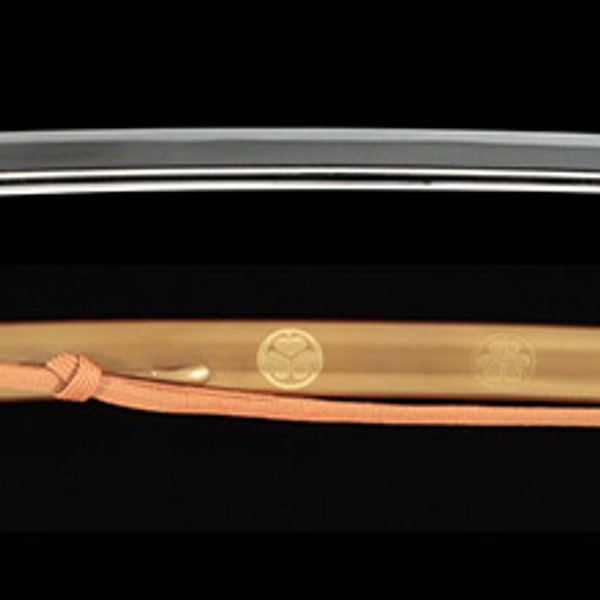
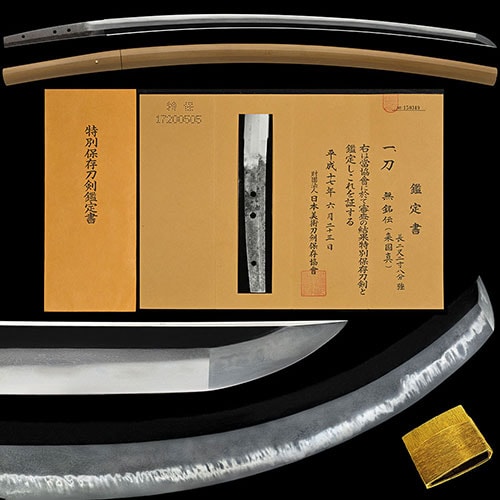
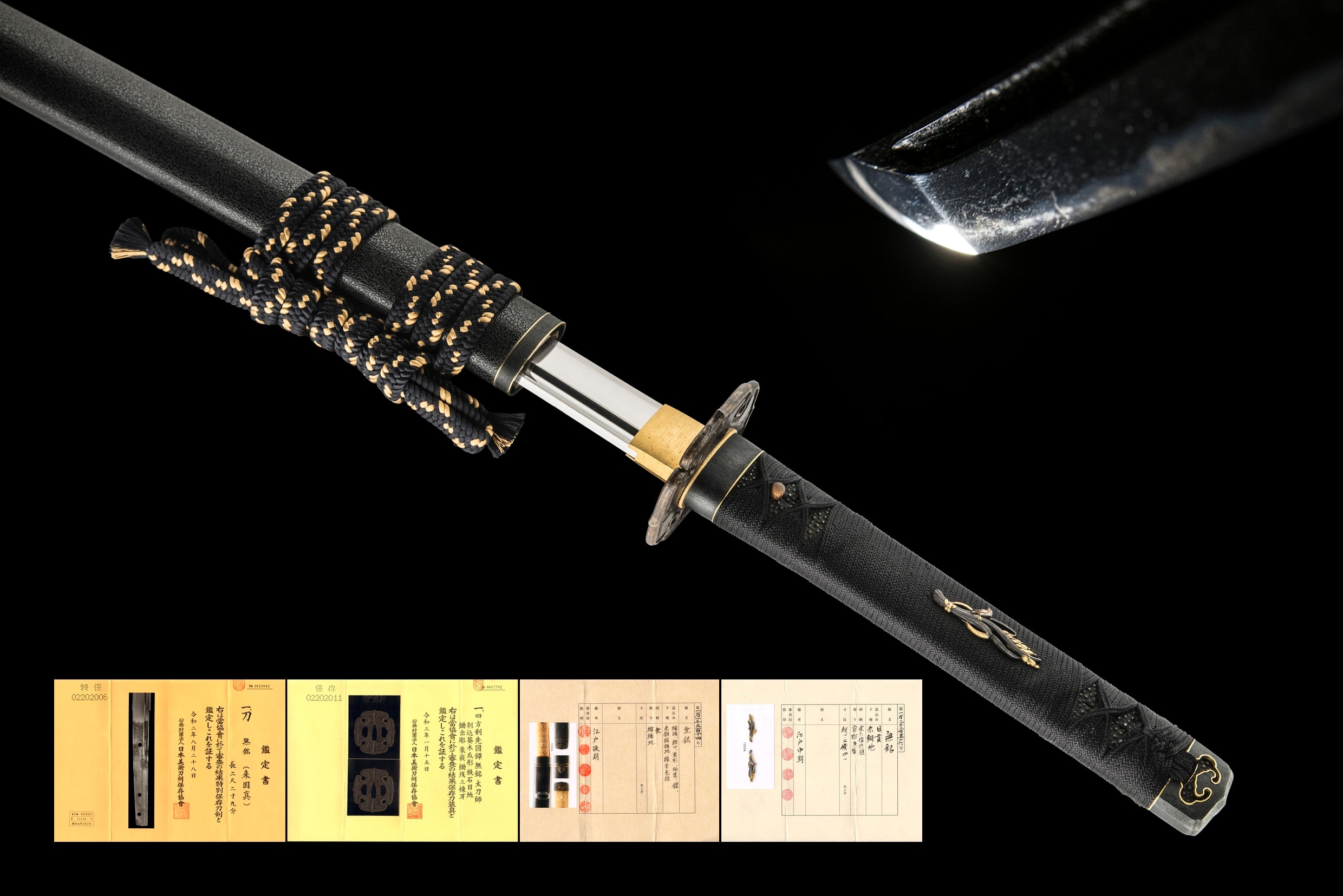

![Katana - Tokuho - 作 國眞 - 古刀 鑑定書内容:財)日本美術刀剣保存協会 特別保存刀剣[N.B.T.H.K]Tokubetsu Hozon Token 銘文:無銘(来国真)](/_next/image?url=https%3A%2F%2Fitbhfhyptogxcjbjfzwx.supabase.co%2Fstorage%2Fv1%2Fobject%2Fpublic%2Flisting-images%2Fiida-koendo%2FL500631%2F00.jpg&w=2560&q=90)