二十世紀は二度この工芸を殺しかけた。戦時の歪みと、占領下の禁令である。1948年の日刀保設立と1953年の作刀再開が刀を美術として再建し、人間国宝と無鑑査がその頂に立つ。
 NihontoWatchNihontoWatch
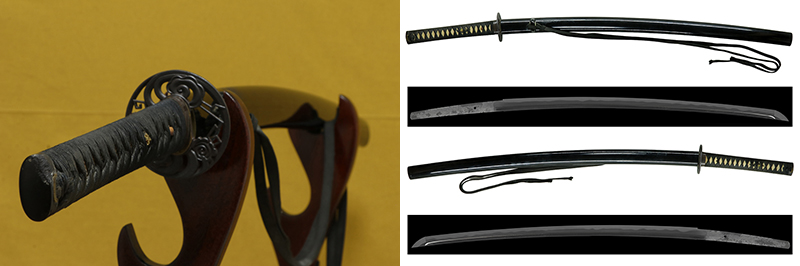
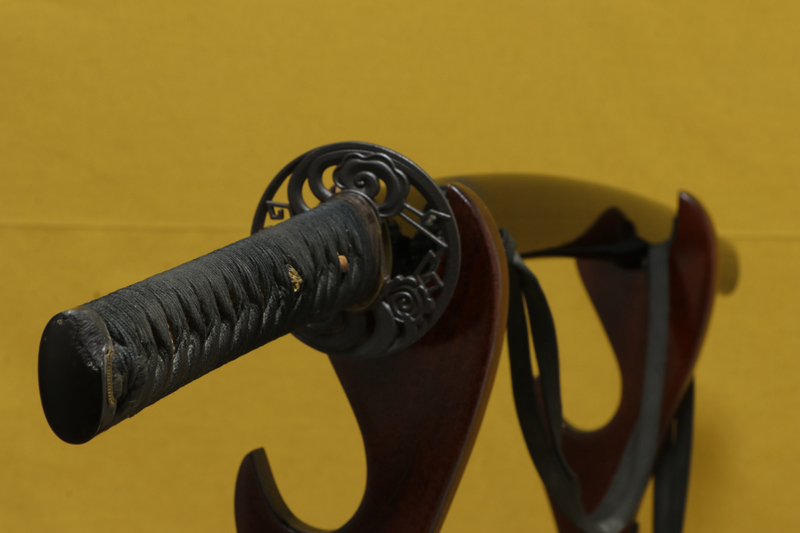
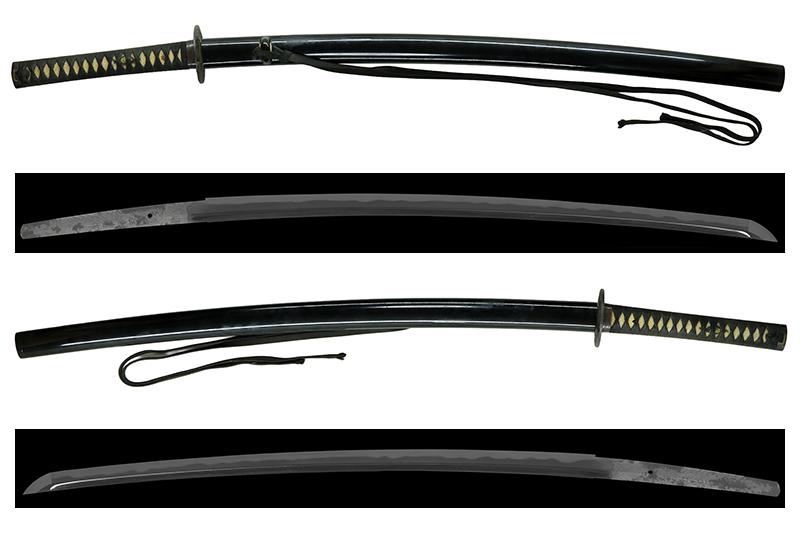
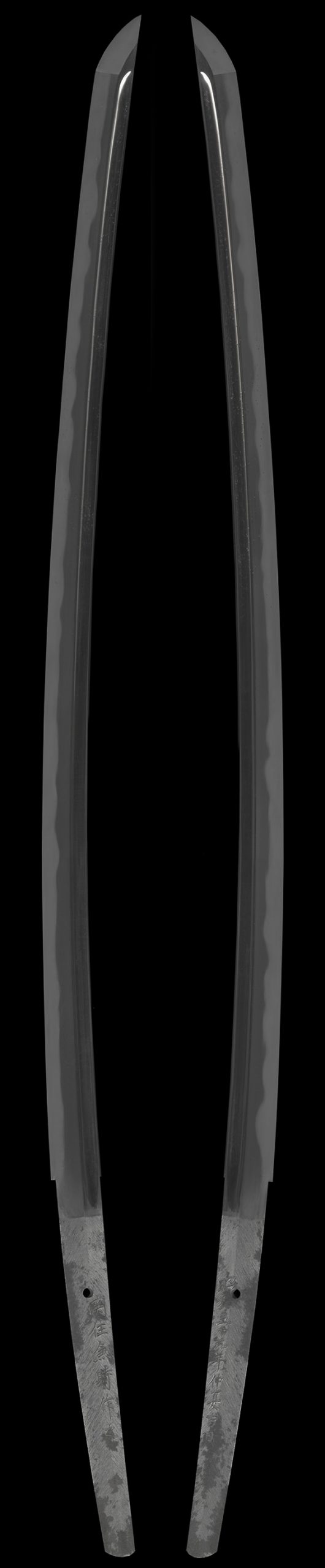
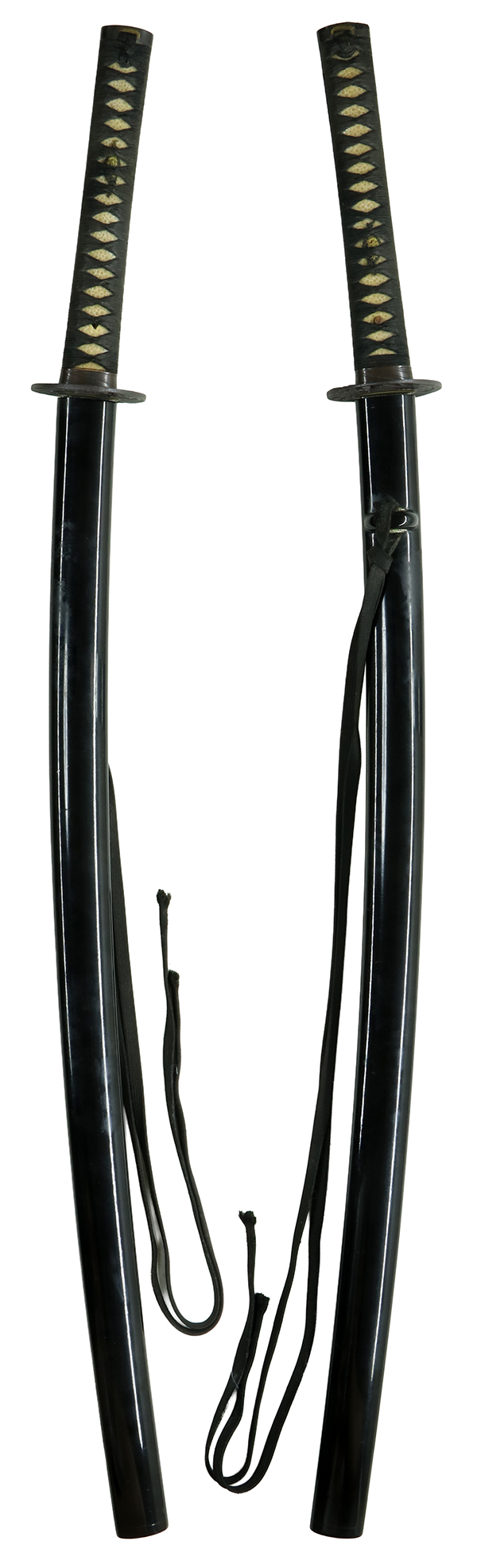
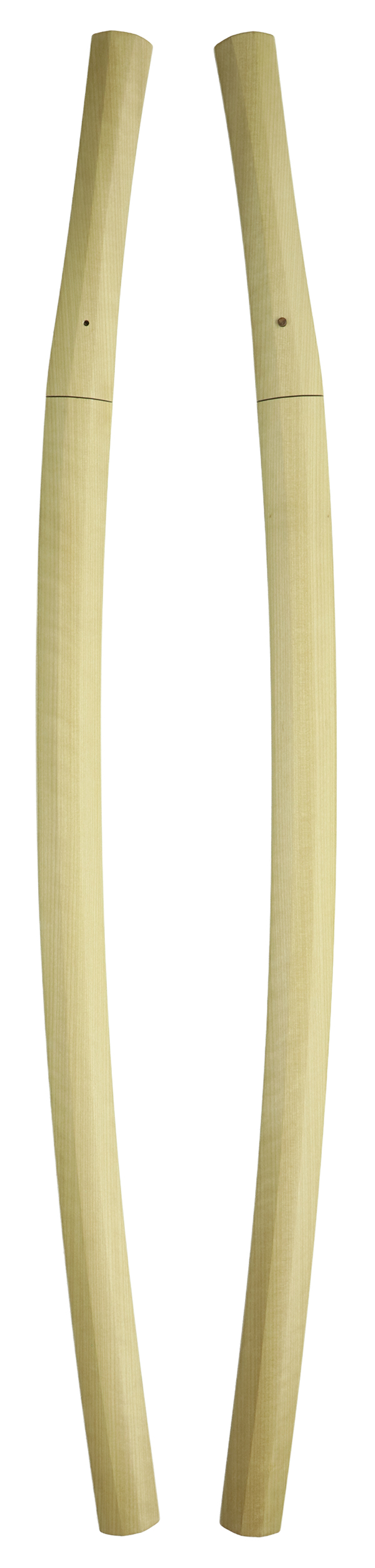
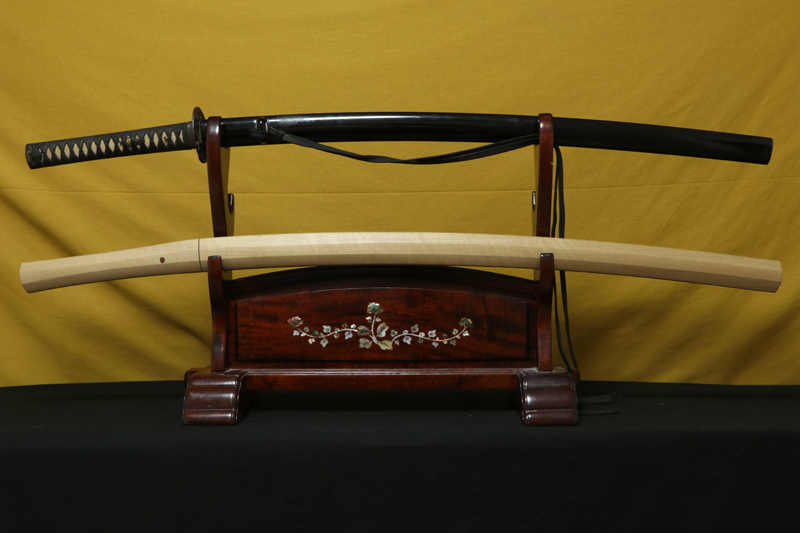
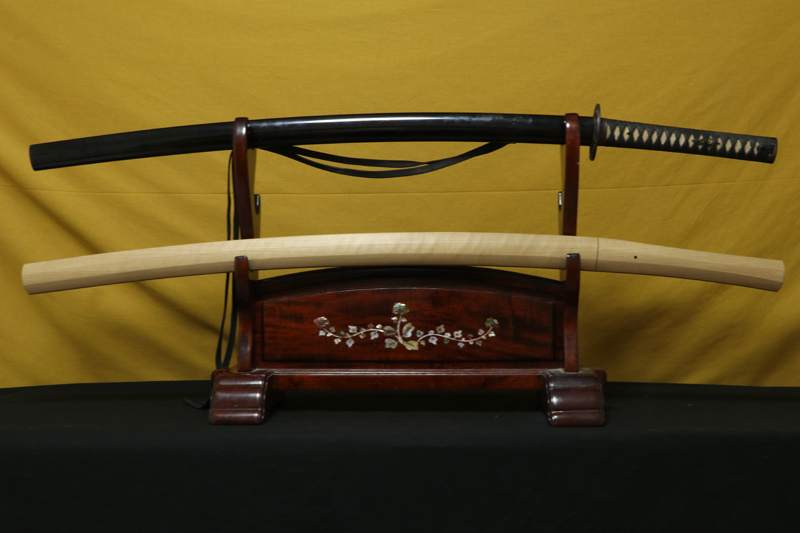
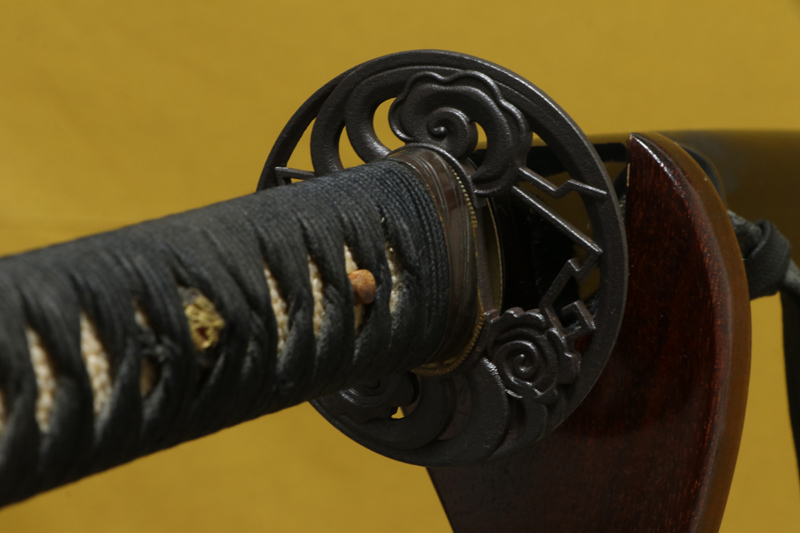
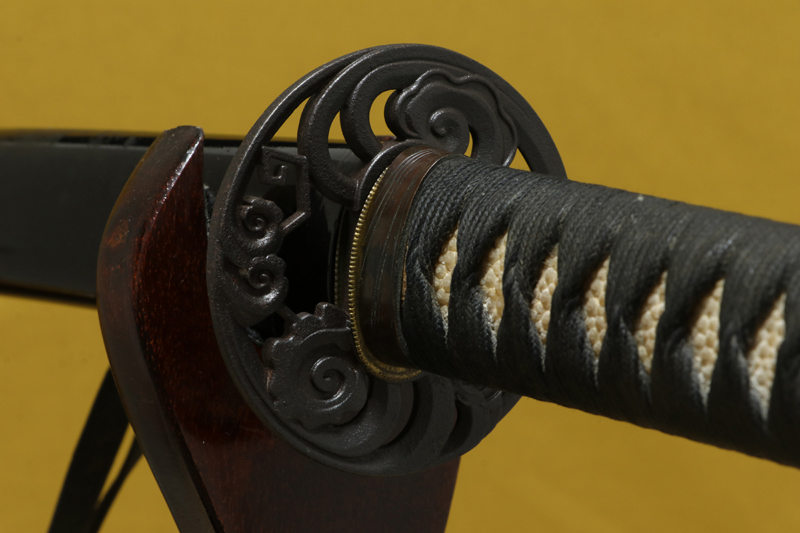
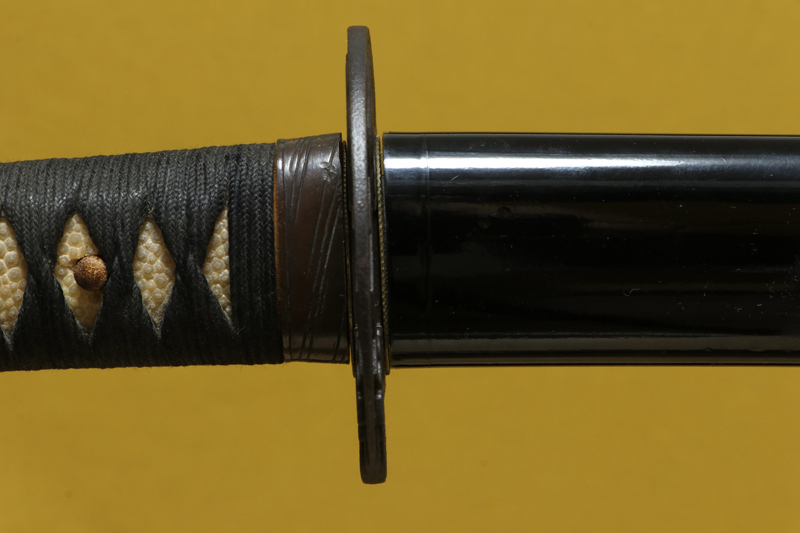
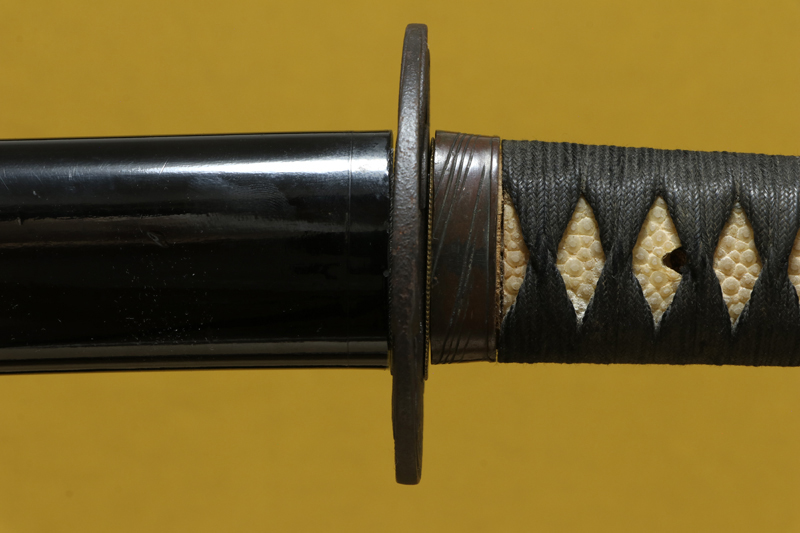
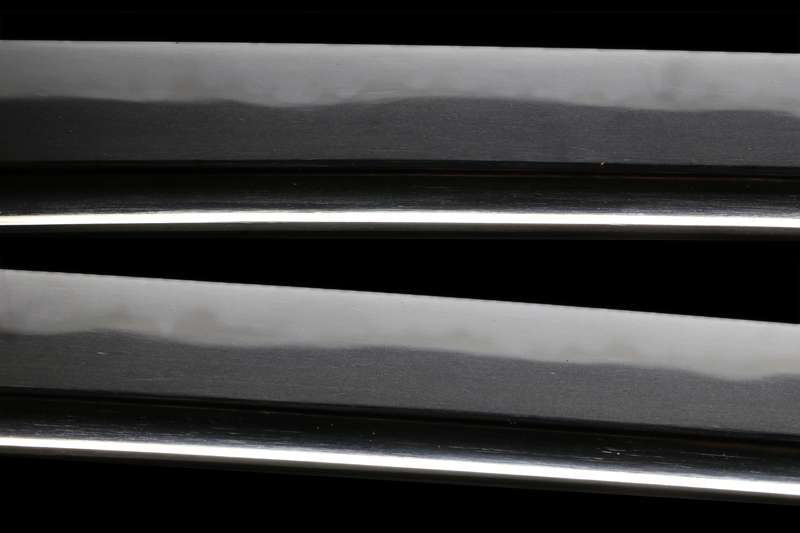
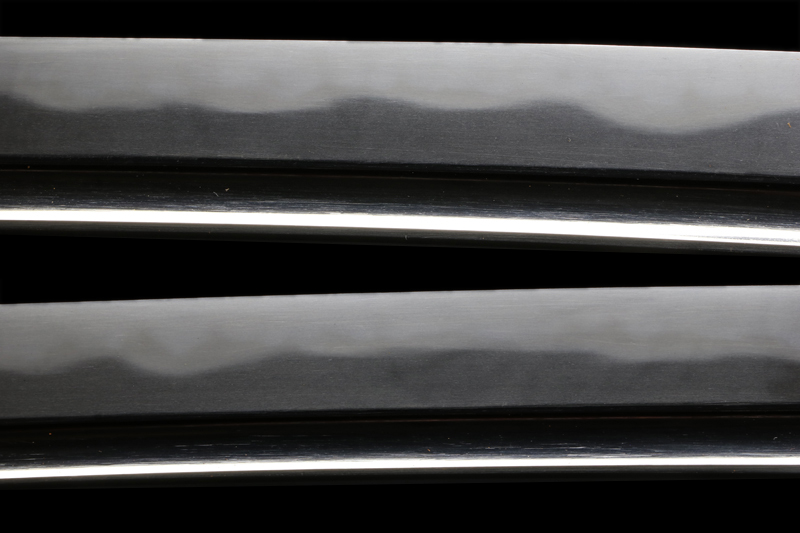
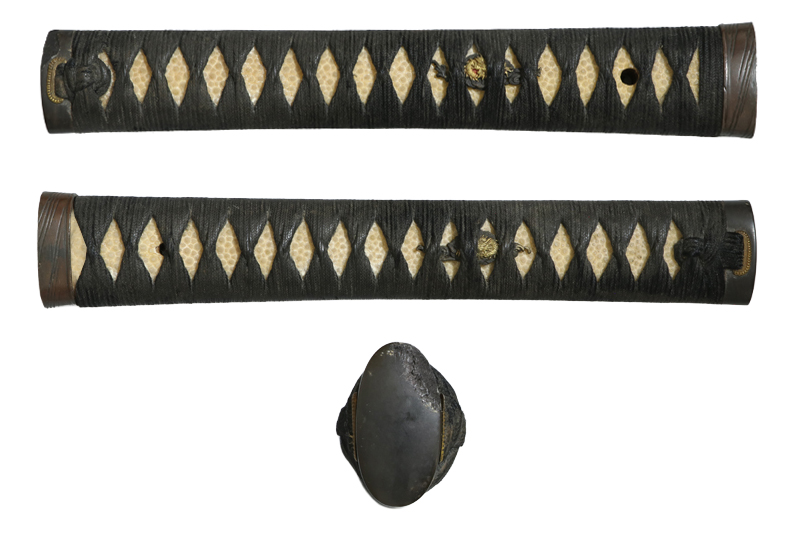
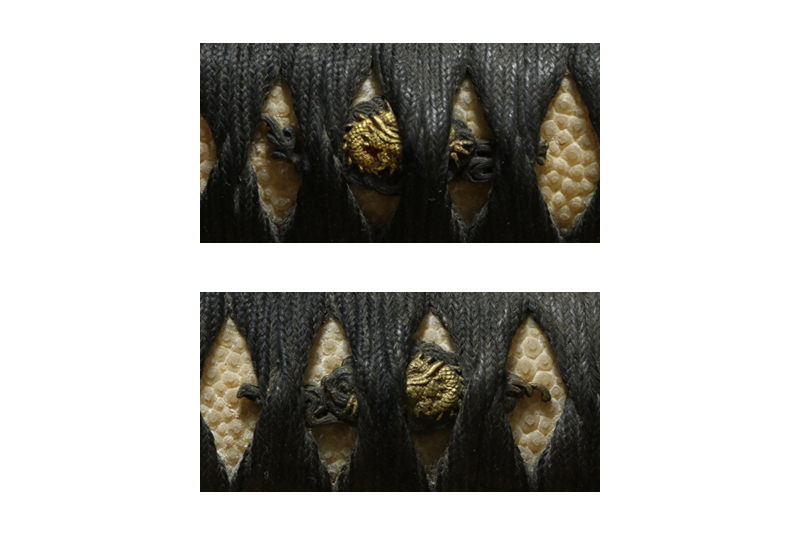
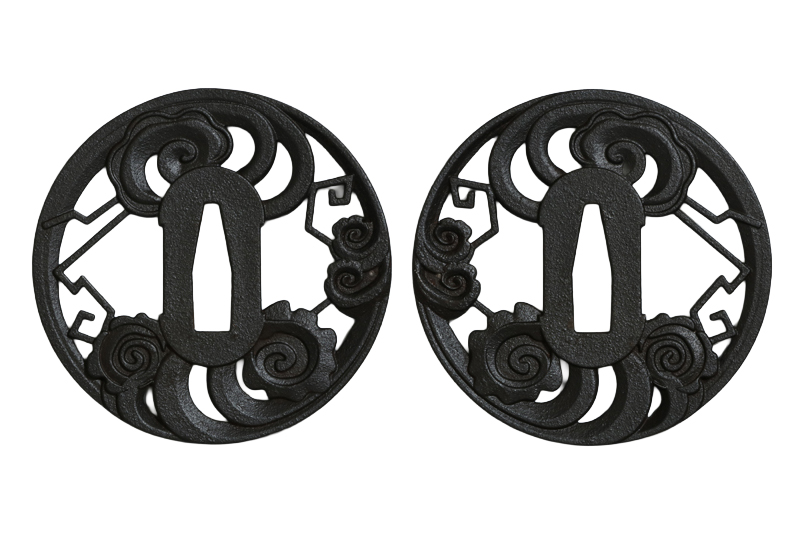
Moodern sword Seki ju Kanetoki(2nd generation) with Koshirae. This is a work by Kojima Kanetoki II, a renowned swordsmith of Seki. This sword was made for iaido. It is lightweight, easy to handle, and has excellent balance. It can be used for iaido practice immediately after purchase. 「刀姿 sword figure」 鎬造り庵棟、身幅重共尋常、鳥居反り、中鋒。茎は生で鑢目は鷹の羽、茎尻は栗尻。 Shinogi-zukuri construction with an iori-mune. The blade has standard width and kasane (thickness), with a torii-zori curvature and a medium kissaki. The tang is ubu, with hawk’s-feather file marks, and the tang tip is kurijiri. 「彫り物 carving」 彫り物は片チリの棒樋が鎺下に書き流しとなる。 The carvings consist of a bo-hi groove with one-sided chiri, flowing into a kaki-nagashi termination beneath the habaki. 「地鉄 jigane」 地鉄は板目肌に杢目が交じり、地沸付き、鉄色冴える。 The jigane is primarily itame-hada mixed with mokume-hada, with ji-nie present, and the steel shows a clear, bright tone. 「刃紋 hamon」 刃紋は互の目乱れが湾れ、刃緑沸が付き、足入る。帽子は乱れ込み先尖り、小丸に返る。 The hamon is a gunome-midare mixed with notare, with nie along the habuchi, and ashi entering the temper line. The boshi is midare-komi, turns slightly pointed at the tip, and returns in a ko-maru. 「特徴 detailed」 関住兼時(二代)、本名・小島寛二。大正14年9月2日、岐阜県関市長住に生まれる。 師は父である小島時二郎(初代兼時、のちの兼道)で、さらに渡辺兼永の日本刀鍛錬塾でも学びました。 昭和32年2月9日、文化庁より作刀認可を受ける。 その後、全日本刀匠会理事を務め、奨励賞、努力賞2回、入選21回を受賞するなど、現代を代表する関の刀匠の一人として知られています。 ご子息は小島邦夫(二代兼道)氏で、現在はお孫様が三代兼時を名乗っています。 本作は居合用に作られた刀であるため、重量が軽く、手持ちのバランスにも優れています。 刀身の研ぎの状態は良好ですが、刀身中央付近の表裏に小さな炭籠りが多く見られます。 しかし、鍛え割れなどはなく、居合での使用に支障はありません。 拵は、柄に使用感はありますが、鞘に割れや塗装の剥がれもなく、良好な状態です。 炭籠りが多く見られる点は惜しまれますが、あまり目立たず、その分価格も抑えられているため、居合の稽古用としてすぐにお使いいただけます。 Seki-jū Kanetoki II, whose real name was Kojima Kanji, was born on September 2, 1925, in Nagazumi, Seki City, Gifu Prefecture. He studied under his father, Kojima Tokijirō—the first-generation Kanetoki, later known as Kanemichi—and also trained at Watanabe Kanenaga’s Japanese Sword Forging School. On February 9, 1957, he received authorization from the Agency for Cultural Affairs to make swords. He later served as a director of the All Japan Swordsmith Association and became known as one of the leading modern swordsmiths of Seki, receiving an Encouragement Award, two Effort Awards, and 21 selections for exhibition. His son is Kojima Kunio, the second-generation Kanemichi, and today his grandson uses the name Kanetoki III. This sword was made for iaido, and therefore it is relatively light in weight and has excellent balance in hand. The polish of the blade is in good condition; however, there are many small areas of sumi-gomori on both sides around the central portion of the blade. That said, there are no forging cracks or similar flaws, and there is no issue with using it for iaido practice. As for the koshirae fittings, the handle shows some signs of use, but the scabbard is in good condition, with no cracks or peeling lacquer. Although the presence of many sumi-gomori areas is somewhat regrettable, they are not very noticeable. As a result, the price has been kept reasonable, making this sword suitable for immediate use in iaido practice. 「拵 Koshirae」 ハバキ(habaki) :銀無垢一重の庄内鎺。 鍔(tsuba) :鉄地雷雲の図。 縁頭(futikasira):縁素銅磨き地秋雨の図、頭は水牛の角。 目貫(menuki) :龍の図。 柄(tsuka) :柄巻は正絹黒の諸捻り巻。 鞘(saya) :黒呂。 「刀剣の状態 condition of blade」 研:良好です。 傷:刀身中央付近の表裏に小さな炭籠りが多く見られます。しかし、鍛え割れなどは有りません。

Gifu · 1926-1989頃
現在3点販売中
昭和から現代へ 断絶と再生
二十世紀は二度この工芸を殺しかけた。戦時の歪みと、占領下の禁令である。1948年の日刀保設立と1953年の作刀再開が刀を美術として再建し、人間国宝と無鑑査がその頂に立つ。
ご購入頂いた商品の到着してから3日以内であれば返金もしくは交換対応をいたします。返品時の送料と返金する際の振込手数料はお客様のご負担とさせていただきます。