二十世紀は二度この工芸を殺しかけた。戦時の歪みと、占領下の禁令である。1948年の日刀保設立と1953年の作刀再開が刀を美術として再建し、人間国宝と無鑑査がその頂に立つ。
 NihontoWatchNihontoWatch
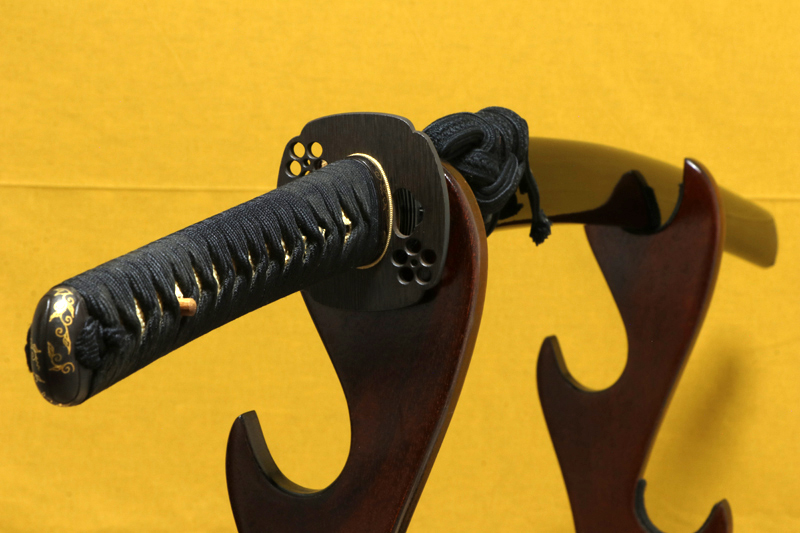
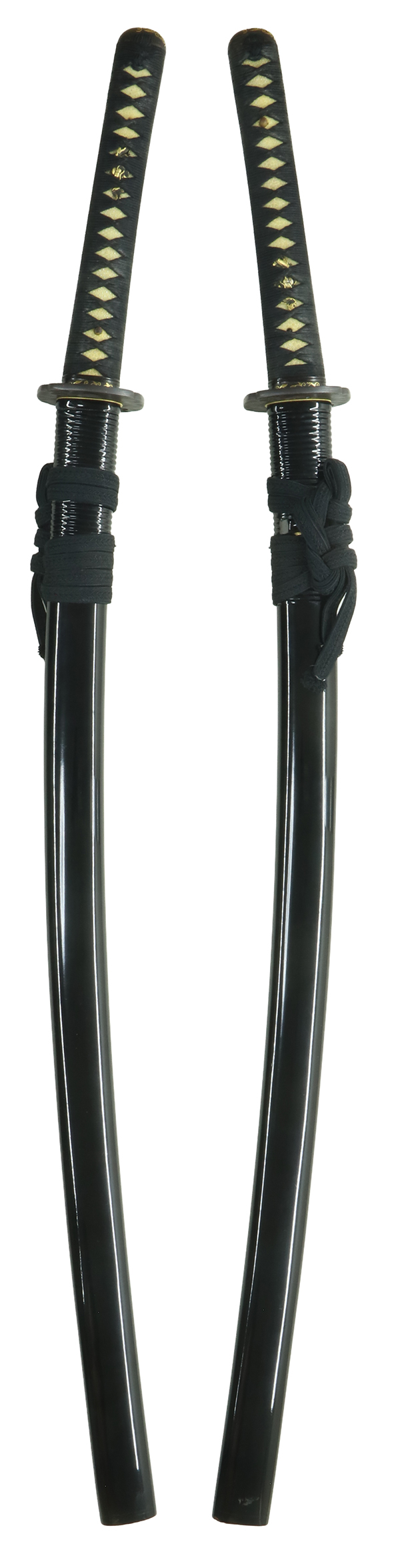
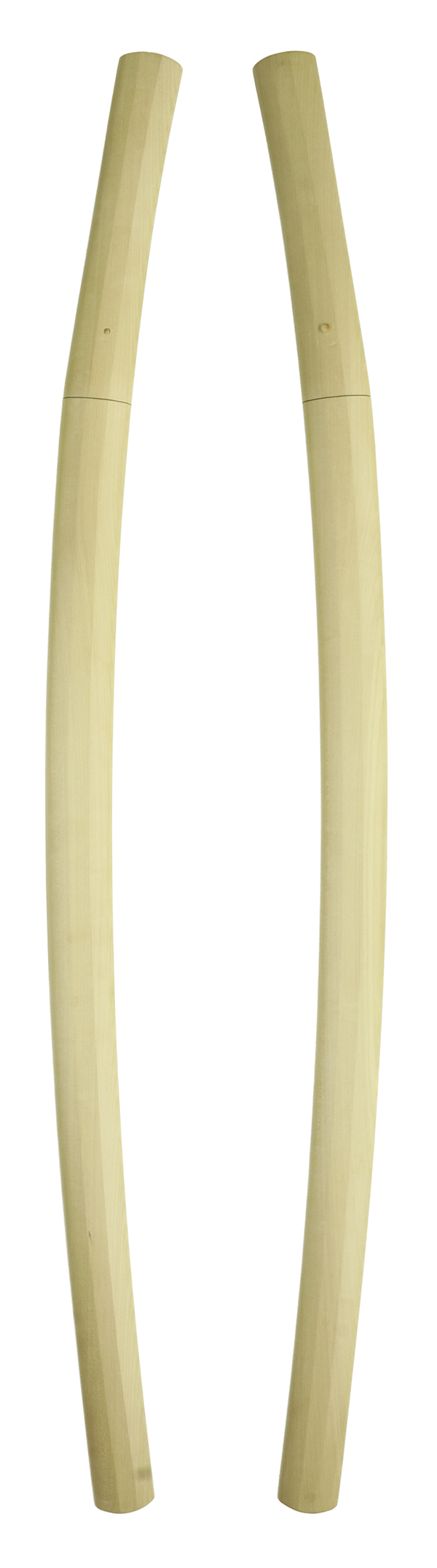
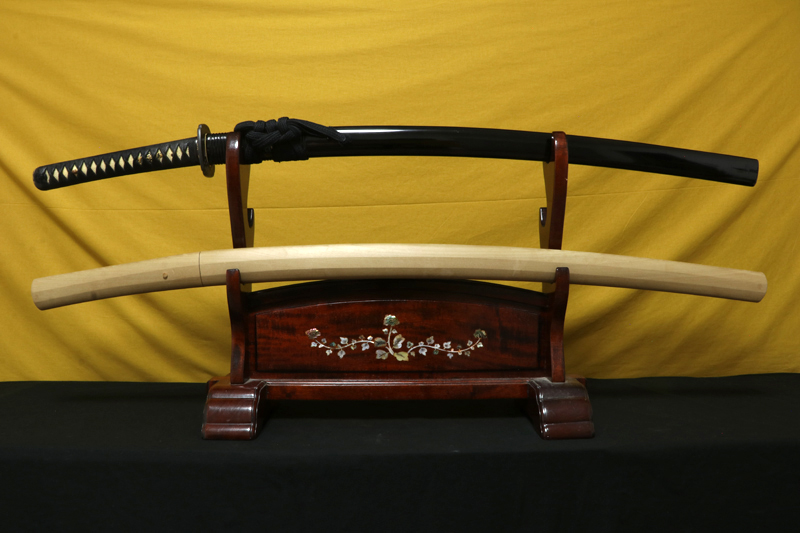
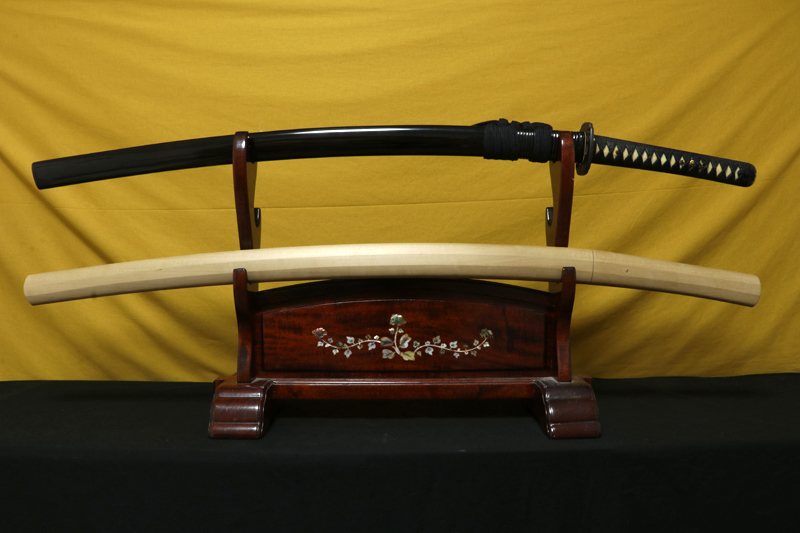
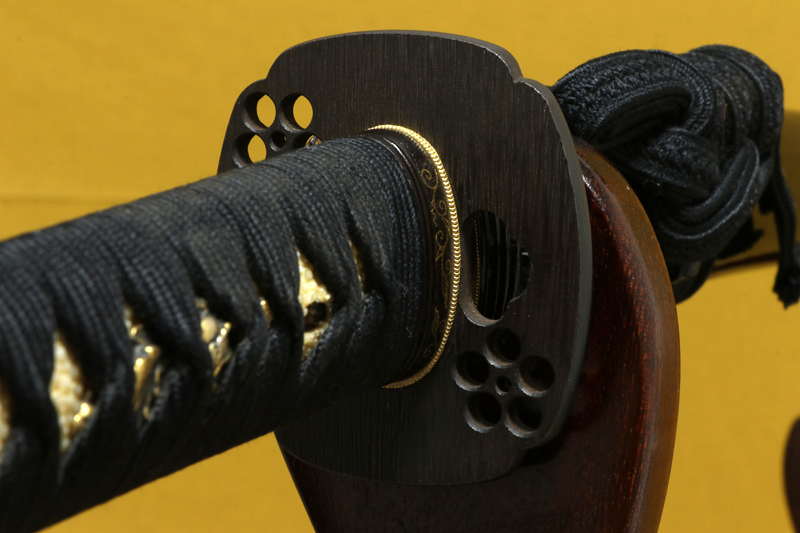
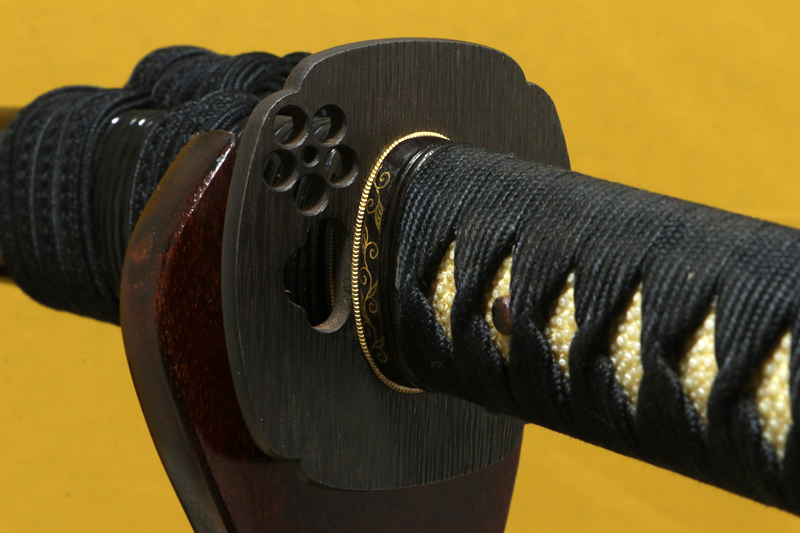
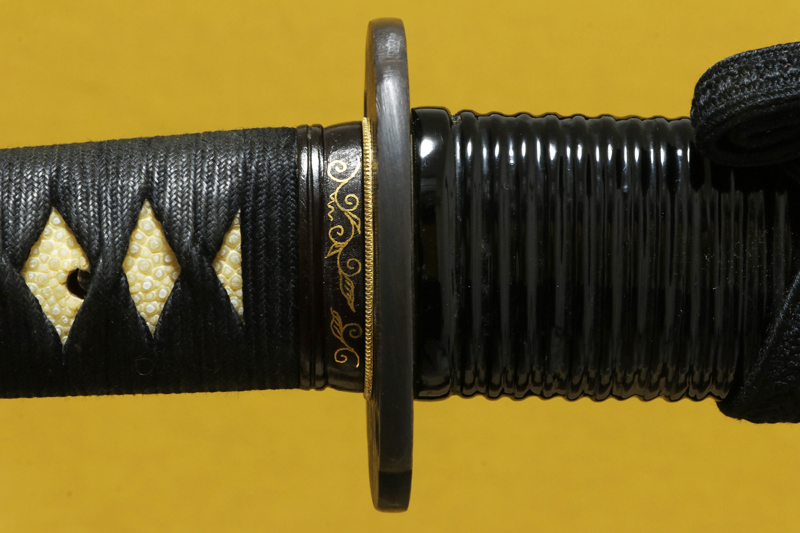
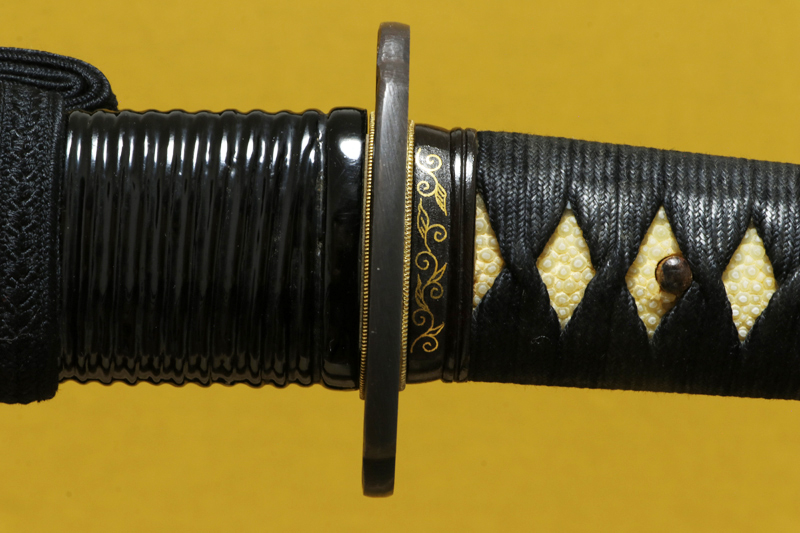
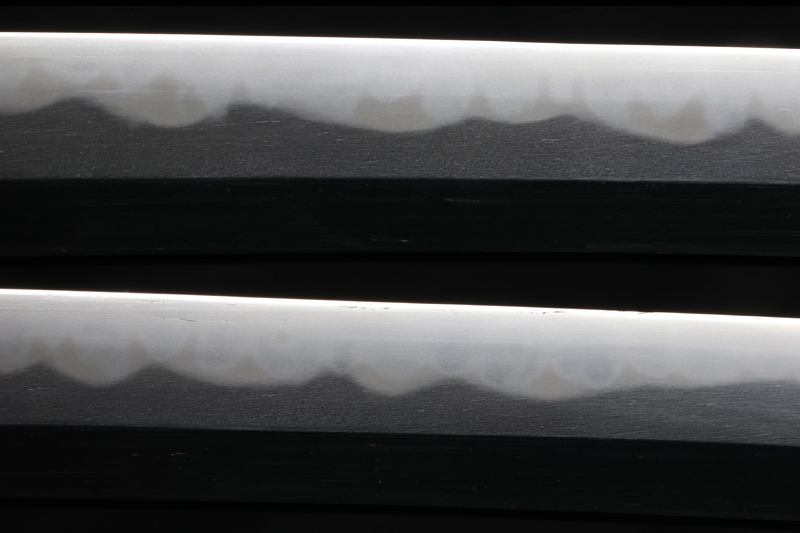
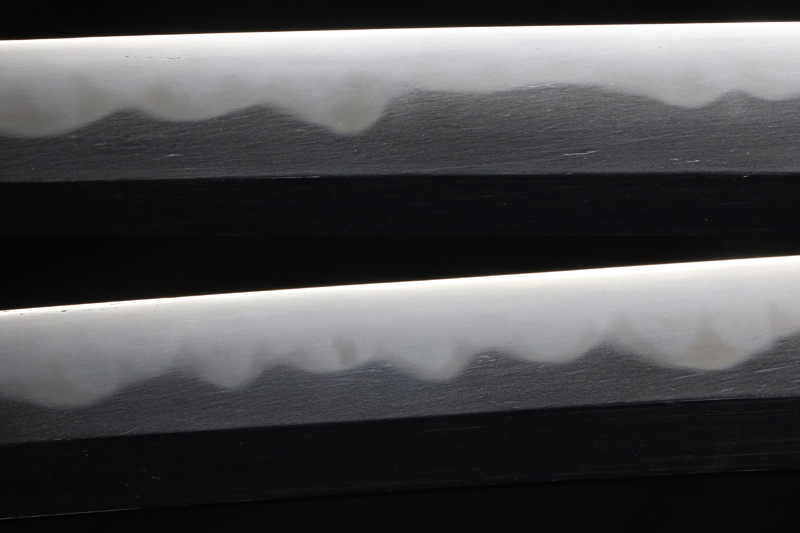
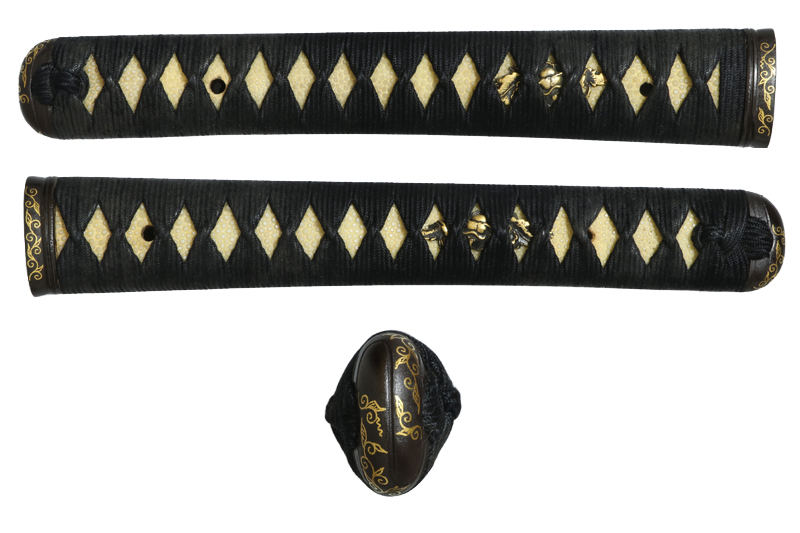
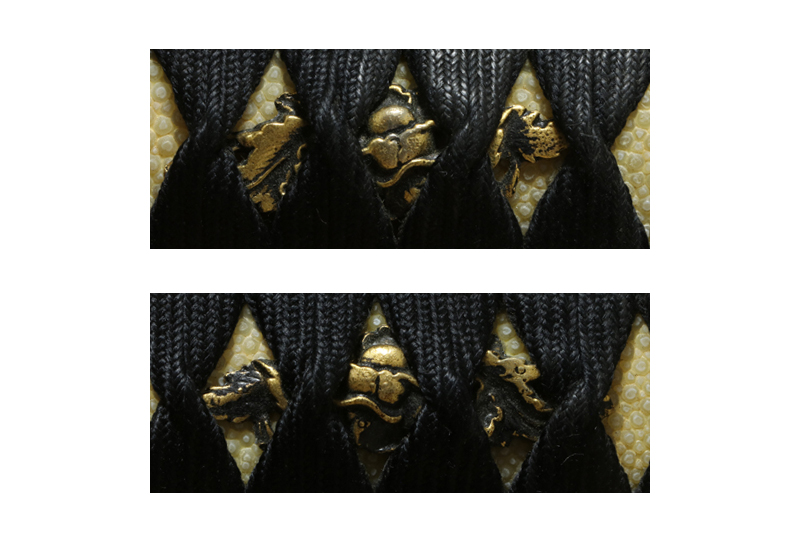
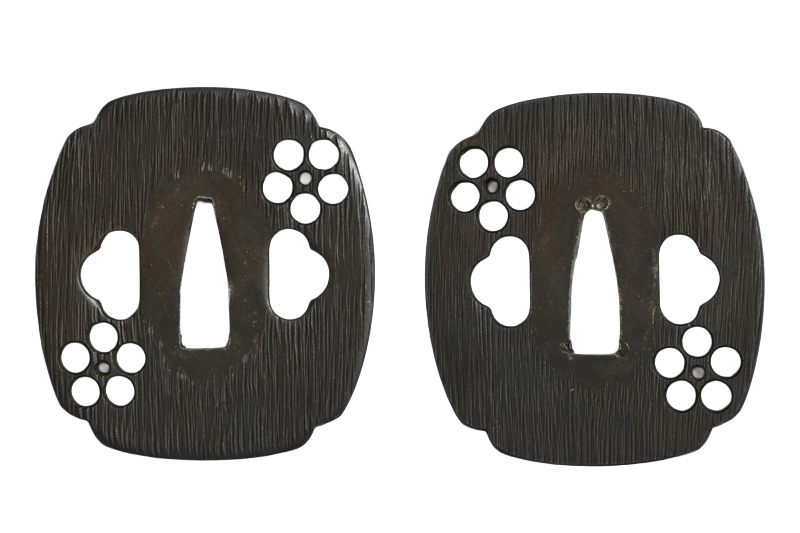
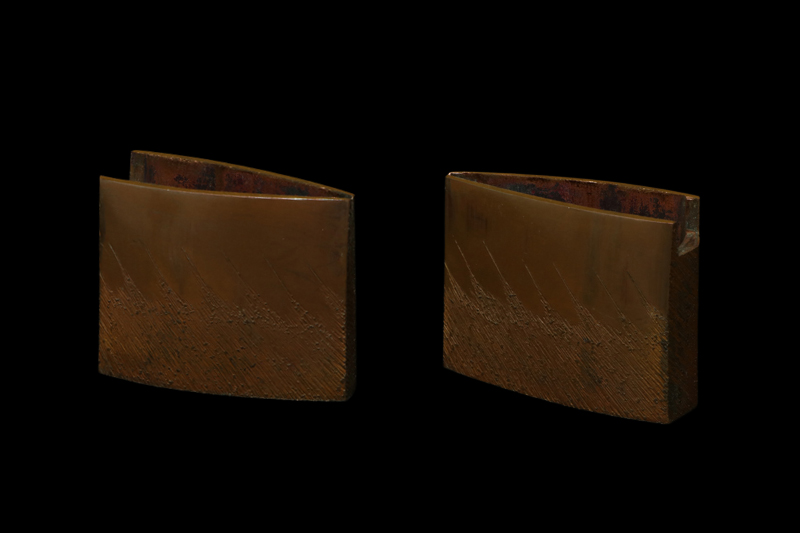
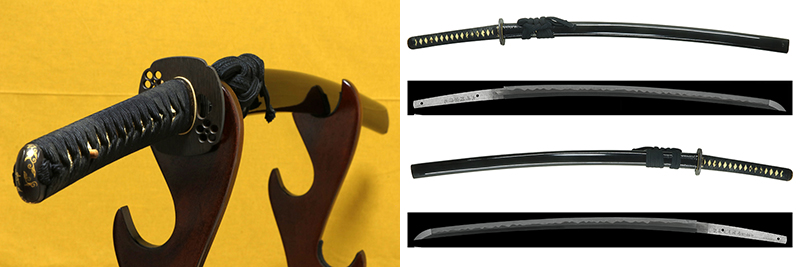
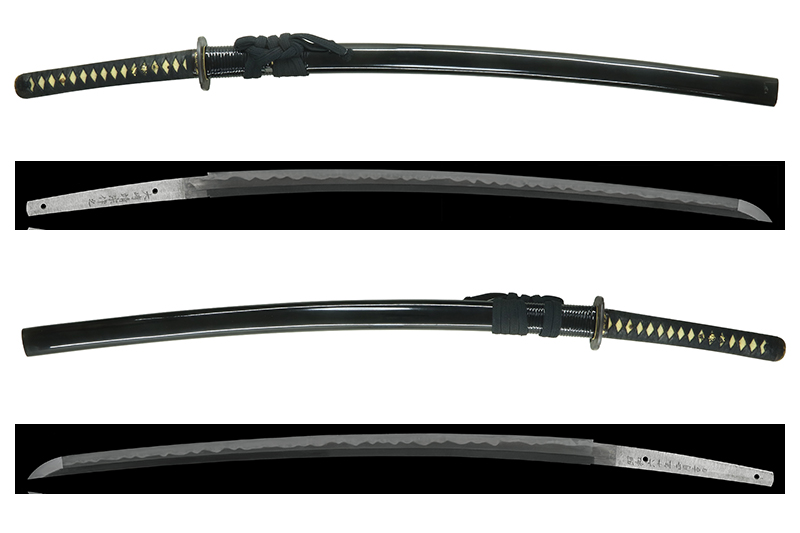
Yasukuni Swordsmith (Yasukuni Tosho) Osaki Yasumune saku with Kosirae and Shirosaya. 大崎靖宗は、靖國神社の日本刀鍛錬会で修行し、戦後も数々の賞を受賞した実力派刀匠です。 本作は、小板目肌に華やかな丁子刃を焼いた優品。古研ぎながら刀身の状態は概ね良好です。 拵も上質で使用感が少なく、ご購入後すぐに居合や試斬でお使いいただけます。 Osaki Yasumune was a highly skilled swordsmith who trained at the Nihonto Tanrenkai at Yasukuni Shrine and received numerous awards after World War II. This sword is a fine example of his work, featuring a ko-itame hada and a beautiful choji hamon. Despite its older polish, the blade remains in generally good condition. The koshirae is of high quality and shows little wear. The sword is ready for immediate use in Iaido or tameshigiri after purchase. 「体配 sugata」 鎬造り庵棟、身幅太く重厚く、鳥居反り大鋒。茎は生で鑢目は切、茎尻は栗尻。 Shinogi-zukuri with an iori-mune, wide mihaba, thick kasane, torii-zori, and an o-kissaki. The nakago is ubu, with kiri yasurime and a kurijiri nakagojiri. 「地鉄 jigane」 地鉄は小板目が流れ柾と成り、肌立地沸付く。 The jihada is ko-itame, becoming flowing masame, with a prominent grain pattern and ji-nie. 「刃紋 hamon」 刃紋は丁子刃、足良く入り刃縁砂流しかかり、刃中は金筋が入る。釯子は乱れ込み小丸に返る。 The hamon is choji with well-defined ashi, sunagashi along the habuchi, and kinsuji within the hamon. The boshi is midarekomi, turning back in a small komaru. 「特徴 detailed」 大崎靖宗、本名・大崎繁春。大正4年(1915年)、山形県生まれ。東京都墨田区に住した刀匠です。昭和12年(1937年)、靖國神社境内の日本刀鍛錬会に入会し、島崎靖興・八鍬靖武両刀匠に師事。靖國刀匠の誉れである「靖」の字を授かり、「靖宗」と名乗りました。 戦後も作刀を続け、全日本刀匠会に所属。新作名刀展では努力賞を3回受賞したほか、多数の入賞歴を持つ実力派刀匠です。 本作は、よく詰んだ小板目肌に華やかな丁子刃を焼いた一振りです。刀身には多少の小傷や古研ぎによるヒケがありますが、目立つ鍛え割れなどの欠点はなく、状態は概ね良好です。 拵は、鯉口付近に千段刻みを施した黒呂塗鞘に、鉄地肥後唐草文布目金象嵌の縁頭を備えた上質な仕立てです。柄には多少の使用感がありますが、鯉口内部の傷みは少なく、居合での使用頻度は低かったものと思われます。また、試斬での使用歴もないと思われます。 刀身・拵ともに状態良好で、ご購入後すぐに居合や試斬でお使いいただける、おすすめの一振りです。 Osaki Yasumune, whose real name was Osaki Shigeharu, was born in 1915 in Yamagata Prefecture and later resided in Sumida, Tokyo. In 1937, he joined the Nihonto Tanrenkai (Japanese Sword Forging Association) at Yasukuni Shrine, where he studied under the swordsmiths Shimazaki Yasuoki and Yakuwa Yasutake. He was granted the honor of using the character “Yasu” (靖), traditionally bestowed upon Yasukuni swordsmiths, and adopted the smith name Yasumune. After World War II, he resumed sword production and became a member of the All Japan Swordsmith Association. He was a highly skilled swordsmith who received three Effort Awards and numerous other honors at the Shinsaku Meito Exhibitions. This sword features a finely forged ko-itame hada with a beautiful choji hamon. The blade has some minor scratches and light surface marks from its older polish, but there are no significant forging flaws, and its overall condition is good. The koshirae features a black gloss-lacquered saya with a sendan-kizami (thousand-step carved) design near the koiguchi. The fuchi and kashira are made of iron with Higo-style arabesque designs in nunome gold inlay, giving the mounting an elegant appearance. The tsuka shows some signs of use, but the interior of the koiguchi has very little wear, suggesting that the sword was rarely used for Iaido. It also appears that the sword has never been used for tameshigiri. Both the blade and koshirae are in good condition. This is a recommended sword, ready for immediate use in Iaido or tameshigiri after purchase. 「拵 Koshirae」 ハバキ(habaki) :素銅地一重の腰祐乗。 鍔(tsuba) :鉄地木瓜形桜陰透かし。 縁頭(futikasira):鉄地肥後唐草布目金象嵌。 目貫(menuki) :蕪の図。 柄(tsuka) :柄巻は正絹黒の諸捻り巻。 鞘(saya) : 千段刻み黒呂、白鞘、つなぎ。 「刀剣の状態 condition of blade」 研:古研ぎですが概ね良好です。 傷:少し小傷は有りますが、目立つ鍛え割れなどの欠点は無いです。


Tokyo · 1926-1989頃
現在2点販売中
昭和から現代へ 断絶と再生
二十世紀は二度この工芸を殺しかけた。戦時の歪みと、占領下の禁令である。1948年の日刀保設立と1953年の作刀再開が刀を美術として再建し、人間国宝と無鑑査がその頂に立つ。
刀剣商の出品ページで鑑定書を確認できませんでした。日本刀および刀装具は通常、NBTHK(または NTHK)の鑑定を受けます。鑑定書がない場合、極めは刀剣商の見解にとどまり、第三者による確認は行われていません。ご購入前に刀剣商へ鑑定書の有無をお問い合わせのうえ、慎重にご判断ください。
ご購入頂いた商品の到着してから3日以内であれば返金もしくは交換対応をいたします。返品時の送料と返金する際の振込手数料はお客様のご負担とさせていただきます。
¥380,000