新刀の時代は、その大部分が京都で発明された。埋忠明寿の工房が運動を育て、堀川国広が一世代を鍛え、鎚を持たぬ本阿弥家が名刀の意味を司った。
 NihontoWatchNihontoWatch
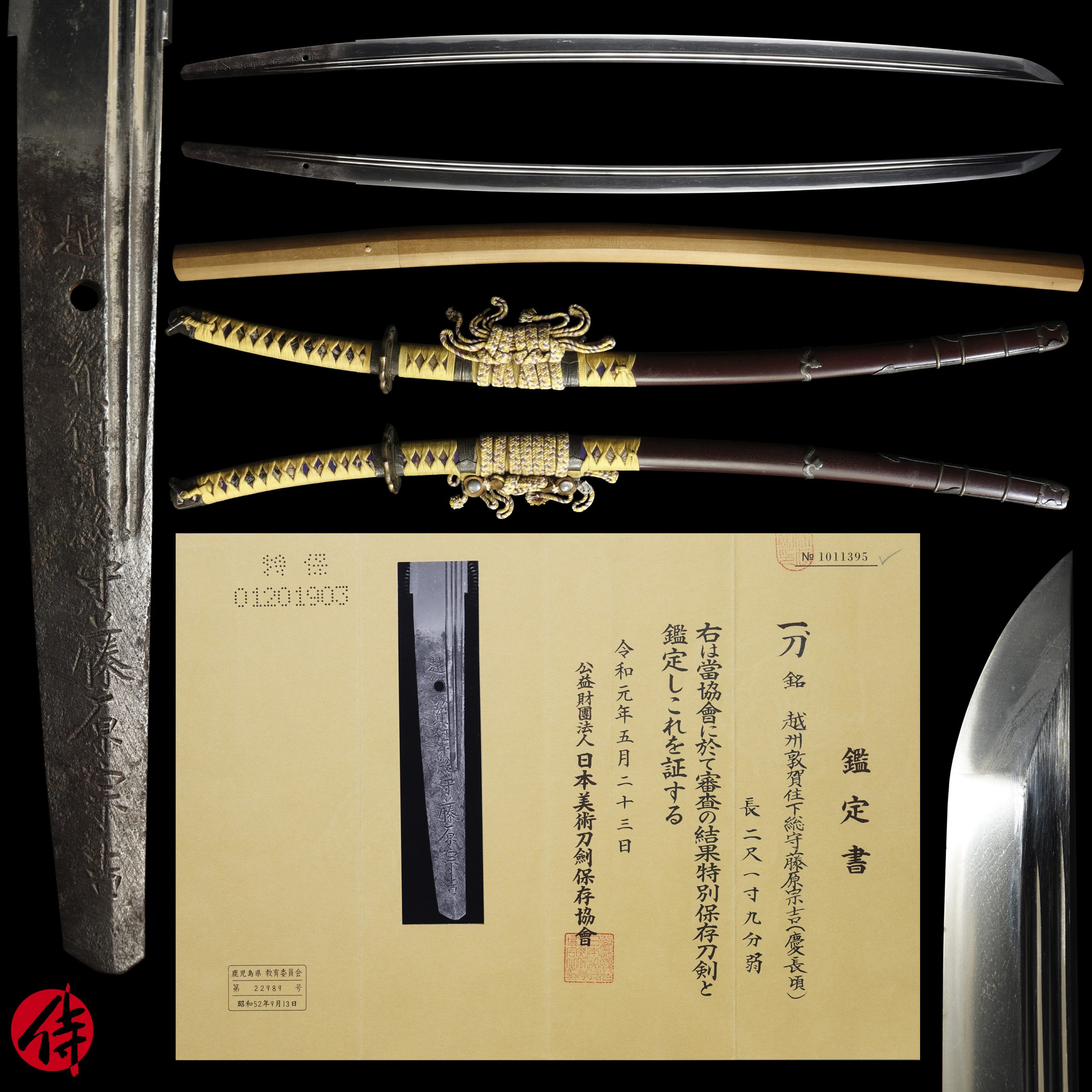
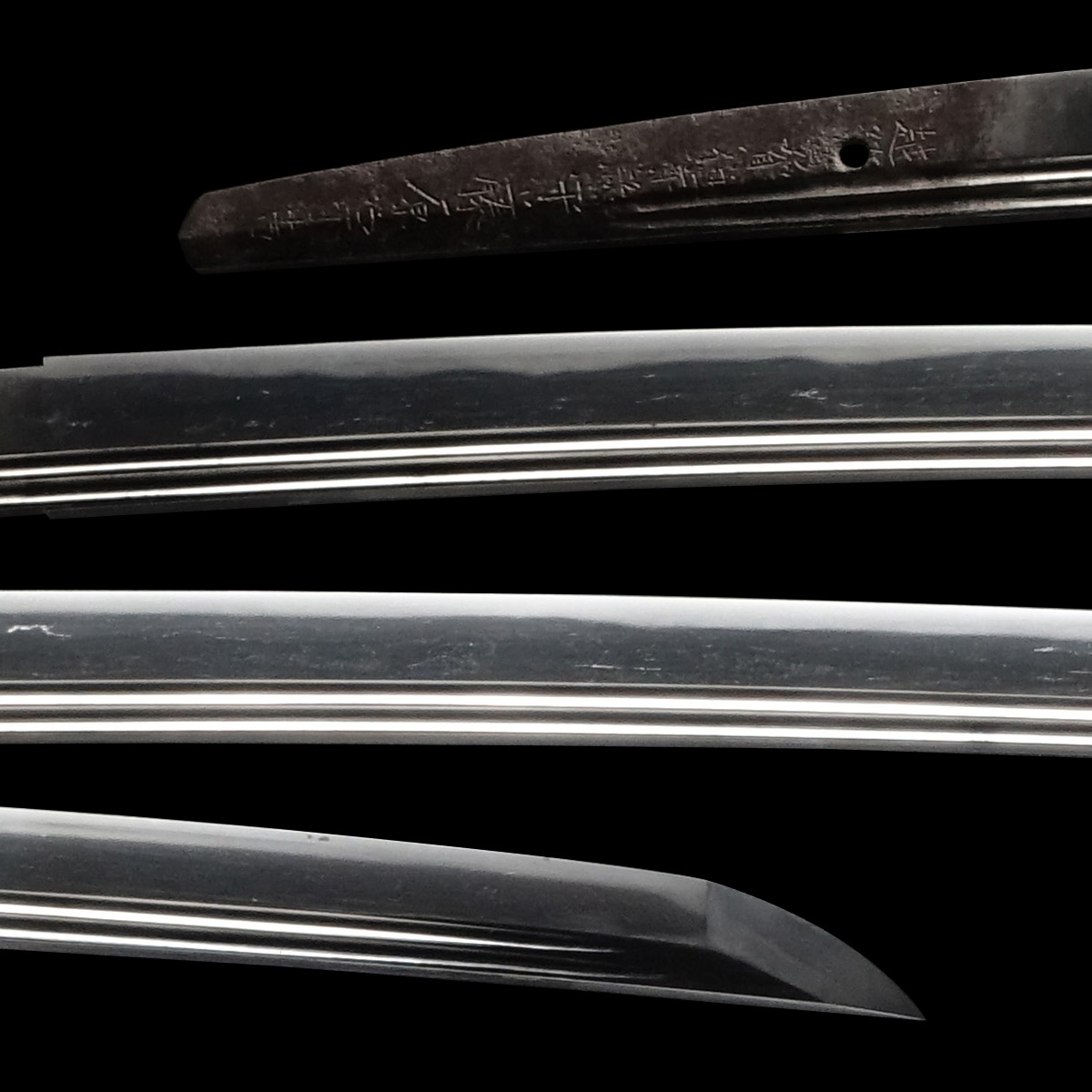
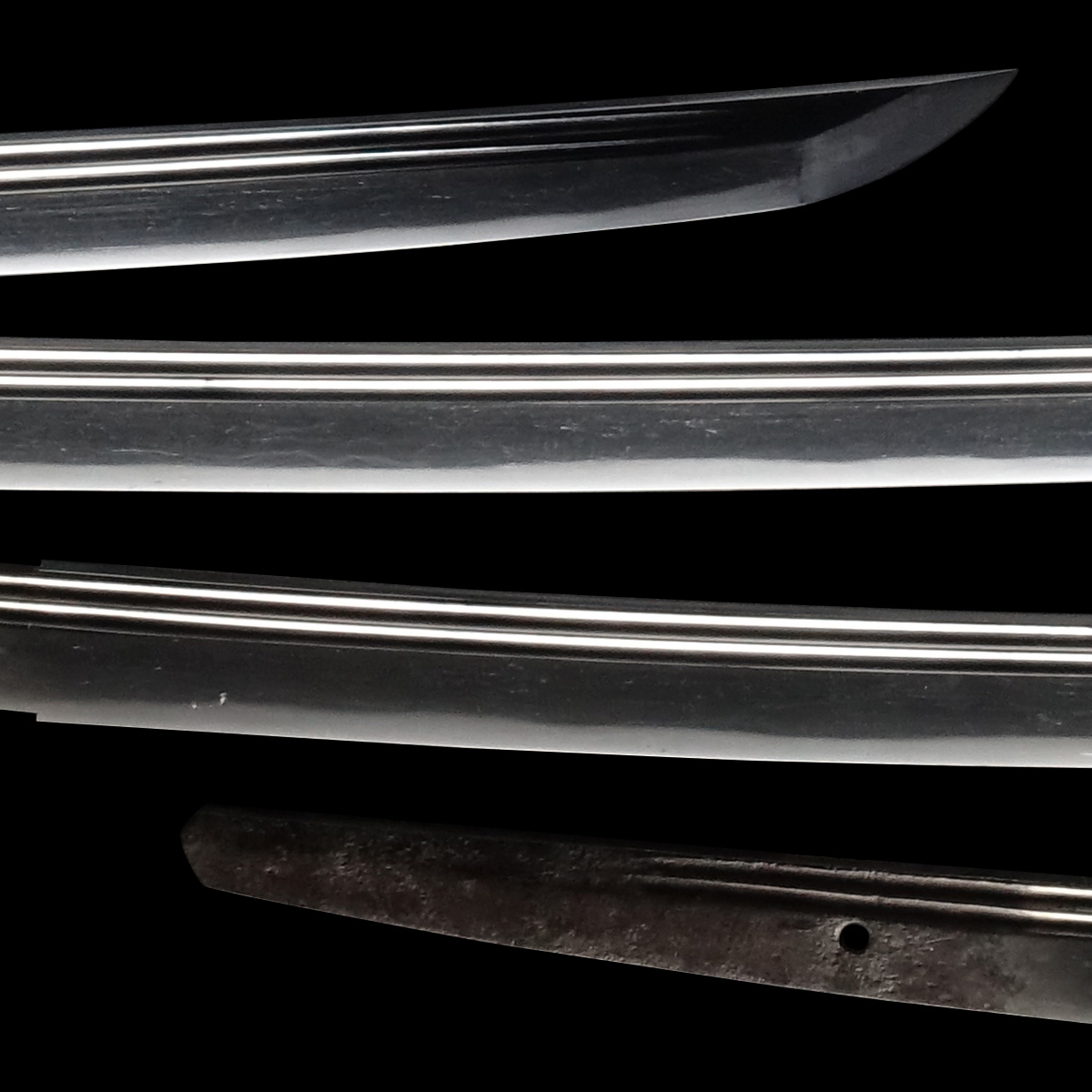
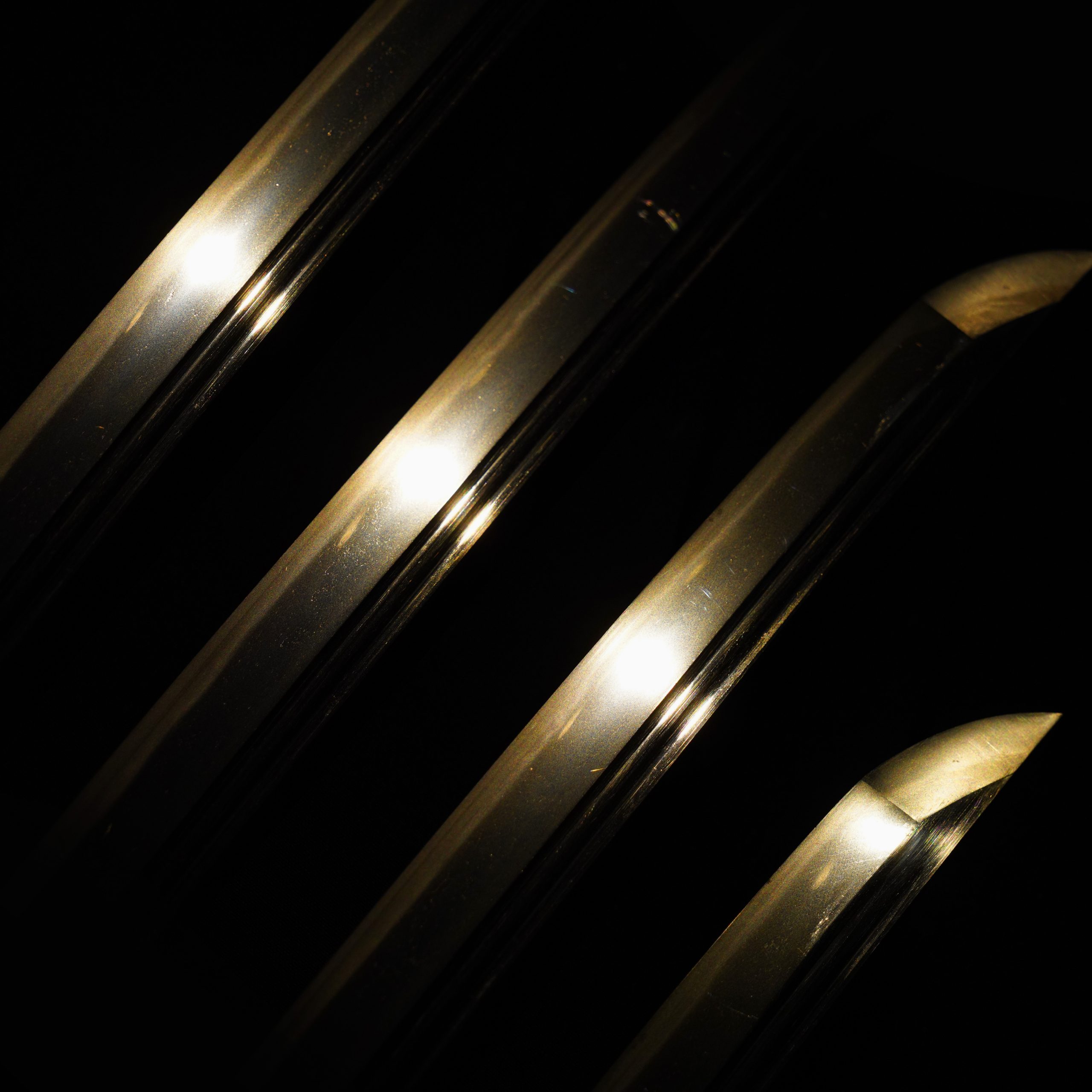
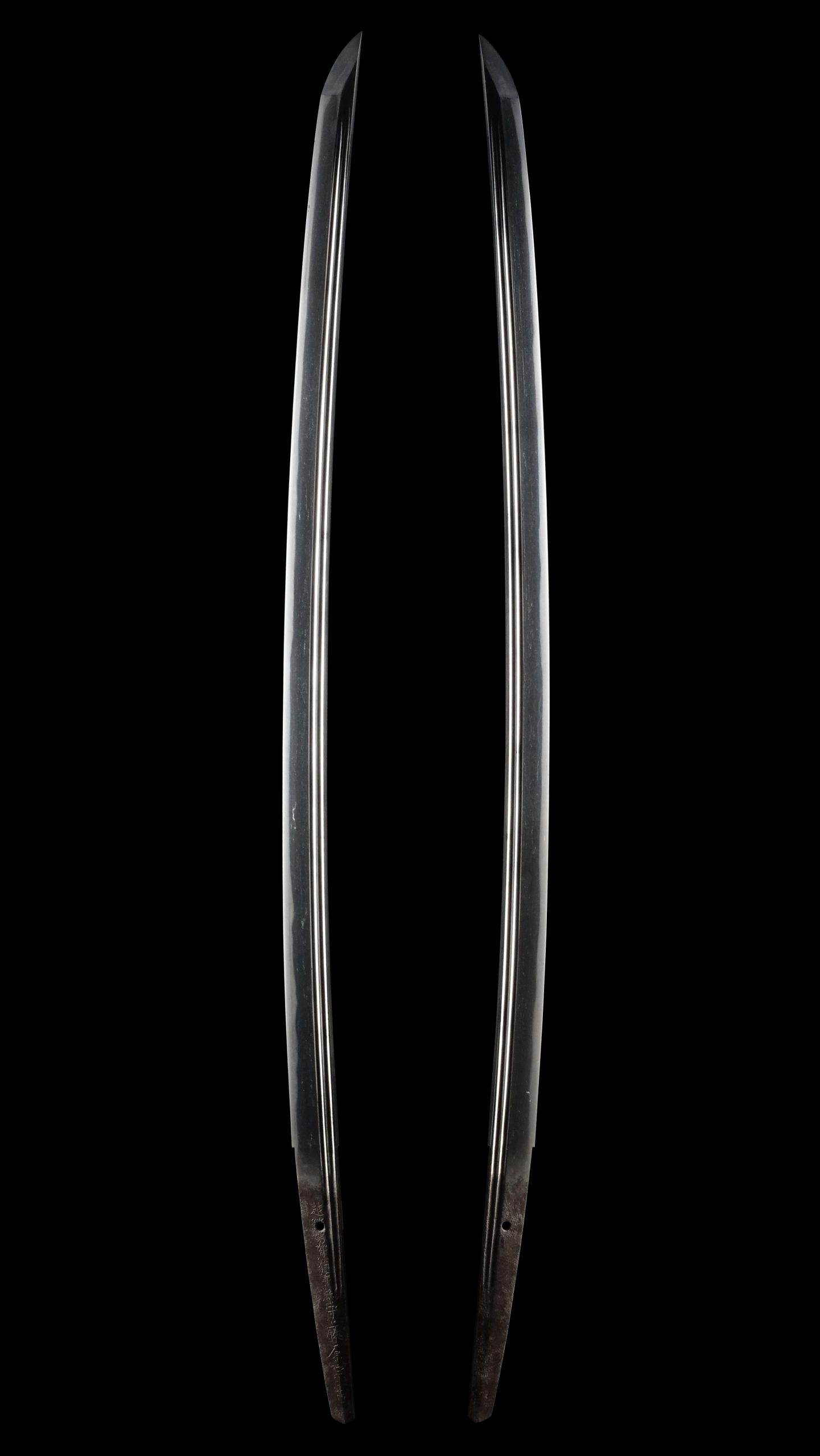
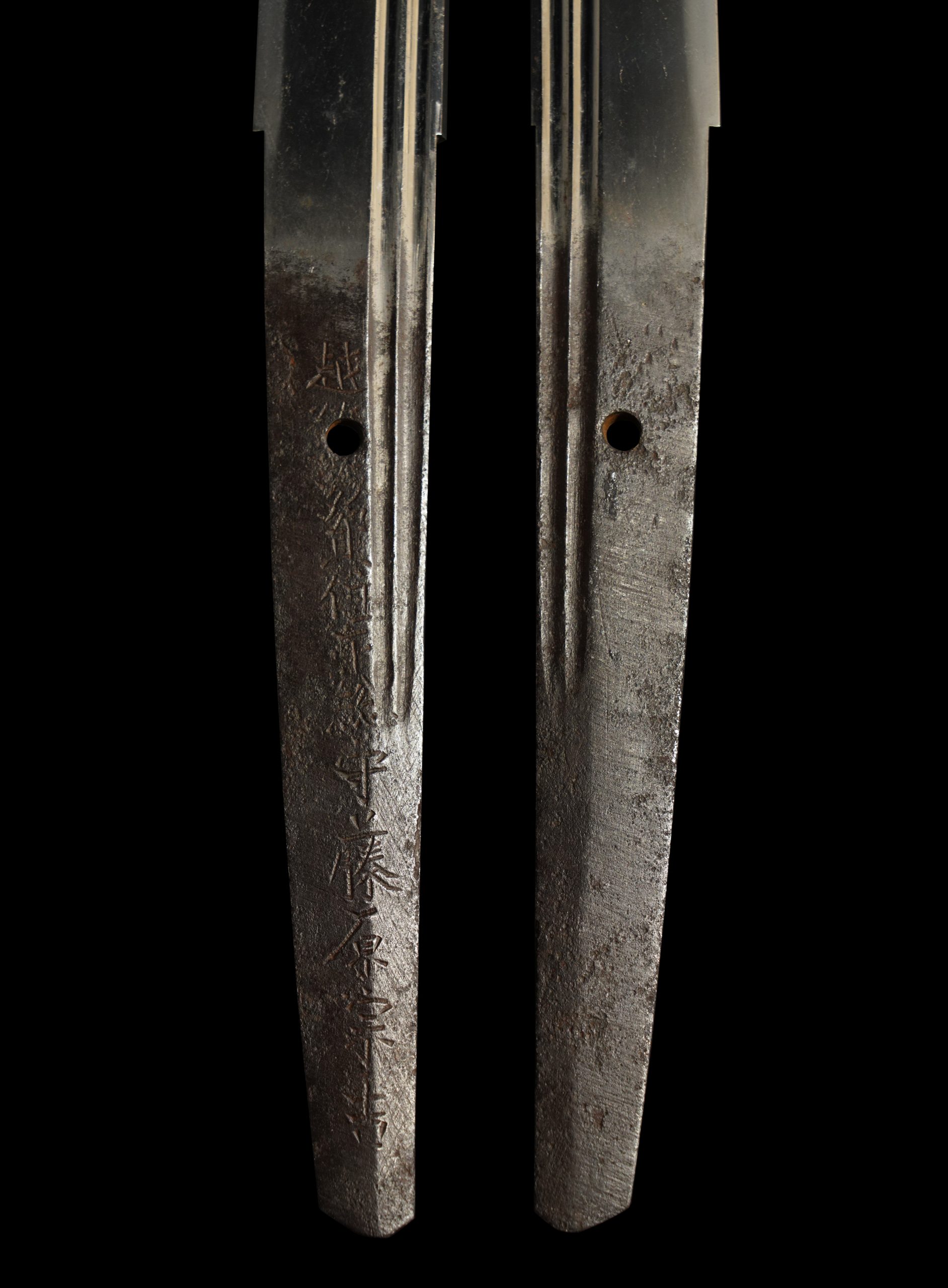
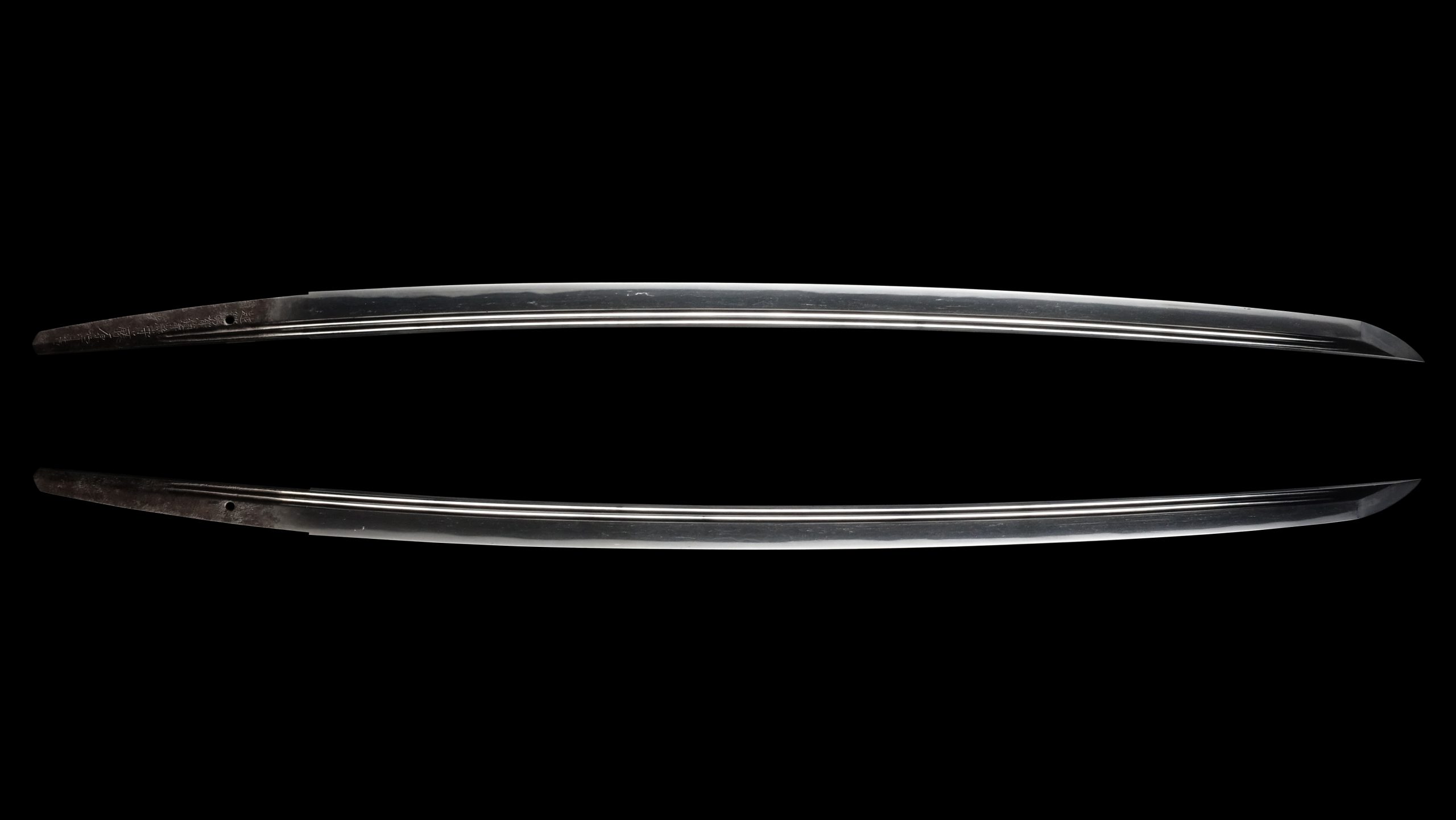
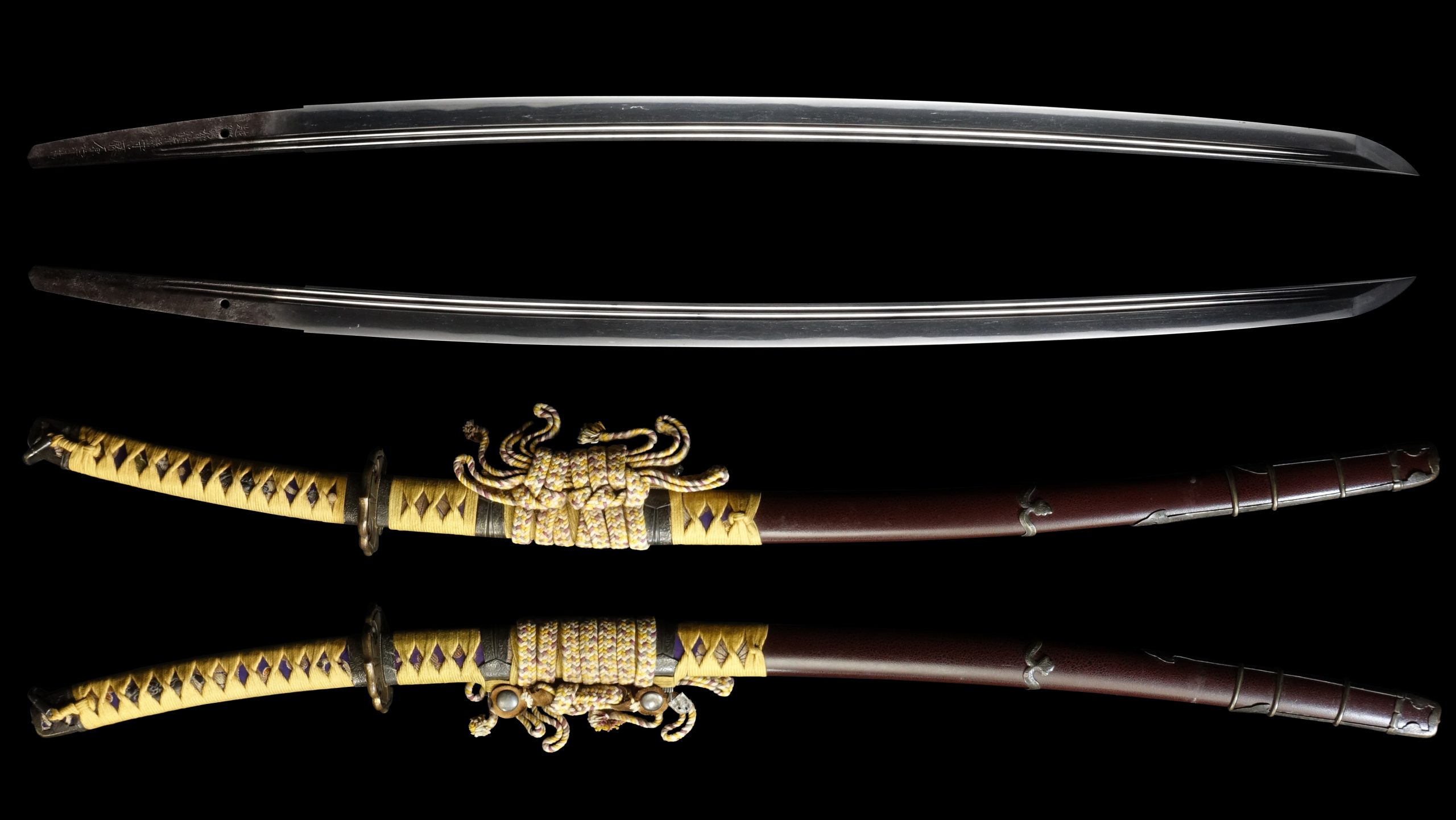
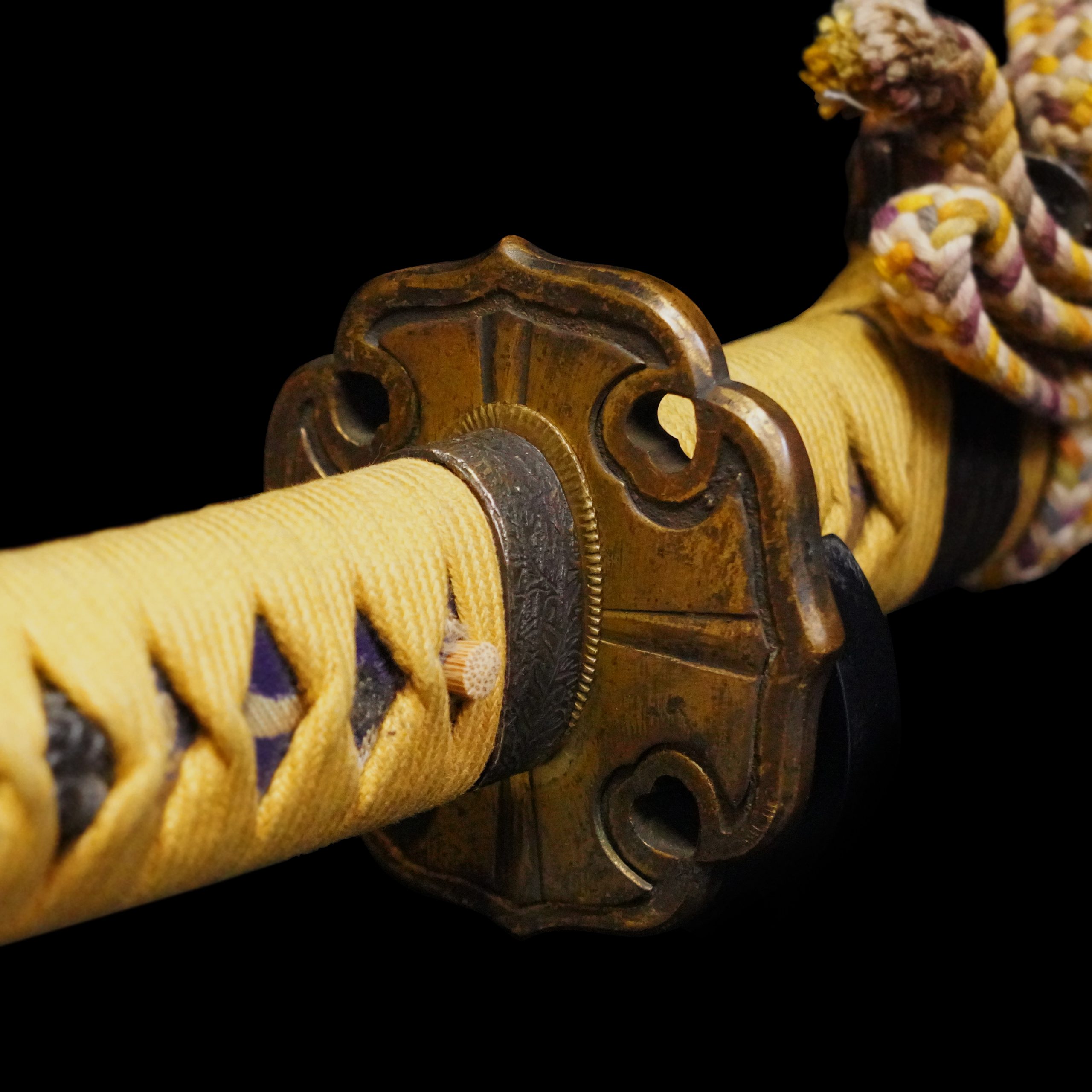
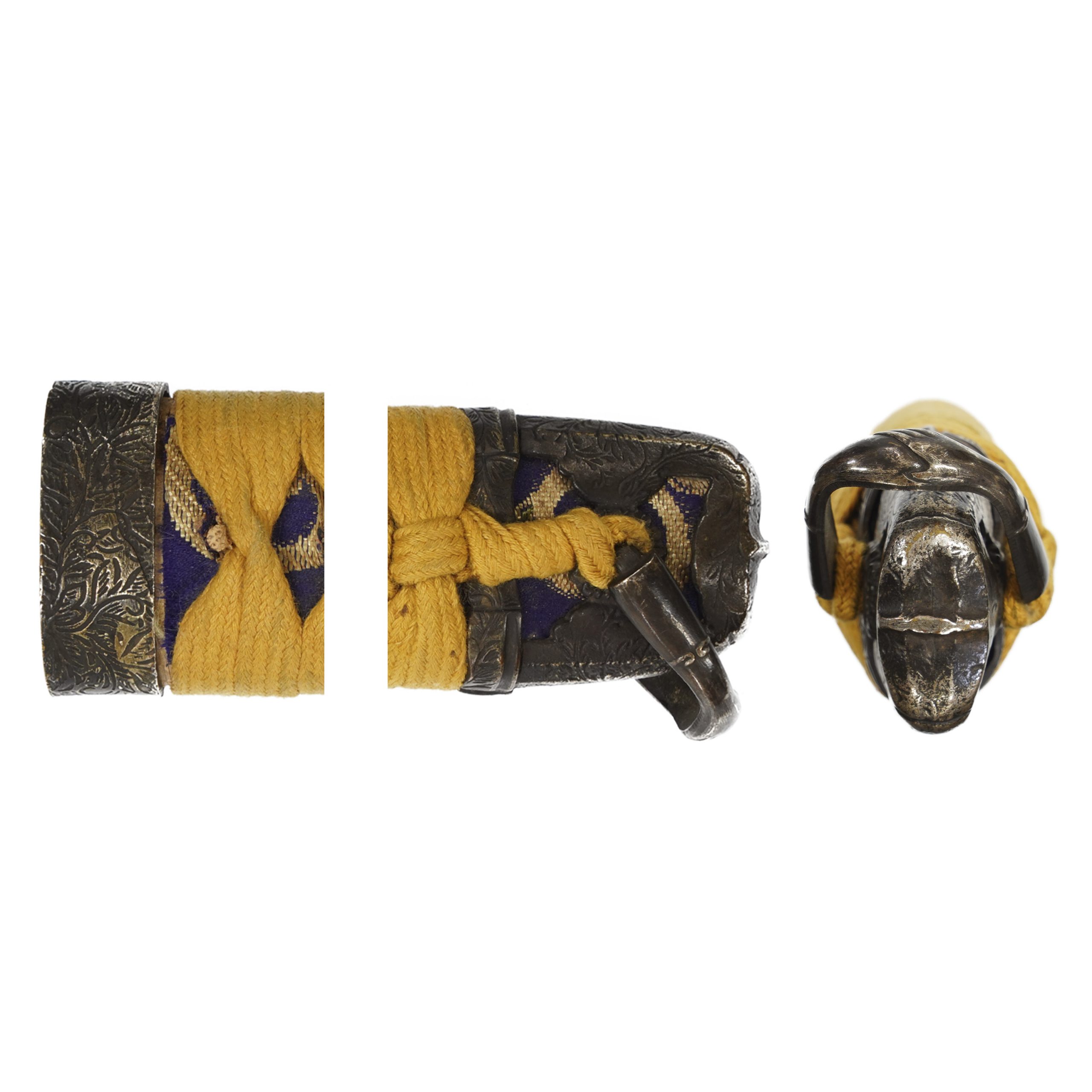
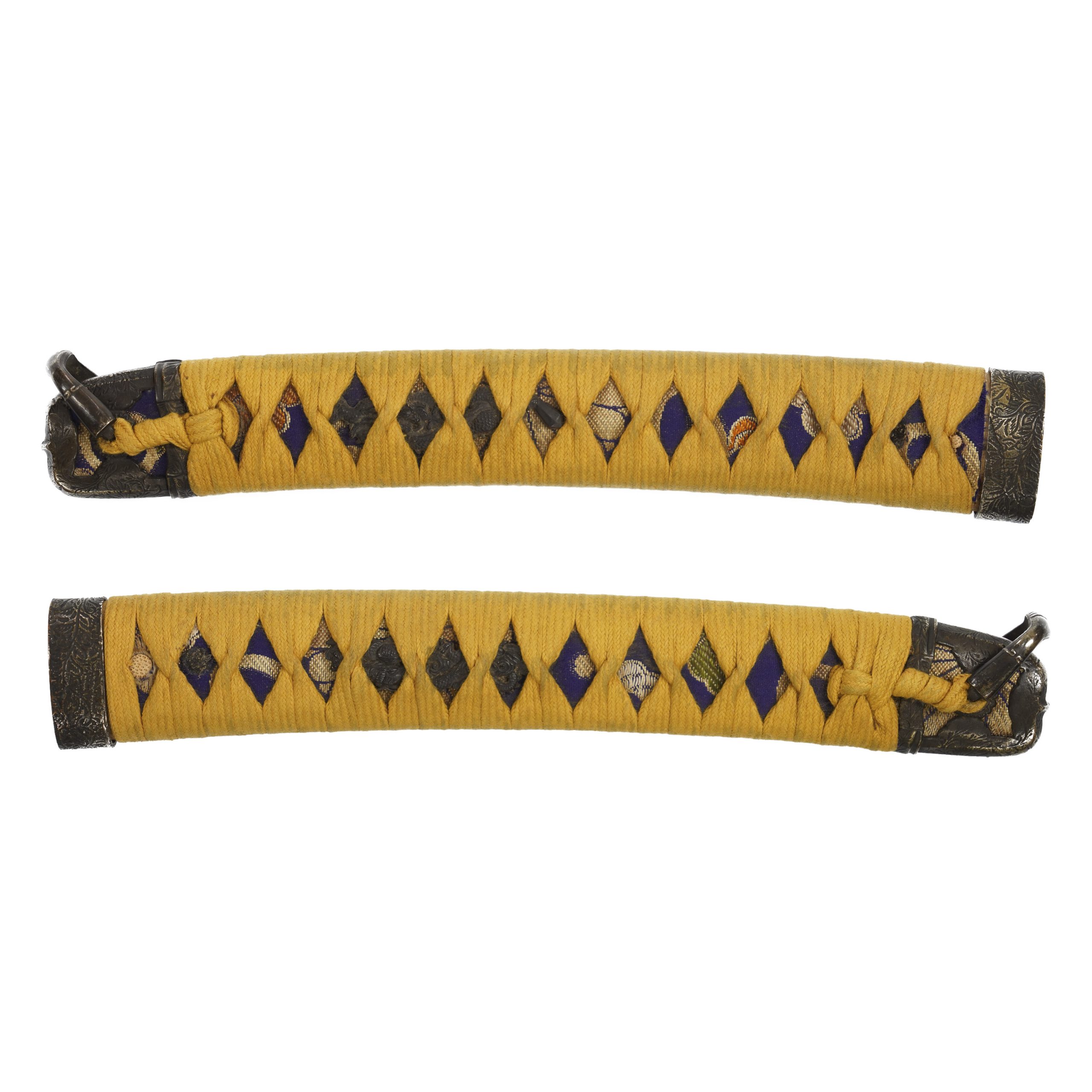
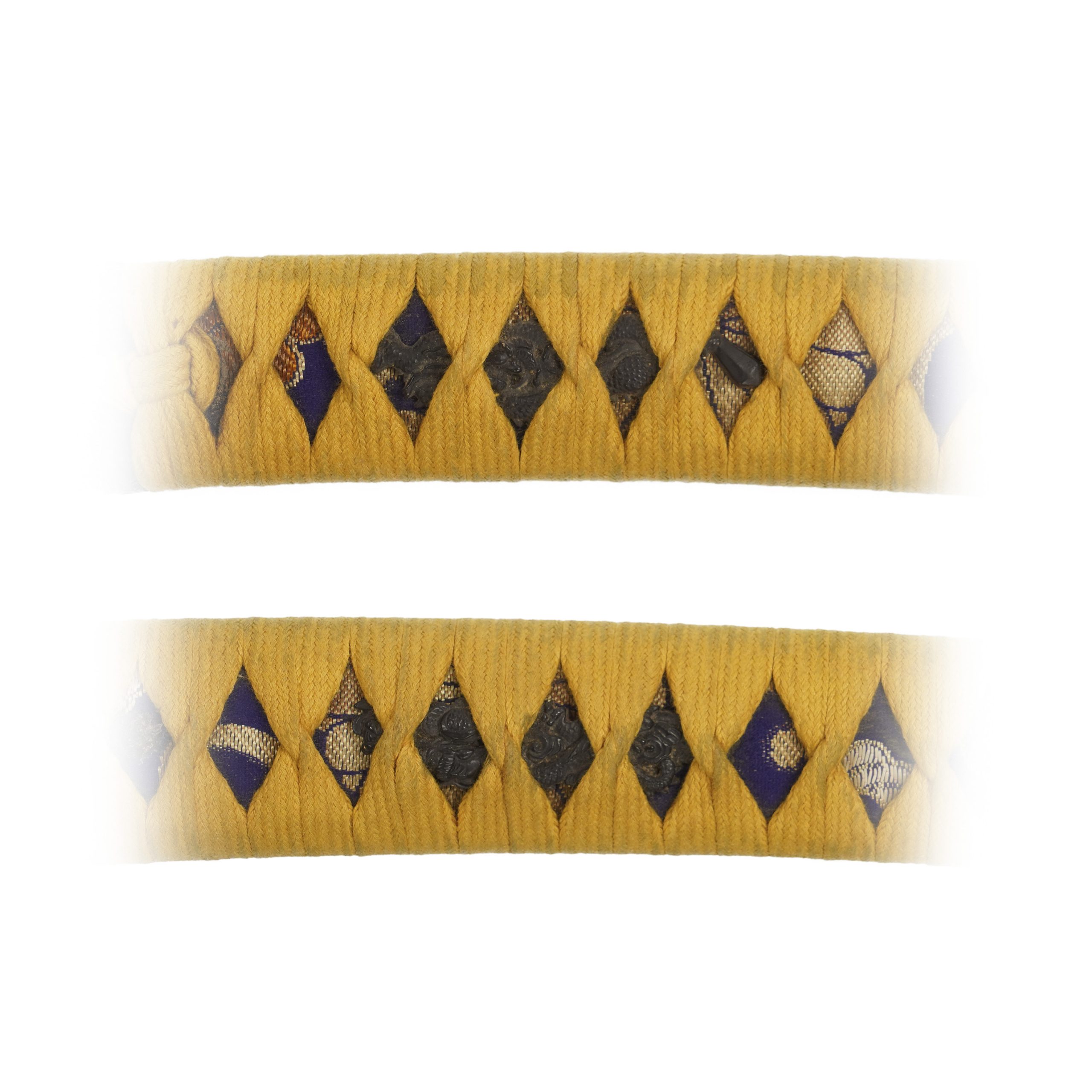
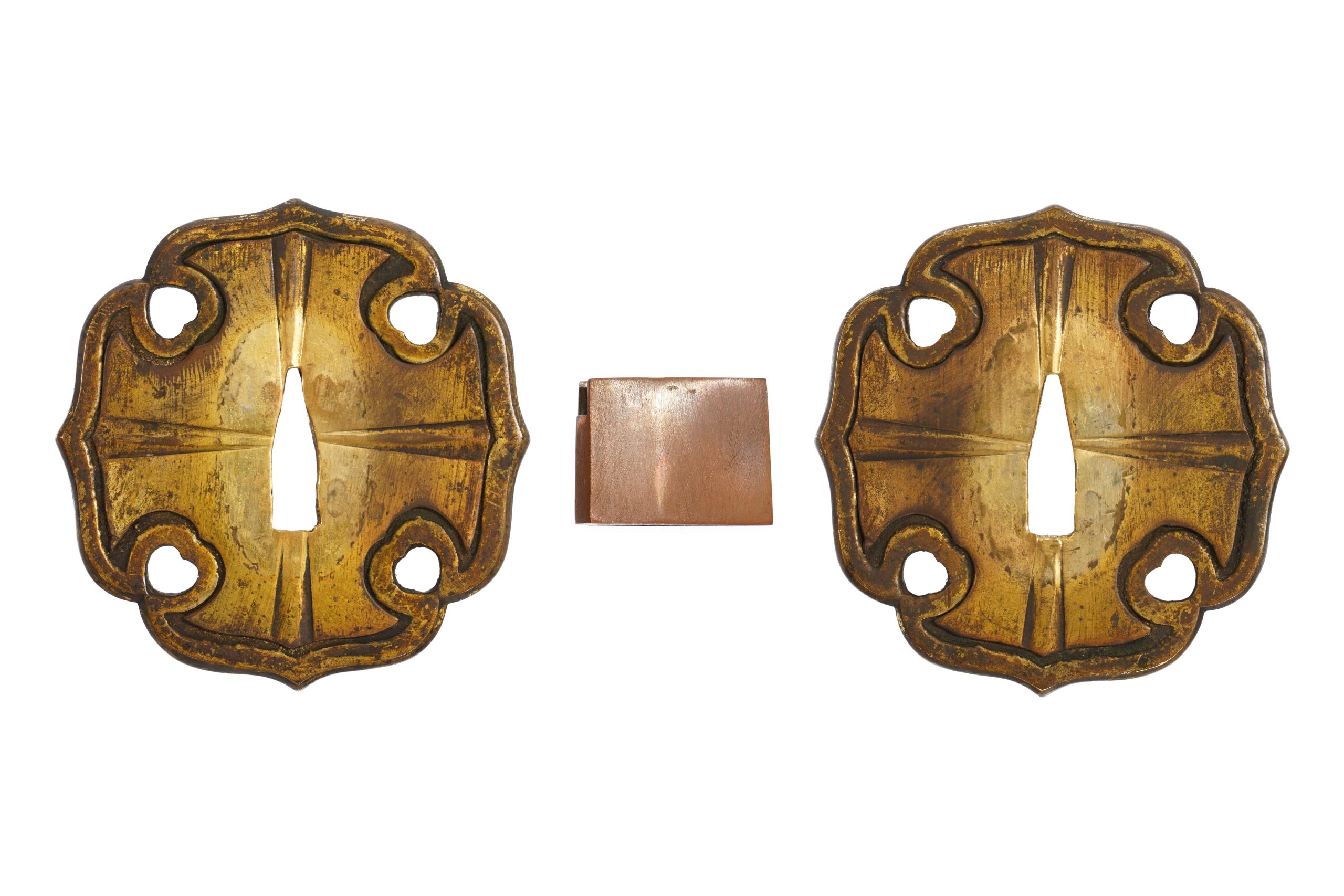
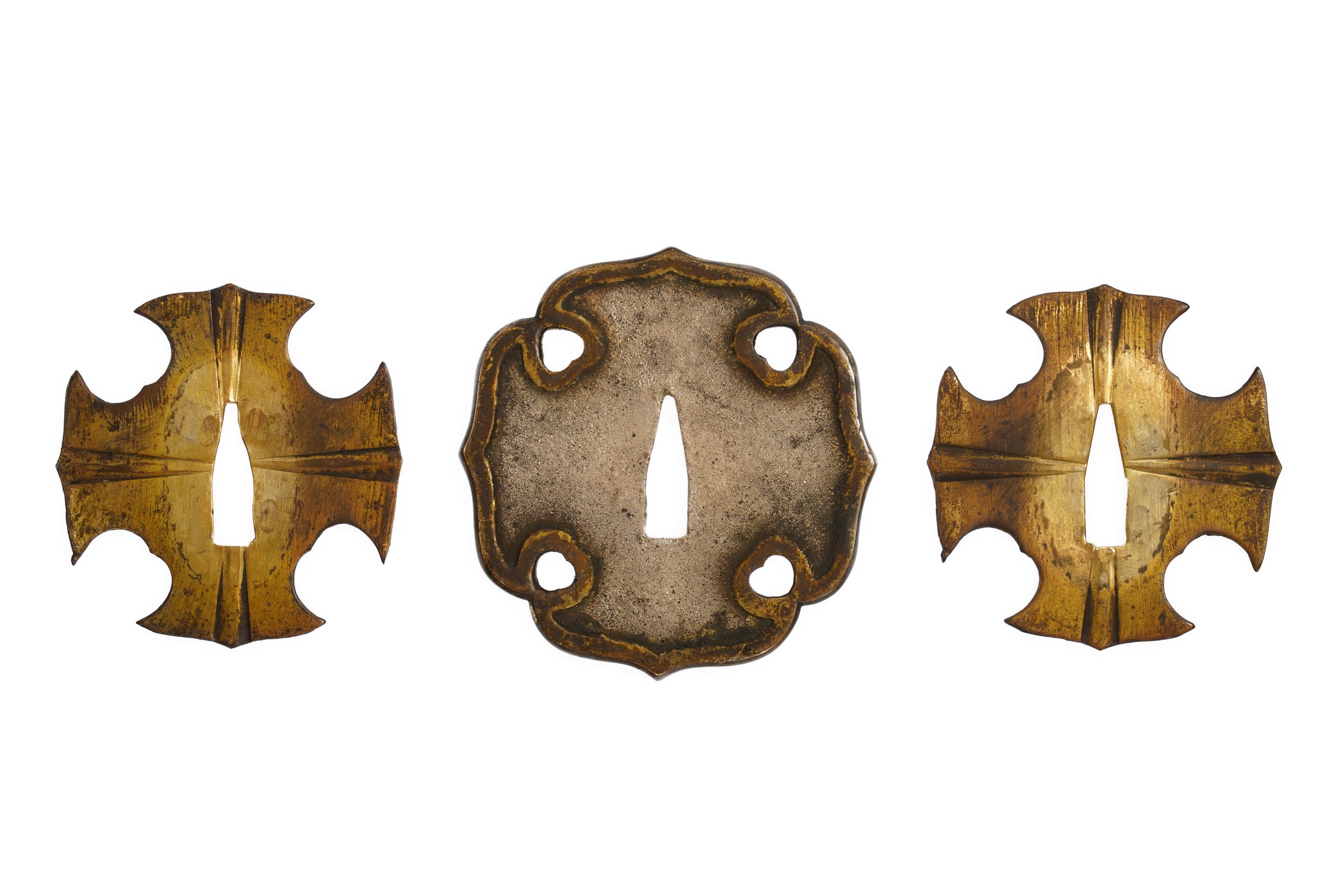
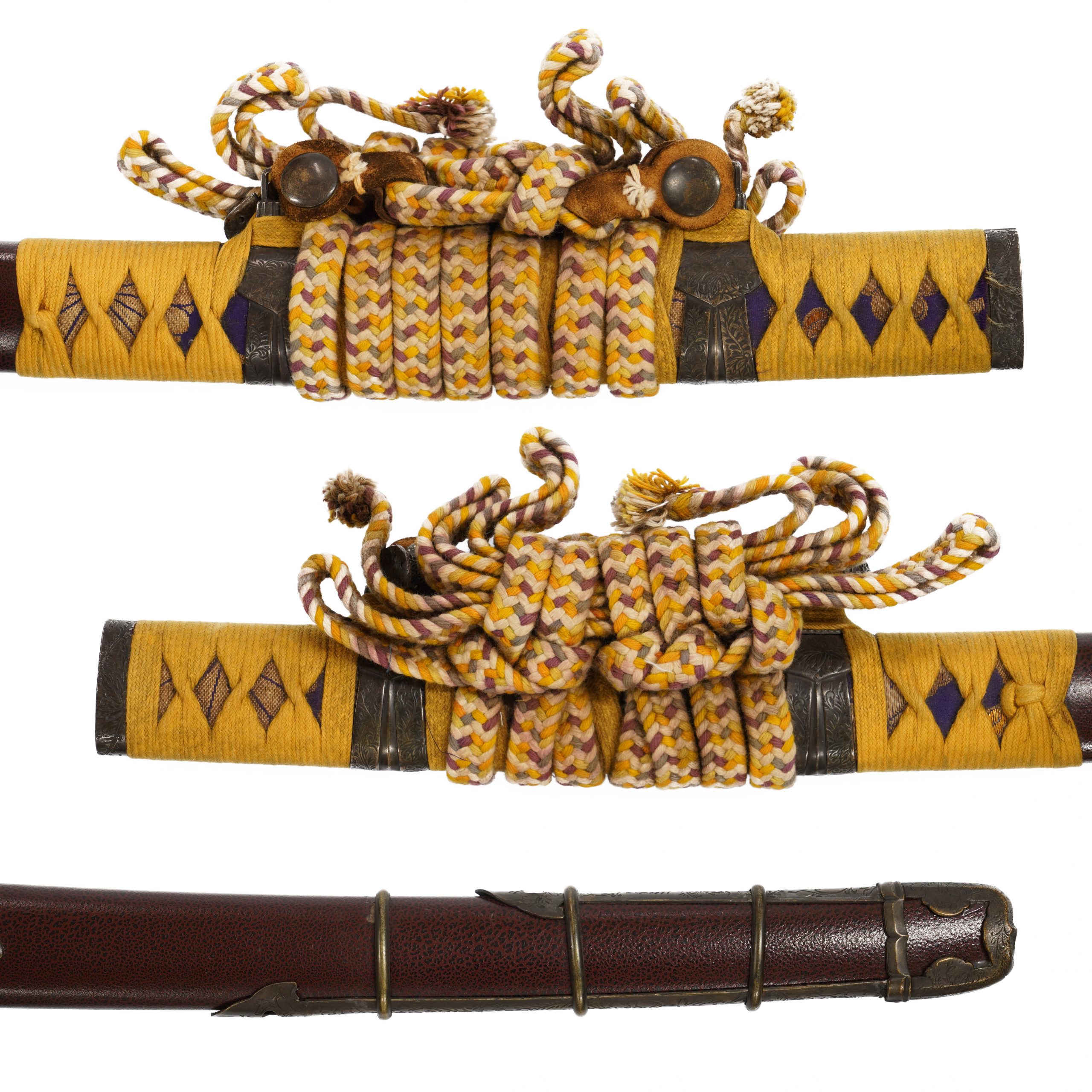
This blade was forged by Etshu Tsuruga Ju Shimosa no kami Fujiwara Muneyoshi(越州敦賀住下総守藤原宗吉) during Keichō (1596-1615: Late Azuchi Momoyama-early Edo period), according to the NBTHK’s appraisal. Muneyoshi was active in sword-forging during 1596-1624. Esshū(越州), also known as Echizen(越前) is located in Hokuriku region, northwestern part of Japan. Tsuruga(敦賀) is the name of the city he lived in when forging this blade. Shimosa no Kami is the name of the title given to this swordsmith. It was common for Japanese swordsmiths to sign his signature with where he forged and their received titles. In this case, he signed as follows; Province name, city name, a given title, and his maker’s name. Echizen Province was famous for forging razor-sharp, practically designed swords. The Edo government, run by the Tokugawa clan, ordered many blades from the swordsmiths in this province during the Edo period(1603-1868). We assume Muneyoshi dedicated his career forging swords for Samurais, who served Echizen Matsudaira clan, a relative linage of Tokugawa family. The swords forged during Keicho era(1596-1615) are generally called Keicho Shinto. Osakajyo, Himeji castle, or other gorgeous-looking castles were constructed during this time. Many feudal lords preferred fancy-looking items instead of modest ones. This trend applied to Japanese sword making as well. This blade is stored in Tachi(太刀) Koshirae. Tachi was mainly used by an armored Samurai with one hand on horseback from the Heian period (794-1185 A.D.) until the early Muromachi period. TACHI was suspended loosely on the left waist with its edge facing the ground so that you could draw it faster to cut down soldiers on the ground. Because of its gorgeous looking, having a Tachi-style sword mounting became a social status among Samurai. We presume this blade was owned by a high-ranked Samurai who was wealthy enough to own a blade forged by a famous swordsmith with the Tachi-style sword mounting. Please keep in mind that there are a couple of Kitae Kizu and partial black rust on this blade. This blade is appraised as Tokubetsu Hozon certificate issued by NBTHK. This authentication paper was only given to Japanese swords, especially worth preserving by Nihon Bijutsu Touken Hozon Kyokai(the Society for the Preservation of the Japan Art Sword). Curvature(Sori) For more detailed measurement of the blade/sword mounting Fuchi-Kashira Some kinds of plants are designed on the entire surface of this Fuchi Kashira. It is challenging to judge what types of plants they are. However, you could see that each small leaf’s veins are carefully carved. There are a variety of motifs that have been designed for sword mountings such as flowers, leaves. In designs that are made up mostly of leaves like this work, the Karakusa (唐草, arabesque) or autumn plant patterns are often seen. Many plants have been used as motifs. And in many cases, each of them has been regarded as a symbol of good luck, for example, longevity, the prosperity of descendants, vitality, good health, etcetera. In addition, the plant pattern looks elegant and gives a graceful impression for the appearance of the sword when applied to the sword’s outfit. It might be one of the reasons why these motifs have been preferred. Tsuka and Menuki This Menuki’s motif is a dragon. It seems these dragons have snake-liked elongated bodies covered with scales. Initially, the dragon is an imaginary creature found in ancient traditions or myths. Furthermore, it is a symbolic beast of auspicious signs. Its body is likened to nine animals: antlers are deer, the head is a camel, eyes are demons, the neck is a snake, belly is Mizuchi (蛟, mythical animal in Japan which looks like a snake and have a horn and four legs), scales are fish, claws are falcons, palms are tigers, and ears are cows. It was thought that the dragon would reign at the top of all animals because of its odd-looking appearance. Still today, this creature design maintains its meaning as the all-purpose auspicious pattern, and lots of people appreciate it. Tsuba and Habaki Aoi-Gata Tsuba. Aoi is a name of Japanese plant. One of the most famous Samurais, Tokugawa Ieyasu, who opened the government in Edo city (Today’s Tokyo) in 1603 A.D. after winning the battle of Sekigahara in 1600, used this plant motif for his family crest. If you focus on the corners of this Tsuba, you will find four heart marks. It is called the Inome (猪の目, boar’s eyes) pattern. This design has been being used since ancient times. Some people believed that the Inome design works as an amulet to protect them from evil spirits or fire. Also, it is said it would bring good luck. Today, this pattern is often found in traditional Japanese architectures such as shrines or temples and used Gegyo (懸魚, decoration under the roof, where the roof is jointed) or metal fittings for hiding timber joints. Authentication Paper They authenticated the blade on May 25th in the first year of Reiwa (2019). They appraised it as Tokubetsu Hozon Touken, the blade especially worth preserving for Japanese society.

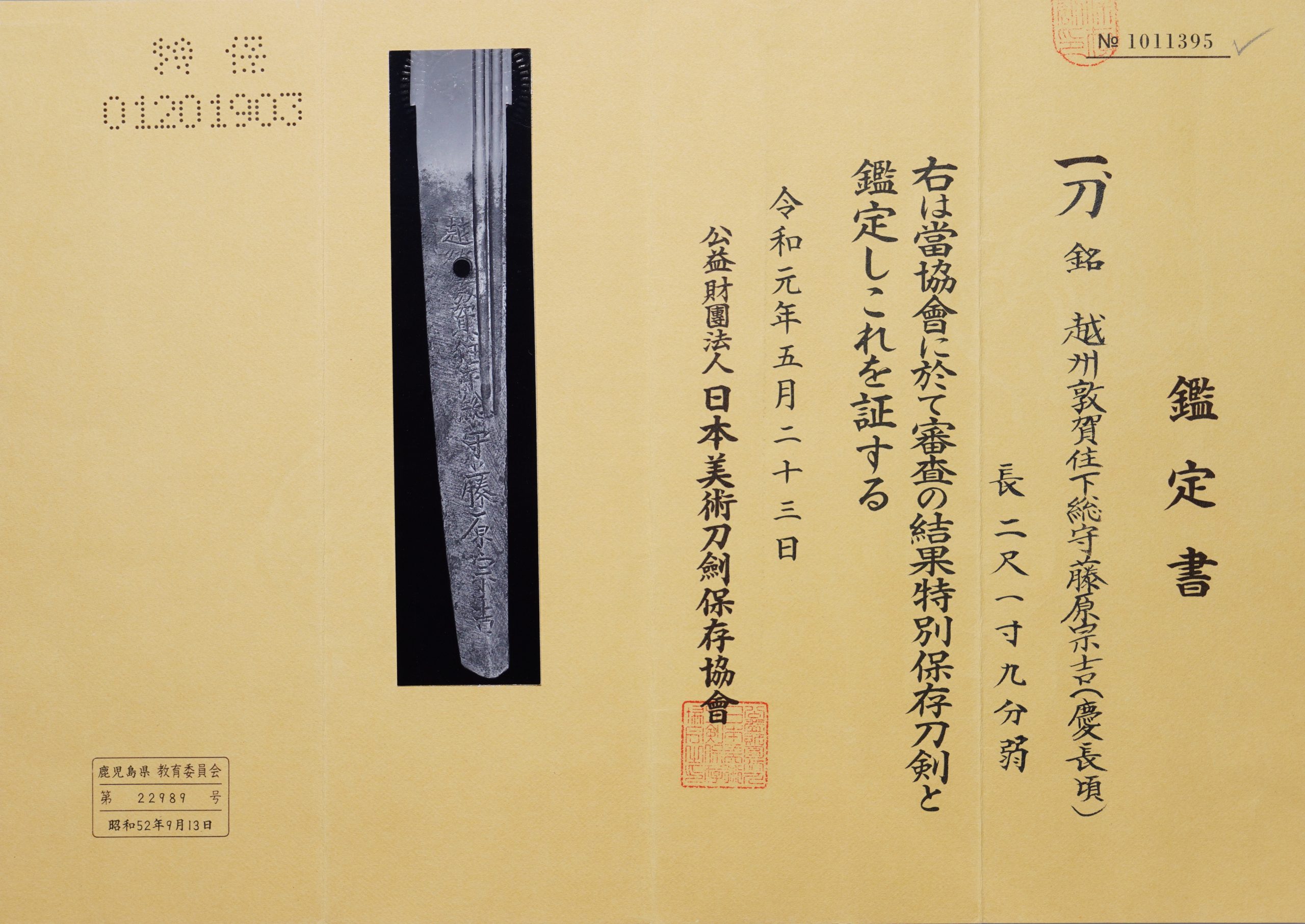
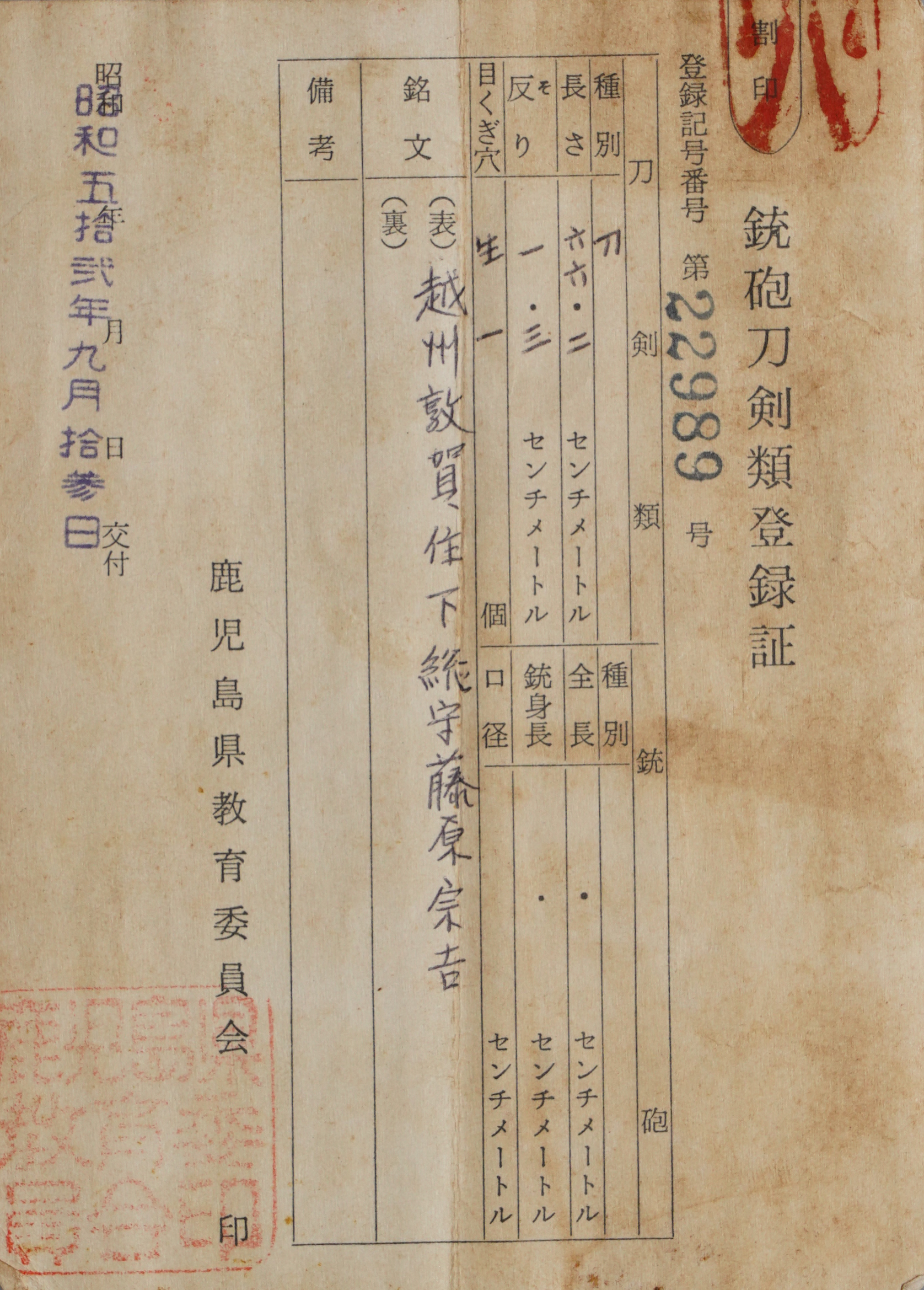
販売店の記載のまま
新刀 · 越前 · 1596-1615頃
刀剣大鑑 上位60%
現在1点販売中
宗吉の位置づけを、日本刀全体および伝法・時代・時期ごとに示します。各区分(随一・屈指・有数・著名)は、NBTHK および文化庁による指定に加え、三作や名物帳などの歴史的栄誉を加味したものです。
各項目を選ぶと評価方法が表示されます。
在銘年紀作が示す、確実に活動していた年代
新刀 · Kyoto
現在44点販売中
埋忠派は桃山時代を代表する金工集団であり、刀装具制作において後藤家と並び称される名流である。その鐔制作の技術は他の追随を許さず、古来より「埋忠鐔」の名を以て絶賛されている。特に埋忠彦次郎を中心とする本流は、吉川広家指料の「碇切り」に代表される苔鑢の妙技で知られ、金無垢地に施された鑢目の高尚な品格は筆舌に尽くせないほどである。桃山期における溌剌とした芸術精神を反映し、鐔の世界に新生面を拓いた。 作風の特徴として、金無垢、素銅、真鍮など多様な地金を用い、絶妙な肉取りの平地に締まった肉置きを見せる。斜めに掛けられた鑢や角耳の鑢仕立ては埋忠の真髄であり、切羽台外周に施された微妙な角度の配慮は、拵や刀装具を熟知した技術者ならではの工夫である。意匠は桜花透、胡蝶透、葡萄文、菊唐草文など図案化された文様を陰透や平象嵌で表し、明寿が創始した赤銅・銀・金の平象嵌研出しの技法は極めて効果的である。家紋を散らした刻印打込や七宝象嵌など装飾性に富み、絵画的で雅な雰囲気が満ちている。 江戸時代に入ると京都金工界において後藤、平田、正阿弥と各派が互いに影響し合い、埋忠派もその作風に変化を見せている。埋忠寿斉の銘がある慶長十年正月の縁頭は、金無垢地に家紋散図を施した豪華な仕立てであり、上層武家の需要に応えた作例として知られる。金無垢の鐔は度々の激動期に鋳潰されたため桃山期以前の作品は極めて少なく、現存する作例は資料的にも貴重である。埋忠二字銘の作品も江戸前期に見られ、明寿に近い出来を示すものもある。 詳しく見る →
京 新刀の源流
新刀の時代は、その大部分が京都で発明された。埋忠明寿の工房が運動を育て、堀川国広が一世代を鍛え、鎚を持たぬ本阿弥家が名刀の意味を司った。
保存刀剣のうち、出来が一層優れ、保存状態も良好と認められたものです。再刃や、室町・江戸期の多くの無銘作は対象外となり、保存刀剣より高い基準が課されます。
日本美術刀剣保存協会(NBTHK)は、1948年に設立され、文化庁の監督を受ける公益財団法人で、東京・刀剣博物館に本部を置きます。専門の審査員が出品作を直接審査し、美術的・歴史的価値に応じた鑑定書を発行します。NBTHKの鑑定書は、日本刀および刀装具の真正性を示す最も広く認知された基準です。
NBTHK公式サイトReturns/exchanges limited to defects caused by shipping (except willful misconduct or gross negligence by the company); customers must contact within 72 hours of receiving the product.