NihontoWatch Mon

NihontoWatchBETA

マーケットオークション
事典
NihontoWatch Mon

NihontoWatchBETA

マーケットオークション
事典

説明

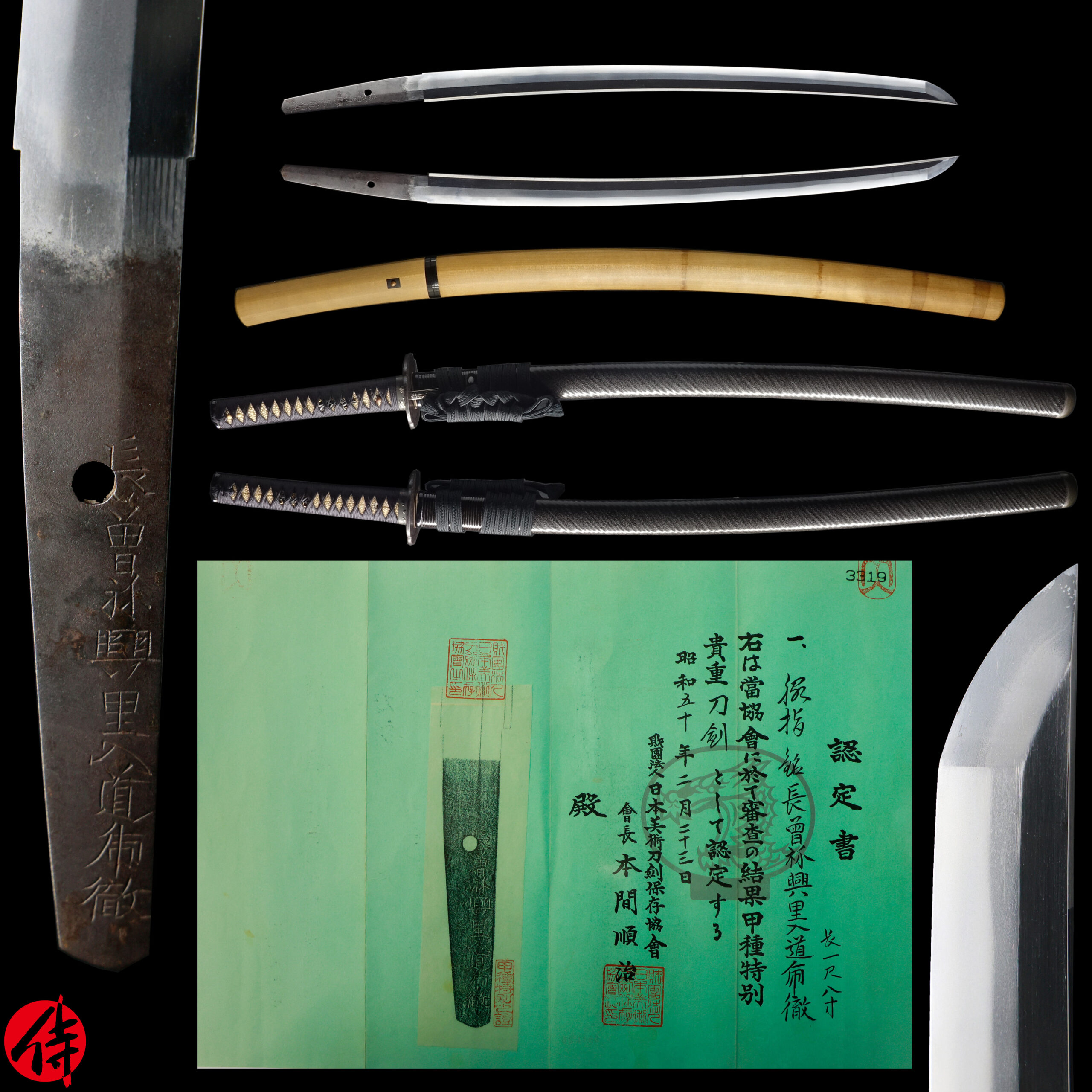
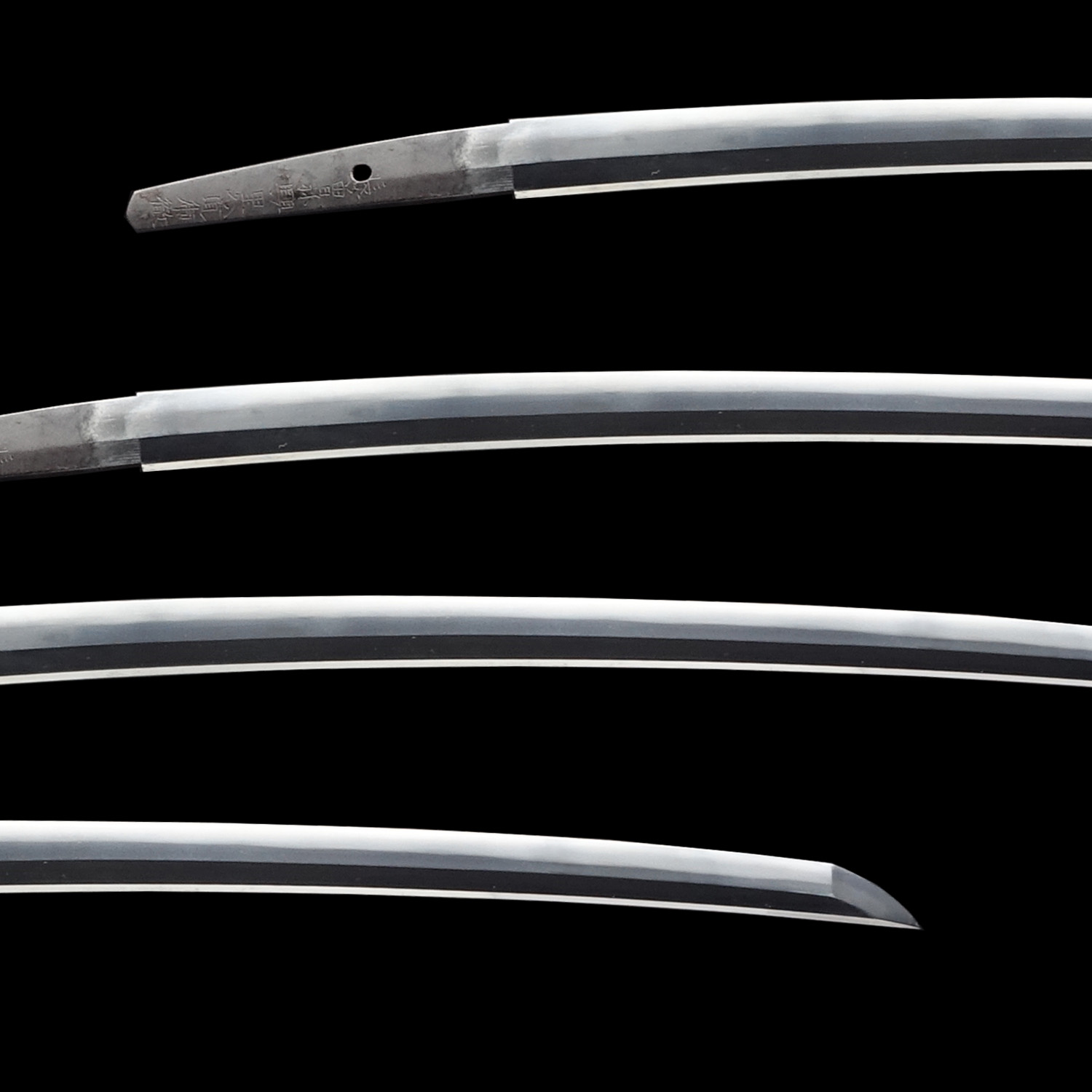
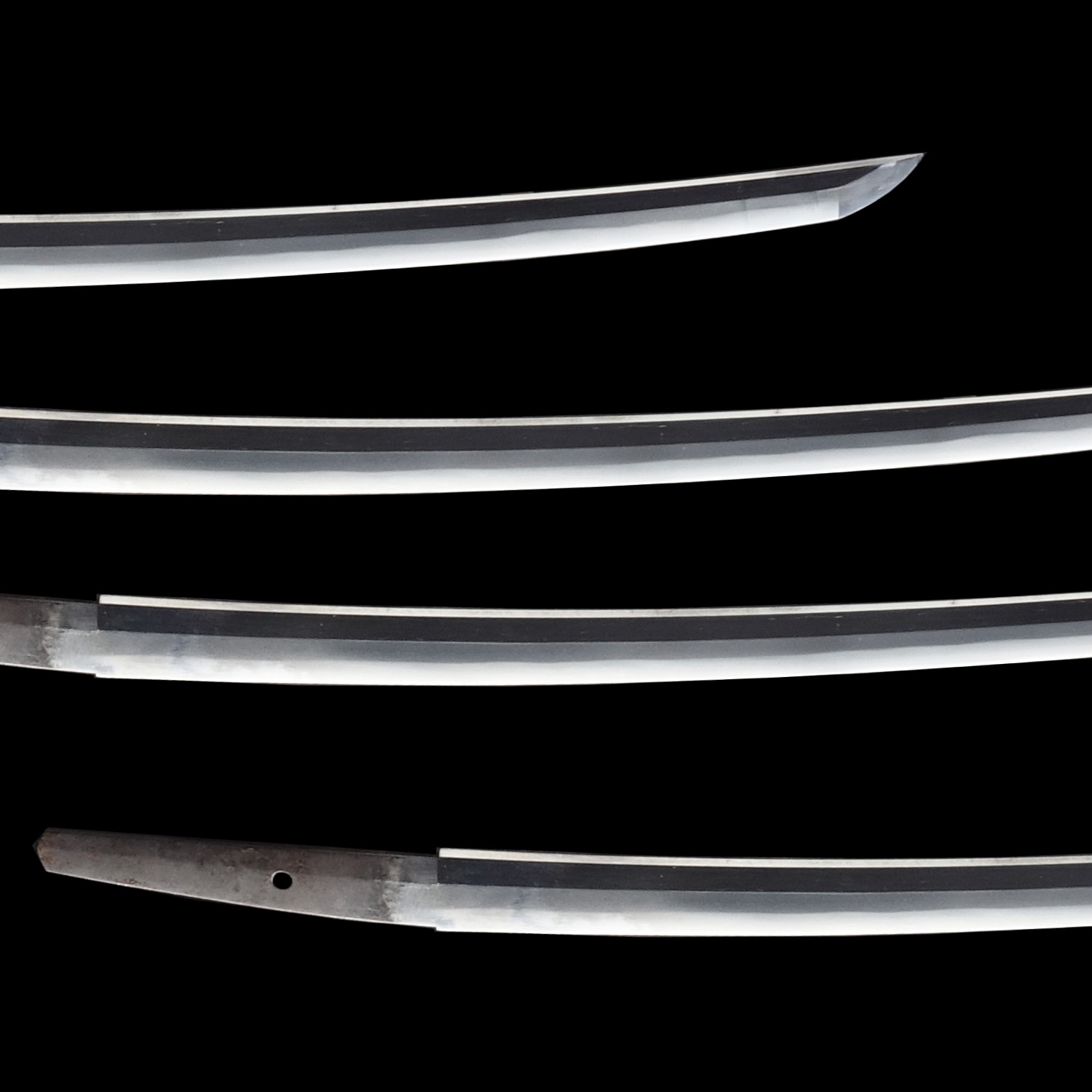
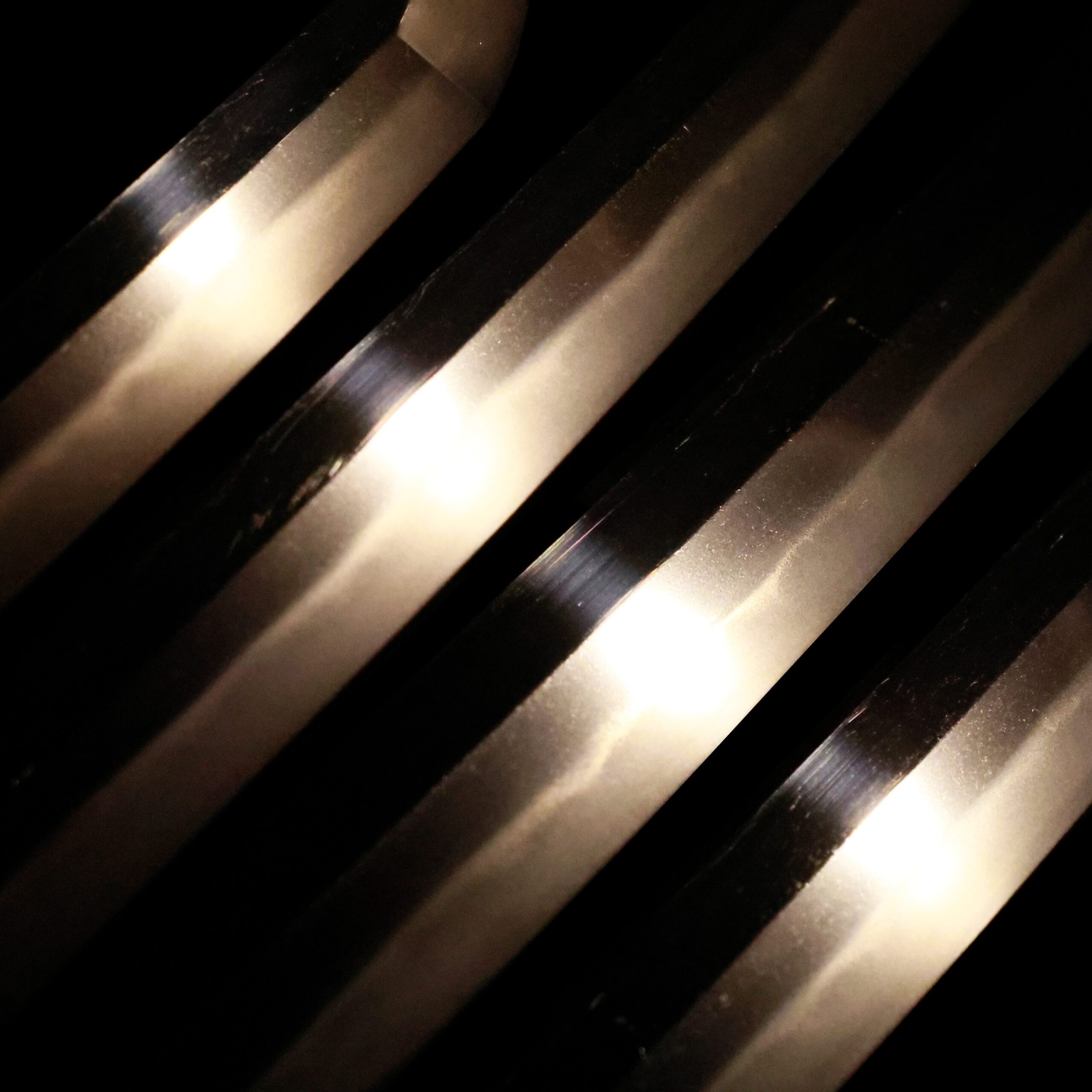
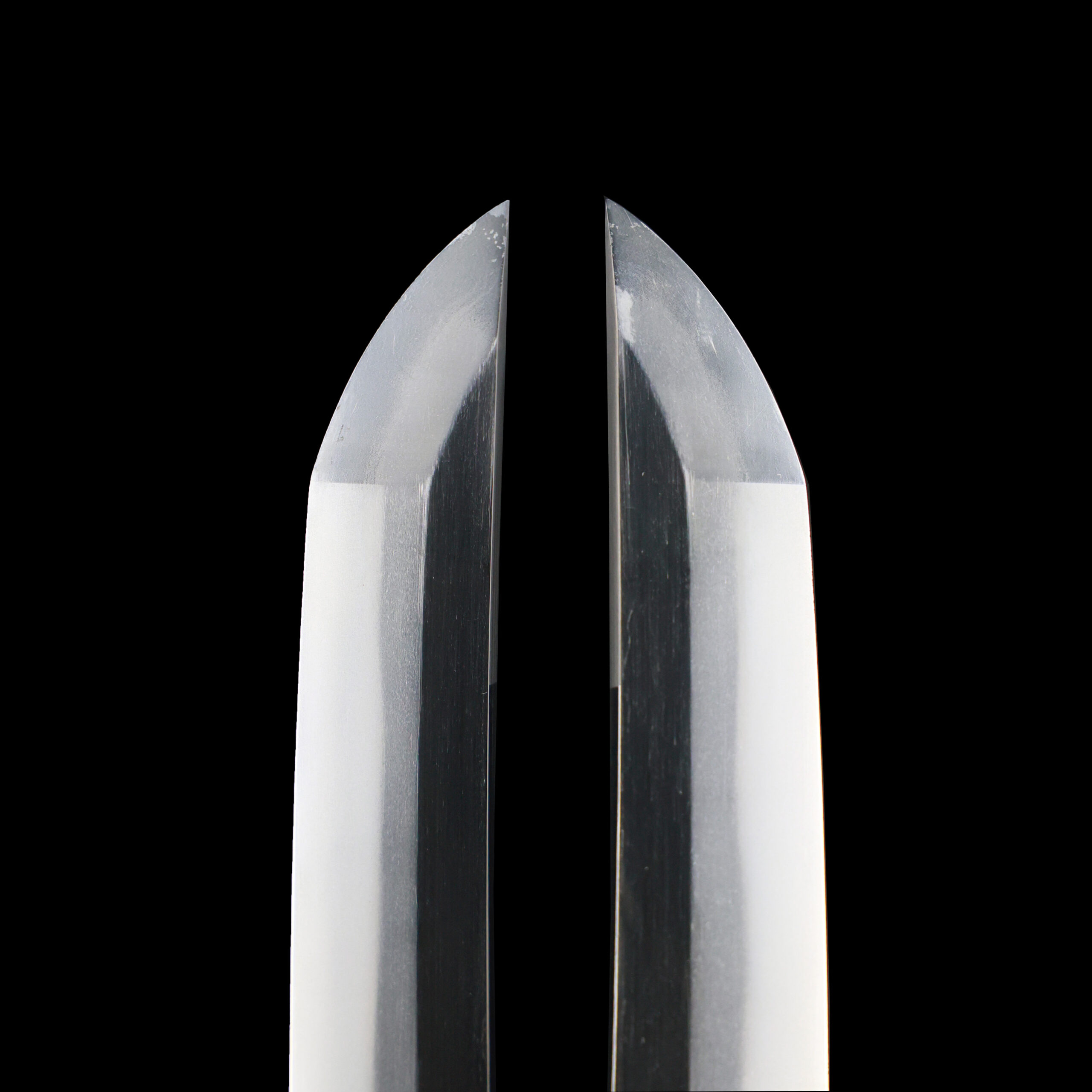
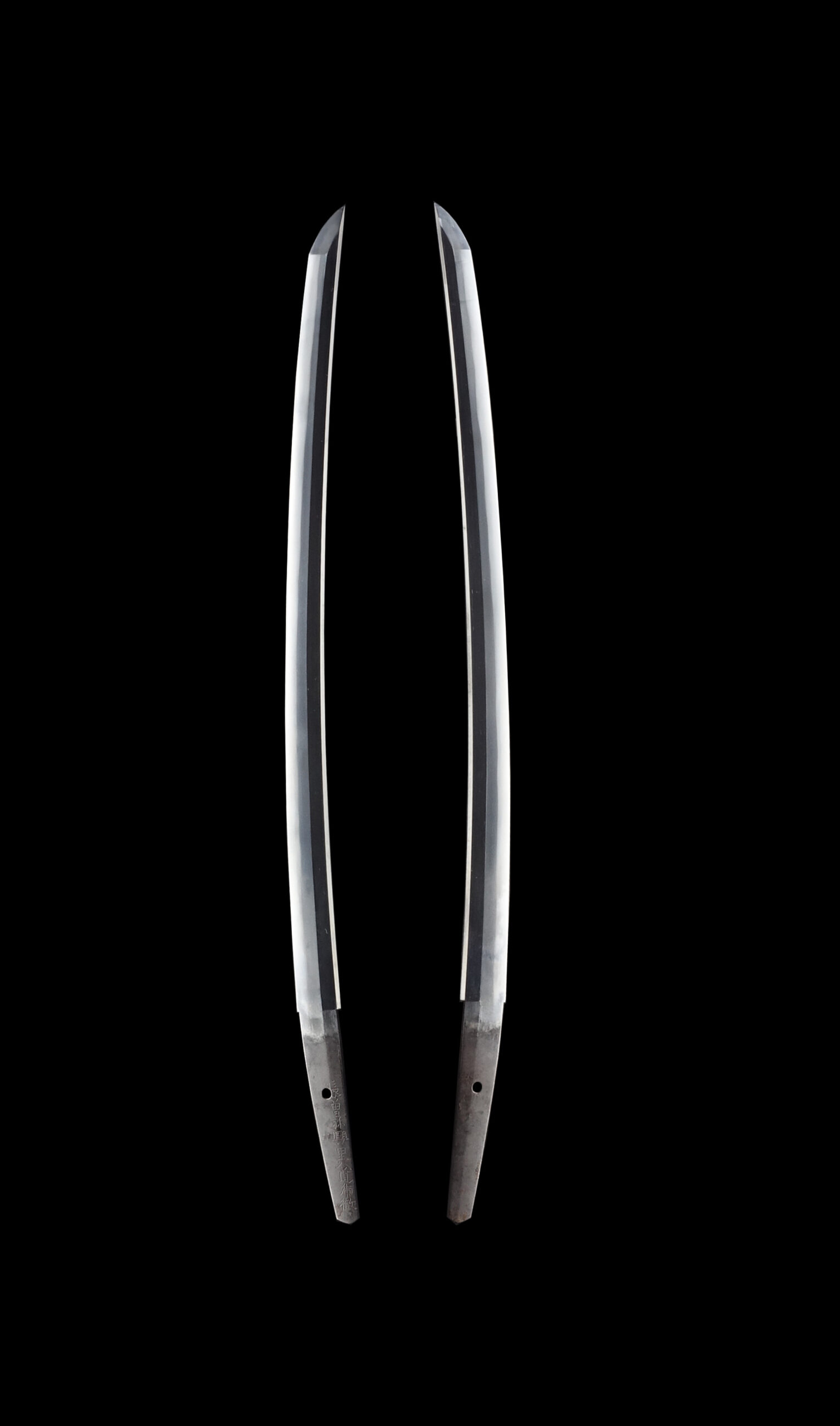
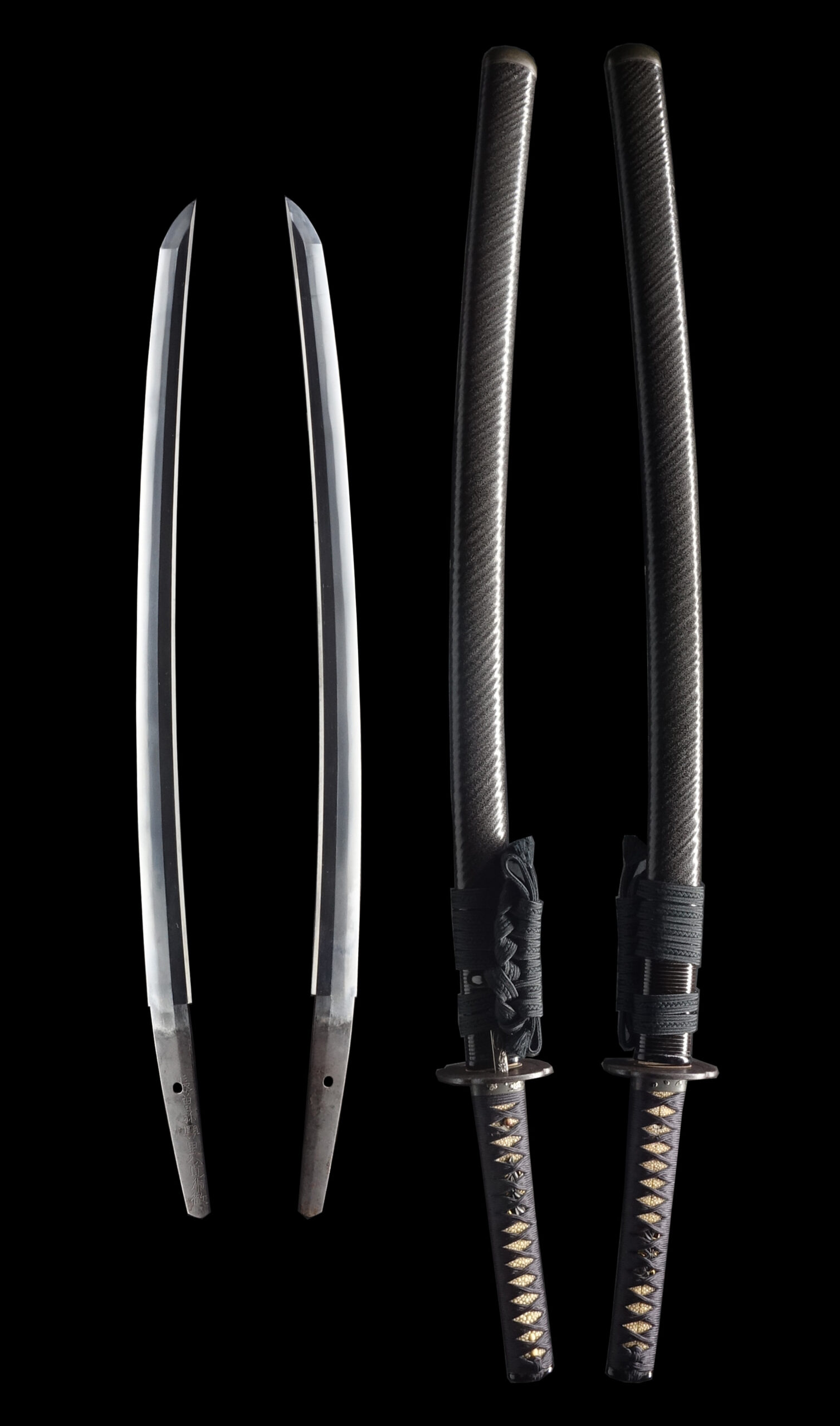
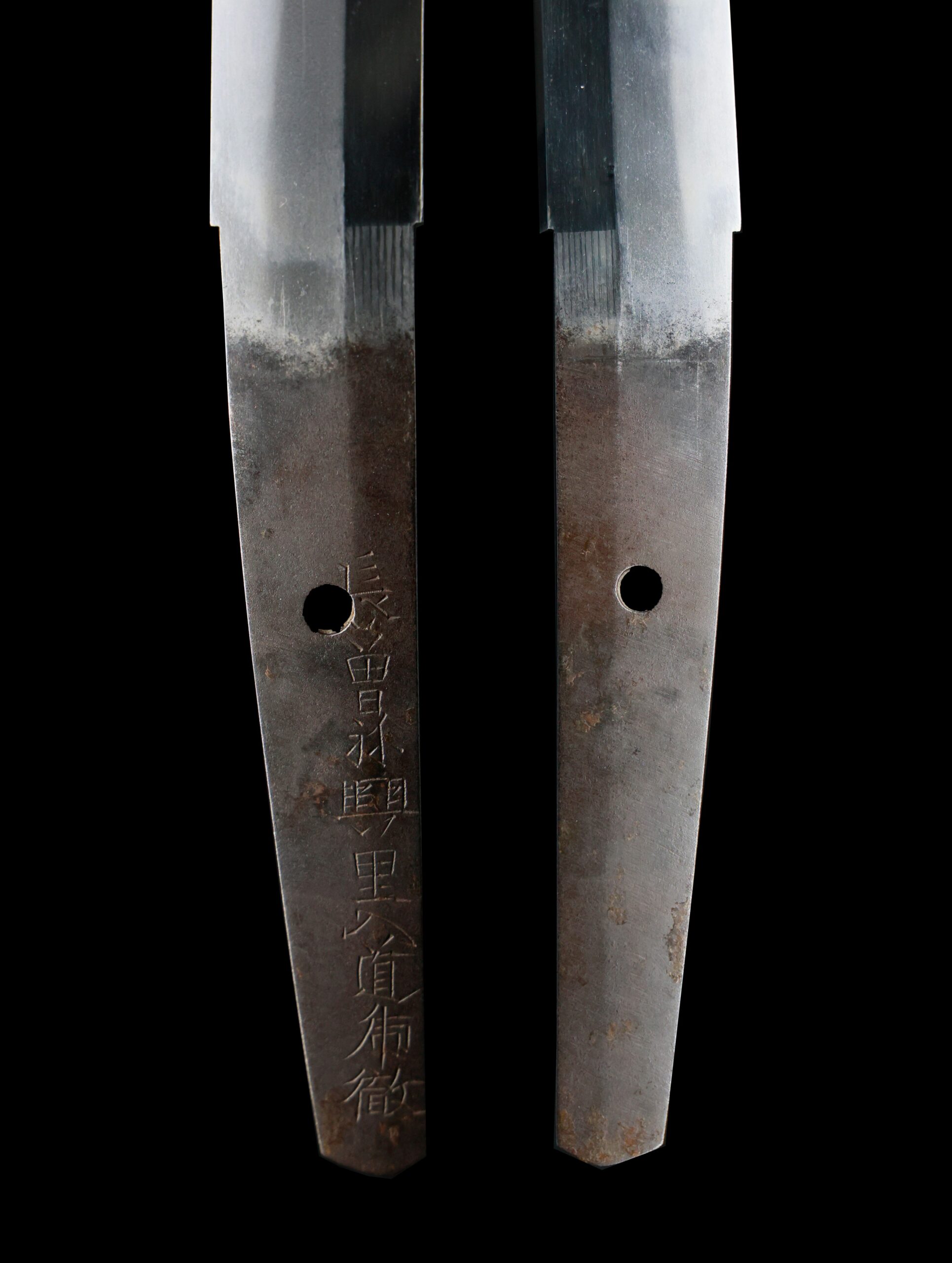
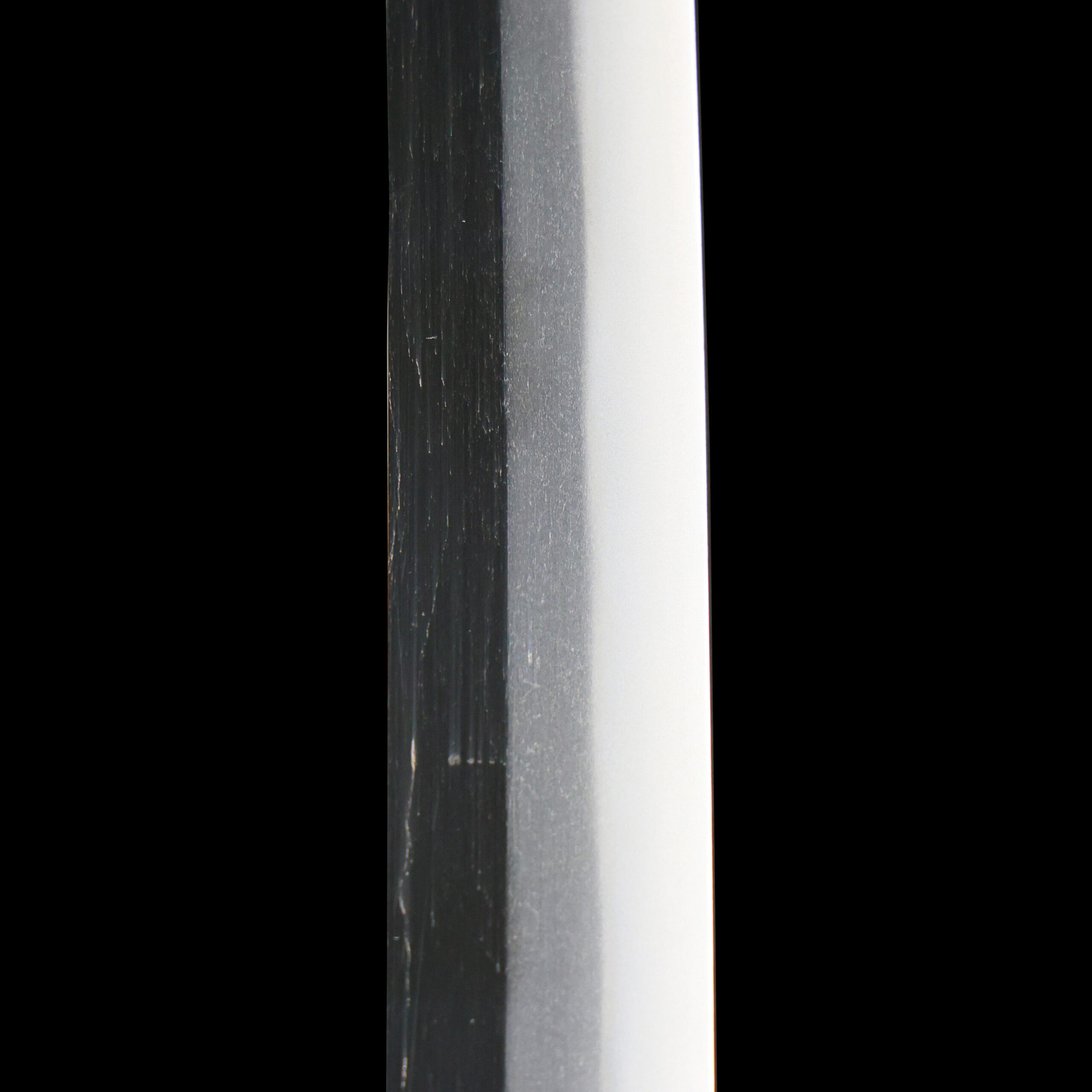
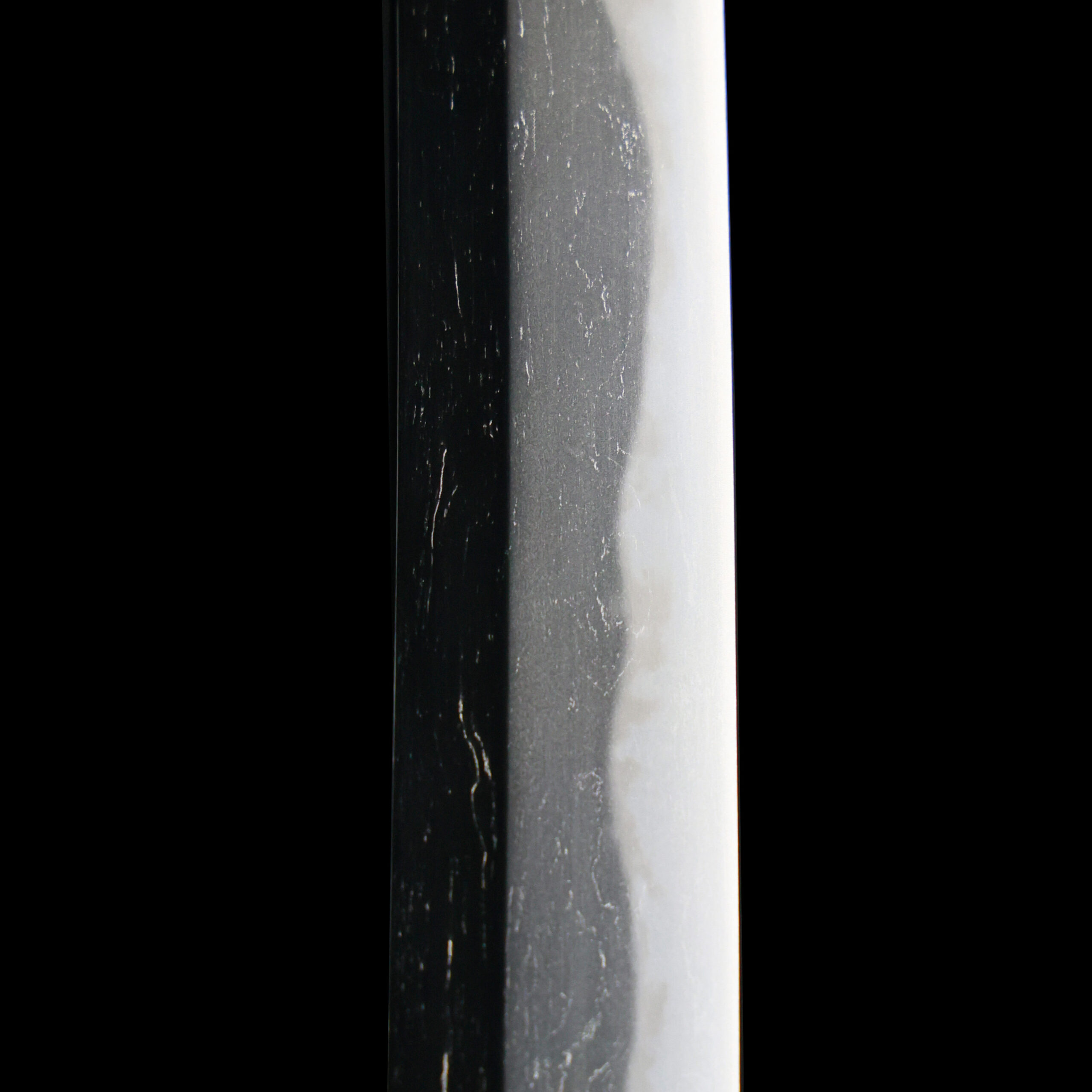
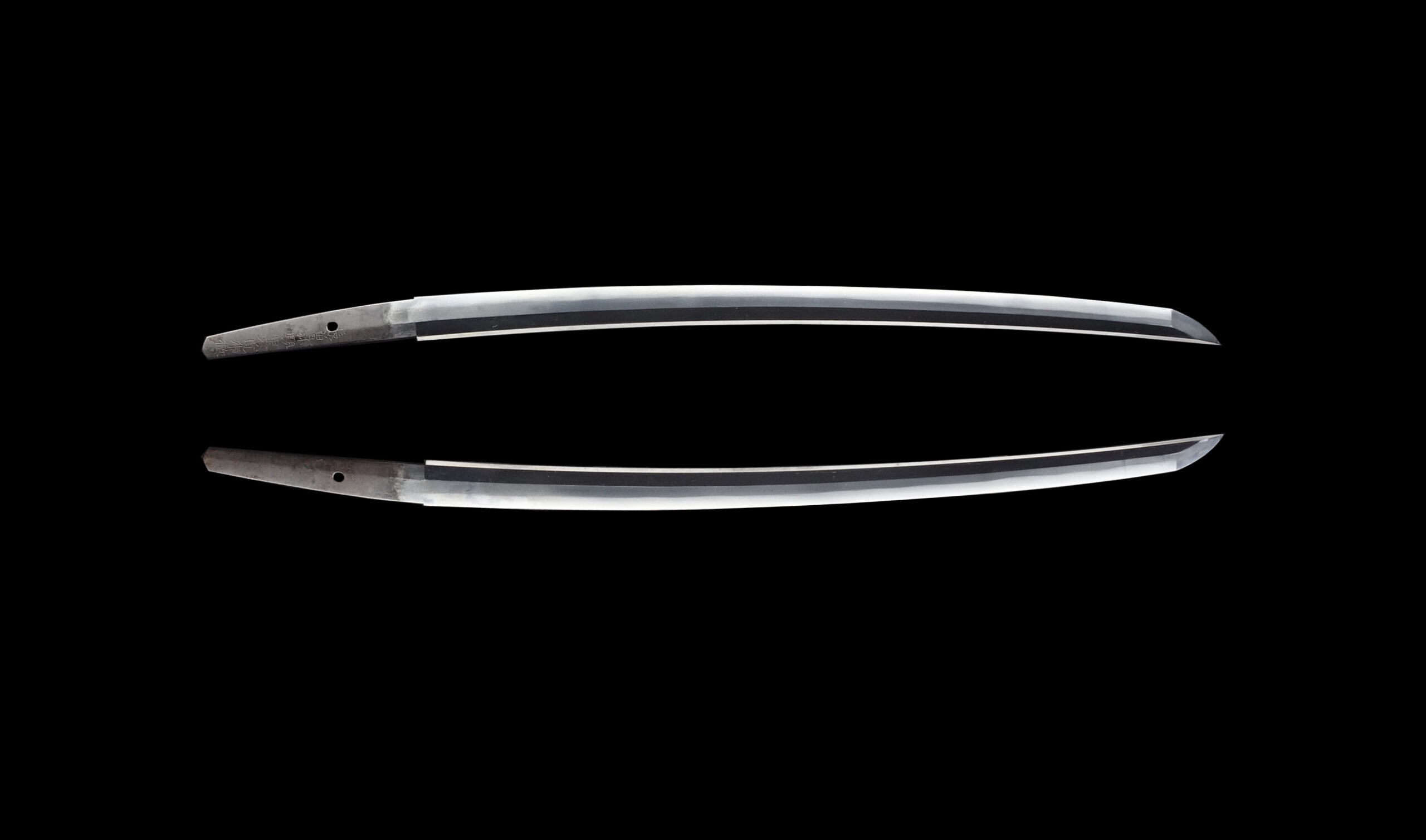
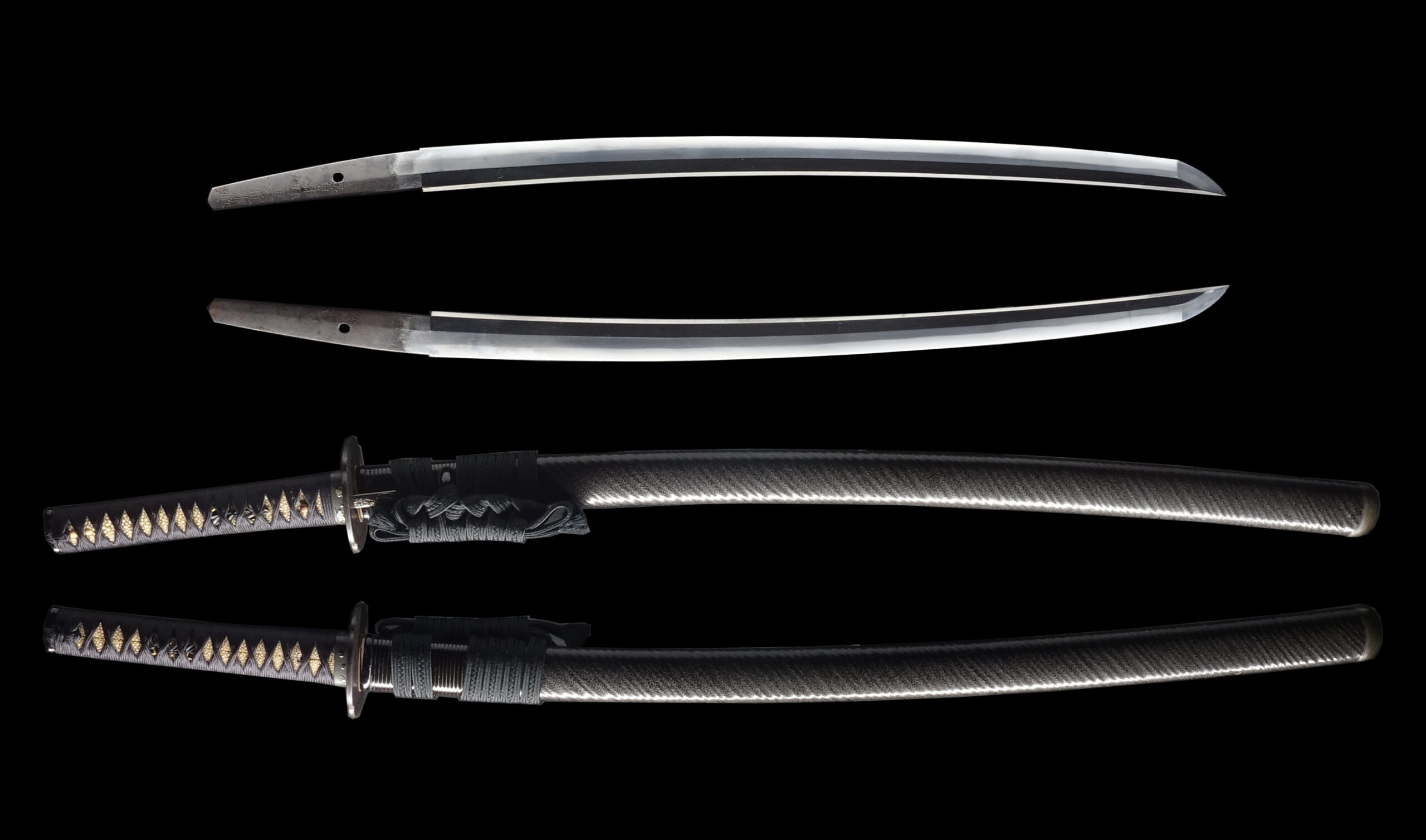
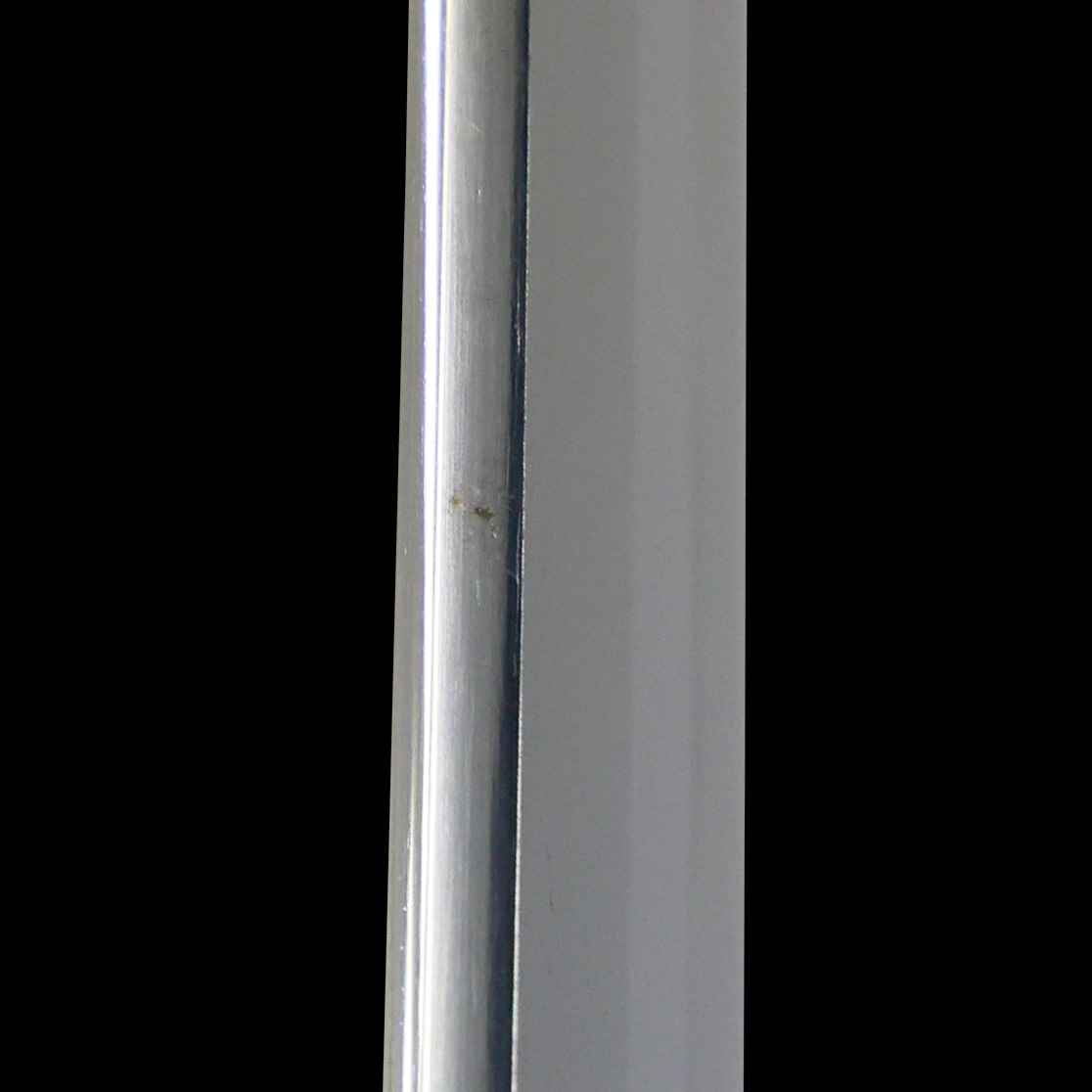
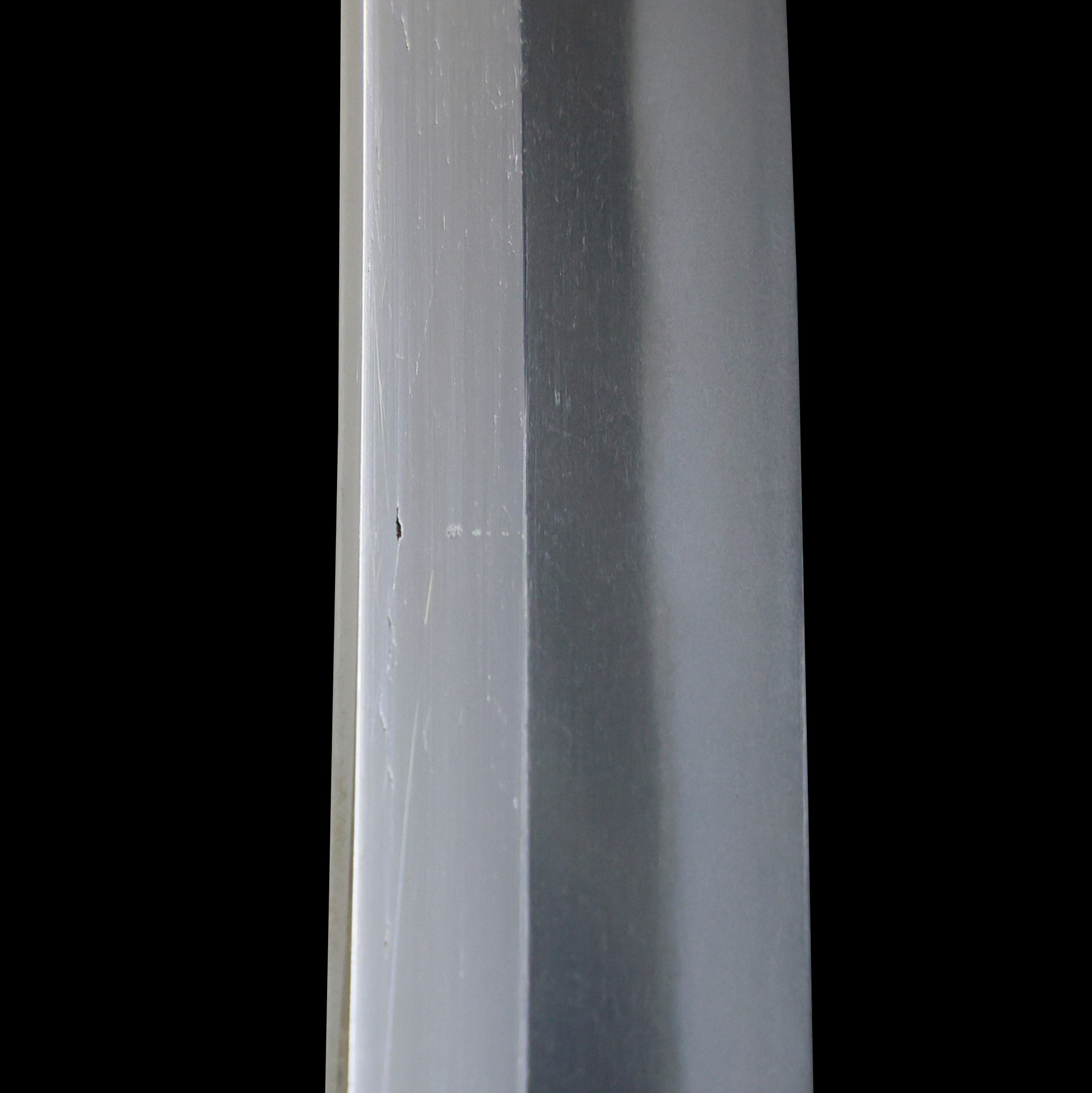
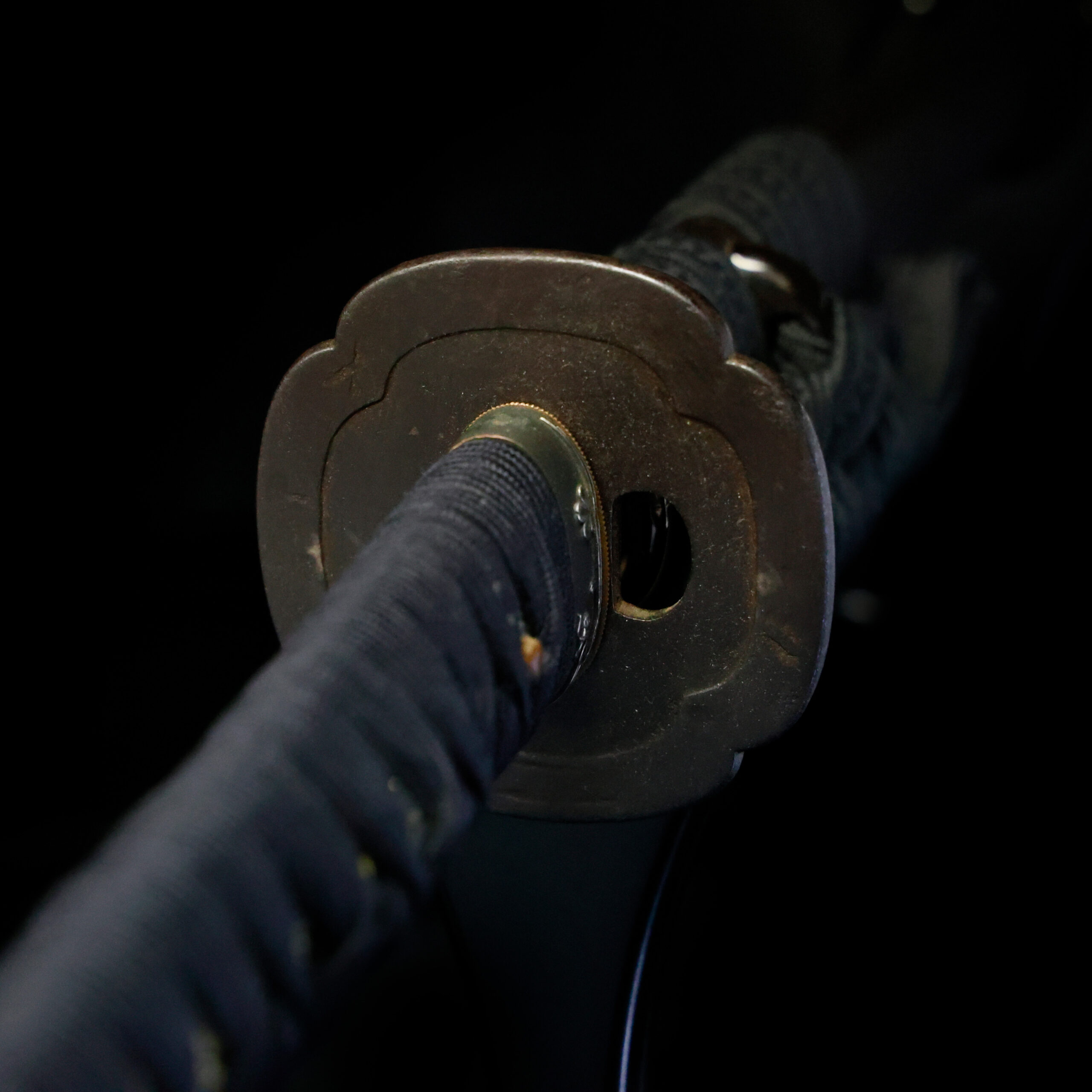
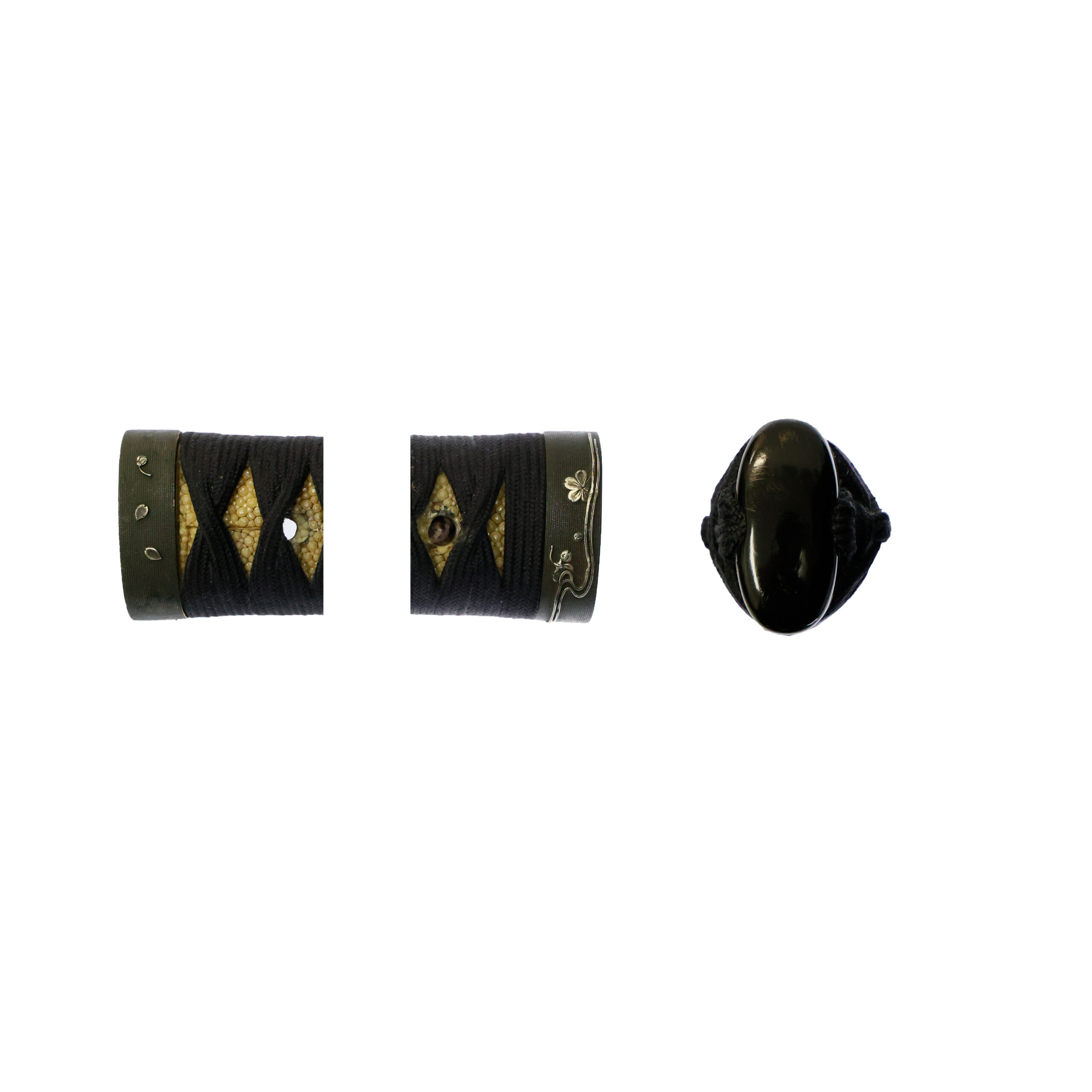
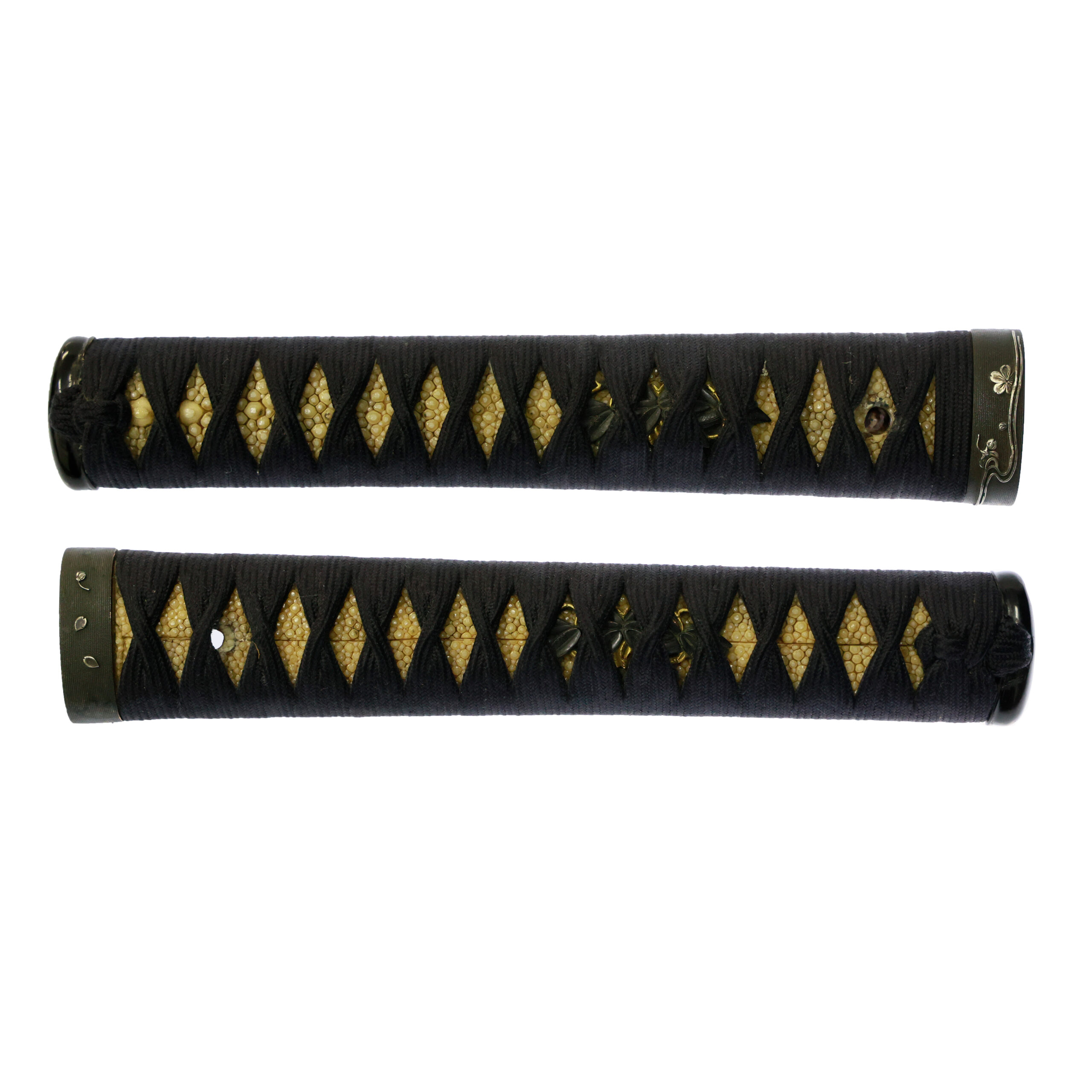
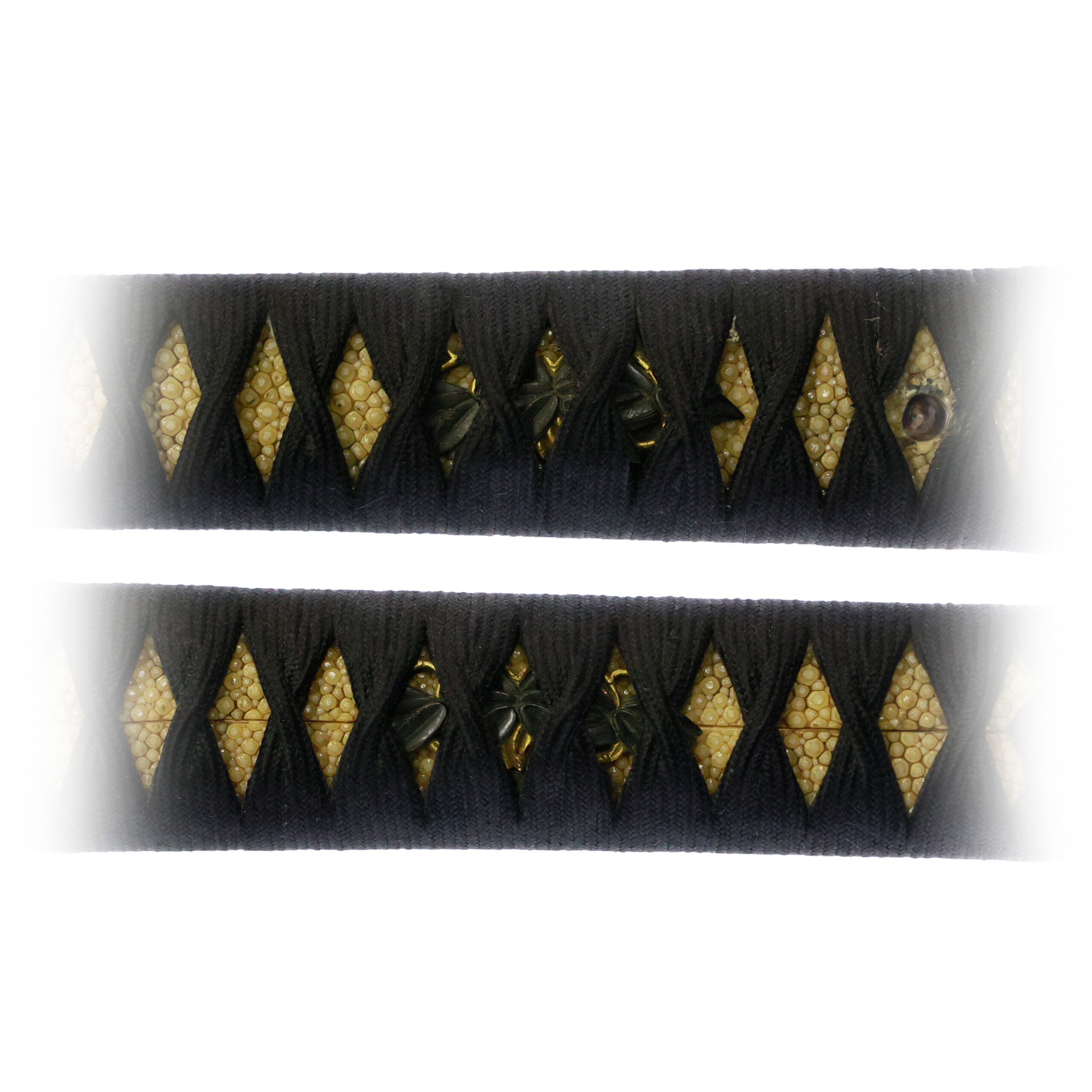
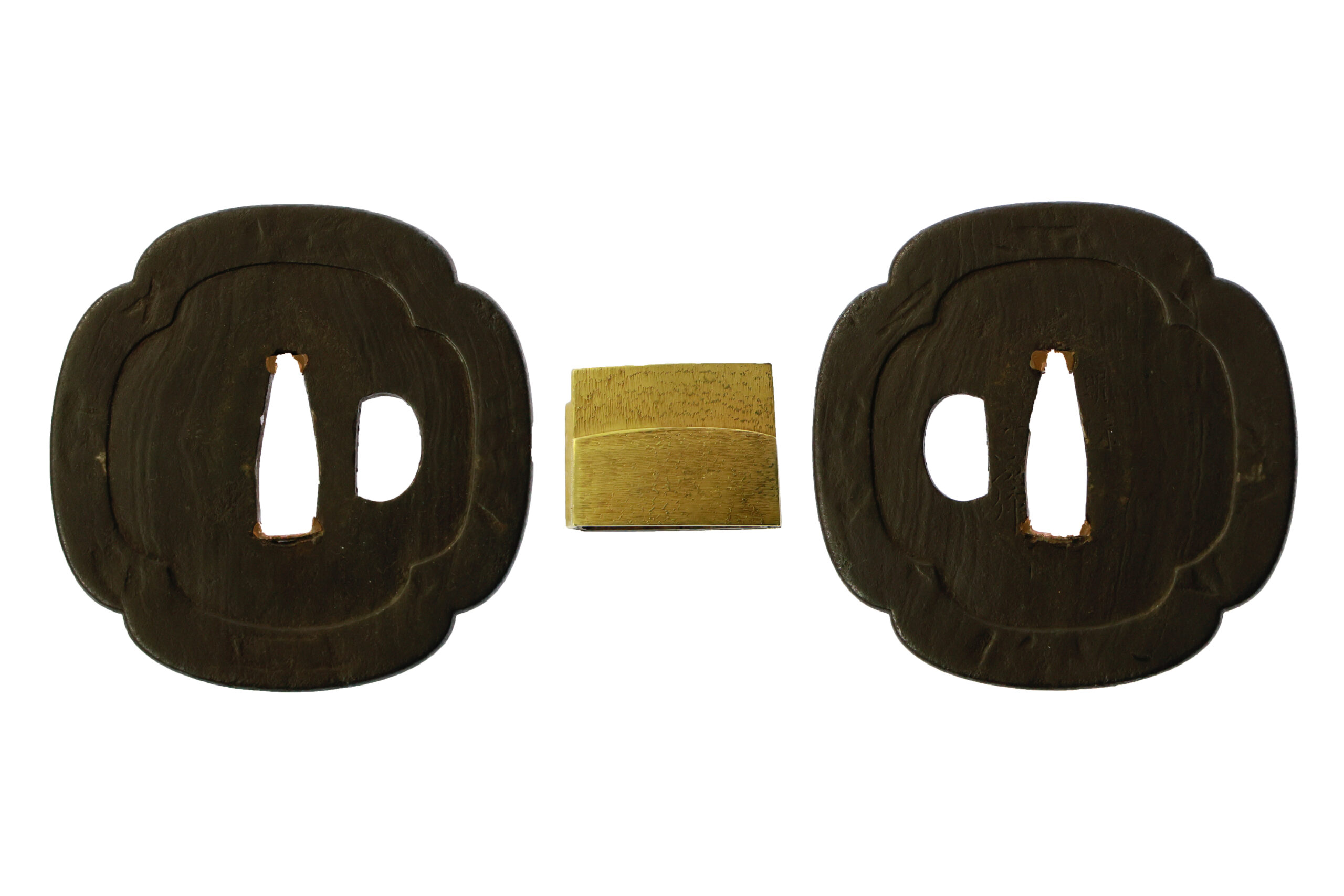
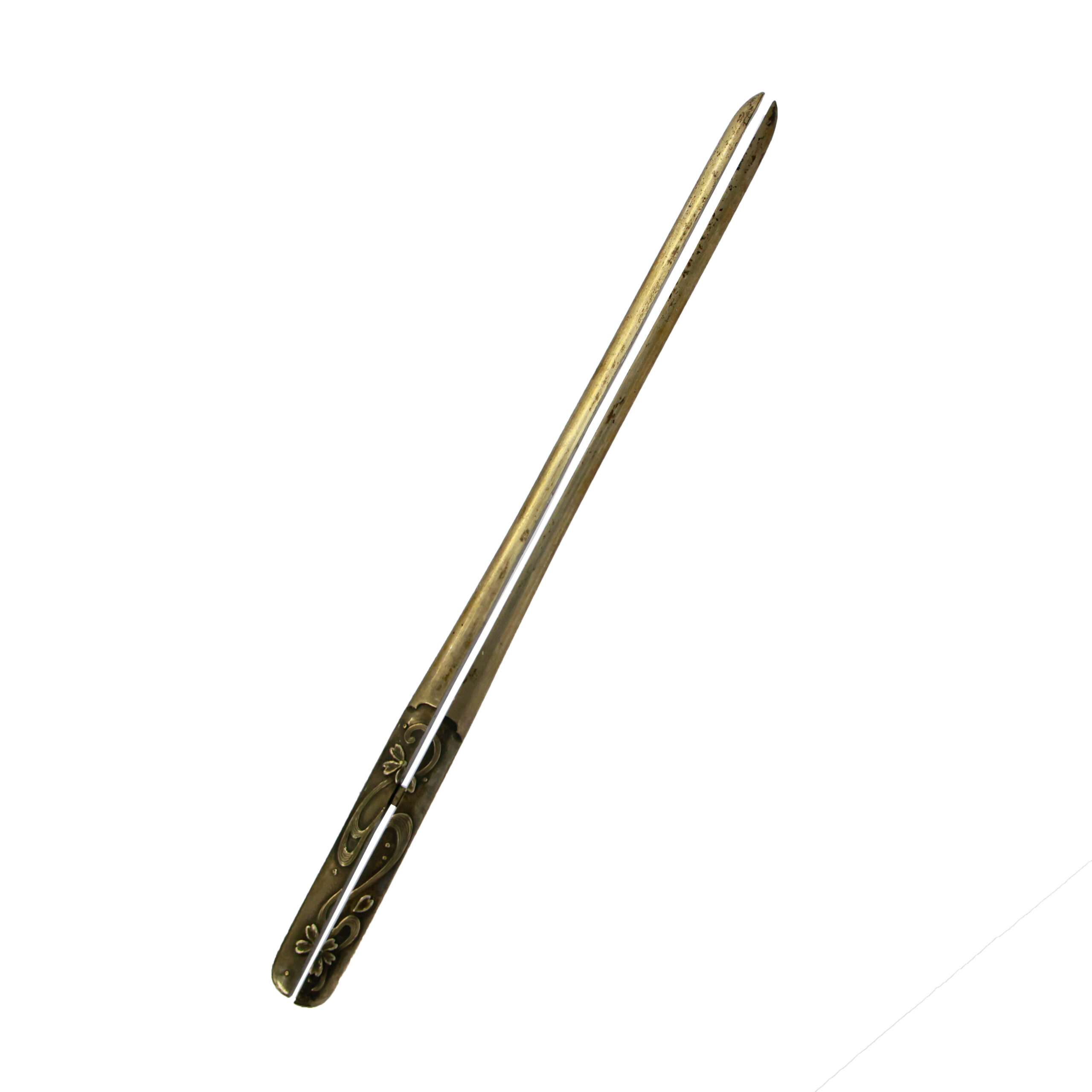
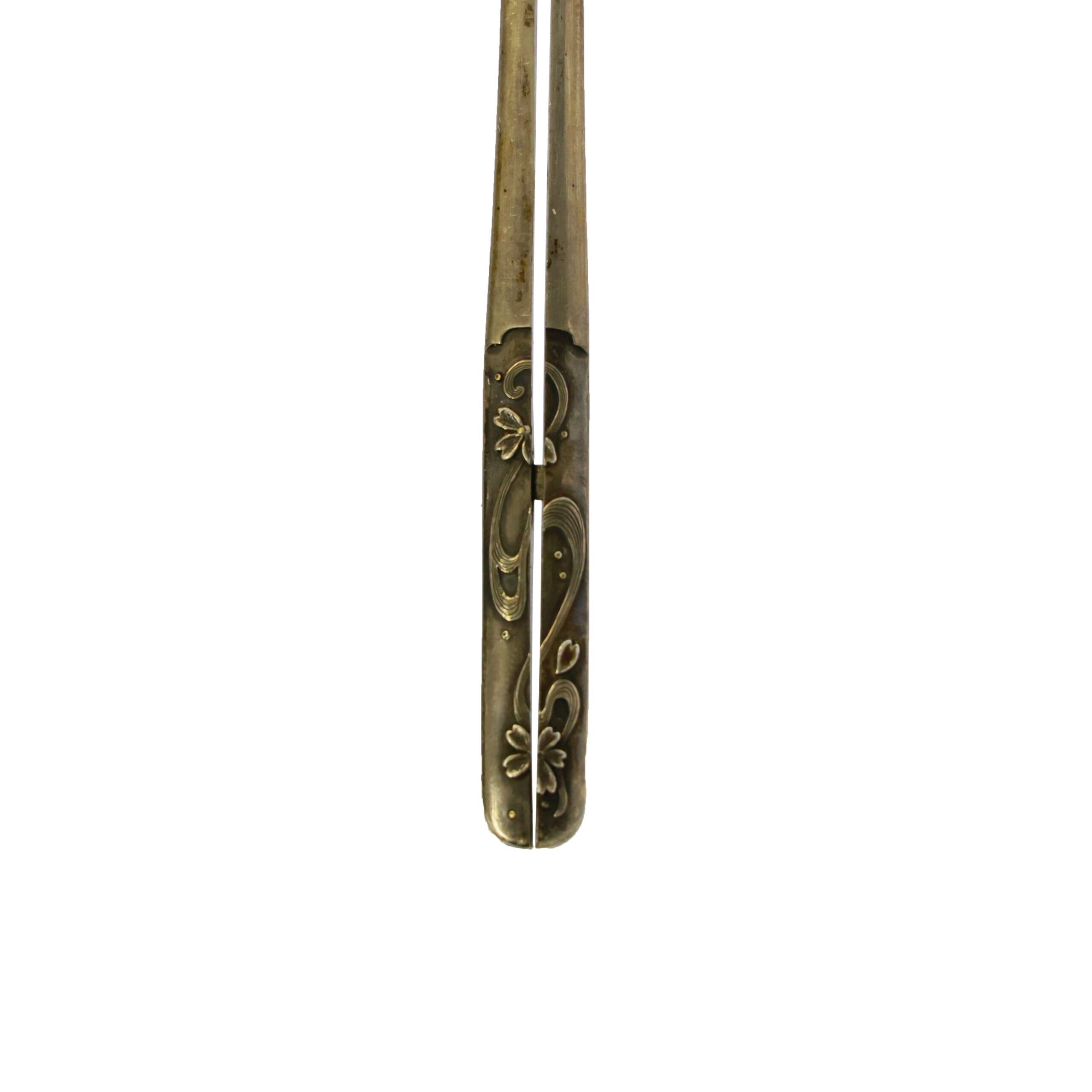
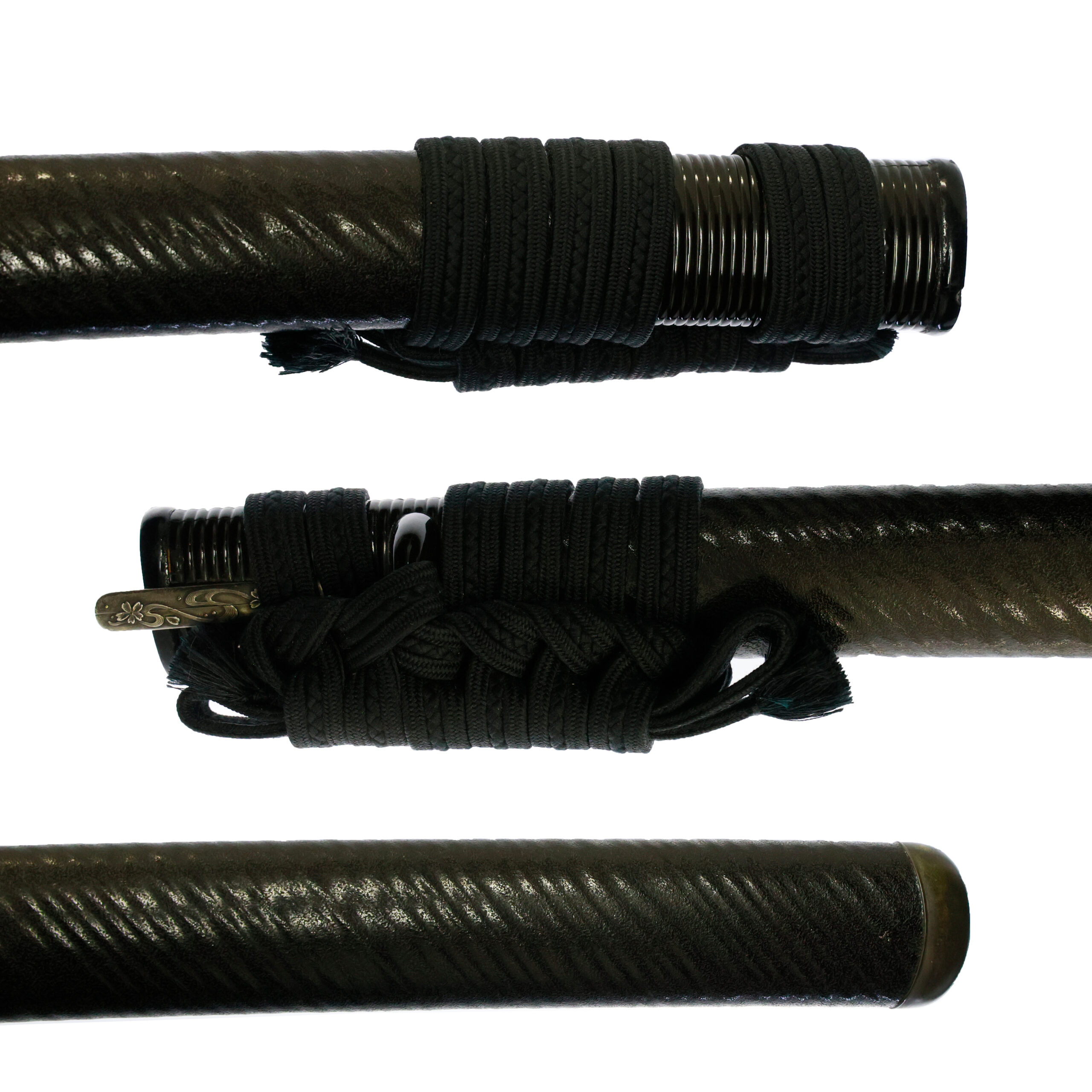
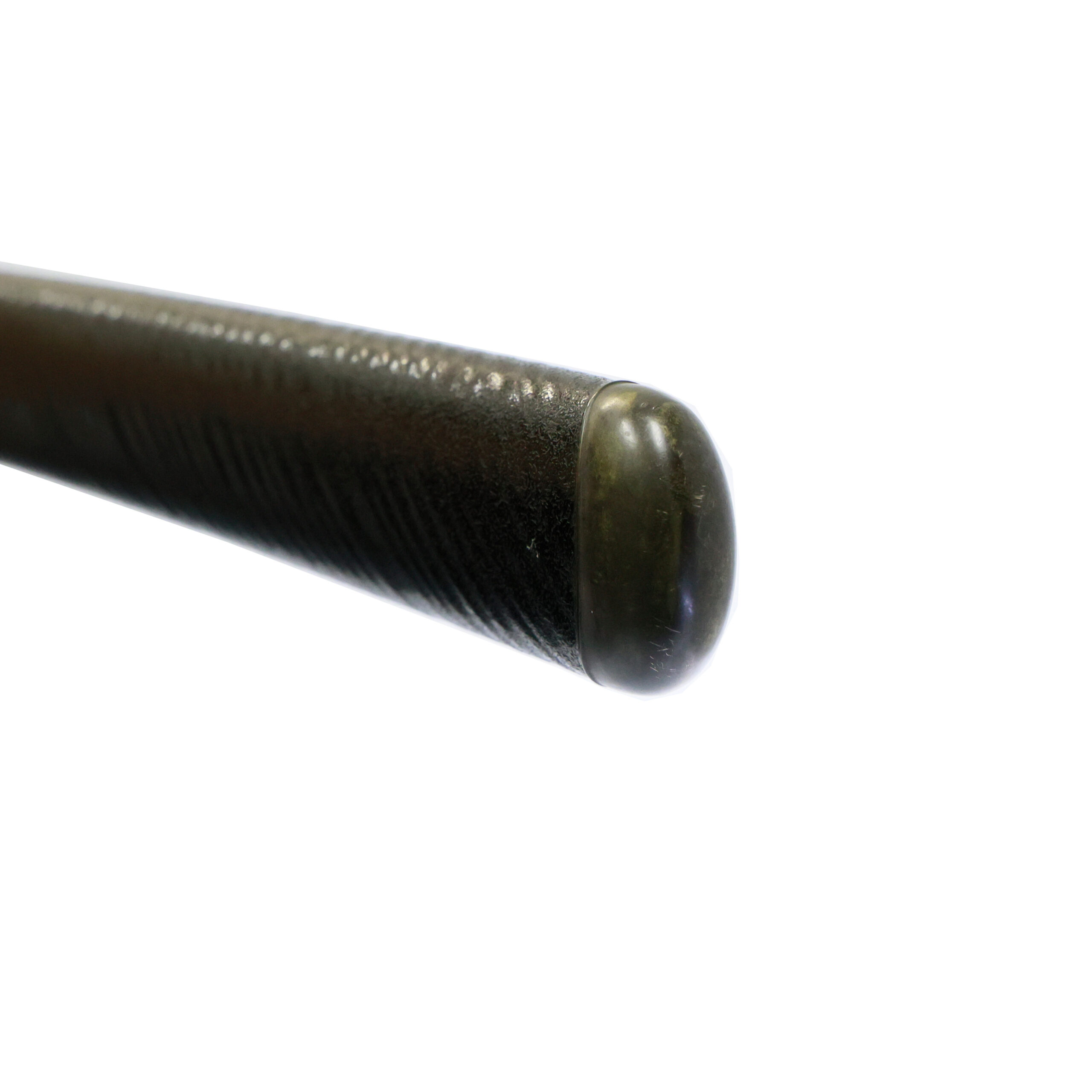
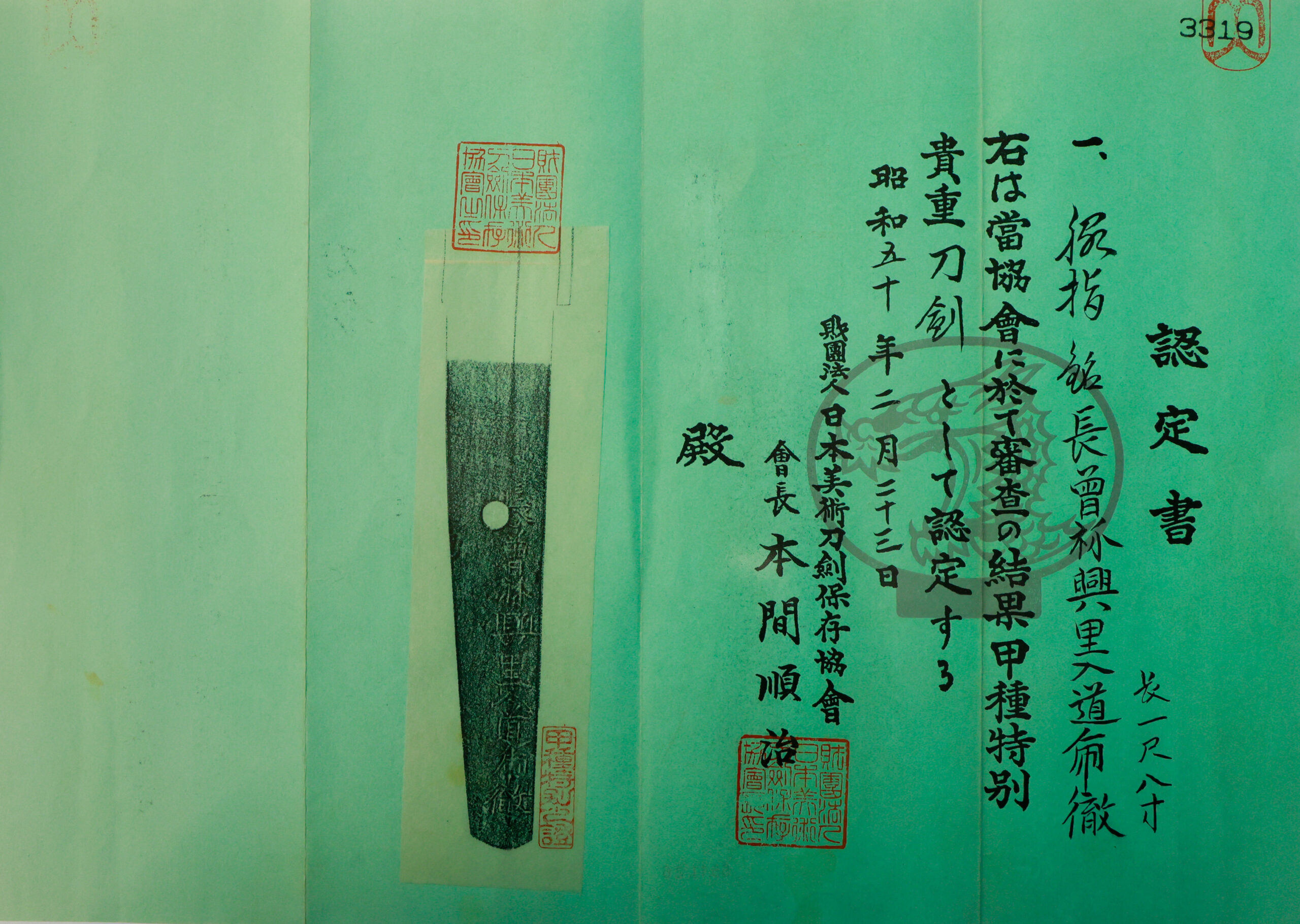
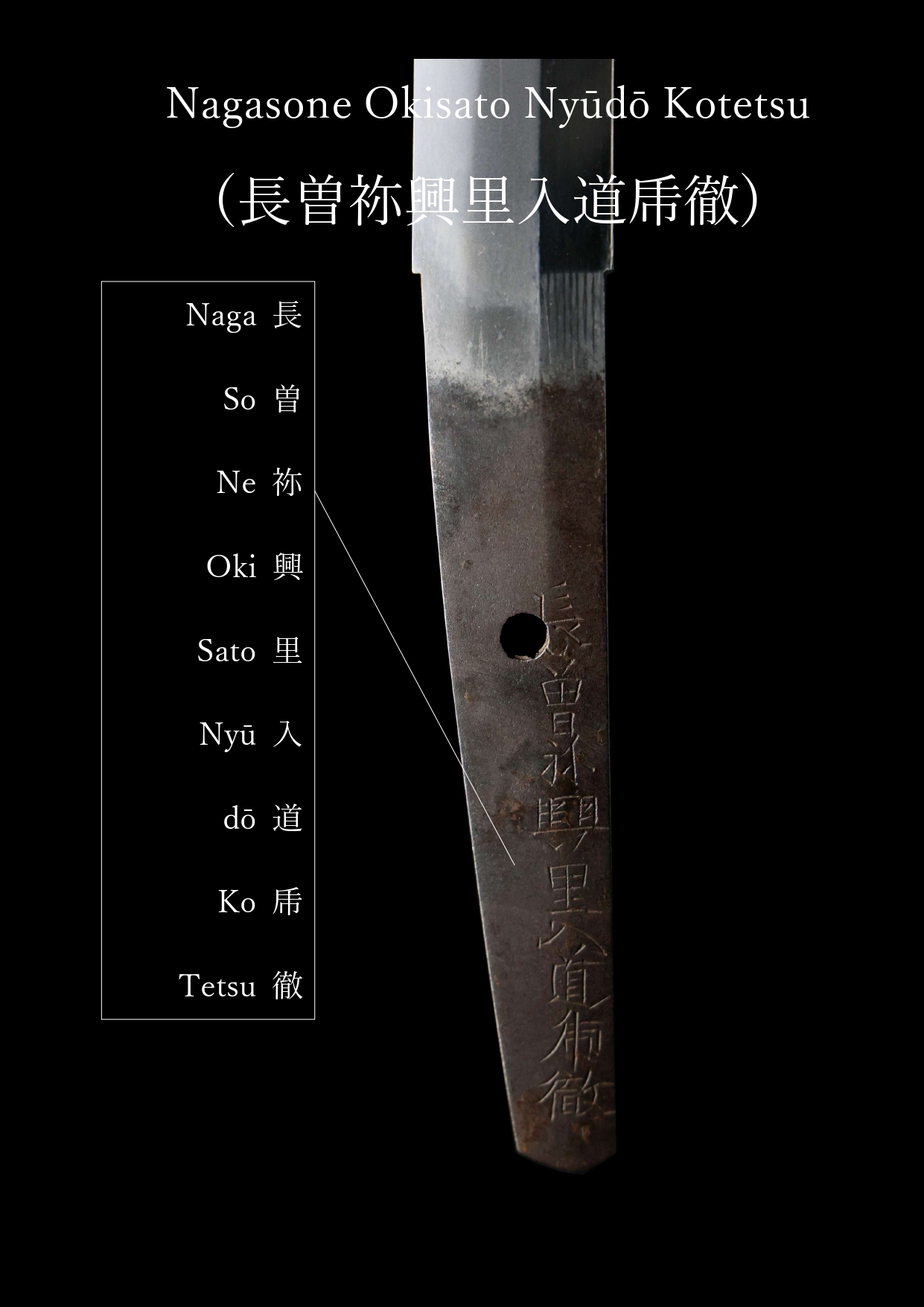
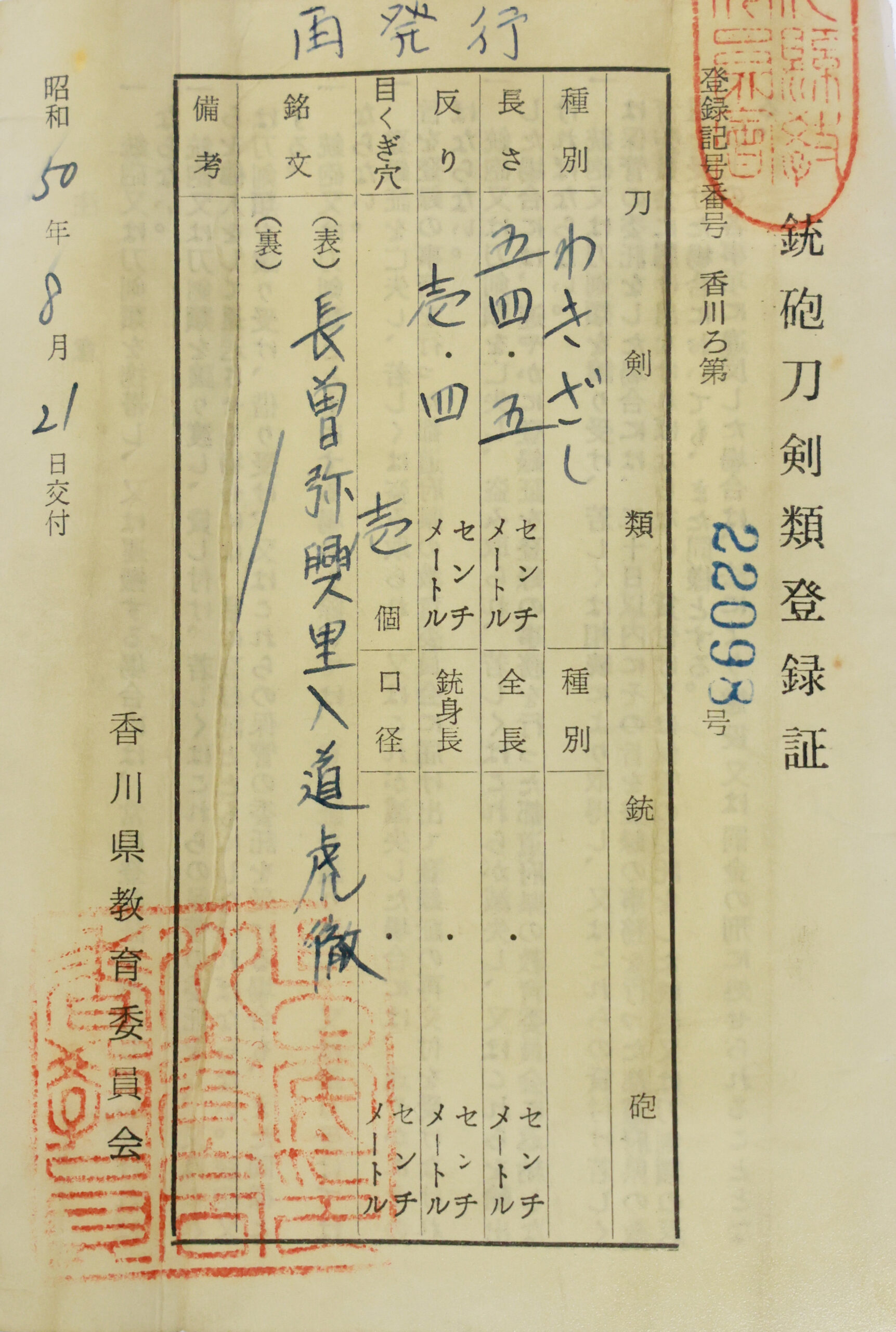
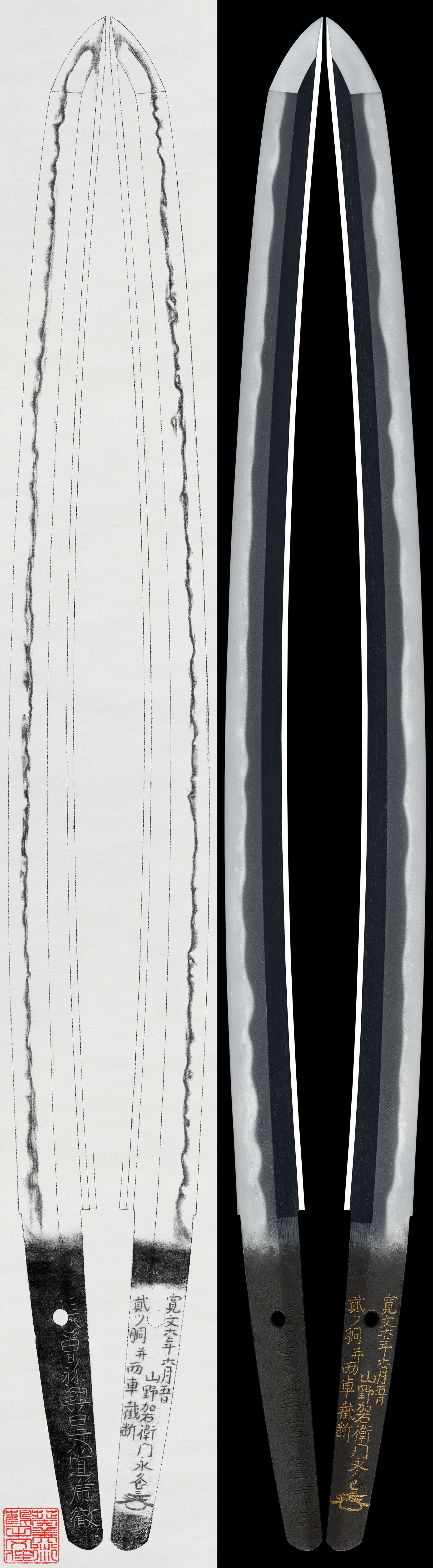
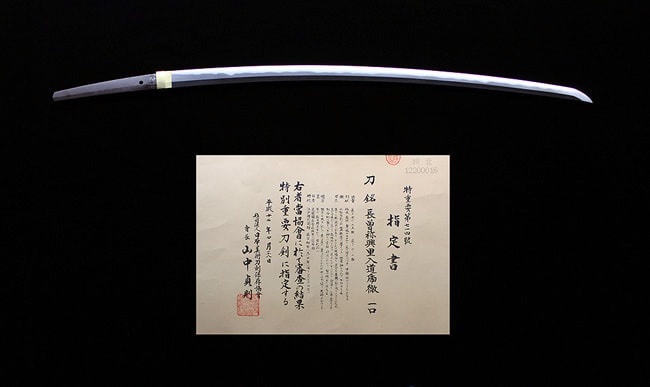
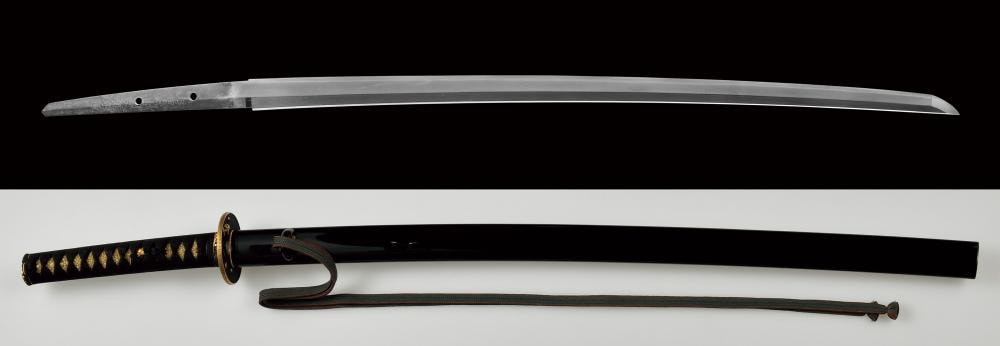
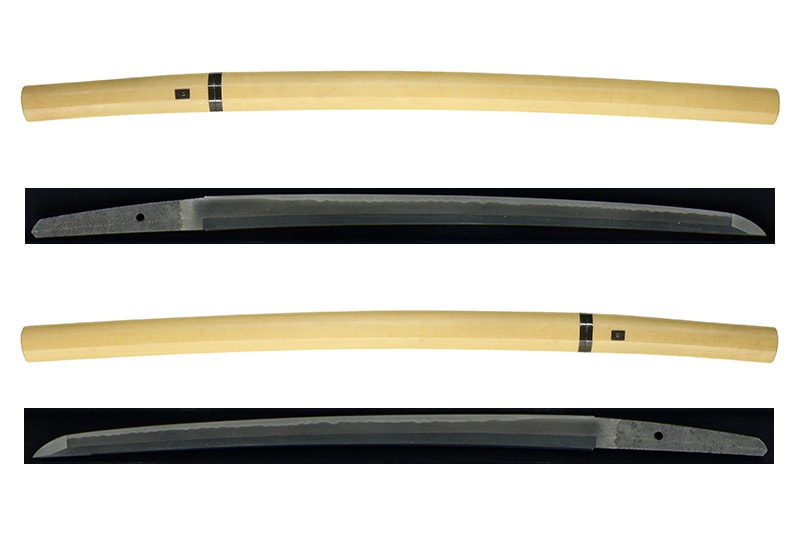
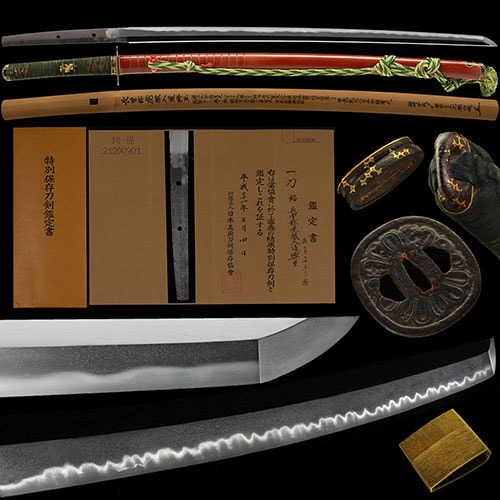
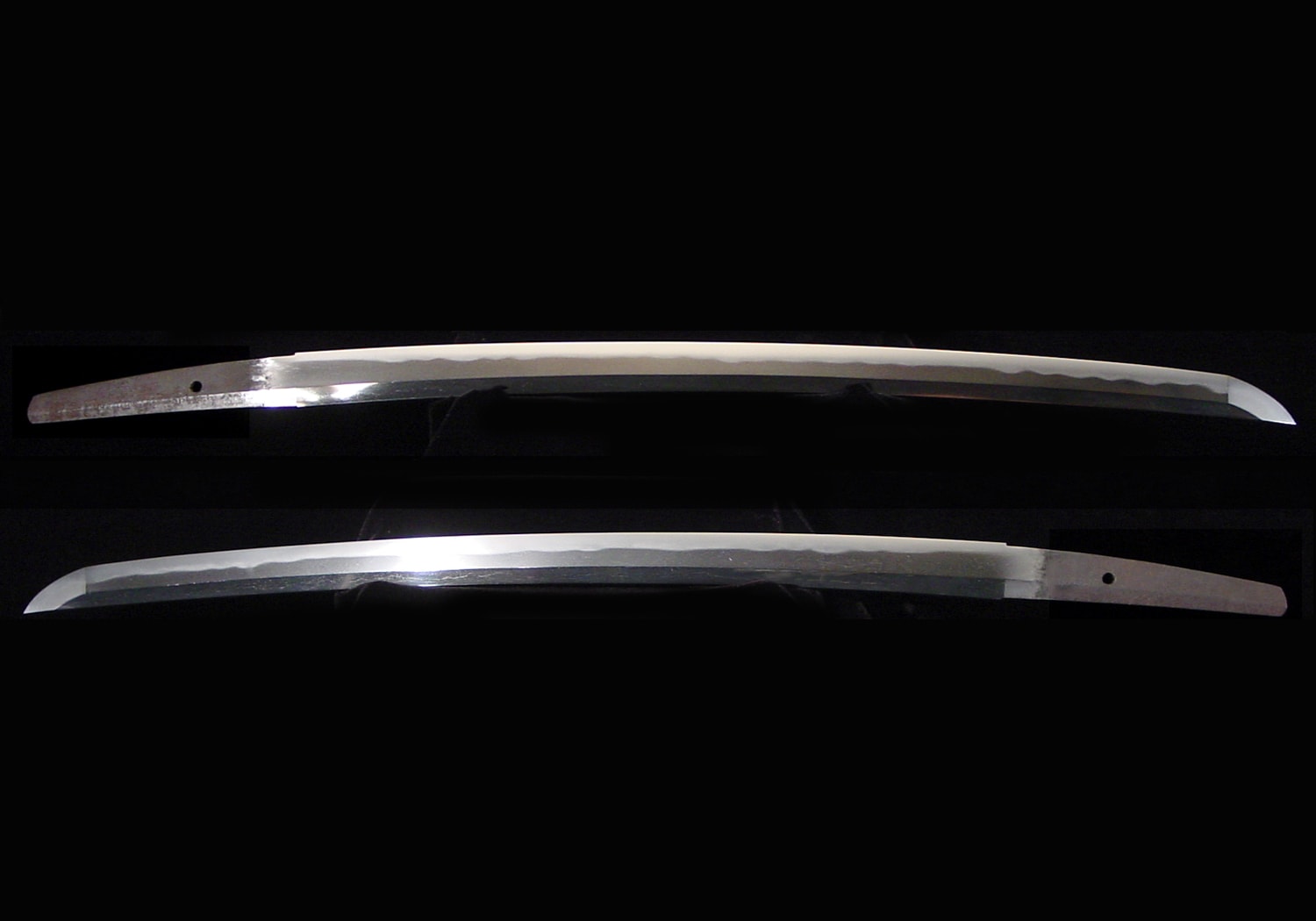
Antique Japanese Sword Wakizashi Signed by Nagasone Okisato with NBTHK Koshu Tokubetsu Kicho Certificate 【Description】 Nagasone Okisato This blade was signed by Nagasone Okisato Nyūdō Kotetsu (長曽祢興里入道乕徹), commonly known as Kotetsu, one of the most celebrated swordsmiths of the early Edo period. He was actively forging swords for approximately 20 years, roughly between the Meireki and Enpō eras (circa 1655–1675), which corresponds to the mid-17th century. Okisato, the first-gen Kotetsu, was born in Omi province (today’s Shiga prefecture), which was ruled by Ishida Mitsunari (石田三成), a famous warrior. When Ishida Mitsunari defeated in the Sekigahara-no Tatakai (関ヶ原の戦い, Battle of Sekigahara), the first-gen Kotestsu moved to Echizen province (today’s Fukui prefecture). Then, he was active as a famous armorer there. Later, he became a swordsmith around the age of 50 and moved to Edo (today’s Tokyo). It is said that his masters were Ise Daijo Tsunahiro (伊勢大掾綱廣) and Izumi no Kami Kaneshige (和泉守兼重), both of whom were also renowned swordsmiths in the early Edo period. Okisato also became a renowned swordsmith in Edo. Okisato first signed Nagasone Okisato (長曽祢興里) on his blades, but after entering Buddhism, he began to use the inscription Kotetsu. The sharpness of his blades and his sword-forging technique were considered so excellent that he was called the Yokozuna of SHINTO: Yokozuna originally refers to the highest rank wrestler in the sport of Sumo, and SHINTO refers to swords made during the late Azuchi Momoyama – mid Edo period (1596-1793). It is said that his swords were very popular and expensive at that time. In addition, his swords are recognized as Saijo O Wazamono, which is a term for a sword with the highest rated cutting ability. One unique feature of Kotetsu’s work is that he used three different kanji spellings for “Kotetsu” over the course of his career: 古徹 (earliest), 虎徹 (standard, known as “Hanetora”), and 乕徹 (later, known as “Hakotora”). Nagasone Okimasa His son, Okisamasa, is also a highly regarded swordsmith. Okimasa, the second-gen Kotestu, is said to have been Okisato’s assistant as an armorer in Echizen province, and they are considered to have moved to Edo together. Then he was adopted and succeeded to the second-gen Kotetsu. It is said that the second-gen Kotestu forged swords as a substitute for the first-gen Kotesu due to his high level of skills. The sharpness of his blades is also excellent, and like the first-gen Kotesu, they are recognized as Saijo O Wazamono. *Please keep in mind that there are a tiny Kitae Kizu on the Shinogiji (the opposite side of the cutting edge) as well as small black rust on the Mune (backbone of this blade). If you like to know the detailed condition, please feel free to contact us. 【Blade】 Cutting Edge Length(Nagasa) : 54.5 cm (21.4 inches) Curvature(Sori) : 1.4 cm (0.55 inches) Hamon : The crystalline structure which forms along the cutting edge of a blade as a result of the hardening process Jimon(Jihada) : visible steel surface pattern created by folding and hammering during forging process Kissaki : Kissaki is the tip of the Japanese sword. Nakago : Nakago is the tang of the Japanese sword. Japanese swordsmiths left the black rust on the tang because it prevents red rust while the tang is in its handle. And the discoloration of the tang was created over time, and it is a great indicator for a Japanese sword specialist to estimate when the sword was forged. Koshirae : Koshirae is the mounting of the Japanese sword. There are several parts that consist of Koshirae such as Saya (Scabbard), Tsuka (Handle), Tsuba (Handguard). Fuchi-Kashira : A pair of matching sword fittings that cover the upper and bottom parts of its sword hilt. The fuchi-kashira features the same cherry blossom and flowing water motif as the kōgai described later. Cherry blossoms are a symbolic flower of spring in Japan and have been cherished for centuries. Their motif is not only used in sword mountings bu

NihontoWatch MonNihontoWatchBETA
MarketAuctionsEncyclopedia
刀剣›虎徹›Antique Japanese Sword Wakizashi Signed by Nagasone Okisato NBTHK Koshu Tokubetsu Kicho Certificate
脇差特別貴重
虎徹

Antique Japanese Sword Wakizashi Signed by Nagasone Okisato NBTHK Koshu Tokubetsu Kicho Certificate

在銘 · Shoho (1644-1648) · 長さ 54.5cm · 反り 1.4cm

売却済
虎徹 — 1 of 27
虎徹 — 2 of 27
虎徹 — 3 of 27
虎徹 — 4 of 27
虎徹 — 5 of 27
虎徹 — 6 of 27
虎徹 — 7 of 27
虎徹 — 8 of 27
虎徹 — 9 of 27
虎徹 — 10 of 27
虎徹 — 11 of 27
虎徹 — 12 of 27
虎徹 — 13 of 27
虎徹 — 14 of 27
虎徹 — 15 of 27
虎徹 — 16 of 27
虎徹 — 17 of 27
虎徹 — 18 of 27
虎徹 — 19 of 27
虎徹 — 20 of 27
虎徹 — 21 of 27
虎徹 — 22 of 27
虎徹 — 23 of 27
虎徹 — 24 of 27
虎徹 — 25 of 27
虎徹 — 26 of 27
虎徹 — 27 of 27
1 / 27
1 / 27
虎徹 — 1 of 27虎徹 — 2 of 27虎徹 — 3 of 27虎徹 — 4 of 27虎徹 — 5 of 27虎徹 — 6 of 27虎徹 — 7 of 27虎徹 — 8 of 27虎徹 — 9 of 27虎徹 — 10 of 27虎徹 — 11 of 27虎徹 — 12 of 27虎徹 — 13 of 27虎徹 — 14 of 27虎徹 — 15 of 27虎徹 — 16 of 27虎徹 — 17 of 27虎徹 — 18 of 27虎徹 — 19 of 27虎徹 — 20 of 27虎徹 — 21 of 27虎徹 — 22 of 27虎徹 — 23 of 27虎徹 — 24 of 27虎徹 — 25 of 27虎徹 — 26 of 27虎徹 — 27 of 27
法量・詳細
刀工
虎徹
種別
脇差
流派
Kotetsu
活動期
1644–1677年頃(Joo)
国
武蔵
銘
在銘(在銘率 100%)
法量
長さ 54.5cm反り 1.4cm
説明

Antique Japanese Sword Wakizashi Signed by Nagasone Okisato with NBTHK Koshu Tokubetsu Kicho Certificate 【Description】 Nagasone Okisato This blade was signed by Nagasone Okisato Nyūdō Kotetsu (長曽祢興里入道乕徹), commonly known as Kotetsu, one of the most celebrated swordsmiths of the early Edo period. He was actively forging swords for approximately 20 years, roughly between the Meireki and Enpō eras (circa 1655–1675), which corresponds to the mid-17th century. Okisato, the first-gen Kotetsu, was born in Omi province (today’s Shiga prefecture), which was ruled by Ishida Mitsunari (石田三成), a famous warrior. When Ishida Mitsunari defeated in the Sekigahara-no Tatakai (関ヶ原の戦い, Battle of Sekigahara), the first-gen Kotestsu moved to Echizen province (today’s Fukui prefecture). Then, he was active as a famous armorer there. Later, he became a swordsmith around the age of 50 and moved to Edo (today’s Tokyo). It is said that his masters were Ise Daijo Tsunahiro (伊勢大掾綱廣) and Izumi no Kami Kaneshige (和泉守兼重), both of whom were also renowned swordsmiths in the early Edo period. Okisato also became a renowned swordsmith in Edo. Okisato first signed Nagasone Okisato (長曽祢興里) on his blades, but after entering Buddhism, he began to use the inscription Kotetsu. The sharpness of his blades and his sword-forging technique were considered so excellent that he was called the Yokozuna of SHINTO: Yokozuna originally refers to the highest rank wrestler in the sport of Sumo, and SHINTO refers to swords made during the late Azuchi Momoyama – mid Edo period (1596-1793). It is said that his swords were very popular and expensive at that time. In addition, his swords are recognized as Saijo O Wazamono, which is a term for a sword with the highest rated cutting ability. One unique feature of Kotetsu’s work is that he used three different kanji spellings for “Kotetsu” over the course of his career: 古徹 (earliest), 虎徹 (standard, known as “Hanetora”), and 乕徹 (later, known as “Hakotora”). Nagasone Okimasa His son, Okisamasa, is also a highly regarded swordsmith. Okimasa, the second-gen Kotestu, is said to have been Okisato’s assistant as an armorer in Echizen province, and they are considered to have moved to Edo together. Then he was adopted and succeeded to the second-gen Kotetsu. It is said that the second-gen Kotestu forged swords as a substitute for the first-gen Kotesu due to his high level of skills. The sharpness of his blades is also excellent, and like the first-gen Kotesu, they are recognized as Saijo O Wazamono. *Please keep in mind that there are a tiny Kitae Kizu on the Shinogiji (the opposite side of the cutting edge) as well as small black rust on the Mune (backbone of this blade). If you like to know the detailed condition, please feel free to contact us. 【Blade】 Cutting Edge Length(Nagasa) : 54.5 cm (21.4 inches) Curvature(Sori) : 1.4 cm (0.55 inches) Hamon : The crystalline structure which forms along the cutting edge of a blade as a result of the hardening process Jimon(Jihada) : visible steel surface pattern created by folding and hammering during forging process Kissaki : Kissaki is the tip of the Japanese sword. Nakago : Nakago is the tang of the Japanese sword. Japanese swordsmiths left the black rust on the tang because it prevents red rust while the tang is in its handle. And the discoloration of the tang was created over time, and it is a great indicator for a Japanese sword specialist to estimate when the sword was forged. Koshirae : Koshirae is the mounting of the Japanese sword. There are several parts that consist of Koshirae such as Saya (Scabbard), Tsuka (Handle), Tsuba (Handguard). Fuchi-Kashira : A pair of matching sword fittings that cover the upper and bottom parts of its sword hilt. The fuchi-kashira features the same cherry blossom and flowing water motif as the kōgai described later. Cherry blossoms are a symbolic flower of spring in Japan and have been cherished for centuries. Their motif is not only used in sword mountings bu

作者について

虎徹

Kotetsu school (Edo Shinto) · 武蔵 · 1644-1677頃

藤代 最上作 · 刀剣大鑑 上位3%

現在4点販売中

›

「長曽祢虎徹は元、越前の甲冑師であり、明暦二年頃、彼が五十歳位の時江戸に出て刀鍛冶に転じた」[[c:23]]。説明書がほぼ一口ごとに誦するこの一文が伝記の背骨である。通称は三之丞と伝え、興里と名乗り、入道して虎徹入道と号した。年紀作は明暦二年(一六五六)に始まり、歿する前年の延宝五年(一六七七)に終わる。名声の由来も説明は具体的に記す。「甲冑師としての鉄処理の巧みさがあり、彫刻を得意として、数珠刃という斬新な刃文を創意工夫したことから名声をはせた」[[c:24]]。現代の説明はこれを「新刀随一の人気工」[[c:3]]と呼ぶ。

作風の定位は一文に尽きる。「彼の作風は地鉄が強く、地刃が明るく冴えるのが特色」[[c:4]]であり、「その作刀の多くに焼出しがあり」[[c:5]]、後期には「数珠刃と呼ばれる独得の互の目乱れ」[[c:25]]、すなわち焼頭の丸い互の目がほぼ一直線に連れる刃文を本領とした。足太く頻りに入り、匂深く、小沸が厚くつき、金筋・砂流しが細かにかかり、匂口は明るく冴える。帽子は直ぐに小丸を常とし、後期にはしばしば「横手を互の目で焼き込む乕徹独特の所作が看て取れる」[[c:26]]。

地鉄は甲冑師の遺産である。明暦二、三年頃の初期作について説明は「地鉄の鍛は同作中でもよく、よくねれて極めて強い」[[c:9]]と記し、中程に大肌が現われ、いわゆるテコ鉄が地に交じる。大成期には小板目肌が最もよくつみ、地沸が微塵に厚くつき、地景が細かに入り、かねが冴え、処々に地斑が残る。彫物は自身彫で、倶利迦羅を見事な欄間透にあらわした初期作には記内彫の特色が読まれ、「同作彫之」の添銘は後に「彫物同作」となり、選ばれた作には「真鍛作」が加わる。

編年はほぼ銘振りそのものである。初め「古鉄」の字を用い、後に虎徹の文字をあて、寛文四年(一六六四)八月からは乕徹の字を使用し、同月には両様が併存する。前期には「瓢箪刃と称される浅い互の目が二つずつ連れた刃」[[c:10]]を焼き、それは「万治の末年乃至寛文初年頃に多くみられる刃文」[[c:11]]と編年される。後期の数珠刃は「いわゆる寛文新刀の典型的な姿」[[c:12]]の上に載る。「虎徹は寛文十年以後、延宝二、三年頃までがその大成期である」[[c:13]]が、寛文八年頃の作も「多く匂口の締つたものであり、華麗さは乏しくとも堅実なものが多い」[[c:27]]とされ、延宝三・四年頃の最晩年作は「全く円熟の作である」[[c:28]]と評される。直刃は稀で、「同工がこの種の作柄を手懸けた場合、匂口がしまりごころとなるのが通例」[[c:29]]とされ、短刀は「極めて少なく恐らく十口に及ばない」[[c:30]]。短刀では地斑が目立ち、相州伝が強く感じられ、その狙いは江辺かと読まれる。

截断銘はいま一つの銘である。指定品の多くに山野加右衛門永久・山野勘十郎久英の金象嵌截断銘が入り、貳ツ胴・三ツ胴の試しが日付まで刻まれる。これは銘ではなく利刃の証明であって、自身の銘と並んで茎に共存する。刀より脇指が多いのは「武士の注文よりも富商の注文が多かったが為であろう」[[c:20]]と読まれる。重要美術品の解説には本間順治の定位が残る。「東の虎徹と西の助広並びに真改とともに第一人者であることは無論である」[[c:21]]。同文は「その市価が古名刀を凌駕する」[[c:22]]現状を不当とも断ずる。門下には養子で二代虎徹を継いだ興正のほか興直・興久があり、興直は師の存命中の代作の手と読まれる。

藤代の格付は最上作。指定を受けた作は一二九口、うち重要文化財五口、特別重要刀剣十口、重要刀剣百二口(特重・重要で計一一二口)、戦前の重要美術品十口を数える。在銘一一五口に対し無銘は僅か一口で、銘の編年がそのまま鑑定の地図となる。伝来は肥前鍋島家・島津家・小田原大久保家・宇和島伊達家・加賀前田家・皇室を貫き、山田朝右衛門家所持の一口があり、戦前に宰相を務めた犬養木堂は延宝五年頃の風神雷神彫の脇指を所持し、寛文元年紀の一口は塚本美術館に蔵される。重要文化財は文化財として市場の外に保たれ、その余の大半は特重・重要の指定の下に永く私蔵される。真の虎徹が市に現れることは稀であり、現れれば市場の頂点に立つ。寛文新刀の姿に数珠刃、強く明るい地鉄とくれば、銘を見る前に虎徹と読まれる。

歴史的重要度

虎徹の位置づけを、日本刀全体および伝統・時代・時期ごとに示します。各位(随一・屈指・有数・著名)は、NBTHK および文化庁による指定に加え、三作や名物帳などの歴史的栄誉を加味したものです。

随一
随一
屈指
屈指
有数
有数
著名
著名

各項目を選ぶと評価方法が表示されます。

指定の実績
指定129口
重要文化財
5
重要美術品
10
御物
2
特別重要刀剣
10
重要刀剣
102
虎徹の作 4点が現在販売中→
虎徹 — 詳細Kotetsu school (Edo Shinto)派

年紀作

在銘年紀作が示す、確実に活動していた年代

活動期間
1658–1677推定期間:1644–1677
指定品109点のうち17点に年紀あり
1650
1660
1670
1680
流派について

虎徹

Shinto · 武蔵

現在5点販売中

›

長曽祢虎徹興里は元々越前の甲冑師であり、明暦二年頃、五十歳ばかりの頃に江戸へ出て刀鍛冶へ転じたと伝える。通称を三之丞と称し、興里と名乗ったが、入道して「こてつ入道」といい、初めは「古鉄」の字を用い、後に「虎徹」、さらに寛文四年八月からは「乕徹」「馬徹」の字を使用している。年紀のある作では明暦二年が最初期、延宝五年がその下限とされ、武蔵国江戸の東叡山忍岡辺に住したことが住居地銘にうかがえる。その系では、通説に虎徹の門に学んで後に養子となり二代目を継承したと伝える長曽祢興正があり、経眼される年紀は寛文十三年から元禄三年に及ぶ。興正の技倆は師に次いで巧みで、虎徹晩年の作のうちには興正の代作が含まれていると考えられている。江戸中期、寛文を中心とする新刀の只中に立ち、甲冑師の出という異色の経歴から鍛刀の名門が興った。 作風は地鉄が強く、地刃の匂口が明るく冴えるのを特色とし、作刀の多くに焼出しを伴う。鍛えは小板目肌がよくつんで杢を交え、地沸が微塵に厚くつき、地景が細かによく入り、腰元には梃子鉄と称する大肌や地斑状の肌合を交えることがあり、かねが冴える。刃文は前期には瓢箪刃と称される大小の互の目が繋がって出入りのある乱れを焼き、後期には焼の出入りに変化の少ない、頭の丸い互の目の連れた、いわゆる数珠刃と呼ばれる独特の互の目乱れを焼く。これに伴い銘も前期の「はね虎」から寛文四年に「はこ虎」へ改まり、作域の推移と対応する。足が太く頻りに入り、匂深く小沸が厚くつき、金筋・砂流しのかかるものが多い。帽子は直ぐに小丸とし、横手を互の目で跨ぐいわゆる乕徹帽子を見せるのが見分けの要となる。姿は元先の幅差がつき反り浅く中鋒のつまる寛文新刀の体配で、手持ちの重い頑健なものが多く、梵字・三鈷剣・倶利迦羅などの彫物を自身彫として添えた作も知られる。興正は師ゆずりの数珠刃を継ぎつつ、匂深く沸の覇気ある刃を焼き、互の目丁子を交えるなど独自を追った持ち味を示す。 虎徹が収集家に重んじられるのは、地刃の冴えと数珠刃の見どころに加え、記録された截断の評による。寛文五年三月の貳ツ胴切落、同年十一月の両車切落、寛文元年の三ツ胴截断など、山野勘十郎久英・山野加右衛門永久らによる金象嵌截断銘が遺り、その切れ味の高さを今に伝える。截断は必ずしも直ちに象嵌されたものではなく、後日まとめて施された例もこれらの銘から知られる。伝来の確かな作も尊ばれ、肥前国鍋島家に伝わって佐藤寒山博士の鞘書に鍋島虎徹の異名を記すものがある。鑑定の要点は、明るく冴える地刃、前期の瓢箪刃と後期の数珠刃という時期による作域の違い、乕徹帽子の所作、銘振りの推移にあり、年紀を欠く作でも銘と作域から制作期を推し量ることができる。短刀は作例が極めて少なく、相州伝の趣を強く感じさせるものが知られる。甲冑師から転じて一代で名を成し、後継の興正へと技を伝えたこの系は、江戸新刀を代表する一門として確固たる位置を占めている。

5名の刀工指定163口
主要刀工
刀工時代指定
虎徹1644-1677129
興正1661-169026
長曽祢興里c.1597-16784
興久1673-16812
虎入道1661-16732
虎徹流派を見る →
真贋は保証されません

本作はNBTHKの旧鑑定書(貴重・特別貴重)を有しますが、これらは現在発行されておらず、信頼性に欠けるとされています。極めを確認するには、公的な鑑定機関(NBTHK・NTHKなど)への再提出による現代の鑑定をご検討いただけます。

販売店
サ
サムライミュージアム
🇯🇵日本から発送
›
✓認証販売店samuraimuseum.jp
✓海外発送可✓英語対応PayPalクレジットカード
返品ポリシー

Returns/exchanges limited to defects caused by shipping (except willful misconduct or gross negligence by the company); customers must contact within 72 hours of receiving the product.

サムライミュージアムの出品一覧を見る→販売店サイトでこの商品を見る→

虎徹の他の作

すべて見る →
葵美術
特別保存
Wakizashi - Tokuho - by Kotetsu - 脇差:長曽祢興里入道虎徹(裁断銘入)Wakizashi - Tokuho - by Kotetsu - 脇差:長曽祢興里入道虎徹(裁断銘入)

脇差

作虎徹
51.3cm·Joo (1652-1655)
開始価格¥18,000,000
葵美術
重要
Katana - Jūyō - by Kotetsu - 刀:長曽祢興里入道虎徹 附截断銘(第45回重要刀剣)Katana - Jūyō - by Kotetsu - 刀:長曽祢興里入道虎徹 附截断銘(第45回重要刀剣)

刀

作虎徹
74.9cm·Joo (1652-1655)
¥60,000,000
Nihonto Australia
Tanto - by Kotetsu - 虎徹 短刀Tanto - by Kotetsu - 虎徹 短刀

短刀

作虎徹
Joo (1652-1655)
お問い合わせ
Nihonto.com
重要
Wakizashi - Jūyō - by Kotetsu - 脇差 長曽根虎徹 020424Wakizashi - Jūyō - by Kotetsu - 脇差 長曽根虎徹 020424

脇差

作虎徹
52.5cm·Joo (1652-1655)
お問い合わせ

虎徹の売約済み

成蹊堂
特重
Katana - Tokuju - by Kotetsu - 長曽祢興里入道虎徹Katana - Tokuju - by Kotetsu - 長曽祢興里入道虎徹
売切れ

刀

作虎徹
71.75cm·Joo (1652-1655)
売却済
儀平屋
Wakizashi - by Kotetsu - 長曽祢虎徹入道興里 一尺五寸 白鞘入Wakizashi - by Kotetsu - 長曽祢虎徹入道興里 一尺五寸 白鞘入
売切れ

脇差

作虎徹
45.45cm·Shoho (1644-1648)
売却済
Winners Auction
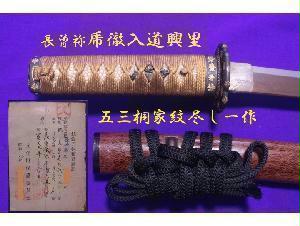
Wakizashi - by Kotetsu - 脇差【長曽祢乕徹入道興里】寛文九年二月吉日・豪華 五三桐家紋尽し一作 拵え入り・研磨済み・虎徹Wakizashi - by Kotetsu - 脇差【長曽祢乕徹入道興里】寛文九年二月吉日・豪華 五三桐家紋尽し一作 拵え入り・研磨済み・虎徹
売切れ

脇差

作虎徹
39cm·新刀
売却済
勝武堂
Katana - by Kotetsu - 無題Katana - by Kotetsu - 無題
売切れ

刀

作虎徹
70.4cm·江戸
売却済
永楽堂
特別保存
Katana - Tokuho - by Kotetsu - 虎徹 刀 特別保存刀剣Katana - Tokuho - by Kotetsu - 虎徹 刀 特別保存刀剣
売切れ

刀

作虎徹
68.2cm·Joo (1652-1655)
売却済
十拳
特別保存
Wakizashi - Tokuho - by Kotetsu - 脇差/長曽祢興里入道乕徹Wakizashi - Tokuho - by Kotetsu - 脇差/長曽祢興里入道乕徹
売切れ

脇差

作虎徹
45cm·Joo (1652-1655)
売却済
永楽堂
特別保存
Wakizashi - Tokuho - by Kotetsu - 虎徹 脇差 特別保存刀剣Wakizashi - Tokuho - by Kotetsu - 虎徹 脇差 特別保存刀剣
売切れ

脇差

作虎徹
52.6cm·Joo (1652-1655)
売却済
飯田高遠堂
重要
Wakizashi - Jūyō - by Kotetsu - 新刀 鑑定書内容:財)日本美術刀剣保存協会 重要刀剣[N.B.T.H.K] Juyo Token No.64 No.753 銘文:長曽袮興里入道乕徹 (金象嵌)宮部孫八藤原義乕帯Wakizashi - Jūyō - by Kotetsu - 新刀 鑑定書内容:財)日本美術刀剣保存協会 重要刀剣[N.B.T.H.K] Juyo Token No.64 No.753 銘文:長曽袮興里入道乕徹 (金象嵌)宮部孫八藤原義乕帯
売切れ

脇差

作虎徹
45.5cm·江戸
売却済

刀剣

  • 刀
  • 脇差
  • 短刀
  • 太刀
  • 薙刀
  • 槍

刀装具

  • 鍔
  • 縁頭
  • 小柄
  • 目貫

鑑定別

  • 特重
  • 重要
  • 特別保存
  • 保存

リソース

  • 刀剣商一覧
  • 刀工一覧
  • すべて見る
Nihontowatch© 2026
利用規約プライバシーCookie

説明

Antique Japanese Sword Wakizashi Signed by Nagasone Okisato with NBTHK Koshu Tokubetsu Kicho Certificate 【Description】 Nagasone Okisato This blade was signed by Nagasone Okisato Nyūdō Kotetsu (長曽祢興里入道乕徹), commonly known as Kotetsu, one of the most celebrated swordsmiths of the early Edo period. He was actively forging swords for approximately 20 years, roughly between the Meireki and Enpō eras (circa 1655–1675), which corresponds to the mid-17th century. Okisato, the first-gen Kotetsu, was born in Omi province (today’s Shiga prefecture), which was ruled by Ishida Mitsunari (石田三成), a famous warrior. When Ishida Mitsunari defeated in the Sekigahara-no Tatakai (関ヶ原の戦い, Battle of Sekigahara), the first-gen Kotestsu moved to Echizen province (today’s Fukui prefecture). Then, he was active as a famous armorer there. Later, he became a swordsmith around the age of 50 and moved to Edo (today’s Tokyo). It is said that his masters were Ise Daijo Tsunahiro (伊勢大掾綱廣) and Izumi no Kami Kaneshige (和泉守兼重), both of whom were also renowned swordsmiths in the early Edo period. Okisato also became a renowned swordsmith in Edo. Okisato first signed Nagasone Okisato (長曽祢興里) on his blades, but after entering Buddhism, he began to use the inscription Kotetsu. The sharpness of his blades and his sword-forging technique were considered so excellent that he was called the Yokozuna of SHINTO: Yokozuna originally refers to the highest rank wrestler in the sport of Sumo, and SHINTO refers to swords made during the late Azuchi Momoyama – mid Edo period (1596-1793). It is said that his swords were very popular and expensive at that time. In addition, his swords are recognized as Saijo O Wazamono, which is a term for a sword with the highest rated cutting ability. One unique feature of Kotetsu’s work is that he used three different kanji spellings for “Kotetsu” over the course of his career: 古徹 (earliest), 虎徹 (standard, known as “Hanetora”), and 乕徹 (later, known as “Hakotora”). Nagasone Okimasa His son, Okisamasa, is also a highly regarded swordsmith. Okimasa, the second-gen Kotestu, is said to have been Okisato’s assistant as an armorer in Echizen province, and they are considered to have moved to Edo together. Then he was adopted and succeeded to the second-gen Kotetsu. It is said that the second-gen Kotestu forged swords as a substitute for the first-gen Kotesu due to his high level of skills. The sharpness of his blades is also excellent, and like the first-gen Kotesu, they are recognized as Saijo O Wazamono. *Please keep in mind that there are a tiny Kitae Kizu on the Shinogiji (the opposite side of the cutting edge) as well as small black rust on the Mune (backbone of this blade). If you like to know the detailed condition, please feel free to contact us. 【Blade】 Cutting Edge Length(Nagasa) : 54.5 cm (21.4 inches) Curvature(Sori) : 1.4 cm (0.55 inches) Hamon : The crystalline structure which forms along the cutting edge of a blade as a result of the hardening process Jimon(Jihada) : visible steel surface pattern created by folding and hammering during forging process Kissaki : Kissaki is the tip of the Japanese sword. Nakago : Nakago is the tang of the Japanese sword. Japanese swordsmiths left the black rust on the tang because it prevents red rust while the tang is in its handle. And the discoloration of the tang was created over time, and it is a great indicator for a Japanese sword specialist to estimate when the sword was forged. Koshirae : Koshirae is the mounting of the Japanese sword. There are several parts that consist of Koshirae such as Saya (Scabbard), Tsuka (Handle), Tsuba (Handguard). Fuchi-Kashira : A pair of matching sword fittings that cover the upper and bottom parts of its sword hilt. The fuchi-kashira features the same cherry blossom and flowing water motif as the kōgai described later. Cherry blossoms are a symbolic flower of spring in Japan and have been cherished for centuries. Their motif is not only used in sword mountings bu

NihontoWatch MonNihontoWatchBETA
MarketAuctionsEncyclopedia
刀剣›虎徹›Antique Japanese Sword Wakizashi Signed by Nagasone Okisato NBTHK Koshu Tokubetsu Kicho Certificate
脇差特別貴重
虎徹

Antique Japanese Sword Wakizashi Signed by Nagasone Okisato NBTHK Koshu Tokubetsu Kicho Certificate

在銘 · Shoho (1644-1648) · 長さ 54.5cm · 反り 1.4cm

売却済
虎徹 — 1 of 27
虎徹 — 2 of 27
虎徹 — 3 of 27
虎徹 — 4 of 27
虎徹 — 5 of 27
虎徹 — 6 of 27
虎徹 — 7 of 27
虎徹 — 8 of 27
虎徹 — 9 of 27
虎徹 — 10 of 27
虎徹 — 11 of 27
虎徹 — 12 of 27
虎徹 — 13 of 27
虎徹 — 14 of 27
虎徹 — 15 of 27
虎徹 — 16 of 27
虎徹 — 17 of 27
虎徹 — 18 of 27
虎徹 — 19 of 27
虎徹 — 20 of 27
虎徹 — 21 of 27
虎徹 — 22 of 27
虎徹 — 23 of 27
虎徹 — 24 of 27
虎徹 — 25 of 27
虎徹 — 26 of 27
虎徹 — 27 of 27
1 / 27
1 / 27
虎徹 — 1 of 27虎徹 — 2 of 27虎徹 — 3 of 27虎徹 — 4 of 27虎徹 — 5 of 27虎徹 — 6 of 27虎徹 — 7 of 27虎徹 — 8 of 27虎徹 — 9 of 27虎徹 — 10 of 27虎徹 — 11 of 27虎徹 — 12 of 27虎徹 — 13 of 27虎徹 — 14 of 27虎徹 — 15 of 27虎徹 — 16 of 27虎徹 — 17 of 27虎徹 — 18 of 27虎徹 — 19 of 27虎徹 — 20 of 27虎徹 — 21 of 27虎徹 — 22 of 27虎徹 — 23 of 27虎徹 — 24 of 27虎徹 — 25 of 27虎徹 — 26 of 27虎徹 — 27 of 27
法量・詳細
刀工
虎徹
種別
脇差
流派
Kotetsu
活動期
1644–1677年頃(Joo)
国
武蔵
銘
在銘(在銘率 100%)
法量
長さ 54.5cm反り 1.4cm
説明

Antique Japanese Sword Wakizashi Signed by Nagasone Okisato with NBTHK Koshu Tokubetsu Kicho Certificate 【Description】 Nagasone Okisato This blade was signed by Nagasone Okisato Nyūdō Kotetsu (長曽祢興里入道乕徹), commonly known as Kotetsu, one of the most celebrated swordsmiths of the early Edo period. He was actively forging swords for approximately 20 years, roughly between the Meireki and Enpō eras (circa 1655–1675), which corresponds to the mid-17th century. Okisato, the first-gen Kotetsu, was born in Omi province (today’s Shiga prefecture), which was ruled by Ishida Mitsunari (石田三成), a famous warrior. When Ishida Mitsunari defeated in the Sekigahara-no Tatakai (関ヶ原の戦い, Battle of Sekigahara), the first-gen Kotestsu moved to Echizen province (today’s Fukui prefecture). Then, he was active as a famous armorer there. Later, he became a swordsmith around the age of 50 and moved to Edo (today’s Tokyo). It is said that his masters were Ise Daijo Tsunahiro (伊勢大掾綱廣) and Izumi no Kami Kaneshige (和泉守兼重), both of whom were also renowned swordsmiths in the early Edo period. Okisato also became a renowned swordsmith in Edo. Okisato first signed Nagasone Okisato (長曽祢興里) on his blades, but after entering Buddhism, he began to use the inscription Kotetsu. The sharpness of his blades and his sword-forging technique were considered so excellent that he was called the Yokozuna of SHINTO: Yokozuna originally refers to the highest rank wrestler in the sport of Sumo, and SHINTO refers to swords made during the late Azuchi Momoyama – mid Edo period (1596-1793). It is said that his swords were very popular and expensive at that time. In addition, his swords are recognized as Saijo O Wazamono, which is a term for a sword with the highest rated cutting ability. One unique feature of Kotetsu’s work is that he used three different kanji spellings for “Kotetsu” over the course of his career: 古徹 (earliest), 虎徹 (standard, known as “Hanetora”), and 乕徹 (later, known as “Hakotora”). Nagasone Okimasa His son, Okisamasa, is also a highly regarded swordsmith. Okimasa, the second-gen Kotestu, is said to have been Okisato’s assistant as an armorer in Echizen province, and they are considered to have moved to Edo together. Then he was adopted and succeeded to the second-gen Kotetsu. It is said that the second-gen Kotestu forged swords as a substitute for the first-gen Kotesu due to his high level of skills. The sharpness of his blades is also excellent, and like the first-gen Kotesu, they are recognized as Saijo O Wazamono. *Please keep in mind that there are a tiny Kitae Kizu on the Shinogiji (the opposite side of the cutting edge) as well as small black rust on the Mune (backbone of this blade). If you like to know the detailed condition, please feel free to contact us. 【Blade】 Cutting Edge Length(Nagasa) : 54.5 cm (21.4 inches) Curvature(Sori) : 1.4 cm (0.55 inches) Hamon : The crystalline structure which forms along the cutting edge of a blade as a result of the hardening process Jimon(Jihada) : visible steel surface pattern created by folding and hammering during forging process Kissaki : Kissaki is the tip of the Japanese sword. Nakago : Nakago is the tang of the Japanese sword. Japanese swordsmiths left the black rust on the tang because it prevents red rust while the tang is in its handle. And the discoloration of the tang was created over time, and it is a great indicator for a Japanese sword specialist to estimate when the sword was forged. Koshirae : Koshirae is the mounting of the Japanese sword. There are several parts that consist of Koshirae such as Saya (Scabbard), Tsuka (Handle), Tsuba (Handguard). Fuchi-Kashira : A pair of matching sword fittings that cover the upper and bottom parts of its sword hilt. The fuchi-kashira features the same cherry blossom and flowing water motif as the kōgai described later. Cherry blossoms are a symbolic flower of spring in Japan and have been cherished for centuries. Their motif is not only used in sword mountings bu

作者について

虎徹

Kotetsu school (Edo Shinto) · 武蔵 · 1644-1677頃

藤代 最上作 · 刀剣大鑑 上位3%

現在4点販売中

›

「長曽祢虎徹は元、越前の甲冑師であり、明暦二年頃、彼が五十歳位の時江戸に出て刀鍛冶に転じた」[[c:23]]。説明書がほぼ一口ごとに誦するこの一文が伝記の背骨である。通称は三之丞と伝え、興里と名乗り、入道して虎徹入道と号した。年紀作は明暦二年(一六五六)に始まり、歿する前年の延宝五年(一六七七)に終わる。名声の由来も説明は具体的に記す。「甲冑師としての鉄処理の巧みさがあり、彫刻を得意として、数珠刃という斬新な刃文を創意工夫したことから名声をはせた」[[c:24]]。現代の説明はこれを「新刀随一の人気工」[[c:3]]と呼ぶ。

作風の定位は一文に尽きる。「彼の作風は地鉄が強く、地刃が明るく冴えるのが特色」[[c:4]]であり、「その作刀の多くに焼出しがあり」[[c:5]]、後期には「数珠刃と呼ばれる独得の互の目乱れ」[[c:25]]、すなわち焼頭の丸い互の目がほぼ一直線に連れる刃文を本領とした。足太く頻りに入り、匂深く、小沸が厚くつき、金筋・砂流しが細かにかかり、匂口は明るく冴える。帽子は直ぐに小丸を常とし、後期にはしばしば「横手を互の目で焼き込む乕徹独特の所作が看て取れる」[[c:26]]。

地鉄は甲冑師の遺産である。明暦二、三年頃の初期作について説明は「地鉄の鍛は同作中でもよく、よくねれて極めて強い」[[c:9]]と記し、中程に大肌が現われ、いわゆるテコ鉄が地に交じる。大成期には小板目肌が最もよくつみ、地沸が微塵に厚くつき、地景が細かに入り、かねが冴え、処々に地斑が残る。彫物は自身彫で、倶利迦羅を見事な欄間透にあらわした初期作には記内彫の特色が読まれ、「同作彫之」の添銘は後に「彫物同作」となり、選ばれた作には「真鍛作」が加わる。

編年はほぼ銘振りそのものである。初め「古鉄」の字を用い、後に虎徹の文字をあて、寛文四年(一六六四)八月からは乕徹の字を使用し、同月には両様が併存する。前期には「瓢箪刃と称される浅い互の目が二つずつ連れた刃」[[c:10]]を焼き、それは「万治の末年乃至寛文初年頃に多くみられる刃文」[[c:11]]と編年される。後期の数珠刃は「いわゆる寛文新刀の典型的な姿」[[c:12]]の上に載る。「虎徹は寛文十年以後、延宝二、三年頃までがその大成期である」[[c:13]]が、寛文八年頃の作も「多く匂口の締つたものであり、華麗さは乏しくとも堅実なものが多い」[[c:27]]とされ、延宝三・四年頃の最晩年作は「全く円熟の作である」[[c:28]]と評される。直刃は稀で、「同工がこの種の作柄を手懸けた場合、匂口がしまりごころとなるのが通例」[[c:29]]とされ、短刀は「極めて少なく恐らく十口に及ばない」[[c:30]]。短刀では地斑が目立ち、相州伝が強く感じられ、その狙いは江辺かと読まれる。

截断銘はいま一つの銘である。指定品の多くに山野加右衛門永久・山野勘十郎久英の金象嵌截断銘が入り、貳ツ胴・三ツ胴の試しが日付まで刻まれる。これは銘ではなく利刃の証明であって、自身の銘と並んで茎に共存する。刀より脇指が多いのは「武士の注文よりも富商の注文が多かったが為であろう」[[c:20]]と読まれる。重要美術品の解説には本間順治の定位が残る。「東の虎徹と西の助広並びに真改とともに第一人者であることは無論である」[[c:21]]。同文は「その市価が古名刀を凌駕する」[[c:22]]現状を不当とも断ずる。門下には養子で二代虎徹を継いだ興正のほか興直・興久があり、興直は師の存命中の代作の手と読まれる。

藤代の格付は最上作。指定を受けた作は一二九口、うち重要文化財五口、特別重要刀剣十口、重要刀剣百二口(特重・重要で計一一二口)、戦前の重要美術品十口を数える。在銘一一五口に対し無銘は僅か一口で、銘の編年がそのまま鑑定の地図となる。伝来は肥前鍋島家・島津家・小田原大久保家・宇和島伊達家・加賀前田家・皇室を貫き、山田朝右衛門家所持の一口があり、戦前に宰相を務めた犬養木堂は延宝五年頃の風神雷神彫の脇指を所持し、寛文元年紀の一口は塚本美術館に蔵される。重要文化財は文化財として市場の外に保たれ、その余の大半は特重・重要の指定の下に永く私蔵される。真の虎徹が市に現れることは稀であり、現れれば市場の頂点に立つ。寛文新刀の姿に数珠刃、強く明るい地鉄とくれば、銘を見る前に虎徹と読まれる。

歴史的重要度

虎徹の位置づけを、日本刀全体および伝統・時代・時期ごとに示します。各位(随一・屈指・有数・著名)は、NBTHK および文化庁による指定に加え、三作や名物帳などの歴史的栄誉を加味したものです。

随一
随一
屈指
屈指
有数
有数
著名
著名

各項目を選ぶと評価方法が表示されます。

指定の実績
指定129口
重要文化財
5
重要美術品
10
御物
2
特別重要刀剣
10
重要刀剣
102
虎徹の作 4点が現在販売中→
虎徹 — 詳細Kotetsu school (Edo Shinto)派

年紀作

在銘年紀作が示す、確実に活動していた年代

活動期間
1658–1677推定期間:1644–1677
指定品109点のうち17点に年紀あり
1650
1660
1670
1680
流派について

虎徹

Shinto · 武蔵

現在5点販売中

›

長曽祢虎徹興里は元々越前の甲冑師であり、明暦二年頃、五十歳ばかりの頃に江戸へ出て刀鍛冶へ転じたと伝える。通称を三之丞と称し、興里と名乗ったが、入道して「こてつ入道」といい、初めは「古鉄」の字を用い、後に「虎徹」、さらに寛文四年八月からは「乕徹」「馬徹」の字を使用している。年紀のある作では明暦二年が最初期、延宝五年がその下限とされ、武蔵国江戸の東叡山忍岡辺に住したことが住居地銘にうかがえる。その系では、通説に虎徹の門に学んで後に養子となり二代目を継承したと伝える長曽祢興正があり、経眼される年紀は寛文十三年から元禄三年に及ぶ。興正の技倆は師に次いで巧みで、虎徹晩年の作のうちには興正の代作が含まれていると考えられている。江戸中期、寛文を中心とする新刀の只中に立ち、甲冑師の出という異色の経歴から鍛刀の名門が興った。 作風は地鉄が強く、地刃の匂口が明るく冴えるのを特色とし、作刀の多くに焼出しを伴う。鍛えは小板目肌がよくつんで杢を交え、地沸が微塵に厚くつき、地景が細かによく入り、腰元には梃子鉄と称する大肌や地斑状の肌合を交えることがあり、かねが冴える。刃文は前期には瓢箪刃と称される大小の互の目が繋がって出入りのある乱れを焼き、後期には焼の出入りに変化の少ない、頭の丸い互の目の連れた、いわゆる数珠刃と呼ばれる独特の互の目乱れを焼く。これに伴い銘も前期の「はね虎」から寛文四年に「はこ虎」へ改まり、作域の推移と対応する。足が太く頻りに入り、匂深く小沸が厚くつき、金筋・砂流しのかかるものが多い。帽子は直ぐに小丸とし、横手を互の目で跨ぐいわゆる乕徹帽子を見せるのが見分けの要となる。姿は元先の幅差がつき反り浅く中鋒のつまる寛文新刀の体配で、手持ちの重い頑健なものが多く、梵字・三鈷剣・倶利迦羅などの彫物を自身彫として添えた作も知られる。興正は師ゆずりの数珠刃を継ぎつつ、匂深く沸の覇気ある刃を焼き、互の目丁子を交えるなど独自を追った持ち味を示す。 虎徹が収集家に重んじられるのは、地刃の冴えと数珠刃の見どころに加え、記録された截断の評による。寛文五年三月の貳ツ胴切落、同年十一月の両車切落、寛文元年の三ツ胴截断など、山野勘十郎久英・山野加右衛門永久らによる金象嵌截断銘が遺り、その切れ味の高さを今に伝える。截断は必ずしも直ちに象嵌されたものではなく、後日まとめて施された例もこれらの銘から知られる。伝来の確かな作も尊ばれ、肥前国鍋島家に伝わって佐藤寒山博士の鞘書に鍋島虎徹の異名を記すものがある。鑑定の要点は、明るく冴える地刃、前期の瓢箪刃と後期の数珠刃という時期による作域の違い、乕徹帽子の所作、銘振りの推移にあり、年紀を欠く作でも銘と作域から制作期を推し量ることができる。短刀は作例が極めて少なく、相州伝の趣を強く感じさせるものが知られる。甲冑師から転じて一代で名を成し、後継の興正へと技を伝えたこの系は、江戸新刀を代表する一門として確固たる位置を占めている。

5名の刀工指定163口
主要刀工
刀工時代指定
虎徹1644-1677129
興正1661-169026
長曽祢興里c.1597-16784
興久1673-16812
虎入道1661-16732
虎徹流派を見る →
真贋は保証されません

本作はNBTHKの旧鑑定書(貴重・特別貴重)を有しますが、これらは現在発行されておらず、信頼性に欠けるとされています。極めを確認するには、公的な鑑定機関(NBTHK・NTHKなど)への再提出による現代の鑑定をご検討いただけます。

販売店
サ
サムライミュージアム
🇯🇵日本から発送
›
✓認証販売店samuraimuseum.jp
✓海外発送可✓英語対応PayPalクレジットカード
返品ポリシー

Returns/exchanges limited to defects caused by shipping (except willful misconduct or gross negligence by the company); customers must contact within 72 hours of receiving the product.
サムライミュージアムの出品一覧を見る→販売店サイトでこの商品を見る→

虎徹の他の作

すべて見る →
葵美術
特別保存
Wakizashi - Tokuho - by Kotetsu - 脇差:長曽祢興里入道虎徹(裁断銘入)Wakizashi - Tokuho - by Kotetsu - 脇差:長曽祢興里入道虎徹(裁断銘入)

脇差

作虎徹
51.3cm·Joo (1652-1655)
開始価格¥18,000,000
葵美術
重要
Katana - Jūyō - by Kotetsu - 刀:長曽祢興里入道虎徹 附截断銘(第45回重要刀剣)Katana - Jūyō - by Kotetsu - 刀:長曽祢興里入道虎徹 附截断銘(第45回重要刀剣)

刀

作虎徹
74.9cm·Joo (1652-1655)
¥60,000,000
Nihonto Australia
Tanto - by Kotetsu - 虎徹 短刀Tanto - by Kotetsu - 虎徹 短刀

短刀

作虎徹
Joo (1652-1655)
お問い合わせ
Nihonto.com
重要
Wakizashi - Jūyō - by Kotetsu - 脇差 長曽根虎徹 020424Wakizashi - Jūyō - by Kotetsu - 脇差 長曽根虎徹 020424

脇差

作虎徹
52.5cm·Joo (1652-1655)
お問い合わせ

虎徹の売約済み

成蹊堂
特重
Katana - Tokuju - by Kotetsu - 長曽祢興里入道虎徹Katana - Tokuju - by Kotetsu - 長曽祢興里入道虎徹
売切れ

刀

作虎徹
71.75cm·Joo (1652-1655)
売却済
儀平屋
Wakizashi - by Kotetsu - 長曽祢虎徹入道興里 一尺五寸 白鞘入Wakizashi - by Kotetsu - 長曽祢虎徹入道興里 一尺五寸 白鞘入
売切れ

脇差

作虎徹
45.45cm·Shoho (1644-1648)
売却済
Winners Auction
Wakizashi - by Kotetsu - 脇差【長曽祢乕徹入道興里】寛文九年二月吉日・豪華 五三桐家紋尽し一作 拵え入り・研磨済み・虎徹Wakizashi - by Kotetsu - 脇差【長曽祢乕徹入道興里】寛文九年二月吉日・豪華 五三桐家紋尽し一作 拵え入り・研磨済み・虎徹
売切れ

脇差

作虎徹
39cm·新刀
売却済
勝武堂
Katana - by Kotetsu - 無題Katana - by Kotetsu - 無題
売切れ

刀

作虎徹
70.4cm·江戸
売却済
永楽堂
特別保存
Katana - Tokuho - by Kotetsu - 虎徹 刀 特別保存刀剣Katana - Tokuho - by Kotetsu - 虎徹 刀 特別保存刀剣
売切れ

刀

作虎徹
68.2cm·Joo (1652-1655)
売却済
十拳
特別保存
Wakizashi - Tokuho - by Kotetsu - 脇差/長曽祢興里入道乕徹Wakizashi - Tokuho - by Kotetsu - 脇差/長曽祢興里入道乕徹
売切れ

脇差

作虎徹
45cm·Joo (1652-1655)
売却済
永楽堂
特別保存
Wakizashi - Tokuho - by Kotetsu - 虎徹 脇差 特別保存刀剣Wakizashi - Tokuho - by Kotetsu - 虎徹 脇差 特別保存刀剣
売切れ

脇差

作虎徹
52.6cm·Joo (1652-1655)
売却済
飯田高遠堂
重要
Wakizashi - Jūyō - by Kotetsu - 新刀 鑑定書内容:財)日本美術刀剣保存協会 重要刀剣[N.B.T.H.K] Juyo Token No.64 No.753 銘文:長曽袮興里入道乕徹 (金象嵌)宮部孫八藤原義乕帯Wakizashi - Jūyō - by Kotetsu - 新刀 鑑定書内容:財)日本美術刀剣保存協会 重要刀剣[N.B.T.H.K] Juyo Token No.64 No.753 銘文:長曽袮興里入道乕徹 (金象嵌)宮部孫八藤原義乕帯
売切れ

脇差

作虎徹
45.5cm·江戸
売却済

刀剣

  • 刀
  • 脇差
  • 短刀
  • 太刀
  • 薙刀
  • 槍

刀装具

  • 鍔
  • 縁頭
  • 小柄
  • 目貫

鑑定別

  • 特重
  • 重要
  • 特別保存
  • 保存

リソース

  • 刀剣商一覧
  • 刀工一覧
  • すべて見る
Nihontowatch© 2026
利用規約プライバシーCookie
NihontoWatch Mon

NihontoWatchBETA

マーケットオークション
事典
NihontoWatch Mon

NihontoWatchBETA

マーケットオークション
事典