二世紀半の泰平のあいだ、刀は武器である以上に武士の身分の標章であった。江戸の実証と大坂の華やぎのように都市ごとの作風が育ち、時代の末には需要も細っていく。
 NihontoWatchNihontoWatch
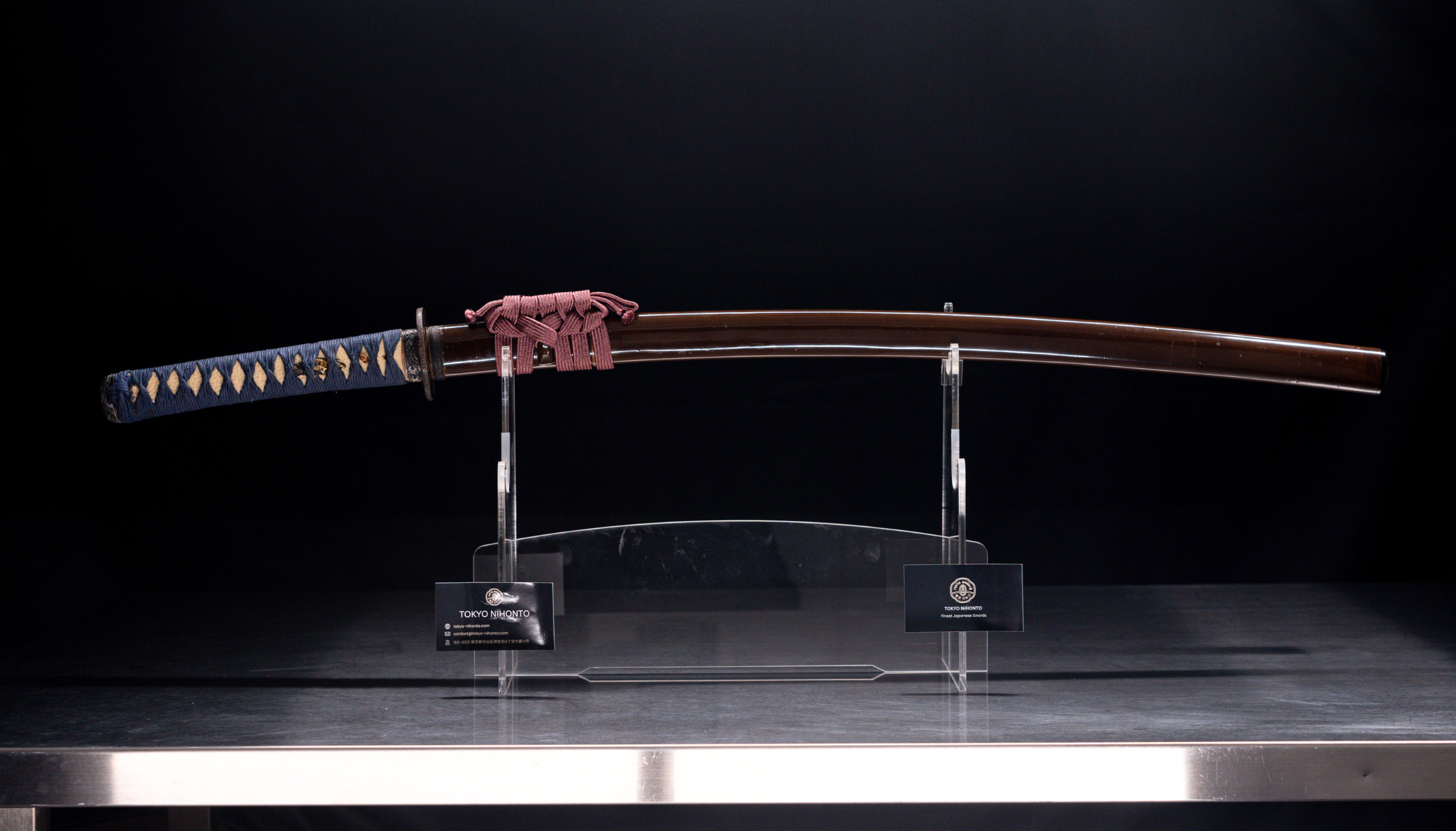
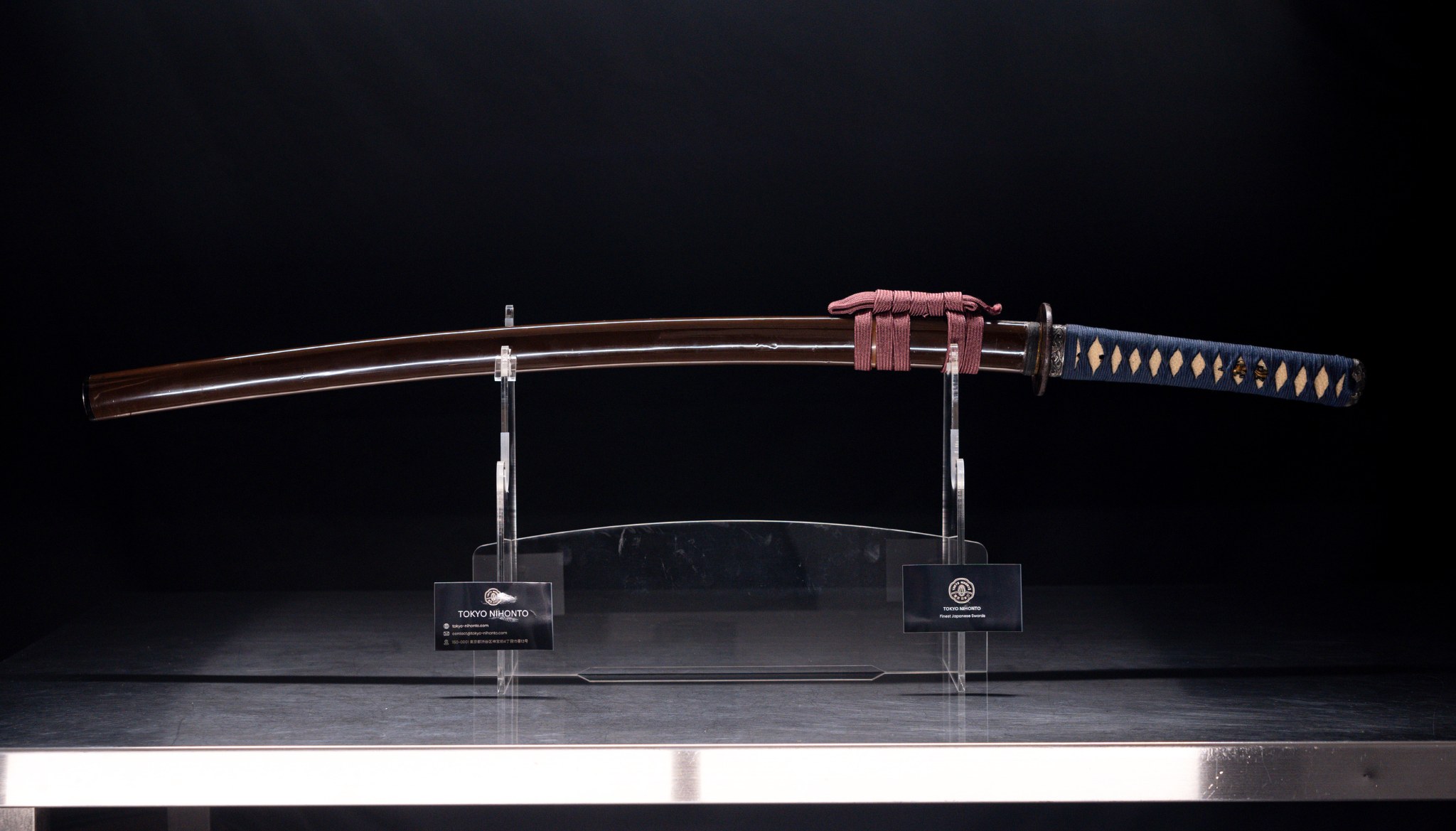
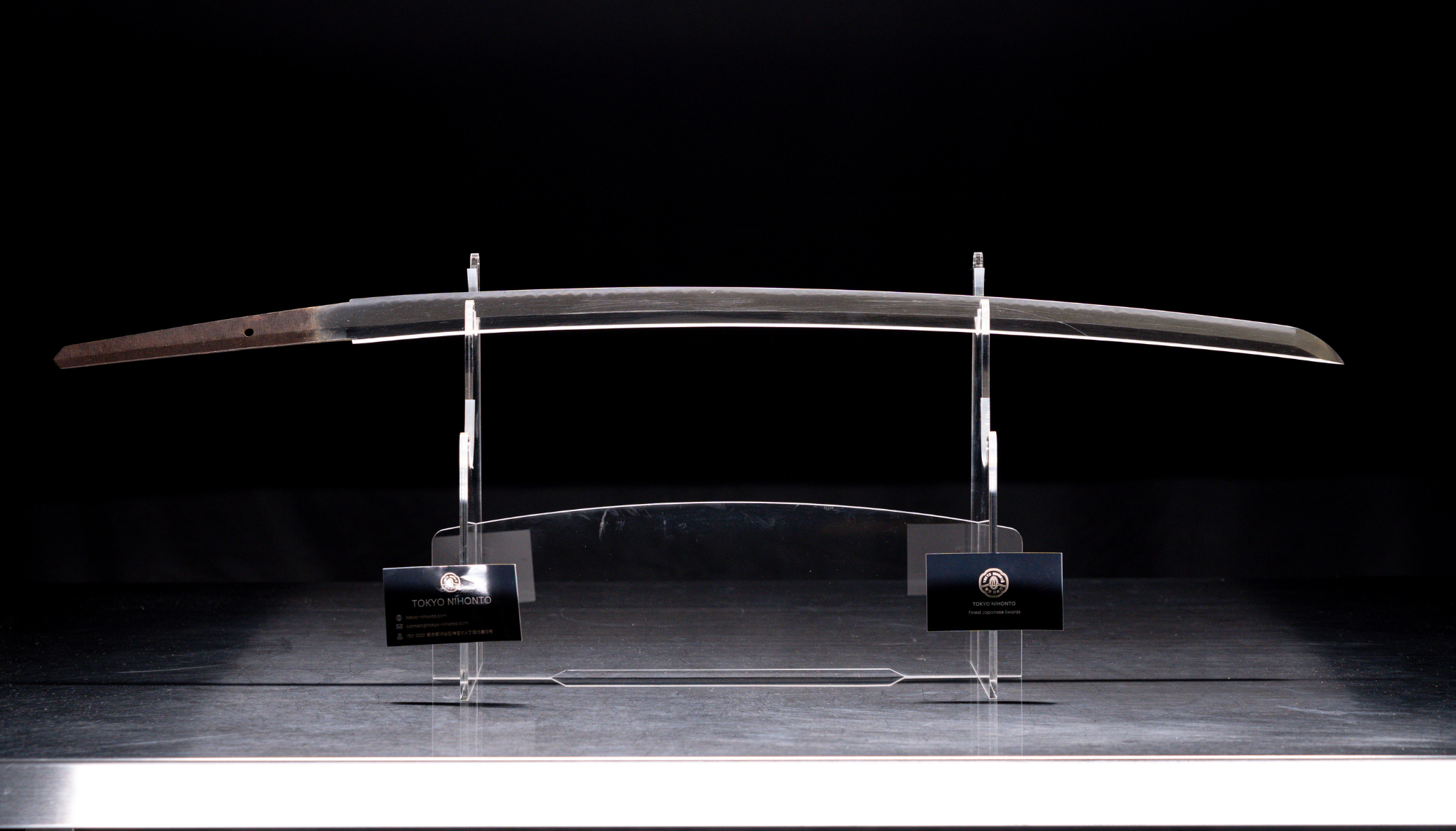
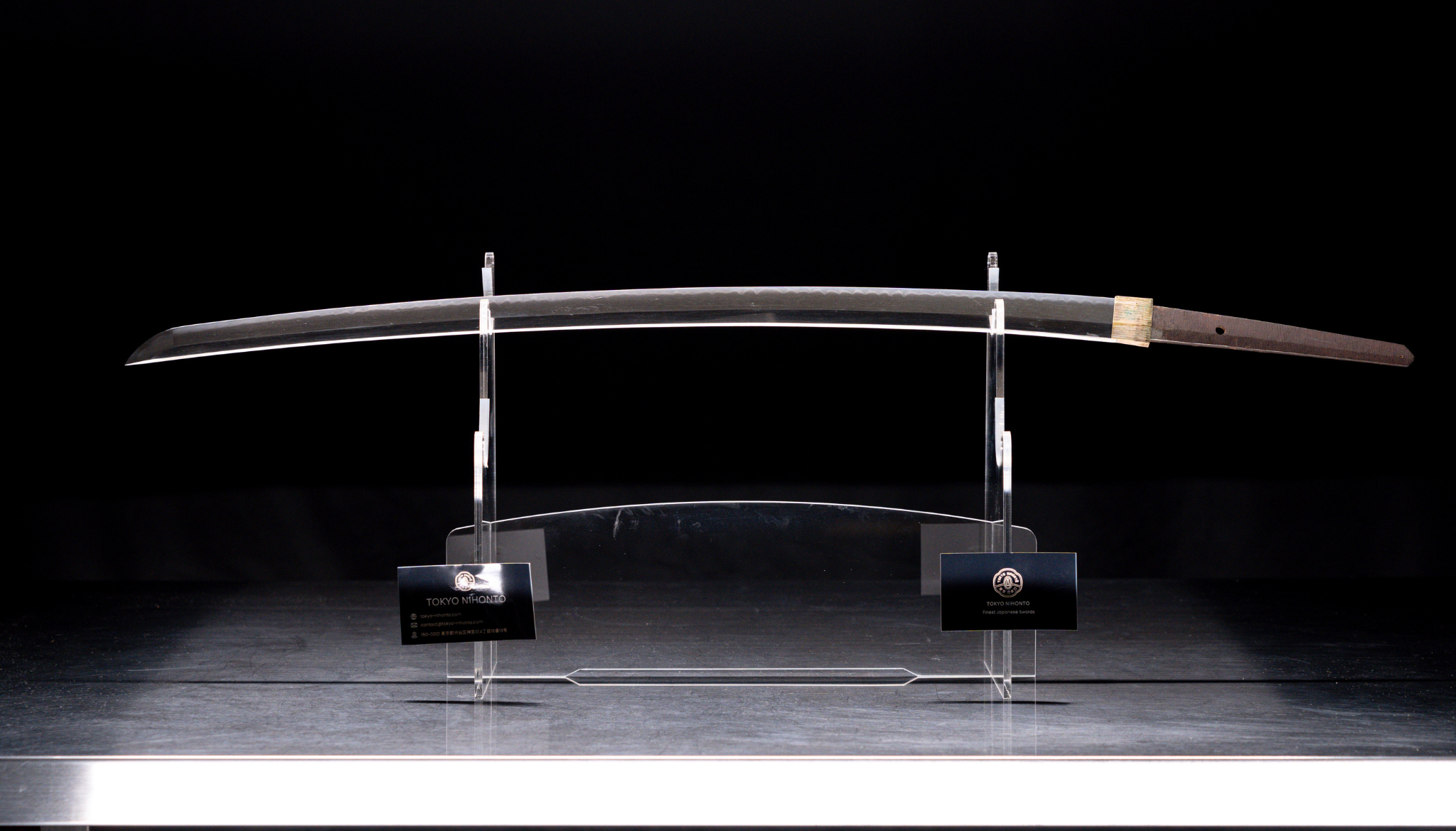
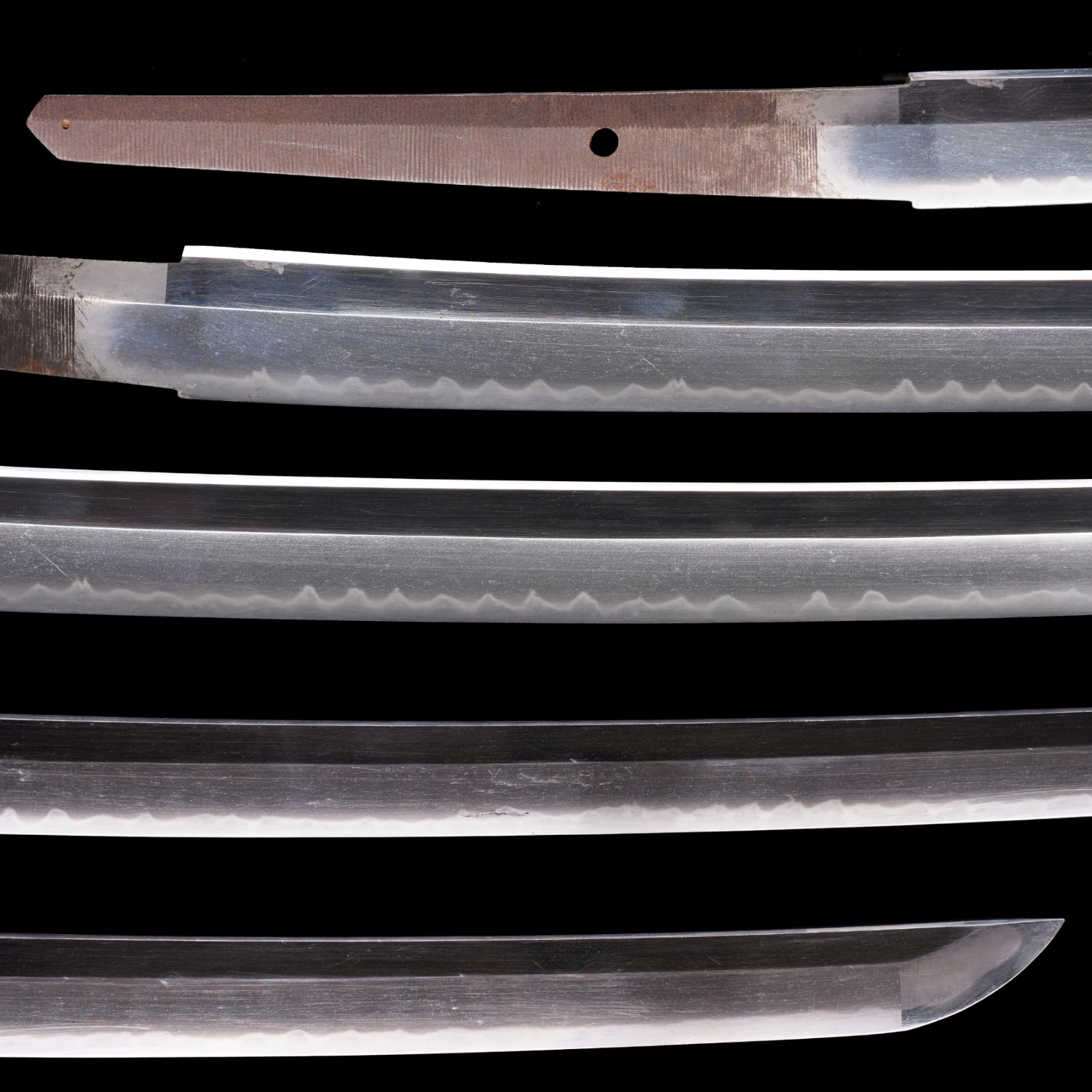
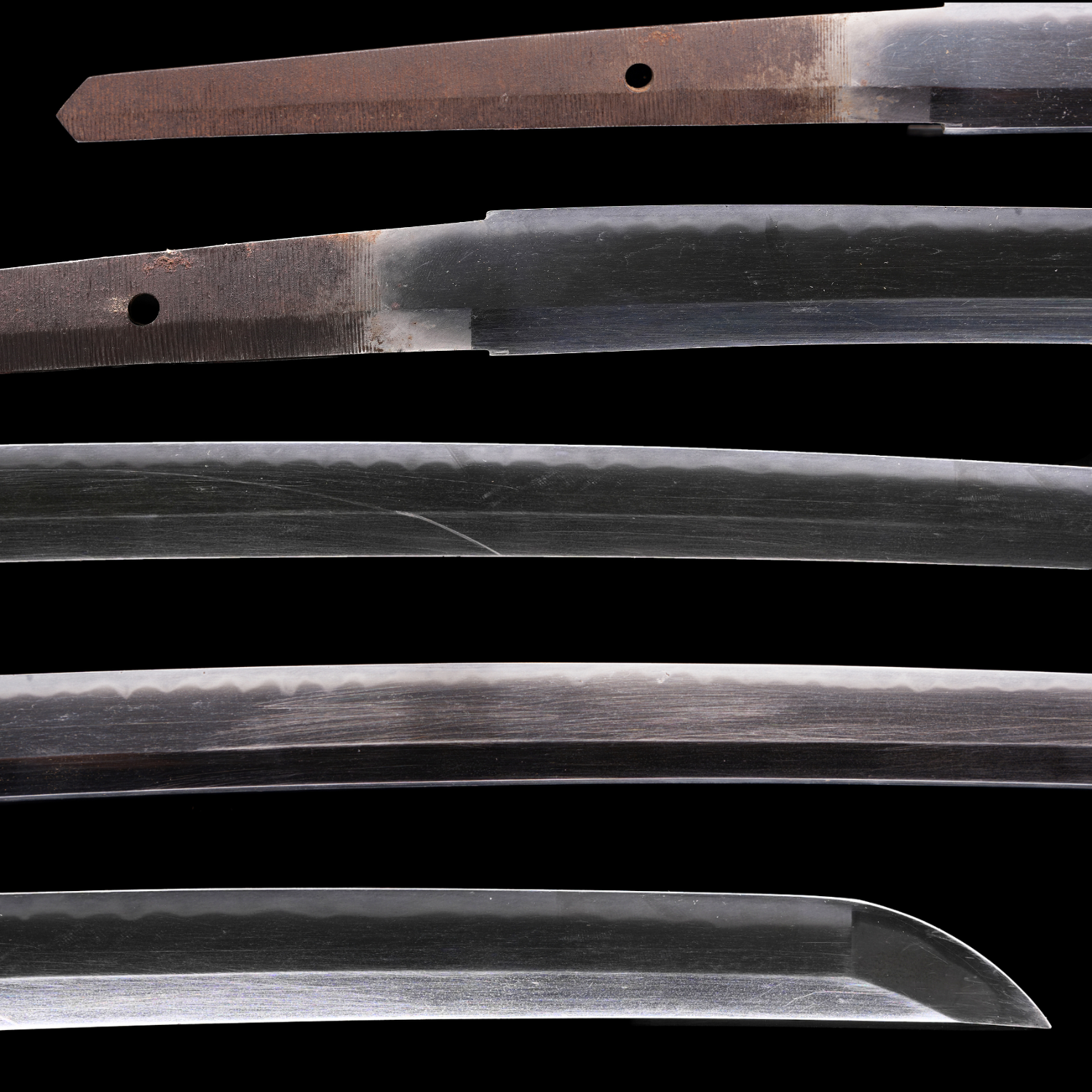
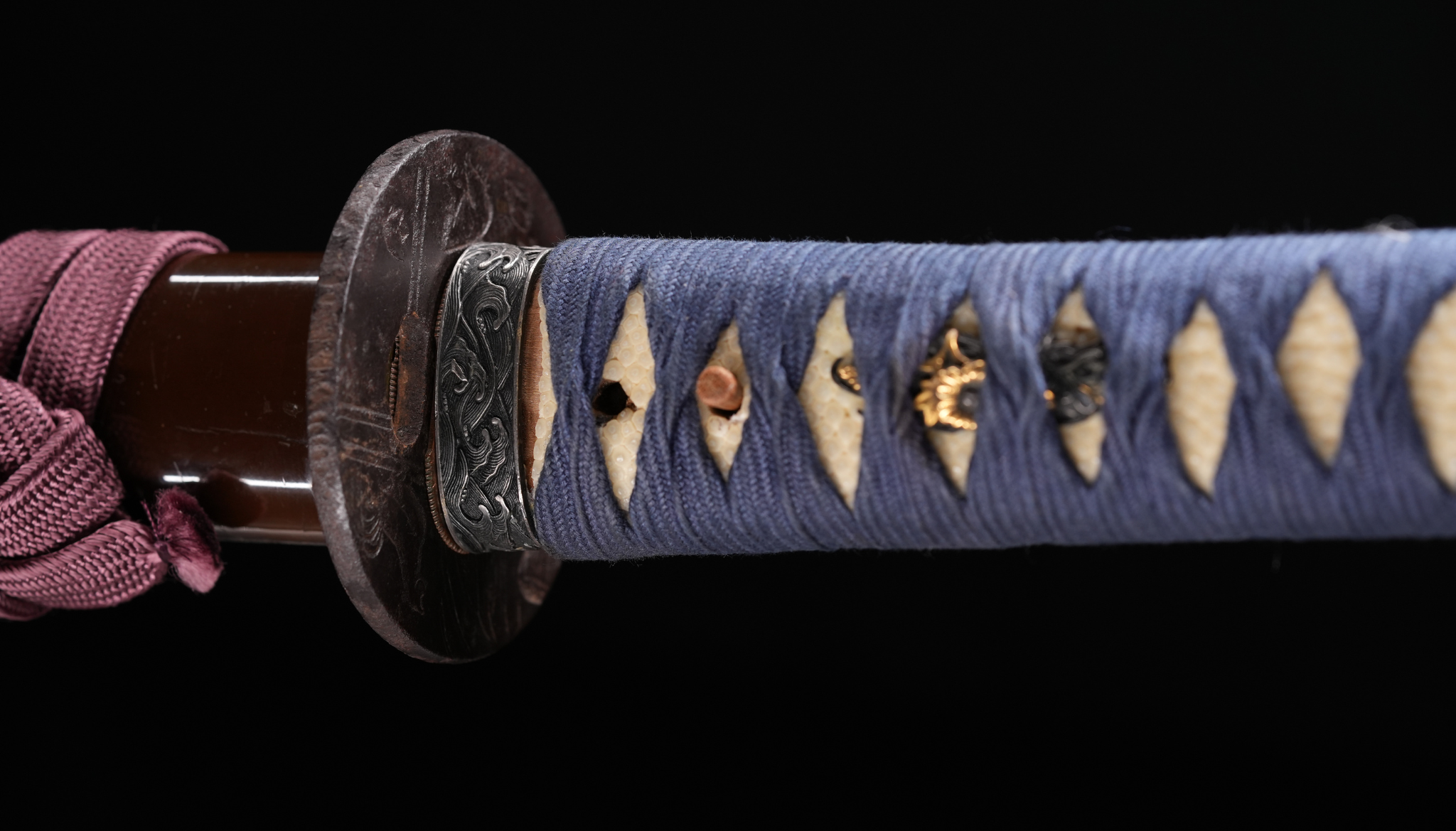
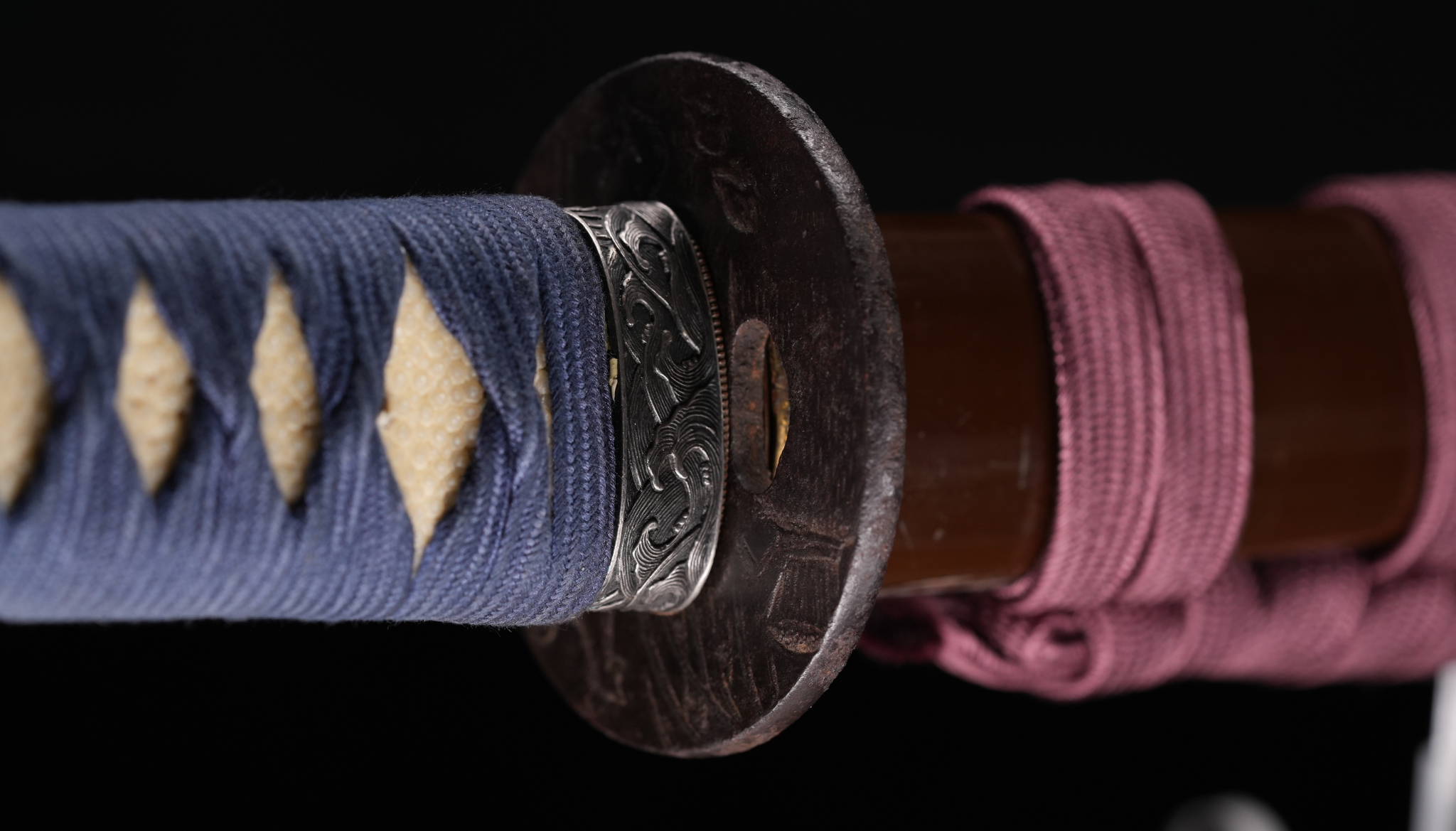
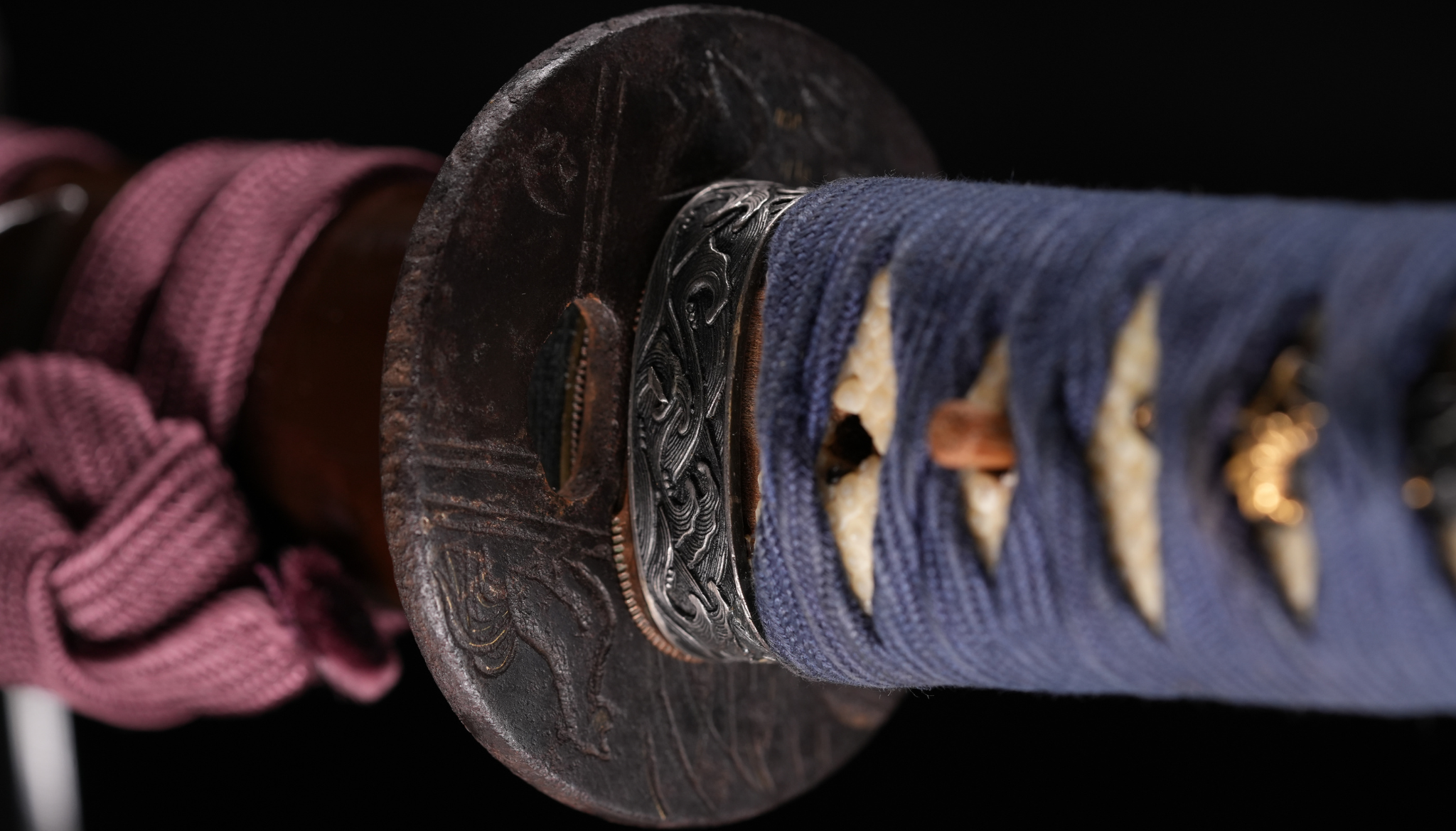
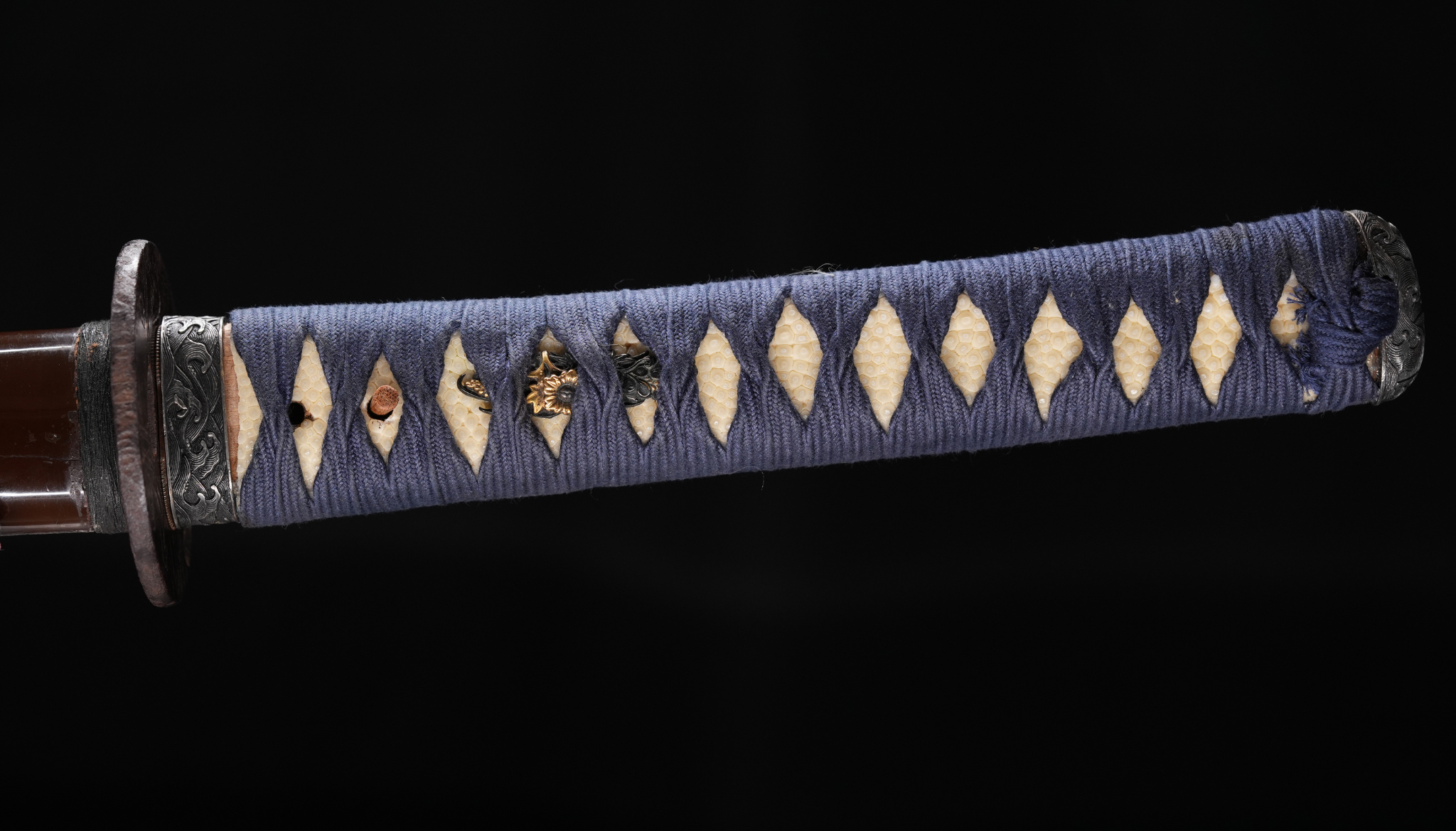
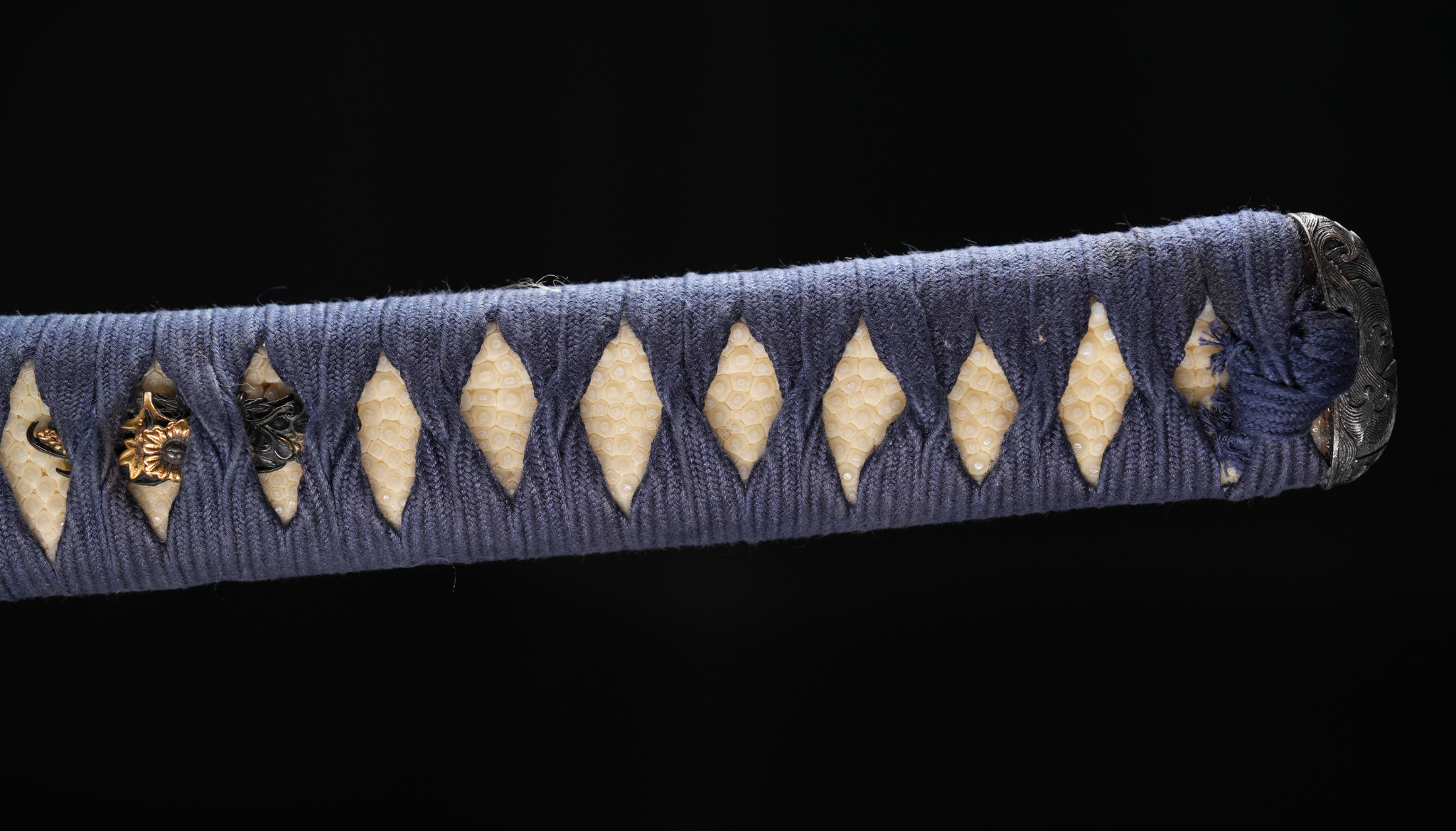
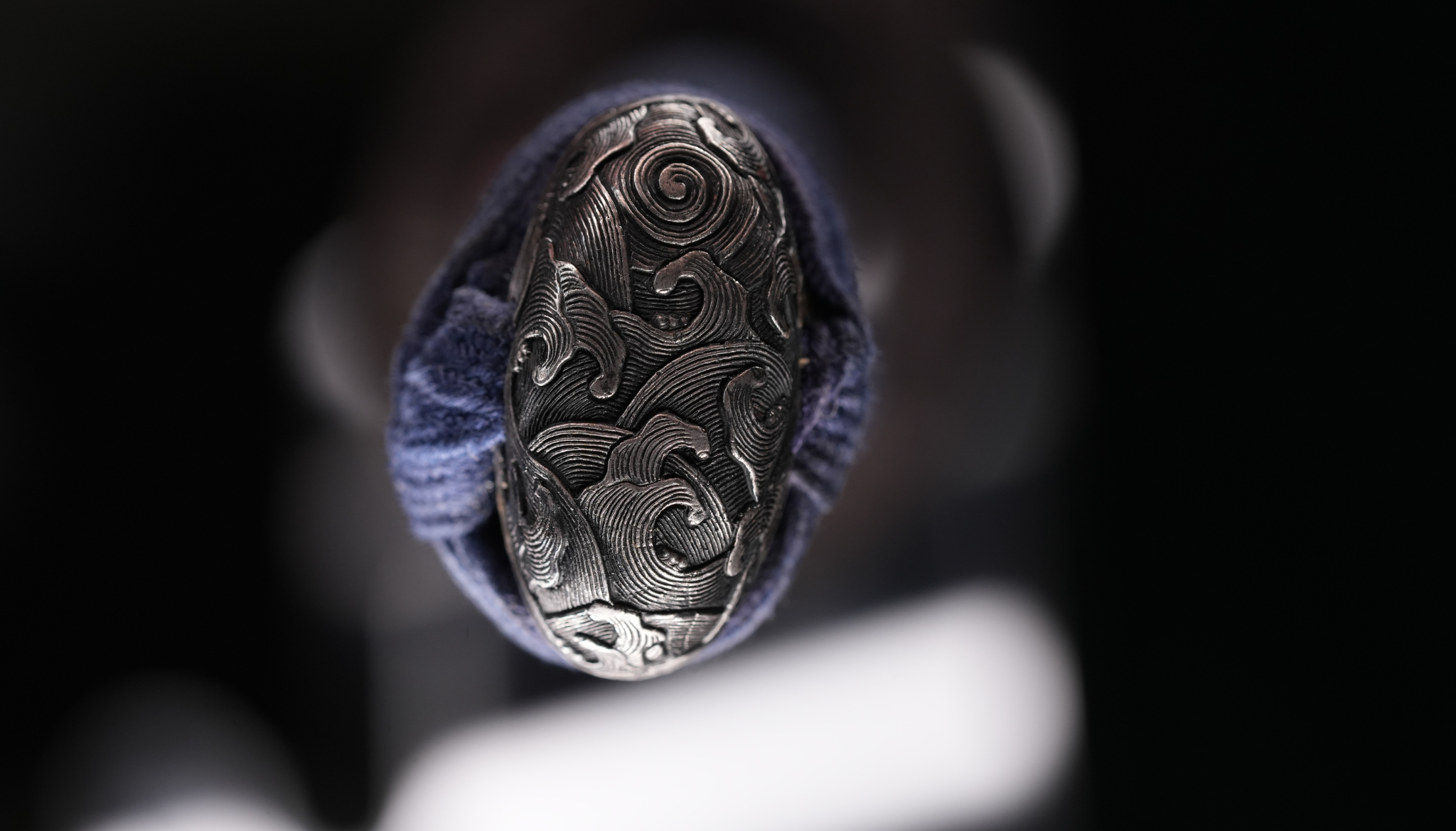
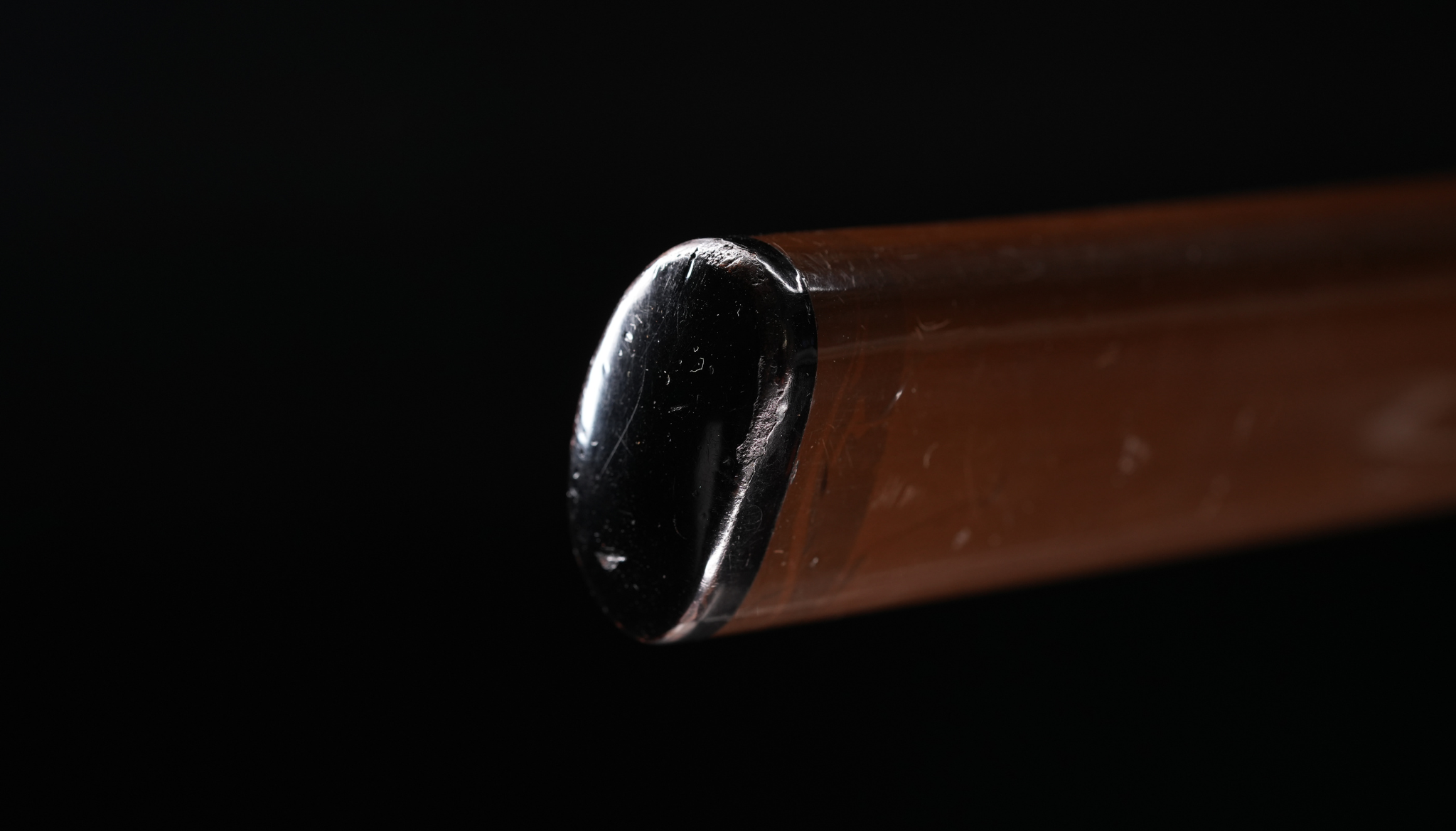
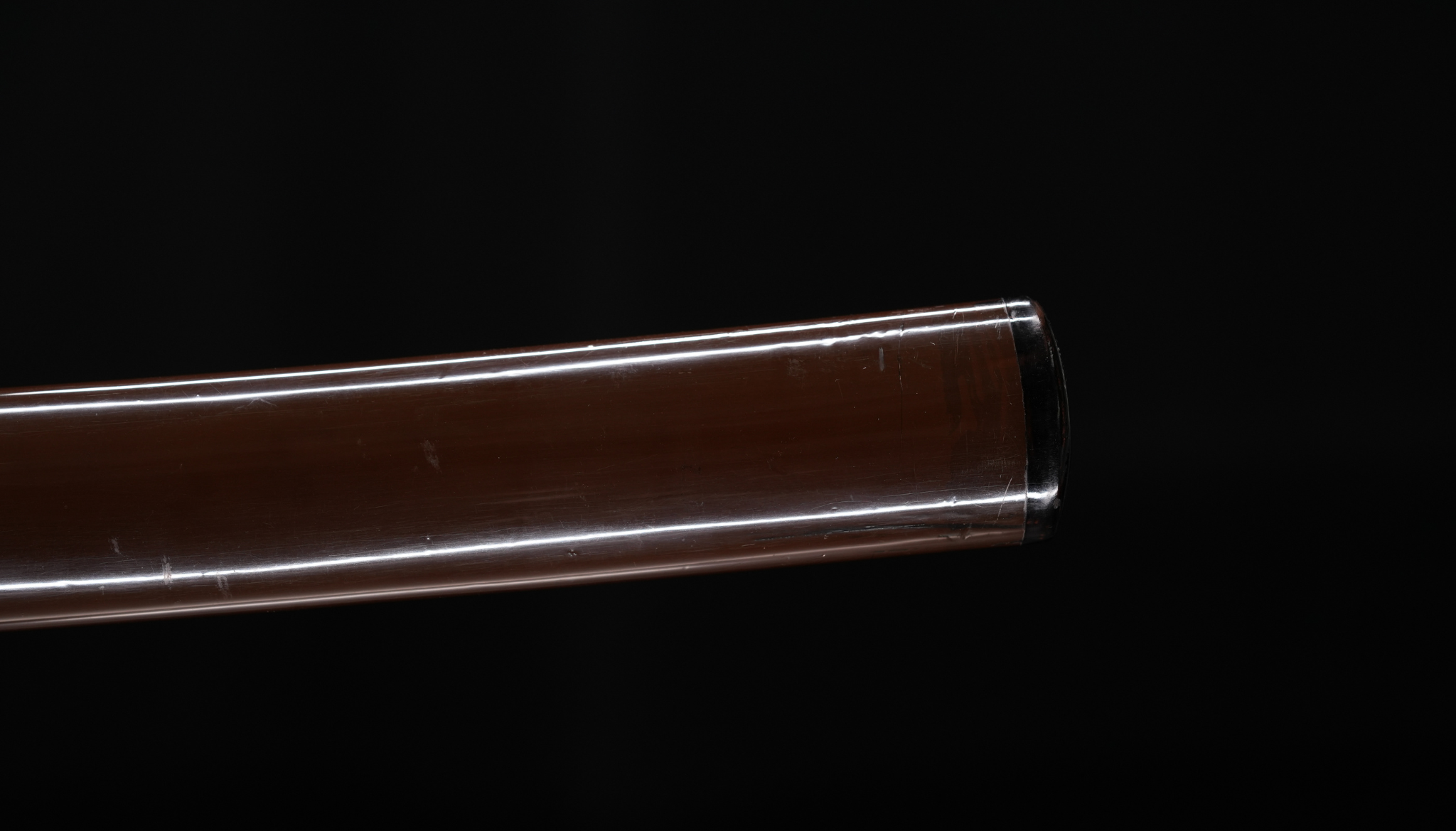
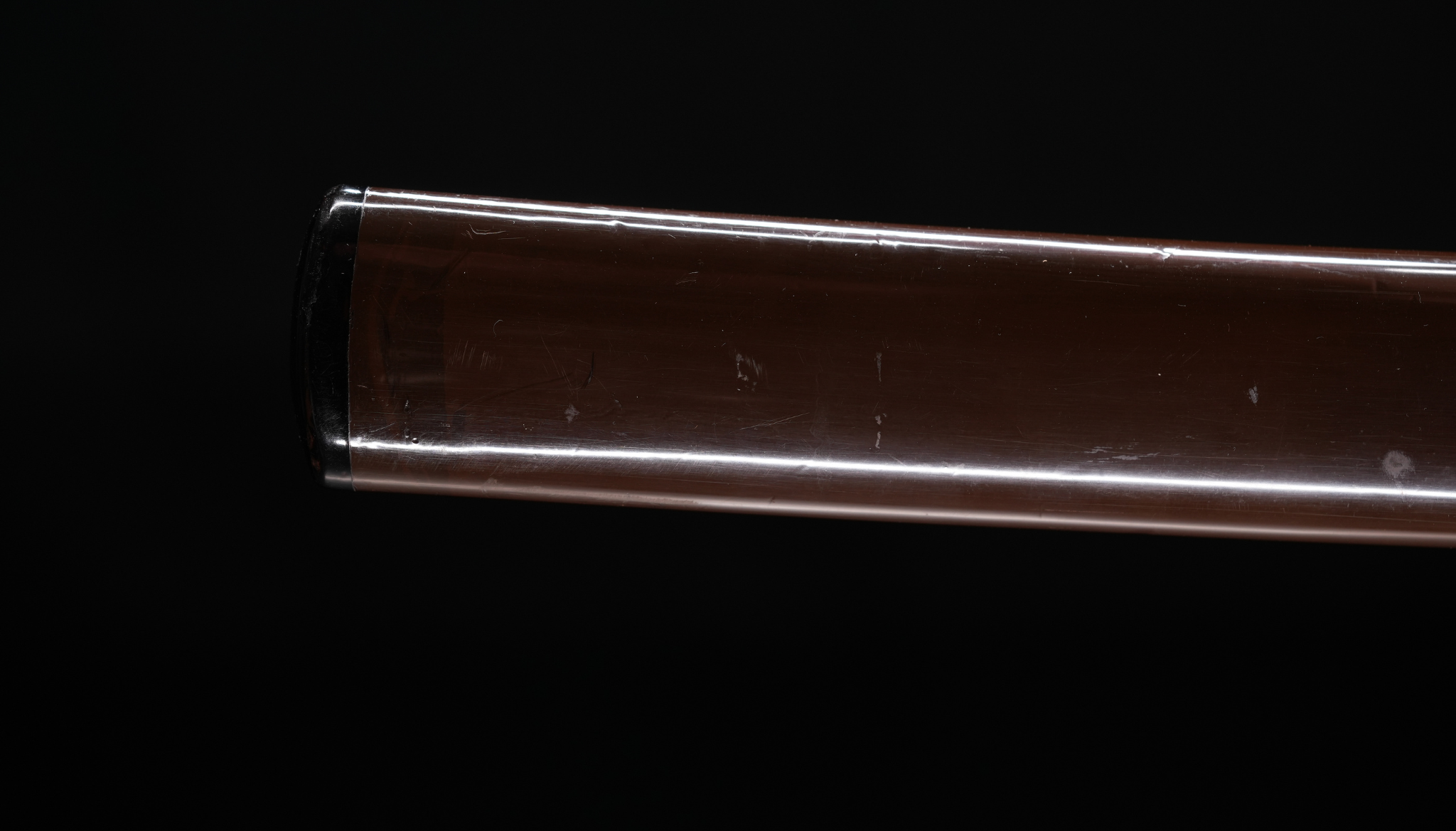
This exquisite katana, estimated to be from the Edo period is a beautiful piece. It features a stunning gunome-choji hamon, known for its zigzag and clove-shaped patterns with pointed elements, characteristic of high-quality Bizen craftsmanship. Specifications: Mumei Blade Length (刃長): 67.3 cm Curvature (反り): 1.97 cm Width at the Base (元幅): 30.7 mm Thickness at the Base (元重): 6.8 mm Width at the Tip (先幅): 21.8 mm Thickness at the Tip (先重): 5.3 mm Overall Length with Mountings (拵全長): 99.8 cm Tsuba Diameter: 6.8 cm (width) x 7.3 cm (height) Features and Additional Details: The blade is crafted in the traditional shinogi-zukuri style, characterized by a prominent ridge line running along its length. It exhibits a torii-zori curvature, resembling the graceful arc of torii gates, which enhances its elegant appearance. The ko-kissaki, or small tip, is reminiscent of some historical tachi designs. The blade's iori-mune, or roof-shaped back, adds structural integrity, while the low-positioned shinogi influences the blade's cross-sectional shape and strength. The nakago is kengyo nakagojiri and mumei (unsigned), indicating a traditional and refined approach to swordmaking. The blade features a stunning gunome-choji hamon , with zigzag and clove-shaped patterns and pointed elements, characteristic of high-quality Bizen craftsmanship. The menuki (ornamental grip handle) has a floral design, adding elegance to the sword’s hilt. The kashira and fuchi feature a wavy design, contributing to the overall aesthetic and grip comfort.
NihontoWatch取扱店 Tokyo Nihonto
江戸時代
二世紀半の泰平のあいだ、刀は武器である以上に武士の身分の標章であった。江戸の実証と大坂の華やぎのように都市ごとの作風が育ち、時代の末には需要も細っていく。
Returns/exchanges only for manufactured defects or incorrect products; notify within 72 hours of delivery. Cancellation only within 2 hours of placing. Customer pays return shipping. Refund within 3 business days of package arrival.