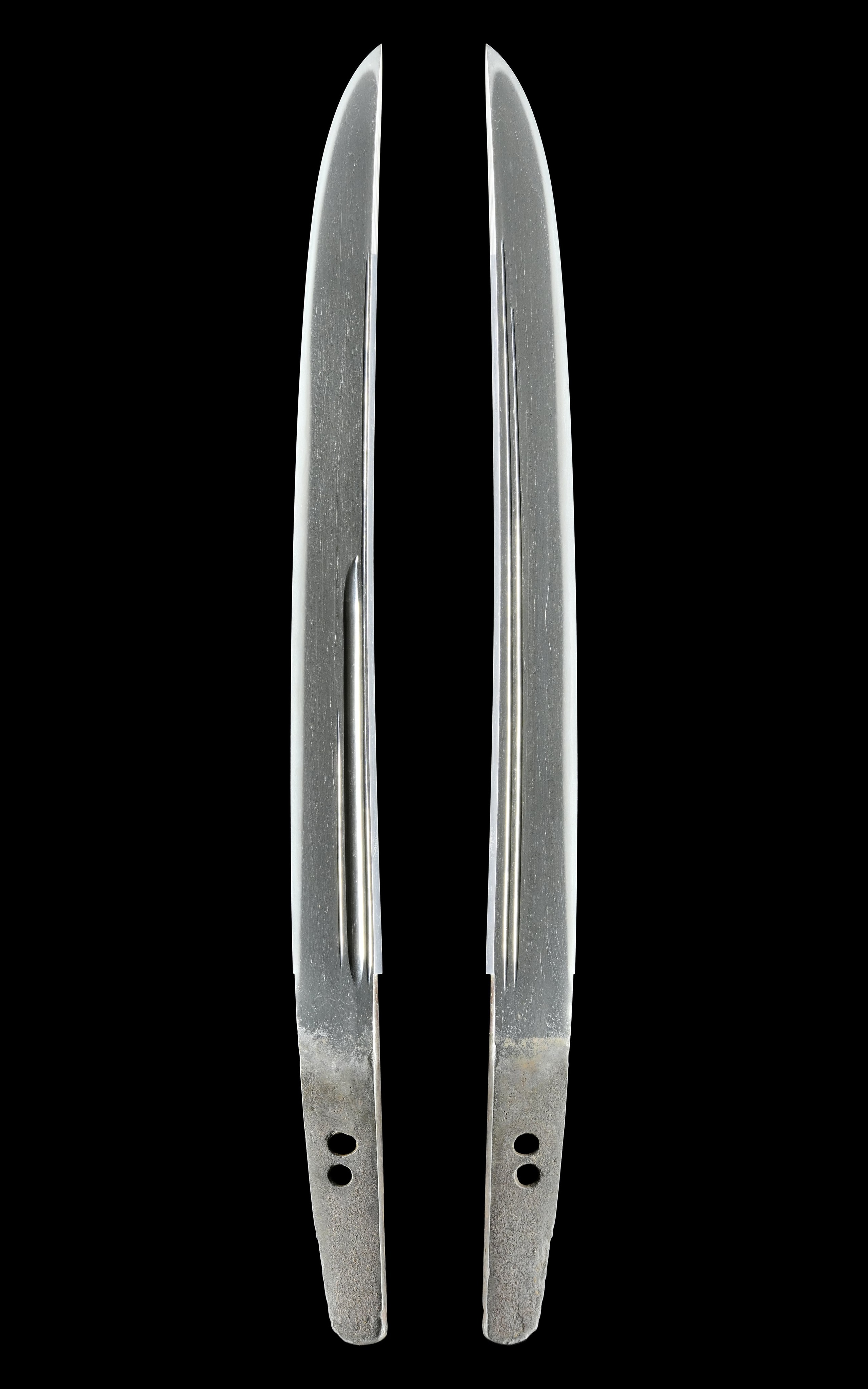
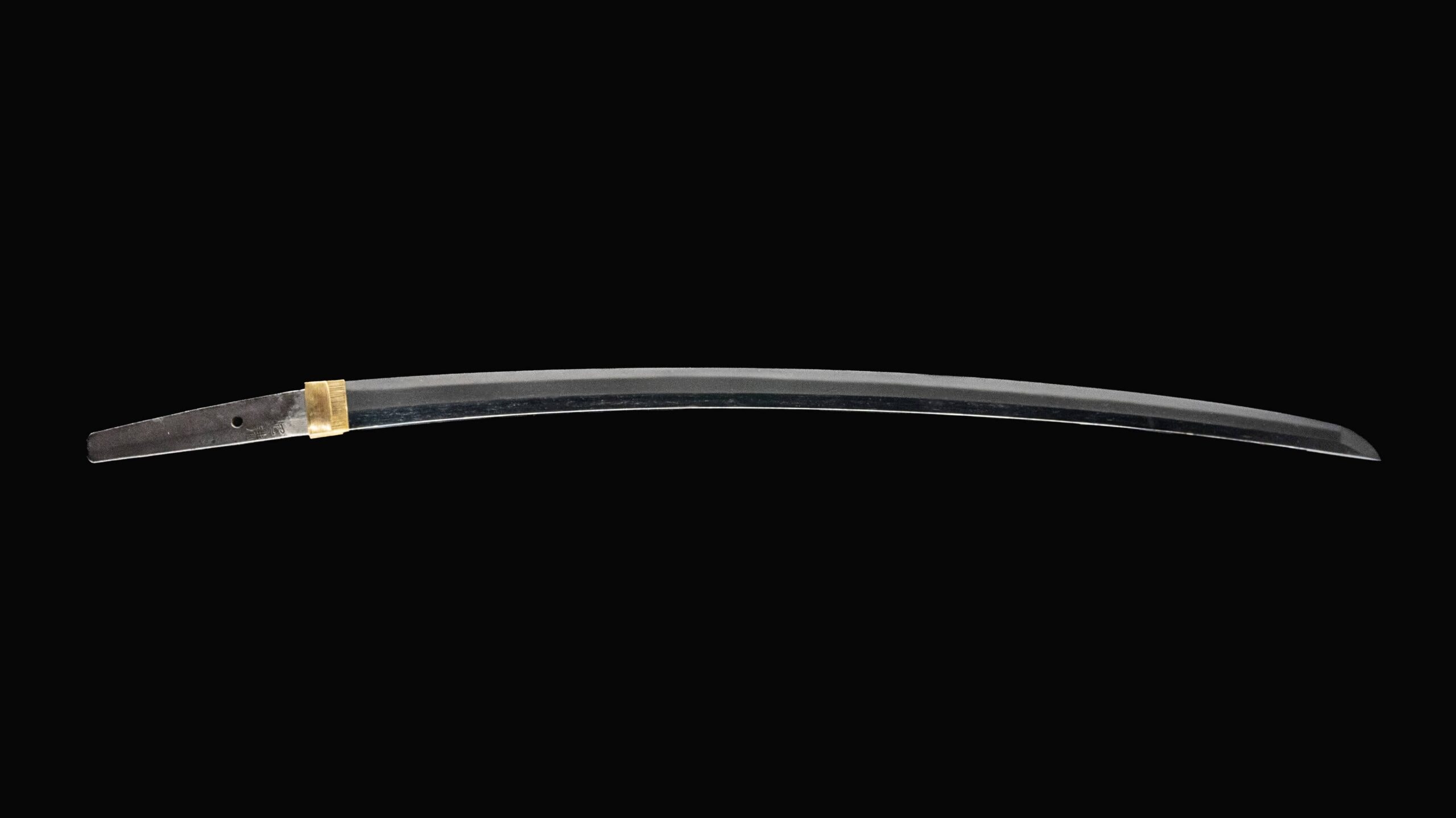
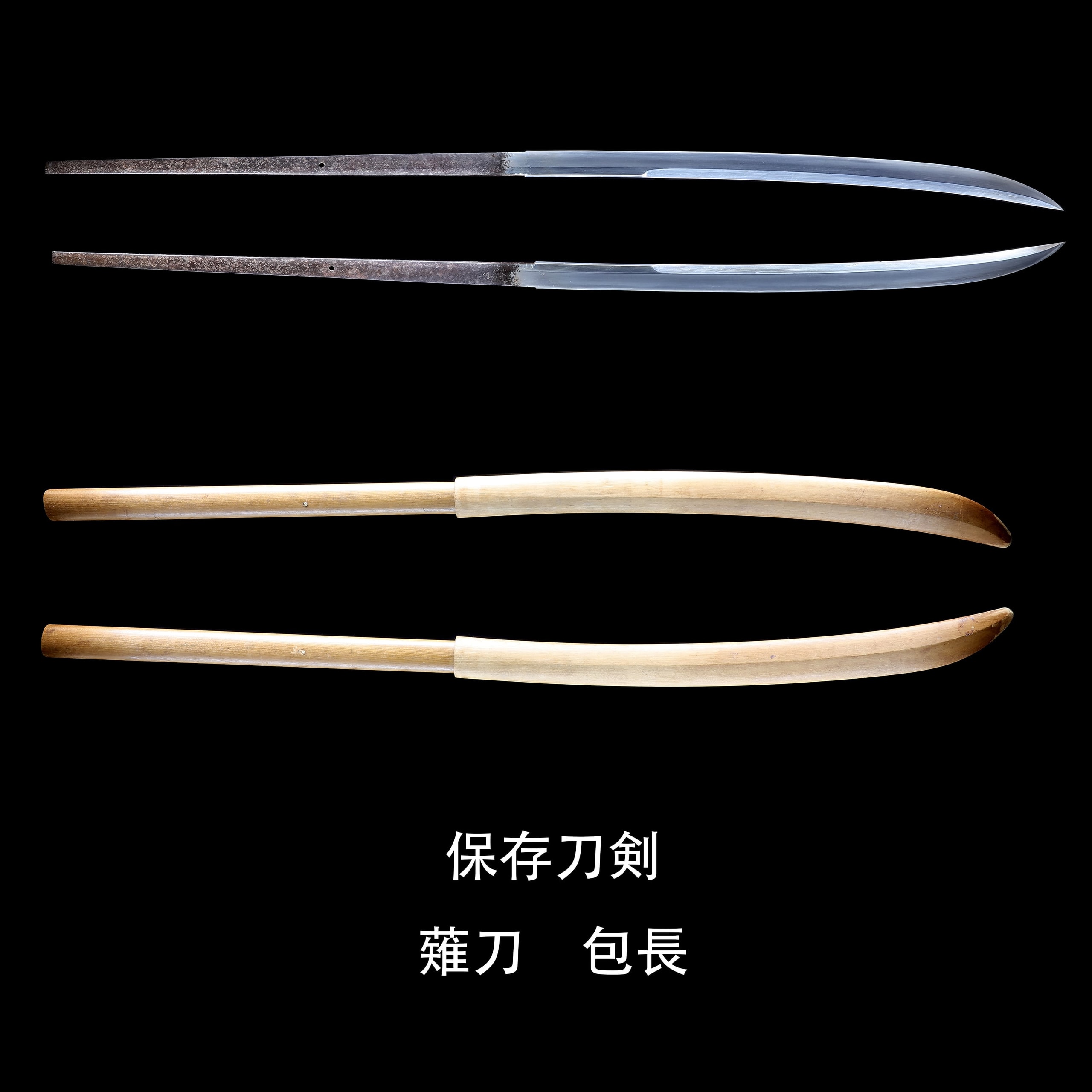
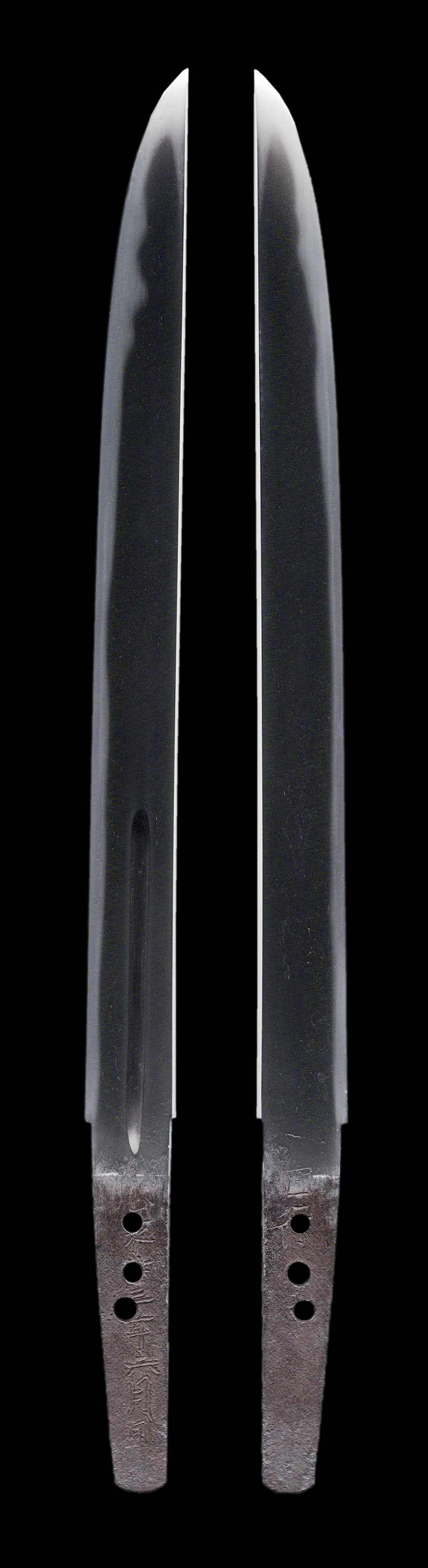
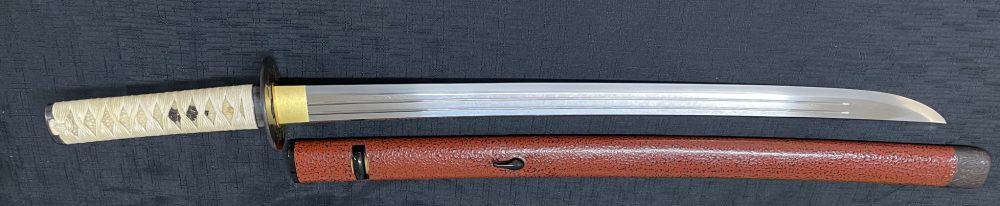
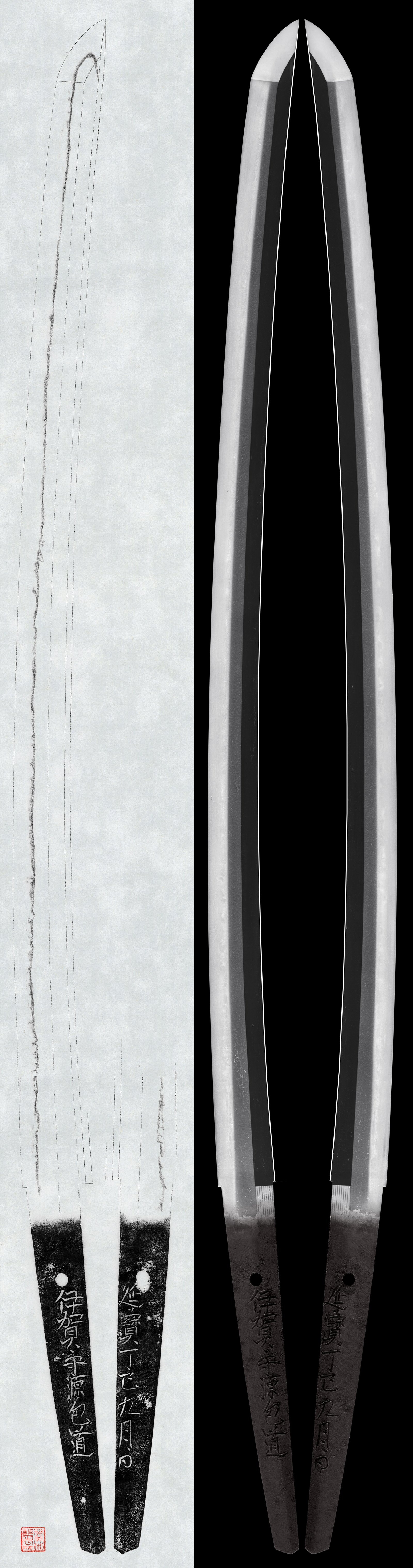
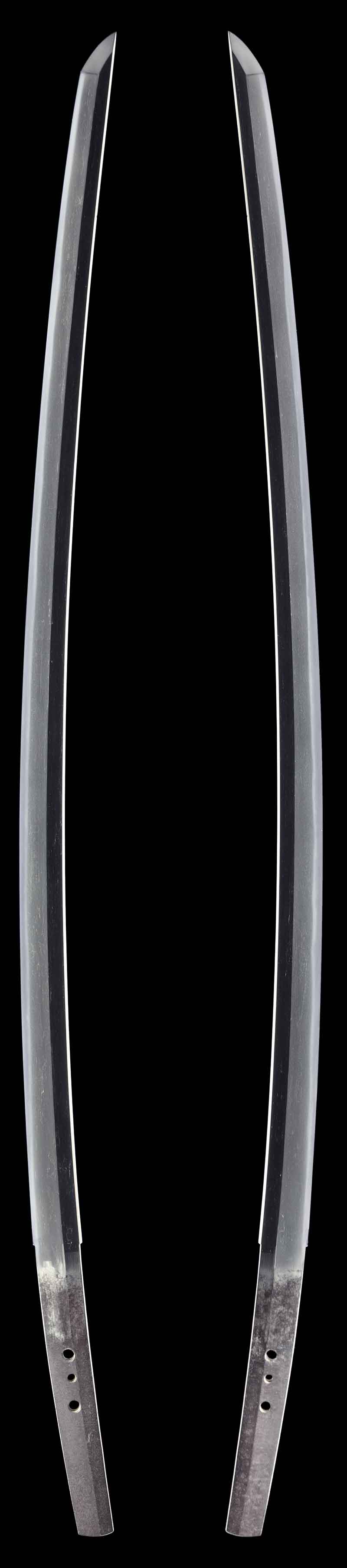
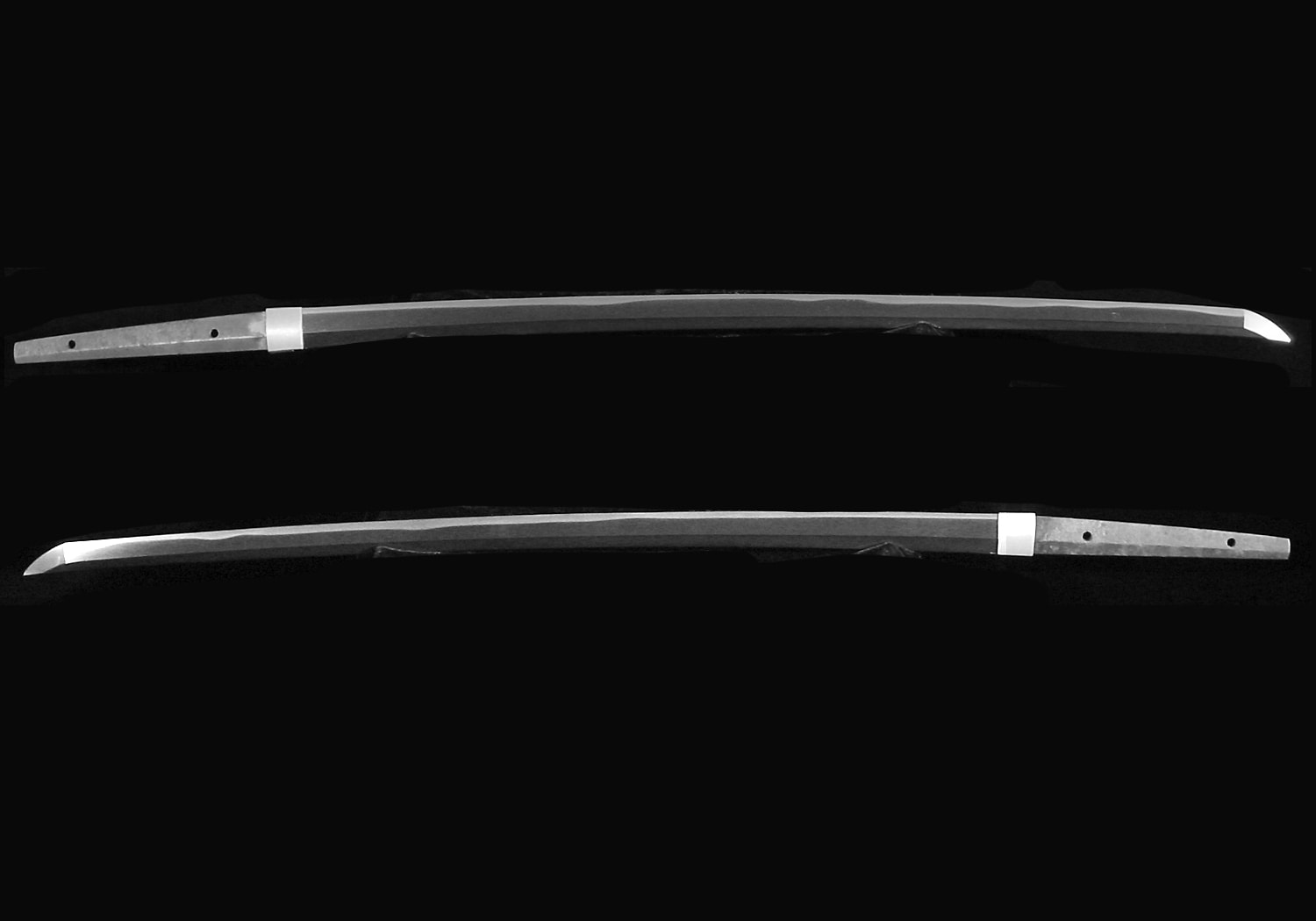
Kanetoshi was a swordsmith of the Tegai school of Yamato. The Tegai group is regarded as a collective of smiths affiliated with Todai-ji, and its founder is traditionally said to have been Kanenaga, whose activity is placed around the Shoo era of the late Kamakura period. Thereafter the school flourished through the Nanbokucho period and onward into the Muromachi period, and among the five principal Yamato traditions it constituted the largest-scale lineage. In the meikan, the name Kanetoshi is first cited with an example from around the Koan era, described as an early signature style of the first-generation Kanenaga, and the name was successively inherited from the Nanbokucho through the Muromachi periods.
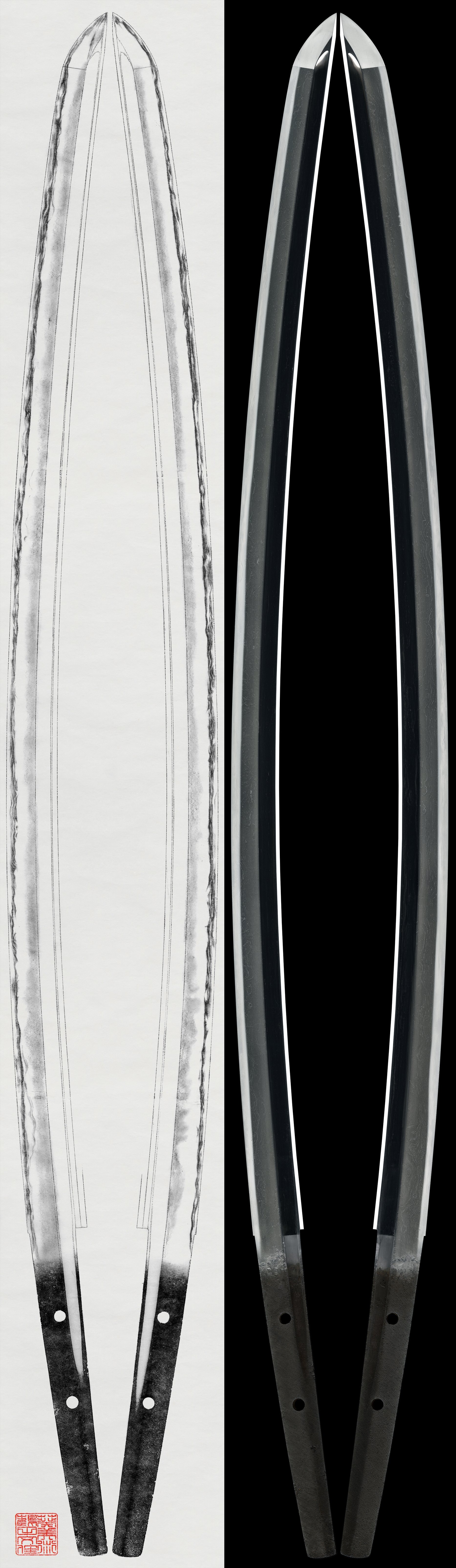
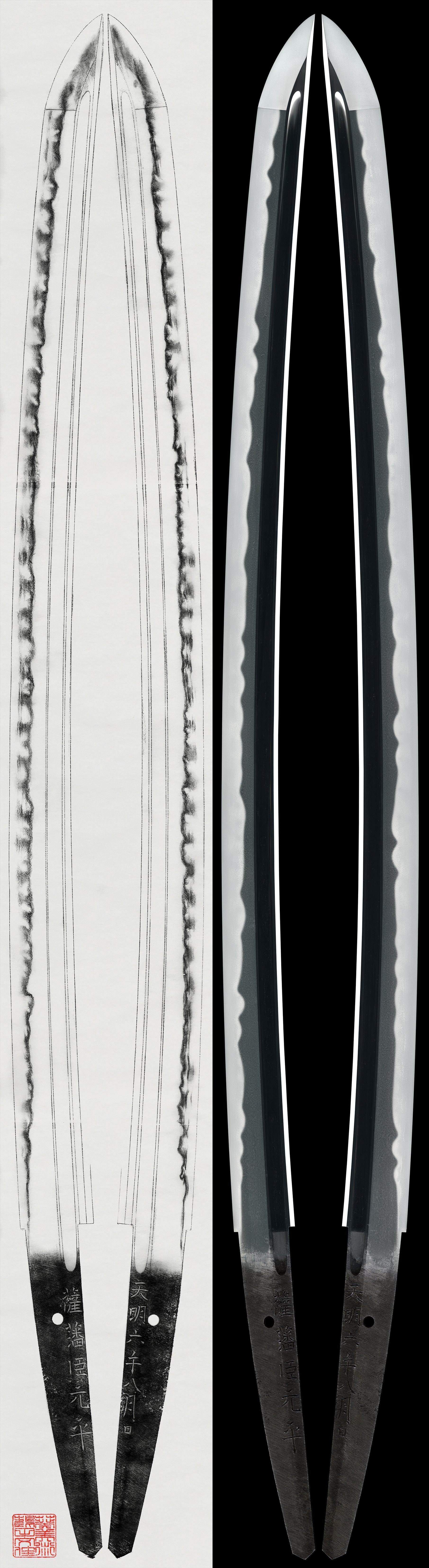
The Kanetoshi works examined by the NBTHK share a consistent technical identity rooted in the Yamato-den. The kitae is characteristically tight ko-itame with a tendency toward masame, accompanied by fine ji-nie and slight chikei; a whitish, shirake-like utsuri stands out toward the mune. The hamon is firmly suguha-based -- ranging from medium suguha with a brightened nioiguchi and ko-nie to suguha with shallow notare tinges and scattered hotsure. In certain examples, ko-gunome is mixed in, and a nijuba tendency appears around the monouchi. The boshi is consistently straight with ko-maru, and the tang tip in katakiri or kurijiri form with higaki yasurime is a distinguishing feature. The characteristic, slightly subdued tendency in the nioiguchi is noted as "a point of particular interest for Tegai-school work."
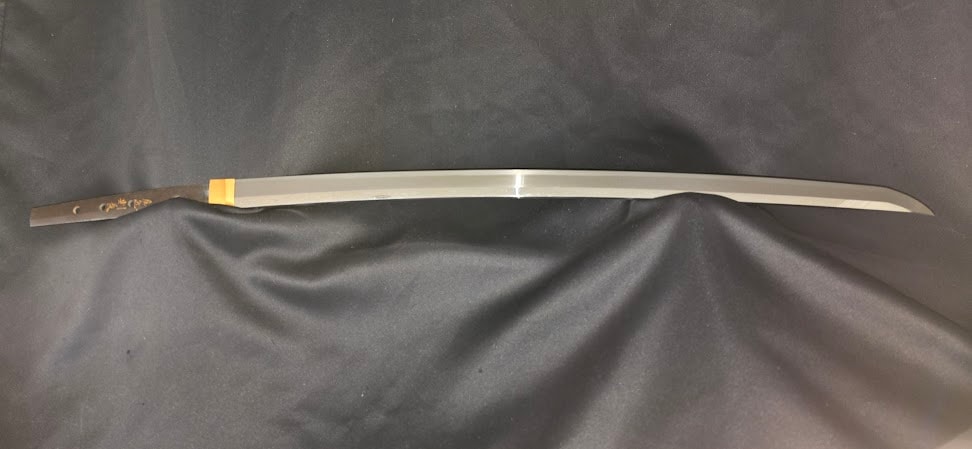
Kanetoshi's signed examples are described as few, and the best-preserved blades are appraised as kenzen -- sound and well-preserved -- with workmanship that the NBTHK calls "excellent" and "well made." One Nanbokucho-period katana, transmitted in the Takasu Matsudaira family of the Owari Tokugawa house, bears a kinzogan-mei attribution; another, from the Sendai Date family, is recorded in the Ken'yari Hiroku. Among Tegai tanto of the early Muromachi period, the NBTHK observes that pieces "executed to such an excellent level are rare," establishing Kanetoshi as a valuable reference for the study of Tegai craftsmanship across its most productive centuries.